
La.highcourt haltsAGindictment
Move pauses criminal prosecutionofMurrill in NewOrleans
BY JAMES FINN Staff writer
The Louisiana SupremeCourt issued astay early Friday on Attorney General Liz Murrill’sindictment by aNew Orleans grand jury, pausing the criminal prosecution of Louisiana’stop lawyer and excoriating what one justice termed a“quagmire” of irregularities
surrounding the case. Murrill, aRepublican, was charged Thursday with16felony counts of malfeasance in office and intimidationoverletters she sent in May to several New Orleans officials, warning that they had put their positions in jeopardy by opposing anew state law consolidating the city’scriminal and district clerks of court
Murrill filed an emergency motion Thursday evening asking the state Supreme Court to review the indictment, whichwas returned in aclosed courtroom at New Orleans’ Criminal District Court earlier that afternoon. Herattorneys’ filing asked the state’shigh court to either quash the indictment or stay the proceedings. In aremarkable move that one
dissenting justice and legal observers said would hardly ever befall atypical defendant, the SupremeCourt issued its stay Friday morning after weighing what the order described as alaundry list of issueswiththe indictment. The three-pageorder points to alleged conflictsofinterest in the
ä See MURRILL, page 8A
COME FOURTH
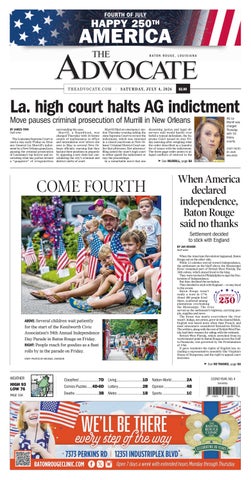
ABOVE: Several childrenwaitpatiently forthe start of the Kenilworth Civic Association’s 54thAnnualIndependence DayParade in Baton Rouge on Friday
RIGHT: Peoplereach forgoodies as afloat rolls by in theparadeon Friday
STAFF PHOTOSByMICHAEL JOHNSON


When America declared independence, BatonRouge said
no thanks
Settlement decided to stick with England
BY JANRISHER Staff writer
When the American Revolution happened, Baton Rouge sat on the other side.
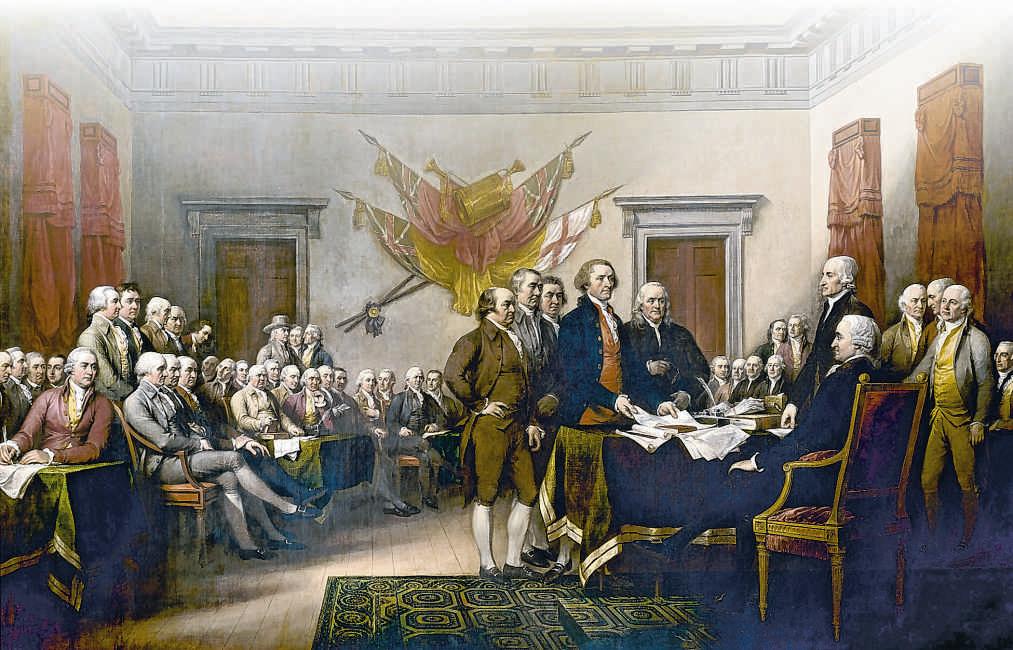
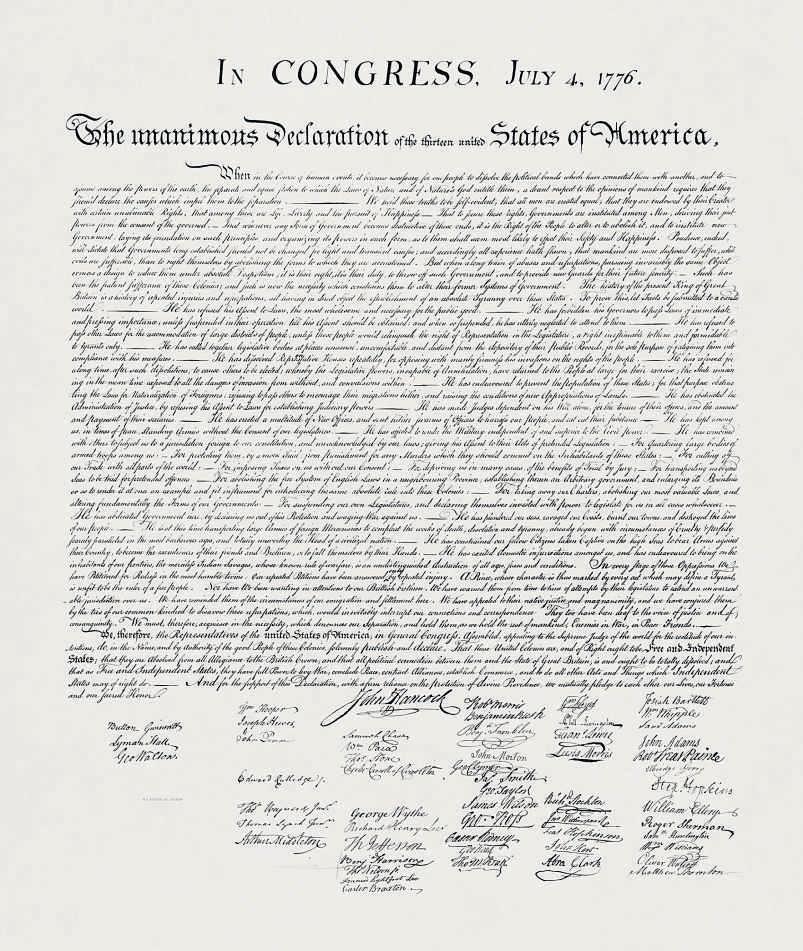
While 13 colonies moved toward independence, the settlement on the bluffabove the Mississippi Riverremained part of BritishWestFlorida,the 14th colony,which stayed loyal to the king. Theywereinvited to Philadelphia to sign theDeclaration of Independence.
But they declined the invitation.
They decided to stick with England —tostay loyal to the crown.
BatonRouge wasn’t really atown in 1776.

About300 people lived there, scattered among plantations overlooking the Mississippi. The river served as the settlement’shighway,carrying people, supplies and news.
The forest was nearly everywhere the river wasn’t. Indigo,not cotton, grewinthe cleared fields. Englishwas heard moreoften than French, and mostnewcomers considered themselves British. The settlers, along with the rest of British West Florida, had their reasons for siding with the redcoats. British West Florida, whichstretched from its westernmost pointinBaton Rouge across the Gulf to Pensacola, was governed by the Proclamation of 1763. It gave residents the rights of English law,including arepresentative assembly like Virginia’s House of Burgesses, and the right to appeal court decisions.







BRIEFS FROM WIRE REPORTS
Colorado wildfire forces thousands to evacuate PUEBLO Colo. A wildfire burning southwest of Denver has forced the evacuation of thousands of residents and destroyed more than 160 structures by Friday as erratic winds pushed the blaze across two Colorado counties
The Aspen Acres fire is one of about 40 uncontained large blazes burning mostly in the West, fueled by months of dry weather and a record lack of snow this past winter in some places.
Fire personnel were scooping water from the Pueblo Reservoir to fight the Aspen Acres fire, which expanded overnight by 17 square miles which brought it up to nearly 105 square miles by Friday with zero containment.
All of Colorado City, an unincorporated community of about 2,200, was ordered evacuated as well as the towns of Beulah, Rye and San Isabel, according to the Pueblo County Sheriff’s Office.
About 50 National Guard soldiers were being sent in Friday to help with staffing checkpoints on roads in Custer and Pueblo counties.
Guard members would also help state park rangers as they bring on additional boats to keep boaters clear of water-scooping operations.
Fire crews on the western side of the Rocky Mountains had contained about 65% of the Snyder Fire on the Colorado/Utah border, where three members of a Helitack team were killed and two others injured last weekend when they were overcome by flames.
Pope urges U.S. to honor founding ideals
ROME Pope Leo XIV prayed Friday for the United States to recommit itself to its founding ideals of protecting life and human dignity as he participated remotely in an event on the eve of the 250th anniversary of the Declaration of Independence.
History’s first U.S.-born pope recalled America’s tradition of welcoming migrants and promoting religious freedom during a live video appearance at the National Constitution Center, which provides a nonpartisan platform for constitutional education and debate.
The Philadelphia-based center gave Leo its annual Liberty Medal, which is awarded each year to someone “of courage and conviction” who promotes liberty around the world. The center honored Leo this year for his “lifelong work promoting religious liberty and freedom of conscience and expression around the world — ideals enshrined by America’s founders in the First Amendment.”
Wearing the medal around his neck, Leo spoke to the center from Rome on the eve of the anniversary. He planned to spend July 4 itself at a symbolically significant location, given the Trump administration’s crackdown on migrants: the Sicilian island of Lampedusa, the destination of hundreds of thousands of migrants fleeing conflict, hardship and poverty Trump and Leo have clashed over Leo’s insistence that migrants be treated with dignity, welcomed and accompanied, as called for by the Gospel mandate to “welcome the stranger.”
Police investigate mall shooting in Detroit
DEARBORN, Mich, A shooting altercation between two groups of young people at a shopping mall in Dearborn, Michigan, left two people dead and a third injured Friday, police said.
The shooting at Fairlane Town Center sent mall patrons scrambling, including a person who was hit by a vehicle outside the mall while attempting to flee, Dearborn Police Chief Issa Shahin said.
People believed to be linked to the fight were being questioned at the police station, but no one was immediately taken into custody, he said.
Shahin said the altercation was not a random act: The two groups knew each other and after they came into contact at the mall a fight started that escalated into gunfire. Members of both groups had handguns, he said.
One of the victims died inside Fairlane Town Center and the other died at a nearby hospital.
Heat bears down before July 4 holiday
America 250 celebrations ramp up
BY STEVEN SLOAN and STEVE PEOPLES Associated Press
WASHINGTON — Festivities commemorating the 250th anniversary of American independence ramped up across the United States on Friday as demonstrations of national pride and hints of political polarization — were balanced with efforts to stay safe as much of the country baked under extreme heat.
President D on al d Trump was on his way to South Dakota to deliver a speech and watch fireworks at Mount Rushmore. And in a novel twist, there will be a ball drop in New York City’s Times Square at midnight to usher in the July Fourth holiday with much the same revelry that is typically reserved for New Year’s Eve.
The sound of fighter jets on military flyovers shook the nation’s capital In New York City Mayor Zohran Mamdani delivered his own address on the country’s 250th anniversary that cast America as a nation of contradictions “working each day towards the perfection in which it was conceived.”
By early afternoon in Washington, hundreds of people were roaming the grounds of the National Mall, home to The Great American State Fair. They snapped photos of the flyovers and tried to cool off inside tents that offered $9

lemonades and $23 turkey legs. Many were dressed in patriotic colors, their faces glistening with sweat
Glenn Brooks, who was pardoned by Trump for his participation in the Jan 6, 2021, attack on the Capitol, said he was “thankful to be participating in this grand event.”
The activity culminates in the main event Saturday, when fireworks will erupt in communities across the U.S., along with backyard cookouts and block parties. Trump will deliver another speech at the National Mall in Washington before what is being billed as a historically massive fireworks show
But for all the celebrations, there are also serious safety considerations as potentially record heat grips
much of the Midwest and East Coast. Officials have warned those celebrating the holiday to stay hydrated and take air-conditioned breaks as needed.
Philadelphia canceled its Salute to Independence parade Friday The Great American State Fair in Washington shut down in the early afternoon before reopening at 5 p.m.
The National Weather Service has issued an extreme heat warning for much of the Midwest, midAtlantic and Northeast from eastern Kansas to southern Maine, including the cities of St Louis, Indianapolis, Baltimore, Philadelphia, New York and Boston. The weather service said peak heat indexes, which combine air temperature with humidity, of up to 115 are
possible. As the rest of the country struggled under stifling heat, the Pacific Northwest enjoyed temperatures in the 60s with even a few light showers.
World Cup soccer fans in Seattle were staying cool Friday as they got psyched up for Monday’s big game between the U.S. and Belgium. In the nearby suburb of Issaquah, Megan Kurowski, 31, brought her two dogs to the dog park so they could get some exercise before she went to work.
Kurowski said she was feeling positive about America’s 250th anniversary and was planning a possible paddleboard to watch the fireworks.
“Everyone’s just, from what it seems, been pretty excited about celebrating
250 years,” she said. The holiday is unfolding at a unique time in the U.S. The anniversary has served as an opportunity for the country to reflect on its history while also reminding it of the political polarization of the moment. In New York, Mamdani, a Democrat, did not mention Trump by name, but parts of his speech appeared aimed at the president’s divisive rhetoric.
“For generation after generation, we have been told that when the world has sent its people to our shores, it has not sent its best,” Mamdani said in an apparent reference to an a common criticism from Trump. “Those ideals upon which our nation was built — they are strong enough to endure any authoritarian regime, but only if we reach for them.”
Freedom 250, an organization aligned with the White House, has come to rival America250, a bipartisan group founded by Congress a decade ago. Freedom 250 has organized much of the activity in Washington, including the Great American State Fair America250 is behind the ball drops unfolding in many cities, including New York, and will host a concert in Los Angeles on Saturday
About 4 in 10 U.S. adults feel “proud” about the country’s 250th anniversary, according to an April survey from The Associated Press-NORC Center for Public Affairs Research. Roughly 3 in 10 said “excited” describes their emotions.
Iran prepares for slain supreme leader’s funeral
BY NASSER KARIMI and JON GAMBRELL Associated Press
TEHRAN, Iran Iran prepared Friday for the dayslong funeral of the late Supreme Leader Ayatollah Ali Khamenei, with banners across Tehran urging the public to rise up in support of the Islamic Republic after the devastating war that killed the 86-yearold cleric.
The country’s theocracy expects to see millions flood the streets of the capital beginning Saturday in scenes reminiscent of the burial of the late Supreme Leader Ayatollah Ruhollah Khomeini in 1989
That could provide a boost for Iran’s government, particularly as it tries to leverage its hold on the Strait of Hormuz in negotiations with the United States over a permanent end to the war, and as concern still lingers that Israel could attack yet again.
Despite that, a powerful general who leads Iran’s paramilitary Revolutionary Guard emerged publicly for the first time in
Mission

wife of Iran’s new Supreme Leader Ayatollah Mojtaba Khamenei, the son of the previous leader who remains in hiding after reportedly being wounded in the attack.
Religious leaders and foreign dignitaries walked up to Khamenei’s casket as a military band played or a man sang prayers. Iran’s Parliament speaker Mohammad Bagher Qalibaf, Foreign Minister Abbas Araghchi and President Masoud Pezeshkian, key leaders in
the country’s civilian government, all paid their respects. Video published by Iranian state media showed an earlier mourning ceremony Thursday night for Khamenei. The black-clad mourners, whom state media identified as coming from families of those who lost loved ones in the 12-day war in 2025 and the recent Iran war, threw scarves and other items for attendants to brush against the coffin, a common practice in Iran seen as a blessing
months for the funeral.
Other top government officials will also likely will be on hand alongside foreign dignitaries in a show of strength by Iran.
“As long as these people, who are chosen (by God), are on the field, we will definitely continue the same ‘no to humiliation’ policy that was founded by the Islamic Republic,” said Mohammad Hossein Rezaei, a volunteer preparing for the funeral Friday
“We will continue our
policy of pursuing independence, and decisions will be made inside the country, and the people will decide their own fate,” he said.
Khamenei’s flag-draped coffin sat at Tehran’s Grand Mosalla alongside family members killed in the Israeli airstrike that came in the first moments of the war on Feb. 28.
The dead being honored include a son-in-law, his eldest daughter, a 14-monthold granddaughter and the
launches to save NASA telescope that’s falling to Earth
BY MARCIA DUNN AP aerospace writer
CAPE CANAVERAL, Fla. — A three-armed spacecraft rocketed into orbit Friday to rescue a NASA telescope that’s in danger of crashing back to Earth.
Northrop Grumman launched Katalyst Space Technologies’ Link spacecraft from the Marshall Islands in the Pacific. The Pegasus rocket blasted off from the belly of a modified airplane, putting Link on course to reach and capture NASA’s Swift Observatory in about a month.
Launched in 2004, Swift is sinking faster than ever because of recent solar
storms NASA is paying $30 million for Katalyst to capture the telescope and boost its orbit so it can continue tracking some of the biggest explosions in the universe, like gamma ray bursts and exploding stars. If all goes well Swift could be back scanning the cosmos by September Observations are currently on hold to preserve the telescope’s orbit as long as possible. NASA’s Hubble Space Telescope could be a candidate for a similar salvage operation in a few years. It’s also slipping in altitude because of increased atmospheric drag caused by the sun’s out-
bursts.
The 1.6-ton Swift currently is circling 224 miles above Earth. Katalyst aims to raise the telescope’s altitude by 150 miles, back to where it all began. Link’s thrusters will fire to boost Swift slowly, so there’s no heavy jostling.
Katalyst threw the mission together in just nine months. NASA insisted on a rush job because the telescope will be too low to recover by the fall. Without a boost, it’s predicted to plunge to its demise in October
Bad weather and technical issues caused a series of last-minute launch delays.

theadvocate.com/subscribe E-Edition: theadvocate.com/eedition
ASSOCIATED PRESS PHOTO By MARK SCHIEFELBEIN
Military aircraft fly Friday over the National Mall near the Eisenhower Executive Office Building on the White House complex in Washington.
ASSOCIATED PRESS PHOTO By VAHID SALEMI
The coffins of slain Iranian Supreme Leader Ayatollah Ali Khamenei, center on top, and members of his family are displayed Friday ahead of the dayslong funeral ceremonies at the Imam Khomeini Mosalla Grand Mosque in Tehran, Iran.






Fallout from Venezuela’s earthquakes turns political
Opposition leader Machado seeks return
BY REGINA GARCIA CANO and ISABEL DEBRE Associated Press
CARACAS Venezuela The fallout from Venezuela’s powerful twin quakes has evolved into a major test for acting President Delcy Rodríguez, sending her scrambling to prevent the humanitarian disaster from becoming a political one as her mandate as interim leader expires Friday
A day after Rodríguez angrily defended the competence of her government’s relief effort at her first news conference since the June 24 disaster her main rival, exiled Venezuelan Nobel Peace Prize laureate María Corina Machado, issued her own appeal.
Machado on Friday argued that the government’s quake
response exposed its critical weaknesses and that she should return to Venezuela to help “the transition process, especially after the tragedy.”
“My presence stabilizes the situation; it is part of the organizing forces that the country needs at a time
Interpol names suspect in Monaco bombing
BY JOHN LEICESTER and SAMUEL PETREQUIN Associated Press
PARIS Interpol on Fri-
day identified a 39-year-old woman from Ukraine as the main suspect in a bombing in Monaco that reportedly targeted a Ukrainian tycoon with links to Russia.
The police organization named Anastasiia Berezovska, who remains at large, in a Red Notice seeking her arrest on charges of attempted murder, placing an explosive device in a public place with criminal intent, and criminal conspiracy
Monaco authorities haven’t identified any of the three people wounded in Monday’s explosion at an apartment building entrance but said they are a family and that they appear to have been specifically targeted.
Media reports named Ukrainian construction tycoon Vadym Yermolaiev as being among the wounded. He has said he renounced his Ukrainian citizenship nearly a decade ago, and he was targeted by Ukrainian sanctions in 2023 for ties to Russia.
A woman and a child were
also hurt One of the victims is still in a life-threatening condition, prosecutors said Friday, also mentioning two other “collateral victims” who were slightly injured in the attack.
Investigators are also seeking to establish whether the suspect had accomplices or acted on behalf of someone else.
“The relative sophistication of the explosive device and the modus operandi suggest that the person who planted the device did not act alone,” Monaco’s deputy prosecutor, Morgan Raymond told a news conference.
He said the bomb was detonated from a distance, using a remote control, and its remains are being analyzed in neighboring France. The attack shocked Monaco, a coastal playground for the rich and famous known for its tax-friendly incentives, royal family and Formula 1 Grand Prix. Its head of state, Prince Albert II, described the blast as “an odious act” and said all public services were mobilized to ensure security Prosecutors have not yet given a motive for the attack.
NATO commander says Europe filled most gaps from U.S. equipment cutbacks
BY LORNE COOK Associated Press
BRUSSELS NATO’s top commander told The Associated Press on Friday that European allies have filled most of the holes created by a U.S. decision to cut back military contributions in times of crisis.
U.S. Gen. Alex Grynkewich urged Europeans to make more equipment available after the U.S. signaled on June 3 that it would no longer supply an aircraft carrier and support ships, aerial refueling planes and dozens of fighter jets, among other assets, to the continent. He also began weighing backup plans in case of an attack against Europe.
The so-called NATO Force Model is the alliance’s Plan A for making forces from the 32 member nations available in times of peace, crisis or war It sets out the military assets that commanders can call on in phases over the first six months of any conflict.
“In a matter of weeks, European Allies have largely filled the gaps left by U.S. reductions to the NATO Force Model,” Grynkewich said, days before President Donald Trump and his counterparts gather for a July 7-8 summit in Turkey, where force planning will be high on the agenda.
“And in those few areas
where they haven’t, where they do not currently have a like capability to replace, we are looking at alternate capabilities with matching effect,” Grynkewich said. He provided no details.
In a decision that took many allies by surprise, the Pentagon informed its NATO allies that it would no longer provide as much as it focuses on potential threats elsewhere, notably from China in the Indo-Pacific region
when the total absence of the state has become evident,”
Machado said, referring to widespread criticism of the government’s earthquake response as slow and disorganized. “The country needs figures it can trust.” She spoke to reporters from
Panama.
The quakes have killed 2,645 people and injured over 12,500 others, according tallies released Friday by the government Machado’s opposition movement has set up an online database to locate the missing — a list of
36,000 people as of Friday
The party has mobilized volunteers to collect donations in Venezuela and solicited aid from the country’s vast diaspora.
Machado was barred from running in a 2024 presidential election in which President Nicolás Maduro claimed victory Vote tallies that the opposition collected from voting machines used in the election showed that the candidate Machado endorsed, Edmundo González, beat Maduro by a more than 2-to-1 margin.
When the earthquakes hit, Machado saw an opening to return home for the first time after fleeing in December to accept a Nobel Peace Prize in Norway Ever since the United States captured Maduro in a brazen military operation in January Machado has been seeking a comeback and calling for a democratic transition.
But the Trump administration has thrown its support behind Rodríguez since
Maduro’s ouster praising her business-friendly reforms of the country’s lucrative oil sector
Two senior U.S. officials, speaking on condition of anonymity to disclose private diplomatic discussions, told The Associated Press that the Trump administration has grown frustrated with Machado and dissuaded her from returning to Venezuela in the aftermath of the earthquakes.
One official said that Machado had sought assistance from Washington for ferrying her to Venezuela from the Caribbean island of Curaçao and also from Panama. The second official said the U.S. suspected she wanted to return to lead protests against Rodríguez and push for political change at a time when the focus should be on quake recovery This official added that the Trump administration could not prevent Machado’s return but was not in a position to facilitate it.
Catholic group that defied pope defends itself
BY NICOLE WINFIELD Associated Press
ROME The traditionalist Catholics who defied Pope Leo XIV and caused a schism defended their actions Friday, insisting they were merely saving souls and were victim of an unjust sanction by the Holy See.
The head of the Society of St. Pius X wrote to Leo a day after the Vatican excommunicated the group’s bishops and priests and warned its faithful they too could be excommunicated for participating in the schism, or rupture in church unity.
The society, known as SSPX, celebrates the ancient Latin Mass and opposes the modernizing reforms of the Catholic Church. On Wednesday, it consecrated four new bishops without papal consent during a massive ceremony at its seminary in Econe, Switzerland, committing one of the gravest crimes in church law
Leo had begged the SSPX not go ahead with the ceremony, but the SSPX defied his will. Within 24 hours, the Vatican declared an exceptionally harsh punishment that surprised even the SSPX’s toughest critics.
In his letter to Leo, the SSPX superior, the Rev Davide Pagliarani cast the SSPX as the defiant guardian of the church’s tradition and the victim of an unjust sanction by Rome.
“What the Society of Saint Pius X has done and will continue to do, is nothing other than an extraordinary initiative for the salvation of souls, amidst the doctrinal and moral confusion into which the church is plunged,” he wrote.
Despite the “unjust and invalid” sanctions, the SSPX will love the church even more and “offers up the suffering caused by these new sanctions for the good of the universal church and of Your Holiness,” Pagliarani wrote.
French Archbishop Marcel Lefebvre founded the SSPX in 1970 in opposition to the reforms of the Second Vatican Council, which revo-
NoticeisherebygivenpursuanttoArticle 7, Section23(C) of theLouisiana Constitution andR.S.47:1705(B)thata public hearingofthe City of BakerSchoolDistrict in East BatonRouge Parish will be held at itsregular meetingplace,inthe boardroomofthe City of BakerSchool BoardOffice,located at 14750Plank Road,Baker,LAonTuesday,August4, 2026 at 6:00 p.m. to consider levyingadditional or increasedmillagerates withoutfurther voterapprovaloradopting theadjustedmillagerates after reassessment androlling forwardtorates notto exceedtheprioryear’smaximum. Theestimated amount of taxrevenues to be collectedinthe next year from the increasedmillageis$3,079,092, andthe amount of increase in taxesattributable tothemillageincreaseis$455,922.

lutionized the church’s relations with other Christians, Jews and people of other
faiths and allowed Mass to be celebrated in the vernacular rather than Latin.
While now a fringe movement on the Catholic right, the SSPX has been a thorn in the Vatican’s side for five decades because it claims to be even more Catholic than the Holy See. The harshness of Vatican’s response suggested that after trying to negotiate with the SSPX over three pontificates, the Vatican under Pope Leo XIV had had enough. The Rev Robert Gahl, an ethics expert at The Catholic University of America, said the speed and decisiveness with which the Vatican responded to the consecrations was significant in clearly alerting the SSPX faithful that they were participating in a schism. Doing so, he said, exposed how the SSPX falsely claims to be “more Catholic than the pope.”


ASSOCIATED PRESS PHOTO By ARIANA CUBILLOS
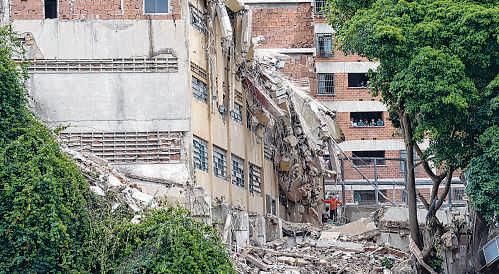
Part of the San Judas Tadeo school is collapsed Friday in Caracas, Venezuela, days after it was damaged in the earthquakes.
ASSOCIATED PRESS PHOTO By BAZ RATNER
Newly consecrated bishops, from left, Pascal Schreiber, Michael Goldade, Michel Poinsinet de Sivry and Marc Hanappier pray at the end of their consecration ceremony on Wednesday in a tent set up outside the Society of St. Pius X seminary in Econe, Switzerland.















NO THANKS
“It was a stark difference from what they saw around them,” said Samuel Hyde, history professor and director of the Center for Southeast Louisiana Studies at Southeastern Louisiana University “They saw Spanish and French aut hority around them, which was very autocratic — and the people had no say in their governance the way they did as British citizens.”
slaves and supplies so he could pay off the hire on his vessel. Then he would start a plantation. Multiply that a few hundred times along the Mississippi, the Amite, the Natalbany and Thompson’s Creek in the Felicianas, and British West Florida was taking shape.

“The Native peoples were shocked by the arrival of all these settlers and were trying to protect their hunting grounds and the traditional places where they had dwelled,” Hyde said. “So it was a kind of chaotic cauldron of opportunity and contempt.”
Hyde fills in the timeline
Britain had taken the district in 1763, and it filled in fast.
‘Big river’ a defining factor
William Dunbar, one of the district’s most prominent planters, never even called the place Baton Rouge. He called it the Mississippi Richmond Settlement, and each time he needed supplies, that was where he said he was headed, according to Hyde.
“They even had a couple of boats, large schooners that were floating stores essentially, that had shelves and counters for people to come in and buy stuff,” Hyde said. “They could move these boats up the river and down the river to the plantations selling things.”
The Native nations nearby, known collectively as the Petite Nations — the Tunica, the Houma and more — often traded with the British for iron pots. Settlers also were keenly aware that peace in the region could turn quickly; a Native American attack on Fort Bute nearly wiped the garrison out.
But the defining factor of the area was the big river
“(Hernando) De Soto said, ‘I encountered a river that was so wide, if I saw a man on the other side, I could not tell that he was a man,’ ” Hyde said. Corn and pumpkins fed the settlement and turned a profit, since shippers hauling lumber to timberstarved Caribbean islands paid well for food along with the staves and shingles cut from the surrounding forest.
The people working that land mostly arrived the same way said Hyde.
“When you look at these guys’ stories, they were very similar,” he said.
A lot of the land in the Baton Rouge area was given to former British soldiers who had served in the French and Indian War. The British couldn’t afford to pay them bounties for their service and everything else, so they rewarded them with land grants.
Hyde said a typical case was the land grant holder would come down the river, get his land, then go to Jamaica, where he would hire a vessel.
For about $500 — $20,000 today — the settler bought slaves and goods on credit, then came to the Baton Rouge area. Once there, he would sell some of the
Fort Bute went up in 1765 at the mouth of Bayou Manchac, built on a hope that never panned out — that dredging the bayou would open a shortcut to the Gulf, bypassing New Orleans Manchac stayed navigable only about three months of the year The hope was enough anyway to draw settlers, and Peter Chester, who became governor in 1770, pushed an aggressive campaign of land grants to former soldiers that filled the district out over the following decade
As revolutionary unrest spread through the Atlantic colonies, it pushed people toward Baton Rouge rather than away from it Loyalists fleeing persecution elsewhere found a haven in West Florida, and the district grew more committed to the Crown with each new arrival.
In 1778, James Willing tried to change that.
A failed Natchez businessman, Willing came down the Mississippi aboard a boat called the “Rattletrap” and urged the district to join the Continental Congress as a 14th state.
Baton Rouge refused.
Willing went back to Philadelphia, told Congress the settlement was hostile to the American cause, and returned with authorization to raid it looting plantations up and down the river, stealing and selling slaves destroying what he couldn’t carry.
The raid backfired and hardened British loyalty rather than weakening it, prompting London to send reinforcements from Jamaica and Pensacola, bringing the garrison to roughly 400 troops and setting off construction of a stronger fort, Fort New Richmond, with an 18-foot moat, earthen walls and 13 cannons Spain ended the British chapter in September 1779. Spanish governor Bernardo de Gálvez, after declaring war on Britain that June, marched his army against Fort Bute and captured it, then turned toward Baton Rouge. Rather than risk a frontal assault on a fort better armed than his own force, he staged a diversion, sending soldiers to a wooded grove on the far side of the fort to chop trees,
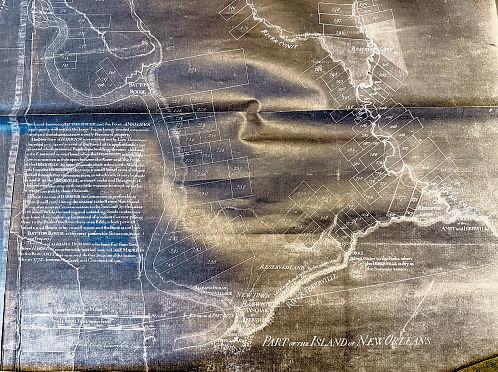
STAFF PHOTO By JAN RISHER
A copy of a map from the 1770s, created by engineer Elias Durnford, is part of the LSU Libraries Collection. It shows a map of the Mississippi River and Baton Rouge, including indications of land ownership. The map is marked with a stamp that reads, ‘Her Majesty’s State Paper Office.
THE 14th COLONY: A
Baton Rouge timeline, 1763–1812
How the bluff on the Mississippi River passed from Britain to Spain to a 74-day republic and finally to the United States.
1763: The Treaty of Paris ended the French and Indian War. Spain ceded Florida to Britain, and Baton Rouge became part of the new colony of British West Florida — the 14th British colony within the modern United States of America The Royal Proclamation of 1763 granted residents English legal rights including a representative assembly
1764: George Johnstone arrived at Pensacola as the first British governor of West Florida. A colonial assembly soon followed.
1765-66: The British built Fort Bute at the mouth of Bayou Manchac, the colony’s westernmost outpost. Large land cessions from the region’s Native nations opened the Natchez and Mobile districts to British settlers.
1770: Peter Chester took over as governor and drove the aggressive settlement and land grants to former British soldiers that built out the Baton Rouge region.
April 1775: The Revolution began in the Atlantic colonies.
July 4, 1776: The Declaration of Independence was signed in Philadelphia. West Florida, the 14th colony, stayed loyal to Britain. Baton Rouge — roughly 300 people, plantations on British land grants, indigo and timber — sent no delegate and grew more pro-British
1777: Bernardo de Gálvez became governor of Spanish Louisiana at New Orleans.
1778: James Willing’s raiding party came down the Mississippi aboard the Rattletrap plundering pro-British plantations. The raid pushed the region further toward Britain, which reinforced Baton Rouge.
May 1779: Spain declared war on Britain under King George III.
July 1779: Lt. Col. Alexander Dickson began building Fort New Richmond on the Baton Rouge bluff, pulling his troops back from the crumbling Fort Bute.
Sept. 7, 1779: Gálvez captured Fort Bute at Manchac, then marched the 10 miles to Baton Rouge.
Sept. 21, 1779: After creating a ruse and an attack through a wooded grove, Gálvez bombarded Fort New Richmond (Baton Rouge) and forced its surrender which also delivered Fort Panmure at Natchez. The Spanish renamed the fort San Carlos and restored the name Baton Rouge.
March 1780: Gálvez took Mobile.
May 1781: Gálvez captured Pensacola the West Florida capital, ending effective British control of the colony.
1783: The Peace of Paris formally ceded both East and West Florida to Spain. The Baton Rouge district was now Spanish.
1783-1800: Under Spanish rule, Anglo-American and loyalist families kept arriving on Spanish land grants, and the district stayed a Protestant, English-speaking pocket inside Latin Louisiana.
1800: By the secret Treaty of San Ildefonso, Spain handed Louisiana back to France. West Florida, Baton Rouge was not part of the deal and stayed Spanish.
1803: The Louisiana Purchase. The United States bought France’s Louisiana, but Baton Rouge was not in it — Spain still held West Florida. Washington claimed the district anyway, and Spain disputed it.
1804: The Kemper Rebellion. Reuben Kemper and his brothers crossed from the Mississippi Territory to attack the Spanish fort at Baton Rouge. The rising failed, and many residents rallied to Spain.
Sept. 23, 1810: Before dawn, rebels under Philemon Thomas stormed Fort San Carlos at Baton Rouge, took it in a brief firefight and raised a new flag: a single white star on a blue field
Sept. 26, 1810: A convention at Baton Rouge declared the independent Republic of West Florida.
Oct. 27, 1810: President James Madison proclaimed the district U.S property as part of the Louisiana Purchase, assigned it to the Territory of Orleans and sent Gov William C.C. Claiborne to take possession.
Dec. 10, 1810: Claiborne arrived with troops and a naval flotilla. The Lone Star flag came down for the last time, ending the 74-day republic. Baton Rouge stood on U.S soil.
April 30, 1812: Louisiana entered the Union as a state, without the Florida Parishes Aug. 4, 1812: The Louisiana Legislature attached the West Florida country west of the Pearl River, Baton Rouge among it, to the new state. Baton Rouge was at last part of Louisiana and the United States.
build fires and make noise through the night, convincing the British the attack was coming from that direction. When the sun rose,
Gálvez’s real force was aimed from the opposite side.
On Sept. 21, 1779, three hours of bombardment forced a surrender. For
years, historians believed the farthest western battle of the American Revolution had been fought near St Louis. The record belongs to Baton Rouge instead,
which is about 60 miles farther west than St. Louis.
“Part of the reason for the confusion is the fort. The Spanish, once they capture Fort New Richmond, they change it to St. Ferdinand — and that was the name of the fort at St. Louis,” Hyde said. “Baton Rouge was the furthest Anglo outpost jutting into Latin Louisiana there.”
For the next 30 years, Baton Rouge was under Spanish rule. In 1800, by the secret Treaty of San Ildefonso Spain handed Louisiana back to France, but West Florida — Baton Rouge included — was not part of the deal and stayed Spanish.
However, before dawn on Sept. 23, 1810, United States representative Philemon Thomas led a group of rebels to storm Fort San Carlos at Baton Rouge, took it in a brief firefight, overthrowing the Spanish. Then, they raised a new flag: a single white star on a blue field.

The flag flew over the independent republic for 74 days. Jay Dardenne, former lieutenant governor and creator and host of “Why Louisiana Ain’t Mississippi or Any Place Else,” a production of Louisiana Public Broadcasting, is amazed how few people know that the original lone star flag flew in Baton Rouge.
“For those 74 days, we claimed that flag before Texas did,” Dardenne said. A convention at Baton Rouge declared the Republic of West Florida on Sept. 26, 1810 A month later, President James Madison proclaimed the district U.S. property under the Louisiana Purchase and sent Gov William C.C. Claiborne to take possession. Claiborne arrived with troops and a naval flotilla on Dec. 10 — and the Lone Star flag came down for the last time. Baton Rouge stood on U.S. soil.
Louisiana entered the Union on April 30, 1812, without the Florida Parishes. Three months later, the Legislature attached West Florida west of the Pearl River Baton Rouge included — to the new state. The fight for independence from England became the fight for independence from Spain.
“The fight in Baton Rouge was the beginning of hemispheric freedom from Spanish colonialism,” Hyde said.
Hyde traces the chain from there: Baton Rouge to Texas, Texas to California, California outward to the independence movements across Spanish South America. It started with 74 days on a bluff above the Mississippi River, and a flag most people forget flew there first.
Email Jan Risher at jan. risher@theadvocate.com.


Hyde
Dardenne










From custom patiocoversbuilt forentertainingto breezy,bug-freepoolenclosures, Acadiana Gutter & Patiotransformsyourbackyardintoaspace you’ll never want to leave. Enjoythe comfort of theoutdoorswith thequality youcan counton.
•Custom Pool Enclosures (New focus)
•BreezyScreenRooms &Patios
•Motorized RetractableScreens
•SeamlessGutters &Drainage
Appeals court approves Trump’s historical panels
BY GEOFF MULVIHILL
Associated Press
An appeals court ruled Friday that President Donald Trump’s administration can reinstall interpretive panels that critics say whitewash the history of slavery at the site of President George Washington’s home in Philadelphia. The signs would be in the same area where the Declaration of Independence was adopted on July 4, 1776. A message seeking comment was left Friday with the National Park Service.
The new educational panels were designed to replace ones put up in 2010 that told the story of how nine slaves lived in the home along with George and Martha Washington in the 1790s, when Philadelphia was briefly the nation’s capital. Their removal stemmed from Trump’s 2025 executive order calling for federally owned or controlled historic sites not to display information to “disparage Americans past or living” and to focus on the “greatness of the achievements and progress of the American people.”
Friday’s ruling from a three-judge panel of the U.S. 3rd Circuit of Appeals, which is based in a courthouse across an intersection from the President’s House site, was a technical one to allow implementation of a ruling made last month.
That ruling — by one judge Trump nominated, one nominated by former President George W. Bush and one chosen by former President Barack Obama — said a lower court was wrong to force the federal government to take down its new panels.
The government asked Thursday
for the go-ahead to put them back up, saying that the panels were ready to install and that they should go up “without further delay.” The administration has said in court filings that its information also discusses slavery
Advocates, academics and officials have been concerned for months that the version that complies with Trump’s order could give a history that downplays the pain in the nation’s past in favor of a more triumphant view
A government website with images of the new panels shows they
would still have information on enslaved people who lived in the home, plus details on the abolitionist movement, how the Constitution treated slavery, the end of slavery in Pennsylvania and how Washington and his successor, John Adams, viewed and treated slavery, as well as information about the 20th-century Civil Rights movement The replacement panels do not include some of detail in the earlier ones, such as a map of slave trade routes and a timeline on slavery They also avoid critical headlines such as “The Dirty Business of Slavery.”
MURRILL
Continued from page 1A
prosecution, claims of politically tinged grand jury tampering and a chaotic courthouse scene during the indictment’s return that the high court said raised serious transparency questions.
The justices also noted how the Supreme Court had recently upheld the law consolidating the city’s clerkships, which eliminated the position won by former life prisoner and criminal clerkelect Calvin Duncan. That law had spawned a back-andforth political brawl between Republican state officials and Democratic city leaders that culminated Thursday with Murrill’s criminal indictment.
“While the record before this Court is undeveloped, there is considerable support for the view that the Attorney General is likely to succeed on the merits of a motion to quash this indictment on either a legal basis or due to apparent procedural irregularities,” the justices wrote in an unsigned opinion on behalf of the court.
The Supreme Court issued the stay with a five-member majority, while Chief Justice John Weimer and Justice John Michael Guidry dissented. Justices in the majority noted that the stay did not reach the merits of the case.
The pause on Murrill’s criminal indictment represents a swift victory for the attorney general after what amounted to an extraordinary escalation in the monthslong feud between state and city leaders.
“This matter is not over,” Murrill said in a statement Friday morning. “I will still need to file the necessary motions to seek a dismissal, which will be forthcoming. I want to thank the many friends and supporters who have expressed their support and encouragement.”
Calling the process a “political witch hunt,” Murrill slammed the special prosecutor judge and grand jury in the case as “rogue, biased and vindictive.”
By Friday night, Murrill asked the Louisiana Supreme Court to weigh in again on the arrest warrant and $400,000 bond set in the case She alleged that the case’s special prosecutor refused to recall the warrant despite the stay of the indictment. In their dissents, Weimer
and Guidry each expressed concern that court had skipped over the typical process to jump into a high-profile case involving a prominent state official.
“This is not supposed to be how the system works,” Guidry wrote. “Can our court truly say with a straight face after today’s ruling, on the eve of the 250th anniversary of our nation’s independence, that we truly believe that no one is above the law?”
‘Escalating quagmire’
After the indictment was returned, Murrill’s attorney, Laura Cannizzaro Rodrigue, alleged in a news conference and in emergency filings to the Supreme Court that the grand jury process was beset by leaks and political interference. She wrote to the Supreme Court that the grand jury had been “co-opted by political actors for political purposes.”
The Supreme Court’s order suggests the court accepted much of Rodrigue’s argument. While it is unusual for the high court to intervene this early in a case, the justices wrote that they have the authority to act “when the issues presented are extraordinary in nature ”
“This indictment appears to turn the law on its head and flows from what appear to be extraordinary procedural defects and improprieties,” the order states.
The justices in the majority criticized the appointment of a special prosecutor, retired judge Laurie White, who they wrote was conflicted in the proceeding because the Attorney General’s Office represents White in a sexual harassment claim dating to her tenure on the bench White also previously represented Duncan, a former jailhouse lawyer freed from prison when a judge found him innocent, before his case was taken over by the Innocence Project.
Those conflicts of interest “should have been obvious,” the Supreme Court’s order states.
Writing in a concurrence, Justice Jay McCallum called the allegations in Murrill’s filings troubling.
“If they prove to be even partially accurate, then additional proceedings before the newly reconstituted Judiciary Commission and Office of Disciplinary Counsel will no doubt become necessary,” he said, referencing the offices that discipline

returns.
Leading up to Murrill’s indictment, Roche’s filing states, news reporters “descended upon” the court. He accused reporters of standing in the parking lot, walking around the courthouse basement where the grand jurors were meeting and trying to communicate with the grand jurors.
Roche said he told deputies to clear the courtroom when grand jurors entered and said he “admonished” the media not to speak to them. No reporters were cuffed in his courtroom, he noted.
after saying Thursday that he would pardon Murrill if she were convicted.
“These type of abuses and misuse of public monies to carry out this illegal proceeding is an example of why New Orleans is in a budget crisis,” the governor wrote. “Instead of spending money to prosecute thugs, you spend money to prosecute the prosecutor Ridiculous!”
judges and attorneys.
Justice Piper Griffin wrote in a concurrence that she shared Guidry’s concerns about whether a true emergency existed, but that issuing a stay that does not reach the merits of the case “allows this Court to ultimately resolve this rapidly escalating quagmire.”
Roche responds
The Supreme Court order lambasts Criminal District Court Judge Leon Roche for shuttering his courtroom as the grand jury returned its indictment, and court security officers of the Orleans Parish Sheriff’s Office for handcuffing and detaining news reporters who pointed to state law that calls for grand jury returns to occur “in open court.”
“By all public accounts the Orleans Parish Criminal District Court violated express provisions of state law requiring that grand jury returns occur in the public eye, ‘in open court,’” the order states, citing Article 383 of Louisiana’s Code of Criminal Procedure. “Numerous media outlets have stated that reporters were handcuffed and removed from these otherwise public proceedings.”
WWL-TV producer Danny Monteverde and a lawyer representing the news station, Elana Beiser, were handcuffed and briefly detained while reporters waited in the hallway to reenter Roche’s courtroom after the judge ordered it cleared. Monteverde and other reporters had objected to the closed nature of the proceedings, and Beiser had arrived with a printed motion for Roche to reopen the courtroom.
In a filing of his own to
the Supreme Court later on Friday Roche argued that the stipulation saying returns must occur in “open court” means only that a judge must be present on the bench not that the public or media should be allowed.
“If that were the case,” Roche wrote, “any number of criminal defendants, nefarious actors, or otherwise interested parties could pierce the veil of secrecy surrounding grand jury proceedings that is enshrined in Louisiana law.”
Roche called it a “longstanding practice” by trial court judges in Orleans Parish to clear the public from courtrooms before bringing in grand jurors to receive
The Orleans Parish Sheriff’s Office issued a statement Friday saying deputies’ response came after Roche ordered them to secure the courtroom.
“It is our understanding that OPSO personnel acted in accordance with the directives they received and worked to ensure an orderly conclusion to the proceedings and safe passage for all persons involved,” spokesperson Calandra Corder said.
Wide-reaching impact
News of Murrill’s indictment, and of the Supreme Court’s ruling, reverberated across political circles and in the national media.
In a statement, Gov Jeff Landry thanked the Supreme Court for its decision
Some legal observers shared Weimer and Guidry’s concern that, by going straight to the Supreme Court, Murrill received treatment inconsistent from that available to most other criminal defendants.
“The lower courts are not inferior courts meant only for those without means or title or prestige,” Weimer wrote in his dissent.
Rarely, if ever, does a “regular” defendant “get the Supreme Court reaching down to halt the case the day after indictment,” veteran defense lawyer Craig Mordock, who frequently practices in New Orleans criminal court, wrote on social media.
“However, the Court didn’t invent these facts,” Mordock said. “Orleans Parish handed them this clown show.” Staff writer Justin Mitchell contributed to this report. Email James Finn at jfinn@theadvocate.com.

When you’re comparing plans
good as Medicare is, it was never meanttocover everything. That means if you want protection, you need to purchase individual insurance.
Early detection canprevent small problems from becoming expensive ones. The best way to preventlarge dental bills is preventive care. The American Dental Association recommends checkups twice ayear.


Previous dental work canwear out.
Even if you’ve had quality dental work in the past, you shouldn’t takeyour dental health forgranted. In fact, your odds of havinga dental problem only go up as you age.2
Treatment is expensive especially the servicespeople over 50 often need.
Consider these national average costs of treatment. $274for acheckup $299 for afilling $1,471 foracrown.3 Unexpected bills likethis canbea real burden, especially if you’re on afixedincome.









STAFF PHOTO By SOPHIA GERMER
Laura Cannizzaro Rodrigue, Louisiana Attorney General
Liz Murrill’s attorney, speaks outside the Orleans Criminal District Court building in New Orleans on Thursday
Putinshrugsoff fuel shortages, rampsupattacks
Russian leader downplays
Ukraine’sattacks on energy sector
By The Associated Press
Despite severe fuel shortages acrossRussia,President Vladimir Putin appears unbothered by Ukraine’sincreasing attacks on hiscountry’soil refineries.
He has shrugged offthe setback forone of the world’s leading oil-producing nations as “not critical,” dismissed ceasefire proposals and insisted the war willcontinue until his goals are met.
Putin has described the attacks on Russian energy as an effort by Ukraine to distract attention from its losses on the battlefield, although analystssay the advance of Russian forces hasbeenstymied in recent months. The Russian leader appears to believe his government can keepthe fuel crisis from erodinghis authority and support for the war he launchedmore than four years ago.
The Russian military un-
BY KIMBERLEE KRUESI and ANDREWDALTON Associated Press
NEW YORK Taylor Swift and Travis Kelcemarried Friday night at Madison Square Garden,where actor Adam Sandler was the surprising officiantata star-packed ceremony.The secrecy thatsurrounded the buildup to the nuptialslifted when amarquee outside the Midtown Manhattanarena proclaimed “JUST&T MARRIED” once the deed was done. The couple did not have bridesmaids or groomsmen, instead opting for Swift’s brother Austin Swiftto serve as her man of honor and Kelce’sbrother and podcast co-host Jason Kelce serving as his best man, Swift’spublicist Tree Paine saidinanemail.
leashed amassive 11-hour barrage on theUkrainian capitalovernight into Thursday morning that killed at least 30 people.Itwas one of thedeadliest attacks on Kyiv since the start of Russia’s full-scaleinvasion.
There have been more than 50 reported Ukrainian attacks on oilrefineries and otherenergyfacilities in Russia andoccupied Crimea since March —a barrage Ukrainian leaders have said is intended to pressure Moscow to end the war
At the very least, the attacks have brought the war home evenmore poignantly for millionsofRussians, shatteringPutin’snarrative of theconflict as something that doesn’taffect the lives of ordinary people in his country
An estimated one-thirdof Russia’srefining capacity has been cut off, according to Chris Weafer,CEO of the consultancyMacro-Advisory.The attacks have inflicted lastingdamagethatwillbe costly to fix
Despitesignificant airdefensesprotectingRussia’s capital, atop refineryin Moscow has been hit twice.
The second strike on June 18 set it ablaze, damaging key

equipment that will reportedly take until theend of the year to repair
With gasoline production in Russiareduced by roughly 17% to 850,000 barrels aday, according to government statistics, rationing has been introduced in many regions, andmotorists have had to wait in line for hours to refuel.
In an effort to easethe fuel deficit, the government has

Thebride andgroom’s outfits came from Christian Dior HauteCouture andits designer Jonathan Anderson with shoes custom-made by Christian Louboutin.She wore Cartier jewelry
The long anticipated union of sportsand song brought hype to newheights at a venue made more for historic NBA games and bucket-list concerts.The Kansas City Chiefs’ superstar tight
Diamondgroup that wontariff relief gifted Trumpencrusted ring
BY SAM McNEIL Associated Press
BRUSSELS Dozens of diamonds spell out two giant letter “T”s next to the Stars and Stripes and “1776” and “2026.” Dozens more frame the numbers 45 and 47 in the shapeof Superman’slogo. Adiamond-winged eagle carries aruby shield and clutches an olive branch of emeralds, below aradiant “250” and atop the phrase “250 YEARS USA” etchedin 18-karat gold. All told, 321 diamonds, 56 sapphires, 13 emeralds and
six rubiesencrust the watchsized gold ringpresented this week toBill White,the U.S. ambassadortoBelgium, to give to President Donald Trump. “A very special thank you to my friends fromAntwerp for themagnificent Freedom 250 ring,”Trump said in a prerecorded video message during an event marking America’s250th birthday in Brussels.
Isidore Mörsel,president of the Antwerp World Diamond Center,orAWDC, gifted the ringonbehalfof thecenturies-olddiamond
community in the Belgian portcity, acentral node in theworldwide trade of the preciousstones that found itself struggling last year under theweight of Trump’s sweeping trade war “May this ring serve as a lasting reminder thattrue partnership like thefinest natural diamonds are formed under pressure, endure thetestoftime, and shine brightest when built on trust,” Mörselsaid. The ring’s interior is engraved with the phrase “Crafted in Antwerpfor Donald John Trump.”

allowed production of lower quality gasoline with higher sulfur content through the year’send.
Crimea, which Russia illegally annexed from Ukraine in 2014, has faced the worst fuel shortages. Gasoline sales to individuals have been periodically halted there altogether Putin chaired ameeting of government officialslast weekend to discussthe fuel
shortages.
In televised statements, he acknowledgedthe country was going through a“difficult period.” He pledgedto accelerate repairs of energy facilities and said Russia would consider importing gasoline to help make up for what he described as “temporary” shortages. He also said Russia’s arms industry will boost production of air defense systemstofend off
future Ukrainian attacks. Putin portrayed theUkrainian strikes as an attempt to divide Russiansociety,halt Moscow’soffensiveand try to force the Kremlin into negotiationson“terms advantageous to our adversary.” “Wewill not give them that chance,” he said.
While Putin said Ukraine’s long-range strikes on Russian oil facilities “have absolutelynoeffect on the situation at the front,” Western military analysts say midrange strikes on the Russian army in recentmonths have hamperedmilitary logistics andslowedthe tempo of its advance, leaving the battlefield in astalemate.
On Friday, Putinvisited the Russian military headquarters directing the action in Ukraine to receive areport on the capture of the city of Kostyantynivka after weeks of intense street battles. He hailed it as akey step toward capturing the nearby cities of Slovianskand Karmatorsk, the keyremaining strongholds in the so-called “forest belt” of heavily fortifiedcitiesinthe Donetsk regionthatremaininUkraine’s hands, according to Kremlin spokesman Dmitry Peskov
end and the music megastar married as fans and spectators gathered outside in blisteringheat, eager to be part of the occasion, even though theevent was almost entirely hidden.
SingerCamila Cabello, actors Hugh Grant, Ethan Hawke and Jason Sudeikis,and model Karlie Kloss were amongthe guests. Running backKareem Hunt wasamong Kelce’s Chiefs teammates in attendance. SeattleSeahawks receiver and recent Super Bowl champ CooperKupp, New York Giantsreceiver JuJu Smith-Schuster, NFLan-
nouncer Joe Buck and Jenny Han, author of the “The SummerITurned Pretty” series, were also seen entering the arena. In aculture obsessed with famous couplings it may be the apex celebrity wedding, with perhapsonly royal unions getting more attention. Holding sucha ceremonyina huge,iconic space that sits at the center of the U.S. media universe while keeping all the details secret made for asurreal scene, but it wasamix of hype and hush that is not out of character forSwift
An Associated Press



camera outside the arena showed along line of black SUVs dropping offweddinggoers in tuxedos and evening gowns, surrounded by New Yorkers in shorts and Swifties amassing for the occasion. Celebrities, athletes and friends were posting on social media aboutgetting readyorabout to leavefor ablack-tie event, including Brandon Borders, producer of the New Heights podcast starring Kelce and his brother Jason Kelce; Beau Allen, retired defensive lineman forthe Philadelphia Eagles; and Jessica Chastain.

























ASSOCIATED PRESS PHOTOByDANyLO ANTONIUK Awoman looks at an apartment building burning on Thursday after aRussian missile attack in Kyiv,Ukraine.
ASSOCIATEDPRESS PHOTO By RyAN MURPHy





















BR police are building training simulator
Facility will be used for teaching high-risk security scenarios
BY OLIVIA TEES Staff writer
The Baton Rouge Police Depart-
ment is building a training simulator in Zachary to prepare officers for active shooters, domestic violence calls, hostage cases and other high-stress scenarios.
The building, which will be more than 6,000 square feet, will have modular walls that can be structured to create hundreds of different configurations allowing for a variety of training situations. The building can be set up as a living room to practice handling domestic disputes or configured as a
classroom to learn how to handle a school shooter effectively
“It’s really up to your imagination. Use real live role players or paper targets and how many instructors you have to watch, it’s really just manpower-dependent,” said Police Chief T.J. Morse. Morse said the training facility
will be large enough to conduct multiple simulations at the same time.
“You could have a full 30-man SWAT team doing up to three or four simulations at the same time. They can hit this thing from multiple angles and practice different things from breaching doors and windows,” he said.
Morse said he hopes the new simulators will bring agencies
from across the state and the country to participate in training exercises. He said the department will try to recruit SWAT teams to bring their agents down for a weeklong training event.
“My big thing is being the capital city and having something where other people can come and do this extensive training is definitely
PARTY FOR THE U.S.A.
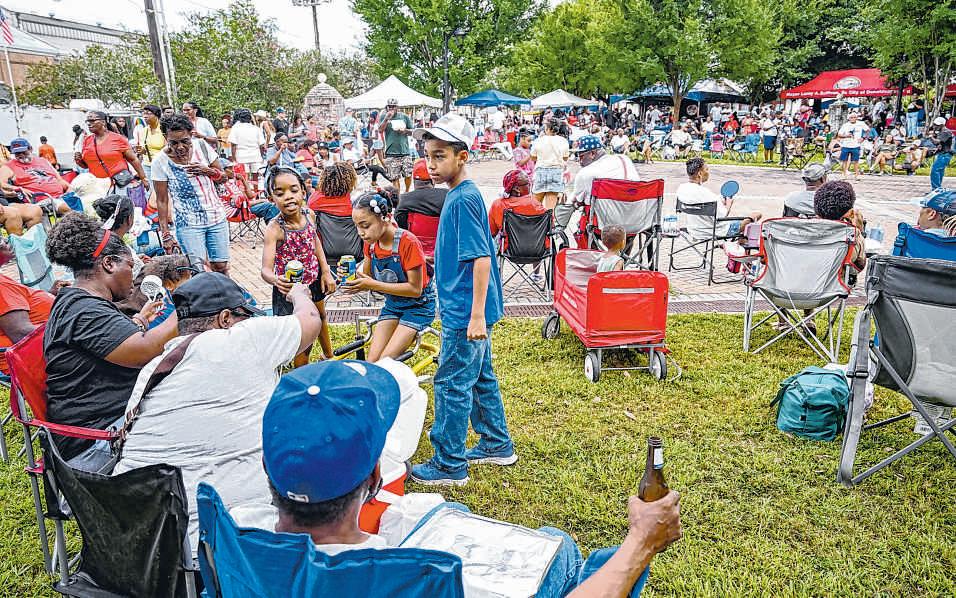
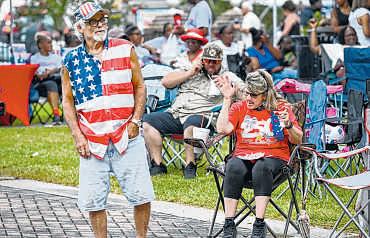
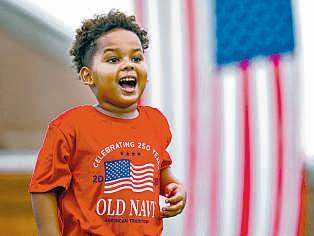
ABOVE: Families and friends gather around the courtyard in Crescent Park during Donaldsonville’s annual Independence Day celebration on Friday FAR LEFT: Rhona Leblanc dances to ‘Party in the U.S.A.’ while sitting down alongside Dan Magere at the Independence Day celebration. LEFT: Kacey Barton, 4, runs around the playground wearing his most patriotic shirt during Friday’s event.
City rapid bus system to open later this year
Improvements to create a streamlined corridor
BY AVERY WHITE
writer
aims to make transportation to the Central Business District faster by providing a straightforward route along Plank and Nicholson roads.
“We talk about ‘how do we take mass transit in the capital city and make it more efficient?,’” East Ba-
initially expected to finish in 2024 after years of development that began in 2021, but the existing infrastructure required ownership transfers, and the plan ultimately underwent a full redesign for key sections along the proposed route Now, construction is expected to finish in October, with services slated to start in December
Rapper files alibi claim in drive-by
Witness says he was at home at time of shooting
BY QUINN COFFMAN Staff writer
RealBleeda, the Baton Rouge rapper accused of gunning down youth advocate Teressa Calligan in a 2024 drive-by shooting, has filed a claim in court saying he was at home during the time of the killing. Attorneys for RealBleeda, whose legal name is David Catherine, 24, filed the alibi claim on June 22, indicating to the court
Butterbean
BY QUINN COFFMAN Staff writer
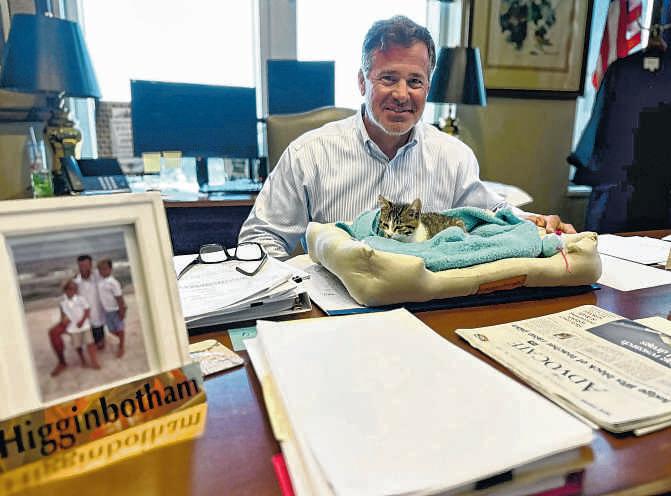
One of the hardest questions to answer after the loss of a beloved pet is: When do you adopt again? That was the question Baton Rouge District Judge Beau Higginbotham and his family had been facing
STAFF PHOTOS By JAVIER GALLEGOS
KITTEN
Continued from page 1B
Higginbotham said, “and they gave me the options to amputate her leg, or they would have to euthanize her.”
As he brought her in, the veterinarians asked Higginbotham whether he intended to take ownership of the kitten or keep her a stray
Not wanting to see her put down or put in a shelter, Higginbotham decided then and there that this soon-tobe-three-legged cat would be his family’s new pet.
But her odds didn’t look great: Vets said she’d likely been out in the heat for a long time and was fortunate not to have died of dehydration already
As she was taken into surgery, the vets asked the judge what her name was.
“Well, hopefully it’s Lucky,” he told them.
With help from his sons, Higginbotham has since decided her permanent name will be Butterbean.
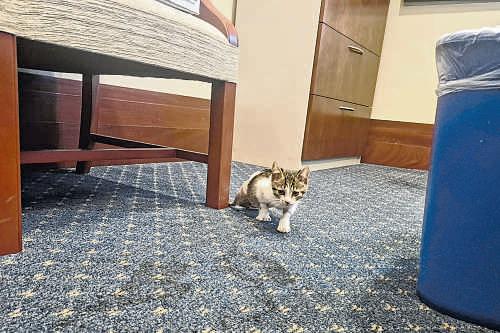
The name is apt, with the kitten looking a little more rounded Tuesday as she scampered about under tables and chairs in Higginbotham’s judge chambers.
Weighing only 2 pounds when she was found, the judge said Butterbean has likely gained a few ounces in the past few days “at the rate she’s been eating.” Butterbean will be in stitches for a total of two
BUS
Continued from page 1B
The $53 million route will have around 24 stops along Plank and Nicholson roads before ending near LSU’s campus on North Stadium Drive. To handle bus transit on Plank Road, the corridor had to be completely overhauled, repaving parts of the street, adding sidewalks, new stops and raising curbs to be level with the buses.
“We hadn’t had a problem with the contractor,” city transportation and drainage director Fred Raiford said. “He’s done a very good job, even with some things that we had to do changes with. They have done an exceptional job getting that done in a timely fashion.”
ALIBI
Continued from page 1B
that they intend to argue that Catherine was never at the scene of the crime. Calligan was fatally shot in her car on Sept. 15, 2024, at the intersection of Airline Highway and Greenwell Street. She was returning from an election fundraiser for a judicial candidate the afternoon of her death.
weeks and will require both a cone and constant supervision, in case she injures herself attempting to climb. Despite this, she moves with the same gusto as any kitten, almost unaware that she’s now one paw down.
Higginbotham was told by the vets that cats carry around 60% of their weight on their front legs, making it easier for her to adapt than if she’d lost a front leg.
It also helps that she’s only 6 weeks old.
“They didn’t give me a time frame; they basically just said that she will figure it out,” Higginbotham said.
Email Quinn Coffman at quinn.coffman@ theadvocate.com
DOTD has finished the road work, and now just the bus stops need to be built, Raiford said.
The new stops will be elevated to reduce the time buses need to lower for passengers to board, bringing the 45-minute route time down to 30 minutes. The stops will be well-lit with real-time route boards, and the buses will have trafficsignal priority to further shorten transit time.
One setback the city is facing is bus stop vandalism, which causes workers to return to already finished sites before moving on to uncompleted areas, adding to delays and forcing the city to wait for replacement parts to arrive, Raiford said
“Those things are very expensive; it takes a good bit of time to get some of
As Calligan waited at a traffic light, another vehicle pulled alongside her Authorities believe it was occupied by Catherine, as well as two other suspects: Roger Parker, 21, and Robert Lewis, 21. All three are considered Bleedas gang members by Baton Rouge police. An occupant of that vehicle opened fire on Calligan’s car, striking her multiple times and killing her Her vehicle then rolled into the intersection, crashing into

Butterbean recovers in her bed after having one of her back legs amputated in surgery. Butterbean was rescued off of the shoulder of I-10.
By

Parish Sheriff’s offi

domestic violence calls, hostage cases and other high-stress scenarios.
the material back in to accomplish getting it ready to open,” Raiford said.
The route starts at the newly built transit center on Airline Highway
The North Transit center will be the hub for the new system, equipped with a park-and-ride lot, bathrooms, ticketing and bike racks among other things. It is 97% to 98% complete, according to CATS CEO Theo Richards, with technology such as cameras still needing installation.
However, the transit site’s concrete must be redone due to cracks and safety concerns, project managers said at a CATS public meeting in June CATS officials would not comment on pending litigation with the original contractor for the concrete. Nine electric buses oper-
a sheriff’s deputy’s cruiser
The alibi filing claims Catherine was at a West Baton Rouge Parish residence the night of the shooting, with a witness willing to testify to that fact. Defense attorney Ryan Thompson claims in the filing that Baton Rouge police failed to investigate the claim or interview the potential witness. Shortly after the shooting, Casey Phillips, founder and executive director of The
ated by CATS are ready to run the route, Richards said. Hurst believes a bus system like BRapid will better connect the city and further its economic development.
“Major cities that do extremely well have great public transportation systems, and so what we’re doing is starting to poke our head out and begin to reach out for potential in the area,” Hurst said. “I believe this is only the beginning.”
This story was reported and written by a student with the support of the nonprofit Louisiana Collegiate News Collaborative, an LSUled coalition of eight universities funded by the Henry Luce and John D. and Catherine T MacArthur foundations.
Walls Project, where Calligan worked, said Calligan “had no beef with anybody.” The Walls Project is a nonprofit that encourages safe and prosperous living through free classes and programs for the community Calligan, who worked as a cybersecurity specialist for Entergy, started at the Walls Project in 2014 as a parent volunteer and worked her way up to instructor and eventually dean of the Futures Fund teen coding
Continued from page 1B
going to get a lot of use,” he said.
In addition to helping law enforcement officers fine-tune their training, Morse hopes the facility can generate a small profit that will go back into their general budget. Because the facility can house a large number of officers at one time, the plan is to charge a flat-rate usage fee of a couple of hundred dollars per day
The building is located on Irene Road in Zachary where the department has a joint firearm range with the East Baton Rouge Sheriff’s Office. Currently, the land has several fire-
program in 2020, becoming known as “Dean T” among people in the community Calligan worked with more than 4,000 teens with The Walls Project, Phillips said.
“There are thousands of kids in the city of Baton Rouge that have come through the program that she dedicated her life to and her talents and helped lead, that have gone on to have computer science degrees,” Phillips said in 2024. “She’s
arm ranges and a couple of small training classrooms. Morse said they have broken ground on the new building and expect it to be finished by the end of the year or early 2027. The money to build the training facility came from leftover funds from the American Rescue Plan Act that gave the state more than $3 million in 2024. The money for the facility was originally approved two years ago but because of changes made to the design it was stalled. The building permit issued by the city-parish puts value of the building at $750,000 The cost is about $100,000 less than the original plan because Morse said they had to eliminate one classroom building.
made a real impact.”
Email Quinn Coffman at quinn.coffman@ theadvocate.com.
PHOTO PROVIDED
JUDGE HIGGINBOTHAM’S STAFF
PHOTO PROVIDED By JUDGE HIGGINBOTHAM’S STAFF
Judge Beau Higginbotham of the 19th Judicial District, sits at his desk in chambers with Butterbean resting on his desk on Tuesday.
STAFF PHOTO By QUINN COFFMAN Butterbean, Higginbotham’s 6-week-old kitten, explores his chambers on Tuesday.
STAFF PHOTOS By JAVIER GALLEGOS
Lonnie Lawrence plays with his foster daughter Khri’Sean Bleu, 1, during Donaldsonville’s annual Independence Day celebration on Friday.
Ascension
cers mingle during Donaldsonville’s annual Independence Day celebration.
James, Cornelius
Mt.Calvary BaptistChurch,8969
LA-18inSt. James, at 9a.m
Monk, Ruth GreenwellSprings BaptistChurch at 10 a.m.
Montalbano, James
AtchafalayaBasin Spillway at 11am
Obituaries
Cador, Roger
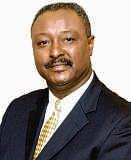
Roger Cador, 74, of Ventress, Louisiana, legendary formerhead baseball coach at Southern University, passed away on June 30, 2026. AHall of Fame coach and oneofthe winningest coaches in collegiate baseballhistory, Cadorled the Jaguars for 33 seasons, compiling 913 victories, 14 SWAC championships, two HBCU National Championships, and 11 NCAA Regional appearances. He was inductedinto the SWAC Hall of Fame, Louisiana Sports Hallof Fame, AmericanBaseball Coaches Association Hall of Fame, and National College BaseballHallofFame. He waspreceded in death by his parents, Expert and Eunice Cador, and asister, Mary Jean Cador. He is survived by his sons Johnthan Cador of Zachary, Louisiana,Jeremy CasonofMontgomery, Alabama, and abonus son, Tim Romero of Knoxville, Tennessee; his siblings, Betty Leonard and Henry Cador of New Roads, Louisiana; his aunt, Marie Joseph of New Roads, Louisiana; and numerous family members, former players, colleagues, and friends Public viewing willbe held Monday, July 6, 2026, from 3:00 p.m. until 6:00 p.m. at the F.G. Clark Activity Center on the campus of Southern University and A&M College, followed by a memorial service at 6:00 p.m. Funeral arrangements are entrusted to Hall Davis andSon Funeral Service.
Funerals Today and treasuredmemories. Hewas anative of Port Arthur, TX and worked for Anco Insulationfor over 35 years. He is survived by his wifeof57years,Mathilda SamuelNolan; one daughter,Christy Turner and her husbandDuane Turner; two sons: DavidL.Nolan and wifeLauraNolan; WilliamB.Nolanand wife StephanieNolan; sister-inlawBarbara Nolan; eight grandchildren: Taylor Turner and wife Alana Turner,MaryMargaret Davidand husband Trey David,Gwin Marie Turner, Kathryn Nolan and fiancé LukeOakley, Melissa Nolan, Matthew Nolan, Kaylin Cooperand Brinley Nolan. He is also survived by many dear friends who will forevercherishhis memory. He was preceded in death by his father, Doyle L. Nolanand mother Mae Nolan; brother RonaldL NolanSr.; sisterDoylene Wilson and husband Glenn Wilson; and nephew Ronnie L. NolanJr. Pallbearers willbeTaylorTurner,Trey David, MatthewNolan, Alex Bonds, Brent Wilson and LukeOakley.Honorary pallbearerswillbeSteven Wilson, DuncanSmith Sr., FredBennerscheidt, Fritz Bennerscheidt, Gus Bell Jr Dr.WilliamE.Weldon, and Bill Davis. Share sympathies, memories, andcondolences at www.CharletF uneralHome.com.

Nolan,David Ray It is with heavy hearts that we announce the passing of David R. Nolan, adevoted husband, loving father, cherished grandfather,and loyal friend. He passed awaypeacefully on July 1, 2026, leaving behind alifetime of love, laughter,
Travis,GeorgiaTorda Georgia Torda Travis, lovingmother of JackA Travis II, JohnTravis, RousselPowell and grandmother,passed awayatthe age of 93 on May12, 2026, in Birmingham, AL. These are the most basic details, but Icould write amillion words and they wouldnever come close to expressing the magnitude of love we all have foryou, or you had for us. Everyone is born, lives a while,then dies. But those who have liveda goodlife never truly die. They live on in the stories andmemoriesofthose they leave And in that way, you will live forever. Rara Avis,a rare bird. We loveyou Nana. There is no past tense to love. You arelovednow and always. Acelebration of lifewill be held from 10:00AMto 12:00PMon2026-07-11 at Comite Baptist Church, 12250GreenwellSprings Road.






DEADLINE
RUNDATE













OPINION
AMERICA250






Saints playerstakepartin drillsduring minicamp on June 17 at the team’s outdoor practice field in Metairie.
PHOTOBySOPHIA GERMER
Good vibessurroundSaints, butthese factorscould dampen mood
Everything is sunshineand rainbows these days on Airline Drive, but the optimism around the 2026 New Orleans Saints doesn’t mean there aren’tdark cloudslooming on the horizon.
Djokovic matches Federer for Wimbledon victories
BY KEN MAGUIRE AP sportswriter
LONDON NovakDjokovic saw Arthur Rinderknech falling toward the Centre Court net after avolley and said to himself
“Please stay down.”
The Frenchman did, and the 39-year-old Djokovic dove to hit abackhand volley winner on match point fora7-5, 6-4, 1-6, 7-6 (4) record-equaling victory in the third round at Wimbledon on Friday Djokovic’s 105th match win at theAll England Club ties Roger Federer on the men’s list formostsinglesmatch victories. Martina Navratilova won120 singlesmatches at Wimbledon.
By next weekend, Djokovic would love to equalFederer’smen’srecord of eight singles titles, but reaching the fourth round will have to suffice fornow “Today,I wasquite stressed out, more tension than usual,” Djokovic said in his oncourt interview.“Iknew it was going to be a very challenging match forme.”
The 24-timeGrand Slam champion overcame ablip —dropping the third set in 18 minutes —and held his nerve in the fourthsettiebreaker by hitting back-to-back aces before Rinderknech’sforehand went wide to set up match point.
ä See WIMBLEDON, page 5C


The Saints are still an unfinished product. Less than twoyears into the Kellen Mooreera, thedepth chartisbereftofblue-chip talent and dangerously thinatcertain positions. Key aspects of theteam remain awork in progress.
For what it’sworth,Americaremains skeptical. Vegas oddsmakershave installed theSaints’ over-under win total at amodest 7.5. Their odds to win theSuper Bowl are 90-1. Only six teamsare biggerlongshots. Here are five concernsI have forthe Saints as they enter their 60th season: Will athird CB step up?
The NFL is apassingleague, and conventional wisdom says youneed at least three quality cornerbacks to surviveand thrive. Kool-Aid McKinstryand Quincy Rileyformasolid startingtandem, butthe Saints lack
aproven third option behind them. Veteran Ike Yiadom lost his starting spot after struggling in coverage a year ago. Free agent Martin Emerson and rookie TJ Hall were added to the mix this offseason, but both are question marks. Emerson is coming off a season-ending Achilles tendon injury Hall is an unproven seventh-round pick out of Iowa. It wouldn’tsurprise me to see theSaints add aveteran corner to the mix before thestart of the season, but their options are limited.
Does pass rush have enough juice?
Youmight look at the Saints’ 45 sacks and No. 5ranking in sacks-per-attempt last season and think all is well, but theadvanced pass-rush metrics tell adifferent story.The Saints’ 32.6% quarterback pressurerate ranked 21stinthe league, according to Next Gen Stats, and their overall pas- rush rating of 66.7ranked 23rd per Pro Football Focus.
ä See DUNCAN, page 2C
COMING SUNDAY: Jeff Duncan looksatreasons to be optimistic aboutthe Saints’upcomingseason

Saints tackle Broughton readytoput lessonstouse
BY LUKE JOHNSON Staff writer
Back in late April, theNew Orleans Saints fortified their defensive interiorbyusing their first Day 2NFL draft pick on Georgia defensive lineman Christen Miller.But, for all intents and purposes, the team will really have apair of Day 2picks making first impressions on their defensive line.
Vernon Broughton, the Saints’ 2025 third-round pick outofthe University of Texas, played in only one game last season before he suffered aseason-ending
hipinjury againstthe SanFrancisco 49ers. As therest of the rookie class thrived on the field,Broughton was forced to sit and watch. Though he lost virtually his entire rookie season, Broughton said he made sure to usehis time away from thefield to set him up for success starting this season.
“Studying the playbook, cominguphereand watching film with the guys andsitting throughfilm study,” Broughton said. “I didn’t leave; Istayed here thewhole time. Throughout that process, Igot better.”
ä See SAINTS, page 2C

BY DEE-ANN DURBIN AP business writer
World Cup fans came from overseas for the cheering, but they’re also doing alot of chewing while delightingtheir hosts with rave reviewsofNorth American cuisine. “It’sgreasy, it’sdisgusting, but it’sabsolutelyglorious,” Jack Goodwin,asoccer enthusiast from London, said about the American food he hastried in Dallas, Boston, New York and Atlanta. “I don’twantto say this because it’salittle bit harsh, but the portionsare alittlebit larger— alot more tastier —soIcan understand the, um, obesity here. Idon’twant to be harsh, but yes, the food is fantastic here.”
Many fans are making apoint to tryregionalspecialtiesorchains theycan’tfind where they live, like In-N-Out Burger or Buc-ee’sconvenience stores. Erling Haaland, astriker forNorway’sWorld Cup team, posted aphotoonX of himselfoutside Katz’sDelicatessen in NewYork. Harrison Murphy, who wastraveling from London with hisbrother for theknockout rounds, had breakfast at aChick-fil-A in Atlanta this week.
“Have youhad Chick-fil-A? It was
ä See WORLD CUP, page 5C
STAFF PHOTO By DAVID GRUNFELD
Jeff Duncan
STAFF FILE
AP PHOTO By KIN CHEUNG NovakDjokovicofSerbiadances toward hisfamily as he celebrates hisvictory against Arthur Rinderknech of Franceina third-round singles match on Fridayatthe Wimbledon Championships in London.
LSU adds productive outfielder from Oregon LSU added a commitment from Oregon freshman outfielder Angel Laya out of the transfer portal, Laya announced on social media Friday
Laya hit 14 home runs with a .296 batting average and a .934 onbase plus slugging percentage in 59 games this season. Against Big Ten competition, he hit .304 with a .966 OPS and seven home runs. He played right field and didn’t commit an error He struck out in 13.1% of his at-bats, but his walk rate was relatively low, hovering around 10%.
Out of high school, Laya was the No. 112 player in the 2025 class and the No. 24 outfielder, according to Perfect Game.
Laya is the eighth player LSU has added out of the portal and third outfielder
McNeill takes 2-shot lead at U.S. Senior Open
Reigning champ
Harrington sits in second place
By The Associated Press
COLUMBUS, Ohio George McNeill’s goal was to make the cut in his first U.S. Senior Open. McNeill not only safely guaranteed he would play the weekend at Scioto Country Club he shot a 4-under 68 on Friday to open a two-stroke lead.
“Never really had a good feel for U.S Opens. I don’t know if age is helping me This Senior Open, obviously I’m doing OK so far,” McNeill said, “There’s a long way to go on the weekend, but to make it to the weekend was my first goal, first step, and then go from there, and we’ll see what
SAINTS
Continued from page 1C
In Broughton and Miller, New Orleans hopes to get an injection of youthful playmaking along its defensive interior — and potentially its side-byside pairing of the future. Last year’s starters Nathan Shepherd and Davon Godchaux are both entering the final year of their respective contracts, and both are in their early 30s.
For Broughton it means making good on the lessons learned from his year away from the field.
“We have a number of guys who took advantage of what would be viewed as an unfortunate situation,” coach Kellen Moore said. “Injuries, missing a season, they were able to turn it into working their tails off with (director of sports performance Ted Rath, director of sports med-
happens.”
McNeill was at 6-under 134 on the course Jack Nicklaus grew up playing.
Reigning champion Padraig Harrington was second after a 67.
bonus, I’ll take it, because I know there’s plenty of bad bounces or whatever you got that will happen. So I’ll take what I can get.”
bit. It’s a tough track. It punishes you if you’re a little bit off. Dug myself a little hole, but the last four it was really good to salvage those.”
Chase Young was the only Saints defender to rank among the top 100 in pass-rush win percentage by PFF last season and he ranked only No. 32 with a 15.2% win rate. Free agent linebacker Kaden Elliss ranked No. 10 at 18.2%, so there’s hope he can bolster this area. The Saints wanted to add more help during the NFL draft but things didn’t fall their way in the second and third rounds. As a result, they took a pair of flyers on veterans Tyree Wilson and Anfernee Jennings.
Defensive coordinator Brandon Staley is a master at manufacturing pressure with creative schemes, but this aspect of the defense remains a concern Can WRs stay healthy?
Chris Olave and Jordyn Tyson are extremely talented They’re also regularly injured. Their extensive injury history could have Saints fans holding their breath every time one of them catches a pass this season. Both players were limited because of varied health reasons during offseason workouts, raising concerns about their availability for the start of training camp. The Saints improved the depth of their receiver position this offseason, but Devaughn Vele, Ja’Lynn Polk and Bryce Lance are better suited for supporting roles rather than starting spots. The Saints need Olave and Ty-
“I seem to be a little bit tentative with my approach shots,” Harrington said. “Obviously I’m in a nice place, and maybe more of the same is what I want, but it feels like I could free up a little.”
First-round co-leaders Charlie Wi and Stewart Cink were three shots back after rounds of 70.
Miguel Angel Jimenez also was three strokes behind after a 68.
McNeill closed with a long birdie putt for the lowest round of the week.
“That was unexpected. I got a little right of the hole, but then it broke back just at the end. Happy to see it go in,” he said. “I made a long one on 9 yesterday Again,
icine Ben Stollberg and head athletic trainer Shone Gipson) in the rehab process, and then they get better and stronger during that time
“Then they’re also in the classroom, they’re also in the meetings, they understand the football aspect. You can see it from Vern.”
Broughton said this was his first major injury as a football player
Thankfully, he said, the injury required time to heal and not a surgery
He leaned on his faith and his family to get him through the recovery with his wife playing an important role. Broughton was cleared to resume normal activities in March, about six months after the injury
The native Texan stayed in New Orleans throughout his rehabilitation. While his body recovered, he honed the mental side of his game.
“I feel like now I’m far better than I was a year ago playbook wise,” Broughton said. “I’m more confident, for sure.”
The 50-year old McNeill is a PGA Tour Champions rookie after winning twice on the PGA Tour He has a pair of top-five finishes this year, including a tie for second at the James Hardie Pro Football Hall of Fame Invitational. McNeill is attempting to become the 13th player to win in his first U.S. Senior Open. The last to do it was Richard Bland in 2024. Cink once again got off to a slow start before finishing strong. He was 3 over for the round after 14 holes before he birdied three of his last four
“I salvaged the round today,” said Cink, who is trying to win his third senior major this year “It’s hard to focus, and you just lose your concentration just a little
Wi had a double bogey on No 2 and was 3 over through five before making birdies on four of the next 10 holes. He then bogeyed the par-4 16th. “The conditions are getting firmer, so if they keep the greens firm — and there’s a lot of undulation on the greens, so you’ve got to make sure you miss on the correct side so you can get it up-anddown and have an easy two-putt,” Wi said.
Among those not making the cut, which was at 4 over, were former Senior Open champions David Toms (5 over) and Olin Browne (14 over) along with Justin Leonard (5 over) and Davis Love III (9 over).

Broughton was expected to be a key cog in the defensive rotation a year ago, but that obviously did not materialize after his injury Without him, the Saints defense surprised in its first year under coordinator Brandon Staley
New Orleans ranked in the NFL’s top 10 in total defense (ninth), pass defense (fourth) and rushing yards allowed per play (sixth). It also performed well in the advanced metrics, finishing
Saints defensive lineman Vernon Broughton jogs across the field during minicamp on June 16 at the team’s indoor practice facility in
with the NFL’s third-best mark in expected points added per play against the run and just outside the top 10 in overall EPA per play
And it is safe to say Broughton is excited to see how he fits into that unit as a healthy and wiser player
“Hell yeah, I’m ready to add and get back to it, bro,” Broughton said. “Get this rocking.” Email Luke Johnson at ljohnson@theadvocate.com.

son to stay healthy. Is running game good enough?
Travis Etienne should add some needed explosiveness to the rushing attack. He had seven runs of 20 or more yards last season.
The entire Saints team had only five such runs. Alvin Kamara had zero 20-plus-yard runs in 131 carries. But is Etienne enough to bolster a rushing offense that ranked at the bottom of the league in
will
Are higher expectations good? The Saints have flown under the radar for the last few seasons. Now, thanks largely to the emergence of quarterback Tyler Shough, they are being touted by many league observers and analysts as a potential worst-to-first candidate in the NFC
opponents are over How will the Saints handle this new dynamic? Will the renewed sense of hope and optimism be a blessing or a curse? One way or the other, it will be a stern test of the team’s new leadership core.
Lakers sending Ayton to Wizards for Hardy, picks WASHINGTON Deandre Ayton is being traded from the Los Angeles Lakers to the Washington Wizards, according to a person with knowledge of the deal.
The Lakers have agreed to send Ayton to Washington for Jaden Hardy and second-round draft picks in 2031 and 2032.
Ayton, the No. 1 pick in the 2018 draft, played for the Phoenix Suns for five seasons and the Portland Trail Blazers for two. He joined the Lakers for last season and averaged 12.5 points and 8.0 rebounds in 72 games.
The 7-foot Ayton adds another rim protector to a Washington team that has Anthony Davis and Alex Sarr Ayton now gives the Wizards three No. 1 overall picks along with Davis and Dybantsa.
Glover builds two-shot lead in John Deere Classic SILVIS, Ill. — Lucas Glover kept another clean card by holing a 12foot par putt on his final hole for a 6-under 65 to take a two-shot lead Friday in the John Deere Classic. Glover started on No. 10 in the afternoon and did most of his damage on the back nine with five birdies, though equally important was going bogey-free through 36 holes. He was at 14-under 128, two shots ahead of Lee Hodges (66) and another shot ahead of Zac Blair, who made a nifty par of his own on the closing hole at TPC Deere Run for a 68.
Glover got off to a blazing start through five holes, with each of his shots into the green 8 feet or closer He converted three of them for birdie and hit his tee shot into the par-3 16th to 2 feet.
Braves sign McCutchen to minor league contract
ATLANTA The Atlanta Braves signed former NL MVP outfielder Andrew McCutchen to a minor league contract on Friday in their ongoing search for a veteran who can provide offensive help. The 39-year-old McCutchen was released by the Texas Rangers on May 27 after he hit .192 in 37 games as a designated hitter, pinch hitter and outfielder
McCutchen played his first nine seasons in the majors with the Pirates and earned five straight AllStar berths from 2011-15 while becoming one of the team’s most popular players. In 2025, McCutchen hit .239 with 13 homers and 57 RBIs in 135 games before becoming a free agent. He is a career .271 hitter with 333 homers, 1,157 RBIs and 220 stolen bases in 2,299 games.
Yankees place LHP Rodón on 15-day injured list
NEW YORK The New York Yankees placed starting pitcher Carlos Rodón on the 15-day injured list due to left elbow inflammation, nearly two months into his return from offseason elbow surgery The Yankees made the move Friday retroactive to Tuesday On Sunday, Rodón allowed two runs and one hit in five innings in a 5-4, 10-inning loss at Boston.
The 33-year-old left-hander’s average velocity on his fastball, changeup, slider and sinker against the Red Sox were slightly down when he threw 55 of 96 pitches for strikes.
Rodón went for an MRI after feeling pain on Wednesday The MRI
STAFF
PHOTO By SOPHIA GERMER
Saints wide receiver Chris Olave catches a pass during minicamp on June 17 at the team’s outdoor practice facility in Metairie.
Metairie.
STAFF FILE PHOTO
By SOPHIA GERMER
NBA’sLeBrondominostill waitingtofall
BY TIM REYNOLDS AP basketball writer
MIAMI— All eyes in the NBA are on LeBron James, even amid a huge cycle of changes around the league.
Giannis Antetokounmpo got traded to Miami for Tyler Herro Jaylen Brown got traded to Philadelphia for Paul George. Kawhi Leonard got traded back to Toronto; Ja Morant got tradedto Portland; LaMelo Ball got traded to Minnesota; and Dusty May left NCAA champion Michigan to coach Dallas.
There have been somehuge moves in theNBA in the past few days. But everybody,itseems, is waiting for James —again.
“He’sstill the face of the league,” James’ agent, Klutch Sports CEO Rich Paul said.
If there was any questionabout whether the league’soldest active player and NBA’s all-time points leader still moves the needle, that’s been answered.
Soccer’sWorld Cup is going on; the wedding of Taylor Swiftand Travis Kelce at MadisonSquare Garden —the home of the NBA champion New York Knicks —is commanding global attention; it’s aholiday weekend in the U.S.; and yetthere’sstill all sorts of intrigue surrounding whereJames will decidetoplay next season.
This much is certain: James, who turns 42 in December,will playa 24th season and it won’tbefor the Los Angeles Lakers Officially,that’sthe full listof what is known. Paul dropped some clues on the “Game Over” podcast that he shares with Max Kellerman —indicating by showinga whiteboard filled with scrawled-
out possibilities that James is looking at aslewofteams, including and probably notlimited to Philadelphia, Cleveland,Miami, Minnesota, Denver, Golden State, San Antonio, Dallas, Boston and New York
“If the Knickshadn’thave won, there would be no board,” Paul
said on thepodcast. “He’d be going to the Knicks.” Thedecision can come whenever James wants. It can’tbeannouncedorcommented upon by ateam before Monday at 11 a.m. —unless James signs for the minimum salary whichinhis casewould be about
$3.9 million. Will he make his announcement Saturday, on the Fourth of July amid acelebration of the nation’s 250thbirthday? Will he do it on July 8, the 16th anniversary of the famed “The Decision” broadcast? Nobody knows. Nobody even knows if he knows. And nobody
Clarkcondemnsthreats WNBAplayers receiving
BY DOUG FEINBERG AP basketball writer
NEW YORK Caitlin Clark hasseen enough of the social media hatred thatshe, her Fever teammates, coaches and opposing WNBA players get.
“I’ve said up here andsaidbefore, the harassment, the hate, none of that is OK,” Clark said at practice Friday “That goes for the opposing team we play,that goes for my teammates, that goes for my coaches. There should never be question of character None of that is OK, and Idon’t want anybody to ever experience that.”
The WNBA has gottena lot more attention the pastfew seasons with the addition of Clark and Angel Reese among others to the league. Amultibillion dollar media rights deal, million dollar salaries and higher attendance have been the positives. An increase of social media vitriol toward players and teams has been thenegative.
Social media hatred is nothing new and isn’tjust directed toward the WNBA and its players. It’sbeen going on for more than adecade toward the league andits players. However, it has gotten worse lately with players andcoaches receiving threatsfor things thathappen on thecourt. Phoenix Mercury forward Alyssa ThomassaidTuesday that shereceiveddeaththreats and had beencalled racial slurs in the aftermath of her onegame suspension after shemade contact with her fist to Clark’s throat inlast week’smatchup against Indiana.
WNBA commissioner Cathy Engelbert issueda statement on Tuesday condemning “any and all forms of hate.”
The WNBA has beentrying to do what it can to make theplayers feel more protected and combat its social media problem.
The league has made amajor push with security overthe past few seasons.Teams travelwith more security on the road and there are enhanced protocols at arenas,hotelsand whentraveling. Franchises now take charter flights, which makes it easier on the teams. The WNBA also has implemented initiatives that combat online hate and threats to players. Some of that includes artificial intelligence software to identify and respond more quickly to threats, harassment and hate directed at playersand teamsacrosssocial media platforms.
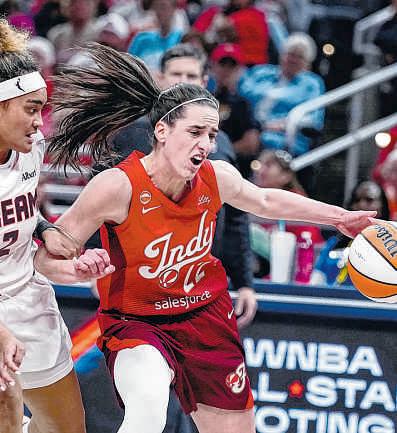
Unfortunately,nothing is foolproof in stopping online hate spewed by anonymous people who hide behind their keyboards.
“I thinkfor the league as a whole, there’sbeen so much more toxicity,racism, homophobia straight-up hateful nonsense, and it is absolutely unacceptable,”
Fever coach Stephanie White said during atwo-minute opening statementatpractice Wednesday.
“Most of it is coming from the onlinecommunity.Inmyheart of hearts, Ibelieve mostofitis notcoming from WNBA fans or Indiana Fever fans.”
Whitecoached Thomas in Connecticuttwo years ago and saw thesocial media vitriol there, as well.
“ATisexactly right: We get to play abasketballgame,”White said. “Yes, that’sgoing to come with criticism and yes,that’sgoing to comewith fansand the love-hate relationship they have with playersand teams.But it’s nothardto not be ajerk. And if you’re oneof thepeople who’sonline doing this, do notcallyourself aWNBA fan.”
Clark said she’sbeen hurt by all of thenarratives created online and in themedia about her and her Fever teammates.
“It can be really frustrating to me at times andit’sdifficult,”
Clark said. “A lotofpeople sometimes think I’m arobot. I’m not a robot.Ihave emotions, Ihave feelings.And it can be reallydifficult to go through alot of that. I’m 24 years old, trying to navigatealot there are timesthatitishard, and there are times that, you know, it probably affects me alittle bit morethan Idoput on.”
To try and help the players deal withthe hate theyreceive, the league also has expanded access to confidentialmental health resources and support
The union sent aletter to its players last week thatwas obtained by The Associated Press that included pointsonsocial mediavitriol. “Weknow spirited debate and passionatefandom are part of sports. Threats, harassment, andespeciallydeath threats directed at any player or membersofher family arenot.Itis completely unacceptable and must be unequivocally,publicly and immediatelycondemned,” the lettersaid. “Ifyou experience anythreatening or concerning communications, please remember thatboth your team andthe WNBPAhave security resources available to support you. Your safety and the safety of your loved ones remain our highest priority.”
knows whetherJames intends for 2026-27 to be his final season.
“No one said this is going to be his last year,” Paul said. “Nobody said that.”
Thatraisesthe possibility of a 25th season —a quarter-century of LeBron, when nobody else in league history madeitpast a22nd season.
It’spretty clear that money won’t be ahuge factor here. James has earned nearly $600 million in gross salary on thecourt in his first 23 seasons, while his net worth is generally believed to exceed $1 billion.
Golfwill matter.James is an avid golfer now,and Minnesota, Cleveland, Philadelphia, Denver, NewYork and Boston aren’texactly places knownfor great golf offerings in January andFebruary.That said, they all surely have great indoor facilities. It won’tbe adeal-breaker
He’ll want to play forateam that can contend foratitle, not present quality-of-life issues, and appeals to his wife and daughter.Every spot on his list will be able to make agood case on all those fronts.
So, whoisthe front-runner?
The podcasthad aton of news and aton of insight. Paul laid out howJames would fit into the lineup of mostofthose teams, how acquisitions such as Philadelphia acquiring Brownchanges dynamics, then talked about someofthe reasons why James might be leaning toward —oraway from —certain clubs.
But in the end, he didn’tprovide any real hint.
“You can think whatever you think,” Paulsaid. “This is just my board. Youdecide whatyou want to think.”
Torontoembraces WNBA’s first internationalfranchise
BY IANHARRISON Associated Press
TORONTO— The WNBA’s decision to make Toronto the home of its first international team is going well. Tempo fans can be found across Canada. The expansion team could break the WNBA singlegameattendance record next week.Not in Toronto, however, but almost 350 miles east in Montreal.
On the opening leg of their Cross Canada Series, theTempo are playing twogames at Montreal’sBell Centre,whichholds 22,114 for basketball. Acapacity crowd could top the WNBA playoff attendance record of 22,076.
In August, the series heads west for two games in Vancouver
“We’ve put the workinand we’re continuing to get better every game, so Ithink the support is going to continue,” Tempo guard Marina Mabrey said. “It’svery inspiring to see this kind of hype and energy arounditinCanada.It kind of motivates youtodobetter every single night.”
The Tempo have two home gamesbefore playing Dallas next Friday in Montreal. They have been giving fans much to be excited about. Toronto is one game under .500 with a9-10 record thanks in part to the scoring of Mabrey,who is having an AllStar season averaging 21.2 points agame, third best in the WNBA.
Mabrey madeheadlines when she matched the WNBA scoring record with a53-point performance in aJune 25 win over Los Angeles. With the trip to Quebec coming up, she’slooking forward to scoring more points and making fresh fansinabrand newcity.
“I haven’tbeen to Montreal, so I’mexcitedtosee whoshows up for that and forus,” Mabrey said.
Guard Kia Nurse is the lone Canadian on the Toronto roster, and she expects agreat turnout for the team that features players from eight different countries and is led by an Australian coach —two-time WNBA champion Sandy Brondello.
Nurse’sunofficialdutieswith the Tempo have includedusing her local knowledge to help her teammates adjust to their Canadian home.
“Early in theseason,there were alot of conversations around the mostsimple things,” Nurse said.
“I’ve tried to help them with anything that’sdifferent, even from the beginning when we got here, theywerelooking forCVS. I’m like, you want Shoppers Drug Mart. What are thegrocery stores? OK,this oneisnear your house.”
Now that the Tempo have the basics figured out, Nurse said she’sseen her teammates learning something else, too.
“I think whateverybody’sreally starting to understand is how unique it is to playina Canadian city and be the only Canadian team in the entire country,the sameway theRaptors and Blue Jays are,” Nurse said. “We’re not on national television all the time in the US, but we are on national television every single game here in Canada, and that makes adifference, being able to reach people and getmorelove and excitement about women’sbasketball. When we go to Montreal and when we go to Vancouver,the fans will fill out arenas.” Brondello, who was aWNBA All-Star as aplayer,said she has received messages of support from Canadian basketball fans farbeyond Toronto.
“Weare Canada’steam,and we actually do feel it,” Brondello said. “One of the reasons Itook this job is because it was anew challengeina wholenew country, andwehad this unique opportunity to growthe game even bigger here.
“The WNBA is areal movementatthe moment, the last few years,”Brondellosaid. “I’vebeen part of this for27ofthe 30 years, so I’ve seen the evolution from when Iplayed in the early,early days to how it is now,and there’s asense of pride to see that. Women’ssport is so much moretalked about than just adecade ago, five years ago. It’s ourtime now, and Canada gets to see that.”
As muchasMabrey is inspired by the prospect of arecord crowd in Montreal, she also sees abigger picture forher sport.
“Honestly,this is forall of women’sbasketball,”Mabrey said. ’There’ssomany players whohave sacrificed time, money, themselves forustobeinthis position now.It’sonly right that when we get afan base like that, that they’ve been working so many years for,that we go and we do it rightand we putona show, both teams.”

ASSOCIATED PRESS PHOTO By MICHAEL CONROy
drives on Atlanta Dreamguard Te-Hina Paopao in the first half of agameonJune18inIndianapolis
ASSOCIATED PRESS FILEPHOTO By MARK J. TERRILL
LosAngeles Lakersforward LeBron James takes apass as Oklahoma CityThunder guard Shai GilgeousAlexander defends duringthe first half of Game 3ina second-round playoff series on May9inLos Angeles.



WORLDCUP 2026

France takescenter stageinPhillyheat
BY STEVE REED Associated Press
Saturday lookahead
TheWorld CupRoundof16has arrived. With it comes intensifying pressure —and in some places, stifling heat. The second round of the knockout stage commencesSaturday with Canada facing Morocco in the opener in Houston,while powerhouse France and Kylian Mbappéwill meet Paraguay in the nightcapin Philadelphia
There will be two games per day over the next four days to determine the eight quarterfinalists.
Mbappé has been one ofthe hottest players in the World Cupas he chases the career goals record currently held by Argentina’sLionel Messi.
In Philadelphia, Mbappé, his teammates and Paraguay will play in sweltering conditions at Lincoln Financial Field.
The game coincides withaheat wave that’sexpected to bring temperatures exceeding 100 degrees Fahrenheit. More than 68,000 fans are expected to endure those conditions, which could also drain the energy of players on the pitch.
Mbappé scored his 17th and 18th World Cup goals in France’s 3-0 rout of Sweden last weekend in East Rutherford, New Jersey,
GLANCE
when itwas 90 degrees forthe 5p.m.kickoff. “I’m looking forward to the changingroom andthe AC,” Mbappé said as he came off the field.
ForSaturday’sgame, misting fans will be available for fans approaching the stadium, and cooling tents will be available to fans within thestadium footprint at the fan experience. Fans areallowed to bring one disposable plasticwaterbottle into thestadium.
Canada lookstoavengeloss
Morocco andCanadawill meet in asecondstraight World Cup, but this matchup will have much higherstakes.
Morocco beat Canada2-1 in the group stagein2022, when it went on to become thefirst African team to reach the semifinals.
Canada lookstocontinuetomake history afternotching its first-ever knockout win, a1-0 triumph over South Africa on Sunday
“We’reexcited for the moment,”
Canada coach Jesse Marschsaid. “Wewanted to get to apoint in the tournament wherewewereplayingagainstsome big opponents, andMoroccois exactly that.”
Morocco dispatched the Netherlands in apenalty shootout to reach the round of 16. With awin Saturday,the Atlas Lionswould become the first African team to reach the quarterfinals more than once
Austria 3, Spain 0 Portugal 2, Croatia 1 Switzerland vs.Algeria, n
Egypt 1(4-2 PK), Australia 1 Argentina 3, Cape Verde2,OT Colombia vs.Ghana,n ROUND OF 16 Saturday Canadavs. Morocco, noon Paraguay vs.France, 4p.m. Sunday Brazil vs.Norway,3p.m. Mexico vs.England, 7p.m. Monday Spain vs.Portugal, 2p.m. United States vs.Belgium, 7p.m. Tuesday Argentina vs.Egypt, 11 a.m. Switzerland vs.TBD,3p.m.

ASSOCIATED PRESS PHOTO By JEFF CHIU
U.S. forward Folarin Balogun, right,fouls Bosnia’s TarikMuharemovic, resulting in ared card for Balogun,onWednesday in Santa Clara, Calif. Balogun must sit out Monday’s match vs. Belgiumfor the illegal tackle.
Balogun: Yellow card would have been amore‘fair’call
BY ANDREW DESTIN Associated Press
SEATTLE United States forward
Folarin Balogun said Friday he respectfully disagrees with his red card in the Americans’ 2-0 win over Bosnia-Herzegovinainthe World Cup. Balogun was sent off Wednesday for stepping on the right ankle of Tarik Muharemovic.
Before practice at Husky Soccer Stadium, Balogun said ayellow card for the illegal tackle would have been fairer
“There’snowhere else to put your leg. It’sgoing to be unavoidable,” Balogun said. “So, I’ve seen many different opinions and takes. But, for me personally,I think a yellowcard would have been fair It’ssomething that’shappened, so we have to move forward and I have to accept it.”
Balogun has to serve an automatic one-game suspension and will miss Monday’sround of 16 game against Belgium. There is

Messi, Argentina survive scarefromCapeVerde
BY ALANIS THAMES Associated Press
MIAMI GARDENS,Fla.— Lionel Messi wipedthe sweat fromhis forehead andbreathed asighofrelief. His Argentina teammates did the same.
Athrilling, unforgettable World Cup match withunderdog Cape Verde was over —and the reigning champions survived after being pushedtothe brink.
Cape Verde equalized in regulation andagain in extra time, but the Blue Sharks couldnot respond to Argentina’sthird goal, and La Albiceleste advanced to theRound of 16 with a3-2 victory on Friday Even in defeat, theperformance by Cape Verde —a tiny islandnation off thewestern coastofAfrica —will stand as oneofthe most remarkable stories of this, or any, World Cup.
The go-ahead score for Argentina was credited as an own-goal after CristianRomero’sheader deflected off CapeVerde’sDiney Borges in the 111th minute.Messi scored early in regulation, his record-extending 20th career World Cupgoal.Lisandro Martinez scored in the 92nd to put Argentina ahead 2-1.
Sidny Lopes Cabral and Deroy Duarte scored for Cape Verde bothequalizersthat stunned the
pro-Argentina crowdinSouth Florida.Cabral’sgoal —acurling, right-footed strike past goalkeeper Emiliano Martínez in the 103rd minute —madeanalreadywild game even more incredible, tying it at 2-all and raising the possibility of Messi facing standout Cape Verdegoalkeeper Vozinha in a penalty shootout.
Argentina pushed back in front eight minutes later,heldonfrom there and advanced to face Egypt —whichbeat Australia in ashootoutearlier Friday —inAtlanta on Tuesday.“As this team hasdemonstrated many times, and as I’ve said many times, it competes,” Messisaid in Spanish. “And we competed to the end.”
Cape Verde’s memorable World Cup debuthad been astunning run that few outside the country of 525,000 could have predicted. Behind the stellar play of the 40-yearold Vozinha, Cape Verde became thesmallest country to reachthe knockout round, securing draws against Spain andUruguayand another against Saudi Arabia.
Vozinha had 10 saves against Argentina, including five against Messi.
“Wedignify what our country is. We drewtwiceagainst the world champions, we took it to extra time,” Cape Verde coach Bubista said. “More than anything, it’sbe-
ing proud of our players who were dignified in the World Cup. We showed our identity.” Messi addedanother brilliant goal to his resume, sneaking behind theCapeVerde defense on a well-timed run as Martinez lofted apass toward him, taking aquick touch and hammering afinish into the roof of the net for a1-0 lead in the 29th minute
The Argentina captain hasseven goals in this tournament —one more than France’sKylian Mbappé in the Golden Boot race as the top scorer in this year’sWorld Cup —and extended his World cup record, moving two goals ahead of Mbappé on the career list. He has 12 goals during his record eightmatch scoring streak.
He had the game’sfirst chance when he sent it skidding across the goal mouth but outside of the right post in the15thminute.After getting taken down, he had a 25-yard free kick three minutes laterthatwas easily gobbledup by Vozinha,who cameupwith a marvelous play nearly every time his team needed one.
“I have to give credit to our opponents,”Argentina coachLionel Scaloni said. “The truth is,when people say there’snosuch thing as an easyopponent, today (Cape Verde) proved they’re agreat team.”
no appeal process for ared-card suspension unless FIFA assesses apenaltyofmore than one game, which was not the case with Balogun. He will be eligibletoreturn for the quarterfinals should the Americansadvance.
Balogun has three goals in the tournament, including one to give theU.S. the lead againstBosnia.
He hasmatched Landon Donovan in 2010 for the second-most goals by an American in aWorld Cup, behind onlyBert Patenaude’sfour in the initial tournament in 1930.
The25-year-oldstriker saidhe hasexperienceda“roller coaster” of emotions as of late.
“Been upset,I’vebeen happy. It’s been surreal, to be honest,” Balogun said. “But for me, Ithink it was just important to stay calm.
Inever want to react outofanger and out of emotion. There’s still lots of peoplewho are inspiring little kids, boys and girls who are watching. We have to showthem the correct way to handle things, even when you think it’sunjust.”
BYSCHUYLERDIXON
Associated Press
ARLINGTON, Texas— Hossam Abdelmaguidscoredthe deciding goal in ashootout, andEgypt won its debut in the WorldCup knockout round by beating Australia 4-2onpenalty kicks after a1-1 draw Friday Australia goalkeeper Mathew Ryandidn’tstopany of Egypt’s four shots after replacing starter PatrickBeach lateinextra time. Thevictory comes in Egypt’s fourth WorldCup.Australia is now 0-3 in the knockout round. Egyptwill next facereigning champion Argentina in the round of 16 on Tuesday in Atlanta.
Harry Souttar opened the shootout by missing high for Australia, and 18-year-old Lucas Herrington hit the crossbar with the fourth attempttoset up Abdelmaguid’sclincher
Egypt’sother penaltyshootoutscorers were MahmoudSaber,Ramy Rabia and Mohamed Salah, the former Liverpool star who starteddespiteahamstring injury sustained in the team’s group finale. Jackson Irvine and Awer Mabil scored in theshootoutfor Australia. Emam Ashour gave Egypt the lead in regulationbyscoringin the 13th minute with aheader thatbeat Beach just inside the near post.Australia evened the match in the 55th when Egypt defender Mohamed Hany be-

came thefirst playertoscore twoown-goals in thesameWorld Cup. Theown-goalcame when Aiden O’Neill took afree kick from left of the penalty area andHany headed theballpastgoalkeeper Mostafa Shoubir for aspot in WorldCup infamy.His other own-goal cameina1-1 draw with Belgium in the group stage. Lessthan 10 minutesearlier, Hany was down near thesame spot aftercolliding with Connor Metcalfe on the Australia midfielder’sheader attempt. Medical personnel tendedtoHany
ASSOCIATEDPRESS PHOTOByGEORGE WALKER IV
Lionel Messi, center,scores Argentina’s first goal against CapeVerdegoalkeeper Vozinha, left,onFriday
“I saw him slip and kind of fall down. And I was just like ‘please stay down’ for that last shot,” said Djokovic, who had repeatedly punched his left thigh after losing the third set
Joining Federer at 105 singles match wins is “a huge honor and privilege,” Djokovic added. “I propose a matchup for me and Roger for 106.”
Djokovic will face Russian qualifier Roman Safiullin in the fourth round. Safiullin, a Wimbledon quarterfinalist in 2023, beat Brazilian rising star João Fonseca 6-3, 6-3, 6-3.
Defending champion Jannik Sinner beat Jenson Brooksby 6-4, 6-3, 6-4 on No. 1 Court to advance to the fourth round.
The Italian, hoping to put his French Open meltdown in the rearview mirror, finished off Brooksby in two-plus hours after his opening-round five-setter was followed by a second-round win over Nuno Borges in straight sets but with two tiebreakers.
“I’m trying to find my way in. Felt better today which was my main goal,” the four-time Grand Slam champion said. “Trying to move better. Return today was a little bit better All things considered was a small step forward.”
Sinner will next face Japanese qualifier Shintaro Mochizuki, who stunned 23rd-seeded Rafael
Jodar of Spain 1-6, 7-6 (5), 6-4, 6-4 to reach the fourth round at a Grand Slam for the first time. Mochizuki, ranked No. 151, won the Wimbledon boys title in 2019.
Also, third-seeded Felix Auger-Aliassime beat American qualifier Michael Zheng 7-6 (1), 6-2, 6-1 in the Canadian’s Centre Court debut. Jan-Lennard Struff upended eighth-seeded Daniil Medvedev 7-6 (4), 7-6 (5), 7-5. On the women’s side, No. 1 Aryna Sabalenka and Naomi Osaka will meet for a spot in the quarterfinals after both players won in straight sets.
Sabalenka beat Jelena Ostapenko 6-4, 6-4 on Centre Court and declared herself ready for the 14th-seeded Osaka in what will be a battle of four-time Grand Slam champions.
“She’s (a) very aggressive player, serving well,” Sabalenka said. “I watched a couple of her matches I’m ready to go out there and to bring the fight and to do anything it takes to get through this difficult match.”
Osaka eliminated Daria Kasatkina 6-1, 6-3 on No. 1 Court Osaka is into the fourth round at the All England Club for the first time.
Coco Gauff got past fellow American Claire Liu 6-3, 6-7 (5) 6-2 after having three match points at 5-4 in the second set. Gauff will next face 11th-seeded Belinda Bencic.
Other winners in the women’s draw included fourth-seeded Jessica Pegula, 10th-seeded Karolina Muchova, and 2024 Wimbledon champion Barbora Krejcikova.
PRESS
Argentina national team jerseys look at a menu of drinks at Cafe Corazon on June 15 in Kansas City, Mo
WORLD CUP
Continued from page 1C
fantastic and so cheap. The sauces are free. It was remarkable,” Murphy said. “I said, ‘This is my first time, what should I try?’ The woman said, ‘You’ve got to try the Chick-fil-A sauce.’ My God, was it fantastic.”
Gary Bishop had never heard of poutine — often considered Canada’s national dish until he arrived in Toronto for the World Cup. But the Glasgow, Scotland, resident proclaimed it “absolutely delicious.”
“It was like chips with gravy cheese. But it was a really thick gravy Different from back home. Vinegar, there was lots of vinegar through it,” said Bishop, who was sporting a Scotland jersey on a recent stroll through Toronto’s FIFA Fan Festival “Really nice.”
Others are looking for a taste of home. Texas beer distributor Andrews Distributing welcomed a bus full of Dutch fans to its Dallas warehouse for Heinekens and dancing.
It’s a thrill for restaurant owners, from Cuban spots in Miami to barbecue joints in Kansas City and taco trucks in Mexico City.
“I have not seen anything like this ever in my life,” said Paul Barker, the principal and founder of Pauli’s, a Boston restaurant known for generously filled sandwiches and comfort foods Fans from Scotland, Brazil, England and elsewhere have lined up for his famous lobster rolls and taken photos with staff members, Barker said.
“Food becomes a natural conversation starter,” he said. “It’s just been incredible for us to be part of this.”
Some chains are leaning into the World Cup. Waffle House, the all-day breakfast chain with 2,000 restaurants across the South, opened a pop-up shop in downtown Atlanta to sell branded soccer balls, jerseys and patriotic gear. In a statement, the chain said it was “honored by the enthusiasm and curiosity” shown by visiting fans.
For other restaurants, World Cup fever has been a delightful surprise. Whataburger, a Texasbased chain with 1,100 locations, found itself in the spotlight after fans from Japan and elsewhere posted on social media about

Doubles players fearful after prize-money cut plan
BY MATTIAS KARÉN Associated Press
LONDON For tennis players such as Harri Heliovaara, playing doubles has provided a lasting career in the sport and even a chance to win Grand Slam titles, despite not having much success in singles.
Now Heliovaara, the No. 1 ranked doubles player in the world, is among those fearing for the future of the format.
Doubles players are up in arms after being told by the ATP Tour this week that prize money and tournament sizes will decrease significantly starting in 2028.
“There has been instances in the past where the future of doubles was very (uncertain),” Heliovaara, the 2024 Wimbledon doubles champion, said Friday. “This is one of the key moments again.”
prize money at ATP tournaments — down from 20% — while halving the size of the doubles fields.
At the premier Masters tournaments, that would cut the doubles draw to 16 teams, while at the smaller ATP 500 and 250 events it would consist of just eight teams.
“Do the math on what that means for anyone outside the top 30: it will be impossible to make a living,” the statement added. “This is not a minor adjustment. It is a plan to end doubles as a viable profession, dressed up as a cost-saving measure and it is being pushed through with almost no transparency and almost no consultation with the players whose careers and livelihoods are on the line.”
faced several changes in recent years. In 2023, Wimbledon joined the other Grand Slam tournaments in shortening matches from five to three sets.
The U.S. Open last year introduced a new mixed doubles format that was played before the singles tournament started, in order to draw top names like Carlos Alcaraz, Jannik Sinner, Iga Swiatek and Naomi Osaka. That was criticized by traditional doubles players, however, as it largely excluded them in favor of attracting more famous singles specialists. Heliovaara said one of the problems for doubles is that most of the well-known singles players have almost completely abandoned the format.
their visits.
“The attention has been completely organic and honestly pretty entertaining,” Whataburger president and CEO Debbie Stroud said. “We knew the World Cup would bring the world to Texas and our footprint across 17 states We just didn’t realize so many visitors would leave talking about a patty melt.”
Terry Black’s Barbecue, a small Texas chain, figured authentic barbecue would be on many fans’ must-try lists. It started sourcing extra meat more than a month ago for its locations in Dallas and Fort Worth, Texas, which are each about 20 minutes from the stadium where World Cup matches are played
It takes Terry Black’s four days to season and prepare its beef brisket and 12 hours to barbecue it. The chain also smokes turkey pork and sausages on its pits, which run 24 hours a day
The crush of World Cup fans has meant a lot of extra planning, said Darien Kapture, the chain’s senior vice president of food and beverage operations. But it’s also meant a lot of excitement, like the night Argentina supporters packed Terry Black’s Dallas location to celebrate the team’s victory over Austria, Kapture said.
“They were hooting and hollering and praising the brisket,” Kapture said.
“It’s great to see that these folks are coming to America and getting to experience what we experience every day.”
Goodwin, the visitor from London who said he “blew his mortgage” on a U.S. World Cup tour with his dad, deemed Terry Black’s barbecue “the most gorgeous food ever.”
“The best food we’ve had here is in Dallas,” Goodwin said. “Texas barbecue. Unbelievable.”
Not every review has been positive. Some fans have complained about the high price of food in World Cup stadiums, for example. A British fan told the BBC that the breakfast tea he bought from Dunkin’ was “not great.”
But for the most part, there have been more thumbs up than thumbs down. So many World Cup visitors expressed love for ranch dressing, for example, that the Transportation Security Administration issued a lighthearted reminder that tourists should pack bottles of dressing in their checked bags.
Leading doubles players issued a statement Friday condemning the ATP’s plans, saying they are not “a carnival sideshow” and that it will be impossible for anyone outside the top 30 in the doubles rankings to make a living if the new proposals are adopted.
The statement came after doubles players met with ATP officials at Wimbledon this week to discuss the future of a format that is struggling to draw an audience.
“The ATP is proposing to slash doubles draws, gut doubles prize money, and hand Challenger entry to singles players ahead of specialists who have built their careers in this discipline,” the players’ statement said.
They said the proposal would give doubles players just 10% of the
Asked about the statement, the ATP said it was “assessing the doubles product, draw sizes and player compensation distribution with the aim of creating a more sustainable long-term model while maintaining doubles’ important role on the tour.”
It added that changing the doubles model could help increase early round singles prize money, “helping more players at the highest level to better meet the costs of competing on tour and build sustainable professional careers.”
The proposal does not affect Grand Slam tournaments. At Wimbledon, there are 64 doubles teams in both the men’s and women’s draw and winning pairs split about $1 million, compared to $4.8 million for the singles champions. Doubles has always taken a back seat to singles tournaments when it comes to popularity and TV audiences, and the format has already
“We are losing the singles stars from the doubles game, and we have not been very good at making the doubles stars known to a global audience,” the Finnish player said.
The women’s doubles at Wimbledon received a boost when Serena and Venus Williams accepted a wild-card entry. They are set to play on Saturday after doubt caused by Serena tweaking her knee during her first-round singles match in her first appearance at the All England Club in four years. Heliovaara did not take part in the meetings with the ATP this week, but has previously been part of a player council that tried to find solutions to the problems facing doubles.
“It was very difficult to find answers,” he acknowledged. “But I still believe someone might have them. But it’s a very money-driven world.”
Tulane earns highest finish in directors’ cup in 21 years
BY GUERRY SMITH Contributing writer
Tulane finished 2025-26 with its best ranking in the Learfield Directors’ Cup standings in 21 years, getting contributions from five sports in a measure of athletics success bases on NCAA championship results.
The Green Wave had a particularly strong fall season, garnering 137 points for the second-highest total in that period since the cup’s creation in 1993-94 and the secondbest performance for any Group of Six school. Football accounted for 56 points after reaching the College Football Playoff for the first time, losing at Ole Miss in the first round. Men’s cross country was right behind, adding 53 points courtesy of a 21st-place finish at the NCAA meet after winning the South Central regional championship. Bernard Cheruiyot placed 29th individually, becoming the school’s first male All-America selection in cross country Women’s cross country contributed 28 points, taking the American Conference championship for the second time in three years and placing third at the South Central regional.
Tulane added 67 points in the spring, getting 42 from outdoor track and field. Silas Kiptanui was the runner-up in the 3000-meter steeplechase at the NCAA champi-
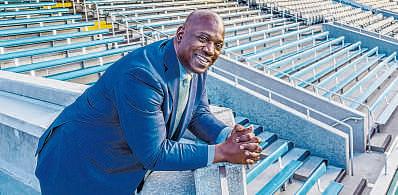
onships, becoming the first Wave track athlete to finish that high in any event. His time of 8:18.20 was less than a second behind the winner and more than two seconds ahead of the bronze medalist.
Kiptanui, Tulane’s lone competitor at the NCAA championships, earned the team eight points at the competition — good enough for a tie for 30th.
The beach volleyball team accounted for the other 25 cup points, reaching the NCAA championships for the first time after winning its initial league championship. The Wave lost in the first round of the 16-team tournament to eventual champion UCLA. The athletic programs’ total of 204
points was good enough for 97th nationally and was the highest among American Conference schools — well in front of No. 108 Rice, which accumulated 162.50 points.
“This past year has been a testament to the dedication and resilience of our student-athletes, coaches and staff,” Tulane athletic director David Harris said. “This ranking reflects the incredible progress we’re making as a program. We are proud of what we accomplished and excited about the future.” Tulane tied for 160th with 100 points in 2024-25, was 142nd with 118.50 points in 2023-24, was 102nd with 173.80 points in 2022-23 and was 292nd with 22.50 points in 2021-22.
ASSOCIATED
PHOTO By KRISTIN M. HALL Fans wearing
STAFF FILE PHOTO By CHRIS GRANGER Tulane athletic director David Harris poses for a photo on Nov. 27, 2023, in yulman Stadium.
ASSOCIATED PRESS PHOTO By KIN CHEUNG
Kevin Krawietz and Tim Puetz of Germany, top, face Roman Andres Burruchaga and Thiago Agustin Tirante of Argentina in their second-round doubles match on Friday at the Wimbledon Championships in London.
Keep us posted
Onemonth in,the 2026 Postcard Projecthas 116 postcardsfrom35 states,14countries
BY JANRISHER Staff writer
With amonth under ourbelts on the 2026 Postcard Project, the cards continue to come in steadily —116 individual postcards thus far representing 35 states and 14 countries. Those totals don’tinclude the 25 postcards from kindergartners that kicked off our series this year or the bundles of postcards of yore, including one from retired journalist VicCouvillion in Hammond. He and several thoughtful readers have sent cards they collected through the years on their travels from the National BaseballHallof Fame, Martha’sVineyard,Beverly Hills, Heidelberg, Germany —and beyond. In keeping with theencouragement to make-your-own postcards, awoman in Florida sent what she described as a“reject watercolor” afterreadingastory aboutthe Postcard Project. The diminutive painting is abeautiful floral scene that hardly seems rejectable.She signed thecard“from aLAgirlnow living in Florida.”
ALouisiana reader named Susan Seifert wrote that Garden of the Gods in ColoradoSprings is “the perfect place to see thewonders that God has created.” Sherecently visited for her grandson’s college graduation.

Lewis Deaton wrote from Manitowoc, Wisconsin, that he tooka boat from Wisconsin to Michigan while en route to start the PALM bike ride. Ihad to look thatone up. Turns out,PALM stands for Pedal AcrossLower Michigan. PALM is anonprofit group dedicatedto encouragingfamily bicycling and promotingbicycling safety.Since 1982, the organization appears to have picked adifferent cycling routeofseven stopsacrossthe state each year
Dru Troescher,ofBaton Rouge, has sent in many postcardsin the last five years in her effort to visit every state capitol. Shesenther latest entries from Michigan and Virginia, which was her 25th state capitol. She explained that itwas designed by Thomas Jeffersonand was the only building withcolumns in the United States when it was built. Iwas curious when there weren’t any buildings with columnsand learned that construction on
ä See POSTCARDS, page 3D
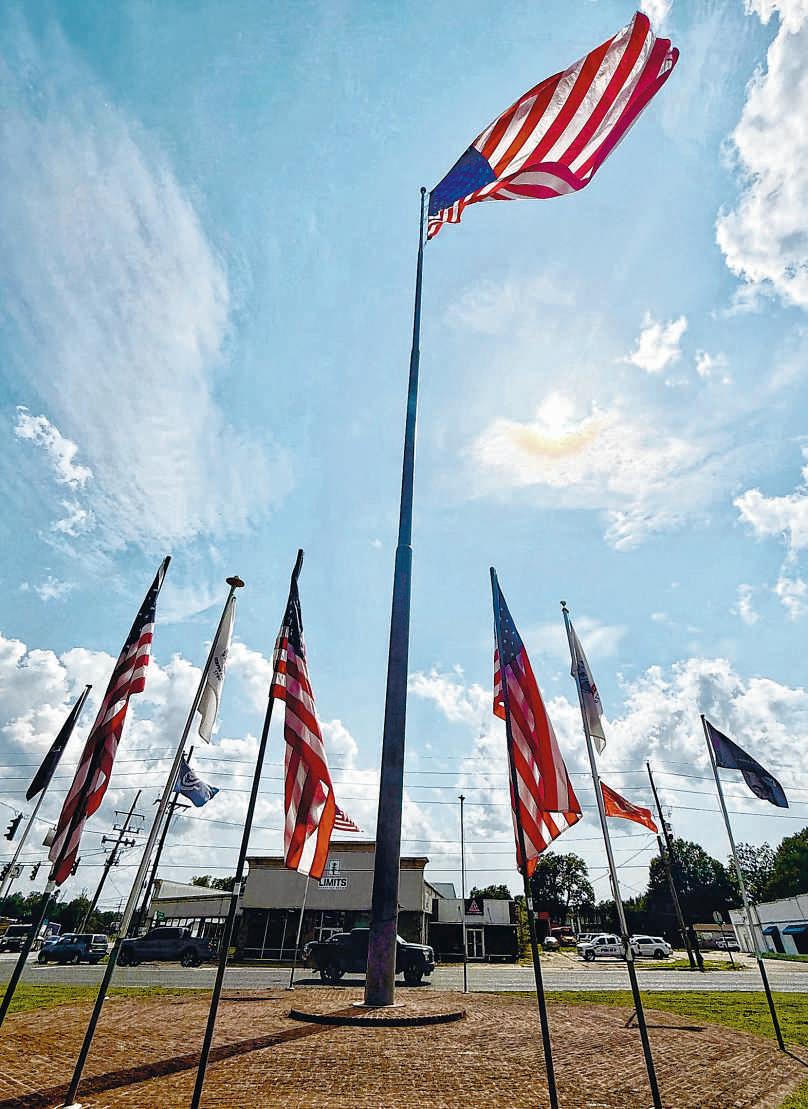

LONG MAYIT WAVE LONG MAYIT WAVE

BYROBIN MILLER | Staff writer
the beginning, there was one flag. It was the biggestinthe state, perhaps the biggestinthe country —oratleast close to it.
And its 1997 installation in the center of Winnsboroled to an identity, something that previously evaded the smallnortheast Louisiana city
ä See BANNER, page 2D

President’sResoluteDeskhas echoed throughhistory
BY JACK AURESTO AssociatedPress
WASHINGTON Franklin D. Roosevelt toiled over paperwork there during the World WarII’sdarkest days. George W. Bush sat behind it to address the nation on 9/11. Beneath it, John F. Kennedy Jr once crawled andpeeked out from behind its front panel whilehis father worked above, an image so etched into American history that President Joe Biden recreated it
with his grandson. The ResoluteDesk is one of the mostrecognizable pieces of furniture in theWhiteHouse—and probably in the entire nation. As the president’sdesk, it’sbeen at thecenter of American history fornearly 150 years. That famous frontpanel hasits ownstory.Many accounts claimit was added during FDR’spresidency to conceal his wheelchair and legbraces, butsome historians dispute that.
They argueRoosevelt used the desk in his privatestudy,away from thepublic eye, and that the panel itselfwas notinstalled until after his death. Thedesk’s origins extendfar beyond the Oval Office. In fact, it’s not American; it’sBritish Thedesk is craftedoftimbers from theHMS Resolute, aBritish navalvessel that set off for the Arctic in theearly 1850s in search
ä See DESK, page 3D
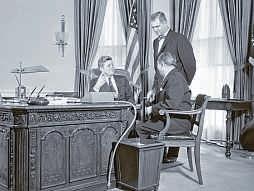
STAFF PHOTO BY ROBIN MILLER
STAFF PHOTO By JANRISHER
This postcard from Minako yamaguchi in Japan is an example of simplicity and beauty in design.
President John F. Kennedysitsbehind the Resolute Desk in 1961 as he talks with Mongi Slim, right, Tunisian ambassador to the U.S., and G. Mennen Williams, assistant secretaryof state for Africanaffairs
Before that, Winnsboro simply was known as the governmental seat for the Louisianaparish named for American Founding Father Benjamin Franklin. That fact,alone, is apatriotic mark of distinction.
But the center of the city’s focus transitioned from its courthouse status to everything red, white and blue when that mammoth star-spangled banner was hoisted up a130-foot pole alongLa. 15.Itmeasured 40 by 75 feet, weighed 120 pounds and stood at the center of Patriot Square, the small grassy park bordering Winnsboro’sdowntown area.
More flagsfollowed
Acollection of standardsize flags were installed along the2-milestretch of highway the following year, then more, finally adding up to 160. This prompted Gov. Buddy Roemer’s1991 gubernatorial proclamation recognizing Winnsboro as the “Stars and Stripes Capital of Louisiana.”
The city’sstar-spangled welcome signs say as much from either direction on La. 15, where itspatriotic display now flies in full force in celebration of the country’s250th. That is, without the original flag that jumpstarted what has becomea tradition.
“Hurricane Lauraripped the original flag, and the VFW had to retire it,” said Susan Ellington, directorof Winnsboro’sOld Post Office Museum Thestorm unleashedits wrath on Louisiana in August 2020. Aquick internet searchproduces photosof the torn flag flapping in two separate pieces on the pole as if playingout its own defiant verse of the national anthem: “That our flag was still there.” It flew until September 2020, when an identical flag was raised in its place. It’s the same flag that reigns over present-day Winnsboro.
Begins in mid-1990s
But this story begins in themid-1990s with thevision of former mayor Billy Cobb, combined with fundraising effortsbyMarian Johnson, initiated what became the Oakley Chapter of the NationalSociety of the Daughters of the American Revolution’s“Salute to Old Glory Project.”
Johnson was the organization’streasurer.She also chaired the project, which raised $25,000 through donations from local businesses, organizations and even school children collecting nickels and pennies in plastic jars.
According to the Franklin Sun’sSeptember 2020 article recounting the flag’s history,the Dettra Flag Co. Inc., of Oaks, Pennsylvania, was commissioned to make the flag.
“Madeof200 deniernylon manufactured by DuPont under the trade name Solar Max Nylon, the flag, one of two commissioned for the project, required about four weeksofcompletion, involving approximately 25 hours of sewing alone,” the article states.
Matt Conway,Dettra’s

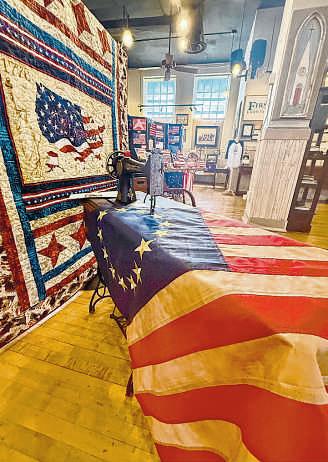
directorofsales, toldthe Sun that the flag was one of the biggest evermadeby the company.Itwas placed in PatriotSquare, where 250 tons of concrete were pouredintoa 25-foot-deep hole centered with thepipe to hold the flagpole in place.
“Thepolewas delivered in three sections and was weldedtogether before being stood up inone piece by a60-foot crane,” the Sun article continues.
Aprayerbrought abreeze
“There was no wind blowing that day,” said Sandra Woods, Winnsboro’sOld Post OfficeMuseum’sguide
“So Marian Johnson said aprayer,and when she finished, abreeze started blowing, and theflag started waving.”
The Old Post Office Museum occupies the restored 1937 post office building on Prairie Street in downtown Winnsboro.It’susually the startingpoint for visitors —the placewherethey can learn the area’shistory through local exhibits highlighting stories of the city and itspeople.
For theAmerica250celebration, the museum has

assembled ared,white and blue display of locally created, flag-themedartwork, featuring flags made of everything from oyster shells to wine corkstofishingbobbers.
Handcrafted quilts serve as backdrops for stars and stripes contributions by churchgroups, kindergartners andthe Franklin Parish Merit program for youthand adultswith developmentaldisabilities. Oneofthosequilts, the“Bicentennial Quilt”crafted by resident Majorie Elrod, includes embroidered signatures of noted American figures
“All of ourchangingexhibitshavebeendedicated to America 250 this year,” Ellington said. “Even our Christmas exhibit hadan America 250 theme.”
Adifferent schedule
Butthe flags along the highway adheretoa different schedule.
“They’re brought outfor differentholidays,” Ellington said.
At thistime of year, they’re installed at the beginning of summerfor Memorial Day and remain up
for Flag Day
Then comesthe grand finale, IndependenceDay
They’ll go up again for Veterans Day
Still, thehighway flags bear their own significance.
“The year after the big flag was dedicated, people were asked to bringthe flags that were draped over the coffins of their loved ones whowere veterans to the VFW,” Woodssaid.
“There were only six flags thatfirstyear. Afterthat, a lotofpeople brought their loved ones’flags.”
Which meansWinnsboro’s veterans’flags are among the 160.They’re maintained by theVeterans of Foreign Wars Post 3165, whoalso displayed them on theLouisiana State Capitol grounds for the Jan. 11, 2016, inauguration of former Gov John Bel Edwards
And though theflags will come downafter the 250th,the bigAmerican flag will keep waving in PatriotSquare, reminding everyone that they’re passing through the Stars and Stripes Capital of Louisiana.
EmailRobin Miller at romiller@theadvocate. com.
By The Associated Press
Today is Saturday,July 4, the 185th day of 2026. There are 180 days leftin the year.This is U.S. Independence Day.
TodayinHistory: On July 4, 1776, the Declaration of Independence wasadopted by delegates to the Second Continental Congress in Philadelphia.
Also on this date:
In 1802, the United States Military Academy officially opened at West Point, New York.
In 1817, construction of the Erie Canal began in Rome, NewYork.
In 1826, 50 years to the day after the Declaration of Independence wasadopted, former Presidents John Adamsand Thomas Jefferson both died.
In 1831, the fifth president of the United States, James Monroe, died in NewYork City at age 73.
In 1855, the first edition of Walt Whitman’s“Leaves of Grass” waspublished.
In 1863, the Civil War Siege of Vicksburg, Mississippi, ended as aConfederate garrison surrendered to Union forces.
In 1910, in what was billed as “The Fight of the Century,” Black world heavyweight boxing champion Jack Johnson defeated White former champ “Gentleman” Jim Jeffries in Reno, Nevada; race riots across the country following the fight killed morethan 20 people.
In 1939, Lou Gehrig of the New York Yankees delivered his famous farewell speech in which he called himself “the luckiest manonthe face of the earth.”
In 1946, the United States and the Philippines signed the Treaty of Manila.
In 1960, the current 50star version of the U.S. flag was adopted.
In 1976, America celebrated its bicentennial with daylong festivities; President Gerald R. Ford made stops in Valley Forge, Pennsylvania, Independence Hall in Philadelphia and New York, where more than 200 ships paraded up the Hudson River in Operation Sail.
In 1987, Klaus Barbie, the former Gestapo chief known as the “Butcher of Lyon,” wasconvicted by aFrench court of crimes against humanity and sentenced to life in prison (he died in September 1991).
In 1995, the space shuttle Atlantis and the Russian space station Mir parted after spending five days in orbit docked together In 2012, scientists at the European Organization for Nuclear Research in Geneva cheered the apparent end of adecades-long quest for anew subatomic particle called the Higgs boson, or “God particle.”
In 2013, the Statue of Liberty reopened on the Fourth of July,eight months after Superstorm Sandy shuttered the national symbol of freedom, damaging its docks.
In 2022, agunman opened fire on an Independence Dayparade in Highland Park, Illinois, killing seven people and wounding 48 others in the Chicago suburb. Robert E. Crimo III was subsequently convicted in the mass shooting and sentenced to life in prison without the possibility of parole. In 2025, flash floods killed more than 100 people in Texas over the U.S. independence holiday weekend, including 27 girls at a summer campwhose cabins were engulfed by the raging Guadalupe River before dawn. Today’sbirthdays: Actor Eva Marie Saint is 102. Queen Sonja of Norway is 89. Actor Karolyn Grimes(“It’s aWonderful Life”) is 86. Broadcast journalist Geraldo Rivera is 83.














































STAFF PHOTOSByROBIN
Must we invite doom-and-gloom neighbor?

Martin MISS MANNERS

DearMiss Manners: We have agood friend who lives near us and is part of acircle of friends who attend each other’s gatherings. This friend has become a doomscroller and is very agitatedwith the political scene. Ihaveaskedhim to please justtry to enjoy our time together and keep the mood light at the parties we host. However,hecan’tseem to avoid bringing up politics, and is intolerant of views that don’talignwith his. We feel like we must keepinviting him, as he lives nearby and would notice the cars in our drive-
DESK
Continued from page1D
of Sir John Franklin, who disappearedwhile seeking theNorthwest Passage
During that mission, the Resolute became trapped in ice and was abandoned by its crew.Yearslater,itwas discovered drifting through Arctic waters by an American whaling vessel.
The United States repaired it and returned it to Queen Victoria. The vessel resumed service for many years before eventuallybeing retired.
Once decommissioned, Queen Victoria expressed her gratitiude to the United States by ordering the timbers of Resolute to be transformed into several pieces of furniture. One of them was alarge desk that she presented to President Rutherford B. Hayes in 1880.
Thedeskspent much of its early White House history out of public view until 1961, whenfirst lady JacquelineKennedymoved it
Christian hip-hop class offered July 23
WORSHIP WERK! will conduct aChristian hiphop class from 7p.m. to 8:30 p.m. Thursday,July 23, at Baton RougeMarriott, 5500 Hilton Ave.
This high-energy class combines hip-hop dance with worship,offering participants achance to move, sweat and praise God while building their dance skills.
“Whether you’re preparingfor thestageorsimply want to worship through movement, all experience levels are welcome,” according to anews release.
Tickets are $25 and are available through Eventbrite.com. The class will be filmed, and participants will
way.Askinghim nicely to respect ourrequesthasn’tworked. What shouldwe do?
Gentle reader: One cannot police the conversation, even at one’s ownparty.But one cancheck on your other guests if youfind them uncomfortably trapped by your neighbor friend, saying, “Joland, we talkedabout this. You promisedyou wouldn’tdepress everyone with political talk at our parties. Now,let’s go get dessert We made alovely pavlova with strawberriesfromour garden …”
Miss Manners —and Joland knowperfectly wellthat he made no such promise. But saving your guests fromhim —and him from himself —will no doubt be appreciated
Dear MissManners: Is it impolite
to send ahandwritten note as an RSVP when directed on the wedding invitation to use aQRcode instead?
Gentle reader: No, it is not impolite. That it will also annoy thehosts is just butter on the bread.
Dear Miss Manners: Most seasons, I have dry skin and need to use lotionafter Iwashmyhands.Iprefer not to do this in apublic restroom, but rather at the table upon my return. Idothis discreetly,of course,often just under the table in restaurants. Iammorecomfortable locating the lotion container in my purse when sitting down, ratherthan in the restroom,what with wet counters, etc. But my husband feels this is not proper.(He has eagle eyes and notices everything.)
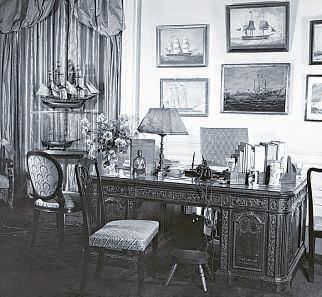
into the Oval Office.
Every presidentsince Jimmy Carter hasused the Resolute desk in the Oval Office,with the exception of PresidentGeorge H.W Bush, who instead placed it in the Treaty Room.The desk has alsobecomethe place where recent presi-
RELIGION BRIEFS
FROM STAFFREPORTS
receive the video following the event. For more information, text (747) 258-2036.
Nathaniel Baptist Church slates revival
Nathaniel Baptist Church, 5032 Hwy.33S., Centreville,Mississippi, will presenta revival on July 14-16, beginning at 7p.m.each evening.
Guest speakersinclude the Rev.Gerald Robinson, of BatonRouge, on Tuesday; the Rev.Jermanique Michell, of Grenada,Mississippi, onWednesday; and theRev.Ray Campbell, of Dallas, on Thursday.All are pastors.
“Come experience three nights ofpowerfulpreaching, worship and spiritual





dents leavealetter fortheir successor on Inauguration Day
The Resolute Desk stands not only as asymbol of the American presidency, but also as areminder of the enduring friendshipbetween the United States and Britain
renewal,”a news release states. Thepubliciswelcome.
What do you think?
Gentle reader: That Miss Manners has heard of worse offenses. And your rationalization sounds reasonable
But the fact that it annoys your spouse nullifies both of our opinions. She suggests you pose the problem to him and see whathe advises.The prospect of holding dry,crackedhands after dinner might persuade him that moisturizing under the table is the lesser offense.
Dear Miss Manners: Afriend of ours is in adire financial situation. She is presently in foreclosure of her home. She sent us a$50 check as a gift for our new baby.Itold her I would not deposit it, knowing her situation.She insists Ido.
POSTCARDS
Continuedfrom page 1D
Virginia’scapitolbuilding started in 1785 and the building took 13 years to complete.
Ireceivedanartfulseries of postcardsfroma woman named Minako Yamaguchi in Osaka, Japan —including one of my new favorites. It’s anatural-colored paper printed only in redink and features symbols of Japan —Mt. Fuji,anorigami crane, sushi, rice bowl,sake, geta (the elevated flip-flop style footwear), chopsticks and more. Its simplicity makes its beauty abit of amystery to me.
Another funcard came from ChristyRicketts in Gonzales.Its front says, “Greetings from HOME: ‘The Perpetual State.’”What’snot to like aboutthatkind of thinking?
LSU’sUniversity Lab schoolteacher Kelly Kelly, who helped kick off this year’sPostcard Project with 25 perfect cards from kindergartners, is on atourofAmerica’s historic sites andsent a postcard from Valley Forge National Historical Park.
Ialsoreceived apack of seeds used as apostcard from Nanette Cosban, whowas visitingAlaska.The seedsare for IcelandPoppies.Despite the seeds coming from Alas-











Iamstill holding on to it. What is the proper thing to do?
Gentle reader: Deposit it. She insisted; she is already embarrassed enough about her situation, and this is no time to confuse her about whatshe has left in the bank.
Miss Manners suggests you then comeupwith atactful and similarly face-saving gesture to help her.Providing meals, groceries or some accounting assistance might be more useful to her than the $50.
Sendquestions to Miss Manners at herwebsite, www missmanners.com; to her email, dearmissmanners@gmail.com; or through postal mailtoMiss Manners, Universal Uclick, 1130 Walnut St., Kansas City,MO 64106.

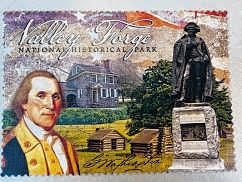
ka and carrying the word ‘Iceland’ in their name, the instructions say thatthey will growinmost climates of the world. Still, Ithink I’ll waittillfalltoplant them.
The package says, “Seed will sprout in spring.” Ilike that kind of hope.
LSUUniversity Lab School teacher
Kelly Kelly whohelped kick off this year’s2026 Postcard Project, sent thisone from ValleyForge.
States still missing on our annual postcard quest: Arizona, Arkansas, Connecticut,Hawaii, Idaho, Iowa, Massachusetts, Missouri, Nebraska, Nevada,New Hampshire, North Dakota, Oklahoma, South Carolina and Vermont.
















STAFF PHOTOSByJAN RISHER
Christy Ricketts, wholives in Gonzales, sent this clever postcard from‘Home: The Perpetual State.’
Judith
ASSOCIATED PRESS FILE PHOTO
The privatestudyofPresidentFranklin D. Roosevelt on thesecond floor of the White House is shown on May10, 1933.








CANCER (June 21-July 22) Choose the path that offers something unique or brings you face-to-face with choices that can point you in a new direction. Exploring pastimes and places that you feel passionate about will lead to learning something.
LEO (July 23-Aug. 22) Keep your money and possessions in a safe place. Don't spend on gimmicks that promise the impossible. Include discipline and practicality in the decisions you make, and invest more in yourself and your future.
VIRGO (Aug. 23-Sept. 22) It's how you treat others and what you do for them that will make a difference. Look for an outlet for items you no longer need or use. Avoid risks that can cause injury or illness.
LIBRA (Sept. 23-Oct. 23) Say yes to the invites you receive. Participation will lead to conversations that can bring about positive change and reinforcement. Reaching out to those trying to reach the same goals as you will give you hope.
SCORPIO (Oct. 24-Nov. 22) Embrace educational or travel opportunities. Engage in talks that reveal unique ways to use your connections, experience and skills to excel. Home improvements will require a strict budget.
SAGITTARIUS (Nov. 23-Dec. 21) Money and emotions will collide. Refuse to let anyone take advantage of your generosity or kindness. Say no to those asking you to pay for their mistakes. Put your time, energy and cash into self-care.
CAPRICORN (Dec. 22-Jan. 19) Refuse to let anger set in when discipline and understanding are what's necessary to bring about positive change. Elaborate on how you feel, and be willing to compromise.
AQUARIUS (Jan. 20-Feb. 19) Chooseahomeimprovement project that will put your mind at ease and encourage your safety, comfort and convenience Getting together with someone from your past will be eye-opening.
PISCES (Feb. 20-March 20) Walkawayfrom situations that create chaos or people who expect you to put your life on hold for them. Do your own thing. Plan a funfilled day that satisfies your soul.
ARIES (March 21-April 19) Put your best foot forward and let your charm lead the way. Calculating your path to resolving issues and taking care of your responsibilities will give you leverage when dealing with institutions.
TAURUS (April 20-May 20) Keep your private life and thoughts to yourself. Avoid overindulgence, overspending and letting your emotions surface, putting you in a vulnerable position.
GEMINI (May 21-June 20) Your desire for something new and exciting will impact your life if you are questioning your relationships, job prospects or health Don't act in haste.
The horoscope, an entertainment feature, is not based on scientific fact. © 2026 by NEA, Inc., dist. By Andrews

FAMILY CIrCUS
McMeel Syndication
GooSe And GrIMM




Sudoku
InstructIons: Sudoku is anumber-placing puzzle based on a9x9 grid with several given numbers The object is to place the numbers 1to9inthe empty squares so that each row, each column and each 3x3 box contains the same number only once. The difficulty level of the Sudoku increases from Monday to Sunday.
Yesterday’s Puzzle Answer
THe wiZard oF id
BLondie
BaBY BLueS Hi and LoiS CurTiS







Puzzle Answer
BY PHILLIP ALDER
Princess Diana said, “I don’t go by the rule book. I lead from the heart, not the head.”
She was taught bridge, but I doubt that she spent much time playing. However, some bridge players go by the rule book, but the better ones use their heads.
In today’s deal, what should West lead against four spades doubled?
Suppose West chooses the heart three. East takes the trick with his queen, but what should he do next?
AfterEastopenedoneheart,Southwas tempted to pre-empt in spades, keeping his diamond suit as a secret weapon. However, wondering if his side might own the deal, he settled for one spade Westhadthevaluesforatwo-heartraise. North then made a pre-emptive jump to three spades, showing four spades and a weak hand. (With game-invitational or stronger values, he would have cuebid three hearts.) East bid the game he expected to make. South continued to four spades, unsure who could make what, but confident this contract would not be expensive. East doubled for penalty. It should be clear to West that South is sacrificing. When that is the case at a high level, it is (almost) always right to lead a trump. If West does that, the contract will fail. Westwillgetbackinwithadiamondwinner and can lead another trump to hold declarer to two ruffs in the dummy and nine tricks in all (six spades, two ruffs and the diamond jack, which can be established). Similarly, if West leads a heart, East should win the trick and shift to a trump. © 2026 by NEA, Inc., dist. By
Andrews McMeel Syndication
Each Wuzzle is a word riddle which creates a disguised word, phrase, name, place, saying,
Previous

thought
is the nation whose God is the Lord; and the people whom he has chosen for his own inheritance.” Psalms 33:12
marmaduKe
Bizarro
hagar the horriBle
Pearls Before swiNe
garfield
B.C.



























































































250 years
of healthcare historyinLouisiana
SPONSORED by
INDIGENOUS HEALING
Native American tribes across the region, inclu andChitimacha, utilizedextensivebotanical ailments.Medicine men employedindigenous ceremonial practiceslongbefor
THE URSULINE
Agroup of Ursuline Nuns arrivedfro medical caretothe struggling colony, establishing effectively the region’s first functioning
SPANISHMEDI
Governor AlejandroO’Reilly implemented regulations across the colony. He establish to examine and licensephysicians,surgeons bringing standardized medical pr
THE CHO
Adevastating choleraepidemic sw Louisiana. The rapid spreadfor sanitation and burial practices,leading expansion of the region’s famous above-g
THE GREAT YELLOW Louisiana sufferedits deadlies epidemic,claiming nearly 12,000 summerbeforethe medical com the disease wastransmi
CONQUERIN
Thelastmajor Yello the United States wass in Louisiana by implementing organized mosquito erad
ST.FRANCIS SANITARIUM OPENS IN NORTHE Continuing theirgrowingmission, the Franciscan theSt. Francis Sanitarium in downtown Monroe, cornerstone of carefor the people of Nor
TRI-STATESANITARIUM
The Tri-State Sanitarium wasestablished in Shreveportt population of NorthwestLouisiana. It would later evolveinto Health System, becoming adominant medical and economicf
THE OCHSNER CLINIC
Dr.Alton Ochsner and four collea collaborative, multi-specialtygroup pr South, opening the original Ochsner Clin
DESEGREGATIO
Following the passage of the Civil Rights Act, Lo were federally mandated to integrate, bringing legally enforced racially segregated medical ward
FORMATION OF FMOL
To unifyand strengthentheirstatewide im Missionaries of Our Lady Health Sy organized as anonpr
PROTECTING RUR ON THE
Recognizing the vital need to maintain careinr the FMOL health system assumed management Bogalusa Medical Center, renaming it Our Hospital to serve theN
AUNIFIED FMO
Representing aconnected network excellence, the state’s leading healthca under the FMOL Health brand. Legacy Lady of the Lake, Our Lady of Lour were purposefully retained to honor communitytrustacross Baton Rouge, Acadiana,






























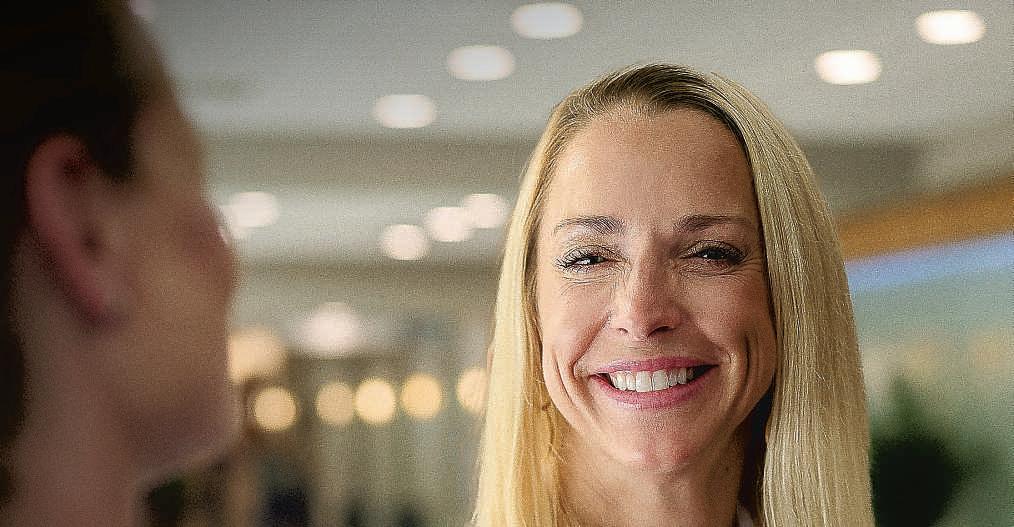
LOCAL PRIDE, SYSTEM STRENGTH


COLORING BOOK



















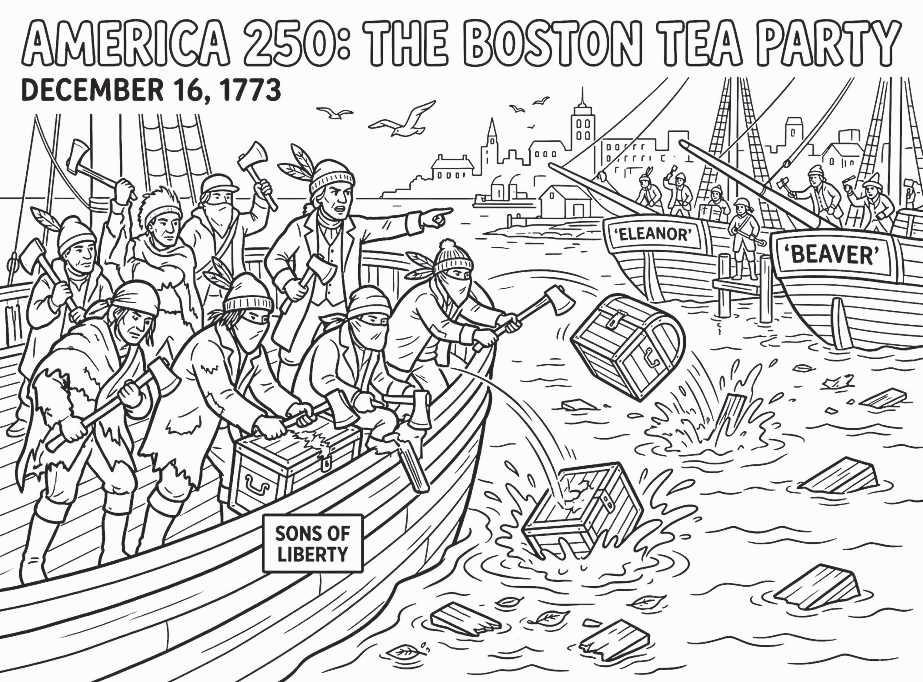




TheBoston TeaParty took place on December16th, 1773 During this pivotal political protest, Americancolonists (some disguised as NativeAmericans) boarded threeBritish ships in Boston Harbor anddumped 342 chests of EastIndia Company tea into the water to protestthe TeaAct.








PhillisWheatleywas brought to America as an enslaved child, but after learning to read and write, she discovereda powerful talentfor creating beautiful poetry. In 1773, she made historybybecoming theveryfirstAfrican American woman to ever publishher ownbook of poems! Usingher brilliant mind and bravevoice, Phillisshowedthe world theincredibleabilities of Black people and continuesto inspireyoungwriterstoday.








On adarkspring night inBoston,Paul Revere received asecret lantern signal and rode his horse into the countryside to warn his friends that British soldierswere marching theirway.Hegalloped bravely from house to house, waking up the colonists so they could hide their suppliesand getready to defend their towns. Hisfamous midnight ride successfully helped thePatriots preparefor the very first battle of the American Revolution!


In the summer of 1776, Thomas Jeffersonand asmall group of friends were given averyimportantjob towrite aspecial papersaying America should be its own free country. Thomas spentweekscarefully writing down all their ideas,while wise leaderslikeBenjamin Franklin and John Adamshelpedhim make the wordsjust right.After everyoneread it together and made afew final changes, the leaders proudly accepted this famous Declaration of Independence on the Fourth of July!
During the American Revolution, abrave woman named MaryLudwig Hayshelped the armybycaring forsick soldiers andwashingtheir clothes.When abig battle brokeout on averyhot day,she fearlessly ranback andforth across the battlefield carrying cool water to the thirsty troops,earningher the famous nickname “Molly Pitcher.” When her husband gothurtinthe fighting, courageousMolly even stepped up to takehis place on acannon crew!








On afreezingChristmas night, braveAmerican soldiers crossed theicy Delaware Riverduring afierce winter storm.Theymarched through thedark to surprise the enemy troops at Trenton,New Jersey,and wonabrilliantbattle! This amazing victory gavethe American soldiersthe hope they needed to keep fighting fortheirfreedom.






When American soldierswerefreezingand hungry at ValleyForge,abrave woman named Polly Cooperfromthe Oneida Nation and500 warriorswalked hundreds of miles to bring the soldiersbasketsofcorn. Shekindly taught thestarvingtroops howtoproperlycook the delicious food andworkedhardtocarefor the sick soldierswithout asking foranything in return.








During the Revolutionary War, abrave enslaved man named James Armistead volunteered to be atop-secret spyfor theAmericanarmy.Hecleverly pretended to help the British generals so he could secretly listentotheir plans,sending this important informationback to America’s leaderstohelpthemwin the greatBattle of Yorktown! After the war, hisfriendthe MarquisdeLafayette helped Jameswin hisown well-deservedfreedom, andJames proudly added “Lafayette”tohis name to celebrate theiramazing friendship.








The 1stRhode Island Regimentwas formed as thecountry’sveryfirst Black militaryunit.Manycourageous enslaved menjoinedthisspecial group,proudly marching into danger because they were promised theirown freedominexchange fordefending the colonies.These heroic soldiers foughtfiercely in big battles to push back the enemy,provingtheir incredible braveryand helping America winits great fight forindependence!








After alongand difficultfight, the British army finally surrendered to the Americans and their French friends at thegreat Battle of Yorktown.The defeated British soldiersmarched quietly pastthe proud Patriotsand theFrench soldiers, provingthat the bravecolonists had wonthe war! When theKing’sleadersback in Englandheardthis shocking news,theyknewitwas time to make peace andlet America become abrand-new, free country.







CELEBRATING AMERICA’S 250TH BIRTHDAY
250 years
of ENERGYhistoryinLouisiana
SPONSORED by
The first commercialnatural gas fieldinLouisiana wasdiscoveredaccidentally by anightwatchman at aShreveport ice factorywhen he struck a match near anewly drilledwater well.
TheCaddo-Pines oil discovery brought the rapidlygrowing petroleum industrytonorthwestern Louisiana,makingOil Citythe firstmajor “wildcat town”inthe region
StandardOil, the predecessor to ExxonMobil, established its first major oil refineryinBatonRouge,transforming the area into ahigh-tech center andmarking the beginning of a generationalinvestment in the state.
Earlyover-water drilling in America waspioneered on Caddo LakenearShreveport, showcasing earlyengineering ingenuityinmarineenvironments
Driven by constantinnovation,ExxonMobil’sBaton Rougefacility expanded to encompass approximately 1,600 acres,proudlystanding as the largestoil refineryinthe worldduring thisdecade.
The Creole platform completed the firstsuccessful offshore well in the Gulf of Mexico by utilizing directionaldrilling from a man-made islandoff the coastofCameron.
TheBaton Rouge complexearned the historic title “Cradle of the Synthetic Rubber Industry” by supplying nearly athirdoftotal U.S. butadieneproduction to replace lost natural rubber supplies during the war.
Theoffshoreindustryexpanded rapidlywith the massive discovery of three major Gulf of Mexico fields in Eugene Island, Bay Marchand, andVermillion.
StandardOil of NewJerseyofficially becomes ExxonCorporation
Gerald R. Ford became the first U.S. President to tour an offshore oil platform duringavisit to Louisiana, highlighting the national importance of the state’s energy sector
Shell Offshore proudlylaunched Bullwinkle,a$500 million projectthat stood as the world’stallest man-made offshorestructureatthe time.
Exxonand Mobil finalized one of the largestcorporate mergers in historytoform ExxonMobil Corporation,permanently cementingthe unified company’smassive industrial presence and vital employment footprint in Louisiana
ExxonMobil completed a$400 million projectand commissioned newultra-lowsulfur diesel (ULSD) units at its Baton Rouge refinery, significantly increasingthe supply of cleaner diesel, enabling compliance with federal emissions standards, and reducing air pollution from transportation andindustrial sources
2024
ExxonMobilsuccessfully completed amajor $230 million modernizationupgrade at the Baton Rougerefinerytoexpand crude flexibilityand heavily increase production andexport.


The birthofLouisiana’s commercial oil industry occurred on September 21 when theHeywood brothers brought in the state’s first major oil well near Jennings


The first natural gas pipeline in thestate wassuccessfully laid, bringinggas directly from theCaddo Field to Shreveport.


Construction wascompleted on Louisiana’s first long-distance oil pipeline, transporting crudeefficiently from Caddo Parish to the rapidlyexpanding BatonRouge refinery.


The U.S. Supreme Courtdissolved StandardOil intoseparate companies,including StandardOil of NewJerseyand Standard Oil of NewYork
The highly prolificHaynesville Gas Field wasdiscovered, initiating development in what wouldlater become one of the nation’s mostvital energy basins


The world’s firstcommercial fluid catalytic cracking (FCC) plantbegan operations at theBaton Rouge refinery, radically boosting the production of high-octaneaviation fuel that was critical forthe Allied victory in WorldWar II.


The birthofthe modernoffshoreindustry occurredon November 14 when Kerr-McGee brought in the first productive oil well “out of sight of land” about 45 miles south of Morgan City.


Louisiana’s crude oil and condensate production reached ahistoric peakofover728 millionbarrels,solidifying itsstatusasaglobal energy powerhouse.


The offshoreindustryunveiled Clean Gulf Associatestocreate a cooperativethatstockpiled sophisticatedoil spill containment and cleanup equipment to actively protectcoastal waters.


1986
The Bay Marchand Fieldreached amajor production milestone by bringingupits 500 millionth barrelofoil, cementing itslegacy as one of the greatestproducing fields in theUnited States


Conoco pioneered deepwater floating technology by installing the first tension leg platform in theGulfofMexico, placed in 1,760 feet of water in theJollietField.


Technological breakthroughs in horizontal drilling and hydraulic fracturing unlocked massivenatural gas reservesinthe Haynesville Shale, creating tens of thousands of newjobs and injecting billionsofdollarsintothe state economy.
Anew erainglobal energy exportbegan on February 24 when theSabine Pass LNGfacilityshipped its first cargo,marking the first liquefied natural gas exportfromthe contiguous United States and fundamentally shifting the global energy market


2026
Further solidifying Louisiana’s unique leadership in the energy transition, ExxonMobilbegan its second major commercial CCS operation by actively storing captured CO2 from the New Generation Gas Gathering (NG3)project.



ExxonMobilannounced a$100+ million expansion of itsB Rougechemicalplant to produce ultra-high-pu alcohol used in semiconductor manufacturing, energy infrastructuretothe U.S. tech supply