If you would no longer like to receive
please email brtmc@ theadvocate.com.

If you would no longer like to receive
please email brtmc@ theadvocate.com.
deeply personal,” she said.
“We walk alongside families during some of the hardest days of their lives, and we feel the weight of that responsibility.”
alized celebrations with smaller groups. At the same time, more families are not to have a memorial or commemoration at all.
Before we married, my husband always had a television on. Not necessarily at a volume he could hear from another room, but on — in the kitchen, the living room, the bedroom, his office Constant background.
Company, maybe?
Or just the comfort of a world that keeps talking whether he’s listening or not.
After we married, the number of televisions in our lives diminished. We don’t have one in the living room or the kitchen. He has never complained about this directly though I’m quite sure he has noticed and somewhere, it registers.
What he kept was his studio, where a television runs all day while he paints. He doesn’t much care what it shows. He’ll pull up YouTube and let one thing follow another which is how, nearly two years ago, something called Balrod found him.
The channel appeared the way YouTube things do — uninvited and courtesy of the algorithm. My husband watched one video, then another the next day, and then another after that. Nearly two years later, he still watches. My husband and I have known each other for 35 years. I cannot think of another time he maintained a daily devotion to any program the way he has to Balrod and its central figure, a nomadic Iranian shepherd named Jahangir Balrod is a mountainous region in Iran. The videos can last anywhere from 30 minutes to an hour They are posted daily, crudely edited, with subtitles that my husband describes as “terrible.”
The videos show the daily life of Jahangir a small, tireless man — as he tends his sheep and goats, grows sunflowers and forages across the Zagros Mountains. According to the channel’s description, his son Reza films everything. His wife Maryam appears often.
BY JON PARKS Contributing writer
When the Rev. Marc Boswell heard that his wife’s grandfather had died in early January this year, he immediately knew that the funeral ar r an gements would be complicated
“The winter storms made travel impossible, and the family is spread out all over the place,” he said The family decided to wait nearly two months to have the memorial service, allowing time for plans to evolve and everyone to make travel arrangements.
“I’ve planned my share of funerals over the years,” said Boswell, pastor of St. Charles Avenue Baptist Church in New Orleans.
“But that kind of two-month wait would have been almost unheard of a few years ago.”
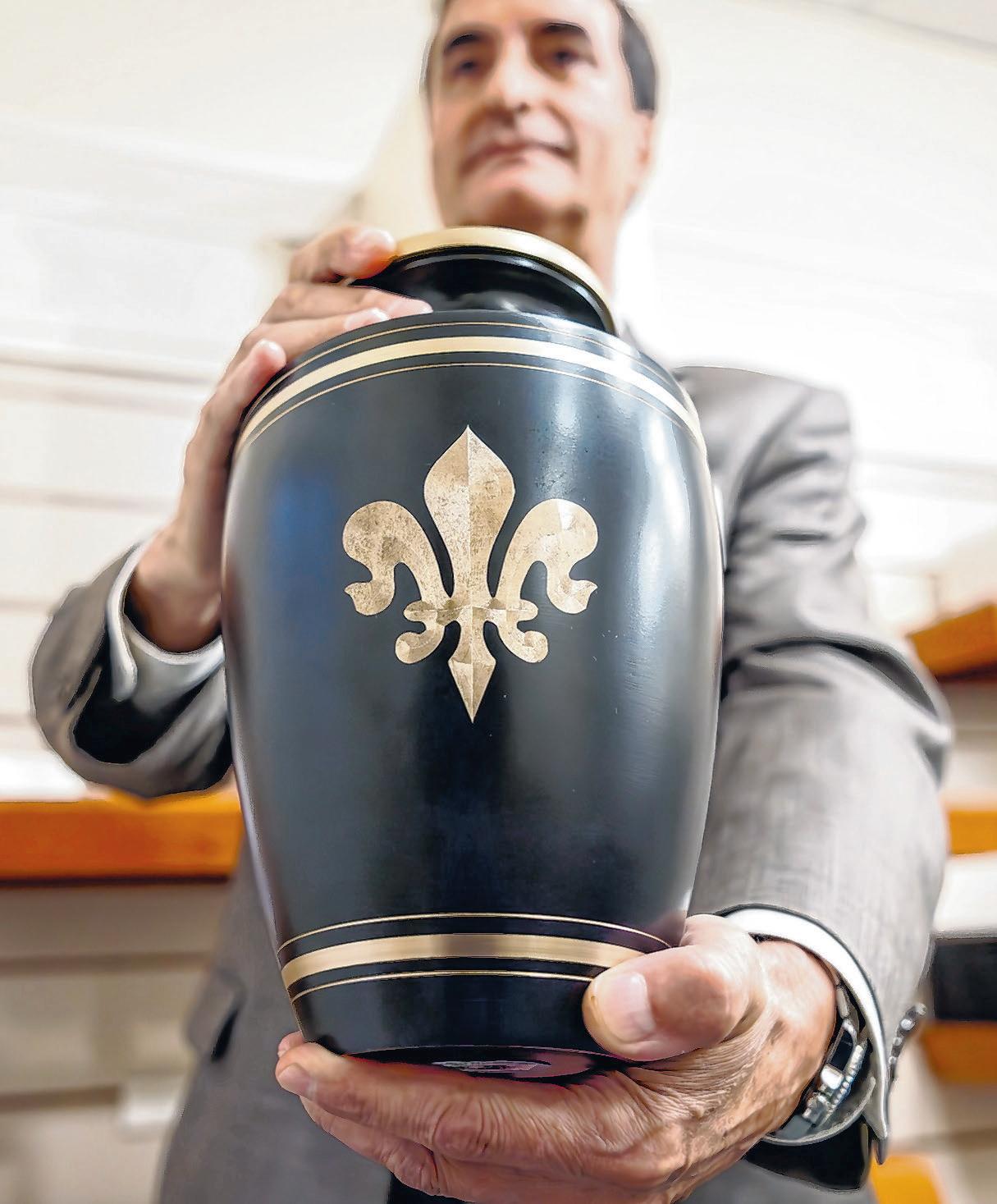
The family’s experience reflects a nationwide shift in the practices and rituals surrounding the loss of a loved one. While the deathcare industry funeral homes, mortuaries and
crematoria once led the way in these trends, many changes in recent years have forced them to adapt and innovate.
Technology is a key driver in these shifts.
The COVID-19 pandemic in 2020 brought rapid changes to the profession.
Periodic surges in deaths overwhelmed funeral homes, and funeral directors scrambled to meet the needs of many more families than usual — all while adapting to making arrangements online or over the phone. Many had to install new equipment and learn how to livestream services.
“That was an incredibly stressful time for those of us in the industry,” said Shanna Bryant of Seale Funeral Home in Denham Springs, and Southeast District Governor of the Louisiana Funeral Directors Association.
Bryant said that one common misconception is that funeral professionals are detached from the families they serve.
“In reality, this work is
Other changes like the rise in cremations — have been building for decades.
According to the National Funeral Directors Association, at least 63% of Americans chose cremation over traditional burial in 2025.
That percentage is expected to hit 82% by 2045
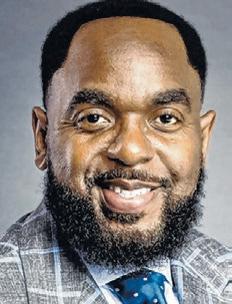
This trend was well underway before the pandemic, notes Marvin Schaffer Jr owner of the Schaffer Family Funeral Home in Rosedale.
“This has had a profound impact, especially on family-owned funeral homes like ours,” said Schaffer
“Many people are choosing to have their loved one cremated and hold private services somewhere else.
We’re having to learn how to provide the same care to these families that we would with a traditional burial.”
For decades, American mourning rituals were centered around funeral homes or houses of worship The shift from traditional and communal gatherings is steady, as they increasingly choose highly individu-
“Nationally, about 60% of all cremated remains are never publicly memorialized,” says Poul Lemasters, a deathcare industry attorney and consultant based in Cincinnati.

Family members simply take the ashes home to put on the mantel or the shelf — and in some cases, never even come to get them.
Lemasters says that in Los Angeles alone there are tens of thousands of unclaimed cremains sitting in storage in funeral homes.

“Those public rituals are really important,” says Sarah Tipton, a licensed professional counselor in Baton Rouge who frequently counsels people experiencing loss. “If people never have any kind of public acknowledgment, it’s likely they never experienced the closure that comes from burying or celebrating their
The channel description promises an “unforgettable journey into the heart of nature and the challenges of nomadic life,” but what my husband found in it was something both more simple and complicated than that.
“Do you have any idea how hard that little man works?” he will say, appearing in the kitchen while we’re eating dinner “Today he bathed every sheep. He picked each one up and bathed it.”
Or: “Today there was a big snowstorm, and he made a herculean effort to take acorns to his goats.”
Or, simply: “He never complains.”
I told him he couldn’t really know that, given the subtitles and that we are only seeing a sliver of Jahangir’s life
He allowed this, then defended Jahangir anyway
What strikes my husband most, I think, is not the hardship but the sufficiency Jahangir climbs three kilometers to reach his herd. He finds a piece of discarded tin on the road and brings it home to make a door the same satisfaction, my husband says, as someone in our world picking up takeout on the way home. He has an old truck. And yet, as he drinks tea by the fire at the end of a long day on top of
BY JAN RISHER Staff writer
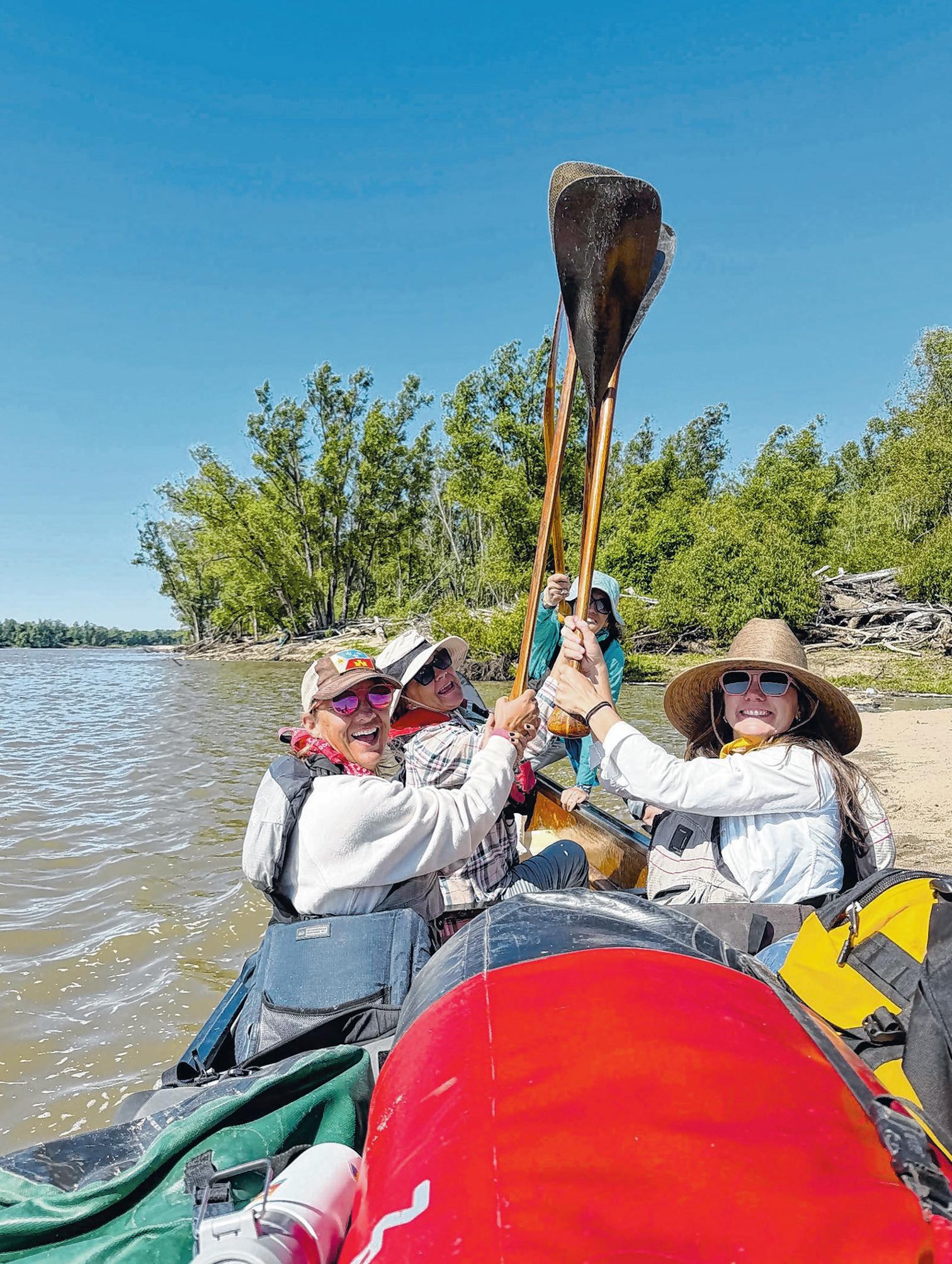
Twelve Louisiana women loaded into a van in Clarksdale, Mississippi, on May 1, carrying, among other things, a lifetime of warnings about the Mississippi River
My brother a Mississippi Baptist preacher who has preached funerals for men who died in small boats there, later told me that had he known I was en route to canoe the Mississippi, he would have stopped me. The river is dangerous. Unpredictable. Most of us had heard some version of that our entire lives.
It’s all true. Nonetheless, there we were about to canoe the river Catherine Comeaux of Lafayette organized the trip for 11 women from Acadiana and me — three days paddling with Quapaw Canoe Company, the Clarksdale-based outfitter founded by John Ruskey a man who has spent the better part of 40 years living on, mapping and advocating for the Lower Mississippi. Most of us weren’t experienced campers, much less river paddlers. But somewhere between middle age and menopause, many women start saying yes to things that once seemed scary or impossible.
On the drive up, friends and I stopped at The Tomato Place in Vicksburg for lunch, then continued north on Highway 61 to McCarty’s Pottery in Merigold. Once in Clarksdale, we dined at Levon’s and caught the Black Keys outside Red’s Lounge. They were playing in the tiny club on their way to Jazz Fest. It was that kind of trip.
On the morning of, we met at Quapaw’s, armed with little information about what would happen next.
We knew the cost — $550 per person, which covered transportation, canoes, life jackets, dry bags, guides and meals.
Twelve Louisiana women challenge themselves and the Mississippi on a three-day canoe trip

Ruskey has skinny legs and white, scraggly hair
He loves the river with the kind of devotion most people reserve for religion. At Quapaw HQ, he provided river details as the crew loaded our bits and bags into the two giant canoes — which was an amazing feat of strength and Tetris.
We loaded up in a rickety bus and drove 25 minutes to the river
There, Ruskey picked up a stick and drew a map of the river in black dirt as he talked about blue holes and levee breaks and an Amazon-like tributary channel we might paddle into if the current allowed. He mentioned bear tracks from a trip two weeks earlier and suggested silence once we got inside.
As he talked, the birdsong was overwhelming and the moment felt otherworldly
Then he ripped off his shirt and jumped in the river With a two-minute paddling lesson, we were off.
The river was, as Ezell described it, “as grand and massive as I thought it would be — but also unexpectedly gentle.”
Henriette Guilliot, who had paddled the Mississippi three times before, found herself struck again by its scale.
“It feels so vast and collective of all of North America,” she said.
For those strange days, paddling down this massive river alongside giant barges became a way of life.
Exploring islands felt like a combination of the apocalypse and Huckleberry Finn. Bizarre combinations of debris dotted the barren landscape that was at the river’s mercy from a perfectly good soccer ball that may have gotten away in Minnesota to a giant refrigerator and a tiny plastic cowboy
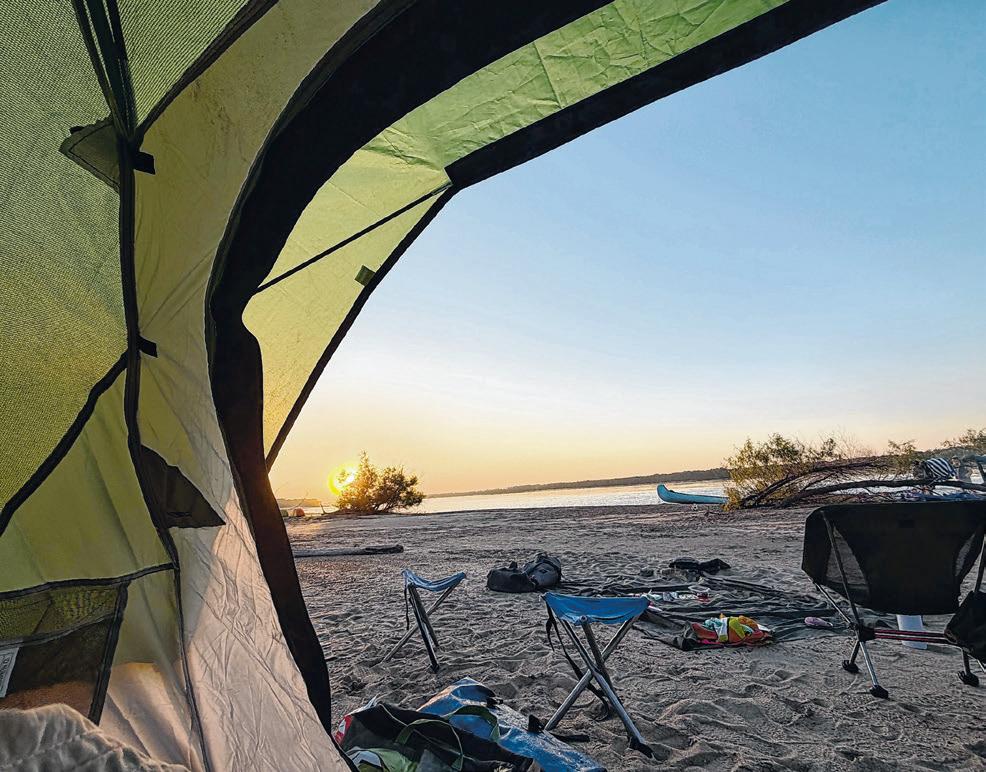
Ceili Hale and Heather Crosse, the other two guides, seemed as comfortable on the river as Ruskey — and when we pulled onto an island, they had hot bacon, eggs and coffee waiting before most of us had our tents down.
way, I have become a person who stops for birdsong. I am told this happens to most of us eventually
On that morning, Patty Prather crawled out of her tent before dawn and found the moon sitting low on the horizon over the river
“I felt like I could have walked into the golden moon if I but crossed the water,” she said. She watched it set, then turned to find the sun breaking through the willows behind her, a flock of Canada geese lifting off the water into the new light. Beauty aside, not everything about the trip was transcendent.
Ten miles in, Ruskey demonstrated the dishwashing method: scrub with sand, rinse in the Mississippi, dry in the sun. I am not a germaphobe, but it was a lot to take in. Still, Tara Gros — on her first canoe trip, first night in a tent and first time to eat watermelon off a boat oar called it one of the best weekends of her life. Angi Davis managed three days without coffee through sheer strategic avoidance.
Diana Heinen, who drew a firm line at getting into the river herself, credited the camp potty chair her friend brought as the trip’s unsung hero.
The rest of us were forbidden to use it and had to make do in the wilds. What the river does, it turns out, is make the rest of life seem negotiable.
“Nature has a way of making all the problems in our everyday lives seem small and almost disappear,” Heinen said. Davis said she came home wishing she could find the words to explain to her late husband what she had just done.
We were told to bring our own tents, sleeping bags, hats, two pairs of shoes and bug spray, which cool weather made unnecessary That morning, we received a text saying river conditions were ideal. We had options about how far we would canoe — 18 miles or 50 miles The group, with Ruskey, decided to do the more ambitious 50-mile journey, a decision that was not unanimous.
Continued from page 1G
loved ones.”
Later, Michele Ezell said what many of the rest of us were thinking that morning: “I really hoped and prayed for a weather pat-
The practical reasons people are leaving traditional mourning practices behind are understandable: embalming and burial costs add up quickly, and making funeral and travel arrangements on short notice is stressful.
But Tipton and others note that these changes may carry a greater cost to our mental and emotional health.
“Grieving is hard, but we have to experience it if we want to find healing,” says Gretchen Varnell, a certified funeral celebrant with Greenoaks Funeral Home in Baton Rouge.
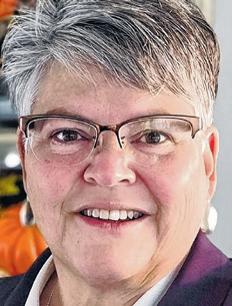
Varnell oversees a grief support program for widows and widowers, and she says social media has opened new ways to express grief. Even still, the grieving process shouldn’t be cut short.
“The practices and rituals will always change, but we can’t just ignore grief. It’s not going away,” Varnell said. “We have to find new ways to express it so we can experience the healing that can only come with time.”
Email Jon Parks at jon@jonparks.net.
tern to find its way to Clarksdale so the Monopoly gods would gift me with a get-out-of-jail-free card I regretted what I had signed up for.” She was not alone.
She also described Ruskey, who is 62, well
“I put all my trust in the man who looked nothing like what my 56 years of inland rules of trust had built,” Ezell said
On the second night, as the Flower Moon rose over the water, the guides played and sang on the sandbar
We woke to more music the next morning — prothonotary warblers redwinged blackbirds and species I couldn’t name. Listening made me realize that, somewhere along the
The Mississippi River deserves every bit of the respect we’ve been taught to give it. But with experienced guides, planning and favorable river conditions, it also offers something most of us never imagined possible: a chance to move through one of America’s great landscapes from inside it.
Dirty dishes aside, I recommend the experience — with the proper planning, care and skilled guides. Quapaw Canoe Company runs guided trips on the Lower Mississippi yearround. Details at quapawcanoes.com.

BY BEN MYERS Staff writer
Sterile workplaces, institutional spaces and government buildings started undergoing a gradual transformation about two decades ago, as office managers recognized the soothing effects of plants on the human psyche. And in some cases, they did more than just add a few house plants on waitingroom end tables. Entire walls that once hosted bland corporate artwork became professionally designed plant ecosystems, requiring novel irrigation systems and horticultural upkeep.
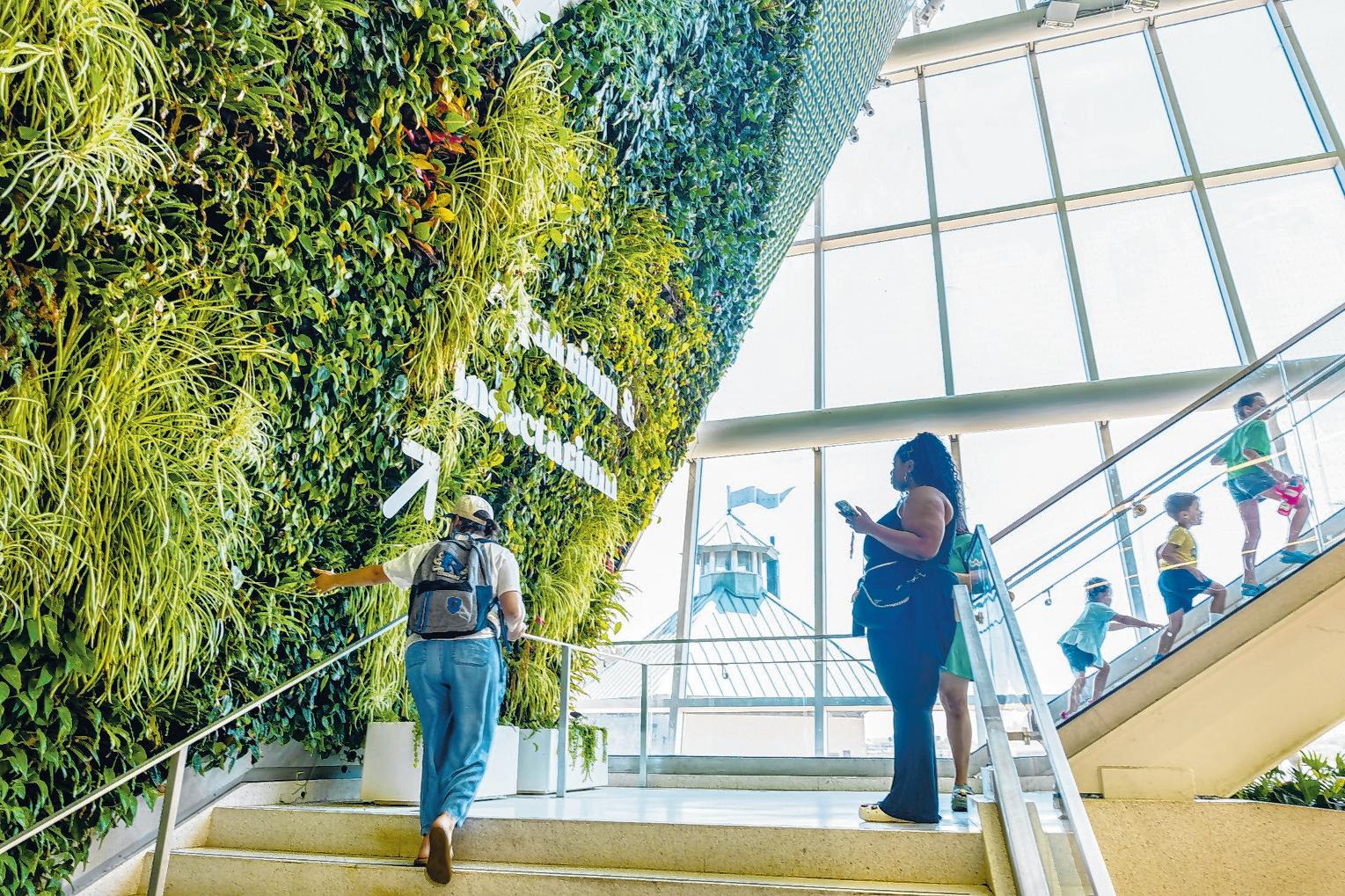
In New Orleans, the “living walls” sprouted in the Audubon Aquarium atrium entrance as part of a $41 million renovation during the COVID-19 pandemic. Unveiled to the public in 2023, towering walls totaling more than 800 square feet are filled with more than 3,000 plants, purposefully arranged to give the feel of a wild habitat. It’s a fitting greeting for visitors embarking on a tour of rain forests, jungles, coral reefs and other habitats.
“It’s a way of using space that otherwise is just blank You can hang art there. But you can also hang 3,640 plants,” said Troy Whitfield, the aquarium’s senior horticulturalist, as he pointed out the various ferns spider plants, philodendron and other species Horticulture marries the science of growing plants with the art of presenting them, Whitfield said, and the science has always come naturally to him. Now he’s refining the artistic half as some of the initial plants start to die off and need replacing Whitfield is eyeing some flashier colors with anthuriums and richly scented orchids.
In addition to being filled with organisms, the wall is also “living” in that it constantly evolves. About 15% of the plants on the wall have been installed since the original installation.
One of Whitfield’s staff members recently suggested crotons and Justicia, which have been added to the mix.
“Every horticulturalist that comes through here has an effect on the wall,” Whitfield said. Seeing how original designs shape-shift over time is a pleasure for Matthew Hills, an architect with Pennsylvania-based Ambius, a national landscaping firm that specializes in vertical gardens like the one at Audubon Aquarium.
Hills said he’s designed about 100 living walls over the last 15 years, and he recently visited a few from several years ago while
visiting family in San Francisco.
“It’s super cool to see,” Hills said. “After five, six years, those plants mature into very big, dense plants, and they start to mix together with the other species on the wall, and it just continues to evolve and look different.”
Hills’ clients usually provide him with rough sketches, which he then matches with curated species selection and irrigation design to fit the space. Corporate clients sometimes want a tidy look incorporating a brand logo. For the aquarium, Hills aimed for a wilder presentation to pair with the aquarium’s aesthetic.
“We chose a more organic look, very patchy with different plants spread apart in blocks,” Hills said. “There’s a lush tropical environment throughout the aquarium that we tried to mimic.”
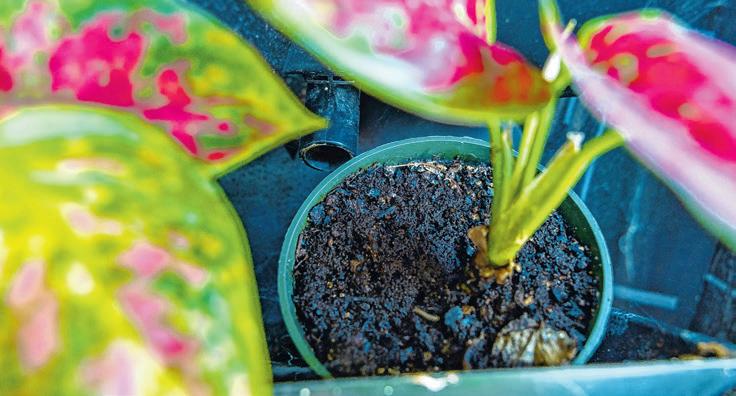
The aquarium design is among the larger — though far from the largest — of Hills’ designs. The plants are set out in trays, with an automatic irrigation system that trickles from top to bottom. Thirstier plants that dry out more quickly are near the base, and those needing less at the top.
The aquarium atrium, which had multiple wall spaces to fill, presented a couple of unique challenges. One of the walls is more than 30 feet high, and the very top isn’t accessible for routine pruning and other maintenance, so the aquarium had to settle for fake plants at that height.
That wall also slants out at a 20-degree angle, presenting a challenge for irrigation, which works best while dropping straight down. Hills adjusted by putting special wedges behind the plant trays keep them aligned.
“It still appears to be on an angle, but all the trays are actually pushed out and kept on a vertical plane,” Hills said. The trays are useful because they’re easy to switch out, he said, and he’s looking forward to seeing what the aquarium’s horticulturalists do with the walls over time.
“I’m happy that people take it upon themselves to maintain it, change the species,” Hills said. “The green wall is a living, evolving entity.”
Continued from page 1G
twice a year; when they do, Jahangir shares the meat with other nomads. He takes the acorns he needs from the mountain and then plants some — not on his land but on the mountain itself, so there will be more next year He learned this from his father.
“I don’t think this is unique to an Iranian goat herder,” my husband told me. “I think it’s just how people live when they live like that. Simple can be wonderful if you don’t have something sitting on top of you reminding you that other people have more.”
The nomadic aspect interests him too — the way Jahangir’s family solves the problem of heat and cold not with technology but with movement.
When the season turns, they don’t adjust the thermostat. They move the house.
A few weeks ago, given the tensions in Iran, the channel went dark. By then, Jahangir had become enough of a fixture in our lives that friends and family had started asking about him too — how he was doing, what he’d been up to.
When the videos stopped, the concern spread accordingly My husband mentioned daily that he hoped Jahangir and his family were safe. He said it the way we say it about someone we know, which I suppose, after nearly two years of watching a man climb a mountain every day is not entirely wrong. My husband was so happy when the show returned, even without subtitles. On weekends, I’ve taken to watching along with him. My husband says learning more about Jahangir’s life makes him more grateful — that he can’t watch that man search a mountainside for wild green onions and then complain about having to go to the grocery store.
Apparently, the family is making a little money based on the success of the program. It has nearly 70,000 subscribers. As I write, a video posted nine hours earlier has 7,210 views. The episode opens: Hello, good day Thank you for being a guest of the authentic tribal lifestyle. We hope that this companionship will be interesting for you. Jahangir’s son wrote that welcome as a testament to his father’s life. What a world — that a nomad in the Zagros Mountains is the one reminding us of the importance of care and companionship.
Email Jan Risher at jan.risher@ theadvocate.com.





































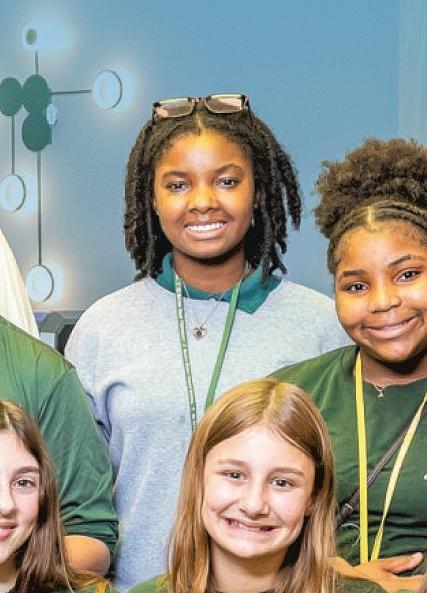
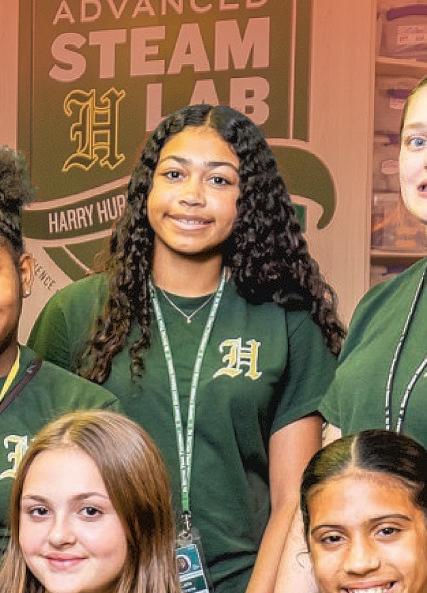
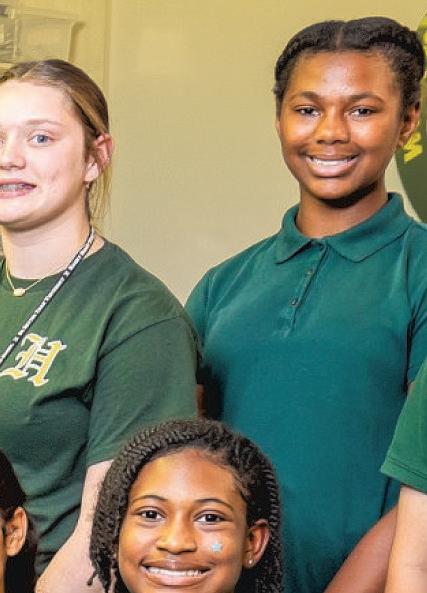


HarryHurst’s Advanced STEAMLab Prepares Students forReal
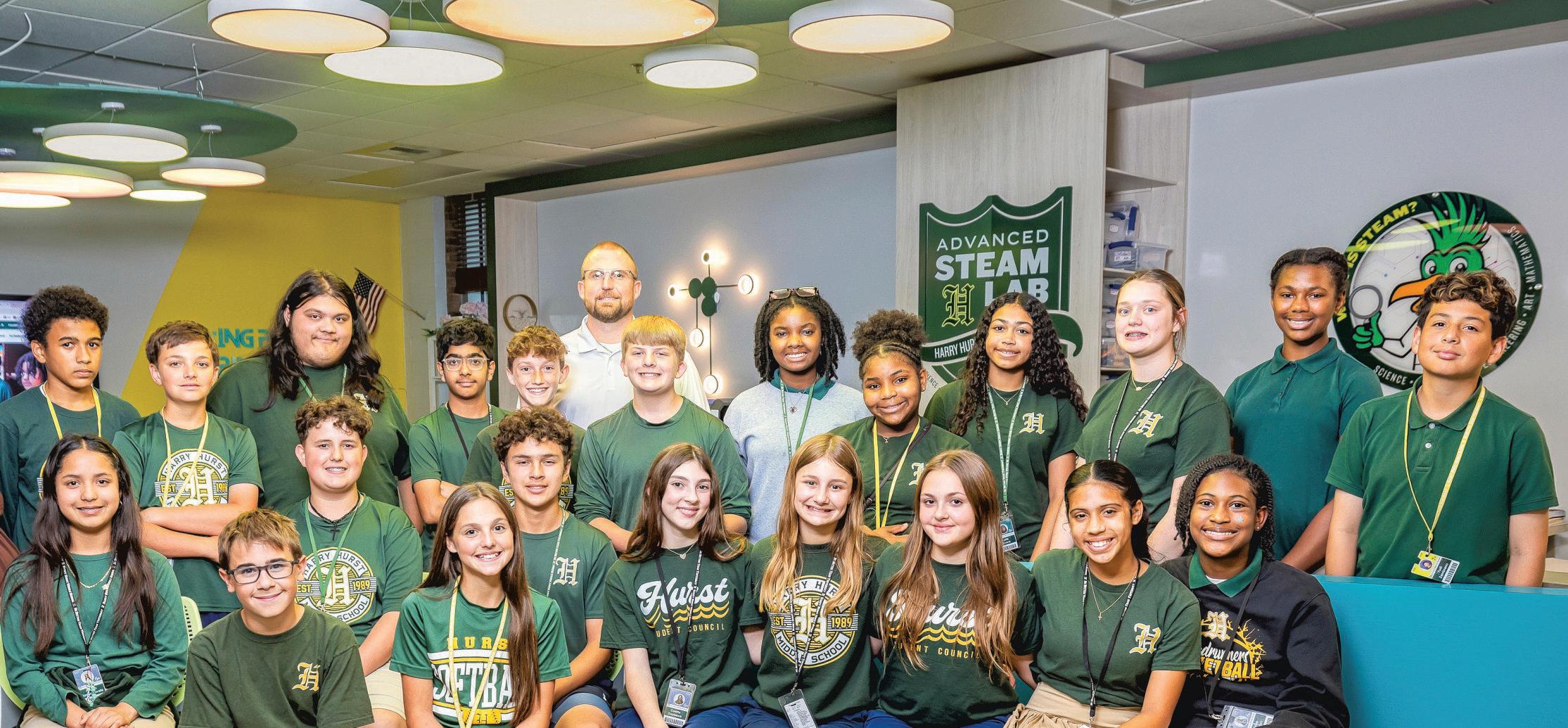
At HarryHurst Middle School,studentsare gaininghands-on experience in engineering,broadcasting, journalism, and technology throughthe school’sAdvanced STEAMLab.Theydesignprojects likecircuitboards and mechanicaldeviceswhile alsoproducing news broadcasts,podcasts,videos,and theschool newspaper
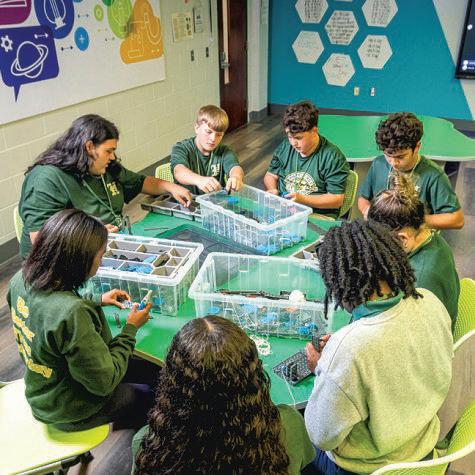
Principal Sean Dwyercreditsthe lab’ssuccess to communitysupport, includingfunding from Shell. “Whatour studentsdoisamazing,” Dwyersaid. “Shell askedhow it could help, encouraged us to think bigger when we answered, and that support transformed our STEAMclassroom intoaninnovative Advanced STEAMLab.”
Throughthese uniquelearning opportunities, studentsare discoveringnew passions and preparing forfuture success.Shell’sinvestment is helping open doorsfor thenextgeneration of engineers, creators,and innovators



“I see studentsproblem solving andaccepting tasks they neverthought they could do.Theyare growingasleadersand taking riskslikespeaking in front of theentire school or interviewing our principal.”
LINDSAY MAXIE STEAMCoordinator
HarryHurst Middle School