Cape York Weekly

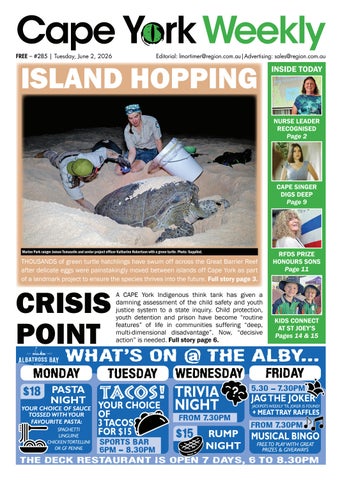
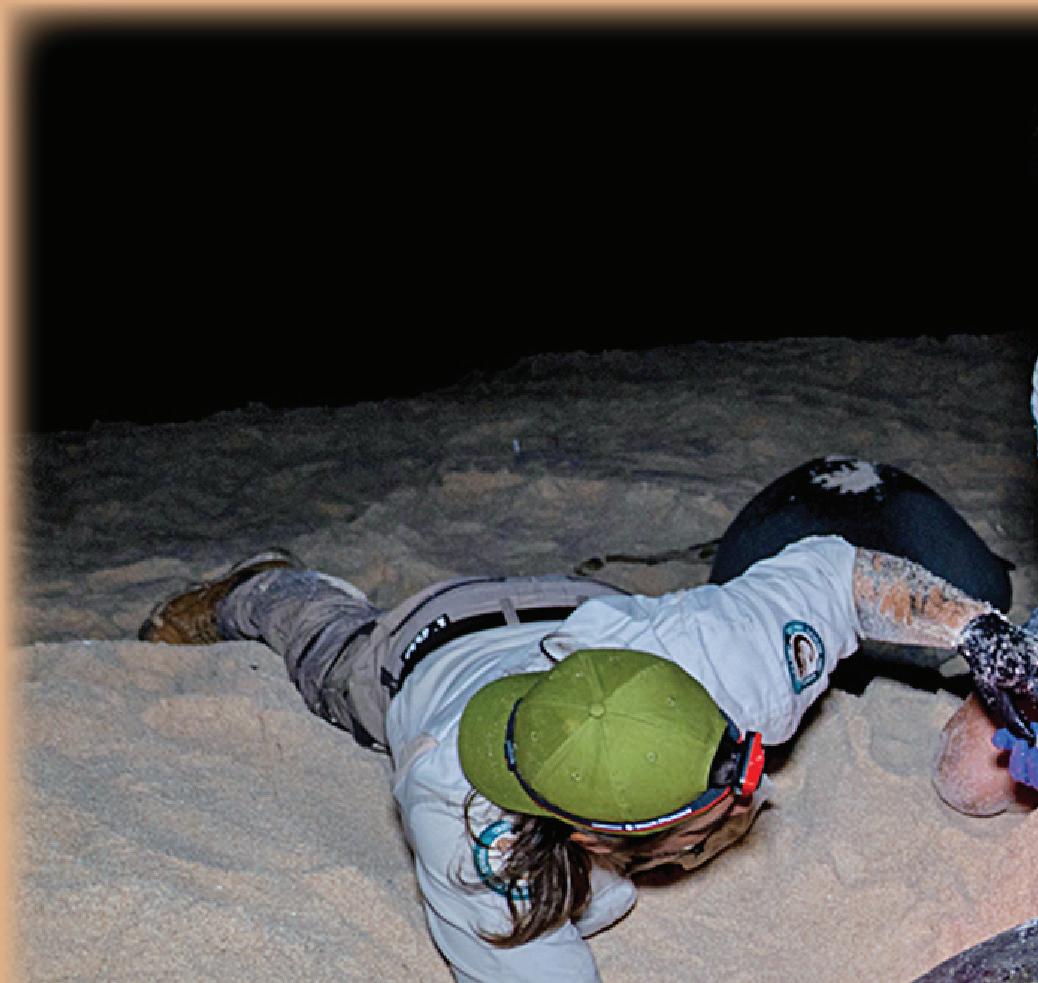
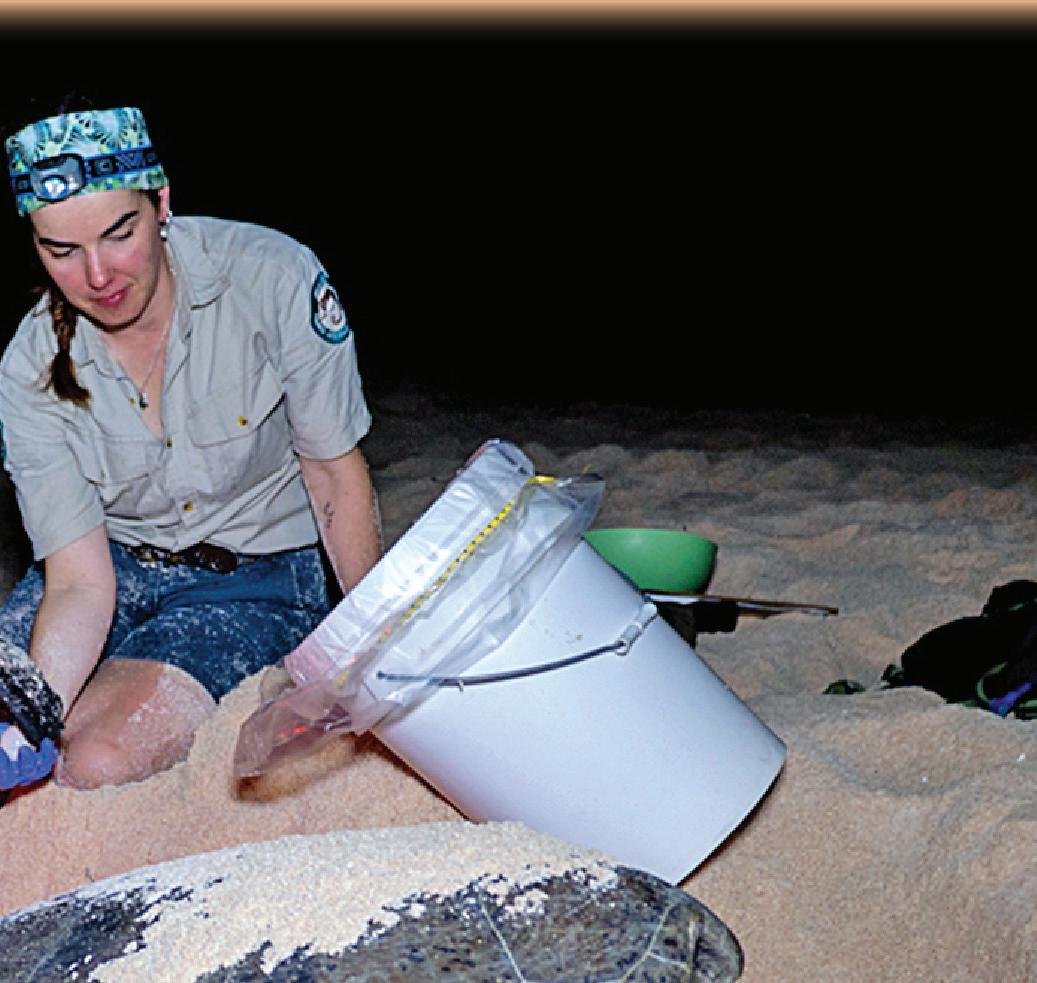
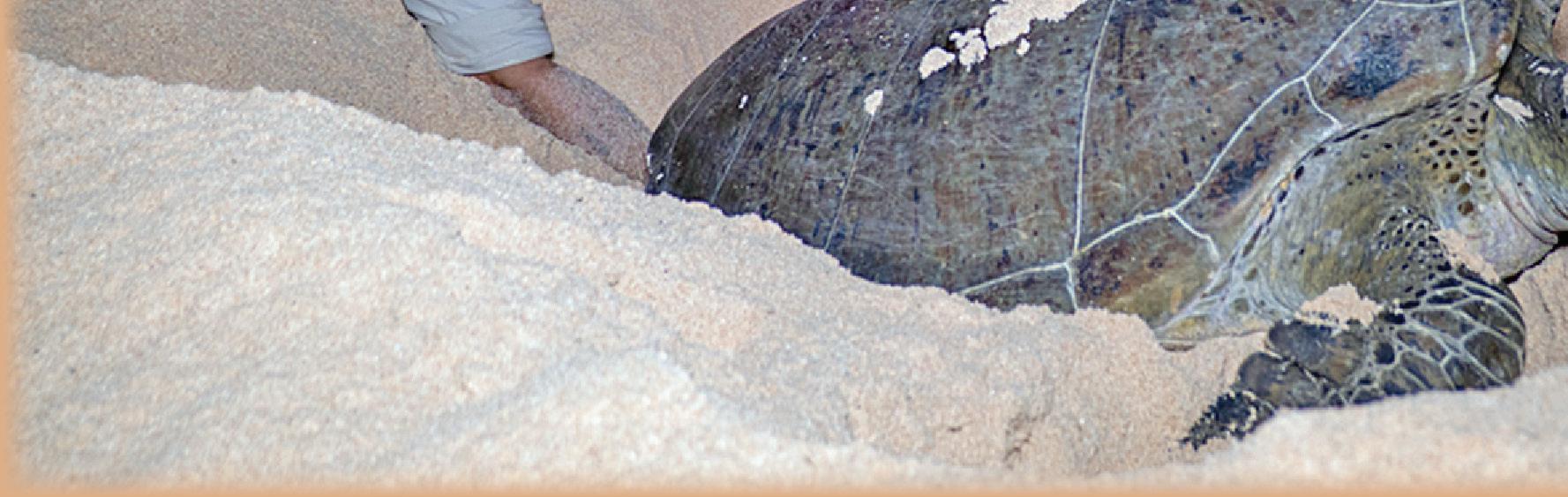
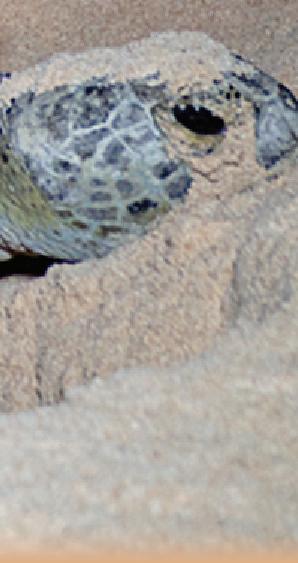


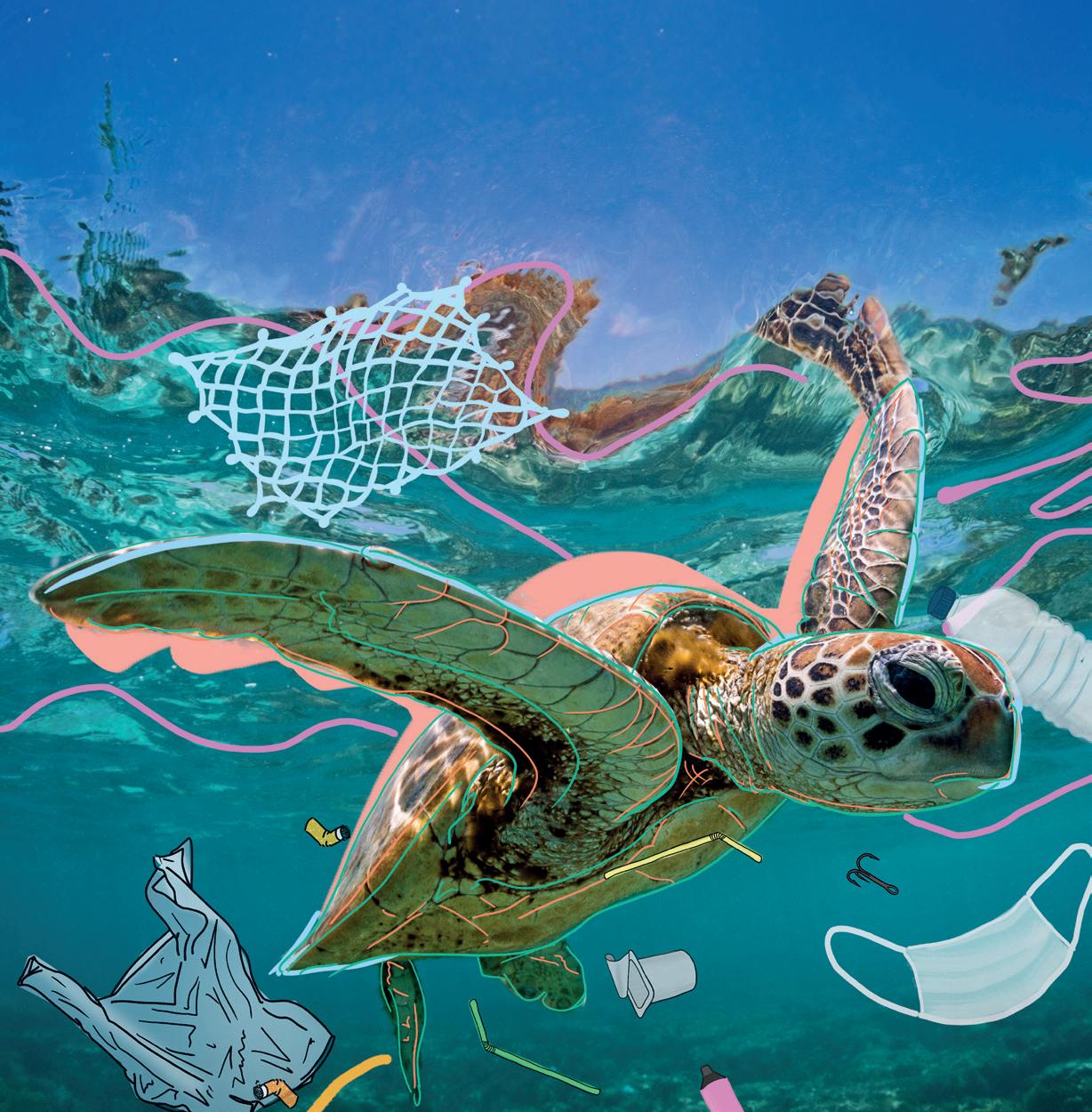
THOUSANDS of green turtle hatchlings have swum off across the Great Barrier Reef after delicate eggs were painstakingly moved between islands off Cape York as part of a landmark project to ensure the species thrives into the future. Full story page 3.

A CAPE York Indigenous think tank has given a damning assessment of the child safety and youth justice system to a state inquiry. Child protection, youth detention and prison have become “routine features” of life in communities suffering “deep, multi-dimensional disadvantage”. Now, “decisive action” is needed. Full story page 6.







by CHISA HASEGAWA
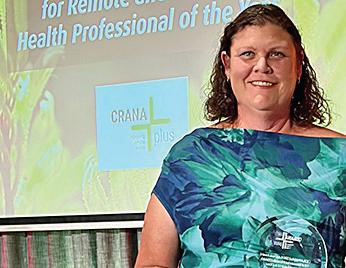
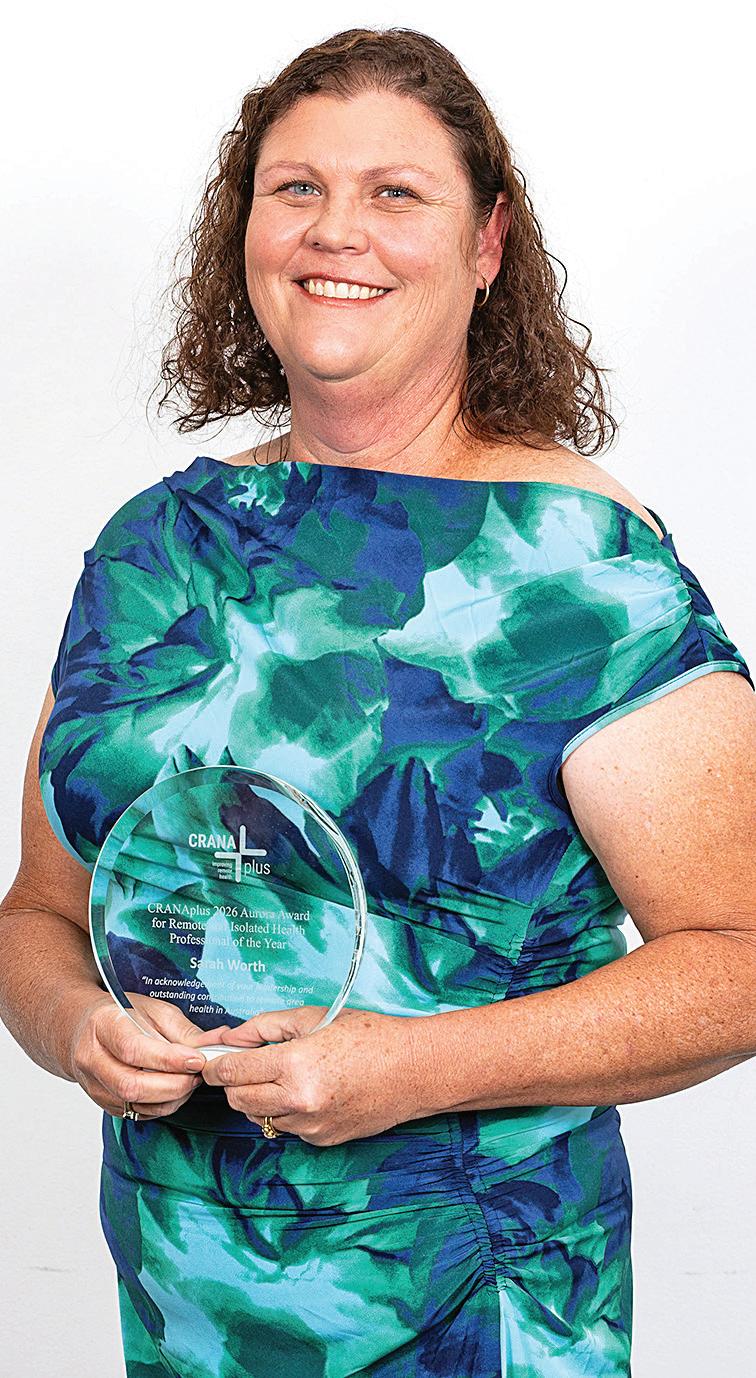
ONE of Cape York and Torres Strait’s most dedicated leaders has been recognised for her commitment to supporting nursing staff across the region at the 2026 CRANAplus Australian Remote Health Awards.
Torres and Cape Hospital and Health Service (TCHHS) director of nursing clinical education Sarah Worth received the Aurora Award for the Remote and Isolated Health Professional of the Year at the prestigious national event earlier this month.
Tuxworth &
Iraci Ave, Evans Landing Mob: 0429 003 743
Ph: 4069 7183 Fax: 4069 7472 COOKTOWN
Cnr of Endeavour Road and McMillan Streets, Cooktown Ph: 0419 759 892
Ms Worth made the Cape home in 2010 when she commenced a nursing role at the Weipa Integrated Health Service, and has always been passionate about remote healthcare, having started as a graduate nurse on Palm Island 25 years ago.
On the Cape, she found her skills for supporting others who had ventured on a similar journey, and secured the director of nursing clinical education role in 2018.
“I’m drawn to educating and developing the remote health professional workforce because everyone, no matter where you live, should have access to high-quality, evidence-based, culturally appropriate care,” she said.
“When health professionals are supported with the right training, communication, and tools, they can provide exceptional care from anywhere.
“I nd it rewarding to help individuals build con dence, stay connected, and grow professionally in environments where traditional face-to-face education support isn’t always available.”
Throughout the past ve years, Ms Worth has acted in roles such as director of nursing – COVID response and the executive director of
nursing and midwifery, but always found her way back to education.
“What keeps me passionate is seeing the impact that strong remote nursing and midwifery development programs can have on both people, organisations and service provision to those accessing our service,” she said.
“Effective remote education programs not only improve performance
and collaboration, but also help employees feel engaged, valued, and empowered to provide the best patient care.
“I enjoy creating learning experiences that are practical, accessible, and adaptable to different learning styles and practice contexts, while fostering a sense of community and continuous improvement across the multidisciplinary workforce.”
Particularly passionate
about growing the Aboriginal and Torres Strait Islander nursing and midwifery workforce, some of her key achievements include developing structured graduate nursing programs supporting transition into remote practice, embedding culturally safe modes of care and contributing to statewide professional frameworks.
“Some of my proudest contributions, and I say this whilst acknowledging the wonderful people I work with, is the introduction of supportive education programs which assist to transition nursing and midwives or growing First Nations nurses and midwives into the remote practice context,” she said.
“TCHHS nurses and midwives have the ability to lead actions towards social justice, health equity and access to culturally safe healthcare. Initiating these programs makes me very proud.
“My ultimate goal is to develop our First Nations workforce, to enable them to provide care to the community where they live, attract nurses and midwives to TCHHS and support them to transition into remote practitioners by showing them how autonomous and rewarding remote practice is.”
Ms Worth said she hoped to “get the message far and wide about how amazing remote nursing and midwifery can be”, adding that she was deeply appreciative of the recognition and support she had leading up to the award.
“I was so humbled and grateful for the recognition. A little overwhelmed really, as I love doing what I do,” she said.
“I am so fortunate to have the privilege to work in TCHHS, with an amazing team and support from strategic leaders to implement innovative education and workforce capacity building.”




Ongoing Bloomfield Road (various locations) Roadworks and sealing.
Ongoing - Weather dependent Cameron Creek Road Drainage improvements, monitoring and rehabilitation works from Endeavour Valley Road. Crews in the area. Possible delays. Plan travel and drive to conditions.


by LUKE MORTIMER
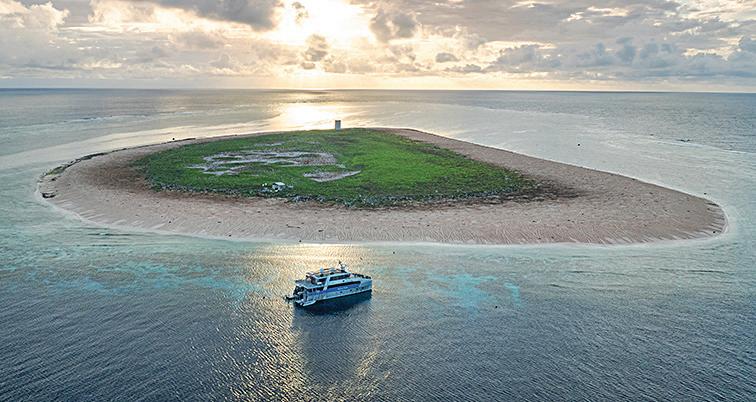
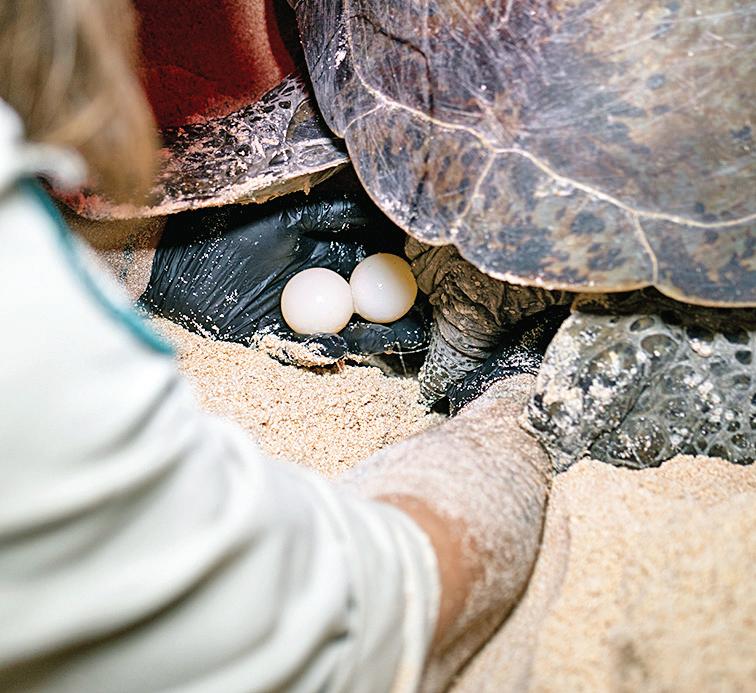
MORE than 9100 green turtle hatchlings have begun their life in the Great Barrier Reef after delicate eggs were carefully moved between islands off Cape York as part of a landmark project to ensure the future of the species.
Queensland Parks and Wildlife Service worked with scientists, Wuthathi and Meriam Nation Traditional Owners, as well as the Great Barrier Reef Marine Park Authority to move the eggs from Raine Island in Cook Shire – the largest green turtle rookery in the world –to Sir Charles Hardy Island in Wuthathi National Park.
A successful 2024 trial involved relocating more than 3000 eggs from 38 nests and it was followed by moving 8600 eggs from more than 100 nests late last year.
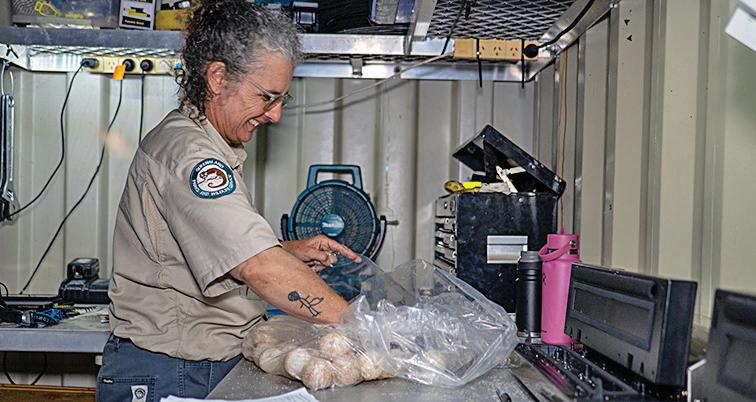
Moving the eggs requires a meticulous approach because they must be gathered within a few hours of being laid, before the turtle embryo begins to develop, according to the Queensland Department of the Environment, Tourism, Science and Innovation.
Katharine Robertson, senior project of cer, said the team created an innovative method to safely remove eggs before development begins.
“The eggs are ushed with nitrogen in vacuum-sealed bags which puts them into a hypoxic or low oxygen state and allows them to be safely moved while keeping the embryo alive and healthy,” she said.
“On Sir Charles Hardy Island, the eggs were reburied beneath shade structures, which cools the sand and lowers nest incubation temperatures to try and produce more male hatchlings.
“The temperature of the nest during incubation determines the sex of the hatchlings, with hotter sand producing females and cooler sand producing males.
“When we returned to the island in February to dig the relocated nests, we found 82.4 per cent of the eggs had successfully hatched.
“The hatching success rate was higher than we expected and better than nests left naturally on Raine Island, and this con rms that our method could be scaled up.”
Wuthathi Aboriginal Corporation chair Keron Murray said the nests which were moved likely produced more male hatchlings, based on incubation temperatures.
“The success of the project can be attributed to the ingenuity and leadership of the Traditional Owners to ensure

the preservation and future of this green turtle population,” he said.
Falen Passi, the chair of Mer Gedkem Le Torres Strait Islander Registered Native Title Body Corporate, said the egg relocation project was one of the rst of its kind codesigned by government and First Nations people.
“The green turtle is our totem on Mer and is an important species for many Torres Strait and Aboriginal communities,” he said.

or
From age 45 - 49 you can go online or scan the QR code to request a test kit

“The project’s sharing of traditional knowledge and scienti c knowledge has helped to ensure green turtles have a future.”
Raine Island is a priority place under the Australian Government’s Threatened Species Action Plan and supports nesting for about 90 per cent of northern Great Barrier Reef green turtles.
The Recovery Project is funded through the Australian Government’s Saving Native Species Program.



















The new Queensland Government is unlocking new housing supply to deliver more Queenslanders a place to call home.
Before a home can be built, the right foundations need to be laid.
Infrastructure for water, stormwater, roads, sewage, power, and telecommunications all need to be in place.
That’s why the Queensland Government is funding these types of essential infrastructure projects that are ready to start immediately – so more homes can be built sooner.
The $2 billion Residential Activation Fund is part of a range of housing initiatives being delivered across the state, and a key pillar of the Queensland Government’s Securing Our Housing Foundations Plan, unlocking housing supply and ensuring communities have the infrastructure needed to grow.
Alongside the new Residential Activation Fund, the Queensland Government is also:
▶ supporting first home buyers by removing stamp duty on new builds, helping 2204 Queenslanders since May 2025. Eligible buyers save $9096 on a median-priced house and land package in Queensland.
▶ extending the $30,000 first home owner grant to 30 June 2026 – which has already helped 2629 people this financial year.
▶ delivering a nation-leading Boost to Buy shared equity scheme to help reduce the deposit gap, already helping 150 Queenslanders get into their first home. Round two is now open.
▶ increasing rental availability by lifting subletting restrictions.
▶ delivering one million homes, including 53,500 social and community homes by 2044.
To find out more visit aplacetocallhome.initiatives.qld.gov.au
The Government is also unlocking underutilised government-owned land, allowing surplus sites to become much-needed homes for Queenslanders, through the Land Activation Program.
Round one of the Fund is already supporting 98 projects across the state, unlocking land for more than 98,000

At least half of the $2 billion in funding under Round two is dedicated to fasttracking land supply for housing in regional Queensland.
The new Queensland Government’s Residential Activation Fund is delivering a place to call home for more Queenslanders, supporting one million new homes by 2044, with at least 50 per cent of the overall funding invested in regional, rural and remote Queensland.
The Fund is delivering essential infrastructure like new water and drainage pipes, new roads and transport links, and improved connections to power and telecommunications.
Delivering critical infrastructure is driving housing supply and easing housing pressure, with land unlocked for more than 98,000 new homes for Queenslanders.
Round one of the fund is already supporting 98 projects across the state.
With $500 million available in round two, and fifty percent of those allocated to regional Queensland, more Queenslanders will have a place to call home sooner.
Queensland Property Council Executive Director Jess Caire said the funding had been warmly received by industry.
“The Property Council advocated strongly for this funding due to the obvious feasibility gaps for new housing that were clearly precipitated by a lack of sufficient infrastructure,” she said.
“The Residential Activation Fund goes to the heart of this issue, and we congratulate the Government for announcing and enacting it so quickly.”
To ensure these projects deliver results quickly, they need to be ready to start within 12 months of the project being announced and completed within three years.
Local Government Association of Queensland Chief Executive Officer, Alison Smith said the initiative is delivering game-changing infrastructure that will see thousands of new homes built right across the state.
To find out more visit aplacetocallhome.initiatives.qld.gov.au



A growing Queensland needs more housing. That’s why the new Queensland Government’s $2 billion Residential Activation Fund is delivering the essential infrastructure needed to build more homes sooner.
This includes new water and drainage pipes, new roads and transport links and improved connections to power and telecommunications for more Queenslanders.

Because before a house can go up, the groundwork has to go in, helping everyone find a place to call home.















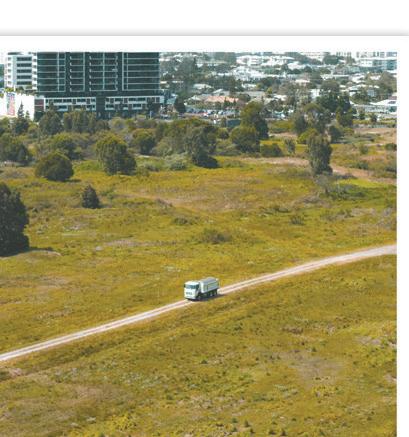







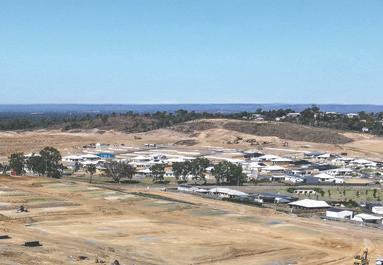
Across Queensland, the Residential Activation Fund is unlocking land to get Queenslanders into homes sooner.
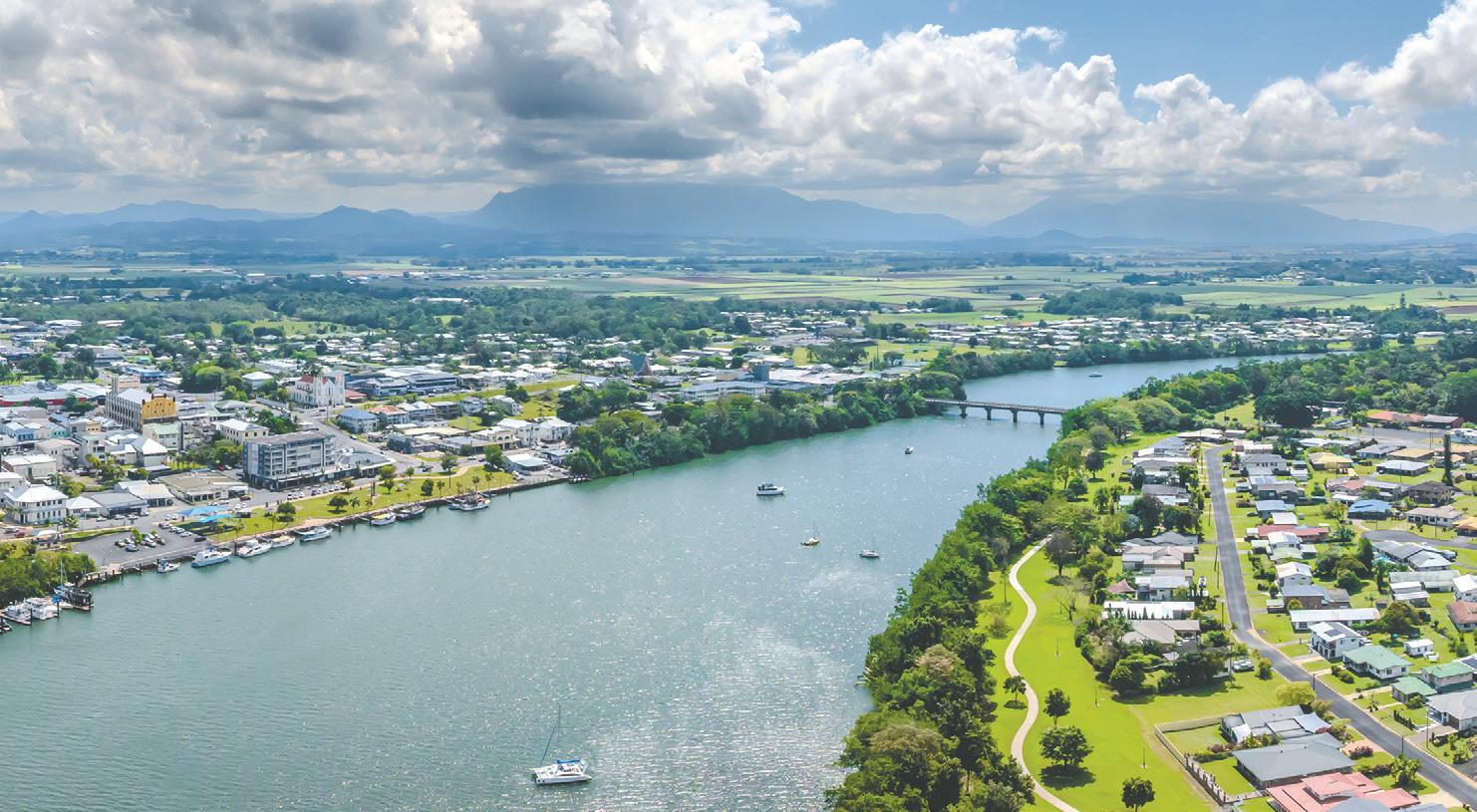
In Far North Queensland, the $2 billion Residential Activation Fund is unlocking land to support growing regional communities. At least half of the total fund is dedicated to fast-tracking regional housing projects.
and
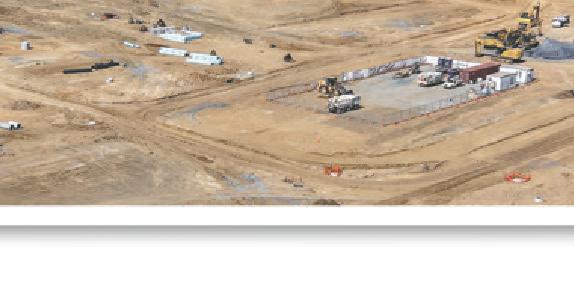
Projects unlocking thousands of homes across the region include: Regional Infrastructure Works: Unlocking 3000 homes with $89 million investment supporting sixteen projects across eight councils - Aurukun, Cook, Mareeba, Northern Peninsula Area, Pormpuraaw, Torres, Cassowary Coast, and Tablelands. These works are delivering essential roads, water, and sewer networks in some of Queensland’s most regional and remote locations.
Cassowary Coast: More than $10 million in funding is driving three critical housing infrastructure projects; this includes $4.1 million for essential drainage and road upgrades at Eaton Estate in Innisfail, helping lay the groundwork for an eventual 600-lot residential subdivision.
Cook Shire: $1.1 million investment funding water and sewer networks supporting long-term local housing supply and community growth in Cooktown.
A6.4-hectare site in at Banyo - 16km north of Brisbane’s CBD - brought to market, is paving the way for up to 400 new homes through the Queensland Government’s Land Activation Program.
Unlocking underutilised governmentowned land, the program fast tracks housing developments by turning surplus sites into much-needed homes for Queenslanders.
A transforming family-friendly suburb with excellent transport links and amenities, the Banyo site is just one
example of the program’s potential.
Developers will also be able to nominate unused government land for consideration, with assessments completed in just 30 business days.
Land supply is critical to meeting the Queensland Government’s one million homes by 2044 target, and with further sites set to be released across the state, Industry leaders welcomed the initiative.
Urban Development Institute of Australia Queensland President Michael
Loney said unlocking land for new homes was a crucial step to deliver more homes for Queenslanders.
“Housing supply is our way out of the housing crisis. To get housing supply we need land supply,” he said.
“The Institute has long supported efforts to identify surplus government land and give it a new life as housing for the community.”
To find out more visit edq.qld.gov.au/land-activation-program
T wo periods of homelessness and a stint in emergency housing would shake any family. For Amy and Floyd, they’ve found what every parent wants for their kids – a safe, secure, and affordable place to call home.
The journey wasn’t easy for this Wide Bay family of seven. With five children aged between four and 20 years, including three with ADHD and intellectual disabilities, Amy and Floyd faced significant challenges in finding stable housing. But with the support of the RentConnect team at the Bundaberg Housing Service Centre, they were able to turn their situation around and secure a Helping Hand Headlease on a suburban 4-bedroom home.
Amy says life is much easier now. “Before, we were living day-to-day,” she said.
“Now, we can see the future and make plans to own our own home. We
couldn’t do that before because we were terrified of being homeless again.”
With a $5.6 billion pipeline for additional social and community housing and $500 million in annual funding locked in from 2029–30, the Queensland Government is committed to creating 53,500 social and community homes by 2044.
This investment is about more than building houses – it’s about giving Queenslanders like Amy and Floyd stability and opportunities.
The Government is also supporting Community Housing Providers through the $4 million Community Housing Futures Program, which helps them build their capacity and grow to deliver more social and community housing.
Community Housing Industry Association Queensland CEO Julie Saunders said
For first-time home buyers Mitchell and Samantha Stanger, the dream of owning a home felt like a distant reality – until they discovered the new Queensland Government’s nation-leading Boost to Buy shared equity scheme.
Boost to Buy helped the Stangers bridge the deposit gap, turning years of saving into the security of home ownership for their young family.
“Even though we were working hard and saving, the deposit gap kept our goal of owning a home out of reach,” Mr Stanger said.
“We had been living with our in-laws on the Gold Coast along with our twoyear-old and four-year-old to try to save as much as we can.
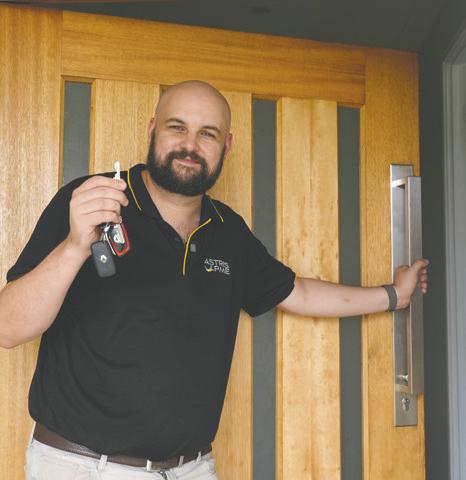
family.
“With the Government’s equity contribution, we were able to buy and have payments we can manage and ultimately have the security of knowing we have a place to call home.
“I’m so proud of myself and my wife and my family that we were able to achieve this goal in a short amount of time thanks to the Boost to Buy scheme.”
The Stangers’ story highlights the Government’s commitment to unlocking more homes and supporting first home buyers.
the government’s pipeline shows what long-term funding can achieve.
“Through the Queensland Community Housing Investment Pipeline and the Community Housing Futures Program, providers are growing portfolios and delivering affordable homes faster,” she said.
QShelter CEO Fiona Caniglia agreed sustained investment is key.
“The extension of the Community Housing Futures Program means every dollar of funding turns into more homes for those who need it most,” she said.
The Queensland Government’s A Place to Call Home initiatives are about more than bricks and mortar – it’s about creating opportunities, fostering independence, and helping every Queenslander thrive in a home they can call their own.
Three months since its launch, more than 150 buyers now have the keys to their first home through the scheme.
Round two applications for the scheme are now open, with an additional 500 placements available, and half reserved for regional Queensland.
The Boost to Buy scheme provides a government equity contribution of up to 30 per cent for new homes and 25 per cent for existing homes, and to be eligible, home buyers need to have saved a minimum of two per cent deposit for the purchase price of a property up to $1 million.
The Queensland Government has committed $330 million for up to 2000 places in the scheme over three years.
To find out more visit aplacetocallhome.initiatives.qld.gov.au
Where:
Approval
You
by LUKE MORTIMER
THE Cape York Institute has told the Commission of Inquiry into Queensland’s Child Safety System that the region is at “the epicentre” of the state’s “child protection and youth justice crisis”.
In an alarming submission titled ‘We have to get it right this time’ the Indigenous think tank labelled the inquiry “far more important than the Brisbane Olympics”, but expressed concerns the games “may yet receive more focus, resourcing and effort”.
The inquiry concluded on 22 May and the commission forwarded its final report to the Queensland Government – including worrying details around child safety on the peninsula.
“Our Cape York insights come from proximity – decades of observing why some families move ahead while others, of similar ability and circumstance, do not,” Cape York Institute for Policy and Leadership (CYIPL) declared.
“Over more than 30 years, we have seen outcomes in remote Indigenous regions such as Cape York collapse and not only remain by far the worst there are in Australia, but in key areas – such as child protection, youth justice and incarceration – continue to worsen.”


term out-of-home care and to end up in detention and prison than since the 2013 Carmody Inquiry. The curve has steepened,” the submission reads.
The institute urged the commission to ask “without flinching” why previous attempts to fix Queensland’s child protection and youth justice systems “so comprehensively failed”.
Moreover, the institute pushed the commission to examine why more Aboriginal and Torres Strait Islander children were in care in 2026 than at the time of Carmody, and why over-representation had worsened.
clare them ‘out of scope’ while the state fails to keep its most impoverished children safe?”
CYIPL asked.
“Unless these questions are faced head-on, this inquiry will change nothing.”
The institute said Queensland was in the midst of “an ongoing and escalating Indigenous child protection disaster”.
rial inquirer while remaining a reluctant reformer’.
“For three decades, from the Forde Inquiry to the Carmody Royal Commission, the state has repeated a predictable loop of high-profile exposé followed by superficial administrative resets, routinely burying the structural lessons of past failures while the crisis at the front end continues to escalate.”
Ms Davis said “endless meetings” take place instead of “decisive action” as “children continue to experience neglect, violence, chronic truancy and developmental harm”.


The not-for-profi t institute, part of the Cape York Partnership, told the inquiry the “vast majority” of First Nations children in these communities sit in the nation’s “bottom million”.
These are “families trapped in deep, multi-dimensional disadvantage, where child protection, youth detention and prison have become routine features of the life course rather than rare exceptions”.
“Children from these communities are more likely to be notified, removed, raised in long-
The institute said alcoholfuelled violence and neglect were “central drivers of harm in Cape York” and accused the state of long being “obsessed with opening the floodgates to more alcohol”.
The submission questioned: “Why has the State chosen to build a billion-dollar industry at the end of the pipeline — child protection, out-of-home care, youth detention, prison — rather than a serious prevention architecture at the front?”
“Will this commission confront the proximate causes of increased child removal, or de-
CYIPL chief executive officer Kirsty Davis said in a statement calling for change that the submission ”aims to shift the debate away from the endless cycle of inquiries and puts the focus squarely on structural reform”.
“When the Child Safety Commission of Inquiry concluded its final hearings, Commissioner Paul Anastassiou KC put the spotlight on the Cape York Institute’s warning that 30 years of repetitive government talk has caused a gridlock of ‘death by a 1000 consultations’ — an endless cycle of bureaucracy that severely ruins vulnerable children’s lives,” she said.
“The Commissioner’s historic acknowledgment highlights a damning structural reality: ‘Queensland has become a se-
She said the Family Responsibilities Commission (FRC) was at the centre of her organisation’s “preventative architecture”, and held parents accountable.
The FRC involves a panel of respected Elders and local leaders being called in when a child protection concern, chronic school absence, or police notification arises.
The inquiry included more than 1190 submissions and hearings. It was launched about a year ago when the Crisafulli Government said it had uncovered critical, long-running failures in the system.





































































































































































• Upgrading Jeff Pezzutti Park Youth Activities Space




• Upgrading Cairns Western Arterial Road

• Delivering new classrooms at Cairns State Special School
• Upgrading the lighting at Cooktown Oval
• Upgrading Barlow Park and the Manunda Sports Precinct for 2032 and beyond









































































As well as upgrading six community halls, here are some of the ways the new Queensland Government is delivering for Far North Queensland:


• Delivering public transport for Babinda, Dimbulah and Ravenshoe
• Upgrading Cairns’ Queensland Ambulance Service Operational Centre
• Upgrading the Cooktown Multipurpose Health Service Facility
• Delivering emergency communication between Cooktown and Cairns.













































































legacy
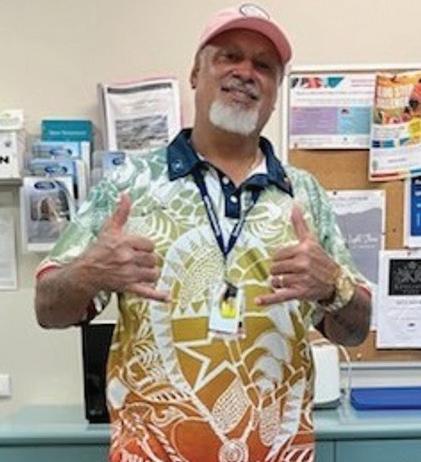
A THURSDAY Island operational services officer’s artwork is gracing custom uniforms across the hospital where he was born decades ago.
Wilfred Tapau (pictured above) has come home to the island to care for his mother after spending the past decade in Melbourne, and created the oceanthemed design as a tribute to her.
“I’m doing this for my mum,” Mr Tapau said.
“She’s my gold, my rock. And the way I see this is, if she didn’t give me the breath, I wouldn’t be the one to share the knowledge, respect, the humbleness to everyone else that I meet in life.”
Mr Tapau’s design features Torres Strait sea life, including turtles, dugongs, tiger sharks and stingrays, and can be seen on uniform scrubs worn by nurses and midwives at Thursday Island Hospital.
by CHISA HASEGAWA
WITH a fresh sound amplified by a new outlook on life, Cooktown singer Amber Farnan is closing a chapter of grief and longing with the release of her latest single, When I Get Better.
Driven by her journey of growing up with chronic illness, the 23-year-old pulled the curtain back on what can often be an incredibly isolating experience — a vulnerable decision that highlighted her maturity and talent for storytelling.
“It’s essentially written about reflecting on years spent in and out of hospital, and the realisation that parts of my adolescence weren’t just missed, but taken,” she said.
“It’s written about what it means to hold onto the idea of a future version of yourself when the present feels uncertain.
“It feels great to release the song; it feels almost like closing a chapter on a period of my life, and almost like a new era of life and in my music.”
The singer-songwriter, who moved to Cairns in pursuit of a larger music scene in 2018, is quickly emerging as one of Queensland’s most exciting new
voices in indie-pop since debuting in 2019.
Though she has always leaned towards authenticity and “real experiences”, Ms Farnan said a song focused entirely on her challenges with chronic illness was something she had skirted around for years.
“It’s definitely a scary experience, and I was hesitant, but this is something I’ve felt like I’ve needed to do for a long time to heal in a way, as songwriting and music are a great outlet for me,” she said.
“I kind of put off writing about that subject for a long time, as I wanted to do it right, and get the story out the way I wanted to, not rush it.”
Throughout her journey, Ms Farnan also found swimming to be a potent way of processing the waves of conflicting emotions a life not lived brought up, and wrote When I Get Better in the quiet calm of the underwater world.
Now, she hopes her new single will help others living with chronic illness feel less alone in their experiences.

“I do hope that other people living with chronic illness, or even other issues going on in their lives, can listen to this song and really get something from it, and feel some kind of peace and connection,” she said.
“It’s not something that’s spoken about much; it’s something I wished I had when I was growing up, so I’m grateful that I can create that for other people.”
“Music has always had a huge impact on life and how I process my own emotions, and there have been some particular artists and albums that have done that for me, but I haven’t heard many specifically to what I was experiencing.

North Queensland Bulk Ports Corporation (NQBP) will undertake maintenance dredging from mid-June at the Port of Weipa.
Dredging will also be completed at Amrun on behalf of Rio Tinto.
The project will take up to eight (8) weeks to complete.
The dredge vessel TSHD Brisbane, as well as support vessels, have restricted manoeuvring capability. Local and visiting boaties are asked to take care and notice of all warning flags and lights.
Maintenance dredging needs to be carried out to ensure that safe, navigable shipping depths are maintained.
Environmental controls and management measures will be implemented throughout the program to minimise the risk of any potential impact on the marine environment. Your cooperation and understanding is appreciated.
by LUKE MORTIMER
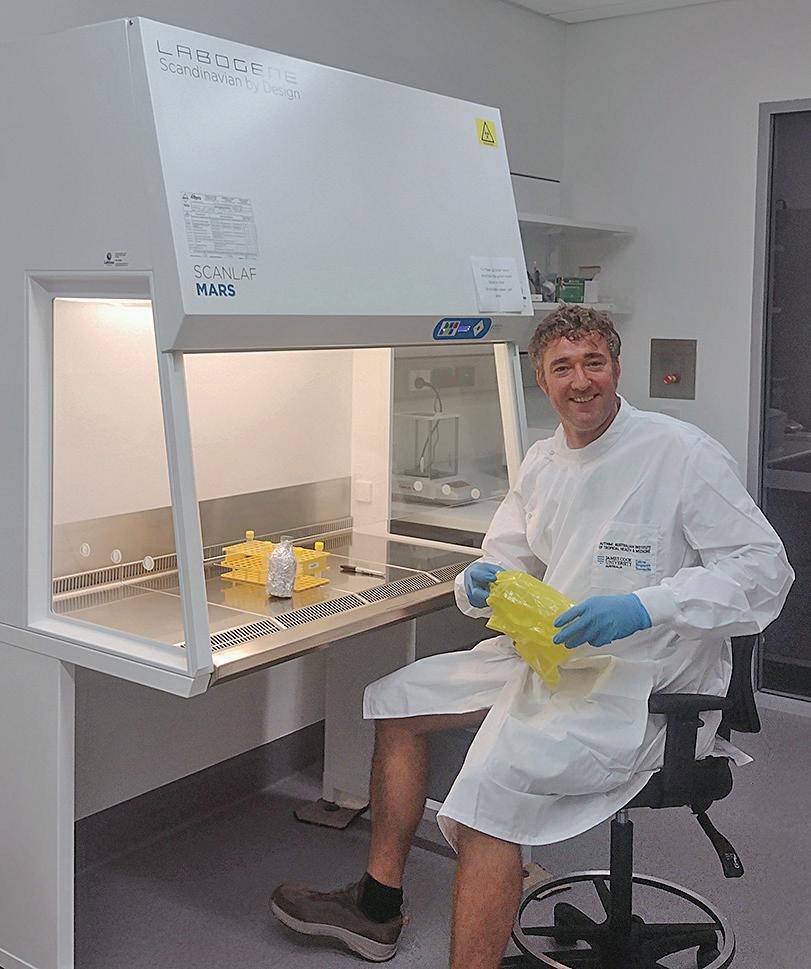
A TEAM of scientists conducting on-the-ground research in Far North Queensland to better understand one of the world’s deadliest infectious diseases has been given a leg up thanks to millions of dol-
funding.
Professor Andreas Kupz and his team have been investigating what the Far North Queensland Hospital Foundation described as one of the most critical questions in infectious disease research -
why the Bacille Calmette–Guérin (BCG) tuberculosis vaccine dating back a century protects young children, but does not last into adulthood.
The work by the scientists at James Cook University’s Institute of Tropical Health and Medicine, backed by the foundation, could ultimately lead to the development of an improved tuberculosis vaccine, saving lives globally.
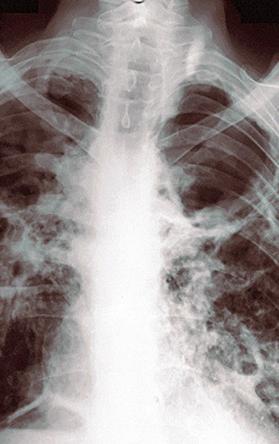
Tuberculosis, or TB, snatches the lives of about 1.5 million people worldwide each year. While Australia has a low rate of infection, First Nations communities like those in Cape York are more likely to be affected.
Meanwhile, Papua New Guinea continues to experience one of the world’s most severe tuberculosis epidemics, creating an ongoing risk of drug-resistant tuberculosis breaching the border in northern Australia, according to the foundation.
Back in 2018 and 2019, the foundation awarded seed funding of $55,000 to support early stages of the research, which enabled important groundwork like community engagement and sorting out ethical, regulatory and site approvals in Bamaga, Cairns and Thursday Island.
The “small investment” led to Prof Kupz and his team securing two competitive grants from the National Health and Medical Research Council worth a total
of $2.5 million throughout 20202021.
That funding injection was followed by more than US$4.7 million (about AUD$6.58m today) from the United States National Institutes of Health and the Gates Foundation for related vaccine research.
Prof Kupz said the initial seed funding was pivotal.
“These early steps are often the hardest to fund, but they are absolutely essential,” he said.
“Without that initial support from the Foundation, none of what followed would have been possible.”
The research team spent three years collecting blood and nasal swab samples from 63 regional participants from Cairns to the Torres Strait, and that work finished in 2024.
Research was delayed by Covid travel restrictions and the challenges of working in remote areas, particularly because many participants were children,
Now, scientists are working with specialists, including bioinformaticians, to analyse the complex data. Researchers are exploring how pre-existing immunity, and bacteria in the upper respiratory tract, may influence susceptibility to tuberculosis.
It’s expected final analyses could be completed by the end of the year and the team is hopeful the work will guide the design of
next-generation vaccines, particularly for high-risk populations.
Foundation chief executive officer Gina Hogan said: “These early-stage grants are often small in dollar terms, but they can make an enormous difference.”
“This project shows exactly why local research matters,” “she said.
“By investing in research that responds to the unique health challenges of Far North Queensland, we’re helping to improve outcomes for our communities while also contributing to global solutions for one of the world’s most serious infectious diseases.”
mistreatment • Humbugging & Financial Exploitation • Scam assistance & education • Keeping yourself safe •Advance Care Planning such as Enduring Powers of Attorney and Advanced Health Directives • Options for care facilities and services that keep you on Country
• Yarn in a safe and supportive space where your voice matters • Advice and information about your legal rights
• Legal representation (in limited circumstances)
• Face to face, telephone or video call appointments available



by CHISA HASEGAWA
A MOTHER’S enduring love for her late sons is behind a new $50,000 art prize in support of the Royal Flying Doctor Service (Queensland Section).
Queensland artists of all levels, skills and backgrounds are now invited to reflect on what it means to be a Queenslander, and to contribute to a broader sense of connection, understanding, and community through their own unique creative expression.
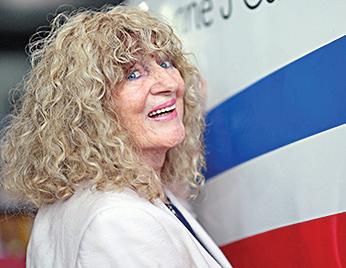
The John D. Bowe Art Prize, established by Anne Carne as a lasting tribute to her son, a passionate painter, will be awarded to the artwork that most powerfully expresses the character, resilience and connection of the state, its spirit and its people.
The prize continues Ms Carne’s enduring support for the RFDS — a decision made in memory of her two sons, John and Rod. Rod was a pilot, and though he never flew for the Royal Flying Doctor Service (RFDS), Ms Carne saw the powerful con-
by LUKE MORTIMER
THE state and federal governments have flagged more than 13,140 new homes will be built in Far North Queensland by 2034 as joint funding paves the way for the construction of new road, sewerage and water infrastructure.
More than 5250 of the proposed new homes will be reserved for first home buyers.
The $110 million in funding for the region (as well an $80m concession loan specifically for infrastructure south of Cairns) comes after $2 billion was announced for housing infrastructure in the Federal Budget through the Local Infrastructure Fund.
Leichhardt MP Matt Smith said in a statement the joint Far North funding built on the Federal Government’s overarching $47 bn housing plan.
The plan aims to help more than 250,000 first home buyers into ownership nationally through the 5% Deposit Scheme, as well as rolling out the new shared equity Help to Buy Scheme for low and middle income earners, and the National Housing Accord target of 1.2 million homes over five years.
In parliament, Mr Smith said: “Locked out of the market, young people were increasingly despondent about the opportunity to own their own piece of Australia.”
“Something had to change,” he said.
“And only a party truly out of touch, truly not talking to community, truly comfortable with the status quo, would oppose giving young Australians the opportunity to own their own home, to start a family, to buy a dog, and live their best lives.
“My parents built the home they still live in when I was a toddler. They paid it all off before I finished high school.
“That’s what I want for my daughters: to get into their own home, to not pay off someone else’s mortgage but to be paying off theirs. That’s what I want for every single Australian.”
nection between aviation and healthcare as a meaningful way to honour his memory and love of flying. The John D. Bowe Art Prize extends her contribution through the medium John loved most — bringing both of her sons into a single, enduring legacy that continues to give back to those who live, work and play across every corner of Queensland – the place she and her sons called home.
Her involvement has since been recognised with an RFDS aircraft bearing the family’s name: the Roderick J. Bowe, John D. Bowe and Anne J. Carne.
Ms Carne said the prize was an act of love, and a way of turning grief into something generous and lasting that honoured her son’s passion for art, life and connection.
“This prize began with John, but it isn’t only about him – this is an invitation to artists everywhere in Queensland to share in the landscapes, the communities, the stories, the resilience, the everyday moments and the shared experiences that bind people across this great state,” she said.
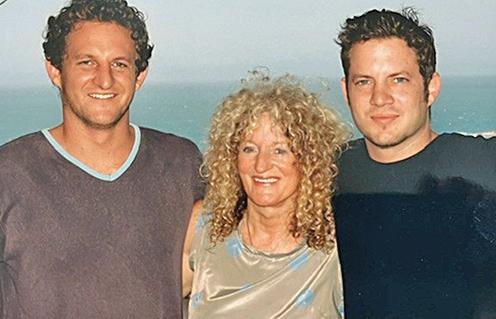
“The RFDS became part of our family’s story in a way I could never have anticipated, and their care for Queenslanders has stayed with me ever since.
“Honouring John through this prize, in support of the Flying Doctor, feels like the most authentic show of our family’s appreciation. It’s a way of carrying on the memory of both of my boys into something that gives back to the state they loved.”
In a deliberate design choice, all entries
for the John D. Bowe Art Prize will be submitted and assessed digitally - ensuring that every artist, up to the farthest corner of the state, can take part on equal footing.
RFDS (Queensland Section) general manager - major relationships Heather Stott said the organisation was honoured to be the beneficiary of Ms Carne’s extraordinary gesture.
“Anne’s support of the Flying Doctor is something we treasure, and the John D. Bowe Art Prize is a beautiful continuation of that relationship - and through it, art is now saving lives,” she said.
“The prize isn’t ours – it belongs to Anne, to John’s memory, and to the artists who take part – but we’re honoured that it has been built in support of the work we do across regional and remote Queensland.
“Anne is providing a remarkable gift that not only celebrates her sons’ legacy, but also helps the Flying Doctor support Queenslanders in their hardest moments.”
Submissions for the John D. Bowe Art Prize will close at 11:59 pm on 12 July.



NOTICE OF RESCHEDULED AUTHORISATION MEETING FOR A NATIVE TITLE DETERMINATION AGREEMENT
EASTERN KUKU YALANJI NATIVE TITLE GROUP Cape York United # 1 Native Title Claim (QUD673/2014)
THURSDAY 11 JUNE 2026 – WUJAL WUJAL
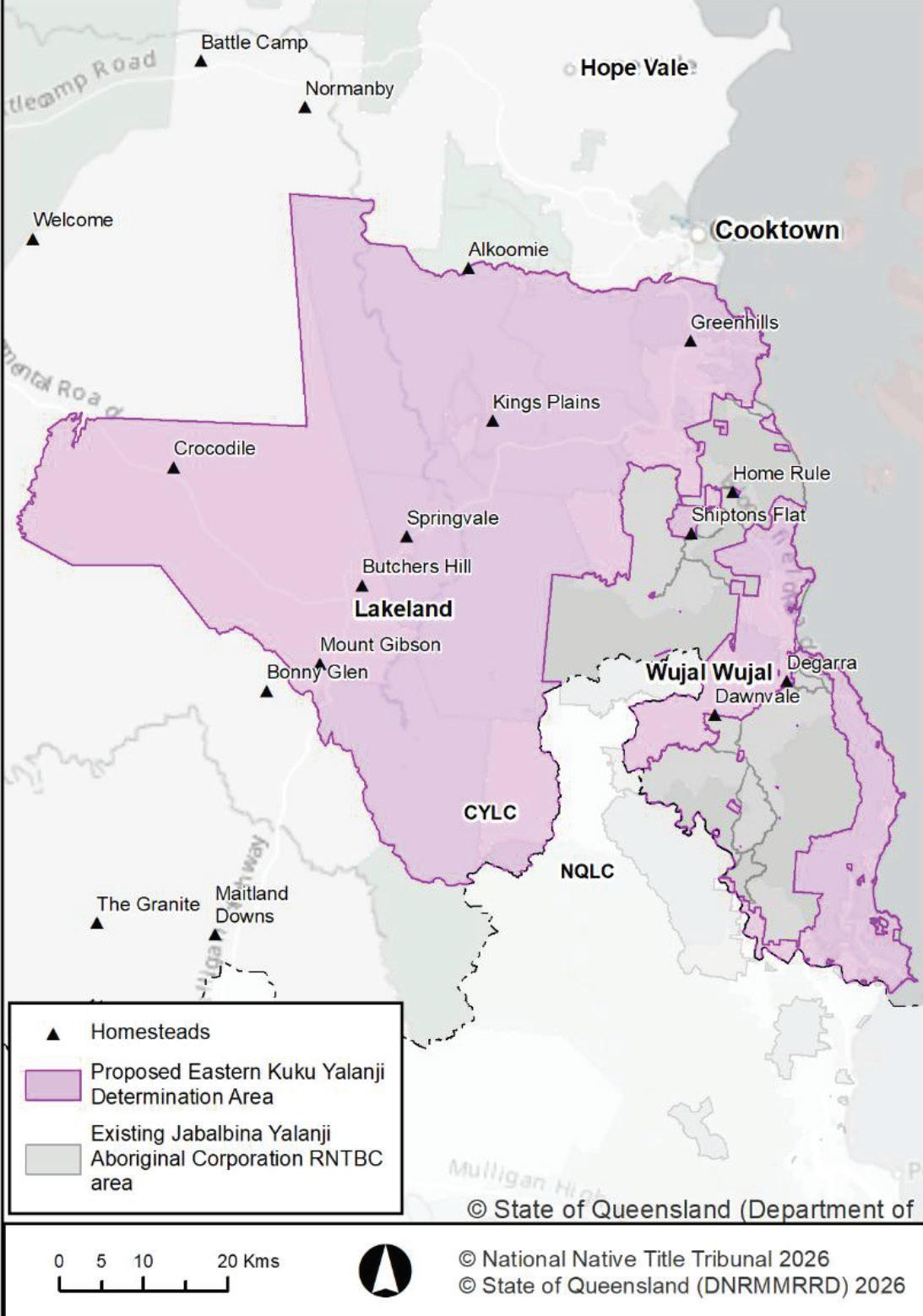
This notice is to advise that Cape York Land Council (CYLC) will convene a decision-making Authorisation Meeting on behalf of the Cape York United #1 (CYU#1) Claim Applicant for the Eastern Kuku Yalanji Native Title Group to consider whether to authorise a proposed native title agreement under s.87A of the Native Title Act 1993 for a determination of native title over the area shaded in purple shown on the map below. Please note that the meeting, previously scheduled for Thursday 28 May 2026, was cancelled and is now re-scheduled for Thursday 11 June 2026 due to Sorry Business.
Date: Thursday, 11 June 2026
Time: Registration to open from 8:30am to 9:30am Meeting to start promptly at 9:30am to 3:30pm Venue: Wujal Wujal Community Hall, Wujal Wujal Qld
A determination of native title involves a decision of the Federal Court. A determination of native title means that the Federal Court determines (1) who holds native title; (2) what the native title rights are; (3) the area to which the native title rights apply after any determination is made; and (4) which corporation will represent the members of the determined native title group. If the meeting on Thursday 11 June 2026 decides to authorise the proposed s.87A native title agreement, a determination will then be sought in the Federal Court. The Court has listed a hearing for consent determination on Wednesday 12 August 2026 for the areas shaded in purple and identified as the “Proposed Eastern Kuku Yalanji Determination Area” on the map.
A copy of the proposed s.87A native title agreement for a determination of native title will be available at the meeting on Thursday 11 June 2026. At the request of the Applicant in the CYU#1 Claim, CYLC staff and consultants will be in attendance at the meeting to be available to explain matters such as the meaning and effect of the proposed agreement. Any person attending the meeting will be able to ask questions about the proposed agreement and state their views about the proposed agreement.
The purpose of this Authorisation Meeting is for the Eastern Kuku Yalanji Native Title Group to decide whether to approve the proposed s.87A native title agreement for a consent determination of native title for the area shown on the map. The meeting will be asked to consider and make decisions about the following:
1. agree and adopt a decision-making process;
2. agree to the proposed s.87A agreement for a determination of native title; and
3. agree to either:
(a) incorporate a new corporation to be the prescribed body corporate (PBC) to represent the native title holders identified in the proposed s.87A agreement for a determination of native title, and so:
(i) make a decision (1) to approve the rules of the new corporation, (2) to identify who will be the initial directors and contact person for the new corporation, and (3) to authorise one or more named persons to apply to the Office of the Registrar of Indigenous Corporations to register the new corporation; and (ii) agree to nominate the new corporation, once it is registered, to be PBC for the Eastern Kuku Yalanji People; OR (b) on certain conditions, nominate an existing corporation to be the PBC for the Eastern Kuku Yalanji People, and so: (i) make a decision (1) to specify the existing corporation to be the PBC, and (2) direct the identified corporation to take steps to make itself eligible to be appointed as the PBC by amending its rules, and to ensure it is representative of Eastern Kuku Yalanji People (by accepting new membership applications, holding new elections for directors or other matters); and (ii) agree to nominate the identified existing corporation, once it has complied with the directions made by the meeting in 3(b)(i) above, to be the PBC for Eastern Kuku Yalanji People; and (iii) in the event that the identified existing corporation has not complied with the directions made by the meeting in 3(b)(i) above by 22 June 2026, incorporate a new corporation as set out in 3(a) above, which corporation will be nominated to be the PBC for Eastern Kuku Yalanji People; and 4. authorise the Principal Legal Officer of CYLC to nominate the proposed corporation in writing to the Federal Court for it to be the PBC under ss.56 or 57 of the NTA for the proposed determinations of native title.
All members of the Eastern Kuku Yalanji Native Title Group as described below are invited and eligible to attend the Authorisation Meeting. The Eastern Kuku Yalanji Native Title Group are the descendants by birth or adoption in accordance with traditional law and custom, of one or more of the following apical ancestors (listed alphabetically):
1. Alamandi Lizzie (Lilly) Dawson
2. Amulkaba Jimmy Johnson Snr*
3. Annie Mason (sister of Daisy)
4. Bagi Kari Mary Ann (sibling of Kalkamanangu (Billy King) and mother of Charlie Ball Dirrakari and Dugaldandi Leslie Yarry and Billy Collins)
5. Balmbarra aka Billy Bloomfield (father of George Doughboy, Toby Bloomfield and Doolma Peter Bloomfield)
6. Baral-Baral (spouse of Bluja King Nia-iman)
7. Bijun Dungarra (spouse of Mujinija Walker Nandy)
8. Biru (mother of George Doughboy, Toby Bloomfield and Doolma Peter Bloomfield)
9. Bluja King Nia-iman
10. Buji (mother of Polly Kangkwiyin and others)
11. Bujilkabu
12. Burradi
13. Charlie Denman Snr
14. Charlie Redheart Wawujabba
15. Daisy (sister of Annie Mason)
16. Dickie Springvale Kukujika
17. Dimbanga Sandy
18. Dinah Dalkeith
19. Duraja (mother of Olbar and Nellie Nambaji)
20. Friday (mother of Lily Bertha and others)
21. Friday Wauwaga (brother of Bluja King)
22. Harry Beche-De-Mer
23. Harry Shuan
24. Henry Bloomfield
25. Isabella Henderson (Wawu-kuwa)
26. Jalbanmun Peter (grandfather of Lizzie Big Jack)
27. Jeannie ‘Ginny’ Bamboo
28. Jennie Douglas
29. Jerry Wotton
30. Jessie Buchanan (Babi Milbija Narrijinya)
31. Jimmy Blanket
32. Jimmy Johnson Snr (grandfather of Rene Johnson and others)
33. Jimmy Mossman Snr
34. Jinabaji aka Ginabundgee Ayton
35. Jinjirrba (Old Man Toby)
36. Jubby Lily Burchill
37. Jukurra Polly
38. Juwalba Willie Wiltia Cross-eye
39. Kalkabinda
40. Kalkamanangu (Billy King)
41. Kalkamanangu (father of Olbar and Nellie Nambaji)
42. Kalkaymba (mother of Doris Jinamul and others)
43. Kilkil (Gilgil) Punda
44. King Toby
45. Kubukubu (Old Billy Corporal)*
46. Kulka (Gulga) (mother of Polly Black Gibson)
47. Kuruwuja
48. Lily Kajakaja
49. Lora aka Laura (mother of Charlie and Hilda McLean)
50. Maggie (mother of Charlie Collins)
51. Maggie (mother of Muriel Minnie Rossville)
52. Maggie (spouse of Charlie Ogilvie)
53. Maggie Queen
54. Mandilba Jimmy Rossville (brother of Old Bamboo)
55. Mara Baril Baril
56. Marray-Marray Murranbi Jinakulur (three toes) aka Peter Smith
57. Maudie (aka Maudie Johnson)*
58. Maymi Kitty (spouse of Bujilkabu Wulbar)
59. Mijinba Nellie (spouse of Mandilba Jimmy Rossville)*
60. Miliji
61. Mindil (father of Charlie Ogilvie)
62. Minnie (spouse of Bamboo)
63. Molly (mother of Jessie Brown)
64. Moongabuyan Ngamu-Ngulmbay Friday (father of Rosie Redheart and Jimmy Winkle)
65. Mujala (sister of Rosie)
66. Munari Billy Gibson Snr
67. Mundy Nunn Pui-Alnganga
68. Nambaji (aka Numbudgee Ayton)
69. Narrakinna Annie Lox (mother of Eileen Crowley)*
70. Nellie (mother of Paddy Mossman)
71. Nellie ‘Anana’ Fisher (spouse of Jimmy Mossman Snr)
72. Ngamu Milimilinga
73. Ngingkibaji Polly (spouse of Bluja King Nia-iman)
74. Ngingkibaji Wawuwida Nellie (spouse of Bluja King Nia-iman)
75. Old Bamboo (brother of Mandilba Jimmy Rossville)
76. Old Kokoe (Koka) aka Curley Kooka
77. Old Man Kooka (aka Kogal Coker)
78. Old Man Yorkey
79. Paddy (father of George Mirror aka George Mero)
80. Paddy Missionary
81. Paddy Shuan
82. Panakalbi (Bankalbi) Rachel aka Bunnagulkay
83. Peter Mossman
84. Polly Mugalbaru
85. Roseann (Rosie Rosie) aka Louisa
86. Rosie (sister of Mujala)
87. Rosie (spouse of Old Man Yorkey)*
88. Rosie Gurrmurragudgee
89. Rosie Neil
90. Ruby (mother of Rosie Redheart and Jimmy Winkle)
91. Tommy Hides Buchanan*
92. Topsy (mother of Harry Mossman)
93. Wabaji (mother of Johnny Jones)
94. Wampie (Wambi) Nuggett
95. Wawooamittan King Charlie (Donald) Diamond
96. Wawu Dimbi
97. Wawu Yilkinga
98. Wawu-Darra Jack (father of Charlie Ball Dirrakari and Dugaldandi Leslie Yarry and Billy Collins) 99. Wawunga Jambi Stumpy
100. Willy Ngamu-Darrba
101. Woko Jeannie (mother of Binda Brenda Maggie Solomon and others)
102. Wulbar (father of Tiger Tableland)
103. Wunbu Cross-eye
104. Wuynkul-baka Nellie
105. Yanbun (spouse of Mijili)
106. Yangki (father of Lizzie Big Jack)
107. Yangki (father of Polly Kangkwiyin and others)
108. Yimaday (aka Kate)
To enquire as to whether you are a member of the Eastern Kuku Yalanji Native Title Group as described above and are eligible to attend, please contact CYLC Anthropologist Tara Zaicz by email TZaicz@cylc.org.au or on free call number 1800 623 548 If you have any queries about the purpose of the meeting, please contact CYLC Deputy Principal Legal Officer Louise Keepa by email LKeepa@cylc.org.au or on the free call number. For all other enquiries, please contact CYLC Personal Assistant to the Principal Legal Officer Marijke Walker by email MWalker@cylc.org.au or on the free call number.
IMPORTANT - Attendance, Travel Assistance & Teleconferencing For travel assistance, to confirm your attendance or for any general queries about the meeting, please contact Marijke Walker at CYLC on free call number 1800 623 548 or by email MWalker@ cylc.org.au Note that there is limited funding available for travel assistance and requests must be made by Thursday 4 June 2026. Teleconferencing facilities will also be made available at the meeting. If you would like CYLC to arrange a teleconference from your location into the meeting, whether you live at the location of the meeting or elsewhere, please contact Marijke Walker at CYLC. CYLC is committed to providing every opportunity for eligible persons to attend the meeting.
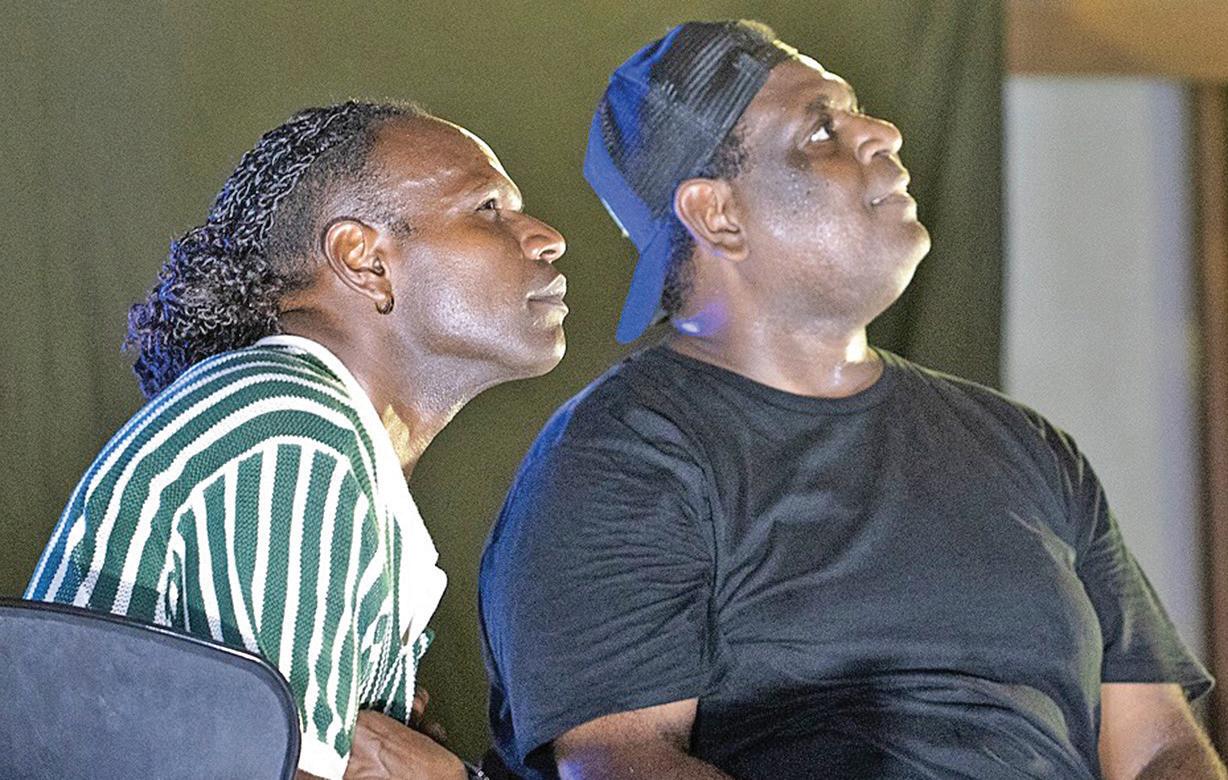
A POWERFUL story of reconnecting with culture, family and Country will be shared for one night only at this year’s Cairns Indigenous Art Fair (CIAF).
Tickets are now on sale for The Boy Who Found His Way Home, a heartwarming and humorous Ze-
nadth Kes/Torres Strait Islander coming-of-age theatre work by author, poet and songwriter Jillian Boyd-Bowie.
ful premiere season in May 2025 at the Gab Titui Cultural Centre amphitheatre, Ms Boyd-Bowie said she was excited to bring the exploration of identity, culture and belonging to the stage once again, adding that the “post-show impact in community was overwhelming”.
“Sitting in the audience, watching and observing my story from page to stage was a surreal moment for me. Especially seeing families and friends enjoying the show from start to finish; it warms my heart,” she said.
“Within one hour, I did my best to capture and celebrate who we are as Torres Strait Islanders in the hope of inspiring our young people to be proud of their identity and cultural heritage…because the future of our cultural sustenance, including our language, lies in their hands.
performing alongside emerging talent Vaughan Wapau, whose portrayal of Iothamo received standing ovations during the premiere season.
“To be able to deliver Aunty Jill’s words and share the stage with Vaughan is magical,” Mr Bani said.
“The opportunity to act alongside Vaughan is one of my biggest career highlights; he is an amazing storyteller, and I am honoured to ride this wave with him.”
Mr Wapau said the story resonated strongly with audiences.
“I just love that familiar story portrayed by Iothamo trying to fit in and then finding accomplishment and pride in learning his culture from his Ata and discovering his identity,” he said.
Through mango chores, nofilter aunties and a local fishing competition, Iothamo’s journey unfolds with humour, warmth and cultural insight.
Following a highly success-
Making her playwriting debut, Ms Boyd-Bowie tells the story of Iothamo, a young city boy who returns to Zenadth Kes/Torres Strait and reconnects with culture, family and Country.
“To experience storytelling and the passing on of knowledge in a fun and engaging way through theatre is powerful. It pays to have such a great team of actors, directors and designers behind it all.”
Renowned Zenadth Kes actor Jimi Bani (Mabo, The Straits) brings multiple characters to life,
Delivered in partnership between CIAF and Grin and Tonic Theatre, presented by Jillian Boyd-Bowie, and supported by the Torres Strait Regional Authority and the Queensland Government through Arts Queensland, The Boy Who Found His Way Home will highlight the enduring connection to home on 7 July at the Tanks Arts Centre.

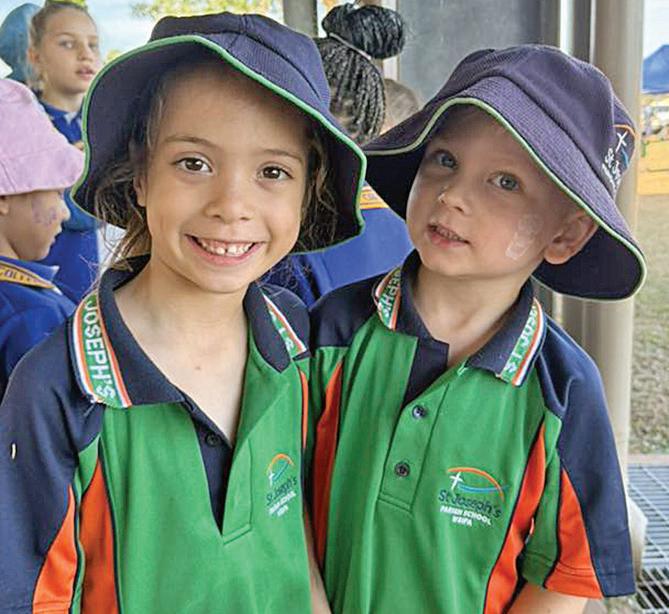
THE future of the western Cape is looking bright as children gain a love of learning in the first eight years of life.
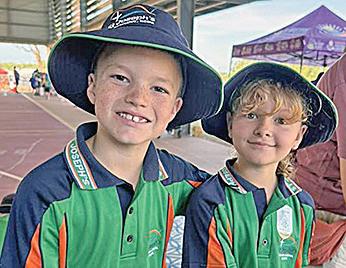
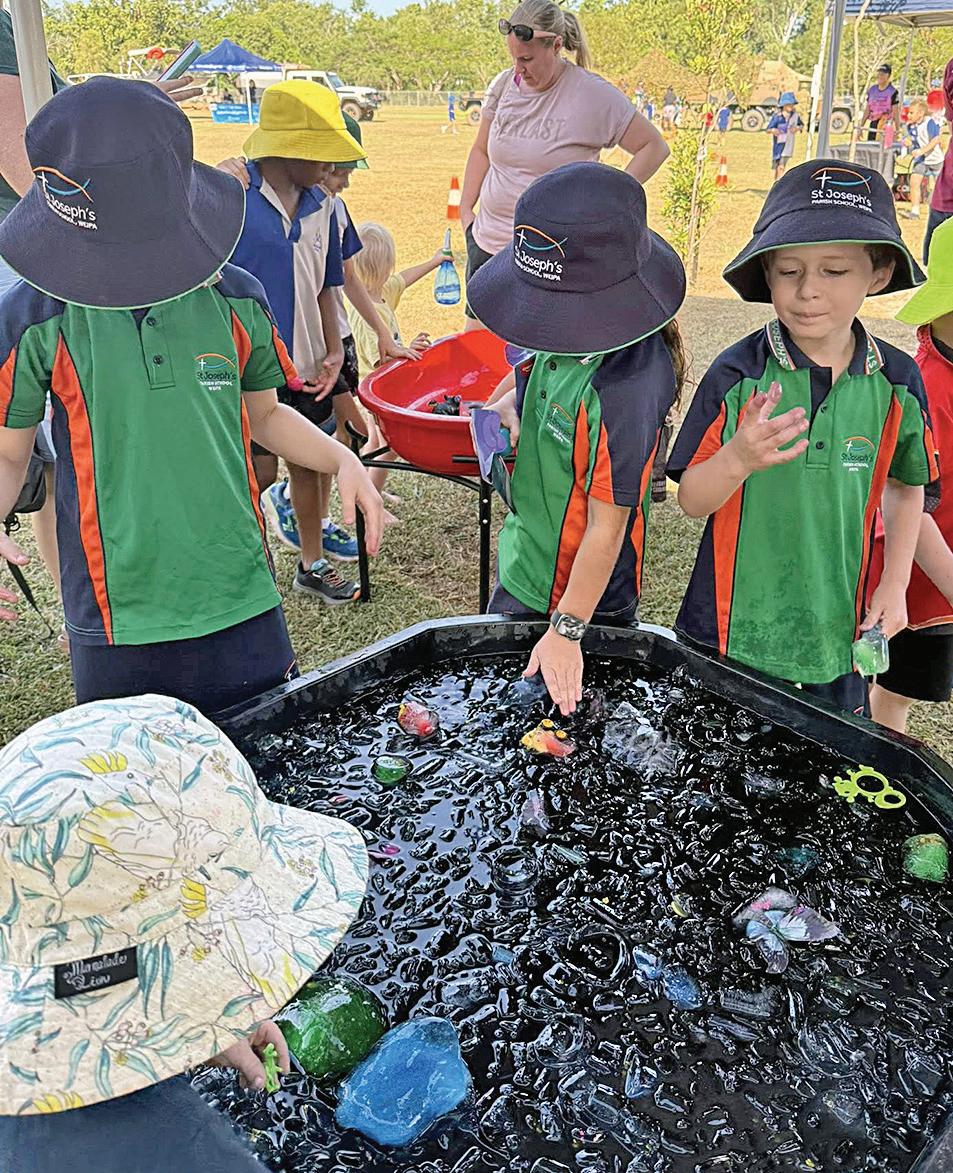
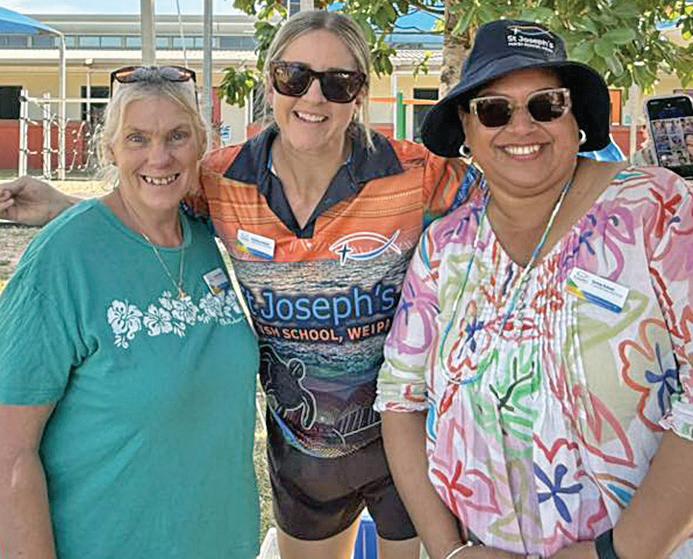
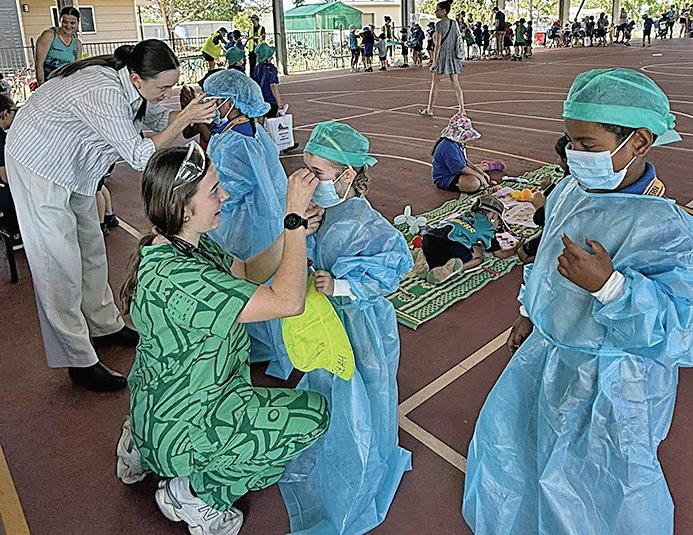
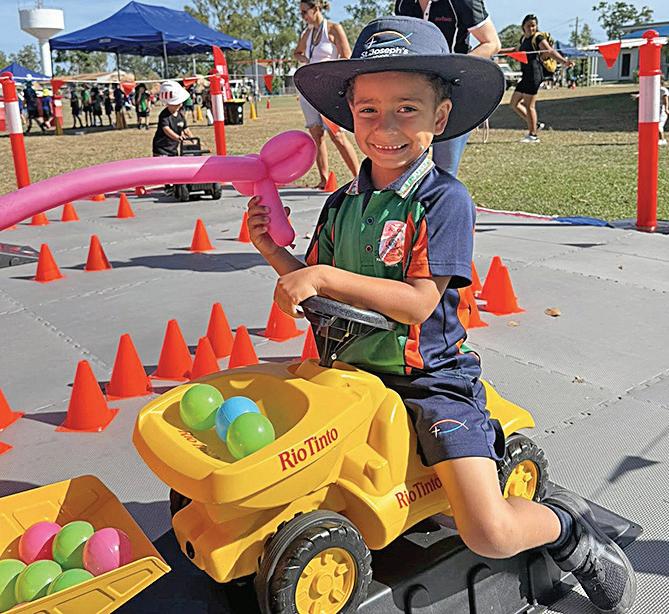
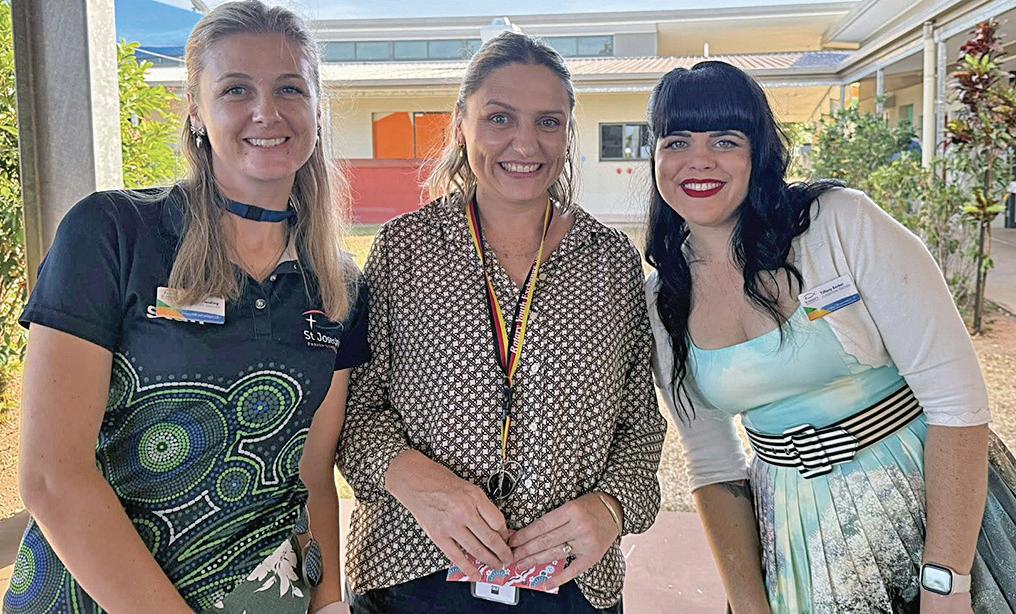
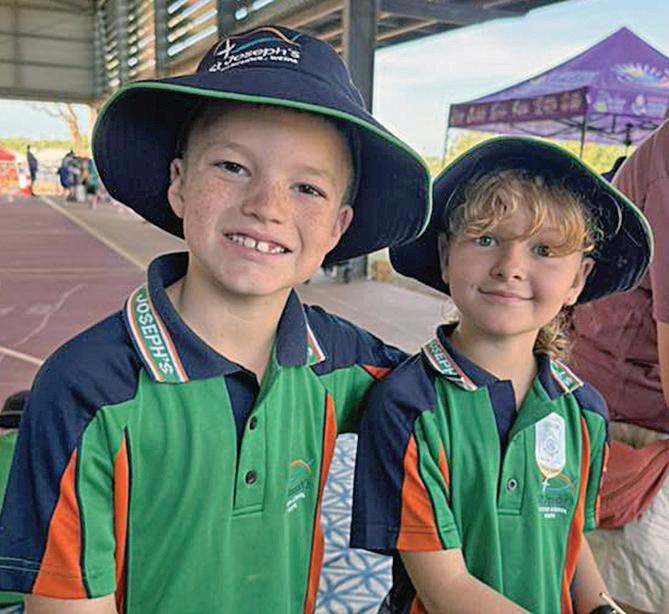
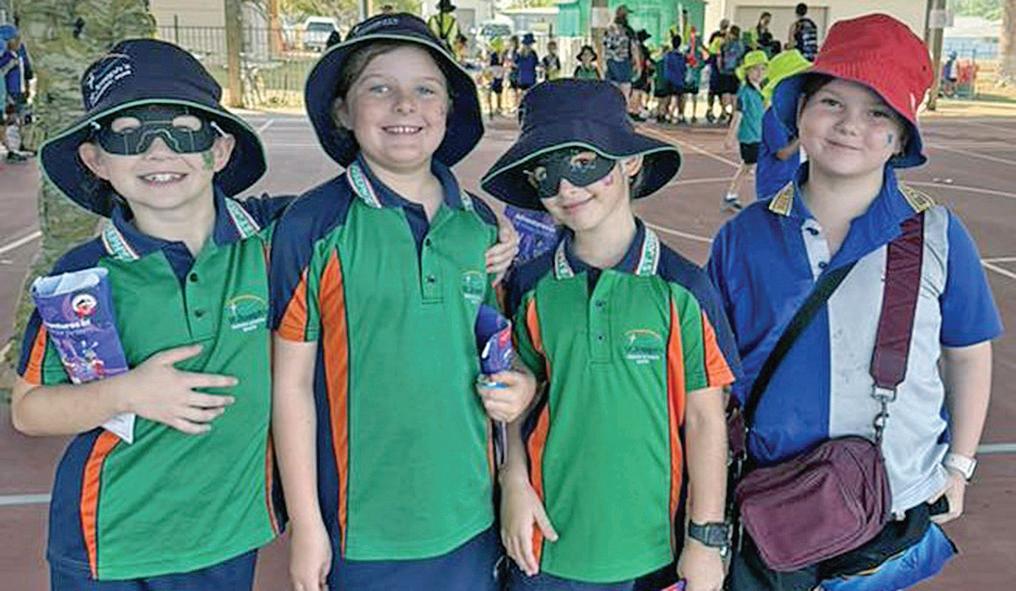
St Joseph’s Parish School hosted Prep to Year 3 students from Western Cape College and Kluthuthu Christian College to mark the 70th anniversary of Under 8s Week on 22 May.
Under the theme Celebrating 70 years of Leadership, Advocacy and Vision, the Queensland-based celebration highlighted the importance of learning through play while connecting kids from across the region.
Students had the opportunity to explore a range of stalls and future possibilities, such as Rio Tinto Weipa, Queensland Police Service, James Cook University, Torres and Cape Hospital and Health Service, AFL Cape York, Fisheries Queensland, and many more.
“The focus is engaging children in vibrant, play-based activities such as obstacle courses, arts and crafts, and community gatherings across early learning settings and primary schools,” assistant principal Melanie Turner said.
“It was a fantastic day, and a great time was had by all students, parents and staff.”


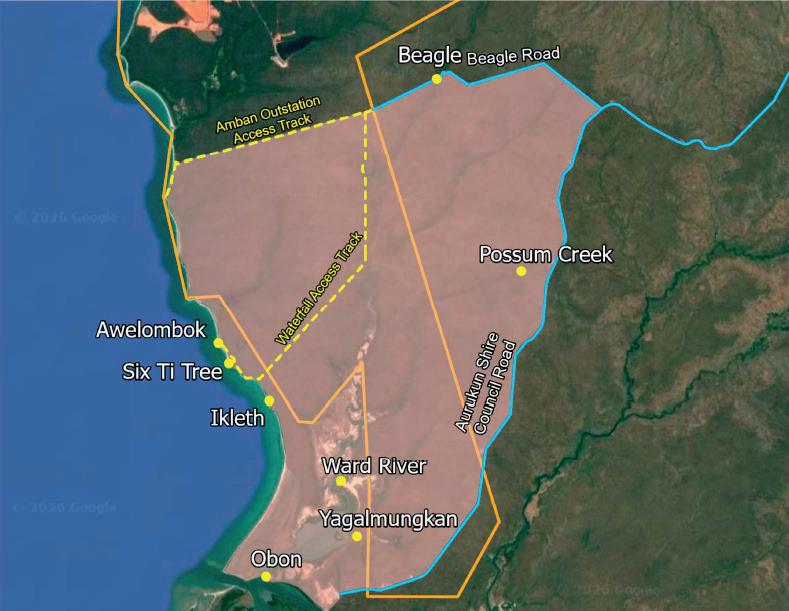
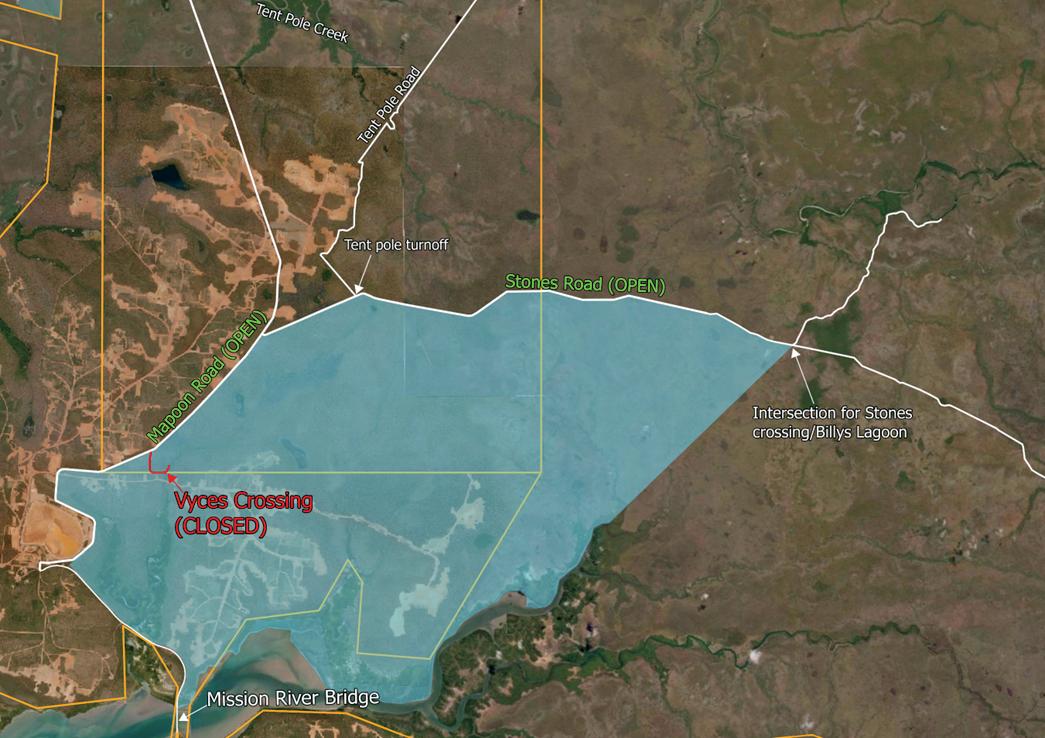
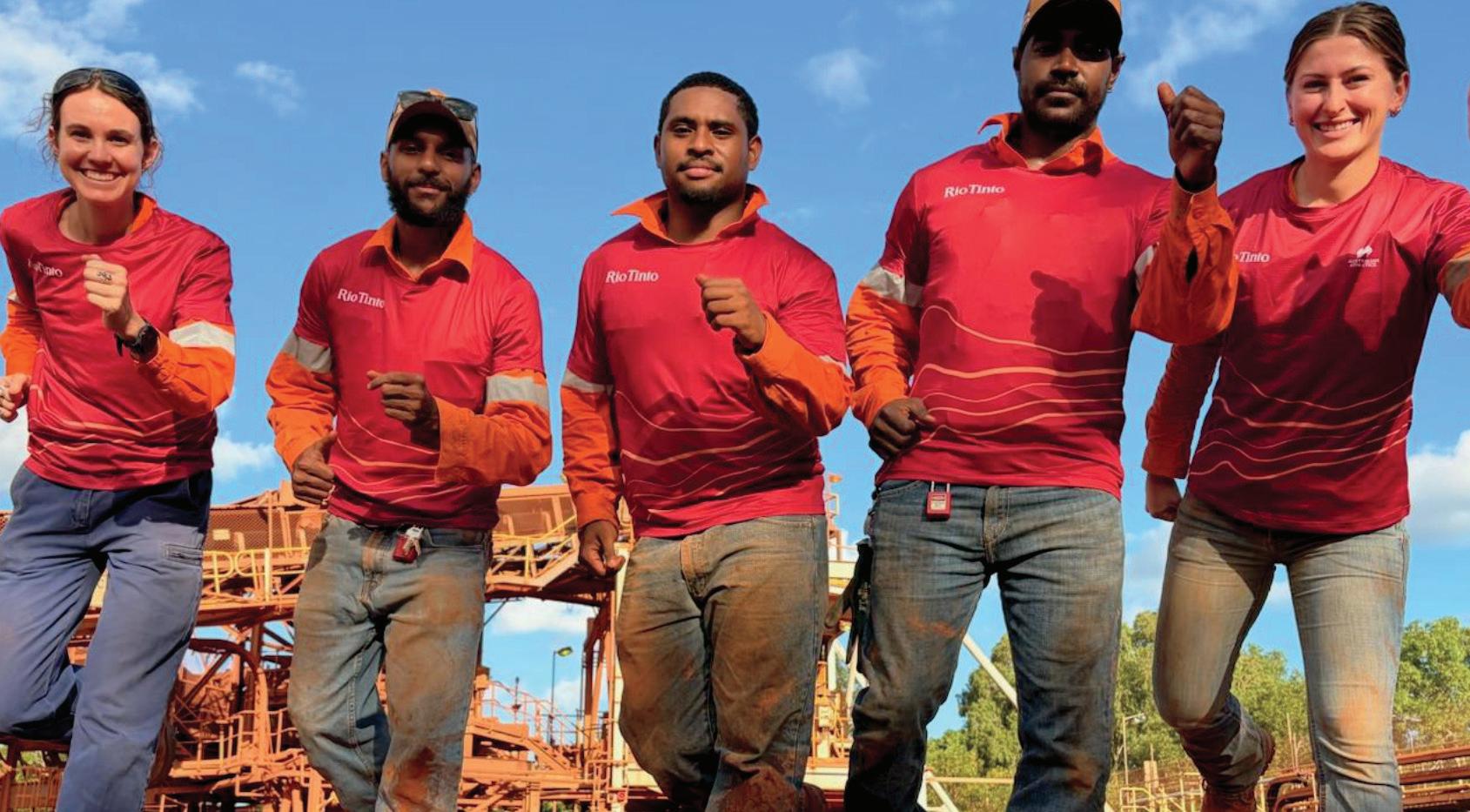
Please be advised that access to Paiden Country is closed until further notice, due to sorry business It is important that we acknowledge and respect the advice from Traditional Owners so that cultural customs can be observed and practiced. Rio Tinto personnel, contractors and the public are not to enter the area until further notice
This includes the following areas: Amban Road South (inclusive of the road), Beagle Road (inclusive of the road), Possum Creek, Sandy Creek, Ward River, Obon (Ward River Side), Yagalmungkan, Coastal areas from Big Horse Creek to Alechin Point including Ikleth, Six Ti Tree, and Awelombok (Waterfall).













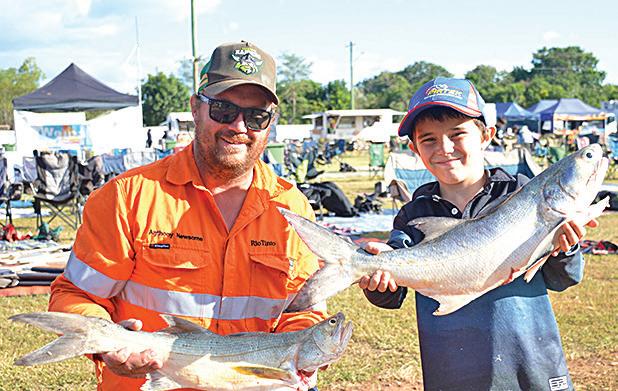

















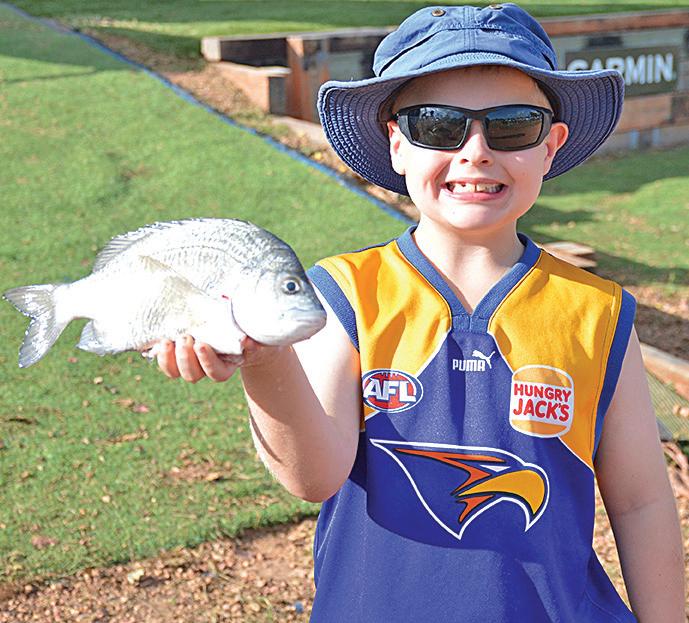





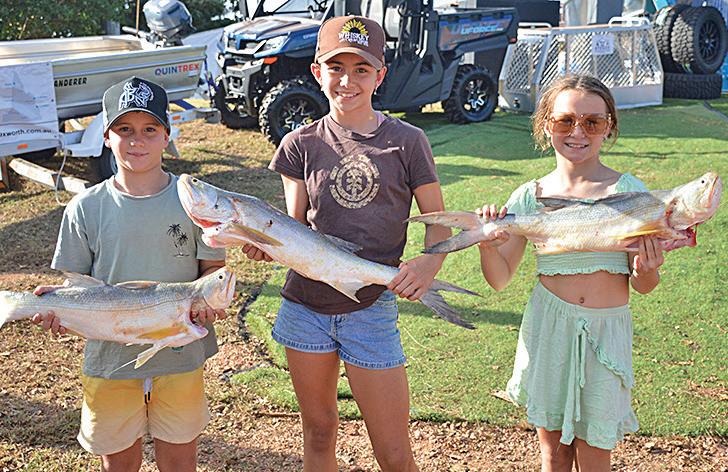

































by LUKE MORTIMER
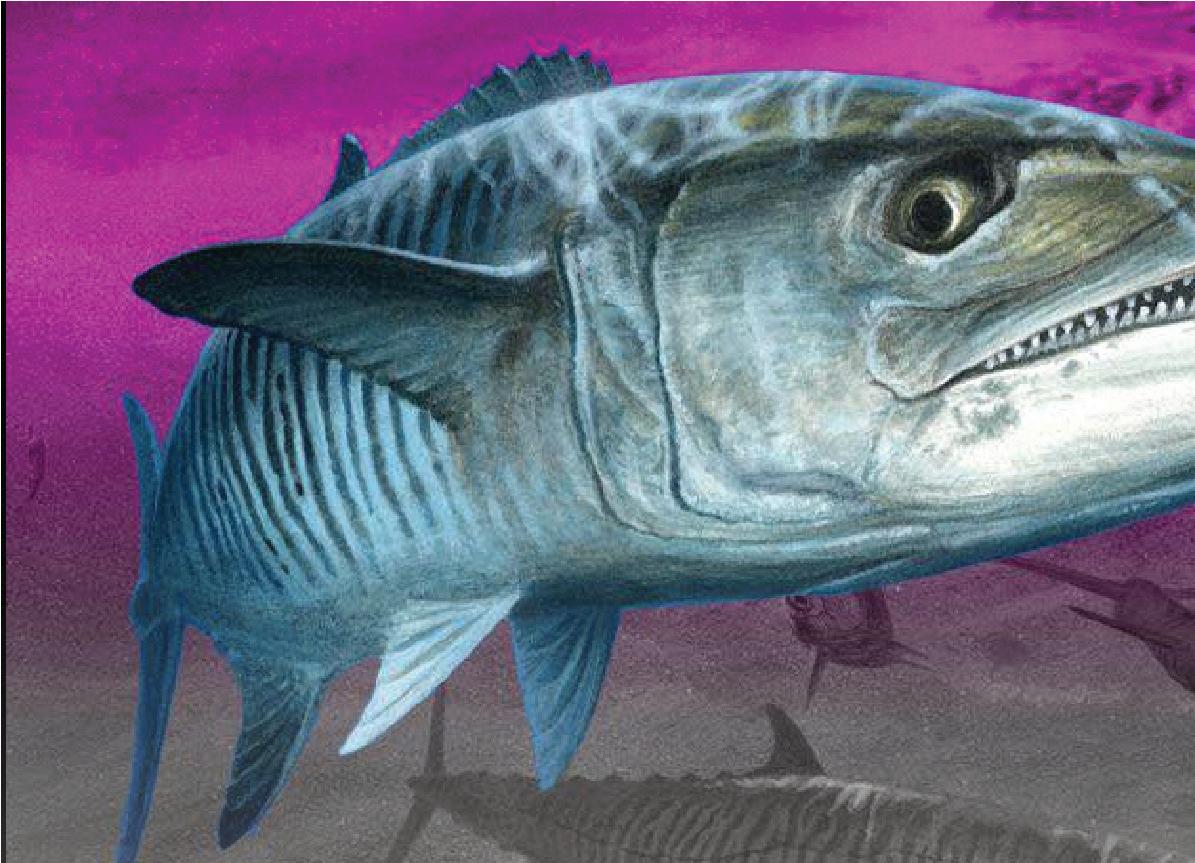
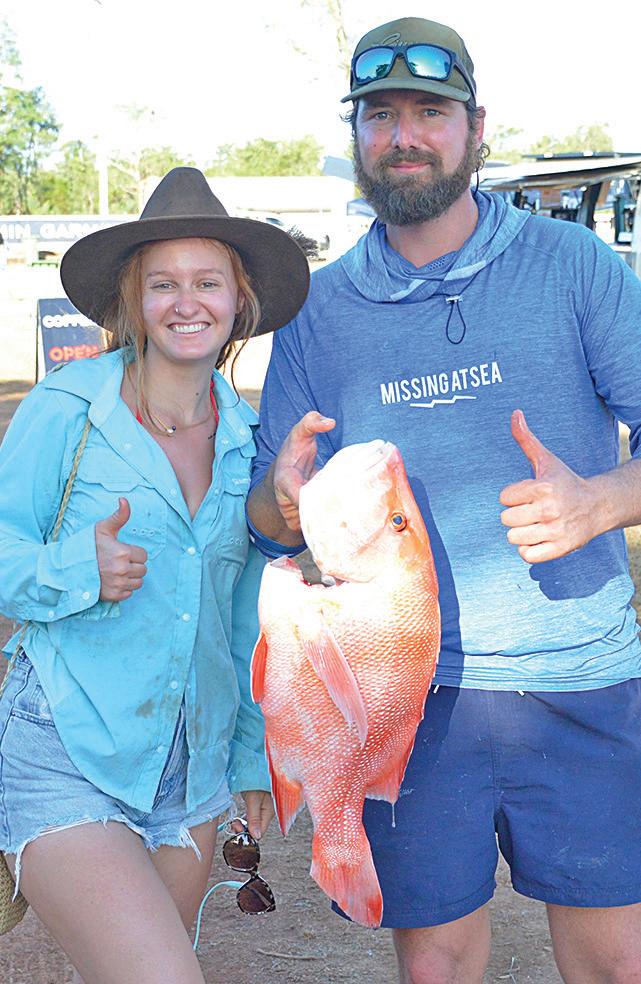
THE beloved Weipa Fishing Classic is just days away and it’s expected to be big as ever this year, with prizes up for grabs including boats, a buggy, quad bike, rooftop campers and a custom fire pit.
Tickets have been flying out the door as excitement builds for the 5-7 June event, with a good number bought remotely by keen fishers venturing in from out of town.
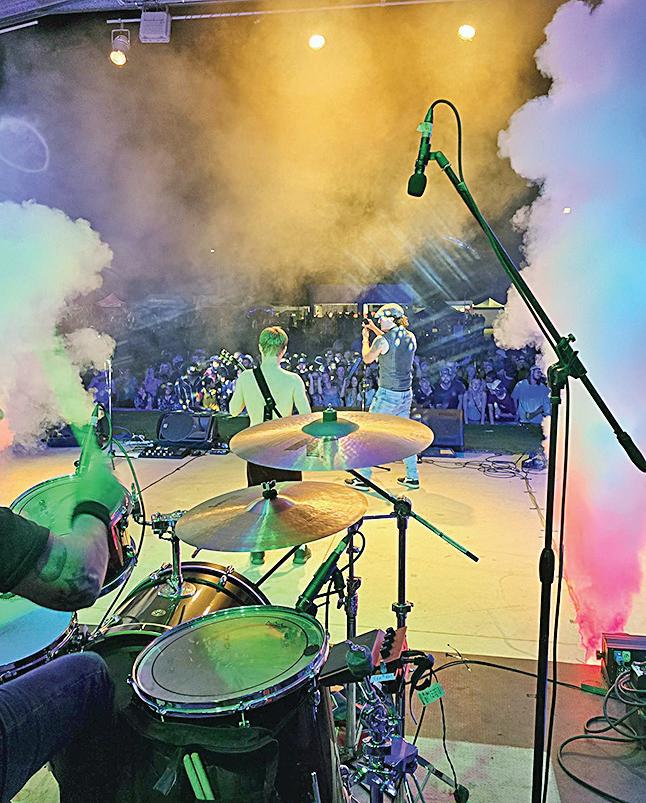
Entertainment will be provided by The Buzerk Brothers (DJ Scotty and his team), Cairns AV Hire and KC’s Fireworks.
About 3000 people attended last year and ticket sales have been strong from day one of sales in 2026, boding well for attendance.
The small Weipa Fishing Classic (WFC) committee, led by president Lisa Lui, has been working since December to bring the annual contest to fruition. They have been supported behind the scenes by a team of residents who have put their hands up to help.
“Ticket sales have been great. We’re still selling. Sales will close around midday or 1pm on Wednesday. There’s been lots of remote inquiries, lots of locals,” Ms Lui said.
“Raffle tickets [sales] have also been strong. Everything’s going really well.”
Weipa has thrown its support behind the Friday-Sunday event staged at Andoom Oval — no real surprise when it comes to the tight-knit community.
There’s a range of local sponsors onboard to ensure the competition goes
ahead without a hitch, and to make sure the popular Top 30 prize draw and other giveaways are stocked up.
Ms Lui said: “The Weipa community is always here for us with the sponsorships. They’re always there willing to lend a hand. And there’s the community members volunteering as well during the comp.”
“Sometimes it’s a bit slow getting off the ground, but once the word’s out that you need help, you get people volunteering from all over,” she said.
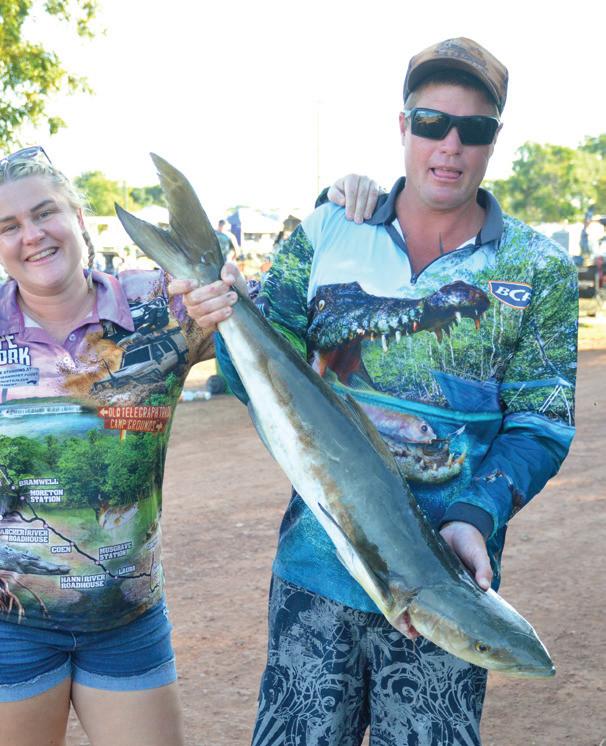
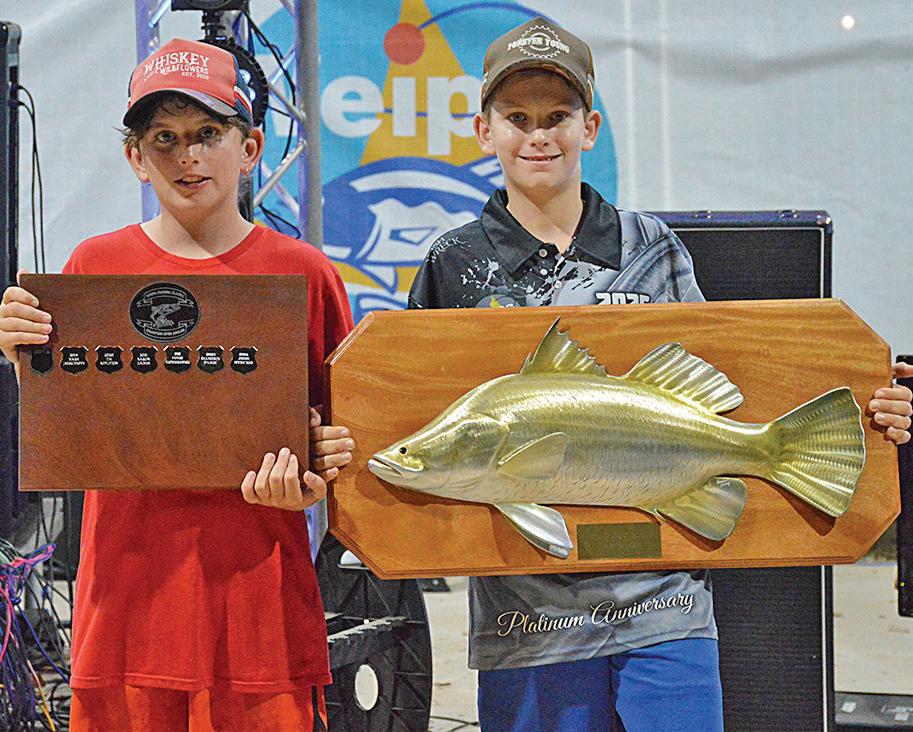
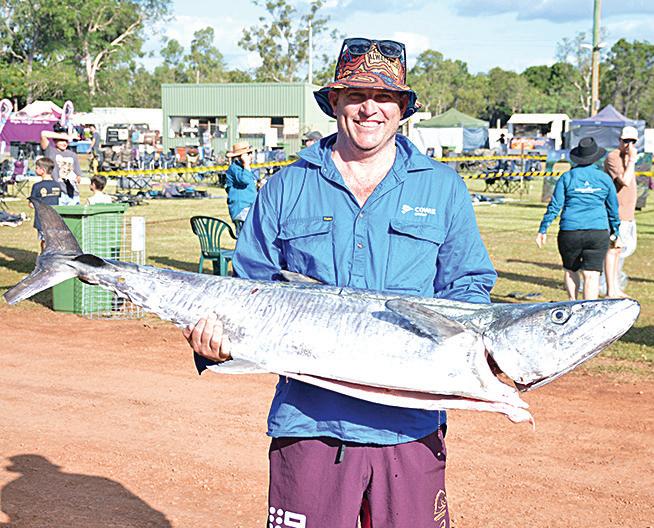
Standout anglers at last year’s 20th annual contest included young Fyn Gorman, who managed to pull in a
huge 106 cm barramundi, resulting in him taking home the junior champion trophy.
Beau Graafland was crowned seniors champion after landing a 10.63 kilogram cobia and a 3.84 kg fingermark.
Ms Lui pointed to the junior contest as one to watch, with keen young fishers guaranteed to land some awe-inspiring catches.
“Some of the fish they land are as big as they are,” she said.
Check out the Weipa Fishing Classic page on Facebook for more information as it emerges ahead of the competition.
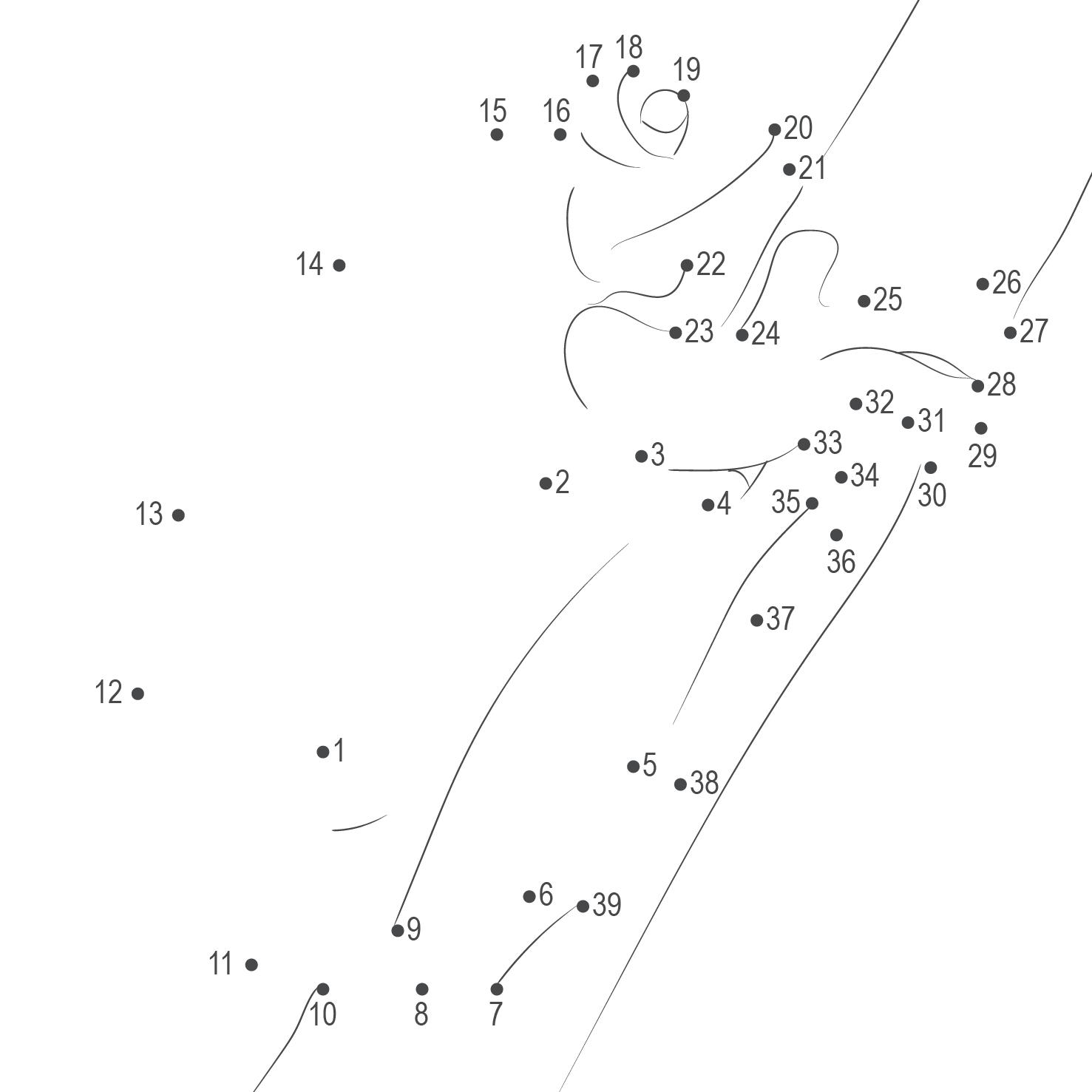
in the blank cells using numbers from 1 to 9. Each number can only appear once in each row, column and 3x3 block.
Fit the numbers 1, 2, 3, 4, 5 and 6 into the hexagons so that where the hexagons touch, the numbers will be the same. No number is repeated in any hexagon.
Fit the numbers 1-6 once into every hexagon so that where the hexagons touch, the numbers are the same. No number is repeated in any single hexagon.

Cape York Weekly is the only media outlet covering news in every community on the Cape York Peninsula.
Our paper is distributed to more than 30 outlets and the digital edition reaches 21,000 readers a month, meaning your ad won’t just been seen, it’ll reach your ideal customer.
Cape York Weekly has a number of print and digital marketing packages to suit organisations of all sizes. If you would like to advertise with us, contact us at sales@region.com.au.
Cape York Weekly is part of the Region Group capeyorkweekly.com.au facebook.com/capeyorkweekly
by JACK HIGH
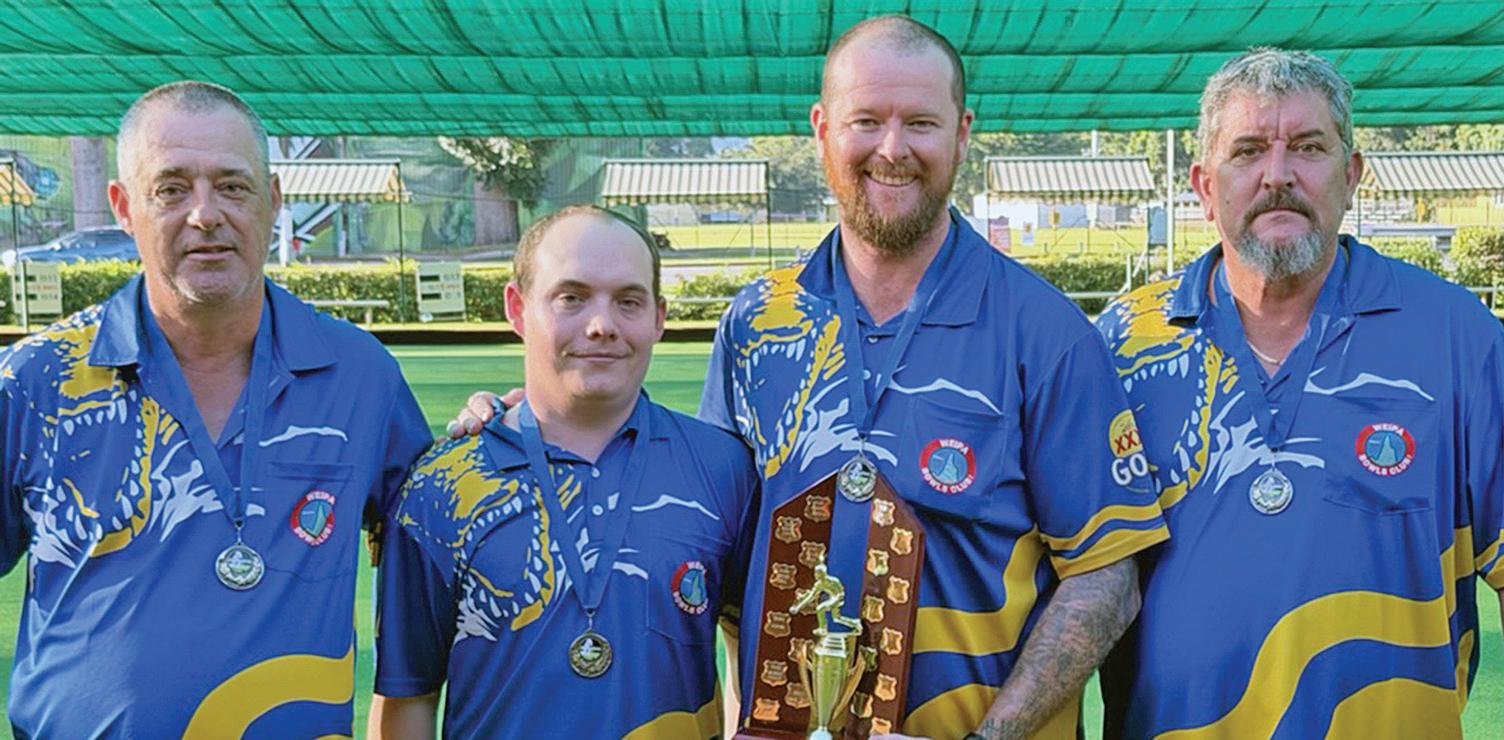
THE championship round at the district bowls showdown produced drama, tension and a stirring fightback from the Weipa side, who bounced back from an earlier defeat to South Johnstone to claim a hardfought 16–11 victory in a gripping final encounter.
After suffering a disappointing loss to South Johnstone in the previous round, Weipa entered the deciding clash with plenty to prove. What followed was one of the standout con-
tests of the competition, with both sides trading momentum throughout a tense and highly competitive match.
The score remained tight for much of the game before Weipa steadied under pressure late, producing crucial bowls when it mattered most to edge clear by five shots.
The win capped off an impressive campaign for the Cape side, who showed resilience and composure after their earlier setback.
Across the overall standings, Weipa finished with a com-
manding 61-shot margin and eight match points, bringing the club its first win in 12 years.
Their strongest performance came in a dominant 30–2 victory against Marlin Coast earlier in the rounds, proving they were capable of explosive scoring as well as grinding out close wins.
South Johnstone also enjoyed a strong tournament, finishing with ten match points and a healthy plus 34 margin.
Their earlier triumph over Weipa had many believing they would again have the upper hand, but the northern side re-




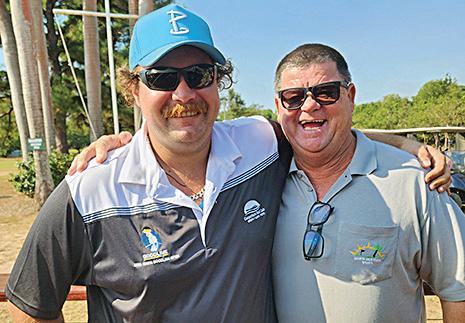
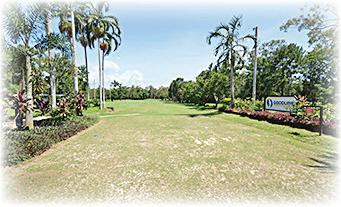
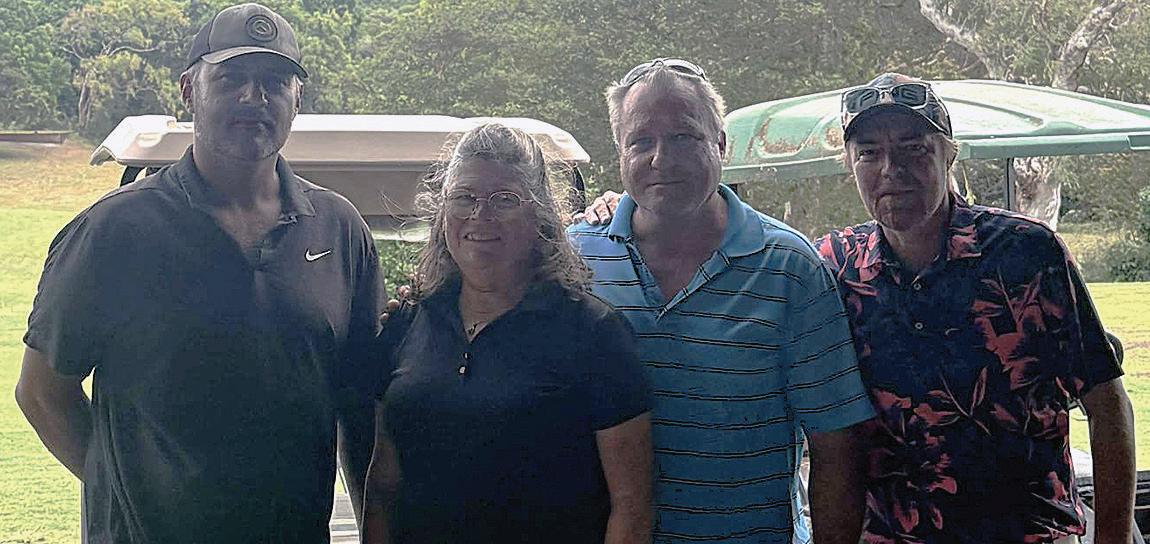
WITH Weipa winter approaching, a chilly morning snap greeted 19 Dawnbusters when they took on the Carpentaria Golf Club back nine on 31 May.
Jamie Hutton walked the course and, for his efforts, was rewarded with the lowest score of the day of 39 off the stick. Scott “Silent Assassin” Triffitt was next best with a 43.
After handicaps were applied, however, Jim “Lefty” Lucas stole the limelight and the top spot with his 47 off the stick. After consistently hitting sub-50s, it was only a matter of time before his handicap came in handy for a win. Sunday was the day for Lucas, who also went on to take out the pin prize on the 18th green.
Brandon Waretini, relegated to second, took his third Bridesmaid for the season with only one win.
sponded magnificently when it counted most.
Ravenshoe and Edge Hill Cairns were also among the leading performers, both finishing with eight match points and strong shot differentials, while Stratford impressed with a plus 41 margin across the competition.
At the other end of the ladder, Babinda and Brothers Edmonton endured difficult campaigns against tough opposition, though several matches were far closer than the final margins suggested.
Big guns for the morning were Helen Sabatino taking out the women’s longest drive, and Eddie Tiemans taking out the men’s longest drive.











by CHISA HASEGAWA
EVEN the most captious of critics could not help but be impressed when the 2026 Club Championships were decided at Cooktown Golf Club on 23 May.
When the putters were put away and scorecards counted, Brent “My Kingdom for an Open Win” Hetaraka prevailed as this year’s men’s champion, while Al Burton claimed the women’s crown with ease.
In A-grade, club president Hetaraka added to his ever-expanding trophy cabinet – which Cape York Weekly understands is still devoid of one particular piece of silverware – to secure the honour of a championships three-peat, the only player to do it in recent times.
In B-grade, Devo Butler made it look easy with an 11-stroke win over Graham Burton, despite returning to the clubhouse with a noticeably thinner wallet after making a questionable – and reportedly substantial – side bet.
Calm. Composed. Relentless. That was the only way to describe Aaron “Slippery Grips”
Hobbs in the C-grade showdown as he applied pressure all the way through to bag victory by two strokes over runner-up and Weipa transplant Steve “Pom” Kennett.
While Burton was hardly troubled on the road to women’s bragging rights, Tanya Stewart held the round of the championships with an outstanding showing the previous week.
With only five weeks to go
before competitors tee off in the 2026 Cooktown Golf Open, one big question remains unasked on the lips of club members: will Hetaraka, who has more bouquets than most Melbourne florists, be able to get his hands on the one trophy that eludes him? Those yet to nominate for Cooktown’s golfing fight of fights can do so before 5 pm on 24 June by emailing cooktowngccaptain@gmail.com.
WESTERN Cape York’s dry season weather is the envy of the rest of the country, and it did not disappoint when a field of 53 lined up for Weipa parkrun #472 on 30 May.
Mark Bowden made the most of the spectacular Saturday morning conditions to conquer the course in 22 minutes, 33 seconds to be the first finisher.
It was a morning for personal bests, with nine parkrunners recording their best-ever result at the end of the 5 kilometres - Sam Bartsch, Matariki Kibblewhite-Claus, Soph Macdonald, Harley Eggins, Elisha Keeley, Camille Freiberg, Kirra MacRae, Emily McGrath and Adriana Rodriguez.
On the back of their PB efforts, only one second split Kibblewhite-Claus and Macdonald as the first women across the finish line, stopping the clock in 25:53 and 25:54 respectively.
Melanie Brewer, Chris Blythe, Yasmine Kemmerling, Vandana Chaturvedi, Inyika Nadredre and Michael Rowland put their hands up to reach for the hi-vis vests to ensure volunteers duties from run director to tail walker were fulfilled.
If you want to lace up your shoes and join in on the parkrun fun, make sure you are at the hospital roundabout on John Evans Drive and Kerr Point Drive in time for a 7am start every Saturday.
Men’s: Brent Hetaraka
Women’s: Al Burton
A-grade: Brent Hetaraka
B-grade: Devo Butler
C-grade: Aaron Hobbs

THE Wackers three-club challenge on 27 May proved some players do not need a bag full of sticks to impress on the course.
Nineteen golfers took on the Weipa back nine, with Viv Chan, Dave Sands and Brandon Waretini all returning to the clubhouse with 44 off the stick.
Once handicaps were applied, it was Chan who claimed the day, with Gary Head odds-on to take the pin prize on the 7th after landing his ball four metres from the hole, only to be bested by Jim “I Wasn’t Aiming There” Lucas, who bagged bragging rights.
No one found the 9th green, while Randall O’Neill finished the best – or worst, depending on how you look at it – of a big bunch to take home the Bradman’s gong.
ROUND 6 of the 2026 Weipa touch football season produced several one-sided scoreboards when players took to Andoom Oval on 26 May.
Young Guns kept Touchy Feely scoreless in a 10-nil encounter, while Cape Candies toppled the Bauxite Bees 15-9, Coastal Crocs thumped Big Dig 18-2, and Spartans notched up a 15-3 win against Cheers for Beers.
In the other games, Scrambled Legs were too good for Lacking Stamina in a 9-5 result, Out of Touch (13-5) had an eight-try win over The Misfits, with Top End Taggers providing Double Clutch a 17-5 touch lesson.
To see which teams will square off in round 7, check out the Weipa Touch Association Facebook page.
THE countdown is on to one of Cape York’s premier social events set to attract thousands of revellers to Laura next month. The 2026 Laura Races and Rodeo will be held from 25-28 June, with bush racing at its best scheduled for the Saturday, while some of Far North Queensland’s best cowboys and cowgirls set to test themselves against four-legged opponents on Saturday and Sunday.
With horse sports, live music, a pre-race Calcutta and four days of entertainment on offer, the event promises something for every member of the family.
by CHISA HASEGAWA
CONNECTIONS made and bonds strengthened through International Legends of League in Weipa are showing that footy is so much more than kicking a ball around.
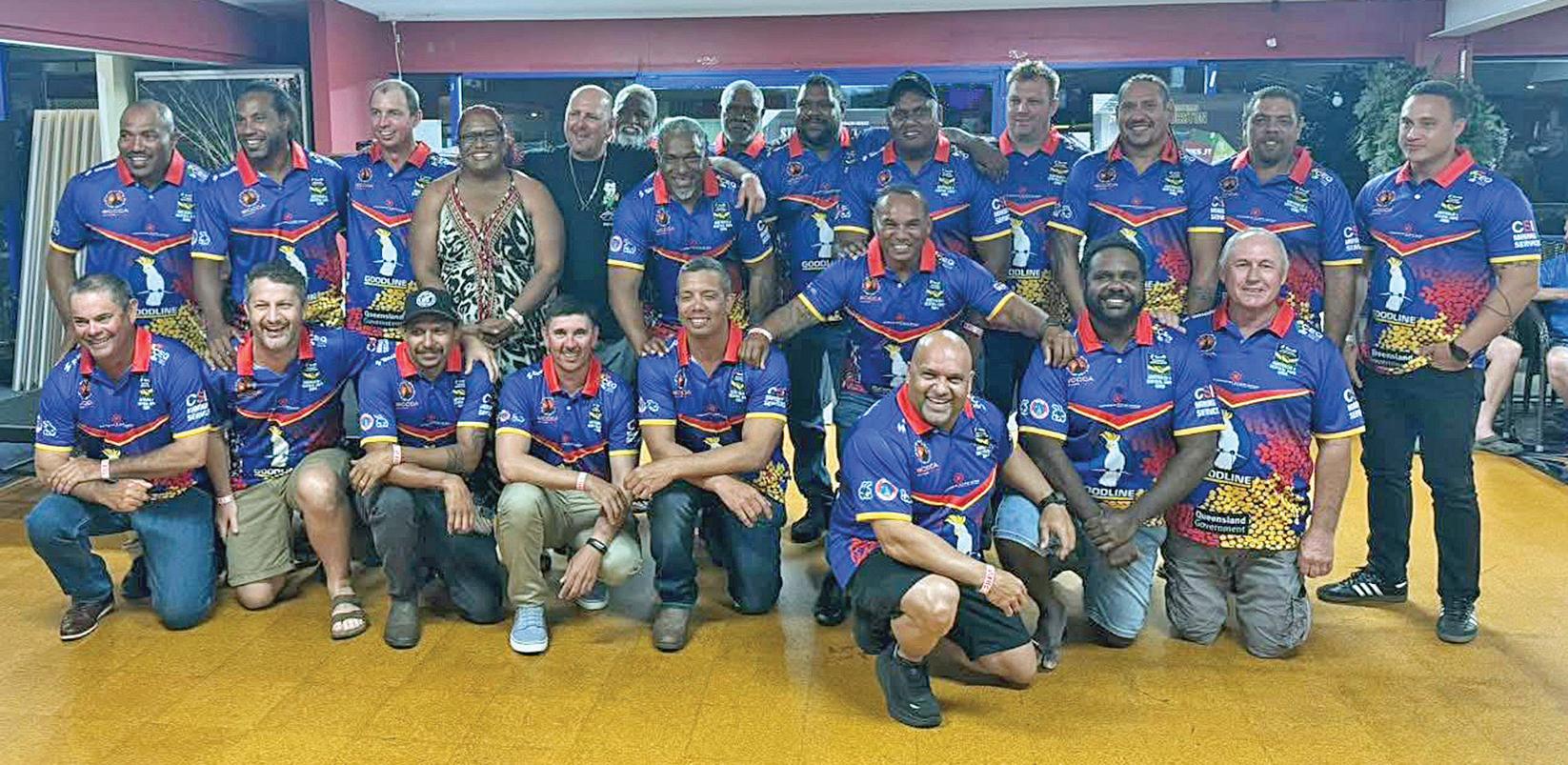
Western Cape York’s former footy players returned to the field late last month at the Goodline Central Cape Suns Allstars v Embley Australian Legends showdown as part of a four-day mental health and wellbeing program.
Hosted by the Central Cape Suns Junior Rugby League Club, the over-35s clash on Andoom Oval attracted families, league fans and community members from across the region, all eager to witness some of rugby league’s most recognisable names, including Sam Thaiday, Antonio Winterstein, Reggie Cressbrook and George Burgess.
Western Cape College principal Dan Tonon, who grew up playing footy, said he loved connecting with men in his community through a team environment, despite suffering a mild concussion at the hands of Australian Legend George Burgess.
“To have that group of people come together from all walks of life and the community was really enjoyable, and links back to the purpose of the whole thing, which was mental health,” he said.
“Sometimes, you might just say g’day to people, or the only interaction you might have is through work, so to come together in a community event like that was really special.
“I’m so thankful to Central Cape Suns and Michelle (president) for considering me and having me be a part of it.”

Tonon said it was also an inspiring opportunity for students in Weipa, Aurukun, Napranum and New Mapoon to hear about the various highs and lows behind players they looked up to.
“They’ve gone to every community on the Western Cape, they spoke to every one of our kids from years 5-12, they ran workshops, and they talked about their journeys,” he said.
“George Burgess talked about the fact that when he was growing up, he wanted to be a dancer and an actor — that’s a man giant talking in front of boys about dreams and the fact that it doesn’t have to be a footy star or a diesel mechanic, which is basically what all boys aspire to be here.

“If you’re outside the box, to hear someone like that is great, and it’s also good to expose all the kids to it.”
Central Cape Suns president Michelle Kostecki, the driving force behind the event, said the atmosphere was electric, with a packed crowd of around 2000 turning up sporting club colours and community spirit.
“[International Legends of League] showed the power sport has to bring communities together,” she said.
“To see our residents and Allstars team meeting players they’ve watched for years, families coming together, and our volunteers working tirelessly behind the scenes was incredibly special.
“The International Legends embraced our communities, and gave our young players memories they’ll never forget.”
Kostecki also acknowledged the commitment and courage shown by the western Cape York players who accepted the challenge of taking on the International Legends side, as well as the support of volunteers, sponsors and community organisations who worked together to deliver one of the biggest rugby league events seen in the region in recent years.
“I have been personally thanked by many of the Central Cape Allstars players and the International Legends of League players for my efforts in bringing this event together, and I am incredibly grateful
they all stepped up for this challenge,” she said.
“They represented our communities with pride, heart and determination, and they should all be proud of what they achieved on and off the field.
“This event was only five months in the making, and to see it become such a success is something our whole community can be proud of.”
While the scoreboard provided entertainment, the real victory belonged to the communities who united to celebrate rugby league, culture and connection. For many young players watching from the sidelines, the event served as inspiration to continue chasing their own sporting dreams.