Civil Air Patrol May 2026

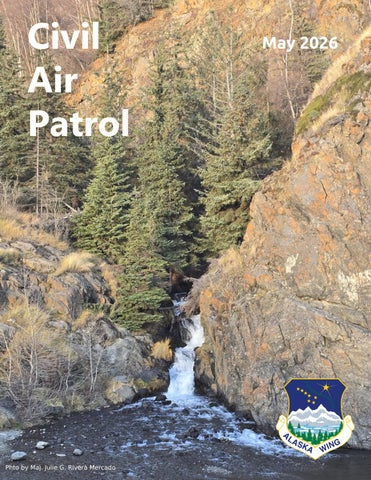
Phto by Maj. Julie G. RIvera Mercado
At this year’s Wing Conference, the Public Affairs Director, Maj Julie Rivera, will announce the inaugural winners of Best Articles and Best Photographs in the 2026 monthly magazine. The PAO staff of five will nominate as many candidates as they wish, and then tally their votes. Those submissions that received the most nominations will win the awards. Leafing through the first four issues, I found about four photographs each month that really caught my eye, as well as several well written and informative articles. Thank you for your excellent contributions!
Photos: gorgeous landscapes, interesting lighting effects and color contrasts, action shots, great expressions on people’s faces, humor, images that attractively convey the values and priorities of CAP. If you want to photograph a group of people, one technique is to position several photos of an event as a montage, in order to capture colors and close up expressions better. Another idea is to take group pictures in a pretty setting or interesting positions, such as on a rocky knoll, beach, or glacier, not positioning people against a gray hangar wall.

Articles: clear language and purpose, well organized, easy to follow, informative. These articles can be about squadron events, encampments, CAP history, values, monthly character lessons, skills important to aviation, ground team efforts, communications, book reviews, or anything else submitted to the PAO and published in the magazine.
We will include the year 2025 too
Respect for all Character Development June Lesson

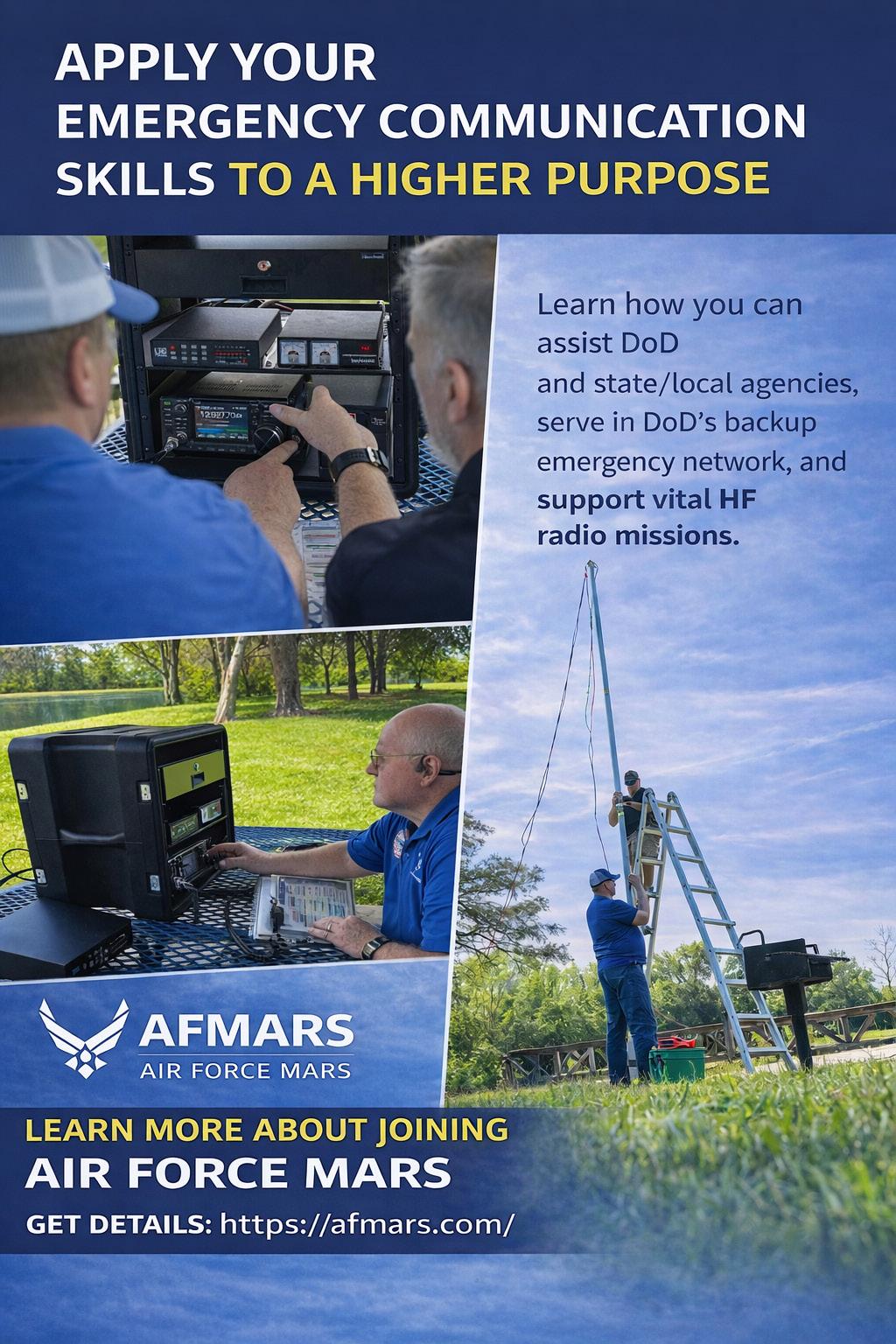
High Frequency (HF) and Very High Frequency (VHF) Radio
Propagation
by Major James Low (Air Operations)
Lieutenant Colonel Kristin Freeman (Ground Operations)
Quarterly SAREX, Fairbanks
Mission # 26-T-4684
30 Apr – 3 May 2026
Introduction
Because it was not possible or practical for members in Fairbanks to go to Birchwood for the third quarterly SAREX, training was held in Fairbanks. It was difficult for Fairbanks to carry on activities synchronously with Birchwood because few Fairbanks members were available on Sunday.
1. Train two members to be GTL’s, so that they can be evaluators for that qualification in the future.
a. Train three cadets who are not close to their 18th birthdays to be GTL’s, so that when they turn 18, they will be fully qualified, and can become evaluators.
2. Train two cadets who have taken or are signed up for sUAS training, in GT3, so they will be deployable as part of a sUAS team.
3. Train members in aircrew and UDF tasks.
4. Train anyone else in GT3 who is available and wants to start the training.
• The first day was largely focused WMIRS tasks, sortie planning, nonelectronic signaling, and setting up a helicopter LZO.
• The second day was focused on line searching, map and compass navigation skills, and field skills (sanitation, shelter building, building and extinguishing a small fire, spending the night in the shelters built).
• The third day was more administrative tasks (including attending the Birchwood briefing virtually so that they had an example of a well done briefing), training with search dogs, and other individual tasks as needed. The GT3 trainees chose to do UDF training instead, and participated in an ELT search for a practice beacon.
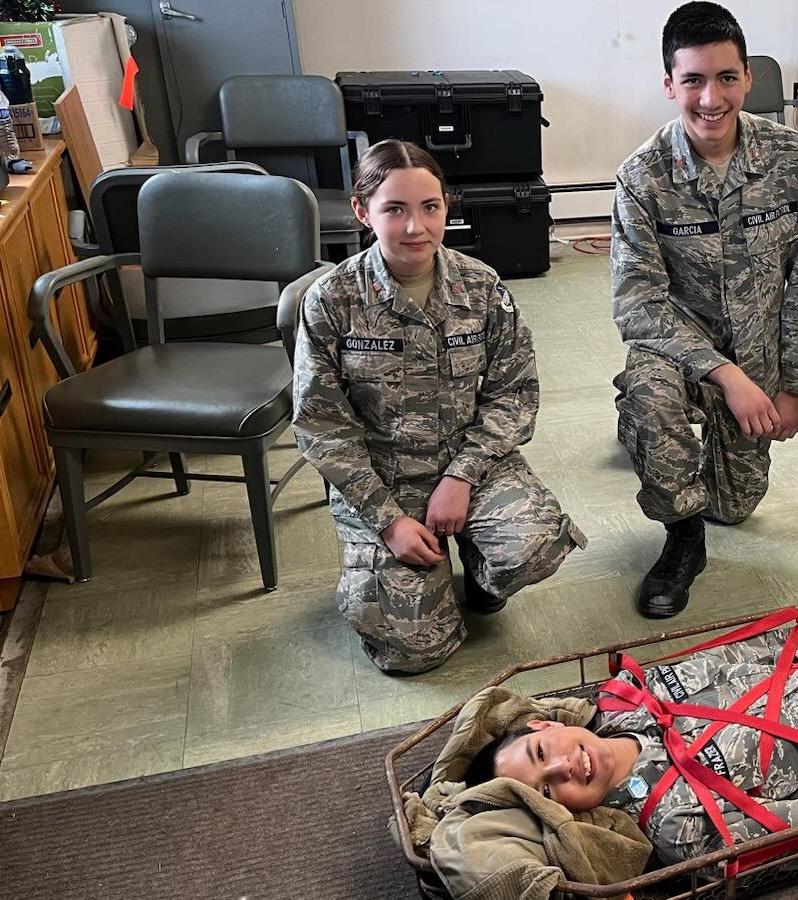
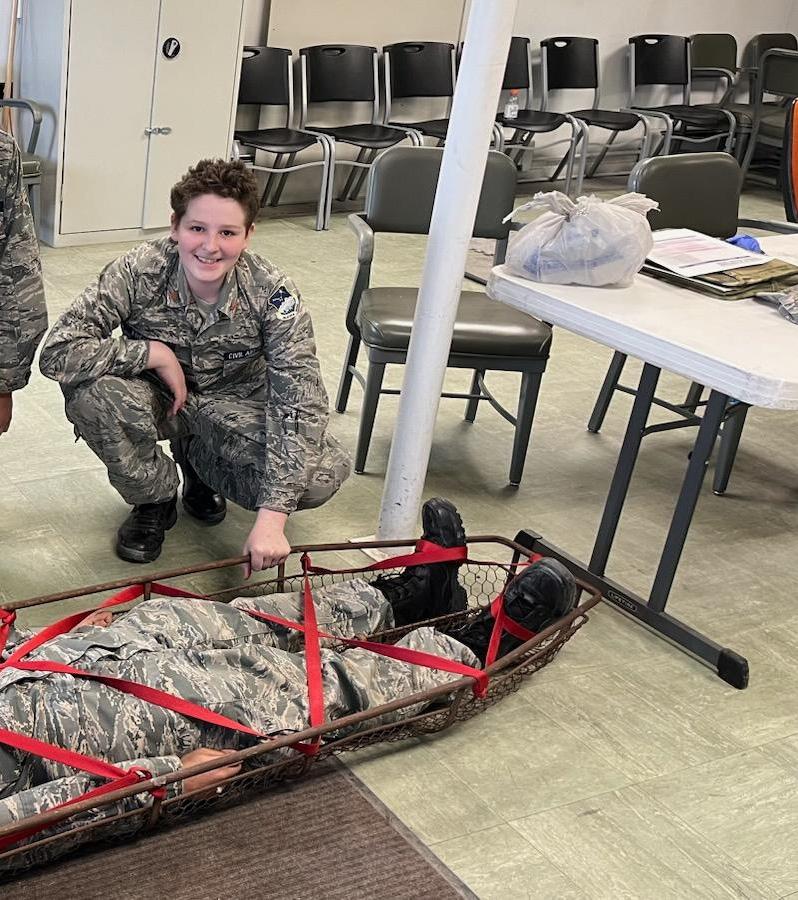
• The fourth day was a first aid/ CPR/AED class, to which was added the litter carry task required for GT3 (one of the GTL candidates needed it).
• One member renewed MS/MO qualifications, and flew a sortie as part of that.
• 8 CAP personnel attended a class on how to locate and silence an ELT. The class had access to N890CP a C172 with a Becker Unit Installed. 6 of the class personnel were given aviation vhf hand held radios with instructions on how to use them to find the location of the practice ELT. We had the C172 with a Cadet taxi on the Fairbanks airport Charlie and Delta taxiways with the Becker on the see if they could locate the row where the source of the practice ELT was coming from. All the ground teams were able to locate the source of the practice elt and the C172 provided a fairly close location to where the source of the ELT was coming from. The negative item with the plane was the other aircraft parked on the East Ramp blocked the ELT signal or distorted it so precise accuracy is better while airborne. Aviation VHF handhelds worked great.
All goals were met, although some tasks remain for the GTL/GT3 trainees to complete. Many of the tasks are ICS online courses, so the trainees who need that have ownership of how quickly they are qualified. Four cadets and one senior successfully completed the HIS Adult and Infant First Aid/CPR/ AED class. The senior member is a registered nurse, and will be instructor-qualified soon. The Fairbanks Squadron received a donation of used, good quality adult and infant CPR mannequins, and an AED trainer, so with a resident instructor, they will be able to meet the first aid requirement much more easily, and can also offer this training to other units on request. Flying the instructor and equipment to other units might be a way to get more flight hours for pilots.
The significant omission was communications training. If possible, it should receive more emphasis in future training. In this exercise, the limitations were equipment and available staff.
Written by: SM Kathy Kenney, PAO Assistant
It’s been a season of major milestones and championship victories at the Birchwood Squadron! From significant infrastructure improvements to a huge win for our cadets, the energy in the hangar is at an all-time high.
We are thrilled to announce that the days of hauling in bottled water are officially over. Our recent boiler room upgrade provided the perfect opportunity to overhaul our building's utility system, leading to the successful installation of a professional-grade water filtration and Reverse Osmosis (RO) system.
Tasty Water: We had excessive hard water issues in the past that caused significant damage to our plumbing, boiler, and hot water heater that has now been rectified. Enjoy drinking up our delicious water from the tap!
Refill Station: The next phase of this project is the installation of a dedicated water refill station to make it easier than ever to stay hydrated.
Snow Mitigation: We aren't stopping at the plumbing. We are currently working on adding overhangs to the building to keep snow away from the doors. We hope to have these completed by the end of May to ensure easier access next winter.
Stay tuned for more wonderful squadron upgrades to come as we continue to improve our facilities.
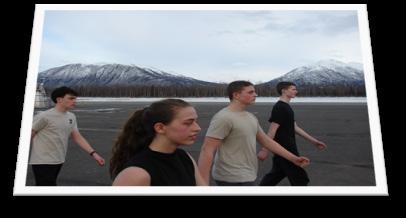
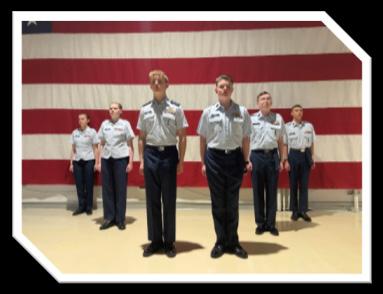
Hard work and discipline have paid off in a big way. We are incredibly proud to announce that the Birchwood Squadron cadet team won the Alaska Wing Cadet Competition under the Regional Scoring criteria! Our wingmates from Kodiak also performed splendidly, taking first place in the Olympic Scoring category.
busy weekend in the middle of April. It was a pleasure to see our building used to its full potential as a center for training and community.
While we were hosting two cadet team squadrons, Homer and Delta Junction, for the Alaska Wing Cadet Competition, we simultaneously served as a base for the Arcturus Squadron SAREX. Arcturus used Birchwood as a vital place to warm up and rendezvous for their search and rescue exercises.
The Birchwood team’s victory is a direct result of their tireless teamwork and dedication. Both the Birchwood and Kodiak teams will now move on to represent the Alaska Wing at the Regional Competition this August in Las Vegas. We look forward to cheering on both groups as they compete against the best in the Pacific Region!
The Birchwood Squadron recently served as a hub of operations and hospitality during an exceptionally
The Cadets and Senior Members from Homer and Delta Junction spent two nights in our squadron, making for a full house and a great atmosphere of camaraderie. We truly love meeting members from other squadrons and making them feel at home.
Whether you are here for a mission or a competition, the coffee is on and now you have delicious water to drink
Written by:
C/CMSgt Zachary Kenney, Cadet PAO
For the first meeting of the month we had a combined Cadet and Senior Member safety meeting. Before the start of the meeting, C/CMSgt Matson led a class on the practice of setting goals for our new cadet staff. We kicked the night off with a Cadet Advisory Council (CAC) report by C/CMSgt Klayum on what the CAC is currently working on. Then we transitioned into the safety meeting with an introduction by Cadet Klayum on the topic of Operational Risk Management (ORM). We went outside for the first drill of the season without any snow or rain to interrupt. To finish off the first meeting of the month, we went back inside for a Team Leadership Problem (TLP) which was a simplified game of battleship with ping pong ball and cups.
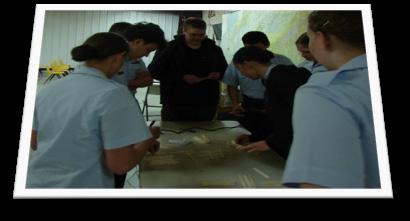
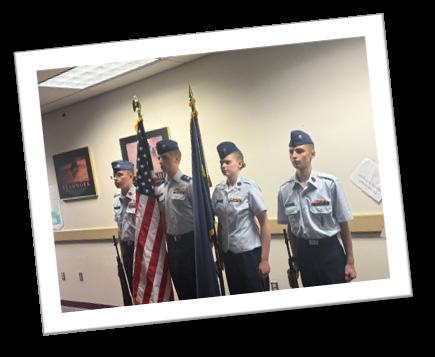
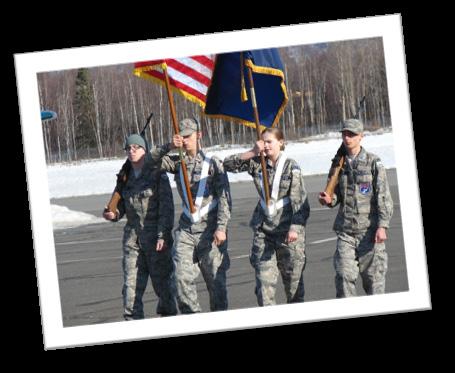
Prior to the start of the Aerospace Education meeting (AE), the cadet competition team worked outdoors on color guard drill as well as practicing element drill and concluding with inside practice of posting of colors. Then to jumpstart the meeting, we went outside for drill and ceremonies. We transitioned back inside for an AE class lead by C/A1C Vanderlooven on the topic of the Artemis II rocket launch and what led up to it as well as an AE activity lead by C/CMSgt O. Morgan on heat shields. Finally, we also created a heat shield to protect our astronauts, represented by marshmallows, from a blow dryer.
Our last meeting of the month kicked off with a briefing on the Regional Cadet Competition by 1st Lt Caldwell. Then we transitioned into Character development led by 2d Lt Edwards, which was about fear. The cadets created a fort out of their fears written on popsicle sticks.
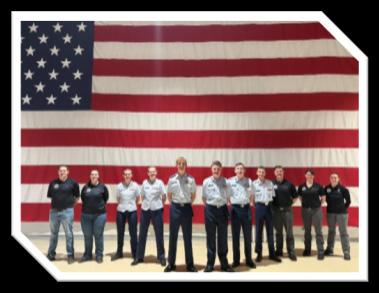
Finally, the Birchwood Cadet Competition Team took home first place in the regional scoring criteria at the Alaska Wing Cadet Competition. We took first place in element drill, and second
place in the fitness and volleyball challenges. The team consisted of the following Cadets:
C/2d Lt James Wood (Team captain)
C/CMSgt Zachary Kenney
C/CMSgt Cage Klayum
C/CMSgt Mya Cole
C/CMSgt Haley Cole
C/SMSgt Charles Slater
We are excited to represent the Alaska Wing at the Regional Competition this August!
By: SM Laurie Gentel
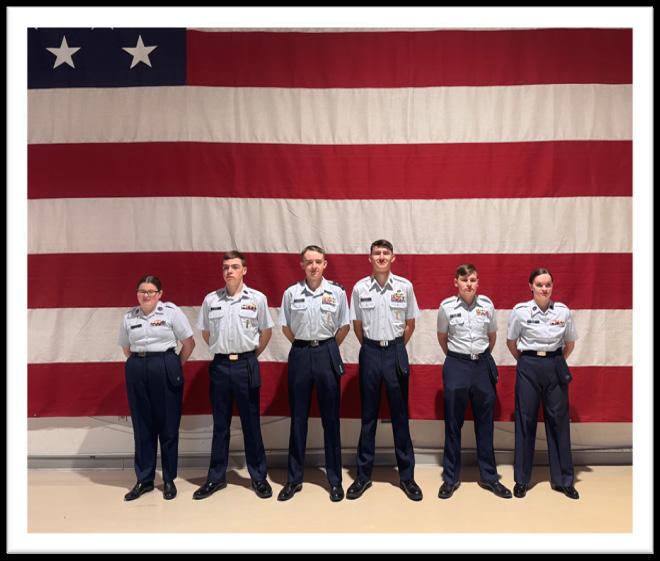
The Homer Squadron proudly participated in the AK WING CAP Cadet Competition, First place in Engineering
Second place in Emergency Locator Transmitter
Competition, earning:
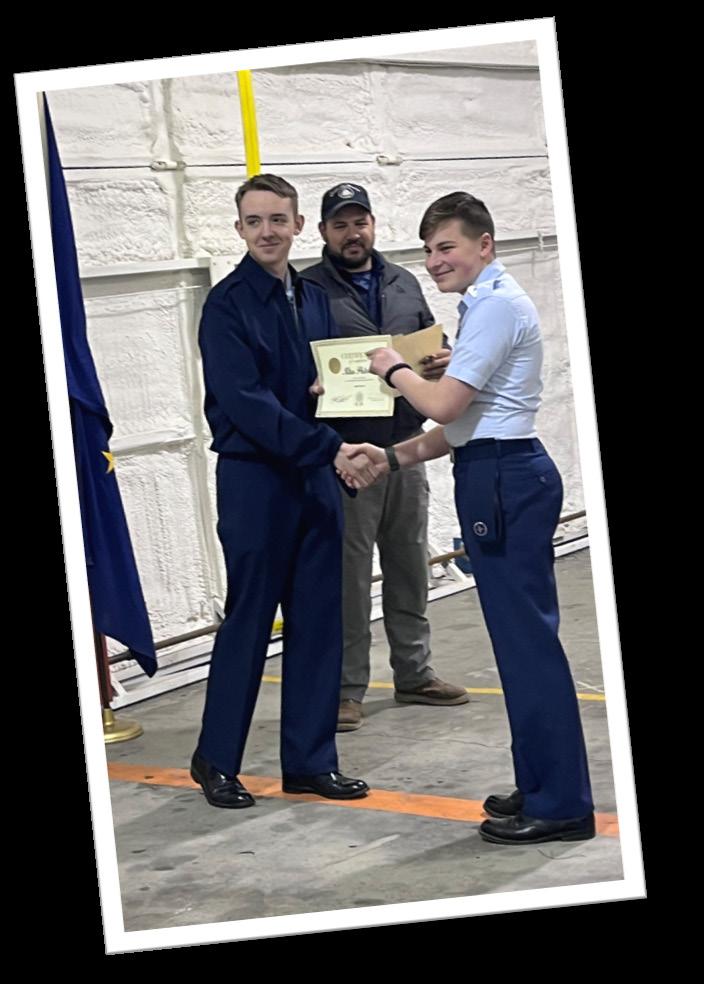
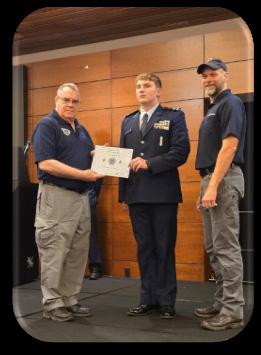
C2dLt Titus Potvin, Homer Squadron, receives his certificate after accomplishing his Billy Mitchell.
By: LtCol. Jim McCarthy
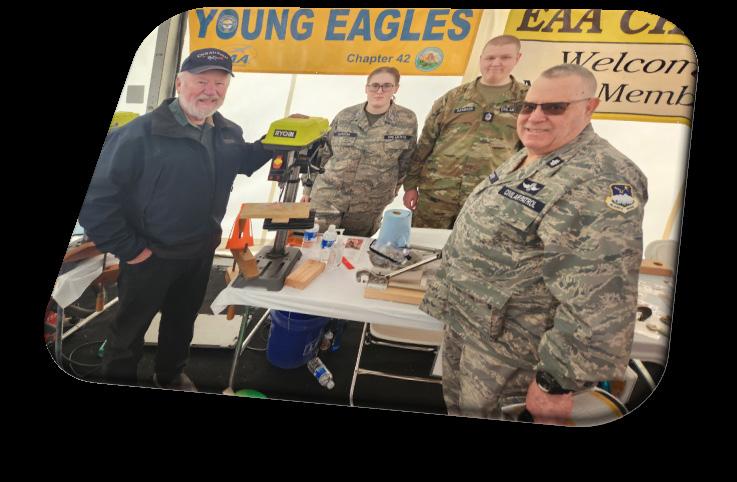
Capt. Richard Dennis, the Davidson Cadets, and LTC McCarthy
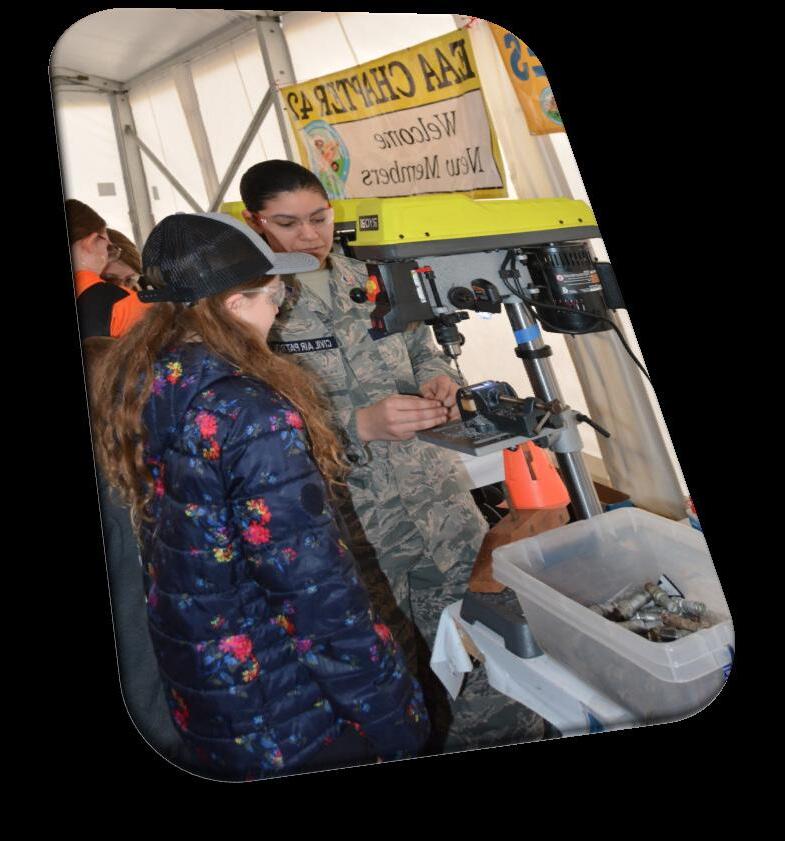
Cadet/Medina Making Key Chain Keepsake
Alaska Wing did not have its own booth or aircraft static display during Palmer fairgrounds. Nevertheless, we still contributed to the event, by staffing the EAA "Young Eagles" stations at the Youth Activity tent. Eowyn Davidson, C/CMSgt Seamus Davidson, C/CMSgt Victor Estrada, time. C/CMSgt Victor Estrada and C/SrA Merrideth were also chosen barrel and draw the raffle tickets at the close of the Gathering.
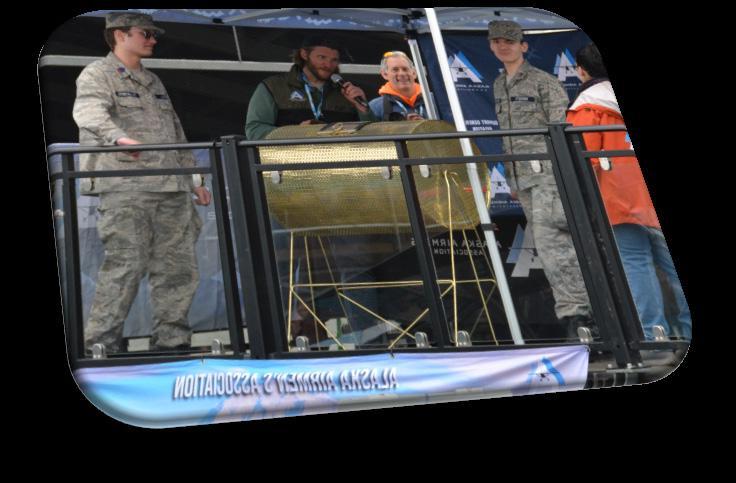
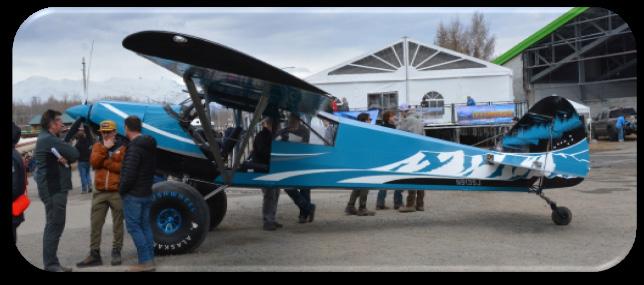
during the Great Alaska Aviation Gathering this year (May 2-3) at the with several Arcturus Squadron members supporting EAA Chapter 42 tent. LTC Jim McCarthy, C/SrA Aiden Betlej, C/CMSgt Dhani Medina, CMSgt Estrada, C/CMSgt Vincent Estrada, and C/SrA Levi Merrideth volunteered their chosen as "trusted agents" by the event organizers to turn the raffle ticket
By: Eowyn Davidson
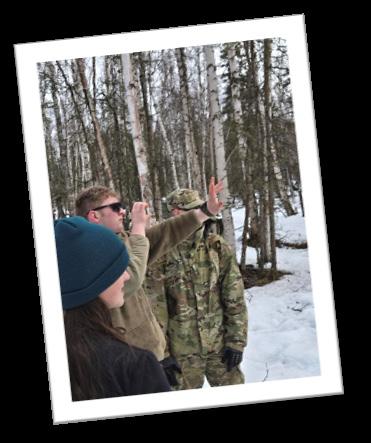
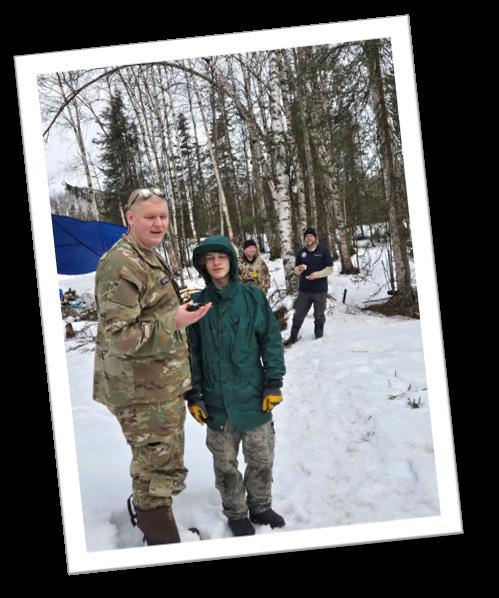
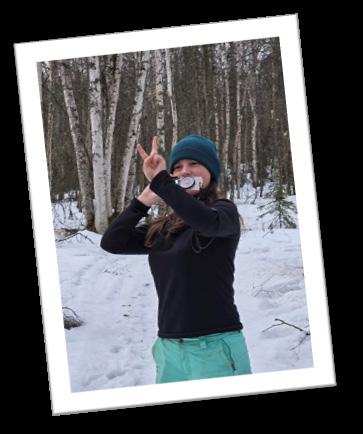
In April, the Arcturus Squadron was busy with a variety of activities. The cadets participated in drill, marching, and aerospace education while also preparing for and participating in the Arcturus Squadron Search and Rescue Exercise (SAREX).
Cadets, who had never attended a SAREX before, learned valuable skills for radio communications, ground navigation, first aid, and wilderness survival, which included building basic shelters using tarps and natural materials, fire-starting, and creating utensils out of local
Additionally, the cadets speakers from the Air Logistics Readiness Squadron. These speakers shared insights into their different roles and the various functions within the organization, covering topics such
cadets hosted several guest Air National Guard’s 176
as fuel management, planning, supply, and airlift operations. The guests spoke about the multiple missions that they participated in, both domestically and internationally. Additionally, the speakers discussed the benefits of being a member of the National Guard (both part-time and full-time), and they discussed the differences with active duty members. Cadets inquired about the different opportunities that were currently available and options for them after high school and/or college.
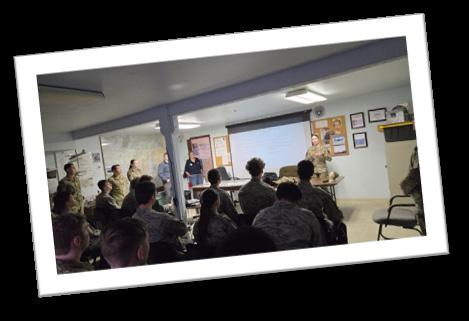
Air National Guard's 176 Logistics Readiness Squadron
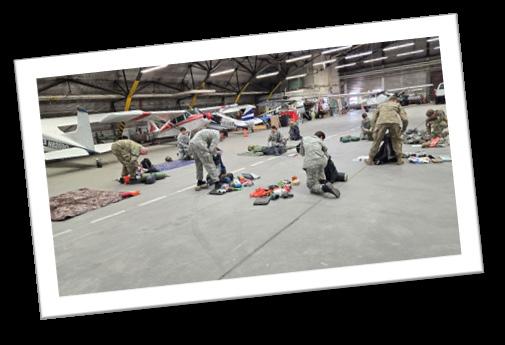
The Cadets on bag drag night
Senior Member Gordon presented the certificate for the Arcturus Cyber Patriot team, who placed Second in the State. This was the first time that the Arcturus participated in these competitions and did well as they started to learn key skillsets. The Squadron as a whole continues to develop these cyber skills during the monthly meetings.
Due to a change in duty stations, we hope the following cadets and senior members enjoy their next squadron. They have supported, mentored, and guided the Arcturus Squadron. We will miss them!
- Senior Member Stephan Frye
- C/2d Lt. Aspen Frye
- C/SrA Bixby
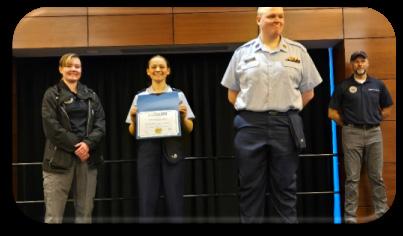
Thanks to dedication and perseverance, many cadets achieved promotions.
C/2d Lt. Keegan Garvens completed Achievement 9.
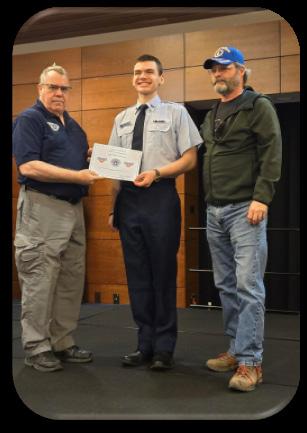
C/A1C Levi Meredith was promoted to C/SrA
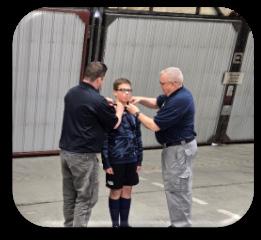
C/A1C Isaiah Bixby promoted to C/SrA
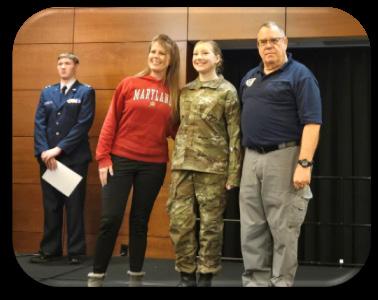
C/A1C Vanessa Young promoted to C/SrA
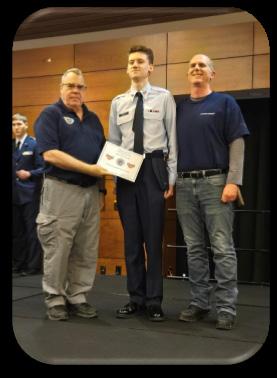
C/A1C Wyatt Garrett was promoted to C/SrA
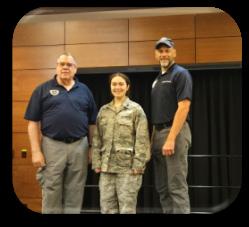
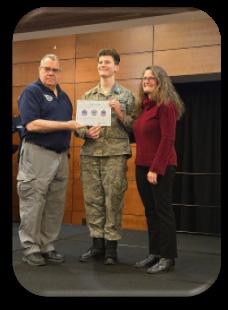
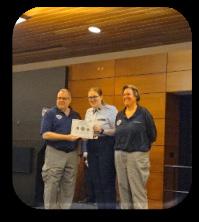
C/Amn Hazel Jones promoted to C/A1C
C/CMSgt Aspen Frye was promoted to C/2d Lt.
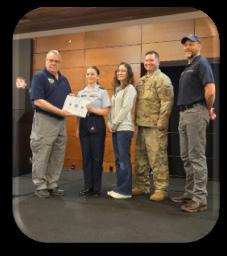
C/SMgt Daniel Law was promoted to C/CMSgt.
C/SMSgt Gabriel Law was promoted to C/CMSgt
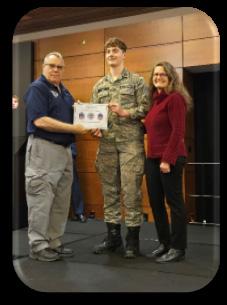
C/MSgt Eowyn Davidson was promoted to Cadet M/SMSgt
C/Major Thomas Buller has completed Achievement 16.
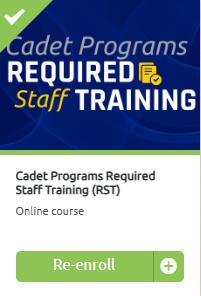
In eservices all staff members that will be present at the encampment need to complete the online part of RST - Required Staff Training. eServices --> Menu--> Online Learning--> Absorb LMS--> "Cadet Programs Required Staff Training"
Registration for the encampment is now open in the Registration Zone of eServices
If you have multiple email address in eservices - you may receive this email twice.
The event is called - 2026 Alaska Wing Summer Encampment - Senior Member Cadre | 04 Jun 2026 | 12637
Need the online form for the Leadership Reaction Course completed by May 27
Need forms loaded into the registration zone by May 20
Lt. Col. James McIntyre AKWG Encampment Commander
By : Maj. Jan Bobek
Every Monday from 6:30 to 8:30 Kenai Cadets provide: Aerospace, Leadership, Health Fitness Zone/Safety, and Character Development Presentations. The presentations are full of knowledge and excellence. Speaking in public is a fear that many people have, so working on it builds strength in most areas of life. Cadets practice to erase this universal fear. The Cadets are determined to work hard so that public speaking becomes something to look forward to. We know this to be true because they volunteer readily to make Aviation and Core Values Presentations. Senior members do appreciate and recognize Cadet progress. The more Cadets practice, the more confidence builds up in them. This process includes the CORE Values of Integrity, Volunteer Service, Excellence and Respect. Cadets continue to strengthen in personal development.
The Cadet Program supports the process of becoming the best person one can be. The Cadets even begin to enjoy the process as proven by the results, and they volunteer to speak in public. That is progress. When a person conquers his/her fears, he becomes stronger and more confident. Cadets realize that they can achieve most anything! The process makes each cadet a stronger human being and a much better Cadet.
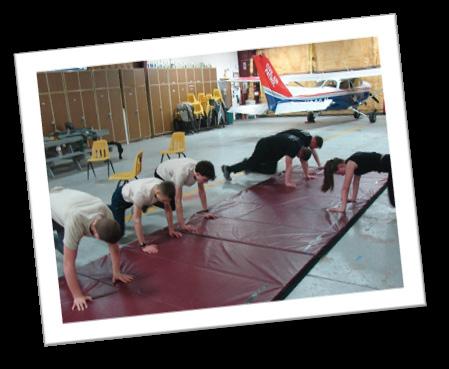
The Physical Education Program is headed up by 2ndLt Amber Cole. Every first Monday she organizes and tests the Cadets in the HFZ, Health Fitness Zone. Cadets are tested in these areas: Pacer Runs/Mile,
Curl Ups, Push Ups, and has a goal to achieve. Cadets are cheered by their peers. become stronger as a human Orientation flights are keep cadets involved in the builds confidence in all areas work and study very hard They become safe pilots make aviation their life’s an important and crucial part These Orientation flights Young Eagles Program. We’re program.
Cadets continue to volunteer Cadets worked at the Kenai Appreciation dinner. They our community. Volunteering together. Kenai Cadets set and are appreciated by our
Joining CAP makes a positive community. We’re proud the Kenai Squadron. All setting a good example supporting each other in the Core Values. The world with these young cadets to make America stable trustworthy people. We are
Sit and Reach. Each age Cadets work out hard and peers. This is another way to human being. provided which helps to the cadet program. Flying areas of their lives. They hard to meet their life goals. pilots and join the military or life’s work. Learning to fly is part of the Cadet Program. were provided by the EAA We’re very thankful for that volunteer in the community. Kenai Senior Center for an They continually volunteer in Volunteering brings people closer set an example good work our community. positive difference in our proud to have these cadets in cadets are working hard, example in our community, and in continuing to practice world is a much better place in it. Our cadets continue stable and strong. They are are very proud of them.
the following cadets that work very hard and passed many achievements recently.
Curry Award:
C/Amn Elijah Andrade
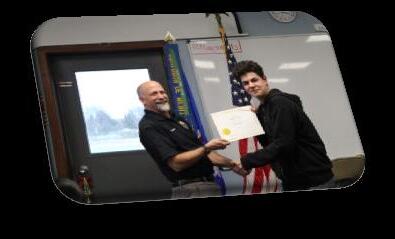
C/Amn Esther Andrade
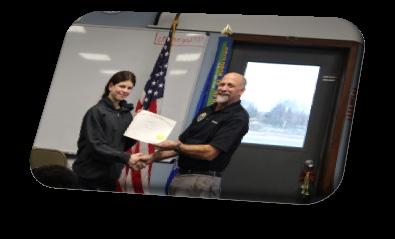
C/Amn Dillon McAnelly
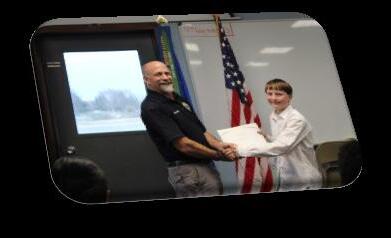
Achievement 2:
C/A1C Dominic Smith
C/A1C Gabriella Matthews
C/A1C Everett Lewis
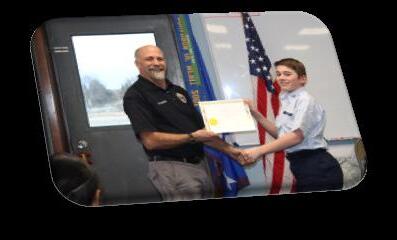
C/A1C Riley Lewis
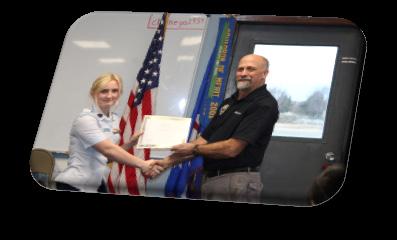
Achievement 8: C/CMSgt Elodie Frisk
Achievement 10: C/1stLt Noah Cole
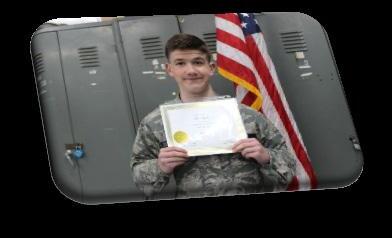
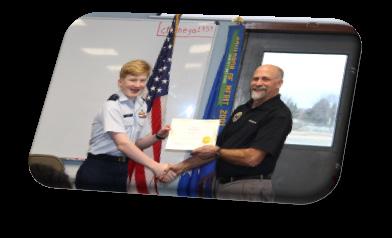
1st Lt Joshua Lattin
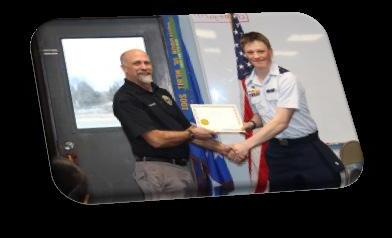
Achievement 9: C/2dLt Declan Cobb
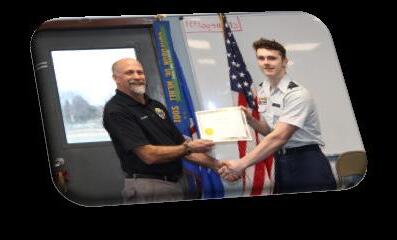
Achievement 13: C/Capt Thomas Anthony
We’re very proud of all the great effort and hard work to advance in the program.
June Lesson
By: Maj. Julie G. Rivera Mercado, AKWG CDI

Universal respect for all individuals is the essential foundation of any thriving community or organization, arising from an inherent acknowledgment of human worth. Discrimination and intolerance are rooted in the flawed belief that one individual is inherently better than another, granting them the justification to treat others differently. To foster real inclusion, we must refuse to uphold biases and recognize that a team's strength does not come from uniformity among members but from the richness of their differences. When a setting ensures that each person is treated with kindness and respect, irrespective of their background, gender, ethnicity, or beliefs, what might seem like differences become a unified strength capable of accomplishing goals that would otherwise be unfeasible.
Moreover, it is crucial to realize that encouraging respect and inclusion does not require us to abandon our personal ethics or convictions. In fact, the refusal to practice discrimination signifies the highest level of professionalism, integrity, and growth, showcasing the capacity to overlook individual disparities in favor of a shared mission or greater good. Respect is not only undermined through overt verbal attacks; it is frequently undermined subtly through neglect, exclusion, or gestures that promote a profound sense of isolation and marginalization for those affected. Thus, adopting a proactive stance of respect necessitates being aware of our own actions to ensure that no one is made to feel excluded.
Ultimately, the importance of this principle is so significant that it has been recognized through the ages by some of history's greatest thinkers and varied cultures via the "Golden Rule," which encourages us to treat others as we wish to be treated. Ultimately, as highlighted in the most impactful leadership principles, exclusion and bias are detrimental concepts. The appropriate reaction to them is to advocate for a far superior idea: unwavering respect as an essential benchmark, where every individual is not merely accepted but genuinely appreciated for their identity.
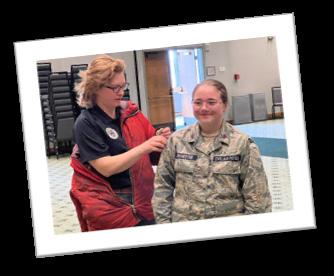
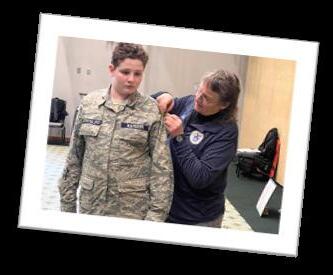
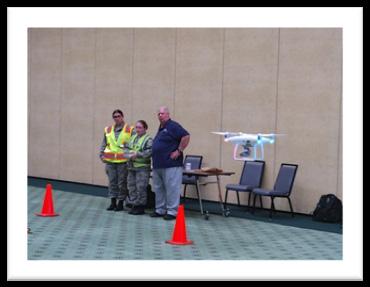
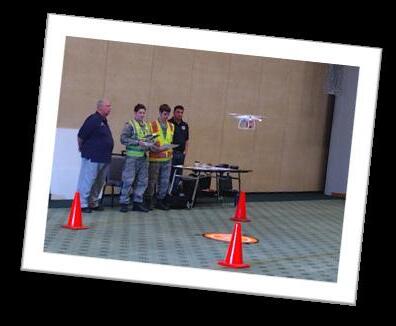
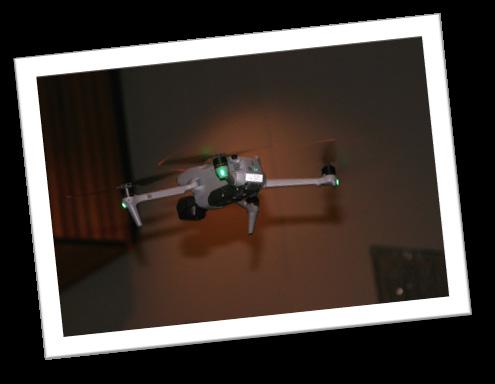
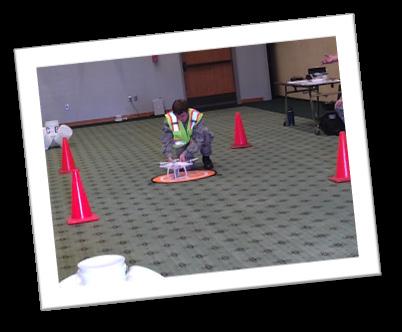
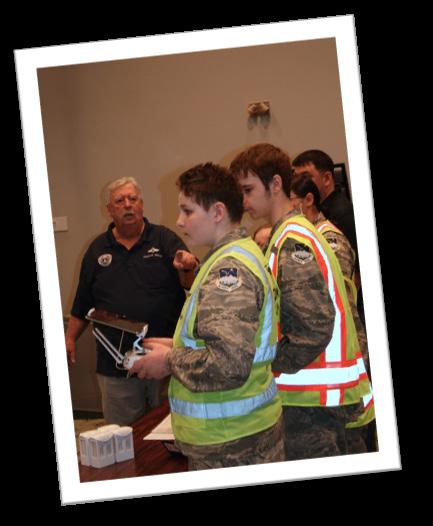
training during a four-day workshop in April.
By: 2LT. Alan Sorum
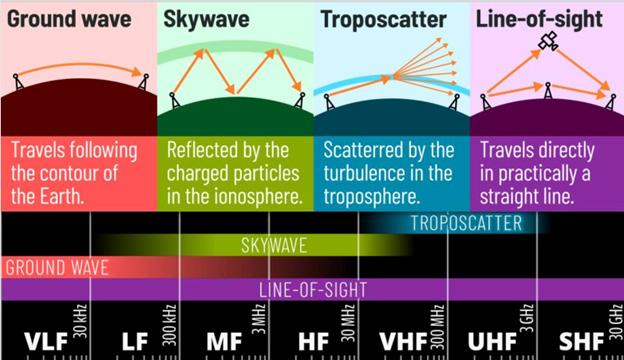
Radio wave propagation describes behavior of these waves as they travel or propagate from point to point through space or the atmosphere. High Frequency (HF) and Very High Frequency (VHF) radios display very different propagation characteristics. Radio waves are a form of electromagnetic radiation and the length of these waves is a key factor in their transmission performance.
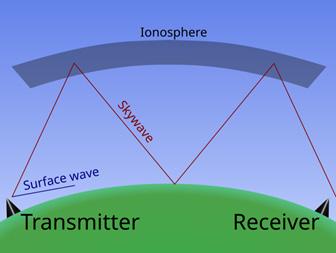
Both HF and VHF radio waves can be affected much like light waves. They can be reflected, absorbed and scattered. Radio waves can bounce off of solid objects, be absorbed by water vapor or scattered by trees. The curvature of the earth, weather conditions and topography are other factors that impact radio wave propagation.
Typically, a handheld VHF around three nautical miles, mobile radio may reach CAP uses radio repeaters communication ranges. in the same manner, with rebroadcast though towers. where conditions in the troposphere VHF radio waves through
High Frequency radio waves can propagate in a couple of different manners. HF radio waves can be from six meters to 160 meters in length and can follow the contour of the earth. These Ground Waves are more prevalent below 30 MHz and under the right conditions can spread for great distances.
Very High Frequency radio waves have a short wave length. The VHF radios used by the CAP have wavelengths that are about display line-of-sight propagation. by an outside factor, these a straight line to their visual horizon is dependent on receiving antenna heights.
Most HF radio operators
about two meters long and propagation. If not disturbed these radio waves travel in visual horizon. The visual on the transmitting and heights.
radio will have a range of miles, while a higher power reach 25 nautical miles. The at high points to extend Cellular phones operate with their signals being towers. There are instances troposphere can propagate ducting or scattering.
are interested in Skywave Propagation. This form of propagation depends on having a charged ionosphere. The ionosphere is part of the upper atmosphere that extends from about 30 miles to 600 miles. Solar radiation ionizes oxygen, nitrogen and other gas molecules and produces a shell of electrons that refract HF radio waves. Radio waves skip off of the ionosphere. There can be multiple skips of these waves covering intercontinental distances.
A basic understanding of radio propagation allows the operator to select the best frequency for each mission. In the HF radio spectrum, useful frequencies will vary according to the time of day. The next article in this series will cover tools that communicators can use to better predict radio propagation.
by Capt. Richard Dennis
Written in the late 1990s, author James Shelton teaches how to survive encounters with bears. His first book, Bear Encounter Survival Guide, has become an authoritative guide on how to survive bear attacks. Bear Attacks, The Deadly Truth, is a follow-up collection of stories from people in British Columbia, where the author lives, who have experienced bear encounters. Many of these stories include the official government investigative reports.
Bear Attacks: The Deadly Truth is well researched, giving the reader important information to use in a possible future bear encounter. Sheldon reviews elements of human bear/wolf conflict in the American West (1840-1930s). He shares that the people of that age had to aggressively deal with these predators just to survive. Times have changed. And the pendulum has swung. At this point, at least in BC, conservationism has become preservationism, with the bear population jumping in numbers. The author discusses the consequences of this shift in thinking at some length.
As this book was about to go to press (Aug

1997), another bear encounter occurred. This one at Liard River Hot Springs. The hot springs is located in Northern BC along the Alaska Highway. A mother was attacked and killed along with a man who tried to defend her. She left behind two orphans: a boy (13) and a daughter (7). The author’s research unfolds the story of the attack. Interestingly, regional news stories say that the bear was a “garbage dump bear.” Officials who investigated the attack flatly denied this possibility and added that furthermore they were never consulted. Politics?
BEAR ATTACKS, The Deadly Truth, is well written and very well researched. The author, who is considered a leading expert on bear safety, regularly conducts bear safety classes for Park Service employees and others including the: Norwegian Institute for Natural Research, US Fish and Wildlife Service in Alaska, Dept of Fisheries & Oceans in Western Canada, as well as the British Columbia Ministry of Forests. I highly recommend this book for all Alaskans. It could possibly save your life! “Knowledge is power”.
Senator Dan Sullivan
Submitted by: Laura Emerson
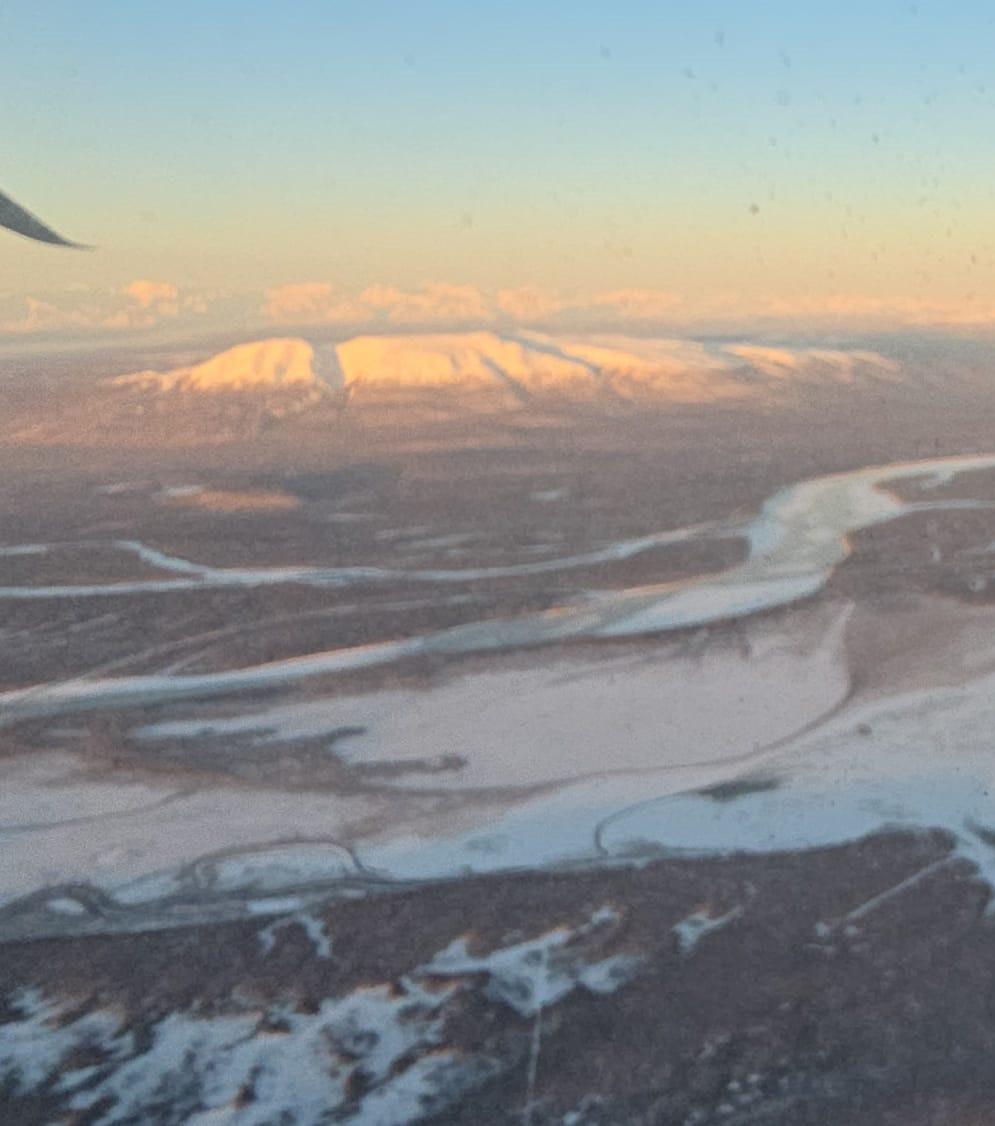
Below is a lightly abbreviated version of letter distributed by Alaska’s Senator Dan Sullivan on May 5, 2026
After the Cold War, the Pentagon began to treat Alaska like a strategic backwater—closing bases, shuttering armories, and proposing reductions in force levels.
Since I was elected Senator, I made it a priority to reverse this trend and reestablish Alaska as a cornerstone of America’s defense. Because of this effort, we are now in the midst of the most significant military buildup in Alaska since World War II.
Just last week, General Caine, Chairman of the Joint Chiefs of Staff, confirmed that the Administration’s budget includes a major new investment: the Fighter Town Recapitalization Project at Joint Base Elmendorf-Richardson. This historic project will modernize JBER with a state-of-the-art fighter complex
capable of supporting multiple platforms for decades to come, with a total investment of $7 billion, likely the biggest military investment in our state’s history.
In 2022, Alaska’s 4/25 Infantry Brigade Combat Team was reflagged to become the storied 11th Airborne Division, now one of only two airborne divisions in the entire U.S. military. This outcome followed years of sustained effort I to underscore the unit’s strategic value. These efforts helped secure the 4/25’s future and elevate its mission, marking a true sea change in the Pentagon’s approach to the Arctic.
The momentum didn’t end there. Eielson Air Force Base now hosts two squadrons of F-35s, and together with F-22s at JBER, Alaska now has more than 100 fifth-generation fighters, the largest concentration of these advanced aircraft anywhere in the world.

We have also strengthened our refueling capabilities by securing additional KC-135 tankers at Eielson Air Force Base—bringing critical support aircraft, personnel, and families to the Interior. On missile defense, the Long Range Discrimination Radar at Clear Space Force Station is now operational, enhancing our ability to detect and defeat advanced threats, alongside upgrades to the COBRA DANE radar and new missile interceptors at Fort Greely.
This buildup is significantly boosting our state’s economy and providing good-paying jobs for Alaskans. But it’s also keeping our homeland safe. It comes at a time of increasing aggression from our adversaries in the Arctic. Since 2019, there have been more than 100 Russian aircraft incursions, four Chinese vessel transits, and over a dozen joint Russian-Chinese operations off Alaska’s coasts and in our airspace.
Taken together, these developments underscore a simple reality: Alaska is once again being recognized for what it has always been—the cornerstone of America’s Arctic defense. We are rebuilding the military strength that our state requires, our nation depends on, and sending a clear message to our adversaries that the United States is prepared to defend our interests in the Arctic and beyond.
Sincerely,
Dan Sullivan United States Senator
by: Maj Karen Padgett AKWG Asst Director of Education & Training
Are you ready to complete the next level of your CAP education and training?
Open these 4 tabs on your computer to determine what you need to do next, and make some progress! ETO's can use these steps to develop training plans for their squadron members.
1. Your Professional Level
2. Summary Sheets
3. AXIS Modules
4. Member Search Report
Tab 1.
Your Professional Level: Log into eServices (capnhq.gov). From the main menu in the upper left, go to "Education and Training" then "Professional Levels." Under "Accomplishments," click on the blue "Professional Levels" link. Make sure your CAPID has autofilled, then click on the "Select Level" pulldown menu. Choose the lowest level that does *not* have a green "Approved" status at the top.
Scroll down, looking at the right side of all the dark blue bars for any incomplete Groups of modules or tasks. If everything appears complete, hit "Submit" in the
bottom left and ask your Unit Commander

and ask your Unit Commander to approve your level completion. If you *are* a unit commander, the approval will go to your Deputy Commander. If you do not have a Deputy Commander appointed, you can appoint one, and it will show up in his or her approval queue.

sure to hit "Submit" in the bottom left
Member Search Report. As you progress through your training, you can confirm your eServices record is updated by periodically checking your Member Search Report. In eServices, click on the main menu then "Administration" then "Member Search." To see your entire record on one screen, click the blue "Member Search Report" link below your photo. This report shows only your overall accomplishments (e.g. Level 2) but not each module within Level 2.
Good luck! We hope this helps more Alaska Senior Members advance their education and training and work toward higher ranks. Most importantly, you will know more about how CAP operates and how you can be most productive in your
Education and Training
Virtual Office Hours every 1st and 3rd Wednesday of the month 5 to 7 AK Time
Time zone: America/Anchorage, Google Meet joining info
Video call link: https://meet.google.com/vzw-xnos-gtx
By: Laura Emerson
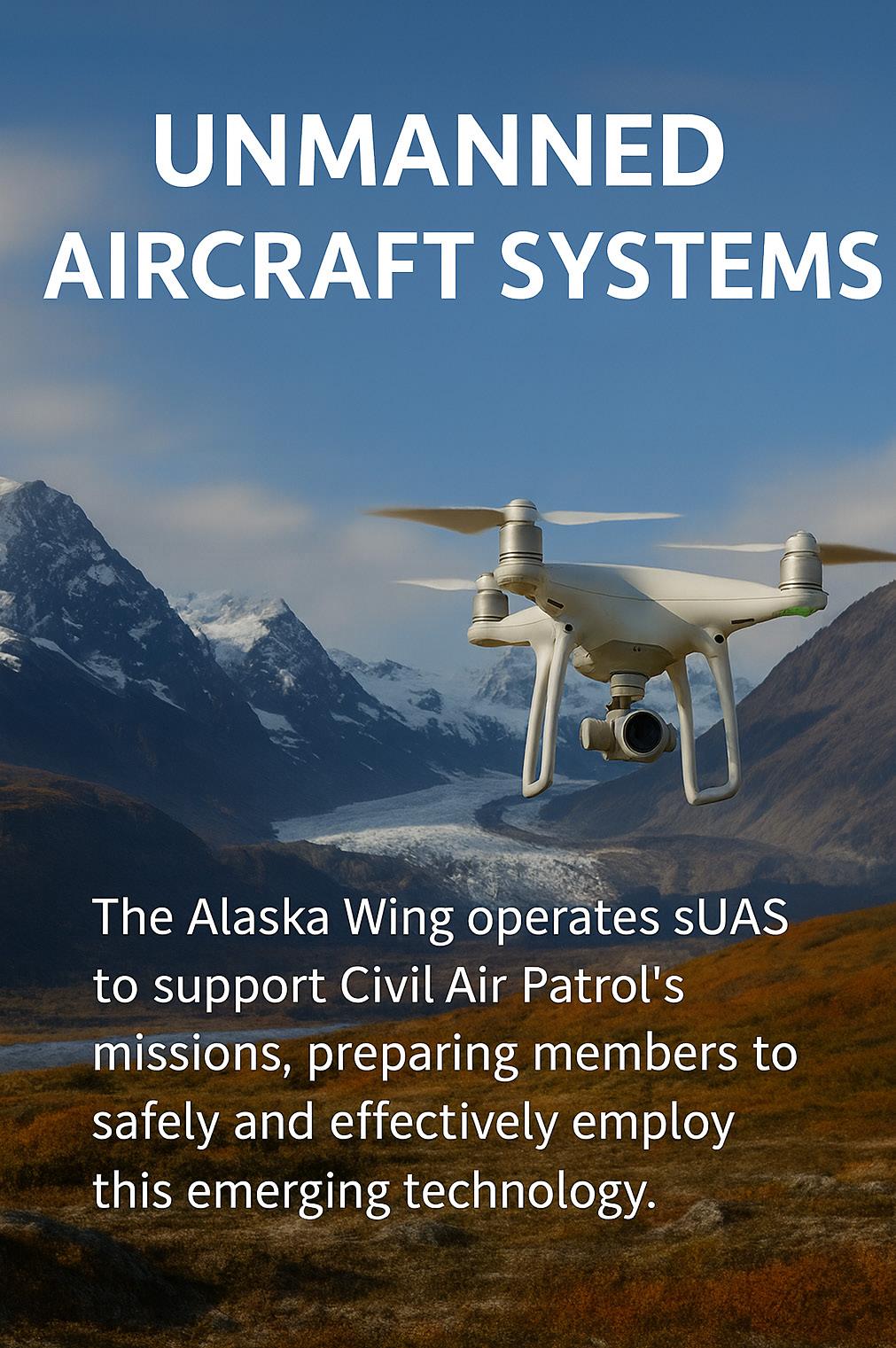
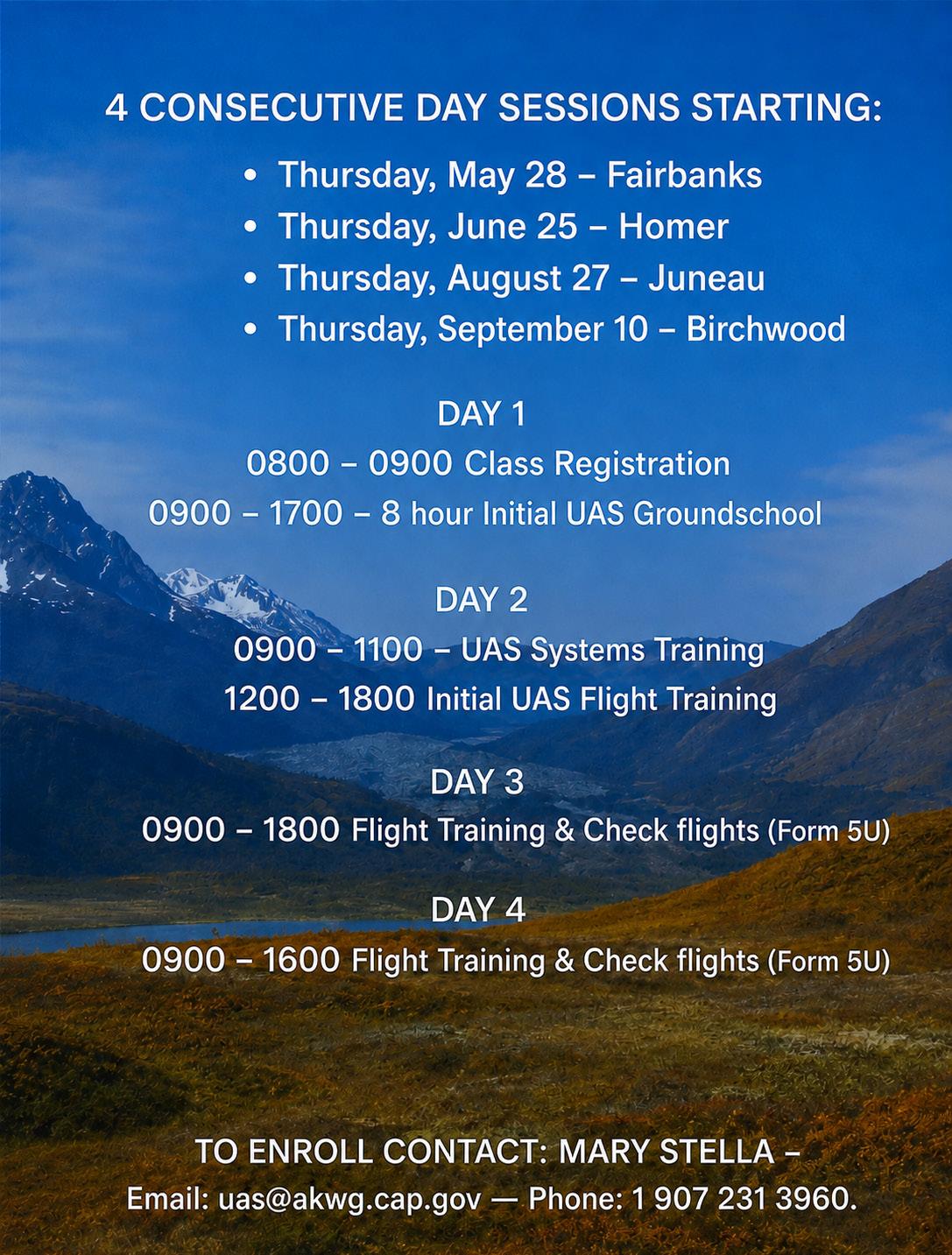
On the third or fourth day of UAS training, students will take a short oral exam (20 minutes) to assess understanding of the content taught in the on-line pre-requisites and inperson ground school classes. Some topics overlap for both pilot and technician qualifications. Others differ. Below is a list of sample questions that students can keep in mind while working through the prerequisite courses. (Each student needs to have a squadron leader sign off on their knowledge, too, in a form called SQTR. Students will bring this form to the first class.)
Pilot questions will cover relevant FAA regulations, airspace classifications, weather aspects, loading and performance, and operational procedures.
Sample questions:
*What are the key requirements for remote pilot certification under Part 107?
*How do you determine if you can or cannot operate your UAS in controlled airspace?
*What weather conditions should you avoid when flying a UAS?
*How does payload affect flight performance?
*What steps should you take if you lose communication with your UAS during flight?
Technician questions focus on relevant FAA regulations, maintenance procedures, and safety protocols.
* What are the key requirements of FAA Part 107?
*Can you explain the main components of a UAS and their functions?
*What steps do you take during a preflight inspection of a UAS?
*How do you troubleshoot common issues during UAS operation?
How do you check battery health and ensure it is safe for flight?
One question that is almost always asked is about CAP’s liability and insurance rules for UAS. After all, the Air Force paid $100,000 for the Alaska Wing to get new drones. We need to take good care of them!
Best wishes for all participants in the UAS training this summer!

https://docs.google.com/forms/d/e/1FAIpQLSdfKKlebfP3LjIPCOBafIw8Mo7j8GAfwRuSGuyv6pewdmx9w/viewform?usp=header
By: Maj. Julie G. Rivera Mercado
The worth of a professional remains intact even after they remove their formal attire, shut down their enterprise, or embrace retirement. Nevertheless, "professional grief," the identity turmoil that follows losing a job role, status, or long-held habits, remains an unspoken truth that impacts countless individuals. Research in industrial psychology indicates that work offers more than a paycheck; it provides organization, a sense of competence, and social connections. When this suddenly vanishes, the ensuing emptiness can be quite daunting, which is precisely why organizations like the Civil Air Patrol (CAP) serve as a guiding light and crucial transitional zone.
For numerous professionals grappling with this grief, engaging with CAP is more than a pastime; it is a vital emotional support. The inherent need to remedy that gap aligns seamlessly with the framework of our organization. Putting on the uniform again, attaining a rank, overseeing a project, or guiding cadets quickly reinstates that feeling of value, authority, and appreciation that was lost in the job market or through retirement. The fulfillment of applying lifelong talents to a worthy cause creates a profound healing and uplifting effect.
However, as leaders in Character Development,

we must scrutinize this situation and preventive viewpoint. boundary between therapeutic using it as a means of avoidance. tries to cover up the distress by overcommitting within end up projecting their environment. Attempting from a desperate urge may lead the volunteer expectations, strict perfectionism, fraught relationships with
Thus, the cornerstone is grounded in self-awareness Involvement in CAP should
situation from an analytical viewpoint. There exists a delicate therapeutic volunteering and avoidance. When someone distress of professional loss within the squadron, they may stress onto the service

From the CAP standpoint, recognizing the professional grief experienced by our adult members allows us to become a more compassionate and strategically adept organization. By understanding that a volunteer is managing a career shift via service, we can place them in roles that showcase their skills while also maintaining their emotional limits. Ultimately, the Civil Air Patrol is not solely engaged in missions in the skies or in educational settings; it also embraces the human mission of providing a platform where transitioning professionals can redefine their purpose, heal their identity, and demonstrate that genuine leadership never retires; it simply evolves into service.
Attempting to fill this emptiness urge to "validate oneself" towards excessive selfperfectionism, or conflictwith fellow members. of a positive transition self-awareness and purpose. should pave the way for entering a new chapter in life, rather than serving as an escape from addressing the grief of the previous era. Seeking validation and structure in service that might be missing in everyday life is entirely legitimate, provided it originates from a place of accepting current circumstances rather than holding onto the past's nostalgia. Reconnecting with oneself through service to the community enables the reconstruction of one’s professional identity under a fresh perspective: "My worth lies in what I can offer others, not merely in the title on my business card. "
Ensure training for newly-appointed aerospace education officers. Develop and carry out the wing Plan of Action for aerospace education. Visit and communicate with subordinate units. Provide subordinate program support, as necessary and reasonable. Ensure members earning Yeager awards have such entered in eServices; issue certificates. Maintain continuous records of Wing AE activities for reporting purposes Support the AE program with a regular newsletter, or, include an AE column in the Wing newsletter. Ensure the dissemination to all subordinate AEOs of changes in programs, regulations, policies, and procedures relevant to aerospace education. Support external aerospace education outreach programs and activities requested of the Wing. Ensure nominations are made for AE awards by subordinate AEOs, and, at the Wing level- by due dates. Ensure unit AEOs are aware of AFA grant dates to support aerospace/ STEM activities. Contact Wing AEMs during the year to provide information about Teacher Orientation Program (TOP) flights; coordinate TOP flight requests with Wing DO.
Responsible for advising CAP commanders and units on the health, sanitation and hygiene of CAP members relevant to CAP activities. (See CAPR 160-1(I) for policy on emergency medical treatment).
Membership records and applications.
Organizational actions (charters, deactivations, etc.).
Awards and decorations.
Duty assignments.
The logistics officer advises the wing commander on the status of their respective property management programs and leads programs in accordance with CAPR 130-1 and wing supplements. They shall: Train and oversees subordinate unit property management officers Account for property assigned to the wing. Be responsible for real property management in accordance with CAPR 130-1
A webmaster, also known as a website administrator, is responsible for the maintenance and upkeep of an organization's websites and servers. Their responsibilities include site maintenance: Performing routine maintenance and updates to ensure sites are functional, current, and accessible. Webmasters should be able to work independently and with a team, meet deadlines, adapt quickly, and have good communication skills.
The moment is approaching. AKWG 2026 Encampment. Where cadets from across our Wing come together in an environment of camaraderie, acquire new knowledge, continue to grow, and demonstrate their leadership. Where they also have fun while strengthening their physical fitness skills. We can't wait to hear our cadets' stories.
This online publication is designed to attract, inform and motivate readers through photographs, text and stories. We see and feel the four core values in the faces and body language of the cadets and senior members portrayed herein. Submissions are accepted through the 10th of each month. Be safe and live our core values!
And please, thank, congratulate, and mentor your fellow CAP members whenever possible. In any volunteer organization, the only form of compensation is saying “job well done; thank you.”
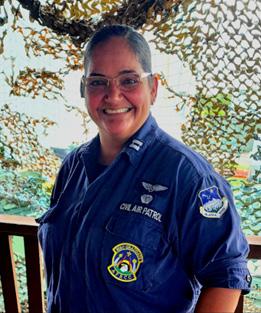
Maj. Julie G. Rivera Mercado, CAP Publisher and Editor
Alaska Wing PAO, Director julie.rivera@akwg.cap.gov (M) 1 (787) 424-0560
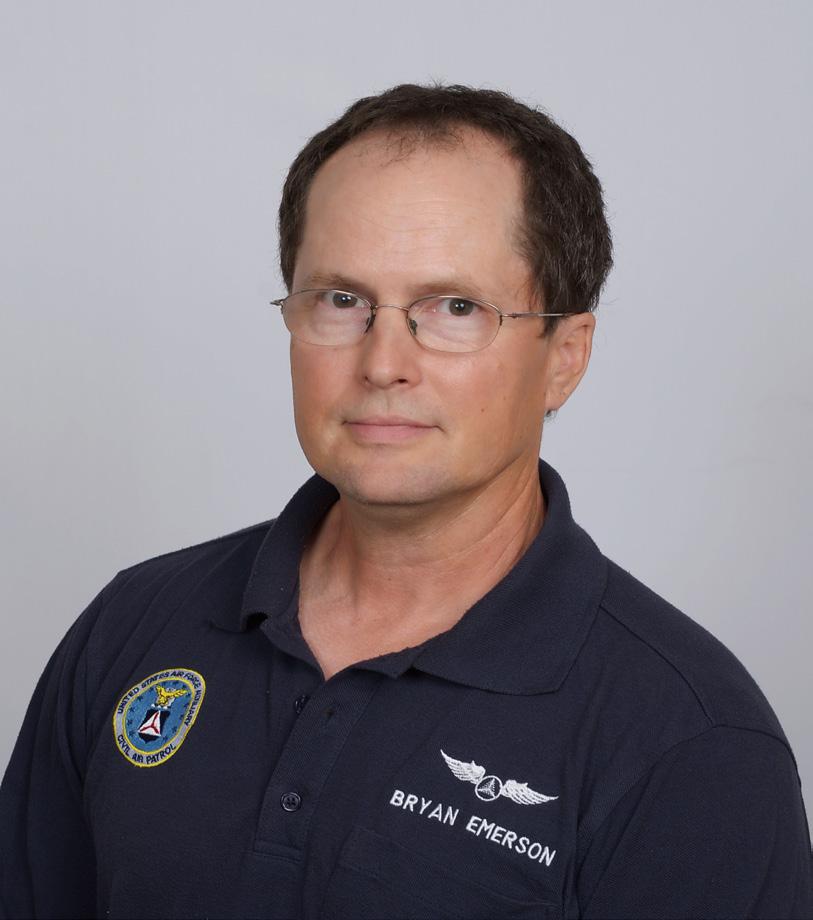
Lt Col Bryan Emerson, CAP Co - Editor
Alaska Wing PAO, Assistant bryan.emerson@akwg.cap.gov (M) 1 (907) 795-5586