Bringing together the ideas, people, and resources that fuel social innovation.
VALUES
• Collaboration
• Diversity
• Optimism
• Change MISSION
VISION
Courageous inclusive communities that excel.
PRINCIPLES
• Innovation
• Leadership
• Entrepreneurship
• Impact
MESSAGES FROM CATHY AND JOANNA
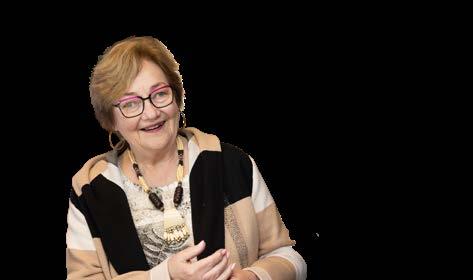
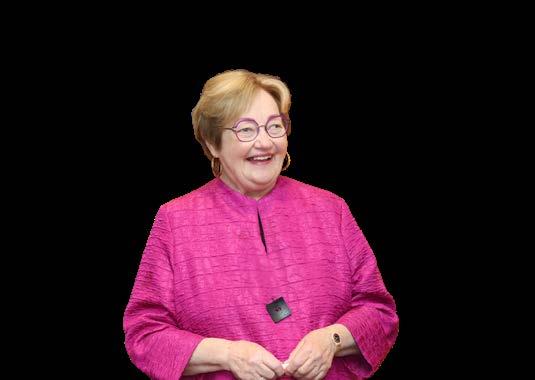
A Message from our CEO, Cathy Brothers
Change is not new to the Nonprofit sector— but the pace, complexity, and stakes have never been higher. Across Canada, Nonprofit leaders are navigating uncertainty with determination, creativity, and heart. What I see everywhere is courage.
At Capacity Canada, we believe courage is not about having perfect answers. It’s about asking better questions, committing to learning, and staying anchored in purpose—especially when the path forward isn’t clear. In 2025, Nonprofit leaders across the country did exactly that.
Throughout the year, we supported boards and executive leaders as they strengthened governance, embraced change, and renewed their commitment to equity, inclusion, and community impact. Through Board Governance BootCamp, ModernBoard, peer learning groups, coaching, and national partnerships, we stood alongside leaders navigating real world challenges with clarity and confidence.
In 2025, we also welcomed artificial intelligence as a new and intentional partner
in our work. We developed policies and an ethical framework to guide responsible AI adoption, ensuring alignment with our values and accountability to the sector. AI now supports day-to-day administrative work while also enhancing strategic planning and generative conversations. The role of AI in board decision-making was a particularly timely and well attended topic at our 2025 Board Governance BootCamp. We are energized by the opportunities ahead and the potential for AI to further strengthen Nonprofit leadership and capacity.
The Nonprofit sector is generous, resilient, and deeply connected. Courage grows when leaders learn together, and when one organization steps forward, others follow.
As we look ahead, the work will remain complex. But together, we are building stronger leadership, stronger organizations, and courageous, inclusive communities that excel.
With gratitude and optimism,
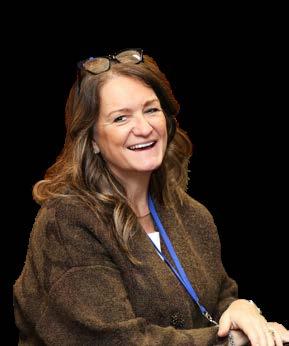
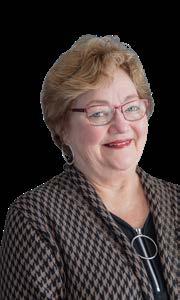
Message from the Board Chair, Joanna Lohrenz
2025 was a year of change for Nonprofits across Canada—and one that called for courage.
Amid economic uncertainty and evolving governance expectations, Capacity Canada remained focused on its mission: strengthening Nonprofit boards and leaders to lead with confidence, clarity, and purpose. We expanded learning opportunities, deepened partnerships, and continued to turn complex governance challenges into practical support for the sector.
I am deeply grateful to our team, facilitators, volunteers, partners, and the Nonprofit leaders who engage with our work. I am especially thankful for our Board of Directors, whose strong commitment to good governance and belief in Capacity Canada’s values have fostered meaningful relationships and strengthened our collective leadership and impact.
This report also marks a leadership transition. I am pleased to welcome Michael Lanteigne as Capacity Canada’s incoming Board Chair. Michael brings deep governance experience, steady leadership, and a strong alignment with our values, and I am confident he will guide the organization with integrity and purpose.
Change will remain a constant—but so will our mission. Thank you for being part of Capacity Canada’s journey.
Warm regards,
MATCHBOARD
Established: 2011
Corporate employee enrolments: 1,000+
Governance matches: 518 professionals placed on Nonprofit boards
Corporate Leaders Building Capacity with Nonprofit Boards
One of Capacity Canada’s strongest programs, MatchBoard, has been quietly doing the work that matters for years. It’s been connecting people who know how to lead with organizations that need that leadership at the table MatchBoard is built on a simple idea: good governance matters.
MatchBoard Journey
Founded
MatchBoard launched to bridge a clear gap between Nonprofit governance needs and professionals seeking meaningful board service.
First employer partner
A partnership with Manulife established MatchBoard’s coaching-based, employer supported model.
Passion and commitment are essential in the Nonprofit sector, but they are not enough on their own. Organizations also need board members who understand risk, strategy, finance, and long-term decision-making; individuals who are accustomed to weighing complex issues and taking responsibility for outcomes.
Expanding opportunities
MatchBoard broadened beyond board roles to include committee and skills-based governance. Google became a partner.
Building the foundation
The program strengthened its governance focus across finance, audit, HR, and operations. EY joined as a corporate partner.
Governance under pressure
Through disruption and uncertainty, MatchBoard continued supporting Nonprofits. TD partnered during this critical period.
Capacity Canada created MatchBoard to bridge this gap, matching experienced professionals with organizations where their skills can make a real difference. The program strengthens boards by bringing in people who know how to ask difficult questions, interpret financial information, and think beyond immediate pressures.
This year, that work takes a step further with Accenture.
“From the outset, Accenture’s leadership intent has been clear: show up where it matters and contribute meaningfully, bringing the full weight of their leaders’ expertise to organizations that need
National maturity
it most,” said Charles Achampong, Executive in Residence, Capacity Canada, who is leading the program.
“Accenture isn’t treating this like a side initiative or a line item under corporate social responsibility. Members of their executive team are stepping into governance roles with a clear understanding of what’s expected and what’s at stake.”
MatchBoard’s goal is to strengthen boards by bringing in experienced professionals who know how to challenge assumptions, read between the lines of financial statements, and think beyond the next quarter.
MatchBoard became a core Capacity Canada program, with partners including Sun Life and Zurich Canada.
Supporting complexity
As governance demands grew, MatchBoard adapted to support senior-level needs. Enbridge and AECON joined as partners.
Cross-border reach
Partnerships with RBC Canada and RBC Capital Markets USA expanded MatchBoard’s footprint across jurisdictions.
Continuing to evolve
With Accenture joining as a partner, MatchBoard continues to grow while remaining grounded in its original purpose.
CAPACITY CANADA
Courage in Leadership: Navigating Change in the Nonprofit Sector
Change has become a constant for Nonprofit organizations. Funding models are shifting,
Community needs are growing, boards are being asked to govern differently, and leaders are carrying more responsibility with fewer margins for error. Courage in this changing landscape is deliberate and not a choice.
For Capacity Canada, navigating change with courage means helping organizations move forward with clarity instead of retreating into caution.
It shows up when boards are willing to ask harder questions about governance, sustainability, and relevance, and stay at the table when the answers aren’t easy.
It’s present when CEOs seek peer support rather than leading in isolation, acknowledging that strength comes from learning alongside others. It’s evident when organizations pause to honestly assess their capacity before setting bold strategic
goals, rather than hoping systems and people will somehow keep up.
Courage also means shifting how we define success–with growth alongside readiness. It’s recognizing when change requires new skills, new relationships, or even letting go of familiar ways of working.
Throughout the year, Capacity Canada has supported this kind of leadership in tangible ways, through its Board Governance Bootcamp that encouraged bolder, more future-focused governance, CEO peer groups that offer trusted spaces for reflection and decision-making, strategic planning processes based on organizational assessments, and partnerships that strengthen leadership and governance capacity across the sector.
The common thread across these programs is thoughtful engagement with risk. Courage, in this context, is about responsibility. Responsibility to staff, communities, boards, and missions that matter.
By supporting leaders to face change directly, name what isn’t working, and invest in what needs strengthening, Capacity Canada is helping organizations move forward with intention rather than hesitation.
Navigating change with courage is ultimately about ensuring that Nonprofit organizations are equipped not just to survive change, but to shape what comes next.
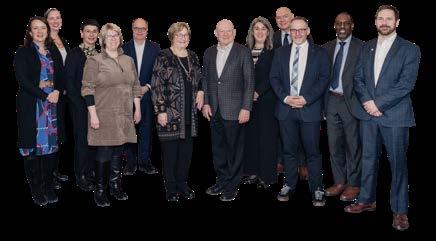
BOARD OF MEMBERS
Joanna Lohrenz Board Chair
We extend our sincere thanks to Board member Joanna Lohrenz as she steps down from the role after nearly a decade of dedicated leadership.
Michael Lanteigne Vice Chair
We are pleased to welcome Michael Lanteigne as our new incoming Board Chair.
Cathy Brothers CEO
Susy Martins Board Member
Hamel Board Member
Tim Rollins Board Member
Sarah
We express our deep gratitude to Jeanette Bancarz, who is concluding her service on the Board after 10 years.
Rishi Kapur Board Member
Jeanette Bancarz Board Member
Cynthia Wesley-Esquimaux Board Member
Raksha M. Bhayana Board Member
BOARD MEMBER FEATURES
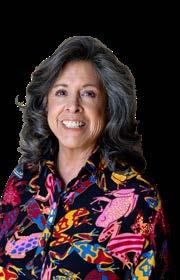
Sarah Hamel, Board of Directors
A senior data and technology executive, Sarah Hamel brings more than 20 years of experience leading enterprise data strategy, governance, and large-scale transformation initiatives within the financial services sector.
In her current role as Assistant Vice President, Data Strategy & Management at TD Bank Group, Sarah leads initiatives that strengthen data governance, improve data accessibility, and enable advanced analytics and AI-driven decision-making across the organization.
Sarah is also a strong advocate for diversity in leadership. She believes that organizations benefit when leadership teams reflect the communities they serve. “I am particularly passionate about creating pathways for underrepresented voices in senior leadership,” she says. “Strong governance and decision-making structures should reflect the diversity of the communities that organizations work with.”
Throughout her career, Sarah has held leadership roles across several of Canada’s major financial institutions, including TD Securities, CIBC, BMO Financial Group, and Laurentian Bank of Canada.
“My work has focused on building enterprise data capabilities that support regulatory compliance, risk management, and business innovation—helping organizations translate complex data environments into actionable insights and measurable value.”
As a Board Director at Capacity Canada, Sarah is particularly interested in supporting initiatives that strengthen leadership development in the Nonprofit sector.
“I’m excited to contribute to leadership development efforts focused on mentorship, inclusive governance, and supporting the next generation of diverse leaders,” she says. “I’m also interested in exploring how data and insights can help organizations better measure impact, inform strategy, and expand their ability to serve communities across Canada.”
Capacity Canada is excited to welcome Sarah to the Board and looks forward to the experience and perspective she brings.
Rishi Kapur, Board of Directors
For Rishi Kapur, joining Capacity Canada’s Board of Directors feels like coming full circle.
Rishi first connected with the organization in 2016 while working at Manulife. Through Capacity Canada’s MatchBoard program, he was matched with Markham Stouffville Hospital. This was his first board appointment in the Nonprofit sector.
Since then, Rishi has continued to follow Capacity Canada’s work and its role in strengthening leadership within the Nonprofit sector across the country.
“I already knew about Capacity Canada’s work in the community and how the board operates,” he says. “Joining the board felt like a great opportunity to give back.”
Today, Rishi serves as Chief Financial Officer of Wealth Management at RBC. Rishi brings more than 25 years of experience in financial services across banking, asset management, and insurance. His career has included roles in finance, risk management, corporate strategy, and business development. Prior to joining RBC, he held
several senior leadership roles at Manulife, including CFO of Global Wealth and Asset Management, CFO of Manulife Japan, Treasurer of Manulife Bank, and Global Head of Financial Risk Management.
Beyond his professional work, Rishi is actively involved in the community. He currently serves as Vice Chair of the Board of Trustees at Lauremont School.
As a member of Capacity Canada’s Board, Rishi hopes to contribute his financial expertise and deepen his understanding of the Nonprofit sector.
“My goal is to strengthen the organization and support the work it is doing wherever I can,” he says. “Personally, I’m also looking forward to learning more about the Nonprofit sector in Canada. There’s no better place to start than Capacity Canada.”
Capacity Canada is delighted to welcome Rishi to the Board and looks forward to the perspective and experience he brings.
AWARD WINNERS
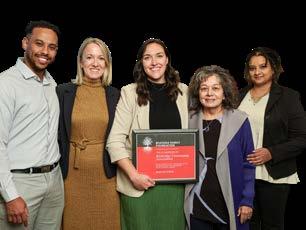
Cathy Brothers honoured with King Charles III Coronation Medal
Leadership in the social sector often happens quietly. Through commitment, long term relationships, and hard work that always prioritizes communities.
For decades, Cathy Brothers has set an example of that leadership. Her dedication to strengthening social purpose organizations and advancing capacity across the sector has had a lasting impact, locally, nationally, and globally. It is fitting, then, that her contributions have been formally recognized through a distinguished national honour.
Capacity Canada is proud to share that CEO Cathy Brothers has been honoured with the King Charles III Coronation Medal, an award that acknowledges individuals who have made significant contributions to their communities and to Canada. Created to mark the Coronation of His Majesty King Charles III, the medal was awarded to
30,000 individuals nationwide who have demonstrated outstanding service and leadership.
Cathy was nominated by Megan Conway and the Volunteer Canada team, who were pleased to recognize her contributions to the sector. “We were elated to acknowledge Cathy’s positive impact on the sector and the broader community, and the immense leadership she has shown throughout the years. May she continue her strong commitment to advancing social purpose organizations and capacity building.”
Cathy has received multiple national honours, reflecting the breadth and consistency of her contributions.
EIRs Colleen James and Mike Morrice honoured with recognition awards
At INDEFEST 2025, organized by Niro Waterloo Region, Executive in Residence Colleen James and Mike Morrice were honoured with recognition awards for their service, leadership, and responsiveness to community needs.
Under the theme “Honouring Excellence. Celebrating Impact. Inspiring the Future,” INDEFEST recognized individuals whose courage and dedication are shaping their communities and inspiring others to lead with purpose.
“This award is a reminder and encouragement to serve the communities and keep doing what I do,” said Colleen.
The recognition serves as both acknowledgment and encouragement, affirming that the community remains at the centre of their work. It also reinforces the importance of showing up, listening, and responding when it matters most.
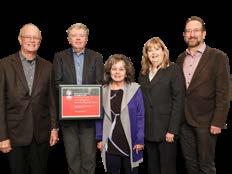
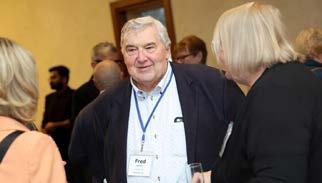
EIR Fred Galloway honoured with Capacity Canada’s Cornerstone Award
Executive in Residence Fred Galloway was honoured with Capacity Canada’s Board of Directors’ Cornerstone Award at the Annual General Meeting and Generosity Summit on April 24th this year.
Nominated by EIR Scott Williams, Fred was recognized for his longstanding service and the lasting impact he has had on Capacity Canada’s work through his leadership, insight, and guidance.
“Fred’s contributions have strengthened hundreds of organizations and boards across the country,” said Joanna Lohrenz.
“He has also played a central role in shaping Capacity Canada’s own strategic direction, facilitating our strategic planning processes since 2010.”
It is a tribute to Fred’s foresight that Capacity Canada’s mission, vision and values remain as relevant today as they were 16 years ago, said Cathy Brothers, CEO, Capacity Canada. “Fred has been instrumental in ensuring our governance remains strong and future-focused.”
EIR Charles wins second place in CBC’s Grand Slam
Charles Achampong, Capacity Canada’s Executive in Residence, earned a second-place with his speech, “The Story They’ll Tell” at CBC’s Glenn Studio’s 2025 Grand Slam.
His message explored loss, identity, and the unseen narratives people carry, delivered with honesty, presence, and deep emotional grounding.
Charles’ ability to hold the audience through story and reflection made his performance stand out on a stage defined by excellence.
Fourteen speakers were competing at last year’s Grand Slam for the title of Inspirational Speaker of the Year. As part of his second-place finish, Charles received a $1,500 cash prize and professional development opportunities, including media support, mentorship in public speaking and storytelling, branding representation, and leadership coaching. These are all resources that will further amplify his voice and impact.
For Capacity Canada, this recognition speaks to the depth of experience and insight our Executives-in-Residence bring to the sector. Charles’ success at the Grand Slam is a reminder of the power of courageous storytelling and of the role strong voices can play in helping individuals and organizations navigate change with clarity and purpose.
A Partnership Built for Lasting Impact
At Capacity Canada, our vision is centred on a clear belief: strong communities are built on strong organizations. Our work focuses on supporting Nonprofit leaders and boards to be resilient, adaptable, and future focused so they can navigate complexity, lead courageously, and create lasting impact. That vision would not be possible without partners who understand the value of investing in organizational capacity.
Our work is shaped by what we do, how we do it, and who we do it with. Capacity Canada’s partnership with the Lyle S. Hallman Foundation is built on a shared belief that strengthening organizations is essential to building stronger communities. It’s a relationship built on trust, curiosity, and a willingness to invest in work that doesn’t always produce immediate results but leads to lasting change.
FUNDER STORY
At Capacity Canada, we are grateful to call the Hallman Foundation among our most dedicated supporters.
“The Hallman Foundation has believed deeply in the importance of capacity building, even when the work isn’t always visible or immediate,” says Cathy Brothers, CEO of Capacity Canada. “Their ongoing support has allowed us to listen to the sector, invest thoughtfully, and respond to what Nonprofit leaders truly need to navigate change. We are incredibly grateful for this partnership, and for the trust Hallman continues to place in our work.”
“Our partnership with Capacity Canada is rooted in a shared commitment to strengthening the Nonprofit sector from the inside out,” says John Neufeld, CEO, Lyle S. Hallman Foundation. “We value Capacity Canada’s thoughtful approach to leadership, governance, and organizational capacity.
By working together, we’re investing in organizations and leaders who are doing essential work in their communities and helping to ensure they are well equipped for the challenges ahead.”
We are also honoured to have the support of Jim Hallman, Chair of the Hallman Foundation, a philanthropist and community leader, whose long standing recognition of the importance of attracting, developing, and supporting strong leaders has shaped the Foundation’s approach to philanthropy. Capacity Canada shares his belief that leadership sits at the core of social good, and that investing in leaders is one of the most powerful ways to strengthen communities over time.
Through the Hallman Foundation’s sustained and significant support, Capacity Canada has expanded its reach and deepened its impact. Funding from the Foundation has supported key initiatives such as Capacity by Design, the annual Board Governance BootCamp, and the NFP Organizational Assessment Tool, all of which help Nonprofit organizations build the internal strength needed to move forward with confidence. The Foundation
has also supported the exploration of new ideas and programs, including a scalable operations pilot, enabling Capacity Canada to test approaches that address emerging Nonprofit sector needs.
Looking ahead, this partnership continues to create space for learning, adaptation, and thoughtful growth. With the Hallman Foundation’s continued support, Capacity Canada can focus on what matters most, helping Nonprofit organizations build the strength and confidence they need to navigate change with courage and serve their communities over the long term.
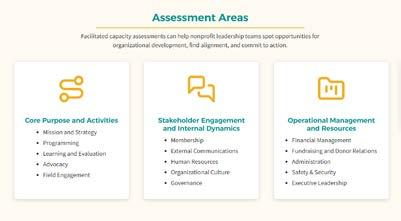
NFP ORGANIZATIONAL ASSESSMENTS
Elevating Strategy with Capacity Insights
Our sector knows that too many Nonprofit strategic plans fail to move from bold vision to confident execution. A common challenge is not a lack of ambition, but a gap between strategic goals and organizational readiness. To increase the probability of success, strategic plans must reserve space to embed the organizational capabilities required to bring them to life.
Since launching Capacity Canada’s NFP Organizational Assessment Service, our Executive in Residence (EIR) strategic planning teams have increasingly integrated assessments into the strategic planning process. This approach strengthens plans by surfacing current strengths and necessary capacity development to advance mission, achieve strategic goals, and expand impact—before implementation begins.
“Across recent strategic planning engagements, our EIRs have observed that organizational assessments brought capacity challenges into clearer focus,” says Ian McDonald, EIR at Capacity Canada. “Issues
like financial sustainability, burnout, lack of clarity around roles and accountabilities, evaluation gaps, or disconnects between board and staff had been sitting in the background for some time. Once they were brought to the surface with objective language, organizations were in a better position to address them.”
While the shift may seem subtle, it is crucial for a Nonprofit organization. When boards and leadership teams can see these patterns together, they can make better decisions about what they are ready to take on now, and what needs strengthening to support more ambitious strategic directions.
EIR Fred Galloway and author and management consultant Susan Radwan, who have long supported Capacity Canada’s strategic planning work, have repeatedly seen this shift play out. “A critical step in realizing a strategic plan’s goals is preparing for implementation before jumping into initiatives,” says Susan Radwan.
“This
assessment tool supports an effective process for identifying the challenges that must be addressed in order to reach a desired future state.”
—Susan Radwan —
The results, however, vary by organization. “For some organizations, that meant acknowledging strategic trade-offs. For others, it meant rethinking how board and staff communicate, or acknowledging that growth would require new systems, not just more effort,” added Ian.
Capacity Canada continues to incorporate organizational assessments in its strategic planning services. Our strategic planning teams, including Don and Sandra, Scott and Karen, Hugh and Liz, have used these assessments in their planning efforts.
Assessments can also be incorporated to support other organizational planning, such as mergers, and ED/CEO succession and onboarding. Beyond facilitated engagements, Nonprofit leaders can use Capacity Canada’s free NFP Capacity Scorecard to independently reflect on their capacity. We continue to add new
assessment tools, including a board self-evaluation survey, which is now available with any governance engagement.
Understanding and investing in the right organizational capabilities will increase the probability of achieving strategic goals by creating the necessary conditions for success. By elevating organizational insights within strategic planning, Capacity Canada is helping Nonprofit organizations turn ambitious strategy into confident action and stronger results.
2025 BOOTCAMP
Board Governance BootCamp 2025: Navigating Change With Courage
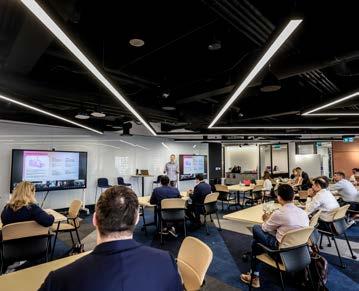
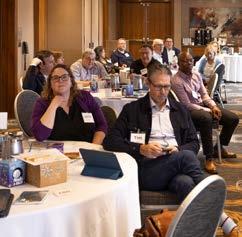
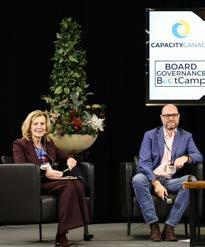
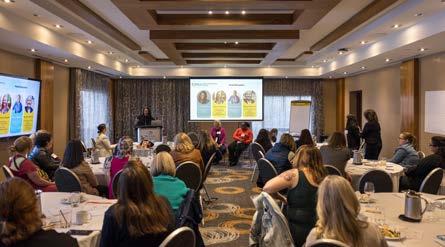
Capacity Canada proudly marked another milestone in strengthening Canada’s Nonprofit sector with the successful completion of its 17th Board Governance BootCamp, held November 18–20, 2025, in Kitchener at the Bingeman’s Centre.
“I was drawn to the curriculum. The sessions were themed around Artificial Intelligence, and it’s crucial for me to know AI is being introduced into a boardroom. It was a great learning experience and worth the time.”
Itohan Onaghinon
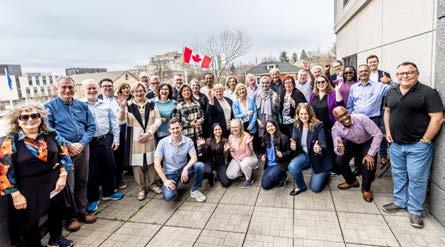
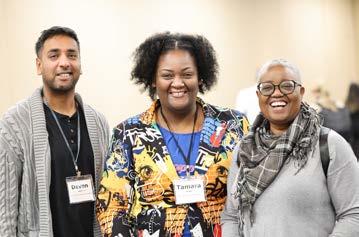
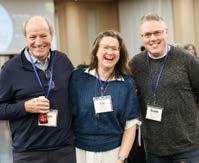
This BootCamp brought together board members, executives, and emerging leaders from across Canada and beyond for three days of shared learning, reflection, and growth.
As participants settled in for the immersive program ahead, which was filled with workshops, fireside chats, and peer-to-peer engagement, one message rang clear: strong governance is the backbone of resilient, high-impact organizations.
“Capacity Canada’s Board Governance BootCamp represents an exciting opportunity to equip Nonprofit leaders with the tools and insights they need to govern with confidence and impact,” says Cathy Brothers, CEO of Capacity Canada. “Strong
governance is the foundation of thriving organizations, and tonight we celebrate the courage and commitment of our participants to excel in leadership roles.”
The theme for the 2025 BootCamp, Navigating Change With Courage, reflected the challenges and opportunities facing Nonprofit organizations in an era of rapid transformation. Through practical exercises, expert-led sessions, and scenario-based discussions, participants explored what courageous governance looks like in action and how boards can position organizations for long-term success.
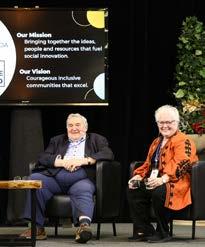
The opening night set the tone with a keynote fireside chat featuring Arlene Dickinson, one of Canada’s most recognized entrepreneurs and investors. In a candid conversation, Dickinson shared lessons on strategic leadership, innovation, and the evolving expectations of boards as they embrace diversity, equity, and inclusion.
“Strong governance is about oversight, vision, adaptability, and courage,” Dickinson said. “I’m thrilled to join Capacity Canada in inspiring leaders to embrace innovation and lead with purpose.”
Cynthia Wesley-Esquimaux, a respected Indigenous leader and Board Member of Capacity Canada, delivered an opening evening keynote that invited us into the healing journey of Truth and Reconciliation by sharing seven new teachings as guiding principles to live and lead with purpose.
“I love the BootCamp. Each year brings new perspectives, different themes, and so many opportunities to learn. It’s inspiring to be in a space where leaders can exchange ideas openly, and I’d love to see even more engagement and conversation as we continue to grow together.”
Faune Lang Food4Kids Waterloo Region
Leading With Courage: Insights from Arlene Dickinson at Capacity Canada’s BootCamp
At this year’s Board Governance BootCamp, attendees had the rare opportunity to hear from Canadian business icon Arlene Dickinson during a keynote fireside chat focused on leading with courage. Drawing from nearly four decades of experience in business and entrepreneurship, Dickinson offered a candid and inspiring reflection on what it truly means to act with courage in leadership.
“Courage,” she shared, “is about understanding that our fears aren’t going anywhere. By addressing them, we put ourselves in a position to overcome them. If we just let ourselves be afraid, we never really get anywhere.”
Arlene spoke about her personal approach to tackling challenges head-on. “I’ve always believed that if you go right at the thing that’s giving you the most grief, you’ll be far better off than if you put it on a list and let it slip down. I don’t make lists for this reason. I do what’s right in front of me, one step at a time. That’s how I’ve found my courage: by confronting each challenge as it comes, not postponing it because it feels too hard.”
She reflected on the evolution of her own courage. “I didn’t lack courage, but I sometimes lacked belief in myself. That belief has grown with age. We get one life and one chance to say what matters to us. Now, I realize it’s in the little moments of vulnerability that we find courage. Vulnerability, self-belief, and understanding that it doesn’t matter what others think-what matters is what you think of yourself.”
“An unpopular decision can simply be going against the grain. It doesn’t mean your decision is wrong. It just means you’re ready to stand for what you believe, even if everyone else disagrees. I trust my sense of what’s right and wrong, and that has guided me in business and on boards alike.”
—Arlene Dickinson —
Arlene recalled the lessons from her time on Dragon’s Den, where she was the only female investor: “I would make choices that everyone else thought were crazy. But I never listened to them. That experience taught me how to make unpopular decisions and stand by them. In life and
on boards, you have to voice your opinion, even if it’s against the majority. Voting with your convictions and not with what others expect is what good leadership means.”
Her advice resonated with the BootCamp audience, many of whom are Nonprofit leaders navigating complex organizational and societal challenges. Dickinson emphasized that courage is critical not only in business but also in the Nonprofit sector: “Standing up for what you believe, even when it’s unpopular, is essential. It’s about making decisions in the best interest of your team, organization, or community, even if it’s difficult.”
Her insights reinforced a core theme of the 2025 BootCamp that courageous leadership requires fortitude, self-belief, and the willingness to act, even in the face of fear and uncertainty.
“An unpopular decision can simply be going against the grain. It doesn’t mean your decision is wrong. It just means you’re ready to stand for what you believe, even if everyone else disagrees. I trust my sense of what’s right and wrong, and that has guided me in business and on boards alike.”
Arlene Dickinson
Leading Through Uncertainty:
Courage, Trust, and the Power of Collaboration
Leadership today is more complex than ever. Uncertainty is no longer hidden. It’s front and center, demanding courage and adaptability from those at the helm. In a recent conversation, Senator Paulette Senior and Scott Haldane reflected on what it truly means to lead in these times.
For Senator Senior, this lesson was amplified during her decade as CEO of YWCA Canada. “Leading a national federation is like no other role,” she explained. “You’re running an organization while leading a movement. Our model was an upsidedown triangle, with the national CEO at the bottom, holding up the rest. That required humility, relationship-building, and trust.”
Senator Senior emphasized a leadership approach rooted in presence and intentionality: “Trying to lead with, lead for, lead beside, you need to be grounded. Understand that change is inevitable. Things will come that you can’t predict, but through it all, it’s about standing your ground and helping people see a future that isn’t yet created. Even if you aren’t sure
of every detail, having the right people, the right structure, and clarity about what’s in your control makes all the difference.”
She illustrated this with lessons from her own journey: “There were things I didn’t know how to do—like fundraising—but I knew my passion for it. Early on, I learned to hire for what I didn’t know and lean into my strengths: advocacy, courage, and the ability to stand firm in the face of challenges.”
“Change is inevitable. You can’t navigate it unless you understand yourself, including your strengths and vulnerabilities. Courage means standing firm even when the future isn’t visible while helping others believe in what’s possible.”
Senator Paulette Senior
Senator Senior described a pivotal lesson from her leadership experience: “Leadership is often about making decisions without complete certainty.
For example, when implementing new programs or advocating for systemic change, there were times I didn’t know how the outcomes would unfold. But having a grounded strategy, trusting my team, and staying aligned with our values allowed us to move forward with confidence.”
Scott agreed, emphasizing that courage is inseparable from collaboration: “I learned early that I didn’t need to know everything. I needed the right people. Hiring well and trusting them to do what they do best has always been key.”
Both leaders underscored that navigating change is not about having all the answers. It’s about building strong teams, focusing on what you can control, and embracing the unknown with confidence. Leadership, they concluded, is about helping others see a future that isn’t yet visible and walking that path together.
A Platform For Change
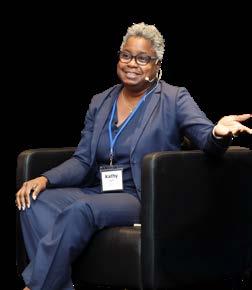
For Dr. Kathy Hogarth, courage is essential to creating meaningful change.
As Associate Vice President of Global Strategy at Wilfrid Laurier University, Dr. Kathy has dedicated her career to advancing research and advocacy on complex social issues. She recently returned from West Africa, where she led a team of researchers collecting data on human trafficking, work that is crucial to raising public awareness.
“The world needs to hear more about human trafficking and the victims of human trafficking,” she says. “Change comes from the heart. For people to act, they first need to believe in the issue, and how can you believe in something if you don’t know about it?”
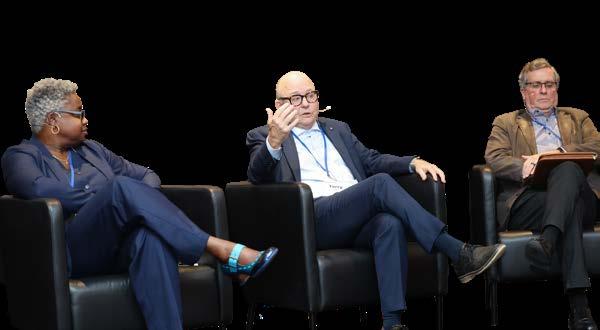
explored the leadership required to confront complex challenges and drive meaningful transformation within organizations and the communities they serve.
Dr. Kathy also emphasizes the importance of remaining vigilant about progress that can never be taken for granted. While Canada has made strides in areas such as gender equality, she believes continued effort and leadership are essential.
In conversation after the panel discussion, we asked Dr. Kathy: “Why Capacity Canada?” And she shared that Capacity Canada’s mission and values strongly resonate with her commitment to social innovation and community change. “The work Capacity Canada does around social innovation and ideas for change speaks to me,” she says.
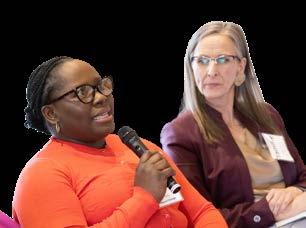
At Capacity Canada’s Board Governance BootCamp 2025, Dr. Kathy joined fellow leaders as panelist in the session Navigating Change with Courage. The conversation
“Being here is about having a platform to spread change and help transform the world, even if it is one session at a time.”
“In Canada, we sometimes get comfortable and drop our guard,” she says. “Just because we have achieved change does not mean our work is done.”
Dr. Kathy’s connection to Capacity Canada is also deeply personal. She has known Cathy Brothers, the organization’s founder and CEO, for more than 20 years. “I’ve known Cathy for over two decades,” she says. “She has dedicated her life to change, and I deeply admire that. I’ve also dedicated my life to this work. Which is also why being part of Capacity Canada’s BootCamp resonates so strongly with me.”
By bringing together leaders who share a commitment to equity and transformation, Capacity Canada’s Board Governance BootCamp continues to strengthen a growing network of changemakers. These are people willing to navigate change with courage and create lasting impact in their communities.
“The work Capacity Canada does around social innovation and ideas for change speaks to me. Being here is about having a platform to spread change and help transform the world, even if it is one session at a time.”
Dr. Kathy Hogarth
Capacity Canada honours three Nonprofit organizations
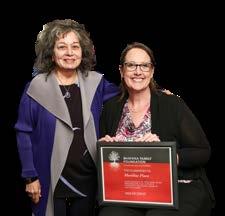
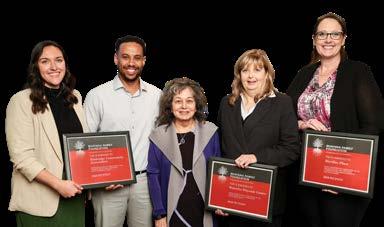
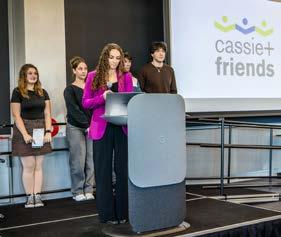
At this year’s Board Governance BootCamp, Capacity Canada recognized three Nonprofit organizations that are turning learning into action by applying tools, strategies and insights gained through the BootCamp to create meaningful change in the communities they serve. These awards, which included a cash prize, were generously supported by the Bhayana Family Foundation.
This year’s award recipients reflect the breadth of impact that strong, community driven organizations can have, from strengthening economic well-being to supporting youth and addressing food insecurity.
Together, these three organizations demonstrate how investment in organizational capacity leads to stronger programs, more resilient communities, and lasting social impact.
Supporting Community Wellbeing for a Stronger Economy
Marillac Place was recognized for its work supporting community wellbeing as a foundation for a stronger and more inclusive economy. The organization provides critical housing and support services to women and families experiencing homelessness, helping individuals stabilize their lives and move toward long term independence.
By focusing on wellbeing, safe housing, dignity, and access to supports, the organization contributes to economic stability not only for the individuals it serves but also for the broader community.
Addressing Youth Unemployment Through Community Led Action
Kinbridge Community Association was recognized for its work addressing youth unemployment and supporting young people as they navigate pathways to education and employment. Kinbridge Community Association is rooted in community connection and delivers programs that help youth build skills, confidence, and opportunities for meaningful participation in the workforce.
Kinbridge Community Association is helping create a more equitable and resilient local economy by addressing barriers to employment early.
Tackling Food Insecurity with Compassion and Collaboration
Waterloo Wayside Centre received the award in recognition of its leadership in addressing food insecurity in the community. Through meal programs and wraparound supports, Waterloo Wayside Centre has been providing immediate relief to individuals facing hunger while fostering connection, dignity, and a sense of belonging.
Their participation in BootCamp helped the organization strengthen its capacity to sustain and grow its services in the face of increasing demand. By addressing food insecurity, Waterloo Wayside Centre plays a vital role in supporting overall community health and stability.
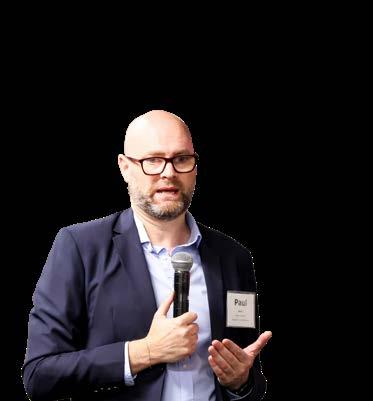
Driving Change in Boardrooms
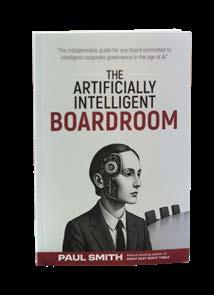
This year at Capacity Canada’s Board Governance Bootcamp, Paul Smith stood out as one of the many voices for transformation. As a board futurist, Paul has spent years challenging traditional governance models and pushing boards to think differently. His journey began when he was a young board director who quickly realized that the way boards operated was not keeping pace with the future.
Paul recalls that early experience as a turning point. “The same thinking, the same mindsets, and the lack of innovation. We’ve been doing the same thing for hundreds of years,” he said. While the world around boards has evolved, many of their internal dynamics remain unchanged. For Paul, that is a problem worth solving.
Three years ago, Paul spoke at Capacity Canada’s Board Governance BootCamp about the future of boardrooms. This year, he returned to lead advanced sessions
and share insights on how boards can adapt to a rapidly changing environment. His message is clear: curiosity and a learning mindset are essential for effective governance.
After his first Bootcamp experience, Paul went back to Australia and began exploring the need for something similar to Capacity Canada in his home country.
“The governance education landscape there is dominated by large organizations,” he explained. “There is very little focus on Nonprofit leadership from a governance perspective. That is why I encourage people not just in Canada but from overseas to attend.”
Paul values the Bootcamp for its quality speakers, relevant topics, and the opportunity for both new and returning participants to learn and grow. “Whether you are new or experienced, there is always
something to take away,” he says. “I would love to see this reach far more people.”
This year, one of Paul’s highly anticipated sessions focused on a topic that is reshaping governance and the world around us: artificial intelligence. He highlighted a striking gap in board preparedness. Current research shows that only 5-20% of boards have a working policy on the responsible use of AI within their organizations. Paul’s own research suggests the figure is closer to 5 per cent for most boards, with the higher figure applying to large companies with more resources.
For Paul, this is a serious concern. Boards are responsible for governance, which includes setting guardrails for how technologies like AI are deployed. “If you are developing policy, you need to understand the thing you are developing policy on,” he explains. Yet uptake has been slow, not just because of limited resources but because of a lack of understanding. Many boards are waiting for legislation or hoping the
issue will resolve itself, while employees are already using AI tools without any guardrails. This creates risks around privacy, data security, and misinformation.
On the other hand, Paul sees enormous potential. “The opportunity and power of a tool like this is game-changing, as long as it is used wisely,” he says.
As Paul wrapped up his session, he reflected on the cultural parallels between Canada and Australia and the shared challenges boards face globally. “It is nice coming here and seeing that we are dealing with the same issues,” he says. “It gives you more options and different ways of thinking. We are not alone.”
“AI can help boards make better decisions by filling gaps, spotting blind spots, and providing diverse perspectives. But it requires caution and clarity. Boards must balance risks with opportunities and understand their own risk appetite, something many organizations have never defined.”
Paul Smith
ESSENTIAL COURSES
“I am sincerely grateful to Susan for her exceptional leadership and fresh perspectives that challenged me to think more deeply. This course encouraged me to listen, learn, pause and reflect—positioning me well for both my current role and future board opportunities. Thank you, Susan, and Capacity Canada, for your unwavering commitment to empowering those dedicated to excellence in Nonprofit governance.”
Ann Schultz ModernBoard Participant
ADVANCED COURSES
TOTAL PARTICIPANTS
“Capacity Canada’s early‑adopter mindset is truly energizing, and Sue’s thoughtful guidance left me feeling more confident, informed, and ready to navigate the opportunities and changes ahead.”
Manoj Saxena Executive in Residence, Capacity Canada, ModernBoard Participant
CONESTOGA COLLEGE
Navigating Change
Together: Our Partnership with Conestoga College
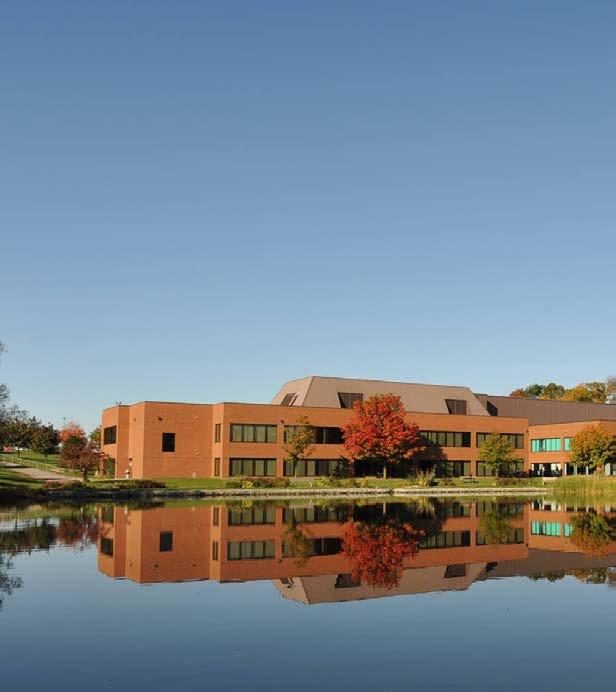
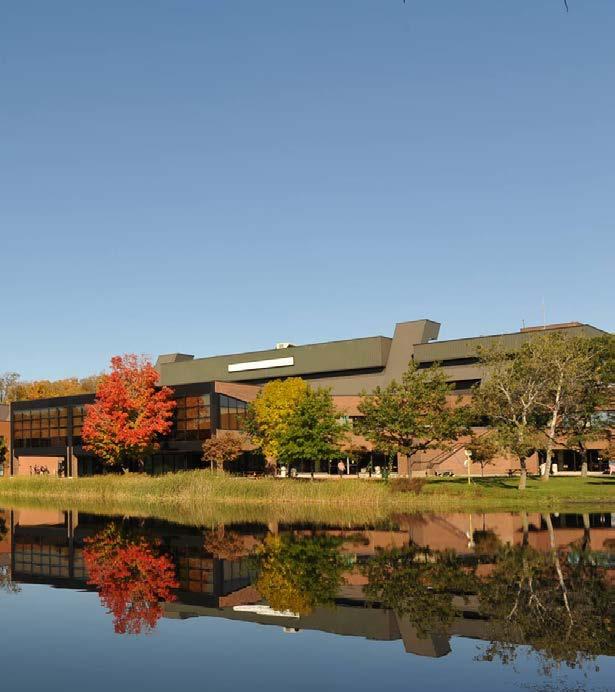
Navigating change takes courage and strong partnerships rooted in shared purpose. Capacity Canada’s ongoing relationship with Conestoga College reflects that belief, bringing together education, governance, and community impact in practical and meaningful ways.
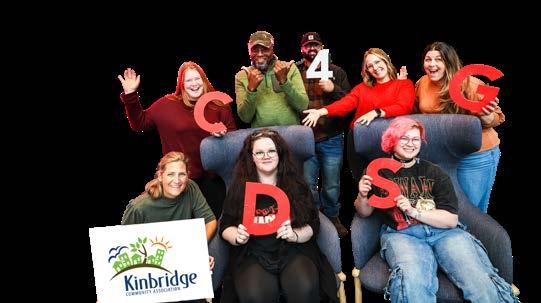
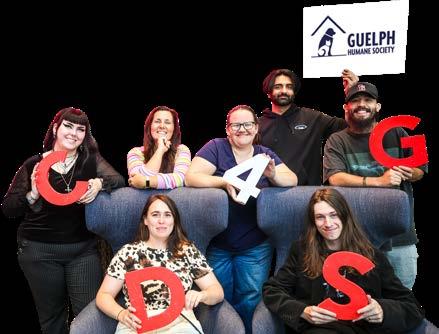
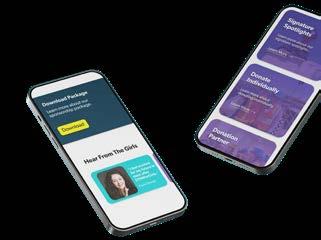
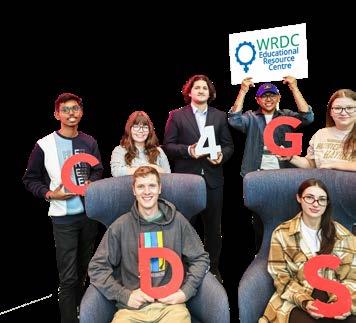
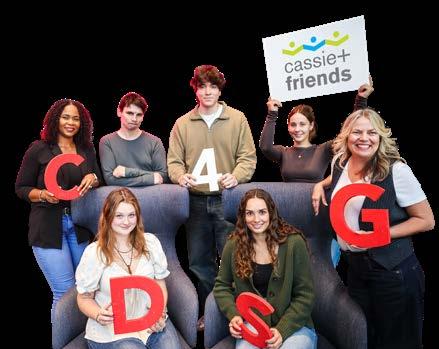
Through our partnership with Conestoga College, Capacity Canada continues to strengthen leadership in the Nonprofit sector across the country through the ModernBoard and Creative Day For Social Good (CD4SG) programs. ModernBoard supports current and aspiring board members in building the knowledge and confidence needed to govern effectively, while CD4SG ensures Nonprofit organizations have the marketing tools they require to amplify their message and reach in the communities they serve.
Capacity Canada’s CEO, Cathy Brothers, emphasizes the importance of this long-standing collaboration. “Our partnership with Conestoga College is built on shared values and a deep commitment to strengthening the Nonprofit sector,” she says. “By combining high-quality education with practical governance support, we’re helping organizations build the
leadership they need to navigate change with confidence. We are deeply grateful for Conestoga’s ongoing collaboration and the impact it continues to have across the country.”
Since its launch in 2020, the ModernBoard micro—credential program has had 673 learners enrolled. Together, these learners are strengthening boards, improving governance practices, and helping Nonprofit organizations lead through change with greater clarity and resilience.
“We are proud of the meaningful contributions this micro credential program has made to communities across Canada, and of our continued partnership with Capacity Canada,” says Erin Leroux, Chair of Continuing Education and Custom Training at Conestoga College. “By strengthening board leadership, we help build healthier, more resilient Nonprofit organizations with strong, purpose-driven teams.”
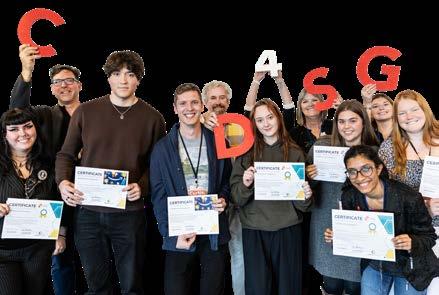
The partnership also extends into the classroom and the community through CD4SG, where Conestoga students work alongside industry mentors to support Nonprofit organizations with real-world design and communication needs.
Students are involved at every stage of the process and gain hands-on experience, while charities receive marketing tools they can use immediately.
“As a researcher, I study how this service design pedagogy facilitates vital knowledge mobilization, transferring skills between academia, professionals, and Nonprofit organizations,” says John Baljkas, Professor, Conestoga College. “Ultimately, this initiative highlights that socially responsible design education and practice strengthen students’ capabilities while also empowering the communities served.”
In a time of constant change, this partnership demonstrates what’s possible when education and the social sector work together. Students gain practical experience, Nonprofit organizations receive meaningful support, and communities benefit from stronger, more capable organizations.
Together with Conestoga College, Capacity Canada is helping build the skills, leadership, and confidence Nonprofit organizations need to face change and move forward with courage.
CREATIVE DAY FOR SOCIAL GOOD
CD4SG continues to create impact across Canada
In this time of global uncertainty and unrest, Nonprofit organizations are being asked to do more with less than ever before.
The demand for services is rising, while resources are stretched thin. For many organizations, investing in communications, branding, or design can feel out of reach, yet these are the very tools needed to stay visible, build trust, and reach the communities that need their services the most.
That’s where Capacity Canada’s Creative Day for Social Good (CD4SG) comes in to bridge that gap.
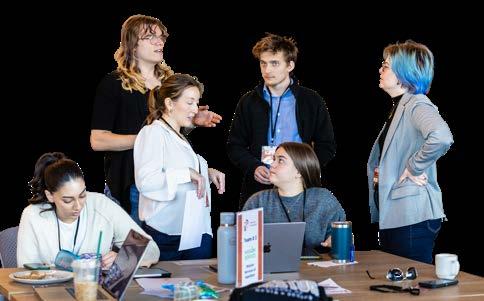
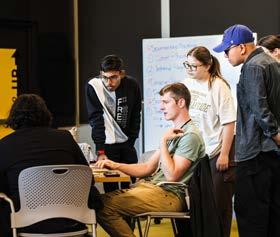
CD4SG connects Nonprofit organizations, charities, and social enterprises with students pursuing design and public relations from Conestoga College for a day of focused, hands-on collaboration. Together, they tackle real communications challenges, whether it’s refining a brand, developing new marketing materials, or finding clearer ways to tell an organization’s story.
Especially now, as organizations adapt to changing realities, having access to these kinds of resources and supports makes all the difference.”
The program’s impact is immediate for participating organizations, who walk away with fresh ideas, tangible assets, and a renewed sense of direction, all at no financial cost. These are tools that would otherwise require significant time and financial investment.
At the same time, students gain valuable hands-on experience and make a positive impact. They work directly with industry professionals and Nonprofit organizations on causes that matter to them and to our communities.
Capacity Canada’s CD4SG is built on a simple principle. When creativity and community unite, meaningful change happens.
“This program is an incredible opportunity for Nonprofits to receive high quality, pro bono marketing materials while giving students real world experience.”
Cathy Brothers CEO, Capacity Canada
CD4SG BENEFICIARY
A Fresh Identity, Strengthened Connections: Kinbridge’s Creative Day Experience
Taylor Bulstrode, Co-Executive Director of Kinbridge Community Association, has followed Capacity Canada and its programs for some time. While reading one of the issues of the Capacity Canada communique, she came across Creative Day for Social Good (CD4SG) and immediately saw the potential.
Kinbridge was seeking support for a specialty project, the Cambridge Neighbourhood Table, a program designed to reduce isolation by bringing people together over a shared meal. The initiative creates space for connection, conversation, and belonging, which have become increasingly important in the community.
“It was too good of an opportunity to pass on.”
—Taylor Bulstrode —
At the same time, the organization knew it was ready for a brand refresh. The team wanted to revisit its branding, update its logo, and bring greater consistency to its presentation, particularly across social media.
Taylor shared how CD4SG proved to be both fast-paced and intense. “I had no idea what I was getting into. When the explanation said, “design blitz,” that is exactly what it meant! The timeline required focus and quick decision-making, but the students brought this energy and enthusiasm into the process, which was inspiring. However, I do wish we had more time.”
As part of CD4SG, Kinbridge received a brand guide and refreshed visual direction that are already making a difference.
The updated branding has helped clarify how Kinbridge presents itself, both online and in the community. “We have been actively using the new social media assets, and our visual elements now feel more cohesive and aligned with our organization’s values. Most importantly, the work is resonating with the communities we serve.”
The experience has also opened some unexpected doors. “We also didn’t realize that offering student placements was even an option.”
Since Creative Day for Social Good, Kinbridge has begun exploring opportunities with Conestoga College to engage students in future initiatives, including support for the upcoming program - Vote Cambridge.
What began as a branding project has grown into so much more—new connections, new energy, and new possibilities for how Kinbridge can continue strengthening community ties in Cambridge.
“The program was well organized, the students were incredible, and it was exciting to spend the day working in Google’s space.”
Taylor Bulstrode
Celebrating 70 Years Of Impact Through A Creative Collaboration
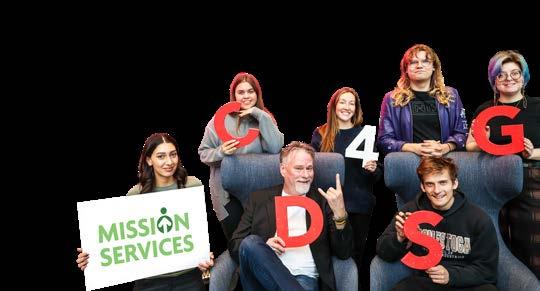
Seventy years ago, Mission Services of Hamilton began with a simple goal: to support people in need. Today, that commitment continues, reaching individuals and families across the community with compassion, care, and practical help.
As the organization prepared to celebrate this milestone, it began seeking meaningful ways to amplify its story and reflect on both where it has been and where it is going.
When Valerie Sadler, Associate Executive Director of Organizational Excellence, discovered Creative Day for Social Good in Capacity Canada’s monthly Communique, she knew it was the right fit.
“It felt like a perfect match for our anniversary year. We wanted to amplify our story.”
Valarie Sadler
Rather than focusing only on the past, Mission Services of Hamilton saw an opportunity to strengthen how they
share their story today and into the future. A community-based Nonprofit, the organization supports people experiencing homelessness, poverty, food insecurity, and housing instability across Hamilton and the surrounding region.
With limited design and marketing resources, Creative Day for Social Good provided professional creative support to help bring their vision to life.
“CD4SG helped us overcome that hurdle,” Valerie explains. “It’s a gamechanger for us.”
Through the program, Mission Services of Hamilton received a suite of materials, including a social media campaign toolkit, branded newsletter and e-blast templates, storytelling assets, and potential print materials such as posters and postcards.
Equally meaningful has been the opportunity to collaborate with students. “They bring fresh energy and thoughtful insights. It’s been nothing but inspiring, and the impact goes far beyond visuals.”
“These tools will help us reach more people in need, engage donors and volunteers, and strengthen our presence in Hamilton and beyond. By telling our story, we’re building bridges of hope and support across the region. By telling our story, we’re building bridges of hope and support across the region.”
Valerie Sadler
Turning Creativity Into Community Impact
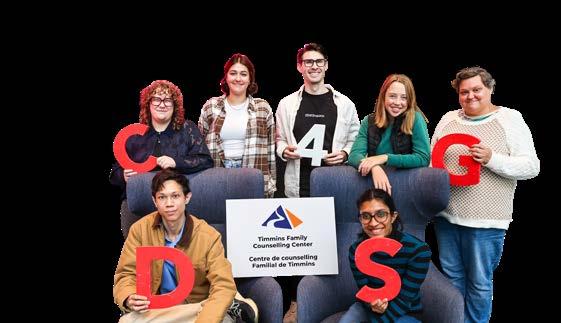
Timmins Family Counselling Centre learned about Creative Day for Social Good (CD4SG) by chance through an email from Family Service Ontario, and the opportunity immediately stood out.
“As a Nonprofit organization, we saw CD4SG as a fantastic opportunity to enhance our marketing materials,” says Tania Duguay, Executive Director.
“It’s something our budget typically doesn’t allow for, but it’s so important for our work and the way we reach out to and support our community.”
Tania Duguay
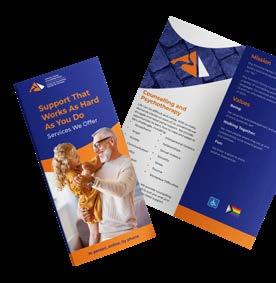
Through the program, Timmins Family Counselling Centre worked with a team of students to create a fundraising campaign and updated pamphlets. All of these are practical tools that have helped the organization increase its visibility and strengthen how it shares its services.
“Thanks to CD4SG, we were able to launch our first fundraising campaign,” says Tania.
The fundraising campaign supports the organization’s sliding-scale model, helping remove financial barriers to counselling services. The updated pamphlet is being used to inform the community, engage partners, and highlight the value of counselling.
“Our experience working with the students was very positive,” Tania adds. “They asked insightful questions and really took the time to understand our organization, what we do and our needs.” For Timmins Family Counselling Centre, the impact goes beyond new materials.
“These services have made a real difference. They’re helping more people in our community access the care they need.”
Tania Duguay
Inspiring The Next Generation Of Women And Gender Diverse Youth in STEM
A social media post introduced the Women in Resource Development Corporation, now called EquiForce, to Capacity Canada’s Creative Day for Social Good and sparked a partnership rooted in shared values and a belief in the power of creativity.
EquiForce values creative minds with different perspectives, and the opportunity to be part of the Creative Day For Social Good aligned with its values. The program also connected the organization with a national network of changemakers who believe in the power of creativity to strengthen the Nonprofit sector.
“CD4SG was the perfect opportunity to collaborate with like minded, creative professionals and emerging talent who share the same passion for social good.”
— Tanya Hawco
“It also helped provide creative and marketing support that organizations like ours rarely have access to, helping us bring ideas to life in ways we could not have imagined doing on our own.”
Through CD4SG, EquiForce has developed a refreshed sponsorship package for its STEMforGIRLS program, delivered through its charitable arm. It’s a province-wide initiative that inspires girls and genderdiverse youth in Newfoundland and Labrador to explore careers in science, technology, engineering, and math.
“Our goal is to strengthen how we communicate the value of this work so we can attract new partners, deepen existing relationships, and continue expanding opportunities for youth,” Tanya explains. “More support means more programs, more connections, and more young people seeing themselves in STEM.”
Their STEMforGIRLS program does not receive core government funding, which means its sustainability depends on the generosity of sponsors and community supporters. While it is essential to create professional sponsorship materials, prioritizing them with a limited budget can be difficult.
“CD4SG fills that gap,” says Tanya. “The design support and storytelling expertise we have received will help us communicate our impact clearly and reach the partners who make our work possible.”
Talking about her experience of working with the students, Tanya shared that the team was collaborative and positive. “The students were professional, curious, and genuinely interested in our work. They wanted to help us tell our story to the world.”
For EquiForce, the impact of Creative Day for Social Good extends well beyond new materials. Stronger communications mean stronger partnerships, and stronger partnerships mean more free, hands-on STEM programming reaching youth across Newfoundland and Labrador.
“By helping us share our story in new and creative ways, CD4SG is ultimately helping us inspire the next generation of innovators, builders, and changemakers. It shows that creativity fuels community impact.”
Tanya Hawco
A Clearer Path Forward
Michael Gardiner-Davis had been working on design updates to his organization’s website when one of Capacity Canada’s Executive in Residence mentioned that they should apply to participate in Creative Day for Social Good.
“I loved the idea of providing hands on learning opportunities for students,”
— Michael Gardiner-Davis—
“Our values aligned with those of Capacity Canada, and our need for support in this area was significant. It seemed like a natural fit to apply and see what the students thought of our project proposal.”
As Supervisor of Transportation Services at Routes Connecting Communities, Michael sees firsthand the importance of clarity and accessibility. The organization supports many vulnerable individuals across York Region, including people living with disabilities. Yet over time, as new programs launched, often in partnership with other organizations, the online presence became increasingly fragmented.
“One big challenge we had come across was a branding crisis,” Michael explains. “We have opened many programs in partnership with other organizations, and there has always been a lot of outward confusion about who is behind the good work. We had far too many websites at play and really needed a clean and simple reset.”
Through CD4SG, the organization received a high-fidelity wireframe for a renewed website that will launch at the end of 2026.
Routes Connecting Communities is actively using social media assets to promote its programming, volunteer opportunities, and community updates.
For Routes Connecting Communities, the impact of this work goes beyond design.
A clearer, more accessible website means fewer barriers for the people who rely on their services.
“A fresh, modern experience is key to maximizing our impact for years to come,” Michael says. “It will help ease the connection between the people we serve and the services we offer.”
“These
assets are helping us maintain recognition for the important work we do in the community and are critical to sharing clear, cohesive messaging so residents know where to find us and how to get involved,”
Michael Gardiner-Davis
OPEN HEARTH
Advancing Women’s Leadership in the Nonprofit Sector: The Open Hearth Story
The story of Open Hearth began before the project’s official inception, rooted in the work of the Women and Gender Equality (WAGE)-funded Makeover Project, which concluded in 2023. Through that work, Capacity Canada partnered with community participants to better understand the systemic barriers faced by women, trans, and non-binary individuals in the Nonprofit sector.
Building on that foundation and funded by WAGE, Open Hearth began as a 33-month initiative with a goal of increasing the presence of underrepresented women and non-binary individuals in leadership and decision-making roles in the Nonprofit sector.
The project builds on two key ideas developed through earlier work: creating a safe and inclusive mentorship network for women and gender-diverse
individuals working in the sector and developing a framework that helps Nonprofit organizations strengthen a culture of belonging—where people feel supported, valued, and able to thrive.
The Open Hearth project was first launched in Waterloo Region, Ontario, and later expanded to Newfoundland and Labrador and Calgary, Alberta. The work in each region is guided by the same goal, but the approach is shaped by the local community’s needs. Capacity Canada works closely with partner organizations in each area, adapting and refining the tools to reflect local realities and priorities.
Learnings from the Mentorship Network Pilot
Mentees entered the program with a range of needs, including navigating uncertainty around career direction and advancement. Many struggled with confidence, self-doubt, and imposter syndrome. Several mentees highlighted limited professional networks and expressed a desire to build community. Several reported challenges related to workload, burnout, and time management, noting difficulty balancing competing demands and finding time for professional development. A few participants also named equity and discrimination as ongoing barriers to recognition and advancement.
Mentors joined the program with strong motivations rooted in service, equity, and growth. Many expressed a desire to give
back or pay forward the support they had received throughout their own careers. They were also eager to contribute to sector-wide impact by strengthening inclusive, effective leadership across the Nonprofit landscape. In addition, several mentors noted that mentorship offered meaningful personal growth, describing it as both enriching and rewarding, and an opportunity to learn from their mentees as well.
Narrative reflections revealed that the program was subjectively impactful. Mentees consistently reported gaining personal confidence and new soft skills, such as public speaking and self-branding, which they directly attributed to the network.
“It was a privilege to a mentor to an emerging leader whose authenticity, energy, and strong grounding in values made our time together deeply meaningful. I am grateful for the learning I carry forward from our paths crossing.”
Karen Spencer Executive in Residence Capacity Canada
Looking Ahead
As the Open Hearth project grows, so does our commitment to supporting underrepresented women and non-binary individuals as they pursue leadership in the Nonprofit sector.
Following the success of the pilot in Waterloo Region, new cohorts have launched in Newfoundland and Labrador in partnership with the Community Sector Council Newfoundland and Labrador, with plans underway to launch in Calgary. Each cohort brings new insights that help shape and strengthen the mentorship network.
With every phase of the project, the program continues to evolve. The goal is to ensure the mentorship network remains relevant, responsive, and grounded in the realities of the communities it serves.
Ultimately, the work is about more than individual leadership journeys. It is about contributing to lasting change in the Nonprofit sector.
“The mentorship network allowed me to connect with someone I really admire, and has led to a lasting friendship that inspires us both!
I’m hopeful that the future of the program increases the number of connections participants can make!”
Brooklin Wallis Board of Director Member at Large, Spectrum
CAPACITY BY DESIGN
Design Collective 2025: Putting Human-Centred Design Into Action
Design Collective is a cohort-based learning experience that helps Nonprofit organizations build confidence in human-centred design and apply it to a real issue within their work.
In fall 2025, Hugh and Liz guided 16 participants from eight Nonprofit organizations across Windsor, Waterloo, Milton, and Toronto. Through a blend of in-person and virtual learning sessions, participants explored the human-centred design process and practiced facilitation skills through hands-on activities. Each organizational pair identified an applied project that would benefit from a design thinking approach and received coaching support from Capacity Canada to inform the planning process and locate opportunities to co-create solutions with their stakeholders.
“It’s inspiring to see Design Collective participants embrace human-centered design to address real organizational challenges. It’s even more rewarding to watch them learn from one another and bring the value of human-centred design back to their organizations.”
“It was a pleasure to work with this cohort and see how they embraced different aspects of human-centred design based on their project needs. The group was supportive as individuals bravely stepped up to lead activities, particularly the practice sessions around idea generation. It was a good reminder that thinking
and creating together can inject energy into teams and motivate them to explore new opportunities.”
Applied Projects at a glance:
• TalentLift Canada focused on improving decision-making processes for candidates with job offers, designing systems that support timely, clear next steps for displaced and refugee talent.
• Canadian Arab Women’s Association (CAWA) restructured internal management processes, creating tools to strengthen cross-team communication, support workload planning, and enhance staff well-being. They used design thinking to test and refine these tools with staff feedback.
• Caribbean Canadian Association of Waterloo Region (CCAWR) team is applying a design lens to the expansion of the Black Entrepreneur Program, exploring ways to strengthen culturally responsive supports for Black, Caribbean, newcomer, and underrepresented entrepreneurs.
• Maternal Minds developed a plan to explore collective approaches to reducing barriers Muslim mothers face in accessing community supports, particularly those who are racialized, newcomers, refugees, low-income, or facing language challenges.
• Children and Youth Planning Table of Waterloo Region (CYPT) tackled the challenge of systems that don’t adequately listen to children’s perspectives. They created a framework for child-engagement activities that Regional partners will use to gather ideas and feedback directly from young people.
• Kitchener Public Library engaged KPL’s equity-focused committees and advisory groups in co-creating more connected, inclusive ways of working. Their design process supports intersectional approaches that benefit staff, customers, and the wider community.
• Waterloo Public Library is using human-centred design to strengthen WPL’s Lifelong Learning initiatives. Early consultations revealed a need to enhance reader advisory services, prompting deeper engagement with staff and older-adult advisory groups to test new ideas.
• Learning Disabilities Association Windsor-Essex (LDAWE) wants to apply design thinking to create more flexible, predictable programming for families and staff. They also see opportunities to use this approach in a larger project aimed at improving the intake experience, reducing confusion, building trust, and ensuring timely support for children and youth.
Through Capacity by Design, the cohort showed how human-centred design can spark practical, people-focused change. Each organization translated the process into real improvements, strengthening systems, deepening engagement, and creating more responsive services across their communities.
“The human‑centred design process has been very integral to our work as it gave us much better insight into how staff and volunteers were feeling, ensuring that we’re aligned on next steps.”
David Mason Participant, KPL
Capacity
Canada’s CEO Peer Group is Strengthening Leadership in the Nonprofit Sector
In 2025, Capacity Canada launched a first-of-its-kind CEO Peer Group, marking a new chapter in how Nonprofit leaders are supported across the sector. Designed specifically for CEOs of Nonprofit organizations, the program recognizes a simple truth: leadership at the top can be isolating, and there is real value in learning alongside peers who understand the unique challenges of mission-driven work.
“To have a group such as this come together is actually quite unique,” says Scott Haldane, Executive-in-Residence, who leads the program. “While it’s based on a private-sector model, this is the first time we have seen CEOs from the Nonprofit sector come together in this way.”
The inaugural cohort brought together 11 CEOs, most of them leading national Nonprofit organizations based in Ottawa. What quickly emerged was a strong sense of trust, openness, and shared purpose.
The peer group meets in person, creating space for honest conversation and practical learning. Participants connect with others facing similar leadership pressures while exploring strategies to build strong organizational cultures, navigate difficult conversations, and strengthen collaboration across the sector. The focus of this group is not on theory, but on real-world leadership what’s working, what’s not, and how to lead with clarity, courage and confidence in a complex environment.
Encouraged by the response and supported by research showing a clear need for this support, Capacity Canada is working to expand the program nationally. In March 2026, the second cohort launched with 11 participants, including six returning CEOs from the first group. Over the course of the year, the cohort will take part in six sessions, continuing to build a community of leaders who learn from one another and strengthen the organizations and communities they serve.
CEO PEER GROUP
“Leading a Nonprofit organization is deeply rewarding, but the challenges can feel isolating. I came back to this peer group because the conversations here are unlike any other. There’s something irreplaceable about being in a room with people who truly understand. It is also a reminder that I don’t have to navigate the hard questions alone.”
Stephanie Michaud BioCanRx
“Joining the group has instantly broadened my network of colleagues in the Nonprofit and charity sector. I am excited to continue the learning and networking in this collaborative and energizing space.”
Brian Torrance President and CEO,
ParticipACTION
Cathy Brothers CEO
Andrew Wilding Director of Operations
Alison Beveridge Director of Public Relations
OUR TEAM
Nasreen Director of Communications
Claudia Haack
Finance Manager
Fatima Awan
Project Assistant
Executives in Residence
Charles Achampong
Lisa Allen
David Barrett
Fableeha Choudhury
Ruth Cruikshank
Liz Dennis
Blair Dimock
Rob Donelson
Steve Farlow
Dianne Fehr
Liz Forsberg
Bob Gallagher
Fred Galloway
Janine Giovinazzo
Scott Haldane
Sandra Hanmer
Erika Hornsey
Marion Thomson Howell
Colleen James
Andrew Jardine
Bob King
Jennifer King
Kelly Laurila
Don McDermott
Ian McDonald
Jim Miller
Matt Miller
Mike Morrice
Hugh Munro
Julie Newman
Lori Payne
Susan Radwan
Lyn Royce
Manoj Saxena
Claudia Sighomnou
Karen Spencer
Stephen Swatridge
Bryan Webber
Paul Wilton
Scott Williams
Conestoga College Design Students
Elías Guzmán
Mansi Patel
Special Thanks to All Our Funders!
Thank You Julia Maier!
Julia Maier has been the lens through which Capacity Canada’s mission comes alive. We extend our heartfelt thanks to Julia for capturing the spirit of our work throughout the years. Her talent, care, and creative eye have helped us tell our story with authenticity and warmth. We’re grateful for her partnership and for the beautiful work she brings to our community.
Grants
EXPENSES
Salaries and Benefits
Contracted Services
Educational Events
Administration
Technology
Marketing and Promotion
Professional Fees
Meetings and Conferences
Amortization of Property and Equipment
EXCESS OF INCOME OVER EXPENSES
NET ASSETS - Beginning of the Year
NET ASSETS - End of the Year Fee for Service Donations