
THIS IS EQVA
EQVA is a full-service provider of industrial services, built on development and long-term ownership of complementary industrial companies.
EQVA’s customers include leading industrial players across smelting operations, process industry, aquaculture, the maritime sector, defence and offshore. The Group’s core competencies span engineering services and mechanical solutions, steel structures, piping and tank systems, ventilation, power and automation, as well as the development and operation of hydropower plants.
EQVA combines organic growth with targeted acquisitions to strengthen cash flow, core operations, and its geographical footprint. Portfolio companies operate with a high degree of autonomy, within clearly defined frameworks for governance, reporting, and shared support functions. This model enables efficient operations, economies of scale, and the realization of synergies, while preserving close proximity to customers and end markets.
EQVA’s asset-light model and strong focus on cash generation support an attractive capital structure and enable profitable growth over time. With more than 704 specialized employees and a strong presence across several of Norway’s key industrial regions, EQVA is positioned for continued growth.
Corporate Governance report
Sustainability Statement
General Disclosures
Environment
Social Governance
Financial Statement
Consolidated financial statements
Notes to the consolidated financial statements
Financial statement - Parent company
Notes to the financial statement - Parent company
Independant auditor´s report

STRATEGIC PRIORITIES
EQVA’s strategy is centered on strengthening our position as a reliable, long-term partner to industrial customers while continuing to build a diversified and high-performing group of companies. Our companies have established strong relationships with their customers, delivering both “recurring” services as well as newbuild- and modification projects. Local presence is key to being a preferred provider.
We continue to expand our geographical footprint to capture market share and position our companies as local and preferred providers to industrial clusters that depend on our services. By being close to our customers on a regular basis, we understand their needs and contribute with solutions that support safety, reliability and productivity of their operations.
Customers increasingly prefer a single point of contact for their industrial projects. To meet this demand, EQVA focuses on delivering integrated solutions where several of our portfolio companies contribute their specialized expertise into coordinated delivery. This allows us to combine strong niche competence with the advantages of a larger industrial group. When required, we also collaborate with carefully selected external partners to ensure that we can provide complete and efficient end-to-end solutions tailored to our customers’ needs.
Our strategic ambitions will be achieved through a combination of organic growth and targeted acquisitions. Organic growth will be driven by strengthening the capabilities of our existing companies, increasing collaboration across the group, and expanding into new local markets. At the same time, acquisitions remain an important part of our strategy, enabling us to broaden our geographical presence and expand the range of services we offer. Through this balanced approach, EQVA will continue to develop a strong, sustainable industrial group that delivers long-term value to customers, employees, local communities and our shareholders.
Environmental, social and governance considerations are incorporated into strategic decisions, risk management and operational follow-up across the Group. EQVA views sustainability as part of responsible corporate management, balancing environmental considerations, workforce-related factors and sound governance with financial performance and long-term competitiveness.


OUR VALUES
WE ARE PROFESSIONALS
We strive to maintain high standards, integrity, and accountability in everything we do in our work. We act honestly, fairly, and respectfully in all work situations, taking responsibility for our actions and considering ethical implications in our decisions.
WE ARE RELIABLE
We aim to be a trustworthy provider; we keep our promises and fulfil our commitments and pledges. Our customers, partners, and colleagues can rely on us to maintain a high standard of professionalism and ethics.
WE ARE INNOVATIVE
We promote creativity, innovation, and thinking outside the box. We are open to new ideas, explore new opportunities, and continuously engage in improvement and development. Our innovation should contribute to effective solutions, sustainable development, and economic growth.
WE THINK LONG-TERM
We have a plan and strategy to achieve long-term goals, with a focus on environmental, economic, and social factors to ensure that our actions and decisions do not negatively impact future generations.

EQVA aims to be an attractive investment for its shareholders, delivering competitive total returns through sustainable organic growth and value-adding acquisitions.
Key highlights
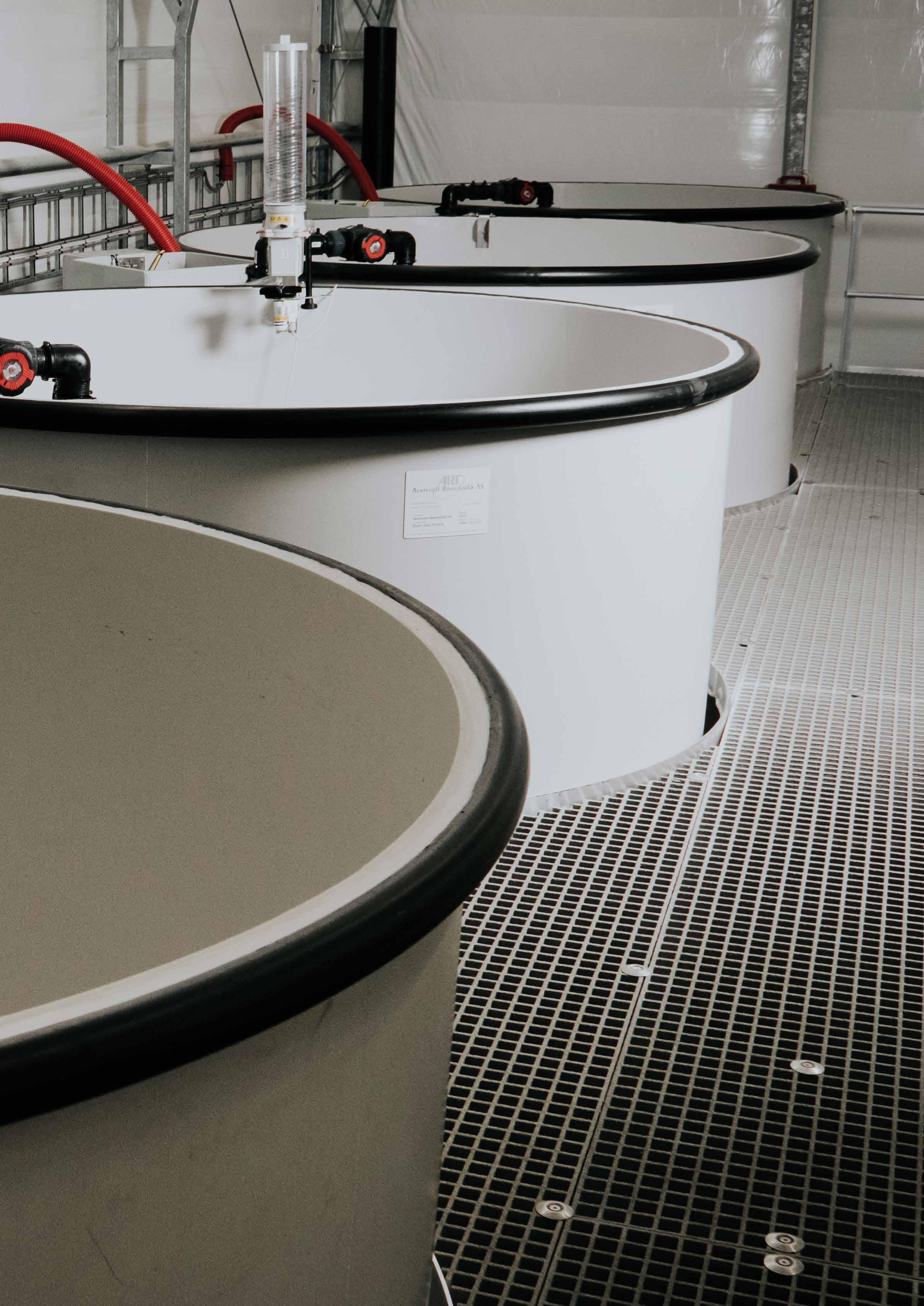
NOK 1 281 m 6.7%
638,5 tCO₂e 0.50 tCO₂e/MNOK revenue (S1+S2 location-based)
5.71 %
Market cap
Shareholders
NOK 282 m 2 987
Letter from CEO
Another strong operating year
Over the past operating year, EQVA has taken several critical steps forward that have not only strengthened our business but also laid a solid foundation for a positive trend moving forward
THANK YOU
I would like to start this letter expressing my thanks to all our talented and dedicated employees who have contributed to the improvements we achieved during 2025. Together, we are building on EQVA’s proud tradition and continuing to create an even stronger group. During the year EQVA has added IMTAS group and Austevoll Rørteknikk to our family of companies.
It is with pride and gratitude I see how we have continued to further develop the Group’s culture and working method through our business. Our local companies have performed well, and customers trust us to take on important tasks.
More than before. EQVA enjoys doing business with demanding industrial customers. In 2025, EQVA Industrial Solutions has delivered on major demanding industrial projects. We take nothing for granted and we are humble, grateful and proud to be entrusted.
In January 2026, EQVA successfully completed a NOK 500 million secured bond issue. In addition to refinancing existing debt, the bond issue gives us increased flexibility and financial leverage to execute on our strategy, both organically and through acquisitions. The recently announced transaction of Einar Øgrey Farsund is an important part of this execution.
EQVA is both a national and local partner, always at your service.
ABOUT EQVA
EQVA is a full-service provider of industrial services, built on development and long-term ownership of complementary industrial companies.
EQVA’s customers include leading industrial players across smelting operations, process industry, aquaculture, the maritime sector, defence and offshore. The Group’s core competencies span engineering services and mechanical solutions, steel structures, piping and tank systems, ventilation, power and automation, as well as the development and operation of hydropower plants.
EQVA combines organic growth with targeted acquisitions to strengthen cash flow, core operations, and its geographical footprint. Portfolio companies operate with a high degree of autonomy, within clearly defined frameworks for governance, reporting, and shared support functions. This model enables efficient operations, economies of scale, and the realization of synergies, while preserving close proximity to customers and end markets.
EQVA’s asset-light model and strong focus on cash generation support an attractive capital structure and enable profitable growth over time. With more than 704 specialized employees and a strong presence across several of Norway’s key industrial regions, EQVA is positioned for continued growth.
EQVA Industrial Solutions (EIS)
EQVA’s main asset is EQVA Industrial Solutions. Under that umbrella, we operate a number of independent businesses with a combined 2025 turnover of NOKm 1.281 with an EBITDA of NOKm 122. The growth has primarily been a combination of organic development and the effect from acquired companies (IMTAS/ART). We aim to achieve annual growth of 10-15% in revenue and EBITA over the multi-year cycle.
In February 2026 we signed an agreement to acquire the mechanical and electro-mechanical operations of Einar Øgrey Farsund AS. The transaction strengthens our market position in Southern Norway, expands our capacity within core and complementary service areas, and broadens our customer base. The business has 65 employees and is expected to have generated approximately NOK 160 million in revenue and NOK 15 million in EBITDA in 2025. Completion is expected in Q2 2026.
EQVA Renewables (Fossberg Kraft)
Fossberg Kraft is a specialized small-scale hydropower plant developer (with a combined 80+ years of experience) and is a central part of our ongoing commitment to the renewable energy infrastructure of Norway. Fossberg Kraft operates 10 hydro power plants and has constructed and sold 6 hydro power plants.
Fossberg Kraft currently holds a strong portfolio of projects in development and pipeline, with more than 80 GWh/year of potential new power production (of which two power plants of 14 GWh/year are ready for construction), and more than 80 GWh/year in additional assessment pipeline.
Looking ahead, our ambitions remain high. We continue to identify new opportunities for expansion, while ensuring that our existing operations maintain high levels of efficiency and reliability.
OPERATING MODEL
EQVA has a culture with a decentralized leadership and strong values in customer focus, simplicity, and efficiency. We run our business in independent companies with talented leaders and employees who work closely with our customers. Local leaders have a mandate to make quick decisions to help our customers. In this way, EQVA can be swift and take advantage of the opportunities that exist together with our customers.
OUTLOOK
EQVA want to be a long-term, growing, and profitable company with a strong financial position. With strong relationships with leading customers and committed employees, we are laser focused on the objective to create organic growth and implement new acquisitions.
MARKET
EQVA has identified the following main markets as core for us: Smelters, land-based industry, aquaculture, defence, maritime and offshore. For the next 1-3 year we see opportunities in all segments. We have a low cost, customer focused model with a flexible approach. EQVA aim to adapt to challenging market conditions.
International turbulence and trade war will impact our clients and EQVA consequently. We plan for the best and prepare for the alternative.
Sincerely,
Olav Hilmar Koløy CEO, EQVA ASA
EQVA´s history
Building on a more than 100 years of history, EQVA has a rich heritage in the maritime and land-based industry. The group has continually evolved to meet the changing demands of the market.
Important milestones:
• 1918: Jonas Løland founded Løland Motorverksted (machine workshop) in Leirvik, which marked the start of the company's activity in the maritime industry.
• 1938: The yard constructed its first new building, "Loftesnesferja", which was a significant milestone for the company.
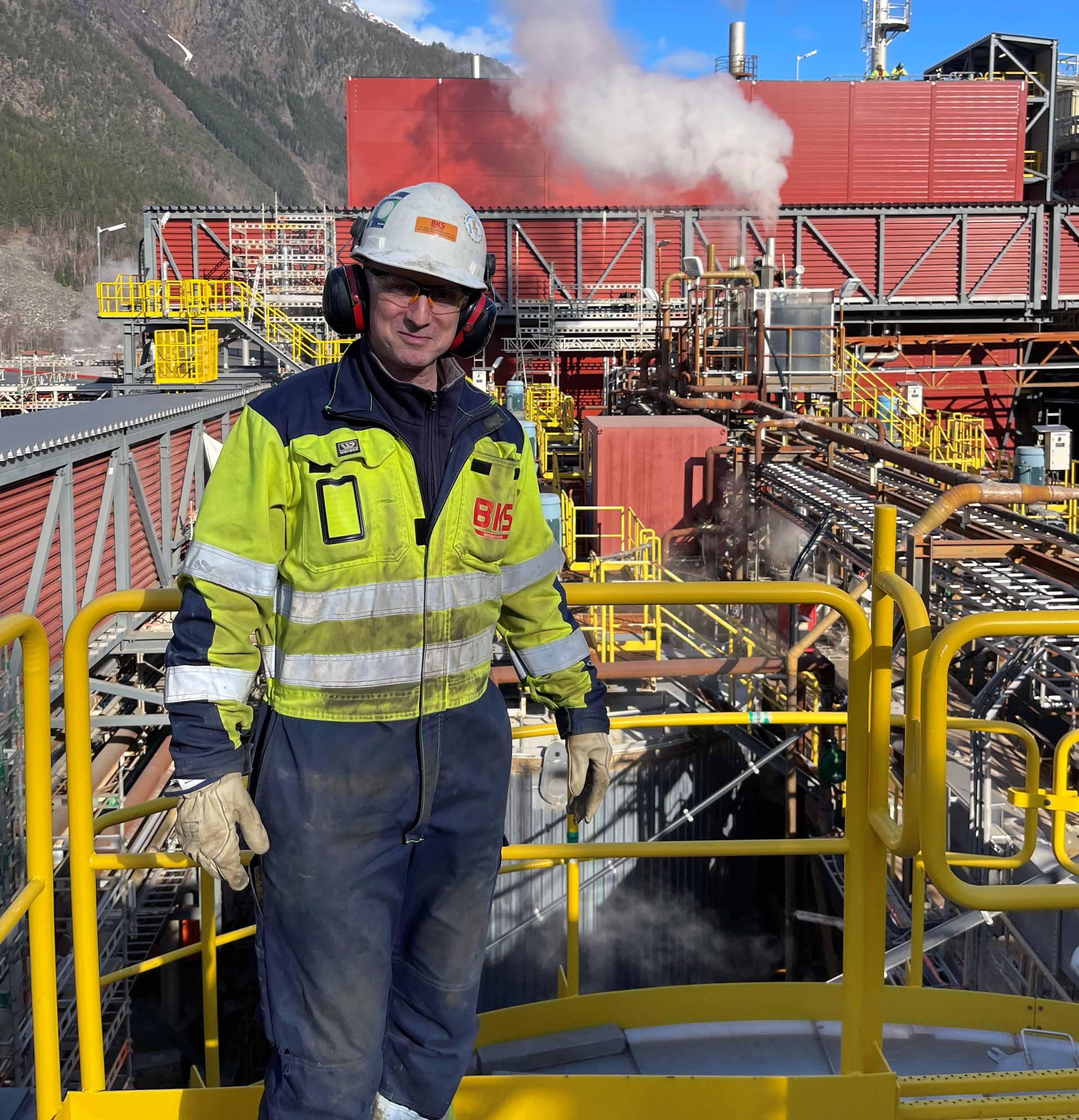
• 2008: BKS was founded as mainly a personnel and service engineering provider for the construction industry. In subsequent years, BKS expanded its operations and developed into a fully integrated service provider for landbased industries. More investors joined the company, leading to further growth and expansion of services offered.
• 2014: The group was listed on the Oslo Stock Exchange under the name Havyard Group.
• 2018: Fossberg Kraft was founded.
• 2020: The group initiated a restructuring of its yard to shift focus from new buildings to maintenance and service offerings, which reflected the company's evolving strategy.
• 2021: The group began revising its corporate strategy to focus on growth within repair, service, and maintenance in the marine service segment, which reflected its commitment to long-term success.
• 2022: The group entered into a business combination agreement, whereby the group acquired all shares of HG Group, consisting of BKS and Fossberg Kraft, to start its journey towards becoming a fully integrated service provider to on- and offshore industries.
• 2022: The group changed its name to EQVA and expanded its services to offer complete industrial services and renewable energy to key customers, which marked a significant step in the group’s growth and development.
• 2023: The shipyard Havyard Leirvik was divested to Tersan in November 2023.
• 2024: Acquisition of Kvinnherad Elektro in October 2024 to expand service offering within power & automation services.
• 2025: Acquisition of IMTAS Group in February 2025, expanding EQVA’s presence into Northern Norway. The acquisition is EQVA’ largest transaction to date, strengthening our position as a prominent and fully integrated service provider within the piping, mechanical and power and automation disciplines in Norway.
• 2025: Acquisition of Austevoll Rørteknikk in October 2025, enhancing EQVA’s presence on the west coast of Norway, particularly in pipe installation, maintenance, and specialized fabrication for the aquaculture industry.
• 2026: Entered into agreement to acquire Einar Øgrey Farsund in January 2026, expanding EQVA’s presence to the south coast of Norway and the Group’s service scope within mechanical and electromechanical services
The segments
EQVA is organized into three main segments that together represent the Group’s operations and value creation: Industrial Solutions, Renewables and Real Estate, in addition to Other, which includes the parent company and holding entities.
Industrial Solutions
The Industrial Solutions segment accounted for more than 99 per cent of total income in 2025. The segment is comprised of BKS group, IMTAS group, Austevoll Rørteknikk and Kvinnherad Elektro.
BKS is a full-service provider of technical installations for smelters, land-based industry, aquaculture, maritime, defence and offshore. With a strong presence throughout the value chain, BKS has developed long-standing relationships with well-known players in the industry. BKS was established in 2008 and has locations in Sunde, Odda, Straume and Austevoll. The group had 442 FTEs at the end of 2025.
IMTAS provides industrial services for smelting operations, process industry, mining and aquaculture. The group has locations in Mo i Rana, Harstad and Sleneset, and had 196 FTEs at the end of 2025.
Austevoll Rørteknikk provides piping systems, equipment and service for the aquaculture sector. The company is located in Austevoll and had 15 FTEs at the end of 2025.
Kvinnherad Elektro provides power & automation services to industrial clients, public services and households. The company is located in Rosendal and Husnes and had 39 FTEs at the end of 2025.
KEY MARKETS:
• Smelters
• Land-based industry
• Maritime Industry
• Offshore industry Aquaculture
• Renewable energy
Renewables
Fossberg Kraft focuses on the development and operation of small-scale hydropower plants in southern Norway. Fossberg currently operates 10 power plants. The company is also involved in the development of new projects. Fossberg Kraft was established in 2018, and is headquartered in Husnes, Kvinnherad.
Real estate
The real estate segment includes the Group´s real estate properties. The properties are predominantly production related and offices.
A fully integrated system supplier of technical installations to maritime, offshore and land-based industries
Strategic agenda: Increase business scope towards new and existing clients, in addition to M&A opportunities
Develops, owns and operates small and specialised hydropower plants
Strategic agenda: Develop the portfolio/ pipeline successfully
Owns and rents out production areas primarily used by BKS in Sunde, Kvinnherad
Strategic agenda: Diversified portfolio of assets with stable revenue growth (CPI adj.)
Personell
Prosjekt Harstad JMVD EQVA INDUSTRIAL SOLUTIONS EQVA RENEWABLES EQVA REAL ESTATE
BKS Group Kvinnherad Elektro IMTAS Group Austevoll Rørteknikk
Our geographical footprint
Along the entire coast of Norway
IMTAS Harstad AS Harstad
IMTAS AS Mo i Rana
IMTAS Personell AS Mo i Rana
IMTAS Prosjekt AS Mo i Rana
JMVD Sleneset
BKS VVS AS Straume
Kvinnherad Elektro AS Rosendal
Austevoll Rørteknikk AS Storebø
Marine Support AS Storebø
Fossberg Kraft AS Husnes
BKS Industri AS Sunde
Zenit Engineering AS Sunde
BKS Power and Automation AS Sunde
EQVA ASA Oslo

Board of Director's report & Corporate Governance

BOARD OF DIRECTORS REPORT
Introduction
EQVA is a full-service provider of industrial services, built on development and long-term ownership of complementary industrial companies. Our ownership philosophy is centred around continuity, long-term stewardship, and sustainable value creation through organic growth, acquisitions, and profitability.
2.1 Key events
In 2025 EQVA navigated through a transformative year marked by strategic milestones, operational growth, and significant corporate decisions.
Here's a concise summary of the pivotal developments in 2025:
The Group delivered strong financial performance, with a notable increase in operating income compared to 2024. The Industrial Solutions segment demonstrated substantial growth, benefiting from a strong order book and improved margins.
In March 2025, EQVA acquired 100% of the shares in IMTAS AS and its subsidiaries ("IMTAS Group"), a provider of industrial services to smelters, process industry and aquaculture. The companies have long-term relationships with key customers in their local markets in Mo i Rana, Harstad and Sleneset. The transaction expands EQVA’s geographical market to Northern Norway.
In October 2025, EQVA acquired 100% of the shares in Austevoll Rørteknikk AS, a provider of piping systems, equipment and services to the aquaculture sector. The transaction adds core competence in aquaculture projects.
EQVA sold the Vassnes group in Q1 2025. Vassnes was a subsidiary (51%) of Kvinnherad Elektro.
2.2 Overview of the business
The board of directors’ report for EQVA group (“EQVA” or “the Group”) encompasses EQVA ASA (“the Parent company” or “the Company”) with its subsidiaries.
Business concept and location
EQVA ASA is a public limited liability company organized and existing under the laws of Norway pursuant to the Norwegian Public Limited Companies Act. The shares of EQVA ASA are listed on Oslo Børs with the stock ticker EQVA. EQVA headquarter address is in Sunde, Kvinnherad.
The EQVA Group has 704 FTEs in total at year-end.
EQVA is built on three platforms: EQVA Industrial Solutions, Renewables and Real Estate. EQVA Industrial Solutions is the main platform, generating more than 99 % of EQVA’s revenues in 2025.
Business segments
The business is organised in four business segments:
1. Industrial Solutions (the main segment)
The segment consists of BKS Group, IMTAS Group, Austevoll Rørteknikk and Kvinnherad Elektro who specializes in delivering comprehensive industrial solutions within mechanical and electrical services. Functioning as a fullservice provider, we offer technical installations with a presence throughout the entire value chain. Our companies have established long-term relationships with major clients, executing both “recurring” service tasks as well as newbuildand modification projects. The services are delivered to a wide range of customers across sectors such as smelters, land-based industries, aquaculture, maritime, offshore, and defence.
2. Renewables
Fossberg Kraft specializes in the development, construction, and operation of small-scale hydropower plants in Norway. Since its inception, the company has successfully sold nine small-scale hydropower plants, of which six were constructed by Fossberg Kraft. Entering 2026, Fossberg Kraft has a significant pipeline of new projects under development.
3. Real Estate
EQVA has gathered its real estate properties and plants in the real estate segment.
4. Other
The segment in which the parent company is the main entity – the segment also includes companies without regular operations and eliminations of intra-group transactions.
2.3 Financial review Accounting principles
The following financial review is based on the consolidated financial statements of EQVA ASA and its subsidiaries. The statements have been prepared in accordance with IFRS® Accounting Standards as adopted by the EU as well as the Norwegian accounting legislation.
In the view of the board, the statement of profit and loss, the statement of financial position, the statement of cash flows, the statement of changes in equity and the accompanying notes provide satisfactory information about the operations, financial results and position of the Group and the Parent company on 31 December 2025.
Statement of profit and loss
The operating revenue for the Group in 2025 was NOK 1 281 million compared with NOK 1 099 million in 2024. The increase is mainly due to strong deliveries from BKS Industri AS and revenue from our new companies IMTAS Group (included from the start of Q2 2025) and Austevoll Rørteknikk (included from the start of Q4 2025).
The operating profit (EBIT) for the Group in 2025 was NOK 49 million compared with NOK 64 million in 2024. The 2024 operating profit was affected by the sale of PSV Havila Charisma amounting to NOK 37 million.
The Group profit after tax for 2025 was NOK 42 million compared with NOK 31 million in 2024, including discontinued operations.
Profit after tax from continued operations amounted to NOK 29 million in 2025, compared to NOK 31 million in 2024. Excluding the gain from the sale of PSV Havila Charisma, comparable profit from continued operations in 2024 was negative NOK 6 million.
Statement of cash flow
In general, the cash flow statement in 2025 reflects a year with significant growth and restructuring of the Group´s activities. The cash flow statement shows changes in liquidity throughout the year.
Net change in cash flow for the group during the period is NOK 44 million compared to NOK 60 million in 2024. The cash flow from operating activities is NOK 103 million compared to NOK 117 million in 2024. The cash flow is affected by, among other things, changes in work in progress.
The net cash flow from investment activities is NOK -91 million compared with NOK 37 million in 2024. The negative cash flow in 2025 is affected by the acquisitions of IMTAS Group and Austevoll Rørteknikk.
The net cash flow from financing activities is NOK 32 million compared with NOK -94 million in 2024. The cash flow from financing activities is mainly driven by downpayment and restructuring of debt.
Statement of financial position and liquidity
The Group’s cash position was NOK 149 million as of 31 December 2025, compared to NOK 99 million as of 31 December 2024. The Group’s liquidity is considered to be satisfactory. Any operational measures will be put in place if required.
The Group has total liabilities of NOK 714 million as of 31 December 2025 compared with 517 as of 31 December 2024. Of this sum, NOK 474 million is short-term debt. The shortterm debt consists of public duties payable, contract liabilities, lease liabilities (current), current part of loans and borrowings, and other current liabilities. More details regarding the group`s bank debt can be found in note 17. The Group meets all valid bank covenants as of 31 December 2025.
The balance shows total assets of NOK 1 124 million as of 31 December 2025 compared to NOK 829 million as of 31 December 2024.
Equity for the Group was NOK 410 million as of 31 December 2025 compared with NOK 312 million at year-end 2024. This corresponds to an equity-ratio of 37 percent in 2025 (38 percent in 2024).
Parent company accounts and allocation of profit
The parent company had an operating income of NOK 0.5 million in 2025 compared to NOK 1.9 million in 2024. The profit/loss after tax in 2025 was NOK -33 million compared to NOK -28 million in 2024. The 2025 figures are affected by oneoffs related to management changes during the year.
Transferred from other equity was total NOK -33 million. The Company paid no dividend in 2025.
The board proposes a dividend of NOK 0.
The Board is of the opinion that the annual accounts give a correct outline of the Group’s assets and liabilities, financial position, and performance.
2.4 Events after 31 December 2025
In January 2026, EQVA successfully completed a NOK 500 million secured bond issue. In addition to refinancing existing debt, the bond issue gives us increased flexibility and financial leverage to execute on our strategy, both organically and through acquisitions. EQVA has a proven growth strategy and operate in niche markets with several attractive bolton investment opportunities, that will enable us to both strengthen our current service offerings, while at the same time enable growth within attractive segments in our industry.
In February 2026, Management of the Company signed an agreement to acquire the mechanical and electromechanical operations of Einar Øgrey Farsund AS. The transaction strengthens our market position in Southern Norway, expands our capacity within core and complementary service areas, and broadens our customer base. The business has 65 employees and is expected to have generated approximately NOK 160 million in revenue and NOK 15 million in EBITDA in 2025. Completion of the transaction is expected in Q2 2026.
2.5 Going concern
The Board confirms that the annual financial statements have been prepared on a going concern basis, and that the requirements for so doing have been met.
2.6
Risk assessment
Risk assessment is handled as an integral part of the work processes. All managers across our companies are responsible for risk management and internal control within their area of responsibility. The board receives quarterly reports on the company's financial situation, information about projects and market conditions.
The operational companies in EQVA bears the commercial risk in relation to contracts with clients. In a limited number of cases, the parent company (EQVA ASA) provides guarantees.
In addition, the Board of Directors have focus on risks associated with M&A processes including integration and scale benefits.
Within the Group, it is the individual subsidiary that bears the risk for its performance. In addition to the contract risk factors described above, the group is exposed to the following risk factors:
Financial risk
The Group’s activities expose it to financial risks such as, market risks, credit/counterpart risk and liquidity risk. The Board of Directors is responsible for setting the objectives and underlying principles of financial risk management for the group. The Board of Directors also establishes detailed policies such as authority levels, oversight responsibilities, risk identification and measurement, exposure limits and hedging strategies (if relevant).
Foreign currency and interest rate risk
The Group’s policy states that foreign currency exposure should be identified, and, as far as possible, secured in consultation with corporate management and the company's board of directors. The company may also be exposed to interest rate fluctuations.
Market risk
The nature of the business dictates that the Group must enter into new contracts as existing orders are completed and delivered. Contracts are awarded in competitive markets based on bidding processes against other suppliers and where the ability to meet the requirements of the respective clients is crucial.
2025 was impacted by increasing geo-political tensions, protectionism and trade disruptions. EQVA aims to constantly adapt to an evolving geo-political and macroeconomic landscape.
The Group complies with sanctions implemented by Norwegian authorities and has stopped all potential new sales with Russian exposure. None of our companies are directly financially exposed in relation to the applicable sanctions against Russian companies and individuals, but in general we observe price increases and longer leadtimes for materials because of the warfare.
Credit risk
EQVA continuously monitor credit risk, and security instruments will be considered when relevant.
Liquidity risk
A liquidity budget is established for each project and is managed in line with the progress of the project thus ensuring an adequate supply of liquidity.
Risk is generally handled as an integral part of the work processes. All managers are responsible for risk management and internal control within their area of responsibility.
Sustainability and Climate Risk
EQVA considers climate-related risks as part of the Group's overall risk management and sustainability framework. Climate risk may arise both from physical risks related to climate change and transition risks associated with the transition towards a low-emission society.
Physical climate risks may include the impact of extreme weather events, such as flooding, heavy precipitation, or frost. For parts of the Group's activities, including project development related to small-scale hydropower through Fossberg Kraft, weather conditions may affect construction timelines and project execution. Climate considerations are therefore taken into account in planning and project design, including assessments related to local environmental conditions and resilience to weather-related events. While such factors may influence the timing of certain projects, the Group currently considers the overall physical climate risk exposure to be limited.
Transition risks may arise from changes in political priorities, regulatory developments, or market expectations related to climate and environmental performance. This may include new regulations, taxes, reporting requirements, or other policy measures associated with the transition to a lower-emission economy. For the Group’s current activities, including operations within BKS, Kvinnherad Elektro and Fossberg Kraft, transition risk is considered to be relatively limited. However, political decisions affecting certain industries, such as taxation of the aquaculture sector, may indirectly influence demand for some of the Group’s services.
As described in the Group’s sustainability report, EQVA has conducted a structured assessment of sustainability-related
impacts, risks and opportunities (IROs) in line with the ESRS framework. Climate-related risks have been considered as part of this process. The integration of identified IROs into the Group’s broader sustainability governance and reporting framework will be further developed as part of the ongoing implementation of CSRD and ESRS.
At the same time, the transition towards a lower-emission economy is expected to create business opportunities for the Group. A share of EQVA’s activities contributes to projects with positive climate effects, including electrification projects, energy efficiency improvements and technical upgrades within process industries and smelters. Increased focus on the green transition is therefore expected to support long-term demand for several of the Group’s services.
Overall, climate-related risks are currently assessed to have a limited direct impact on the Group’s financial position and future earnings, while the transition towards a more sustainable economy is expected to create new opportunities for growth.
2.7 Employees and organisation
Working
environment
EQVA is committed to a safe and inclusive work environment, with strict measures to prevent accidents and health risks. We continuously review HSE policies, provide training, and optimize workforce and project planning to enhance wellbeing and risk management.
The Group’s sick leave rate was 5.71% in 2025, compared with 3.95% in 2024. The increase is primarily related to three long-term sick leave cases during the year. The employees concerned have now returned to work.
To help reduce the impact of seasonal illness, several companies in the Group took a proactive approach in autumn 2025 by covering the cost of influenza vaccines for employees. Additionally, BKS and IMTAS have taken actions for closer follow-up of sick leave.
In 2025, a total of five work-related injuries resulting in absence were recorded. All employees that were injured are now back to work.
The board receives quarterly statistics on developments
within quality, health, safety, and the environment. Read more about EQVA’s efforts within employee health and working environment in our Sustainability report.
Equality and discrimination
EQVA aims to comply with the Norwegian Equality and Anti-Discrimination Act and to promote equal opportunities and prevent discrimination in the workplace. This includes discrimination based on gender, pregnancy, parental leave, care responsibilities, ethnicity, religion or belief, disability, sexual orientation, gender identity, gender expression, age or other significant characteristics.
The Group is committed to providing equal employment opportunities and fair treatment of all employees and job applicants. Principles related to equality and nondiscrimination are integrated into relevant HR processes, including recruitment, working conditions and development opportunities.
Certain subsidiaries are subject to the requirement to publish an annual equality statement in accordance with section 26 a of the Norwegian Equality and Anti-Discrimination Act. BKS Industri publishes an annual equality statement describing the company’s work to promote equality and prevent discrimination. IMTAS has initiated the process of preparing its equality statement, which is expected to be published in 2026. The statements are available on the respective companies’ websites.
Employees
On 31 December 2025 the parent company EQVA ASA had four employees. The total employees in EQVA group were 704 FTE's. In addition, EQVA’s subsidiaries hired 178 workers for operational projects.
Changes to the executive management and board
The executive management team consists of CEO Olav Hilmar Koløy and CFO Daniel Hjertaker Molvik. In addition, at the end of 2025, the operational management team also includes COO Trygve Kjerpeseth and IMTAS CEO Johannes Sandhei.
The board consists of Ingrid Due-Gundersen (chair), Tore Schiøtz, Gudmund Øvrehus, Hans Olav Lindal, Birthe Cecilie Lepsøe, Kari Markhus (employee representative) and Tomasz Bartlomiej Wesierski (employee representative). According to the articles of association, the board of directors of the
company shall have three to seven members.
The two employees-elected directors were re-elected in January 2026, for a period of two years.
Directors’ and officers’ insurance
EQVA ASA has a board liability insurance for the group, including the parent company and its subsidiaries. The insurance covers the board members, CEO and members of the management team. The insurance comprises personal legal liabilities, including defense- and legal costs.
2.8 Natural environment
EQVA’s activities consist primarily of technical and industrial services, including project deliveries, installation and maintenance activities. These operations may involve energy use, material consumption and waste generation, which are managed in accordance with applicable regulations and internal procedures.
In 2025, no environmental incidents occurred at the Group’s operations that required special measures. The Group has not recorded emissions to air or water in excess of regulatory limits. Environmental management and compliance with applicable requirements are followed up through the companies’ management systems, including external audits related to ISO certifications.
2.9 Research and development
The Group limits its research and development activities to providing technical solutions that assist its subsidiaries.
2.10 Corporate governance
Good corporate governance ensures a robust risk management system, allowing the organization’s board of directors to retain control over the business and have clearly defined responsibilities. Thus, it is one of the cornerstones of a well-functioning business, providing the foundation for long- term value creation for shareholders, employees, and other stakeholders.
The board of directors of EQVA ASA has established a set of governance principles to ensure a clear division of roles between the board of directors, the executive management, and the shareholders.
Being listed at the main market at the Oslo Stock Exchange, EQVA is subject to corporate governance reporting
requirements. The annual statement on corporate governance has been approved by the board and can be found on pages 31 to 35. EQVA reports on matters related to equality, diversity and non-discrimination in accordance with applicable requirements, including sections 26 and 26 a of the Norwegian Equality and Anti-Discrimination Act.
EQVA ASA also reports on equality and non-discrimination as part of its statutory reporting obligations.
2.11 Corporate social responsibility
EQVA is required to report on its efforts related to the environment, social matters, and corporate governance, which is described in the Sustainability Statement.
EQVA is covered by the Norwegian Equality and AntiDiscrimination Act's duty to carry out due diligence assessments and submit an annual statement on this. The annual statement will be published within June 30, 2026, at www.eqva.no.
2.12 Shareholder ownership
EQVA ASA was listed on the stock exchange in July 2014 and has 2 987 different shareholders as of 31 December 2025.
The number of issued shares is 83 175 943. Nordic Corporate Bank ASA is the largest shareholder in EQVA ASA as of 31 December 2025 with an ownership of 29,1%.
The Company holds 187 623 treasury shares as of 31 December 2025.
2.13 Outlook and future development
EQVA Group is well diversified across business sectors, service deliveries, and geographical markets. While the short-term macroeconomic environment remains somewhat challenging, the Group’s diversified business model and strong order book provide a solid foundation for 2026. The Board of Directors expects continued strengthening of the Group’s market position in the years ahead.
2.14 Declaration by the board of directors and CEO
In accordance with Section 5–5 (2) of the Norwegian Securities Trading Act, we hereby declare that the annual accounts for the 1 January to 31 December 2025, have, to the best of our knowledge, been prepared in accordance with current accounting standards and that the information in the accounts provides a correct picture of the company’s and the group’s assets, liabilities, financial position and performance as a whole. We also declare that the annual report provides a correct outline of developments and the performance and position of the company and the group together with a description of the key risk and uncertainty factors to which the company and the group will be exposed.


STATEMENT CONCERNING CORPORATE GOVERNANCE
EQVA seeks to maintain high standards for corporate governance and believes that good corporate governance is an important prerequisite for value creation.
1. Recommendations for corporate governance
The Company is subject to corporate governance reporting requirements pursuant to the Norwegian Accounting Act (para 2.9).
Information that the Company is obliged to provide pursuant to the Accounting Act concerning reporting on corporate governance is considered in this statement.
EQVA's subsidiaries have their own guidelines, detailed on our sustainability report.
Core values
The Company strives to maintain a strong reputation for credibility by consistently conducting its business with integrity and adhering to all relevant acts and regulations governing its activities.
Members of the board of directors and employees shall act in a fair and honest manner and demonstrate integrity in all their dealings with other employees, business associates and clients, the public, the business community, shareholders, suppliers, competitors and public authorities.
The Company's values and commitment to sustainable development shall be reflected, promoted and implemented through guidelines, decisions and actions. The Company’s guidelines “Code of Conduct for Business, Ethics and Corporate Social Responsibility” and the Company's anticorruption program are available on the Company's website www.eqva.no.
2. The business
EQVA is a full-service provider of industrial services, built on development and long-term ownership of complementary industrial companies, that contribute to the green transition.
EQVA’s customers include leading industrial players across smelting operations, process industry, aquaculture, the maritime sector, defence and offshore.
3. Equity and dividends
The board is committed to maintain a satisfactory capital structure for the company to support its goals, strategy, and risk profile, thereby ensuring that there is an appropriate balance between equity and other sources of financing.
Equity
On 31 December 2025, the company’s equity totalled NOK 410 million, which corresponds to an equity ratio of 37 per cent. The board considers the Company’s financial position to be solid with the necessary capacity to support its strategic priorities and risk profile.
Dividend
When the board of directors considers whether to propose a dividend and determines the amount, the board will take into account the limitations in legislation, the Company's capital requirements, including capital costs, the Company's financial position, market prospects and other general business terms and conditions. Any limitations on the payment of dividend in the Company's loan commitments or other contractual commitments will be taken into account, as will requirements for the maintenance of adequate financial flexibility.
It is proposed to not pay dividends for the 2025 fiscal year.
4. Equal treatment of shareholders
The company has one class of shares. Each share of the company carries one vote, and all shares carry equal rights.
In the event of a decision to waive the pre-emption rights of existing shareholders to subscribe for shares in a share capital increase, the decision must be based on the common interest of the company and its shareholders, as well as applicable equal treatment regulations.
If the board decides to carry out a capital increase without granting existing shareholders preferential rights, based on an authorization from the general meeting, the reason for this decision will be disclosed in the stock exchange statement released in connection with the capital increase.
The Company's guidelines stipulate that board members and executive personnel with a direct or indirect material interest in agreements entered by the Company are required to notify the Company of such interests.
All transactions between the Company and its close associates must be based on ordinary market terms and be conducted at arm's length. Transactions that are not immaterial must be subject to a valuation by an independent third party. The Company is committed to ensuring that significant transactions with close associates comply with the requirements of the Public Limited Liability Companies Act.
Information regarding transactions between close associates can be found in note 28 (Related party transactions) included in the Company's 2025 annual accounts.
At the general meeting held on 27 June 2024, the Board of Directors was granted an authorization to acquire treasury shares on behalf of the Company. The authorization is valid until 30 June 2026.
The company's transactions involving treasury shares will be conducted through the Oslo Stock Exchange’s (Oslo Børs) trading platform at the prevailing market price, or through a public offer made to all shareholders. In cases where the company's shares have low liquidity, the board of directors will exercise caution when making purchases and sales through the stock exchange to ensure equal treatment of shareholders.
5. Freely negotiable shares
EQVA's shares are freely tradeable and listed on the Oslo Stock Exchange, and there are no restrictions on ownership, trading, or voting rights associated with the shares.
6. General meetings
The general meeting is the highest decision-making body of the Company. The board of directors determines the format of the meeting, which may be held physically or electronically in compliance with relevant laws and regulations.
Notice of the annual general meeting
The board of directors is committed to facilitating the participation of as many shareholders as possible in the Company's general meetings and to making the general meeting an effective forum for interaction between shareholders and the board. To achieve this, the board ensures that:
Shareholders receive the notice of the general meeting at least 21 days before the meeting takes place, with the notice being made available on Oslo Børs' notification system www. newsweb.no and the Company's website www.EQVA.com simultaneously.
• The case documents provided to shareholders contain sufficient information to enable them to form an opinion on the matters to be discussed in advance of the meeting. The registration deadline is set as close to the meeting date as possible but no later than two days before the general meeting. Shareholders who have not registered may be denied admission to the meeting.
At the general meeting, shareholders shall be able to vote directly or by proxy. The notice of the general meeting includes a proxy form, which shareholders can use to authorize someone to vote on their behalf.
In accordance with the Company's Articles of Association, documents that are to be considered at the general meeting may be made available on the Company's website instead of being distributed with the notice of meeting. This also includes documents that are required by law to be included in or enclosed with the notice of the general meeting. However, shareholders can request to receive these documents by mail.
At the general meeting, the annual accounts will be presented for approval, and the profit will be allocated, or the loss will be covered. The meeting will also address any other matters that are within its scope of responsibility, as required by law or the Company's Articles of Association.
The Company's Articles of Association do not specify who should preside over the general meeting. Therefore, in accordance with the provisions of the Public Limited Liability Companies Act, the chair of the board opens the meeting, and the general meeting elects the chair of the meeting.
Following the annual general meeting on 27 June 2024, The Board is authorised to increase the share capital by up to NOK 1,799,682.90 by issuing up to 35,993,658 shares in the Company, each with a nominal value of NOK 0.05, by one or more private placements. The mandate applies until the ordinary general meeting in 2026, however, not longer than until 30 June 2026. The Board is authorised to carry out the amendments to the Articles of Association necessitated by the share capital increase.
7. Nomination Committee
The Company has established a Nomination Committee in accordance with its Articles of Association. The committee comprises two members, Erling Astrup (leader) and Morten Egge.
The shareholders have approved the guidelines for the Nomination Committee at the general meeting. The primary role of the committee is to assist the board in fulfilling its responsibility to nominate candidates for election at the general meeting, ensuring that they possess the necessary qualifications and integrity to carry out their duties.
Specifically, the committee is responsible for identifying and evaluating potential board members, recommending them for election at the general meeting, and proposing directors' fees. Additionally, the committee provides advice to the board on matters such as board composition, instructions, and evaluation.
The general meeting determines the fees for members of the Nomination Committee.
8. The Board of Directors, composition, and independence
The composition of the board of directors is intended to serve the interests of all the shareholders and to meet the company’s need for competence, working capacity, and diversity. According to the Company's Articles of Association, the board is composed of three to seven members who are elected for two-year terms. The board is elected by the general meeting.
On 31 December 2025, the Company’s board comprises seven members, of which five are elected by the general meeting. The elected board members include two women and three men. Four of these members are independent of the Company's executive personnel, significant business associates, and principal owner.
The Company does not have a corporate assembly, but it does have two employee representatives who serve as members of the board. The present employee representatives of the board were elected in January 2024, one woman and one man (the same members were re-elected in January 2026 for two years.
The composition and qualifications of the board are believed to have a positive impact on the Company's growth and the protection of shareholders' interests. A comprehensive overview of the board members is provided in the annual report on page 163.
9. The work of the board of directors
The board is responsible for ensuring the Company's sustainable value creation and establishing its goals, risk profile, and strategies, as well as monitoring and tracking progress in these areas. Additionally, the board is responsible for overseeing and regulating the Company's operations, ensuring that they are conducted within the bounds of the law.
The board employs and exercises rights of instruction in relation to the chief executive officer (CEO), who is responsible for the day-to-day running of the Company. The board oversees the CEO’s operative responsible and its management.
The board follows an annual work plan and holds meetings as needed, with a minimum of five per year. The Company's financial calendar is available on www.newsweb.no and the Company's website at www.eqva.no. The Company's financial results are published quarterly, unless the board decides otherwise.
The board periodically discusses and evaluates its own work processes, including the preparation and execution of meetings, as well as its overall qualifications and ability to oversee the Company's activities.
10. Risk management and internal control
The board is accountable for implementing effective internal control systems and risk management procedures that are aligned with the Company's scope and activities. This responsibility also includes the Company's core values and Code of Conduct for Business, Ethics and Corporate Social Responsibility.
The most important risk for the Company is the market risk associated with large contracts, financial risk and operational risk.
In practice, risk management is integrated into the work processes, with all managers responsible for internal control and risk management within their respective areas of responsibility.
The board receives quarterly reports on the Company's financial situation, projects, and market conditions, as well as statistics on quality, health, safety, and environmental developments.
External parties conduct control and follow-up of the Company, and its activities related to ISO certification.
The board continuously evaluates the information submitted to the board by the administration and adopts amendments to the reporting procedures if required.
The Company's financial reports are drawn up pursuant to the accounting principles specified in the annual report. The Company's quarterly reports to the board and the reports published each quarter are prepared on the same principles.
The Company has an Audit Committee consisting of two of the board members. One of the members have accounting expertise. The Audit Committee plays a key role in overseeing the financial reporting process and the effectiveness of the Company's internal control systems. The committee also assesses the effectiveness of the external audit process and the independence and qualifications of the external auditor. The Audit Committee reports its findings and recommendations to the board.
11. Remuneration of the board of directors
The remuneration to the directors consists of two components, a fixed fee and a variable component in the form of participation in the company´s share option program. The remuneration is determined based on factors such as their responsibilities, expertise, time invested, and the complexity of the business.
Remuneration of the board of directors and the Audit Committee are decided annually by the general meeting. Information about the remuneration paid to directors in 2025 is presented in note 5 to the financial statements, in accordance with the Accounting Act section 7-31b. In addition, the company will present an annual remuneration report to the shareholders in accordance with the Norwegian Public Limited Liabilities Companies Act section 6-16b, which
will provide further details on the remuneration of the board of directors and executive management.
12. Remuneration of executive personnel
The Company strives to attract and retain executive personnel who possess the necessary qualities to effectively run the business and promote value creation. In order to achieve this, competitive remuneration packages are offered to each employee, which reflect their area of responsibility and job performance based on market standards.
The General Meeting in December 2023 approved the most recent guidelines for remuneration of senior executives, in accordance with the Public Limited Liability Companies Act 6-16a.
Further information about remuneration to executive personnel are provided under note 5 to the financial statements pursuant to the Accounting Act, section 7-31b, and in the annual remuneration report, which will be presented to the shareholders in accordance with the Norwegian Public Limited Liabilities Companies Act, section 6-16b.
13.
Information and communication
The Company places a strong emphasis on transparency and timely communication with its shareholders and other stakeholders. The Company believes that providing accurate and equal information to all stakeholders is crucial in enabling them to make informed assessments of the Company's current and future position. The Company is committed to upholding high standards of reporting and ensuring that all stakeholders have access to the information they need to make informed decisions.
The Company is committed to timely and effective communication of all information relevant to assessing its operation and value to both shareholders and the market, in compliance with the applicable regulations for companies listed on Oslo Børs. The Company shall publish significant information through Oslo Børs' notification system at www. newsweb.no and on its website at www.eqva.no, ensuring transparency and equal treatment for all stakeholders.
The Company shall have a dialogue with its shareholders and providing them with equal access to information via adequate forums based on the principle of equal treatment and equal access to information.
The Company will publish an annual financial calendar on its website and through other appropriate channels, outlining important dates and events such as quarterly reports and the general meeting.
14. Takeovers
In the event of a takeover bid, the board will strive to ensure that all shareholders of the Company receive equal treatment and ensure that shareholders have access to sufficient information and adequate time to evaluate the offer.
The board shall not seek to prevent or impede takeover bids for the Company's activities or shares unless there are justifiable reasons to do so. Such justifiable reasons may include protecting the Company's employees or assets or ensuring that the Company is not taken over at an unfairly low price.
If a takeover bid is launched for the shares in the Company, the board shall release a statement providing shareholders with relevant and reliable information, and a recommendation on whether shareholders should or should not accept the offer.
15. Auditor
The general meeting appoints the auditor and approves the auditor's fee.
The auditor's responsibility is to audit the annual accounts and the annual report submitted by the board of directors and the chief executive officer pursuant to the Auditors Act and generally accepted accounting practices.
The auditor presents the main features of the plan for the auditing work to the Audit Committee and the board of directors each year. Meetings are held between the auditor and the board of directors, either the full board or the chair, as necessary.
The auditor will have annual meetings with the Audit Committee to review the Company's control procedures.
The auditor will not take on assignments for the Company that can lead to conflicts of interest and will issue an annual confirmation of his/her independence to the Audit Committee.
It is the board of directors' responsibility to maintain the independent role of the auditor.
Sunde, 30 April 2026
The board of directors of EQVA Group ASA

SUSTAINABILITY STATEMENT

BASIS FOR PREPARATION
BP -1 General basis for preparation of the sustainability statement
The Sustainability Statement covers EQVA and all subsidiaries and is prepared in accordance with the Norwegian Accounting Act, which incorporates the EU Corporate Sustainability Reporting Directive (CSRD) and the European Sustainability Reporting Standards (ESRS).
The purpose of this report is to provide a clear and transparent overview of EQVA’s material impacts on people and the environment, and of sustainability-related risks and opportunities that may influence the group’s financial position, performance or resilience. It includes EQVA’s policies, governance structures, results and actions related to these matters.
Although this is EQVA’s first sustainability report prepared in accordance with CSRD and ESRS, the Group has over time worked in a structured manner with underlying environmental, social and governance topics relevant to its operations. Previous sustainability reporting has been prepared with reference to the GRI framework.
In 2025, significant efforts have been directed toward establishing formalized reporting structures, governance processes and internal controls in line with CSRD requirements. This work has strengthened the Group’s documentation, consistency and transparency in sustainability-related matters.
With the transition from reporting with reference to GRI to reporting under CSRD and ESRS, EQVA has further refined its sustainability framework based on the results of a double materiality assessment. The identified material topics form the basis for the Group’s sustainability reporting and related governance and risk management processes.
Scope of consolidation and subsidiary undertakings
The Sustainability Statement relates to EQVA ASA on a consolidated Group basis and covers the same entities as included in the financial statements.
During 2025, the Group expanded through the acquisition of IMTAS in April and Austevoll Rørteknikk in October. These entities are included in the reporting scope from the date they became part of the EQVA Group.
In addition, the Vassnes companies were divested on 1 April 2025 and are therefore included in the reporting scope only for the period during which they formed part of the Group.
Scope and boundary of the value chain assessment
As part of the double materiality assessment, EQVA has assessed upstream and downstream parts of the value chain in line with the requirements of CSRD and ESRS. The assessment covers activities, business relationships and entities connected to EQVA’s operations through procurement, logistics, service delivery and customer relationships.
The assessment was carried out based on the Group’s operations and parts of the value chain in order to identify potential and actual impacts, risks and opportunities. Following the initial mapping, EQVA prioritised topics based on an assessment of the severity and likelihood of impacts, in line with the principles of double materiality under ESRS.
In the downstream value chain, the assessment includes the delivery and use of the Group’s services and solutions, after-sales services and customer relationships, including environmental, social and governance aspects related to the delivery of services and their impact on customers and society at large.
Direct suppliers (Tier 1) are subject to contractual requirements and regular follow-up, while suppliers further upstream in the value chain are managed through a risk-based approach in line with the Norwegian Transparency Act. This prioritisation applies to follow-up and governance activities and does not constitute a limitation of the scope of the initial double materiality assessment.
Policies and actions identified under ESRS primarily apply to EQVA’s own operations and, where relevant, to identified parts of the value chain. The scope of value chain data included in reported indicators varies between topics and depends on data availability and reporting maturity. Data coverage and quality will be further developed over time.
The undertaking has not made use of the option in ESRS 1 §5(d) to omit information related to intellectual property, know-how or results of innovation.
BP-2 Disclosures in relation to specific circumstances
The Sustainability Report covers the period from 1 January 2025 to 31 December 2025.
Time horizons
EQVA applies the ESRS-defined time horizons consistently across all material impacts, risks and opportunities identified through the 2025 Double Materiality Assessment (DMA):
Short term: Within the next financial year (0-1 years)
Medium term: 2–5 years
Long term: More than 5 years
These horizons are used throughout the IRO assessments and when evaluating the severity and likelihood of sustainability-related impacts and financial effects.
Value chain estimation
Data for EQVA’s CSRD reporting for 2025 is primarily based on primary data for the reporting year. Greenhouse gas emissions (Scope 1 and Scope 2) have been calculated in accordance with the GHG Protocol using a third-party system, and assessments related to the EU Taxonomy have been conducted in line with applicable regulations.
Where complete activity data has not been available, estimates based on available documentation (for example invoices, supplier reports and other supporting documentation) and relevant calculation factors have been used. This particularly applies to:
Greenhouse gas emissions (Scope 1 and Scope 2) where activity data (e.g. kWh or litres) is incomplete, and calculations are therefore based on cost data and/or documented consumption from available supporting documentation, combined with standardised emission factors in accordance with the GHG Protocol
Selected value chain-related indicators where data availability varies between portfolio companies and suppliers, and estimates are therefore based on available procurement documentation, supplier reports and relevant industry standards where necessary.
Scope 3 emissions are subject to permitted phase-in provisions under ESRS and are therefore not included in the reporting for 2025.
Further details on the use of estimates, methods and data sources are described in connection with the relevant indicators and topic-specific sections of the report.
Sources of estimation uncertainty
Sources of estimation uncertainty
Data for EQVA’s sustainability reporting for 2025 has primarily been collected through established internal processes, supplemented by third-party systems where relevant, including CEMAsys for greenhouse gas calculations and system support related to the EU Taxonomy.
2025 is the first year of consolidated reporting in accordance with CSRD and ESRS, and the reporting processes are still in a development phase. The main sources of estimation uncertainty relate to variations in data quality and availability, particularly where complete activity data for the reporting year has not been available. In such cases, estimates have been based on the best available documentation, including invoices, cost data, historical activity levels and standardised emission factors.
Specification of measurement uncertainty by main metric category
Climate-related metrics
Scope 2 electricity consumption and related emissions
The data is primarily based on supplier invoices and meter readings. Measurement uncertainty is considered low.
Scope 1 fuel consumption and related emissions
For certain entities, direct volume data has not been fully available, and consumption has therefore partly been estimated based on cost data or total fuel purchases. Calculations have been performed using standardised emission factors. Measurement uncertainty is considered moderate.
Energy consumption and energy intensity
Energy data is primarily based on invoices and supplier data. In some cases, for example where energy consumption is included in shared costs or managed by the landlord, estimates have been used. Energy intensity is a derived indicator and is therefore affected by the uncertainty in the underlying energy data. Overall measurement uncertainty is considered low to moderate.
Scope 3 emissions
Scope 3 is subject to permitted phase-in provisions and is therefore not reported quantitatively for 2025.
Resource use and waste
Waste data is based on reports from external waste management providers and recorded quantities during the reporting period. Data quality and level of detail vary between companies and projects. In some cases, the reporting is based on supplier data or estimated quantities where specific waste fractions have not been available. Measurement uncertainty is considered moderate.
Social metrics
Number of employees, gender distribution and apprentices
The data is based on the Group’s HR systems and is considered to have low measurement uncertainty.
Sick leave and HSE indicators
The figures are based on the companies’ internal reporting systems. Variations in calculation methodologies and the maturity of the data basis across portfolio companies may result in minor deviations. Measurement uncertainty is considered low to moderate.
Change in preparation or presentation of sustainability information
The financial year 2025 represents EQVA’s first reporting in accordance with CSRD and ESRS. As a result, comparable historical figures according to the ESRS structure are not available.
The transition has not resulted in material changes to organisational reporting boundaries or restatements of previously reported key figures. Any differences in presentation are primarily due to the introduction of a new reporting structure and methodology in line with ESRS.
Phase-in provisions under ESRS
EQVA has applied permitted phase-in provisions in accordance with ESRS 1 Appendix C. Specifically:
Certain disclosures under ESRS SBM have been limited in accordance with phase-in allowances.
Selected datapoints under E1 (E1-6, E1-9) and E5 (E5-6) have been reported in line with applicable transitional provisions where full data availability is not required in the first reporting year.
Disclosures under ESRS S1 (Own workforce) are partially deferred in accordance with phase-in provisions applicable to undertakings with fewer than 750 employees.
In the financial year 2025, EQVA had an average number of employees below 750.
In accordance with ESRS 2 BP-2 §17(a), EQVA confirms that ESRS S1 (Own workforce) has been assessed as material through the Double Materiality Assessment. The material S1 matters and a description of how EQVA’s business model and strategy address related impacts are presented in the “Social” section of this report (p.132). Minimum disclosures required under §17(a)–(e) are provided therein.
GOVERNANCE
GOV-1 The role of the administrative, management and supervisory bodies
Composition and diversity of the administrative, management and supervisory bodies
Board members
The composition of the Board ensures a balanced combination of operational insight and independent expertise. The majority of Board members are external and do not hold operational management responsibilities, which supports independent judgement, an effective oversight function and sound corporate governance in line with recommendations for good corporate governance.
Number of board members with executive responsibilities
The Board consists of a total of 7 members, of which 1 Board member holds operational management responsibilities within the Group. The remaining 6 Board members do not have operational management responsibilities and consist of external Board members, an external Chair of the Board and employee representatives.
Employees are represented on the Board through 2 employee-elected Board members, 1 woman and 1 man. The Board therefore includes both executive and non-executive members, as well as employee representation.
The Board consists of 3 female and 4 male members, corresponding to a gender distribution of 43% women and 57% men, based on the total number of Board members, including employee representatives. The percentage of independent Board members is 57%.
Board committees
The Board has established an Audit Committee as a sub-committee of the Board. The Audit Committee consists of two members of the Board of Directors, one male and one female. The committee supports the Board in its oversight of financial reporting, internal control, risk management and audit processes. The committee acts as a preparatory body and contributes to enhancing the quality and efficiency of the Board’s work in these areas. No employee representatives are part of the Audit Committee.
Executive management
Group management consists of two members: the Chief Executive Officer (CEO) and the Chief Financial Officer (CFO), both of whom hold executive responsibilities. There are no non-executive members in Group management.
The members of Group management are both male, and employees are not represented in Group management.
Group management is responsible for the operational implementation of the Group’s strategy and the day-to-day management of the business, including follow-up of financial and non-financial matters.
Experience and relevance
The Board’s overall competence covers experience from technical and industrial services, including operations within energy, the maritime sector, aquaculture, construction and the process industry. Several Board members have backgrounds from senior roles in industrial and technology companies with responsibility for project execution, operational management and commercial development.
The Board also possesses expertise in finance, capital structure, listed companies and corporate governance, including experience from executive management, board work and regulatory compliance. This combination of industrial, commercial and financial experience is relevant to the Group’s business model as an active industrial owner.
Board members also have experience from the Group’s geographic markets in Norway and the Nordic region, as well as knowledge of regulatory frameworks, market conditions and industry-specific risk factors, which supports the Board’s strategic and operational assessments.
The Audit Committee supports the Board in areas requiring financial oversight, including financial reporting, internal control, risk management and audit processes.
Group management has relevant competence in finance, governance and industrial operations, aligned with the Group’s business model, key sectors and geographic areas of operation.
Role in oversight of risk and sustainability matters
The Board of Directors of EQVA ASA holds the overall responsibility for the Group’s risk profile and oversees the management of material matters relating to the Group’s operations, including environmental, social and governance aspects.
Matters relating to material impacts, risks and opportunities will be presented to the Board as part of regular management reporting and strategic discussions with the portfolio companies. Through this process, the Board is kept informed of relevant developments and considerations related to sustainability matters.
Description of the roles and responsibilities of the administrative, management and supervisory bodies
The Board holds the overall responsibility for sustainability, including the oversight of the Group’s material sustainability-related impacts, risks and opportunities. These responsibilities are reflected in the Group’s governance structure and relevant policies, including the Group’s Code of Conduct and Supplier Code of Conduct, which set out expectations for responsible business practices, including ethics, human rights, working conditions and anti-corruption.
The day-to-day follow-up is carried out by Group management, supported by the Group’s sustainability function and relevant subject matter experts within the organisation. The management of material impacts, risks and opportunities is being further integrated into the Board’s oversight.
The Board will receive updates on the status and development of material sustainability topics as the Group further develops its sustainability governance and reporting processes.
Group management is responsible for implementing the sustainability strategy, operational follow-up, and integrating sustainability into the Group’s governance and management processes.
Follow-up is delegated to relevant management roles within the organisation, including the ESG responsible and functional managers, who coordinate the work across the Group.
Reporting takes place through established reporting lines from the operational level to Group management, and further to the Board through board meetings. ESG-related matters were in 2025 addressed as part of regular reporting and in connection with the CSRD implementation process. Efforts are being made to ensure that sustainability-related topics will form a more structured part of the Board’s ongoing oversight going forward.
As of 2025, EQVA has not established separate, dedicated control procedures exclusively for the management of identified IROs. The management of impacts, risks and opportunities is integrated into the Group’s existing framework for risk management, internal control and corporate governance.
Material IROs identified through the double materiality assessment are included in the regular risk review, strategic assessments and ongoing follow-up by Group management and in the Board’s dialogue with the portfolio companies. Follow-up takes place through established governance processes, including reporting on HSE, compliance, operational risk and financial matters.
The Group continuously assesses the need for further formalisation and structuring of dedicated processes for sustainability-related risks and impacts as part of the continued implementation of CSRD and ESRS.
The Board and Group management have an overall responsibility for following up material sustainability topics as part of the Group’s governance and management processes.
As of the reporting year, the Group has not established dedicated controls, procedures or formalised processes specifically for the follow-up of impacts, risks and opportunities (IROs) or sustainability-related targets at Group level.
Compenstion and executive development committee
sustainability and ethics committee
comittee
Chief audit executive (CAE )
Board of director s
President and CEO
Overall objectives and responsibilities
To ensure effective implementation of the ESG strategy, EQVA has established clear roles and responsibilities:
• Management holds the overall responsibility for the sustainability strategy and ensures alignment between ESG efforts and the Group’s business objectives.
• The sustainability team develops frameworks; monitors progress and supports the portfolio companies in implementing ESG measures.
• The portfolio companies are responsible for translating the ESG strategy into operational measures tailored to their own operations, within the framework of the Group’s overarching guidelines.
General Meeting
The General Meeting is EQVA’s highest governing body and considers matters that, pursuant to law and the Articles of Association, fall within its authority. This includes approval of the annual financial statements and the annual report, allocation of profit, election of board members and consideration of the Board’s report on remuneration for senior executives. The General Meeting thereby establishes the framework for the Group’s overall governance.
Nomination Committee
EQVA ASA has a Nomination Committee. The Nomination Committee is elected by the General Meeting in accordance with Section 10 of the company’s Articles of Association. The Committee is responsible for proposing candidates for election to the Board of Directors and for recommending the remuneration of board members to the General Meeting. The Nomination Committee consists of two to three members and operates in accordance with guidelines established by the General Meeting.
Board of Directors
The Board of Directors is EQVA’s highest management body and holds the overall responsibility for the Group’s strategy, organisation and value creation. This includes responsibility for overseeing material sustainability-related impacts, risks and opportunities, including matters related to the environment, corporate governance and other relevant sustainability topics identified through the double materiality assessment.
Sustainability is integrated into the Board’s strategic work and forms part of the regular oversight of the Group’s operations, risk management and development. The Board establishes overarching objectives and frameworks and monitors progress through the review of strategic matters, investments and reporting. The Board regularly considers how sustainability affects the Group’s long-term value creation and risk profile.
The Board operates in accordance with board instructions that describe the Board’s responsibilities, duties and working procedures. The Board ensures that the business is appropriately organised, that relevant governance systems are in place and that the Group complies with applicable laws and regulations. Matters of material importance to EQVA’s strategy, financial position and sustainability work are addressed by the Board.
The Board reviews and approves ongoing financial reporting and relevant sustainability reporting and receives updates on developments related to the Group’s material sustainability topics. The Board utilises the Audit Committee as a preparatory body in matters relating to financial reporting, internal control, risk management and the follow-up of sustainability reporting.
Audit Committee
The Board has established an Audit Committee that assists the Board in matters relating to financial reporting, internal control, risk management and the oversight of audit processes. The Audit Committee also supports the Board in its oversight of sustainability reporting, including processes, data quality and compliance with relevant reporting requirements, in line with CSRD and ESRS.
Group Management
Group management is responsible for the operational implementation of the Group’s strategy, including the implementation and follow-up of the ESG strategy. This includes integrating sustainability into risk management, investment decisions and the ownership follow-up of portfolio companies, as well as addressing material topics identified through the double materiality assessment.
Competence and expertise in sustainability matters
EQVA’s administrative, management and supervisory bodies continuously assess whether the Group has sufficient competence and expertise to oversee material sustainability-related impacts, risks and opportunities (IROs). This is ensured through a combination of internal competence, experience from board work and operational activities, as well as access to external expertise and training.
The Board collectively possesses relevant competence in sustainability and corporate governance.
This includes experience and expertise related to: climate and energy matters, including an understanding of energy consumption, greenhouse gas emissions and transition risks health, safety and environment (HSE) in industrial and project-based operations working conditions, organisational development and social sustainability business ethics, compliance and supplier follow-up risk management, corporate governance and capital allocation
More than half of the board members have experience from industrial businesses or companies with a similar risk profile and possess competence relevant for overseeing the material sustainability topics identified through the double materiality assessment.
Group management, including the CEO and CFO, is responsible for the implementation and operational follow-up of the sustainability work. This includes monitoring climate and energy data, HSE indicators, working conditions, compliance and sustainability-related risk management. Competence is further developed through ongoing work with sustainability reporting, strategy processes, risk assessments and target follow-up, as well as through relevant training and professional development.
The operational coordination of sustainability reporting is carried out by the Group’s sustainability function, which is responsible for conducting the double materiality assessment, methodologies for IRO assessments, data collection and quality assurance in line with CSRD and ESRS. Where relevant, EQVA engages external expertise in areas such as greenhouse gas calculations, regulatory interpretation and reporting methodology to ensure quality and the continued development of its sustainability work.
The competence of the administrative, management and supervisory bodies is linked to the Group’s identified material sustainability topics through integration into strategy, risk assessments and governance processes. Material impacts, risks and opportunities are included in the Board’s annual agenda and in Group management’s ongoing follow-up of the business.
Through the work on the double materiality assessment in 2025, the Board and management have gained increased insight into the Group’s material sustainability topics, forming the basis for the further development of competence and governance processes in line with ESRS.
GOV-2 Information provided to, and sustainability matters addressed by the undertaking’s administrative, management and supervisory bodies
In connection with the Group’s first reporting under ESRS, the administrative, management and supervisory bodies were informed about material impacts, risks and opportunities through the work on the double materiality assessment (DMA), which was conducted and completed in 2025.
The results of the DMA process, including identified material topics, associated impacts, risks and opportunities, as well as proposed priorities, were presented to Group management and the Board as a basis for further sustainability reporting and strategic follow-up.
As part of the implementation of CSRD reporting, EQVA will establish a structure whereby material sustainability matters will be included in the quarterly reporting to Group management and the Board as an integrated part of the Group’s governance and risk management processes.
Integration into strategy, major transactions and risk management
The administrative, management and supervisory bodies take identified impacts, risks and opportunities (IROs) into account as part of the Group’s overall strategy and risk management processes.
In 2025, no major transactions or strategic decisions were undertaken where sustainability-related matters required specific considerations beyond the ordinary risk assessment.
However, relevant sustainability matters, including climate, HSE, working conditions, compliance and reputational risk, are considered as part of the overall risk assessment in strategic assessments and investment decisions. Such matters are assessed together with financial and operational considerations and are addressed within the Group’s established governance and decision-making structure.
Sustainability-related risks are integrated into the Group’s ordinary risk management process and are included in ongoing reporting to Group management and the Board.
Continuous improvement
EQVA recognises that sustainability is an evolving area. The Group therefore works systematically with:
Annual assessments of the need to update the double materiality assessment, based on changes in the Group’s operations, risk profile and external conditions
Updating policies and guidelines in response to regulatory changes and evolving stakeholder expectations
Annual reporting on progress and identified areas for improvement
During 2025, the Board and the Audit Committee were presented with a review of the process and the results of the Double Materiality Assessment, including the following sustainability matters:
• E1 Climate change and energy
• E5 Resource use and waste
• S1 Social matters related to working conditions and equal treatment among own employees
• G1 Business conduct and supplier responsibility
The identified IROs are listed in SBM-3 (p.77)
Based on the work carried out, the Board and Group management have approved and accepted the identified material topics as the basis for the Group’s sustainability reporting for 2025.
The operational coordination of the sustainability work has been carried out by the Group’s sustainability responsible in cooperation with the CFO and relevant functions, with reporting through established governance and reporting lines.
Integration and implementation
EQVA integrates sustainability into its business model by ensuring that ESG considerations are incorporated into strategy processes, investment decisions and operational activities. This is achieved through:
• Integration of sustainability into strategic processes
• Use of digital tools for the systematic collection and monitoring of ESG data
• Monitoring of relevant ESG key metrics, including Scope 1 and 2 emissions
GOV-3 Integration of sustainability-related performance in incentive schemes
The company has not implemented any variable incentive schemes for executive management in 2025. Members of the Board of Directors do not receive variable remuneration linked to performance.
As no variable remuneration schemes are in place, sustainability-related performance metrics are not currently integrated into incentive structures.
In previous periods, operational metrics such as sickness absence have been considered as part of performance follow-up and are also reported as a social sustainability metric under ESRS S1 (Own workforce). However, these are not linked to remuneration in 2025.
Consequently, the proportion of variable remuneration dependent on sustainability-related targets is 0% for the reporting year.
The company may assess the potential introduction of incentive schemes, including relevant sustainability-related elements, in future periods.
GOV-4 Statement on due diligence
EQVA integrates due diligence processes aligned with the OECD Guidelines for Responsible Business Conduct in connection with its work related to the Norwegian Transparency Act. This work forms part of the Group’s broader sustainability efforts, but does not yet cover all aspects of sustainability.
The table below provides an overview of how core due diligence elements are reflected in relevant ESRS disclosure requirements.
CORE ELEMENTS OF THE DUE DILIGENCE
a) Embedding due diligence in governance, strategy and business model
b) Engaging with affected stakeholders in all key steps of the due diligence
c) Identifying and assessing adverse impacts
d) Taking actions to address those adverse impacts
e) Tracking the effectiveness of these efforts and communicating
PARAGRAPHS IN THE SUSTAINABILITY STATEMENT
• ESRS 2 GOV-2
• ESRS 2 GOV-3
• ESRS 2 SBM-3
• ESRS 2 GOV-2
• ESRS 2 SBM-2
• ESRS 2 IRO-1
• ESRS 2 MDR-P
• Topical ESRS:
o E1 IRO-1
o E5 IRO-1
o G1 IRO-1
o S1 IRO-1
• ESRS2 IRO-1
• ESRS 2 SBM-3
• ESRS 2 MDR-A. (PAT-TABLE)
• Topical ESRS;
o E1-3, PAT overview table
o E5-2, PAT overview table
o G1-2
o S1 – PAT overview table
• ESRS 2 MDR-M
• ESRS 2 MDR -T
• Topical ESRS:
o E1-4, E1-5, E1-6, PAT overview table
o E5-3, E5-4, E5-5, PAT overview table
o G1-6
o S1, BP-2 Metrics and performance indicators, PAT overview table
Further operational details are described under the relevant topic-specific sections.
GOV-5
Risk management and internal controls over sustainability reporting
Risk in sustainability reporting
EQVA has established processes for risk management and internal control related to sustainability reporting. The work is integrated into the Group’s existing governance structure, where responsibility for data collection and reporting lies with relevant functions in the portfolio companies and Group management, with overall oversight by the Board.
Risk management and internal control related to sustainability reporting include defined roles and responsibilities for data collection and reporting in the portfolio companies and at Group level:
• collection of data from portfolio companies based on established reporting templates and supporting documentation
• consolidation of reported data at Group level
• assessment of data quality, assumptions and any estimates where primary data is not fully available, including documentation of applied calculation methods and emission factors
• assessment of data quality, assumptions and any estimates during the consolidation process
• documentation of methods, data sources and calculation assumptions for key indicators
• management review of the consolidated sustainability reporting prior to final reporting
The financial year 2025 represents EQVA’s first reporting in accordance with CSRD and ESRS. Control activities have therefore largely been based on manual processes and management reviews following the consolidation of data. Experience gained from this reporting cycle will form the basis for the further development and standardisation of internal controls and system support in future reporting periods.
Risk management for sustainability reporting
Sustainability reporting forms part of the Group’s overall governance and reporting structure. The Group has established a risk-based approach to identify and manage risks that may affect the quality and reliability of sustainability reporting.
The risk assessment includes risks related to data collection, calculations, manual processes, the use of estimates and the consolidation of information from the portfolio companies. Risks are prioritised based on an assessment of likelihood and impact and are followed up through established control activities and management reviews.
The processes will be further developed in line with increased system support and improvements in data quality.
Measures implemented during the reporting year
As part of the preparation of the Group’s first sustainability report under ESRS, a number of risks related to the reporting process were identified. These included risks related to inconsistent data collection across subsidiaries, limited availability of underlying data for certain indicators, reliance on manual processes and estimates, and potential inconsistencies in interpretation of reporting requirements.
During the 2025 reporting year, the following measures were implemented to reduce identified risks:
• establishment of clear roles and responsibilities for data collection and reporting within the portfolio companies and at Group level
• use of standardised reporting templates and guidance for the submission of sustainability data
• internal quality control of reported data through verification of underlying documentation, assessment of data consistency and review of material deviations prior to consolidation
• management review of consolidated data prior to final reporting.
Planned improvement measures
To further strengthen risk management and internal control related to sustainability reporting, the Group is working on the following measures: further development and use of common reporting systems for sustainability data increased standardisation of data collection and calculation methodologies across the portfolio companies
establishment of internal guidelines for sustainability reporting describing reporting frequency, allocation of responsibilities, documentation requirements and processes for quality control of reported data
Integration into internal processes
The results from risk assessments and internal control related to sustainability reporting are integrated into the Group’s existing governance processes. This particularly includes processes for risk management, financial reporting and strategic planning.
The results of these assessments are used to:
determine which sustainability topics and indicators are included in the reporting define requirements for data collection and reporting procedures within the portfolio companies identify the need for estimates, control activities and documentation of data sources prioritise improvement measures related to data quality, system support and reporting processes follow up reported data through consolidation and management review prior to final reporting Sustainability information is therefore treated as part of the Group’s ordinary corporate governance and forms part of the basis for the preparation of the Group’s sustainability reporting.
The status of the sustainability reporting, including progress in data collection, identified risk factors and implemented control activities, is reported to Group management on an ongoing basis as part of the regular reporting process. The Board receives updates in connection with board meetings, particularly in relation to the review and approval of the sustainability reporting.
The reporting includes information on the quality, completeness and any areas for improvement related to the sustainability reporting. Experience from the first ESRS reporting in 2025 forms the basis for the further development of control and reporting processes.
Risk management through governing documents and other measures
Sustainability-related risks and impacts are managed through EQVA’s governing documents applied across the portfolio. These frameworks establish consistent expectations for ethical business conduct, supplier management, workforce responsibility, HSE, and sustainability performance, supporting robust execution across a decentralised ownership model.
STRATEGY
SBM-1 – Strategy, business model and value chain
EQVA is an industrial group operating within technical services, installations and industrial solutions for customers in the industrial sector, the maritime industry and the aquaculture sector. These services include electrification, energy efficiency solutions, energy infrastructure, technical installations and system integration. The Group’s business model is based on active industrial ownership in portfolio companies that deliver technical services and project deliveries to these markets.
Sustainability forms part of the Group’s strategic governance through the integration of environmental, social and governance considerations into ownership practices, risk management and the operational follow-up of portfolio companies. This approach guides how EQVA manages material sustainabilityrelated impacts, risks and opportunities identified through the double materiality assessment.
The business operates under an asset-light and competence-driven business model, with limited capital tied up in fixed assets. Value creation is primarily linked to employees’ expertise, project execution and local market knowledge.
The Group is organised with:
a) decentralised operational management within each company
b) a Group-level strategic and governance framework, including shared structures for sustainability, risk management, legal and finance
This model combines local flexibility with Group-wide control and strategic direction.
Companies Description Products/services (Key Areas)
BKS Holding / BKS Industri
BKS Industri is an industrial service and fabrication company delivering engineering, fabrication, installation and maintenance services to smelting plants, maritime, offshore and land-based industries.
The company performs calculations, technical drawings, fabrication and assembly of structures in steel, stainless steel, aluminium and plastic. Operations include both workshop production and on-site installation.
Companies Description
BKS VVS
BKS VVS is a technical services company providing heating, ventilation and air conditioning (HVAC) systems for industrial and commercial buildings. The company delivers design, installation, maintenance and upgrade services related to HVAC systems.
Companies Description
Zenit Engineering
Zenit Engineering is an engineering company providing services within process, mechanical, structural and piping disciplines, as well as naval architecture and construction support. The company delivers engineering services to smelting and land-based industry, aquaculture, construction, maritime, offshore and power sectors.
• Engineering and technical design
• Fabrication of industrial components and structures
• Installation and commissioning
• Service and maintenance
Products/services (Key Areas)
• HVAC system design and installation
• Energy-efficient climate control solutions
• Maintenance and upgrades
Number of employees: 386
Products/services (Key Areas)
• Mechanical engineering and design
• Structural engineering
• Construction-related engineering support
Number of employees: 36
Number of employees: 17
Companies Description
Marine Support Marine Support designs and manufactures tanks and tank systems for industrial applications. The company delivers tank systems to customers within food production and other industrial sectors in Norway.
Products/services (Key Areas)
• Consulting and support services
• Production and installation
Key figures
• Projects Number of employees: 4
Companies Description
IMTAS Prosjekt IMTAS Prosjekt AS delivers contracting, engineering, fabrication and industrial services within construction, heavy industry and hydropower. Operations are primarily land-based and project-oriented, combining workshop-based production with field-based service and maintenance activities.
Products/services (Key Areas)
• Steel and reinforced concrete structures
• Industrial buildings and infrastructure
• Large-scale industrial projects
• Project-related fabrication and installation
• Industrial piping and mechanical services
• Welding (primarily steel)
• CNC machining
• Mechanical maintenance and service for process industry and hydropower
Key figures
Number of employees: 116
Companies Description
IMTAS Harstad IMTAS Harstad AS provides engineering, steel, aluminium and thermoplastic fabrication as well as mechanical maintenance and service, primarily serving the aquaculture and industrial markets. The company combines workshop-based production with field-based service and maintenance assignments.
Products/services (Key Areas) Key figures
• Steel, aluminium and thermoplastic fabrication
• Welding (steel, aluminium and plastic)
• CNC machining
• Cutting services
• Custom-built components and structures
• Mechanical maintenance and service assignments
• Project-based production and deliveries
Number of employees: 32
Companies Description
IMTAS Personell IMTAS Personell AS provides internal staffing services to the companies within the IMTAS Group, ensuring flexible and efficient allocation of personnel across project, fabrication and service activities.
Products/services (Key Areas) Key figures
• Skilled personnel within mechanical and industrial trades
• Industrial mechanics
• Welders
• Plate workers / metal fabricators
• Industrial pipefitters
• CNC machine operators
• Construction fitters
• Workforce allocation to Group companies
Number of employees: 41
Companies Description
JMVD Jakobsen Mekaniske Verksted Drift AS operates a boatyard at Sleneset with the ambition of being the first choice for commercial vessels in the Helgeland region. The company provides maintenance, repairs, modifications and project work for professional maritime customers, delivering services tailored to customer needs.
Products/services (Key Areas)
• Maintenance and service for commercial vessels
• Seasonal maintenance and hull treatment
• Vessel modifications and upgrades
• Engine replacement and mechanical work
• Project-based boatyard services
Key figures
Number of employees: 7
Companies Description
Kvinnherad Elektro Kvinnherad Elektro provides electrical installation services for residential, commercial and industrial buildings.
The company performs installation, maintenance and upgrade of electrical systems
Companies Description
Austevoll Rørteknikk Austevoll Rørteknikk provides piping systems and thermoplastic solutions for aquaculture, marine and land-based industries.
The company performs service and repair of existing installations, installation of proprietary products and prefabrication of components in thermoplastic materials, primarily PE.
Products/services (Key Areas) Key figures
• Electrical engineering and installations
• Smart home solutions and automation
• Maintenance and troubleshooting
Number of employees: 39
Products/services (Key Areas)
• Service and repair of existing aquaculture and industrial installations
• Installation and assembly of the company's own products
• Customized prefabrication in PE and thermoplastic materials
• Design and production of aquaculture tanks (NS9416 certified), pipe systems, segment components and plastic constructions
Key figures
Number of employees: 15
Companies Description
Fossberg Kraft Fossberg Kraft develops, constructs and operates small-scale hydropower plants. Activities include investment in licensed projects and operational management of power plants.
Products/services (Key Areas) Key figures
• Project development and operation of small-scale hydropower plants
• Construction of small-scale hydropower plants
Sustainability-related priorities in relation to products, services and stakeholders
Number of employees: 2
EQVA’s sustainability-related priorities are linked to the Group’s core activities within technical services, installation, maintenance and industrial project deliveries. The work is particularly related to energy efficiency, responsible resource use, safe work execution and compliance with ethical business principles in deliveries to the Group’s key customer segments.
The main customers are industrial companies within smelting and metals, the maritime sector, aquaculture and land-based industry in Norway. These sectors operate under high requirements for technical quality, operational safety and compliance with environmental and safety standards. The Group’s sustainability efforts are therefore closely connected to how services are delivered and executed within these industries.
Geographically, operations are concentrated in Norway. Sustainability-related considerations take place through interaction between portfolio companies, customers, employees, suppliers and relevant authorities.
As of 2025, EQVA has not established group-wide, time-bound sustainability targets related to products, services or markets. The work is currently focused on compliance with regulatory requirements, improving the data foundation and integrating sustainability into the Group’s governance processes.
Products, services and markets
EQVA delivers services, technical installations and industrial solutions to customers in the industrial sector, the maritime industry and the aquaculture sector. The Group’s activities are particularly related to installation, maintenance, mechanical work, electrical and piping services, as well as technical project deliveries. The Group also has activities within power production, representing a separate business area, although this constitutes a smaller part of the overall business.
These services support customers in the operation and development of industrial infrastructure and may influence sustainability through factors such as energy efficiency, resource use, material consumption and the safe execution of projects. The Group also operates hydropower production on behalf of customers, contributing to renewable energy generation as part of its service offering.
At the same time, the operations involve operational impacts related to energy consumption, waste generated from production and installation activities, and working conditions in project-based operations.
EQVA’s key markets are Norwegian industry, the maritime sector and the aquaculture industry. The customers are primarily industrial companies with high requirements for technical quality, operational safety and compliance with environmental and safety standards. The Group’s sustainability efforts are therefore particularly linked to energy-efficient operations, responsible resource use, safe work execution and compliance with regulatory requirements.
Strategic elements related to sustainability
EQVA’s strategy is based on active industrial ownership in portfolio companies that deliver technical services to the industrial and maritime sectors. Sustainability forms part of the Group’s strategic governance through the integration of environmental, social and governance considerations into ownership practices, risk management and the operational follow-up of portfolio companies.
Key strategic priorities related to sustainability include:
strengthening health, safety and environment in labour-intensive and project-based operations responsible supplier follow-up and compliance with ethical business principles
Key challenges going forward include further development of the data foundation and reporting processes for sustainability data, as well as strengthening the systematic follow-up of environmental impacts and resource use across the portfolio companies.
VALUE CHAIN
EQVA’s value chain
EQVA’s value chain includes activities from the procurement of materials and services through project execution and the delivery of industrial services and solutions to customers. The value chain includes both the Group’s own operations and relevant upstream and downstream activities related to suppliers, partners and customers.
Upstream
The upstream value chain includes activities related to the procurement of materials, components and technical services used in the Group’s project execution and deliveries. This includes the production of input factors, transport and logistics, as well as other supporting activities before the goods and services are used in the Group’s operations.
Our operations and downstream
EQVA’s own operations and downstream activities are presented together, as the Group’s services are primarily delivered directly to customers through project-based deliveries where use, operation and follow-up take place as an integrated part of the delivery. The activities include project management, engineering, installation, service and maintenance, as well as collaboration with customers related to operations, safety, quality and sustainability throughout the lifecycle of the delivery.
1: Piping, metals and plastic raw materials
Technical components (valves, connections, electrical and automation equipment)
Subcontractors and sta ng services
EQVA Group – OWN OPERATIONS / DOWNSTREAMS
The table below describes EQVA’s value chain, including key inputs, methods and value creation, as well as the undertaking’s position and relationships with key actors in the upstream and downstream value chain.
Description of inputs and approach to gathering, developing and securing inputs
The mapping of the Group’s value chain is based on a review of the portfolio companies’ operations, deliveries and customer segments. The information has been collected through dialogue with management in the portfolio companies, review of internal governance documents, business descriptions and available operational information.
The assessments were subsequently consolidated at Group level, where the most material activities, deliveries and relationships in the value chain were identified. The mapping includes both upstream activities related to suppliers and materials, the Group’s own operations within the portfolio companies, as well as downstream activities related to customers and the use of delivered services.
1–4 Upstream: Suppliers and input factors
Raw materials, technical components, subcontractors and logistics
Inputs include steel, piping, electrical and automation components, as well as external technical resources and logistics. The combination of materials, technical expertise and project execution forms the basis for the Group’s operational deliveries and value creation through engineering, installation, maintenance and operational services.
Global and national suppliers, wholesalers, staffing agencies and transport providers. EQVA is indirectly exposed to raw material and component supply chains but has negotiating leverage through Group purchasing volumes
5. Own operation/ downstream: Design engineering
Electrical, automation, mechanical and piping design
6–8. Own operation/ downstream: Prefabrication, installation, testing and commissioning
9. Own operation/ downstream: Maintenance and modifications
Production, assembly and completion of facilities
Engineering expertise are applied in multidisciplinary design and quality assurance. Delivers integrated solutions that improve energy efficiency, safety and operational reliability.
Internal technical expertise, project management and HSE systems in execution processes. The result is completed and operational facilities that contribute to increased production capacity, electrification and reduced climate footprint.
Technology suppliers and industrial customers. EQVA acts as a system integrator in the midstream part of the value chain.
Energy companies, industrial companies, the aquaculture sector and the public sector. This represents the Group’s core activity and main value creation.
10. Own operation/ downstream: Operation and development of small hydropower plants
Service agreements, rehabilitation and upgrades
Operation and further development of energy facilities
Planned and condition-based maintenance carried out by in-house service personnel and supported by spare parts and technical expertise. Contributes to stable operations, extended asset lifetime and lower lifecycle costs.
Operational expertise and regulatory compliance ensure stable renewable energy production and long-term value creation.
Industrial and energy customers. EQVA acts as a long-term technical partner during the operational phase.
Energy sector participants and authorities. Downstream energy position in the value chain.
SBM-2 Stakeholders’ interests and perspectives
Stakeholder engagement
Dialogue with stakeholders forms part of EQVA’s sustainability work, particularly in connection with the identification and assessment of material impacts, risks and opportunities (IROs) through the Group’s double materiality assessment (DMA).
Structured collection of stakeholder input was conducted in 2024 as part of the Group’s double materiality assessment (DMA). In this process, relevant internal and external stakeholders were involved to identify expectations and priorities related to the Group’s sustainability impacts.
Stakeholder input was collected through:
• ESG questionnaires and targeted interviews with representatives from the portfolio companies
• internal workshops and professional assessments
• dialogue with customers, suppliers and employees in connection with the DMA process
In 2025, EQVA assessed whether there had been any material changes in operations, markets or the risk landscape that would require an updated stakeholder process or a revision of the double materiality assessment. Based on this assessment, the Group concluded that the results from the DMA conducted in 2024 remain relevant and representative for the reporting year 2025.
Ongoing dialogue with stakeholders also takes place through the Group’s ordinary business activities, including project collaboration with customers, supplier follow-up, employee dialogue and communication with investors and authorities. However, these activities do not constitute a separate structured stakeholder process for materiality assessment in the reporting year 2025.
The results from the stakeholder dialogue were consolidated by Group management and formed part of the work on the double materiality assessment. The overall findings — including identified impacts, risks and opportunities (IROs), as well as a summary of relevant stakeholder perspectives — were documented and presented to Group management.
The Board was subsequently presented with the results of the double materiality assessment, including a summary of identified stakeholder expectations as well as the assessed impacts, risks and opportunities (IROs). The Board took note of these assessments and approved the material sustainability topics as the basis for the Group’s sustainability reporting.
EQVAs key stakeholders
EQVA’s key stakeholders include:
• shareholders and investors
• employees, management and employee representatives
• customers and end users within sectors such as energy, maritime, infrastructure, industry and aquaculture
• suppliers and subcontractors, including suppliers of steel, pipes, technical components and other materials, as well as providers of specialised services and subcontracted labour
• financial institutions and lenders
• public authorities and regulatory bodies
• industry organisations, local communities and the wider society
In addition, interests related to the environment and nature are represented, among others, through civil society organisations and relevant professional communities.
STAKEHOLDER
Employees, incl. Management
ENGAGEMENT ACTIVITIES
General meetings
Meeting with HR manager
Department meetings
Professional gatherings
Employee surveys
Employee discussions
WEC committee
Safety inspections or Safety rounds
ESG questionnaire 2024 for the DMA
Portfolio Companies
Customers
Suppliers
Shareholders
Financial Intuitions
Local Communities
ESG questionnaire 2024 for the DMA
ESG interview for the DMA
Continuous communication
Continuous contact through projects
Meetings
Tenders
ESG questionnaire 2024 for the DMA
Supplier requirements and Code of Conduct
Annual planning meeting
Negotiations and follow-up meetings
Supplier audits
ESG questionnaire 2024 for the DMA
General Meeting
Quarterly and Annual Reports
Reporting of news through Oslo Børs and the EQVA website
Quarterly Reports
Quarterly Assessments
Sponsorship agreements
Participation at events
Society Mandatory and non-mandatory reporting through stock exchange news and website
Social media

Survey and methodology
The stakeholder analysis was based on existing knowledge from previous reporting, corporate governance and risk assessments, and was further developed in line with the requirements of CSRD and ESRS. The methodology included document reviews, internal workshops and dialogue with relevant internal and external stakeholders.
Topics identified through the dialogue were assessed as actual or potential impacts, risks and opportunities and formed part of the basis for the double materiality assessment.
Material topics highlighted by stakeholders
The dialogue with stakeholders particularly indicated expectations that EQVA demonstrates progress in the following areas, which were also identified as material through the double materiality assessment:
Environment (E)
• E1 Climate change
o reduction of greenhouse gas emissions
o energy efficiency and energy use
• E5 Resource use and circular economy
o resource use and material efficiency
o waste management and resource outflows
Social (S)
• S1 Own workforce
o working conditions
o equal treatment and equal opportunities
Governance (G)
• G1 Business conduct and corporate governance
o corporate culture and ethical standards
o responsible supplier management
The results from the stakeholder dialogue were consolidated by Group management and formed part of the work on the double materiality assessment. The overall findings — including identified impacts, risks and opportunities (IROs), were documented and presented to Group management and the Board as part of the final DMA documentation.
The Board was presented with the results of the double materiality assessment, including a summary of identified stakeholder expectations and the assessed impacts, risks and opportunities. On this basis, the Board approved the material sustainability topics for further reporting.
SBM-3 Material impacts, risks and opportunities and their interaction with strategy and business model
TOPIC
Climate change Climate change mitigation Greenhouse gas emissions
Greenhouse gas emissions
Impact
and own operations
EQVA has an actual negative environmental impact through greenhouse gas emissions from its own operations and value chain. This includes direct emissions (Scope 1) from company vehicles, fuel combustion in production processes such as metal work, welding, testing, ship maintenance and operations, as well as emissions related to energy use in buildings, including the use of propane. EQVA also has indirect emissions (Scope 2) related to the consumption of electricity and energy, particularly in energy-intensive industrial and production-related activities where non-renewable energy sources may be involved. In addition, EQVA has indirect emissions in the value chain (Scope 3), including those related to the procurement and transport of materials such as pipes and components, logistics to and from projects, business travel, as well as employee transportation, including the use of international labour.
Energy efficiency
Energy efficiency represents a financial opportunity for EQVA. Increasing requirements for energy efficiency and optimised energy use among customers within industry, construction, offshore and the process industry drive demand for EQVA’s services. This creates opportunities for additional projects related to energy-efficient installations, technical upgrades, small hydropower development, HVAC solutions and energy-efficient production, including solutions that help reduce energy use in energy-intensive industries such as smelters. These developments strengthen EQVA’s competitiveness and position in a market undergoing transition.
SBM-3 - Material impacts, risks and opportunities and their interaction with strategy and business model
Resource use and circular
Resource inflows and resource use
inflows and resource use
Extraction of natural resources
operations
EQVA’s operations involve the use of significant quantities of materials, particularly within metal processing, installation and construction-related activities. This includes the use of virgin materials such as steel and plastic-based products. The extraction and processing of such primary resources lead to environmental impacts in the form of resource depletion, energy use and associated emissions in the value chain. As an industrial services group, EQVA is therefore exposed to inherent environmental impacts related to material use in its own operations and across the supplier value chain.
Volatile raw material prices
EQVA has identified a short-term financial risk related to volatility in raw material prices. Several of the Group’s companies depend on input factors such as steel and plastic materials, where prices are influenced by global market conditions, geopolitics and resource scarcity. Increased and unpredictable raw material prices may lead to higher production costs, pressure on margins and reduced predictability in project economics, particularly in contracts with limited possibilities for cost adjustments.
Waste
EQVA has an inherent negative environmental impact related to waste generation from production, installation and maintenance activities. This includes, among other things, metal offcuts, piping work residues, installation materials and other surplus materials generated in projects and workshop operations. Waste arises both in the Group’s own operations and during project execution, and the management of waste streams is therefore a material topic for the Group’s environmental impact.
Social
TOPIC SUB-TOPIC MATERIAL
IROs
CATEGORY VALUE CHAIN TIME HORIZON
Own workforce Working conditions Employment practices Potential negative Impact, positive impact
Working conditions Psychosocial working environment Potential negative Impact and risk
Equal opportunities for all
Equality, equal treatment and inclusion
Equal opportunities for all Competence
Employment practices
Potential negative Impact and risk
Potential risk and opportunity
Own operations Short
Own Operations Short
Own Operations Short
Downstream Short
The Group operates in a project-based sector characterised by fluctuating workloads and periods of peak activity. In such sectors, the use of temporary or contracted labour is common in order to adjust capacity to project demand. EQVA employ the majority of its workforce on permanent contracts, which represents a positive impact by contributing to greater job security, predictability and economic stability for employees, including those working across project-based assignments.
At the same time, project execution may involve periods of increased workload and longer shifts. If working time regulations and requirements under the Norwegian Working Environment Act are not adequately followed, this could potentially have negative impact on employees’ health and work–life balance.
Psychosocial working environment
A good working environment can strengthen well-being, inclusion and a sense of belonging among employees and apprentices. In an industrial group with a decentralised organisation and project-based operations, variations in practices and collaboration across teams and locations may affect the working environment. Unclear communication lines, limited feedback channels or hierarchical barriers may have a negative impact on employees’ psychosocial working environment, engagement and perceived support in their daily work.
Equality, equal treatment and inclusion
The Group recognises that equal treatment and inclusion are essential for employees’ safety, dignity and trust. A fair and inclusive working environment can contribute positively to well-being and social cohesion. At the same time, risks related to harassment, bullying or exclusion, particularly in projectbased and male-dominated working environments, may negatively affect employees. Unjustified pay differences between genders, roles or companies may weaken the perception of fairness and have negative consequences for both employees and the Group’s reputation.
Competence
Better utilisation of competence and resources across the portfolio companies represents a financial opportunity, as it may increase productivity and reduce the need for temporary or external labour.
At the same time, there is a potential financial risk related to the loss of skilled and trained employees if competence development opportunities are not sufficiently maintained.
Corporate culture
Corporate culture has been assessed as a material topic because EQVA operates with a decentralised group structure, where governance and decision-making take place across several portfolio companies and organisational levels. A shared understanding of responsibility, ethics and expected conduct is essential to ensure consistent practices, compliance with regulations and effective ownership oversight. A lack of a well-established corporate culture may lead to risks related to inconsistent practices, weakened governance and reduced trust among employees, owners and other stakeholders, and is therefore considered to represent a potential negative impact. A clear and responsible corporate culture therefore supports the Group’s strategy of long-term value creation through robust and wellfunctioning portfolio companies.
Supplier management
The management of supplier relationships is a central part of EQVA’s business model and ownership oversight. The Group depends on suppliers and subcontractors for materials, services, staffing, transport and technical deliveries in order to execute projects efficiently and responsibly. Responsible and wellmanaged supplier relationships are therefore important both for operational performance, the quality of deliveries and compliance with ethical and social requirements in the value chain.
The topic has been assessed as material as insufficient governance and oversight of supplier relationships may result in negative impacts related to responsible business conduct, compliance with supplier requirements and operational dependencies in the supply chain.
Effects on business model, strategy and decision-making
The material impacts, risks and opportunities identified through the double materiality assessment are closely linked to the Group’s business model and operational activities. The Group’s operations are primarily project-based and involve the delivery, installation and maintenance of technical solutions within sectors such as energy, maritime, construction and infrastructure. As a result, material impacts arise through material use in project deliveries, energy consumption in operations, waste generated from installation activities and impacts within the supply chain.
The Group’s activities are also closely linked to workforce-related factors. The delivery of technical and industrial services depends on access to skilled employees. Topics such as workload management, psychosocial working conditions, equal treatment and competence development are therefore important for the Group’s ability to deliver projects, maintain operational quality and retain key personnel.
At the same time, the Group’s services contribute to electrification, energy efficiency and the development of energy infrastructure, which may generate positive effects for customers through solutions that reduce energy consumption or support the energy transition in emission-intensive sectors.
The identified impacts, risks and opportunities are considered relevant to the Group’s strategic priorities and decision-making processes. The results of the materiality assessment are used as a basis for the further development of the Group’s approach to sustainability governance and reporting. In this first reporting period, the work has primarily focused on establishing a shared understanding of material topics, strengthening the data foundation and further developing relevant governance processes at Group level.
Follow-up of the identified topics will over time be integrated into the Group’s governance structure, including dialogue with portfolio companies and the Board’s overall oversight, as part of the continued development of the Group’s sustainability governance.
Financial effects of material risks and opportunities
The material risks and opportunities identified through the materiality assessment may affect the Group’s financial position, financial performance and cash flows, particularly through changes in cost levels, demand for services and developments in raw material prices.
For the Group, this includes risks related to price volatility in key input factors such as steel, as well as regulatory and market changes associated with the energy transition and sustainability-related requirements. At the same time, developments in markets related to electrification, energy efficiency and energy infrastructure may create increased business opportunities and demand for the Group’s services.
As of the reporting date, no material financial effects have been identified that have resulted in adjustments to the carrying values of assets or liabilities as a consequence of sustainability-related risks or opportunities. Nor have any material risks been identified that such adjustments will be required in the next reporting period.
Resilience of the Group’s strategy and business model
The Group’s strategy and business model are considered resilient with respect to the material impacts, risks and opportunities identified through the materiality assessment. The assessment has been conducted qualitatively as part of the Group’s double materiality assessment and strategic risk assessment and covers short-, medium- and long-term time horizons in accordance with the definitions in ESRS 1.
The Group delivers technical and industrial services that enable the green energy transition within sectors such as energy, maritime, construction and infrastructure. These services include electrification, energy efficiency solutions, energy infrastructure, technical installations and system integration.
A full-scale scenario analysis has not been conducted; however, different scenarios were considered as part of the DMA process. In scenarios characterised by an accelerated energy transition, demand for the Group’s services is expected to increase. At the same time, developments in regulatory requirements, raw material prices and supply chains may affect cost levels and project execution.
The Group’s asset-light business model involves limited capital tied up in physical assets and provides flexibility to adjust capacity and cost structures in response to changes in market conditions or regulatory frameworks. This contributes to reducing exposure to certain long-term risks.
Material impacts and risks related to the Group’s own workforce primarily concern working conditions, including workload and working hours, psychosocial working environment, equal treatment and competence development. These topics are closely linked to the Group’s competence-driven business model and project-based operations. The decentralised organisational structure and focus on competence development are considered important factors in managing these impacts and maintaining access to skilled personnel.
Material impacts related to business conduct are mainly associated with corporate culture and the management of supplier relationships, including payment practices. These are addressed through the Group’s governance framework, including internal policies, supplier requirements and oversight by the Board of Directors, which support responsible business practices across the Group and its value chain.
Overall, the Group’s strategy and business model are considered resilient under scenarios of increased climate regulation and an accelerated energy transition. A more detailed analysis of climate-related transition and physical risks and opportunities is provided in ESRS E1.
E1 SBM-3 – Resilience of strategy and business model in relation to climate change
The scope of the resilience analysis in relation to climate change covers all companies within the Group as well as dependencies on key suppliers. These assessments reflect the considerations made as part of the double materiality assessment. A full-scale scenario analysis has not been conducted; however, different scenarios were considered as part of the DMA process.
Strategic resilience in relation to transition risk
The Group’s core activities are directly linked to electrification and decarbonisation. In scenarios characterised by an accelerated energy transition, demand for the Group’s services is expected to increase. In relation to EQVA’s business model and key exposures assessed, there is uncertainty related to market demand for services supporting the green transition.
The asset-light model reduces the need for large climate-related investments and provides flexibility to adjust capacity and the cost base in response to market changes. Group-wide governance systems support the management of regulatory risks and help ensure consistent compliance across the decentralised structure.
Strategic resilience in relation to physical climate risk
The Group’s asset-light structure implies limited ownership of physical infrastructure with high climate exposure, thereby reducing financial exposure to physical damage to owned assets.
At the same time, physical climate risks may affect project execution and supply chains. The decentralised model provides local adaptability and flexibility in the operational management of climate-related events. Based on key exposures assessed there is particular uncertainty related to whether physical risks may lead to increased project costs.
Ability to adapt strategy and business model
The Group’s ability to adapt its strategy and business model to climate-related developments is supported by an asset-light and decentralised structure. This provides flexibility to adjust capacity, cost levels and operational focus in response to changes in market conditions, regulatory requirements and customer demand over the short, medium and long term. The decentralised structure enables the portfolio companies to adapt their operations to local market conditions and customer needs.
Given the Group’s limited ownership of physical assets, the need for redeployment or decommissioning of assets is considered limited. The competence-driven model supports the continuous development and utilisation of workforce capabilities, enabling adaptation to evolving technical requirements and market expectations.
Access to capital is supported by a flexible cost structure and low capital intensity, which may contribute to maintaining financial resilience under different climate-related scenarios.
Overall assessment of resilience
The Group’s resilience from a climate perspective is based on:
1. Direct exposure to markets driven by the energy transition
2. Low capital intensity and a flexible cost structure
3. Limited direct physical climate risk related to owned assets
4. Diversification across sectors and geographies
5. Group-wide governance frameworks combined with local execution capabilities
Transition risks are overall assessed as more strategically significant than physical risks, while also representing substantial market opportunities. Physical risks are considered manageable given the Group’s structure but may affect project execution and supply chains.
The Group’s strategy and business model are considered resilient in scenarios characterised by increased climate regulation and an accelerated energy transition, while the flexible structure provides adaptability in response to temporary market changes.
Entity-specific disclosures
The material impacts, risks and opportunities identified through the Group’s double materiality assessment are related to topics covered by existing ESRS standards. These include:
• Climate change (ESRS E1)
• Resource use and circular economy (ESRS E5)
• Own workforce (ESRS S1 – phase-in applied)
• Business conduct (ESRS G1)
Based on the materiality assessment, the Group has also identified additional material topics that require entity-specific disclosures beyond the requirements of the ESRS.
Energy efficiency
Material consumptions
Both topics relate to climate and fall within the thematic scope of ESRS E1 and E5. However, they are not explicitly covered by specific ESRS disclosure requirements and are therefore reported as entityspecific disclosures.
IMPACT, RISK AND OPPORTUNITY MANAGEMENT
Double materiality assessment
IRO-1 - Description of the process to identify and assess material impacts, risks and opportunities
The process is anchored at Group level and implemented throughout the Group, ensuring participation from relevant functions across the subsidiaries.
The Double Materiality Assessment (DMA) evaluates both the impacts of the Group’s activities on people and the environment, and sustainability-related risks and opportunities that may affect EQVA’s financial performance, strategic resilience and long-term value creation.
The DMA provides the basis for identifying material ESG topics and forms the foundation for EQVA’s CSRD-aligned sustainability reporting.
Process overview
Step 1 – Understanding context
Step 2 – Identification of sustainability matters
Step 3 – Materiality assessment
Step 4 – Integration of results and preparation for CSRD reporting
Description of the process
Step 1 – Understanding context
EQVA established a baseline understanding of the Group’s structure, business model, ownership model and operating environment to ensure that the DMA reflected actual operational exposure and sustainability context. The analysis included mapping key activities across subsidiaries, relevant upstream and downstream value-chain relationships, and applicable regulatory and industry expectations.
Stakeholder perspectives were incorporated through ESG questionnaires, targeted interviews and internal workshops, complementing internal knowledge and review of peer reporting and sector risk analysis. This ensured comprehensive coverage of sustainability matters relevant to the Group.
Step 2 – Identification of sustainability matters
Screening of locations and activities
As part of the Group’s double materiality assessment, a dedicated assessment was conducted in each subsidiary through structured workshops. The following functions participated where relevant: managing director, operational management, HSE/quality managers and other key personnel with operational insight.
During these workshops, each location and activity was systematically reviewed to identify actual and potential impacts, risks and opportunities in:
• own operations
• upstream supply chain
• downstream activities where relevant
Impacts were identified by assessing how the Group’s activities, products and services may affect people and the environment, based on the ESRS framework and covering all relevant topics and sub-
topics. The identified impacts formed the basis for assessing whether potential or actual financial risks and/or opportunities could arise from these impacts.
Where relevant, impact materiality and financial materiality were assessed in parallel and scored using a consistent methodology in order to reflect the linkages between impacts, risks and opportunities. Risks and opportunities were further identified by analysing sustainability-related trends, regulatory developments, market expectations and resource considerations that may influence financial performance or strategic development.
Data sources included stakeholder dialogue, internal documentation and structured workshops with Group representatives and subsidiaries. Identified topics were structured according to ESRS themes and sub-topics.
Step 3 – Materiality assessment
In Step 3, EQVA assessed the materiality of the identified sustainability matters based on both impact materiality and financial materiality, using a structured methodology in line with ESRS.
For impact materiality, impacts were assessed based on severity and likelihood. Severity was evaluated in accordance with the ESRS criteria of scale (the seriousness of the impact), scope (the extent of people or the environment affected) and irremediability (the extent to which the impact can be reversed). For impacts related to human rights, severity was prioritised over likelihood, as required by ESRS.
For financial materiality, EQVA assessed sustainability-related risks and opportunities based on a combined evaluation of potential financial magnitude and the likelihood of occurrence.
Financial magnitude and likelihood were assessed on a scale from 1 to 5, where 1 represents low impact/ likelihood and 5 represents high impact/likelihood. Financial magnitude was assessed based on the potential impact on the Group in terms of:
i) monetary effects, including potential impacts on revenues, costs or assets; ii) reputational impacts; and iii) dependencies on and access to critical resources.
Overall financial materiality was determined based on the combined score of magnitude and likelihood. Topics exceeding the defined threshold in the methodology were considered financially material. The assessment also considered time horizons (short-, medium- and long-term).
Materiality assessments were conducted based on the expected overall significance for the Group, while also considering differences between the portfolio companies. The results from both dimensions
were consolidated into a double materiality matrix, which forms the basis for prioritising material topics and determining the scope of sustainability reporting.
The assessment process was carried out with key personnel from the Group and from BKS Holding in order to incorporate company-specific perspectives related to project deliveries, operational activities and supply chains across the portfolio companies that give rise to heightened risk of adverse impacts.
For all identified topics, an assessment was conducted to determine the relevance of the associated impacts, risks and opportunities for each company. This approach made it possible to supplement the analysis with additional relevant topics during the scoring process where more detailed consideration of project locations, operational activities or supply chain factors was required.
To ensure sufficiently detailed assessments of company-specific topics arising from operational activities, dedicated workshops were conducted with key personnel in the subsidiaries. These workshops contributed to the identification of additional impacts, risks and opportunities (IROs), which were subsequently assessed and scored as part of the overall process. All identified IROs were evaluated, and a final determination of material topics at Group level was made based on the defined scoring methodology.
Overall, the process and assessments were informed by multiple sources of input and parameters, including information and assessments provided by the subsidiaries, internal documentation and governing policies. The process also involved consultation with both internal and external stakeholders. Stakeholders with relevant expertise in areas such as regulatory developments, market analysis and sector-specific trends were involved to support the assessment. Based on these inputs, qualitative assessments were carried out using the scoring methodology described above, evaluating impacts as well as financial risks and opportunities based on criteria related to severity, magnitude and likelihood.
Step 4 – Integration of results and preparation for CSRD reporting
DMA results were consolidated at Group level and used to identify material ESRS topics for CSRD reporting.
An impact was considered material where the assessment of severity and/or likelihood exceeded the predefined threshold in the 1–5 scoring methodology. A risk or opportunity was considered financially material where the combined score for financial magnitude and likelihood exceeded the defined cutoff in the assessment matrix.
The outcomes were consolidated into a double materiality matrix at Group level, forming the basis for determining material ESRS Standards and related disclosures.
Continuous improvement
The process will be further developed over time as data availability improves and organisational maturity increases.
Conclusion / Results of the DMA
The DMA identified the full set of ESRS topics and sub-topics relevant to EQVA and concluded with 4 material ESRS Standards and eight material ESG sub-topics for the group. These were identified as material at group level: E1 Climate change, E5 Resource inflows and resource use, S1 Own workforce, and G1 Business conduct.
Sustainability in strategy and risk management
Sustainability forms part of the Group’s long-term value creation approach. The main focus is to ensure compliance and that social and governance considerations are integrated into strategic decisions, risk management and operational follow-up across the Group. The practical follow-up of ESG-related matters is primarily carried out within the respective portfolio companies.
The material sustainability topics identified are closely linked to the Group’s strategic considerations. Within several of the portfolio companies, activities related to energy efficiency, technical upgrades and solutions supporting electrification may contribute to reduced energy consumption and emissions in customer operations. These topics also guide the Group’s further development of its sustainability approach.
The Group places emphasis on responsible business conduct, sound supplier management and safe working conditions. Matters related to resource use, waste management, working conditions and equal opportunities are primarily followed up within the respective portfolio companies as part of their operational activities and management systems. These areas form part of the direction for the continued development of sustainability practices across the Group.
Financial risks and opportunities feed into EQVA’s overall risk management approach by identifying sustainability matters that may influence long-term value creation, regulatory exposure, operational resilience and reputation. Material impacts, risks and opportunities (IROs) are therefore monitored alongside strategic and operational risks at Group level and are used as input to portfolio governance and Board oversight.
Risk assessments related to sustainability matters are primarily conducted within the individual portfolio companies as part of their operational risk management and in relation to applicable regulatory and contractual requirements. When evaluating potential acquisitions, the Group considers relevant risk factors, including regulatory, operational and sustainability-related aspects. However, acquisitions are generally driven by strategic and industrial considerations rather than undertaken specifically on the basis that a company is classified as sustainable.
Material risks and opportunities identified through the DMA are followed up through EQVA’s ownership framework and continuous dialogue with subsidiaries. EQVA monitors material topics over time to capture changes in probability, severity or financial exposure as the portfolio develops and as market and regulatory expectations evolve.
Description of decision-making process and related internal control procedures
Sustainability is integrated into the Group’s strategic governance through the incorporation of environmental, social and governance considerations in ownership practices, risk management and operational oversight of the portfolio companies. This framework guides EQVA’s management of the material impacts, risks and opportunities identified through the double materiality assessment. Material IROs are reviewed at Group level with involvement from the subsidiaries and are followed up through ongoing dialogue, monitoring and implementation within the relevant companies.
Internal control includes reporting on material sustainability topics based on the framework and approach established by the Group. Reported information and figures are collected through a system solution and are based on underlying calculation methodologies or source data, forming the basis for the consolidated reporting.
Information on material sustainability topics has been collected from the subsidiaries as a basis for the Group’s sustainability reporting. The reporting is based on dialogue with the subsidiaries and available underlying data and calculation bases. The data was followed up by the Group on an ad-hoc and informal basis.
The Group has not yet established internal control processes for material sustainability topics, as this is the first year of reporting. The Group will further develop more formalised processes and routines for data collection and reporting as part of the ongoing implementation of CSRD.
E1 IRO-1 Description of the processes to identify and assess material climate-related impacts, risks and opportunities
The overall process for identifying and assessing impacts, risks and opportunities is described under ESRS 2 IRO-1. The following clarifies how this process has been applied to climate change in accordance with ESRS E1 IRO-1.
Identification of climate-related impacts
As part of the materiality assessment, the Group’s activities were screened to identify actual and potential sources of greenhouse gas emissions in its own operations and in the value chain.
The screening was conducted through company-level workshops and focused in particular on:
• Direct emissions from fuel consumption in vehicles and machinery
• Energy use in buildings and operational facilities
• Indirect emissions related to material use and supply chains
• Emissions related to production and testing activities such as welding and metal work
The Group’s direct climate and energy impact is primarily related to vehicles, energy use in facilities and project activities. Indirect impacts are mainly related to material use and the supply chain.
The identified emission sources were then assessed in terms of scale, likelihood and significance for the Group’s overall greenhouse gas emissions.
Identification and assessment of physical climate risks
As part of the materiality assessment, relevant climate-related hazards that may affect the Group’s operations were identified, particularly extreme weather events that may impact project execution, logistics and deliveries, such as flooding, storms and other weather-related disruptions. The assessment also included a review of whether the Group’s activities and project locations may be exposed or sensitive to identified climate-related hazards.
Exposure was assessed by reviewing:
Locations of the Group’s own operations
Project locations
Supply chains
Key exposures
• Acute risk: Extreme weather events such as storms, flooding and rising sea levels that may affect construction sites and project locations, potentially causing disruptions to project execution, deliveries and logistics.
• Chronic risk: Gradual changes in climate conditions that may affect infrastructure and working conditions relevant to project execution
• Supplier and project location exposure: Projects and deliveries may be exposed to climate-related events; extreme weather, closed mountain passes, landslides, flooding or other events affecting accessibility and logistics. This may in some cases lead to delays or increased costs in project execution. At the same time, weather-related damage to infrastructure may create demand for refurbishment and repair projects.
There is uncertainty related to whether physical climate risks may lead to increased project costs. However, based on the Group’s current activities and exposure, these risks are assessed as not material.
The Group’s asset-light structure implies limited ownership of physical infrastructure with high climate exposure, thereby reducing financial exposure to physical damage to owned assets.
Identification and assessment of transition risks and opportunities
As part of the assessment, transition-related events that may affect the Group’s operations were identified.
Key exposures
• Regulatory risk: changes related to stricter requirements related to emission reductions, climate reporting, material traceability and supplier management.
• Market risk: changes in investment levels within energy and infrastructure and shifting customer demand toward low-emission solutions which may affect competitiveness and project demand.
• Technological risk: rapid developments in electrification and energy technologies that may affect competitiveness.
• Raw material and supply risk: - Price volatility and availability risks related to metals and technical components used in project deliveries.
The assessment identified financial opportunities related to increasing demand for electrification, energy efficiency and other technical solutions that support customer’s green transition.
Exposure was assessed through an analysis of how the Group’s activities, markets and supplier relationships may be affected by such developments.
In relation to EQVA’s business model, there is uncertainty related to market demand for services supporting the green transition. Based on the service-oriented and asset-light nature of the group’s operations, no activities with significant locked-in greenhouse gas emissions were identified.
Use of climate scenarios
A full quantitative climate scenario analysis has not been conducted. However, as part of the double materiality assessment, EQVA considered a range of climate-related development pathways when assessing potential transition and physical climate risks and opportunities.
These scenarios were considered in the entity-level assessments conducted across EQVAs subsidiaries and informed the qualitative evaluation of potential effects on operations, project execution, market demand and supply chains.
Consistency with financial assumptions
The financial statements have been assessed for consistency with the climate-related risks and opportunities identified through EQVAs double materiality assessment and described here in the sustainability statement.
The assumptions applied in the financial statements reflect relevant climate-related developments, including marked demand related to electrification and energy efficiency, and potential costs from raw material price volatility. Based on this assessment, no material adjustments to the carrying amounts of assets or liabilities have been identified in relation to climate-related risks or opportunities
E2 IRO-1 Description of the process to identify and assess material impacts, risks and opportunities related to pollution
The screening included an assessment of potential sources of pollution, including:
• point source and diffuse emissions to air, water and soil
• handling and storage of chemicals and other substances
• use of substances classified as hazardous waste management and risk of unintended releases historical deviations and incidents
The methodology consisted of: a structured review of activity types per location risk assessment based on likelihood and potential severity review of permits and regulatory requirements documented scoring according to the Group’s assessment scale
The assessments were carried out at company level and subsequently consolidated at Group level as part of the Group’s overall materiality assessment.
Based on this screening and the assessment of scale, likelihood and existing control mechanisms, pollution was collectively assessed as not material at Group level.
Consultation with affected communities
The assessment also explicitly considered whether the Group’s activities may impact local communities or other affected parties through emissions or other forms of pollution.
During the workshops, the subsidiaries assessed: whether operations take place in proximity to residential areas or environmentally sensitive locations whether there have been complaints from or dialogue with local communities Whether fines or specific incidents have occurred historically
Affected communities have therefore been considered as part of the double materiality assessment process. However, no direct consultations with affected communities were conducted. Work is largely carried out at the customers’ locations, and it is therefore expected that the customers maintain the primary dialogue with the local communities. No specific incidents have occurred, supporting the assessment that the topic is not considered material.
E3 IRO-1 - Description of the processes to identify and assess material impacts, risks and opportunities related to water and marine resources
The screening in relation to water and marine resources included an assessment of:
• water use in production and maintenance processes
• potential discharges to water from operations or project activities
• activities in or near water bodies and marine environments
• water abstraction related to hydropower production indirect impacts through deliveries to maritime industries or aquaculture.
The methodology consisted of a structured review of activity types per location, an assessment of potential impacts on water resources and marine ecosystems, and a review of relevant regulatory requirements and existing control mechanisms. The assessments were documented using the Group’s assessment methodology based on likelihood and potential impact.
The assessments were carried out at company level and subsequently consolidated at Group level as part of the Group’s overall materiality assessment.
Based on this screening and the assessment of scale, likelihood and existing control mechanisms, impacts on water and marine resources were collectively assessed as not material at Group level.
Consultation with affected communities
The assessment also considered whether the Group’s activities may impact local communities or other affected parties through effects on water resources or marine environments.
During the workshops, the subsidiaries assessed whether operations take place in proximity to water bodies or coastal areas, and whether there is dialogue with local communities or authorities regarding water-related matters. Affected communities have therefore been considered as part of the double materiality assessment process. However, no direct consultations with affected communities were conducted. Work is largely carried out at the customers’ locations, and it is therefore expected that they will maintain the dialogue with the local communities.
Where operations are subject to environmental permits or licensing processes, public consultation forms part of the regulatory procedures. Any input from affected parties is taken into account in the follow-up of environmental requirements and risk assessments.
E4 IRO-1 - Description of the processes to identify and assess impacts, risks, dependencies and opportunities related to biodiversity and ecosystems
The screening included an assessment of activities that may affect ecosystems or species, including:
• development or expansion of project and production locations
• activities related to small-scale hydropower plants and associated infrastructure
• deliveries to sectors that may impact marine or aquatic ecosystems
• local land disturbances associated with infrastructure and installation projects
The methodology consisted of a structured review of activity types per location, an assessment of the likelihood and potential severity of impacts on species and ecosystems, and a review of relevant regulatory requirements, licenses and environmental permits.
The screening identified certain potential impacts related to land use changes during development projects, impacts on local ecosystems surrounding small-scale hydropower plants, and indirect impacts through deliveries to sectors such as aquaculture and maritime infrastructure.
The assessments were conducted at company level and subsequently consolidated at Group level as part of the Group’s overall materiality assessment.
Based on the assessment of scale, likelihood, reversibility and existing control mechanisms, impacts on biodiversity were collectively assessed as not material at Group level.
Assessment of dependencies on ecosystems and ecosystem services
As part of the assessment, an analysis was also conducted to determine whether the Group’s activities depend on ecosystem services, including access to water resources, stable natural environments and functioning aquatic ecosystems.
The assessment covered both own operations and activities in the value chain. For certain operations, particularly those related to hydropower or deliveries to marine industries, natural resources and ecosystems may be relevant for operations or project execution. However, the dependency is considered limited at Group level.
Identification and assessment of risks and opportunities related to biodiversity
The process also included an assessment of physical and transition-related risks and opportunities related to biodiversity.
Identified risks include potential project delays or regulatory requirements related to environmental and nature assessments in connection with the development or expansion of projects. Opportunities were also identified in relation to projects that contribute to the restoration or conservation of local ecosystems, as well as the delivery of technical solutions that may reduce environmental impacts in sectors such as aquaculture or energy infrastructure.
Assessment of systemic risks
No specific assessment of systemic risks related to biodiversity and ecosystems has been conducted as part of the double materiality assessment.
Consultation with affected communities
The assessment also considered whether activities may impact local communities through effects on shared biological resources or ecosystems.
During the workshops, the subsidiaries assessed: whether activities take place in or near natural or ecosystem areas whether projects may affect local natural resources or species whether there is dialogue with municipalities, authorities or other stakeholders in connection with licensing or environmental assessments
No direct consultation with affected communities was conducted as part of the materiality prosess. Where projects are subject to licensing or planning processes, public consultation and environmental assessments form part of the regulatory procedures. Any input from affected parties is taken into account in project planning and risk assessments.
In such cases, negative impacts are sought to be avoided or mitigated through project planning, environmental measures and compliance with regulatory requirements.
Locations in or near biodiversity-sensitive areas
As part of the Group’s assessment of biodiversity-related impacts, EQVA has assessed whether its operational sites are located in or near biodiversity-sensitive areas, including protected areas and areas identified through the publicly available databases such as Natura 2000, Key Biodiversity Areas (KBA) and UNESCO World Heritage Sites.
Based on this assessment, the Group has not identified operational sites with activities that lead to material negative impacts on protected habitats or species for which such areas have been designated.
Parts of the Group’s activities include the development of small-scale hydropower projects through Fossberg Kraft. Such projects are subject to licensing and environmental impact assessments in accordance with applicable regulatory requirements before development can take place. Biodiversity
considerations, including potential impacts on habitats and species, form part of these regulatory assessments.
Need for biodiversity measures
EQVA has assessed whether its activities require the implementation of biodiversity mitigation measures in accordance with applicable environmental regulations and environmental impact assessment requirements.
Based on this assessment, no activities have been identified where such mitigation measures are required. For small-scale hydropower development projects carried out through Fossberg Kraft, biodiversity considerations form part of the licensing and environmental impact assessment processes required by the authorities.
E5 IRO-1 - Description of the processes to identify and assess impacts, risks, dependencies and opportunities related to resource use and circular economy
Screening of assets and activities
The overall process for identifying and assessing impacts, risks and opportunities is described under ESRS 2 IRO-1. As part of the double materiality assessment, the Group’s activities and resource flows were reviewed through structured workshops with the subsidiaries to identify impacts, risks and opportunities related to resource use and the circular economy in own operations and across the value chain.
The screening focused in particular on material use in project deliveries, resource inflows and the generation of waste (resource outflows). The assessment consisted of a review of material flows and waste streams for each company, as well as an evaluation of relevant regulatory requirements and existing routines for waste management and recycling.
Through the screening, negative impacts were identified related to the use of virgin raw materials, particularly steel and plastic-based products (PE), as well as impacts related to waste generated from installation and project activities, including certain types of hazardous waste. Financial risks related to volatility in raw material prices for key input factors were also identified.
The results were consolidated at Group level and form part of the Group’s assessment of material topics.
Consultation with affected communities
No activities were identified where resource use or waste management are considered to cause a material impact on local communities. Waste generated from operations and projects is handled within designated operational areas and collected and managed by authorised waste management companies. On this basis, no specific consultations with affected communities were conducted in connection with the materiality assessment.
The assessment is based on internal consultations with relevant key personnel in the subsidiaries, including operational management and personnel responsible for HSE and waste management, as well as operational data such as reports from waste management companies and existing reporting related to waste handling and recycling. For some companies, reporting through environmental certification schemes such as Miljøfyrtårn is also included.
G1 IRO-1 Process for identifying and assessing impacts, risks and opportunities related to business conduct
Based on the Group’s double materiality assessment described in ESRS 2, EQVA has identified the following topics under ESRS G1 as material:
Corporate culture and governance
Supplier management, including payment practices
The identification and assessment of impacts, risks and opportunities related to business conduct were carried out as part of the Group’s double materiality assessment. As part of the process, potential impacts and risks related to governance, compliance and ethical business conduct were assessed across the Group’s operations and value chain.
The assessment considered the following criteria:
• Location: geographic markets and jurisdictions in which the Group operates or executes projects, including regulatory frameworks and compliance requirements.
• Activities: the types of operational activities, project execution, procurement and contracting processes within the Group’s companies.
• Sector exposure: the industries in which the Group operates and provides services, including energy, the maritime sector, infrastructure and industry.
• Organisational and transaction structure: the Group’s decentralised organisational model, projectbased deliveries and the use of suppliers, subcontractors and other third-party actors in project execution.
Through this assessment, potential negative impacts and financial risks related to corporate governance, compliance with laws and regulations, ethical business conduct and supplier management were identified. This includes risks related to non-compliance with regulations, unethical conduct, exposure to corruption, weak internal controls and reputational risks linked to supplier practices and payment behaviour.
Content Index and EU datapoint list
IRO-2 Disclosure requirements in ESRS covered by the undertaking’s sustainability statement
Based on the results of the double materiality assessment, EQVA includes disclosure requirements related to all material ESRS topics and sub-topics identified for the Group. The Sustainability Statement covers the relevant governance, strategy, impact, risk and opportunity management disclosures, as well as applicable metrics, in accordance with ESRS.
EQVA has applied permitted phase-in provisions in accordance with ESRS 1 Appendix C. Transitional relief has been applied for selected disclosures under ESRS SBM, E1, E5 and S1, as further described in the relevant sections of this report.
Except for the phase-in provisions described above and specific disclosure requirements assessed as not applicable (including E1-7 and E1-8), the disclosure requirements related to material topics are addressed in this Sustainability Statement.

In accordance with ESRS 2 §56, EQVA has prepared a table listing all datapoints originating from other EU legislation as set out in Appendix B to ESRS 2. The table indicates where the datapoints are addressed in this Sustainability Statement or whether they have been assessed as “Not material”.

Appendix B - Datapoints originating from other EU legislation (ESRS 2 §56)
Material information to be disclosed in relation to material impacts, risks and opportunities
To determine which material topics are reported in this report, the Group has mapped each identified IRO against the relevant data points set out in the ESRS reporting standards.
Based on the assessment that a topic is material, a review has been conducted of the thematic ESRS standards that naturally relate to the identified IROs. For each disclosure requirement, an assessment has been made of which disclosures are relevant to report, and the IROs have been linked to the respective disclosure requirements.
For the majority of the IROs, there are corresponding ESRS metrics that are reported. For certain IROs where no directly applicable metrics exist within the standards, entity-specific metrics have been applied. At the same time, some metrics have been omitted where they are not considered relevant based on the identified material topics.
It has not been necessary to apply threshold values in the assessment.
ENVIRONMENT

E1 Climate Change EU Taxonomy
E5 Resource use and circular economy

E1 CLIMATE CHANGE
Limiting human impact on the climate and reducing greenhouse gas emissions is an important sustainability topic for EQVA. EQVA addresses climate change both through the management of its own emissions and through deliveries that contribute to energy efficiency and reduced emissions for customers. The topic has been assessed as material based on the Group’s double materiality assessment, which identifies both environmental impacts and opportunities related to climate change.
GOVERNANCE
Responsibility for climate-related matters is integrated into EQVA’s existing governance structure. The Board of Directors has overall oversight of material sustainability-related impacts, risks and opportunities, including climate-related matters.
Operational responsibility for managing greenhouse gas emissions and climate-related risks is delegated to Group management and relevant functional roles. Climate-related matters are addressed through reporting, risk management processes and follow-up as part of the Group’s overall governance framework.
STRATEGY
E1-1 Transition plan for climate change mitigation
As of 2025, no formal transition or climate transformation plan has been established within the Group, either at Group level or at company level, in accordance with the requirements of ESRS E1-1.
Climate-related matters are addressed through the identification and assessment of material climaterelated impacts, risks and opportunities, as well as through specific measures and improvement initiatives within the Group.
Further work to develop a structured transition plan for the Group will be considered going forward, based on the Group’s risk profile, level of maturity and improved data foundation, including insights from the double materiality assessment and CSRD reporting.
ESRS 2 SBM-3 - Material impacts, risks and opportunities and their interaction with strategy and business model
Greenhouse gas emissions
EQVA has an actual negative environmental impact through greenhouse gas emissions from its own operations and value chain. This includes direct emissions (Scope 1) from company vehicles, fuel combustion in production processes such as metal work, welding, testing, ship maintenance and operations, as well as emissions related to energy use in buildings, including the use of propane. EQVA also has indirect emissions (Scope 2) related to the consumption of electricity and energy, particularly in energy-intensive industrial and production-related activities where non-renewable energy sources may be involved. In addition, EQVA has indirect emissions in the value chain (Scope 3), including those related to the procurement and transport of materials such as pipes and components, logistics to and from projects, business travel, as well as employee transportation, including the use of international labour.
Energy efficiency
Energy efficiency represents a financial opportunity for EQVA. Increasing requirements for energy efficiency and optimised energy use among customers within industry, construction, offshore and the process industry are driving demand for EQVA’s services. This creates opportunities for additional projects related to energy-efficient installations, technical upgrades, small hydropower development, HVAC solutions and energy-efficient production, including solutions that help reduce energy consumption in energy-intensive industries such as smelters. These developments strengthen EQVA’s competitiveness and position in a market undergoing transition.
MANAGEMENT OF IMPACTS, RISKS AND OPPORTUNITIES
E1-2, 3 and 4 Policies related to climate change mitigation
As of the reporting year 2025, EQVA has not established a Group-wide climate policy or a formal climate action plan. Climate-related guidelines and measures are primarily established and implemented at the company level.
The following subsidiaries have established environmental policies and/or environmental management systems that address climate-related and environmental matters:
Austevoll Rørteknikk
Climate change mitigation and resource use
Climate change mitigation and resource use
Climate change mitigation and resource use
ISO 14001 certification requires systematic environmental management, compliance with applicable environmental regulations and continuous improvement of environmental performance.
The environmental policies primarily apply to the companies’ own operational activities and support the management of environmental and climate-related impacts related to energy use, emissions, material use and resource consumption within the businesses.
As of 2025, the company-specific policies listed above are relatively general in their focus on external environmental matters and the reduction of greenhouse gas emissions and have historically not been specifically aligned with the Group’s identified material topics. Nevertheless, carbon emissions and resource consumption are mentioned as focus areas on the company-specific policies. The policies therefore address topics related to both E1 Climate Change and E5 Resource Use. Energy, which is one of the Group’s material topics, is not explicitly addressed in the company-specific policies.
Implementation and follow-up of the policies are the responsibility of management in each portfolio company, while EQVA follows up the work through the Group’s governance structure and active ownership.
The policies are developed with consideration of relevant requirements and expectations from customers, authorities and certification schemes, and are communicated internally within the businesses and to relevant external stakeholders through certifications, contractual requirements and other documentation where relevant.
As part of the continued implementation of CSRD and ESRS, EQVA will in 2026 assess the need for a more structured and Group-wide approach to climate and environmental management, including the potential establishment of a Group-wide climate policy.
E1-3 Actions and resources in relation to climate change policies
Climate-related measures in 2025 are primarily related to the establishment of structured reporting and increased transparency. As part of the implementation of CSRD, EQVA has initiated systematic reporting of greenhouse gas emissions in Scope 1 and Scope 2 at Group level.
This reporting provides an important basis for the further prioritisation and development of climaterelated measures. In addition, operational climate-related initiatives are implemented within the portfolio companies as part of ordinary operations and project execution.
These include energy efficiency improvements, transition to more energy-efficient equipment, reduction of direct emissions from vehicles and machinery, as well as optimisation of logistics and project execution to reduce energy consumption and related emissions.
• Scope 1 and 2: Focus on measurement, monitoring and identification of improvement measures.
• Scope 3: Not reported for 2025 (phase-in).
• Downstream contribution: EQVA’s deliveries to customers contribute to reduced energy consumption and lower emissions in customers’ value chains and are considered an important part of the Group’s contribution to the green transition.
INDICATORS AND TARGETS
E1-4 Targets related to climate change mitigation
As of the reporting year 2025, EQVA has not established Group-wide targets for emission reductions or energy transition. The year 2025 represents the Group’s first year of structured and consolidated reporting of greenhouse gas emissions in Scope 1 and Scope 2 in accordance with CSRD and ESRS.
Establishing this data foundation is considered a necessary first step in order to assess future targets, measures and priorities at Group level. Some portfolio companies have already established their own targets related to emissions or energy use, for example as a result of certifications, customer
requirements or internal improvement programmes, but these are not harmonised or consolidated at Group level. Further development of common expectations, measures and targets will be assessed over time based on improved data availability, the evolving risk landscape and strategic priorities.
E1-5 Energy consumption and energy mix
The Group’s energy consumption mainly consists of fuel and electricity used in production, project execution, transport and administrative operations. The composition and level of energy consumption vary between companies depending on the type of operations and level of activity.
2025 is the first reporting year with consolidated energy reporting in accordance with CSRD and ESRS.
5.
8. Fuel consumption from renewable sources, including biomass (also including industrial and municipal waste of biological origin, biogas, renewable hydrogen, etc.)
Note – Energy consumption and energy mix
The Group reports energy consumption and energy mix. The reporting includes direct energy use and purchased electricity, heat and cooling.
Calculations are based on Scope 1 and 2 inputs. Methodology are disclosed under 1.6 GHG emissions.
The majority of the data is based on primary data: 92% of scope 1 and 89% scope 2.. Where activity data has not been available, estimates based on available documentation, including cost data, and relevant conversion factors have been applied.
Estimation approach is disclosed under 1.6 GHG Emissions.
Total energy consumption in 2025 was 4,949.6 MWh, of which 72.2% was fossil-based and 27.8% renewable.
Energy efficiency
Note – Energy efficiency (EU Taxonomy – eligibility)
The amount relates to revenue in 2025 associated with activities assessed as taxonomy-eligible under the EU Taxonomy environmental objective “Climate Change Mitigation”, within the category Installation, maintenance and repair of energy efficiency equipment.
The figures are relevant for BKS VVS and Kvinnherad Elektro, and represent revenue related to the installation, upgrading and maintenance of energy-efficient solutions, including technical upgrades of industrial process equipment, HVAC systems and electrical installations aimed at reducing energy consumption.
The activity has been assessed as taxonomy-eligible in accordance with the applicable delegated acts. As the activity has been assessed as not material, a full assessment of the technical screening criteria, Do No Significant Harm (DNSH) requirements and minimum safeguards has not been performed to determine taxonomy alignment.
Energy intensity
Energy intensity is calculated as total energy consumption in the Group’s own operations relative to net revenue. The indicator provides an overview of energy use in relation to economic activity at Group level.
Energy intensity per net revenue
Total energy consumption from activities in high climate impact sectors per net revenue from activities in high climate impact sectors (MWh/NOK)
Note – Energy intensity
Energy intensity is calculated as total energy consumption in the Group’s own operations divided by net revenue. The indicator reflects energy use relative to economic activity at Group level.
EQVA primarily operates industrial activities, and the Group’s operations largely fall within sectors with high climate impact (NACE A, C, D, F and L.), as defined in Commission Delegated Regulation (EU) 2022/1288.
Reconciliation with the financial statements
E1-6 - Gross Scopes 1, 2 and Total GHG emissions
The greenhouse gas inventory has been prepared in accordance with the requirements of ESRS E1 and includes reporting of Scope 1 and Scope 2 emissions for the reporting year 2025.
The results show a carbon footprint of approximately 1,212.3 tonnes CO₂e in 2025 (market-based), of which around 55% originates from Scope 1 emissions, primarily related to fuel consumption in the Group’s operational activities.
Note – E1-6 Gross Scope 1, 2 and total GHG emissions
The GHG inventory has been prepared in a third-party system solution (CEMAsys) in accordance with the GHG Protocol. Scope 1 and Scope 2 emissions are primarily calculated based on primary data.
Scope 1 includes all direct emission sources. This includes all use of fuels for stationary combustion and transportation, in owned and, leased, or rented assets. It also includes process emissions, from chemical processes and industrial gases.
Scope 2 includes indirect emissions related to purchased energy, including electricity and heating/ cooling in assets owned and controlled by the organisation.
The location-based method: The location-based method is based on statistical emissions information and electricity output aggregated. The different energy producers utilize a mix of energy resources, where the use of fossil fuels (coal, oil, and gas) result in direct GHG-emissions. These emissions are reflected in the location-based emission factor. Most location-based electricity emission factors used in CEMAsys are based on national gross electricity production mixes and are published by the International Energy Agency’s statistics (IEA Stat). Emission factors per fuel type are in these calculations based on assumptions in the IEA methodological framework. Emission factors for district heating/cooling are either based on actual (local) production mixes, or average national statistics.
The market-based method: The choice of emission factors when using this method is determined by whether the company acquires GoOs/RECs or not. When selling GoOs for renewable electricity or RECs, the supplier guarantees that the same amount of electricity has been produced exclusively from renewable sources, which is assumed to have an emission factor of 0 grams CO2e per kWh.
Several subsidiaries in the group purchase electricity backed by guarantees of origin (GoOs/RECs).
The group’s total energy consumption is 4 949.6, where 1 001.7 MWh of the consumption is from renewable sources, a share of 20.2% RECs.
For electricity without GoOs or RECs, the emission factor is based on the remaining electricity supply after all GoOs for renewable electricity and/or RECs have been sold and cancelled. This is called the residual mix, which in most cases is connected to a substantially higher emission factor than the location-based emission factor.
Scope 1
Field name
Diesel
Petrol
Biodiesel, HVO
Petrol (E7)
Diesel (NO)
Diesel (avg. bio-blend)
Petrol (E10)
Adblue (urea solution)
Adblue (urea solution)
Diesel, RED directive
Propane (NO)
Carbon dioxide, CO2
Acetylene, combusted
Scope 2
Field name
Electricity Norway
Electricity Norway (NVE)
Sources
DEFRA (2025)
DEFRA (2025)
DEFRA (2025)
DEFRA (2025)
Based on DEFRA (2025) and Norwegian Environment Agency (2024)
DEFRA (2025)
DEFRA (2025)
DEFRA (2025)
DEFRA (2025)
Renewable Energy Directive (2023)
Norwegian Environment Agency – National standard emission factors, 2015 See calculation in Excel sheet in folder Library/Fuel calculations
https://www.miljodirektoratet.no/ansvarsomrader/klima/klimakvoter/kvotepliktig-industri/
GHG Protocol, IPCC Global Warming Potential Values (2024)
Hong, J. et al. (2015). 'Greenhouse gas emissions during the construction phase of a building: A case study in China’, Journal of Cleaner Production.
Sources
1) IEA (2025)
2) AIB (2025)
3) IEA (2025), Energy Statistics Data Browser
1 NVE (2025), Climate declaration for physically delivered electricity 2024
2 NVE (2025), Electricity supplier disclosure statement 2024
3 NVE (2025), Climate declaration for physically delivered electricity 2024
District heating NO/Mo i Rana Fjernkontrollen (2025)
Electricity Renewable, on-site
Use for self-generated renewable electricity (e.g. solar) used by the company, (consumption) to include this in energy reports.
Electric car Norway
Electric car Norway
Calculated by CEMAsys based on:
1) IEA (2025)
2) AIB (2025)
3) IEA (2025). Energy Statistics Data Browser
4) Avg energy consumption (Norsk elbilforening).
Calculated by CEMAsys based on:
1) IEA (2025)
2) AIB (2025)
3) IEA (2025). Energy Statistics Data Browser
4) Avg energy consumption (Norsk elbilforening).
The majority of the data is based on primary data: 92% of scope 1 and 89% scope 2. Where activity data has not been available, estimates based on available documentation, including cost data, and relevant emission factors have been applied.
Estimation approach
Where primary activity data (e.g., fuel volumes or electricity consumption in kWh) was not available, energy use has been estimated using cost-based proxies. Fuel consumption (Scope 1) was estimated by converting recorded fuel expenses into litres using an assumed average market fuel price for the reporting period.
For electricity consumption (Scope 2), reported electricity costs were converted into kWh using an estimated all-inclusive electricity price covering energy, grid fees and taxes. Where electricity use was included in rental costs and not separately specified, an estimated share of the rental cost was allocated to energy consumption based on typical energy cost proportions in commercial buildings. The estimated energy cost was then converted to electricity consumption using the same electricity price assumption.
These estimates are applied only where direct consumption data was not available and are intended to provide a reasonable and conservative approximation for emissions reporting.
The Group has no emissions covered by regulated emissions trading schemes (EU ETS).
Scope 3 emissions are currently being phased in and are not included in the 2025 reporting.
EU Taxonomy
The EU Taxonomy establishes a classification framework intended to facilitate the identification of environmentally sustainable economic activities and to support the reallocation of capital towards such activities within the European Union. For an economic activity to qualify as environmentally sustainable, it must (i) make a substantial contribution to one or more of the six environmental objectives, (ii) do no significant harm to the remaining objectives, (iii) be carried out in compliance with minimum safeguards, and (iv) satisfy the applicable technical screening criteria.
EQVA has assessed its economic activities and associated revenue (turnover), capital expenditure (CapEx) and operating expenditure (OpEx) on a consolidated basis in accordance with Regulation (EU) 2020/852 (the Taxonomy Regulation) and the relevant delegated acts.
On 4 July 2025, the European Commission adopted a Delegated Act introducing simplification measures to the EU Taxonomy framework, effective from 1 January 2026 and applicable to the 2025 financial year. EQVA applies these provisions in its reporting for the 2025 financial year.
Of the six environmental objectives, Climate Change Mitigation and the Transition to a Circular Economy have been identified as relevant to the group’s activities.
This report represents EQVA’s initial EU Taxonomy disclosure.
Assessment of EU taxonomy eligibility and materiality
The identification of EQVA’s Taxonomy-eligible activities has been carried out at Group level using the EU Taxonomy Compass as the primary reference framework. The assessment has followed a structured process, including (i) mapping of the Group’s business activities and revenue streams and investments, (ii) screening against the activity descriptions set out in the Taxonomy, and (iii) an evaluation of materiality based on financial relevance and the strategic importance of the activities.
Through this process, eight activities were identified as Taxonomy-eligible in one or more entities within the Group. Of these, four activities have been assessed as material, while the remaining activities have been assessed as non-material.
The activities identified as material are:
a) Construction of new buildings (CCM 7.1) – includes activities primarily performed as a tier 2 subcontractor, responsible for specialised building components of construction projects.
b) Repair, refurbishment and remanufacturing (CEY 5.1) – includes services related to the repair, maintenance and servicing of equipment, systems and installations, including within the process and mining industries, and work on existing technical installations used in industrial processes.
c) Acquisition and ownership of buildings (CCM 7.7) – includes the acquisition, ownership and maintenance of buildings, both permanent and temporary, supporting the Group’s operations.
d) Transport by motorbikes, passenger cars and light commercial vehicles to climate change mitigation (CCM 6.5) – includes the acquisition, leasing and maintenance of the Group’s vehicle fleet.
The following activities have been assessed as non-material:
e) District heating and cooling distribution (CCM4.15)
f) Installation, maintenance and repair of energy efficiency equipment (CCM 7.3)
g) Production of alternative water resources for purposes other than human consumption (CEY 2.2)
h) Electricity generation from hydropower (CCM 4.5)
These activities are generally characterised by limited scale, project-based or ad hoc occurrence within the Group’s operations. The Group’s involvement is typically of limited financial significance and, in several cases, indirect or ancillary to its core business activities.
With respect to installation, maintenance and repair of energy efficiency equipment (CCM 7.3), the activity has been assessed as non-material in the current reporting period. However, it should be noted that several entities within the Group possess relevant technical capabilities and operational experience in this area. In light of increasing regulatory requirements at both EU and national levels related to energy performance in buildings, including renovation, retrofitting and optimisation of existing infrastructure, we expect demand for such services to increase. This activity is therefore considered a potential area of future growth, and its materiality will be reassessed in subsequent reporting periods.
Assessment of EU taxonomy alignment
For the activities assessed as material, we have performed an assessment of potential alignment with the EU Taxonomy, including a review against the applicable technical screening criteria and the “Do No Significant Harm” (DNSH) requirements. Due to limitations in the availability and granularity of relevant data as well as limited access to third-party documentation, none of the activities have been assessed as meeting the technical screening criteria for Taxonomy alignment as at the reporting date.
For this reason the share of Taxonomy-aligned turnover, CapEx and OpEx is 0%.
An assessment of minimum safeguards is only required for Taxonomy-aligned activities. As no activities are classified as aligned, such assessment has not been performed. Notwithstanding this, adherence to fundamental social and governance principles remains a core priority. The Group maintains established policies and procedures to ensure compliance with applicable standards relating to human rights, labour conditions, anti-corruption and responsible business conduct.
Taxonomy KPIs
The Taxonomy KPIs include all entities that are fully consolidated within the Group. As none of the identified activities contribute to more than one environmental objective, disaggregation of KPIs by objective has not been required.
For the purpose of calculating the KPIs, relevant revenue streams, CapEx and OpEx have been identified and mapped to the corresponding economic activities defined in the Climate and Environmental Delegated Acts. All eligible activities were consolidated across all of EQVA’s companies and functions and reviewed together with the extended project team in order to avoid any double counting.
The KPIs have been calculated and presented in accordance with Annex I to the Article 8 Delegated Act. The KPIs are presented in the KPI templates below.
Turnover (KPI)
EQVA’s total turnover comprises revenue from the sale of goods and services, as defined under IFRS Accounting Standards. For the financial year 2025, total turnover amounted to NOK 1,281 155 000 (see operating income in the consolidated financial statement on p. 166).
EQVA reports a proportion of Taxonomy-eligible turnover, all of which is associated with the activity repair, refurbishment and remanufacturing.
The Group reports no Taxonomy-aligned turnover.
CapEx (KPI)
EQVA’s CapEx during the reporting period primarily relates to (i) additions arising from the acquisition of subsidiaries, including associated buildings, machinery and equipment, and (ii) Additions during the period. For the financial year 2025, total CapEx amounted to NOK 180 162 976 (see Note 11, 12 and 13 in the consolidated financial statements). Goodwill is excluded from the CapEx denominator used for the Taxonomy KPI, as it is not recognised as an intangible asset under IAS 38.
Investments in real estate have been classified as Taxonomy-eligible under acquisition and ownership of buildings, while investments in vehicles have been classified under transport by motorbikes, passenger cars and light commercial vehicles. This includes right-of-use assets under IFRS16.
Machinery and equipment are used across multiple projects, including both Taxonomy-eligible and non-eligible activities. As such, it is neither appropriate nor feasible to allocate these investments to individual activities. Instead, they are allocated using a methodology based on their utilisation across Taxonomy-eligible revenue streams.
On this basis, EQVA reports Taxonomy-eligible CapEx under acquisition and ownership of buildings, construction of new buildings, repair, refurbishment and remanufacturing and transport by motorbikes, passenger cars and light commercial vehicles.
EQVA reports no Taxonomy-aligned CapEx.
OpEx (KPI)
Total OpEx used for the KPI calculation is defined in accordance with the EU Taxonomy as direct noncapitalised costs relating to research and development, building renovation measures, short-term leases, and maintenance and repair.
A significant proportion of EQVA specific OpEx relates to the operation and maintenance of owned buildings, as well as the leasing of premises for temporary accommodation of personnel in connection with project execution.
EQVA also incurs material costs related to vehicles, including maintenance of its fleet and leasing of light commercial vehicles used in project delivery.
In addition, EQVA incurs OpEx related to the repair and maintenance of machinery and equipment utilised across multiple projects and activities. These costs are allocated to Taxonomy-eligible activities based on the proportion of use across relevant revenue streams. EQVA considers this methodology to provide the most representative reflection of asset utilization across taxonomy eligible activities.
EQVA reports no Taxonomy-aligned OpEx.
EQVA will continue to monitor developments in the EU Taxonomy framework and further enhance its assessment processes, data quality and reporting practices, with a view to improving alignment over time, where appropriate.
Proportion of turnover, CapEx, OpEx from products or services associated with Taxonomy-eligible or Taxonomyaligned economic activities – disclosure covering year 2025
Financial year: 2025
Proportion of turnover, CapEx, OpEx from products or services associated with Taxonomy-eligible or Taxonomy-aligned economic activities – disclosure covering year 2025 (activity breakdown)
Reporte KPI - Turnover Financial year: 2025
Proportion of turnover, CapEx, OpEx from products or services associated with Taxonomy-eligible or Taxonomy-aligned economic activities – disclosure covering year 2025 (activity breakdown)
Reported KPI - CapEx Financial year: 2025
Proportion of turnover, CapEx, OpEx from products or services associated with Taxonomy-eligible or Taxonomy-aligned economic activities – disclosure covering year 2025 (activity breakdown)
Reported KPI - OpEx
Financial year: 2025
Environmental objectives of Taxonomy-aligned activities
E5 Resource use and circular economy
EQVA’s operations and value chain are to a large extent based on material-intensive activities within mechanical production, technical installations and industrial services. The use of raw materials and the management of waste are therefore key aspects of the Group’s environmental impact and cost structure.
E5 has been assessed as a material topic based on both actual negative environmental impacts related to material use and waste generation, as well as financial risks associated with volatile raw material prices.
The topic is particularly relevant given the Group’s activities in production, workshop operations and project-based deliveries, where material consumption and waste volumes may vary significantly depending on the project portfolio and activity level.
MANAGEMENT OF IMPACTS, RISKS AND OPPORTUNITIES
SBM-3 - Material impacts, risks and opportunities and their interaction with strategy and business model Topic
Resource use and circular economy Resource inflows and resource use
and own operations Resource inflows and resource use
Extraction of natural resources
EQVA’s operations involve the use of significant amounts of materials, particularly in connection with metal processing, technical installations and construction-related activities. This includes our primary technical materials steel and PE-plastic. The extraction and processing of such primary resources entail environmental impacts in the form of resource depletion, energy consumption and associated emissions in the value chain.
As an industrial services group, EQVA is therefore inherently exposed to environmental impacts related to material use in its own operations and in the upstream supply chain.
Volatile raw material prices
EQVA has identified a short-term financial risk related to volatility in raw material prices. Several of the Group’s companies rely on input factors such as steel and plastic materials, where prices are influenced by global market conditions, geopolitical developments and resource scarcity. Increased and unpredictable raw material prices may lead to higher production costs, pressure on margins and reduced predictability in project economics, particularly in contracts with limited opportunities for cost adjustments.
Waste
EQVA’s operations result in environmental impacts related to the generation of waste from production, installation and maintenance activities. This includes metal offcuts, pipe residues, installation materials and other surplus materials generated during project execution and workshop operations.
Waste is generated both in the Group’s own operations and in project-based activities. Waste generation and the efficient use of resources have therefore been assessed as a material environmental topic for the Group.
E5-1 Policies related to resource use and circular economy
As of the reporting year 2025, EQVA has not established specific policies related to circular economy or resource use. Relevant matters related to material use, waste management and resource utilisation are currently addressed within the framework of the companies’ overarching environmental policies and environmental management systems.
As owner, EQVA expects its subsidiaries to manage resource use in a responsible and efficient manner, considering the nature, size and risk profile of their operations. Resource use and waste management are governed through company-specific management systems, procedures and HSE frameworks.
The following subsidiaries are certified according to ISO 14001 (environmental management):
– BKS Industri – BKS VVS – IMTAS
ISO 14001 certification requires systematic identification and management of environmental impacts, including resource use and waste management, compliance with applicable environmental regulations, and continuous improvement of environmental performance.
Several of the Group’s portfolio companies have also established waste management procedures regulating the handling and sorting of waste generated from operational and project activities.
This applies to:
• BKS Industri
• Kvinnherad Elektro
• Austevoll Rørteknikk
• IMTAS
These procedures primarily address the classification, sorting and delivery of waste to approved waste management providers. They are designed to ensure compliance with applicable waste regulations and facilitate proper waste handling in operational activities.
The existing waste procedures do not specifically address broader aspects of resource use or circularity, such as reduction of material consumption, reuse of materials or circular resource flows.
E5-2 Actions and resources related to resource use and circular economy related to resource use and circular economy
Actions and resources related to resource use and circular economy
As of 2025, EQVA has not established Group-wide initiatives or action plans specifically related to resource use and circular economy. Measures are primarily implemented at the company level as part of ordinary operations and project execution.
At the subsidiary level, these measures include: optimisation of material use in engineering and production processes reduction of material waste in installation and production activities sorting and recycling of waste in accordance with established procedures delivery of hazardous waste to authorised waste management facilities recycling of metals and other recoverable material fractions
Resources related to these measures are included in the companies’ ordinary operating and project budgets. As of the reporting year, no dedicated Group-wide investment programmes or specific resources have been established for circular economy initiatives.
EQVA follows up this work through owner dialogue, risk assessments and strategic decision-making processes.
METRICS AND TARGETS
E5-3 Targets related to resource use and circular economy
As of the reporting year 2025, EQVA has not established Group-wide, time-bound or measurable targets related to resource use, circularity or waste reduction.
Resource use and waste management are monitored at the company level as part of operational activities and, where applicable, certification requirements. Certain subsidiaries have established their own key performance indicators or improvement targets related to material use and waste management, but these are not consolidated at the Group level.
Company Waste sorting rate (recycled or reused share) Target 2025
The waste sorting rate is monitored through established waste management procedures within each company.
In accordance with the waste hierarchy, the target for the share of waste that can be recycled or reused corresponds to levels 2 and 3 of the waste hierarchy: material recycling and reuse. The target is voluntary and not mandated by regulatory authorities.
Data quality and the consolidation of relevant indicators will be further developed as part of the ongoing implementation of ESRS and the continued structuring of the Group’s sustainability reporting.
E5-4 Resources inflows
Quantitative data
As EQVAs operations is based on material-intensive activities within mechanical production, technical installations and industrial services, EQVA has identified steel and PE plastics as the most material resource inflows in relation to the Group’s operations, due to use of virgin materials. As a result, these are the materials reported in connection with resource inflows as entity specific disclosure.
The share of biological materials and secondary reused or recycled materials is zero.
Consumption of materials by weight.
Note – E5-4 Resource inflows
Quantitative data on material consumption have been collected directly from suppliers and through information recorded on received invoices in internal systems.
E5-5 Resources outflows
EQVA’s operations generate waste primarily from industrial service activities such as metal fabrication, welding, pipework, installations, maintenance and project-based construction. Typical waste streams include metal off-cuts, scrap metal, cables, plastics, packaging, insulation materials and limited amounts of hazardous waste related to chemicals, oils and consumables.
Waste is generated mainly in EQVA’s own operations and at project sites and is handled in accordance with applicable regulations and local waste management requirements.
EQVA recognizes waste generation as a material environmental impact and reports waste data at group level based on the best available information. Data quality and coverage vary across subsidiaries due to differences in operational activities and reporting maturity. Harmonisation and data completeness will be further developed as part of continued CSRD implementation.
Note – E5-5 Resource outflows (Waste)
Waste in the Group arises primarily from industrial service, installation, maintenance and projectbased activities.
Reported waste volumes are based on waste reports received from external waste management providers and reflect measured quantities for the reporting period. Waste is classified in accordance with applicable regulations and supplier categorisation.
Waste data are consolidated based on operational control. IMTAS is included from April 2025 and Austevoll Rørteknikk from October 2025, corresponding to the timing of acquisition and consolidation.
Waste data from the Vassnes companies (divested 1 April 2025) are not included, as the related waste volumes are assessed as immaterial to the Group.
Several subsidiaries are certified according to ISO 14001, supporting systematic environmental management, including waste handling and sorting procedures.
The Group reports total waste generated, including hazardous and non-hazardous waste, as well as distribution between waste diverted from disposal and waste directed to disposal. No radioactive waste was generated during the reporting period.
P-A-T Overview Table
E1 Climate change
Policy (P)
As of 2025, EQVA has not established a Group-wide climate policy. Climaterelated policies and environmental management systems are primarily established at the subsidiary level. The following subsidiaries have established environmental policies: BKS Industri, BKS VVS and IMTAS. Austevoll Rørteknikk has also established its own environmental policy.
Actions (A)
Climate-related initiatives are primarily implemented through the operations and projects of the Group’s portfolio companies. Measures include energy efficiency improvements, transition to more energy-efficient solutions, reduction of direct emissions from vehicles and machinery, and improvements related to material use, logistics and project execution. EQVA follows up this work through active ownership and ongoing dialogue with the portfolio companies.
E5 Resource use and circular economy
Policy (P)
EQVA expects its portfolio companies to manage resource use in a responsible and efficient manner, including material use, waste management and opportunities to increase circularity.
As of 2025, EQVA has not established a Group-wide policy specifically related to resource use and circular economy. Guidelines and practices are primarily established at the subsidiary level.
Actions (A)
Measures related to resource use and waste management are implemented as part of the day-to-day operations of the portfolio companies. These include optimisation of material use, sorting and recycling of waste, reuse and resale of materials, as well as reduction of waste in production and installation processes.
Targets (T)
As of 2025, EQVA has not established Group-wide climate targets or emission reduction targets. Certain portfolio companies have established their own targets related to emissions or energy use, typically as part of certification schemes, contractual requirements or internal improvement processes. These targets are not harmonised or consolidated at the Group level.
Targets (T)
As of 2025, EQVA has not established Group-wide targets related to resource use or waste reduction. Some portfolio companies have their own targets or key performance indicators related to material use and waste management, for example through environmental certifications or internal improvement programmes. These targets are currently not harmonised or consolidated at Group level.
SOCIAL
S1 Own workforce
S1 OWN WORKFORCE
General disclosures
EQVA has established guidelines and practices for the responsible management of social matters as part of the Group’s operations and active ownership. The work is primarily directed towards the Group’s own workforce and includes working environment, health and safety, equal treatment and fundamental rights in employment relationships. The objective is to ensure a safe, inclusive and respectful working environment for all employees across the Group.
In the financial year 2025, EQVA had an average number of employees below 750. In accordance with ESRS 1, Appendix C (phasing-in provisions), the undertaking has therefore chosen to omit all disclosure requirements under ESRS S1 Own workforce in this reporting year.
In line with ESRS 2 BP-2 §17, the undertaking nevertheless discloses whether the topic has been assessed as material and, where material, provides a minimum level of information in accordance with points (a)–(e).
BP-2.17 Material matters and alignment with strategy
Based on the conducted double materiality assessment, EQVA has identified the following matters within ESRS S1 Own workforce as material. The matters have been assessed at both topic and sub-topic level in accordance with AR 16 in Appendix A of ESRS 1, and reflect the Group’s business model and strategy as an industrial owner within technical and industrial services, where labour, competence and safe execution of work are critical for value creation and risk management.
Integration with business model and strategy
EQVA’s business model as an industrial investment company means that material impacts related to own workforce arise primarily within portfolio companies. The Group’s strategy is dependent on skilled labour, safe execution of projects and stable workforce availability.
Workforce-related impacts are addressed through EQVA’s ownership model, including board representation, defined governance principles and structured follow-up of HSE, working conditions and compliance matters in portfolio companies. Considerations related to employee well-being, workload management and competence development are integrated into strategic reviews, risk assessments and ongoing performance monitoring.
Through active ownership and governance processes, EQVA ensures that workforce-related impacts are considered in operational oversight, capital allocation decisions and long-term value creation.
Employment practices
The Group operates in a project-based sector characterised by fluctuating workloads and periods of peak activity. In such sectors, the use of temporary or contracted labour is common in order to adjust capacity to project demand. EQVA employ the majority of its workforce on permanent contracts, which represents a positive impact by contributing to greater job security, predictability and economic stability for employees, including those working across project-based assignments.
At the same time, project execution may involve periods of increased workload and longer shifts. If working time regulations and requirements under the Norwegian Working Environment Act are not adequately followed, this could potentially have negative impacts on employees’ health and work–life balance.
Psychosocial working environment and collaboration
A positive working environment can strengthen well-being, inclusion and a sense of belonging among employees and apprentices. In an industrial group with a decentralised organisation and project-based operations, differences in practices and collaboration across teams and locations may influence the working environment. Unclear communication channels, limited feedback mechanisms or hierarchical barriers may negatively affect employees’ psychosocial working environment, engagement and perceived support in their daily work.
Equality, equal treatment and inclusion
The Group recognises that equal treatment and inclusion are essential for employees’ safety, dignity and trust. A fair and inclusive working environment can contribute positively to well-being and social cohesion. At the same time, the risk of harassment, bullying or exclusion—particularly in projectbased and male-dominated working environments—may have negative impacts on employees. Unjustified pay differences between genders, roles or companies may undermine the perception of fairness and have negative consequences for both employees and the Group’s reputation.
Competence
Better utilisation of competence and resources across the portfolio companies represents a financial opportunity, as it may increase productivity and reduce the need for temporary or external labour.
At the same time, there is a potential financial risk related to the loss of skilled and trained employees if competence development opportunities are not sufficiently maintained.
Overall assessment
Overall, the identified impacts, risks and opportunities (IROs) within ESRS S1 Own workforce influence EQVA’s ability to deliver on its strategy through their direct relevance for operational reliability, quality, stable access to labour, employee engagement and compliance with legal and reporting requirements. The Group’s deliveries within industrial services, mechanical solutions and technical installations are labour-intensive and project-based, requiring high levels of expertise in engineering, production and project execution. The business therefore depends on a competent, safe and stable workforce, as well as sound management of working time, health, safety and workload, to ensure quality, efficient execution and compliance with health, safety and environmental requirements.
Material topic Policy
Employment practices
Psychosocial working environment
Equality and non-discrimination
Competence development
Workload and working time
Employee Handbook
Code of Conduct / HSE procedures
Code of Conduct
What the policy covers
Working hours, rest periods, compliance with the Norwegian Working Environment Act
Respectful behaviour, prevention of harassment and unacceptable conduct
Equal treatment and non-discrimination
Employee Handbook / HR procedures Competence development and training
Workload and working time are regulated through the Group’s Employee Handbook and relevant labour-related procedures. These establish principles for working hours, rest periods, employment conditions and compliance with the requirements of the Norwegian Working Environment Act.
Psychosocial working environment and collaboration
The Code of Conduct sets out requirements for respect, dignity and an inclusive working environment, and includes clear expectations for behaviour among employees, managers and business partners. The guidelines also include a prohibition against harassment, bullying and other forms of unacceptable behaviour.
Equality, equal treatment and inclusion
Principles of non-discrimination and equal treatment are embedded in the Group’s Code of Conduct and are followed up through the Group’s work on equality and non-discrimination in accordance with applicable legal requirements.
Competence development and key skills
The Employee Handbook and HR-related procedures provide guidance on training, competence development and follow-up of employees and apprentices. In addition, portfolio companies have their own routines for competence development adapted to their operational needs. These policies form the basis for the Group’s management of identified impacts, risks and opportunities related to its own workforce.
Actions and results in 2025
In 2025, EQVA did not implement specific new corrective or remediation measures related to the identified impacts under ESRS S1 Own workforce. Workforce-related risks and potential adverse impacts are managed through established governance structures, HSE systems, HR policies and ongoing management follow-up within the portfolio companies.
Monitoring of working conditions, the psychosocial working environment and equal treatment, including matters related to working conditions, occupational health and safety, discrimination, harassment and other labour-related matters, forms part of regular operational management.
Based on available information, existing policies and management processes are considered adequate to address the identified impacts at the current level of risk exposure.
Metrics and performance indicators (S1)
EQVA reports quantitative indicators relevant to working conditions and equal treatment in the Group. These include:
Total number of employees, gender distribution and number of apprentices
Sickness absence rates per company
HSE performance indicators (H-value / injury frequency rate)
Reporting and follow-up of incidents and whistleblowing cases (see G1)
These indicators are monitored at company level and reported to Group management. As of 2025, indicators are not fully harmonised across the Group but form the basis for follow-up of working conditions and health and safety performance.
SOCIAL
Employees, gender distribution and apprentices
*Reported as FTE´s as of 31 December 2025.
Note:
In the Group’s FTE reporting, permanent, part-time and temporary employees are presented on an aggregated basis, totalling 704 employees. In this sustainability report, employees are presented by contract type to provide greater transparency on the composition of the workforce, including the number of temporary employees. Differences between the figures therefore relate to presentation and level of detail, not underlying workforce numbers.
The Group is male-dominated, reflecting the primarily technical and industrial nature of its operations. Over time, measures are being implemented to strengthen diversity and the recruitment of women, including through apprenticeship schemes and targeted recruitment processes.
The use of temporary employees reflects the Group’s project-based operations, where workforce needs may vary depending on activity levels and project demand. EQVA seeks to employ the majority of its workforce on permanent contracts, supporting job security and predictability for employees.
Sick leave
Note:
Compliance with requirements related to working hours, based on sick leave expressed as full-time equivalents (FTE) relative to total FTE. The average sick leave rate across the Group is approximately 5.71%. Variations between companies may reflect differences in the number of employees. In smaller entities, individual cases can have a proportionally larger impact on the reported sick leave rate than in larger entities. The higher sick leave reported for Kvinnherad Elektro in the period is mainly related to three long-term sick leave cases. These employees have now returned to work.
Sick leave for Marine Support has been estimated based on reported sick leave days and number of employees, using an assumed number of 230 working days per employee.
Sick leave is monitored and followed up through established HSE procedures and follow-up routines within each company.
Work related injuries
Company
Note:
Rate of work-related accidents (ESRS S1-14)
The indicator represents the rate of work-related accidents and is calculated as the number of work-related injuries divided by total hours worked, multiplied by 1,000,000 hours worked. The metric corresponds to the indicator reported under ESRS S1-14 (work-related injuries). The H1 value is reported on a rolling 12-month basis, and the level as of December is used in the annual report.
The higher result for IMTAS in the reporting period is primarily due to one incident where the full extent of the injury was clarified after some time. The incident has been followed up through the company’s HSE system.
Whistleblowing
Information on whistleblowing procedures and the handling of concerns is described under G1 (Business Conduct).

P-A-T Overview Table
S1 Working conditions (in own workforce)
Policy(P)
Code of Conduct and personal handbook
EQVA has not established a separate Group-wide policy specifically addressing working conditions under ESRS S1. However, the topic is governed through the Group’s Code of Conduct and Employee Handbook, which together set out overarching principles and requirements related to working conditions, working hours, equal treatment, health, safety and respect in employment relationships.
The Code of Conduct applies to all employees across the Group as well as relevant business partners, and establishes fundamental principles for decent working conditions, integrity, compliance with laws and responsible business conduct.
The Employee Handbook provides guidance on employment conditions, working hours, employee participation, competence development and the handling of work-related matters, contributing to consistent and predictable practices in line with applicable labour legislation. In addition, some portfolio companies have their own supplementary governance documents related to working conditions and the working environment. These include IMTAS, which has its own working environment policy and ethical guidelines; BKS, which has an overarching HR policy reviewed annually; and Austevoll Rørteknikk, which has its own employee handbook.
Actions (A)
Follow-up of working conditions primarily takes place through the day-to-day operations and project execution of the portfolio companies. Measures include:
the use of stable and predictable employment arrangements where feasible in project-based operations compliance with requirements related to working hours, rest periods and the working environment in accordance with the Norwegian Working Environment Act systematic HSE work, including prevention of work-related injuries and psychosocial strain measures to promote an inclusive working environment and prevent harassment and unacceptable behaviour follow-up of the working environment and employment conditions through dialogue between management, employee representatives and safety representatives
EQVA follows up the topic through active ownership, dialogue with management and boards in the portfolio companies, as well as expectations for compliance with the Group’s governing documents.
Targets (T)
As of 2025, EQVA has not established Group-wide time-bound targets or quantitative performance indicators related to working conditions under ESRS S1. Some portfolio companies use historical KPIs related to HSE, absence, working hours or the working environment as part of their internal management processes, but these are not harmonised or consolidated at Group level.
The Group will assess the further development of common targets and indicators over time, in line with the maturity of data availability and reporting processes.
Policy(P) HMS
As of 2025, EQVA has not established a Group-wide HSE policy or a Group-wide HSE management system. Responsibility for health, safety and environment is anchored at the company level within the portfolio companies, in accordance with applicable legislation and industry requirements.
Several portfolio companies have established their own HSE policies and management systems covering health, safety and environmental aspects of work performed by employees, hired personnel and subcontractors. These HSE frameworks aim to ensure a safe and sound working environment through systematic risk assessments, prevention of work-related injuries and illnesses, and clear requirements for safe and responsible working conditions.
Parts of the Group’s operations are certified in accordance with ISO 45001, including BKS Industri and IMTAS, which have established HSE policies and management systems aligned with the requirements of the standard.
Actions (A)
HSE activities are primarily carried out through the day-to-day operations and projects of the portfolio companies, based on their established HSE policies and management systems. Measures include: conducting risk assessments related to work operations and projects preventive measures to reduce the risk of work-related injuries and illnesses training and awareness activities related to health, safety and environment reporting and follow-up of deviations, incidents and near-misses involvement of management, safety representatives and employees in HSE activities
EQVA follows up HSE activities through active ownership, including dialogue with management and boards in the portfolio companies, as well as expectations regarding compliance with applicable HSE regulations.
Targets (T)
As of 2025, EQVA has not established Group-wide HSE targets or quantitative performance indicators under ESRS S1. However, several portfolio companies use their own HSE-related KPIs, including indicators related to lost-time injuries, sick leave, deviations and incidents, as part of their local management and reporting. These KPIs are currently not harmonised or consolidated at Group level. The Group will consider developing common frameworks for HSE reporting over time, in line with the continued maturity of governance and data availability.
S1: Equal treatment and opportunities for all (in own workforce)
Policy(P)
EQVA’s overarching principles for equal treatment, equality and inclusion are embedded in the Group’s Code of Conduct, which establishes requirements related to respect, equal treatment, nondiscrimination and an inclusive working environment. These principles apply to all employees across the Group and provide guidance for responsible employer practices in line with applicable legislation.
As of 2025, EQVA has not established a separate Group-wide policy on equality and diversity beyond these overarching principles.
Actions (A)
EQVA provides an annual statement in accordance with the Norwegian Equality and Anti-Discrimination Act, in line with applicable legal requirements.
The statement describes how the Group and its portfolio companies work in practice to promote equal opportunities, fair treatment and the prevention of discrimination, including measures, assessments and follow-up.
The work is primarily carried out at company level and is adapted to the size, risk profile and organisation of each entity. Some portfolio companies, including BKS and IMTAS, prepare their own statements on equality and non-discrimination in accordance with applicable regulations, which complement the Group’s overarching statement.
EQVA follows up the topic through active ownership, dialogue with management and boards, and monitoring of identified matters and areas for improvement.
Targets (T)
As of 2025, EQVA has not established Group-wide targets or quantitative indicators related to equality, equal treatment and inclusion under ESRS S1. Any targets, assessments and measures are presented in the annual statement on equality and non-discrimination and in the portfolio, companies’ own follow-up processes.
The Group will consider developing common targets and indicators over time, in line with the continued maturity of data availability and reporting processes.


GOVERNANCE
G1 Business conduct
G1 BUSINESS CONDUCT
G1 Business conduct
Sound business conduct is an integral part of EQVA’s corporate governance and active ownership. Responsibility for business ethics, compliance and integrity is anchored at board and management level and forms part of the Group’s governance framework, risk management and strategic decisionmaking processes.
The Board of Directors has the overall responsibility for establishing the framework and expectations related to sound business conduct and for overseeing compliance with the Group’s policies. Group management is responsible for the implementation and operational follow-up of governing documents and measures, as well as for promoting a culture characterised by integrity, transparency and accountability throughout the Group and its portfolio companies.
Through clearly defined roles, Group-wide policies and systematic follow-up, EQVA works to prevent unethical behaviour, ensure compliance with applicable laws and regulations, and manage risks related to business conduct in a structured and responsible manner.
Management of impacts, risks and opportunities
SBM-3 Material impacts, risks and opportunities
Topic
Business Conduct Management of relationships with suppliers including payment practices
Corporate culture
Corporate culture has been assessed as a material topic because EQVA operates with a decentralised Group structure, where governance and decision-making take place across several portfolio companies and organisational levels. A shared understanding of responsibility, ethics and expected behaviour is essential to ensure consistent practices, regulatory compliance and effective ownership oversight.
Insufficient anchoring of a strong corporate culture may create risks related to inconsistent practices, weakened governance and reduced trust among employees, owners and other stakeholders, and is therefore considered to represent a potential negative impact. A clear and responsible corporate culture supports the Group’s strategy of long-term value creation through robust and wellfunctioning portfolio companies.
Supplier management
The management of supplier relationships is a central part of EQVA’s business model and ownership oversight. The Group depends on suppliers and subcontractors for materials, services, staffing, transport and technical deliveries in order to execute projects efficiently and responsibly. Responsible and well-managed supplier relationships are therefore important both for operational performance, the quality of deliveries and compliance with ethical and social requirements in the value chain.
The topic has been assessed as material as insufficient governance and oversight of supplier relationships may result in negative impacts related to responsible business conduct, compliance with supplier requirements and operational dependencies in the supply chain.
G1-1 Business conduct policies and corporate culture
Corporate culture in EQVA
EQVA considers sound business conduct and a responsible corporate culture to be fundamental for long-term value creation and for maintaining trust among customers, employees, owners and other stakeholders. Principles for sound business conduct are embedded in the Group’s governance framework and operationalised through Group-wide governing documents applicable across the organisation.
Through the double materiality assessment, EQVA has identified a potential negative impact related to the risk of inconsistent application of governance principles across subsidiaries. The Group operates under a decentralised model where operational responsibility rests with each company. This may result in variations in decision-making processes and compliance with ethical and regulatory requirements if governance principles are not implemented consistently.
This risk is managed through Group-wide guidelines, clear expectations towards management and boards in the subsidiaries, as well as active ownership and board-level dialogue. The Board of Directors of EQVA has established overarching frameworks for ethical and responsible business conduct, including the Code of Conduct and other governing documents.
Group-wide policies, including the Code of Conduct and other governance documents, constitute a central framework for developing and embedding the desired corporate culture within EQVA. These policies outline expectations related to ethical behaviour, compliance with laws and regulations, responsible decision-making and respectful conduct in the workplace. Through the Group’s governance model, boards and management in the portfolio companies are expected to apply these principles in their work and in daily operations.
Through these measures, EQVA seeks to foster a corporate culture characterised by integrity, transparency and accountability.
Policies related to business conduct
EQVA has established a Group-wide approach to sound business conduct anchored in the Group’s values, corporate governance framework and Code of Conduct. The framework is defined by EQVA ASA and applies across the Group through common policies and requirements.
EQVA’s approach to sound business conduct is supported by Group-wide governing documents, including:
Policy / Procedure Description
Code of Conduct
Defines EQVA’s ethical standards and expectations for responsible business conduct, including integrity, compliance, human rights and environmental responsibility.
Supplier Code of Conduct Sets requirements for suppliers regarding ethical business practices, human rights, working conditions, environmental responsibility and anti-corruption.
Anti-corruption guidelines
Privacy procedures
Whistleblowing procedures
Establishes principles and rules to prevent corruption, bribery and improper business conduct in all operations and business relationships.
Ensures compliance with data protection regulations and defines how personal data is handled, stored and protected.
Provides a secure channel for reporting concerns or misconduct and ensures that reports are handled confidentially and without retaliation.
These guidelines apply to board members, employees and relevant business partners, and are available through the Group’s governance systems and on EQVA’s website. All employees are expected to familiarise themselves with and comply with the applicable policies.
The guidelines establish the Group’s expectations for responsible and ethical business practices, including requirements related to anti-corruption, conflicts of interest, fair competition, compliance with applicable laws and regulations, respect for human rights, decent working conditions, data protection and responsible supplier management.
Awareness of sound business conduct is promoted through the availability of policies, ongoing communication and follow-up, and forms part of the Group’s work to ensure compliance with applicable regulations, including the Norwegian Transparency Act.
Whistleblowing Mechanisms and Procedures
As part of its approach to sound business conduct, EQVA has established a Group-wide whistleblowing system that allows employees and external stakeholders to report suspected unlawful behaviour, breaches of ethical guidelines or other misconduct in a safe and confidential manner.
Reports can be submitted through a digital whistleblowing channel available to employees and relevant external parties, accessible via the Group’s external website. Reports may be submitted in writing and are handled by a designated function or responsible person within the Group.
EQVA has established procedures for handling whistleblowing reports that describe how reports are to be received, assessed and followed up. The procedures facilitate confidential handling of reports and clarify responsibilities and processes for managing such cases.
The Group is subject to the whistleblower protection requirements set out in Chapter 2 A of the Norwegian Working Environment Act. Reports are handled confidentially, and the procedures are designed to ensure that individuals who report concerns are protected from retaliation. Confidential handling of reports is an action to prevent retaliation.
Information about the whistleblowing system is made available through the Group’s web page. Employees have been informed about the whistleblowing channel and how it can be accessed, including through internal email communication. No regular communication or formal training on the system has been conducted.
Procedures for investigating incidents related to business conduct, including corruption and bribery
EQVA maintains a zero-tolerance policy towards corruption, bribery and other forms of improper influence. The Group’s anti-corruption guidelines provide clear guidance on matters such as gifts, hospitality, conflicts of interest and business relationships. Violations of the guidelines are not accepted and are followed up in accordance with applicable regulations and internal procedures.
Reported concerns are assessed by designated functions with the necessary degree of independence, and any investigations are conducted in line with internal procedures. Material findings and serious matters are reported to Group management and, where relevant, to the Board of Directors.
In the reporting year 2025, EQVA did not receive any formal whistleblowing cases through the whistleblowing system.
Guidelines for business ethics training
EQVA has not established a formal Group-wide training programme on business conduct. Relevant guidelines, including the Code of Conduct, are made available to employees.
Further development of structured training related to business ethics and anti-corruption will be considered as part of the Group’s ongoing efforts to strengthen its governance framework, based on the risk landscape, organisational maturity and the availability of relevant data.
Functions exposed to risks of corruption and bribery
Based on the nature of the Group’s operations, potential exposure to risks related to corruption and bribery may arise in functions involved in procurement, supplier management, contract negotiations, sales activities and project execution, where interaction with external business partners occurs.
Overall, the Group’s exposure to corruption and bribery risks is considered limited. The topic was not assessed as material in the double materiality assessment, and no specific functions with elevated risk have been identified beyond the general exposure associated with such activities.
Supplier relationships and responsible supply chain management
Approach to supplier relationships
The management of supplier relationships forms part of EQVA’s overall governance and oversight of the Group’s operations. The Group relies on suppliers and subcontractors in the execution of projects, and supplier relationships are managed through established procurement practices, contractual requirements and operational follow-up within the portfolio companies.
EQVA has established a Group-wide framework for responsible supplier management, anchored in the Group’s Supplier Code of Conduct. The Code sets out expectations regarding compliance with applicable legislation, responsible business practices and ethical standards. These requirements apply across the Group and form the basis for managing supplier relationships and supply chain risks.
Risks related to the supply chain are considered as part of the Group’s governance and risk management processes. This includes assessments related to supplier compliance, payment practices and operational dependencies.
In addition, the Group conducts annual due diligence assessments in accordance with the Norwegian Transparency Act, which include mapping and assessing risks of adverse impacts related to human rights and decent working conditions in the supply chain.
Supplier-related matters are followed up through dialogue with suppliers, information gathering and operational follow-up within the portfolio companies.
G1-2 Management of supplier relationships
EQVA has not yet established a specific Group-wide policy or formal procedure governing payment practices towards suppliers. However, it is a fundamental expectation within the Group that all invoices are paid in accordance with the agreed due date, regardless of the size of the supplier.
In practice, invoices are handled through the companies’ ordinary financial systems and approval processes, where received invoices are registered, verified and paid in accordance with the relevant contractual terms. Any clarifications with suppliers regarding the basis or content of invoices are sought to be resolved as quickly as possible in order to facilitate timely payment.
As part of the further development of the Group’s governance framework within corporate governance, there is an ambition to establish a more formalised Group policy for payment practices during 2026.
Information on how social and environmental criteria are considered in supplier selection.
EQVA requires suppliers to accept and sign the Group’s Supplier Code of Conduct prior to the establishment of a business relationship. The guidelines include requirements related to ethical business practices, labour conditions and human rights, health, safety and environment, as well as compliance with applicable legislation.
Social and environmental criteria are considered in the supplier process through:
• assessment of suppliers’ compliance with the requirements set out in the Supplier Code of Conduct
• evaluation of relevant certifications and management systems, for example related to quality, environment and HSE
• contractual requirements related to responsible business conduct and compliance with applicable regulations
• risk assessments of suppliers were deemed relevant
These considerations also form part of the Group’s work on supply chain due diligence in accordance with the requirements of the Norwegian Transparency Act.
Portfolio companies carry out supplier selection within their operational frameworks, where these criteria form part of the assessment basis. EQVA follows up this work through active ownership and clear expectations regarding responsible supplier management.
Metrics and targets
G1-6 Payment practices
Overview of standard payment terms and actual payment practice
* The classification of small to medium-sized suppliers is based on the size criteria set out in the Norwegian Accounting Act.
As of the reporting date, no ongoing legal proceedings of this type have been identified within the Group.
Note – Payment terms and payment practices
The data basis is derived from system-generated reports on accounts payable within the reporting period. The calculations are based on recorded invoice dates, due dates, and payment dates in the financial system.
This entails the following methodological limitations:
• In certain cases, suppliers may specify due dates that deviate from the entity’s agreed standard payment terms. In such instances, the reporting reflects the due date recorded in the system and not necessarily the agreed terms.
• Where the agreed payment term runs from receipt of invoice, while the system is based on the invoice date, this may result in deviations in the calculation of the actual due date.
• Payment delays are calculated in calendar days based on the recorded due date and payment date. No adjustments are made for weekends or public holidays.
EQVA considers that the applied methodology provides a consistent and verifiable basis for reporting; however, minor discrepancies may occur between reported and actual compliance with agreed payment terms.
EQVA continuously works to improve data quality and system support to ensure more accurate measurement of payment practices in future reporting periods.
The undertaking applies differentiated payment terms based on supplier category. Small and medium-sized suppliers (SMEs) generally have payment terms of 14 days, while other suppliers typically have payment terms of 30 days, unless otherwise contractually agreed.
Sunde, 30 April 2026
The board of directors of EQVA ASA
This document is digitally signed.
Ingrid Due-Gundersen
Chair of the Board
Tore Schiøtz Board member
Kari Markhus Board member employee representative
Birthe Cecilie Lepsøe
Board member
Gudmund Øvrehus Board member
Tomasz Bartlomiej Wesierski Board member employee representative
Hans Olav Lindal
Board member
Olav Hilmar Koløy CEO

FINANCIAL STATEMENTS
– Introduction

The
share
EQVA aims to be an attractive investment for its shareholders, delivering competitive total returns through sustainable organic growth and value-adding acquisitions.
Key facts
EQVA ASA is a publicly limited company. The share is listed on the Oslo Stock Exchange main board, and the ticker code is EQVA.
EQVA was listed in July 2014 (formerly as Havyard Group ASA).
• All shares have equal rights and are freely transferable. Each share grants the holder one vote and there are no structures granting disproportionate voting rights.
• 94 per cent of our shares are held by Norwegian shareholders as of 31 December 2025.
EQVA holds 187 623 number of treasury shares as of 31 December 2025, making it the 33rd largest shareholder.
Key figures
NOK 282.0 mill market cap as of 31 December 2025.
83 175 943 number of shares.
• 2 987 number of shareholders.
During 2025, the total return on holding the share was -28.8 %.
During 2024, the total return on holding the share was 68.1 %.
Share price development during 2025
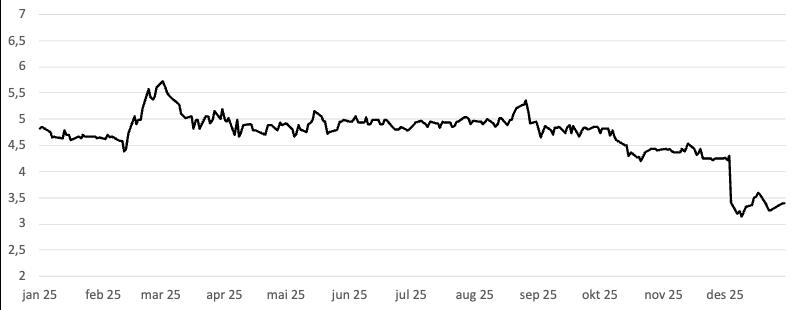
The board and management
Management team
Olav Hilmar Koløy CEO
30+ years of industrial experience from the maritime industry as well as broad experience across sales, business development and operations. Appointed CEO in October 2025.
Daniel Molvik CFO
Trygve Kjerpeseth
COO EQVA & CEO BKS Group
Johannes Sandhei CEO IMTAS Group
Extensive background and experience from financial markets and roles within strategy and business development from EY, Astrup Fearnley and Aker Biomarine. Appointed CFO from December 2025. Mr. Molvik holds 114 974 shares and 300 000 share options in EQVA.
30+ years of experience from executive positions and senior project management. Mr. Kjerpeseth holds 100 000 shares and 200 000 share options in EQVA.
Founder of the EQVA subsidiary IMTAS. 20+ years of experience in sales and industrial projects. Mr. Sandhei holds 2 863 532 shares in the company through Sandhei Holding AS.
Board of directors
Ingrid Due-Gundersen
Chair of the Board
Gudmund Øvrehus
Board Member
Birthe Cecilie Lepsøe
Board Member
Tore Schiøtz
Board Member
Hans Olav Lindal
Board Member
Kari Markhus
Board Member
(Employee Representative)
Tomasz Bartlomiej Wesierski
Board Member
(Employee Representative)
Executive expertise in the maritime sector. Experience as former CFO and CEO of Havfram and 18 years in the Leif Høegh & Co group and Höegh Autoliners in various financial positions. Mrs. Due-Gundersen holds 60 000 shares and 2 000 000 share options in EQVA.
Founder of the EQVA subsidiary BKS and brings significant industrial expertise to the board. Mr. Øvrehus holds 8 729 738 shares in EQVA through ILG AS, as well as 100 000 share options.
Birthe Cecilie Lepsøe has work experience from DNB and Grieg Shipping, and specializes in strategy, finance and corporate governance. She brings extensive board experience from both publicly and privately owned companies, including Sparebank 1 SR Bank, Smedvig, GC Rieber, Asco Group, Belships and Nordic Halibut.
Tore Schiøtz is an investor and experienced board executive. His previous roles include Managing Partner at Contango Kapital, Group Executive Vice President at Hafslund ASA, Investment Director at Storebrand Spar, and Consultant at Andersen Consulting. Mr. Schiøtz holds 500 000 shares and 2 100 000 share options in EQVA.
Hans Olav Lindal is a seasoned lawyer with expertise in M&A, contract law, corporate law, and financing. He is a former partner at the law firm Thommessen and has substantial board experience from private and listed companies. He currently serves as CEO and Chairman of Gearbulk Shipowning.
Kari Markhus is HSE Coordinator and Document Controller at EQVA subsidiary BKS. She has been a member of the Board of EQVA since January 2024. Ms. Markhus holds 80 000 share options in EQVA.
Tomasz Bartlomiej Wesierski is Resource Coordinator and Project Manager at EQVA subsidiary BKS. He has been a member of the Board of EQVA since January 2024. Mr. Wesierski holds 80 000 share options in EQVA.
Financial statements




CONSOLIDATED STATEMENT OF PROFIT OR LOSS
CONSOLIDATED STATEMENT OF OTHER COMPREHENSIVE INCOME
(NOK 1,000)
Sunde, 30 April 2026
The board of directors of EQVA ASA
This document is digitally signed.
Ingrid Due-Gundersen Chair of the Board
Tore Schiøtz Board member
Kari Markhus Board member
employee representative
Birthe Cecilie Lepsøe Board member
Gudmund Øvrehus Board member
Tomasz Bartlomiej Wesierski Board member employee representative
Hans Olav Lindal Board member
Olav Hilmar Koløy CEO
CONSOLIDATED STATEMENT OF CHANGES IN EQUITY
(NOK 1,000)
*Minority interest came following the aquisition of HG Group, BKS and Kvinnherad Group (through Vassnes Group). Vassnes Group was divested in Q1 2025.
(NOK 1,000)
1 General information
2 Significant accounting policies
3 Significant judgements and estimates
4 Segment information
5 Salary, fees, number of employees etc.
6 Other operating expenses
7 Income tax
8 Financial income and financial expenses
9 Subsidiaries, associates and other financial investments
10 Business combinations and other purchases in the group 11 Intangible assets
and
26 Discontinued operation
27 Contingencies and provisions
28 Related party transactions
29 Sustainability and climate risk
30 Subsequents events
ACCOUNTS FOR 2025 ARE PRESENTED IN ENGLISH.
1. GENERAL INFORMATION
EQVA ASA is a public limited company based in Norway, and its head office is in Valen, Kvinnherad.
EQVA ASA is a knowledge-based active owner of industrial service companies that contribute to the green transition in maritime, power intensive and renewable industries.
EQVA takes responsibility for developing technological and commercial solutions, which provide unique advantages for our customers within land based- and maritime industry.
The group has a well-diversified product- and market portfolio, and further growth will be established through a combination of company-based development, utilization of synergies between the companies in the group and value-creating M&A activities.
The group structure is operationally organized in 4 segments (reporting structure):
• Industrial Solutions which includes BKS Group, Kvinnherad Elektro, IMTAS Group and Austevoll Rørteknikk. The companies within the segment provides full-service technical installations, including service and maintenance, to Norwegian industries. We aim to be the preferred and competitive partner for the maritime, offshore, and land-based sectors in Norway. Renewables include Fossberg Kraft who is specialized in the establishment and operation of small-scale hydropower plants.
Real Estate which includes EQVA’s real estate properties. The properties are predominantly production related. Other in which the parent company is the main entity – the segment also includes companies without regular operations and eliminations of intra-group transactions.
The EQVA group includes a total of 704 FTEs as of December 31, 2025.
2. SIGNIFICANT ACCOUNTING POLICIES
2.1 Basis of preparation
The consolidated financial statements of EQVA ASA and its subsidiaries (the "Group") are prepared in accordance with IFRS® Accounting Standards as adopted by the EU.
The consolidated financial statements have been prepared on a historical cost basis except for certain financial assets and liabilities (including derivative instruments) that are measured at fair value.
The consolidated financial statements are presented in NOK 1,000. Figures in all notes to the financial statements are also presented in NOK 1,000 unless otherwise specified.
The consolidated accounts were approved by the Board of Directors on 25 March 2026.
New and amended standards adopted by the Group
The group applied for the first time certain amendments to standards, which are effective for annual periods beginning on or after 1 January 2023. The amended standards that applied for the first time in 2023 did not have any material impact on the consolidated financial statements of 2023, except for:
Disclosure of Accounting Policies - Amendments to IAS 1 and IFRS Practice Statement 2
In February 2021, the IASB issued amendments to IAS 1 and IFRS Practice Statement 2 Making Materiality Judgements, in which it provides guidance and examples to help entities apply materiality judgements to accounting policy disclosures. The amendments aim to help entities provide accounting policy disclosures that are more useful by replacing the requirement for entities to disclose their 'significant' accounting policies with a requirement to disclose their 'material' accounting policies and adding guidance on how entities apply the concept of materiality in making decisions about accounting policy disclosures. The amendments to IAS 1 are effective for these consolidated financial statements beginning on 1 January 2023.
The group has not made any voluntary accounting policy changes in 2025.
Standards and interpretations issued but not yet effective
The group has not early adopted any accounting standards, interpretation or amendment that has been issued but is not yet effective. The group intends to adopt new and amended standards and interpretations, if relevant, when they become effective.
The group does not expect any significant effects related to upcoming standards and amendments. The group is currently revisiting their accounting policy information disclosures to ensure consistency with the amended requirements.
2.2 Basis of consolidation
The consolidated financial statements include EQVA ASA and companies in which EQVA ASA has a controlling
influence. Controlling interest is normally achieved when the Group has control over the enterprise and can use it to influence the return, is exposed to or has variable return rights, and the Group is able to exercise effective control over the company. Note 9 shows an overview of subsidiaries.
A change in ownership interest in a subsidiary, without loss of control, is accounted for as an equity transaction.
2.3 Investments in associates
An associated company is an entity in which the group has significant influence. Significant influence normally exists when the Group has 20 % to 50 % of the voting rights unless other terms and conditions affect the Group’s influence. The investments in associates are accounted for using the equity method. Such investments are initially recognized at cost. Cost includes the purchase price and other costs directly attributable to the acquisition such as professional fees and transaction costs.
The financial statements of the associates are prepared for the same reporting period as the Group. When necessary, adjustments are made to bring the accounting policies in line with those of the group.
After application of the equity method, the Group determines whether it is necessary to recognize an impairment loss.
2.4 Presentation currency and functional currency
The consolidated financial statements are presented in NOK, which is also the parent company´s functional currency.
Each entity in the group determines its own functional currency, and items included in the financial statements of each entity are measured using that functional currency.
Transactions in foreign currencies are translated into the functional currency at the exchange rate at the date of the transaction.
2.5
Segment information
Segments are identified based on the organization and reporting structure used by management including top decision makers. Operating segments are components of a business that are evaluated regularly by the chief operating decision-maker for the purpose of assessing performance and allocating (to assess performance and allocate) resources. The Group’s chief operating decision-maker is the CEO.
The group has 4 reportable segments after a change in the reporting structure in 2024: 1. Industrial Solutions
Costs not directly attributable to the segments Industrial Solutions, Renewables, or Real estate, are related to the segment "Other", ref Note 4 Segment information.
The group divides the customers into geographical areas based on the customers' nationalities. The areas are Norway and the other.
2.6 Related parties
Parties are related if one party has the ability, directly or indirectly, to control the other party or exercise significant influence over the party in making financial and operating decisions. Parties are also related if they are subject to common control or common significant influence.
Transactions with related parties are disclosed in note 28.
2.7 Revenue recognition
The Group recognizes revenue as the Group fulfills a delivery obligation upon transfer of goods or services to the customer. The Group's operating revenues are related to the following income streams:
Newbuild projects
Modification projects
Service
Development, sale and operation of small-scale hydro power plants
Newbuild and modification projects are usually either fixed price contracts or time and material contracts. Services are usually performed under framework agreements.
For framework agreements – revenue is secured through pre-determined rates and estimated scope over a longer time period. These agreements represent a “repetitive” baseline volume, and positions EQVA’s subsidiaries as preferred providers for newbuild and modification projects.
Duration: Typically >1-year agreements
Pricing: Hourly rate, CPI-adjusted
Size: Variable – based on budgeted hours
For time and material contracts – revenue is secured through pre-determined rates and an estimated project scope. Such contracts are typically used for projects outside the scope of existing framework agreements, and in projects which require flexibility for scope changes in order to handle uncertainty.
Duration: 1 month – 2 years
Pricing: Hourly rate + mark-up on material
Size: Variable
For fixed price contracts – revenue is secured through contracts with a pre-determined scope, fixed price and timeline. Most contracts are adjusted for inflation and currency-effects on a yearly basis. Additions or changes to the pre-determined scope are handled through change orders.
Duration: 1 month – 2 years
Pricing: Fixed, adjusted for change orders
Size: Fixed + change orders
A signed sales contract should be in place before purchase, fabrication and other startup costs apply. The rationale for using the method of recognition of revenue over time, and not at the time of delivery, is based on the assumption that we are adding value to an asset controlled by the customer.
The same costs are included in the assessment of whether one has an onerous contract and associated measurement of estimated losses. Costs of errors in project development are treated as period costs and do not generate progress. As there is normally greater uncertainty in measuring the outcome of the contract in the early stages of production, revenue recognition is normally limited to accrued costs. If the uncertainty in a project is so large that it is not possible to estimate the potential outcome, no revenue is recognized until the uncertainty is reduced. If the accrued costs in the early stage do not qualify as inventory, it is recognized as operating expenses.
Change orders usually arise as a result of minor modifications in a project and will therefore normally not be considered as a separate contract. Change orders are therefore normally accounted for as a change of existing contract where transaction price and progress are updated when the change order is approved by both parties.
The customer can only terminate the contract because of a breach by EQVA (subsidiaries).
Power plants
Power plants under development are usually organized in separate legal entities (SPVs). The ownership of the SPV will
be transferred to the buyer when the project is completed, and the SPV will be consolidated as a subsidiary during the construction phase. Development and construction of power plants are output of the ordinary activities of the company, and the buyer is considered to be a customer. Management has therefore concluded that the transaction should be accounted for within the scope of IFRS 15 once a firm contract is signed. The customer can only terminate the contract if the Group fails to deliver as promised in the contract.
EQVA has an enforceable right to payment, and the asset under construction is without alternative use because of contractual limitations, and revenues are therefore recognized over time. The Group use cost incurred against expected total construction cost as measure of progress. The contracts include standard LD penalties for late delivery, but these are capped at a moderate level. When the shares in the SPV are transferred at completion, the share price is determined based on the agreed price of the power plant, adjusted for any net debt and working capital items in the SPV.
Services related to operations and maintenance of power plants owned by a third party are normally based on contracts with a fixed fee for a defined period. Revenues are recognized in each accounting period. If a power plant starts power production before being delivered to a client, these revenues are presented as sales revenues. Costs related to power production are presented as operational costs.
2.8 Taxes
Tax expense for the period comprises current and deferred tax. Tax is recognized in the income statement, except to the extent that it relates to items recognized directly in equity. In this case, the tax is also recognized in equity, respectively.
The current income tax charge is calculated based on the tax laws enacted or substantively enacted at the balance sheet date in the countries where the company’s subsidiaries and associates operate and generate taxable income. Management periodically evaluates positions taken in tax returns with respect to situations in which applicable tax regulation is subject to interpretation. It establishes provisions where appropriate based on amounts expected to be paid to the tax authorities.
Deferred income tax is recognized as temporary differences arising between the tax bases of assets and liabilities and their carrying amounts in the consolidated financial statements. However, the deferred income tax is not
accounted for if it arises from initial recognition of an asset or liability in a transaction other than a business combination that at the time of the transaction affects neither accounting nor taxable profit nor loss.
Deferred income tax assets are recognized only to the extent that it is probable that future taxable profit will be available against which the temporary differences can be utilized. Deferred income tax is provided on temporary differences arising on investments in subsidiaries and associates, except where the timing of the reversal of the temporary difference is controlled by the group, and it is probable that the temporary difference will not reverse in the foreseeable future.
2.9 Property, plant and equipment
Property, plant and equipment is stated in the balance sheet at cost, net of accumulated depreciation and accumulated impairment losses, if any. Cost includes expenditures that are directly attributable to the acquisition of the item of property, plant and equipment. Depreciation is calculated on a straight-line basis over the estimated useful lives of the assets as follows:
Buildings 10-40 years
Machinery 3-10 years
Operating equipment 3- 10 years
When significant parts of property and equipment are required to be replaced at intervals, the Group recognizes such parts as individual assets with specific useful lives and depreciates them accordingly. All other repair and maintenance costs are recognized in profit and loss as incurred.
2.10 Impairment of property, plant and equipment
Assessment of indications that assets may be impaired is made at the end of each reporting period. If indications exist, the recoverable amount of the asset is estimated. If the carrying value exceeds the estimated recoverable amount, the asset is written down to its recoverable amount. Recoverable amount is the higher of fair value less costs to sell and value in use. The write-down may be reversed by up to an amount corresponding to the write-down, if the book value is lower than the recoverable amount.
Assets are considered as part of a Segment. Impairment is done at Segment-level if the impairment test does not justify the carrying amount of the Segment including goodwill.
2.11 Intangible assets
Intangible assets acquired separately are measured on initial recognition at cost. The cost of intangible assets acquired in a business combination is their fair value at the date of acquisition. Following initial recognition, intangible assets are carried at cost less any accumulated amortization and accumulated impairment losses. Internally generated intangible assets, excluding capitalized development costs, are not capitalized and expenditure is reflected in profit and loss in the period in which the expenditure is incurred.
The useful lives of intangible assets are assessed as either finite or indefinite. Intangible assets with finite lives are amortized over the useful economic life and assessed for impairment whenever there is an indication that the intangible asset may be impaired. The amortization period and the amortization method for an intangible asset with a finite useful life are reviewed at least at the end of each reporting period.
Intangible assets with indefinite useful lives are not amortized, but are tested for impairment annually, either individually or at the cash-generating unit level. The assessment of indefinite life is reviewed annually to determine whether indefinite life continues to be supportable.
Research and development costs (R&D)
Research costs are expensed as incurred. Development expenditures on an individual project are recognized as an intangible asset when the Group can demonstrate:
The technical feasibility of completing the intangible asset so that it will be available for use or sale
Its intention to complete and its ability to use or sell the asset
How the asset will generate future economic benefits
The availability of resources to complete the asset
The ability to measure reliably the expenditure during development.
Amortization of the asset begins when development is complete, and the asset is available for use. It is amortized over the period of expected future benefit. Amortization is recorded in cost of sales. During the period of development, the asset is tested for impairment annually.
The main part of the research and development costs that are recognized as an intangible asset are related to the development of new ship designs and fish handling equipment.
2.12 Goodwill
Excess value resulting from acquisition of an enterprise that cannot be allocated to identifiable assets or liabilities on the date of acquisition is classified as goodwill in the balance sheet. Goodwill is initially measured at cost. Goodwill is calculated on a 100 % ownership. In regards of investments in associated companies, goodwill is included in the cost price of the investments.
After initial recognition, goodwill is measured at cost less any accumulated impairment losses. Goodwill is allocated to Segment level for the purpose of impairment testing. The impairment testing is described in more detail in note 11.
Goodwill is tested for impairment at each closing of accounts. An assessment is made whether the discounted cash flow relating to goodwill exceeds the value of the goodwill recognized in the accounts. If the discounted cash flow is lower than the recognized value, goodwill will be written down to the higher of value in use and fair value less cost to sell.
2.13 Borrowing costs
Borrowing costs directly attributable to the acquisition, construction or production of an asset that necessarily takes a substantial period to get ready for its intended use or sale are capitalized as part of the cost of the respective assets. All other borrowing costs are expensed in the period in which they occur. Borrowing costs consist of interest and other costs that an entity incurs in connection with the borrowing of funds.
2.14 Inventories
Inventories of purchased goods are valued at the lower of acquisition cost and net realizable value. The acquisition cost is assigned using the FIFO method and includes expenses incurred on acquisition of the goods and the cost of bringing the goods to their present state and location. Finished goods and work in progress are valued at full cost.
2.15 Treasury shares
Own equity instruments that are reacquired (treasury shares) are recognized at cost and deducted from equity. No gain or loss is recognized in profit or loss on the purchase, sale, issue or cancellation of the Group’s own equity instruments. Any difference between the carrying amount and the consideration, if reissued, is recognized in retained earnings. Voting rights related to treasury shares are nullified for the Group and no dividends are allocated to them.
2.16 Contract assets and liabilities
Recognized revenue within the scope of IFRS 15 is presented as a contract asset in the balance sheet if the right to payment is conditional of future performance (usually to complete the project). If the right to payment is unconditional, the recognized amount is presented as accounts receivable. Advance payments received are presented as a reduction of the contract asset on a contract level. If advance payments received are higher than recognized revenue for a specific contract, the net is presented as a contract liability in the balance sheet. Credit loss of contract assets is like those for accounts receivable.
2.17 Financial Instruments.
Investments in shares
Investments in shares are measured at fair value through profit or loss, except for shares in associated companies.
Receivables and bank deposits
The Group maintains its accounts receivable and other receivables in a business model where the purpose is to recover contractual cash flows, so that these are measured at amortized cost. Receivables are classified as current assets. Receivables include "accounts receivable and other receivables", as well as cash and cash equivalents in the balance sheet. Financial assets are derecognized when the right to receive cash flows from the investment ceases.
Loan
Loans are initially recognized at fair value when the loan is disbursed, adjusted for directly attributable transaction costs. In subsequent periods, loans are recognized at amortized cost calculated using the effective interest rate method (EIR). The difference between the loan amount paid out (less transaction costs) and the redemption value is thus recognized in the income statement over the term of the loan. Effective interest is recognized in the income statement unless it is recognized in the balance sheet on the purchase/ manufacture of a fixed asset or other qualifying asset. First-year repayments on long-term debt are presented as short-term debt.
Accounts payable
Trade payables are recognized at fair value on initial recognition.
In agreements that reduce the value of outstanding debt, the value of the debt is reduced and recorded as income. Upon subsequent calculation of the value of the agreement, changes are entered as an adjustment of the debt with a counter-item in the income statement.
2.18 Provisions
Provisions are recognized when there is a present obligation (legal or constructive) because of a past event, it is probable that the Group will be required to settle the obligation, and a reliable estimate can be made of the amount. A future settlement of the obligation will probably require an outflow of economic resources.
Provisions usually relate to warranties. Provisions for warranty-related costs are recognized when the product is sold, or the service provided to the customer. Initial recognition is based on historical experience. The initial estimate of warranty-related costs is revised annually. Key sub-suppliers have warranty responsibilities for their deliveries into projects. EQVA`s warranty obligations are related to the works carried out of EQVA in the projects.
2.19 Cash flow statements
The cash flow statements are based on the indirect method.
2.20 Government grants
Government grants are recognized when it is reasonably certain that the company will meet the conditions stipulated for the grants and that the grants will be received. Operating grants are recognized systematically during the grant period. Grants are deducted from the cost which the grant is meant to cover and are recognized as a reduction of other operating expenses.
2.21
Discontinued operations
Discontinued operations are part of the Group sold or classified as held for sale and represent a significant part of one of the Group's operations or geographical areas. The results of the divested business are presented separately in the income statement.
Note 3 - SIGNIFICANT JUDGEMENTS AND ESTIMATES
The preparation of the Group's consolidated financial statements requires management to make judgments and estimates. These estimates are based on the actual underlying business, its present and forecast profitability over time, and expectations about external factors. Uncertainty about these estimates could result in outcomes that require material adjustment to the carrying amount of assets or liabilities affected in future periods.
The following judgements and estimates have the most significant risk of resulting in a material adjustment in the next financial statements:
3.1 Revenue recognition
To determine how the Group's customer conversion contracts should be recognized as income, the
management has made several critical assessments. The Group recognizes revenue as the Group fulfills a delivery obligation upon transfer of goods or services to the customer. The contracts define the transaction price but include clauses that may result in an adjustment of the transaction price as a result of delayed delivery or deviation from agreed specifications. The maximum transaction price adjustment is defined in the contracts and normally constitutes a small part of the transaction price. As the adjustment clauses are rarely triggered and can only lead to limited transaction price adjustments, the contract price is used as the transaction price, unless one has specific information that the adjustment clauses are triggered.
The Group does not recognize revenue from Vassnes Group from Q2 2025 as the company was sold in March 2025 (discontinued operations). Discontinued operations are disclosed in note 26.
The Group recognize revenues from Imtas Group from Q1 2025, (aquired in Q1) and Austevoll Rørteknikk (acquired in Q3) from Q4 2025.
3.2 Degree of completion and provision for loss contracts
A part of Eqva's business consists of executing revenuerecognition projects that are recognized over time. Revenue recognition over time is based on estimates and assessments made at the discretion of management.
Revenue recognition and cost estimates depend upon variables such as steel prices, labor costs and availability, and other production inputs. The Group must also evaluate and estimate the outcome of variation-orders, contract claims and requests from customers to modify contractual terms which can involve complex negotiations with customers.
3.3 Impairment of non-financial assets including goodwill
An impairment exists when the carrying value of an asset or cash generating unit (CGU) exceeds its recoverable amount, which is the higher of its fair value less costs to sell and its value in use. The fair value less cost to sell calculation is based on available data from binding sales transactions, conducted at arm’s length, for similar assets or observable market prices less incremental costs for disposing the asset. The value in use calculation is based on a discounted cash flow model. The cash flows are derived from the budget for the next five years and do not include restructuring activities that the Group is not yet committed to or significant future investments that will enhance the asset’s performance of the CGU being tested. The recoverable amount is most sensitive to the discount rate used for the discounted cash flow model as well as the expected future cash-inflows and
the growth rate used for extrapolation purposes. The key assumptions used to determine the recoverable amount for the different CGUs, including a sensitivity analysis, are disclosed, and further explained in note 11.
3.4 Power plants
For power plants under construction, these are organized in separate companies where incurred costs are entered on the balance sheet as operating assets/facilities under construction. In the group accounts, revenues in these projects are recognized based on estimates of progress, revenues and costs for the assets under construction.
4. SEGMENT INFORMATION
The Group's main activities are:
• Industrial Solutions includes BKS group, IMTAS group, Austevoll Rørteknikk and Kvinnherad Elektro. EQVA Industrial Solutions is a full-service provider of industrial services – both newbuilds, modifications and service assignments. The segment’s customers include leading industrial players across smelting operations, process industry, aquaculture, the maritime sector, and offshore.
BKS provides engineering services and mechanical solutions, steel structures, piping systems, as well as power and automation. IMTAS provides engineering services and mechanical solutions, steel structures, and piping systems. Austevoll Rørteknikk provides piping systems for aquaculture and Kvinnherad Elektro is a provider of power and automation services.
Renewables include Fossberg Kraft, which specializes in the establishment and operation of small-scale hydropower plants.
• Real Estate which includes EQVA’s real estate properties. The properties are predominantly production related
• Other in which the parent company is the main entity – the segment also includes companies without regular operations and eliminations of intra-group transactions.
See note 9 for a specification of each segment at company level.
The group divides the customers into geographical areas based on the customers' nationalities. The areas are Norway and Others.
The Group's customer base consists of a wide range of companies. The Group's three largest customers in 2025 compose 43 % of total Group revenue.
Transfer prices between operating segments are basis in a manner similar to transactions with third parties.
The accounting principles for segment reporting correspond to those used by the group.
2025 (NOK million)
"Other" contains parent company items and elimination of intra-group transactions.
Revenues of the Real Estate segment are internal.
"Other" contains parent company items and elimination of intra-group transactions.
Revenues of the Real Estate segment are internal.
5. SALARY, FEES, NUMBER OF EMPLOYEES ETC.
(NOK 1,000)
The Group has a defined contribution plan covering all employees. The Group's pension scheme satisfies the requirements of the Act on Compulsory Occupational Pensions. Pension costs for the Group's defined contribution plans are expensed on a continuous basis with earnings for the employees. The Group's duty is limited to the payment of agreed contribution and where the actuarial risk and investment risk fall on the individual employee.
Incentive programs established in EQVA EQVA has established an incentive arrangement (bonus) which applies to leaders and key personnel in the Group. The payments depends on, among others, group performance (e.g reported EBITDA measured against budgeted EBITDA). The payments are expensed as salaries. There has been no payments in 2025.
A total bonus provision of total MNOK 10 is booked in group 2025 accounts. Of this NOK 1 million is related to the Group Management. The bonus will be paid out in 2026.
Remuneration to key management personnel and the Board of Directors paid in 2025:
Olav Hilmar Koløy CEO*
Even Matre Ellingsen CEO*
Tore Thorkildsen CEO*
Erik Høyvik CFO*
Daniel Hjertaker Molvik CFO*
* Even Matre Ellingsen (CEO) was replaced by Tore Thorkildsen (interim CEO) in June 2025. Olav Hilmar Koløy was officially appointed new CEO in November 2025.
Tore Thorkildsen's compensation for EQVA ASA CEO-tasks was paid by and invoiced from BKS Holding AS (his employer), and amounted to NOK 541 thousand (excl. VAT) for 2025.
Petter Sørdahl was replaced by Daniel Hjertaker Molvik as CFO in December 2025.
Key management does not have bonus agreements or any share-based payment outside arrangements listed above. Refers to the statement of remuneration of executive personnel.
No loans or guarantees to the Group CEO or any member of the board per 31.12.25.
Petter Sørdahl CFO*
The notice period for the CEO and other senior executives is up to six months, whether the termination is initiated by the executive or the company. If the company terminates the employment, severance pay of up to nine months’ fixed salary may be provided, reduced by any income earned from new employment. Compensation for non-compete obligations may also be paid, but only if severance is not granted; this compensation can be up to 100% of the fixed salary and is payable for a maximum of 12 months after termination.
Eqva ASA parent company: NOK 3 009 000 in board fees have been paid to external board members in 2025 (NOK 2 917 000 in 2024). Remuneration board members agreed on general meeting 19.06.2025: Chairman NOK 850 000, board member NOK 385 000, employee representative NOK 240 000, member nomination committee NOK 12 500, member compensation committee NOK 0 and audit committee NOK 75 000. The group has established a board of director insurance.
The Company’s Remuneration Report for 2025 will be issued as a separate document and made available on the Company’s website. Information on shares, options and other share-based remuneration arrangements granted to members of executive management and the Board of Directors, including grants during the year, exercises during the year and outstanding rights at year-end, together with the principal terms and conditions, will be provided in the Company’s Remuneration Report for 2025. The Remuneration Report is issued as a separate document and made available on the Company’s website.
Main principles for the remuneration of Senior Executives
The remuneration of Senior Executives is stipulated on the basis of the following main principles:
The remuneration of Senior Executives shall be competitive and capable of attracting and retaining capable executive personnel. The remuneration (sum of payment received) should normally be about the average for the remuneration of executive personnel in corresponding positions in comparable enterprises. When stipulating the remuneration of executive personnel, due consideration must at all times be given to the company's financial situation, and the remuneration shall be set at a level that is justifiable in relation to the company's position.
The remuneration of Senior Executives shall be motivating and structured in such a way that it stimulates extra effort to improve the company's valuation on the stock exchange.
The main element in the remuneration of executive personnel should be a fixed salary, but variable additional benefits that are capable of motivating executive personnel to make an extra effort for the company may be granted. Variable benefits must be reasonable in relation to the company's profit performance in the year in question. Other variable benefits shall be linked to factors that it is possible for the individual to influence. The pay system should stimulate efforts that produce results over and above the individual's area of responsibility.
The remuneration system shall be understandable and acceptable both within the company and externally.
The remuneration system shall not be unduly difficult to explain to the general public and should not be unreasonably complex to manage.
The remuneration system shall be flexible so that it can be adapted to changing needs. In order to be able to offer competitive remuneration, the company must have a flexible pay system with room for special adaptations.
Annual share-based payment
The establishment of the Eqva ASA Annual Employee Option Plan was approved by the shareholders in 2022. The share option program applies to Board of directors, leaders and key personnel in the Group. The participants receive 40 000 or 100 000 options yearly, dependent of level in the group. The program has effect from 1 January 2023. Options are granted under the plan for no consideration and carry no dividend or voting rights.
The granted options are accounted for as equity-settled transactions. The cost of equity-settled transactions is determined by the fair value at the date when the grant is made using an appropriate valuation model. That cost is recognized in employee benefits expense, together with an increase in equity (other capital reserves), over the period in which the service and, where applicable, the performance conditions are fulfilled (the vesting period). The cumulative expense recognized for equity-settled transactions at each reporting date until the vesting date reflects the extent to which the vesting period has expired and the Group's best estimate of the number of equity instruments that will ultimately vest. The expense or credit in the statement of profit and loss for a period represents the movement in cumulative expense recognized as at the beginning and end of that period.
The granted options are vested over a period of three years. Employees must remain employed for a minimum three years to fully earn their granted options. A certain proportion of the options will become exercisable each year over the course of those three years. The exercise price after the first year is equal to the strike price. The exercise price after the second year is equal to the strike price multiplied by 1,1. The exercise price after the third year is equal to the strike price multiplied by 1,21.
In accordance with IFRS 2 Share-based Payment, the Group recognize an expense over the vesting period. The total estimated cost of the share-based payment is spread evenly over the vesting period, reflecting the manner in which the economic benefits associated with the options are likely to flow to the company.
Set out below are summaries of options granted under the annual plan:
No options expired during the period. Forfeited options was due to resignation from employees.
Share options outstanding at the end of the year have the following expiry dates and exercise prices:
1,2
Outstanding shares and share options for Executive Management:
Olav Hilmar Koløy, CEO EQVA, has no shares or share options as of 31. December 2025.
Daniel Hjertaker Molvik, CFO EQVA, holds 82 220 shares and 300 000 share options as of 31. December 2025. Of the share options, 100 000 were granted in January 2024 and 200 000 were granted in January 2025. No share options were exercised in 2025.
Trygve Kjerpeseth, COO EQVA, holds 100 000 shares and 200 000 share options as of 31. December 2025. Of the share options, 33 333 were granted in January 2023, 66 667 were granted in January 2024 and 100 000 were granted in January 2025. 100 000 share options were exercised in 2025 at an average exercise price of NOK 3.18 per share.
Johannes Sandhei, CEO of EQVA subsidiary IMTAS, holds 2 863 532 shares and no share options as of 31. December 2025.
Outstanding shares and share options for the Board of Directors:
Ingrid Due-Gundersen, chair of the board, has no shares and 2 000 000 share options as of 31. December 2025. The share options are awarded by Nordic Corporate Bank ASA, and are not part of the outstanding share options awarded by EQVA ASA.
Tore Schiøtz, board member, has no shares and 2 100 000 share options as of 31. December 2025. 2 000 000 of the share options are awarded by Nordic Corporate Bank ASA, while 100 000 share options were awarded by EQVA ASA in January 2025.
Gudmund Øvrehus, board member, has 8 729 738 shares and 100 000 share options as of 31. December 2025.
Birthe Cecilie Lepsøe, board member, has no shares or share options as of 31. December 2025.
Hans Olav Lindal, board member, has no shares or share options as of 31. December 2025.
Kari Markhus, board member (employee representative), has no shares and 80 000 share options as of 31. December 2025.
Tomasz Bartlomiej Wesierski, board member (employee representative), has no shares and 80 000 share options as of 31. December 2025.
Share Purchase Program
The Group has also established a share purchase program where all employees can participate. Employees can buy shares for up to NOK 20,000 with a discount of 20 %. The share discounts are expensed as salaries. The share purchase program is conducted annually.
6. OTHER OPERATING EXPENSES
Auditor's fees are stated excluding VAT.
7. INCOME TAX
The parent company Eqva ASA is resident in Norway, where the corporate tax rate is 22 %.
The major componenents of income tax expense/ (income) for the year are:
(NOK 1,000)
of
Deferred tax relates to the following temporary differences:
As at 31 December 2025, the Group has not recognized a deferred tax asset of NOK 28 million, arising from tax losses carried forward and deductible temporary differences. The basis for non-recognition is that, in management's judgement, it is not probable that sufficient future taxable profits will be available to fully utilize the tax loss carried forward.
8. FINANCIAL INCOME AND FINANCIAL EXPENSES
9. SUBSIDIARIES, ASSOCIATES AND OTHER FINANCIAL INVESTMENTS
For the accounting of the investments below the aquisition metholology applied.
EQVA ASA has the following direct and indirect ownership in subsidiaries as of 31/12/2025
Changes in 2025
The Vassnes Group (51% ownership) including Vassnes Solutions AS, Vassnes Power AS, Vassnes Engineering AS and Vassnes Mechanical AS was sold to an external company in the spring 2025.
The Imtas Group including Imtas AS, Imtas Personell AS, Imtas Prosjekt AS, Imtas Harstad AS og Jacobsen Mekniske Vernsted Drift AS was acquired (100%) in the spring 2025.
Austevoll Rørteknikk AS was acquired (100%) in the autum 2025.
EQVA ASA carried out a group internal merger in Q4 2025. Havyard Ship Invest AS, Mjølstadneset Eiendom AS og Norwegian Marine Systems AS were merged into Eqva Holding AS. Simultaniously Eqva Industri AS was merged into Eqva Renewables AS.
Group internal - Zenit Engineering AS' ownership (40%) in Zenit Eigedom AS transferred to Eqva Eigedom Holding AS in 2025.
ABC Produksjon AS was filed for bankruptcy in 2025.
EQVA ASA has the following ownership in subsidiaries as of 31/12/2024
share/ voting share
Changes in 2024
The reporting segments in Eqva Group were redefined and renamed during Q4 2024. For details, see note 4.
Eqva ASA established a new subsidiary - Eqva Holding AS during the autumn 2024. Eqva Holding AS has no subsidiaries at the end of 2024.
Eqva ASA established a new subsidiary - Eqva Industrial Solutions Holding AS during the autumn 2024, with a subsidiary Eqva Industrial Solutions AS.
Eqva Industrial Solutions AS acquired Kvinnherad Elektro AS, including 51 % ownership stake in Vassnes Solutions AS, Vassnes Power AS, Vassnes Engineering AS and Vassnes Mechanical AS, during 2024.
BKS Holding AS increased its ownership in Zenit Engineering AS, from 89% to 100% during 2024.
Group internal sale of company - Eqva Industrial Solutions AS bought the shares in BKS Holding AS (100%) from Eqva Industri AS (former Handeland Industri AS).
Group internal sale of company - Arnt Narheim AS (100%) was sold from BKS Industri AS to Eqva Industrial Solutions AS and changed name to Eqva Finance and Analytics AS.
Group internal debt conversion - Eqva ASA carried out a debt conversion towards Fossberg Kraft AS (100%) and became the direct owner of approx 14% of the shares. A similar conversion was carried out towards Eqva Renewables AS where the share value in Eqva ASA was increased - but in this case the ownership was 100 % before and after conversion.
Group internal debt conversion - Zenit Engineering AS carried out a debt conversion towards Zenit Eigedom AS and became the direct owner of 40 % of the shares.
HG Group AS changed name to Eqva Renewables AS, Handeland Industri AS changed name to Eqva Industri AS and Fossberg Kraft Produksjon AS changed name to ABC Produksjon AS.
Fossberg Kraft AS sold the project companies Haugsvær Kraft AS and Skjeggfoss Kraftverk AS during 2024.
The investment in Havila Charisma IS was sold during Q1 2024. The net accounting effect was NOK 37 million and net cash was NOK 62 million.
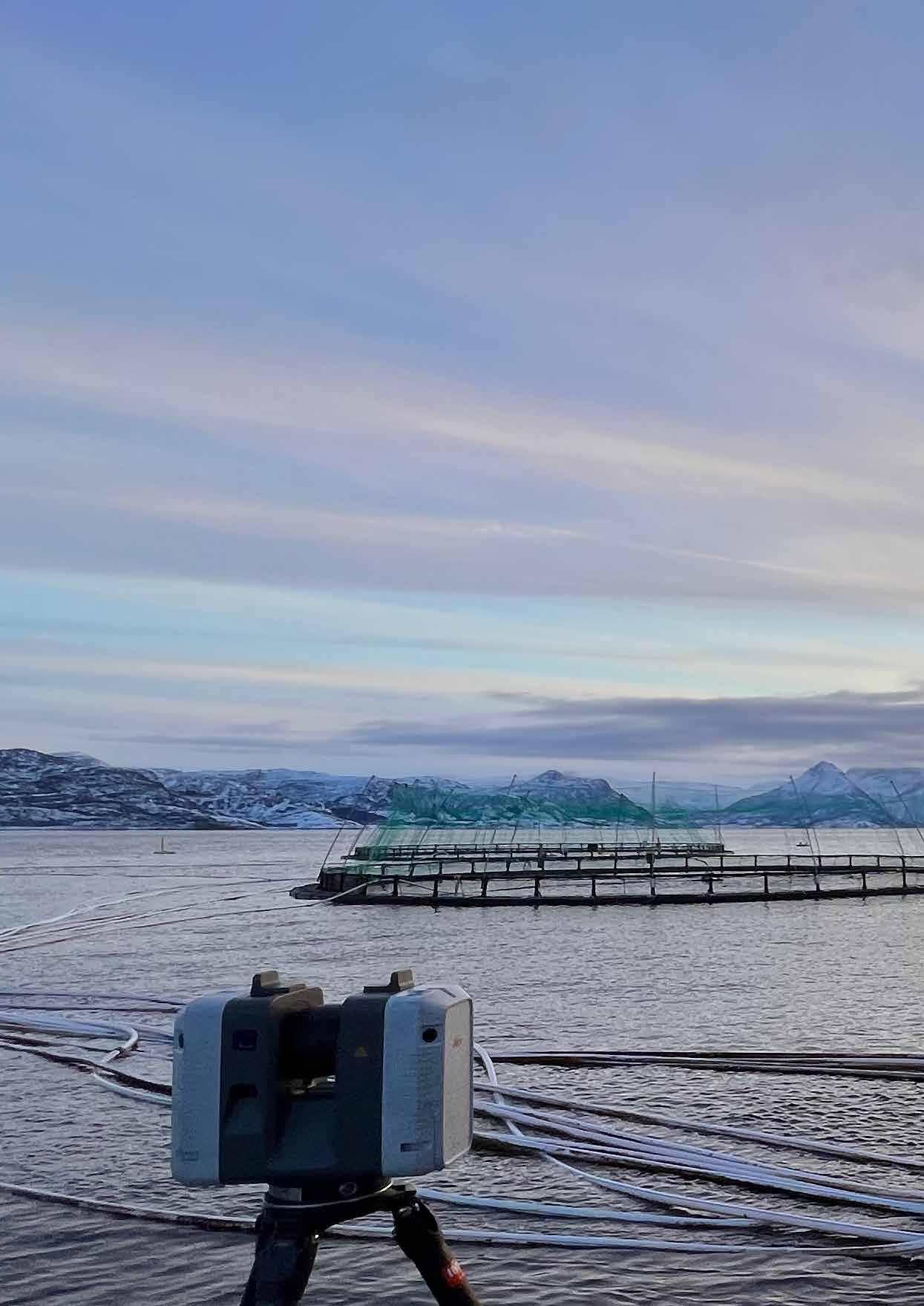
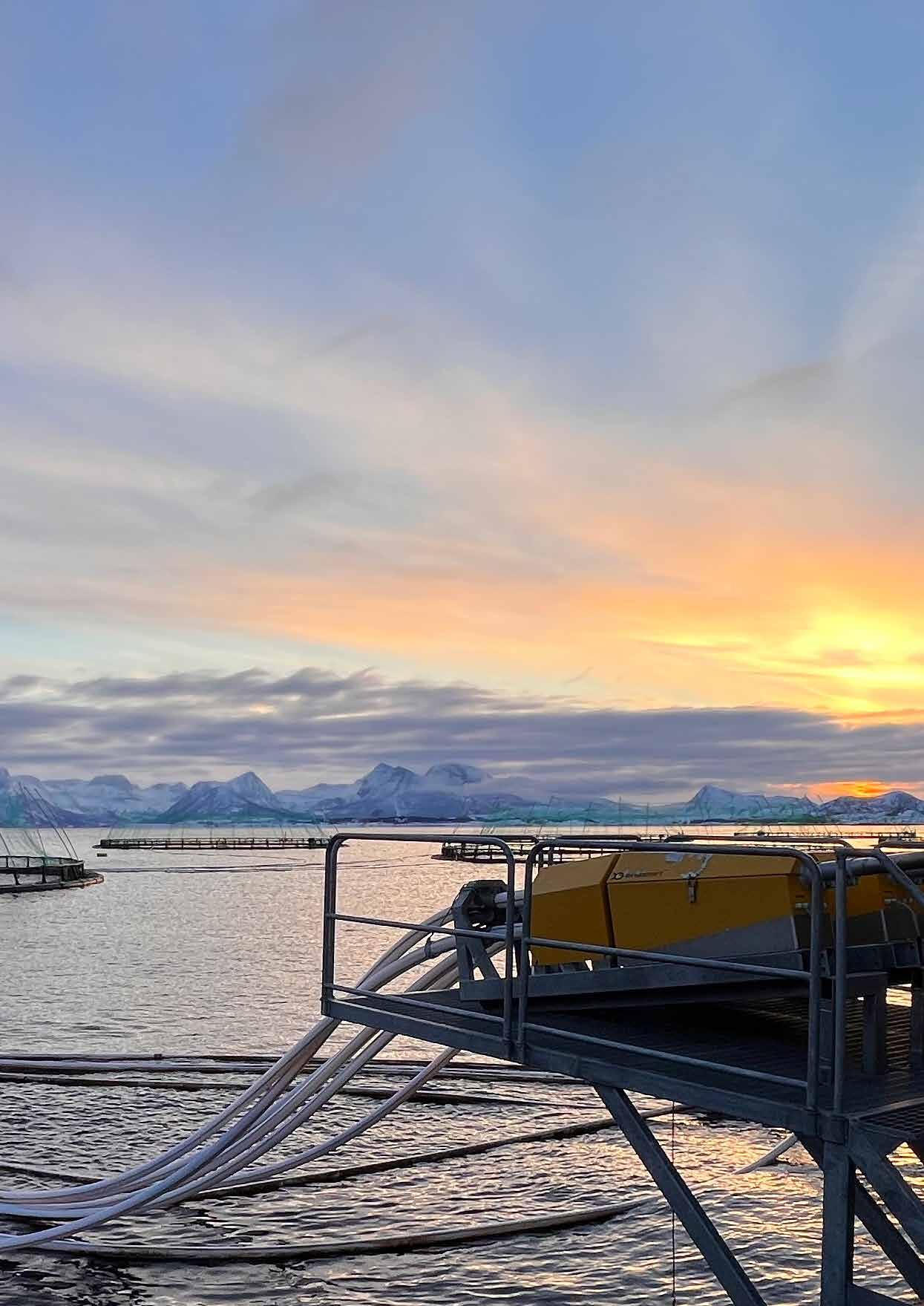
10. BUSINESS COMBINATIONS AND OTHER CHANGES IN THE GROUP
2025 - Acquisition of IMTAS AS with subsidiaries
On 17th of February 2025, EQVA ASA entered into an agreement to acquire 100% of the shares in IMTAS AS and its subsidiaries (other than IMTAS Eiendom AS) ("IMTAS Group"). The acquisition was carried out by EQVA's wholly owned subsidiary EQVA Industrial Solutions AS.
IMTAS Group offers services that are complementary to EQVA's current operations. The transaction expands the group's geographical area of operations, diversifies customer and revenue streams, and strengthens the overall service offering.
The transaction was closed on the 21th of March 2025. The consideration was a combination of (i) NOK 51 million in cash, (ii) 6 113 165 shares in EQVA ASA at a fair value of NOK 30,8 million, (iii) a locked-box-compensation of 19,9 million, and (iv) a Seller's Credit of NOK 40 million.
The transaction is accounted for as a business combination under IFRS 3 'Business Combinations' that requires the acquiree's identifiable assets and liabilities to be recognised at their fair values as of the acquisition date.
Consideration table - Acquisition of IMTAS Group (NOK million) On Closing Q3 25 * Seller's Credit **
the report date)
* 50% of the locked-box compensation was settled in cash in Q3 at the after finalized audited financial statments for IMTAS Group. The 100% locked-box compensation is set at NOK 19,9 million.
** 50% of the locked-box compensation is settled through the issuance of a seller's credit. All seller's credit is issued with a duration of 12 months at an interest of 8% p.a.
The agreement includes a conditional earn-out of up to NOK 30 million. The earn-out is performance-based, and calculated on the IMTAS Group's average EBITDA in 2025 and 2026. No earn-out will be paid if the IMTAS Group's average EBITDA over 2025 and 2026 is NOK 31,2 million or lower. The earn-out shall not in any event exceed NOK 30 million. The EBITDA is subject to certain adjustments for extraordinary events.
The estimated fair value of NOK 25,2 million has been determined using a probability-weighted approach, reflecting management's assessment of expected performance and synergies. The earn-out is expected to be settled in 2027 following completion of the measurement period, and has been discounted using the Group's discount rate. The liability is subsequently remeasured at fair value through profit or loss in accordance with IFRS 9.
On closing of the transaction, 6 113 165 new shares in EQVA ASA were issued as part of the consideration for IMTAS Group. The
value of the shares, NOK 30,8 million was based on the share price at Oslo Stock Exchange per 3rd March 2025 (5 616 438 shares) and 1st July 2025 (496 727 shares).
Ahead of the acquisition, EQVA invested NOK 19,6 million to refinance IMTAS' loans to credit institutions, changing the creditor of the loans to the Group's main bank.
* Excess fair values of NOK 4,2 million were identified and allocated to machinery and equipment, vehicles and leased crane trucks. In addition, fair value adjustments to properties were identified at NOK 5,9 million. These adjustments represents the difference between carrying amounts and estimated fair values at the acquisition date, and will be depreciated over the respective remaining useful lives in accordance with IFRS.
** Customer relationships of NOK 48,2 million were recognized as part of the purchase price allocation. The asset reflects existing framework agreements with major customers. It is amortized on a straight-line basis over an estimated useful life of 10 years, consistent with management's assessment of expected economic benefits.
*** The recognized goodwill of NOK 68 million relates to identified synergies and growth, as well as deferred tax liabilities, and are not separately identifiable as intangible assets under IFRS 3.
(separately) to the Group's result 2025 From
* Pro forma equals the acqusitions (isolated) contribution to the EQVA Group's consolidated results at half year 2025, if the acquisition had occured on 1st of January 2025.
2025 - Acquisition of Austevoll Rørteknikk AS with subsidiaries
On 5th of March 2025, EQVA ASA entered into an agreement to acquire 100% of the shares in Austevoll Rørteknikk AS. The acquisition was carried out by EQVA's wholly owned subsidiary EQVA Industrial Solutions AS.
Austevoll Rørteknikk AS provides pipe installation, maintenance services, prefabrication and specialized products primarily for the aquaculture and seafood industry. The company's operations complement EQVA's existing industrial service offering and strengthen the group's presence along the Norwegian west coast. The acquisition expands EQVA's customer base and capacity to deliver multidisciplinary industrial services to the aquaculture and seafood sectors.
The transaction was closed on 6th of October 2025. The consideration was a combination of (i) NOK 5,95 million in cash, and (ii) 720 042 shares in EQVA ASA at a fair value of NOK 5,95 million.
The transaction is accounted for as a business combination under IFRS 3 'Business Combinations' that requires the acquiree's identifiable assets and liabilities to be recognised at their fair values as of the acquisition date.
Consideration table - Acquisition of Austevoll Rørteknikk AS (NOK million)
On Closing Total Fair Value
Est. FV of conditional future considerations (per the report date)
The agreement includes a conditional earn-out of up to NOK 12,1 million. The earn-out is performance-based, and calculated on the Austevoll Rørteknikk AS' average EBITA in 2025 and 2026. No earn-out will be paid if the company's average EBITA over 2025 and 2026 is NOK 3,1 million or lower, and will reach maximum achievement at NOK 5,7 million. The earn-out shall not in any event exceed NOK 12,1 million. The EBITA is subject to certain adjustments for extraordinary events.
The estimated fair value of NOK 0,3 million has been determined using a probability-weighted approach, reflecting management's assessment of expected performance and synergies. The earn-out is expected to be settled in 2027 following completion of the measurement period, and has been discounted using the Group's discount rate. The liability is subsequently remeasured at fair value through profit or loss in accordance with IFRS 9.
* Customer relationships of NOK 2,5 million were recognized as part of the purchase price allocation. The asset reflects existing framework agreements with major customers. It is amortized on a straight-line basis over an estimated useful life of 2 years, consistent with management's assessment of expected economic benefits.
The contribution from the acquisition (separately) to the Group's result 2025 From closing
* Pro forma equals the acqusitions (isolated) contribution to the EQVA Group's consolidated results at half year 2025, if the acquisition had occured on 1st of January 2025.
2024 (Previous year) - Acquisition of Kvinnherad Elektro AS with subsidiaries
On 14th of May 2024, EQVA ASA entered into an agreement to acquire 100% of the shares in Kvinnherad Elektro AS. The agreement included Kvinnherad Elektro's 51 percent ownership in Vassnes Solutions AS (with subsidiaries). The acquired companies are noted as "Kvinnherad Elektro Group".
Kvinnherad Elektro Group is a group of leading engineering, welding, power and automation service companies. The acquisition resulted in the establishment of a prominent and fully integrated system supplier within the piping, power and automation disciplines. The acqusition strengthened EQVA and EQVA Industrial Solution's position as a leading supplier for the upcoming significant upgrade and restructuring of the Norwegian industry.
The transaction was closed on the 18th of September 2024, and was carried out by EQVA's wholly owned subsidiary EQVA Industrial Solutions AS. The consideration was a combination of (i) NOK 10 million in cash, (ii) 986 193 shares in EQVA ASA at a value of NOK 5 million, and (iii) two conditional future considerations (see detailed below).
The transaction is accounted for as a business combination under IFRS 3 'Business Combinations' that enquires the acquiree's identifiable assets and liabilities to be recognised at their fair values as of the acquisition date. The Purchase Price Allocation ("PPA") has been recognised, separate from goodwill, the identifiable assets and the liabilities assumed.
Consideration table - Acquisition of Kvinnherad Elektro Group (NOK million)
Fair Value
In addition, two conditional considerations are agreed; (1) a conditional performance-based earn-out of up to NOK 5 million, and (2) a conditional share of gross margins of a specific project of up to NOK 10,6 million.
The estimated probability weighted fair value of the conditional consideration is per the report date estimated at a total of NOK 7,8 million. To be settled within the end of Q2/Q3 2025.
* Pro forma equals the acqusitions (isolated) contribution to the EQVA Group's consolidated results at year-end 2024, if the acquisition had occured on 1st of January 2024. Including minority interest. The balance of Kvinnherad Elektro Group consolidated mainly consist of working capital, cash and equivalents, debt to financial institutions, right-of-use assets and property. It is assessed that no material adjustments to fair value should be made to the balance items. The cash and cash equivalents position per the closing date was NOK 2,3 million - resulting in a net cash consideration of 7,7 million.
contribution from the acquisition (separately) to the Group's result 2024 From
11. INTANGIBLE ASSETS
2025
(NOK 1,000)
2024 (NOK 1,000)
*Depreciation rate for customer relationships is set based on the
EQVA
Goodwill
Goodwill is monitored and tested for impairment annually or more frequently if events or changes in circumstances indicate that the value may be impaired, goodwill is tested at the level of operating segments. NOK 248 million of the goodwill relates to the acquisition of BKS and Fossberg Kraft in late June 2022. NOK 25 million relates to the acquisition of Kvinnherad Elektro group in September 2024, adjusted for allocated goodwill in relation to the sale of Vassnes Group (a previous subsidiary of Kvinnherad Elektro group). NOK 68 million and NOK 0.5 million relates to the acquisitions in 2025 of IMTAS Group and Austevoll Rørteknikk, respectively.
Cash flow assumptions
The impairment testing of assets is by nature highly judgmental as it includes estimates such as future market development, cash flows, determination of Segments and WACC, and other assumptions that may change over time. In particular, future cash flows are uncertain as they are impacted by developments beyond our control. Weather conditions and regulatory developments are two examples that may impact our power plant development projects. Below is an overview of the key assumptions and judgements applied for impairment testing as of 31 December 2025.
The Weighted Average Cost of Capital (WACC) has been calculated based on a risk-free rate which mirrors the current yield on Norwegian 10-year government bonds, pursuant to established valuation practices. The cost of equity has been determined utilizing the Capital Asset Pricing Model (CAPM), where an equity beta of 3.5 was applied, derived from an asset beta of 0.6, assimilating a debt-to-equity ratio in alignment with IFRS 13 "Fair Value Measurement"
Risk Adjustments: The asset beta's reflection of the company's operational risks, inclusive of EBITDA margins and revenue volatility, has been benchmarked against comparable companies within the sector, a prudent asset beta has been deemed appropriate, given the lower risk profile assumed for BKS and Fossberg’s operations.
A market risk premium of 5% is incorporated to represent the additional return investors require over risk-free securities, supported by historical trends and financial institution benchmarking. A small firm premium of 3.0% has also been applied to account for the elevated risk associated with liquidity and market access for smaller enterprises.
Given the assumptions and inputs above we consider the calculated WACC (10,4%) to be conservative and customtailored to the company’s strategic long-term financing needs, incorporating comprehensive risk adjustments and market considerations. The impairment test has also been tested for sensitivities without any impairment indicators identified.
12. PROPERTY, PLANT AND EQUIPMENT
2025
Other operating equipment mainly relates to office equipment.
Depreciation
The Group has identified three classes of property, plant and equipment; land and buildings, machinery and operating equipment and are depreciated by the linear method over expected useful life.
13. LEASES
Amounts recognised in the balance sheet.
The balance sheet shows the following amounts relating to leases:
1,000)
Amounts recognised in the statement of profit or loss.
The statement of profit or loss shows the following amounts relating to leases:
Expenses relating to short-term leases* *Main part of short-term leases is rent of housing for project personnel.
The total cash outflow for leases in 2025 was MNOK 21,6 (2024: MNOK 15,4) which includes short/insignificant lease arrangements.
14. REVENUE FROM CONTRACTS WITH CUSTOMERS
NOTE 14.1
See note 4
(NOK 1,000) (NOK 1,000)
NOTE 14.1
NOTE 14.2
Changes in the delivery time of the projects can have a significant impact on the measurement of contract assets and contractual liabilities.
The amount accounted as contractual liabilities on Opening balance (IB) is recognized over the remaining of the contract period.
The revenue profile can vary significantly from one year to another by changes in the number of projects under construction and the average degree of completion of the projects.
NOTE 14.3
Transaction price allocated to fully or partly unsatisfied performance obligations
one and two years
NOTE 14.4
No revenue was recorded in 2025 on previously completed contracts.
15. LOSSES TO COMPLETION
As of 31 December 2025, one ongoing project is estimated to result in a total loss of NOK 5,4 million upon completion. In accordance with the Group’s accounting principles for loss-making contracts, the full expected loss has been recognised in profit or loss in 2025. The estimate is based on current assessments of contract revenue and expected costs to complete at the reporting date.
No losses to completion were identified in 2024.
16. FINANCIAL RISK MANAGEMENT
Below the financial instruments of the Group are presented according to category:
For shares considered at fair value, please refer to note 19.
Assessment of fair value
The different levels have been defined as follows:
Level 1: Fair value is measured by using quoted prices in active markets for identical financial instruments. No adjustments are made related to these prices.
Level 2: The fair value of financial instruments that are not traded on an active market is determined using valuation methods. These valuation methods maximise the use of observable data where they are available, and rely as little as possible on the Group’s own estimates. Classification at level 2 requires that all significant data required to determine fair value are observable data.
Level 3: Fair value is measured using significant data that are not based on observable market data.
Financial Risk
The Group’s activities expose it to financial risks such as, market risks, credit/counterpart risk and liquidity risk.
The Board of Directors is responsible for setting the objectives and underlying principles of financial risk management for the Group. The Board of Directors also establishes detailed policies such as authority levels, oversight responsibilities, risk identification and measurement, exposure limits and hedging strategies (if relevant).
Market Risk
Market risk is the risk that fluctuations in market prices, e.g. exchange rates, the price of such raw materials as steel, and interest rates, will affect future cash flows or the value of financial instruments. Market risk management aims to ensure that risk exposure stays within the defined limits, while optimising the riskadjusted return. Attempts should be made to secure major purchases in connection with projects as soon as possible after the final clarification of the project.
Currency risk
The Group’s revenue and costs are denominated primarily in Norwegian Krone(“NOK”) which is the functional currency of all entities within the Group. Currency risk arises through ordinary business when transactions occur in a currency other than the functional currency of the Group. The Group is partly exposed to Euro (EUR) - but currency risk is considered to be limited in Eqva`s current operations.
Credit/ Counterparty risk
Credit risk refers to the ability and willingness of counterparts to pay for services rendered and to stand by their future contractual commitments with the Group. The Group has implemented thorough procedures to limit the exposure to unreliable counterparts and the Group avoids undue concentration of credit and counterpart exposure. Prior to fixing any business with new customers or medium to longer term business with existing customers, commercial departments have to get approval from the Group’s credit risk team. The credit assessments are based on information from external credit rating agencies, public information, the Group's previous experience with the counterpart and internal analysis. Country and political risk also forms a part of the assessment. The Group actively seeks to diversify its exposure to particular industries and/or jurisdictions.
The age analysis of trade receivables is as follows:
Impairment of trade receivables are mainly related to a few issues were clients have experienced financial difficulties.
The impairment amount is calculated in each case based on best estimate of amount to be received.
Liquidity risk
Liquidity risk is the risk that the group will be unable to fulfil its financial obligations as they fall due. The Group monitors its liquidity risk by maintaining a level of cash and bank balances deemed adequate by management to finance the Group’s operations and mitigate the effects of fluctuations in cash flows.
Management monitors rolling forecasts of the Group’s liquidity reserve and cash and bank balances on the basis of expected cash flow. Close follow of the cash flow development is also the basis for the continued operation considerations. Reference can be made to note 22 for details on cash, note 17 for interest bearing debt and note 13 leasing liabilities.
Liquidity risk can also be caused by customers not able to establish long-term financing for projects or that the Group is unable to secure construction financing.
Maturities of financial liabilities
The tables below analyse the Group's financial liabilities into relevant maturity groupings, based on their contractural maturities. The amounts disclosed in the table are the contractual undiscounted cash flows.
Liabilities in balance sheet
Derivatives
Capital Management
The Group’s objectives when managing capital are to safeguard the Group’s ability to continue as a going concern and to maintain an optimal capital structure so as to maximise shareholder value. In order to maintain or achieve an optimal capital structure, the Group may return capital to shareholders or obtain borrowings.
The group`s main target for managing capital is return on equity (ROE).
Interest rate risk
The Group are exposed to changes in interest rates, as the liabilities have floating rates. The Group have not entered into interest rate hedging instrument. Reference is made to Note 17 for more information regarding interest bearing debt.
17. INTEREST BEARING DEBT
(NOK 1,000)
(included in other current liabilities)
The Liabilities to financial institutions of total 280 MNOK include; Nordea long-term loan to EQVA, Nordea drawn revolving credit facility to EQVA (NOK 66 million), Haugsesund Sparebank long term real-estate loan to BKS Eigedom, drawn revolving credit facility from Sparebank 1 SR-Bank to Fossberg Kraft, car financing loan in IMTAS.
The seller's credit to the sellers of IMTAS group (NOK 50 million, less interest), is included in "other current liabilities", and has a maturity of less than 1 year.
The long term loan from Nordea has a maturity of less than 5 years and the revolving credit facility from Nordea has a maturiy of 1 year. At the moment there are no construction loans from Sparebank 1 SR-Bank but these have usually a maturity of 1-2 years. The real estate loan from Haugesund Sparebank to BKS Eigedom has a maturity of 12 years.
All the loans have floating interest rates.
As pr 31.12 EQVA had the following financial covenants; The long term loan at Nordea has a leverage ratio (NIBD/LTM-EBITDA) step-down that measures 2,25 per 31.12.2025 and 2,0 at Q1 2026. In addition, there is a minimum equity ratio of 32,5%.
The real estate loan has a covenant of minimum liquidity of NOK 3 million, and an equity ratio of minimum 20%.
In January 2026, EQVA entered into a bond loan term agreement for a bond loan of NOK 500 million. The bond loan term agreement includes financial covenants, that will be applicable from Q1 2026. The financial covenants are: a leverage ratio NIBD/LTM-EBITDA of less than 3,5 for the first 12 months (thereafter 3,25), and a minimum liquidity of NOK 25 million.
On March 2026, EQVA entered into a new revolving credit facility agreement with Nordea (replacing the previous facility). Facility of NOK 75 million. The agreement has the following financial covenants: A minimum Equity ratio of 32,5%, minimum liquidity of NOK 50 million, and a periodic clean down during the calendar year.
As of 31 December 2025, Eqva ASA are in compliance with the financial covenants.
Leasing liabilities
For information about group's leasing, see note 13.
* Other changes in liab.to fin.inst. includes the disposal of assets and liabilities after the sale of Vassnes Group in Q1 2025.
*Due to refinancing from DNB to Pareto and Haugesund Sparebank, in additions to repayment of construction
to SR-Bank the volums of borrowing and installments are abnormal.
As of 31 December 2024, the Group was in compliance with all its existing debt covenants.
18. OTHER CURRENT LIABILITIES
Other current liabilities consists of the following:
See disclosure 14, 15, 17 and 27 for further details and specifications
* During the year, the Group paid NOK 9.4 million in contingent consideration to the sellers of Kvinnherad Elektro. The amount related to the sellers’ contractual right to a share of a contingent customer settlement under a profit-sharing arrangement and was paid upon realisation of the underlying amount. Refer to note 10.
19. NON-CURRENT FINANCIAL INVESTMENTS
The Group has no investments in financial assets as per 31.12.25 (NOK 0 million as of December 31. 2024). (NOK 1,000)
20. OTHER CURRENT AND NON-CURRENT RECEIVABLES
21. INVENTORY (NOK 1,000)
Inventory is measured at the lower of average cost and net realisable value, and consists of raw materials.
22. CASH AND CASH EQUIVALENTS
Cash and cash equivalents consist of:
At 31 December 2025 the Group had MNOK 10 (2024: NOK mill 88) in undrawn committed borrowing facilities.
23. GOVERNMENT GRANTS
31.12 - Unrecognized income
During the spring 2025 EQVA paid out a rest-balance of MNOK 1,781 related to a completed R&D project.
24. SHARE CAPITAL
Ordinary shares issued and fully paid
Treasury shares
EQVA ASA has reduced its number of treasury shares from 454 290 to 187 623 treasury shares (0.2 % of share capital) as of 31/12/2025.
Capital increase
In 2025 EQVA ASA issued 7 779 934 new shares through 4 capital increases of total MNOK 76,9. The number of shares after the share issue are 83 175 943, at par value NOK 0.05.
Dividends
In 2025 EQVA ASA paid NOK 0 in dividend to its shareholders. The board proposes NOK 0 in dividend for the general meeting.
All shares have equal rights. Shareholders as of 31.12.2025
25. EARNINGS PER SHARE
As of 31 December 2025, 1 353 334 options were included in the diluted weighted average number of shares calculation. 1 493 333 options were excluded from the diluted weighted average number of shares calculation because their effect would have been anti-dilutive.
The group has no convertible loans with a future dilution effect.
Adjusted earnings from continuing operations exclude the effect of the sale of PSV Charisma in 2024, thereby providing a more comparable basis for 2025 earnings per share from continuing operations.
26 DISCONTINUED OPERATION
Sale of shares in Vassnes Solutions AS
On the 26th of March 2025, the shares in Vassnes Solutions AS (incl. the subsidiaries Vassnes Power AS, Vassnes Engineering AS and Vassnes Mechanical AS) was sold from Kvinnherad Elektro AS to Helgevold Industri Invest AS for NOK 10 million.
Vassnes Solutions AS (with subsidiaries) was part of the Industrial Solutions business area. The business provided power & automation services and solutions. The disposal was executed following a period of weak financial performance, and management assessed that the sale created more value for shareholders than continued operations. As a result, the business has been classified as dicontinued operations in accordance with IFRS 5.
Additional information
Vassnes Solutions AS (with subsidiaries) was not a separate reportable segment under IFRS 8, but formed part of the Industrial Solutions segment.
The disposal does not affect the Group's continuing segment structure.
No material guarantees, earn-outs or contingent considerations were linked to the disposal consideration.
27. CONTINGENCIES AND PROVISIONS
Legal disputes
There were no legal disputes as of 31 December 2025 that may have a significant or material impact on the companies results or financial position.
Tax
There were no uncertain tax positions as of 31 December 2025 that may have a significant impact on the companies results or financial position.
Guarantees/warranties
No material warranty claim has as of the date of these financial statements been directed at any of the companies in the Group, nor have any of the companies in the Group been notified of any such claims.
28. RELATED PARTY TRANSACTIONS
Transactions with related parties
The Group has various transactions with related parties. All the transactions have been carried out as part of the ordinary operations and at arms` length principle.
The most significant transactions are as follows: (NOK 1 000)
Gard AS Sales to related parties
The balance sheet includes the following receivables and payables resulting from transactions with associated companies:
Handeland
Even Matre Ellingsen, ENK Sales to related parties
29. SUSTAINABILITY AND CLIMATE RISK
EQVA considers climate-related risks as part of the Group's overall risk management and sustainability framework. Climate risk may arise both from physical risks related to climate change and transition risks associated with the transition towards a lowemission society.
Physical climate risks may include the impact of extreme weather events, such as flooding, heavy precipitation, or frost. For parts of the Group's activities, including project development related to small-scale hydropower through Fossberg Kraft, weather conditions may affect construction timelines and project execution. Climate considerations are therefore taken into account in planning and project design, including assessments related to local environmental conditions and resilience to weather-related events. While such factors may influence the timing of certain projects, the Group currently considers the overall physical climate risk exposure to be limited.
Transition risks may arise from changes in political priorities, regulatory developments, or market expectations related to climate and environmental performance. This may include new regulations, taxes, reporting requirements, or other policy measures associated with the transition to a lower-emission economy. For the Group’s current activities, including operations within BKS, Kvinnherad Elektro and Fossberg Kraft, transition risk is considered to be relatively limited. However, political decisions affecting certain industries, such as taxation of the aquaculture sector, may indirectly influence demand for some of the Group’s services.
As described in the Group’s sustainability report, EQVA has conducted a structured assessment of sustainability-related impacts, risks and opportunities (IROs) in line with the ESRS framework. Climate-related risks have been considered as part of this process. The integration of identified IROs into the Group’s broader sustainability governance and reporting framework will be further developed as part of the ongoing implementation of CSRD and ESRS.
At the same time, the transition towards a loweremission economy is expected to create business opportunities for the Group. A share of EQVA’s activities contributes to projects with positive climate effects, including electrification projects, energy efficiency improvements and technical upgrades within process industries and smelters. Increased focus on the green
transition is therefore expected to support long-term demand for several of the Group’s services.
Overall, climate-related risks are currently assessed to have a limited direct impact on the Group’s financial position and future earnings, while the transition towards a more sustainable economy is expected to create new opportunities for growth.
30. SUBSEQUENT EVENTS
Refinancing through bond loan and new RCF
In January 2026, EQVA entered into a bond loan term agreement for a bond loan of NOK 500 million. The bond loan term agreement includes financial covenants, that will be applicable from Q1 2026. The financial covenants are: a leverage ratio NIBD/LTM-EBITDA of less than 3,5 for the first 12 months (thereafter 3,25), and a minimum liquidity of NOK 25 million.
On March 2026, EQVA entered into a new revolving credit facility agreement with Nordea (replacing the previous facility). The agreement has the following financial covenants: A minimum Equity ratio of 32,5%, minimum liquidity of NOK 50 million, and a periodic clean down during the calendar year.
Acquisition of Einar Øgrey Farsund AS
In March 2026, EQVA entered into an agreement to acquire the mechanical and electro-mechanical operations of EInar Øgrey Farsund AS. The transaction will strengthen EQVA's capacity within mechanical and electro-mechanical services and expand the group's presence in Southern Norway, while providing access to a broader customer base and specialized technical expertise.
The acquired business has approximately 65 employees, and provides services including engineering and design, mechanical fabrication, installation, maintenance of mechanical equipment and structures, certification and inspection of lifting equipment, non-destructive testing (NDT), and 3D-modelling & scanning.
For 2025, the acquired business generated an estimated NOK 160 million and EBITDA of approximately NOK 15 million.
The transaction is expected to be completed during the second quarter of 2026, subject to customary conditions. Prior to completion, the HVDC operations of Einar Øgrey Farsund will be demerged from the company.




PROFIT OR LOSS STATEMENT PARENT COMPANY
Sunde, 30 April 2026
The board of directors of EQVA ASA

This document is digitally signed.
Ingrid
Due-Gundersen
Chair of the Board
Tore Schiøtz Board member

Kari Markhus Board member employee representative

Birthe Cecilie Lepsøe Board member
Hans Olav Lindal Board member

Gudmund Øvrehus Board member
Tomasz Bartlomiej Wesierski Board member employee representative

Olav Hilmar Koløy CEO

NOTES PARENT COMPANY
NOTES TO THE FINANCIAL STATEMENTS 2025 PARENT COMPANY
NOTE 1 ACCOUNTING PRINCIPLES
Accounting Principles
The financial statements are set up in accordance with the Norwegian Accounting Act. They are prepared using Norwegian accounting standards and generally accepted accounting principles.
Management has used estimates and assumptions that affect the income statement and the valuation of assets and liabilities, as well as contingent assets and liabilities, at the balance sheet date during the preparation of financial statements in accordance with generally accepted accounting principles.
Fixed assets are comprised of assets intended for long-term hold and use. Fixed assets are stated at cost. Fixed assets are capitalized and depreciated over the asset's useful life.
Tangible fixed assets are written down to the recoverable amount when impairment is not expected to be temporary. The recoverable amount is the higher of an asset’s net selling price and its value in use. An asset’s value in use is the present value of the estimated future cash flows from the asset. If the reasons for impairment no longer exist, the impairment loss is reversed.
Current assets and liabilities consist of items that fall due for payment within one year of acquisition, as well as items related to the business cycle. Current assets are valued at the lower of cost and net realizable value. Current liabilities are stated at nominal value at the time of acquisition.
Monetary items in foreign currency are translated using the exchange rates at the balance sheet date. Transactions in foreign currency are translated at the rate applicable on the transaction date.
Trade receivables and other receivables are recorded at nominal value less a provision for doubtful accounts. The provision is made based on an individual assessment of each receivable.
Subsidiaries and associated companies are assessed according to the cost method in the company accounts. The investment is valued at the acquisition cost of the shares unless impairment has been necessary. Write-downs have been made at fair value when a fall in value is due to reasons that cannot be assumed temporary, and it must be considered necessary according to good accounting practice. Impairment losses are reversed when the basis for impairment is no longer present.
Dividends, group contributions and other distributions from subsidiaries are recognized in the same year as they are recognized in the financial statement of the provider. If dividends/group contribution exceed withheld profits after the acquisition date, the excess amount represents repayment of invested capital, and the distribution will be deducted from the recorded value of the acquisition in the balance sheet for the parent company.
The tax expense in the income statement is comprised of both the period’s payable tax and changes in deferred tax. Deferred tax is calculated at a rate of 22 % based on the temporary differences that exist between accounting and tax values, and tax losses carried forward at the year-end. Tax increasing and tax-reducing temporary differences that are reversed or can be reversed in the same period are offset. Net deferred tax assets are recognized to the extent that it is probable that the amount can be utilized against future taxable income.
Accounting principles are further discussed in the accompanying notes to individual financial statement items.
Income statement
NOTE 3 PAYROLL EXPENSES, NUMBER OF EMPLOYEES, REMUNERATIONS, ETC.
Olav Hilmar Koløy CEO*
Even M. Ellingsen CEO*
Tore Thorkildsen CEO*
Erik Høyvik CEO
Daniel Hjertaker Molvik CFO*
* Even Matre Ellingsen (CEO) was replaced by Tore Thorkildsen (interim CEO) in June 2025. Olav Hilmar Koløy was officially appointed new CEO in November 2025.
Tore Thorkildsen's compensation for EQVA ASA CEO-tasks was paid by and invoiced from BKS Holding AS (his employer), and amounted to NOK 541 thousand (excl. VAT) for 2025.
Petter Sørdahl was replaced by Daniel Hjertaker Molvik as CFO in December 2025.
No loans or guarantees have been issued to the CEO, the Chairman of the Board or other related parties. As of 31.12.2025.
Incentive programs established in EQVA
Eqva has established a incentive arrangement (bonus) which applies to leaders and key personnel in the Group. The payments depends on, among others, group performance (e.g reported EBITDA measured against budgeted EBITDA). The payments are expensed as salaries. Payments in connection with this program was paid to management in 2025. A bonus provision to the management of MNOK 1 is accounted for in 2025 - to be paid out in 2026.
The Group has also established a share purchase program where all employees can participate. Employees can buy
shares for up to NOK 20,000 with a discount of 20 %. The share discount are expensed as salaries. The share purchase program is conducted annually.
The third EQVA program established is the share option program, which applies to Board of directors, leaders and key personnel in the Group. The participants receive 40 000 or 100 000 options, dependent of level in the group, with a vesting period of 3 years. The program has effect from 1 January 2023. This program is still running.
A new share option program, for the same group of recipients, was launched December 2024 with effect from 1 January 2025.
In the new program the participants receive 40 000 or 100 000 options, dependent of level in the group, with a vesting period of 3 years.
For additional information regarding Annual share-based payment according to IFRS 2, see Salary note in EQVA group accounts..
Auditor remuneration is distributed as follows:
Pension scheme
The employees in Eqva ASA is part of a defined
plan covering all
in the Eqva Group. The Group's
scheme satisfies the requirements of the Act on Compulsory
contribution plans are expensed on a continuous basis with earnings for the employees. The Group's duty is limited to the payment of agreed contribution and where the actuarial risk and investment risk fall on the individual employee.
Petter Sørdahl CFO*
NOTE 4 INVESTMENT IN SUBSIDIARIES (NOK)
2025
For the accounting of the investments below the cost metholology applied.
Company
Subsidiaries of EQVA ASA
Subsidiaries of Eqva Holding AS
Subsidiaries of Eqva Eigedom Holding AS
Subsidiaries of Eqva Renewables AS
Subsidiaries of Fossberg Kraft AS
of Imtas AS
Subsidiaries of BKS Holding AS
Changes in 2025
On March 2026, EQVA entered into a new revolving credit facility agreement with Nordea (replacing the previous facility). The agreement has the following financial covenants: A minimum Equity ratio of 32,5%, minimum liquidity of NOK 50 million, and a periodic clean down during the calendar year.
The Vassnes Group (51% ownership) including Vassnes Solutions AS, Vassnes Power AS, Vassnes Engineering AS and Vassnes Mechanical AS was sold to an external company in the spring 2025.
The Imtas Group including Imtas AS, Imtas Personell AS, Imtas Prosjekt AS, Imtas Harstad AS and Jacobsen Mekaniske Verksted Drift AS was acquired (100%) in the spring 2025.
Austevoll Rørteknikk AS was acquired (100%) in the autumn 2025.
EQVA ASA carried out a group internal merger in Q4 2025. Havyard Ship Invest AS, Mjølstadneset Eiendom AS and Norwegian Marine Systems AS were merged into Eqva Holding AS. Simultaneously Eqva Industri AS was merged into Eqva Renewables AS.
Group internal - Zenit Engineering AS ownership (40%) in Zenit Eigedom AS was taken over by Eqva Eigedom Holding AS in 2025.
ABC Produksjon AS was filed for bankruptcy in 2025.
2024 For the accounting of the investments below the aquisition metholology applied.
Company
Subsidiaries of EQVA ASA
Eqva Renewables AS
Eqva Eiendom Holding AS
Havyard Ship Technology AS
Havyard Ship Invest AS
Norwegian Marine Systems AS Fosnavåg
Mjølstadneset Eiendom AS
Fossberg Kraft AS (rest of the shares are owned by Eqva Renewables AS)
Subsidiaries of EQVA Eiendom Holding AS
Eigedom AS
Eigedom AS (40% of the company is owned by Zenit Engineering AS)
Subsidiaries of Eqva Renewables AS Eqva Industri AS
Eqva Industrial Solutions Holding AS
Eqva Industrial Solutions AS
Finance and Analytics AS
Subsidiaries of BKS Holding AS BKS Industri AS
BKS Power & Automation AS
Zenit Engineering AS (own 40% of Zenit Eigedom AS)
i Kvinnherrad
Changes in 2024
Eqva ASA established a new subsidiary - Eqva Industrial Solutions Holding AS during the autumn 2024, with a subsidiary Eqva Industrial Solutions AS.
BKS Holding AS increased its ownership in Zenit Engineering AS, from 89% to 100% during 2024.
Group internal sale of company - Eqva Industrial Solutions AS bought the shares in BKS Holding AS (100%) from Eqva Industri AS (former Handeland Industri AS).
Group internal sale of company - Arnt Narheim AS (100%) was sold from BKS Industri AS to Eqva Industrial Solutions AS and changed name to Eqva Finance and Analytics AS.
Group internal debt conversion - Eqva ASA carried out a debt conversion towards Fossberg Kraft AS and became the direct owner of approx 14% ov the shares.
Group internal debt conversion - Zenit Engineering AS carried out a debt conversion towards Zenit Eigedom AS and became the direct owner of 40 % of the shares.
HG Group AS changed name to Eqva Renewables AS, Handeland Industri AS changed name to Eqva Industri AS and Fossberg Kraft Produksjon AS changed name to ABC Produksjon AS.
The rent expense for 2025 amounts to NOK 1 119 739 (2024: NOK 1 116 473)
(NOK) The rent expense for 2024 amounts to NOK 1 119 739 (2023: NOK 536 287)
NOTE 6 OTHER LONG-TERM RECEIVABLES
* long-term receivables have a duration of more than one year after the balance sheet date
NOTE 7 RESTRICTED CASH NOK 600 408 of cash and cash equivalents relates to tax withholdings.
NOTE 8 INTERCOMPANY BALANCES AND TRANSACTIONS
Number of shares
In 2025 EQVA ASA issued 7 779 934 new shares through 4 capital increases of total NOK 39 million. The number of shares after the share issue are 83 175 943, at NOK 0.05.
Dividend
No dividend was paid in 2025.
The board proposes NOK 0 in dividend for the general meeting held in 2026.
Treasury shares
Eqva ASA has reduced its number of treasury shares from 454 290 to 187 000 treasury shares (0.2 % of total outstanding shares) as of 31.12.2025.
NOTE 10 SHARE CAPITAL AND SHAREHOLDER INFORMATION
The share capital was 4 158 797 divided by 83 175 943 shares, at NOK 0.05.
Eqva has 187 623 treasury shares (0.2 % of share capital) as of 31.12.2025.
NOTE 11 NON-CURRENT LIABILITIES
(NOK)
Other non-current liabilities
Pareto loan and Seller's credit
In connection with a refinancing of long-term bank debt and seller's credits to shareholders (at the time), the Pareto loan and debt related to Seller's credits was paid down in its entirety in Q1 2025, replaced by a long-term bank loan from Nordea in EQVA Holding AS.
EQVA ASA consequently has an intercompany debt to EQVA Holding AS relating to the downpayment of the Pareto Loan and Seller's Credits.
NOTE 12 TAXES
Taxes are expensed as they incur, i.e. the tax charge is related to the pre-tax accounting profit. Taxes are comprised of payable tax (tax on the year’s taxable income) and changes in deferred tax. The tax expense is allocated between the ordinary profit and extraordinary items in accordance with the tax base.
Specification of temporary differences:
and tax losses carried forward.
Below is a breakdown of the difference between profit before taxes in the P&L statement and the year’s tax
The income tax expense in the profit and loss statement consists of the following:
NOTE 13 FINANCIAL MARKET RISK
Interest
rate risk
Interest rate risk arises in the short and medium run as the Group's liabilities are subject to floating interest rates.
Foreign currency
risk
Fluctuations in exchange rates entail both direct and indirect financial risks for the company. The Group uses currency hedging instruments to keep the currency risk at a low level.
Liquidity risk
Liquidity risk is the risk that the group is unable to fulfill its financial obligations as they fall due. The Group has routines for continued monitoring of the cash flow.
NOTE 14 SUBSEQUENT EVENTS
There has not been detected any subsequent event with impact on the Financial statements after balance sheet date.
The accounts has been prepared under the assumption of going concern.
See also Group note 30 for more information in group accounts related to subsequent events.


To the General Meeting of Eqva ASA
Independent Auditor’s Report
Report on the Audit of the Financial Statements Opinion
We have audited the financial statements of Eqva ASA, which comprise:
• the financial statements of the parent company Eqva ASA (the Company), which comprise the balance sheet as at 31 December 2025, the profit or loss statement and statement of cashflow for the year then ended, and notes to the financial statements, including a summary of significant accounting policies, and
• the consolidated financial statements of Eqva ASA and its subsidiaries (the Group), which comprise the consolidated statement of financial position as at 31 December 2025, the consolidated statement of profit or loss, consolidated statement of other comprehensive income, consolidated statement of changes in equity and consolidated statement of cashflow for the year then ended, and notes to the financial statements, including material accounting policy information.
In our opinion
• the financial statements comply with applicable statutory requirements,
• the financial statements give a true and fair view of the financial position of the Company as at 31 December 2025, and its financial performance and its cash flows for the year then ended in accordance with the Norwegian Accounting Act and accounting standards and practices generally accepted in Norway, and
• the consolidated financial statements give a true and fair view of the financial position of the Group as at 31 December 2025, and its financial performance and its cash flows for the year then ended in accordance with IFRS Accounting Standards as adopted by the EU.
Our opinion is consistent with our additional report to the Audit Committee.
Basis for Opinion
We conducted our audit in accordance with International Standards on Auditing (ISAs). Our responsibilities under those standards are further described in the Auditor’s Responsibilities for the Audit of the Financial Statements section of our report. We are independent of the Company and the Group as required by relevant laws and regulations in Norway and the International Ethics Standards Board for Accountants’ International Code of Ethics for Professional Accountants (including International Independence Standards) (IESBA Code) as applicable to audits of financial statements of public interest entities, and we have fulfilled our other ethical responsibilities in accordance with these requirements. We believe that the audit evidence we have obtained is sufficient and appropriate to provide a basis for our opinion.
To the best of our knowledge and belief, no prohibited non-audit services referred to in the Audit Regulation (537/2014) Article 5.1 have been provided.
We have been the auditor of Eqva ASA for 8 years from the election by the general meeting of the shareholders on 28 March 2018 for the accounting year 2018, with a renewed election on the 19 June 2025.
Key Audit Matters
Key audit matters are those matters that, in our professional judgment, were of most significance in our audit of the financial statements of the current period. These matters were addressed in the context of our audit of the financial statements as a whole, and in forming our opinion thereon, and we do not provide a separate opinion on these matters. The Group’s business activities are largely unchanged compared to last year. Revenue Recognition over Time has the same characteristics and risks as in the prior year and continue to be in our focus.
PricewaterhouseCoopers AS, org.no.: 987 009 713 MVA, Statsautoriserte revisorer, medlemmer av Den norske Revisorforening og autorisert regnskapsførerselskap Advokatfirmaet PricewaterhouseCoopers AS, Org.no.: 988 371 084 MVA, Medlemmer av Advokatforeningen. advokatfirmaet@pwc.com PwC Tax Services AS, Org.no.: 962 066 321 MVA, Autorisert regnskapsførerselskap, Medlem av Regnskap Norge Torgallmenningen 14, 5014 Bergen, P.O, Box 3984 - Sandviken, NO-5835 Bergen, T: 02316 (+47 952 60 000) www.pwc.no
Key Audit Matters
Revenue Recognition over Time
The Group has multiple revenue streams which are recognised over time, including service and maintenance to land based, maritime industry and construction of small-scale hydropower plants.
We focused on revenue recognition over time because the Group has multiple ongoing long-term contracts at the balance-sheet date, and because estimating the percentage of completion is complex and requires management to exercise judgement. Specifically, management applies judgment when estimating total project costs and determining the contract price.
Refer to notes 2.7, 3.1, 3.2 and 14 to the consolidated financial statement for further information on the Group’s revenue recognition.
How our audit addressed the Key Audit Matter
We reviewed a selection of contracts and assessed the Group’s principles for revenue recognition against the requirements in IFRS 15.
As part of our audit, we conducted interviews with management and project managers to gain an understanding of the estimates and underlying assumptions. We also challenged management on the underlying assumptions made about project costs and the contract price.
To assess the estimated percentage of completion, we, among other things, tested whether accrued costs had been allocated to correct projects. We also challenged project managers on the estimated percentage of completion of the projects.
To test whether the correct contract price was used as a basis for calculating recognised revenue, we obtained a selection of contracts and variation orders and compared these to contract prices used as a basis for revenue recognition.
Furthermore, we assessed the reliability of management's estimates by comparing budgets against actual costs incurred for a selection of projects.
We also assessed and found that the disclosure requirements in IFRS were met.
Other Information
The Board of Directors and the Managing Director (management) are responsible for the information in the Board of Directors’ report and the other information accompanying the financial statements. The other information comprises information in the annual report, but does not include the financial statements and our auditor’s report thereon. Our opinion on the financial statements does not cover the information in the Board of Directors’ report nor the other information accompanying the financial statements.
In connection with our audit of the financial statements, our responsibility is to read the Board of Directors’ report and the other information accompanying the financial statements. The purpose is to consider if there is material inconsistency between the Board of Directors’ report and the other information accompanying the financial statements and the financial statements or our knowledge obtained in the audit, or whether the Board of Directors’ report and the other information accompanying the financial statements otherwise appears to be materially misstated. We are required to report if there is a material misstatement in the Board of Directors’ report or the other information accompanying the financial statements. We have nothing to report in this regard.
Based on our knowledge obtained in the audit, it is our opinion that the Board of Directors’ report
• is consistent with the financial statements and
• contains the information required by applicable statutory requirements.
Our opinion on the Board of Directors' report applies correspondingly to the statement on Corporate Governance.
Our opinion on whether the Board of Directors’ report contains the information required by applicable statutory requirements, does not cover the Sustainability Statement, on which a separate assurance report is issued.
Responsibilities of Management for the Financial Statements
2 / 4
Management is responsible for the preparation of financial statements of the Company that give a true and fair view in accordance with the Norwegian Accounting Act and accounting standards and practices generally accepted in Norway, and for the preparation of the consolidated financial statements of the Group that give a true and fair view in accordance with IFRS Accounting Standards as adopted by the EU. Management is responsible for such internal control as management determines is necessary to enable the preparation of financial statements that are free from material misstatement, whether due to fraud or error.
In preparing the financial statements, management is responsible for assessing the Company’s and the Group’s ability to continue as a going concern, disclosing, as applicable, matters related to going concern. The financial statements of the Company use the going concern basis of accounting insofar as it is not likely that the enterprise will cease operations. The consolidated financial statements of the Group use the going concern basis of accounting unless management either intends to liquidate the Group or to cease operations, or has no realistic alternative but to do so.
Auditor’s Responsibilities for the Audit of the Financial Statements
Our objectives are to obtain reasonable assurance about whether the financial statements as a whole are free from material misstatement, whether due to fraud or error, and to issue an auditor’s report that includes our opinion.
Reasonable assurance is a high level of assurance, but is not a guarantee that an audit conducted in accordance with ISAs will always detect a material misstatement when it exists. Misstatements can arise from fraud or error and are considered material if, individually or in aggregate, they could reasonably be expected to influence the economic decisions of users taken on the basis of these financial statements.
As part of an audit in accordance with ISAs, we exercise professional judgment and maintain professional scepticism throughout the audit. We also:
• identify and assess the risks of material misstatement of the financial statements, whether due to fraud or error. We design and perform audit procedures responsive to those risks, and obtain audit evidence that is sufficient and appropriate to provide a basis for our opinion. The risk of not detecting a material misstatement resulting from fraud is higher than for one resulting from error, as fraud may involve collusion, forgery, intentional omissions, misrepresentations, or the override of internal control.
• obtain an understanding of internal control relevant to the audit in order to design audit procedures that are appropriate in the circumstances, but not for the purpose of expressing an opinion on the effectiveness of the Company's and the Group's internal control.
• evaluate the appropriateness of accounting policies used and the reasonableness of accounting estimates and related disclosures made by management.
• conclude on the appropriateness of management’s use of the going concern basis of accounting and, based on the audit evidence obtained, whether a material uncertainty exists related to events or conditions that may cast significant doubt on the Company's and the Group's ability to continue as a going concern. If we conclude that a material uncertainty exists, we are required to draw attention in our auditor’s report to the related disclosures in the financial statements or, if such disclosures are inadequate, to modify our opinion. Our conclusions are based on the audit evidence obtained up to the date of our auditor's report. However, future events or conditions may cause the Company and the Group to cease to continue as a going concern.
• evaluate the overall presentation, structure and content of the financial statements, including the disclosures, and whether the financial statements represent the underlying transactions and events in a manner that achieves a true and fair view.
• obtain sufficient appropriate audit evidence regarding the financial information of the entities or business activities within the Group to express an opinion on the consolidated financial statements. We are responsible for the direction, supervision and performance of the group audit. We remain solely responsible for our audit opinion.
We communicate with the Board of Directors regarding, among other matters, the planned scope and timing of the audit and significant audit findings, including any significant deficiencies in internal control that we identify during our audit.
We also provide the Audit Committee with a statement that we have complied with relevant ethical requirements regarding independence, and to communicate with them all relationships and other matters that may reasonably be thought to bear on our independence, and where applicable, actions taken to eliminate threats or safeguards applied.
From the matters communicated with the Board of Directors, we determine those matters that were of most significance in the audit of the financial statements of the current period and are therefore the key audit matters. We describe these
3 / 4
matters in our auditor’s report unless law or regulation precludes public disclosure about the matter or when, in extremely rare circumstances, we determine that a matter should not be communicated in our report because the adverse consequences of doing so would reasonably be expected to outweigh the public interest benefits of such communication.
Report on Other Legal and Regulatory Requirements
Report on Compliance with Requirement on European Single Electronic Format (ESEF)
Opinion
As part of the audit of the financial statements of Eqva ASA, we have performed an assurance engagement to obtain reasonable assurance about whether the financial statements included in the annual report, with the file name Eqva ASA2025-12-31-en, have been prepared, in all material respects, in compliance with the requirements of the Commission Delegated Regulation (EU) 2019/815 on the European Single Electronic Format (ESEF Regulation) and regulation pursuant to Section 5-5 of the Norwegian Securities Trading Act, which includes requirements related to the preparation of the annual report in XHTML format, and iXBRL tagging of the consolidated financial statements.
In our opinion, the financial statements, included in the annual report, have been prepared, in all material respects, in compliance with the ESEF regulation.
Management’s Responsibilities
Management is responsible for the preparation of the annual report in compliance with the ESEF regulation. This responsibility comprises an adequate process and such internal control as management determines is necessary.
Auditor’s Responsibilities
For a description of the auditor’s responsibilities when performing an assurance engagement of the ESEF reporting, see: https://revisorforeningen.no/revisjonsberetninger
Bergen, 30 April 2026
PricewaterhouseCoopers AS

Stian Vinje Thomassen
State Authorised Public Accountant
4 / 4

To the General Meeting of EQVA ASA
Independent Sustainability Auditor’s Limited Assurance Report
Limited Assurance Conclusion
We have conducted a limited assurance engagement on the consolidated sustainability statement of EQVA ASA (the «Company») included in Sustainability Statement of the Board of Directors’ report (the «Sustainability Statement»), as at 31 December 2025 and for the year then ended.
Based on the procedures we have performed and the evidence we have obtained, nothing has come to our attention that causes us to believe that the Sustainability Statement is not prepared, in all material respects, in accordance with the Norwegian Accounting Act section 2-3, including:
• compliance with the European Sustainability Reporting Standards (ESRS), including that the process carried out by the Company to identify the information reported in the Sustainability Statement (the «Process») is in accordance with the description set out in section "Double Materiality Assessment" within the General disclosures chapter; and
• compliance of the disclosures in "EU Taxonomy" within the Environment chapter of the Sustainability Statement with Article 8 of EU Regulation 2020/852 (the «Taxonomy Regulation»).
Basis for Conclusion
We conducted our limited assurance engagement in accordance with International Standard on Assurance Engagements (ISAE) 3000 (Revised), Assurance engagements other than audits or reviews of historical financial information («ISAE 3000 (Revised)»), issued by the International Auditing and Assurance Standards Board.
We believe that the evidence we have obtained is sufficient and appropriate to provide a basis for our conclusion. Our responsibilities under this standard are further described in the Sustainability Auditor’s Responsibilities section of our report.
Our Independence and Quality Management
We have complied with the independence and other ethical requirements as required by relevant laws and regulations in Norway and the International Code of Ethics for Professional Accountants (including International Independence Standards) issued by the International Ethics Standards Board for Accountants (IESBA Code), which is founded on fundamental principles of integrity, objectivity, professional competence and due care, confidentiality and professional behaviour.
The firm applies International Standard on Quality Management 1, which requires the firm to design, implement and operate a system of quality management including policies or procedures regarding compliance with ethical requirements, professional standards and applicable legal and regulatory requirements.
Responsibilities for the Sustainability Statement
The Board of Directors and the Managing Director (Management) are responsible for designing and implementing a process to identify the information reported in the Sustainability Statement in accordance with the ESRS and for disclosing this Process in section "Double Materiality Assessment" within the General disclosures chapter of the Sustainability Statement. This responsibility includes:
• understanding the context in which the Group's activities and business relationships take place and developing an understanding of its affected stakeholders;
• the identification of the actual and potential impacts (both negative and positive) related to sustainability matters, as well as risks and opportunities that affect, or could reasonably be expected to affect, the Group’s financial
PricewaterhouseCoopers AS, org.no.: 987 009 713 MVA, Statsautoriserte revisorer og medlemmer av Den norske Revisorforening Advokatfirmaet PricewaterhouseCoopers AS, Org.no.: 988 371 084 MVA, Medlemmer av Advokatforeningen. advokatfirmaet@pwc.com PwC Tax Services AS, Org.no.: 962 066 321 MVA, Autorisert regnskapsførerselskap, Medlem av Regnskap Norge Torgallmenningen 14, 5014 Bergen, P.O, Box 3984 - Sandviken, NO-5835 Bergen, T: 02316 (+47 952 60 000) www.pwc.no
position, financial performance, cash flows, access to finance or cost of capital over the short-, medium-, or longterm;
• the assessment of the materiality of the identified impacts, risks and opportunities related to sustainability matters by selecting and applying appropriate thresholds; and
• making assumptions that are reasonable in the circumstances.
Management is further responsible for the preparation of the Sustainability Statement, in accordance with the Norwegian Accounting Act section 2-3, including:
• compliance with the ESRS;
• preparing the disclosures in "EU Taxonomy" within the Envrionment chapter of the Sustainability Statement, in compliance with the Taxonomy Regulation;
• designing, implementing and maintaining such internal control that Management determines is necessary to enable the preparation of the Sustainability Statement that is free from material misstatement, whether due to fraud or error; and
• the selection and application of appropriate sustainability reporting methods and making assumptions and estimates that are reasonable in the circumstances.
Inherent limitations in preparing the Sustainability Statement
In reporting forward-looking information in accordance with ESRS, Management is required to prepare the forward-looking information on the basis of disclosed assumptions about events that may occur in the future and possible future actions by the Group. Actual outcomes are likely to be different since anticipated events frequently do not occur as expected.
Sustainability Auditor’s
Responsibilities
Our responsibility is to plan and perform the assurance engagement to obtain limited assurance about whether the Sustainability Statement is free from material misstatement, whether due to fraud or error, and to issue a limited assurance report that includes our conclusion. Misstatements can arise from fraud or error and are considered material if, individually or in the aggregate, they could reasonably be expected to influence decisions of users taken on the basis of the Sustainability Statement as a whole
As part of a limited assurance engagement in accordance with ISAE 3000 (Revised) we exercise professional judgement and maintain professional scepticism throughout the engagement.
Our responsibilities in respect of the Sustainability Statement, in relation to the Process, include:
• Obtaining an understanding of the Process, but not for the purpose of providing a conclusion on the effectiveness of the Process, including the outcome of the Process;
• Considering whether the information identified addresses the applicable disclosure requirements of the ESRS; and
• Designing and performing procedures to evaluate whether the Process is consistent with the Company’s description of its Process set out in section "Double Materiality Assessment" within the General disclosures chapter.
Our other responsibilities in respect of the Sustainability Statement include:
• Identifying where material misstatements are likely to arise, whether due to fraud or error; and
• Designing and performing procedures responsive to where material misstatements are likely to arise in the Sustainability Statement. The risk of not detecting a material misstatement resulting from fraud is higher than for one resulting from error, as fraud may involve collusion, forgery, intentional omissions, misrepresentations, or the override of internal control.
Summary of the Work Performed
A limited assurance engagement involves performing procedures to obtain evidence about the Sustainability Statement. The procedures in a limited assurance engagement vary in nature and timing from, and are less in extent than for, a
2 / 3
reasonable assurance engagement. Consequently, the level of assurance obtained in a limited assurance engagement is substantially lower than the assurance that would have been obtained had a reasonable assurance engagement been performed.
The nature, timing and extent of procedures selected depend on professional judgement, including the identification of disclosures where material misstatements are likely to arise in the Sustainability Statement, whether due to fraud or error.
In conducting our limited assurance engagement, with respect to the Process, we:
• Obtained an understanding of the Process by:
o performing inquiries to understand the sources of the information used by management (e.g., stakeholder engagement, business plans and strategy documents); and
o reviewing the Company’s internal documentation of its Process; and
• Evaluated whether the evidence obtained from our procedures with respect to the Process implemented by the Company was consistent with the description of the Process set out in section "Double Materiality Assessment" within the General disclosures chapter.
In conducting our limited assurance engagement, with respect to the Sustainability Statement, we:
• Obtained an understanding of the Group’s reporting processes relevant to the preparation of its Sustainability Statement by:
o Obtaining an understanding of the Group’s control environment, processes, control activities and information system relevant to the preparation of the Sustainability Statement, but not for the purpose of providing a conclusion on the effectiveness of the Group’s internal control; and
o Obtaining an understanding of the Group’s risk assessment process;
• Evaluated whether the information identified by the Process is included in the Sustainability Statement;
• Evaluated whether the structure and the presentation of the Sustainability Statement is in accordance with the ESRS;
• Performed inquiries of relevant personnel on selected information in the Sustainability Statement;
• Performed substantive assurance procedures on selected information in the Sustainability Statement;
• Where applicable, compared disclosures in the Sustainability Statement with the corresponding disclosures in the financial statements and other sections of the Board of Directors’ report;
• Evaluated the methods, assumptions and data for developing estimates and forward-looking information;
• Obtained an understanding of the Company’s process to identify taxonomy-eligible and taxonomy-aligned economic activities and the corresponding disclosures in the Sustainability Statement;
• Evaluated whether information about the identified taxonomy-eligible and taxonomy-aligned economic activities is included in the Sustainability Statement; and
• Performed inquiries of relevant personnel and substantive procedures on selected taxonomy disclosures included in the Sustainability Statement.
Bergen, 30 April 2026
PricewaterhouseCoopers AS
Hanne Sælemyr Johansen
State Authorised Public Accountant – Sustainability Auditor
3 / 3