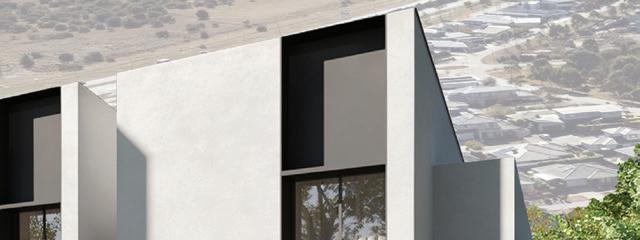
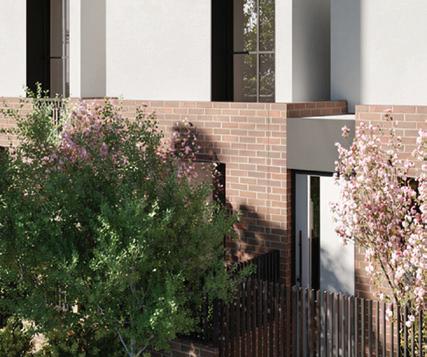
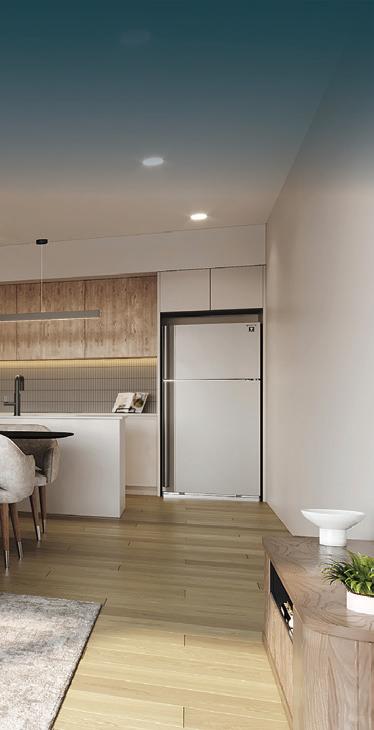
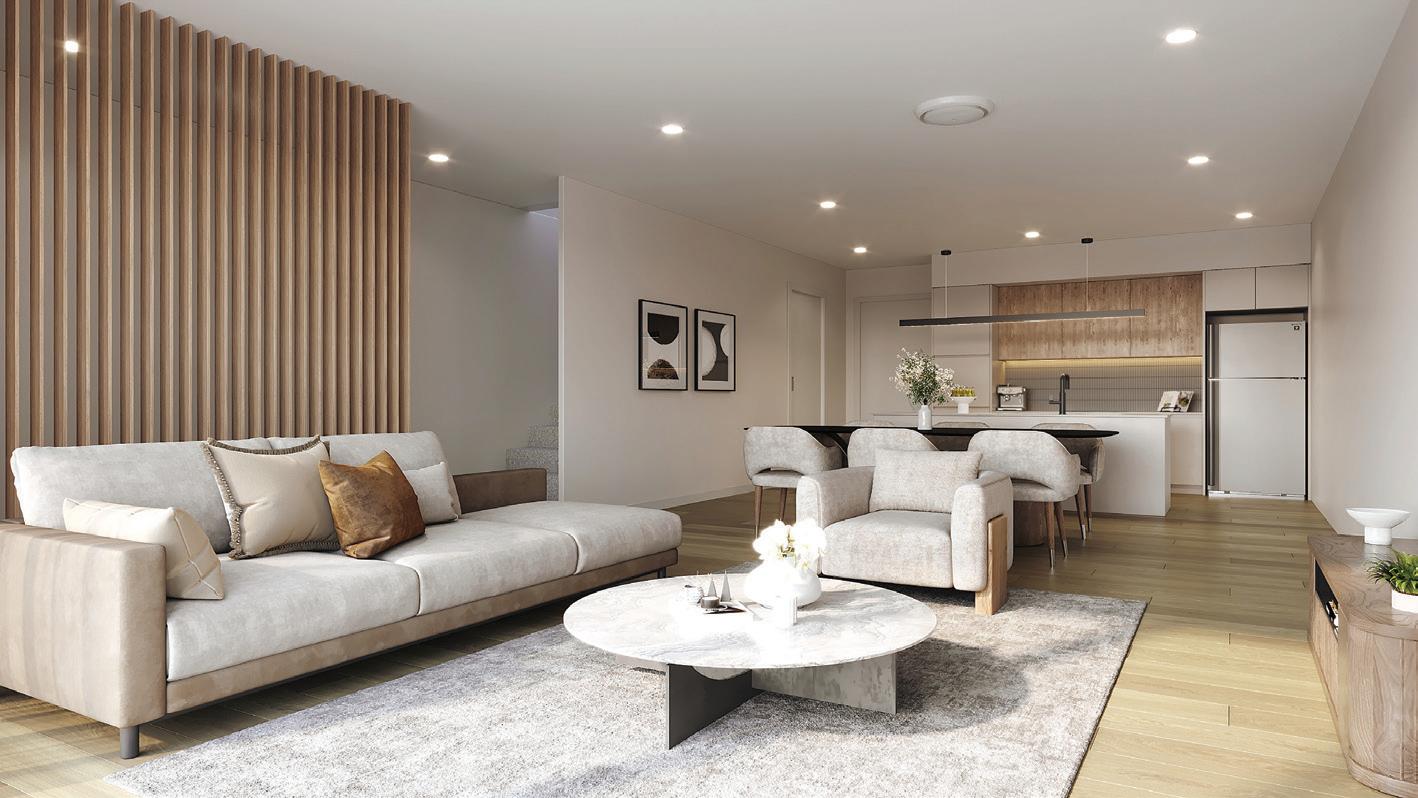
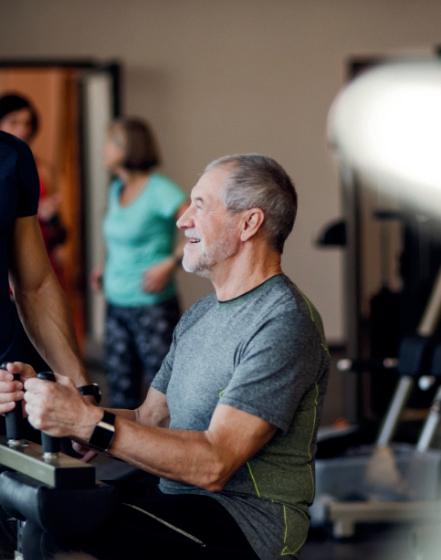
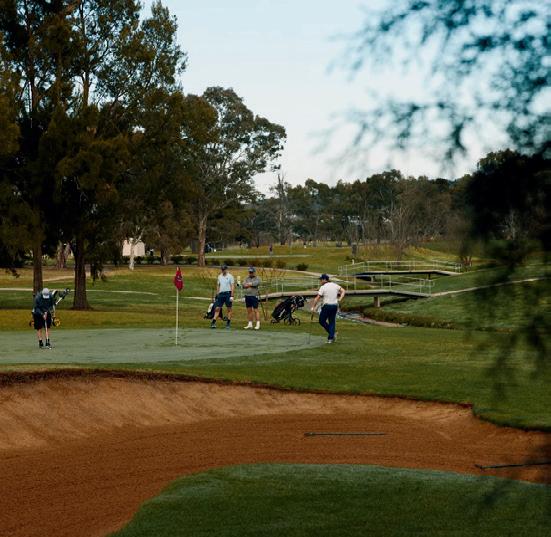
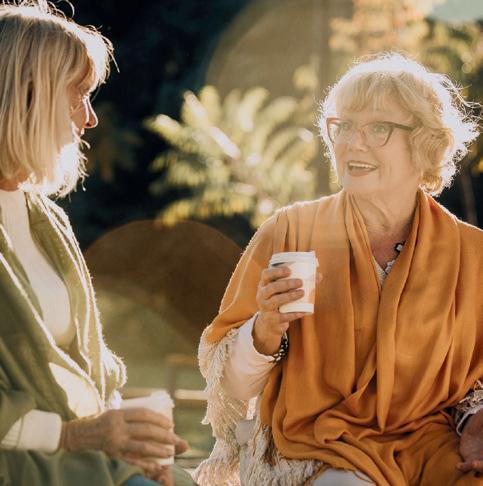
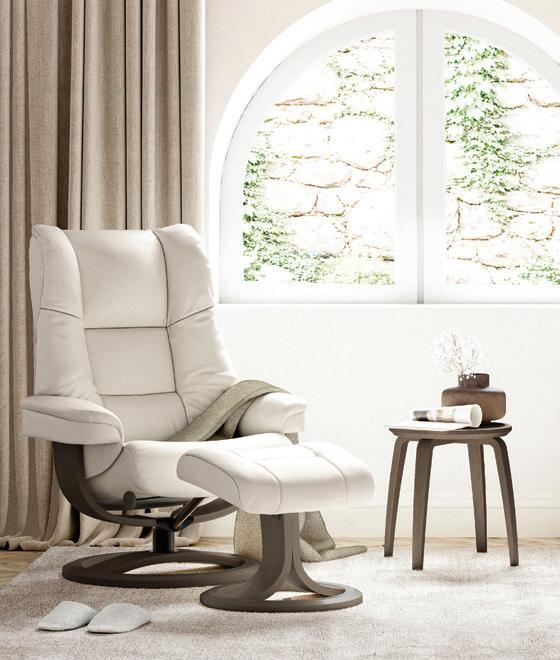
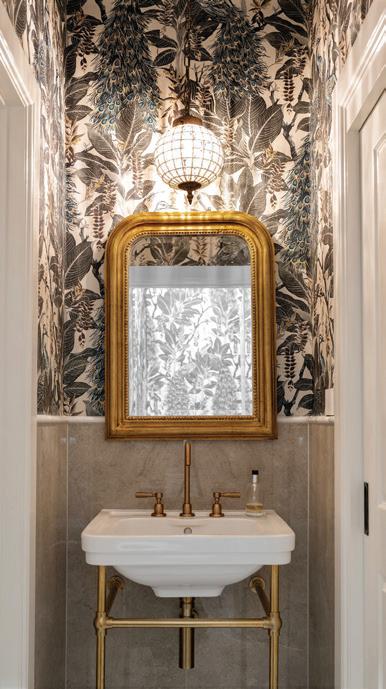
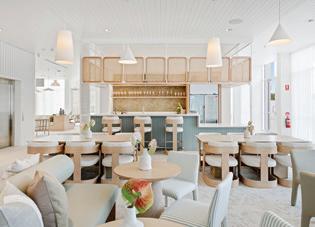
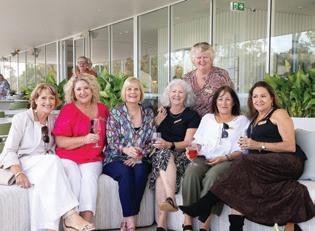
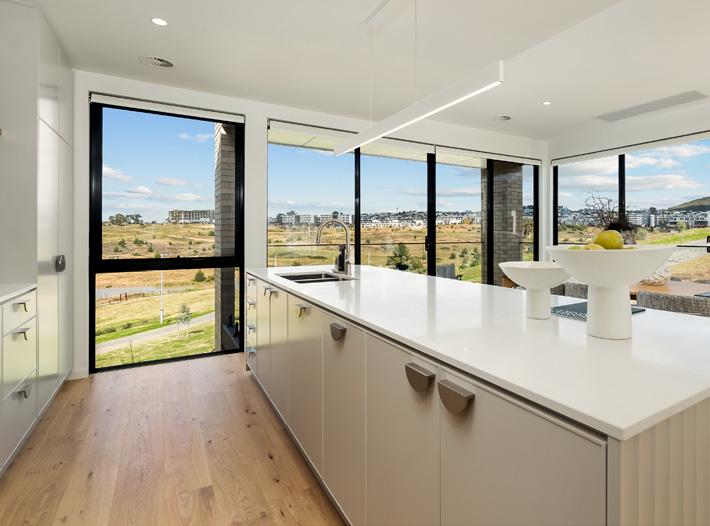
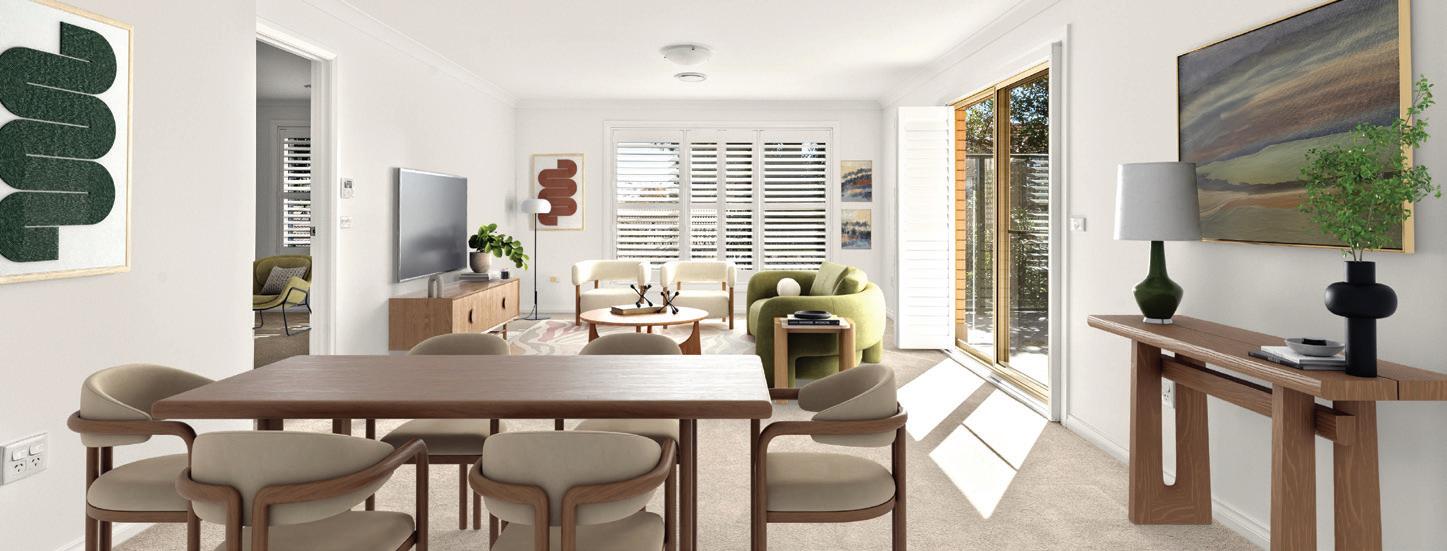
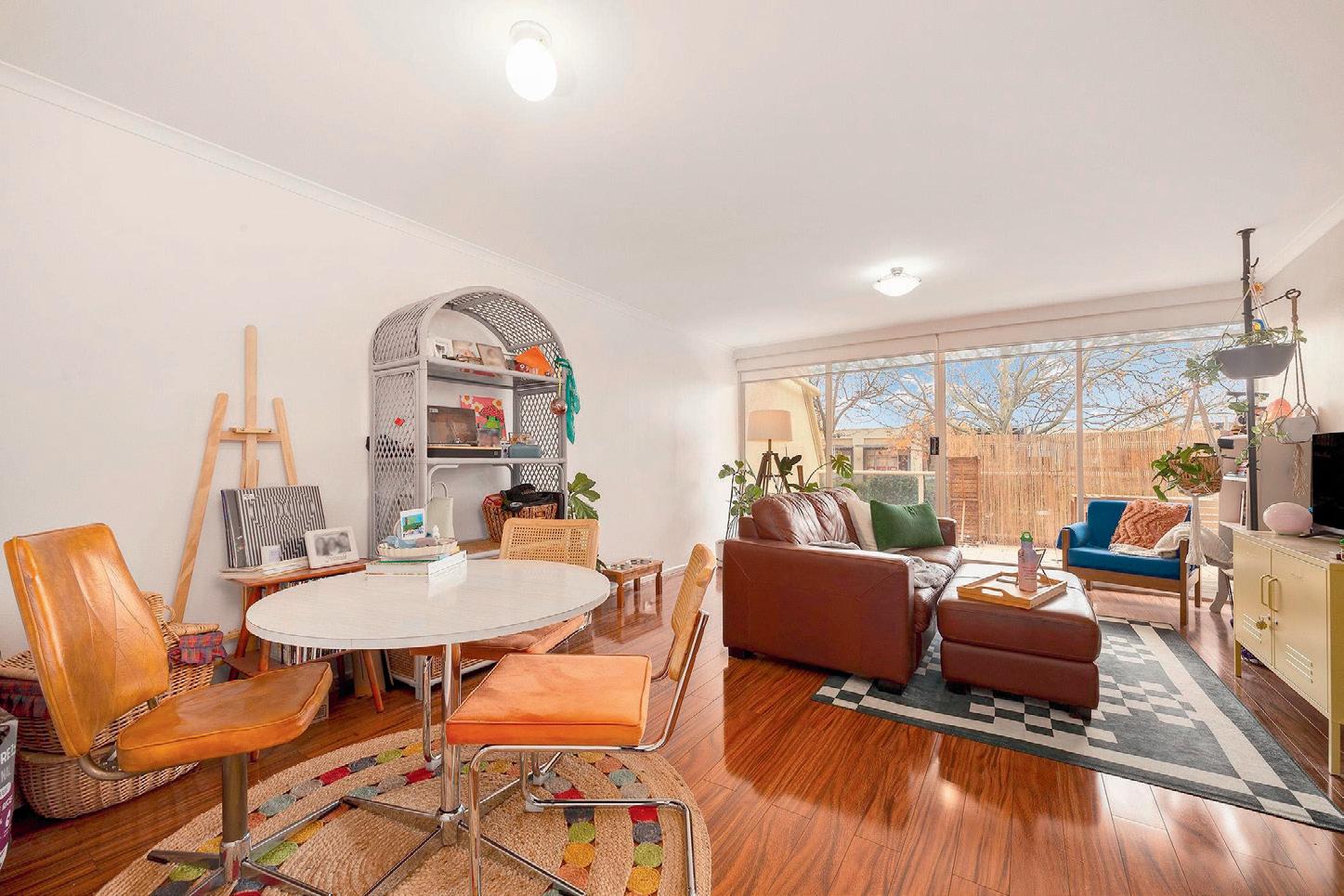
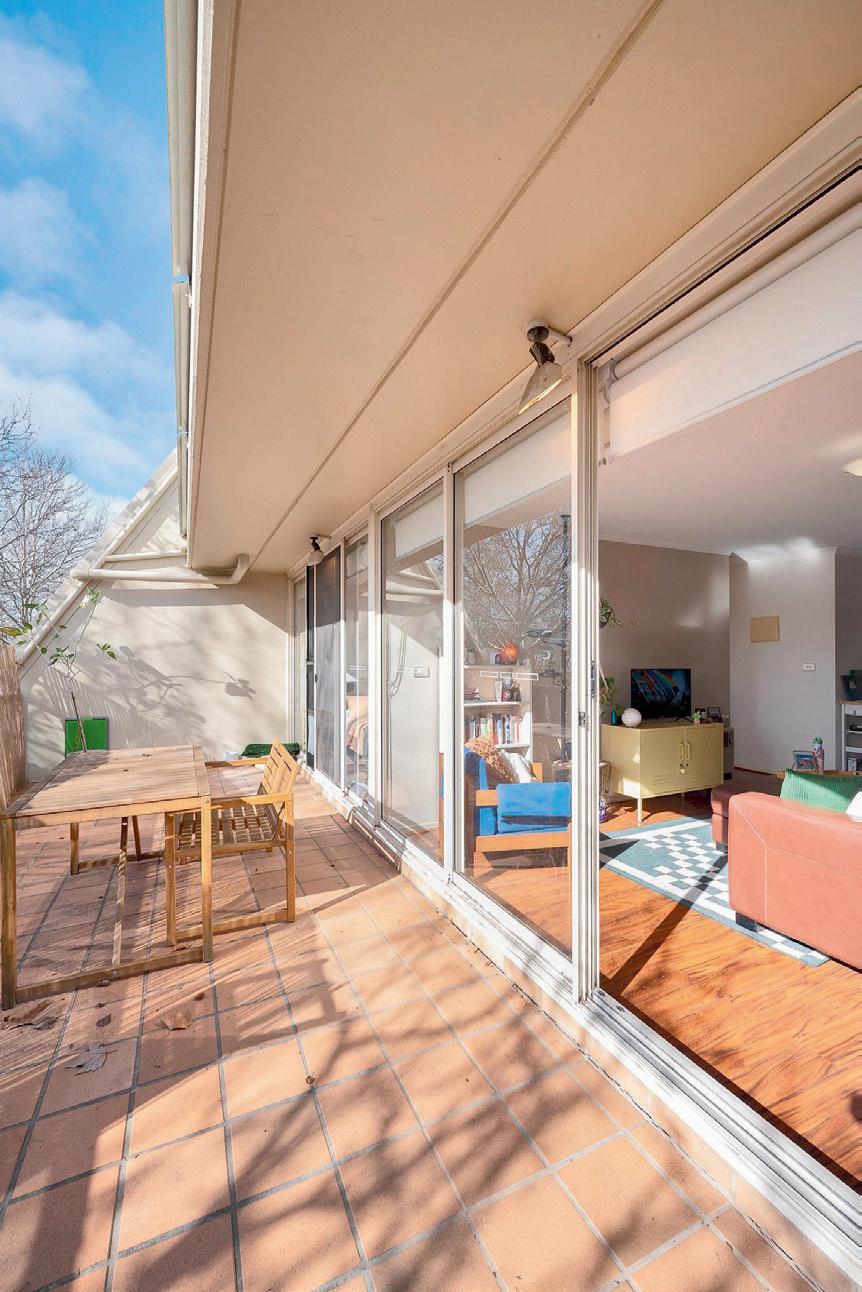
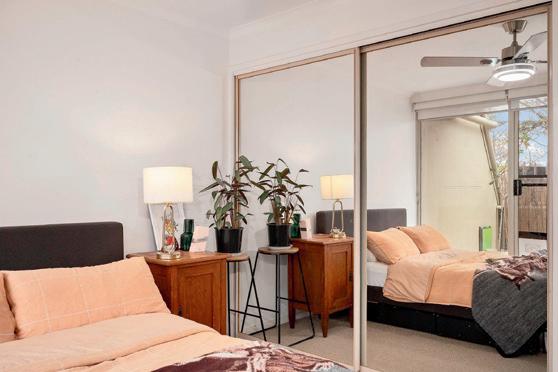
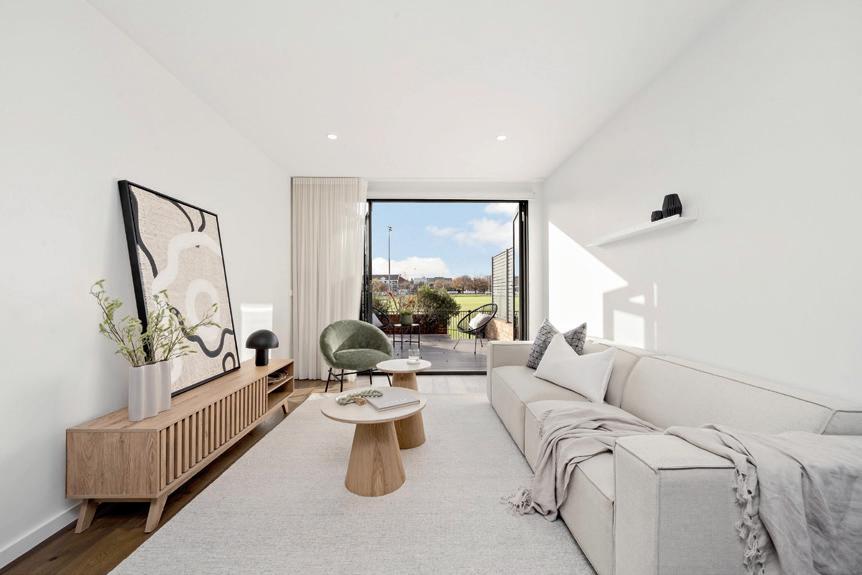
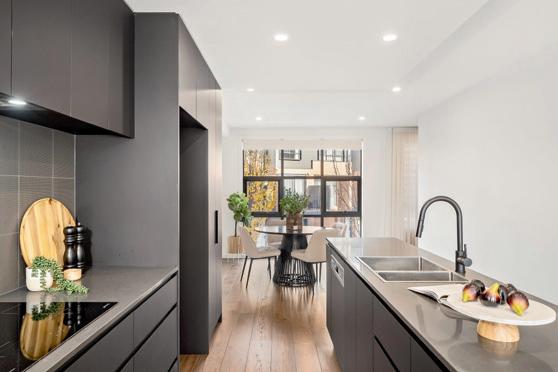
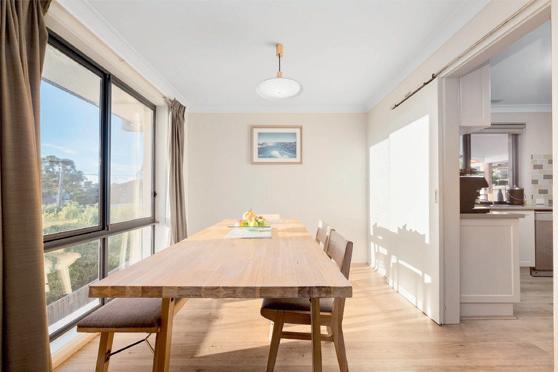
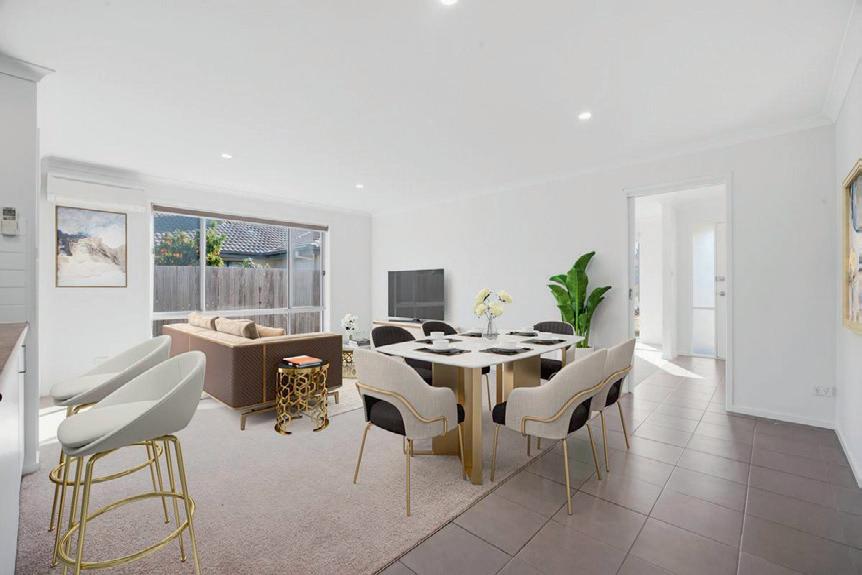
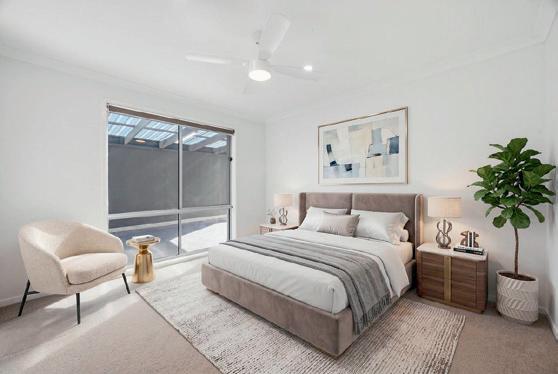
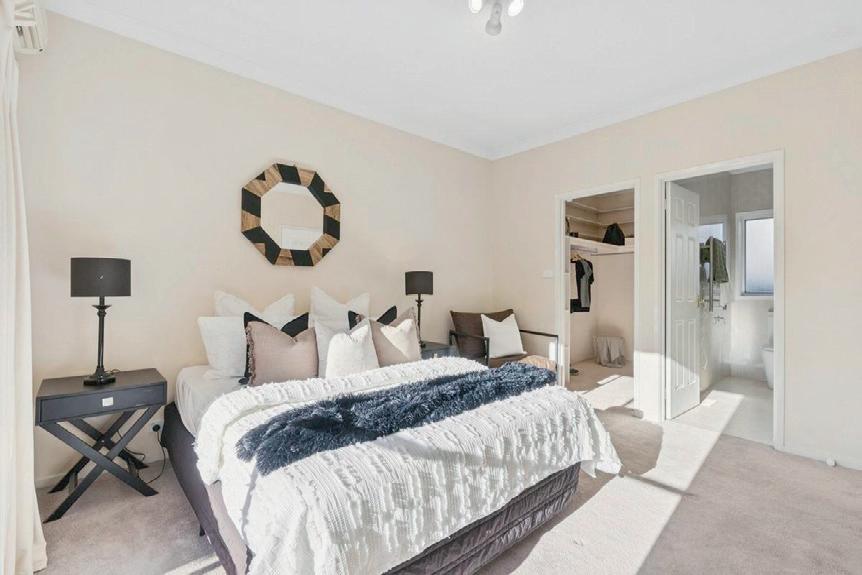
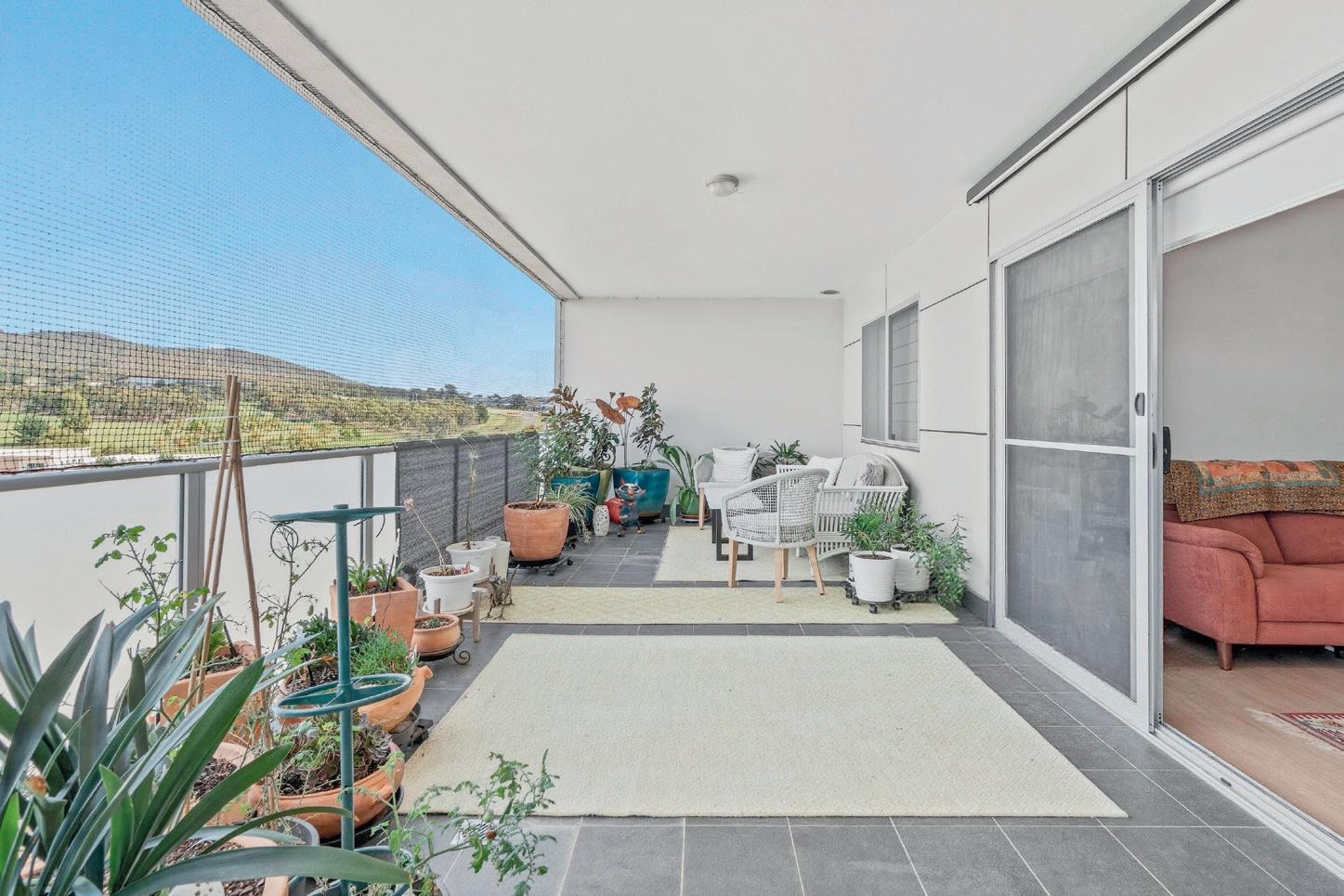
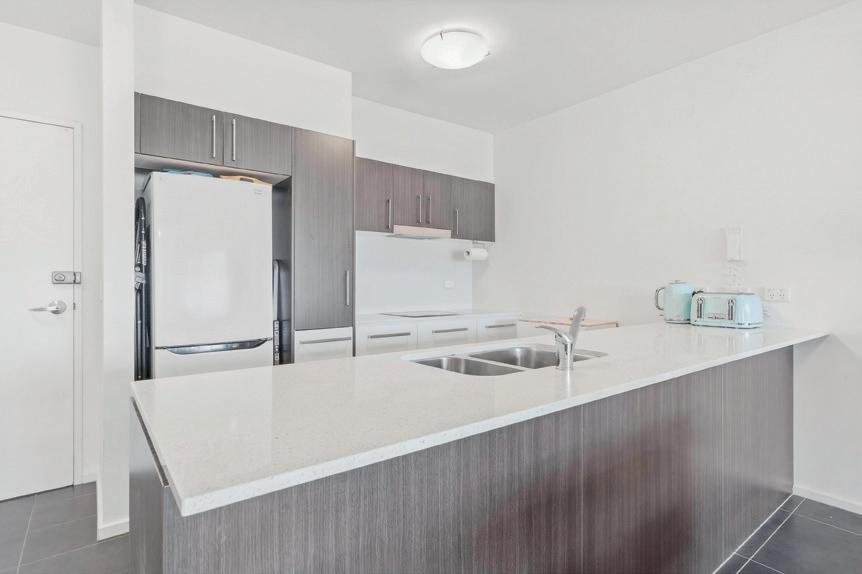
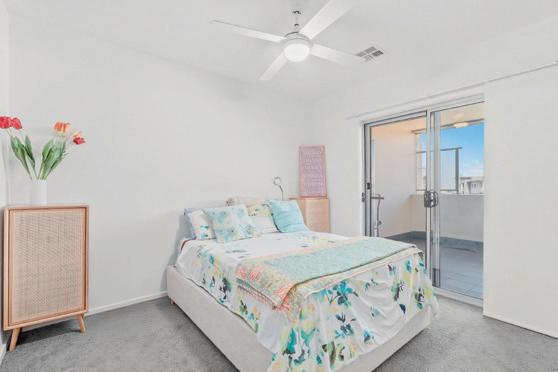
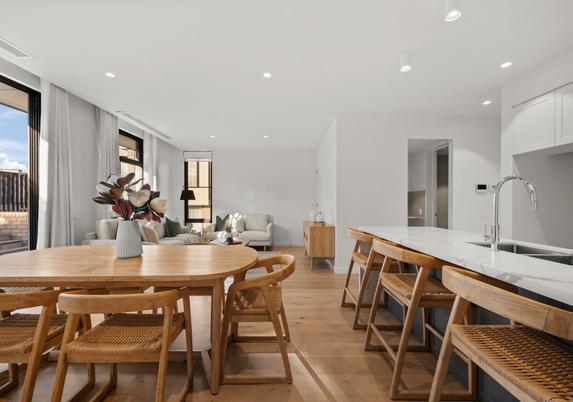
Premium resort-style retirement living, set on the doorstep of Yowani Golf Course. Sense offers unparalleled amenities including an exclusive indoor pool, restaurant, gym and cafe, all in an even better location.
Construction complete. Apartments now ready to inspect and occupy.
$0 Stamp Duty Payable at Woden Green on all owner occupier purchases from 1st July 2026.
More than amenity. A better way to live.
Spaces that make every day better.
At Woden Green, apartment living extends well beyond your front door.
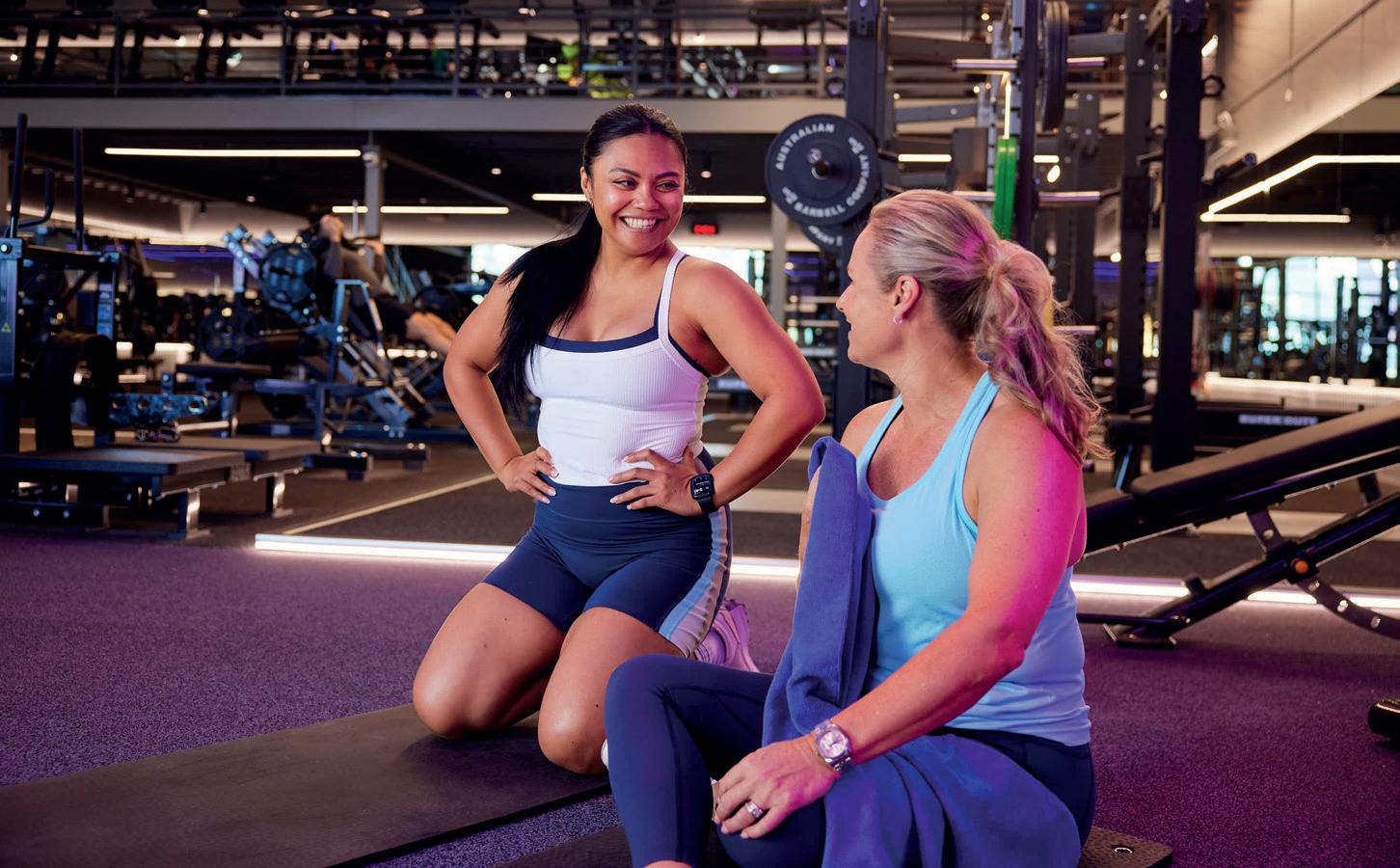
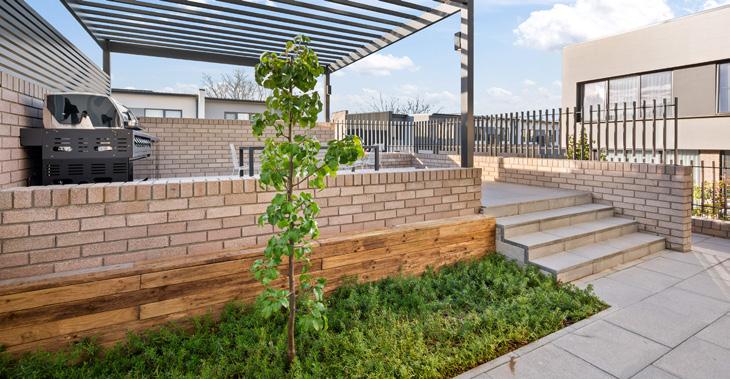
Start the day with a swim in the 25m indoor pool, keep your routine in the quiet cardio gym, or find a moment of calm in the established gardens by the reflection pond. When it’s time to bring people together, private dining, BBQ spaces, covered cabanas, sunken lounges and landscaped outdoor areas give you more room to host, relax and connect. There’s also space to work, unwind and enjoy time close to home, with a business lounge, cinema and shared areas designed for real everyday use. It’s amenity with purpose, created to make apartment living more spacious, social and enjoyable. Construction is complete, residents are already settling in and a great community is building.
Final release now selling
One Bedroom + Study/Media from $587,500* Two Bedrooms from $699,900*
Three Bedrooms from $805,000*
Three Bedroom Penthouses from $1,349,900*
Furnished apartments available to inspect. Saturday 10am-11:30am & Sunday 11:45am-12:45pm Or by appointment. 102 Easty Street, Phillip.
Construction complete. Now ready to occupy. Get in touch to see how our team can help you make the move.
Call to book a private appointment. Nathan Page 0499 054 888 or Will Honey 0407
177. For more information visit wodengreen.com.au.
For daily news visit canberradaily.com.au, subscribe to our newsletter and follow us on socials @canberradaily
FOUNDER & PUBLISHER Nick Samaras
EDITOR Vincent Samaras news@newstimemedia.com.au
GENERAL MANAGER Alan Biddle
ART DIRECTOR Wilson Au Yeung
EDITORIAL & ADVERTISING ENQUIRIES
T: 02 6175 8800 E: sales@newstimemedia.com.au
3/21 Albany St, Fyshwick ACT 2609
The team at Little Bird Properties recently claimed a national award.
National Residential Property Management Team of the Year, it marked another major milestone for a Canberra business that has spent the past decade transforming the property management landscape.
The award followed consecutive wins at the ACT level and saw the Canberra agency go head-tohead with the best property management teams from around the country.
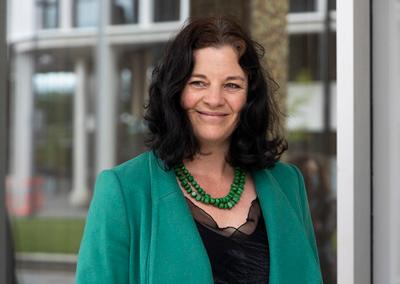
For founder and director Heidi Rosin, the recognition was particularly meaningful because it validated a vision she had when she launched Little Bird Properties in 2016.
“I started this company to prove that property
management could stand on its own,” Heidi said.
“When I first started, there were a lot of people saying it would be di cult to run a property management-only business and that it wouldn’t be profitable.
“Winning this award is recognition that it can be done. It can also be done in an environment where the team is happy, loves coming to work and enjoys what they do.”
Today, Little Bird Properties has become one of Canberra’s leading property management specialists, with its recent national award cementing its place among Australia’s best.
After more than 25 years working in property management across Canberra, Heidi saw an opportunity to create a specialist agency focused solely on delivering exceptional service to landlords
and tenants.
“I saw an opportunity to make something special of property management rather than it being a sidekick to sales,” she said. “I wanted to do it my way. We’re a property management specialist agency and we won’t be deviating from that. That’s what our reputation is based on.”
The approach has resonated with clients, many of whom turned to Little Bird seeking a team dedicated entirely to property management.
Having earned national recognition, Heidi believes the company’s success comes down to consistently delivering exceptional service.
“Our core values are built around experience, knowledge and communication,” she said. “We have an extremely high level of communication. Calls are returned, emails are answered and clients know where they stand.
“We also have a high level of respect for our tenants. When you look after tenants, they look after the property, they stay longer and owning an investment property becomes a much better
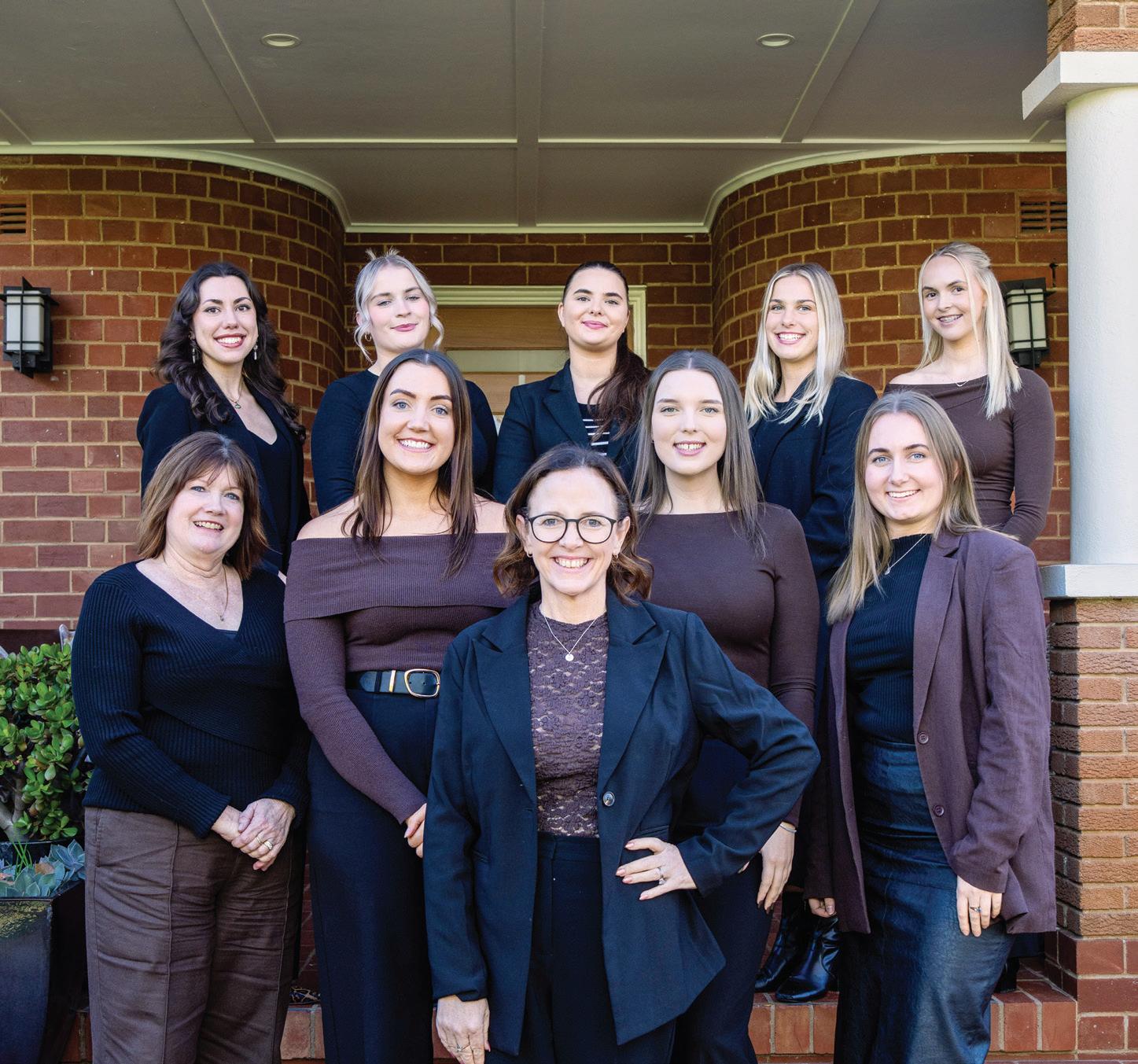
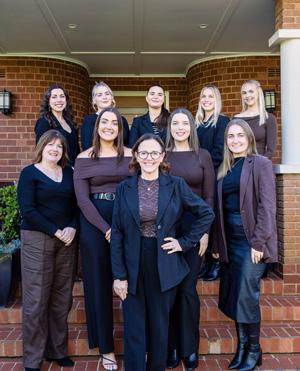
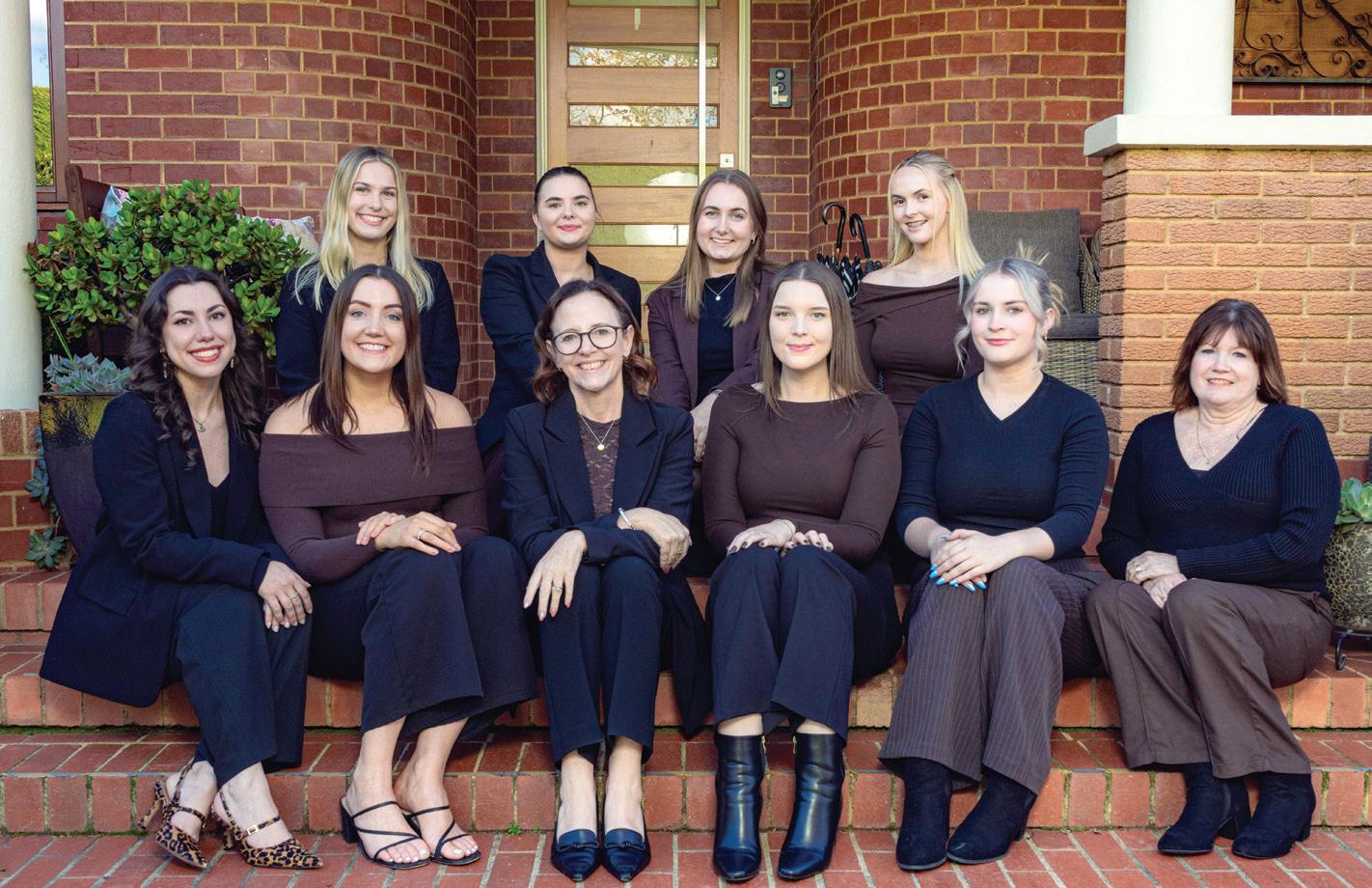
The all-female Little Bird Properties team has grown into one of Canberra’s leading property management specialists.
experience.”
While the national award recognises the performance of the business, Heidi says Little Bird’s greatest achievement isn’t the accolades, but the people behind them.
“The most rewarding part has been watching the growth of the team,” she said.
“I’ve had so many incredible women work with me who didn’t necessarily start in real estate or property management, and now they can’t imagine doing anything else. That’s incredibly rewarding because it’s a profession I genuinely love.”
Over the years, Little Bird has become known for its all-female team. While Heidi says that wasn’t part of a deliberate strategy, it evolved naturally through finding the right people and building a strong culture.
“For me, it’s always been about personality and culture,” she said. “As we’ve grown, it’s been really fulfilling to support young women entering a career where they can do incredibly well.”
“Everyone helps everyone. No question is a silly question and because we train most people from the ground up, that collaborative approach becomes part of who we are.”
Investing in her people remains one of Heidi’s biggest priorities. She believes the best property managers are developed through a combination of education and hands-on experience.
“Property management is a profession best learned through experience,” she said.
“The best property managers are the ones who have spent years dealing with real situations and learning from them.”
That commitment to developing people is also reflected in the way Heidi has grown the business. Looking around the company’s expanded o ce
today, it’s a far cry from the early days when Heidi worked largely from home and questioned whether the business would succeed.
“When I first started the business, I thought it would just be me working from home and creating a better work-life balance,” she said.
“There was definitely a lot of self-doubt in those early days. I wasn’t sure whether I could make a living from it and, for the first 12 months, I really didn’t.”
One of the biggest milestones came when she purchased the agency’s o ce premises, a decision that cemented her commitment to the future.
“At the time it felt much bigger than we needed,” she said. “But it was also a moment where I thought, ‘I’ve committed now, I need to make this work.’”
As Little Bird continues to grow, Heidi’s focus remains firmly on its people.
In the coming years, she hopes to continue expanding the business, welcoming new talent and investing in the training and support that have become hallmarks of the company.
“Over the next 12 months, I’m looking forward to investing even more into training, support and development for our people so the business continues to thrive,” Heidi said.
For all the recognition the business has received, however, she remains clear about who deserves the credit.
“I couldn’t do it without them,” she said of her team.
It’s a sentiment that explains why Little Bird Properties has become one of Canberra’s success stories and why, after a decade of backing property management as a profession in its own right, the business is now being recognised on the national stage.
For more information about Little Bird Properties and its award-winning property management services, visit littlebirdproperties.com.au or follow them on Instagram (@littlebirdproperties) and Facebook.
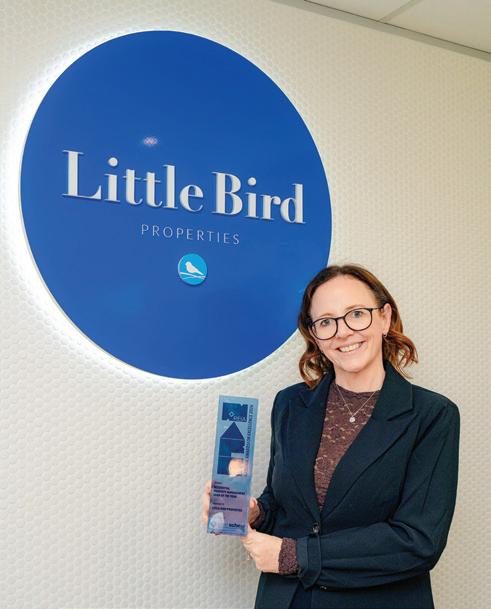
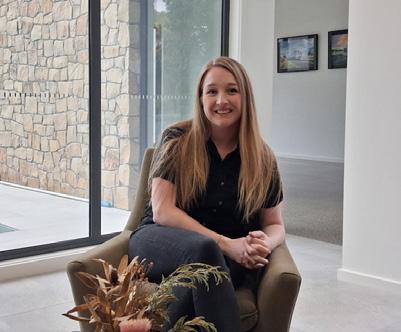
Little Bird Properties founder and director Heidi Rosin with the 2026 National Residential Property Management Team of the Year award.
Student leader’s vision helps bring sight to others
by BERNIE RYAN
17-year-old Ava Jazayeri’s grandmother, Zara Jazayeri, raised four children and lived until she was 95 years old. She was also blind.
Zara (or ‘Bibi’ to her family) lost her sight as a teenager through trachoma, a bacterial eye infection that timely medical care could have addressed.
Ava, who is currently a Student Leader at Burgmann Anglican School, has long been inspired by Bibi’s story and as a result recently started an eyeglasses collection drive for the Lions Australia Recycle for Sight program.
“Bibi was unable to prevent the blindness that reached her,” Ava says.
“It made me realise how much we take access to eye care for granted and how life changing something as simple as a pair of glasses can be for someone else.”
According to Lions Australia, during the 26 years
that the Australian program has operated, over 7 million pairs of refurbished quality spectacles have been delivered to men, women and children in developing countries.
Ava launched and led the Recycle for Sight collection drive this year at Burgmann, promoting it through assemblies, posters and announcements.
Ava says her school has been very supportive which has helped created a cohesive campaign across the three sub schools.
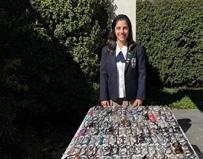
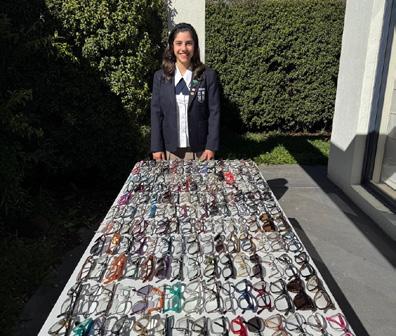
“To date, the project has collected over 250 pairs of prescription glasses,” says Ava.
The collected glasses will be donated to Lions Canberra, who will refurbish and distribute them.
Ava says she has learned a lot as a result of taking these actions and wants to encourage other young people to act similarly where they see a need.
“I think the most important thing that I’ve learned throughout this entire process and something I would probably say to other young people who want to get
MEGAfauna: MEGA Hunt
involved … is ‘yes you can’,” she says.
“You have to start small with these sorts of things and you don’t have to wait until you have everything figured out.
“I think lots of people get caught up in perhaps overthinking or planning a lot or thinking they need clarity or have everything perfectly planned out, but… most community projects begin with a simple idea.
“You don’t have to change the world overnight. You just have to take one small step in the right direction.”
It seems that Ava is certainly making her steps count and creating a legacy Bibi would surely be proud of.
Ava Jazayeri with over 250 collected glasses frames.
Arthur Boyd, Manufactura de Tapeçarias de Portalegre (tapestry workshop), Lurdes Serra (weaving drawer), The Wolf of Gubbio with St Francis in a bent tree (detail), 1974, National Gallery of Australia, Kamberri/Canberra, purchased 1975, Arthur Boyd’s works reproduced with the permission of Bundanon Trust
Kambah woman takes on Dry July for sister with breast cancer
by NICHOLAS FULLER
On Christmas Eve, Shardae was diagnosed with triple negative breast cancer. Now her sister, Kambah resident Marnie Murrell, is going on the wagon for Dry July, giving up alcohol for a month to raise money for cancer services.
“Because I’m not in Sydney with [Shardae], I wanted to do something that I could support her and support the greater community of people who are suffering from cancer,” Ms Murrell said.
Shardae will spend “the best part of this year” in treatment, Ms Murrell said. She has undergone two rounds of chemotherapy and will face a double mastectomy.
“While giving up a drink for a month feels like a small sacrifice, it’s nothing compared to what she is going through — losing her hair, lack of energy and appetite, being unable to work, endless medical appointments and impending surgery,” Ms Murrell said. “Through it all, she continues to show
incredible strength.”
Dry July raises funds for people affected by cancer: patients, families, and carers.
Ms Murrell set a target of $500 — and reached it in 24 hours. She then increased the target to $1,000, and exceeded it too. She encouraged people to donate whatever they could. To donate, visit dryjuly.com/users/marnie-murrell
“No matter how small it is, because it all counts.”
Ms Murrell and her husband will begin Dry July on 1 July. The couple usually enjoy dinner and drinks at their local golf club on Friday nights, so July’s five Fridays will mean five weeks without alcohol.
“We’re looking forward to it,” Ms Murrell said. “I think it’ll be a nice change. We decided that we might eat a bit healthier, and go for some walks. Hopefully it’ll help our health as well.”
Cancer has affected the family before. Ms Murrell met her husband while working
at Ronald McDonald House in Westmead, where her stepdaughter was being treated for hepatoblastoma as a child. Her grandparents died from bowel and lung cancer, while friends and family have also had brushes with cancer.
“We just thought it was time. We wanted to do something.”
Ms Murrell said almost everyone knows someone affected by cancer.
“I don’t know anybody that doesn’t know somebody with cancer, who has had cancer, survived cancer, or died from cancer,” she said.
“You shouldn’t wait until it’s your turn. You should try to support beforehand.”
Marnie Murrell. Photo: Nicholas Fuller
Experience compelling stories
Holocaust must be taught in schools
with BILL STEFANIAK AM RFD FORMER ACT OPPOSITION LEADER
But first, a memo to Donald Trump. Iran is playing with you. You are being taken for a fool. Sadly, if you want closure, you need to forget about your internal US politics, be a statesman and bite the bullet. Remove the evil regime as cost-effectively, in human-life terms, as you can (see my suggestion in last week’s magazine as a possible solution). It’s hard, but all civilised, decent world citizens will thank you, not least the long-suffering people of Iran.
Closer to home, I was disappointed but not surprised to see a number of teachers unwilling to teach high school students about the Holocaust. The AEU seemed to support that stance.
Now, for my sins, I was ACT Education Minister from March 1995 to November 2001. I believe I had a reasonably good relationship with that left-wing union, the AEU, and always found their then local secretary, former history teacher Clive Haggar, a decent bloke to deal with.
In my time, the only complaint about a woke, incorrect political view of history being taught was at a Tuggeranong primary school, where a teacher told her Year 3 class that Captain Cook was a warmongering imperialist and colonialist, or some such rubbish.
I remember telling the concerned mother to tell her son that the teacher
had got it wrong and that Captain Cook was a humanitarian who saved the lives of thousands of sailors in the 18th century by introducing lime (juice) into the Royal Navy, and who actually treated the natives fairly well.
Wokeism, political correctness and refusing to teach the truth are some of the greatest injustices we can inflict upon our children.
They need to know history, warts and all. Germany does a great job of teaching young German children about the Nazis. I see it as essential for social cohesion in this country to teach Muslim kids in south-west Sydney schools about the Holocaust. They may then have a better understanding of where the Jews are coming from and a more informed perspective on the problems in the Middle East as a result.
Education without bias and keeping to the facts of history is
one of the best ways of advancing understanding and helping create a free, informed society. The fact is Hitler killed six million Jews just because they were Jews. This was a critical factor in the establishment of the State of Israel. Antisemitism is a scourge that has never gone away and has reared its ugly head once again. The stories of attacks on our Australian Jews coming out of the Royal Commission are horrifying. Remember, the appalling scenes of hatred against Jews at the Sydney Opera House in October 2023 occurred before Israel took any action against Gaza.
Teaching about the Holocaust helps understanding and tolerance. We owe it to the six million dead Jews, but perhaps even more so to our children, to teach the truth, even if it’s uncomfortable for some ethnic communities.
Compact House and Land Packages
Ginninderry’s new release of Flexi-living Homes has been thoughtfully designed to offer more choice, sustainability and value. With a range of two and three-bedroom designs available, you’ll find a home that suits your lifestyle and budget.
Enjoy architecturally designed living, quality finishes, energy-efficient features and the freedom of individually titled homes with no body corporate fees.
This is a smarter way to own in one of Canberra’s most sustainable communities.
sales@ginninderry.com
1800 316 900 1 McClymont Way Strathnairn Open 7 days Compact House and Land Packages now selling by ballot Registrations close at 9am, Wednesday 15 July 2026 15
Find out more and register today at ginninderry.com/flexi-ballot
Jo Clay MLA elected ACT Greens leader
by NICHOLAS FULLER
Jo Clay MLA has been elected leader of the ACT Greens, and Andrew Braddock MLA as deputy leader, following a ballot of party members.
Ms Clay had acted as interim leader since former Greens leader Shane Rattenbury resigned from the Legislative Assembly in May.
Ms Clay said she was “honoured and grateful” to have been elected by party members.
“I don’t take that trust lightly,” Ms Clay said. “My focus now is firmly on what comes next – because Canberrans deserve better than the status quo.”
She said the Greens would push the government on housing, homelessness, climate action, and cost of living.
“Canberrans want a government that will ensure housing is affordable, no one sleeps rough, the climate is protected, and the cost of living doesn’t keep them up at night,” Ms Clay said. “And the Greens will keep fighting with everything we have.”
Ms Clay will take responsibility for the environment; planning; treasury and economic equality; circular economy; arts; animal welfare; and birth portfolios.
Mr Braddock said he was “excited to stand alongside” Ms Clay as deputy leader. He will hold the transport; climate change; democracy; integrity and public service transformation; municipal services; anti-racism and multicultural affairs; and emergency
services portfolios.
Rebecca Vassarotti MLA — who lost her seat in 2024 and was returned by countback on 4 June — holds the portfolios of health; mental health; justice, law, corrections, policing, domestic, family and sexual violence; Aboriginal and Torres Strait Islander affairs; gaming reform; ageing and carers; and veterans.
Ms Vassarotti, deputy Greens leader in the previous term, had also thrown her hat in the ring to become leader.
Ms Clay said she was delighted Ms Vassarotti was back.
“Rebecca cares deeply about community and democratic collaboration. I look forward to working together with her to deliver progressive outcomes for Canberrans.”
Mr Braddock said the ACT Greens were unique in that members chose their party leaders.
“Our members had a choice between two strong, experienced women to lead our party,” Mr Braddock said. “That speaks volumes about who we are and where we’re headed.”
Laura Nuttall MLA will hold the education, skills and training; young people; air and water; food and agriculture; women; community sector; disability; sport and recreation; LGBTIQA+ affairs portfolios, and is also the Greens whip.
ACT Greens leader Jo Clay MLA.
167 Crawford Street, Queanbeyan Ph. 6299 7600
Quality Hats, Boots, Clothing for Women and Men Sale Starts June 18 and Ends July 18th
20-30% Off Australian Made Fur Felt Hats
20-30% Off Womens and Mens Jackets, Vests, Shirts,
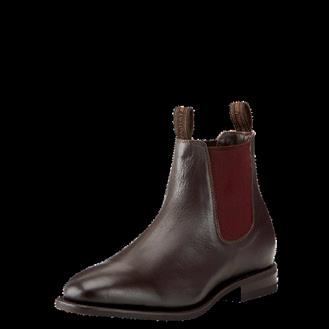
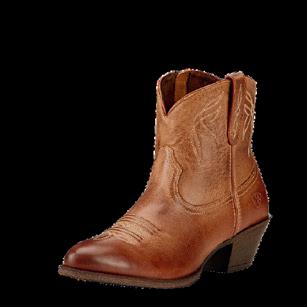
20-30% Off Womens and Mens Boots and Shoes
Afghan families need food and blankets as winter bites
by NICHOLAS FULLER
Afghan community leaders are calling for donations of food and warm blankets as newly arrived refugees struggle with housing costs, rising living expenses, and Canberra’s winter cold.
Canberra’s Afghan community has grown to almost 3,000 in recent years since the Taliban seized power and the republic fell in 2021.
Many families are large, with six, seven, or even 10 members, and Centrelink payments are not enough, Dr Nadir Saikal, state director of the Afghan Peace Foundation, said.
“There are families with young kids. The mother is not working, the father is not working. They are taking English classes and trying to settle.”
Many refugees need emotional and psychological support. Women often carry trauma from living under the Taliban.
“They don’t have a voice in Afghanistan,” Dr Saikal said. “Once they come here, we try
to encourage them: now you are in a peaceful country, now you are in Canberra, you can study whatever you want, you can explore your knowledge and employment opportunities.
“But they come with lots of trauma. They need counselling, psychological support, emotional support.”
Nevertheless, Dr Saikal said, many Afghan refugees are thriving here.
Young Afghan-Australian women have pursued studies in law, politics, and international relations. Others are working in construction, painting, plumbing, concreting, childcare, hospitality, and small business.
“They don’t want to be on Centrelink,” Dr Saikal said. “They tell me, ‘We want to study and work.’
“No-one wants to stay at home and just watch TV. They are working very hard.”
The Foundation and partner organisations support newly arrived families with food staples; settlement assistance; and referrals to other
services.
Community organisations and individuals donate basics such as rice, cooking oil and flour to Gungahlin Mosque’s food pantry, then the Foundation alerts people through WhatsApp groups when supplies are available.
The pantry supports not only Afghan refugees, but also Muslim students, newly arrived migrants, and others facing financial hardship.
“If anyone is in a desperate situation where they need food or basic items, they can come and collect them from here,” Dr Saikal said.
Dr Saikal encouraged Canberrans who wish to help to donate non-perishable food, rice, cooking oil, flour, warm blankets, or new winter clothing. Contact him on 0473 561 672.
His appeal follows a donation of food supplies and blankets for 11 families in need from the Multicultural Association of Canberra and the Global Organisation for People of Indian Origin.
“It is a true pleasure to help those doing it tough,” Nishi Puri OAM, president of MAC and GOPIO, said. “As winter sets in, this collaborative effort serves as a timely reminder of Canberra’s collective resolve to ensure no-one goes hungry.”
E.T. poem home
by GEORGIA CURRY
Be in the room where Canberra’s biggest opportunities begin.
If extra-terrestrials exist, let’s hope they like poetry because an old radio telescope that once served NASA at Orroral Valley tracking station may soon transmit prose to the universe – and dance.
That’s what happens when an arts faculty rescues a multimillion-dollar science project that’s sat dormant at the University of Canberra since physics ceased being taught in 2008.
The 10-metre dish has literally been swinging in the wind for 18 years until an unlikely rescuer –UC’s Faculty of Arts and Design –added an artistic touch to science.
Associate professor Alison Wain readily admits she’s not an astrophysicist but after three years of restoring the US-manufactured dish, she hopes to see roboticists program it to “dance”, and artists to use it to beam radio poetry into space.
“We started thinking that if it isn’t being used, can we use it for some more arty things?” Professor Wain said. “Can we project art on it and the more I dug, I realised yes we can do those things but we could also bring it back online as an instrument that is bringing observations in from the stars.”
This sleeping satellite dish has witnessed a lot since it was installed at Orroral Valley in the late ‘80s, but probably nothing as alien as poetry in motion.
The reason it landed on the northern edge of UC’s campus is because when Orroral Valley closed in the ‘90s, UC and the Federal Department of Communications purchased the dish for $750,000. (Today, it’s estimated the dish would cost $10 million to install so it’s a bargain in today’s money.)
When physics ceased being taught at UC, the dish sat silently on a hill for almost two decades, now opposite UC hospital like a patient in a waiting room.
“What we’re aiming for is to get reception so we’re able to receive signals from satellites and from heavenly bodies,” Professor Wain
said. “After we’ve got that in place, we’d like to get a transmission capability and then we could literally beam poetry to the stars.
“I have this nice vision that maybe people could send their Valentine’s messages out to the stars but that begs a really interesting question: If there are any other life forms out there, how would you make that poetry intelligible to them? What language would you use? That might not be a human language but it might be Morse Code.”
Today, arts meets science and collaborators include UC’s Arts and Design Faculty and former staff from Tidbinbilla and Molonglo Observatories.
“We really want it to have both STEM [Science Technology Engineering Math) plus the arts,” Professor Wain said.
“Students get shuffled into either arts or STEM at school so I’d really like to get primary school children before they’ve gone through that separation thinking, ‘Oh I could do creative things with this,’ or ‘I could do science with this.’”
The four-tonne dish is affectionately called “UC10” and its atomic clock has sprung back to life.
Incredibly, its azimuth motor still works and there’s little corrosion. The 60cm-thick concrete pad under the pedestal is still stable.
“We will need to have a test sequence to see if it’s moving in the right ways and responding correctly to the instructions we program,” Professor Wain said.
“We could program a sequence of moves that take advantage of all movement angles and move to some music, or perhaps poetry text. Rather than do something a little bit dull, I’d like it to do a little dance.”
Which dance?
“The sky’s the limit,” she said.
The public is welcome to get involved with UC10. Enquiries: alison.wain@canberra.edu.au
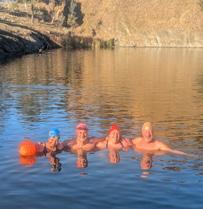
The world’s toughest swim – the Ice Mile – is being tackled by Canberrans (L to R) Kylie Sheffield, Paul Dailey, Anna Cook, Chris Loose and Amber Collins (absent).
Photo Denise Thwaites
Global health experts question WHO direction
by BERNIE RYAN
Last Wednesday, Senator Alex Antic invited Emeritus Professor Ramesh Thakur and former World Health Organization (WHO) medical officer Dr David Bell to Parliament House to provide a briefing on the work of the International Health Reform Panel (IHRP).
The IHRP is an independent research initiative focused on institutional design, accountability, and reform in global health governance.
Professor Thakur is a former United Nations Assistant Secretary-General and considered one of the world’s leading scholars in international governance, sovereignty and multilateral institutions.
Dr Bell is a public health physician, epidemiologist and former medical officer and scientist with WHO, with extensive experience in infectious disease control, global health policy and
international health programmes.
Professor Thakur and Dr Bell are part of the International Health Reform Panel (IHRP), which includes scholars and practitioners in international law, political theory, economics, public health, and institutional design.
NSW Lawyer Katie Ashby-Koppens, says the International Health Reform Panel and its associated projects and reports, have been developed in response to growing international debate surrounding the future of global health governance.
“These include the role of the World Health Organization, the 2024 International Health Regulations amendments, and the proposed WHO Pandemic Agreement,” she says.
Dr Bell and Professor Thakur argued that WHO is no longer the same organisation it was established to be 80 years ago.
“Their mission has changed from serving maximum global health outcomes in terms of the burden of disease around the world to growing their own power, growing their own resources, growing their own authority … and that’s the way bureaucracies work,” says Professor Thakur.
Dr Bell presented data from WHO, highlighting that the WHO’s largest donors are no longer the countries who used to contribute to a central fund, which was allocated according to greatest need.
“The largest donors are now private, followed by private/public partnerships,” he says.
“Over 80% of this funding is also ‘specified’ funding which means that an entity gives funds to WHO for a specified project to be done at a specified time in a specified way.”
Dr Bell reports that because of what
he and Professor Thakur describe as these serious conflicts of interest, priorities have been dangerously skewed to meet the objectives of these donors yet are not supported by even the United Nations own data.
“Over the last twenty years where 180,00 deaths have been attributed to influenza outbreaks, we have had over 60 million deaths from malaria, TB, and HIV which were once the focus of WHO,” says Dr Bell.
Professor Thakur and Dr Bell argue that governments are not being given correct information regarding global health priorities and that too much authority has been surrendered to experts.
“Don’t leave it to the experts. That is a criminal abdication of your responsibility as governments,” says Professor Thakur.
Ice ice baby
by GEORGIA CURRY
“If you start to feel happy and warm, get out of the water immediately” is an obscure warning, but when you’re swimming the “Ice Mile”, you’d better
heed the advice because it’s one of the first signs of hypothermia.
Ice Mile is just as horrific as it sounds – swimming a mile (1.609.3km) in frigid water < 5 degrees Celsius – but five
Canberrans are doing it just for fun.
There’s no prize money or medal, just entry into an exclusive club of extreme swimmers who wear the coveted Ice Mile red jacket.
The funny thing is, qualifying for the event has been tricky for Kylie She eld and fellow swimmers Anna Cook, Amber Collins, Chris Loose and Paul Dailey – Canberra has not been cold enough.
Six words rarely uttered in our capital city.
The qualifier was supposed to be held recently at Smith’s Gap swimming hole (an old gravel quarry near Bungendore) but was postponed because the water was a balmy 11.4 degrees.
You see, it’s not an Ice Mile until it’s formally ratified by the International Ice Swimming Association. Until then it’s just a “nice mile”.
Training involves ice baths and cold plunges but this is Kylie’s first Ice Mile and nothing can prepare you for the real thing.
“One of the risks is ‘swim fail’, which is where your limbs can’t move, they’re frozen,” she said. “They’re not going to respond anymore to the signals that your body’s trying to send them and you can develop ‘claw hand’.”
Hypothermia’s another deadly risk but even if you survive the world’s hardest swim, it’s not over until after the “after drop”.
“You do get this feeling of euphoria afterwards but you also have to then deal with the ‘after drop’ about 10 minutes after you get out,” Kylie said. “You’ve got to slowly warm yourself up because blood’s leaving your inner core and trying to spread back out to your extremities. It’s a delayed e ect.”
So the burning question is: why?
Dr Damien Bezzina & Colleagues
The same expertise, new clinic and name, bringing together colleagues for an even better service!
Proven track record in the management of Skin Cancer, lumps & bumps/ cysts/ lipomas and most things in between.
SkinMedics on Cohen Street
Unit 2, 34-42 Cohen Street
Belconnen, 2617 reception@ skinmedicsACT.com.au
SERVICES:
SKIN CHECKS (full body & spot check & total body photography)
SKIN CANCER MANAGEMENT (procedural inc. skin aps & grafts & non-surgical)
LUMPS & BUMPS MANAGEMENT (cysts, lipomas, skin tags, anal skin tags, any other lesions)
LASER – age spots on face/hands, spider veins, cherry angiomas
If you think swimming the Ice Mile is crazy ... Kylie comes from Darwin.
“I found it a horrendous adjustment when I moved to Canberra 10 years ago,” said the 57-year-old. “It was only last year that I discovered this love for cold water swimming.”
A dread of cold water isn’t nearly as scary as a pathological fear of saltwater crocs.
“There’s really nothing in Lake Burley Gri n that’s going to hurt you apart from the algae, so I love it,” she said.
An ECG check is mandatory before attempting the Ice Mile (no sanity check surprisingly) because the risks can be deadly.
No wetsuits are allowed, just swimmers, goggles and swim cap.
“A lot of factors a ect your tolerance for cold water – body weight is one, but gradual adjustment, repeated exposure and mindset are way more important,” Kylie said.
“Every time I jump into this kind of challenge, I ask myself the same question,” Kylie said. “It kind of started as a joke but what I really care about is doing it with my mates, that’s the big thing. These are the best bunch of people and every aspect of it is so much fun with them.”
The shrieks and squeals Kylie and her mates make as they dive into Lake Burley Gri n mid-winter can probably be heard for miles.
“When it first went down to 12 degrees last year, we very much sounded like how we remember we sounded when were in labour,” Kylie said. “I know, I know, we’re very conscious of the fact that it sounds crazy. I think we’re a bit nuts but in a good way, nuts in the best way.”
The Ice Mile will be held at Lake Crackenback 8 August. For info: outdoorswimmingsociety. com/the-ice-mile
The world’s toughest swim – the Ice Mile – is being tackled by Canberrans (L to R) Kylie Sheffield, Paul Dailey, Anna Cook, Chris Loose and Amber Collins (absent).
Thousands celebrate Canberra’s diversity at AUSINDIA Fair
Around 8,000 people gathered at South.Point Shopping Centre last weekend for the AUSINDIA Fair, with the centre transformed into a colourful celebration of Canberra’s multicultural community.
The free event, presented by South.Point in partnership with the Federation of Indian Associations of ACT Inc (FINACT) and Fair Canberra, featured everything from traditional Indian dance and Brazilian samba to live music, cultural displays, community stalls and cuisine from around the world.
South.Point Marketing Manager Carole Arulantu said the strong turnout highlighted the community’s appetite for multicultural events.
“Seeing thousands of people from so many different backgrounds come together has been incredibly rewarding. South. Point is proud to be more than a shopping centre; we’re a place where people come together to celebrate, connect and experience the incredible cultural diversity that makes Canberra such a special city,” she said.
Carole said the success of Harmony Day inspired South. Point to continue investing in multicultural celebrations.
“After the tremendous success of Harmony Day and the wonderful response from the Canberra community, we are proud to bring another colourful, vibrant and culturally diverse event to South.Point through the AUSINDIA Fair,” she said.
The celebration attracted strong support from across government and the community, with Finance Minister Katy Gallagher, Independent Senator
David Pocock, Federal Member for Canberra Alicia Payne, Deputy High Commissioner Irina Thakur, and several other ministers, MPs and community leaders among those in attendance.
The celebration attracted strong support from across government and the community, with Finance Minister Katy Gallagher, Independent Senator David Pocock, Federal Member for Canberra Alicia Payne, Deputy High Commissioner Irina Thakur, and several other ministers, MPs and community leaders among those in attendance.
Addressing the crowd, political leaders spoke about the importance of multiculturalism and the contributions of Canberra’s diverse communities.
“This country is made up of multiculturalism; it’s something we should be proud of and should preserve,” Gallagher said.
Pocock thanked Canberra’s diverse communities for their contribution to the city and said it was important to focus on “the things we share in common during these times”.
FINACT President Divya Ravikumar said the event showcased not only Indian culture but also the strength of Canberra’s multicultural community.
“FINACT is delighted to have delivered such an exciting program of performances showcasing Indian culture, supported by several other local multicultural community groups,” Divya said.
“Partnerships like this create opportunities to share our culture, strengthen community connections and celebrate the diversity that makes Canberra
such a welcoming and inclusive city.”
Families enjoyed a full day of live entertainment, cultural performances, community stalls and traditional cuisine, while performers representing communities from across Canberra celebrated the city’s rich cultural diversity.
Carole said today’s event demonstrated South.Point’s
ongoing commitment to supporting Canberra’s diverse community.
“Today’s turnout reflects the strength of Canberra’s multicultural community and reinforces South. Point’s commitment to creating experiences that bring people together and celebrate the diversity that makes our city so special.”
The AUSINDIA Fair brought music, dance and colour to South.Point Shopping Centre last weekend.
Photo: Wilson Au Yeung
GIVIT donation of the week: Hairdressing services
GIVIT is an ACT Government partner working with an organisation that provides long term, safe, secure, affordable and appropriate housing for people on low incomes. They are currently seeking support for a young woman who recently fled a domestic violence situation. This woman had endured years of emotional trauma and instability, which has significantly impacted her wellbeing. She is currently residing in shared accommodation and has complex needs related to trauma, loss, and adjustment. Despite everything, she is committed to regain control over her life and create a stable future for herself. GIVIT is requesting hairdressing services from a professional who has experience working with Afro-textured hair, which she is has been finding difficult to manage. This simple yet impactful donation will help increase her confidence and overall wellbeing as she slowly rebuilds her life. Generous Canberrans can donate hairdressing services or fund the purchase of this item. 100% of your financial donation will be used to purchase what’s needed. To help please visit: GIVIT.org.au/what’s-needed, search; Location State: ‘ACT’, Keywords: ‘hairdressing services’ and Suburb: ‘Turner, 2612’.
Greenway Probus Club
Greenway Probus Club is a mixed social club for those who are retired or semi-retired and meets on the second Tuesday of each month, 10:30am–12:30pm, at the Canberra Southern Cross Club Tuggeranong (Brindabella Room). The next meeting is on 14 July. Visitors are welcome to attend and join members for lunch afterwards. The club also runs a program of lunches, local visits and trips. For more information, call Graham on 0407 821 616 or visit the club’s website.
community noticeboard
news@newstimemedia.com.au with ‘HYH’ in the subject field
Friends ANBG Thursday Talks
Friends of the Australian National Botanic Gardens will host a Thursday Talk on 9 July at the ANBG Theatrette, opposite the ANBG Visitor Centre, 12:30–1:30pm. Professor Rod Peakall from ANU will present “The magic of chemistry in the pollination and evolution of Australian terrestrial orchids”. Bookings: trybooking.com/DKZGF. Gold coin, note and EFTPOS donations support Friends special projects at the gardens.
Roundabout Canberra Donations
Roundabout Canberra is a local charity that supports families by providing essential items for babies and children. In 2025, we supported over 5,400 local children, all thanks to the generous donations from the Canberra community. In winter, we are especially grateful for donations that can help a family through the colder months, such as good quality children’s pants, jumpers and jackets (newborn to size 16 youth), single bed linen, new socks, underwear and pyjamas. Drop off at our Holt warehouse or at Club Kalina in Tuggeranong. For further details on donations, please visit our website: roundaboutcanberra.org/donate-goods
Yerrabi VIEW Club
Yerrabi VIEW Club will hold its next meeting on Thursday 16 July 2026 at the Eastlake Gungahlin Club, Hinder Street, Gungahlin, 11am for an 11:30am start. Guest speaker Val Dempsey, who has volunteered with St John Ambulance for more than 50 years and was named Senior Citizen of the Year in 2022, will share her experiences. New members are welcome and can also join the group for lunch afterwards at the club bistro. For more information, email Cheryl at chanily3@bigpond.com.
Queanbeyan VIEW Club
The next meeting of the Queanbeyan VIEW Club will be held on Thursday 16 July, 12pm for a 12:30pm luncheon, at the Tourist Hotel, Monaro Street, Queanbeyan. The club will celebrate its 42nd birthday with the theme “42 Shades of Purple”, with QPRC Councillor Ross McDonald as guest speaker. RSVP to Irene on 0438 231 003 or via email at queanbeyanview@gmail. com by Sunday 12 July.
Assisted Passage: Migration to Australia
Family History ACT will host a half-day mini conference, Assisted Passage: Migration to Australia, on Saturday 8 August 2026. Three speakers will explore government-assisted migration schemes and the records they generated, offering insights for family historians and anyone interested in how their ancestors came to Australia. The event can be attended in person at the Family History ACT Library in Cook or online via Zoom. An early bird registration fee of $50 is available until 19 July. For more information and registrations, visit familyhistoryact.org.au.
HYH submissions
Submissions to our free Have You Heard community noticeboard are reserved for charity, not-for-profit and community organisations. Deadline for submissions is 10 days prior to the Thursday edition date. Email your submission with essential details – who, what, where, when, cost, contact details – to news@newstimemedia. com.au with ‘HYH’ in the subject heading. Flyers and attachments not accepted. Due to space restrictions, please keep it brief. Please note: publication in print is not guaranteed.
& STARS
ARIES (MARCH 21-APRIL 19)
No-one succeeds entirely alone. True independence is feeling like you can rely on others, but you don’t have to. You’ve an excellent sense for knowing when it’s best to work together or stand on your own. This week involves a little of both. You’ll accept help one moment, and provide it the next.
TAURUS (APRIL 20-MAY 20)
How wonderful it is to be understood without explanation. It makes you feel that you’re in the presence of your people. Enjoy that dynamic, but don’t let it stop you from checking in later to make sure everyone understood things the same way. We are in the days of Mercury retrograde!
GEMINI (MAY 21-JUNE 21)
BRAIN BUSTERS
1 The Sinai Peninsula is a prominent peninsula in which country?
2 In relation to computers, what does the G in MPEG stand for?
3 What is the symbol for the SI base unit called a kelvin?
4 Anne Hathaway married which well-known historical figure in 1582?
5 What type of pastry is used to make a traditional Eccles cake?
SOLUTIONS
One reason things go so well: You don’t require everyone to agree with you. You can survive being misunderstood. Not happily, perhaps, but you tolerate the discomfort, because it’s the adult thing to do. And your maturity reminds you that being understood is wonderful.
CANCER (JUNE 22-JULY 22)
This week, a restriction lifts, much to your liberation. The most meaningful ways this shows will be small and personal. You’ll exercise your right to change your mind, set a boundary, follow your curiosity or begin again. Freedom often arrives as permission you finally give yourself.
LEO (JULY 23-AUG. 22)
Emotional maturity is one of those things hard to define. But you’ll see where it exists and where growth is still needed. Relationships are smoother when one person is asking instead of assuming, listening instead of preparing a rebuttal or apologising without adding a defence.
VIRGO (AUG. 23-SEPT. 22)
You’re driven to create experiences for people. You don’t have to start from scratch. It’s possible to improve what’s already there, though not always immediately. In the meantime, you can still lead people through the scene differently, hitting points of focus that keep things moving.
LIBRA (SEPT. 23-OCT. 23)
When life gets complicated, you figure out who you can rely on. Good friends check in. Maybe they even have a sort of sixth sense about it, calling you at exactly the right moment. Or maybe they are just observant and can tell when you need more than you are able to ask for.
SCORPIO (OCT. 24-NOV. 21)
Much will hinge on knowing someone well. Figure out what they’re really after – not what they say they want. Not what they ought to want. Not what would look good. What they genuinely want. Because once you know this, you know much more. Motivation is the master key.
SAGITTARIUS (NOV. 22-DEC. 21)
Making people happy feels like your main purpose. But when someone is hungry, exhausted, grieving, sick, lonely or lacking security, they may not be ready for joy yet. Before you can make them smile, you may need to solve a few basic problems that will improve their overall condition.
CAPRICORN (DEC. 22-JAN. 19)
The physical world has strict boundaries. The emotional world doesn’t. Objects can’t exist in the same space at the same time, but hearts will break the rule. Part of them lives in you, and part of you lives in them. The heart can make room for another person in a way that matter never can.
AQUARIUS (JAN. 20-FEB. 18)
You’re irresistible. The support around you this week isn’t only a reflection of other people’s generosity. It’s also a reflection of the energy you bring to every scenario. People are naturally drawn to someone who greets opportunities with enthusiasm and gratitude, and that’s so you.
PISCES (FEB. 19-MARCH 20)
Behaviours and habits are not just actions we take; they are ways to meet a need. Lives organise around fulfilling needs – needs that can often be met in a variety of ways. To change behaviour, identify the need first, then experiment with other ways to meet it.
DIFFICULTY RATING
Booktalk
This week, Jeff Popple reviews three interesting books about climate change, alternative medicines and stuff the British stole. More of Jeff’s reviews can be found on his blog: murdermayhemandlongdogs.com
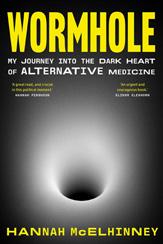
Wormhole by Hannah McElhinney Affirm, $36.99
In these strange political times, science and facts are often ignored in favour of conspiracy theories, money making opportunities and social media algorithms. This is particularly the case with the rise in alternative medicines and the wellness industry. In 2022, Hannah McElhinney’s cousin went to Malaysia to undergo an alternative medical treatment for a disease she never had. She did not live through it. This experience prompted Hannah to start her own investigative journey into the world of alternative medicine. The result is a fascinating and ultimately scary book that peels back the truth about medical misogyny, dodgy wellness ideas and pseudo-medical misinformation. Recommended.
A Brief History of Climate Folly by Tim & Emma Flannery Text, $26.99
Also worrying is A Brief History of Climate Folly by researchers Tim and Emma Flannery. Although climate change is still being scurrilously dismissed by some politicians as a hoax, history is full of crazy climate altering schemes. From ancient shamanism to mass cloudseeding to Hitler’s proposal to drain the Mediterranean, there has been no shortage of wild ideas. While more recently, scientists have even proposed nuking the Arctic icecap and the moon in an attempt to modify our climate. The authors analyse these schemes with good humour, before concluding with an insightful look at current geoengineering proposals and China’s advances in solar energy. Fascinating.
Stuff the British Stole by Marc Fennell Penguin, $36.99
Drawing upon his podcast and television show, Stuff the British Stole, Australian documentary maker Marc Fennell has produced an enjoyable trip through history, one object at the time. With clarity, wit and empathy, Fennell reveals the true stories behind some of the more remarkable objects in museums around the world. From the Elgin Marbles to the Gweagal Shield and a Pekingese dog known as Looty, Fennell sets the story straight about their origins. The most intriguing piece, however, is the Shellal Mosaic, which was looted by Australian soldiers during World War I and now partially resides at the Australian War Memorial. A great read.
Antarctic blast for Canberra
by GEORGIA CURRY
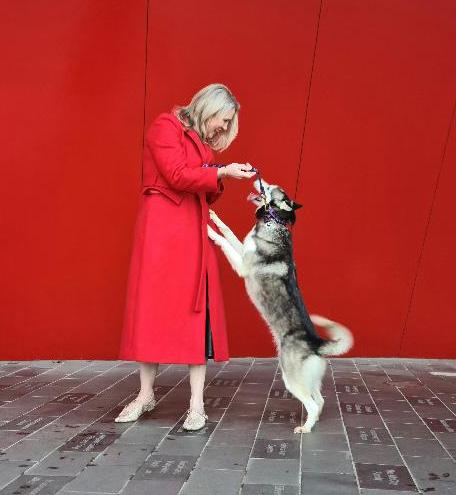
There were lots of VIPs at today’s media launch of the National Museum of Australia’s Antarctica exhibition, but the real stars were the huskies (living and taxidermied).
The canine superstars were Kenzie, Macie, Darcy and Winnie from our local Canberra Sled Dog Club and although there was no ice, there was a frozen world within the Museum with 200 artefacts.
Opening mid-winter was perfect timing and as you enter the exhibit, you’re immediately confronted with a massive video screen of an ice-breaker ship ramming through pack ice.
Goosebumps guaranteed.
Further along you pass taxidermied fauna and if the movie Night at the Museum were true, after dark there’d be emperor penguins, giant petrels, baby
seals and huskies storming the museum.
Unless you’re a hardy lichen or an Adelie penguin, not much can live in this extreme environment.
The exhibition’s stand-out feature is a 26-metre long, curved-wall projection (the museum’s largest immersive experience to date) beaming a screaming blizzard, the Aurora Australis and the midnight sun.
No wonder tourist numbers to Antarctica peaked last season at 120,000 (in the ‘90s only 5,000 people visited per season).
It’s funny how humans are intrigued with toileting practices in remote places (it’s the most asked question of astronauts) because the exhibition includes a female urination device (so that women don’t have to partially undress in a ferocious blizzard).
Back to more serious matters, this free exhibition takes us back to the
“heroic era” of exploration (the legend of Sir Douglas Mawson) with never exhibited before relics that the Australian Antarctic Division has been stockpiling since the 1940s.
There are touching letters, private diaries, even home-brewed beer, which each tell a tale of desperation, triumph, tragedy and wonder.
“Antarctica really does capture people,” she said. “It’s a remarkable place.”
With Antarctica seeing dramatic sea-ice losses, destabilised ice shelves and glacial melting, (it has warmed by roughly 3°C since the 1950s) let’s hope Antarctica isn’t relegated to a museum permanently.
It also introduces us to the scientists and researchers who work there, such as Australian Antarctic Division chief scientist, Professor Nerilie Abram, who was on hand to share her experience.
Professor Abram said she felt lucky to work on the most remote continent on Earth and that she’d participated in a long-held tradition –taking an ice dip in -2-degree water on Australia Day.
Her summer office is Casey Station, a mere 3,880km south of Perth.
“I’ve been five times over summer, travelling down for two to three months at a time,” Professor Abram said. “It is a real privilege to be able to be one of the people who gets to work in Antarctica.”
As a climate scientist, Professor Abram works on the ice sheet, drilling ice cores to understand Antarctica’s complex and fragile ecosystem and how it affects the world.
“It was chilly but the water is beautiful, it’s just so pristine and clear and actually looks really inviting,” she said. “If you get your dip on a lovely, sun-shining day where the wind isn’t blowing, it’s quite lovely.”
There is a maximum time of five minutes allowed but Professor Abram said she “was well under that.” Antarctica will run at the National Museum of Australia from 1 July to 11 October 2026. Tickets are free but bookings are essential: nma.gov.au/ antarctica
National Museum of Australia director, Katherine McMahon, greets a husky at the opening of the new exhibition, Antarctica. Photo: Georgia Curry
health & wellbeing
Five psychological ways to protect yourself when work feels hostile or unfair
with DR VIVIENNE LEWIS ASSISTANT PROFESSOR AND CLINICAL PSYCHOLOGIST AT UNIVERSITY OF CANBERRA
Many people who come in to talk to me aren’t just “stressed at work.” They feel bullied, undermined, ignored, or taken advantage of. They describe walking on eggshells, second-guessing themselves, replaying conversations late at night, and feeling emotionally drained before the workday even begins. Over time, these experiences can quietly erode confidence, motivation, and mental health.
Here are five evidence-based ways to protect yourself psychologically when work feels hostile or unfair.
1. Understand that your reaction is normal
When someone feels criticised, excluded, or devalued at work, the brain registers this as a social threat. The stress response activates, releasing cortisol and adrenaline. This can lead to anxiety, sleep disturbance, irritability, hypervigilance, or emotional shutdown. These reactions are not signs of weakness. They are normal nervous system responses to repeated interpersonal stress. Understanding this reduces selfblame and helps restore perspective.
2. Separate your worth from how you are treated In di cult workplaces, people often internalise the message that they are the problem. Over time, this can significantly damage self-esteem. Psychologically, it is important to distinguish between who you are and the environment you are in. A dysfunctional workplace, poor leadership, or unresolved conflict can distort feedback and expectations. Being treated poorly does not reflect your value or competence.
3. Question the belief that enduring mistreatment is strength
Many people stay silent because they believe they
Say goodbye to traditional scraping! My Dentist Canberra has advanced Scale & Clean with EMS AIRFLOW® technology uses warm water, gentle air, and fine powder to give you:
should cope, tolerate, or be more resilient. In reality, endurance without boundaries is not resilience; it is self-abandonment. Psychological flexibility involves recognising when something is harmful and responding in a way that protects wellbeing.
4. Reduce rumination and reclaim control Workplace conflict often leads to constant mental replaying of conversations, emails, or perceived slights. While understandable, rumination keeps the stress response activated. Redirecting attention toward what is within your control, such as your responses, support systems, and next steps, helps restore agency.
5. Don’t minimise or normalise ongoing harm
One of the most concerning patterns I see is people saying, “This is just how work is,” or “Everyone deals with this.” Chronic exposure to bullying, invalidation, or unresolved conflict increases the risk of anxiety, depression, burnout, and physical health problems. Seeking support early is not overreacting; it is preventative.
Offer include comprehensive dental checkup and clean– 2 x-rays & fluoride treatment. Use your health fund and save big. Kids under 16: $230 (Limited Time Offer)
CO N T R IBU
Tougher social media ban crackdown wins expert support
by ALLANAH SCIBERRAS, AAP
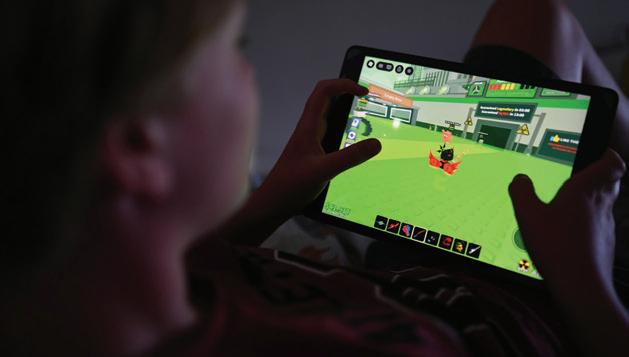
Australia’s world-first social media ban for young people has sparked warnings it was never strict enough, with experts saying the restrictions have always needed strengthening.
The federal government barred children younger than 16 from apps such as Instagram, Snapchat, TikTok, Reddit and Facebook almost eight months ago and has vowed further changes are to come.
It’s been a tricky road since the restrictions came into effect, with Research Fellow in Public Health Samuel Cornell telling AAP there’s more work to be done.
It was always going to be necessary for the government to adapt the laws, Dr Cornell said.
“The eSafety commissioner is feeling as though they need more and that law needs to be built up better for them to have more pressure to put on the companies they’re dealing with,” he said.
“These companies are so powerful and in some ways, they have been acting like nation states and getting away with a lot.
“It’s good to see we are really trying to bring down the law to crack down on them because that’s necessary. Otherwise, they have a free-for-all.”
The social media ban took effect in December, aiming to remove children younger than 16 from online platforms, along with restricting their access to highimpact content like pornography.
The policy has been highly controversial among tech companies, with two separate court challenges lodged by Reddit and a pair of teenagers backed by the Digital Freedom Project.
The government says millions of social media accounts have been deleted, but recent research has shown the ban can be circumvented with relative ease.
As many as 85 per cent of children younger than 16 reported using social media after the ban took effect, according to a study by researchers at the University of Newcastle published on Wednesday.
Dr Cornell believes the restrictions will ultimately be more beneficial in the long term for those who have yet to engage with social media.
“It was never really going to work for (a 15-year-old). There was always going to be that circumventing of the ban,” he said.
Government sources have confirmed Prime Minister Anthony Albanese will announce plans to beef up the ban within weeks.
Cyber safety expert Susan McLean believes very little will change if the federal government beefs up the laws.
“The kids are still using these platforms,” the former police member said.
“They are lying about their age, their accounts are not being flagged and they are the age clarification.
“Another six months isn’t going to change that unless there are some consequences for someone.
“It’s going to take years to launch any proceedings against a platform.”
Ms McLean wants to see the number of restricted platforms extended, as many others are harming young people.
Speaking with students at a school on Friday, she said every child reported being on platforms they should not be using.
“There are young people who are harmed online, without a shadow of a doubt,” she said.
“The blunt approach where we’ll pick 10 and ban them and that will make the internet safer doesn’t make any sense.”
Critics say Australia’s social media age restrictions can be circumvented with relative ease.
Photo Dean Lewins
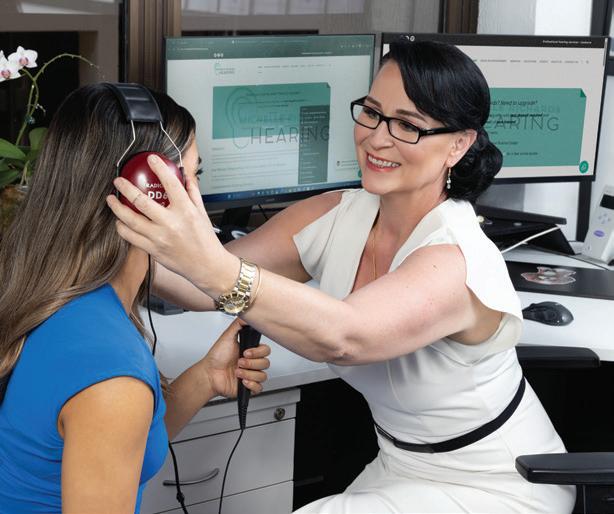
Is It Your Hearing? Understanding Age-Related Hearing Loss
The
subtle signs many people miss — and when it’s time to have your hearing checked
by Michelle Richards, Director & Accredited Hearing Specialist — Michelle Richards Hearing, Dickson
One of the most common things I hear from patients is:
“I can hear people talking, but I can’t always understand what they’re saying.”
Often, this is one of the earliest signs of age-related hearing loss, known clinically as presbycusis
Presbycusis is a gradual decline in hearing that occurs as we get older. It is a normal part of ageing for many people, but because it develops slowly, it can be surprisingly di cult to recognise in ourselves.
In fact, family members often notice the changes before we do. What is presbycusis?
Age-related hearing loss typically a ects the higher pitches first. These are the sounds that help us distinguish speech clearly, particularly consonants such as s, f, th, t, and sh.
As a result, speech may begin to sound less clear, especially in
challenging listening environments. People often describe it as:
• Hearing people speak but not always understanding them
• Feeling others are mumbling
• Struggling in restaurants, cafés or family gatherings
• Di culty hearing children or grandchildren
• Turning the television up louder than others prefer
• Frequently asking people to repeat themselves
• Feeling tired after social situations because listening requires more e ort
Because presbycusis hearing loss develops gradually, many people unconsciously adapt by avoiding noisy environments, relying on visual cues, or simply withdrawing from conversations. Early signs you shouldn’t ignore While hearing loss is often associated with advanced age, changes can begin much earlier than many people realise.
Some of the most common early
warning signs include:
• Di culty understanding speech in background noise
• Frequently asking “sorry?” or “what was that?”
• Missing parts of conversations
• Trouble hearing on the telephone
• Needing captions on television
• Family members commenting that the television volume is too loud
• Ringing, buzzing or tinnitus
• Feeling exhausted after social interactions
These symptoms are often dismissed as stress, fatigue, poor acoustics, or other people not speaking clearly. However, they may be your hearing trying to tell you something.
When should I have my hearing tested?
A hearing test is not just for people who already wear hearing aids.
Just as we routinely monitor our eyesight, blood pressure and cholesterol, hearing health should also be checked periodically.
I generally recommend:
• A baseline hearing assessment from around age 50
• Earlier testing if you have significant noise exposure, tinnitus, family history of hearing loss, or concerns about your hearing
• Annual reviews if any hearing loss is identified
• Immediate assessment if you experience a sudden change in hearing
Many people are relieved to learn that a hearing assessment is painless, non-invasive, and typically takes less than an hour. Importantly, a hearing test can identify issues long before they begin to significantly a ect communication.
Why early detection matters
Hearing loss a ects much more than the ears. When hearing becomes more di cult, the brain must work harder to fill in missing pieces of speech. This increased listening e ort can contribute to fatigue, frustration and communication di culties.
Research has also highlighted important links between hearing health, social engagement and cognitive wellbeing.
While hearing aids are not a cure
for dementia, maintaining good hearing health is increasingly recognised as an important component of healthy ageing. The earlier hearing di culties are identified, the more options are available to manage them e ectively. Choosing a hearing provider
Many Australians are unaware that they have a choice when it comes to hearing care.
When selecting a provider, consider asking:
• Are they independent or owned by a hearing aid manufacturer?
• Will they discuss all suitable options?
• Do they provide comprehensive diagnostic testing?
• Do they o er ongoing support and rehabilitation?
• Will recommendations be tailored to my lifestyle and needs?
• Do they o er at-home hearing aid trials?
• Does the clinician receive a ‘commission’ on hearing aid ‘sales’?
The relationship between clinician and patient is important. Hearing rehabilitation is not simply about fitting technology; it is about understanding communication challenges and finding practical solutions that improve quality of life.
The takeaway
If you’ve found yourself asking people to repeat themselves, struggling in background noise, or wondering whether your hearing has changed, don’t wait until communication becomes di cult.
A hearing assessment provides valuable information, reassurance, and a clear understanding of your hearing health. After all, hearing well is about much more than sound. It’s about staying connected to conversations, family, friendships, and the moments that matter most.
Michelle Richards Hearing — Ethical. Local. Independent. We have moved!!
Suite 68, 12 Challis St Dickson ACT 2602
Book online at: michellerichardshearing. com.au or call 02 6281 0222 Scan to book online instantly
Senior living redefined: Inside the new Goodwin Village Downer
The doors are officially open! This week marked the official opening of Goodwin Village Downer, a modern retirement community on Melba Street in Downer, that is setting a glamorous new standard for rightsizing in style.
Local dignitaries, including ACT Chief Minister Andrew Barr and Minister for Health Rachel StephenSmith, joined Goodwin Board Chair Fiona Jolly and CEO Stephen Holmes to mark what is being described as a landmark moment for Canberra seniors.
The first thing you notice about this stylish new development is how beautifully it blends into the established character of the inner-north. The building features striking deep red and dark grey terracotta façades that directly reference Canberra’s classic 1960s residential heritage.
Inside, it is all about comfort, light-filled spaces, and effortless living. The village boasts 109 lightfilled independent living apartments, 20 serviced
apartments for those who love their independence but appreciate a little extra help with daily tasks like meals or cleaning and state-of-the-art Finnish HUR wellness equipment.
Every apartment has been purposefully designed to meet strict Australian accessibility standards, meaning that it will support you as you age and your requirements change.
“Today marks a monumental milestone,” shared Mr Holmes. “We are incredibly proud to deliver a modern lifestyle that keeps our seniors deeply connected to the local history and community they helped build.”
Goodwin has partnered with Community Housing Canberra (CHC) to incorporate dedicated affordable rental options, ensuring that high-value retirement living remains accessible to all older Canberrans.
Ms Jolly noted that being a local, not-for-profit provider means everything when designing these spaces. “What makes this milestone so unique is that Goodwin remains entirely Canberra owned and
operated,” she said. “Our local identity is what truly sets us apart. We are thrilled to see this vision realised here in Downer.”
Minister Rachel Stephen-Smith MLA concurred: “Goodwin Village Downer has been designed as a contemporary community that responds to the evolving needs of Canberra’s ageing population. It’s important that retirement villages are more than just places to live - the best of these are vibrant, connected communities that uphold independence and dignity.
“The ACT Government welcomes projects and initiatives that promote age-friendly communities, improve access to services, and support people to age in place.”
Goodwin CEO Stephen Holmes and Goodwin Board Chair Fiona Jolly with ACT Chief Minister Andrew Barr.
ACT falling behind housing targets, builders warn
by NICHOLAS FULLER
The ACT is falling behind its housing targets two years into the National Housing Accord, Master Builders ACT has warned.
The National Housing Accord aims to deliver 1.2 million new homes across Australia over five years from July 2024. The ACT’s share of the target is 21,000 new homes by 2028–29.
But Master Builders said new data showed the ACT had approved 6,960 homes since July 2024, well below the 8,410 required under the Accord, leaving a shortfall of 1,450 homes, or 17.2 per cent.
Approvals had slowed to 290 homes per month, down from 350 before the Accord and below the longterm average of 424, Master Builders ACT chief executive Anna Neelgama said.
“Two years in, this should be a progress check but instead it shows the ACT is not on track,” Ms Neelagama said.
She argued that poor planning performance, weak productivity, regulatory burden, and workforce constraints were holding back the delivery of new homes.
“The system is becoming less productive over time,” Ms Neelagama said. “The ACT now has the worst multifactor productivity in the country, and building and construction businesses are being asked to do more with less.
“At the same time, these businesses are operating in the highest property tax environment in the country by a country mile, yet the system is delivering fewer homes.”
Master Builders ACT called on governments to use the second
anniversary of the Accord as a turning point to speed up approvals, cut red tape, and strengthen the construction workforce.
“Without reform, the ACT will continue to fall behind on its housing commitments, and supply, stability and affordability pressures will only get worse,” Ms Neelagama said.
But ACT Shelter said housing affordability could not be reduced to approval numbers alone. CEO Corinne Dobson said increasing supply mattered, but affordability depended on building the right mix of homes.
“Any sustained slowdown in approvals deserves attention, but we shouldn’t reduce a complex housing challenge to a single cause,” Ms Dobson said.
“There are well-recognised structural barriers to increasing supply, including planning and approval
timeframes, workforce shortages and rising construction costs, and ACT Shelter does not accept that property taxes are the primary obstacle.”
Ms Dobson said approvals were an important indicator, but other independent assessments suggested the ACT remained on track to meet its National Housing Accord target.
She said the greater issue was the gap between homes approved and homes completed.
“Even if the Accord targets are met in the ACT, we will still fall well short of delivering the social and affordable housing needed to meet community need,” Ms Dobson said.
“Ultimately, success should not be measured simply by how many homes are approved, but by whether enough homes are built, and whether the people who need them most can afford to live in them.”
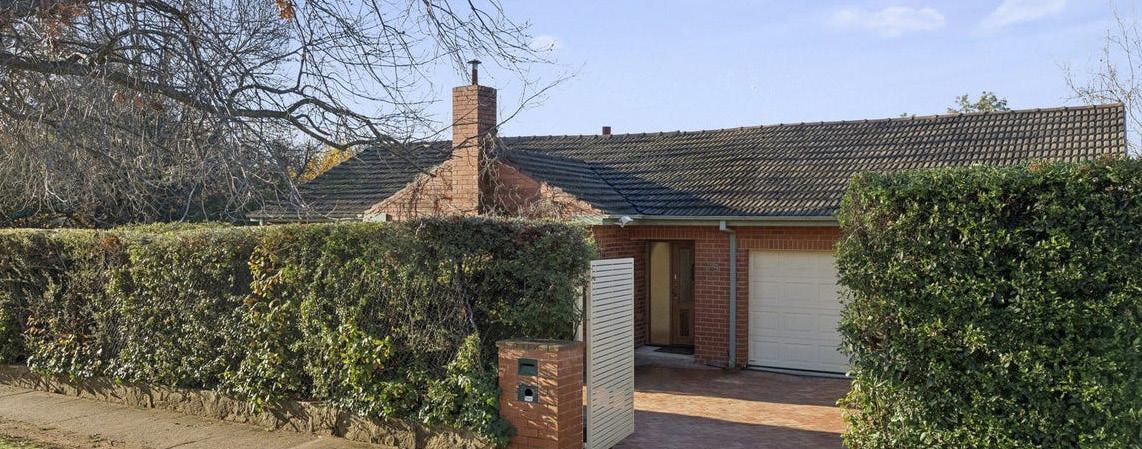
Timeless Inner South Retreat
Narrabundah, 79 Stuart Street
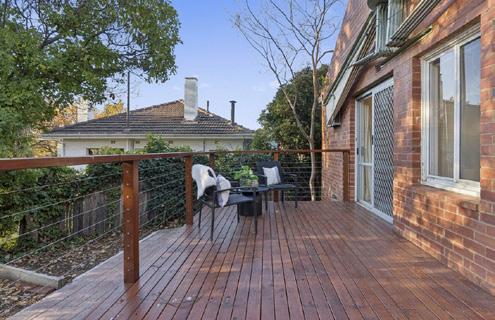
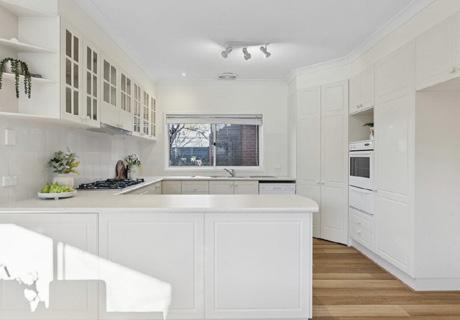
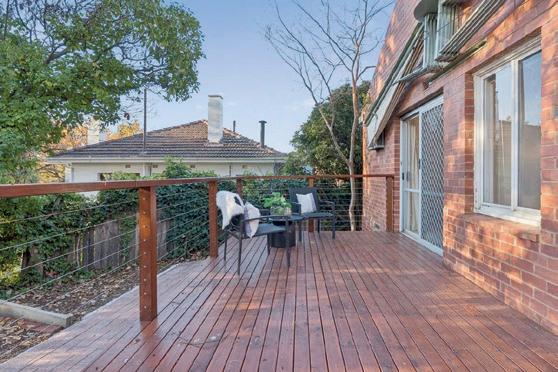
Set behind established hedging in sought-after Narrabundah, this beautifully updated home combines timeless 1950s charm with modern comfort and an enviable Inner South lifestyle. Designed for easy family living, the home offers multiple living spaces, including a formal lounge and a light-filled open-plan family and dining area that flows effortlessly to a northfacing deck and landscaped gardens. At the heart of the home is an updated kitchen with generous bench space, quality appliances and plenty of storage, making it perfect for both everyday living and entertaining.
Thoughtful extensions have created excellent bedroom segregation, with the private main suite featuring a walk-in robe, renovated ensuite and direct access to its own deck.
Outside, three separate entertaining areas and established gardens provide peaceful spaces to relax or host family and friends.
Positioned near Griffith, Manuka and Kingston, and close to quality schools, Lake Burley Griffin and the Parliamentary Triangle, this move-inready residence delivers a balance of character and convenience.
THE
LIFESTYLE YOU’VE BEEN LOOKING FOR
A new chapter deserves a home to match. Denman Peninsula is an exclusive collection of spacious riverfront residences designed for those seeking more freedom, less maintenance and the opportunity to enjoy life at your own pace without compromising on space, comfort, quality or convenience.
• Bathrooms & ensuites with Villeroy and Boch fittings
• Reverse cycle ducted heating and cooling
• Under-tile heating
• 5KW rooftop solar system to each residence
• Kitchen with Smeg appliances, stone benchtops & butler’s pantry
• Landscaped courtyard & gardens
• Dual lock-up garaging with remote access & provisioning for EV Charging
VISIT THE DISPLAY TOWNHOUSE
Stella Young Way
Denman Prospect Thu & Fri : 2PM - 4PM Sat & Sun : 11AM - 3PM
OR BY APPOINTMENT:
Keenan Veraar — 0402 914 037
denmanpeninsula.com.au
Introducing Grove.
Grove is a boutique release of architecturally designed townhouses within one of the region’s fastest-growing masterplanned communities.
A thoughtfully crafted collection of 2 and 3 bedroom residences, Grove offers a fresh approach to townhome living, shaped by natural materials and grounded in a design philosophy that celebrates simplicity, comfort and connection. Positioned alongside open green space and moments from Googong’s evolving town centre, Grove delivers everyday convenience without compromising its natural surrounds.
Whether you’re stepping into your first home, starting a new chapter or seeking a low-maintenance lifestyle, Grove sets the foundation for living well, every day.
• 2 & 3 bedroom architecturally designed townhouses
• Hybrid timber flooring inspired by natural grain
• Modern stone-style benchtops with durable finishes
• Quality kitchen appliances and functional layout planning
• Light-filled living spaces designed for comfort
• Private courtyards or terraces to extend living outdoors
• Secure garaging and practical storage solutions
• Focus on natural textures and long-lasting materials
• Close to schools, childcare, shops and lifestyle amenities
• 25 mins to Canberra CBD*
Artist’s Impression
More than a home, it’s a community Move in ready
Family owned and operated for over 35 years, The Grange retirement village enjoys an unbeatable location in the ACT. Set among the leafy, tree‑lined streets of Deakin and just 300 metres from local shops, the village is also close to medical facilities and essential services.
Enjoy a low‑maintenance lifestyle within a warm, welcoming community, supported by a range of quality facilities including an indoor heated pool and spa, library, hairdressing salon, community gardens, onsite dining, and a pet‑friendly environment.
24‑hour onsite emergency support provides added peace of mind. A trained staff member is always onsite to offer calm assistance, basic first aid, and to contact emergency services if required, remaining with you until help arrives.
Our spacious independent living homes feature:
• Modern kitchens with stone benchtops and stainless‑steel appliances
• Open plan living and dining areas
• Most homes opening onto a generous balcony or courtyard
• Contemporary bathrooms
• Internal laundry
• Heating and cooling for year‑round comfort.
For future peace of mind, The Grange also offers one‑bedroom serviced apartments located onsite. Should a resident’s needs change, they may choose to move from an independent home into a serviced apartment, where assistance is provided with cleaning, all meals prepared onsite, and heavy laundry such as washing and changing bedding and towels. Personal care is not provided; however residents are welcome to continue with their own preferred personal care provider if required.
LUXURY LIVING
Thermopylae Lane is an exclusive enclave like no other in the Red Hill Precinct. This stunning terrace home offers the perfect blend of contemporary living without any body corporate fees. The double-glazed windows provide excellent insulation, while the solar panels contribute to reduced energy bills and a smaller carbon footprint. The owners alap altered the plans prior to build for a better layout. The two spacious open plan living areas plus bedrooms are enhanced by both levels having generous ceiling heights. The luxurious master suite is a true retreat, featuring walk-in robe and stunning views of the park. The gourmet kitchen is equipped with high-end Miele appliances, making it a delight for any home chef, and the outdoor alfresco with full kitchen is perfect for entertaining. There is only one shared wall, with this terrace home having a larger parcel of land compared to many others.
THERMOPYLAE LANE, RED HILL
Trades & Services Guide
Trades & Services Guide
Trades & Services Guide
Trades & Services Guide
Trades & Services Guide
Sometimes in today’s modern world we can forget the beauty in artisanal craftsmanship. Get in touch to start your dream project today.
✓ Re-Upholstery & Restorations
✓ Custom-Made Furniture
✓ Commercial Fit-Outs
✓ Bedheads and Wall Upholstery Call or email us today! 0422 073 665 / 6181 3511 toni@twinstitchupholstery.com.au
Be the one they call. Call CW on 6175 8800
news briefs
Inquiry launched into bill banning gambling donations
An ACT Legislative Assembly committee will examine a proposed ban on political donations from the gambling industry.
The Electoral (Gambling Industry) Amendment Bill 2026 — introduced by independent MLA Thomas Emerson earlier this month — would amend the Electoral Act 1992 to prohibit gifts and donations from the gambling industry and associated entities to political entities.
“It’s a serious problem when politicians are captured by vested interests,” Mr Emerson said.
Analysis by Mr Emerson’s o ce found that ACT Labor and the Canberra Liberals had collectively received more than $275,000 worth of donations from gambling industry entities in the last decade, including cash, in-kind contributions, and free facilities use.
In the early 2010s, ACT Labor set up its funding vehicle, the 1973 Foundation, with almost $6.5 million in funding from the Canberra Labor Club, which operates hundreds of poker machines, Mr Emerson said.
The bill would apply to organisations involved in wagering, betting or other gambling, including casinos, licensed bookmakers, racing organisations, manufacturers of gambling products or equipment,
Now sh wing
Glenrothan (M)
In the Scottish Highlands, Glen Nairn whisky distillery CEO Sandy (Brian Cox) narrates a letter to his estranged brother Donal (Alan Cumming), inviting him home for a visit due to his recent health update. In New York City, Donal plays blues piano at his club with his daughter Amy (Alexandra Shipp). After the club burns down, Donal receives Sandy’s letter from Amy and makes the journey home.
The movie shows o the rolling hills and quaint architecture of Scotland lovingly if not stereotypically. The main protagonists are heirs to a successful whiskey distillery which is the commercial backbone of their charming village. Sandy’s latest health scare prompts him to reach out to Donal who hasn’t set foot in the country for
venues with poker machines, and entities that receive most of their funding from the gambling industry.
The bill would also close a loophole that has allowed parties to exclude in-kind donations of free venue hire from their weekly disclosures to Elections ACT.
Plan to slash Lake Tuggeranong algal blooms within a decade
Lake Tuggeranong could be largely free of harmful algal blooms within a decade under a new ACT Government strategy.
The lake has by far the highest number of recreational closures in the ACT, according to the 2023 State of the Environment Report. During the 2022-23 swimming season, it was closed for almost 80 per cent of the season because of blue-green algae and faecal contamination. In six years between 2015-16 and 2022–23, it was closed for at least 60 per cent of the season.
The Healthy Waterways Plan for Lake Tuggeranong, released last week, sets out a 10-year roadmap to ensure that by 2035 the lake is closed due to algal blooms only once every four years, and that such closures are shorter and easier to manage.
Excess phosphorus carried into the lake through stormwater is the main cause of algal blooms, Suzanne Orr MLA, Minister for Climate Change, Environment,
6175 8800 |
40 years, and, despite uncomfortable reminders of his past and those he had abandoned, Donal returns home for reasons of his own. There are odd choices for the characters. Despite Donal’s reservations about his home and past, he knows that his daughter and granddaughter has visited Sandy previously for an innumerable amount of time, allowing a relationship with their uncle and his homeland to flourish. In flashback, Donal is shown as a young punk/emo, who contrarily has a love of blues and jazz and wishes to be a whiskey distiller himself, while it is Sandy who longs to leave the confines of their lives and legacy in Scotland. Donal’s continual avoidant personality grates, as does his self-pity.
Verdict: A beautiful looking nostalgic homecoming trip that needed more to chew on.
- Luke McWilliams, themovieclub.net Showing at Palace Cinemas.
and Energy, said. The nutrients come from fallen leaves, grass clippings, fertilisers, soil, and sediment washed from suburban streets, gardens, and driveways.
The government has committed $2.7 million in the 2026-27 Budget to begin key actions, including extra street sweeping, support for residents to improve gardening practices, strengthening research and monitoring, and trials of anti algal technologies.
ACT pauses new KPMG contracts over data misuse allegations
The ACT Government will not enter new bids for work with KPMG, one of the Big Four accounting firms, for more than three months, following serious allegations the company misused confidential client information.
The pause applies from 25 June to 9 October, and covers new procurements and new contracts where KPMG is engaged as a lead or sole supplier, or as a subcontractor, including under whole-of-government panel arrangements.
It will not a ect existing contracts, extensions under current agreements, ongoing licensing arrangements, or the use of KPMG products.
Proposals submitted before 25 June will continue to be assessed under value-for-money and other evaluation criteria, including compliance with the ACT’s Charter of Procurement Values.