Annual Report

Charter
For a century, generations of students from across the globe have experienced an expansive, holistic education at Canberra Girls Grammar School (CGGS).
Founded in 1926, the Anglican Community of the Sisters of the Church opened the doors with just 10 students. Established by trail-blazing women, the Sisters’ spirit of fearless leadership, visionary thinking, unwavering resilience and deep passion for learning lives on.
Located in the heart of the nation’s capital, and now spanning three campuses, CGGS provides a worldclass educational and co-curricular offering. Perfectly positioned at mid-sized with 1300+ students, the School is co-educational from Early Learning to Year 3, then female-focused through to Year 12.
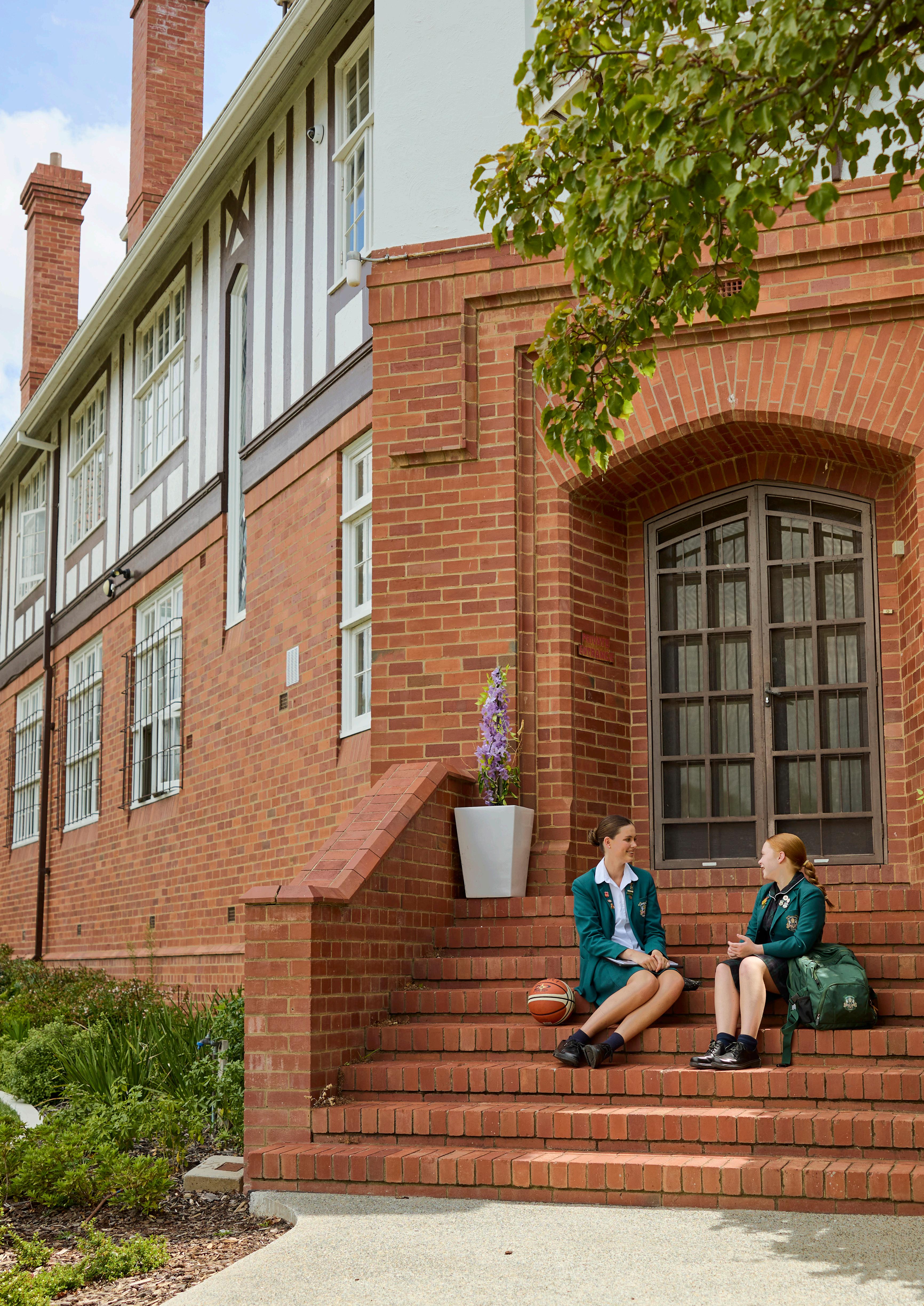
The School’s Boarding House, known affectionately as the BoHo, was the first in the ACT and remains the only exclusively female boarding option. Students from around the globe have enjoyed our charming building with a calm and consistent educational environment, on a picturesque corner of inner Canberra, affording them the time and space to flourish.
CGGS values the whole child—all are encouraged to be involved in a range of pursuits in, and beyond, the classroom. Students have many opportunities to nurture existing talents, discover new interests and develop their skills to become the well-rounded, contributing, informed young people who the world needs.
CGGS is recognised as award-winning, with a reputation for excellence in academic outcomes, consistently resulting in exemplary NAPLAN, BSSS and IBDP scores. The School is an International Baccalaureate (IB) World School and Canberra’s first and only authorised continuum school, offering the Primary Years Programme (PYP), Middle Years Programme (MYP) and Diploma Programme (DP) from Kindergarten to Year 12, with a choice between the ACT BSSS Certificate and IB Diploma as exit credentials.
At CGGS, students exceed even their own expectations.
Our purpose
CGGS exists to graduate fiercely independent young women, confident in their purpose, courageous in their choices, ethical in their actions and capable of shaping a hope-filled future.
Our values
The CGGS community is united by four core values that honour our Anglican tradition and equip our community to respond to the challenges of today’s world.
INTEGRITY
We are renowned for our loyalty and ethical behaviour. We follow our strong moral compass.
COURAGE
We challenge the status quo, stand by what we believe and do what is right.
RESPECT
We cultivate an awareness of our interdependence and show deep respect for self, others and the environment.
INCLUSION
We embrace diversity in humanity. We treat others with compassion and kindness.
2025 in review
Over the course of 2025, we have kept the priorities set by the current Strategic Design 2020–2025 as our true north whilst simultaneously evolving a new Strategic Direction for the School, one that will guide CGGS for the next decade. Underpinning the new Strategic Direction is an iterative process of action and evaluation that will occur as emerging circumstances may demand, or at least every three years to ensure our direction is still true and our initiatives continue to serve the School community well.
The high-level implementation plan and measures underpinning and driving the direction will be reported to the Board at regular intervals with deep dives being held on each priority pillar annually.
And as the School marks its fourth consecutive year of growth in enrolments, it has been important to retain a relentless focus on the aspects of a CGGS education that set us apart. Specifically, the care we bring to the education of children and young people. CGGS continues to couple its rigorous approach to excellence in teaching and learning with care and attention to the whole child.
We finished 2025 as the first, and at this stage only, ACT school authorised to deliver the International Baccalaureate (IB) continuum. Students at CGGS can now experience the richness of the IB in their daily learning from ELC through to Year 12.
The introduction of the Middle Years Programme (MYP) from Years 6–9 has provided a bridge between the Primary Years and our Senior Phase of Learning, and has brought about a shared language for learning and the attributes of a CGGS learner that stretches the breadth of the School. The excellence for which CGGS is known was ably demonstrated in our Verification Visit with the resulting report including a noteworthy seven commendations.
Year 6 students now spend a day per week on the Senior School campus and have the opportunity to enjoy a year-long transition that ensures they are ready to fly when they reach Year 7. The role of Transition Coordinator was appointed to ensure that our students—new and continuing—are well known prior to their arrival and supported to flourish from day one.
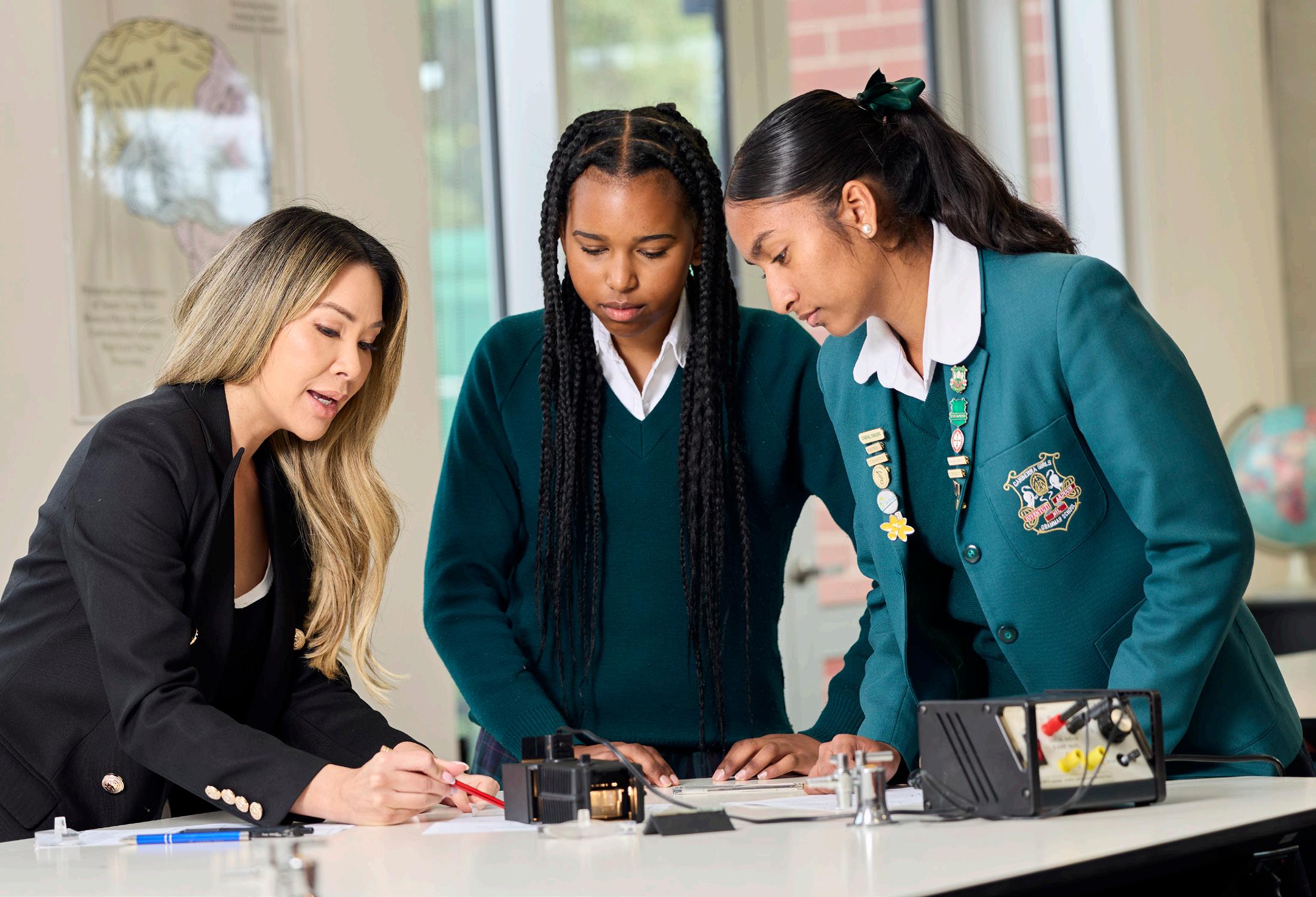
In our quest to continually improve our STEM programmes, we refurbished the Senior School Innovation Space to include a new Fab Lab and Digital Technologies suite with equipment to support computer-aided design, 3D printing and fabrication.
CGGS also became the eastern seaboard’s only Einstein First School with the introduction of this evidence-based program for the teaching of physics from primary school. In partnership with ANU, CGGS has implemented this program through rigorous professional learning for staff and engaging lessons for students from Year 3.
Our relentless focus on the assessment and feedback cycle has seen students taking greater ownership of their learning and supported them to navigate their individual learning journeys. The work of the Guiding Coalition for the Clarity Project, under the expert guidance of Dr Lyn Sharratt, has supported this focus on assessment literacy and resulted in the
implementation of case management meetings and learning walks and talks.
The strength of our academic results continued and the launch of Intellischools has brought data visualisations to guide our teachers as they continue to design interventions best placed to assist students to learn and grow.
To ensure our pastoral care approaches are evidence-based and responsive to student needs, we commenced a review of the School’s Signature and Pastoral programs to achieve greater alignment and efficacy, and we have committed to involving our students in the co-design of programs moving forward.
The level of commitment our students bring to their music, sporting and other co-curricular endeavours was celebrated and enriched with the launch of Cygnus at CGGS, a suite of more than 100 co-curricular opportunities for students to follow their interests and develop their gifts and talents.
In addition, we aspire for CGGS to be the best place to teach, learn and grow in the ACT and surrounds for our staff members. We want our teachers to be the best they can be and have invested in quality professional learning and staff wellbeing, including the introduction of Professional Learning Communities
across the School, a Staff Wellbeing Committee and the consolidation of the Employee Value Proposition.
With the support of our Chaplain, Father Chris and The Music Academy, the chorale tradition has continued to soar. Our community worship services are wellattended and uplifting. We are so grateful to our congregation for the donations that have supported the composition of a new Choral Evensong and Sung Eucharist setting for female voices. These works will be launched during our Centenary year.
And it is to the Centenary year that we now look—just over the horizon. With thanks to our School Board of Directors and Committees, the Gabriel Foundation Board, the Grammarians’ Association, the Parents and Friends Association, the Friends of Music, Friends of Rowing and the Centenary Project Working Group— your support means everything and enables all that we strive for at CGGS.
And finally, the incredible students and staff of this wonderful School are our reason, our why and we look forward to working alongside them to shape the School’s next chapter which will undoubtedly be a hope-filled horizon.
Terrie Jones Sue Hart Principal Chair of the Board
Board and Governance
The ownership of the School’s properties is vested in Canberra Girls Grammar School (CGGS), a company limited by Guarantee under the ACT Companies Ordinance 1962 as Trustee for the Church of England Property Trust, Diocese of Canberra and Goulburn.
Its operations are governed by the CGGS Board of Directors (the Board), the majority of whom are appointed by the Bishop-in-Council of the Diocese of Canberra and Goulburn. In addition, four Directors are elected by the members of the company.
The Principal is appointed by the Board, after consultation with the Bishop-in-Council, and is responsible to the Board for the conduct of CGGS, including staff appointments. The Principal is supported by the Deputy Principal (Head of Senior School), the Deputy Principal (Head of Junior School and ELC), a Chief Operating Officer, Executive Directors (Communications and Engagement, Staffing, Boarding and International Students), Boarding House staff, 120+ qualified teachers and professional staff.
2025 Board
Name
Chair Mrs Sue Hart
Deputy Chair Mrs Sachiko Wimmer
Mr Rodney Sutherland
Mrs Verity McWilliam
Mr Alan Francis
Bishop Vanessa Bennett
Mr James Carter
Mrs Melanie Andrews
Ms Jennifer Wyborn
Mr Dion Cannell
Mrs Kerrie Wilde
Mrs Jennifer Lynch
Ms Kate Hill
Method
Bishop-in-Council
Bishop-in-Council
Bishop-in-Council
Bishop-in-Council
Bishop-in-Council
Bishop-in-Council
Bishop-in-Council
Company Member
Company Member
Company Member
Company Member
Company Member
Company Secretary
Term of appointment
Until February 2026
Three years
Until June 2025
Three years
Three years
Three years
Three years
Until November 2025
Three years
Three years
Three years
Three years
Period of contract
Structure
2025 Organisational Chart
Executive Leadership
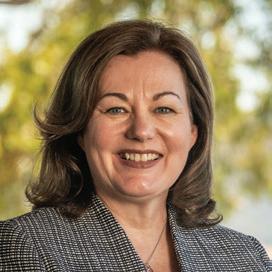


Mrs Terrie Jones Principal
MEd, BA, GradDipEd, GAICD, MACEL

Ms Kate Hill Chief Operating Officer
BCom, MBA, CA, GAICD
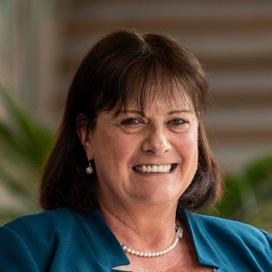
Mrs Tara Dunstall Deputy Principal (Head of Senior School)
BA, LLB (Hons), GradDipLegPrac, GradDipEd

Mr Peter McDonald Deputy Principal (Head of Junior School and ELC)
MEd, GradCertEd (Maths), GradCertBusAdmin, BEd, MACEL
Ms Joanna Leaman Executive Director (Staffing, Boarding and International Students) MEd (Admin), B.SC, DipTchg
Mrs Karen Unwin Executive Director (Communications and Engagement)
Strategic Design
CGGS implemented the sixth and final year of its Strategic Design 2020–2025, which has guided and informed our staff as they have implemented the priority projects of Phase 2.
Phase 1: 2020–2021
Establish foundations by investing in and focusing on our core business.
Phase 2:
Take our foundations into a growth phase of year-on-year progression in areas of strategic priority.
Following a comprehensive consultation process with parents, carers, staff, alumni and students, CGGS will launch its new Strategic Direction: 2026–36: A hope-filled horizon in early 2026. Grounded in four key pillars—Purposeful, People, Places and Possibility—every member of the School has had an opportunity to have a voice in defining the principles and values of CGGS, and to shape the School’s educational vision for the decade to come. Underpinned by a three-year implementation plan with iterative evaluation cycles, the new Strategic Direction has in-built agility and governance mechanisms to guard against drift and to ensure CGGS is responsive to any changes in external or internal environments.
Staff profile and development
CGGS continued to attract and retain a highly capable and committed workforce across teaching, professional and support roles in 2025.
The School is committed to fostering a workplace where staff feel supported, valued and equipped to thrive—the School’s people remain central to the delivery of a rich educational experience.
An employer of choice
In 2025, CGGS continued to affirm its standing as an employer of choice for educators and professional staff across the ACT. The School remained well placed to attract high-quality applicants for vacant positions, reflecting the strength of its reputation, culture and employee value proposition. Through sustained investment in professional learning, staff wellbeing, leadership development and collegial culture, CGGS continued to build a high-performing, values-driven and connected staff community.
Professional learning and capability
A strong culture of professional growth remained a defining feature of staff life at CGGS in 2025. The School continued to invest significantly in learning and development opportunities for both teaching and professional staff, supporting excellence in practice and a shared commitment to continuous improvement.
Across the year, more than 300 professional learning experiences were supported, spanning school-based programs, external and international conferences, accredited courses and leadership
development opportunities. Key initiatives included the continuation of Crucial Conversations, the successful delivery of the Emerging Leaders Program and the School’s ongoing partnership with Dr Lynn Sharratt through the Clarity framework, which continues to strengthen consistency and impact in teaching and learning across the School.
A major strategic focus in 2025 remained the continued implementation of the International Baccalaureate (IB) Middle Years Programme (MYP). Staff engaged in a range of targeted learning opportunities, including onsite workshops and conferences, to build readiness and support the School’s progress toward authorisation, which was successful toward the end of 2025.
Importantly, professional learning at CGGS extended beyond the classroom. During the two BSSS Moderation Days, dedicated learning opportunities were provided for professional staff, recognising the importance of building capability and fostering growth across all employee groups.
All teaching staff at CGGS maintain registration through the ACT Teacher Quality Institute (TQI) and complete annual verification to ensure ongoing compliance with professional standards. In line with ACT requirements, teachers undertake a minimum of 20 hours of professional learning each year, including at least five hours of TQI-accredited training. The School continued to actively support staff in meeting
and exceeding these expectations, with all staff completing the requirements before the 31 March deadline.
Staff wellbeing and culture
Alongside professional growth, CGGS remained deeply committed to nurturing a positive, connected and sustainable staff culture. In 2025, staff wellbeing continued to be supported through a range of formal and informal initiatives designed to strengthen belonging, collegiality and care across the School community.
The Staff Wellbeing Committee met throughout the year to consider and promote initiatives that supported staff and workplace connection. The Committee’s work contributed meaningfully to the School’s broader commitment to fostering a healthy and supportive environment for all employees.
A significant development in support for physical wellness was the introduction of the Fitness Passport, made available to all staff and their immediate families through AISNSW. In addition, the opening of the School’s new Strength and Conditioning Centre to staff use provided colleagues the opportunity for free, convenient access to training facilities onsite. These initiatives encouraged staff to engage in physical activity and reflected the School’s proactive approach to supporting employee health and wellbeing.
The School continued to provide all staff with access to the Employee Assistance Program (EAP), which offers confidential counselling, coaching, wellbeing support and seminars. This service remains an important part of the School’s wellbeing framework and reinforces our commitment to supporting staff and their families both personally and professionally.
The School’s Psychosocial Safety Risk Assessment processes, first embedded more broadly in 2024, remained an important feature of staff wellbeing practice in 2025. These resources were reviewed with staff input and continue to form an important part of the induction program for new employees. The School conducted a survey of staff in relation to psychological risks. This externally benchmarked survey has provided affirming data from which the School can improve and continue to support staff to thrive at work..
Opportunities for connection and celebration also remained an important part of the CGGS staff experience, with twice-weekly morning teas and the annual Christmas luncheon continuing to foster collegiality across teaching and professional teams. Staff also engaged in several social activities across the year, designed to improve and support connections across the campuses.
Qualifications and staff expertise
The School’s workforce continued to reflect a high level of academic and professional expertise. Among the School’s 128 teaching staff across the Early Learning Centre, Junior School and Senior School, the highest qualifications held were:
• Three Doctorates
• 52 Master’s Degrees
• 55 Bachelor’s Degrees
• 19 other tertiary qualifications.
CGGS professional and support staff also bring significant knowledge and capability to their work. In 2025, the highest qualifications held across these staff groups included:
• 16 Master’s Degrees
• 28 Bachelor’s Degrees
• 37 other tertiary qualifications.
These qualifications reflect the depth of expertise across the School and the value placed on professional knowledge, lifelong learning and specialist capability.
Supporting the profession
CGGS continued to contribute to the future of the teaching profession through its ongoing support of pre-service teachers. In 2025, staff across the School provided supervision, mentoring and practical teaching experience for 18 pre-service teachers from the University of Canberra, Charles Sturt University, Queensland University of Technology and the University of Melbourne. This work reflects the School’s broader contribution to the education sector and its commitment to supporting the next generation of educators through high-quality professional experience placements.
Student profile
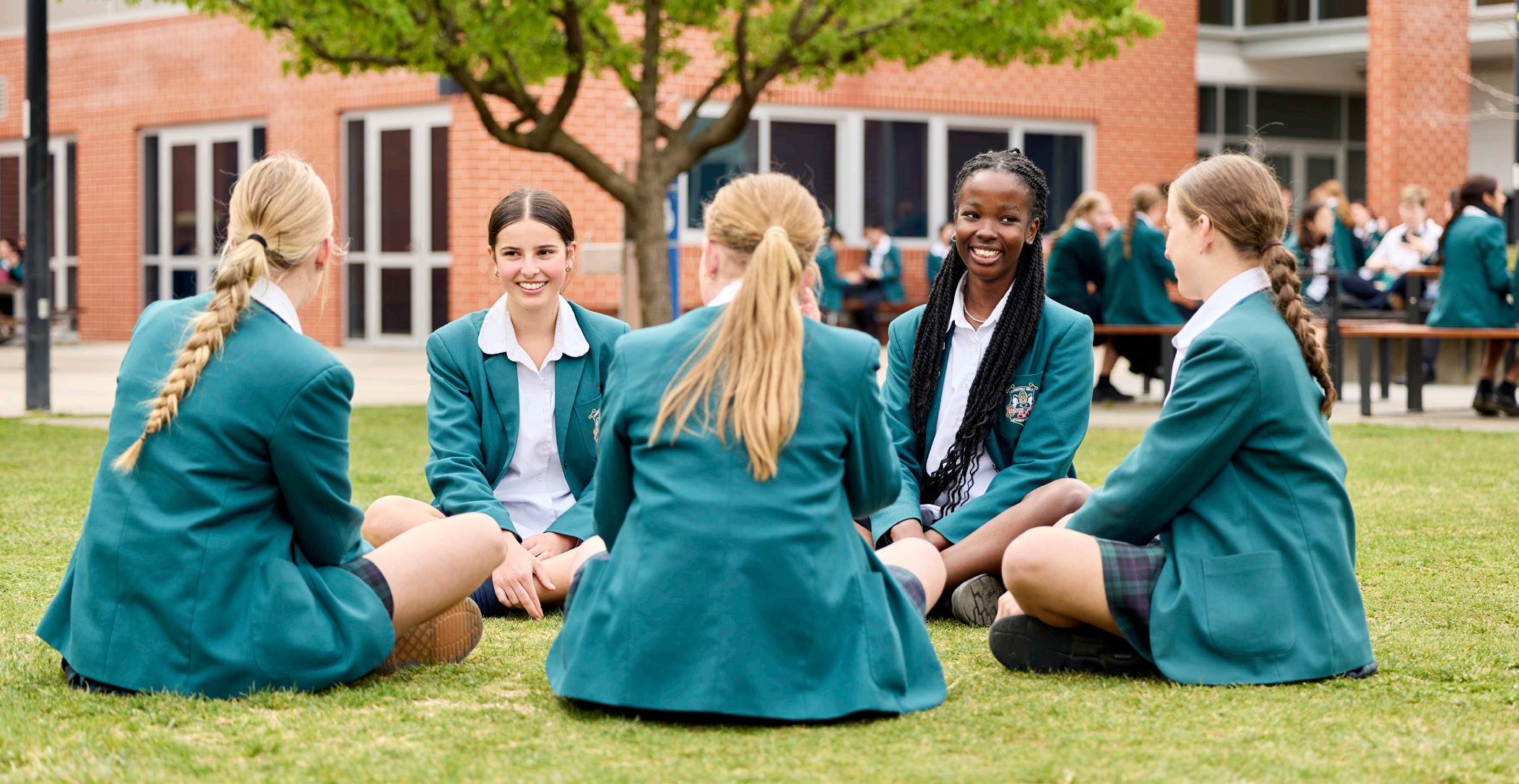
Our students diversity is a strength of our community, and enriches and informs the values, ethics and wellbeing of the complete School community.
Over the course of 2025 CGGS had 1372 students enrolled.
ELC
Junior School
Senior School
Student characteristics:
• Nationalities: 33
• Religions: 26
• Home languages: 38
• Indigenous and Torres Strait Islander peoples: 13
Academic results and achievement
NAPLAN
In 2025 CGGS students achieved strong results in the NAPLAN testing across Years 3, 5, 7 and 9. Students scored above or well above the national average across reading, writing, spelling, grammar and numeracy.
Year 3 NAPLAN results (mean)
(mean)
(mean)
Year 7 NAPLAN results (mean)
Year 5 NAPLAN results (mean)
(mean) CGGS (mean)
Board of Senior Studies (BSSS) and International Baccalaureate (IB) results
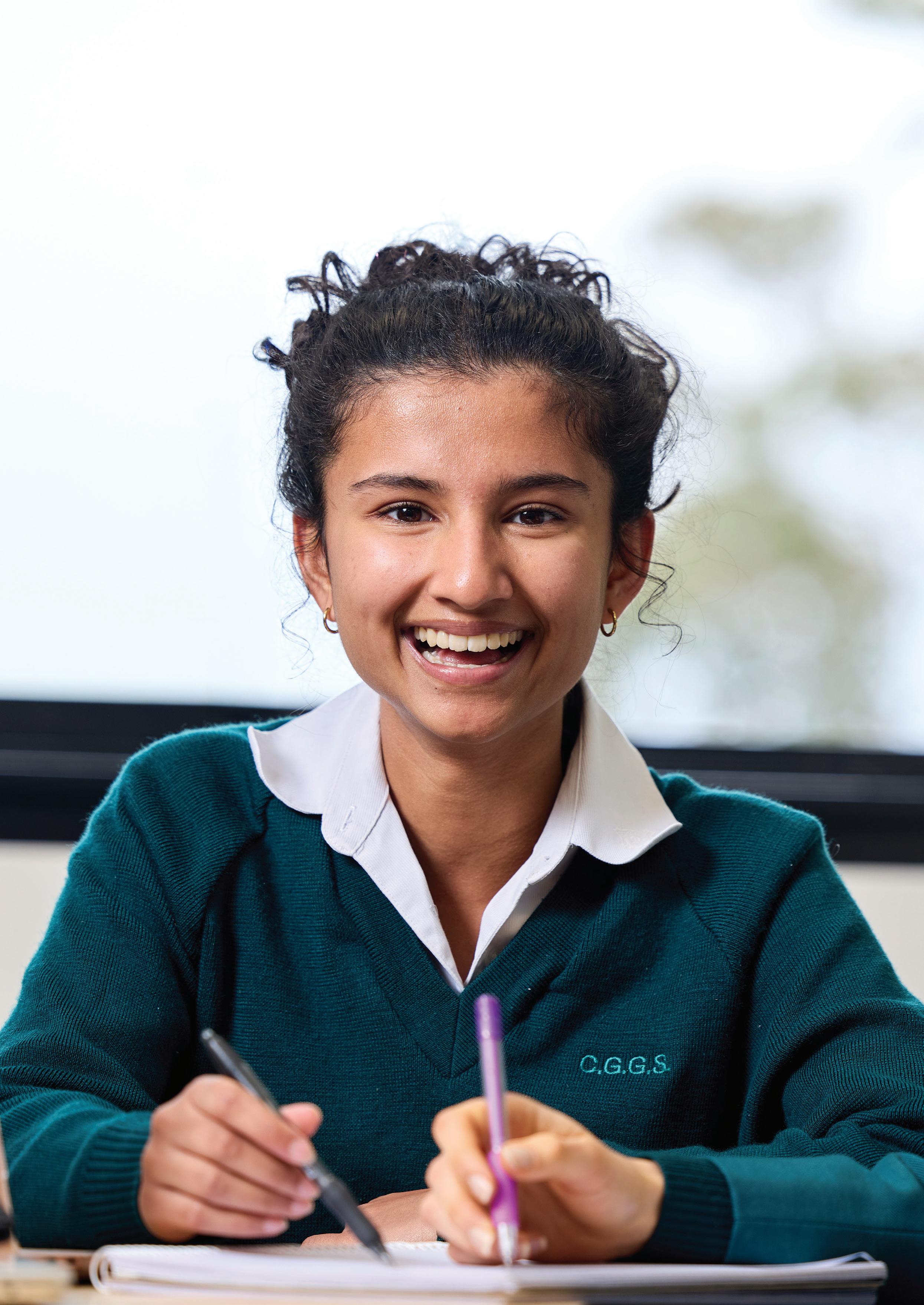
The Class of 2025 had 118 students enrolled. Of this cohort 102 students studied the ACT Senior Secondary Certificate (BSSS) and 16 students studied for the IB Diploma. The Dux of the School obtained an ATAR of 99.70. The top BSSS student received an ATAR of 99.60, and the top IBDP student received a score of 44 (ATAR equivalent score of 99.70).
Year 9 NAPLAN results (mean)
Combined results of 2025
3% achieved an ATAR of 99 or higher
7% achieved an ATAR of 98 or higher
13% achieved an ATAR of 95 or higher
25% achieved an ATAR of 90 or higher
54% achieved an ATAR of 80 or higher
99.70 CGGS highest ATAR
Post-school destinations
The Class of 2025 achieved excellent outcomes in university admissions, reflecting both the breadth of their aspirations and the strength of the School’s support systems.
In 2025, 96.6% of students received a university offer through University Admissions Centre (UAC) and half of the cohort received their first preference. A further 20% received their second preference, meaning 70% of students were admitted into one of their top two chosen courses. This is an outstanding result that underscores the cohort’s preparedness and competitiveness.
Across the full admissions cycle, students received 201 university offers distributed across a diverse selection of study areas. Medicine and Allied Health represented the largest proportion of offers at 27.8%, reflecting strong interest in health-related pathways. STEM accounted for 15.7% of offers, while Humanities and Social Sciences made up 14.8%. Government and Law remained a significant area with 13.9% of offers, followed closely by Environment and Design at 12%. Finance and Management, Business and Creative and Performing Arts each represented 7.4% of the total offers and Education accounted for the remaining 0.9%.
Early offers again played a significant role in shaping positive post-school pathways. Offers arrived as early as September, with many students successfully using their Year 11 results or portfolio submissions to secure places well before ATAR release.
More than 60% of the cohort received early offers in September alone, with the majority coming from the Australian National University, the University of Canberra
Areas of study for offers made to the Class of 2025
and the University of Wollongong. An additional group of approximately 20 students obtained further early offers between October and December from Charles Sturt University, Macquarie University and the University of Newcastle. A small number of highly competitive portfolio pathways were also successful, with two students receiving portfolio-based entry to the University of Sydney and UNSW in music and design.
Overall, the results reflect a cohort that is well prepared for tertiary study and confident in navigating a wide range of university pathways. The students’ successes, across both early offers and main round admissions, highlight not only their academic capability but also their willingness to pursue diverse post-school options, including competitive double degrees, specialised programs and portfolio-entry pathways.
The Class of 2025 is defined by the steadfast resilience they have shown throughout their senior years. This cohort commenced their secondary schooling in the challenging setting of the COVID-19 pandemic, an unprecedented educational experience which shaped their ability to respond and adapt to changing circumstances. Their capacity to endure and manage challenge, be courageous and empower those around them set the foundation for our community in 2025.
Junior School highlights
In 2025, the Junior School and Early Learning Centre (ELC) continued to develop a cohesive approach to learning, with a focus on ensuring students are known, appropriately supported and challenged.
Progress has been evident across academic outcomes and in the range of opportunities students engaged with throughout the year.
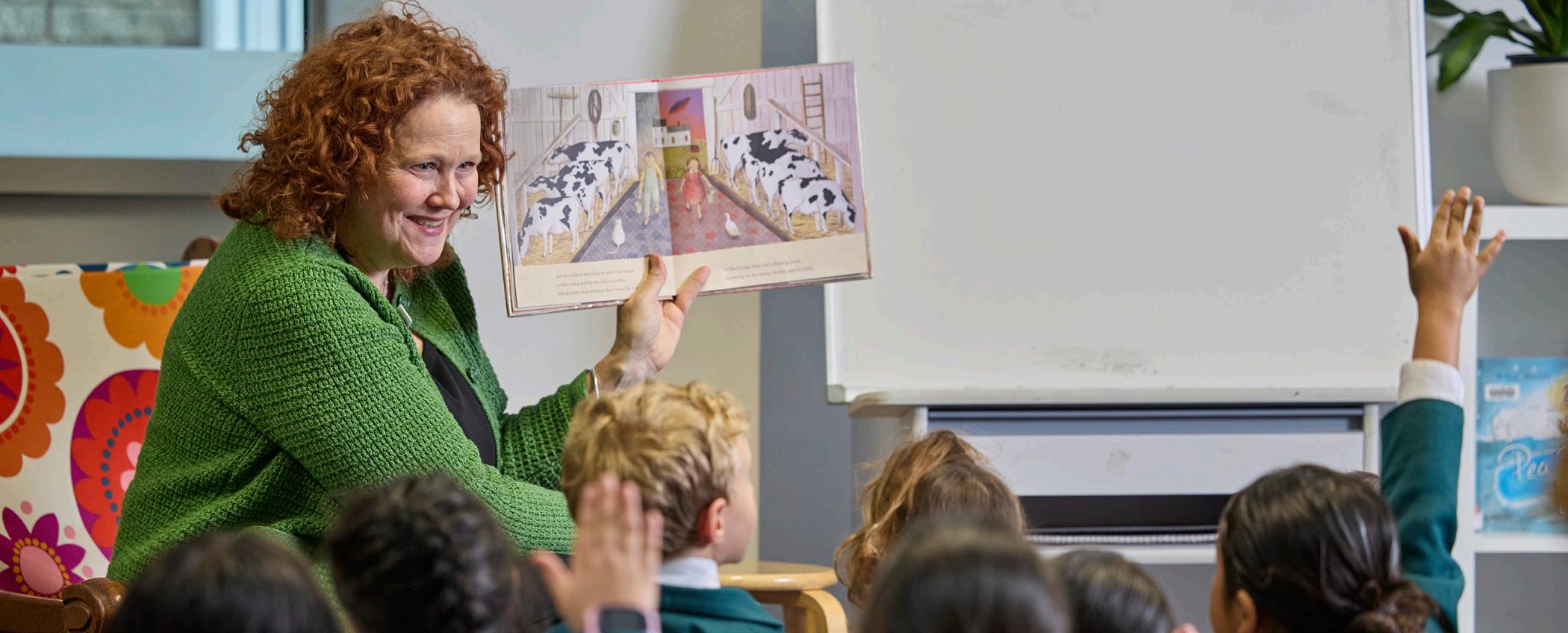
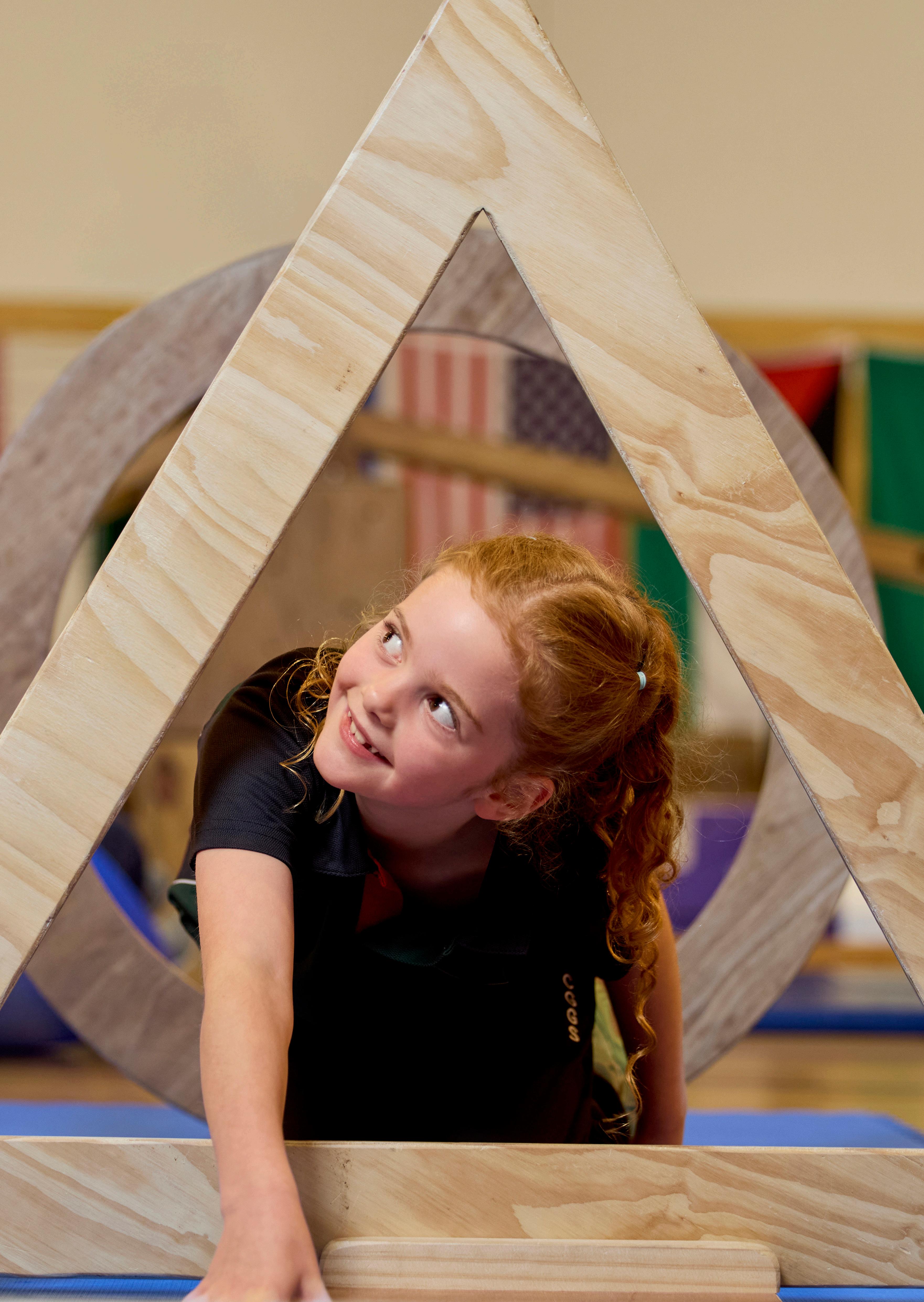
Teaching and learning remained grounded in explicit instruction and whole-child development. In the ELC, play-based learning provided a foundation for early literacy, numeracy, creativity and social development, supported by increasingly deliberate teaching practices. Across the Junior School, literacy remained a clear priority. Structured phonics instruction has been embedded with greater consistency, and oral language and writing have been strengthened through deliberate approaches to talk and coordinated composition.
A continued focus in 2025 has been the coherence of teaching practice across year levels. In mathematics, fluency, reasoning and problem-solving have remained central, with aligned instructional approaches supporting students to apply their thinking across different contexts. The structured use of data has been further embedded across all year levels, with teachers engaging in regular collaborative practices that support precise tracking of progress, timely intervention and appropriate extension.
The introduction of SpellEx in Years 3 and 4 has added further consistency to spelling instruction. Targeted literacy and numeracy intervention programs have been designed to support foundational skills and extend student capability. Our focus on early intervention ensured that teaching remained responsive to individual need while maintaining high expectations across the board.
These improvements in teaching, assessment and intervention have contributed to strong academic outcomes. NAPLAN results in 2025 reflected performance above state and national averages, with consistent growth across cohorts. Beyond standardised assessment, students participated in a range of academic competitions—including the Mathematics Olympiad, the Australian Mathematics Challenge and the da Vinci Decathlon—as well as the World Ethics Olympiad and Tournament of Minds.
Intervention programs have continued to expand, supporting a broader range of learners while maximising continuity of core classroom time. Student leadership opportunities have also grown, particularly for Year 6 students, with expanded roles within the House system and across the School, supporting greater student agency and responsibility.
Pastoral care has continued to develop through a clearly articulated scope and sequence. Ageappropriate topics, including consent and body image, have been integrated into the curriculum alongside a holistic commitment to student wellbeing. Strong relationships between students, families and staff remain a foundation of both the Junior School and ELC.
Overall, 2025 has been a productive year for the Junior School and ELC. Teaching practice has been refined, student outcomes have been strong, and the range of experiences available to students has been broad. The focus remains on providing a highquality learning environment where every student is supported to make progress.
Senior School highlights
2025 was a landmark year for the Senior School, marked by the successful authorisation of the International Baccalaureate (IB) Middle Years Programme (MYP).
Following a rigorous three-and-a-half-year journey, the School was authorised after a comprehensive Verification Visit by consultants from the IB Organisation. The process engaged teaching staff, students, parents, the School Board and leadership teams and resulted in an exceptional seven commendations. We are proud to be the first authorised IB continuum school in the ACT and surrounding region, affirming the strength of our shared educational vision, culture of reflection and commitment to continuous improvement.
The authorisation of the MYP strengthens learning coherence across the middle years, supporting explicit teaching, inquiry-based learning and the development of international-mindedness. It reflects the collective professionalism of staff and the strong partnerships between students, families and the broader School community that underpin teaching and learning in the Senior School.
STEM excellence and innovation
A major highlight of the year was the opening of the Innovation Centre, a purpose-built facility designed to support creativity, collaboration and STEM learning. The centre includes a fully equipped Fab Lab featuring laser cutters, 3D printers, robotics facilities and specialist equipment to support curriculum delivery in Design, Digital Technologies and STEM. Complementing these facilities, the School expanded its first STEM Club, open to students from both the Junior and Senior Schools and led by the Head of STEM. The Club promotes cross-campus collaboration and provides students with opportunities to explore emerging technologies, design thinking and problem-solving beyond the classroom.
Learning spaces that support wellbeing
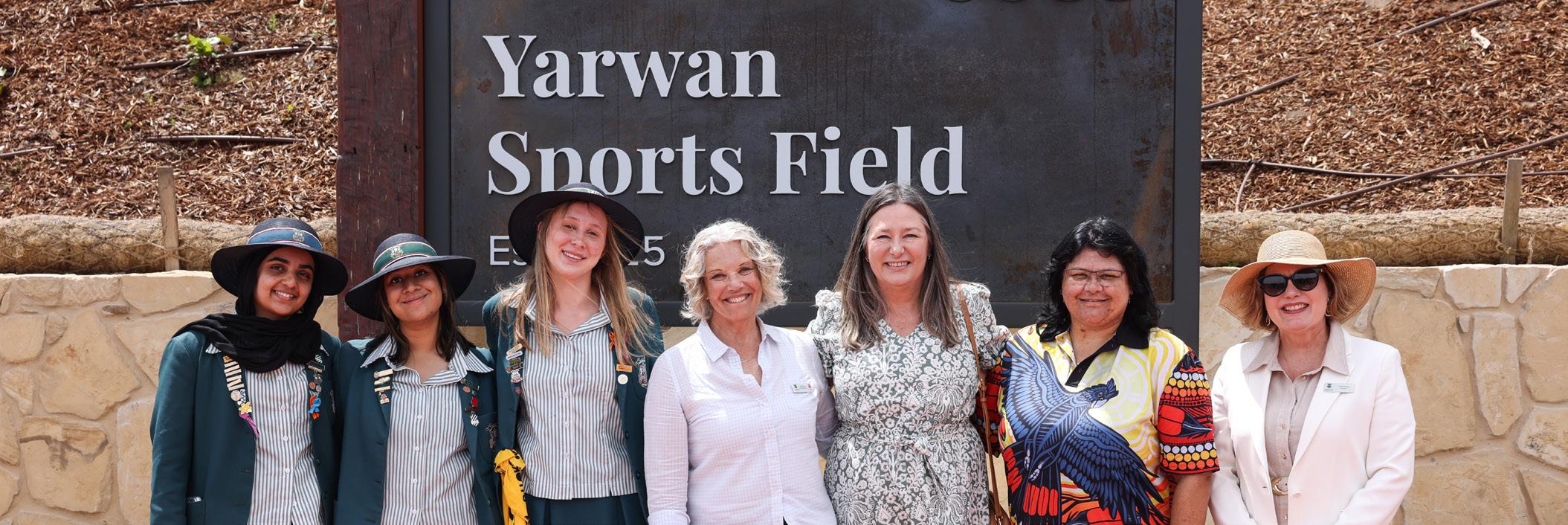
In 2025 the School also celebrated the official opening of the Yarwan Sports Field on Fete day. The new facility was formally opened by Yvette Berry MLA, Minister for Sport and Recreation, and the School extends heartfelt thanks to the Gabriel Foundation for generously funding the redevelopment. The field provides a first-class space for sport, physical education and community connection, enhancing student wellbeing and participation.
Student wellbeing remained a central priority with the establishment of a new Student Hub that centralises key support services. The Hub brings together the Inclusive Learning and Enrichment team, including Learning Support Assistants, alongside the Pastoral team, led by the Director of Student Care and Experience, with Heads of House and Student Officers. This coordinated approach allows students to access academic, pastoral and wellbeing support in a clear and accessible way in one place.
The implementation of the Academic Care and Feedback Cycle further strengthened engagement, beginning with goal-setting through one-on-one tutor conversations and culminating in the highly successful Celebration of Learning. The Year 6 to Year 7 transition program also continued to evolve, supporting students to enter the Senior School with confidence and connection.
Education beyond the classroom
Junior School
In 2025, there was a broad range of co-curricular and enrichment experiences available to students in the Junior School.
Students engaged with guest speakers, a poet in residence, excursions, Camps and a range of local, national and international competitions. The Independent Primary School Heads of Australia (IPSHA) Debating team achieved strong results, and students performed well in Chess and Debating and Public Speaking. In Sport, students participated across in Athletics, Swimming and Cross Country with a focus on personal improvement alongside competitive performance.
Camps and excursions continued across all year levels, providing opportunities to build independence and perspective beyond the classroom. For older students, extended Camp experiences offered engagement with Australia’s history and culture. Creative and Performing Arts remained active throughout the year, with events such as the Pre-K Art Show reflecting a broad and consistent arts programme.

Senior School
The Senior School provides students with rich opportunities to be inspired, supported and challenged as they grow in confidence and capability
While academic learning remains central, education beyond the classroom plays a vital role in shaping wellrounded young people. Through co-curricular activities, service, tours and enrichment opportunities, students are encouraged to explore their interests, build strong relationships and develop the skills and values needed for life beyond CGGS.
In 2025, the launch of the Service Learning Framework marked a significant evolution in how students engage with service opportunities. Grounded in Hart’s Ladder of Participation, the framework transforms participation in service into meaningful learning by prioritising student voice, agency and leadership. Service Learning opportunities, inspired by the legacy of the Sisters of the Church, are mapped across six categories and designed to prepare students to be independent, socially responsible leaders by the time they graduate. This was exemplified by the Solomon Islands Immersion, where students engaged deeply with community partnerships while developing empathy, cultural understanding and a global mindset.
A wide range of local, national and international tours further enriched learning in 2025. The first post-COVID-19 language immersion tour to France provided students with authentic linguistic and cultural experiences. Students in Years 9–12 participated in the UNITAR and History Europe tour, exploring the work of the United Nations and deepening their understanding of Global Studies, History and Economics. Biology students were given the opportunity to travel on the inaugural Ecosystems at Risk trip to the Great Barrier Reef, while rowers, following strong national performances, competed at the Henley Royal Regatta in the United Kingdom. Duke of Edinburgh Silver and Gold expeditions also continued to provide challenge, growth and achievement.
Beyond tours, students engaged in a rich suite of offerings through the Cygnus at CGGS program, including Dance, Clubs and Activities, Sport, Debating and Public Speaking and our biennial musical in 2025 Seussical the Musical and more. The Music Academy students represented CGGS at the Australian Combined Schools Music Festival in Adelaide as well and participated in a large range of performances throughout the year.
The success of education beyond the classroom relies on strong partnerships. We continue to be deeply grateful for the support of staff, parents, alumni and community volunteers whose generosity of time and expertise enhances student experiences and strengthens the vibrant, connected CGGS community.
Cygnus at CGGS takes off
Launched at the commencement of the 2025 school year, Cygnus at CGGS is our new overarching program for our comprehensive co-curricular offering, designed to amplify and extend the rich learning that takes place in our academic and wellbeing programs.
Featuring a dedicated brandmark, design direction and narrative, a suite of over 100+ co-curricular opportunities, organised into nine ‘Pillars of Opportunities’ encourages students to lean into their strengths, challenge themselves and thrive. It makes way for all to contribute, engage, improve and excel, by fostering strong peer group interactions and a sense of belonging. Whether a complete novice or highly accomplished, Cygnus at CGGS inspires students to try something new, unlock a latent talent, hone a skill, give back, achieve excellence, discover their purpose and embrace their passion.
Breaking new ground: Yarwan Sports Field
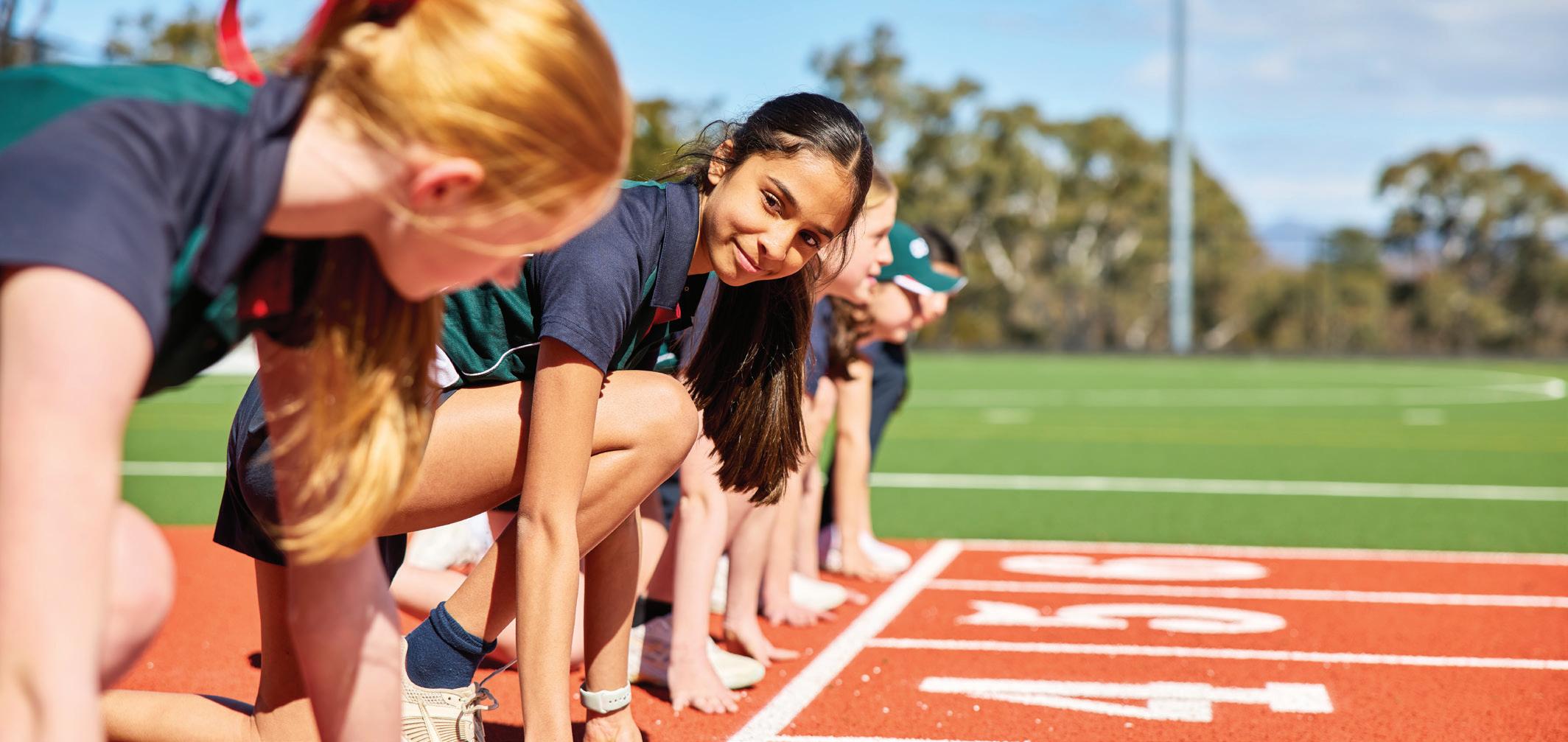
The finalisation of the new multi-functional sports field is another exciting chapter in the CGGS’ history. Officially opened at the School’s 2025 Fete, the Yarwan Sports Field is a vital resource for students and the broader community, promising to enhance sporting and educational experiences as well as serving as a dedicated home for Sport at CGGS.
The word Yarwan is the Ngunnawal word for ‘strong’, and in considering a name for such a special site, the School aimed to capture the significance of the space, what the facility will be used for and all the benefits it will bring to the community.
With expansive views across the National Arboretum and Brindabella mountain range, Yarwan Sports Field is designed with several key features that elevate its functionality and visual appeal. The field is Olympic-
standard and competition-sized, accommodating Soccer, Hockey and Touch Football at the highest level. It features six 100-metre sprint lanes, a long jump run-up, a dedicated warm-up zone and ample spectator seating.
The addition of lighting fixtures has extended hours of use, maximising time on the grounds. New change rooms adjacent to the field improve the experience of students utilising the field for PE classes, and the perimeter is outfitted with secure fencing, allowing for safe use during early mornings and evenings and extended opportunities for training and competition.
Among the standout features of Yarwan Sports Field is the installation of Poligras Paris Platinum GT, the world’s first carbon-zero synthetic turf. Made from 80% bio-based material, this innovative surface ensures a superior playing experience and minimises environmental impact. The same high-quality turf was used on the playing fields of the 2024 Summer Olympics in Paris.
For our youngest learners
Several classrooms at the Junior School were redeveloped as part of a staged project for contemporary, modern learning spaces across the campus. The Undercroft area, which supports the Junior School’s Outside of School Hours program, was refreshed to broaden the use of the space, with a revitalised Grey St Cafe and Allied Health and Music Practice rooms relocated here to accomodate the School’s growth.
The Kamberri space, the heart of learning and community at the ELC, also experienced a renewal to allow for more exploratory opportunities for students and provide educators with the resources to strengthen the foundation of student learning.
Inclusive Learning and Enrichment
Junior School
In 2025, the Junior School Inclusive Learning and Enrichment (ILE) Team continued to deepen its commitment to fostering an engaging, inclusive and future-focused learning environment that responded to the diverse strengths and needs of our students.
Grounded in ensuring equitable access to all aspects of the School’s educational programs, the ILE Team supported students across a broad range of learning profiles, including students with disabilities, learning differences, giftedness and language development needs. Through strong partnerships with teachers, families and external specialists, the team designed responsive strategies, delivered targeted interventions and strengthened inclusive classroom practice. Our shared purpose was to promote equity, honour diversity and enable students to grow academically, socially and emotionally.
Supporting teachers, families and students
The ILE Team built strong, collaborative partnerships across the Junior School community to ensure students were supported effectively and consistently. Working alongside classroom teachers through structured planning meetings and ongoing consultation, the team supported the design and implementation of responsive strategies that addressed individual learning needs.
Each ILE staff member case managed designated year levels, providing continuity of care and acting as a key point of contact for families. In addition, the team curated practical resources to support differentiation and delivered focused small - group instruction for students requiring additional support from Kindergarten to Year 6.
Individual Learning Plans (ILPs) and Adjustment Plans (APs) continued to play a central role in ensuring personalised and responsive support for students across the Junior School. These plans provided a structured framework to guide targeted adjustments, accommodations and enrichment opportunities aligned with each student’s academic, social and wellbeing goals.
Literacy
and numeracy support
Targeted literacy and numeracy support were provided through a combination of in - class collaboration and structured small - group intervention. Evidence - based literacy programs, including MacqLit and MiniLit, remained central to our approach in Years 1–6, supporting the development of decoding, fluency and comprehension through explicit and systematic instruction. These carefully planned sessions responded to identified learning needs while building strong foundations for long - term success.
The ILE team provided responsive support for EAL/D students through structured small - group instruction focused on strengthening speaking, listening, reading and writing skills. The LanguageLift program from Macquarie University remains embedded within our practice, supporting the identification and monitoring of language needs and ensuring instruction is purposeful, responsive and aligned with best practice in language development
In Mathematics, the team worked closely with classroom teachers to adapt content and provide responsive support within lessons, ensuring students could access and engage confidently with the curriculum. The QuickSmart Mathematics intervention was embedded within our support framework, helping students develop automaticity in foundational number skills so they could approach more complex problem-solving with confidence and efficiency.
Gifted and high potential learners
Gifted and high potential learners from ELC to Year 6 were identified through a comprehensive and responsive approach to enrichment and extension. Our focus remained on balancing academic challenge with social and emotional wellbeing, recognising the importance of supporting the whole child.
Students engaged in differentiated learning within the classroom where curriculum adjustments ensured appropriate levels of complexity, depth and pace aligned with each learner’s readiness and ability. An accelerated Mathematics pathway remained available in selected year levels for students demonstrating advanced capability and readiness for increased challenge.
Gifted and high potential learners are also encouraged to participate in a broad range of external enrichment opportunities, including the da Vinci Decathlon, ICAS assessments, Gateways programs, the Australian Mathematics Competition, Maths Olympiad, Ethics Olympiad, Tournament of Minds, IPSHA Debating, Write a Book in a Day and Reader’s Cup. These experiences fostered critical thinking, creativity, collaboration and a love of learning beyond the classroom.
Senior School
The Senior School ILE team worked collaboratively in 2025 with teachers around evidence-based, high impact teaching strategies to support all students.
The diversity of our students was catered to through learning experiences designed to engage, extend, support and challenge all learners. The Inclusive Learning and Enrichment (ILE) Team hosted discussions around Universal Design for Learning,
which is often identified as strategies that are beneficial to all learners and ensures we can best meet students where they are at.
In addition, the ILE Team worked with students to provide tailored supports, both inside and out of the classroom. There were various options designed and curated to support the diverse needs of the students, ranging from in-class support, assessment support, 1:1 meetings with students and opportunities to seek support outside the classroom through access arrangements and study programs.
The goal in 2025 and beyond was to develop student voice and advocacy, with students actively encouraged in the Senior School to participate in meetings about their learning and what supports are going to work best for them. This is an ongoing journey for the students, teachers and families, with the goal to ensure consistent and mutually beneficial support and collaborative engagement with all stakeholders.
The Senior School ILE Team continued to deepen their collaborative work with the Pastoral Care and Wellbeing Teams, ensuring that social-emotional wellbeing and academic growth remained balanced and beneficial.
Gifted and high potential learners continued to be supported through access to various opportunities. Regular visits from Maths professors from ANU to external competitions were offered, including the Australian Individual Debating and Public Speaking Championship (AIDPSC) which saw one CGGS students finish first for her Debating and Public Speaking. Members of the da Vinci Decathlon team also experienced success, while Tournament of Minds participants and ICAS testing saw our students participate in options that align to their interests and passions.
The ILE Team worked with other faculties to further analyse internal and external data that informed our work with students, informing decisions around potential supports and extension requirements. The Maths faculty was instrumental in developing professional learning to build the data literacy of our teaching staff, so that collaborations with ILE continue to be evidence-informed and data-driven for greater impact on student learning.
The Boarding House
A place shaped by people, grounded in purpose and open to possibility.
In 2025, the Boarding House continued to offer a purposeful and supportive environment in which students live and learn alongside one another. At its centre is a clear commitment to wellbeing, belonging and the development of independence, ensuring each boarder is known, supported and challenged to grow.
The year included some change within the staffing structure, which was managed with clarity and consistency. Established routines and expectations ensured stability for students, while leadership remained focused on continuity of care and the strength of the community. Following the conclusion of Mrs Robin Bussenschutt’s tenure early in Term 3, Mrs Joanna Leaman, Executive Director of Staffing, Boarding and International Students, provided steady oversight until the end of the term. Ms Sarah Lysewycz commenced as Director of Boarding at the beginning of Term 4, further strengthening a culture grounded in shared responsibility, mutual respect and connection. Mrs Kathy Haseler acted in the position of Assistant Director for the year, providing consistency and stability to the Boarding team.
Boarding life in 2025 was vibrant, connected and intentionally enriching. A thoughtfully curated program of activities and outings supported students to develop both independence and belonging, while engaging confidently with the wider Canberra community. Much-loved traditions, including regular visits to Manuka and Civic, continued to provide familiarity and connection, while broader experiences such as the day trip to Luna Park in Sydney created memorable shared experiences across year levels. Together, these opportunities played an important role in extending learning beyond the classroom and enriching the overall boarding experience.
The graduating Year 12 cohort made a significant contribution to the life of the Boarding House. Their leadership and resilience shaped the tone of the community, setting a standard for younger students and contributing to a culture of responsibility and care. Their influence was evident in both formal recognition at the conclusion of the year and in the everyday life of the house.
The cohort also reflected the diversity that is central to the Boarding House. Students brought a range of backgrounds and perspectives, enriching the community and strengthening intercultural understanding. This diversity is both valued and intentional. The conclusion of the Year 12 journey was marked with the presentation of a named star to each student, acknowledging their time in boarding and their ongoing connection to the House.
Relationships remain at the heart of the boarding experience. Across 2025, these connections were evident not only within the student cohort, but also in the continued engagement of alumni. Their ongoing connection to the Boarding House speaks to the strength and longevity of these relationships and contributes to a cohesive and enduring community.
At its heart, the CGGS Boarding program continues to provide far more than accommodation—it offers a secure, nurturing and growth-oriented environment in which students are supported to flourish. Grounded in contemporary boarding practice, the program places a strong emphasis on safety, wellbeing and the gradual development of independence, ensuring each student is known, supported and encouraged to thrive. Through strong pastoral care, consistent supervision and access to a wide range of wellbeing supports, boarding remains a place where students build confidence, connection and the life skills that will serve them well beyond their school years.
Chaplaincy
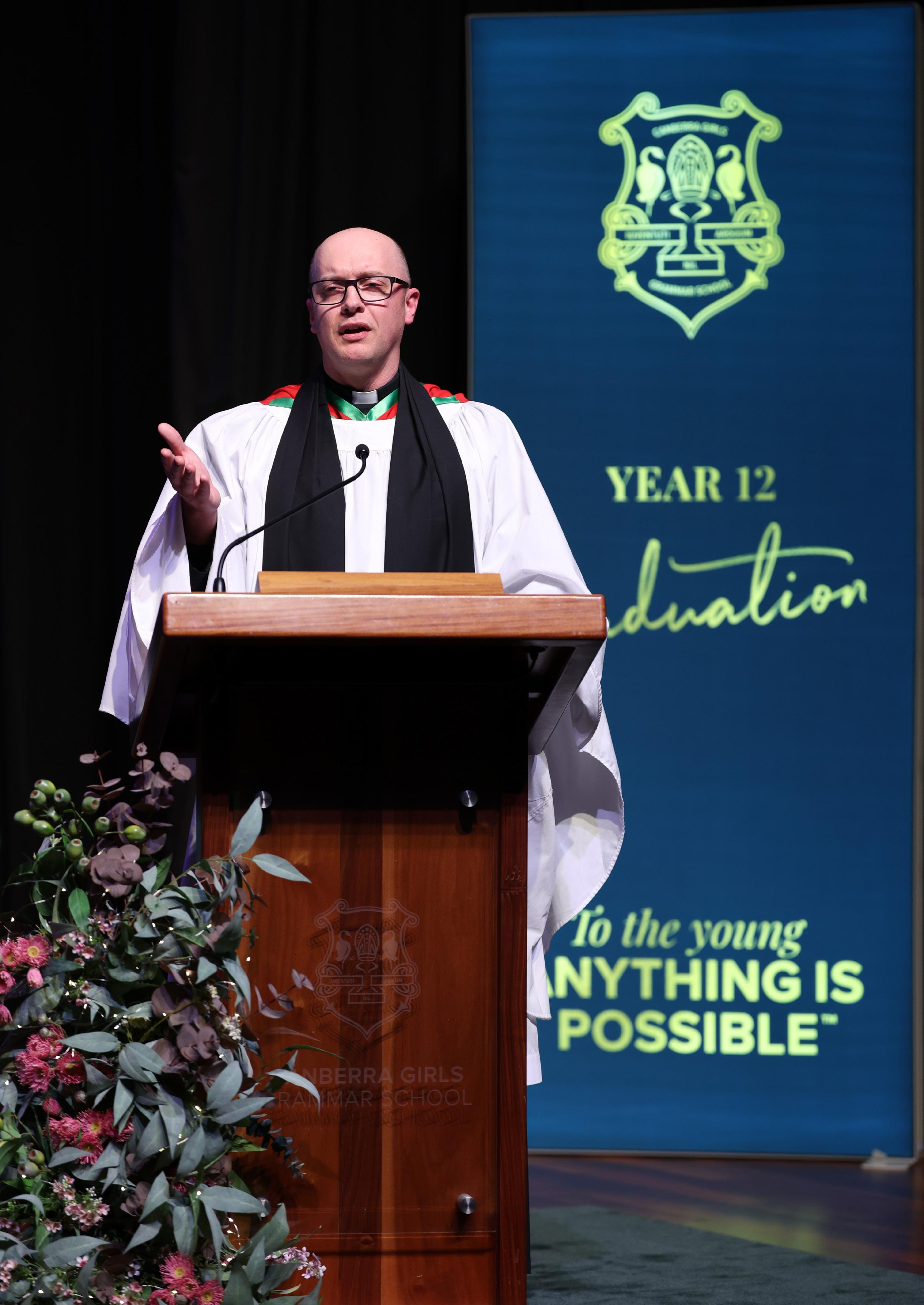
Chaplaincy across CGGS is provided by the CGGS Chaplain, the Reverend Christopher Lewis. Reverend Lewis, known to the CGGS community as ‘Father Chris’, has provided Chaplaincy to the CGGS community since Term 4 2021, including the ELC, Junior School, Senior School and broader CGGS community.
Engaging with our Anglican heritage and tradition
At CGGS the aim is to provide our students with a foundational education in the Anglican traditions that have been a part of the life of our School since its founding in 1926. In the spirit of our Founders, the Community of the Sisters of the Church, we take the ideas of worship and service to be the touchstones of the spiritual life of our School. We seek to engage in worship practices that are not only well-ordered but also joyful and deeply thoughtful, creating spaces where we might encounter God and the hope-filled future that is graciously offered to all.
ELC and Junior School
In 2025 we trialled the introduction of differentiated Chapel services in the Junior School to better meet student developmental needs. Two Chapel services were offered,—ELC–Year 2 and Years 3–6, with each service offering age-appropriate liturgies, hymns, stories and reflections. These Chapel services explored the life of faith that follows the Christian calendar, with some weeks reflecting on the life of the saints, whilst other weeks featured a Godly Play story. Students regularly read Bible passages and lead prayers in these services.
Junior School House Chapel services continued in the Chapel of the Annunciation with participation from Students from all year levels. In 2025 each House celebrated their mascot and we heard about the Gilmore Kangaroo, the Bates Platypus, the Mackellar Wombat and the Chisholm Koala.
Senior School
The Chapel curriculum sees students progressively engage in varying dimensions of the Christian faith, as understood and practiced in the Anglican tradition. Senior School students gather each cycle for House
Chapel, come together in year groups for a Choral Eucharist service each semester and the entire Senior School student body gather in the Hall in Terms 2 and 3 for Senior School Chapel. The Senior School Chapel curriculum provides students with a robust education in all aspects of Anglicanism and the Christian faith more generally, creating a space for those of faith to engage in their own practice, whilst concomitantly offering a cross-cultural educational opportunity for those of other faiths or no faith.
Combined Chapel Service
Terms 1 and 4 at CGGS feature the Combined Chapel Service, with students from Years 3–12 gathering in the Senior School Hall for worship. The Term 1 Combined Chapel Service is our annual Easter celebration, whilst Term 4 is the Light in the Bush Chapel service, where in 2025 we heard the story of Advent and Christmas and presented the graduating Year 12 students with a bespoke candle. This has quickly become a cherished tradition for our graduands and a highlight for our Year 3 students.
CGGS Community Worship program
The CGGS Community Worship program remains a staple of connection, with services well attended by students and their families, Grammarians, members of Deakin and the wider Canberra Anglican community. Our choristers continue to grow in the Anglican choral tradition, ably led by our Head of Choirs, Ms Sonia Anfiloff, and our Honorary Organist, Mr David Mackay. In 2026 we look forward to the launch of our Centenary Evensong and Eucharist settings, composed by Mr Joshua McHugh and funded by generous donations from the CGGS Community. These settings have been composed for the female voice and we look forward to sharing them.
Community support and engagement
2025 marked an exciting chapter in our School’s journey of growth, connection and celebration, driven by our Centenary—just on the horizon.
Through strategic communications, impactful promotional campaigns and quality community engagement, we not only enhanced our presence but also deepened the bonds that unite current students, alumni, staff and families under a shared legacy of excellence.
Amplifying our voice
At the heart of our efforts was a commitment to clear, consistent and meaningful communication with students at the centre. Our revised brand campaign saw a full year in market, with a vibrant presence across all channels. The repositioning focused on articulating the School’s strengths, honouring our rich heritage and highlighting the innovation shaping our future. A refreshed content suite showcased student achievements, dynamic campus activities, School milestones and rites of passage, underpinned by robust narrative, a new photo library and engaging video content. We invited our community to see, hear and celebrate the everyday vibrancy of life at our School by telling our story with authenticity and impact. Beyond building awareness, this positioned CGGS not just as a place of academic excellence, but as a community of purpose-driven individuals that care.
Enrolment growth
Prospective families were provided new opportunities to experience CCGS, beyond the traditional Whole School Open Day format. This included the continuation and expansion of an annual program of events including:
• ELC and Junior School Open Mornings
• Whole School Open Days
• Senior School Open Evenings
• Little Cygnets play-and-learn sessions
• Junior School Spend-a-Day opportunities
• Walk-and-Talk Tours
• Year 7 Information Night
• Year 7 Familiarisation Day
• Year 11 Information Night
• Year 11 Experience Day
• Pre-K to Kindergarten Orientation sessions
• ELC Open Saturday events
• ELC Parent Information sessions
• Dubbo Boarding Schools Expo
• Wagga Wagga Boarding Schools Expo.
The international student strategy continued, centred on an enrolments trip to Hong Kong and China to participate in the AEAS Australian Schools Information Day and the AEAS Education Agent Workshop. Travel in China also included visits to education agencies and video podcasts.
Parents and friends
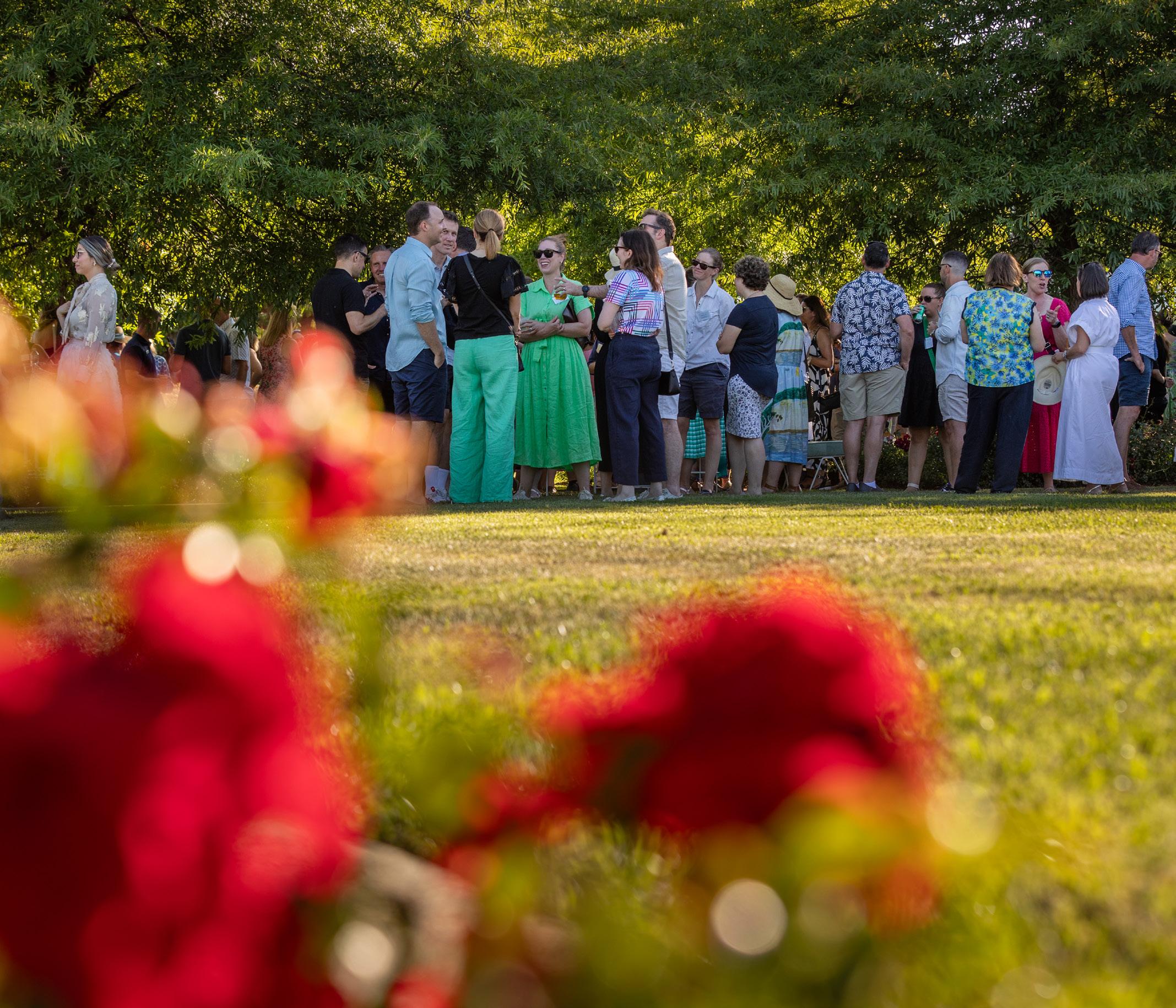
Current parents, carers and friends of CGGS enjoyed a comprehensive calendar of events to share in our community spirit. Several of these events were supported by the Parents and Friends Association (P&F) and other parent groups including the Friends of Music and Friends of Rowing. Twilight on the Lawns returned as an annual fixture of the School calendar, welcoming families to the new year, enabling year-level introductions and imparting the strategic direction of CGGS. P&F supported community events in 2025:
• Twilight on the Lawns
• ELC and Junior School Welcome Breakfasts
• Senior School House Breakfasts
• Athletics Carnival Cake Stalls
• P&F Trivia Night
• CGGS Fete
Other community events:
Grandparents, Grandfriends and Godparents Day (funded by the Gabriel Foundation).
Grammarians
With a revitalised Advancement strategy and a new team including the appointment of a dedicated Alumni Officer, the 2025 Alumni Engagement Program delivered expanded opportunities for connection in the lead - up to the CGGS Centenary year.
Reunion attendance was strong throughout 2025, with complimentary events for Alumni in Sydney, Melbourne and Brisbane.
Canberra-based Alumni were invited to two newly established on - campus events, both of which will now become annual fixtures. The first—the Alumni Supper—aligned with Founders’ Festival, and was a dedicated dinner following Choral Evensong, generously supported by the Grammarians’ Association. The second, held over the October long weekend, was the inaugural Canberra Alumni ‘Super Saturday’ Reunion. This event welcomed 55 Grammarians back to campus for a Chapel service, guided tours and a high tea in the Boarding House Dining Hall.
Additional key events throughout the year included the Generations Breakfast, the Careers Connection Breakfast and the new Floreat Thank You Reception to formally acknowledge Gabriel Foundation donors, volunteers and supporters.
Just on the horizon: Centenary celebrations
Across 2025 the Centenary Project Working Group continued to meet monthly to finalise a full year schedule to mark our Centenary. Centenary celebrations were planned in detail across an exciting program of 25+ events, activities and initiatives that will ensure 2026 is an unforgettable year. Key to this extensive project was the development of a dedicated microsite, ready to launch in early 2026 as a central hub to showcase all aspects of the Centenary opportunities, with feature content including an interactive timeline, events calendar and HerStory, profiling 100+ Grammarians.
Facilities and ICT
Significant progress has been made in enhancing the CGGS learning environments, with 2025 marking the commencement of the major redevelopment of the Gabriel Centre.
This project, alongside the refurbishments of new classrooms and bathroom upgrades across both Junior and Senior campuses, reflects the School’s continued investment in high-quality, contemporary facilities.
Looking ahead to 2026, the completion of the Gabriel Centre and new café will provide a central hub for learning and connection within the School. Works will also continue to focus on upgrading classrooms, bathroom facilities and broader learning spaces to ensure they remain fit for purpose and support contemporary teaching and learning practices.
These important developments have been made possible through the generous support of the Gabriel Foundation and the contributions of individual donors within the CGGS community, for which we express our sincere thanks.
The School’s commitment to technology continued, with the student iPad program extended to Year 5, and planning undertaken to broaden 1:1 access in
Years 6 and 7 through the introduction of dedicated laptops.
During the year, the School undertook a comprehensive review of its Student Information System to assess whether existing platforms remain fit for purpose and to inform future system investment decisions. Significant infrastructure improvements were also delivered, including a full network upgrade across both campuses, replacing ageing switches and wireless infrastructure with modern, high-performance systems. In addition, an Identity Management solution was implemented, establishing a unified framework for managing access across all School platforms.
Guided by the Australian Framework for Generative AI in Schools, a dedicated committee developed an Artificial Intelligence policy and delivered professional learning for staff and students. This work has laid a strong foundation for the responsible and ethical use of generative AI across the School community.
Financial Statement and Auditor’s report
Continuous improvement: The MMG Survey
In 2025 an independent, confidential survey of parents, prospective parents (ELC–Year 12), staff (ELC–Year 12) and students (Years 5–12) was commissioned as part of our commitment to continually monitor and improve the quality of education provided at CGGS.
The information acquired guides strategic and operational planning, as well as tracking performance changes. The surveys were extensive, spanning 300+ aspects of education at the School, resulting in a response rate that met the representative benchmark for each survey. In response to the question about what parents valued most about CGGS, the top five areas noted were:
TOP 5:
Quality of education/academic excellence
Supportive and caring staff/teachers
Sense of community/belonging
Child’s happiness/positive experience
Student development (wellbeing and confidence)
Overall the results were pleasing, and it is unsurprising that parents value the quality of a CGGS education. As a collective, parents rated their satisfaction with the School as ‘Very High’ which is the highest rating that can be awarded, and parents provided feedback that the School had met or exceeded their expectations in most aspects of their experience. However, there are areas of improvement identified, to which we are turning our attention to. These include an ongoing pursuit for academic excellence, aspects of the student Pastoral Care program, communication and aspects of the co-curricular program, which all rated highly but we aspire always to improve.
Our students rated their experience ‘Very High’ in the Junior School and ‘High’ in the Senior School. Areas that exceed their expectations were the quality of teaching, academic standards, class sizes, facilities and resources, the School’s values, Year 12 Academic results and the School’s reputation and traditions. Focus groups followed the results to provide further opportunity for students to share with the leadership team the aspects of the School they value and to give them agency and scope to shape the improvements that will follow.
The CGGS staff continue to be a dedicated, expert group of professionals. They rated their experience of the School overall as ‘Very High’ and most aspects were rated very highly with a few rated highly.
Compliance Statement
Canberra Girls Grammar School has complied with the Registration Standards as detailed in Schedule 2, Parts 2.1–2.4 of the Education Regulation 2005 (the Regulation) for the year ended 31 December 2025. Evidence of the School’s compliance with the Registration Standards is maintained in accordance with the Registration Standards Guidelines for ACT Non-Government Schools. A description of how Canberra Girls Grammar School has complied with the Registration Standards is as follows:
Part 2.1 Governance
Canberra Girls Grammar School’s (CGGS) governance structure enables the School to fulfill its legislative responsibilities, be financially viable and operate safely.
The CGGS Board is skills-based and responsible for the governance, conduct and management of the School, as outlined in the Board and Governance
section of this Annual Report. The Board is supported by the Finance and Audit Committee, whose close management of the School’s finances is reinforced by a comprehensive annual budgeting and audit process, a robust business plan and multi-year forecasts.
In addition, the Board is supported by three other subcommittees in Risk Management, Development and Building and Remuneration and Nominations.
The School has policies and procedures in place to ensure we comply with the Registration Standards. Key governance policies include the Student Enrolment Policy, our Grievances Policies and the Behaviour Management Policy. These policies and procedures are available on the School website and intranet.
The School is committed to ensuring continuous improvement, demonstrated through consultation with students, parents and staff about the operations of the School, regular review of policies and procedures, a management assurance review program, regular reporting of safety incidents and a professional development program for staff.
Part 2.2 Educational programs
CGGS has an educational program based on and mapped to the Australian Curriculum. Students are offered a wide and varied academic curriculum which is constantly challenging and pushes students to reach their full potential.
The School has implemented the Australian Curriculum in the learning areas of English, Mathematics, Science, Health and Physical Education, Humanities and Social Sciences, the Arts, Technologies and Languages.
CGGS is authorised and has implemented the International Baccalaureate (IB) Primary Years Programme, Middle Years Programme and Diploma Programme. Authorisation for these programmes requires regular evaluations and adherence to the IB Curriculum frameworks, standards and practices.
The School has courses of study for each learning area and for each year level. These courses of study are designed appropriately for students with regard to their level of achievement and needs.
In Years 11 and 12, CGGS offers students the opportunity to choose either the ACT Board of Senior Secondary Studies package or the IB Diploma Programme, both having the potential to lead to university admission.
To further enhance our curriculum offerings, Signature Programs are embedded from Years 2–12 which foster interdisciplinary skills across pastoral,
academic and co-curricular domains. We engage students in a range of activities, integrating the skills articulated in both the Australian Curriculum General Capabilities and IB Approaches to Learning and the IB Learner Profile. Our holistic approach to learning and wellbeing aims to prepare our students to be capable, independent and resilient learners.
Part 2.3 Safety and welfare
CGGS takes its child safety responsibilities seriously. We are committed to providing the necessary resources to ensure compliance with the National Principles for Child Safe Organisations and the laws relevant to our jurisdiction. Our commitment is underpinned by our Child Safe Code of Conduct, available on our website.
Key measures the School has in place to protect the safety and welfare of our students include our approach to recruitment and a raft of policies. These include mandatory reporting and child safety, as well as a Student Attendance Policy, a Student Movement Register Policy, a Student Behaviour Expectations Policy and a Suspension and Expulsion Policy.
All reasonable steps have been taken to protect students, staff and other people involved in the School’s operation from harm, and to ensure that the School has a safe and effective learning environment.
Part 2.4 Other operational requirements
CGGS complies with all Territory and Commonwealth laws that apply to the School. All teachers are registered with the Teacher Quality Institute and all staff and School volunteers have a Working with Vulnerable People registration. All key individuals involved in the governance or management of the School are assessed to ensure suitability for the role.
The School takes pride in ensuring the buildings, facilities and grounds of the School, including our Boarding House, are maintained to ensure they meet the standards of applicable laws and regulations and the needs and expectations of the broader school community.
The School’s Emergency Management Plan is supported by regular staff training and regular practice drills for lockdown and evacuation.
The School has continued to prioritise environmental sustainability through targeted investments in energy-efficient infrastructure and waste reduction initiatives. During the reporting period, electricity consumption reduced by 7% and landfill waste was reduced by approximately 6%. These initiatives contribute to lower operating costs, reduced greenhouse gas emissions and increased environmental awareness across the school community.