


Whether you ’ re interested in poli (the drama, the intrigue!), looking ways to dismantle settler-colon hetero-patriarchy, or just confu about what politicians ACTUALLY all day, The Rundown is here for yo With each season, IYR’s Centre Indigenous Policy and Research bring you a new edition of T Rundown recapping everything y need to know about what’s going on Canadian policy when it comes Indigenous rights, community, a reconciliation.
In our Spring 2026 edition, we br you highlights and updates on po and advocacy happenings from season.




> ASSEMBLY OF FIRST NATIONS (AFN) UNVEILED REPATRIATED SACRED ITEMS: In March, First Nations leaders unveiled a final set of 62 items repatriated from the Vatican after more than a century. While the AFN acknowledged the Vatican’s co-operation, National Chief Cindy Woodhouse Nepinak criticized the Canadian Catholic Church for its limited support in the repatriation process. The items returned include tools, clothing, and ceremonial objects that carry deep spiritual and ancestral significance. The emotional return highlights the progress made through years of advocacy and the ongoing work to identify remaining items and restore them to their rightful communities.
“ For First Nations, many of these items are not simply ‘artifacts’ — they are living, sacred parts of our cultures, to be treasured by communities and used in ceremony. This is a significant step in our journey to healing and reconciliation.
-AFN National Chief, Cindy Woodhouse Nepinak
”

> JORDAN’S PRINCIPLE FUNDING ANNOUNCEMENT: The federal government has announced $1.55 billion to renew Jordan’s Principle through March 2027. The funding aims to ensure that First Nations children can continue to access essential health, education, and social supports without disruption. While the funding is intended to provide stability amid rising demand and a significant application backlog, concerns remain that it falls short of recent program costs, which exceeded $1.6 billion in the previous fiscal year. At the same time, advocates and First Nations leaders have raised alarms about increasingly restrictive eligibility rules and a sharp rise in denied requests, warning that recent changes may be limiting access to services the program was designed to guarantee.
“ We need to continue to make sure that the implementation of Jordan’s Principle is complete, so that these children that are in dire need of help have access to these supports.
-Grand Chief Garrison Settee, Manitoba Keewatinowi Okimakanak
”
> BILL S-2 AMENDMENTS SPOTLIGHTED AT THE UNITED NATIONS: First Nations advocates took their fight to the international stage, appearing before the United Nations Human Rights Committee to challenge ongoing issues with the Indian Act. Leaders, including Sharon McIvor and Zoë Craig-Sparrow, are calling on Canada to support Senate amendments to Bill S-2 that would eliminate the second-generation cut-off rule, which restricts the ability to pass down status. They spoke about the issue as both a human rights violation and a threat to future generations and are pushing for immediate legislative change to end the long-standing, systemic discrimination.
“Our journey to Geneva demonstrates the unwavering determination of First Nations women to hold Canada accountable for discrimination and forced assimilation.
-Sharon McIvor, Indian Act Sex Discrimination Working Group
”

> WILLOW LAKE MÉTIS NATION WELCOMES BISON BACK HOME: Willow Lake Métis Nation is celebrating a historic milestone with the return of bison to their traditional lands for the first time in nearly 120 years. Led by community vision and stewardship, the reintroduction of 20 wood bison is part of a broader, community-driven initiative to advance food sovereignty, cultural revitalization, and sustainable development. Through Willow Lake Métis Farms, leadership is building a long-term plan that integrates traditional knowledge with modern agriculture, positioning the return of bison as both a cultural reconnection and a foundation for future self-determination.
“
Having bison back on our traditional territories is amazing...I heard my mom, my kôhkom and my mother’s kôhkom tell stories about how it was back in the day with the bison here. Knowing these stories and being able to hear what my great-greatgrandparents heard when the bison are back running on the land will be amazing.

-Stella Lavallee, WLMN President
> INUK TEEN REVIVING INUIT DOG TEAM TRADITION: In Rankin Inlet, Nunavut, 15-year-old Sophia Johnston is helping preserve Inuit cultural traditions by raising and running her own dog team. Guided by community knowledge and supported by her family and local mentors, her work reflects a broader effort to revitalize practices nearly lost following the widespread slaughter of sled dogs in the mid-20th century. As Elders look to the next generation with hope, Johnston’s leadership is carrying forward cultural knowledge and reconnecting with traditional ways of life.
“ “I get really happy when they're working together and following directions — but I love the scenery and how peaceful it is.
-Sophia Johnston
”

> BLACK HISTORY MONTH 2026: As Canada marks 30 years of Black History Month, the milestone highlights the lasting impact of Black leadership, advocacy, and community-driven change. First established in 1996 by Jean Augustine, Black History Month has helped elevate Black voices, strengthen public understanding, and inspire policies and initiatives that support equity and opportunity. From community-led programs to government strategies addressing antiBlack racism, these efforts demonstrate the power of coordinated action.
“This anniversary is not only about celebrating the brilliance and resilience of Black communities; it’s an opportunity to set clear expectations for progress and define what the next phase of equity and inclusion must deliver, particularly from a public policy standpoint.
-Eunice K. Yeboah, Executive Director of the Canadian Black Policy Network (CBPN)
”

youth came tive organized erience. The learn from ed to help xperiences into ATS: In a to Greenland erritory. negotiation sit highlights message that
“Inuit are not bystanders in the Arctic. We are rights-holding nations with authority over our land and future

-Pita Aatami, Makivvik President
”
> CARNEY’S LIBERAL GOVERNMENT REACHES MAJORITY: Prime Minister Mark Carney’s Liberal Party now has a majority of seats in Parliament after several MPs from other parties crossed the floor and Liberal candidates won three recent federal byelections. With the recent win, the Liberal Party now has a total of 174 seats in Parliament. This means that they have enough seats to create and pass legislation without needing formal support from other federal parties. Going forward, the federal government may be able to move faster while carrying out its policy priorities.
In Canada, a government is considered a majority government when one political party holds more than half of the seats in the House of Commons, which makes it easier for it to pass laws and stay in power. Moreover, a byelection is a smaller, local election held when a seat becomes vacant between general elections, allowing a new Member of Parliament to be voted in.
> FEDERAL SPRING ECONOMIC UPDATE: In April, the federal government released its 2026 Spring Economic Update, offering an overview of federal spending and priorities following the 2025 Budget announcement. While the Update introduced major investments (e.g., a $25 million Canada Strong Fund), it has raised concerns about cuts and uncertainty in reconciliation-related funding. The update includes approximately $4.89 billion in Indigenous-focused investments. Despite these commitments, the SEU lacks clear progress on implementing the United Nations Declaration on the Rights of Indigenous Peoples and the Truth and Reconciliation Commission’s (TRC) 94 Calls to Action, with minimal commitments to reconciliation more broadly.
To learn more, check out our IYR Explains for more investments in the SEU, as well as community reactions and IYR's impressions!

C-21 (or the ntroduced in gislation seeks , including its , Bill C-21 has If passed, the plementing agreements.
“This Treaty has been 156 years in the making, and represents the cherished vision of our Ancestors and Elders, who fought so hard to preserve our existence and keep the flame of our Nationhood alive through the dark times...
-MMF President, David Chartrand
ll C-10, which y being studied s. The bill elp monitor how genous in accountability ave raised power.
“All Parliamentarians have a role to play in holding government accountable to the promises made in modern treaties … (and) this is the accountability within the federal government that Bill C-10 will provide (that) has been missing for far too long
-Nisga ’ a Nation President Eva Clayton
”
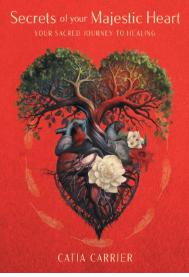
>Secrets of Your Majestic Heart: Transformative Healing Journey: Written by First Nations psychotherapist and trauma specialist, Catia Carrier, this book offers a powerful, holistic approach to healing from trauma. Drawing on Indigenous knowledge, spirituality, and over two decades of experience in mental health, Carrier guides readers through a deeply personal journey of self-discovery, emotional healing and inner peace.
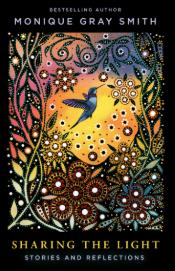
> Sharing the Light: Stories and Reflections: In Sharing the Light, Cree and Scottish author Monique Gray Smith offers a collection of uplifting reflections and stories centered on gratitude, love, joy, happiness, and hope. The book invites readers to slow down, reconnect with themselves, and navigate life’s challenges with intention and compassion.



>Ancestral Science: This podcast explores the deep connections between Indigenous knowledge systems and science, sharing teachings carried through stories of Star, Land, and Animal ancestors over thousands of years. Through reflective conversations and storytelling, Ancestral Science invites listeners to engage with ways of knowing that centre relationship, responsibility, and lived experience.
> Reclaimed: Hosted by Dene/Cree journalist Jarrett Martineau, the podcast takes listeners on a genre-blending journey through the world of Indigenous music. Each episode includes a curated mix of music from traditional sounds to hip-hop, R&B, and electronic powwow. The show features both established artists and emerging talent and captures the energy of the Indigenous music scene.