
Trigger Warning:
This issue contains mentions of colonial violence. MMIWG2S+ Support Line: 1-844-413-6649
Residential School Survivors & Families Support Line: 1-800-721-0066
Hope for Wellness Support: 1-855-242-3310 or www.hopeforwellness.ca

Measure 98 of the 2023 UNDA Action Plan commits the federal government to working with Indigenous partners to co-develop tools and measures to support repatriation efforts
TRC CTA #67 calls upon the federal government and the Canadian Museums Association to work collaboratively with Indigenous Peoples to review museum policies and best practices to align with the principles of the United Nations Declaration on the Rights of Indigenous Peoples (UNDRIP).
Alberta introduced legislation to guide the repatriation process, becoming the first province to do so with the First Nations Sacred Ceremonial Objects Repatriation Act in 2000
The law created a process for the return of ceremonial items to First Nations communities (namely Blood Tribe, Siksika Nation, and Piikani Nation) seeking the return of ceremonial objects that had been stolen due to colonial policies
However, community leaders have noted ongoing limitations, including the Act’s narrow definition of ceremonial objects, the need to formally apply for repatriation, and broader challenges related to funding, storage, and conservation.

“Who decided, one, that they needed to be conserved, and two, what are the right ways to conserve them? It’s true that many First Nations don’t have infrastructure to have a museum with all the same climate control and everything like that, but the assumption that everything has to be cared for in that way is not an Indigenous assumption. It’s a Western assumption.”
-Kisha Supernant,
Director of the Institute of Prairie and Indigenous Archaeology at the University of Alberta
British Columbia is currently co-developing a provincial Repatriation Policy Framework in partnership with First Nations organizations, museums, and provincial ministries. The framework is meant to support the respectful return of ancestors and cultural belongings by providing guidance, standards, and recommendations to institutions across the province.
At the institutional level, some museums and universities across Canada have developed their own repatriation policies However, approaches can vary widely between institutions, resulting in uneven processes, timelines, and standards.
In 2019, Bill C-391, An Act Respecting a National Strategy for the Repatriation of Indigenous Human Remains and Cultural Property, was introduced in Parliament. During discussions about the bill, testimony emphasized the need for a national repatriation framework to address inconsistent institutional policies, limited funding, and complex legal barriers.
“Bill C-391 is a good first step for Canada to reconcile these injustices. It will serve to make way for indigenous peoples to reclaim their cultural property and to guide all involved in processes that should ultimately make everyone feel that this is the right course of action.”
-Mr. Clément Chartier (President, Métis National Council) to the Committee
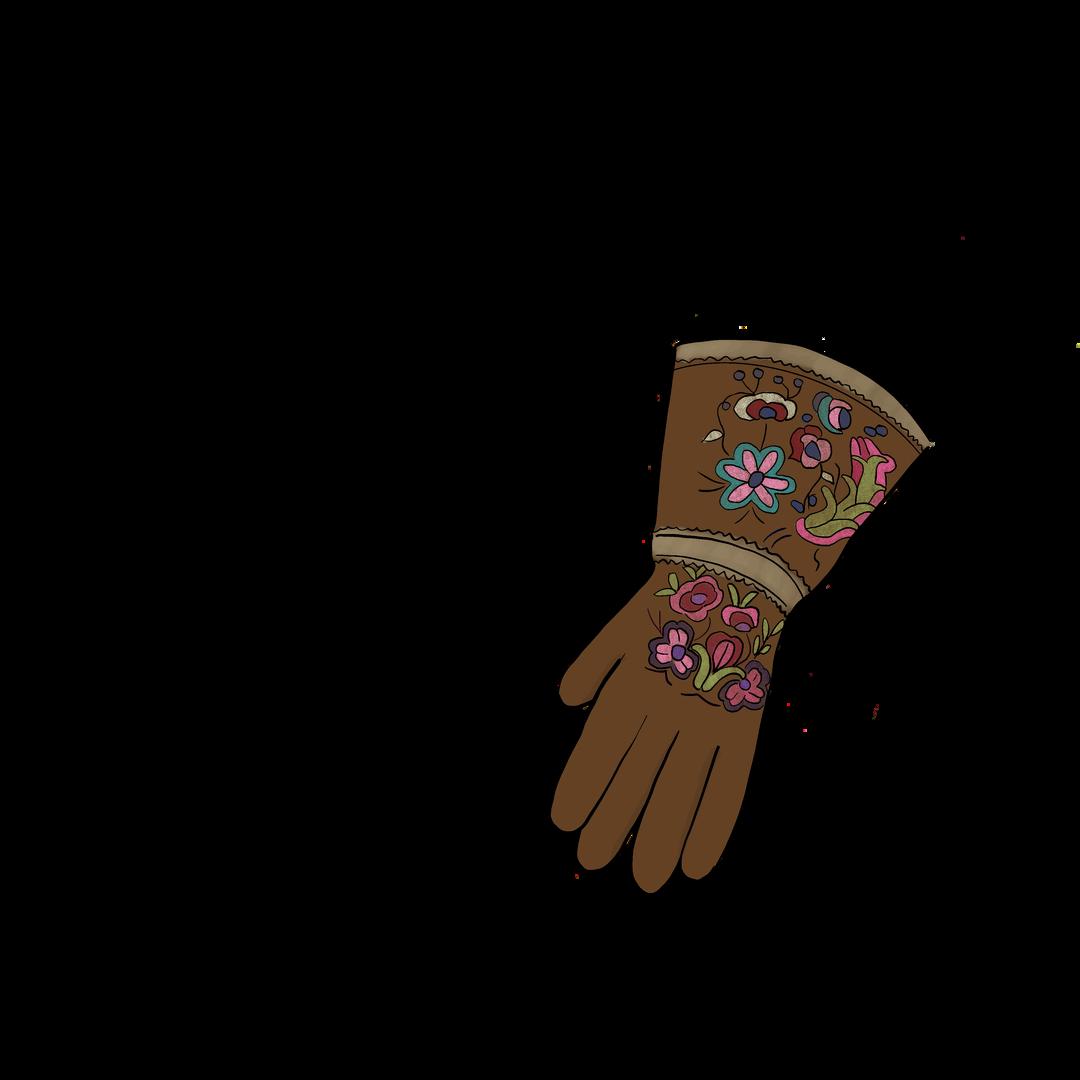
“The young people should see their own way now in Canada. There is a history of shame for being indigenous people. When we see up close the intricate stitching of the Inuit and how they put tools together for example combs and other tools it reminds us how indigenous Inuit were distinct from other people.”
-Ms. Aluki Kotierk (President, Nunavut Tunngavik Inc.) to the Committee.

“First nations need commitment and action from the federal government to locate, gain access to and repatriate cultural items held domestically and in collections outside of Canada. Ultimately, there must be enforceable measures for those holding sacred first nation items and burial remains to respect the protocols and rights of first nations.”
- Regional Chief Morley Googoo (Assembly of First Nations) to the Committee.
The proposed legislation (Bill C-391) aimed to create a national strategy to support repatriation efforts in Canada. However, the bill did not become law before Parliament dissolved for the federal election and was never reintroduced.
Community Leadership Community Leadership Community Leadership
Indigenous nations continue leading efforts to recover cultural belongings and ancestral remains from institutions within Canada and internationally In recent decades, several high-profile repatriation efforts have brought increased attention to the issue:
The Vatican Case: In 2022, First Nations, Métis, and Inuit delegations met with Pope Francis and advocated for accountability, apology, and the return of Indigenous cultural belongings connected to the legacy of residential schools and colonialism. In December 2025, the Vatican returned dozens of Indigenous cultural items from the Vatican Museums’ Anima Mundi collection to First Nations, Métis, and Inuit communities. The repatriation process was Indigenousled and involved collaboration between Indigenous governments, Elders, knowledge keepers, museum experts, and youth representatives
“Why it is so important to have them back is because we are forgetting how they were made...It won’t be like the old days, but at least our young people will know,” said Nunavut Tunngavik Inc Acting President Paul Irngaut
"These are not artifacts in the Western sense. These are carriers of memory that Kiyas Kiskiowin Oma remembering who we are, our memories returning They hold the imprint of the hands that made them, and the communities who once knew them," said MNC President, Victoria Pruden
“For First Nations, many of these items are not simply ‘artifacts’ they are living, sacred parts of our cultures, to be treasured by communities and used in ceremony. This is a significant step in our journey to healing and reconciliation,” said AFN National Chief, Cindy Woodhouse Nepinak
“...The return of these items follows many years of work. We are at the very early stages of our reconciliation journey but we are pleased to see these cultural items return to us and we commit to work with our National Indigenous partners to learn all we can about them,” said ITK President, Natan Obed
Haida Gwaii Museum: The Haida Nation has led one of the most successful repatriation campaigns in Canada involving ancestral remains and sacred belongings Since the 1990s, the Haida Repatriation Committee and the Haida Gwaii Museum have worked with museums internationally to return Haida ancestors and cultural belongings back to Haida Gwaii.
The success of the Museum can be largely attributed to the relationship-based approach, which centres Indigenous leadership, cultural protocols, and collaboration with institutions across Canada and internationally.
Haida repatriation work is an example of how a community came together to restore dignity, cultural responsibilities, and spiritual relationships with ancestors.

“We are who we are today because of [our ancestors]. We believe that as long as the remains of our ancestors are stored in museums and other unnatural locations far from home, that the souls of these people are wandering and unhappy. Once they are returned to their homeland of Haida Gwaii and are laid to rest with honour, the souls can rest and our communities may heal a bit more,”
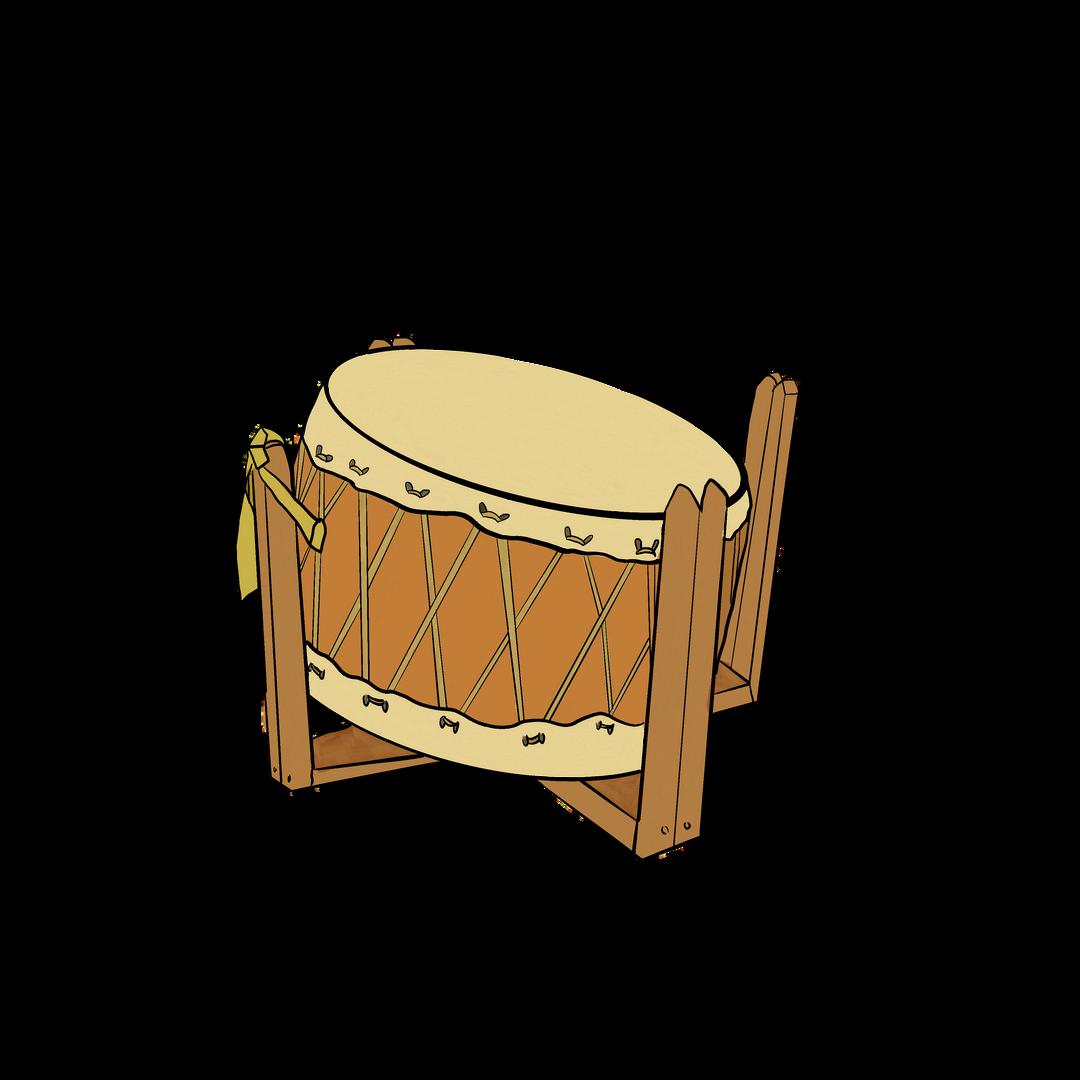
- The Haida Repatriation Committee (HRC)
Tŝilhqot’in Nation: In August 2025, The Tŝilhqot’in Nation worked with the Museum of Vancouver to repatriate more than 60 cultural belongings (e g , baskets and stone tools). These items had been held in museums and private collections for over a century. Community leadership emphasized that the process was successful because it was relationship-based and Indigenous-led.

“Just watching the Elders being kind of reconnected with that spirit, and then watching the Youth being able to watch that reconnection, and then see what they’ll bring for the future generations. It was a whole lateral experience,”
-Loretta Jeff Combs (from Tl’esqox and Tl’etinqox)
Community leaders, Elders, and cultural staff worked closely with the museum to shape the repatriation process and exhibition from a Tŝilhqot’in perspective.

“I was thinking, this is it, they’re going to go home and tell that story when they go back to school, and tell that story when they go back out on the land, and then that story is just going to resonate with all these other Youth.”
-Loretta
Jeff Combs (from Tl’esqox and Tl’etinqox)
Poundmaker Cree Nation: Community leadership played a central role in the repatriation of Chief Poundmaker’s staff in 2022 Pauline Poundmaker (greatgreat-granddaughter of the chief) formally requested the return of the staff from Parks Canada in 2021.
“...Repatriation of sacred artifacts and objects is a spiritual journey and we would like to acknowledge Parks Canada for taking the lead in recognizing and understanding the significance of transferring ownership of Chief Poundmaker’s Staff to our family. Hiy Hiy!”
-Pauline Poundmaker

This was part of a broader effort to restore Chief Poundmaker’s belongings that had been seized during the 1885 Northern Resistance to the community. For many years, the family and community tirelessly advocated for the return of their ancestors' belongings.
"Hopefully
the authorities and other institutions in Canada and in the United States and the world can recognize our loss and give these items back to correct history."
-Floyd Favel, Chief Poundmaker Museum
What is Happening in Canada Today?
Repatriation efforts are ongoing across the country, but the current landscape remains fragmented.
Without a single national framework governing repatriation, processes often rely on the policies and willingness of individual museums, universities, governments, and private institutions to cooperate.
At the same time, repatriation efforts have expanded considerably in recent years, especially following the release of the TRC’s Calls to Action in 2015. Many institutions across the country have begun developing repatriation policies and appointing Indigenous advisory bodies to oversee the process
Some modern treaties and self-government agreements in Canada have included specific repatriation provisions For example, the Nisga’a Final Agreement created processes for the inventorying and return of Nisga’a cultural belongings and ancestral remains from museums and institutions.
Many Indigenous Nations continue to advocate for stronger national coordination, long-term funding, improved institutional transparency, and greater Indigenous leadership in repatriation processes.

Impressions:
While colonial institutions often frame discussions about repatriation through the lens of museum conservation, law, and policy, the process is deeply connected to questions about belonging, identity, memory, and cultural continuity for Indigenous communities.
Across many communities, Indigenous youth are playing important roles in cultural revitalization efforts by learning languages, participating in ceremony, reconnecting with traditional knowledge, and helping carry teachings forward.
In this context, repatriation is not just about returning items from the past but also ensuring that future generations are able to connect to their traditional knowledges and histories now and into the future.
Many leaders and communities have emphasized that cultural belongings are not simply “historical artifacts.” They can carry teachings, responsibilities, and connections to ancestors that continue across generations The return of cultural material supports intergenerational connections and creates opportunities for youth to learn directly from Elders and knowledge keepers.
IYR will continue ountry and support Indigeno

Sources & Further Reading Sources & Further Reading Sources & Further Reading
An Act respecting a national strategy for the repatriation of Indigenous human remains and cultural property (September 2019). Parliament of Canada.
AFN says Canadian Catholic Church could have been more helpful in repatriation process of artifacts (March 2026). APTN News.
At MOV, Tŝilhqot’in Nation tells the story of a momentous repatriation: ‘We brought back history.’ (August 2025). IndigiNews
A Way Home: Repatriation of Indigenous Cultural Heritage in Canada (August 2025). Abajignmuen. Canadian Indigenous leaders meet with the pope in hopes of apology. (March 2022). NPR.
Canadian museums still working on repatriation policies as U.S. museums shut down Indigenous exhibits (February 2024). CBC News.
Canadian researcher challenges Vatican's claim that its Indigenous artifacts were gifts (March 2022). CBC News. Call to Action #67. (September 2022). Indigenous Watchdog.
Evidence: Tuesday, October 2, 2018. (October 2018). Standing Committee on Canadian Heritage. Experience the Museum. Haida Gwaii Museum.
First Nations Sacred Ceremonial Objects Repatriation Act. (May 2000). Government of Alberta. Guidelines for Repatriation. (2000). The Museum of Anthropology (MOA) at the University of British Columbia. History of First Nations Repatriation. Assembly of First Nations. Indigenous cultural belongings return to Canada from Vatican after long journey. (December 2025). CBC News. Indigenous Repatriation of Ancestral Remains and Artifacts (January 2013). Indigenous Corporate Training Inc.
More than Giving Back: Repatriation Toolkit: A Toolkit in Support of Moved to Action: Activating UNDRIP in Canadian Museums (2022). Canadian Museums Association.
Potlatch Ban: Abolishment of First Nations Ceremonies (October 2012). Indigenous Corporate Training Inc.
Provincial Repatriation Policy Framework Co-development. (April 2026). Government of British Columbia.
Rare century-old artifact repatriated from Vatican unveiled by Métis leaders. (February 2026). CBC News. Repatriation. (2026). Canadian Museum of History.
Returning Indigenous artifacts from RAM important but complicated, experts say. (March 2024). Taproot Edmonton.
Sacred artifact that belonged to Chief Poundmaker repatriated after years of efforts. (May 2022). CBC News. Skidegate Repatriation & Cultural Committee. The Haida Repatriation Committee (HRC) Task Force Report on Museums and First Peoples (1994). Assembly of First Nations.
'These pieces are part of us': Repatriating belongings and remains stolen from Indigenous peoples. (December 2021). CBC Radio.
Truth and Reconciliation Commission of Canada: 94 Calls to Action (June 2015). National Centre for Truth and Reconciliation.
Understanding Repatriation (September 2025). Manitoba Museum.
United Nations Declaration on the Rights of Indigenous Peoples (September 2007). United Nations.
United Nations Declaration on the Rights of Indigenous Peoples Act (Action Plan 2023-2028). (June 2023). Government of Canada.
Vatican returns 14 Inuit artifacts as church aims for ‘renewed relationship.’ (December 2025). Nunatsiaq News.
Vatican artifacts gifted by Pope Francis return to Canada. (December 2025). ITK.

For more information, to let us know your thoughts, or to suggest a topic for the IYR Explains series, please contact:
Tija Hauta Research Manager, Centre for Indigenous Policy and Research tija@indigenousyouthroots.ca