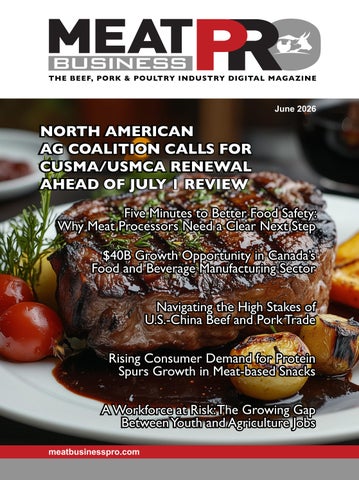
NORTH AMERICAN AG COALITION CALLS FOR CUSMA/USMCA RENEWAL AHEAD OF JULY 1 REVIEW
AG COALITION CALLS FOR CUSMA/USMCA RENEWAL AHEAD OF JULY 1 REVIEW
Five Minutes to Better Food Safety: Why Meat Processors Need a Clear Next Step
Five Minutes to Better Why Processors Need a Next Step
$40B Growth Opportunity in Canada’s Food and Beverage Manufacturing Sector
$40B Opportunity Canada’s Food and Beverage Manufacturing
Navigating the High Stakes of U.S.-China Beef and Pork Trade Rising Consumer Demand for Protein Spurs Growth in Meat-based Snacks A Workforce at Risk: The Growing Gap Between Youth and Agriculture Jobs
Navigating the Stakes Beef and Rising Consumer for Protein Growth in Meat-based A The Gap Between Youth Agriculture Jobs
June 2026
5 6 8 12 16
Victorinox and JBS Foods Canada Form Strategic Partnersh North American Ag Coalition Calls for CUSMA/USMCA
Renewal Ahead of July 1 Review
Five Minutes to Better Food Safety: Why Meat Processors Need a Clear Next Step
18 21 23
Rising Consumer Demand for Protein Spurs Growth in Meatbased Snacks
$40B Growth Opportunity in Canada’s Food and Beverage Manufacturing Sector
25
CoBank: Economic Fallout of Canada’s Trade Diversification Agenda: Implications for the Chicken Sector
USDA Opens $60 Million Round for Small Meat and Poultry Processors
A Workforce at Risk: The Growing Gap Between Youth and Agriculture Jobs
Navigating the High Stakes of U.S.-China Beef and Pork Trade
VICTORINOX AND JBS FOODS
CANADA FORM STRATEGIC PARTNERSHIP
Victorinox, maker of the original Swiss Army Knife™, has announced the formation of a strategic partnership with JBS Foods Canada. This collaboration marks a significant milestone for both organizations as they align to strengthen plant-level support, streamline supply-chain performance and forge innovation in tools designed for meat production operations.
As part of the agreement, Victorinox and JBS Foods Canada will enter into a direct purchasing relationship and further collaborate on new product development tailored to the evolving needs of modern food processing facilities.
"Partnering with JBS Foods Canada is the logical next step in terms of product development and maximizing the lifetime value of each and every knife," said Ulrich Wohn, President of Victorinox North America. "To collaborate with a global industry leader and execute our high level of service, logistics, and inventory management at the individual plant level, all in service to deliver an even greater value to JBS Foods
Cam Dahl, Sylvain Charlebois, Juliette Nicolay, Jack Roberts
Patrick Cairns
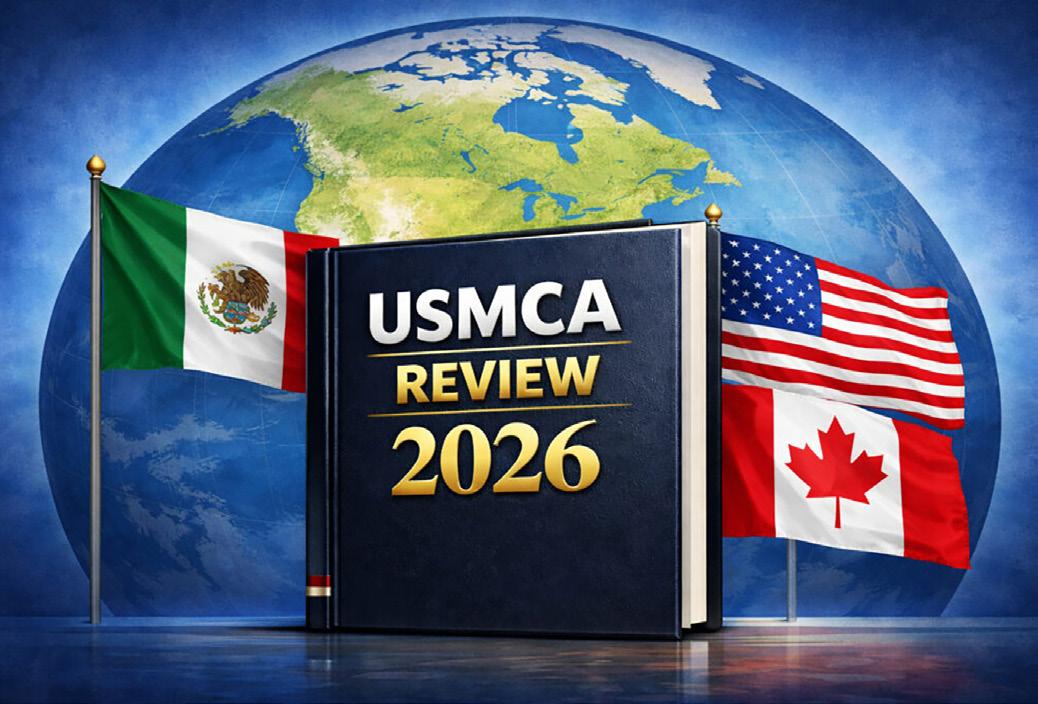
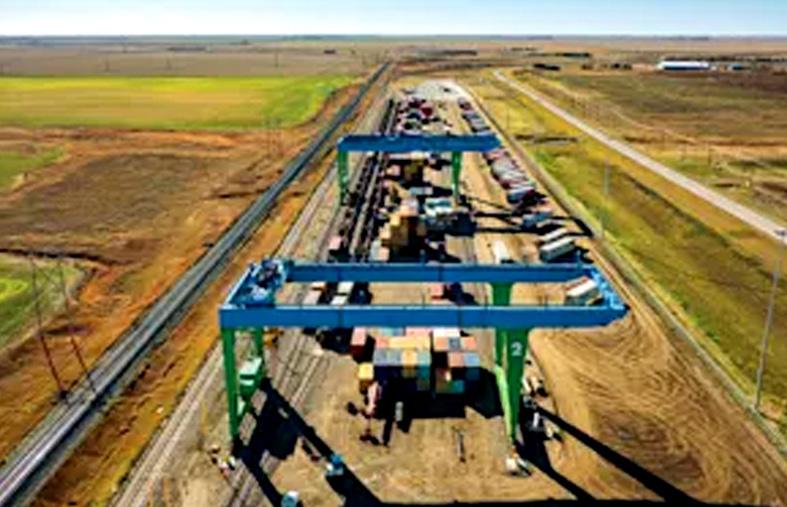
NORTH AMERICAN AG COALITION CALLS FOR CUSMA/ USMCA RENEWAL AHEAD OF JULY 1 REVIEW
With nearly 160 farm, food and agribusiness organizations urging Ottawa, Washington and Mexico City to preserve the trilateral framework, the July 1 joint review is shaping up as a critical test of supplychain confidence, regulatory predictability and regional competitiveness.
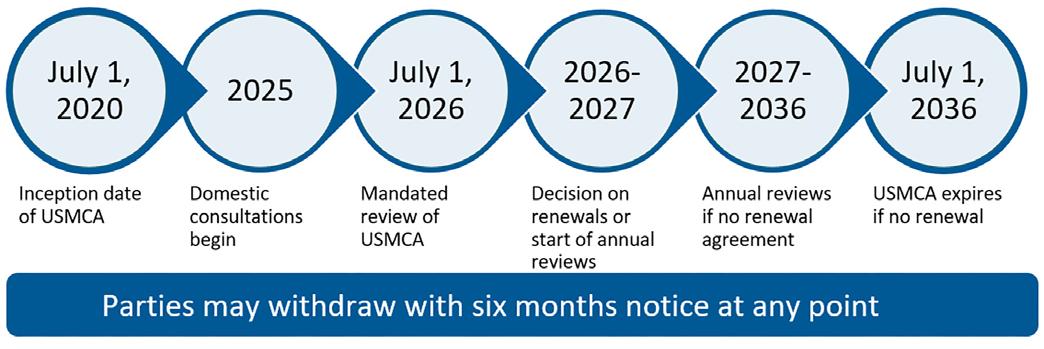
As the July 1, 2026 joint review of CUSMA/USMCA approaches, North America’s agri-food sector is sending an unusually unified message: protect the agreement, preserve its trilateral structure and avoid injecting fresh uncertainty into an already complex trading environment. The latest push comes from nearly 160 agricultural organizations across Canada, the United States and Mexico, including producers, processors, exporters and input suppliers that see the agreement not simply as a trade pact, but as the operating framework behind a deeply integrated continental food system. This is not only about tariffs. It is about whether companies that depend on cross-border sourcing, regulatory consistency and long-term customer commitments can continue to invest with confidence.
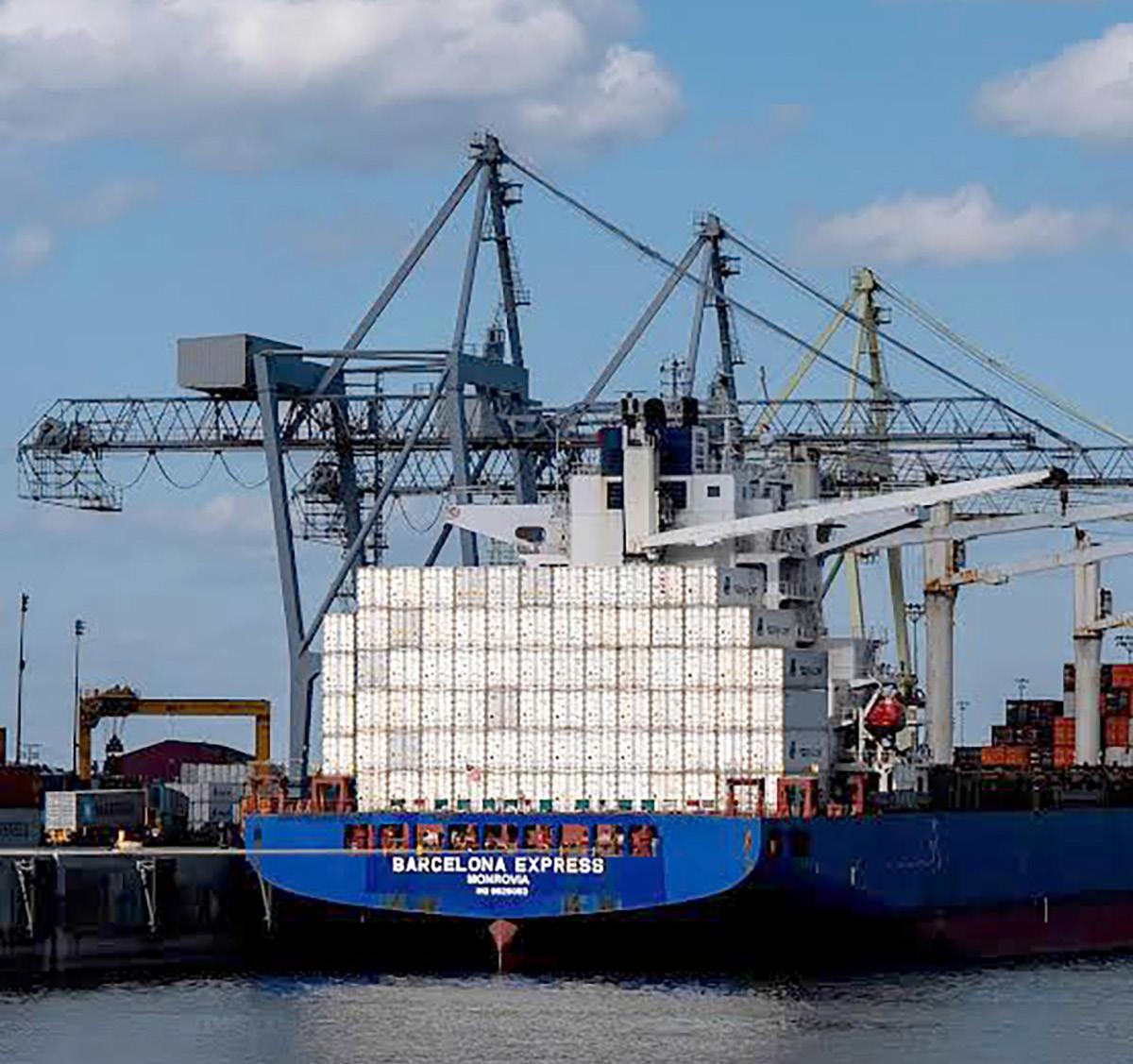
The numbers help explain the intensity of the lobbying effort. According to the coalition’s June 1 letter and related CAFTA messaging, agri-food trade among the three countries tripled between 2005 and 2023, reaching US$285 billion. Canada remains one of the top two export markets for U.S. agriculture and, in many categories, a more significant customer than other major global buyers combined. That scale has commercial implications far beyond farmgate sales. It supports logistics providers, ingredient suppliers, storage operators, processors, packaging businesses, crop input companies and retailers across the continent. In practical terms, CUSMA/USMCA underpins a regional production model in which animals, grains, oilseeds, ingredients and finished food products often cross borders multiple times before reaching end markets.
That is why the Canadian Agri-Food Trade Alliance’s (CAFTA) visit to Washington carries broader significance than a standard advocacy trip. CAFTA representatives are meeting with members of key congressional committees and federal officials to reinforce the case that a predictable, rules-based framework serves shared economic interests on all sides of the border. The organization has framed the message in commercial rather than purely diplomatic terms: the producers, processors and exporters behind the coalition support nearly half a million U.S. jobs and generate substantial economic output tied to stable North American trade flows. For business decision-makers, that argument is designed to resonate because it links trade policy directly to operating risk. If the review process creates ambiguity around market access, dispute resolution or future rules, the effects would likely be felt first in procurement plans, capital decisions and pricing strategies.
Just as important, the industry coalition is emphasizing that the agreement’s value cannot be measured only by the removal of tariff and quota barriers. For modern agri-food businesses, provisions covering sanitary and phytosanitary measures, technical barriers to trade, biotechnology and dispute settlement may be even more commercially important because they influence how smoothly goods move and whether science-based standards prevail over politics. Those disciplines affect everything from seed innovation and crop protection products to meat exports, fresh produce inspections and food processing inputs. In a sector where margins are often thin and timing is critical, regulatory friction can be as damaging as a tariff. Maintaining those rules therefore matters not only to exporters, but also to every upstream and downstream company that depends on efficient cross-border throughput.
At the same time, the push for renewal is unfolding against a politically sensitive backdrop. Trade observers know the 2026 review could become a vehicle for reopening longstanding irritants, from market-access disputes to broader disagreements over how North American competitiveness should be defined in a more protectionist global climate. That helps explain why the June coalition letter also warns, implicitly, against breaking the agreement into narrower bilateral relationships. From an agri-food business perspective, the trilateral structure is the point. It allows companies to plan around one continental framework instead of trying to navigate fragmented rules for separate country pairings. For sectors such as grains, livestock, biofuels, food manufacturing and agricultural inputs, preserving that integrated architecture is essential to maintaining both scale and efficiency.
The larger takeaway is that the coming review is not a distant policy exercise; it is a live commercial issue with direct implications for investment confidence across the North American food economy. A smooth renewal, or at least a review process that reinforces continuity, would send a stabilizing signal to businesses managing supply chains, customer contracts and expansion plans through 2036 and beyond. A contentious process, by contrast, could chill investment and encourage a more defensive posture throughout the value chain. By mobilizing a rare cross-border coalition this early, agricultural organizations are trying to shape the conversation before uncertainty takes hold. Their core message is as much about business continuity as trade diplomacy: when the rules are stable, the continent’s agri-food system can compete, innovate and grow.
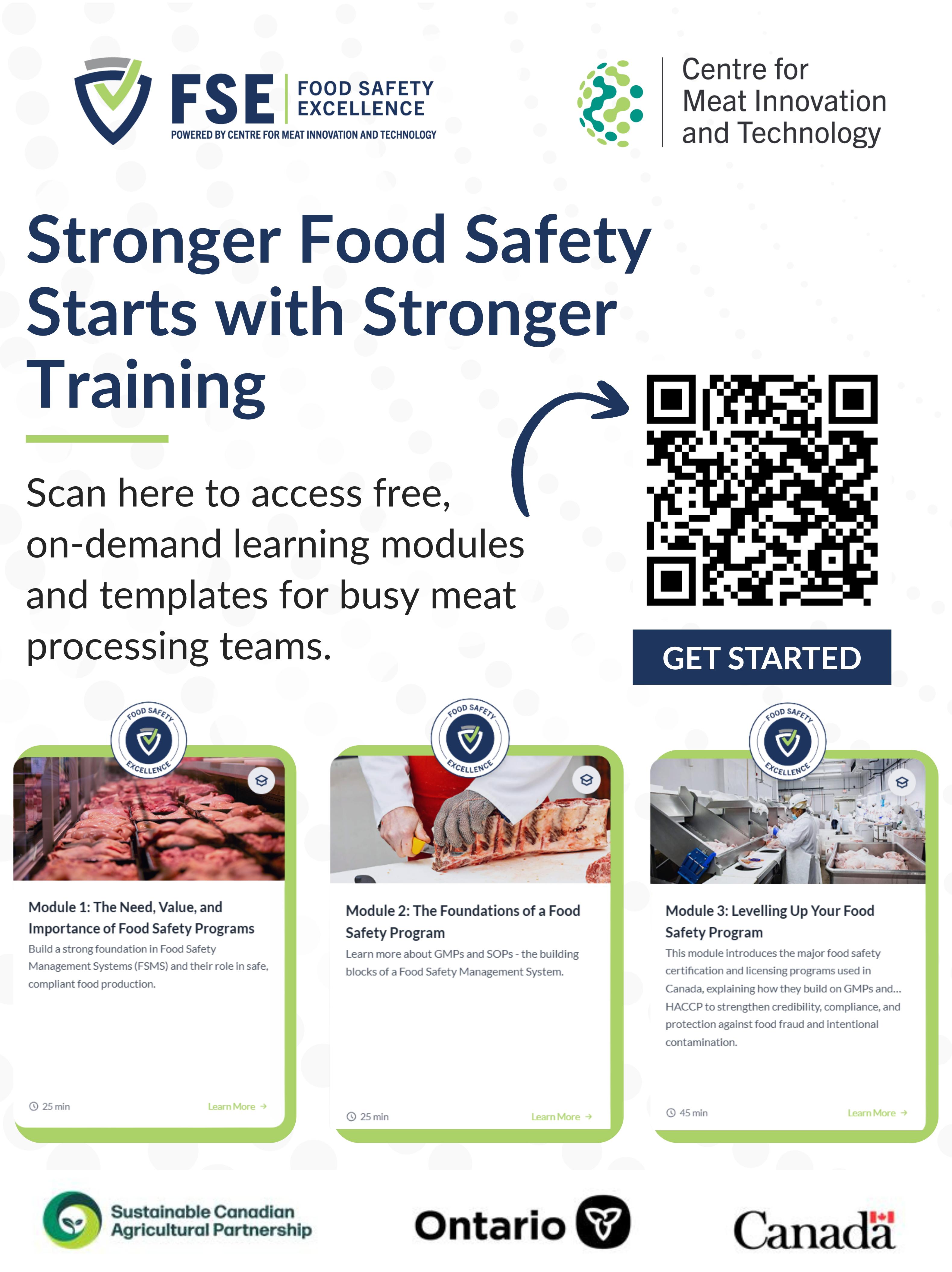
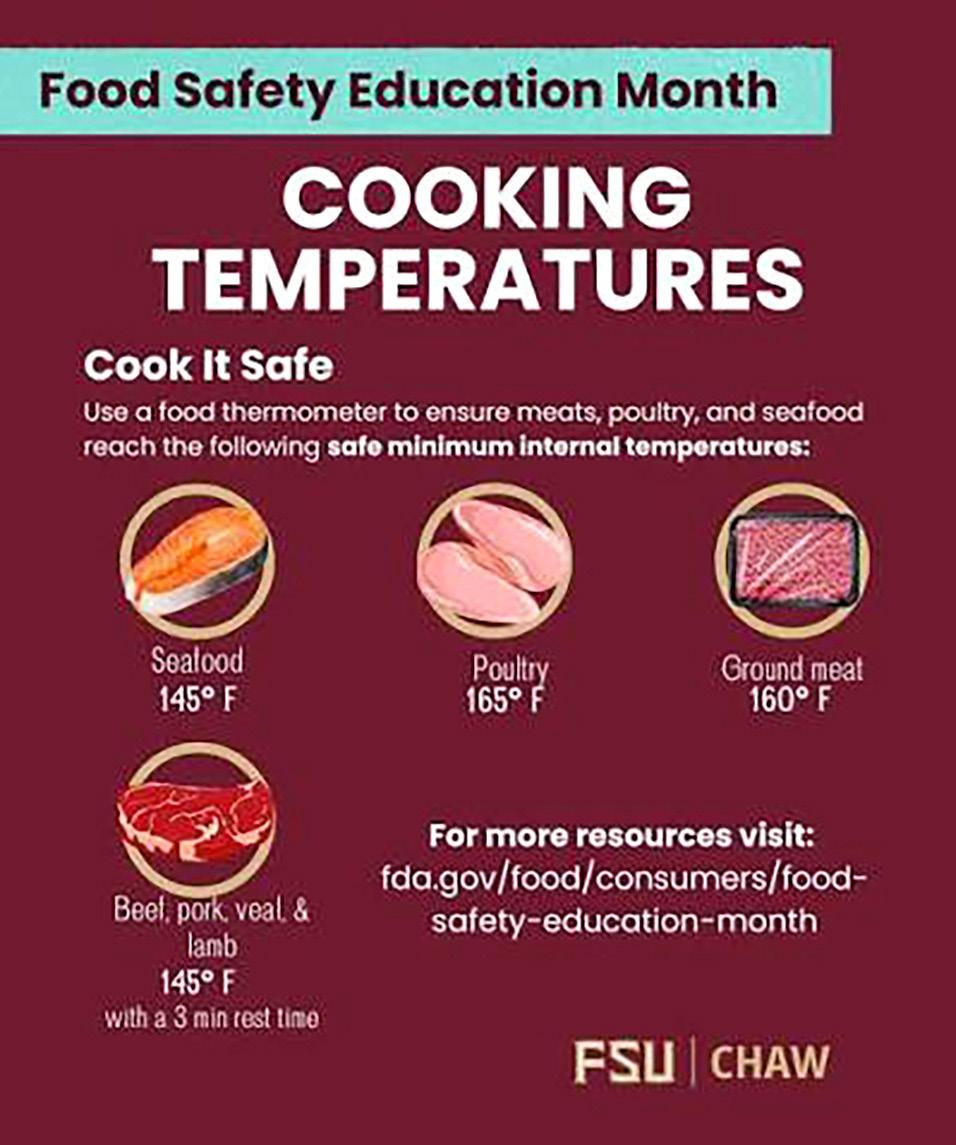
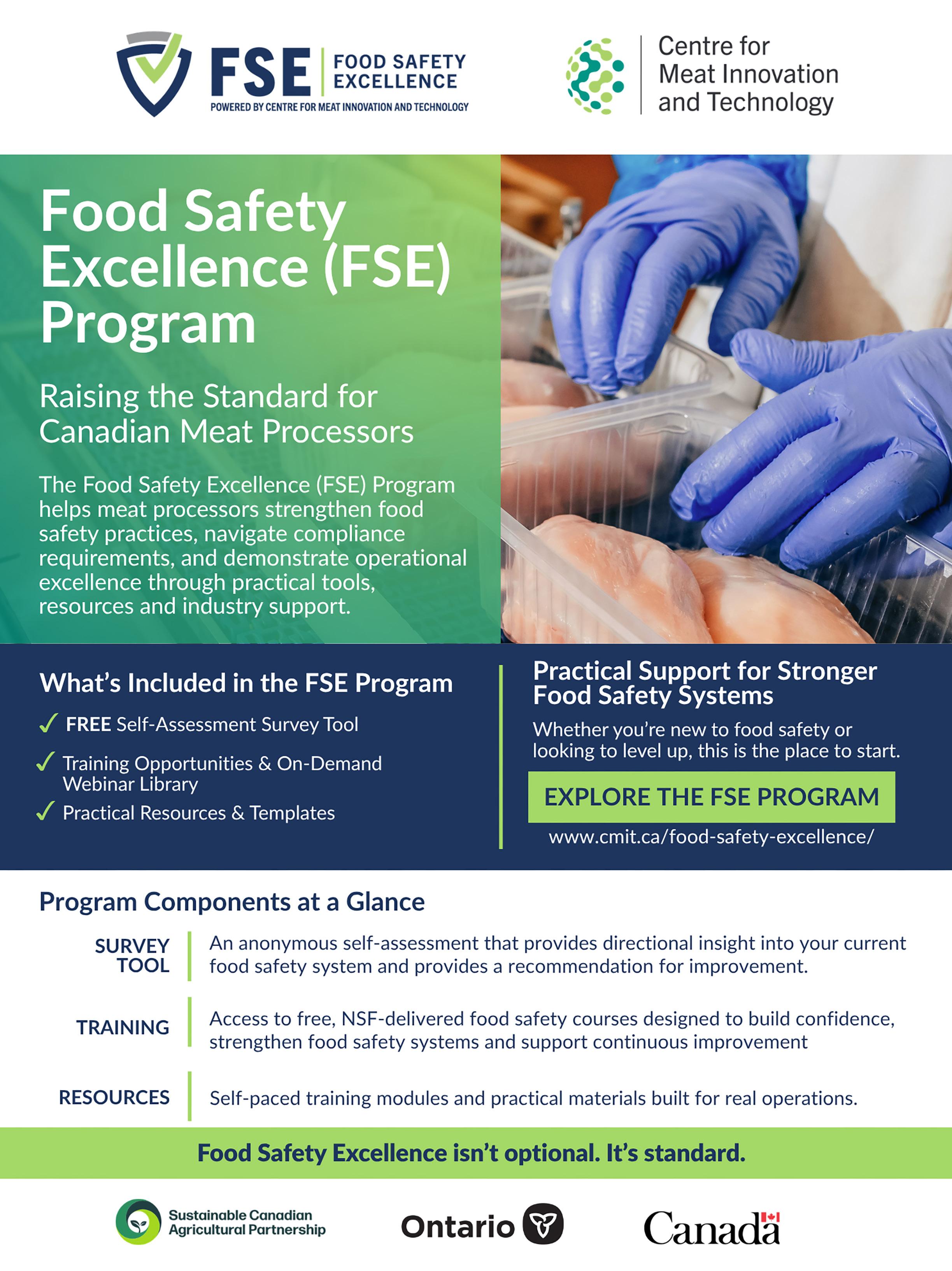
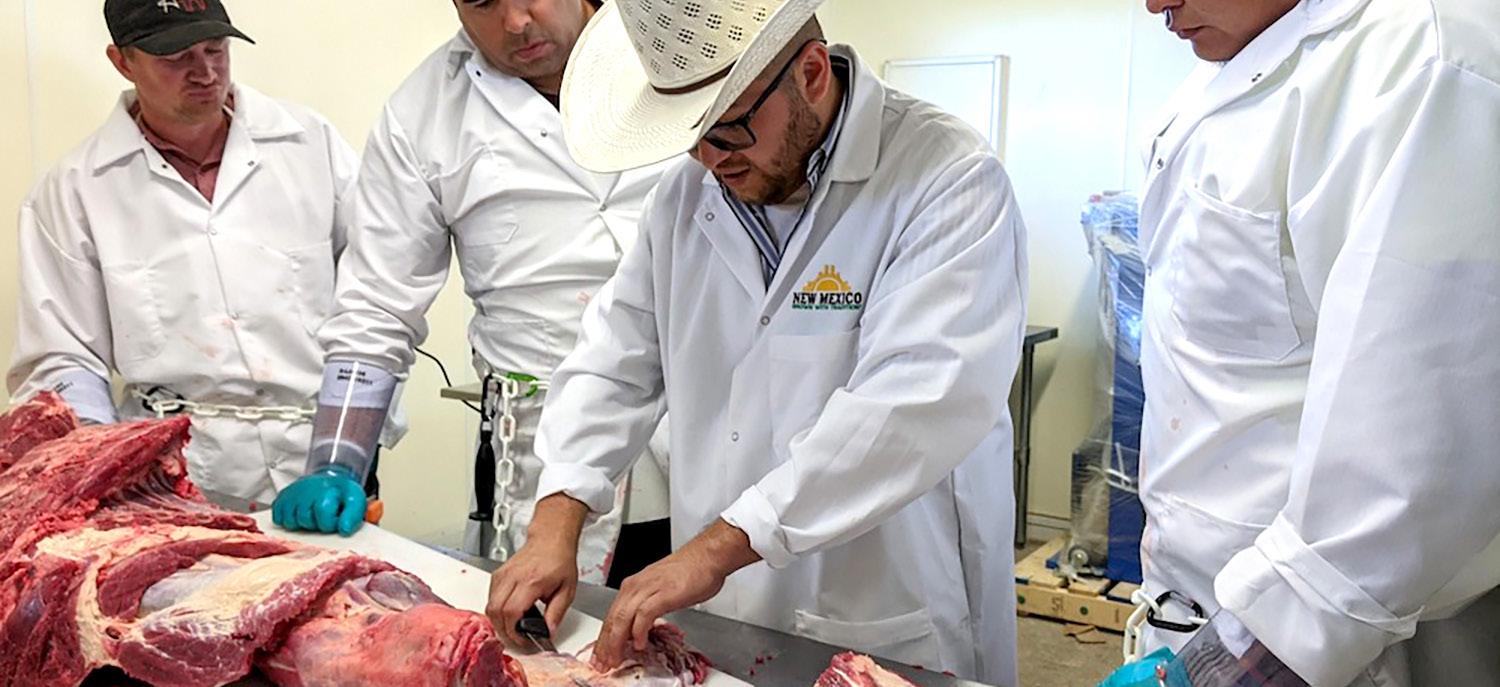
FIVE MINUTES TO BETTER FOOD SAFETY: WHY MEAT PROCESSORS NEED A CLEAR NEXT STEP
For meat processors, food safety is more than a compliance obligation. It is a system that influences operational discipline, customer confidence, market access and brand protection. Strong programs reduce risk, but they also support consistency on the floor, improve readiness for customer scrutiny and help management teams make better decisions about where to invest time and resources.
The challenge, however, is that many processors know food safety matters without always knowing what the right next step should be for their operation. That is where the Food Safety Excellence (FSE) Program's SelfAssessment Tool is designed to deliver real value.
Developed through the Centre for Meat Innovation & Technology, this tool gives processors a quick, anonymous way to assess their current food safety system and identify a practical next step based on where they are today and where they want to go.
At its core, the FSE Self-Assessment Tool is a questionnaire built specifically for meat processors. It is intentionally simple: a short online self-assessment that takes under five minutes to complete, asks straightforward multiple-choice and yes-or-no questions, and returns one recommended action aligned with the processor’s current systems and business goals. That combination of speed and practicality is important. In busy processing environments, lengthy diagnostics often get pushed aside.
A five-minute questionnaire is far more likely to be used, discussed, and acted on. Because it is anonymous, the FSE Self-Assessment Tool also lowers the barrier to participation. Operators can get directional insight without concern about how their answers may be perceived.
Take the quick and anonymous FSE Self-Assessment Tool today: https://lvvr10axwba.typeform.com/to/ Buo0V5OV?typeform-source=www.cmit.ca
This matters because food safety expectations are always a major concern. In Canada, the Safe Food for Canadians Regulations have reinforced a preventionfocused model built around licensing, preventive controls, and traceability. At the same time, many processors are also responding to customer-driven requirements tied to HACCP or GFSI-benchmarked standards such as SQF and BRCGS. In practice, that creates a layered environment where regulatory obligations, audit expectations, and buyer demands can overlap.
For some operations, those expectations raise practical questions. Should they focus first on strengthening Good Manufacturing Practices (GMPs)? Is it time to formalize HACCP? Are they ready for SFCR licensing requirements or a certification pathway that could support retailer and foodservice relationships?
The value of the FSE Self-Assessment Tool is that it helps reduce that uncertainty and turns broad ambition into a more manageable decision. Rather than guessing where to begin, processors receive a recommendation that reflects both their current position and their stated goals.
The questionnaire's recommendation structure reflects an important operational reality: food safety maturity develops in stages.
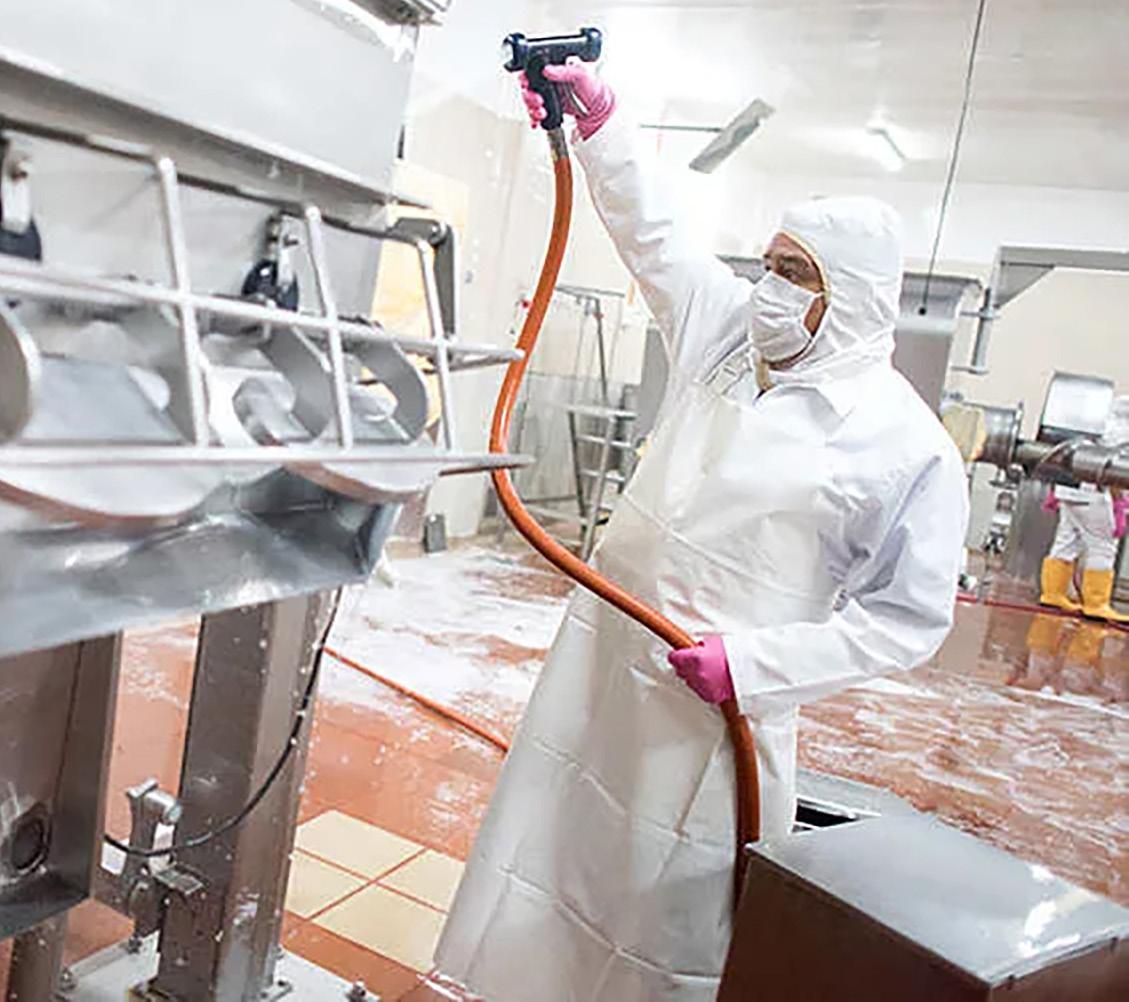
For some processors, the best next step may be reviewing and strengthening GMPs, the foundational routines that support sanitation, employee hygiene, facility controls, process discipline, and day-to-day consistency.
For others, the recommendation may be to implement or refine a HACCP program, which introduces a more systematic, science-based method for identifying and controlling food safety risks. More advanced operations may be guided toward Safe Food for Canadians Regulations readiness or toward GFSI-recognized certification pathways that can expand market opportunities and strengthen buyer confidence.
In some cases, the result may confirm that the operation has no major concerns identified, which can be valuable. Confirmation helps management teams understand that the systems they have built are working and that future improvement can focus on refinement rather than remediation.
From a business perspective, that kind of guidance is valuable for both smaller plants and larger operations. Smaller processors often need help prioritizing limited time and resources, especially when they are balancing production demands with system development. Larger operations may already have structured programs in place but still benefit from an external prompt that sharpens priorities, aligns teams, or supports continuous improvement planning. In both cases, the FSE Self-Assessment Tool supports a more proactive food safety culture. Instead of waiting for an audit finding, customer request, or operational issue to expose a gap, processors can assess their position early and take action before the pressure is on.
That is not only good risk management, but also a more efficient way to invest in training, systems, and operational improvement. For leadership teams, even a short diagnostic can improve internal conversations by replacing vague assumptions with a clearer direction of travel.
In an industry where food safety can influence compliance, reputation, and growth, clarity has real value. The Food Safety Excellence Self-Assessment Tool offers that clarity in a format that is practical, fast, and easy to use. It does not claim to solve every challenge in one sitting, but it does help processors identify the most logical next step and move forward with greater confidence. For operations unsure whether to optimize GMPs, begin HACCP, prepare for SFCR requirements, or pursue a GFSI-aligned path, the tool provides a useful starting point that feels achievable rather than overwhelming.
This is especially important in environments where teams are already managing labour pressures, production targets, and customer expectations. For a B2B audience focused on performance, readiness, and long-term resilience, the FSE Self-Assessment Tool is more than a questionnaire. It is a practical decisionsupport resource that helps translate food safety intent into action.
For processors that know improvement matters but want a clearer place to start, that practicality is the point. The FSE Self-Assessment Tool offers a low-friction way to benchmark your current position, clarify your priorities, and take the next step with confidence. Unsure what your operation’s next step should be? Take the quick, anonymous questionnaire and get a recommendation tailored to your current operation and goals.
Take the quick and anonymous FSE Self-Assessment Tool today: https://lvvr10axwba.typeform.com/to/ Buo0V5OV?typeform-source=www.cmit.ca
Food Safety Excellence tools and resources have been developed through funding provided by the Sustainable Canadian Agricultural Partnership (Sustainable CAP), a five-year, federal-provincial-territorial initiative.
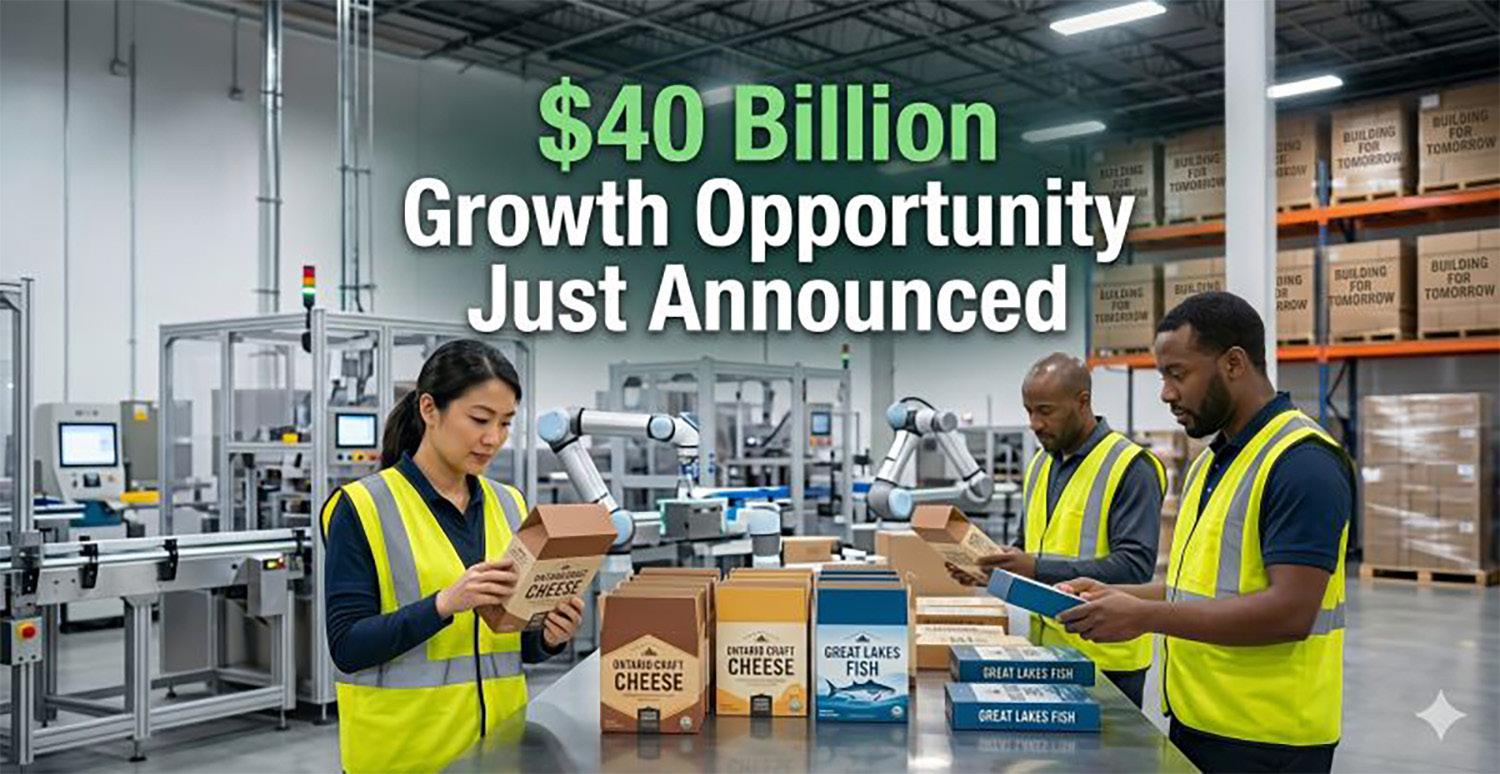
$40B GROWTH OPPORTUNITY IN CANADA’S FOOD AND BEVERAGE MANUFACTURING SECTOR
By Cam Dahl, General Manager, Manitoba Pork
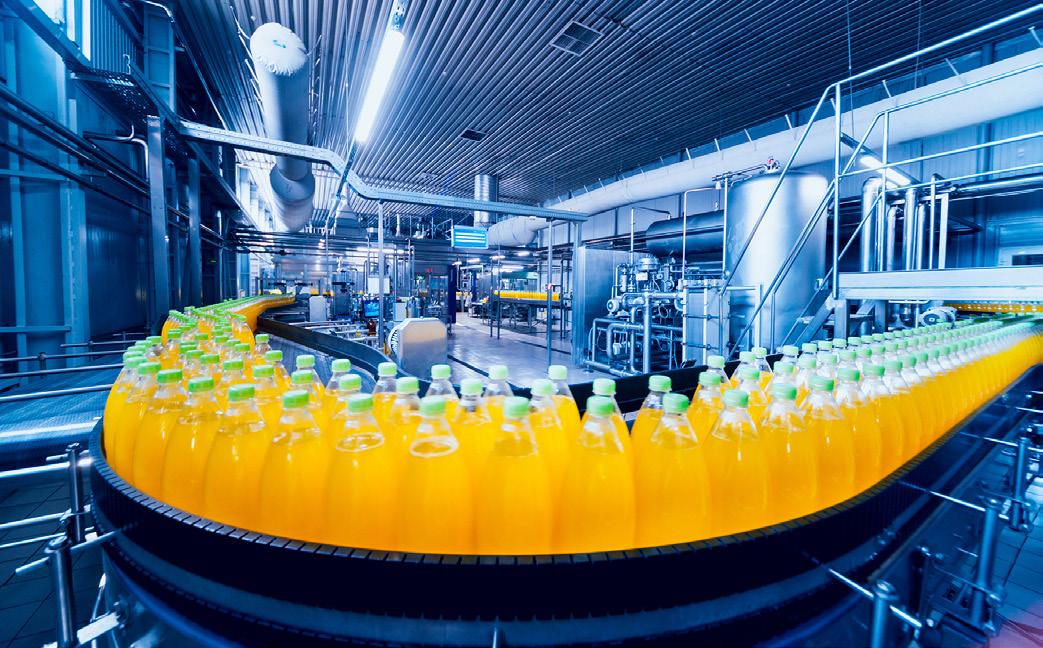
Achieving 3% annual GDP growth in the Canadian food and beverage manufacturing sector over the next decade could add up to $40 billion to the national economy, create 217,000 new jobs, generate $1.3 billion in tax revenue and add $16 billion in wages and benefits for Canadians.
Reaching that potential will require increasing productivity growth through continued investment, trade diversification and innovation to strengthen the sector’s long-term competitiveness, according to Farm Credit Canada’s (FCC) latest report, Prospects for future productivity growth in Canadian food and beverage manufacturing.
“Productivity growth is essential to ensuring that the Canadian food and beverage manufacturing sector remains competitive globally,” said Craig Klemmer, manager of Thought Leadership at FCC. “But it doesn’t operate in isolation. Success depends on a broader ecosystem of investment, skilled labour and strong global market access.”
The report notes that while Canada’s food and beverage sector has remained resilient over the past two decades, labour productivity declined by an average of 0.5 per cent annually from 2015 to 2022. Productivity growth remains important for the sector’s future prosperity, sustainability, food security, and affordability.
Continued on page 14
The report identifies four key pathways for food and beverage manufacturers to boost productivity growth:
• Capital investment to support upgrades and expansion of plants and equipment;
• Skills training to meet rising demand as technology evolves;
• Streamlined regulations that protect public interest while reducing burden on businesses; and
• Trade openness and global integration that expand markets and encourage innovation.
“Canada has a strong foundation to build on,” said Klemmer. “With the right attention and support, the food and beverage manufacturing sector can continue to be an economic powerhouse and a leader in the global food system. The task ahead is to translate those strengths into sustained productivity gains that benefit both Canadian businesses and consumers.”
To support innovation and productivity growth across the agriculture and food industry, FCC convened a coalition of more than 20 investment organizations earlier this year, collectively committed to deploy up to $7 billion into Canadian agriculture and food innovation by 2030. Building on this commitment, FCC Capital is helping scale innovation across the value chain by supporting companies developing technologies and solutions that improve efficiency, productivity and sustainability. These investments are geared to support producers so that they can continue to grow the food that sustains Canadians.
Canada’s food and beverage manufacturing sector includes more than 8,800 businesses and employs roughly 318,000 people, making it the country’s largest manufacturing employer.
About FCC
FCC is the leading lender in Canadian agriculture and food. FCC invests in industry success through innovation, productivity and sustainability. Customers rely on FCC for financing, capital, AgExpert management software, knowledge and industry connections. As a trusted partner and commercial Crown corporation that reinvests profits into ag and food, FCC is essential in building a stronger, more prosperous food industry for all Canadians. fcc.ca
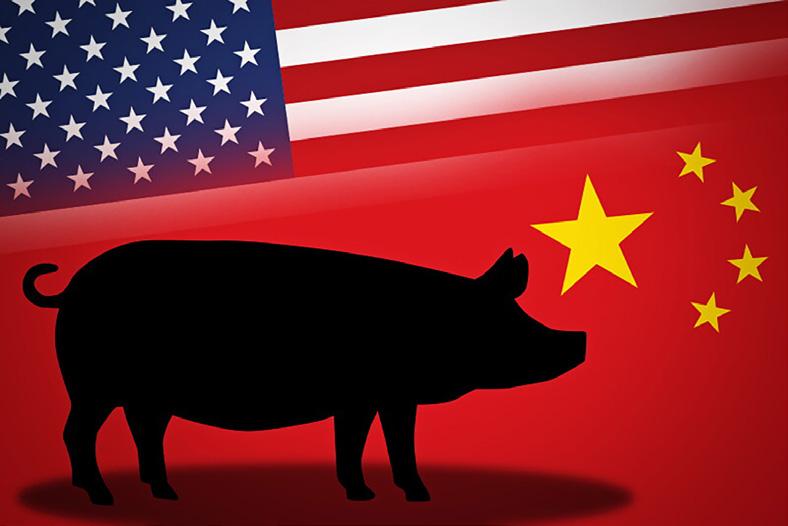
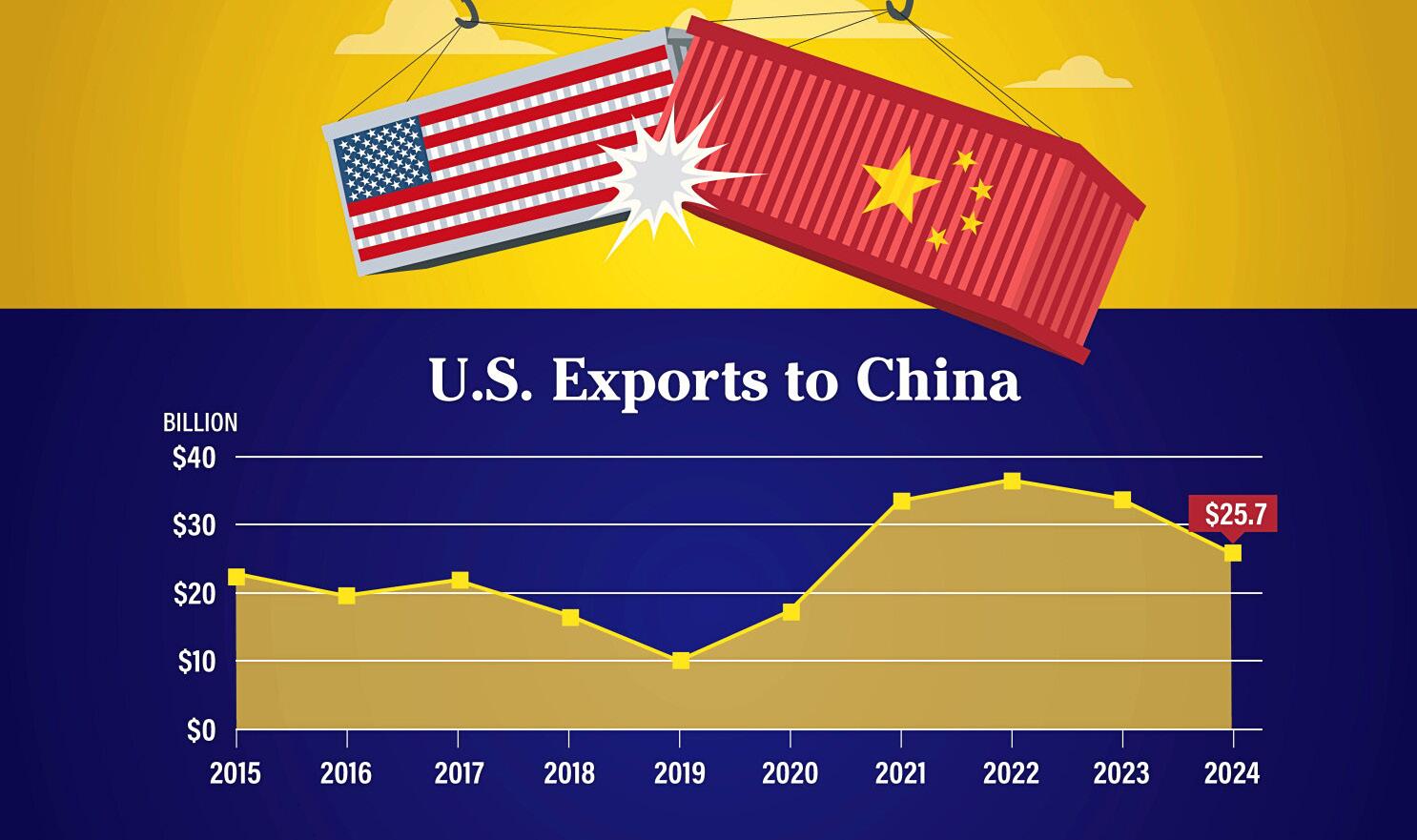
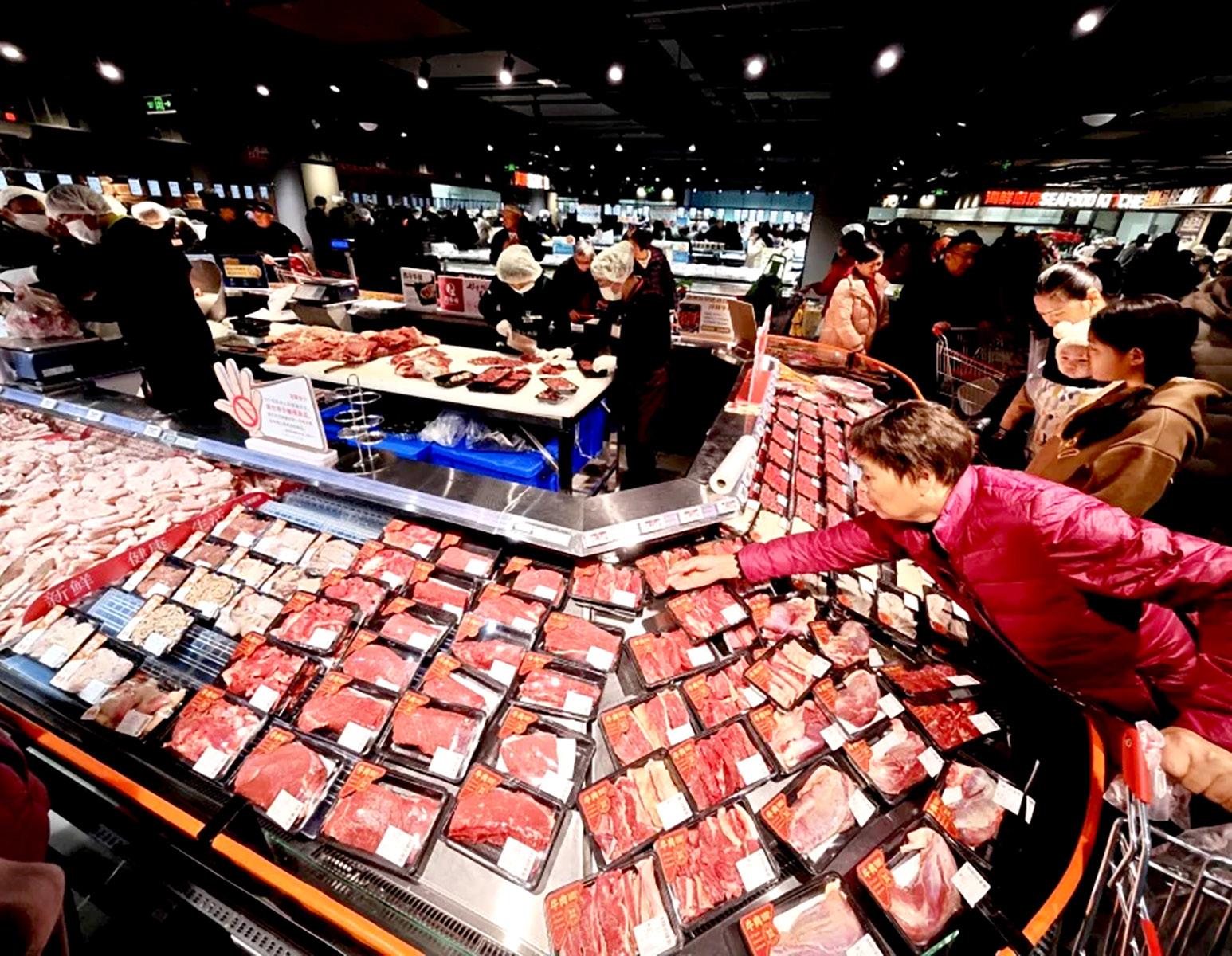
NAVIGATING THE HIGH STAKES OF U.S.-CHINA BEEF AND PORK TRADE
The global meat export landscape is experiencing a critical shift as the United States and China enter a new chapter in agricultural trade. For years, U.S. beef and pork producers have ridden a rollercoaster of market access, fluctuating demand, and geopolitical friction and now, the sector stands at a pivotal crossroads.
Recent high-level bilateral negotiations have injected fresh optimism into the industry, yet exporters continue to grapple with severe tariff barriers and operational hurdles. For B2B stakeholders across the supply chain from producers and packers to cold chain logistics providers understanding these shifting dynamics is essential for strategic planning through the late 2020s.
THE TARIFF WALL AND ITS COMMERCIAL TOLL
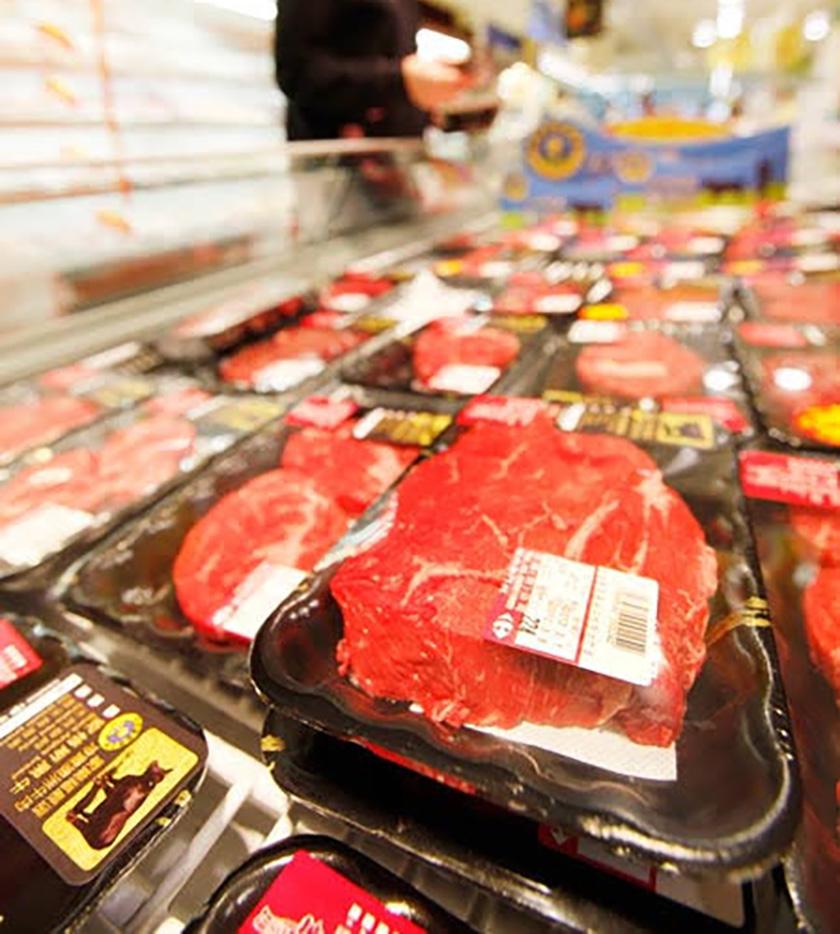
For much of the recent past, the primary obstacle for U.S. red meat entering the Chinese market has been financial. Restrictive retaliatory tariffs have acted as a steep barrier to entry. U.S. beef exporters have faced staggering tariff rates hovering around 147%, while pork exporters have been forced to navigate rates near 172%. These numbers are not just regulatory footnotes, they fundamentally alter pricing structures and erode the competitive edge of American proteins against heavily subsidized or lower-cost international competitors.
The financial fallout of these trade barriers ripples directly back to the American farm gate. Industry economists estimate that the absence of predictable, low-tariff access to China puts more than $150 per fed steer or heifer at risk for the beef sector. For the pork sector, the stakes are equally acute, with an estimated $8 to $10 per head in export value in jeopardy. Because China is a primary volume destination for specific variety meats, items like beef tendons, tripe, and pork variety meats that command premium prices in Asia but have limited value in domestic markets, the loss or restriction of this marketplace directly impacts carcass utilization and processor profitability.
A BREAKTHROUGH IN TECHNICAL MARKET ACCESS
Despite the crushing weight of these tariffs, recent diplomatic interventions have yielded significant procedural breakthroughs. Following recent highstakes meetings, Beijing enacted a major policy reversal regarding facility approvals. China has restored and expanded the registration of over 400 U.S. beef facilities, effectively clearing a massive administrative backlog that had previously locked out a substantial portion of American processing capacity.
The picture for pork remains a bit more complex. While the vast majority of U.S. pork processing facilities have successfully maintained their vital market access, a handful of high-volume plants continue to navigate administrative renewal suspensions. For logistics managers and trade compliance officers, this mixed regulatory environment requires meticulous verification of establishment lists before booking cargo. Nevertheless, the reopening of over 400 beef facilities signals a clear willingness from Chinese authorities to stabilize technical market access, offering a blueprint for potential resolutions in the pork sector.
THE MULTI-BILLION DOLLAR PURCHASE COMMITMENTS
The most significant forward-looking development for the agricultural sector is the newly announced White House trade framework. Under this agreement, China has formally committed to purchasing at least $17 billion annually in U.S. agricultural products. This binding commitment spans a three-year window from 2026 through 2028, with the purchasing target for the current 2026 calendar year being prorated.
While the headline figure of $17 billion has sent positive shockwaves through the ag sector, B2B market analysts urge cautious optimism regarding the specific product mix. A substantial portion of this purchasing mandate is expected to be absorbed by bulk commodities and feed grains, such as soybeans and corn, to fuel China’s domestic livestock production.
However, the sheer scale of the commitment means that red meat proteins, both beef and pork, are positioned to capture a slice of this mandatory spending. Industry trade groups are currently tracking regulatory updates to confirm how these purchase mandates will be operationalized at the commercial level and whether tariff relief mechanisms will be introduced to facilitate fulfillment.
STRATEGIC IMPLICATIONS FOR SUPPLY CHAINS
As the industry awaits the final implementation details of these state-backed purchases, diversification remains the watchword for corporate strategy. Organizations such as the U.S. Meat Export Federation are actively advising producers and exporters to maintain a dualtrack approach. While preparing to capitalize on the reopened Chinese facilities and the impending purchase mandates, leading exporters are simultaneously diversifying their portfolios into alternative high-growth markets across Southeast Asia and Latin America to hedge against future geopolitical volatility.
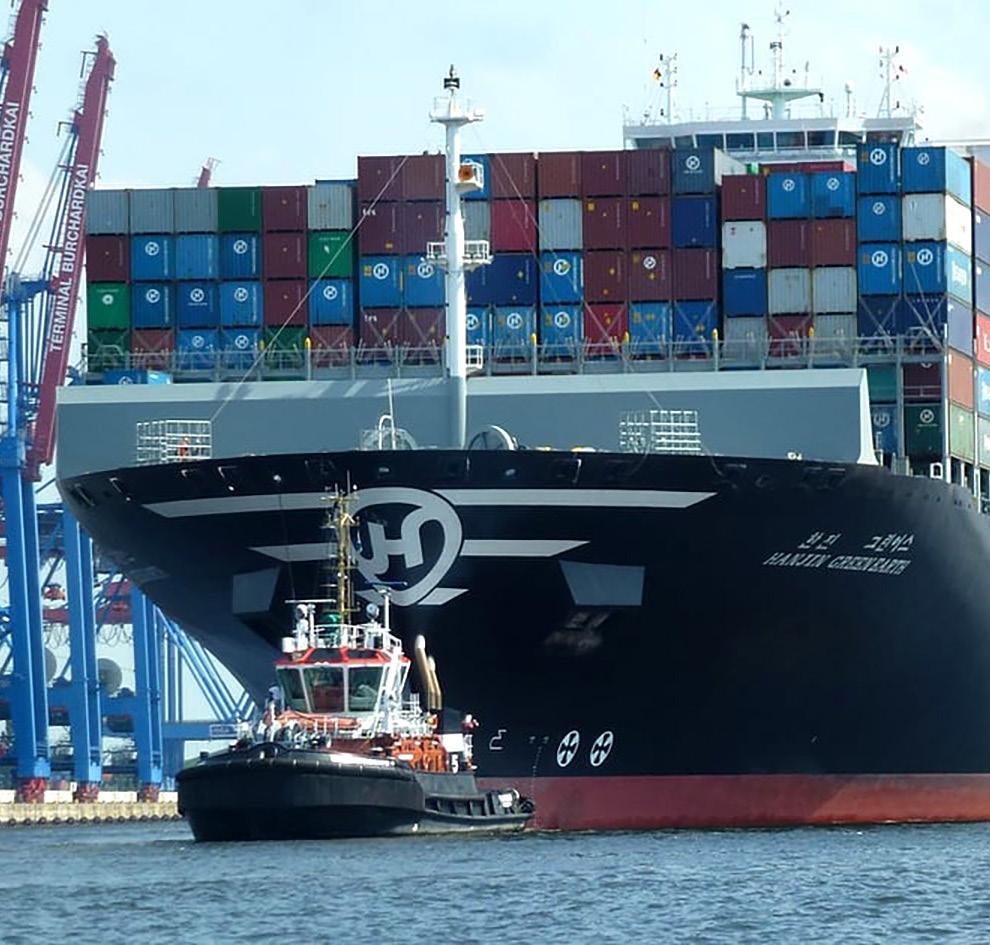
For cold storage providers, freight forwarders, and trade compliance professionals, the next 24 months will demand extreme operational agility. If China moves to aggressively fulfill its $17 billion annual commitment, the industry could see sudden spikes in export volumes, placing immediate pressure on West Coast port infrastructure and container availability. Conversely, if technical barriers linger, supply chains must be ready to reroute product to domestic retail channels or secondary international markets.
WHAT’S NEXT
The U.S.-China beef and pork trade relationship remains a complex mix of high-tariff challenges and massive structural opportunities. The combination of restored access for 400-plus beef facilities and guaranteed multibillion dollar agricultural purchasing commitments provides a stabilizing foundation that the industry has lacked for years. For businesses that can successfully navigate the administrative nuances of this evolving trade corridor, the rewards remain substantial. In the high-stakes world of global protein trade, adaptability will separate the market leaders from the rest.
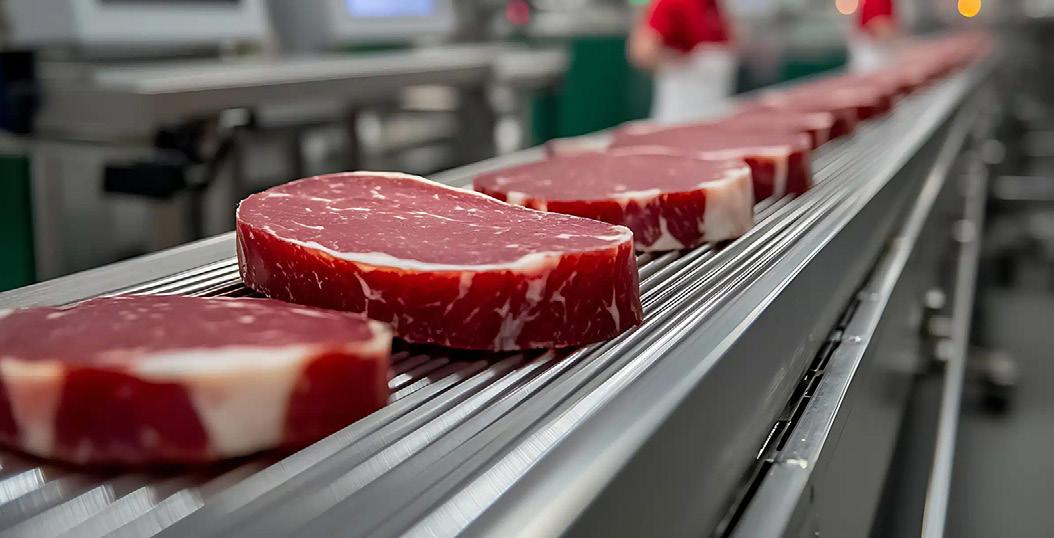
RISING CONSUMER DEMAND FOR PROTEIN SPURS GROWTH IN MEAT-BASED SNACKS
Emphasis on dietary protein intake is broadening the demographics of meat snack consumers, prompting investment and innovation among manufacturers
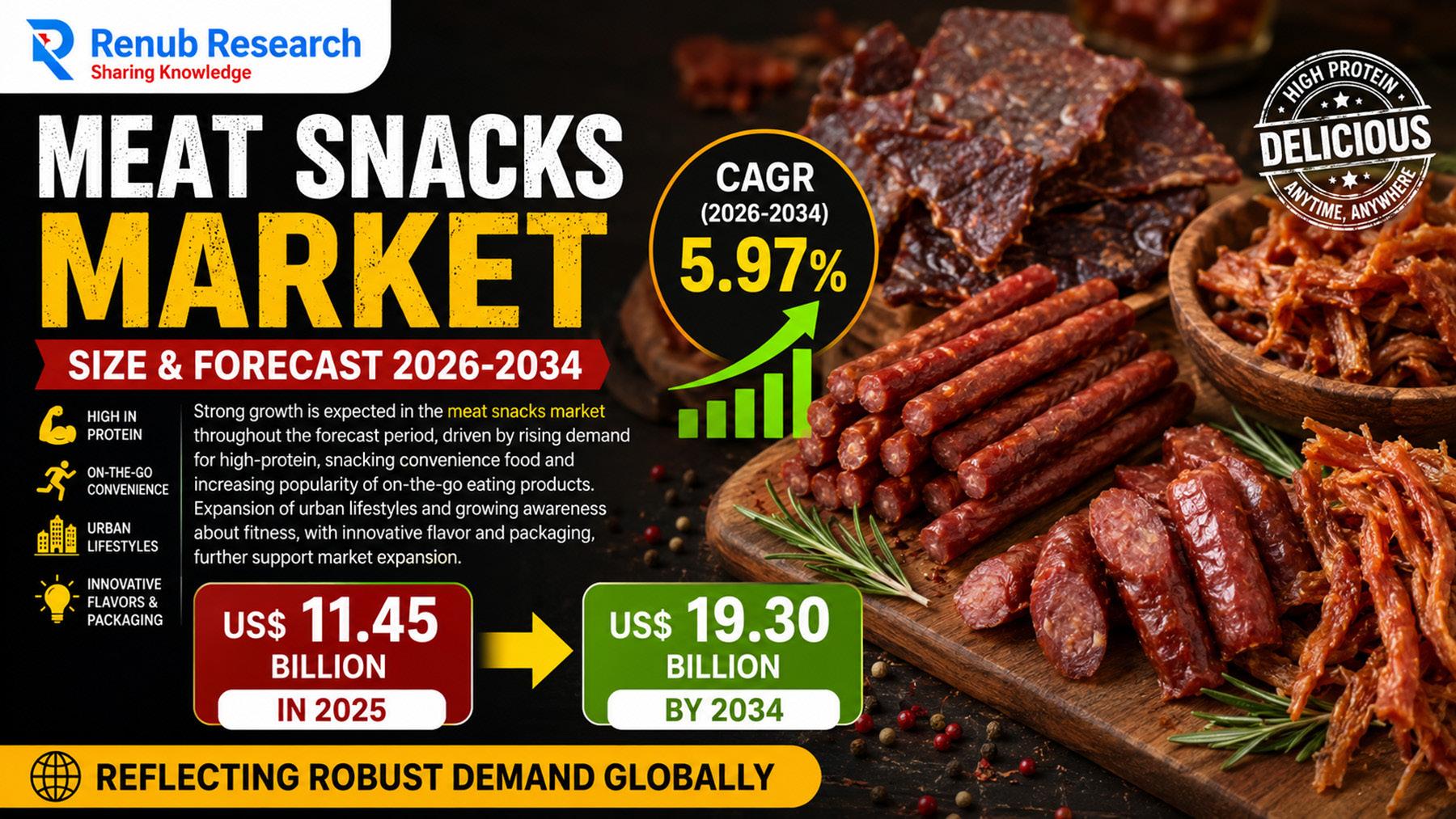
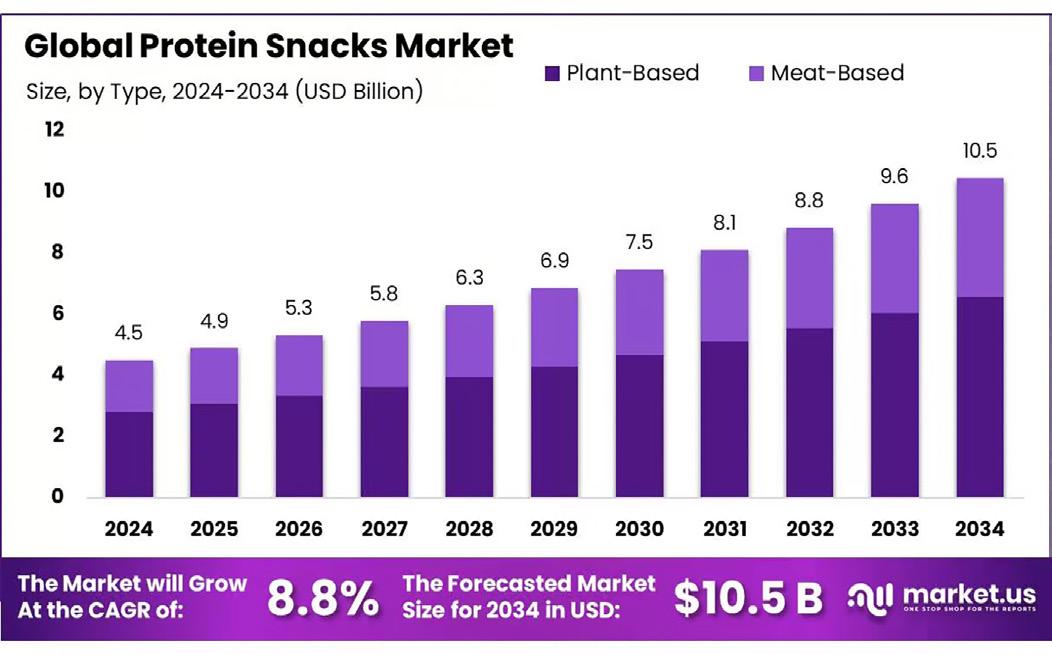
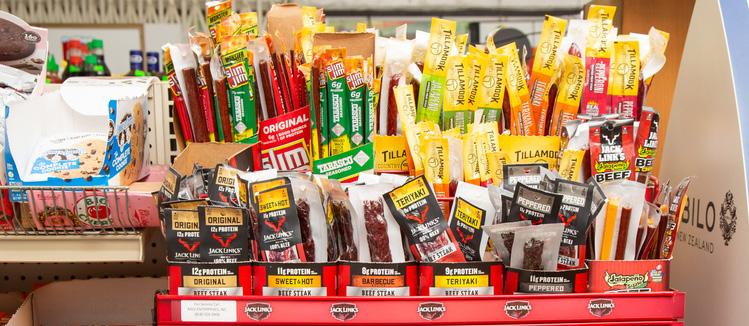
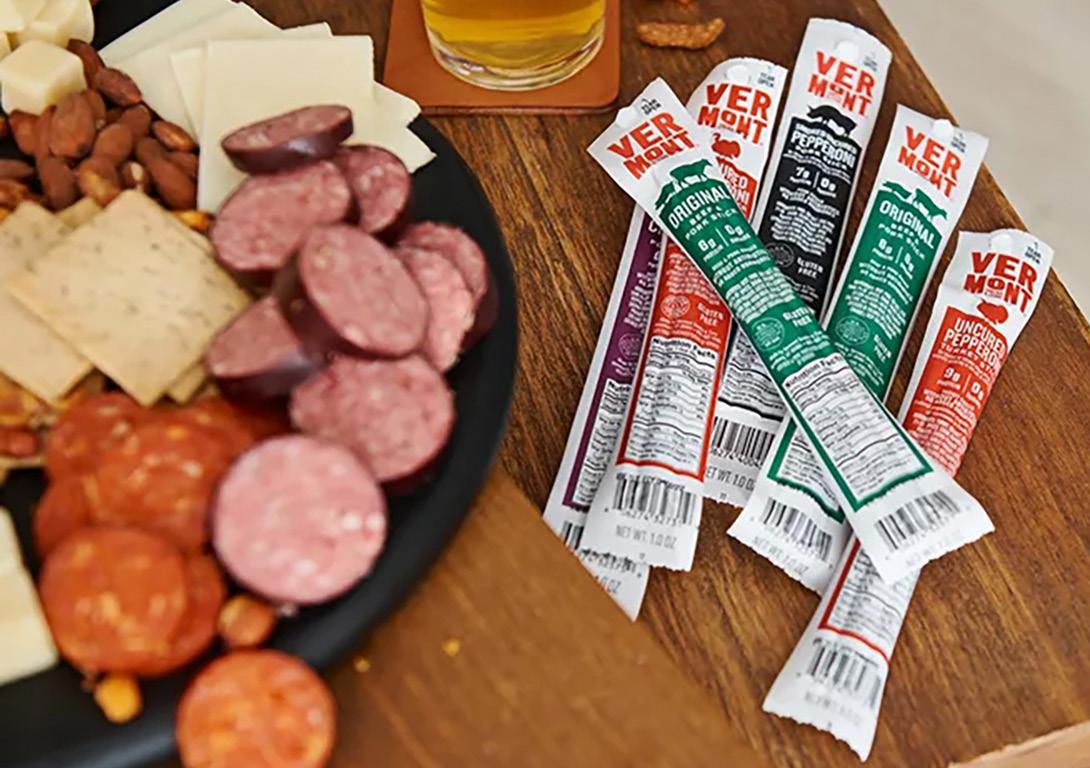
Protein-rich meat snacks are entering a period of accelerated growth as dietary preferences and eating habits evolve. Increased use of GLP-1 medications for weight loss has elevated the importance of protein intake and smaller portion size, while broader consumer interest in convenience and value continues to shape food buying patterns. Together, these trends have fueled a sharp rise in meat snack sales and significant investments in new processing capacity.
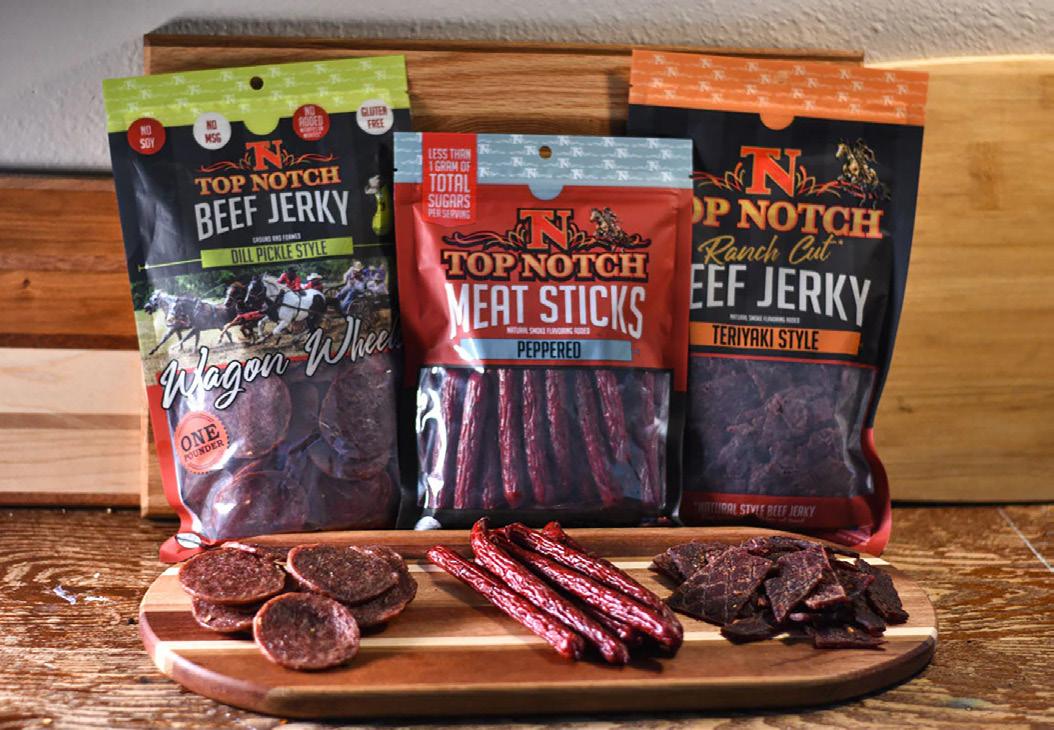
According to a new report from CoBank’s Knowledge Exchange, meat snacks represent a major area for product innovation, allowing traditional animal protein companies to become more consumer-centric and differentiate their offerings in an increasingly competitive marketplace. While beef has historically been the primary protein source for meat snacks, the report notes that opportunities for growth and innovation extend to pork, poultry and even exotic meats.
“Consumer demand today is largely driven by a focus on protein content, nutrient density, clean labels and reduced processing,” said Brian Earnest, lead animal protein economist with CoBank. “Meeting these preferences is crucial in today’s food landscape, and meat snacks check several of the boxes. We expect beef will continue to dominate the category, but with supplies constrained due to a contracting U.S. cattle herd, the opportunity for pork and poultry to offer value-oriented meat alternatives is rising.”
Meat snack sales have increased more than 45% in the past four years, reaching $4.4 billion annually, according to Circana. That growth has triggered a wave of investments in the category. Since 2020, over $1 billion in additional processing investment for meat snacks has been announced, compared with $8 billion across all animal protein processing. In 2025, several plants opened or began construction across the country, including investments from popular brands like Chomps, Jack Link’s and Archers. Jack Link’s announced a $450 million investment for a new plant in Georgia, while Chomps has new manufacturing facilities under construction in Missouri and Nebraska to double its meat snack production.
While these investments reflect confidence in the longterm momentum for meat snacks, the category is not without risk. The U.S. Dietary Guidelines for Americans released earlier this year emphasize protein intake but also advise minimizing highly processed foods. That could pose challenges for some meat snack products, particularly if new regulations or legislation defining ultra processed foods are introduced.
However, many recent product launches have explicitly emphasized simplicity, transparency and fewer ingredients. Jack Link’s is positioning its three ingredient meat snacks as “honest, simple, minimal ingredient products.” Archer Meat Snacks grew sales by 57% in 2025, driven in part by its clean label, high protein and culinary inspired flavor offerings.
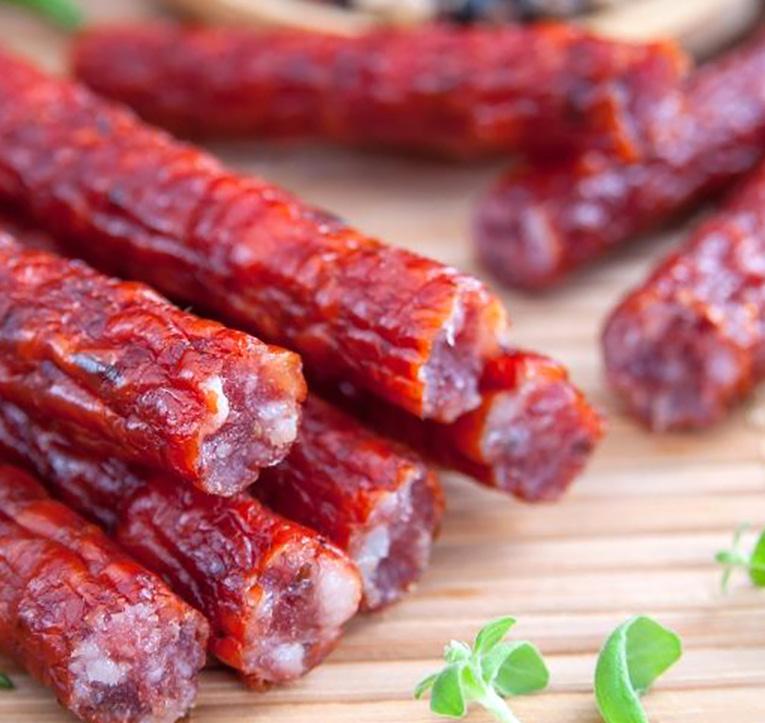
Beef supply constraints could present another hurdle for expanding meat snack production. More stable supplies of pork and poultry, however, create opportunities for new product innovation and further category expansion. Ready-to-eat bacon and pork sticks are gaining traction, while turkey and chicken sticks offer convenient, on-the-go protein options that could broaden the category’s appeal.
Meat snacks have also expanded their audience beyond the traditional young male consumer. Chomps reports that 70% of its consumers are female, and the potential to reach new demographics — including families and younger snackers — continues to grow. Reflecting this shift, several meat snack companies have broadened their marketing strategies to appeal to a wider range of consumers.
“Protein has become a top priority for consumers in America and globally, and meat snacks are wellpositioned to help meet that demand,” said Earnest. “While growth in some food categories may be tapering, meat snack sales are accelerating. Innovation, value, portability and rising protein demand are all spurring optimism for continued growth in meat snack items alongside other core protein offerings.”
Read the report, Protein’s promise for meat snack growth.
About CoBank
CoBank is a cooperative bank serving vital industries across rural America. The bank provides loans, leases, export financing and other financial services to agribusinesses and rural power, water and communications providers in all 50 states. CoBank is a member of the Farm Credit System, a nationwide network of banks and retail lending associations chartered to support the borrowing needs of U.S. agriculture, rural infrastructure and rural communities.
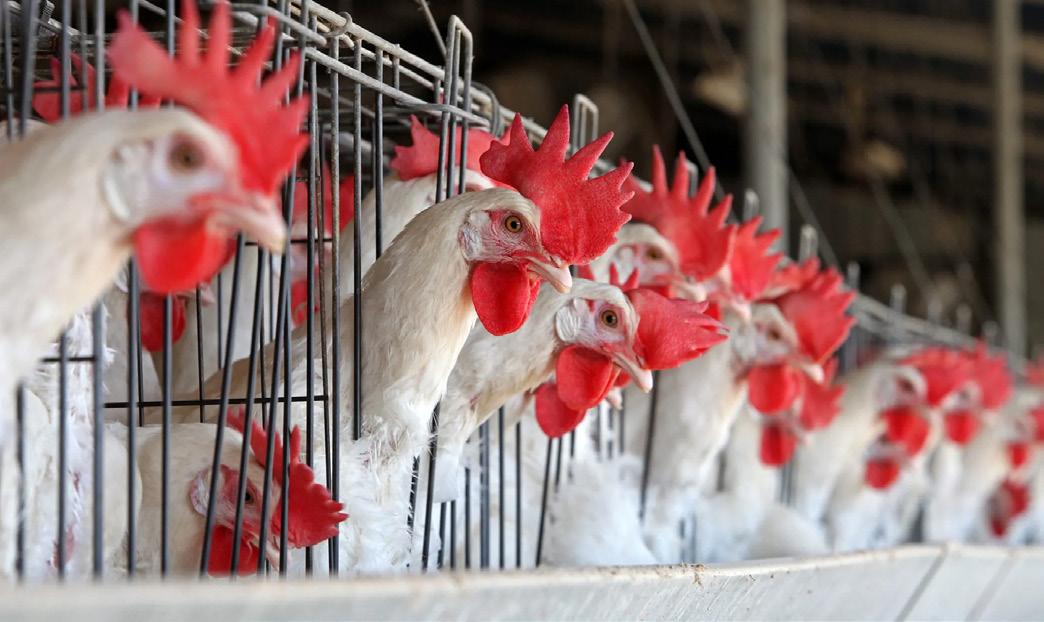
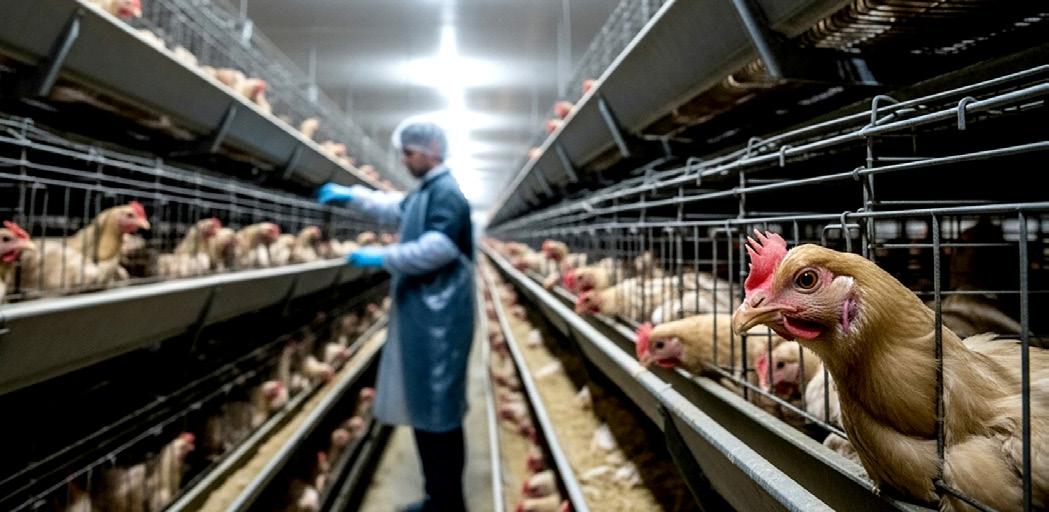
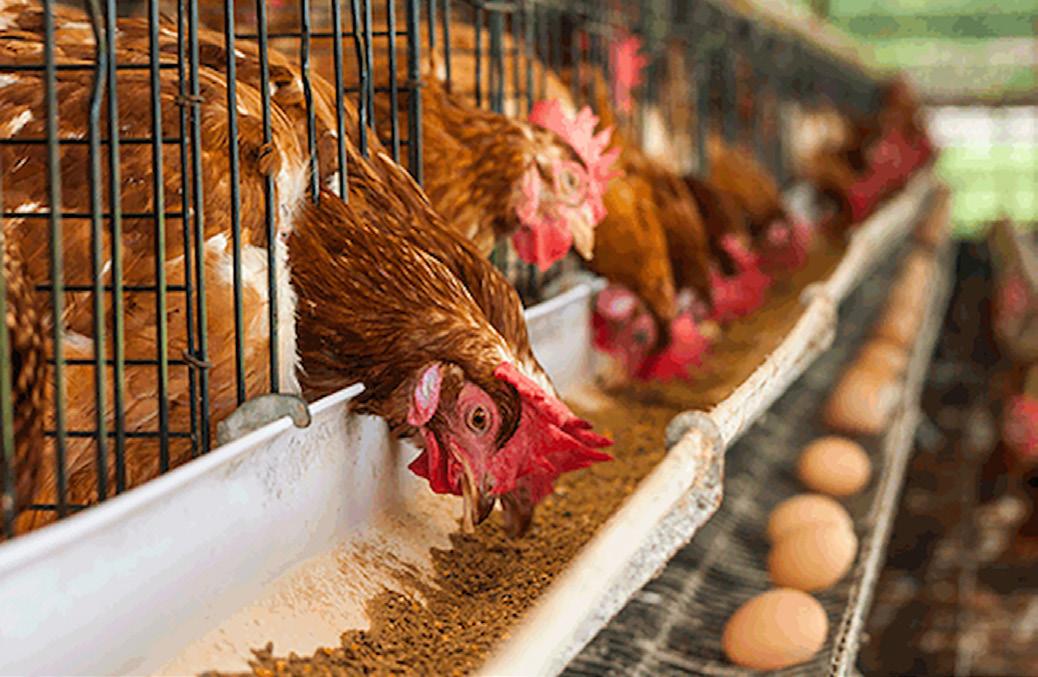
CANADA’S TRADE DIVERSIFICATION AGENDA: IMPLICATIONS FOR THE CHICKEN SECTOR
Canada has recently intensified its efforts to diversify agricultural trade as part of a broader objective to reduce reliance on the United States. Nearly 60% of Canada’s agri-food exports are destined for the U.S., and recent political and trade tensions have highlighted the risks associated with this dependence. As a result, the federal government has launched an ambitious strategy to double exports to non-US destinations over the next ten years, and to expand trade relationships with new partners and strengthen existing agreements, particularly in the Indo-Pacific region.
Several negotiations and trade initiatives are currently underway. Discussions with ASEAN (the Association of Southeast Asian Nations) remain ongoing and involve a diverse group of economies including Brunei, Cambodia, Indonesia, Laos, Malaysia, Myanmar, the Philippines, Singapore, Thailand and Vietnam. These negotiations are progressing slowly due to differing priorities among members, particularly on sanitary and phytosanitary measures and market access. At the same time, Canada has pragmatically initiated bilateral negotiations with Thailand and the Philippines, two ASEAN members where progress may be achieved more quickly than through the regional framework.
For the Canadian chicken sector, the negotiations with Thailand are particularly sensitive. Thailand is one of the world’s largest poultry exporters and a major supplier to global markets. Any discussion related to poultry market access must therefore be monitored closely. Similarly, the Canadian government is currently involved in negotiations with Mercosur, which includes Brazil, Argentina, Paraguay, Uruguay. Brazil, the world’s largest chicken exporter, represents a significant agricultural power and has long sought increased access to international markets, including Canada.
While Canada’s diversification strategy may be welcomed by export-oriented sectors such as beef, canola and pulses, these same sectors are also watching developments with caution, particularly regarding Mercosur, given Brazil’s strong agricultural competitiveness. For supply-managed sectors, including chicken, the position remains consistent and unchanged. Canadian chicken farmers continue to clearly communicate to government that there must be no increase in access for supply management, and that Canada must maintain over-quota tariffs at their current levels.
Beyond these negotiations, Canada is also exploring new trade relationships with India and the United Arab Emirates (UAE). India represents a large and rapidly growing market but remains a complex negotiating partner due to its own agricultural sensitivities and protectionist policies. The UAE, meanwhile, is an important regional food hub, importing large volumes of poultry products from major exporters such as Brazil and the United States. While these discussions are still at an early stage, they form part of Canada’s broader effort to expand trade relationships globally.
Canada’s engagement in the Comprehensive and Progressive Agreement for Trans-Pacific Partnership (CPTPP) continues to evolve as well. The United Kingdom officially joined the CPTPP in December 2024, marking the first expansion of the agreement since its creation. Canada has now completed its domestic ratification process following Royal Assent of implementing legislation in May 2026. Additional CPTPP accessions are also under discussion, including Uruguay and Costa Rica, which could further expand the agreement’s membership.
At the same time, Canada is working to stabilize its relationship with China, a key player in global agricultural trade. Recent diplomatic and technical engagement between Canadian and Chinese officials suggests a gradual effort to restore more predictable trade channels following several years of tensions. China remains an important destination for many Canadian agricultural commodities and a major influence on global protein markets.
Taken together, these initiatives illustrate the scale of Canada’s current condensed trade agenda. The government is pursuing multiple negotiations simultaneously across Asia, the Middle East and Latin America. While these efforts are intended to reduce reliance on the U.S. market, they also create important policy considerations for sectors such as chicken that focus on serving the domestic market.
For this reason, Chicken Farmers of Canada continues to closely monitor these negotiations and maintain active dialogue with government officials and trade negotiators. Representatives from CFC joined other SM5 organizations in Brasília to monitor Rounds 8 and 9 of the Canada–Mercosur negotiations and subsequently participated in the latest negotiating round held in Toronto during the week of May 25.
Discussions confirmed that Mercosur, particularly Brazil, continues to prioritize agricultural market access, including poultry, eggs, beef and refined sugar. Canadian negotiators were clear that, following the adoption of Bill C-202, Canada cannot consider any increases to tariff-rate quotas or reductions to overquota tariffs for supply-managed sectors. While both sides have expressed an interest in concluding an agreement as early as July 2026, it remains too early to assess whether this timeline is realistic, particularly given the importance of agriculture in the negotiations.
As Canada advances this ambitious trade agenda, maintaining this balance will remain critical to ensuring that trade policy supports the broader agricultural economy while protecting the integrity of supplymanaged sectors.
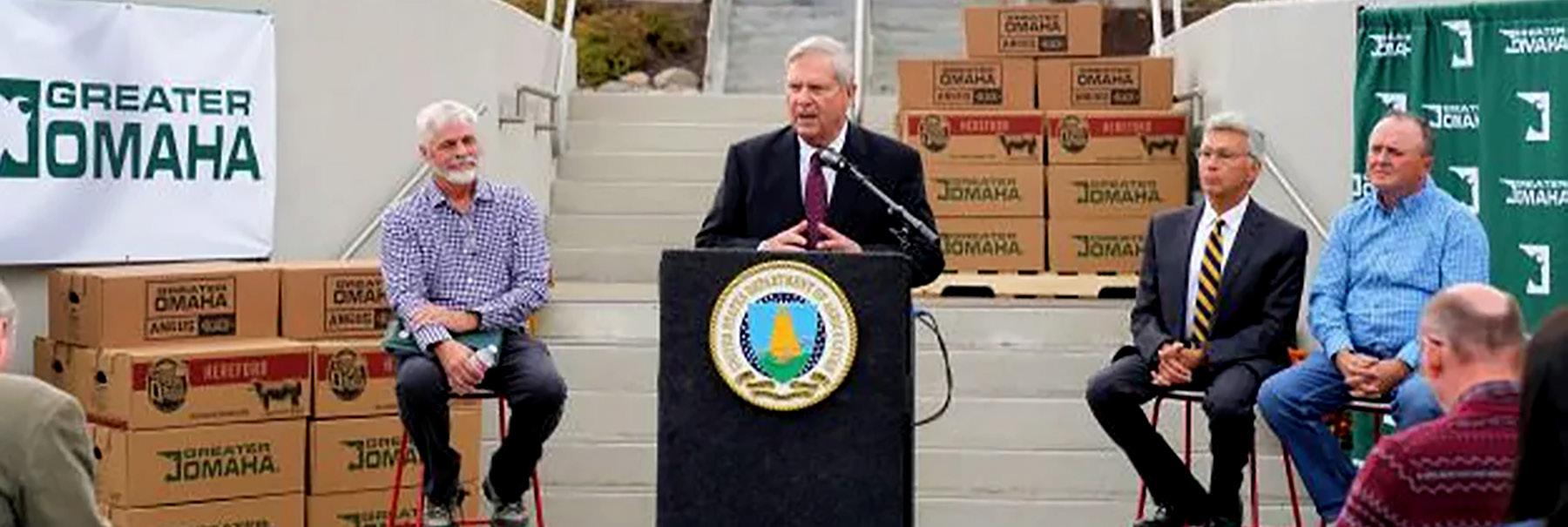
USDA OPENS $60 MILLION ROUND FOR SMALL MEAT AND POULTRY PROCESSORS
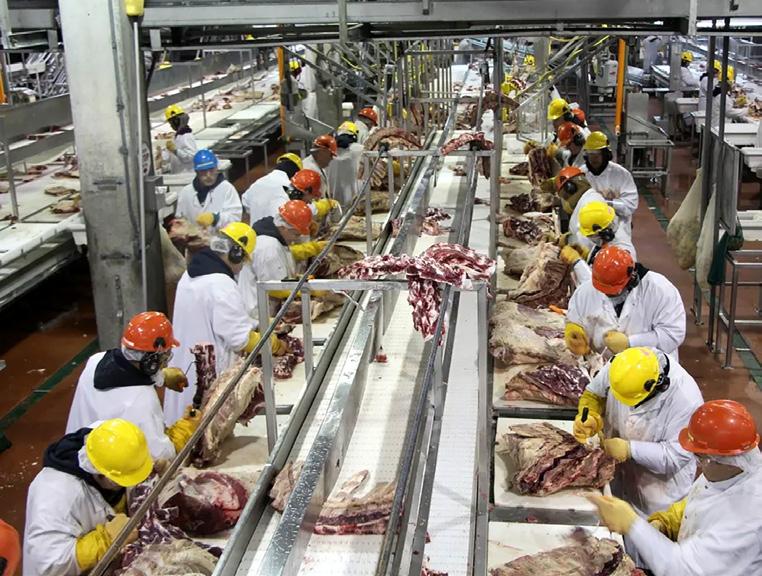
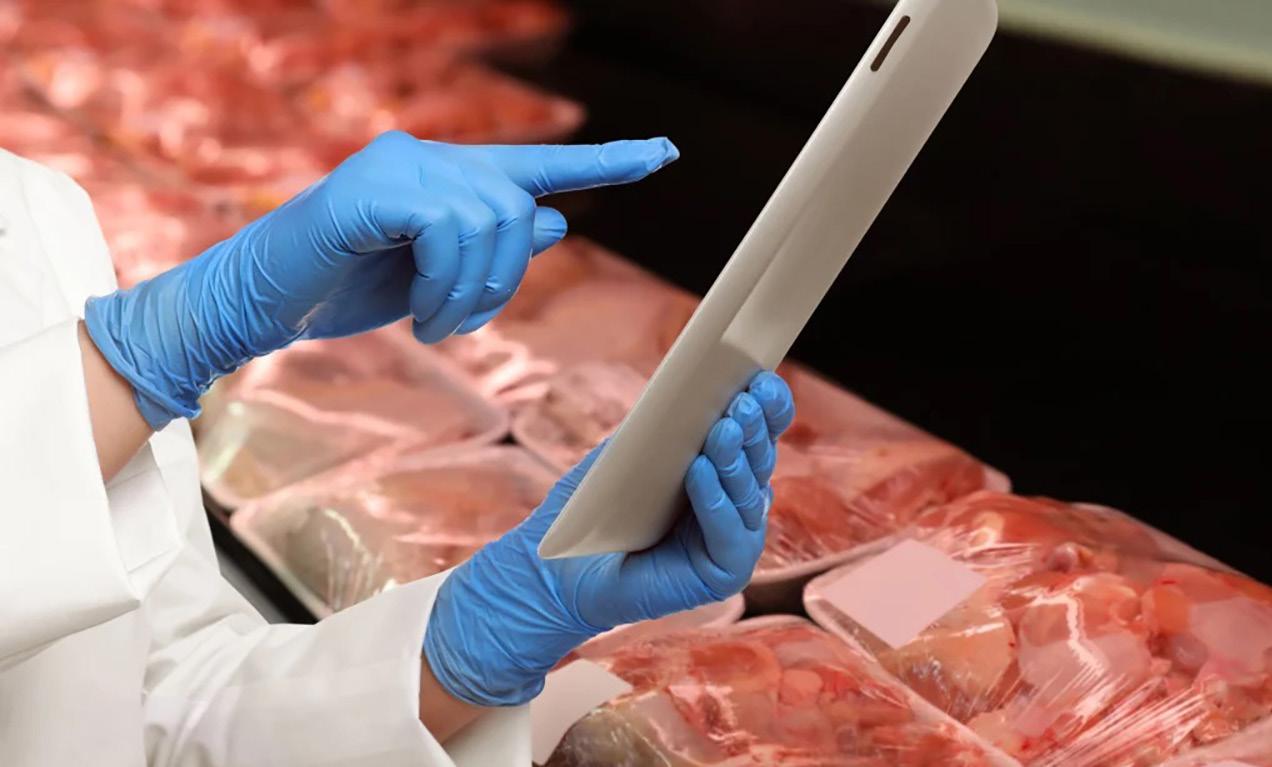
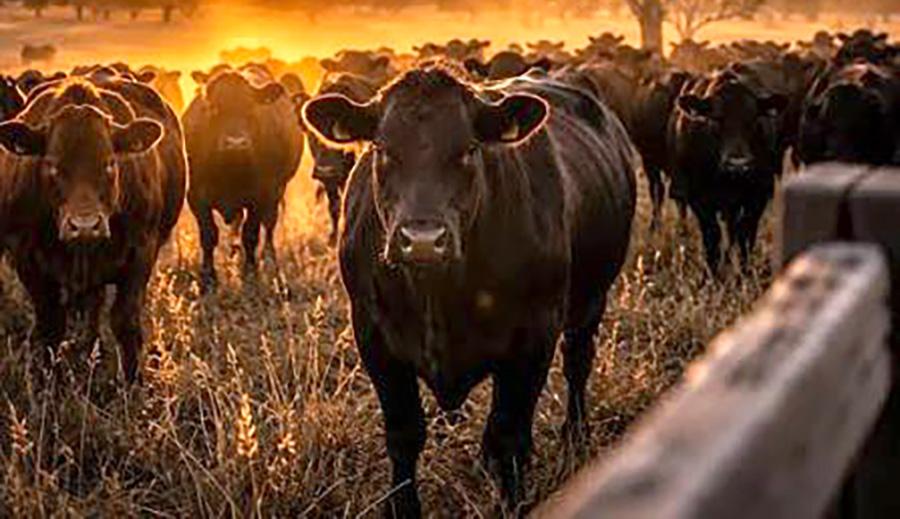
The U.S. Department of Agriculture (USDA) has launched a Small Processors Action Plan and opened a new $60 million funding round aimed at expanding meat and poultry processing capacity, with a focus on small, very small and intermediate operators. The funding, available through the Meat and Poultry Processing Expansion Program, comes as livestock producers and independent meat companies continue to press for more regional slaughter and processing options. In beef, four companies control more than 80% of the U.S. market, leaving many ranchers, local brands and direct marketers dependent on limited inspected capacity.
USDA Secretary Brooke Rollins said the plan is part of a broader effort to rebuild the domestic beef industry. The department says the initiative is designed to improve service to smaller establishments, speed responses to questions and appeals, and help plants resolve regulatory issues without changing food safety standards.
The action plan centers on customer service and regulatory navigation. USDA says it will establish clearer systems for submitting and tracking appeals and requests, create dedicated support for small businesses, expand assistance for plants with limited technology access, and update plain-language guidance from the Food Safety and Inspection Service.
The fourth phase of the Meat and Poultry Processing Expansion Program includes two funding competitions. USDA said $30 million is reserved for very small and small processors, while $30 million is set aside for intermediate processors. Expansion grants range from $50,000 to $2 million and require a 50% match. Equipment-only projects range from $10,000 to $250,000 and require a 25% match.
Eligible applicants include for-profit companies, nonprofits, producer-owned cooperatives, Tribes and Tribal entities already engaged in primary cattle processing for commercial markets or toll processing. Applicants must have been in business for at least one year, and privately owned businesses must be independently operated and domestically owned.
Industry advocates have welcomed the additional processing support, but some question whether the structure will reach the smallest plants. Intermediate processors may have stronger access to credit, capital and grant-writing support than very small operators, which often need funds for targeted upgrades such as cooler space, value-added equipment, floor and drain improvements, and compliance-related investments.
That concern ties into a separate USDA review of how FSIS defines establishment size. Since the 1990s, categories have relied largely on employee count and annual sales. FSIS is considering whether production volume, ownership structure, revenue or other measures would better reflect today’s processing sector. Any changes could affect access to technical assistance, phased compliance timelines and future support programs.
USDA is also looking to expand state inspection options. The department said it is working to bring more states into programs that allow state agencies to inspect smaller plants under standards that support intrastate meat sales and, in some cases, interstate commerce through cooperative agreements. For processors in underserved regions, state inspection partnerships could help reduce scheduling pressure and keep livestock closer to local markets.
The plan arrives alongside USDA’s broader emphasis on domestic sourcing and “Product of USA” labeling. At the same time, cattle groups have criticized expanded Argentine beef imports, arguing that import policy could undermine domestic producers even as USDA promotes new investment in U.S. processing capacity.
For plant owners, the immediate question is whether a grant-funded project can improve throughput, labor efficiency, food safety systems or product diversification. Equipment-only awards may fit operators seeking a targeted upgrade, while larger expansion grants could support added slaughter, fabrication, further-processing or cold-storage capacity.
Federal funding will not solve consolidation, labor shortages or the economics of small-plant operations on its own. But the new grants, service changes and possible updates to size definitions give processors another opening to add capacity. For the meat industry, the test will be whether that support turns into more harvest dates, stronger regional supply chains and a less concentrated processing network.
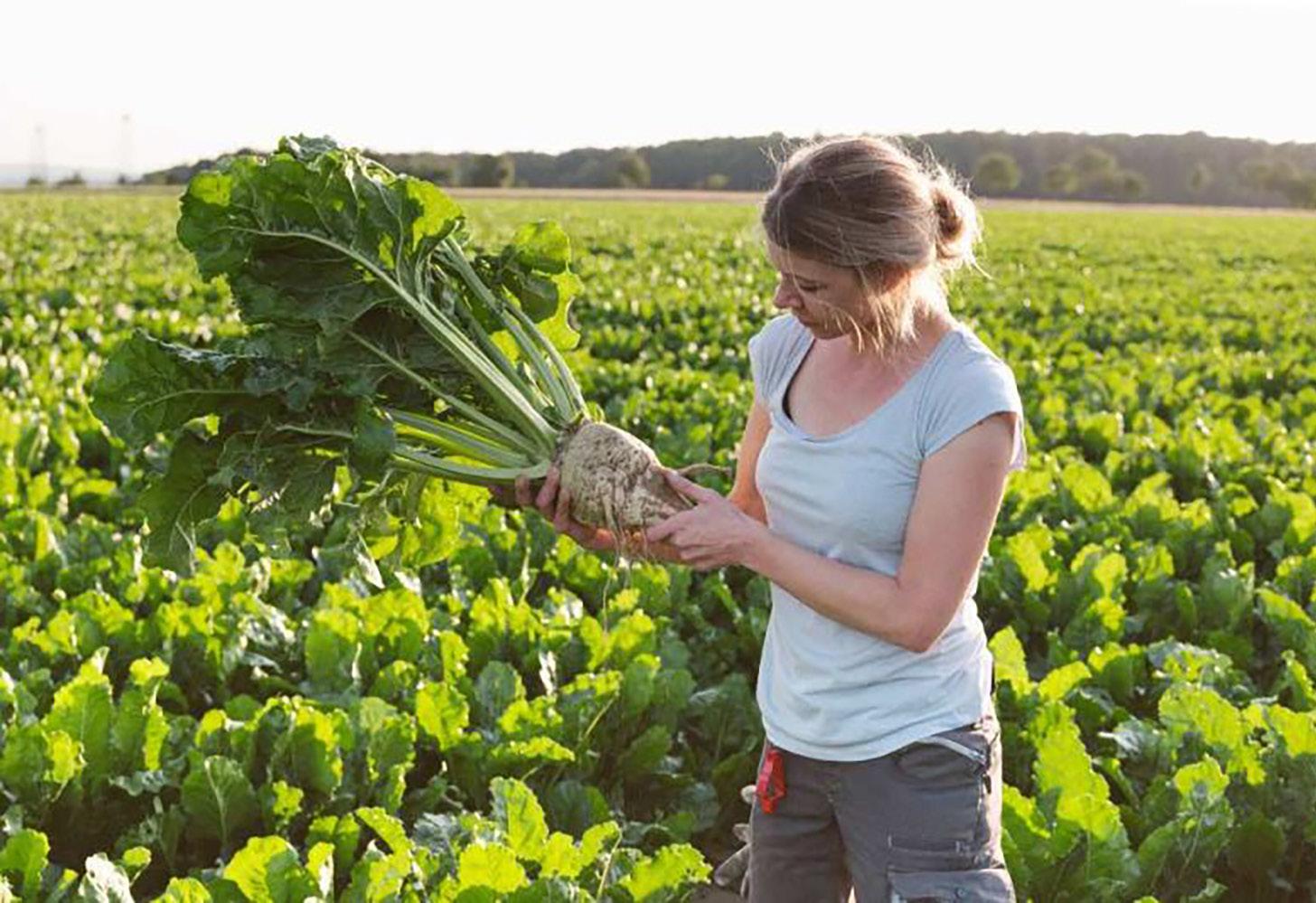
A WORKFORCE AT RISK: THE GROWING GAP BETWEEN YOUTH AND AGRICULTURE JOBS
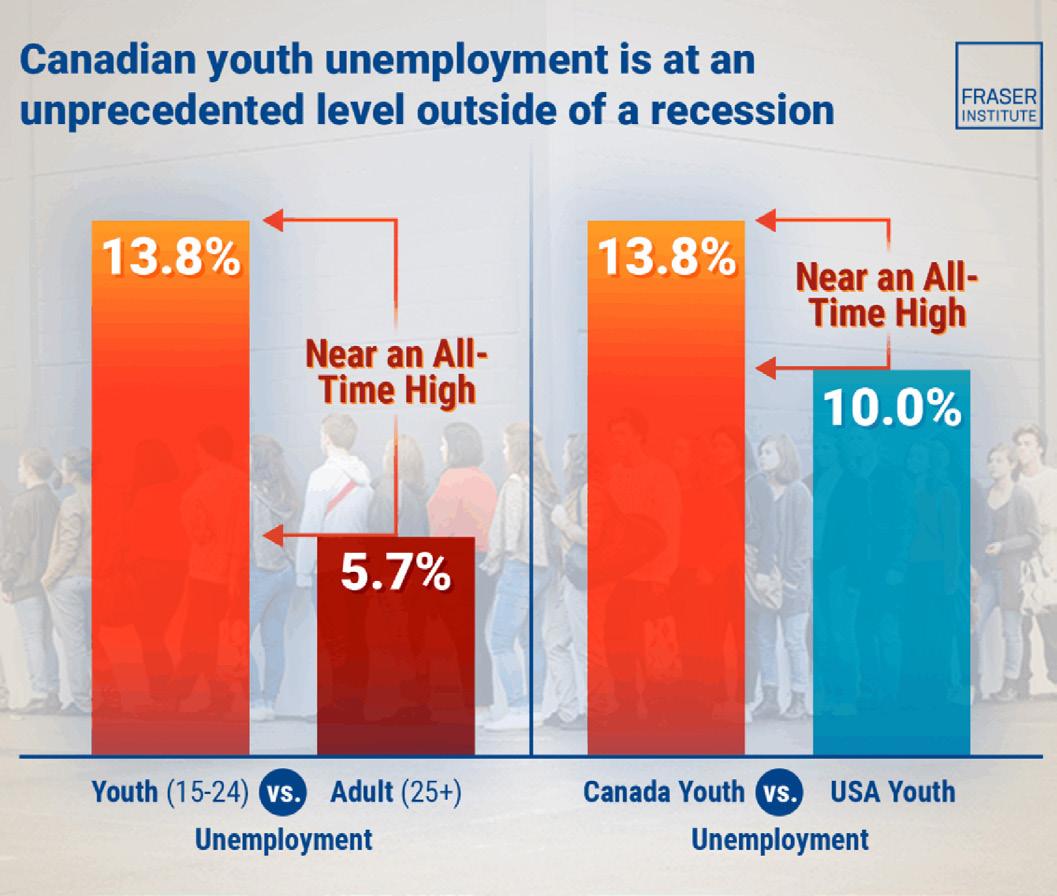
At a time when youth unemployment remains high, Canada’s agricultural sector is facing a paradox: farms and agri-businesses are facing a chronic labour shortage, yet filling jobs, especially with young workers, has never been harder.
Agriculture has long been a gateway to work for young Canadians, particularly in rural communities, but today, the gap between available jobs and willing workers is widening, placing additional strain on an industry already under pressure.
A new CFIB report that looks at bridging the gap between Canadian small businesses and Canadian youth finds that farmers want to hire youth and most already do: 86% of agricultural businesses have hired young people within the past three years. These businesses play a role beyond production, offering youth hands-on experience and income—often on a seasonal basis— though attracting and retaining them is difficult for agribusinesses.
Agri-businesses are clear about what they need from young workers. Having a positive attitude (92%) and motivation (83%) top the list, followed by professionalism (68%) and problem-solving skills (61%). These are foundational workplace skills, not sectorspecific ones, yet many agri-business owners report struggling to find them consistently in youth. As a result, more than six in ten agri-businesses cite lower productivity levels and concerns about motivation and attitude as major barriers to hiring youth.
Recruitment efforts often rely on informal channels for agri-businesses. Nearly three-quarters (74%) of agribusinesses say personal connections are their primary way of recruiting youth, and half (50%) say it’s also the most effective. Online job boards (28%), social media (26%), and school career services (15%) trail far behind. This is particularly concerning given that nearly three quarters (73%) of youth rely on online job boards when searching for work, meaning many opportunities in agriculture are simply not reaching their intended audience. This reliance on word-of-mouth highlights a structural problem: agriculture jobs are increasingly invisible to young people who are not already connected to farming communities.
The challenge doesn’t stop at recruitment. Retention is just as difficult. Agri-business owners report that competitive wages are the most effective strategy to attract youth (50%), while flexible work arrangements matter even more for keeping them (45%). However, offering higher wages and flexibility is easier said than done in a sector facing rising input costs, tight margins, and unpredictable physical environments. For many small and independent farms, there is little room left to absorb additional labour costs.
The hidden costs that come with hiring an inexperienced worker don’t stop at their pay. Agribusiness owners commit long hours out of their days to train and oversee the work of a youth hire that has never done their role before. This takes time away from agri-business owner and incentivizes them to either hire someone with more experience or not hire anyone at all.
Youth preferences on jobs are also contributing to this disconnect. Youth survey data shows many are reluctant to consider the realities of agricultural work with nearly half (45%) of young workers reporting that they are unwilling to look for jobs that require physically demanding work, and over a third (38%) saying they would not consider outdoor jobs exposed to the elements. With agriculture jobs primarily in remote or rural communities, the majority of youth (59%) expressing that location close to home is a top priority for seeking employment raises another barrier.
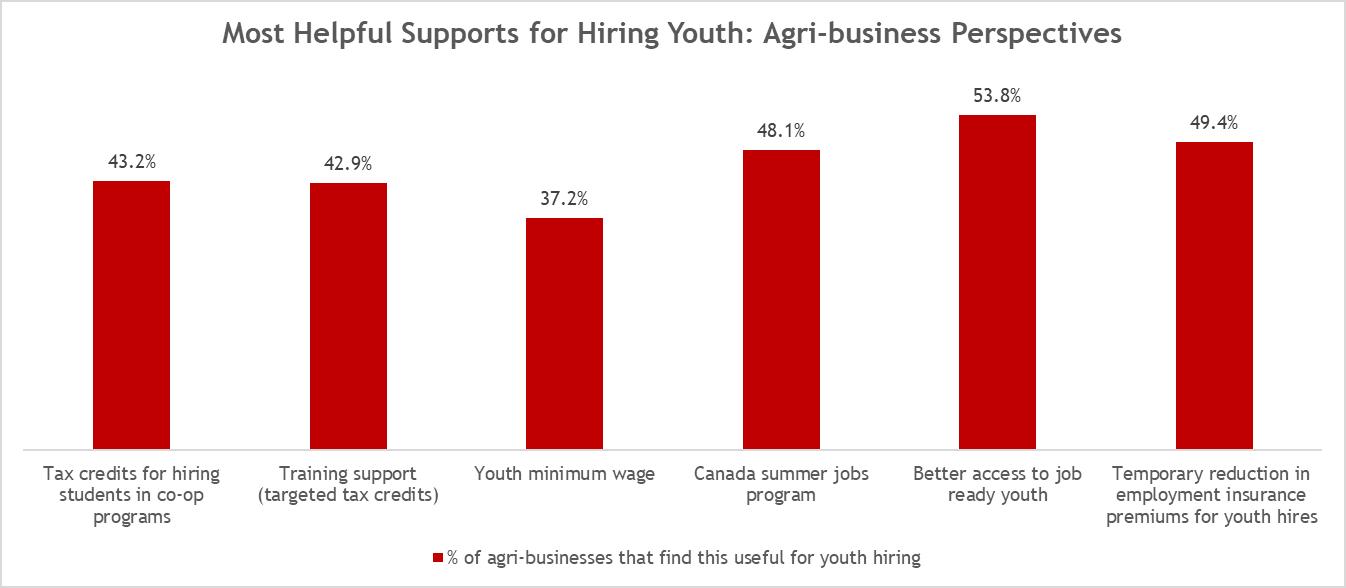
Despite these challenges, farmers are not giving up. They are investing time and money into training young workers, even when it slows operations in the short term. That’s why supports that reduce the risk and cost of hiring youth matter. Agri-businesses point to access to job-ready youth (54%), temporary reductions in Employment Insurance premiums for youth hires (49%), and training tax credits (43%) as measures that would make a real difference for them to help with youth hiring.
If governments are serious about tackling youth unemployment, agriculture must be part of the solution, and that means recognizing the unique barriers the sector faces. Preparing young people for agricultural work requires earlier exposure, better awareness of career pathways, and stronger connections between schools, training programs, and local employers. It also means rethinking how labour policies, wage pressures, and training supports affect small, independent agri-businesses.
Supporting youth employment in agriculture isn’t just about filling jobs, it’s about sustaining rural communities, strengthening food security, and ensuring there’s someone ready to carry the sector forward.
This disconnect matters more than ever. When fewer young people are willing to take these jobs, employers are left short-staffed, productivity suffers, and burnout among owners and existing workers increases. More importantly, the future of Canadian food’s supply is at risk.
Berengere Fouqueray is a Bilingual Research Analyst for the Canadian Federation of Independent Business (CFIB). The CFIB is Canada’s largest association of small and medium-sized businesses with 103,000 members (6,000 agri-business members) across every industry and region. The CFIB is dedicated to increasing business owners’ chances of success by driving policy change at all levels of government, providing expert advice and tools, and negotiating exclusive savings. Learn more at cfib.ca.
Molly MacCormack is a Policy Analyst for the Canadian Federation of Independent Business (CFIB).