Empowering patients and professionals

Pathways Canada’s Lymphedema Magazine
RESEARCH UPDATE • PATIENT PERSPECTIVE • CLINICAL PERSPECTIVE • HINTS AND TIPS • EDUCATION EVENTS SUMMER 2024 Canadian Publications Mail Sales Product Agreement No. 40065546 Cancer and sexuality Foot care Surgical solutions
Pathways celebrates
EDEMATHERAPY
VENOTRAIN CURAFLOW MADE FOR EVERY DAY

Breathable microfiber
For a better wearing comfort over the entire wearing time
Supple knitted fabric For better application of the compression garment
Made to measure For a perfect fit for individual body measurements
Intelligent longitudinal structure For optimum lymph transport
Constant
time

LIFE
chafing on the skin - for better wearing comfort anatomical, extra soft back of the knee For greater freedom of movement Extra soft toe Encloses and protects the sensitive forefoot area LEARN MORE BAUERFEIND.CA
pressure and optimum pressure distribution with a noticeable effect over the entire wearing
Flat sensitive seams Prevent

This issue of Pathways is the 50th celebratory edition!
Theinaugural issue of Pathways was in Spring 2012. Little did we know that we would be celebrating 50 issues twelve years later and that the publication would have matured into such a successful and trustworthy magazine. Since the beginning, our vision has been to create a united platform to share advances in the lymphedema community and improve lymphedema care. I’ve had the honour of working with amazing people who share that vision and continue to inspire me. Working as Editor and liaising with the authors, publishers, and Editorial Board is a privilege I am honoured to uphold. I hope you enjoy reading Pathways as much as I enjoy helping to create it.
Our first article on surgery for lymphedema was published in the Winter 2013 Pathways issue. Surgery was a growing option for lymphedema patients in other parts of the world and just beginning to become less uncommon in Canada. Since then, we have had numerous articles on the topic, as our readers wanted to learn more. We are honoured to have Valentina Shamoun, Nina Hadzimustafic, and Siba Haykal, a team from both UHN and Yale, guide us through a comprehensive overview of surgical interventions available today.
Sexuality is often a taboo topic that isn’t necessarily addressed in the health care provided to those living with cancer and lymphedema. Marie-Eve Letellier, Sandra Rotholc and Anna Towers hope to open up the discussion on this topic for impacted readers and health professionals. For patients reading this, we hope it could be the starting point for a conversation with your partner and/or health professional. For HP readers, we encourage you to broach the topic with your clients, when appropriate, and refer them for proper help.
Our feet are incredibly complex and serve as the foundation for our entire body regarding support, balance, posture, and overall well-being. That’s why foot care is essential for everyone, especially those with lymphedema. Audrey Wall is a registered nurse and foot care specialist who gives an overview of the critical aspects of foot health.
To mark the milestone of 50 years of Pathways, the Editorial Board would like to take this opportunity to acknowledge the gargantuan efforts of our accomplished editor, Anna Kennedy!
She has been the Editor-in-Chief since the inaugural issue and strives to improve every Pathways issue for all our readers. Anna also makes our job easier with all her behind-the-scenes work before the editorial copy comes to us for review. Anna Kennedy is why Pathways is where it is today! Sincere appreciation and kudos to Anna on the occasion of the 50th issue from your Editorial Board!
–David Keast, Mei Fu, Lori Radke, Anna Towers
Seeing the increased volume of published research on lymphedema is encouraging. Yet, how do we sort through all the literature and objectively assess its value? Maree O’Connor clarifies the different types of research publications and what we can expect from each of those. We encourage those living with lymphedema to learn as much as possible. However, it is crucial to confidently evaluate whether what you are reading is evidence-based and from a credible source before accepting it as valid.
One of our earliest issues (Fall 2012) featured Kim Avanthay and her young son, Austin. I was honoured to witness part of their mother-son experience at the first international lymphedema children’s camp (Montpellier, France, 2012). Austin (seven years old at the time) met other children from around the world with the same disease. We were charmed by their story. It was great to catch up again with Kim on our Zoom interview to learn how Austin, now 19 years old, is managing lymphedema. Kim served as a CLF Board director from 2016 to 2020, providing the “parent of a child with lymphedema” perspective to many CLF initiatives.
We thank all those who responded to the Pathways Readers Survey. Your positive feedback and significant input will ensure we continue to bring topics and authors that are relevant to you. Grace Neumayer did a great job of summarizing the survey
results. We are proud that our Canadian and international readers continue to turn to Pathways as a source of reliable news and education regarding lymphedema.
Whether you are a health professional, patient, advocate, researcher, garment fitter, manufacturer or distributor of lymphedema products, all of us are intricately entwined in this lymphedema community. You have made 50 issues of this magazine possible and we are happy you came along on this incredible journey with us. It’s been an honour, and we can’t wait to plan the next 50 issues for you. LP
 Anna Kennedy
Editor’s Message Summer 2024 www.lymphedemapathways.ca 3
Summer 2024 n Volume 13 Issue 3
Publisher
Pathways is published four times per year by BCS Communications Ltd. on behalf of the Canadian Lymphedema Framework.
Editorial Board
Mei Fu PhD RN FAAN
David Keast MD FCFP
Lori Radke PT CLT
Anna Towers MD FCFP
Editor-in-Chief
Anna Kennedy
Executive Director Bonnie Baker
Marketing Manager Grace Neumayer
Advertising and Submissions
We welcome your ideas, contributions, letters and ad copy. While all material is subject to Editorial Board approval, inclusion does not constitute an endorsement or reflection of the views and opinions of the CLF and its Editorial Board. Contents may not be reproduced without written permission of the Canadian Lymphedema Framework.
Subscription Rates (1 year) Canada - $30. United States - $60. International - $75. Single copies and back issues - $8.
Subscriptions/return mail to Canadian Lymphedema Framework 4800 Dundas Street West, Suite 204 Toronto, Ontario M9A 1B1
Telephone: 647-693-1083
Email: pathways@canadalymph.ca www.canadalymph.ca
Photos: K.Avanthay, A.Wall
All stock images are CanStock, Dissolve, PhotoStock-Israel, Freepik.com
Canadian Publications Mail Agreement 40065546
ISSN 1929-1418 • Printed in Canada
We acknowledge the financial support of the Government of Canada.
Current state of surgical management of lymphedema in Canada
An overview of surgical techniques used to treat lymphedema. .............................................

Cancer and sexuality: Are these two compatible? Cancer-related sexual problems should be addressed within an integrative bio-psychosocial model. .......................................................................

50 issues of Pathways: It takes a village A behind-the-scenes look at this publication. ......................................................
Voices heard
Key findings from the 2024 Pathways Readers’ Survey.
.......................................................................
Foot health is for everyone
Learning appropriate care for the feet that support and carry us every day.


......................................................
Assessing research
Literature review, systematic review, meta-analysis. ......................................................
Getting used to the new normal Another patient story from our “where are they now?” series.

www.tinyURL.com/yes-digital pathways@canadalymph.ca

4 www.lymphedemapathways.ca Summer 2024 Contents
....................................................................... DEPARTMENTS: Hints & Tips 24 Did You Know? 25 Canadian and International Events 26 5
21 22
ACCESS ONLINE OR BY EMAIL
Your print subscription includes complimentary digital access. FOR PATHWAYS SUBSCRIBERS REQUEST
CANADIAN LYMPHEDEMA FRAMEWORK PARTENARIAT CANADIEN DU LYMPHOEDÈME Financé par le gouvernement du Canada Funded by the Government of Canada We want you to contribute to Pathways magazine Share your suggestions on themes, topics, authors, and submit original articles for potential inclusion in future issues. Visit: tinyurl.com/ContributeToPathways 16 11 14 18
Current state of surgical management of lymphedema in Canada
By Valentina Shamoun, Nina Hadzimustafic and Siba Haykal
Introduction

Lymphedema is a chronic condition characterized by progressive accumulation of lymphatic fluid in the interstitium1. This can lead to swelling anywhere in the body, most commonly in an extremity1 The etiology of lymphedema can be classified into primary (congenital or hereditary), and secondary (acquired)1. Secondary lymphedema occurs when there is damage to lymphatic vessels, often because of disease pathophysiology or iatrogenic causes2. Secondary lymphedema may be caused by cancer treatments such as node dissection and radiation therapy, infections like filariasis, trauma, and chronic venous disease3,4
Obesity has been identified as a risk factor5,6 for secondary lymphedema Diagnostic criteria for lymphedema may vary by institution, however, the most common signs and symptoms include a significant volume change of the affected limb, a sensation of heaviness, decreased range of motion, skin changes, and recurrent cellulitis7–10 Herein we provide an overview of the surgical techniques used to treat lymphedema, specifically highlighting limitations and challenges faced in the treatment of Canadian patients.



Incidence of lymphedema
The current estimated prevalence of lymphedema in Canadians is approximately 2.2%, or 1 million Canadians, varying by cause11. Secondary lymphedema is much more common than primary lymphedema. Females account for nearly 85% of cases12. With increasing rates of lymphedema in Canada, it is critical that treatment accessibility and strides toward prevention continue to be made.
Current issues in lymphedema in Canada
Lymphedema care in Canada is characterized by various determinants that influence its attainability. Firstly, there is limited access to specialized lymphedema clinics and trained healthcare professionals, particularly in remote or underserviced areas. Secondly, lymphedema services both in hospitals and in the community are often not covered by the government health care system13. Compression garments and manual lymphatic drainage therapy are not consistently covered by provincial insurance4
A comprehensive investigation by the Canadian
Valentina Shamoun is an incoming MD candidate at the University of Toronto. She will continue to work in lymphedema research as a summer intern at Stanford University.
Nina Hadzimustafic MD MSc just completed medical school at the University of Toronto. She is an incoming Plastic and Reconstructive Surgery resident at McGill University in July 2024.
Siba Haykal MD PhD FRCSC FACS is an acclaimed specialist in microsurgical reconstruction. She recently joined the Yale School of Medicine Department of Surgery after serving as Assistant Professor at the University of Toronto.
Lymphedema Framework revealed that compression garments cost $150 to $600 CAD13. As guidelines recommend the provision of four garments per year, the annual cost can range from $600 to $3000 for a single limb13. Self-management through garments becomes an essential lifelong part of patient care. A Canadian study found that 26.8% of participants reported an adverse impact on family income due to their lymphedema11 Ablative techniques, such as liposuction, can be also considered for patients with advanced non-pitting lymphedema, however, the costs are currently not covered by the Canadian healthcare system. Lymphedema care in Canada is improving with the development of procedures, such as Immediate Lymphatic Reconstruction (ILR) in Calgary14
Conservative management of lymphedema
Conservative first-line treatment comprises compression garment use, combined physical therapy (CPT) or complete decongestive therapy (CDT) (which includes manual lymphatic drainage), and pneumatic compression. Some combination of these is required for lymphedema patients, as these approaches promote lymph drainage from affected regions, mitigation of discomfort, and improvement of skin condition. To sustain size reduction post-intensive compression, ongoing selfmanagement is necessary. Patients seeking surgical intervention for lymphedema must be compliant with CPT/CDT before assessment for qualification and understand that they will continue to require it throughout their lifetime, irrespective of their eligibility for physiological surgical interventions as a second-line treatment.
Author contributions: VS and NH contributed to concept design and manuscript writing. SH contributed to concept design and revised the manuscript. Declaration of conflicting interests: The Author(s) declare(s) that there is no conflict of interest. Funding acknowledgements: This research received no specific grant from any funding agency in the public, commercial, or not-for-profit sectors.
Summer 2024 www.lymphedemapathways.ca 5
Surgery Report
Determination of the appropriate surgical technique depends on imaging and presentation of lymphedema.
Surgical management of lymphedema
Qualification for surgical interventions
Microsurgical and ablative techniques are considered second-line treatment after ineffective treatment or worsening with CPT/CDT. Patients with Stage I or II lymphedema may be good surgical candidates for physiologic techniques9. Patients undergoing high-risk surgery for lymphedema may be considered for prophylactic surgical management. Ablative debulking techniques are reserved as a last-line treatment option for stage II and III lymphedema patients, due to its high invasiveness, poor aesthetic outcomes with no resolution of disease.
Determination of the appropriate surgical technique depends on imaging and presentation of lymphedema. Assessment consists of an overall health evaluation, nutritional state, a vascular examination, and limb volume measurements15 Differential diagnosis is straightforward with existing imaging techniques and known risk factors3. Modern imaging techniques such as lymphoscintigraphy, molecular magnetic resonance imaging, vascular magnetic resonance lymphangiography, ultrasound, and indocyanine green (ICG) lymphangiography confirm the diagnosis. These allow visualization of the lymphatic system’s functionality, directionality of
flow, and identify blocked lymphatics16–18. However, a validated diagnostic tool combining objective measurements, clinical evaluation, and symptoms assessment has still not been created19
Current microsurgical treatments
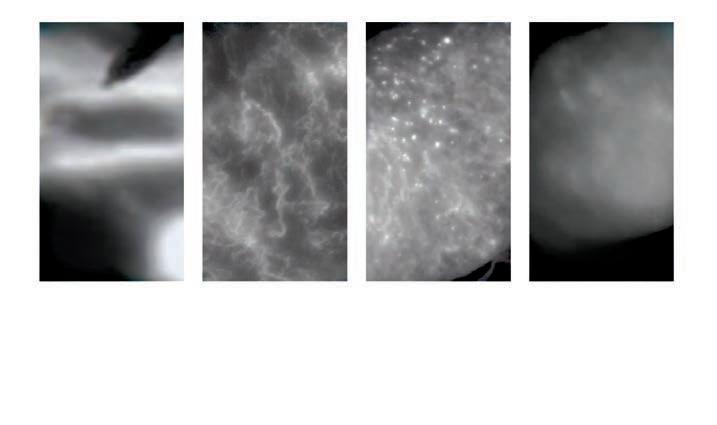
Lymphovenous Anastomosis (LVA) LVA is a procedure developed in the 1960s by Nielubowicz and Olszewski, which establishes a microsurgical anastomosis of lymphatic vessels to a small vein or superficial venules20,21. This serves to shunt lymphatic fluid into the venous system, bypassing the ineffective, or damaged, lymphatic vessels22. Several anastomoses may be performed on a single limb where there are patent lymphatic vessels and suitable venules. An LVA remains patent if the lymphatic pressure is higher than the venous pressure, best achieved by anastomosis to low-pressure subdermal venules. A successful LVA relies on the identification of: (1) a functional patent lymphatic vessel capable of transporting lymph; and (2) a nearby reflux-free venule. An injection of ICG into the web spaces of the affected extremity reveals lymphedema progression: linear or abnormal dermal backflow patterns (Figure 1)23
Slightly sclerotic lymph vessels with some dermal backflow patterns have ideal therapeutic efficacy with LVA while intact healthy linear pattern lymph vessels should be preserved24 The ideal vessels show a linear pattern right after ICG injection, then a dermal backflow during the plateau phase24. Diffuse patterns reveal severe sclerotic vessels and are not typically used to perform LVA while stardust patterns indicate functional lymph vessels that may be used for anastomosing24
Progression of
Lymphovenous anastomosis (LVA)
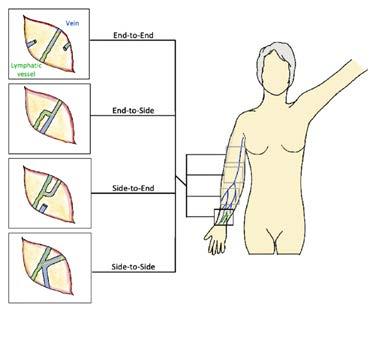
During intraoperative mapping, discrete lymphatic vessels distal to areas of dermal backflow are targeted for anastomosis to adjacent venules25. A 1-3 cm skin incision is made over the site; a dissecting instrument is used for vessel skeletonization24. Lymphatic vessels are identified deep to superficial fascia and adjacent subdermal venules or venous branches from subcutaneous veins are used for microsurgical anastomosis in one of four fashions shown in Figure 224. In recent years, it has been shown that LVA can be a prophylactic technique as well. Jørgensen, et al. determined that immediate LVA reconstruction as an adjunct surgery to lymph node dissection reduced lymphedema by 77%26
Postoperative care is currently variable amongst centres. Many continue to recommend three layered compression garments for 6 weeks and self-massage. The average limb volume reduction varies; reported reduction ranges from 6%-50%, with an average of 30% reduction of excess volume27–29. Chang, et al. found that only 57% of patients who underwent LVA for lower extremity lymphedema experienced symptom improvement compared to a 96% improvement in upper extremity lymphedema30
LVA is preferred to vascularized lymph node transfer (VLNT) as it carries minimal risk, is less invasive, and does not pose donor site morbidity31 However, LVA requires intact lymphatic channels, which are often absent in advanced disease. Another notable limitation to LVA is that it requires a microsurgeon and a facility that can accommodate supermicrosurgery. Handling vessels <1mm in size requires the use of specialized microsurgical instruments and imaging techniques to identify functional lymphatics. These resources
6 www.lymphedemapathways.ca Summer 2024
Figure 1
Linear Splash Stardust Dif fuse
Lymphedema
Figure 2
©Valentina Shamoun
Indocyanine green lymphangiography
are not widely accessible in institutions across Canada. Canadian provinces that offer LVA surgery include Alberta, British Columbia, Ontario, and Quebec.
Vascularized Lymph Node Transfer (VLNT)
Patients with Stages II and III lymphedema may be eligible for VLNT; transplanting healthy lymph nodes to the affected extremity. The selection of donor sites for VLNT is a critical consideration in the surgical planning process. Common donor sites are illustrated in Figure 310 Superficial circumflex iliac artery perforator (SCIP) or deep inferior epigastric perforator (DIEP) flaps are most often used due to their reliable vascular supply and rich lymphatic vessels3. The choice of donor site is based on several factors, including accessibility and quality of lymph nodes, results of imaging, clinical examination, as well as patient and surgeon preferences32 Recipient sites, either proximal, middle, or distal on the extremity have shown varying conclusions33. In cases where the entire limb is affected, a dual-level transfer approach may be considered which involves the simultaneous transplantation of
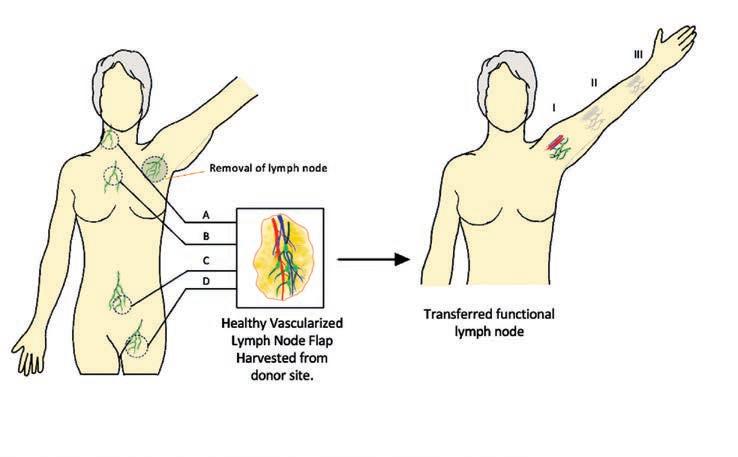


lymph nodes to two locations: the proximal and the distal end of the affected limb


Results of VLNT include a 30-60% excess volume reduction in the affected limb, significantly decreased occurrence of cellulitis and need for physical therapies, and an overall improvement of quality of life35. A two-year postoperative outcome








study by Coroneos, et al. showed an average 47.2% mean excess volume reduction in the limb


Another 2-year postoperative study by Brown, et al. reported a 93% reduction in cellulitis, and 34% patients no longer required compression





The limb volume change is typically greater for the upper than lower extremities



















Summer 2024 .lymphedemapathways.ca
Dr. Vodder SchoolTM INTERNATIONAL Member of Dr. Vodder Academy International Train in Canada with certified instructors www.vodderschool.com info@vodderschool.com | 800-522-9862 PROFESSIONAL TRAINING IN MANUAL LYMPH DRAINAGE AND COMBINED DECONGESTIVE THERAPY Lymphedema management ONLINE Level 1 Theory Available ~ Evidence-based ~ Easy learning modules with small class sizes ~ Interactive, live classroom instruction with physicians ~ Learn precise manual skills with expert, accredited instructors ~ ISO 29990: 2010 certified training ~ CE credit available Visit our website for classes: Calgary Halifax London Montreal Ottawa Saskatoon Toronto Vancouver Winnipeg 866.251.0076 wearease.com COMPRESSION SWIM UPF 50+
Figure 3
Vascularized Lymph Node Transfer (VLNT)
©Valentina Shamoun
Lymphovenous Anastomosis (LVA) is preferred to vascularized lymph node transfer (VLNT) as it carries minimal risk, is less invasive, and does not pose donor site morbidity31. However, LVA requires intact lymphatic channels.
Donor site morbidity is a concern in VLNT despite its low occurrence37. Care is taken to ensure that only expendable lymph nodes are procured3,37. Seroma formation, most common during DIEP and VLNT breast reconstruction can be avoided with intraoperative use of clips or fibrin glue to close afferent lymphatic vessels, and postoperative drains in the donor site and compression39. Other notable complications are thrombosis, lymphocele, hematoma, and delayed wound healing40. Canadian provinces that offer VLNT surgery include Alberta, British Columbia, Ontario, Quebec, and Nova Scotia.
Ablative surgical techniques
Before technological and surgical advancements lead to development of less invasive techniques, ablative and excisional techniques were the only surgical treatment options for patients with advanced lymphedema. Quebec currently offers ablative treatment for lymphedema; some plastic surgeons may offer this on a case-by-case basis, but it may not be covered by provincial healthcare.
Charles and Homans-Miller procedures
The Charles procedure, dating back to 1912, is a surgical treatment primarily for advanced lymphedema (Stage III and IV) with severe skin thickening, increased occurrences of infection, and elephantiasis41. It involves removing skin and fat down to the fascia, followed by grafting of split-thickness skin onto the limb41. While it can reduce limb circumference by 30% and cellulitis by 90%, complications like poor wound healing and aesthetics are common42 The Homans procedure, initially described by Kontoleon in 1918, is a modified, staged version of the Charles procedure. It utilizes full-thickness skin grafts, and removes only subcutaneous fat43. Elliptical incisions are made on the medial aspect of the leg and a wedge is removed; the remaining defect is closed primarily43. This method offers better aesthetic results as some of the subcutaneous tissue is preserved along with the skin, giving a more natural aesthetic43
Other surgical options
Suction-Assisted Lipectomy (SAL)
Suction-assisted lipectomy (SAL) is a thirdline debulking technique offered to Stage II/III lymphedema patients44. Lipectomy should never be performed in a patient with a pitting edema, as it indicates accumulated lymph, which can be removed by conservative treatment44 Ideally, these patients would have imaging showing accumulation of fat rather than fluid on their MRI lymphangiogram. Reducing the volume of fat can remove pressure off the lymphatic system, allowing for improved lymphatic drainage and potentially reducing the swelling associated with lymphedema. Liposuction is performed through multiple small 1 cm incisions, with around 5 to 10 for the upper extremity and 10 to 15 for the lower extremity. Outcomes of suction assisted lipectomy results in significant volume loss and reduction after surgery45–47
Combinative procedures
Combination of surgical techniques shows improved efficacy and can result in better outcomes40,48. Debulking procedures have been reported prior to, synchronously with, or after physiologic surgical treatment49 Lasso, et al. performed ICG-guided liposuction for patients without significant improvement post-LVA and obtained a volume reduction of 42.6% after SAL50. Modifications of the Charles-Homans procedures are arising through combinations with other modalities of treatments41,42. In 2015, Maruccia, et al. described a modified Charles procedure with lymph node flap in advanced lymphedema, with the objective of preventing toe infections at the foot41. A similar operative technique described by Ciudad, et al. in 2019 showed an overall circumference reduction rate for the upper thigh and the rest of the extremity of 67.4% and 98.1% respectively51 All patients were able to discontinue compression therapy51. New biomedical engineered technologies are also currently being studied. There are preliminary results indicating that BioBridge™ can promote lymphangiogenesis in rat models35,52
Prevention of secondary lymphedema
Various preventative practices are being implemented across institutions to prevent iatrogenic secondary lymphedema. As axillary lymph node dissection (ALND) is a big risk factor for developing upper extremity lymphedema in BCRL, ILR is proposed by Deban, et al., in which lymphatics draining the upper extremity are anastomosed to branches of the axillary vein at the time of ALND14 Another similar emerging technique is the Lymphatic Microsurgical Preventive Healing Approach (LYMPHA), where LVA is performed after ALND as prophylaxis to lymphedema53
Summer 2024
Look for the CLT-LANA credential because it matters! For more information, visit www.CLT-LANA.org
2024 WOUNDS CANADA
OCTOBER 17-19, 2024

EDUCATORS AND KEY OPINION LEADERS
Enhance your wound care skills and knowledge, network with other health-care professionals who are passionate about wound care and learn about the latest wound care trends, products and services.
Early bird registration is now available for in-person registration until June 30, 2024. Register today before the deal flies away! REGISTER BY JUNE 30TH AND WE’LL ENTER YOUR

NATIONAL HYBRID CONFERENCE
REGISTER AT WWW.WOUNDSCANADA2024.CA In-personEarlySpecial!Bird
Early Bird Member Fee - $399 Early Bird Non-Member Fee - $450 Member Regular Fee - $505 Non-Member Regular Fee - $545 JOIN US FOR THE LARGEST WOUND-RELATED EVENT IN CANADA!
NAME IN A DRAW TO WIN YOUR REGISTRATION FEE!
Another similar emerging technique is the Lymphatic Microsurgical Preventive Healing Approach (LYMPHA), where LVA is performed after ALND as prophylaxis to lymphedema.53
Johnson, et al. found an incidence of lymphedema was 14.1% in patients undergoing ALND versus 2.1% in those undergoing LYMPHA and ALND54
A randomized controlled trial by Paramanandam, et al. showed that the prophylactic use of compression sleeves significantly decreased arm swelling in women at high risk BCRL compared to those without this preventive measure55. Emerging programs for surgical prevention of lymphedema in Canada include the University of Calgary and the University Health Network (Toronto).

Conclusion
This paper explores the landscape of lymphedema in Canada, highlighting its causes, risk factors, diagnostic methods, and diverse treatment approaches. Early detection and intervention is key in managing lymphedema effectively. A holistic approach, combining physical therapy, compression therapy, exercise, and surgical intervention where necessary, has shown promising results in alleviating symptoms and improving the overall well-being of patients. Challenges in Canada to lymphedema treatment persist, including limited awareness, access to specialized care, and the funding for treatment. By investing in interdisciplinary collaboration, promoting management, and supporting ongoing research endeavors, we can strive toward enhanced patient experiences, and an improved quality of life for those living with lymphedema in Canada and across the world. LP
The full unabridged article plus bibliography can be found at https:// canadalymph.ca/pathways-references.

Complete Lymphedema Certification 135-hour certification training in the management of lymphedema. Hybrid option.
Advanced Lymphedema Management
Expand your skill set in the management of lymphedema.
Lymphedema Management Seminar Introduction to the management of upper & lower extremity lymphedema.
Manual Lymph Drainage Certification 40-hour certification training in the management of edema; as well as other indicated conditions. Hybrid option.
Oncology Considerations for Manual Lymph Drainage
Safely use MLD when working on those with cancer or history of cancer treatments. A hybrid course.
Advanced MLD: Post Plastic Surgery Procedures
Sequences & protocols specific to plastic surgery & contraindications. Hybrid option.
Online Work at your own pace in an array of topics.

Key messages
1 First-line CPT/CDT is required for consideration of surgical intervention and self-management continues after surgery.
2 Patients presenting in Stage I/II may be eligible for LVA. This is the least invasive option but requires intact lymphatics as well as equipment for ICG lymphangiography and supermicrosurgery.
3 Patients presenting in Stage II/III may be eligible for VLNT. This is more invasive, and there is a risk of developing lymphedema at the donor site.
4 Ablative techniques are last-line and highly invasive with associated morbidity; they are rarely done.
5 Suction-assisted lipectomy is an effective debulking technique once lymph has caused fibrosis and fat accumulation.
10 www.lymphedemapathways.ca Summer 2024
www.acols.com 772-589-3355 CONTACT US OUR BACKGROUND The Academy of Lymphatic Studies has been the premier provider of lymphedema education in North America since 1994 & was the first U.S. school to offer lymphedema training according to the European curriculum. OUR MISSION We promote the quality & integrity of continuing education for healthcare practitioners in lymphedema management. Our renowned faculty board ensures high standards & success rates for graduates in passing the LANA exam, the gold standard of lymphedema certification. OUR STORE Compression garments, wraps, bandages, kits, stockinettes, wound management, skin care, pain management, shoes, custom items, donning and doffing aids, educational materials & more! Contact our Sales Associates at
expert
Helping Healthcare Practitioners Advance Together OUR COURSES
(800) 863-5935 x1 for
assistance. or shop at store.acols.com
Cancer and sexuality: are these two compatible?
By Marie-Eve Letellier, Sandra Rotholc and Anna Towers
The 21st century is seeing worldwide openness in recognition of sexual needs, sexual orientation and gender identity. However, even if society is striving to become more open and more inclusive, sexuality remains a taboo subject – culture-wise and even more – oncology-wise.1,2
Whena disease such as cancer develops, there is the urgency to treat it as soon as possible and to address potential sequelae afterwards, if these are even acknowledged.1 To note, in oncology settings, many sexual dysfunctions and disturbances are not the result of the cancer itself but rather are caused by medical interventions.1,2
The World Health Organization (WHO) has defined sexual health as “a state of physical, emotional, mental and social well-being in relation to sexuality and not merely the absence of disease, dysfunction or infirmity” and regards sexuality as one of the major components that



contribute to a sense of a fulfilled life.5 That being said, it is known that a minimum of 40% of all cancers directly impact the sexual organs and frequently lead to sexual, body image concerns and/or relationship issues, which can affect both men and women, patient and/or the spouse.1,2 Matters may be worse if the person has cancer-related lymphedema.3,4, 6
Sexuality is not a question of age or gender and does remain important for most.7 In addition, the absence of a partner does not imply the absence of sexual activity.1,2 As it remains taboo, patients do not feel comfortable discussing sexuality, and they
Marie-Ève Letellier, PhD CDT Kinesiology has been working in close collaboration with Dr. Anna Towers for almost 20 years, and is currently combining research and clinical work at the MUHC Lymphedema Clinic (Montreal).
Sandra Rotholc, RSW RP RMFT ACST has been practicing for 30 years as an Individual, Couples, Family and Sex Therapist and currently has a private practice in Toronto.
Anna Towers, MD is Director, Lymphedema Program, Supportive and Palliative Care Services, MUHC, and Associate Professor in the Department of Oncology and Family Medicine, McGill University, Montréal.
Cancer-related sexual problems may impact one or several aspects of a person’s life and should be addressed within an integrative biopsycho-social model.
hope that healthcare professionals (HPs) will initiate the conversation.1,2,6,7 On the other hand, HPs rarely dare to ask about it as they feel they are not trained in that regard and would not know how to address concerns skillfully.7
Cancer-related sexual problems may impact one or several aspects of a person’s life and should be addressed within an integrative bio-psycho-social model, as described by Bober and Varela2, including the following components: biologic (e.g. pain, loss of body part), interpersonal (e.g. fear of intimacy, lack of communication), social/cultural (e.g. religious beliefs, social norms), and psychological (e.g. emotions, body image). Thankfully, sex therapists are HPs that can and should be consulted, no matter how “big” or “small” the problem seems. Again, sex matters for individuals and couples. After a diagnosis of cancer, it is important not to be embarrassed to think about and discuss changes in your sex life or your body. A sex therapist allows the opportunity for a cancer
Summer 2024 www.lymphedemapathways.ca 11
Clinical Perspective

patient to communicate their emotions around sex and sexuality. With the help of the sex therapist, the patient can start to develop a comfortable sexual style for themselves.
The patient can start to ask themselves questions that can help them be creative about their sexual relationship with themselves and/ or partner. The sex therapist can help the patient rethink what feels good and how they might want to have different sexual experiences. One might ask: “How do I get started on my sex education?” At this point, it is key to recognize one’s goals and
There are three different types of
the impact of cancer/treatment on your connection to your mind and body.
Dealing with vaginal dryness
It can be overwhelming navigating and managing cancer treatment with the many changes to the person’s overall lifestyle, and this applies for both genders. Some common changes that influence sexual health and intimacy are vaginal dryness, pain with intercourse, low arousal, erectile dysfunction, changing roles and body image concerns.
lubricants:
1 Water-based lubricants are the most used. It is important to read the ingredients and avoid additives such as glycerine, parabens, scent, flavouring, and tingle agents. Water-based lubricants can become sticky and dry quickly, so don’t be shy about reapplying for moisture! The idea is to have moisture for easy movement and, hopefully, more relaxation.

2 Silicone-based lubricants are becoming more popular and accessible at shops and online. Some people enjoy silicone lubricants more than water-based lubricants, as they can remain slippery longer.
3 Oil-based lubricants are typically used for full-body massage and intimacy.
For example, a woman may experience vaginal dryness, which can lead to uncomfortable intercourse. Let’s briefly discuss lubricants and moisturizers; there are differences between product types, and often, women (and men!) are unaware of this. This is important, and it’s critical to talk with your doctor for more education. In a nutshell, moisturizers help restore moisture inside the vagina over time with repeated use. There are several prescriptions and over-thecounter products available. Moisturizers used regularly can be comforting for women, giving them day-to-day relief. Lubricants, often called lubes, are used to make the vagina moist just before intercourse or other forms of pleasure.
As with any product, learn about the pros and cons for yourself. For example, a con for a silicone lubricant is that it should not be used with sexual toys or dilators that are made of silicone. If you are using latex condoms, do not use those with an oil-based lubricant.
Finding adaptive solutions
Another example could be a man experiencing penile retraction, erectile dysfunction and/ or penile lymphedema after his treatments for cancer. When erection cannot be sustained, a dildo attached to a belt could be used for intercourse.
Ultimately, it is a personal choice and good to try out the products to see what you
12 www.lymphedemapathways.ca Summer 2024
like. Understanding more about listening to your mind and body can help you overcome the tendency to want to shut down emotionally. Having the right tools to help with changes that do occur with the mind and body during cancer treatment can help one feel more sexually empowered.
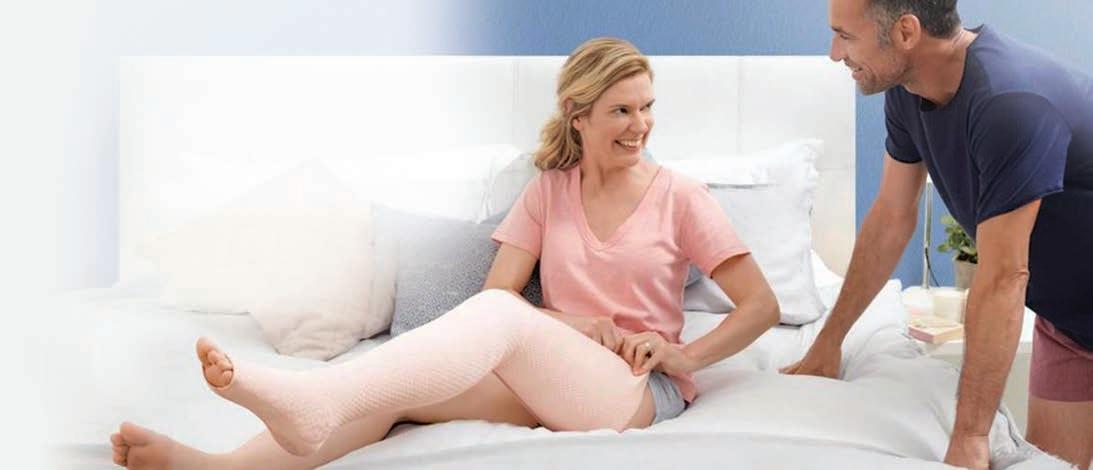
Newly diagnosed lymphedema patients soon realize they need to spend time on lymphedema self-management routines, which may impact their flexibility for romance.6 Understanding these nuances can be an opener to asking for help with skincare or light touch and massage. The idea is to see potential and to make a date with yourself and/or your partner. If a patient is using a night garment (arm or leg), learning to communicate and knowing it is all right to initiate timed intimate and scheduled sexual experiences are key.
Communication is vital Communication is essential regardless of which HPs you are and/or will be consulting. In addition, at some point, it is recommended that the partner be invited to the consultation. This has two aims: it will likely increase concordance with treatment if the partner also understands the whys and wherefores of the various elements involved in the treatment, their side effects, the impact of decongestive therapy, and if lifestyle changes are required. If the partner is present during the consultation, it is more likely that intimacy issues will be discussed.
For the attention of HPs, the first thing to do when receiving such a clientele is to do no harm! Be aware that lymphedema treatments themselves have an impact on lifestyle, including intimacy. How does the patient or their partner feel about wearing bulky night-time garments? How could they integrate lymphedema
management into their intimate life? Is the patient foregoing social events or activities with their partner because of fear of making their lymphedema worse?
For example, a patient stopped spending weekends with the spouse at the couple’s lakeside cabin because of fear of insect bites on the lymphedematous leg! Therefore, on a follow-up appointment, a discussion was opened about what approach should be considered to continue enjoying great moments together in the country.
So, are cancer and sexuality compatible? Absolutely! For patients reading this article, we hope that it could be the starting point for a discussion with your partner and/or HP. For HPs reading this, please don’t taboo the subject; open the discussion to your level of competence and refer for proper help. Everyone must keep in mind that a solution can and should be found most of the time when the problem is well addressed. LP
References
1. Reisman Y, Gianotten WL, eds. Cancer, Intimacy and Sexuality: A Practical Approach. Cham, Switzerland: Springer; 2017.
2. Bober, S. L., & Varela, V. S. (2012). Sexuality in adult cancer survivors: challenges and intervention. Journal of Clinical Oncology, 30(30), 3712-3719.
3. Eaton, L. H., Narkthong, N., & Hulett, J. M. (2020). Psychosocial issues associated with breast cancer-related lymphedema: a literature review. Current Breast Cancer Reports, 1-9.
4. Winch, C. J., Sherman, K. A., Smith, K. M., Koelmeyer, L. A., Mackie, H., & Boyages, J. (2016). “You’re naked, you’re vulnerable”: Sexual well-being and body image of women with lower limb lymphedema. Body Image, 18, 123-134.
5. WHO (2006). Defining sexual health: report of a technical consultation on sexual health, 28–31 January 2002. Geneva, World Health Organizationdoi:10.1007/978-3-319-43193-2
Ultimately, it is a personal choice and good to try out the products to see what you like. Understanding more about listening to your mind and body can help you overcome the tendency to want to shut down emotionally.
6. Radina ME, Fu MR, Horstman L, Kang Y. Breast cancer-related lymphedema and sexual experiences: a mixed-method comparison study. Psychooncology. 2015;24(12):1655-1662. doi:10.1002/pon.3778
7. Chen, Y. H., Jones, C., & Bannatyne, A. (2020). Assessment of health-care professionals’ knowledge and attitudes on sexuality and aging: an integrative review. Educational Gerontology, 46(7), 393-417.
Some Resources
Canadian Cancer Society. Sex, Intimacy and Cancer (Sex Intimacy and Cancer | Canadian Cancer Society) Cancer Care Ontario. Intimacy and sex; for people with cancer and their partners (Intimacy and sex: For people with cancer and their partners (cancercareontario.ca))
American Cancer Society. How Cancer and Cancer Treatment Can Affect Sexuality (How Cancer and Cancer Treatment Can Affect Sexuality | American Cancer Society)
Summer 2024 www.lymphedemapathways.ca 13
REGISTER NOW! aql@infolympho.ca Register for Free: Discover ProLymph SCAN TO LEARN MORE The Lymphedema Network for Health Professionals Le réseau lymphatique des professionnels de la santé
50 issues of Pathways: It takes a village
By Anna Kennedy
Pathways is the official publication of the Canadian Lymphedema Framework (CLF). Canada’s only lymphedema magazine addresses the need for lymphedema awareness and education among patients, those at risk, and healthcare professionals.
How it all started
It was 2011, only two years after the founding of the Canadian Lymphedema Framework, when a strategy session highlighted the need for a vehicle to provide a united voice for patients and clinicians in Canada. Education was a key priority, and so what better way to promote education than through a national lymphedema magazine?
Our direction
From the start, we were focused on separating Pathways from publications that were already available within the lymphedema community. On the one hand, we didn’t want to compete with peer-reviewed journals targeted at therapists and clinicians. On the other hand, we wanted to be positioned differently than a newsletter focused solely on the patient community. We determined our niche was to provide a unique educational platform for those living with lymphedema and the professionals supporting their care.
A plan was born
Several collaborative meetings were held with provincial lymphedema association representatives and CLF Board Directors, and staff. The inaugural issue of Pathways was launched in Spring 2012 with an initial goal of publishing three issues per year.
However, as positive feedback poured in quickly from readers, advertisers, and sponsors, we immediately expanded the publication to be a quarterly magazine.
Our
funding
• Advertising and sponsorshipWe garnered strong support from industry sponsors and advertisers from the start. Companies making, selling or distributing goods and services to support the lymphedema community see the marketing opportunities that a widely distributed lymphedema-focused magazine offers. We thank them for their financial support, and the message of hope they provide to patients by offering innovative products and services for lymphedema management.
• Grant funding - The Canadian federal government, through the Canadian Periodical Fund, provides assistance to eligible magazines that promote Canadian content. We have been fortunate to have received the Aid to Publishers grant for the last three years. This financial aid supports expenses related to the magazine’s production and promotion.
• Subscriptions - Our readers can choose to subscribe directly through the Canadian Lymphedema Framework, or through their local provincial lymphedema association. The provinces pay a reduced fee to purchase bulk copies of Pathways for distribution to their members as a benefit of membership.

Anna Kennedy is a Founding Member of the Canadian Lymphedema Framework and Editor of the Pathways magazine. In 2012 she received the Queen Elizabeth II Jubilee Medal of Honour for her contribution to the lives of Canadians. Anna advocates a healthy and active lifestyle to manage her lymphedema.

Distribution
Ideally, we would love to be able to distribute the magazine freely to anyone who wants to learn about lymphedema. Unfortunately, as a small charity, we don’t have enough funds. However, we recognize that the magazine is passed along from reader to reader and reaches many people who are not paid subscribers.
Our audience
Pathways is targeted at both patients and those at risk, their caregivers, and the communities that support them. It is also uniquely focused on the professionals who support their care. These are physicians, nurses, therapists, community care workers, lymphedema educators, health policy makers and retail distributors. We reach our audience in hospitals, universities, cancer institutions, breast cancer centers, lymphedema treatment centres, libraries and at national and international conferences. Pathways has become popular, not only within Canada and the USA, but subscribers are also in Europe, Australia, South Korea and the UK. We have digital readers from 50 countries.
Top contributors
Contributors to Pathways include an impressive collection of dedicated opinion experts in the field of lymphedema who help advance topics that address the critical issue of lymphedema care. Over the years we have been very fortunate to have prestigious authors from Canada, USA, Europe, Australia and India contribute. We use our connections and network to bring these experts to our readers. Two of our most frequent requested reprints are for Lori Radke’s “Top 10 Self-care Tips” (Summer 2015) and the “Practical Exercise Tips” from Marize Ibrahim and Helen Yang.
14 www.lymphedemapathways.ca Summer 2024 Education
Favourite stories
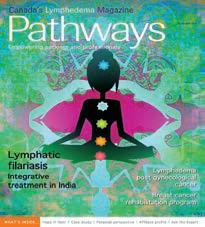
Someone asked me recently what my favourite Pathways stories or articles have been. It’s certainly difficult to choose, but one in particular does stands out. The Summer 2014 issue highlighted the holistic protocol for lymphedema care being provided by the Institute of Dermatology (IAD) in India. This article demonstrated to our readers how Pathways provides a window into what is happening in other parts of the world and helps us appreciate what we have access to in North America.
Editorial Board members review all submissions for fact-checking, accuracy and suggest edits for any required revisions. We are very fortunate to have some of the best lymphedema experts in Canada and the USA on our Board. They meet with me four times per year to provide direction, editing support and suggest topics and authors.
The Editor liaises with the authors, collates all the submissions, and performs final editing before making decisions on what goes into each issue, before developing a flowchart to indicate the sequence and layout of the articles and advertisements.
Here is what some of our supporters have to say…
I love it when we receive letters to the Editor that challenge an article we featured. This is a good indication that people are willing to question, delve into and investigate, all in the interest of what is best for the lymphedema patient. I am glad that Pathways is a vehicle that can facilitate healthy discussions within our community.
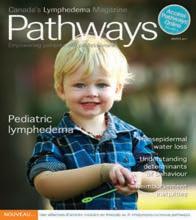
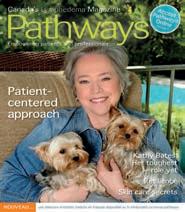
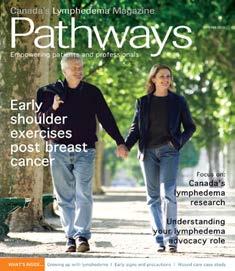
Certainly some of my favourite magazine covers feature real people proudly showing how they live with lymphedema. From the adorable child Ben Nedjelski to famous actress Kathy Bates, the personal perspectives we feature emphasizes how lymphedema can affect anyone: men, women and children, famous or not!
The production schedule
It takes a village to publish this quarterly magazine.
Authors submit or are invited to write an article on a particular topic suggested by the Editorial Board and Editor. Contributor guidelines require a minimum of three recent references to ensure the material is evidence-based, current, and relevant to our readers.


BCS Publishing is contracted to create the graphic design layout, adding visuals, photographs and illustrations. They are responsible for the creative magazine covers as well. We have been fortunate for continuity with the same great company and graphic artist working hand-in-hand with us throughout these years. They also take care of the back-end logistics including printing, shipping and mailing.
CLF’s Executive Director manages all the relationships with industry for sponsorships and advertising. Responsibilities for the day-to-day operations regarding subscriptions, invoicing, mailing lists, digitizing the magazine for the website and promoting via social media are all done by the ED and Marketing Manager. I am personally very proud of this magazine. It provides a highquality view of what is currently happening in the world of lymphedema, as well as a view towards exceptional things that are yet to come.
Editorial Board members
None of this would be possible without our dedicated Editorial Board (past and present). They graciously lend their time and expertise and play an important role in the education of lymphedema. Thanks to current Board members: Dr. Anna Towers, Dr. David Keast, Prof. Mei Fu and Lori Radke. I encourage you to read their bios and contributions on the CLF website.
So, with the tremendous milestone of 50 issues, I personally want to thank our sponsors, advertisers, authors, Editorial Board members and CLF staff, who all make this happen. Finally, thanks to all our readers. You continue to inspire us and motivate us to plan enthusiastically for the next 50 issues. LP

“Lymphoedema and its linked conditions ideally require holistic continuous care involving a team of linked professionals. That is what Pathways has always facilitated and promoted through its information sharing with a great balance between patient views and needs, health professional and research advice and best practice guides and just as importantly showing all about what Industry has to offer to gain the best outcomes for all. Anna you are the core of all of this and the person who has made it happen and supported it over many years - you have made and continue to make a difference in Canada and around the world.”
Prof. Neil Piller Flinders University, Australia
“Pathwaysisaremarkable andmagazine.Itprovidesvaluable helpfulinformationforverydifferentgroups: for patients,for those interested in science, forphysiotherapists and for doctors.Pathwaysisalso a verypopular source of informationattheFöldiklinikinGermany,the EuropeanCentreforLymphology. Congratulationsonthe50thissue.”
Dr. med. Tobias Bertsch ofFoeldiClinicEuropeanCenter Lymphology
It is my great pleasure to congratulate the CLF on celebrating 50 editions of the Pathways publication. This fantastic resource reaches all parts of the globe and is highly valued by patients, clinicians, academics and healthcare providers. Not only is it relevant to readers but it also provides rigorous advice that can really be trusted. I look forward to seeing the next 50 editions and seeing the work of the CLF go from strength to strength.
Prof. Christine Moffatt Chair, International Lymphoedema Framework
Summer 2024 www.lymphedemapathways.ca 15
Dr. Anna Towers
Prof. Mei Fu Dr. David Keast Lori Radke

We’re excited to see the impact Pathways is having on our readers: 98.6% of persons living with lymphedema became aware of and/or purchased a new product, service, or supplier that they learned about in Pathways; 86.4% of healthcare professionals became aware of and/or purchased a new product, service, or supplier that they now use in their practice and recommend to their patients/clients.
In a dramatic increase from our last survey, 100% of our 2024 survey respondents indicated that they were aware of Pathways digital version, compared to just 50% in 2021. However, 64.1% indicated they still prefer reading the printed magazine.
We’re proud to see that Pathways is a key information source for our readers. The majority
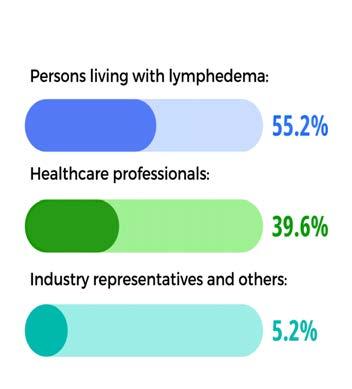
Out of 112 survey respondents:
Voices heard Key findings from the 2024 Pathways Readers’ Survey
By Grace Neumayer
This
is our third time hosting the Pathways readers’ survey, and you’ve provided meaningful insights to help us better understand which topics resonate with you most.
of persons living with lymphedema, 73.6%, use Pathways as a tool for further reference and to supplement other sources of lymphedema information while providing an understanding of an issue, problem, or trend. 88.6% of healthcare professionals also used Pathways to supplement other sources of lymphedema information that was available to them. Most notably, healthcare professionals shared their issues of Pathways with patients or colleagues in addition to having copies of Pathways in their offices where patients and clients can easily access them.
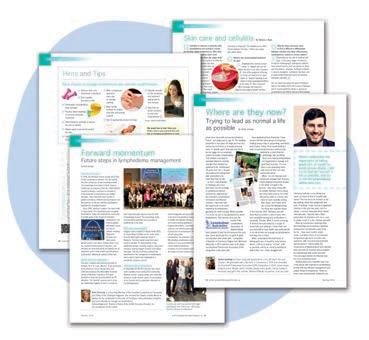
The top four most frequently read types of articles by our readers were Research Advances, Ask the Expert, Hints and Tips, and Feature Articles/Cover Stories. While most readers showed high engagement with various types of articles, we acknowledge the opportunity for improvement in how we share and present information in article types with slightly lower engagement.
Your suggestions for future article topics are among the most valuable insights we receive from this survey. You told us you want to see more stories on nutrition, exercise, listings of available resources in Canada, wound and skin

Grace Neumayer graduated with a Bachelor of Global Business and Digital Arts from the University of Waterloo. She is currently the Marketing Manager for the Canadian Lymphedema Framework.
care, obesity-related lymphedema and weight management, compression garments, surgical management, navigating sexual relationships when living with a chronic health condition and mental health, research advancements, how to develop support groups, and patient stories.
Thank you to all who completed the survey, and a special congratulations to Shauna from Newfoundland, who won a $100 Amazon gift card for her participation. LP
A full report on the survey results is available at https://tinyurl. com/2024ReadersSurveyResults
We want to hear from you
We always welcome your feedback. Whether you have personal stories, insights from conferences or other publications, travel experiences, community initiatives, or any other suggestions for content you think would be valuable to include in Pathways magazine, we want to hear from you!

https://tinyurl.com/ ContributeToPathways or scan the QR code.
16 www.lymphedemapathways.ca Summer 2024 Pathway’s Survey Results
EDEMA MANAGEMENT MADE SIMPLE
FarrowWrap®. Simple decongestion therapy through adjustable short stretch wrap solutions. jobstcanada.com 1-877-978-5526
JOBST®
Foot health is for everyone
By Audrey Wall
Our feet take us through our lives – walking, running, climbing. Our feet support and carry us every day. An average human will walk enough steps in their lifetime to circle the globe three times, requiring the 52 bones, 66 joints, 38 muscles, 214 ligaments and assorted fat pads and pores to function as the marvels of engineering they are. We push them into shoes, asking them to bend and flex in ways often unnatural. It can be easy to ignore feet – too hard to reach or see, or we’re just too tired to do anything, relying on the bathmat to dry them for us.
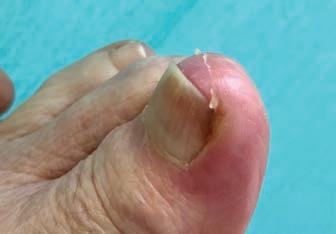
For people with lymphedema, changes in skin pH, gait (how you walk), and weight or flexibility can significantly impact a person’s foot health. Foot care can be especially problematic – edematous legs and feet make it hard to flex and bend. Even arm and hand edema can make foot care difficulty (e.g., holding a file, cutting toenails). In addition, and if a limb is wrapped for decongestion, self-foot care is next to impossible. Those who live with lymphedema also know the difficulty of finding well-fitting footwear. And that’s just finding shoes that do the job, let alone look good while doing it. It is especially important to care for foot complications as they arise, such as calluses, corns, thickened or ingrowing toenails, or even painful sores to prevent further complications compound with lymphedema. So what’s a person with the complications of lymphedema to do to ensure their feet stay healthy?
First, check your skin regularly. If bending and inspecting your feet are a problem, there are several ways to get it done. You could ask a partner or

friend to look for you or take photos of your feet on your phone. You could also use a mirror. Perhaps a standing mirror or one hung on a wall so that from a seated position, you move your feet around and look at them. If possible, lift your leg to see the bottom of your foot. If neither of these ideas works, visit a regulated health care provider such as a foot nurse or chiropodist – someone who knows what they’re looking at and can provide good advice. You should be checking that your skin is intact, with healthy pink nail beds and a smooth shape. Look between and under your toes for cracked skin and feel for blisters, bumps, sores, calluses, splinters or athlete’s foot.
Next, get to know your feet when they feel relatively good. What do your toes and toenails look like? How do they feel when you touch them? What’s the shape of your foot? Are there any moles or skin issues? Moles that are new or you’ve never noticed before should be looked at by a health professional, such as a foot care nurse, podiatrist or chiropodist. Even if they’re benign, it’s good to get a baseline on them. Melanoma doesn’t discriminate – skin cancer can show up anywhere, even the soles of feet or between toes. Remember to apply sunscreen to your feet. Daily inspections of your feet will help you keep on top of things. Once you know what your foot looks like on a regular day, anything out of the ordinary will be something you notice right away and can take care of in the moment.
Regular foot care involves washing, drying and moisturizing with products designed for feet. Remember, creams are barriers and should not
Audrey Wall is a Registered Nurse who practices foot care at her clinic, Equil Wellness Services, in St. Catharines, Ontario. Audrey believes that when your feet feel good, you feel good.
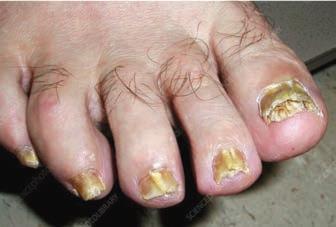
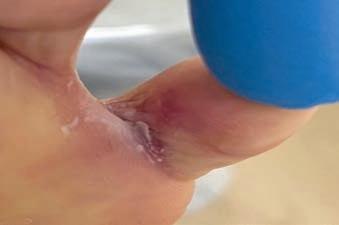
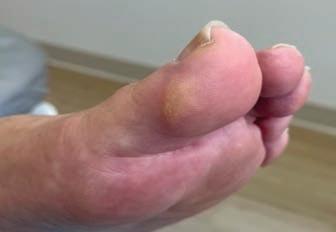
18 www.lymphedemapathways.ca Summer 2024 Clinicians Perspective
Image:
PhotoStock-Israel
Ingrown toenail with infection
Toenail fungus
Athlete’s foot Callus
be applied between toes – they create warm, moist environments, which contribute to skin breakdown. Be sure the product you use is compatible with compression garments. Some creams clog knits and can break down the fabric. Your garment provider should be able to direct you to a moisturizer that is appropriate to use with compression wear. Nighttime skin care can also be effective once compression garments are removed.
Toenail trimming is usually done straight across but if the nail beds are very round, follow the contour of the nail bed and then gently file the edges smooth. Use a clipper or manicure scissors designed for feet. If your toenails are thick, use an emery board or file to carefully smooth and shape them as well as possible. I can hear some of you saying, “that’s great but my legs are always wrapped and I can’t get to them”. I understand that this can be quite a process. However, including some skin/foot care time before wrapping can really help. The important point is to do what you can, where you’re at, with what you have. And please don’t be shy about asking for help; if you can’t see or reach, see a foot nurse or chiropodist.
Sometimes there are other co-morbidities such as diabetes or vascular/circulatory complications. These issues can be associated with neuropathy,


which is a loss of sensation in the feet and that can lead to ulcerations and serious infections. But not everyone has neuropathy. People with neuropathy, whether a complication of diabetes, cancer treatment or for any other reason, need to be especially protective of their feet. Having neuropathy means that you might have a pebble in your shoe, not feel it, and walk on it all day, which can lead to the formation of an ulcer. For this reason, it’s important to inspect and feel your feet daily, looking for the unexpected. If you can, wear white socks – blood or debris will show up right away.
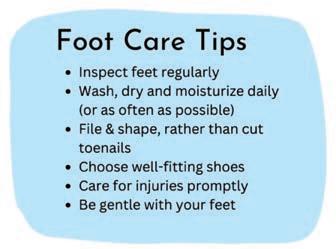
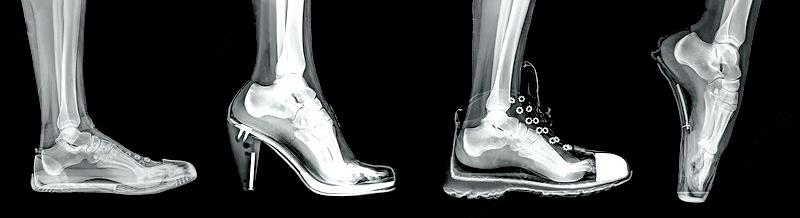
Shoe choices can have significant impact on our feet. Please try to be sensible. Wear shoes for what you’re doing and what you need at the time. When it comes to choosing shoes, look at the toe box – where your toes live. Where does the shoe start to narrow? Is there room for your toes to move independently? Is the shoe supportive and protective? Does the shoe pinch anywhere?

Please don’t buy shoes that need ‘breaking in’. That’s a recipe for blisters and pain. Poorly fit shoes translate to knee, hip and lower back pain. Sometimes, we need shoes exclusively for function, and need to put form on the back burner. With edematous feet, choose shoes that protect heels and toes, are supportive to provide balance, and are flexible or adjustable enough to move with changes in foot shape and size. Velcro tabs can be especially helpful. If the shoes feel good and protect your feet, they’re the ones for you. There are footwear suppliers who are working hard to meet the needs of people with shoe challenges and who I’m sure are working on how to bridge the gap between form and function.
Foot health is more important than most people realize. As a foot nurse I see the results of ignoring foot issues every day. Regular care, inspection and prompt attention to small issues will help prevent bigger problems. Find a foot nurse – we’re here to help. Because we know that when your feet feel good, you feel good. LP

Full-line Distributor of BSN including Artiflex, Comprilan, JOBST
Ready-To-Wear Garments
Full-line Distributor of LOHMANN & RAUSCHER including Komprex, Mollelast, Rosidal K, Caresia, Tribute

Full-line Distributor of 3M including Coban Compression Bras from WEAREASE





Summer 2024 www.lymphedemapathways.ca 19
Scan to explore our lymph support tea and mocktail recipes! besTEA
OUR bundle and support your lymphatics from the inside out. lymph besTEA bundle benefits:
properties
the circulatory system
for the skin
SHOP
-anti-inflammatory -anti-antioxidant
-supports
-rejuvenating
We ship across Canada Your One-Stop Canadian Bandage and Compression Garments Supplier. We carry all major brands! Please email your enquiries to linotrade@aol.com or call (514) 846-1280

An updated message from Georgina Cama regarding the MUHC petition
Thank you to everyone for your incredible support in the quest to keep the McGill University Health Centre (MUHC) Lymphedema Program services available to patients who truly need them, including me. Generous philanthropic support has been confirmed to continue the clinic’s services for a few months after April 1, 2024. This is excellent news, but public operational funding still remains a requirement to ensure sustainability of this essential program. Thank you for your continued help and advocacy!
Georgina Cama Montreal, Quebec
Editors Note: The Canadian Lymphedema Framework continues to encourage people to sign the petition and make a note on the petition site about the importance of government funding for lymphedema services across Canada (and/or in their province). Appropriate funding for lymphedema treatment affects us all.

Happy 15th anniversary, Canadian Lymphedema Framework (CLF) and congratulations on your 50th issue of “Pathways”!
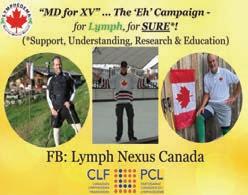
In support of the CLF, I conducted a three-part campaign to raise the profile of lymphedema plus lymphatic diseases in Canada. The “MD for XV” (“1500 for 15”) campaign launched on September 21, 2023, and coincided with the 2009 anniversary of my first day of intensive, conservative, in-patient treatment at the Wittlinger Therapiezentrum in Walchsee, Austria. The successful campaign concluded during “Lymphedema Awareness Month”, 2024.
Ottawa,Canada
The goals of the campaign were to: 1) log 1,500 (MD) km of physical activity, while encouraging others afflicted with lymphedema to “move that lymph”; 2) fundraise $1,500 (MD) in donations through online efforts and, 3) advocate for appropriate attention of lymphedema by specialty (MDs) doctors in Canada. I am pleased to report that the results of this effort were 2,145 km logged plus $950 raised in aid of the CLF. I also made in-person and virtual appeals to gain traction with medical communities. I express deep gratitude to the CLF. It was the ILF/CLF conference held in Canada (2011) that permitted me to consult with the world’s best expertise and without the need for long-haul air travel, the very action that activated, accelerated, and exacerbated my complex affliction. The conference gifted this forced “medical tourist” one particular meeting that provided the optimal care solution… lymphatic (micro) surgery. Wishing you considerable progress in the next 15 (XV) years, plus continuing future editions of “Pathways”… congratulations, bravo and thank you, CLF!
StephenKelland(“LymphoGWG”)
The letterwasabridgedwiththeauthor’spermissionforbrevityandspaceconstraints.
Chronic Edema Management, Lymphedema Certification and Breast Cancer Rehabilitation
TheKloseTrainingAdvantage
• 135-hours of lymphedema education
75-hr engaging online home study module
60-hr (6 1/2 day) classroom education
• Time-tested, effective and evidence-based curriculum
• Learn from the most experienced instructors in the field
• Fewer days away from home and work
• Greater flexibility to fit your personal schedule
• Exclusive post-graduate resources
• Special pricing for Canadian Therapists
Online Courses
• Breast Cancer Rehabilitation with Jodi Winicour, PT, CLT
• Strength After Breast Cancer with Katie Schmitz, PhD, MPH, FACSM
• Wound Management for CLTs with Jan Weiss, PT, DHS, CLT
• Head & Neck Lymphedema with Heidi Miranda-Walsh, OTR/L, CLT
• Elastic Taping for Lymphedema with Ruth Coopee, OTR/L, CLT
• Add’l courses at klosetraining.com

20 www.lymphedemapathways.ca Summer 2024 For more information: 1-303-245-0333 • info@klosetraining.com • klosetraining.com
the Editor...
Letters to
Assessing research Literature review, systematic review, meta-analysis: What’s the difference?
By Maree O’Connor
As health professionals specializing in lymphedema care, it is crucial for us to stay current with the latest research and evidence. One helpful approach is to explore publications that examine the body of research on specific subjects rather than attempting to delve into individual research papers. These publications can take different forms, such as literature reviews, systematic reviews, or meta-analyses, and they provide valuable insights into the existing body of knowledge.
A literature review, a systematic review, and a meta-analysis are distinct research methods used in academic and scientific contexts. They serve different purposes, involve varying levels of rigor, and use different methodologies.
LITERATURE
REVIEW
Purpose: A literature review provides a comprehensive summary and critical analysis of existing research on a specific topic. Its primary goal is to offer an overview of the current state of knowledge, identify gaps, and provide insights.
Scope: Literature reviews can be broad in scope, including various types of research studies, theoretical papers, and more. They are not necessarily focused on answering a specific research question but aim to inform readers about the state of the field.
Search process: The search process in a literature review may be less systematic, and studies can be included based on the researcher’s judgment.
Inclusion criteria: Inclusion criteria may be less strict, allowing for the inclusion of studies based on relevance or the author’s discretion.





Analysis and synthesis: often involve a narrative synthesis of the includ ed studies or reviews, summarizing findings and providing interpretations or insights.
Publication: Literature reviews can be standalone research papers, book chapters, or sections within larger research works.
SYSTEMATIC REVIEW
Purpose: A systematic review is a rigorous method designed to answer a specific research question through systematically identifying, evaluating, and synthesizing all relevant research studies on the topic.
Scope: Systematic reviews have a focused scope, aiming to answer a particular research question using empirical research studies.
Search process: Systematic reviews follow a highly structured and exhaustive search process, including specific search terms, databases, and predefined inclusion/ exclusion criteria.
Inclusion criteria: Strict inclusion and exclusion criteria are applied consistently to all identified studies to reduce bias and ensure high-quality evidence is included.
Analysis and synthesis: Systematic reviews often use statistical methods (meta-analysis) when appropriate to quantitatively combine and analyze data from the included studies. This provides an objective summary of the evidence.
Maree O’Connor is a certified lymphedema certified physiotherapist in Australia with over 30 years of experience in managing lymphedema. She also conducts lymphedema courses for health professionals through Lymphoedema Education Solutions.


Systematic reviews are typically published as separate research papers and adhere to specific reporting guidelines (e.g., PRISMA for healthcare reviews).
META-ANALYSIS
Purpose: Meta-analysis is a statistical technique used within systematic reviews to quantitatively synthesize data from multiple studies to derive a more robust and precise estimate of the effect size or outcome of interest.
Scope: Meta-analysis focuses exclusively on quantitative data and aims to provide a numerical summary of the combined results from included studies.
Methodology: It involves statistical procedures to calculate pooled effect sizes, confidence intervals, and tests for heterogeneity among studies.
Publication: Meta-analyses are often included within systematic reviews but can also be standalone research papers focusing solely on the quantitative synthesis of data.
In summary, a literature review is a broader overview of existing research, a systematic review is a methodical and structured approach to answer a specific research question, and a meta-analysis is a statistical technique used to quantitatively combine data from multiple studies within a systematic review. These methods serve different purposes and have varying levels of rigor. LP
Reprinted with permission from Lymphoedema Education Solutions, September 2023. www.lymphoedemaeducation.com.au
Resources and references can be found at https://canadalymph.ca/pathways-references
Summer 2024 www.lymphedemapathways.ca 21
Research
Where are they now? Getting used to the new normal
By Kim Avanthay
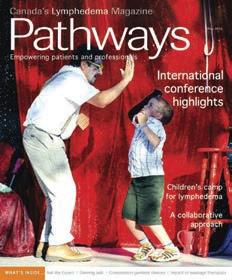
Myson, Austin Avanthay was diagnosed with lymphedema when he was one year old. He graduated from Grade 12 in 2023 and will soon be 19 years old (June 2024). He stopped playing minor hockey when he was 13, when hitting was introduced into the game. His hockey days were over, not because of his lymphedema but because he was now also feeling leg and back pain due to scoliosis.
My message to parents is to learn all they can about lymphedema from reputable sources and provide their children with the knowledge and tools they need to manage this condition.
Austin had back surgery due to scoliosis (rods, screws and hooks) in May 2020 at the age of 15. He still likes to be active, shooting hoops and working out at home. He really enjoys tennis and tries to get to the outdoor courts to play, but that doesn’t happen as frequently as he would like. He has recently taken up guitar and has lessons once a week.
In regards to Austin’s lymphedema, he has been very fortunate. We have been learning about this condition since he was just one year old and are somewhat lucky that he hasn’t had any real complications. I recall when he was in middle school, a teacher’s aide wrote in his agenda that he had a scratch on his knee, which looked very angry. Thankfully, we were able to manage it with antibiotics. Still, it was just another reminder


Kim Avanthay lives in Lac du Bonnet, Manitoba. She founded the Lymphedema Association of Manitoba and also served as the CLF Board Secretary from 2016 –2020, where she provided the “parent of a child with lymphedema” perspective to many of the CLF’s initiatives.

of how quickly things could turn if you didn’t look after your lymphedema. Austin looks after his skin and isn’t as compliant with wearing compression but is doing fine in the maintenance phase and does self-massage. Did I mention we are lucky?
We still chat about our wonderful experience at the International Lymphoedema Framework (ILF) children’s camp many years ago. Austin remembers the other kids he met and how some had severe lymphedema. As Austin was very young, he may not have appreciated that experience as much as I did. I realized we were not alone and that we were lucky to be able to manage his condition as we have. We were also fortunate to have found a knowledgeable and caring therapist to guide us through.
My message to parents is to learn all they can about lymphedema from reputable sources and provide their children with the knowledge and tools they need to manage this condition. Find a certified therapist and age-related support groups for them (and you), as they will need that support from someone who has or is going through it. Join a provincial lymphedema association. Don’t project your fear of this condition onto your child. I was so scared of Austin getting an infection or his lymphedema getting worse that I may have put limitations on his growing up that I didn’t even realize. Now that he is a young adult, he lives with many fears and anxiety.
Most importantly, don’t beat yourself up. There will be a new normal that you have to get used to. Know that you are doing your best to support your child and find time for your own self-care. LP
22 www.lymphedemapathways.ca Summer 2024 Personal Perspective
Juzo Sensation is a medical compression garment specifically designed for managing lipedema.
• Micro Massage Technology
• High Rise Waistband
• Therapeutic Medical Compression
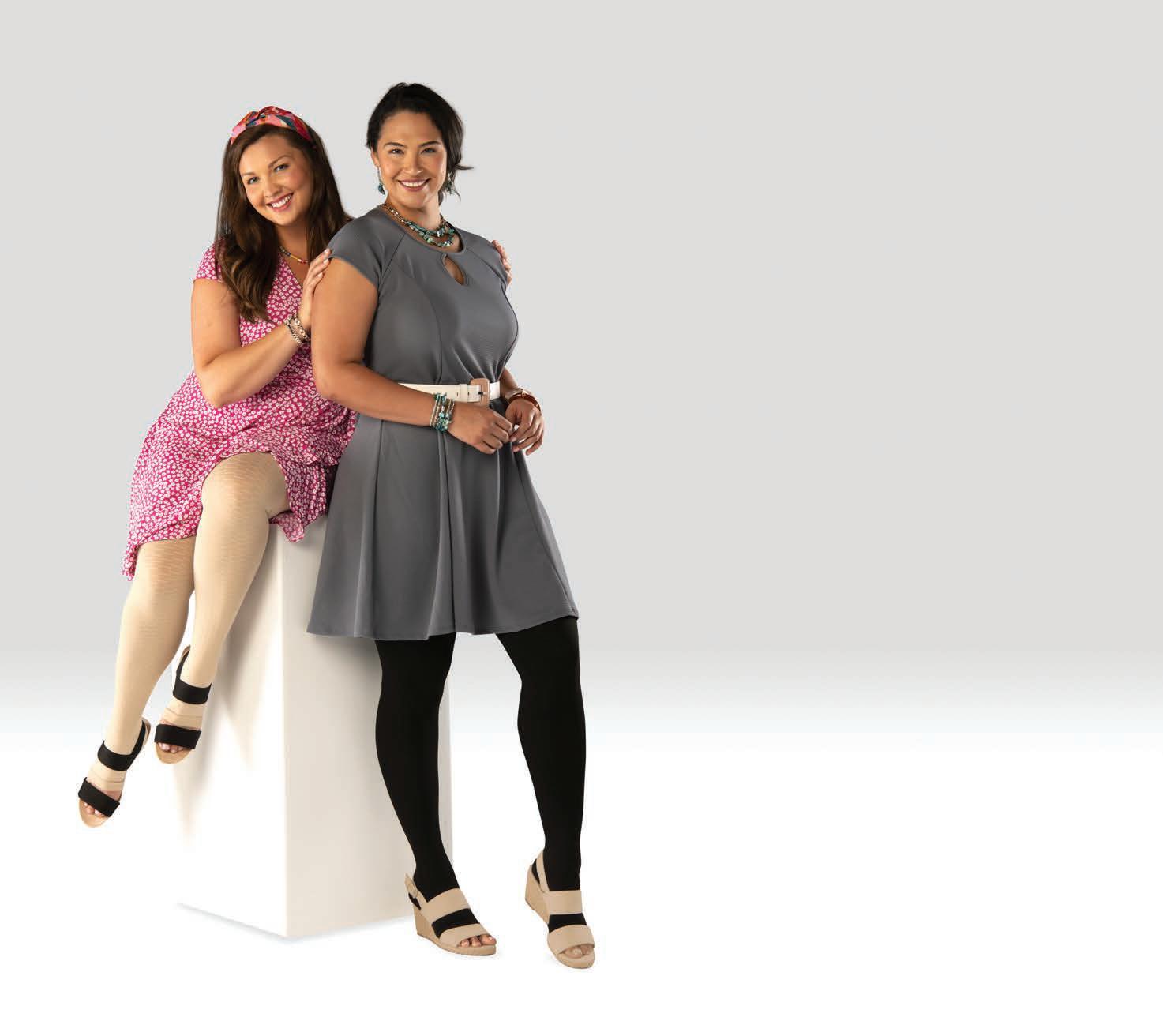
• Available in 3 styles
• Black or Beige
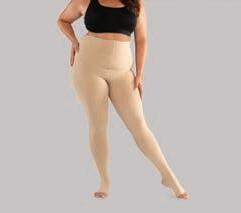
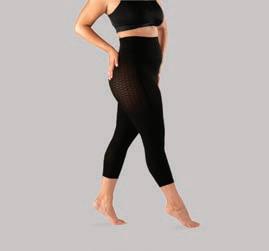
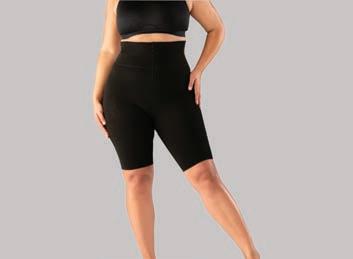
Ultimate Relief for Lipedema support@juzo.ca • 1-844-229-4999 Reduces Pain Helps with Shape Improves Mobility
Capri
Shorts
Pantyhose
Hints and Tips
Managing lymphedema in hot weather
Weather and climate conditions can have an impact on your lymphedema. Take these tips into consideration.
Cool your body temperature
Drinking moderately cool liquids can help reduce body temperature by cooling the body internally. Regular intake of fluids (including electrolytes) will also prevent dehydration, a major cause of increased body heat. Cool showers, bathing and cold footbaths can help you feel refreshed and cool.
Clothing adjustments
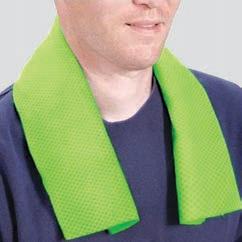
Wearing clothing that is loose and light and not too tight will help with your lymphatic flow, which will, in turn, keep you cooler. Thick compression garments can feel uncomfortable in the
heat. Spray water on your limb after donning your garment. Some people also find relief by putting compression garments in the freezer before putting them on. Specially designed sports towels keep cool when drenched in water and wrung dry. Wrapping this towel around your neck during outdoor activities can lower your body temperature.
Adjust outdoor activities
Be realistic about what activities should be adjusted if you are managing lymphedema in hot weather. Swimming

is an excellent way to exercise and cool down simultaneously, with the added benefits of graduated compression that the deep water provides to the lymphatic system. Biking can be an alternative to walking as the breeze can provide some relief. Adjust the timing of your tennis or golf games by playing early in the mornings or later in the afternoons/ evenings. If it is too hot outdoors, practice yoga indoors in air-conditioned facilities.
Eat smart
Some of the best cooling foods for the body include cucumber, watermelon, coconut water, mint and buttermilk. These foods have cooling properties that help our body regulate body temperature better during summer. LP
Easy
■ Garments work together
■ Targeted compression in

24 www.lymphedemapathways.ca Summer 2024 Helpful Suggestions
www.Lohmann-Rauscher.ca ReadyWrap® Fusion Kit A clinically-effective wrap and compressive liner—together at last.
clinicallyeffective results
■
application with
deliver continuous compression
to
the foot and ankle that easily fits in a shoe 2953 1-888-836-6726 · inquiries@ca.LRmed.com https://caregiversolutions.ca/-caregivers-club/ FREE—JOIN TODAY! Founded to support, include and connect local caregivers who are providing care, the Caregivers Club welcomes you. @Canada-Cares:Caregivers-Club caregiversolutions.ca/-caregivers-club
Did You Know?
Pathogenic variants in HGF
Developmental and functional defects in the lymphatic system are responsible for primary lymphoedema (PL). PL is a chronic debilitating disease caused by increased accumulation of interstitial fluid, predisposing to inflammation, infections and fibrosis. There is no cure, only symptomatic treatment is available. Thirty-two genes or loci have been linked to PL, and another 22 are suggested, including Hepatocyte Growth Factor (HGF). We searched for HGF variants in 770 index patients from the Brussels PL cohort. We identified ten variants predicted to cause HGF loss-of-function (six nonsense, two frameshifts, and two splice-site changes; 1.3% of our cohort), and 14 missense variants predicted to be pathogenic in 17 families (2.21%). We studied co-segregation within families, mRNA stability for non-sense variants, and in vitro functional effects of the missense variants. Analyses of the mRNA of patient cells revealed degradation of the nonsense mutant allele. Reduced protein secretion was detected for nine of the 14 missense variants expressed in COS-7 cells. Stimulation of lymphatic endothelial cells with these 14 HGF variant proteins resulted in decreased activation of the downstream targets AKT and ERK1/2 for three of them. Clinically, HGF-associated PL was diverse, but predominantly bilateral in the lower limbs with onset varying from early childhood to adulthood. Finally, aggregation study in a second independent cohort underscored that rare likely pathogenic variants in HGF explain about 2% of PL. Therefore, HGF signalling seems crucial for lymphatic development and/or maintenance in human beings and HGF should be included in diagnostic genetic screens for PL.
Source: Pathogenic variants in HGF give rise to childhood-to-late onset primary lymphoedema by loss of function. Hum Mol Genet. 2024 Apr 26. 10.1093/hmg/ddae060
Genetic causes of lymphatic disorders
Purpose of review: The lymphatic system facilitates several key functions that limit significant morbidity and mortality. Despite the impact and burden of lymphatic disorders, there are many remaining disorders whose genetic substrate remains unknown. The purpose of this review is to provide an update on the genetic causes of lymphatic disorders, while reporting on newly proposed clinical


classifications of lymphatic disease. Recent findings: We reviewed several new mutations in genes that have been identified as potential causes of lymphatic disorders including: MDFIC, EPHB4, and ANGPT2. Furthermore, the traditional St. George’s Classification system for primary lymphatic anomalies has been updated to reflect the use of genetic testing, both as a tool for the clinical identification of lymphatic disease and as a method through which new subclassifications of lymphatic disorders have been established within this framework. Finally, we highlighted recent clinical studies that have explored the impact of therapies such as sirolimus, ketoprofen, and acebilustat on lymphatic disorders. Summary: Despite a growing body of evidence, current literature demonstrates a persistent gap in the number of known genes responsible for lymphatic disease entities. Recent clinical classification tools have been introduced in order to integrate traditional symptom- and time-based diagnostic approaches with modern genetic classifications, as highlighted in the updated St. George’s classification system. With the introduction of this novel approach, clinicians may be better equipped to recognize established disease and, potentially, to identify novel causal mutations. Further research is needed to identify additional genetic causes of disease and to optimize current clinical tools for diagnosis and treatment.
Source: Genetic causes of lymphatic disorders: recent updates on the clinical and molecular aspects of lymphatic disease. Curr Opin Cardiol. 2024 Mar 14:10.1097.
CDT self-management of lymphedema
Purpose: This study aimed to identify determinants that promote the initiation and maintenance of complete decongestive therapy (CDT) as well as effective strategies for mitigating barriers to self-management of lymphedema among breast cancer
Climate impact on lymphedema
Susan Witt, a Flinders University researcher, continues to work on the impact of climate on lymphedema management. Scan the QR code to participate in the patient survey she is conducting.
survivors. Methods: A descriptive and qualitative design was used. In-depth interviews were conducted with 13 breast cancer survivors who were managing breast cancer-related lymphedema. Interviews were transcribed verbatim. An iterative descriptive data analysis method was employed to examine the data, compare codes, challenge interpretations, and inductively identify themes. Results: A realization that lymphedema requires daily self-management was the primary determinant leading breast cancer survivors to initiate CDT self-management. The determinants for maintaining daily CDT self-management included the perceived effectiveness of CDT, being willing to assume accountability, and perceived efficacy to undertake CDT. Developing strategies to integrate CDT regimens into daily life is key to maintaining CDT self-management of lymphedema. Three core concepts mediate initiation and maintenance of CDT self-management: understanding lymphedema as a chronic condition that can be managed with CDT self-management, being worried about lymphedema exacerbation, and having support from patient peers and family. Conclusions: Interventions should be tailored to promote the initiation and maintenance of CDT self-management. While clinicians provided knowledge-based and clinical skills-based information, patient peers provided daily life examples, and real-life implementation strategies for CDT selfmanagement. Ongoing patient-provider and patient-peer communication functioned as effective support for maintaining CDT self-management. Reliable and realistic methods of symptom self-assessment are important for maintaining CDT at home.
Source: Initiating and Maintaining Complete Decongestive Therapy Self-Management of Lymphedema Among Breast Cancer Survivors: Descriptive Qualitative Study Integr Cancer Ther. 2024 Jan 28.:10.1177/15347354241226625


Summer 2024 www.lymphedemapathways.ca 25
Research Advances
Canadian and International Events
Aug 10-11, 2024 National Lymphedema Network
VIRTUAL Symposium on LE Treatments Free for patients.
n https://lymphnet.org/
Sep 14-15, 2024 2024 National Lymphedema
VIRTUAL Network Conference: Evolving Lymphatic Concepts (Part 1)
n https://lymphnet.org/
Oct 5-6, 2024 2024 National Lymphedema
Kansas City, MO Network Conference: Evolving Lymphatic Concepts (Part II)
n https://lymphnet.org/
Oct 10-13, 2024 American Vein & Lymphatic Society Chicago, IL




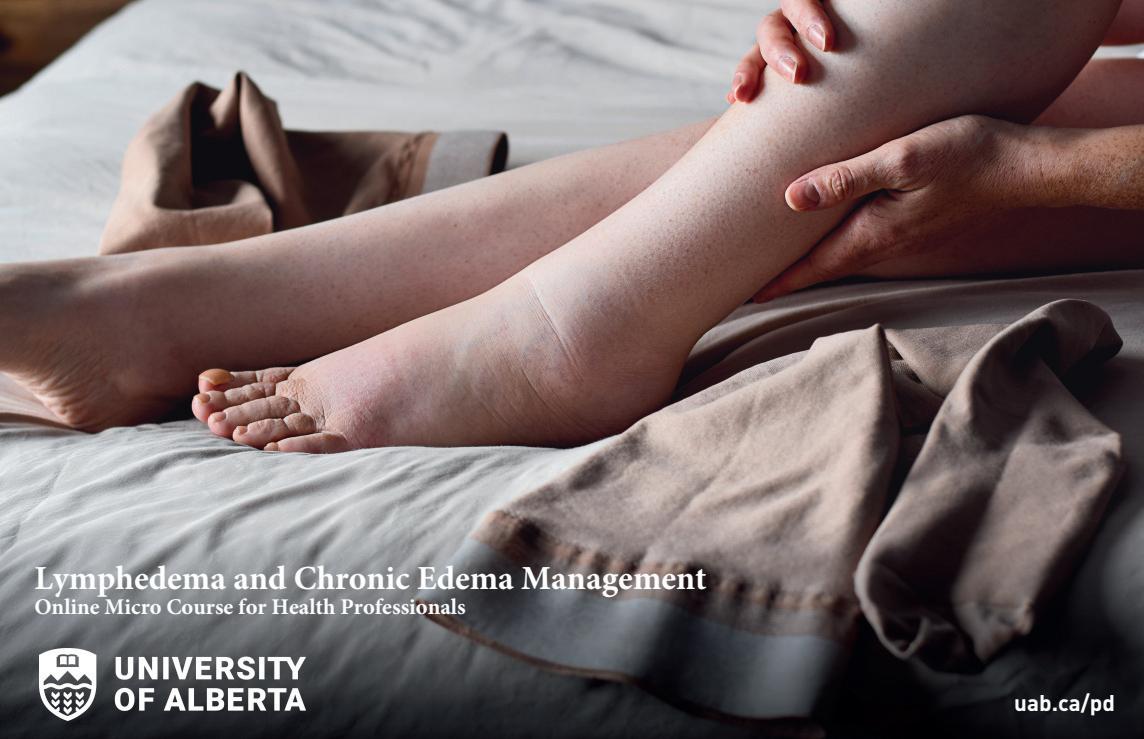









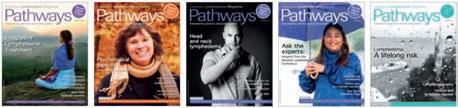
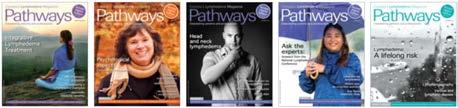
















26 www.lymphedemapathways.ca Summer 2024 The CLF is an academic and patient collaboration, working to improve lymphedema management for lymphedema and related disorders in Canada. ABOUT THE CLF: Charitable Registration 85160 1260 RR0001 Subscription information at www.canadalymph.ca/subscriptions
Education Education
The CLF is an collaboration, working to improve lymphedema management for lymphedema and disorders Canada. ABOUT THE CLF: Charitable 85160 1260 RR0001 Subscription at www.canadalymph.ca/subscriptions
Course developed through collaboration between the U of A Faculty of Rehabilitation Medicine Professional Education, CLF, and Mitacs 35 education hours Learn with leading experts Self-paced over 6 weeks 4 Modules Course Fee: $350 CAD Learn online today, register: uab.ca/pd This course provided a holistic foundation of knowledge about lymphedema across the lifespan that exceeded my expectations. Ashley, Registered NurseRegister at: www.woundscanada2024.ca 2024 WOUNDS CANADA NATIONAL HYBRID CONFERENCE REGISTER NOW!
Lymphedema and Chronic Edema Management Microcourse for Health Professionals
medi Therapy Concept Lymphology
Effective lymphedema solutions for all stages of treatment.
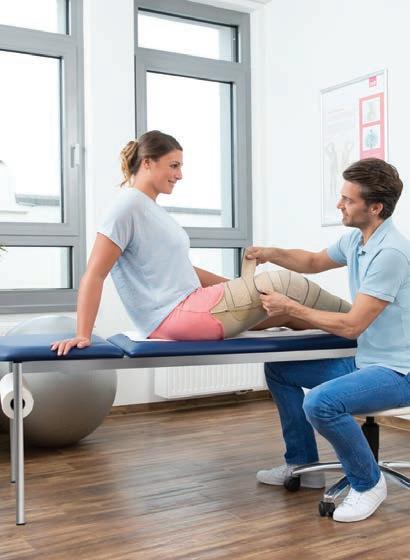
2 PHASE Decongestion
1 PHASE
Decongestion
•circaid reduction kit
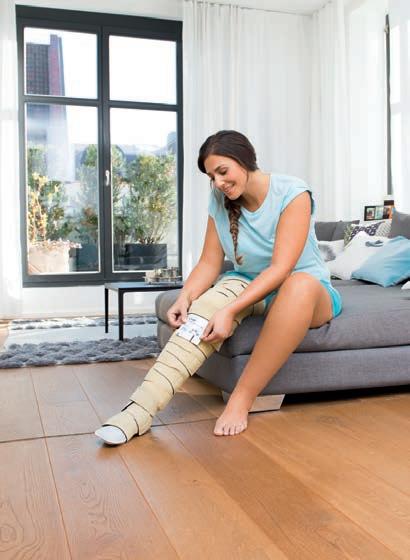

3 PHASE
Maintenance
• mediven flat knit
Transition
• circaid juxtafit
• circaid� profile (new)
• circaid juxtafit
• circaid� profile (new)
Great reduction results during the decongestion phase.
Effective compression device throughout the transition phase. Compression devices for maintaining best therapy results.
circaid reduction kit circaid juxtafit mediven 550 leg Reduction Phase Phase Phase Transition Phase Phase Phase Maintenance Phase Phase Phase circaid
juxtafit essentials arm
medi Canada inc T 1 800 361 3153 F 1 888 583 6827 service@medicanada.ca medicanada.ca
Size matters
3M™ Coban™ 2 Two-Layer Compression System and 3M™ Coban™ 2 Lite Two-Layer Compression System



materials, which comprise the Coban 2 Compression System
Coban 2 Compression System has advanced the science of compression therapy by designing materials engineered with Intelligent Compression Dynamics. These materials, which comprise the Coban 2 Compression System and Coban 2 Lite Compression System, create a conformable, inelastic sleeve that supports the patient’s muscle movements for e ective venous return and reduction of edema.
E ective compression Simple application

3M Health Care is now Solventum
At Solventum, we enable better, smarter, safer healthcare to improve lives. We’re a new company with a long legacy of creating breakthrough solutions for our customers’ toughest challenges. Because at Solventum, we never stop solving for you.
©
are trademarks of
3M and the 3M
are trademarks of 3M. Other trademarks are the property
Solventum 2024. All Rights Reserved. Solventum and the S logo
Solventum or its a liates.
logo
of their respective owners.
Cost e ective Comfort and increased mobility
sample.
*Refer to Instructions for Use.
Contact an account representative to request a
Now available in size extra long
Coban 2 Lite Compression System does not have an extra long sizing option.