2 0 2 52 6
2 0 2 52 6
It is with great pride that I share the Canadian Lymphedema Framework’s 2025–2026 Annual Impact Report This past year has been one of remarkable growth, innovation, and collective achievement made possible by the unwavering support and engagement of the lymphedema community.
Among the year’s most significant milestones was Canada’s role as host country of the 12th International Lymphoedema Framework Conference. This landmark event brought together clinicians, researchers, patients, advocates, and industry partners from around the world and marked the largest gathering in the conference’s history. It was a powerful demonstration of global collaboration and a testament to Canada’s growing leadership and contribution to advancing lymphedema care, research, and education.
We also continued to expand how we connect, educate, and engage our community. The launch of Pathways LIVE: Authors in Conversation introduced a dynamic new platform that brings expert knowledge into real-time discussion extending the impact of our Pathways magazine and creating meaningful opportunities for dialogue, learning, and connection across borders.
The progress and achievements highlighted throughout this report reflect what is possible when patients, caregivers, health care professionals, researchers, government representatives, advocates, and industry leaders come together with a shared purpose
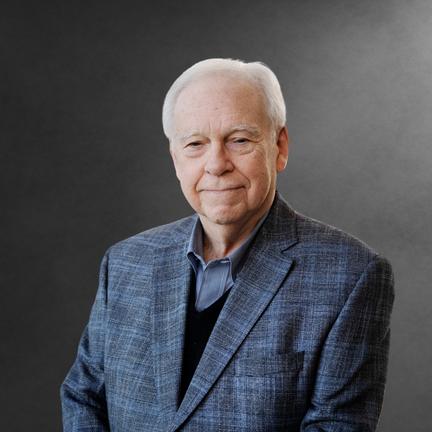
Dr. David Keast, MD, FCFP Chair, Board of Directors
Founding Member, CLF
From advancing advocacy and supporting research to expanding clinical education and strengthening national and international partnerships, each initiative represents a meaningful step toward a more equitable future.
Looking ahead, the CLF will build on this momentum as we prepare for the Canadian Lymphedema Framework Assembly 2027: Canada Connects, taking place in Halifax at Dalhousie University. This new kind of national gathering will create space for open conversation, shared learning, and collective action as we work together to shape the future of lymphedema care, research, education, and advocacy in Canada.
I am grateful to our board, staff, partners, volunteers, and community members for their ongoing leadership and commitment Together, we continue to build toward a stronger, more connected future for lymphedema care in Canada and beyond.

Lymphedema may be primary, resulting from congenital abnormalities of the lymphatic system, or secondary, developing after injury or disruption to lymphatic vessels or lymph nodes due to cancer treatment, surgery, infection, trauma, obesity, or chronic venous disease
Lymphedema is far more common than many people realize. Current estimates suggest that more than 1.25 million Canadians are living with lymphedema or chronic edema approximately 1 in 33 individuals nationwide.
The causes of lymphedema are diverse and often associated with other common health conditions. In Canada, the most common conditions and risk factors associated with the development of secondary lymphedema include:
Venous disease and vascular conditions
Obesity, which significantly increases the risk of lymphatic dysfunction
Cancer and cancer treatments, including surgery and radiation
Other surgical procedures or trauma
Mobility limitations or disability
Lymphedema is a chronic, progressive condition caused by damage or dysfunction of the lymphatic system, resulting in the abnormal accumulation of proteinrich fluid in the body’s tissues.
Without appropriate management, lymphedema can lead to progressive swelling, pain, mobility limitations, recurrent infections such as cellulitis, and significant impacts on physical and mental well-being The condition is lifelong and requires ongoing care and self-management.
1.25 million for 41.5 million population
Canadian Lymphedema Framework 2024
Chronic edema related to venous disease (PrevalenceUndetermined)
690,000
Disabilities/chair-bound 113,000
Surgeries, non-cancer 83,000
Primary Lymphedema 21,000
Mean incidence of cancer-related lymphedema from systematic reviews
Despite its prevalence and significant impact, lymphedema remains widely under-recognized within health care systems. Early diagnosis and adequate management are critical to prevent complications such as recurrent bacterial cellulitis and wounds.
By bringing together leaders across health care, research, and the patient community, the CLF is working toward a future where lymphedema is recognized as an important public health issue.
View and download the digital version of the health care education card now:
www.tinyURL.com/PhysiciansCard
The Canadian Lymphedema Framework proudly partners with eight provincial lymphedema associations in Canada, creating a strong, unified network dedicated to improving lymphedema care and awareness.
Through these partnerships, we share knowledge, resources, and best practices, while supporting one another’s initiatives and amplifying our collective impact.
This collaborative approach helps ensure more consistent education, advocacy, and access to care nationwide, while also allowing each region to address its unique needs.
By working together, we strengthen our ability to advance lymphedema care, support health care professionals and patients, and build a more connected and informed community across Canada
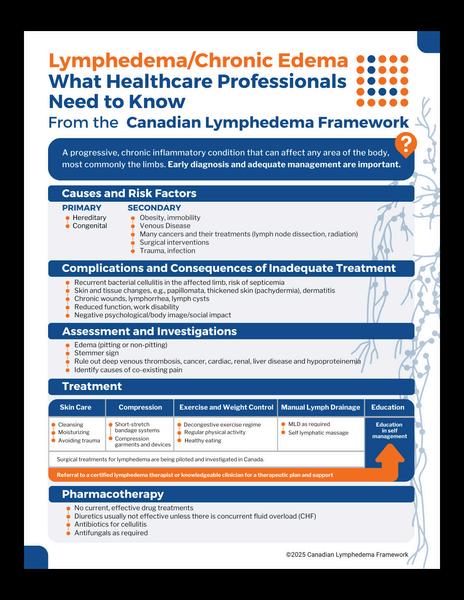
Following the publication of lymphedema prevalence data in Canada, Dr. David Keast and Dr. Anna Towers, in collaboration with the Canadian Lymphedema Framework, developed an educational card for health care professionals to help address gaps in diagnosis and timely treatment.
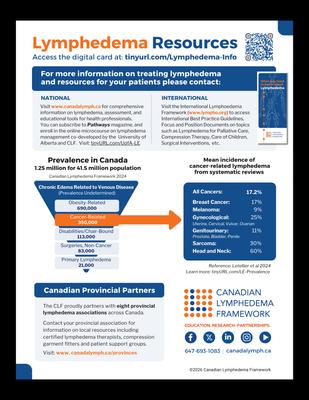
Visit www.canadalymph.ca/provinces to find your provincial association and access information on local resources, including information about certified lymphedema therapists, compression garment fitters, patient support, and other local resources where available.
British Columbia Lymphedema Association
Alberta Lymphedema Association
Lymphedema Association of Saskatchewan
Lymphedema Association of Manitoba
Lymphedema Association of Ontario
Lymphedema Association of Quebec
Lymphedema Association of Nova Scotia
Lymphedema Association of Newfoundland and Labrador
The Canadian Lymphedema Framework (CLF) is a national, patient-centred charitable organization that brings together patients, clinicians, researchers, educators, provincial associations, and other interest-holders to advance lymphedema education, awareness, research exchange, advocacy, and collaboration across Canada.
Webelievethatprogressinlymphedema careisachievedthroughcollaboration, evidence-informedpractice,and meaningfulpatientengagement
TheCLF’sprogramsandpartnerships areguidedbythefollowingprinciples:
Patients are central to all aspects of care development and systems improvement. Education matters – for patients, health care professionals, and policymakers
Knowledge translation bridges the gap between evidence and innovation and real-world practice.
Collaboration strengthens impact, both nationally and internationally.
Advocacy is essential to improving access, reducing barriers, and supporting better care.
The Canadian Lymphedema Framework is committed to advancing equity, inclusion, and respect in all aspects of our work We believe that everyone affected by lymphedema deserves timely access to knowledgeable care, reliable information, and supportive resources free from discrimination and unnecessary barriers. We strive to reflect the diversity of the communities we serve and to work collaboratively toward a more equitable health system for all
To improve lymphedema care in Canada by fostering collaboration among interest-holders, advancing education, supporting research, and amplifying the voices of patients and clinicians.
A future where every person in Canada has timely access to knowledgeable care, reliable information, and supportive resources for lymphedema..
The Canadian Lymphedema Framework acknowledges the ongoing impacts of colonialism on First Nations, Inuit, and Métis Peoples in Canada and recognizes the responsibility of health-related organizations to support truth, reconciliation, and meaningful change. We are committed to listening, learning, and contributing to improved understanding, respect, and more equitable health care for Indigenous Peoples.

David Keast MSc Dip Ed MD CCFP FCFP(LM)


Siba Haykal MD, PhD, FRCS, FACS

Spencer Gibson PhD

Naomi Dolgoy MOT, CLT, PhD
Bonnie Baker Executive Director

Grace Neumayer Manager, Marketing and Communications
Anna Towers MD FCFP
Mei Fu MT, MSc

Alisha Damji Special Projects Coordinator
Anna Kennedy Editor-in-Chief Pathways Magazine
David Keast MSc Dip Ed MD CCFP FCFP(LM)
Lori Radke PT, CDT
The Canadian Lymphedema Framework acknowledges that our work takes place across the traditional territories of First Nations, Inuit, and Métis Peoples throughout what is now known as Canada, including lands governed by treaties and unceded territories. We recognize the enduring presence, cultures, and knowledge of Indigenous Peoples and honour their stewardship of the land We make this acknowledgement as part of our ongoing commitment to respect, learning, and reconciliation.

Margie McNeely PhD
We are deeply grateful to the many individuals who generously gave their time and energy to the CLF this past year, contributing to special projects and initiatives in countless meaningful ways. Their support helps extend our reach and amplify our impact.
Founded following a national Open Space Technology meeting that brought together 100 patients, clinicians, researchers, and other participants from across Canada to identify shared priorities for education, research, reimbursement, advocacy, and improved care Incorporated as a federal non-profit organization the same year
Received charitable status, strengthening the organization’s foundation for future education, awareness, and fundraising work With funding support from 3M Canada, completed one of the CLF’s first major initiatives: a Lymphedema Landscape Study examining how lymphedema was being treated in Canada
Served as host country, in collaboration with the International Lymphoedema Framework, for the 3rd International Lymphoedema Framework Conference in Toronto, welcoming more than 400 delegates from 22 countries.
Published “Lymphedema in Canada: A Qualitative Study to Help Develop a Clinical Research and Education Strategy” in Current Oncology, building on the 2009 Open Space process and identifying priority areas for national action.
Published “Lymphedema Care and Management in Canada” in Journal of Lymphology. This publication calls for a coordinated national approach to improve standards, expand research, and ensure equitable access through collaboration across the health care community.
Launched Pathways, Canada’s national lymphedema magazine, in collaboration with the Canadian provincial lymphedema associations
Published an early repository of Canadian lymphedema research and launched a Toronto public awareness campaign, helping strengthen knowledge-sharing and increase visibility of lymphedema in Canada
Published the Consensus Statement for National Training Standards and held the first National Lymphedema Conference, co-hosted with the Lymphedema Association of Ontario. The year also included a National Patient Advocacy Workshop with provincial association leaders
Strengthened CLF’s organizational foundation with new branding, a refreshed visual identity, its first office location, and paid staff support The Research and Education Working Groups advanced key resources, including a second repository of Canadian lymphedema research and content for a national patient education pamphlet.
Launched a new CLF website with expanded education content for patients and health care professionals, and released the National Research Agenda for Canada
Presented the 2nd National Lymphedema Conference in Alberta, produced in collaboration with the Alberta Lymphedema Association and the University of Calgary, and began planning Canada’s participation in the international LIMPRINT research study on lymphedema prevalence.
Published a national 20-page patient education booklet with support from the Alberta Lymphedema Association
In two separate articles, Pathways highlighted province-by-province awareness efforts and examined reimbursement inequities in lymphedema care, underscoring the growing need for coordinated national education, advocacy, and more equitable access across Canada
Presented the 3rd National Lymphedema Conference in Montreal, produced in collaboration with the Lymphedema Association of Quebec The bilingual event, “Chronic Edema and Lymphedema: A Growing Problem in Canada,” offered education for both health care professionals and patients
Advanced national understanding of lymphedema and chronic edema through Canadian prevalence data published by Dr David Keast and Dr Anna Towers
Began collaborative work with Alberta Health Services, the Canadian Physiotherapy Association Oncology Division, and the University of Alberta Cancer Rehabilitation Clinic Laboratory to update national best-practice guidance for breast cancer–related lymphedema
Continued work connected to the Canadian Clinical Practice Guideline for Best-Practice Management of Breast Cancer–Related Lymphedema in collaboration with Alberta Health Services
Produced “Lymphedema/Chronic Edema: What Every Physician Should Know” - our most widely distributed education resource to health care professionals across Canada
Hosted the 4th National Lymphedema Conference in Toronto, bringing together more than 300 attendees, including health care professionals and patients, for expert discussion on new paradigms in chronic edema and lymphedema care.

Partnered with the University of Alberta, with support from a Mitacs Accelerate Fellowship, to develop the Lymphedema and Chronic Edema Management online microcredential course
Launched the Health Professional Toolkit, an online resource library developed by the CLF’s Education Working Group to support health care professionals in clinical practice
Published Pathways articles reporting Canadian results from the ILF Outcome Measures Study and examining hospitalbased lymphedema programs, helping document care delivery, clinical practice, and service needs across the country
Hosted the 5th National Lymphedema Conference in partnership with Wounds Canada This first virtual national conference featured more than 45 presenters and expanded access to education and connection across Canada and beyond
Launched the first coordinated CLF World Lymphedema Day campaign, officially joining a global awareness initiative created by LE&RN to elevate understanding and advocacy for lymphatic diseases
Established the CLF’s first full-time Executive Director role, strengthening organizational capacity, continuity, and day-to-day leadership
Partnered with IMD Health to broaden digital access to CLF educational resources, including health care professional tools, patient guides, and fact sheets
Hosted the 2023 National Lymphedema Conference in Toronto, bringing together more than 300 patients, caregivers, health care professionals, researchers, and industry representatives for education, discussion, and connection.
Participated in the 2023 American Cancer Society–LANA Lymphedema Summit alongside several Canadian colleagues. Key insights were later shared through a series of Pathways articles, extending the value of the event to CLF’s broader community
Established the CLF’s first full-time Marketing &Communications Manager role, strengthening organizational capacity in communications, digital engagement, brand development, and community outreach
Became a Crossref member and began assigning Digital Object Identifiers (DOIs) to selected Pathways articles, making this content easier to find, cite, and access over time
Launched the Lymphedema Learning Library, a digital resource that organizes past Pathways articles into themed collections, making trusted information easier to find and share.
Released a refreshed Patient Education Pamphlet and distributed more than 16,500 copies across Canada to support patient education, selfmanagement, and access to reliable lymphedema information.
Published updated Canadian prevalence data and released a refreshed Health Care Professional Education Card to support earlier recognition, diagnosis, and management of lymphedema
Served as host country for the 12th International Lymphoedema Framework Conference in Niagara Falls, welcoming more than 600 delegates from 37 countries – the largest ILF conference to date.
Launched a national petition calling for medical compression garments to be exempt from Canada’s retaliatory tariffs, highlighting compression as essential medical care
Launched Pathways LIVE: Authors in Conversation, extending selected Pathways articles into interactive online discussions with authors and the CLF community.
Recognized Dr David Keast’s contribution to Chapter 13 of Wounds Canada’s Best Practice Recommendations, which addresses lower-limb lymphedema and wound care and supports evidence-informed care for patients with chronic edema and complex wounds
Highlighted Anna Kennedy’s Journal of Lymphology article, “Two decades of lymphoedema care in Canada: progress, pitfalls and promise,” reflecting on the evolution of lymphedema care in Canada
Announced the Canadian Lymphedema Framework Assembly 2027: Canada Connects will be held May 13-15, 2027 in Halifax, Nova Scotia
Guided by our commitment to improving the lives of those affected by lymphedema, we have established a set of strategic priorities that shape our work and drive our impact.
Increase national awareness of lymphedema and its impact on individuals, families, and the health care system
Support best-practice care by sharing evidencebased resources, emerging research, and clinical guidance from Canadian and international sources
Advance education by developing and promoting learning opportunities for patients, caregivers, and health care professionals
Foster research collaboration by identifying needs, connecting researchers, and disseminating new knowledge
Strengthen partnerships across the lymphedema and allied health communities to improve care, education, advocacy, and awareness
Promote patient voices in policy, care development, and advocacy efforts.
These highlights offer a snapshot of the CLF’s reach and impact over the past year, made possible through the engagement and support of our community across Canada and beyond.
Together, these activities reflect the many ways lymphedema is being brought into broader conversations through patient education, professional learning, research exchange, media engagement, and community partnerships. When lymphedema is part of the conversation, awareness grows, understanding deepens, and our mission moves forward.
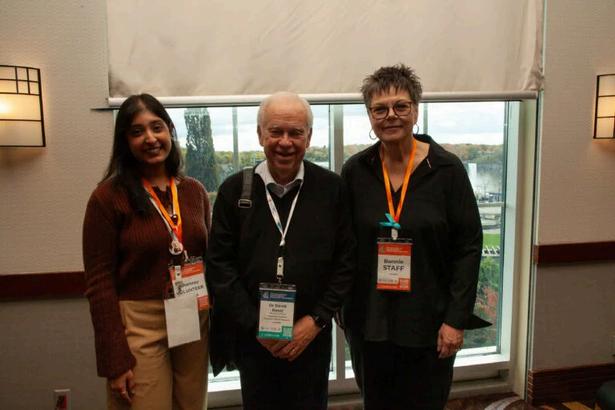
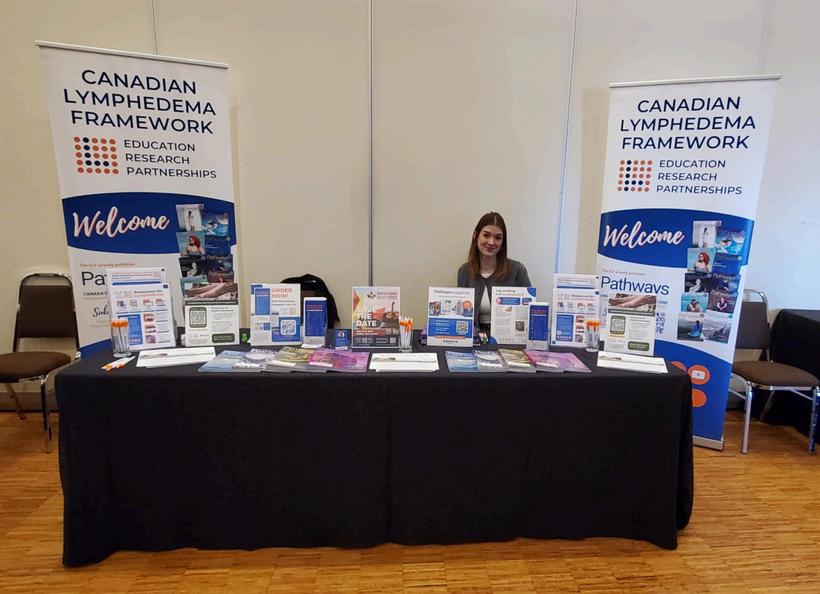
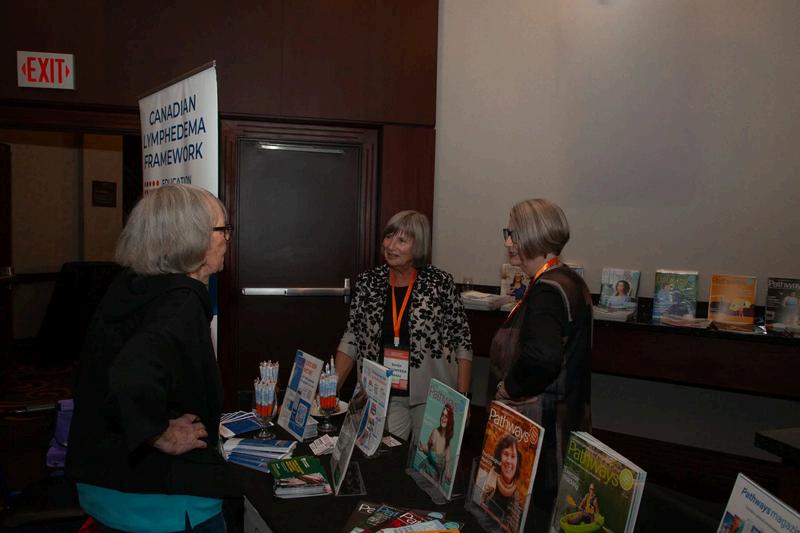
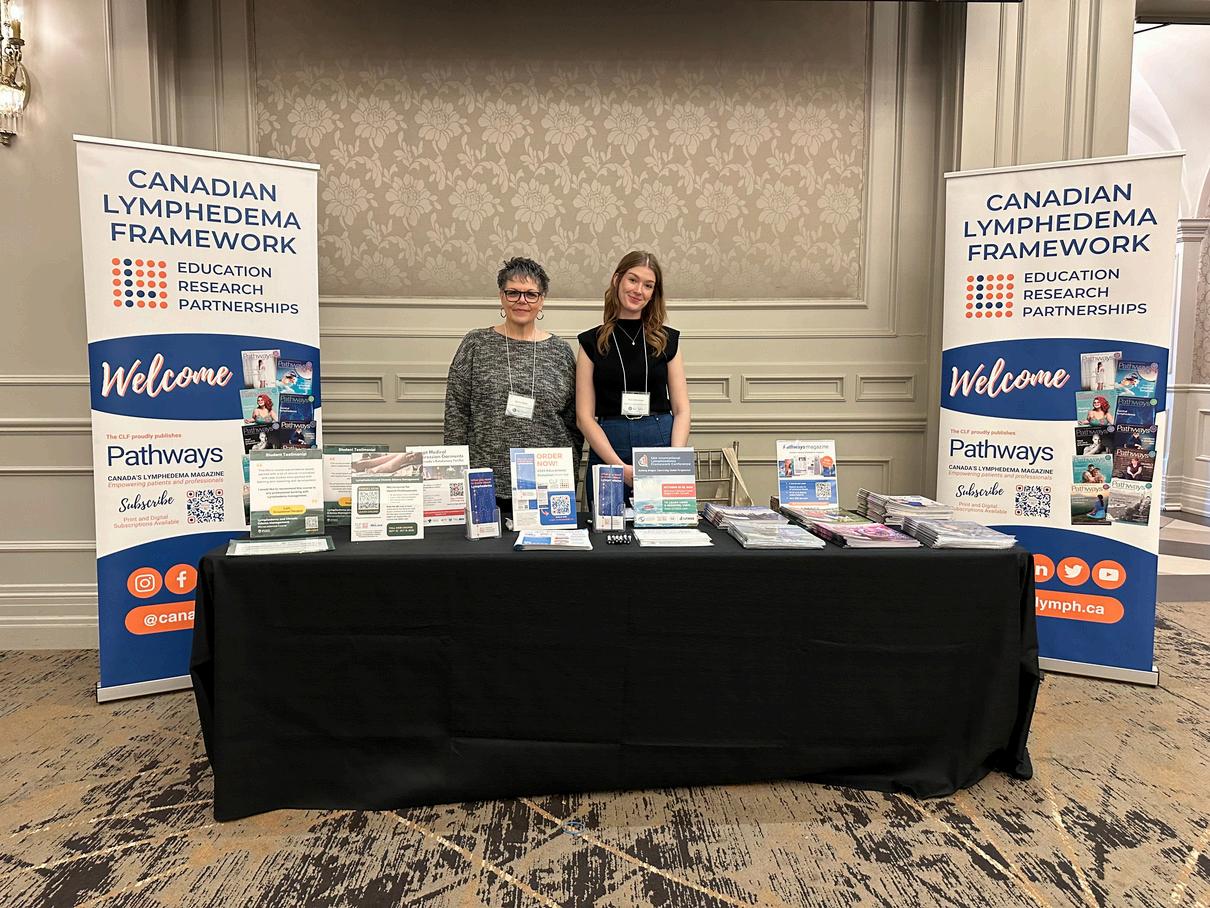
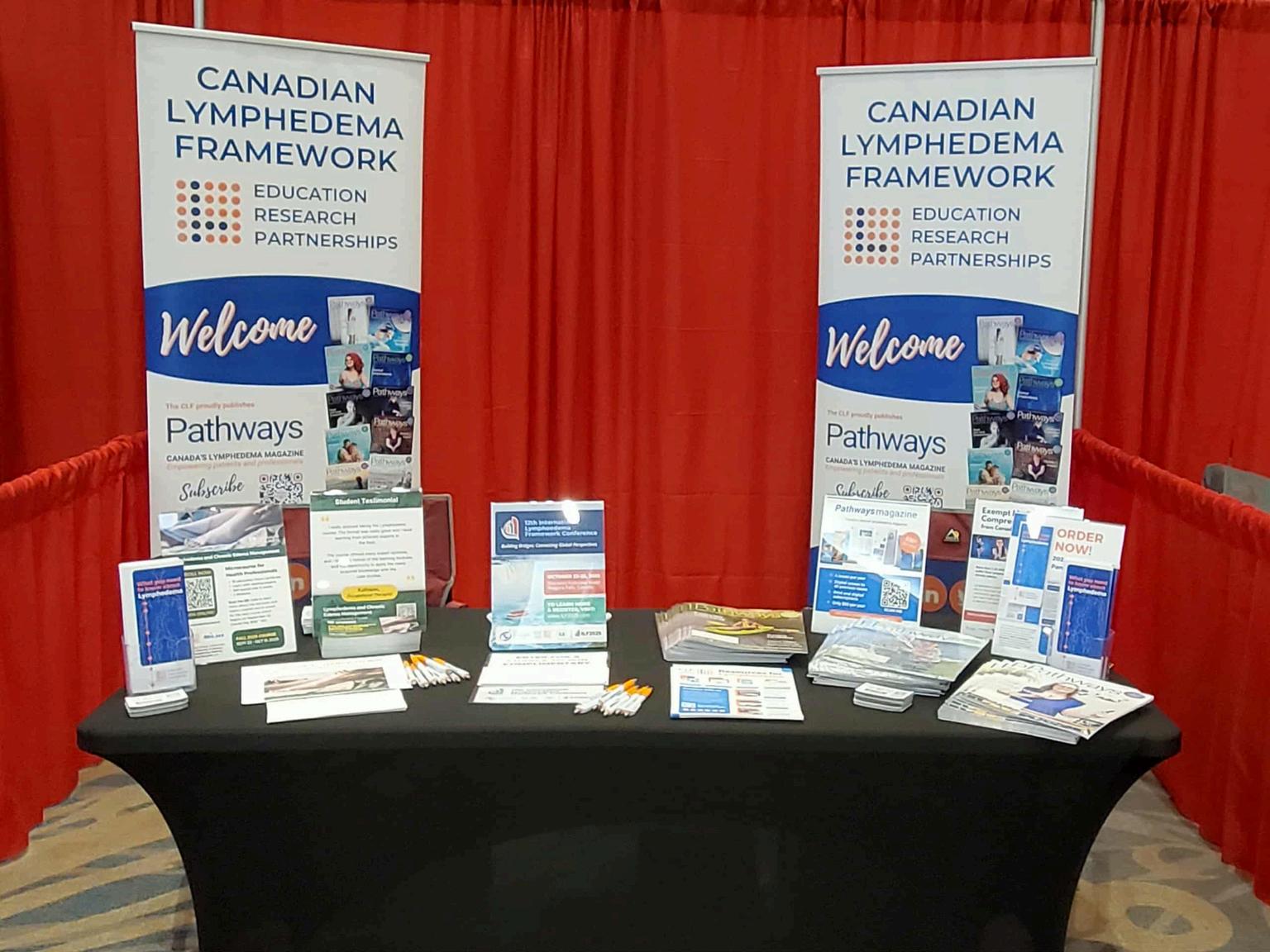
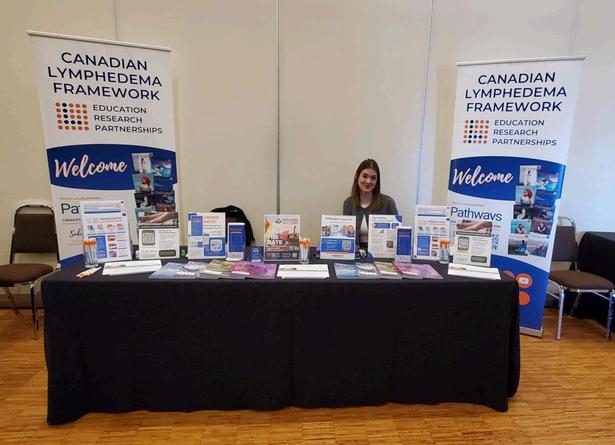
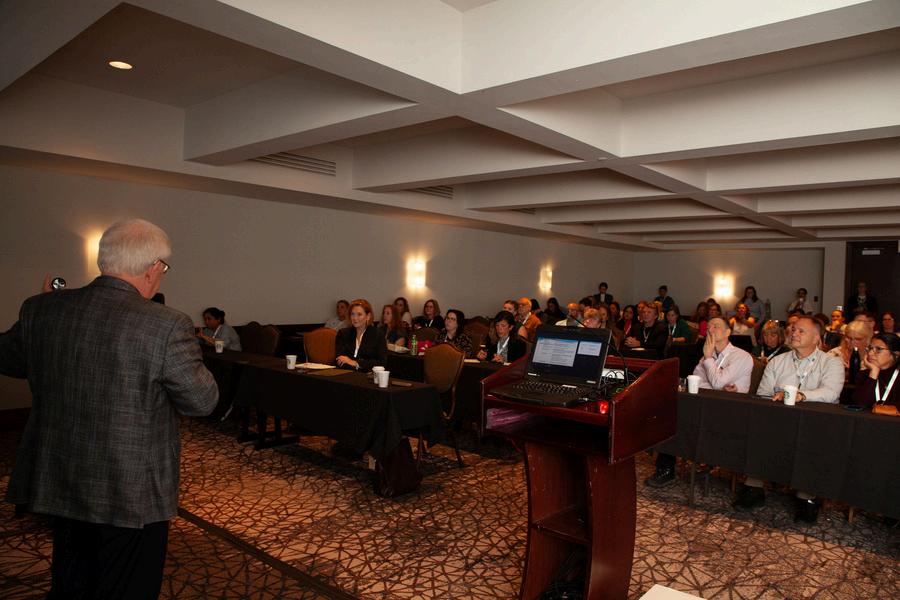
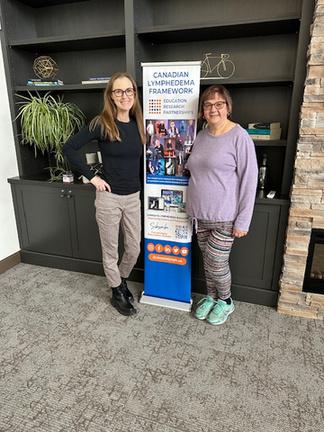
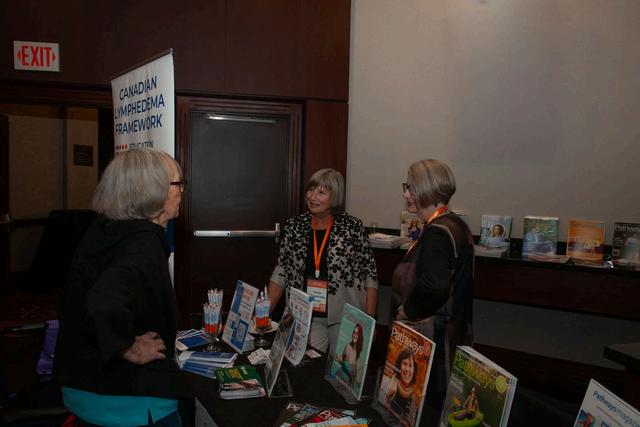
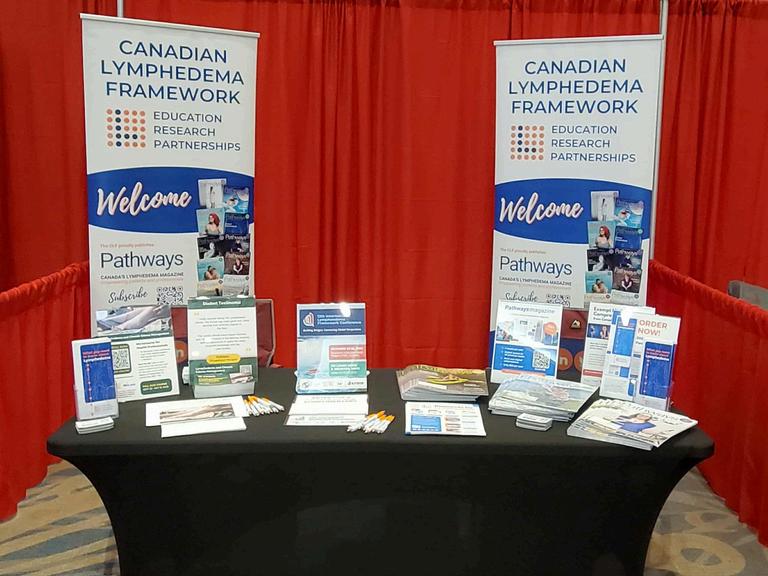
The CLF engages with key in-person and virtual events as one way to connect with health care professionals, patients, researchers, students, and partner organizations. In some cases, CLF staff participated directly as exhibitors, sharing educational resources and information about CLF programs. In others, Board members contributed their expertise as invited speakers, presenters, or panelists through events hosted by partner or allied organizations. These examples are not a comprehensive list of all speaking, education, or outreach activities undertaken by CLF leaders over the year. Rather, they offer a snapshot of the many ways members of our community are helping to raise awareness, share knowledge, and strengthen understanding of lymphedema and chronic edema.
Over the past year, the CLF has helped advance lymphedema awareness and education through a combination of outreach, resource-sharing, media opportunities, and participation in selected events across Canada and internationally. This section highlights examples of CLF activities, as well as related contributions by Board members whose clinical, research, and educational work continues to align closely with our mission.
We are proud of the commitment shown by our Board, staff, volunteers, and partners, and we remain dedicated to supporting our community at every stage whether individuals are newly diagnosed, health care professionals are seeking to advance their knowledge, or students are exploring specialization in this field.
Reconstruction and Lymphedema Canadian Breast Cancer Network
Dr. Siba Haykal
Dr Siba Haykal presented on the latest advancements in surgical care related to breast cancer, with a focus on breast reconstruction and lymphedema prevention and management This webinar explored how innovative surgical techniques are helping to improve outcomes, support recovery, and enhance the overall quality of life for individuals affected by breast cancer
Ruth Ruttan Footcare Conference
Dr. David Keast
Dr. David Keast explained how to differentiate cellulitis from other causes of a swollen, red leg, and outlined its risk factors along with recommended treatment and prevention strategies.
Canadian Prevalence Update
ILF2025
Dr. David Keast
Dr. David Keast presented the latest Canadian data on lymphedema prevalence, discussing both the methods used to collect the data and the challenges of estimating prevalence across large populations.
Lymphedema Translational Research: Giving Hope for Effective Treatment
ILF2025
Dr. Spencer Gibson
Dianne and Irving Kipnes Endowed Chair in Lymphatic Disorders, Dr. Spencer Gibson presented his translational research program focused on developing new therapeutic strategies, including insights into microenvironmental changes and approaches to prevention and treatment.
Building Multidisciplinary Research Teams in Lymphedema. An Interactive Panel Discussion ILF2025
Dr. Siba Haykal, Dr. Spencer Gibson
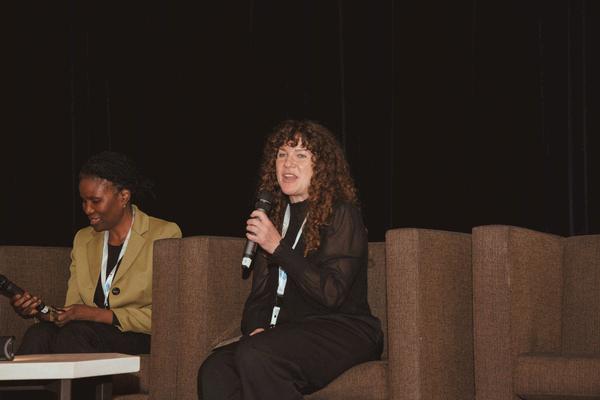
Dr. Spencer Gibson and Dr. Siba Haykal co-moderated a panel discussion that brought together internationally recognized leaders in lymphedema research to share practical strategies for building and sustaining diverse, collaborative, and patient-centred research teams. Through facilitated discussion, they guided conversations on bridging research, clinical practice, and patient engagement, while exploring challenges and opportunities related to funding, mentorship, and cross-sector collaboration to strengthen the future of lymphatic research globally.
Managing Wound Infections From Biofilm to Best Practice
ILF2025
Dr. David Keast
In this essential Master Class, internationally renowned wound care expert Dr David Keast guided participants through the latest evidencebased approaches for assessing and managing wound infections, based on the 2022 Consensus Document from the International Wound Infection Institute
Understanding Surgery for Lymphedema: A Real Talk for Patients
ILF2025
Dr. Siba Haykal
In this informative session, Dr. Siba Haykal outlined current surgical options available in Canada and internationally, discussed patient candidacy, and shared key insights into the benefits, risks, and limitations of surgery. The session aimed to equip patients with balanced, evidence-informed information to support informed decisionmaking and self-advocacy.
Movement to Meaning: Supporting Daily Activity While Living with Lymphedema ILF2025
Naomi Dolgoy, PhD
This interactive discussion, led by occupational therapist Naomi Dolgoy, explored how thoughtful movement can enhance function, comfort, and quality of life. The session highlighted accessible and empowering ways to stay active while living with lymphedema, incorporating perspectives from both a patient and a physiotherapy PhD candidate. Grounded in real-world experience, the discussion offered practical strategies for managing daily life with lymphedema.
Naomi Dolgoy, PhD
Naomi Dolgoy participated as a mentee in a unique panel featuring three distinguished mentors Dr. Jane Armer, Dr. Anna Towers, and Dr. Margie McNeely each of whom has been instrumental in developing the next generation of leaders in lymphedema research, clinical care, education, and advocacy. The panel explored lessons learned through the mentor-mentee relationship, highlighting how mentorship shapes career paths, strengthens interdisciplinary collaboration, and advances the future of lymphedema care worldwide. Panelists offered brief reflections and practical advice, providing inspiration and guidance for both emerging professionals and established leaders.
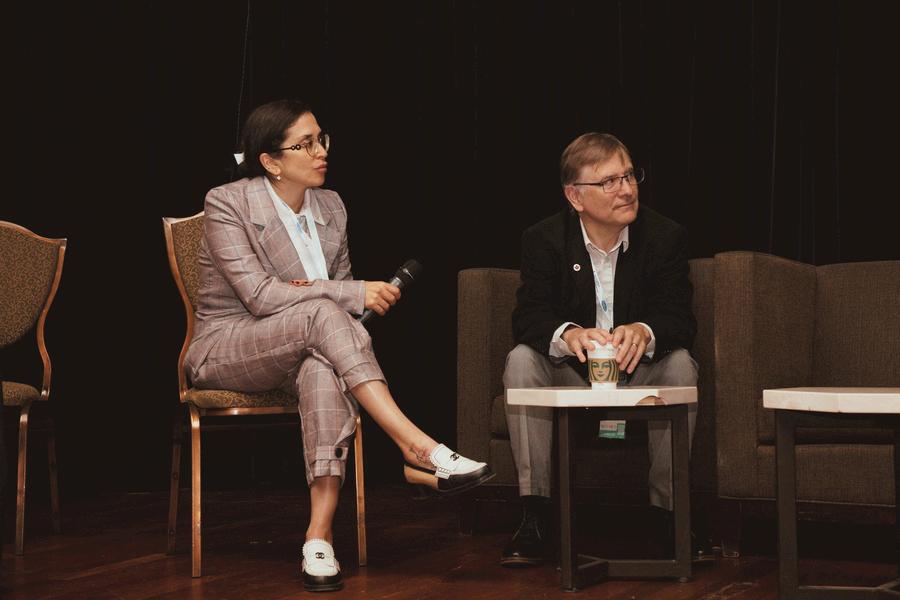
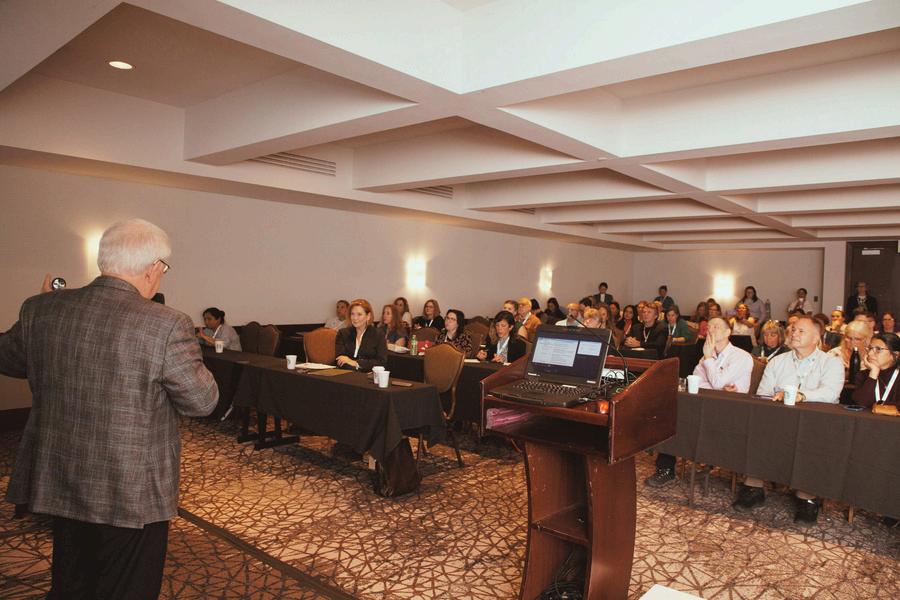
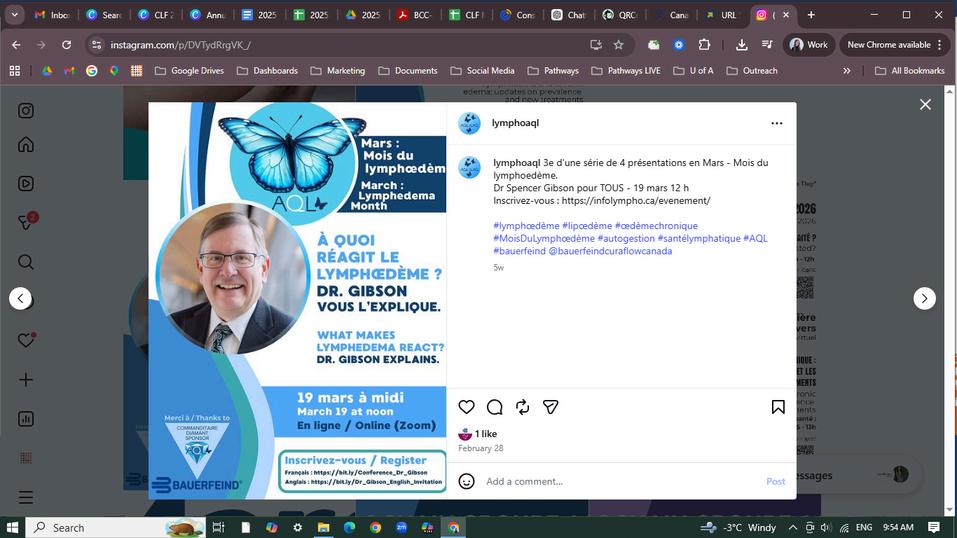
Dr. Spencer Gibson
Lymphedema evolves within a complex biological environment. But what does it actually respond to? Which factors influence inflammation and the progression of chronic swelling? And how can scientific advances concretely improve quality of life? The most recent research on the cellular environment of lymphedema explores, among other areas, the impact of metabolic and nutritional factors, while other studies focus on potential targeted therapeutic approaches. Dr. Gibson shared key findings from his work and explained how fundamental research may ultimately translate into beneficial strategies for people living with lymphedema, lipedema, or chronic edema.
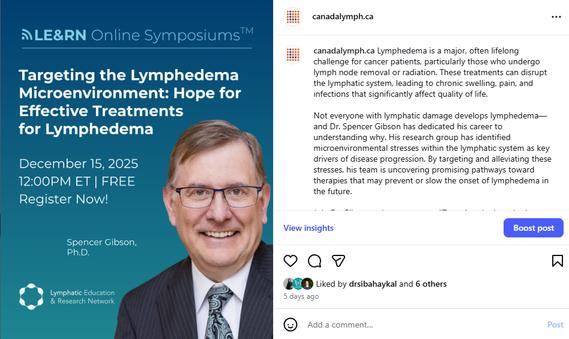
Targeting the Lymphedema
Microenvironment: Hope for Effective Treatments for Lymphedema
LE&RN
Dr. Spencer Gibson
In this presentation, Dr. Spencer Gibson shared findings from his research group, which has identified microenvironmental stresses within the lymphatic system as key contributors to disease progression. By addressing these stresses, his team is exploring promising therapeutic approaches that could help prevent or slow the development of lymphedema.
Lower Extremity Lymphedema and Skin Breakdown, Focus on Footcare
Canadian Podiatric Medicine Association
Dr. David Keast
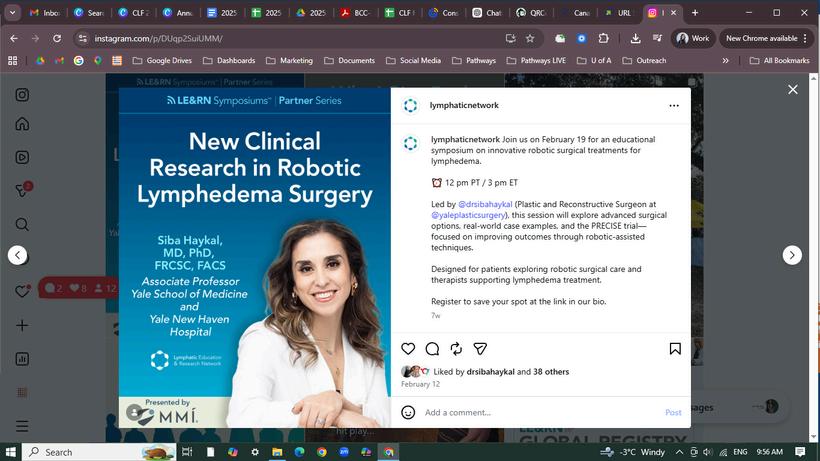
New Clinical Research in Robotic Lymphedema Surgery
LE&RN
Dr. Siba Haykal
Designed for patients exploring robotic surgical care and therapists supporting lymphedema treatment, this session explored advanced surgical options, realworld case examples, and the PRECISE trial focused on improving outcomes through robotic-assisted techniques.
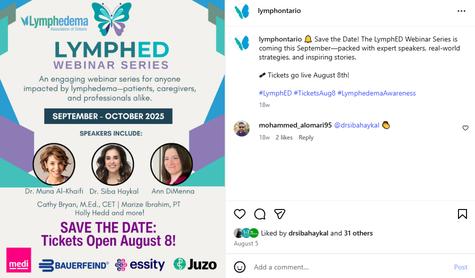
Novel Surgical Techniques for Lymphedema
Lymphedema Association of Ontario LymphEd Webinar Series
Dr. Siba Haykal
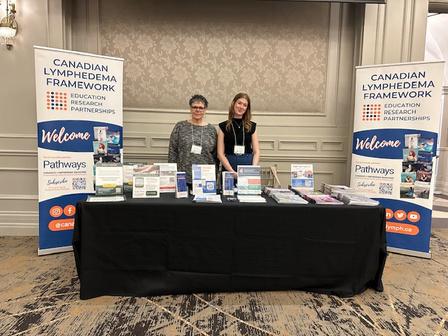
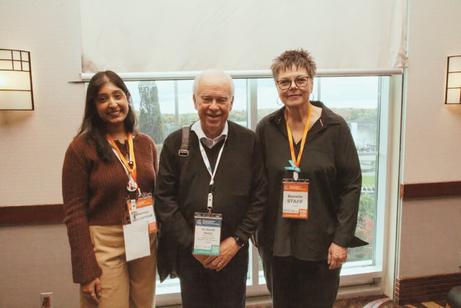

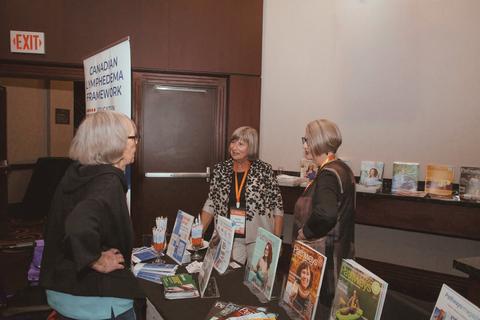
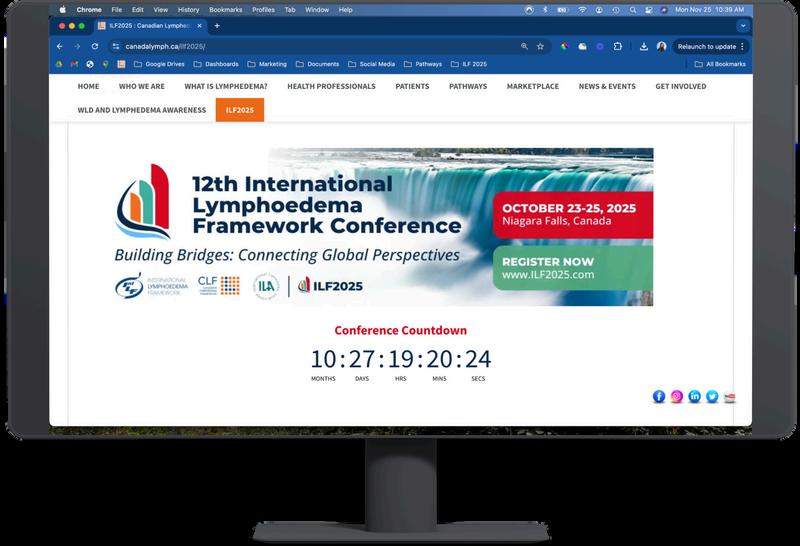
From October 23–25, 2025, the global lymphoedema and lipoedema community gathered in one of the world’s most iconic destinations Niagara Falls, Canada for three days of exceptional learning, collaboration, and inspiration.
As host country, the Canadian Lymphedema Framework was proud to partner with the International Lymphoedema Framework (ILF) and the International Lipoedema Association (ILA) to deliver the 12th International Lymphoedema Framework Conference (ILF2025)—a landmark event that reflected a new level of global momentum in lymphatic health education and engagement.
The conference featured:
Three full days of world-class programming with more than 120 international speakers
Inspiring keynote presentations, interactive workshops, and an in-depth Master Class series
A dynamic industry exhibition showcasing 39 exhibitors, cutting-edge innovations, products, and hands-on Skill Zones
A dedicated two-day patient program (October 24–25), ensuring that patient voices remained central

Welcoming over 600 attendees from 37 countries, ILF2025 made history as the largest International Lymphoedema Framework Conference to date. This unprecedented gathering brought together patients and advocates, health care professionals, researchers, and industry leaders, united in a shared commitment to advancing care and shaping the future of lymphatic health.
ILF2025 was more than a conference— it was a historic milestone for the global lymphatic community, reflecting the growing momentum, collaboration, and collective determination to elevate awareness, education, and care worldwide.

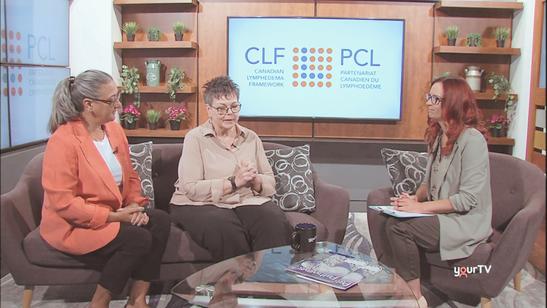
Over the past year, the CLF expanded its reach through local television media, helping bring lymphedema awareness and education to broader public audiences These opportunities came through the generous invitation and support of Audrey Wall, RN, a Niagarabased foot care nurse and valued friend of the CLF, whose practice has grown to include support for people living with lymphedema and lipedema
The Canadian Lymphedema Framework was invited to participate in a studio interview at Cogeco YourTV Niagara alongside Audrey Wall, RN, to raise awareness about lymphedema.
During the segment, we discussed what lymphedema is, common signs and symptoms, associated risks, and practical approaches to management and support.
Building on this momentum, we were also invited to join CHCH Morning Live for a live segment with Audrey Wall an especially valuable opportunity to reach a broader audience. Together, we helped amplify awareness of lymphedema, the importance of early recognition, and the resources and supports available to patients and health care professionals.
Through these segments, we were able to highlight real-world community support in action showcasing how health care providers, local clinics, and national organizations can work together to improve awareness, connect people with resources, and support those affected by lymphedema These opportunities also reflected the strength of CLF relationships built through Pathways, conferences, and volunteer engagement
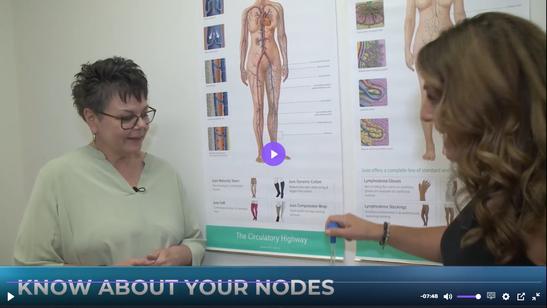
tinyurl.com/CHCH-News-Lymphedema tinyurl.com/Cogeco-YourTV-Lymphedema
Over the past year, the CLF continued to expand access to practical, evidenceinformed education for patients, clinicians, caregivers, and allied health care professionals
A key example is our ongoing collaboration on the University of Alberta microcourse, which has broadened access to flexible, high-quality learning for those seeking a stronger foundation in lymphedema and chronic edema care
As new clinicians complete certified lymphedema training, the CLF has an opportunity to welcome them into a broader national community of learning, practice, and support
Education is at the heart of the CLF’s work—connecting patients, clinicians, students, and partners with knowledge that supports earlier recognition, better care, and stronger outcomes.
By supporting education that is accessible and relevant to a range of learners, the CLF helps bridge knowledge gaps and encourage earlier recognition, better management, and more informed conversations about care
Together, these efforts reflect our commitment to education that is practical, inclusive, and connected to real-world needs helping build a more informed, confident, and collaborative lymphedema community
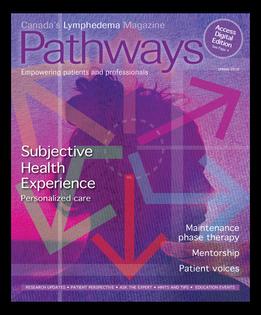
Graduates also receive complimentary access to the latest issue of Pathways magazine, helping connect them with current knowledge, patient perspectives, emerging practices, and the wider lymphedema community
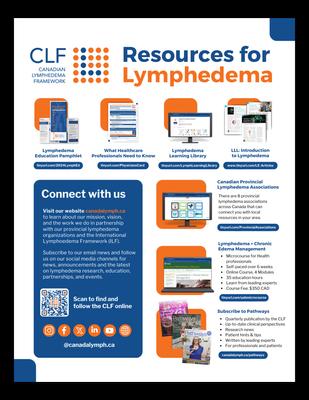
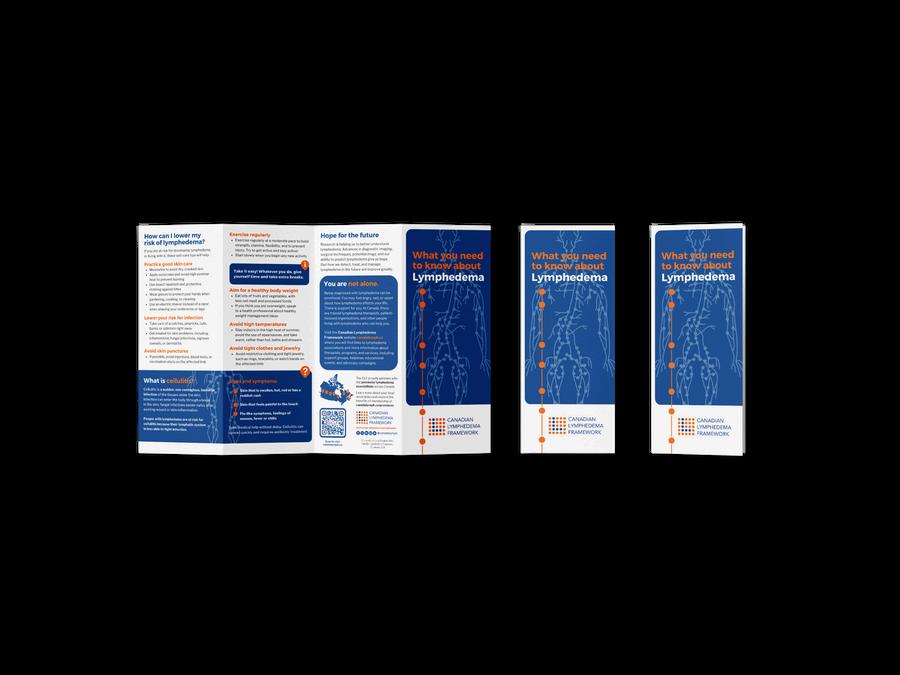
Through partnerships with lymphedema training programs, the CLF provides new graduates with curated information packages that include health care education cards, patient education pamphlets, resource sheets, and information about CLF programs, events, and supports
Last year, the CLF reached more than 90 students through this initiative By supporting emerging professionals early in their lymphedema care journey, we are helping strengthen clinical capacity and invest in the future of care in Canada
Developed through a Mitacs-supported partnership between the CLF and the University of Alberta, the Lymphedema and Chronic Edema Management microcourse broadens access to practical, evidence-informed education The CLF continues to collaborate with the University of Alberta team to promote the course, support enrolment, and strengthen foundational lymphedema learning
The microcourse brings together patients, clinicians, health care professionals, and industry representatives in a shared learning environment that reflects the multidisciplinary nature of lymphedema care. To date, 260 participants have completed the course, demonstrating strong interest in accessible, high-quality education across the continuum of care.
The significance of this initiative lies in its ability to bridge critical knowledge gaps. By providing up-to-date, clinically relevant information in a flexible online format, the course equips participants with the tools and confidence needed to better understand, manage, and treat lymphedema and chronic edema. It also helps to promote consistency in care approaches and encourages earlier recognition and intervention.
Beyond individual learning, the course plays an important role in strengthening the broader lymphedema community By fostering a common foundation of knowledge across disciplines and lived experiences, it supports more collaborative, informed, and patientcentred care This shared understanding ultimately contributes to improved outcomes and a stronger, more connected community of practice
This course provided a holistic foundation of knowledge about lymphedema across the lifespan that exceeded my expectations
Ashley, Registered Nurse
Lalit, Occupational Therapist-
I would like to recommend this course to any professional working with lymphedema management.
Explore our website to learn more about the course facilitator, guest lecturers, module content, and student testimonials.

www.tinyurl.com/uabmicrocourse





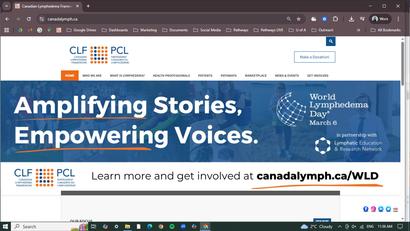
Lymphedema Awareness Month, recognized globally each March, is a major worldwide movement dedicated to raising awareness of lymphedema.
Anchored by World Lymphedema Day (WLD) on March 6, our 2026 campaign provided a powerful platform to spotlight this under-recognized condition. The month highlighted the collective dedication of the community to education, advocacy, and support for those affected by lymphedema.
The CLF, alongside our eight partner provincial associations, led a range of initiatives that reinforced our shared commitment to a future where lymphedema is properly recognized, diagnosed, and treated.
As part of World Lymphedema Day and Lymphedema Awareness Month, we gave complimentary digital access to read the digital edition of the 2026 Spring issue of Pathways.
Our campaign centred on advocacy and elevating the voices of those living with lymphedema, grounded in the belief that meaningful change begins by listening, sharing, and amplifying community experiences. As part of our WLD efforts, we launched a dedicated webpage outlining clear ways for our audience to get involved and make an impact through reading, sharing, advocating, educating, subscribing, and donating.
This work was reinforced by curated, targeted eNewsletters distributed to our audience and through partner organizations such as IMD Health and the Canadian Podiatric Medical Association, helping to extend our reach and raise awareness
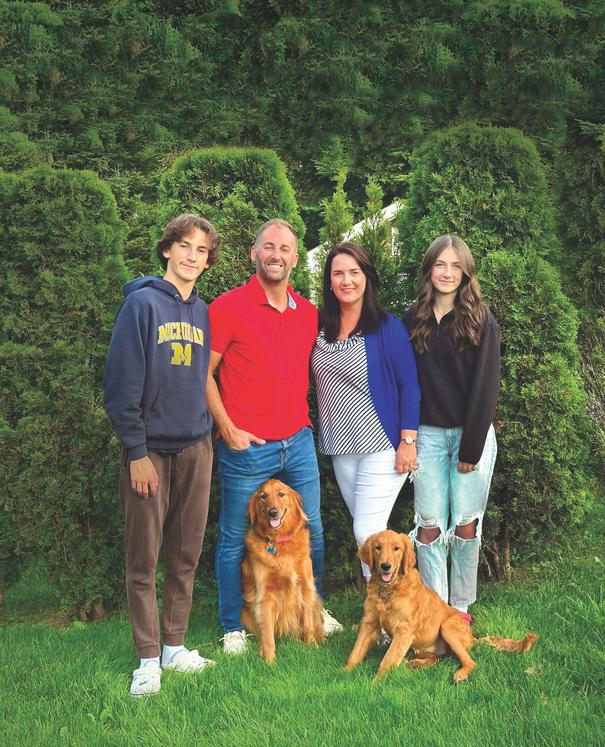
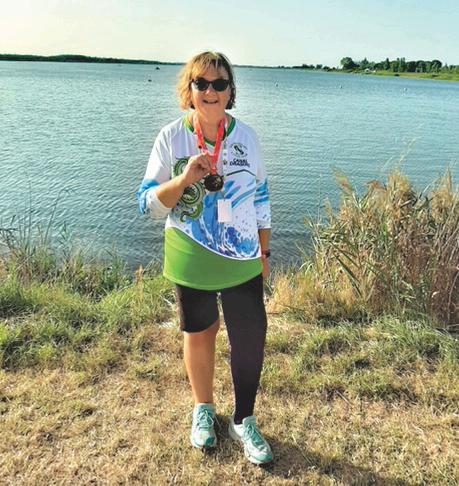
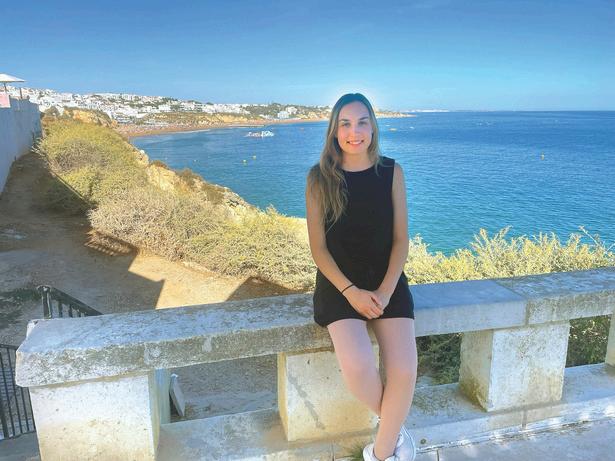
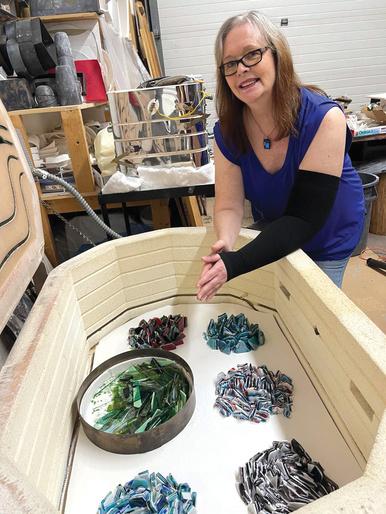
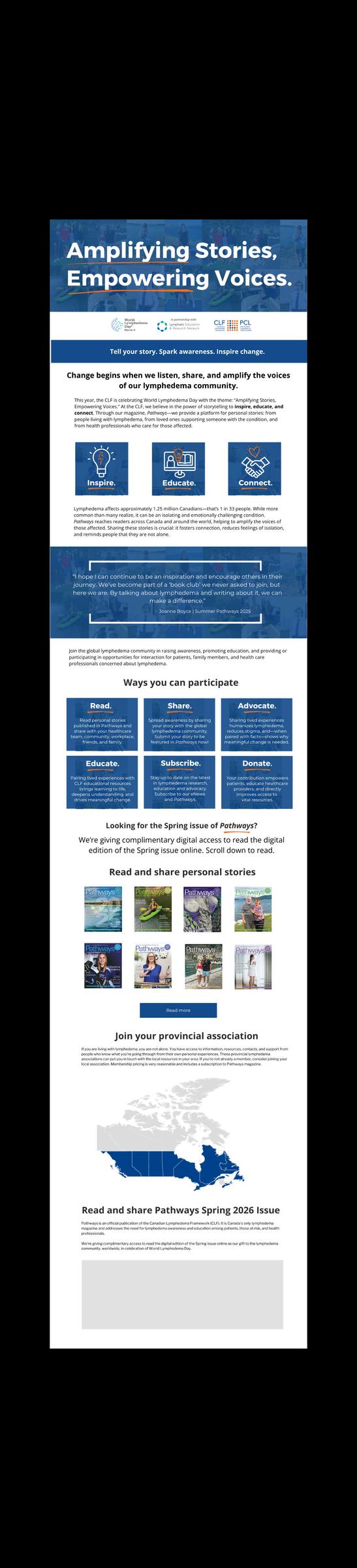
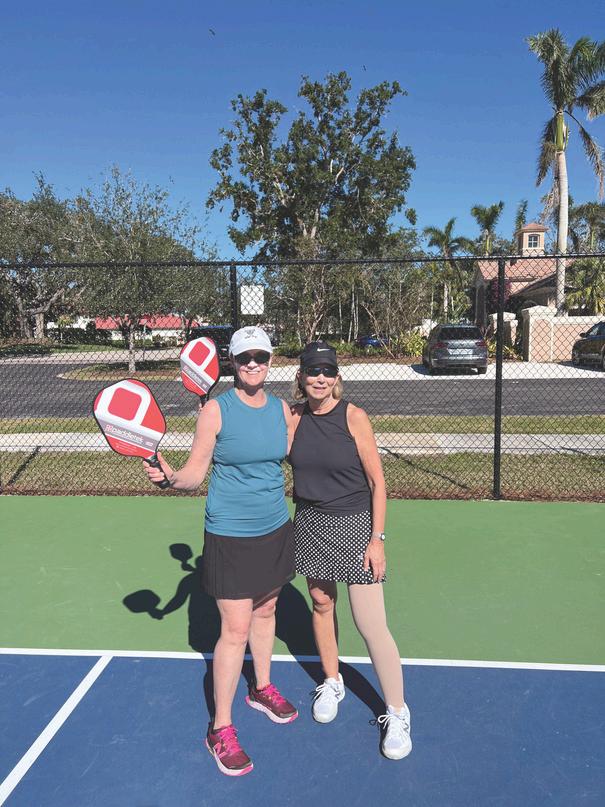
On social media, we introduced the “Meet” awareness campaign, featuring six powerful patient stories James, Joanne B , Joanne S , Jenn, Laurie, and Carol originally published in Pathways Each story reflected remarkable resilience and strength, providing an honest and deeply human look into life with lymphedema Every story shared has the potential to educate, inspire, and create meaningful change whether by helping someone recognize their


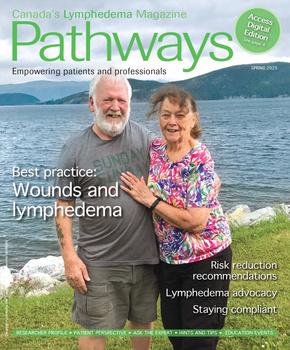
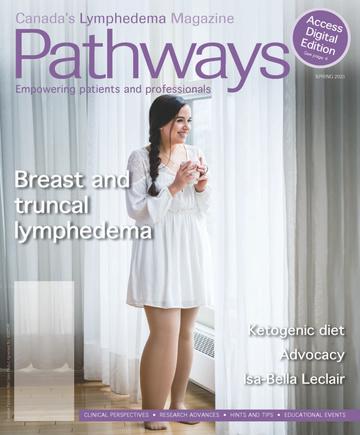
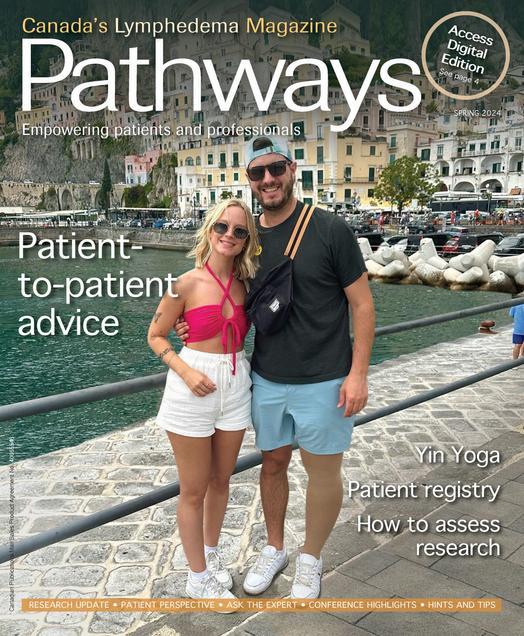
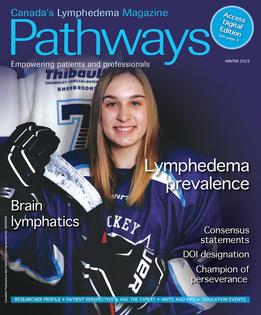
symptoms, seek care sooner, or simply feel understood. In this way, each voice contributes to a larger movement, demonstrating that personal stories can have a lasting and life-changing impact on others
ocial media channels helped fy the campaign’s reach and ct. Through consistent, daily ent ranging from statistics and nt experiences to signs and toms, WLD activities, and esources we created a steady, passionate presence that resonated deeply with our audience
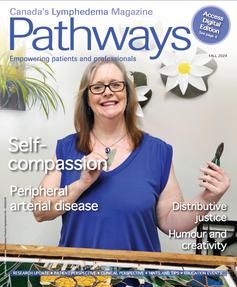
Pathways is the official publication of the CLF and remains Canada’s only magazine dedicated to lymphedema. A trusted national resource, Pathways plays a vital role in addressing the ongoing need for awareness, education, and knowledge translation across the lymphedema community.


Designed for a broad and diverse audience including individuals living with lymphedema, those at risk, caregivers, and health care professionals Pathways bridges the gap between research, clinical practice, and lived experience.
Each issue features contributions from leaders and experts in the field, helping to advance critical conversations around lymphedema care, management, and advocacy.
In 2025-2026, the CLF published and distributed four issues of Pathways Summer, Fall, Winter, and Spring reaching more than 2,000 subscribers and over 12,000 readers per issue.
The magazine’s continued growth in digital distribution has significantly expanded its reach, with print and digital readership extending to 49 countries.
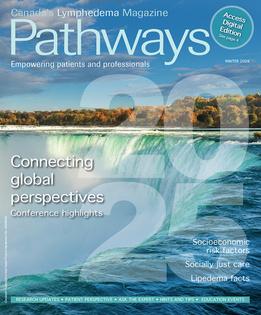
The impact of Pathways is substantial. By amplifying expert knowledge alongside patient perspectives, the magazine fosters a more informed, connected, and empowered community. It serves as a platform for elevating emerging issues, sharing evidence-informed practices, and highlighting innovations in care, ultimately contributing to improved outcomes and quality of life for those affected by lymphedema.
As Canada’s only publication of its kind, Pathways is not only an essential educational tool but also a unifying voice for the lymphedema community driving awareness, inspiring engagement, and supporting progress in lymphedema care nationwide and beyond.

Building on the success and impact of Pathways magazine, the CLF launched Pathways LIVE: Authors in Conversation an engaging livestream series designed to bring some of the magazine’s most compelling content into a dynamic, interactive format.
Oftendescribedasa“bookclub”for lymphedemacare,PathwaysLIVE featuresin-depthconversationswith authorsofselectedPathwaysarticles.
HostedbyEditor-in-ChiefAnnaKennedy, eachsessionexploresnew developments,freshinsights,and behind-the-scenesperspectivesthat extendbeyondtheoriginalpublication Theseriesalsooffersparticipantsthe opportunitytoengagedirectlywith expertsthroughliveQ&Asessions, fosteringmeaningfuldialogueand knowledgeexchange.
Created to extend the value and reach of Pathways, this initiative reflects the CLF’s commitment to innovation in education and community engagement.
By transforming written content into realtime discussion, Pathways LIVE deepens understanding, sparks new ideas, and strengthens connections between patients, clinicians, and researchers.
The response to the series has been overwhelmingly positive Across its first four episodes, Pathways LIVE attracted more than 550 registrants from around the world demonstrating both the global
reach of the CLF and the growing demand for accessible, expert-led conversations in lymphedema care.
During the 2025–2026 season, Pathways LIVE welcomed an outstanding lineup of expert speakers who shared their knowledge and perspectives on key topics in lymphatic health. Featured presentations included Cheryl Brunelle on breast cancer-related lymphedema, Tobias Bertsch on lipedema, Beth Hoag on axillary web syndrome, and Heather Ferguson on the importance of advocacy. To watch these episodes, click on the corresponding icons below.
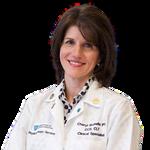


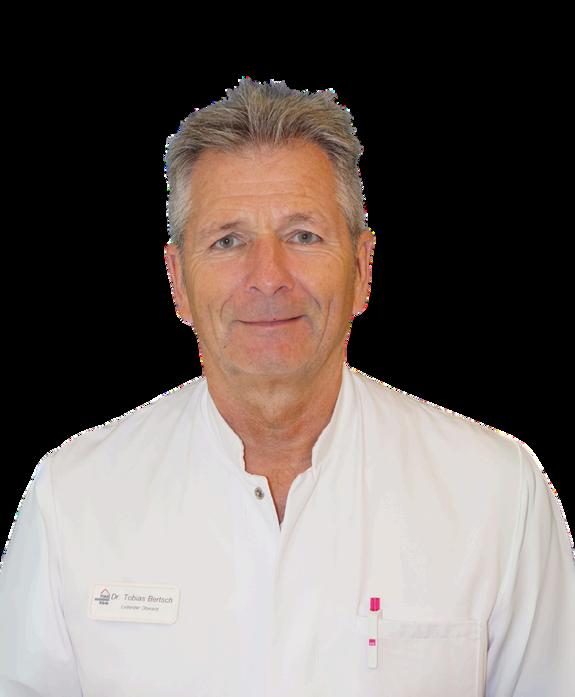

Pathways LIVE represents an important evolution of the CLF’s educational offerings expanding the reach and impact of Pathways while continuing to amplify the voices shaping lymphedema research, practice, and patient experience





Dr. Vodder School International
Lymphology Skincare
Lipedema Guru
Klose Training ILWTI
Földi Klinik
Lymphatic Lifestyle Solutions Wounds Canada
E-HIS Clinician Courses Ltd.
Canada Cares


Paradigm Medical Inc.
LANA
NRG Sanctuary
Linotrade
PCOM Georgia
Lymphoedema Wales






We acknowledge the support of the Government of Canada


If you’d like to learn about ways you can work with the CLF,
our website:
Adam Jamkhou
Anna Towers
Anne Lise Pedersen
Avril Jensen
Bev Lanning
Brenda Paul
Carolyn Anglin
Cheryl K. Charlton
Cheryl O’Brien
Fran Mowbray
Kathleen McManus
Lori Radke
Marg Anderson
Margaret McNeely
Melody Keyvani
Mohamad Pakzad
Pamela Hodgson
Ralph Peters
Rosina Suppa
Sarah Moore
Sharon Pattison
Shauna Wesch
Steve Kelland
Tracy Campbell
The CLF gratefully acknowledges the many anonymous donors whose support helped advance our work throughout the 2025–2026 fiscal year.
Visit our website canadalymph.ca to learn about our mission and vision and the work we do in partnership with our provincial lymphedema associations, partner organizations and the International Lymphoedema Framework (ILF)
Subscribe to our email news and follow us on our social media channels for news, announcements, and the latest on lymphedema research, education, partnerships, and events
Scan or click to follow the CLF online and to subscribe to our eNews!
2 0 2 52 6