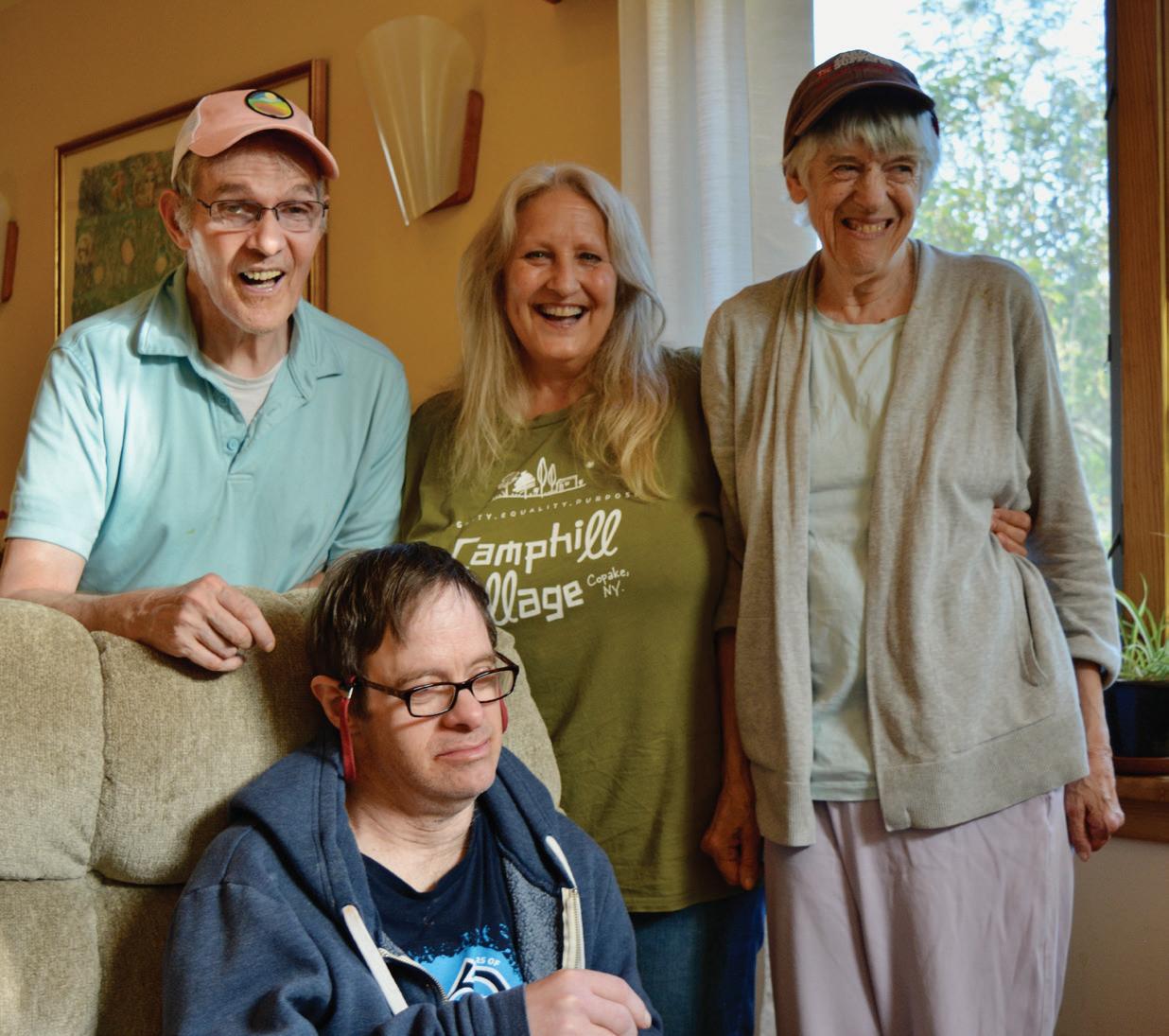
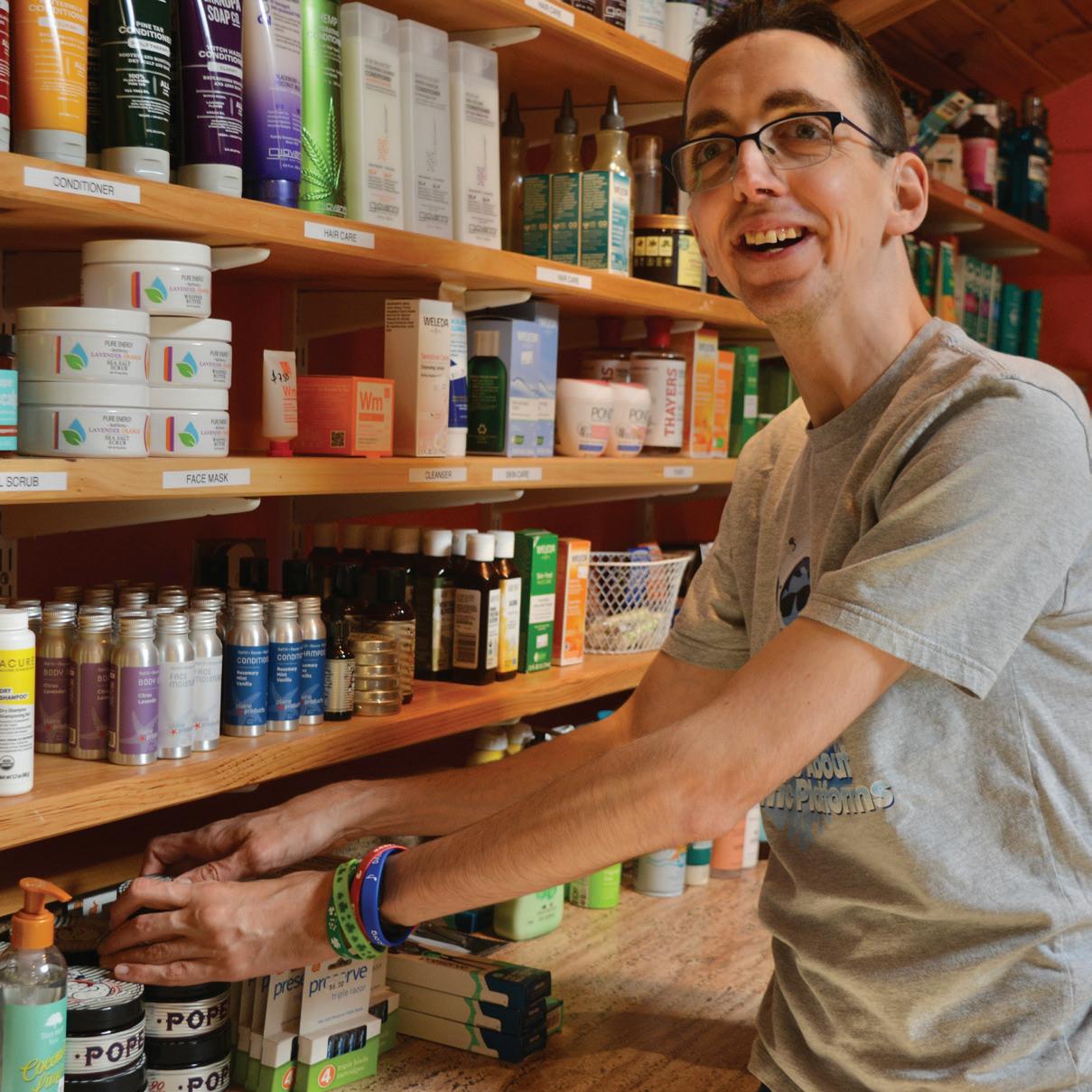
Ned moved to Camphill Village from Brooklyn’s Park Slope neighborhood. He says he enjoyed the sights and sounds of the city, although Camphill Village is “more quiet, more peaceful, and a great way to live.” He enjoys being helpful in the Village Co-Op and in Wildern House. In his free time, Ned enjoys drawing, reading, and is into anime, like Pokémon, Aggretsuko and Yu-Gi-Oh. Welcome, Ned!
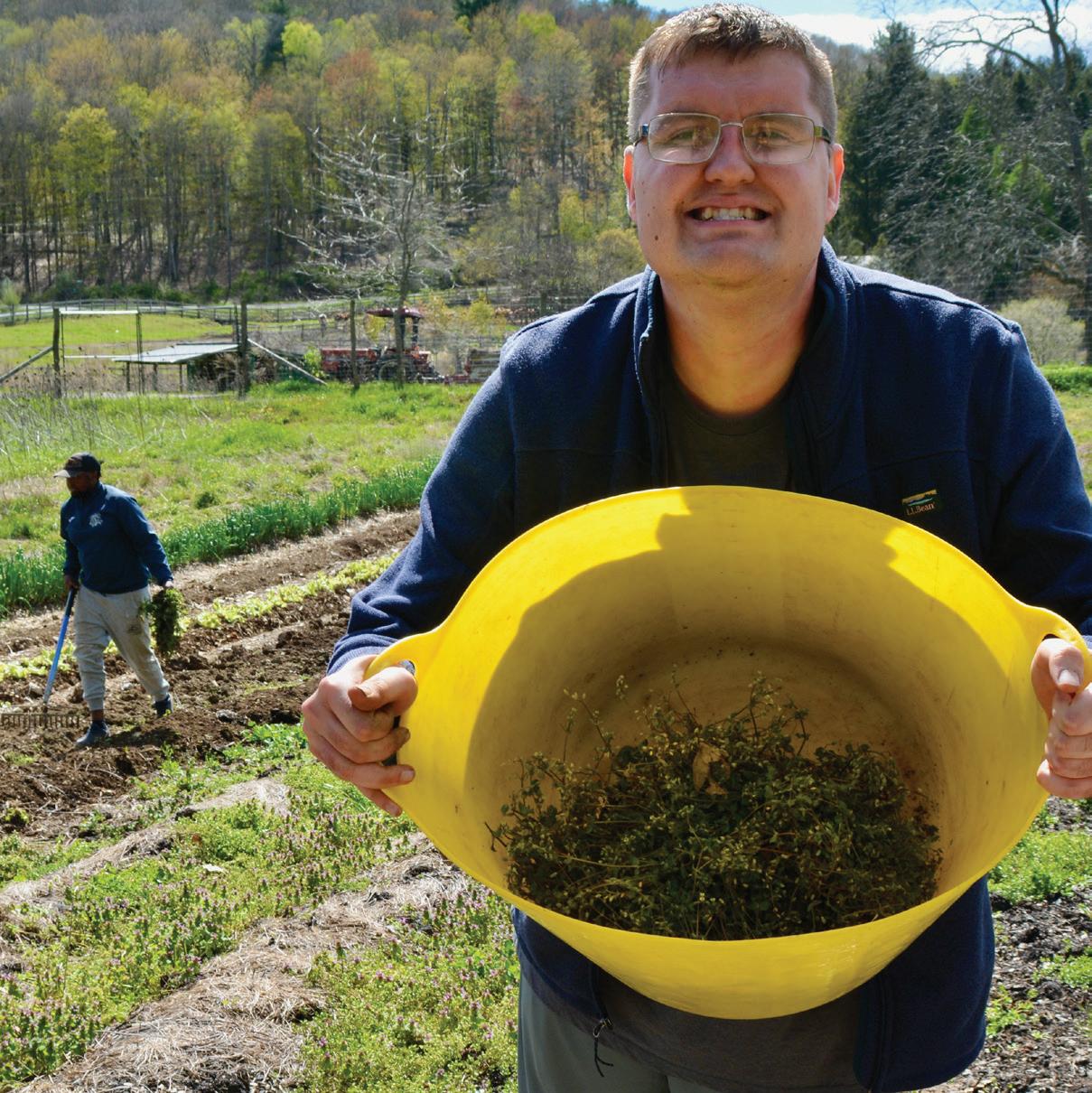
Ben grew up close by in Stanfordville, NY (Dutchess County). He says he enjoys his mornings in the Woodshop, afternoons in the Turtle Tree Seed gardens, and his home life in Capella. He’s a big fan of the DC and Marvel universes, and is very much looking forward to the July release of the new Spiderman movie. “And I play baseball, soccer, and basketball,” he says. “I’m good at sports.” Welcome, Ben!
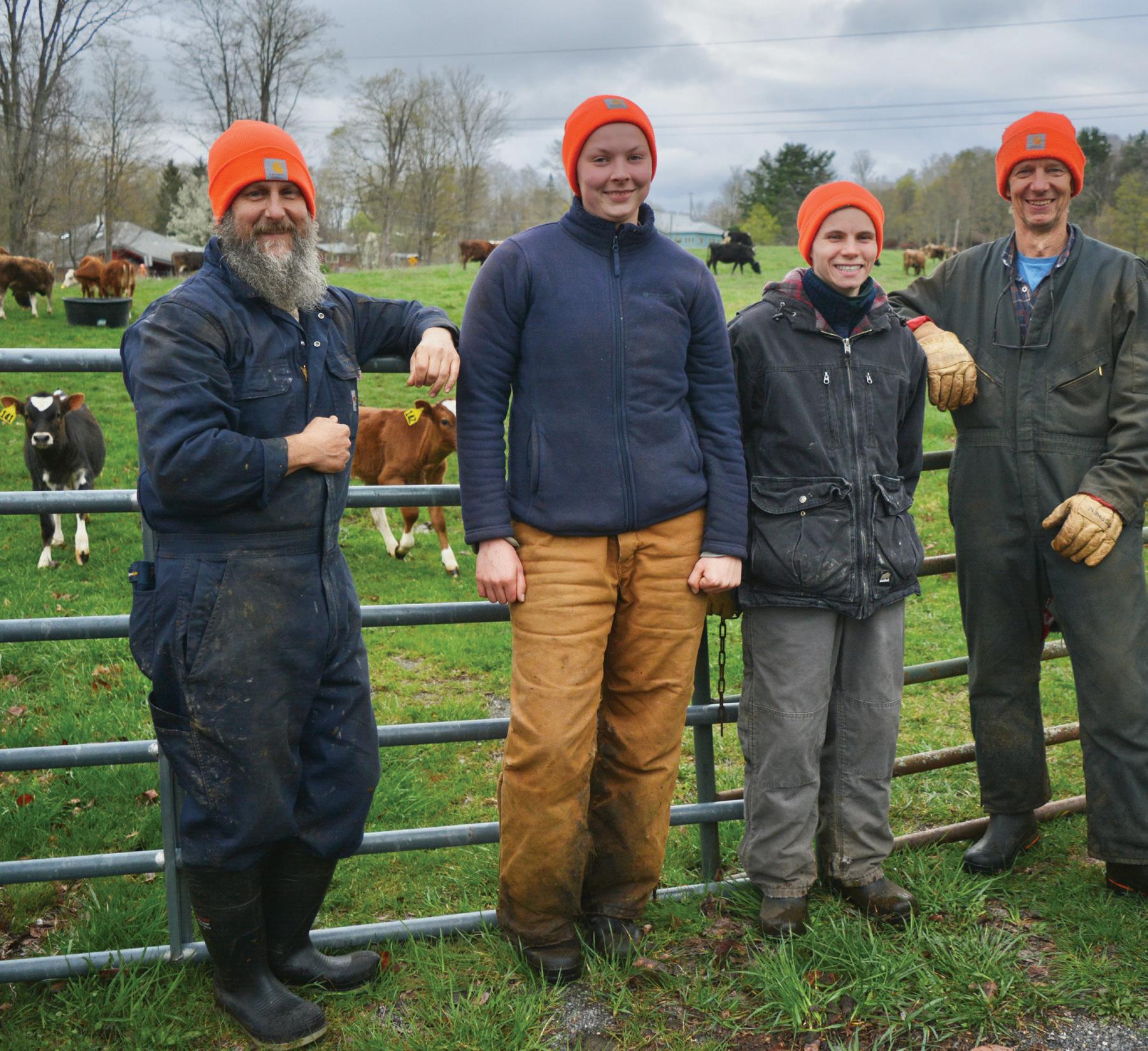
Do you know someone who might like to stay and volunteer in Camphill Village for three months or more? We offer medical care and take care of your college loan payments while you’re living here. Room and board includes a room of your own in one of our lightfilled households, and unlimited access to delicious organic meals. Tell a friend!

camphillvillage.org/ volunteer
For many years, our Healing Plant Garden crew members have been looking forward to a fresh start, and it’s finally time. In June, they will begin the process of moving their equipment and operations out of the Red Barn where they’ve operated since the 1990s, and into a new building that can much more comfortably accommodate our people and their goals. Our current timeline calls for the crew to complete the move by the end of June.
“There are many things we need to pack and get ready before then. And this is all while we are still working in the garden,” said Marc Blachere, who runs the garden. “Luckily, many hands make light work, and we are looking forward to being fully operational out of the new space by the beginning of summer.”
The new building—dubbed the Healing Plant Atelier— is approximately 4,700 square feet spread among two floors, and includes a few unique functional elements. There’s a dumbwaiter that will enable our gardeners to send their processed herbs upstairs for packaging, rather than transport them via buggy from the garden down the street to the Red
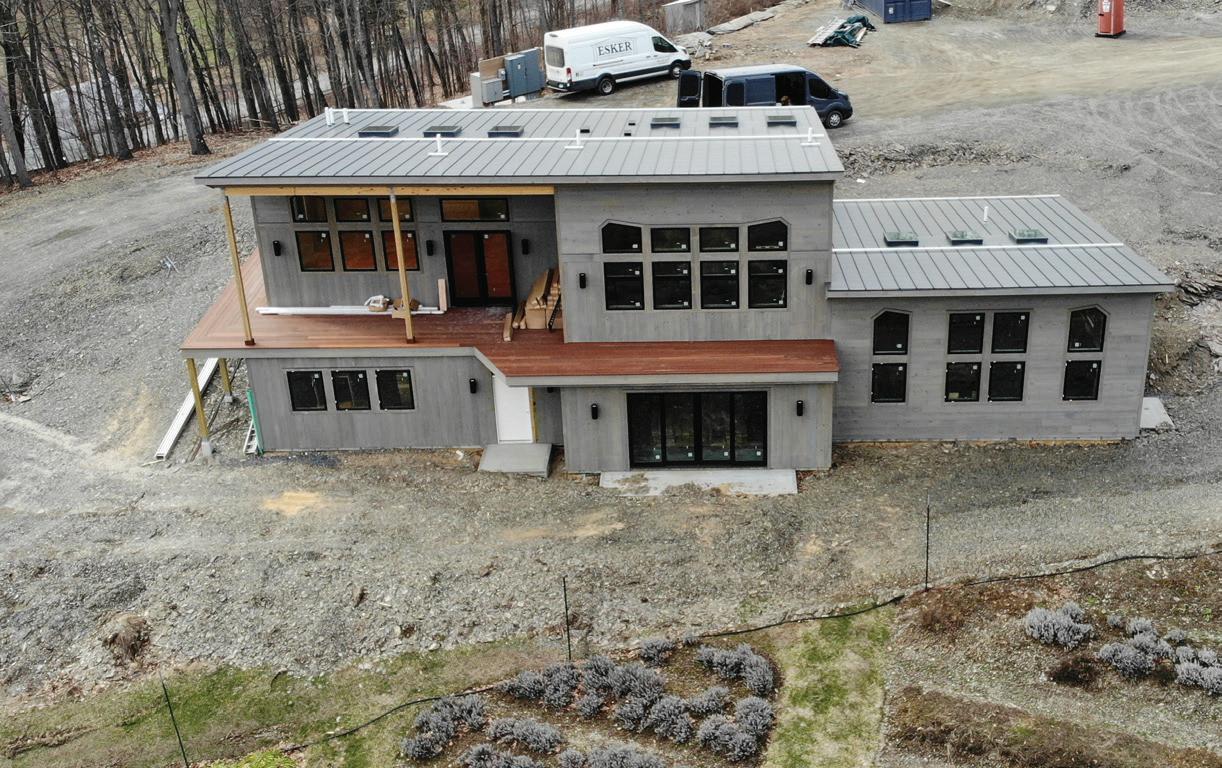
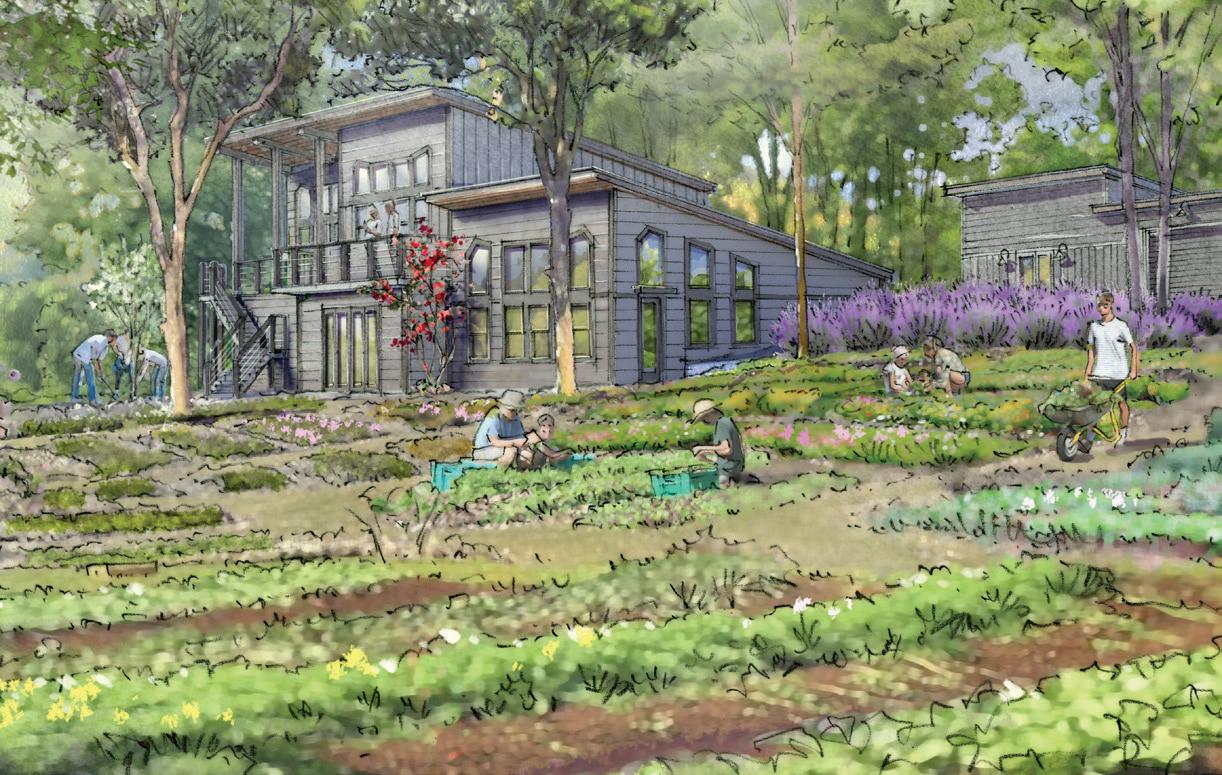
Barn; and our next stage of construction will include another greenhouse to be built on site at the Healing Plant Garden.
These new features will increase accessibility and efficiency in the space, as we continue to widen the impact of the Healing Plant Garden. Our loose herbs
“...this building absolutely would not have been possible if it weren’t for the support of our donors.”
-Ted Sumners
have now been sold for several years to an online holistic pharmacy called Uriel; and our salves, tea mixes, and other products are sold in area stores and through our online shop at camphillstore.com. And of course, every member of our community enjoys the teas, remedies, and culinary mixes our crew creates— from sowing the seeds in spring and tending to the garden, to harvesting and drying the herbs before cleaning and packaging.
The Red Barn is much older than the Healing Plant garden itself. In fact, it was already here on our land when Camphill Village was established in 1961. The space is well loved and has been a useful home to our crew for decades. But over time, as the building continues to age, it isn’t sensible to continue to fund repairs, especially as we’ve outgrown the space. Stacked barrels brimming with aromatic herbs line the back wall of the barn. Large wooden work tables where our crew sorts herbs and removes twigs and small debris sit on top of an uneven concrete floor. Our distilling room is also cramped, and so is our lab.
“This project has been a part of our master plan since 2010, and is long overdue,” said Ted Sumners, our executive director. “Because we approved this architectural plan before the pandemic, many changes needed to be made, and the completion of this building absolutely would not have been possible if it weren’t for the support of our donors. We’re so grateful.”
Ted said that while Camphill Village intends to level the existing red barn within the next few years, there might be some temporary uses for the structure before then.
“I’m really excited to use the new equipment, because in the other one, everything is old.”
—Geovanny Ruiz (right)
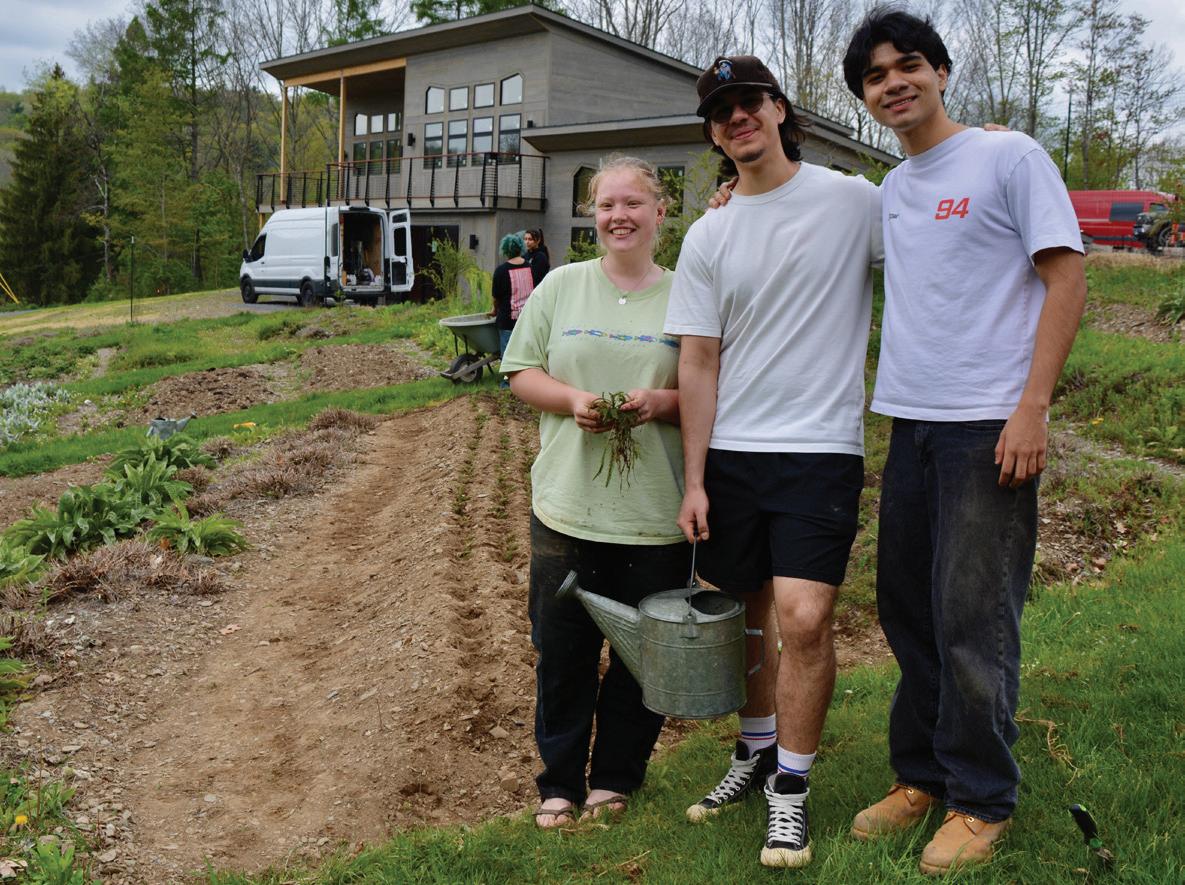
“Bigger space, and it’s closer to the garden.
— Sarah Bomba
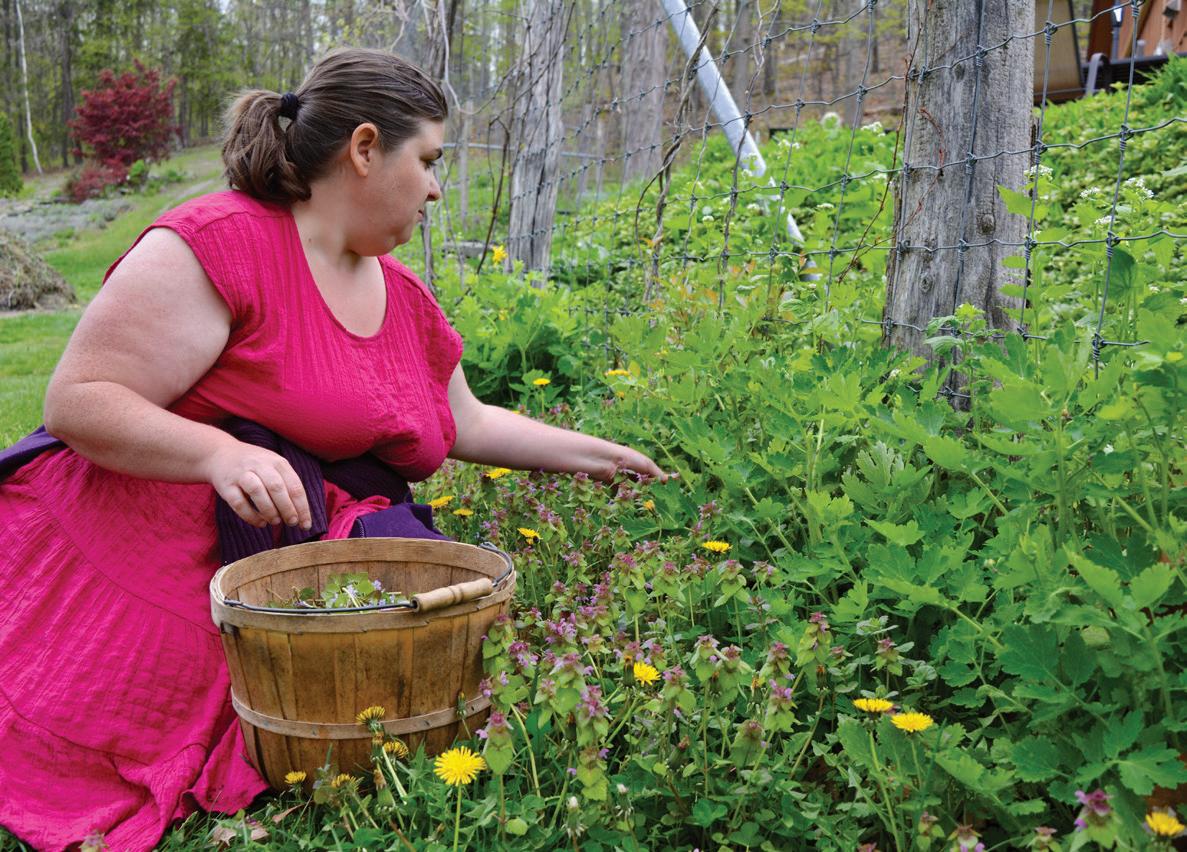
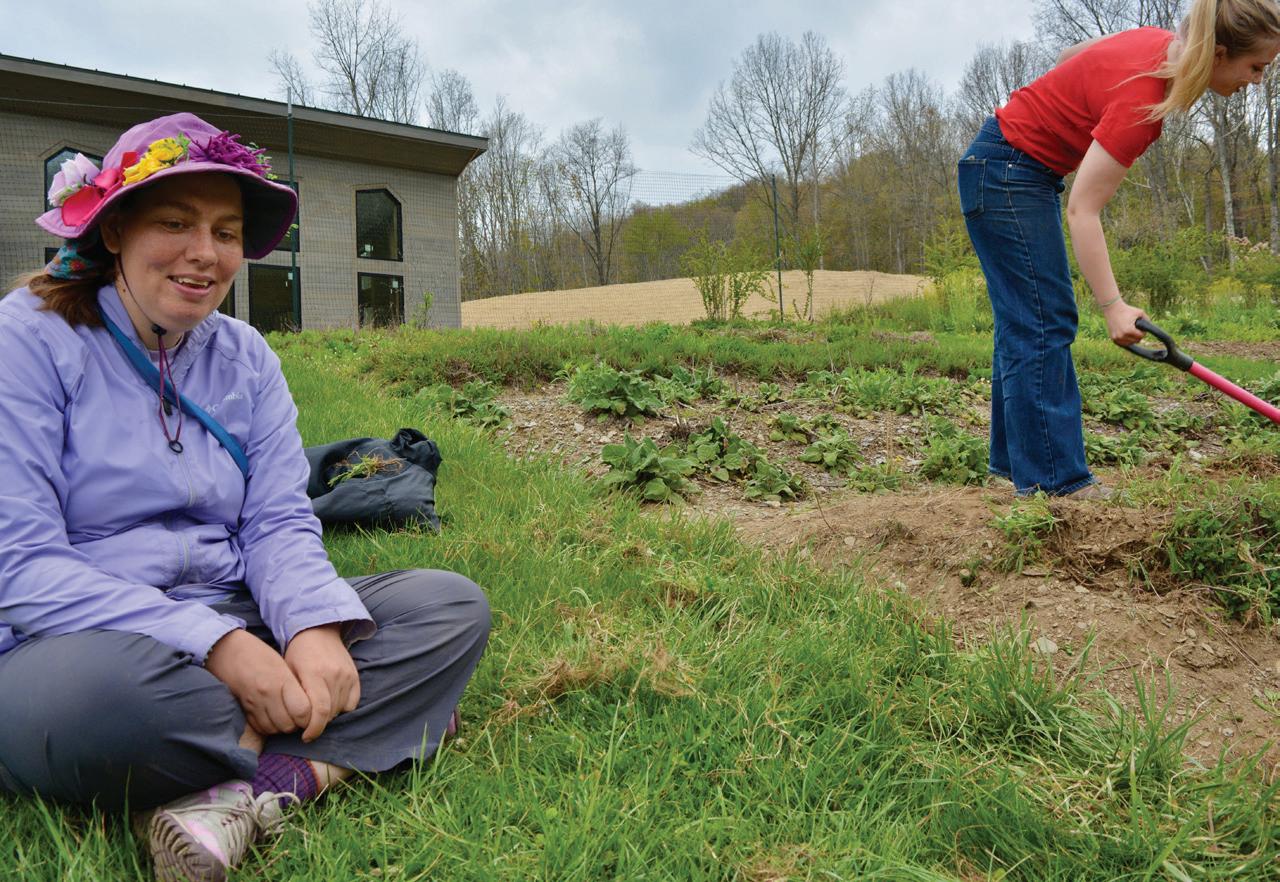
“I’m looking forward to more space to work, the efficient lighting, and being on that deck during tea break.”
—Bill McIlroy
“A new building for the herbs and the teas and the tinctures, and the lab.” — Lindsay Mead
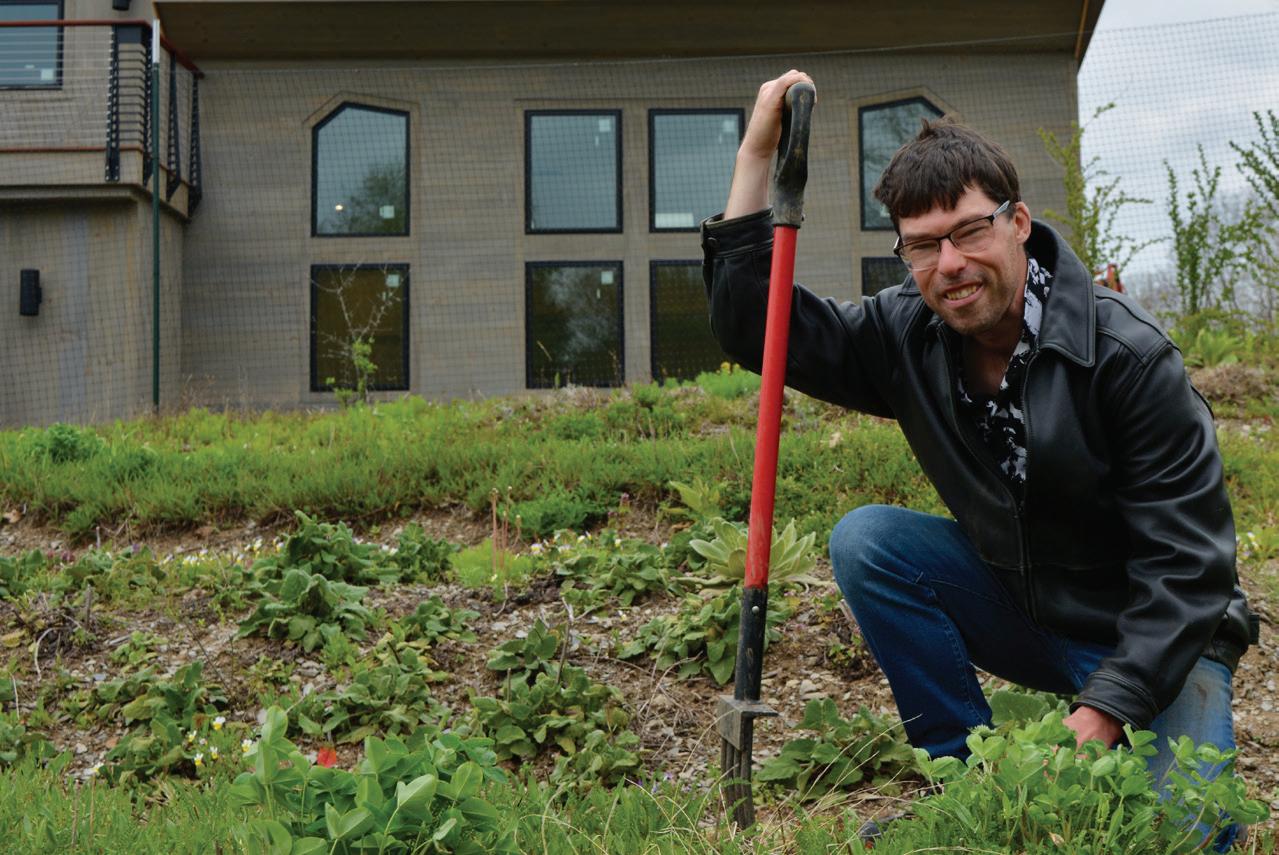
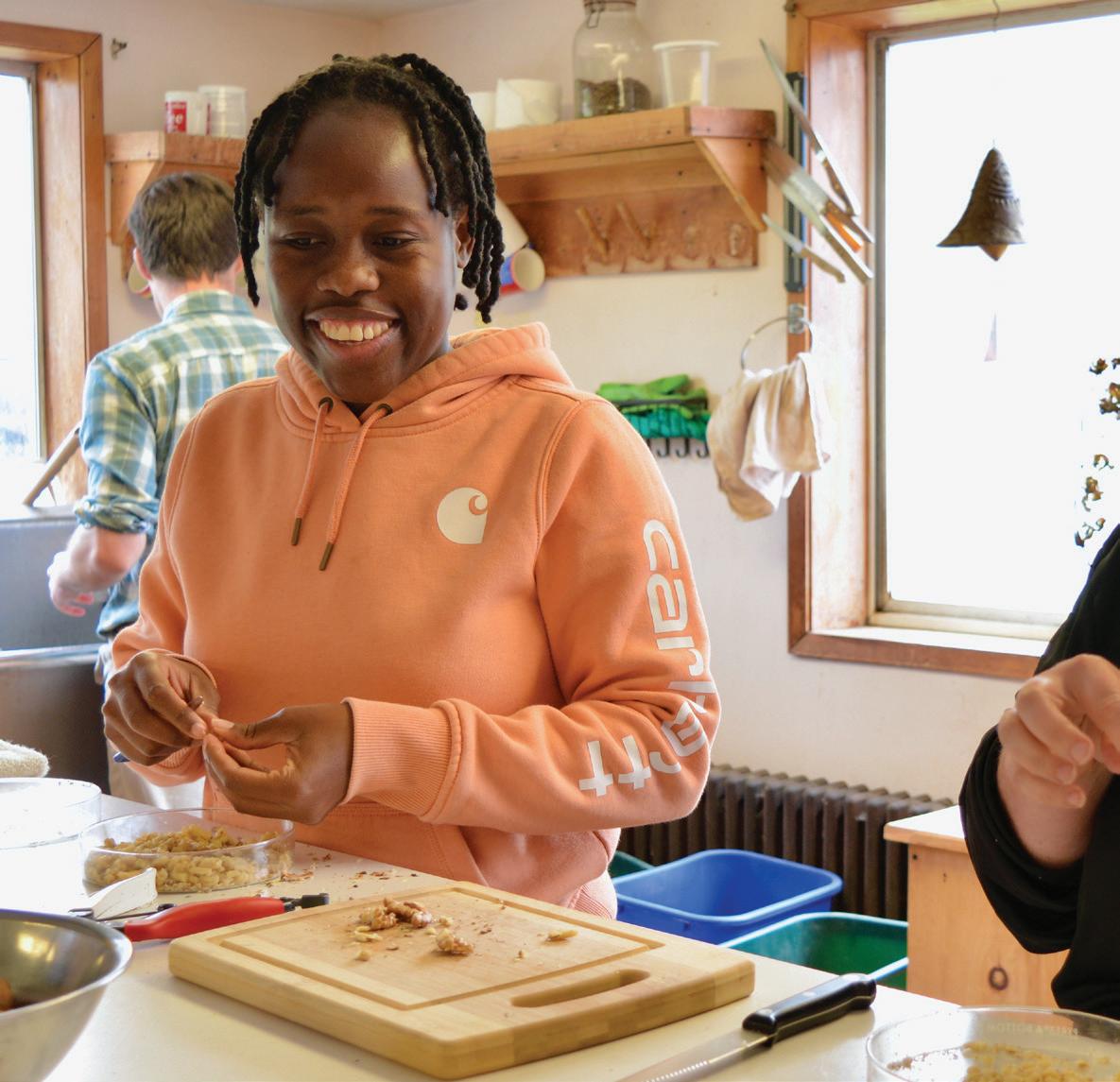
“I’m looking forward to a spacious lab, better organization and a lovely view of the garden while we work.”
—Nokukhanya Ndlovu
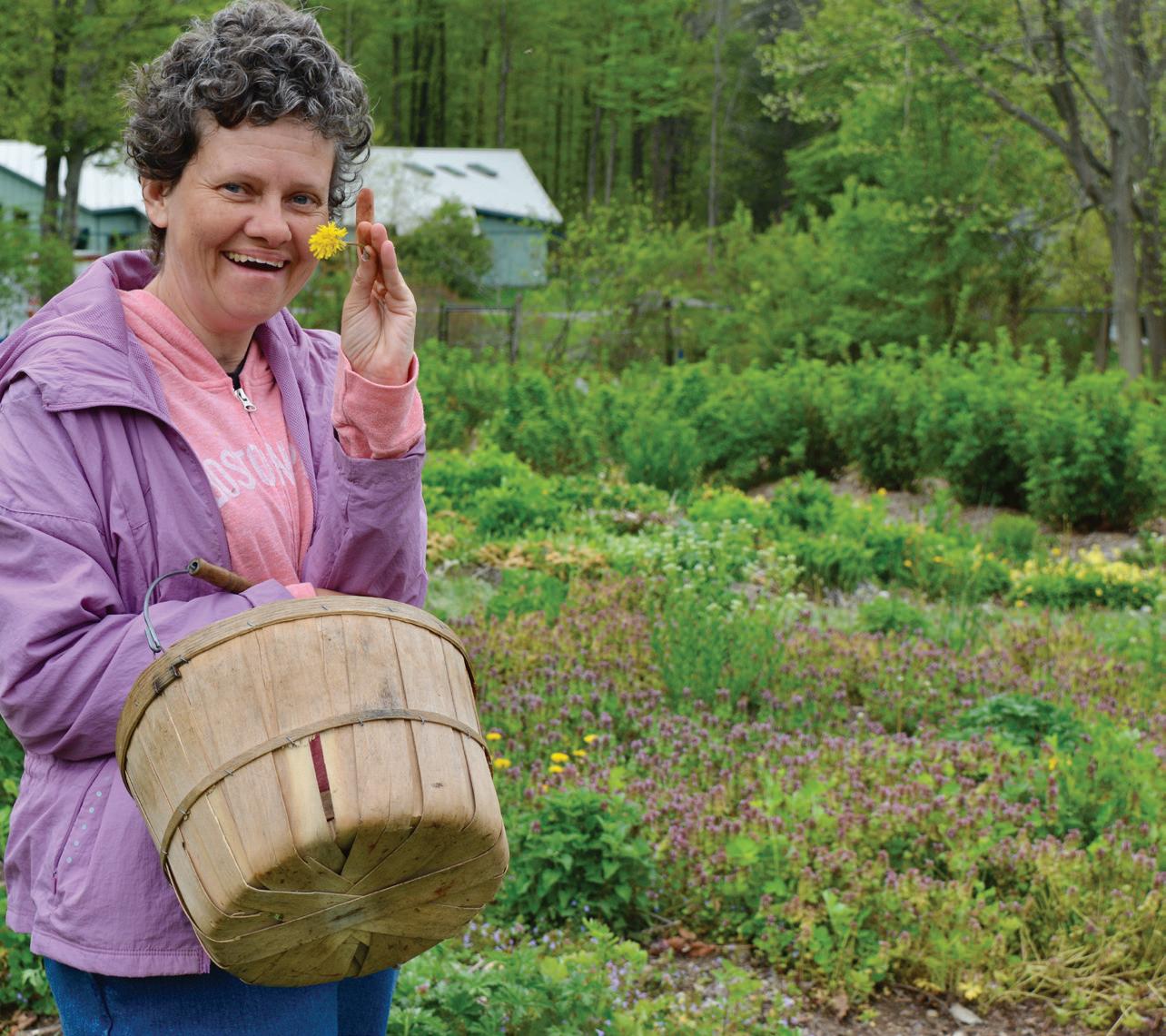
“It’s big. I’m gonna sit in there and look in it.”
—
Amanda Balducci
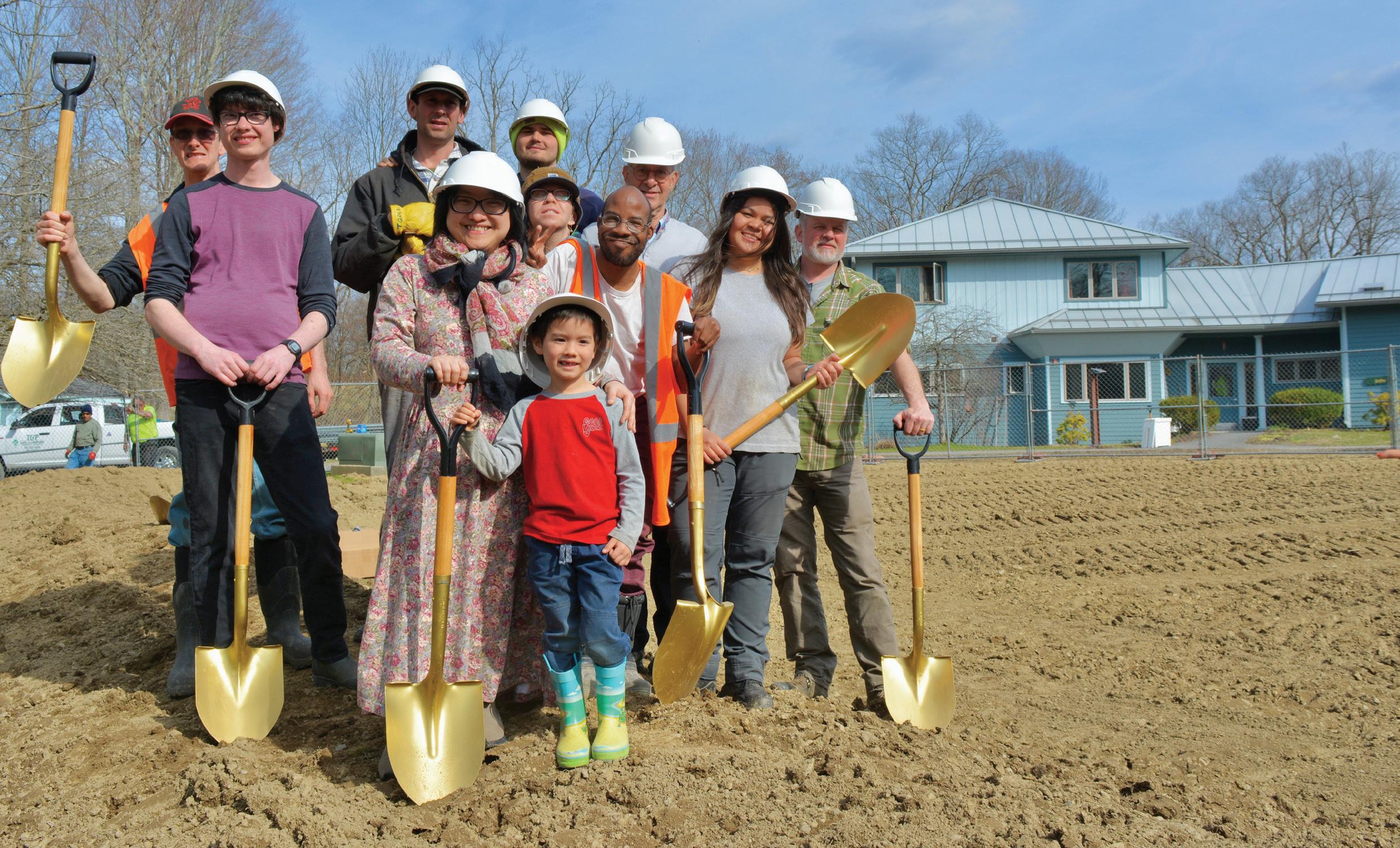
We broke ground on a fourth care house for the elders of Camphill Village in April! We are delighted that we’ll be able to care for our people here in the Village long after they retire from Village work life.
Pictured: Jesse Meril, Nico Christiansen, Tony Bacon, Konstantin Taran, Jessica Duarte Sousa, Lee Edwards, Elijah Kent, Michael Desmond, Seeya Zeng, and Killian Christiansen.
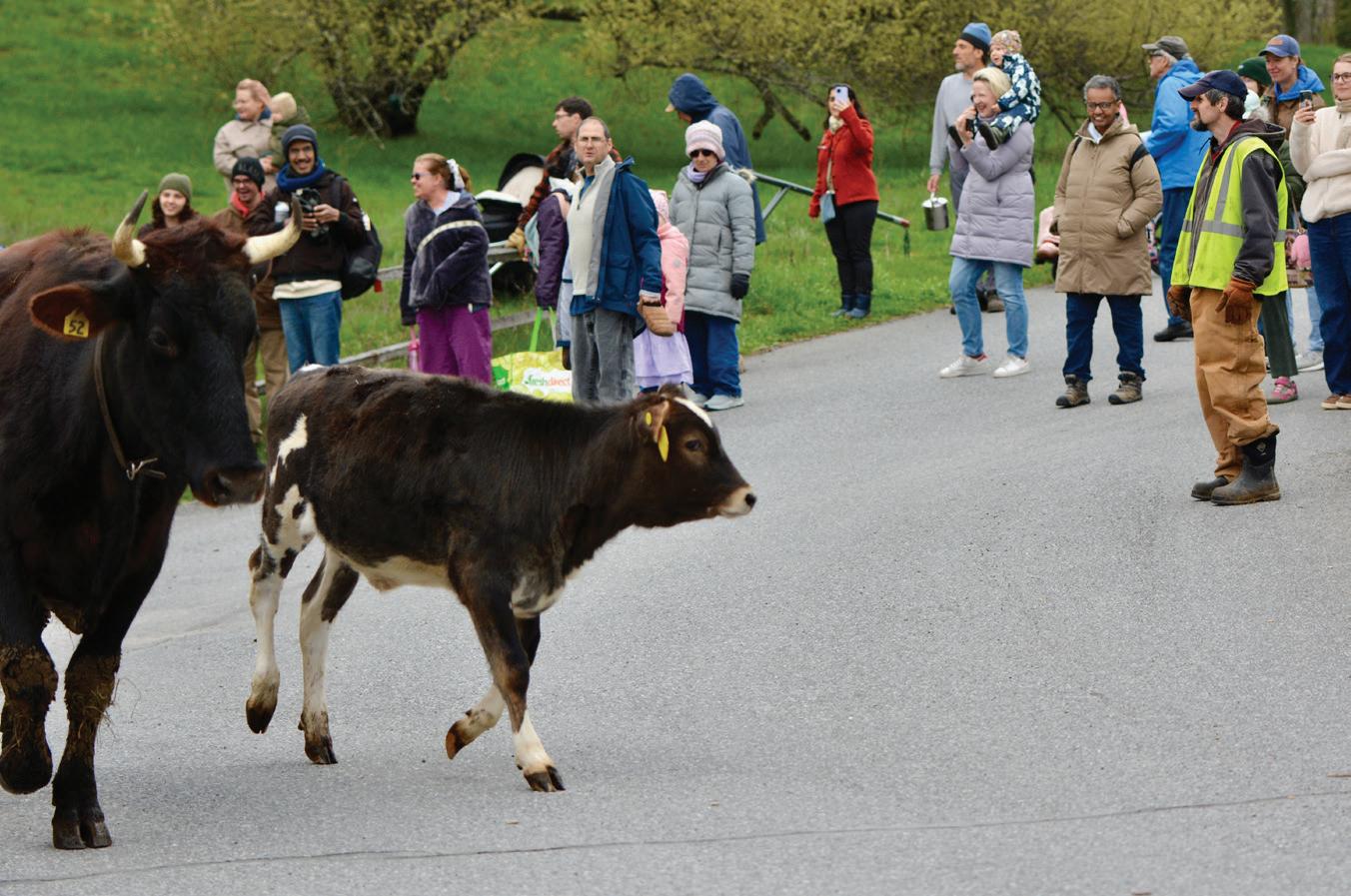
Our community gathered on our roadsides to witness our beloved dairy herd going to the pasture for the first time in spring. A special Village tradition!
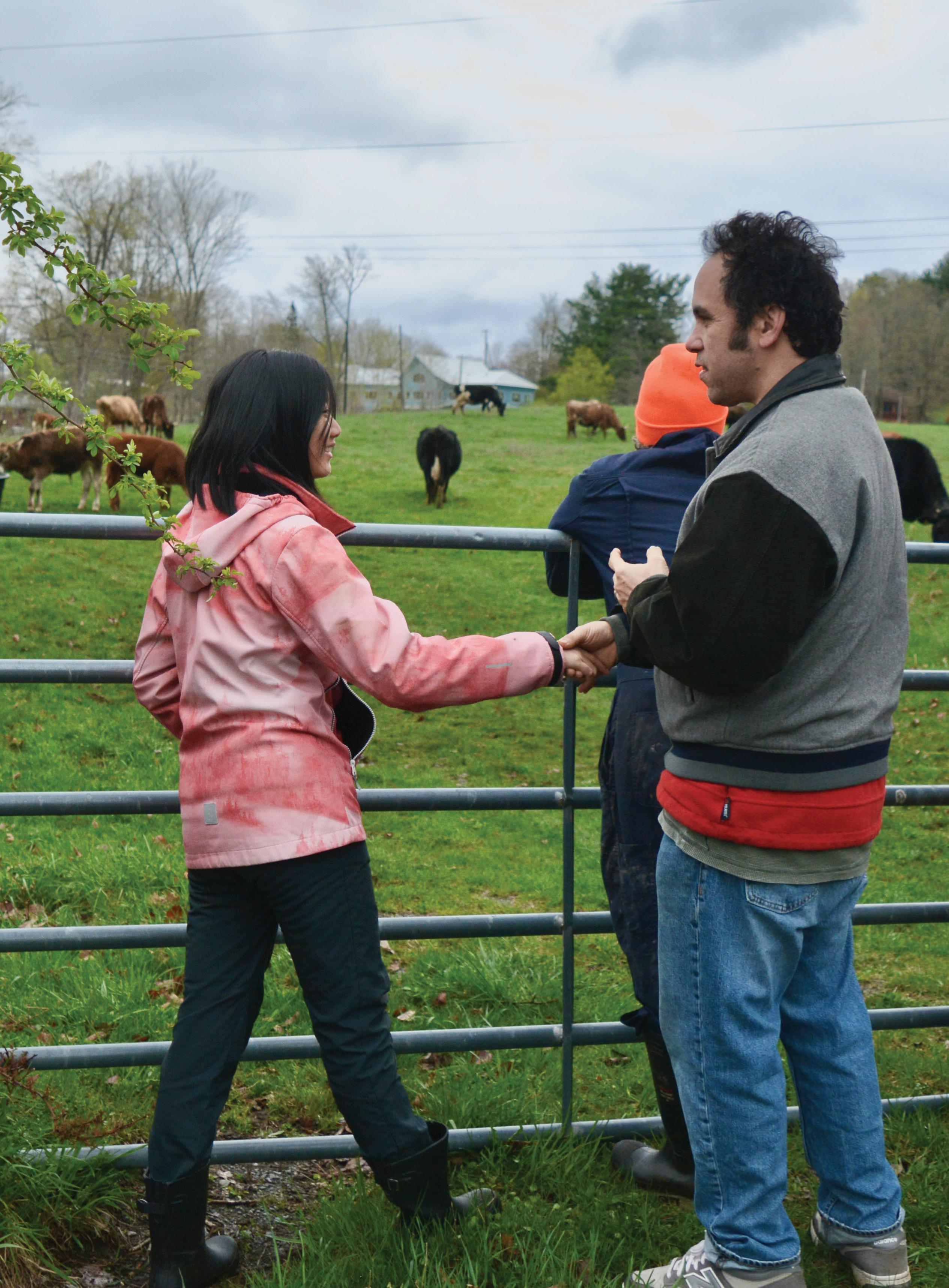
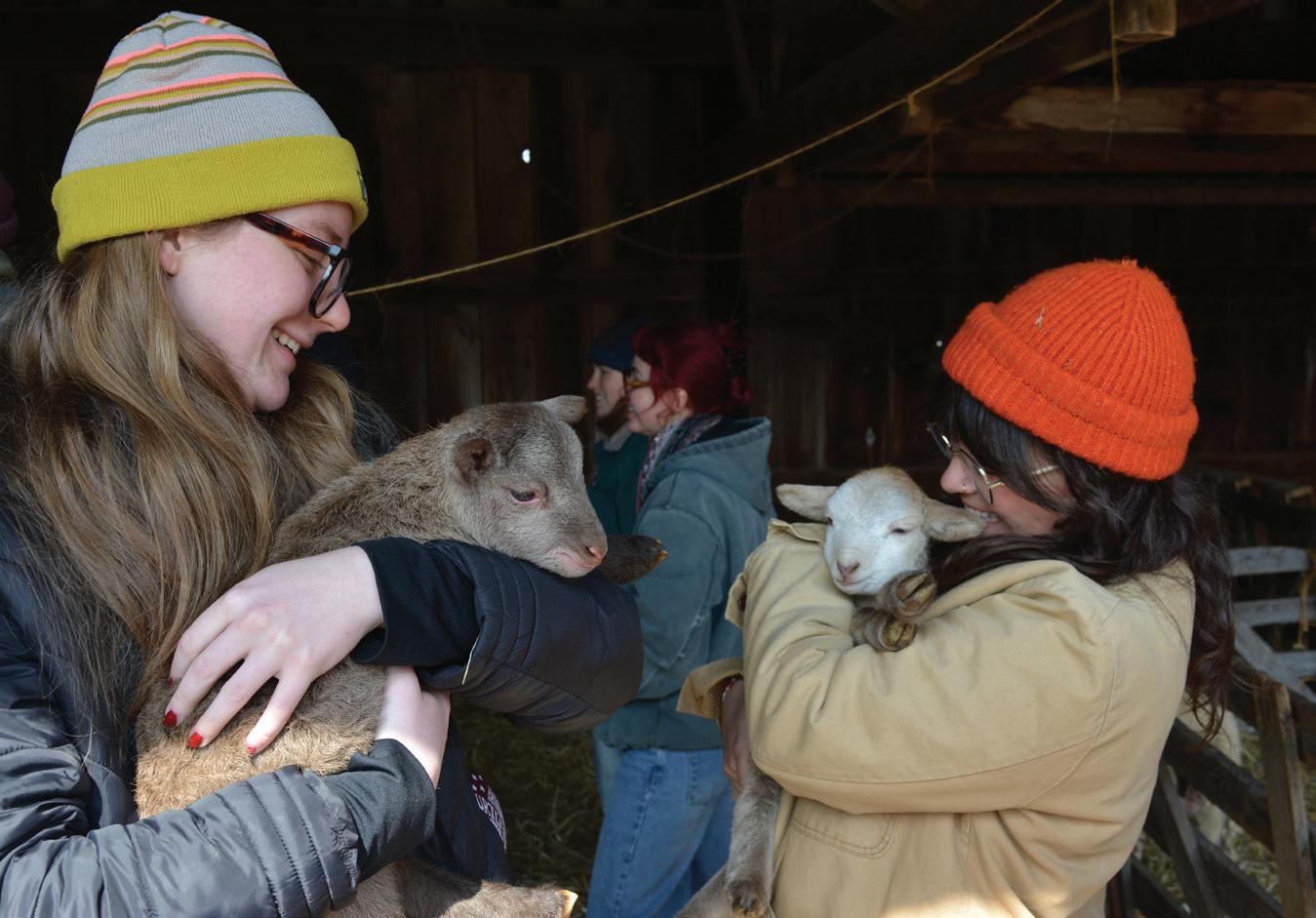
Interns from Hawthorne Valley Farm toured Camphill Village, and had a great time meeting our newborn lambs.
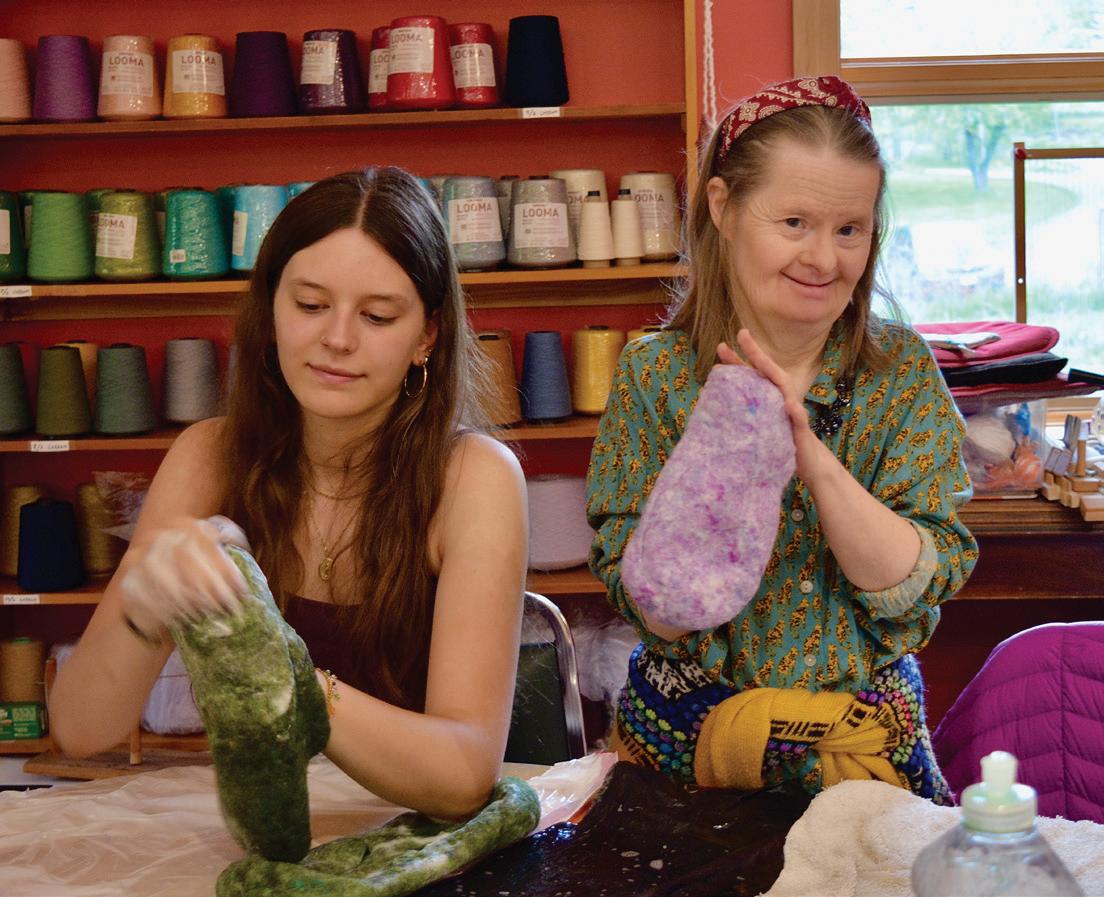
Lola Katz and Lulu Viets make their own felt slippers during a series of workshops offered by Amelia from Flowering Heart Homestead.
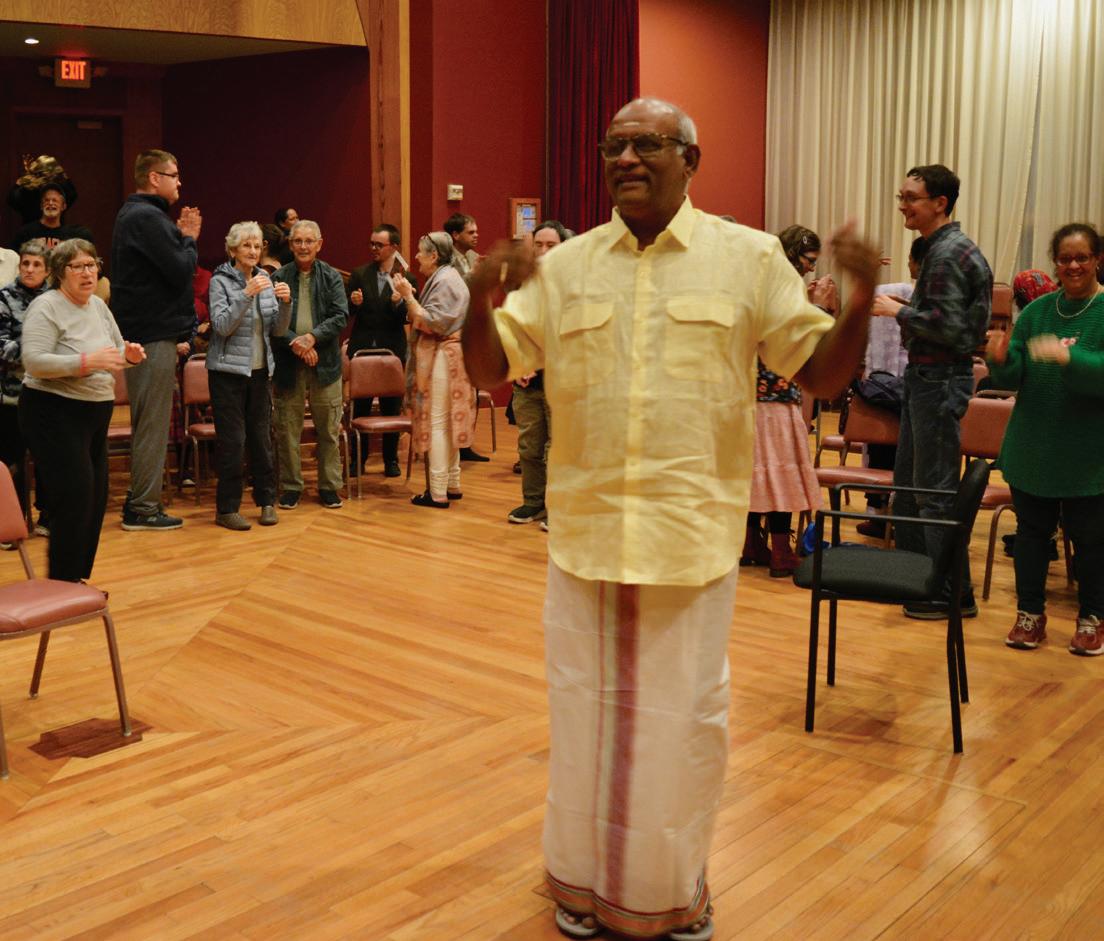
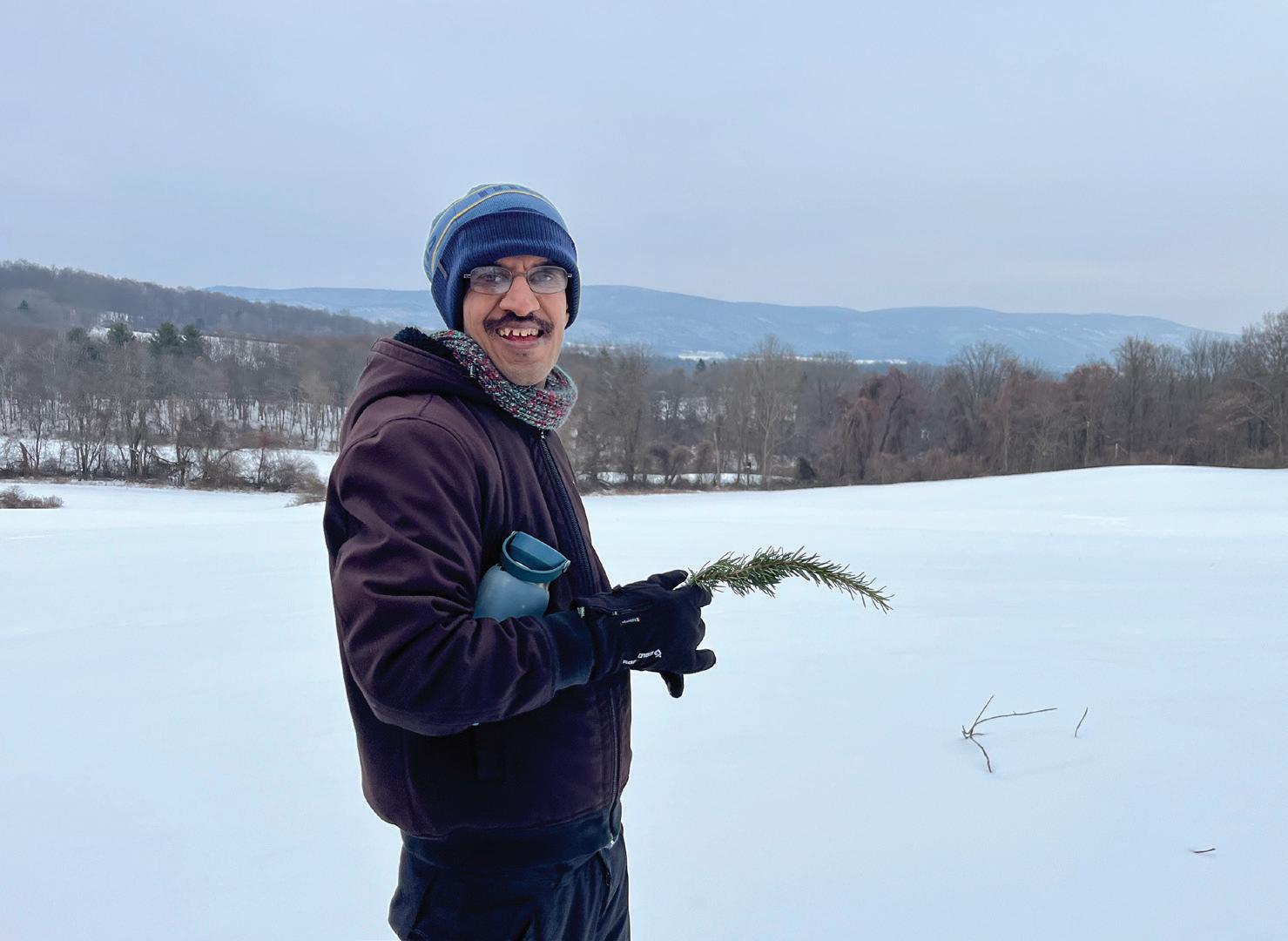
Mr. Manivannan Ganapathy gave a presentation on his foundation’s efforts to begin Aalayam, a Camphill-inspired community in Bangalore, India.
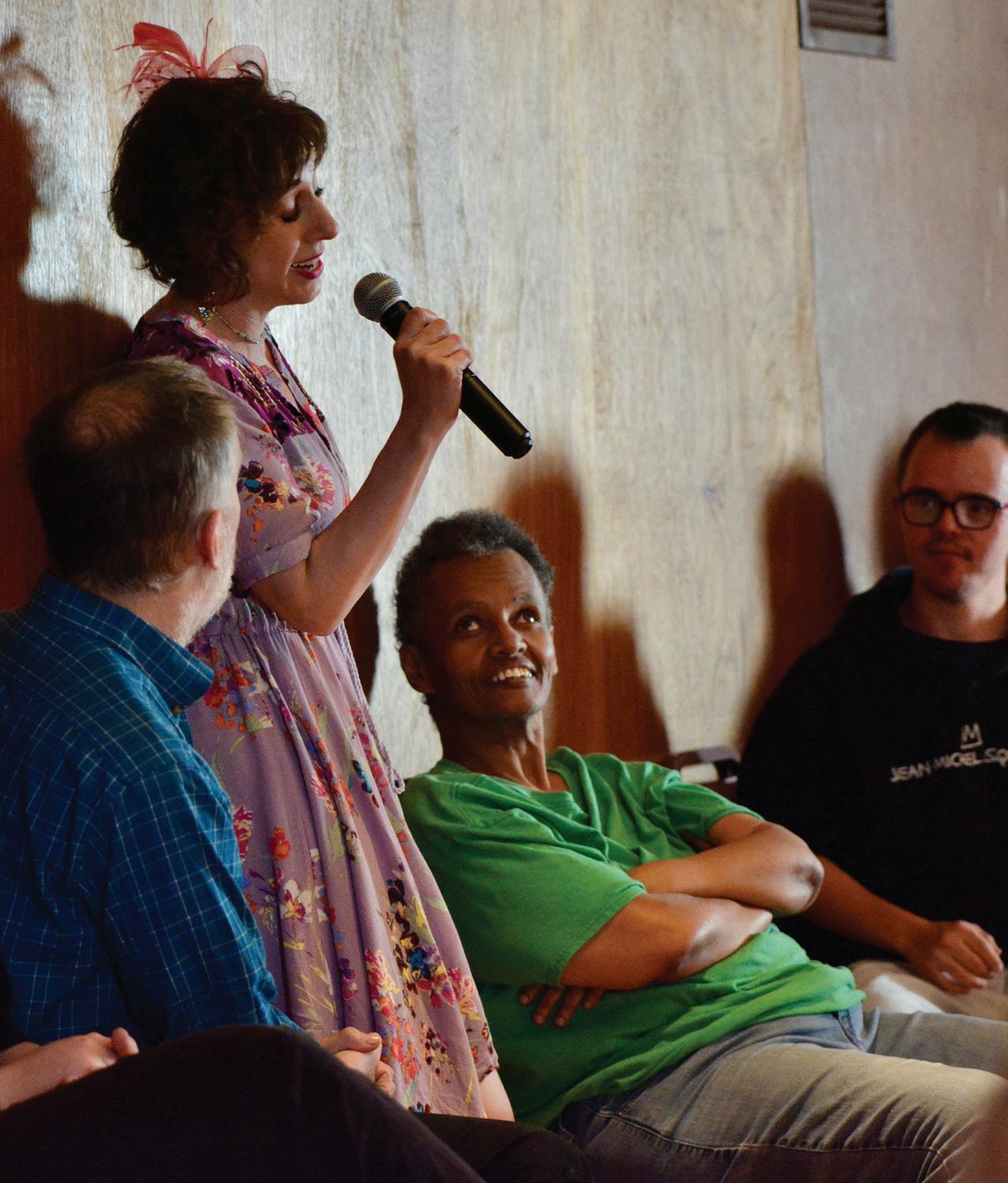
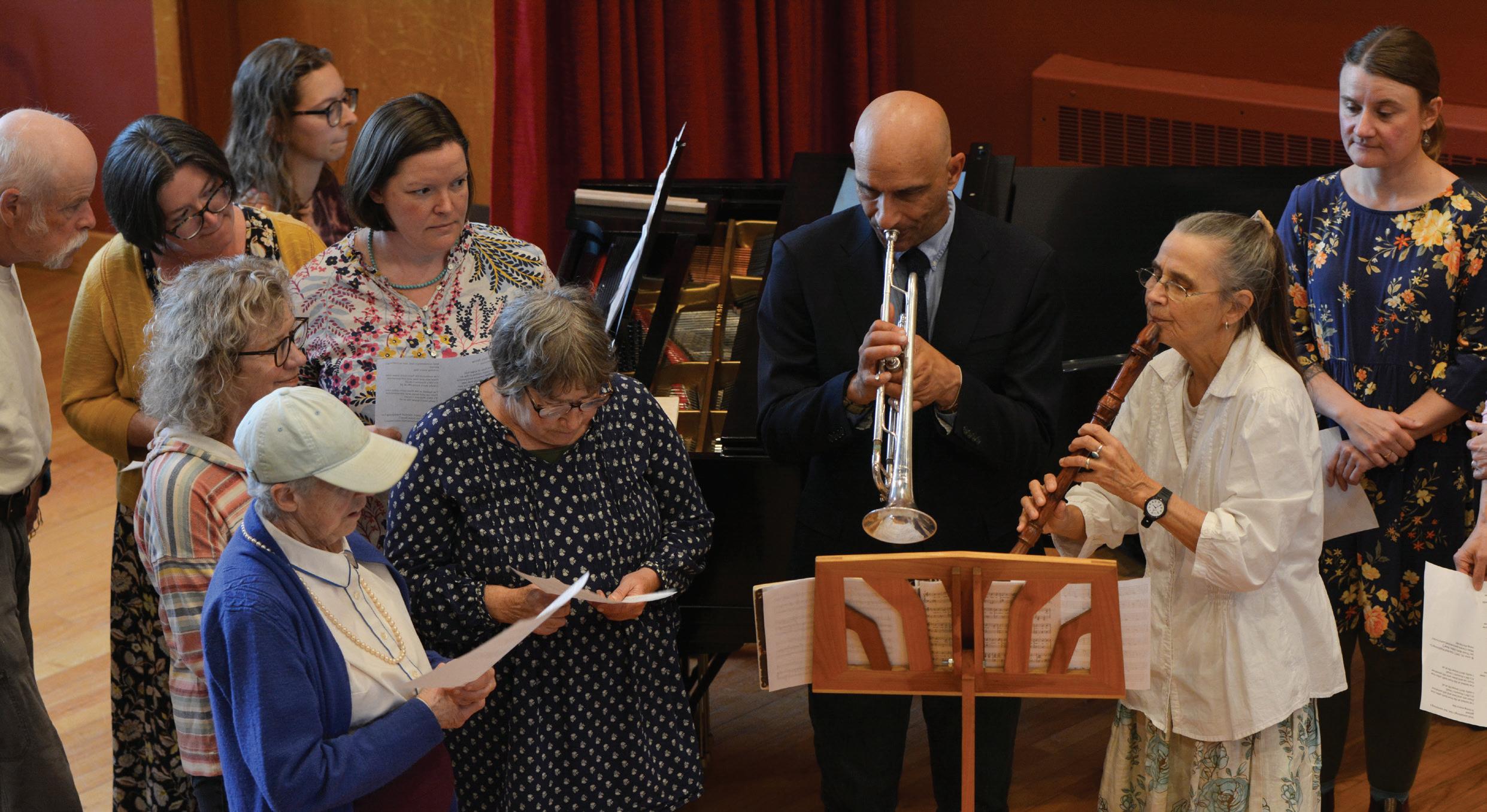
Finot Selassie is serenaded by Ilana Meredith, who performed for us along with multi-instrumentalist Joe Rutkowski and music historian Jim Mackin.
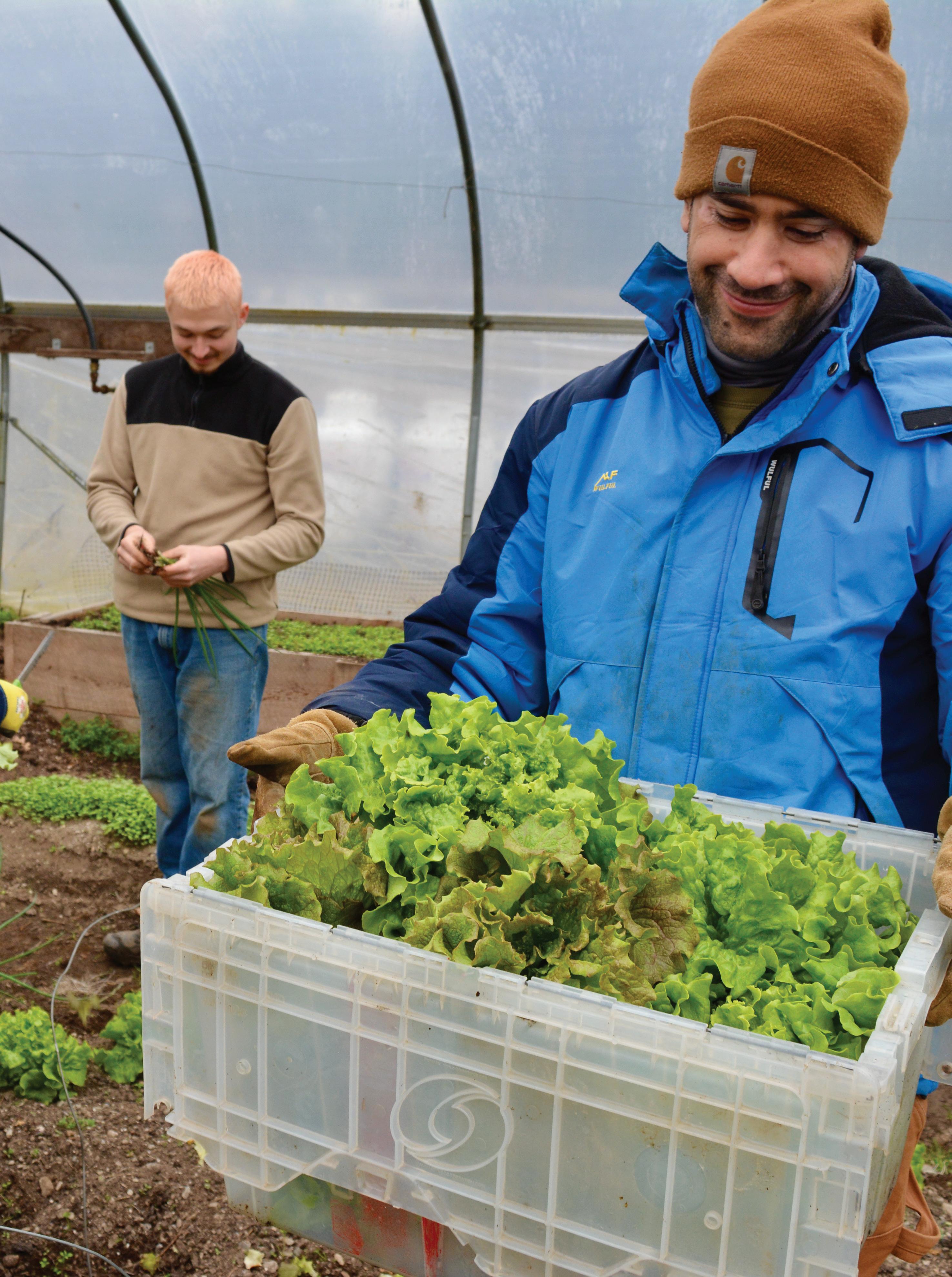
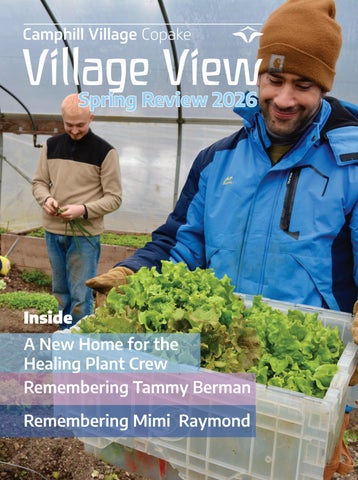
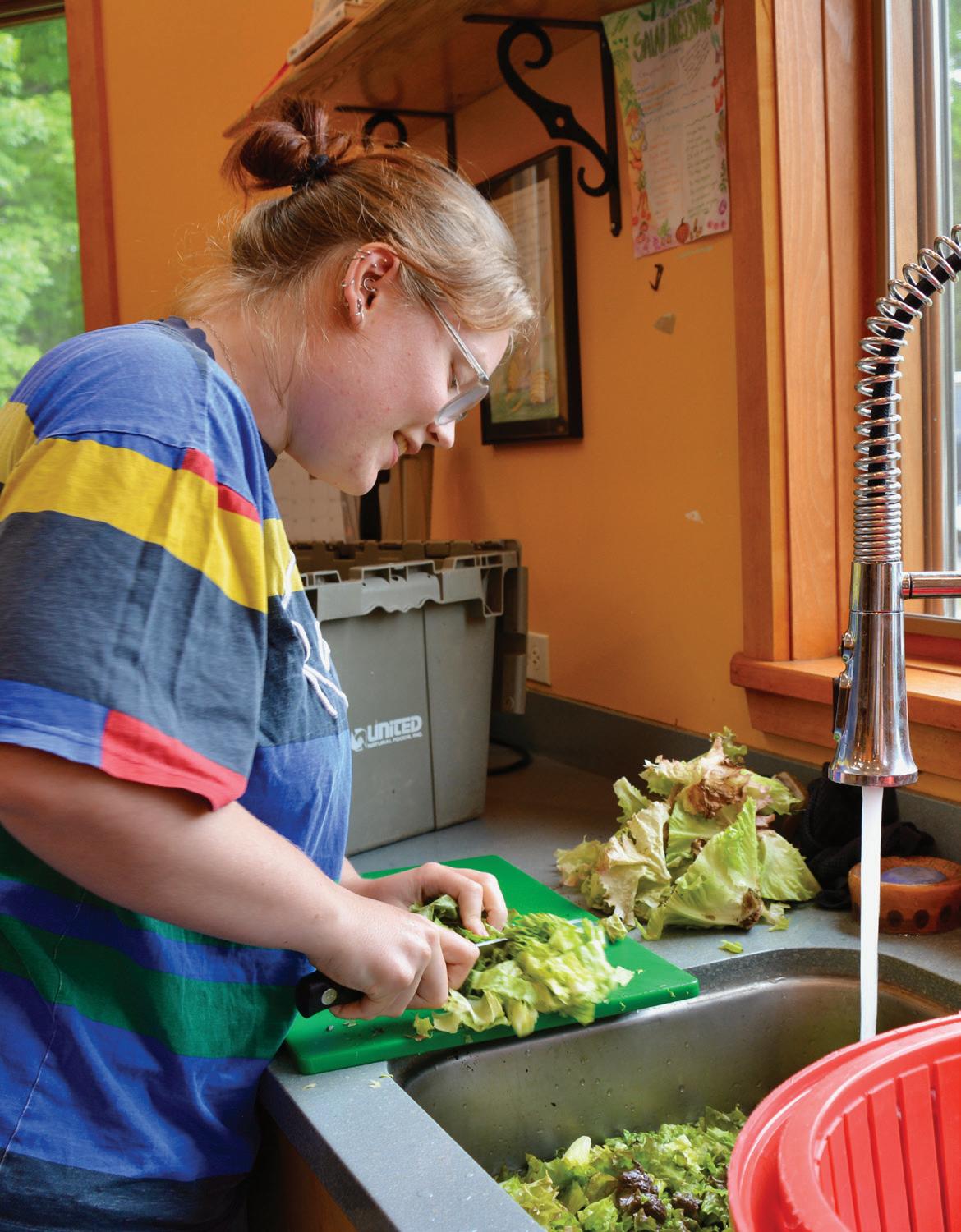
Nina Ernst prepares fresh butterhead lettuce from our greenhouse for a nutritious meal served in our Café
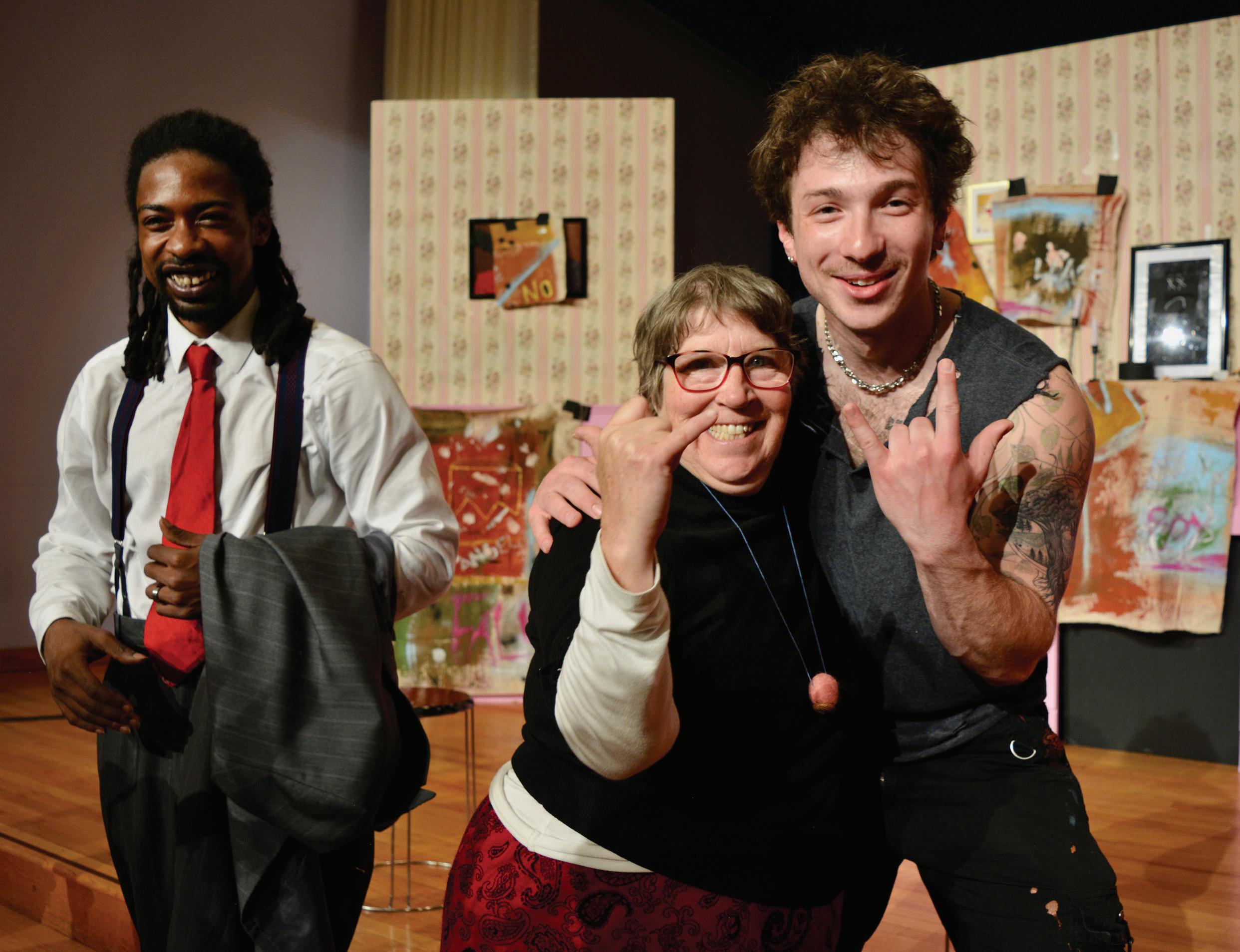
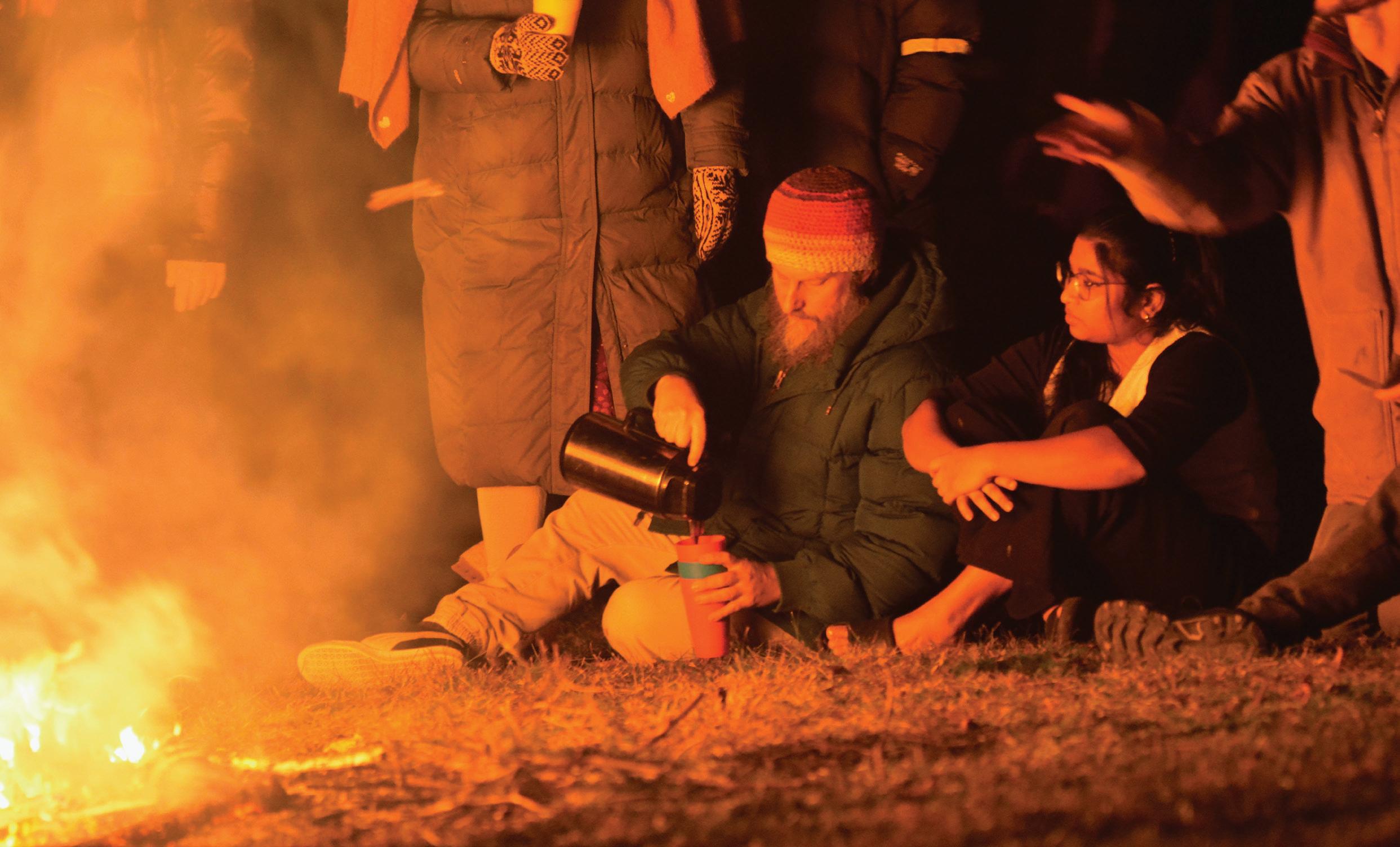
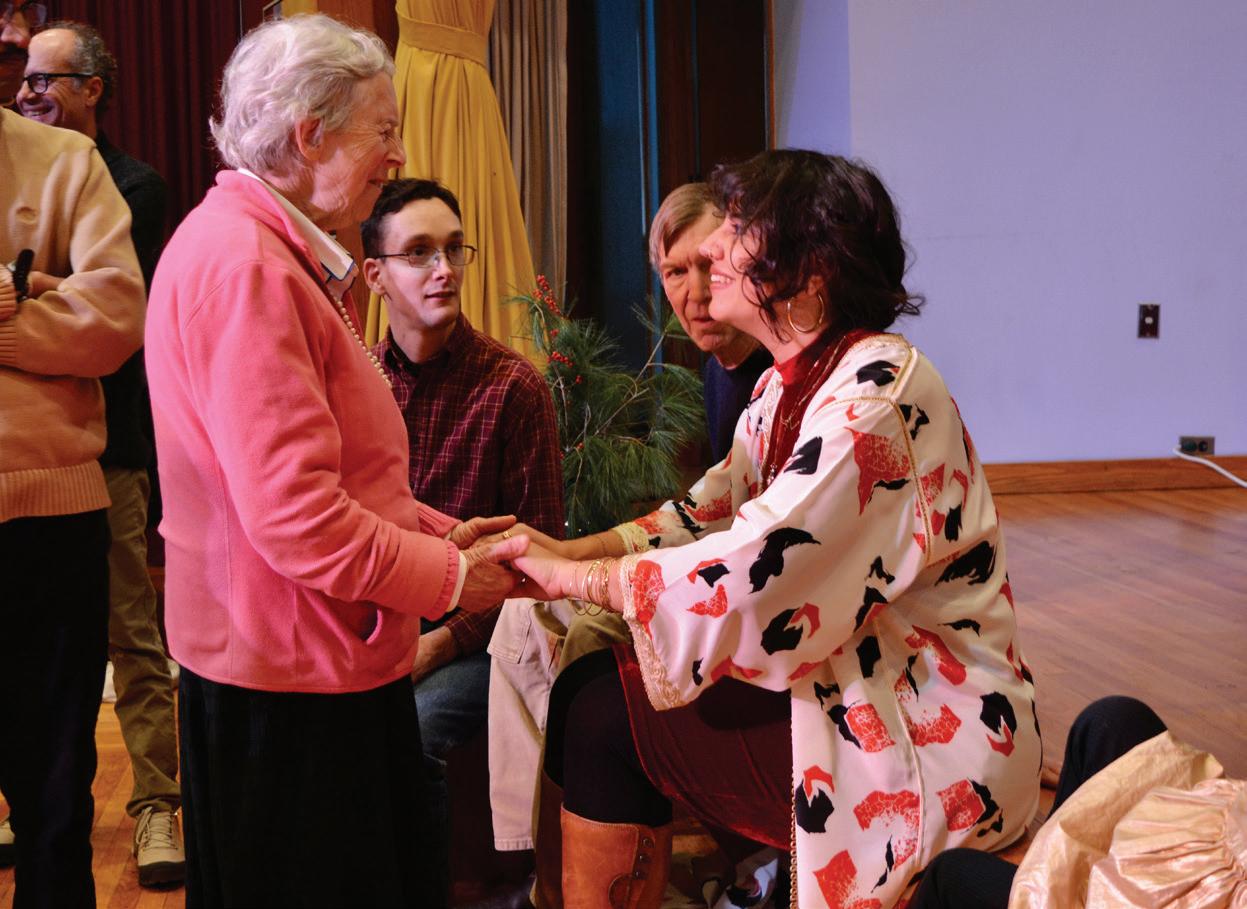
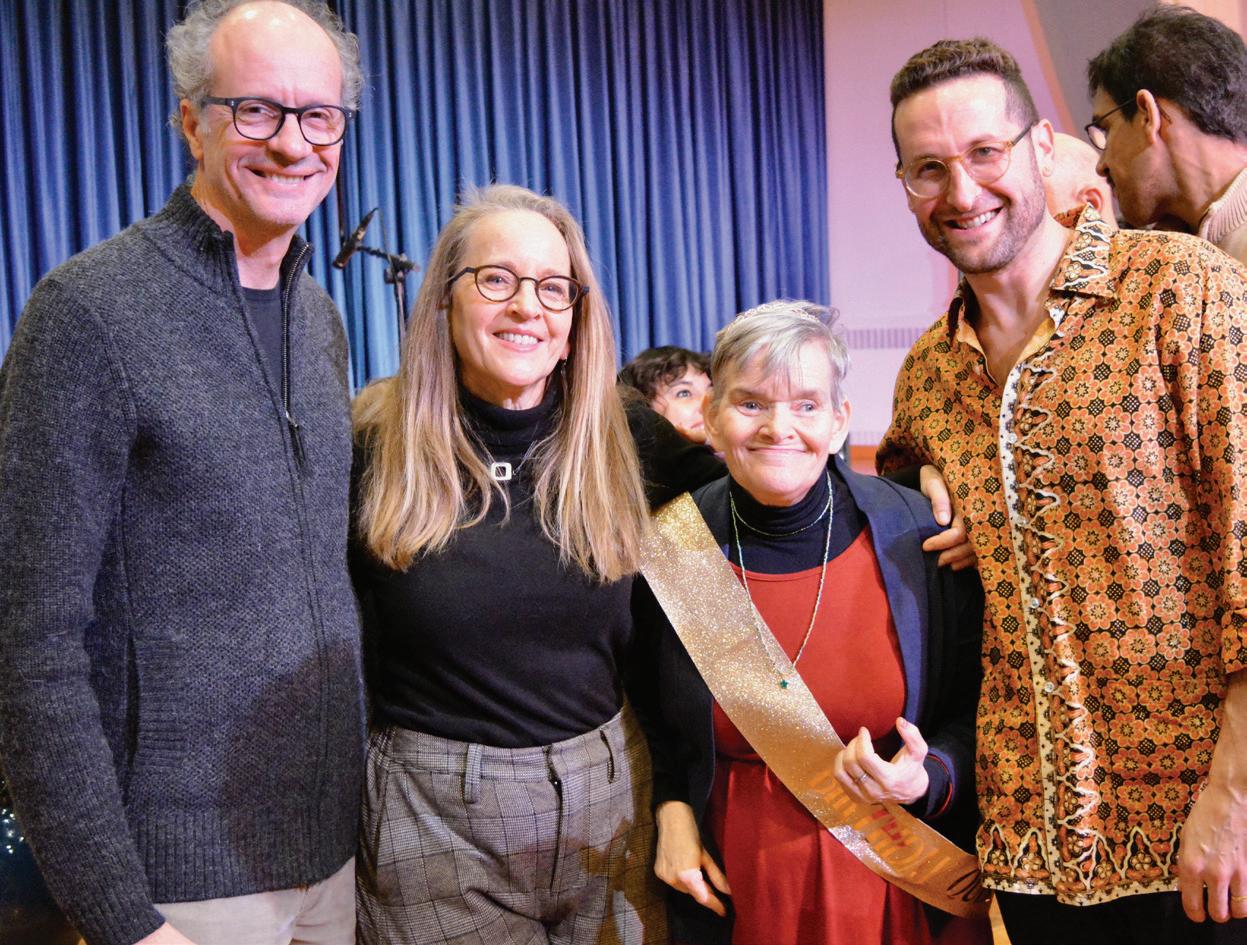
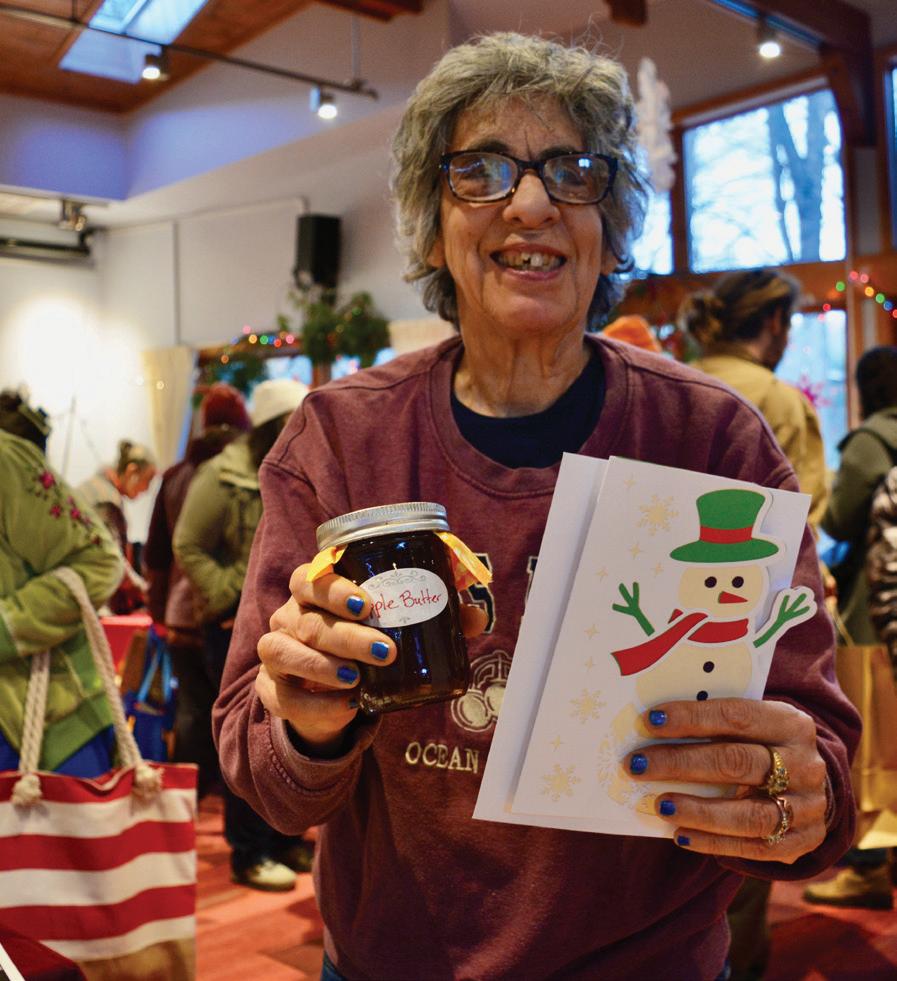
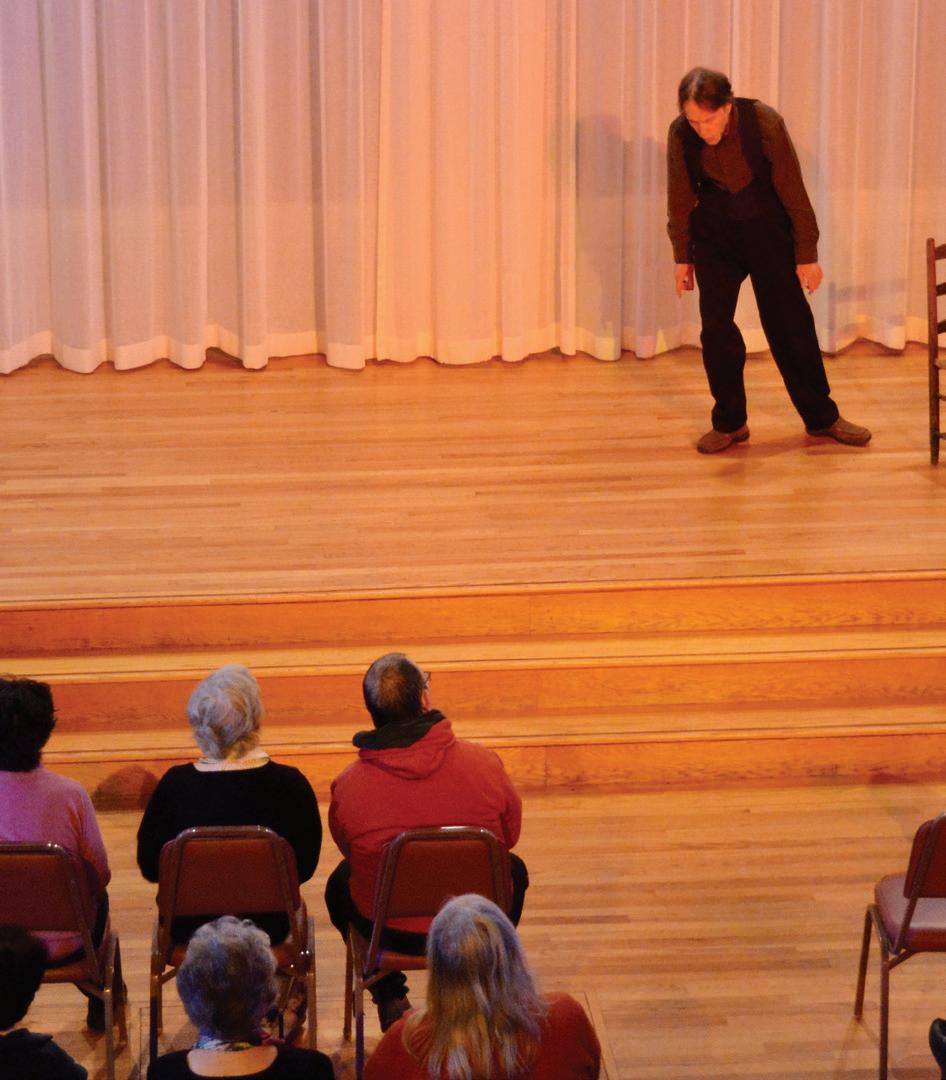
David Anderson performs a stunning one-man show of “A Christmas Carol” by Charles Dickens during the Holy Nights.
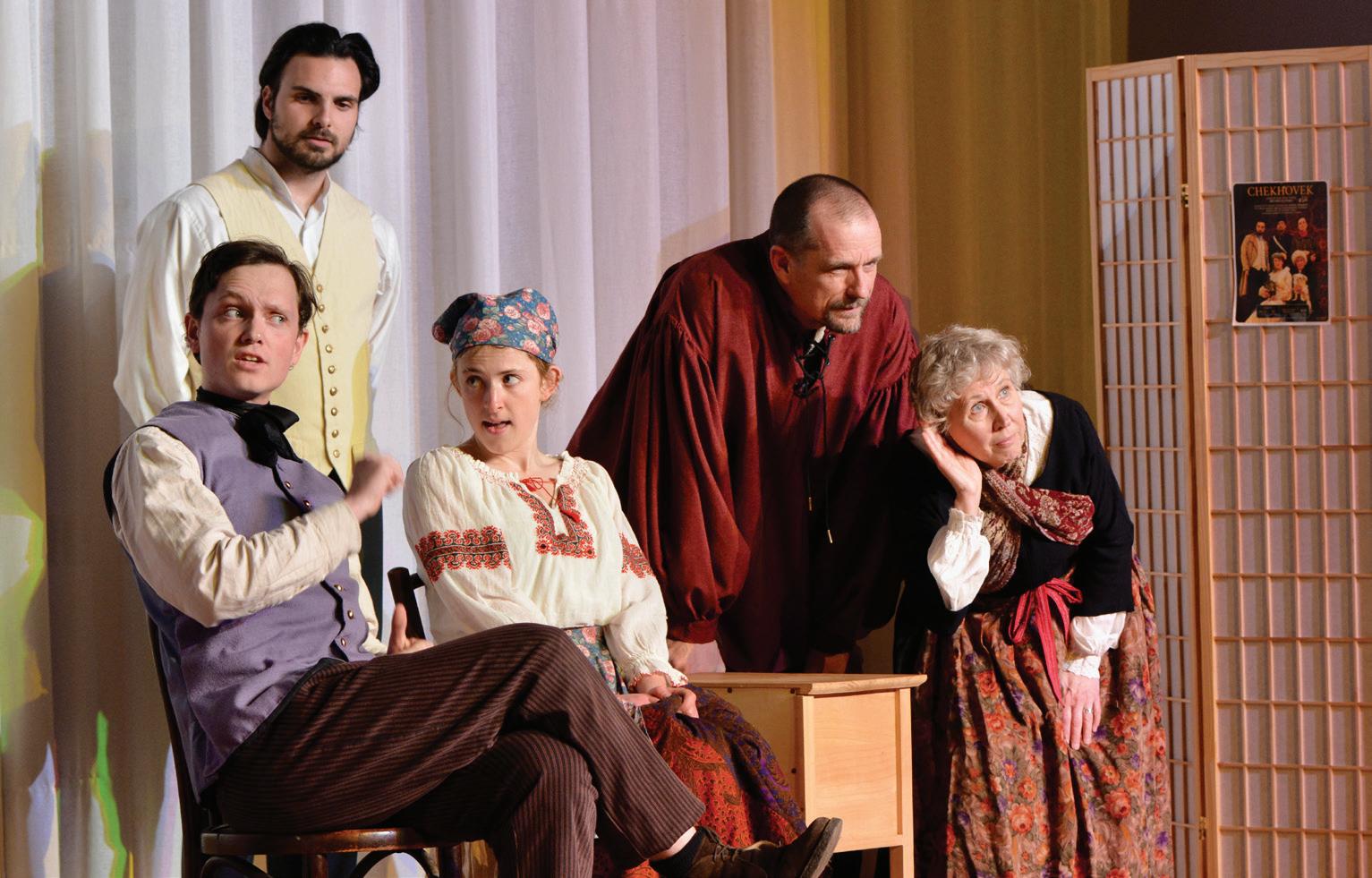
The cast of Chekhovek, a highly entertaining grouping of short stories by Anton
performed for us in Fountain
One of several delicious Ukrainian lunches we’ve attended to support Medical Relief for Ukraine. Their volunteers use our kitchen and Café space when they come to
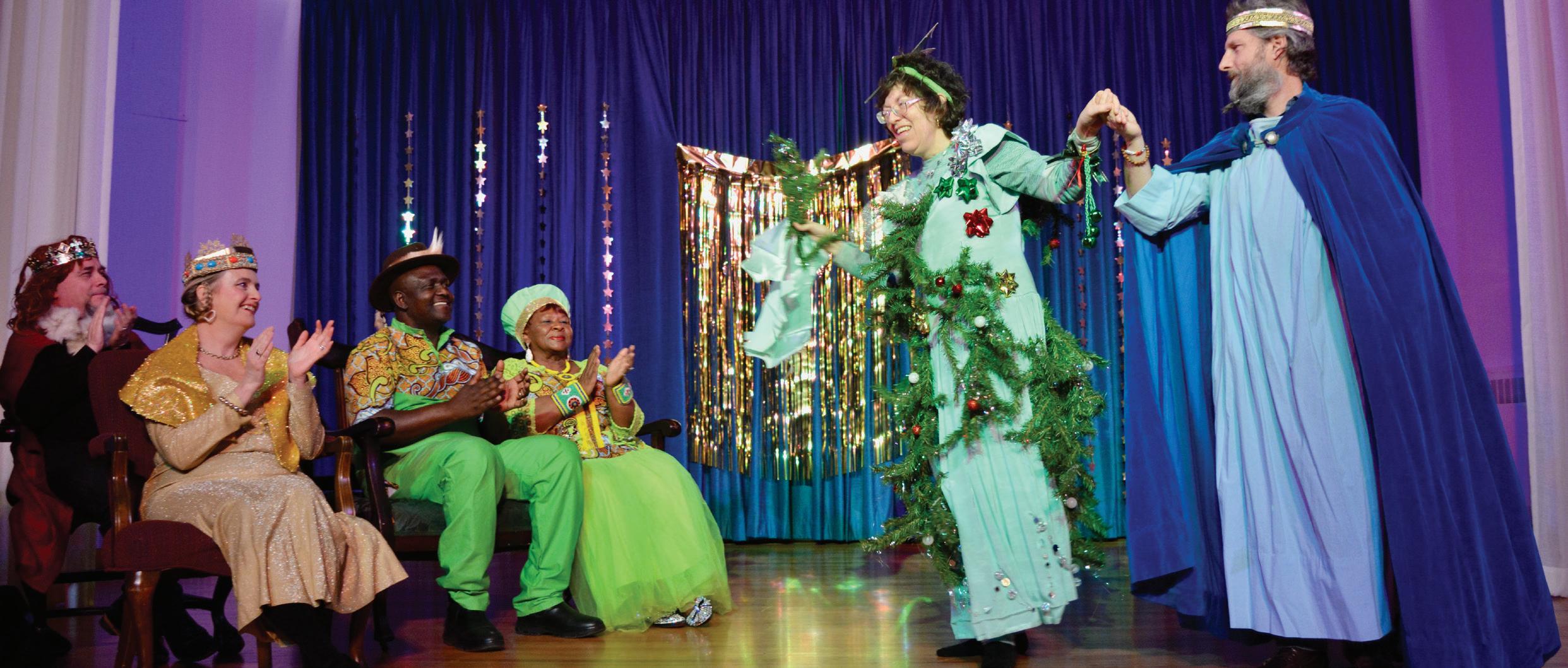
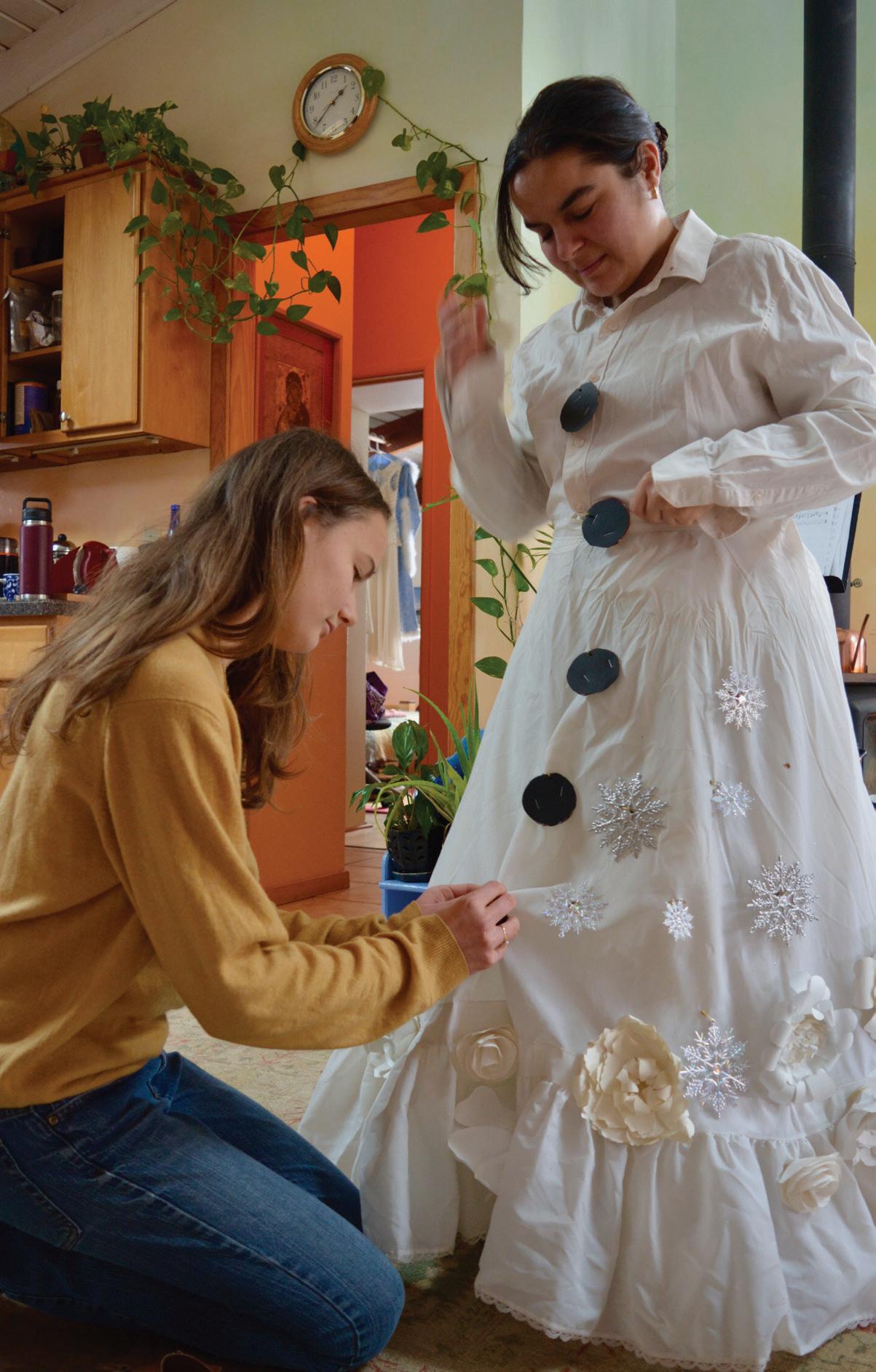
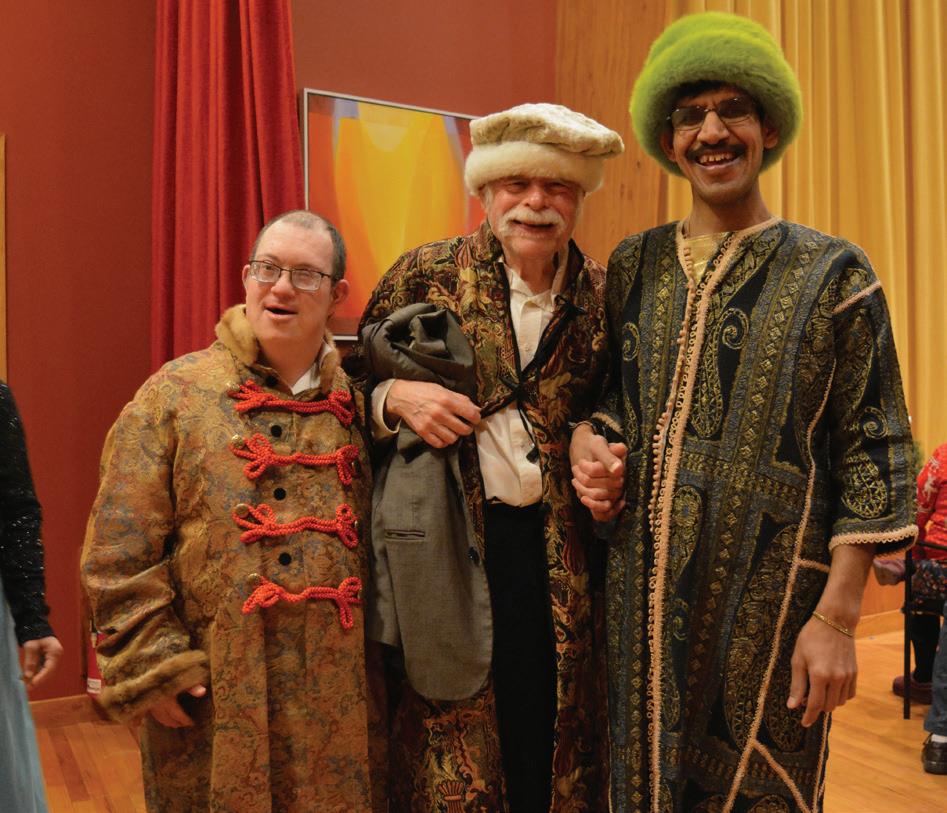
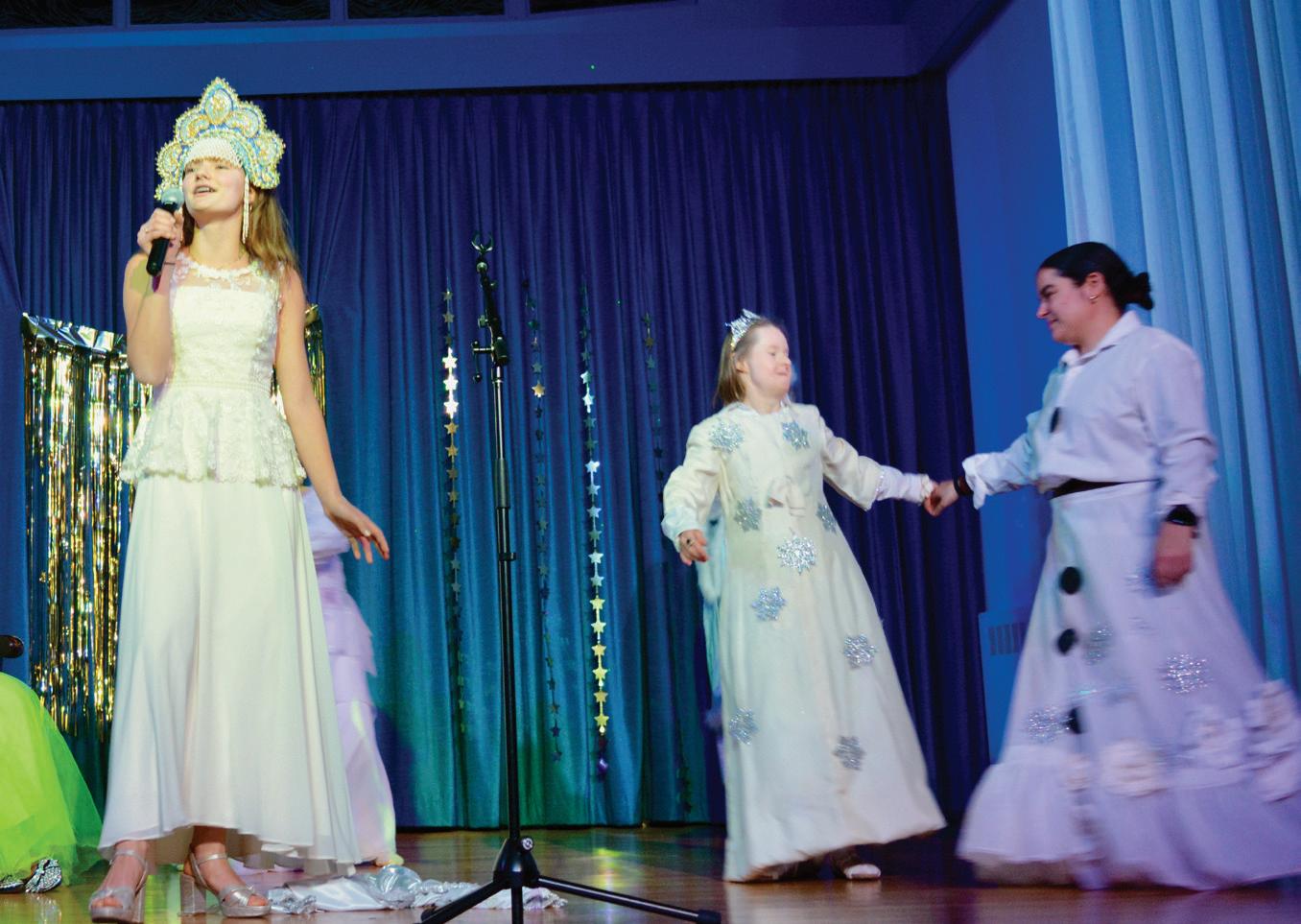
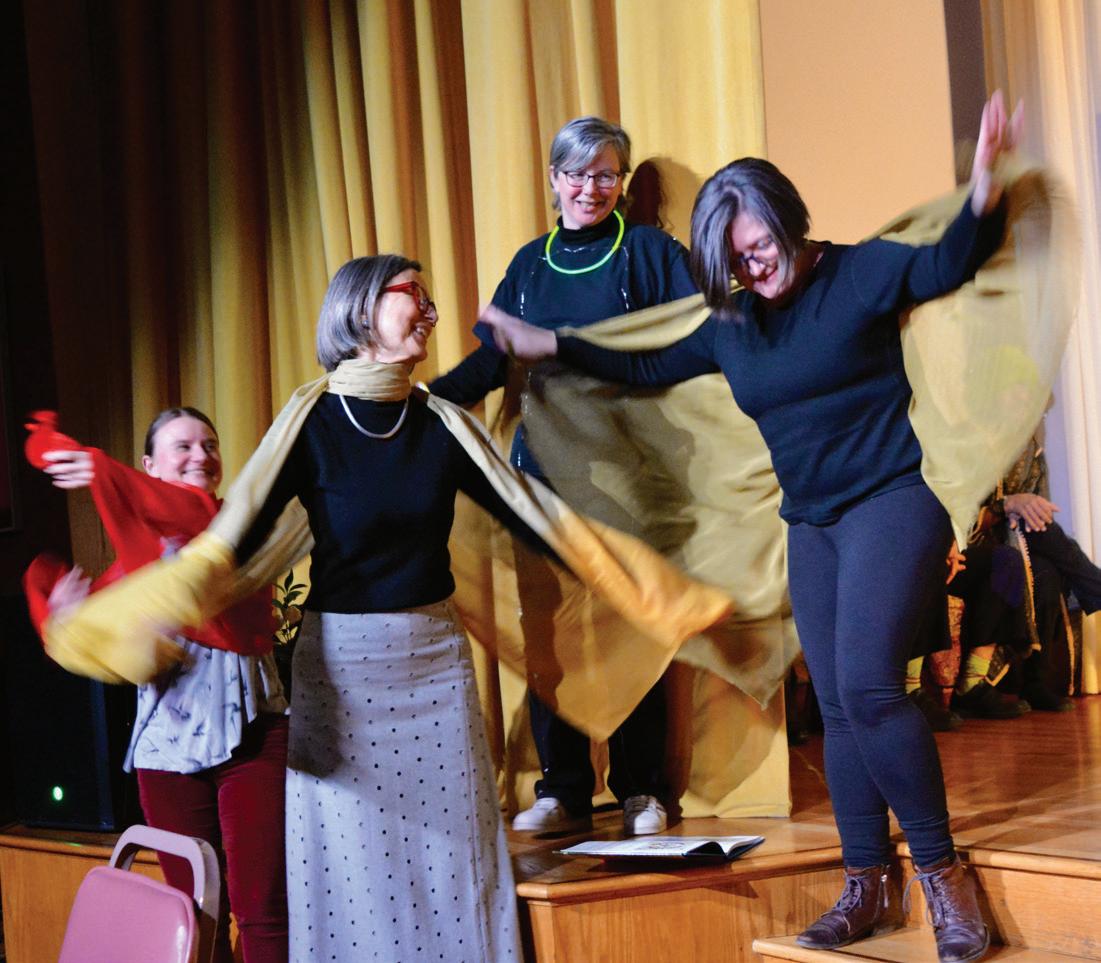
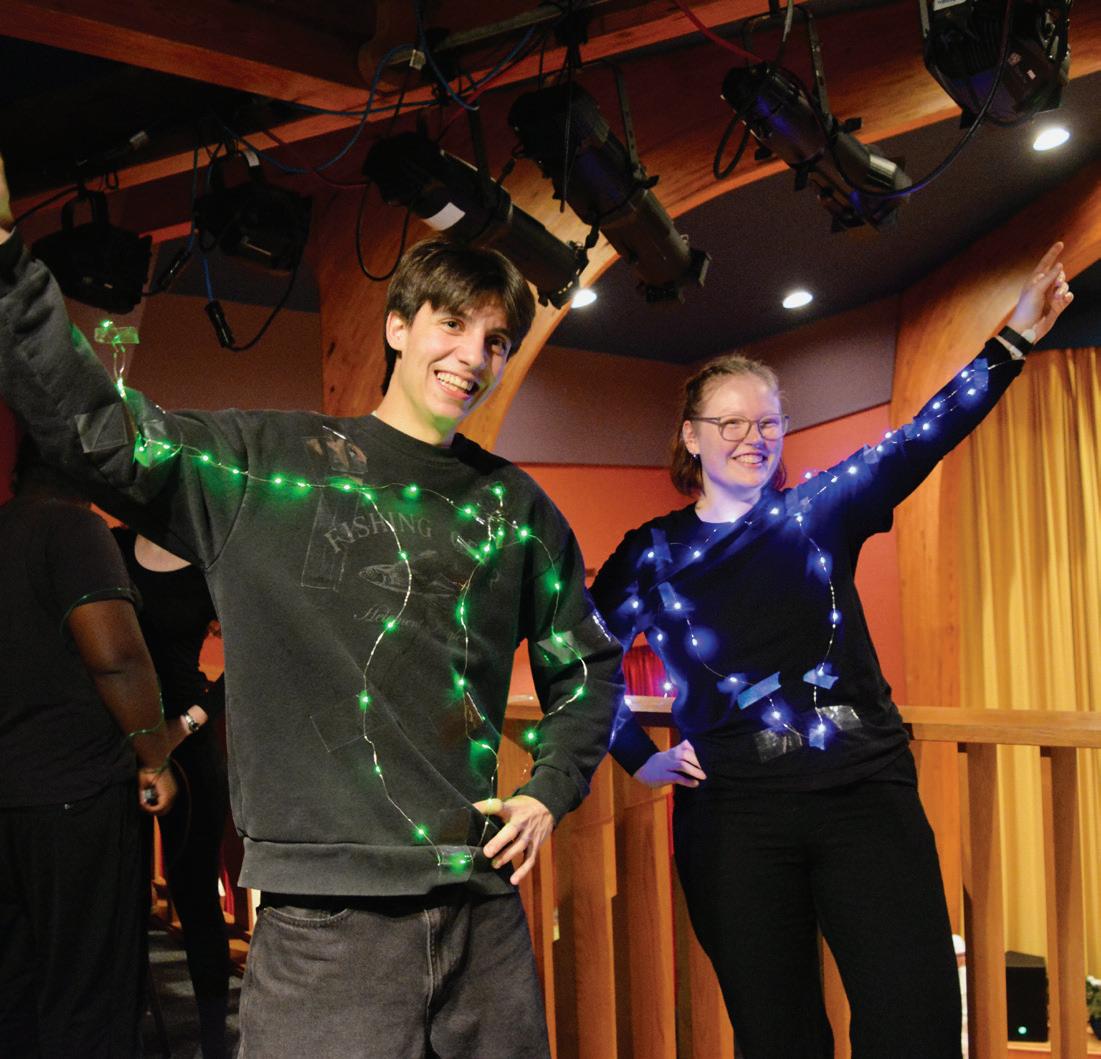
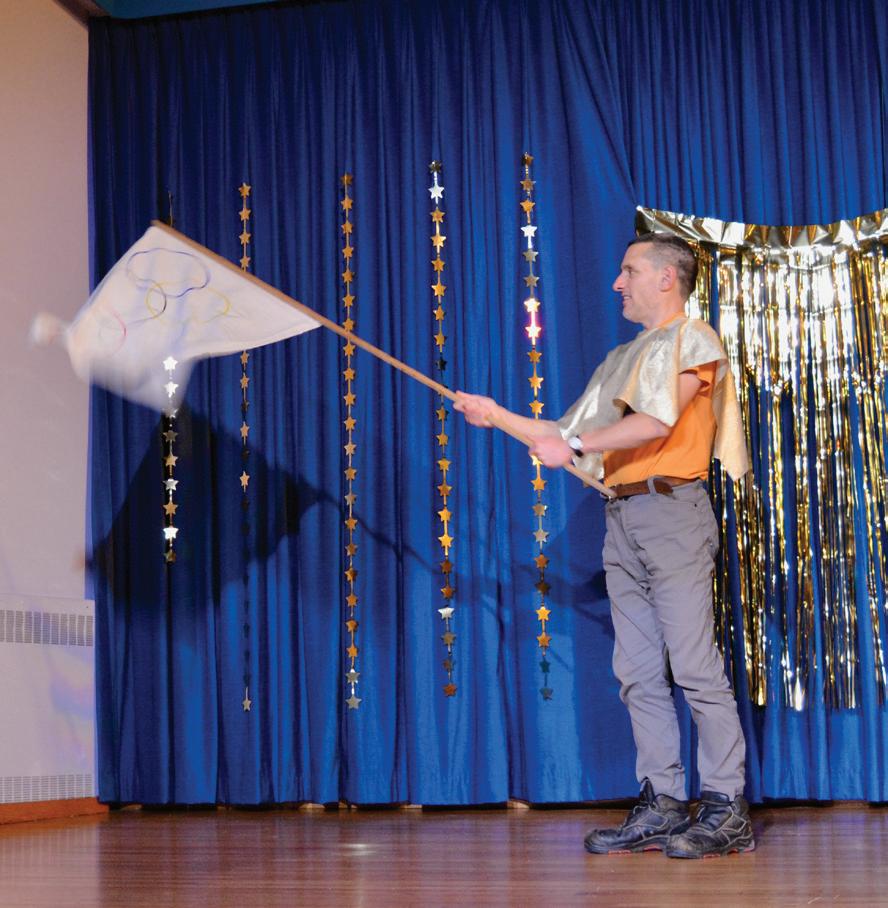
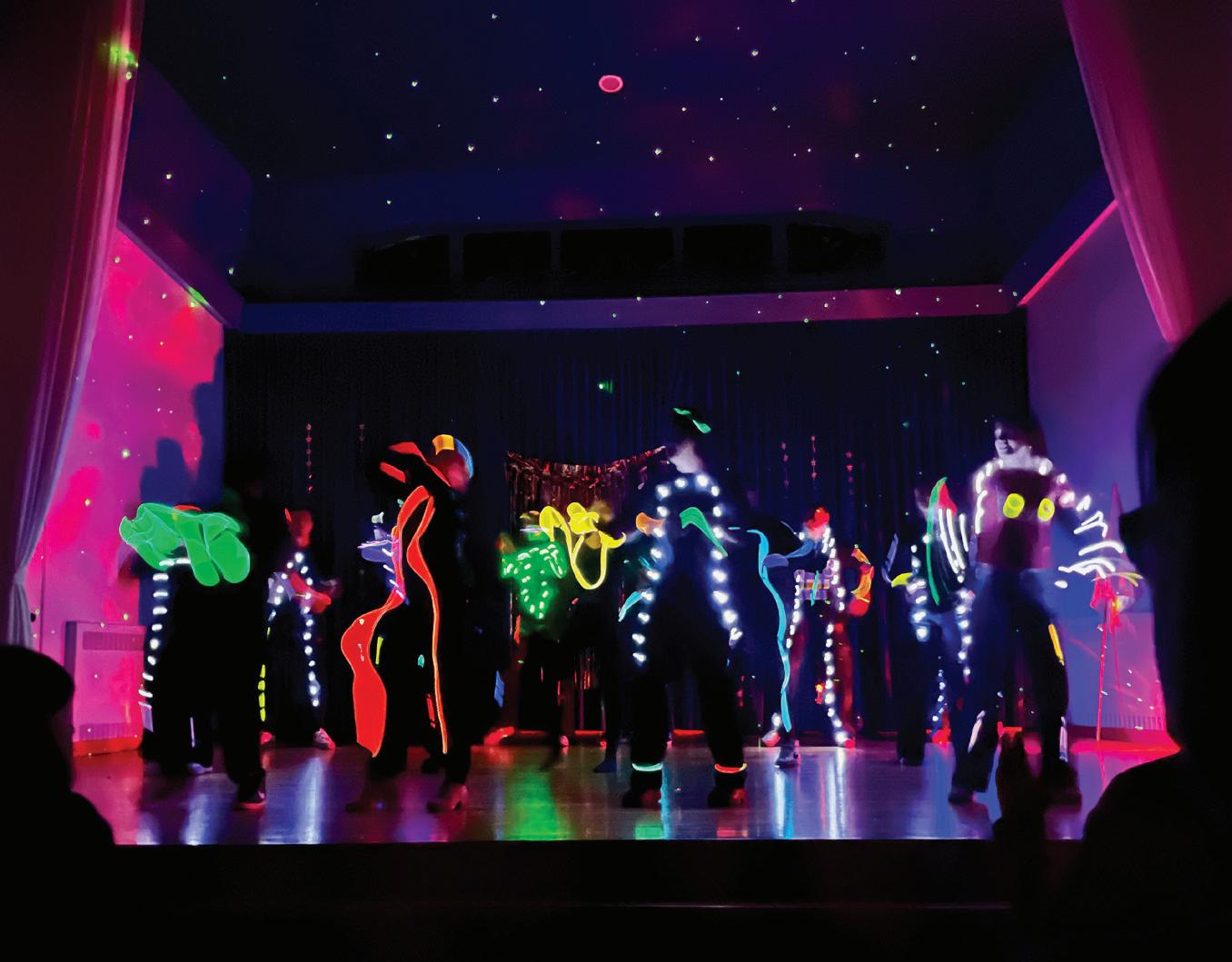
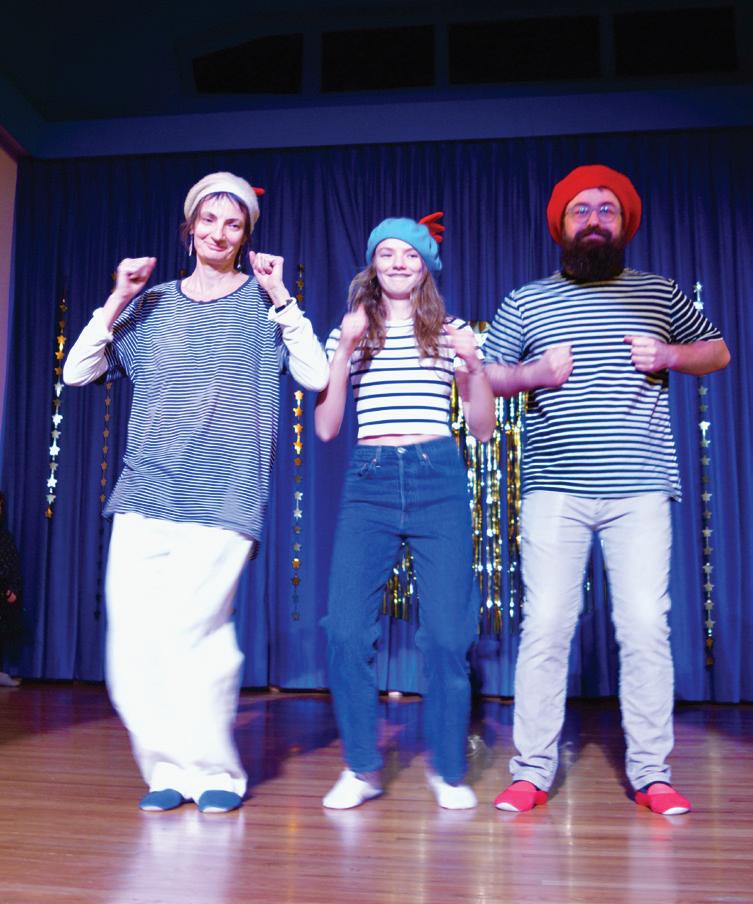
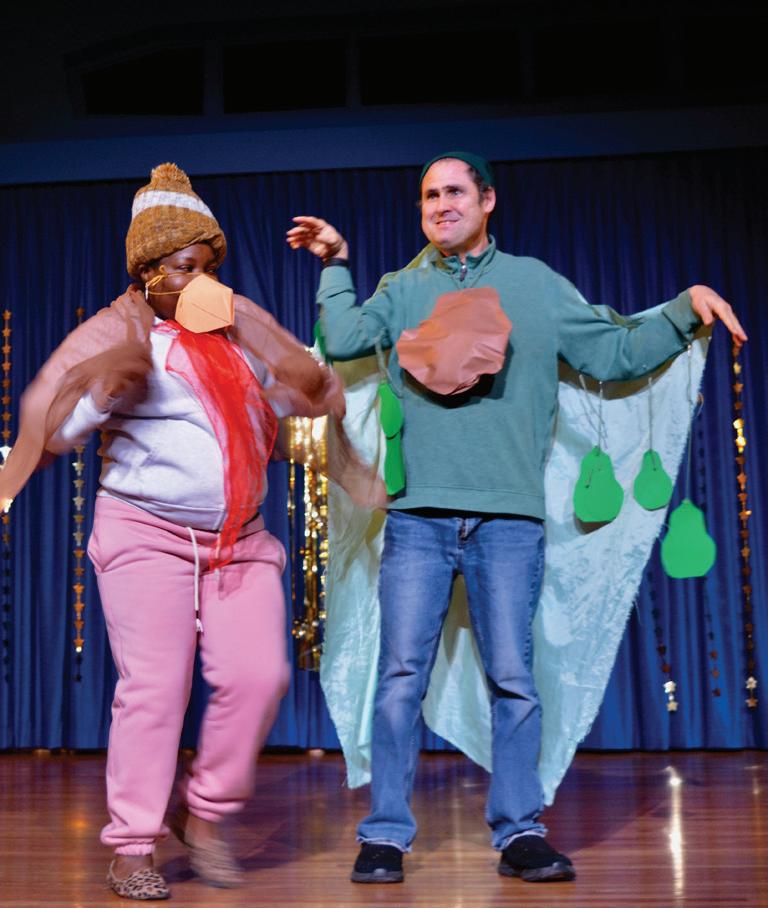
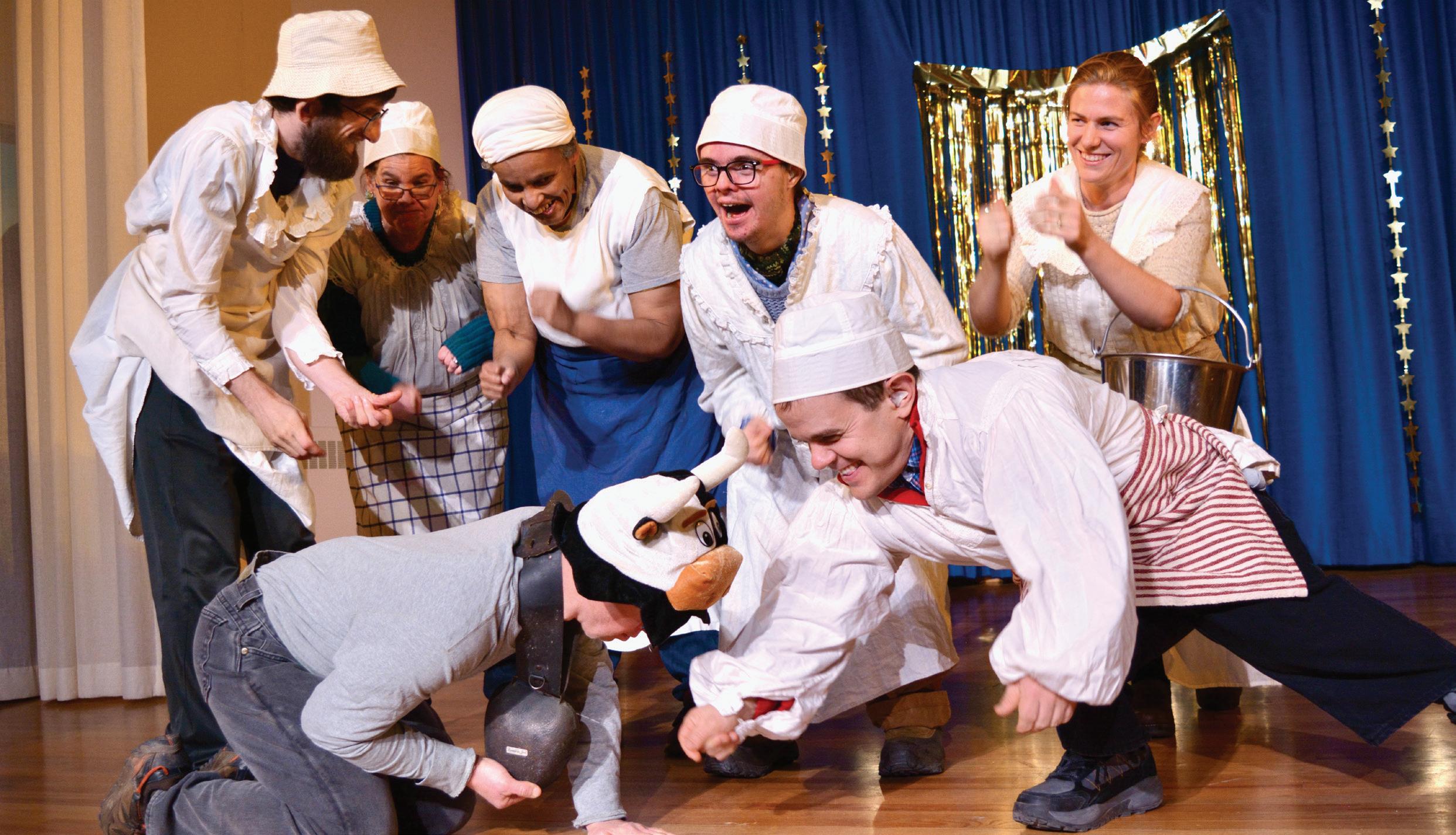
Our New Year’s Eve spectacular was the best kind of mayhem! Our neighborhoods all joined forces to represent each of the “Twelve Days of Christmas,” and three sets of royals traveled from afar to behold our holiday fashion show. The McFly family made it just in time to introduce the latest in futuristic reflective fashions, and we were transported to a dreamy winter scene with Aillinn and Orchard houses’ beautiful rendition of “Snowman” by Sia. We ended with a neon disco finale performed by the young coworkers from our Orientation Group, followed by a dance party and our evening New Year’s Eve service. Many thanks to all—including the Fountain Hall costume closet—for making this, no doubt, the greatest celebration in the region.
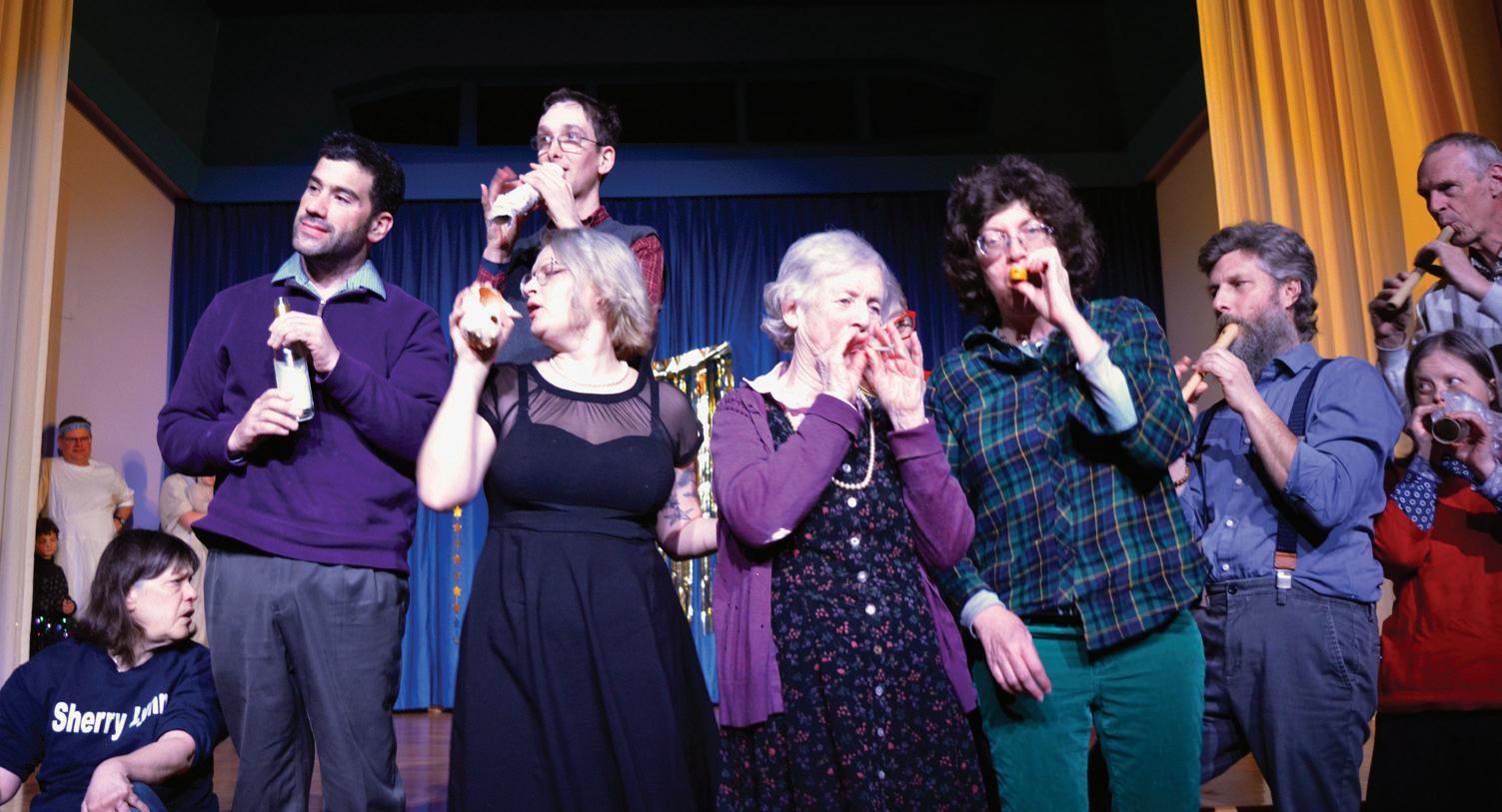
Iker Merodio Gil and Nina Ernst practice their moves for the big finale.
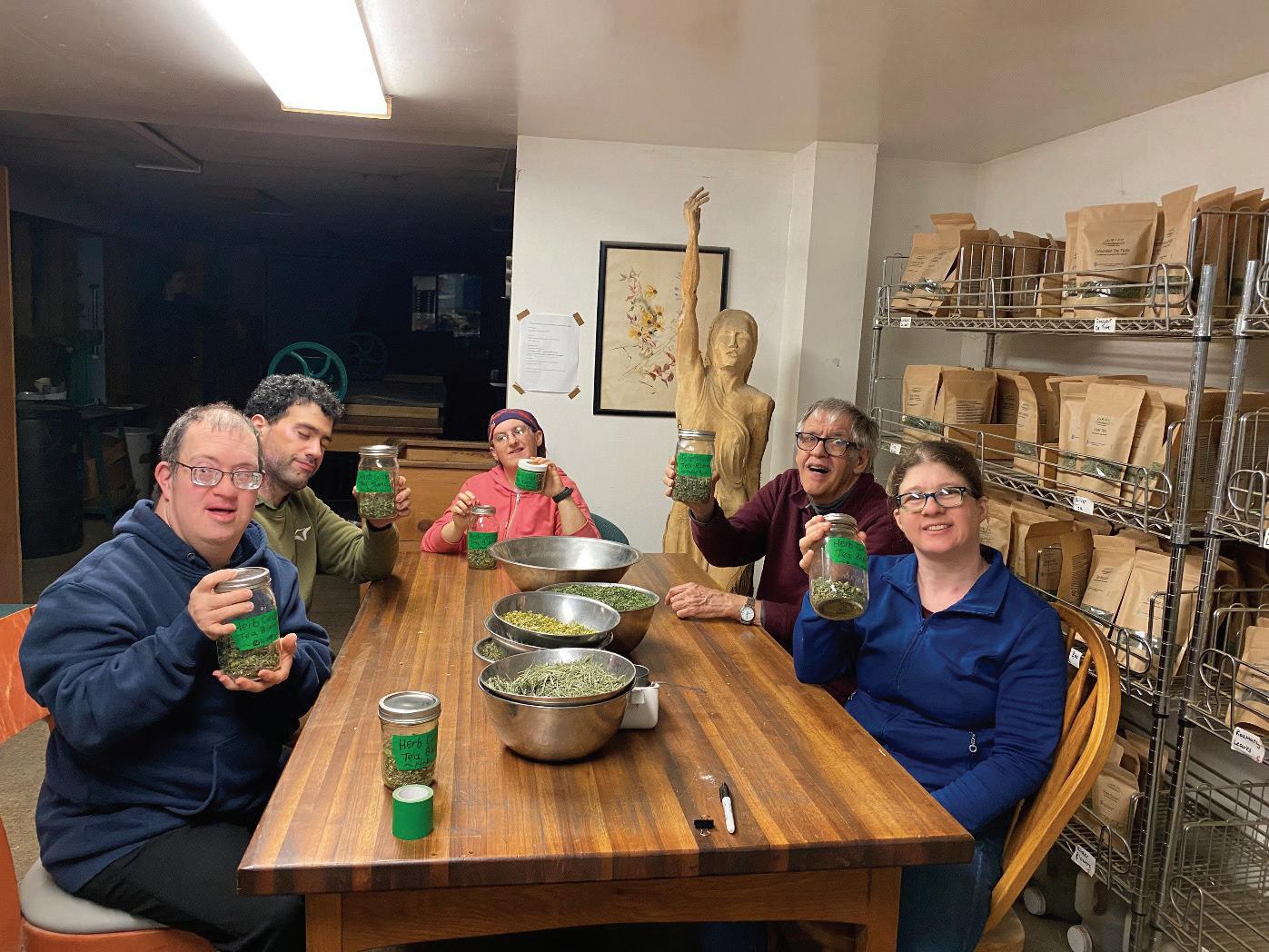
Our spring semester of the Camphill Village “Community College” came to a close in May, and our instructors and students learned so much from each other. We signed up for four classes that were offered: Herb Circle with Noku, Puppet Storytelling with Heidi, Painting & Origami with Eriana, and Movement & Jewelry Making with Aparajitha.
Photos by Nokukhanya Ndlovu
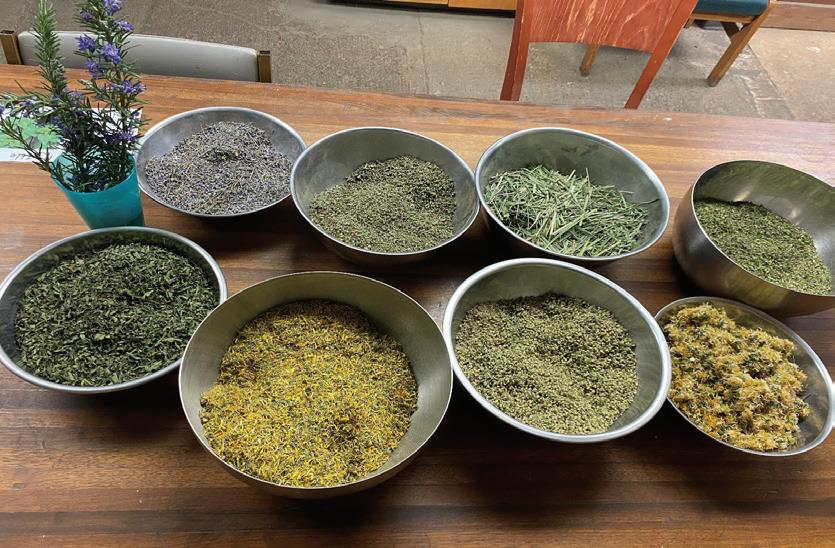
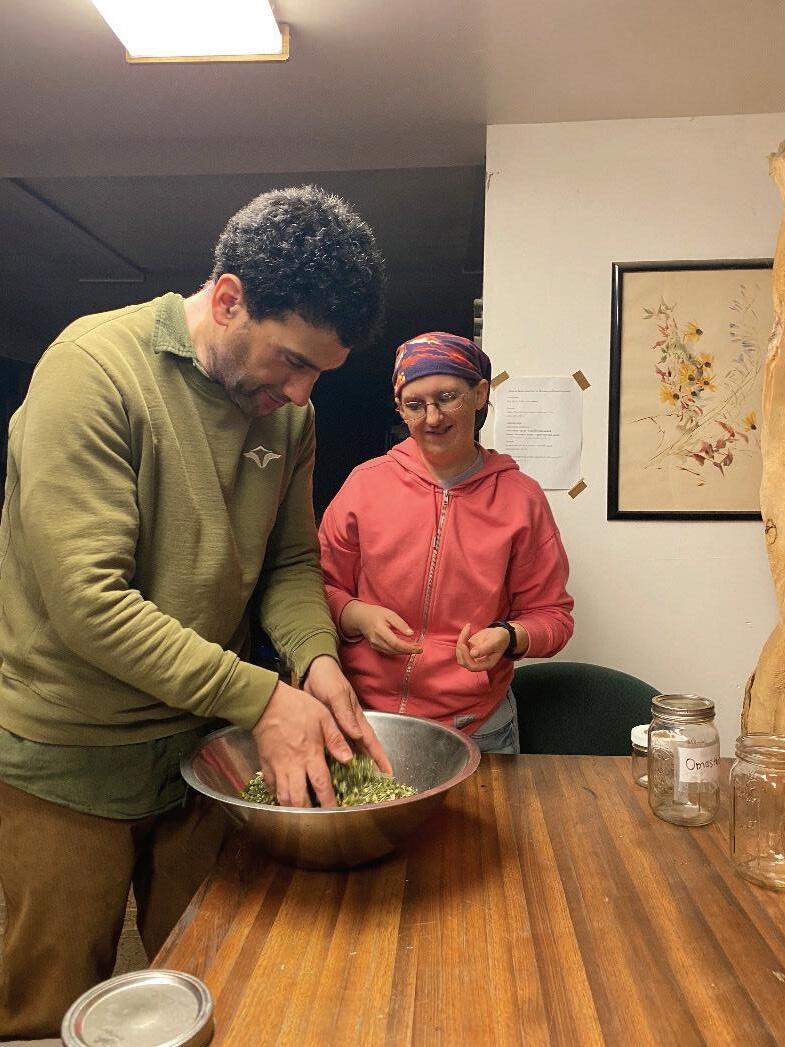
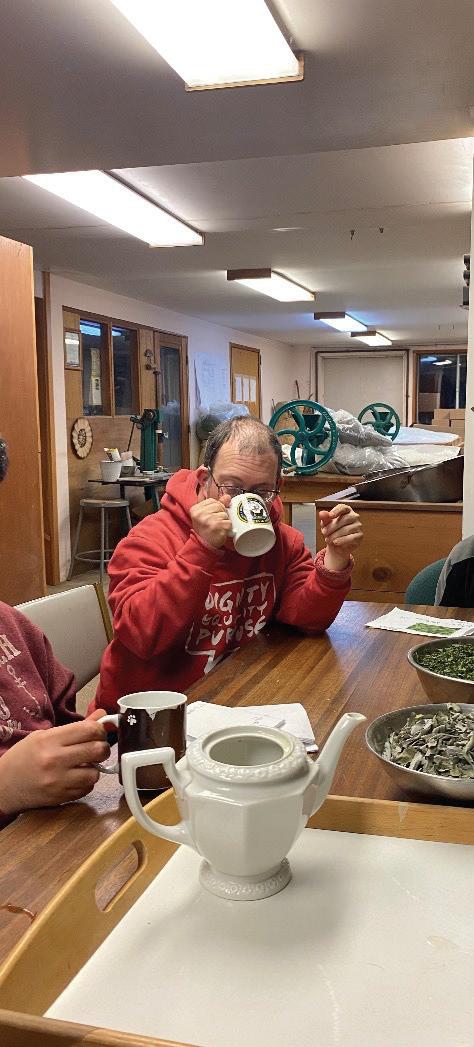
Not only did we learn about different aromas, tastes, and uses of different herbs; we built upon our knowledge a little more in each class session—color and sensory studies, health benefits, etc.— until it was finally time to create custom tea blends of our own! Our friends at the Healing Plant studio were kind enough to offer their workspace and equipment after hours. And our friend Noku really knows her way around these herbs, so she was the ideal instructor.
Photos courtesy of Aparajitha
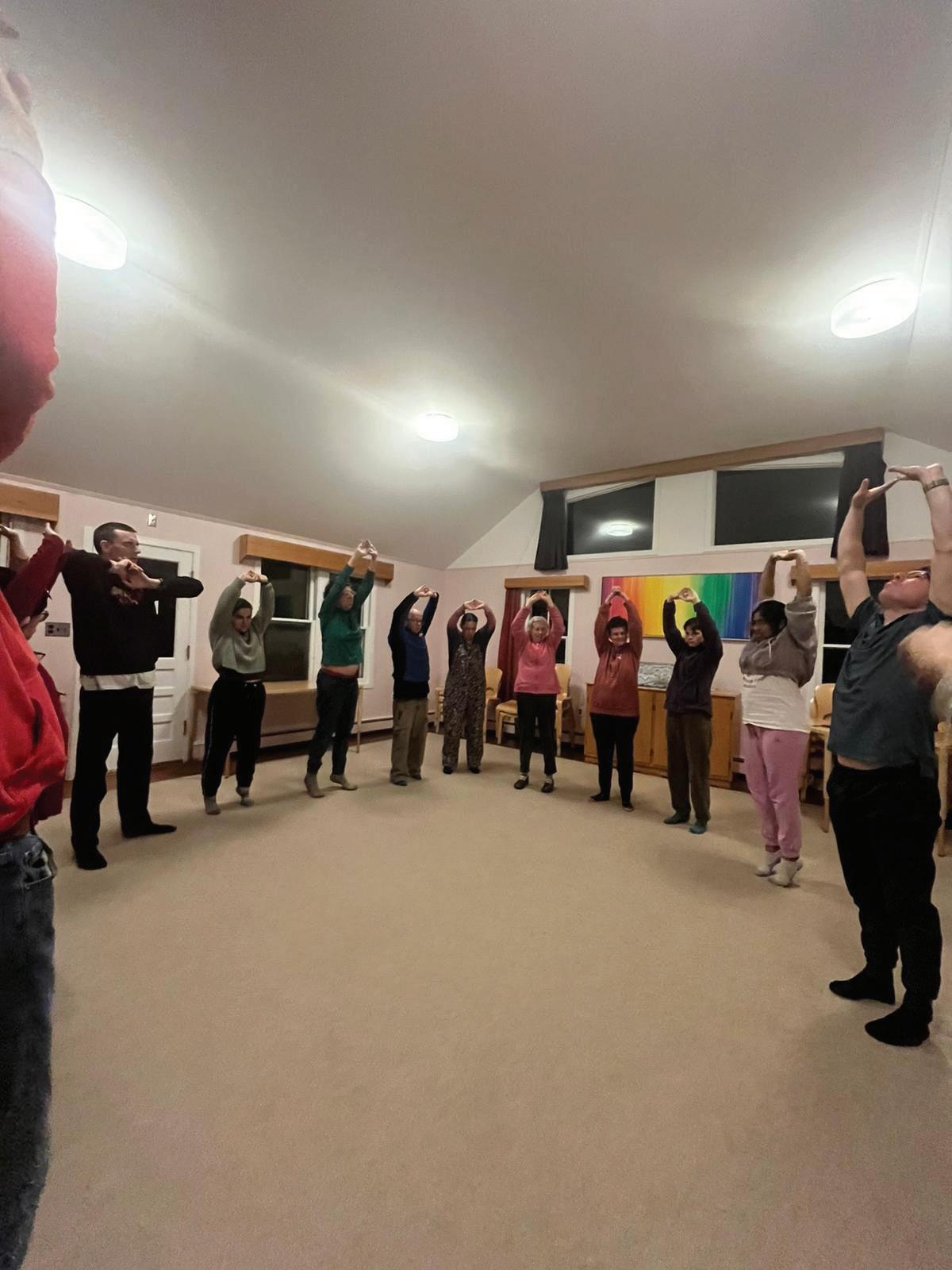
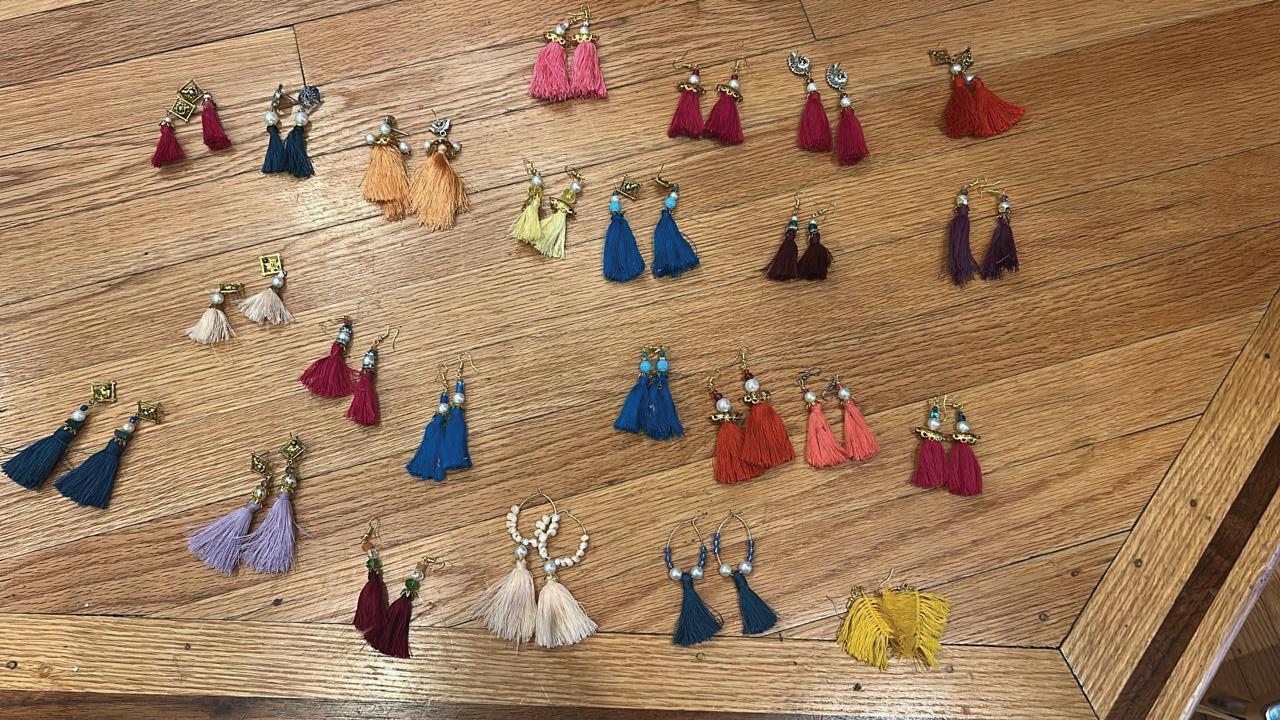
We had a wonderful time each week with Aparajitha, who led us in a jewelry making class that also included movement exercises. Over time, the class evolved to include different types of artwork and games. Our jewelry making materials comprised silk thread, glue, cardboard, and earring hooks; and we began each session with gentle stretching and flexibility exercises.
Photos courtesy of Heidi Reynolds
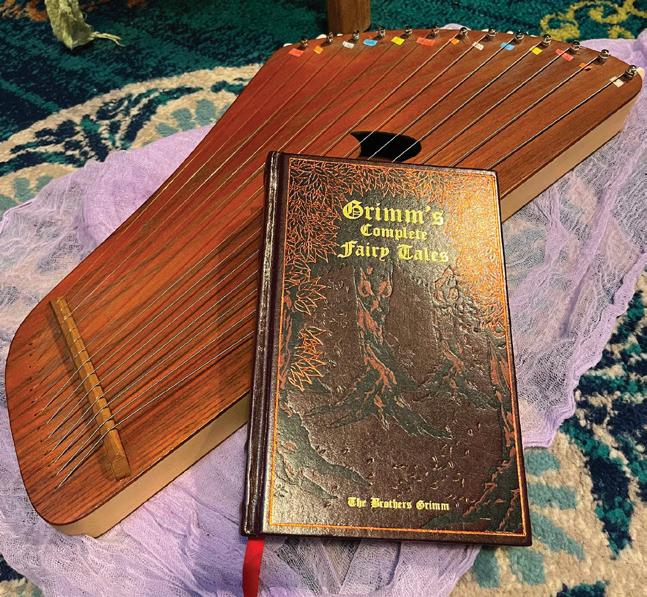
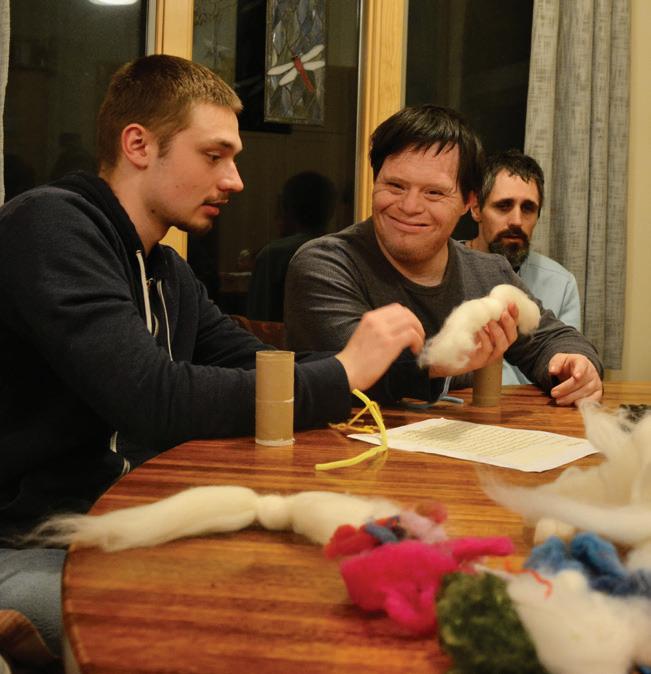
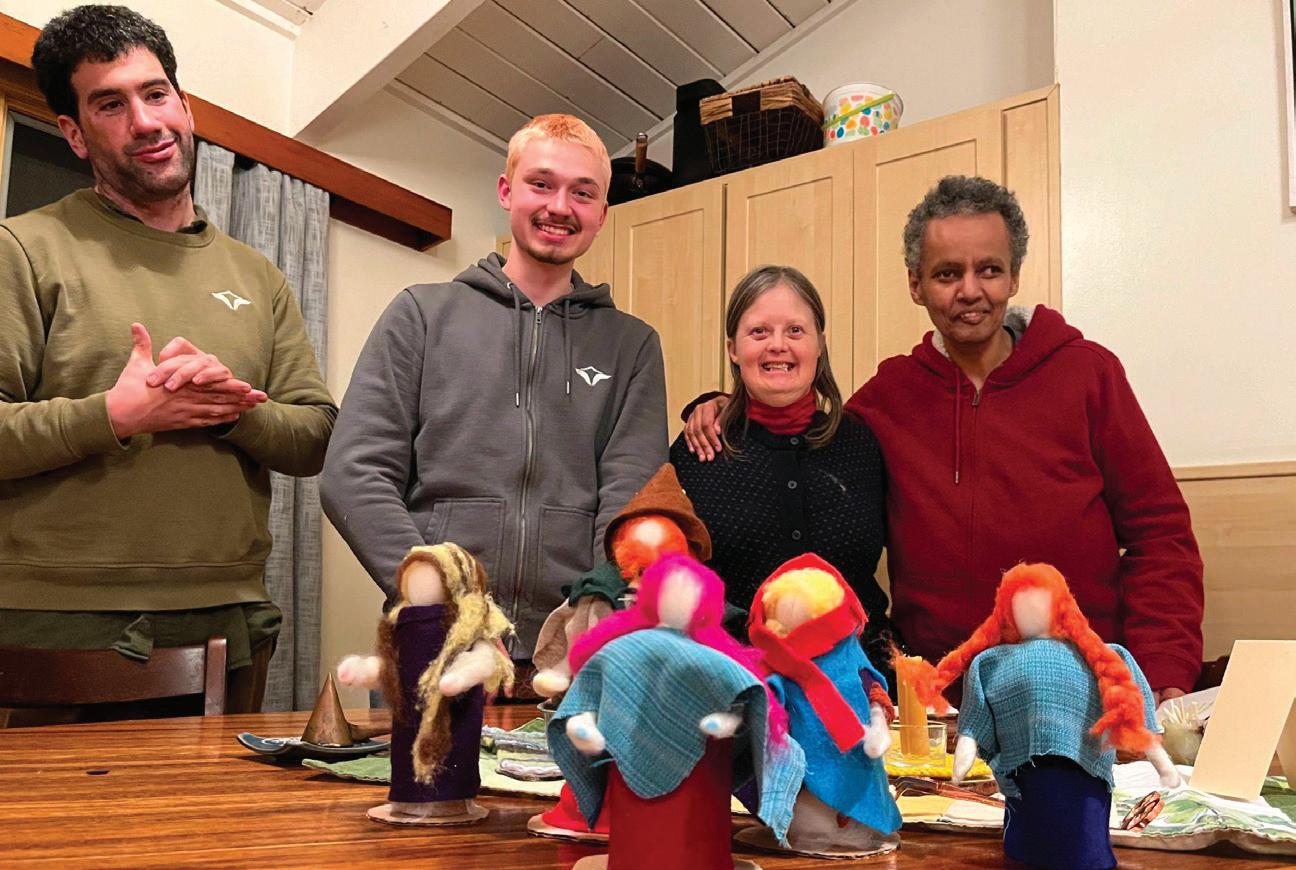
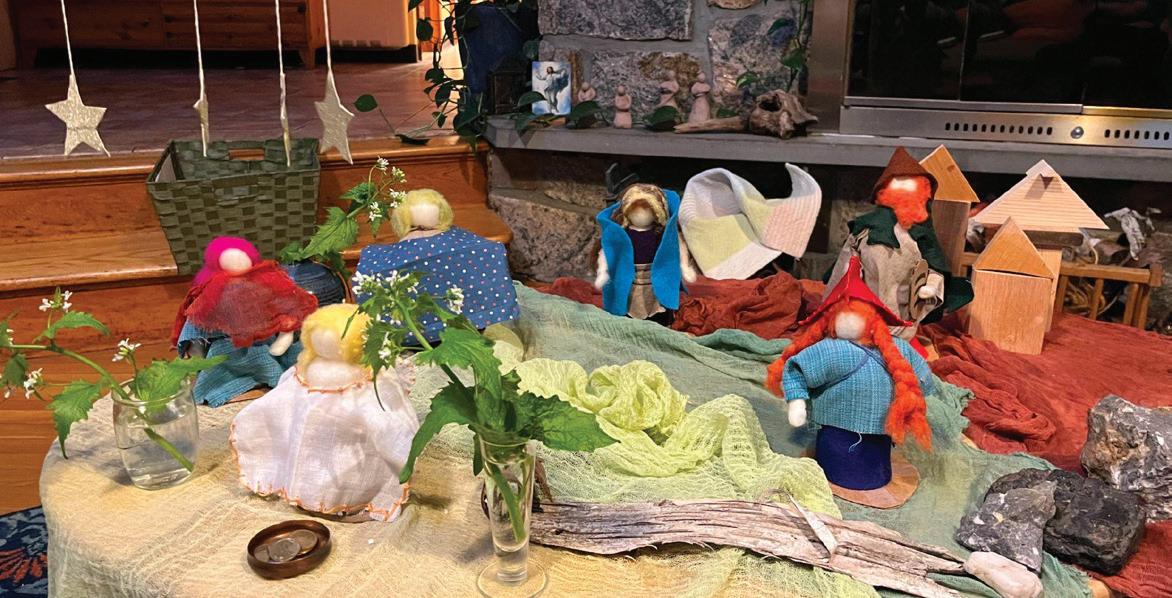
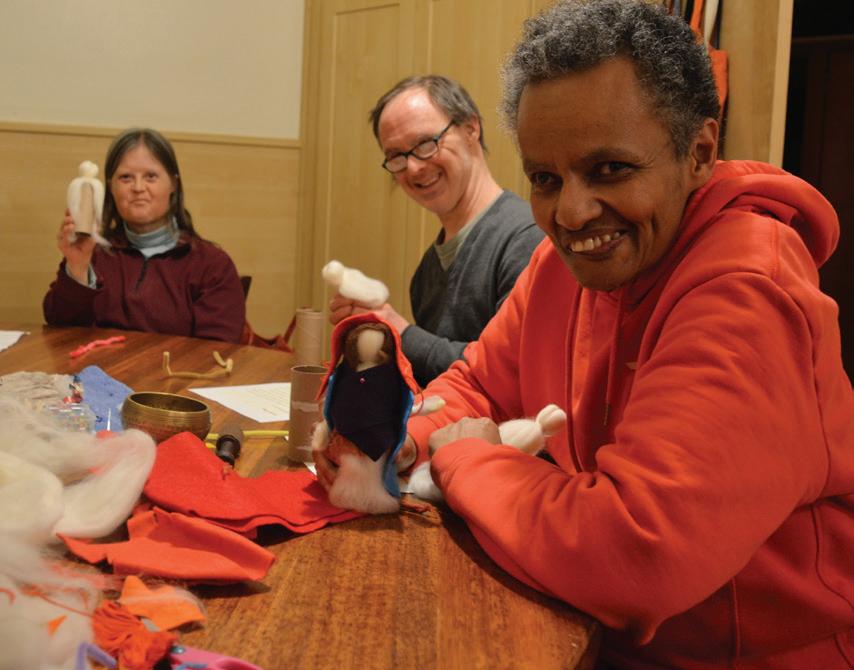
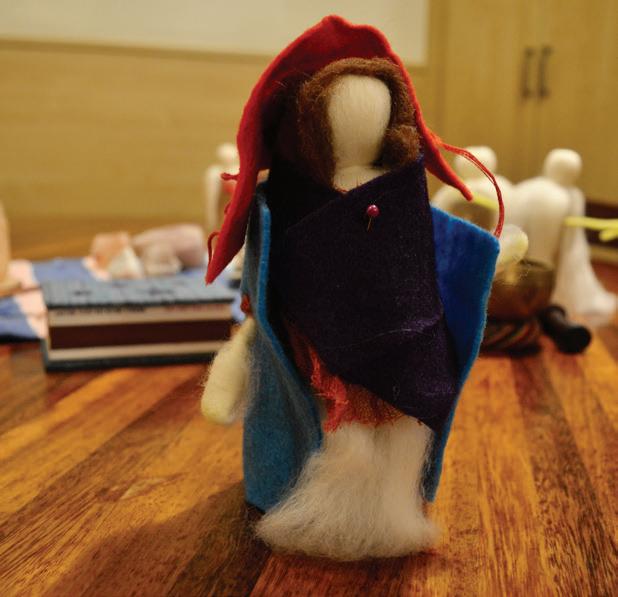
Heidi in Omaskos House drew from her years of Waldorf education and craft work to guide us all in a fun series of evenings making felt puppets. Our characters were from the Brothers Grimm story of the “Star Dollars” about a generous orphan girl who gives away her belongings and food and is rewarded with golden coins from the sky. We used paper, wool, felting, and toilet paper rolls to create all of our characters before our performance for the Future Seeds at the end of the semester!
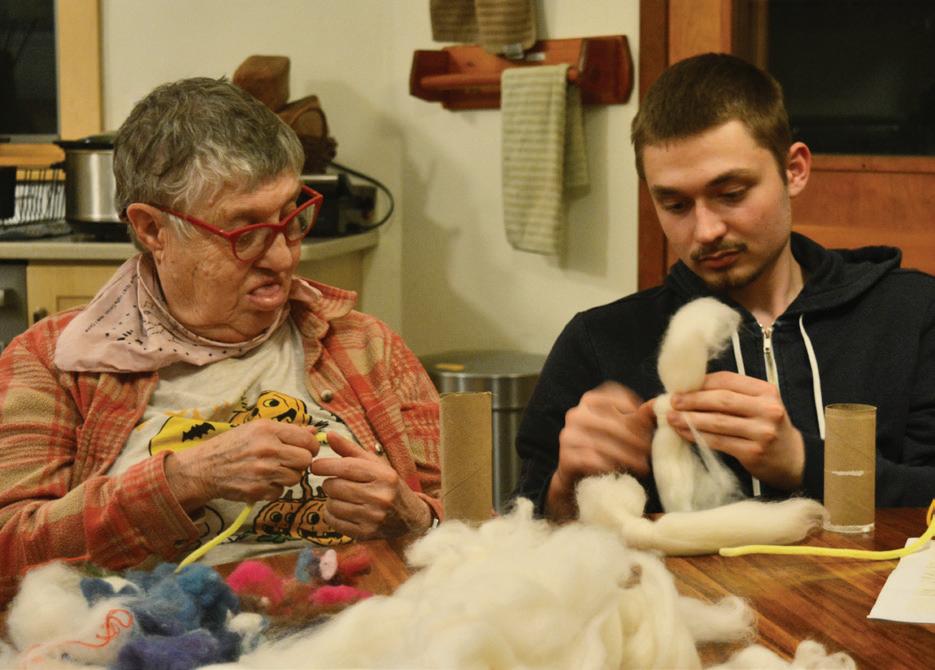
Photos courtesy of Eriana Barbosa
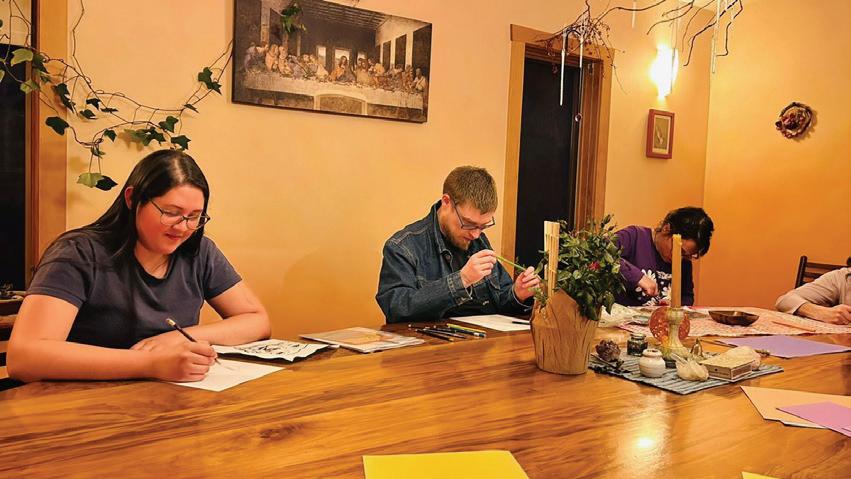
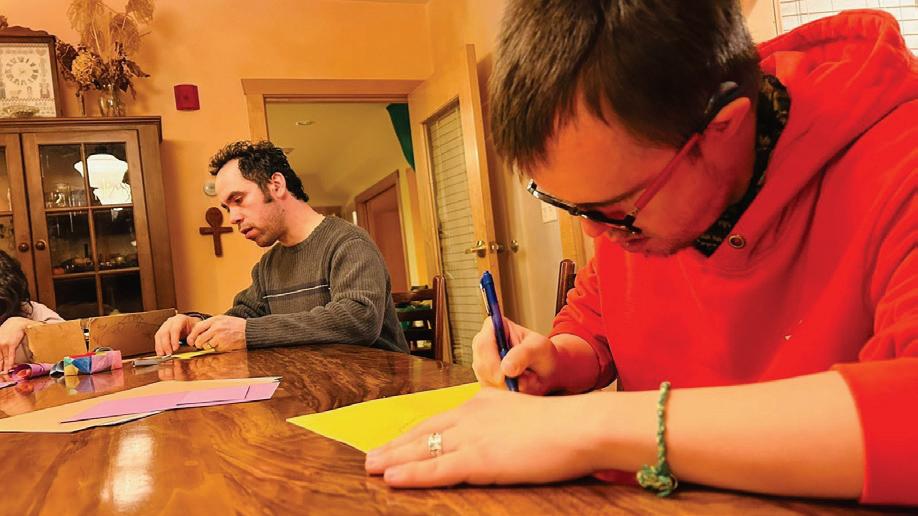
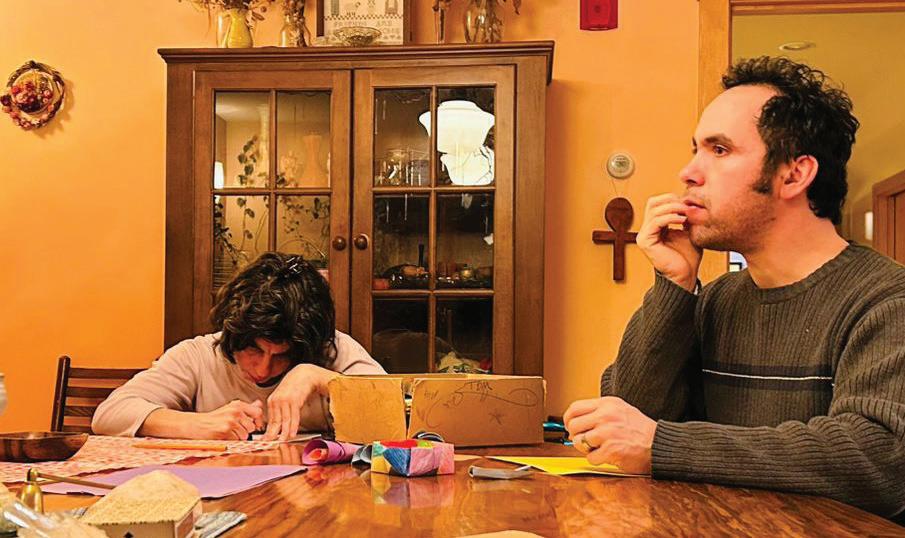
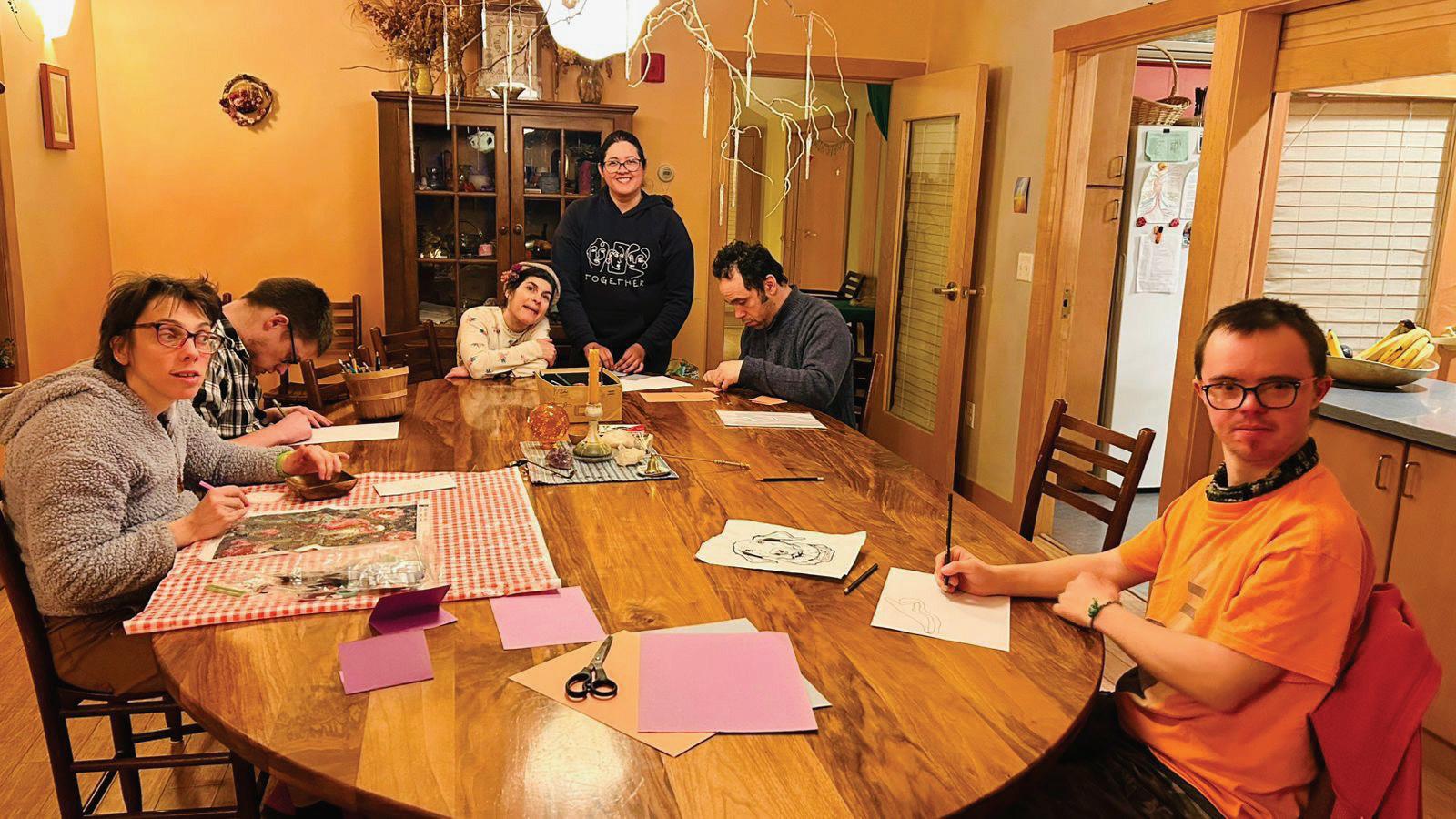
We loved getting together with Eriana in Lirio House to paint, draw, and make origami boxes and flowers. Eriana wanted to give Ernesto the opportunity to show others how to make origami flowers, since he was the one who inspired her to make them in the first place!
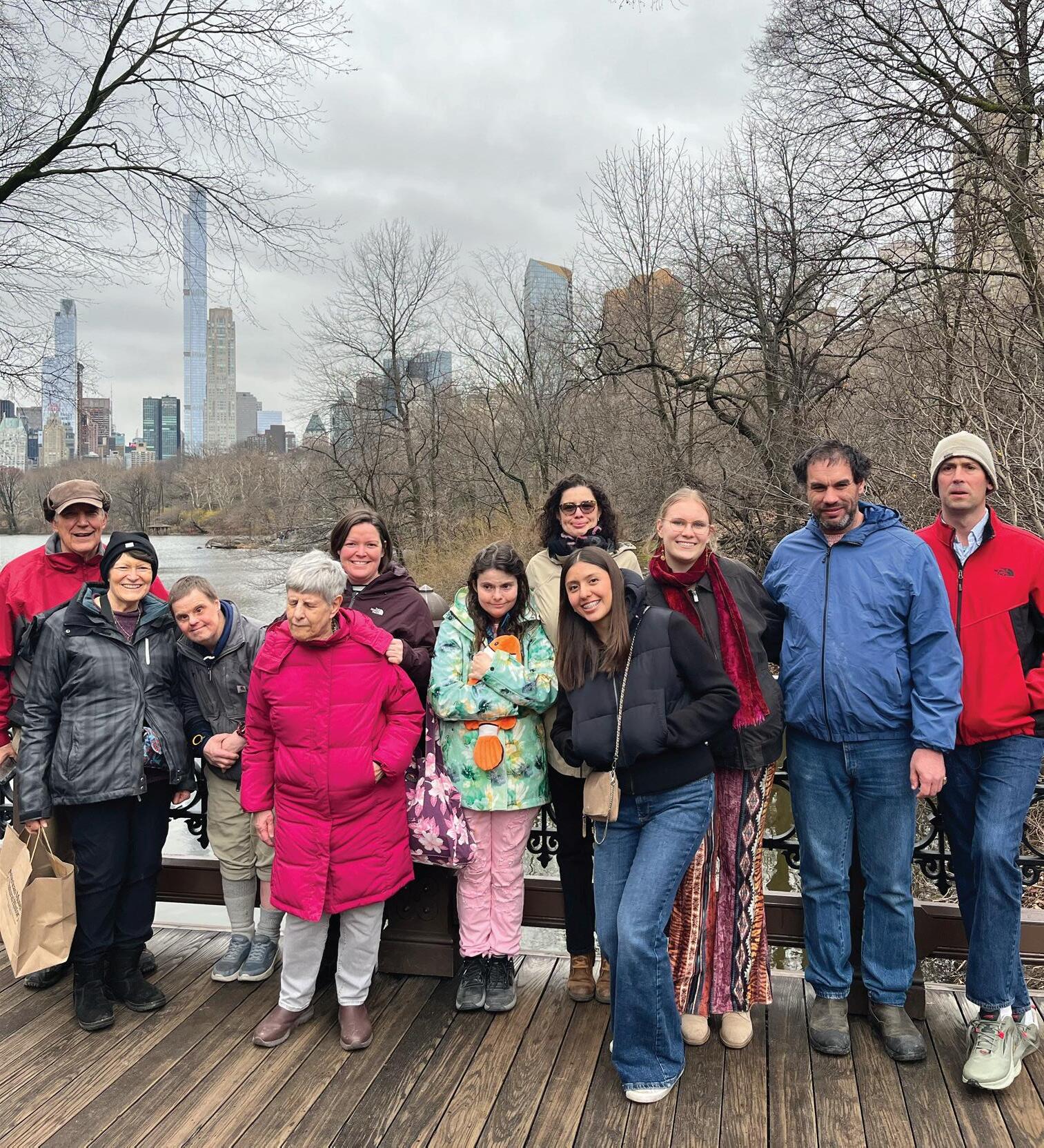
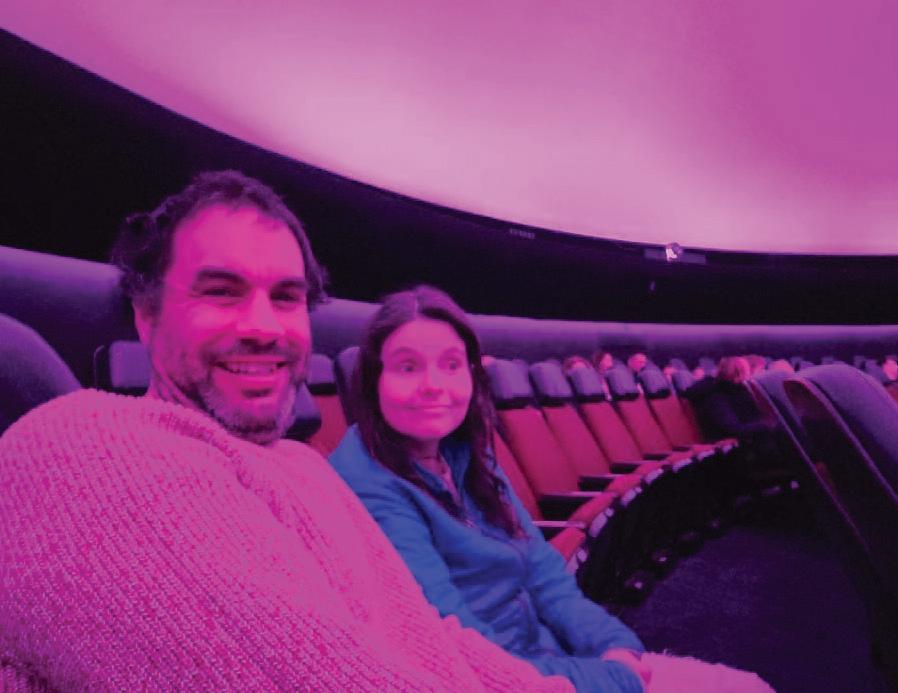
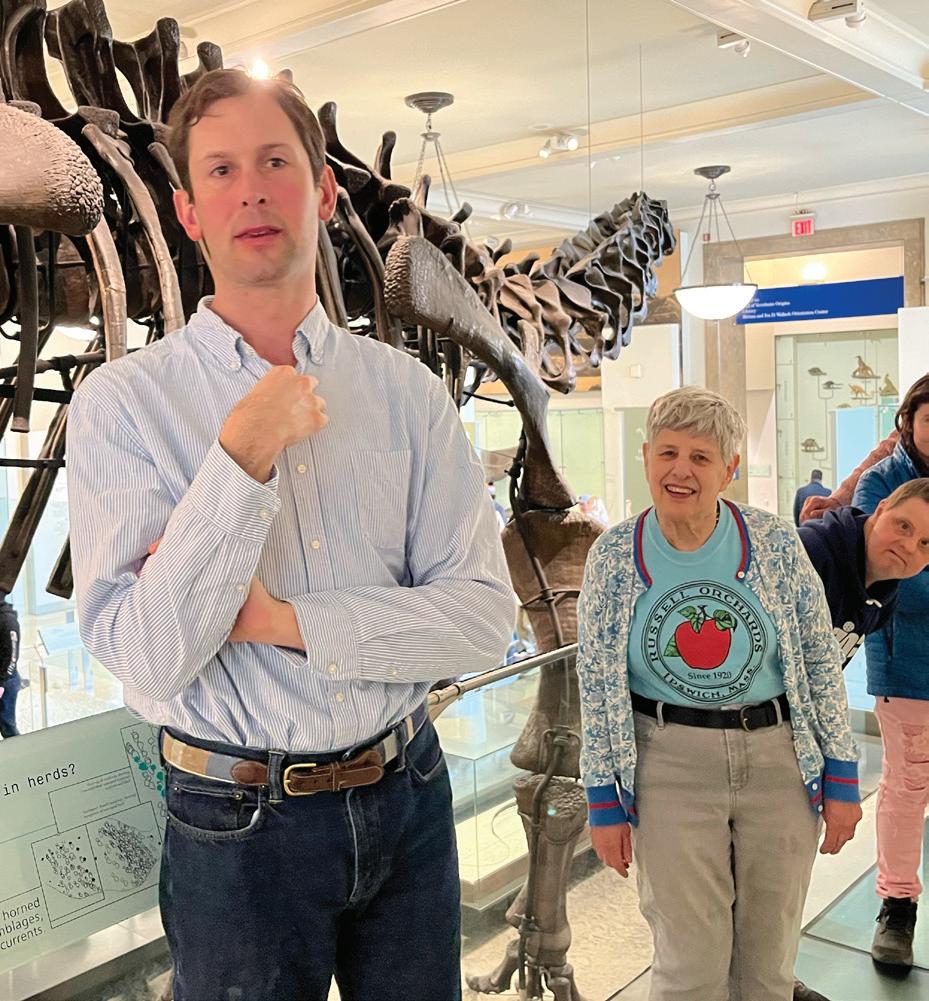
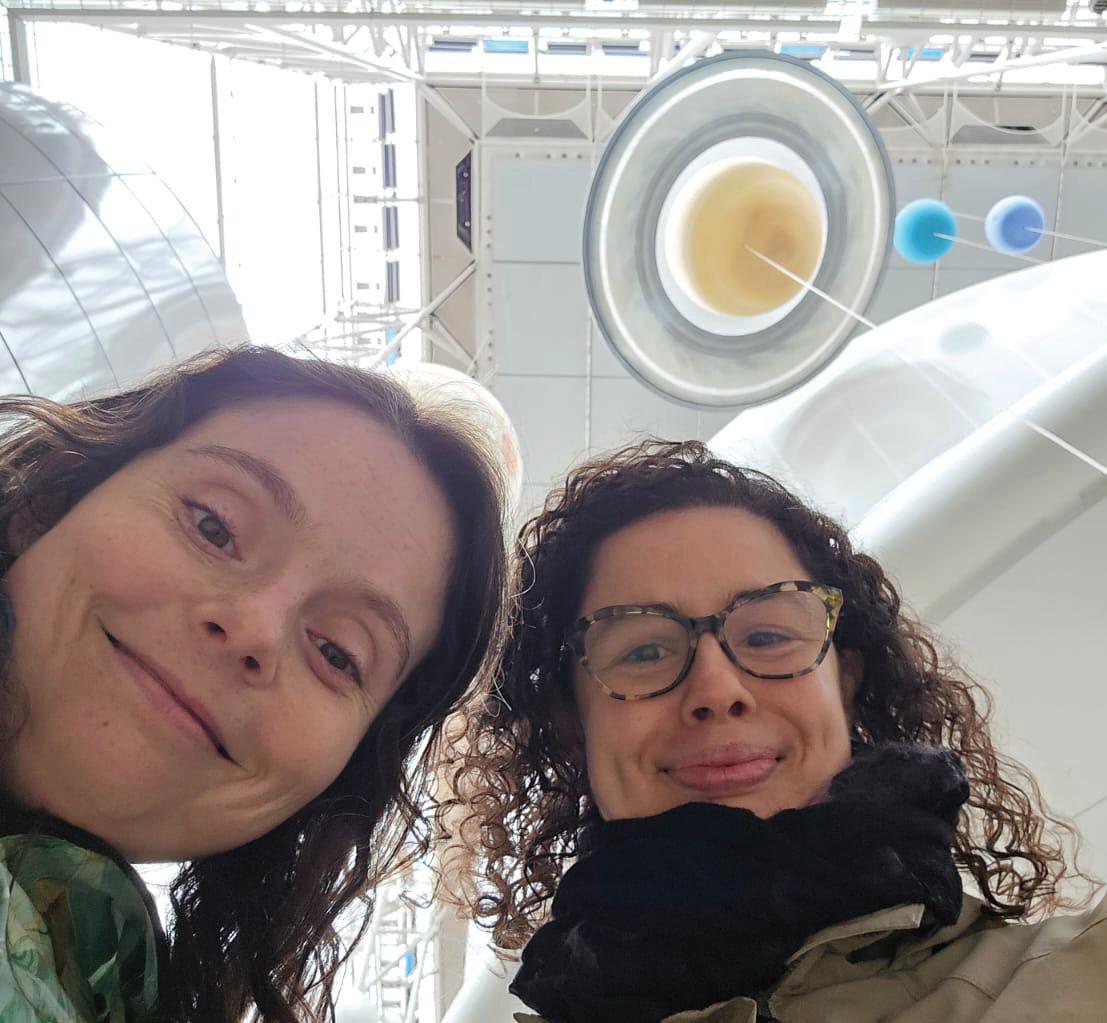
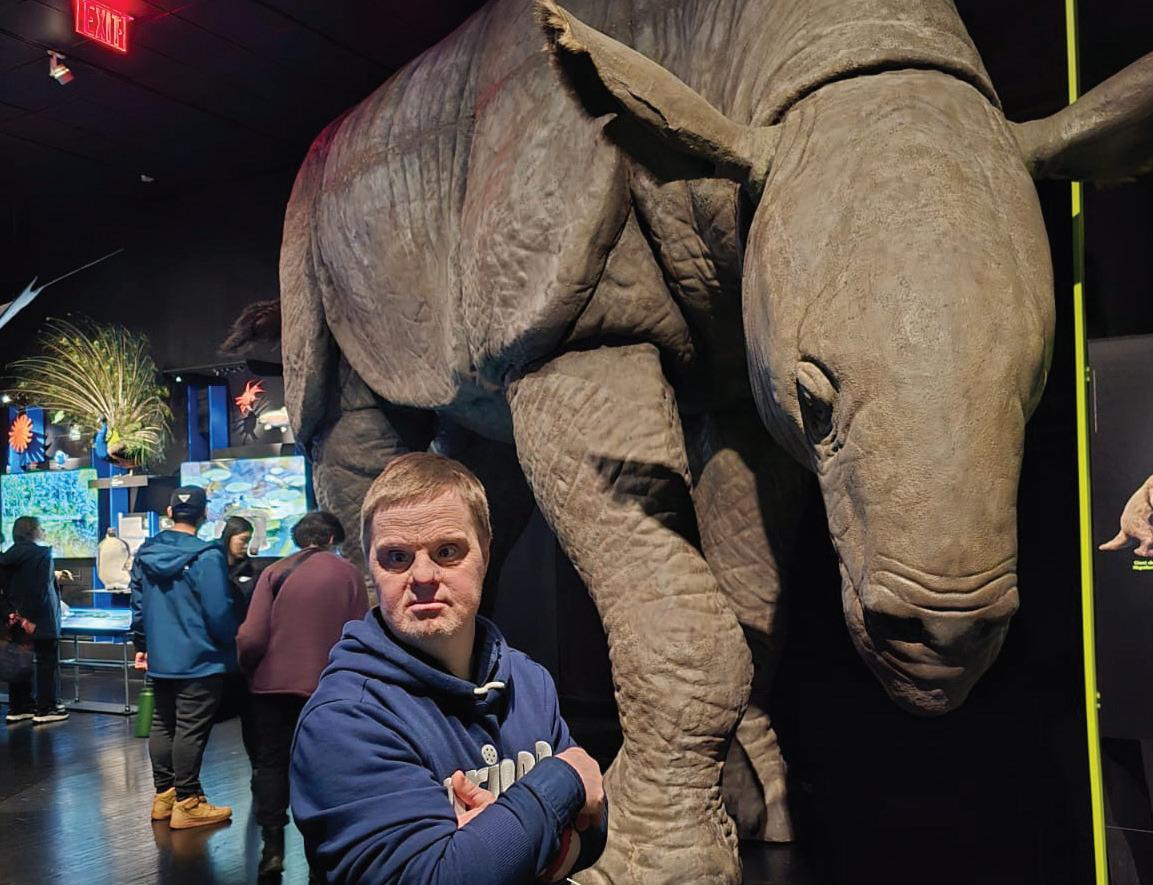
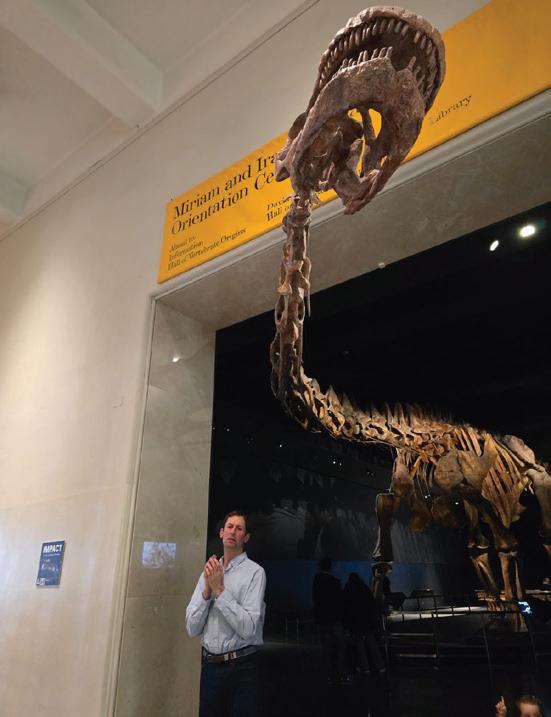
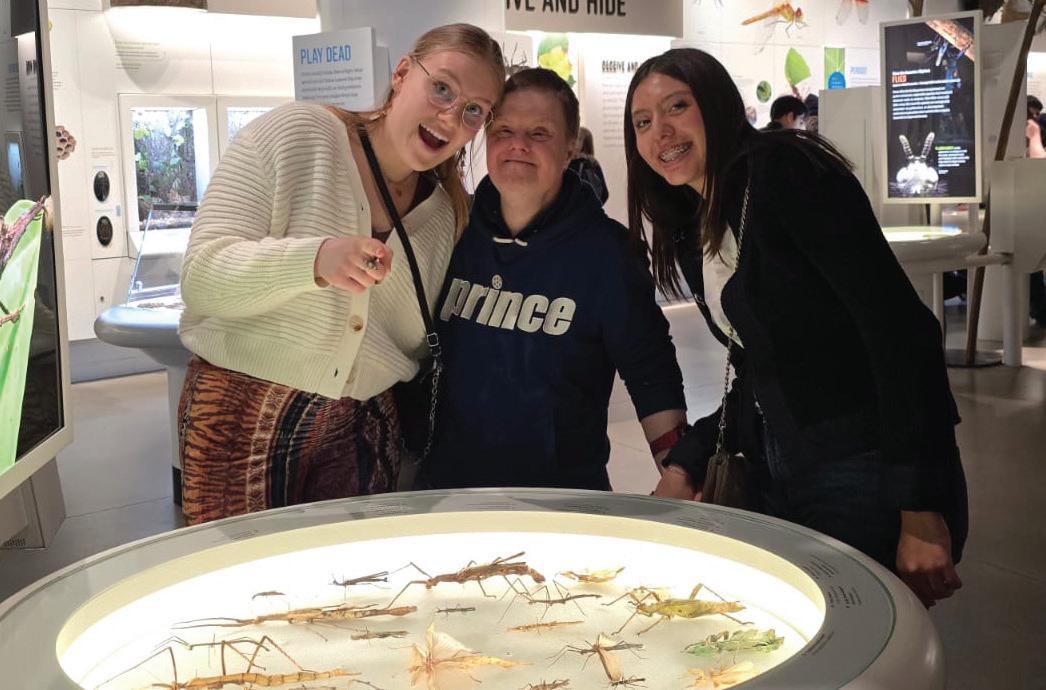
In March, our friends in Tamarack House took a fun day trip to New York City, specifically to see the exhibits at the Museum of Natural History. We saw so many amazing things, like the planetarium, prehistoric megafauna, and insectarium! Our Earthly history is so beautiful and strange. Luckily, we can see billions of years unfolding with just a short train ride from Hudson!
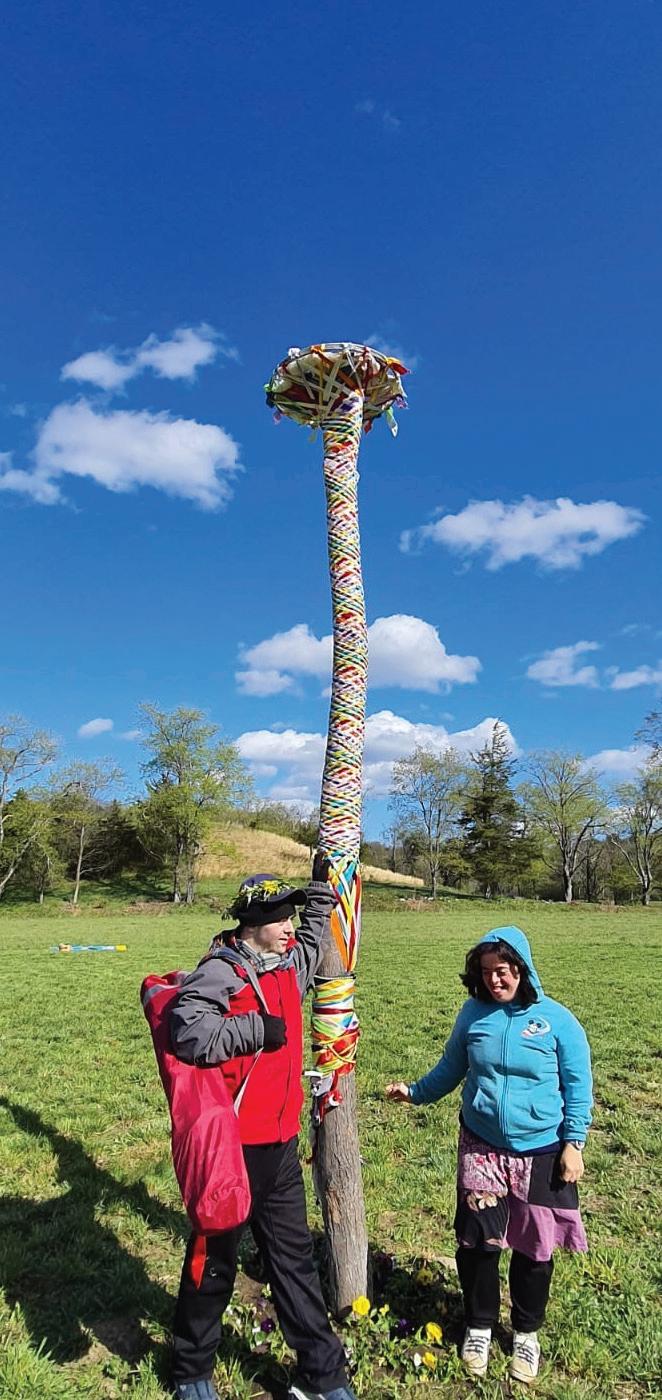
Brandon LeMay and Elizabeth Chalakani spend time underneath the May pole during the May Day celebration at Mettabee Farm. Photo by Kai Nour
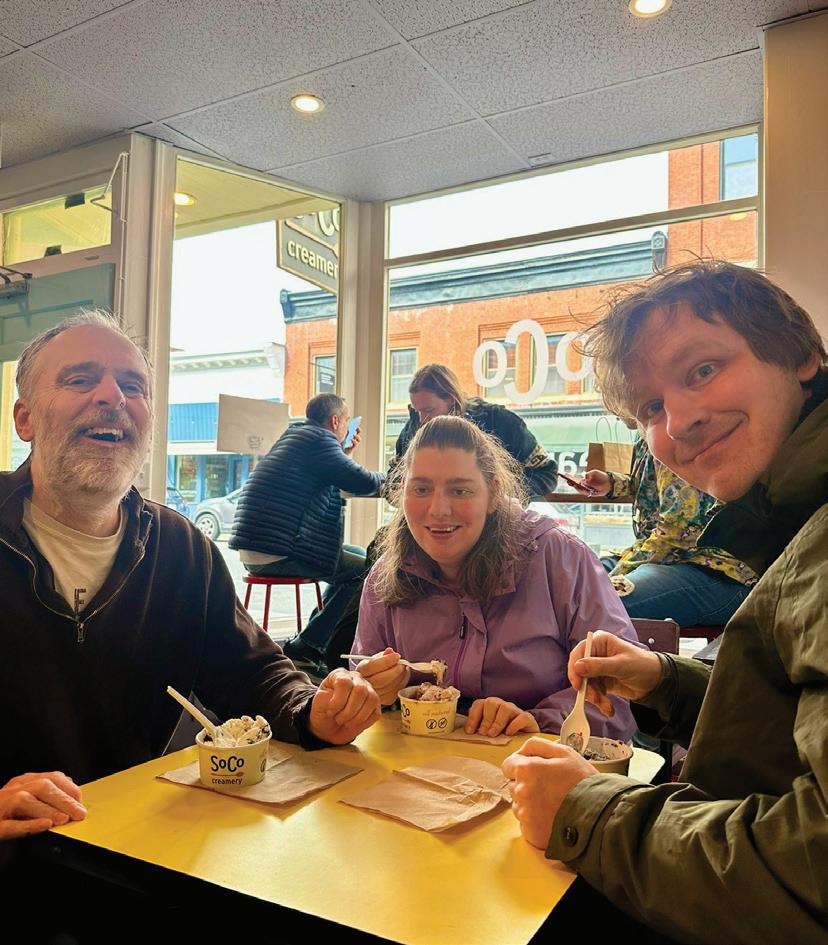
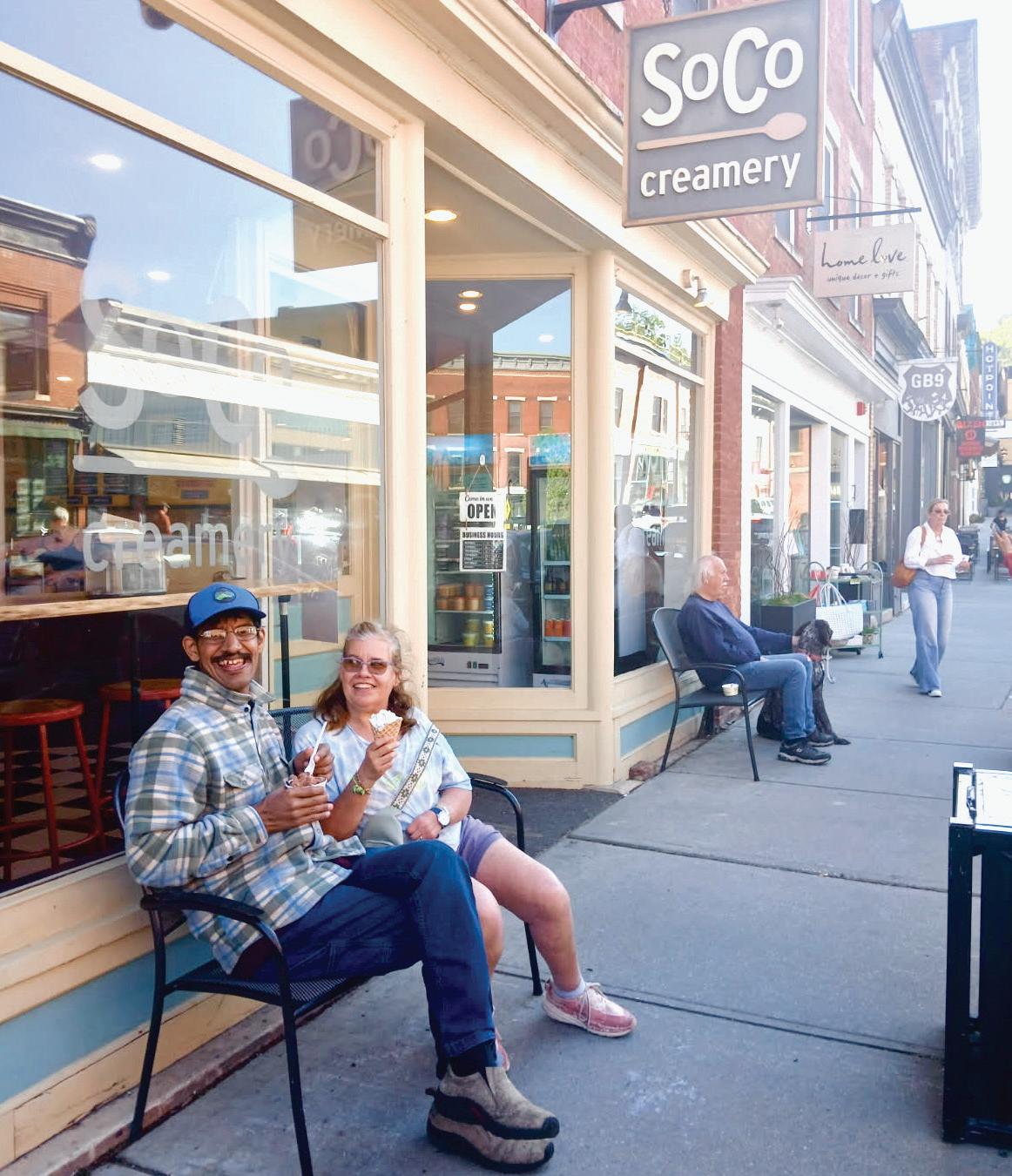
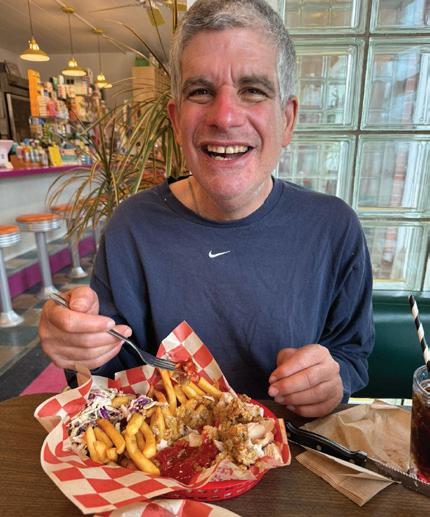
Matthew Holtz enjoys dinner at the local fish fry—Zinnia’s Dinette in Craryville. Photo by Konstantin Taran.
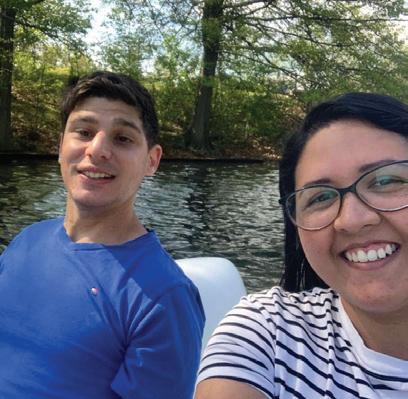
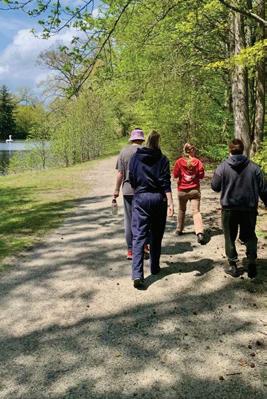
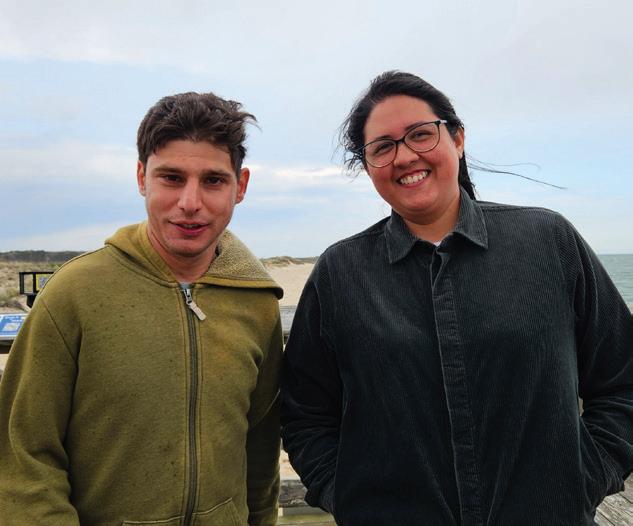
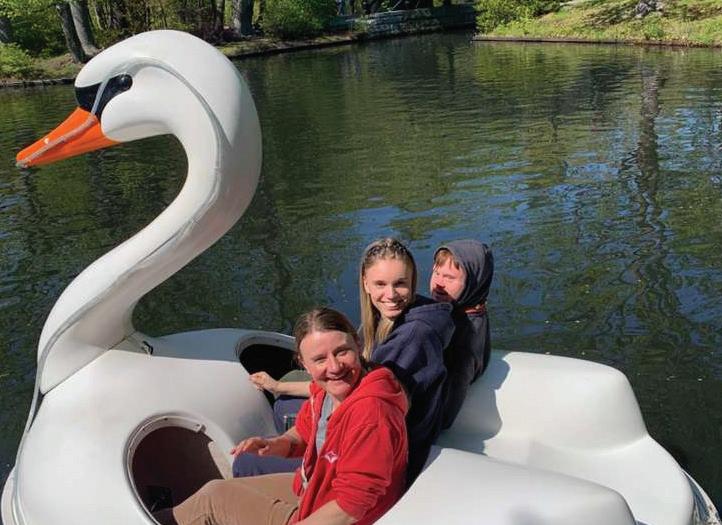
In May, our friends in Columbine took a house vacation to New England! On the way to Cape Cod, they stopped in Providence, RI, for lunch and visited the Rhode Island Museum of Natural History. Once in Cape Cod, our group stayed in Falmouth in accommodations overlooking a wildlife refuge bay, where they could watch nests of ospreys, egrets, and other shoreline birds. They visited the Cape Cod Mall; walked the beach in Hyannis, where they found some beautiful seashells; toured Highfield Hall and Gardens; visited the Sandwich Glass Museum; and saw the Michael Jackson movie. On the way back to Copake, the group stopped in Providence again to visit the Planetarium portion of the museum, and went for a ride on the swan gondolas at Roger Williams Park.
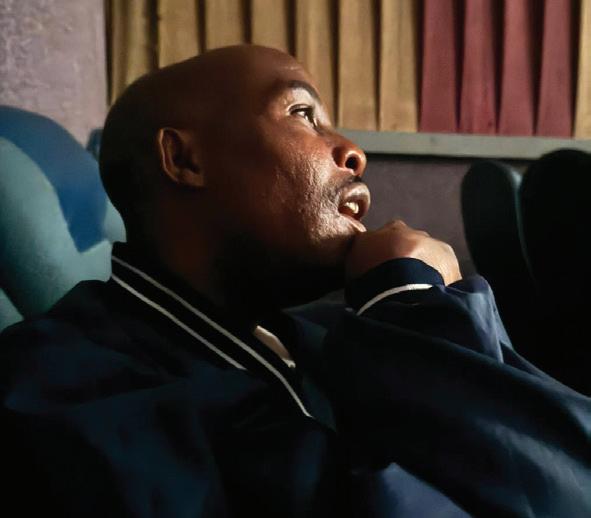
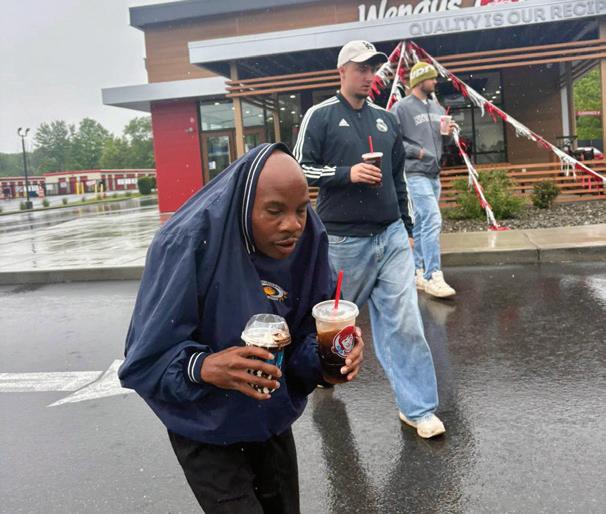
A fun day out and about in Hudson! Konstantin Taran, Geovanny Ruiz, Leo Kircher, and Michael Desmond went to see the documentary about Michael Jackson (Michael’s favorite artist!) and stopped at the new Wendy’s on Fairview Avenue. Photos courtesy of Konstantin Taran.
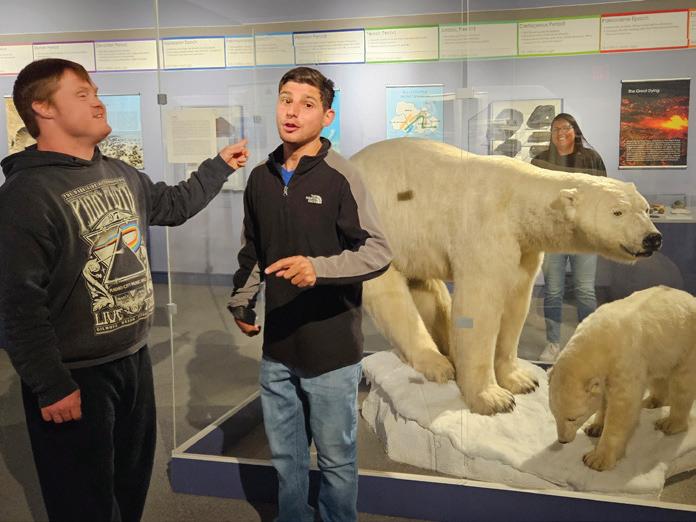
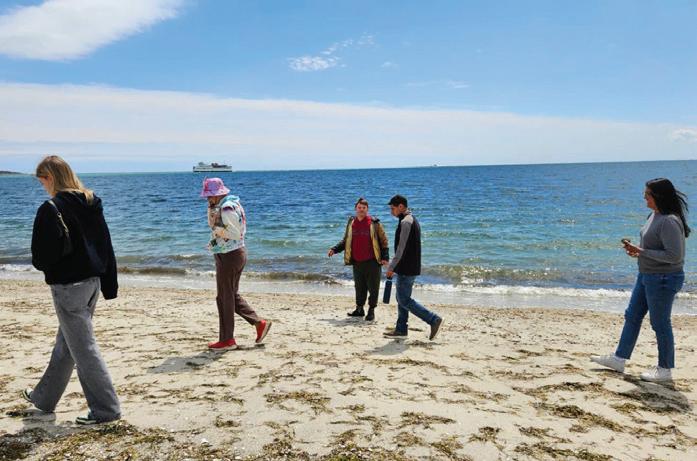
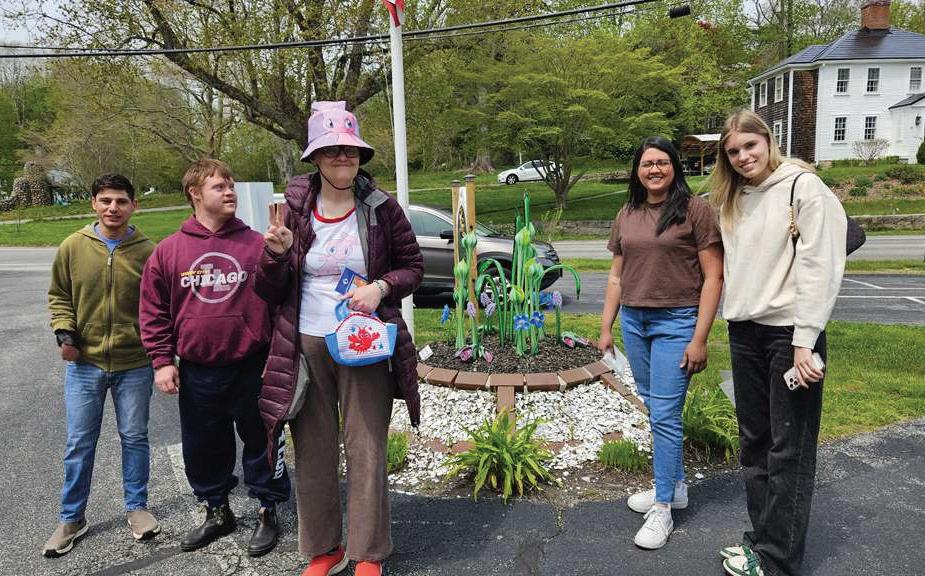
Upcoming Events
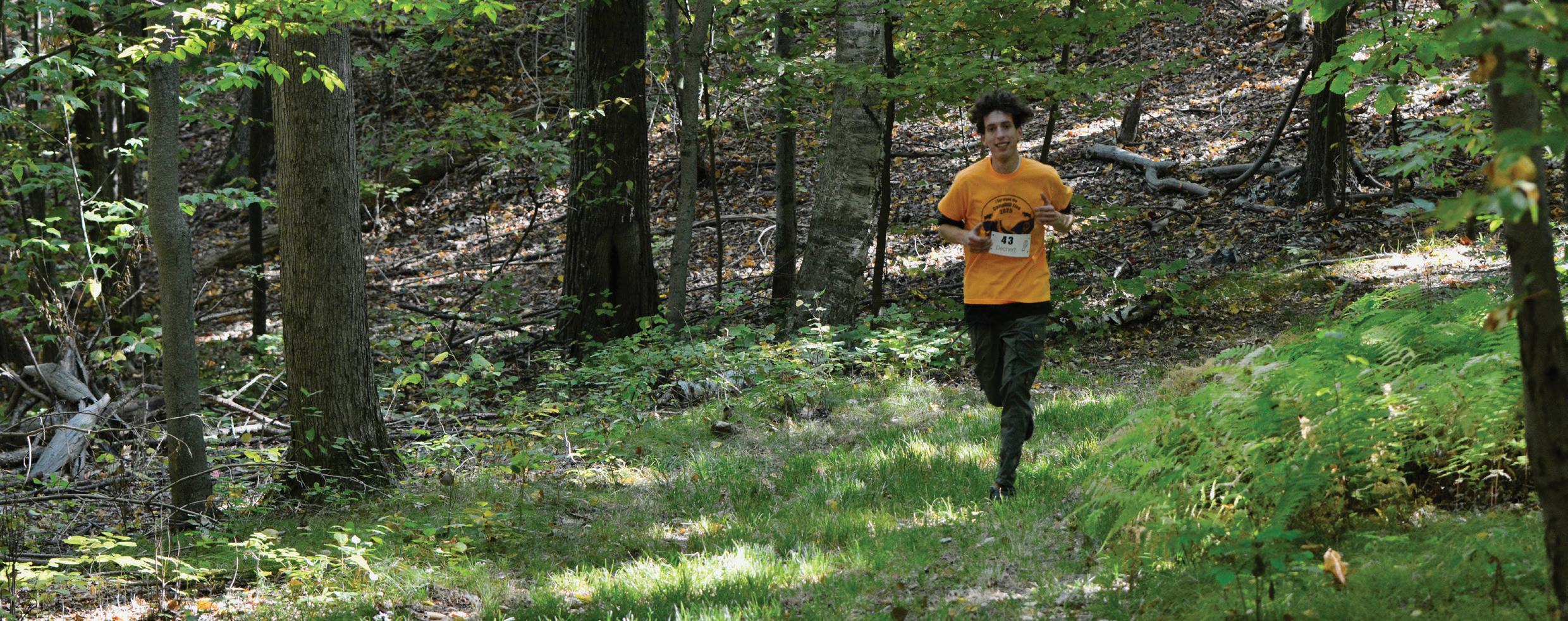
Camphill Village
5K Trail & Fun Run
*For All Abilities*
Saturday, September 19 at Camphill Village
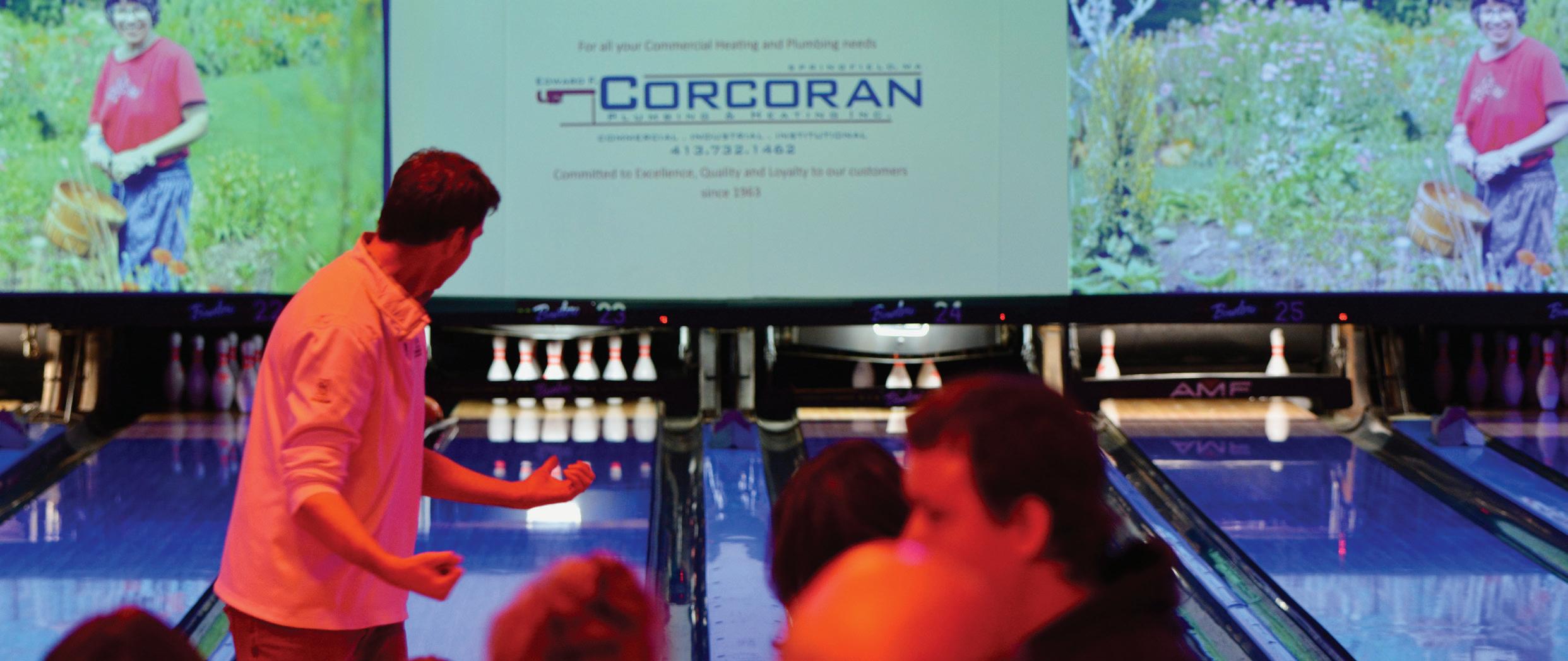
Family Day
Saturday, October 10
Saturday, November 14 in Chicopee, MA to Benefit Camphill Village at Camphill Village
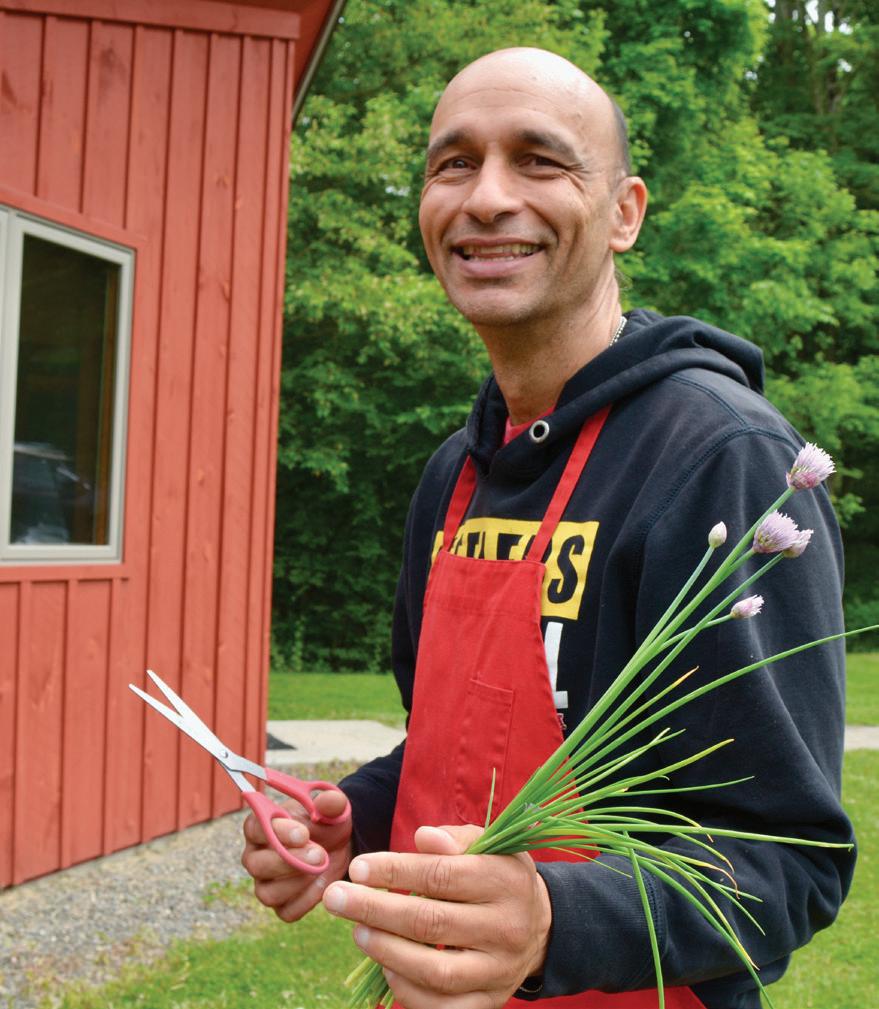
All over Camphill Village, our wonderful community members are enjoying the wellness that comes with growing and preparing fresh foods in spring. We hear time and again from state officials that the physical health of our people is worlds apart from the health of the population with intellectual and developmental disabilities living throughout the State of New York.
Because of your charitable donations, the wellness of our community members is outstanding. Not only do your gifts make our vegetable gardens possible, but they also fund many of our medical needs that aren’t covered by insurance and Medicaid. This is a tremendous support for us because we do have many needs. These include important dietary requirements, therapies, medical care, and the rare support that only Camphill communities are able to foster at every stage of adulthood through long-term relationships among our community members.
It’s exciting for us to welcome new community members to Camphill Village because it’s the beginning of a relationship with their families as well. In the years ahead, you’ll meet other family members who also came to Camphill Village in search of a meaningful, purposeful future for their loved ones—for some, more than 60 years ago. And there are decades ahead of us to grow alongside our newer community members, who will shape this community for generations to come. As Camphill Village continues to evolve to meet the needs of our people of all ages, our approach to wellness and nutrition is as important as ever. We thank you for supporting this part of our mission year-round.
Have a Donor Advised Fund (DAF)? Now is the perfect time to give!

Beyond supporting our annual fund, families and friends can leave their estates and assets as a bequest to Camphill Village. The impact these gifts have is enormous, as they’re stewarded by the Camphill Village Copake Foundation, and grow in value over time to ensure a stable and resilient future for our organization.
When you include Camphill Village in your will or irrevocable trust, you’re not only making a testament to your values, but you’re enabling Camphill Village to focus on fundraising around our annual operating expenses, which grow each year. You’re also unlocking major financial advantages for yourself, like avoiding capital gains tax and reducing your federal tax liability.
There are many ways to leave a legacy gift, even if you don’t have traditional wealth or assets. If you’d like to learn about leaving Camphill Village as a beneficiary to your life insurance plan or leaving even a percentage of your estate, please visit camphillvillage.org/legacy-circle.
wonderful surprise!
for
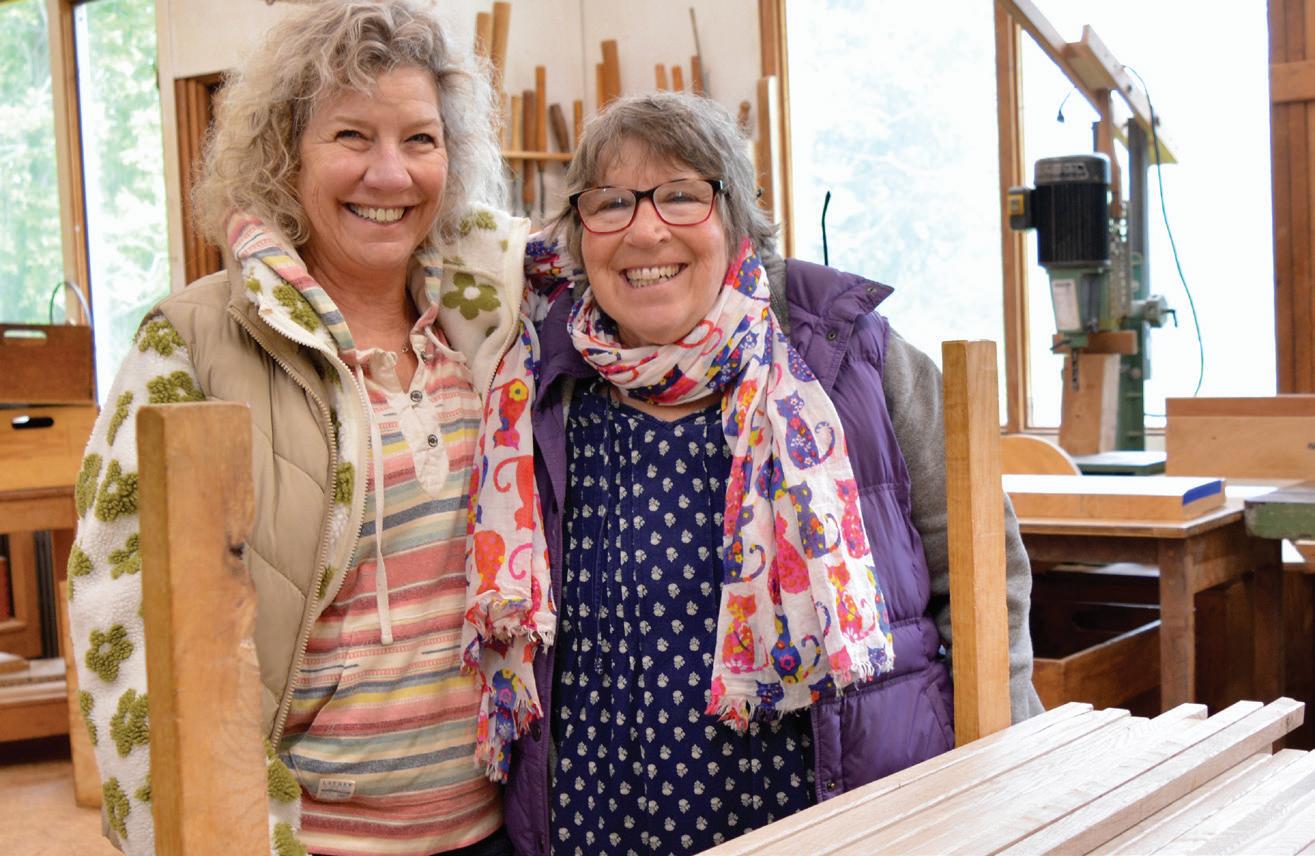
Marianne Scharr and her sister, Kathryn, attended a talk about woodwork in the Village, hosted by Roman Gerhard.
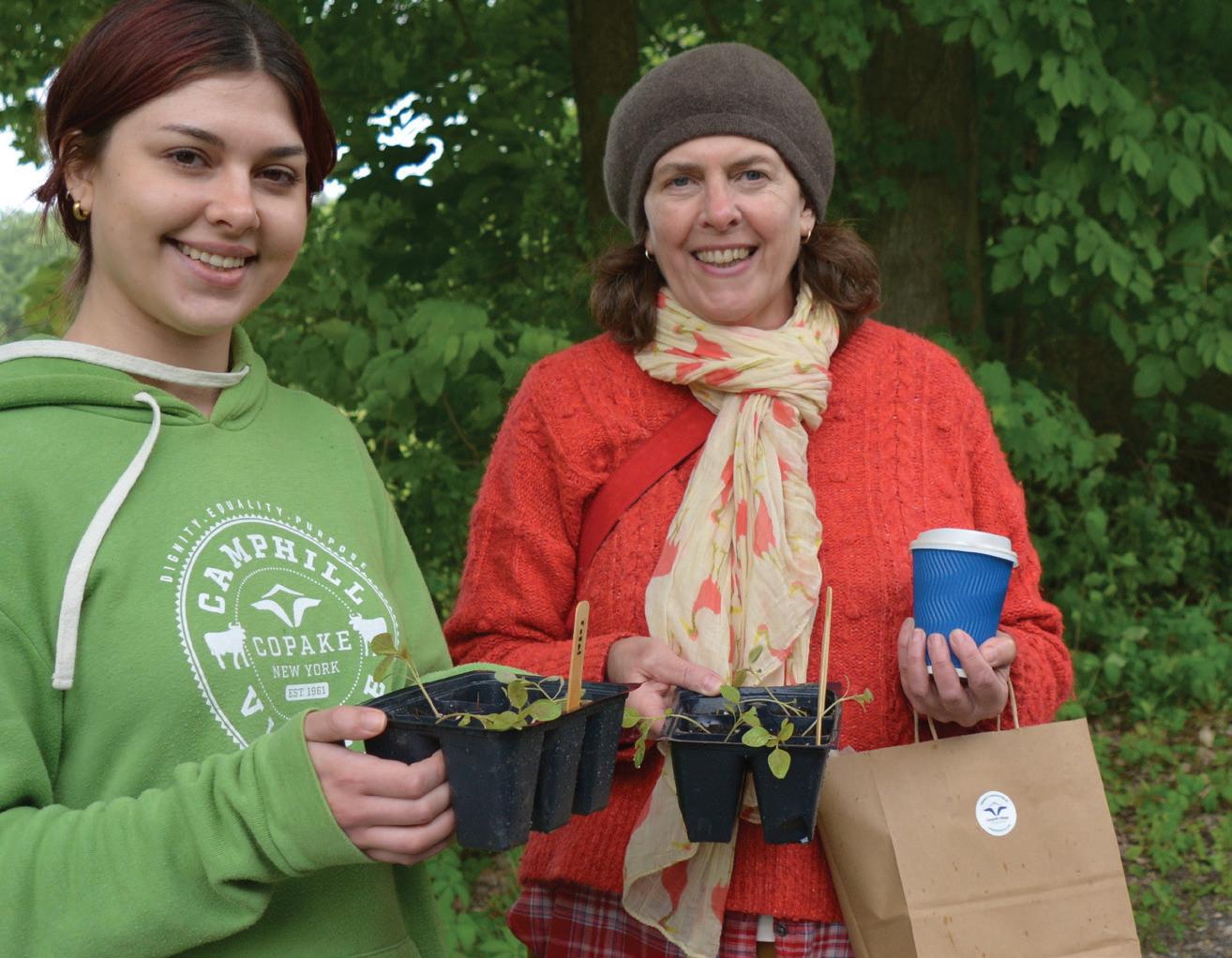
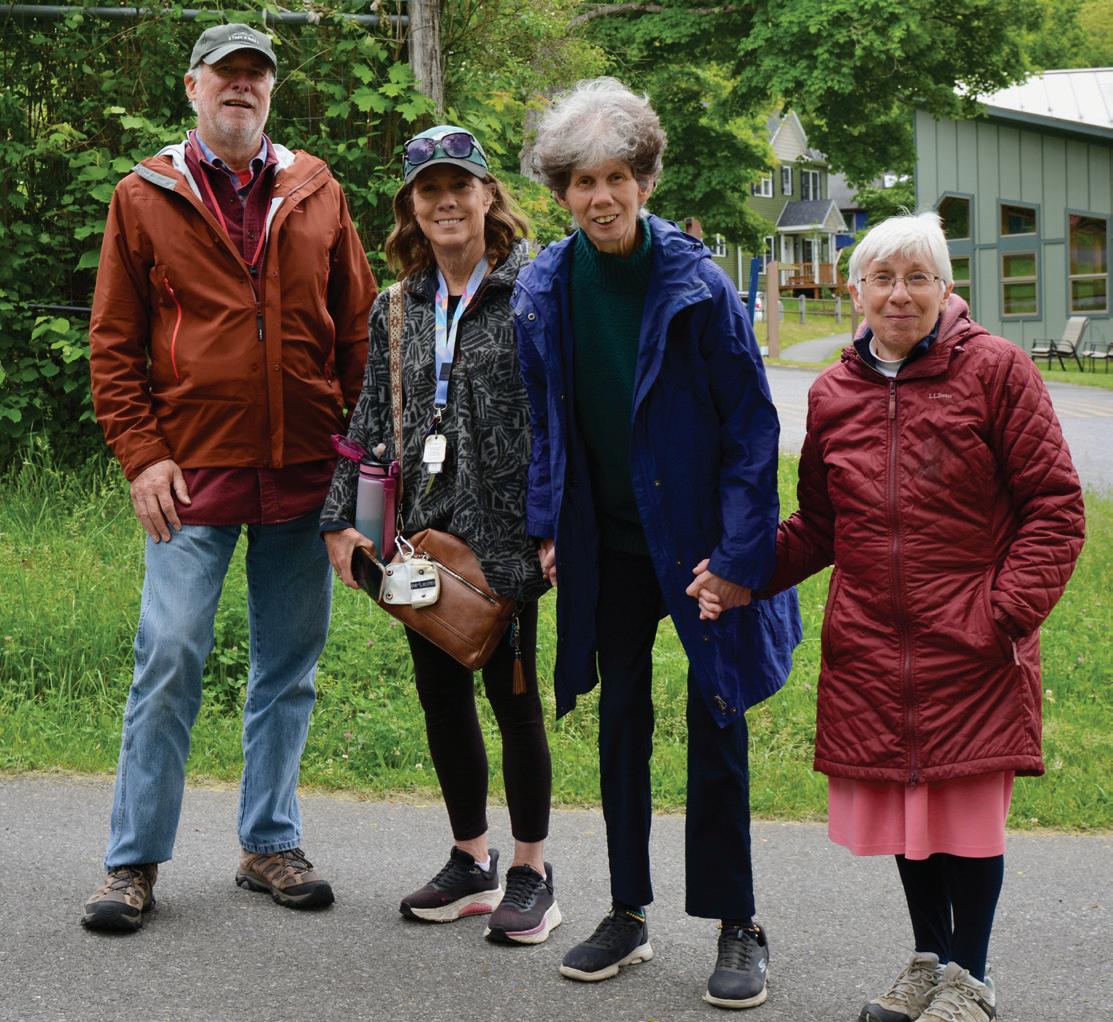
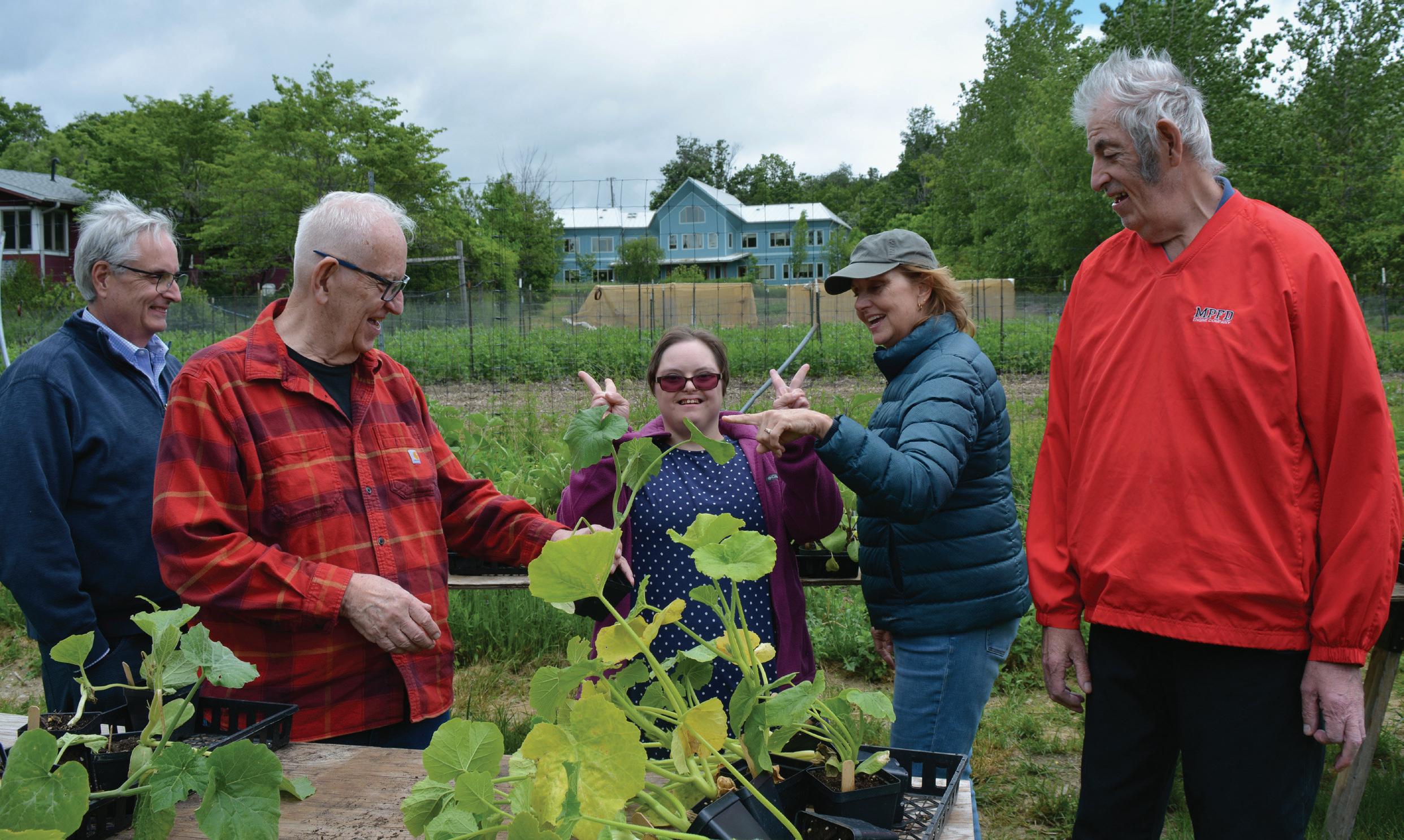
Mike Davis shows Ken, Mary, Tom, and Anna around the available starts that remained from the Turtle Tree Seed Memorial Day Plant Sale.
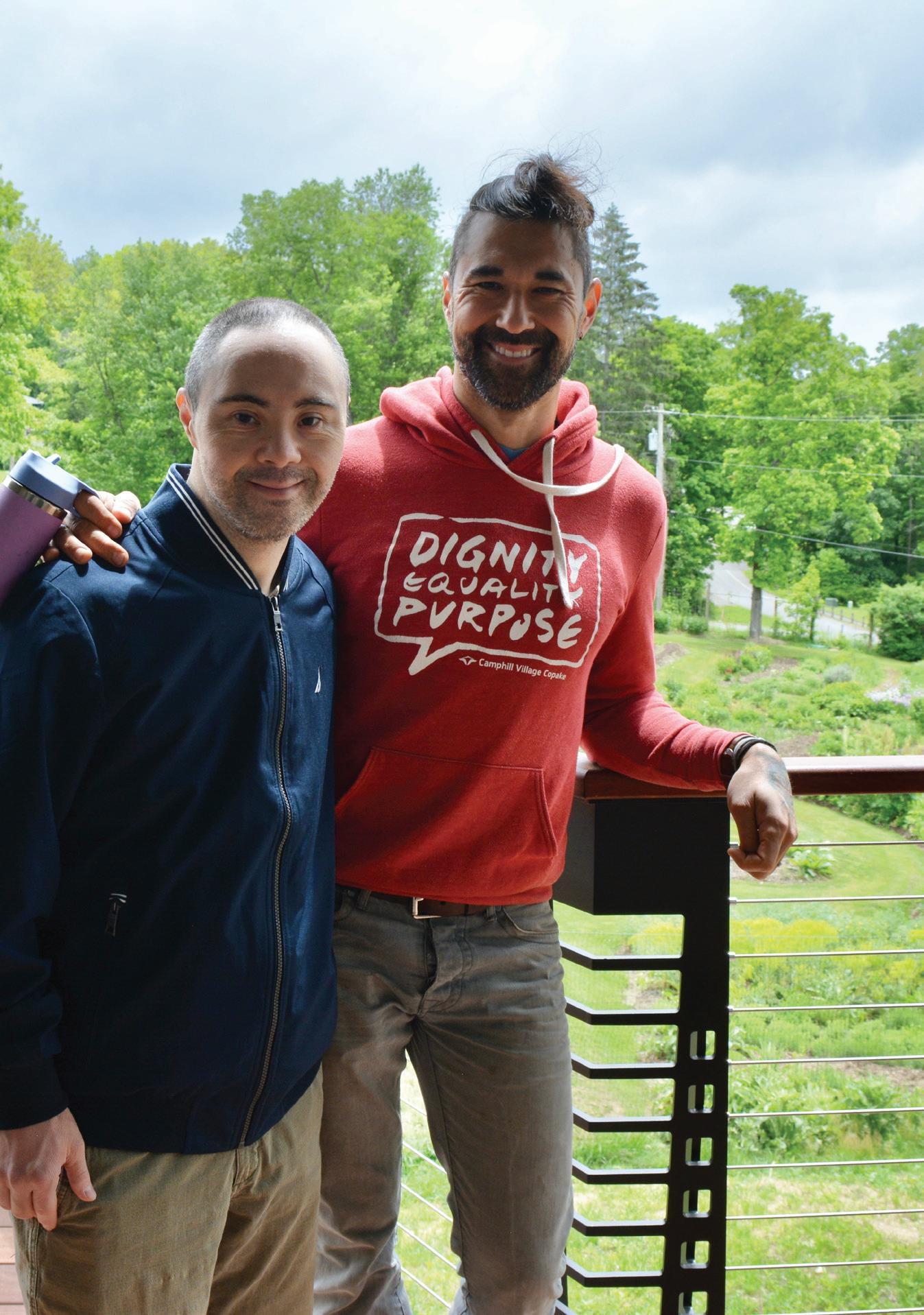
Michael Coughlin and Brother Xavier enjoy the view of the Healing Plant Garden, where Michael works, from the balcony of the new studio.
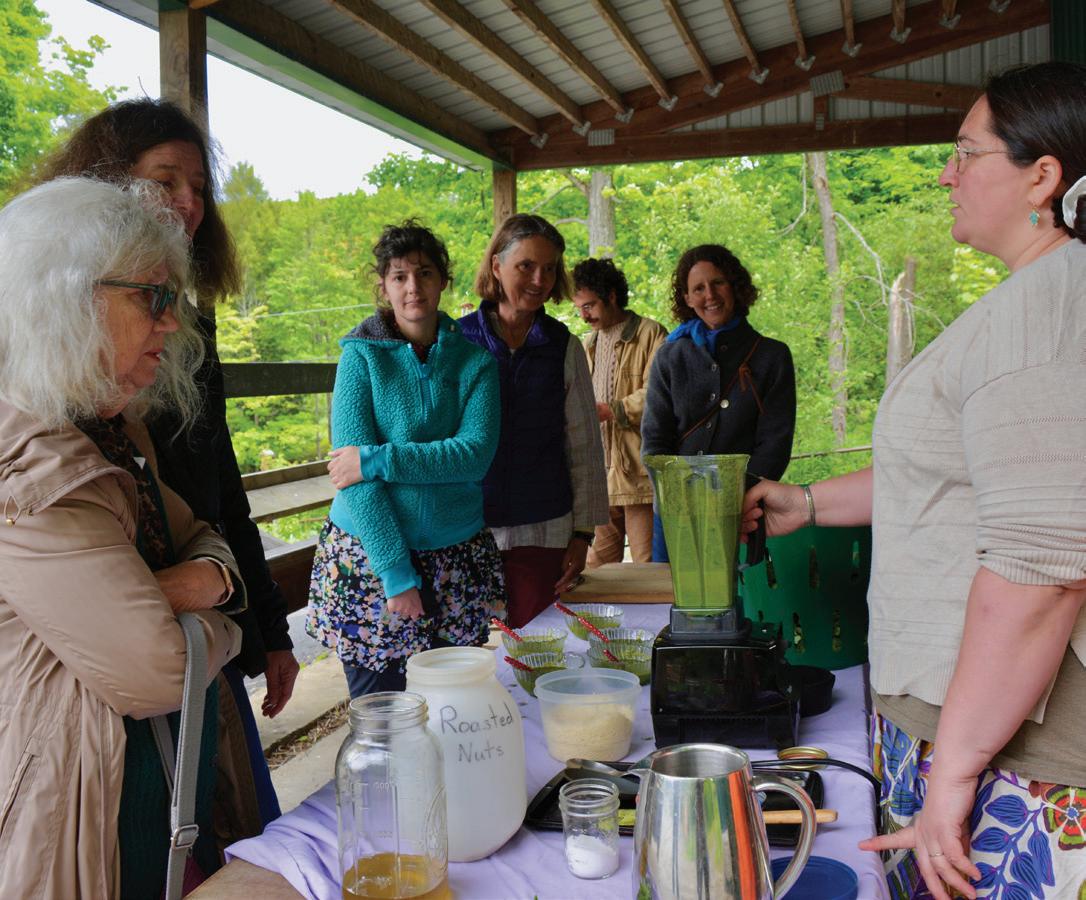
Sara White shows the Orahood and Laskaris families how we make and jar pesto using fresh basil grown in the Village. Families picked the basil together, in our greenhouse with Peter, and the pesto was served on fresh baguette from our Bakery.
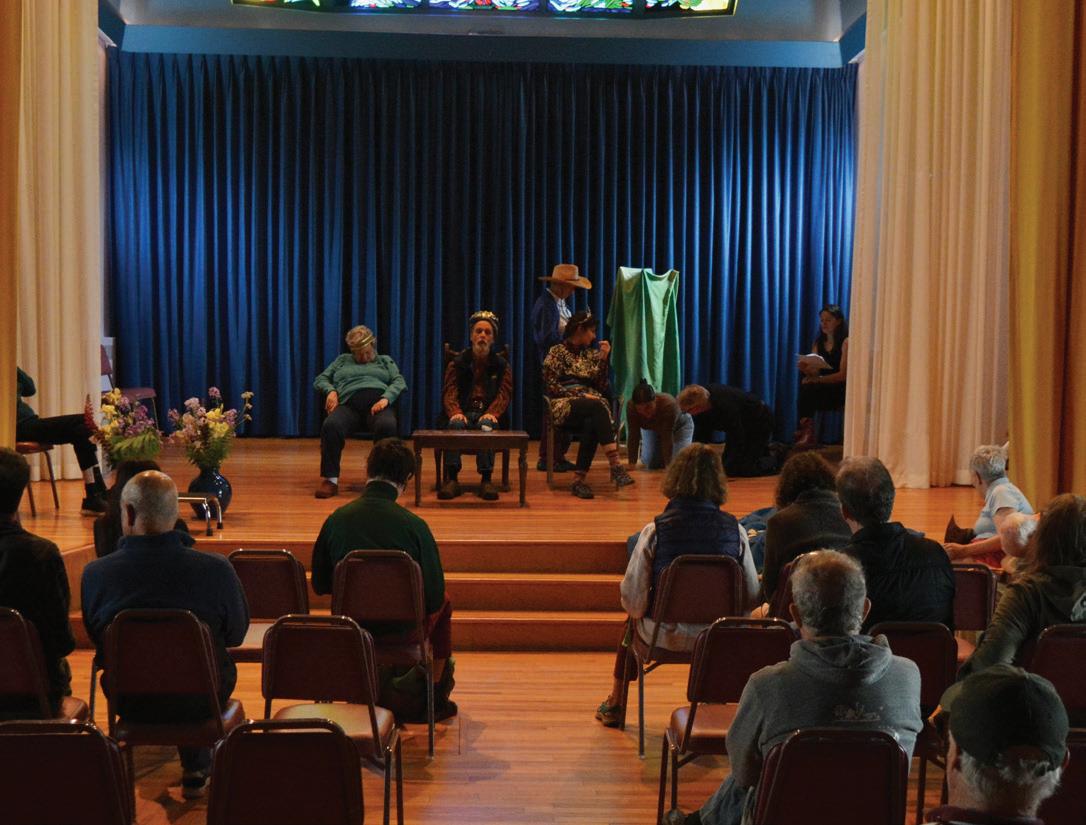
Families of our care house residents were able to sit in on a play rehearsal practiced by members of the Future Seeds.
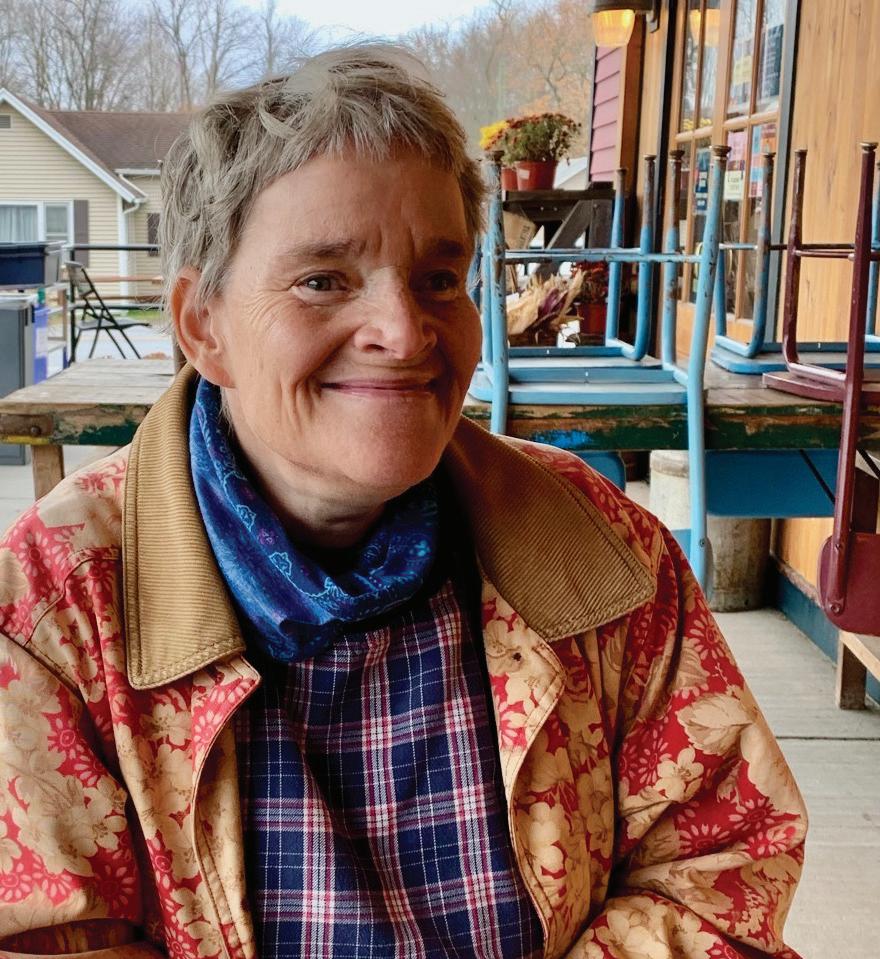
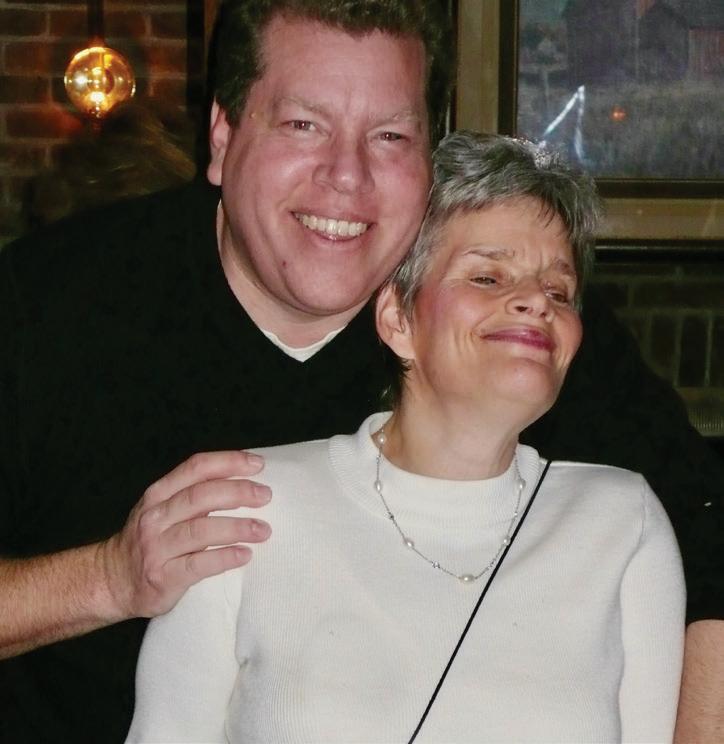
Berman December 4, 1960-May 31, 2026
As the story goes, Tammy arrived in Camphill Village long before she was born. Her father, Joel, who was in the drapery business, was a friend of the architect who designed three new houses in Camphill Village. In 1960, Lorraine first set foot in Camphill Village when the Bermans delivered the curtains and shades they donated to our households and Fountain Hall. As it turns out, Lorraine was pregnant with Tammy. Our connection to Tammy was written in the stars.
Through the years, Tammy experienced different settings, but eventually made it back to where she belonged here in Copake. What followed were many years of blessings for this community through the generosity of the Berman family.
Tammy was raised in Hewlett, NY, and was deeply loved by her parents and siblings—Jan (who knew her first), then Shari after Tammy, and Glen, the youngest of the four close Berman siblings. At the age of 3, Tammy wasn’t speaking or following simple instructions, and her disability was diagnosed.
Ever the steadfast mother, Lorraine arranged an appointment with Carlo Pietzner, the founder of Camphill Village Copake. He advised the Bermans to find a nursery school setting or something similar that could support Tammy’s social needs. He wanted her to be able to interact with other children, but this was
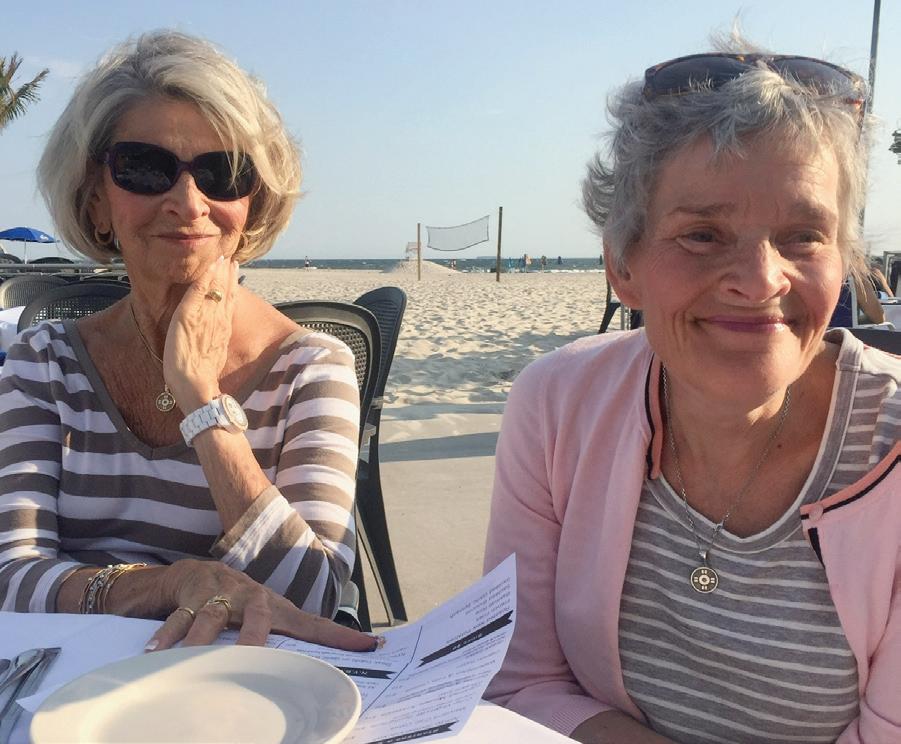
easier said than done. The only place they could find was the home of a nursery school teacher who cared for a few children at her home. Lorraine needed to spend her days with Tammy at the woman’s home, and had to find babysitters to watch her other children on those days. As the only child with special needs there, Tammy was out of place.
Tammy’s parents resolved to focus on Tammy’s independence and basic skills. It was very helpful for Tammy to have her three siblings around, because she followed their lead. Tammy loved listening to music and drawing, and she taught herself how to ride a bike.
Tammy enrolled in the Maimonides Institute, a school for children with special needs, where Tammy learned some reading and a bit of math. During that time, her parents continued to focus on Tammy’s other skills—eating with a knife and fork, dressing herself, and more. When Tammy completed school in 1978, there was no room at Camphill Village, and we didn’t have a waiting list at the time. Tammy enrolled in a two-year program at the Rhinebeck Country School.
After leaving Rhinebeck, Tammy still needed something to do during the day, so her parents got her into a sheltered workshop but it was too far of a drive every day and very unpleasant.
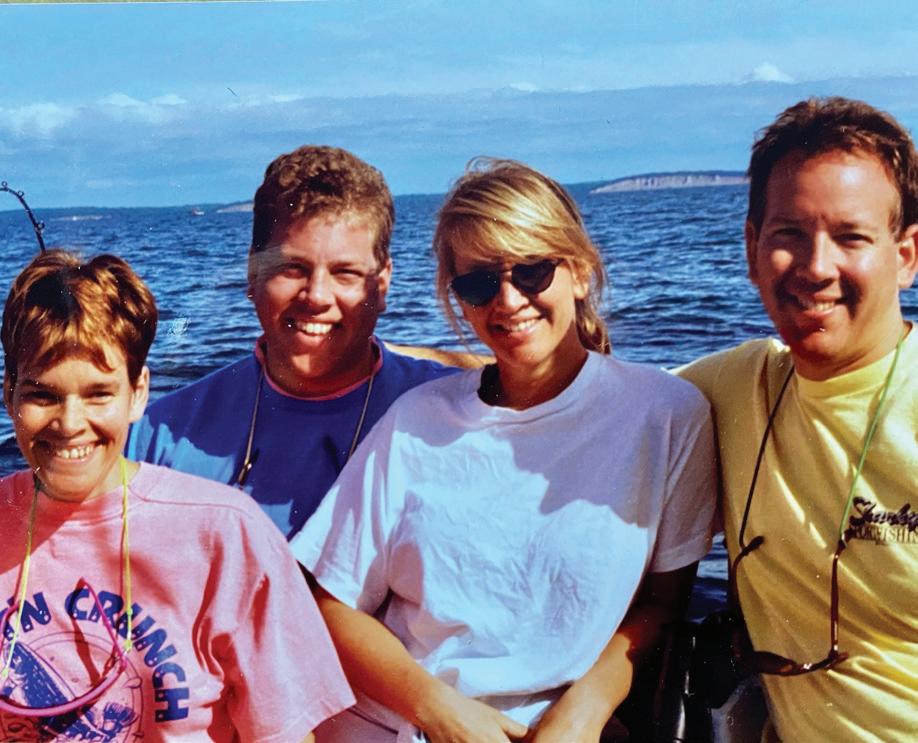
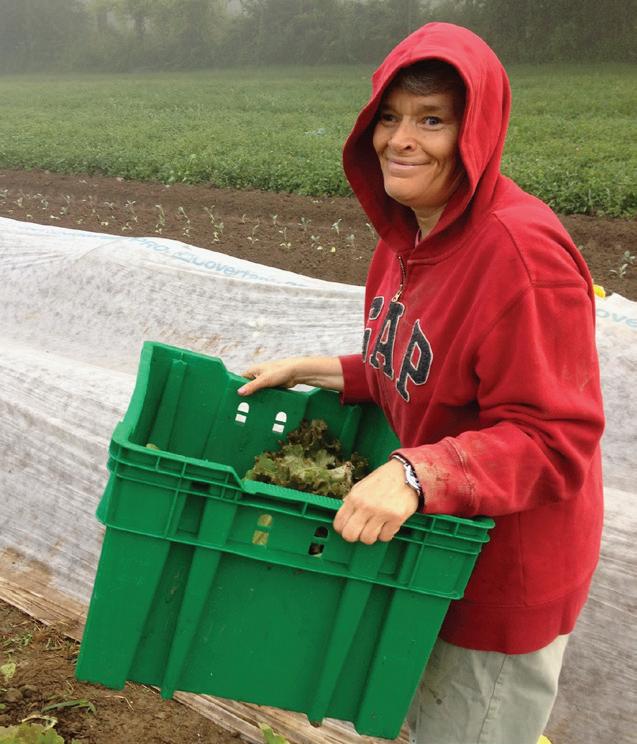
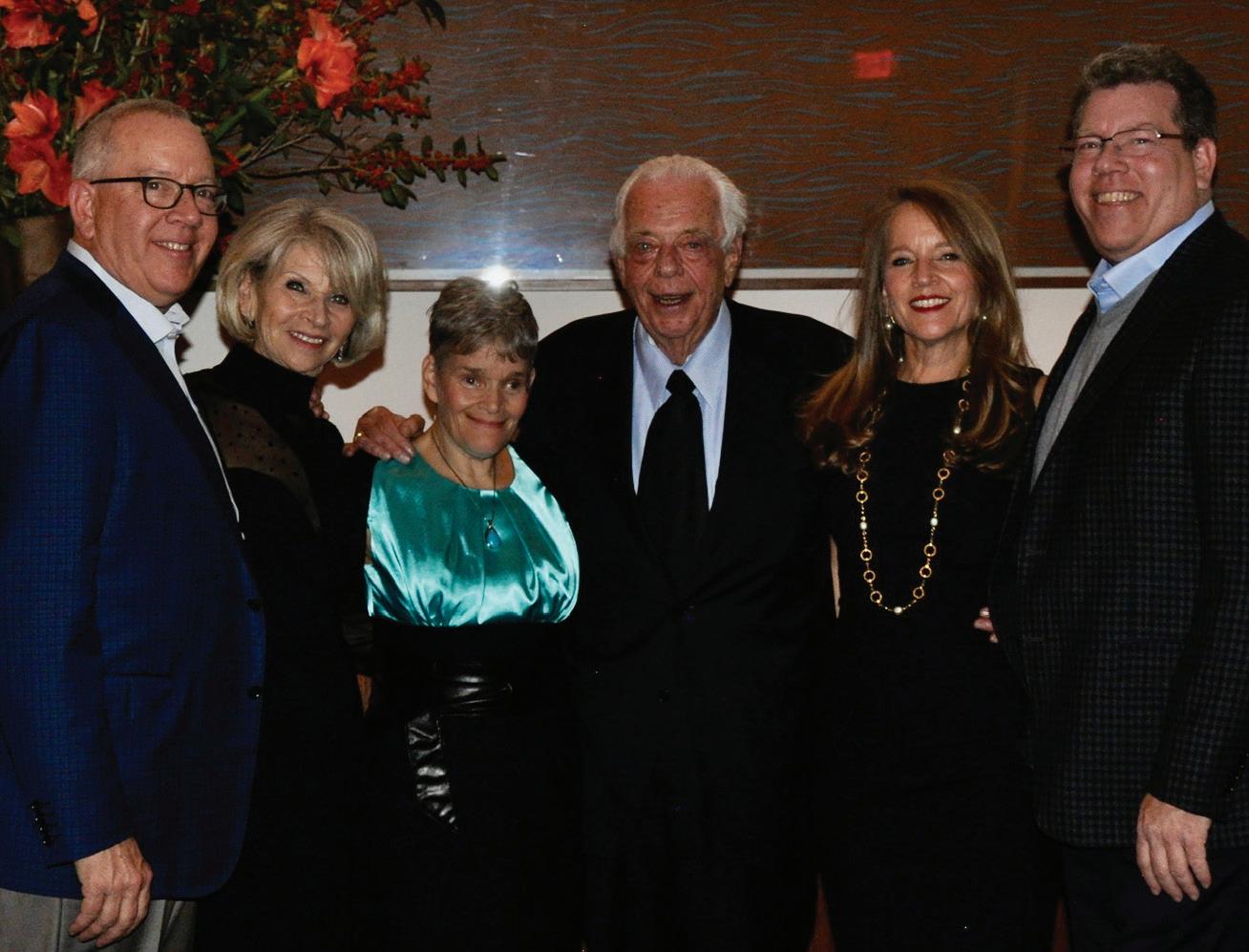
They gave Tammy’s name to the North East Anthroposophy Placement Center, which found a spot for Tammy in the Lukas Community, a small rural farm in New Hampshire associated with Camphill. When they received the call, the Bermans dropped everything and visited Lukas, where they toured the farm and weavery, and liked the house that Tammy would be living in. Tammy was very happy at Lukas, and stayed there for 10 years, but she still needed a bigger place to really blossom.
Finally, there was an opening at Camphill Village, and on September 12th, 1994, Tammy moved in to Omaskos House—one of the households Lorraine had visited years ago while pregnant. Ann and Webster Beal were Tammy’s first houseleaders.
Tammy was curious and active, and began helping Argo House in the mornings with cooking and cleaning. Thanks to her upbringing, Tammy would wake up early and would be the first dressed and ready to start the day. She helped with breakfast and supper, and would clean the house on Saturdays.
She enjoyed reading, puzzles, crosswords, and never missed a festival or social opportunity in the Village. She was a proud member of the Bell Ensemble for many years, and loved our festivals. She lived in a few houses over her 31 years in Camphill Village. She
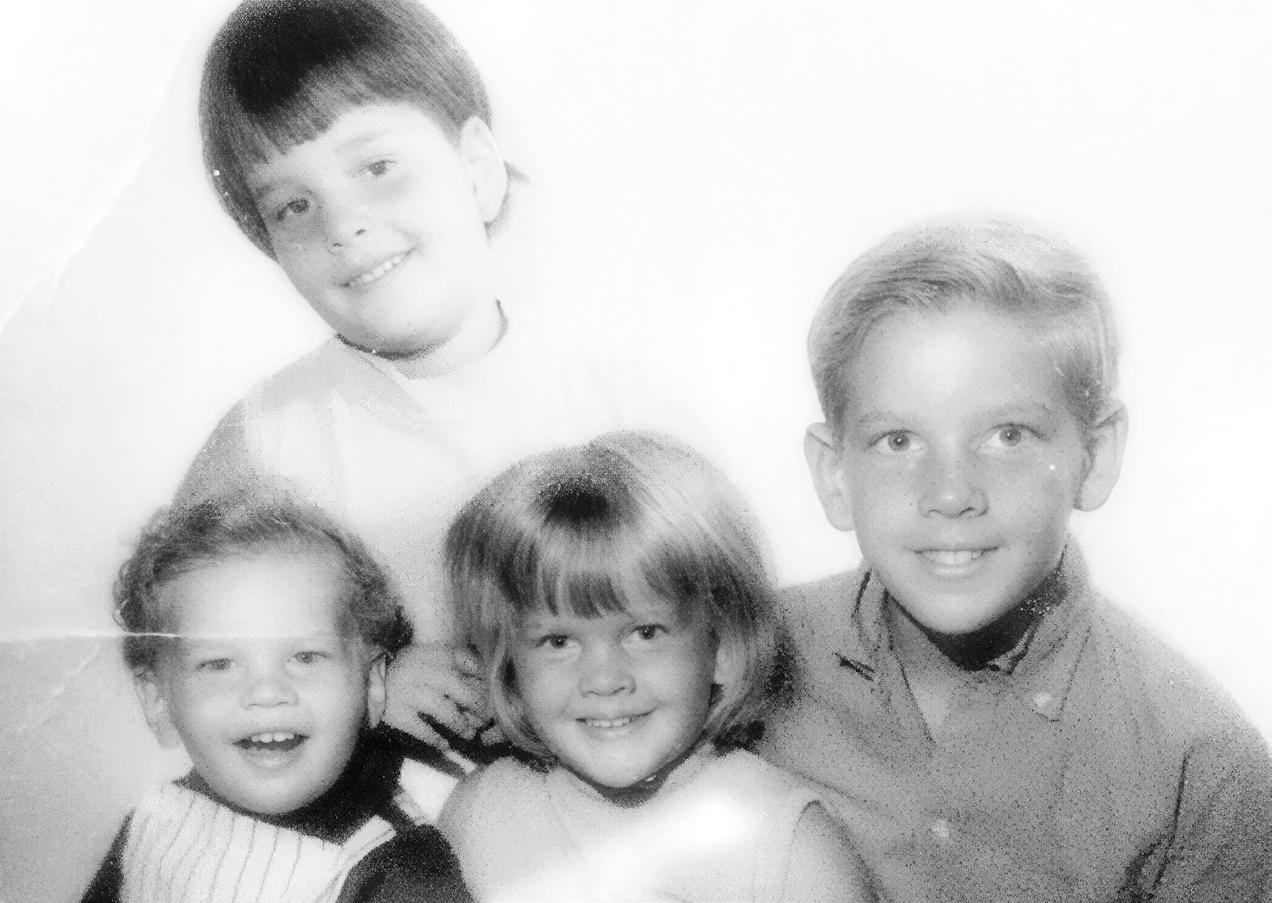
The Berman siblings’ passport photo.
worked in the Vegetable Garden, Candleshop, Bakery, Healing Plant Garden, Coffee Shop, Woodshop, and in a number of different households. Tammy was especially close with houseleaders Roman and Emily Gerhard.
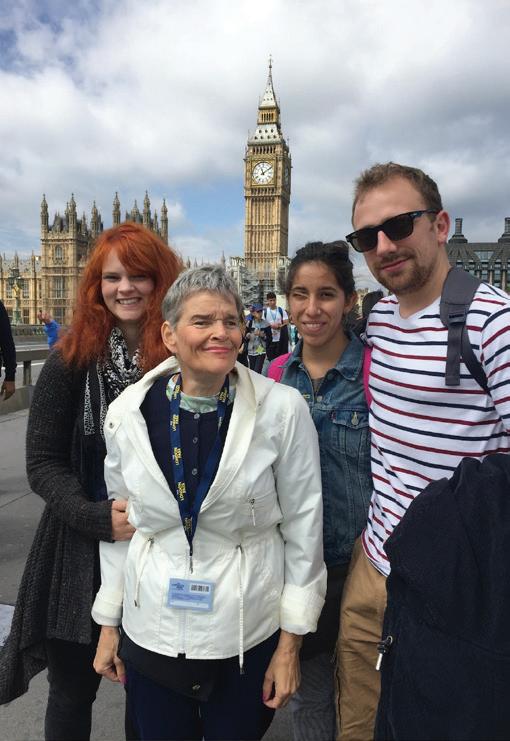
All the while, Tammy’s siblings made a great effort to include her in family activities and vacations, just as they had done growing up. Tammy went boating and skiing with them, and especially enjoyed fishing. Tammy adored the Beatles and she loved traveling. In 2017, her sister, Shari, organized a trip to London. She had stayed in touch with Tania and Jonny Goodban, who had been Tammy’s houseleaders in Aillinn House from 2014 until the couple moved to Scotland in 2016. Tammy was delighted that Tania and Johnny flew in from Scotland to join her in London. During her trip, Tammy visited Abbey Road, and won the hearts of the staff at the Tower of London, earning the group an exclusive rendezvous with the Crown Jewels and no wait in line.
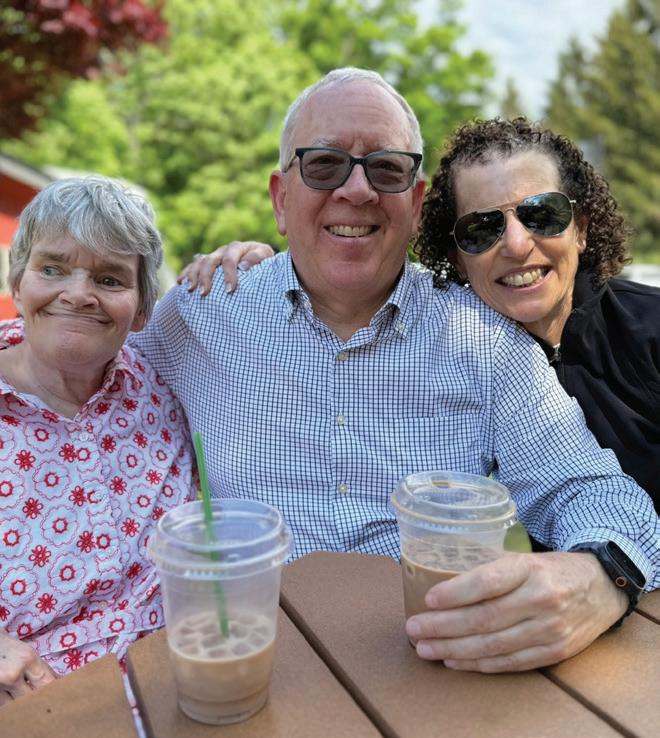
In retirement from work life, Tammy remained fiercely independent, even while living in Kaspar House, her final home in Camphill Village. She was predeceased by her father, Joel. She is survived by her mother and siblings, and their adoring families.
*Adapted from a biography written by Saskia Mungard in 2019, with help from the Berman family. Photos courtesy of the Berman family.
January 30, 1942-April 6, 2026
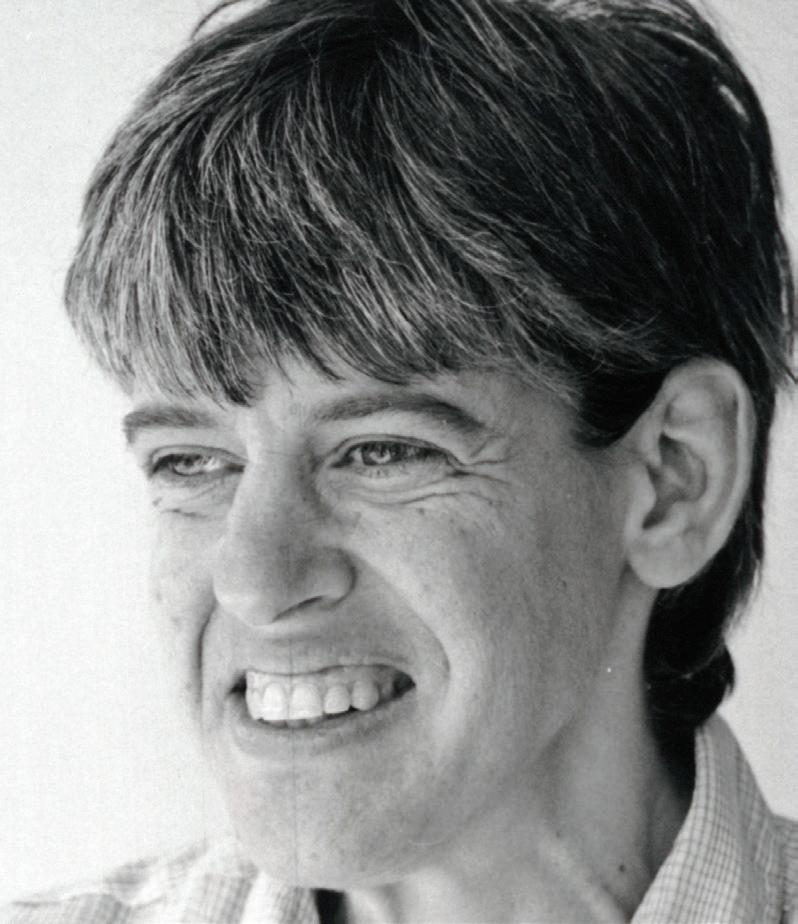
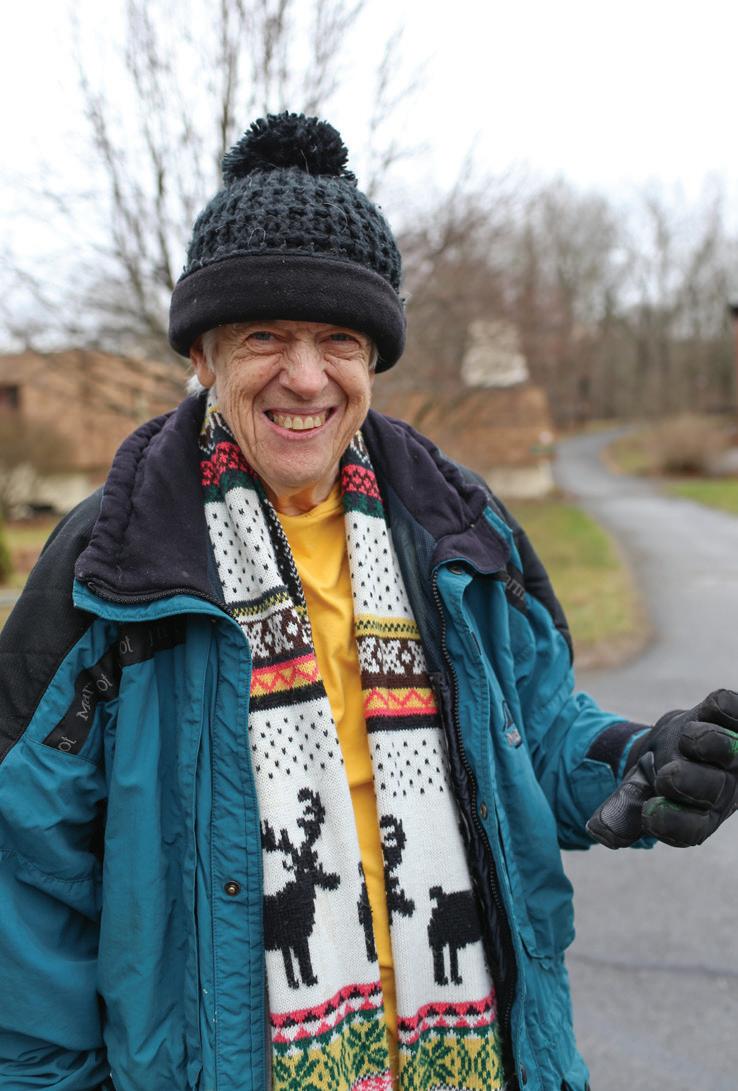
Mimi lived in Camphill Village for 62 years until her passing after a brief illness in April. So many of us were lucky to know her and live with her during that time.
Mimi was very loved by her family, and was raised in Pleasant Valley, NY, in nearby Dutchess County. Her parents, Allen and Harriet, had two children after Mimi: sister Patti in 1943 and brother Jeff, born in 1949. Mimi and her siblings were athletic kids, and Mimi was an excellent tree climber. Allen and Harriet installed a swimming pool on the property, and Mimi very quickly learned to be a strong swimmer. She and her sister Patti rode bikes together all the time, and before little brother Jeff was born, the family took a long canoe trip to the Adirondacks.
Mimi didn’t use many words as a child, but eventually, her vocabulary grew. After being diagnosed as having special needs at the age of 3, Mimi attended the Vassar Nursery School until she was 10. After that, Mimi attended Poughkeepsie Day School for less than two years. Eventually, Mimi joined her siblings at
public school, where she was in a classroom with other children with special needs.
She was a charismatic and funny person. She was always a sociable, good-natured child, but due to her unique situation, her parents were constantly searching for different schooling programs for Mimi— until they found Camphill Village during their search. At the age of 23, Mimi moved into Omaskos House with Peter and Charlotte Dukitch in April of 1964. Mimi loved working in our Doll Shop, which closed many years ago. Even before Camphill Village, she already had a real affinity for “dollies,” and dressed them in tiny scarves, and cared for them.
Camphill Village was growing rapidly at this time. The Village saw major expansion and construction in the 60s. After living in Omaskos House, Mimi moved in with pioneering residents Asger and Mary Elmquist and their two boys, Richard and Douglas. In 1966 Mimi joined the Elmquist family in their move to the newly built Wildern House.
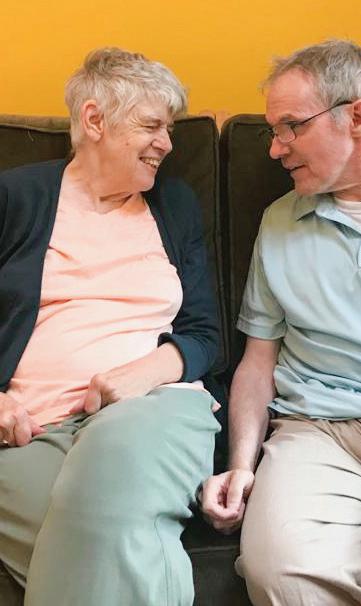
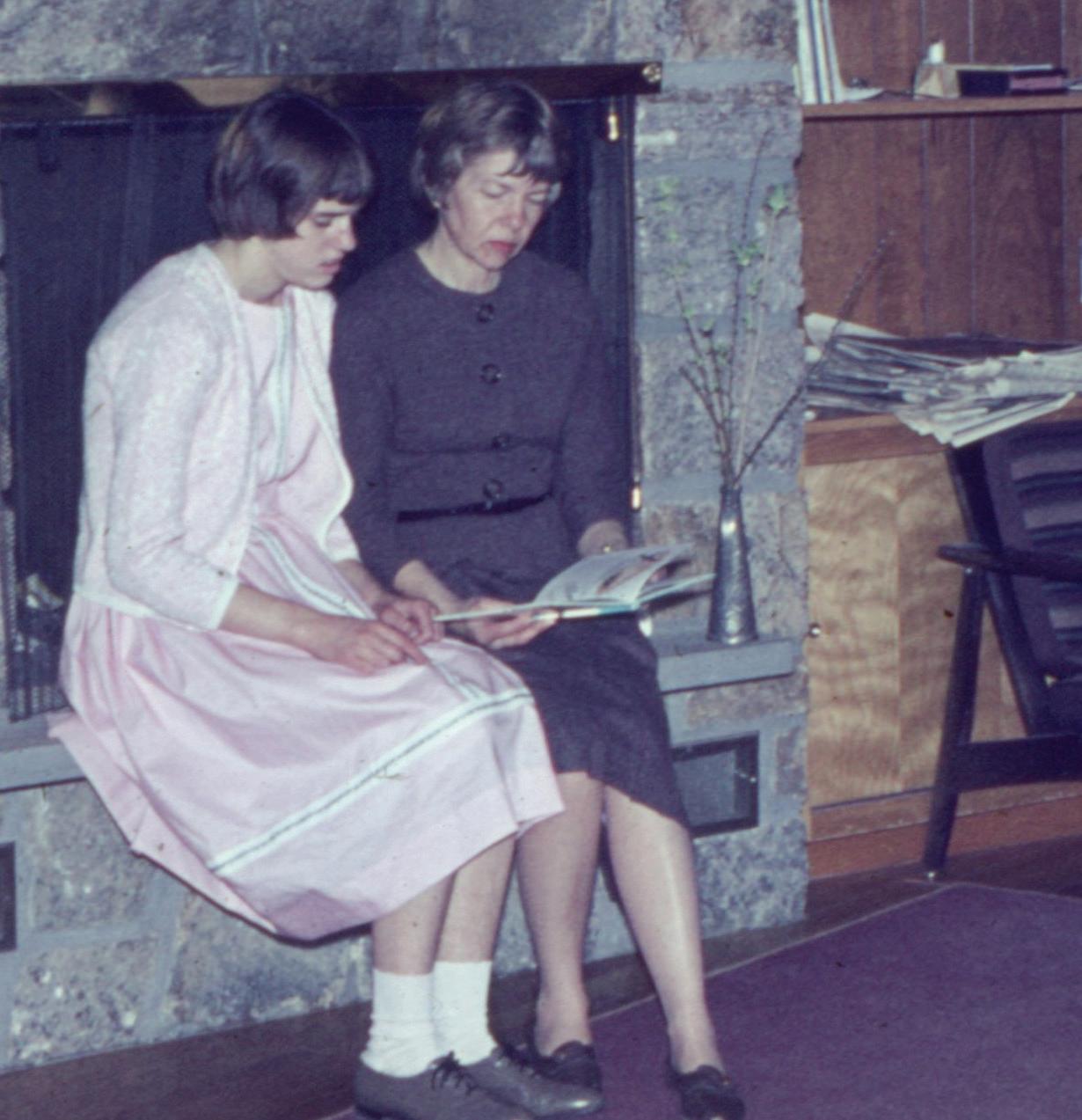
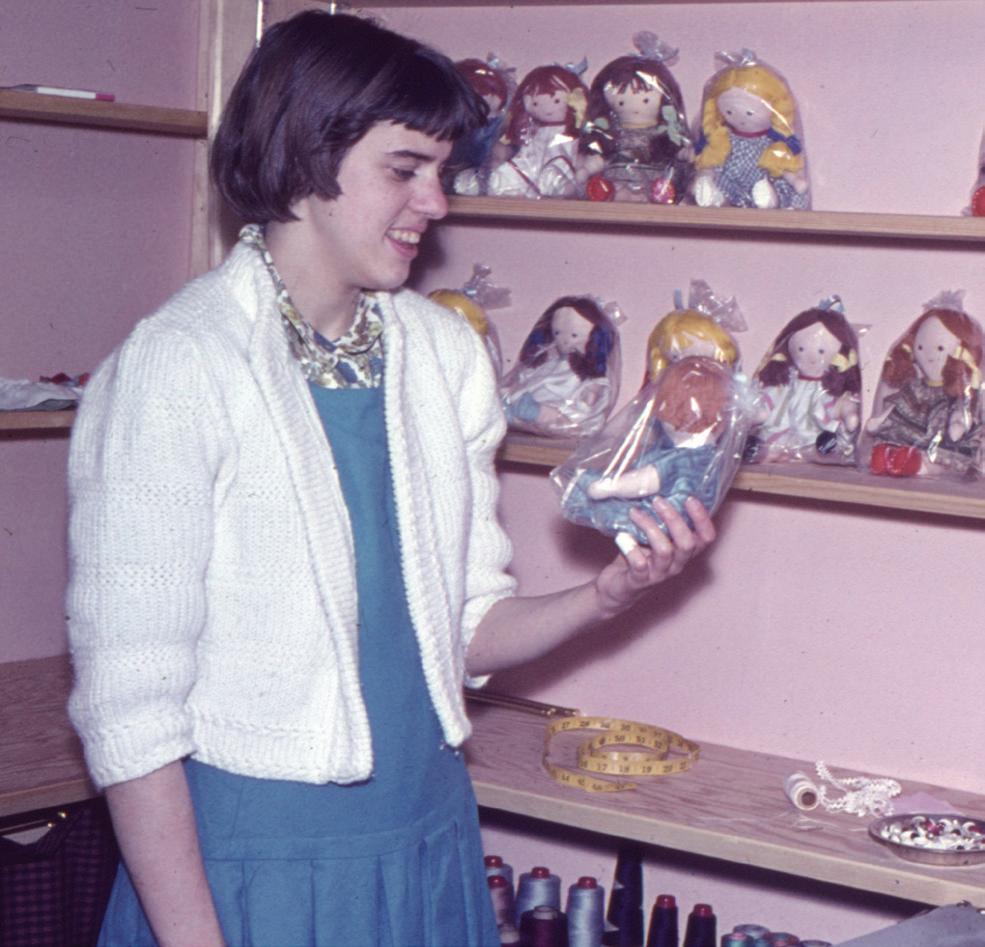
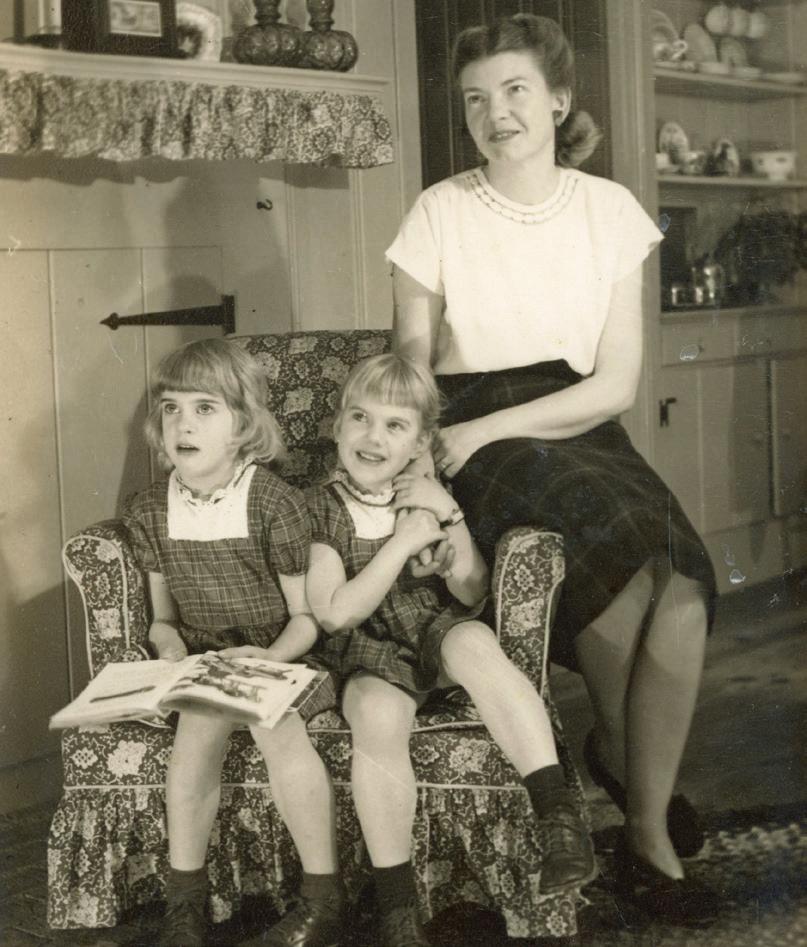
During her time in Copake, Mimi lived and worked in many houses and also worked in the Doll Shop, Woodshop, Bookbindery, and Candleshop. Mimi was also fond of the children she lived with, and they were fond of her.
If you know Mimi, you know that she was very interested in death, and not in a grim or depressing way. She was usually a very upbeat person, but that didn’t stop death from entering many of Mimi’s conversations. “The 500 men died” was a common statement. She would frequently have news: “the groundhog died”; “The ladybug died; “Once upon a time, there was a man, and he died.” But none of these were sad statements. The people who spent the most time around Mimi wondered why the focus on death and dying. Her brother Jeff stated that Mimi had casually and frequently spoken about death long before she joined us in Copake, and she understood it differently. It was a big part of who Mimi was, and it made us laugh.
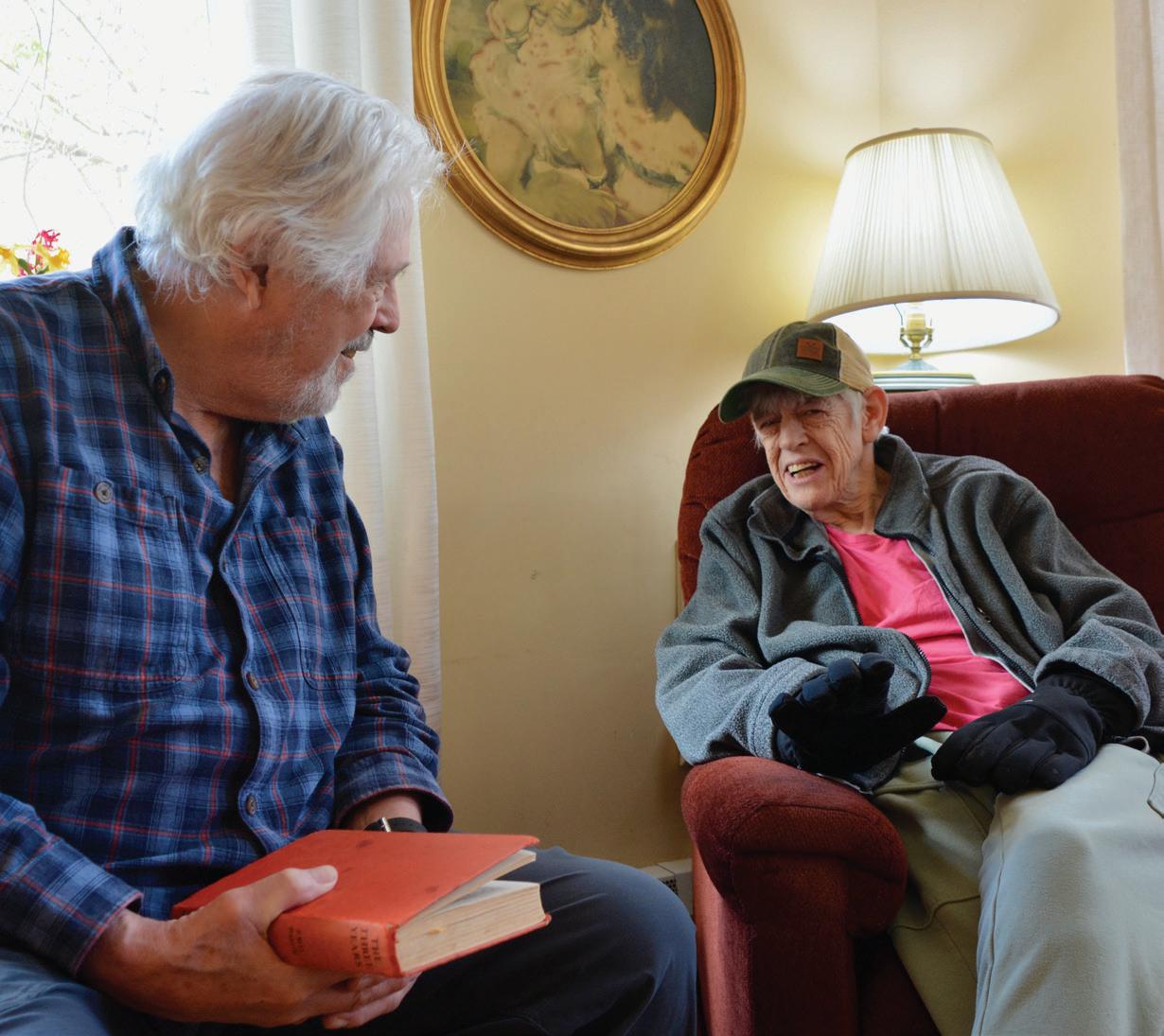
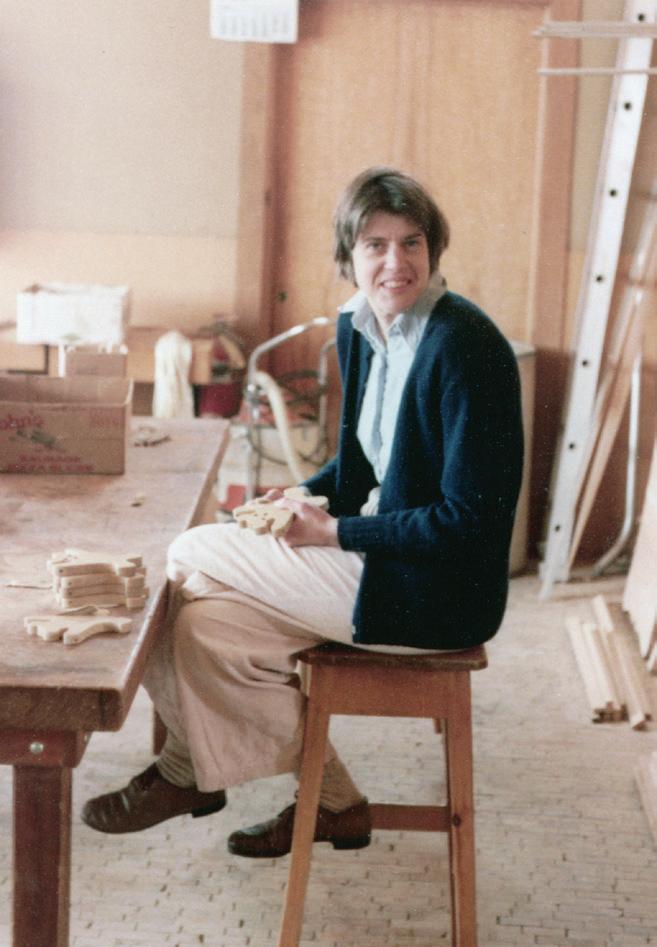
In 2012, Mimi moved to Ita Wegman, one of several care houses in Camphill Village. She intentionally called the house “Ica Beca.” A few years before then, Mimi decided to change her name to “Mimi Mond.” It had a very nice flow, and she introduced herself as Mimi Mond from that day forward.
While living in Ita Wegman, Mimi really enjoyed partaking in the Future Seeds group for elders, where she participated in singing and plays. She also liked to sit in on the children’s play group, take house trips to the Village Coffee Shop, and she continued to help set the table before meals.
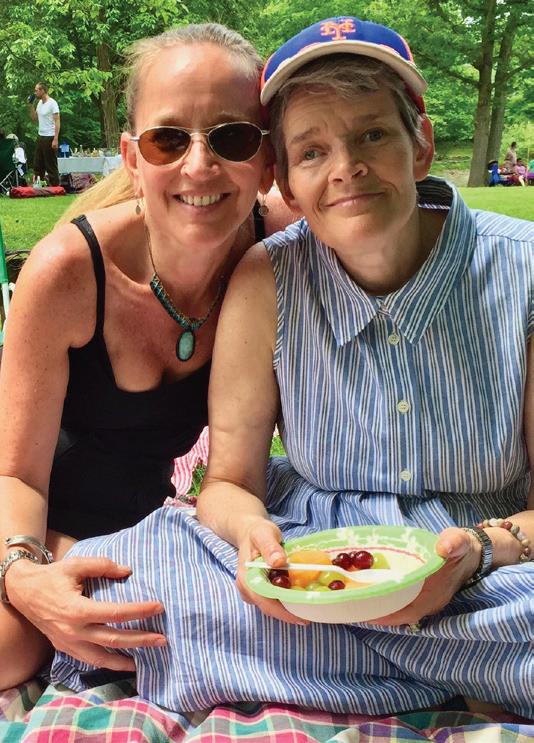
Mimi was quite special, and has made an indelible mark on this community that she shared with us and her beloved dolls for six decades.