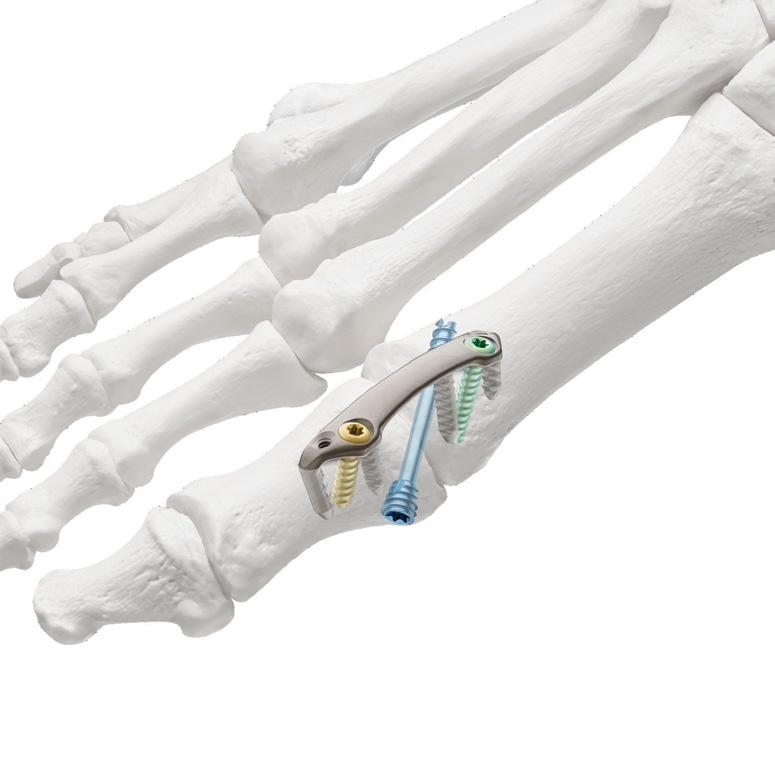
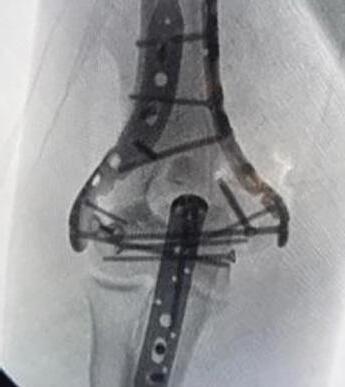
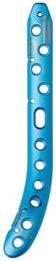
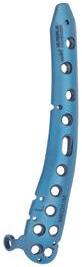
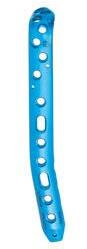
Anatomic contoured plates with variable-angle KreuLock™ compression screws provide secure, uncompromising fixation
Click to explore innovations for upper extremity trauma from Arthrex
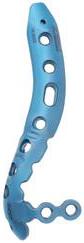
■ Anatomically precise, contoured plates
■ 90º and 180º plating options
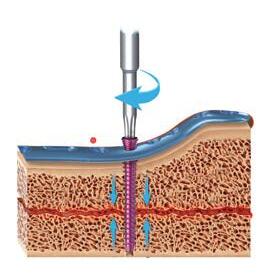
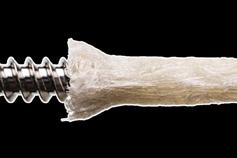
■ 2.7 mm and 3.5 mm hybrid screws powered by patented KreuLock locking compression screws
■ Removable screw tabs for supplementary fixation and enhanced stability
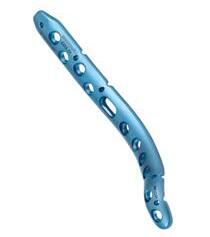
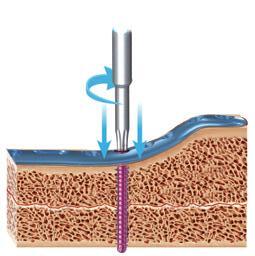
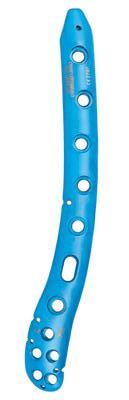
Engineered to deliver dual compression—thread pitch design actively draws bone fragments together for optimal stability while also securely anchoring the plate to bone1,2
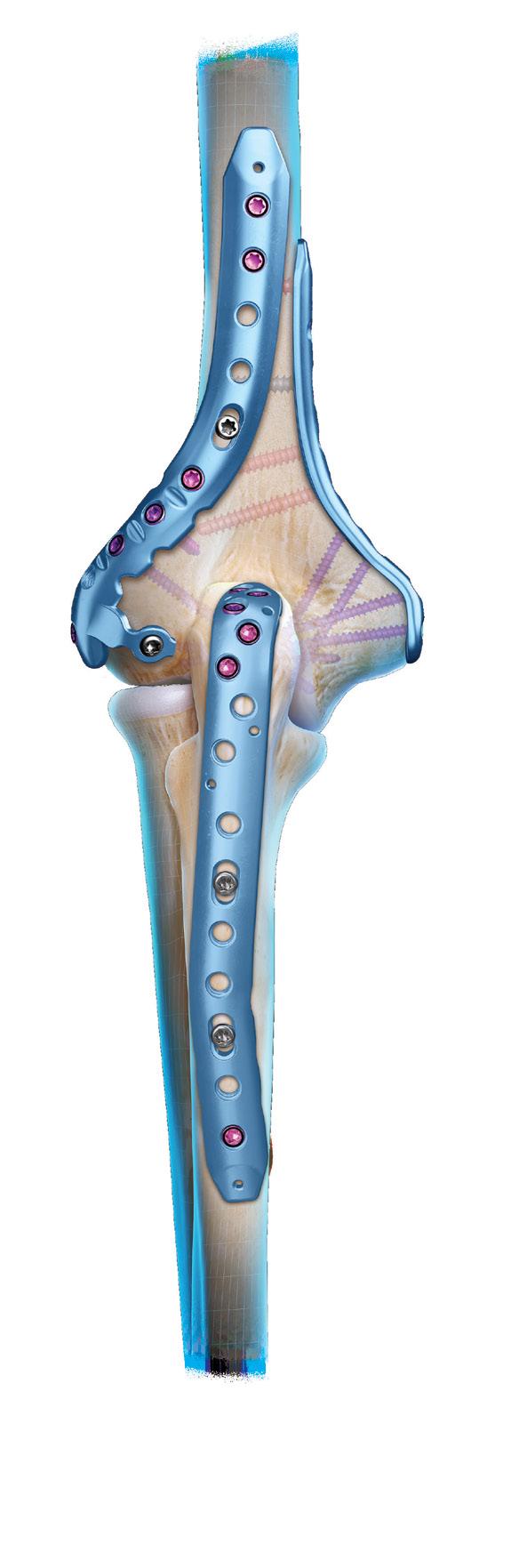
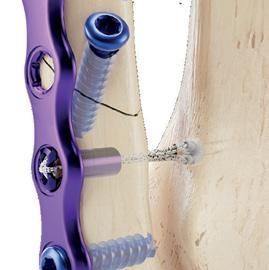
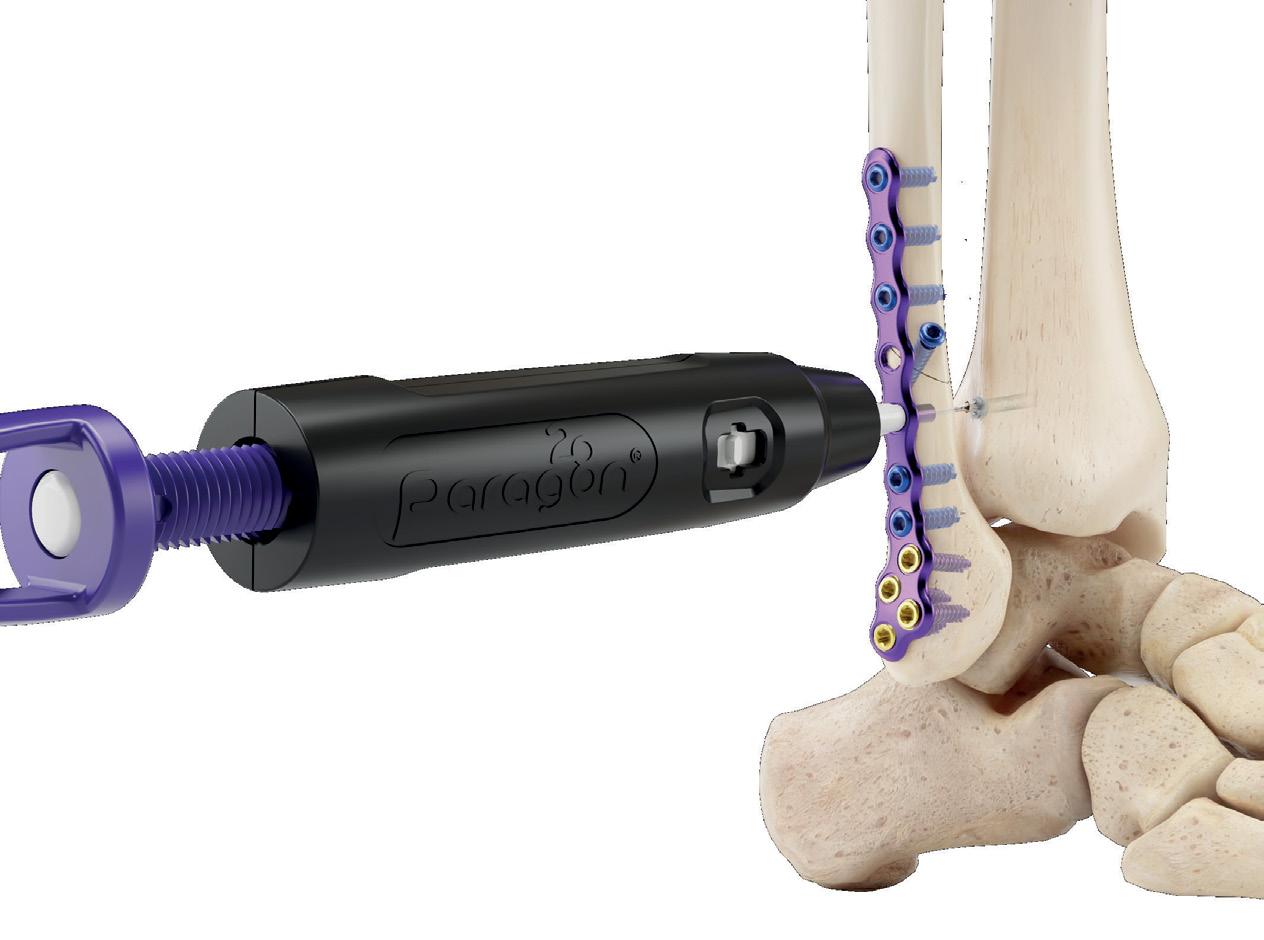
• Tri-cortical / No medial button
All-suture anchor tibial fixation
• Short working length
• Controlled fibular motion

Find out more
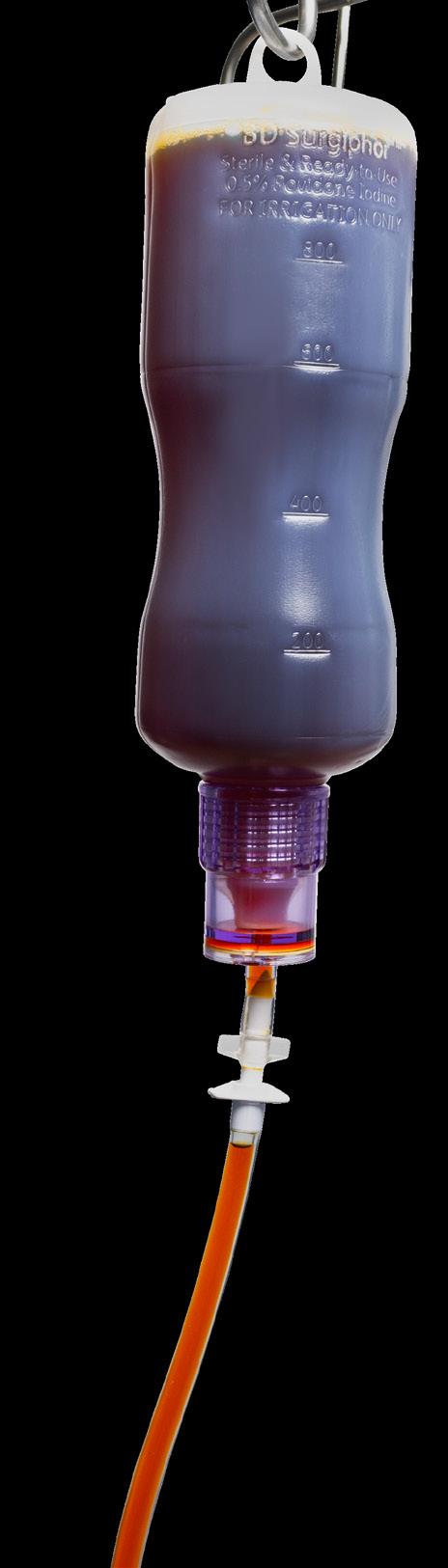
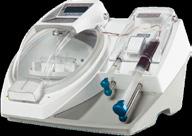
Introducing the BD® Surgiphor™ 1000mL Antimicrobial Irrigation System. Compatible with powered irrigation and manual delivery.
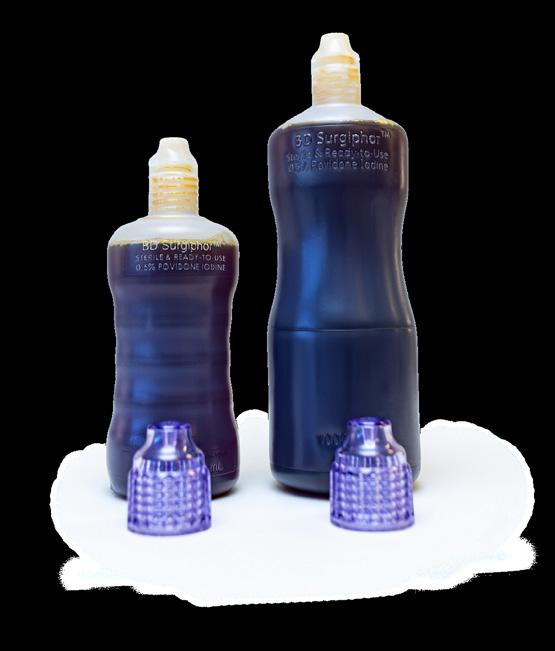
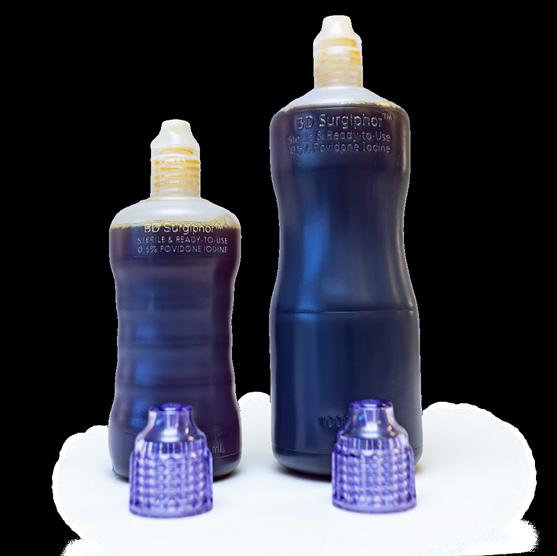
Visit bd.com to learn more and see how Surgiphor™ Antimicrobial Irrigation System can standardize your irrigation protocols.
bd.com
Volume 12, April 2026
A JOINT PUBLICATION OF Campbell Clinic Orthopaedics • Campbell Clinic Foundation University of Tennessee Health Science Center-Campbell Clinic Department of Orthopaedic Surgery & Biomedical Engineering
EDITORIAL BOARD
Editor-in-Chief
Frederick M. Azar, MD
Editorial Advisors
Kathy Brooks • Anne Tipton
Editorial Support Staff
Judy Lansky, MPA • Jennifer Lowrey • Margaret Knack, RN, MS
Jenny Koltnow, MBA, MEd • Becky Williams
Graphics/Design
Chris Strain
EXOGEN uses safe, effective, low-intensity, pulsed ultrasound to help stimulate the body’s natural healing process.*1
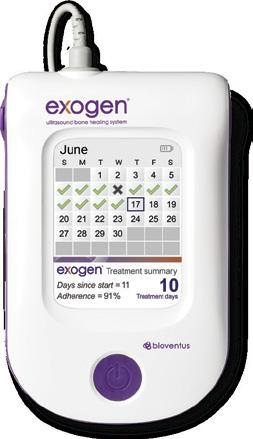

EXOGEN is proven to:
• Resolve 86% of nonunions2,3
• Accelerate healing of indicated acute fractures by 38%†4,5 Contact an EXOGEN rep
*The clinical relevance of in vivo findings is unknown.
References: 1. Bioventus LLC. EXOGEN® User Guide. Last Updated 2023. EXOGEN.com/81087030_Sonic_IFU_US_RevH 2. Nolte PA, van der Krans A, Patka P, Janssen IM, Ryaby JP, Albers GH. Low-intensity pulsed ultrasound in the treatment of nonunions. J Trauma. 2001;51(4):693-703. doi:10.1097/00005373-200110000-00012 3. Zura R, Della Rocca GJ, Mehta S, et al. Treatment of chronic (>1 year) fracture nonunion: heal rate in a cohort of 767 patients treated with low-intensity pulsed ultrasound (LIPUS). Injury. 2015;46(10):2036-41. doi:10.1016/j.injury.2015.05.042 4. Heckman JD, Ryaby JP, McCabe J, Frey JJ, Kilcoyne RF. Acceleration of tibial fracture-healing by non-invasive, low-intensity pulsed ultrasound. J Bone Joint Surg Am. 1994;76(1):26-34. doi:10.2106/00004623-199401000-00004 5. Kristiansen TK, Ryaby JP, McCabe J, Frey JJ, Roe LR. Accelerated healing of distal radial fractures with the use of specific, low-intensity ultrasound. A multicenter, prospective, randomized, double-blind, placebo-controlled study. J Bone Joint Surg Am. 1997;79(7):961-73. doi:10.2106/00004623-199707000-00002
†Summary of Indications for Use:
The EXOGEN Ultrasound Bone Healing System is indicated for the non-invasive treatment of established nonunions‡ excluding skull and vertebra. The EXOGEN device has also been reported as effective as an adjunctive non-invasive treatment of established nonunions in patients:
With internal or external fracture fixation hardware present. EXOGEN cannot penetrate metal and therefore should not be applied directly over hardware.
Undergoing treatment for infection at the fracture site. EXOGEN is not intended to treat the infection.
Believed to have diminished bone quality. EXOGEN is not intended to treat diminished bone quality.
In addition, EXOGEN is indicated for accelerating the time to a healed fracture for fresh, closed, posteriorly displaced distal radius fractures and fresh, closed or Grade I open tibial diaphysis fractures in skeletally mature individuals when these fractures are orthopedically managed by closed reduction and cast immobilization.
There are no known contraindications for the EXOGEN device. Safety and effectiveness have not been established for individuals lacking skeletal maturity, pregnant or nursing women, patients with cardiac pacemakers, on fractures due to bone cancer, or on patients with poor blood circulation or clotting problems. Some patients may be sensitive to the ultrasound gel.
‡A nonunion is considered to be established when the fracture site shows no visibly progressive signs of healing.
Full prescribing information can be found in product labeling, at EXOGEN.com/81087030_Sonic_IFU_US_RevI or by contacting customer service at 1-800-836-4080.
EXOGEN, Bioventus, and the Bioventus logo are registered trademarks of Bioventus LLC.
© 2025 Bioventus LLC. SMK-005609A 08/25
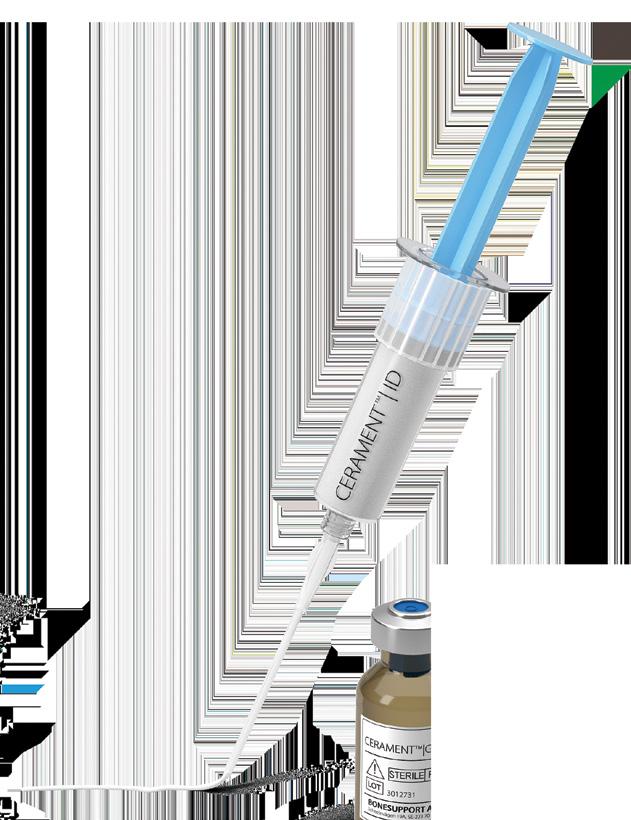
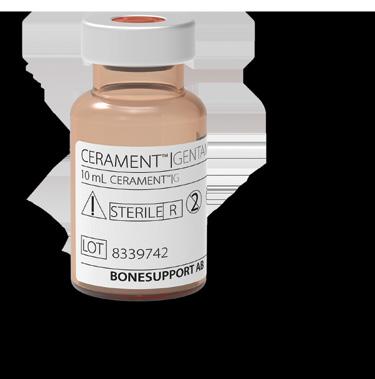
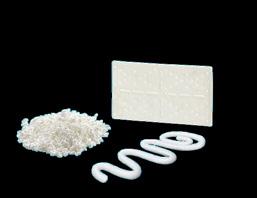
The rst and only FDA authorized combination antibiotic-eluting bone graft substitute. Indicated for use in the management of Chronic Osteomyelitis, Diabetic Foot Osteomyelitis, Fracture-Related Infection, and Open Fracture.
Learn more at CERAMENTG.US


Implant Positioning Parameters and Patient Factors Associated with Acromial and Scapular Spine Fractures After Reverse Shoulder Arthroplasty: a Study by the ASES Complications of RSA Multicenter Research Group. 62 Konrade EN
Equivalent Early Outcomes After Rotator Cuff Repair Can Be Achieved in Patients with Lower Shoulder-Specific
Poppe TR
Surgical Treatment of Pediatric Foot and Ankle Fractures in a Freestanding Ambulatory Surgery Center is a Safe, Cost-effective Alternative to a Hospital 73 Chen S, Ritchie J, Hernandez J, Khan J, Nolan V, Sheffer BW, Kelly DM
Reverse and Total Shoulder Arthroplasty Among Medicare Patients in the Ambulatory Surgery Center: A
Hays CE, Naser AM, Throckmorton TW, Brolin TJ
Intramedullary Fixation of Metacarpal Fractures Utilizing Retrograde Screws Versus Antegrade Steinmann Pins: A Retrospective Review
75 Holbrook HS, Wideman M, Hunter MC, Watkins A, Hoyer RW, Thompson NB, Calandruccio JH, Kaplan FT, Weller WJ
Outpatient Versus Inpatient Shoulder Arthroplasty Outcomes Using An Updated Patient-Selection Algorithm: Minimum 2-Year Follow-Up
76 Jennewine BR, Marois AJ, West EJ, Murphy J, Throckmorton TW, Bernholt DL, Azar FM, Brolin TJ
Targeted Nanosome Delivery of TPCA-1 for Modulating Inflammation in a Mouse Model of Post-Traumatic Osteoarthritis
77 Jung B, Bhatti F, Mummareddy H, Kim Y, Park S, Cho H
Epidemiology of Injuries Among National Basketball Association Players: 2013-2014 Through 2018-2019
78 Mack CD, Herzog MM, Maak TG, Bedi A, Gondalia R, Meisel P, Azar FM, Mancell J, Nelson A, DiFiori J
Lumbar Spondylolysis in the Pediatric Population: A Retrospective CT Review with Radiology Re-review
79 Rambo AJ, Sheffer BW, Hajek B, Almatari A, Suit P, Rhodes LN, Cao X, Warner Jr. WC, Sawyer JR, Kelly DM, Spence DD
Evaluation of the Potential Value of Artificial Intelligence (AI) in Public Health Using Fluoride Intake as an Example
80 Wei W, Gu T, Cao Y, Suna S, Wei D, Li M, Fly AD, Gu W, Yao L, Sun D
Rate of Unexpected Findings in Adolescent Lumbar Magnetic Resonance Imagings Ordered By Orthopaedic Surgeons
81 Siddiq BS, Rambo AJ, Sheffer BW, Eliofor V, Naser AM, McGee T, Warner Jr. WC, Kelly DM
LETTER FROM ALUMNI
83 John Priddy, MD, Class of
Frederick M. Azar, MD
Harold B. Boyd Professor and Chair Director, Sports Medicine Fellowship
University of Tennessee Health Science Center – Campbell Clinic Department of Orthopaedic Surgery and Biomedical Engineering
Over the past 12 months, we experienced a number of landmark events in the Campbell Clinic family. We honored Paige Whittle, who retired after 32 years of patient care at Campbell Clinic. In addition, Jim Beaty stepped down as department chairman, marking the end of a remarkable career highlighted by many leadership accomplishments. He will remain on faculty and continue to be involved with the Campbell Clinic Foundation and Education Committee, in addition to serving as a mentor to faculty, trainees and medical students. Both individuals served our mission with excellence and commitment, and we were blessed to have had them as a part of Campbell Clinic throughout their careers.
After nearly 16 years of serving as chief of staff, I stepped down and took over as department chairman. I am grateful for my partners’ trust in me; it has been a privilege and an honor to serve. I want to especially acknowledge my family, who have walked alongside me and supported the Clinic in their actions and relentless prayers. We were pleased to welcome John Crockarell as our new chief. He brings nearly 30 years of clinical and academic experience to the role. We look forward to his leadership as we continue to build on our legacy of world-class orthopaedic care.
We welcomed two new physicians to our staff, both of whom are superb individuals dedicated to compassionate patient care, education, and research. Colin Ackerman specializes in hand, and Houston Dove specializes in orthopaedic sports medicine. Both also have a strong interest in clinical research and resident training.
To continue to improve patient care and access, we have continued to build on our affiliate initiative, offering our best practices to other orthopaedic and neurosurgical groups in the region to help them improve their services. Along with our Tier One orthopaedic affiliate in Cookeville, Tennessee, Appalachian Orthopaedics, headquartered in Johnson City, Tennessee with three satellite clinics in East Tennessee and southwestern Virginia, is now fully onboard. We also have partnered with Ballad Health at six of its hospitals in east Tennessee and southwest Virginia.
We now employ more than 1200 dedicated employees in 36 locations across Tennessee, Mississippi, and Virginia. The healthcare environment is constantly changing, and having a larger geographical footprint will help us compete in the marketplace in the years to come. These new partnerships are positive and exciting next steps for the Campbell Clinic family.
In 2025, Campbell Clinic was once again named a finalist in the prestigious Best Places to Work rankings by the Memphis Business Journal. This achievement is a testament to the incredible culture we have built together—a culture rooted in collaboration, innovation, and care for one another. And this year we have 30 top doctors in the Castle Connolly Top Doctors in Orthopaedic Care - the most we have ever had. Castle Connolly also ranked us as the #1 physician practice with the most top doctors in Tennessee and Mississippi. This was the third year in a row that Campbell Clinic was named the #1 practice in Tennessee.
The Campbell Clinic Foundation has experienced tremendous growth. We expanded our clinical trials initiative, producing more than 200 presentations, pub-
lications, and posters to share our research with the orthopaedic community. The 15th edition of Campbell’s Operative Orthopaedics was completed, with Jeff Sawyer and Quin Throckmorton joining me as co-editors. We also continue to serve as the editors of Orthopedic Clinics of North America.
These achievements highlight the strides we are making in advancing our mission of providing unsurpassed orthopaedic patient care—a goal we strive to achieve through our research and education programs. The ongoing support from our patients, alumni, industry partners, staff, and donors worldwide has been vital in helping us continue this journey into the next 100 years. We are deeply grateful for your generosity and passion.
We are pleased to introduce our 2026 Graduating Class of Residents and Fellows, all of whom are exceptional surgeons. This edition of the Campbell Orthopaedic Journal features abstracts of the research they completed during residency, as well as top research and review articles authored by our staff physicians.
The Campbell Orthopaedic Journal is distributed to distinguished alumni of our educational programs, orthopaedic chairs and program directors nationwide, and donors and friends of the Campbell Clinic Foundation. Campbell Clinic remains committed to education and to our mission of excellent patient care—a standard set by our founder, Willis C. Campbell, MD, more than a century ago. While the healthcare landscape has changed significantly, our Core Values of Excellence, Integrity, Compassion, Innovation, Commitment, Legacy, and Unity continue to guide us. We also remain steadfast in our priorities of Faith, Family, and Patient Care.
We look forward to gathering at the Alvin J. Ingram Lectureship in April to celebrate our shared accomplishments and chart the future of orthopaedic excellence. Thank you for all that you do for our patients and our profession.
Together, we are Moving Lives. Frederick M. Azar, MD

The mission of the Campbell Clinic is to provide unsurpassed patient care while being recognized as a leader in teaching and research in the profession of orthopaedic surgery.
Another century of world-class orthopaedic care restoring function and quality of life.
We aim to exceed expectations by providing an exceptional patient experience through accessible & efficient quality care, a comfortable and safe environment, and effective communication.
We embrace, expect, and exhibit honesty, accountability and professionalism toward patients, each other, and outside partners.
We commit to cultivating an environment of compassion for each patient and family member through sensitivity, sincerity, and empathy.
We commit to delivering innovative technologies, products, and services through our rich orthopaedic heritage and a strong research foundation.
We commit to each other, to excellent patient care, to education, to innovation and research, to community service, and to orthopaedic leadership.
We will do what is right for the Campbell Clinic, our patients, and our employees.
Everything we do, we do together.
The region’s top orthopaedic specialists are available near you when you need them most.
• Break, sprain, and injury care
• Outpatient hip, shoulder, ankle, and knee surgery
• Physical therapy
• Entire family musculoskeletal care

Campbell Clinic has kept the Mid-South healthy for more than 100 years. Wherever you are, we’ve got a convenient clinic nearby. Midtown | East Memphis | Germantown | Wolf River | Oxford Arlington | Collierville | Southaven | Olive Branch | Millington
Find walk-in and after-hours
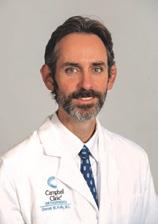
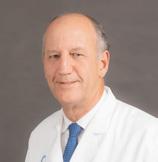
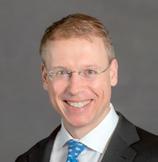
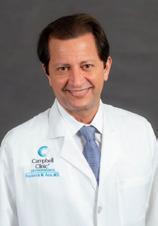
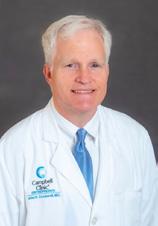
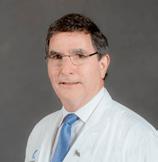
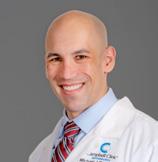
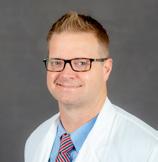
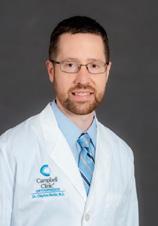
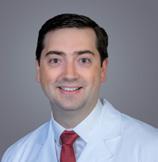
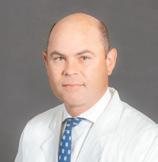
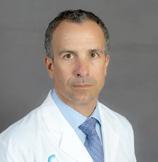
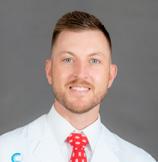
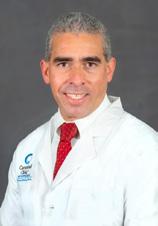
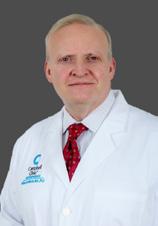
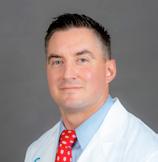
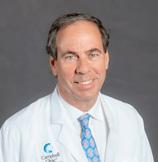
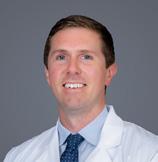
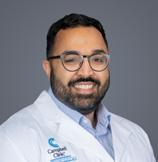
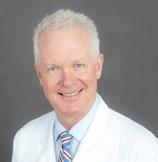
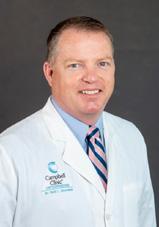
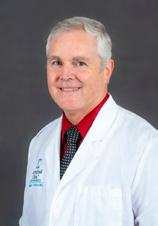
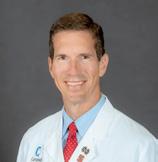
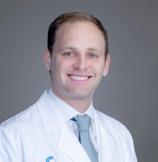
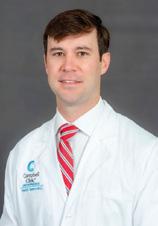
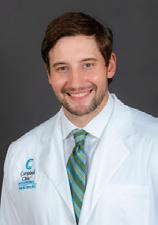
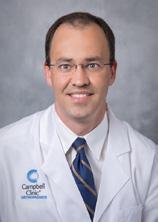
In December 2025, John R. Crockarell, MD, was elected to be the Campbell Clinic Orthopaedics Chief of Staff, following Dr. Frederick M. Azar’s 16-year tenure. During his nearly 30-year career with Campbell Clinic, Dr. Crockarell has served on the clinic’s Finance, Quality, Patient Care and Education committees and on the Campbell Clinic Foundation Board.
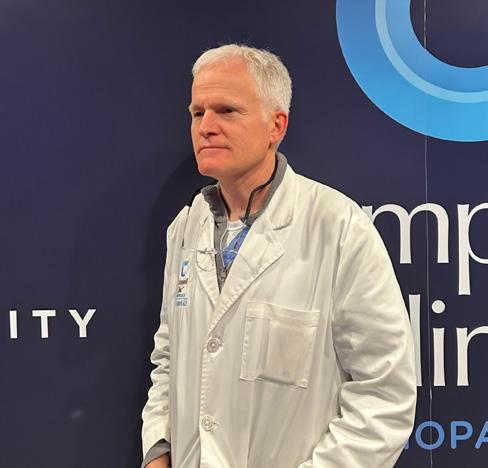
“We owe it to patients to help them regardless of where their care originated. Sometimes this involves multiple disciplines, subspecialties, and career stages.
To me, this is the pinnacle of what we are called to and blessed to be able to do.”
Describe your practice.
I completed the UTHSC-Campbell Clinic orthopaedic surgery residency in 1996, after finishing medical school and an internship with the University of Tennessee Health Science Center in Memphis. After fellowship, I returned to Memphis to practice in 1997. I subspecialize in lower extremity adult reconstruction with a fair amount of revision work included. I’ve worked at several of our locations throughout the years, starting at the Baptist DeSoto office and 910 Madison Avenue. Currently, I see patients at the Collierville, Wolf River, and “old” Germantown Clinics.
How has an MBA supported your practice?
An MBA has provided strong business literacy and understanding of the administrative side of our medical practice. The most impactful parts of the program included group projects on negotiation and conflict resolution, areas not typically part of medical school or residency.
And how has it supported your leadership roles?
Gaining a better understanding of finance and accounting has been extremely beneficial in my most recent role as Chairman of the Finance Committee. My stint in finance coincided with hiring a new Clinic CFO and building out our accounting team to meet the demands of both local practice organic growth and additional affiliations across the state over the last few years. Negotiation and conflict resolution were certainly important as we restructured clinic governance!
How have you been involved with the Campbell Clinic Foundation?
I have been involved in resident education throughout my career. With outstanding support from the Foundation staff, our adult reconstruction division has enjoyed a significant increase in research studies over the last decade, including bread-and-butter projects like retrospective reviews, gait analyses, and randomized clinical trials.
What advice would you give to future surgeons and early career surgeons who are entering the orthopaedic field?
To future surgeons--My advice would be to find a patient population that you love and never stop serving them. I believe that if you’re a surgeon at heart, you can find satisfaction within a variety of subspecialties in the orthopaedic world. What sustains you when your practice grows and other responsibilities and challenges take more of your time and attention is the impact on and gratitude from long-standing patients who have been on the journey with you over the years.
For early career surgeons--My advice would be to try and maintain some margin in your life. When I was a younger doctor, I didn’t know when I was trying to do too much until I was doing too much. Having said that, my family was quick to let me know when I was overcommitted and needed to scale back. Establishing rhythms that prioritize faith and family keep a younger surgeon grounded and able to withstand the challenges that come from a surgical practice.
What is the role of Campbell Clinic as an academic center?
Research and education are of paramount importance and have been throughout our history. Training the next generation of surgeons sustains our specialty and
offers hope to patients that come through our doors. Research refines treatment options for them so that they can receive the best care possible and enjoy a better quality of life.
Another side of being an academic center involves accepting and treating some of the most challenging medical conditions, injuries, and diagnoses. As subspecialized as we are, we owe it to patients to help them regardless of where their care originated. Sometimes this involves multiple disciplines, subspecialties, and career stages. To me, this [collaboration] is the pinnacle of what we are called to and blessed to be able to do.
How do you juggle a demanding practice, research and leadership?
Now that I’m 60, I eat less, sleep less, and can’t play sports like I used to, which leads to time for other things. As stated earlier, my family keeps me grounded, my grandkids keep me young, and my faith helps it all make sense.
What hobbies/outside interests do you enjoy?
When I’m not working on people, I like working on things, so I enjoy working on cars and fixing anything that breaks or needs maintenance. My grandchildren are my joy, and they couldn’t care less about my day job! My wife, Jodie, is my exact opposite: it is such a blessing she and I truly complement each other in virtually every category. Other than that, I ride a Peloton and work out enough so that I can bang in a hip stem or acetabular component without hurting myself!
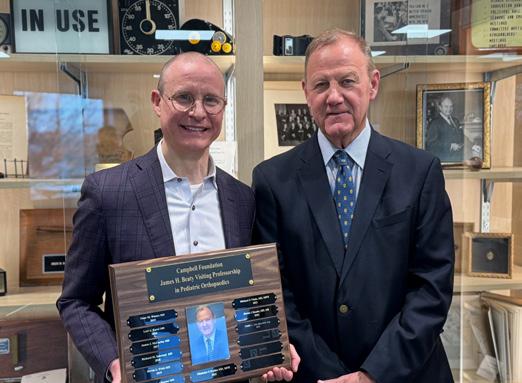
Service to others was the concept that guided Dr. James H. Beaty during his illustrious 45-year career as a pediatric orthopaedic surgeon.
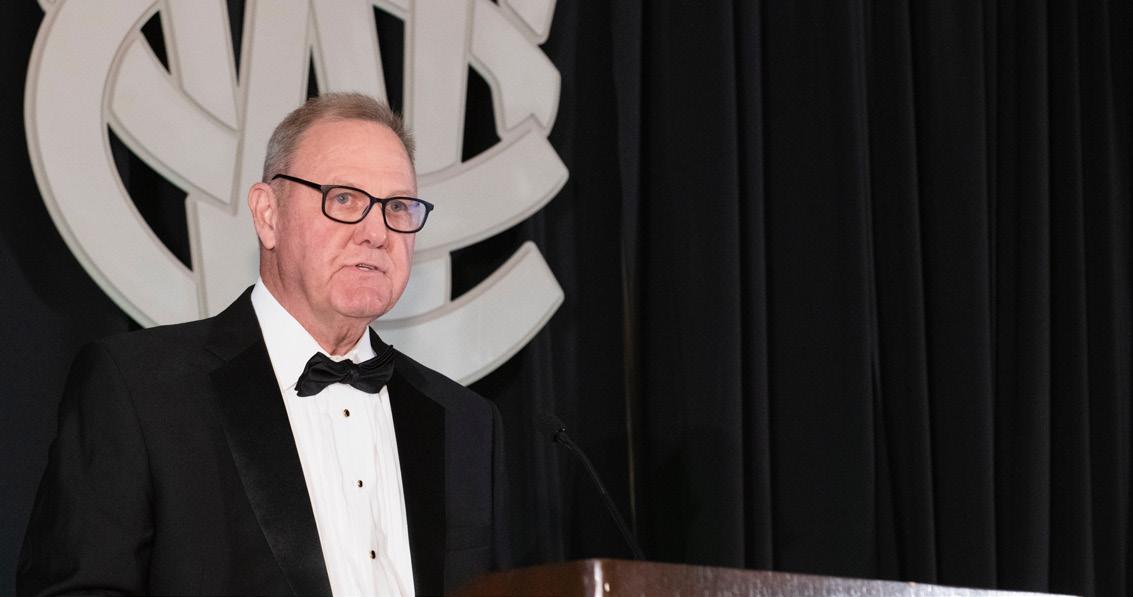
“I really do think that the word ‘serve’ is important because that’s what we do with our patients,” said Dr. Beaty, who retired in December as the Harold Boyd Chair of the University of Tennessee Health Science Center-Campbell Clinic Department of Orthopaedic Surgery and Biomedical Engineering. “Physicians will say they ‘practice medicine’ or ‘do surgery’ but at the end of the day we serve patients and their families, which is a little different way of looking at it. It has been a privilege to take care of Campbell Clinic’s patients.”
Service was something that Dr. Beaty’s father, a Methodist minister, emphasized as he was growing up. When Dr. Beaty was a high school student, his parents let him “shadow” an architect, an engineer, an attorney, a businessman, and a doctor to help him determine a possible career path. “When I shadowed with the physician, a
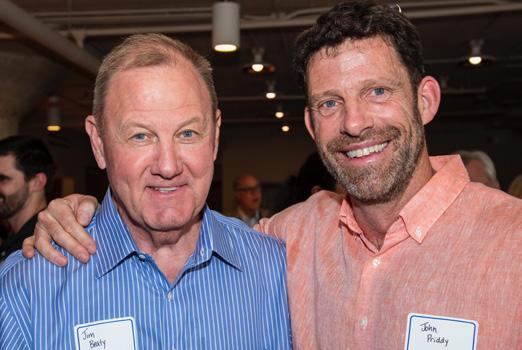
thunderbolt hit me. I knew that’s what I wanted to do,” the Georgia native recalled.
During his rotations while attending the University of Tennessee College of Medicine, Dr. Beaty realized that he liked performing surgery and getting the immediate gratification that came from immediate results. “I liked pediatrics and I liked orthopaedics and Dr. (Alvin) Ingram, who was my mentor, said, ‘You know you can combine them’ and that’s what I ended up doing.”
“One of the things I liked about pediatrics was that it was comprehensive,” Dr. Beaty said. “You took care of children and teenagers of all ages and it involved all subspecialties of orthopaedics. I also liked the idea of dealing with children and their families, including parents and grandparents.”
A graduate of Washington and Lee University, Dr. Beaty finished his orthopaedic residency at Campbell Clinic in 1981. After serving a fellowship in pediatric orthopaedics at Alfred I. DuPont Institute in Wilmington, Del., he returned to Memphis and joined Campbell Clinic’s staff. Dr. Beaty was program director of the residency program, then Campbell Clinic chief of staff before becoming the UTHSC-Campbell Clinic department chair in 2016.
In addition to his clinic leadership, Dr. Beaty has been president of the American Academy of Orthopaedic Surgeons, American Board of Orthopaedic Surgery, Pediatric Orthopaedic Society of North America, Tennessee Ortho-
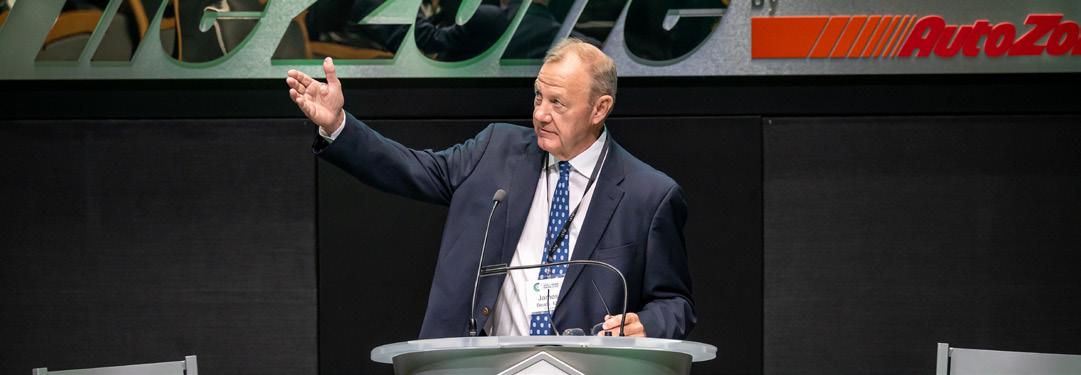
paedic Society, Orthopaedic Learning Center, Mid-America Orthopaedic Association, and Memphis Medical Society. In 2018, the James H. Beaty MD Pediatric Orthopaedic Visiting Professorship was established at the Campbell Clinic Foundation to honor his legacy.
Of his many accomplishments, what makes Dr. Beaty the proudest? “Watching medical students, orthopaedic residents and even our physicians at Campbell Clinic grow in their careers and become excellent physicians,” he said. “Nothing makes me happier than to see them graduate from our program and go onto productive, successful professional and personal lives.”
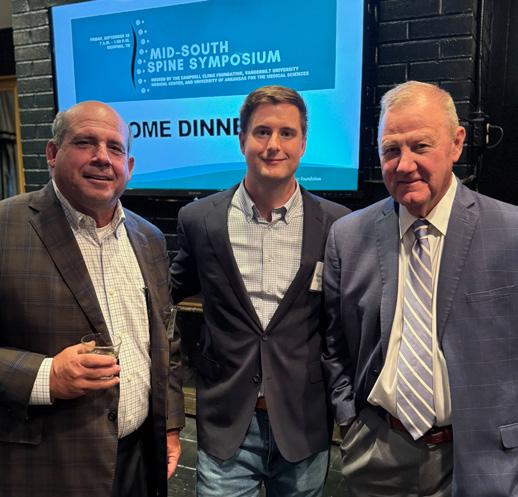
Dr. Beaty also is gratified by their research efforts. “People who see research coming out of our program know that it’s new information that is going to affect how orthopaedics is practiced around the world,” said Dr. Beaty, who has edited nine editions of textbooks including Campbell’s Operative Orthopaedics and Fractures in Children, written 60 book chapters, and published more than 75 peer-reviewed scientific articles.
Though he is retired, Dr. Beaty said he intends to stay involved with the Campbell Clinic Foundation and Memphis Medical Society. He also plans to keep golfing and playing keyboards in a garage band, travel a little more, watch more Tigers and Grizzlies games, and “have a good time” with his son Eric, daughter Meredith, and four grandchildren – two girls, ages 13 and 8, and two boys, ages 6 and 5.
The Center for Orthotics & Prosthetics is a full service orthotic and prosthetic facility providing orthotic and prosthetic services for newborns to geriatrics Below is an abbreviated list of patient needs serviced by COPI:
Cerebral Palsy • Diabetes
Muscular Dystrophy • Ankle/Foot Deformity
Spina Bifida • CVA (Stroke)
Osteoporosis
Scoliosis
Clubfoot Deformity
Amputees For consultation and referrals, contact us at: 6655 Quince Road #124, Memphis, TN 38119 Office: 901 757.5461 | Fax: 901.757 0909
901.531.1984
GARY STAVRUM CHAIRMAN
Granite Forge
JOHN R. CROCKARELL, JR., MD
CHIEF STAFF OFFICER
Campbell Clinic Orthopaedics
KELLY LUTTRELL FINANCE CHAIR
Vital Records Control
PEG MURPHY BRANYAN DEVELOPMENT CHAIR
Retired, International Paper
FREDERICK M. AZAR, MD
PRESIDENT
UTHSC-Campbell Clinic Department of Orthopaedic Surgery and Biomedical Engineering
CHAD E. CAMPION, MD
Campbell Clinic Orthopaedics
CHRISTOPHER T. COSGROVE, MD
Campbell Clinic Orthopaedics
DEREK M. KELLY, MD
Campbell Clinic Orthopaedics
DAVID G. LAVELLE, MD
Retired, Campbell Clinic Orthopaedics
WILLIAM M. MIHALKO, MD, PHD
Campbell Clinic Orthopaedics
WILL MOORE
Atkins Capital Management
G. ANDREW MURPHY, MD
Campbell Clinic Orthopaedics
JAMES H. BEATY, MD
JACK R. BLAIR
S. TERRY CANALE, MD*
BUZZY HUSSEY
DANIEL H. SHUMATE
CHIEF EXECUTIVE OFFICER
Campbell Clinic
FRANK T. NAVARRA
Retired, Smith+Nephew Orthopaedics
DAVID POPWELL
Retired, First Horizon Bank
JEFFREY R. SAWYER, MD
Campbell Clinic Orthopaedics
BRUCE THOMPSON
Retired, Exactech
NORFLEET B. THOMPSON, MD
Campbell Clinic Orthopaedics
THOMAS W. THROCKMORTON, MD
Campbell Clinic Orthopaedics
BARBARA WILLIAMSON
JOSEPH ORGILL, III*
LARRY W. PAPASAN*
JOSEPH C. WELLER*
*DECEASED
JENNY TURNER KOLTNOW EXECUTIVE DIRECTOR
Campbell Clinic Foundation


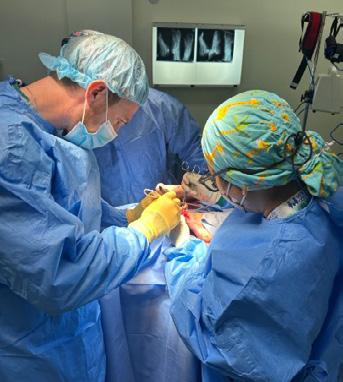
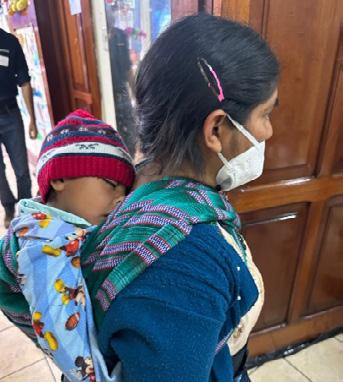
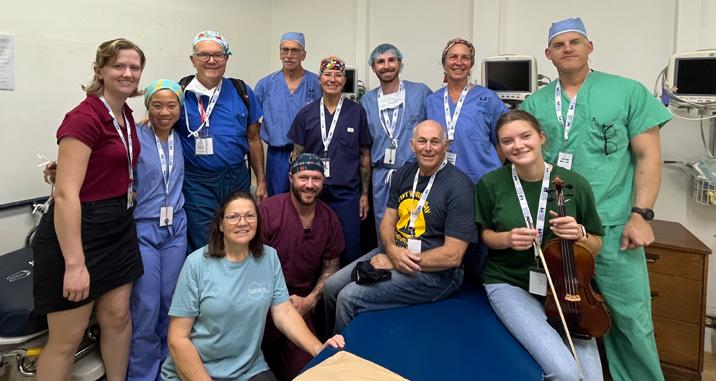
Community outreach is a top priority for the Campbell Clinic Foundation and Campbell physicians. Together, we play to our strengths and provide critical leadership, orthopaedic expertise, and educational opportunities to improve lives in our community.
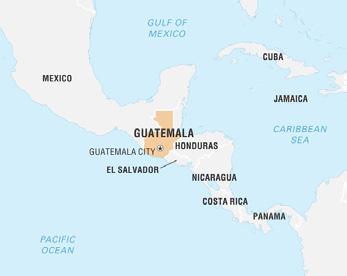
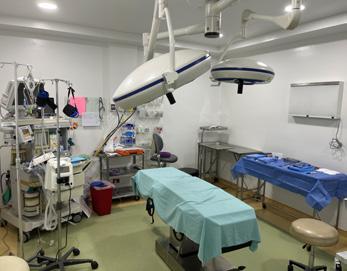
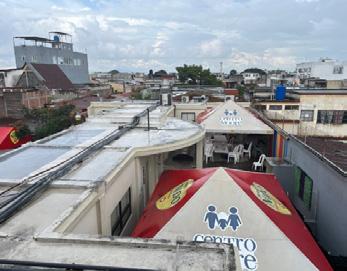
Orthopaedic outreach reached far and deep in fall 2025. Dr. Paul Greenfield joined six attending physicians in Guatemala City, Guatemala partnering with the Moore Center—an anchor of hope since 2011 - thanks to the Molly Shumate International Medical Mission Scholarship. The team performed 59 orthopaedic surgeries and screened 102 children in just five days! When discussing his experience, his respect for the Moore Center team and compassion for patients were palpable. “Patients traveled up to 12 hours, just to see us in clinic, many even walking through the mountains… and some with their kids strapped to their back.” Dr. Greenfield’s graciousness was evident: “Thank you to everyone for allowing me to have this experience. There’s so much you don’t see in the United States. The patients really needed us.”
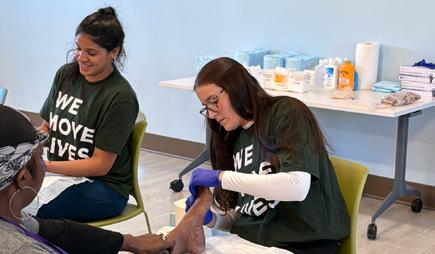
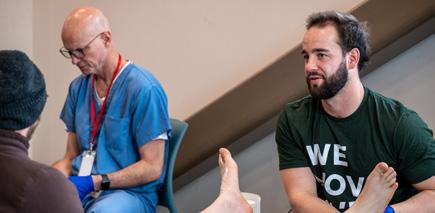
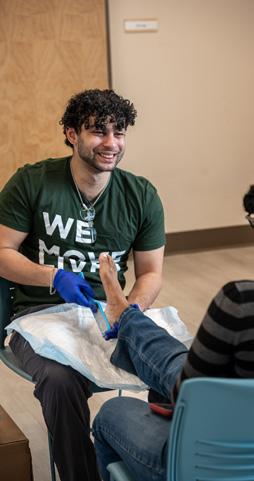
Closer to home, in mid-November, the 18th annual Our Hearts to Your Soles took place in downtown Memphis. Ten volunteers, including Foot & Ankle surgeons and residents, took care of more than 100 guests at Memphis Union Mission, offering foot and nail care, new shoes, socks, care packages, and compassionate guidance on each client’s health. Dr. David Richardson
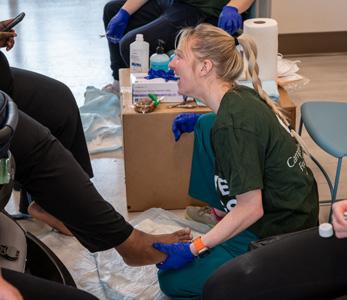
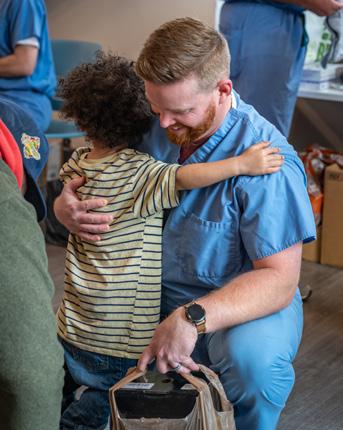
started this annual program in 2007. “This is a meaningful experience for everyone who participates,” he said. “We take time to get to know the clients—ask about their name, where they’re from, and what they may need. These personal connections make a big difference.” Our Hearts to Your Soles expanded in 2024 to include a Spring event at the Hospitality Hub.
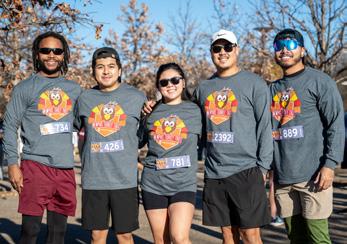
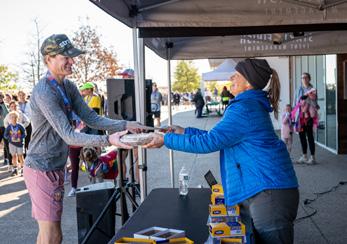
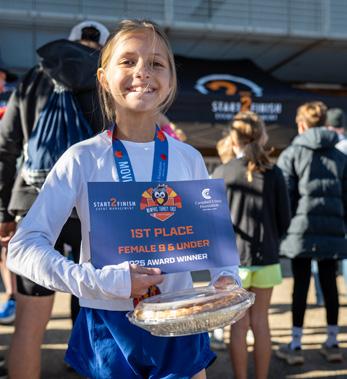
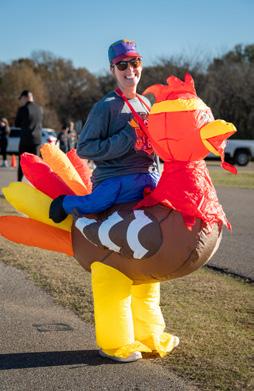
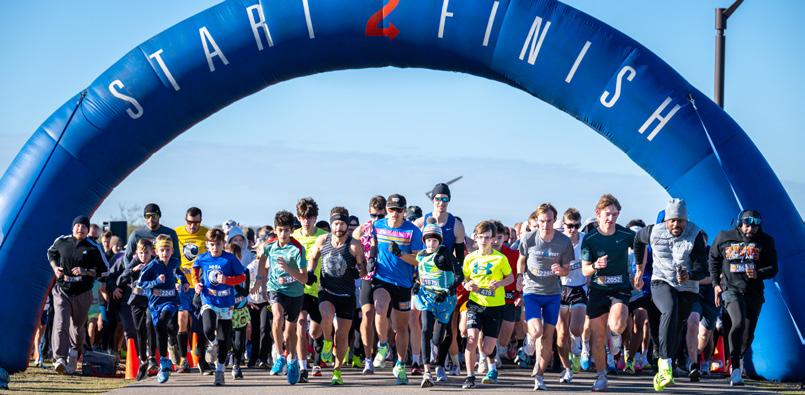
On Thanksgiving morning, Start2Finish Events hosted the annual Memphis Turkey Trot benefitting the Campbell Clinic Foundation. Nearly 3,000 participants raced the four-mile course and two-mile relay at Shelby Farms Park, raising $30,087.87.
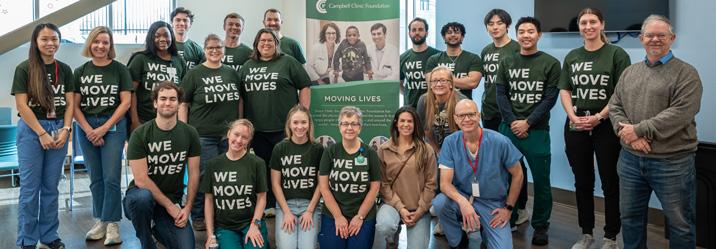
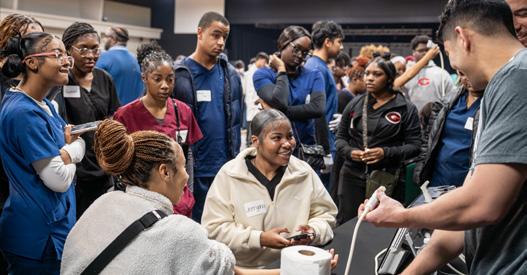
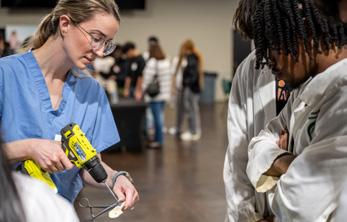
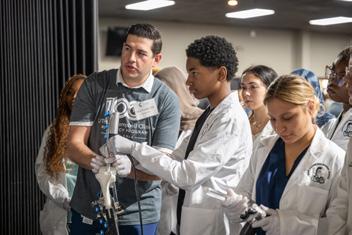
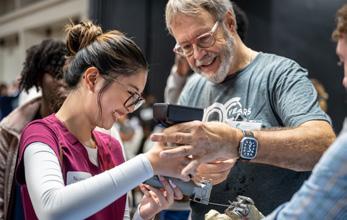
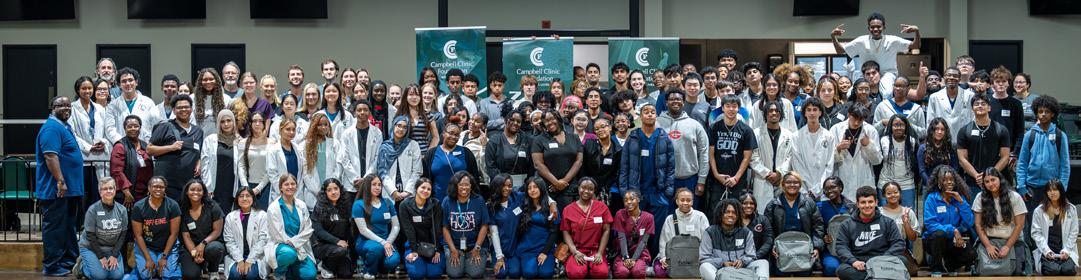
Earlier in November, the Campbell Clinic Foundation held its second annual Orthopaedic Exploration Day for STEM-interested high school students. Doctors, residents, UTHSC medical students, and physical therapists manned the various stations as students were shown how to use hand drills, bone saws, and other
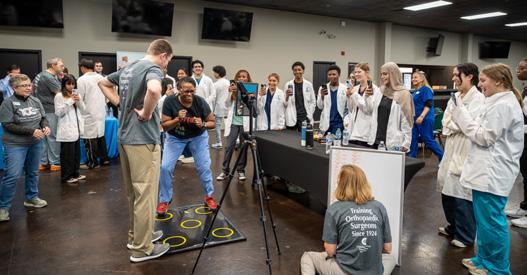
orthopaedic equipment. By introducing about 100 Germantown, Cordova, and White Station High students to orthopaedic surgery and adjacent fields, the Campbell Clinic Foundation hopes to cultivate tomorrow’s bone surgeons!
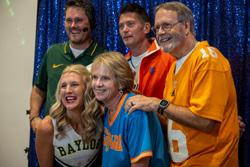
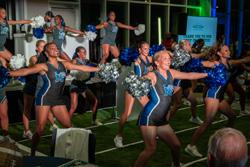
Campbell Clinic Foundation supporters rallied at the ultimate “Game Day” on Sept. 19, at the annual Campbell Celebrates gala at the FedEx Event Center. The University of Memphis drum line greeted about 300 attendees, who sported their favorite school colors. One of the night’s highlights was a live auction, hosted
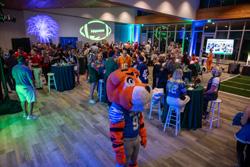
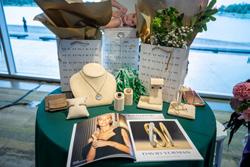
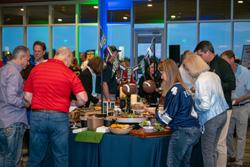
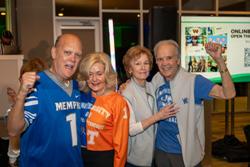

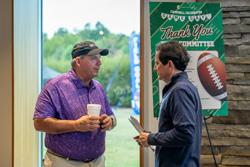
by the “voice” of the Memphis Tigers, Dave Woloshin. Big-ticket items included fine jewelry, local artwork, private dinners, and trips. The event raised more than $213,000 for our outreach and service programs. Stay tuned for more information about our next Campbell’s Celebrates – September 25, 2026!

When you support the Campbell Clinic Foundation, you move the lives of individuals across town and across the continent. We cultivate compassionate orthopaedic care in the classroom, clinic and community. Please consider a gift to expand outreach at home and abroad.
DR. DEREK M. KELLY
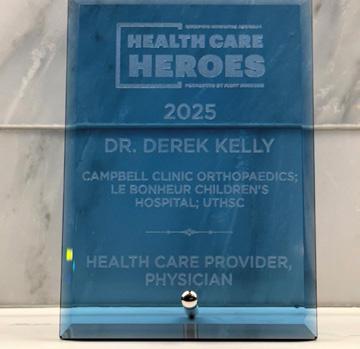
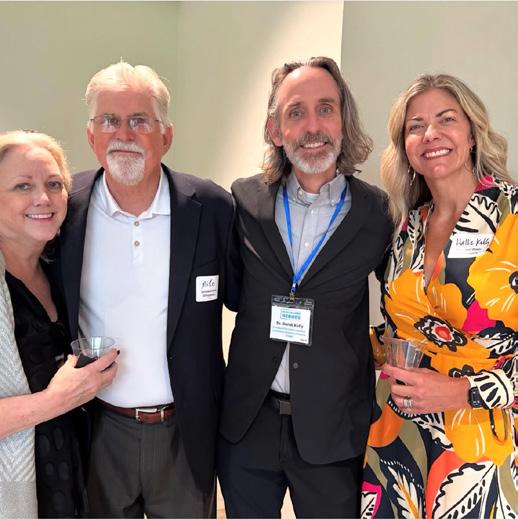
Dr. Derek M. Kelly has become the third Campbell Clinic physician to receive a Healthcare Hero Award from the Memphis Business Journal.
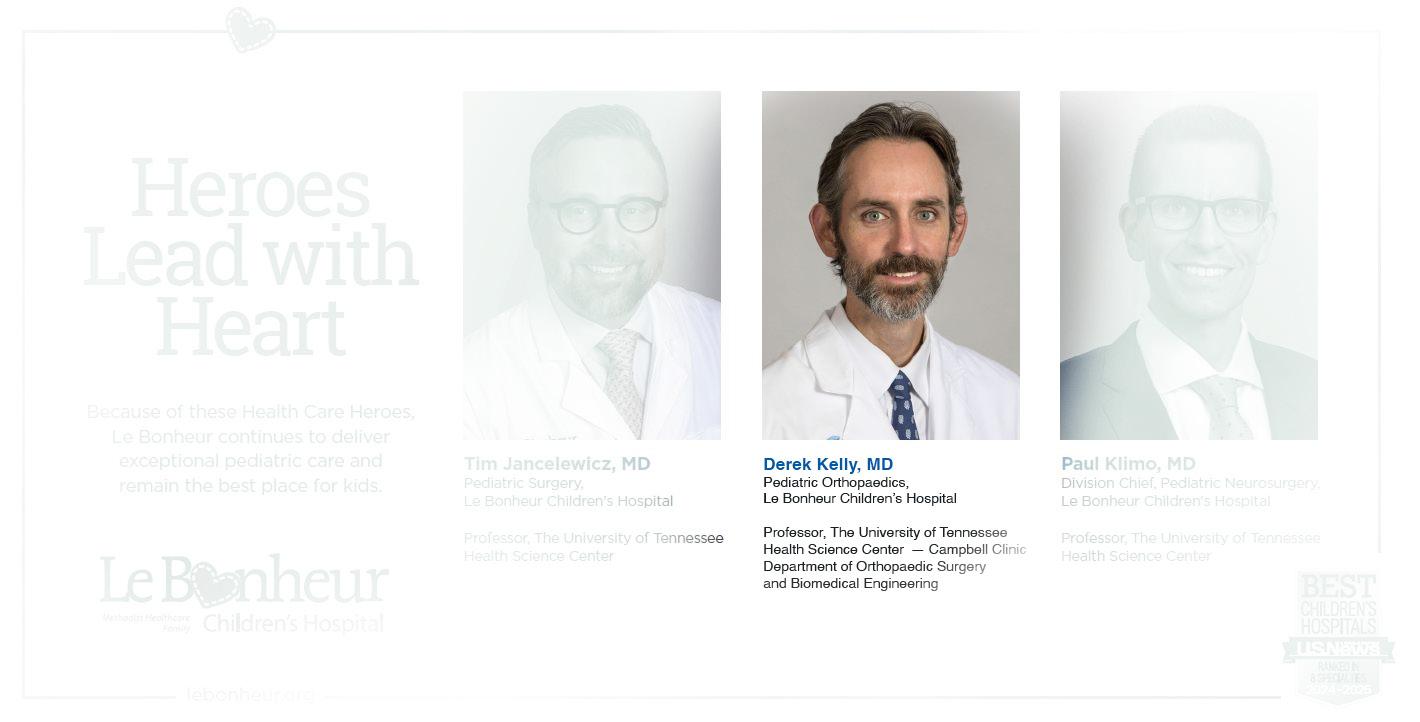
The honor “illuminates the industry’s most extraordinary contributors to the health and well-being of the Memphis community,” the MBJ said last August. “These physicians, entrepreneurs, scientists, caregivers, administrators, and other medical professionals make it their daily mission to go above and beyond the call of duty to contribute to the common good.”
Dr. Frederick M. Azar received the distinction in 2020,
followed by Dr. William C. Warner in 2022. Campbell Clinic finalists have been Dr. John W. Harkess (2023), and Drs. David D. Spence and David R. Richardson (2024).
Dr. Kelly is Program Director of the University of Tennessee Health Science Center-Campbell Clinic Department of Orthopaedic Surgery and Biomedical Engineering’s Pediatric Orthopaedic Fellowship. He also was the Director of the UTHSC-Campbell Clinic residency program until last December, when Dr. Clayton C. Bettin succeeded him.
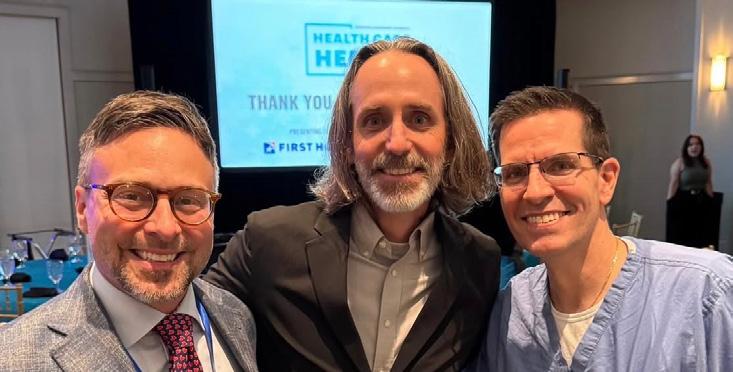
“There are no typical days in pediatric orthopaedic surgery,” Dr. Kelly told MBJ. “We treat the body from the top of the neck to the tip of the toes. The variety of my job is the norm.”
Dr. Kelly has become well known for raising awareness and advocating to reduce pediatric firearm injuries, which are responsible for over 20,000
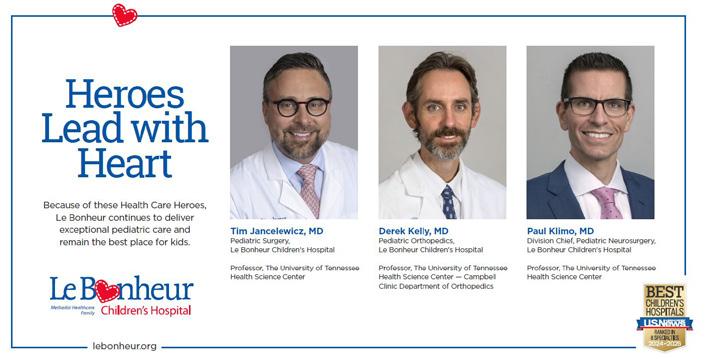
emergency-room visits annually and have been the leading cause of death for U.S. children for the past four years. He has led national symposia on pediatric firearm injuries, published research articles on the topic, and lobbied for legislation to limit handgun access to children and mandate safe handgun storage.
In spring 2024, Dr. Kelly and about 20 colleagues at the Pediatric Orthopedic Society of North America formed the Pediatric Firearm-Related Injury Working Group, which is fo-
cused on injury treatment, patient and family education, advocacy, and health care provider/facility security.
Locally, he works with LeBonheur Children’s Hospital, a Level 1 trauma center that electronically tracks pediatric gunshot cases. In 2023, 180 area children presented to LeBonheur for management of firearm injuries, “but last year and this year (2025) our numbers have been declining, which is excellent news,” Dr. Kelly said. “We still have a lot of gunshot cases, but they are not nearly as high as they were in 2023.”
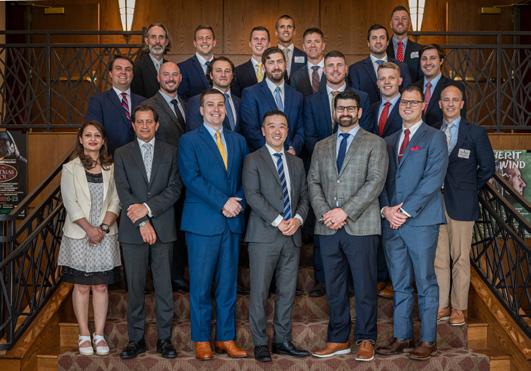
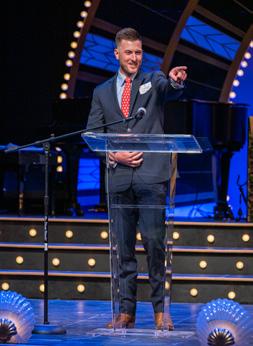
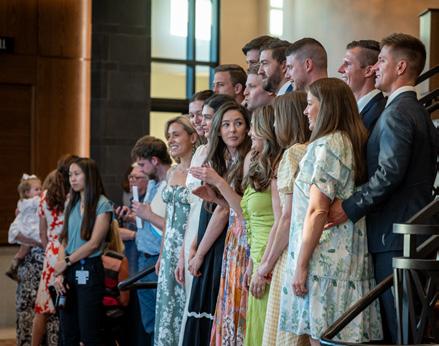
The UTHSC-Campbell Clinic Orthopaedic Surgery Class of 2025 graduated last June, surrounded by their families and friends. Dr. Peter Buckley, chancellor of University of Tennessee Health Science Center, delivered the keynote address, followed by recognition of the graduates by Dr. Derek Kelly, residency program director, and the six fellowship directors. The ceremo-
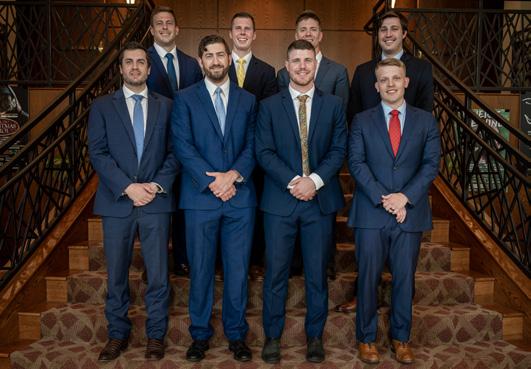
ny took place on the set of “Ain’t Misbehavin” at Theatre Memphis.
Residents, who complete a rigorous five-year program, and Fellows, who complete an intensive one-year post-residency training, receive the education needed to provide excellent orthopaedic care.
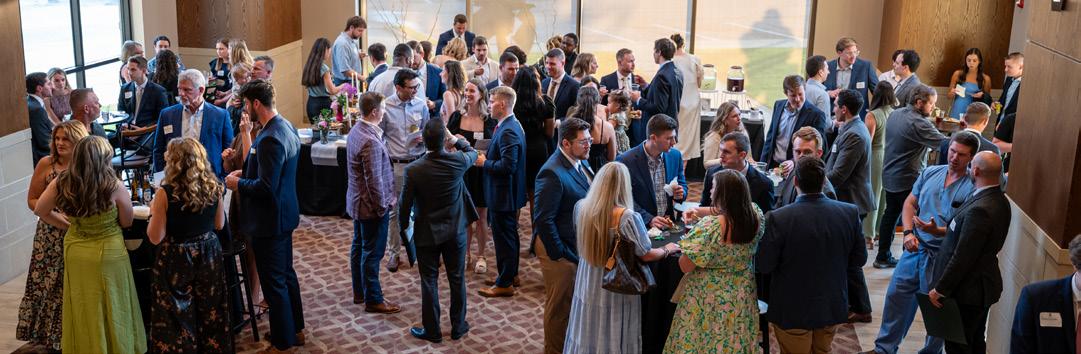
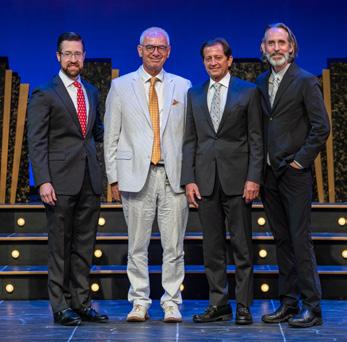
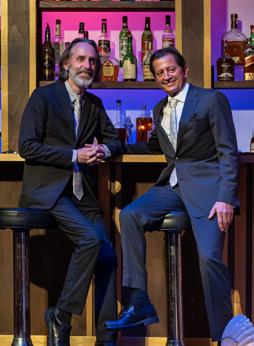
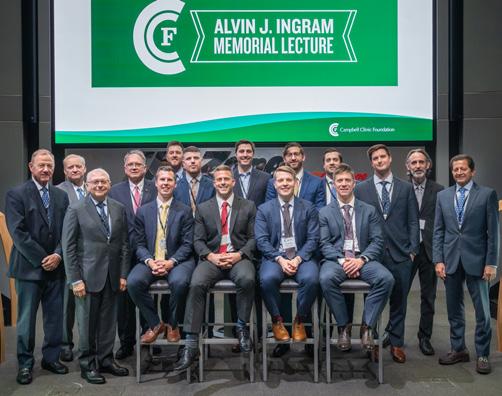
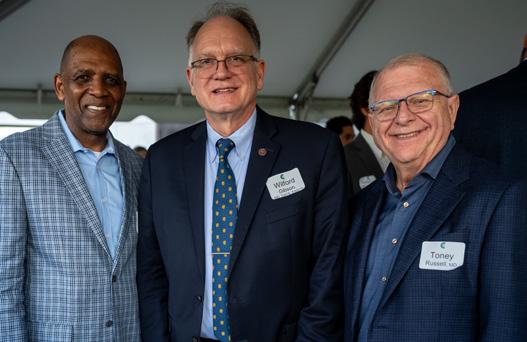
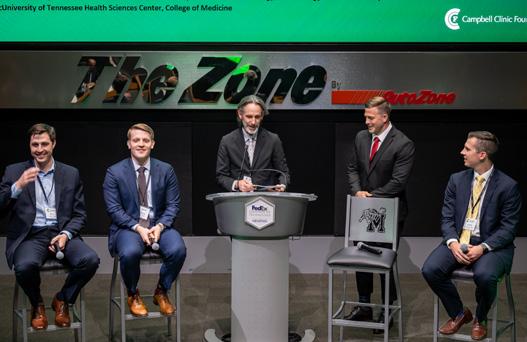
One of 2025’s educational highlights was the Alvin J. Ingram Memorial Lecture, which featured Dr. Wilford K. Gibson and Dr. Thomas Anthony (“Toney”) Russell as keynote speakers.
Gibson, first vice president of the American Academy of Orthopaedic Surgeons, is a partner at Atlantic Orthopaedic Specialists in Virginia Beach, VA. Russell, a Campbell Clinic alumnus, is an internationally recognized surgeon and inventor who is Chief Medical Officer and shareholder for PBC Biomed, Ltd.
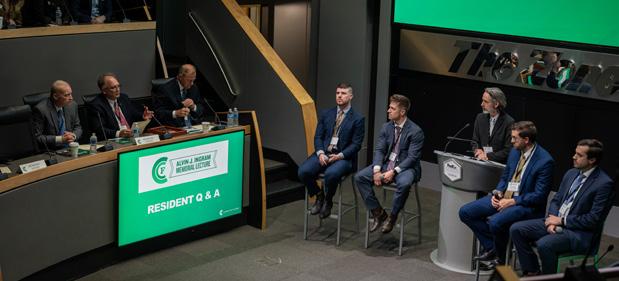
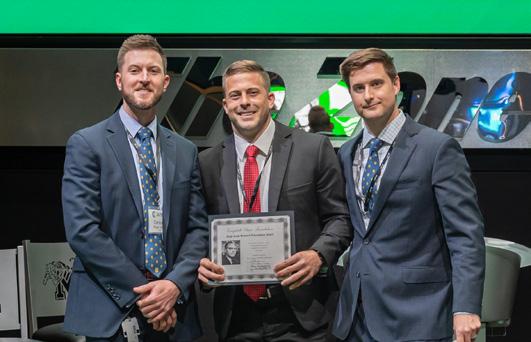
The program, held at the University of Memphis - FedEx Institute of Technology, included expert panels and research presentations by the eight graduating residents. Dr. Evan Porter received the Hugh Smith Research Presentation Award. A welcome reception was held the preceding Thursday at the Memphis Brooks Museum of Art.
The annual lecture honors the memory of a former Campbell Clinic Chief of Staff and Department Chairman who was an international authority on polio treatment.

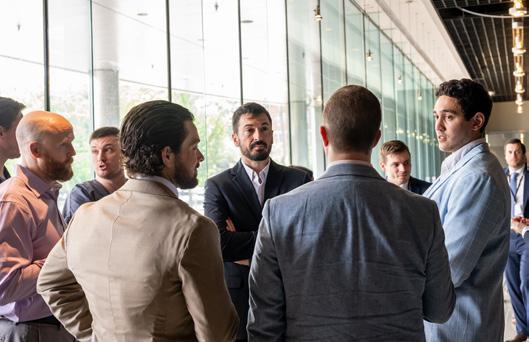
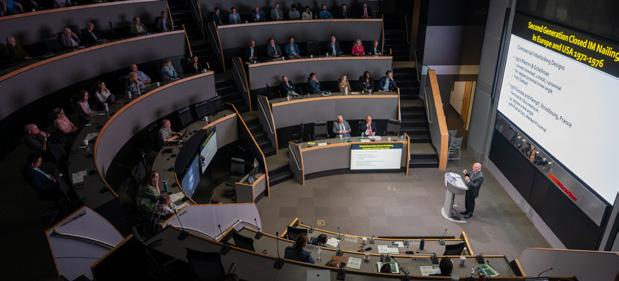
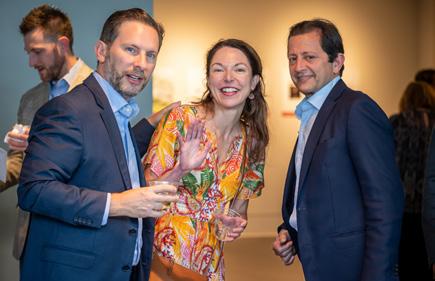
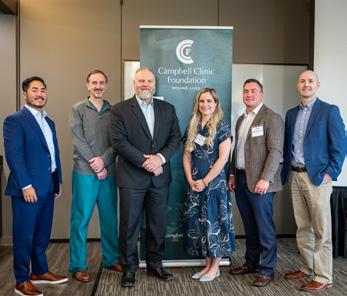
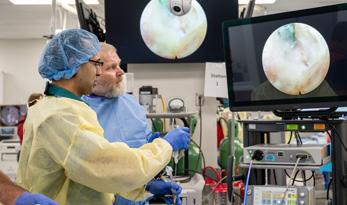
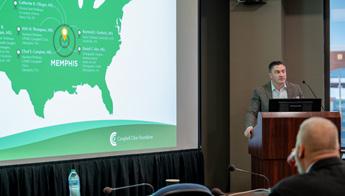
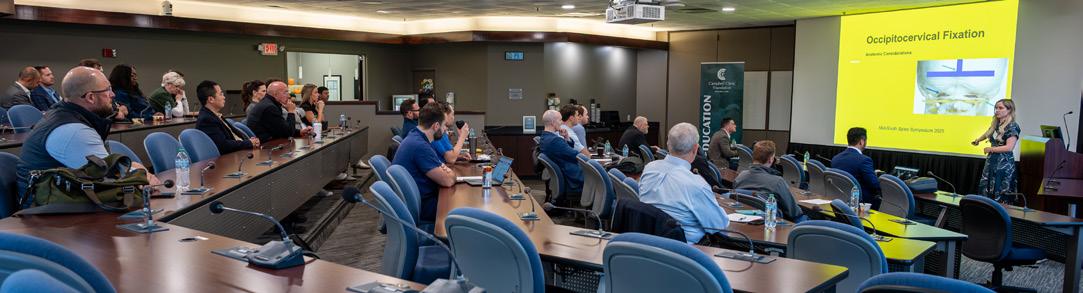
Leading orthopaedic spine surgeons gathered in Memphis last October for the 2nd Annual Mid-South Spine Symposium, hosted by the Campbell Clinic Foundation, Vanderbilt University Medical Center, University of Arkansas for Medical Sciences, University of Iowa, and Andrews Sports Medicine & Orthopaedic Center.
“Events like this strengthen our entire region’s ability to deliver exceptional spine care and inspire more physicians to pursue this specialty,” said Dr. Chad Campion, who founded the symposium with Dr. Kirk M. Thompson, also of Campbell Clinic, and Dr. Byron F. Stephens, a spine subspecialist at VUMC and a Campbell Clinic alumnus. “When institutions share knowledge and innovate collectively, our colleagues and industry win — and our patients benefit the most.”
The day-long event, held at the Medical Education & Research Institute, featured didactic lectures, moderated Q&A sessions, and extensive lab-based training. With six specialized lab stations and rotating small-group instruction, attendees received hands-on experience in posterior cervical foraminotomy OLIF/XLIF, pedicle subtraction osteotomy, lumbar endoscopy, ACDF, and upper cervical fixation.
This event was made possible thanks to generous presenting supporters Arthrex, Implanet/elliquence, and Medtronic; gold supporter Globus; and silver supporters Cerapedics, Demetra Spine, Kyocera, OrthoFix, Spineology, River City Medical, and Shukla Medical.
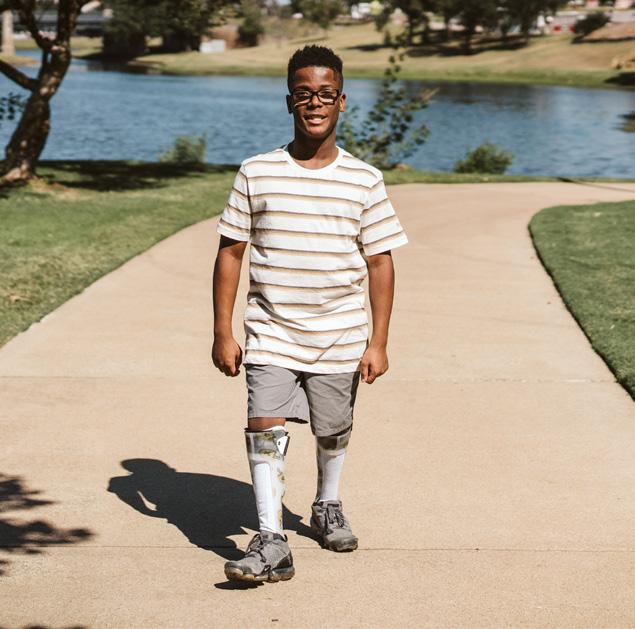
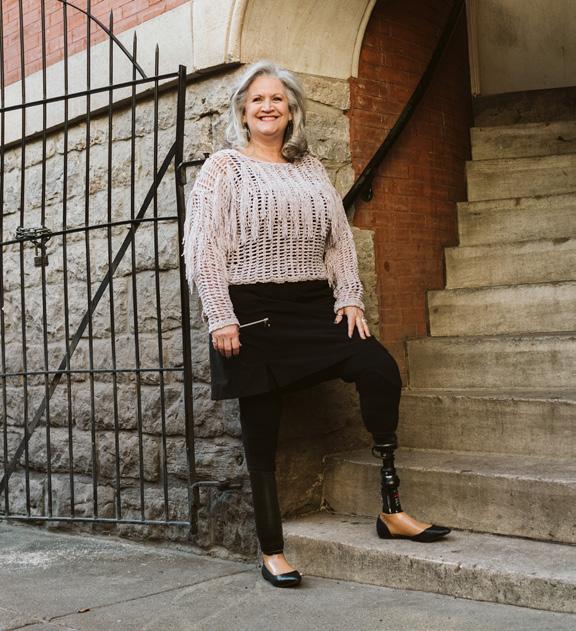
With 900 locations across the country, we create customized solutions— including state-of-the-art prostheses, braces, supports, cranial helmets, and other devices—designed to help you live your best life. Our commitment is to listen to you, get to know you as a person, and do everything we can to help you achieve your potential.
1325 Eastmoreland, Ste. 565
Memphis, TN 38104
Phone: (901) 725-7048
Fax: (901) 725-7001
8066 Walnut Run Rd., Ste. 200
Cordova, TN 38018
Phone: (901) 753-2286
Fax: (901) 759-9186
391 Southcrest Circle, Ste. 104
Southaven, MS 38671
Phone: (662) 338-2070
Fax: (662) 662-0062
Contact one of our local Hanger Clinics or scan the code to find one near you.
The Campbell Clinic Foundation offers exceptional training and experience to newly minted orthopaedic surgeons through five distinct 12-month subspecialty fellowships each year: Foot and Ankle; Hand; Trauma; Pediatric Orthopaedics; and Shoulder and Sports Medicine. In addition, we now offer a 6-week Endoscopic Spine Surgery Fellowship. The Foundation and Campbell Clinic also partner with the University of Tennessee Health Science Center to offer a Primary Care Sports Medicine Fellowship program.
Fellows have specific clinical, hospital, and surgical duties and are introduced to the latest techniques and innovations. Each Fellow gets significant operative and clinical experience, thanks to considerable time spent with subspecialty faculty members and both junior and senior residents throughout the year. Subspecialty courses and cadaveric labs augment the hands-on and didactic experience.
Fellows are encouraged to pursue research during their training year with support from the Campbell Clinic Foundation, including research scholars, clinical research coordinators, a librarian, a statistician, and editorial support. This allows them to study important
Carson M. Rider, MD • Director
aspects of orthopaedic research and collaborate. From retrospective record reviews to prospective, randomized clinical trials, Fellows engage in myriad musculoskeletal studies and innovations.
The Campbell Clinic Foundation Fellowship programs are grateful to receive funding from Arthrex, Medartis Inc., Skeletal Dynamics, Smith + Nephew, Arthroscopy Association of North America, and American Orthopaedic Foot and Ankle Society, in addition to generous local partners.
To learn more, check out https://campbell-foundation.org/surgeon-education
Fellows spend five days each week with the Foot and Ankle staff, gaining exposure to acute and reconstructive surgery of the foot and ankle and advanced knowledge about clinical nonsurgical problems. They also work at the evening “after hours” clinics in Germantown and DeSoto. The fellowship is focused on education (as opposed to routine clinical tasks), with ample time for reading and research. Fellows perform all procedures.
2025-2026 Foot and Ankle Fellow
Jesse Trent, MD
Dr. Jesse Trent is a native of Dodge City, KS who graduated from Fort Hays State University and the University of Kansas School of Medicine, then served his residency at the University of South Alabama. He and his wife Keriann, who is a physical therapist, met during their undergraduate studies. They have two children, Kason and Hayden. In his spare time, Dr. Trent enjoys fishing and watching football, basketball and volleyball games, particularly any involving his eight nieces and nephews who are in high school and coached by their father. His favorite aspect of the fellowship has been the autonomy. After graduation, Dr. Trent plans to begin private practice.
Chad
E. Campion, MD •
Director
The first of its kind, the Endoscopic Spine Fellowship began in 2025. The Fellow spends six weeks in the clinic learning indications for and applications of endoscopic spine surgery. Fellows experience a high-volume endoscopic spine practice, learning techniques and gaining hands-on experience. This fellowship is intended for surgeons who have completed spine training and want to incorporate endoscopic surgery into their practices or as an adjunct to a completed spine fellowship or neurosurgery residency.
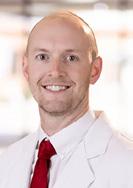
A native of Dover, AR, Dr. Jordan Walters attended Harding University, where he graduated summa cum laude with honors with distinction in 2012. He attended medical school at the University of Arkansas for Medical Sciences (UAMS) and completed his residency and a year-long Orthopaedic and Neurosurgical Integrated Spine Fellowship there as well. His research interests included basic science study through Arkansas IDeA Network of Biomedical Research Excellence, orthopaedic trauma review, and pain control after spine surgery. After practicing academic spine surgery for several years, Dr. Walters developed an interest in minimally invasive and endoscopic techniques, which led him to Campbell Clinic to pursue further fellowship training in spinal endoscopic techniques. When not engaged in orthopaedic spine surgery, Dr. Walters enjoys spending time with his family, reading, travel, hiking and time outdoors, and looking forward to his next mission trip.
Norfleet B. Thompson, MD • Director
This fellowship focuses on hand surgery and hand conditions, with extensive exposure to surgical management of acute and reconstructive upper-extremity procedures as well as education about clinical nonsurgical problems.
T. Kyle Summers, MD
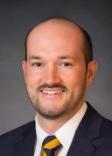
A native of McMinnville, TN, Dr. T. Kyle Summers graduated from Columbus State University and the Medical College of Georgia, then completed his residency at the University of South Alabama. He met his significant other, J. Nivens, by chance through Instagram; Nivens is a digital animation professor. Dr. Summers’ hobbies include hiking, exploring places and restaurants with his partner, playing pickleball and tennis, watching movies, and trying to improve his golf game. Dr. Summers’ mother is an X-ray technician, which helped influence his decision to pursue a medical career. While building jet engines during my previous career, a co-worker asked me, "Why don't you just go to medical school?" and that set me on my journey. I have a heavy mechanical background where I spent 4 to 5 years building commercial and military jet engines, and I have always been mechanically inclined, so orthopaedics just seemed like a natural fit. His favorite memory of the fellowship year was his first solo thumb UCL repair, which went extremely well. All independent, successful cases have made for great memories. Dr. Summers has written a book chapter on blood flow restriction therapy for the upper extremity and has been involved in a ‘drive home’ study where patients reported on their perception of self-safety while driving home from local-only procedures. After graduation, he will practice with the Tennessee Orthopedic Alliance in Middle Tennessee and will cover the nearby cities of Cookeville and McMinnville. The Campbell Clinic hand staff have made a great fellowship. I feel well-trained and would highly recommend this program to any residents interested in hand/upper extremity surgery.
Derek M. Kelly, MD • Director
This ACGME- and POSNA-accredited fellowship program combines clinical training and research, preparing surgeons for a career in both private practice and academic settings. The fellowship offers extensive exposure to trauma, scoliosis, clubfoot, hip diseases, limb deformities, tumors, hand and upper-extremity conditions, sports orthopaedics, metabolic and genetic conditions, neuromuscular disorders, cerebral palsy, myelomeningocele, degenerative diseases, congenital conditions, and other conditions that affect the spine, hip, foot and ankle, and hand.
Aaron Poliak, MD
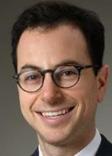
Dr. Aaron Poliak grew up in Dallas, TX, and graduated from George Washington University and McGovern Medical School, after which he completed residency at the University of Toledo. Dr. Poliak and his wife Alanah, a pharmacist, met during his residency. Dr. Poliak is the third doctor in his family; his father is an obstetrician-gynecologist, and his sister is a physical medicine and rehabilitation physician. I grew up idolizing my Dad’s career. I always wanted to help people the way in which my Dad was able to help his patients. I fell in love with orthopaedic surgery after watching a femoral nail being placed for a femoral fracture. Being able to acutely fix an injury was incredible. I knew I wanted to pursue orthopaedics after watching this. Dr. Poliak’s research project concerns Blount’s disease. His hobbies include running, yoga, reading, and spending time with his friends and family. After graduation, Dr. Poliak plans to work as a pediatric orthopaedic surgeon. I have enjoyed working with all of the faculty and residents. I have learned a lot from all of them.
John C. Hyden, MD • Director
The Campbell Clinic/ UTHSC Primary Care Sports Medicine Fellowship’s mission is to train physicians from primary specialties in the art and science of musculoskeletal and sports medicine, encompassing the science and clinical application of exercise physiology, kinesiology, nonoperative orthopaedics, cardiology, and general medicine applied to the care of the active person. It also trains physician specialists who understand, advance, and apply evidence-based medicine in the psychosocial, environmental, and physiologic milieu of athletic training and competition from the pediatric to the elite.
Ryan P. Hammond, MD
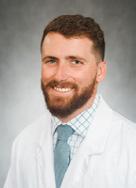
Dr. Ryan Hammond grew up in Knoxville, TN, and graduated from the University of Tennessee and the University of Tennessee Health Science Center College of Medicine, then completed a family medicine residency at Tristar Southern Hills Medical Center in Nashville. Dr. Hammond met his wife Carleigh through mutual friends while he was attending medical school in Memphis. She works in business development and marketing; the couple has two Golden Retrievers, Douille and Buddy. Dr. Hammond’s hobbies include functional fitness workouts, wakeboarding, snowboarding, and playing golf. I always had a proclivity for the sciences and wanted to work hard and help others. Shadowing early in high school solidified my passion. Sports injuries as a kid put me in a lot of orthopaedic offices, which really drew me in. His area of research interest has been orthobiologics. Dr. Hammond’s favorite memory of fellowship has been the enjoyment of working with collegiate athletes. Thanks to the PCSM crew for the opportunity to work with and learn from you all.
John C. Weinlein, MD • Director
The trauma fellow receives comprehensive experience at a high-volume Level 1 trauma center that serves as a referral facility for Tennessee, Arkansas, Mississippi, Missouri, and Kentucky, with five orthopaedic traumatologists on staff. This program is primarily focused on the management of complex polytrauma, including pelvic, acetabular, and periarticular fractures; reconstructive fracture management, including nonunions, malunions, and deformity correction. The fellowship provides extensive operative exposure of complex fractures, and the fellow consistently experiences some of the highest volume of pelvic and acetabular injuries in the country. The fellow interacts with two orthopaedic trauma teams including daily morning report/fracture conferences, after which he or she has first choice of operative cases. More recently, the fellow has had increased opportunities to pursue arthroplasty for hip and acetabular trauma as well as soft-tissue coverage procedures.
Timothy C. Benage, MD
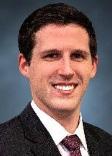
Dr. Tim Benage grew up in St. Louis, MO, where his father (now retired) was a gastroenterologist. He graduated from Boston College and UT Southwestern Medical Center, then completed residency at John Peter Smith Health Network. My initial interest in medicine was largely inspired by my father. When we were out and about, we would frequently run into his patients who were profoundly thankful for the care they had received. It always seemed like such a rewarding way to be of service to your neighbor and community. Having spent much of my life in some form of athletics, the initial appeal of orthopaedics undoubtedly started there. Through medical school, however, it became clear just how important mobility is to our overall physical and mental health. Combined with the fact that our field grants the opportunity to have a more immediate impact on our patients' mobility and function, it was an easy sell. Dr. Benage’s hobbies include trail riding on his bike and working out at the gym. I am a big St. Louis Blues Hockey fan despite being away from home for nearly 14 years now. His favorite memory of his fellowship time? Training in a subspecialty that relies so heavily on a team approach has been a huge part of why showing up to work at The Med with the Campbell Clinic team every day has been such a joy. A profound thanks to Drs. John Weinlein, Matthew Rudloff, Michael Beebe, and Chris Cosgrove for the mentorship, and for making this year as challenging and humbling as I was hoping for. Thanks as well to the Campbell Clinic residents for being so welcoming and making this place so much fun to work.
Frederick M. Azar, MD • Director
The Sports Medicine, Shoulder and Elbow Surgery Fellowship combines six months of Sports Medicine education with six months of Shoulder and Elbow training. This hybrid program exposes each fellow to a breadth of pathology of the knee, shoulder, and elbow with focus on shoulder arthroplasty, open shoulder surgery, and multi-ligamentous knee reconstruction. Fellows also gain training in hip arthroscopy, hip preservation, pediatric sports medicine, and all aspects of practice management, including training in billing and coding. A major part of the fellowship is the opportunity to participate in clinics, team and event coverage for the Memphis Hustle (NBA’s G League), Memphis Redbirds (AAA baseball) as well as collegiate and high school teams.
24, 2026
The annual Alvin J. Ingram Memorial Lecture honors the memory of a former Campbell Clinic Chief of Staff and Department Chairman who had a larger-than-life presence among his colleagues.
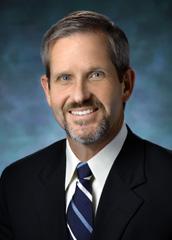
James R. Ficke, MD , Colonel (retired) U.S. Army, FACS, FAOA is the Robert A. Robinson Professor, Orthopaedic Surgeon-in-Chief at Johns Hopkins University. His surgical practice focuses on foot and ankle reconstruction, trauma, and patients with limb loss.
After completing his BS degree in engineering at West Point, Dr. Ficke graduated from Uniformed Services University and served his residency at Tripler Army Medical Center in Honolulu. He completed an AO fellowship in trauma in Munich, Germany, and a foot and ankle fellowship in Dallas.
While on active duty, Dr. Ficke was deployed to Iraq as Senior Orthopaedic Surgeon-in-Country and Deputy Commander for the 228th Combat Support Hospital. He was also Chief of Staff for the Surgeon General’s Dismounted Complex Blast Injury Task Force and the Army Lead for the Department of Defense/Veteran Affairs’ Extremity Trauma and Amputee Center of Excellence Development Group. Dr. Ficke served as chair or co-chair of the Steering Committee for the Department of Defense Peer Reviewed Orthopaedic Research Program for eight years.
Dr. Ficke’s last military assignment was at San Antonio Military Medical Center at Fort Sam Houston, where he chaired the Department of Orthopaedics
and Rehabilitation. In addition, he served for seven years as the senior advisor for orthopaedic surgery and extremity injuries to the U.S. Army Surgeon General. He currently holds research grants with the Department of Defense and National Institutes of Health, with a focus on post-traumatic ankle arthritis, national trauma systems development, resident research training (T32), and disaster response improvement.
From March 2020 through June 2021, as a partnership between the Maryland State Department of Health, University of Maryland Medical System, and Johns Hopkins Health System, Dr. Ficke organized and directed the Baltimore Convention Center Field Hospital as part of the Unifi ed Maryland COVID-19 response.
He has been recognized as a Pillar of the American Orthopaedic Association for his leadership, mentoring, and lifelong contributions to the fi eld. He also has received the Society of Military Orthopaedic Surgeons’ COL Brian Allgood Memorial Leadership Award as well as the Surgeon General’s Major General Lewis Aspey Mologne Award for excellence in military academics, education, and clinical care. Dr. Ficke is a Legionnaire in the Infantry Order of St. Michael and a Distinguished Member of the Army Medical Regiment, and he is an Eagle Scout. In 2018, Dr. Ficke received the Johns Hopkins Award for Ad-
vancement of Women in Science and Medicine, and the Boy Scouts of America Leaders in Healthcare Award. In 2024, he was recognized by the Ruth Jackson Orthopaedic Society with the annual "He for She" award.
Dr. Ficke serves as the Orthopaedic Research and Education Foundation Government Steering Committee Chair. He volunteers as Director for Team Red
White & Blue, a veteran service organization of over 200,000 members; the Baltimore Area Council Boy Scout Board, and the Johns Hopkins Medical Board. In 2024, he accepted a 10-year term as Director for the American Board of Orthopaedic Surgeons.
We are honored to have Dr. Ficke serve as our 2026 Ingram Lecture Distinguished Professor!
For more information on the Alvin J. Ingram Memorial Lecture Series please scan this code.
Thank you to the partners who support the Alvin J. Ingram Memorial Lecture in its commitment to provide continuing education to physicians and health professionals dedicated to excellence in orthopaedics.
PRESENTING SUPPORTERS






















Clayton C. Bettin MD, Program Director
For 102 years, future orthopaedic surgeons have been trained by the University of Tennessee Health Science Center—Campbell Clinic Department of Orthopaedic Surgery and Biomedical Engineering to provide patients with the highest quality of care.
Operative experience, mentorship, and graduated responsibility are hallmarks of the accredited 5-year program, which combines rigorous academic learning and extensive clinical exposure. The 40 residents train in all subspecialties: trauma, sports medicine, total joint, general, pediatric orthopaedics, adult reconstructive surgery, foot and ankle surgery, hand surgery, spine surgery , orthopaedic oncology, and anatomy and pathology. They are gradually exposed to surgical techniques through a series of rotations in those areas.
Simulations supplement clinical training. Many in-
dustry-sponsored cadaver labs and sawbones labs are offered, typically with a subspecialty focus. Arthroscopy training also takes place at the UTHSC simulation lab, a 45,000-square-foot, state-of-the-art facility that is one of only a few such sites in the country. Casting/splinting labs are held annually so that new residents and medical students can practice applying casts and splints on each other, then removing them with a casting saw.
Technology links students to teachers, with hybrid learning available for Friday Afternoon Meetings and all subspecialty morning conferences.
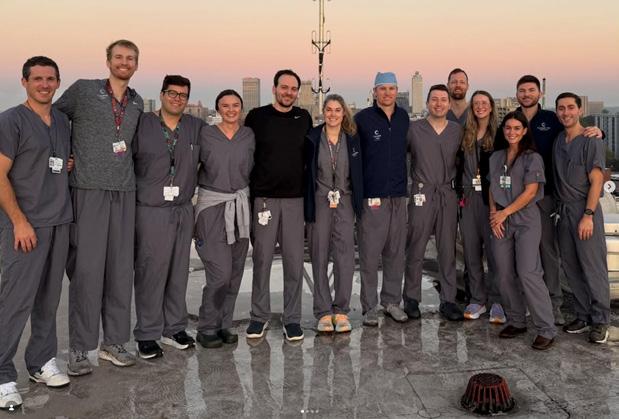
Supervision of the Campbell Clinic residency program was restructured in 2025 to improve distribution of leadership responsibilities and align oversight with the Accreditation Council for Graduate Medical Education’s (ACGME) six core competencies.
Under the direction of Program Director
Dr. Clayton Bettin, there are now three Associate Program Directors (APD) instead of one, and their duties fall into specialized domains:
• Chris Holland, MD, Associate Program Director- Research, is responsible for tracking residents’ scholarly activity, mentoring them in research design and publication, coordinating the research rotation, and ensuring ACGME compliance with scholarly activity requirements.
• Stephanie Chen, MD, Associate Program Director - Medical Students, leads engagement with medical students, including sub-internship rotations, recruitment strategy, evaluation processes, and communication with UTHSC College of Medicine.
• Chris Cosgrove, MD, Associate Program Director - Curriculum and Surgical Skills, oversees the didactic curriculum, simulation and cadaver lab scheduling, surgical skills development, and operative experience mapping to ensure residents meet ACGME case minimums.
“This new structure lets me focus on strategic oversight and compliance, while the APDs manage operational excellence in their respective areas,” Dr. Bettin said.
The restructuring came as research experience was expanded to include additional PGY-2 research rotation; Education Course Scholarships were broadened to include an Orthopaedic Trauma Association Fracture Course for Interns; subspecialty course support for PGY-3's; and Miller Board Review Course for PGY-5's. The surgical skills cur-
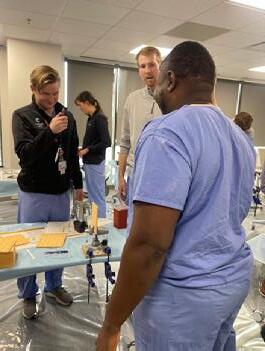
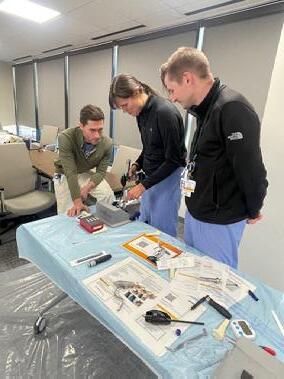
riculum also was expanded for all levels, with simulation tools and instruments to develop agility early.
Campbell Clinic has a strong presence in research because of its international renown in orthopaedics.
Dr. Chris Holland, who became assistant program director of research rotations last summer, seeks to build on that reputation by elevating all of Campbell Clinic’s subspecialties to equal prominence within national and international medical societies.
“We have a really good national presence as an orthopaedic institution,” Holland said. “I want to create a system for the residents so that when they start as a PGY-1, there is mentorship from the attending level but also peer mentorship from the PGY-5s all the way down to the PGY-2s who have gone through the research rotation, to foster success by increasing their number and impact of publications. That will also help to facilitate placement into fellowships of their choosing.”
Each of the PGY-2 and PGY-3 residents participate in a six-week research rotation during the academic year; the PGY-2 student is to complete a systematic review, while the older resident produces an original research paper that uses a research project that usually is already well under way.
“That is the minimum requirement,” Holland said. “Some residents have done exceptionally well, like Dr. Guareschi who just finished his research block and came out with three publications from it.”
The PGY-2 resident’s work starts about two weeks before the rotation when he or she begins a literature search, then uses Covidence software to learn how to include and/or exclude studies for a systematic review. A draft manuscript is written, then sent to Holland and Margaret Knack, senior research manager, for review. Periodic check-ins with Holland and Knack help ensure that the residents have sufficient support to deliver the finished product.
Holland said the entire process is designed to teach the residents how to critically evaluate scientific literature and for them to become comfortable with conducting literature searches.
One of those residents was Dr. Alexander Guareschi (PGY-2), who researched postoperative
range of motion and patient-reported outcomes after reverse total shoulder arthroplasty for patients with massive rotator cuff tears. In addition, he worked on several studies regarding Medicare reimbursement for total hip and knee arthroplasty.
“As you go through residency, you begin to understand differences in indications and operative execution of certain procedures and can often see how the same problem can be treated several different ways. The literature can support doing something a specific way or find that many ways provide the same outcome. Sometimes, you encounter differences in management that have never been compared,” Guareschi said. “Being able to figure out a way to identify and answer those questions in a way that is valued by a group of experts can be very rewarding.”
Guareschi said his engagement in research should help him become a better orthopaedic surgeon. “As the field evolves, you can change your practice in a way that is guided by what other people are finding,” he said. “When people discover that certain techniques and practice patterns have been shown to work better than the ones that you currently use, you can implement those findings to adapt and ultimately provide better patient care.”
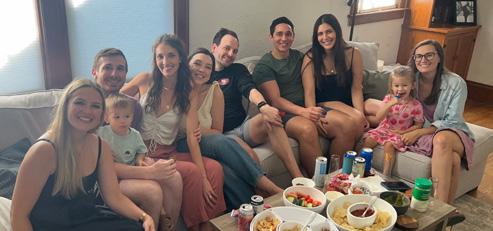
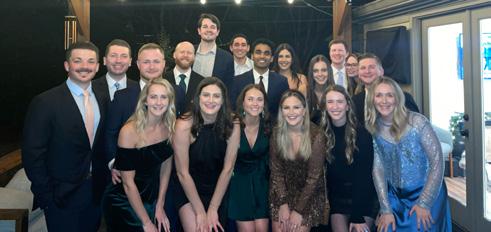
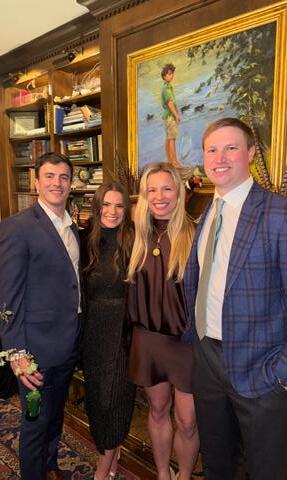





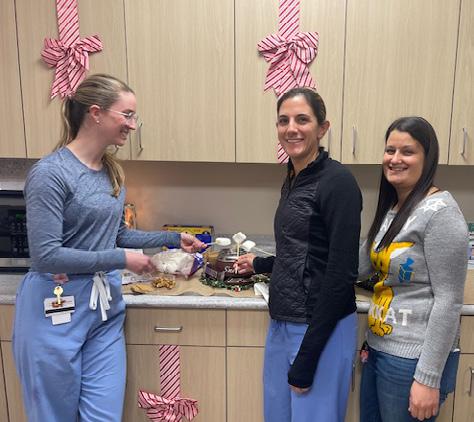
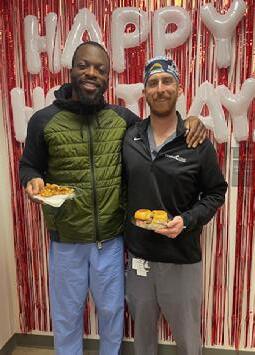
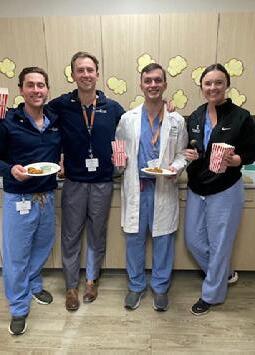
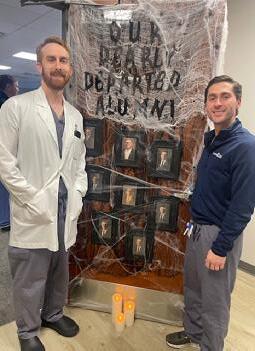
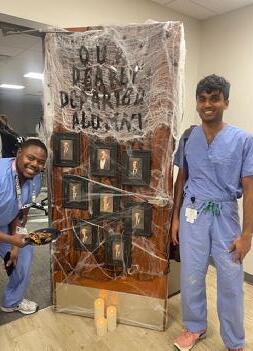
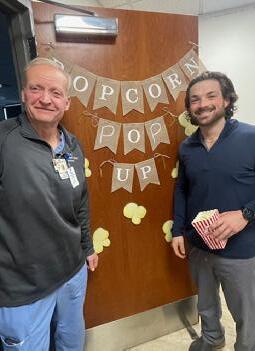
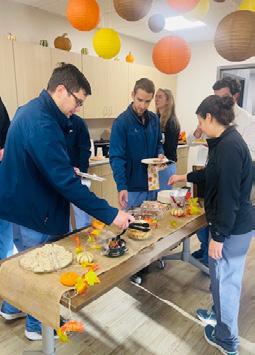
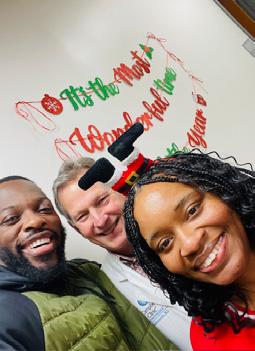
The monthly theme day has become a fun addition to the Friday Afternoon Meetings that residents attend. The first one in July, Back to School, was followed by Game Day Kickoff in August, which helped build anticipation among residents about the upcoming Campbell Celebrates gala.
“I think it has been well received, especially Game Day,” said Ginae Owens, residency program coordinator. “The residents liked being able to show off their school pride.”
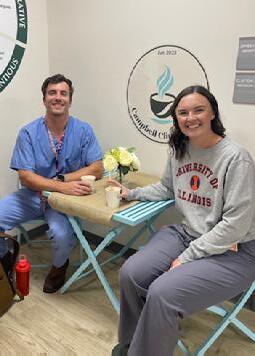
In honor of National Coffee Day, the September theme day featured a café setup complete with coffee, teas and pastries from Magnolia & May. The pastries were compliments of Zimmer Biomet, who also sponsored a mobile lab that day. Ghouls & Gourmet followed in October, Fall FAM Festival in November, Holiday Party in December, Popcorn Pop-Up/National Popcorn Day in January, and Thank a Resident Day in February.
“Theme Days make the regular meetings more engaging, and I think they help boost morale,” Owens said.



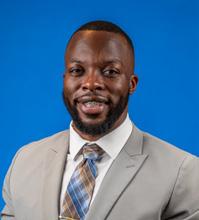
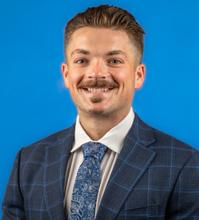
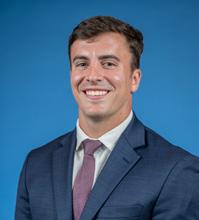
Stefan J. Hanish, MD
Undergraduate: University of CaliforniaLos Angeles
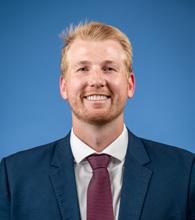
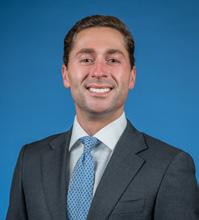
Mason L. Favre, MD
Undergraduate: Samford University Medical: Louisiana State University School of Medicine
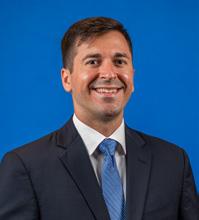
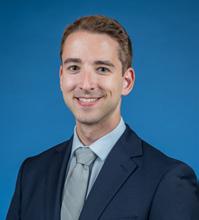
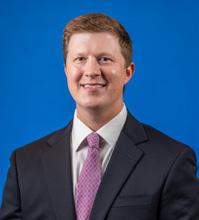
Joseph A. Greenstein, MD
Undergraduate: University of Michigan
University of Michigan Medical School
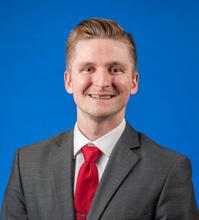
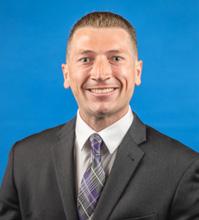
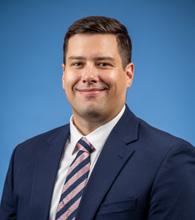
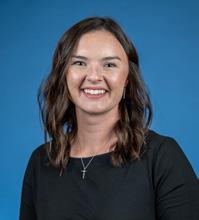
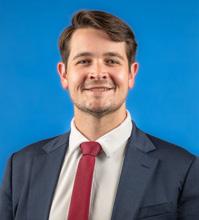
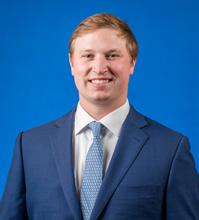
Undergraduate: Illinois Wesleyan Medical: Southern Illinois University School of Medicine
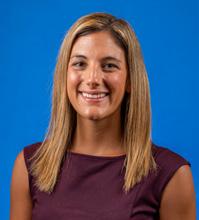
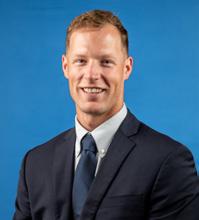
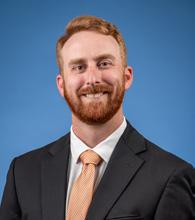
Undergraduate:
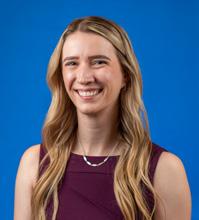
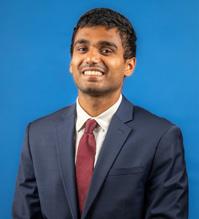
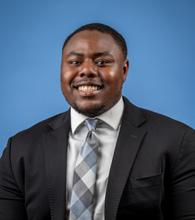
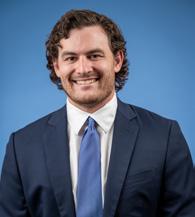
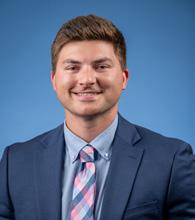
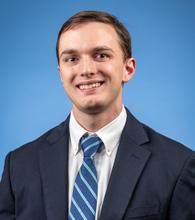
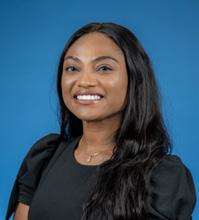
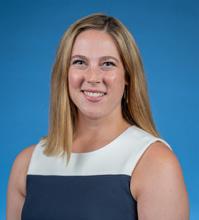
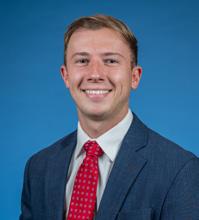
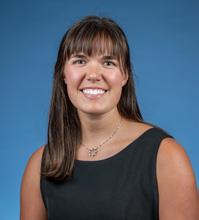
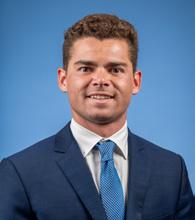
Matthew R. Colatruglio, MD
Stefan J. Hanish, MD1
Matthew R. Colatruglio, MD1
Jeffrey A. Murphy, BS2
Thomas W. Throckmorton, MD1
Tyler J. Brolin, MD1
1 Department of Orthopaedic Surgery and Biomedical Engineering, University of Tennessee Health Science Center-Campbell Clinic, Memphis, Tennessee
2 Murphy Statistical Services, Warsaw, Indiana
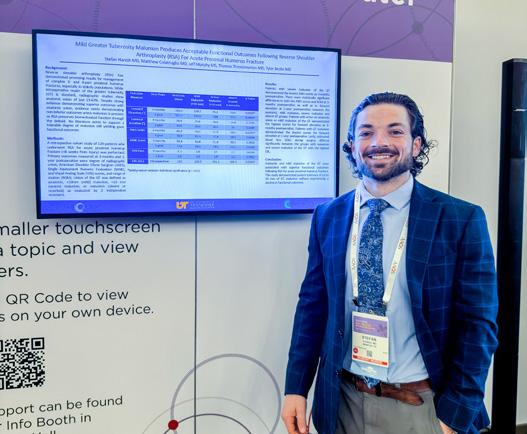
Reverse shoulder arthroplasty (RSA) has demonstrated promising results for management of complex 3- and 4-part proximal humerus fractures, especially in elderly populations. While intraoperative repair of the greater tuberosity is standard, radiographic studies show anatomic union of just 15-63%. Despite strong evidence demonstrating superior outcomes with anatomic union, evidence exists demonstrating non-inferior outcomes when malunion is present, as RSA preserves biomechanical function through the deltoid. No literature exists to support a tolerable degree of malunion that still yields good functional outcomes. This study aimed to determine a threshold of malunion at which non-inferior outcomes are achievable.
A retrospective cohort study of 124 patients from a single academic institution who underwent RSA for acute proximal humerus fracture (<8 weeks from injury) between September 2009 and February 2024 was performed. Primary outcomes measured were degree of radiographic union, SANE, VAS, ASES, ROM (forward elevation, external rotation, internal rotation), and complications at 3 months, 1 year, and 2 years postoperative. Anatomic union was radiographically assessed by two independent reviewers at 1 year postoperative. Union was defined as anatomic, <10mm (mild) malunion, >10mm (severe) malunion, or nonunion (absent/resorbed). Additional variables recorded included strength at 2 years postoperative, subscapularis management, number of sutures for repair, operative time, estimated blood loss (EBL), and reoperation.
CORRESPONDENCE:
Tyler J. Brolin, MD
1211 Union Avenue, Suite 510
Memphis, TN 38104
tbrolin@campbellclinic.com
ASES scores at 3-months postoperative demonstrated a statistically significantly difference (P = 0.0287; anatomic = 66.4, mild malunion =
This abstract was accepted for presentation at the American Academy of Orthopaedic Surgeons March 2-6, 2026 in New Orleans, Louisiana, and the Mid-America Orthopaedic Association April 15-18, 2026, in Point Clear, Alabama.
This study was approved by the Institutional Review Board of the University of Tennessee Health Science Center (#24-10061-XP).
Matthew R. Colatruglio, MD
59.3, severe malunion = 51.9, absent = 60.64). Patients with severe malunion of the greater tuberosity demonstrated the lowest ASES scores at 3 months postoperative. There was a statistically significant difference in forward elevation at 3 months postoperative (P = 0.0029; anatomic = 116.5, mild malunion = 118.2, severe malunion = 95.1, absent = 93.6). Patients with anatomic union and mild malunion of the greater tuberosity demonstrated the highest scores for forward elevation at 3 months postoperative. Additionally, there was a statistically significant difference in forward elevation at 1 year postoperative (P = 0.049; anatomic = 137.7, mild malunion = 133.6, severe malunion = 134.0, absent = 112.5). Patients with nonunion of the greater tuberosity demonstrated the lowest scores for forward elevation at 1 year postoperative. Lastly, EBL during surgery differed significantly between groups (P = 0.0366; anatomic = 210.0, mild malunion = 159.9, severe malunion = 231.3, absent = 305.4). Patients with nonunion and severe malunion of the greater tuberosity demonstrated the highest EBL.
Anatomic union and mild malunion of <10mm of the greater tuberosity were associated with superior functional outcomes following RSA for acute proximal humerus fracture. This study demonstrates that patients can tolerate up to 10mm of greater tuberosity malunion without experiencing decline in functional outcomes.
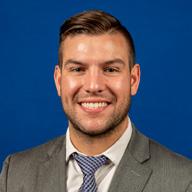
Dr. Colatruglio is a native of Columbus, OH who graduated from Ohio State University and its medical school. He and his wife Catherine met as undergrads. She is a physician’s assistant by training, though currently a stay-at-home mother to their two children, Nora Grace and Jack Matthew. His interest in medicine began with an ACL tear in high school. He found that his love of science and working with his hands blended perfectly in the surgery fields. Dr. Colatruglio’s hobbies include spending time with his family, golfing, cheering on the Buckeyes, playing video games, and fighting away the "dad bod." After graduation, Dr. Colatruglio will complete a fellowship at University of Michigan Sports Medicine and Shoulder Surgery, then hopes to go into private practice in the Midwest, preferably Ohio.
Lauren A. Foropoulos, MD
Lauren A. Foropoulos, MD
David R. Richardson, MD
Department of Orthopaedic Surgery and Biomedical Engineering, University of Tennessee Health Science Center-Campbell Clinic, Memphis, Tennessee
The incidence of ankle fractures has increased among elderly patients due to osteoporosis and increased activity levels. Open reduction and internal fixation (ORIF) is the standard treatment for displaced lateral malleolus fractures, though it poses challenges due to poor bone quality in this population, leading to complications such as implant failure and nonunion. We retrospectively reviewed 50 patients treated with an oblique transsyndesmotic screw for transverse and short oblique fibular fractures between January 2011 and December 2022. This technique involved placing a screw from the distal fibula to the tibia in an oblique direction, either through a one-third tubular plate, outside the plate, or without a plate altogether. The procedure aimed to enhance fixation and prevent loss of reduction in osteoporotic bone while also offering a method to limit incision size in at-risk patients. The technique demonstrated effectiveness with satisfactory outcomes and minimal complications. Patients initiated weight-bearing at an average of 6.9 weeks postoperatively, with hardware removal occurring at approximately 4 months. The oblique trans-syndesmotic screw technique proved to be a valuable approach for distal fibular fracture fixation, especially in elderly patients, those with osteoporosis and neuropathy, and patients at risk of wound complications. This method facilitates outpatient procedures and enables quicker rehabilitation, addressing the unique challenges in these patient populations.
LEVEL OF EVIDENCE
Level IV
KEYWORDS
oblique trans-syndesmotic screw, ankle fractures, elderly patients, osteoporosis, internal fixation
CORRESPONDENCE:
David R. Richardson, MD
1211 Union Avenue, Suite 510 Memphis, Tennessee 38104 drrichardson@campbellclinic.com
Campbell Orthopaedic Journal 2025;10:64-68. This study was approved by the Institutional Review Board of the University of Tennessee Health Science Center (#22-09109-XP).
This research was presented at the Mid-America Orthopaedic Association annual meeting on April 12, 2024 in Bonita Springs, Florida.
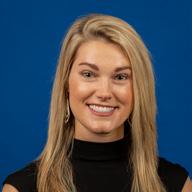
Dr. Foropoulos is a native of Corinth, MS, who graduated from the University of Mississippi and the University of Tennessee Health Science Center College of Medicine. The daughter of an orthopaedic surgeon, she was drawn to medicine by her passion for helping others, her own recovery from sports-related orthopaedic injuries, and a desire for a hands-on surgical career. Dr. Foropoulos and her husband, Josh Shumaker, met at Ole Miss. He owns Lakeside Moulding in Jackson, MS, which makes custom cabinet doors and moulding. Dr. Foropoulos’ hobbies include traveling, scuba diving, running, Pure Barre, water sports, snow skiing/ snowboarding, and spending time with her cats. After graduation, she will complete a foot and ankle fellowship at the Steadman Clinic in Vail, CO.
Paul T. Greenfield, MD
Paul T. Greenfield, MD
Barry B. Phillips, MD
Thomas W. Throckmorton, MD
David L. Bernholt, MD
Frederick M. Azar, MD
Tyler J. Brolin, MD
Department of Orthopaedic Surgery and Biomedical Engineering, University of Tennessee Health Science Center-Campbell Clinic, Memphis, Tennessee
Despite studies highlighting MRI/MRA accuracy in diagnosing shoulder pathologies, there remains a paucity of data regarding false negative results of these tests. The authors retrospectively characterized demographic and intraoperative data of 34 (19 male, 15 female; average age 23 years) patients, the majority with atraumatic dominant shoulder pain, who underwent diagnostic shoulder arthroscopy after normal preoperative MRI/MRA as read by a board-certified musculoskeletal radiologist. Patients averaged 426 days from first clinic visit and 266 days from MRI until surgical intervention. Modern imaging does not accurately diagnose shoulder injuries in a small subset of patients who tended to be younger and have a clinical history of atraumatic pain in their dominant shoulder. Posterior labral tears and capsular laxity were the most encountered intraoperative pathologies. Careful and thorough clinical history and physical examination are necessary, as are the use of imaging technologies as adjuvant rather than conclusive diagnostic tools for shoulder injuries.
CORRESPONDENCE:
Tyler J. Brolin, MD 1211 Union Avenue, Suite 510 Memphis, TN 38104 tbrolin@campbellclinic.com
Journal of Surgical Orthopaedic Advances – Accepted for publication This study was approved by the Institutional Review Board of the University of Tennessee Health Science Center (#21-08551-XM).
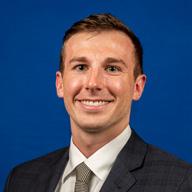
Dr. Greenfield is a native of Sioux Falls, SD, who graduated from Rice University and Emory University School of Medicine. He met his wife Jessica while she was working at Emory when he was a med student. She is a dietitian for children with rare inherited metabolic diseases. Why did Dr. Greenfield decide to go into orthopaedics? I worked for a summer as a biochemical engineer and realized that I liked working with my hands much more than sitting in a cubicle staring at a computer screen all day. His hobbies include hunting, fishing, basketball, soccer, playing video games, and building computer keyboards. His next stop will be a shoulder and elbow fellowship at Washington University in St. Louis, then Dr. Greenfield hopes to practice in South Dakota.
Evan P. Johnson, MD
Tyler E. Calkins, MD1
Evan P. Johnson, MD1
Robert R. Eason,BS2
William M. Mihalko, MD, PhD1
Marcus C. Ford, MD1
1 University of Tennessee Health Science Center-Campbell Clinic Department of Orthopaedic Surgery and Biomedical Engineering, Memphis, Tennessee
2 University of Tennessee Health Science Center, College of Medicine, Memphis, Tennessee
Spinal anesthesia is the predominant regimen in outpatient total joint arthroplasty (TJA), but induction often is unsuccessful, unobtainable, or against patient preference. We compared outcomes of same-day discharge (SDD) TJA with spinal versus general anesthesia in a free-standing ambulatory surgery center (ASC).
We took 105 general anesthesia TJA and one-to-one nearest-neighbor matched them to 105 spinal anesthesia TJA over 7 years at 1 ASC. The rate of successful SDD, minutes to discharge, postoperative pain and nausea, and 90-day complications were compared. Postanesthesia care unit outcomes were additionally stratified by spinal anesthetic (mepivacaine versus bupivacaine).
All spinal anesthetic patients underwent SDD compared with 103 (98%) general anesthetic patients (P = .498). Mepivacaine spinal anesthesia patients spent the fewest minutes in postanesthesia care unit prior to discharge from the facility (206), followed by general anesthesia (227), and bupivacaine spinal anesthesia (291; P < .001). General anesthesia patients had the highest levels of pain at 1 hour (5.2 versus 1.5 versus 1.5) and 2 hours (3.2 versus 2.0 versus 1.3) postoperatively, and rates of nausea (48 versus 22 versus 28%) compared with mepivacaine and bupivacaine spinal anesthesia, respectively. The 90-day complications (6 versus 7), admissions (1 versus 3), and reoperations (5 versus 2) were similar among spinal and general anesthesia, respectively (P ≥ .445).
CORRESPONDENCE:
William M. Mihalko, MD, PhD 1211 Union Avenue, Suite 510 Memphis, Tennessee 38104
Journal of Arthroplasty 2024;39:1463-1467. This study was approved by the Institutional Review Board of the University of Tennessee Health Science Center (#17-05344 – XP).
Evan P. Johnson, MD
Both spinal and general anesthesia led to reliable SDD with similar 90-day complication rates. General anesthesia facilitated faster discharge from the ASC compared with bupivacaine spinal anesthesia, but led to higher levels of pain and incidence of nausea postoperatively.
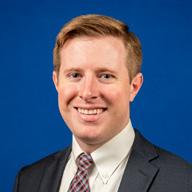
Dr. Johnson grew up in Bradenton, FL and graduated from University of South Florida and University of Central Florida College of Medicine. He met his wife Allyson while they were in college. She is a speech-language pathologist. Why did Dr. Johnson choose medicine as a career? Being an orthopaedic surgeon allows me to make immediate, meaningful changes to someone's health and life. I find the work to be challenging and highly rewarding. There is no other profession quite like it. His hobbies include fishing, music, and traveling. Dr. Johnson’s future plans include completing an adult reconstruction fellowship at the University of Pittsburgh, after which he plans to practice in the Southeastern U.S.
Mateo J. Kirwan, MD
Mateo J. Kirwan, MD
William Mihalko, MD, PhD
James W. Harkess, MD
James L. Guyton, MD
John R. Crockarell, MD
Marcus C. Ford, MD
Department of Orthopaedic Surgery and Biomedical Engineering, University of Tennessee Health Science Center-Campbell Clinic, Memphis, Tennessee
Perioperative tranexamic acid (TXA) use with total knee arthroplasty (TKA) is widely accepted today. Recently, a few international groups have published on the safety and outcomes of extending TXA use in the postoperative period. Through a double-blinded, randomized control trial (RCT), we aimed to investigate the safety and clinical efficacy of extended postoperative oral TXA use in TKA performed in an American, free-standing ambulatory surgery center (ASC).
*For a full list of authors and affiliations, please see the full article here: https://www. sciencedirect.com/science/article/pii/ S0883540324001931?via%3Dihub
Based on a power analysis, 40 patients undergoing primary TKA were randomized into 2 groups: extended oral TXA versus placebo. Both groups received a standard 1g intravenous TXA dose prior to incision and at the time of closure. The extended TXA group received an additional 1.95 g oral TXA dose following ambulation the day of surgery, plus on postoperative days 1,2, and 3. Patients who had a history of venous thromboembolism (VTE) or cancer were excluded. All patients received 81 mg of aspirin twice daily for VTE prophylaxis. Patients were followed on postoperative day 3 and weeks 2 and 6. Paired t-tests determined statistical significance.
CORRESPONDENCE:
John R. Crockarell, MD 1211 Union Avenue, Suite 510 Memphis, Tennessee 38104 jcrockarell@campbellclinic.com
Extended TXA patients showed significantly increased knee flexion at 6 weeks (116.05 versus 106.5, P = .0308), improved VAS at 2 (2.5 versus 3.85, P = .039) and 6 weeks (1.35 versus 2.8, P = .011), and superior KOOS JR at 2 (66.87 versus 60.63, P = .03) and 6 weeks (73.33 versus 62.47, P = .0019) compared to placebo patients. No significant differences were found for changes in hemoglobin levels at any time points. No significant differences were found at 12 weeks for any clinical endpoints. No adverse events were noted in either cohort.
The Journal of Arthroplasty 2024;39(9 Suppl 2):S13-S17. This study was approved by the Institutional Review Board of the University of Tennessee Health Science Center (#21-08313-FB). The Clinical Trial registration number is NCT05099276.
Mateo J. Kirwan, MD
When compared to placebo, the extended use of oral TXA in the postoperative period may safely result in improved motion, pain, and functional scores. Further investigation into 1-to-2-year outcomes, as well as the duration and dose of postoperative TXA use is warranted.
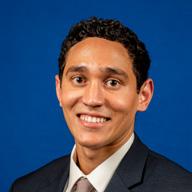
Dr. Kirwan grew up in Sabetha, KS, and graduated from the University of Kansas and its medical school. He met his wife, Amanda, through mutual friends when they were in college; she stays at home with their daughter, Natalie. I went into orthopaedics because of the tangible problems that are fixable and the patients generally get back to things they enjoy. In his spare time, Dr. Kirwan enjoys fishing, hunting, working out, and spending time with his family. After graduation, he will complete a fellowship at Anderson Clinic Adult Reconstruction, then begin private practice in the Midwest.
Elliot N. Konrade, MD
Elliot N. Konrade, MD
Margaret C. Knack, RN, BSN, MS, CCRP
Thomas Throckmorton, MD
with the ASES Complications of RSA Multicenter Research Group*
Department of Orthopaedic Surgery and Biomedical Engineering, University of Tennessee Health Science Center-Campbell Clinic, Memphis, Tennessee
* For a full list of authors and affiliations, please see the full article here: https://journals. lww.com/jbjsjournal/fulltext/2024/08070/ implant_positioning_and_patient_factors_ associated.4.aspx
This study aimed to identify implant positioning parameters and patient factors contributing to acromial stress fractures (ASFs) and scapular spine stress fractures (SSFs) following reverse shoulder arthroplasty (RSA).
In a multicenter retrospective study, the cases of patients who underwent RSA from June 2013 to May 2019 and had a minimum 3-month follow-up were reviewed. The study involved 24 surgeons from 15 U.S. institutions, who were members of the American Shoulder and Elbow Surgeons (ASES). Study parameters were defined through the Delphi method, requiring 75% agreement among surgeons for consensus. Multivariable logistic regression identified factors linked to ASFs and SSFs. Radiographic data, including the lateralization shoulder angle (LSA), distalization shoulder angle (DSA), and lateral humeral offset (LHO), were collected in a 2:1 control-to-fracture ratio and analyzed to evaluate their association with ASFs/SSFs.
CORRESPONDENCE:
Thomas Throckmorton, MD
1211 Union Avenue, Suite 510 Memphis, Tennessee 38104 tthrockmorton@campbellclinic.com
Among 6,320 patients, the overall stress fracture rate was 3.8% (180 ASFs [2.8%] and 59 SSFs [0.9%]). ASF risk factors included inflammatory arthritis (odds ratio [OR] = 2.29, P < 0.001), a massive rotator cuff tear (OR = 2.05, P = 0.010), osteoporosis (OR = 2.00, P < 0.001), prior shoulder surgery (OR = 1.82, P < 0.001), cuff tear arthropathy (OR = 1.76, P = 0.002), female sex (OR = 1.74, P = 0.003), older age (OR = 1.02, P = 0.018), and greater total glenoid lateral offset (OR = 1.06, P = 0.025). Revision surgery (versus primary surgery) was associated with a reduced ASF risk (OR = 0.38, P = 0.019). SSF risk factors included female sex (OR = 2.45, P = 0.009), rotator cuff disease (OR = 2.36, P = 0.003), osteoporosis (OR = 2.18, P = 0.009),
The Journal of Arthroplasty 2024;39(9 Suppl 2):S13-S17. This study was approved by the Institutional Review Board of the University of Tennessee Health Science Center (#21-08313-FB). The Clinical Trial registration number is NCT05099276.
Elliot N. Konrade, MD
and inflammatory arthritis (OR = 2.04, P = 0.024). Radiographic analysis of propensity score-matched patients showed that a greater increase in the LSA (DLSA) from preoperatively to postoperatively (OR = 1.42, P = 0.005) and a greater postoperative LSA (OR = 1.76, P = 0.009) increased stress fracture risk, while increased LHO (OR = 0.74, P = 0.031) reduced it. Distalization (DDSA and postoperative DSA) showed no significant association with stress fracture prevalence.
Patient factors associated with poor bone density and rotator cuff deficiency appear to be the strongest predictors of ASFs and SSFs after RSA. Final implant positioning, to a lesser degree, may also affect ASF and SSF prevalence in at-risk patients, as increased humeral lateralization was found to be associated with lower fracture rates whereas excessive glenoid-sided and global lateralization were associated with higher fracture rates.
Dr. Konrade is a native of Topeka, KS, who graduated from Washburn University and the University of Kansas School of Medicine. He met his wife Amber through mutual friends after returning from military duty in Afghanistan. Amber, a registered nurse, is a stay-at-home mother to their three children, Isabelle, Oliver and Charlotte. I was in combat training for the U.S. Army when I decided I wanted to pursue medicine. I felt like being a part of a highly qualified team with the common goal of helping someone in need was something I wanted to further pursue. In his spare time, Dr. Konrade enjoys spending time with his wife and children. After graduation, he plans to go into private practice in Asheville, NC.
Tanner R. Poppe, MD
David L. Bernholt, MD1
Tanner R. Poppe, MD1
Carlos Rivera-Peraza, BS2
Eric J. West, MD1
Andrew D. Nahr, MD1
Tyler J. Brolin, MD1
Thomas W. Throckmorton, MD1
Frederick M. Azar, MD1
1 Department of Orthopaedic Surgery and Biomedical Engineering, University of Tennessee Health Science Center-Campbell Clinic, Memphis, Tennessee
2 University of Tennessee Health Science Center, College of Medicine, Memphis, Tennessee
Health literacy can be an important predictor of a patient’s health status. We aimed to validate a new shoulder-specific health-literacy test, entitled CASE (Campbell’s Assessment of Shoulder Education), and use it to investigate associations with shoulder literacy and outcomes after rotator cuff surgery. We hypothesized that lower literacy would lead to worse outcomes.
Sixty-five patients completed the Literacy in Musculoskeletal Problems (LiMP) and CASE assessments, then the scores were evaluated using a contingency table, sensitivity/specificity, and Spearman’s correlation coefficients. Once CASE was validated, 110 patients who underwent rotator cuff surgery completed the assessment. Range of motion, American Shoulder and Elbow Surgeons standardized shoulder scores, Single Assessment Numeric Evaluation scores, and Visual Analog Scale pain scores were acquired before and after surgery.
When using LiMP to validate the CASE assessment, the sensitivity was 75.7%, specificity was 62.5%, positive predictive value was 67.5%, and negative predictive value was 71.4%. Spearman rank-order correlation results showed a strong positive association between LiMP and CASE scores with r = 0.572 with a P-value < .0001, meeting thresholds for validation.
Of the 110 patients who completed CASE after undergoing rotator cuff surgery, 67 had higher literacy (CASE score > 4) and the remaining 43 had lower literacy (CASE score < 4). Patients with lower literacy demonstrated worse pre-operative forward elevation and internal rotation; however, literacy levels did not predict post-operative range of motion.
CORRESPONDENCE:
Frederick M. Azar, MD 1211 Union Avenue, Suite 510 Memphis, Tennessee 38104 fazar@campbellclinic.com
Tanner R. Poppe, MD
CASE’s sensitivity, specificity, and Spearman correlation compared with the LiMP indicated that it is reliable in evaluating shoulder-specific health literacy. Our hypothesis was refuted: lower shoulder-health literacy was correlated with worse pre-operative shoulder ROM, but CASE was not predictive of global (90 day) post-operative motion or patient-reported outcomes, as there was no difference in these outcomes based on the CASE score. This suggested that although there are initial differences pre-operatively based upon health literacy, with appropriate care and rehabilitation, patients can achieve excellent outcomes regardless of their health literacy.
Dr. Poppe grew up in Girard, KS, and graduated from the University of Kansas and the University of Kansas School of Medicine. There are no doctors in his family. However, his grandfather passed while he was in residency training to become a family medicine physician. I chose to pursue orthopaedics because it is gratifying to help people return to the activities that they enjoy, and I’m drawn to the challenges and rewards of performing surgery. He and his wife Ali met at the University of Kansas while she was playing soccer, and he was playing baseball. She is a nurse and stay-at-home mother to their two daughters, Parker and Ellie. In his spare time, Dr. Poppe enjoys traveling, golfing, spending time with his family, and watching the Kansas City Chiefs and Kansas Jayhawks play. After graduation, he will be completing a fellowship at Mississippi Sports Medicine and Orthopaedic Center and then plans to pursue private practice in Kansas City.
Ryan G. Rogero, MD
Ryan G. Rogero, MD
Patrick C. McGregor, MD
William C. Skinner, MD
Carson M. Rider, MD
Benjamin J. Grear, MD
David R. Richardson, MD
Garnett A. Murphy, MD
Clayton C. Bettin, MD
Department of Orthopaedic Surgery and Biomedical Engineering, University of Tennessee Health Science Center-Campbell Clinic, Memphis, Tennessee
The technique of intramedullary beaming of the metatarsals with a supplemental medial locking plate is an emerging technique to achieve and maintain plantigrade, ulcer-free feet in patients with Charcot neuroarthropathy. A retrospective chart review was performed to evaluate radiographic and clinical outcomes for 40 patients (41 limbs) with Charcot neuroarthropathy after operative management with medial beam-plate constructs between January 2014 and October 2023. Lateral Meary’s angle was measured pre- and postoperatively to serve as a proxy for surgical correction of midfoot Charcot deformity. The mean age of the cohort was 57.6 (range, 37-73) years and 43.9% (18/41) had an ulcer present at time of surgery. Mean clinical follow-up was 29.1 (range, 4-80) months. 94.4% (17/18) of ulcers present at the time of surgery healed. Seven (17.1%) patients in our cohort underwent a major amputation. The amputation rate after adopting the medial beam-plate construct approach decreased by 26 % compared with our institutional baseline data of patients treated with other techniques. Preoperative lateral Meary’s angle averaged -31.0 degrees, immediate postoperative measured -5.3 degrees ( p < 0.001), and final postoperative was -14.4 degrees ( p < 0.001). Patients undergoing medial beam-plate constructs had a relatively low rate (17.1% [7/41]) of major amputation, and a large portion of the remaining patients (82.4 %[28/34]) achieved a plantigrade, shoeable, ulcer-free foot at final followup. Active ulceration may not be a contraindication to open reconstructive surgery. Furthermore, medial beam-plate construct demonstrated radiographic maintenance of deformity at final follow-up.
CORRESPONDENCE:
Clayton C. Bettin, MD
1211 Union Avenue, Suite 510
Memphis, Tennessee 38104
cbettin@campbellclinic.com
J Foot Ankle Surg. 2025 Jul-Aug;64(4):456-461. This study was approved by the Institutional Review Board of the University of Tennessee Health Science Center (#16-04974-XP).
Ryan G. Rogero, MD
Dr. Rogero grew up in Lodi, CA, and graduated from the University of California-Los Angeles and Temple University’s Lewis Katz School of Medicine. The son of a radiologist, he is engaged to Meredith Allen, a PGY-5 ENT resident at UTHSC. They met during their intern year at The Med. Medicine provides the best opportunity to help people directly with your hands. The physician-patient relationship is something you can't get in other professions. Dr. Rogero’s hobbies include golfing, running, weightlifting, watching football, and skiing. His future plans include serving a foot and ankle fellowship at University of Texas at Houston, then practicing in the Southeast or Midwest.
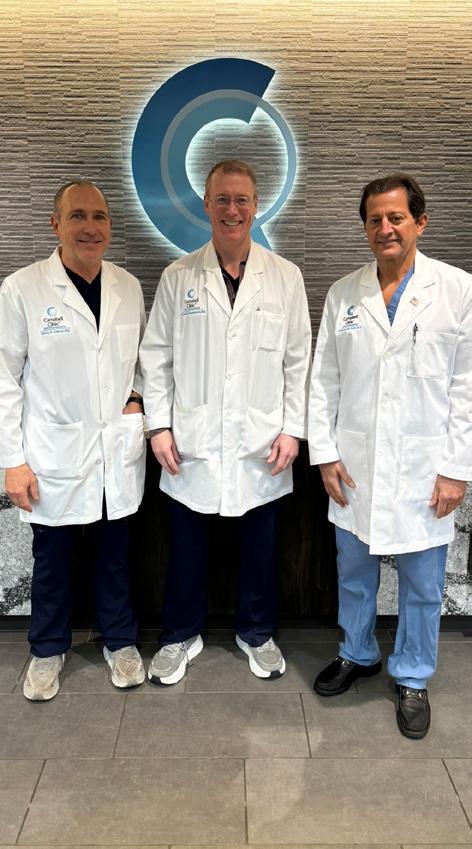
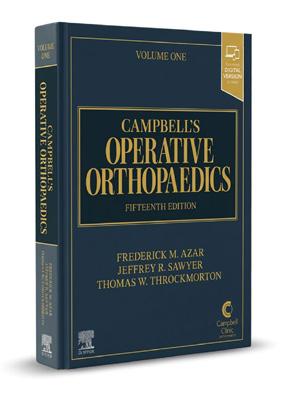
1. Written by Willis C. Campbell and published by CV Mosby in 1939, COO was the world’s first orthopaedics textbook. It has been called the “bible” of orthopaedics.
2. The textbook helped establish Campbell Clinic as a worldwide leader in orthopaedic medicine and an education powerhouse. Campbell Clinic physicians have written, updated, and revised all chapters since the first edition. An updated edition is produced every four to seven years and is translated into seven languages to be used by medical professionals around the world.
3. A focused version of COO, titled Campbell’s Core Orthopaedic Procedures, debuted in 2015 and featured the top 50 operative procedures performed by Campbell Clinic surgeons.
4. Today, COO is SO much more than a textbook! Surgeon videos, dynamic visuals and “pearls and pitfalls” are among the tools that transform static content into an active, personalized learning experience and foster understanding of complex concepts and procedures.
5. The 15th Edition, which will be published in 2026, features new Campbell’s Concepts to highlight the best practices of Campbell Clinic surgeons.
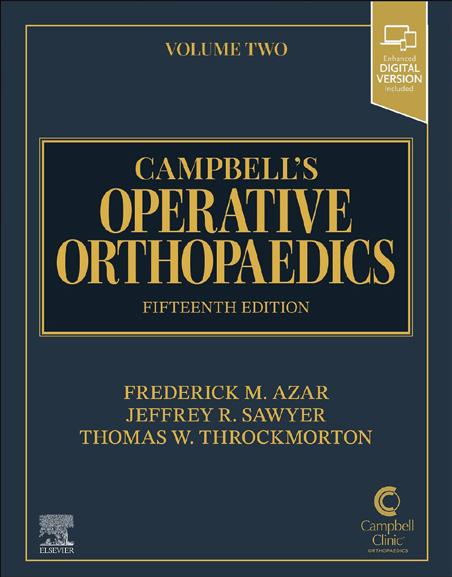

Clinical orthopaedic research by Campbell Clinic physicians and residents helps to define best practices, enabling our doctors to deliver superior, evidence-based care to patients.
During the last 15 years, a concerted effort to step up staff-driven research efforts has resulted in approximately 150 clinical trials being conducted each year. Through this research, new orthopaedic techniques and treatments are found to better serve patients, thus reducing pain, enhancing mobility, and improving their quality of life. It also helps Campbell Clinic maintain a global reputation for orthopaedic excellence. The Campbell Clinic Foundation Research committee (CFRC) and subspecialty research teams meet monthly. In these meetings, Campbell Clinic Physicians, Residents, and Fellows collaborate with Campbell Clinic
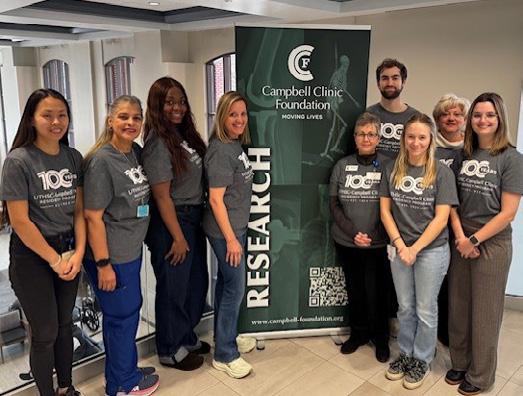
Foundation Research Coordinators, Research Scholars, and Editorial Staff to provide guidance and feedback for current and future research projects from planning to publication.
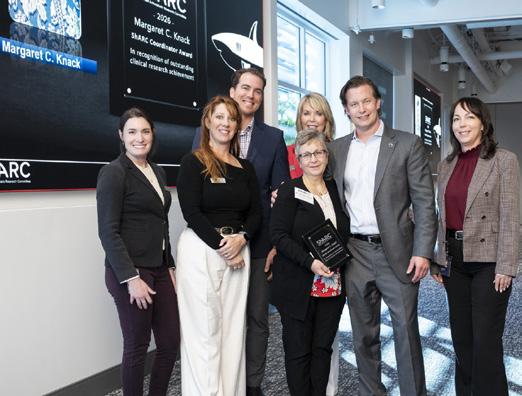
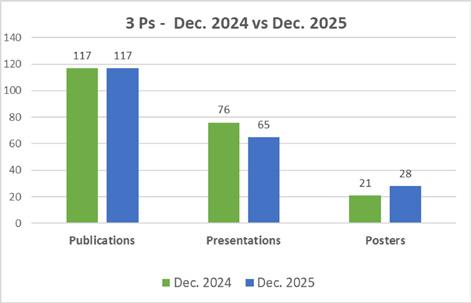
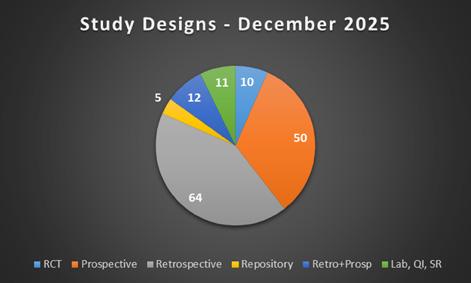
Dr. Tyler Brolin and the team at Campbell Clinic are nearing completion of a multicenter randomized clinical trial evaluating differences in clinical and patient-reported outcomes between two cohorts following reverse total shoulder arthroplasty. The participating sites are Campbell Clinic, The Ohio State University, and Atlantis Orthopaedic. Subjects are randomized to complete their postoperative physical therapy exercises either at home using a digital app, mymobility®, or in an office-based setting. Subjects are followed out to six months to evaluate differences in range of motion. Patient-reported outcomes of function, pain, and satisfaction are collected and will be analyzed. Be on the lookout for the final study results!
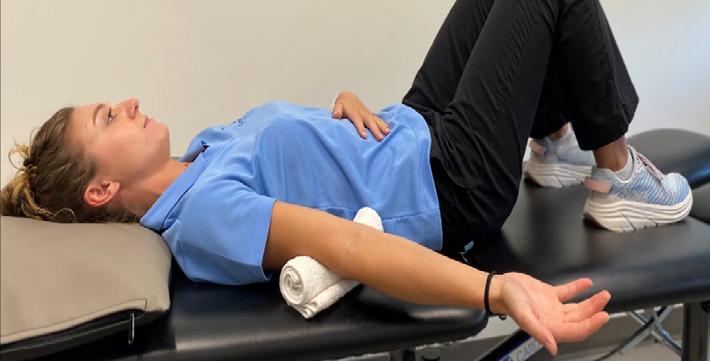
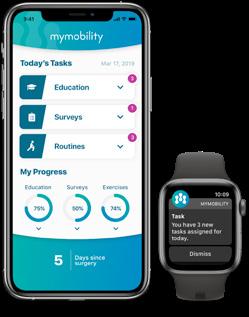

For a complete list of research publications, please scan this code.
For a complete listing of 2025 Staff Research, please visit this link:
Stephanie Chen, MD1
Jordan Ritchie, MD2
Jacob Hernandez, BS3
Nyma Khan, MPH4
Vikki Nolan, PhD, DSc5
Benjamin W. Sheffer, MD1
Derek M. Kelly, MD1
1 Department of Orthopaedic Surgery and Biomedical Engineering, University of Tennessee Health Science Center-Campbell Clinic, Memphis, Tennessee
2 Medical University of South Carolina, Charleston, SC
3 University of Tennessee Health Science Center, College of Medicine, Memphis, Tennessee
4 University of Memphis, School of Public Health, Memphis, Tennessee
5 St. Jude Children’s Research Hospital, Department of Epidemiology and Cancer Control, Memphis, Tennessee
Background: In the United States, the number of pediatric fractures treated in ambulatory surgery centers (ASCs) continues to increase. Few studies have compared the outcomes and complications of treating these injuries in a freestanding ASC versus in a hospital setting. The purpose of this study was to compare clinical and radiographic outcomes, treatment times, and costs for treatment of pediatric foot and ankle fractures in the ASC and hospital.
Methods: A retrospective review identified pediatric patients with isolated, closed, and acute (below 3 wk) distal tibia, ankle, or foot fractures who underwent closed reduction in an operating room or operative fixation between January 2015 and December 2019. The patients were divided into 2 groups: ASC and hospital. Medical records were reviewed for patient demographics, mechanism of injury, surgical time, facility time, costs for treatment, and complications. Preoperative and postoperative alignment was assessed on radiographs. Clinical outcomes included pain, weight-bearing, or deformity at final follow-up. Multivariable generalized linear models and logistic regression were used to determine the association between surgical setting and treatment outcomes, times, and costs.
Results: Two hundred and twenty-three patients were identified; 115 treated in the ASC and 108 treated in the hospital. Adjusted for age at treatment, injury type, procedure performed, and preoperative alignment, there were no differences in surgical time, clinical or radiographic outcomes, or complications between groups. The mean total operating room time, total facility time, and total charges were significantly lower in patients treated in the ASC than in the hospital.
Conclusion: Pediatric distal tibia, ankle, and foot fractures can be safely treated in an ASC with equivalent outcomes and complications compared with those in a hospital setting. Benefits include shorter total surgical and facility times as well as decreased cost of care. These findings could allow for patients to receive more timely and efficient treatment with less financial burden.
Level of evidence: Level III-therapeutic
CORRESPONDENCE:
Derek M. Kelly MD
1400 S. Germantown Rd. Germantown, TN 38138 dkelly@campbellclinic.com
This study was approved by the Institutional Review Board of the University of Tennessee Health Science Center (#19-06448-XP).
J Pediatr Orthop 2025 Mar 1;45(3):139-143. https://journals.lww.com/pedorthopaedics/abstract/2025/03000/surgical_treatment_of_pediatric_foot_ and_ankle.10.aspx
Claire E. Hays, MD1
Abu Mohd Naser, PhD2
Thomas W. Throckmorton, MD1
Tyler J. Brolin, MD1
1 Department of Orthopaedic Surgery and Biomedical Engineering, University of Tennessee Health Science Center-Campbell Clinic, Memphis, Tennessee
2 Division of Epidemiology, Biostatistics, and Environmental Health, University of Memphis, School of Public Health, Memphis, Tennessee
Background: Studies have shown the safety of outpatient total shoulder arthroplasty (TSA) in ambulatory surgery centers (ASCs), but none have specifically examined Medicare patients. Until recently, all TSAs among Medicare patients were required to be completed in a hospital as no ASC code (Current Procedural Terminology 23472) existed. The purpose of this study was to compare the intraoperative and 90-day episode of care complications among Medicare patients undergoing reverse total shoulder arthroplasty (rTSA) or anatomic total shoulder arthroplasty (aTSA) at a freestanding ambulatory surgery center to those of Medicare patients undergoing TSA as hospital inpatients (INPTs) or at a freestanding surgery center with commercial insurance. Our hypothesis was no difference between cohorts would be seen.
Methods: Our institution’s records were queried for all patients undergoing rTSA or aTSA from 2018 through 2022 who completed 90-day follow-up. Three cohorts were identified: all Medicare patients undergoing TSA in an ASC, an age and American Society of Anesthesiologists score best match 1:1 cohort of Medicare patients undergoing shoulder arthroplasty in the hospital, and all privately insured patients undergoing TSA in an ASC. A total of 395 patients met inclusion for analysis. Surgical complications, postoperative complications, hospital (re)admissions, and revisions were identified.
Results: The mean age was significantly older in the Medicare ASC cohort (mean 72.79 years) and Medicare INPT cohort (73.01y) compared with the privately insured ASC cohort (59.45 y). Overall, 33 (8.4%) complications, three revisions and four (re)admissions occurred within 90 days. There was one urgent hospital transfer in the privately insured ASC cohort. The overall complication rates for each group were not significantly different: 10.0% for Medicare ASC, 11.1% for Medicare INPTs, and 6.5% for privately insured ASC (P value = .339). The risk ratio (RR) for incidence of within 90-day postoperative complications was not significantly different amongst the cohorts. The RR for Medicare ASC patients was 0.9 compared with Medicare INPTs, and 1.53 compared with privately insured ASC patients. The RR for ASC patients (Medicare and privately insured) was 0.68 compared with Medicare INPTs. There was no significant increase in risk of complications among the Medicare ASC patients compared with either cohort regardless of surgical age, sex, body mass index, or American Society of Anesthesiologists score.
CORRESPONDENCE:
Tyler J. Brolin, MD
1211 Union Avenue, Suite 510 Memphis, Tennessee 38104
tbrolin@campbellclinic.com
Conclusion: Medicare ASC patients undergoing rTSA or aTSA had a similar postoperative complication RR compared with Medicare INPTs and commercially insured ASC patients. Our findings suggest that TSA can be performed safely in freestanding ASCs on appropriately selected Medicare patients.
This study was approved by the Institutional Review Board of The University of Tennessee Health Science Center (#21-08465-XM).
Seminars in Arthroplasty:JSES; 35(2), June 2025
https://www.sciencedirect.com/science/article/pii/S1045452725000033?via%3Dihub
Hayden S. Holbrook, MD1
Matthew Wideman, MD2
Mary Chase Hunter, BA3
Andrew Watkins, MD4
Reed W. Hoyer, MD5
Norfleet B. Thompson, MD6
James H. Calandruccio, MD2
F. Thomas D. Kaplan, MD5
William J. Weller, MD2
1 Ascension St. Vincent Hospital, Indianapolis, Indiana, USA
2 Department of Orthopaedic Surgery and Biomedical Engineering, University of Tennessee Health Science Center-Campbell Clinic, Memphis, Tennessee
3 Campbell Clinic Foundation, Germantown, Tennessee
4 Campbell Clinic, Department of Hand Surgery, Germantown, Tennessee
5 Indiana Hand to Shoulder Center, Indianapolis, Indiana
6 Regional One Health, Department of Hand and Wrist Surgery, Memphis, Tennessee
While the antegrade intramedullary pin remains a simple, inexpensive, and accessible technique with consistently favorable outcomes, retrograde headless compression screws offer a faster operative solution, with excellent radiographic alignment and low complication rates. The decision between these two implants should be individualized based on fracture pattern, implant availability, patient needs, and surgeon experience.
CORRESPONDENCE:
Norfleet B. Thompson, MD
1211 Union Avenue, Suite 510 Memphis, Tennessee 38104
nbthompson@campbellclinic.com
This study was approved by the Institutional Review Board of the University of Tennessee Health Science Center.(#23-09366-XP)
Orthop Clin North Am. 2025 Oct;56(4):369-374 https://www.sciencedirect.com/science/article/abs/pii/S003058982500077X?via%3Dihub
Brenton R Jennewine, MD1
Anthony J Marois, MD1
Eric J West, MD1
Jeff Murphy, MD2
Thomas W Throckmorton, MD1
David L Bernholt, MD1
Frederick M Azar, MD1
Tyler J Brolin, MD1
1 Department of Orthopaedic Surgery and Biomedical Engineering, University of Tennessee Health Science Center-Campbell Clinic, Memphis, Tennessee
2 Murphy Statistical Services, Warsaw, Indiana
Background: Previous studies have demonstrated the safety and cost-effectiveness of outpatient total shoulder arthroplasty (TSA), with the majority of studies focusing on 90-day outcomes and complications. Patient selection algorithms have helped appropriately choose patients for an outpatient TSA setting. This study aimed to determine the outcomes of TSA between outpatient and inpatient cohorts with at least a 2-year follow-up.
Method: A retrospective review identified patients older than 18 years who underwent a TSA with a minimum of 2-year follow-up in either an inpatient or outpatient setting. Using a previously published outpatient TSA patient-selection algorithm, patients were allocated into three groups: outpatient, inpatient due to insurance requirements, and inpatient due to not meeting algorithm criteria. Outcomes evaluated included visual analog scale pain, American Shoulder and Elbow Surgeons score, Single Assessment Numeric Evaluation score, range of motion (ROM), strength, complications, readmissions, and reoperations. Analysis was performed between the outpatient and inpatient groups to demonstrate the safety and efficacy of outpatient TSA with midterm follow-up.
Results: A total of 779 TSA were included in this study, allocated into the outpatient (N = 108), inpatient due to insurance (N = 349), and inpatient due to algorithm (N = 322). The average age between these groups was significantly different (59.4 ± 7.4, 66.5 ± 7.5, and 72.5 ± 8.7, respectively; P < .0001). All patient groups demonstrated significant improvements in preoperative to final patient-outcomes scores, ROM, and strength. Analysis between cohorts showed similar final followup outcome scores, ROM, and strength, with few significant differences that are likely not clinically different, regardless of surgical location, insurance status, or meeting patient-selection algorithm. Complications, reoperations, and readmissions between all three groups were not significantly different.
Conclusion: This study reaffirms prior short-term follow-up literature. Transitioning appropriate patients to outpatient TSA results in similar outcomes and complications compared to inpatient cohorts with midterm follow-up.
CORRESPONDENCE:
Tyler J. Brolin, MD
1211 Union Avenue, Suite 510
Memphis, Tennessee 38104
tbrolin@campbellclinic.com
This study was approved by the Institutional Review Board of The University of Tennessee Health Science Center (# 21-08465-XM).
Journal of Shoulder and Elbow Surgery 2025; 34(3):757-767. https://www.sciencedirect.com/science/article/pii/S1058274624004580?via%3Dihub
Bongsu Jung, PhD1,2
Fazal-Ur-Rehman Bhatti, PhD3,4
Harisankeerth Mummareddy, MS3,4
Youngjoo Kim, MA2
Sang-Hyug Park, PhD4
Hongsik Cho, PhD, MBA1,2,3,5
1 Medical Device Development Center, DaeguGyeongbuk Medical Innovation Foundation (DGMIF), Republic of Korea
2 Department of Biomedical Device, Gachon University, Republic of Korea
3 Department of Orthopaedic Surgery and Biomedical Engineering, University of Tennessee Health Science Center-Campbell Clinic, Memphis, Tennessee
4 Department of Industry 4.0 Convergence Bionics Engineering, Pukyong National University, Busan, Republic of Korea
5 VA Medical Center, Memphis, TN
Inflammation plays a significant role in the pathogenesis of knee post-traumatic osteoarthritis (PTOA) characterized by damage to cartilage and surrounding tissues that results in loss of physiological function. This inflammation is mainly regulated by NF-κB pathway. The TPCA-1 can inhibit IκB kinase (IKK) β in NF-κB pathway. Here, we optimized the delivery of TPCA-1 to the damaged knee joint via targeted nanosomes and examined its effects in a mouse model of PTOA. PTOA was induced in mice through a modified cyclic mechanical loading method. Mice were divided into groups receiving vehicle, TPCA-1 solution, or TPCA-1-loaded nanosomes. A concentration of 100 μM TPCA-1 was used based on preliminary studies. Control groups included untreated and vehicle-treated animals. Treatment efficacy was assessed using in vivo imaging, serum biochemical assays, gene expression analysis of cartilage tissues, histopathology, and behavioral analysis. Mechanical loading induced significant knee joint damage in the model. TPCA-1 nanosomes notably attenuated the adverse effects of loading, outperforming both the vehicle and TPCA-1-solution in reducing inflammation. Notably, serum levels of total NO and LDH were significantly lower in the TPCA-1-nanosome group. Inflammation, as indicated by MMP13 and IL1β gene expression, was substantially reduced. Enhanced cartilage preservation and function were confirmed through IVIS imaging, histological assessments, and improved behavior metrics. The targeted delivery of TPCA-1 via nanosomes effectively inhibits the NF-κB pathway, leading to significant reductions in inflammation and cartilage damage in a PTOA mouse model. This strategy demonstrates potential as a therapeutic intervention for managing inflammation and preserving joint health in osteoarthritis.
CORRESPONDENCE:
Hongsik Cho
1030 Jefferson Avenue
Memphis, Tennessee 38104
hcho4@uthsc.edu
This study was approved by the Institutional Animal Care and Use Committee (IACUS) at the University of Tennessee Health Science Center (IACUS ID: 17-055).
Nanomedicine: Nanotechnology, Biology and Medicine 2025;67:102827 https://www.sciencedirect.com/science/article/pii/S1549963425000279?via%3Dihub
Christina D. Mack, PhD, MSPH1,2
Mackenzie M. Herzog, PhD, MPH1,2
Travis G. Maak, MD3
Asheesh Bedi, MD4
Rahul Gondalia, PhD, MPH1
Peter Meisel, MSPH5
Frederick M. Azar, MD6
Jimmie Mancell, MD7
Aaron Nelson, MS8
John DiFiori, MD5,9
1 IQVIA Real World Solutions, Research Triangle Park, North Carolina
2 University of North Carolina, Chapel Hill, North Carolina
3 University of Utah Orthopedic Center, University of Utah, Salt Lake City, Utah
4 Sports Medicine and Joint Preservation, NorthShore Orthopedic and Spine Institute, Skokie, Illinois
5 National Basketball Association, New York, New York
6 Department of Orthopaedic Surgery and Biomedical Engineering, University of Tennessee Health Science Center-Campbell Clinic, Memphis, Tennessee
7 Department of Medicine, University of Tennessee Health Science Center, Memphis, Tennessee
8 New Orleans Pelicans, New Orleans, Louisiana
9 Hospital for Special Surgery, New York, New York
CORRESPONDENCE:
Frederick M. Azar, MD 1211 Union Avenue, Suite 510 Memphis, Tennessee 38104 fazar@campbellclinic.com
Background: Understanding the epidemiology of injuries to athletes is essential to informing injury prevention efforts.
Hypothesis: The incidence and impact of basketball-related injuries among National Basketball Association (NBA) players from 2013-2014 through 2018-2019 is relatively stable over time.
Study Design: Descriptive epidemiology study.
Methods: Injuries from 2013-2014 through 2018-2019 were analyzed using the NBA Injury and Illness Database from an electronic medical record system. Descriptive statistics were calculated for injuries by season, game-loss, and onset. Incidence rates were estimated using Poisson models and linear trend tests.
Results: Between 552 and 606 players participated in ≥1 game per season during the study. Annual injury incidence ranged from 1550 to 1892, with 33.6% to 38.5% resulting in a missed NBA game. Game-loss injury rates ranged from 5.6 to 7.0 injuries per 10,000 player-minutes from 2014-2015 through 2018-2019 (P = 0.19); the rate was lower in 2013-2014 (5.0 injuries per 10,000 player-minutes), partly due to increased preseason injury rates and transition of reporting processes. The 6-year game-loss injury rate in preseason and regular season games was 6.9 (95% CI 6.0, 8.0) and 6.2 (95% CI 6.0, 6.5) injuries per 10,000 player-minutes; the rate in playoff games was lower (P < 0.01) at 2.8 (95% CI 2.2, 3.6). Most (73%) game-loss injuries had acute onset; 44.4% to 52.5% of these involved contact with another player.
Conclusion: From 2013-2014 through 2018-2019, over one-third of injuries resulted in missed NBA games, with highest rates of game-loss injuries in preseason games and lowest rates in playoff games. Most game-loss injuries had acute onset, and half of those involved contact with another player.
Clinical Relevance: These findings - through reliable data reporting by team medical staff in an audited system - can guide evidence-based injury reduction strategies and inform player health priorities.
This study was approved by the Institutional Review Board of the Hospital for Special Surgery (#2020-2289).
Sports Health: A Multidisciplinary Approach 2025; 17(3):585-593. https://journals.sagepub.com/doi/10.1177/19417381241258482?url_ver=Z39.88-2003&rfr_ id=ori:rid:crossref.org&rfr_dat=cr_pub%20%200pubmed
Anna J. Rambo, MD1
Benjamin W. Sheffer, MD2
Blake Hajek, BS3
Abraham Almatari, BS3
Parker Suit, DO4
Leslie N. Rhodes, DNP3,5
Xueyuan Cao, PhD3
William C. Warner Jr, MD2
Jeffrey R. Sawyer, MD2
Derek M. Kelly, MD2
David D. Spence, MD2
1 Department of Orthopedics and Sports Medicine, Nemours Children’s Health, Jacksonville, FL
2 Department of Orthopaedic Surgery and Biomedical Engineering, University of Tennessee Health Science Center-Campbell Clinic, Memphis, Tennessee
3 Department of Health Promotion and Disease Prevention, University of Tennessee Health Science Center, Memphis, TN
4 Baptist Memorial Hospital, Radiology Residency Program, Memphis, TN
5 Le Bonheur Children’s Hospital, Memphis, TN
Introduction: Spondylolysis, a defect in the pars interarticularis, can be symptomatic or asymptomatic with an estimated prevalence of 4% by age 6 years and 6% by adulthood. This study's goal was to determine the prevalence of lumbar spondylolysis found on CT scans in children and to characterize patient-specific risk factors.
Methods: Abdominopelvic CT scans done (2017 to 2020) in patients up to age 18 years were reviewed. The radiology report was retrospectively reviewed for a spondylolysis, and a radiologist rereviewed the CT scan. Patient demographics and indications for CT scan were included. Firth bias-reduced logistic regression was used to model spondylolysis with each demographic variable as a predictor.
Results: One thousand nine hundred thirty-one CT reports and imaging were reviewed; abdominal pain (41.91%) and trauma (29.46%) were the most common reasons for CT scan. Spondylolysis was found in 42 patients (2.18%) per the radiology report and in 71 patients (3.68%) on radiologist overread. Median age was 13 years (interquartile range, 10 to 16 years). Age groups had the following prevalence: 0 to 6 years (0.41%); 7 to 10 years (1.58%); 11 to 13 years (3.59%); 14 to 18 years (5.1%). Increased prevalence was found in ages 14 to 18 years that was statistically significant (odds ratio 1; P = 0.0004). L5 was the most common level; most defects were bilateral. White patients had a higher rate of spondylolysis (5.06%) than Black patients (2.05%). Black patients were less likely to have a spondylolysis with an OR of 0.4 (0.22 to 0.69; P = 0.0007).
Discussion: This study demonstrated a lower prevalence of lumbar spondylolysis (3.68%) in children compared with the previous literature. Increasing prevalence with age suggests that spondylolysis develops over time, likely because of repetitive stress. Future studies should characterize these age-related and race-related differences for better understanding.
Level of evidence: Level IV, retrospective
CORRESPONDENCE:
Derek M. Kelly, MD
1211 Union Avenue, Suite 510 Memphis, TN 38104
dkelly@campbellclinic.com
This retrospective study was approved by the Institutional Review Board of the University of Tennessee Health Science Center.(#20-07863-XP)
J Am Acad Orthop Surg. 2025 Jun 1;33(11):579-584 https://journals.lww.com/jaaos/fulltext/2025/06010/lumbar_spondylolysis_in_the_pediatric_ population_.7.aspx
Wei Wei1
Tianshu Gu2
Yanhong Cao1,3,4
Shuqiu Suna,3,4
Dan Wei1
Minghui Li2
Alyce D Fly5
Weikuan Gu6,7
Lan Yao8
Dianjun Sun1,3,4
1 Center for Endemic Disease Control, Chinese Center for Disease Control and Prevention, Harbin Medical University, Harbin, Heilongjiang, China
2 Department of Clinical Pharmacy and Translational Science, University of Tennessee Health Science Center, Memphis, Tennessee, USA
3 Key Laboratory of Etiologic Epidemiology, Education Bureau of Heilongjiang Province & Ministry of Health, Harbin, Heilongjiang, China
4 Education Bureau of Heilongjiang Province & Ministry of Health, Harbin, Heilongjiang, China
5 Department of Nutrition and Health Science, College of Health, Ball State University, Muncie, Indiana, USA
6 Department of Orthopaedic Surgery and Biomedical Engineering, University of Tennessee Health Science Center-Campbell Clinic, Memphis, Tennessee, USA
7 Lt. Col. Luke Weathers, Jr. VA Medical Center, Memphis, Tennessee, USA
8 College of Health Management, Harbin University, Harbin, Heilongjiang, China
CORRESPONDENCE:
Weikuan Gu
956 Court Avenue
Memphis, Tennessee 38163
wgu@uthsc.edu
Aim: We aimed to test whether and how ChatGPT understood the epidemiological problems related to fluoride intake and whether ChatGPT could produce novel and feasible hypotheses to tackle the challenges in the research for the disorders caused by a deficient or excessive fluoride intake.
Material and methods: We designed a set of questions to evaluate the knowledge of ChatGPT version 4o on the epidemiological problems related to fluoride intake. Three evaluators then reviewed these answers. We then requested ChatGPT4o to produce hypotheses for the eight disorders related to insufficient or excessive fluoride intake. These hypotheses were then evaluated independently by three evaluators. Finally, summaries were made through group discussions among all the authors.
Results: For the three questions on basic knowledge about the effect of fluoride on public health, the answers from ChatGPT were rated as excellent or good. For the 12 answers from ChatGPT to the epidemiological questions, 8 out of 12 answers were graded A, as excellent. Four answers were rated as B for good. The descriptions provided by ChatGPT on the effects of fluoride intake were comprehensive and well-structured. Six out of 8 answers were graded as excellent and the other 2 as good. ChatGPT proposed a hypothesis for each of the 8 disorders that are caused by either a deficiency or excess level of fluoride. Four hypotheses were rated as novel and feasible. Three hypotheses were considered relatively new and feasible. Only one hypothesis was regarded as an established hypothesis.
Conclusion: As AI technology develops, it can assist health professionals in understanding the disorders and researchers in their work on the mechanisms behind the disorders caused by insufficient or excessive fluoride intake.
Keywords: Artificial intelligence; ChatGPT; Fluoride intake; Fluorosis research hypothesis; Human supervision; Public health education.
Institutional Review Board approval was not required for this study. Ecotoxicology and Environmental Safety 2025; 291:117805. https://www.sciencedirect.com/science/article/pii/S0147651325001411?via%3Dihub
Bilal S. Siddiq, BS1,2
Anna J. Rambo, MD1
Benjamin W. Sheffer, MD1
Vania Ejiofor, BA1
Abu M. Naser, PhD3
Trevor McGee, MD4
William C. Warner Jr., MD1
Derek M. Kelly, MD1
1 Department of Orthopaedic Surgery and Biomedical Engineering, University of Tennessee Health Science Center-Campbell Clinic, Memphis, Tennessee
2 Department of Orthopaedic Surgery, Massachusetts General Hospital, Boston, Massachusetts
3 Division of Epidemiology, Biostatistics, and Environmental Health, School of Public Health, University of Memphis, Memphis, Tennessee
4 Radiology Department, Baptist Memorial Hospital, Memphis, Tennessee
Background: The use of advanced imaging in children is increasing and unexpected findings (UFs) are often detected. Current literature lacks studies investigating the rate of UFs in pediatric lumbar spine magnetic resonance imagings (MRI) and the sequelae of these findings. This study aimed to determine the overall incidence of UFs in adolescent lumbar MRIs, characterize these findings, stratify UFs based on patient characteristics, and determine any influences on patient treatment plans.
Methods: Medical records of 1,409 patients ages 10 to 18.5 years old that had a lumbar MRI ordered by an orthopaedic surgeon from 2010 to 2020 were reviewed retrospectively. Demographics, insurance, reason for MRI, and change in treatment plans were noted. Unexpected findings were characterized as spinal cord, infraperitoneal, retroperitoneal, peritoneal, or vascular related. The relationship between patient characteristics and UFs was investigated using a t-test and chisquare test. The statistical relationships between UFs and treatment-plan changes were evaluated using generalized linear models with a log link and a binomial error distribution.
Results: The average age of the 1,409 patients was 15.5 years (95% CI; 15.4, 15.6). Back pain (90.1%) was the most common reason for lumbar MRI. Thirty-five UFs were found in 33 patients (2.3%): 19 were spinal cord-related, 15 were peritonealrelated, and one was vascular. Eight peritoneal findings involved the kidneys: two atrophy, 2 hypoplasia, 2 renal cysts, 1 pelvic kidney, and 1 hydronephrosis. Five patients had a syrinx, and two had spine tumors. Out of 33 patients with UFs, 11 required a change in treatment plan (33.3%). Back pain was not associated with an increased risk of UF. Patients with an UF on MRI had 2.60 times higher odds of experiencing a change in treatment plan.
Conclusions: The prevalence of UFs was 2.5% on lumbar MRIs and were mainly spinal cord or retroperitoneal-related. UFs were associated with an altered treatment plan 33% of the time and were unrelated to standard demographic characteristics or insurance type.
Level of Evidence: Level III, retrospective
CORRESPONDENCE:
Derek M. Kelly, MD
1400 S. Germantown Pkwy
Germantown, TN 38138 dkelly@campbellclinic.com
This study was approved by the Institutional Review Board of the University of Tennessee Health Science Center (#20-07863-XP).
J Pediatr Soc North Am. 2025 Mar 19;11:100183 https://www.sciencedirect.com/science/article/pii/S2768276525000276?via%3Dihub
7D FLASH ™ Navigation System supports radiation-free* segmental registration with compatible implant systems, offering precise visualization across all spine levels, including the highly mobile cervical region.
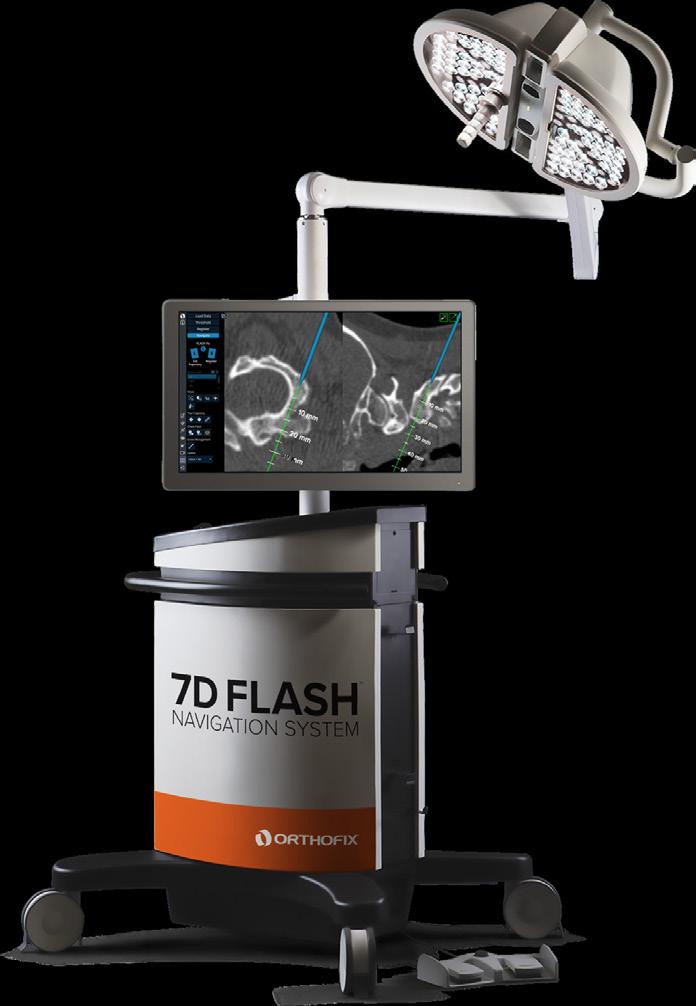
John Priddy, MD Class of 2002 President, Alumni Board, Campbell Club
Dear Friends,
Orthopaedic training is a shared experience we carry for life. It began for many of us in crowded operating rooms, extended team rounds, all night call nights, educational meetings as well as conversations and camaraderie around the lunch table.
That tradition continues after training and extends well beyond our individual practices. It lives in our service to our communities, our leadership in professional societies, and our collective commitment to improving mobility, independence, and quality of life. Few callings offer such a direct and lasting impact.
The Campbell Club—our extended Campbell family—provides an unmatched foundation of mentorship, collegiality, and support. It is our shared responsibility to keep that foundation, and the Campbell Clinic Foundation, strong.
It is crucial to invest in the training of future generations of orthopaedic surgeons and ensure our organization has the resources and agility to adapt in an ever-changing landscape of healthcare, business, and public policy.
Thank you for your continued interest, engagement, and investment. I hope you will join us at the many Campbell Club gatherings planned for 2026 and at the 27th WCC Triennial taking place April 1-3, 2027.
These moments of reconnection, celebration, and education remind us who we are and why the Campbell community matters.
With gratitude, John Priddy, MD
Class of 2002
President, Alumni Board, Campbell Club
To get involved, please take time to complete or update your WCC Alumni Directory profile so we can keep you apprised of the opportunities to learn, network with, and support your Campbell Clinic colleagues.
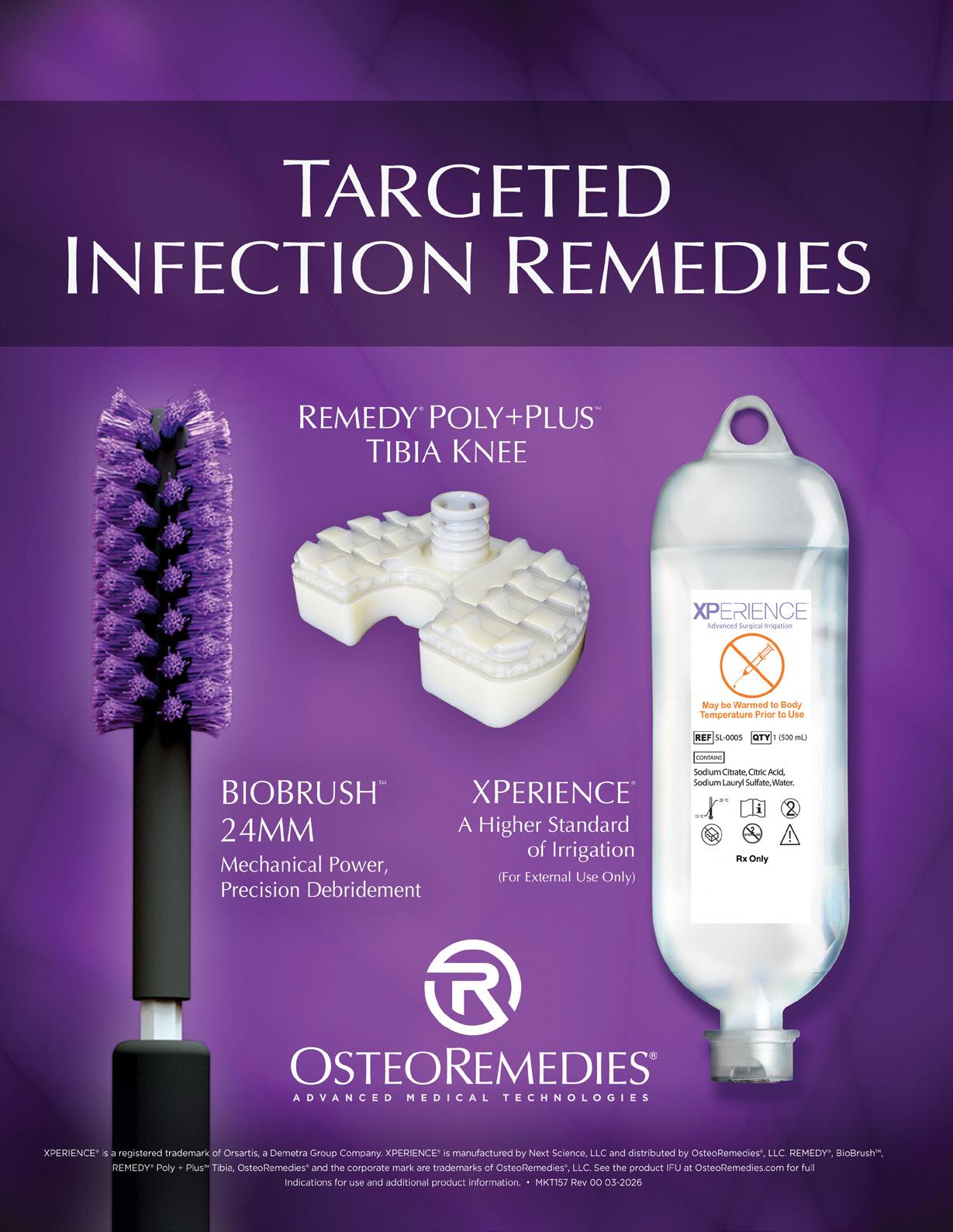
Frederick M. Azar, MD
Class of 1994 Memphis, TN
James H. Beaty, MD Class of 1981 Memphis, TN
Gregory M. Behm, MD Class of 1999 Cody, WY
W. Kenneth Bell, MD Class of 1981 Maryville, TN
Bradford L. Boone, MD Class of 1990 Tulsa, OK
Douglas N. Calhoun, MD Class of 2004 Knoxville, TN
James L. Chappuis, MD Class of 1985 Atlanta, GA
Michael S. Clarke, MD Class of 1974 Springfield, MO
Scott S. Cooper, MD Class of 1996 Bentonville, AR
Randall L. Davidson, Jr., MD Class of 1990 Columbia, TN
Robert H. Haralson, III, MD
Class of 1969 Knoxville, TN
David J. Heinsch, MD Class of 2015 Newnan, GA
Christopher L. Ihle, MD Class of 1985 Omaha, NE
A. Alex Jahangir, MD Class of 2008 Nashville, TN
Scott W. McCall, MD Class of 2006 Franklin, TN
Hassan R. Mir, MD Class of 2008 Tampa, FL
Kenneth L. Moore, MD Class of 1975 Franklin, TN
Catherine R. Olinger, MD Class of 2020 Iowa City, IA
Brian T. Perkinson, MD Class of 2012 Nashville, TN
John F. Priddy, MD, President Class of 2002 Tyler, TX
Walter R. Shelton, MD Class of 1979 Madison, MS
Jeffrey M. Smith, MD Class of 1995
San Diego, CA

Thursday, May 7, 2026
Campbell Club Reception at Pediatric Orthopaedic Society of North America Annual Meeting Orlando, FL
Thursday, May 14, 2026
National Shoulder and Elbow Week Dinner and Forum Memphis, TN
Friday, May 29, 2026
James H Beaty, MD Pediatric Orthopaedic Visiting Professor Lecture Memphis, TN
Monday, June 22, 2026
Campbell Resident and Fellow Graduation Memphis, TN
Thursday, September 24, 2026
Campbell Club Reception and Dinner at Orthopaedic Trauma Association Annual Meeting Nashville, TN
Friday, September 25, 2026
Campbell Celebrates! Memphis, TN
Friday, October 30, 2026
Orthopaedic Exploration Day Memphis, TN
Thursday, November 26, 2026
Memphis Thanksgiving Day Turkey Trot Memphis, TN
Friday, December 18, 2026
Campbell Clinic Foundation Celebrates our 80th Anniversary
Thursday, Saturday, April 1-3, 2027
WCC 27th Triennial Weekend & Ingram Memorial Lecture Memphis, TN
For updates, details, and registration, visit our website!

Alfons Altenberg, MD
Lewis D. Anderson, MD
Robin Arena, MD
Borden Bachynski, MD
Troy Bagwell, MD
James Barnett, MD
Robert Basist, MD
Henry Beck, MD
Reginald V. Bennett, MD
Dan R. Bigelow, MD
Thomas H. Blake, Sr., MD
W. Griffin Bland, MD
Michael Bluhm, MD
Joseph C. Boals, III, MD
Harrison O. Bourkard, MD
Robert L. Bourland, MD
William J. Bourland, MD
Harold B. Boyd, MD
David M. Bratton, MD
Hanes H. Brindley, Sr., MD
Robert G. Brashear, MD
Charles E. Brighton, MD
Louis P. Britt, MD
Joseph C. Burd, MD
John G. Caden, MD
Rocco A. Calandruccio, MD
Willis C. Campbell, MD
S. Terry Canale, MD
Dan Carlisle, MD
Peter G. Carnesale, MD
Charles O. Carothers, MD
Charles A. Carraway, MD
Paul A. Caviale, MD
Joe D. Christian, Jr., MD
Neal G. Clement, MD
Tom Phillip Coker, MD
Romulo E. Colindres, MD
Harry Collins, MD
Francis V. Costello, MD
John M. Crates, MD
P. Thurman Crawford, MD
A. Hoyt Crenshaw, Sr., MD
Henry I. Cross, MD
Jere M. Disney, MD
Daniel B. Eck, MD
Thomas S. Eddleman, MD
Allen S. Edmonson, MD
Elwood J. Eichler, MD
Richard L. Ennis, MD
J. Kendall Ethridge, MD
E.W. Ewart, MD
W. McDaniel Ewing, MD
Edward L. Farrar, MD
M. Craig Ferrell, MD
Bryan Fleming, MD
Dale E. Fox, MD
Kermit W. Fox, MD
Isaac L. George, MD
Marvin M. Gibson, MD
Gary Giles, MD
A. Lee Gordon, III, MD
Harry R. Gossling, MD
John T. Gray, MD
Basil Griffin, MD
Herbert Alfred Hamel, MD
Joe Frank Hamilton, Jr., MD
Joe Frank Hamilton, Sr., MD
Richard M. Harkness, MD
Benjamin L. Hawkins, MD
David N. Hawkins, MD
Harold M. Hawkins, MD
C. Leon Hay, MD
Don Henard, MD
Edward D. Henderson, MD
Malcolm E. Heppenstall, MD
George B. Higley, Jr., MD
George B. Higley, Sr., MD
Kenneth C. Hill, MD
Royce Hobby, MD
John T. Hocker, MD
Frank C. Hodges, MD
James D. Hodnett, MD
Louis Horn, III, MD
Charles N. Hubbard, MD
John M. Hundley, MD
Wiley C. Hutchins, MD
Alvin J. Ingram, MD
E.R. ‘Rickey’ Innis, MD
H. Peter James, MD
Otis E. James, Jr., MD
Leland H. Johnson, Jr., MD
David S. Johnston, MD
Orville N. Jones, MD
Dan Klinar, MD
Robert A. Knight, MD
Timothy H. Krahn, M.D
Wayne T. Lamar, M.D.
F. E. Linder, MD
Stanley Lipinski, MD
James H. Lipsey, Jr., MD
Wayne B. Lockwood, MD
John F. Lovejoy, MD
William L. Lovett, MD
Harry A. Luscher, MD
Athey R. Lutz, MD
Michael Lynch, MD
G. Dean MacEwen, MD
H. B. Macey, MD
Thomas W. Marks, MD
Paul H. Martin, MD
Benjamin M. Mauck, MD
George S. Mauerman, MD
Juan A. Mayne, MD
James M. McBride, MD
Frank O. McGhee, MD
C. C. McReynolds, MD
I. S. McReynolds, MD
Walter C. Metz, MD
Lee W. Milford, MD
T. Rothrock Miller, MD
Alfred F. Miller, MD
Andrew H. Miller, MD
William L. Minear, MD
J. M. Mitchell, MD
Joseph Mitchell, MD
J. M. Mitchner, MD
Wayne S. Montgomery, MD
James D. Moore, MD
Larry B. Morrison, MD
James S. Mulhollan, MD
John T. Murphy, MD
Julian G. Nemmers, Jr., MD
Vernon Nickel, MD
Arthur Osborne, MD
W. Martin Payne, MD
Robert A. Porter, MD
Samuel B. Prevo, MD
George D. Purvis, MD
R. Beverly Ray, MD
Thomas A. Richardson, MD
S. L. Robbins, MD
R. C. Robertson, MD
R. C. Rountree, MD
Fred P. Sage, MD
Fred M. Sandifer, III, MD
Stanley Schwartz, MD
T. David Sisk, MD
W. H. Sisler, MD
Donald Slocum, MD
Hugh Smith, MD
J. Spencer Speed, MD
William B. Stanton, MD
Marcus J. Stewart, MD
Bruce Stivers, MD
Mario M. Stone, MD
Henry Thomas Stratton, MD
Ernest J. Tarnow, MD
Ethan O. Todd, MD
Robert E. Tooms, MD
Phillip C. Trout, MD
Thomas C. Turner MD
Fredrico Van Domselaar, MD
Keith D. VandenBrink, MD
Isaac L. Van Zandt, MD
John A. Vann, MD
R. H. Walker, Jr., MD
Sidney L. Wallace, MD
Thomas L. Waring, MD
Robert E. Wells, MD
Gilbert G. Whitmer, MD
James H. Wiley, MD
Harold Williamson, MD
Frank D. Wilson, MD
Frederick C. Workmon, MD
B. T. Wright, MD
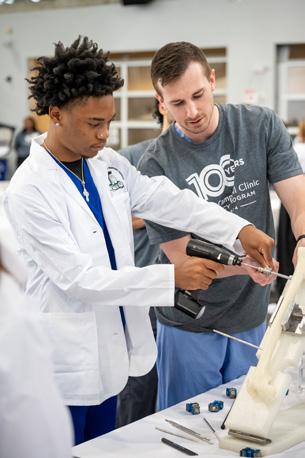
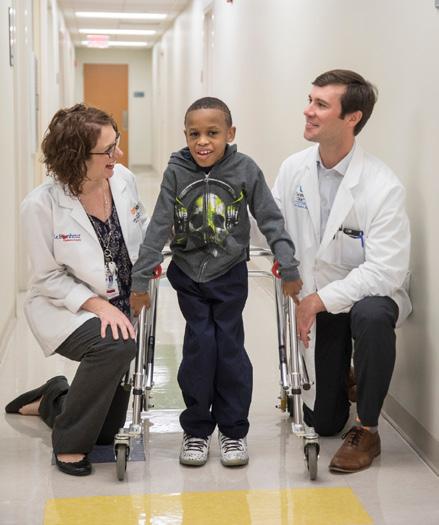
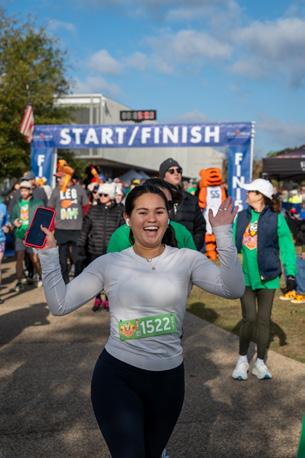
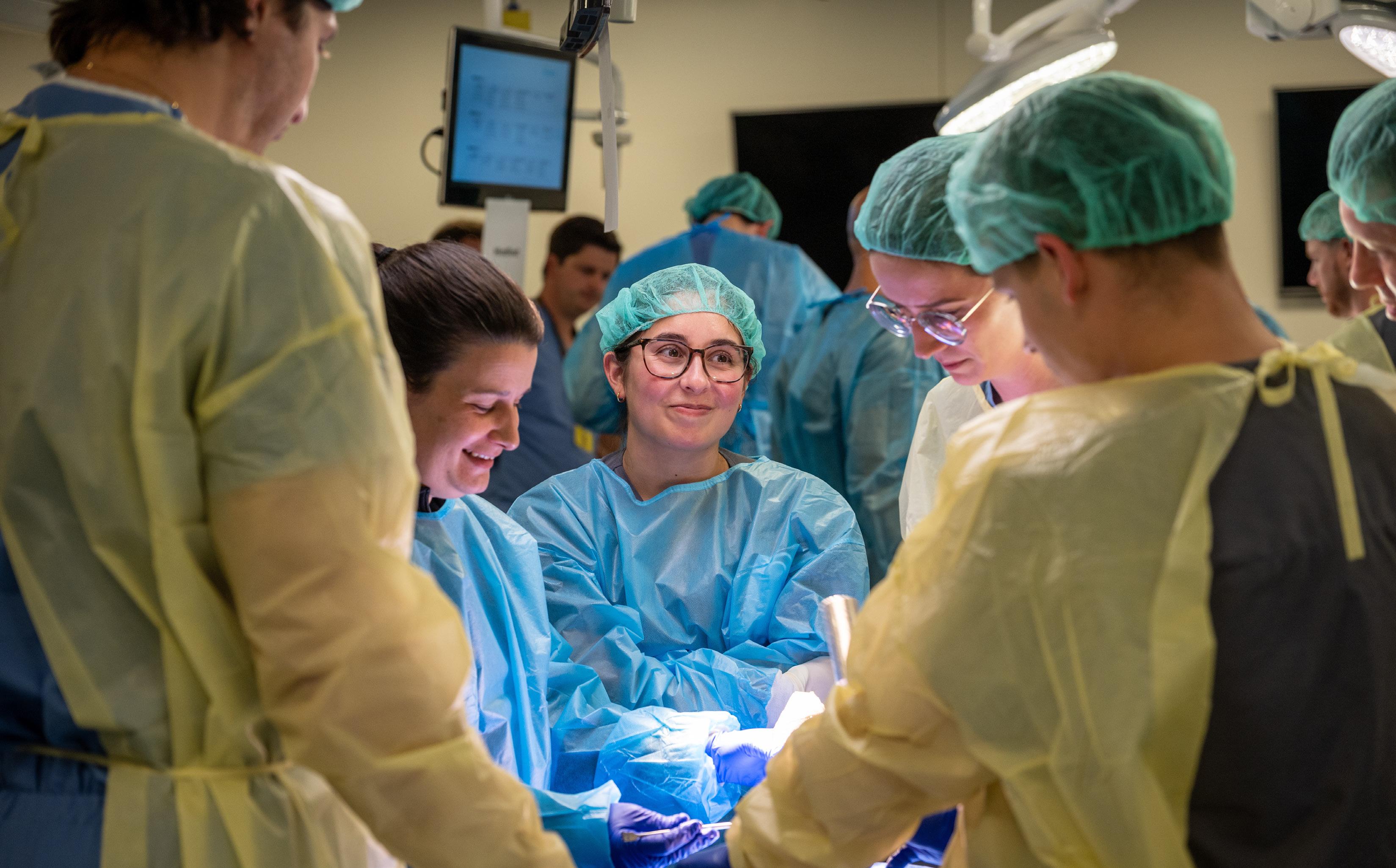
Pioneering the Future of 3D Bunion-Focused Foot and Ankle Solutions.
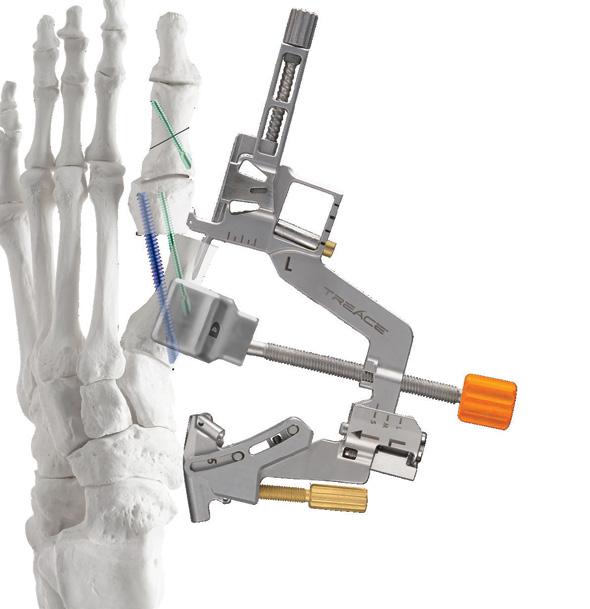
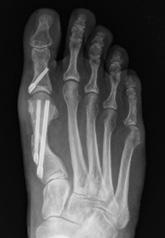
Precise, hands-free maintenance of 3D correction and targeting
Robust wires designed to reduce skiving
Rapid screw insertion
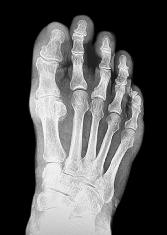
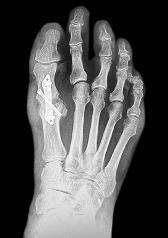
Before use of the system, the surgeon should refer to the appropriate instructions for use and surgical technique for complete warnings, precautions, indications, contraindications, and adverse events. Risks include, but are not limited to: infection, pain, discomfort from the presence of the implant, loosening of the implant, and loss of correction with nonunion or malunion. If any of these occur, additional treatments may be needed. Additional information about risks, warnings, and instructions is available at Lapiplasty.com/surgeons/labeling.