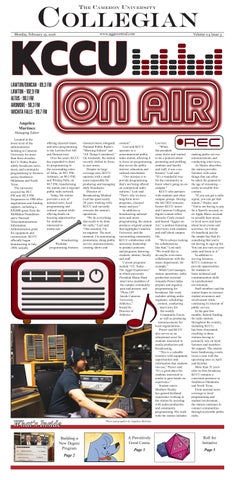
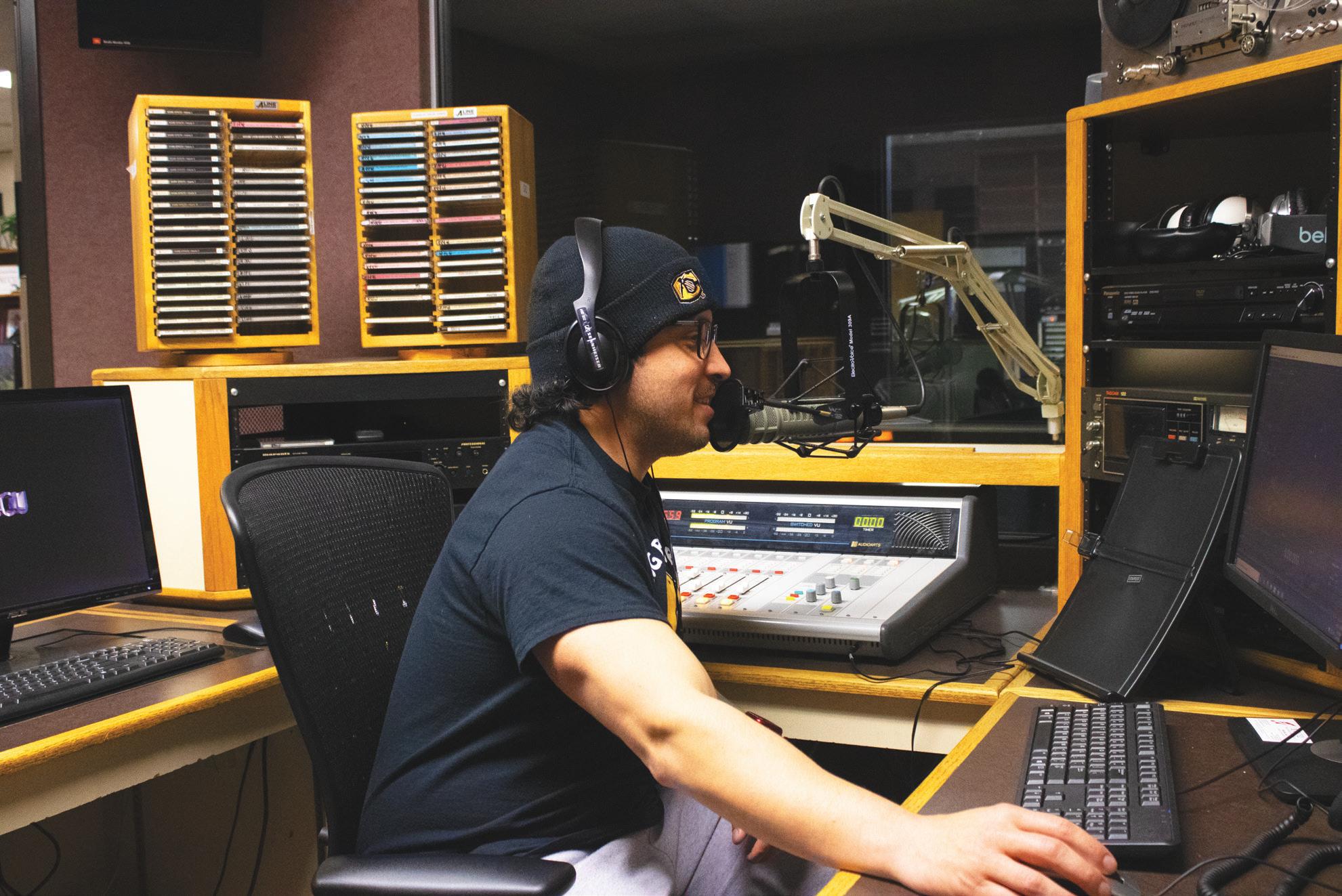
Located in the lower level of the administration building at Cameron University for more than three decades, KCCU Public Radio subtly broadcasts news, music and community programming to listeners across Southwest Oklahoma and North Texas.
The university secured the 89.3 FM and 102.9 FM frequencies in 1988 after negotiations and funding support, including a $50,000 grant from the McMahon Foundation and a National
offering classical music and news programming to the Lawton/Fort Sill and Duncan area.
Over the years, KCCU has expanded to share its programming to the surrounding cities of Altus, on 90.1 FM; Ardmore, on 90.3 FM; and Wichita Falls, on 88.7 FM, transforming the station into a regional public radio network.
Today, the station provides a mix of national news, local programming and cultural content while offering hands-on learning opportunities
classical music alongside
National Public Radio’s “Morning Edition” and “All Things Considered.”
On weekends, the station recently shifted its focus to jazz music.
Despite its large coverage area, KCCU operates with a small team responsible for producing and managing daily broadcasts.
Director of Broadcasting Micheal Leal has spent nearly 20 years working with KCCU and currently oversees the station’s operations.
“We do everything
Lou Izzi.
content.”
Leal said KCCU operates as a noncommercial public radio station, allowing it to focus on programming that serves the public interest, education and cultural enrichment.
“Our mission is to provide programming that’s not being offered on commercial radio stations,” Leal said.
“That’s why we have long-form news programs, classical music and jazz.”
In addition to broadcasting national news and music programming, the station produces original content that highlights Cameron University and the surrounding community.
KCCU collaborates with university leadership to produce podcasts and programs featuring students, alumni, faculty
Current programs include “CU Today –The Aggie Experience,” in which university President Shane Hunt interviews members of the campus community past and present, and Inside Cameron
“When the president came down and wanted to do a podcast about promoting and profiling students and faculty and staff, it was a nobrainer,” Leal said.
“It’s a wonderful way for the community to know what’s going on on campus.”
KCCU also partners with students and other campus groups. During the fall 2025 semester, former KCCU intern and Cameron Collegian digital content editor
Serenity Clark created and hosted “Aggies on Air,” a podcast featuring interviews with students and staff about campus life.
“We're always looking for collaborations like that,” Leal said. “We would like to do maybe even more collaborations with the music department, for example.”
While Leal manages station operations, radio production assistant Amanda Purser helps prepare and organize programming for broadcast. Her work includes editing audio segments, scheduling content, conducting interviews for the weekly Community Focus, as well as producing announcements for local organizations.
Purser said KCCU also serves as an educational asset for students interested in media production and broadcasting.
making public service announcements and conducting interviews, As Hasley describes, the station provides listeners with some things that can often be taken for granted in the age of streaming — easily accessible free content.
“If you can get a radio signal, you can get that station,” Hasley said.
“You're not having to pay for a Spotify account, or an Apple Music account to actually hear music or local news and learn about local events and activities. So I think it's beneficial just for the simple fact that it's something that you're not having to sign up for. You can just turn on your radio and listen to it.”
In addition to serving listeners, KCCU continues to provide opportunities for students to learn technical and communication skills in a professional environment.
Staff members said the station hopes to increase student awareness and involvement while continuing its mission of public service.
In the past few months, federal funding for radio stations throughout the country, including KCCU, has been eliminated, resulting in these stations having to primarily rely on loyal listeners and members for support. The station hosts fundraising events twice a year with the upcoming ones in April and October.
More than 35 years after its first broadcast, KCCU remains a consistent presence in Southwest Oklahoma and North Texas. From national news coverage to local programming and student involvement, the station continues to connect communities through accessible public
Angelica Martinez
CELEBRATION OF ENGINEERING
Steven Utter Digital Content Editor
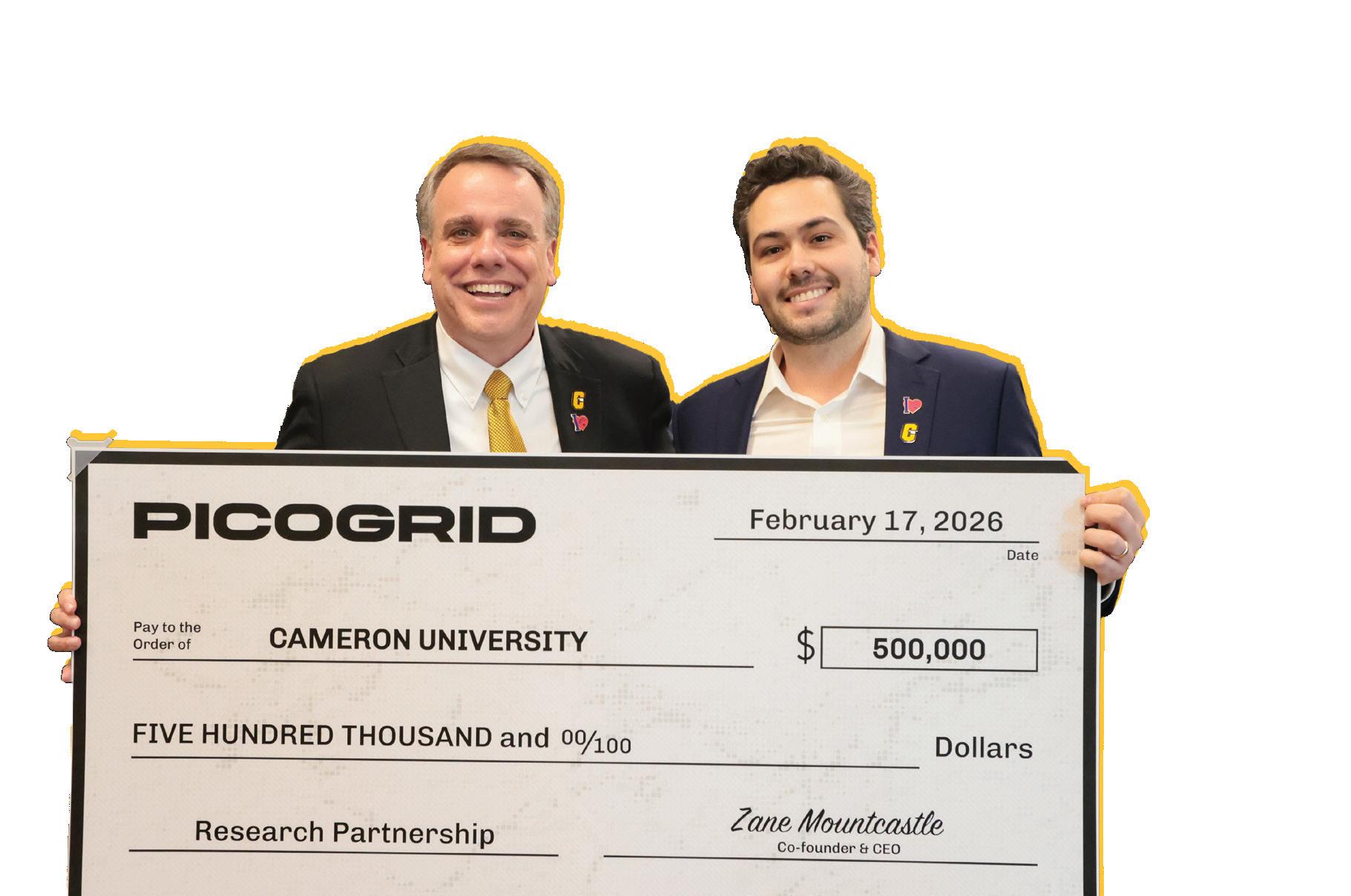
At 2 p.m. on Feb. 17 in the newly unveiled McMahon Foundation Engineering Laboratory Complex at Cameron University’s Lawton campus, Cameron held a celebration of engineering and innovation.
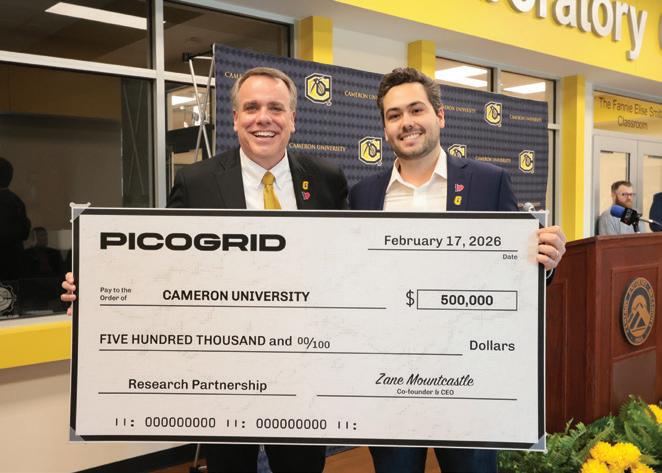
Cameron University President Dr. Shane Hunt hosted the event which featured speakers from key partners at FISTA Innovation Park and Picogrid, members from donor organizations, and keynote speaker Oklahoma congressman Tom Cole.
Hunt said, “It was one of my favorite events that I’ve ever been a part of in 19 years of working higher education. It was a true example of Cameron University and our community partners and our government leadership coming together to make more opportunities for our students and to strengthen the workforce and economic development of southwest Oklahoma.”
The celebration recognized Cameron’s accomplishment of gaining a four-year engineering degree program and focused on the benefits of partnering with a tenet of FISTA Innovation Park in Central Plaza, defense contractor Picogrid, for a $500,000 research subcontract, the largest research contract in Cameron’s 117-year history.
Cameron University’s Feb. 5 press release said, “Cameron has offered an associate degree in engineering for many years, but this will be the first time in university history that a four-degree will be offered in an engineering-related field.”
Hunt believes that this is moving the university in the right direction.
“I think this is a very positive step in Cameron bridging the gap between things that our industry partners need,” Hunt said, “The workforce demand and developing worldclass programs; or enhancing worldclass programs we already have, to make sure that we are positioning our students to meet those jobs and have the kinds of professional opportunities we would want.”
The event also featured the announcement of the first permanently endowed scholarship of $25,000 for the new degree program created by local community member Mike Brown.
Hunt said, “A student, every year forever, at Cameron University that is majoring in our four-year bachelor’s degree in engineering program will receive that scholarship that Mike made possible.”
Hunt also wants students to know how confident he is in the new program.
“I have already had four or maybe five companies in southwest Oklahoma who have told me since this announcement … we will hire every one of your engineering graduates, as many as you can produce.”
Hunt said. “So, if you are a student considering this, we have people lined up to give you paid internships. We have people lined up to hire you and give you jobs opportunities
SWEETHEART SWING TOURNAMENT
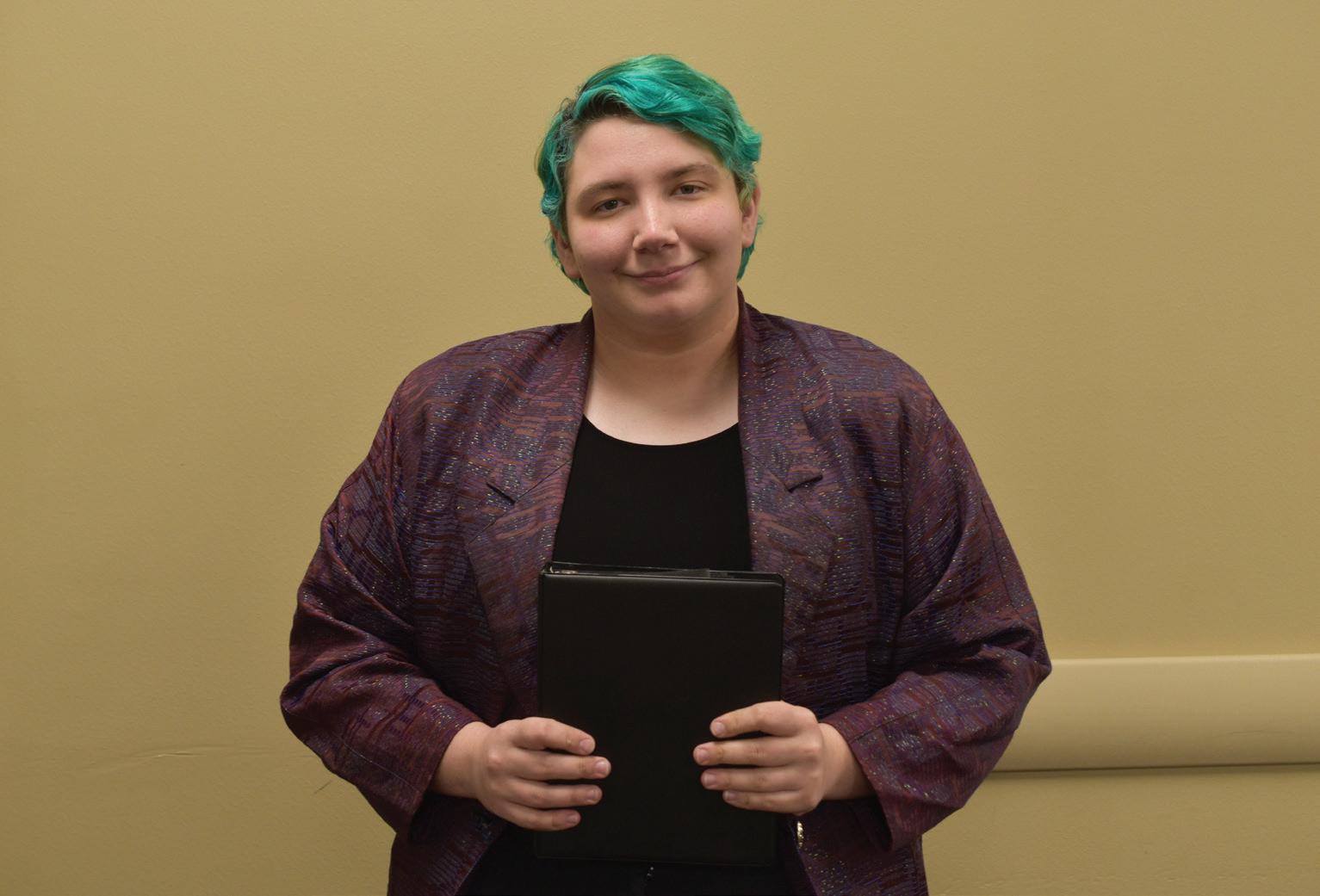
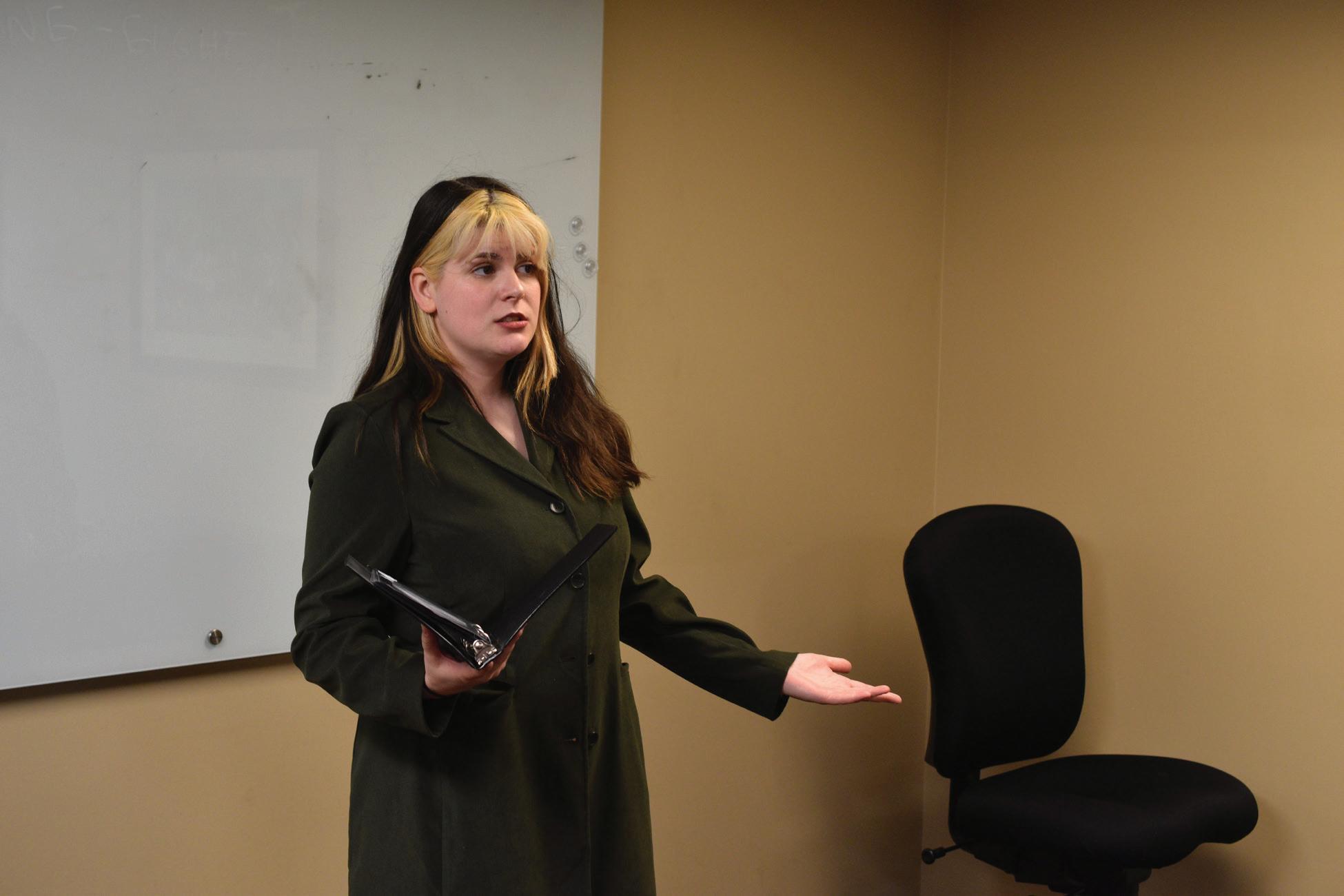
This is Bliefernich’s first year doing speech and debate at the collegiate level. They are a Sophmore majoring in Technical arts and Sciences, performing a POI, (Personal Oral Interpretation) for the event.
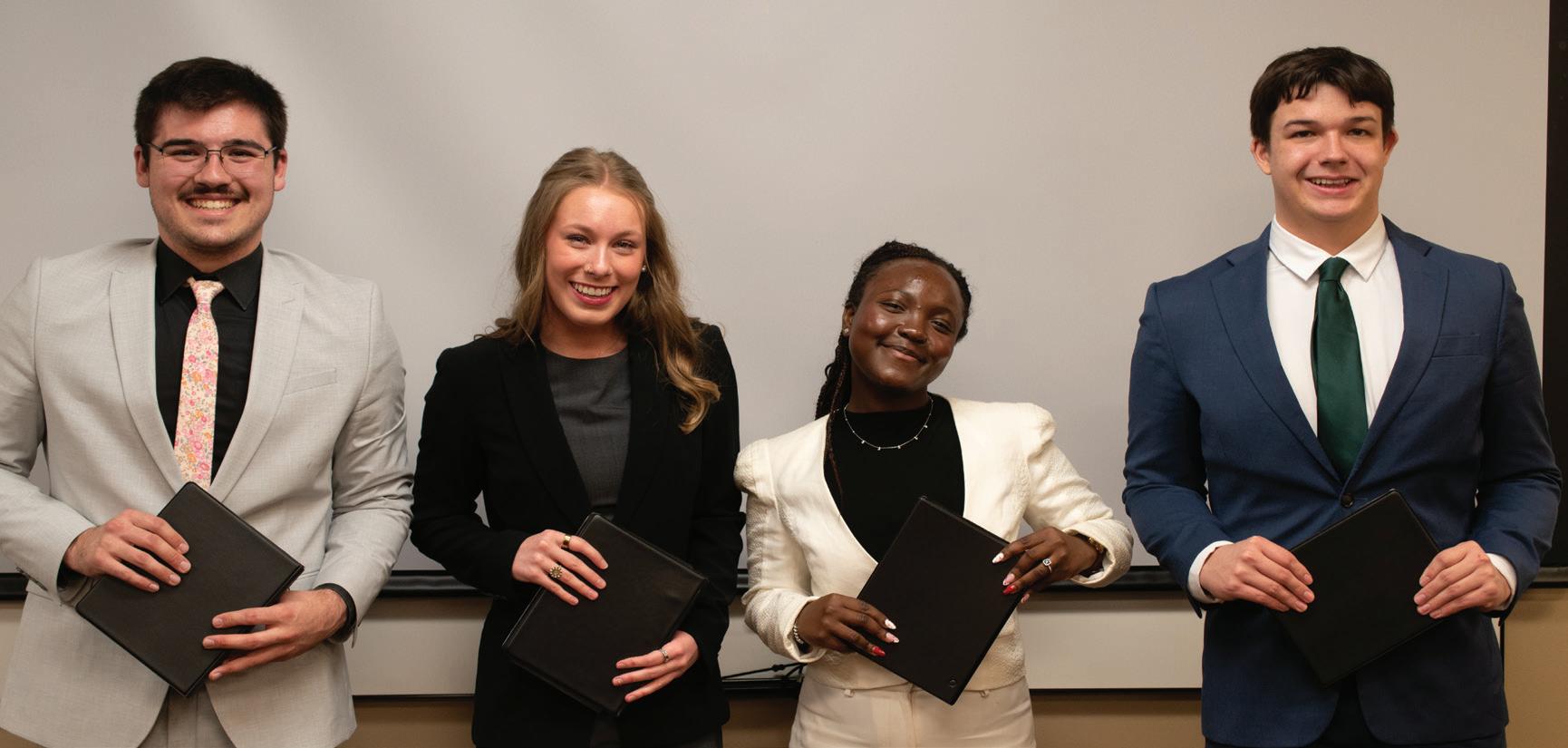
From Feb. 13-15, Cameron University Director of Forensics Katie Stringer hosted the annual “Sweetheart Swing” speech and debate tournament at the Academic Commons and Nance Boyer.
The Tournament is open to several different Universities and is presented as a novice-friendly way to build experience in public speaking, debate and performance.
involved
Returning competitors from the University of Oklahoma
Photos by Jake Thomas
Photos by Angelica Martinez
CourtesyGraphic
Silias Bliefernich
Skylar Edwards
Edwards is a Junior, majoring in Performance Arts, serving as a novice. Her presentation
an interpretive performance based on the playwright “8 Minutes Left” by E.B. Lee.
economic growth
Grant writing and the good you can do with it
Amanda Purser Managing Editor
A grant is a form of funding that is intended to support a variety of ideas, education and projects that provide public services and help stimulate economic growth. The primary types of grants available are Government Grants, issued by state and federal governments; Foundation Grants, awarded by private, community or family foundations; Corporate Grants, provided by corporations to foster strategic partnerships; and Specialized/Project Grants categorized for their specific uses.
Unlike loans, which are funds you have to pay back to the lender, often with high interest rates that cost the borrower significantly, a grant does not need to be repaid. Although grants can be seen as a better alternative to taking out a loan to fund a project or
organizational goals, the process of obtaining a grant and acquiring those funds can be lengthy and challenging.
There are entire careers dedicated strictly to grant writing, where one can be hired by corporations and nonprofits organizations, as well as specialists within entities who are devoted to applying for and obtaining grant funds.
Psychology Instructor Megan Culbert worked as a grant writer for a non-profit for two years before and during the COVID-19 pandemic, as she started an adjunct position at Cameron.
“I truly enjoyed it since I got to see firsthand where the funds that I was generating were going to,” Culbert said. “We were able to directly help individuals with disabilities live productive and meaningful lives.”
While she had to make a tough decision to dedicate more time to teaching and step away from grant writing, Culbert made some lasting impacts on the non-profit before she departed. She helped to implement the Paycheck Protection Program of just under a million dollars to help fund payroll accounts for employees
during the financial uncertainty of the pandemic.
The skills learned through non-profit grant writing help Culbert now obtain education grants for different purposes, targeting funding for student research, travel, and events on campus.
“The grants are usually more tailored toward internal funding instead of external sources,” Culbert said.
Since there are obvious benefits to successfully winning a grant, understanding the process and requirements to be looked at in that competitive arena is important.
The grants. gov site explains the grant lifecycle to be a linear process consisting of three primary phases. You start with the Pre-Award Phase, which entails gathering information on funding opportunities and reviewing their qualification processes, ensuring you complete your application by the required deadline.
The Award Phase is where final decisions are made by the agency responsible for funding the grant(s), and they send out Notice of Award to entities
selected for funding. If notified, an awardee is presented with the terms and conditions before drawing the funds and moving forward, in order to ensure all obligations are understood and agreed upon.
The final Post Award Phase is when the funds are
and utilizes federal grant money, so its important to keep accurate and up to date records and report everything as outlined in the terms of your contract.
Culbert acknowledges that “grant writing is the cornerstone to organizational success, and
“ Grant writing is the cornerstone to organizational success, and obtaining the funds is only the first step — reporting is just as important since that is how relationships are formed and continue to prosper.”
- Megan Culbert Psychology Instructor
implemented based on the course of action and needs outlined in the previous phases, as well as significant reporting of where all funds are being spent.
The monitoring within this phase is essential to prevent fraud and misappropriation.
Audits can occur for any entity that obtains
obtaining the funds is only the first step — reporting is just as important since that is how relationships are formed and continue to prosper.”
Once the grant process ends, the closeout step takes place, where an entity and the records can be under review for 90 days to ensure all spending was appropriate
and accounted for.
Grants.gov advises that you maintain all grant records for up to three years from the date of the closeout or final expenditure report.
Grant writing can be daunting, especially in larger sectors and when an organization is newly established with few ties and limited trust, which is why Culbert advises to “connect with your community and find someone who believes in your mission.”
Culbert wrote many grant applications during her time with the non-profit and never felt burdened by the task.
“It was people’s livelihood in my hands,” she said. “I knew that if we could secure this money, the individuals that I was directly impacting would be so happy. It made it easy.”
When giving presentations on grant writing, Culbert tells her audience to remember their reasons for obtaining the funds and consider the good they will do with it, because the process will all be worth it.
“It’s easy to argue for money if you truly believe in the work you are doing,” Culbert said.
Courtesy Graphic
Comic by Jaley
Melton-Wiley
The Blueprint of Sound
Makayla Flenoury
A&E Editor
Take out every African American musician in history. Where would American music be? What would it sound like?
Mississippi missin’ its blues. No jazz drifting out of New Orleans clubs. The 1950s left unshaken by rock ‘n roll. No rhythm to stir the soul. The silence would be overwhelming.
African Americans are foundational to nearly every genre of American music. A blog by Vince Dixon provides a family tree showing which genres were created by African Americans or are heavily influenced by them. Examining the root reveals a clear truth:
African American artistry is not a branch of American music like Afropunk or Afrobeats; it is the root.
According to Dixon, the blues is the origin point for nearly all American music genres.
The Blues began in the 1860s in the Mississippi Delta and emerged in Memphis, Chicago and Southern Texas. Blues is a combination of early African American spirituals, plantation songs, call-and-response and folk music.
and vocals. According to Liberty Park Music, enslaved African Americans were prohibited from using percussion instruments but allowed strings, which led to their widespread popularity. Later, the blues included the piano and percussion, expanding the genre’s sound.
In the 1890s and 1910s, musicians in New Orleans began shaping what would become jazz. This city’s diverse population, from the French to the Creole (mixed heritage), led to a unique musical fusion. According to Dixon’s blog, many descendants of enslaved African Americans played the blues using brass instruments, while Creole musicians were often classically trained. Jim Crow segregation forced African Americans and Creoles into the same social class. Their different musical styles blended to create jazz.
classical instruments to compose jazz. As jazz became more groovy, African Americans created dances to go along with the music. Social gatherings once dominated by classical dances like the waltz became looser when jazz performances became highly in demand.
Before the 1920s, country music broadly described Southern music from various cultures. By the 1920s, country music became specific by racial barriers. The genre became segregated by marketing and labeling, not by sound.
piano and drums created the new style of music known as R&B.
According to Liberty Park Music, the blues can be defined as a composition with a specific chord progression known as the 12-bar blues. The lyrics over this chord progression are often a call-and-response. The looser definition is “feeling the blues.”, often evoking melancholy, sadness, or any deep emotion.
The early blues used the guitar, harmonica, horn
According to The River Street Jazz Café, racial violence pushed many musicians to relocate to New York, Kansas City, and Chicago, bringing jazz to other parts of America. Though in New Orleansstyle jazz, the front line is often three melodic instruments: the trumpet, cornet, or occasionally violin as lead, clarinet, saxophone or violin as obbligato (the second voice), and trombone providing harmonic support.
Jazz relied heavily on improvisation and calland-response, like the blues.
According to Dixion’s blog, musicians like Jelly Roll Morton started using the piano and other
African Americans made one of the biggest, long-lasting contributions to country music. The banjo is an essential instrument in American folk and country music. According to Dixion’s blog, enslaved African Americans brought the banjo to the US. Slaves were often forced to entertain guests at social events and combined the banjo with European string instruments.
As radio stations grew in influence, European country music became known as hillbilly music, and African American country remained under the category of blues.
In the 1940s, Rhythm and Blues (R&B) made its way into the spotlight. During the Great Migration, African American families began moving to urban areas across the Northeast and Midwest. They moved to cities like New York, Chicago, Detroit, Philadelphia and Los Angeles.
The southern jazz and blues mixed with the northern electric guitars,
According to Masterclass Articles, the Classical R&B from the 1940s to 1960s contained three essential elements: a strong overlap with rock music, guitar-based instrumentation, and blues-inspired elements.
The electric guitar played the lead instrument backed by drums, double bass and piano. The vocalist or the saxophone played the melodies.
Contemporary R&B starts to differ.
According to Timeline Carnegie Hall, in 1965, Fats Domino said, “What they call Rock n Roll is rhythm and blues.”
Rock n Roll is the fusion of African American R&B with elements of swing, urban blues and country. The artist established a distinct sound characterized by an aggressive beat on electric guitars, saxophone and piano.
According to Dixion’s Blog, in the 1960s, popular rock bands like The Beatles or the Rolling Stones started off by singing covers of Black songs, with a European edge. This marked a new era of rock centered on bands.
Many African American musicians connected their music to the social and political struggles.
According to Masterclass articles, Soul music became distinct by sound and by location.
Southern soul is centered in Memphis, Birmingham, Atlanta and New Orleans. They crafted the sound with horns and Hammond organ.
Detroit soul took a different approach; their sound emphasized pop melodies and production. New York featured more jazz-like soul.
Soul music unites in six key characteristics: gospel traditions, blues harmonies, virtuosic vocals, prominent rhythm sections, horn sections and a connection to the social movements.
Funk is an instrumental and vocal genre of dance music that gained popularity in the 1970s. The genre embraces many styles from jazz, blues, R&B, soul and rock. Rhythm takes over the song to keep dancers moving.
musical influence on hiphop.
Hip-Hop is more than just music; it is a culture.
In the late 1960s and early 1970s, African Americans and Latinos living in the Bronx, New York, used music, dance and graffiti to express themselves.
According to Timeline Carnegie Hall, poverty, drugs and gang violence plagued inner African American and Latino communities. Many Masters of Ceremonies (MCs) and Disc Jockeys (DJs) used DJing, dancing, and MCing as an alternative to gang warfare.
Just as Rock ‘n’ Roll started to diverge from R&B, soul music emerged as a distinct genre, evolving out of R&B in urban areas. Passionate vocals, powerful rhythms and lyrics spoke direction to young African Americans.
According to Timeline Carnegie Hall, soul music acted as the soundtrack for the Civil Rights and Black Power movements.
According to Masterclass articles, in the late 1960s, several funk bands emerged, including Sly and the Family Stone, who brought a psychedelic element, and Parliament Funkadelic’s George Clinton, who developed a style known as P-Funk, mixing psychedelia and Afro-centric messaging.
Numerous musicians embraced the strong downbeats and basscentric elements of funk.
Chaka Khan became the Queen of Funk with her band Rufus, and Michael Jackson used funk-inspired production to create his hits. Funk became a key
DJ Kool Herc gave the blueprints for hip-hop called b-beat. Hip-Hop DJs and MCs started performing at local house parties, community centers, neighborhood block parties and eventually local clubs. Record and film producers noticed the traction and started to capitalize on hip-hop culture. As hip-hop gained popularity, different regional styles emerged. West Coast hip-hop focused on g-funk beats and gang life, while southern rap often featured a more harmonious tone.
Modern hip-hop has a vast array of styles and subgenres. Music continues to evolve with artists exploring sounds, lyrical complexities and storytelling.
From classical blues to modern pop, African Americans have defined American music. These genres are interconnected, building on each other. To remove African American influence from American music would leave the music void.
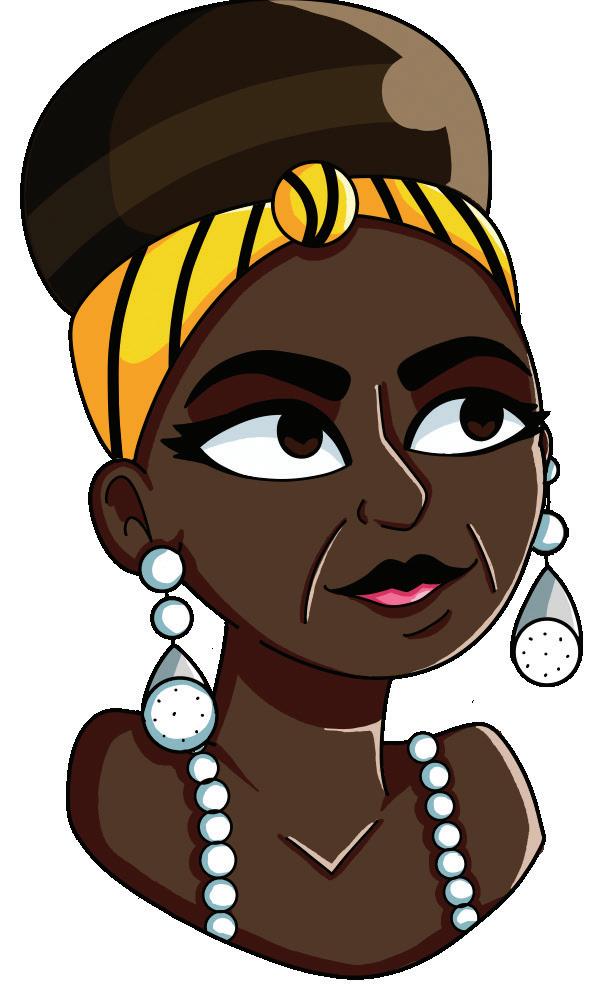
Nina Simone: ‘Wild is the Wind’
Elizabeth Lehman Staff Writer
Nina Simone’s “Wild is the Wind” is an album that demands your ear. Released in 1966, the tracks sit at an intersection of jazz, blues and soul. It is an album that refuses to be categorized. Highly regarded as a musical masterpiece, “Wild is the Wind” is a confession of the emotional complexities of black women. It is intimate and deeply human, perfect for lovers of Black American art, poets and anyone who has ever felt the pain of rejection and betrayal of a lover. By the time this album was released, Simone was already an established pianist and
vocalist. She performed back and forth between jazz clubs and concert halls, showcasing activist music and romantic ballads. Her earlier work like ‘Little Girl Blue’ showcased her jazz piano skills, while songs such as “Mississippi Goddam” which told the stories of black children who were victims of hate crimes, cemented her as a political voice of the Civil Rights Movement. “Wild is the Wind” feels quieter in comparison. Instead of protesting the black woman’s position in America, Simone turns inward; she examines identity, rage and unrequited love.
The most iconic feature of “Wild is the Wind” is Simone’s unique voice. It is deep, rich and textured, brown, almost purple in tone, an interesting contrast to the album cover, where her profile floats superimposed against a purple-ish background. Her voice stretches notes into towers, the listener balancing precariously at the top. There is a sense that she is not simply singing to someone, but singing at them. This someone does not appreciate the depth of her love. Her range is technically and emotionally overwhelming. She moves from tenderness to rage, to swooning, often within a single song.
The title track, “Wild is the Wind,” is the album’s core.
Simone’s mastery of the piano makes the piece, while her voice carries a tortured yearning that feels almost uncomfortably personal. Lines like “Cling to me like a leaf on a tree” symbolizes unhealthy attachment, desperation and the fear of abandonment. Love is both her salvation and her downfall, and the listener is left stuck in the fallout of a toxic relationship.
‘I Love Your Loving Ways’ is a mood shift, leaning into rhythm and blues. It is catchy and repetitive in the best way, backed by a groovy guitar riff and a hook that makes you want to move.
This is one of the album’s more playful moments; it’s something you could shake your hips to.
One of the most powerful and standout tracks on the album is “Four Women,” a song that functions like a short story. A rhythmic bass guitar drives the piece as Simone introduces four Black women: Aunt Sarah, Saffronia, Sweet Thing and Peaches. Each woman represents a different experience of a black woman. Aunt Sarah draws from the mammy caricature; her strength is born from enduring and suffering misogyny and racism. Saffronia, a mixed woman, is torn between two worlds in the Jim Crow South, belonging neither completely and dealing with isolation that comes from her identity. Sweet Thing is a hypersexualized young prositute, valued only for her body, and most likely driven to sex work by poverty and lack of opportunity for black women. “Whose little girl am I? Anyone who has money to buy.” Her vulnerability and naivety are exaggerated by the men who consume her. Finally, Peaches emerges angry and bitter, shaped by generational trauma: “My parents were slaves.” Her name itself is dehumanizing, clashing violently with her bleak reality. The song is devastating, and deeply political, and is known as one of Simone’s most impactful and well-known works.
“What More Can I Say” feels like a breakup song dressed in elegance. It is the kind of song that could play at a gala or an upper-echelon dinner party, masking heartbreak beneath class and composure. Simone sings of giving everything and still not being enough, repeating “That’s how much I love you” as if convincing herself. She stays, which makes the song even more heartbreaking.
“Lilac Wine” might remind you of the haunting melodies of Simone’s earlier recording of “Strange Fruit.” Here, her voice is calming and almost maternal, even while she sings about intoxication and loss.
The lyrics have two meanings: the
sweetness and unsteadiness of the wine and intoxication mirrors the unstable nature of her relationship. “Lilac wine is sweet and heady like my love… I feel unsteady like my love.” The soft slow piano is the true highlight, giving the song a dreamlike, drifting quality.
“That’s All I Ask” features a timeless jazz band arrangement, the kind of sound you can completely lose yourself in. The instrumental riffs give chills, supporting Simone as she begins to emotionally unravel over the course of the piece. As the song builds, she breaks down, finally letting it all out.
“I’ve held back my tears as long as I could.” The horns become energetic and almost frantic. Her vibrato is invigorating, making you want to sing, jump and shout with her. This is female rage shown musically, stuffed down until the dam breaks.
“Why Keep on Breaking My Heart” has a lighter, beach-y vibe, with a tambourine that stands out and a fluttering guitar that puts the listener into a trance. It is easy to sing along to, even if you do not know the lyrics. This track is different in tone from the others as it is one of the album’s most emotionally accessible tracks. It is an underrated bop.
“Black Is the Color of My True Love’s Hair” is a traditional application folk song reworked into a jazzy ballad. First recorded in 1955, Simone recorded new versions several times throughout the years. The version included in “Wild is the Wind” is regarded as the best interpretation of the song by many.
“Wild is the Wind” is an album about love that is unreturned, identities that are shaped by pain, and the endurance of the black woman in America. It may not be Simone’s loudest or most overtly political work, but it is one of her most emotionally honest. This is an album for the lover and the poet, for those who feel deeply and are unafraid to sit with that feeling. Simone’s style is timeless because she doesn’t comfort the listener, rather she offers recognition.
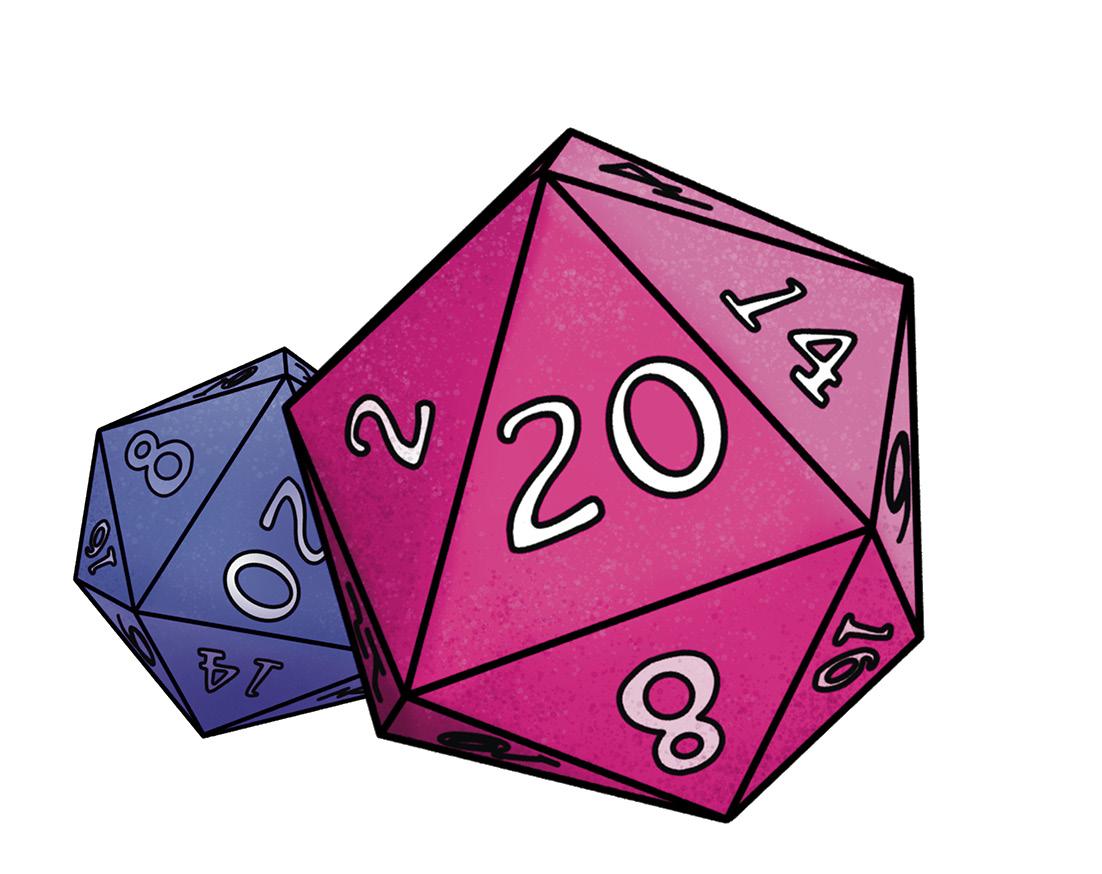
On Feb. 14, the Tabletop Society held a Valentine’s themed one-shot event to introduce new members to their club. Tabletop role-playing games, or TTRPGs, are collaborative storytelling games played in person with a small group.
Players create characters and describe what they want to do during an ongoing story. The game leader, (usually known as the Dungeon Master in Dungeons and Dragons), guides the story while dice rolls and ability sheets determine the outcomes of their actions.
While usually sessions could last multiple weeks, the format for this event was a “one-shot” Which is a short, contained story with easy to follow rules and preset characters, so that new members can easily see what the club is really about.
The group was just founded last semester, with their breakthrough event “Festive Fallout” being themed over the popular video game series and TV show adaptation.
While the club slots a place where students can share their appreciation for the game, the club’s president Brianna Miles envisions the organization as a tight knit community.
The club’s structure has proven meaningful for many members.
who describe themselves as shy or quiet have found it easier to make friends through the shared storytelling experience.
“I think by giving people something to rally around, something to focus around, it gives people a sense of family,” she said.
For Miles, the club is about more than just rolling dice.
“Dungeons & Dragons and systems like it give you an opportunity to flex your creativity,” she said. “One of the biggest boons about it is how social it is.”
What began as just barely enough people to qualify for an organization, has slowly expanded into a growing organization with themed events, oneshots and future campaigns.
While tabletop games can be a big time commitment, Vice President
Victoria Kitner reminds people that not every session has to take up so much space, with the one-shot format, attendees can expect light-hearted, easy-to-enjoy fun.
“A one-shot is something that you do within a couple of hours,” Kitner said. “That way you don’t have to be committed to coming back or anything like that.”
While the TableTop Society thinks Dungeons and Dragons serves as a gateway for many newcomers, the
fantasy setting. Members want to explore a wide variety of games and systems, including Call of Cthulhu, MausRitter, Cyberpunk and more.
The upcoming Lunar New Year event will feature Righteous Blood Ruthless Blades, a Wuxia-inspired system centered around the top and engaging martial arts action.
The club’s treasurer, Braden Dees, focuses on creating stories as a Game Master, is introducing the system to the group, and co-writing the story along with Kitner.
“If D&D is like a medieval fantasy movie,” he said. “then Righteous Blood Ruthless Blades would be like a Bruce Lee movie times 10.”
He described it as reminiscent of classic Chinese action cinema from the late 70s and 80s, dramatic and fast-paced. Despite the fact that the club is still in its early stages, Dees has found that the growth of the club is happening faster than they anticipated.
“The turnout for fallout was especially good,” he said. “It was so close to finals, so I really thought there wasn’t gonna be a lot of people, but there was — I think that shows there’s a lot of interest in a club like this.”
Not only is there something for everyone but it’s also easy to learn.
project going and welcomes students of all experience levels, even alumni. Kitner wants the club to remain beginner friendly, while encouraging people everywhere to participate.
“We try to be very beginner friendly,” Kitner said. “We want more people to join the club.”
Dees agreed with Kitner, emphasizing the sentiment that the club encourages all types of action.
“It depends on how much you want to go out of your way to learn,” Dees said, “but I’m very open to teaching new people how to play.”
With plans for a Western-themed event later this spring and growing interest from across campus, the Cameron Tabletop Society hopes to continue building something lasting, one campaign at a time.
As Miles put it: “I think it’s the start of something genuinely helpful on campus.”
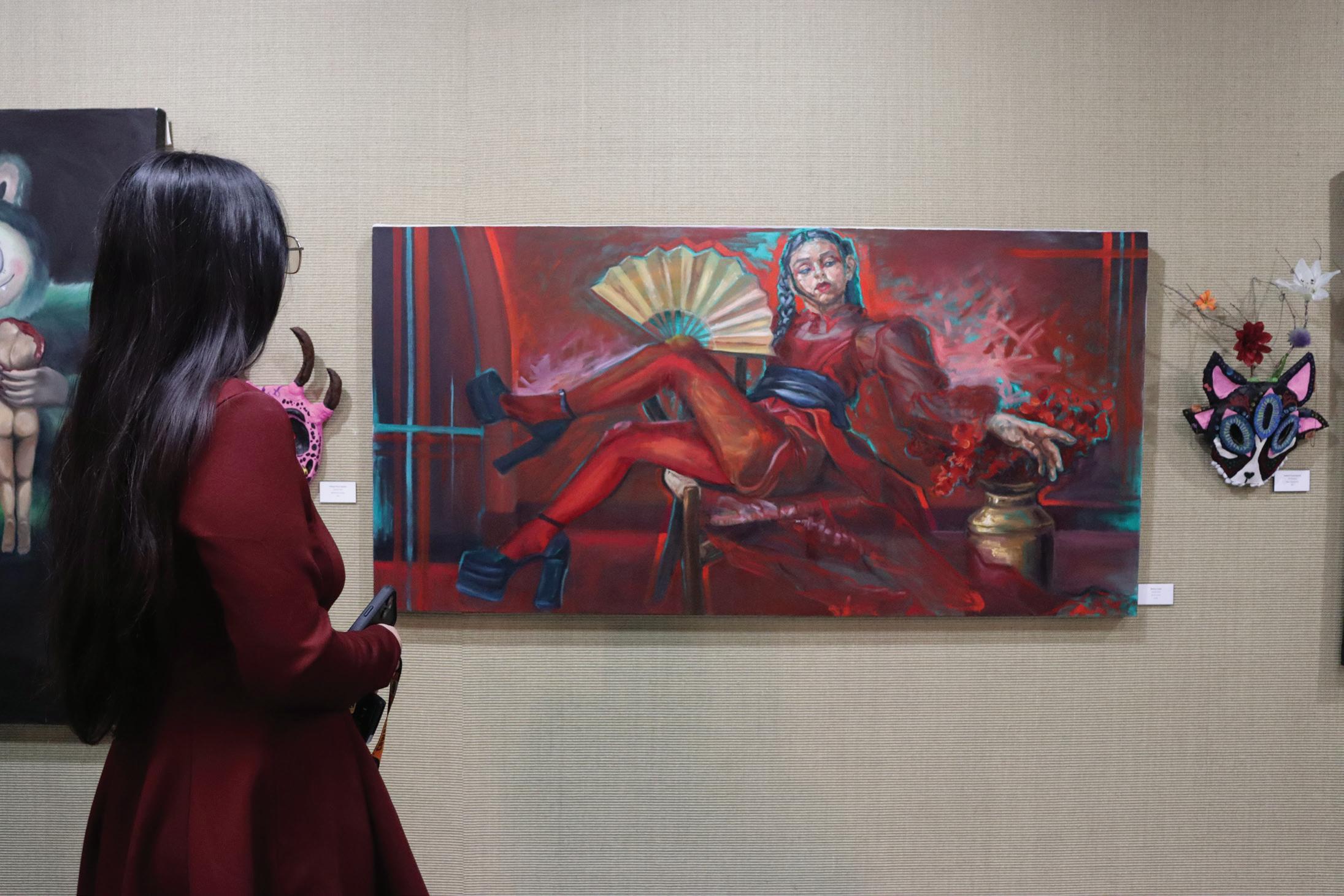
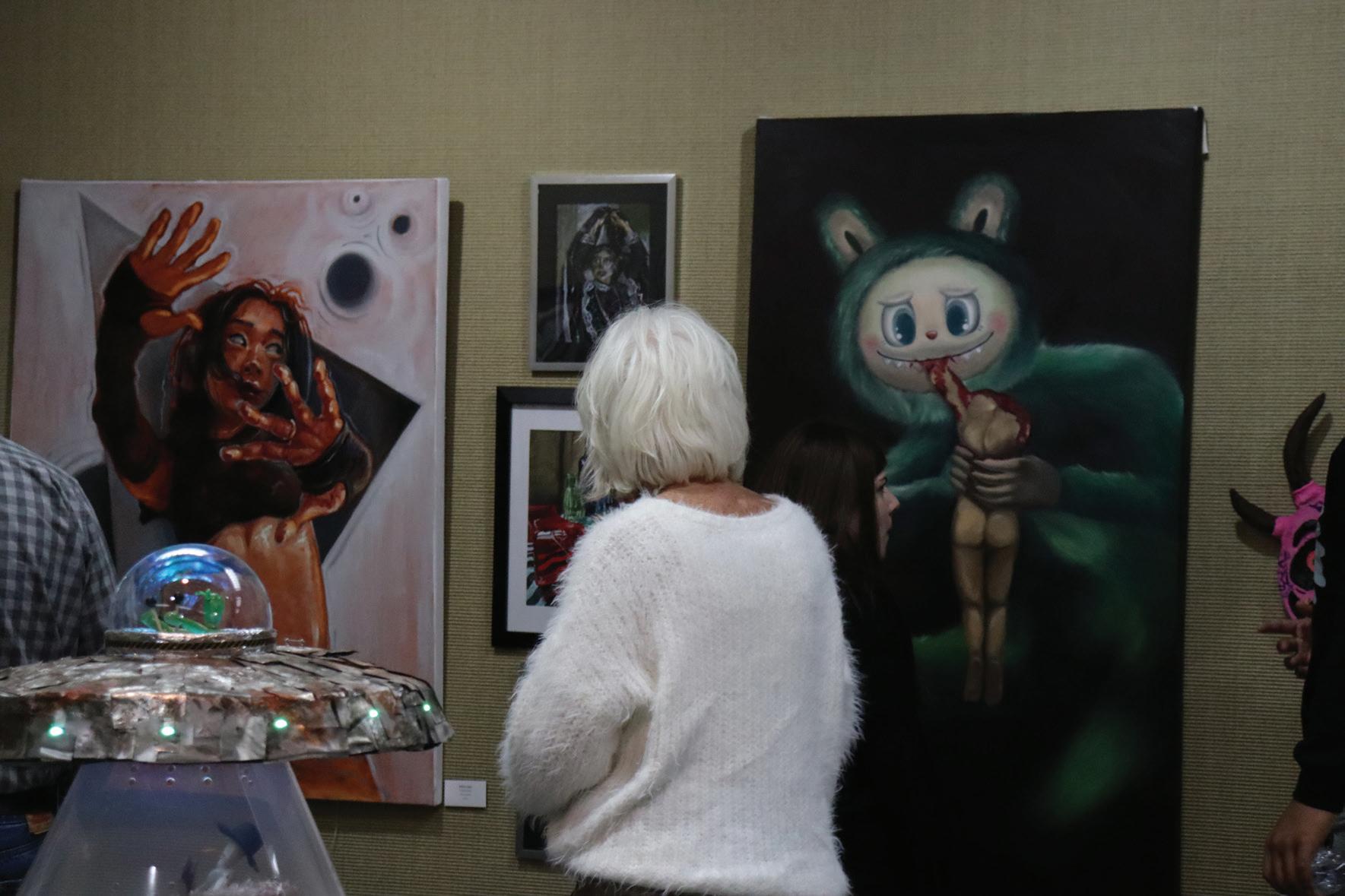
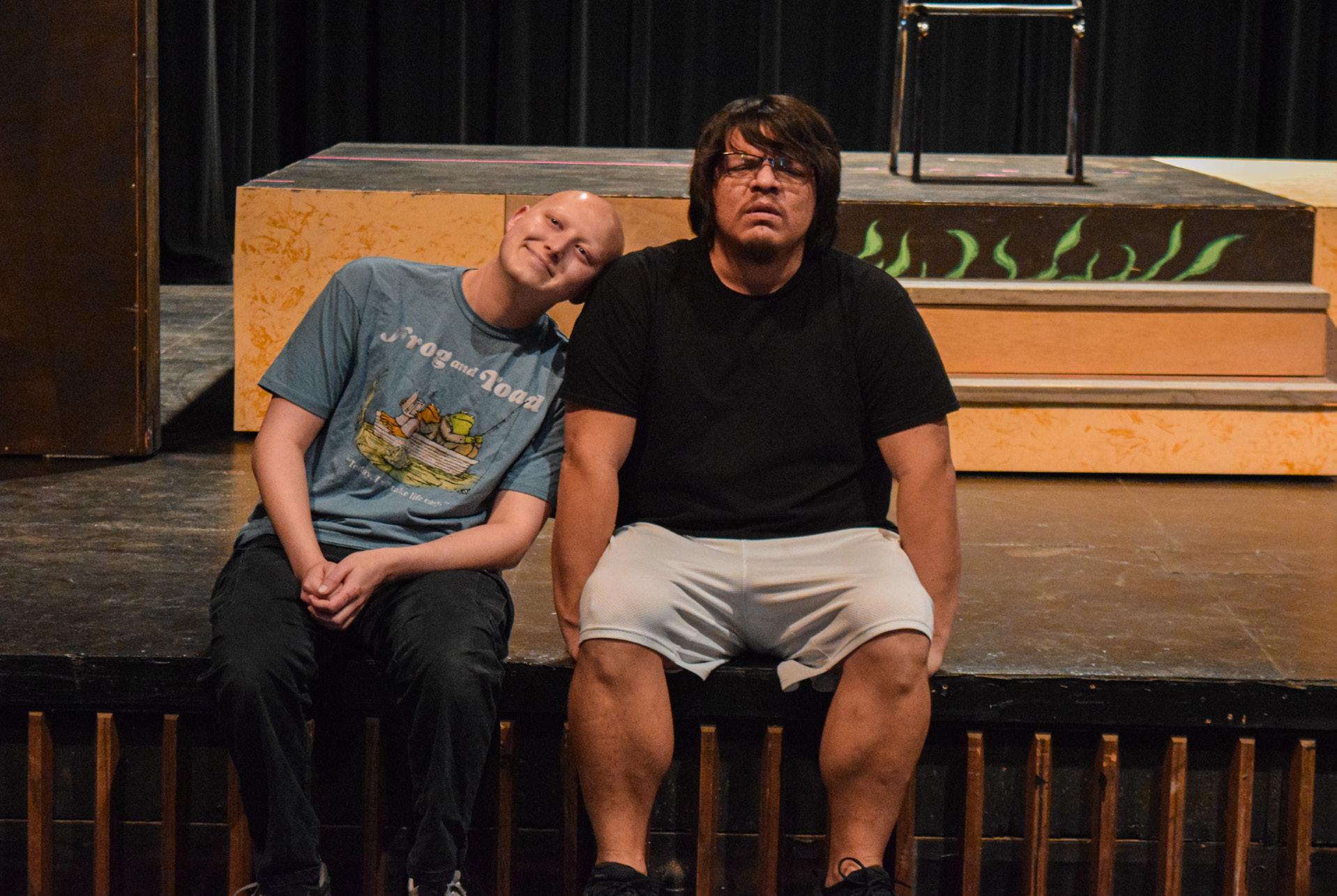
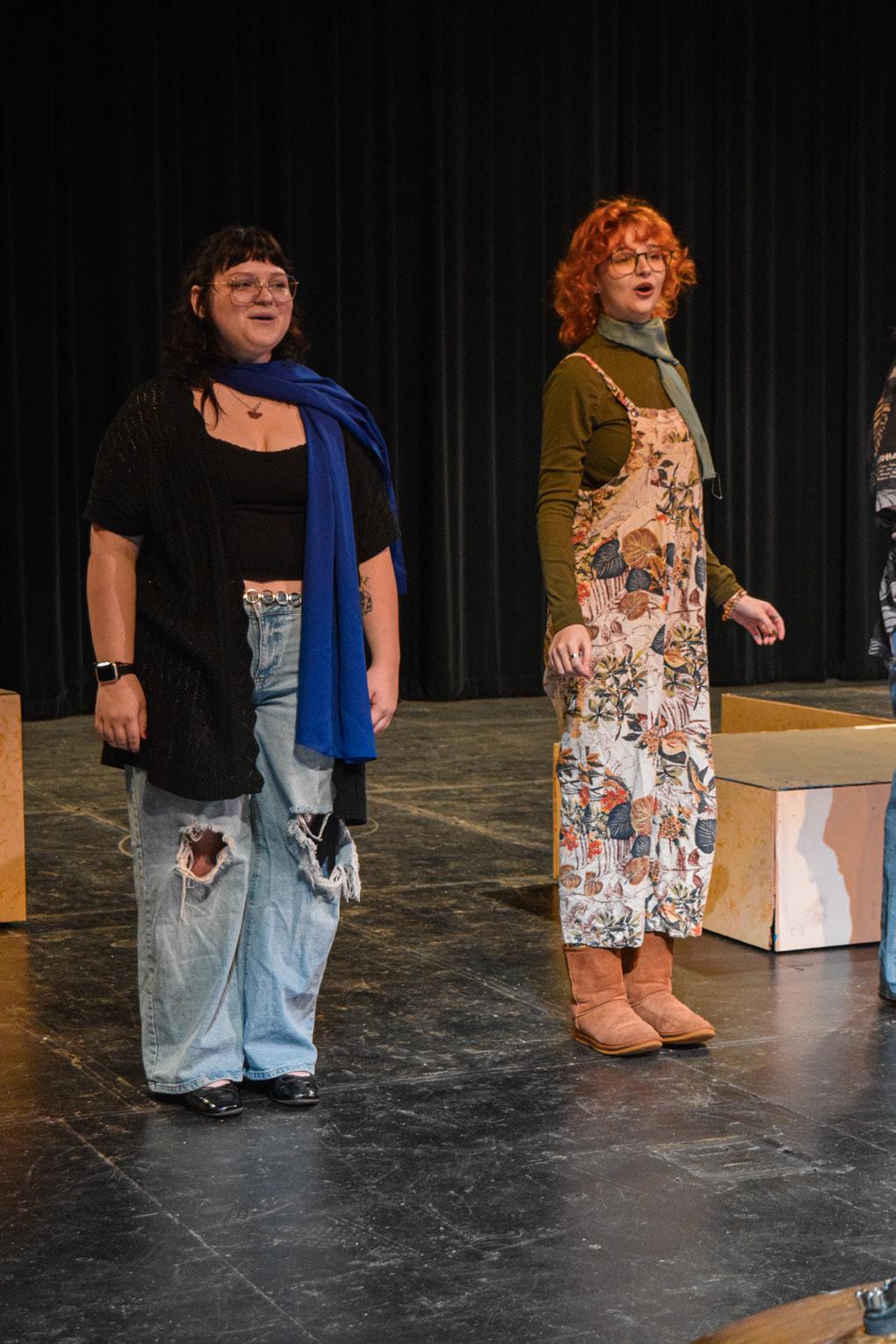
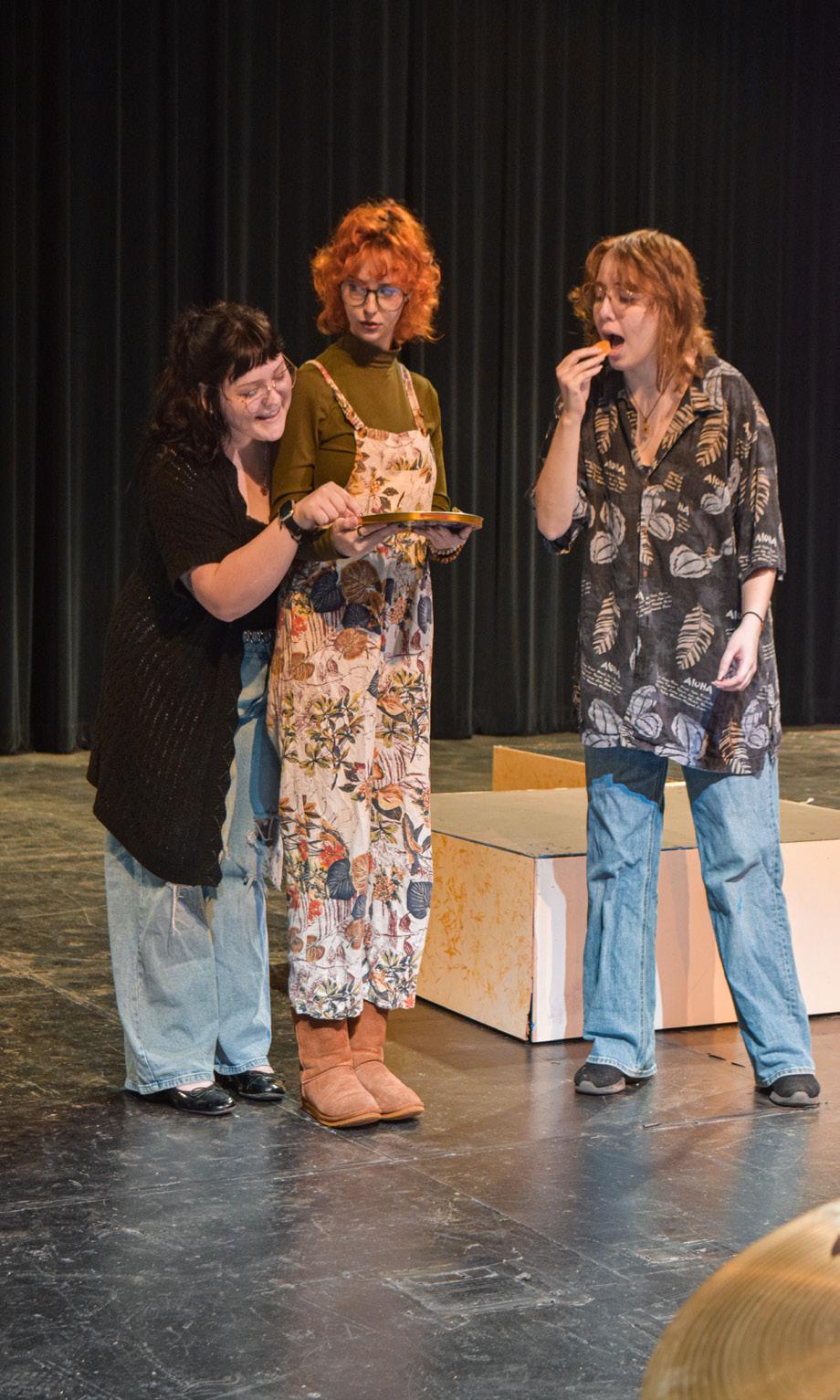
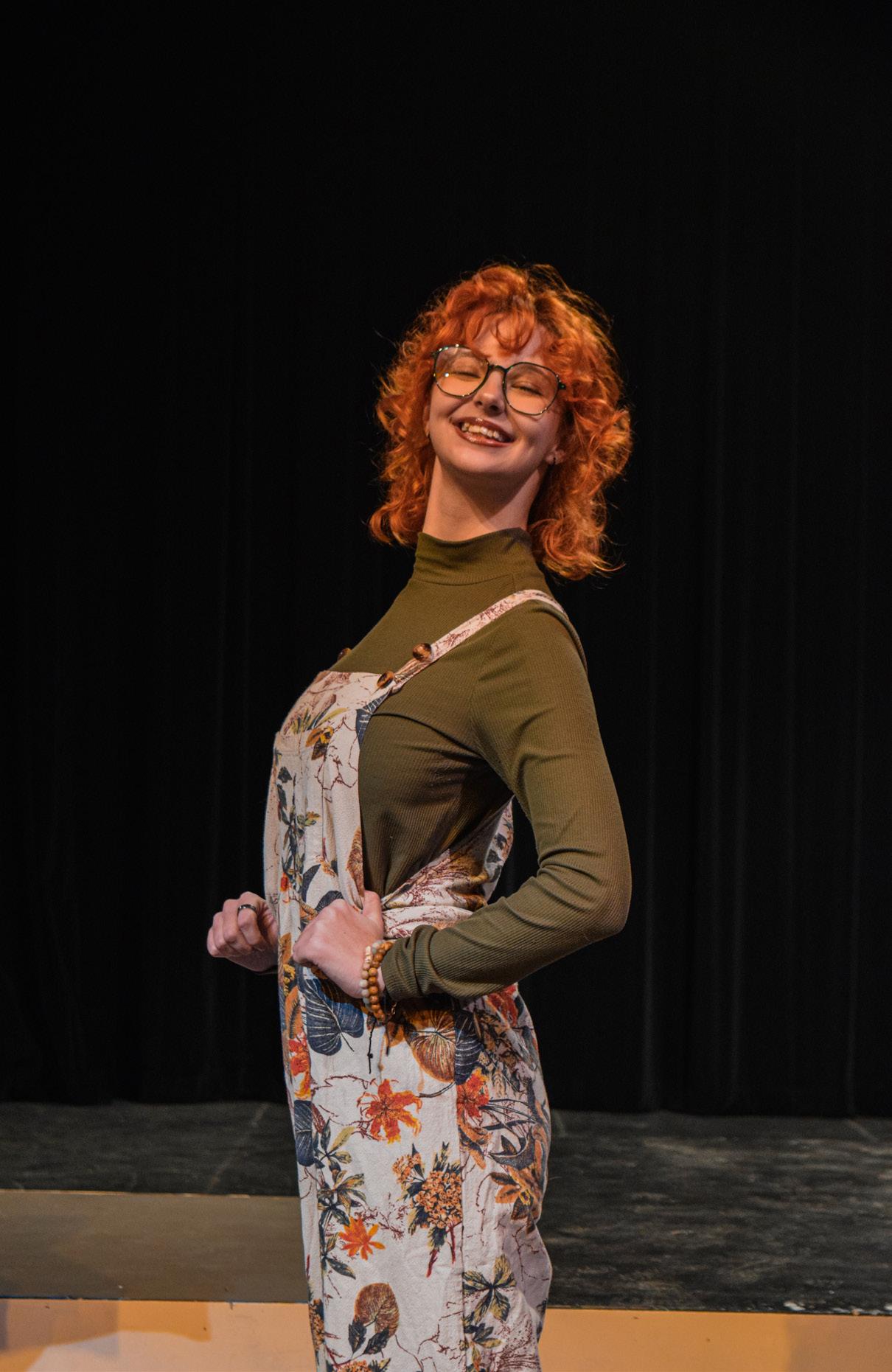
DEPARTMENT OF ART, MUSIC AND THEATRE ARTS PRESENTS: