
Christmas 2022 Edition It's Time to be Festive! Create better. Cashbacks & Prepaid Cards Available! Your One Stop Shop for All Major Brands!




2 1300 431 431 | camerapro.com.au

As 2022 begins to wrap up, we’d like to express our warmest appreciation to our community and customers for another wonderful year.
Throughout 2022, we progressed with our focus on positive environmental engagement and proudly became a Sapling Level Partner with Eden Reforestation Projects. With every single online and offline purchase, you have helped us fund their extraordinary reforestation and poverty alleviation efforts. Check out edenprojects.org to learn more about their global projects.
Early this year, we announced the 2021 CameraPro Explorer’s Grant recipients and their winning projects, which raise awareness of the endangered Mary River Turtle, Indigenous cultural burning and Tasmania's kelp forests. We continued our commitment with the 2022 Explorer’s Grant announcement, and we look forward to supporting more visual storytellers and funding brandnew, worthy projects.
Furthering our engagement with the Australian photographic community, we again partnered with Canon Australia to support the second annual Clique Awards. These fantastic awards offer an excellent opportunity for learning and connection for photographers of all experience levels, and we’re thrilled to remain involved.
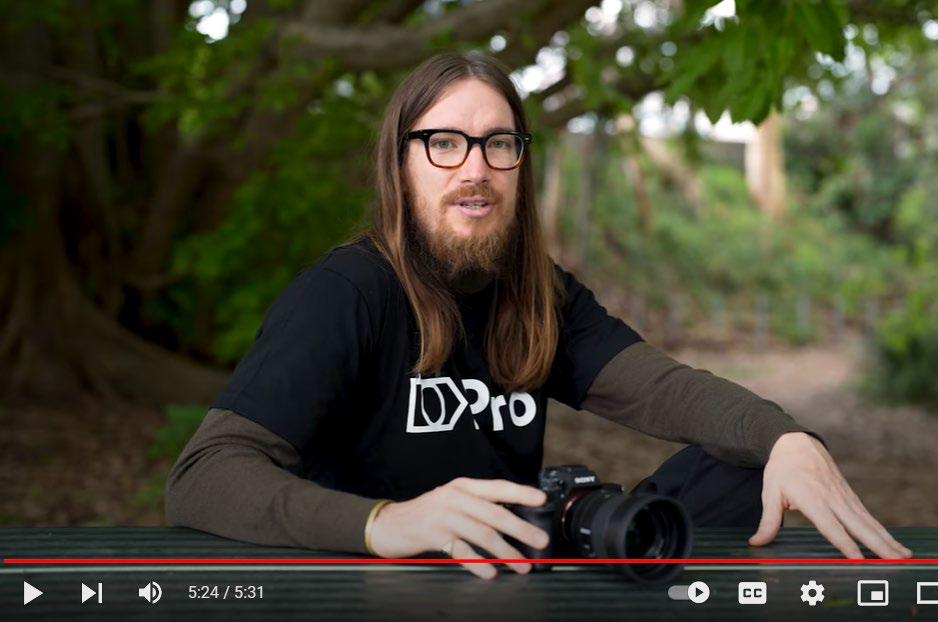
Our resolution to deliver more value to the photography community pushed us to create new and informative content for our customers, ranging from punchy 30 secs videos to more in-depth product reviews. We even started a TikTok account and would love you to follow us as we develop more bite-sized video fun.
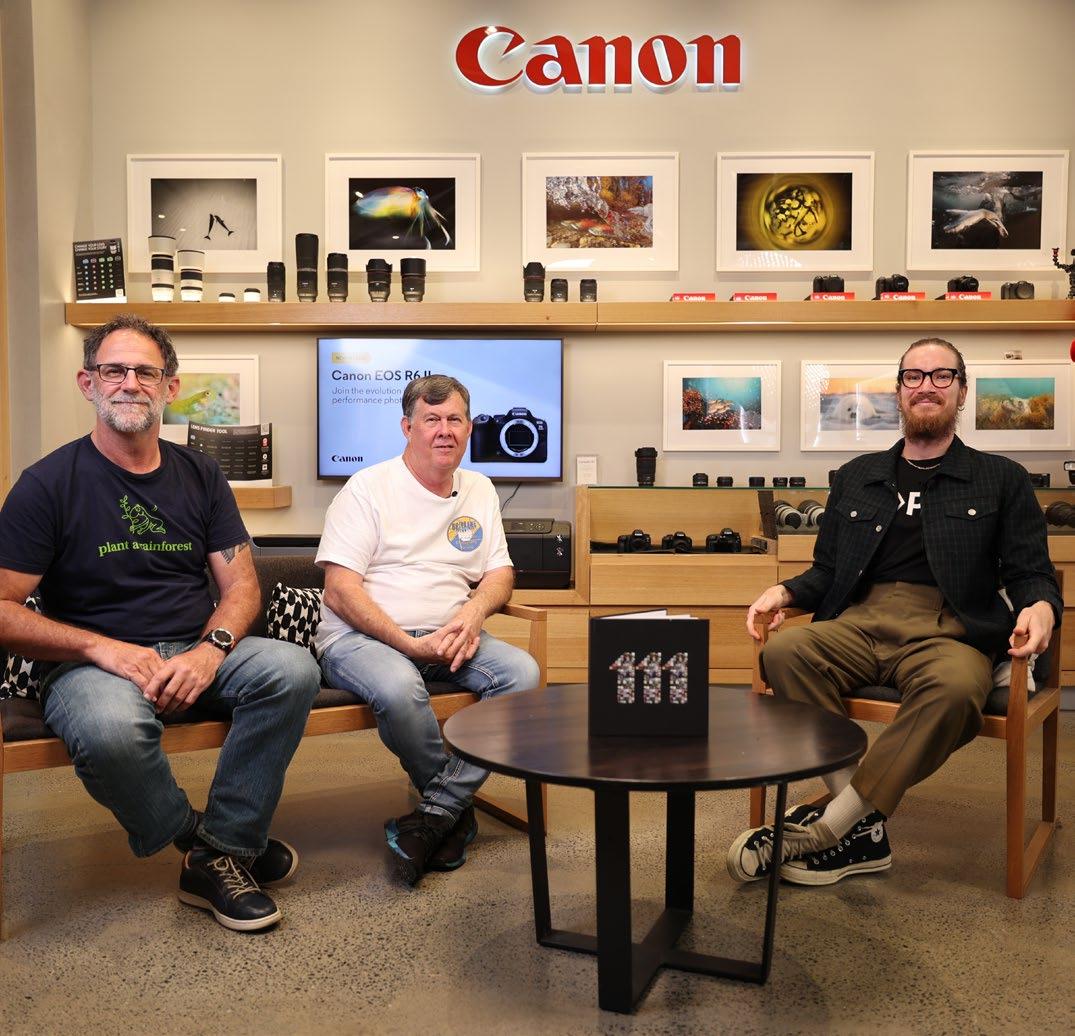
Our ‘On The Couch’ webinar series, supported by Canon Australia, saw exponential growth throughout 2022, with over 20 photographers sitting down with us and sharing their unique stories and tips. Following strong demand from our community for more content streams, we have plans to expand it to a podcast series, so stay tuned.
For the coming year, we are keen to strengthen our contribution to positive social and environmental change and will continue to explore new opportunities that align with our values. And we are excited to stretch ourselves further creatively to bring you more illuminating stories and gear insight that inspires you to reach for your camera and capture something new.
We all wish you and your loved ones a happy and healthy new year.

Keep safe, The CP Team.
Follow us on Tiktok.




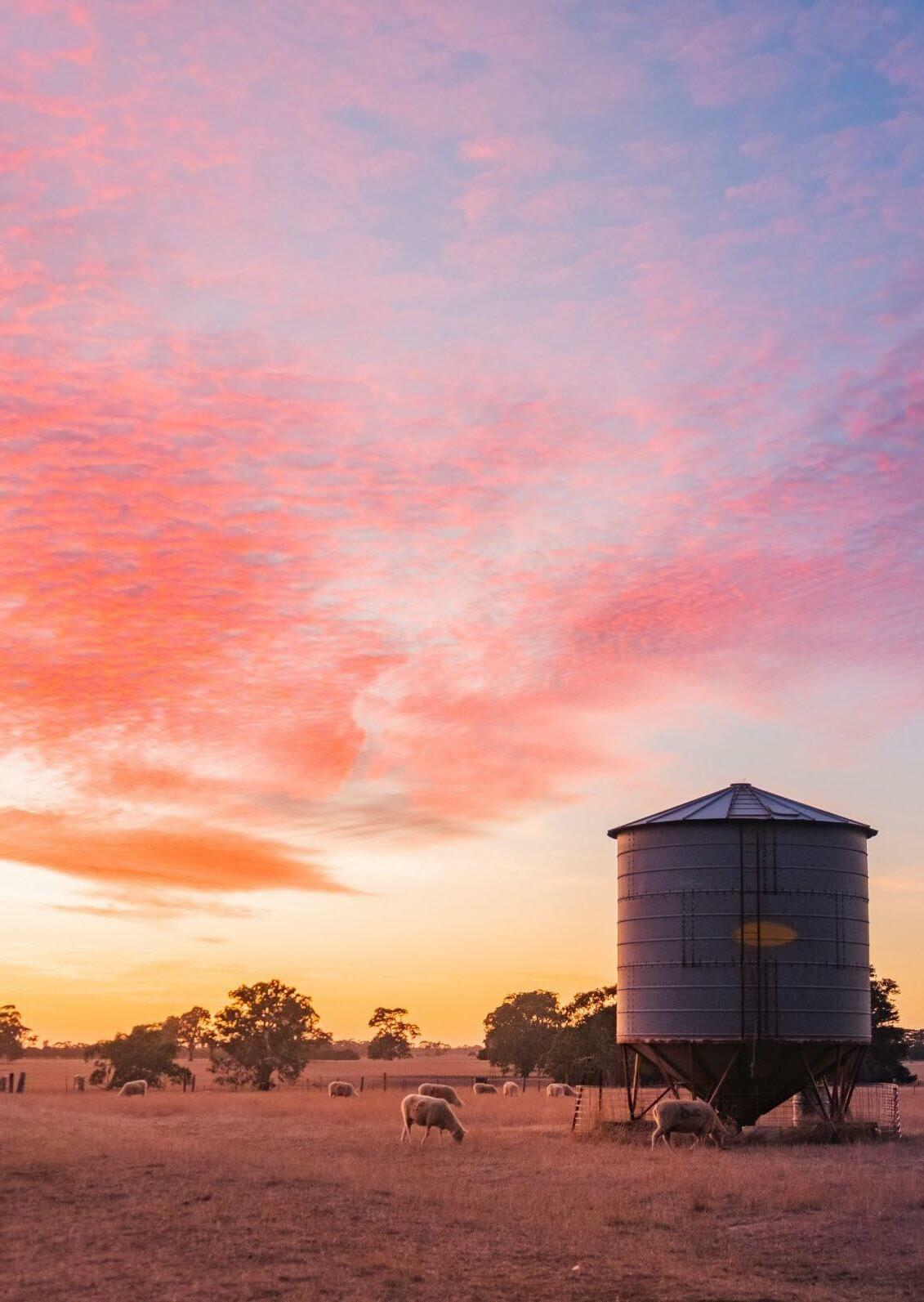


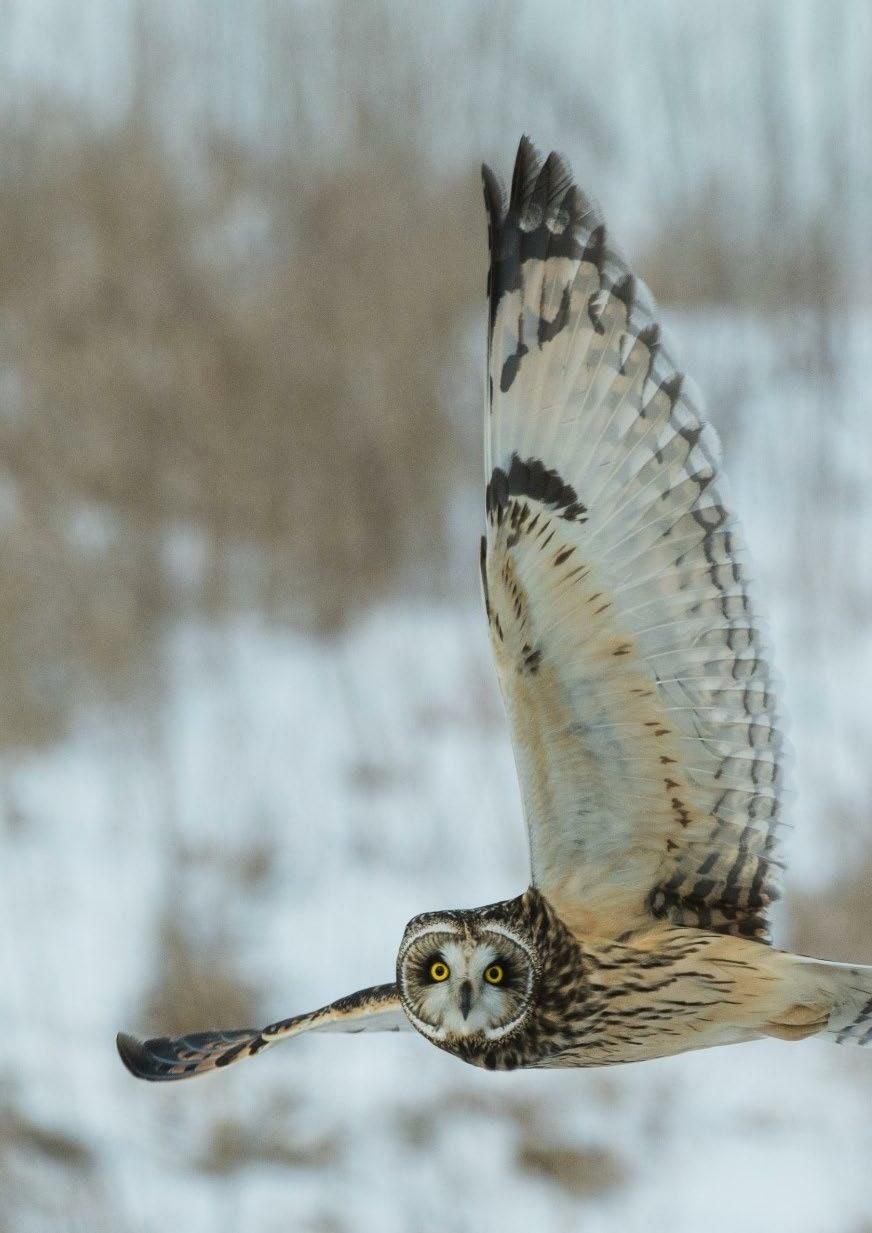
A picture is worth a thousand words.
The Explorer’s Grant was established to offer humanitarians, environmentalists, storytellers, innovators and pioneers both financial support and exposure for their chosen cause through photography and/or videography.

"The CameraPro explorers grant will enable me to document the biodiversity of Tasmanian kelp forests and highlight the struggle to save them. The funds will allow the charity to undertake marine research to gain a greater understanding of Tasmania's complex marine ecosystems and kelp forests."
Learn more about


Sony has had a massive couple of months delivering an exciting selection of new release cameras with something for everyone. In September, the FX30 was introduced as the first APS-C camera to join the esteemed cinema line. Next was the beginner-friendly ZV-1F vlogging camera. Finally, the highly anticipated resolution heavyweight, the A7R V, was announced. With all this new release action, we thought we’d do a little round-up of what each has to offer.

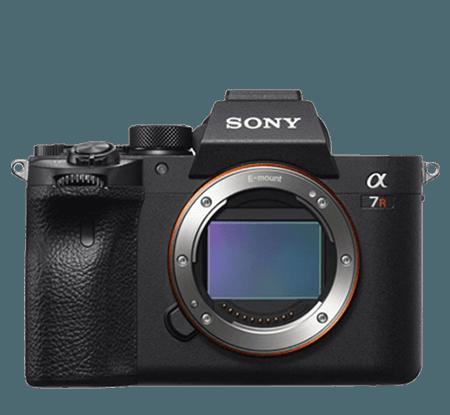
Arguably the hottest announcement was that of the A7R V. In its fifth iteration of the high-resolution line, Sony has bundled many of the most outstanding features from its latest Alpha cameras into one new body and thrown in some extra innovation for good measure. The Mark V has the same incredibly stunning 35m full-frame 61MP BSI CMOS sensor found in its Mark IV predecessor, but it has been paired with the powerful BIONZ XR processor found in the A1. This sensor and processor combination delivers more recording options and advanced stills features, making this a solid choice for hybrid shooters. The body's design is similar to the A7 IV, including the Quick dial on top for easy switching between stills and video modes, but with a new crowd-pleasing 4-axis multi-angle LCD monitor. The new design combines the best assets of tilting screens with a side-open, flip-out vari-angle design.
The A7R V has advanced real-time tracking with 693 phase-detection autofocus points that can accurately focus in conditions as low as -4.0EV. But the real gains have come with a newly developed AI Processing Unit that applies artificial intelligence and deep learning to the focusing system. The AIbased autofocus delivers significant improvements in eye and face tracking but now utilises deep learning to recognise body positions to estimate where the eye is and optimise subject recognition and tracking. This new technology even works when faces are obscured or turned away from the camera and in complex scenes with multiple people. The enhanced AF functionality doesn’t just apply to humans and animals. Subject tracking is now available for insects, cars, trains and planes and works in still and video modes.
Improvements have also been made to the 5-axis
in-body image stabilisation system. The IBIS in the Mark V can now compensate for up to 8-steps of camera shake. Pretty impressive when you consider other systems offer the same compensation when the camera’s IBIS is combined with stabilised lenses, whereas the A7R V can deliver that even with nonstabilised lenses. Stability is crucial if you’re shooting handheld and intend to squeeze every bit of resolution out of the 61MP sensor.
Although the A7R line has historically been photocentric, the new Mark V delivers some interesting video capabilities that make it a much more intriguing option for professional photographers looking to incorporate video into their offerings. The A7R V can shoot 8K at 24p 10-bit 4:2:0 and 4K up to 60p 10-bit 4:2:2, both with a 1.2x crop. Other recording options include full-frame uncropped 4K up to 30p 10-bit 4:2:2 binned, an oversampled 4K at 24p and 30p 10-bit 4:2:2 in APS-C crop mode and Full HD up to 120p. There are up to 14 stops of dynamic range to play with in post when filming in S-Log3. But when time and budget don’t allow for extensive editing, there is S-Cinetone for superbly accurate colour straight out of camera.
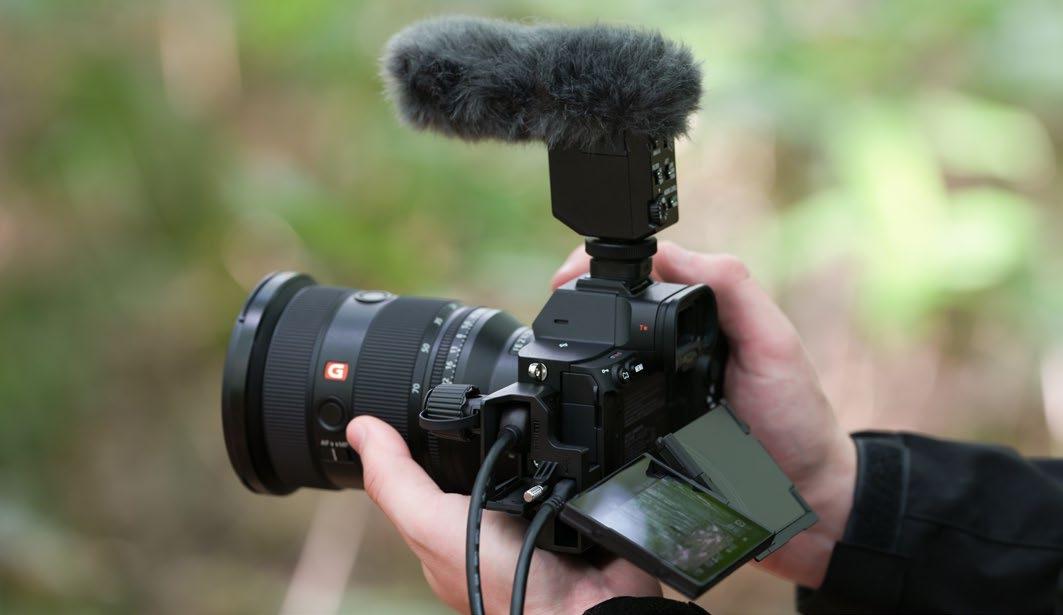
There’s loads more to love about the A7R, including burst shooting at 10 fps for up to 583 consecutive compressed raw frames with full-time AF and AE, 240MP images with Pixel Shift Multi Shooting, dual CFexpress A and SD, 16-bit RAW output, Breathing Compensation, AF Assist, Focus Mapping, outstanding 9.44M dot EVF and so on making this a very worthy upgrade over its predecessor.
Learn more about the Sony A7R V.
Watch our Sony A7R V video.

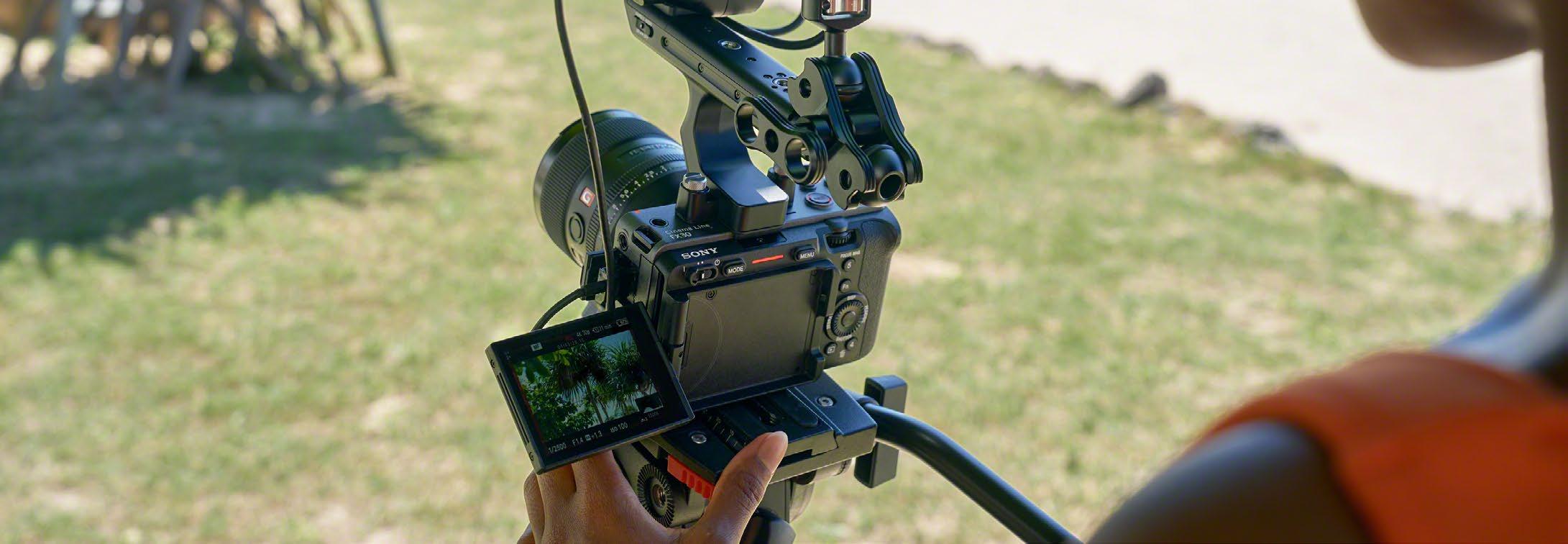
For budding cinematographers, Sony released the FX30, an affordable gateway into its cinema line. Housed inside an FX3 body is a newly developed 26MP APS-C or Super 35mm BSI CMOS sensor. The smaller sensor equates to a 1.5x crop in full-frame terms and is approximately 20.1 effective megapixels in movie mode. Coupled with Sony’s powerful BIONZ XR processor, this combo enables rich imagery, excellent lownoise handling, and impressive performance in a lightweight body.
Despite its compact size and modest price, there’s an excellent range of recording options and plenty of room to grow with this camera. High-quality 4K recordings are oversampled from the 6K sensor up to 60p in 10-bit 4:2:2. Even faster high-speed shooting is possible at 4K 120p, albeit with a 1.6x crop and in Full HD up to 240p.
Perfect for those just starting out or on tight timeframes that don’t allow for post-production, the FX30 has S-Cinetone, which delivers a filmlike feel with true-to-life skin tones straight out of camera. But for realising full creative expression with personalised colour grading, the FX30 can capture 14 stops of dynamic range in S-Log3, which is a decent maximum latitude at this price
point. Preset and imported LUTs can be applied to the LCD, and there is an HDMI output for more accurate image monitoring during filming.
Although it is positioned as an entry point camera in Sony’s cinema line, this mighty little camera has been loaded up with virtually every feature emerging filmmakers could want, with tons of room to grow creatively. There’s a 3.5mm headphone output and microphone input built-in, and if you want to expand the audio capabilities, you can record up to 4 channels with the optional XLR handle. Dual CFexpress Type A and SD memory slots offer flexibility with data management. Dual base ISO settings with ISO 800 and ISO 2500 both deliver exceptional lownoise performance. It has a Full HDMI input for outputting RAW video to an external recorder and five 1/4"-20 threaded mounting points for easily attaching accessories without needing an additional rig. With Breathing Compensation and Focus Mapping also included, the FX30 delivers a well-rounded video feature set that opens the door for new cinematographers.
Learn more about the Sony FX30.
Perfect for online creatives looking to progress from their smartphones, the ZV-1F is Sony’s entrylevel vlogging camera designed for super easy content creation. Borrowing much from the very popular ZV-1, Sony has simplified things further with this latest model to bring it in at a lower price point and make it easier for beginners to pick up and use.
Unlike the interchangeable lens design of the ZV1, Sony opted for a fixed 20mm-equivalent f/2.0 Zeiss lens. While this does limit creative options, it keeps the camera much smaller, virtually pocket-sized, and omits any confusion around lens selection. And 20mm is a great focal length choice for what this camera is designed for. It delivers a wider field of view than the human eye, which is great for capturing selfies with a group of friends and also includes sufficient background scenery for context.
Inside the ZV-1F are a 20.1MP 1" Sensor and BIONZ X image processor that can record 4K at up to 30 frames per second or 1080p up to 120fps for slow motion. Recording is super easy and doesn’t require any advanced photography or videography knowledge to capture excellent results. Shot Mark is a great new feature that helps quickly locate desired scenes and clips for fast sharing to a smartphone. Shot Marks can be added while filming or replaying a video and then used to cut 15, 30 or 60-second portions. Selected scenes can then be transferred straight to a smartphone, saving time and phone storage space.
The Background Defocus Button does precisely as the name suggests by keeping your subject sharp and blurring the background with a single button press. Another handy and easy-to-use feature borrowed from the ZV-1 is Product Showcase. In this mode, the camera intuitively focuses on the subject’s face, quickly adjusts focus to any object the presenter holds up to the camera, and then accurately returns focus to the presenter’s eye when the item is lowered from the frame.
The ZV-1F also captures very decent audio thanks to the built-in directional 3-Capsule microphone
that collects sound from in front of the camera and comes with an easily attached windscreen that significantly reduces wind noise when shooting outside. The articulating screen makes framing a breeze when self-recording and the touchscreen control makes adjusting settings extremely intuitive. It’s also possible to utilise the camera for live streaming by just plugging it into a computer via USB-C.
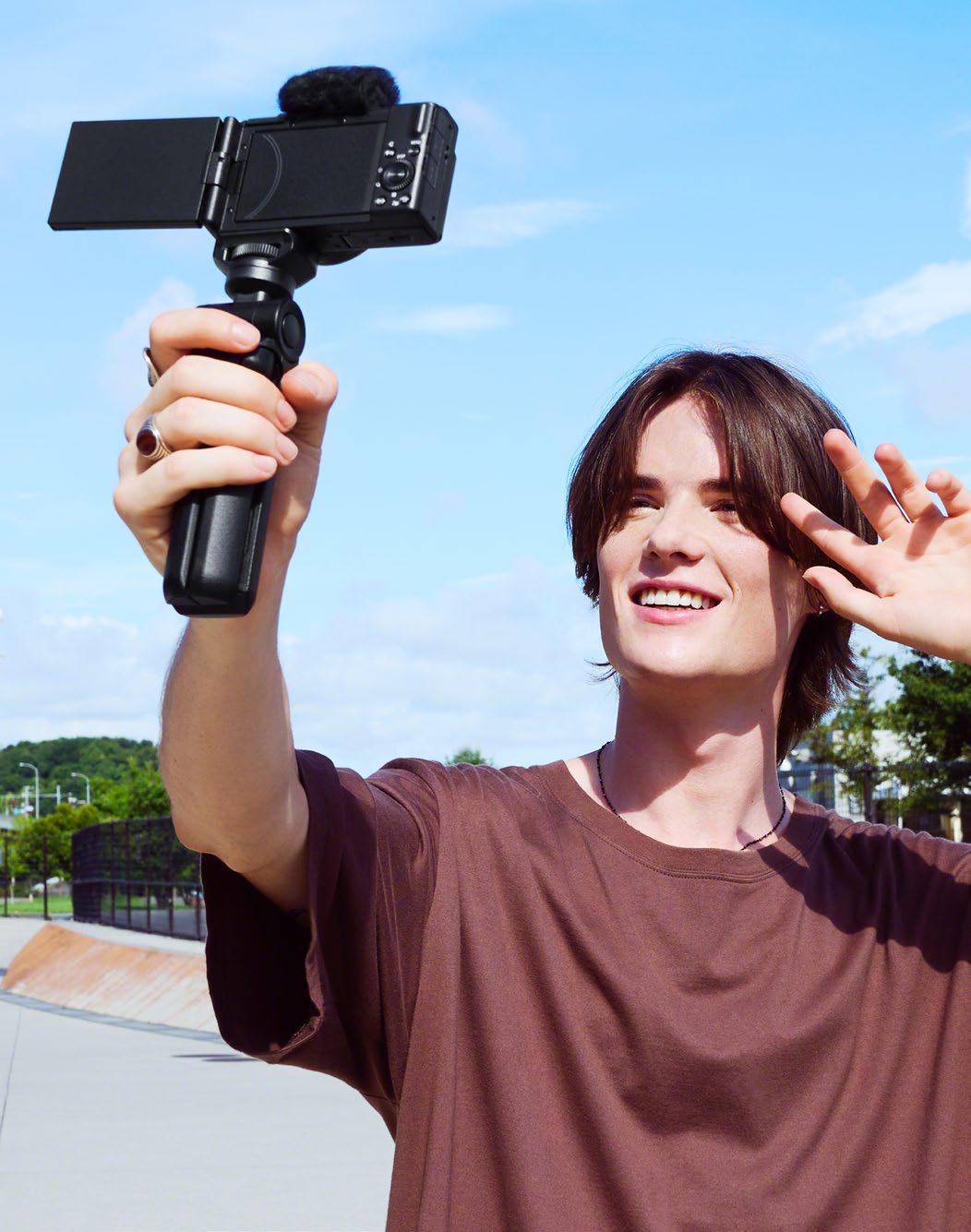
With its small size and very lightweight body weighing just 229 grams, the ZV-1F is the kind of camera you’ll happily carry with you everywhere. Fun features like slow-motion recording, timelapse, and 10 Creative Style presets will inspire you to get out and make more content.
Sony has been busy expanding its vlogging line with the ZV-1F, growing its revered cinema line with the FX30, and announcing the A7R V as the successor to the much-loved A7R line. Seeing lots of sophisticated tech from flagship bodies introduced across the range has been fantastic and means more shooting options for creatives regardless of their budget.
Learn more about the Sony ZV-1F.
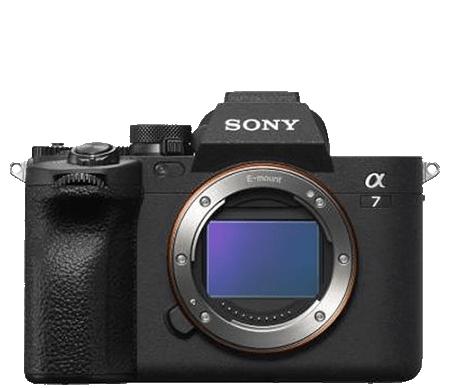
Sony A7 IV

Mirrorless Camera Body
• 33MP Full-Frame Sensor
• Up to 10 fps Shooting
• 4K 60p Video
Better than ever, the Sony a7 IV mirrorless camera features a 33 MP Full-frame Back-illuminated CMOS Sensor that delivers superior, high-resolution photos and video even in a low-light setting. Its generous 4D focus with up to 759 phase-detection AF points results in faster focus and sharper photos. The Sony a7IV is a remarkable full-frame hybrid camera that will expand your creative horizon.
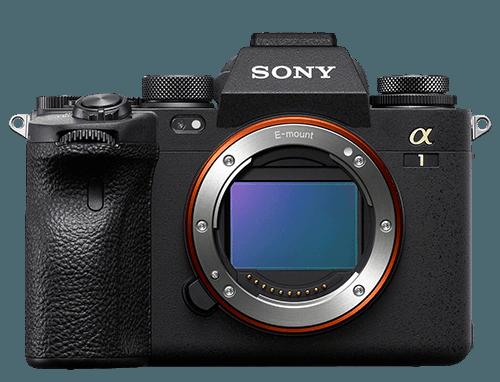
Sony Alpha 1 Mirrorless Camera
• 50MP Full-Frame Sensor
• Up to 30 fps Shooting
• 8K 30p and 4K 120p Video
Mirrorless Camera
• 61MP Full-Frame Sensor
• 567-Point Phase-Detection
• UHD 4K30p Video
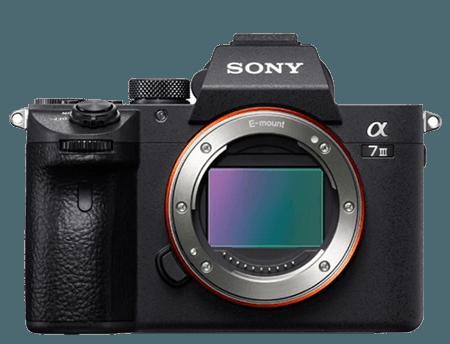
Sony A7 III
Mirrorless Camera
• 24MP Full-Frame Sensor
• 693-Point Hybrid AF System
• UHD 4K30p Video
Mirrorless Camera
• 24.2MP Full-Frame Sensor
• UHD 4K30p Video
• 5-Axis In-Body Image Stabilization
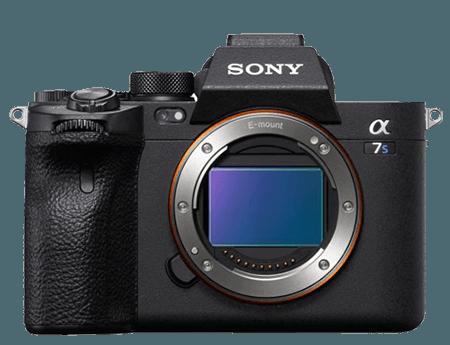
Sony A7S III Mirrorless Camera
• 12MP Full-Frame Sensor
• UHD 4K 120p Video
• 759-Point Fast Hybrid AF
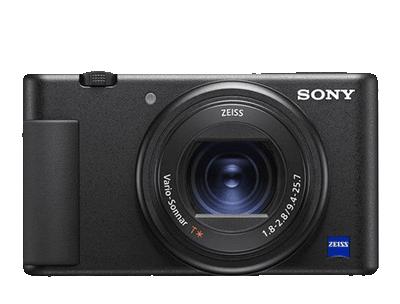
• 20.1MP 1" Exmor RS BSI CMOS Sensor
• UHD 4K30p Video
• Real-Time Tracking & Eye AF
Using the Sony FE 24-70mm f/2.8 GM Mark II lens with image stabilisation in compatible Sony cameras, ultra-fast focus in this lens ensures quick subject movements and hand shake won’t result in blurred shots when you’re capturing fast-action moments.
Sony FE 70-200mm f/2.8 GM M2 Lens
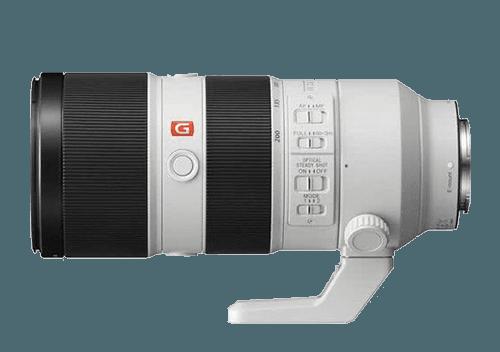
• Full-Frame Format
• Optical Steady Shot
• Dust and Moisture-Resistant
Sony FE 35mm f/1.4 GM Prime Lens
• Full-Frame Format
• Fast f/1.4 Max. Aperture
• Focus Hold Button
Sony FE 24-70mm f/2.8 M2 GM Lens
• Full-Frame Format Lens
• Constant Aperture Zoom
Sony
• Full-Frame Format
•
•
Sony
•
•
•
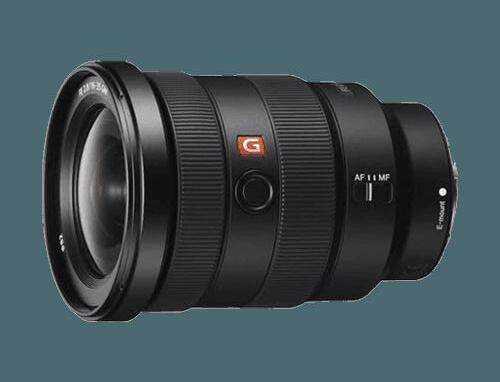
Sony FE 16-35mm f/2.8 GM Lens
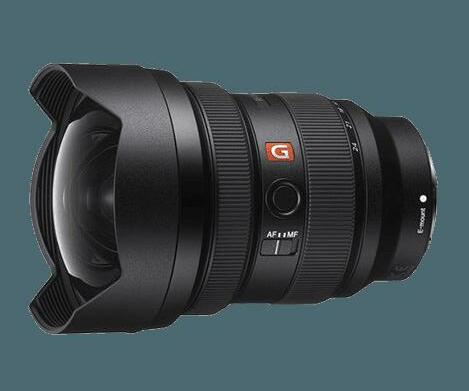
• Full-Frame Format
• F/2.8 Constant Max. Aperture
• Focus Hold Button
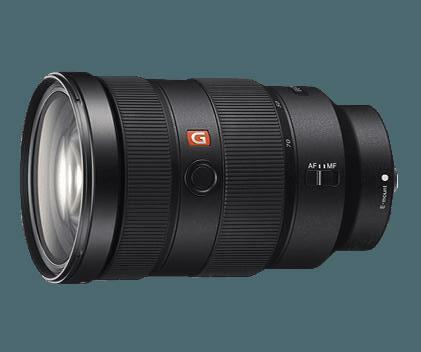
Sony FE 85mm f/1.4 GM Lens
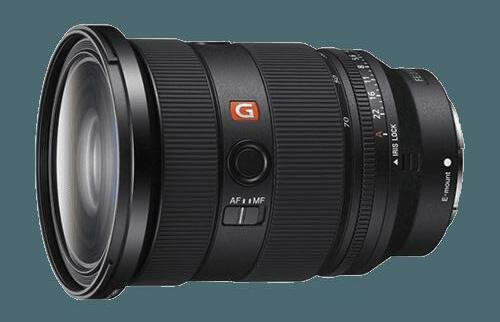
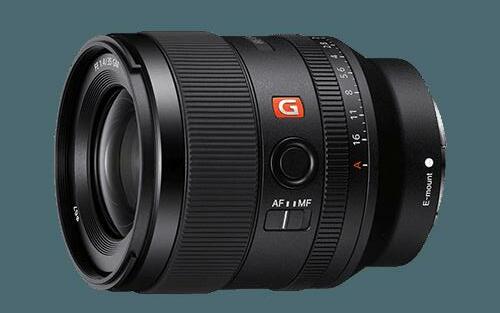
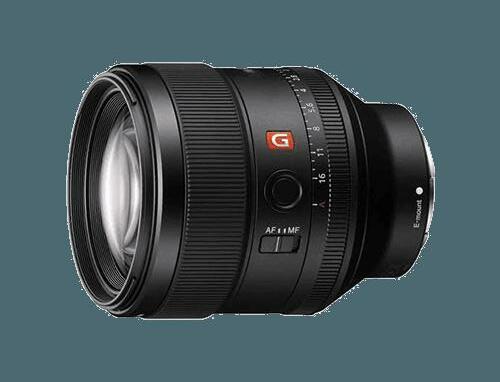
• Full-Frame Format
• Physical Aperture Ring
• Focus Hold Button
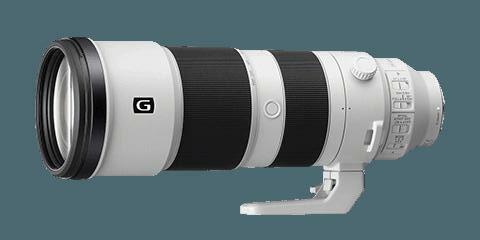
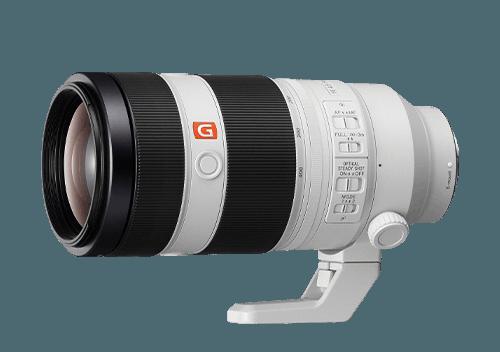
Sony 200-600mm f/5.6-6.3 G OSS Lens
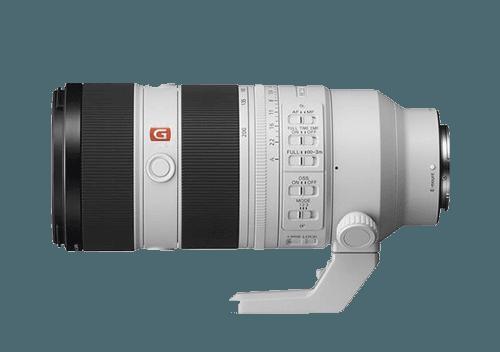
• Full-Frame Format
• Optical SteadyShot
• Dust and Moisture-Resistant
Sony FE 24-70mm f/2.8 GM Lens
• Full-Frame Format
• F/2.8 Constant Max. Aperture
• AF/MF Switch; Zoom Lock Switch
Sony FE 12-24mm f/2.8 GM Ultra Wide Zoom Lens
• Full-Frame Format
• f/2.8 constant Maximum Aperture
• Dust and Moisture-Resistant
• Zoom Smoothness Switch 1300 431 431 |
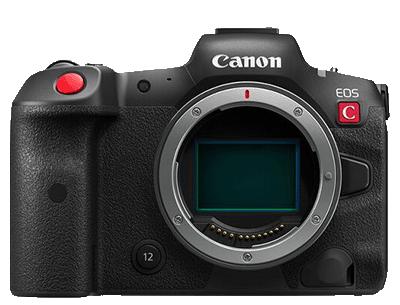
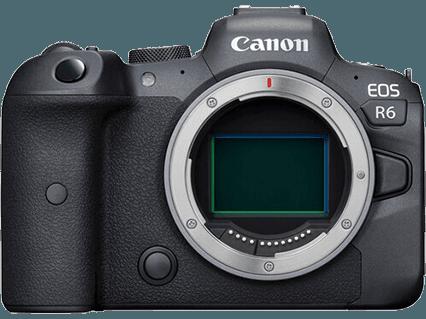
Canon’s R6 Mark II retains much of what we loved about the original but adds many exciting improvements and features courtesy of the new 24.2MP full-frame CMOS sensor and DIGIC X processor. The bump in resolution from the 20MP of its predecessor allows for more detailed stills and higher quality over-sampled 4K videos. Handling remains excellent, but the On-Off dial has been relocated to the right side, making space for a dedicated Photo-Video toggle on the left. It might take a little getting used to for original R6 and R5 users, but the modification allows hybrid shooters to switch between modes instantaneously with all settings between the two saved.
Thanks to increased processing power, the R6 Mark II has a rapid continuous shooting speed of 40 fps in electronic shutter mode and 12 fps in mechanical with AF and AE. There is also a 30 fps RAW Burst mode in which users can select a Prerelease shooting function to capture moments that happened up to 0.5 sec before the shutter button is pressed. Shooting handheld with longer lenses or at slow shutter speeds is a breeze, with the IBIS working to compensate for up to eight stops of shake when paired with compatible RF IS lenses.
The R6 Mk II features Canon’s advanced dualpixel CMOS AF II system with 1053 AF points covering the entire area.
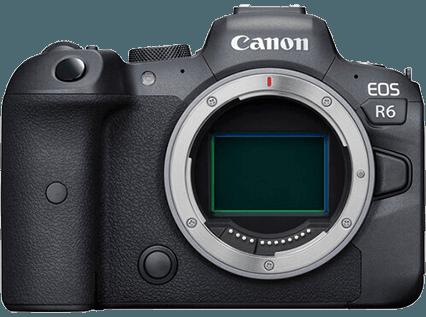
Updated algorithms provide noticeably faster and more accurate tracking and perform exceptionally well in low light conditions, down to - 6.5 EV. All previous subject detection modes carry over, but the list now includes horses, trains and aircraft, all of which are available whether you’re shooting stills or video. The Mk II also has an Auto option for subject detection in which the camera selects the detection mode.
Video shooters will appreciate the notable improvements in recording capabilities which allow capture of up to 4K 60p oversampled from the full width of the 6K sensor. High frame rate shooting in Full HD has increased to 180 fps for slow-motion shooting. Users now have ample flexibility with editing workflows and can shoot internal 10-bit with Canon Log 3 or output 10-bit 6K ProRes RAW via HDMI to an external recorder. The maximum recording time has also had a significant boost to 6 hours, and the pre-recording function allows the capture of footage from 3 or 5 seconds before the record button is pressed.

•
•
Canon
•
•
•
Canon
•
•
•
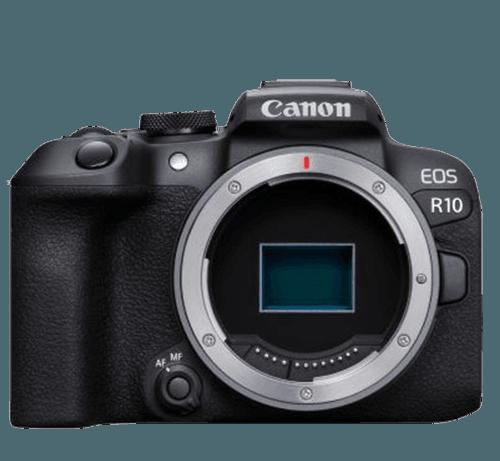
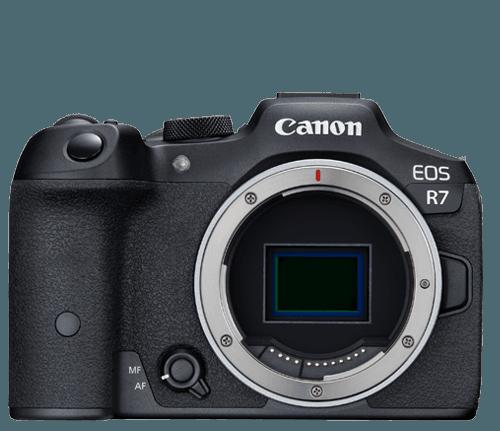
The new Canon R7 Mirrorless Camera brings all the benefits of an APS-C sensor to the EOS R system. Also featuring a top continuous shooting rate of up to 30 fps with the electronic shutter and up to 15 fps mechanical, the new R7 Canon is an impressive blend of speed, image quality and features, delivering a highly functional package for hybrid shooters focused on action.
•
Canon
•
•
•
•
Canon
•
•
•
•
•
•
•
•


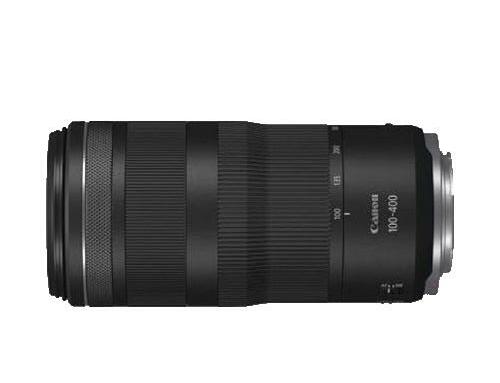
Canon RF 100-400mm f/5.6-8 IS USM Lens
• RF-Mount Lens
• Optical Image Stabilizer
• Customizable Control Ring
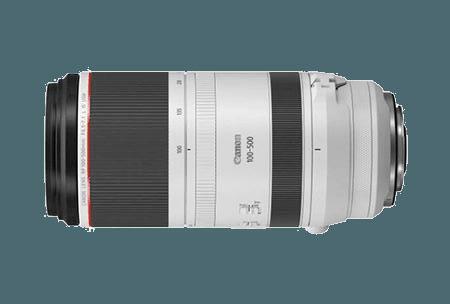
Canon RF 100-500mm f/4.5-7.1L IS USM Lens
• RF-Mount Lens
• Dual Nano USM AF System
• Optical Image Stabilizer
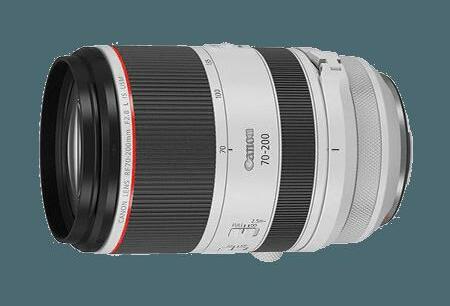
Canon RF 70-200mm f/2.8L IS USM Telephoto Zoom
• RF-Mount Lens
• f/2.8 Constant Maximum Aperture
• Optical Image Stabilizer
Canon RF 24-105mm f/4L IS Lens
• RF-Mount Lens
• Constant f/4 Maximum Aperture
• Optical Image Stabilizer
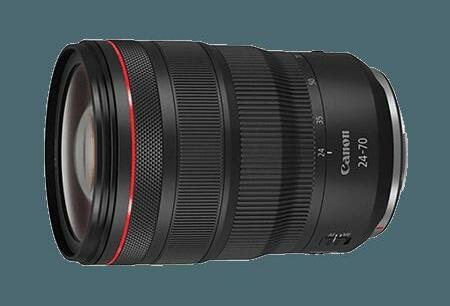
Canon RF 24-70mm f/2.8L IS USM Lens
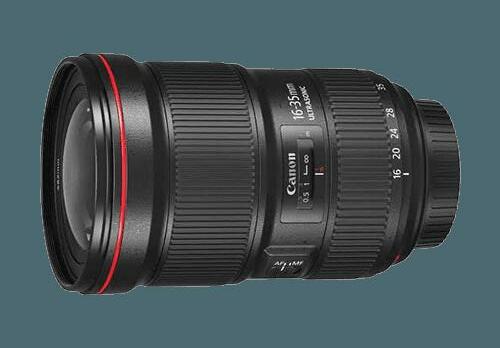
• RF-Mount Lens
• Constant f/2.8 Maximum Aperture
• Optical Image Stabilizer
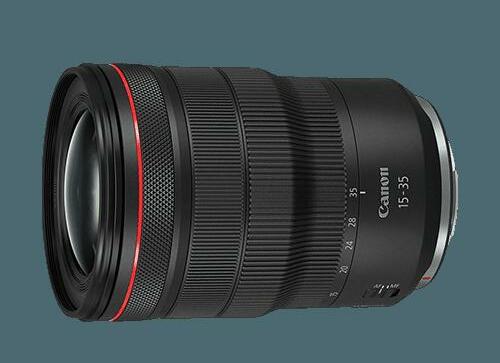
Canon RF 15-35mm f/2.8L IS USM Lens
• RF-Mount Lens
• Nano USM AF System
• Optical Image Stabilization
Canon RF 100mm f/2.8L Macro IS USM Lens
• RF-Mount Lens
• 1.4x Magnification with Autofocus
• Optical Image Stabilization
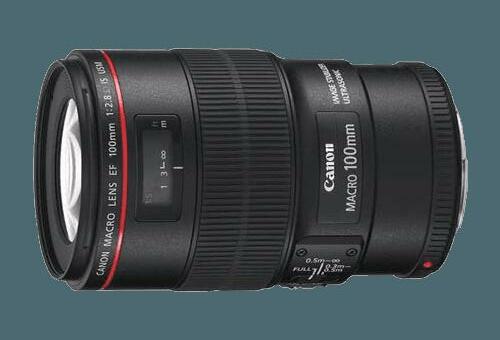
Canon EF 100mm f/2.8L Macro IS USM Lens
• EF-Mount Lens
• 1:1 Magnification
• Focus Range Limiter
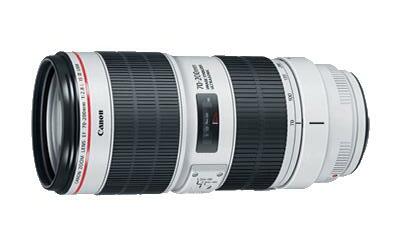
Canon EF 70-200mm f/2.8L IS III USM Lens
• EF-Mount Lens
• Constant f/2.8 Maximum Aperture
• Optical Image Stabilizer
Canon EF 16-35mm f/2.8L III USM Lens
• EF-Mount Lens
• Constant f/2.8 Maximum Aperture
• Weather-Sealed Construction
Canon EF 100-400mm f/4.5-5.6L IS II USM Lens
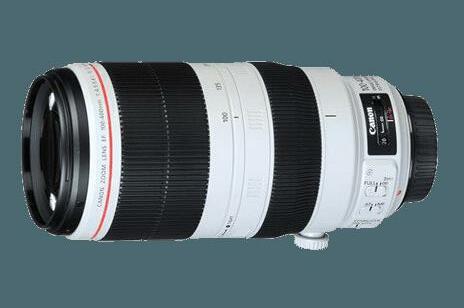
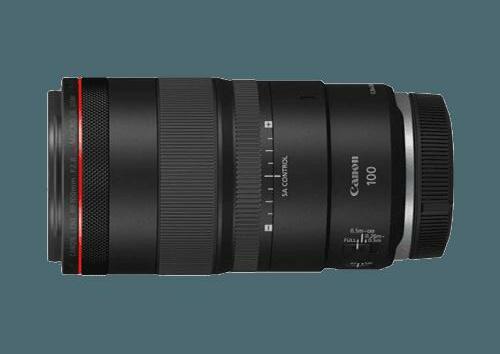
• EF Mount Lens
• Ring-Type Ultrasonic Motor AF System
• Optical Image Stabilizer 1300 431 431 |
Canon EF 85mm f/1.4L IS USM Lens
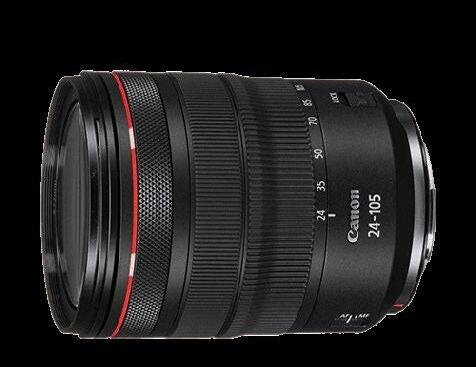
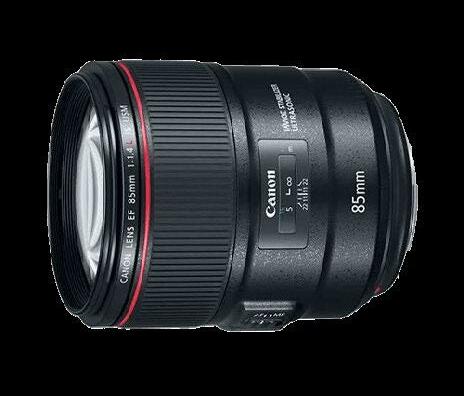
• EF-Mount Lens/Full-Frame Format
• Constant f/1.4 Maximum Aperture
• Optical Image Stabilization
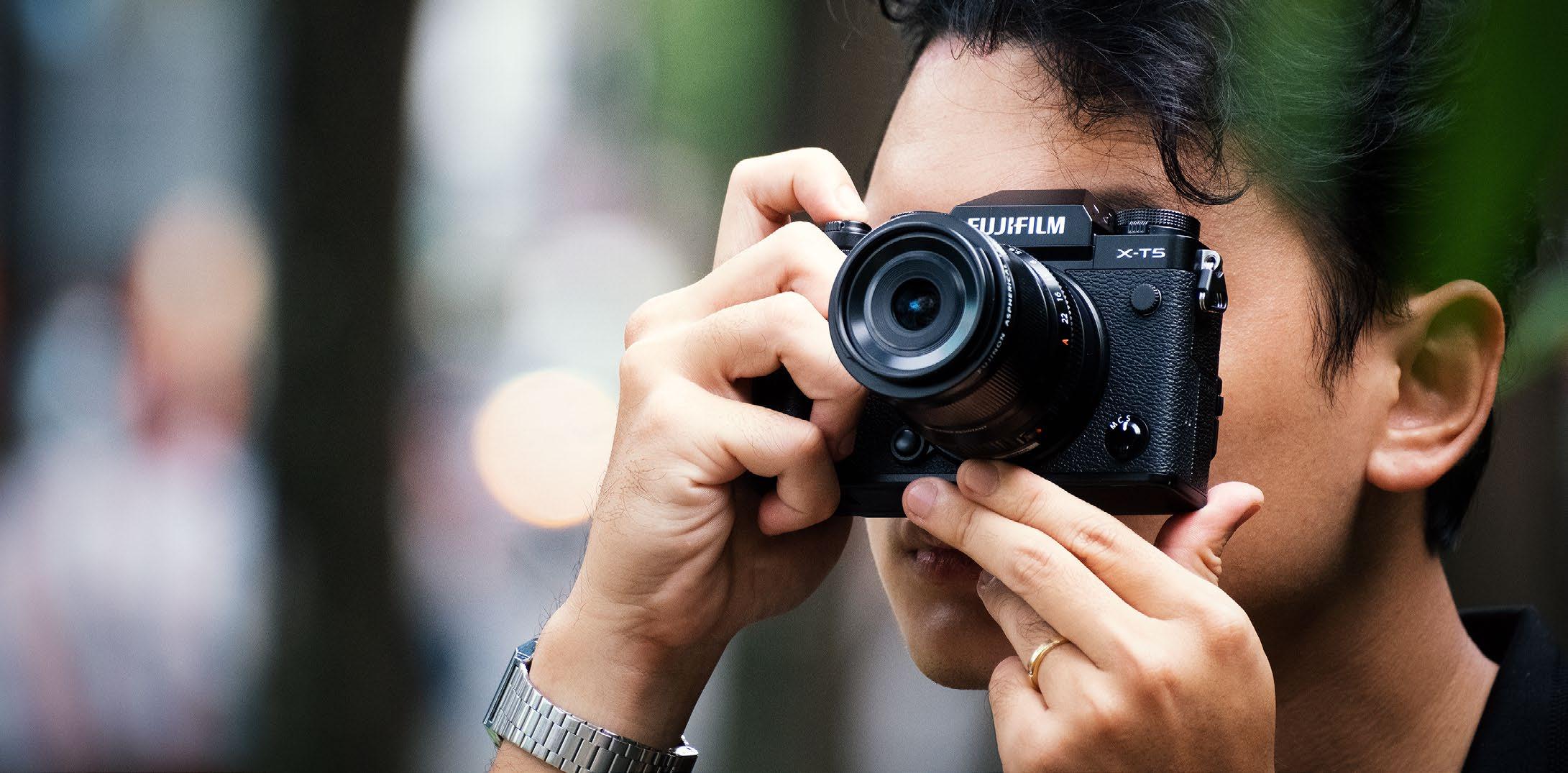
Now in its fifth generation, Fuji’s X-T line continues to fuse classic design with sophisticated technology. With the X-T5, Fujifilm has packed more performance and functionality into a noticeably smaller and lighter chassis than its predecessor. At the camera’s core are a new high-resolution 40.2MP APS-C X-Trans CMOS 5 HR sensor and X-Processor 5 imaging engine delivering substantially more image detail and speed.
Capitalising on the X-Processor 5’s power, the X-T5 delivers improved subject detection autofocus based on deep learning technology to accurately detect and track animals, birds, cars, motorcycles, planes and trains. The new sensor also has more phase detection pixels for improved single-point AF accuracy. Subject tracking AF also works in continuous shooting mode to capture up to 15 fps in mechanical and 20 fps in electronic shutter mode.
The X-T5 includes 5-axis in-body image stabilisation capable of up to seven stops of compensation. The camera’s compact and lightweight design lends itself beautifully to street and travel photography, where using a tripod might not be practical. The advanced IBIS ensures handheld shake won’t destroy the high-resolution pictures.
And if 40.2MP isn’t enough, Pixel Shift Multi-Shot function utilises the IBIS mechanism to capture 20 images consecutively.
Dedicated software combines the RAW files to quadruple the camera's native resolution and generate a 160MP image.
Although more photo-centric with its dial operation, three-way tilting LCD and suite of 19 Film Simulation presets based on Fujifilm’s most loved film stocks, the X-T5 does offer hybrid shooters some solid video recording options. For high-resolution footage with smooth tonal gradation and rich colours, the camera can record 6.2K 30p 4:2:2 10-bit internally and 12-bit Apple ProRes RAW up to 6.2K 30p externally to a compatible device. And for maximum dynamic range and editing flexibility, the X-T5 also supports F-Log2.
•
•
•
•
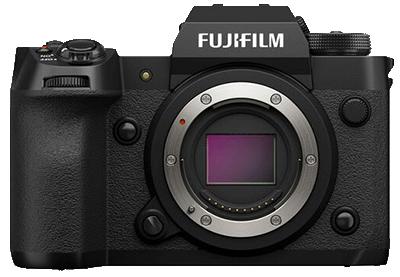
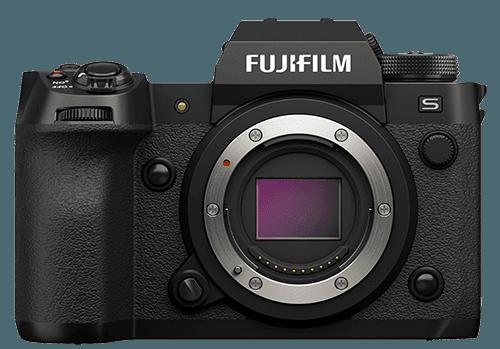
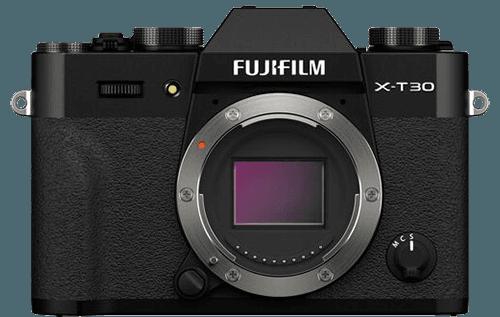
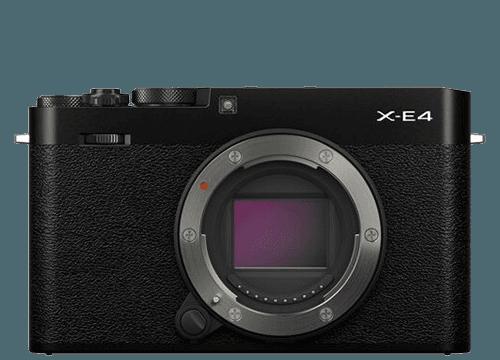
At its core is a brand new back-illuminated 40.2MP X-Trans CMOS sensor paired with Fuji’s high-speed X-processor 5. Characterised by impressive stills and video image quality with exceptional low light performance, a rich tonal range between shadows and highlights and blisteringly fast shutter speeds. The X-H2 is perfectly designed for photographers and filmmakers who require extraordinary detail and outstanding flexibility in a compact APS-C body.
•
•
•

•
•
Fujifilm
•
•
•
•
•
•
•
•
Fujifilm
•
•
•
•
•
•
•
•
•
•
•
•
•
•
•
•


•
•
•
•
•
•
•
•
•
Nikon
• Z-Mount Lens
•
•
Nikon
• Z-Mount Lens
• Built-In 1.4x Teleconverter
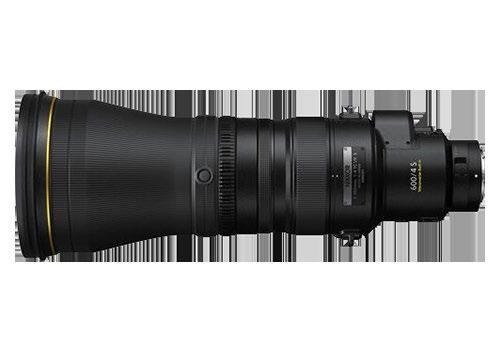
•
• Z-Mount Lens
• f/2.8 Constant Max. Aperture
•
•
•
•
•
•
•
•
•
•
•
•
Nikon
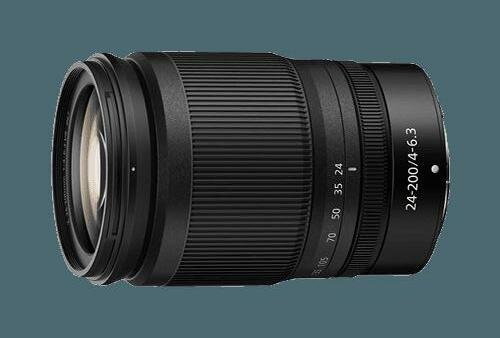
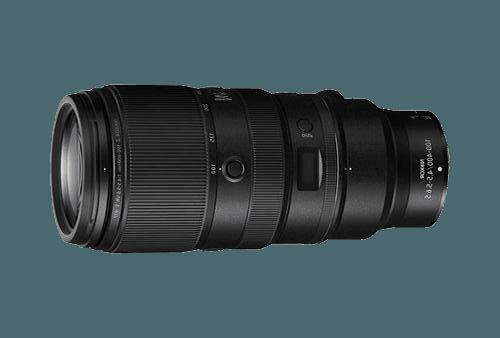
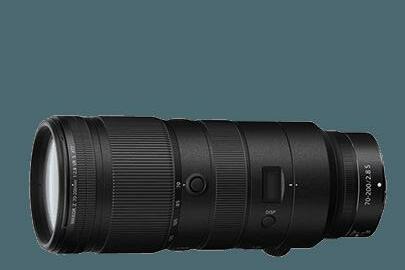
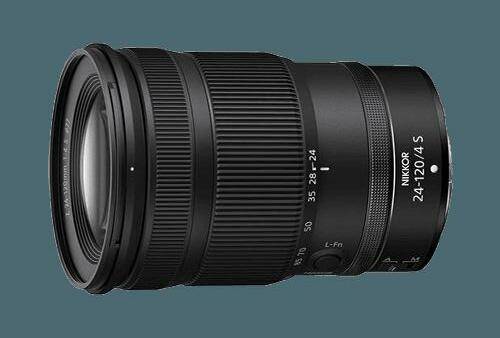
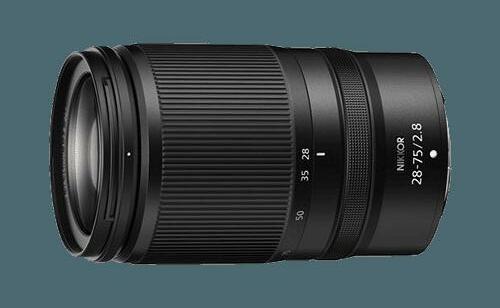
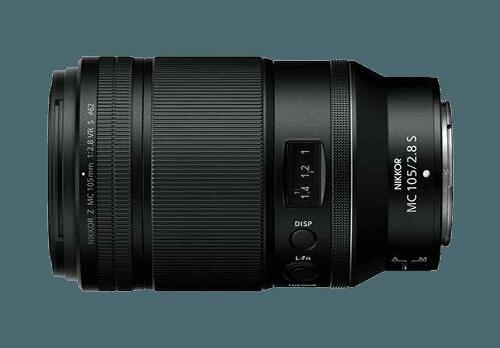
•
•
•
•
•
•

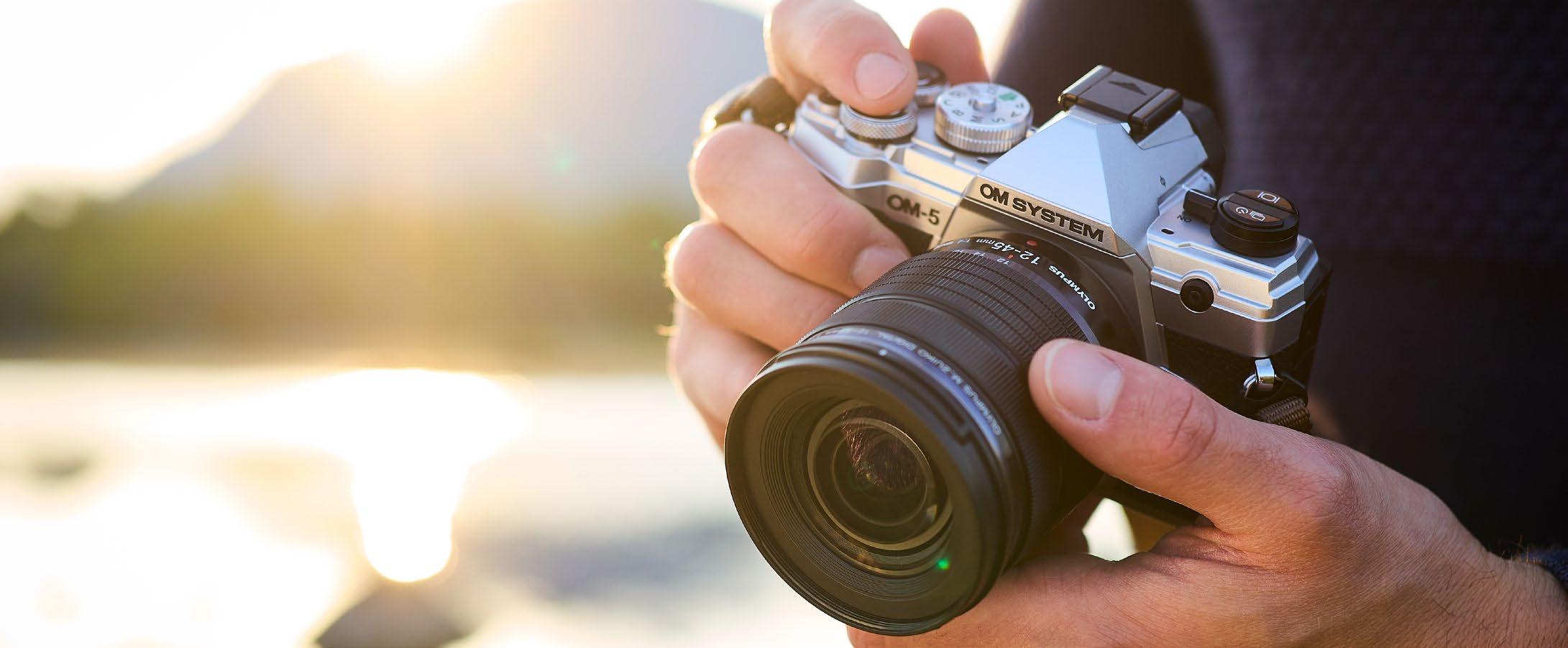
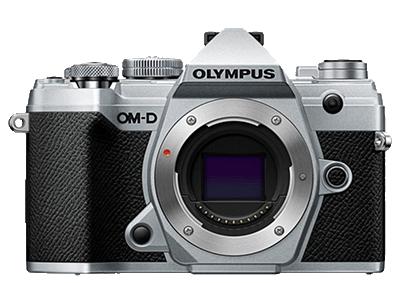
For adventure-focused hybrid shooters, the new OM-5 is a compact and rugged camera that can go virtually anywhere. The 20.4MP Micro Four Thirds sensor and updated TruePic IX image processor combine to present a well-rounded and fun selection of photo and video features.
The high-performance 5-axis image stabilisation delivers up to 7.5 stops of shutter speed compensation when partnered with compatible IS lenses and alleviates the need for a tripod in many situations, helping users to travel lighter and move freely. The advanced autofocus system utilises 121 phase and 121 contrast-detection AF points for quick and accurate focusing in mixed lighting conditions. The Focus area is adjustable; users can select between single-area, 5-area, 9-area, and 25-area or custom to suit the subject's size in the scene. There is also a Starry Sky AF mode for accurately focusing on stars.
Harnessing recent advancements in computational photography technology, the OM-5 offers a set of creative shooting modes for flexibility in the field. Handheld High Res Shot generates a 50 MP high-resolution photo without a tripod. Live ND simulates the effect of using an ND filter up to 4 stops to attain motion blur effects. Live Composite mode is ideal for night shooting and light painting applications where the camera blends multiple shots to gradually build an
exposure without overexposing key elements.
Live Bulb allows monitoring of exposure status at designated intervals during a long exposure. And Focus Stacking captures multiple sequential images at varying focal points then composites the frames into a single photo with an extended depth of field.
Video recording supports 4K 24p in DCI, 4K 30p in UHD, and 60p in Full HD. There is a built-in stereo microphone for simple audio recording and a mic jack for improved audio quality with an external mic. The Time Lapse Movie mode can capture up to 9,999 shots over time and automatically generate a movie with up to 4K UHD resolution when completed. The OM-5 also supports vertical shooting, which saves video files vertically when shot that way and allows for easy uploading to social media and viewing in the vertical orientation without editing software.
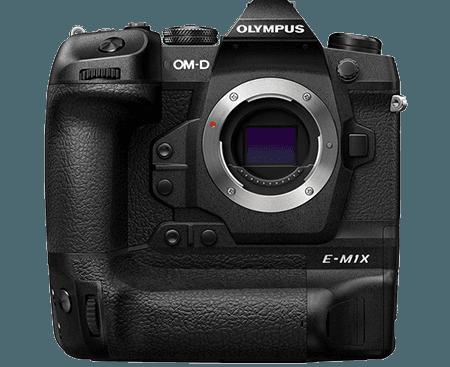
Olympus OM-D E-M1X
Mirrorless Camera
• 20.4MP Micro Four Thirds Sensor
• Integrated Vertical Grip
• 5-Axis Sensor-Shift Image Stabilization
OM System
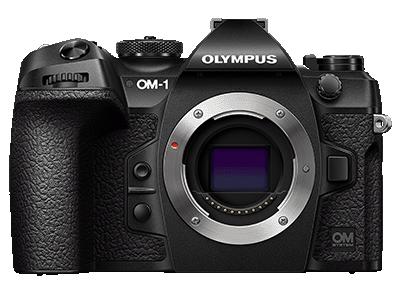
OM-1
Mirrorless Camera
• 20MP Micro Four Thirds Sensor
• 5-Axis In-Body Image Stabilization
• IP53 Weather-Sealed
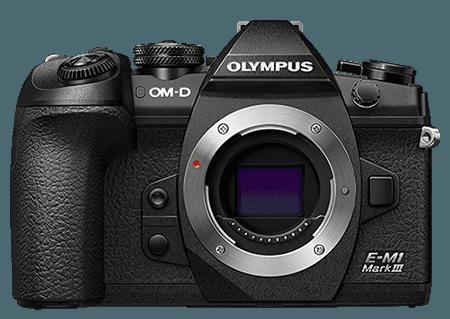
Olympus OM-D E-M1 III
Mirrorless Camera
• 20.4MP Micro Four Thirds Sensor
• Weather-Sealed Construction
• 5-Axis Sensor-Shift Image Stabilization
Olympus OM-D E-M1 III Kit with 12-40mm Pro Lens
• 20.4MP Micro Four Thirds Sensor
• Weather-Sealed Construction
• 5-Axis Sensor-Shift Image Stabilization
Available in
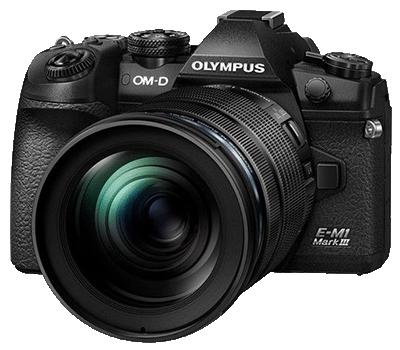
Olympus E-M1 III Kit with 12-100mm Pro Lens
• 20.4MP Micro Four Thirds Sensor
• Weather-Sealed Construction
• 5-Axis Sensor-Shift Image Stabilization
Olympus E-M5 III
Mirrorless Camera
• 20.4MP Micro Four Thirds Sensor
• 3.0" Vari-Angle Touchscreen
• 5-Axis Sensor-Shift Image Stabilization
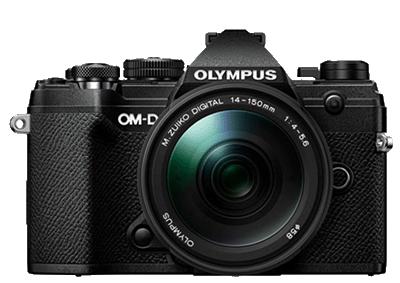
Olympus OM-D E-M5 III Kit with 14-150mm Lens
• 20.4MP Micro Four Thirds Sensor
• 3.0" Vari-Angle Touchscreen
• 5-Axis Sensor-Shift Image Stabilization
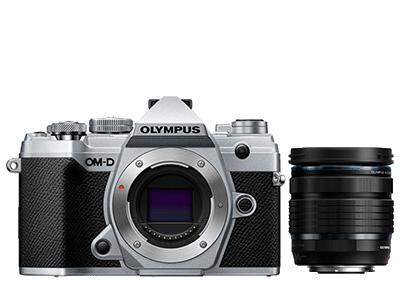
Olympus OM-D E-M5 III Kit with 12-45mm Pro Lens
• 20.4MP Micro Four Thirds Sensor
• 3.0" Vari-Angle Touchscreen
• 5-Axis Sensor-Shift Image Stabilization
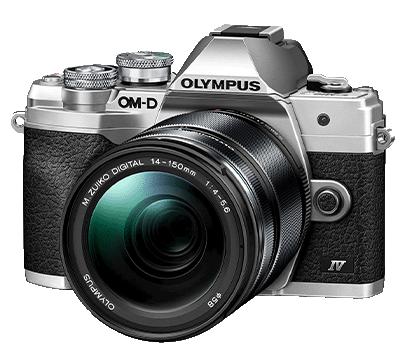
Olympus
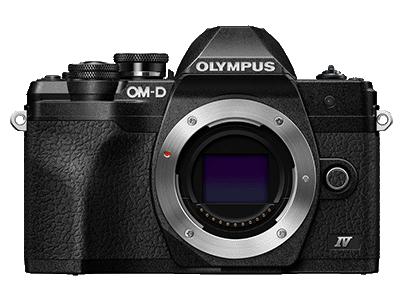
OM-D E-M10 IV
Mirrorless Camera
• 20.3MP Micro Four Thirds Sensor
• UHD 4K30p Video
• 5-Axis Sensor-Shift Image Stabilization
Olympus OM-D E-M10 IV Kit with 14-150mm Lens
• 20.3MP Micro Four Thirds Sensor
• UHD 4K30p Video
• 5-Axis Sensor-Shift Image Stabilization
Olympus M.Zuiko
Digital ED 7-14mm f/2.8 Pro Lens
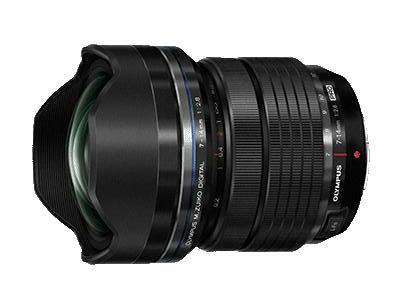
• Micro Four Thirds Mount
• Constant f/2.8 Max. Aperture
• Weather-Resistant Construction
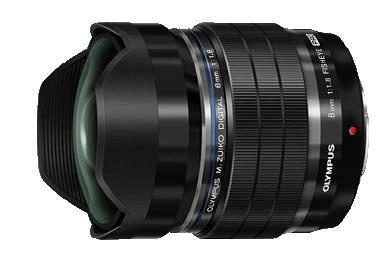
Olympus M.Zuiko Digital ED 8mm f/1.8 Fisheye Pro Lens
• Micro Four Thirds Mount
• Aperture Range: f/1.8 to f/22
• 180° Angle of View
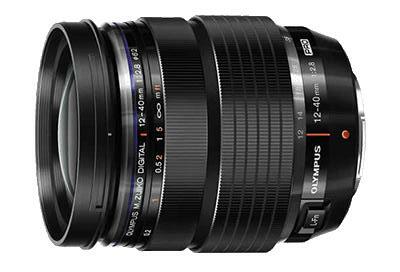
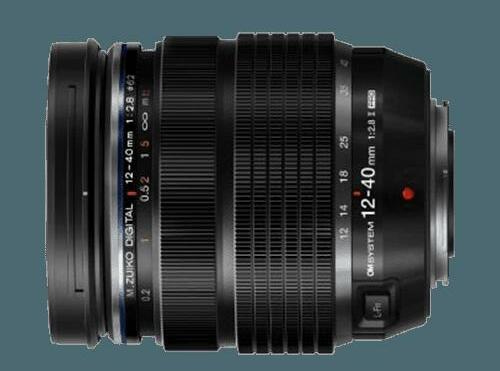
OM System M.Zuiko
Digital ED 12-40mm f/2.8 Pro II Lens
• Micro Four Thirds Mount
• Constant f/2.8 Max. Aperture
• Weather-Resistant Construction
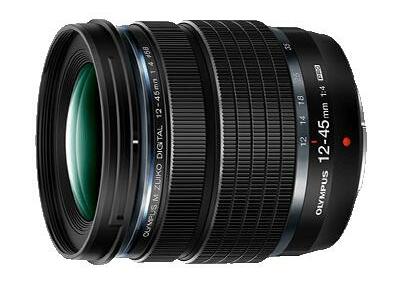
Olympus M.Zuiko
Digital ED 12-45mm f/4.0 Pro Lens
• Micro Four Thirds Mount
• Constant f/4 Max. Aperture
• Weather-Resistant Construction
OM System M.Zuiko Digital ED 12-40mm f/2.8 Pro Lens
• Micro Four Thirds Mount
• Programmable L-Fn Function Button
• Weather-Resistant Construction
OM System M.Zuiko
Digital ED 8-25mm f/4.0 Pro Lens
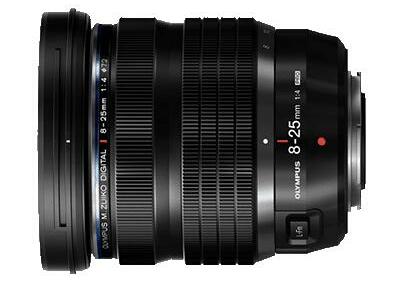
• Micro Four Thirds Mount
• Aperture Range: f/4 to f/22
• Weather-Resistant Construction
OM System M.Zuiko
Digital ED 17mm f/1.2 Pro Lens
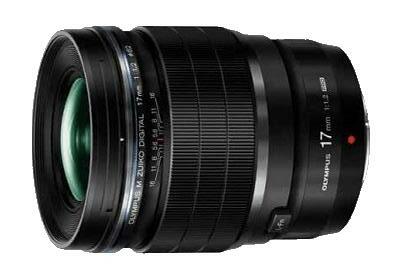
• Micro Four Thirds Mount
• F/1.2 Max. Aperture
• Weather-Resistant Construction
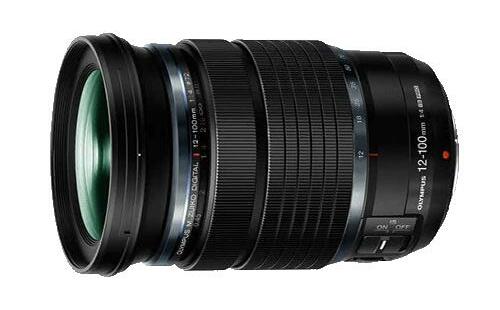
Olympus M.Zuiko Digital ED 12-100mm f/4.0 IS Pro Lens
• Micro Four Thirds Mount
• Programmable L-Fn Function Button
• Optical Image Stabilization
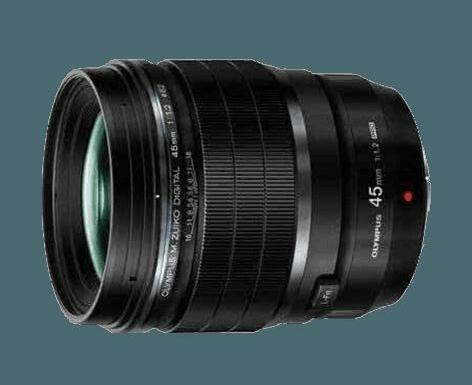
OM System M.Zuiko
Digital ED 45mm f/1.2 Pro Lens
• Micro Four Thirds Mount
• F/1.2 Max. Aperture
• Weather-Resistant Construction
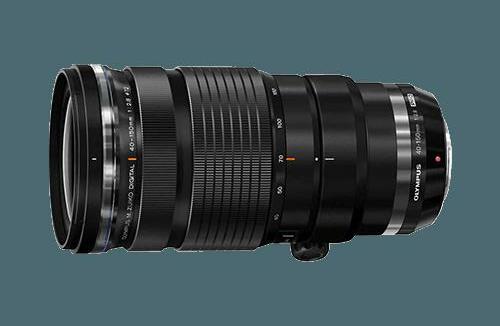
OM System M.Zuiko
Digital ED 40-150mm f/2.8 Pro Lens
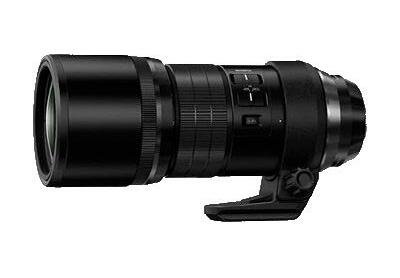
• Micro Four Thirds Mount
• Bright f/2.8 Constant Max. Aperture
• Weather-Resistant Construction
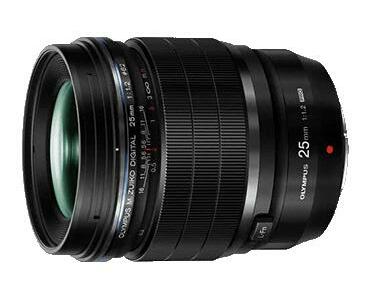
Olympus M.Zuiko Digital ED 25mm f/1.2 Pro Lens
•
•
Olympus M.Zuiko
•


















Jarrad Seng is a filmmaker, creative director, photographer, and podcaster. He specialises in music photography, which allows him to combine his greatest passions. Regularly commissioned to shoot interesting projects around the world, he tries to balance this out with his own creative photographic pursuits. We caught up with Jarrad to find out how he got started and carved a name for himself in this competitive field.
While Jarrad is well-known for his digital content creation and absolute enthusiasm about it today, it wasn’t a career he’d always dreamed of. An excellent student at school, he went on to study law at university, thinking this was a sophisticated, logical path. However, throughout high school and uni, music was his true passion. He found himself going to concerts every weekend and constantly looking for ways to get involved in music.
He became the music editor for his uni’s paper, which is what exposed him to photography. When a big festival was coming to Perth he put his name down as a reviewer. When filling out the form, he confirmed he’d have a photographer with him. To his surprise, they sent him a photo pass. Jarrad hadn’t used a camera before, so had to give himself a crash course in concert photography. He came across a blog post by Daniel Boud (also a Canon shooter), which was his only guidance.
A natural, Jarrad found this first experience taking photos easy, and he loved how the camera allowed him to get so close to bands. He went on to do nightclub photography, which was his first paid photography job. It wasn’t as fun as concert photography but he doesn’t regret it.
This is typical of Jarrad’s attitude to life and his work, which is to try new things. He loves meeting new people and travelling, which his projects allow him to do. Jarrad says he loses inspiration if he stays in the same place for too long. Although, he always loves working in Western Australia, where he grew up and is his base. He was never tempted to move to the East Coast, despite people telling him he’d have more opportunities there.
“Western Australia has every kind of landscape you can imagine. Love the people, love everything. There’s lots of inspiration that comes from there.”
His first introduction to filmmaking occurred when the Canon 7D camera was released. This meant he could take videos too, and he quickly spotted an opportunity. When Matt Corby came to town, he asked if he could take a short video of him, and Matt agreed. From then on, he started contacting bands coming to Perth, asking if he could video them before gigs. The videos were fun and unrehearsed, like Ball Park Music playing with shopping trolleys.
Jarrad often pushes the boundaries of his comfort zone in the name of his art. The Perth Fashion Festival once commissioned him to fill a window with art for a month. He decided to take portraits for 24 hours. He took one portrait every four to five minutes of strangers. Being quite introverted, this wasn’t easy, but he pushed himself and succeeded. He likes that the camera gives you a reason to talk to someone, and even pursued a similar endeavour of his own in Europe, challenging himself to take a random portrait of someone every day.

This perseverance once led him to get up at midnight to hike a mountain for a shoot (and he doesn’t like hiking at the best of times). He thinks it’s worthwhile to do whatever it takes to get a unique vantage point. This applies to any location or landmark, where Jarrad recommends walking in the opposite direction from other photographers at times, or further away, to get a different shot.
“I would never do any of these things if it wasn't for the photo involved.”
He says the keys to concert photography depend on who you’re working with and if you’ve worked with them before. The pre-production process includes scoping everything out in a venue. He always looks for different areas in a venue to shoot from to get different vantage points. If Jarrad knows the show well, he looks for what will make that night different. Sometimes he’ll use a new lens, e.g. just a 50mm lens for the entire night.
Someone Jarrad has collaborated with extensively is singer, Passenger. They both began their careers around the same time and have watched each other rise up in their work, something that takes a lot of dedication.
“Keep going, keep going, keep going. If you just keep going long enough, the break will come, you know, your break will come. You just have to keep going.”
Another close collaborator is Benjamin Hardman, also from Perth. They ran multiple photography workshops every year in Iceland, over the space of a few years. His adventures and incredible work over his career were noticed by Canon. He’s one of their ambassadors and they’ve been working closely for about five years now. Canon actually noticed Jarrad before that though, in a very unconventional way.
Jarrad and some other photographers were finishing a job in New Zealand and waiting around for a helicopter to pick them up. Always on the hunt for another great photo, he spotted an opportunity but his battery was dead and he didn’t have a tripod. Borrowing a camera and tripod quickly, he ran off to set up the shot on the side of the cliff. Alone, he had to set up the timer so he could jump into frame, but kicked the camera over the edge as he did so.
Retrieving the broken camera in flip flops, he explained what happened to his friend. It turns out the camera was on loan from Canon, so an apologetic email was sent offering to pay for it. Someone at Canon looked up Jarrad’s work and was obviously impressed. Canon’s reply was that the camera was insured so just send it back, and asked if Jarrad wanted to do some work for them. That was eight or nine years ago now.
Jarrad’s always been a fan of Canon products, from the moment he borrowed his first camera (a Canon 450D) from a friend. He liked the preview on the back of the screen and how everything made sense. Other friends had Canons too, so they could swap lenses. He’s stuck with Canon ever since.
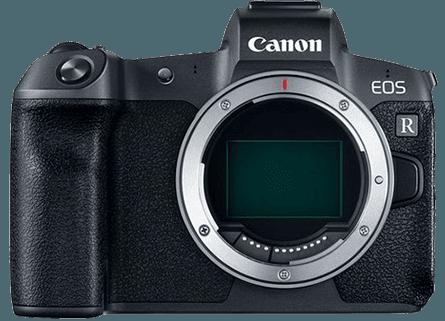
The first camera he owned was a Canon 40D. The main camera he uses today is a Canon R5. His B-camera is an EOS R but he’s thinking about upgrading that to the R6 soon. His three main lenses are the 50mm 1.2, the 70200 2.8, and the 15-35 2.8. They’re in heavy rotation and all he’ll normally use for a shoot. However, if he has to take just one lens and one body to a shoot, then it’s the R5 and a 28-70 F2.
“There are so many things you can do with a camera, every day the possibilities grow. So I think if you have the chance to chase all these different adventures and experiences, go for it.”
When it comes to finding the right balance between creative and commercial output, he thinks it’s something that every artistic person struggles with throughout their career. He believes it becomes ever more difficult as you get successful too because you’re constantly trying to weigh up the opportunity cost. However, he thinks working on some of his own projects is important if he wants to leave a legacy of his work.
“I feel like I’m constantly juggling everything. But, you know, I think you just gotta really ask yourself, what’s the reason that you’re doing everything, and there’ll be different reasons for different jobs or different pursuits but there should still always be a reason.”
Check
On The Couch is a series of live interviews where we speak with photographers, filmmakers and digital content creators about their journey and experience.

Supported by
Better doesn’t come easy. It’s a challenge to the status quo, a willingness to move in a world that often resists change.
It demands the right gear to fit your needs, honest advice to keep you on track and a community to share the experience. Better is about your skill and what you do with it. It’s the creative desire to make a difference.
Better is not a destination; it’s a journey, and this is your basecamp.