UNCORRECTEDSAMPLEPAGES ShaftesburyRoad,CambridgeCB28EA,UnitedKingdom OneLibertyPlaza,20thFloor,NewYork,NY10006,USA 477WilliamstownRoad,PortMelbourne,VIC3207,Australia
314–321,3rdFloor,Plot3,SplendorForum,JasolaDistrictCentre,NewDelhi–110025,India
CambridgeUniversityPress&AssessmentisadepartmentoftheUniversityofCambridge.
WesharetheUniversity’smissiontocontributetosocietythroughthepursuitofeducation,learningandresearch atthehighestinternationallevelsofexcellence. www.cambridge.org
©DavidGreenwood,BrynHumberstone,JustinRobinson,JennyGoodman,JenniferVaughanandJenniferWreford2026
Thispublicationisincopyright.Subjecttostatutoryexceptionandtotheprovisionsof relevantcollectivelicensingagreements,noreproductionofanypartmaytakeplace withoutthewrittenpermissionofCambridgeUniversityPress&Assessment.
Firstpublished2026 2019181716151413121110987654321
CoverandtextdesignedbyDeniseLane(Sardine)
TypesetbyLuminaDatamaticsLtd PrintedinSingaporebyC&COffsetPrintingCo.,Ltd.
AcataloguerecordforthisbookisavailablefromtheNationalLibraryofAustraliaat www.nla.gov.au ISBN978-1-009-784-481
Additionalresourcesforthispublicationatwww.cambridge.edu.au/GO
ReproductionandCommunicationforeducationalpurposes
TheAustralian CopyrightAct1968 (theAct)allowsamaximumofone chapteror10%ofthepagesofthispublication,whicheveristhegreater, tobereproducedand/orcommunicatedbyanyeducationalinstitution foritseducationalpurposesprovidedthattheeducationalinstitution (orthebodythatadministersit)hasgivenaremunerationnoticeto
CopyrightAgencyLimited(CAL)undertheAct.
FordetailsoftheCALlicenceforeducationalinstitutionscontact:
CopyrightAgencyLimited Level12,66GoulburnStreet
SydneyNSW2000
Telephone:(02)93947600
Facsimile:(02)93947601
Email:memberservices@copyright.com.au
ReproductionandCommunicationforotherpurposes
ExceptaspermittedundertheAct(forexampleafairdealingforthe purposesofstudy,research,criticismorreview)nopartofthispublication maybereproduced,storedinaretrievalsystem,communicatedor transmittedinanyformorbyanymeanswithoutpriorwrittenpermission. Allinquiriesshouldbemadetothepublisherattheaddressabove. CambridgeUniversityPress&Assessmenthasnoresponsibilityforthepersistence oraccuracyofURLsforexternalorthird-partyinternetwebsitesreferredtoin thispublicationanddoesnotguaranteethatanycontentonsuchwebsitesis, orwillremain,accurateorappropriate.Informationregardingprices,travel timetablesandotherfactualinformationgiveninthisworkiscorrectat thetimeoffirstprintingbutCambridgeUniversityPress&Assessment doesnotguaranteetheaccuracyofsuchinformationthereafter.
PleasebeawarethatthispublicationmaycontainimagesofAboriginalandTorresStraitIslanderpeoplewhoarenowdeceased.Several variationsofAboriginalandTorresStraitIslandertermsandspellingsmayalsoappear;nodisrespectisintended.Pleasenotethattheterms ‘IndigenousAustralians’and‘AboriginalandTorresStraitIslanderpeoples’maybeusedinterchangeablyinthispublication.
CambridgeUniversityPress&AssessmentacknowledgestheAboriginalandTorresStraitIslanderpeoplesofthisnation.Weacknowledge thetraditionalcustodiansofthelandsonwhichourcompanyislocatedandwhereweconductourbusiness.Wepayourrespectsto ancestorsandElders,pastandpresent.CambridgeUniversityPress&AssessmentiscommittedtohonouringAboriginalandTorresStrait Islanderpeoples’uniqueculturalandspiritualrelationshipstotheland,watersandseasandtheirrichcontributiontosociety.
UNCORRECTEDSAMPLEPAGES Understandingnumber
Calculatingwithnumber
Modellingwithnumber
UNCORRECTEDSAMPLEPAGES Two-dimensionalspace andstructures
Three-dimensional spaceandstructures
Modellingwith measurementand geometry
Numberandalgebra
Understandingnumber
Calculatingwithnumber
Modellingwithnumber
Measurementand geometry Two-dimensionalspace andstructures
Three-dimensional spaceandstructures
Non-spatial measurement
Modellingwith measurementand geometry
5 Algebraictechniquesandindexlaws
5A Thelanguageofalgebra CONSOLIDATING
5B Substitutionandequivalence CONSOLIDATING
5C Addingandsubtractingterms
5D Multiplyinganddividingterms
5E Expandingbrackets
5F Factorisingexpressions
5G Applyingalgebra
5H Indexlawsformultiplicationanddivision
5I Indexlawsforthezeroindex,powerofa powerandbrackets
6 Ratiosandrates
6C Solvingratioproblems
6E
6F Speedandapplicationsofotherrates
Calculatingwithnumber
Modellingwithnumber andalgebra
Understandingnumber
Calculatingwithnumber
Modellingwithnumber andalgebra
Algebraictechniques
Linearandnon-linear equationsand inequalities
Modellingwithnumber andalgebra
8A
8C
8D
Probabilityand statistics
Probabilityand statistics
Modellingwith probabilityand statistics
8G
8H
8I
8K
Understandingnumber
Algebraictechniques
Linearandnon-linear patternsand relationships
Modellingwithnumber andalgebra
9I
Measurementand geometry
Two-dimensionalspace andstructures
Modellingwith measurementand geometry
AbouttheAuthors DavidGreenwood isanexperiencedmathematicseducatorandauthorwhohastaughtatboth ScotchCollegeMelbourneandTrinityGrammarSchoolMelbourne,whereheservedasHead ofMathematicsfor23years.HeistheleadauthoroftheEssentialMathematicsseriesfor CambridgeUniversityPressandhasauthoredmorethan100mathematicstitlesacrossarange ofyearlevels.Hisprofessionalinterestsincludecurriculumplanning,high-qualitycontent creation,andtheeffectiveuseoftechnologytoenhancemathematicsteachingandlearning.
BrynHumberstone graduatedfromtheUniversityofMelbournewithanHonoursdegreein PureMathematics,andhas20+ years’experienceteachingsecondaryschoolmathematics. HewasaHeadofMathematicsfrom2014–2024attwoindependentschoolsinVictoria. Brynispassionateaboutapplyingthescienceoflearningtoteachingandcurriculum design,tomaximisethechancesofstudentsuccess.
JustinRobinson istheco-founderofTheWellbeingDistillery,whichequipsschoolleaders tocreatethrivingschoolcommunities.Hecollaborateswithschoolsworldwideto elevatestudentandeducatorwellbeingthroughevidence-informedpractice.Prior tothis,Justinspent25yearsteachingmathematics,coveringalllevelsofsecondary educationincludingteachingVCE,IBandA-Levels.Hisdrivingpassionwasengaging andchallengingstudentswithinasafelearningenvironment.JustinisanHonorary FellowoftheUniversityofMelbourne’sGraduateSchoolofEducation.
JennyGoodman hastaughtinschoolsforover28yearsandiscurrentlyteachingataselective highschoolinSydney.Jennyhasaninterestintheimportanceofliteracyinmathematics education,andinteachingstudentsofdifferingabilitylevels.ShewasawardedtheJones MedalforeducationatSydneyUniversityandtheBourkePrizeforMathematics.Shehas writtenforCambridgeMATHSNSWandwasinvolvedintheSpectrumandSpectrumGoldseries.
JenniferProsser wasraisedinPerthandcompletedherBachelorofScienceandBachelorof EducationattheUniversityofWesternAustralia.Afterbeginningasascienceteacher,Jennifer transitionedtomathematicsandhasnowtaughtmathstostudentsfromYears7to12forover 15years.ShehasbeenanActingHeadofMathematicsandisanauthoroftheYear11and12 Applicationstextbookswithinthe CambridgeSeniorMathematicsforWesternAustraliaseries
StuartPalmer wasbornandeducatedinNSW.Heisafullyqualifiedhighschoolmathematics teacherwithmorethan25years’experienceteachingstudentsfromallwalksoflifein avarietyofschools.HehasbeenHeadofMathematicsintwoschools.Heisverywell knownbyteachersthroughoutthestatefortheprofessionallearningworkshopshe delivers.StuartalsoassiststhousandsofYear12studentseveryyearastheyprepare fortheirHSCExaminations.AttheUniversityofSydney,Stuartspentmorethana decaderunningtutorialsforpre-servicemathematicsteachers.
UNCORRECTEDSAMPLEPAGES Acknowledgements UNCORRECTEDSAMPLEPAGES Introduction FollowingthereleaseoftheWesternAustralianCurriculum,weareproudtointroducethefirsteditionof EssentialMathematics COREfortheWACurriculum.ComparedtopreviousAustralianCurriculumeditionsofthe EssentialCORE series,schoolswillfind manynewandrevisedtopicsinthisWAseries,andsomesubstantialimprovementsandnewfeaturesacrosstheprint,digitaland teacherresources.
Newcontentandsomerestructuring Newcontenthasbeenaddedatallyearlevels.In Year7,thereisnewcontentonratiosandproportions,volumeoftriangular prisms,netsofsolidsandmeasurementrelatingtocircles.Allgeometrytopicsarenowcontainedinasinglechapter(Chapter7).In Year8,thereisnewcontentonorderofoperations,3D-coordinates,operationswithnegativefractions,areasofsectorsand compositeshapes,Pythagoras’theorem,inequalities,similarfigures,two-stepexperimentsandtreediagrams.For Year9,thereis newcontentonerrorsinmeasurement,inequalities,factorisation,samplingandproportion,quadraticsexpressionsandparabolas. In Year10,thereisnewcontentoncompositesolids,errorsinmeasurement,networksandlogarithmicscales.
ThenewWACurriculumplacesincreasedemphasison investigations and modelling,andthisiscoveredwithModelling activitiesattheendofchaptersandreviseddownloadableInvestigations.
Othernewfeatures • Digitaltoolsandcomputationalthinking activitieshavebeenaddedtotheendofeverychaptertoaddressthe curriculum’sincreasedfocusontheuseofdigitaltoolsandtheunderstandingandapplicationofalgorithms.
• Targetedskillsheets –downloadableandprintable–havebeenwrittenforeverylessonintheseries,withtheintentionof providingadditionalpracticeforstudentswhoneedsupportatthebasicskillscoveredinthelesson,withquestionslinkedto workedexamplesinthebook.
• EditablePowerPointlessonsummaries arealsoprovidedforeachlessonintheseries,withtheintentionofsavingthetime ofteacherswhowerepreviouslycreatingthesethemselves.
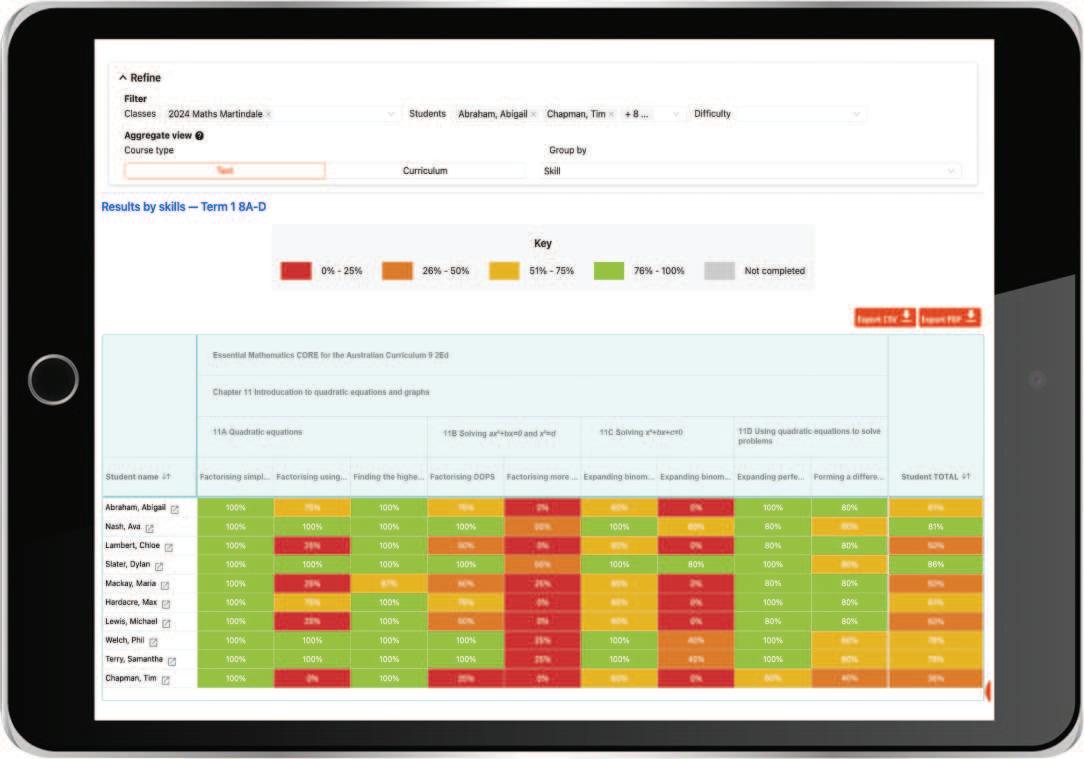
Diagnosticassessmenttool Alsonewforthiseditionisaflexible,comprehensivediagnosticassessmenttool,availablethroughtheOnlineTeachingSuite.This tool,featuringaround10000newquestions,allowsteacherstosetdiagnosticteststhatarecloselyalignedwiththetextbook content,viewstudentperformanceandgrowthviaarangeofreports,setfollow-upworkwithaviewtohelpingstudents improve,andexportdataasneeded.
Guidetotheworkingprograms EssentialMathematicsCOREforthenewWACurriculum containsworkingprogramsthataresubtlyembeddedintheexercises. ThesuggestedworkingprogramsprovidetwopathwaysthroughthebooktoallowdifferentiationforBuildingandProgressing students.
EachexerciseisstructuredinsubsectionsthatmatchtheWACurriculumproficiencystrands(withProblem-solvingandReasoning combinedintoonesectiontoreduceexerciselength),aswellas‘Goldstar’( ).Thequestions* suggestedforeachpathwayare listedintwocolumnsatthetopofeachsubsection.
• Theleftcolumn(lightestshade)showsthequestionsintheBuildingworkingprogram.
• Therightcolumn(darkestshade)showsthequestionsintheProgressingworkingprogram.
Gradientswithinexercisesandproficiencystrands Theworkingprogramsmakeuseoftwo gradientsthathavebeencarefullyintegrated intotheexercises.Agradientrunsthrough theoverallstructureofeachexercise–where there’sanincreasinglevelofsophistication requiredasastudentprogressesthrough theproficiencystrandsandthenontothe ‘GoldStar’question(s)–butalsowithineach proficiencystrand;thefirstfewquestions inFluencyareeasierthanthelastfew,for example,andthefirstfewProblem-solvingand reasoningquestionsareeasierthanthelastfew.
Therightmixofquestions Questionsintheworkingprogramshavebeenselectedtogivethemostappropriatemixoftypesofquestionsforeachlearning pathway.StudentsgoingthroughtheBuildingpathwayaregivenextrapracticeattheUnderstandingandbasicFluencyquestions andonlytheeasiestProblem-solvingandreasoningquestions.TheProgressingpathway,whilenotchallenging,spendsalittleless timeonbasicUnderstandingquestionsandalittlemoreonFluencyandProblem-solvingandreasoningquestions.TheProgressing pathwayalsoincludesthe‘Goldstar’question(s).
Choosingapathway Thereareavarietyofwaysofdeterminingtheappropriatepathwayforstudentsthroughthecourse.Schoolsandindividual teachersshouldfollowthemethodthatworksbestforthem.Ifrequired,theWarm-upquizatthestartofeachchaptercanbe usedasadiagnostictool.Thefollowingarerecommendedguidelines:
• Astudentwhogets 40% orlowershouldheavilyrevisecoreconceptsbeforedoingtheBuildingquestions,andmayrequire furtherassistance.
• Astudentwhogetsbetween 40% and 75% shoulddotheBuildingquestions.
• Astudentwhogets 75% andhighershoulddotheProgressingquestions.
Forschoolsthathaveclassesgroupedaccordingtoability,teachersmaywishtoseteithertheBuildingorProgressingpathwaysas thedefaultpathwayforanentireclassandthenmakeindividualalterationsdependingonstudentneed.Forschoolsthathave mixed-abilityclasses,teachersmaywishtosetanumberofpathwayswithintheoneclass,dependingonpreviousperformance andotherfactors.
* Thenomenclatureusedtolistquestionsisasfollows:
3,4:completeallpartsofquestions3and4
• 1–4:completeallpartsofquestions1,2,3and4
• 10(½):completehalfofthepartsfromquestion 10(a,c,e, orb,d,f, )
• 2–4(½):completehalfofthepartsofquestions2,3and4
UNCORRECTEDSAMPLEPAGES • 4(½),5:completehalfofthepartsofquestion4 andallpartsofquestion5
• –:completenoneofthequestionsinthissection.
•
Guidetothisresource PRINTTEXTBOOKFEATURES 1 NEW Newlessons: authoritativecoverageofnewtopicsinthenewWACurriculumintheformofnew,road-testedlessons throughouteachbook
2 WACurriculum: contentstrands,sub-strandsandcontentdescriptionsarelistedatthebeginningofthechapter(seethe teachingprogramformoredetailedcurriculumdocuments)
3 Inthischapter: anoverviewofthechaptercontents
4 NEW Quickreference: multiplication,primenumber,fractionwallanddivisibilityrulestablesatthebackofthebook
5 Chapterintroduction: setscontextforstudentsabouthowthetopicconnectswiththerealworldandthehistoryof mathematics
6 Warm-upquiz: aquizforstudentsonthepriorknowledgeandessentialskillsrequiredbeforebeginningeachchapter
7 Sectionslabelledtoaidplanning: allnon-coresectionsarelabelledas‘Consolidating’(indicatingarevisionsection)orwith agoldstar(indicatingatopicthatcouldbeconsideredchallenging)tohelpteachersdecideonthemostsuitablewayof approachingthecoursefortheirclassorforindividualstudents.
8 Learningintentions: setsoutwhatastudentwillbeexpectedtolearninthelesson
9 Lessonstarter: anactivity,whichcanoftenbedoneingroups,tostartthelesson
10 Keyideas: summarisestheknowledgeandskillsforthesection
11 Workedexamples: solutionsandexplanationsofeachlineofworking,alongwithadescriptionthatclearlydescribesthe mathematicscoveredbytheexample.Workedexamplesareplacedwithintheexercisesotheycanbereferencedquickly, witheachexamplefollowedbythequestionsthatdirectlyrelatetoit.
12 Nowyoutry: try-it-yourselfquestionsprovidedaftereveryworkedexampleinexactlythesamestyleastheworkedexample togivestudentsimmediatepractice
UNCORRECTEDSAMPLEPAGES Learningintentions
Toknowtherulefortheanglesumofa polygon
Tobeabletocalculateunknownanglesinsidea polygon
Tobeabletocalculatetheinteriorangleofregularpolygons
Keyvocabulary: polygon,regularpolygon
Aclosedshapewithallstraightsidesiscalleda polygon. Liketrianglesandquadrilaterals(whichareboth polygons),theyallhavea specialanglesum.
A hexagon
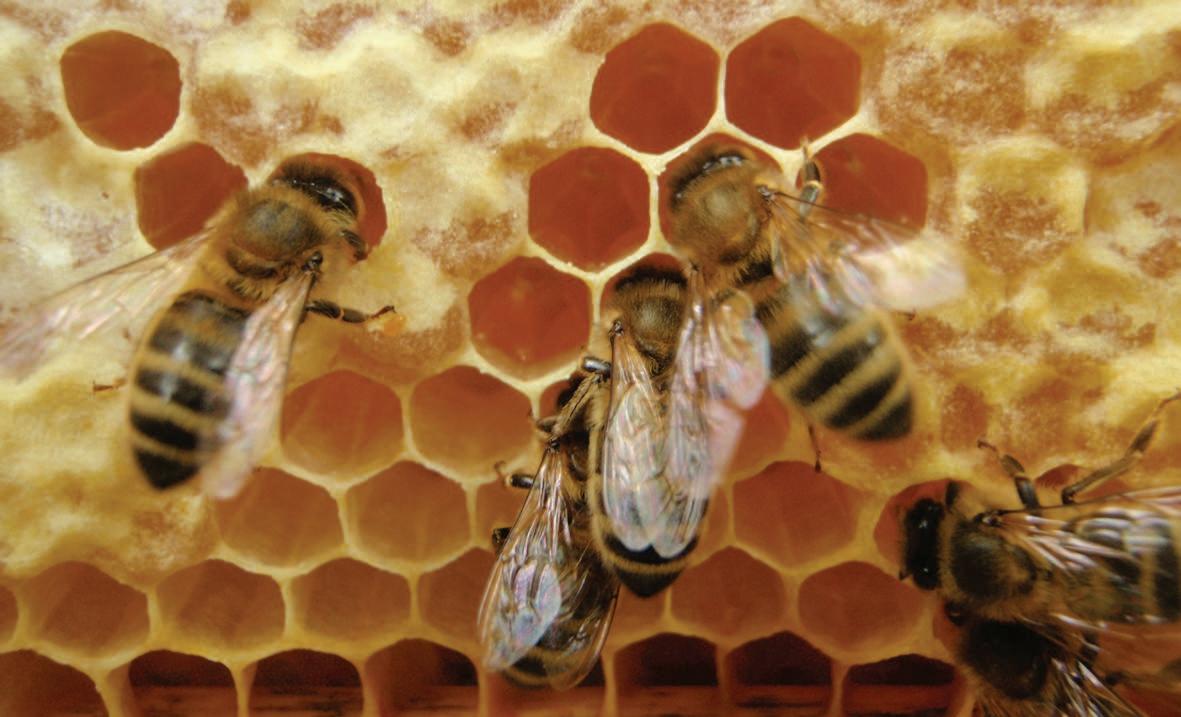
Anexampleofaregularhexagoninnaturecan beseeninabeehive.
Lessonstarter:Rememberthenames Frompreviousyearsyoushouldremembersomeofthenamesforpolygons. Seeifyoucanrememberthembycompletingthistable.
Numberofsides Name
Heptagon
Keyideas A polygon sa closedshapewithstraightsides. • Theyarenamedbytheirnumberofsides.
Thesumofinternalangles (S) ofapolygonisgivenbythisrule: S n 2 × 180
where n isthenumberofsides
Aregularpolygon hassidesofequallengthandequalangles. regularquadrilateral(square)regularpentagonregularhexagon (foursides) (fivesides) (sixsides)
Workingprograms: differentiatedquestionsetsfortwoabilitylevelsinexercises
14 Puzzlesandgames: ineachchapterprovideproblem-solvingpracticeinthecontextofpuzzlesandgamesconnectedwith thetopic
15 Gentlestarttoexercises: theexercisebeginsatUnderstandingandthenFluency,withthefirstquestionalwayslinkedto thefirstworkedexampleinthelesson
130 Chapter2Measurement
1a Thedistancefromthecentreofacircletoitsoutsideedgeiscalledthe
b Thedistanceacrossacircle,throughitscentre,iscalledthe c Thedistancearounda circleiscalledthe
2 Writetheformulaforthecircumferenceofacircleusing: d for diameter a r for radius. b
Whatfractionofacircleisshownhere?
Finding thecircumferenceofa circle Findthecircumferenceofthesecircles,totwodecimalplaces.
Writetheformulainvolvingtheradius, r Substitute r 2 Roundyouranswertotwodecimalplaces. b
Writetheformulainvolvingdiameter, d Substitute d 2.65 Roundyouranswertotwodecimalplaces. Nowyoutry Findthecircumferenceofthesecircles,totwodecimalplaces.
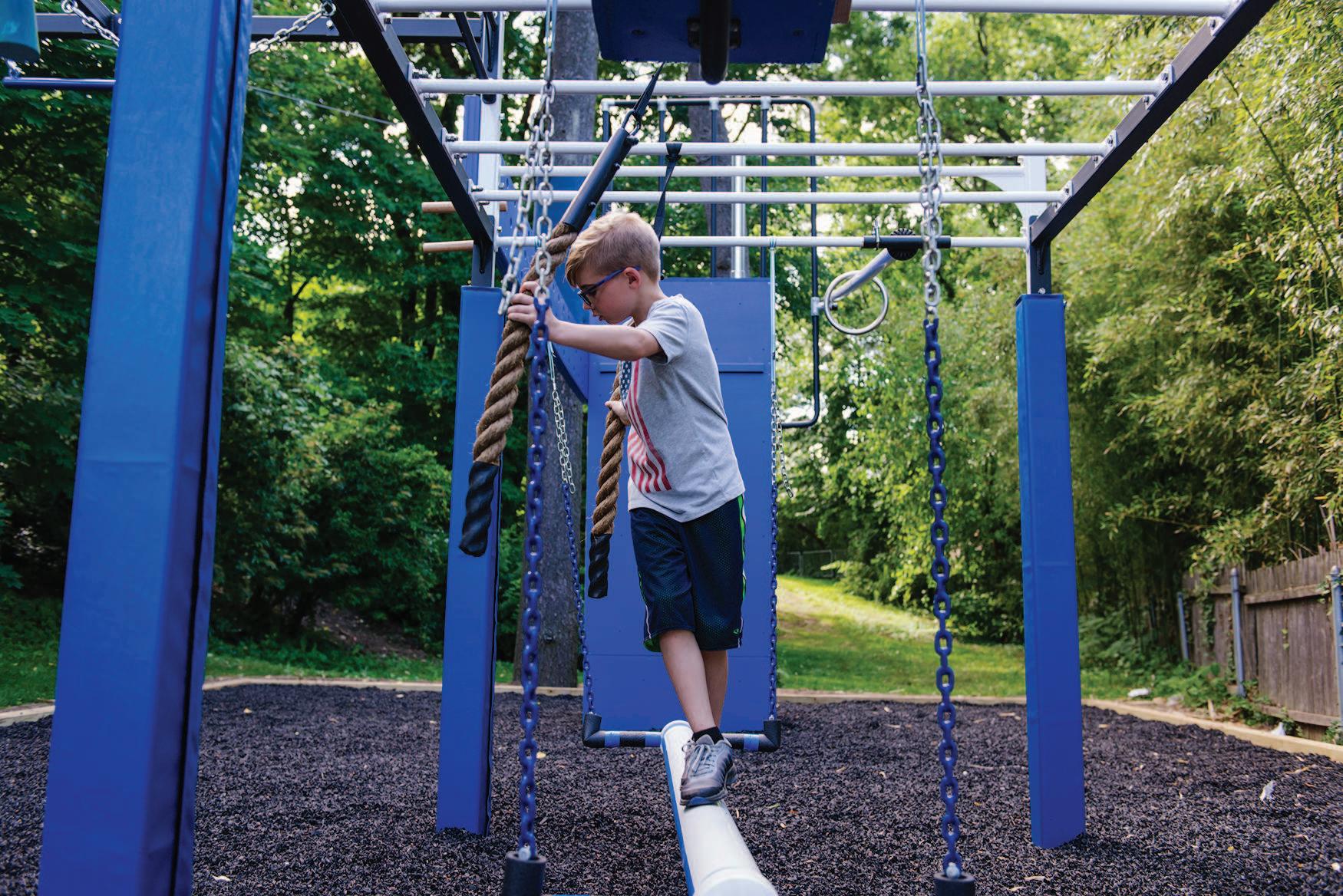
Modelling Buildingplaygroundequipment
Agroupofhighschoolstudentshaveraisedsomemoneyforavolunteercommunityserviceproject. The studentsdecidetoaskthecounciliftheycanimprovethechildren’splaygroundequipmentinthe localpark.
Presenta reportforthefollowingtasksandensurethatyoushowclearmathematicalworkings, explanationsanddiagramswhereappropriate.
1Preliminarytask
Calculatethefollowingareas,roundingtheanswerstoonedecimalplace.
a Calculatetheareaofacirclewithdiameter 3.5 m.
b Determinetheareaofthefollowingtriangles.Inpart ii youwillneedtoapplyPythagoras’ theoremtocalculatethetriangle’sheight. 20 cm 45 cm 30 cm 17cm 17
c Determinethetotalsurfaceareaincm2 and m2 ofacylindricalbalancingbeamwithradius 12 cmandlength 3 m.
2Modellingtask
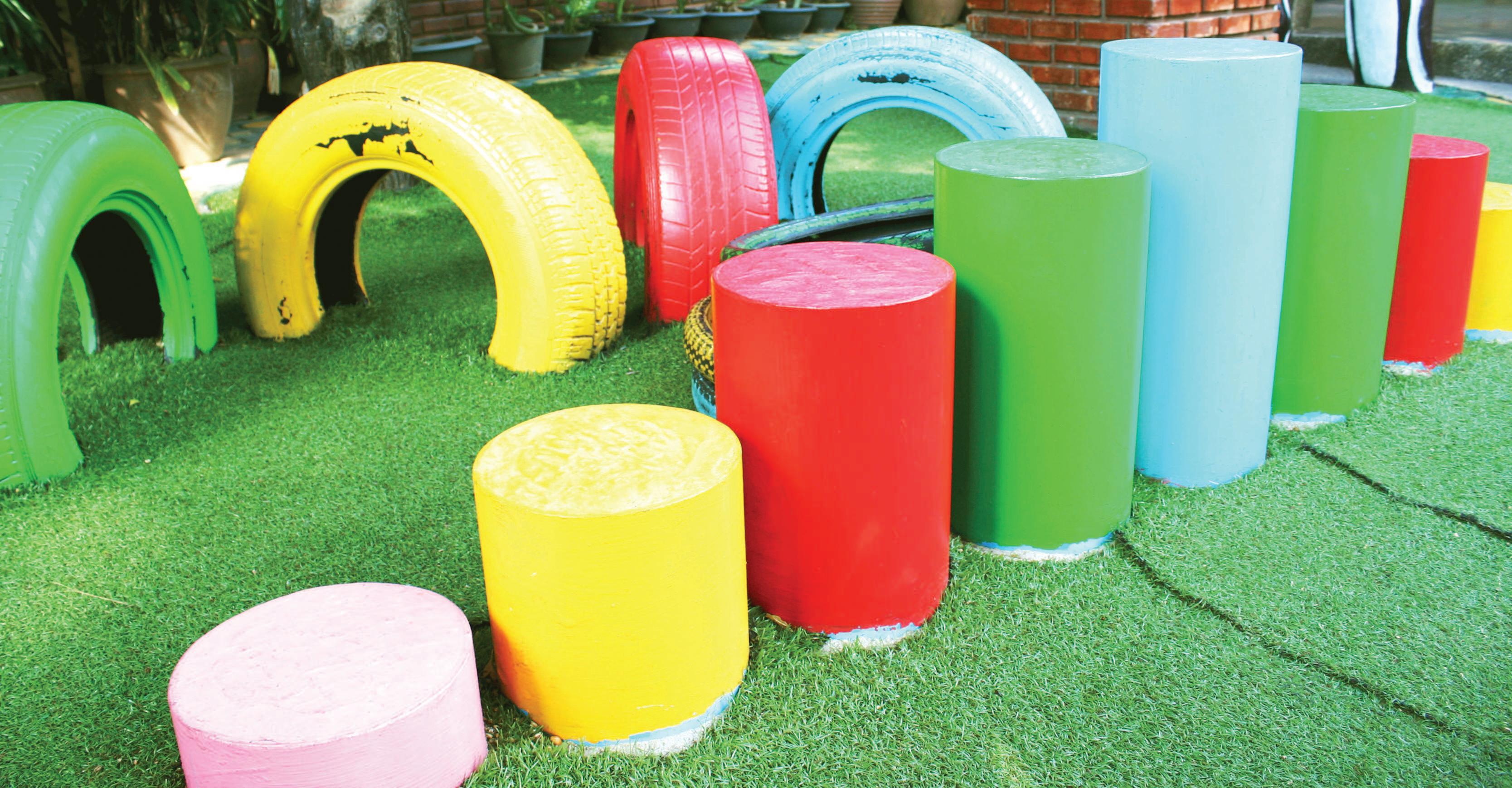
Analyse represent Preparea proposalfortwoimprovementstothepark’splaygroundequipment: constructinga setoflowconcretecylindersthatchildrencanuseassteps • therepaintingofanoldplaygroundroundabout.
Theproblemistodeterminethevolumeofconcreteandpaintneededandtofindoutifthecostof the projectiswithinabudgetof $200 a Withtheaidofdiagrams,writedownalltherelevantmathematicalformulasthatareneeded to calculate: thevolumeandsurfaceareaofa cylinder theareaofanisoscelestriangle. ii Solve Concretecylinders b Nineconcretecylindersofradius 20 cm are tobeconstructed,havingabove-ground heightsof: 15
Eachcylinderalsoextends 30 cmbelow groundforstability.
CopythefollowingtableintoanExcelspreadsheetandenterformulasintotheshadedcells. Format cellstoNumber/onedecimalplace.Usepi()forentering
17 Chapterreviews: withshort-answer,multiple-choiceandextended-responsequestions;questionsthatare‘GoldStar’are clearlysignposted
UNCORRECTEDSAMPLEPAGES Kochsnowflake
Keydigitaltool:Spreadsheets
Self-similarityoccurswhensomethingcanbedecomposed intopartswhichareinthemselvescopiesoftheoriginal. Thiscanbeseeninthenaturalworldincludinginleaves, snowflakesandbroccoliheads,forexample.Applicationsare alsovisibleineconomiccycles,networksandcybernetics.The Kochsnowflakeisaself-similarshapeconstructedbystarting withanequilateraltriangleandaddingsmallerandsmaller equilateraltrianglestoitssides. Thefirstfouriterationsareshownright.
1Gettingstarted
Letthesidelengthoftheoriginalequilateraltrianglebe 1 unit.
Chapterchecklist
a FindtheperimeteroftheKochsnowflakeafter 1 2 3 and 4 iterationsandaddyourresults tothistable. Iteration 1 2 3 4 Perimeter 3
b Lookatthepatternofnumbersformedbytheperimeters.Whatfactordoyoumultiplybyeach timetocalculatethenextperimeterinthesequence?
c Useyouranswerfrompart b tofindtheperimeterforthe 5thiteration.
2Applyinganalgorithm Hereisa flowchartwhichusesanalgorithmtogeneratetheperimeter for n iterations.Bychoosing n 4,runthroughthealgorithmand completethistableforeachpass. a P 1 3 2
checklist 522 Chapter6Linearrelationships
AversionofthischecklistthatyoucanprintoutandcompletecanbedownloadedfromyourInteractiveTextbook.
6A 1 Icaninterpretinformationfroma graph. e.g.Thenumberofpeoplelivingonasmallislandhas decreasedoverrecentyearsaccordingtothegraph shown. Howmanypeopleweretheretobeginwith? a Howmanypeoplelefttheislandduringthe 2-year period? b 1 Time (years)
6A 2 Icanreadoffa graphusinginterpolation andextrapolation. e.g.ThisgraphshowstheincreaseinChloe’spocket moneysavingsover 4 weeks. Howmuchhasshesavedoverthe 4 weeks? a Usethegraphtofindouthowmuchshesavedafter 2 weeks. b Afterhowlongdoesthegraphsuggestshewillhave saved $35? c
6B 3 Icaninterpretadistance–timegraph. e.g.Thedistance–timegraphshowsastudent’s bikeridefromschool,tothecornerstoreforan icecreamandthentohome. Determine: thetotaldistancecovered a howlongthestudentwasstoppedatthe store b thetotaldistancetravelledafter 17.5 minutes. c
6B 4 Icansketchadistance–timegraph. e.g.Sketchadistance–timegraphdisplayingthefollowinginformation. • totaldistancecoveredis 12 kmin 3 hours • 6 kmcoveredinthefirsthour ahalf-hourreststopafterthefirsthour
6C 5 Icanplotagraphfroma rule. e.g.Plotthegraphof y 3x 2 byfirstcompletingthetableofvalues. x 1 0 1 y
6C 6 Icanconstructatableandgraphandinterpretit. e.g.ATVtechniciancharges $110 fora servicecalland $70 perhourforlabour. Completethetableofvaluesandplota graphofcostagainstnumberofhours. No.ofhours(n 0 1 2 3 4 Cost(C ) Usethegraphtodetermine: a thecostfor 3.5 hoursofwork b howlongthetechnicianworkedonajobthatcost $285
18 Maths@Work: asetofextendedquestionsacrosstwopagesthatgivepracticeatapplyingthemathematicsofthechapter toreal-lifecontexts
19 NEW Digitaltoolsandcomputationalthinking: activityineachchapteraddressesthecurriculum’sincreasedfocusonthe useofdifferentformsofdigitaltools,andtheunderstandingandimplementationofalgorithms
20 Modellingactivities: anactivityineachchaptergivesstudentstheopportunitytolearnandapplythemathematicalmodelling processtosolverealisticproblems
INTERACTIVETEXTBOOKFEATURES 21 NEW TargetedSkillsheets,oneforeachlesson,focusonasmallsetofrelatedFluency-styleskillsforstudentswhoneed extrasupport,withquestionslinkedtoworkedexamples
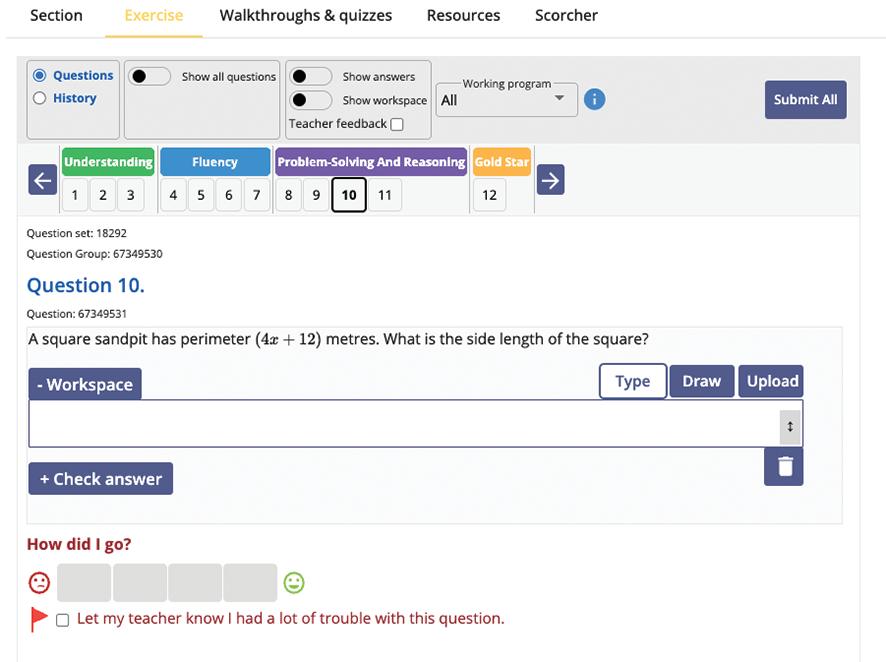
22 Workspaces: almosteverytextbookquestion–including allworking-out–canbecompletedinsidetheInteractive Textbookbyusingeitherastylus,akeyboardandsymbol palette,oruploadinganimageofthework
23 Self-assessment: studentscanthenself-assesstheir ownworkandsendalertstotheteacher.Seethe Introductiononpagexformoreinformation
24 Interactivequestiontabs canbeclickedonsothat onlyquestionsincludedinthatworkingprogramare shownonthescreen
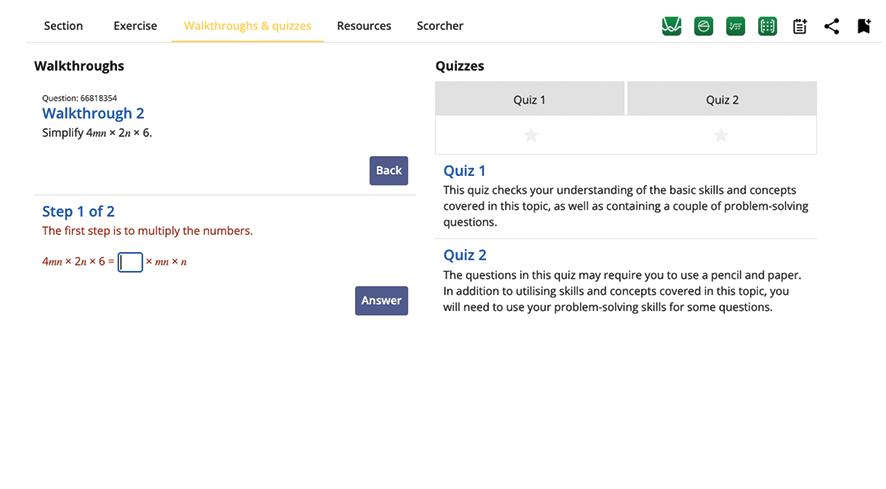
25 HOTmathsresources: ahugecateredlibraryofwidgets, HOTsheetsandwalkthroughsseamlesslyblendedwith thedigitaltextbook
26 Desmosgraphingcalculator,scientificcalculatorand geometrytoolarealwaysavailabletoopenwithinevery lesson
27 Scorcher: thepopularcompetitivegame
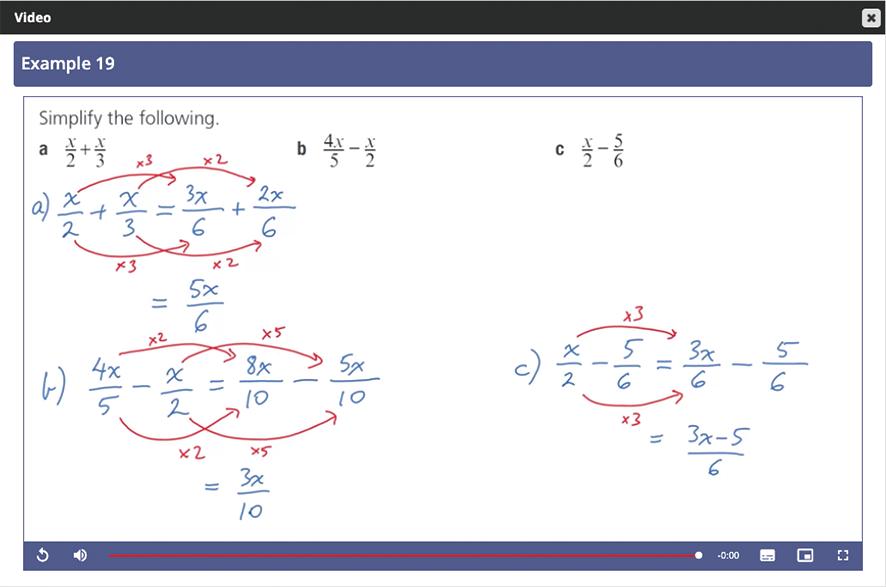
28 Workedexamplevideos: everyworkedexampleis linkedtoahigh-qualityvideodemonstration,supporting bothin-classlearningandtheflippedclassroom
29 Arevisedsetof differentiatedauto-marked practicequizzes perlessonwithsavedscores
30 Auto-markedmaths literacyactivitiesteststudents ontheirabilitytounderstandandusethekey mathematicallanguageusedinthechapter
31 Auto-markedpriorknowledgepre-test (the‘Warm-upquiz’oftheprintbook)fortestingtheknowledgethatstudents willneedbeforestartingthechapter
32 Auto-markedprogressquizzesandchapterreviewquestions inthechapterreviewscanbecompletedonline
DOWNLOADABLEPDFTEXTBOOK 33 InadditiontotheInteractiveTextbook,a PDFversionofthetextbook hasbeenretainedfortimeswhenuserscannotgo online.PDFsearchandcommentingtoolsareenabled.
ONLINETEACHINGSUITE 34 NEW DiagnosticAssessmentTool included withtheOnlineTeachingSuiteallowsforflexible diagnostictesting,reportingandrecommendations forfollow-upworktoassistyoutohelpyour studentstoimprove
35 NEW PowerPointlesson summariescontainthe mainelementsofeachlessoninaformthatcanbe annotatedandprojectedinfrontofclass
36 LearningManagementSystem withclass andstudentanalytics,includingreportsand communicationtools
37 Teacherviewofstudents’workand self-assessment allowstheteachertoseetheir class’sworkout,howstudentsintheclassassessed theirownwork,andany‘redflags’thattheclass hassubmittedtotheteacher
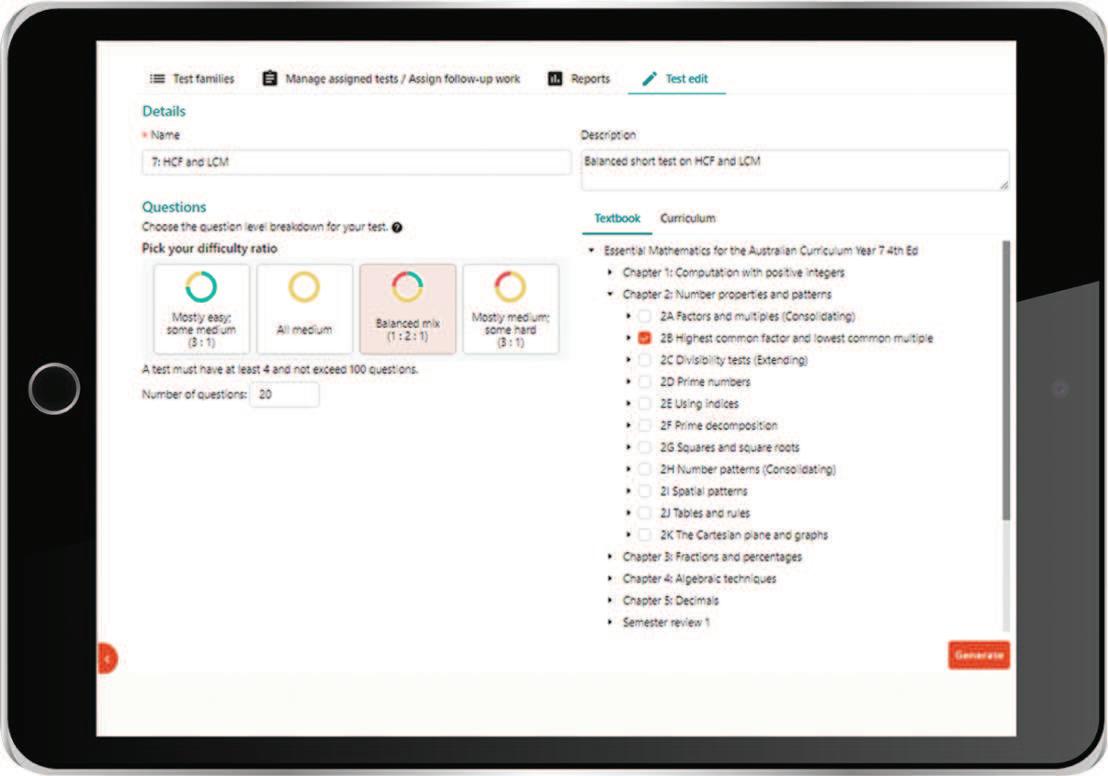
38 Powerfultestgenerator withahugebankof levelledquestionsaswellasready-madetests
39 Revampedtaskmanager allowsteachersto incorporatemanyoftheactivitiesandtoolslisted aboveintoteacher-controlledlearningpathways thatcanbebuiltforindividualstudents,groupsof studentsandwholeclasses
40 Worksheets,Skillanddrill,mathsliteracy worksheets,and twodifferentiatedchapter testsineverychapter,providedineditableWord documents
41 Moreprintableresources: allPre-testsand Progressquizzesareprovidedinprintableworksheet versions
1 Computationwith integers Essentialmathematics:whybeingabletocomputewith integersisimportant
Inanemergency,ambulanceparamedicsoftenadministerintravenousfluidstoresuscitatea patient.Theyusemultiplicationanddivisiontocalculatedriprates,volumesandtimes.
Electronicsengineersandtechnicianscomputesquaresandsquarerootswhendesigningaudio amplifierstoproduceastrongenoughmusicalsignaltorunloudspeakers.
Boardgamedesignersusedivisibilityrulesinvariouswaystomakegamesmoreengagingand complex.Scoringsystemsandplayerprogressionrulesbasedonwhetheraplayer’sscoreis divisiblebyacertainnumber,encouragestrategicplay.Also,distributingskillpointsevenlyacross charactersensuresequalopportunityforall.
Skiers,snowboardersandmountainclimbersselecttheirgearaccordingtotemperatureforecasts. OnewintermorningatAustralia’sThredboTopStation,thetemperaturewas -6°Cbutwindsof 72 km/hhelpedtocauseafreezingcold‘feelslike’temperatureof -21°C.
UNCORRECTEDSAMPLEPAGES Inthischapter
1AAddingandsubtracting positiveintegers (Consolidating)
1BMultiplyinganddividing positiveintegers (Consolidating)
1CSquares,cubesandother powers (Consolidating)
1DNumberproperties (Consolidating)
1EDivisibilityandprime factorisation (Consolidating)
1FNegativeintegers (Consolidating)
1GAddingandsubtracting negativeintegers (Consolidating)
1HMultiplyinganddividing negativeintegers
1IOrderofoperationsand substitution
WACurriculum
Thischaptercoversthefollowing contentdescriptorsintheWA Curriculum:
NUMBERANDALGEBRA
WA8MNAUN3,WA8MNAUN4, WA8MNAC2,WA8MNAM1
Pleaserefertothecurriculumsupport documentationintheteacherresources forafullandcomprehensivemapping ofthischaptertotherelatedcurriculum contentdescriptors.
©SchoolCurriculumandStandards Authority
Onlineresources
Ahostofadditionalonlineresources areincludedaspartofyourInteractive Textbook,includingHOTmathscontent, videodemonstrationsofallworked examples,auto-markedquizzesand muchmore.
UNCORRECTEDSAMPLEPAGES 1 Decideifthefollowingexpressionsrelateto A addition (+) S subtraction (-) M multiplication (×) or D division (÷). Totalsum a Difference b 10 morethan 7 c 10 lessthan 13 d
2 Completetheseadditions.
3 Completethesesubtractions.
4 Completethesemultiplications.
5 Completethesedivisions.
6
Listthefirst 5 multiplesof 6 a
Listthefirst 4 multiplesof 9 b
Whatisthelowestcommonmultiple(LCM)of 6 and 9? c
7 Listallthefactorsof 12. a
Listallthefactorsof 15 b
Whatisthehighestcommonfactor(HCF)of 12 and 15? c
8 Primenumbershaveexactlytwofactors.Ofthefirst 15 positiveintegers(listed),listthe numberswhichareprime.Writeyourprimesinascending(increasing)order.Thefirstprime iscircled.
1 2 3456789101112131415
9 Answerthefollowingastrue(T)orfalse(F). 2 + 3 × 4 = 2 + 12 a 10 - 8 ÷ 2 = 10 - 4 b (5 - 2) × 7 = 3 × 7 c 9 × 3 + 5 = 9 × 8 d 9 × (3 + 5) = 9 × 8 e 12 ÷ 3 × 4 = 1 f
10 Statethemissingnumbersforeachpartinthistable.
a 2 × 2 = √4 = 2
b 3 × 3 = √9 =
c 4 × 4 = √16 =
d 6 × 6 = √36 =
e 9 × 9 = √ = 9
f 10 × 10 = √ = 10
g × = 49 √49 = h × = 144 √144 =
11 Whatarethenexttwonumbersineachofthesepatterns?
3, 2, 1, , a
2, 0, -2, , b -9, -10, -11, , c
12 Usethisnumberlinetohelpfindtheanswer.
2 - 5 a 0 - 3 b -4 + 6 c -2 + 7 d
CONSOLIDATING 1A 1A Addingandsubtractingpositive integers Learningintentions
• Tounderstandthecommutativelawforaddition
• Tobeabletousethementalstrategiesofpartitioning,compensatinganddoublingtocalculateasumordifference ofwholenumbersmentally
• Tobeabletousetheadditionandsubtractionalgorithmsto ndthesumanddifferenceofwholenumbers
Keyvocabulary: sum,difference,algorithm,commutativelaw,compensating,doubling,countingon
ThenumbersystemthatweusetodayiscalledtheHindu–Arabicordecimalsystem.Itusesthedigits 0, 1, 2, 3, 4, 5, 6, 7, 8 and 9
Thevalueofeachdigitdependsonitsplaceinthenumber,so,forexample,the 4 in 3407 hasaplace valueof 400.Wholenumbersinclude 0 (zero)andthecounting(natural)numbers 1, 2, 3, 4, … Thecounting numbers 1, 2, 3, 4, arecalledpositiveintegers.Wecanaddorsubtractwholenumberstofindsumsand differences.
Lessonstarter:Sumanddifference
Useaguess-and-checkmethodtotrytofindapairofnumbersdescribedbythesesentences.
• Thesumoftwonumbersis 41 andtheirdifferenceis 11
• Thesumoftwonumbersis 41 andtheirdifferenceis 1
Describethemeaningofthewords‘sum’and‘difference’.Discusshowyoufoundthepairofnumbersin eachcase.
Keyideas Youcanaddinanyorder.
Forexample: 7 + 5 = 5 + 7 9 + 3 + 1 = 9 + 1 + 3
• Thisiscalledthe commutativelaw foraddition.
Youcannotsubtractinanyorder.
Forexample: 7 - 5 ¢ 5 - 7
Ifthenumbersarelarge,writenumbersincolumnsanduseknown algorithms tocalculatethe answer. 1 431 + 895 1326 ✁ 32 ✁ 21 4 - 172 152
Und er stand ing 1–3 3
1 Matcheachofthequestionsintheleft-handcolumn(a, b, c and d)totheworkingoutintheright-hand column(I, II, III and IV).
Thetotalof 156, 94 and 6 a 2491 + 945 I
Take 856 awayfrom 2491 b 2491 - 856 II
945 morethan 2491 c 156 + 94 + 6 III
945 less 863 d 945 - 863 IV
2 Writeeachofthefollowingusinganaddition (+) orasubtraction (-) signinsteadofthewords.Donot workouttheanswer.
26 plus 17 a 43 takeaway 9 b
134 minus 23 c
Thesumof 19 and 29 e
Thedifferencebetween 59 and 43 g
36 morethan 8 i
32 lessthan 49 k
451 add 50 d
Thesumof 111 and 236 f
Thedifferencebetween 339 and 298 h
142 morethan 421 j
120 lessthan 251 l
3 Describethesesumsanddifferencesastrue(T)orfalse(F).
Example1Usingmentalarithmetic
Evaluatethisdifferenceandthesesumsmentally.
Thismethodiscalledcompensating.
Thismethodiscalleddoubling.
Thismethodiscalledcountingon.
Nowyoutry
Evaluatethisdifferenceandthesesumsmentally.
4 Completethesesums.
5 Completethesedifferences.
Dothesewithoutacalculator oralgorithm.
6 Evaluatethesesumsanddifferencesmentally.
Example2Usinganalgorithm Useanalgorithmtofindthissumanddifference.
b ✁ 113 ✁ 41 1 - 86 55
Nowyoutry
Useanalgorithmtofindthissumanddifference.
Borrowfromthetenscolumnthensubtract 6 from 11.Nowborrowfromthehundreds columnandthensubtract 8 from 13
7 Useanalgorithmtofindthesesumsanddifferences.
Problem-solving and reasoning 8 Aracingbike’sodometershows 21432 kmatthestartof araceand 22110 kmattheendoftherace.Howfarwas therace?
UNCORRECTEDSAMPLEPAGES HintforQ7:Carrythe 1 for sumslargerthan 9 and borrow‘ten’forsubtraction.
9 Kristianhas $246 morethanSally.Davidhas $56 lessthanSally.IfSallyhas $492,howmuchdoKristian andDavideachhave?
10 Callumwalks 15 kmonMondayand 3 kmmoreeachday.HowmanykilometresdoesCallumwalkon Thursday?
11 Thesumoftwonumbersis 39 andtheirdifferenceis 5.Whatisthelargernumber?
Fillingthegapandmagictriangles
12a Writethedigitmissingfromthesesumsanddifferences.
b Findthemissingdigitsinthesesumsanddifferences.
c Thesidesofamagictriangleallsumtothesametotal.
Showhowitispossibletoarrangeallthedigitsfrom 1 to 9 sothateachsideaddsto 17 i
Showhowitispossibletoarrangethesamedigitstoadifferenttotal.Howmanydifferent totalscanyoufind? ii
CONSOLIDATING 1B 1B Multiplyinganddividingpositive integers Learningintentions
• Tounderstandthecommutativeanddistributivelawformultiplication
• Tobeabletousementalstrategiestocalculatesimpleproductsandquotients
• Tobeabletousethemultiplicationanddivisionalgorithmsto ndtheproductandquotientofwholenumbers
Keyvocabulary: product,quotient,remainder,distributivelaw,commutativelaw
Multiplyinganddividingaretwokeyoperationsinmathematicsandareusefulinmanypracticalsituations suchasfindingthecostof 9 ticketsat $109 eachorthenumberoftrucksneededtocarry 280 tonnes ofcoal.
Lessonstarter:Multiplicationordivision?
Insolvingmanyproblemsitisimportanttoknowwhethermultiplicationordivisionshouldbeused. Decideifthefollowingsituationsrequiretheuseofmultiplicationordivision.Discusstheminagroup orwithapartner.
• Thenumberofcookies 4 peoplecangetifapacketof 32 cookiesissharedequallybetweenthem.
• Thecostofpaving 30 squaremetresofcourtyardatacostof $41 persquaremetre.
• Thenumberofsheetsofpaperin 4000 boxesof 5 reamseach(1 reamis 500 sheets).
• ThenumberofhoursIcanaffordaplumberat $75 perhourifIhaveafixedbudgetof $1650 Makeupyourownsituationthatrequirestheuseofmultiplicationandanotherfordivision.
Keyideas A product istheresultofmultiplication.
Multiplicationcanbedone: mentally
Forexample: 6 × 5 = 30
• using an algorithm. For example: 217 26 1302 2176 4340 21720 5642 13024340 × × + × •
Youcanmultiplynumbersinanyorder.
Forexample: 6 × 5 = 30 and 5 × 6 = 30
• Thisisthe commutativelaw formultiplication. The distributivelaw ishelpfulwhenmultiplying.
Forexample: 5 × 34 = 5 × (30 + 4)
= 5 × 30 + 5 × 4
= 150 + 20 = 170
Usingdivisionresultsinfindinga quotient anda remainder
For example: 38113 ÷= and 5 remainder
dividend divisor quotient or 38 ÷ 11 = 3 5 11
Divisioncanbedone: mentally
Forexample: 56 ÷ 8 = 7
• usinganalgorithm. Forexample: 7 732 ) 512 21 4
Exercise1B Und er stand ing
1 Matcheachofthequestionstotheworkingoutontheright.
Theproductof 9 and 6 a
36 dividedby 12 b
2 Useyourknowledgeofthemultiplicationtablestoanswerthefollowing.
HintforQ2:You shouldknowmostof theseoffbyheart.
3 Arethesesimpleequationstrue(T)orfalse(F)? 4 × 13 = 13 × 4 a
÷ 3 = 3 ÷
Fluency
Example3Usingmentalstrategiesformultiplication
Useamentalstrategytoevaluatethefollowing. 5 × 160
Solution
Explanation
a 5 × 160 = 800 Tomultiplyby 5 youcanmultiplyby 10 thenhalvetheresult. 160 × 10 = 1600, 1600 ÷ 2 = 800
b 7 × 89 = 623 89 = 90 - 1 Â 7 × 89 = 7 × 90 - 7 × 1
= 630 - 7 = 623 (thisisthedistributivelaw)
c 5 × 43 × 2 = 430 5 4325243
look for easy pairs
Nowyoutry
Useamentalstrategytoevaluatethefollowing.
4 Useamentalstrategytoevaluatethefollowing.
HintforQ4:Dothese mentally.
Example4Usingmentalstrategiesfordivision
Useamentalstrategytoevaluatethefollowing.
Solution
Explanation a
Todivideby 4 youcandivideby 2 twice.
Nowyoutry
Useamentalstrategytoevaluatethefollowing.
5 Useamentalstrategytoevaluatethefollowing.
Dividingby 5 andthenby 2 isthesameas dividingby 10 480 ÷ 10 = 48
HintforQ5:Chooseoneofthe mentalstrategiesdescribedin Example3 and 4
Example5Usinganalgorithmformultiplicationanddivision Useanalgorithmtoevaluatethefollowing.
412 × 25 a 938 ÷ 13 b
Solution
a 412 × 25 2060 8240 10300
b 13 72 ) 932 8 rem 2
So 938 ÷ 13 = 72 and 2 remainder.
938 ÷ 13 = 72 2 13
Explanation
412 × 5 = 2060 and 412 × 20 = 8240 Addthesetwoproductstogetthefinal answer.
93 ÷ 13 = 7 and 2 remainder
28 ÷ 13 = 2 and 2 remainder Wewriteremaindersasfractions 72 2 13
Nowyoutry Useanalgorithmtoevaluatethefollowing. 137 × 12 a 354 ÷ 7 b
6 Useanalgorithmtoevaluatethefollowing.
HintforQ6:Usethesettingout describedin Example5
7 Usetheshortdivisionalgorithmtoevaluatethefollowing.Writeyouranswerusingfractionsifthereis
Problem-solving and reasoning 8 Auniversitystudentearns $550 for 20 hoursofwork.Whatisthestudent’spayrateperhour?
9 Packetsofbiscuitsarepurchasedbyasupermarket inboxesof 12.Thesupermarketorders 220 boxes andsells 89 boxesinoneday.Howmanyboxesare left?Howmanypacketsofbiscuitsremaininthe supermarket?
10 Rileybuysafridgewhichhecanpayforbythe followingoptions.
9 paymentsof $183 A $1559 upfront B Whichoptionischeaperandbyhowmuch?
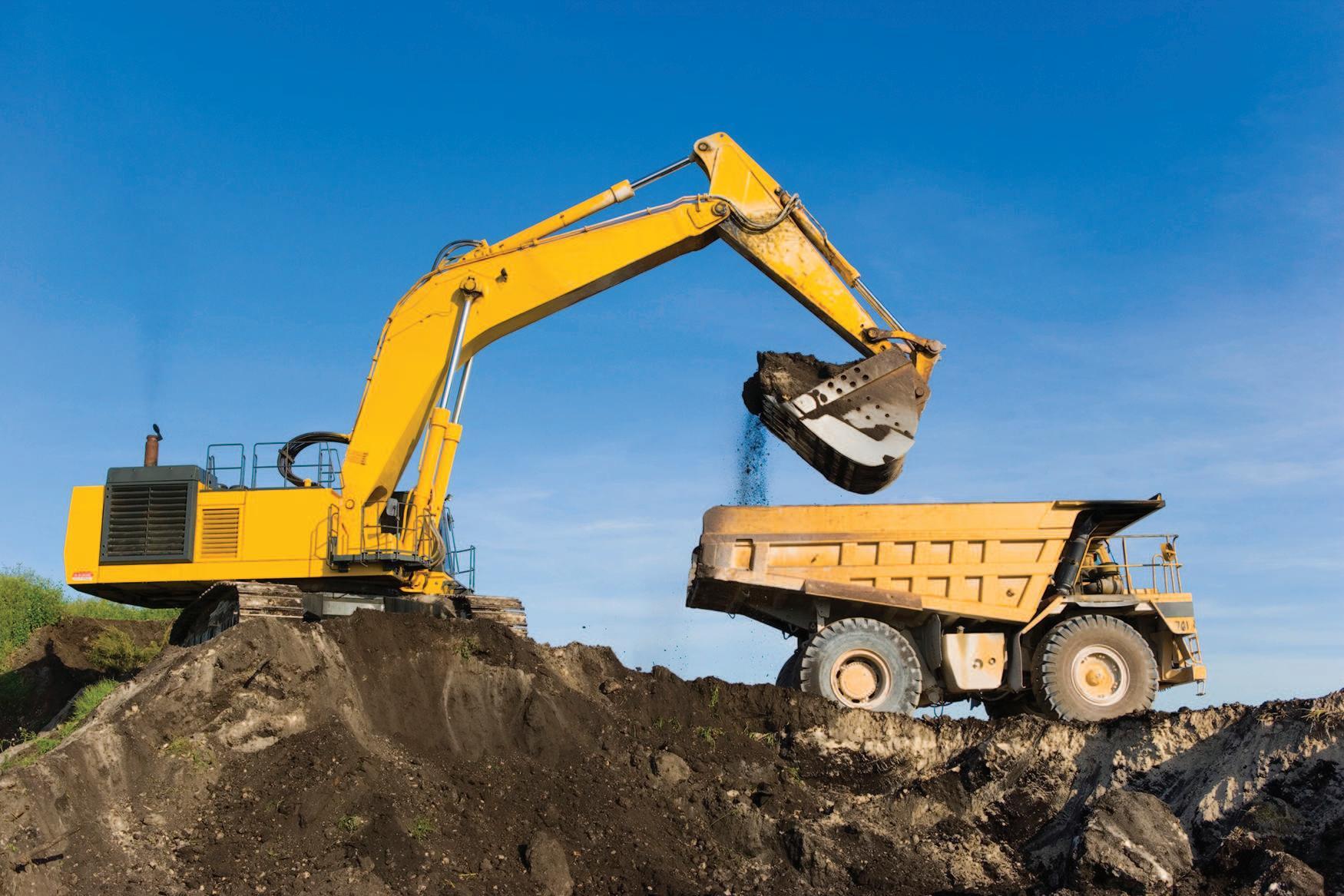
11 Theshovelofagiantexcavatorcanmove 6 tonnesofrockineachload.Howmanyloadsare neededtoshift 750 tonnesofrock?
12 Tomsaves $362 aweek.Howmuchwillhesavein 52 weeks? Maximumtickets 13
13 Achildtickettoatheatreis $7 andanadultticketis $12
Findthecostof 2 adultand 3 childtickets. a Findthecostof 1 adultand 5 childtickets. b Genspendsexactly $90 tobuychildticketsandadulttickets.Findthemaximumnumberoftickets thatGencouldpurchase. c
1C 1C Squares,cubesandotherpowers Learningintentions
CONSOLIDATING • Tounderstandthemeaningofanexpressionwrittenintheform an intermsofrepeatedmultiplicationof a
• Tobeableto ndthesquare,squareroot,cubeandcuberootofcertainsmallwholenumbers
Keyvocabulary: base,index,power,indexnotation,expandedform,product,square,squareroot, cube,cuberoot
Inmathematicstherearemanywaystoabbreviateexpressions.
Usingrepeatedaddition, 4 + 4 + 4 + 4 + 4 canbewrittenas 5 × 4 usingmultiplication.
Usingrepeatedmultiplication, 3 × 3 × 3 × 3 canbewrittenas 34 usingindexnotation.
Weread 34 as‘3 tothepowerof 4’.
Lessonstarter:Squarenumbers Canyouexplainwhywecallthenumbers 1, 4, 9 and 16 squarenumbers?
Drawdiagramsforthenexttwosquarenumbers.
Usecenticubestobuildthefirstthreecubenumbers.Write downthenextcubenumber.
Keyideas Indexnotation 34 3 33 3 4 3 expanded form
base index or power × ×× =
The base of 3 showsthefactorthatisrepeatinginmultiplication,andthe power or index isthe numberoftimesitappears.
The square ofanumberiswritten a2 anditmeans a × a
Forexample: 52 means 5 × 5 (wesay 5 squared,thesquareof 5,or 5 tothepowerof 2)
Theoppositeofsquaringisfindingthe squareroot ofanumber.Thesymbol √ means squareroot.
Forexample: √9 = 3 as 32 = 9
• Thesquarerootofanumberisalwayspositiveorzero.
The cube ofanumber a is a3 = a × a × a
Forexample: 53 = 5 × 5 × 5 (wesay 5 cubed,or, 5 tothepowerof 3)
Theoppositeofcubingistakingthe cuberoot ofanumber.Thesymbolforcuberootis 3 √
Forexample: 3 √8 = 2 as 23 = 2 × 2 × 2 = 8
Exercise1C Und er stand ing
1 Writeeachofthefollowingusingindexnotation.
2 Matcheachexpressioninwordstoanexpressioninsymbols,givenontheright.
Thesquareof 10 a
3 Copyandcomplete.
32 = 3 × 3 = a
4 Copyandcomplete.
Fluency
Example6Usingindexnotation
Writeeachproductusingindexnotation.
Solution
a 8 × 8 × 8 = 83
b 7 × 7 × 7 × 7 × 7 × 7 = 76
Nowyoutry
Writeeachproductusingindexnotation.
5 Writeeachproductusingindexnotation.
Explanation
Thenumber 8 appears 3 times.Wewrite 8 to thepowerof 3
The 7 appears 6 times.Wewrite 7 tothe powerof 6
Example7Usingexpandednotation
Write 54 inexpandedform. a
Solution
a 54 = 5 × 5 × 5 × 5
b 54 = 625
Nowyoutry
Write 25 inexpandedform. a
6 Writeeachindexnotationinexpandedform.
Findthevalueof 54 b
Explanation
Thepowerof 4 tellsusthatthenumber 5 appears 4 times. 54 = 5 × 5 × 5 × 5
Findthevalueof 25 b
7 Findthevalueofthefollowingbyfirstwritingtheminexpandedform.
Example8Findingsquares,cubes,squarerootsandcuberoots
Evaluatethefollowing.
Nowyoutry Evaluatethefollowing.
Findtheproductof 6 withitself.
8 Evaluatethesesquaresandsquareroots.
d
HintforQ8: 32 = 9 and √9 = 3 42 a
25 g
9 Evaluatethesecubesandcuberoots.
Problem-solving and reasoning 10 Decidewhichofthefollowingislarger.
23 or 32 a 24 or 32 b 25 or 52 c
11 Copyandcomplete.
If 132 = 169,then √169 = a If 152 =
,then √225 = b If √625 = 25,then 252 = c If 93 = 729,then 3 √729 = d
If 3 √1331 = 11,then 113 = e
12 Given 5 × 5 × 5 × 4 × 4 iswrittenas 53 × 42 (thedifferentbasesof 5 and 4 arekeptseparate),write eachofthefollowinginindexform.
Algebraicindices — 13
13 Writeeachofthefollowinginindexform.Remember,differentbasesarekeptseparate.
a × a × a × a × b × b f
a × a × b × b × b × b g
x × x × x × x × y h
1D 1D Numberproperties Learningintentions
CONSOLIDATING • Tounderstandthataprimenumberhasexactlytwofactorsandacompositenumberhasmorethantwofactors
• Tobeableto ndthelowestcommonmultiple(LCM)oftwonumbers
• Tobeableto ndthehighestcommonfactor(HCF)oftwonumbers
Keyvocabulary: countingnumbers,multiple,factor,lowestcommonmultiple(LCM),highestcommonfactor(HCF), primenumbers,compositenumbers
Simplepropertiesofnumbersareattheheartofmorecomplexmathematicsandassociatedproblems.Prime numbersforexampleformthebasisofouronlinebankingencryptioncodesasitisverydifficulttofindthe primefactorsoflargenumbers.
Lessonstarter:Howmanyin 60 seconds?
In 60 seconds,writedownasmanynumbersasyoucanthatfiteachdescription.
• Multiplesof 7
• Factorsof 144
• Primenumbers
Compareyourlistswiththeresultsoftheclass.Whatisthelargestprimenumberthattheclass cameupwith?
Keyideas A multiple ofanumberisobtainedbymultiplyingthenumberbythe countingnumbers 1, 2, 3,
Forexample:Multiplesof 9 include 9, 18, 27, 36, 45, … (thinkofyourmultiplicationtables).
The lowestcommonmultiple(LCM) isthesmallestmultipleoftwoormorenumbersthatis common.
Forexample:Multiplesof 3 are 3, 6, 9, 12, 15 , 18,
Multiplesof 5 are 5, 10, 15 , 20, 25, …
TheLCMof 3 and 5 istherefore 15
A factor ofanumberhasaremainderofzerowhendividedintothegivennumber.
Forexample: 11 isafactorof 77 since 77 ÷ 11 = 7 with 0 remainder.
The highestcommonfactor(HCF) isthelargestfactoroftwoormorenumbersthatiscommon.
• Factorsof 24 are 1, 2, 3, 4, 6, 8, 12 , 24
• Factorsof 36 are 1, 2, 3, 4, 6, 9, 12 , 18, 36.
• TheHCFof 24 and 36 istherefore 12
Primenumbers haveonlytwofactors:thenumberitselfand 1
• 2, 13 and 61 areexamplesofprimenumbers.
• 1 isnotconsideredtobeaprimenumber.(Ithasonlyonefactor.)
Compositenumbers havemorethantwofactors.
UNCORRECTEDSAMPLEPAGES • 6, 20 and 57 areexamplesofcompositenumbers.
Exercise1D Und er stand ing
1 Writedownthefactorsofeachnumber. 4 a 6 b
2 Writedownthenextterm(multiple)ineachofthesepatterns.
2, 4, 6, 8, a 3, 6, 9,
7, 14, 21, d
3
Thefactorsof 16 are 1, 2, 4, 8, 16.
Thefactorsof 24 are 1, 2, 3, 4, 6, 8, 12, 24
Thefactorsof 18 are 1, 2, 3, 6, 9, 18.
Thefactorsof 30 are 1, 2, 3, 5, 6, 10, 15, 30
Thefactorsof 8 are 1, 2, 4, 8
Usingtheinformationgiveninthetable,writedowntheHCFofeach pairofnumbers.
HintforQ3:HCF istheHighest CommonFactor. 16 and 24 a 24 and 30 b 18 and 30 c 16 and 8 d 24 and 18 e 8 and 24 f 16 and 18 g 18 and 8 h
4 UsethefirstsixmultiplesofthenumbersgiventofindtheLCMofeach pairofnumbers.
Number Multiples
2 2, 4, 6, 8, 10, 12
4 4, 8, 12, 16, 20, 24
3 3, 6, 9, 12, 15, 18
5 5, 10, 15, 20, 25, 30
6 6, 12, 18, 24, 30, 36
2 and 4 a 4 and 3 b 3 and 6 c 4 and 6 d 4 and 5 e 5 and 6 f
Fluency
Example9Workingwithprimesandcomposites
Decidewhethereachofthefollowingisaprimenumberoracompositenumber. 29 a 63 b
Solution
HintforQ4:LCM istheLowest CommonMultiple.
(½)
(½)
Explanation
a 29 isaprimenumber 29 hasonly 2 factors–1 and 29.Itisaprime number.
b 63 isacompositenumber 63 hasfactors 1, 3, 7, 9, 21, 63
Nowyoutry
Decidewhethereachofthefollowingisaprimenumberoracompositenumber.
39 a 53 b
5 Decidewhethereachofthefollowingnumbersisprime orcomposite.
7 a 12 b 27 c 69 d
6 Choosetheprimenumbersfromthefollowinglist:
Example10FindingtheLCM FindtheLCMof 6 and 8
Solution
Multiplesof 6 are:
6, 12, 18, 24, 30, …
Multiplesof 8 are:
8, 16, 24, 32, 40, …
TheLCMis 24
Nowyoutry
FindtheLCMof 4 and 10
7 FindtheLCMofthesepairsofnumbers. 2, 3 a 5, 9 b 8, 12 c 4, 8 d 25, 50 e
Example11FindingtheHCF FindtheHCFof 36 and 48
Solution
Factorsof 36 are:
1, 2, 3, 4, 6, 9, 12, 18, 36
Factorsof 48 are:
1, 2, 3, 4, 6, 8, 12, 16, 24, 48
TheHCFis 12
Nowyoutry
FindtheHCFof 24 and 32
8 FindtheHCFofthesepairsofnumbers.
6, 8 a
, 36 g
h
HintforQ5:Primeshaveexactlytwo factors,compositeshavemorethan twofactors.
, 27, 28, 29, 30.
,
,
Explanation
First,listsomemultiplesof 6 and 8 Continuethelistsuntilthereisatleastonein common.
Choosethesmallestnumberthatiscommonto bothlists.
Explanation
First,listfactorsof 36 and 48
Choosethelargestnumberthatiscommonto bothlists.
, 4 i 6, 12 j 8, 24 k 15, 25 l
,
Problem-solving and reasoning 9 Find:
theLCMof 8, 12 and 6 a
theLCMof 7, 3 and 5 b
theHCFof 20, 15 and 10 c
theHCFof 32, 60 and 48 d
9–119,11,12
10 Ateacherhas 64 studentstodivideintoequalgroupsofgreaterthan 2 withnoremainder.Inhow manywayscanthisbedone?
11 Thenumbers 1 to 100 areshown. Listalltheprimenumbers.Howmanynumbersareprimenumbers?
12 Threesetsoftrafficlights(A,BandC)allturnredat9:00amexactly.LightsetAturnsredevery 2 minutes,lightsetBturnsredevery 3 minutesandlightsetCturnsredevery 5 minutes. Howlongdoesittakeforallthreelightstoturnredagainatthesametime?
UNCORRECTEDSAMPLEPAGES 13 Goldbach’sconjecture isafamousmathematicalstatementthatsaysthateveryevennumbergreater thantwocanbewrittenasthesumoftwoprimenumbers.
Theevennumbers 4, 6 and 8 havebeenwrittenasthesumoftwoprimes. Showhowtheevennumbers 10 to 30 canbewrittenasthesumoftwoprimes.Somecanbedonein morethanoneway.
4 = 2 + 2
6 = 3 + 3
8 = 3 + 5 10 = 12 = 14 = 16 = 18 = 20 = 22 = 24 = 26 = 28 = 30 =
AgraphillustratingGoldbach’sconjectureuptoandincluding 50 isobtainedbyplotting thenumberofwaysofexpressingevennumbersgreaterthan 4 asthesumoftwoprimes.
14 Twinprimesarepairsofprimenumbersthatdifferby 2.Ithasbeensuggestedthatthereareinfinitely manytwinprimes.UsethetableofprimesyoucreatedinQuestion 11 ofthisexerciseandlistthepairs oftwinprimeslessthan 100
1E 1E Divisibilityandprimefactorisation Learningintentions
• Tobeabletowriteanumberasaproductofprimefactors
• Tobeabletoconstructafactortree
• Tobeabletousethedivisibilitytestsforsingle-digitfactorsotherthan 7
CONSOLIDATING • Tounderstandhowthelowestcommonmultipleandhighestcommonfactoroftwonumberscanbefoundusing theirprimefactorform
Keyvocabulary: primenumber,factortree,highestcommonfactor(HCF),lowestcommonmultiple(LCM),divisibility tests,primefactorisation
Everywholenumbergreaterthan 1 canbe writtenasaproductofprimenumbers,for example, 6 = 3 × 2 and 20 = 2 × 2 × 5
Writingnumbersasaproductofprimenumbers canhelptosimplifyexpressionsanddetermine otherpropertiesofnumbersorpairsofnumbers.
Lessonstarter:Remembering divisibilitytests Totestifanumberisdivisibleby 2,wesimply needtoseeifthenumberisevenorodd.All evennumbersaredivisibleby 2.Asaclass, canyoudescribedivisibilitytestsforanyofthe following?
• Divisibleby 3
• Divisibleby 4
• Divisibleby 5
• Divisibleby 6
• Divisibleby 8
• Divisibleby 9
• Divisibleby 10
Keyideas Afactortreecanbeusedtoseehowanumbercanbebroken downintoitsprimefactors.
A factortree isanillustratedbreakdownofanumberintoitsprimefactors.
Primefactorisation usesafactortree,orsimilar,towriteanumberasaproduct ofitsprimefactors.
Forexample: 12 = 2 × 2 × 3 or 22 × 3 (usingindices)
The highestcommonfactor(HCF) canbefoundusingprimefactors.
TheHCF=Allcommonprimesraisedtothesmallestpower.
Forexample: 12 = 22 × 320 = 22 × 5 Â HCF = 22 or 4
The lowestcommonmultiple(LCM) canbefoundusingprimefactors. TheLCM = Alldifferentprimesraisedtothehighestpower.
Forexample: 12 = 22 × 320 = 22 × 5 Â LCM = 22 × 3 × 5 = 60
Divisibilitytests
Anumberis:
• divisibleby 2 ifitiseven(endswiththedigit 0, 2, 4, 6 or 8),forexample, 24
• divisibleby 3 ifthesumofallthedigitsisdivisibleby 3
Forexample: 162 where 1 + 6 + 2 = 9,whichisdivisibleby 3
• divisibleby 4 ifthenumberformedbythelasttwodigitsisdivisibleby 4
Forexample: 148 where 48 isdivisibleby 4
• divisibleby 5 ifthelastdigitisa 0 or 5
Forexample: 145 or 2090
• divisibleby 6 ifitisdivisiblebyboth 2 and 3
Forexample: 456 where 6 isevenand 4 + 5 + 6 = 15,whichisdivisibleby 3
• divisibleby 8 ifthenumberformedfromthelast 3 digitsisdivisibleby 8,orifthelastthree digitsare 000
Forexample: 2112 where 112 isdivisibleby 8 and 2000 whichendsin 000
• divisibleby 9 ifthesumofallthedigitsaredivisibleby 9
Forexample: 3843 where 3 + 8 + 4 + 3 = 18 whichisdivisibleby 9
• divisibleby 10 ifthelastdigitisa 0
Forexample: 4230
• Thereisnosimpletestfor 7
1 Givethemissingnumbersinthesefactortrees.
2 Givethemissingwordornumber.Anumberisdivisibleby:
5 ifthelastdigitis 0 or a
2 ifthelastdigitis b
10 ifthelastdigitis c
8 ifthenumberformedbythelast digitsisdivisibleby 8. d
6 ifitisdivisiblebyboth 2 and e
3 ifthesumofthedigitsisdivisibleby f
9 ifthe ofthedigitsisdivisibleby 9. g
4 ifthenumberformedbythelast digitsisdivisibleby 4 h
Example12Findingprimefactorform Useafactortreetowrite 300 asaproductofprimefactors. Solution
Explanation
First,divide 300 intotheproductof any two factors.
Choosetheeasiestpair.
300 = 30 × 10
Continuedividingnumbersintotwofactors untilthefactorsareprime.
Circletheprimefactors.
Writethefactorsinascendingorder.
Useindexnotation(powers)toabbreviateyour answer.
Nowyoutry
Useafactortreetowrite 224 asaproductofprimefactors.
3 Copyandcompletethesefactortreestohelpwritetheprimefactorformofthegivennumbers.
4 Useafactortreetofindtheprimefactorformofthesenumbers.
Example13Testingfordivisibility Usedivisibilityteststodecideifthenumber 627 isdivisibleby 2, 3, 4, 5, 6, 8 or 9
Solution
Explanation
Notdivisibleby 2 since 7 isodd.Thelastdigitneedstobeeven.
Divisibleby 3 since 6 + 2 + 7 = 15 and thisisdivisibleby 3
Notdivisibleby 4 as 27 isnotdivisible by 4
Notdivisibleby 5 asthelastdigitisnot a 0 or 5
Notdivisibleby 6 asitisnotdivisible by 2
Notdivisibleby 8 asthelast 3 digits togetherarenotdivisibleby 8.
Notdivisibleby 9 as 6 + 2 + 7 = 15 whichisnotdivisibleby 9
Nowyoutry
Thesumofallthedigitsneedstobedivisibleby 3
Thenumberformedfromthelasttwodigitsneedsto bedivisibleby 4
Thelastdigitneedstobea 0 or 5.
Thenumberneedstobedivisiblebyboth 2 and 3
Thenumberformedfromthelastthreedigitsneedsto bedivisibleby 8.
Thesumofallthedigitsneedstobedivisibleby 9
Usedivisibilityteststodecideifthenumber 342 isdivisibleby 2, 3, 4, 5
5 Usedivisibilityteststodecideifthesenumbersaredivisibleby
or 9
HintforQ5:Dotheseventests oneachnumber.
Example14FindingtheLCMandHCF FindtheLCMandHCFof 105 and 90,usingprimefactorisation.
Solution
Explanation 105 = 3 × 5 × 7
= 2 × 32 × 5
First,expresseachnumberinprimefactorform. Notethat 3 and 5 arecommonprimes. LCM = 2 × 32 × 5 × 7 = 630
HCF = 3 × 5 = 15
Nowyoutry
FortheLCMincludeallthedifferentprimes, raisingthecommonprimestotheirhighest power.
FortheHCFincludeonlythecommonprimes raisedtothesmallestpower. 105 and 90 both haveone 3 andone 5
FindtheLCMandHCFof 18 and 42,usingprimefactorisation.
6 CopyandcompletethistableofLCMsandHCFs.
7 Findthehighestcommonprimefactorsofthesepairsofnumbers.
8 FindtheLCMandtheHCFofthesepairsofnumbers,usingprimefactorisation.
, 12 a
Problem-solving and reasoning
9 Whatisthesmallestnumberthatcanbedivided,withoutgivingaremainder,byallofthefollowing fournumbers? 2, 3,
10 NanaMagoo’stwograndchildrenlovetovisither.Lachlanvisitsherevery 8 dayswhileBrycevisitsevery 18 days.TheybothvisitedherlastMonday. Howmanydayswillitbefromthatvisitbeforetheybothvisitheronthe samedayagain?
HintforQ10:You mightliketomakea listtohelpyouhere!
Findthemissingdigit 11
11 Usethedivisibilityrulesgiventoyouatthestartofthissectiontofindthemissingdigitforeachof thefollowing.Insomecasestheremightbemorethanonedigitthatworks.Inthesecases,listall thepossibleanswers.
2 6 ifthenumberisdivisibleby 3 (remembertolistallpossibleanswers). a
1 35 ifthenumberisdivisibleby 9 b
4 3 ifthenumberisdivisibleby 3 c
4 3 ifthenumberisdivisibleby 3 and 9 d
276 ifthenumberisdivisibleby 2 e
276 ifthenumberisdivisibleby 2 and 5. f
1 1A Evaluatethesesumsandthesedifferencesmentally.
2 1A Useanalgorithmtofindthesesumsandthesedifferences.
3 1B Useamentalstrategytoevaluatethefollowing.
4 1B Useanalgorithmtoevaluatethefollowing.
5 1C Writeeachproductinindexnotation.
× 7 × 7 × 7 a
6 1C Evaluatethefollowing.
7 1D FindtheLCMofthesepairsofnumbers.
8 1D FindtheHCFofthesepairsofnumbers.
9 1E Useafactortreetowrite 240 asaproductofprimefactors. 10 1E Usedivisibilityteststodecideif 72 isdivisibleby 2, 3, 4, 5, 6, 8 or 9 11 1E FindtheLCMandHCFof 40 and 110,usingprimefactorisation.
1F 1F Negativeintegers CONSOLIDATING Learningintentions
• Tounderstandthatintegerscanbenegative,zeroorpositive
• Tounderstandhowtouseanumberlinetoaddorsubtractpositiveintegers
• Tobeabletoaddapositiveintegertoanegativeinteger
• Tobeabletosubtractapositiveintegerfromapositiveornegativeinteger
Keyvocabulary: integer,positivenumber,negativenumber,numberline
TheIndianmathematicianBrahmaguptasetoutrulesfornegativenumbersinthe 7thcentury. Today,negativenumbersareusedinscience,engineeringandbusiness.Theyhelpusdescribeopposites suchasleftandright,upanddown,profitandloss,andtemperaturesaboveandbelowfreezing.
Negativenumberare usedtodescribe temperaturesbelow freezing(i.e.below 0°C).
Lessonstarter:Anegativeworld Describehowtousenegativenumbersinthesesituations.
• 6°Cbelowzero
• Alossof $4200
• 150 mbelowsealevel
• Aturnof 90° anticlockwise
• Thesolutiontotheequation x + 5 = 3
Canyoudescribeanothersituationinwhichyoumightmakeuseof negativenumbers?
Keyideas Negativenumbers arenumberslessthanzero.
The integers are …, -4, -3, -2, -1, 0, 1, 2, 3, 4, …
• Theseinclude positive integers(naturalnumbers),zeroandnegativeintegers.
• Theseareillustratedclearlyona numberline 110 2 2 3 4 3 4
negative numbers
Valuesdecreaseasyoumoveto theleftalongthenumberline
positive numbers
Valuesincreaseasyoumovetotheright alongthenumberline
Addingorsubtractingapositiveintegercanresultinapositiveornegativenumber.
• Addingapositiveinteger
• Subtractingapositiveinteger
Exercise1F Und er stand ing
1 Writedownthenumbersuggestedby:
2 Copythenumberlineandmark(withadot)theintegers
3 Writethesymbol < (lessthan)or > (greaterthan)tomakethesestatementstrue.
4 Whatisthefinaltemperature?
UNCORRECTEDSAMPLEPAGES 5 Evaluatethefollowing.
Example16Subtractingapositiveinteger Evaluatethefollowing.
Nowyoutry
Evaluatethefollowing.
6 Evaluatethefollowing.
7 Evaluatethefollowing.
8 Workfromlefttorighttoevaluatethefollowing.
HintforQ5:Start withtheleftnumber andmoverighton thenumberline.
HintforQ6:Start
Problem-solving and reasoning 9 Writethesum(e.g. -3 + 4 = 1)ordifference(e.g. 1 - 5 =-4)tomatchthesenumberlines.
10 Writethemissingnumber.
11 Inahigh-risebuildingthereare 8 floorsabove groundleveland 6 floorsbelowgroundlevel. Aliftstartsatthe 2ndfloorandmoves 4 floorsup, then 7 floorsdownbeforemovingdownafurther 3 floors.
Atwhatfloordoestheliftfinish?
12 OnMondayMillyborrows $35 fromafriend. OnTuesdayshepaysherfriend $40.OnFriday sheborrows $42 andpaysback $30 thatnight. HowmuchdoesMillyoweherfriendthen?
CompleteSuzanne’saccountfortheweekshown.Acreditisanaddition (+) andadebitisa subtraction (-)
openingbalance
pays 1 week’srentof $375
earns $80 babysitting receives $100 fromherparentsforherbirthday buysapairofjeansfor $90 buysatopfor $45 payshermonthlymobilephonebill $49 gives $25 tocharity
HowmuchwouldSuzanneneedtodeposit(credit)intoheraccountsothatshecanpaytherentfor thenextweek?
14 Findwhatintegerneedstobeaddedorsubtractedtoeachsothattheendresultisalwayszero.
6
CONSOLIDATING 1G 1G Addingandsubtractingnegative integers Learningintentions
• Tounderstandthataddinganegativenumberisthesameassubtractingitsopposite
• Tounderstandthatsubtractinganegativenumberisthesameasaddingitsopposite
• Tobeabletoaddorsubtractnegativeintegers
Keyvocabulary: integer,positivenumber,negativenumber,opposite
If + represents +1 and represents -1 then + addedtogetherhasavalueofzero.
Usingthesesymbols, 5 + (-2) = 3 couldbeillustratedastheadditionof 2 ,leavingabalanceof 3.
( 2)
So 5 + (-2) isthesameas 5 - 2
Also 5 - (-2) = 7 couldbeillustratedfirstas 5 + and 2 togetherthensubtractingthe 2
So 5 - (-2) isthesameas 5 + 2
Whenaddingorsubtractingnegativeintegerswefollowtherulessetoutbytheabovetwoillustrations,as wellasthepatternsbelow.
Lessonstarter:Lookingatpatternsforaddingandsubtracting negativenumbers
Copyandcomplete.
64 + 10
6 3 + 9 62 + 8
6(1)+−→ same as 615 −=
6(2) +− → same as 62 =
6 (3)+− → same as 63 = 6 (4)+− → same as 64 =
6(1) → same as 61+=
6(2) → same as 6(3) → same as 6(4) → same as
Keyideas The opposite ofanumberdiffersbyafactorof -1
Forexample:Theoppositeof 7 is -7 andtheoppositeof -12 is 12
Addinga negativenumber isthesameassubtractingitsopposite.
Forexample: 2 + (-3) = 2 - 3 =-1 twooppositesignsgiveasubtraction/minus -4 + (-7) =-4 - 7 =-11
Subtractinganegativenumberisthesameasaddingitsopposite.
Forexample: 2 - (-5) = 2 + 5 = 7 twolikesignsgiveanaddition/plus -6 - (-4) =-6 + 4 =-2
Exercise1G Und er stand ing 1–3 3
1 -3 and 3 areopposites.Writedowntheoppositesofthesenumbers.
2 Writethewords‘add’or‘subtract’tosuiteachsentence. Toaddanegativenumber, itsopposite. a Tosubtractanegativenumber, itsopposite. b
3 Arethefollowingstatementstrue(T)orfalse(F)?
Example17Addingnegativenumbers
Evaluatethefollowing.
Explanation
3
3
Adding -5 isthesameassubtracting 5
Nowyoutry
Evaluatethefollowing. 24 + (-7) a -13 + (-5) b
4 Evaluatethefollowing. HintforQ4:Toadda negative,subtract itsopposite.
Evaluatethefollowing.
Nowyoutry
Evaluatethefollowing.
5 Evaluatethefollowing.
HintforQ5:To subtractanegative, additsopposite.
6 Evaluatethefollowingmixedproblems.
Problem-solving and reasoning 7 Anicecubeisremovedfromafreezerat -25°Candplacedinto aglassofjuiceat 7°C.Whatisthedifferencebetweenthetwo temperatures?
7–108–11,12(½)
8 Kelvinowesthebank $450000.Whatmusthedepositintohisaccounttoonlyowe $270000?
9 Statethemissingnumberineachofthefollowing.
10 Anadditionfactlike 2 + 3 = 5 canbeusedtogeneratetwosubtractionfacts: 5 - 2 = 3 and 5 - 3 = 2. Writetwosubtractionfactsthatcanbegeneratedfrom 4 + 6 = 10 a Writetwosubtractionfactsthatcanbegeneratedfrom 7 + (-2) = 5. b
Explainwhy 5 - (-6) = 11 byusinganadditionfactinvolving 5, -6 and 11 c
11 If a =-5 and b =-3,findthevalueof:
12 Writedownthemissingnumber.
HintforQ11:Replacethe pronumeralinthestatement withthenumberitrepresents. e.g. a =-2 then a + (-5
Puzzleswithnegatives 13 Placetheintegersfrom -3 to 2 inthismagictrianglesothateachsideaddsto thegivennumber. -3 a 0 b
14 Amagicsquarehaseachrow,columnanddiagonalsaddingtothesamemagicsum. Completethesemagicsquares.
1H 1H Multiplyinganddividingnegative integers Learningintentions
• Tounderstandthattheproductorquotientoftwointegerswillbepositiveifthetwointegershavethesamesign
• Tounderstandthattheproductorquotientoftwointegerswillbenegativeifthetwointegershaveoppositesigns
• Tobeabletouseorderofoperationswithintegers
Keyvocabulary: sign,integer,positiveinteger,negativeinteger,product,quotient,orderofoperations
Asarepeatedaddition,theproduct 3 × (-2) canbewrittenas -2 + (-2) + (-2) =-6.So 3 × (-2) =-6 and, since a × b = b × a forallnumbers a and b,then -2 × 3 isalsoequalto -6
Fordivisionwecanwritetheproduct 3 × 2 = 6 asaquotient 6 ÷ 2 = 3.
So,if 3 × (-2) =-6 then -6 ÷ (-2) = 3
Alsoif -2 × 3 =-6 then -6 ÷ 3 =-2
Thequotientoftwonegativenumbersresultsinapositivenumber,andtheproductorquotientoftwo numbersofoppositesignisanegativenumber.
Also, 6 ÷ (-2) =-3 canalsoberearrangedto -3 × (-2) = 6.Sotheproductoftwonegativenumbersisa positivenumber.
Lessonstarter:Seeingthepattern • Writethemissingnumbersinthesetables.Youshouldcreateapatterninthethirdcolumn.
• Writethemissingnumbersinthesesentences.Usethetablesabovetohelp.
Keyideas The product or quotient oftwo integers ofthesame sign isa positiveinteger
• Positive × Positive = Positive
• Positive ÷ Positive = Positive
• Negative × Negative = Positive
• Negative ÷ Negative = Positive
UNCORRECTEDSAMPLEPAGES Theproductorquotientoftwointegersofoppositesignsisa negativeinteger
• Positive × Negative = Negative
• Positive ÷ Negative = Negative
• Negative × Positive = Negative
• Negative ÷ Positive = Negative
Exercise1H Und er stand ing
1 Choosethecorrectwordstocompleteeachsentence.
Theproduct (×) orquotient (÷) oftwonumbersofthe signisa integer. a
Theproduct (×) orquotient (÷) oftwonumbersofthe signisa integer. b
2 Withoutfindingtheanswertotheseproducts,decideiftheanswerwouldbepositiveornegative.
3 Withoutfindingtheanswertothesequotients,decideiftheanswerwouldbepositiveornegative.
Fluency
Example19Findingproductsofintegers
Evaluatethefollowing. 3 × (-7) a
Solution
Explanation
a 3 × (-7) =-21 Theproductoftwonumbersofoppositesignisnegative. + ×- =-
b -4 × (-12) = 48 -4 and -12 arebothnegativeandsotheproductwillbepositive. - ×- =+
Nowyoutry
Evaluatethefollowing. -4 × 6 a
4 Evaluatethefollowing.
7 × (-11) b
Example20Findingquotientsofintegers
Evaluatethefollowing. -63 ÷ 7 a -121 ÷ (-11) b
Solution
Explanation
a -63 ÷ 7 =-9 Thetwonumbersareofoppositesignssotheanswerwillbenegative. - ÷+ =-
b -121 ÷ (-11) = 11 -121 and -11 arebothnegativesothequotientwillbepositive. - ÷- =+
Nowyoutry
Evaluatethefollowing.
5 Evaluatethefollowing.
6 Decideiftheanswertothefollowingis -2 8 ÷ (-2)
7 If (-2)2 =-2 ×-2 = 4,findthevalueofthefollowing.
Problem-solving and reasoning
8 Writethemissingnumber.
9 Will (-2)3 giveapositiveornegativeanswer?Explainwhy.
10 Insert × and/or ÷ signstomaketheseequationstrue.
-2 3 (-6) = 1 a
10 (-5) (-2) = 25 b
6 (-6) 20 =-20 c -14 (-7) (-2) =-1 d
11 Theproductoftwonumbersis -24 andtheirsumis -5.Whatarethetwonumbers?
Bracketplacements
12 Insertbracketsinthesestatementstomakethemtrue. -2 + 1 × 3 =-3 a -10 ÷ 3 - (-2) =-2 b
8 ÷ (-1) + 5 =-2 c -1 - 4 × 2 + (-3) = 5 d
12(½)
1I 1I Orderofoperationsandsubstitution Learningintentions
• Tounderstandtherulesfororderofoperations
• Tobeabletoevaluatenumericalexpressionsusingtheorderofoperations
• Tobeabletosubstituteintegersforpronumeralsinordertoevaluateexpressions
Keyvocabulary: orderofoperations,brackets,evaluate,substitution
Anexpressionsuchas a + 2 × b canbe evaluatedifweknowthevaluesof a and b.Theexpressionincludestheoperations addition(listedfirst)andmultiplication; however,byconvention,weknowthat multiplicationisdonebeforetheaddition. Inthissectionwewilldealwithorderof operations,usingbothpositiveandnegative integers.
Expansionjointspreventbridgesfrombuckinginhotweather. Engineersapplytheorderofoperationsaftersubstitutingvalues forthebridgelength, L m,temperatures, t°Cto T °C,anda given a valueintotheexpansionlengthformula: l = aL(T - t)
Lessonstarter:Bracketplacement Isitpossible,byinsertingbrackets,tomake 3 × 5 - 2 + 6 = 15 true? Insertapairofbracketstomaketheequationcorrect. Trymakingupyourownsimilarproblem.
Keyideas
Therulesfororderofoperationsare:
• Dealwithoperationsinsidebracketsfirst.
• Dealwithpowers.
• Domultiplicationanddivisionnext,workingfromlefttoright.
• Doadditionandsubtractionlast,workingfromlefttoright.
UNCORRECTEDSAMPLEPAGES Expressionscanbeevaluatedbysubstitutingnumbersforthegivenpronumerals.
Forexample:If
• Remember,forexample,that 5b means 5 × b and a 3 means a ÷ 3
Exercise1I Und er stand ing
1–3 2,3
1 Byfollowingtheorderofoperations,describetheoperationthatneedstobedonefirst.
2 + 3 × 9 a 10 - 2 ÷ 2 b 1 × 3 + 5 c
6 × (9 - 6) d (12 + 6) ÷ 2 e
2 Decideifbothsidesofthesesimplestatementsareequal.
(2 + 3) - 1 = 2 + 3 - 1 a
(3 + (-2)) - (-1) = 3 + (-2) - (-1) b 5 × (2 + (-3)) = 5 × 2 + (-3) c
-8 × 2 - (-1) =-8 × (2 - (-1)) d -10 ÷ 2 - 4 =-10 ÷ (2 - 4) e
-2 × 3 + 8 ÷ (-2) = (-2 × 3) + (8 ÷ (-2)) f
3 Statethemissingnumberstocompletetheworkingforthesesubstitutions.
a + 2b (a =-3, b = 4)
a + 2b =-3 + 2 × 4 = + = a 3 × (a - b)(a = 5, b =-1) 3 × (a - b) = 3 × (5 - (-1)) = 3 × = b
Fluency Example21Usingorderofoperationswithpositiveintegers
Evaluatethefollowing.
10 + 5 × 3 a
15 - (7 - 3) b
20 ÷ (2 × (5 - 3)) c
Solution
a 10 + 5 × 3 = 10 + 15 = 25
b 15 - (7 - 3) = 15 - 4 = 11
c 20 ÷ (2 × (5 - 3))
= 20 ÷ (2 × 2)
= 20 ÷ 4 = 5
Nowyoutry
Explanation
Multiplication (×) isdoneBEFOREaddition (+) 5 × 3 = 15
Bracketsneedtobedonefirst (7 - 3) = 4.Thendothe subtraction 15 - 4
Startwiththeinnermostbrackets (5 - 3)
Finishworkingwiththebrackets-wefollowtheorderof operationswithinthebrackets (2 × 2)
Thenthedivision 20 ÷ 4
UNCORRECTEDSAMPLEPAGES Evaluatethefollowing.
17 - 8 ÷ 4 a
10 × (15 - 9) b
27 ÷ (3 × (9 - 6)) c
4 Evaluatethefollowing.
× 2 + 6 c
÷ (2 × 7) g
5 Evaluate.
- 4 × 6 a
Example22Usingorderofoperationswithintegers Evaluatethefollowing.
Solution Explanation a 5 - 6 × (-2) = 5 - (-12) = 17
Dothemultiplicationbeforetheadditionand rememberthat 5 - (-12) = 5 + 12
b -21 ÷ (5 - (-2)) =-21 ÷ 7 =-3
Dealwithbracketsfirstandrememberthat 5 - (-2) =
Dealwithpowersbeforeotheroperations.
Nowyoutry
Evaluatethefollowing.
6 Evaluatethefollowing.Remembertousethenormalorderofoperations.
7 Useorderofoperationstoevaluatethefollowing.
3 × (2 - 4) a (7 - (-1)) × 3 b (-8 + (-2)) ÷ (-5) c
40 ÷ (8 - (-2)) + 3 d 0 × (38 - (-4)) × (-6) e -6 × (-1 + 3) ÷ (-4) f ((-2) + 1) × (8 - (-3)) g (-6 - 4) ÷ (50 ÷ (-10)) h -2 × (8 - 7 × (-2)) i 8
Useorderofoperationstoevaluatethefollowing.
5 × 22 ÷ 10 a
7 + 32 × 2 b
6 - 42 × (-2) c
8 + 13 ÷ (-3) d
22 - 32 e
33 ÷ 9 + 1 f
Example23Substitutingintegers Substitutethegivenintegerstoevaluatetheexpressions.
a - 3b with a =-2 and b =-4 a (a + b) ÷ (-5) with a =-7 and b = 2 b a2 - b3 with a =-2 and b =-3 c
Solution
a a - 3b =-2 - 3 × (-4) =-2 - (-12) =-2 + 12 = 10
b (a + b) ÷ (-5) = (-7 + 2) ÷ (-5) =-5 ÷ (-5) = 1
c a2 - b3 = (-2)2 - (-3)3 = 4 - (-27) = 4 + 27 = 31
Nowyoutry HintforQ8:Multiplicationand divisioniscalculatedbeforeaddition andsubtraction.
Explanation
Substitute a =-2 and b =-4 andthenevaluate, notingthat -2 - (-12) =-2 + 12
Substitute a =-7 and b = 2 andthendealwith thebracketsbeforethedivision.
Usebracketswhensubstitutingintoexpressions withpowers. (-2)2 =-2 × (-2) = 4 (-3)3 =-3 × (-3) × (-3) =-27
Substitutethegivenintegerstoevaluatetheexpressions.
4a + b with a =-3 and b =-4 a a + (b ÷ (-2)) with a =-10 and b =-6 b a3 - b2 with a =-2 and b =-3 c
UNCORRECTEDSAMPLEPAGES 9 Evaluatetheseexpressionsusing a =-2 and b = 1
a + b a
a - b b
2a - b c
b - a d
a - 4b e
3b - 2a f
b × (2 + a) g
a (2 - b) h
(2b + a) - (b - 2a) i
10 Evaluatetheseexpressionsusing a =-3 and b = 5.
a + b2 a
a2 - b b
b2 - a c
b3 + a d
Problem-solving and reasoning 11 True(T)orfalse(F)?
5 + 9 = 5 + 3 × 3 a
10 + 2 × 7 = 12 + 7 b
18 - 6 + 5 = 12 + 5 c
3 × 5 × 6 = 15 × 6 d
120 ÷ 6 × 2 = 20 × 2 e
(5 + 3) × 9 = 8 × 9 f
11–1312–15
12 Insertoperationsymbols (+,, ×, ÷) betweenthenumberstomakeeachofthefollowing statementstrue.
5 4 9 = 0 a
5 4 9 = 11 b
5 4 9 = 41 c
13 Insertbracketsinthesestatementstomakethemtrue.
-2 + 1 × 3 =-3 a -10 ÷ 3 - (-2) =-2 b
-8 ÷ (-1) + 5 =-2 c
-1 - 4 × 2 + (-3) = 5 d
-4 + (-2) ÷ 10 + (-7) =-2 e
20 + 2 - 8 × (-3) = 38 f
14 Evaluatethefollowing.
3 × (-2)2 a
-2 × (-2)3 b
-16 ÷ (-2)3 c
- 4 + √25 d
7 - √16 e
-26 + 3 √27 f
- 4 + 2 × 3 √8 g -8 ÷ 3 √-64 + 1 h
-3 × (-2)3 + 4 i
15 Writeeachofthefollowingsituationsintomathematicalsymbolsandnumbers,andthencalculate. MurrayreceivesfourdollarsfromhisMumandsevendollarsfromhisDadaspocketmoneyeach weekfor 12 weeks.Howmuchmoneydoeshehaveattheendofthe 12 weeks?
a Araffleprizeconsistsof $5000 cashand 6 shoppingvoucherseachworth $500.Whatisthetotal valueoftheraffleprize?
b Sallyhasfiftydollars.Shebuysfourpensattwodollarseachandeightexercisebooksatthreedollars each.HowmuchchangedoesSallyget?
UNCORRECTEDSAMPLEPAGES c Maketenfromfour — 16
16 Canyoumakethefirst 10 countingnumbers(1,
, 9 and 10)usingonlythefourdigits 1, 2, 3 and 4 (onceeach),bracketsandanyofthefouroperations?
Retailerofloungeroomfurniture Afurnitureretailerneedsmanyskills includingbeingagoodcommunicatoranda successfulsalesperson.Theyneedtoapplythe mathematicsofmoneymanagementtostock orders,deliverycosts,insuranceandpayrates. Itisimportantthattheyknowtheirproducts andhaveoptionsforclients.Asuccessful retailerrelatestocustomersinaconfident, friendly,cheerfulandhelpfulmanner.
1 Aloungeroomfurniturebusinessadvertisesthatallloungesarereducedby $250.Whatisthesale priceonthefollowingloungescurrentlyinstock?
2-seaterleatherloungemarkedat $2340 a
2.5-seaterleatherloungewithchaisemarkedat $2599 b
3-seater + 2-seatersofasetmarkedat $2099 c
2-seaterreclinerloungeinfabricmarkedat $2249 d
7-seatercornerloungeinfabricmarkedat $4130 e
2 Floorstockisatermdescribingfurniturethathasbeendisplayedintheshowroomforcustomers totryout.Itisoftendiscountedforaquicksaleandisusuallyavailableforimmediatedelivery. Completethetablegiventofindthesavingsoneachoftheseloungesandotheravailable productsfromthewholesalecentre.
3-piece
2.5-seaterleatherchaise
UNCORRECTEDSAMPLEPAGES 3 Themodelsondisplayareavailableineitherleatherorfabric. Findoutthedifferenceinthepricesofeachloungesuiteinleathercomparedwithfabric. a Onaverage,howmuchmoredoestheretailerchargefortheleathermodels? b
Model Leather Fabric Differenceinprice
ER 2 + chaise
$2099 $1499
DW 3450 R $2350 $1890
Ebony 3 + 2 $3495 $2599
Reclinerandconsole 3 $1149 $799
VictaEL + 1 $3297 $2599
4 JenandBraddecidetobuyagreyBostonChaiseloungesuite.Theyinvestigatetheiroptionsfrom twodifferentoutletstofindthebestoverallpriceincludingdelivery. Whichisthebestbuyandbyhowmuch?
Option 1:CustomSofas
Leatherlounge $1999
Upgradeoncolourofleatherto
grey $160
Delivery $100
Usingdigitaltools Option 2:LeisureLounges
Lounge—greyleather $2199
Delivery $70
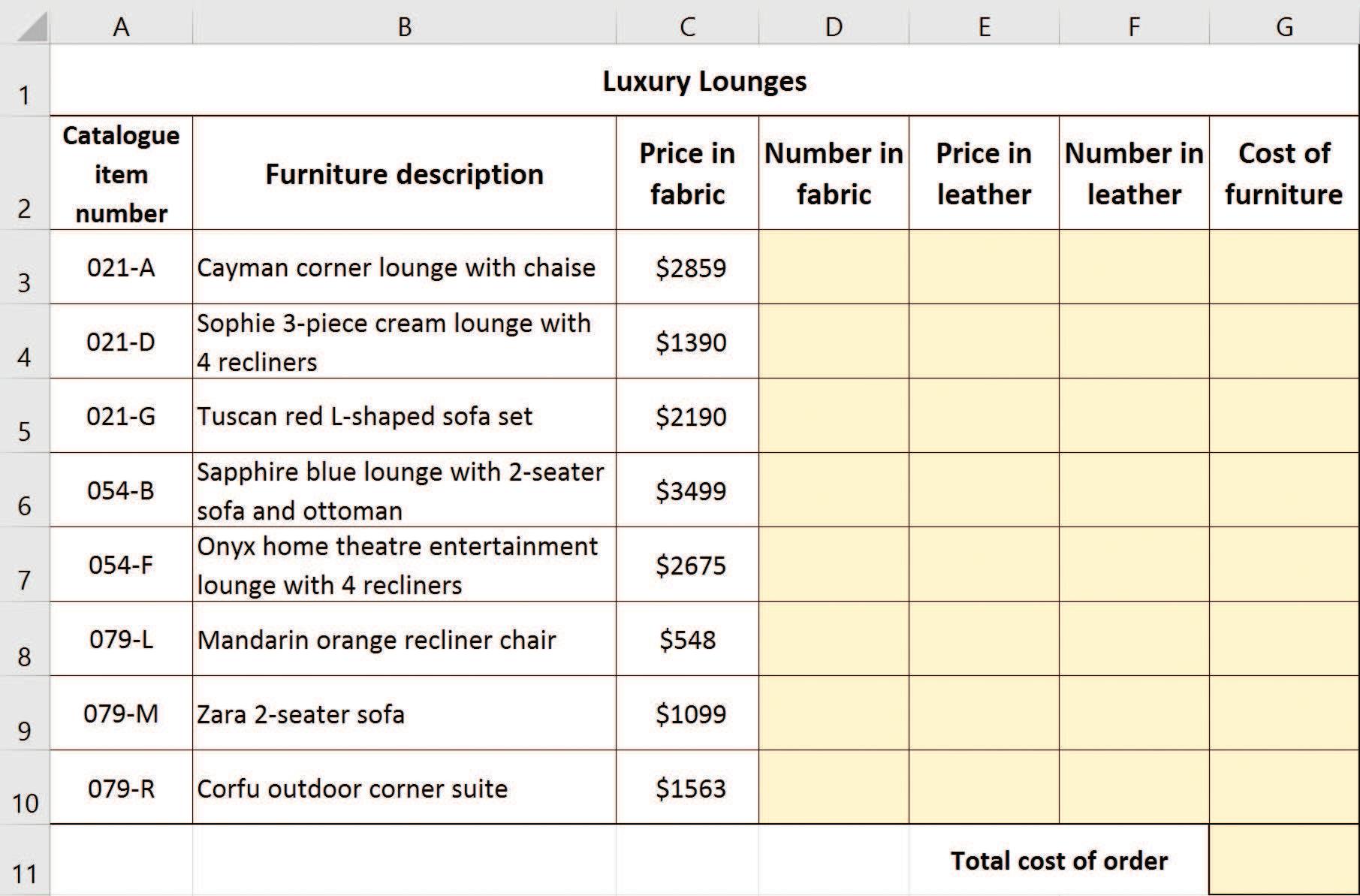
5 Aloungesuitebusiness,LuxuryLounges,usesaspreadsheet fororders.
CopythefollowingExcelspreadsheet.Formatallthenumber cellstoNumberwith 0 d.p.andallpriceandcostcellsto Currencywith 0 d.p.
a Ifleatherfurniturecosts 25% morethanfabric,enterformulas intothe‘Priceinleather’columntocalculatetheseprices. Seethehintboxforextraclues.
c
b EnterformulasincolumnGtocalculate‘Costoffurniture’ andthe‘Totalcostoforder’.Costswillbe $0 untilthenumbers ofitemsareenteredfrompart d
HintforQ5:
• Toincreaseapriceby 25%, multiplyitby 1.25.
• Tofillformulasdowna column,dragthe’fillhandle’ down.
• CellG3
d
Useyourspreadsheettocalculatethetotalcostofeachofthefollowingorders.
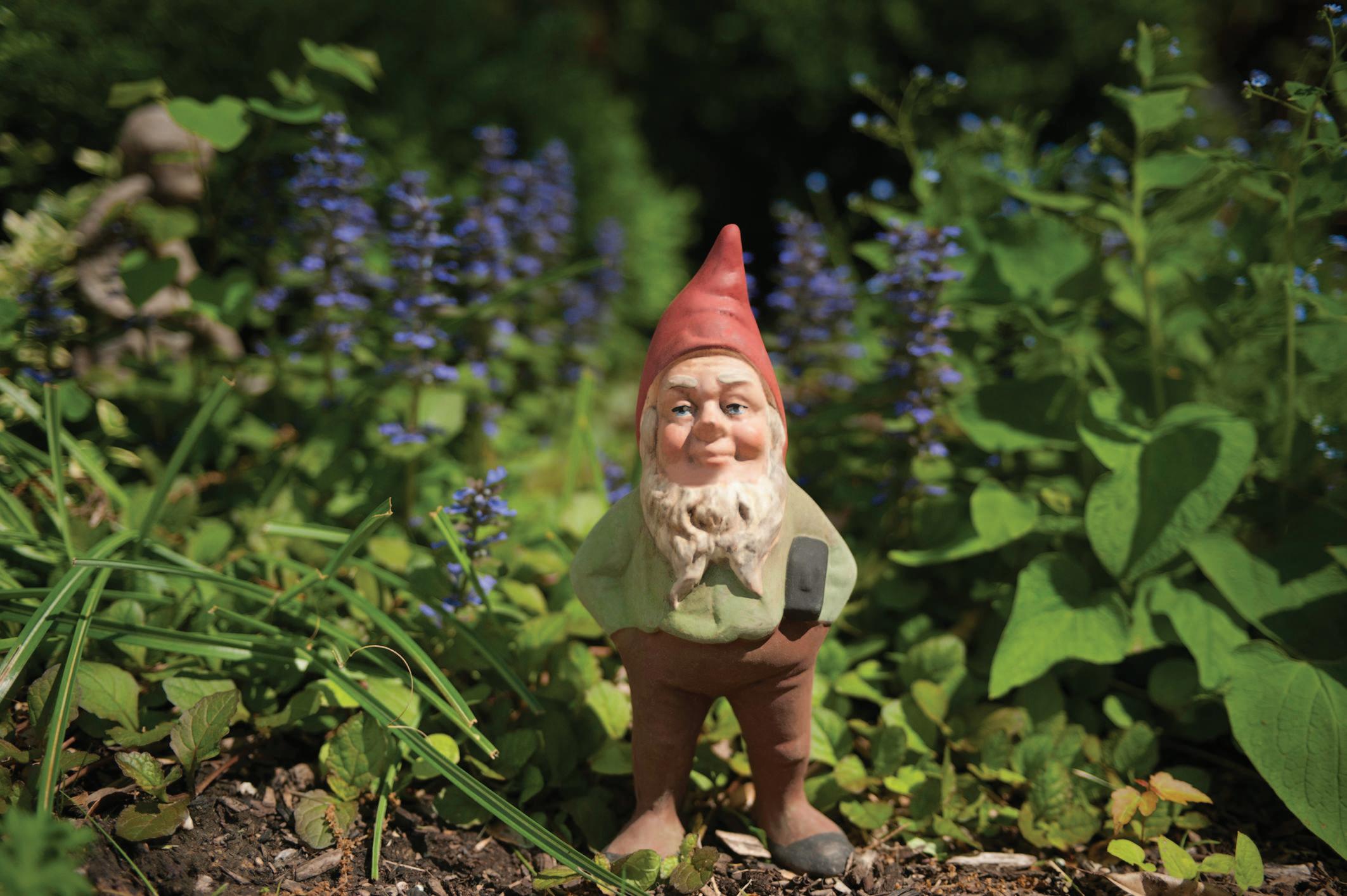
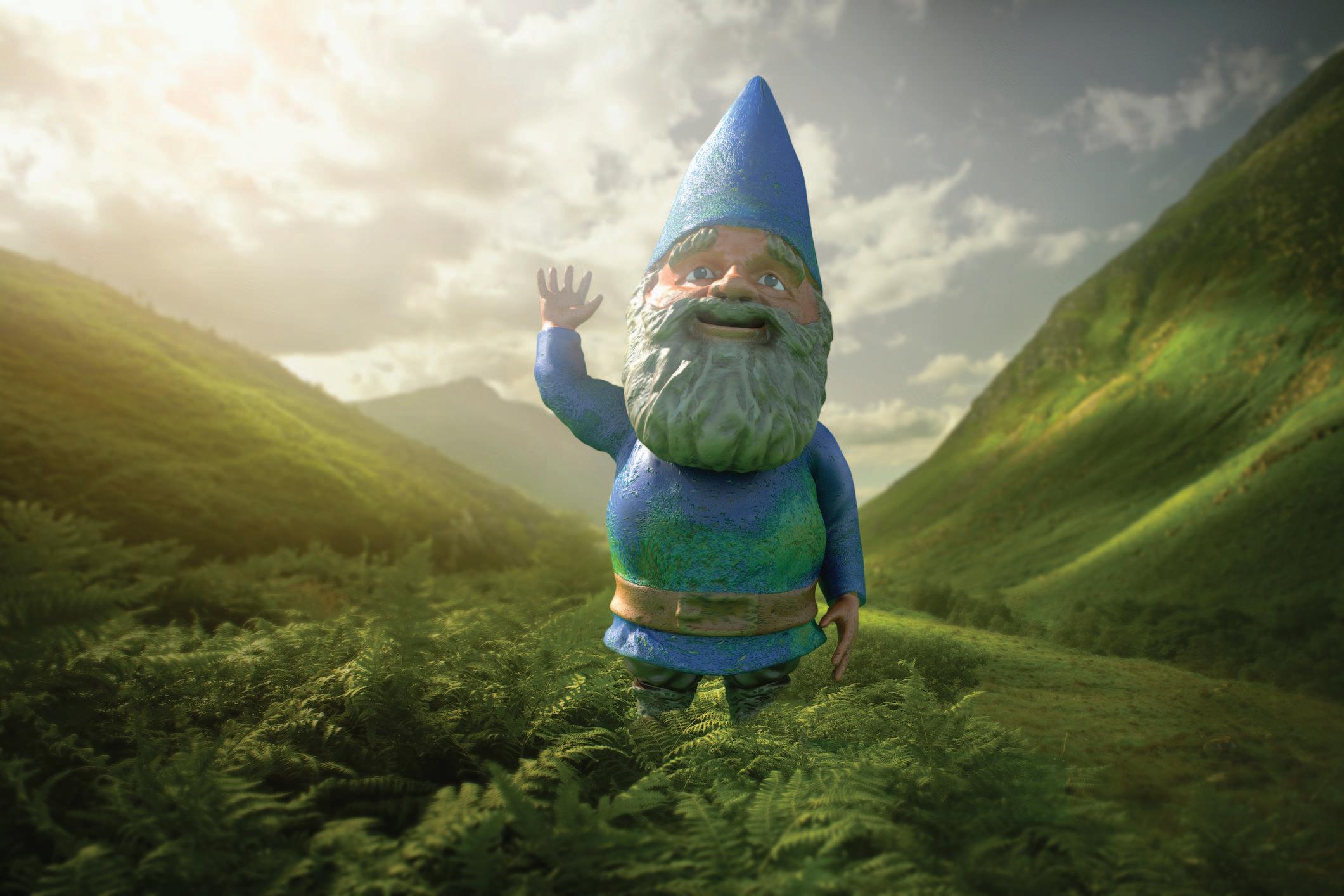
Sellinggardengnomes Wilburbuysgardengnomesfromalocalsupplierandsellsthemforaprofit.Therearethreesizes ofgnomes:
Wilbursetsupabalancesheettokeeptrackofhisexpenditureandrevenue.Thefollowingincomplete exampleshowsfourtransactionsstartingfromaninitialbalanceof $0.Negativenumbersareusedto indicatemoneyleavinghisaccount,andpositivenumbersareusedformoneyenteringhisaccount.
Presentareportforthefollowingtasksandensurethatyoushowclearmathematicalworkings, explanationsanddiagramswhereappropriate.
1Preliminarytask a Explainwhythebalanceafterthefirsttransactiononthebalancesheetis -$100
b Explainwhythebalanceafterthesecondtransactiononthebalancesheetis -$56
c TheTransactiontablehastwomissingnumbers.
i WhatistheeffectonWilbur’sbalancewhenhesells 6 smallgnomes?
ii Whatisthenewbalanceafterhesellsthesegnomes?
d IfWilburpurchasesafurther 12 mediumgardengnomesfromthesupplier,determinethe balanceattheendofthistransaction.
UNCORRECTEDSAMPLEPAGES 2Modellingtask a TheproblemistodeterminesalestargetssothatWilburwillbeinprofit(withapositivebalance) attheendofamonth.Writedownalltherelevantinformationthatwillhelpsolvethisproblem.
b Drawupanemptybalancesheetusingthesameheadingsastheexampleabove.Allow 7 rows fortransactionsbutleavealltherowsblanksothatafreshsetoftransactionscanbemade.You canassumehisinitialbalanceis $0
ForpartofoneparticularmonthWilburstartedwithnognomesofanysizeandmakesthefollowing gardengnomepurchasesandsales.
• Purchases 30 small
• Purchases 25 medium
• Sells 9 small
• Purchases 15 large
• Sells 15 medium
• Sells 6 small
• Sells 3 large
c Enterthesetransactionsintoyourbalancesheetandcalculatethebalanceaftereach transaction.
d Statethefinalbalanceaftertheabovetransactionsarecompleted.
Analyse and represent
e DecidehowmanygnomesofeachtypeareremaininginWilbur’sstockattheendofthemonth. Interpret
f Byconsideringthebalancepositionfrompart d determineonecombinationofsalesusingany gnomesintheremainingstockthatmeansthatWilburwillmakeaprofitgreaterthan $200 in themonth.Justifyyouranswerwithappropriatecalculations.
g Summariseyourresultsanddescribeanykeyfindings.
3Extensionquestions a HowmuchprofitdoesWilburmakewhenbuyingandsellingeachsizeofgnome?
b Wilburwantstomakeamonthlyprofitascloseto $200 aspossible.Chooseacombinationof gnomesthathecanbuyandselltoachievethis.Justifyyourchoicewithworking.
c Isitpossibletoachieveabalanceequalto $200 exactly?Justifyyouranswerwithworking.
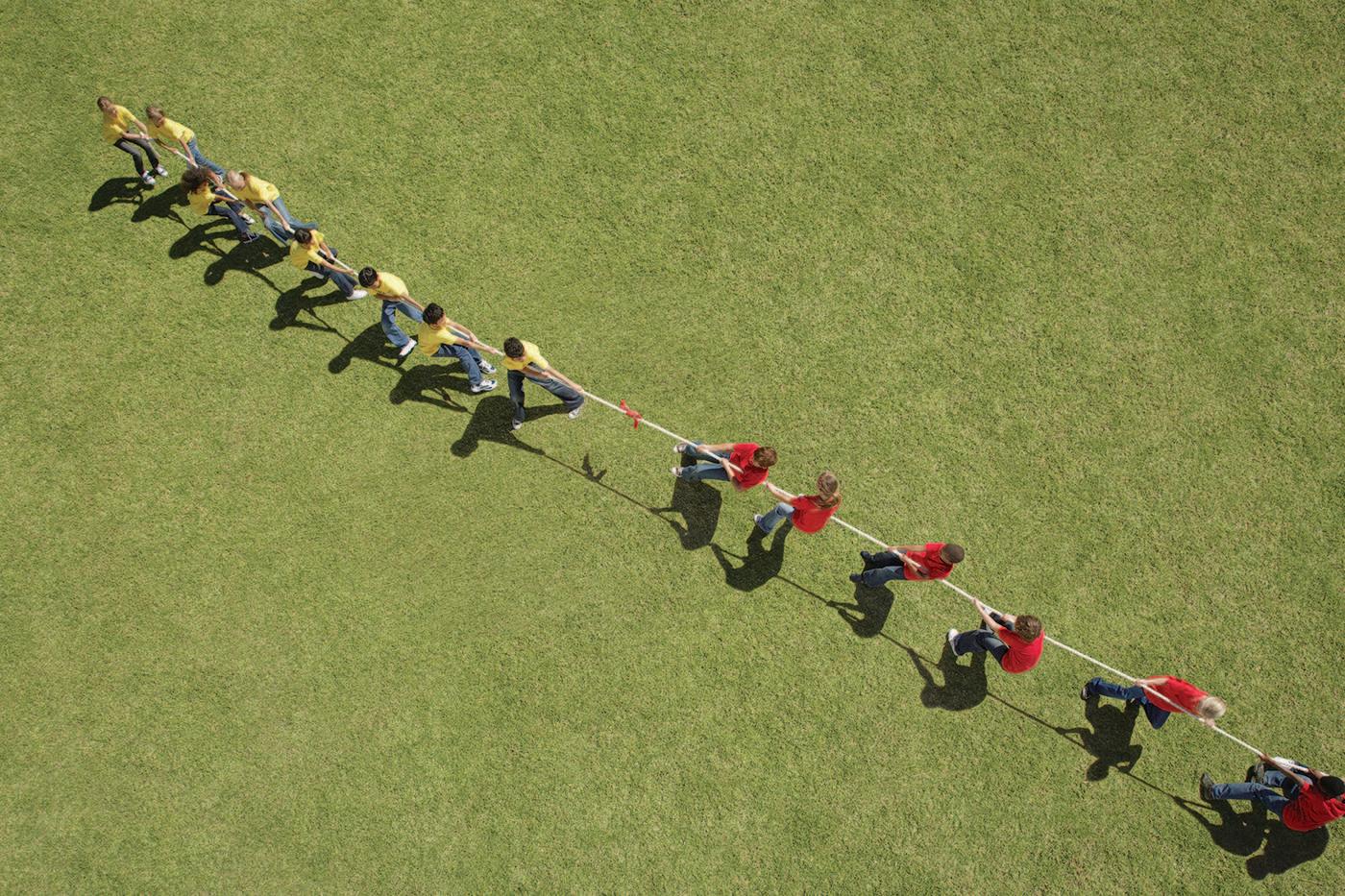
UNCORRECTEDSAMPLEPAGES Integertugofwar Keydigitaltools:Programmingandspreadsheets Inagameoftugofwar,aropeispulledinoppositedirectionsbytwoteams.Thecentreoftherope ismarkedbyaribbonandstartsatpositionzero.Thewinningteamwillmovetheribbonagiven distanceintheirdirection.Inthisactivity,wewilluseanumberlinetorecordthepositionofthe ribbonwhereoneteamispullinginthepositivedirectionandtheotherinthenegativedirection.The winneristheteamtomovetheribbonpastaparticularpoint.
1Gettingstarted Let’splayagameoftugofwarwithtwoteamsofequalability. TeamPos triestopulltotheright onthisnumberlineand TeamNeg triestopulltotheleft.Wewillassumethateitherteamcan successfullymoveupto 3 unitsintheirdirectiononanygiven 3-secondinterval.
a Usearandomnumbergeneratortogenerateamoveupto 3 unitsleftorright:Suggestions:
• Spreadsheet:=RANDBETWEEN (-3, 3)
• CAS:RandInt (-3, 3)
b Continuetocreaterandommovesleftorrightwithyourrandomnumbergeneratorandaddyour resultsintothistable.(Yournumbersinsertedintorow 3 onwardswillbedifferentfromthesample shownhere.)
c Assumethatiftheribbonreaches -5 or 5 then TeamNeg or TeamPos wins.Continueaddingto yourtableuntilthepositionoftheribbonisateither -5 or 5.Whichteamhaswonyourtugof war?
2Applyinganalgorithm a Studythisflowchartwhichdescribesanalgorithmforplayingthetugofwargameoutlinedin part 1.Describewhatyouthinkthevariables i, a and b represent.
b Completethistableshowingthevaluesof i, a and b througheachpassoftheloopusingyour randomnumbergeneratortocalculatethevalueof a eachtime.Keepgoinguntil b reaches -5 or 5 or i = 10
Team
3Usingdigitaltools Wewilluseaspreadsheettosimulatetheplayingofthetugofwargameinpart 1 butthistimethe ribbonneedstobepulledthroughto -10 or +10 foroneoftheteamstowin.
a Enterthefollowingintoaspreadsheet.
b FilldownatcellsA6,B6,C6,D6 andE6 uptoandincludingrow 25.Thiswillmeanthat 20 passes havetakenplace.
c EntertheformulaincellE1.Whatdoyouthinkthisformuladoes?
d PressFunctionF9 torunanothergameoftugofwar.Repeatforatotalof 10 gamesandrecord howmanytimesTeamPoswins,TeamNegwinsorthereisaDraw.
Puzzles and games 1 Hey,doyouknowwhatawisecrackeris?
Completethesumsgiventounlockthepuzzlecode.
2 Whatexplosiveeventwasintheyear 1000CE?
Answerthefollowingmultiplicationsanddivisionstoworkoutthepuzzlecode.Writeyouranswer onanothersheetofpaper.
3 Usingthesymbols +,, ×, ÷,makeasmanysumsasyoucanthathave -5 astheiranswer.
Negative number operations
4 − (−3) = 4 + 3
+ (−3) = 4 − 3
Multiplication and division
Substitution
a = −2, b = 5, c = −4
Whole numbers 0, 1, 2, 3, ....
Mental strategies
• 156 + 79 = 156 + 80 − 1 = 235
• 45 + 47 = 45 + 45 + 2 = 92
• 3 × 22 = 3 × 20 + 3 × 2 = 66
• 4 × 88 = 2 × 176 = 352
• 164 ÷ 4 = 82 ÷ 2 = 41 • 297 ÷ 3 = (300 ÷ 3) − (3 ÷ 3) = 99
2c − ab = 2 × (−4) − (−2) × 5 = −8 − (−10) = 2
use brackets with negatives
Primes (two factors)
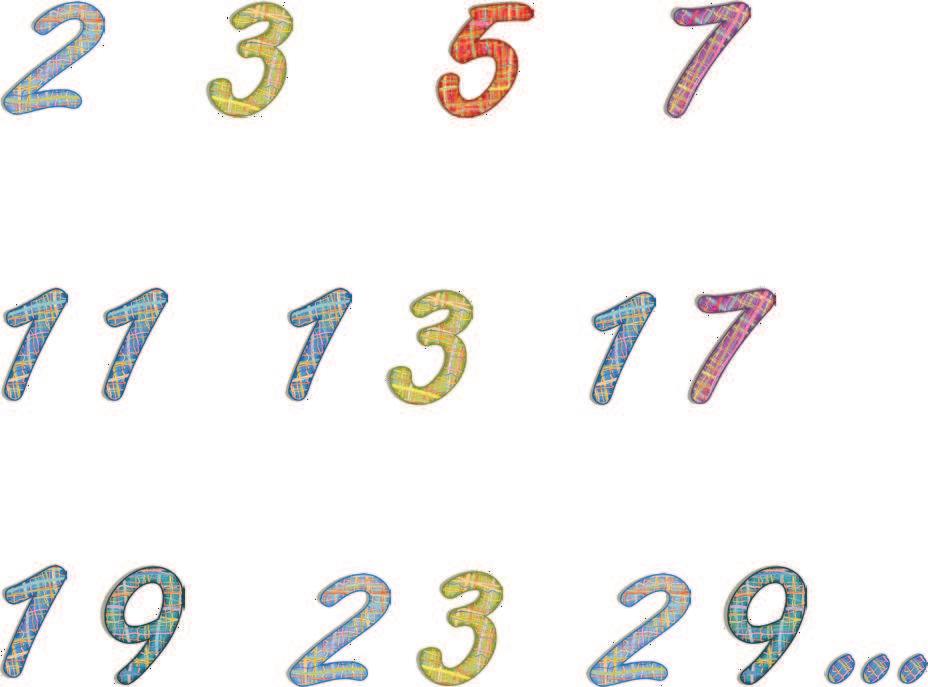
2, 3, 5, 7, 11, 13 ...
Properties
Squares and cubes
Order of operations
• Brackets, × and ÷ then + and − 10 × (−3) + 7 = −30 + 7 = −23
Multiples of 3: 3, 6, 9, 12 ...
Multiples of 4: 4, 8, 12
∴ LCM = 12 HCF
Powers and indices = 16, √16 = 4 3√27 = 3
Factors of 8: 1, 2, 4, 8
Factors of 28: 1, 2, 4, 7, 14, 28 ∴ HCF = 4
Divisibility
• 2 Last digit even.
• 3 Sum of digits divisible by 3.
• 4 Number from last 2 digits divisible by 4.
• 5 Last digit 0 or 5.
• 6 Divisible by 2 and 3.
• 8 Number from last 3 digits divisible by 8 or ends in 000.
• 9 Sum of digits divisible by 9.
• 10 Last digit 0.
Chapterchecklist AversionofthischecklistthatyoucanprintoutandcompletecanbedownloadedfromyourInteractiveTextbook.
1A 1
1A 2
1A 3
Icanusementaladditionandsubtractiontechniqueseffectively e.g.Evaluatethefollowingmentally:
a 347 - 39 b 125 + 127
Icanusetheadditionalgorithmwithwholenumbers e.g.Useanalgorithmtofindthissum. 938 + 217
Icanusethesubtractionalgorithmwithwholenumbers e.g.Useanalgorithmtofindthisdifference. 141 - 86
1B 4
1B 5
1B 6
1C 7
1C 8
1C 9
Icanusementalmultiplicationanddivisiontechniqueseffectively e.g.Findthefollowingmentally:
a 5 × 160 b 464 ÷ 4
Icanusethemultiplicationalgorithmwithwholenumbers e.g.Useanalgorithmtoevaluate 412 × 25.
Icanusethedivisionalgorithmwithwholenumbers e.g.Useanalgorithmtoevaluate 938 ÷ 13
Icanwriteproductsusingindexnotation e.g.Write 8 × 8 × 8 usingindexnotation.
Icanconvertfromindexnotationtoexpandednotation e.g.Write 54 inexpandedform.
Icanfindthesquareandcubeofwholenumbers e.g.Find: a 62 b 23
1C 10
1D 11
1D 12
1D 13
Icanfindthesquarerootandcuberootofcertainsmallwholenumbers e.g.Find: a √81 b 3 √64
Icanclassifyanumberasprimeorcomposite(orneither) e.g.Decidewhethereachofthefollowingisprimeorcomposite: a 29 b 63
Icanfindthelowestcommonmultiple(LCM)oftwowholenumbers e.g.FindtheLCMof: 6 and 8
Icanfindthehighestcommonfactor(HCF)oftwowholenumbers e.g.FindtheHCFof: 36 and 48
1E 14 Icanwriteanumberastheproductofprimefactorsusingafactortree e.g.Write 300 asaproductofprimefactors.
1E 15 Icanusedivisibilityteststodetermineifanumberisdivisible by 2, 3, 4, 5, 6, 8 or 9 e.g.Decidewhether 627 isdivisibleby 2, 3, 4, 5, 6, 8 or 9
1E 16 Icanfindthelowestcommonmultiple(LCM)andhighestcommonfactor (HCF)oftwowholenumbersusingprimefactorisation e.g.FindtheLCMandHCFofthefollowingusingprimefactorisation: 105 and 90
1F 17 Icanaddapositiveintegertoanegativeinteger e.g.Evaluate: a -5 + 2 b -1 + 4
1F 18 Icansubtractapositiveintegerfromanotherinteger e.g.Evaluate:
a 3 - 7 b -2 - 3
1G 19 Icanaddnegativeintegerstoanotherinteger e.g.Evaluate: a 10 + (-3) b -3 + (-5)
1G 20 Icansubtractnegativeintegersfromanotherinteger e.g.Evaluate: a 4 - (-2) b -11 - (-6)
1H 21
Icanfindtheproductofintegers
e.g.Evaluate:
a 3 × (-7) b -4 × (-12)
1H 22
Icanfindthequotientofintegers
e.g.Evaluate: a -63 ÷ 7 b -121 ÷ (-11)
1H 23 Icanuseorderofoperationswithintegers
e.g.Evaluate -7 + 6 × (-5).
1I 24
UNCORRECTEDSAMPLEPAGES Icanuseorderofoperationstoevaluatenumericalexpressions e.g.Evaluatethefollowing.
a 10 + 5 × 3 b -20 ÷ 22 - 1
1I 25 Icanuseorderofoperationstoevaluatenumericalexpressionsinvolving groupingsymbols e.g.Evaluatethefollowing.
a (7 + 2) × 5 - 6 b 10 ÷ (7 - 2) - (-1)
Short-answerquestions 1 1A Useamentalstrategytoevaluatethefollowing.
+ 173 a 592 - 180 b
+ 40 c
+ 57 e
- 68 d
2 1A Useamentalstrategytofindthesesumsanddifferences.
3 1B Useamentalstrategyfortheseproductsandquotients.
4 1B Findtheseproductsandquotientsusingsettingout.
5 1B Findtheremainderwhen 673 isdividedbythesenumbers.
6 1C Writeusingpowers.
7 1D Evaluate.
8 1D Findallthefactorsof 60 a
Findallthemultiplesof 7 between 110 and 150 b
Findalltheprimenumbersbetween 30 and 60 c
FindtheLCMof 8 and 6 d
FindtheHCFof 24 and 30 e
9 1E Writethesenumbersinprimefactorform.Youmaywishtouseafactortree. 36 a 84 b 198 c
10 1E Usedivisibilityteststodecideifthesenumbersaredivisibleby 2, 3, 4, 5, 6, 8 or 9 84 a 155 b
11 1E Writethenumbers 20 and 38 inprimefactorformandthenusethistohelpfindthefollowing. LCMof 20 and 38 a HCFof 20 and 38 b
12 1F Evaluate.
13 1G Evaluate.
14 1H Evaluate.
15 1H Copyandcomplete.
16 1I Evaluateusingtheorderofoperations.
17 1I Substitute a =-2, b = 3 and c =-5 andevaluatetheseexpressions. ab + c a a2 - b b ac - b c a + b + c d
Multiple-choicequestions 1 1I 400 ÷ 5 × 2 isthesameas:
400 ÷ 10 A 80 × 2 B
2 1A Thesumanddifferenceof 97 and 49 are:
146 and 58 A
246 and 48 B
136 and 58 C
146 and 48 D
147 and 58 E
3 1E 561 isexactlydivisibleby:
4 1B 89 × 5 isthesameas:
90 × 4 A
90 × 5 - 1 × 5 B
89 × 10 × 2 C
178 × 10 D
450 E
5 1C 2 × 2 × 2 × 2 × 5 × 5 is:
24 × 52 A
2 × 4 + 5 × 2 B
24 + 52 C 107 D 1000 E
6 1D TheLCMof 22 × 3 × 5 and 2 × 7 is: 2 A
22 × 3 × 5 × 7 B
2 × 3 × 5 × 7 C
23 × 3 × 5 × 7 D 7 E
7 1F -15 + 12 - 3 equals:
8 1G -6 + (-4) isthesameas: -6 - 4 A -6 + 4 B -4 + 6 C
9 1C If 182 = 324,then √324 equals: 162 A 102976 B
10 1F If a =-2, b = 3 and c =-1 then a2 + bc equals: 0 A -1
÷
×
Extended-responsequestions 1 Amonthlybankaccountshowsdepositsaspositivenumbersandpurchasesandwithdrawals (P + W) asnegativenumbers.
Details P + W Deposits Balance
Openingbalance – – $250
Waterbill -$138 – a
Cashwithdrawal -$320 – b
Deposit – c $115
Supermarket d – -$160
Deposit – $400 e
a
c
Findthevaluesof a, b, c, d and e.
Ifthewaterbillamountwas $150,whatwouldbethenewvalueforletter e?
b Whatwouldthefinaldepositneedtobeifthevaluefor e was $0?Assumetheoriginalwater billamountis $138 asinthetablegiven.
2 Twoteamscompeteataclubgamesnight.TeamAhas 30 playerswhileteamBhas 42 players. Howmanyplayersarethereintotal? a Writeboth 30 and 42 inprimefactorform. b FindtheLCMandHCFofthenumberofplayersrepresentingthetwoteams. c Teamsareaskedtodivideintogroupswithequalnumbersofplayers.Whatisthelargestgroup sizepossibleifteamAandteamBmusthavegroupsofthesamesize?
d
UNCORRECTEDSAMPLEPAGES 2 Anglerelationships andpropertiesof geometricalfigures Essentialmathematics:whyanglerelationshipsand propertiesofgeometricalfiguresareimportant
Geometryknowledgeisappliedinpracticaloccupationsbyexpertssuchasarchitects,engineers, surveyors,jewellers,fashiondesigners,plumbers,builders,carpenters,sheetmetalworkersand urbanplanners.
Surveyorsuseparallellinegeometryfortheplacementofparallellinesonathleticstracks,sports courts,airportrunways,andtrainandtramtracks.
Fashiondesignersstartbysketchingafashionblock-figurewhichisahumanfiguredrawnusing onlygeometricalshapes,mostlyquadrilateralsandtriangles.Geometryknowledgeisthe foundationforcreatingoriginalfashiondesigns.
Builderscheckifahousewallframeisrectangularbymeasuringitstwodiagonals.Anydifference indiagonallengthsmeansthewallframeisaparallelogram,andthehousewouldbe‘outof square’ifthiserrorwasnotfixed.
Inrobotics,engineersemploythree-dimensionalcoordinatesystemstoprogramrobotstofollow specificroutesandcompleteallocatedtasks.
UNCORRECTEDSAMPLEPAGES Inthischapter 2AReviewingangles (Consolidating)
2BTransversallinesandparallel lines (Consolidating)
2CTriangles
2DQuadrilaterals
2EPolygons
2FThree-dimensionalsolidsand theircross-sections
2GThree-dimensionalcoordinate systems (Extending)
WACurriculum Thischaptercoversthefollowing contentdescriptorsintheWA Curriculum:
MEASUREMENTANDGEOMETRY
WA8MMGTW1,WA8MMGTW4, WA8MMGTH1,WA8MMGM1
Pleaserefertothecurriculumsupport documentationintheteacherresources forafullandcomprehensivemapping ofthischaptertotherelatedcurriculum contentdescriptors.
©SchoolCurriculumandStandards Authority
Onlineresources Ahostofadditionalonlineresources areincludedaspartofyourInteractive Textbook,includingHOTmathscontent, videodemonstrationsofallworked examples,auto-markedquizzesand muchmore.
UNCORRECTEDSAMPLEPAGES 1 Nametheseobjects.Choosefrom: A line AB B segment AB C point A D angle ABC
2 Chooseacorrectanglenamefrom A ÒDEF B ÒSTU C ÒABC foreachgivendiagram.
3 Nametheseanglesas A acute B right C obtuse D straight E reflex F revolution
4 Namethetrianglethatfitsthedescription.Choosefrom A scalene B isosceles C equilateral D acute E right F obtuse.Drawanexampleofeachtriangletohelp.
Oneobtuseangle a 2 equallengthsides b Allanglesacute c 3 differentsidelengths d 3 equal 60° angles e onerightangle f
5 Namethesixspecialquadrilateralswithfoursides.Choosefrom A circle B square C parallelogram D line E triangle F rectangle G rhombus H hexagon I kite J trapezium K tetrahedron
6 Findthevalueof a inthesediagrams.
7 Thisdiagramincludesapairofparallellinesandathirdline (transversal).
Whatisthevalueof a? a
Whichpronumerals (b, c, d, e, f or g) areequalto a?Listin alphabeticalorder. b Whichpronumerals (b, c, d, e, f or g) areequalto 50?Listin alphabeticalorder. c
8 Findthevalueof x intheseshapes,usingthegivenanglesum. Anglesum = 180° x
b
a Anglesum = 360°
2A 2A Reviewingangles CONSOLIDATING Learningintentions
• Tobeabletoclassifyanglesasacute,right,obtuse,straight,re exorarevolution
• Tobeabletonameanglesinrelationtootherangles,forinstance,namingtheangleverticallyoppositeto agivenangle
• Tobeabletodeterminetheanglesatapointusingangleproperties
• Tobeabletorelatecompassbearingstoangles
Keyvocabulary: acute,right,obtuse,straight,re ex,revolution,complementary,supplementary,verticallyopposite, perpendicular,compassbearing
Fromthreesimpleobjects–point,lineandplane–wecandevelopalltheelementsofgeometry, justastheGreekmathematicianEucliddidabout 2300yearsago.
Wecanstartbylookingattheanglesformed whenlinesmeetatapoint.
Lessonstarter:Howmanyangles? Whentwolinescross,differentanglesareformed, likeinthisexample.
• Isthereanother 60° angle?Why?
• Whatisthesizeofoneoftheobtuseangles?How didyouworkthisout?
• Arethereanystraightanglesinthediagram?
• Arethereanyreflexanglesinthediagram?
• Whatisarevolutionangle?
Keyideas Euclidis considered bymanyas the’father ofgeometry’ havingwritten aboutitaround 300BCE
Specialpairsofanglesatapoint
Complementary angles (addupto 90°)
• Supplementary angles (addupto 180°)
+ b = 180
b° a° a + b = 90
Anglesina revolution addupto 360°
Twolinesare perpendicular iftheyintersectatrightangles (90°).
Verticallyopposite angles(equal)
Eightpointcompassbearing
• Bearingsareusuallymeasuredclockwisefromnorth.
Exercise2A Und er stand ing
1 Writethemissingword.Choosefrom: equal,supplementary,complementary and perpendicular Anglesthataddto 90° arecalled angles. a Anglesthataddto 180° arecalled angles. b Iftwolinesmeetatrightangles (90°),thentheyaresaidtobe c Verticallyoppositeanglesare . d
2 Whattypeofanglearethefollowing?
3 Completethesesentencesforthisdiagram. b
and c° are angles.
angles.
HintforQ1:Choose from: acute,right,obtuse, straight,reflex or revolution
4 Estimatethesizeoftheseangles.
ÒAOB a ÒAOC b Reflex ÒAOE c
Fluency
Example1Namingangles
Nameananglewhichis:
verticallyoppositeto ÒDOE a complementaryto ÒCOB b supplementaryto ÒEOA c
Solution
5,6,7(½),85,7,8
Explanation
a ÒAOB ÒDOE and ÒAOB areequalandsitopposite each other.
b ÒBOA ÒCOB and ÒBOA addto 90°
c ÒDOE (or ÒAOB) Pairsof anglesonastraightlineare supplementary(addto 180°).
Nowyoutry
Nameananglewhichis: verticallyoppositeto ÒPOQ a complementaryto ÒMOR b supplementaryto ÒMOQ c
5 Nameananglewhichis: verticallyoppositeto ÒDOE a complementaryto ÒCOB
HintforQ5:Verticallyopposite anglesareoppositeandequal. Complementaryanglesaddto 90° Supplementaryanglesaddto 180° . b supplementaryto ÒEOA c
D
UNCORRECTEDSAMPLEPAGES Example2Findinganglesatapoint
Determinethevalueofthepronumeralsinthesediagrams.
Solution
a a + 30 = 90
a = 60
b + 90 = 360
b = 270
b a + 65 = 180
a = 115
b = 65
Nowyoutry
Explanation
a° and 30° makeacomplementarypairof anglesaddingto 90°.Anglesinarevolution addto 360°
a° and 65° makeasupplementarypairof anglesaddingto 180° b° isverticallyopposite the 65° angle.
Determinethevalueofthepronumeralsinthesediagrams.
6 Determinethevalueofthepronumeralsinthesediagrams.
UNCORRECTEDSAMPLEPAGES 7 Determinetheunknownanglesmarkedinthesediagrams.
8 Givethecompassbearing,indegrees,forthesedirections.
West(W) a East(E) b North(N) c South(S) d NW e SE f SW g NE h
Problem-solving and reasoning
HintforQ7:Anglesinarightangle addto 90°.Anglesonastraight lineaddto 180°.Anglesina revolutionaddto 360°
HintforQ8:Checkthe Keyideas forhelp.
9,109,10–11(½),12
9 Aroundbirthdaycakeiscutintosectorsforninefriends(includingJack)atJack’sbirthdayparty.After thecakeiscutthereisnocakeremaining.WhatwillbetheangleatthecentreofthecakeforJack’s pieceif:
everyonereceivesanequalshare? a
Jackreceivestwiceasmuchaseveryoneelse?(Inparts b, c and d assumehisfriendshaveequal sharesoftherest.) b
Jackreceivesfourtimesasmuchaseveryoneelse? c
Jackreceivestentimesasmuchaseveryoneelse? d
10 Inwhichdirection(e.g.north-eastorNE)wouldyoubewalking ifyouwereheadedonthesecompassbearings?
11 Findthevalueofthepronumeralsinthesediagrams.
12 Explain,withreasons,whatiswrongwiththesediagrams.
13 Hereisaclockfacewithanhourhand(shortarrow) andminutehand(longarrow).Thetimeshown is 8:20.
a Howmanydegreesdoesthehourhandturnin: 6 hours? i 12 hours? ii 1 hour? iii 3 hours? iv
b Howmanydegreesdoestheminutehandturnin: 1 hour? i 30 minutes? ii 5 minutes? iii 20 minutes? iv
14 Whatistheanglebetweenthehourhandandminute handonaclockatthesetimes?
2
1
2
2B 2B Transversallinesandparallellines CONSOLIDATING Learningintentions
• Tounderstandthatparallellinesneverintersectandthatarrowsareusedtoindicatethisonadiagram
• Tobeabletousepropertiesofparallellinesto ndunknownangles
Keyvocabulary: parallellines,transversal,corresponding,alternate,cointerior
Insimplelanguage,Euclid’s 5thaxiomsaysthat parallellinesdonotintersectormeetonaflat plane.
Allsortsofshapesandsolidsbothinthetheoretical andpracticalworldscanbeconstructedusing parallellines.Iftwolinesareparallelandarecut byathirdlinecalledatransversal,specialpairsof anglesarecreated.
Lessonstarter:Arethey parallel?
Herearetwodiagramsthatshowapairoflines crossedbyathirdlinecalledatransversal.Two anglesaregiven.
• Doyouthinkthateachdiagramcontainsa pairofparallellines?
• Canyoudeterminealltheotheranglesin thediagrams?
• Howmanydifferentanglesaretherein eachdiagram?
Keyideas UNCORRECTEDSAMPLEPAGES Allsortsofshapesandsolidscanbeconstructedusing parallellinesandtransversals.
A transversal isalinecuttingatleasttwootherlines.
Pairsofanglesformedbytransversalscanbe: corresponding (in correspondingpositions) corresponding
• alternate (onopposite sidesofthetransversaland insidetheothertwolines) alternate
cointerior (onthesame sideofthetransversaland insidetheothertwolines). cointerior
Parallellinesneverintersect.
Linesare parallel iftheydonotintersect.
• Parallellinesaremarkedwiththesamenumberofarrows.
or
Iftwoparallellinesarecutbyatransversal:
• thecorrespondinganglesareequal(pairs)
• thealternateanglesareequal(2 pairs)
• thecointerioranglesaresupplementary(addupto 180°)(2 pairs).
Exercise2B Und er stand ing
1 Twoparallellinesarecutbyatransversal.Writethemissingword. Correspondinganglesare a Cointerioranglesare b Alternateanglesare c HintforQ1:Choosefrom equal or supplementary.
2 Nametheanglethatis: correspondingto ÒABF a corresponding to ÒBCG b alternate to ÒFBC c alternate to ÒCBE d cointeriorto ÒHCB e cointeriorto ÒEBC f verticallyopposite to ÒABE g verticallyopposite to ÒHCB h
HintforQ2:Nameangleslike this: ÒABC or ÒDEF
Example3Describingrelatedanglesinparallellines Statewhetherthefollowingmarkedanglesarecorresponding,alternateorco-interior.Hence,state whethertheyareequalorsupplementary.
Solution
a Themarkedanglesarealternate. Thereforetheyareequal (a = b)
b Themarkedanglesareco-interior.Therefore theyaresupplementary (a + b = 180)
Explanation
Thetwoanglesareinsidetheparallellinesand onoppositesidesofthetransversal,sotheyare alternate.
Alternateanglesinparallellinesareequal.
Thetwoanglesareinsidetheparallellinesand onthesamesideofthetransversal,sotheyare co-interior.
Co-interioranglesinparallellinesare supplementary,addingto 180°
c Themarkedanglesarecorresponding. Thereforetheyareequal (a = b)
Nowyoutry Thetwoanglesareincorrespondingpositions (bothtotheleftoftheintersectionpoints). Correspondinganglesinparallellinesareequal.
Statewhetherthefollowingmarkedanglesarecorresponding,alternateorco-interior.Hence,state whethertheyareequalorsupplementary.
UNCORRECTEDSAMPLEPAGES 3 Statewhetherthefollowingmarkedanglesarecorresponding,alternateorco-interior.Hence,state whethertheyareequalorsupplementary.
Example4Workingwithparallellines Findthevalueofthepronumeralsinthesediagrams.Giveareasonforeachanswer.
Solution
Explanation
a a = 71,alternateanglesinparallellines.Alternateanglesinparallellinesareequal.
b b = 118,correspondinganglesin parallellines. Correspondinganglesinparallellinesareequal.
c c = 180 - 115 = 65,cointerioranglesin parallellines.
Nowyoutry Cointerioranglesinparallellinesaddto 180°
Findthevalueofthepronumeralsinthesediagrams.Giveareasonforeachanswer.
UNCORRECTEDSAMPLEPAGES 4 Findthevalueofthepronumeralsinthesediagrams.Giveareasonforeachanswer.
HintforQ4:Correspondinganglesare equalinparallellines.Alternateangles areequalinparallellines.Cointerior anglesinparallellinesare supplementary(addto 180°).
Example5Usingparallellinesinshapes Findthevalueofthepronumeralsinthisdiagram,statingreasons.
Solution
a + 72 = 180
a = 108
b + 72 = 180
b = 108
Explanation
Thepairsofanglesarecointerior,whichare supplementaryifthelinesareparallel.
Thisshowsthatoppositeanglesina parallelogramareequal.
Cointerioranglesinparallellinesaresupplementary.
Nowyoutry Findthevalueofthepronumeralsinthisdiagram,statingreasons.
UNCORRECTEDSAMPLEPAGES 5 Findthevalueofthepronumeralsinthesediagrams,statingreasons.
Problem-solving and reasoning 6 Findthevalueofthepronumeralsinthesediagrams,statingreasons.
HintforQ5:Cointeriorangles addto 180
7 Decideifthefollowingdiagramsincludeapairofparallellines.Giveareasonforeachanswer.
8 Findthevalueof a inthesediagrams.
HintforQ8:Extendinglinescan makeiteasiertoseethistype ofdiagram.
9 Sometimesparallellinescanbeaddedtoadiagramtohelpfindanunknownangle.Forexample, ÒAOB canbe foundinthisdiagrambyfirstdrawingthedashedlineandfinding ÒAOC (40°) and ÒCOB (70°) So ÒAOB = 40° + 70
Applyasimilartechniquetofind ÒAOB inthesediagrams.
10 Aplanforanaturalgasplantincludesmanyintersectingpipelines,someofwhichareparallel. Helpthedesignersfinishtheplansbycalculatingthesizeoftheanglesmarked a, b,etc.
2C 2C Triangles Learningintentions
• Tounderstandthattrianglescanbeclassi edbytheirsidelengthsasscalene,isoscelesorequilateral
• Tounderstandthattrianglescanbeclassi edbytheirinterioranglesasacute,rightorobtuse
• Toknowthattheanglesumofanytriangleis 180°
• Tobeabletousetheanglesumofatriangleto ndunknownangles
• Tobeabletousetheexteriorangletheoremto ndunknownangles
Keyvocabulary: scalene,isosceles,apex,base,equilateral,acute,right,obtuse,exteriorangle,anglesum
Atriangleisashapewiththreestraightsides.Thetriangleisavery rigidshapeandthisleadstoitsuseintheconstructionofhousesand bridges.Itisoneofthemostcommonlyusedshapesindesignand construction.
Lessonstarter:Illustratingtheanglesum Youcancompletethistaskusingapencilandrulerorusingdynamic geometrysoftware.
• Drawanytriangleandmeasureeachinteriorangle.
• Addallthreeanglestofindtheanglesumofyourtriangle.
• Compareyouranglesumwiththeresultsofothers.Whatdo younotice?
Triangularshapesareoftenused tostrikingeffectinarchitecture,as shownbypartoftheNationalGallery ofCanada.
Ifdynamicgeometryisused,dragoneoftheverticestoaltertheinteriorangles.Nowchecktoseeif yourconclusionsremainthesame.
Keyideas A triangle has:
• 3 sides
• 3 vertices(singular:vertex)
• 3 interiorangles.
UNCORRECTEDSAMPLEPAGES Trianglesclassifiedbysidelengths
• Sideswiththesamenumberofdashesareofequallength.
Trianglesclassifiedbyinteriorangles
Acute (Allanglesacute) • Right (1 rightangle) • Obtuse (1 obtuseangle) •
The anglesum ofatriangleis 180°
The exteriorangle theorem: Theexteriorangleofatriangleisequal tothesumofthetwooppositeinterior angles.
exterior angle
Exercise2C Und er stand ing
1 Givethecommonnameofatrianglewiththeseproperties.Refertothe Keyideas inthissection forhelp.
Onerightangle a 2 equalsidelengths b Allanglesacute c Allangles 60° d Oneobtuseangle e 3 equalsidelengths f 2 equalangles g 3 differentsidelengths h
2 Statewhetherthesetrianglesarescalene,isoscelesorequilateral.
3 Statewhetherthesetrianglesareacute,rightorobtuse.
UNCORRECTEDSAMPLEPAGES Example6Usingtheanglesumofatriangle
Findthevalueof a inthistriangle.
Solution
a + 38 + 92 = 180 a + 130 = 180
= 50
Nowyoutry Findthevalueof a inthistriangle.
Explanation
Theanglesumofthethreeinterioranglesofatriangleis
4 Usetheanglesumofatriangletohelpfindthevalueof a inthese triangles.
HintforQ4:Foreachone useamentalstrategyor startwithanequationlike a + 36 + 48 = 180
Example7Workingwithisoscelestriangles Findthevalueof a intheseisoscelestriangles.
Solution
a a + 35 + 35 = 180
a + 70 = 180 a = 110
b 2a + 26 = 180 2a = 154 a = 77
Nowyoutry Findthevalueof a intheseisoscelestriangles.
Explanation
Thetwobaseanglesin anisoscelestriangleare equal.
Thetwobaseanglesinan isoscelestriangleareequal.
5 Findthevalueof a intheseisoscelestriangles.
HintforQ5:Thetwo baseanglesinan isoscelestriangle areequal.
Example8Usingtheexteriorangletheorem
Findthesizeoftheunknownangle.
Solution
a + 90 = 161
a = 161 - 90 = 71
Nowyoutry
Findthesizeoftheunknownangle.
6 Findthesizeontheunknownangle.
C
Problem-solving and reasoning
Explanation
Usetheexteriorangletheoremforatriangle. Theexteriorangle (161°) isequaltothesumof thetwooppositeinteriorangles.
7,8 7–9
7 Decideifitispossibletodrawatrianglewiththegivendescription.Drawadiagramtosupport youranswer. Rightandscalene a Obtuseandequilateral b Rightandisosceles c Acuteandisosceles d
Acuteandequilateral e Obtuseandisosceles f
8 Atriangleisconstructedusingacircleandtwo radiuslengths.
Whattypeoftriangleis DAOB andwhy? a Nametwoanglesthatareequal. b
Find ÒABO if ÒBAO is 30° c
Find ÒAOB if ÒOAB is 36° d
e
Find ÒABO if ÒAOB is 100
9 Findthevalueof a inthesediagrams.
HintforQ8a:Whatcanyousay aboutthelengths OA and OB?
Parallellinesandtriangles
10 Useyourknowledgeofparallellinesandtrianglestofindtheunknownangle a
HintforQ9a:Whatisthesizeof eachangleinanequilateral triangle?
10–11
11 Toprovethattheanglesumofatriangleis 180°,workthroughthesestepswiththegivendiagram.
HintforQ11:Thinkbacktothe parallellinerulesfrom Section2B
a Usingthepronumerals a, b or c,givethevalueoftheseanglesandstateareason.
ÒABD i ÒCBE ii
b Whatis trueaboutthethreeangles ÒABD, ÒABC and ÒCBE andwhy?
c What doparts a and b sayaboutthepronumerals a, b and c,andwhatdoesthissayabouttheangle sumofthetriangle ABC?
2D 2D Quadrilaterals Learningintentions
• Tobeabletoclassifyquadrilateralsasparallelograms,rectangles,rhombuses,squares,kitesand/ortrapezia
• Toknowthattheanglesumofanyquadrilateralis 360°
• Tobeabletousetheanglesumofaquadrilateralto ndunknownangles
• Tounderstandthatpropertiesofanglesinparallellinescanbeusedto ndunknownanglesintrapezia andparallelograms
Keyvocabulary: quadrilateral,parallelogram,square,rectangle,rhombus,kite,trapezium,parallel
Shapeswithfoursidesarecalledquadrilaterals.Allquadrilateralshavethesameanglesum.Theirother propertiesdependonsuchthingsaspairsofsidesofequallength,parallelsidesandlengthsofdiagonals. Allquadrilateralscanbedividedintotwotriangles.Sincethesixanglesinsidethetwotrianglesmake upthefouranglesofthequadrilateral,theanglesumis 2 × 180°= 360
Lessonstarter:Whichquadrilateralssuit? Quadrilaterals ofmanykinds areusedby architects.
Nameallthedifferentquadrilateralsyoucanthinkofthathavethepropertieslisted.Theremay bemorethanonequadrilateralforeachpropertylisted.Draweachquadrilateraltoillustratetheshape anditsfeatures.
UNCORRECTEDSAMPLEPAGES Keyideas Quadrilaterals arefour-sidedshapes.
Parallelograms arequadrilateralswithtwopairsof parallel sides.
Parallelogram
Specialparallelograms Square Rectangle Rhombus
Otherspecialquadrilaterals Kite Trapezium
Theanglesumofanyquadrilateralis 360°
Quadrilateralswithparallelsidesincludetwopairsof cointeriorangles.
Und er stand ing
1 Whatarethesixspecialtypesofquadrilaterals?
2 Writethemissingnumberorword.Choosefrom: 90° , equal, 360° or two Theanglesumofaquadrilateralis a Thesidelengthsofarhombusare inlength. b Akitehas pairsofequalsides. c Thediagonalsofsquares,rhombusesandkitesintersectat d
3 Answertrue(T)orfalse(F)tothesestatements.Refertothediagramsinthe Keyideas oraccurately drawyourownshapes,includingthediagonals.
a Square
Allsidesareofequallength. i Diagonalsarenotequalinlength. ii Allsidesareparalleltoeachother. iii Diagonalsintersectatrightangles. iv
b Rectangle
Diagonalsmustintersectatrightangles. i Allinterioranglesare 90° ii Allsidesmustbeofequallength. iii Therearetwopairsofparallelsides. iv
c Rhombus
Allinterioranglesmustbeequal. i Allsidesareofequallength. ii Diagonalsintersectatrightangles. iii
d Parallelogram
Therearetwopairsofparallelsidesofequallength. i Diagonalsmustbeequalinlength. ii Diagonalsmustintersectatrightangles. iii
e Kite
Therearetwopairsofsidesofequallength. i Therearetwopairsofparallelsides. ii Diagonalsintersectatrightangles. iii
f Trapezium
Diagonalsareequalinlength. i Therearetwopairsofparallelsides. ii
HintforQ3:Thereddashed linesarethediagonals.
Fluency Example9Usingtheanglesumofaquadrilateral
Findthevalueof a inthesequadrilaterals.
Solution
a a + 100 + 90 + 115 = 360 a + 305 = 360 a = 55
b a + 265 + 30 + 25 = 360 a + 320 = 360 a = 40
Nowyoutry
Findthevalueof a inthesequadrilaterals.
Explanation
Thesumofanglesinaquadrilateralis 360° Useamentalstrategyorsolvetheequation.
Usetheanglesumofaquadrilateral.
4 Usethequadrilateralanglesumtofindthevalueof a inthesequadrilaterals.
HintforQ4: isa 90° angle.Theangle
Example10Workingwithparallelograms Findthevalueof a and b inthisparallelogram.
Solution
a + 77 = 180
a = 103
b = 180 - 103 = 77
Nowyoutry Findthevalueof a and b inthisparallelogram.
5 Findthevalueof a and b inthesequadrilaterals.
Explanation
Twoanglesinsideparallellinesarecointerior andthereforeaddupto 180° Notethatoppositeanglesinaparallelogram areequal.
HintforQ5:Oppositeangles inaparallelogramareequal. Otherpairsofanglesare cointerior(addto 180°).
Problem-solving and reasoning
6 Namethespecialquadrilateralswhichhave: allsidesofequallength a onepairofparallellines b twopairsofequalsides c diagonalsmeetingatrightangles d diagonalsofequallength. e
7 Useyourknowledgeofgeometryfromtheprevioussectionstofindthe valuesof a.
HintforQ7:Anglesinarevolution addto 360°.Anglesonastraight lineaddto 180°.Vertically oppositeanglesareequal.
8 Considerthepropertiesofspecialquadrilaterals.Decideifthefollowingaretrue(T)orfalse(F). Asquareisatypeofrectangle. a Arectangleisatypeofsquare. b Asquareisatypeofrhombus. c Arectangleisatypeofparallelogram. d Aparallelogramisatypeofsquare. e Arhombusisatypeofparallelogram. f
9 Considerthepropertiesofthegivenquadrilaterals.Givethevaluesofthe pronumerals.
HintforQ9: Akite a Arhombus b Aparallelogram c
10 Youcanconfirmthattheanglesumofaquadrilateralis 360° bytearingoffthecornersofany cut-outquadrilateral. Usearulertodrawanyquadrilateralandthencutitout. a Tearoffthefourcorners. b Arrangethefourpiecessothecorners(verticesofquadrilateral)allmeetatonepointasshown. Whatdoyounotice? c Whatdoesthistellyouabouttheanglesumofthequadrilaterals? d
1 2A Determinethevalueofthepronumeralsinthesediagrams.
2 2A Findthevalueofthepronumeralsinthesediagrams.
3 2B Whichofthefollowingdiagramshaveapairofcorrespondinganglesmarked?
4 2B Findthevalueofthepronumeralsinthesediagrams.Giveareasonforeachanswer.
5 2B Findthevalueofthepronumeralsinthesediagrams,statingreasons.
6 2C Usetheanglesumofatriangletohelpfindtheunknownangleinthesetriangles.
7 2C Findthesizeoftheunknownangles.
8 2D Findthevalueofthepronumeralsinthesequadrilaterals.
9 2D Findthevalueofthepronumeralsinthesequadrilaterals.
10 2D Decideifthefollowingaretrue(T)orfalse(F). Allsquaresarerectangles. a Allquadrilateralsarerectangles. b Allrectanglesarerhombuses. c
2E 2E Polygons Learningintentions
• Toknowthenamesofdifferenttypesofpolygonswithupto 12 sides
• Tounderstandwhataregularpolygonis
• Tobeableto ndtheanglesumofapolygon
• Tobeabletousetheanglesumofapolygonto ndunknownangles
Keyvocabulary: polygon,regularpolygon,pentagon,hexagon,heptagon,octagon,nonagon,decagon, hendecagon,dodecagon
Trianglesandquadrilateralsarebothexamplesofpolygons. Theword‘polygon’comesfromtheGreekwords poly, meaning‘many’,and gonia,meaning‘angles’.Thenumber ofinterioranglesequalsthenumberofsides.Theanglesum ofeachtypeofpolygondependsonthisnumber.Inthis sectionwewillexploretherulefortheanglesumofa polygonwith n sides.
Lessonstarter:Developingtherule Thefollowingprocedureusesthefactthattheanglesumof atriangleis 180°.Completethetableandtrytowritethe generalruleinthefinalrow.
ThePentagonisafamousgovernmentoffice buildinginWashingtonDC,UnitedStates.
Keyideas Polygons areshapeswithstraightsides.
Pentagon Octagon Decagon
Polygonsarenamedaccordingtotheirnumberofsides.
Theanglesum S ofapolygonwith n sidesisgivenbytherule: S = (n - 2) × 180°
A regularpolygon hassidesofequallengthandequalinteriorangles.
1 Namethepolygonwiththefollowingnumberofsides.
2 Statethenumberofsidesonthesepolygons.
Hexagon a Quadrilateral b Decagon c Heptagon d Pentagon e Dodecagon f
3 Evaluate (n - 2) × 180° if: n = 6 a n = 10 b n = 22 c
4 Whatisthecommonnamegiventothesepolygons?
Regularquadrilateral a Regulartriangle b
Fluency
Example11Findingtheanglesum Findtheanglesumofaheptagon.
Solution
S = (n - 2) × 180°
= (7 - 2) × 180° = 5 × 180° = 900°
Nowyoutry
Findtheanglesumofanoctagon.
5 Findtheanglesumofthesepolygons.
Pentagon (n = 5) a Octagon (n = 8) b
Explanation
Aheptagonhas 7 sidesso n = 7.Simplify (7 - 2) beforemultiplyingby 180°
Decagon (n = 10) c Hexagon d Nonagon e Heptagon f
Example12Findinganglesinpolygons
Findthevalueof a inthispentagonbyusingthegivenanglesum.
Anglesum = 540° Solution
Explanation
Addalltheanglesandsetthisequaltothe anglesumof 540°.Thensimplifyandsolvefor a oruseamentalstrategy.
Nowyoutry
Findthevalueof a inthishexagonbyusingthegivenanglesum.
Anglesum = 720
6 Findthevalueof a inthesepolygons,byusingthegivenanglesum.
HintforQ6:Writean equationusingthe givenanglesum,then findthevalueof a
7 Regularpolygonshaveequalinteriorangles.Findthesizeofaninterioranglefortheseregularpolygons withthegivenanglesum.
HintforQ7:First findtheanglesum thendividebythe numberofsides.
Example13Findinginterioranglesofregularpolygons
Findthesizeofaninteriorangleinaregularoctagonbyfirstfindingtheanglesum.
Solution
S = (n - 2) × 180
= (8 - 2) × 180
= 6 × 180°= 1080
Interioranglesize = 1080 ÷ 8 = 135°
Nowyoutry
Explanation
Firstcalculatetheanglesumofanoctagon using n = 8 and S = (n - 2) × 180°
All 8 anglesareequalinsizesodividethe anglesumby 8
Findthesizeofaninteriorangleinaregularnonagonbyfirstfindingtheanglesum.
8 Findthesizeofaninteriorangleintheseregularpolygonsbyfirstfindingtheanglesum.Roundthe answertoonedecimalplacewherenecessary.
Regularpentagon a Regularheptagon b Regularhexagon c Regulardecagon d Regularoctagon e Regularhendecagon f
Problem-solving and reasoning
9 Findthevalueof a intheseshapesbyfirstfindingtheanglesum.
9,109(½),10–12
10 Findthenumberofsidesofapolygonwiththegivenanglesums. HintforQ10:Theanglesum
11 Findthenumberofsidesofaregularpolygonifeachinteriorangleis: 120° a 162° b 147.272727…° c
12 Consideraregularpolygonwithaverylargenumberofsides (n) Whatshapedoesthispolygonlooklike? a Istherealimittothesizeofapolygonanglesumordoesitincreasetoinfinityas n increases? b Whatsizedoeseachinteriorangleapproachas n increases? c
Anglesumchallenge
13 Findthevalueof x inthesediagrams.
UNCORRECTEDSAMPLEPAGES 2F 2F Three-dimensionalsolidsandtheir cross-sections Learningintentions
• Toknowthemeaningofthetermspolyhedron,prism,pyramid,cylinder,sphere,cone,cubeandcuboid
• Tobeabletonamesolidsusingappropriateterminology(e.g.hexagonalprism,squarepyramid)
• Tobeabletovisualiseanddrawcross-sectionsofsolids
• Tobeabletousecross-sectionstohelpidentifysolids
Keyvocabulary: polyhedron,prism,pyramid,cross-section,face,vertex(plural:vertices),edge,apex,cylinder,sphere, cone,cube,hexahedron,cuboid,tetrahedron
Asolidisanobjectthatoccupiesthree-dimensionalspace.Theoutsidesurfacescouldbeflatorcurved. Asolidwithallflatsurfacesiscalledapolyhedron(plural polyhedra or polyhedrons).Theword‘polyhedron’ comesfromtheGreekwords poly,meaning‘many’,and hedron,meaning‘faces’.
ThetopofthisCanaryWharfbuildinginLondon(left)isalarge,complexpolyhedron.Polyhedraalsooccurin nature,particularlyinrockormineralcrystalssuchasquartz(right).
Lessonstarter:Whatisarightprism? Bydefinition,aprismisapolyhedron(solidwithflatsurfaces)withtwoidentical(congruent)endsand remainingsidesparallelograms.Iftheseparallelogramsarerectangles,thenthesolidisarightprism.
• Byusingthedefinitiongiventrytodrawatleastthreedifferentrightprisms.
• Identifytheshapeofthetwoidenticalendsonyourexamples.
• Howdoestheshapeoftwoidenticalendshelpyounamethesolid?
• Explainwhyapyramidandacylinderarenotclassifiedasprisms.
Keyideas A polyhedron (plural:polyhedra)isaclosedsolidwithflatsurfaces(faces), vertices and edges
• Polyhedracanbenamedbytheirnumberoffaces.
UNCORRECTEDSAMPLEPAGES Hexahedron (orrectangular prismorcuboid) – 6 faces – 12 edges – 8 vertices
Tetrahedron (ortriangularpyramid) face vertex edge – 4 vertices – 4 faces – 6 edges
A cross-section isthetwo-dimensionalshapeformedby‘slicing’throughasolid. • By‘slicing’paralleltothebaseofasolidwehelptoidentifythetypeofsolid.
Prisms arepolyhedrawithtwoidentical(congruent)ends.The congruentendsdefinethe cross-section oftheprismandalso itsname.Theotherfacesareparallelograms.Ifthesefacesare rectangles,asshown,thenthesolidisa rightprism
Pyramids arepolyhedrawithonefacethat isthebaseandallotherfacesmeetingatthe samevertexpointcalledthe apex.Theyare namedbytheshapeofthebase.
Hexagonal prism
hexagon cross-section
apex square base
Square-based pyramid (each cross-section parallel to the base is a square)
Somesolidshavecurvedsurfaces.Commonexamplesinclude:
Cylinder Sphere Cone
A cube isahexahedronwithsixsquarefaces.
Anothernameforarectangularprismis cuboid.Itisalsoahexahedron,becauseithassixfaces.
Exercise2F Und er stand ing 1–4
1 Writethemissingwordornumberinthesesentences.Choosefrom: congruent, cube, six, seven, vertices, octagonal, circle, seven
Ahexahedronhas faces. a
UNCORRECTEDSAMPLEPAGES Theflatfaceatthebaseofacylinderisa b Ahexahedronwithsixsquarefacesisalsocalleda c Apolyhedronhasfaces, andedges. d Aheptahedronhas faces. e Aprismhastwo ends. f Apentagonalprismhas faces. g Thebaseofapyramidhas 8 sides.Thepyramidiscalledan pyramid. h
2 Namethreesolidsthathavecurvedsurfaces.
3 Whichofthesesolidsarepolyhedra(i.e.haveonlyflatsurfaces)?
Cube A Pyramid B Cone C Sphere D Cylinder E Rectangularprism F Tetrahedron G Hexahedron H
4 Whatshapeisformedwhenyousliceparalleltothebaseinthefollowingsolids?
Arectangularprism
b
a Acylinder
Fluency Example14Drawingcross-sections Drawthecross-sectionparalleltothebaseofthesesolids.
Rectangularprism a Cylinder b Squarepyramid c
Solution
Explanation
a Thebaseisarectangleandanysliceofthesolid paralleltothebaseisarectangle.
b Thebaseisacircleandanysliceofthesolid paralleltothebaseisacircle.
c Thebaseisasquareandanysliceofthesolid paralleltothebaseisasquare.
Nowyoutry Drawthecross-sectionparalleltothebaseofthesesolids.
Cube a Cone b Hexagonalprism c
UNCORRECTEDSAMPLEPAGES 5 Drawthecross-sectionparalleltothebaseofthesesolids.
Rectangular prism a Square prism b
Cylinder c Cone d Triangular prism e Pentagonal prism f
Triangular pyramid g Square pyramid h Hexagonal pyramid i
6 Namethetypeofshapewhichisparalleltothebaseofthesesolids.
Cylinder a Rectangularprism b Squareprism c Cone d Octagonalpyramid e Triangularprism f Pentagonalprism g Hexagonalpyramid h
Example15Countingfaces,verticesandedges Statethenumberoffaces,verticesandedgesforthesesolids. Octahedron(orHexagonalprism) a Hexahedron(orPentagonalpyramid) b
Solution
a 8 faces
12 vertices
18 edges
b 6 faces
6 vertices
UNCORRECTEDSAMPLEPAGES 10 edges
Explanation
Facesaretheflatsurfaces. Verticesarethecorners. Edgesarethelinesonthediagram.
Thereisonepentagonalfaceandfivetriangular faces.
Fiveverticesareonthebaseplusoneapex. Fiveedgesareonthebaseandfivemeetthe apex.
Nowyoutry
Statethenumberoffaces,verticesandedgesforthesesolids.
Decahedron(Octagonalprism) a Pentahedron(Square-basedpyramid) b
7 Statethenumberoffaces,verticesandedgesforthesesolids.
HintforQ7:Facesareflat surfaces,verticesarecorners, andedgesarethelinesdrawn onthediagram.
Example16Classifyingsolidsusingfaces Classifythesesolidsbyconsideringthenumberoffaces.
Solution
a Hexahedron
b Heptahedron
c Pentahedron
Nowyoutry
Namethepolyhedronthathas 8 faces.
Explanation
Thesolidhas 6 faces.
Thesolidhas 7 faces.
Thesolidhas 5 faces.
8 Namethepolyhedronthathasthegivennumberoffaces.
9 Howmanyfacesdothesepolyhedrahave?
Octahedron a Hexahedron b Tetrahedron c Pentahedron d Heptahedron e Nonahedron f Decahedron g Hendecahedron h
HintforQ8:Usenamessuchas pentahedron,hexahedron.
Example17Namingprisms Namethesesolidsasatypeofprism. a b
Solution
a Rectangularprism
b Hexagonalprism
Nowyoutry
Namethissolidasatypeofprism.
10 Namethesesolidsasatypeofprism.
Explanation
Thecross-sectionisarectangle.
Thecross-sectionisahexagon.
Example18Namingpyramids
Namethissolidasatypeofpyramid.
Solution Explanation
Pentagonalpyramid
UNCORRECTEDSAMPLEPAGES Thebaseisapentagon.
HintforQ10:Name usingtheshapeof thecross-section.
11 Namethesesolidsasatypeofpyramid.
Problem-solving and reasoning
12 Nameeachofthesesolidsintwodifferentways.
13 Decideifthefollowingstatementsaretrue(T)orfalse(F). Makedrawingstohelp.
Atetrahedronisapyramid. a Allsolidswithcurvedsurfacesarecylinders. b Acubeandarectangularprismarebothhexahedrons. c Ahexahedroncanbeapyramid. d Therearenosolidswith 0 vertices. e Therearenopolyhedrawith 3 surfaces. f Allpyramidswillhaveanoddnumberoffaces. g
HintforQ11:Nameusingthe shapeofthebase.
12–1413–16
HintforQ12:Asanexample,a pentagonalpyramidisalsoa hexahedron(6 faces).
14 Decideifitispossibletoformtheshapeinthebracketsasacross-sectionifthefollowingshapesare slicedonanyangle.
Rectangularprism(triangle) a Squarepyramid(trapezium) b Cone(square) c Cylinder(rectangle) d
Pentagonalprism(quadrilateral) e
Cone(triangle) g
Cylinder(circle) f
Triangularprism(rectangle) h
15 Decideifitispossibletocutthesolidusingasinglestraightcut,toformthenewsolidgiveninthe brackets.
Cube(rectangularprism) a Squarepyramid(tetrahedron) b Cylinder(cone) c Octahedron(pentahedron) d
Cube(heptahedron) e
16 Nameeachofthesesolidsinthreedifferentways. a b
Euler’srule 17,18
17a Copyandcompletethistable.
Numberof Numberof Numberof Solid faces (F ) vertices (V ) edges (E ) F + V Cube
Squarepyramid Tetrahedron
b Comparethenumberofedges (E ) withthevalue F + V foreachpolyhedron.Whatdoyounotice?
18a Apolyhedronhas 16 facesand 12 vertices.Howmanyedgesdoesithave?
b Apolyhedronhas 18 edgesand 9 vertices.Howmanyfacesdoesithave?
c Apolyhedronhas 34 facesand 60 edges.Howmanyverticesdoesithave?
TheNationalLibraryofBelarusisarhombicuboctahedronwith 8 triangularfacesand 18 squarefaces.
EXTENDING 2G 2G Three-dimensionalcoordinate systems Learningintentions
• Toknowthatthepositionofobjectsinthree-dimensional (3D) spacecanbedescribedusinga 3Dcoordinatesystem
• Tobeabletodescribethepositionofanobjectorapointusinga 3Dcoordinatesystem
• Tobeabletosolvesimplegeometryproblemsin 3Dspaceusingcoordinates
Keyvocabulary: three-dimensional(3D)space,coordinatesystem
Whenwefindourwayarounda multi-storeycarparkorworkwith a 3D-printer,weneedtoconsider three-dimensionalspace.Two dimensionsarerequiredtodefine aspaceatonelevel,likezonesat groundlevelinacarpark,buta thirddimensionisrequiredtodefine spacesabovethatlevel.
Lessonstarter:Wheremight 3Dcoordinatesbeuseful? Three-dimensional coordinatesystems areusedinmany differenttechnologies suchas 3Dprinting.
Weknowthatwhentryingtodescribethepositionofazoneinacarparkyoumighttrytoremember threecharacters.TwocharactersforthezoneonalevellikeD4 andanothercharacterforthelevelinthe building.
• Listtwoorthreeotherexampleswherea 3Dcoordinatesystemmightbeusedtodescribeposition.
• Chooseoneofyourchosen 3Dsystemsandresearchhowthe 3Dcoordinatesystemisusedtodescribe position.Writedownthreeorfourdotpointstosummariseyourfindings.
Keyideas Thepositionofanobjectinthree-dimensional (3D) spacecanbedescribedusingacoordinatesystem usingthreecomponents.
Threeaxes: x, y and z areusedtodefine 3Dspace.
• Theorigin O hascoordinates (0, 0, 0)
• Thethreeaxesareallatrightanglestoeachother.
Thepositionofacubicunitofspacecanbedescribed usinggridspacesasshown.
• Theredcubeisthisdiagramcouldbedescribedas (B, c, 3)
Apointinthree-dimensionalspaceisdescribedusing (x, y, z) coordinates.
• Thepoint P isthisdiagramhascoordinates (1, 2, 4)
Exercise2G Und er stand ing
1 Considerthissetoftwoblockssittingin 3Dspacegiven.
a Whichofthefollowingdescribesthepositionofthesquareatthebaseoftheblocks?
(A, a) A (A, c) B (B, c) C
(b, A) D (C, c) E
b Whichofthefollowingdescribesthepositionoftheblockwhichisred?
(A, a, 2) A (B, c, 3) B (B, c, 2) C
(A, c, 2) D (A, c, 1) E
c How manyblockswouldberequiredtobuildastackwheretheblockatthetopispositionedat (B, c, 6)?
2 Considerthis 3Dcoordinatesystemwithpoint P asshown.
a Onthe x-y plane,point A hascoordinates (2, 0).Whichofthefollowingisthecoordinates ofpoint A inthe 3Dsystem?
(2, 0, 1) A (2, 0, 3) B
(2, 0, 0) C (0, 2, 0) D
(0, 0, 2) E
b Whatarethe 3Dcoordinatesofthefollowingpoints? B i C ii P iii
c Pencilthefollowingpointsontothegivensetofaxes.
Example19Usinggridspacestodescribepositionin 3Dspace Eachcubeinthis 3Dspacecanbedescribedusingan
x(A, B, C or D) , y(a, b, c or d) and z(1, 2, 3 or 4) coordinatein thatorder.Givethecoordinatesofthecubeswiththegiven colour. red a yellow b green c
Solution
a (A, b, 4)
b (D, b, 1)
c (B, d, 2)
Explanation
Using theorder x,then y then z,wehavethe baseofthecolumninthesquare (A, b) andthe redcubeisatlevel 4 onthe z-axis.
Thebaseoftheyellowcubeisthesquare (D, b) anditisatlevel 1 onthe z-axis.
Thegreencubehasabasesquareat (B, d) and isatlevel 2 onthe z-axis.
Nowyoutry
Eachcubeinthis 3Dspacecanbedescribedusingan
x(A, B, C or D) , y(a, b, c or d) and z(1, 2, 3 or 4) coordinate inthatorder.Givethecoordinatesofthecubeswiththe givencolour. red a
3 Eachcubeinthis 3Dspacecanbedescribedusingan
x(A, B, C or D) , y(a, b, c or d) and z(1, 2, 3 or 4) coordinatein thatorder.Givethecoordinatesofthecubeswiththegiven colour. red a yellow b green c
4 Eachcubeinthis 3Dspacecanbedescribedusingan
x(A, B, C or D) , y(a, b, c or d) and z(1, 2, 3 or 4) coordinateinthat order.Givethecoordinatesofthecubeswiththegivencolour.
Example20Using 3Dcoordinatestodescribeapoint
Writedownthecoordinatesofthe followingpointsshownonthis 3Dgraph.
Solution
a (3, 0, 0)
b (3, 2, 0)
c (0, 2, 4)
d (3, 2, 4)
Nowyoutry
Writedownthecoordinatesofthefollowing pointsshownonthis 3Dgraph.
UNCORRECTEDSAMPLEPAGES Explanation
Point A ispositionedat 3 onthe x-axis, 0 onthe y-axisand 0 onthe z-axis.
Point B isonthe x-y planeatpoint (3, 2) and hasa z-coordinateof 0
Point C isonthe y-z planeandsothe x-coordinateis 0
Ontherectangularprismshown,point P is alignedwiththenumber 3 onthe x-axis, 2 on the y-axisand 4 onthe z-axis.
5 Writedownthecoordinatesofthefollowingpointsshownonthis 3Dgraph.
HintforQ5:Coordinatesare listedintheorder(x,y,z ). A a B b C c P d
6 Writedownthecoordinatesofthefollowingpointsshown onthis 3Dgraph.
a
7 Plotthegivenpointsontothis 3Dcoordinatesystem.
A (1, 2, 4) a
B (3, 1, 2) b
C (0, 2, 3) c
D (4, 0, 1) d
E (3, 3, 0) e
F (4, 4, 3) f
Problem-solving and reasoning 8 Choosethecorrectsquareonthe 2Ddiagram (i, ii, iiioriv) thatmatchesthebaseoftheblockfrom the 3Ddiagram.
9 Imaginethecubeat (A, a, 1) that canonlymoveinthree directions:East (x),North (y) orUp (z).Howmanyspaces wouldthecubemoveintotalifitwasshiftedtothe positionswiththefollowingcoordinates?
(C, c, 2) a
(B, a, 3) b
(A, c, 4) c
(D, b, 2) d
(C, d, 4) e
(B, c, 1) f
10 Amulti-storeycarparkhas 5 levelsandeachlevelisdividedintodifferentzonesinthesameway.The zonesforeachlevelareshowninthisdiagram.Azonewhichisinthe 4thcolumn(East)and 2ndrow (North)andonthe 3rdlevelisgiventhecoordinates (D,b, 3) a Givethecoordinatesofazonewhichis:
i inthe 3rdcolumnEast, 2ndrowNorthandonthe 4thlevel. ii inthe 2ndcolumnEast, 3rdrowNorthandonthe 3rdlevel.
UNCORRECTEDSAMPLEPAGES b Acarisparkedinzone (C,a, 2) andistomovetwospacestotheWest,threespacestotheNorth andupthreelevels.Whatarethecoordinatesofthezonewherethecaristobemoved?
c Acarisparkedinzone (B,d, 5) andistomoveonespacetotheEast,twospacestotheSouthand downthreelevels.Whatarethecoordinatesofthezonewherethecaristobemoved?
11 Explainwhythepositionofadrone,forexample,needsthreecoordinatesratherthanjusttwo coordinates.
12 Apoint P canbecombinedwiththeorigintoforma rectangularprismwithacertainvolume.Thisdiagram showsthepoint P producingarectangularprismwith volume 4 × 3 × 2 = 24 cubicunits.Findthevolumeofthe rectangularprismsformedbythefollowingpoints.
P (2, 3, 1) a
P (4, 2, 2) b
P (5, 3, 2)
7, 2, 4)
3Ddrones — 13
13 AdroneisprogrammedtoonlymoveNorth/South,East/Westandup/downinasystemusingmetres asitsunits.
a Findtheminimumdistancethedronewilltravelifitmovesfromtheorigin (0, 0, 0) tothefollowing points.
(10, 5, 7) i (20, 35, 40) ii (12, 29, 18) iii
b Findtheminimumdistancethedronewilltravelifitmovesfromthepoint (8, 20, 6) tothefollowing points.
(10, 28, 12) i (2, 15, 26) ii (0, 20, 30) iii
c Findtheminimumdistancethedronewilltravelifitmovesfromthepoint (-2, 16, 21) tothe followingpoints.
(3, 7, 10)
UNCORRECTEDSAMPLEPAGES Jewellerydesigner Adesignerofjewelleryisacreativeperson whoneedsexcellenteyesight,asteadyhand andgoodfine-motorskillsfortheirday-to-day work.Theyworkwithmaterialssuchasgold, silverandgemstones,tocreatesomethingnew andinteresting.Designersneedtounderstand thechemistryoftheirmaterialsandthe geometryofdesign.Theanglesatwhich gemstonessuchasdiamondsarecutcan accountforpricevariationandcanevenbethe differencebetweenabeautiful,sparkling diamondoronedamagedbyachiporcrack.
1 Thewaythatgemstonesarecutcreatesmanydifferentdesigns.Thecutsformshapesandangles whichcontributetothebrightness,sparkleandvalueofthegemordiamond.Lookatthefollowing topviewsandlistallthegeometricalshapesthatyoucanseeineachdesign.
2 Gemstonesanddiamondsaremadefrommineralsandcrystalswhichnaturallyformmanydifferent geometricalshapes.Choosethecorrectnameforeachsolidgivenfromthefollowinglist:
Tetrahedron(4 faces),Icosahedron(20 triangularfaces),Heptahedron(7 faces),Octahedron(8 faces), Pentahedron(5 faces),Dodecahedron(12 pentagonalfaces).
UNCORRECTEDSAMPLEPAGES Usingdigitaltools 3 Usegeometrysoftwaretodigitallydrawthetopviewandsideviewofadiamond-cutdesign. Youcouldresearchdiamond-cutdesignsorchooseonefromtheimagesshown.
UNCORRECTEDSAMPLEPAGES Half dutch rose Pentagon
English round cut
Double
Ninjawarriorlogo Athisworkshop,ShaneiscuttingoutsoftplasticninjastarstogivetopeopletoplayonhisNinjaWarrior course.
Shanemakesstarswhicharequadrilateralswithoneinterioranglegreaterthan 180° liketheoneshown. Henoticesthatsomeofthestarsaremorepopularthanothersandthisseemstodependontheangles formedateachvertex.
Shaneworksonlyinmultiplesof 10 degreesbecauseofthelimitationoftheequipmentthatheuses. Presentareportforthefollowingtasksandensurethatyoushowclearmathematicalworkingsand explanationswhereappropriate.
1Preliminarytask a Shane’s 40–140 Ninjastarhasacute ÒADC = 40° and obtuse ÒABC = 140°
i Withaprotractorandastraight-edge/ruler,drawanaccuratediagramofastarmatching thisdescription,andmarkinthe 40° and 140° angles.
ii Findreflex ÒABC
iii If ÒBAD = 60° find ÒBCD
iv If ÒBCD = 50° find ÒBAD
b Shanealso hasa 50–150 Ninjastarwhichincludesacute ÒADC = 50° and obtuse ÒABC = 150°.Drawanaccuratediagramofthestarandmarkinalltheinternalanglesif:
i ÒBAD = 60°
ii ÒBCD = 50°
c Whatdoyounoticeaboutthe 40–140 and 50–150 stars?Explainwhytheyhavesome matchingangles.
UNCORRECTEDSAMPLEPAGES A B
D Ninja star
2Modellingtask Analyse and represent a TheproblemistodeterminealltheanglesinarangeofpopularstarssothatShaneknows howtomanufacturethem.Writeanddrawalltherelevantinformationthatwillhelpsolvethis problem,includingtherulefortheanglesumofaquadrilateral.
Solve b Thepopular‘2x’starhasthepropertywhereobtuse ÒABC = 2ÒADC,asshowninthe diagramshown.
Interpret and verify
i Findalltheinternalanglesif ÒADC = 70° and ÒBAD = 60°.Drawanaccuratediagramto illustrateyourstar,showingtheangleat ÒBCD ii Forthis typeofstarShaneknowsnottochoose ÒADC = 40°.Explainwhythiswouldnot produceasuitablestar.(Hint:Trytodrawone,markinginalltheangles.)
c Anotherpopulartypeisthe‘2.5x’star,whichhasthepropertythatobtuse ÒABC = 2.5ÒADC i Findalltheinternalanglesif ÒADC = 60° and ÒBAD = 50°.Drawanaccuratediagramto illustrateyourstar.
ii IfShaneonlyworkswithmultiplesof 10° anduses ÒADC = 60°,determinethenumber ofpossiblestarsthathecouldmake.
d Intheend,Shanedecidesthatthebeststaristhe‘isoscelesstar’,whichhastheproperty that ÒBAD =ÒBCD.Drawsomepossibleisoscelesstarsthathecouldproduce,giventhatit should containoneinterioranglegreaterthan 180° andallanglesaremultiplesof 10°
e Summariseyourresultsanddescribeanykeyfindings.
3Extensionquestion a IfShanehastheabilitytousemultiplesof 5°,describesomenew 2x, 2.5x andisoscelesstars thatarenowpossibletocreatethatwerenotpossiblebefore.
b Onetypeofisoscelesstariscalledthe‘perpendicularstar’.Ithasthesegment BC perpendicular to AD.Iftheanglesat A and C are x°,determinetheanglesat B and D intermsof x fora perpendicularstar.
3Dcitymodel Keydigitaltool:Dynamicgeometry Frompreviousstudies,weknowthatthetwo-dimensionalCartesianplaneallowsustoconstructand analysetwo-dimensionalshapesandgraphrelationshipsbetweentwovariables.Whenathirddimension isadded,wecanconstructandanalysethree-dimensional (3D) solids.Thisisachievedbyusinga three-dimensionalcoordinatesystem (x, y, z) whereallthreeaxesareperpendiculartoeachotherand intersectattheorigin (0, 0, 0).Such 3Dcoordinatessystemsareusedbyengineersandarchitectsto explorebuildingdesignsandbuildcitylandscapes.
1Gettingstarted The 3Dcoordinatesystemusescoordinateswiththreecomponents (x, y, z).Apoint P in 3Dspacewill thereforehavean x-coordinate,a y-coordinateanda z-coordinate.
a Forthepoint P (3, 4, 3) showninthissetof 3Daxes,answerthefollowing. Statethevalueofthe x-coordinate, y-coordinateand z-coordinate. i Whatistheheightofthepoint P abovethe x-y plane? ii Howfaristhepoint P fromthe x-z plane? iii Howfaristhepoint P fromthe y-z plane? iv
b Usea 3Dcoordinatesystemtoplotthesepoints. (0, 2, 4) i (2, 5, 3) ii (4, 1, 0) iii
2Usingdigitaltools a Finda 3Ddynamicgeometrypackage,likeGeogebra 3D,andspendafewmomentsbecoming familiarwithitsfunctions.
b Tryconstructingarectangularprismasshown.Thisexampleisshowntobeacubeifyouconsider thecoordinatesoftheverticesandsidelengths.
c Labelthecoordinatesoftheeightverticesandconfirmthattheyarecorrectbycheckinghowthey alignwiththescaleonthethreeaxes.
3Applyinganalgorithm a Wewillconstructasimplecitylandscapebyaddingtwoorthreeotherrectangularprismstoyour 3Dgraph.Followthisalgorithmforeachprism.
Step 1:UsethePolygontooltoconstructafour-sidedpolygononthe x-y plane.Thisisusually achievedbyselectingthetoolthenclickingatfourpointsonthe x-y planeandalsoatthestarting pointagaintofinish.
Step 2:UsethePrismorExtrudetoprismtooltoconstructarectangularprismofacertainaltitude ofyourchoice.
Step 3:Adjustthepositionofyourprism(representingbuildings)bymovingoneoftheverticesof thepolygonbase.Alsoaddgapsbetweenprismstorepresentcitystreets.
b Listthecoordinatesoftheverticesofeachaddedbuilding(prism).
1 Thisshapeincludes 12 matchsticks.(Tosolvethesepuzzlesallmatchesremaining mustconnecttoothermatchesatbothends.)
Remove 2 matchstickstoform 2 squares. a Move 3 matchstickstoform 3 squares. b
2a Use 9 matchstickstoform 5 equilateraltriangles. b Use 6 matchstickstoform 4 equilateraltriangles.
3 WhoamI?
Iwasafemalemathematicianfamousformyworkandpublicationsongeometry. Useyouranswerstothefollowingtounlockthepuzzlecode.
4 Findtheanglebetweenthehourandminutehandsonaclockat thesetimes.
Complementary angles
Supplementary
Vertically opposite angles
= 40
° Triangles
(Scalene, Isosceles, Equilateral, Acute, Right, Obtuse)
Angle sum = 180 ° Scalene
Angles at a point Lines, shapes and solids
Parallel lines
• Corresponding angles are equal (a = b )
• Alternate angles are equal (a = c )
• Cointerior angles are supplementary (a + d = 180) c
Polygons
Quadrilaterals
(Square, Rectangle, Rhombus, Parallelogram, Kite, Trapezium)
Angle sum = 360° Quadrilateral
Triangular prism
Rectangular prism (or cuboid or hexahedron) (or pentahedron) (or pentahedron)
Square pyramid
Chapterchecklist AversionofthischecklistthatyoucanprintoutandcompletecanbedownloadedfromyourInteractiveTextbook.
2A 1 Icannameanglesinrelationtootherangles
e.g.Nameananglewhichis a verticallyoppositeto ÒDOE, b complementaryto ÒCOB, and c supplementaryto ÒEOA
2A 2 Icanfindanglesatapointusingcomplementary,supplementaryorvertically oppositeangles
e.g.Determinethevalueofthepronumeralsinthisdiagram.
2B 3 Icanfindanglesusingparallellinesandexplainmyanswersusingcorrect terminology
e.g.Findthevalueof c inthisdiagram,givingareasonforyouranswer.
2B 4 Icanuseparallellinestofindmissinganglesinshapes
e.g.Findthevalueofthepronumeralsinthisdiagram,statingreasons.
2C 5 Icanfindunknownanglesinatriangleusingtheanglesum
e.g.Findthevalueof a inthistriangle.
UNCORRECTEDSAMPLEPAGES 2C 6 Icanfindunknownanglesinisoscelestriangles e.g.Findthevalueof a inthistriangle.
a° 26°
UNCORRECTEDSAMPLEPAGES 2C 7
Icanusetheexteriorangletheorem e.g.Findthevalueof a inthisdiagram.
2D 8 Icanusetheanglesumofaquadrilateraltofindunknownangles e.g.Findthevalueofthepronumeralsinthesequadrilaterals.
2D 9 Icanfindunknownanglesinquadrilateralswithparallellines e.g.Findthevalueof a and b inthisparallelogram.
2E 10 Icanfindtheanglesumofapolygon e.g.Findtheanglesumofaheptagon.
2E 11 Icanusetheanglesumofapolygontofindunknownangles e.g.Giventhatpentagonshaveananglesumof 540°,findthevalueof a inthisdiagram.
2E 12 Icanfindthesizeofeachinteriorangleinaregularpolygon e.g.Findthesizeofaninteriorangleinaregularoctagonbyfirstfindingtheanglesum.
2F 13 Icandrawthecross-sectionparalleltothebaseofasolid e.g.Drawthecross-sectionparalleltothebaseofthesesolids. a cylinder b squarepyramid
2F 14 Icancountthefaces,verticesandedgesofasolid e.g.Statethenumberoffaces,verticesandedgesforthesolidshown.
2F 15 Icanclassifysolidsbytheirnumberoffaces e.g.Classifythissolidbyconsideringhowmanyfacesithas.
2F 16 Icannameprismsbyconsideringtheircross-section e.g.Namethissolidasatypeofprism.
2F 17 Icannamepyramidsbyconsideringtheirbase e.g.Namethissolidasatypeofpyramid.
2G Ext 18 Icanusegridspacestodescribeapositionin3Dspace e.g.Usingthegivencoordinatesystem,givethecoordinatesoftheredcube.
2G Ext 19 Icandescribeapointinthree-dimensionalspaceusingan (x, y, z) coordinate system
e.g.Whatarethecoordinatesofthepoints A, B, C and P?
Short-answerquestions 1 2A Findthevalueof a inthesesimplediagrams.
2 2B Thesediagramsincludeparallellines.Findthevalueof a
3 2B Decideifthesediagramsincludeapairofparallellines.Givereasons.
4 2C Giveanameforeachtriangleandfindthevalueof a
5 2C Thesetrianglesincludeexteriorangles.Findthevalueof a
6 2D Namethequadrilateral(s)whichhave: allsidesequalinlength a onepairofparallellines b twopairsofequallengthsides c diagonalsintersectingatrightangles d equallengthdiagonals. e
7 2D Findthevalueof a and b inthesequadrilaterals.
8 2E Findtheanglesumofthesepolygonsusing S = (n - 2) × 180° Heptagon a Nonagon b Dodecagon c
9 2E Findthesizeofaninteriorangleoftheseregularpolygonsbyfirstlyfindingtheanglesum. Regularpentagon a Regulardodecagon b 10 2F Drawthecross-sectionparalleltothebaseofthesesolids. Cone a Rectangularprism b Triangularprism c 11 2F Namethepolyhedronthathas: 6 faces a 10 faces b 11 faces. c 12 2F Whattypeofprismorpyramidarethesesolids? a b c 13
2G Usingthegivencoordinatesystem,givethecoordinateoftheredcube.
2G Givethecoordinatesofthefollowingpoints.
Multiple-choicequestions 1 2A Whatisthenamegiventotwoanglesthataddupto 90°? Right A Supplementary B Revolutionary C Complementary D Verticallyopposite E
2 2A Twoanglesonastraightlineaddto:
3 2B Thevalueof a inthisdiagramisequalto:
4 2B Apairofalternateanglesinparallellines: arenotequal A areverticallyopposite B areequal C arecomplementary D aresupplementary E
5 2E Therulefortheanglesum S ofapolygonwith n sidesis:
6 2A Thecompassbearingfornorth-eastis:
7 2E Thenamegiventoaneleven-sidedpolygonis: heptagon A elevenagon B decagon C dodecagon D hendecagon E
8 2E Theanglesum(using S = (n - 2) × 180°)ofahexagonis:
9 2E Thesizeofoneinteriorangleofaregularhexagonis:
10 2E Howmanyedgesdoesarectangularprismhave?
Extended-responsequestions 1 Thisregularpolygonhas 9 sides.
a Findtheanglesumusing S = (n - 2) × 180°
b Findthesizeofitsinterioranglescorrecttothenearest degree.
c Findthesizeofitsexterioranglescorrecttothenearest degree.
d Thepolygonisusedtoformtheendsofaprism. Forthisprismfindthenumberof: faces i vertices ii edges. iii
interior angle
exterior angle
2 Amodernhouseplanisshownhere. Listthenamesofatleastthreedifferentpolygonsthatyousee. a Findthevaluesofthepronumerals a - f b
Hints:
• a isanangleinsidearectangle
• For b,firstfindtheanglenextto b insidethesmalltriangle
• c isalternateto 29° insideparallellines
• d isinsideahexagon,sofirstuse S = (n - 2) × 180°
• e isoutsideaquadrilateral(anglesumis 360°)andanglesinarevolutionaddto 360°
• Try f withoutahint!