_ China’s Year of the Horse Seems to Be Carrying Plenty of South American Peanuts / 04
_
Laws and Regulations
The European Union Approves the Mercosur Agreement… Or Does It? / 06
. South American countries have much at stake, with new opportunities to expand exports of higher value-added products
_
Market Trends
_ The World Peanut Meeting: Second In-Person Edition in Mendoza, Argentina / 14
. Industry professionals from around the world will present the latest developments
_
Peanut Farming
_ Flooding Seems to Be Here to Stay / 20
. Problematic weather patterns disrupted harvesting operations in China’s Henan and Shandong provinces in 2025. Will there be long-term effects?
_
Peanut Market Data
Charts & Tables / 26
_
Science and Technology
_ A New Way to Incorporate Technology in Peanut Production / 28
. Growers and shellers in Argentina lay bare the industry’s challenges in a quest to improve efficiency
_
_ The Latest Hero of Video Game Streaming Is a Peanut / 34
_
Peanuts as a Superfood
_ Delicious and Healthy / 36
. Thai Peanut Sauce
_ Market Trends
This section of the wpm deals with the dynamics of the demand and supply of peanuts in the international markets. We will try to keep track of the changes in peanut consumption in the main areas of the world, the factors that can affect production, and the price shifts of the various peanut products.
_ Industrial Processing
This area of the magazine focuses on shellers as well as companies transforming peanuts into consumer products. We will focus on current industry standards, quality issues, new technologies and the different industrial solutions adopted by producing countries. A special section will be dedicated to new products and tools for peanut processing developed by the best manufacturers.
_ Science and Technology
The activities of the universities and other research institutes engaged in scientific research on peanuts are of paramount importance for the future of the business. We will follow the main discoveries, from the latest issues concerning peanut genetics to the development of projects on pathogens or the impact of peanut consumption on human health. The consequences of scientific research on the future of the industry are hard to overstate, so we will be putting them in perspective in order to try to understand where the sector is heading in the long term.
_ Laws and Regulations
The Laws and Regulations section of World Peanut Magazine analyses the impact of new legislation and regulations affecting the production and trade of peanuts. The main issues treated in this section are governmental measures directly affecting international trade (such as the introduction of tariffs or quotas), health safety issues (such as the establishment of Maximum Residue Limits for certain substances) but also legislation impacting distribution, packaging and sales.
_ Peanut as a Superfood
This section offers peanut professionals news and insights into the world of peanut consumption and all its aspects. Typical news is related to findings concerning the nutritional values of peanuts, the impact of peanut consumption on human health, and the development of peanut-based food.
_ Peanut Farming
The primary production is where the peanut business starts, of course, so we will have a dedicated section for all events, activities, techniques and equipment related to growing peanuts in different parts of the world. The general idea is to bring farming in the producing countries closer to all peanut professionals so that they can have a better grasp of the business from a grower’s perspective and maybe on what the future of peanut farming may look like.
Nº 18
China’s Year of the Horse Seems to Be Carrying Plenty of South American Peanuts
As anticipated in the previous edition of World Peanut Magazine , 2025 saw Argentina and Brazil export exceptionally large volumes of peanut kernels and oil.
Argentina increased its international sales to more than 800,000 tons of shelled and prepared peanuts (up from 650,000 tons in 2024) and exported 77,000 tons of peanut oil, compared with 52,000 tons the previous year. Brazil, for its part, tripled its oil exports, reaching 154,000 tons in 2025 versus 51,000 tons in 2024, and also significantly increased shipments of shelled and prepared peanuts, from 238,000 to 323,000 tons.
In total, the two countries exported approximately 1.25 million tons of peanut products last year, substantially reducing expectations of carryover stocks at the end of the commercial season. As a result, price readjustments can be expected in the coming months.
In the Northern Hemisphere, harvests were completed with normal volumes, while a sharp reduction in planted areas in South America has now been confirmed. Weather conditions
during the coming critical weeks will be decisive for yields and quality in Argentina and Brazil in the April–June harvest period. At the same time, price trends in China in March will influence planting decisions in the world’s largest peanut-producing country.
A large share of the increase in South American exports is attributable to Chinese demand. As usual, most of the peanut oil was sold to China. The real surprise, however, was the surge in shelled peanut exports: 71,000 tons from Argentina and 68,000 tons from Brazil, compared with almost zero shipments in 2024. China has entered the Year of the Horse, and it appears that this horse is carrying a substantial load of South American peanuts.
In less than two months, the global peanut community will gather in Mendoza, Argentina, for the second in-person edition of the World Peanut Meeting , scheduled for March 17–19. Accordingly, this issue of WPM includes a feature on the beautiful host city and the event program. We also examine the trade agreement between the European Union and Mercosur—which includes Argentina, Brazil, Paraguay, and Uruguay—and its potential impact on the peanut trade. In addition, we take a closer look at the flooding that affected China a few months ago and the possible implications of changing weather patterns in the country. We introduce a new star of the online video-game world, TheBurntPeanut , and, share a recipe for a delicious dressing: Thai peanut sauce. Finally, we discuss an interesting and innovative way to introduce new technology in the peanut production processes: the TecnoManí event in Argentina.
The European Union Approves the Mercosur Agreement…
Or Does It?
South American countries have much at stake, with the emergence of new opportunities to expand exports of higher value-added products.
After nearly a quarter of a century of negotiations, the trade agreement between the European Union and the Mercosur countries—Argentina, Brazil, Paraguay, and Uruguay—appeared finally to be on the verge of becoming reality. In January 2026, a majority of EU member states voted to proceed toward final signature, overcoming opposition from several other members. Shortly after that decision, European Commission President Ursula von der Leyen traveled to Asunción, Paraguay, where she signed the treaty together with representatives of the four Mercosur countries.
Given that a majority in the European Parliament seemed inclined to approve the agreement, it appeared that the long-awaited deal would finally come into force. The Parliament did in fact approve the agreement— but with a significant caveat: it also voted to refer the text to the European Court of Justice for a legal review to verify its compliance with EU law and existing international commitments. Based on previous cases, this process could take between 12 and 24 months, effectively delaying final ratification.
The January vote by EU member states was particularly notable view of firm opposition from one of the bloc’s largest economies, France. Farmers and other key stakeholders there have long expressed strong resistance to the accord, and President Emmanuel Macron has stated that all major political forces in the country oppose the deal. In addition to France, other important EU members—including Poland, Ireland, Hungary, and Austria—also voted against moving forward.
Italy’s position came as the biggest surprise. Although its government had previously signaled opposition to the agreement, it ultimately sided with the majority, allowing the required threshold—member states representing at least 65% of the EU population—to be reached.
The January decision also triggered an immediate backlash. Farmers’ protests in Germany and France recalled the much larger demonstrations of 2022, when agricultural unrest spread across much of Europe. Still, the EU’s decision and the subsequent signing of the agreement were widely seen as significant, particularly after a year in which international free trade was repeatedly questioned amid new tariffs and trade tensions in several regions of the world.
The creation of one of the planet’s largest free-trade zones— encompassing more than 700 million consumers—therefore remains within reach, despite decades of negotiations marked by alternating periods of enthusiasm and resistance on both sides of the Atlantic. While France and other European countries have often raised concerns, reservations have also emerged periodically in South America, especially during the Peronist governments of Cristina Kirchner, which were less inclined toward trade liberalization. Against this backdrop, the legal review imposed by the European Parliament represents a cold shower for supporters of the deal, even if the European Commission still retains the option of applying parts of the agreement provisionally once at least one Mercosur country ratifies it.
From the peanut industry’s perspective, the agreement is particularly relevant. The two largest Mercosur economies, Argentina and Brazil, are already major suppliers of peanuts to the EU market, while Paraguay also plays a role in transatlantic peanut shipments (see the table on next page showing EU imports from Brazil and Argentina in recent years).
For shelled peanuts—including HPS and blanched products classified under HS code 1202.42—the Mercosur share of European imports is both large and growing. Since 2020, it has accounted for more than 80% of total EU imports. The decline observed in 2023 and 2024 was largely the result of severe drought in Argentina, and the share is expected to return to above 80% in 2025.
As illustrated in the table on page 11, which details tariff reductions for all relevant peanut products under the agreement, trade in shelled peanuts will not be significantly affected, as these products are already duty-free. The most meaningful impact will instead concern prepared peanuts, classified under HS code 2008.11, including roasted and fried peanuts as well as peanut butter.
Currently, European importers face tariffs ranging from 11.2% to 12.8% on prepared peanut products from Argentina and Brazil, significantly limiting their competitiveness. As a result, Mercosur’s share in this segment remains lower—though steadily increasing— at around 30% in recent years. Under the negotiated schedule, these tariffs will be gradually reduced to zero over a period of 8 to 11 years, substantially improving the competitive position of South American prepared peanuts.
This is a sizable market. At present, intra-EU trade volumes for these products are roughly six times larger than total EU imports, measured in metric tons. It would therefore not be surprising if imports of prepared peanuts and peanut products from Mercosur countries increase noticeably in the years ahead.
PEANUT EU IMPORTS (METRIC TONS). Source: Eurostat
PLANNED TARIFF REDUCTIONS OF PEANUT PRODUCTS WITHIN THE EU-MERCOSUR AGREEMENT.
1202 Groundnuts, not roasted or otherwise cooked, whether or not shelled or broken 1202 30 00 - Seed
1202 41 00 - Other --In shell
1202 42 00 - Other -- Shelled, whether or not broken
1508 Groundnut oil and its fractions, whether or not refined, but not chemically modified:
1508 10 - Crude oil:
1508 10 10 -- For technical or industrial uses other than the manufacture of foodstuffs for human consumption
1508 90 - Other:
1508 90 10 -- For technical or industrial uses other than the manufacture of foodstuffs For human consumption
1508 90 90 -- Other
Reduction to zero tariff in 5 years
Reduction to zero tariff in 5 years
2008 Fruits, nuts and other edible parts of plants, otherwise prepared or preserved, whether or not containing added sugar or other sweetening matter or spirirt, not elsewhere specified or included: - Nuts, groundnuts and other seeds, whether or not mixed together: 2008 11 -- Groundnuts: 2008 11 10 --- Peanut
in 11
--- Other, in immediate packings of a net content: 2008 11 91 ---- Exceeding 1 kg
Reduction to zero tariff in 8 years ---- Not exceeding 1 kg: 2008 11 96 ----- Roasted
2008 11 98 ----- Other
Key Milestones in EU–Mercosur Trade Negotiations (1999–2026)
1999: LAUNCH OF NEGOTIATIONS. Formal negotiations between the European Union and Mercosur begin, aiming to establish a comprehensive trade and association agreement covering trade, political dialogue, and cooperation.
EARLY 2000s: INITIAL STALLS. The process faced early difficulties as countries could not reconcile differences on sensitive issues such as agricultural market access (important for Mercosur) and industrial/service access (important for the EU).
2010: DIALOGUE RESUMES.
2016: RELAUNCHED AND INTENSIFIED TALKS. After years of slow progress, negotiations are intensified , with new exchanges of market access offers and more frequent negotiation rounds, reflecting renewed political will on both sides.
29 JUNE 2019: AGREEMENT IN PRINCIPLE. The EU and Mercosur concluded negotiations on the trade components of a prospective agreement, often described as an “agreement in principle.”
2019 – 2023: ENVIRONMENTAL AND POLITICAL CHALLENGES. The deal stalled due to political tensions, especially in Europe, where concerns over Amazon deforestation and environmental standards grew following major fires in 2019 and 2020. Some EU member states (e.g., France, Austria, Ireland) conditioned support on stronger sustainability commitments.
DECEMBER 2024: POLITICAL AGREEMENT ON MODERNISED DEAL. Negotiators from both sides reached a political agreement to modernize and strengthen the EU–Mercosur Partnership Agreement .
This marked the successful conclusion of the long-running talks and the creation of two legal instruments: _ the EU–Mercosur Partnership Agreement (EMPA), covering political dialogue, cooperation, and trade; _ an interim Trade Agreement (iTA) designed to apply ahead of full ratification.
17 DECEMBER 2025: BILATERAL SAFEGUARDS AGREEMENT.
The EU Council and European Parliament reached a provisional agreement on bilateral safeguards to protect sensitive sectors (e.g., agriculture) in anticipation of trade liberalization.
09 JANUARY 2026: EU COUNCIL GREENLIGHTS SIGNATURE.
The European Union Council formally authorised the signing of the comprehensive trade and partnership agreement with Mercosur, signaling a historic step after more than 25 years of negotiations.
17 JANUARY 2026: SIGNING OF THE AGREEMENT. The trade deal is signed in Paraguay, marking the culmination of decades of diplomatic and trade negotiations between the two blocs.
20 JANUARY 2026: THE EU PARLIAMENT APPROVES THE AGREEMENT, but also backs a resolution to seek an opinion from the Court of Justice, a process that may take 12 to 24 months.
The World Peanut Meeting
Second In-Person Edition in Mendoza, Argentina
Industry professionals from around the world will present the latest developments.
The second in-person edition of the World Peanut Meeting is fast approaching, as industry professionals from around the globe prepare to travel to Mendoza, Argentina, to hear the latest presentations on crop conditions and demand dynamics, and to debate the key issues currently shaping the sector.
The event will take place at the Hilton Hotel in Mendoza from March 17 to 19, coinciding with the closing of the vendimia—the traditional celebrations that accompany the grape harvest in the region’s renowned vineyards.
While this will be the second in-person edition, the World Peanut Meeting is, in fact, in its fourth edition overall. The conference was first organized as an online event by the Argentina Peanut Chamber in September 2020, during the Covid pandemic, when travel restrictions severely disrupted international industry events. Given its success and the strong global participation, a second online edition followed in 2021, at a time when international travel was still complicated.
Once the Covid emergency ended, it felt natural to move the World Peanut Meeting to an in-person format. In March 2024, the global peanut industry gathered for the first time in Argentina, in Córdoba, where approximately 80% of the country’s peanut crop is grown and nearly 100% is shelled in state-of-the-art facilities located in the south of the province.
For 2026, the Chamber decided to change the venue, with particular consideration for international guests and the opportunity to showcase another region of the country. The choice was an easy one: Mendoza
Although the city itself has a population of just over 100,000, its metropolitan area exceeds one million inhabitants, making it Argentina’s fourth largest urban area after Buenos Aires, Córdoba, and Rosario. Mendoza stands out for many reasons, starting with its spectacular location at the foot of the Andes, which separate Argentina from Chile and include the highest peaks in the Americas. This makes Mendoza a popular destination for winter sports, hiking, and outdoor tourism, offering breathtaking landscapes year-round.
Internationally, however, Mendoza is best known for its wine industry, particularly Malbec, which the region positioned as one of the world’s leading wine centers. Wine production has fostered the development of a unique enotourism ecosystem, with hundreds of vineyards welcoming thousands of visitors each year from Argentina and abroad. In recent years, Mendoza has also gained recognition for its exceptional cuisine: it is now home to several Michelin-starred restaurants, further enhancing its appeal as an international destination.
While the location is undoubtedly attractive, the primary reason to attend remains the opportunity to receive up-to-date industry insights, network with fellow peanut professionals, and discuss the challenges and opportunities facing global markets. As with last year, 2026 is expected to be a period of change and uncertainty, with institutional and political factors significantly influencing international trade.
In such an unpredictable environment, coming together as an industry is more important than ever. The 2026 edition of the World Peanut Meeting offers a timely and valuable forum for dialogue, collaboration, and strategic insight.
www.worldpeanutmeeting.com
Flooding Seems to Be Here to Stay
Problematic weather patterns disrupted harvesting operations in China’s Henan and Shandong provinces in 2025. Will there be long-term effects?
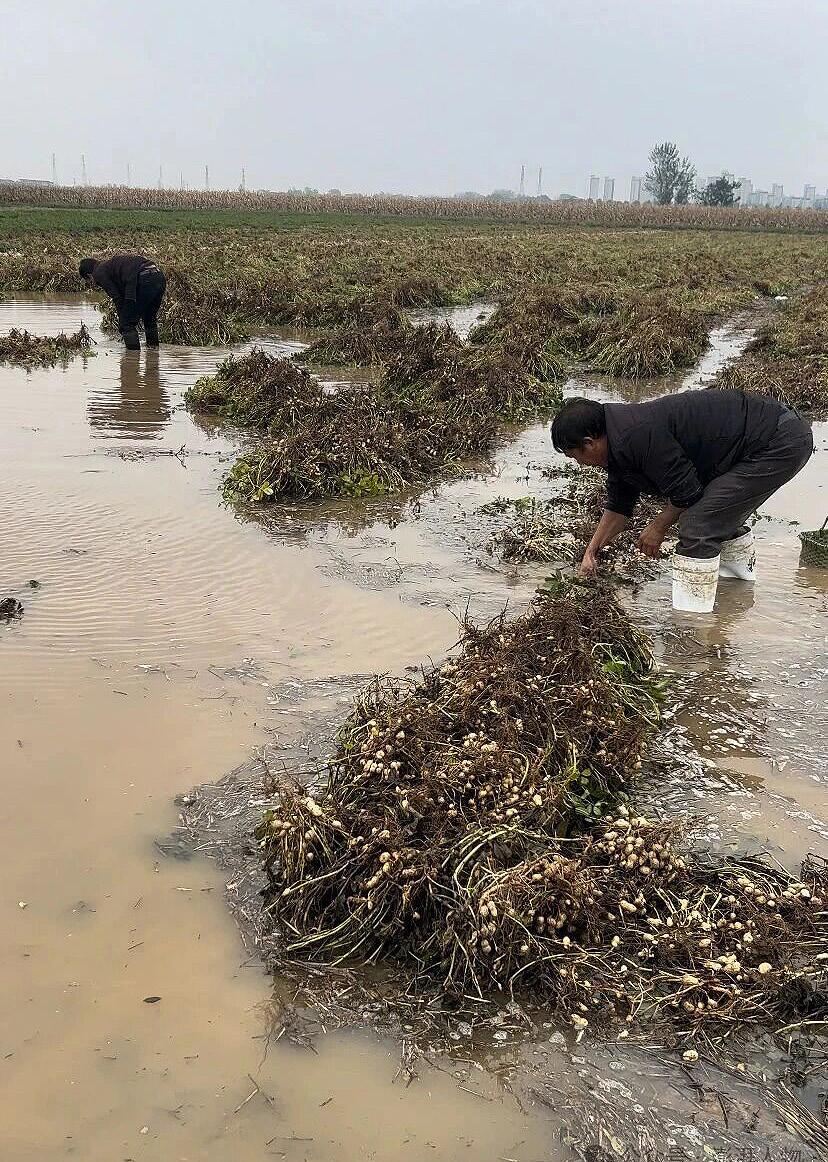
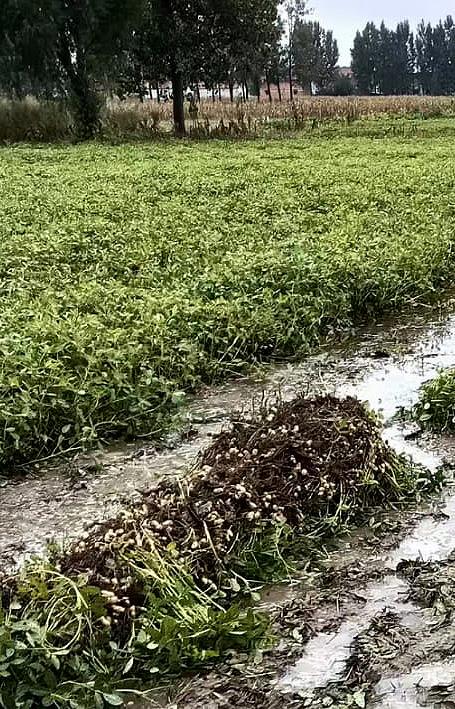
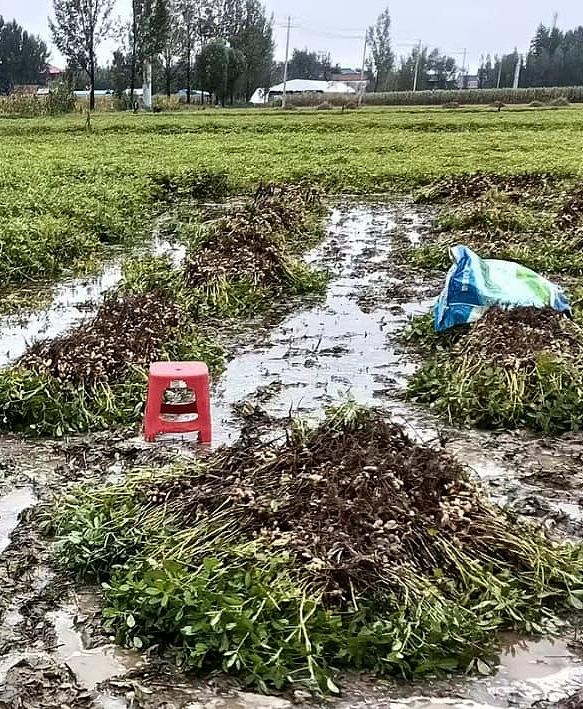
The most recent harvest season in China proved to be particularly challenging. Drought conditions earlier in the year reduced yield potential, while subsequent periods of intense rainfall and localized flooding complicated harvesting operations and negatively affected crop quality in several regions. These events are no longer isolated incidents. Instead, they appear to be part of emerging climate patterns that could have lasting consequences for China’s agricultural sector. Against this backdrop, it is worth examining the potential implications for the country’s peanut industry.
Shifting weather patterns are, of course, a global phenomenon. For years, FAO white papers on climate change and agriculture have highlighted how rising temperatures and altered precipitation patterns—most notably the increased frequency of droughts and floods—are affecting crop yields and quality worldwide. In China, however, the recurrence and intensity of flooding in recent years, particularly in Henan province, are especially concerning. Henan alone accounts for close to one-third of China’s total peanut production.
As He Miao, peanut expert and executive at the China Metaintl Corporation, noted in comments to World Peanut Magazine, “Since September, the characteristics of autumn rainfall have been distinct. The whole Henan province has experienced five large-scale significant precipitation processes, with average precipitation reaching 212 millimeters—2.4 times the normal level for the same period and the highest figure since 1961.”
A similar situation unfolded in Shandong, another key peanut-producing province. According to China’s National Climate Center, Shandong experienced its heaviest rainy season in 60 years in 2025. Reporting in December 2025, the Chinese news portal Sixth Tone described how “a summer drought was followed by nearly 40 days of rain—almost four times the usual amount and the heaviest since records began in 1961—leaving fields too wet to harvest on time.” The article noted that this was the latest episode in a series of extreme seasons, following droughts and heavy rains in 2024, pre-harvest rain in 2023, and the catastrophic floods of 2021 that killed 398 people and destroyed 367,000 hectares of farmland.
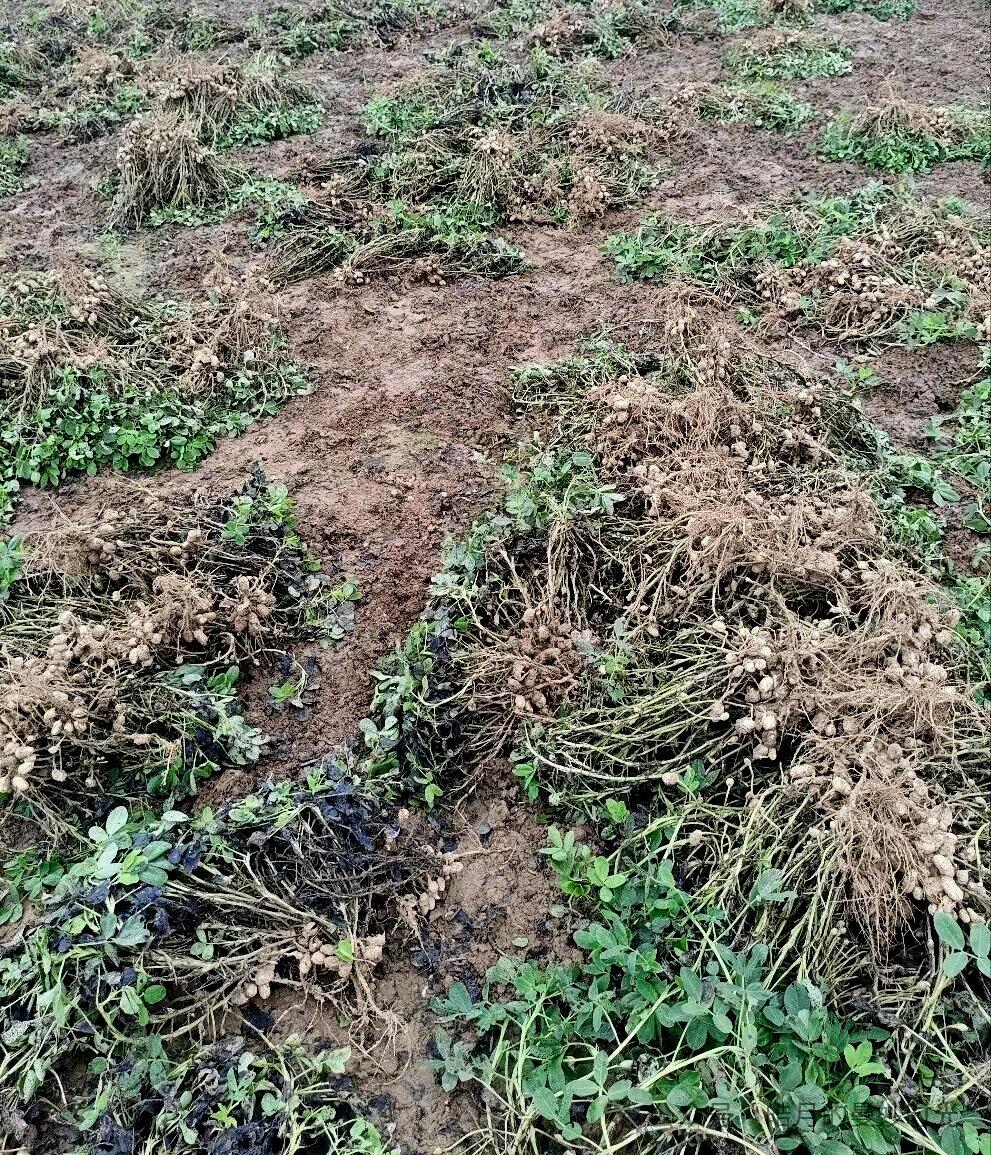
Under normal conditions, the peanut harvest follows corn by about two weeks, a rhythm that helps farmers manage labor and equipment. In 2025, however, prolonged autumn rainfall erased this sequence entirely. Harvest windows overlapped, and growers struggled to keep pace as fields remained saturated for weeks.
Corn and peanuts were often harvested at moisture levels of 30–40%, far exceeding the 13–14% typically required for market sale. Traditionally, small farmers relied on sun-drying —spreading crops across rooftops, courtyards, village roads, or even roadside areas—, and stacking corn cobs in wire cages to dry naturally in the wind. Under persistent rainy conditions, however, these methods proved insufficient and risky.
As a result, demand for mechanical drying surged, turning post-harvest drying into one of the fastest-growing “climate adaptation” industries in northern China. Zoomlion, a major agricultural machinery manufacturer, sold 1,650 grain dryers in 2023; by 2025, sales had nearly doubled to around 3,000 units, driven by prolonged rainfall across northern provinces.
Additional support came from government-backed initiatives. According to The Global Times, more than 1,400 drones were deployed for harvesting and grain transport in Yuanyang County, Xinxiang City, Henan Province, with drone usage supported by tens of thousands of yuan in government subsidies. In Dongying, Shandong, an agricultural machinery cooperative partnered with a local bank to issue RMB 2 million (approximately USD 275,000) in targeted loans to support corn harvesting, grain drying, storage, and equipment purchases. The cooperative reportedly received more than 8,000 tons of corn and completed drying operations on over 7,000 tons. At the national level, China’s Ministry of Finance and the Ministry of Agriculture and Rural Affairs allocated RMB 484 million from the central government’s agricultural disaster prevention and relief fund to support seven provinces, including Henan and Shandong, in accelerating recovery and disaster mitigation efforts.
Despite the extraordinary efforts required from growers—one farmer quoted by The Epoch Times said that “even just getting the peanuts out of the field was hard because of knee-deep water”—overall production expectations for peanuts were not dramatically revised downward. The International Nut & Dried Fruit Council maintained its projection of 18.8 million metric tons (in-shell basis) for China’s 2025/26 peanut crop, a figure broadly in line with the US Department of Agriculture’s estimate of 19 million metric tons.
Quality, however, told a more nuanced story. According to a report by market research firm Know Your Commodity (KYC), “Excessive rainfall during the 2025 harvest season affected peanut quality in major production areas such as Henan and Shandong. In some regions, up to about 70% of peanuts grown were considered suitable mainly for oil crushing rather than food-grade markets due to moisture and quality issues.”
This impact is somewhat mitigated by China’s consumption structure, as an estimated 55–60% of domestic peanut production is already destined for crushing. Consequently, excess moisture has a less disruptive effect than it would in markets where peanuts are primarily consumed as kernels or processed into peanut butter. Nevertheless, changes in quality may still influence trade flows, potentially reducing China’s imports of peanut oil while increasing imports of edible kernels compared with previous seasons.
Looking further ahead, changing weather patterns—especially in Henan and Shandong, which together account for roughly half of China’s peanut output—may accelerate structural changes in the sector. Increased flooding risk favors larger, more mechanized farming operations capable of investing in drying equipment, storage facilities, and logistics, potentially hastening the shift away from traditional small-scale peanut farming toward more consolidated and capital-intensive production models.
peanut exports of brazil - kernels (mt). 1202.42 + 2008.11
eu 27 imports, tm (shelled - 1202.42). jan-nov
eu 27 imports, tm (prepared hs 2008.11) . jan-nov
exports of argentina (tm 1202.42+2008.11).
china future prices (settle value - rbm)
A New Way to Incorporate Technology in Peanut Production
Growers and shellers in Argentina lay bare the industry’s challenges in a quest to improve efficiency
The Argentine peanut industry is testing a new approach to assessing relevant technologies and integrating them across all stages of the production cycle—from farming and shelling to logistics and sales.
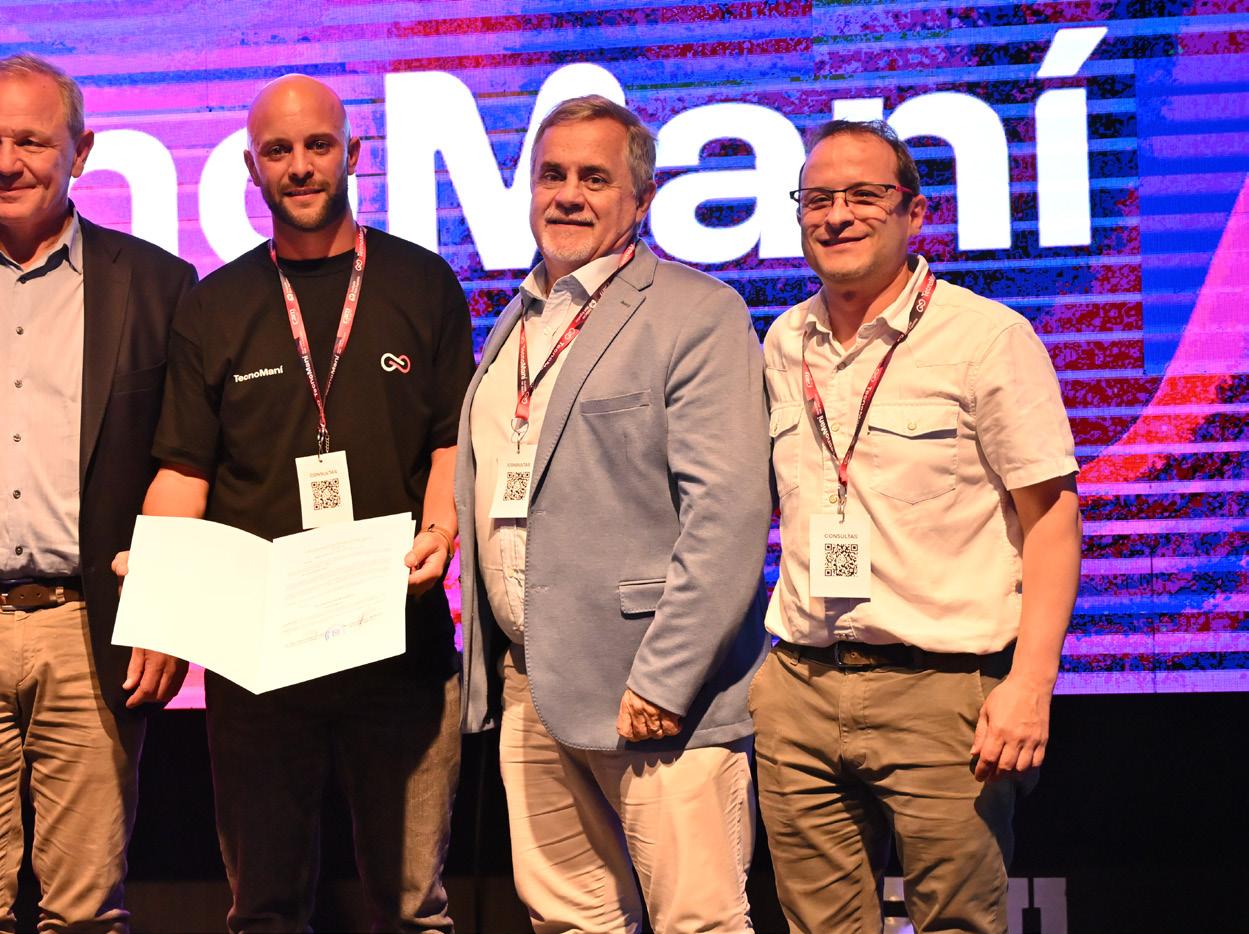
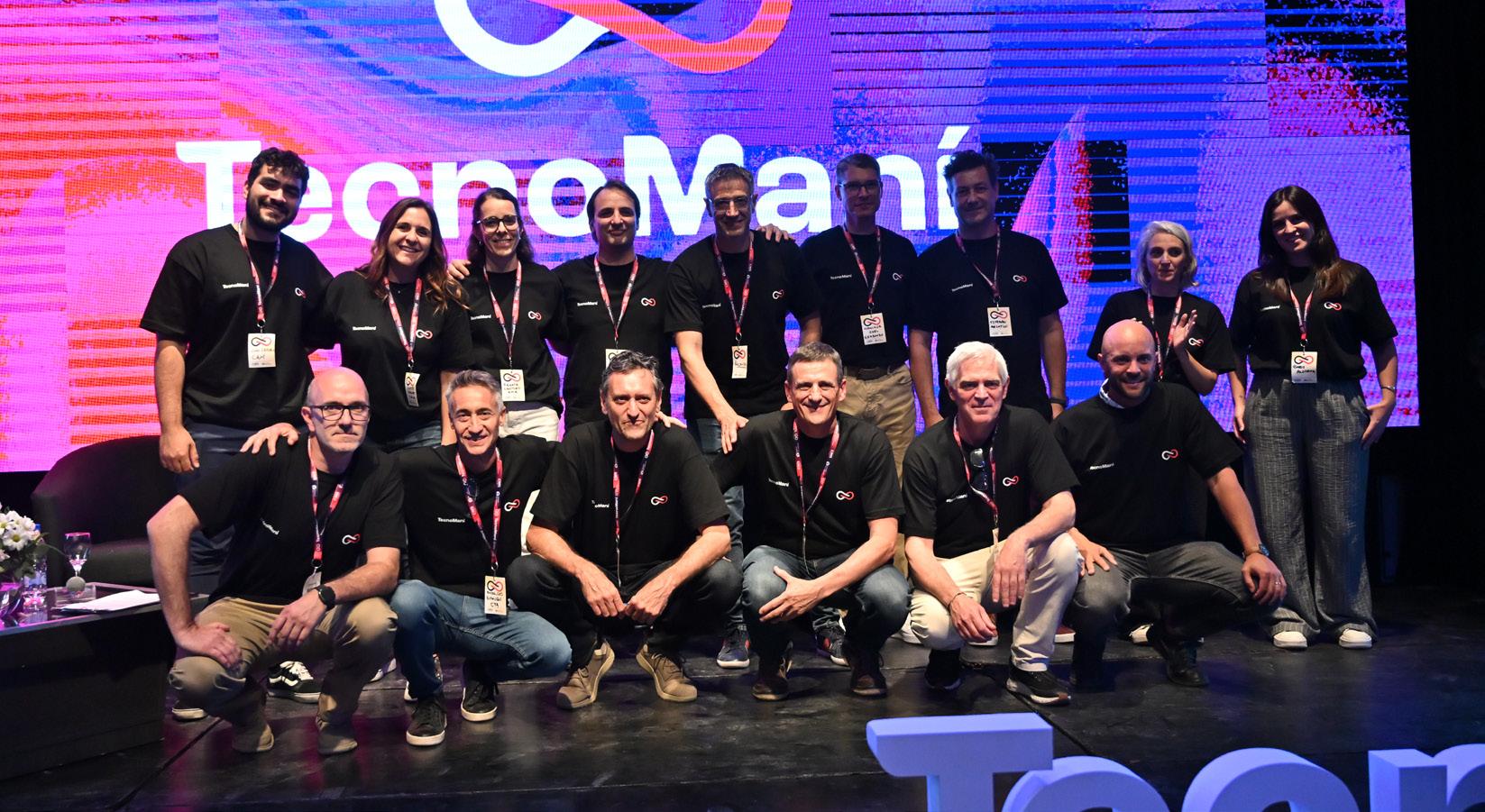
This initiative was presented last November at TecnoManí, an event whose name combines the Spanish words for “technology” and “peanuts” (maní, as they are known in Argentina). The event took place in Río Cuarto, in the province of Córdoba, a city located in the heart of the peanut-producing region and a South American hub for agricultural technology development.
The organizers—Argentina’s Peanut Chamber and the Argentine Peanut Foundation—invited researchers, start-ups, technology companies, and academics with a clear objective: as several speakers put it, to have the industry “strip naked”, openly exposing its weaknesses and identifying production areas where new technological solutions could deliver significant efficiency gains.
This openness was arguably what participants valued most. Industry events often showcase success stories and best practices, and in the case of Argentina’s peanut sector—frequently the world’s leading exporter in recent years—there would have been plenty to highlight. Instead, panelists focused on what is not working well: unresolved problems that the industry has been unable to tackle on its own and that now require collaboration with external actors.
Ahead of the event, the organizing committee conducted a survey among Chamber members to identify the most pressing challenges. The process produced 15 key issues, grouped into five panels, as detailed in the table on next page. These challenges span the entire peanut production cycle, ranging from long-standing concerns such as controlling fungal diseases to emerging questions, including how artificial intelligence can be applied both in farming and in processing operations.
Following the event, the organizers have begun receiving proposals from technology developers in Río Cuarto and other regions of Argentina. Over the coming months, these proposals will be evaluated and prioritized. Some solutions may be ready for immediate testing and rapid deployment, while others will require further development and, in certain cases, dedicated funding. The results of this process are expected to emerge in the months ahead.
The Panels at TecnoManí
Panel 1. Production cycle: Farming
Title: Between Productivity, Sustainability, and Soil Fungi: The Challenges Shaping the Future Issue. Soil fungi: is the battle purely genetic? / Can we reach a new frontier in productivity? / The value of sustainability: how do we turn it into value?
Panel 2. Production cycle: Farming
Title: The Innovation Debt: Stagnant Machinery, Missing Data, and the Challenge of Digitalization
Issue. The peanut data gap: building a yield monitor for site-specific agriculture / Digging under scrutiny: measuring hidden losses and redesigning to maximize yield / Peanuts’ digital leap: priorities to accelerate transformation and ensure traceability
Panel 3. Production cycle: All stages
Title: From Digitalization to Transformation: Are We Measuring Progress or Just Buying Technology?
Issue. From strategy to action: making digital transformation effective and measurable in agribusiness / Bridging problems and solutions: the role of the facilitator / Digital mindset as a driver of innovation
Panel 4. Production cycle: Plant processing
Title: The Peanut 4.0 Challenge: Real-Time Quality, Autonomous Processes, and Digital Talent — Are We Ready for Change?
Issue. From quality control models to online process monitoring / Moving from automatic to autonomous: the Industry 4.0 challenge in peanut processing / The future of talent: trades or algorithms?
Panel 5. Production cycle: Logistics
Title: In the Age of Technology, Argentine Peanuts Cross the Seas Full of Uncertainty Issue. Container microclimate and cargo damage / Smart tracking: climate, route, and export risk / Efficient packaging: quality, cost, and protection in transit
The Latest Hero of Video Game Streaming
Is
a Peanut
A new online star has risen to fame over the past few months—and it is a peanut. Not just any peanut, but one with human eyes and lips, and absolutely no hesitation when it comes to unleashing profanities, especially while playing its favorite video game: Arc Raiders.
The video game performer first registered on Twitch—the Amazon-owned platform originally focused on video game streaming but now used to engage audiences across a wide range of interests— in 2019 under a different name. However, its popularity truly took off in 2025, shortly after the launch of the avatar TheBurntPeanut .
The character is an in-shell peanut, often wearing a dark cowboy hat and, on occasions, a mask that partially covers its face. While taking down enemies in Arc Raiders, TheBurntPeanut cracks jokes and entertains viewers with its foul-mouthed humor across multiple platforms, including TikTok (750,000 followers), YouTube (1.1 million subscribers), and Twitch (1.4 million followers).
In 2025, TheBurntPeanut won the YouTube Streamer Awards for Best V-Tuber, breaking a three-year winning streak held by one of the industry’s giants: Ironmouse .
Delicious and Healthy Thai Peanut Sauce
An excellent salad dressing and a flavorful finishing sauce for meat, poultry, or even fish, Thai peanut sauce is a versatile staple that deserves a place in any kitchen. Easy to prepare and endlessly adaptable, it can be varied by adding, omitting, or substituting ingredients depending on how it is to be used.
Beyond its rich and satisfying taste, Thai peanut sauce also offers strong nutritional value. Peanuts contribute plant-based protein, fiber, vitamins, and healthy unsaturated fats, making this sauce both indulgent and nourishing.
INGREDIENTS
Quantities can be adjusted according to the intended use: a thicker consistency works well as an accompaniment for meats or poultry, while a thinner version is ideal as a salad dressing.
_ Peanut butter
_ Soy sauce
_ Fresh ginger
_ Rice wine vinegar
_ Sesame seeds
_ Spice of choice (for example, red pepper flakes or fresh chili)
_ Water (or coconut milk for a richer flavor)
_ A sweetener (such as maple syrup or honey)
PREPARATION
The preparation is simple and quick. All ingredients can be mixed by hand using a whisk, shaken together in a jar with a lid for a more rustic texture, or blended for a smoother, creamier sauce. Adjust seasoning and consistency to taste, and the sauce is ready to serve.
This issue of the World Peanut Magazine has been completed thanks to the efforts of:
Tracy Grondine
USA
American Peanut Council,
Jane Zheng China
Qingdao Shengde Foods Co.
LTD
He Miao China
Metaintl Corporation
Kishore Tanna, Rutuparna Dole, Khushwant Jain India
IOPEPC
Gabriela Alcorta
Soledad Bossio
Javier Martinetto
Edoardo Fracanzani
Sebastián Della Giustina
Argentina
cam (Argentina Peanut Chamber)
Graphic Design and illustrations. Sebastián Della Giustina. ese-estudio.com.ar · @ese.estudio.ok
Typography. Journalist by Sergio Rodriguez / Work Sans by Wei Huang / Noto Sans /
Cámara Argentina del Maní 20 de Septiembre 855 “A”. (X5809AJI) General Cabrera · Córdoba, Argentina