Yusuf Hamied Department of Chemistry
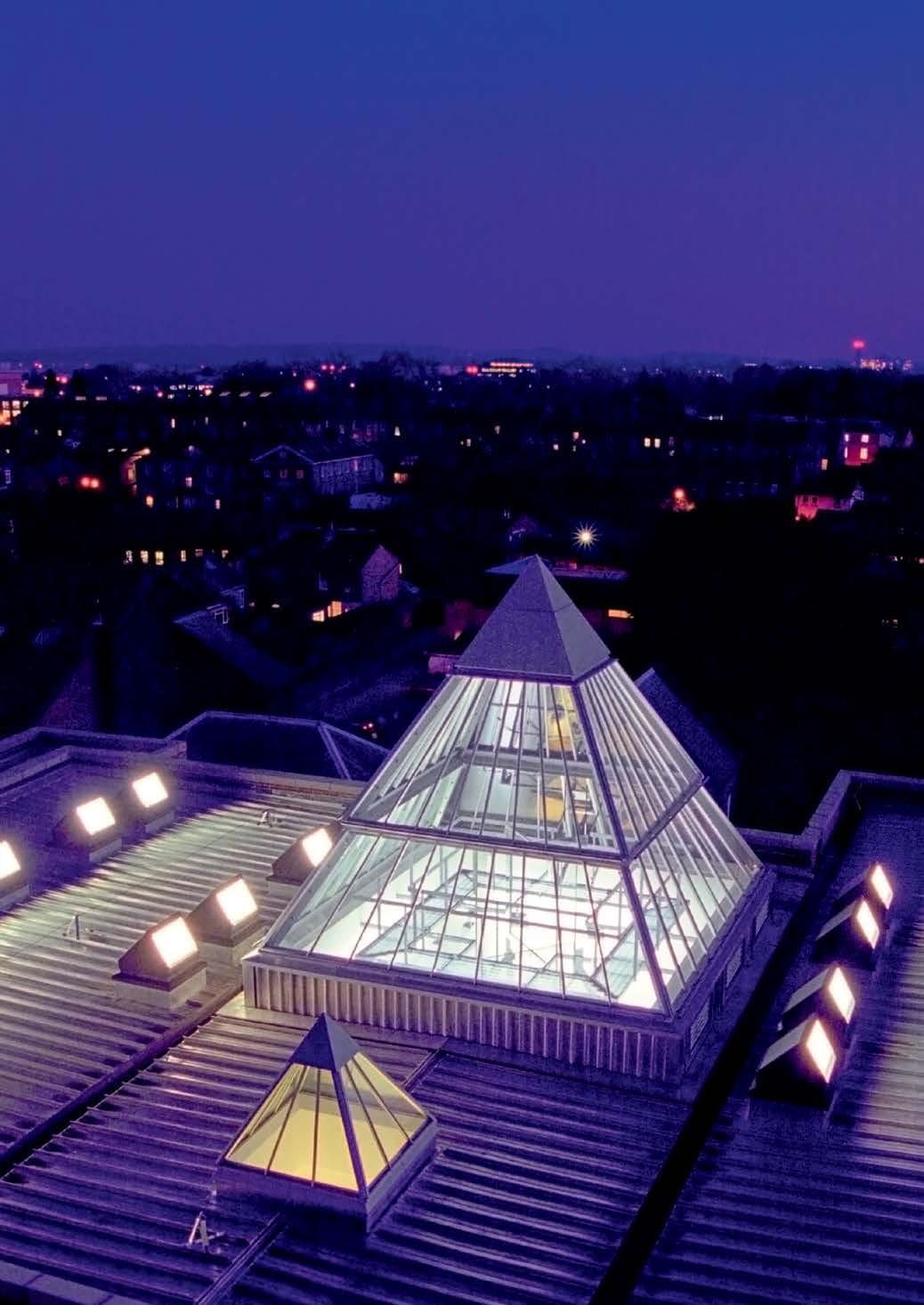
Celebrating 25 years of the Unilever Centre

Yusuf Hamied Department of Chemistry
Celebrating 25 years of the Unilever Centre
AI and Chemistry: Reflections from the lab Behind the Scenes: Mass Spectrometry
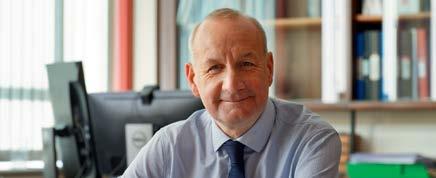
James Keeler Head of Department
Welcome to what I hope you will find is a bumper issue of Chem@Cam. As ever, in this issue we are looking back as well as looking to the future.
Looking back, you can read Professor Sir David King’s account of how, 25 years ago, Unilever were persuaded to provide the funds to add a significant annexe to the main building. The resulting Unilever Centre gave us a wonderful light and airy library space, the all-important Cybercafé (aka “the tea room”), along with significant new research space.
Our alumni from the 1980s provide some insight into how things were then, and you can also read about Professor Mary Garson’s remarkable career, which started here in 1971 and led her, amongst many other things, to becoming the President of the International Union of Pure and Applied Chemistry.
Looking forward, we have asked a number of our current academics to give their views on how AI is changing and will go on changing the research landscape. The impact is already significant but, as with all new technologies, there are anxieties about the speed and direction of change. For my part, I continue to believe that a Cambridge-chemistry mind is more likely to be the source of major innovation than AI, but even I, dinosaur that I am, have to recognise the great potential that AI offers.
We continue our usual features about current students and staff. PhD student Amna Bibi writes about what has brought her from Pakistan to Cambridge and how this has been made possible. Our outstanding mass spectrometry facility is also profiled – what they can achieve with their modern instruments is truly remarkable.

WIDENING PARTICIPATION & STUDENTSHIPS
Our student stories
Contributors:
Editor: Dr Fiorella Dell’Olio
Assistant Editor: Caroline Reid

With all best wishes, hod@ch.cam.ac.uk
Design: Paul Oldman at Smith (www.smithltd.co.uk)
Photography: Nathan Pitt, Michael Webb
Print: Precision
Cover photo: UCC at night photographed by Matt Scripps © University of Cambridge
Views expressed in this magazine are not necessarily those of the Editor, the Yusuf Hamied Department of Chemistry or the University of Cambridge. Chem@Cam is published twice a year and is sent free to chemistry alumni, postdoctoral researchers, retired staff and friends of the Department. © 2026 Yusuf Hamied Department of Chemistry. Licensed under CC BY 4.0

This year marks 25 years since the Unilever Centre for Molecular Informatics (CMI) officially opened in 2001. In that time, it has become a world-leading hub for computational chemistry and molecular science, transforming the way chemical data is analysed and applied. Today, the Centre continues this tradition of innovation under its newly appointed Unilever Professor of Molecular Sciences Informatics, Professor Mariana Rossi.
The Centre was the brainchild of the then Head of Department, Professor David King, who envisioned a space to advance research at the intersection of chemistry and information science. Reflecting on how it began, Sir David says:
“On becoming Head of Department in 1993, I contacted John Browne, then CEO of BP and now Lord Browne, and asked him to chair an advisory body to assist in raising significant funding needed for the refurbishment of the Chemistry Department. It was formed with the CEOs of the leading chemical and pharmaceutical companies in the UK as members and was very successful. But it became clear that new space was also needed to house the rapidly expanding research efforts of the Department.
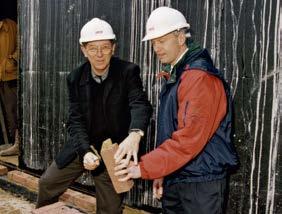
“My personal relationship with Unilever originated when I was the Brunner Professor of Physical Chemistry at Liverpool University, 1974–1988, prior to my appointment at the University of Cambridge. In that period, I got to know the late Lord Leverhulme rather well, and my interactions from Cambridge with Unilever were directed through Dr Tony Lee, whom I had got to know while in Liverpool. Unilever very generously agreed to fund the new building in its entirety.”
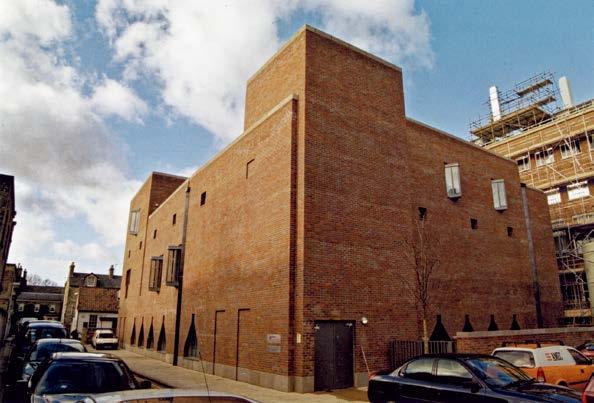
This vision soon became reality. Established through a pioneering collaboration between the multinational consumer goods company Unilever and the University of Cambridge, the building was constructed between
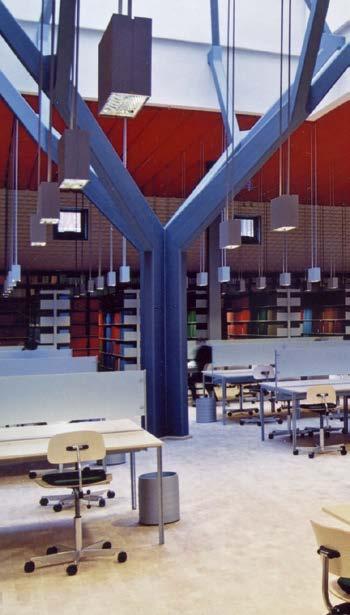

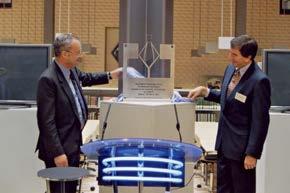
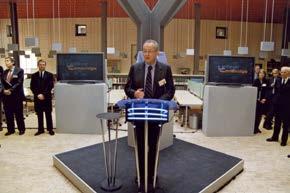
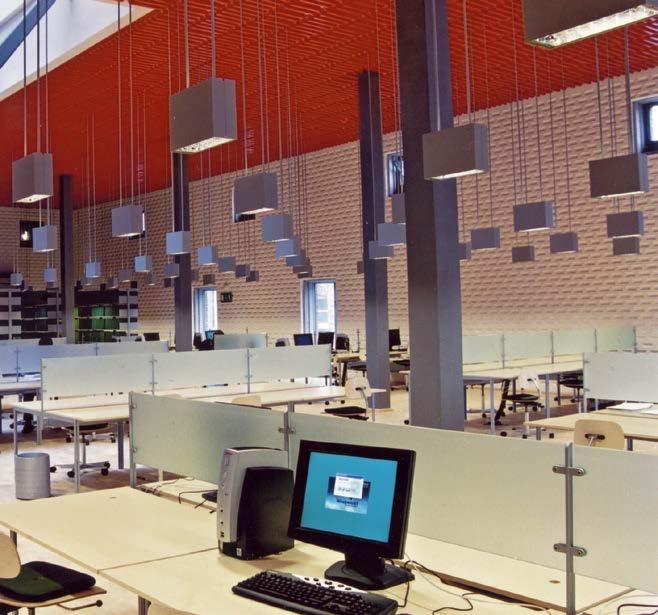
1999 and 2000, funded primarily through a major gift from Unilever. Designed by Danish architect Cornelia Zibrandtsen in collaboration with Professor Erik Christian Sørensen, it was completed towards the end of 2000 and now houses research groups, high-performance computational facilities and the Department’s Chemistry Library.
The Centre is also home to the Cybercafé, a modern evolution from the traditional tea room, which has become an integral part of departmental life. It fosters connections across research groups and helps build a strong sense of community within the Department.
Since its opening, the Centre has played a central role in advancing the use of chemical data. Over the past quarter of a century, it has produced groundbreaking research in cheminformatics, molecular modelling and datadriven chemistry, helping to shape both academic research and industrial innovation.
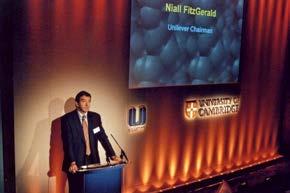
The inauguration was a memorable occasion, opened by Niall FitzGerald, then head of Unilever, and Lord David Sainsbury, then Minister of Science. It highlighted the significance of this unique collaboration between academia and industry. Since then, generations of students, researchers and alumni have passed through its doors, contributing to a legacy of discovery, creativity and excellence.
As the Unilever Centre celebrates this 25-year milestone, it stands as a powerful symbol of Cambridge’s enduring commitment to scientific innovation, collaboration and the transformative potential of chemistry – an ambition that has only grown more urgent as the volume and complexity of chemical data have increased.

Centre of Molecular Science official release video.
https://bit.ly/4dkNNC7
What began as a response to the challenge of large-scale chemical data has evolved into today’s era of artificial intelligence and machine learning, approaches still finding their place in chemical research at the turn of the millennium. In this feature, our researchers reflect on how these tools are reshaping their work, revealing both the excitement of discovery and the need for careful human judgement, validation, and responsible stewardship in modern chemistry.
Interviews with:
Professor Jonathan Goodman
Professor Angelos Michaelides
Professor Mariana Rossi
Dr Seán Kavanagh

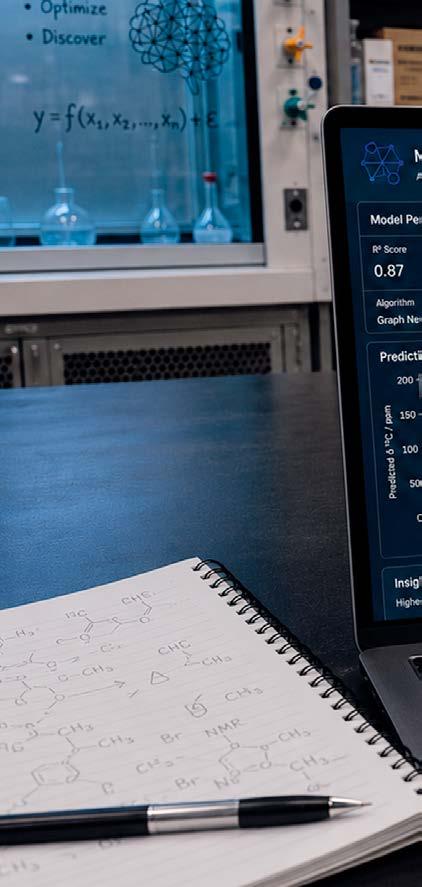

Professor Jonathan Goodman AI & I

Professor Jonathan Goodman reflects on how the Unilever Centre for Molecular Informatics was established to address the growing challenge of analysing the vast amounts of data becoming available in machinereadable form. Faced with this deluge of information, he and his research group worked to develop approaches for analysing large datasets, focusing on organic synthesis, toxicology and molecular structures.
Even twenty-five years ago, when the sheer volume of data
could seem overwhelming, the group embraced a data-driven approach to advancing the understanding of chemistry. Their work has encompassed predicting reactivity and selectivity, analysing analytical data and elucidating aspects of toxicity. Among their notable contributions is the development of the InChI chemical identifier, a system that helps track the world’s molecules. In recent years, the rise of new artificial intelligence (AI) methods has further transformed the field, turning
the challenge on its head, as there is now never enough chemical information to fuel discovery.
The potential of machine learning (ML) for chemistry has been clearly demonstrated in focused studies where large datasets are available. Goodman highlights how Dr Ruslan Kotlyarov in his research group leveraged data from Reaxys to develop a predictive model for regioselectivity in C–H borylation. While the model demonstrates strong performance, its accuracy is inherently limited by the
amount of data available.
As Goodman notes: “If only millions more borylation reactions of suitable diversity were conducted, analysed meticulously and made accessible, the model could be improved dramatically.”
He adds that, in this way, the team can extract insights from existing data, but progress is ultimately bounded by the information at hand.
Another example is provided by Benji Rowlands, whose research has employed AI methods to calculate spectral data rapidly, enabling the quantification of confidence in structural assignments. Dr Ruslan Kotlyarov has also demonstrated how neural networks can replace timeconsuming DFT calculations for structure confirmation. In these studies, computational data, sometimes referred to as synthetic data, can be generated both quickly and accurately. Read more

Goodman argues that artificial general intelligence (AGI), which can answer any question, molecular or otherwise, is an exciting research goal. Large language models (LLMs), accessed via ChatGPT or Copilot, “can provide answers to any question and many of those answers are reliable.” They are useful as advanced search engines, giving information that can then be checked by the user. Beyond this, LLMs offer many possibilities with major implications for research, learning and education.
He observes that “there is a temptation to ban new tools” whenever they appear. Electronic calculators were once feared as a threat to mathematical understanding, yet society has adapted – some exams allow
calculators, some do not and slide rules have quietly disappeared. Similarly, “reasonable and approved practices are still being established for LLMs in education.” Key questions remain: what is acceptable use in exams and coursework? How can students with disabilities be fairly supported? How can all students thrive in a world where AI is everywhere? Ultimately, Goodman emphasises that “a new culture must be developed, even as simple courtesies such as ‘please’ and ‘thank you’ now carry a significant carbon cost when used with an LLM.”
“It may be that progress in LLMs will slow down. New releases require more data and greater computing power, or improved algorithms. The first is becoming harder, as most text has already been acquired; the limits on the second are illustrated by dramatic increases in memory prices; and the third has potential if anyone, or any AI, comes up with a transformational idea. For the moment, they are advancing rapidly and it is hazardous to be confident in human superiority. For example, Goodman asked ChatGPT to draw a glucose molecule and it produced this:”
He says: “I can draw glucose better than this below.
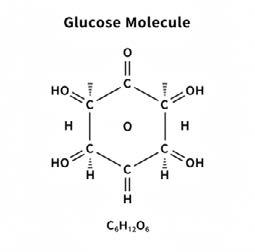
Next year, or even next month, generative AI will be better and I will not have improved. Sugar supremacy may not last for long.”
Goodman notes that LLMs can assist in developing text for publications, even as authors
retain responsibility for every word in the final version. Some referees already appear to be using LLMs to assess papers, regardless of publishers’ guidelines. He further suggests that we may be moving towards a world in which LLMs write papers, other LLMs evaluate them for publication and readers engage with the results only through LLM-generated summaries. In this cycle, research produced by one model could inform the next, creating a process that is cheaper and more efficient than traditional academic publishing. His group’s current research is developing agentic artificial intelligence, where LLMs orchestrate other programs known to perform well in specific aspects of chemistry. LLMs, which were once very poor at arithmetic, can now recognise when a calculation is needed and take the initiative to use an electronic calculator. “This approach is likely to be very powerful for chemistry and may be a step towards a self-learning artificial general intelligence,” he says. AI tools that make it easier and quicker to solve current problems will enable chemistry to advance ever more rapidly. The question arises: “How will artificial intelligence shape chemistry and the world over the next years?” In addressing this, Goodman emphasises the importance of becoming familiar with these new tools, developing a culture that sets expectations for reasonable use and remaining calm while adapting. “Humanity has survived the introduction of wheels, writing, printing presses, railways, molecules and mobile phones, all of which have generally been beneficial. The next years are full of opportunity,” he concludes.
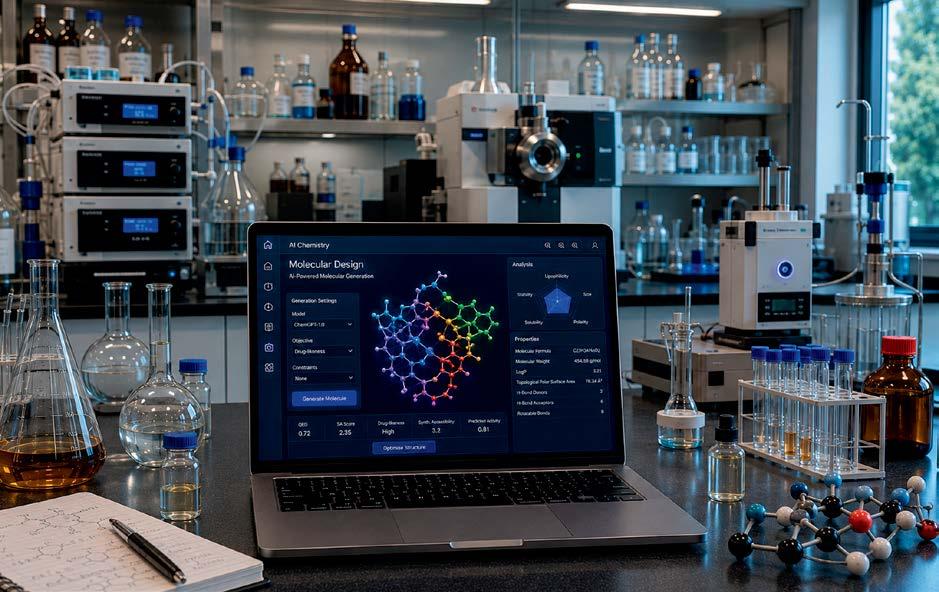

Artificial intelligence plays an important role in the research of the group led by Professor Angelos Michaelides, where computational simulations are used to study materials and molecular systems. These simulations complement experimental observations, enabling the prediction of properties such as reaction rates and offering access to physical phenomena that remain difficult to probe experimentally.
At the core of this work is the challenge of accurately modelling how systems evolve over time, which requires detailed calculations of interactions between atoms. While quantum mechanics (QM) provides the necessary level of accuracy, it comes at a high computational cost, limiting both the size of systems that can be studied and the timescales that can be explored.
Machine learning offers a powerful solution to this limitation. As Michaelides explains, “Methods known as machine learning interatomic potentials
(MLIPs) are trained to reproduce quantum mechanical results while being significantly more efficient. We can carry out simulations at QM accuracy but up to a million times faster than QM methods, making it possible to simulate systems with thousands of atoms over nanosecond timescales, capabilities that were previously out of reach.”
This approach is already enabling new discoveries.
Domantas Kuryla, a PhD student in the Michaelides group, highlights recent progress in modelling chemical reactions in solution, noting that, “We can accurately predict reaction barriers, in good agreement with experimental values. This has been enabled by the recent development of state-of-the-art models for organic chemistry.”
While AI greatly expands what simulations can achieve, the researchers emphasise that human expertise remains essential. Progress relies fundamentally on chemical intuition, with machine learning accelerating discovery by
allowing exploration of larger and more realistic systems. This interplay is central to the work of the Michaelides group. PhD student Xavier Rosas Advincula explains that progress in computer simulations still relies on chemical intuition, with machine learning helping to speed up discovery by allowing researchers to study larger, more realistic systems. He gives the example of water reactivity under nanoscale confinement, highlighting how different studies investigating the same type of systems have reported different results.
“Our intuition,” he says, “was that a simpler underlying principle should govern these trends.”
Using machine-learning molecular dynamics at QM accuracy, the team explored a range of confined environments and found that chemical potential, together with interfacial interactions, is the key factor controlling dissociation. “This illustrates the synergy,” he says, adding that “intuition seeks unifying principles, while AI provides the scale needed to reveal them.”

Read more
As artificial intelligence becomes increasingly embedded in scientific research, maintaining integrity, accuracy and reproducibility presents new challenges. Machine learning models are inherently approximations of quantum mechanical calculations, so rigorous validation is essential. Domantas Kuryla explains that “We need to ensure that the models we train reproduce the reference QM method with sufficient accuracy. This involves testing the models’ ability to replicate interatomic interaction energies, reaction barriers and bulk properties such as liquid densities.”
Reproducibility also extends beyond the simulations
themselves. To ensure that other researchers can verify and build upon their work, the team shares the AI components openly.
“In addition to the simulation procedures, we make the ML models, training sets and training procedures available,” Kuryla says, underlining the group’s commitment to transparency and scientific rigour.
Michaelides identifies two key developments for the future of AI in chemistry. “First, the growing use of fast and accurate machine learning models for simulation means that simulation will increasingly explain phenomena that experiments cannot due to their limitations. Second, in the discovery of new materials and molecules, machine learning is showing increasing potential for screening potential candidates before they are synthesised in a laboratory.”
Beyond scientific discovery, AI is also expected to change how computational chemists work on a day-to-day basis. Kuryla notes that: “Right now, there is quite a lot of human supervision involved in setting up, running and analysing simulations. This can be automated with the use of AI agents, whose use is becoming more widespread.” This points to a future in which routine computational tasks are increasingly handled by intelligent systems, freeing researchers to focus on more complex scientific questions.
He advises that young chemists looking to use AI effectively, responsibly and creatively should embrace an interdisciplinary mindset. He explains that machine learning in science combines chemistry, physics, mathematics and artificial intelligence, with researchers from all these fields contributing to the work. “Being open to learning concepts in less familiar areas of science is very advantageous,” he says, “as it makes it easier to navigate research and improves communication between people with expertise in different fields.”
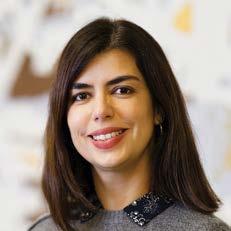

Professor Mariana Rossi, who has recently joined the Department as the Unilever Professor of Molecular Sciences Informatics, discusses how artificial intelligence and machine learning have become central to her research practice, particularly in shaping how projects are designed and computational workflows are developed. She says that: “AI tools have completely changed how we design projects, prepare workflows and address certain research problems.”
She reflects that, in the past, achieving sufficient statistical sampling of finite-temperature properties in materials and molecules using accurate quantum chemistry methods could take as much as a yearlong effort. She also notes that calculating electronic structure properties for disordered systems or very large-scale periodic materials was once “an immense computational challenge.” In contrast, she highlights how machine learning approaches trained on quantum chemistry data now make it possible “to achieve the same accuracy in only a few hours or days of computation.”


Read more
Rossi goes on to describe more recent advances enabled by these methods. She notes that her group has been able to predict the electronic properties of largescale Moiré materials, which are important for nanoscale device applications and for exploring strongly correlated electronic states. She explains that: “We can now capture electronic behaviour in systems that were previously far beyond practical computation.” She also explains that they can now simulate vibrational spectroscopy signals of materials with such realism that they can be directly compared with experimental data.
influenced the outcomes of her work across these areas. She adds that researchers can now do much more than they could a few years ago, opening the door to discovering new emergent phenomena in materials and molecules.
Rossi highlights key challenges in preserving research integrity, accuracy and reproducibility in AI-assisted methods. She states: “I believe that reproducibility issues and solutions are similar to when AI was not used – the full workflow and everything used to produce the result, including raw data, must be made available and ‘re-runnable’ – it is just that now one needs to include AIgenerated workflows in this loop as well.” She also notes concerns around integrity, explaining that: “Using AI to create research, to create text or to analyse data without any type of checks and
“AI tools have completely changed how we design projects, prepare workflows and address certain research problems.”
Professor Mariana Rossi
Rossi views AI as a tool that can enhance human insight and capability rather than replace it, emphasising that it works best in collaboration with human judgement, which remains essential for interpreting and guiding its outputs. She further states that AI agents can make researchers “superhuman”, meaning they enhance the speed and accuracy of routine tasks –such as coding, cross-checking results, data visualisation and writing – while also making research workflows more robust. She emphasises that: “AI is particularly effective at identifying ‘hidden’ patterns within large datasets and recognising structures that carry physical meaning,” noting that it has
balances is very dangerous.”
In particular, she warns that with increasing AI automation, verifying results and outputs becomes more difficult. She adds that in the context of self-driving labs and self-driving research projects: “We need to think about how to keep AI from fabricating data or how to check it.” She further points to broader issues around data and tool sovereignty across countries, and the risks of relying heavily on third-party “foreign” AI software when working with sensitive data or research questions. She observes that these challenges remain largely unresolved, stating that: “We, as a community, only just started thinking about this.”
On the impact and future of AI
in chemistry, Rossi explains that it will significantly boost the discovery of new phenomena and increase the speed of chemical research, both computationally and in the lab. She predicts that: “We will see many new materials and molecules being synthesised (aided by AI) with bespoke properties (discovered by AI).”
She adds that: “The pace of research in the field of chemistry is going to skyrocket and we will also need AI to condense, summarise and learn from the much larger volume of information that will become available.”
She expresses hope for a regulated and safe integration of these tools across research fields, noting that if achieved: “The type of problems we will be able to address are extremely exciting.” She further suggests this could lead to solutions for long-standing challenges in human health, sustainable energy and efficient and sustainable technology.
Rossi suggests that future chemists should learn early how to effectively steer AI tools to support their research, seeing this skill as increasingly important for scientific work. She states that: “One has to learn the underlying theories and concepts; otherwise, AI is unsafe and useless.” She concludes that data generation will become even more in demand, and that: “Only by learning deeper concepts can researchers create robust data and then use AI to go beyond and solve interesting problems.”
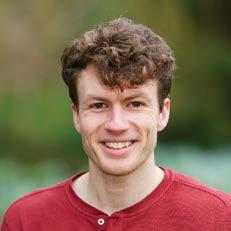
In the rapidly evolving world of computational chemistry, Dr Seán Kavanagh and his research group, the Simulation of Advanced Materials Lab (SAM), are harnessing artificial intelligence to explore materials at the atomic level, in ways that were unimaginable just a few years ago. From speeding up complex simulations to uncovering hidden defects in solids, AI is reshaping not only scientific computation but also how scientists approach experiments and materials design.
Kavanagh explains that his research group is using AI in a variety of ways. “One of the most valuable applications, though less glamorous, is building, maintaining, and managing research software,” he says. His group has developed tools such as doped and ShakeNBreak, which implement key computational materials science workflows, including modelling defects and dopants in semiconductors. He notes that, while these tools are widely used and essential to both his group and the broader research community, they require significant effort to develop and sustain. With AI copilots and agents like Claude
Code, however, “much of the routine work can be automated, giving researchers more time to focus on complex scientific questions.”
AI is also revolutionising the way his team models atomistic behaviour, enabling experiments that were previously impossible. “We are particularly excited about machine-learned interatomic potentials,” he explains, which map atomic positions to energies and forces while avoiding complex quantum calculations. These models “greatly accelerate the process” but require large amounts of training data. He adds that density functionals built with machine learning also offer “higher-level accuracy at orders of magnitude lower computational cost”, though they demand careful validation to ensure predictive accuracy. He further notes that the team is exploring agentic AI – large language model (LLM) systems that can plan, implement and respond to tasks – to run materials simulations. “These ML advances are dramatically accelerating our simulation tools,” he explains, “but this has led to a new bottleneck, the human cost of managing, parsing and analysing so many simulations.” With proper guidance and finetuning, agentic AI could manage these workflows, allowing researchers to “fully unleash the power offered by AI-accelerated simulations while spending less time on routine tasks.”
The impact of these advances can be dramatic. In one study, the team discovered that a unique type of defect in solids, “split vacancies”, are far more common than previously realised. Using “foundation” ML interatomic potentials, the group scanned roughly 150,000 compounds and found split vacancies in about 10% of cation vacancies – thousands of instances, compared with
approximately ten previously known cases. Kavanagh emphasises: “This order of magnitude of simulations simply would not have been possible without ML accelerations.” Such discoveries could have implications for semiconductors, energy materials and more, highlighting how AI can reveal patterns that humans might otherwise overlook.

Read more
Even with these breakthroughs, Kavanagh emphasises that human expertise remains critical. “It is still very much the human researcher who is in charge, guiding the workflow and next steps, discussing and validating hypotheses in conjunction with AI and testing predictions,” he says. “Even with ML interatomic potentials and ML density functionals, it is still humans who decide where and how to use them.” The partnership between human intuition and AI acceleration allows the group to explore larger questions while maintaining scientific rigour.
Validation and reproducibility are central to the team’s work. “ML models may give you a plausible-looking answer that is simply wrong,”
Kavanagh warns; “far more so than classical simulation methods, ML approaches demand healthy scepticism and rigorous validation.” To support transparency, his group publishes open-source software, workflows and data. “Science advances fastest when methods are transparent and accessible,” he adds. He also cautions against over-reliance: “Without understanding physics and chemistry, one cannot properly assess whether an AI prediction is physically reasonable.” The clear message is that, with AI, researchers need to learn
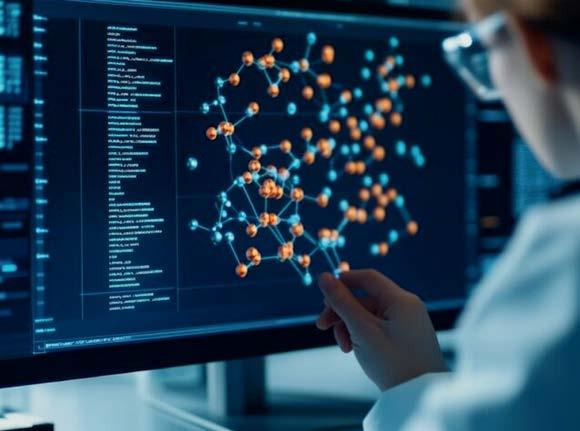
“This order of magnitude of simulations simply would not have been possible without ML accelerations.”
Dr Seán Kavanagh
how to leverage speed without compromising accuracy.
Kavanagh foresees a major shift in computational chemistry. “ML interatomic potentials will become a standard tool,” he notes, “complementing quantum mechanical methods by enabling simulations at scales previously inaccessible.” He is especially enthusiastic about connecting simulation with experiment: “AI-accelerated methods now allow us to simulate closer to true experimental conditions, bringing researchers closer to genuinely predictive materials design.”
He also predicts a transformative role for agentic AI, which will “autonomously manage complex simulation campaigns, a gamechanger for productivity”, freeing researchers to focus on creative and interpretive work instead of logistical tasks.
For young chemists, Kavanagh offers clear advice: “Build a strong foundation in the fundamentals. A deep understanding of physics
and chemistry is what will allow you to critically evaluate AI predictions.” He encourages hands-on AI experience, data literacy and healthy scepticism. “AI can produce confident-looking outputs that are completely wrong. Ask ‘does this make sense?’ and ‘how would I validate this?’ AI is starting to transform what we can achieve in chemistry, and those who learn to wield these tools thoughtfully and critically will be best positioned to drive the next wave of discoveries.”
As AI continues to accelerate the pace of discovery, Kavanagh and his group are not only tackling ever more complex scientific questions but also training the next generation to use these tools wisely. He suggests that the future of chemistry is one where AI amplifies human creativity rather than replacing it, a partnership that could reshape what is possible in the laboratory and beyond.
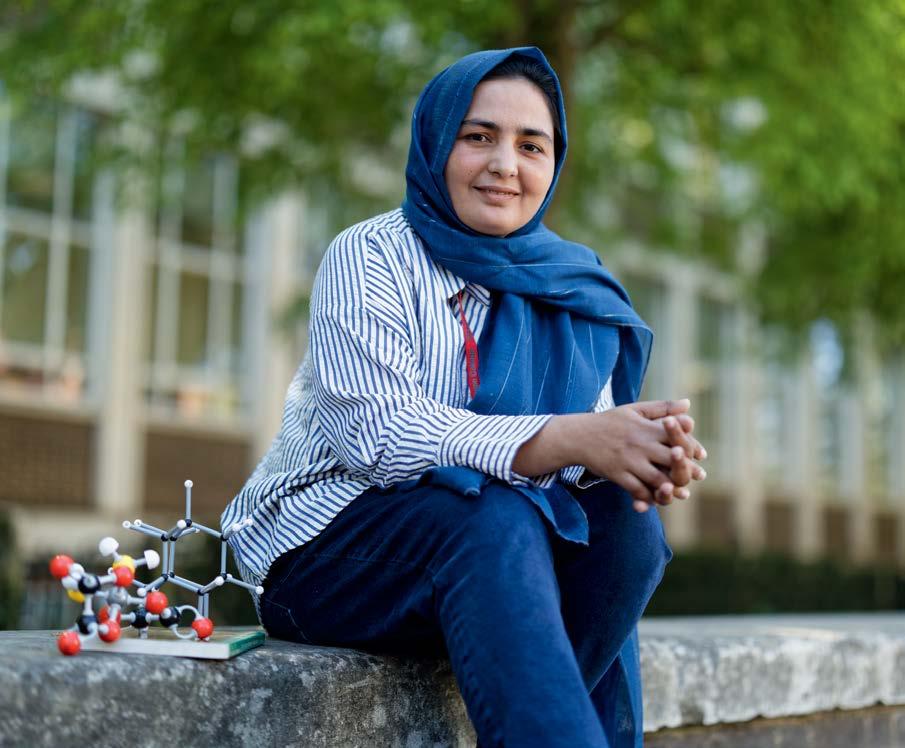
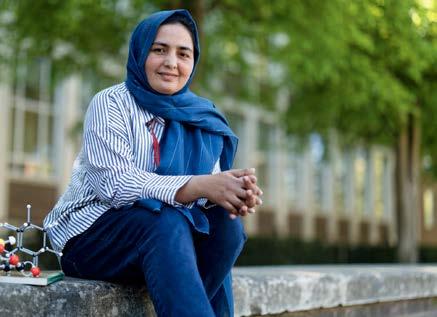
Amna Bibi is a PhD student in the Wheatley group specialising in metal-organic frameworks (MOFs). She is the first female student from Bannu, Pakistan, to come to the University of Cambridge to study chemistry.
In her work, Amna designs MOF-based catalysts that use light energy to convert carbon dioxide into useful products such as methane, methanol or ethanol, which can potentially be used in energy and industrial applications. These materials have a highly porous structure, meaning that they can absorb and hold molecules inside them, similar to a sponge. Because of this property, they are very useful for applications in catalysis and environmental chemistry.
Amna says: “One of the major challenges the world faces today is the increasing levels of carbon dioxide in the atmosphere, which contributes to global warming and climate change. At the same time, there is a growing need for sustainable and alternative energy sources. My research aims to address both of these challenges simultaneously by developing materials that can mimic natural photosynthesis — the process plants use to convert carbon dioxide and sunlight into energy-rich molecules.”
During her master’s research at the University of Science and Technology, Bannu, Amna realised that her work could solve real-world problems such as environmental issues and energy challenges. She wanted to pursue this sense of contributing to science with a PhD.
“My interest in chemistry began in an unusual way. When I was in secondary school, chemistry was actually one of the most difficult subjects for me. However, I have always been curious about things that I find challenging and, instead of avoiding the subject, I tried to explore it more deeply, and that turned into genuine interest.”
“ The biggest difference could come from improving infrastructure, providing guidance and mentorship, and creating supportive environments that foster participation in STEM.”
and societal challenges and continue on this path, achieving goals I once thought were beyond my reach. I carry the emotional weight of being away from my children. I’m proud to pursue my dreams at Cambridge — an opportunity I worked hard for — yet I feel the distance from my family. I trust this sacrifice will give my daughters a better future.”
Amna concludes, “Women in STEM still face several barriers, including limited encouragement, fewer role models, and restricted access to mentorship or research opportunities. Additionally, many institutions lack sufficient resources, such as well-equipped laboratories, instruments, and funding, which affects both women and men. The biggest difference could come from improving infrastructure, providing guidance and mentorship, and creating supportive environments that foster participation in STEM.”

Amna says: “Moving from my hometown of Bannu in Pakistan to Cambridge was a complete transition. Coming from a remote area with limited technology and a very social culture, I entered a world that felt almost like an English movie — everything was new and fascinating. The labs were fully equipped, the work culture was highly structured, and even daily life, from dress and food to social interactions, was very different.”
Amna credits her journey in chemistry to the strong support of her husband, Syed, who encouraged her to study at Cambridge. Although she had to leave her two young daughters in Pakistan due to financial constraints, she ensured they remained in a loving, stable environment — cared for by her husband and her mother — allowing her to pursue her ambitions with confidence and serenity. She says: “Syed shared household responsibilities, believed in my potential, and encouraged me to follow my ambitions. His support allowed me to overcome personal
Studentships open the door to postgraduate study for a more diverse community of learners, helping to remove financial barriers and widen participation across our department. Here, we meet two of our scholars whose journeys show the real impact of this support.
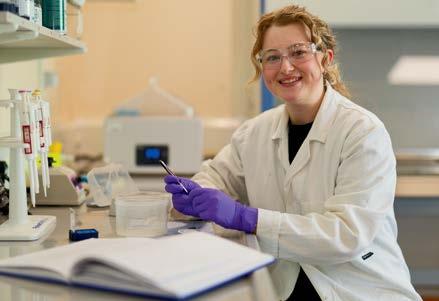
Amelia Armiger is driven by a desire to make an impact through research. As a widening participation student, Amelia is the first generation in her family to go to university and is now working towards her PhD in the Duer group
Her research studies the extracellular matrix: a scaffold mostly made of collagen that cells make and live within. During bone formation, there are many complex processes. Ultimately, minerals form between and around the collagen in a process called calcification. Armiger’s research focuses on how collagen changes during calcification and how cells participate in and respond to this process. Investigating this could help improve understanding of conditions such as vascular calcification and bone diseases.
One of Duer’s lectures during Amelia’s undergraduate degree at Cambridge inspired her to pursue a PhD in the Duer group. She remembers, “My parents were always keen for me to have a good education and they knew I loved to learn. My dad always says: ‘have fun, learn lots.’”
Widening participation is essential for Armiger, and she is an Outreach Ambassador at Selwyn College working with its partnership region, West Yorkshire. “I do lots of outreach at my college because I think it matters and I really care. Coming to university is a huge transition from secondary school so talking to pupils and painting a realistic picture for them about learning at Cambridge helps demystify that process. I’m committed to giving back and closing gaps.”
The most useful opportunity for Amelia right now is financial support for attending conferences where she
can meet experts in her field and present her research. Last year, she received a grant from Selwyn College’s Senior Tutor fund to attend the Bone Research Society annual meeting in Edinburgh, where she met scientists researching the same problems as her but using different techniques. “It helped me recontextualise my research and appreciate how many incredible projects are happening simultaneously. This, for me and the next stages of my career, would make the most difference.”
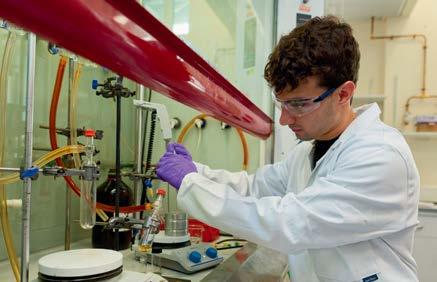
Gonzalo Castellanos-De-Campos is researching how iron complexes can be used as sustainable catalysts in the Webster group. The group focuses on abundant metals, such as iron, and explores how these can replace precious metal catalysts, which are often toxic, rare and expensive. However, before iron can be used in this way, researchers like Castellanos-De-Campos are tuning the properties of different iron complexes to improve their catalytic potential. “The iron species I am researching is very air-sensitive, so making it is a delicate process. But now that I’ve figured that out, it’s all about testing and refining.”
Castellanos-De-Campos previously studied at the University of Oxford, where he was awarded a prize for the best master’s thesis in inorganic chemistry. “I loved embarking on a project that no one else had ever done before. It’s even more exciting when you get a new result and have the chance to interpret it yourself.”
Outside chemistry, Castellanos-De-Campos is a lifelong footballer, playing centre midfield for the University second team, the Falcons, and his Gonville and Caius College team.
His research is supported by the Yusuf Hamied Scholarship Fund.
The department recently hosted the annual Black Women in Science Network brunch, a vibrant gathering led by Tomi Akingbade, a final-year PhD student in the Klenerman group, alongside Juliana Eniraiyetan.
Tomi is a neurochemistry PhD student at the University of Cambridge, studying the mechanisms of inflammation caused by aggregates in Alzheimer’s disease. She founded the network to create a safe, honest and personal environment where black women can discuss the realities of being in science.
The event brought black women scientists together from across the UK for a brunch designed to create space for meaningful conversation, shared experiences and new connections. This is the fourth brunch in the series that the department has hosted. Over the course of the event, attendees explored the challenges and triumphs of navigating scientific careers, reflecting on the importance of visibility, mentorship and collective support.
The brunch also highlighted the growing momentum behind initiatives that champion inclusion within STEM fields. By convening researchers, students and professionals at different stages of their journeys, the event underscored the transformative impact of networks that place black women’s voices and leadership at the centre.
BWiS event.

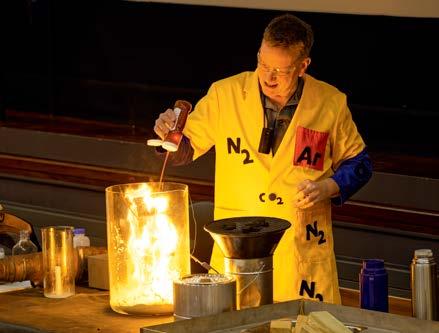
We opened our doors for the Cambridge Festival Open Day in March, when the department was buzzing from morning to afternoon, with activities filling every teaching laboratory. Prospective students, alumni and families visited Lensfield Road for a day of chemistry in all its many forms. They took part in hands-on experiments in our laboratories and watched demonstrations in our lecture theatres. It’s a gas!
Professor Peter Wothers returned with a fresh twist on his legendary chemistry demonstration lecture, "It’s a Gas!" Audiences were treated to a spectacular series of reactions, including exploding hydrogen balloons, all based on different gases and their unusual properties.
Alumni lunch
More than 100 alumni reserved seats for Peter’s lecture and then gathered for a relaxed buffet lunch in the department. It was a chance to reconnect, reminisce and meet current staff and students. Details of next year’s alumni lunch will be shared in the winter edition of
Chem@Cam, along with instructions on how to book.
Clean energy from Professor Erwin Reisner Reisner’s talk, “Beyond photovoltaics: unlocking the photon economy with solar chemical technologies”, explored the cutting edge of using sunlight and waste as valuable resources within a circular economy. He highlighted how his group is transforming greenhouse gases, carbon dioxide, non-edible biomass and even plastic waste into sustainable fuels and chemicals for energy storage, transport and industry.
Open labs and CHaOS
Alongside our lectures and department-run events, we were delighted to host CHaOS (Cambridge Hands-On Science), the University’s largest student-led science outreach group. They transformed the teaching laboratories into a lively playground of more than 30 hands-on activities for their annual “Crash, Bang, Squelch” event.
The Open Day was a fantastic success thanks to everyone who helped and volunteered.
With the aim of diversifying assessment methods and strengthening transferable research skills, the first Part III poster showcase was held on 5 February 2026.
The event brought final-year students together for a department-wide celebration of research, with Part III students presenting posters on their projects in the Cybercafé. The showcase encouraged students to distill complex research into clear, engaging formats while developing communication and presentation skills.
The event attracted strong engagement from Part II students, postgraduate researchers and staff, creating a lively and collaborative atmosphere. Part II students particularly valued the opportunity to explore the range of projects on offer and speak directly with finalists about their experiences.
The room was filled with curiosity, conversation and enthusiasm, reflecting a shared commitment to learning and discovery.
Prize winners
Biological Chemistry (tie): Sam Brown (Bonfio Group) Ryan Vowles (Sanchez Group)
Materials Chemistry: Emilija Kostiukevic (Wright Group)
Physical Chemistry: Ben Colliver (Lee Group)
Theoretical Chemistry: Katrina Kirby (Thom Group)
Synthesis: Joe Sweeney (Gaunt Group)
Certificates were presented by the Head of Department, Professor James Keeler, alongside small prizes for the winners.
Feedback was extremely positive, with participants highlighting both the quality of the research and the benefits of crossyear interaction, underlining the value of this new addition to the curriculum.
“Overall a great idea and a great showcase,” says Harry Convey (postgraduate student).
“I really enjoyed the session and found it very useful, thank you for running the session,” says Elena Ruddy (postgraduate student).
“Last night was fantastic,” says Michael Webb (Photography). "The event had a great buzz, and it was a pleasure to be surrounded by such enthusiasm."


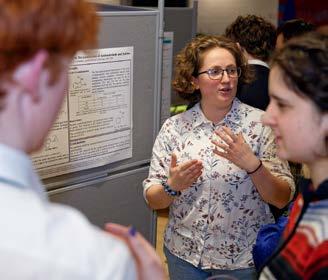
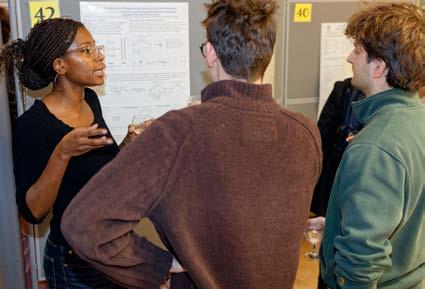
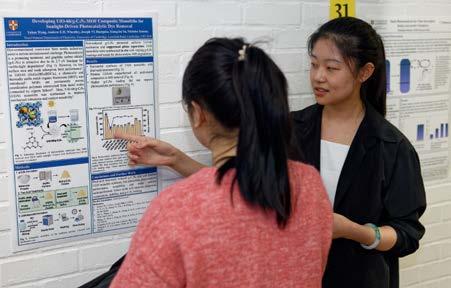

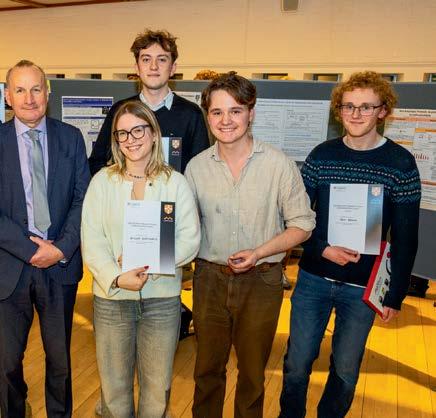


1. Head of Department James Keeler proudly stands with poster prize winning Part III students.
2. Research poster prize winner Sam Brown from the Bonfio group, discusses his research project on the ‘Synthesis and Characterisation of Fully Unsaturated Linear Lipids’.
3. Amy Dunn of the Phipps group presents her research poster focused on enantioselective hydrogen atom abstractions.
4. Bea Kapapa of the Hunter group presents her research poster on ‘Designing an Orthogonal Recognition Encoded Melamine Oligomer Compatible with Ring-Opening Polymerisation’.
5. Hannah Wang of the Wheatley group talks someone through her research poster.
6. Tilly Leathart of the Bonfio group presents her research ‘Targets of carbonyl acrylic reagents’ to an intrigued Professor Sally Boss.

“ The poster session was clearly a big success: lots of people, strong participation and a real buzz. It was also good to see so many staff there too.”
Professor James Keeler
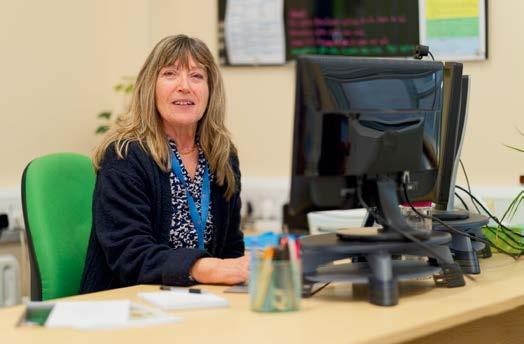
The Part III poster showcase was supported throughout by Jill Stewart, UG Teaching Administrator, who joined the Department in 2023. In her role, she oversees the smooth running of the Undergraduate Teaching Office, providing essential support to students and staff across all aspects of academic life. Alongside her wider responsibilities within the Department’s ongoing curriculum review, including recent developments such as changes to the IB practicals, Jill played a key role in coordinating this year’s poster presentation. She reflected on the impact of the event: “These sorts of events are great practice for the Part III students, not only for their PhD vivas later in the year but also for potential future presentations at conferences. Feedback from Part II students was
also very positive, with some even saying it had made them reconsider their own project preferences. I’m looking forward to organising an even bigger and better poster presentation next year.”
One of the achievements Jill is most proud of during her time in the Department is contributing to a 40+% reduction in paper wastage from unused lecture handouts. As part of the Department’s sustainability efforts, she introduced a system allowing students to choose hard copy or digital handouts, enabling more accurate print numbers. She has also improved accessibility for students with dyslexia by offering the option of differently coloured paper for printed handouts.
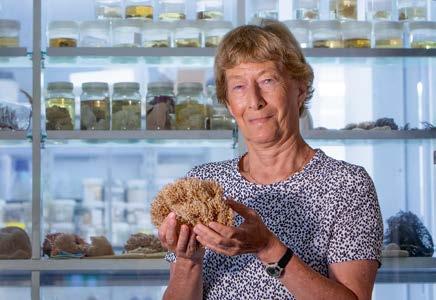
Professor Mary Garson’s journey exemplifies scientific excellence and global leadership. Her career shows how curiosity and strong academic foundations can drive research breakthroughs.
Which experiences at Cambridge most shaped your scientific path?
I did my PhD with Jim Staunton, a wonderful mentor who brought out qualities in me I had not previously recognised. The late Ruth Lynden-Bell, who tutored me in second-year physical chemistry and later mentored me at New Hall (now Murray Edwards College), is also a close personal friend. Another major influence was returning each evening to Newnham College, a supportive community of strong women led by internationally recognised scholars, particularly as one of only five women in a Part II class of around ninety. As a graduate student, I shared a house with Penny Chaloner. Although female graduate students were few in number, we never felt out of place. I am still in contact with classmates such as Paul Gavens and Rob Wylie, both of whom have gone on to successful careers in industry.
Did you always envision a career in chemistry?
As soon as I encountered organic chemistry at senior high school, I knew that was what I wanted to do. Later, third-year undergraduate lectures drew me towards the chemistry of natural products (molecules produced by living organisms such as plants, bacteria and marine animals). I was fascinated that the rules and mechanisms of organic chemistry also applied to the biological world – it was a real “tell me more” moment. I found the quantitative aspects of chemistry less appealing and was not academically strong in them.
What first drew you to research in marine natural products chemistry?
I moved to Australia for personal reasons and sought a research direction close to the Great Barrier Reef. My PhD work on stable isotope labelling at Cambridge could be applied to marine natural products, so I developed a proposal and, six months later, was
offered the position. It took two years to elucidate the biosynthesis of a sponge-derived natural product. This included learning to scuba dive – a challenge for a poor swimmer – and identifying individual sponges. Since then, my work on the structure, biosynthesis and chemical ecology of marine metabolites has improved understanding of how antibiotics and antimalarials are produced and how chemical defences function in aquatic environments. The marine flatworm Maritigrella marygarsonae is named in my honour.
How has chemistry changed since your career began?
Chemistry has changed enormously since my career began. Fifty years ago, I did not take undergraduate courses in analytical chemistry, polymer chemistry or materials chemistry – something that would be unthinkable today. Population growth, climate change and sustainability challenges now require a more holistic, systems-based approach to chemistry education than was recognised in the 1970s. What excites me today are developments closer to my own research, including metal–organic frameworks, skeletal molecular editing, synthetic electrochemistry and flow chemistry – all highly significant to the pharmaceutical sector.
During your research career, was there a moment that felt particularly defining?
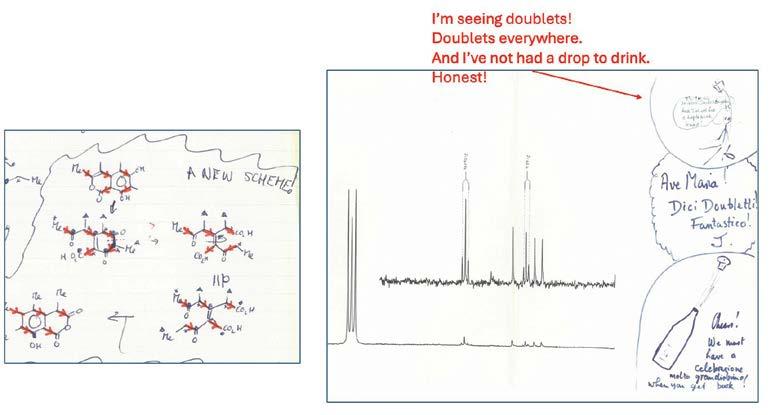
I vividly remember going to the library and opening the latest issue of Chemical Communications to find my first research paper in print. I felt very proud and knew then that I wanted to continue in science. That publication was delayed after I accidentally deleted the raw 13C NMR data from the spectrometer before printing the processed output. Jim Staunton asked Brian Crysell to rerun the data while I was in Italy on a language course ahead of a planned postdoc.
The copy sent to me in Florence, complete with Jim’s annotations, remains one of my most treasured possessions. Brian often used the example in training sessions to highlight the importance of backup.
As IUPAC President, what are your key priorities during your tenure?
We are relocating the IUPAC Secretariat from the United States to a multi-node European base (Rome and Malaga) to better align operations with our global scientific mission and support our worldwide volunteers. IUPAC’s structure has become complex, with eight divisions, eleven standing committees and over thirty subcommittees. Over the past two years, we have been restructuring to simplify governance, ensure effective use of funding and present a modern face to academia and industry, though achieving consensus among thousands of volunteers is challenging. IUPAC remains the world authority on chemical nomenclature, atomic weights, standards and digital data. It publishes an annual Top Ten Emerging Technologies list showcasing the transformative value of modern chemistry. In 2025, IUPAC launched its Guiding Principles of Responsible Chemistry, aligned with global sustainability goals.

What does global scientific collaboration mean to you in practical terms?
Chemistry professionals from developed regions should actively share knowledge and expertise with colleagues from emerging regions, particularly in the Global South. The global challenges we face in sustainability, health and education can only be addressed through collaboration. The wellbeing of both the planet and its inhabitants is at stake.
What makes diversity and inclusion in chemistry important to you?
I have always been interested in people and their stories. During a postdoctoral fellowship in Italy, I met students from South America and Africa and learned about the limited research infrastructure
in their countries. Later, as a young academic in Australia, I travelled to regional meetings in Southeast Asia and joined a network supporting early-career natural product researchers. These experiences showed me that talent can emerge from anywhere. I first became aware of gender imbalance issues as a young academic, struggling to fit in and having my interdisciplinary work questioned. Australian colleagues Jim O’Donnell and Alan Sargeson were important mentors who reinforced the value of supporting others in their careers.
What inspired the creation of the Global Women’s Breakfast (GWB)?
The GWB was inspired by informal breakfast events I ran in Brisbane. It was designed to connect women chemists worldwide and raise awareness of challenges across academia, industry and government. In 2011, 44 countries participated in “Women Sharing a Chemical Moment in Time”, with nearly 100 breakfasts and around 5,000 women chemists linked online, creating a global chemical “handshake”. The GWB returned in 2019 for IUPAC’s centenary and the UN International Year of the Periodic Table and has since become an annual event around the UN International Day for Women and Girls in Science. In total, there have been over 2,000 events in more than 100 countries. Male allies are encouraged, and the informal setting supports mentoring and discussion.
What advice would you give to students who are considering a career in science?
Be comfortable with your choices, stay alert to opportunities and do not fear changing direction. Ask yourself: what could go right, and what is the worst that could happen? Successful chemists, such as Omar Yaghi, 2025 Nobel Laureate and born in a Jordanian refugee camp, or Dame Carol Robinson, who started as a lab technician, both have had unconventional paths. Talent can emerge from anywhere.
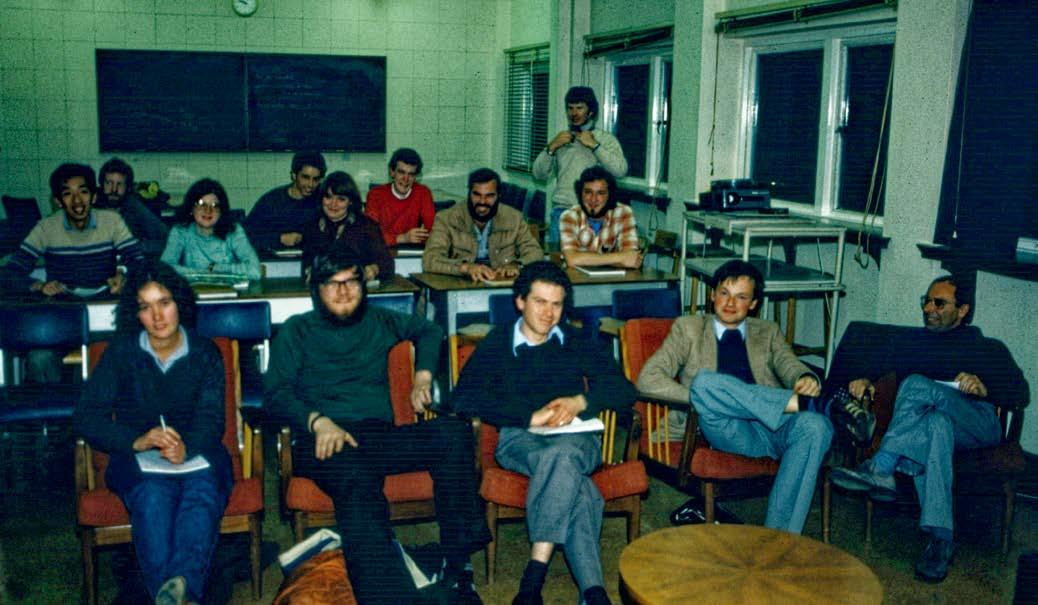
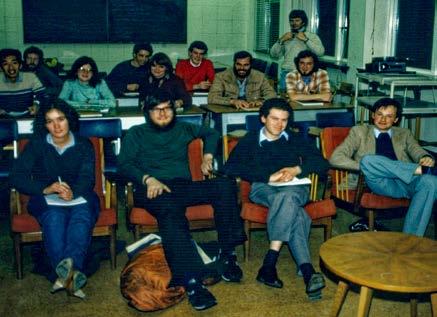
The 1980s was a vibrant and transformative decade, bringing new technology, computers and equipment into the Department for the first time. We spoke with alumni to find out what life as a student was really like forty years ago.
One of the students in the main photo is Steve Santikarn, who completed his PhD under the late Professor Dudley Williams alongside Dame Carol Robinson (née Bradley), both of whom are pictured. Robinson is now a professor at the University of Oxford. Santikarn used fast atom bombardment mass spectrometry to study peptides – the building blocks of proteins.
“Peptide sequencing is routine,” he says, “but there are some unusual peptides which cannot be sequenced with conventional means. Back in the 80s there was a new procedure called fast atom bombardment and we used it for sequencing difficult peptides. It was fun!”
Above: A joint evening meeting of the Dudley Williams and Jeremy Sanders research groups in the early 1980s. Front row, left to right: Kathryn Nicholls, John Mersh, Jeremy, Mark Bulsing, Dudley; Second row: Steve Santikarn, Linda Poulter (now Linda Summerton), Carol Bradley (now Dame Carol Robinson), and two unidentified individuals; third row, Mike Williamson, Steve Hammond, Richard Smith, David Reid.
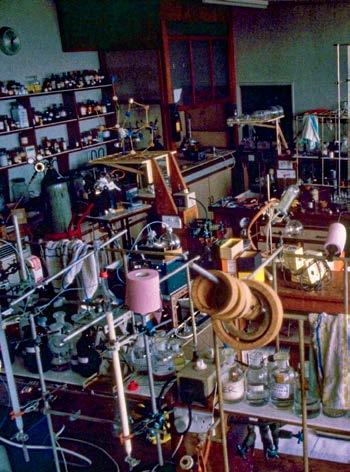
Below: The laboratory. Steve's desk was against the back wall under the poster.
The photo (left) is from one of Williams’ Thursday night research group meetings, where he would invite experts from other areas of the University, such as a zoologist, an engineer from Rolls-Royce or a professor of evolution. Santikarn recalls, “Dudley always said: ‘The most stupid question is the one you haven’t asked.’ So, at the start of these meetings he would ask the most basic questions so that we could all relax and ask whatever we wanted.” After Cambridge, Santikarn studied at the University of California San Francisco, then Harvard, before returning home to Bangkok where he became a property investor.
Another postdoc in the photo, David Reid, moved from Cape Town to join Williams’ group in 1981, using nuclear magnetic resonance (NMR) to create detailed atomiclevel structures of DNA. He is in the back row on the right wearing a white jumper in the image above.
“At the time, with the rudimentary computers on the instrumentation,” he recalls, “you could do what you could do and no more. The NMR machine had no such things as autosamplers back then: these days you can line up 50


samples and the machine will run them overnight. However, then, if you had multiple samples and your timeslot was 8pm–midnight, you had to go in and manually load your samples one at a time. The computers were unable to store data from one experiment to the next so you had to plot your data for sample A before you moved to sample B.
“I was cycling home at about 1am after using the NMR machine on a late shift and got a £5 fine for not having a light!”
Mark Hanning-Lee read Natural Sciences from 1982 to 1985, specialising in chemistry.
He recalls that: “Our best practical was with Martin Mays, and he had us collect samples of dirt around Cambridge and measure the lead concentration. The lead concentrations were highest under bridges, where the rain did not fall to wash away the lead. The results were relevant to public health and to physical and chemical processes.”
He adds that “My lab mate and friend to this day, Ian Sims, and I would frequent the nearby sandwich shop and my staple
Above: Steve using the brand new mass spectrometer machine. Steve used this to analyse his peptide samples.
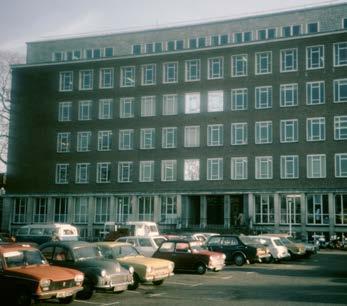
Below: The cars may have changed, but the memories remain timeless.
sandwich was cream cheese with anchovies. A memorable mishap was when the air handlers in the laboratory were out of action, so the fume hoods created strong negative air pressure and it was difficult to open the door to get into the building!”
Hanning-Lee is now in the USA supporting defence against chemical weapons. He notes that: “A general science degree from a good university has taken me far!”
Nestled in the department’s basement, the mass spectrometry facility supports tens of thousands of experiments each year. Its team helps researchers measure and analyse molecules with exceptional precision, from proteins and DNA to synthetic polymers. Combining scientific expertise with hands-on skill, the Facility plays a vital role in advancing research across the University and beyond.
The facility is led by Dr Dijana Matak Vinkovic, who joined the department as a postdoctoral researcher in the group of Professor Dame Carol Robinson, where she discovered mass spectrometry after previously working as a protein crystallographer. She later worked with the late Professor Chris Abell before being invited to run the facility.
Another key member of the team is Dr Roberto Canales, often repairing instruments or discussing sample preparation with students and postdocs. After more than 30 years working in the field, he says that he is still driven by the curiosity of the researchers he works with – the questions they ask as much as the answers they seek.
Ms Asha Boodhun brings more than 25 years of mass spectrometry experience.
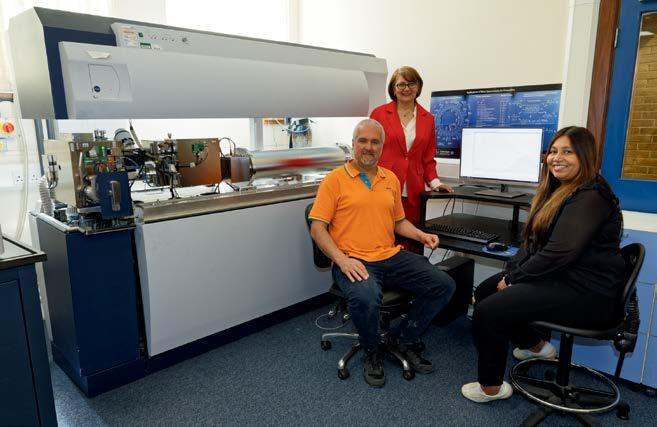
She began in the agrochemical industry and later moved into biotechnology analysing DNA before joining the department, where she works with a wide range of samples and instruments, noting that: “despite major technological advances, mass spectrometry remains both a science and an art.”
What the facility does
Mass spectrometry has deep roots in Cambridge. The Cavendish Laboratory was the birthplace of the field, where Francis William Aston developed early mass spectrographs in the 1920s. A century later, the technique remains central to research at the laboratory. The field has evolved dramatically over the last 30 years
with new ionisation and detection techniques, enabling the analysis of increasingly large and complex molecules by mass spectrometry. The facility helps to measure the mass of a wide range of molecules, from small molecules and polymers to proteins, peptides and nucleic acids such as DNA and RNA.
A mass spectrometer can be thought of as one of the most precise scales in the world. Its purpose is to measure molecular mass with high accuracy – information that is often essential for chemical and biological research.
“To get accurate measurements, we essentially make molecules fly,” says Dr Roberto Canales.
“In practice, molecules are converted into charged particles,
and their mass is measured as they travel through the instrument, revealing information about their composition, structure and interactions. Most researchers quickly learn to use the instruments and follow the facility’s guidelines. If an instrument is ever pushed too far or stops working, we step in to help. Users are encouraged to make the most of the equipment while treating it carefully to ensure it lasts.”
The facility supports the work of most research groups in the department, as well as colleagues in other departments across the University. Some researchers carry out their own analyses and consult the team when samples are more challenging or instruments do not behave as expected. The facility also collaborates with external companies and research partners.
Project testimonials
Aryaman Raj Sokhal, a second-year PhD student in the Spring group, first used the department’s mass spectrometry services as a Part III student (2023–24) while working on a PROTAC synthesis library. “As the project was ending, I needed high-resolution mass spectra for every new compound, but I had left HRMS to the last minute,” he recalls. Despite him submitting a large batch at once, the team ran multiple samples daily and delivered results on time. “Their support has been invaluable, and they continue to help us whenever we need them,” Aryaman says. Cecilia J. Anderson, a fourth-year PhD student in the Hunter group, says: “We make Recognition Encoded Melamine Oligomers (REMO). They’re at the upper limit of what’s considered a ‘small molecule’, which makes them tricky to characterise. Because they have many repeating units, NMR often doesn’t tell us much, so we rely on mass spectrometry to confirm we’ve made the molecules we want.”
For more than four years, the team has collaborated with Professor Arthur Kaser’s Group in the Department of Medicine at the University of Cambridge. The group studies the biology of Crohn’s disease and ulcerative colitis, two inflammatory bowel diseases that often develop in early adulthood.
Using LC-MS (liquid chromatography-mass spectrometry), the team analyses the enzyme FAMIN, which helps the body process certain molecules needed for energy and cell growth. By combining mass spectrometry data with biochemical studies, researchers have identified the
and DNA, along with polymers that assemble into nanoparticles. They have also analysed modified synthetic DNA, often from very small and precious samples.
As Alexander Corbett at the Fruklab notes, “The facility provides the confidence I need to move my research forward.”
The team is committed to keeping the facility at the forefront of mass spectrometry. Plans include acquiring instruments for analysing biological molecules using native mass spectrometry, such as Waters’ cyclic IMS or Thermo Fisher’s Q Exactive UHMR, which preserve non-covalent interactions to measure intact
“To get accurate measurements, we essentially make molecules fly. In practice, molecules are converted into charged particles, and their mass is measured as they travel through the instrument, revealing information about their composition, structure and interactions.”
Dr Roberto Canales
oligomeric states of the protein and subtle modifications that influence its activity. Close collaborators include Jayantika Bhowmick, Isabel Nimmo and Kriti Maitre.
The facility has also worked closely with the Fruklab led by Professor Ljiljana Fruk in the department of Chemical Engineering and Biotechnology. The group develops complex molecules that link nanoparticles, proteins and DNA.

Read more
Mass spectrometry helps establish that these intricate molecules have been successfully synthesised. The team has supported the characterisation of molecules designed to bind iron
protein complexes. Engagement with the wider scientific community remains a priority, with team members attending seminars and conferences, including the annual meeting of the American Society for Mass Spectrometry.
Looking ahead, the team is exploring how artificial intelligence and machine learning could transform operations. Projects led by Dr Canales aim to maximise uptime, reduce costs and better meet researchers’ needs. “In the future, such tools could help move facility management from a reactive system to a more proactive and intelligent one,” he says.
Lambda Energy, a ‘spin-in’ from our department, is a powerful example of how research can transform industries. What started as molecular science is now helping to reshape the future of sustainable agriculture.
Lambda Energy is transforming the way crops grow under controlled environments. At the heart of its innovation is a light-modifying additive that converts UV light into red light, the wavelength most effective for photosynthesis. The team is small but highly specialised. Alongside Dr Monica Saavedra (CEO), the company includes Dr Boris Breiner (CSO) and Dr Stephanie Sheppard, senior chemist, supported by a network of experts in fields ranging from marketing and finance to plant science and legal. Together, they are moving from lab experiments to commercial applications in greenhouses and polytunnels.
Origins and collaboration with the Wright group
In its early days, Lambda experimented with quantum dots (QDs) to improve the efficiency of solar energy generation by making better use of sunlight through light-down conversion. The team nevertheless soon ran into major challenges. Many QDs were toxic, some were already used by competitors, most did not perform as advertised and all were too expensive for commercial use.
A turning point came when Monica Saavedra gave a talk at the Cambridge Judge Business School. Dr Paolo Bombelli, a postdoctoral researcher in biochemistry, asked whether they had considered applying their technology to plants. “Plants like red light, too,” he noted. Inspired by this insight, Lambda pivoted from solar to AgriTech and sought a new class of active materials.
For this next step, the team turned to Professor Dominic

Wright in the department, whom Dr Breiner had known since his postdoctoral work at the University of Cambridge. Together, they obtained a grant for joint research with the Wright group, focusing on the development of practical, scalable materials for croplight enhancement. Dr Breiner emphasises that the collaboration with Professor Wright turned lab results into something tangible, bridging chemistry with practical agriculture. “The work produced a commercially viable additive for spray coatings or polyethylene films, enhancing crop yields with existing structures. This partnership with the Wright group at Cambridge remains a cornerstone of Lambda’s success.”
At the heart of the innovation is a light-modifying additive that
converts UV light into red light, the wavelength plants use most effectively for photosynthesis.
“Plants barely use UV for photosynthesis, but red light drives growth,” says Dr Saavedra.
“By converting less useful light, we boost photosynthesis and help fruit crops focus on fruiting and ripening.” In simple terms, the coating helps plants make better use of the sunlight they already receive.
Lambda’s technology modifies light for agriculture, enhancing plant growth by converting incoming light into wavelengths that plants prefer. Unlike solar materials, the focus is on crop performance rather than energy generation, where durability and regulatory requirements are less demanding.
Photosynthesis efficiency peaks under red light, between 600 and
650 nanometres. The team has moved from lab-scale experiments to commercial installations. The additive’s production has scaled dramatically, from tiny lab quantities to tens of kilograms manufactured by a subcontractor. That scale-up has enabled real-world testing. The additive is applied to agricultural structures, coating greenhouses or embedded in polyethylene (PE) films for polytunnels, ensuring light reaches shaded plant parts and promoting even growth. “The coating works passively, modifying sunlight without extra photons or energy costs,” says Dr Breiner.
Lambda’s new technology has reached several milestones and delivered measurable benefits. Early trials at Cranfield University showed a 10% increase in basil yield, a 5% rise in strawberry sweetness and a 6°C reduction in peak greenhouse temperatures independent of external conditions,
an unexpected benefit against heat stress. Beetroot and rocket trials showed indicative yield increases of up to 47%. The company also won the Royal Society of Chemistry Emerging Technologies Award, which Dr Breiner called “one of our most memorable moments,” and secured DEFRA funding, enabling commercial-scale production, including polytunnel film rolls 12.2 m by 680 m.

Read more
It also supports more sustainable food production. Dr Saavedra explains that a typical 20% yield improvement allows growers to produce more food without expanding greenhouse space, or to reduce their footprint while maintaining output, leaving more land for nature. Local
“The coating works passively, modifying sunlight without extra energy input, and is now being scaled for real-world agricultural use.”
Dr Boris Breiner
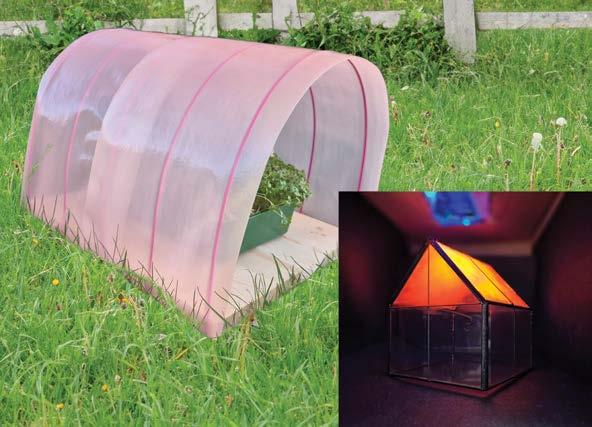
production reduces the carbon footprint of imports, while switching off artificial lighting in low-light periods offers energy savings.
Dr Saavedra nevertheless notes that: “going from lab to the real world comes with a host of challenges,” from costs to facilities and expertise. Early partnerships were vital, providing technical knowledge and networks to support growth. Rising concerns over food security and climate change have increased market awareness.
“Growers are more open than ever to new solutions in their greenhouses to increase yields,” she adds.
Going forward, the company aims to move its product from field trials to real-world use, supplying global greenhouse coating and polytunnel manufacturers to achieve rapid international reach. On the technology side, the team plans to continue developing its materials for AgriTech while exploring other applications, from solar energy to MedTech and anti-counterfeiting.
Dr Breiner explains that widespread adoption in controlledenvironment agriculture could allow growers to reduce reliance on LED lighting, boost crop yields and increase local food production, reducing imports and the associated carbon footprint. The technology could also enable a “virtual shift in geographic latitude”, allowing polytunnels in northern regions to achieve light conditions normally found much farther south, expanding viable agricultural areas and supporting sustainable crop production in previously challenging locations.

Awards
Dr Kersting selected by the
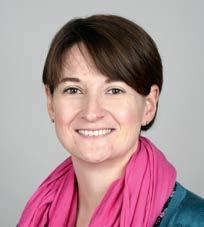
Dr Alex Kersting, Programme Manager for the Faraday Institution Battery Degradation Project, has been selected for the Foundation Future Leaders 2026 – FST
The one-year programme brings together mid-
career professionals from academia, industry, government and policy, offering cross-sector networking, exploration of science, technology and policy, and leadership development. Throughout the year she will attend structured learning days at UCL and Parliament, visit research centres including CERN and Diamond Light Source, and join fortnightly online expert sessions. She will also discuss science policy, UK infrastructure and technological innovation, gaining insight into cross-sector collaboration.
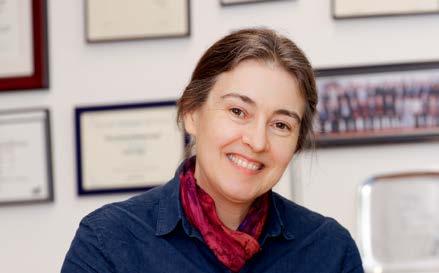
Professor Dame Clare Grey has been awarded an Honorary Fellowship from the Royal Society of Chemistry (RSC) in recognition of her pioneering work in sustainable technologies. Since joining the department in 2009, she has led innovative research using solid-state NMR spectroscopy and diffraction techniques to study materials for energy storage. Her work has transformed understanding of batteries and supercapacitors, improving their efficiency and lifespan with major implications for transport, renewable energy and modern electronics. Dame Clare will receive the award in July at Burlington House, alongside other distinguished recipients.

Emeritus Professor Daan Frenkel ForMemRS has been awarded the Tomassoni–Chisesi Physics Prize, an international award recognising outstanding achievements in physics. The prize was presented by Professor Giorgio Parisi of the University of Rome “La Sapienza”. Professor Frenkel received the award in the over-40 category for his fundamental insights in soft matter and the physics of phase transitions, using novel computational techniques and general models to describe entropy and free energies, and for his central role in building and shaping the computational physics community.
Professor Jonathan Goodman received the Outstanding Supervisor Award 2026, in recognition of his supervision, with the nomination led by postgraduates. The Goodman group uses chemical informatics, computational chemistry, machine learning and artificial intelligence to study molecular structure, reactivity, analytical data and
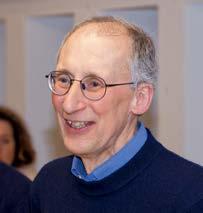
toxicology. The award included £1,000 for the group to support its research community.
On receiving the award, Goodman stated:
“I am very grateful to the members of my research group for their hard work, knowledge, ingenuity, support, imagination and creative writing skills.”
“Our next challenge is to work out how to make good use of the prize money. Remember the group motto: relentless optimism.”
Professor Jonathan Goodman
by Emeritus Professor John Pyle CBE FRS
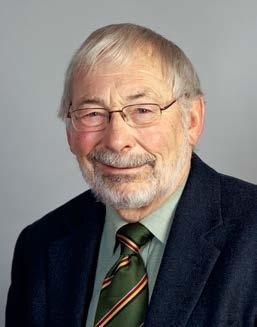
My friend and colleague, Tony Cox, who died on 26 March 2026, was an outstanding physical chemist, hugely respected worldwide. He made major contributions to a number of important environmental problems. He was generous with his time, supportive, collegial and collaborative with lively, catholic interests.
Tony’s undergraduate and graduate degrees were from UMIST, followed by a postdoc in Canada before taking up a post in the environmental science research group at Harwell, where he worked with one of his great friends, Stuart Penkett. There, Tony produced an impressive body of work, making key contributions to our understanding of acid rain – a major problem in the 1960s and 1970s – and to groundlevel ozone and air pollution. Inevitably, he became involved in the stratospheric ozone story. He was a superb kineticist and his measurement of the rate of reaction of ClO, a stratospheric breakdown product of the CFCs, to form the ClO dimer was one of the key elements contributing to our detailed understanding of polar ozone depletion.
The quality of his work was hugely respected. Indeed, the Nobel Committee sought his views when the prize went to atmospheric chemists in the mid-1990s, and Tony attended the prize-giving ceremony. He served the community in many other ways: on the EU stratospheric science panel, on the IUPAC kinetic data panel. He was a regular contributor to the Montreal Protocol assessments.
At the beginning of the 1990s Tony helped to set up the European Ozone Research Coordinating Unit based in Cambridge with EU and UK Department of the Environment funding and was its first head. With support from NERC he then moved permanently to Cambridge where he established a research group with wideranging interests. They studied the chemical, photochemical and heterogeneous reactions of chlorine, bromine and iodine. Aerosol processes in the atmosphere, including their relevance to volcanic emissions and to geoengineering, became another strand of research and, of course, tropospheric ozone and air pollution remained strong themes for Tony. His last paper looked at Covid, combining his interests in atmospheric oxidation and aerosol science.
Tony was a wonderful companion. He was interested in, and inquisitive about, almost everything and knowledgeable
about a wide range of topics. He was particularly interested in the natural world, flora, fauna and geology, the latter fuelling his research interest in volcanoes. A walk with Tony would usually include some birdwatching and, in autumn, foraging for mushrooms. The walks would always be followed by a trip to the pub. Tony also loved to cook; I often saw him on Cambridge market negotiating with the fishmonger. On top of all this, he was an excellent artist.
We were on many committees together. Tony would always want to combine a meeting with an opportunity to visit some interesting site. I used to say that of all the people I knew, he was the one who had cracked the work-life balance. On reflection, that analysis is wrong. For Tony, it was all life and he lived it very well. He is hugely missed by those who were fortunate enough to know him.

by Simon Page
Our cruciverbalist for this edition is alumnus Simon Page (Fitzwilliam College 2004), known to friends as “Spud”, who completed his BA, MSc and PhD in the Department of Chemistry between 2004 and 2012. His PhD, supervised by Professor Sally Boss and Dr Paul Barker, focused on organometallic pharmaceuticals, with particular emphasis on ruthenium. He is currently Global Medical Director at the French pharmaceutical company Ipsen.
1 Funnel to finally separate following a bunch mixed right (7)
6 Learner and camera creator (4)
8 Man firing the first laser direct into man (6)
10 British French one second, then English burner (6)
11 Computer language pressure (6)
12 Pipette father’s true make-up (7)
Down
1 Swede disguised bruise around northbound area with improved air (9)
2 Solution containing current pole (5)
3 Quiet prize? (5)
4 Hard overdose starts to galvanise family crystallographer (7)
5 Tickle the ivories, led by the French Frenchman (9)
6 Old queen – resistance leader? (3)
9 Dog thus partners 2 (5)

Crossword prize winner
Chem@Cam Issue 71
Mike Segal
Congratulations to Mike Segal, winner of the prize draw for the Chemistry Cryptic Crossword from edition 71 of Chem@Cam. Mike graduated from the Department in 1972 and completed his PhD with Reg Prince in Inorganic Chemistry, studying electrontransfer kinetics. He went on to a postdoctoral position at the University of Leeds, followed by ten years of research in the electricity industry.
“We developed a process for decontaminating nuclear power stations. After the Chernobyl accident, I joined MAFF to work on problems of radioactive contamination in food and the environment,” he says.
His Civil Service career later included roles at the Food Standards Agency and DEFRA, where he became a Director in the Strategy Group, with responsibilities spanning food safety, nutrition, animal health, environmental impacts of agriculture and food security.
“I retired in 2011 and have had a very happy and fulfilling retirement, travelling the world and enjoying time with my grandchildren,” he adds.
Dear Readers
As we reach the final pages of this issue of Chem@Cam, we hope that the stories and perspectives shared have informed and inspired you. We would be very pleased to receive your thoughts on any of the pieces featured. For further reading on each piece, you can either scan the QR codes or follow the interactive links in the digital edition.
More broadly, we would also welcome hearing from you if you have a story to tell, an idea to share, or a perspective that you feel deserves a platform. Some of the most impactful stories begin with a simple conversation.
We also invite you to remain engaged with us through our LinkedIn community and website, where you can stay up to date with our latest news and insights. LinkedIn is a secure and professional platform that offers an excellent way to stay connected with fellow alumni and with us. We will shortly be closing our account on X. If you currently follow us there, we would be delighted if you chose to continue connecting with us via LinkedIn instead.
Thank you for your continued support and engagement.
We wish you a wonderful summer ahead.
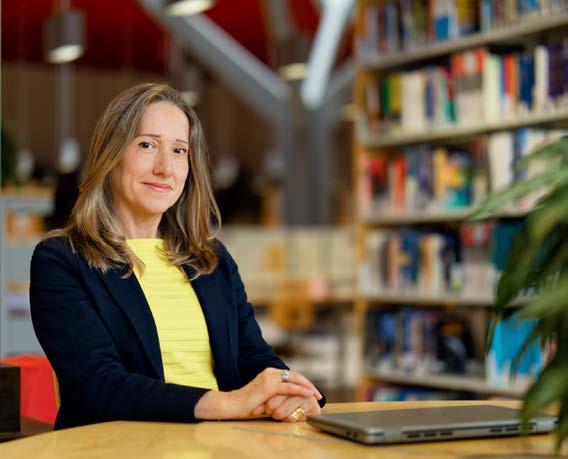
Dr Fiorella Dell’Olio

Friday 18 September 2026

Yusuf Hamied Department of Chemistry
“The role of atmospheric chemistry in climate and life – in the Universe! Change is in the air.”
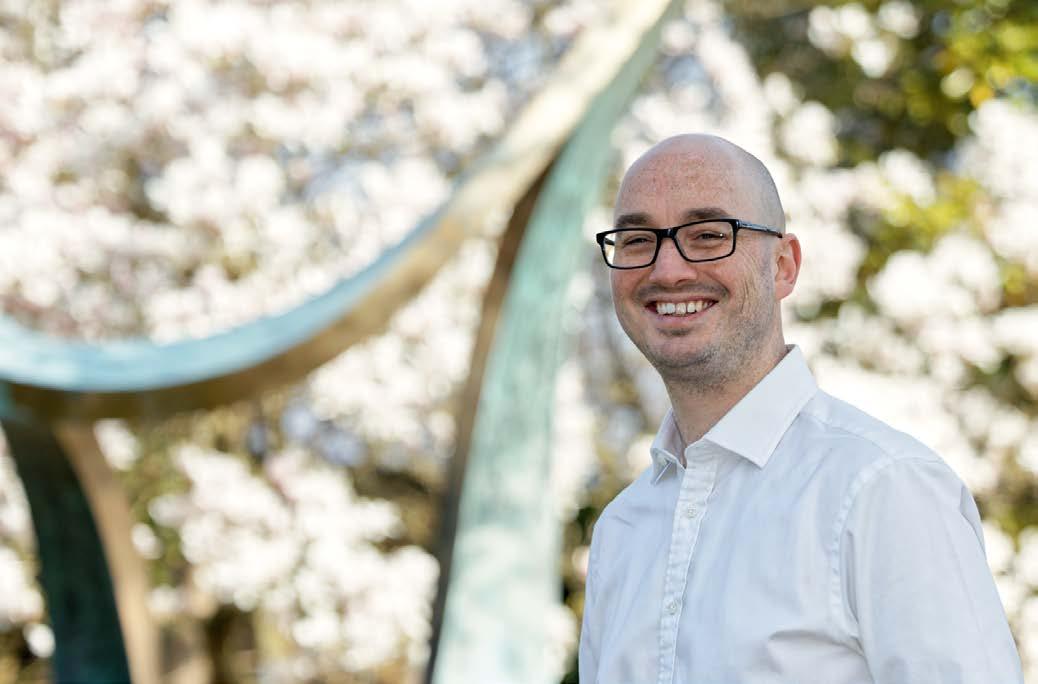
Join us for an invigorating talk about the environment and climate by Professor of Atmospheric Chemistry, Alex Archibald.
In his talk, he will introduce how atmospheric chemistry shapes not only life on Earth but also the potential for habitable environments across the Universe. Drawing on the latest work from his research group, he will explain how understanding the air we breathe can reveal much about the past, present, and future of our planet – and others beyond it. He will also explore some of the most pressing challenges facing the field today, including the emerging and often controversial topic of climate engineering. What might it mean to deliberately alter the atmosphere? What are the risks, and who decides?
Accessible and thought-provoking, this talk will offer a compelling insight into a field that sits at the heart of global environmental change, and will highlight why atmospheric chemistry matters to us all.