Summary Report

For further information on the data presented in this summary version of the Sustainability Report, please refer to the full document available by clicking on the “Click here for the full report” button at the beginning of each chapter.
43
21 PRODUCTION PLANTS WORLDWIDE
ECONOMIC VALUE IN € MLN 3,7 EMPLOYEES WORLDWIDE 46.433 BRANDS 17 COUNTRIES IN WHIC THE GROUP OPERATES DIRECTLY 59 STORES WORLDWIDE 5.538 OF GARMENTS PRODUCED INTERNALLY 80% LOGISTIC HUBS WORLDWIDE
The Group
Oniverse (formerly Calzedonia Group) evolves as a Group rich in synergies and different sectors, a large family made up of 17 brands. In addition to being one of the main points of reference in the fashion retail sector thanks to its well-known and loved historical brands, Oniverse presents peculiar characteristics: verticalisation of the supply chain, sector differentiation and product specialisation. Made up of over 46,400 employees distributed across five continents, the Oniverse group looks at the present, and builds the future, with determination and awareness regarding the role and contribution that a group of this importance can make in terms of transition towards more conscious, responsible and positive impact development models.


2014 2015 2022 1996 2015 - 2025 2003





93.565.360
Items produced with lower environmental impact fibers
Of the raw materials used in our collections have a lower environmental impact
For over 6 years, the Group has decided to use “lower impact materials” in its collections, that is those fibers (natural, artificial or synthetic) which, along their production chain, have a lower impact than the corresponding conventional version in at least one of the following areas: climate, nature or people. To follow, the low-impact materials used in 2025 production: Global Organic Textile Standard (GOTS) or Organic Content Standard (OCS) certified organic fibers, Global Recylced Standard (GRS) or Forest Stewardship Council (FSC) certified recycled fibers, TencelTM modal, EcoveroTM viscose, BLUESIGN® certified silk, AMNI SOUL ECO® polyamide and Responsible Wool Standard (RWS) certified wool.
Of the grapes in our wineries grown organically
SEGMENT
Food & Wine SEGMENT Yachting Products
Launched our first lower-impact model
Packaging Packaging
Merchandising (Signorvino) purchased from suppliers trying
Packaging (Oniwines) made with recicled materials
Products
The lower impact raw materials purchased and used in 2025 production stand at 18% of the total. The percentage, which decreased by approximately 10% compared to the previous year, largely reflects a methodological revision introduced by the Group, which chose to apply more rigorous criteria in the definition of “lower impact” materials. During the year, in fact, the Group decided to strengthen the selection criteria for certifications that guarantee an improvement in the environmental and/or social performance of materials compared to conventional alternatives.
Regardless of the presence or absence of a sustainability characteristic in the raw materials purcha-
SEGMENT
Fashion
sed, acceptance and compliance with the Technical Specifications of Conformity remains valid for all Oniverse suppliers, following the start of the collaboration. The Specifications, defined internally by the Group, contain the main safety requirements, which must be shared and signed by all parties involved: design, supply of raw materials and production of the products.
Furthermore, the internal Due Diligence Policy has been active since 2024, which aims to guarantee compliance with ethical, environmental and social standards, considered fundamental and inalienable.
Organic cotton; recycled polyamide, polyester, cotton and elastane; modal TENCEL™; ECOVERO™ viscose; Lyocell TENCEL™
Organic cotton; TENCEL™ modal, recycled elastane and polyamide; BLUESIGN® silk; AMNI SOUL ECO® polyamide
Organic cotton; recycled polyester and polyamide; ECOVERO™ viscose
Organic cotton; recycled cashmere, cotton and viscose; RWS wool; BLUESIGN® silk
Organic or recycled cotton; Lyocell TENCEL™ or FSC; recycled polyester; recycled cupro
Organic cotton
SEGMENT
Yachting
The nautical sector, or more precisely pleasure boating, in the Group represented by Cantiere del Pardo, is characterized by strong specialization and excellent technologies.
In fact, Cantiere del Pardo has a high-quality handcrafted component combined with advanced technologies: the design, assembly and customization activities of the yachts take place in the two owned production sites. The production chain is highly localized as approximately 89% of the suppliers of raw materials and semi-finished products operate on national territory. With over 70 dealers located on various continents, the company’s support for its shipowners is widespread and distinctive.
To guarantee the safety and quality of the product, a precise “quality scheme” is compiled for each order, and the subsequent phases are then managed thanks to a delivery and testing team. Furthermore, all suppliers are qualified according to ISO 14001- 45001 and adhere to the Code of Ethics, to which Cantiere del Pardo (and the Group) is very focused on.
The main raw materials purchased by the company are wood (39%) and fiberglass (41%). Given the characteristics just mentioned, it is therefore a priority to be able to develop materials that have a lower impact from an environmental point of view. This, however, is one of the biggest challenges in the sector both due to quality constraints and the lack of alternatives on the market.
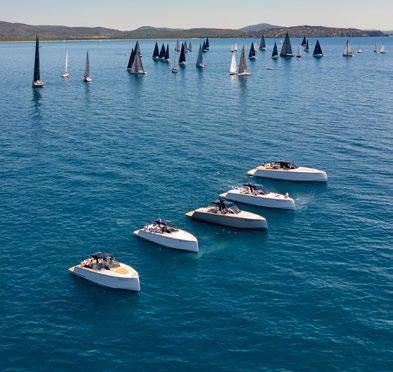
This is why Cantiere del Pardo is proud to share the first launch of the GS Blue model, which is made up of lower impact fibers and fiberglass (as they are recyclable, unlike conventional ones), solar panels to extend energy autonomy and an electric motor powered by recharge-
Food & Wine
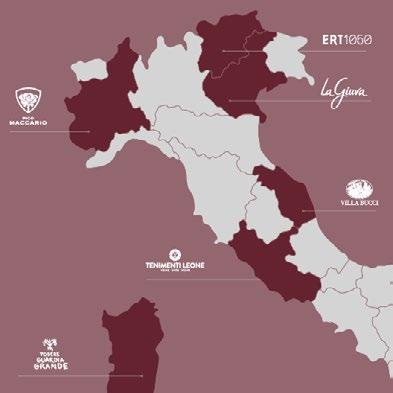
Oniwines, spokesperson for the six owned wineries, together with Signorvino, dedicate particular attention and resources to the research and choice of ingredients and raw materials used in their products. In addition to trying to enhance virtuous behaviours, selecting among its suppliers also companies concretely committed to reducing the impact of their activities and/or creating added value. Attention to quality does not only concern the selection of our suppliers: the Group also adopts rigorous standards for its own activities, choosing to undergo certifications issued by accredited and recognized bodies. For this reason, Tenimenti Leone and Villa Bucci are certified organic right down to the wine label, while ERT1050, La Giuva and Pico Maccario are certified according to the SQNPI regime, applying integrated management of the vineyards.
As for Signorvino, since 2025 it has been certified by ICEA for the storage, distribution and sale of organic products, so as to guarantee effective and complete traceability of the same. Most of the grapes grown in our cellars follow organic regimes (around 75%, +13% on 2024), and around 7% of the bottles produced make-up Signorvino’s offer.
The purchases of wine-growing companies range from consumables for vineyard management (fertilizers, seeds, plant protection products... etc.), for the transformation of grapes into wine and bottling (glass bottles, corks, labels, capsules), and then concluding with packaging material (boxes). For Signorvino, however, characterized by wine sales and catering activities, the main materials used to carry out its business are: bottles of wine for direct sale and/or consumption at the table, alcoholic and non-alcoholic drinks to be consumed at the counter or at the table, ingredients for culinary preparations and mainly seasonal finished food products.
Packaging
The Group is working to reduce its environmental impact starting from policies aimed at reducing disposable materials, focusing on the number of units used and the type of material used, in particular paying attention to the use of plastic (especially virgin) and non-FSC certified paper.
The strategy implemented by Oniverse is mainly developed along three lines of action:
- elimination of disposable packaging; - replacement of disposable packaging made of synthetic materials with renewable ones; - replacement of virgin synthetic packaging with recycled one
Instead, as regards actions to reduce the use of packaging materials, the Group, as regards the FASHION sector, has for some years made a commitment to eliminate the use of heat-shrinkable plastic, a material of fossil origin and sometimes difficult to recycle. The heat-shrinkable plastic, which just 3 years ago (2021) cubed over 70 tons, was reduced to around 5 tons in 2024, to reach complete elimination at the beginning of 2025.
Among other reduction activities, the Group reports
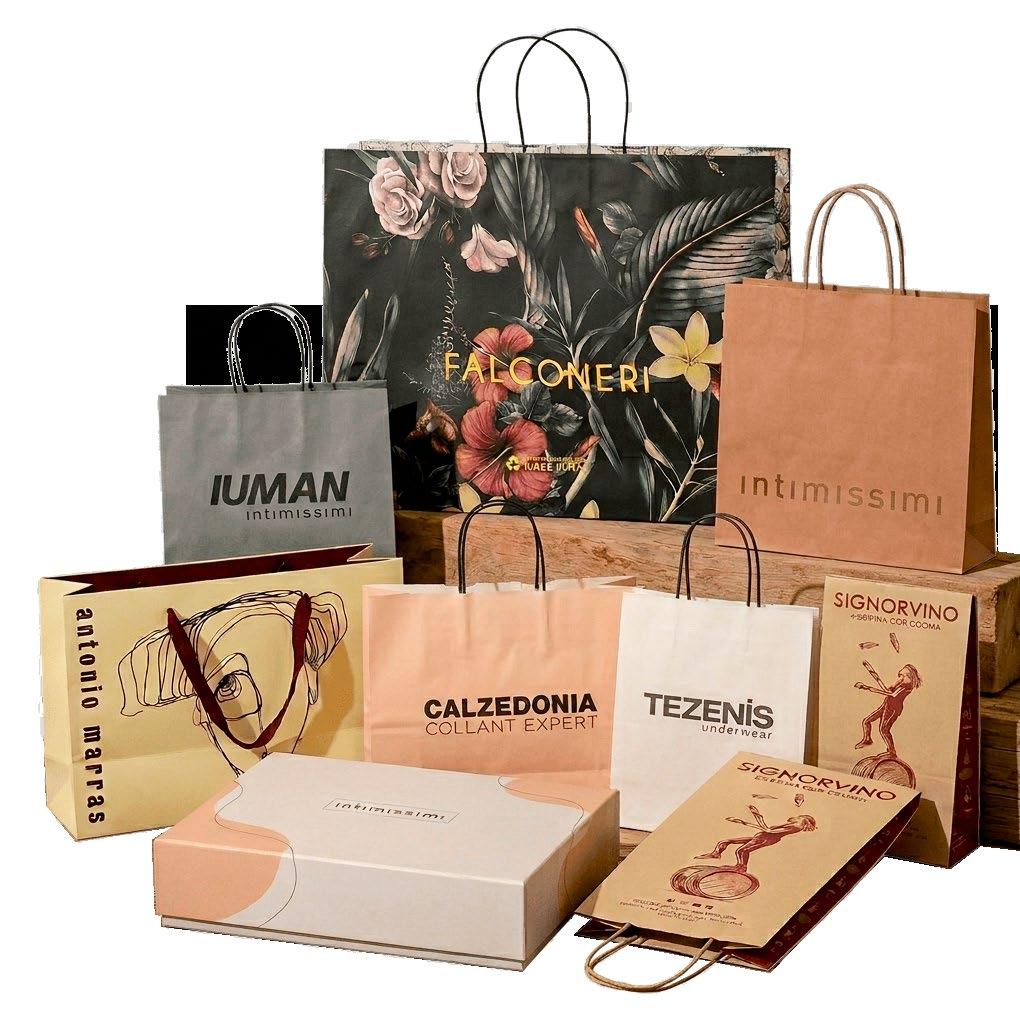
a constant decrease also for the year 2025 in the use of disposable shopping bags made of FSC certified paper (-3%), thanks to the possibility of purchasing the organic cotton version. In addition to a reduction in the number of mannequins sent to points of sale, equal to a reduction of -19% in terms of material purchased.
Even in the wine sector there is strong attention and care regarding the choice of materials, for this reason, over 75% of the materials used in Oniwines packaging derive from recycled material, for Signorvino almost all of the materials used in merchandising are purchased from suppliers attentive to environmental and social sustainability issues.
Position in the What Fuel Fashion? ranking of Textile Exchange, which brings together 200 of the major brands in the fashion world. Evaluated brands: Calzedona, Intimissimi, Tezenis
Yachting


A vertical supply chain
Oniverse’s integrated management model requires commitment, investments and specific skills, through which it is possible to directly and in-depth control the quality of the garments, maximizing synergies and economies of scale. Furthermore, it allows for high control over respect for the human and social rights of those who work there.
By building our factories we have chosen to commit and involve ourselves personally, and this has led to investing in the territory and in the communities that host us, as well as guaranteeing high control of the supply chain.
The Group’s factories are located in three continents and seven countries: Italy (Avio, Brentino Belluno, Biella, Castiglione delle Stiviere, Castel Goffredo, Gissi, Grole), Croatia, Serbia, Bulgaria, Bosnia, Sri Lanka, Ethiopia and Tunisia. However, regardless of their location, within the factories the production standards of the garments are aligned not only with local regulations, but also with Italian and European regulations. Furthermore, also from a technological point of view, Oniverse is committed to investing in the best technologies available by choosing the most cutting-edge machinery and systems that guarantee optimal working conditions for employees (minimizing manual and repetitive work) and respect the highest standards of quality, health and safety.
Oniverse, in balancing its make or buy strategy, has chosen to keep the production of its products within the Group, making use of external suppliers mainly for the purchase of raw materials. In fact, in 2025 internal production covered 80% of the items offered in stores (a constantly growing percentage).
The Group seeks long-lasting and loyal collaborations with suppliers with the aim of building a profitable relationship inspired by the sharing of quality policies. When selecting suppliers, the criteria that are adopted are certainly the quality and price of the materials, but Oniverse’s accreditation system also includes an evaluation of its partners’ commitment to respecting human rights, the health and safety of workers and respecting the environment.
The suppliers of the finished products are in fact selected only after verification by the Group’s technicians of the state of the production plants, which are monitored during production also through in-line inspections. Finally, a necessary condition for all suppliers is the acceptance of the technical specifications of conformity, the specifications for parts of animal origin (where necessary) and adherence to the company Code of Ethics
Due Diligence and rating of suppliers
The two processes to be able to guarantee transparency and traceability - both within our factories and with our suppliers - are ESG Due Diligence and the mapping of production plants.
In particular, the Group has adopted an ESG Due Diligence Policy which aims to guarantee compliance with the highest ethical, environmental and social standards along the entire supply chain. To achieve this objective, Oniverse’s Sustainability department carries out an in-depth mapping of suppliers and an ESG Risk Assessment to understand where the main social and environmental risks could occur. By 2025, there are 188 suppliers evaluated, representing 89% of all purchases by value. Afterwards, on the basis of an assessment
based on the most authoritative methodologies on the subject, in-person audits are carried out to directly verify that suppliers respect the set standards, and that safe and dignified working conditions are ensured for all workers involved in production activities. In 2025, a plan involving 40 in person audits was set up for manufacturing companies located in Bulgaria, Cambodia, China, India, Sri Lanka, Turkey and Italy. No serious non-conformities were found, but some environmental non-conformities equal to 10% (4 cases) of the audited suppliers and social non-conformities equal to 12.5% (5 cases); all of which are being resolved according to the agreed timescales.
Mapping of production plants
The mapping of the factories, on the other hand, is a project born in 2021 with the aim of giving all interested customers the opportunity to view where and by whom the products purchased were created. In fact, for each item present on the e-commerce sites (of the Calzedonia, Intimissimi and Tezenis brands) users have information regarding the percentage of items produced internally, the place of production of the item and the related logistics hub. For each mapped production and logistics hub, a personalized sheet has been created which contains: the history of the plant, high value activities for the environment, employees or community, as well as a carousel of photos representative of the main processes carried out and some interviews given by the workers of the specific plant (corporate site: Oniverse - Our Production Plants)
A traced supply chain A
Digital product passport
This initiative aims to provide our customers with immediate and complete access to key information regarding each item in our collection. The project was also born out of the needs of the French market, which required the affixing of an environmental label on all products placed on the national market with the AGEC law. This label must provide detailed information on the environmental and social impact of the product throughout its life cycle and must be accessible to consumers from the moment of purchase onwards. Thanks to this relevant regulation, each item in our collection has been equipped with a QR code which allows customers to directly access the digital passport via smartphone or via a special link located in the “Traceability” section of the Calzedonia, Intimissimi, Tezenis and Falconeri brand websites. In 2025, over 130 thousand customers (+9% on 2024) have chosen to learn more about the traceability of 35,302 (+142% on 2024) items in our stores.
Fashion Revolution – What fuels fashion?
Some of the Group’s brands (Calzedonia, Intimissimi, Tezenis) were included in the evaluations conducted by Fashion Revolution, a global non-profit movement among the most influential in the world, which promotes numerous campaigns to reform the fashion industrial system, placing strong attention on the importance of greater transparency in the supply chain, in the consideration that greater transparency also leads to greater environmental and social sustainability over time.
For the 2025 questionnaire, which combined the issues of transparency with those related to climate change, we are pleased to announce that our brands were positioned in 2nd place out of the 200 main brands and retailers included in the analysis, climbing 4 positions in a year.
86,096
tonCO2e avoided thanks to the purchase and in-house production of renewable electricity and efficiency interventions
70,000
tonCO2e compensated through reforestation projects
In 2025, 72% of direct energy consumption was related to production activities, which involve 57% of the Group’s employees. Electricity generated from self-produced solar energy through photovoltaic panels amounted to 41,086 GJ, representing a 58% increase compared to 2024 and almost three times the amount recorded in 2023. This is because the installation of photovoltaic panels is one of the initiatives undertaken to increase the share of clean energy within the supply chain, directly at the sites where part of the production process takes place.
The Group’s objective is to make a tangible contribution to limiting global warming, in line with the Paris Agreement, by reducing GHG emissions and mitigating climate-related risks. In 2025, this commitment became an integral part of the business model and helped guide business decisions across the entire value chain, from product design through to sales in stores.
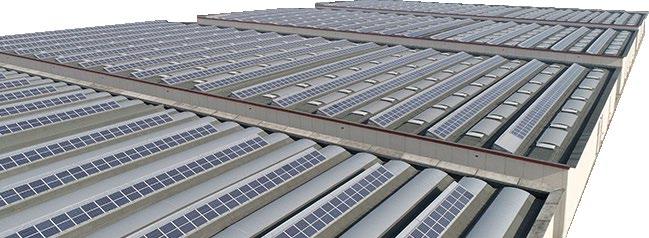
SELF-PRODUCED AND SELF-CONSUMED RENEWABLE ENERGY (GJ)
Of waste is recycled or reused
Environment
The management of climate change
An environmetal integrated approach
Oniverse’s business model integrates a dense sales network with direct management of the supply chain, and therefore requires commitment, investments and transversal skills also in environmental matters. In fact, all the companies in the Group pay particular attention to the management of water and energy consumption, as well as the management waste.
Water consumption
One of the opportunities that our integrated management model allows is to have greater control over the factories and, consequently, to be able to maximize our commitment to reducing consumption in each of the production phases.
During 2025, the Group withdrew a total of 2,047 megaliters of water (-4% on 2024), which was mainly used for dyeing and washing clothes. It is no coincidence, that 54% of water consumption can be traced back to three sites dedicated precisely to these activities.
The Group’s energy consumption derives mainly from production processes, lighting, heating and cooling of work environments. To these are added further the fuel costs of company-owned and logistics vehicles, which carry out internal transport between the various Group plants. In relation to energy consumption alone, be it electricity or thermal energy, remote management and monitoring systems are active for all systems. In this way, the Group is able to control the operating methods and plan interventions if anomalies are found.
The key pillars of energy management of the Group are certainly compliance with the regulations relating to the maintenance of buildings and related systems, verification of correct functioning and correct use by the end user, as for example in the case of climate regulation of internal environments. Depending on operational needs and the different geographical areas in which the Group’s production sites are located, the available energy sources vary.
In 2025, the Group’s energy consumption amounted to 1,550,360 GJ and produced a total of 44,927 tCO2e
Aware of the effects that GHG emissions have on climate change, for years we have been embarking on a path to reduce our impact, which over the course of the year has led to significant milestones: 99% of electricity consumed comes from renewable sources; self-consumption of energy through photovoltaic systems
grew by 191% compared to 2023. These goals, together with a series of efficiency measures, made it possible to avoid the release of 86,096 tonnes of CO2e into the atmosphere.
One of the most important news of the year concerns the validation in December 2025, by the Science Based Targets initiative (SBTi), of the near-term reduction objectives, which will guide the Group’s decarbonisation strategy from now until 2035. In particular, Oniverse is committed to reducing Scope 1 and 2 emissions by 63%, and Scope 3 emissions generated by the purchase of goods and services, upstream logistics and affiliated stores by 37.5%. The Group wanted to join this initiative as it was aware of its impact and the urgency of acting against climate change.
Following the commitment undertaken, the Group’s emission calculation made it possible to identify the supply chain activities with the greatest emission contributions, providing useful indications for the definition of possible areas of intervention:
Scope 1 e 2
• Efficiency improvement of offices, shops and industrial plants;
• Electrification of consumption;
• Use of renewable electricity;
• Increase in hybrid and electric cars in the car fleet, as well as use of biofuels.
Scope 3
• Increase in fabrics with lower environmental impact in collections;
• Development of projects to reduce value chain emissions;
• Use of low impact fuels for the transport of raw materials and finished products;
• Activate partnerships that help affiliates to purchase certified renewable electricity.
Circular economy
The Group is aware of the need to pay attention not only to the consumption of natural resources, but also to the by-products of its activities. For this reason, particular attention is paid to the correct management of waste, so as to minimize the quantity generated and, where possible, increase the amount destined for recycling.
As regards disposal methods, 46% of the waste produced was sent for recycling, reuse and/or recovery, while the remainder went to landfill or incinerators. The production dimensions of Oniverse lead to the creation of large quantities of waste, furthermore the poor recyclability of clothing is a problem that affects the clothing sector, and which must be resolved in order to minimize the company’s environmental impact. This is why in 2021 we launched the RE-TIGHTS project for the complete recycling of all the fibers of one of the Group’s iconic products: tights. After obtaining the European LIFE announcement, this initiative took shape in its prototype phase and demonstrated that thanks to important investments in innovation, it was possible to completely recover the polyamide in tights, keeping their quality intact. The first collection of tights was started in 2025, divided into different phases: from the collection of discarded tights in the Group’s stores in France, to their transport to Italy, up to the recovery processes of the raw materials in the sites involved, and the subsequent sale, again in the Group’s stores, of the new product obtained from recycled materials. Once this pilot collection is concluded, the model will be extended, where applicable, both nationally and internationally.
People
26,450
& Wine
Employees
Oniverse’s greatest asset is the people who work with us. The Group’s corporate values materialize our work ethic and guide the activities and relationships within the company.
As of 31.12.2025, the number of workers employed in the Group company amounts to a total of 46,433, distributed between America (2.8%), Europe (46.1%, excluding Italy), Italy (12.1%), Africa (4.5%) and Asia (34.5%). The majority of the workforce finds employment in production activities (57%) thanks to the distinctive verticalisation of the supply chain, 41% in the commercial area and the remaining 2% in services.
+7% compared to 2024
New hires, 80% of whom are under 30 years old


Our company pays particular attention to the younger age group, and this is why 80% of new hires are under 30 years of age, and approximately 55% of the overall workforce is under 30 years of age. Furthermore, we are continuing to develop further projects related to the theme of Diversity, Inclusion and Equity for the Group companies certified in 2024 (UNI/pdr122:2025), addressing issues such as pay equity, equity in growth opportunities and also the creation of an appropriate corporate culture. Beyond the themes outlined above, this project also resulted in the creation of structured training activities aimed at creating a fair and just corporate culture, furthermore a careful analysis was carried out of all the internal processes with the greatest impact (and most impacted). We ensure that each resource quickly acquires the necessary tools and skills required to take on important responsibilities for this, training also plays a strategic role. In fact, in 2025 approximately 697,000 hours were provided, of which approximately 65% were allocated to technical courses for the sales force and workers.
The remuneration packages are supported and enriched by benefits, initiatives and concessions that vary from country to country. We are concerned with constantly improving our corporate welfare by trying to improve the working and private conditions of our employees on a daily basis. It is usual for the Group to award performance bonuses to maintain and enhance its resources. The general turnover of 2025 is in line with previous years, with a slight increase in both the termination rate (+4%) and hiring rate (+3%). The management of outgoing turnover is periodically analyzed thanks to KPIs divided by business area and population type, as well as sample interviews.
Any investigations for injuries, accidents, near-misses and non-compliances are controlled by the Safety Management System. For the year 2025, injuries were concentrated more in workplaces in the European area, which in almost all cases were minor.
Customers
Customers enrolled in loyalty programmes compared to 2023
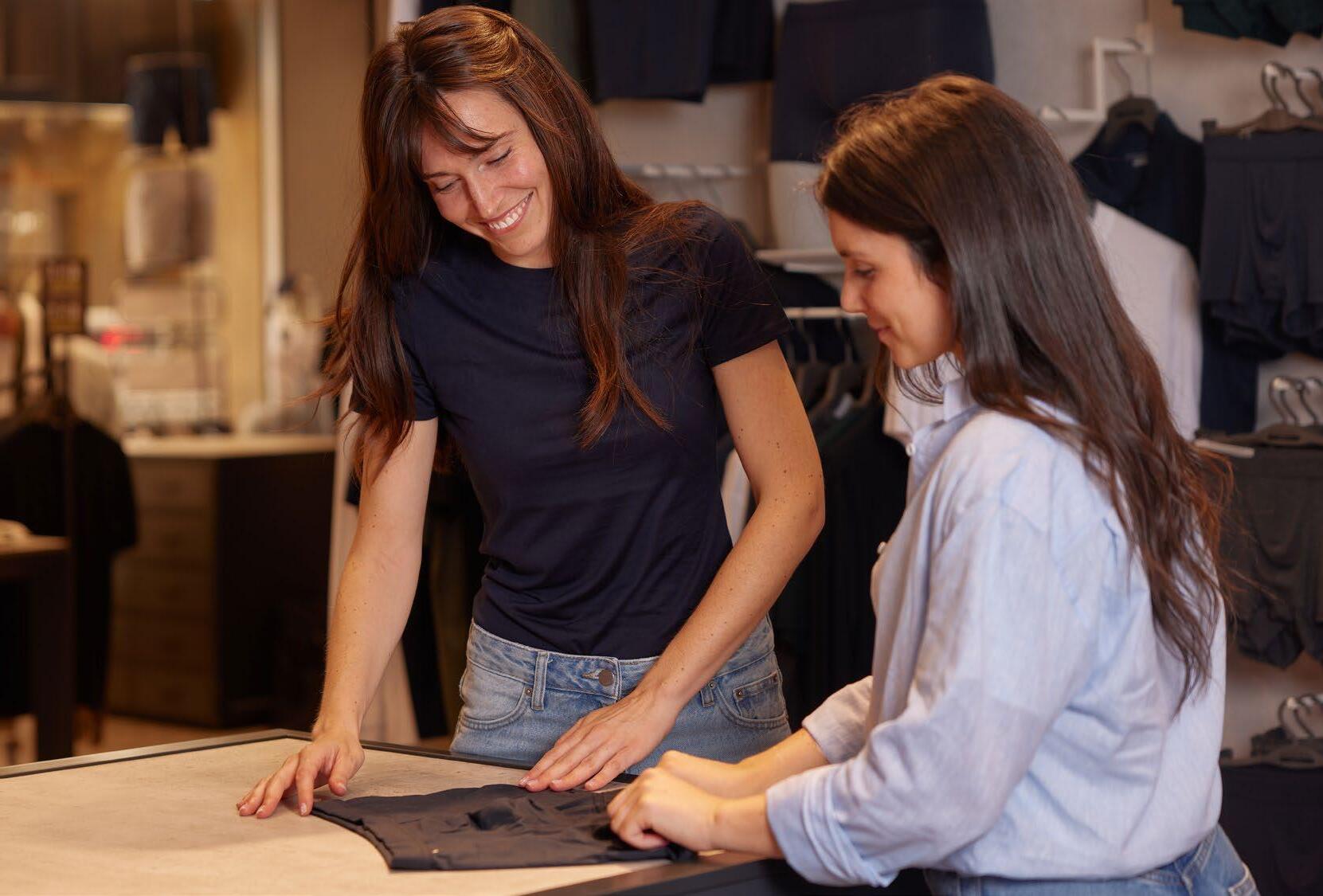
Proximity to the customer has always been an element of great attention for Oniverse. Starting from a widespread presence strategy thanks to over 5,5000 physical sales points present throughout the world; in recent years the presence on digital sales channels has been strengthened and extended. This is to better respond to the needs and desires of customers, thanks to digital shop windows active 24 hours a day all year round. This mix of physical and digital channels, so-called omnichannel, encompasses the purpose of bringing sales and warehouse data
into contact regardless of the ownership of the point of sale or the company name considered, making the brand the sole point of reference for customers. Feedback and any complaints are held in high regard by all staff.
The Group’s Customer Service is organized on three levels and constantly monitors general satisfaction thanks to the analysis of specific KPIs. This year too, data protection continues to be a highly central theme: informed consent is the basis of any data collection. To ensure high data protection in
2025, access identity management, security monitoring and incident response projects have been developed and continued.
The Group confirms its commitment to trying to orient any external (and internal) transmission in the best possible way as any communication that is misleading or not very transparent, poorly inclusive or subject to greenwashing would have negative impacts both on the brands and on the people and the context of reference. Whether it is fashion, wine or nautical, the Group’s strategy remains the same:
rigorous selection of raw materials, care in every production phase and punctual and timely customer support.
2,159,918€
Donations to local communities (during 2025)
5,587,100€
Donations to the San Zeno Foundation (during 2025)
95,492,725€
Donations to the San Zeno Foundation (1999–2025)
Communities and the San Zeno Foundation
The Group has always offered its contribution to the communities where it operates, driven by its commitment to improving the quality of life of those who have had fewer opportunities and with the desire to strengthen the company’s external relations.
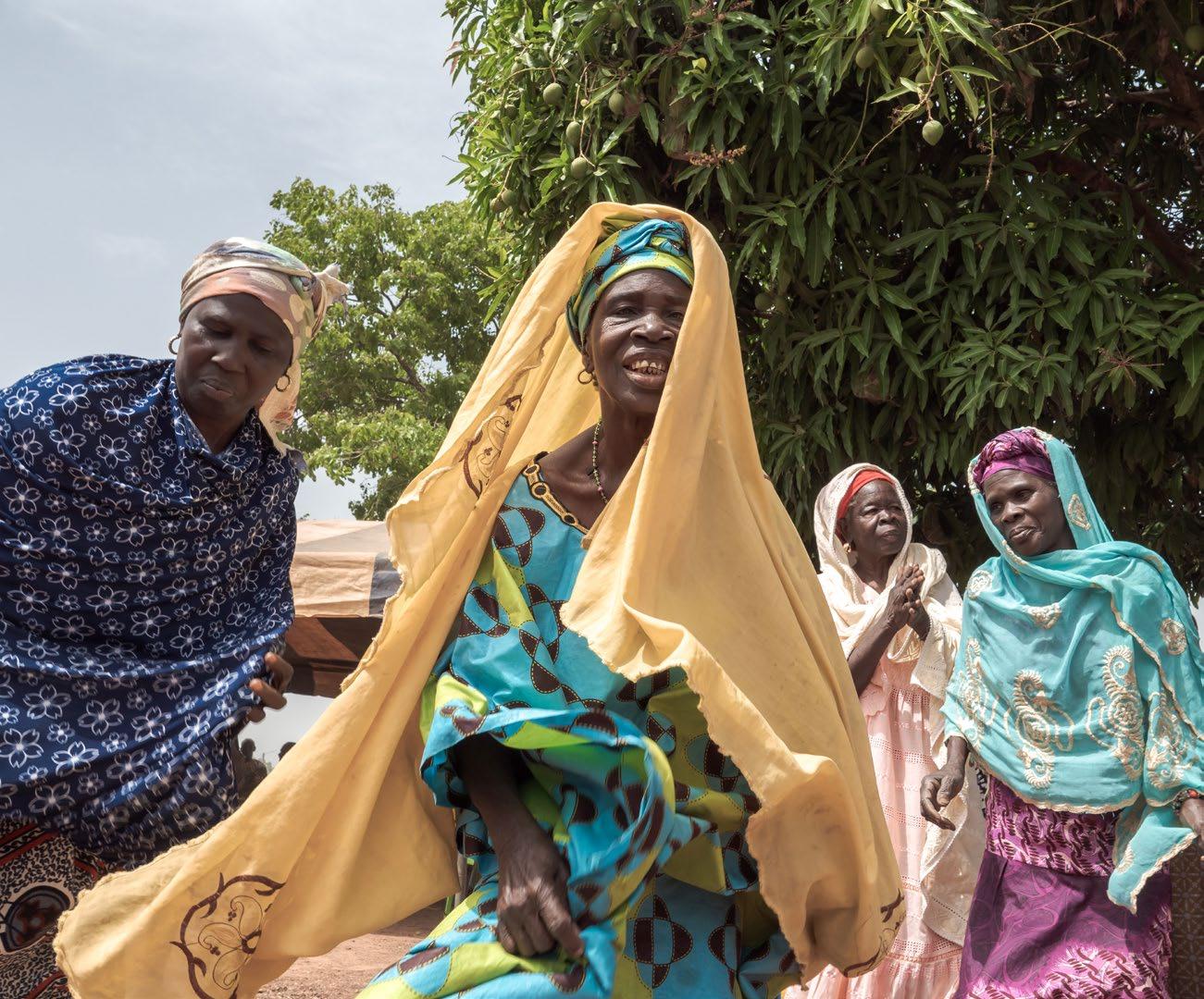
Through the use of company resources, Oniverse offers its support to social, sporting, cultural, welfare activities and even small public works, always guaranteeing the principle of transparency Furthermore, it supports sporting teams and events, invests in education and culture, and finances projects to protect the health of people and entities that work for the community and the environment.
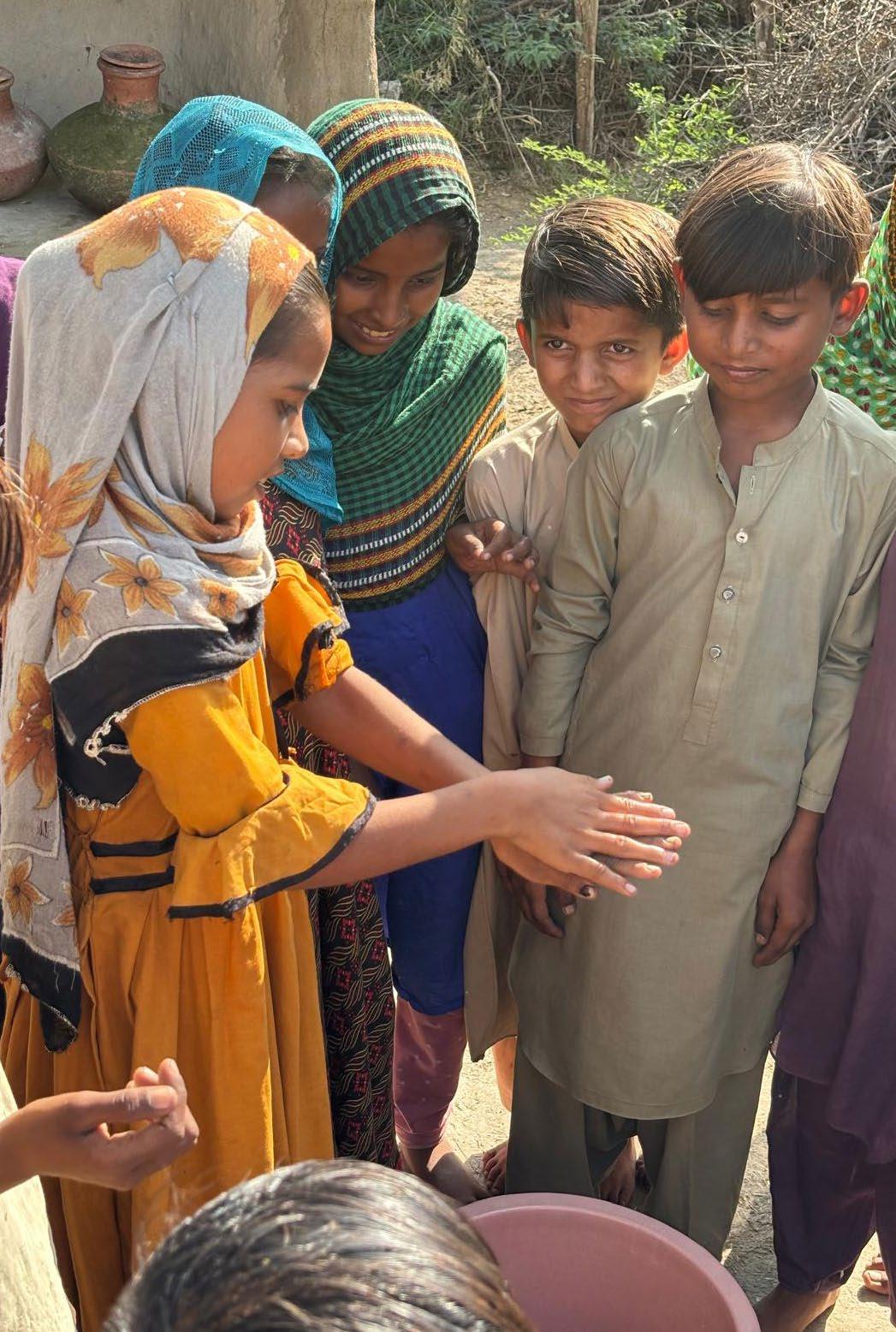
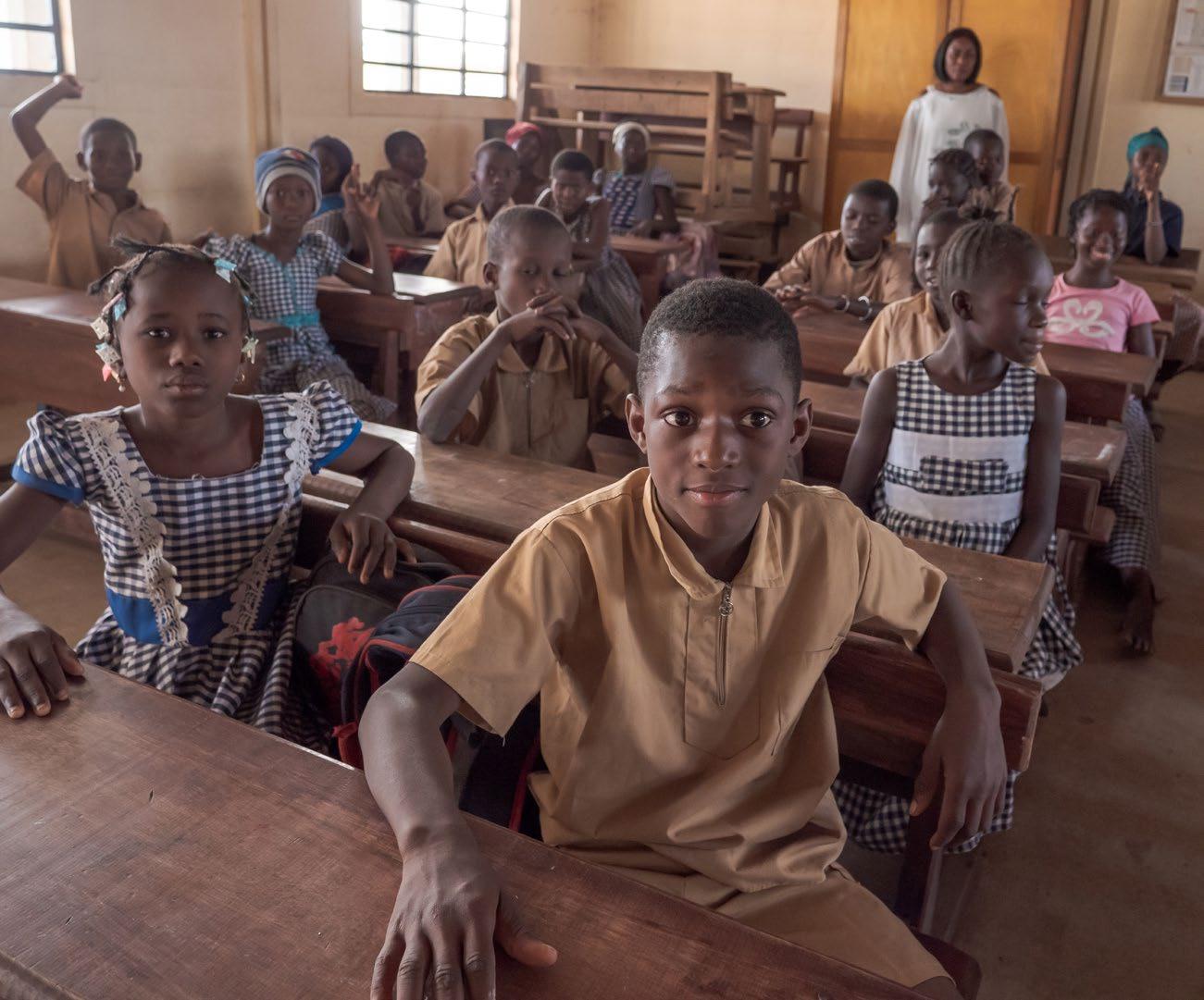
Furthermore, the Group has supported the San Zeno Foundation since its inception, a reality that supports educational and work associations in Italy and around the world, pursuing a single objective: to offer concrete possibilities for autonomous realization of the projects of people who find themselves experiencing situations of hardship, uncertainty and difficulty. The Foundation firmly believes in people as protagonists of their own change, of their own growth towards freedom, and believes it is right to support projects that allow those involved to be actors and not spectators. Among the various projects, many have the school at the center since the aim is to build one that is a source of well-being for teachers and students, and a nursery of passions and talents of the citizens of tomorrow.