
Parklands
The Newsletter for Members of California State Parks Foundation SPRING 2026 //
Spring 2026
alifornia’s springtime welcomes back many beloved experiences in state parks. The entire web of life cradled in state parks awakens alongside the lengthening days filled with sunshine. You can see it in the budding greenery and sightings of baby animals taking in their new world. And you can feel it in the invigorating energy of Earth Day volunteers; University of California, Merced students exploring wild grasslands; and activists who care deeply that parks are preserved and protected.
At California State Parks Foundation, this momentum is fueled by your generosity. You’ve enabled us to welcome people into parks for free this Martin Luther King Jr. Day, get back to work restoring Topanga State Park, fund community events during California State Parks Week, and advocate in the Legislature for the California State Library Parks Pass program’s permanent funding.
Thank you for your support — it breathes life into our incredible state park system for generations to come.
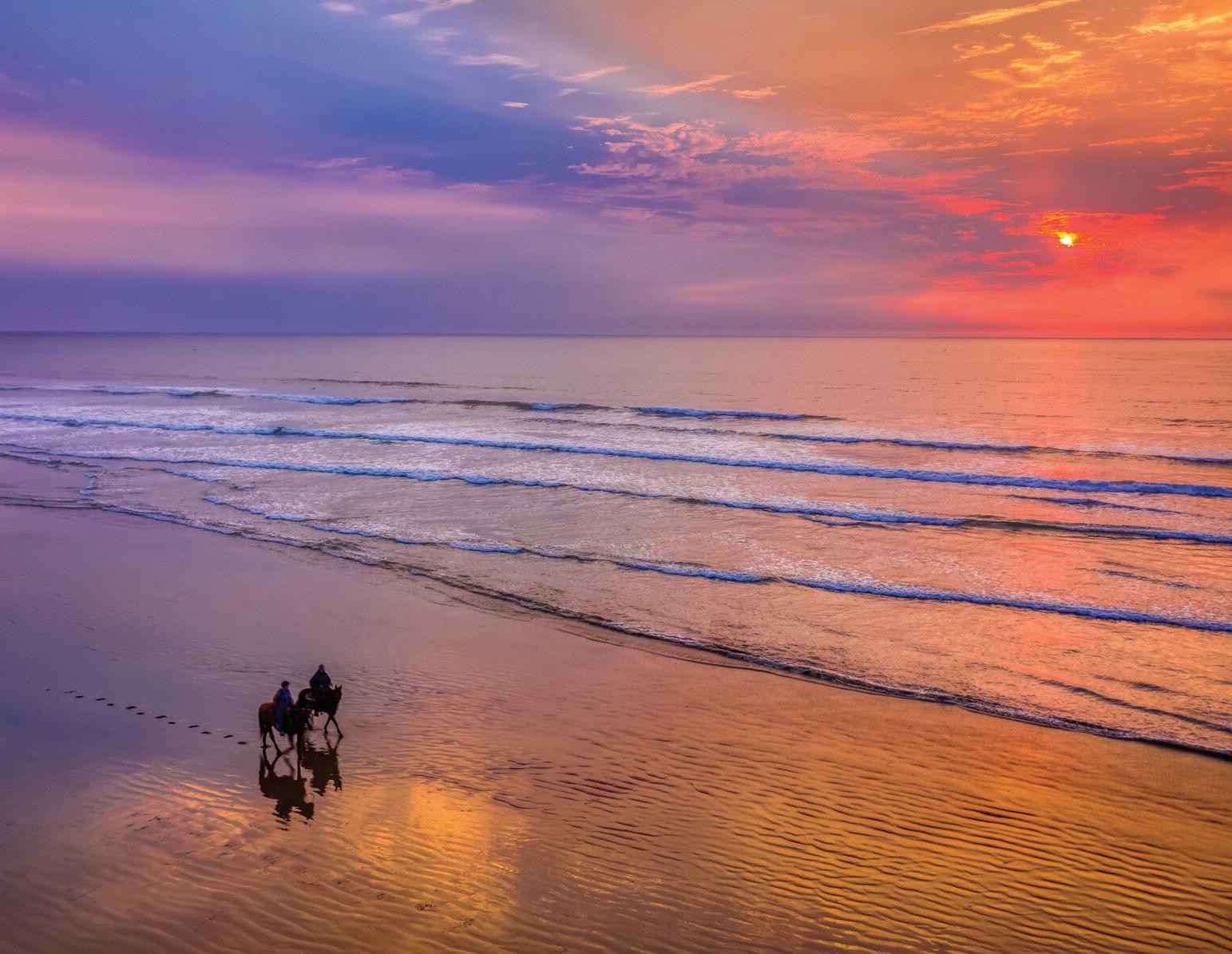
Pismo State Beach
Letter From the Executive Director
Dear Friends,
Spring in California brings a renewed sense of possibility, and nowhere is that more evident than in our state parks. As days grow longer and trails, coastlines, and campgrounds fill with new visitors, I’m reminded how deeply these places are woven into our shared sense of home. Thanks to you, our parks are not only protected but actively cared for, improved, and open to more people every year.
This April, we are celebrating Earth Day in the most meaningful way we know how: showing up. Across the state, volunteers rolled up their sleeves to restore habitats, repair trails, plant native species, and make parks more welcoming for everyone. These hands-on improvements don’t just make parks better today; they strengthen them for a future shaped by changing climate. Your support is visible in every project completed and every volunteer inspired. We’re also fighting for the climate in the Legislature by cosponsoring Assembly Bill 2277 (Schultz), which would establish key climate stewardship considerations for parks.
This season also underscored the importance of access. On Martin Luther King Jr. Day, California State Parks Foundation funded free vehicle entry into California’s state parks, welcoming thousands of visitors. Efforts like this reflect our shared commitment to ensuring parks are truly for everyone.
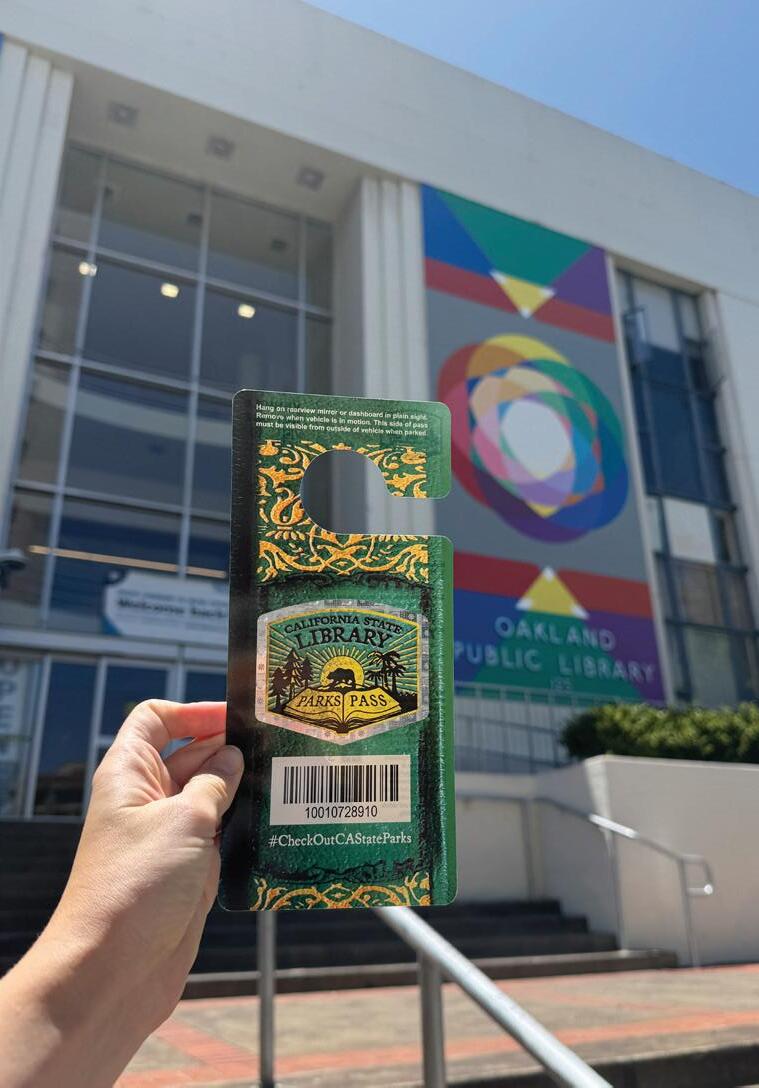
We’re also closely watching the Governor’s proposed budget, which includes $6.75 million in General Fund support for the California State Library Parks Pass. This program is a powerful tool for expanding access, and we are committed to ensuring it remains in the budget permanently. That’s why we have sponsored Assembly Bill 1804 (Hart), which explicitly authorizes California State Parks to work with the California State Library to provide and distribute passes each year.
Your generosity fuels this work. Because of you, our parks remain places of connection, restoration, and joy. Thank you for standing with us.
With gratitude,

Rachel Norton, Executive Director
Honoring Martin Luther King Jr. Day in California State Parks
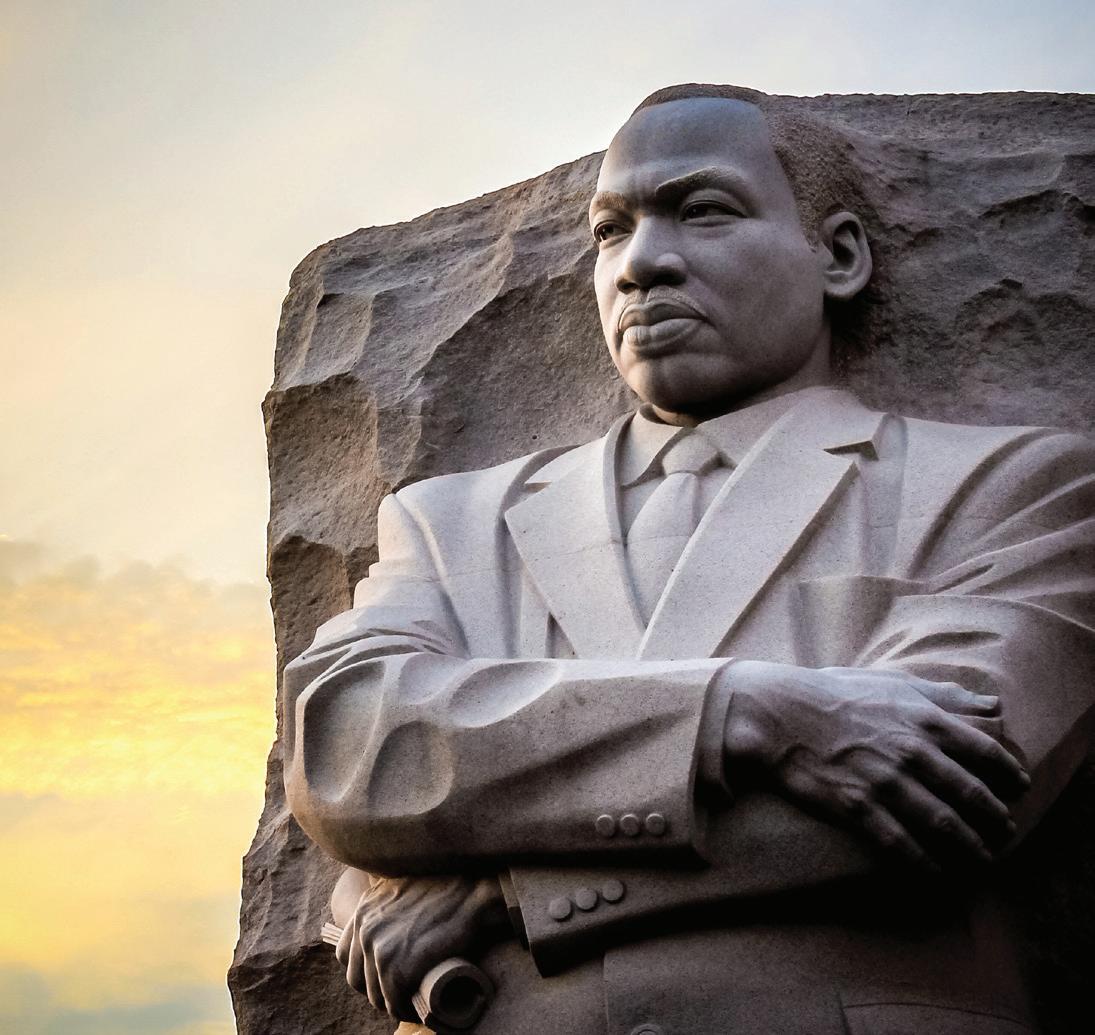
“We, through our deeds and words, our silence and speech, are constantly writing in the Book of Life. … Life’s most persistent and urgent question is, ‘What are you doing for others?’”
— Dr. Martin Luther King Jr.
n Martin Luther King Jr. Day (MLK Day), January 19, 2026, California State Parks Foundation answered that question by funding free vehicle day-use entry to more than 200 California state parks. At the request of Governor Newsom and the Director of California State Parks, California State Parks Foundation covered park admission fees, removing cost barriers that can prevent visitors from experiencing the outdoors.
Equitable access is integral to California State Parks Foundation’s mission of “protecting and preserving
the California state park system, for the benefit of all,” and aligns with Dr. King’s vision of a more just society, built on equality and civil rights.
The response from the community to the MLK Day free-entry program was immediate and enthusiastic. Their stories show that waiving entry fees is a vital, popular way to lower access barriers and encourage more people to experience California’s state parks. California State Parks Foundation was proud to facilitate this free day in honor of Dr. King’s legacy of inclusivity and service.
Martin Luther King Jr. Memorial, District of Columbia
How Park Visitors Honored MLK Day
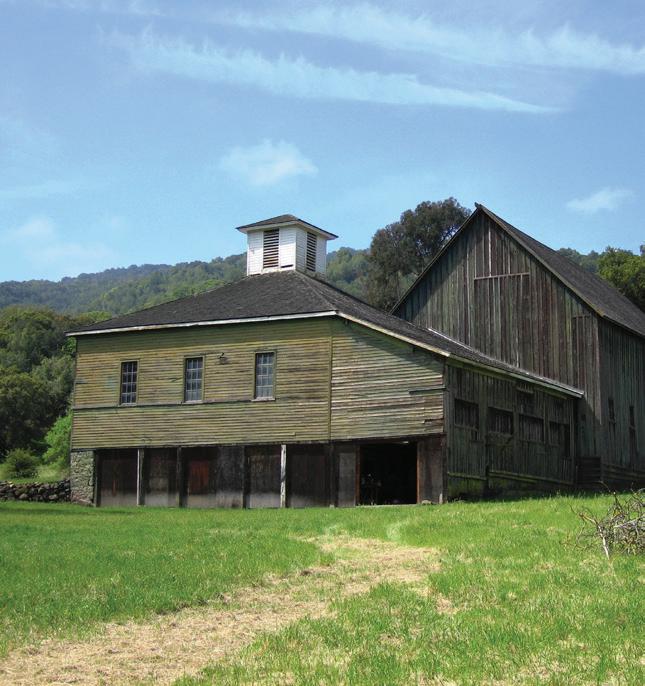
“To honor the memory of Dr. Martin Luther King Jr., I took my daughters to Olompali State Historic Park in Novato. On the drive there, we talked about Dr. King’s work around social justice and the struggle for civil rights. … It was a great day out in nature with my girls, and we learned a lot! Thank you for making it a free day. As a divorced dad who is currently unemployed, it helped make the park accessible to my family.”
— Josh D.
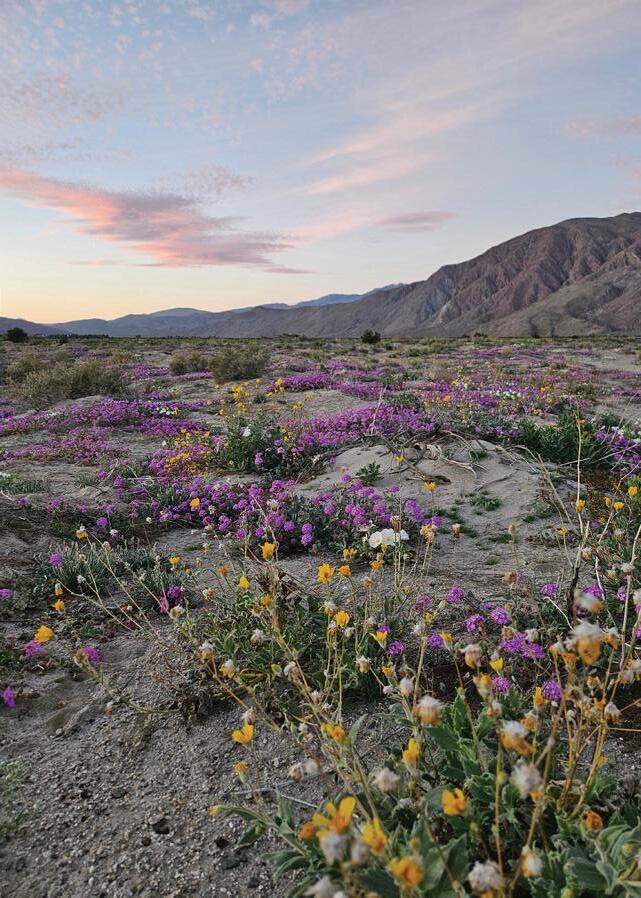
“We visited Anza-Borrego Desert State Park on MLK Day. I have lived in California for over 25 years and have never been to this part of town. Our family of four even invited some friends to go with us, two families who have never been inside a state park! … Safe to say the other two families are now hooked, and the kids have been asking to visit more parks! Kudos to all the staff and rangers that make our state parks great!”
— Lara P.
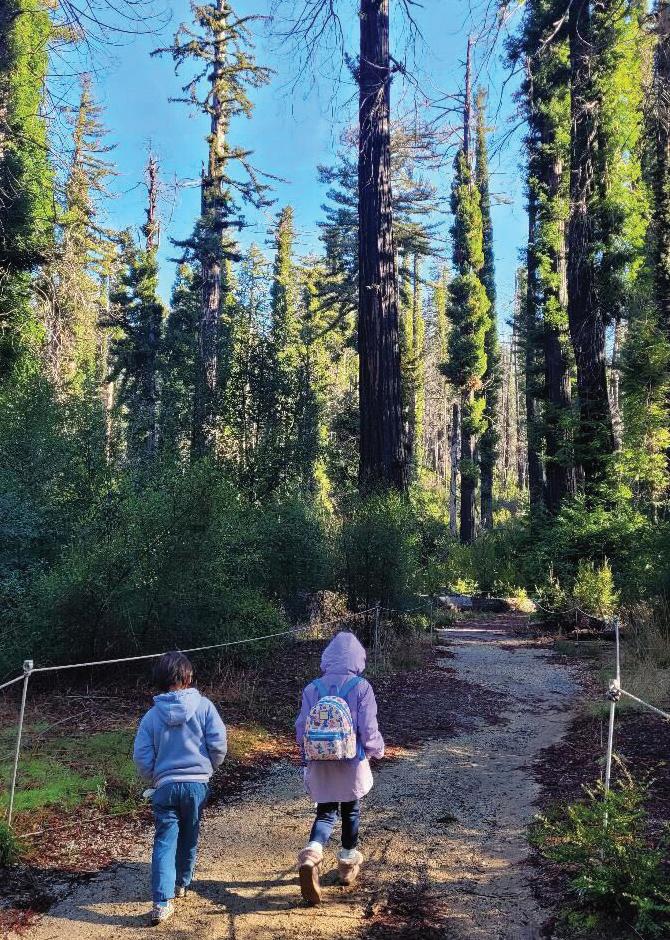
“My daughter said it was the best day of her life. The volunteer at the Big Basin Redwoods State Park Visitor Center, Liza Coe, was amazing, so kind, and knowledgeable. She answered all of my son’s questions about banana slugs and so much more. The staff at the kiosk booth were also very kind.”
— Jackie Z.

To learn more about Dr. King’s influence on and Black history in California’s state parks, read our blog post at calparks.org/mlk2026
Olompali State Historic Park
Anza-Borrego Desert State Park
Big Basin Redwoods State Park
Wildfire Recovery at Topanga State Park
n January 10, 2026, volunteers gathered at Topanga State Park to help restore the beloved Los Leones Trail, after it was damaged by the 2025 Palisades Fire. This workday marked an important step in the park’s long-term restoration and demonstrated the power of community action in responding to a changing climate and the lasting impacts of wildfire.
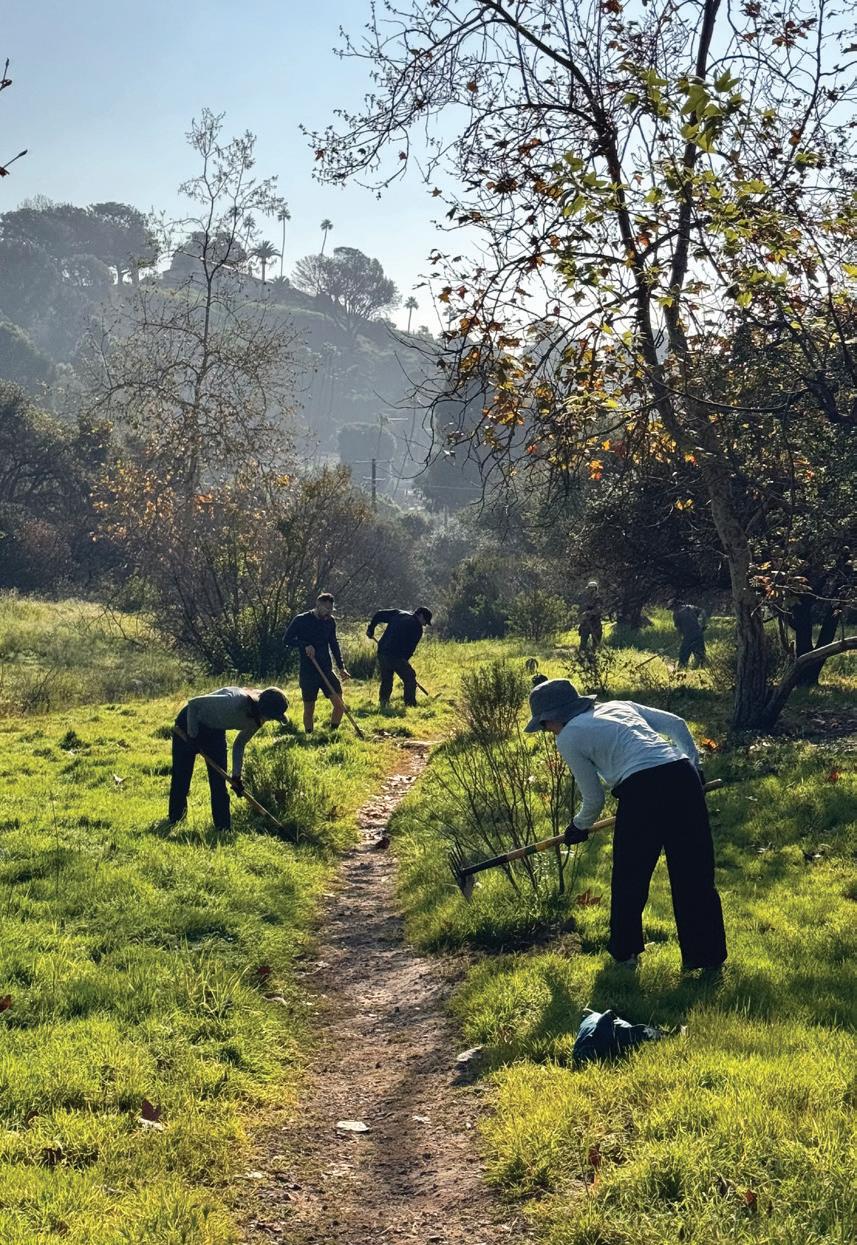
In the immediate aftermath of the fire, California State Parks Foundation supported affected communities directly with its Climate Crisis Relief Fund. As efforts have shifted from emergency response to long-term restoration, volunteers are now playing a key role at Los Leones Trail.
Los Leones Trail is one of Topanga State Park’s most popular routes, treasured for its sweeping views of the surrounding city, the Pacific Ocean, and Catalina Island (on especially clear days). The Palisades Fire forced this well-loved trail to close, disrupting access to nature and leaving behind damaged landscapes that require careful restoration.
During the workday, volunteers removed invasive species, improved trail edges and steps, and established 350 feet of fire buffer to help reduce future wildfire risk. Together, these efforts support safer access, healthier landscapes, and greater resilience for both visitors and wildlife.
Trail restoration at Topanga State Park is just getting started — visit calparks.org/topangaworkday to read more. Plus, join us for upcoming volunteer workdays and be part of the path forward for wildfire recovery and climate resilience at calparks.org/volunteer.

Topanga State Park
Earth Day
Stewarding Our State Parks: Earth Day 2026 in Action
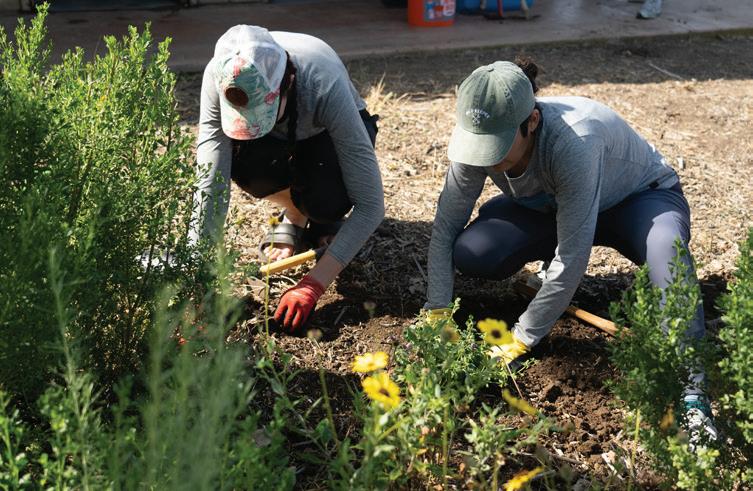
his April, California State Parks Foundation is proud to have supported 12 parks across the state with our 28th annual Earth Day Climate Action activities. This year, we’re excited to deepen our impact by mobilizing volunteers at returning park sites while also expanding the program to new parks.
At Dos Rios , our newest Earth Day site in the Central Valley, volunteers reduced wildfire risk, created native habitat, and improved conditions for local wildlife. These efforts help the park withstand the challenges of a changing climate.
We also returned to Crystal Cove State Park , where volunteers revitalized a well-used outdoor gathering space to reduce wildfire risk, improve habitat, expand shade, and enhance visitor safety along the beautiful Orange County coastline.
At Folsom Powerhouse State Historic Park , volunteers restored a grassland meadow by removing invasive species and reducing wildfire fuel to strengthen soil health, boost biodiversity, and create a welcoming environment for park visitors.
A special thank-you to our sponsors who make this month of action possible, including PG&E Corporation Foundation, which is providing a generous $150,000 match; United Airlines, the official airline sponsor of Earth Month 2026; and Niagara Cares, our 2026 presenting sponsor.
“I just love being in the outdoors. So I came with my family — my husband and my daughter. It’s really important for me to share that experience with them, just coming out and giving back to the community.”
— Anthea M. PG&E
volunteer, 2025 Angel Island Earth Day Climate Action workday
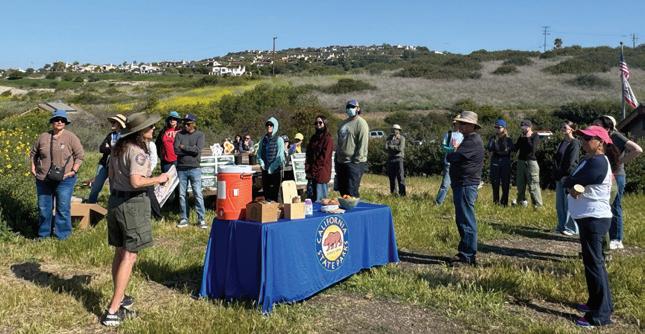
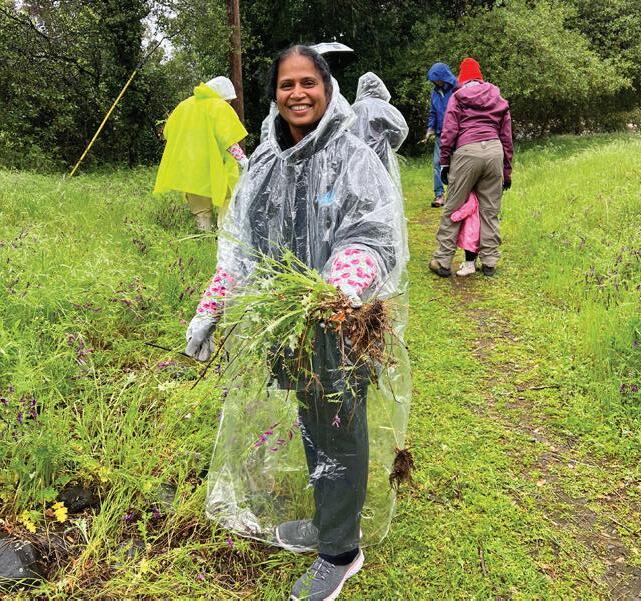
Volunteers hard at work at Earth Day Climate Action workdays last year at Crystal Cove State Park (top and middle) and Folsom Powerhouse State Historic Park (bottom).
Growing Resilience Through Impactful Grants
alifornia State Parks Foundation’s Preserve Program makes grants to support climate resilience and inclusive access for state parks. Here are a few recent highlights.
UC Merced Climate Stewards Course Grows in State Parks
University of California, Merced launched its 10-week Climate Stewards course — the first in California to focus on the grassland ecosystems of the Central Valley and California state parks. Supported by an $18,000 grant from California State Parks Foundation, it featured 10 discussion sessions and four immersive field trips, an innovative format that resulted in meaningful learning for the next generation of climate stewards. Enrollment exceeded expectations, reaching full capacity with 25 participants — 13 of whom received scholarships — plus a waitlist. Participants visited three California state parks: Dos Rios, Pacheco Pass State Park, and Great Valley Grasslands State Park. These excursions offered hands-on exploration of climate resilience, grassland restoration, and biodiversity. In the visit to Dos Rios — California’s newest state park — participants observed habitat restoration efforts, encountered river otters, engaged
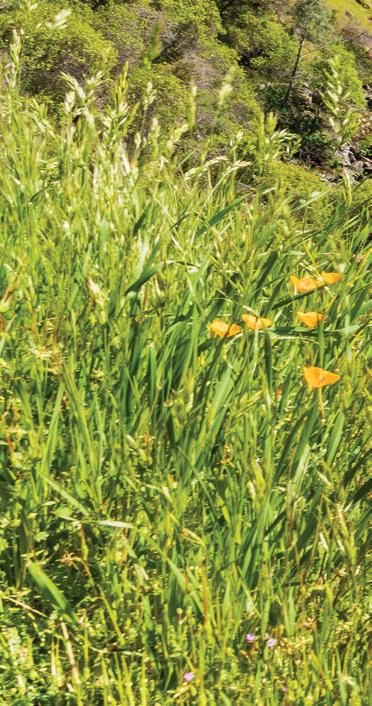
with conservation professionals, and learned about the cultural significance of native plants at the Native Use Garden, emphasizing connections between Indigenous communities and the local landscape.
South Yuba River Citizens League’s River Ambassadors Provide a Lifeline
At South Yuba River State Park, summer fun on the water also carries risks from the swift current, undercut rocks, and rattlesnakes.
The River Ambassador program keeps the South Yuba River safe, welcoming, and enjoyable through a daily on-the-ground presence, visitor education, and emergency response coordination. River Ambassadors explain risks, promote safe recreation, assist visitors at river crossings, and communicate directly with California State Parks staff and emergency personnel. In 2025, a $15,000 grant from California State Parks Foundation helped support the hiring of bilingual staff and purchase essential supplies. California State Parks Foundation has
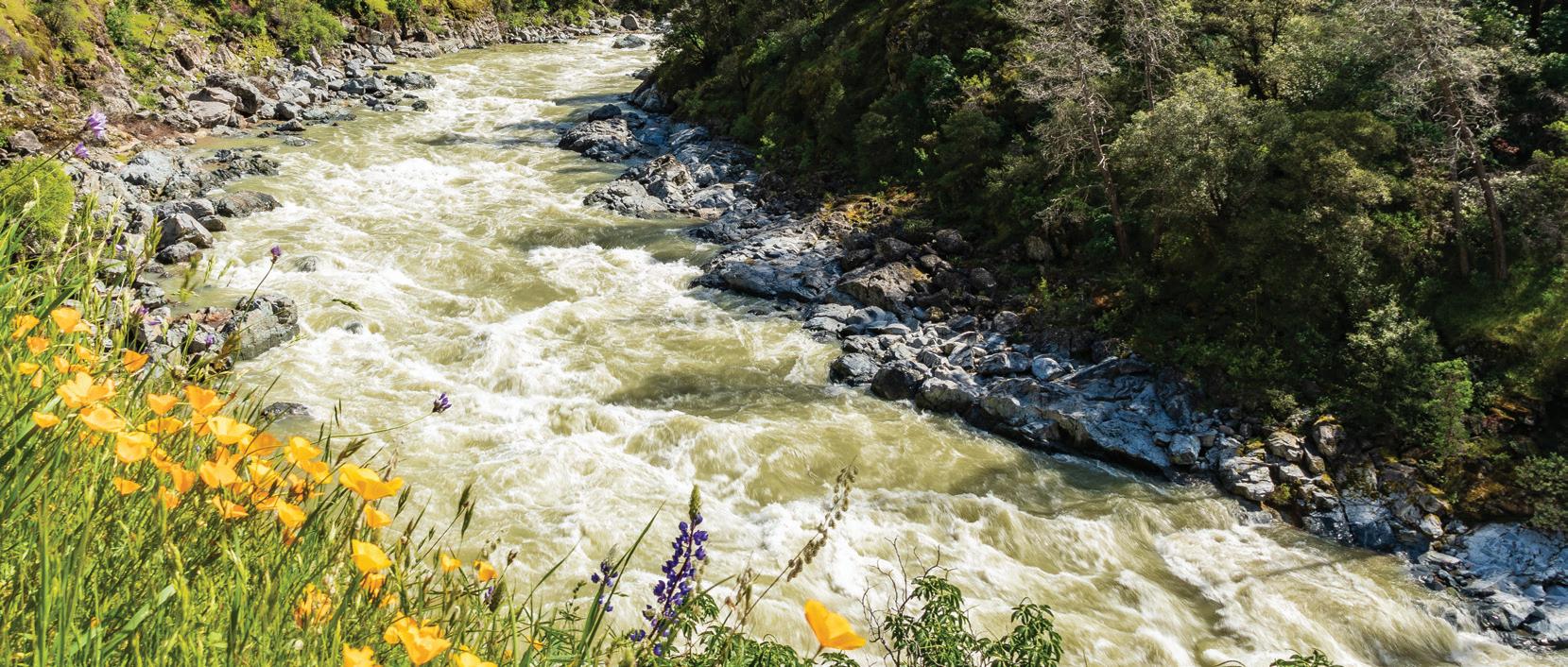
funded this program for multiple years, and it has earned local support as well, including a grant from Nevada County — strengthening collaboration and improving public safety throughout the river corridor.
Joshua Trees in State Parks: From Crisis Response to Proactive Support
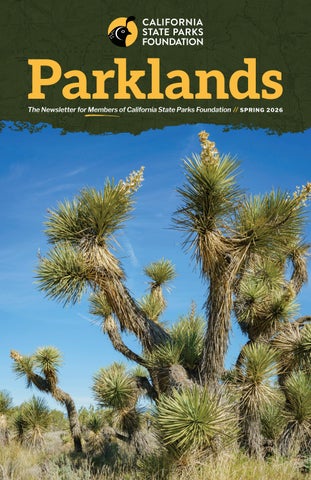
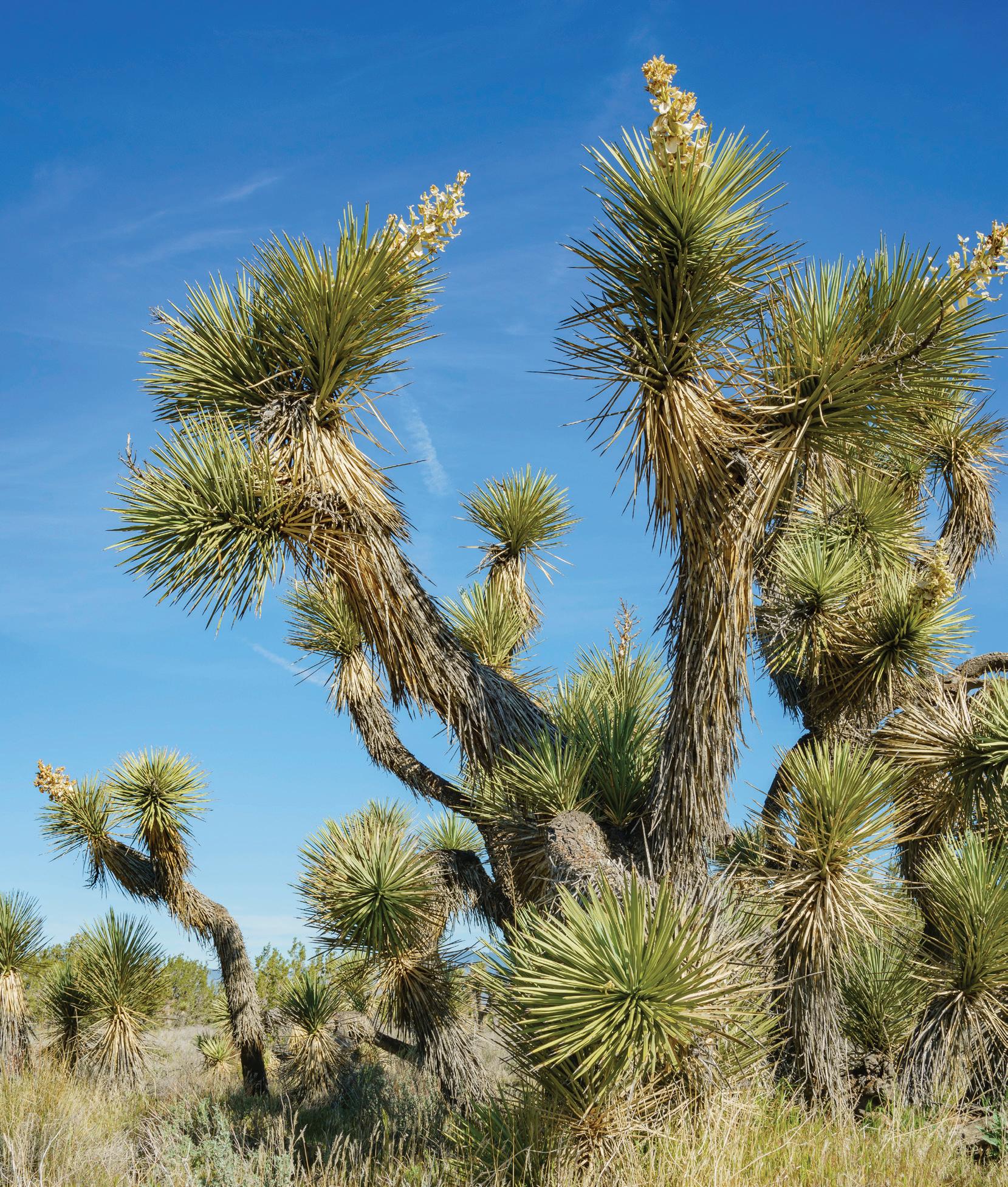
In response to the 2020 Lake Fire that impacted the iconic Joshua tree landscape at Arthur B. Ripley Desert Woodland State Park, California State Parks Foundation provided grants in 2022 and 2024 to rehabilitate the burned area, protect newly
sprouting Western Joshua tree pups from predation, and remove approximately 3,000 pounds of ladder fuels and invasive vegetation. This was a strong response to a crisis and earned the California State Parks’ Director’s 2026 Climate Adaptation Award. Now long-term planning and management are needed to support this delicate ecosystem. California State Parks Foundation is partnering with the Great Basin District to develop a proposal and secure funding to explore climate science and monitoring protocols to strengthen proactive approaches to adapt to climate change.
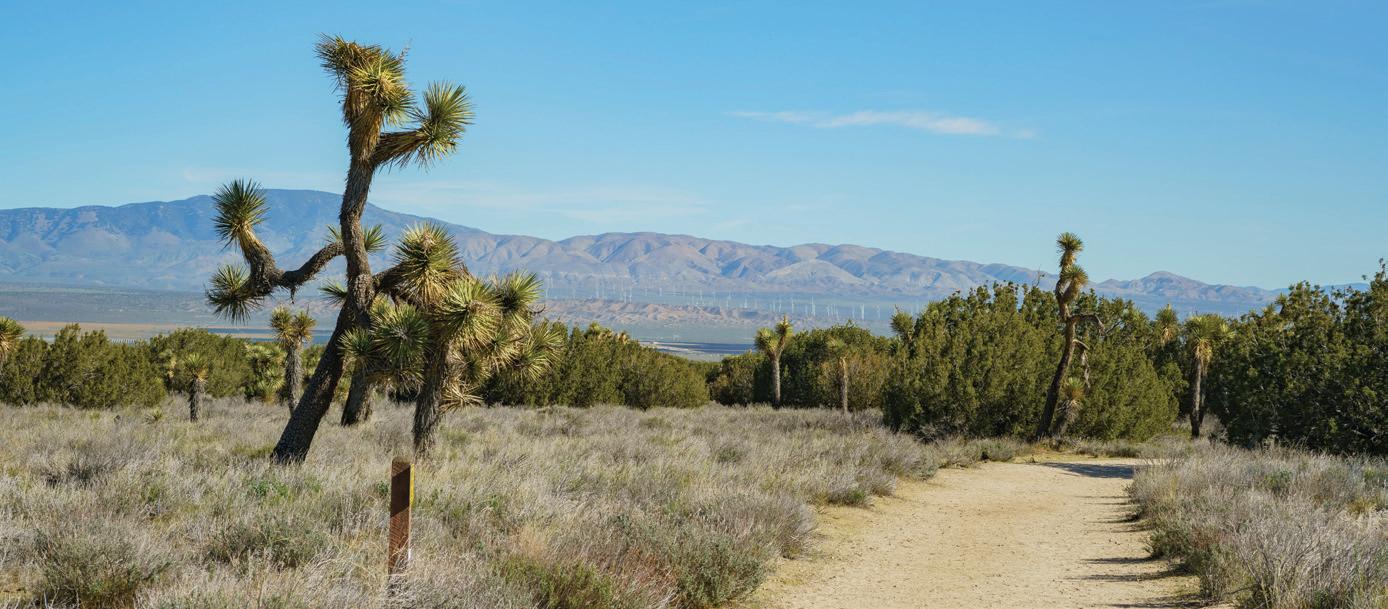
Arthur B. Ripley Desert Woodland State Park
South Yuba River State Park
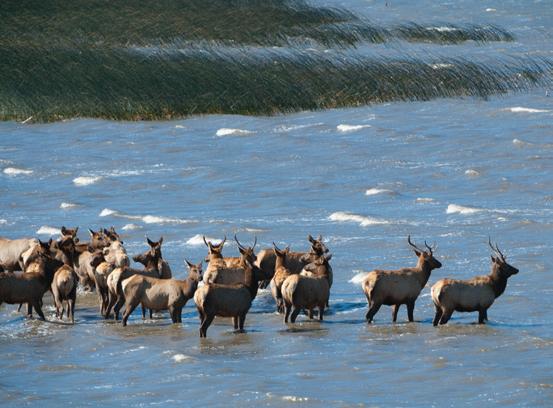
Roosevelt Elk Humboldt Lagoons State Park
Roosevelt elk, once nearly extinct, can often be seen grazing on prairies near Stone Lagoon. Visit in May or June for a chance to spot newborn calves from a safe distance.
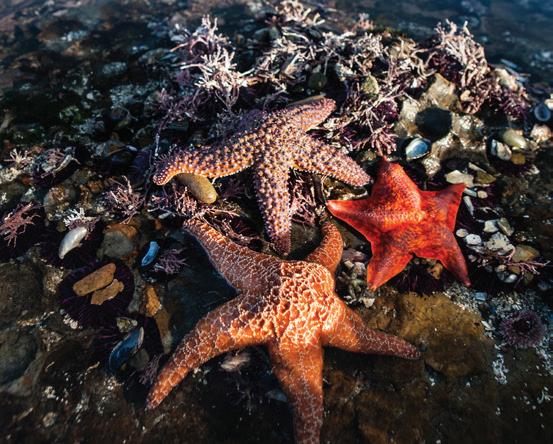
Sea Stars
Sue-meg State Park
Located about 25 miles north of Eureka, this park has world-class tide pools that are home to a variety of sea life, including sea stars and sea urchins. The species living in the tide pools have adapted to one of the harshest environments on Earth, enduring powerful waves and high winds. Do not disturb tide pool residents — even picking up a rock can disrupt the balance of life.
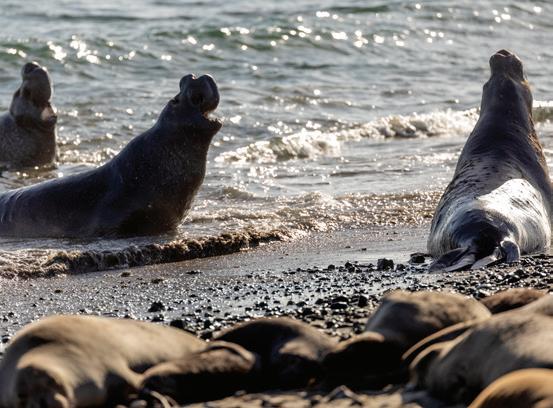
Northern Elephant Seals
Año Nuevo State Park
Marvel at northern elephant seals during a guided tour inside the Año Nuevo Coast Natural Preserve.
Up to 10,000 elephant seals return to the shores each winter to breed and give birth along the scenic dunes and beaches. Don’t forget your camera!
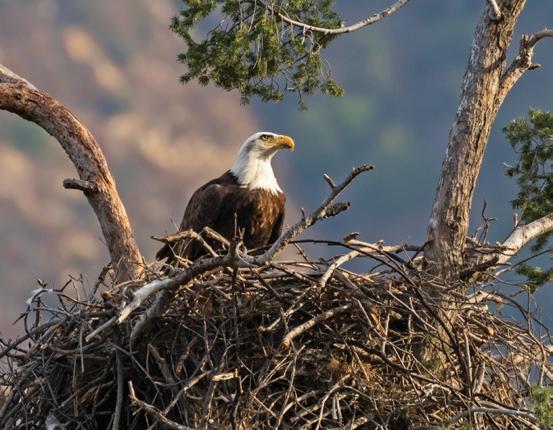
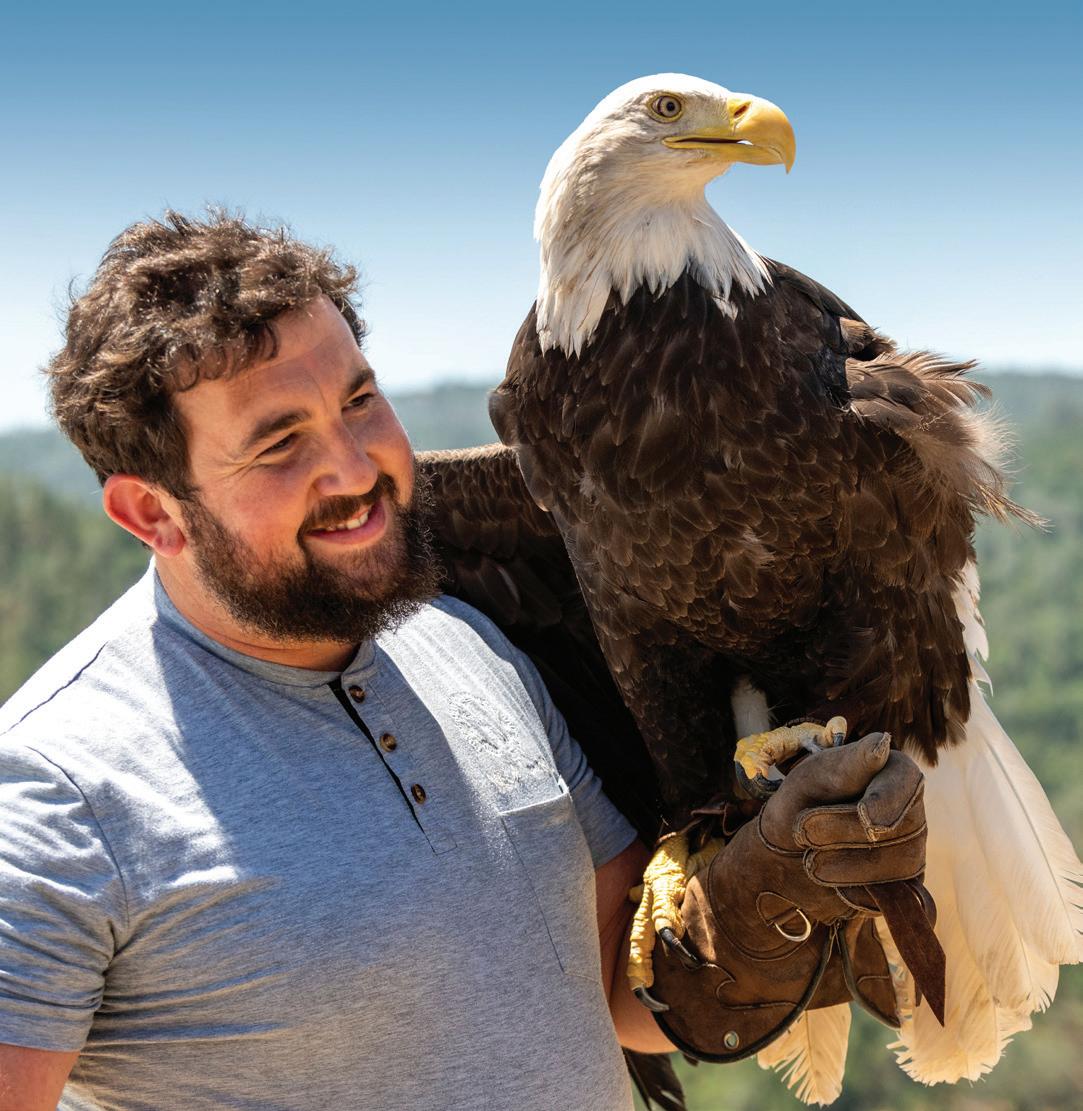
Bald Eagles
Silverwood Lake State Recreation Area
Winter brings bald eagles to the lake, where they fish and soar above the shoreline. Boat tours offer especially good viewing opportunities during this season.
California’s Wild Creatures
alifornia’s state parks protect some of the most diverse landscapes in the world, making them incredible places to experience native wildlife. From majestic mammals and coastal birds to tiny critters and ocean dwellers, these species thrive because of California’s unique ecosystems.
Ready to get outside and see what you can spot? You never know which wild neighbor you’ll discover along the way.
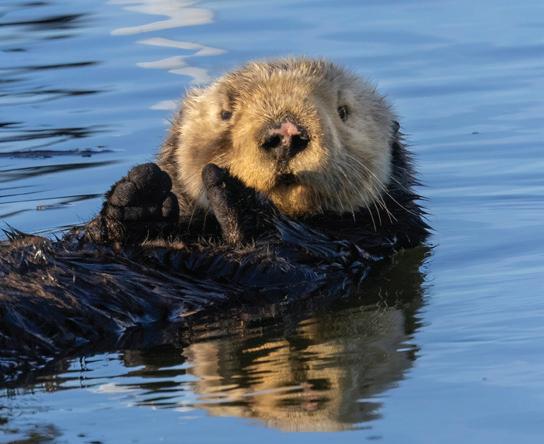
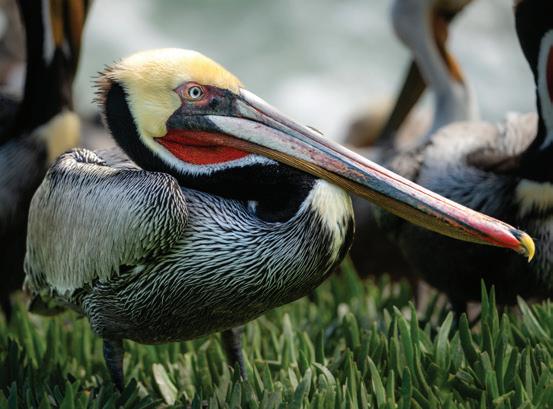
Sea Otters
Wilder Ranch State Park
Sea otters gather where local watersheds meet the Monterey Bay National Marine Sanctuary. As a keystone species, they help maintain the health and balance of their marine ecosystem.
Brown
&
White Pelicans
Salton Sea State Recreation Area
Bring your binoculars! Salton Sea is a birdwatcher’s delight. From brown and white pelicans to herons, kingfishers, and more, Salton Sea has long provided sanctuary to a diverse collection of wildlife and the critical habitats that nurture them.
As you explore, observe animals from a safe distance, never feed wildlife, and store food properly when camping.
To discover even more wildlife in California’s state parks, download our guide at calparks.org/ wildlifeguide



Folsom Lake State Recreation Area
Auburn State Recreation Area
Folsom Lake State Recreation Area
San Clemente Cottage
Colonel Allensworth State Historic Park
Fifth Annual California State Parks Week Returns: Sign Up Now!
ince 2021, California State Parks Week has welcomed tens of thousands of visitors each year to free events across the state park system, encouraging people to try new activities, connect with nature, and deepen their understanding of our state’s cultural heritage. This fifth anniversary of the event series celebrates these milestones and the communities that make them possible.
Join the fun June 10–14, 2026!
Registration is now open at castateparksweek.org.
California State Parks Foundation is a key partner of this collaborative event series, directly funding park events that align with our mission and vision. This year, California State Parks Foundation is distributing almost $65,000 to 26 events statewide. Activities include:
• Practicing yoga
• Crafting
• Nature journaling
• Forest bathing
• Learning about Native land use
• Paddleboarding
• Viewing wild animals
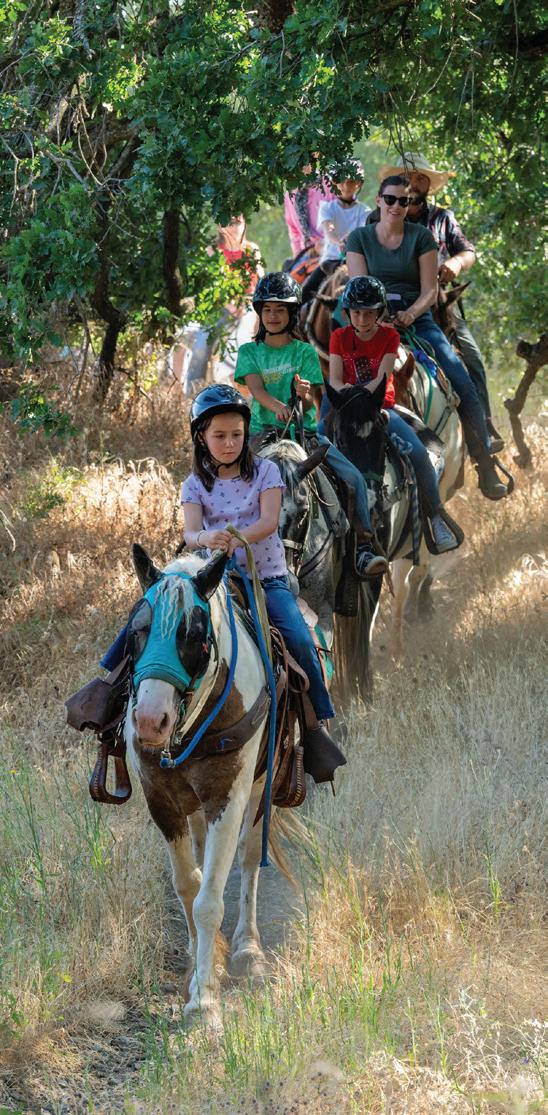
• Horseback riding
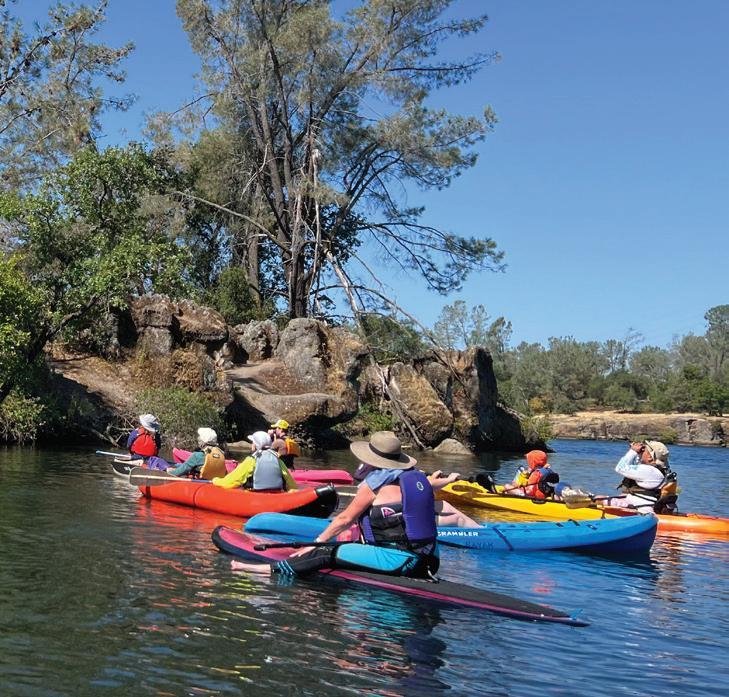
• Kayaking
• Honoring Juneteenth
• Exploring maritime history
• Camping
• Volunteering
• Celebrating Japanese culture
• Protecting pollinators
• Shore fishing
• Marveling at mosaics
• And more
You’ll be sure to find something that suits you! This generosity is made possible in part through our Trailblazer sponsor, Niagara Cares, and our Park Champion supporter, Boeing.

Learn More!
For more information, visit calparks.org/castateparksweek
Advocacy Update
The latest from Sacramento and what it means for California’s state parks
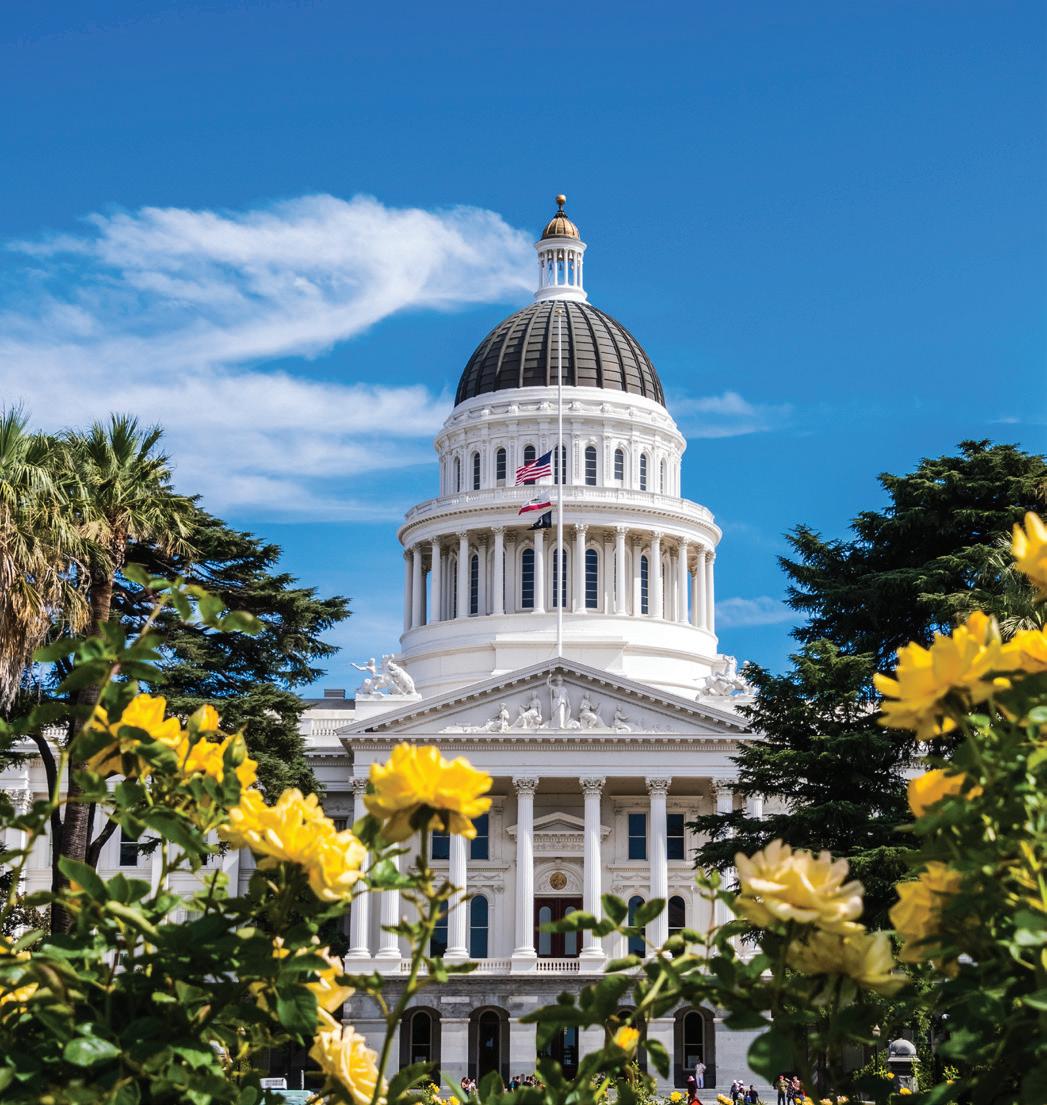
dvocacy remains a core part of how we protect and expand access to California’s state parks. In the Governor’s proposed budget for 2026–2027, we’re encouraged to see $6.75 million in ongoing General Fund support for the State Library Parks Pass program, continuing to ensure free vehicle entry to participating state parks for Californians with library cards. The proposal also includes $33 million through Proposition 4 for forest health and watershed improvement projects and $6 million to reduce climate impacts on disadvantaged communities, along with other investments supporting parks statewide.
We’re also tracking key gaps, including the lack of new funding for deferred maintenance, park acquisition, and ongoing staffing needs — a reminder of why advocacy matters.
This year, we are sponsoring two bills to strengthen park access and advance climate stewardship.
Assembly Bill 1804, authored by Assemblymember Gregg Hart, D-Santa Barbara , authorizes California State Parks to work with the California State Library to provide and distribute passes each year. The legislation creates an ongoing structure for the popular and effective California State Library
Parks Pass program in the state’s Public Resources Code, making it more likely that passes will be funded on an ongoing basis while still maintaining budget flexibility for the state.
We are also sponsoring Assembly Bill 2277, authored by Assemblymember Nick Schultz, D-Burbank , in partnership with the Sempervirens Fund and Save the Redwoods League. This legislation articulates California State Parks’ commitment to climate stewardship and integrates climate considerations into park planning, development, and operations. This bill also establishes the Wildfire Safety and Climate Stewardship Fund, which would allow California State Parks to reduce wildfire risk and other extreme weather impacts across the state park system, improve carbon storage, and maintain critical natural infrastructure needed to lower greenhouse gas emissions.

Use your voice for our parks. Visit calparks.org/takeaction to advocate for California’s state parks today.
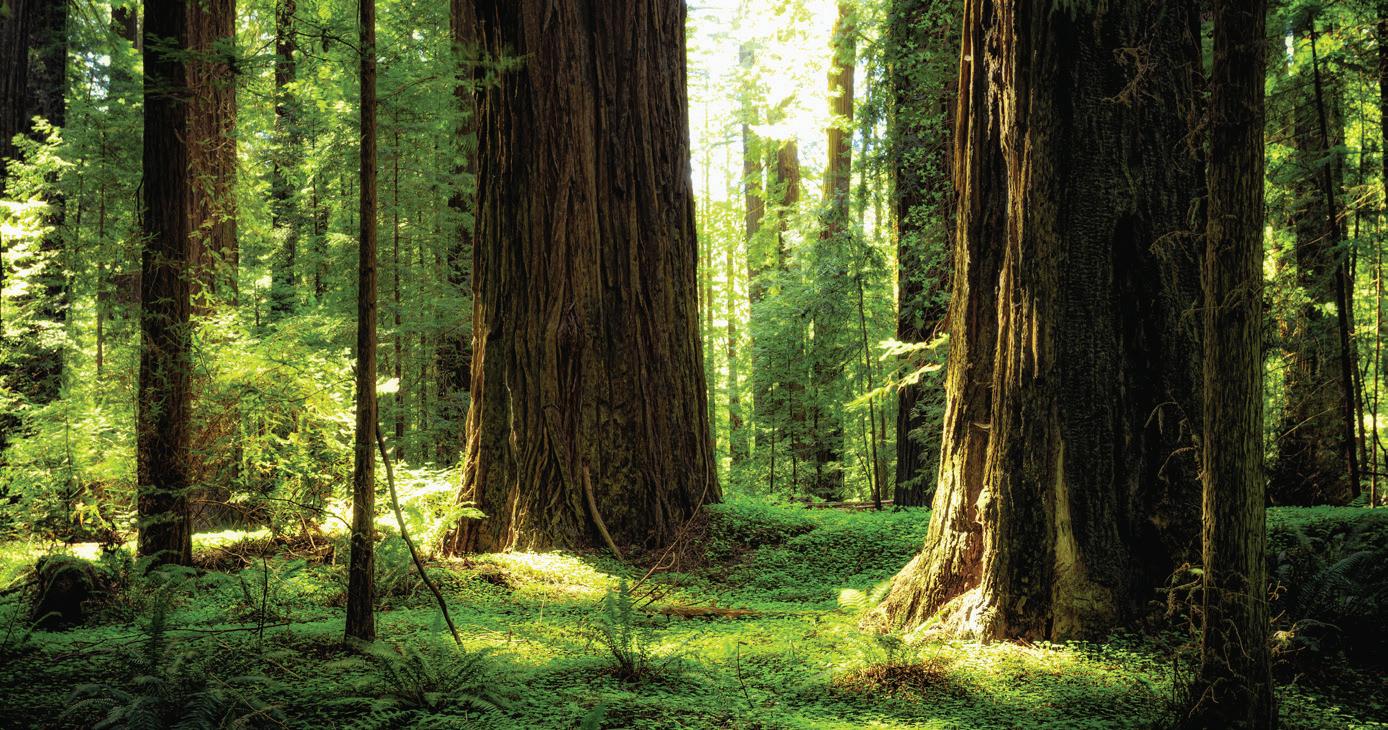
Humboldt Redwoods State Park
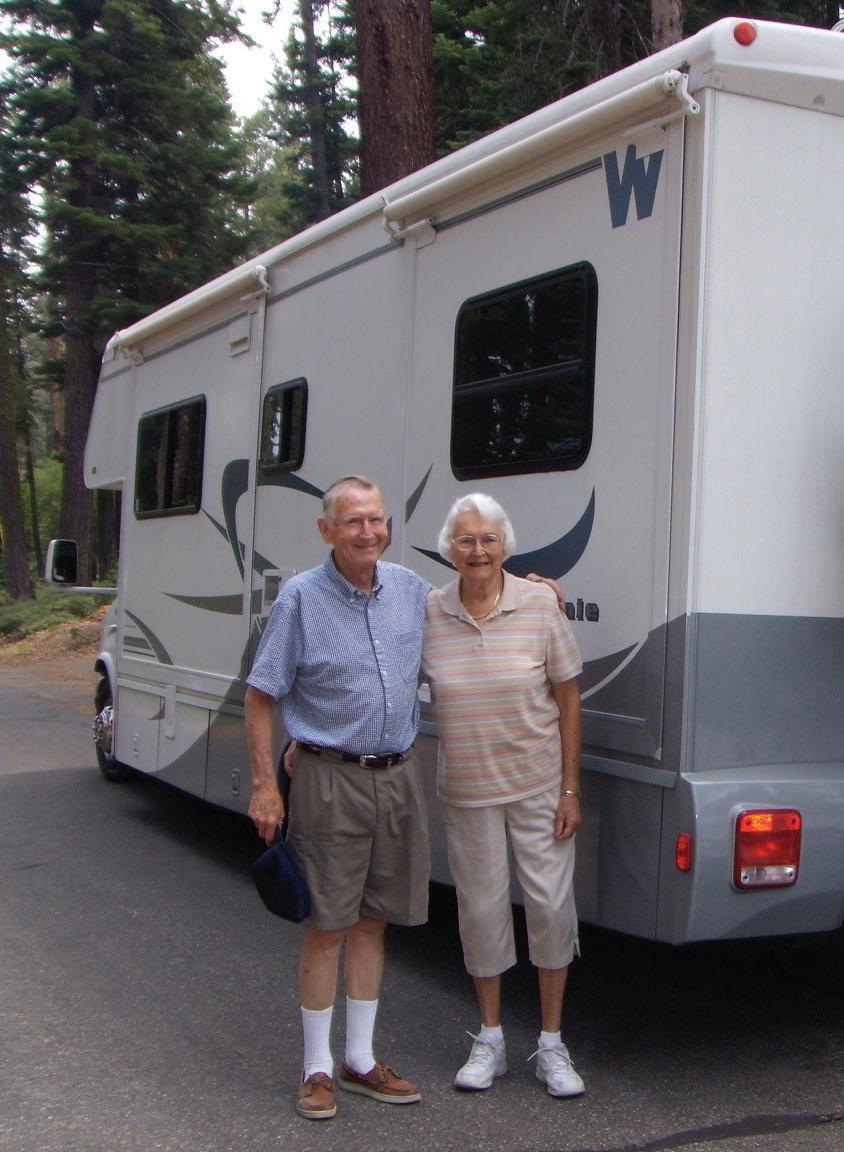
“Recently, my husband and I donated to California State Parks Foundation in memory of my parents, Beverly (Beckman) and Robert Avery, pictured to the right in 1947 (top) and at Lake Tahoe in 2008 (bottom). We wanted to honor their love of camping and RV life, and knew this aligned well with California State Parks Foundation’s mission of protecting and preserving the California state park system, for the benefit of all.
I am grateful to continue supporting these special places in memory of my parents. Just as they instilled a love of parks in me, their legacy will allow future generations to discover the wonder of our state parks.
If you would like to join me in supporting California State Parks Foundation, please reach out to development@calparks.org.”
— Leslie (Avery) and Tom Ward

235 Montgomery Street Suite 1202
San Francisco, CA 94104 members@calparks.org
California State Parks Foundation is an independent, member-supported nonprofit dedicated to protecting and preserving the California state park system, for the benefit of all. Stay Connected Visit us online at calparks.org, and follow us on social media: @calparks /calparks @californiaparks