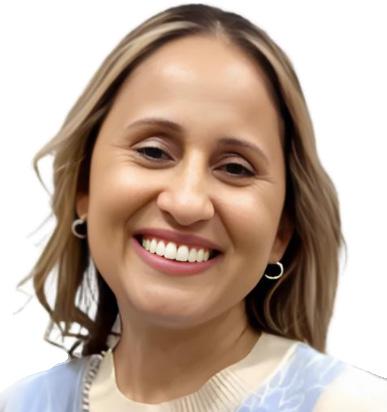
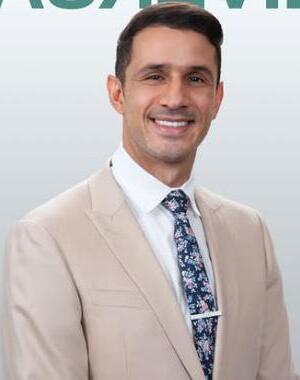
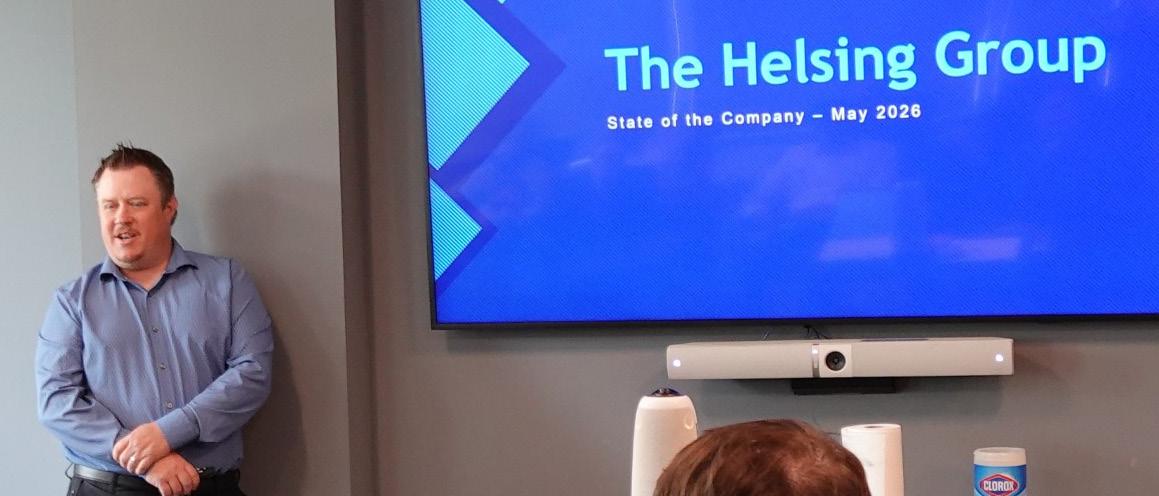
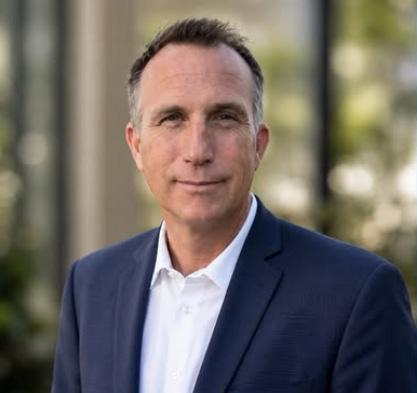
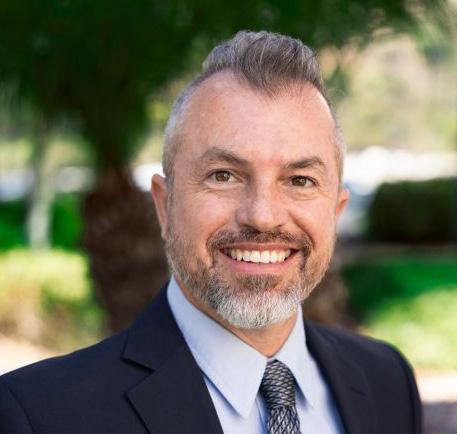
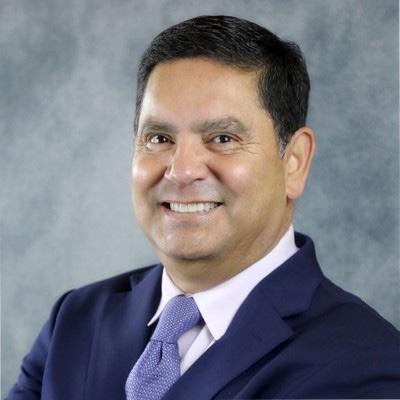
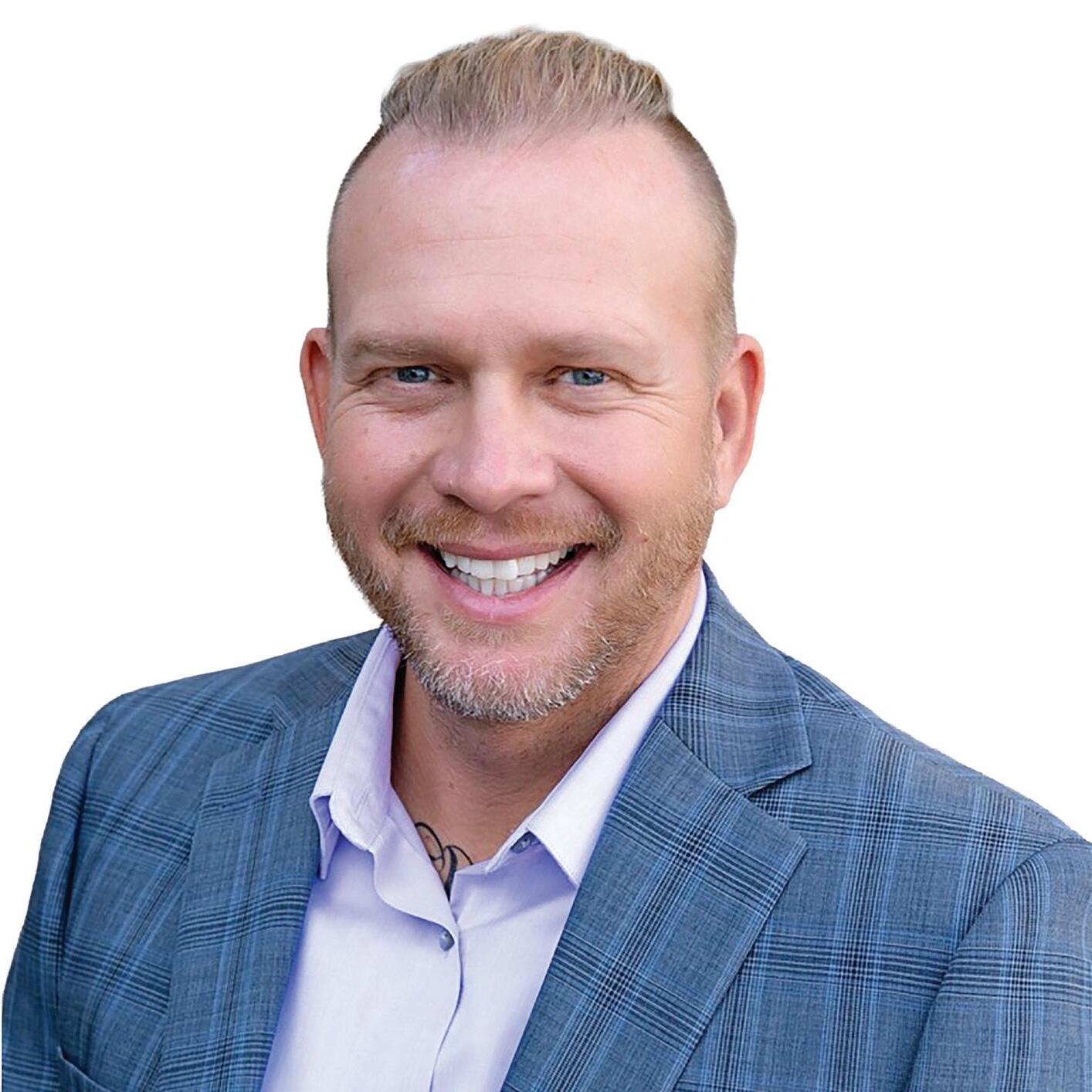
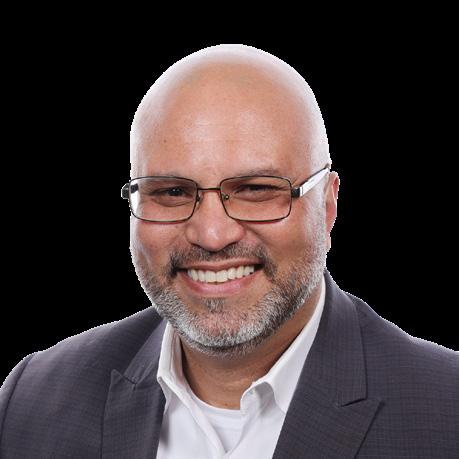
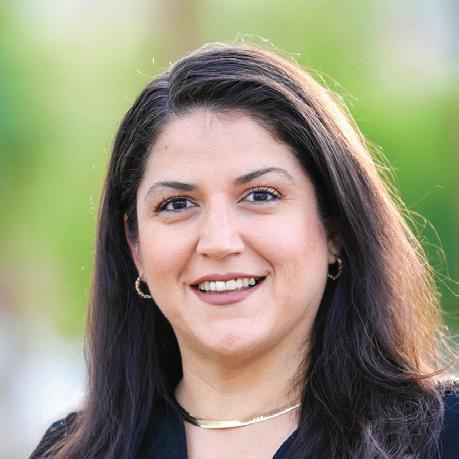
Andrew Hay, CAMEx, CCAM-ND.PM The Helsing Group, Inc., ACMC
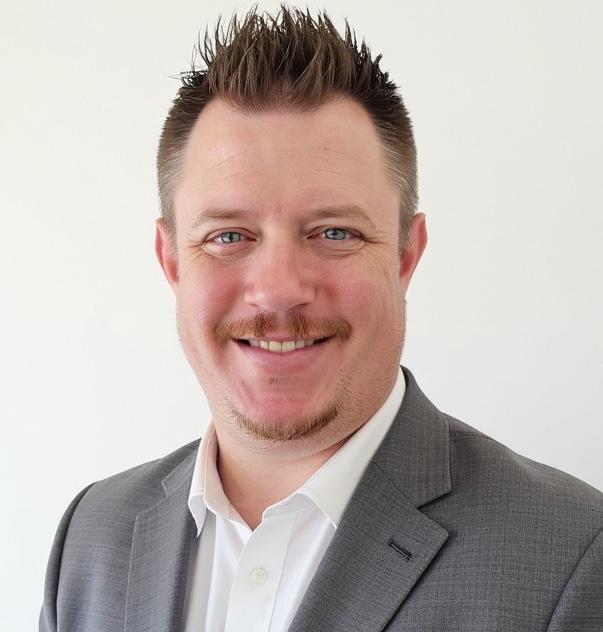
Scott Swinton, CCIP Unlimited Property Services, Inc.
Lorena Sterling, CAFM Community Association Financial Services
Devin Langley, CCAM-PM.ND.CI The Management TrustCentral California
Shanne Ho, CCAM-HR.ND.AA.LM ProActive Professional Management
Kirstie Wright, CCAM Professional Community Managementan Associa Company
Edison Guerraperez, CCAM Associa Northern California
is released digitally by CACM four times annually to members, industry partners and supporters of the California Association of Community
Magazine content copyrighted 2025. All rights reserved. No part of this publication may be reproduced without written permission from CACM.
Opinions expressed by authors do not necessarily reflect the policies of CACM. Mention of any product or service does not constitute an endorsement by CACM. CACM assumes no responsibility for return of photos or art and reserved the right to reject any editorial or advertising materials. CACM does not assume responsibility for the accuracy of articles, events or announcements listed.
Please address comments and suggestions to: California Association of Community Managers, Inc. 23461 South Pointe Drive, Ste. 200, Laguna Hills, CA 92653 communications@cacm.org
Attention CACM members: Have you changed jobs or moved to a new location? Reach out to us at communications@cacm.org to update your profile so you don’t miss your next Vision magazine or any other important CACM communications.
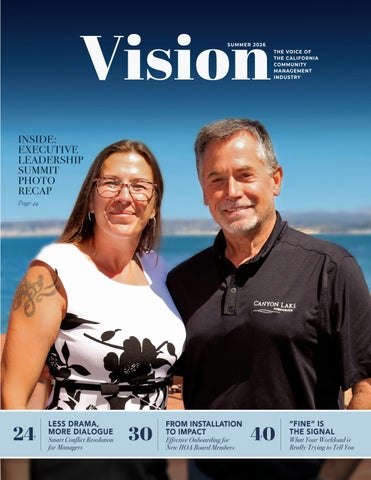
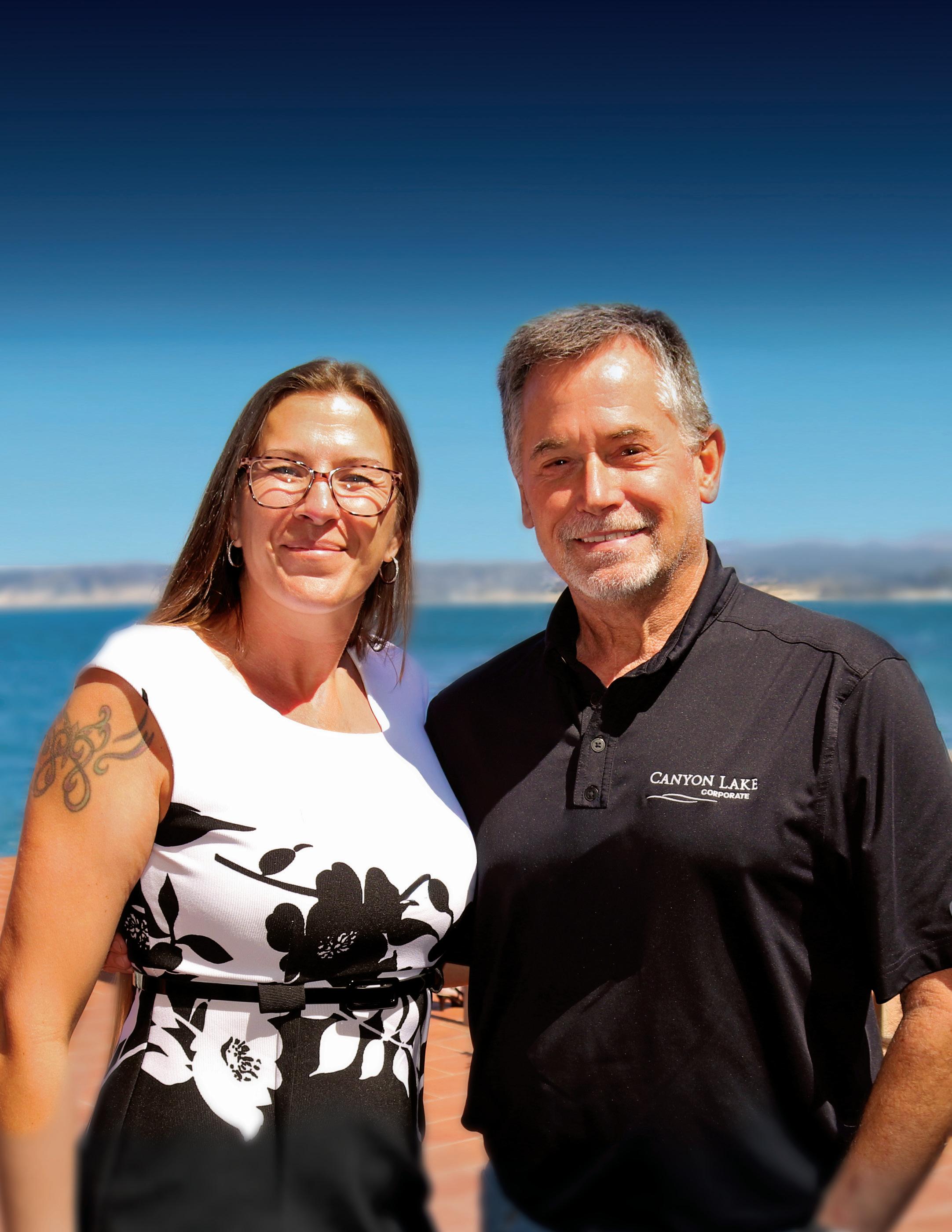
Sunny Skies & Strong Leadership!
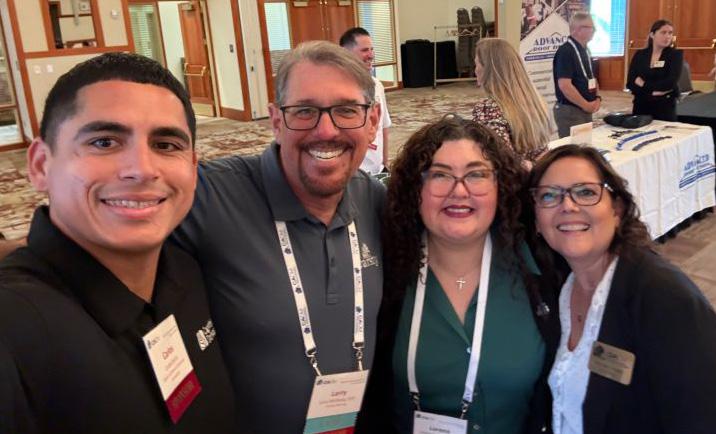
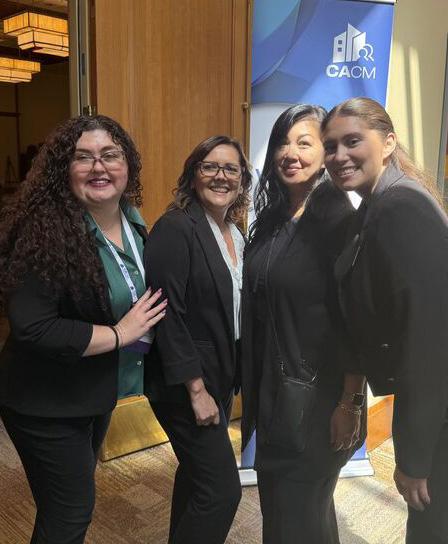
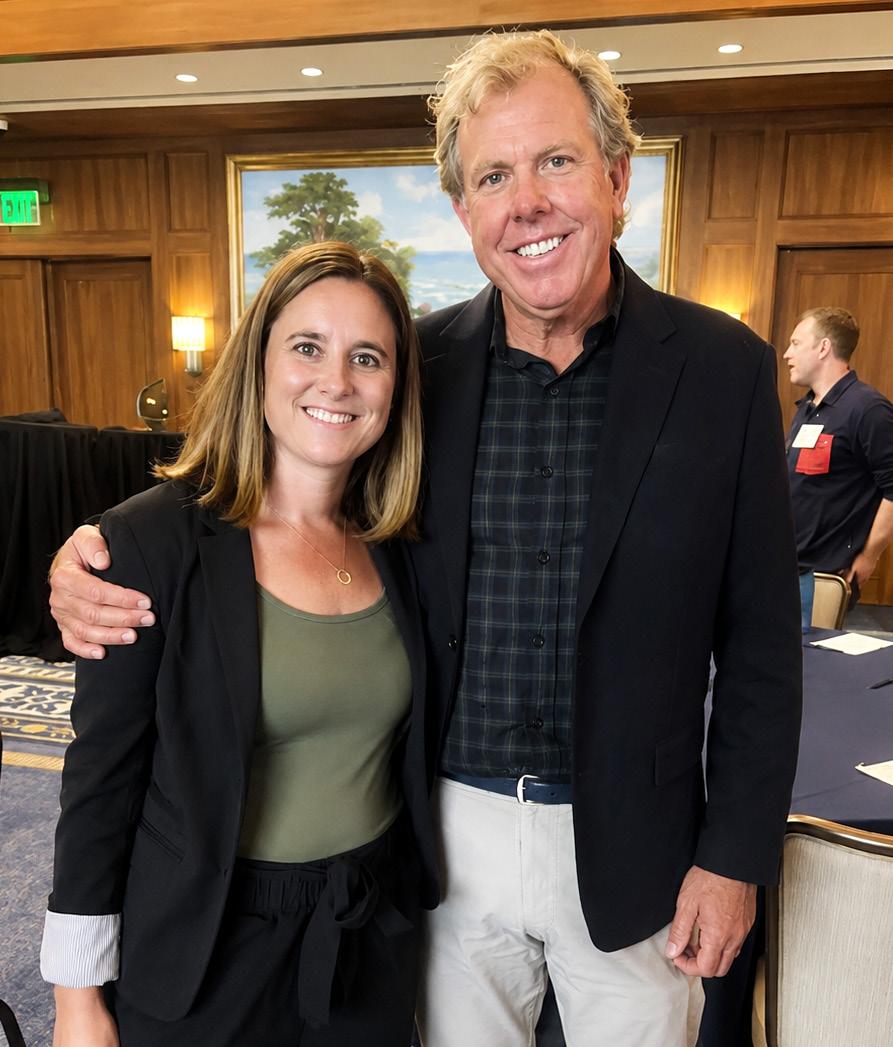
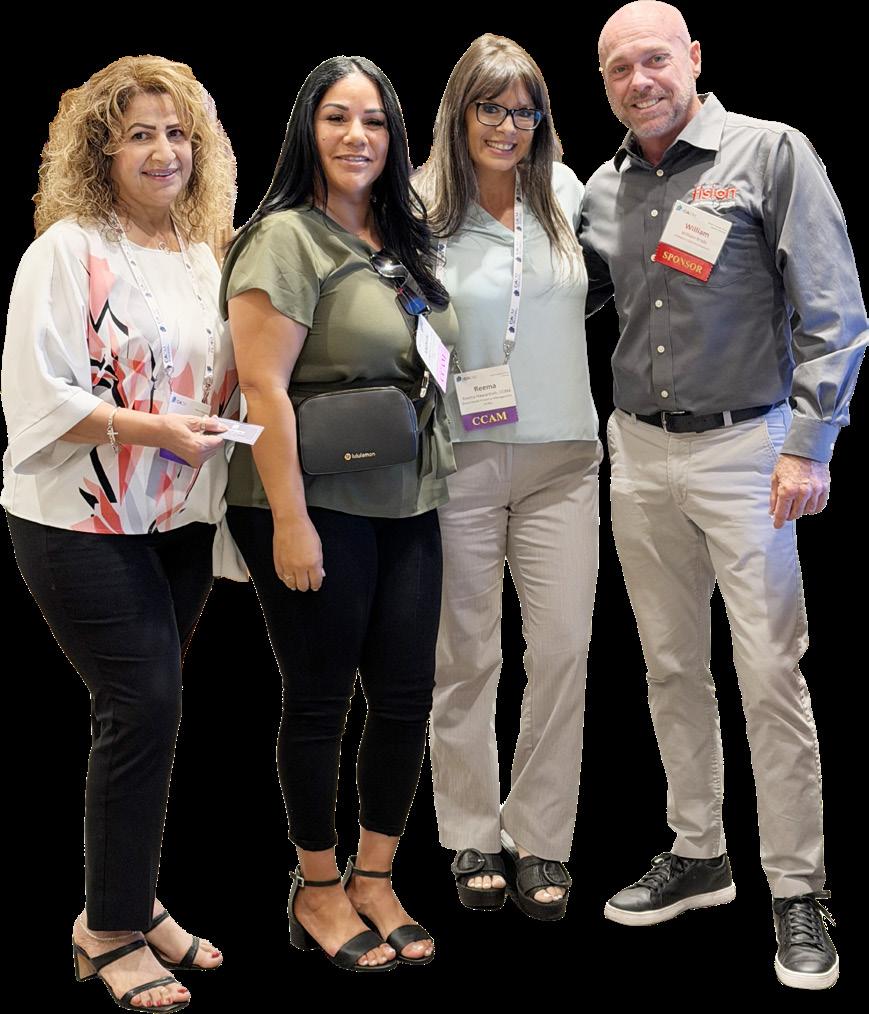
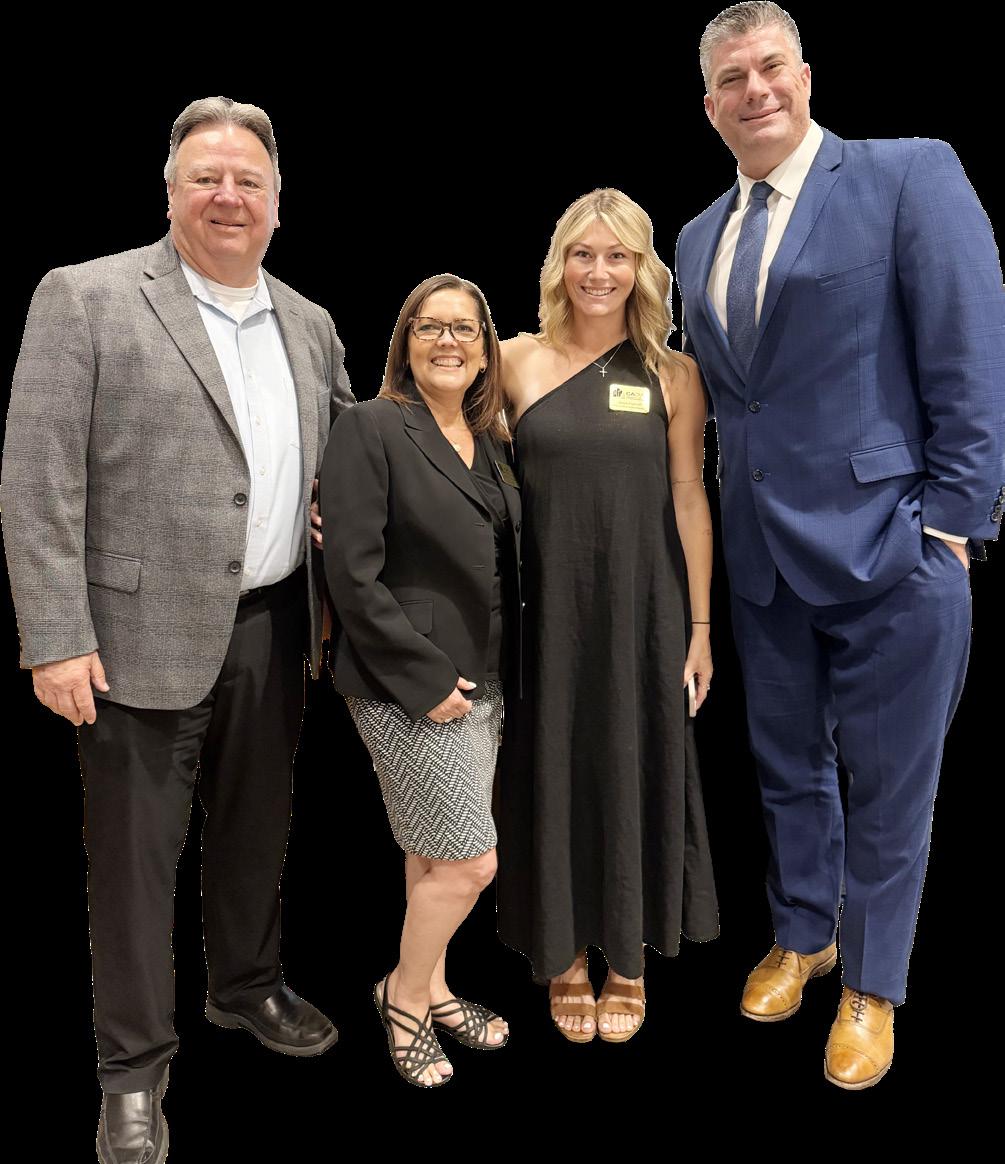
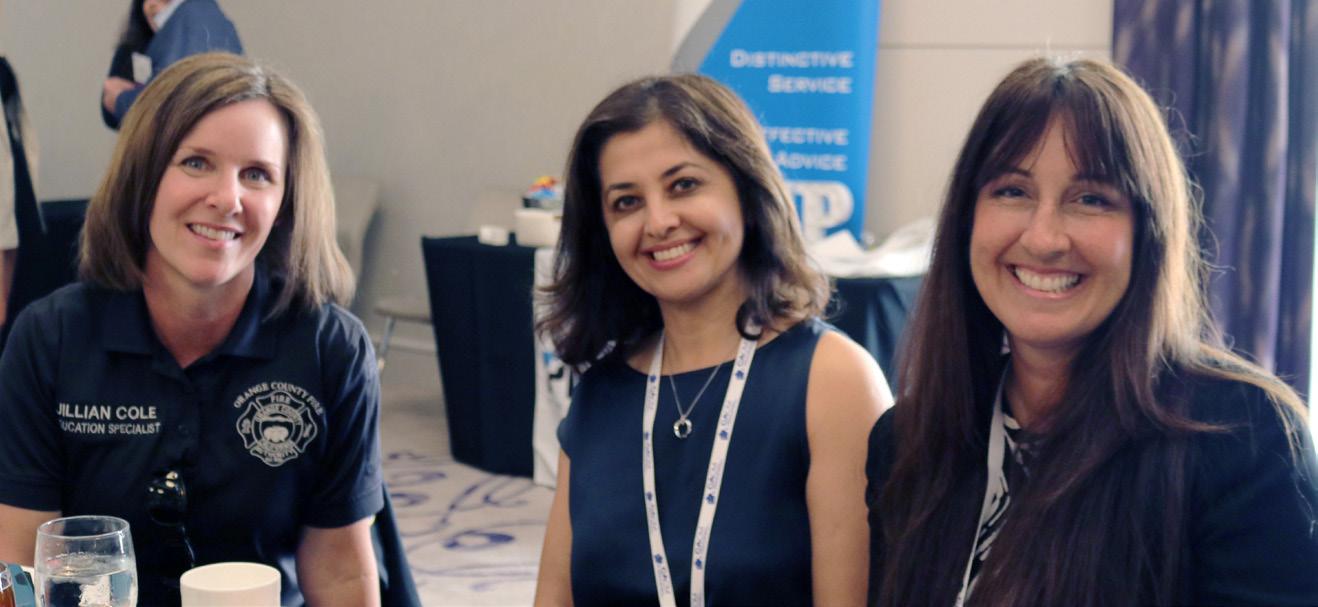
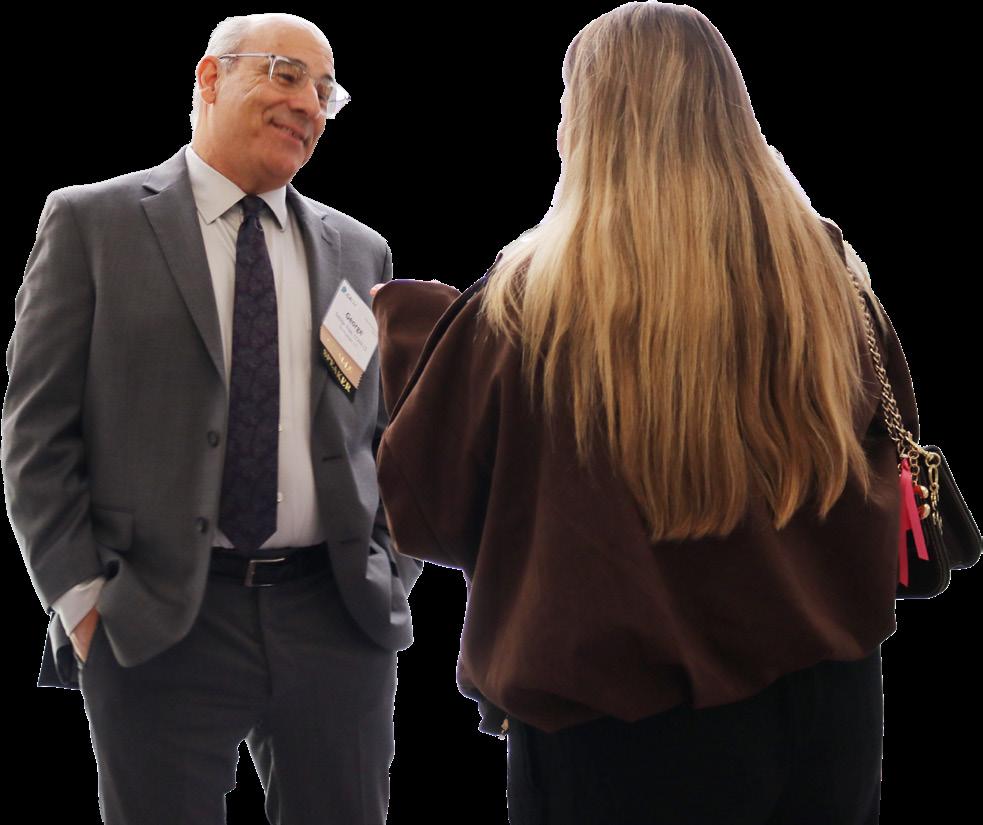
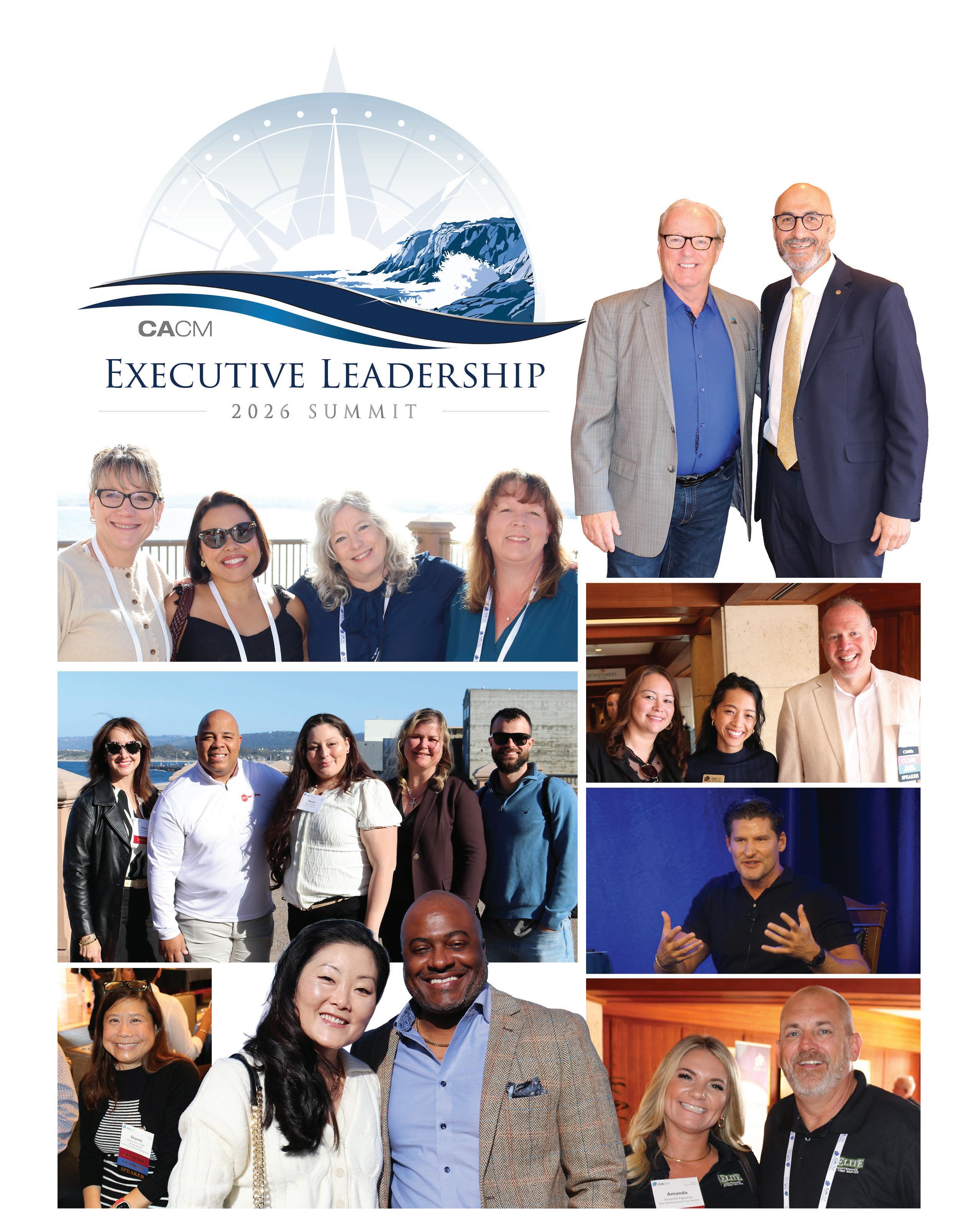
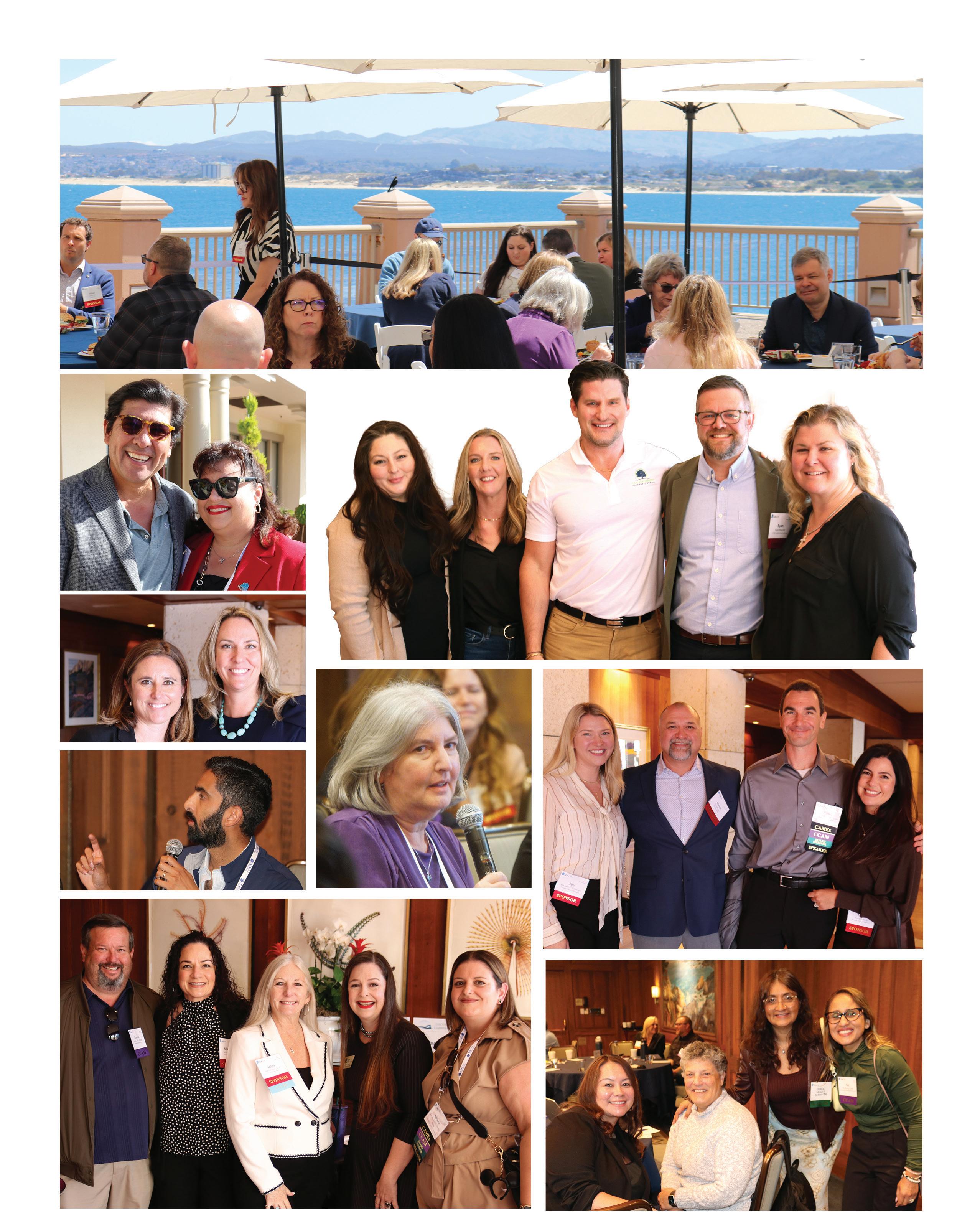
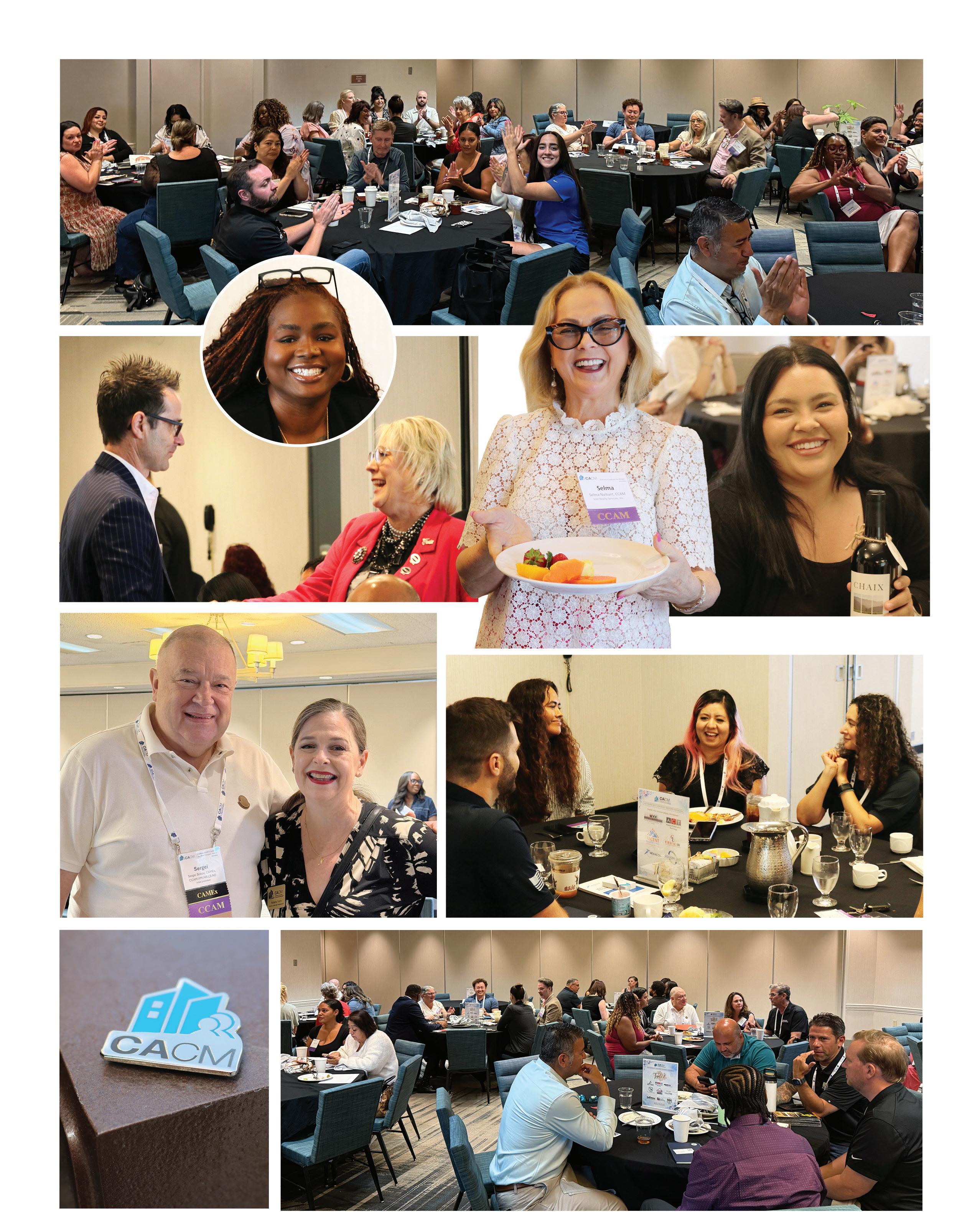
Monterey gave us the perfect backdrop for an incredible Executive Leadership Summit filled with fresh ideas, meaningful conversations, and plenty of fun along the way. From inspiring sessions to memorable moments with colleagues, it was a summit to remember.
Flip to page 44 to check out our photo gallery and relive all the highlights!
EDUCATION SPOTLIGHT
FROM CONFLICT TO COOPERATION: PRACTICAL CONFLICT RESOLUTION FOR HOA MANAGERS By Edison Guerra, CCAM
BUILDING CONFIDENCE THROUGH PREPARATION AND KNOWLEDGE. By Andrew Hay, CAMEx, CCAM-ND.PM
SETTING THE STAGE FOR SUCCESS: ONBOARDING A NEW BOARD OF DIRECTORS By Devin Langley, CCAM-PM.ND.CI
MANAGING EMOTIONS AND PERSONALITIES IN HIGH-TENSION HOA SITUATIONS By Lorena Sterling, CAFM
THE POWER OF BOUNDARIES IN COMMUNITY MANAGEMENT By Kirstie Wright, CCAM
INTEGRITY IN ACTION By Scott Swinton, CCIP
FINE IS THE LIE THAT KEEPS RUNNING By Anne Lackey
EXECUTIVE LEADERSHIP SUMMIT PHOTO
SPRING
CELEBRATE
CEO’s message
Let the fireworks begin early because our summer edition of Vision magazine has officially arrived! As we step into the summer season, it’s hard not to reflect on just how much has happened since our last issue. From the Executive Leadership Summit to our spring educational forums and Celebrate the California Certified Managers, the past few months have been busy, exciting, and filled with meaningful moments of connection across our industry. And somehow, we’ve already reached the halfway point of 2026.
Of course, events are only part of the story. Our newest Resource Guide is now available and ready for you to explore, the HOA Life podcast continues to grow as a source of practical and educational insight, and our partnerships with local colleges remain strong as we continue building accessible pathways for professional development throughout California.
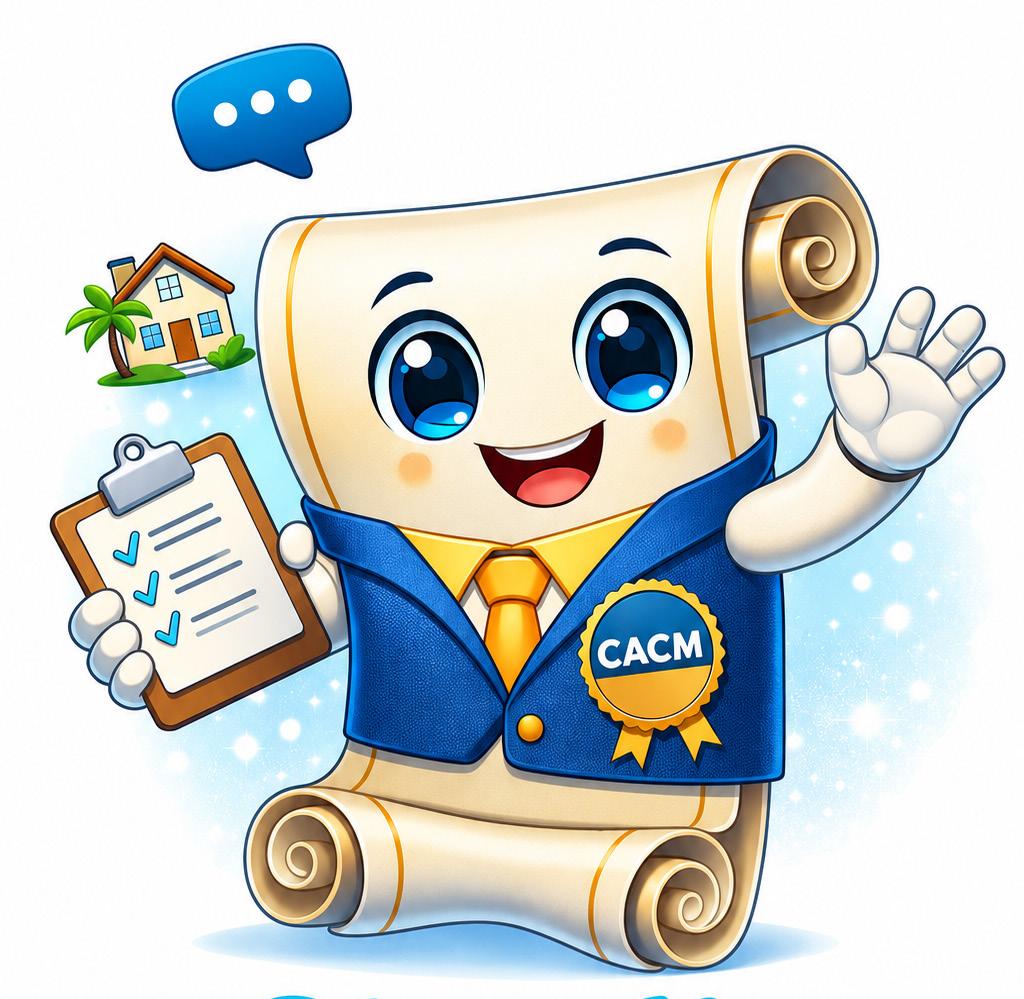
Behind the scenes, our Education Team has also been working tirelessly on the accreditation front, helping ensure that CACM continues raising the bar for our industry. And if you’ve visited our website recently, you may have noticed a new face around here. Charlie the Chatbot has officially joined the team. We’re continuing to shape and train Charlie to help make navigating our website easier and more intuitive for you, so give him a try, send us your feedback, and don’t forget that smiling face on the screen.
Now, enough updates—let’s talk about this issue. This edition of Vision explores leadership and operational harmony through a human-centered lens. While AI and emerging technology are clearly here to stay, there is still incredible value in reflecting on the importance of human connection, communication, and collaboration. The balance between embracing innovation and maintaining meaningful relationships is something all of us continue to navigate in today’s evolving world. As we move steadily toward the fall season—and yes, the ever-daunting budget season—I hope you find something in these pages that inspires you, challenges you, or simply reminds you of what we’ve been able to accomplish together so far this year.
Here’s to a productive, collaborative, and sunshine-filled summer ahead.
Thomas Freeley, CAMEx, CCAM CEO of CACM
Helping You Find Answers Faster:
As our industry continues to evolve, CACM is committed to evolving right alongside it. We are always looking for new ways to better serve our members, improve access to resources, and provide the support you need when you need it. As part of that commitment, we’re excited to introduce our newest team member: Charlie, the CACM chatbot!
If you haven’t noticed, Charlie has officially joined our website and is ready to help answer your questions. Whether you’re looking for information about membership, benefits, events, CACM courses, certifications, or your professional education path, Charlie is here to point you in the right direction and help you find answers faster.
Like any new team member, Charlie is still learning. As we continue rolling out and refining this new tool, we appreciate your patience and feedback along the way. Our goal is to provide you with a quick, convenient resource that can help answer common questions, guide you to the right information, and make navigating CACM resources even easier. The more Charlie learns, the better equipped he’ll be to assist our members and industry professionals.
Of course, Charlie isn’t replacing the personalized support you know and trust from the CACM team. Our staff is always here to help, answer questions, and provide guidance when you need it. Think of Charlie as an additional resource—another way we’re working to enhance your experience and ensure help is available whenever you’re looking for it.
Be sure to say hello to Charlie the next time you’re visiting CACM.org. Testing him out is easy—simply head to our website and look for the blue button in the bottom-right corner that says, “Have Questions? Ask Charlie!” From there, Charlie can help guide you to the information you’re looking for, whether it’s membership details, upcoming events, education opportunities, certifications, or other CACM resources.
We’re excited to continue investing in tools and resources that support your success and help keep you connected to everything CACM has to offer.
Charlie can help you with:
Membership & Benefits
Get Information about membership options and member benefits.
Events
Find deals on upcoming events and important dates.
Education
& Courses
Explore CACM courses and professional education opportunities.
Certifications
Learn about certifications and how to get started.
Your Professional Path
Get guidance on building your career and finding the right resources.
members in the news
Powerstone Property Management, Inc. Raises over $100,000 for PCRF
Powerstone Property Management, ACMC, recently announced that they have raised $115,249 for the Pediatric Cancer Research Foundation (PCRF). This total comes from a series of fundraising events leading up to their walk/run event, “Reaching for the Cure,” which brought together 4,000 participants, including 61 members from Team Powerstone. Executive Director of Management Services and CACM Board member Kylie Decker, CAMEx, CCAM, shared, “I’m always excited about this event and that our Team Powerstone continues to be a vital part in raising money to fight what is the leading cause of death by disease for children under age 20 in the United States.” Way to go Team Powerstone!
Taz Khaira, CCAM, Celebrates Three Years
Congratulations are in order for Taz Khaira, CCAM, on celebrating three years with Homeowners Management Co., LLC! The team recently recognized this milestone on social media, sharing their appreciation for her contributions and wishing her continued success in the years ahead. As if that wasn’t enough to celebrate, Taz was also named Employee of the Month for May, with her team praising the positivity, dedication, and genuine care she brings to both her colleagues and the communities she serves every day. Congratulations Taz and we can’t wait to see what is next in store for you!
Congratulations AJ Jahanian, Esq.
A big congratulations to AJ Jahanian, Esq., on reaching an impressive milestone—10 years as a Shareholder at Beaumont Tashjian.
The team celebrated the occasion on social media, sharing, “A decade of dedication, expertise, and excellence. We’re so grateful to have you on our team. Here’s to many more milestones ahead!”
Congratulations, AJ! Wishing you continued success and many more years of making an impact in the industry.
Taz Khaira
AJ Jahanian
members in the news
The Helsing Group Celebrates 35 Years
The Helsing Group is proud to celebrate 35 years of serving common interest developments!
Since opening its doors in 1991, the company has grown from a local reserve study provider into a multi-state, employee-owned organization providing management, financial, maintenance, reserve study, escrow, and consulting services to communities across the region.
As an employee-owned company, The Helsing Group’s success is shared by the employeeowners who help create it every day. That culture of ownership, accountability, and long-term thinking has helped the company attract talented professionals, develop future leaders, and build lasting relationships with clients and industry partners.
Thirty-five years after its founding, The Helsing Group remains guided by the principles that have defined the company from the beginning: expertise, integrity, ethical leadership, and a willingness to challenge conventional thinking. We are grateful to the clients, industry partners, and employee-owners who have been part of this journey and look forward to what the next chapter will bring.
Fenton Grant Kaneda Litt, LLP Welcomes Kelsey Mosse to the Team
Congratulations are in order for Kelsey Mosse, who has joined Fenton Grant Kaneda Litt, LLP as their new Director of Business Development.
Kelsey brings over 14 years of experience to the team and will work closely with colleagues to advance business development initiatives, support the firm’s continued growth, and further strengthen relationships within the communities they serve. The Fenton team shared the news, adding that “her experience reflects a strategic mindset and a strong focus on building meaningful and lasting connections.” They also stated, “We look forward to the impact Kelsey will make.” We look forward to it as well — congratulations, Kelsey!
Kelsey Mosse
LEVEL UP YOUR MANAGEMENT GAME — SAN DIEGO STYLE!
Head to the Rancho Bernardo Inn for this two-day summit bringing together California’s high-rise and large-scale community managers. Sharpen your expertise, solve common challenges, and connect with peers who get what you do.
SEPTEMBER 24-25, 2026
RANCHO BERNARDO INN SAN DIEGO, CA
CCAM, CAFM, MCAM and CCIP members in recertification earn 6 CEUs.
REGISTER HIGH RISE REGISTER LARGE SCALE
RANCHO BERNARDO INN
17550 Bernardo Oaks Dr, San Diego, CA 92128
*Early is through 08/25/2026
EVENT DATES
September 24-25, 2026
ROOMING DETAILS
CACM Group Rate: $279* plus applicable taxes
The room block is subject to early sell out.
*Room rates expire September 2, 2026.
PARKING
Complimentary Self-Parking, $48 Valet
RESERVATION PHONE
844-226-8262 and ask for the CACM 2026 High Rise and Large-Scale Summit group rate.
BOOK YOUR ROOM
NOTE: Payment is due at the time of registration. Confirmation will be sent upon receipt of paid registration. Cancellations must be received in writing via email at registration@cacm.org prior to the event date. 90% of the registration fee will be credited to the member’s account if the cancellation request is received at least two months prior to the event date. 50% will be credited to the member’s account if the cancellation request is received at least one month prior to the event date. There are no credits available within 30 days of the event. Please email registration@cacm.org or call us at (949) 916-2226 with any questions.
LARGE SCALE SPONSORS
members in the news
GB Group Construction and Painting Welcomes Teresa Agnew to the Team
GB Group Construction & Painting recently announced that Teresa Agnew has joined the company as Regional Business Development Manager for Southern California. The appointment marks another step in GB Group’s continued growth across the state and its commitment to expanding the resources, support, and service available to clients throughout the region. Agnew brings extensive industry experience, a wellestablished professional network, and a strong commitment to client relationships, making her a valuable addition to the organization. As Southern California remains a key focus for the company’s future, her leadership and market expertise will help further strengthen GB Group’s presence and support its continued growth in the region.
LaBahn’s Landscaping Announces Newest Teammates
LaBahn’s Landscaping has announced the addition of two seasoned industry leaders to its executive team, welcoming David Howell as Regional Vice President and Mike Scorsone as Chief Operating Officer. The company recently shared the news on social media, highlighting its continued investment in strong leadership and exceptional client service. Howell brings more than 40 years of landscaping industry experience and a people-first leadership philosophy rooted in mentorship, respect, and proactive service. Scorsone joins the organization with 25 years of experience spanning commercial, municipal, and HOA community landscaping, along with a reputation for horticultural excellence, operational leadership, and fostering a positive team culture. Together, their extensive expertise and shared commitment to developing teams and building lasting client relationships position LaBahn’s Landscaping for continued growth and success.
Richardson | Ober LLP Celebrates 10-Year Milestone for Partner Alisa Sandoval, Esq.
Richardson | Ober LLP is celebrating a significant milestone as Partner Alisa Sandoval, Esq., marks her 10-year anniversary with the firm. As the leader
of the firm’s litigation department, Sandoval has played an instrumental role in shaping and strengthening its community association and real estate litigation practices. Known for her strategic approach, dedication to client service, and ability to navigate complex disputes with both compassion and determination, she has made a lasting impact on the firm and the communities it serves. Richardson | Ober LLP recently recognized her decade of leadership and excellence, expressing gratitude for her many contributions and looking ahead to the continued success she will help bring to the organization.
Teresa Agnew
Mike Scorsone
David Howell Alisa Sandoval
A New Chapter at Popular Bank for Sonia Lopez, CCIP
Please join us in celebrating her new position as Commercial Relationship Officer for HOA Banking at Popular Bank, serving Northern California!
With over 20 years of experience in the HOA industry, she brings deep expertise, a 360-degree perspective, and a strong commitment to supporting thriving communities. We’re excited to see the impact she will make in this next chapter.
Delphi Law Group Honors Founding Partner James R. McCormick, Jr. on 30-Year Milestone
The team at Delphi Law Group recently took to social media to celebrate a remarkable milestone, honoring founding partner James R. McCormick, Jr. on his 30-year anniversary with the firm. Throughout his distinguished career, McCormick has helped shape the firm’s legacy through his leadership in community association law, his work as a mediator, and his role as an adjunct professor at the USD School of Law. A respected fellow in CCAL, he is known for pairing legal excellence with a thoughtful, peoplecentered approach that has made a lasting impact on clients, colleagues, and the HOA industry. Delphi Law Group recognized his three decades of dedication, mentorship, and service, celebrating a legacy that continues to inspire those around him.
Celebrating Tony’s Next Chapter
After 13 and a half years at Axis, Tony Gutierrez, CCAM-HR, is stepping into an exciting next chapter, continuing his role as General Manager at 188 W. St. James in San Jose with Action Property. His time at Axis was marked by strong leadership, meaningful relationships, and a lasting impact on both residents and team members. While he’s only moving two blocks away, Tony’s legacy at Axis as a dedicated leader and community builder will undoubtedly continue to be felt.
Congratulations Michelle Henderson, CAFM.
Congratulations are in order for Michelle Henderson, CAFM, who has recently been promoted to Chief Financial Officer at Silvercreek Association Management.
The Silvercreek team shared the announcement on social media, noting: “With her accounting background and CPA designation, Michelle has played an important role in strengthening and supporting our financial operations. Her attention to detail, commitment to excellence, and dedication to the team have made a lasting impact.” Congratulations, Michelle — we look forward to seeing all you accomplish in this new role!
James R. McCormick, Jr.
Michelle Henderson
Tony Gutierrez
Sonia Lopez
from the roundtable
A MESSAGE FROM THE BOARD
From the Roundtable:
Human-Centered Leadership in a Complex World
As leaders in community management, we are often measured by our ability to solve problems, execute strategies, and deliver results. Yet the true measure of our leadership is found not just in what we accomplish, but in how we show up for people along the way.
This edition’s focus on human-centered leadership and operational harmony reflects a reality many of us experience every day: our work is, at its core, about people. Behind every board decision, every homeowner concern, and every operational challenge is a human story—one that requires not only expertise, but empathy, patience, and perspective.
Human-centered leadership calls us to listen more intentionally, communicate more thoughtfully, and lead with both clarity and compassion. It reminds us that conflict is not something to avoid, but an opportunity to build trust when handled with professionalism and respect. It challenges us to prepare not just for the expected, but to guide others with confidence through the unexpected.
Operational excellence and human connection are not competing priorities—they are deeply intertwined. The strongest organizations are those that create alignment between process and purpose, where systems support people, and people feel supported by the systems around them. Whether onboarding new board members, navigating complex decisions, or building confidence within our teams, our effectiveness is ultimately rooted in our ability to bring these elements together.
As we look ahead, I encourage each of us to reflect on the kind of leader we aspire to be. Not just one who achieves results, but one who elevates others. Not just one who manages complexity, but one who brings clarity and calm to it. Not just one who leads organizations, but one who strengthens communities.
That is the work that matters most—and the legacy that will endure.
Jeremy S Wilson, CAMEx, CCAM Chair, CACM Board of Directors
I had the pleasure of attending the CACM East Bay Forum with members of our Monterey team today. It was such a great opportunity to connect and learn together.
#CACM #CommunityManagement #TheManagementTrust
— Devin Langley, CAMEx, CCAM-PM.ND.CI
The Management Trust, Central California, ACMC
What an incredible morning in Santa Barbara! ✨We were so proud to have our Senior Shareholder, Lisa A. Tashjian, Esq. take the stage with Tasha Parmelee, CAMEx, CCAM-PM at the CACM Spring Educational Forum. They spoke on “Compassion with Boundaries: Crisis Communication Skills,” a topic that’s truly at the heart of what we do every day. Thank you to CACM for hosting such a wonderful event, and to everyone who attended and supported us as a Session Tabletop Sponsor. We love being part of this amazing community! ��
Such an honor to be featured in CACM’s Vision Magazine’s Spring 2026 edition! It’s an exciting time here at The Miller Law Firm! From celebrating 45 years of client strategy and success, to our participation in the CACM Northern & Southern California Law Seminars, and welcoming our newest
associate attorney, Sascha Macias, to the team. Thank you to CACM Vision Magazine for highlighting our contributions to the industry. We’re grateful to be featured alongside such great company!
— The Miller Law Firm
What a fantastic evening! Thank you to CACM for hosting such a wonderful dinner tonight. There’s nothing better than spending an evening surrounded by great company and connecting with managers—both new and old—who make this industry so special. (You know who you are!) ��
Shoutout to our amazing sponsors Hotwire Communications Ltd Communications Ltd Communications and LiftMaster; we appreciate your steadfast support!
I had the joy of bringing Nubia M. from Powerstone Property Management, with me tonight to experience the best of our Coachella Valley community. We hope everyone enjoyed the laughter, the fantastic food, and the great conversation. Until next time! ����
This morning’s CACM Sacramento Educational Breakfast was a great reminder that budget season is about a lot more than spreadsheets. The best budgets come from proactive planning, honest conversations, and finding the right balance between immediate community needs and longterm goals. With rising costs and increasing expectations, those conversations matter more than ever. Really enjoyed hearing different perspectives and connecting with other professionals who care about building stronger, more financially prepared communities. Big thanks to everyone who organized and contributed to such a valuable discussion this morning.
Throwing it back to a great day at CACM Day at the Races
We had a blast being the Hat Day sponsor and spending the day with so many industry friends. Great conversations and laughs as always. Already looking forward to the next one.
— Lorena Campos, CCAM, Common Interest Management Services
What a blast the CACM ELS was this week! I was humbled to be asked to speak on a panel with Jessica McConnell and Al De Camra. The biggest blessing from the week was reconnecting with colleagues and meeting new people. Insights on culture, AI, process and so many other topics were shared around our table and it was a whirlwind of a day.
I’m so grateful for the time with Donald R. Disbro, MBA and connecting with peers on the topics that challenge us all to help us grow as an industry.
— Kelly Zibell, CCAM Standpoint DBA Communitas
Stepping outside my comfort zone a bit— this was my first time participating in a podcast!
It was a great experience joining the CACM Chat Podcast alongside fellow CACM Board Member Bonnie Basham for a conversation on Women Who Lead: Growth, Service, and Community Management.
Thank you to Celeste for the opportunity and to Bonnie for making it such an engaging and fun conversation.
I’m grateful for experiences like this that allow us to share perspectives, learn from one another, and hopefully encourage others to get involved and grow as leaders.
— Adriana DaSilva, CAMEx, CCAM Next Step Community Management
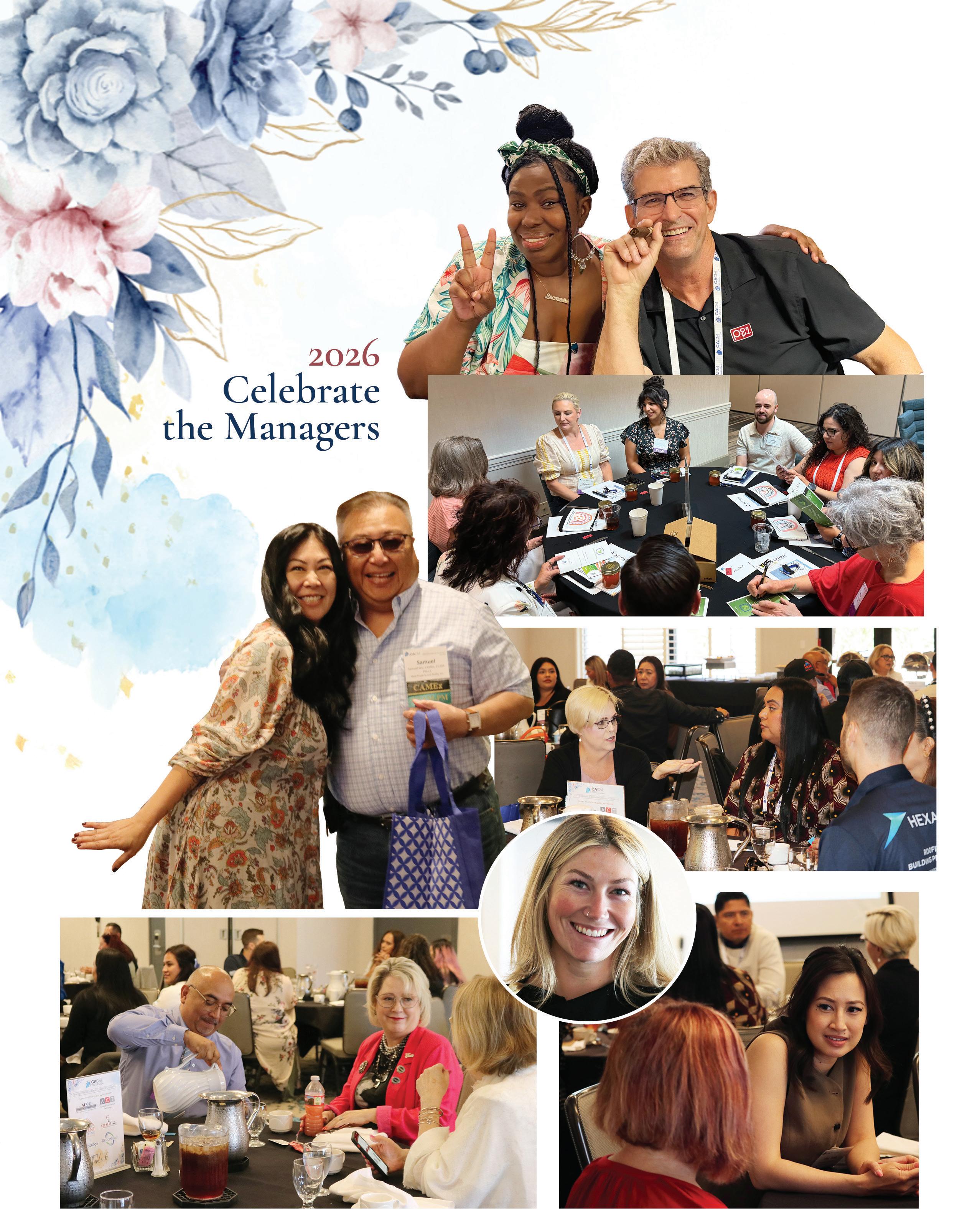
What’s one way you celebrate the people in your daily lives? CACM Celebrate the Managers last week was a great reminder of how we’re all in this together. Between managers, vendors, and board members it takes a village. Always a great time representing EmpireWorks Reconstruction and building connections.
— Alysa Freitas, EmpireWorks Reconstruction
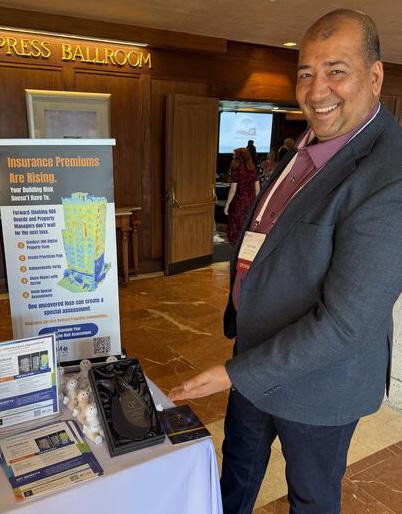
We’re proud to have been part of the CACM Executive Leadership Summit 2026 as a keynote sponsor.
Our CEO, Hooman Bolandi, had the opportunity to connect with incredible leaders, exchange ideas, and be part of meaningful conversations around innovation, leadership, and the future of our communities.
At MindMe Technology, we help property owners protect their assets by identifying risks early and helping prevent costly issues before they happen.
Thank you to CACM for bringing together such a great group of leaders. We’re excited for what’s ahead!
Team Powerstone had an amazing time at the CACM Educational Breakfast Forum! We’re proud of our very own Joe Price for serving as a panelist alongside fellow industry professionals, sharing valuable insight and expertise with certified community managers! #powerstonepm #teampowerstone #cacmchat
— Powerstone Property Management, ACMC
yousaid it!
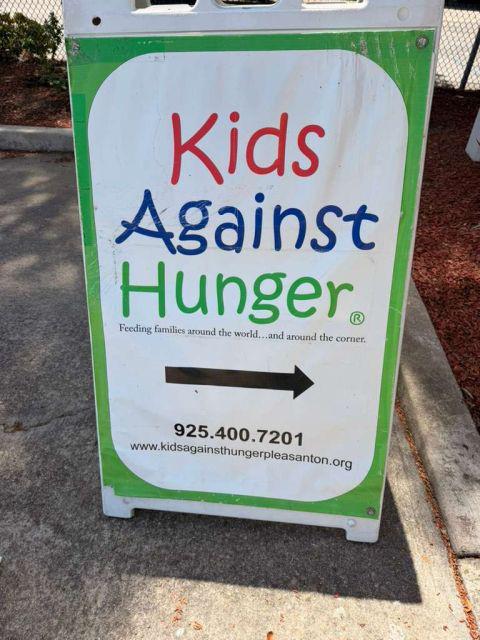
Last week, I had the opportunity to volunteer with Kids Against Hunger Bay Area, coordinated by CACM—and it was truly a meaningful experience.
Together as a team of managers and vendors, we packed over 9,500 meals that will help feed children in Haiti. It’s incredible to see what can be accomplished when people come together for a shared purpose.
I’m grateful to have been part of this effort and to contribute, even in a small way, to such an important cause. A big thank you to CACM for organizing this initiative and to PMI Cares Amy Hart and @Property Management Inc. for supporting volunteer efforts like these to give back to the community we serve.
It is with great pride that we recognize managers, and now industry partners, who have taken the next step in their professional career by pursuing advanced educational opportunities. Congratulations to our newest Master of Community Association Management (MCAM), Certified Community Association Managers (CCAM), Certified Community Association Financial Manager (CAFM), California Certified Industry Partner (CCIP) and Specialty Certificate recipients for the period of April 1 - June 31, 2026.
This spring, our education community came together in incredible ways, and it all began on the beautiful Monterey coast at our Executive Leadership Summit. Surrounded by breathtaking views and inspiring company, leaders from across California gathered to engage in meaningful conversations, tackle important industry topics, and exchange ideas that shape the future of community management.
The energy throughout the event was truly something special. From thought-provoking sessions to the connections made between colleagues and friends, the summit served as
a reminder that some of the best learning happens when visionaries come together. We could not have created such an unforgettable experience without the support, participation, and enthusiasm of our members, speakers, and volunteers. Thank you for making this year’s Executive Leadership Summit a success.
As we reflect on the season, the Executive Leadership Summit was only one of many educational highlights. Spring brought countless opportunities to learn, connect, and grow together, with even more exciting milestones still to come.
Spring Educational Forum Roundup
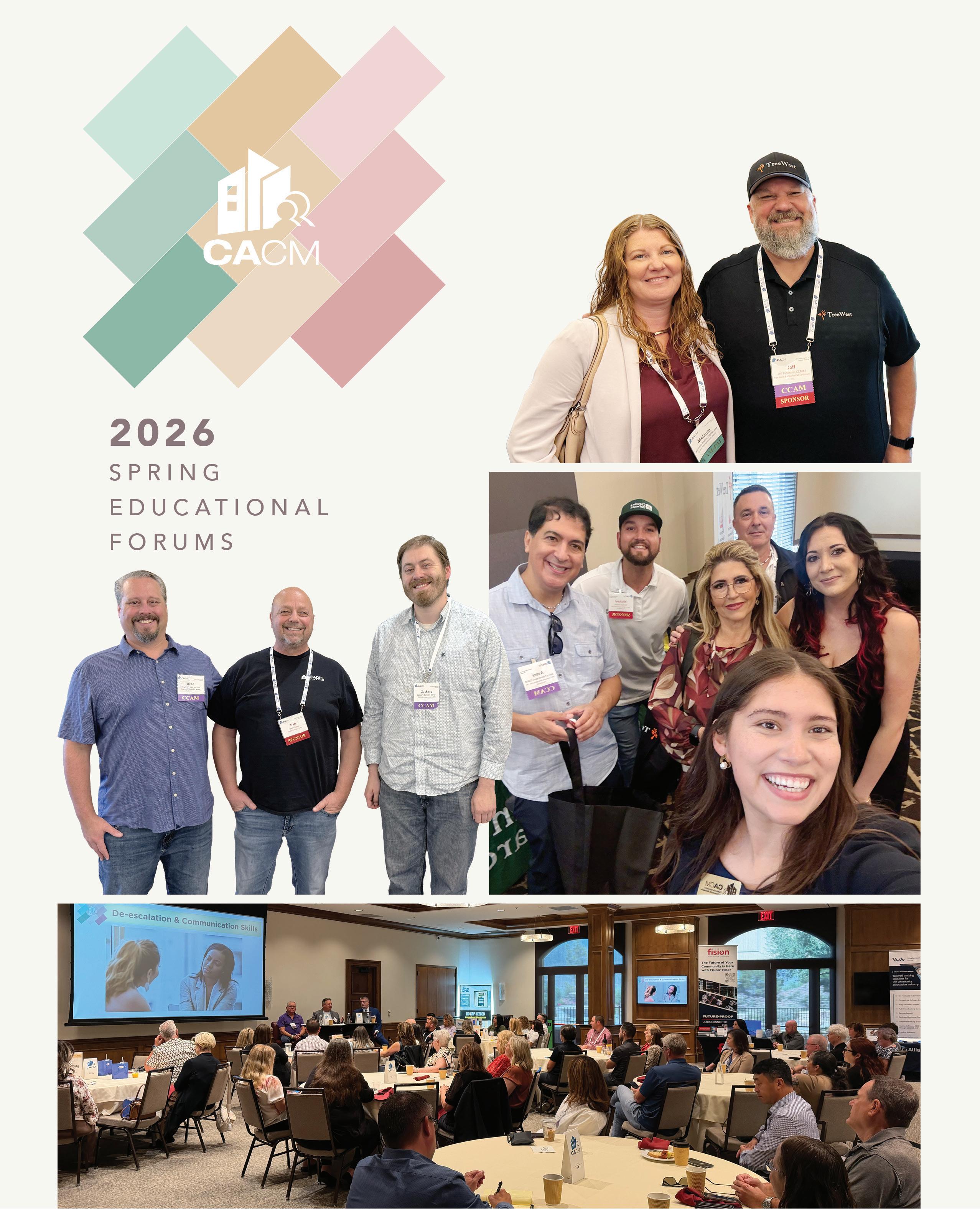
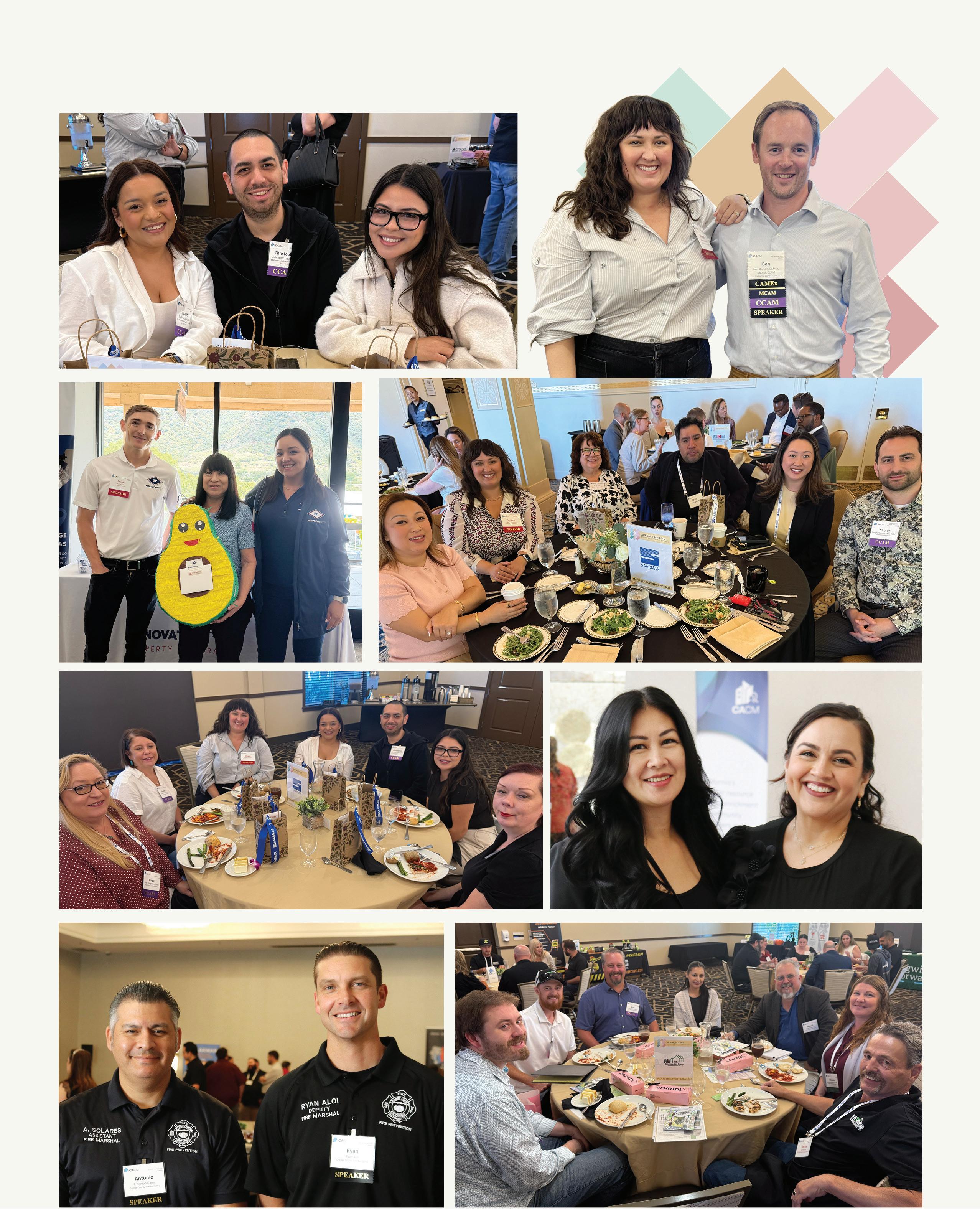
Looking beyond the Executive Leadership Summit, we cannot forget all of the memories we made during our Spring Educational Forums. Across California, we hosted 10 educational forums featuring regional topics tailored to the unique needs of each area and its communities.
From emergency preparedness and crisis communication strategies to discussions led by legal experts and industry professionals, each forum offered valuable insights and
practical takeaways. We were fortunate to welcome an outstanding lineup of panelists, including attorneys, fire authorities, experienced community managers, and other respected leaders who generously shared their knowledge and expertise.
To all of our speakers and attendees, thank you for making these events so impactful. We hope you walked away with new ideas, meaningful connections, and practical tools to bring back to your communities.
spotlight on spotlighteducation education
Looking Ahead
After such a successful spring season, we are already looking ahead with excitement to our Fall Educational Forums. That’s right, while you’re reading this summer issue, we’re already preparing for another season of learning and collaboration.
This year, we will once again bring educational forums to 10 locations across California, including one exciting new destination. We are thrilled to announce that Ventura will be joining our lineup for the first time, giving even more members the opportunity to connect with peers and industry experts.
Attendees can look forward to discussions on balancing reserve studies with budgets, air quality management, zeroscape landscaping, discussion on AI, and more.
But wait there’s more!
It may seem like fall is still a little way off, but as we all know, time flies when you’re having fun. Be sure to plan ahead and register early so you don’t miss the opportunity to learn, engage, and build lasting connections with fellow professionals across the state.
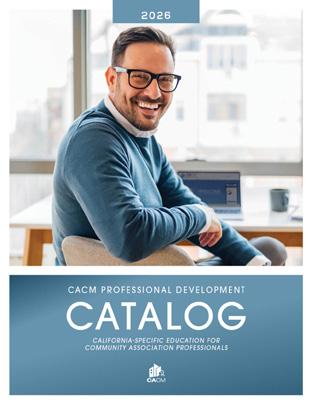
2026 Course Catalog Available
The 2026 Professional Development Catalog was released in January. Use this professional development guide to plan for certification, re-certification or specialty designations in 2026. Every CACM course is included, as well as credits
Final Updates and Greetings
As we continue to expand the educational opportunities and resources we provide, we also recognize the importance of growing and adapting alongside our members. One of the ways we are doing that is by strengthening our team, and we are pleased to introduce Celia Kang as CACM’s new Education and Credentialing Administrator.
Celia recently graduated from Boston College with a BFA in Art History. Through volunteering in mentorship programs and teaching students across all grade levels, she discovered a passion for education and
student engagement. Outside of work, she enjoys exploring a new creative hobby or spending time reading at a local café. We are excited to welcome Celia to the team and know she will play an important role in supporting our educational initiatives.
One thing we know for certain is that change is the only constant, and here at CACM, we see that every day. We have many exciting opportunities, programs, and initiatives planned for the weeks and months ahead, and we are grateful for your continued support and collaboration as we continue to grow and evolve together.
obtained, pricing and dates the course is offered. The catalog also explains each certification offered and the steps to attaining and maintaining it.
Download it now.
Celia Kang
LEGISLATIVE UPDATE: High Paced Game of Whack-a-Mole
This legislative year has been a high paced game of whack-a-mole. Bills that impact the CID industry, and managers specifically, have cropped up from all corners of the policy arena. This year has made it clear that HOA bills are on the rise, with some committee hearing agendas being comprised of mostly HOA bills. Many of these bills monumentally change the way HOAs and managers operate and compromise the sustainability of HOAs long term. CACM has been in constant meetings and legislative hearingsthank you to those of you who have taken the time to testify on behalf of community managers. As we enter the next intense phase of policy work in the opposite house, the deliberation process starts all over again. We have made significant headway but there is more work to do. We are ready for the fight.
By Jennifer Wada, Esq.
Here is an update of the key bills we are focused on:
SB 1007
Menjivar – assessment and manager fee disclosures, regular assessment threshold
This is the bill that originally eliminated the ability of an association to increase regular assessments up to 20% without a membership vote. It only allowed an inflation adjustment, and members would have to approve anything above that. It also required a separate statement of management fees and a visual aid showing what assessments fund to be included in the annual budget report. We are strongly lobbying against this bill, as associations will be unable to fund critical operations and will become uninsured, poorly maintained, and potentially insolvent. In response to our concerns, the author amended the bill to allow a regular increase up to 8% without a membership vote. We remain opposed since the cost of insurance alone exceeds that and all other costs are also rising. We continue to lobby for amendments that will increase the percentage and account for things like insurance, state and local mandates, and reserves. The building industry, as well as affordable housing advocates, have now joined us in the fight since the bill will hinder expansion of new
developments. Our advocacy has motivated some good discussion and while the bill made it out of the Senate, we secured some notable NO votes from legislators on both sides of the aisle. We are now headed to the Assembly Housing and Assembly Judiciary committees where we will continue to work to either stop it, or get it amended in a way that addresses our concerns.
SB 1238
Wahab – manager fiduciary duty, separate disclosures re exterior elevated elements and reserve studies
This bill is sponsored by the California Association of Realtors and originally imposed a fiduciary duty on a manager to the association and individual homeowners. It also placed new requirements on managers to make disclosures and subjective judgments in a home transaction about the association or condominium’s standing in relation to the federal lending rule defining “critical repair.” CACM put in endless hours on combating this ill-conceived attempt to scapegoat managers to get transactions to go through. We were able to get it amended to remove all the requirements on
managers to make subjective representations. Now, any disclosures that are required can be pulled from existing documents. Furthermore, we were able to get the fiduciary duty requirement eliminated. In its place, we had to agree to a duty of care standard but this is a much more palatable standard. We continue to work towards other changes that could further narrow the bill, such as eliminating the duty of care to members.
AB 2439 Rubio – Assessments
This bill is authored and sponsored by two sitting legislators who weren’t notified of a change in management and failed to pay their assessments resulting in liens on their homes. AB 2439 originally required an association to provide notice by certified mail, return receipt, to all members any time there is a change in the place/process where assessments are to be sent (e.g. change in management company, change in bank). If an association does not do this, a civil penalty of $1,000 on board members may be imposed. The bill also prohibits associations from restricting parking on public roads. CACM agrees with the need to notify member of a change in where to send assessments but strongly opposes the bill since the certified mail return receipt requirement is unnecessarily costly – especially when many owners refuse to sign for the mail or fail to pick it up after failed delivery attempts. We were able to convince the policy committee to remove the certified mail requirement for the initial notice, and the bill was recently amended to require the notice to be sent by email to those who have opted-in to electronic delivery, and mailing with just a certificate of mailing for those who did not opt-in. If, after this first notice is sent out, the owner misses two consecutive assessment payments, then a second notice will be sent by certified mail with a return receipt. We see this as progress, since it narrows the pool of those that must receive certified mail. However, we remain opposed currently due to the board member personal liability.
AB 2050
Caloza – Reserve Accounts
This bill is sponsored by CAI and as of January 1, 2032, requires associations to fund reserve accounts at a level to ensure the balance does not fall below zero over a thirty-year period. The California Alliance for Retired Americans, Consumer Federation and the California Association of Realtors oppose the bill citing affordability concerns due to high special assessments. To ease this concern, instead of the introduced version that required special assessments to maintain this funding level, recent amendments now require the HOA to transfer a minimum of 15 percent of its gross annual budget to its reserve account each year until its balance is no longer projected to fall below zero. If that is insufficient, HOAs are required to levy a special assessment to fill the gap but if it is more than the 5% cap, members must vote to exceed the cap in an amount necessary to fund the minimum contribution level. CACM is in support of this bill as a step towards ensuring properly funded reserves.
AB 1903
Wicks: Construction Defects
This bill was gutted and amended into a bill that undermines the SB 800 Right to Repair Act. It
requires actual damage before an association can file a notice, prohibits recovery of investigative costs, prohibits extrapolation and originally required a 75% approval vote of all members, along with a requirement that every member signs the notice before an association can pursue a claim. We were able to get these two homeowner approval pieces out, but it remains a bill that undermines an association’s ability to get construction defects fixed. The bill also establishes a builder-controlled process to allow an inspector of their choosing to certify a building at construction, which then provides builder immunity and forces an association to release all future claims. CACM is working with a coalition in opposition to the bill.
AB 739
Jackson – Manager Fees
This bill was initially introduced in 2025 and required all managers to become licensed as real estate brokers. After stopping it last year, it came back at the beginning of 2026 to require board members to get 12 hours of education within the first two years of their term and require managers to disclose all fees to all homeowners. We were adamantly opposed to the latter piece and after extensive negotiations, we prevailed in getting a compromise. The bill now requires the Board to annually review management base fees, fee schedule charges and reimbursable expenses and allows members to electronically receive the same but only upon written request.
Other bills that impact associations:
AB 1184
Patterson – Association operations
Makes several modest changes to the DSA, such as 1) requiring general notice for an emergency rule change to include the text of the rule change and its purpose; 2) requiring notice of the occurrence of litigation in the annual budget report; 3) if meetings are recorded, recording is an association record available in same manner as written minutes; 4) prohibiting charging for minutes if distributed electronically and allowing website posting of minutes to meet distribution requirements; 5) clarifying a majority of the board cannot deliberate or take action outside an authorized meeting except for in an emergency; 6) excluding operating rule amendments from the secret ballot requirement.
AB 1684
Ward – cooling systems
Voids governing documents that prohibit or restrict the installation, upgrade, replacement or use of a cooling system by a member. Unless the installation, upgrade, replacement or use of a cooling system violates the law or a permit is required and the permit is not granted by the permitting authority, the association is prohibited from 1) charging a fee in connection with the installation, upgrade, replacement or use of a cooling system; 2) requiring a specific type of cooling system; 3) claiming to receive a rebate, credit or commission in connection with the installation, etc.; 4) requiring a member to remove the cooling system or prevent the replacement or upgrade of a cooling system. Associations that willfully violate this section are liable for actual damages and a civil penalty to the member up to $2,000. Associations may require a member, and successors in interest, whose cooling system affects the common area or exclusive use common area to maintain the unit. An association may require the member to hire a licensed contractor to install, maintain and repair the system if the system is not portable or a window unit.
AB 1892
Davies – Clean-up re utility interruptions, voting by acclamation, electronic voting notice
Clarifies that an association is responsible for repairs and replacements necessary to restore interrupted gas, heat, water or electrical services when the interruption of service begins in the common area. The bill also states that the 30-day notice of how to electronically vote must only go to those that are electronically voting. The amendment will update election by acclamation notices to general notices, change the initial notice deadline to 30 days before nominations (instead of 90), and require the reminder notice at least 10 days before the nomination deadline (previously between 7 and 30 days).
AB 2035
Dixon – Laguna Woods Mutual
Allows very specific HOAs (those with more than 6,000 units that is a senior citizen community with 25% or more tenant/nonowner occupied units whose declaration
has not been amended in at least 35 years) to go to superior court with 37% of affirmative homeowner votes supporting an amendment to CC&Rs. Laguna Woods has been unable to get the requisite 67% of homeowners to vote, nor have they been able to get to 50% of all homeowners to vote to go to the superior court for review and approval.
SB 222
Wiener – Residential Heat Pump Systems
As of July 1, 2027, requires a local government to adopt and offer asynchronous inspections for installations of residential heat pump water heaters or heat pump HVACs that do not require a licensed contractor and building inspector to be simultaneously present. As of July 1, 2028, would authorize local governments to issue up to one nondiscretionary permit per installation of a residential heat pump water heater/HVACs and requires an online, automated permitting process. Voids any provision in association governing documents, architectural guidelines, or policies that prevent replacement of a fuel-gas-burning appliance with an electric appliance or that effectively prohibit or restrict the installation or use of a residential heat pump water heater/HVAC system. Associations may require a member whose installation, upgrade, replacement, or use of a residential heat pump water heater or heat pump HVAC system that affects the common area or exclusive use common area to be responsible for any damage to those areas or to another member’s separate interest.
Jennifer Wada, Esq., is an attorney, CACM’s legislative advocate and principal of Wada Government Relations in Sacramento.
CACM’S FIRST EVER PODCAST IS HERE HAVE YOU TUNED IN?
In the fall of 2024, we took an exciting leap into the world of podcasting! Our first podcast, CACMCHAT: The HOA Life, is growing rapidly, with over 1,500 downloads and 21 episodes—and counting!
This monthly podcast is designed for anyone involved or interested in community associations. We dive into real-life stories, industry trends and best practices from professionals working in California’s community association management sector. No topic is off-limits!
Some of our most popular episodes explore key topics like reducing burnout, reserve management tips, mental health and more. Our host and CEO, Tom Freeley, shares that the podcast’s main goal is to elevate the industry and shed light on “the reality behind community association management and what a manager actually goes through on a day-to-day basis.”
Episodes also tackle evolving HOA laws, emerging technologies and the changing workforce. Plus, expert guests join us to provide insights and guidance on these pressing topics.
One enthusiastic listener shared:
“They’ve already had some incredible guests, and I’m eager to see what’s next. If you manage an HOA, you must subscribe. Heck, if you LIVE in an HOA, subscribe! Better yet, if you’re curious about what’s happening behind the scenes in California communities, I highly recommend this podcast.”
You can tune in and stream CACMCHAT: The HOA Life on Spotify and Apple Podcasts . Subscribe directly from our website, where you can also submit questions and topic ideas at podcast@cacm.org. If you haven’t tuned in yet, now’s the time—listen and subscribe today!
maintaining high standards
New Individual Manager & Management Company Members
CACM members further their success in the industry and benefit by partnering with colleagues to share new ideas and best practices. Please join us in welcoming these new members from for the period of January 1 - March 31, 2026
MANAGER ProPLUS
Linda Cazares
Robin Farrell
Michael Gilbert
Aaron Grant
Seema Makwana
Nichole Puerta
Crystal Ramirez-Trujillo
Zen Rex
Connie Zheng
MANAGER Pro
Rosalee Aguilar
Alicia Alvarenga
Cory Alvarez
Kristin Amarillas
Tabitha Anderson
Erika Andrade, CCAM
Katherine Armistead
Karen Arriola
Todd Arterburn
Lea Austin
Denisse Ayala Montano
Lisa Baer
Maricela Barriga
William Basham
Sophia Beverly
Cassidy Bielec, CCAM
Tanisha Camp
Nicole Castillo
Justin Cellini
Jose Chaparro
John Chapman
Vanessa Chavez
Enrique Chombo
Andrew Clark
Anita Davis, CCAM
Adriana Dominguez Rodriguez
Stefanie Dresslar
Luis Duenas
Robert Duran
Amy England
Samantha Ewell
Ryan Figley
Justin Franklin
Natalie Gaines
Karla Galaviz
David Gallaher, CCAM
Jenny Garcia
Pamela Gausman
Allison Goebel, CCAM
Aaron Goldenberg
Erica Gonzalez
James Gordon, CCAM
Demetres Greenwood
Amar Gupta
Adam Haney, CPA
Rodney Hart
William Hatcher
Helen Hernandez
Loreana Hernandez
Kaleigh Hicks
Kevin Higgs
Monique Holguin, CCAM
Kara Holley
Kevin Holloway
Tammie Hourigan
Tyler Howard
Riley Kaufman
Alita Khan, CCAM
Noelle Koehler
Arti Lal
Brian LeBow
Krista Leisure
Beth Long
Gabrielle Marcuzzo
Pablo Martinez
Silvana Massone
Amy Mathieson
Kimberlie McBride
Alison Mckenzie
Morgan Molloy
Shawna Morales
Wendy Mullens
Estafania Oblitas
Macy O’Brien
Coral Oghoghorie
Enrique Olvera
Jim Pandya
James Pappas
Anastasia Polles
Lynda Powers
Cheyenne Prokosh
Solomiya Pyatkovska
Jessica Quintero-Clifford
Alberto Ramirez Ceja
Andrea Ramirez-Casillas
Sherry Revak
Stephanie Ricario - Cisneros, CCAM
Deborah Rose
Anthony Self
Micaela Stevens
William Stonich
John Tawaststjerna
Audrey Tucker
Karla Vega
Christina Virga
Sandie Wheeler, CCAM
Langakali Wiggins
FROM CONFLICT TO COOPERATION
Practical Conflict Resolution for HOA Managers
By Edison Guerra, CCAM
It was a Monday, around 10:30 am, when I received a team’s message, “Edison, this owner wants to talk to you.” Below, a screenshot of the owner’s message: “This is the third time, and you have done nothing.” Questioning who this person was, I decided to pick up the phone and find out more about the problem. The conversation started something like this:
“Mr. X, my name is Edison Guerra, and I am the new manager at XYZ Association. I have been informed there is a problem with your account, and I would like to learn more about it and see how I can better assist you.”
Well, it seems that what I said was permission granted to express all the repressive feelings this person has against the HOA. While it may sound illogical to take responsibility for issues that I was not even aware of, I took time to listen fully to the homeowner’s concerns. I follow with a short, sincere apology so we can move forward and resolve the issue. I acknowledge the frustration and explain the HOAs and the owners’ responsibilities as outlined in the Association’s Governing Documents. Furthermore, I assured him that any improper fines
will be removed and gave him a date to follow up with me if I do not contact him within that time. The conversation shifted from confrontation to cooperation.
By the end of the discussion, the homeowner not only had a better understanding of the rules governing the situation but also volunteered to help communicate updates to neighbors.
Situations like these remind us that conflict often begins with frustration and misunderstandings, but can end with collaboration when handled with empathy and professionalism.
HOA Managers operate at the intersection of many interests and views: homeowners, board members, vendors, and management companies, which makes conflict inevitable. However, proficient managers utilize conflizct as an opportunity to showcase professionalism and build trust.
When we approach conflict with the right mindset and skills, even the most challenging situations can become opportunities to build better relationships, reaffirm credibility, and improve how cooperation is carried out.
WHY CONFLICT HAPPENS IN HOA COMMUNITIES
Conflicts in community associations often arise from differences in expectations among homeowners, the board, and the manager, and among homeowners and the board. Some of the most common miscommunications I found are about rules, maintenance responsibilities, and financials. Also, when projects are experiencing delays, cost or priority changes can cause contention if not communicated promptly and with a detailed explanation.
Remember, owners have an emotional investment in personal property or neighborhood issues, and as
a manager, you may not have control of the source of the conflict, but you do control how you respond.
EMOTIONAL REGULATION: THE FIRST STEP TO DE-ESCALATION
One of the most powerful tools we managers have is self-awareness and emotional control.
When discussions become tense, people often react emotionally. A calm, thoughtful response can immediately reduce tension and redirect the conversation toward solutions.
Effective managers stay calm and respectful during disagreements. We respond thoughtfully to criticism rather than react defensively, avoiding resistance or aggression. Our experience and professionalism should dictate how we handle stressful situations before responding, recognizing that assigning blame rarely resolves any problem. So, maintain composure and set the tone during the conversation to increase the chances of a better outcome.
MAKING PEOPLE FEEL HEARD
Listening… listening with intention is one of the skills I champion most. I found it so profoundly crucial that it is part of every chapter in my book “Intentional Communication – A Practical Guide to Human Interaction,” especially in Chapter Eight. “Difficult Conversations.”
In my experience, conflicts escalate because individuals feel ignored or misunderstood. Tensions rise, and emotions control the conversation in Board meetings and one-on-one meetings with homeowners, which is why we, as managers, should master the skill of active listening.
Active listening means allowing others to speak without interruption, paying attention to both words and tone, and aiming to understand the
other person’s motivations and views without biases. We ask clarifying questions to ensure our answers bring value to the conversation and acknowledge that each perspective is valid. For example, instead of immediately explaining policy or procedure, we could say:
“Please, help me to understand you better. Can you walk me through the problem one more time?” By actively listening, I often see people reduce their defensiveness and become calmer and more open to collaboration.
COMMUNICATING FOR COOPERATION
Words matter—especially in emotionally charged situations.
We managers can prevent escalation by choosing language that promotes cooperation rather than confrontation.
1. Try using neutral and respectful language and pay special attention to the right time and setting for difficult conversations. Sometimes, scheduling time after a meeting works wonders.
IMPROVE YOUR CONFLICT RESOLUTION SKILLS
“Owners have an emotional investment in personal property or neighborhood issues, and as a manager, you may not have control of the source of the conflict, but you do control how you respond.”
2. Enter a discussion with clear intentions and facts. Scheduling and conversation allow both parties to better prepare to resolve the conflict, giving time to gather necessary information. It provides a sense that you are there to help, not to punish.
3. Welcome different viewpoints and new information. More often than we think, our perspectives broaden when approaching situations with an open mind.
4. Clearly explaining the impact of missed commitments or misunderstandings. Refer to the Association’s Governing Documents and current legislation to establish common ground and explain why actions and consequences are intended to serve the community best, without pointing out faults.
Healthy communities do not avoid disagreement; they manage it productively, without finger-pointing, while stirring the conversation toward what can be improved moving forward.
Like any professional skill, conflict resolution improves with practice and learning.
Managers who want to strengthen their communication and leadership abilities can explore additional resources and practical exercises designed specifically to develop these skills.
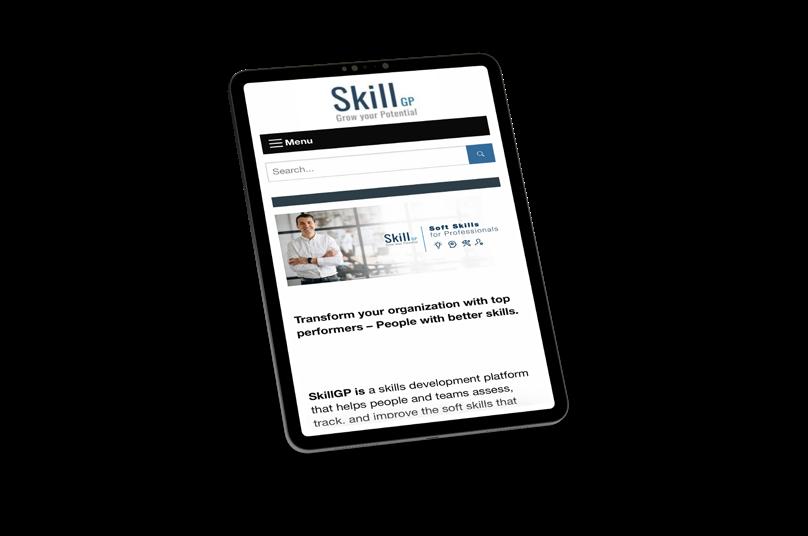
A helpful next step is available at: SkillGP.com/Conflict Resolution. This resource provides practical tools to help professionals transform conflict into constructive conversations and collaborative outcomes.
As an HOA manager and facilitator, I aim for discussions toward shared goals and solutions. I encourage respectful debate when new issues arise. It helps me come across as someone who cares for the owner’s property enough to have difficult conversations proactively.
I am sure you, like me, have considered threatening owners and boards with provocative language. The keyword is though, no saying. Soon enough, I found people’s aptitude often changes when they figure out my disposition to help, so why take the hard way when professionalism makes things so much easier and less stressful?
Look at it this way, conflict can reveal important concerns that need attention. When handled well, these discussions can improve policies, clarify expectations, and strengthen trust within the community, making your job easier.
FOLLOWING THROUGH ON RESOLUTION Resolving a conflict does not end when the conversation ends. Effective managers ensure that agreements lead to real progress. Some best practices include clarifying expectations when priorities change, documenting agreements and next steps, addressing unresolved issues promptly, and holding all parties accountable for commitments.
Follow through to ensure that conflicts lead to lasting improvements rather than recurring frustration.
FINAL THOUGHT
Conflict in community associations is unavoidable, but how we handle it defines our leadership.
Every challenging conversation offers a chance to strengthen essential skills. By practicing emotional awareness, active listening, and solution-focused communication, you can transform difficult situations into opportunities for cooperation and trust while strengthening your liaison with the community.
When managers approach conflict with empathy and professionalism, we help create stronger communities and more productive board relationships.
Edison Guerra, CCAM is an experienced HOA Manager and the author of Intentional Communication: A Practical Guide to Human Interaction, where he explores how intentional communication improves connection with others in everyday life.
Building Confidence Through Preparation and Knowledge
How intentional preparation creates clarity, credibility, and stronger board relationships
By Andrew Hay, CAMEx, CCAM-ND.PM
Confidence is one of the most important—and most visible— traits a community manager brings to the table. Nowhere is this more evident than in front of an HOA board. Whether presenting financials, guiding a maintenance decision, or navigating a difficult homeowner issue, board members are not just evaluating the information being shared—they are evaluating the confidence and credibility of the person presenting it.
But confidence in community management is often misunderstood. It is not about having all the answers. It is not about speaking loudly or dominating a meeting. True confidence is built on preparation, knowledge, and the ability to guide a conversation thoughtfully—even when the outcome is uncertain.
In a profession grounded in service, governance, and operational complexity, confidence is not a personality trait. It is discipline. And that discipline begins with preparation.
PREPARATION AS THE FOUNDATION OF CONFIDENCE—AND KNOWLEDGE
Preparation is the single most important step in delivering information effectively to a board. Without it, even the most experienced manager can appear uncertain. With it, even a new manager can project clarity and authority.
But preparation does more than organize information, it creates knowledge.
When a manager takes the time to compile a board packet, review financials, evaluate proposals, and outline key issues, they are not just assembling materials—they are engaging with the material. That engagement is where understanding is built.
Too often, managers fall into the habit of relying heavily on others—vendors, consultants, or even internal team members—to prepare information. While collaboration is essential, confidence does not come from forwarding information. It comes from reviewing it, questioning it, and understanding it.
A proposal should not simply be included in a packet—it should be reviewed
A financial should not simply be distributed—it should be understood
A report should not simply be shared—it should be questioned
Managers should be asking:
• Does this make sense in the context of this community?
• What are the risks or gaps?
• What questions might the board ask?
• What would I ask if I were sitting in their seat?
• How might this impact the community positively/ negatively?
This process is what transforms information into knowledge. And knowledge is what creates confidence.
THE BOARD PACKET: A REPORT CARD FOR THE COMMUNITY
One of the most powerful tools a manager has in building confidence is the board packet. When prepared thoughtfully and delivered in advance—ideally at least a week prior to the meeting, it transforms the dynamic of the conversation.
A comprehensive board packet is often viewed as a collection of documents—but it is far more than that. In many ways, it serves as a report card for the community and for the manager’s performance since the last meeting.
• It tells the story of what has been accomplished.
• It highlights progress on projects.
• It reflects financial stewardship.
• It demonstrates responsiveness and follow-through.
When structured properly, the board packet shows board members the value being delivered on their behalf. It provides visibility into the work that often happens behind the scenes, work that might otherwise go unnoticed.
For the manager, the process of preparing this “report card” reinforces accountability. It requires stepping back and evaluating: What have we accomplished? Where are we making progress? Where do we need directions?
This reflection is where confidence grows. When you can clearly articulate what has been done and why it matters, you naturally present with greater authority.
At the same time, the board packet creates alignment. By delivering it at least a week in advance, managers give board members the opportunity to review and absorb the information before the meeting. This shifts meetings from reactive discussions to intentional decision-making sessions.
Importantly, the board packet should not simply pass information along. It should be curated and organized in a way that supports understanding. Including documents without reviewing them shifts the burden to the board— and that is not their role.
The manager’s responsibility is to come prepared with clarity: what decisions are needed, what progress has been made, and what matters most at that moment.
Over time, a consistently strong board packet builds trust. It reinforces professionalism and creates a rhythm that supports operational harmony.
PREPARATION EXTENDS BEYOND THE PACKET
Preparation does not stop with assembling documents. It includes actively engaging in the information and doing the work to understand it before stepping into the meeting.
This often means connecting with service providers ahead of time to clarify scope, confirm assumptions, and ensure alignment. These conversations allow managers to walk into meetings with a clear understanding of what is being presented, rather than relying on others to explain it in real time.
At the same time, strong managers recognize when an issue warrants bringing in a specialist. Not every topic requires an expert presentation. In many cases, the manager’s preparation and understanding are more than sufficient to guide the discussion.
However, when decisions involve significant complexity, risk, or technical depth, involving the appropriate expert can add value and clarity. The key is being intentional ensuring that expert involvement enhances the conversation rather than replacing the manager’s role in leading it.
Confidence comes from being prepared enough to lead, and thoughtful enough to know when additional expertise is truly needed.
CONFIDENCE DOES NOT MEAN HAVING EVERY ANSWER
One of the greatest misconceptions in community management is the belief that confidence requires having every answer readily available. Attempting to answer every question on the spot can undermine credibility if the information is incomplete or inaccurate.
True confidence includes the ability to acknowledge when further research is needed—and to do so professionally.
This is where preparation again plays a critical role. By providing information in advance through the board packet, managers create space for thoughtful questions. When a question arises that requires additional investigation, the manager can respond with clarity and composure:
“That’s a great question, and a reason I provided the information to you in advance of the meeting. I’ll have to investigate that further and get back to you.”
This response reinforces preparation, maintains professionalism, and demonstrates a commitment to accuracy.
Confidence is not diminished by not having an immediate answer, it is strengthened by handling the moment appropriately.
WHERE PREPARATION BECOMES LEADERSHIP
Preparation builds knowledge, and knowledge creates the ability to anticipate.
Managers who have taken the time to thoroughly review their materials begin to see the meeting before it happens. They understand where discussion points may arise and where additional explanation may be needed. This allows them to guide the conversation with intention rather than reacting in the moment.
Anticipation also creates efficiency. When managers proactively address likely concerns, meetings become more focused, and decisions are made with greater clarity.
This is where preparation evolves into leadership.
WHERE KNOWLEDGE SHOWS
Confidence ultimately reveals itself in delivery.
Managers who understand their material speak more clearly, respond more effectively, and remain composed under pressure. They are not reliant on reading documents or deferring unnecessarily. Instead, they use their preparation as a foundation to communicate with clarity and purpose.
Tone, pacing, and presence all reflect this confidence. A steady voice, thoughtful responses, and engaged body language signal to the board that the manager is in control of the discussion.
This creates a more collaborative environment, where board members feel comfortable engaging and making decisions.
Preparation builds knowledge, and knowledge creates the ability to anticipate.
HUMAN-CENTERED LEADERSHIP AND OPERATIONAL HARMONY
At its core, preparation-driven confidence is a form of human-centered leadership. It respects the role of board members as volunteers and acknowledges their need for clear, thoughtful guidance.
By preparing thoroughly, engaging with the material, and presenting information with clarity, managers create an environment where board members feel informed and supported.
This leads to better decisions, stronger relationships, and more effective communities.
Operational harmony follows naturally. When communication is clear, expectations are aligned, and decisions are made with confidence, the system works as it should.
CONFIDENCE IS BUILT THROUGH ENGAGEMENT WITH THE WORK
Confidence in community management is not something that appears overnight. It is built through consistent preparation, active engagement with the material, and a commitment to understanding the work at a deeper level.
The board packet is not just a deliverable, it is a report card, a reflection of progress, and a tool for leadership. Preparing it thoughtfully ensures that managers are not simply presenting information but truly understanding it.
Delegation will always play a role in effective operations. But confidence cannot be delegated. It must be developed through direct engagement with the work.
In an industry where trust, clarity, and decision-making are closely intertwined, preparation is not just a task, it is the pathway to knowledge. And from that knowledge, confidence naturally follows.
Andrew Hay, CAMEx, CCAM-ND.PM, is a CACM board of directors’ member and CEO of The Helsing Group Inc., ACMC
2026 CACM
TRICK ORTEE
ARE YOU READY?
Grab your clubs and your costume! CACM Golf Trick or Tee is your chance to swing, socialize, and celebrate Halloween—no golf experience required. Fun games, great company, and spooky-good vibes await!
Enjoy a relaxed day of putting practice, driving range fun, creative costumes, and plenty of laughs as you mix and mingle with peers. Whether you’re here to play, cheer, or just soak up the festive atmosphere, it’s all about having fun and making memories. Don’t miss out—we can’t wait to see what you wear!
ORANGE COUNTY
Tijeras Creek Golf Club September 21, 2026
NORCAL
Moraga Country Club
A DAY OF GOLF INCLUDES
Cart and greens fees, complimentary beverages in the morning and on the course, Post Golf Happy Hour Lunch.
FOURSOME
REGISTRATION FORM
MANAGERS SIGN UP TO PLAY FOR FREE
SPONSORSHIP OPPORTUNITIES
CACM is delighted to bring unique networking opportunities to the membership. Join fellow golfers for a day of golf, prizes and networking. CACM takes pride in developing mutually beneficial partnerships with industry partners. Our sponsorship opportunities are designed to complement strategic marketing objectives, foster new opportunities and increase visibility amongst the leaders of the California community management industry.
DOWNLOAD THE SPONSORSHIP DECK ORANGE COUNTY NORCAL
EmpireWorks Reconstruction Premier Sponsor
AAA Roofing and Waterproofing, LLC
Adult Beverage Tee Box Sponsor
Blackstone Construction Services, Inc. (BCS)
Adult Beverage Tee Box Sponsor
Gachina Landscape Management Golf Cart Sponsor
Sherwin-Williams Happy Hour Lunch Sponsor
AquaTek Plumbing, Inc. Bathroom Concierge Sponsor
BSM Facility Services Group Happy Hour Bar Sponsor
ALP Construction & Painting, Inc.
THANK YOU SPONSORS
BRIXCO Construction, Inc.
Tee Box Sponsor
Cagwin & Dorward Landscape Contractors Tee Box Sponsor
CalPro Construction & Painting Tee Box Sponsor
Chaix Law Tee Box Sponsor
CraftWorks Painters Tee Box Sponsor
Dunn-Edwards Corporation Tee Box Sponsor
Ekim Painting North, Inc. Tee Box Sponsor
JPA Landscape & Construction, Inc.
Metro Elevator Tee Box Sponsor
Monarch Landscape Companies Tee Box Sponsor
Park West Landscape Management Tee Box Sponsor
TARC Construction, Inc. Tee Box Sponsor
Citadel Roofing & Solar Registration Table Sponsor
AWT Roofing & Construction, Inc. Driving Range Sponsor
Urban Painting and Construction Putting Station Sponsor
The Community Association is our client under contract, but the Board of Directors guides its relationship with management. While board continuity often leads to years of smooth operations, even a single change can disrupt harmony and increase discontent. With a successful onboarding process, the manager can minimize these risks and keep operations running smoothly.
A thoughtful, structured onboarding process sets the tone for governance, communication, and long-term success. Without it, even the most well-intentioned board members can struggle with uncertainty, inefficiency, and misaligned expectations.
A strategic planning discussion early in the relationship helps boards balance long-term objectives with operational realities. This meeting should focus on three key priorities: clarifying the board’s role, defining the role of management, and ensuring the board’s goals and objectives are clearly established and aligned.
THE BOARD’S ROLE
It is important for Board of Directors to understand that they are not simply an owner volunteer, rather they are charged with running the affairs of a corporation. While many board members have successful careers and many are experts in their respective field, they often join the board unaware of the intricacies of Community Management and are expected to “learn on the job”. Thus, it is important for the manager to provide ongoing education and resources to the board.
In addition to the educational and networking opportunities provided by CACM, members have a suite of resources available to them. By visiting www.cacm.org, managers have access to the
Basics of Association Management Toolkit. In this toolkit you will find tools to help you educate your board.
Some of the board focused topics covered in the Toolkit are:
• CID Open Meeting Act Director Participation
• Board of Directors and their Roles
• The Roles and Standards of Conduct
• Liability and Immunity for Directors
• Board of Directors Roles, Responsibilities & Standards of Care.
Along with providing an initial board training session, it’s important to continue educating the board throughout their term. Many industry partners offer educational opportunities and newsletters that can be included in your board meeting packets or other communications to keep the board informed on an ongoing basis.
DEFINING THE SCOPE OF MANAGEMENT
A key component of onboarding is establishing shared expectations between the board and management team. This is where many transitions succeed or fail.
Each board member should be provided with a copy of the Management Contract, with time
dedicated to reviewing its key provisions in detail. This ensures the board clearly understands the scope of management’s role, including day-to-day responsibilities, decisionmaking boundaries, and the level of service being delivered. Equally important is outlining the specific deliverables
included within the management fee, as well as identifying services that fall outside of the contract and may be billed separately. Establishing this clarity upfront helps set realistic expectations, minimizes misunderstandings or perceived lack of service, and supports a more effective working relationship between the board and management.
Beyond defining service scope, the board should clarify communication protocols. Determine if there is 24/7 management team access, what after-hours emergency services are available, typical email response times, and which support staff are accessible. Clarify whether the board president provides direction between meetings, establish an executive committee if applicable, and specify what issues can be addressed or communicated outside formal meetings.
Effective communication is the foundation for a successful board relationship. Establishing communication protocols early avoids frustrations later.
SETTING BOARD GOALS AND OBJECTIVES
Since the board is responsible for managing the corporation, its members are expected to act with professionalism and respect. The Basics of Association Management Toolkit also provides resources such as a sample Board Member Commitment Pledge, a Code of Ethics, and Meeting Conduct Rules. By adopting these policies, the tone is set for a collaborative and effective working environment.
Finally, it’s important for the board to ensure their goals and objectives are closely aligned. For example, if Bob prioritizes premium landscaping with bi-weekly maintenance and wants to install a marble fountain, but Sue is determined to keep costs down with no appetite for assessment
increases, finding common ground during budget approval may be challenging.
Thus, it is beneficial for each board member to independently identify their top three to five
priorities for the upcoming fiscal year, after which these priorities can be collectively discussed to form a unified set of goals and objectives. This process not only fosters alignment within the board but also provides management with valuable insight into individual board members’ priorities, enabling them to tailor services more effectively where appropriate.
MEASURING SUCCESS AND ADJUSTING
Finally, successful onboarding includes feedback and continuous adjustments. Short, structured check-ins with board members can help:
• Evaluate satisfaction with communication and service
• Identify gaps or misunderstandings early
• Adjust processes to better meet board needs
By establishing a mechanism to capture feedback and turn it into actionable improvements creates a strong, effective and unified board.
It is important for Board of Directors to understand that they are not simply an owner volunteer, rather they are charged with running the affairs of a corporation.
Devin Langley, CCAM-PM.ND.CI, is the Vice President of Community Management at The Management Trust-Central California with over 18 years of experience.
Managing Emotions and Personalities in High-Tension HOA Situations
By Lorena Sterling, CAFM
PracticalToolsforBoardMembers andCommunityLeaders
Incommunity association management, the issues we handle are rarely just about budgets, landscaping, or rules; they are about people. For homeowners and board members, these matters often feel deeply personal, shaped by lived experiences, financial pressures, family dynamics, and stresses we may never fully see. As professionals, we step into these conversations from a different vantage point. What may be procedural for us can be emotional for someone else, and that distinction matters.
It is worth remembering a simple truth: we never truly know what someone is carrying when they walk into a meeting or raise their voice on a call. A reaction that feels disproportionate may, in reality, be the culmination of circumstances far beyond the issue at hand. Approaching these interactions with that awareness creates space for something often missing in high-tension environments: grace.
In many ways, this is where professionalism and humility intersect. There is a basic principle that serves as a strong rule to live by: acceptance does not mean approval. In our industry, that distinction is critical. We are not required to agree with every perspective, nor should we compromise standards or governing documents. But we are called to
acknowledge what is in front of us without immediately resisting it. Sometimes, simply allowing a concern to be heard, without interruption or dismissal, can de-escalate a situation more effectively than any policy explanation.
This approach is supported by another guiding idea: kindness and tolerance can be our code. In practice, this does not mean passivity; it means choosing composure over reaction. It means understanding that tone often follows tone, and that the emotional temperature of a conversation can be lowered by a single steady voice. When tensions rise, one of the most effective tools remains internal and immediate: pause, breathe, and then respond. That brief moment creates separation between stimulus and reaction, allowing intention to take the place of impulse.
Equally important is the ability to not take things personally. In high-tension HOA environments, strong personalities and emotional expressions are often directed at the situation, even when they appear to be directed at the individual. When we internalize those emotions, we lose our ability to guide the conversation productively. When we separate ourselves from them, we regain clarity and control. This is not detachment, this is discipline.
Ssimply allowing a concern to be heard, without interruption or dismissal, can de-escalate a situation more effectively than any policy explanation.
Preparation also plays a meaningful role. Over time, patterns emerge. Certain topics, special assessments, rule enforcement, and architectural decisions are more likely to elicit an emotional response. Anticipating these moments allows for more thoughtful planning. Structuring conversations with intention, allowing space after difficult discussions, and creating natural pauses in meetings can prevent emotional spillover and help reset the tone. Even a brief recess or a simple transition can provide participants with the opportunity to recalibrate.
Strong personalities, too, require a measured approach. Often, what appears as confrontation is a desire to be heard. Acknowledging that concern without immediately correcting it can shift the dynamic of the interaction. From there, guiding the conversation back to process, fairness, and governing framework helps anchor the discussion in something objective. The goal is not to suppress voices, but to channel them in a way that serves the broader community.
Underlying all of this is a principle as old as it is effective: treat others how you would like to be treated. In practice, this means listening fully, responding respectfully, and maintaining consistency regardless of
the situation. It also means recognizing that not every outcome will satisfy every individual. There are moments in this work where decisions must stand, even in the face of disagreement. In those moments, acceptance becomes a professional tool. Not acceptance as surrender, but acceptance as clarity, recognizing that the process has been followed, the decision has been made, and the outcome is aligned with the responsibility entrusted to us. Again, acceptance does not mean approval. It means understanding where things stand and moving forward with professionalism.
When board members and managers consistently bring this level of composure, structure, and perspective to their interactions, something important begins to happen. The environment stabilizes. Conversations become more productive. And over time, even the most challenging personalities begin to respond differently, not because they have changed, but because the space around them has.
In an industry where emotions are often part of the landscape, the ability to remain steady is not just a skill; this is leadership.
Lorena Sterling, CAFM is the Owner at Community Association Financial Services (CAFS). Lorena can be reached at lorena@cafshoa.com
The Power of Boundaries in Community Management
By Kirstie Wright, CCAM
In community management, no two days are alike. Managers routinely navigate high-stress situations where emotions are often heightened, whether engaging with a dissatisfied resident or responding to a Board member who expects both an immediate response and swift resolution. Maintaining professional boundaries can be a challenge; however, establishing clear and consistent boundaries is essential to preventing burnout, both professionally and personally. The following steps outline how managers can set healthy boundaries while maintaining professionalism and continuing to deliver the high level of service their communities expect and deserve.
Communication
Clear and concise communication is fundamental to effective community management. Delivering information in a well-organized and direct manner helps ensure expectations are clearly understood and minimizes the need to revisit topics that have already been addressed. Proactive communication with Board members and residents reduces confusion, prevents unnecessary or repetitive emails and phone calls, and supports timely decision-making.
Intentional Time Management: Establishing and maintaining working hours is an essential
boundary in community management. While there will inevitably be occasions, such as late Board meetings or time-sensitive projects, that require working beyond scheduled hours, these instances should remain exceptions rather than the norm. Managers should prioritize tasks based on urgency and impact, recognizing that not all emails or requests require immediate attention. Allowing lower-priority communications to be addressed during the next business day helps prevent unnecessary stress, reinforces professional boundaries, and ensures that true emergencies are given the attention they deserve.
Education
Educating Board members on the scope and limitations of the management contract, as well as the defined responsibilities of management, helps ensure that expectations between management and the Board remain clear, reasonable, and aligned. A well-informed Board is better equipped to make decisions, respect established boundaries, and collaborate effectively with management.
Escalation
Knowing when to escalate an issue to leadership is a strength, not a weakness. Leadership exists to support managers and clients and to provide guidance when interactions with Boards or
residents become challenging and require executive oversight.
These are just a few of the strategies managers may employ to establish and maintain professional boundaries. Implementing clear boundaries helps prevent burnout and enhances both organization and operational efficiency. Additionally, well-defined boundaries set clear expectations for managers and reduce the likelihood of unexpected issues.
Kirstie Wright, CCAM, CMCA, AMS is a Executive Community Association Manager with The Management Trust.
serving your communities
New Industry Partner Members
CACM members further their success in the industry and benefit by partnering with colleagues to share new ideas and best practices. Please join us in welcoming these new members from the first quarter of 2026 (January 1 - March 31.)
NEW Industry Partner Plus Members
Advanced Pool Coatings
Loomis I (916) 773-1883 http://www.advancedpoolcoatings.com
BSM Facility Services Group
Concord I (925) 688-1234 https://www.bsminc.com/
Contract Floor Coverings, Inc.
Livermore I (925) 292-0600 https://www.contractfloor.com/
Horizon Lighting, Inc.
Irvine I (949) 336-4336 http://www.horizonlightinginc.com
JLG Roofing Inc.
Oxnard I (805) 816-9414 https://www.jlgroofing.com/
JT Construction Group, Inc.
Sun Valley I (626) 500-0404 https://jtconstructiongroup.com/
NobelGuard Security, Inc.
El Cajon I (619) 599-2797 https://nobelguardsecurity.com/about-us/
RockRose Risk
Pittsford I (585) 314-6573 http://www.rockroserisk.com
RQ Insurance Services, Inc.
dba E360 Insurance
Encino I (888) 862-6750 http://www.e360insurance.com
NEW Industry Partner Members
Aesthetics Landscape Management
Anaheim I (657) 595-9977 https://aestheticslandscape.com/
All Seasons North Roofing & Waterproofing
Gold River I (800) 745-3255
https://www.allseasonsnorth.com/
Aspire Protective Services
Richmond I (415) 999-1972 https://aspireprotective.com
BoardBreeze
Oakland I (844) 786-2076
https://appboardbreeze.com/
D&B Property Maintenance LLC
Redlands I (909) 644-4643
https://db-propertymaintenance.com/
Emmedue Architecture, Inc.
Carmichael I (910) 539-2980
https://www.emmeduearchitecture.com/
FRONTSTEPS
Denver I (312) 401-7200
https://www.frontsteps.com/
Surf City Pools
San Diego I (858) 209-4259
https://www.sdsurfcitypools.com/
Garcia | Marsalli, LLP
Pleasant Hill I (925) 287-6488 https://garciamarsalli.com/
Hexagon Roofing
Los Angeles I (800) 870-7183
https://www.hexagonroofing.com/
IronSite
Corona I (951) 817-3000 http://www.ironsite.com
Midwest Roofing Co. Inc.
Gardena I (310) 515-1464
https://midwestroofing.com/
Moreno & Associates, Inc.
San Jose I (408) 924-0353
https://morenoclean.com/
Newport Exterminating Irvine I (949) 261-0700 http://www.newportexterminating.com
Paul Davis Restoration of San Francisco, CA
South San Francisco I (650) 887-9775 https://sanfrancisco.pauldavis.com/
Petchul Bonkowski, LLP
Lake Forest I (949) 610-1002 https://petchullaw.com/
Rain Defense
Hayward I (510) 769-0102 https://raindefense.com/
Refresh Exterior Property Care
Oceanside I (442) 222-1695 https://www.epicrefresh.com/commercialexterior-cleaning
Renewable Energy Partners, Inc.
Corona I (855) 519-6633 http://renewepi.com/
Reslife.app
San Diego I (858) 208-0237 https://reslife.app/
Sunlite Landscape Inc.
El Cajon I (619) 445-9482 https://www.sunlitelandscapeinc.com
TMC Roofing
Perris I (951) 330-0191 https://www.tmcroofing.com/
Trucordia
Walnut Creek I (925) 354-0182 http://www.trucordia.com
Urbina’s Painting Company Inc.
San Jose I (831) 673-4229
USI
Rancho Cordova I (916) 883-0650 http://www.usi.com
Wish Granted Plumbing
Huntington Beach I (949) 877-7444 https://www.wishgrantedservices.com/
Are You Using Your CACM MEMBER BENEFITS?
AS A MEMBER YOU HAVE ACCESS TO MANY RESOURCES ONLINE. HERE ARE JUST A FEW:
CAREER CENTER
INDUSTRY PARTNER DIRECTORY
The quick, easy and effective way to find just about any type of service provider for your community.
MANAGEMENT COMPANY DIRECTORY
Search and connect with California’s leading management companies.
LEGISLATIVE UPDATES AND BILLS AFFECTING HOA s
INDUSTRY LEADING P UBLICATIONS
CACM publishes the Law Journal with legal insights on community management; Vision Magazine with industry trends and member news; and an annual Resource Guide with contact details for management leaders and service providers.
Hiring? Looking for your next career move? CACM’s Career Center is your go-to source. MEMBER-ONLY RESOURCES
Jennifer Wada, Esq., an attorney and CACM’s Legislative Advocate provides legislative updates, plus check out our Bill Tracking Report.
Plus, sample management agreement, industry data, member logo, certification brochures, Ethics toolkit, Basics of Association Management toolkit, California Law toolkit, and more. Find exclusive tools by logging onto CACM.org.
Integrity in Action
By Scott Swinton, CCIP
April 26, 2026, marks a new milestone in human achievement. At a pace many would find difficult to match even on a bicycle, Sebastian Kimaru Sawe of Kenya won the London Marathon. Running a marathon—let alone winning the London Marathon—is no small feat, but extraordinarily fit men and women accomplish this each year. Winning wasn’t the milestone. The milestone is that the 26.2-mile course was covered in under 2 hours.
The elusive sub-2-hour marathon has been targeted and debated for decades. “Is it even humanly possible?” many have wondered. It is. And, of course, with the beleaguered state of international sports being what it is, critics began to ask, “Was it a clean win?” Was Sawe doping, or is he truly an icon worth heralding?
It appears to be clean. Sawe’s commitment to transparency and honesty has been remarkable. One source reported dozens of unannounced, out-of-competition drug tests, all of which he passed in the months before his win. We don’t know what we don’t know, but a commitment to integrity appears to have made his sub-2-hour grin from the podium truly admirable.
That same commitment to integrity is admirable on any podium, stage, or office. We
want to know, “Can I trust what I’m hearing? Can I trust what I’m seeing?”
It’s easy to laud integrity when talking about competitive sports or contracted work. We want our athletes to give us an honest performance, and we want our contractors, realtors, and mobile phone service providers to do right by us. We even reciprocate and feel that we are doing right by not cheating on our tax forms or by recording an accurate weight on the passport questionnaire.
But if we’re honest, honesty isn’t easy. Our daily “Good!” in response to “How’s it going?” is probably bordering on mendacity much of the time. Much of what we do with otherwise good intentions—such as intentionally stating an inaccurate arrival time, covering for a boss or co-worker by telling a salesperson they are out of the office, or a thousand other seemingly harmless bendings of the truth—is, frankly, not honest.
The double standard is not new. Literature reaching back millennia confronts the questions of honesty and integrity. We want space to massage the truth in our daily lives while expecting integrity from our employer, our vendors, and most certainly government officials from the opposition party. It’s part of the human condition to want some flexibility for ourselves and rigid honesty from others.
,,
The scarcest commodity is trust. ,,
PYRRHIC VICTORY
Dishonesty may work for a while. Recently, a contractor was accused of cutting corners. An investigation ensued, and we determined that there was evidence to support the accusation. We paused the project to navigate a diplomatic way through the tangle.
There was little for the contractor to do but admit or deny the accusations. Evidence was produced and reviewed in several ways, yet the contractor continued to hold their ground. It was clear to everyone but the contractor that they were at fault. They were advised to find middle ground, yet they insisted on their innocence and threatened legal action in retaliation. To mitigate the losses already incurred, a rigorous verification process was implemented for the upcoming work, and the contractor was allowed to continue the project under intense scrutiny.
The contractor felt they had won the day. They had “proven” their point and were now victorious. In fact, it was but a Pyrrhic victory. The contractor’s reputation was destroyed among all the observers. A significant sector of potential future work had just closed to them. They lost more than they won.
I propose two takeaways from this cautionary tale. One is that raw integrity will help you avoid getting into these situations. That is the simple black-andwhite response: just do the right thing.
The other takeaway is more nuanced and explores a scenario where, suppose we had it wrong, and suppose the contractor was right? What if you have been falsely suspected and the accusations come flying? We all know what that feels like. How do you respond?
HEDGING
The HOA community management market is a small one. Everything hinges on relationships, and because of this, you may misstep under pressure. Hedging the truth is such an easy misstep. You may hedge the truth just a bit to protect the board when talking to an ornery owner, or you may want to protect an owner from the unjust wrath of a board member. The same may apply to a vendor or a coworker. We can all remember and imagine a dozen scenarios where we color the situation differently from reality to smooth the waters. If you do this enough, then you also remember situations where
TRUST
The scarcest commodity is trust. This truism is ubiquitous in business literature. Your relationships will be richer and stronger if everyone knows you have integrity. It only stands to reason that if I see you lie to protect me, I may wonder in the future if you are being truthful to others about me. Truisms and proverbs abound on the subject of integrity and honesty, but Honest Abe Lincoln hit the nail on the head when he said, “If once you forfeit the confidence of your fellow citizens, you can never regain their respect and esteem.” Strive for integrity—even in the nuances of your daily life. The returns on honesty have tangible value and are unattainable by any other means.
Step one: be transparent, not defensive. A defensive stance always looks guilty, whether it is or not. It’s quite difficult, but avoid taking that stance throughout the conversation. Step two: acknowledge the other point of view as legitimate. If the other party knows you understand where they are coming from, you have hope of actually communicating and finding resolution. Step three: remember the long game, and make concessions if necessary and possible. Holding to your innocence is important and may be critical for legal considerations, but if in doing so you can also extend an olive branch, you may find that the relationship can continue to the benefit of both parties. Be careful that you don’t fight so hard that you win but still walk away the loser.
the raw truth came out and made you look bad— even deceitful.
Relationships are important, but not more important than your integrity. This industry doesn’t deal in nuclear launch codes and international diplomacy. Honesty is going to serve you well if you make it your go-to response. We hate disappointing a customer with adverse information. It’s no fun to give bad news. But we all know that it’s worse to be pegged as untrustworthy.
Scott Swinton, CCIP, is the General Contractor and Certified Construction Manager at Unlimited Property Services, Inc. He has many years of lessons learned under his belt in the CID industry.
“FINE” Is the Lie That Keeps Things Running — Until It Doesn’t
By Anne Lackey
Ask a community manager how she’s doing and she’ll almost certainly tell you she’s fine.
“Fine” is a useful word. It ends the conversation quickly, signals competence, and keeps things moving. But it also covers a lot. It can mean “nothing is on fire right now,” or “I’m handling it,” or “I’m too busy to explain.”
She’s been telling people she’s fine for years, through board disputes and budget crises and the kind of sustained low-grade pressure that never fully powers down. Most managers can run on “fine” longer than they should. And then, usually without much warning, they hit a wall that catches everyone, including them, off guard.
The communities she serves feel it, too. The manager who holds everything together carries institutional knowledge that lives nowhere except in her head. There’s the history of a long-running vendor dispute no one fully documented, and the unwritten understanding about how a particular community likes to be communicated with. When she burns out and leaves, that knowledge walks out with her. A new manager inherits the files, but the fluency takes time to rebuild, and the communities pay for that gap in ways that are hard to see coming and take time to recover from.
Most conversations about manager well-being treat it as a personal matter, and there’s an unfairness about that framing. The communities you serve depend on you showing up with clear judgment and genuine presence. That kind of sustained availability doesn’t happen by accident. It requires a manager who is actually OK, not just professionally functional. Taking care of yourself can’t just be a luxury you fit in around the edges of the job. It’s fundamental to the organization’s health, not just your own.
And yet the advice you receive rarely reflects that: take better care of yourself, set limits, and practice self-care. No, that’s not wrong, but it still puts the burden entirely on the individual without asking the harder question. When you’re consistently depleted, what is the operation underneath you actually doing to you, and what would it take to fix that?
It’s easy to treat burnout like a personal failure. Don’t do that! It’s not. It’s a signal about a bigger picture. The question worth asking isn’t how do I handle this better. It’s what is this telling me about how my operation is structured, and what needs to change to make it workable.
READ THE SIGNAL, NOT JUST THE SYMPTOM
There’s so much on your plate that the job will expand to fill whatever boundaries you don’t set. In community management, where the work is relationship-based and your clients live in the communities you manage, that’s especially dangerous. There is always one more message that could be answered and one more issue that could be followed up on. The manager who doesn’t define the edges of her role will spend her career discovering there aren’t any.
So when the overwhelm arrives, look at it specifically instead of generally. Late-night texts that somehow became routine, the “quick question” message that comes in just before 10 p.m., aren’t just an annoyance. They’re evidence that nobody ever defined what an emergency actually is. An inbox that never empties isn’t just a time management problem. It’s a signal that communication expectations were never established. And decisions that keep landing on your desk that the board should own are a symptom of authority that was never mapped and a gap that keeps filling with whatever you’re willing to absorb.
I’ve talked to many capable managers who spent years carrying weight that was never theirs because they believed they had to be the final answer for everything. This is a trap because reactive management feels productive. But moving fast all day and still feeling like you haven’t gotten to what matters is its own kind of exhaustion. Urgency and importance aren’t the same thing. If you don’t separate them, you’ll always feel behind.
DECIDE WHO DECIDES
Unclear decision-making authority doesn’t show up as a single problem. When it’s murky who owns what, every recommendation gets hedged, every approval takes longer than it should, and you end up spending enormous energy on decisions that should have been straightforward.
The fix starts with a simple exercise. Map out the decisions that regularly cross your desk and sort them honestly into what you actually own and what belongs to the board. Most managers, when they do this honestly, find a significant portion of what they’re carrying was never theirs to begin with.
Then there’s the commitment problem, which requires real examination. “I’ll look into it” sounds responsive and professional. But if it’s said out of thoughtless habit, you end up absorbing work that wasn’t yours, and this sets an expectation you may not be able to meet on the timeline the other person is imagining.
THE NORMS YOU SET BY DEFAULT
It’s worth remembering that boards typically don’t establish communication norms intentionally. They inherit whatever your behavior teaches them, and they do it without realizing that’s what’s happening. When you answer a 10 p.m. text, you’ve just taught your board that a 10 p.m. texts get answered. When you never name your bandwidth, you’ve taught everyone around you to assume it’s unlimited.
Most board members aren’t trying to be inconsiderate. They just don’t see what the job actually requires day to day. A board member who sends a message at 10 p.m. is thinking about his question, not your evening. Making your workload visible isn’t complaining. It’s giving your board information they need to make reasonable requests, and most of them, once they have it, will adjust.
And your inbox is worth paying attention to not just as a workload problem but as a diagnostic. If you’re receiving everything through every channel at all hours with no shared understanding of what’s urgent and what isn’t, your
inbox isn’t the problem. It’s the symptom of a bigger issue. Getting it under control means going upstream: deciding what communication belongs where, telling people directly what you monitor and when, and accepting that an inbox that never stops demanding attention is usually a sign that you’ve never told anyone how you want to be reached. That conversation feels small. The managers who’ve had it will tell you it isn’t.
When you never push back, you train your board that pushback isn’t allowed. A manager who consistently absorbs unreasonable requests without comment doesn’t come across as a team player. She comes across as someone whose limits haven’t been found yet. Naming what’s workable, done calmly and early, isn’t a confrontation. It’s the conversation that prevents a dozen harder ones down the road.
WHAT A WELL-RUN OPERATION FEELS LIKE
A good manager often encounters a particular loneliness that comes with being the person everyone leans on. When you project steadiness, the people around you stop wondering whether you’re OK. The support that flows naturally toward someone who visibly struggles passes right by the calm one. I know this type well. If you’re honest, you probably do too. Or you are this person and haven’t said that out loud in a while.
That’s worth saying out loud, because advocating for yourself feels uncomfortable when you’ve spent years making sure everyone else is taken care of first. But a manager who protects her own capacity isn’t being selfish. She’s being responsible to every board and every community that depends on her showing up with clear judgment and genuine presence. Your stability and your community’s stability are never two separate things. They’re intertwined.
The managers who thrive long-term in this industry build operations that don’t require heroics to sustain. The authority is clear enough that decisions move without drama and genuine emergencies are rare because expectations are set correctly before anything has a chance to go sideways.
And when that’s in place, you’re not just getting through the day or keeping things from breaking. You’re actually “A-OK.”
Not just “fine.”
“When you never name your bandwidth, you’ve taught everyone around you to assume it’s unlimited.”
Anne Lackey is the co-founder of HireSmart Virtual Employees, a full-service HR firm helping others recruit, hire, and train top global talent. She can be reached at anne@hiresmartvirtualemployees.com.
upcoming courses
Course Calendar
All educational courses are held on Zoom except when indicated. Please contact a member of the Education Department for further details and schedule. Click on courses below to register.
7/2/26 9:00 AM - 11:00 AM LDR 550 Ethics Mastery Session 1 of 2 4 CEUs ZOOM
8/20/26 9:00 AM - 11:00 AM FIN 220 Explaining Financial Statements Session 1 of 3
8/27/26 9:00 AM - 11:00 AM Explaining Financial Statements Session 2 of 3
9/3/26 9:00 AM - 11:00 AM Explaining Financial Statements Session 3 of 3
8/20/26
9/1/26 9:00 AM - 11:00 AM CMM 121 California Law Session 1 of 8
9/2/26 9:00 AM - 11:00 AM California Law Session 2 of 8
9/8/26 9:00 AM - 11:00 AM CMM 122 California Law Session 3 of 8
9/9/26 9:00 AM - 11:00 AM California Law Session 4 of 8
9/15/26 9:00 AM - 11:00 AM CMM 123 California Law Session 5 of 8
9/16/26 9:00 AM - 11:00 AM California Law Session 6 of 8
9/22/26 9:00 AM - 11:00 AM CMM 124 California Law Session 7 of 8 ZOOM
9/23/26 9:00 AM - 11:00 AM California Law Session 8 of 8
9/1/26 1:00 PM - 3:00 PM CMM 101 The Basics of Association Management Session 1 of 8 ZOOM
9/2/26 1:00 PM - 3:00 PM The Basics of Association Management Session 2 of 8
9/8/26 1:00 PM - 3:00 PM The Basics of Association Management Session 3 of 8
9/9/26 1:00 PM - 3:00 PM The Basics of Association Management Session 4 of 8
9/15/26 1:00 PM - 3:00 PM CMM 102 The Basics of Association Management Session 5 of 8 ZOOM 9/16/26 1:00 PM - 3:00 PM The Basics of Association Management Session 6 of 8
9/22/26 1:00 PM - 3:00 PM The Basics of Association Management Session 7 of 8
9/23/26 1:00 PM - 3:00 PM The Basics of Association Management Session 8 of 8
9/8/26 9:30 AM - 11:30 AM CIP 300 CCIP: Foundational Ethics Session 1 of 2 ZOOM 9/8/26 1:30 PM - 3:30 PM CCIP: Foundational Ethics Session 2 of 2
9/17/26 9:00 AM - 11:00 AM LDR 550 Ethics Mastery Session 1 of 2 4 CEUs ZOOM 9/17/26 1:00 PM - 3:00 PM Ethics Mastery Session 2 of 2
9/29/26 9:00 AM - 11:00 AM CMM 130 Foundational Ethics Session 1 of 2 ZOOM 9/29/26 1:00 PM - 3:00 PM Foundational Ethics Session 2 of 2
9/30/26 9:00 AM - 11:00 AM LDR 500 Advanced Ethics Session 1 of 2 4 CEUs ZOOM 9/30/26 1:00 PM - 3:00 PM Advanced Ethics Session 2 of 2
REGISTER
REGISTER
REGISTER
REGISTER
REGISTER
REGISTER
REGISTER
REGISTER
REGISTER
REGISTER
REGISTER
Please Note: In order to receive CEU course credit all modules within the course must be completed.
2026 Course Catalog Available The 2026 Professional Development Catalog was released in January. Use this professional development guide to plan for certification, re-certification or specialty designations in 2026. Every CACM course is included, as well as credits obtained, pricing and dates the course is offered. The catalog also explains each certification offered and the steps to attaining and maintaining it. Download it now.
Thank you to our sponsors for the first quarter of 2026 (January 1 - March 31) for their generous contributions. The next time you encounter a CACM Sponsor, please join us in acknowledging the work and generosity of these supportive members.