
Democratic Resilience in the Age of AI
COUNCIL OF ASIAN LIBERALS AND DEMOCRATS

Democratic Resilience in the Age of AI
COUNCIL OF ASIAN LIBERALS AND DEMOCRATS


Endings and beginnings
by Mardi Seng
More than two years ago, the Candlelight Party (CLP) of Cambodia assumed the chair-party position in the Council of Asian Liberals and Democrats, and I was subsequently appointed as CALD chairperson.
In my acceptance speech then, I grounded my vision for CALD in the so-called ‘3 I’s’: indomitable, inclusive, and innovative. I pledged that the network under my term would remain true to its liberal democratic foundations –which, I believe, account for its indomitable spirit. While we should be grounded on our liberal ideology, I also said that it should not stop us from being inclusive – particularly in terms of forging solidarity with other democratic actors in our collective fight against autocracy. Finally, I noted that CALD should be innovative – to think outside the box and to be receptive to fresh ideas in a context marked by rapid technological and societal changes.
As my term as CALD chairperson comes to an end, it may be an opportune time to reflect on the extent my vision for CALD has been realized.
Adherence to liberal democratic ideology, I believe, has been at the core of CALD’s programs, projects, and processes in the past two years. Our decision to expand or strengthen CALD’s membership in East Timor, Japan, and Vietnam, for example, has been based on the presence of like-minded parties or individuals in these countries.
The recent acceptance of Jose Ramos-Horta,TimorLeste’s President and Nobel laureate, of honorary CALD individual membership is a testament to this. In the past two years, CALD also made multiple trips to Japan to strengthen our relations with observer-member, the Constitutional Democratic Party (CDP). In the process, we also engaged
with the Parliamentary Committee on Universal Values in the Japanese Diet whose members – while coming from various parties – adhere to democratic principles and values. Delegates from Vietnam’s democratic movement have been regularly attending CALD events in recent years as well, and we look forward to their full involvement in the near future.
The desire to make our institutions and processes was also the primary reason we passed amendments to the CALD Charter in 2025. The most consequential of these amendments is the election of the CALD chairperson (which used to be appointed by the rotating chair-party). Apart from this, we also institutionalized the presence of the CALD Women’s Caucus and the CALD Youth as auxiliary bodies, and gave them a voice in network decisions. These, among other amendments, were already ratified and are now in force. In the CALD Executive Committee Meeting in Manila in early 2026, we will already have the first simultaneous elections of CALD Chairperson, CALD Women’s Caucus Chairperson, and CALD Youth Chairperson.
In the past two years, CALD also worked with a variety of actors, particularly those coming from civil society. This is in line with our vision to be more inclusive – especially at a time when anti-democratic actors are also consolidating.
In 2024, CALD officially became an associate member of the Asia Democracy Network (ADN), an umbrella network of diverse regional networks and national organizations specializing in various themes and issues in Asia, all with the aim to promote and defend democracy in the region. In the same year, the network joined the 3rd Summit for Democracy as member of the Global Democracy
Coalition (GDC). The GDC is a multi-stakeholder alliance of over 170 democracy organizations worldwide, working together to advance and protect democracy globally. Through CALD’s partnership with Asia Centre, it has been able to engage with diverse civil-society actors by either organizing panels or participating in trainings. Too, CALD worked with new partners such as the International IDEA, Westminster Foundation for Democracy (WFD), Japan Centre for International Exchange (JCIE), Asian Network for Free Elections (ANFREL), Vietnam Rise, among others.
In addition, CALD has demonstrated its openness to innovation in the past years. In 2024, the network concluded the Smart Mobility Project, a pioneering three-year program designed to showcase innovative smart mobility solutions in Asia and support local government units (LGUs) — including cities, municipalities, and provinces — in developing their smart mobility plans. The inaugural CALD Women’s Caucus Asian Women Education (AWE) Mentorship Program was successfully launched in 2025 –a three-month program that aimed to equip young women with necessary skills to grow in their public leadership roles.
CALD also released a well-received policy paper on artificial intelligence (AI) and elections in 2024 . The paper examined AI’s role in transforming political processes in East and Southeast Asia, and raised concerns over its impact on electoral integrity and democracy. A year after, in our General Assembly, we returned to the topic of AI, particularly on how it intersects with rising inequality and democratic decay. This shows that while we liberal democrats believe in the importance of technology for societal advancement, we also recognize that it can be
a double-edged sword – and we adapt accordingly as needed.
Looking back, I would like to believe that the past two years remain faithful to the vision I had for CALD at the beginning of CLP’s chairship. This would not have been possible, I must say, without the knowledge and experience I gained as an opposition leader operating in a difficult political context. Working in Cambodia has taught me that leadership demands – first and foremost – decency, humility and persistence. Decency is important because leadership is a test of character, and when things get muddled, one should always turn to the right set of principles and values to guide decision-making. Humility, on the other hand, allows one to look at issues from different perspectives – knowing that a leader is not always correct, and consultations create ownership and encourage participation. Finally, leaders must not lose sight of the end – and must be consistent and persistent in working towards the achievement of that goal, even amidst doubts, criticisms and tribulations.
These leadership values guided me in the past two years as CALD chairperson. While much work remains to be done, I hope that CALD today has a much stronger foundation and a clearer path toward the goals ahead. As I look toward the new leadership, I do so with a heart full of gratitude and a firm belief that the heights we have reached together are only the beginning.

Advancing democratic change and leadership in Asia
by Francis ‘Blue’ Abaya
In 2025, the Council of Asian Liberals and Democrats stood firm at a defining moment for democracy—one shaped by rising authoritarianism, rapid technological change, and deepening geopolitical uncertainty. Across Asia and beyond, CALD stood shoulder to shoulder with fellow liberals and democrats as a trusted partner and unwavering ally in the fight for freedom, democratic resilience, and human dignity.
As CALD Chairperson and Cambodian Senator Mardi Seng affirmed before the Liberal International Executive Committee in The Hague:“CALD will not only remain as your trusted partner, but will actively stand as your most reliable ally in Asia, relentlessly driving forward our collective and shared vision for a freer, more democratic world.”
Defending democracy remained at the core of CALD’s mission. Through high-level political dialogues and focused thematic engagements, liberals directly confronted urgent threats to democratic governance, including authoritarian interference and disinformation.
At the Asia Democracy Assembly in Bangkok, CALD underscored the importance of vigilance in democratic practice. Senator Seng reminded participants, “Democracy, even when enshrined in a constitution, is not self-sustaining. It requires constant, vigilant maintenance.”
CALD also convened a major regional conference focusing on South China Sea, addressing escalating tensions amidst global political uncertainty. Against a backdrop of increasing maritime aggression, the gathering reinforced
the need for cooperation among claimant states to uphold international law and regional stability.
Complementing this work, CALD joined cross-regional partners from Latin America and Europe in Brussels to confront the growing convergence of China – and Russialed disinformation campaigns. Warning of their impact on elections and social cohesion, CALD emphasized the urgent need for democratic forces to learn, coordinate, and respond collectively.
CALD also amplified voices defending universal values and accountability across borders. The visit of Nobel Peace Prize Laureate Oleksandra Matviichuk in Manila powerfully linked the struggles of Ukraine and the Philippines, reminding audiences that resistance to state violence and impunity is a shared global responsibility.
CALD Chairperson Mardi Seng, likewise, carried this message to Japan’s National Diet, urging regional leaders to ground cooperation in a shared understanding of universal values.
To further prepare for a deeper understanding, dialogue, and engagement, CALD continues to invest in leadership, youth, and women. Strengthening democratic leadership across generations is at the heart of CALD’s work. The CALD Youth Political Academy (CYPA) in Taipei empowered young leaders to defend democracy and harness technology for good. Young liberals learned to choose optimism not out of naïveté, but out of conviction, as well as to recognize the turning points they can seize to lead meaningful change.
Equally transformative was the inaugural CALD Asian Women Education (AWE) Mentorship Program, which launched in Taipei and concluded in Bangkok. Combining
in-person solidarity with digital learning, the program strengthened women leaders’ political capacities in an era shaped by artificial intelligence. As participants pledged at its launch,“We stand together in commitment to our growth, our purpose, and our shared responsibility as women leaders.”
Understanding the need to harness cooperation, CALD amplified its impact by forging deeper regional and global partnerships, from the UK Liberal Democrats’ visitor program in London to strategic dialogues with parliamentarians, academics, and civil-society leaders across Asia and within Liberal International.
And to further expand its reach and empower its network, CALD took a decisive step forward with the unanimous approval of its amended Charter, modernizing membership structures, leadership, discipline, and sustainability mechanisms. I welcome the implementation of these reforms and their potential to ensure CALD remains agile, accountable, and ready to meet future challenges.
The global, regional, and internal systems we grapple with in service of the people will not improve unless we cultivate a deeper democratic toughness within us liberals—the resolve to keep sailing forward with platforms and policies anchored on liberal principles regardless of popularity, and to confront and carry electoral challenges head-on no matter the storms we face. Our battle cry remains unchanged: democracy is how we shape the future we deserve.
As Asia tackles the intertwined challenges of AI, inequality, and democratic backsliding, CALD steps into the future with renewed purpose. Let us not be confused or disheartened; instead, let us remain steadfast in our
principles and focused on our mission. Guided by shared values and strengthened by collective action, I believe CALD will continue to stand at the forefront of building and strengthening resilient democracies across the region.

Toward transformations and stronger foundations
by Jaslyn Go
The year 2025 has been a transformative period for the CALD Women’s Caucus, marked by a shift from broad aspirations toward concrete, sustainable action.
We began this journey with the understanding that a goal without a plan remains a mere wish, and this guiding principle shaped our efforts throughout the year. Our primary focus was to ensure that the Caucus remains a vibrant and effective avenue for women’s political empowerment across Asia, fostering a community where leadership is seen not as a solo endeavor, but as a shared responsibility built on trust and mutual support.
A significant milestone was reached during our strategic planning workshop in Boracay, Philippines, in June 2025. This gathering of women from Cambodia, Indonesia, the Philippines, Singapore, Taiwan, and Thailand allowed for a deep reflection on the nearly two-decade history of the Women’s Caucus.
We conducted an honest assessment of our internal strengths and the external challenges facing women in politics, such as economic constraints and a lack of institutional support. This collaborative process led to the identification of five priority areas, including the formation of a dedicated Core Group to facilitate continuity and the development of a regional communication strategy to spotlight the achievements of women leaders. This workshop was instrumental in turning our collective vision into a definite roadmap for the coming years.
The momentum continued with the successful launch and culmination of the inaugural CALD Asian Women Education (AWE) Mentorship Program. This journey, which started in Taipei and concluded in Bangkok, successfully combined technical training with the nurturing of regional sisterhood.
Participants were equipped with practical tools to navigate an era shaped by emerging technologies like artificial intelligence, while also engaging in vital discussions regarding mental health and sustainable leadership. The program highlighted the importance of self-awareness and community, culminating in the presentation of diverse projects aimed at amplifying voices across various demographics, including young women, indigenous groups, and senior citizens. These projects were a testament to the growth and political capacity of our mentees.
Reflecting on these experiences, it is clear that the progress made this year belongs to the entire network of women who committed their time and energy to our shared goals. We have moved forward with the belief that leadership is entrusted rather than owned, and we have worked to build pathways for others to follow. By strengthening our personal and political capacities and fostering strategic alliances across the region, we have laid a firm foundation for a more inclusive and responsive political landscape.
As we look toward 2026, we remain dedicated to the growth of the CALD Women’s Caucus and the continued advancement of women’s voices in the liberal and democratic movement.

The three Cs of 2025
by Jeremiah Tomas
The year 2025 has been one of consolidation, courage, and clarity.
Across our region, young people continue to navigate shrinking civic spaces, digital disruption, political polarization, and economic uncertainty. Yet, what I have witnessed within CALD Youth is not discouragement but conviction.
Conviction that liberal democracy must continuously renew itself.
Conviction that youth leadership is not about age, but about responsibility.
Conviction that our region deserves principled, competent, and compassionate youth political leaders.
This year, we focused not only on activities, but on architecture, building the foundations for stronger youth coordination, clearer strategic direction, and deeper partnerships both regionally and globally.
We also recognized that youth wings cannot exist in isolation. Our strength lies in alignment with CALD leadership, with our member parties, and with international partners who share our belief in freedom, human dignity, and rule of law.
To the next generation of CALD Youth leaders:
You inherit not just a platform, but a responsibility.
Protect the integrity of the movement. Invest in relationships across borders. Strengthen your political competence — policy literacy matters. Stay rooted in liberal values, even when they are tested.
Most importantly: remember that leadership is stewardship. We are temporary custodians of an idea larger than ourselves, an Asia where democracy delivers, where freedoms are defended, and where young people shape their own destinies.
The work continues, and it must be done together.
CALD PROJECTSof 2025

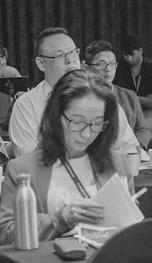

CALD Regional Conference on South China Sea Disputes under Trump 2.0
3 APRIL QUEZON CITY, PHILIPPINES
In cooperation with the Center for Liberalism and Democracy (CLD), the Department of International Studies of Miriam College, and the Philippine International Studies Organization (PHISO), and with the support of Friedrich Naumann Foundation Southeast and East Asia (FNF SEEA) Office, the conference brought together policymakers, academics, and party representatives from Asia, alongside partners from the European Union, to address escalating maritime tensions and geopolitical uncertainties under a second Trump presidency. Discussions at the conference, held in Quezon City, Philippines, examined rising incidents in disputed waters, their implications for regional security, and the urgent need for coordinated, rules-based responses among claimant states.
Roundtable Discussion on 2025 Philippine Elections
4 APRIL TAGUIG, PHILIPPINES
As part of the CALD Regional Conference, the Council convened a high-level roundtable discussion in Taguig City, Philippines to examine key political and electoral developments ahead of the 2025 Philippine midterm elections. The event brought together political leaders, academics, and journalists to unpack critical issues shaping the country’s political landscape.
CALD Women’s Caucus Strategic Planning Meeting
13-17 JUNE • BORACAY, PHILIPPINES
The CALD Women’s Caucus convened a strategic planning workshop, bringing together women leaders from the CALD member-parties to strengthen the network’s direction and impact. Through reflection, SWOT analysis, and structured planning sessions, participants identified priority areas including organizational structure, program streamlining, communications strategy, funding sustainability, and network expansion. The workshop in Boracay, Philippines, reaffirmed the Caucus’s commitment to building a stronger, more strategic platform for advancing women’s political empowerment in the region.
Asian Women Education Mentorship Program Launch
8-11
AUGUST TAIPEI, TAIWAN
The Asian Women Education (AWE) Mentorship Program, an initiative of the CALD Women’s Caucus, strengthens women’s political leadership and advances gender parity across Asia through a three-month woman-to-woman mentorship journey. Eight selected emerging leaders from political parties and civil-society organizations participate in leadership development focused on identity-building, strategic planning, and essential political skills. The program was launched in Taiwan in cooperation with the Democratic Progressive Party and with the support of FNF. The two-day event blended networking activities through inspiring keynote messages, strategic planning workshops, cross-generational exchanges, and roundtable discussions.
CALD Youth Political Academy 2025
8-11 AUGUST • TAIPEI, TAIWAN
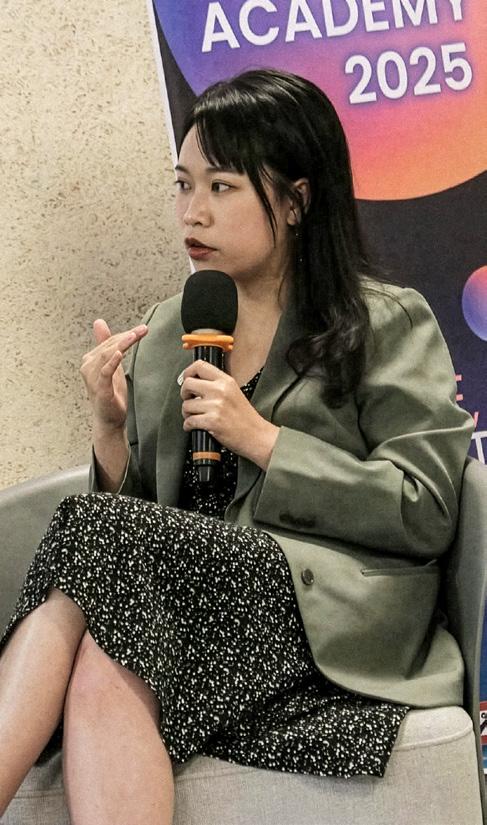
The 6th installment of the CALD Youth Political Academy (CYPA), with the theme “Ignite, Inspire, Innovate,” empowered young leaders from political parties and civil-society organizations to defend democracy while harnessing technology for positive change. Reflecting the spirit of learning from the past, acting in the present, and preparing for the future, CYPA 2025 equipped participants with the tools to navigate evolving political and digital landscapes. The program was held in partnership with Taiwan’s Democratic Progressive Party (DPP) and the Friedrich Naumann Foundation Global Innovation Hub.
Asian Women Education Mentorship Program Culmination
27-31 OCTOBER BANGKOK, THAILAND
CALD marked the culmination of the first cohort of the AWE Mentorship Program in Bangkok, Thailand, celebrating a three-month journey of leadership development, sisterhood, and cross-border collaboration among emerging women leaders. The closing ceremony highlighted participants’ leadership projects and reaffirmed the commitment of the CALD Women’s Caucus to advancing women’s political empowerment and inclusive democratic leadership across Asia.
15th CALD General Assembly & 51st CALD Executive Committee Meeting
29 OCT-1 NOV BANGKOK. THAILAND
CALD held its 15th General Assembly under the theme “AI, Inequality and Democracy: The Challenge for Liberals and Democrats.” The event, held in Bangkok, examined how artificial intelligence is reshaping economies and political systems, with the potential either to deepen inequality and erode democratic trust or to enhance participation and institutional efficiency. The Assembly aimed to support liberals and democrats in developing policy responses that address AI-driven inequality while strengthening democratic institutions. Alongside the General Assembly, the 51st Executive Committee Meeting was convened, where charter amendments were discussed and CALD’s future trajectory deliberated.




CALD Regional Conference on South China Sea Disputes under Trump 2.0

The last several years have seen the territorial disputes in the South China Sea grow ever more turbulent. But they threatened to become rougher as Donald J. Trump’s second term as U.S. president signaled profound changes in Washington’s foreign policy.
Sweeping claims of sovereignty in the South China Sea were already raising tension among claimant countries in Southeast and East Asia, and now uncertainties were being added to the volatile mix by the transactional leadership espoused by Trump.
3 APRIL • QUEZON CITY, PHILIPPINES
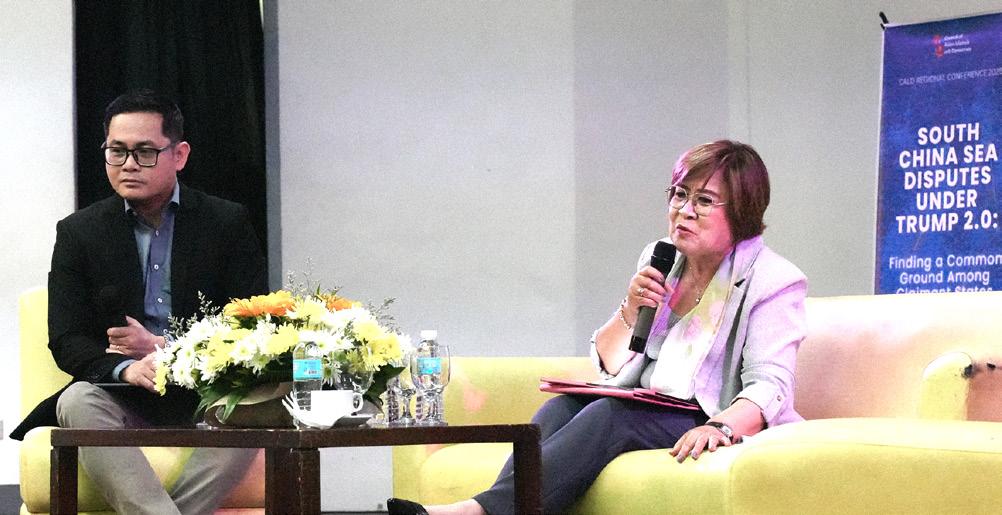
For its first major project in 2025, CALD thus decided to hold a one-day regional conference that would have leading experts, policymakers, and scholars tackling pressing issues regarding the South China Sea, including escalating geopolitical tensions, regional security, and the future of diplomatic negotiations.
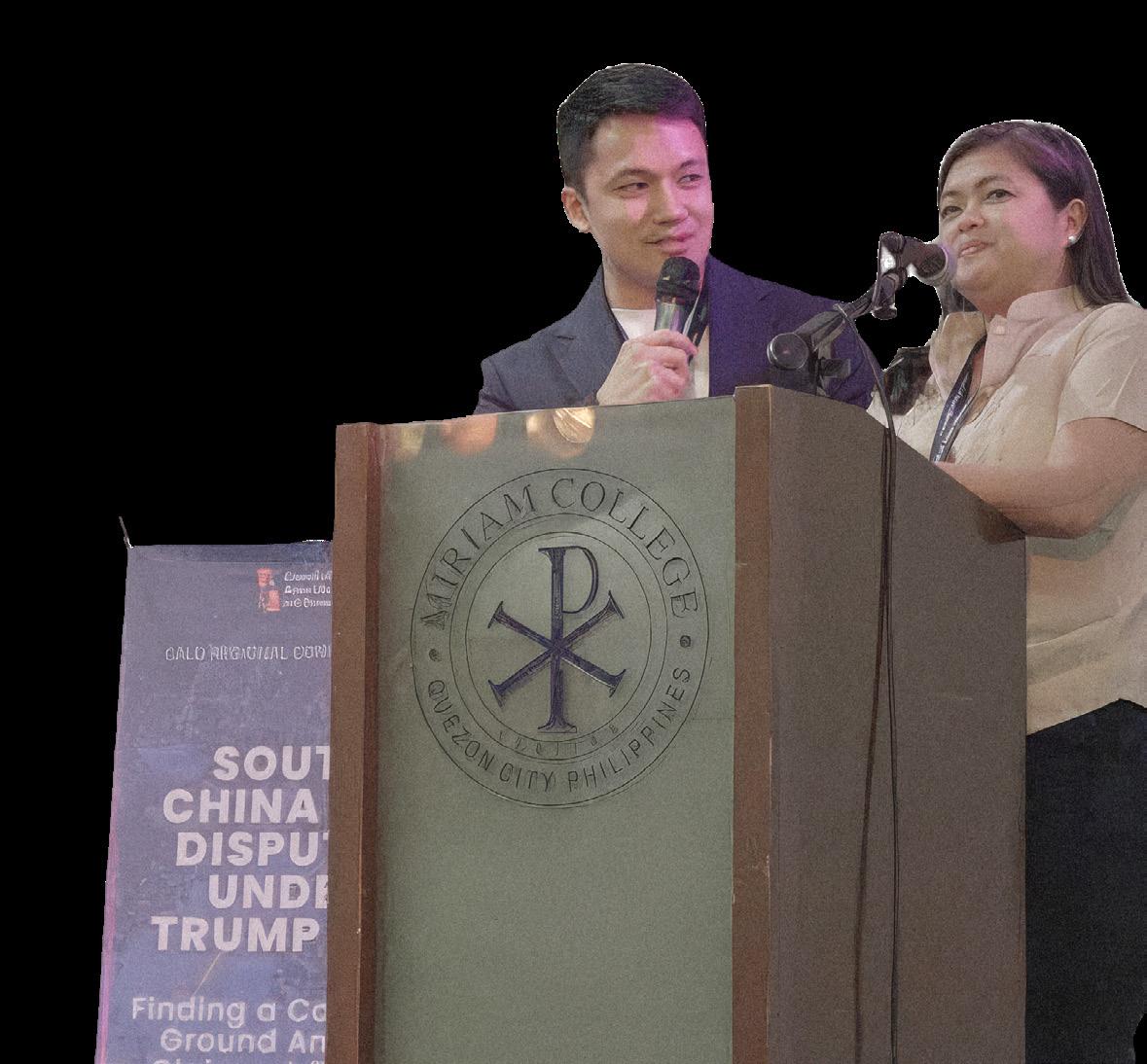
“South China Sea Disputes Under Trump 2.0: Finding a Common Ground Among Claimant States” – was organized in cooperation with the Center for Liberalism and Democracy, the Department of International Studies of Miriam College, and the Philippine International Studies Organization (PHISO), with support from FNF Southeast and East Asia. Held in Quezon City, in the Philippines’ National Capital Region, the 3 April conference took place against the backdrop of increasing maritime aggression in the South China Sea, usually with Chinese vessels harassing
Filipino fishers and challenging the Philippine Coast Guard.
No one, however, thought that the issues up for discussion concerned only about Asia and the South China Sea. As Didrik De Schaetzen, Secretary General of the Alliance of Liberals and Democrats for Europe Party, pointed out, “The democratic and rules-based international order is under pressure. The fight for human rights and democracy has not been needed more than now.”

The conference had three major sessions. The first discussed recent developments and trends relating to the disputes while Session II highlighted the views of different claimant states. The third session took off from the previous discussions and explored possible areas of cooperation among claimant states – even in the context of their competing claims for sovereignty.
The event also featured a fireside chat that focused on the
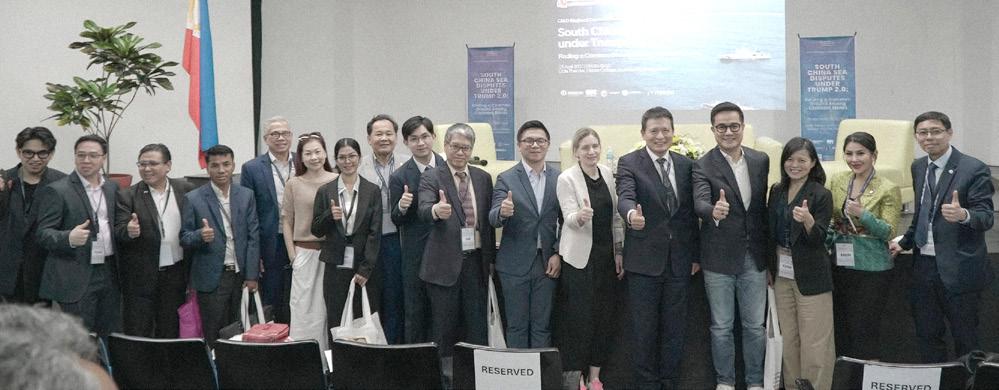
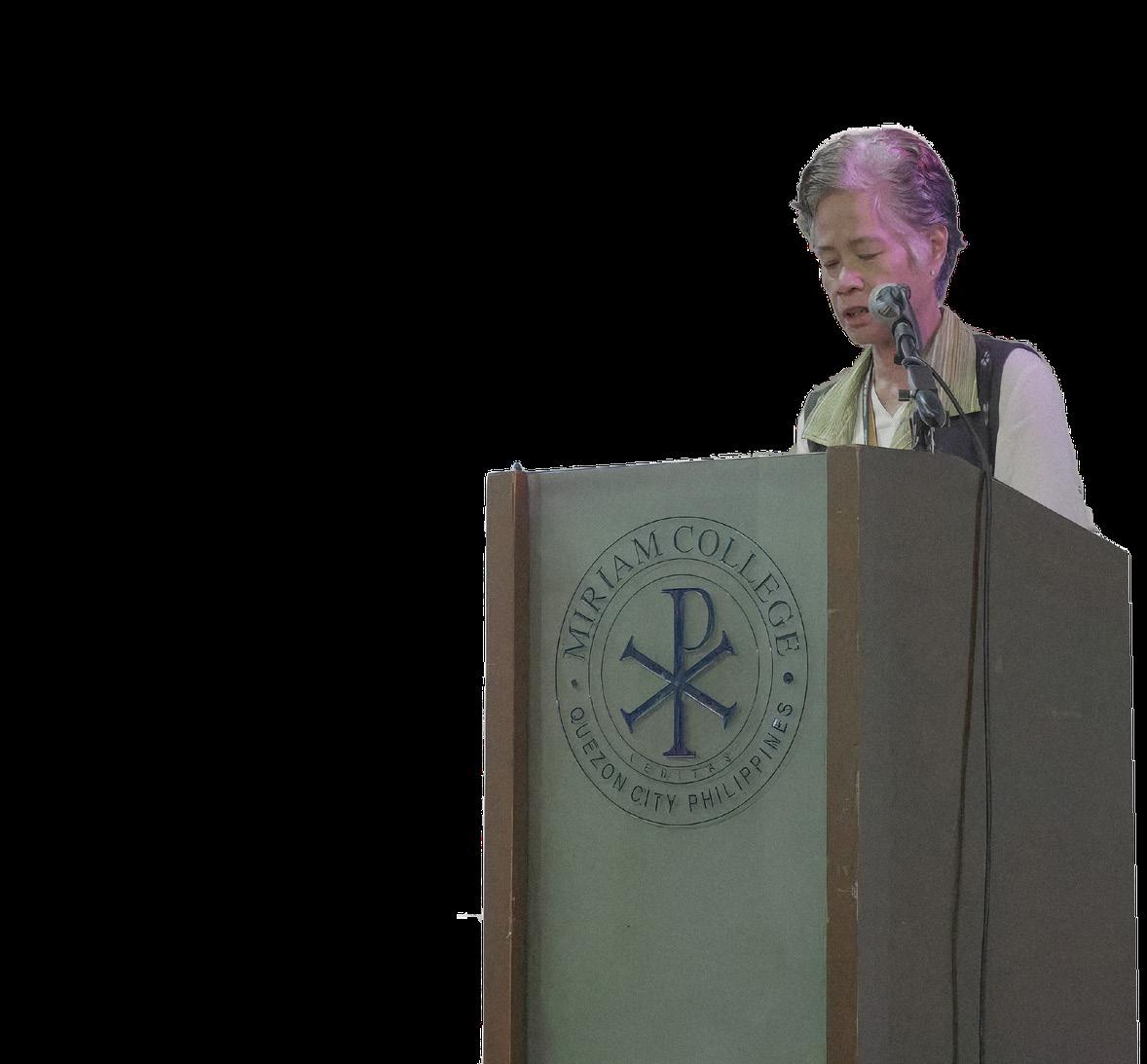
human rights and social justice implications of the South China Sea disputes, particularly from the perspective of former Philippine Justice Secretary Leila de Lima, who also once headed her country’s Commission on Human Rights.
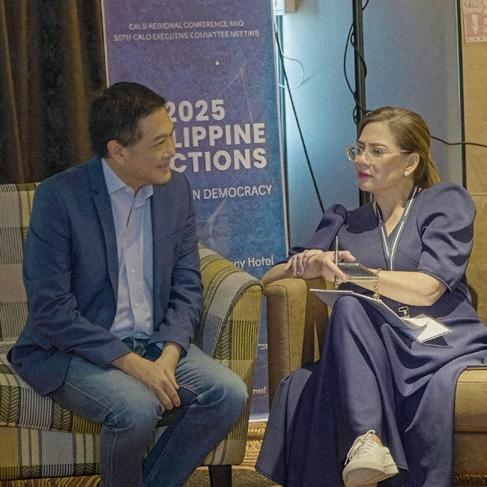
The fireside chat underscored the necessity of international solidarity in holding aggressors accountable and upholding the rule of law. Independent journalist and educator Christian Esguerra, who moderated the session, also raised the question on what the Association of Southeast Asian Nations can do when it comes to human rights issues. De Lima replied by saying that ASEAN can bring attention to all of its member states insofar as these issues are concerned. This could also instill human rights
consciousness deeper, especially with regards to the South China Sea disputes, she said.
De Lima noted as well, “The South China Sea dispute is not just a geopolitical issue—it has deep-rooted social, economic, and environmental consequences for the Philippines and the wider region. It threatens local livelihoods, endangers ecological stability, escalates militarization, undermines international law, displaces vulnerable communities, and exacerbates economic inequality. Addressing these issues requires a combination of legal, diplomatic, and environmental solutions, alongside regional cooperation and adherence to international law.”
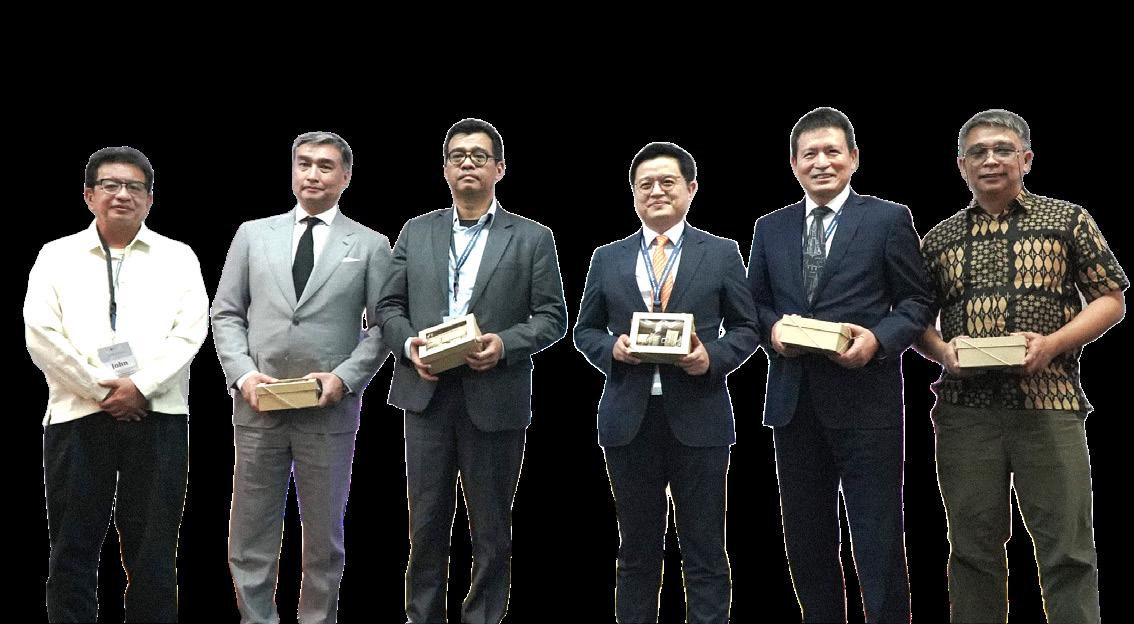
The conference emphasized that smaller and medium-sized nations must work together to counter unilateral actions by regional powers. CALD meanwhile reaffirmed its commitment to fostering dialogue and cooperation among claimant states. CALD Chairperson and Cambodian Senator Mardi Seng underscored this commitment, stating, “Perhaps it is true that we liberals are idealists. That we believe, sometimes to a fault, that individuals and states are reasonable enough to engage in dialogue, to listen to alternative – even contradictory – perspectives, and to enter into compromises.”
By providing a platform for discussion, CALD demonstrated the crucial role it plays in promoting multilateral, peaceful solutions to the dispute. And as tensions in the South China Sea persist, CALD calls on regional leaders to uphold democratic values, safeguard human rights, and ensure that diplomacy prevails over aggression.


Roundtable Discussion On 2025 Philippine Elections
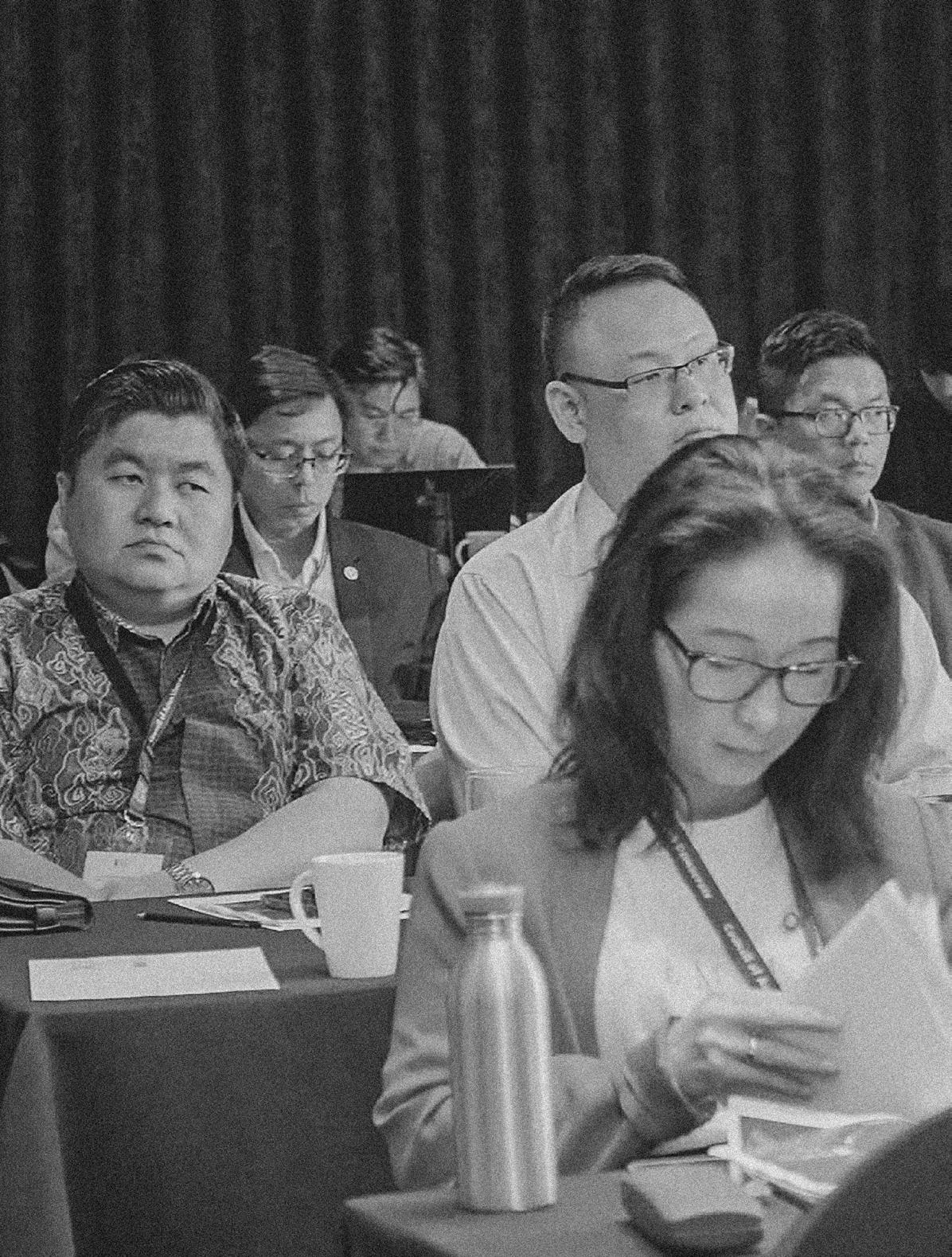
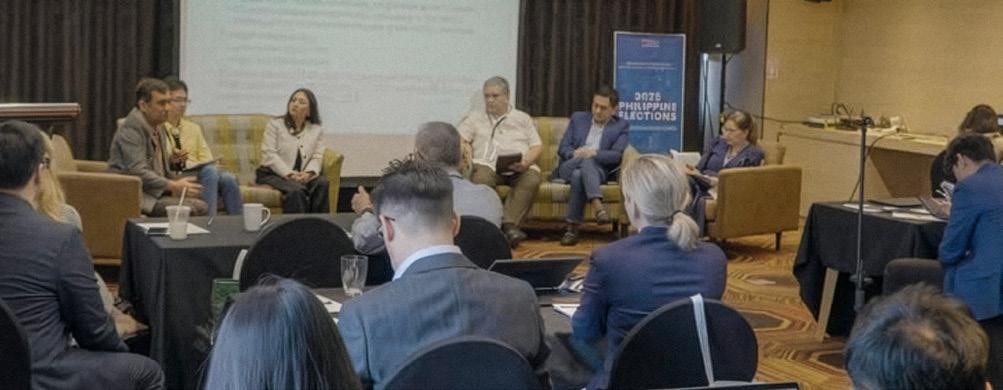
Ahead of the Philippine midterm elections that were to take place in May, CALD convened a high-level roundtable discussion to examine key political and electoral developments in the country. The event, held on 4 April in Taguig, Metro Manila, brought together political leaders, academics, and journalists to unpack critical issues shaping the country’s political landscape.
Central topics included the intensifying rift between the Marcos and Duterte camps, the preparation of the political opposition for the 2028 presidential elections, and the realities of campaigning in the Philippines. Speakers also addressed the growing influence of social media, persistent concerns over election fraud, and the urgent need for political and electoral reforms.
Renowned broadcast journalist Pia Hontiveros moderated the discussion, guiding the conversation across multiple
4 APRIL TAGUIG, PHILIPPINES
sessions featuring diverse perspectives from across civil society, academe, and political institutions. Interestingly, political dynasties emerged as a major concern in the discussions.
Liberal Party of the Philippines Acting President Lorenzo ‘Erin’ Tañada III opened the discussion by providing the lay of the land. He described the current state of Philippine politics as “fractured” and dominated by the rivalry between two former allies from two powerful political families: the Dutertes and Marcoses.
Tañada pointed to the disintegration of the UniTeam alliance, which had secured a decisive victory in the 2022 national elections through the Ferdinand ‘Bongbong’ Marcos Jr.–Sara Duterte ticket. Just three years later, that coalition had collapsed, with the Duterte faction claiming to be the opposition—a claim met with public skepticism.
“Opposition to what?” Tañada asked, referencing the widely shared sentiment questioning the Duterte bloc’s new oppositional stance after having campaigned and elected with Marcos.
“What are you fighting for? What are you opposing?”
Tañada also reflected on the state of the LP, which supported former Vice President Leni Robredo in her 2022 presidential run. He suggested that Robredo’s chances might have improved had Sara Duterte pursued a separate presidential bid, potentially dividing the pro-administration vote.
Highlighting the LP’s struggles, Tañada noted a sudden drop in its membership after the administration of President
Benigno ‘Noynoy’ Aquino III, attributing the decline to the common practice of Philippine politicians to defect to the ruling party. Following Duterte’s victory in 2016, many LP lawmakers joined the Partido Demokratiko Pilipino (PDP), leaving the LP with only six House members and no senators after the 2022 elections.
Like Tañada, former Commission on Elections (Comelec) Commissioner Luie Tito Guia painted a grim picture of the country’s electoral landscape, describing it as one dominated by political dynasties, as well as plagued by patronage and unchecked campaign spending. He even warned that the “unmitigated influence of money” in Philippine elections marginalize ordinary citizens and discourage genuine democratic participation. Violence also continue to taint elections, he said.
Guia identified weak institutions as another core issue: from a fragile political party system to outdated laws — the country’s main election law, still based on a 1985 statute, predates the 1987 Constitution, for instance — and declining credibility in electoral bodies.
“Public trust in elections is eroding due to poor governance outcomes,” he remarked. “There is a disconnect between elections and governance.”
Danilo Arao, convenor of Kontra Daya (Against Fraud), meanwhile zeroed in on the persistent irregularities and systemic flaws in the Philippine electoral system.
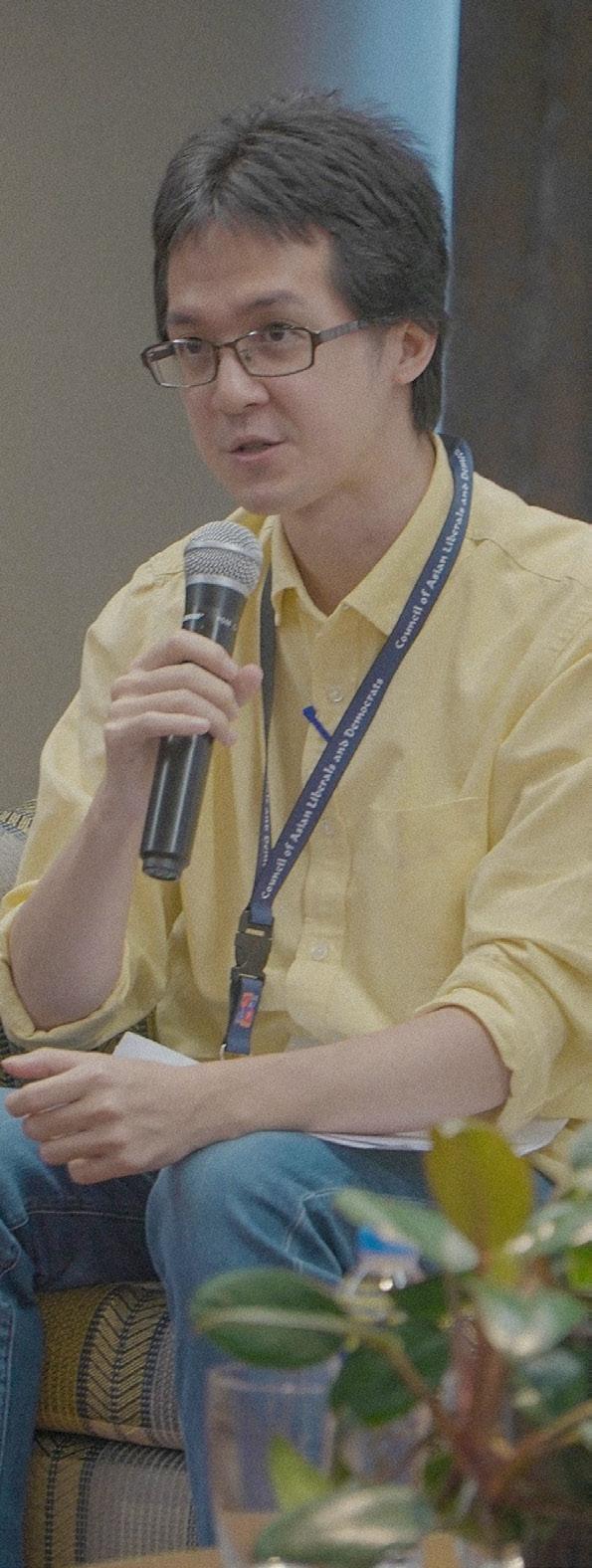
Speaking on behalf of one of the country’s youngest election watchdogs, Arao detailed ongoing concerns about election fraud, disinformation, and – again — elite dominance, in both district and party-list races. According to Kontra Daya’s research, 86 out of 156 accredited party-list groups (or over 55 percent) were linked to powerful families, big businesses, security forces, or have questionable advocacies and transparency.
Arao also criticized the misuse of government resources, including the use of barangay officials and public schools for partisan campaigning. He noted as well legal loopholes such as premature campaigning and the strategic use of placeholder candidates, though he acknowledged that Comelec had begun tightening regulations in response.
Yet it certainly has not helped that despite the Philippines adopting an automated election system in 2010, issues of transparency, machine reliability, and contract integrity remain unresolved — matters that are also within Comelec’s ambit. Arao cited the fact that systems-supply firms that had been linked previously to administration allies continued to win election-related contracts, raising conflict-of-interest concerns. Moreover, the source code of vote counting machines remains proprietary, and ballot printing and storage processes lack public oversight, he said.
“Vote counting machines consistently break down on election day,” Arao added.
Then there is the growing threat of disinformation, particularly what Arao called “historical denialism,” as well as red-tagging—branding individuals or organizations as communist sympathizers—which has resulted in harassment, arrests, and even killings. Of the 94 campaign violations recorded by Kontra Daya in its initial 2025 election monitoring, said Arao, 64 percent were red-tagging cases.
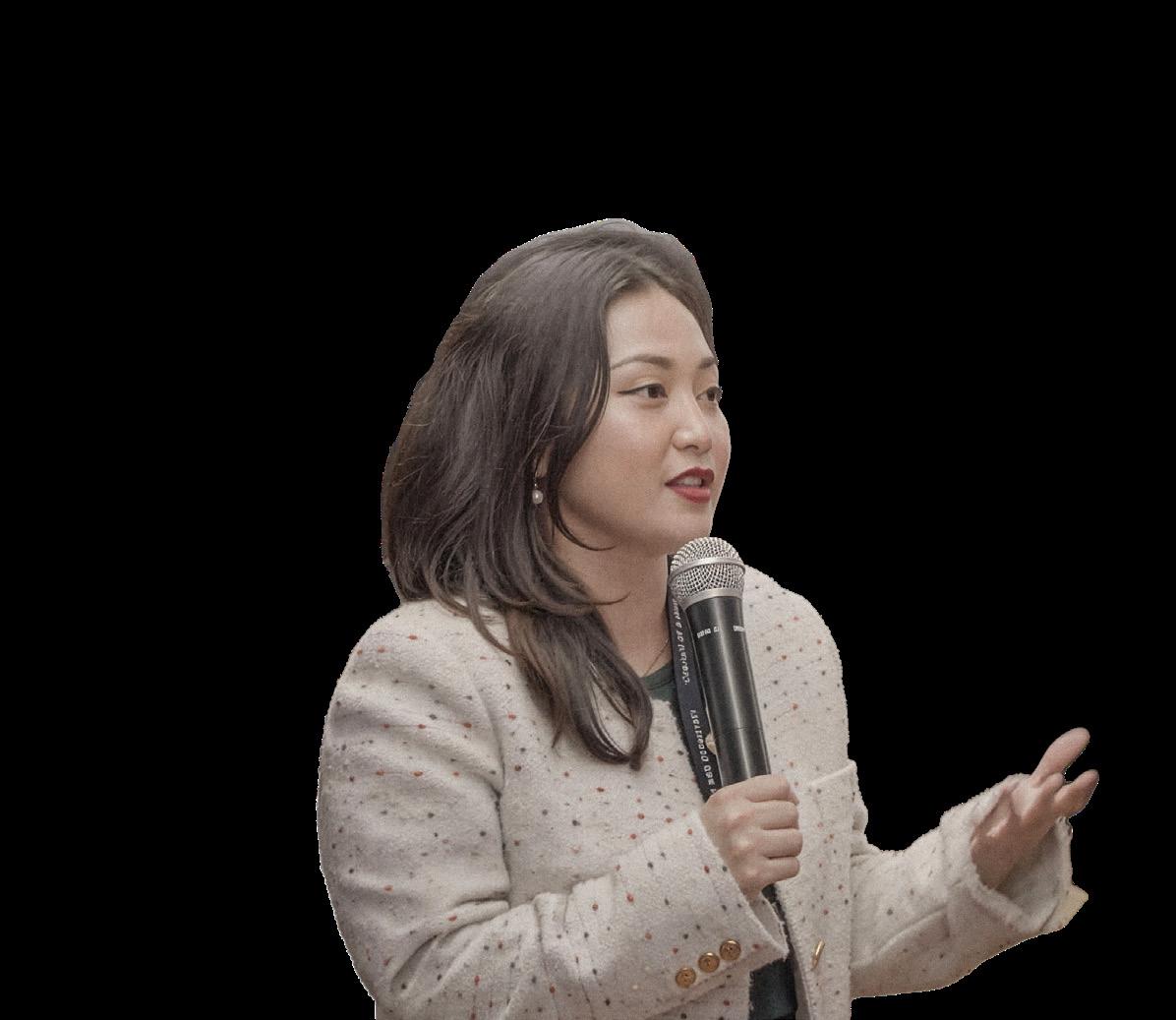
The Straits Times Philippine correspondent Mara Cepeda meanwhile pointed to the immense influence of social media in shaping public opinion and in facilitating disinformation. She described how platforms like TikTok and Facebook have transformed political campaigning and voter engagement, often to the detriment of truth and democratic processes.
“Filipinos are among the most active internet users globally,” she said. “We love TikTok. We love Facebook. Gen Zs don’t read newspapers anymore—they just rely on what pops up on their feeds.”
This heavy reliance on algorithm-driven news feeds makes Filipinos particularly susceptible to manipulation. According to Cepeda, the Philippines served as the testing ground for the same tactics later used by Cambridge Analytica to help Donald Trump win the U.S. presidency in 2016. Christopher Wylie, a British-Canadian data consultant who was working at Cambridge Analytica at the time, even described the Philippines as a “petri dish” for disinformation.
Cepeda traced the roots of this digital disinformation strategy to the 2016 campaign of Rodrigo Duterte, who weaponized social media by favoring “emotion over facts.” Duterte bypassed traditional media by using raw, unfiltered messaging and an army of micro-influencers and paid troll
farms to spread his populist appeal. Said Cepeda: “He was like your drunk uncle, and people connected with that.”
This well-oiled disinformation infrastructure was then inherited and optimized by Marcos Jr. during his 2022 campaign. Cepeda said Marcos Jr. ran “a well-funded campaign to bury the past and sell a fake unity message.” His team strategically branded Martial Law as a “golden age” and crafted an online persona of Marcos Jr. as a “cool uncle”—a sharp contrast to his family’s authoritarian legacy.
Pro-Duterte and pro-Marcos influencers also played a central role in shaping online discourse, discrediting critics, and boosting the image of administration-backed candidates. But one of the crucial elements in a digital strategy such as that employed by Marcos Jr. and the Dutertes is the creation of algorithmic echo chambers that reinforce existing biases.
“Sensationalist and divisive content go viral,” Cepeda said. “Legitimate news organizations can’t compete with armies of trolls.” A clear case in point, she said, was the 2022 election loss of opposition candidate Robredo, despite overwhelming online visibility among her supporters.
“Why did Robredo lose when all my feeds were pink?” asked Cepeda. “Because that was just the echo chamber of the minority.”
For University of the Philippines (UP) Diliman political science senior lecturer Francis Dee, part of the problem can be traced to the critical shortcomings in the country’s political education system, where there is lack of constitutional instruction, which is exacerbated by weak voter education strategies. As a result, there has been growing student apathy toward politics as well.
Dee then outlined “four and a half points” on the role of the academe in promoting democratic literacy. He began by underscoring what he described as a “glaring omission” in higher education: the absence of dedicated constitutional courses in general education curricula. “There isn’t a course that is devoted to the Constitution in our general education,” he said, noting that even at UP, constitutional instruction is only provided if required by a specific program.
On voter education, Dee called for a shift from character-focused criteria to practical voter literacy. “Voting is a difficult exercise in the country,” he said, arguing that education efforts should first teach the mechanics of voting such as how ballots work and how many candidates to vote for before delving into ideal leadership qualities.
Third, he raised concerns about universities becoming ideological echo chambers. “You don’t hear people arguing in good faith from the opposing camp,” Dee observed, warning that this may deepen political polarization. He added that misinformation is becoming more effective when it aligns with existing biases—even among progressive groups.
Despite these challenges, Dee cited UP’s general education course on political thought as a positive example of how political philosophy can be used to instill constructive civic values. “The education system isn’t broken, but it could be better,” he said, advocating for more exposure to the ideas behind democratic institutions rather than rigid value prescriptions.
For the last “half point,” Dee pointed to a troubling trend in youth political disengagement, particularly the rise of abstentions in student council elections. He noted that while young people were highly mobilized in the 2022 national elections, their growing frustration with political outcomes may now be translating into apathy.
For all the four speakers, however, all is not yet lost, and positive change can still be had. Tañada, for one, remained hopeful, despite LP’s setbacks and the rather bleak state of Philippine politics. He outlined his
party’s modest goals for the 2025 midterm elections: winning one Senate seat and doubling their House representation as part of a longer-term strategy toward the 2028 presidential race.
Guia, for his part, recognized the current Comelec’s efforts to promote electoral accountability, despite ongoing institutional challenges. Among the measures done by Comelec that Guia considered praise-worthy were: stricter accountability for vote-buying offenses; prohibition of environmentally harmful campaign materials; new rules penalizing red-tagging, misogyny, and discrimination; and stronger stakeholder engagement.
“These are unprecedented and necessary steps,” Guia said, noting that red-tagging is now officially a prosecutable offense—a first in Philippine electoral history.
But Guia encouraged Comelec to further reform campaign-finance regulations, strengthen enforcement mechanisms, and redesign the electoral system. He cited as a potential model the Bangsamoro Autonomous Region, which employs proportional representation and provides reserved seats for marginalized sectors—a structure that Guia argued is more inclusive and democratic.
Guia then laid out a roadmap for reform. First, he said, political party development is needed to encourage issue – and program-based politics, instead of personality-centered campaigns.
“Our own constitution incentivizes personality-oriented politics,” he noted.

Second, Guia said, campaign-finance laws should be revisited. For example, he said, “there are limits on candidate spending, but no cap on donor contributions.”
And lastly, he said, there is a need to modernize election administration and improve the use of technology, despite lingering public distrust. “Technology is essential,” said Guia, “but it’s often viewed with suspicion.”
The reforms wish list of Kontra Daya’s Arao had some echoes of Guia’s roadmap:
Adopt a hybrid election system combining manual counting and electronic transmission for better transparency.
Conduct a thorough investigation into Comelec and vendor bribery allegations.
Amend the party-list law to ensure only genuinely marginalized groups can participate.
Pass an Anti-Dynasty Law to curb elite dominance in politics.
Rally global liberal and democratic institutions to support electoral reform initiatives in the Philippines.
Dee meantime said that educators and researchers should reevaluate the role of schools in fostering politically aware and
active citizens amidst a polarized and misinformation-prone environment.
For Cepeda, journalists need to adapt their storytelling for platforms like TikTok and Instagram Reels, while maintaining the integrity of their reporting. But she also called for stronger media literacy among the public, stricter regulation of online political content, and greater accountability from tech platforms.
“Journalists cannot do it alone,” Cepeda said. “Every Filipino has a responsibility to fight for democracy.”


CALD Women’s Caucus Strategic Planning Meeting
13-17 JUNE • BORACAY, PHILIPPINES
It’s still up for debate whether or not French writer Antoine de Saint-Exupéry really did say, “A goal without a plan is just a wish.” But no one – least of all the CALD family — doubts the wisdom of these words.
And so the CALD Women’s Caucus gathered in the Philippine resort island of Boracay for a few days in June, determined to come up with concrete plans on how to build, support, and sustain the relationship and communication among its members. Six amazing women from CALD member-parties in Cambodia, Indonesia, Philippines, Singapore, Taiwan, and Thailand participated in the intensive (but enjoyable) strategic planning workshop that had four aims: learn about the motivations and aspirations of the key members of the CALD Women’s Caucus; analyze the strengths and weaknesses of the Caucus, as well as the opportunities and threats facing the network; consider the formation of a core group that may facilitate continuity

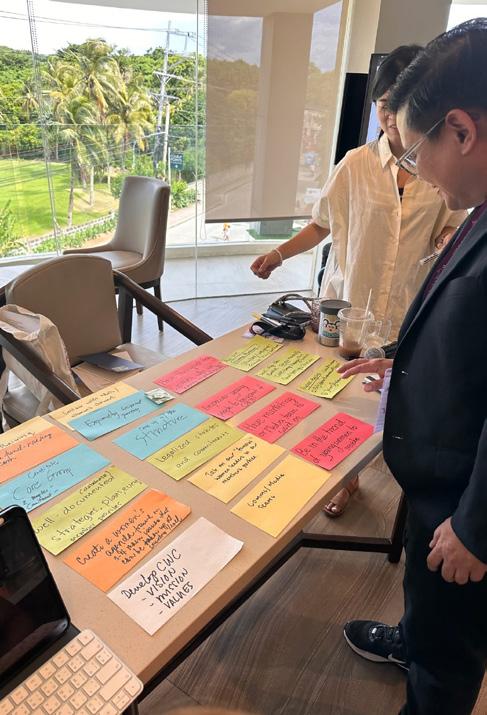
and growth; and propose short –and medium-term plans for the Caucus informed by the needs and priorities of women in CALD member-parties.
The workshop commenced with a presentation on the origins and evolution of the CALD Women’s Caucus, including its major achievements in its almost two-decade existence. It reminded participants how the Caucus was formed in 2006 as a response to the “Win with Women Global Initiative,” and how it has held annual activities participated in by hundreds of women political leaders from CALD member-parties and beyond. These activities have contributed significantly to mainstreaming gender issues and gender-related policies and initiatives within CALD member-parties
and in CALD activities. Outstanding women political leaders in the Southeast and East Asian region – who also happen to be members of the CALD family – such as Tsai Ing-wen, Annette Lu, and Bi-khim Hsiao from Taiwan, Emily Lau from Hong Kong, and Leni Robredo from the Philippines, had even been speakers at some of these events, offering sage advice while also inspiring participants.
The presentation at the Boracay workshop was followed by a sharing among the participants of their personal journeys as women leaders. Some highlighted the gender discrimination they faced as women in politics, as well as the challenges that come in balancing the rough and tumble of politics with family life. Others noted the economic constraints that bar substantive women political participation, as well as the lack of institutional support that would encourage women to enter politics.
The workshop then proceeded with a discussion on how this wealth of experiences could be of value to the CALD Women’s Caucus, particularly in the process of the formation of the core group. A core group has been described as the “most interested” and the “most committed” members in an organization, as distinguished from a core team, which has both active and peripheral members. Having a core group is said to be crucial for organizational planning and development.
Organizational planning and development, however, cannot not be done without an assessment of the internal and external environment affecting organizational operations. So the Caucus went through a SWOT (strengths, weaknesses, opportunities, threats) analysis to know how the network can use its strengths to seize opportunities and overcome threats, guided by an awareness of its weaknesses.
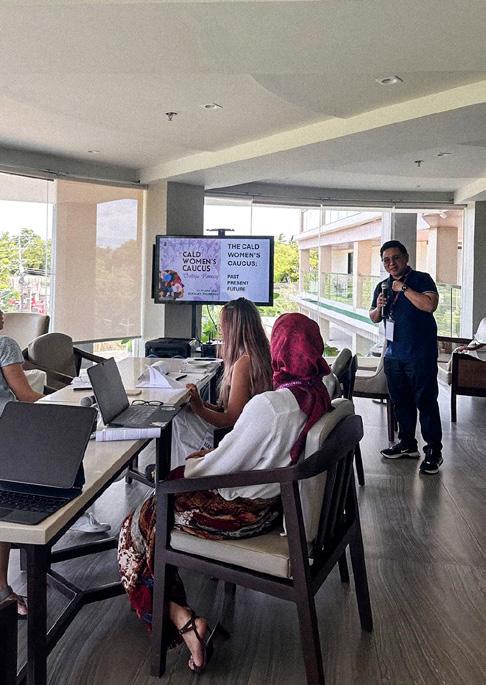
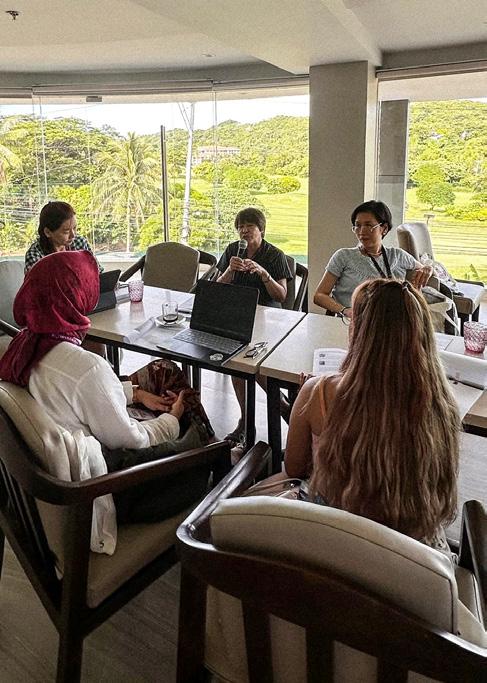
From the SWOT analysis, a list of priority areas was identified by the participants including: (1) defining the Caucus’s structures and processes; (2) streamlining its programs and activities; (3) developing a communication plan and strategy that would incorporate a spotlight on women leaders; (4) exploring alternative funding sources; and (5) expanding the Caucus’s network. The participants then agreed on who would be taking the lead in realizing the goals per priority area, as well as a realistic timetable to accomplish the goals.

“We came to Boracay with a wish for the CALD Women’s Caucus to be a more effective avenue for women political empowerment,” said CALD Women’s Caucus Chairperson Jaslyn Go, “and we left the island with a definite plan on how to make it happen. Given the interest and commitment I have seen in the participants who attended this strategic planning workshop, I can say with certainty that the future looks bright for the CALD Women’s Caucus.”
Asian Women Education Mentorship Program Launch
8-11 AUGUST • TAIPEI, TAIWAN

Asia has had female heads of state, but more often than not, women have been able to occupy the highest post in the land largely because their husbands or fathers were major political figures. Across the region, women are still hard to find in ministerial posts or in local governments.
Such a state is regrettable considering that gender equality and women empowerment can potentially make politics more effective and efficient, as women’s participation has demonstrated in other fields. UN Women, for one, recognizes the central role of women in achieving progress across 17 Sustainable Development Goals (SDGs), their impact felt in areas such as poverty reduction, economic development, peace processes, and environmental sustainability.
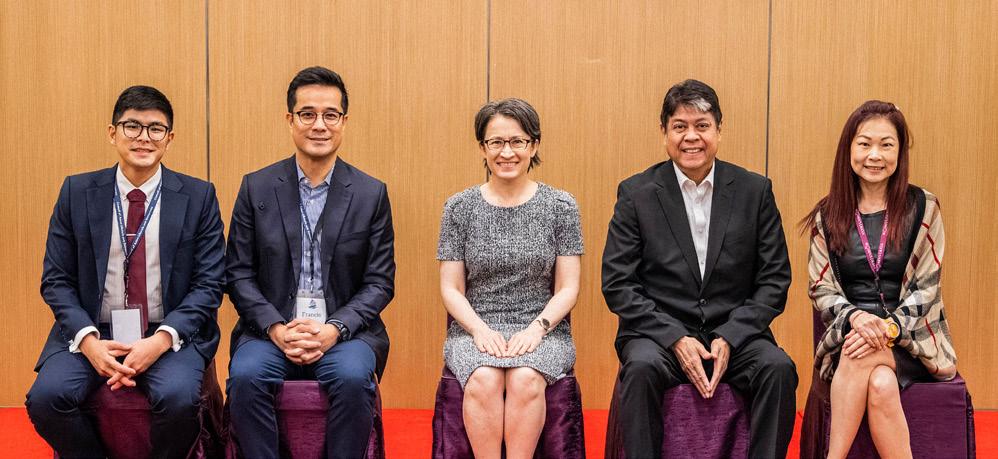
Realizing the power of woman-to-woman mentorship in encouraging more women to enter politics, the CALD Women’s Caucus put together the three monthlong Asian Women’s Education (AWE) Mentorship Program, a tweak of its flagship annual project. Six outstanding women mentees were selected from CALD member parties and civil-society groups, and their mentorship journey began with the program’s two-day launch in Taipei.
The launch opened on 8 August with a welcome dinner that brought together women and youth participants from across the CALD network. CALD Secretary General Francis ‘Blue’ Abaya quoted legendary U.S. industrialist Henry Ford in telling them: “Coming together is a beginning, keeping together is progress, and working together is success.”
A group pledge started the series of activities the next day. This was followed by the mentees’ symbolic hand-printing on the program’s commitment board, which marked the start of their mentorship journey. To help get them revved up and ready were motivational messages from the program’s mentors and leadership coaches, starting with CALD Women’s Caucus Chairperson Jaslyn Go, and then former Philippine Vice President Leni Robredo, and former Thai
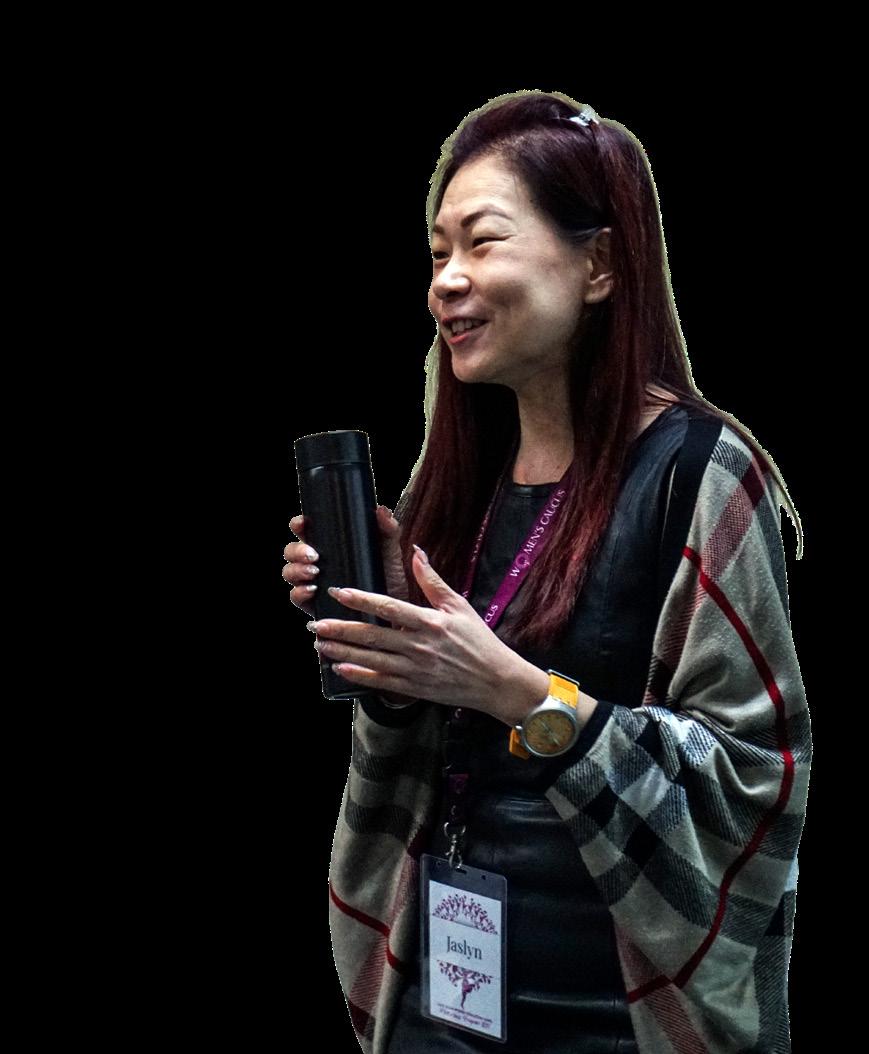
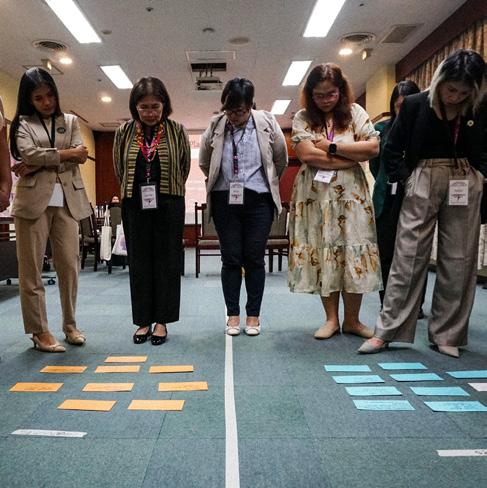
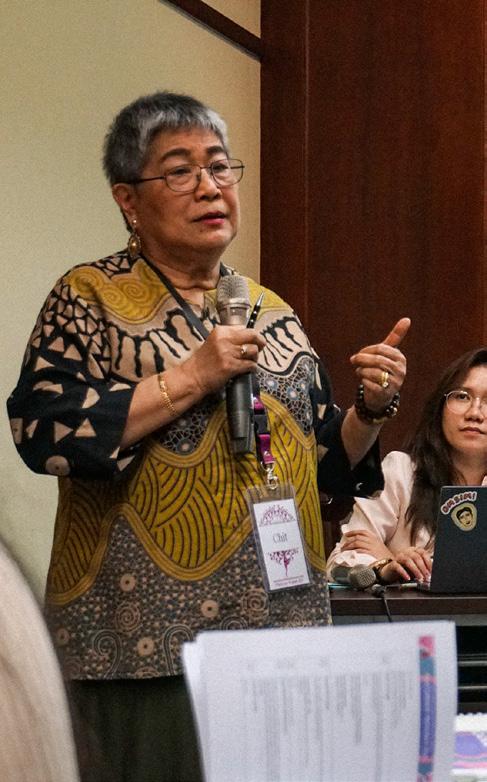
Member of Parliament Rachada Dhnadirek. Next was a framework-setting session led by Chit Asis of People Power Volunteers For Reform (PPVR), outlining the foundational and transformative relationship between good governance and women’s empowerment.
CALD member-party and Taiwan’s ruling Democratic Progressive Party hosted a lunch for the mentees. Taiwan Vice President Bi-Khim Hsiao, who was at the special luncheon, emphasized that leadership is not a solo journey but one built on community rooted in principle, driven by purpose, and walked by people who stay curious and committed to learning, unlearning, and reimagining.
“Over the years, we’ve seen members of CALD grow and some of us have run into trouble or difficulties,” remarked Hsiao, who described herself as a true member of the CALD family. “But despite all of the ups and downs, we have all stuck together not only as a family, but with each other and supporting each other in dealing with challenges together. And I think that’s what the spirit of CALD is all about.”
The afternoon was dedicated to having the mentees engage in strategic planning activities, with Kwankaow Kongdecha from King Prajadhipok’s Institute Office of Innovation for Democracy as facilitator. Then came the seminar “Defending Democracy’s Front Lines: Taiwan, the Philippines, and the Fight Against Authoritarian Interference,” organized by DPP. Speakers included Philippine Senator Francis ‘Kiko’ Pangilinan, Taiwan’s Deputy Minister of Foreign Affairs Ming-Chi Chen, and Chihhao Yu, Co-director of the Taiwan Information Environment Research Center (IORG) Co-Director Chihhao Yu. Dr. I-chung Lai of the Prospect Foundation moderated the session. The day concluded with a joint dinner.
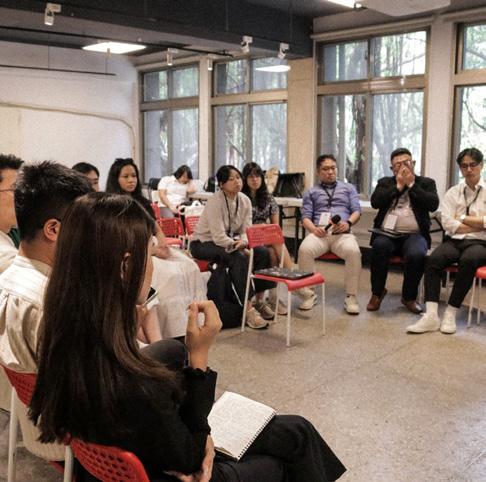
The program launch’s final day began with a morning walk to the Social Innovation Lab for a rich and stimulating roundtable discussion with Taiwan legislators Fan Yun and Ngalim Tiunn, with lawyer Yen Jong Lee of DPP’s Gender Department as moderator.
“Gender equality is just as essential to our identity as anti-communism and democratic values,” Lee said, “but the path to dismantling misogyny in politics is a long one. Women in politics still face sexual harassment, body-shaming, and the glass ceiling – even within their own parties.”
Drawing from the speakers’ experiences, Lee offered strategic advice to the mentees, telling them that a strong circle of cheerleaders and allies is vital not only in challenging sexism but also in safeguarding mental well-being. She also urged them to shift their perspective on younger women and see them not as competition, but as sisters
to lead, guide, and protect — just as they once hoped a mentor would do for them.
A lunch at a local Taiwanese restaurant offered participants a taste of the richness of local culture. Then came a mentee-mentor check-in session, where the mentees shared glimpses of their ideas for their individual projects. This was followed by a session called “Responsible Use of AI in Campaigns,” organized by the FNF Global Innovation Hub, with insights from Professor Richy Li of the National Chengchi University.
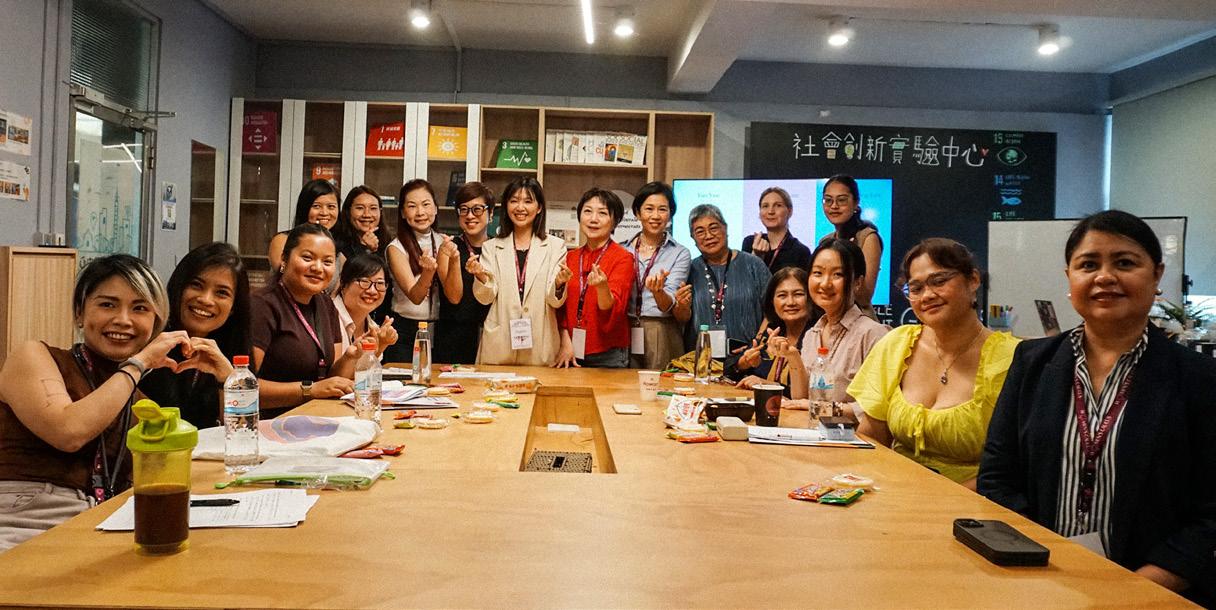
The program concluded with a synthesis session recognizing the contributions of all participants and affirming their having fostered a sisterhood united by a shared vision of women’s empowerment — one that goes beyond simply taking up space, and has full commitment in ensuring that women seated at every decision-making table bring and champion female perspectives, not only on gender issues, but on all issues, alongside men.
Go told the mentees: “Your presence here is a testament to your courage and commitment. We know the political situations in your home countries can be challenging, but you’ve chosen to step forward and invest in yourselves. That bravery is exactly what this program is about. We hope the skills and connections you gain will not only benefit you, but also inspire you to become mentors yourselves one day.”
CALD Youth Political Academy 2025
8-11 AUGUST • TAIPEI, TAIWAN
“We choose optimism not out of naivety, but out of conviction. We believe in progress, in people, and in the power of ideas to create real change. As liberals, we hold a simple but powerful belief: there is always a turning point—always a moment when things can shift for the better. And it’s up to us to lead that change.”
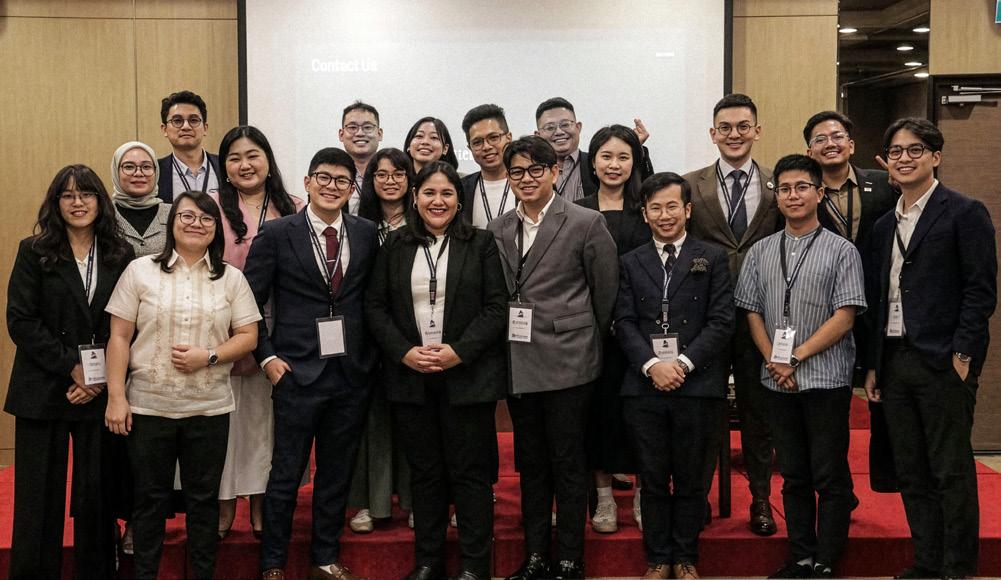
This was the message of CALD Secretary General Francis ‘Blue’ Abaya to the delegates at the 6th installment of the CALD Youth Political Academy (CYPA). Reminding participants that optimism, partnered with action, is the key for transformation, Abaya’s words set the tone for the workshop that ran from 8 to 11 August in Taipei, Taiwan.
CYPA 2025 was organized by CALD in collaboration with Taiwan’s Democratic Progressive Party and the Better Politics Foundation, with support from FNF and Taiwan Foundation for Democracy. With the theme “Ignite, Inspire, Innovate” and reflecting the spirit of learning from the past, acting in the present, and preparing for the future, it aimed to empower youth leaders, both from political
parties and civil-society organizations, to defend democracy and harness technology for good. The overarching theme reflected the transformative journey envisioned for the youth participants, providing them with the knowledge, skills, and networks to lead effectively in both traditional political arenas and digital platforms.
CYPA 2025 kicked off with a session on The Thinking Environment, which set a collaborative tone, emphasizing that strong leadership begins with a meaningful dialogue. Led by CALD Youth Chairperson Jeremiah Tomas, it gave delegates a space for listening, reflection, connection, and leadership. As Tomas shared, “The quality of our listening determines the quality of each other’s thinking. And as youth leaders, we must learn how to truly listen to build relationships. Listening without interruption is a powerful act of respect and active listening gives partners the space to develop ideas.”
DPP Spokesperson Wu Cheng then delivered a TED-style talk on the challenges and importance of youth participation in politics and civil society. Highlighting the power
of persistence and the strength of community, he said, “Being the one who wants to change our society, there’s a lot of possibilities laying in front of you. We might all face setbacks, but there is eventually triumph at the end of the road. You have to stick with it, believe in your goal, choose your teammates, and let them be your backup when you face challenges.”
“Each one of us is like a spark,” Cheng added. “A spark can go up or down, but if we stick together, we can push our country in the direction we want to pursue.”
Another session was conducted by Better Politics Accelerator head Ximena Docarmo, who flew in from Germany to share the key components of political talent incubators and accelerators designed to support innovators within political parties. In her session, participants gained practical tools and insights into identifying emerging talent, designing transformative learning journeys, and guiding decision-makers from early-stage ideas to lasting impact — all through the lens of the Political Leadership Impact Path framework.
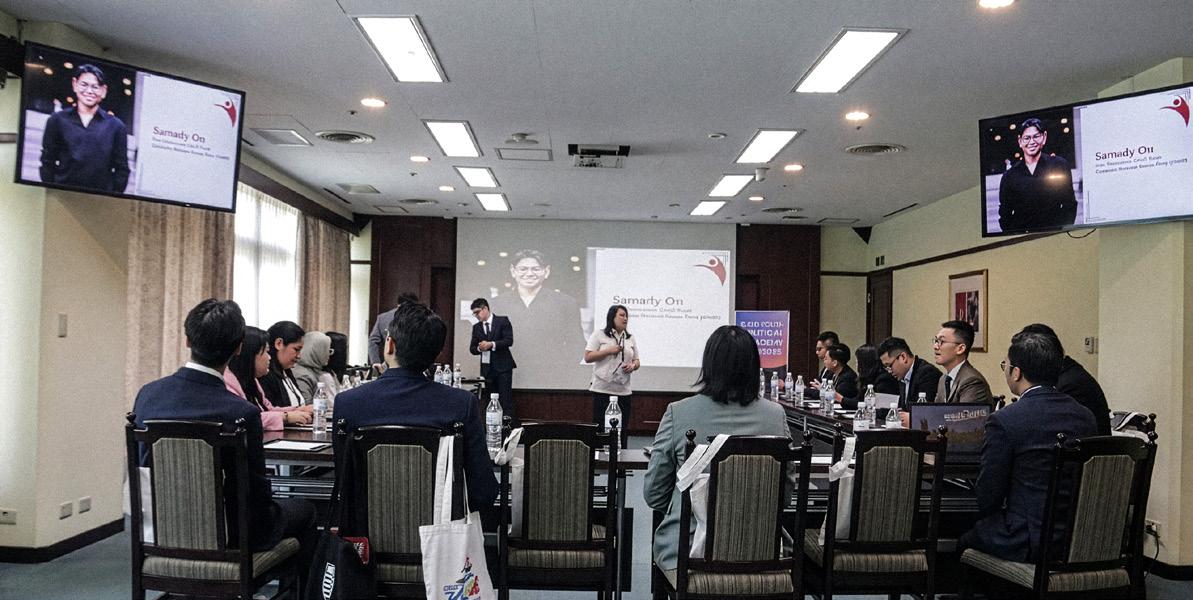
The “Island of Resilience Seminar: Defending Democracy’s Front Lines; Taiwan, the Philippines, and the Fight Against Authoritarian Interference, organized by the DPP International Affairs Department, was next, featuring speakers such as the Deputy Minister of Foreign Affairs of Taiwan Ming-Chi Chen, Philippine Senator Francis ‘Kiko’ Pangilinan, and Taiwan Information Environment Research Center Co-Director Chihhao Yu. Acting as moderator was Prospect Foundation President I-chung Lai.
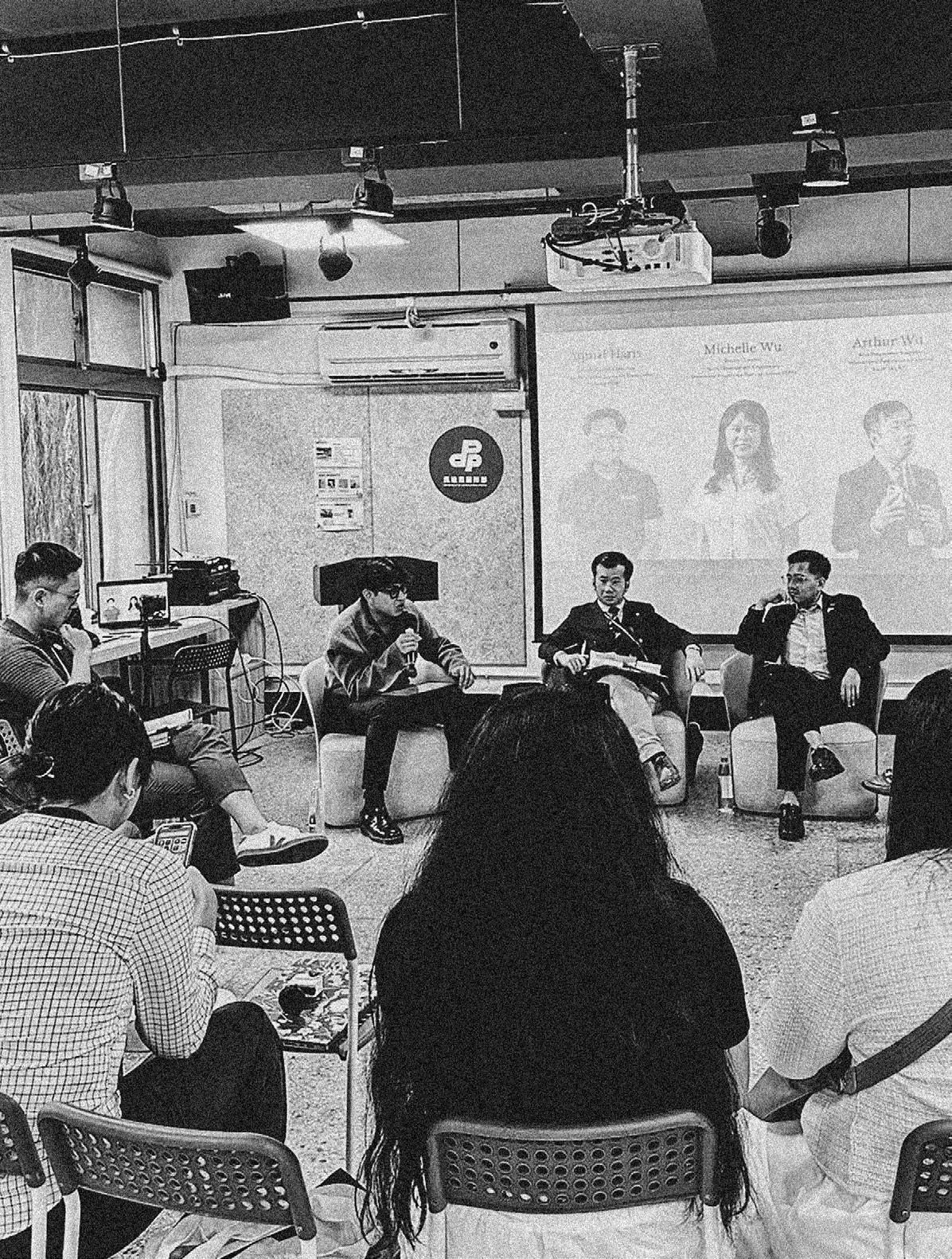
The final day started with the “Bridging the Gap: Youth Activism Meets Party Politics,” a panel discussion on how youthled movements and traditional political parties can work together, not apart. The session explored ways to bridge

divides, align goals, and create meaningful pathways for youth participation within formal political structures, with perspectives from Singapore, Taiwan, Hong Kong, and the United Kingdom. Speakers included Leader of the Protem Committee of the Young Democrats of the Singapore Democratic Party Aqmal Haris, Deputy Director of DPP’s Youth Development Department of DPP Michelle Wu, and Asia Programme Member of the International Federation of Liberal Youth Arthur Wu.
Haris noted that in Singapore, nearly half of the youth population (48.6 percent) remain undecided on taking a political stance.
Pointing out the need for youth to be involved either in civic or political participation, he said,
“You may not be interested in politics, but politics is always interested in you.”
The day concluded with FNF Global Innovation Hub‘s AI in Election Campaign Workshop led by Professor Richy Li. Participants examined the gender, cultural, political, racial, and historical biases that persist in many AI models, and learned how to detect, evaluate, and select the most effective AI tools for campaign purposes. Through hands on exercises and live discussions, they gained practical skills in AI application, gender and cultural mainstreaming, and campaign innovation.
Closing CYPA 2025, Tomas thanked participants, emphasizing that every voice had added depth to the shared understanding of what it means to fight for democracy in each unique context. He reminded everyone why CALD and CALD Youth hold this academy every year: “Creating spaces for the youth where ideas meet action, where strangers become allies, and where the future of democracy feels just a little bit brighter because of the people in the room.”

Taiwan’s Vice President Bi-khim Hsiao praised CALD’s efforts to strengthen democracy in Asia and emphasized the critical role of youth, Hsiao said that she connected deeply with CYPA 2025’s theme, remarking that igniting, inspiring, and innovating are precisely what today’s youths need.
“In the age of AI new technology, tools and the inspiration that is driven by modern innovation, and how young people are using these tools to augment the voices craving for freedom, to expand and amplify our hopes and our dreams — it is just so impressive and so empowering,” said Hsiao. “I’m constantly inspired, and I feel it’s a continuing learning process. I thank CALD and our DPP colleagues for holding this event at such a critical time in geopolitics, to bring together young Asians to compare notes, inspire each other, and plan our next steps in facing hybrid challenges to our future.”
Asian Women Education Mentorship Program Culmination
27-31 OCTOBER/BANGKOK, THAILAND
For three months, they had toiled through a program that had them attending in-person events, which nurtured sisterhood and strengthened regional networks, as well as online regional sessions, which equipped them with practical tools and technical skills. So when the very first mentees of the CALD Asian Women Education (AWE) Mentorship Program finally completed it in October, CALD and the CALD Women’s Caucus only saw it fitting to celebrate what they had accomplished.

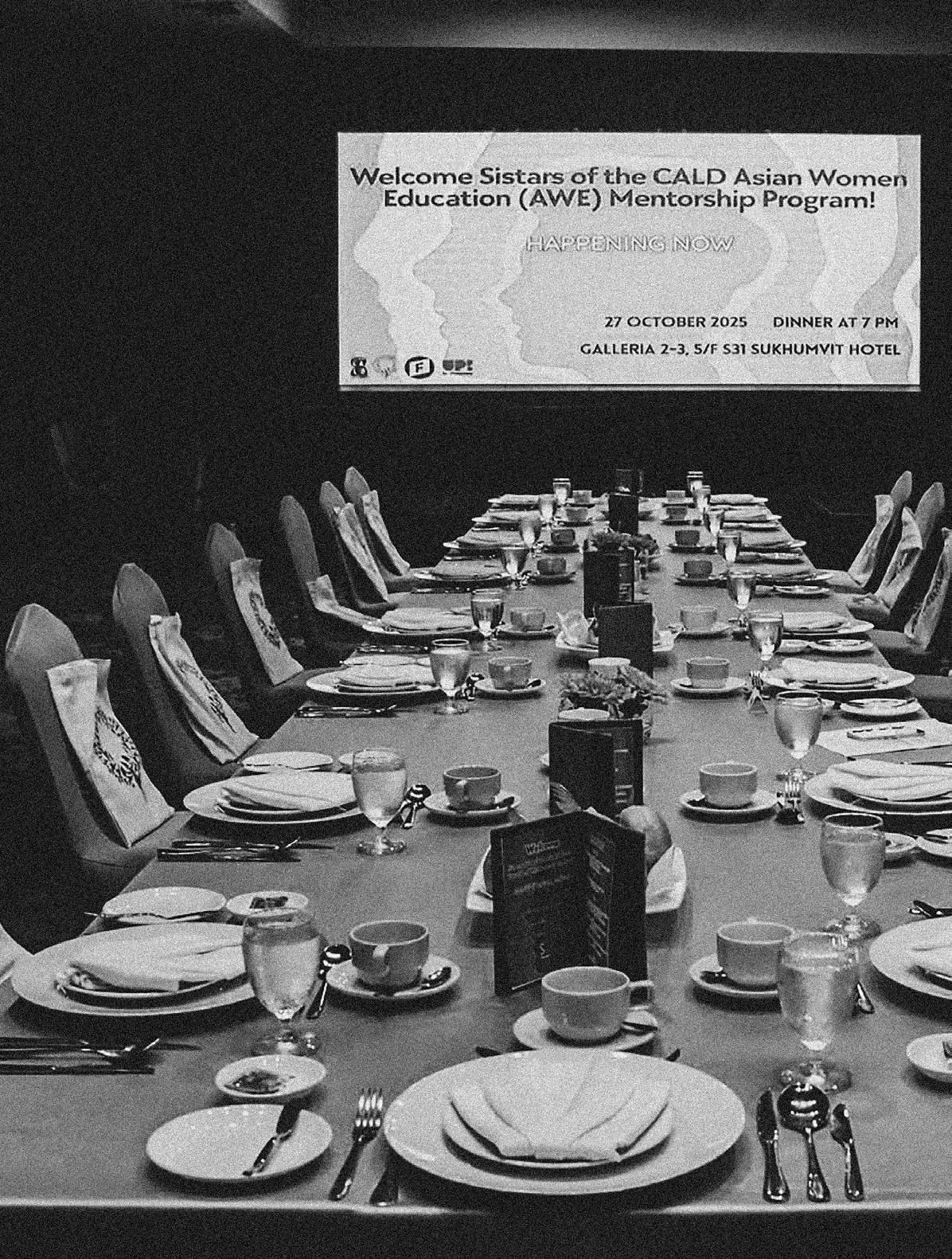
The multi-day event marking the culmination of the first edition of the CALD AWE Mentorship Program was held in Bangkok, Thailand. It opened on 27 October with a welcome dinner for the six mentees, as well as for the leadership coaches, mentors, and partners.
But the event officially began the following day, with CALD Women Caucus Chairperson Jaslyn Go, who was among the mentors in the program, giving the opening remarks. Emphasizing the program’s commitment to building a support network among women leaders, she said, “This mentorship is far more than just training. It is a network of women lifting each other up… a living, breathing promise that you will always have someone to turn to for advice, a listening ear, and an honest answer.”
The rest of the first day was filled with mind-engaging activities. First was a courage-building session led by clinical psychologist Dr. Suzie Xuyen Dong, who guided participants through meditation and discussions on self-awareness and acknowledging personal struggles. Next up were leadership coaches Anna Wangen, Trinity
Pham, and Ingrid Yeh, who facilitated in-depth interactive sessions designed to translate lessons from the online regional sessions into practical applications.
After lunch, leadership coach Jacque Manabat continued the interactive exchange, with the focus still on how to turn the talks into walks. A structured consultation hour then followed, during which the mentees engaged in one-on-one conversations with the mentors and leadership coaches, seeking advice on their individual projects and professional paths beyond the program. These conversations later fueled the Power Hour session where mentees refined their individual projects.
The highlight of the event, however, came on the second day, when the mentees presented their individual projects before their peers, mentors, and leadership coaches, as well as to reactors Thekla Ebbert of FNF SEEA and Egan Hwan of the Singapore Democratic Party.
Each participant outlined a vision close to her heart, detailing strategies and support needed to bring her goals to life. The mentees presented initiatives aimed at
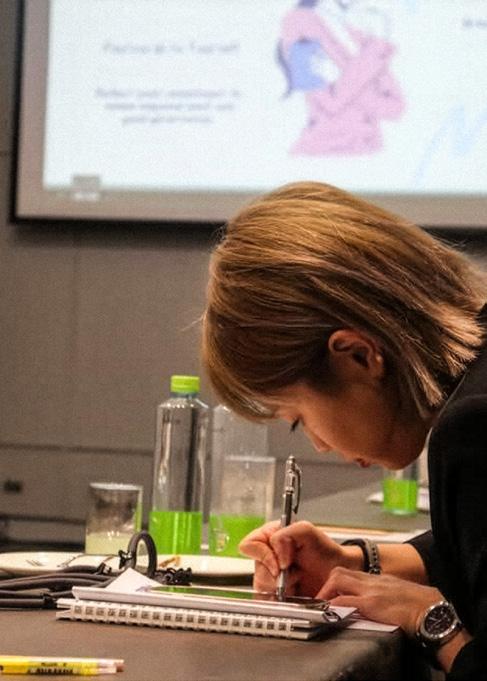
amplifying women’s voices, ranging from elevating young women, young indigenous women, senior citizens, and mothers to advancing gender diversity and development, women’s rights, and political participation.
Mentee Lucille ‘Pangga’ Bacay, an incumbent town councilor from the Philippines, encapsulated the spirit of the program when she shared: “That’s why I want to pass on the torch. Because I believe that leadership is not owned. It is entrusted. I wish to pass on this trust to the next generation of women who we lead with heart. To serve with humility and continue what we began and build where every woman shines with her own light and yet brighter together.”
The inspiring presentations were followed by a brief appreciation activity where leadership coaches and Program Lead Chelse Caballero of the CALD Secretariat offered heartfelt messages honoring those who had been part of the program,
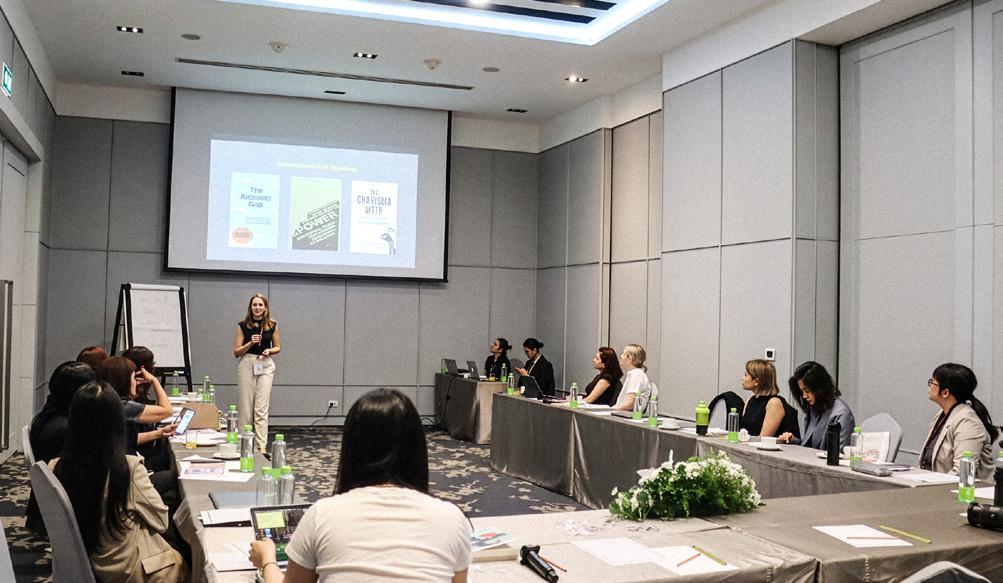

as well as the program itself. To remember the pivotal relationships built, every person in the room wrote letters to themselves on postcards, which also served as personal reminders of their values, visions, and commitments as leaders.
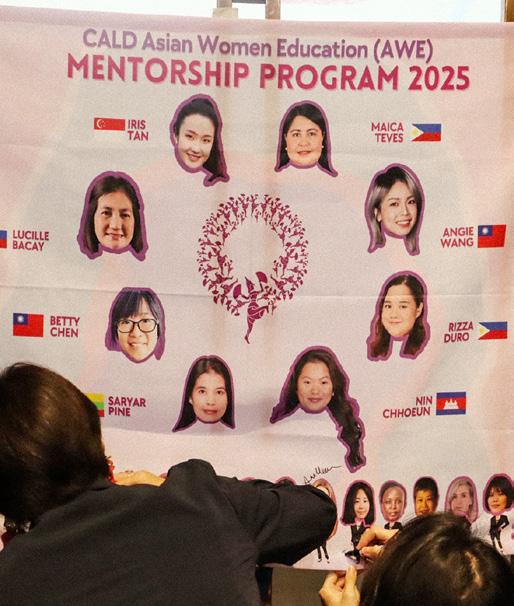
The mentees closed the day by joining the CALD delegation at the welcome dinner for CALD’s 15th General Assembly and 51st Executive Committee Meeting.
On 30 October, the group attended keynote addresses and panel discussions on AI, democracy, and inequality, exploring how these issues intersect and shape political participation. Later, a formal recognition ceremony for the mentees was held during which they received certificates of completion and tokens of appreciation.
The successful completion of the CALD AWE Mentorship Program by its first batch of mentees reaffirms the initiative’s vision of fostering a strong and supportive sisterhood among emerging women leaders. In reflection, leadership coach and ALDE Party Digital Communications Manager Anna Wangen highlighted the universal challenges and hopes shared by women in political spaces.
“Although the culture and the context are different, there’s so much that we all have in common as women in politics and in political life,” she said. “There are many of the same fears, the same challenges, but also the same hope in wanting to participate, wanting to get more pro-democratic women around the table.”
15th CALD General Assembly and 51st CALD Executive Committee Meeting

Love it or fear it, artificial intelligence is here to stay. But CALD realized that the challenge for liberals and democrats is coming up with the right combination of policies and strategies to reduce AI-driven inequality, if not to directly strengthen democracy to safeguard it against any fallout from increased disparities in income, wealth, and power.
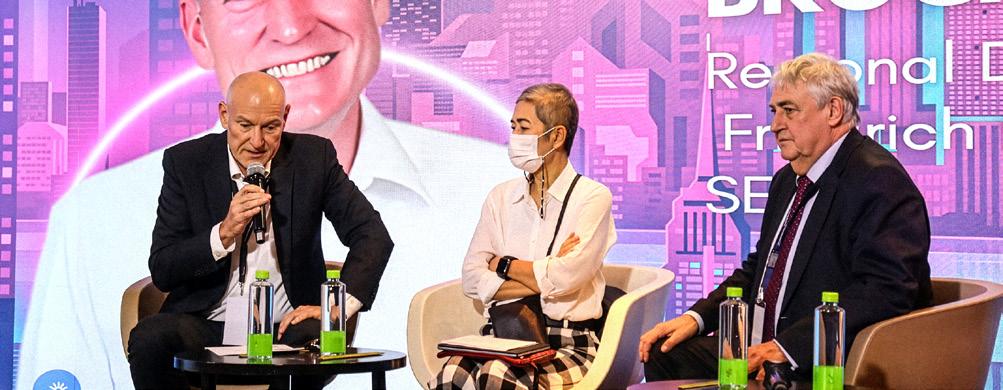
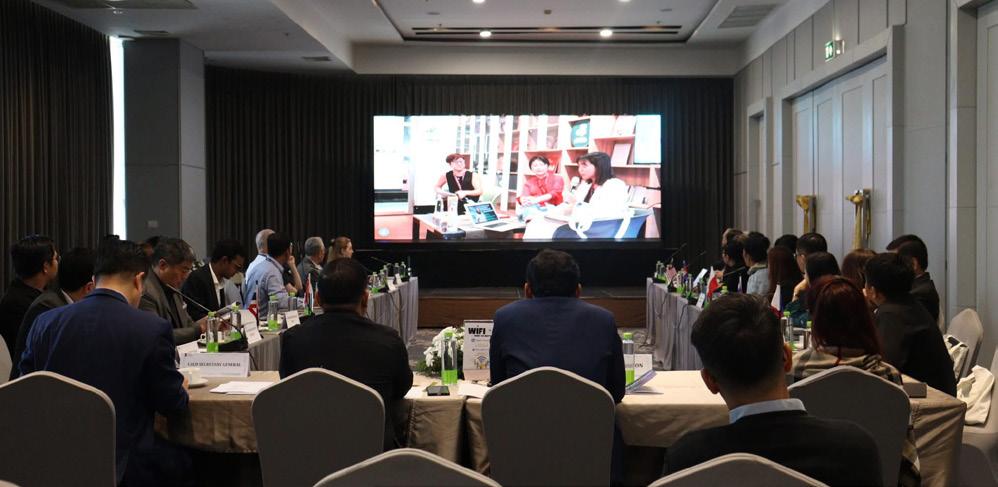
And so this became the theme for CALD’s 15th General Assembly, which was held in the Thai capital at the tail-end of October. Two panel discussions made up the first part of the four-day event. The first focused on how AI relates to economic inequality and democratic decline, and as well as on the kind of regulations and guardrails that can be adopted to ensure AI remains a tool for good. The second panel discussion emphasized how AI can be integrated in the operation of political parties and the strategies of political leaders, as well as highlighted the importance of intergenerational collaboration among political actors.
In his opening remarks, Abhisit Vejjajiva, leader of Thailand’s Democrat Party and former Prime Minister, underscored the importance of learning from history. He noted that throughout the agricultural and industrial revolutions, societies succeeded not because change was easy, but because people had the will to adapt and redesign the way work and governance were done.
“We can’t wish artificial intelligence away – it will only develop at an incredible pace,” Khun Abhisit said. “It’s up to us to design a framework of government to make sure artificial intelligence serves us.”
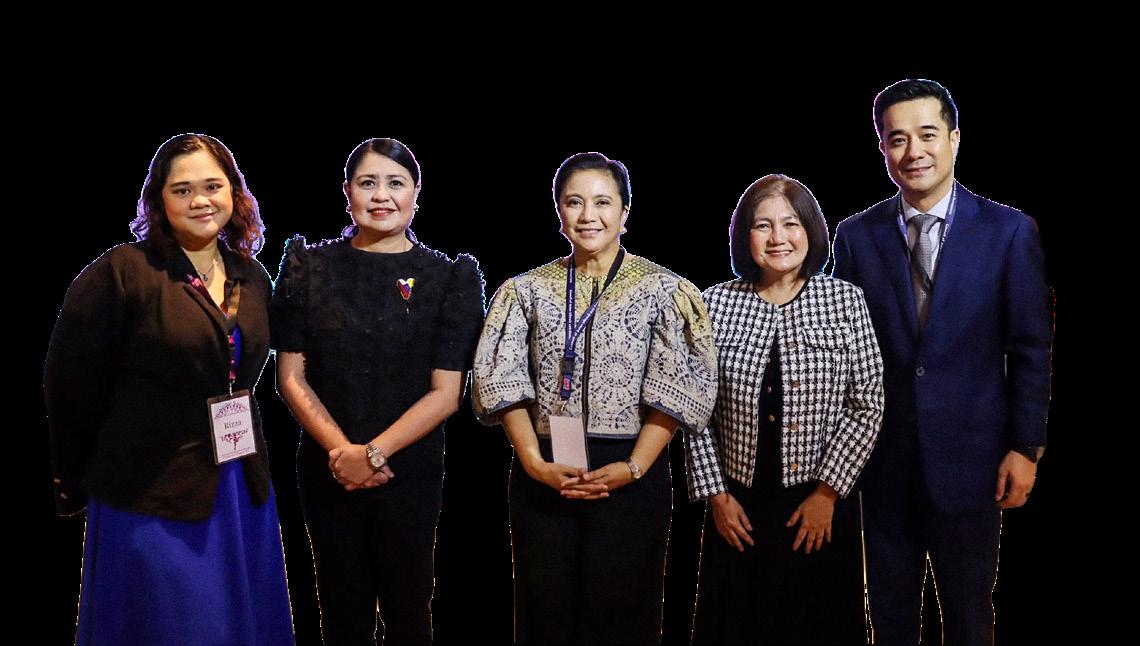
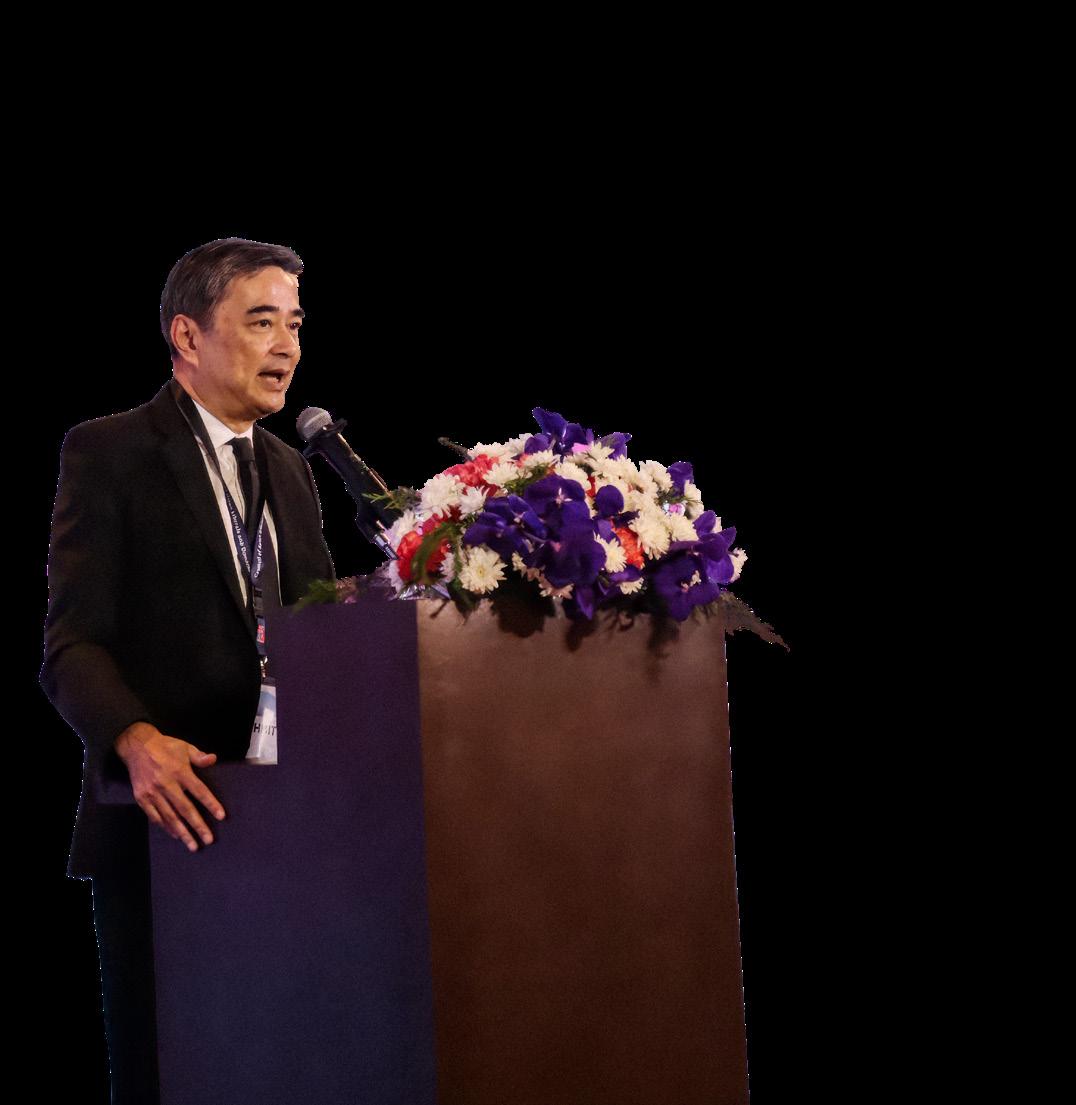
He warned of the real risks ahead: disruption, job displacement, disinformation, the erosion of trust, and a culture that values only results, not the process. This danger, he stressed, becomes critical in politics.
“Politics is what democracy is about,” Abhisit said. “It is a process to get results, and if AI creates a culture where people are only interested in results, not thinking about the means and the process, democracy will truly be at risk.”
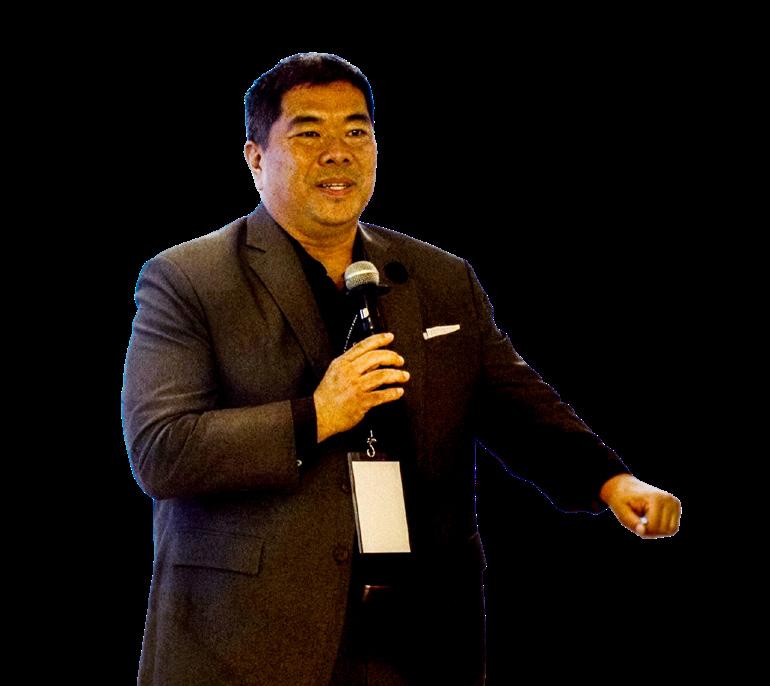
Naga City Mayor and former Philippine Vice President Leni Robredo meanwhile recounted how AI, mainly through deepfakes, has been used to discredit her.
“In the wrong hands, AI becomes a weapon for manipulation and disruption,” she said during
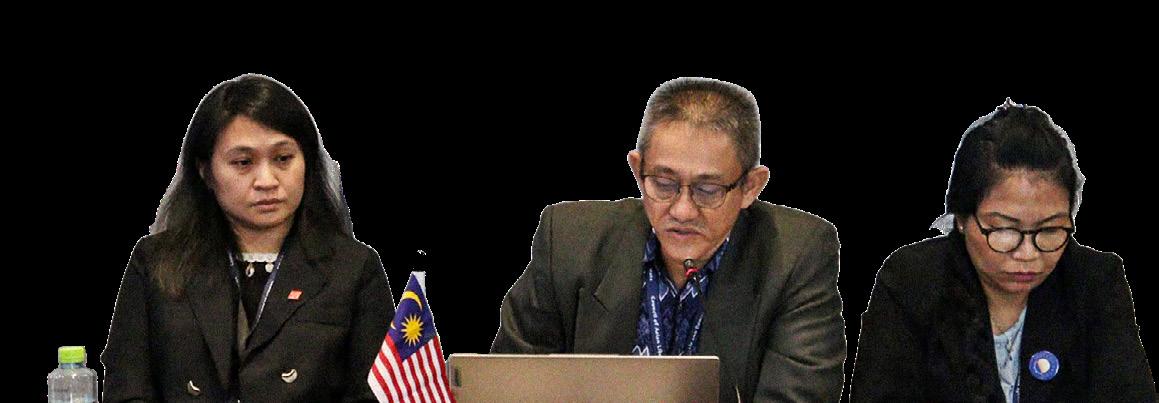
her opening keynote address. She also highlighted how around the world, governments are already using AI in ways that undermine rights and weaken democratic accountability—such as facial recognition and mobile data systems used to track, monitor, and detain minority communities and dissenting voices, eroding privacy, freedom of movement, and civic space.
At the same time, however, Robredo highlighted AI’s promise, noting that with the right safeguards, AI can improve governance, enhance public service delivery, and strengthen public participation through data-driven, evidence-based policymaking. She shared her vision of turning Naga into an “open and digital city,” citing the development of the ‘MyNaga’ app as an example of how AI-driven tools can help local governments adapt to evolving needs in urban planning, traffic management, and disaster response.
A common call across the conference was for the deepening of international cooperation. Said Abhisit: “As liberals and democrats, our basic tenet is to have faith in people… and trust them to come up with systems of governance to make sure AI really works for us.”
Robredo echoed this, urging the creation of guardrails for responsible AI use.
“We must insist that any new technology support human rights and development,” she said. “The people must remain at the center of it… and it must serve humanity’s highest aspirations – toward human dignity and the strengthening of our democracy.”
The four-day event also included a special session on peacebuilding in light of the flare-up of the ThaiCambodia border dispute. On a more positive note, the gathering celebrated the culmination of the CALD Asian Women Education Mentorship Program, a three-month initiative designed to help young women strengthen their public leadership and democratic resilience across Asia. In addition, CALD held its 51st Executive Committee Meeting on 31 October, during which leaders of CALD member-parties set the next steps for the regional organization.
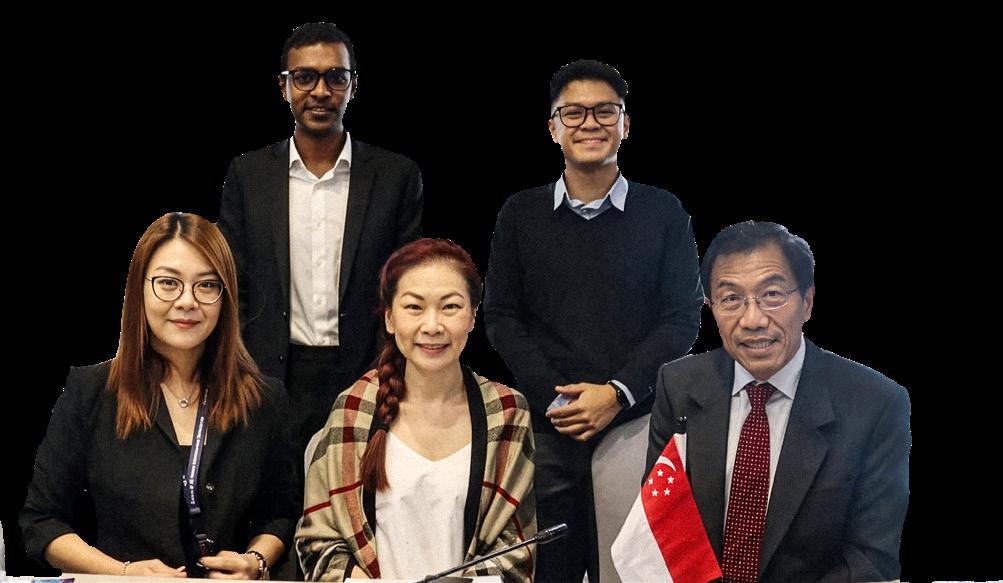
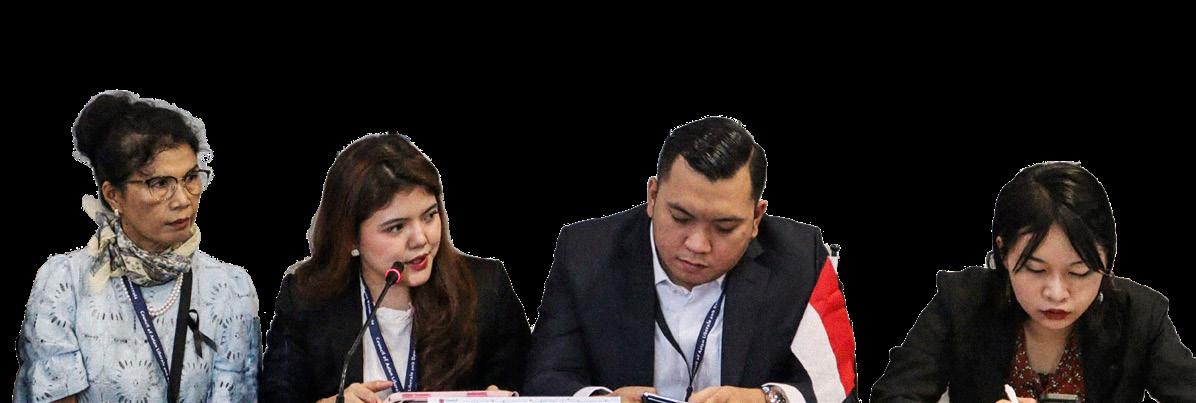
Kiko ElectedPangilinan as Philippine Senator
Congratulations to former CALD Chairperson Francis ‘Kiko’ Pangilinan of the Liberal Party of the Philippines for reclaiming a seat in the Senate in the 2025 Philippine midterm elections.
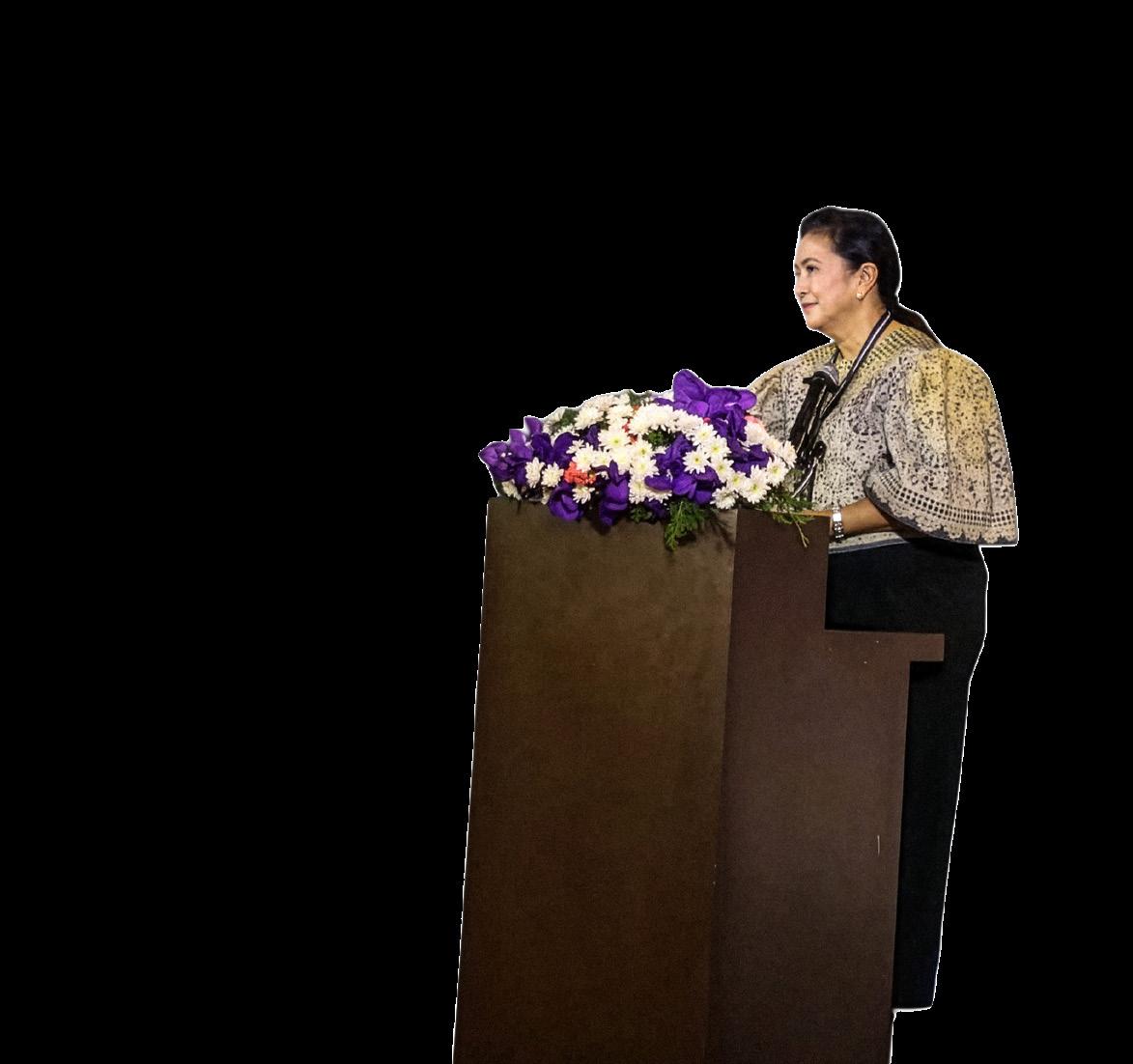
Leni Robredo Elected as Mayor Of Naga City
Congratulations to former Philippine Vice President and former LP Chairperson Leni Robredo on winning the mayoralty race of Naga City in the 2025 Philippine mid-term elections.

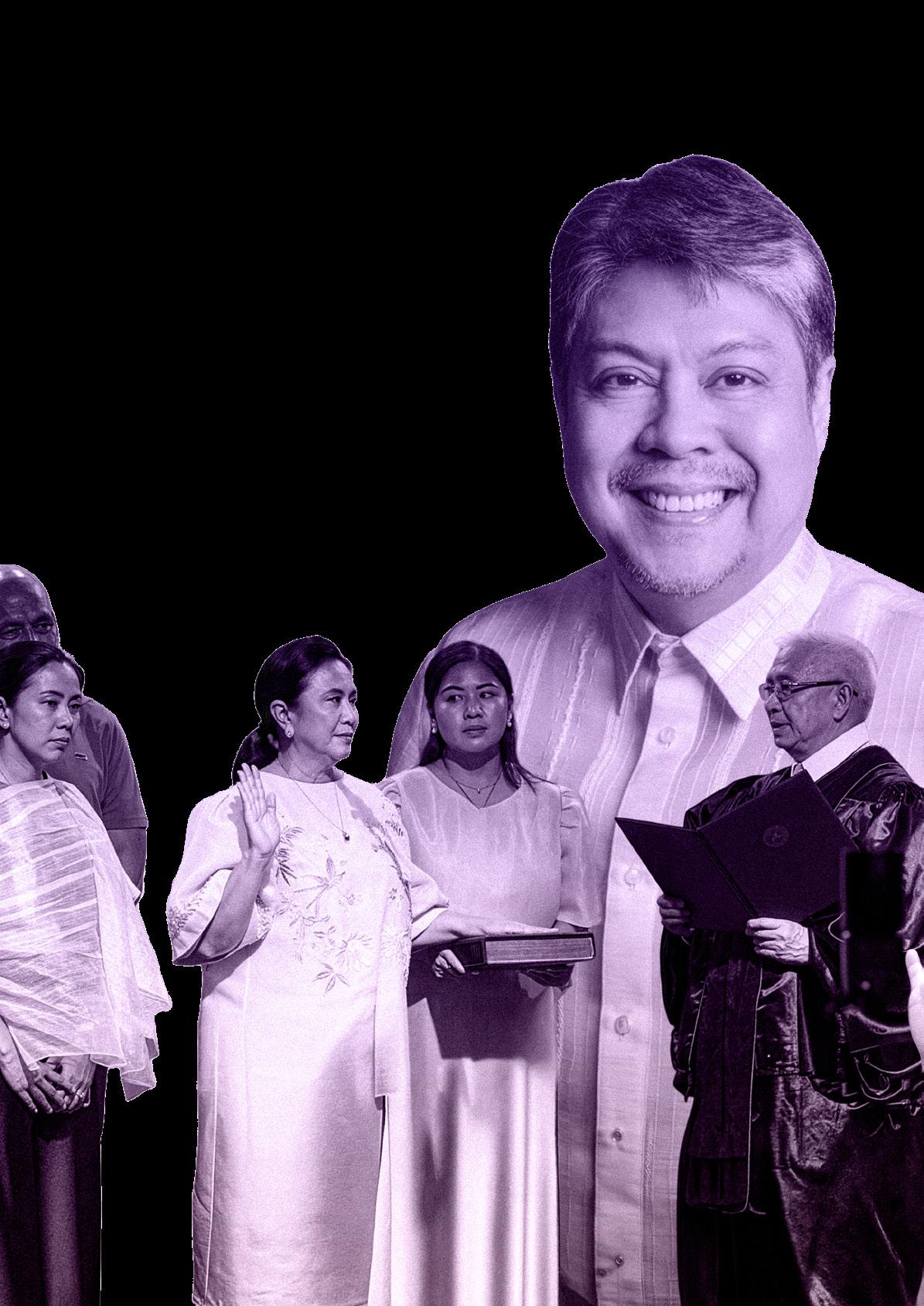
CALD Approves Charter Amendments
CALD has ratified amendments to its Charter covering Membership Categories, Auxiliary Women and Youth Bodies, Member Discipline, Leadership, and Fundraising. Among the approved amendments is the provision that the CALD Chairperson will now be elected for a term of two (2) years.
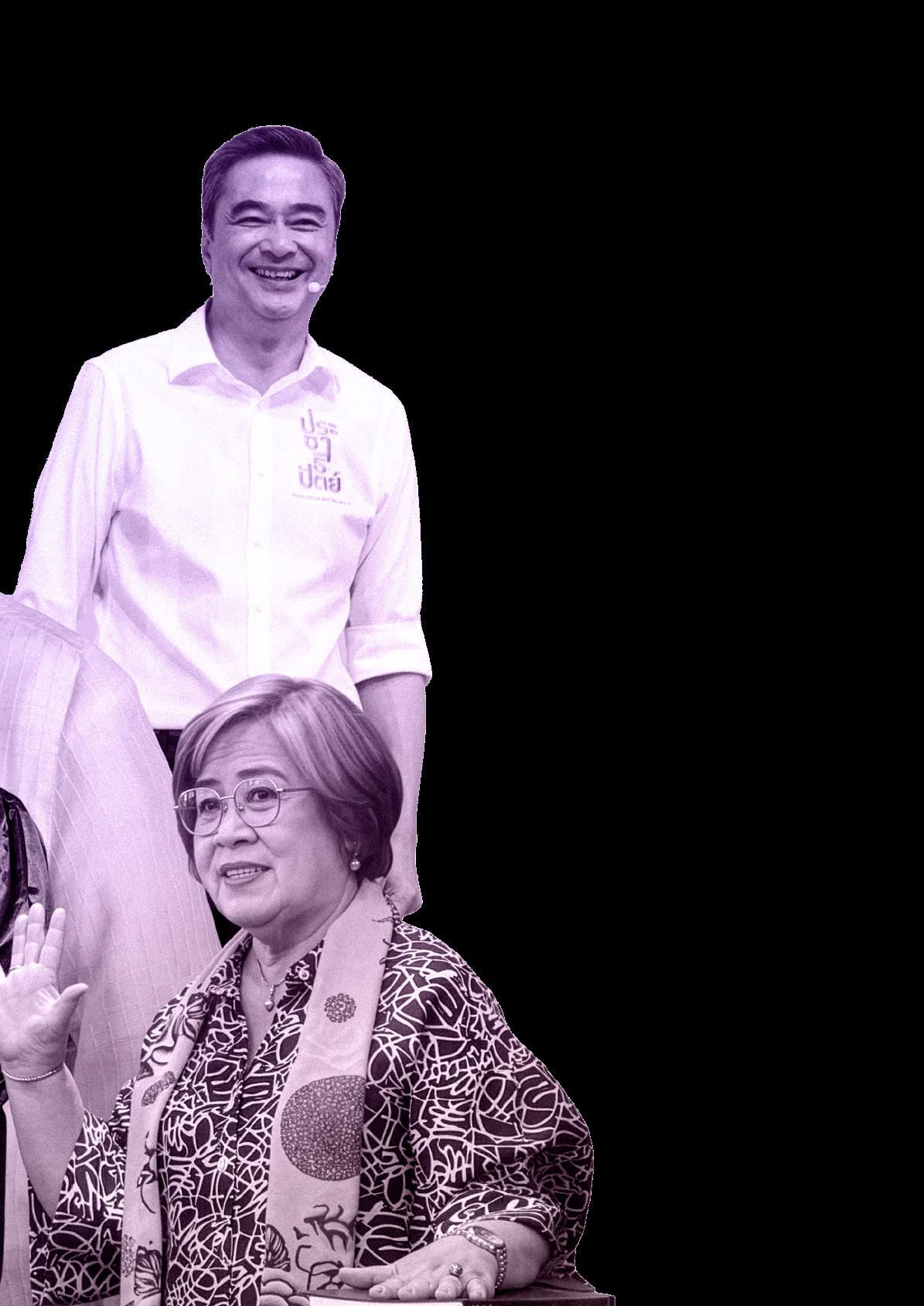
Abhisit
Vejjajiva
Elected as Party Leader
Congratulations to former CALD Chairperson and former Thailand Prime Minister Abhisit Vejjajiva on his election as leader of the Democrat Party of Thailand.
Leila De Lima Elected as Party-List Representative
Congratulations to Leila de Lima on her victory as party-list representative under Mamamayang Liberal in the 2025 Philippine mid-term elections.

“AI is here to stay, for better or for worse. There is no more putting the genie back into the bottle.”


Making AI Human-centric
MA. LEONOR ‘LENI’ ROBREDO Mayor, Naga
City
Former Vice President, Philippines
Opening keynote address given on 30 October at the opening session of the 15th CALD General Assembly with the theme “AI, Inequality, and Democracy: The Challenge for Liberals and Democrats” held in Bangkok, Thailand
A couple of weeks back, a video featuring me began circulating in social media. At first glance, it seemed like an innocent throwback, a clip from an interview I had done with a local news program in the Philippines back in 2024. However, the clip was enclosed in a frame, the headline of which read: “The Leni Robredo Project, A Scam or a Real Opportunity for Filipinos to Earn Money.”
I am no stranger to this kind of “information,” having been a primary target of it in my country, especially during my years as Vice President. but it used to be that manipulated videos were simply spliced to send the wrong message. This time though, it was eerie to watch the video with the sound on and the subtitles running.
[Video] Fair to guarantee a monthly income of P920,000 using this investment platform. Some call it a scam, while others claim they earned even more than that
amount by investing only P14,350. Who should people believe? To join and start receiving passive income automatically, do not click on fake links. The link below this video is official, and by using it, you can truly start earning. I personally guarantee this. This project is supported by the government of the Philippines. BDO, Unibank, and Metrobank are among the developers of this trading platform and serve as guarantors that participants will receive stable profits. Already more than 1,000 Filipinos are earning over P920,000 per month on this platform. As you can see, everything is absolutely transparent and simple. So, can every Filipino join and be guaranteed to earn that amount? Yes, exactly. Registration is open until the end of today and every Filipino citizen can still become a participant. To activate your account on the trading platform, you only need P14,350. In fact, I am also a participant and earned P920,000 this
month. The platform works in such a way that your income grows each month. So, P920,000 is only the minimum monthly income. The key is to join in time and activate your account.) After that, the trading robot will automatically start trading on the financial market on your behalf. There are no age restrictions. Even retirees are receiving stable passive income because it is very simple. The platform was created specifically to help Filipinos improve their financial situation and the quality of life of their families. This opportunity can lead you to financial independence. Do not miss it. The official link is available only below this video. To become a participant, click on it, leave your contact details. So, those who know me here would have to admit it really sounded like me. My lips were moving to the rhythm of the words. If you don’t look close enough, you might just believe it. And if I didn’t know any better, I likely would have, too. I


knew that there were so many people who were not equipped to tell the difference. As soon as the video landed on my feed, I readily issued a statement, labeling it as fake and AI – generated. The local news channel, Newswatch Plus Philippines, which did the interview, also issued an advisory disowning the video as disinformation. Friends and supporters called on each other to report it on the platform. As of this writing, the post I saw has been taken down. But just this morning, there was a new one. I haven’t been able to record it yet.
There is an independent news site in the Philippines called Vera Files. They had a video analyzed by the Deepfakes Analysis Unit of Misinformation Combat Alliance in India. They reported that one of the AI detection tools did not find any frame where the faces of either of the women in the video are found to be tampered with AI. Imagine that.
Meanwhile, three out of four AI detection tools found that much of the video’s audio track was synthetic in nature and only three percent matched with live human markers. The post also came with a link. The Vera Files piece was a post-news story regarding my supposed endorsement of the trading platform, which then led to a fake site. I am certain that there are so much more materials out there, especially with the recent trend of scammers using public figures, including politicians, as endorsers. This moment grounded me to one of the most difficult truths we face today: AI is here to stay, for better or for worse. There is no more putting the genie back into the bottle. This is not a technology we can wish away or legislate out of existence.
Artificial intelligence has already woven itself into the very fabric of our economy, our politics, and our daily lives, sending a tectonic shift across the way
we know and live life. Personally, I am happy with the itineraries that ChatGPT gives me whenever I go on holiday with my daughters. All over social media, we see people all smiles in polaroid photos, sitting side by side with versions of their dead loved ones, or in the embrace of their celebrity crush. There are far too many videos of babies and dogs speaking straight sentences. The president of the most powerful country in the world openly posts AI-generated images of himself as orchestra conductor, cowboy, lion tamer, king, and even the pope. And there are people who truly believe these photos are real.
“This is precisely the right time to act. Not to suppress AI, which is impossible at this point, but to steer its use and development toward humancentric goals.”
In recent months, at the height of the Filipino people’s anger over the flood control corruption scandal, deepfakes ran abundant. Someone even made unauthorized photos of me and other anti-corruption figures wearing a statement shirt, “Do Not Flood Us With Corruption.” People readily uploaded their own photos to generate similar pictures of themselves. Critics and trolls deployed AI-generated photos of a young progressive member of Congress showing her locked in an
embrace with a lawmaker-contractor who allegedly operationalized the massive corruption scheme, implying some sort of familial connection just because they share the same surname. But that’s not the worst part. As people decided to take the battle cry to the streets, fabricated content suggesting that our armed forces were plotting against the government were making rounds online as well.
Renowned historian and philosopher Yuval Noah Harari, author of Sapiens, issued a stark warning that should give us all a pause, and I quote: “AI poses a greater threat than nuclear weapons.” I want you to think about that for a moment. Nuclear weapons, the most destructive force humanity has ever created, at least require human decision-making and actions to be deployed. A person must give the order, turn the key, and push the button. AI systems, by contrast, can make their own choices. As Harari puts it, “Whereas nukes cannot invent more powerful nukes, AI can make exponentially more powerful AI.” Haran poses critical questions that we must confront. Can AI be aligned with human values? Can its growth be restricted? And have we already reached a point where it is too late?
To that last question, I want to offer a resounding “No.”
This is precisely the right time to act. Not to suppress AI, which is impossible at this point, but to steer its use and development toward human-centric goals. There have been far too many examples showing that in the wrong hands, AI becomes a weapon for manipulation and disruption. The threat goes beyond deepfakes. Across the globe, governments are already using AI in ways that undermine rights and weaken democratic accountability. These negative uses are diverse, but several patterns are


particularly worrying. In some countries, facial recognition and mobile data systems have been deployed to monitor, track, and detain minority communities and dissenting voices, eroding privacy, freedom of movement, and spaces for civic dissent.
Algorithms used for enforcement decisions often reflect biased historical data, producing dangerous feedback loops that concentrate policing in marginalized neighborhoods. AI tools for content moderation and social-media monitoring have been adapted to censor dissent, narrow the information ecosystem, and chill public debate. A small number of firms controlling advanced models and large troves of data, coupled with opaque government procurement, reduces democratic oversight and increases the risk of harmful deployments even by otherwise well-intentioned actors.
Yet we acknowledge that for all its risks, AI also holds tremendous potential, particularly for improving governance and public service delivery. Used wisely, AI can enhance the delivery of basic services, improve efficiency in government operations, strengthen citizen participation in democratic processes, and enable data-driven, evidence-based policy discourse.
This is something we are hoping to do in my home city of Naga. As we tap into tech and AI-driven solutions to adapt with evolving needs in areas such as urban planning, traffic management, and disaster response. At the core of our efforts toward our goal of being an open and digital city is our very own app, MyNaga, which we developed with a local startup and its young team. The app is designed to integrate services, records, early-warning systems, and reporting tools into a single portal that makes us more responsive and connected to our residents.
As we make our way toward paperless processes, we have made several services available already on the app, including the application of business permits, application for birth and death certificates, and payment of real property taxes — all of which can be done without having to go to City Hall anymore. For the sake of transparency, the app also contains the city’s financial reports, executive orders, and legislations, as well as tourism and business information. Eventually, our target is to make all transactions public in this app.
Since we launched the MyNaga app two months ago, we have received more than 2,000 requests, including those regarding public-safety concerns and problems with street lights and electric posts, among others. We have resolved half of the requests while working on capacifying our offices to respond to more efficiently.
As we continue to improve upon the app, we have piloted concrete local-use cases, which we believe are crucial in making our services more responsive. This includes the automated sorting of incoming requests, shifting from manual screening to an AI-powered triage system that categorizes, prioritizes, and
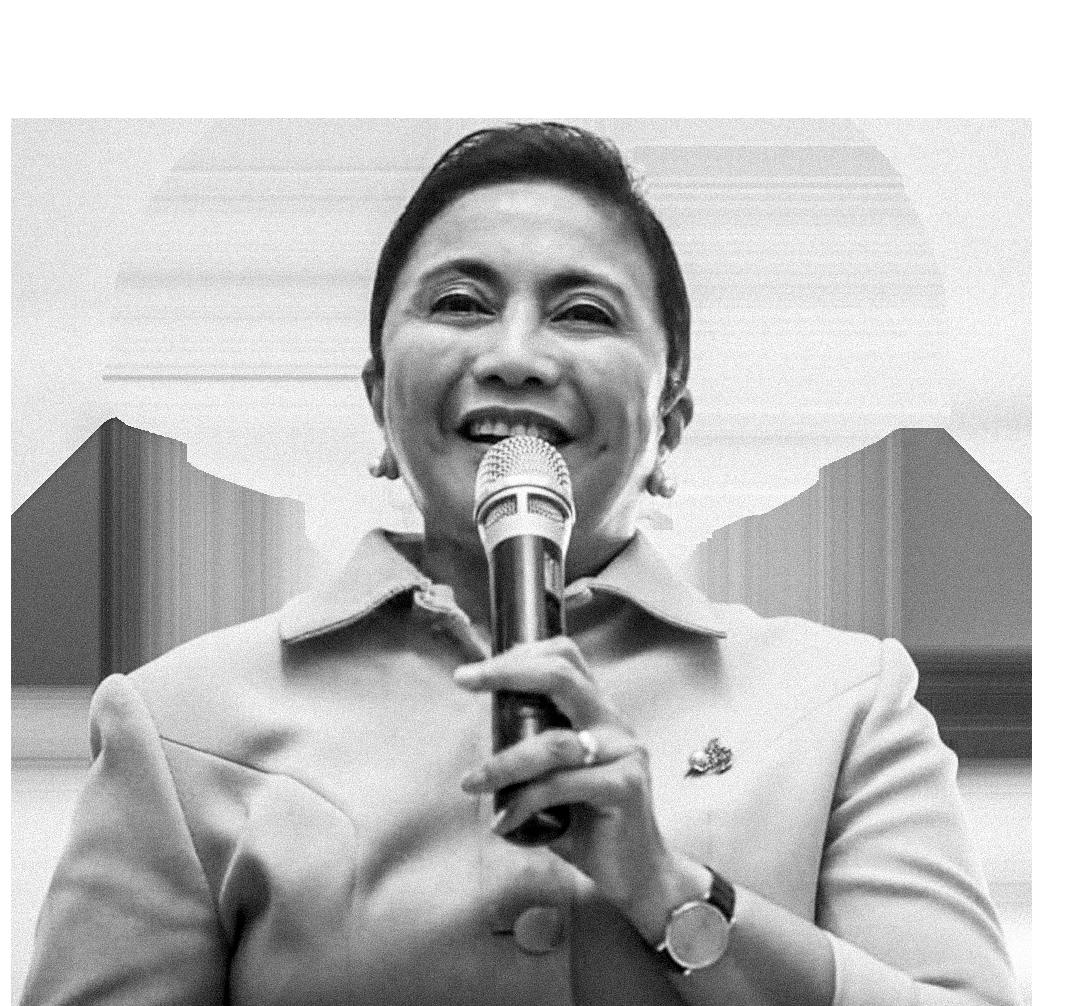


routes reports to the right departments. We will also be shifting our citizen guides from static PDFs to an AI-enabled conversational support chat already embedded in the app. Our vision is for the feature to have multilingual and plain-language support and easy navigation for tech-challenged individuals and persons with disabilities. We are likewise eyeing to create a live auditable dashboard for the city government’s projects, which will contain pertinent information like status updates and budgets. Moreover, we want to include a feature where citizens will be allowed to rate the services of outside contractors, complete with the option to upload evidence.
We also want to use AI in the proactive identification of high-risk zones across the city, shifting from manual data processing to AI-driven predictive analytics, such as 3D maps that can cross-check historical flooding incidents with drainage reports to detect hot spots that we need to prioritize.
At present, we are exploring partnerships with several local tech startups and AI vendors to move from pilot ideas to production-ready services. This includes partners for AI development of our local government workflows, AI maps, and infrastructure and project management. MyNaga is modular and scalable, meaning modules for new services like citizen ID, participatory tools, and procurement tracking can be wrapped into the tool as they are developed. It is designed to be open by default where possible, so that modules can be audited, reused, and improved by local teams rather than locked into proprietary vendors.
With such delicate balance in the use of an extremely powerful tool, we are called to ensure that its development continues to align with human values. Fortunately, we will not be starting from
scratch, as some members of the international community have begun building frameworks we can learn from and adapt.
In 2023, the EU passed the Artificial Intelligence Act. It is said to be the most comprehensive AI regulation to date. This landmark legislation is still controversial, but it offers several key insights. Number one, it puts trustworthiness as a core value, balancing innovation with rights protection. Number two, by providing clarity on high-risk use cases, the Act
”To ensure that AI serves humanity’s highest aspirations, we need to steer it toward transparency and accountability, toward human dignity, and toward the strengthening of our democracy.”
actually increases confidence in AI adoption, showing that regulation does not have to struggle with innovation. This one is still very, very controversial. This Act — number three — also honors human-centricity, placing people in the loop of decision-making to maintain oversight and ensure that rights are protected. Number four, it also mandates that AI providers must reveal their data sources, acknowledge risks, and ensure traceability. Lastly, the Act provides for multi-level governance, in a bid to ensure
a coordinated approach across organizational, sectoral, national, and European levels.
Closer to home, we have the ASEAN adopting a guide to AI governance and ethics also in 2023. While this is not a legislation, it provides a practical framework for responsible AI within our region. It outlines guiding principles that ASEAN nations should adhere to, including, number one, transparency on how AI is being used in understandable language. Number two, fairness and equity of AI systems. Number three, security and safety. Number four, human-centricity. Number five, privacy and data governance. Number six, clear human accountability and integrity, even in automated decisions. And lastly, reliability, ensuring that AI systems can perform consistently and safely across different conditions.
Building upon this, we can offer several essential pillars that will serve as the foundation for responsible AI governance.
First, laws must make developers and deployers accountable for the outcomes AI technology produces. We need clear liability frameworks for AI-generated decisions, regular audits, and mandatory impact assessments. When an AI system causes harm, whether through a bad loan decision, a wrongful arrest recommendation, or a deepfake scam, someone must be held responsible.
Second, AI models for critical decisions must be explainable, whether it is used in employment, law enforcement, social services, or determining entitlements. The public has a right to understand how these systems decide. This means documenting algorithms, data sources, and decision logic.
Third, before deployment, AI systems must undergo mandatory testing for safety and reliability, especially those affecting human welfare or involving intensive

human interaction. After deployment, we need continuous monitoring and review with regular rectification for high-stakes applications. We wouldn’t let an untested drug into the market. Why should we allow an untested AI into critical systems?
Fourth, AI regulation must harmonize with existing data-privacy legislation. Consent must be a non-negotiable requirement for the use of personal data. Public data sets used to train AI must ensure diversity and broad representation to avoid replicating bias, or worse, prejudice. And we need strong protections against discriminatory outcomes.
Fifth, for decisions affecting rights and entitlements, human participation must be mandatory. We need corrective mechanisms for algorithm-sourced discriminatory outcomes, a right to human review of AI decisions, and human-in-the-loop requirements for sensitive applications. Technology should assist human judgment and not replace it.
Sixth, we’ve seen the damage that AI-generated deepfakes can cause. We must take steps to curb the use of AI for spreading fake news and disinformation. This means mandating platforms to flag and disclose AI-generated content, requiring platform responsibility for content verification, implementing media literacy programs for citizens, creating rapid response mechanisms for deepfakes and manipulated content, and establishing legal consequences for the malicious use of AI deepfakes.
And lastly, AI crosses borders, so our regulation must, too. We need harmonized standards for research, development, and deployment. We need shared frameworks for testing and certification. We need collaborative approaches for emerging challenges.
No single nation can regulate AI effectively in isolation. International
cooperation is essential. Fellow liberals and democrats, as AI continues to rise at an unprecedented pace, we find ourselves at a crossroad on how to define our future. As we work to build the guardrails toward responsible use, we must reiterate that the principles governing technology use are constant. We must insist that any new technology supports human rights and development. The people should remain at the center of it.
As I have said earlier, the genie is out of the bottle. We cannot force it back in. But the imperative for us is clear. To ensure that AI serves humanity’s highest aspirations, we need to steer it toward transparency and accountability, toward human dignity, and toward the strengthening of our democracy. That is the opportunity before us.

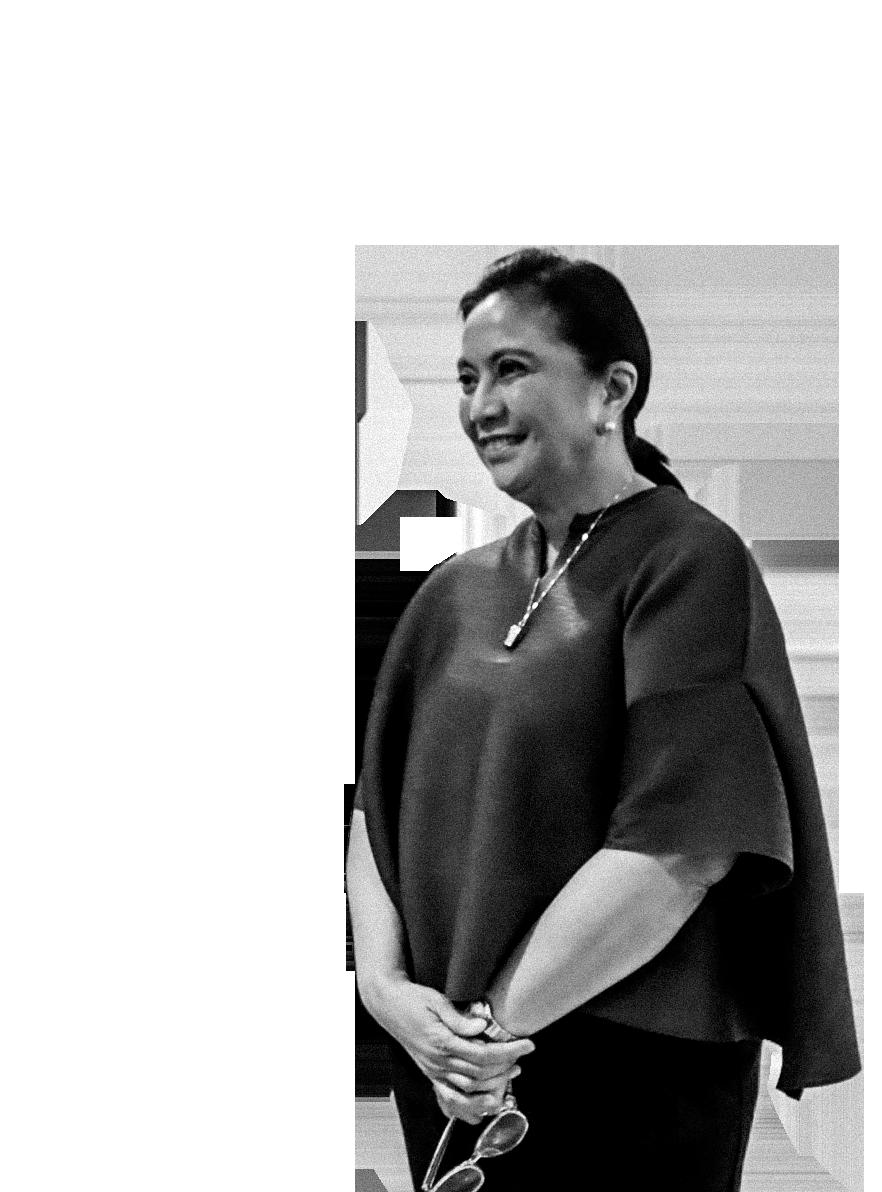
Having Faith in People
ABHISIT VEJJAJIVA Party Leader, Democrat Party Former Prime Minister, Thailand
Opening remarks given on 30 October at the 15th CALD General Assembly with the theme “AI, Inequality, and Democracy: The Challenge for Liberals and Democrats” held in Bangkok, Thailand
The topic of the meeting is very timely and relevant. The problem, of course, with us all being liberals and democrats, is we tend to think alike, and so what I had prepared to say, Mardi has already said to you. So I will perhaps take a different tack.
First, I think it’s important to look back at history, and remember that with all the fears and the challenges that AI brings, the economy, the political system, and democracy have survived similar challenges before. The world has been through waves and revolutions of technological change, but it’s really up to all of us humans – people — that we meet those challenges and redesign or rethink how we should proceed with the way we work.
I say this because whatever fears we may have about artificial intelligence, we can’t wish it away. It will only develop, it will only progress at an incredible pace. But what we can learn from history, apart from the fact that we’ve survived or maybe even thrived out of such changes before, is that this won’t come automatically. It’s up to us to design a framework

of governance to ensure that artificial intelligence serves us.
Think back when there was an agricultural revolution. At the beginning, that only benefited the landlords. Think back to the Industrial Revolution. At the beginning, that only benefited the capitalists, the owners of factories. But it was through the will of the people to change the system to guarantee that people who were disadvantaged had rights to participate, to benefit from such changes, that we actually began to see real progress for everybody. We have to do the same with artificial intelligence.
Mardi has eloquently talked about some of the great potential that technology offers us. We talked about education, we talked about health, and indeed, in general, you can expect productivity and efficiency to increase at a very remarkable rate.
At the same time, in terms of politics, imagine if we could use this technology efficiently and design e-governance in ways that allow for full participation. Again, we should be looking at a far better economic and political system. But of course, as I said, this is not going to come automatically or naturally because there are real risks that Mardi has touched upon. Disruption, displacement of people from jobs — who won’t be able to pick up new skills in order to regain employment easily — disinformation that leads to the loss of trust, and can very much polarize or throw many political systems into real conflicts. But for me, one often overlooked risk from artificial intelligence, especially for the concept of democracy, is that people use AI simply to get results and the value of the process of how you get those results gets lost.
Think about politics. That’s what democracy is about, it’s a process to get results.
And if artificial intelligence creates a culture where people are only interested in results, not caring about the means and the process, democracy will really be at risk. So let me suggest a few things or issues that I think are most important to make sure that in the end artificial intelligence does not lead to inequality or somehow make democracy deteriorate.
“If artificial intelligence creates a culture where people are only interested in results, not caring about the means and the process, democracy will really be at risk.”
The first, of course, in terms of equity, we have to ensure that there is access for all. We’ve talked for so many years about the digital gap. It continues to be there and with increased concentration of economic power in the hands of very few tech companies, there are very real risks that there will be so many people — maybe even a majority of people — who will be left behind, disadvantaged. It is up to all of us to ensure that there is equal access.
Secondly, we all know that artificial intelligence is not in itself neutral. It follows the data and algorithm fed by the creator of that AI. We need a system of governance that at the moment allows me to say that we have not yet found the right
balance. In America, the tendency is not to regulate for fear that there will be no innovation. In Europe, it’s the opposite. They regulate because of all the fears of the risks and challenges, and they find themselves lagging behind in terms of innovation.
The third available option at the moment is the Chinese model, where everything is up to the state.
None of this is going to deliver the outcome that we want. There is therefore a serious question for all of us regarding how we challenge the current government systems. And that brings me to the next point, which is that none of this is going to be possible without international cooperation.
I see so many governments in many countries with good intentions trying to grapple with this problem — only to find that it’s probably beyond their control. Therefore, it is up to international organizations, regional organizations, to make sure that we are on the same page in creating the right kind of governance.
Finally, for all the risks that we fear, we have to also remember that as liberals and democrats, our basic tendency is we have faith in people. If we provide them with the opportunities, with the literacy of how we use AI, we must also trust them to be able to use and come up with systems of governance to ensure that AI does really work for all of us humans.

The Importance of Accountability
LEILA DE LIMA
Representative, Mamamayang Liberal Party-List, Philippine House of Representatives Former Secretary of Justice, Philippines
Opening keynote address at the CALD university conference “Duterte’s Crimes Against Humanity and Putin’s War Crimes: What the Philippines and Ukraine Can Learn from Each Other” held on 17 November in Manila, Philippines
Let me begin with a simple intention: I want to bring all of us to the starting point of the catastrophe that engulfed the Philippines in 2016. This is important, especially to our foreign guests because the struggle for justice in my country — this country — did not begin with a so-called “war on drugs.” It began decades earlier, in a shadowed corner of our history that many tried to ignore. What the world came to know as Duterte’s drug war was merely the final, most explosive eruption of a pattern that had been perfected long before 2016. It was a culmination of a system of extrajudicial killings, a machinery of violence, and a doctrine of fear that took root in Davao City in the late 1980s and expanded across the entire archipelago 30 years later. The death toll is estimated at 30,000, mostly from the poorest communities in our urban centers. Some detractors question this number. I say it’s still conservative.
Why do I say this? Because of the Philippine National Police’s own 2017 report presented proudly to the Office of the President. The PNP listed more than
20,000 killed in anti-drug operations and vigilante-style incidents. That figure was recorded as an accomplishment for a single year. The PNP even had a term for vigilante killings: “drug-related deaths.” It was a coded admission that state forces and shadowy actors were working in tandem, and 2017,
“The man who presided over 34 years of killings is now confined to the same rule of law he once mocked. The same law that protects the weak and binds the powerful.”
by the government’s own accounting, was the bloodiest year of all.
The phase “drug war” hides more than it reveals. To call it a “drug war” is a misnomer. It creates the illusion of a righteous battle against a great threat. In truth, we now know from testimony and storied affidavits of former insiders of the Davao Death Squad, or DDS, that it was never a war on drugs. It was an organized enterprise of summary executions led by then Mayor Rodrigo Duterte. When we strip away the euphemisms, we see a brutal project of social control that preyed on the poor and used the language of peace and order to justify the annihilation of the powerless.
The origins of the project are clear. In 1988, during his first term as a mayor, Rodrigo Duterte formed what came to be known as the DDS. He recruited former paramilitary men, ex-rebels, and active police officers to kill suspected drug users, petty criminals, and even political rivals. For nearly 30 years, or three decades, these killings continued with chilling regularity.

There was a brief pause when Duterte served in Congress from 1998 to 2001, but the operations resumed once he returned to the mayor’s office. According to Arturo Lascañas, a senior police officer and Duterte’s trusted enforcer who later came forward, the mayor modeled his system of justice on the People’s Court of the Communist New People’s Army. The swift and secretive execution of alleged enemies appealed to him. Lascañas, now an ICC star witness, revealed that this approach eventually became the template for the killings during the 2016 drug war.
In May 2008, I was appointed chairperson of the Commission on Human Rights (CHR). Less than a year later, I opened a formal investigation into the Duterte squad. At that time, our tally stood between 2,000 to 3,000 victims. These were fathers, sons, and young boys whose names were mostly unrecorded.
The CHR held public hearings and closed-door sessions. We conducted witness interviews, gathered documents, and visited suspected dumping grounds. We interviewed in discrete or secret places and secured sworn statements from five DDS hitmen and handlers. During one failed mission to a quarry long rumored to be a mass grave, we identified areas where bodies may have been buried. But our attempt to dig further was halted by a court order invalidating our search warrant.
What were our findings from the CHR investigation? The victims were mostly young men from urban poor communities whose names appeared on lists created by barangay or village officials. This list functioned as the Duterte warrants. Other victims included suspected criminals, political rivals, and individuals who had crossed the Dutertes.
The DDS was organized in three levels, with Duterte at the top, the
police handlers in the middle, and the civilian hitmen at the bottom. Resources of the Davao City Government were used with the heinous crime section of the Davao City Police Office as headquarters and including civilian hitmen in the city government’s payroll. Benefits for high-value executions, reward for regular executions, as well as expenses and allowances for EJK operations came from the city government’s intelligence and security funds. Many of the urban-poor drug suspects were shot on the streets by hitmen on motorcycles. Others were abducted for interrogation, tortured, and buried in mass graves. Edgar Matubato, Lascañas’s former bodyguard, was the first DDS hitman to come forward, publicly testifying that many bodies remain in those graves despite attempts to cover up the sites after our investigation.
Ukraine offers a powerful contrast.
In Ukraine, mass
graves are exhumed meticulously. Forensic experts document the bodies. Each evidence is preserved for future trials at the ICC. This is how a nation honors its debt. This is how a nation commits to truth as the foundation of justice.
In the Philippines, the mass graves of Duterte’s victims remain undiscovered. Their bones remain silent, their families without answers. Exhuming these sites must
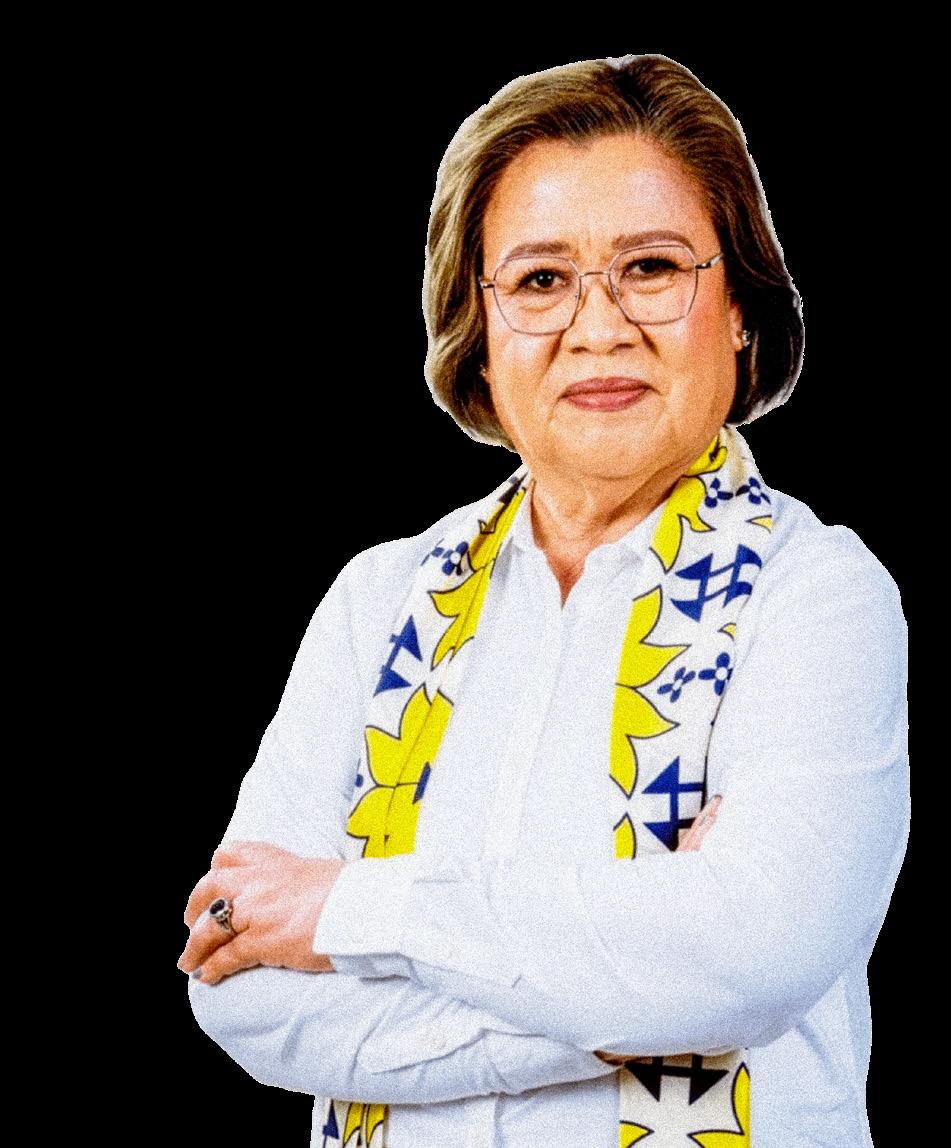

be carried out by the current government. Without truth, there will be no peace for the victims of the nation. We owe them that much.
The CHR investigation in the DDS now forms an important reference for the ICC case against Duterte. It establishes patterns of organization and execution that later echoed nationwide during the drug war. It also points investigators to physical sites that must be examined forensically.
The Philippine government must finally take the necessary steps to locate, exhume, and process those dumping grounds. Until then, we walk forward knowing that beneath our soil lie unmarked wounds. Even before Duterte officially assumed office as president in 2016, bodies were already appearing or beginning to appear in both rural and urban areas. By July and August of that year, 2016, the country saw 30 killings a day. The speed and scale were unprecedented. It was a national emergency created by the state itself.
At that moment, I was the lone voice of any political significance calling for an inquiry into these killings. From the Senate floor, I delivered a priv-
ileged speech demanding an investigation into what was unfolding on our streets. In the Senate Committee on Justice and Human Rights, I opened an inquiry in September 2016. Edgar Matubato testified, identifying fellow Duterte’s members and linking Duterte directly to the killings. He said that he had participated in some of the killings that were done under Duterte’s orders.
Matubato sought sanctuary after the Senate Testimony. The reaction was swift. Within days, I was removed as committee chairperson by a vote of a Senate majority. Public vilification followed. You all saw this: I was slaughtered, demonized, and targeted in orchestrated hearings and fabricated allegations involving drug lords. Evidence was invented. Stories were scripted. By February 2017, I was arrested on trumped-up charges. I spent almost seven years in detention, nearly seven years of isolation in attempts to break my spirit. Yet, even behind bars, I continued to do what I could. In 2017 – 9 October to be exact — I submitted a communication to the ICC, which was handcarried to The Hague. It is the one filed by the late Attorney Estavio and also the one filed by Senator Sonny Trillanes and Gary Alejandro.
In that communication, I touched
on several incidents of high-profile EJK cases, such as the cases of Kian De Los Santos and other teenagers, the ‘one-time, big-time’ operations launched in August 2017, and the Caloocan death squad. I asked how accountability had been made impossible and why the ICC had to step in. The principle of complementarity is central to the ICC’s mandate. A case proceeds when domestic systems fail to ensure justice. In September 2021, the ICC concluded that the Philippine situation met this requirement. It recognized that the killings were widespread, and that accountability authoritarian leaders never submit quietly.
We saw this in Ukraine; Russia attempted to drown evidence in misinformation. They distorted narratives, manipulated public discourse, and used diplomatic channels to shield themselves from scrutiny. The Philippines saw similar tactics. Duterte tried to convince the UN Human Rights Council (HRC) that he would conduct an honest investigation into the drug war. In 2020, the UN HRC forced deeper scrutiny based on that promise. It became clear later that no genuine prosecution ever took place.
This is why the ICC remains indispensable. The Office of the Prosecutor saw through the theater. It noted the absence of credible domestic investigations, an absence that persists to this day. On 22 October 2024, already freed from

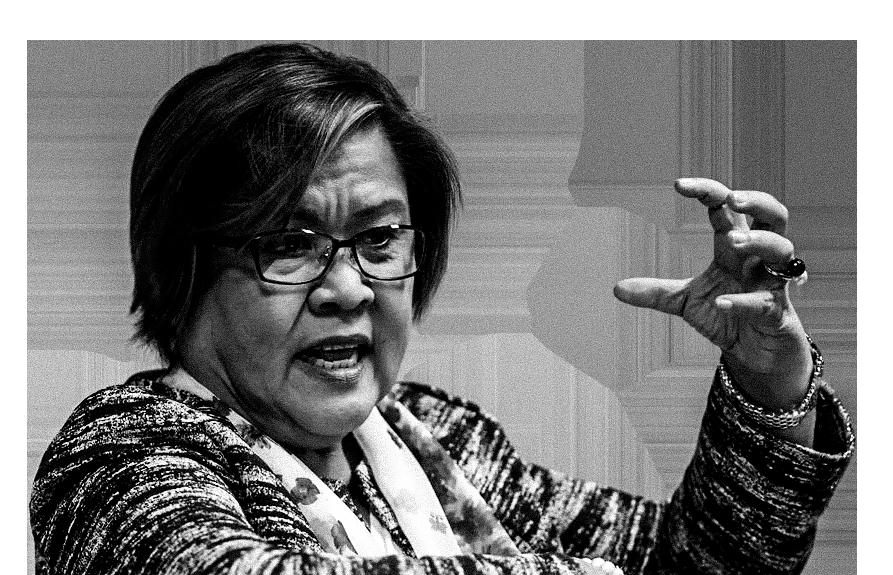
prison for one year, I testified in hearings of the drug war and extrajudicial claims in the House of Representatives. From being a subject of a sham investigation eight years earlier or in 2018, standing there, this time as a resource person against Duterte himself, felt like a turning of a wheel. But vindication is not justice. Justice belongs to the thousands who lost their lives.
That brings me to where we are today. The ICC proceedings against Rodrigo Duterte are now moving steadily forward. His lawyers attempt delay after delay. What matters is that he remains in ICC custody. What matters is that there is real movement toward accountability. The man who presided over 34 years of killings is now confined to the same rule of law he once mocked. The same law that protects the weak and binds the powerful.
The number 34 matters. It is more than the length of life in years of each of victims who were killed before they reached adulthood. Justice demands that Duterte spend the rest of his life answering for the lives he cut short. Philippine law makes this possible. Despite Duterte’s withdrawal from the Rome Statute in 2019, ICC jurisdiction continues under our own Republic Act 9851. Our government acted under an ICC warrant and surrendered him to The Hague. So it’s not extradition. He was not extradited. He was surrendered.
Yet accountability does not end with prosecution. Congress should create a Truth Commission on the Drug War. This body must identify victims and correctly count them, examine patterns of violence, identify responsible officers, and determine reparations. Only a national reckoning can explain why an entire country permitted such violence, and only truth can build a path toward healing.
Our struggle is not isolated. Ukraine faces its own monstrous adversary in Vladimir Putin. The Ukrainian people confront an
external aggressor who wages war on civilians, destroys cities, and tears families apart. They confront the state power of an internal aggressor who used state power to silence dissent and eliminate the powerless.
The scale is different. The nature of the violence is different. Yet the moral thread that binds these struggles is unmistakable. Both our nations carry the weight of unburied dead. Both confront leaders of the Philippines and Ukraine, not to mention Gaza in Palestine or the Rohingyan people in Myanmar, demonstrate the importance
“This is how authoritarian leaders are defeated: not by force alone, but by the courage of people who refuse to forget.”
of international legal mechanisms that will go after the enemies of humankind, the so-called hostis humani generis
Without a doubt, Duterte and Putin belong to this class of international criminals who should all be brought to justice. Whether against their own people or against another country, their crimes, not unlike genocide, are considered among the most monstrous in human history. Today, in this room, we gather not only as Filipinos and Ukrainians. We gather as people who understand that justice travels across borders. We gather as people who know that the struggle for human dignity is never local, it is universal.
A year ago, many believed Duterte would never face trial. Nine months ago, what seemed impossible became reality. The truth crossed the bridge from resistance to recognition.
I stand here in solidarity with Ukraine and all nations resisting tyranny. The world is watching both our countries and what the world sees is this: Ordinary people rising to defend the truth, journalists risking their lives to protect facts, families refusing to surrender memory, and civil society refusing to surrender hope.
This is how authoritarian leaders are defeated: not by force alone, but by the courage of people who refuse to forget that the Philippines and Ukraine walk different paths but move toward the same horizon. A horizon where truth matters. A horizon where the smallest life matters. A horizon where leaders can no longer take innocence as collateral for their ambitions.
Ukraine, of course, has a bigger fish to fry. We laud the Ukrainian people for their energy and determination to bring Putin to justice. Just a year ago we also thought it impossible for Duterte to be arrested and tried in The Hague. But the impossible became reality.
In solidarity, we can only wish the same for Ukraine: that one day the monsters that have caused so much carnage and misery to your country will finally be brought to justice. In the name of the dead, in the name of the living, and in the name of all who refuse to be silenced, we continue to fight.

Why We Fight
OLEKSANDRA MATVIICHUK
Head,
Centre for Civil Liberties of Ukraine 2022 Nobel Peace Prize Laureate
Opening keynote address at the CALD university conference “Duterte’s Crimes Against Humanity and Putin’s War Crimes: What the Philippines and Ukraine Can Learn from Each Other” held on 17 November in Manila, Philippines
I’m a human rights lawyer and I’ve been applying the law to defend people and human dignity for many years. But now I find myself in a situation where the law doesn’t work. Russian troops are deliberately hitting national buildings, schools, churches, museums and hospitals. They are attacking humanitarian corridors. They are torturing people in concentration camps. They are forcefully taking Ukrainian children to Russia. They are abducting, robbing, raping, and killing civilians in the occupied territories. And the entire UN system of peace and security can’t stop these. While this war turns people into the numbers, what we are literally doing is returning to people their names. Because people are not numbers. The life of each person matters.
Let me share with you one story from our database, that of a 10-year-old boy, Agri. When the large-scale war started, his parents took some documents and hastily gathered belongings, intending to drive far from the danger zones to save him. But they ran into a line of Russian
tanks, which deliberately hit civilian cars and ran over them. The car with Agri’s family was among these. Agri said his father was immediately killed, but his mother who was in the backseat with him survived. She was even talking to him when the Russians suddenly took him out
“While this war turns people into numbers, what we are literally doing is returning to people their names. Because people are not numbers. The life of each person matters.”
of the car and threw him on the ground. The next second had them firing at the car’s gas tank. And this 10-year-old boy, Agri, told my colleague how his mother burned alive in this car, just in front of his eyes.
As a human rights warrior, I have a question: How do we, people who live in the 21st century, defend human beings — their lives, their freedom, their human dignity? Can we rely on the law, or does brutal force matter more? The answer to this question is important, not just for people in Ukraine, in Sudan, in Myanmar, in Nicaragua or Venezuela. The answer to this question will define our common future.
Let me share with you several stories based on our experience.
First, we are living in a very interconnected world. I’m from Kiev, and my native city is constantly being shelled, not just by Russian rockets, but also by Iranian rockets. China helps Russia to avoid sanctions and to import critical technologies to our fear. North Korea sent more than a

million artillery shells and started to send their troops to Russia. We are dealing with the formation of an entire authoritarian bloc, and all these regimes that have captured power in their own countries have the same idea of what a human being is. They see people as objects to be controlled. They deny them their rights and freedoms. And that is why, for China, for Iran, for North Korea, Ukraine is not a goal. Ukraine is just a tool to break the existing world order and to impose on it their own vision. The vision where rights of people have no sense.
Second, unpunished evil grows. All this hell that we now face in Ukraine is the result of the total impunity that Russia enjoyed for decades. Russian troops committed horrible crimes in Chechnya, in Moldova, in Georgia, in Mali, in Libya, in Syria, in other countries of the world, but they have never been punished. So they
now believe they can do whatever they want.
So what is our task as human rights warriors? Let me illustrate it with the case of 62-year-old civilian Alexander Sherepov. He was killed by Russian soldiers in the first days of the large-scale war near his house. He was without weapons. He was a civilian. He was killed just for fun. This tragedy received huge media coverage only be -
cause it was the subject of the first court trial held since the large-scale war started. In court, I heard his wife Katerina share that her husband was an ordinary farmer, but that he was her whole universe, and now she lost everything. This is the meaning of justice that we are working to provide: a chance for people affected by this war, regardless who they are, regardless of their social position, the types of crime they endured, and whether or not media or international organizations are interested in their case. Because the life of each person matters.
Third, this is not just a war between two states. This is a war between two systems, authoritarianism and democracy. Putin is attempting to convince the entire world that democracy, human rights, freedom, rule of law are fake values because they couldn’t protect anyone during the war. Putin is attempting to prove that a country with a strong military potential and nuclear weapons can break the UN Charter, can dictate its rules to the entire international community, and even forcibly change internationally recognized borders.
If Putin succeeds, it will encourage

other authoritarian leaders in different parts of the globe to do the same. So we in Ukraine, we are fighting not just for ourselves. We are fighting for the UN Charter and this very international principle of inviolability of state borders and respect for human rights.
Fourth, we need peace, not occupation. Sometimes, I find myself in very weird situations in which Russia tries to present the Ukrainian struggle against occupation as an action that belongs in the war. Let me assure you, people in Ukraine dream about peace. But peace doesn’t come when a country that was invaded stops fighting. That’s not peace, that’s occupation. And occupation is horrible. It’s the same war, just in another form. Occupation doesn’t decrease human suffering, it just makes human suffering invisible. Russian occupation is not just changing one state into another. Russian occupation means enforced disappearances, torture, rape, denial of your identity, forcible adoption of your own children, saturation camps, and mass graves.
Let me illustrate this with the story of a 59-year-old priest, Stepan Padachuk. When Russians occupied his city, they tried to force him several times to transfer his church to the
Russian Church. For sure, he refused. He told me, I can’t break my oath and my congregation. So Russians came to his house and took him barefoot and with a bag on his head. Father Stepan Padachuk died. The Russians tortured him to death because he refused to break his oath and his congregation.
Consider, too, the children who we found under occupation. Russians forcibly transferred dozens of thousands of Ukrainian children to Russia. They put them in Russian re-education camps. They told them, you’re not
Ukrainian, you’re Russian children, your families, your parents rejected you and you will be adopted by Russian families who will bring you up as Russians. This is why the International Criminal Court issued arrest warrants against Vladimir Putin and his children’s rights commissioner Maria Lvova-Gilova. And when I say that Vladimir Putin is the biggest child kidnapper in the world, it’s not a metaphor. I am just referring to this legal indictment.
Last but not the least: people have power. I started my speech by saying I’m a human rights lawyer who found myself in a situation where the law doesn’t work. This is a very vulnerable position, frankly speaking. But I know from my own experience that when you can’t rely on legal instruments, when you can’t rely on the international system of peace and security, you can still rely on people. We get used to thinking through the categories of state and interstate organizations, but ordinary people have a much greater impact than they can even imagine. Ordinary people can make
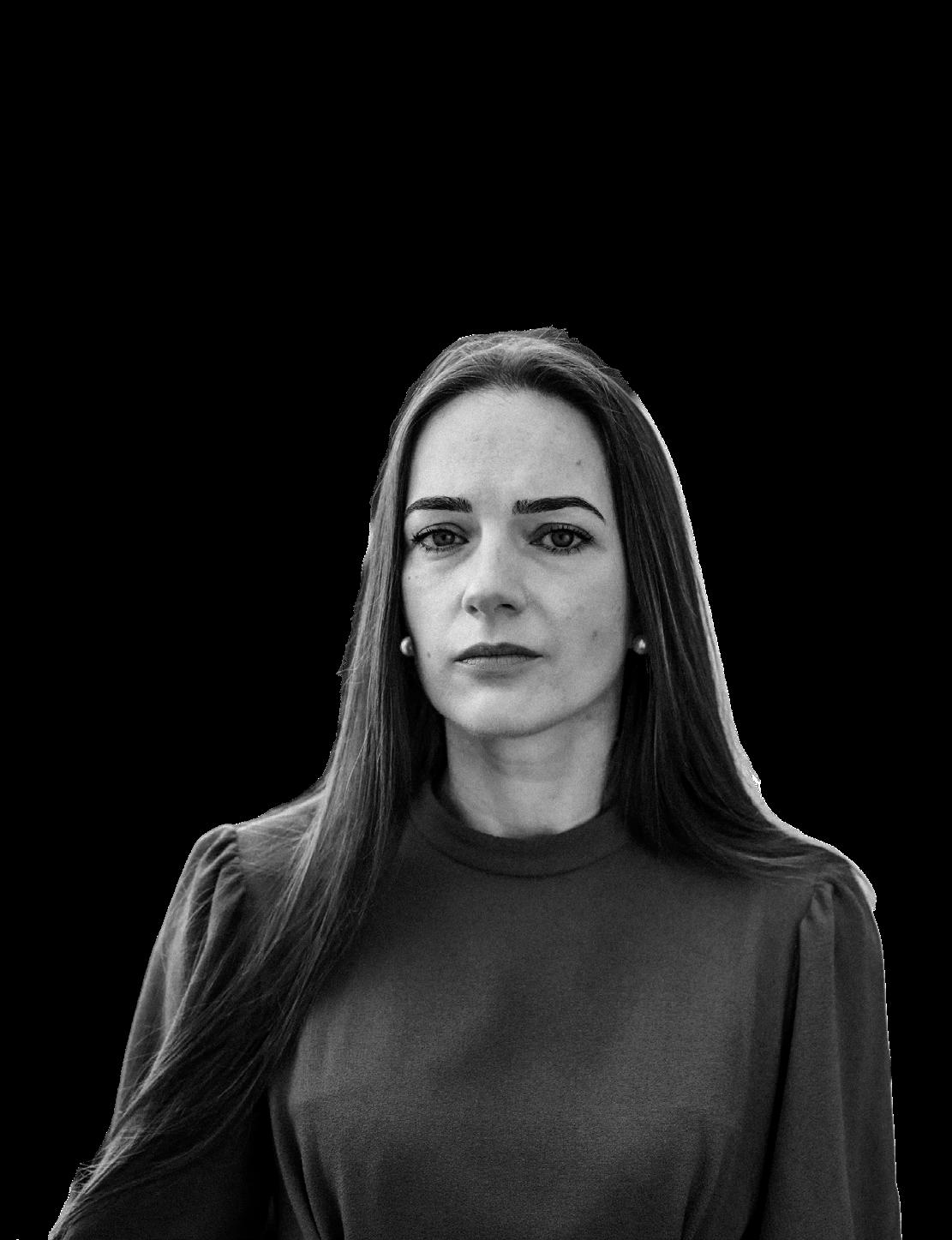
history. Ukrainians is a bright example because just three years ago, when Russia started its large-scale war, not just Putin but all international partners believed that Ukraine had no potential to resist to such an enormous, powerful opponent.
I was in Kyiv. I refused to evacuate when the Russian troops tried to encircle my city in order to continue our work on the ground. And I remember how international organizations evacuated their personnel, even international humanitarian organizations. They left us alone because they didn’t believe in people. But the ordinary people remained and ordinary people started to do extraordinary things. It was ordinary people who helped to survive under terrorist fire. It was ordinary people who took people out from the ruined cities. It was ordinary people who broke through the encirclement to provide humanitarian aid. And suddenly it became obvious that ordinary people fighting for their freedom and human dignity are stronger than even the second-strongest army in the world. Ordinary people have power.
I interviewed one Ukrainian professor on philosophy, scientist Igor Kotlovsky. He spent 700 days in Russian captivity. Before that, I interviewed hundreds of people, men and women. They told me how they were beaten, raped, smashed into wooden boxes. Their fingers were cut, their nails were torn away, their nails were drilled. They received electric shocks with things shoved through their genitalia. One girl told me how she was forced to write with her own blood. Another woman told me how her eye was dragged out of its socket with a spoon. So it’s literally all horrible stories. And after all these, there can be little that could surprise you.
But then Professor Kotlovsky mentioned a tale that was insignificant to the
evidence database, yet had this detail that impressed me. He described how he was kept in solitary confinement in a tiny cell in a basement with no window, no light, no fresh air. It was difficult for him even to breathe. Sewage flowed down on the dirty floor. And through the opening of the sewage pipe, dirt was also falling down. And this detail which impressed me, this well-known professor in my country told how he gave lectures on philosophy to this man, a fellow captive, just in order to hear a sound of human voice.
everything which is going on, but to take the right actions to change it for better. We are not hostages of the circumstances. We are participants in this historical process. Dignity provides us strength to fight even in unbearable conditions, and I know that not just in Ukraine, but in the Philippines, in other countries of the world, people are also fighting for their freedom and human dignity.
“Peace doesn’t come when a country that was invaded stops fighting. That’s not peace, that’s occupation. And occupation is horrible. It’s the same war, just in another form.”
Igor Kotlovsky was a victim because he was abducted and illegally detained in inhuman conditions. He was tortured so severely that he had to learn how to walk again. But he told me that everything he experienced is not any reason for him to treat himself as a victim. Because the basis of our existence is dignity, not victimhood. And dignity is action. Dignity makes us not just feel responsible for
Very often, this fight may seem to have no sense because they are faced with such power. But the history of humankind convincingly proves that we must continue our fight honestly. Even if we have no other tools, just our own words and our own position — eventually, it’s not so little. And I’m here to say that our joint fight for freedom and human dignity, and justice and human rights, is like a permanent sword. Because this dramatic time brings hope. Because our future is not just unclear, it’s also not for victims. This means that we still have a chance to fight for the future we want for us and for our own children. And hope — it’s not a confidence that everything will be fine. Hope is a deep understanding that all our efforts have a huge meaning.
A Border of Cooperation, Not Conflict
MARDI SENG CALD Chairperson Senator, Kingdom of Cambodia
Remarks given at 30 October “Special Session on Peace-building: Principles, Mechanisms and Applications” held in Bangkok, Thailand
I want to start with where we are today. The good news is that we have an expanded ceasefire. I’m talking about Cambodia and Thailand. Expanded ceasefire agreement, often referred to now as a peace accord, which was formalized just last Sunday, October 26th, at the annual ASEAN summit in Kuala Lumpur. This expanded deal signed by the Cambodian Prime Minister Hun Manet and the Thai Prime Minister Anutin Charnvirakul isn’t just a handshake. It includes tangible steps like Thailand releasing the 18 detained Cambodian soldiers and the phased removal of

heavy weapons from the 800-kilometer disputed frontier. It also mandates the deployment of the ASEAN observer team, which is crucial for monitoring compliance and making sure that it’s whole.
And how did we get here? This recent flare-up — in July of 2025, we saw the worst fighting in over a decade or so. It is really rooted in deep political and historical factors, not just geography. And I’ll just name a few because time is short.
The conflict is about poorly defined order that was laid down by the FrancoSiamese Treaty from 1904 and 1907. The other primary driver for the escalation is domestic politics. When political elites in either Bangkok or Phnom Penh need to rally public support or distract from internal issues, they often reach for the easiest and most potent tools, and one of those is nationalism.
Historically, staking claims over these temples allowed leaders to assert their legitimacy as the true protector of the national culture and heritage. In Thailand, this political crisis was dramatically inflamed by internal political turmoil, especially the ongoing rivalry between the royalist conservative establishment and the populist Shinawatra family. The border tensions flared right around the time of political suspensions of the Thai Prime Minister, Phnom Penh adding fuel to the fire, and the public feud and the exchange of accusations between the Thai and the Cambodian political leadership — the kind of familial and factional animosity that weaponized the border dispute, and for personal and political gains.
I also would like to add that it is impossible to discuss this conflict without looking at the influence of major powers, each with a different approach to peacemaking. The United States played
a highly visible and frankly transactional role. President Donald Trump claimed to have personally brokered the agreement, and openly admitted that he used the threat of higher tariff and withholding crucial trade deals against both Thailand and Cambodia to coerce them into a ceasefire. This intervention highlights the U.S. goal of linking regional stability to its economic interests, particularly securing critical mineral supply chains away from China.
"Real stability comes when the border is seen as a zone of opportunity, not a source of conflict."
China’s role was far quieter and more nuanced. Beijing consistently called for restraint, respected ASEAN’s central role, and offered to facilitate friendly behind-the-scenes talk. China’s approach is focused on long-term influence and backing Cambodia, which favored the international legal framework. It avoided the public coercion used by the U.S., preferring to be seen as strategic and responsible partners.
On the other side, ASEAN and Malaysia were essential underground mediators. Malaysian Prime Minister Anwar Ibrahim’s government was critical in hosting the initial talk that secured the first ceasefire in July. This entire episode served as a stress test for the ASEAN ability to manage conflict among its own
members, demonstrating both the organization’s critical stabilization role and the limitations of mechanisms when faced with overwhelming domestic political rivalry and strong external power pressure. Looking forward, to achieve not just a fragile ceasefire, but lasting peace, we need to shift gears and embrace more comprehensive peacebuilding principles and mechanisms. First, sustain an inclusive dialogue. The focus must move from military de-escalation to sustained political dialogue.
This means addressing the deeper structural and cultural causes, promoting mutual understanding, and require leaders to consciously diffuse their personal rivalries rather than using them to inflame the border. Second, strengthen the peace mechanism. We need to empower the official existing channels, such as the Joint Boundary Commission, which tries to manage and resolve border disputes, conduct surveys, and establish clear demarcations through peaceful and equitable means.
Third, finally, real stability comes when the border is seen as a zone of opportunity, not a source of conflict. Focus on inclusive, sustainable economic development in the border region, joint tourism projects, shared infrastructure, humanitarian demining can build vested interest in maintaining peace. Overriding the short-term political gains of national rhetoric.
Ultimately, peace will endure only if Thailand and Cambodia see the long-term strategic benefit in cooperation, upholding principles of the ASEAN Charter, and use the shared history as a bridge rather than a perpetual source of rivalry. It is a long journey, but the recent agreement offers a vital starting point.

A GLIMPSE OF THE PAST
Liberal International Congress in Manila 2011
Fifteen years ago, Manila hosted the 57th Congress of Liberal International , the world federation of liberal and progressive democratic political parties. LI convenes its Congress at least once every 18 months as its highest decision-making body, directing the policy and future course of the organization; its Congress in Manila in 2011 was the first ever held in Asia.
From 16 - 20 June of that year, leaders, parliamentarians, ministers, diplomats, liberals and democrats from across the globe gathered at The Peninsula Manila, Makati City, in the Philippine National Capital Region. That LI Congress had a theme that still remains relevant today: “Human Rights and Free Trade.”
Hosted by the Liberal Party of the Philippines, LI’s first full member in Asia, and co-organized by CALD together with the FNF Philippine Office, the Congress strengthened the collaboration between the Philippines and its global liberal partners.
Then Philippine President Benigno ‘Noynoy’ Aquino III+, at the time also LP chairperson, delivered the keynote address

at no less than the presidential palace. In his speech, Aquino emphasized the need for the government to pursue free market policies to ensure observance of human rights. He also asked rhetorically, “How can an individual enjoy the rights he has on paper, when from birth he has been denied the tools to take his destiny into his own hands?”
As a co-organizer, CALD was given the opportunity to come up with fringe meetings relevant to the Congress’s theme. The Council spearheaded the organization of three events: “Free and Fair Trade and Women’s Human Rights,” co-organized by CALD Women’s Caucus with the International Network of Liberal Women;
“Leading Non-Violent Political Change in the Twitter Generation,” co-organized by CALD Youth with the International Federation of Liberal Youth; and a regional liberal networks meeting on “Democracy and Development: Regional Experiences and Responses.”
As Asia prepares once again to host a Liberal International Congress in 2026, we realize that the questions about freedom, fairness, and the future of democracy raised in Manila 15 years ago still need to be asked – and still beg for answers. Yet at the same time, the memory of LI Congress 2011 reminds us of what is possible when democratic leaders gather with clarity and purpose.
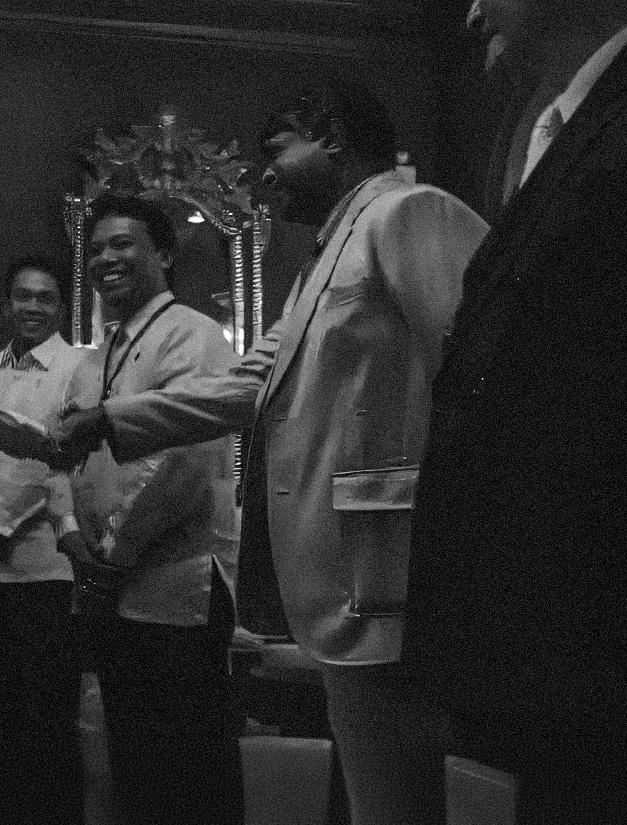

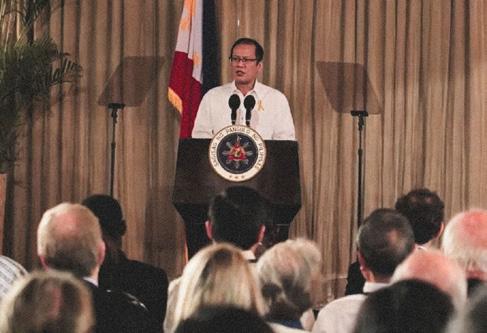
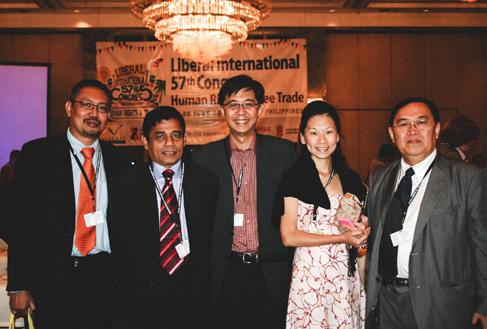
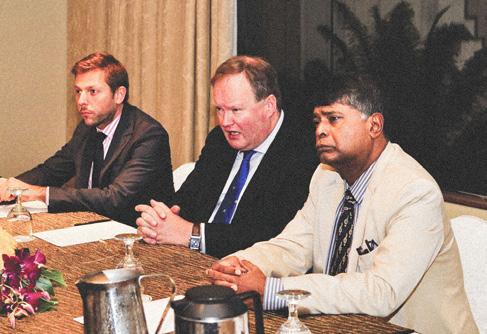
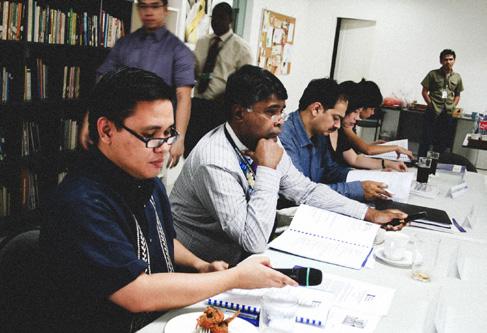
CALD YOUTH
JEREMIAH TOMAS | Chairperson
Looking back, what moment during your term made you most proud to serve CALD Youth?
What made me most proud was not a single event or program, but witnessing genuine friendships and partnerships form across our region. Seeing youth leaders from different political parties, cultures, and contexts sit together, sometimes with very different perspectives, yet choosing collaboration over division reminded me why CALD Youth exists.
Moments when members stepped up for one another, supported each other’s initiatives, or continued conversations beyond formal meetings — those were the quiet victories. Because at the end of the day, strong institutions are built on strong relationships. And when I saw those relationships take root, I knew CALD Youth was becoming not just a network, but a community.
What kind of leadership does CALD Youth need in the years ahead?
CALD Youth will need leadership that is strategic, flexible, and genuinely good at building coalitions. The world is changing fast, and we need leaders who can read the political environment clearly, engage it with diplomacy, and keep CALD Youth relevant without losing sight of our values.
At the same time, our leadership must represent the founders’ vision of “turning an idea into reality.” CALD was created because there was very little interaction among Asians, and not enough leaders thinking beyond their own borders. Our founders often recall a defining moment at a conference in Portugal, far from home, where Asian liberals felt out of place because the issues being discussed were so removed from the realities in our countries. There was simply no Asian agenda. CALD was founded to change that — by creating a space where Asians could build a shared agenda and stand stronger together.
Looking ahead, CALD Youth needs leaders who can do three things. First, navigate shifting geopolitics with calm, credible diplomacy, working with a wide range of partners and keeping CALD Youth respected and constructive. Second, grow CALD Youth beyond a regional institution by expanding our global presence, attracting new partners, and diversifying our relationships so we are not dependent on any one supporter. Third, represent the collective. The Chair and Vice Chair should be able to bring forward the concerns of ASEAN member parties as a shared regional priority and not as one-country issues, and help us speak with a clearer, united voice. Finally, we need leaders who treat sustainability as a core responsibility. Keeping CALD Youth fully funded and resilient is essential, and that requires trust, strong partnerships, and clear results that show our impact.


SAMADY OU | Vice Chairperson
As the term of the CALD Youth officials comes to a close, we look back on their journeys defined by growth, solidarity, and shared purpose. Over the past three years, our officers have helped strengthen CALD Youth not only as a regional platform, but also as a community of young leaders committed to democracy, freedom, and cooperation.
In this section, our outgoing officers reflect on the moments that shaped them, the lessons they carry forward, and the leadership they believe CALD Youth will need in the years ahead.

What does CALD Youth mean to you now compared to when you first started?
In the years before my term, CALD Youth was a space where I participated, learned, and occasionally supported the organizing committee alongside the CALD Secretariat. I saw it as a platform for engagement, growth, and collaboration among young liberals across the region.
Now, as Secretary General, my perspective has deepened. CALD Youth is no longer just a platform I contribute to. It is a responsibility I help shape. It represents leadership, continuity, and the collective voice of young democrats in Asia. I now see it not only as a space for participation, but also as a movement that we must strengthen, protect, and guide toward greater impact.
MARINA | Publicity Director
How has serving as a CALD Youth officer changed you personally and politically?
Serving as a CALD Youth Officer has transformed me not only politically, but deeply personally. I joined the CALD network through CYPA in 2023, and since then the journey has strengthened my leadership discipline, sharpened my policy perspective, and expanded my understanding of democratic governance across Asia. Beyond professional growth and strategic networking across parties and institutions, what has had made the most impact on me is the solidarity and genuine friendships formed through shared values and common struggles. In moments when advocating for liberal democratic principles can feel isolating, CALD reminded me that I am not alone. It has built not only my political capacity, but also my resilience, empathy, and belief that meaningful change is possible when we stand together.
ESTY
JOBELLE DOMINGO | Secretary General
WELCOME DINNER | 29 October
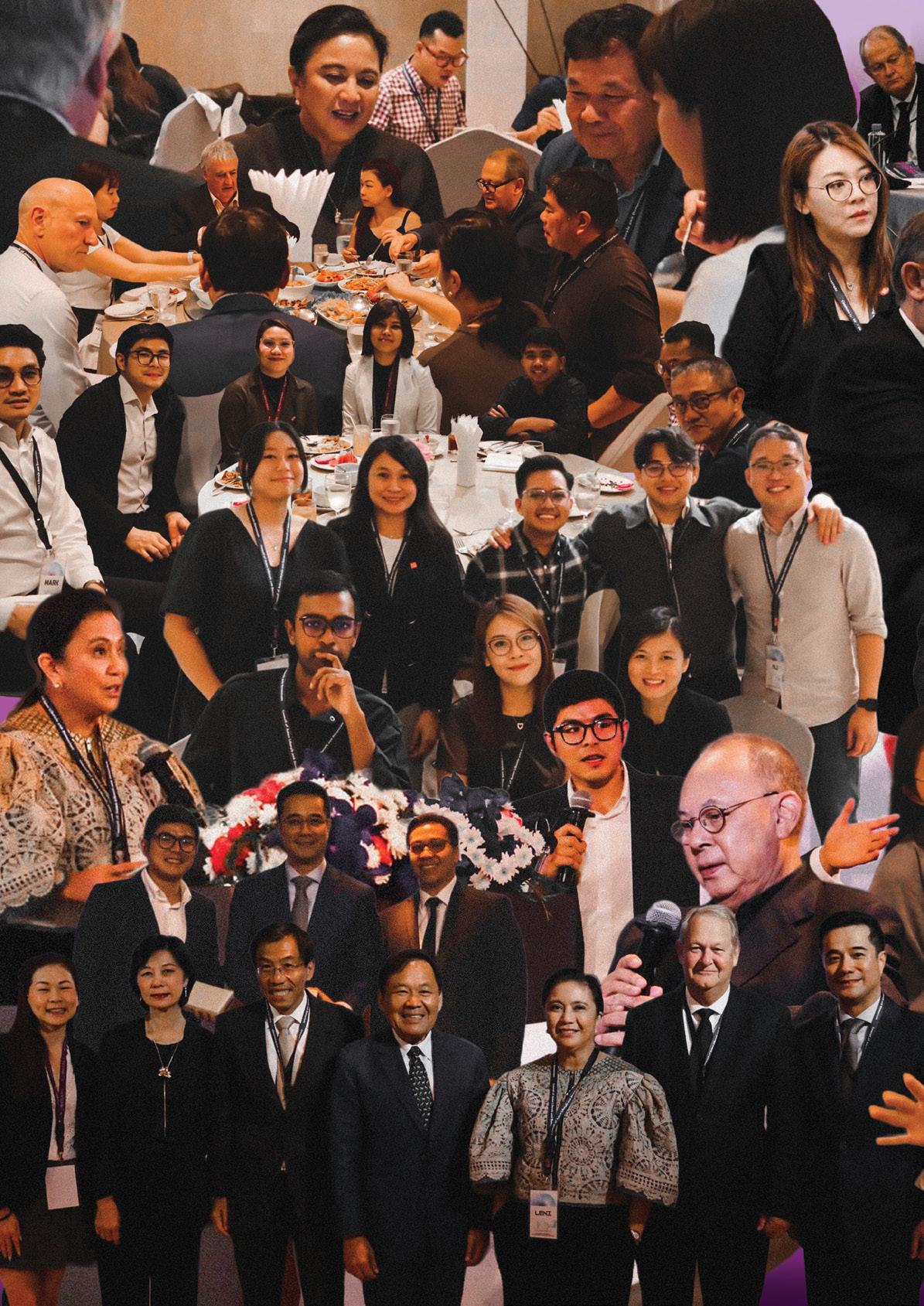
CALD 15TH GENERAL ASSEMBLY | 30 October
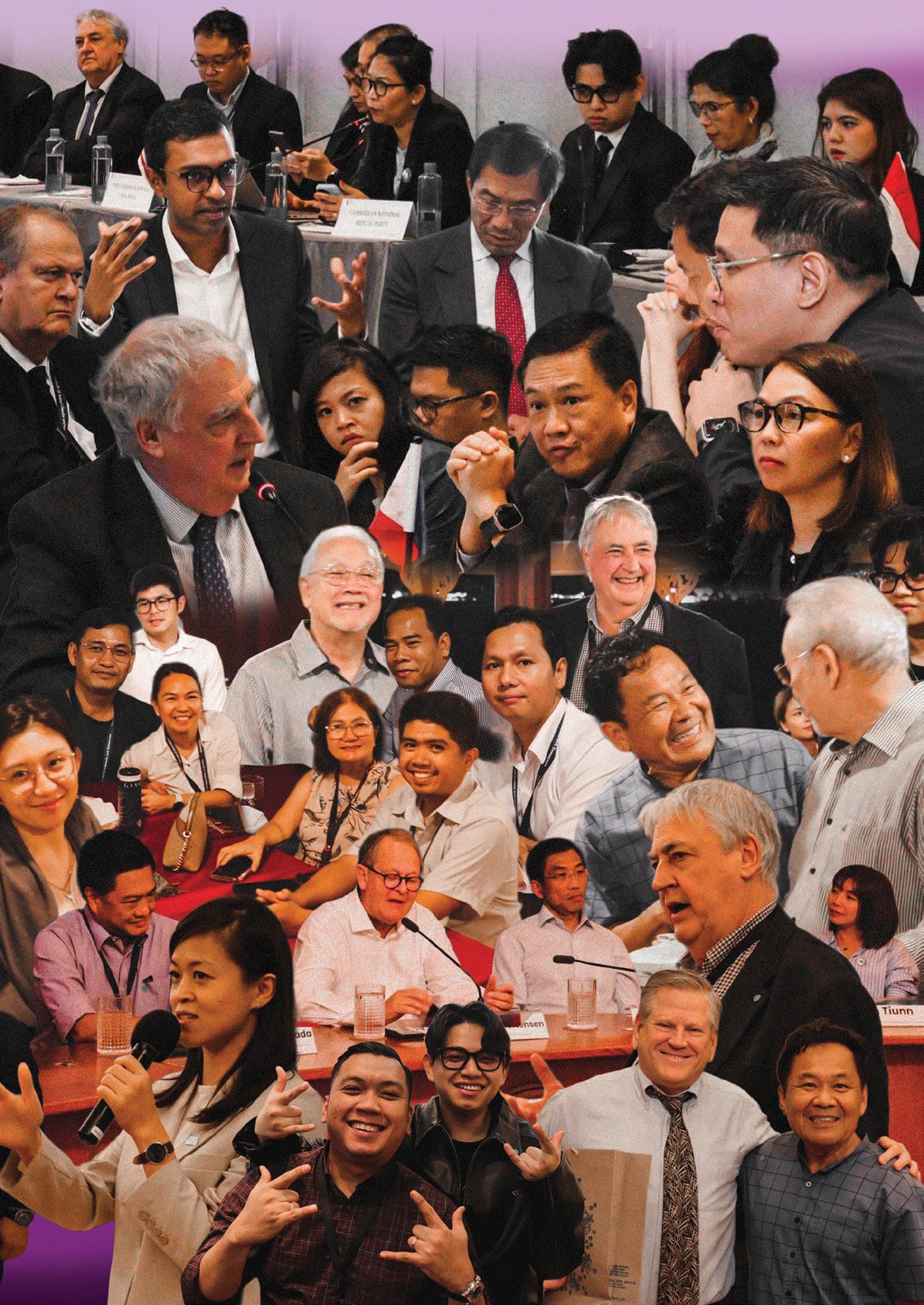
FAREWELL DINNER | 31 October
51ST CALD EXECUTIVE COMMITTEE MEETING | 31 October FILM SCREENING & PANEL DISCUSSION | 31 October
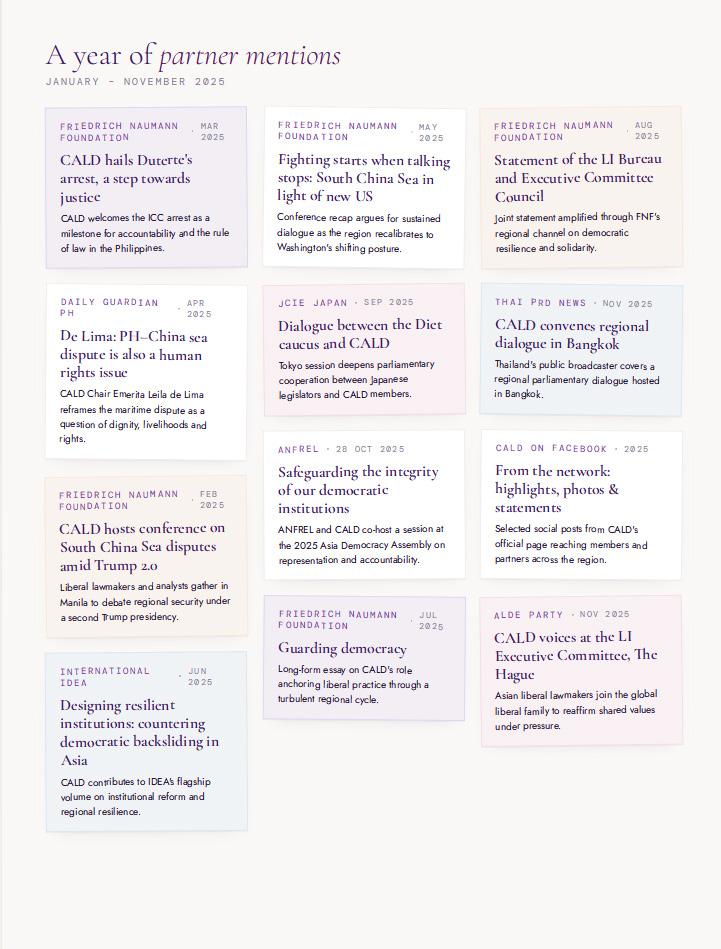
THE BAD THE GOOD & of 2025

CALD did not send out any letter in 2025, but calamities big and small, natural and otherwise, kept its pen busy writing statements throughout most of the year. Its very first for 2025, in fact, was a strong condemnation of the 7 January killing of Lim Kimya, a former member of parliament from the opposition Cambodia National Rescue Party. Lim Kinya was gunned down by a motorcyclist near Khaosan Road in Bangkok, Thailand.

“CALD is appalled that such a cold-blooded, transnational murder still occurs in modern society,” the Council said in its Statement No.1 “We condemn the use of violence and assassination as tools to silence anyone.”
“CALD believes that every individual has a fundamental right to life, liberty, and security, and that decisions regarding life and death must never be made arbitrarily,” it also said. “Dialogue and peaceful means are always available for resolving issues, and any form of violence that occurs outside of these peaceful spaces is utterly unacceptable and deplorable.”
The Council joined the CNRP in calling on “relevant authorities to conduct a swift, transparent, and thorough investigation” on Lim
Kimya’s murder and to ensure that “those responsible are held fully accountable.”

Two months later, CALD issued another statement full of shock and

concern, albeit over the “confirmation by Czech military intelligence that Chinese diplomats and secret service agents surveilled then vice president-elect of Taiwan, B-khim Hsiao, during her visit to Prague in March 2024.”
In its Statement No. 5, CALD said that the Czech intelligence report had revealed that “Chinese operatives not only tracked Hsiao’s movements but also planned to orchestrate a staged car crash—an act that could have endangered her safety and even her life. This visit marked Hsiao’s first official overseas engagement prior to her inauguration as vice president of Taiwan.”
The Council said that it “stands in full solidarity with Vice President Hsiao, who also served as CALD Chairperson from 2018-2020, commending her unwavering courage in the face of foreign
intimidation. Hsiao has affirmed that such unlawful tactics by the Chinese Communist Party (CCP) will not deter her from voicing Taiwan’s interests and participating actively in the global diplomatic arena.”
“Taiwan’s visit to the Czech Republic was rooted in the principles of peaceful engagement and legitimate diplomatic exchange,”
CALD said. “In contrast, China’s actions reflect a pattern of transnational repression and coercion.
CALD unequivocally condemns all forms of threats and intimidation that jeopardize international peace and stability, and calls upon the global community to uphold the norms of civilized and lawful international relations.”

Bad news again had CALD issuing a statement in September, when back-to-back Typhoons Ragasa/Nando and Bualoi/Opong rampaged through parts of Asia, including the Philippines and Taiwan.
In its Statement No. 6 , CALD expressed its deepest sympathy to, and solidarity with, the people of both countries.
“CALD offers its heartfelt condolences to the families of the victims and expresses hope for the swift recovery of the affected communities,” it said. “It urges both national and local governments to prioritize

the urgent needs of displaced families and to ensure that recovery and relief efforts are delivered efficiently and equitably.”
After only a few weeks, CALD was offering a fresh set of heartfelt condolences, this time to the Royal Family and people of Thailand, following the passing of Her Majesty Queen Sirikit.

CALD noted in its Statement No. 8: “Her Majesty’s devotion and commitment, particularly in uplifting the lives of rural communities and in promoting development projects across the country, remain a true reflection of her compassion, generosity, and unwavering service to the nation. May the nation find peace and solace in the enduring memories and legacy that Her Majesty has left behind.”

But 2025 also had some moments that CALD believed were worth celebrating. In March, it issued its Statement No. 2 , in which it welcomed the arrest of former Philippine President Rodrigo Duterte, following the issuance of an International Criminal Court (ICC) warrant for his alleged crimes against humanity. It also said that it “believes that an ICC trial is essential to bring to light the depravity” of the extrajudicial killing of people alleged to be involved in the illegal drug trade, as well as “to hold accountable all those who actively participated to commit such deplorable acts.”
“CALD considers the arrest of Duterte as a testament that no one is above the law and that justice eventually finds its way to address impunity and blatant disregard for human rights,” the Council said. “At the conclusion of the ICC trial, we are hopeful that justice will finally be served to thousands of victims of the deadly drug war.”
May meanwhile found CALD issuing statements congratulating two of its member-parties for their continued participation in
elections in their respective countries that showed their deep belief in democracy.

CALD Statement No. 3 commended the Singapore Democratic Party “for its steadfast commitment to democracy and human rights in the recently concluded 3 May elections.”
“Although the SDP was not successful in winning a seat in Parliament,” it continued, “its campaign represents a significant and courageous effort to challenge an entrenched political system that has long restricted pluralism and consolidated power for six decades under the People’s Action Party (PAP).”
CALD also pointed to SDP’s policy positions, which it said reflected the party’s “unwavering commitment to social justice, transparency, and the protection of human rights.”
Remarked CALD: “At a time when political space remains limited and dissent is often marginalized, the SDP’s participation in the electoral process exemplifies both courage and democratic integrity.”

Congratulations were also offered by CALD in its Statement No. 4 , with the recipient being the Liberal Party of the Philippines, which had significant electoral gains in the midterm elections. These included the “remarkable wins” of LP Chairperson and former CALD Chairperson Francis ‘Kiko’ Pangilinan, who reclaimed a Senate seat; Liberal International awardee and former Philippine Justice Secretary Leila de Lima, who triumphed as a party-list representative under Mamamayang Liberal; and former Philippine Vice President Leni Robredo, who was elected mayor of Naga City – the first woman to hold the post.
“CALD acknowledges the challenging and unpredictable political landscape in which this campaign unfolded—characterized by widespread disinformation, the influence of money politics, political intimidation, and a system long entrenched in personality-based politics,” said the Council in its statement. “Yet, throughout it all, the LP stood firm, driven by the power of people-centered organizing, principled
leadership, and an unwavering commitment to democratic values.”
“This victory is more than just electoral,” CALD said. “It is symbolic. In a nation grappling with deep political and societal divides stemming from the Duterte-Marcos conflict, LP’s resurgence represents a powerful affirmation of the people’s desire for accountable and transparent governance, inclusive societal policies, and a return to the rule of law. It marks the reawakening of hope and the renewal of a shared vision for a just and democratic Philippines.”

CALD issued another statement of congratulations in October, following the successful election of the new leadership of the Democrat Party of Thailand ahead of the scheduled general polls in early 2026. In its Statement No. 7, CALD noted that former Thai Prime Minister and CALD Chairperson Abhisit Vejjajiva had been elected unopposed “with an overwhelming 96.2 percent” of the votes during the party’s Special General Assembly. Abhisit had
previously held the post and was returning as DP’s 10th leader. The party also elected a new executive committee.
“CALD commends the DP for conducting the assembly in accordance with the principles and procedures of internal party democracy,” the Council said. “In a political environment often characterized by personalism and transactionalism, it is encouraging to witness the party practicing its democratic values and providing its members with a meaningful voice in selecting their leadership.”
CALD added, “We are confident that under the capable and experienced leadership of Khun Abhisit, the DP will work with renewed vigor toward its revitalization—not only in terms of electoral strength, but more importantly, in advancing principled politics rooted in liberal and democratic ideals.”

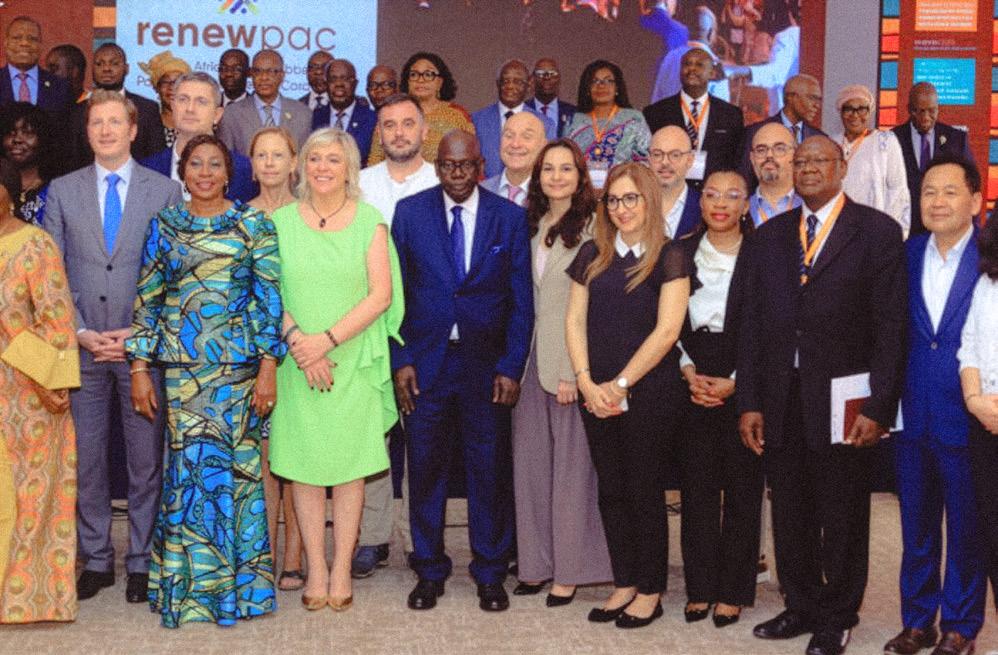
CALD Chairperson speaks at gathering of European and African leaders
CALD often travels far and wide to connect and interact with liberals and democrats across the globe, and the trip CALD Chairperson and Cambodian Senator Mardi Seng took in February had him crossing seas and continents. Invited to speak at the RenewPAC 2025 Summit, Mardi Seng arrived in Abidjan, Ivory Coast just in time for the 23-25 February event.
The summit was organized by the Renew Europe Group in the European
Parliament and its Delegation for the Pacific, Africa and the Caribbean (RenewPAC), and Ivory Coast’s ruling Rally of Houphouëtists for Democracy and Peace (RDHP) party, with the patronage of President Alassane Dramane Ouattara.
Underscoring Europe and Africa’s shared ambition to drive innovation, deepen collaboration, and empower sustainable development, it had as theme “Partners in Progress:
Enhancing EU-Africa Competitiveness for Sustainable Growth.” The event also aimed to serve as a platform where a partnership between the European Union and Africa on an equal footing could be examined and created as a vision for the future — one that benefits the peoples of both continents in the spirit of mutual respect and a win-win approach.
CALD’s Mardi Seng spoke in the panel, “AI for Sustainable
Development, Food Security and Regional Development,” under the summit’s International Leadership and Prospective Forum. In his intervention, Mardi Seng focused particularly on AI and democratic development.
“AI has great potential to enhance the quality of our democracy by making our elections and campaigns more transparent, efficient and participatory,” he noted, “but AI, when not bound by certain principles or rules, can also be a threat to democracy and fundamental human rights.”
Citing CALD’s policy paper on AI, Mardi Seng recognized the importance of EU’s AI Act passed in March 2024 as the first comprehensive regulation on artificial intelligence by a major regulator anywhere. Like the EU’s General Data Protection Regulation (GDPR) in 2018, he said, the EU AI Act could become a global standard on AI regulation.
The CALD chairperson concluded by saying that AI use must be grounded on liberal and democratic principles for it to contribute to sustainable development, food security and regional development.
“As the AI technology is rapidly evolving, we have to keep abreast of developments so we can maximize the opportunities and manage the critical risks that go with the technology,” he said. “The stakes are high, and the time to address these challenges is now. By experimenting responsibly and implementing AI in thoughtful ways, we can harness its benefits to address the most pressing issues of our time.”
CALD voices heard at RightsCon 2025
It is often described as “the world’s leading summit on human rights in the digital age,” and CALD found out firsthand just how accurate that description is.
CALD was at the RightsCon 2025 that was held in Taipei from 24 to 27 February. So were 8,000 or so other participants from 169 countries, making the annual event’s 2025 edition one of its biggest yet.
RightsCon convenes “business leaders, policy makers, general counsels, government representatives, technologists, academics, journalists, and human rights advocates from around the world to tackle pressing issues at the intersection of human rights and technology,” say its organizers. Using various formats such as fireside chats, hands-on workshops, strategic roundtables, private meetings, and a lively exhibition space, RightsCon provides a platform “where a global movement comes together to build strategies and drive forward change toward a more free, open, and connected digital world.”
Over the years, RightsCon has rotated to key hubs around the world — including San José, Tunis, Toronto, Brussels, Rio de Janeiro, Manila, and San Francisco — and grown, both in size and in scope, to meet the evolving needs of a movement. RightsCon 2025 had 638 round-the-clock sessions, onsite and online.
Taiwan was chosen as a venue this time around because, RightsCon organizers said, it is “recognized globally for the freest online environment and greatest human freedom in Asia, a whole-of-society approach to human rights, and a vibrant civil society community.”
“Taiwan (still) stands at the frontier intersection of democracy and technology,” Taiwan’s Vice President Bi-Khim Hsiao herself said during her keynote address at RightCon 2025’s opening ceremonies. “We understand the immense potential
of the Internet and digital technologies hold for progress, transparency and empowerment. At the same time, we are acutely aware of the challenges that come with these advancements – challenges that test our resilience and commitment to a free and open society.”
A former CALD chairperson as well as secretary general, Hsiao also reiterated Taiwan’ commitment to digital rights, cybersecurity, and freedom of expression. These issues were at the forefront of the 25 February session “VPN, theory and practice for press freedom in Southeast Asia” as well in which CALD Executive Director Celito ‘Lito’ Arlegue was a speaker.
In his presentation, Arlegue laid out the Southeast Asian context, particularly in relation to civil and political rights, and to press and Internet freedom. The region has increasingly become more politically restrictive in recent years, Arlegue said, necessitating the use of Virtual Private Networks (VPNs) for journalists and activists to continue doing their work.
“VPNs are an indispensable tool in the fight for press freedom in Southeast Asia,” said Arlegue. “They enable access to information, protect the privacy of journalists and activists, and ensure that independent journalism can survive in environments of censorship and surveillance. While VPNs alone cannot address all challenges, their role in safeguarding freedom of expression and supporting digital resistance is invaluable.”
The next edition of RightsCon will be in Lusaka, Zambia in May 2026.
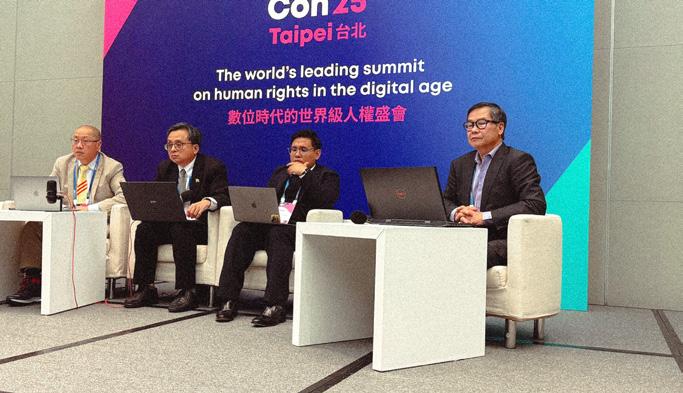
Yes, facilitating can be fun
...Which was one of the takeaways CALD Youth Chairperson Jeremiah Tomas got from a five-day training program he attended in Gummersbach, Germany in the first quarter of 2025. But the biggest, he said, was: “It’s how we can create this community and movement in order to make learning a fun and exciting experience.”
Organized by the International Federation of Liberal Youth (IFLRY), the 26-30 March program — conducted at the Theodor Heuss Akademie — brought together emerging leaders and facilitators from across the globe for an immersive journey into the art and science of training.
For Tomas, the opportunity was both timely and intentional. “I’ve often been on the receiving end of trainings,” he said. “So when I saw this chance to learn how to train the trainers themselves, I had to take it especially since no one else from Asia was in the current pool. I knew I could bring these learnings back to CALD and the broader regional space.”
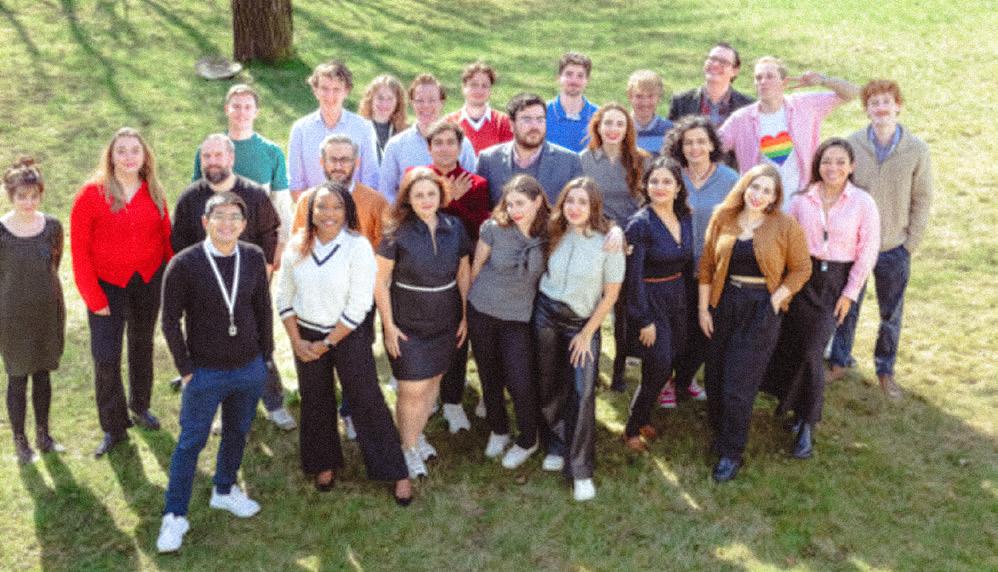
The IFLRY Training of Trainers 2025 went far beyond theory. Participants were exposed to over 30 interactive toolkits, ranging from traditional to alternative learning approaches. They then not only practiced using these tools, but they also co-created sessions, facilitated their own workshops, and evaluated each other’s methods in real-time.
“There was this moment when we were asked to illustrate ‘what freedom means to us’ using art supplies, mood boards, and stickers,” Tomas recounted. “It may sound playful, but it challenged us to think, express, and connect in deeper ways. That’s when it hit me: training doesn’t have to be stiff or boring. It can be dynamic, creative, and memorable.”
The training focused on creating experiential learning environments, pushing participants to go beyond lecture-style delivery to design spaces
that are engaging and inclusive. It also emphasized the value of preparation, structure, and intentionality, showing that a successful session often hides hours of behind-the-scenes planning.
“My view of facilitation has completely changed,” Tomas said. “I used to think it was all about guiding discussion or managing a room. But now I see it as a craft about designing experiences that resonate and stick. It’s not just passing on knowledge, but shaping how it is absorbed.”
He also discovered something new about himself. Said Tomas: “I realized I really enjoy this. It feels meaningful to create moments where people learn without even realizing they’re being taught. That’s the magic of good facilitation.”
He said that he would bring these approaches into CALD’s network of partners across Asia, declaring, “I
want to break away from the typical classroom model. I see facilitation as a way to spark leadership, not just teach it. When you create an environment that draws out people’s strengths, you build stronger movements.”
Whether it’s a grassroots campaign, youth assembly, or democracy training, Tomas believes facilitation is the quiet force that can amplify action.
“In a world where everyone learns differently,” he said, “these alternative methods help ensure no one gets left behind.”
But perhaps the most lasting part of the experience is the community it nurtures. “Beyond the tools and techniques, we built a vibrant network of trainers from all walks of life,” Tomas said. “That bond—rooted in trust, openness, and shared purpose—may be the most powerful toolkit of all.”
A cross-regional dialogue on disinformation
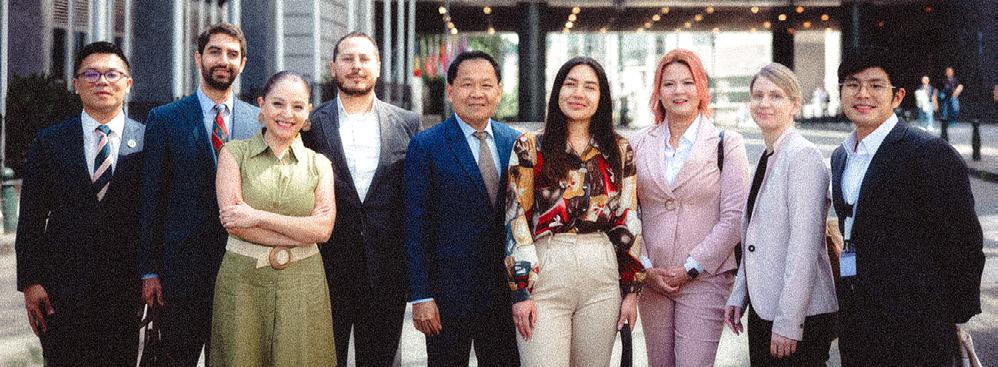
With Asia, Latin America, and Europe all facing the global menace of disinformation perpetuated by authoritarian countries, defenders of democracy and freedom from these three regions decided it was about time to learn from each other and fight back.
And so a dialogue program was spearheaded by RELIAL Coordinator Silvia Mercado with the assistance of FNF Southeast and East Asia Regional Programme Coordinator Thekla Ebbert. Delegations from CALD and the Red Liberal de America Latina (RELIAL) travelled to Brussels, Belgium for the program held 11-16 May, aiming to share experiences on countering disinformation, particularly those coming from China and Russia, with their European counterparts. More specifically, the CALD-RELIAL joint delegation wanted to know what strategies and tools proved effective in addressing state-sponsored disinformation in Europe, and to what extent these could be replicated in their respective regions.
“There appears to be increasing convergence and collaboration between the disinformation operations of China and Russia, both within the Asian region and on a global scale,” observed CALD Chairperson Mardi Seng. “They align their (false) narratives on global issues, they mutually amplify those narratives in their state media outlets, and they learn and adopt each other’s disinformation tactics.”
He warned that this convergence between China and Russia’s disinformation campaigns has far-ranging implications for electoral processes, social cohesion, regional security, and the democratic way of life.
Given the severity of the disinformation problem, the CALDRELIAL delegates engaged in lively discussions on the European Union’s strategy to combat Foreign Information Manipulation and Interference (FIMI), as well as on sharp power and safeguarding media freedom amidst disinformation campaigns. Along with representatives from the FNF Europe Office and European Liberal Forum (ELF), they explored liberal approaches to combat disinformation. From the Renew Europe Group in the European Parliament, they learned about legislative tools to counter foreign interference.
The CALD-RELIAL delegates discussed the role of the youth and civil society in combating disinformation with European Liberal Youth (LYMEC) and Defend Democracy, respectively. The importance of political strategies and coordination in addressing disinformation was tackled with the Alliance of Liberals and Democrats for Europe Party, apart from discussions on the need for strategic communications and global partnerships in anti-disinformation campaigns.
Reflecting on his experience on the dialogue program, CALD Youth Chairperson Jeremiah Tomas said, “One striking realization from the dialogue was how disinformation today operates in subtle, sophisticated ways shaping perceptions and creating fertile ground for political actors to exploit.”
He added, “While much of the European conversation understandably focuses on Russian tactics, it was crucial for us to highlight the Asian experience, where disinformation can be more sublime and, in some ways, more advanced. In our region, platforms with built-in censorship features often obscure the issue, making it even more urgent to raise awareness.”
“The youth and civil society must lead the charge in equipping communities with the tools and critical thinking needed to discern misinformation,” Tomas said. “This cross-regional exchange reminded us that disinformation is a global challenge and only through solidarity, shared learning, and coordinated action can we truly defend democracy.”
Apart from Mardi Seng and Tomas, the other members of the CALD delegation included Michael Chen, acting director of the International Affairs Department of Democratic Progressive Party of Taiwan, and Poyu Tseng, co-founder of Doublethink Lab, a Taiwan-based organization that does research on malign Chinese influence operations and disinformation campaigns.
Looking at the outcome of the dialogue, RELIAL’s Mercado observed: “CALD and RELIAL have highlighted that China’s disinformation efforts are not isolated incidents but part of a well-coordinated, transnational narrative strategy. These campaigns pursue clear geopolitical objectives: to undermine trust in liberal democratic models, position China as a credible alternative to the Western-led order, and reduce the influence of key actors such as the European Union and the United States in strategic regions like Latin America and Southeast Asia.”
“A coordinated authoritarian narrative requires a coordinated democratic response,” she also said. “The next step would be to strengthen alliances among key democratic actors—independent media, political parties, and civil-society organizations—by fostering collaboration, sharing timely information and alerts, and showing mutual solidarity. This collective effort is essential to build informational resilience and protect civic space across regions.”
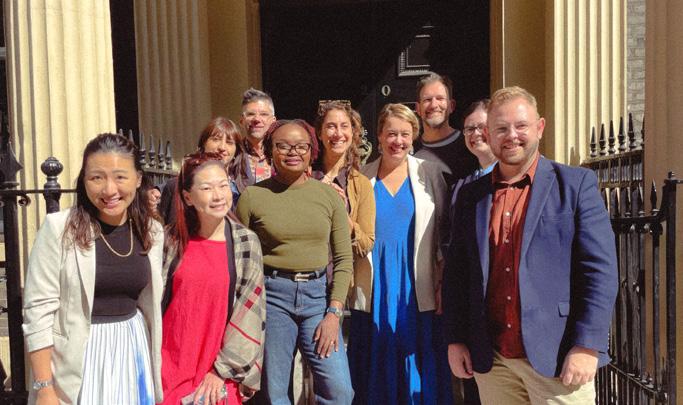
A NEW SCHOOL PERSPECTIVE ON FACILITATION
CALD Women’s Caucus Chairperson Jaslyn Go went to London in May, not to visit the King, but to hone her skills on facilitation. She did do that, but also had a lot more to bring home.
“My participation in the Anew School of Facilitation made me look at facilitation in an entirely new light,” said Go. “Prior to joining this program, I viewed facilitation as having control of the discussion or the conversation. But now I know that facilitation is about creating the right environment where people trust each other so they can speak freely, build meaningful connections, and act with purpose.”
She added, “The program encouraged me to be more introspective about who I am as a facilitator and as a leader, and how this impacts my capability to bring people together, to make them feel safe, and to inspire them to take collective action.”
According to its organizers, the 14-16 May intensive program was supposed to be a “deep-dive experience into the world of facilitation and gathering design.” On Day One, what people needed to connect, gather, and learn well in 2025 was discussed, along with the requisites for creating spaces for learning, innovation, and connection at any setting or context. Day Two had participants looking into the essentials to gathering well, particularly how uncovering
the real purpose and outcomes of gatherings support facilitators in truly meeting the needs of stakeholders. The last day dealt with how hidden moods and emotions affect relationships and group interactions, as well as how to manage these. In addition, elements of designing and executing impactful gatherings were discussed, as were the most common challenges that facilitators encounter.
One key lesson that the Anew School of Facilitation wanted to impart, though, was this: “Facilitation is the leadership skill of our time.”
Indeed, in these times of unparalleled complexity and uncertainty, leaders find themselves in situations where they have to navigate conflict and challenges, build connections and cultivate relations, and inspire diverse groups of people to act with purpose. All these entail skills in facilitation — even if some leaders would not immediately consider themselves as “facilitators.” After all, to facilitate essentially means “to make things easy,” and all leaders, in one way or another, are expected to make things easy in the face of varying (even competing) beliefs, ideologies, and interests.
As the School’s founder Marike Groenewald put it, “Facilitation is not just for facilitators.” No doubt, the leader of the CALD Women’s Caucus would agree with that.
CALD chairperson speaks before Japanese parliamentarians
The Tokyo summer was scorching, but there was no stopping CALD from making a crucial visit to Japan’s political heart. After all, CALD Chairperson Mardi Seng had been invited as guest of honor to the “Regional Dialogue with the Caucus for Universal Values in the Indo-Pacific,” where he was to lend his voice to a growing discussion on universal values in the Indo-Pacific.
The event, held 23 July within the halls of the Japanese Diet, drew a cross-section of parliamentarians from across party lines, including Japan’s Minister of Defense Gen Nakatani, who is also the current Parliamentary Caucus chairperson.
Formally launched in May 2025, the Parliamentary Caucus for Universal Values already boasts a strong foundation. The Caucus, which had 40 sitting members of the Japanese parliament joining its launch, is guided by a clear set of objectives:
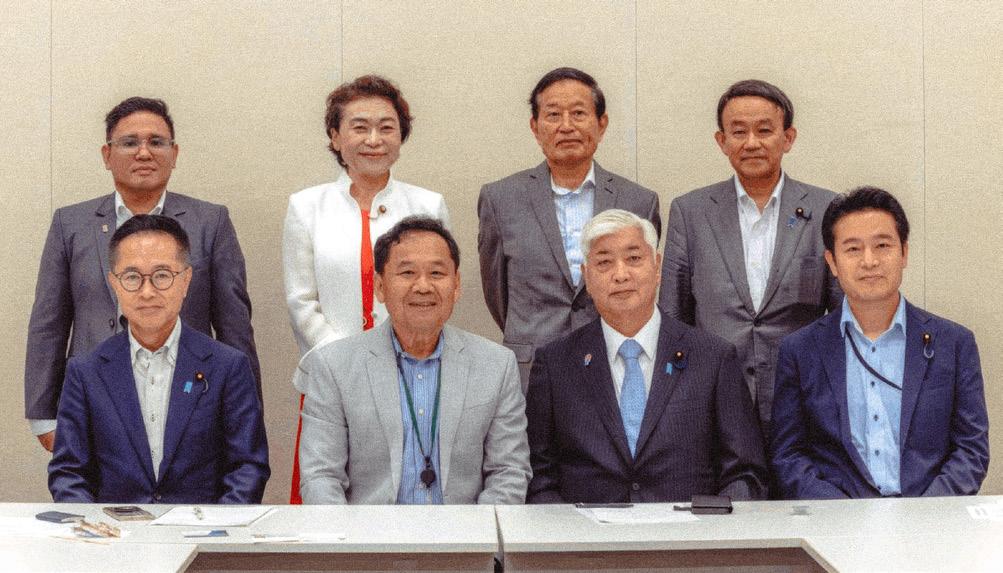
· To deepen understanding of the issues related to universal values in other countries through parliamentary exchange and dialogue, and propose precise support measures;
· To encourage the Japanese government to play a leading role in defending freedom, democracy, human rights, and the rule of law, in collaboration with G7 countries and partner countries that share universal values; and
· To work with private organizations that promote the sharing and protection of universal values in the Indo-Pacific, and to support strengthening such efforts as well as the foundation of those activities.
“Japan is uniquely positioned to lead on this front,” Mardi Seng emphasized in his remarks. “Its credibility across the Indo-Pacific is both well-earned and well-documented.” He cited the 2024 State of Southeast Asia Report by the ISEAS-Yusof Ishak Institute, which revealed that Japan is viewed as the most trusted major power in
Southeast Asia, garnering 58.9 percent of support— well ahead of the United States (42.4 percent) and the European Union (41.5 percent).
Building on this trust, Mardi Seng, who is also a Cambodian senator, called on his Japanese counterparts to consider hosting a high-level regional forum of thought leaders focused on the interpretation and application of universal values across diverse political and cultural contexts.
“It is essential that we establish a shared understanding of what these values truly mean,” he said. “Only then can the programs and advocacy efforts of this Caucus remain grounded, coherent, and impactful.”
Joining Seng on the trip was CALD Executive Director Lito Arlegue. The visit also included key meetings facilitated by the Japan Center for International Exchange (JCIE), which played a pivotal role in arranging briefings and extending warm hospitality to the CALD delegation.
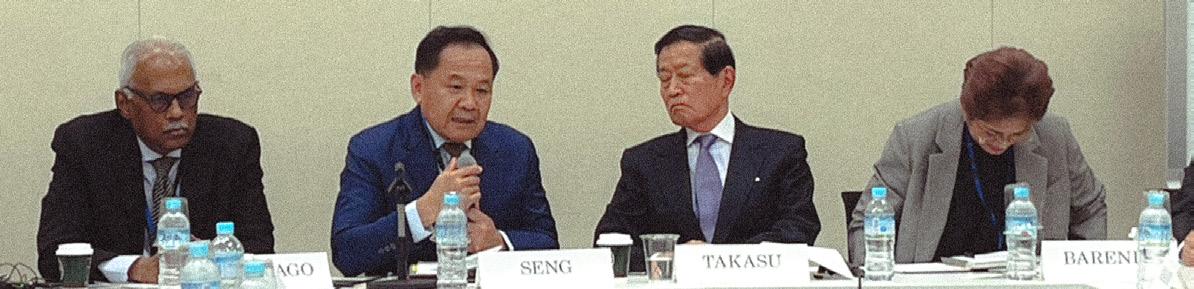
A challenge for Japan
Is it time for Japan to take on a bigger role in the international stage? CALD Chairperson Mardi Seng certainly thought so, telling his Japanese hosts during a March visit to Tokyo: “These may be very challenging times, but this can also be an opportunity for Japan to solidity and reinforce its regional leadership role, especially since it has been punching below its weight for the longest time.”
The Cambodian senator was actually part of a delegation from CALD and the ASEAN Parliamentarians for Human Rights (APHR) on an official trip to Japan. Organized by the Japan Center for International Exchange (JCIE) and United States-Japan Foundation for CAD and APHR officials, the 9-12 March visit was aimed at exchanging views with Japanese parliamentarians on the role of legislators for promoting universal values in the Indo-Pacific region, as well as endorsing the launch of the Parliamentary Caucus for Promoting Universal Values in the Indo-Pacific Region, to have Japan step up in the effort to defend democratic values.
Part of the visit, in fact, was the “Challenges and Opportunities: The Role of Legislators for Promoting Universal Values in the Indo-Pacific Region – Expectations toward Japan” dialogue between the CALD-APHR delegates and members of the Japanese Diet. Held on 11 March, this was where Mardi Seng put forth the idea of having Japan step up further, noting, “The leadership vacuum in the global fight for democracy can be exploited by authoritarian forces to advance their own goals and objectives.”
“While Japan may have been saddled with issues in domestic politics,” he continued, “we still believe that Japan is in the best position to assume a regional leadership role in the fight for democracy and open markets as it remains to be one of the most trusted allies by countries in Southeast Asia.”
The CALD chairperson requested his Japanese counterparts to advance in particular these priorities in the political, security and economic realms:
· Politically, for Japan to use Official Development Assistance’s (ODA)
offer-based approach to ensure free and fair elections in Southeast Asia;
· In terms of security, for Japan to continue and strengthen its commitment to a Free and Open Indo-Pacific (FOIP); and
· Economically, for Japan to retain its commitment to global open markets and multilateralism despite the certainty of trade wars and preference for bilateral arrangements.
The CALD-APHR delegation also met with the members of Milk Tea Alliance Japan, the Parliamentary Association for Supporting Democratization in Myanmar, and various Japanese NGOs working on the issue of human rights.
At the visit’s conclusion, Mardi Seng reiterated his call for Japan to take a more proactive role in the region. He asserted, “With the U.S. receding in the background and China still widely distrusted, Japan is in the best position to ensure that democracy and the universal values it espouses remains to be the future of Asia.”
TAIWAN & THE PHILIPPINES
stronger together
They may both be in Beijing’s crosshairs for different reasons, but Taiwan and the Philippines realize that finding solutions for shared challenges can be quicker and more effective if they do it together.
On 9 August thus, Taiwan’s ruling Democratic Progressive Party hosted a seminar that explored the common challenges faced by Taiwan and the Philippines in safeguarding their democratic systems from authoritarian interference.
In attendance were CALD youth and women delegates who were in Taiwan for parallel workshops, as well as Taiwanese policymakers, academics, researchers, and civil-society representatives — reflecting growing interest in the need to strengthen cooperation and democratic resilience across the Indo-Pacific region.
Moderated by Prospect Foundation President Dr. Lai I-Chung, the seminar featured a distinguished panel of speakers from both Taiwan and the Philippines: Chihhao Yu, Co-Director of the Taiwan Information Environment Research Center (IORG); Francis ‘Kiko’ Pangilinan, Philippine senator and former CALD chairperson; and Chen Ming-chi, Taiwan’s Deputy Minister of Foreign Affairs.
Yu opened the discussion by introducing the work of IORG, which seeks to combat information manipulation, curb authoritarian influence, improve public discourse, and strengthen democratic resilience in Taiwan. He analyzed how the People’s Republic of China employs multifaceted coercive tactics to undermine Taiwan’s democratic institutions and limit its international space. In particular, he highlighted China’s use of information infiltration to portray democracies as chaotic and ineffective. Yet despite these efforts, he emphasized, the technological capabilities of Taiwan’s civic community remain a key asset in resisting external interference.
“Foreign influence and interference is—and will continue to be—a critical issue that we must address within both our political and information systems,” said Senator Pangilinan, referring to the shared challenges faced by the Philippines and Taiwan.
Touching on the impact of foreign disinformation campaigns, he also remarked, “Democracy cannot be built—or defended—on lies. Facts are the foundation of democracy. Without them, the entire system collapses. So how do we defend democracy when truth is under constant attack?”

Pangilinan then drew from his recent electoral victory and proposed that one strategy to counter disinformation is to build genuine relationships with people—including those who may be spreading false narratives.
“Let’s not become the monsters we seek to slay,” he said. “Instead, let’s build new spaces—forums like this one, and beyond—where truth can breathe, where people can connect, where empathy is stronger than anger.”
Deputy Minister Chen meanwhile focused his remarks on “integrated” or “total diplomacy,” a values-based approach grounded in democracy, peace, and prosperity. This framework aims to promote mutual benefit and co-prosperity with diplomatic allies and like-minded nations. He stressed that Taiwan seeks to demonstrate its role as a stabilizing force in the Indo-Pacific, as well as a global model of freedom and democracy.
“Taiwan and the Philippines are indeed islands of resilience in the Indo-Pacific region,” said Michael Chen, acting director of DPP’s International Affairs Department. He noted that while both countries face growing, multifaceted threats from China, their increasingly close and deepening relationship represents a vital frontline in the defense of democracy in the region.
Special Session on Peacebuilding at 15th CALD General Assembly
As CALD was preparing for its latest General Assembly, Cambodia and Thailand were having border skirmishes, the result of a sudden flare-up in a longstanding dispute. To CALD, this was a reminder that without peace and political stability, societies cannot fully confront AI-driven inequality or defend democratic institutions.
And so CALD made time to talk about peacebuilding during its 15th General Assembly, which had the theme “AI, Inequality, and Democracy: The Challenge for Liberals and Democrats.” Held in Bangkok on 30 October, the Special Session divided the discussion into two panels, with the first tackling the principles and mechanisms of peacebuilding in the Southeast Asian context. The second discussed the best practices in peacebuilding in the current context, together with possible constraints that could limit their applicability.
FNF Southeast and East Regional Director Moritz KleineBrockhoff, who chaired the first panel, noted that as CALD was holding its event, there were ongoing crises in Myanmar, the South China Sea, and other parts of the region. He remarked, “Without peace, talking about AI is a luxury.”
Dr. Sriprapha Petcharamesree, a founding member of the South East Asian Human Rights Studies Network, meanwhile connected peacebuilding to rights protection in the digital age. In Thailand’s Deep South, she said, marginalized communities can become targets of discrimination, surveillance, and profiling, including through the use of emerging technologies.

She said that peace remains difficult there because of entrenched military interests, identity suppression, and structural obstacles. According to Dr. Sriprapha, ethnic Malays wearing traditional attire in the Deep South have faced charges under Article 116 (sedition) of Thailand’s Penal Code.
For her part, Dr. Melanie Reyes, in an earlier presentation, emphasized that peace is defined not merely by the absence of violence, but by the existence of justice, opportunity, and resilience for everyone. The executive director of the Women and Gender Institute at Miriam College in the Philippines, she stressed the importance of local ownership, inclusion of marginalized groups, and long-term commitments to institutional trust -elements necessary to ensure the sustainability of effective peacebuilding.
Liberal International Vice President Phillip Bennion then brought up an example of a successful peace process: that of Northern Ireland, which
he said worked largely because it allowed people to “agree to disagree,” creating space for two identities to live side by side without violence.
Bennion explained that the roots of the conflict stretched back centuries, and understanding that history is essential to understanding why peace was so difficult to achieve. He said that actions like gerrymandering, internment, and majoritarian politics deepened resentment and showed why any peace effort had to be genuinely inclusive.
Bennion said that it took the Good Friday Agreement to finally bring stability to Northern Ireland by introducing power-sharing, ensuring fair political representation, and accepting that people could hold either or both national identities. Civil-society groups also played a big part, he said, because they helped rebuild trust through work that involved both communities. Although some divisions remain in Northern Ireland, Bennion
said, younger generations are mixing more freely, giving reason to hope that the peace will continue to strengthen.
FNF Project Director in Thailand and Vietnam Vanessa Steinmetz introduced the second panel discussion by stressing that peace requires “dialogue, participation, trust, and inclusivity,” principles that are as relevant within communities as between nations. Citing the tensions in Thailand’s Deep South and along the Thai–Cambodian border, she noted how fragile peace can be when historical and cultural grievances run deep.
Conflict, however, extracts a heavy human price, as Dr. Amporn Marddent of Thammasat University in Thailand emphasized in her presentation. She discussed the need to protect vulnerable populations in borderland conflict zones, as well as highlighted gendered experiences in Southern Thailand and along the Myanmar border. Drawing from ethnographic work, she urged the audience to see
women in conflict areas not only as victims, but also as active survivors navigating danger and seeking solutions.
Former Thai Foreign Minister Kasit Piromya meanwhile underscored the global dimension of peace-building, sharing his experience as special advisor on nuclear abolition to the mayors of Hiroshima and Nagasaki. Reflecting on meetings with atomic bomb survivors, Khun Kasit cited the enduring human cost of conflict in urging international citizen networks to pressure world powers to prioritize peace, harmony, and common prosperity.
Cambodian Senator and CALD Chairperson Mardi Seng then discussed the renewed tensions between Cambodia and Thailand. Hinting at what sparked the crisis, he commented that nationalism is often used by political elites to distract from internal crises.
The episode served as a stress test for ASEAN’s conflict-management capacity, he also said, and revealed both its stabilizing potential and its limitations when faced with strong domestic rivalries and external power pressure.
The two countries reached an expanded ceasefire agreement that was formalized on 26 October 26 at the ASEAN Summit, Mardi Seng reported. The agreement included the release of detained soldiers, removal of heavy weapons along the 800-km disputed border, and the deployment of an ASEAN observer team.
Across the special session, speakers emphasized that peace, inclusion, and human rights are essential foundations for resilient democracies. The discussion reinforced the central theme of the General Assembly: liberals and democrats must build stable, rights-based societies capable of resolving conflict peacefully and safeguarding the dignity of all people.
Charter Amendments Signals CALD’s New Chapter
The times, they are a-changin’, and so are some things with CALD.
On 31 October, CALD General Assembly in Bangkok, Thailand unanimously approved amendments to the CALD Charter that, as CALD Chairperson and Cambodian Senator Mardi Seng said, “will usher in a new era for CALD!”
Prior to the approval, the CALD Executive Committee had favorably endorsed the amendments, which were drafted by the Charter Review Committee based on inputs from the organization’s officials and member-parties. The Review Committee held four meetings between February to March 2025, and had come up with proposed amendments on these areas: membership categories; auxiliary women and youth bodies; member discipline; fundraising and the secretariat; and leadership/chairmanship.
The most consequential among the amendments pertain to the CALD chairperson, who will now be elected for a term of two years and can run for reelection. This is a radical shift from the previous set-up where the chair-party rotated amongst CALD member-parties every two years, and subsequently appointed the CALD chairperson from its party leadership.
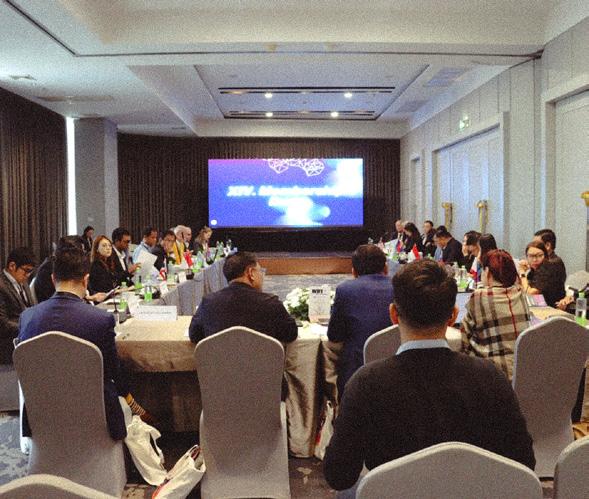
In approving the change, CALD members said that having an elected chairperson is more democratic and goes well with the principles and values of CALD as an organization. Moreover, they noted that among the counterpart organizations of CALD in the liberal network, only CALD subscribed to rotating leadership.
They also pointed out that having an elected chairperson can lead to greater organizational effectiveness as there will be more commitment on the part of the chairperson. They argued as well that including a possibility for reelection of CALD chairperson is better for planning and fundraising purposes, as program execution usually take more than two years to materialize.
“We hope that these amendments can prepare CALD for the future, which – unfortunately – is looking increasingly uncertain, volatile and complex,” said Mardi Seng. “The challenges to liberalism and democracy in Asia and the world are enormous, so we intend these charter changes to organizationally equip CALD in meeting these challenges head-on.”
CALD Hosts First Southeast Asia Screening of ‘Invisible Nation’
CALD went to the movies in Bangkok as its 15th General Assembly was winding down. But the film whose first ever Southeast Asian screening it helped sponsor was no ordinary fare. In fact, ‘Invisible Nation’ is a film that offers glimpses on what it takes to defend a democracy that is under constant threat.
The 85-minute documentary directed by Vanessa Hope is actually a story of how Taiwan has been able to navigate and stay relevant in a world that has consistently ignored or denied its existence – save for times when it needs its goods. As a Financial Times review of the film put it, the “one recurring message” in the film is this: “Taiwan exists.”
The review continued:“The need to emphasize this to the global public is evident to those who know the country well: China’s decades-long efforts to deny Taiwan international recognition and participation and to prohibit it from being called by its own name have rendered it practically invisible and left many other countries ignorant about it.”
As small as Taiwan is, however, its complicated history makes for complicated storytelling. Fortunately, Hope was given unprecedented access to the daily life of Tsai Ing-wen, Taiwan’s first female president, throughout her two terms (2016-2024). Tsai acts as the film’s constant, with her pets playing cameo roles and surprise comic relief in a documentary that deals with a lot of her nation’s heartaches.
Held on 31 October, the jampacked screening of ‘Invisible Nation’ was sponsored and organized by CALD in cooperation with the Foreign Correspondents Club of Thailand (FCCT) and FNF SEEA. Members of the general public attended the documentary’s special showing, along with those of CALD, FCCT, FNF, and the Taipei Economic and Cultural Office (TECO) Thailand.
A panel discussion followed the screening, with the speakers tackling how democratic leadership, international cooperation, and civic resilience intersect in defending freedom across Asia. FCCT Program Committee Chairperson Phil Robertson chaired the discussion. Among the panelists were Ngalim Tiunn, member of Legislative Yuan, Democratic Progressive Party, Taiwan; Chee Soon Juan, secretary general, Singapore Democratic Party; Henrik Bach Mortensen, vice president, Liberal International, Denmark; and Lorenzo ‘Erin’ Tañada, acting president, Liberal Party of the Philippines, and former deputy speaker of the Philippine House of Representatives.
Commenting on the highly successful gathering, CALD Secretary General Francis Abaya said, “We in CALD are pleased to have worked with FCCT and FNF to bring to Thailand this gripping documentary about Taiwan’s struggle for international recognition amidst the constant and intensifying pressures from China. Taiwan deserves and needs all the support that it can get from democratic friends and allies as it confronts this existential threat — not only to its survival but also to democracy’s future.”
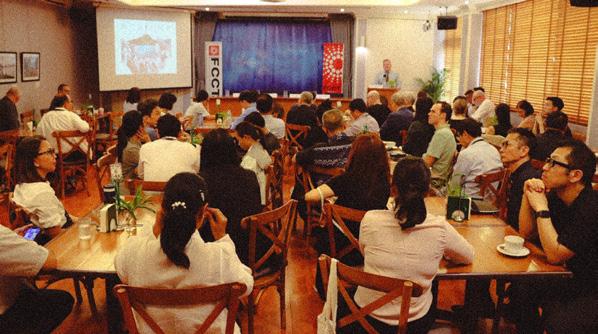
CALDANFREL Thematic Session on Parliamentary Monitoring
In brainstorming with CALD over a possible session on the sidelines of the Asia Democracy Assembly (ADA) that was to be held in Bangkok in late 2025, the Asia Network for Free Elections (ANFREL) observed that like all democratic institutions, parliaments “thrive when subject to constant monitoring and scrutiny.” Not all parliaments may welcome such scrutiny, but transparency in any state institution needs to be encouraged for governance to be participatory.
The planned session came to fruition, and even turned out to have the most attendees at the ADA. With the theme “Safeguarding Democratic Institutions through Parliamentary Monitoring,” the joint CALD-ANFREL event took place on 1 November and featured speakers from Taiwan, the Philippines, and Sri Lanka. Dr. Manjesh Rana, ANFREL Senior Program Officer, moderated the session.
The session had ambitious objectives: highlight parliamentary monitoring models as effective frameworks for strengthening transparency, participation, and accountability through collaborative engagement between civil society and legislators; share lessons and innovations from regional and global experiences in
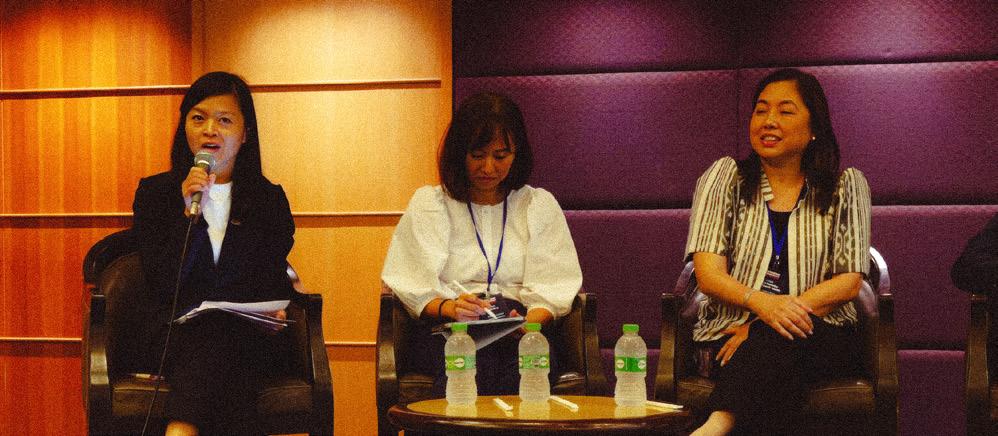
legislative oversight, political finance transparency, citizen engagement, and institutional reform; provide a platform for CSOs, reform-oriented legislators, and parliamentary experts to jointly reflect on challenges, opportunities, and strategies for advancing open and accountable parliaments; and facilitate the development of regional and cross-regional solidarity, building on shared principles and collaborative mechanisms to strengthen democratic institutions in Asia and beyond.
Then again, the importance of having such aims was underscored by CALD Chairperson and Cambodian Senator Mardi Seng during his opening remarks, when he noted, “Democracy, even when enshrined in a constitution, is not self-sustaining. It requires constant, vigilant maintenance.”
The first pair of speakers shared their thoughts on the state of parliamentary monitoring in Taiwan.
Alysa Chiu from the Democratic Progressive Party of Taiwan discussed the three layers of parliamentary monitoring: constitutional, digital and popular (through recall elections or social mobilizations). Digital Rights Specialist Lulu Keng meanwhile expounded on the work of Citizen’s Congress Watch, particularly in light of Taiwan’s Open Government National Action Plan in 2021-2024.
Next up were speakers from the Philippines who contextualized their interventions amidst the massive corruption scandals unraveling in their country. Liberal Party of the Philippines Acting President Lorenzo ‘Erin’ Tanada III discussed the promises of the Freedom of Information (FOI) bill, which he had pushed when he was still a member of the Philippine Congress. Unfortunately, he said, the bill was still languishing in the legislature. INCITEGov’s Mardi Mapa-Suplido, for her part,
talked about her organization’s work regarding the process and impact of ayuda (government aid), as well as INCITEGov’s initiatives to promote data accessibility, digital accountability, and civil society capacity-building.
Finally, ANFREL Chairperson Rohana Hettiarachchi described Sri Lanka’s experience, noting the importance of working with civil society in monitoring the government programs’ action plan, budget, time frame and impact. Citing his organization’s experience in monitoring elections, Hettiarachchi said that that election commission-civil society collaboration is crucial in ensuring that promises in the election manifesto would be respected by all stakeholders.
The Young and the Relevant
Southeast Asia’s evolving geopolitical landscape has been increasingly challenging traditional pathways for youth participation and activism. Declining international funding, heightened political scrutiny, and the global rise of authoritarianism have compelled youth movements to reassess how they organize, sustain momentum, and assert agency.
Against this backdrop, the Social Movement Forum (SMF) 2025 aimed to create a shared understanding of the realities, hopes, and frustrations shaping youth activism across the region, grounded in the lived experiences of young activists. Organized by Vietnam Rise in partnership with CALD Youth and CSO Academy, SMF 2025 held on 3 November in Bangkok, Thailand sought to deepen participants’ understanding of the structural barriers and opportunities affecting youth-led movements, while identifying common trends, challenges, and strengths that cut across countries and issue areas.
A key objective as well was to shift youth leaders’ mindsets from reactive engagement toward a forward-looking vision of collective action, while inspiring them with realistic strategies to build and sustain self-empowered movements.
The forum, which had as theme “Reimagining Youth Activism: How Youth Can Create Self-empowered Movements in Southeast Asia,” convened an invitation-only roundtable discussion that brought together youth activists from across Southeast Asia.
Speakers who contributed perspectives rooted in movement-building, advocacy, and independent media included Mon the Violet of Myanmar; Susmita Adhikari (who also shared insights on youth opportunities in Nepal); and Iqbal Fatkhi of Cilisos Media from Malaysia.
Through peer-to-peer dialogue, participants exchanged perspectives on engaging marginalized communities and shared experiences from grassroots movements working on
environmental justice, LGBTQ+ rights, and political participation. Discussions also examined approaches to optimizing limited resources, sustaining morale, and protecting activists and communities amid heightened political scrutiny.
Through dialogue, reflection, and shared learning, SMF 2025 affirmed young people as critical drivers of social change and contributed to strengthening the foundations of resilient, autonomous, and forward-looking youth movements in Southeast Asia.
“’If you want to go fast, go alone. If you want to go far, go together’ is an African proverb relevant today, in a time when resources are shrinking and spaces are limited,” said CALD Youth Chairperson and event facilitator Jeremiah Tomas at the forum.
“This reminds us that while individual initiatives can spark momentum, it is through building communities of trust, sharing strategies, and supporting one another that youth activism becomes not only loud, but lasting.”
PHILIPPINES, UKRAINE
Share Lessons on Justice
The Philippines and Ukraine are on two different continents and separated by seas. Yet at a conference jointly organized by CALD and the De La SalleCollege of St. Benilde School of Diplomacy and Governance, speaker after speaker drew powerful parallels between the two countries and their struggles against state violence and authoritarianism. “The case of the Philippines and Ukraine demonstrate the importance of international mechanisms that will go after the enemies of human rights,” said former Philippine Justice Secretary Leila de Lima at the 17 November event at Hotel Benilde Maison De La Salle in Manila. “Without a doubt, Duterte and Putin belong to these class of international criminals who should all be brought to justice.”
The conference, which had the title “Duterte’s Crimes Against Humanity and Putin’s War Crimes: What the Philippines and Ukraine Can Learn from Each Other?”,
coincided with the Philippine visit of Oleksandra Matviichuk, 2022 Nobel Peace Prize Laureate and head of Ukraine’s Centre for Civil Liberties. Matviichuk was among the event’s keynote speakers, as was De Lima, now a Mamamayang Liberal party-list representive in the Philippine Congress, and Fr. Flaviano Antonio ‘Flavie’ Villanueva, 2025 Ramon Magsaysay Award Laureate from the AJ Kalinga Foundation, Inc.
Joining them were voices from the diplomatic, academic, and human rights communities, each offering reflections on confronting impunity, curbing the abuse of state power, and drawing lessons from shared experiences of resistance: Dr. Gary Dionisio, Dean of Benilde’s School of Diplomacy and Governance; Dr. Almut Besold, Country Director of the Friedrich Naumann Foundation Philippine Office; Oleksandr Lysak, First Secretary of the Embassy of Ukraine; Joyce Crisanto, Director of the Human Rights
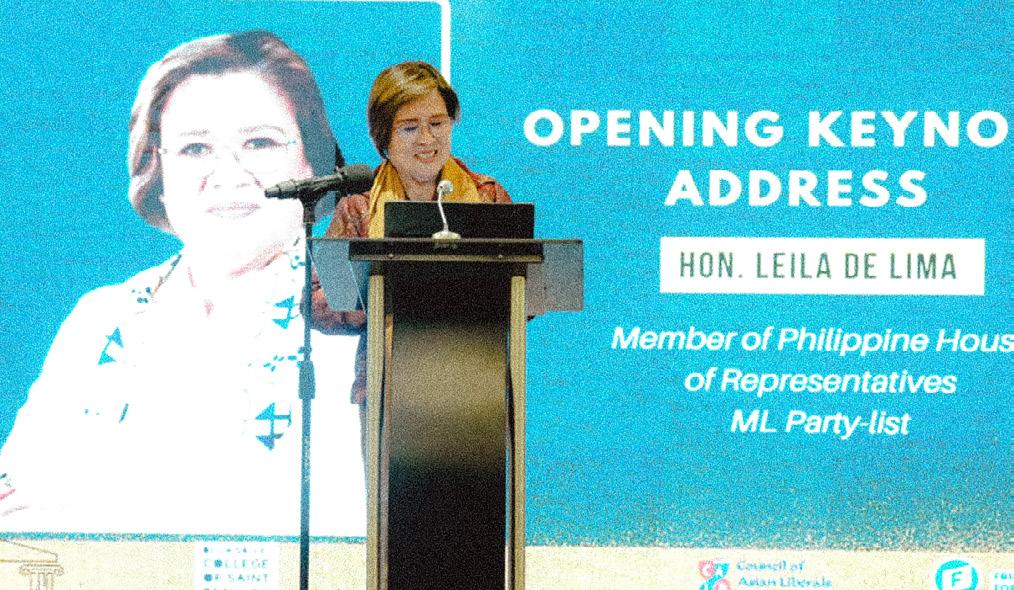
Policy Center at the Commission on Human Rights; Fritz Lee Santos III, Section Director of Amnesty International Philippines; and Raeyan Reposar of the School of Diplomacy and Governance.
The three keynote speakers, meanwhile, gave compelling reflections, personal testimonies, and urgent appeals rooted in their countries’ respective experiences with impunity and violence. At the same time, however, they emphasized that the defense of human dignity is a universal obligation – one that extends far beyond national borders.
De Lima delivered an intense reflection of the Philippines’ history of state violence. She narrated that what the world witnessed as former President Rodrigo Duterte’s drug war was “merely the final, most explosive eruption” of a system of extrajudicial killings perfected in Davao City long before 2016. By mid-2016, she said, the country was seeing an average of 30 killings a day—“a national emergency created by the state itself.”
Her early attempt to launch a Senate inquiry into the killings was met with swift retaliation. She recalled that she was removed as committee chair, vilified in public, and
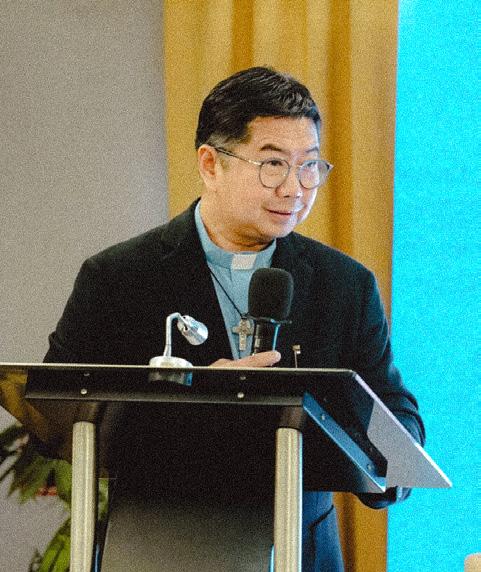
targeted with fabricated allegations. Duterte’s victims, she said, “remain undiscovered,” and that without truth there can be “no peace for the victims and no reconciliation for the nation.”
But she pointed out: “Our struggle is not isolated. Ukraine faces its own monstruous adversary in Vladimir Putin. The Ukrainian people confronted an external aggressor who wages war against civilians, destroys cities, and breaks families apart. Both our nations carry the weight of unburied dead, both confront leaders who believe they could shape society with fear. Both confront the lone shadow of impunity.”
Matviichuk, for her part, described a different but equally devastating pattern of unpunished atrocities, tracing Russia’s violence from Chechnya to Georgia, Mali, Libya, and now her own country. “Unpunished evil grows,” she warned. “All this hell we experience in Ukraine is a result of total impunity, which Russia has enjoyed for decades.”
She called the current invasion not just a conflict between two states but also “a war between two systems: authoritarianism and democracy.” Russia’s goal, she said, is to prove that democracy and human rights are “fake values” that cannot protect people. An authoritarian bloc, said Matviichuk, is emerging: Russia receives drones from Iran, shells and troops from North Korea, and technological support from China.
“They see people as an object to be controlled,” she said. To Russia, Matviichuk continued, “Ukraine is just a tool to break the existing world order” and impose its own vision.
Both De Lima and Matviichuk urged the international community to adopt stronger mechanisms to pursue justice against leaders who commit mass violence. De Lima renewed her call for a Philippine Truth Commission on the drug war to identify victims, establish accurate death tolls, and determine reparations.
“Only a national reckoning,” she said, “can explain why an entire country permitted such violence,” she said.
Matviichuk likewise stressed the need for global action, saying that Ukraine is fighting not only for its own survival,
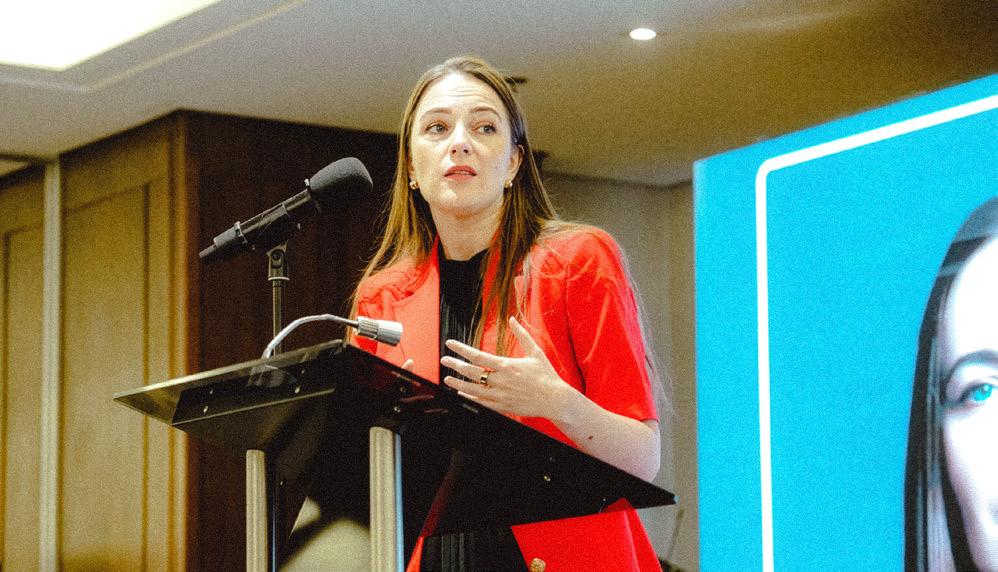
but also for the UN Charter and “the international principle of inviolability of borders.” If Putin succeeds, she said, other authoritarian leaders will be encouraged to do the same.
“We are working to provide the people affected by this war, regardless of who they are, regardless of their social position, a chance to achieve justice,” said Matviichuk.
Villanueva, who works with families of extrajudicial killing victims through Program Paghilom, described how the Philippine drug war erupted like “mass hypnosis”—a collective belief that violence could purify society. He spoke of visiting homes where widows kept their heads low and voices quiet, too afraid to grieve openly.
“Injustice may take different shapes across nations,” he said, “but the human cost is always the same.” According to Villanueva, AJ Kalinga’s Program Paghilom (Healing) at that point had worked with at least 336 widows, helping them rebuild their lives while making sure victims “do not disappear.”
Matviichuk delivered a similarly brutal portrait of life under occupation: disappearances, torture, rape, denial of identity, mass graves, and the forcible adoption of
children. She pointed out, “Occupation does not decrease suffering. It only makes suffering invisible.”
Yet despite the gloomy narratives and sorrowful accounts, the speakers stressed that people—not institutions—remain the strongest force against oppression.
“Ordinary people can do extraordinary things,” Matviichuk said.
“The basis for the Ukrainian people’s resistance is dignity and dignity is action,” she also said. “We are not hostages to the circumstances, we are participants in this historical process. Dignity gives us the strength to fight even in unbearable conditions. And I know that people in the Philippines and the rest of the world are also fighting for freedom and human dignity.”
Villanueva echoed her sentiment, saying, “The standing up for the vulnerable is the quiet defiance – a refusal to let victims disappear…We continue the work not because we are heroes, but because silence would be betrayal.”
SHORT PROGRAM PROVES LONG ON LESSONS
CALD is always for up anything that would introduce it to fresh perspectives or enable it to make or strengthen connections. Or both – which was exactly what a three-day visitor program organized by the UK Liberal Democrats sounded like it would deliver. So in late 2025, a CALD delegation — made up of Chairperson Mardi Seng, Secretary General Francis Gerald ‘Blue’ Abaya, Women’s Caucus Chairperson Jaslyn Go, Individual Member Sin Chungkai, and Executive Director Lito Arlegue — was off to London to be part of it.
with Professor John Sidel and Dr. Petra Alderman. This session focused on critical geopolitical and democratic challenges, specifically: understanding the resurgence of authoritarianism; developing robust counter-narratives to populism; and identifying methods to maximize and defend democratic spaces.
It was all about meetings for Day 2. In the morning, the delegation met with Stevie Wolfe for incisive discussions on the function and impact of the All-Party Parliamentary Group (APPG) on corruption, particularly on themes like political integrity, economic crime and responsible tax.
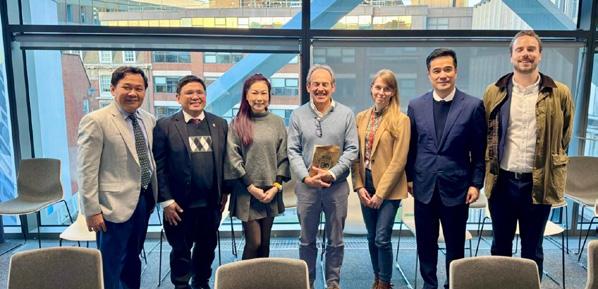
The core objective of the program, which ran from 17 to 19 November, was to facilitate a crucial exchange of perspectives and shared experiences centered on political party strategies, effective network-building, and strengthening democratic resilience across contexts. Day 1 turned out to be already packed, even though it started easy with an introductory tour of Westminster Palace. After that was a visit to the London School of Economics for an engaging discussion
The day concluded at the UK Liberal Democrats Headquarters, where the CALD delegates received an insightful presentation from Professor Andrew Russell, who detailed the evolution and development of the UK LibDems. He paid particular attention, though, to the campaign strategies and circumstances that culminated in the party’s record-breaking achievement of 72 seats in the 2024 General Election.
Tom Morrison, Liberal Democrat MP for Cheadle and Liberal Democrat Deputy Chief Whip, also met with the CALD delegation to share his insights on the state of democracy and what it means for allies and partners. He emphasized the power of story-telling at a time when “no one seems to be holding the flag for democracy.”
The CALD delegation then returned to the UK LibDems Headquarters in the afternoon for open and frank discussions on international cooperation with David Chalmers, chair of the party’s Federal International Relations Committee (FIRC); Adrian HyyrylainenTrett, FIRC member; and Phil Bennion, Liberal International representative.
For Day 3, the CALD delegation visited the headquarters of the Westminster Foundation for Democracy (WFD) and met with Adele Poskit, head of practice, political parties and movements; and Felicity Herrmann, senior program manager (ASEAN), to know more about WFD’s international work on strengthening democracy and political parties.
This was followed by an open discussion at the House of Lords with Baroness Alison Suttie and Lord Jeremy Purvis of Tweed on the challenges facing liberal democratic parties amid rapidly changing social contexts. Lord Purvis observed that liberals have the baggage of “being a party of institutions and the rule of law,” and therefore part of the establishment that appears to ignore the common people’s daily struggles.
With Duncan Hames of Transparency International, the delegation members discussed issues like corruption, money laundering, economic sanctions circumvention, and other matters that affect the integrity of financial systems.
The program concluded with a well-attended Foreign Policy Roundtable where each member of the CALD delegation shared insights on threats to democratic institutions, challenges brought by corruption, populist and authoritarian narratives, experiences on election interference and lessons learned on fostering democratic revival, renewal, and resilience.
CALD at LI ExCom
For CALD, Liberal International is family, so it was no surprise to have a CALD delegation at The Hague, where LI held its 29th Executive Committee Meeting on 21-13 November. CALD Chairperson Mardi Seng even gave opening remarks at the meeting’s opening session, during which he said, “CALD will not only remain as your trusted partner, but will actively stand as your most reliable ally in Asia, relentlessly driving forward our collective and shared vision for a freer, more democratic world.”
The Cambodian senator made this commitment after providing an overview of CALD’s work in 2025 that focused on three strategic areas: holding political dialogues on Artificial Intelligence, the South China Sea, and Ukraine; training its members and allies on leadership; and expanding its network and impact in the Asian region.
Apart from Mardi Seng, the CALD delegates included CALD Secretary General Francis Gerald ‘Blue’ Abaya, CALD Women’s Caucus Chairperson Jaslyn Go, CALD Individual Member Sin Chung-kai, and CALD Executive Director Lito Arlegue. Some CALD member parties also sent representatives, among them Taiwan Members of Legislative Yuan Puma Shen and Fan Yun (Democratic Progressive Party of Taiwan); Member of Japanese House of Representatives Yosuke Suzuki (from observer-member Constitutional Democratic Party of Japan); and Kimhun Thit, Michelle Lim, and Mab Leang, officials of the Cambodia National Rescue Party.
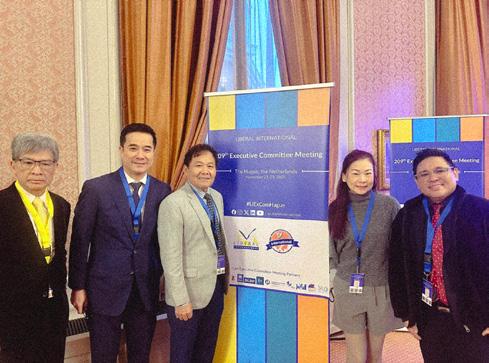
The CALD delegation took part in the side event “Security in the Indo-Pacific and Europe: Development, Issues and Challenges” jointly organized by CALD and the Alliance of Liberals and Democrats for Europe Party. The ALDE Party delegation included Baroness Sal Brinton, ALDE Party vice president, and LI Human Rights Committee chairperson; Yevheniia Kravchuk, ALDE Party vice president and member of parliament in Ukraine; and Andrew Burgess, ALDE Party senior political adviser.
The UK Liberal Democrats was also well-represented with David Chalmers, chair of the Liberal Democrat Federal International Relations Committee; Phil Bennion, LI representative; and Devin O’Shaughnessy, senior manager for international programs, providing their insights. Henrik Bach Mortensen, vice president and chairman of LI Working Group on Security and Defense completed the line-up of speakers.
“The future of security in Europe and the Indo-Pacific, and indeed, globally, will be defined by our collective ability to adapt, to innovate, and to stand united against forces that seek to undermine our shared values and interests,” said CALD Secretary General Francis Abaya in his closing remarks at the side event. “This compels us to think beyond geographical silos and to recognize the global nature of these security dilemmas in our unwavering pursuit of a more secure future for all.”
LI Has Manila’s Back in West Philippine Sea
Before the year ended, Liberal International undertook a historic move and adopted a resolution supporting the Philippines’ rights over the West Philippine Sea (WPS) and called China’s actions in the area as “threats to global peace, security and free trade.”
The resolution was unanimously adopted during LI’s 209th Executive Committee Meeting on 23 November 2025, which was attended by more than 160 delegates from around 60 countries across the globe. The Liberal Party of the Philippines, an LI full member party, proposed the resolution, which was overwhelmingly supported by its co-CALD member parties that attended the meeting.
Apart from recognizing the 2016 Philippine legal victory in the Permanent Court of Arbitration (PCA), the resolution also acknowledged that China has undertaken “unprovoked, dangerous, and hostile
naval and aerial operations throughout the WPS.” These operations, the resolution stated, “have affected the livelihood of Filipino fishermen and compromised the welfare of affected coastal communities.”
“We were so pleased to receive strong support from fellow liberals and democrats to the LP-sponsored resolution on WPS,” said CALD Chairperson Mardi Seng, who had rallied support for the resolution during his plenary address to the LI Executive Committee. “At a time when the Philippines is facing intensifying aggression from its giant neighbor, this demonstration of international solidarity with the
Philippines shows that it would not be alone in its fight to uphold national sovereignty and international law.”
Liberal International also urged international support to the Philippines should it decides to pursue a comparable resolution in the United Nations General Assembly (UNGA).
Philippine legislator Leila de Lima (Mamamayang Liberal Party-list Representative) had filed House Resolution No. 192 urging the Department of Foreign Affairs to table a resolution to the UNGA calling China to respect the PCA ruling and cease its repeated and aggressive acts against the Philippines in the WPS. The resolution, however, had
yet to move beyond the committee level.
“The unanimous support of LI members to LP’s resolution on the WPS demonstrates that the democratic world is behind us in our fight against an increasingly aggressive and hostile China,” said LP Acting President Lorenzo ‘Erin’ Tañada III. “We call on the Philippine government to make full use of this support to lobby the international community, including the United Nations, to recognize the Philippines’ claims on the WPS and to hold China to account for its actions.”
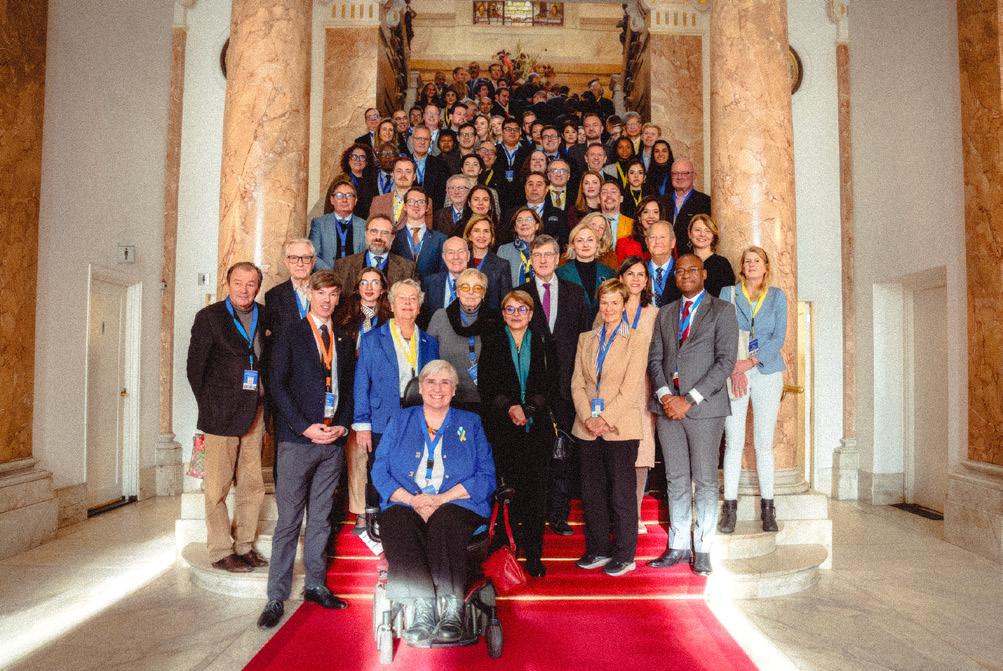
DEMOCRATIC
SafeguardingSovereignty,Strengthening Democracy
Entering 2026, Taiwan continues to stand as a pivotal force for democracy, navigating an era marked by both unprecedented external pressure and a profound internal strengthening of our civic spirit. Following the momentum of the DPP’s third consecutive term, we remain dedicated to a mission that transcends partisan lines: safeguarding Taiwan’s sovereignty while fostering a society that serves as a resilient beacon of freedom in the Indo-Pacific. This commitment to democratic values remains a non-negotiable foundation of our national identity.
The security landscape reached a critical juncture in 2025 as military intimidation escalated through large-scale encirclement exercises. Under the administration of President Lai Ching-te, Taiwan has remained a responsible actor, steadfast in maintaining peace despite these provocations. However, we must also confront a surge in invisible gray-zone tactics, including transnational repression and misinformation designed to polarize our society and erode trust in democratic institutions.
In response to these challenges, 2025 witnessed a remarkable resurgence of grassroots power that has redefined Taiwan's political landscape. A landmark movement to recall opposition legislators served as a powerful testament to civic agency, demonstrating that the impetus for democratic accountability remains a vibrant and autonomous force. The DPP has stood in alignment with these civic society voices, recognizing that Taiwan’s democratic resilience is not merely a government policy, but a lived reality driven by the vigorous public who remain the ultimate guardians of our democracy.
This spirit of national unity was further forged during the Matai’an disaster, where a catastrophic overflow of a landslide-triggered barrier lake caused severe flooding in Guangfu township, Hualien. In the face of tragedy, the nation stood in solidarity, with citizens from all walks of life transcending political divides to support the recovery effort. The DPP joined this collective mission, working alongside civil society to provide relief. This experience reaffirmed the party’s core belief that
effective governance depends on the well-being and resilience of the society it serves.
On the global stage, the DPP has continued to elevate Taiwan’s role as an indispensable partner for peace and prosperity. Despite the persistent presence of pro-China narratives within our domestic politics and cognitive warfare by China, we continue to broadcast the vital importance of democratic values to the international community. Our ties with partners across Asia and the world have reached new heights of strategic cooperation, grounded in a shared understanding that Taiwan’s security is essential to a rules-based international order.
As we look toward 2026, the DPP remains committed to a future defined by peace and democratic integrity. By integrating the vision of whole-of-society defense resilience with the dynamic energy of our civil society, we call on our global partners to stand with us. Together, we are forging a path where human rights prevail, ensuring that the courage of a free people remains the ultimate safeguard against oppression, for generations to come.
PARTY GERAKAN RAKYAT MALAYSIA
Still a principledpolitical voice
On 25 May 2025, Parti Gerakan Rakyat Malaysia celebrated its 57th anniversary under the theme “Chaiyok! Gerakan Bangkit!” The celebration served as an important platform to unite party members, honor leaders and grassroots activists who have long contributed to the party’s struggle, and inject renewed energy into GERAKAN’s political mission. Bringing together delegates and leaders from across Malaysia, the event reflected organizational cohesion and reaffirming the party’s collective commitment to face future political challenges.
GERAKAN is a component party of Perikatan Nasional. Within the coalition, GERAKAN provides an important non-Malay and multi-ethnic perspective, reinforcing the value of cross-cultural cooperation in national policymaking.
GERAKAN is presently represented in the Kedah State Legislative Assembly, and the representative is also a Member of the Executive Council, a position equivalent to a state minister. This mandate demonstrates that GERAKAN retains public support and acceptance among the people.
Throughout 2025, the party remained consistently vocal, continuing its longstanding role as an active and principled political voice. Party leaders regularly raised concerns affecting the social welfare of the people. These interventions addressed a wide range of issues, including the impact of the revised Sales and Services Tax, concerns over bullying in schools, and matters relating to national symbols such as the Jalur Gemilang (national flag). Through these engagements, GERAKAN reaffirmed its role as a constructive check and balance within the political system.
GERAKAN views the current administration under the leadership of Prime Minister Anwar Ibrahim as having fallen short in fully understanding and addressing the everyday needs
of the people. Many policies introduced by the government are perceived as driven more by political rhetoric than by a genuinely people-centric approach.
Furthermore, Anwar Ibrahim’s administration has been criticized for policy inconsistency, with several initiatives appearing reactive and lacking thorough consultation. One notable example is the recent education reform proposal involving diagnostic assessments for six-year-old students entering Year One. The initial announcement was met with widespread public concern and criticism, ultimately leading to the cancellation of the initiative.
Looking ahead, GERAKAN is focused on preparing for the upcoming elections. The party under the leadership of Dr. Dominic Lau Hoe Chai is strengthening its organizational machinery, refining its policy platforms, and enhancing grassroots outreach to better connect with voters. Electoral preparedness is not viewed solely in terms of contesting seats, but as part of a broader effort to articulate a credible, inclusive, and forward-looking political alternative for Malaysians.
The party maintains that a credible and people-focused alternative lies in GERAKAN and Perikatan Nasional, offering a governance approach grounded in accountability, consistency, and responsiveness to public needs.
Parti Gerakan Rakyat Malaysia remains committed to building and sustaining a stable political environment in Malaysia. As a non-ethnic political party, GERAKAN continues to champion the principle of Bangsa Malaysia, a national identity that transcends ethnicity, religion, and regional divides, and places democratic values and mutual respect at the heart of nation-building.
Challenges & Pathways for Rights & Participation
Cambodia’s political and human rights landscape in 2025 continues to present significant challenges. The country remains under a highly centralized political environment, with limited space for opposition participation and ongoing constraints on freedoms of expression, association, and the press. Reports from various international organizations have noted the continued use of legal measures against political actors, activists, and members of civil society, contributing to a climate in which open political engagement remains restricted.
At the same time, broader human rights concerns persist. Issues such as human trafficking—particularly in connection with online scam operations—as well as land disputes and community displacement continue to affect vulnerable populations. These developments underscore ongoing concerns related to governance, accountability, and access to justice, which remain critical areas for continued attention and reform.
Over the past year, the Cambodia National Rescue Party (CNRP) and its supporters have continued to engage in peaceful and lawful efforts to promote democratic values and human rights. These initiatives have included organizing small-scale gatherings and rallies, participating in legal processes, and strengthening engagement with Cambodian communities both domestically and abroad. The party has also remained active in raising awareness on key national issues and maintaining dialogue with regional and international partners, in line with its commitment to democratic principles and inclusive political participation.

During this period, the CNRP organized and held at least 14 rallies across six countries. This included two large rallies in Japan, each attended by approximately 500 participants; two in South Korea, drawing between 3,000 and 5,000 participants each; two in Canada with 200–250 participants each; two in France with 400–500 participants each; two in Australia with 700–1,000 participants each; and four in the United States with 300–400 participants each. In addition, the party sustained daily Facebook Live broadcasts through six different media outlets and maintained ongoing communication with the U.S. State Department and various lawmakers.
Developments during the year have also highlighted the importance of ensuring the safety and security of political actors and advocates. The killing of Lim Kimya by a gunman in downtown Bangkok on January 7, 2025, drew regional attention and underscored broader concerns regarding the protection of individuals involved in political and civic life.
These challenges point to the continued importance of dialogue, adherence to the rule of law, and the promotion of a more open and inclusive democratic environment in Cambodia.
SINGAPORE DEMOCRATIC PARTY
Resilience, Reform, & Renewed Political Engagement
In 2025, the Singapore Democratic Party (SDP) entered the General Elections with the rallying call “Thrive, Not Just Survive.”
This slogan captured the Party’s vision for a Singapore where citizens move beyond mere subsistence toward a future defined by dignity, opportunity, and genuine democratic participation.
While the SDP did not secure a seat in Parliament, the campaign marked a significant and courageous effort to challenge a deeply entrenched political landscape. For over six decades, political power has remained largely consolidated under the People’s Action Party (PAP), limiting political pluralism. Against this backdrop, the SDP’s active participation stood as a principled commitment to democratic engagement and reform.
The SDP was the only party to hold election rallies every night but was not invited to the only televised town hall during the election period. There were no televised political debates during this election period or in the last five years in Singapore.
Overall, a study by the Institute of Policy Studies, which is part of the Lee Kuan Yew School of Public Policy, found that less than half of Singaporeans surveyed agreed or strongly agreed with the statement that “there is no need to change the election system because it has served Singaporeans well.”
In response to this public dissatisfaction with the electoral system, the SDP has
embarked on an electoral reform campaign. The Party launched a petition for fairer elections and held a very well-attended forum on Electoral Reform. Some of the issues that were highlighted include the effective disenfranchisement of most overseas Singaporeans, the need for an independent electoral commission that is not under the Prime Minister’s Office, and the need for free and independent media to help ensure that the voting public can make informed decisions during elections.
Throughout the year, even after the elections, the Party continued to advance policy positions grounded in its unwavering commitment to social justice, transparency, and the protection of human rights. These principles remain central to the SDP’s long-term vision of a more inclusive and equitable Singapore.
Organizationally, in 2025, the Party successfully formed its Central Executive Committee (CEC) for the 2026–2027 term. As the Party’s governing body, the CEC plays a critical role in shaping strategic direction and policy priorities. Comprising a diverse group of experienced veterans and fresh talent, the committee reflects the SDP’s dedication to leadership that upholds democracy, equality, and social progress.
In addition, the SDP strengthened its digital presence by broadening the use of social media platforms, particularly TikTok, to expand its reach and engage younger audiences. This enabled the Party to
communicate its message more effectively and build stronger connections with a new generation of supporters despite the restrictions on mainstream media.
The SDP did attempt to challenge a Protection from Online Falsehoods and Manipulation Act (POFMA) order, which compelled the Party to publish a declaration that a statement made in support of young activists was false, despite the fact that the exact same words were used as an official statement. Unfortunately, the SDP was denied the right to appeal by the Court of Appeal.
Secretary-General Dr. Chee Soon Juan published a new book, Unbroken: The Power of Resilience. The book offers a deeply personal reflection on perseverance, healing, and the strength to endure adversity. Drawing from his decades-long journey in Singapore’s political opposition, Dr. Chee writes about the challenges of dissent in a system that often penalizes it, noting that he has stood for elections seven times—and lost each one. Yet, as he emphasizes, resilience is not merely about endurance but about growth through adversity. As reflected in the book, stress, when understood and processed, can become a catalyst for transformation. Inspired by the writings of Viktor Frankl, Dr. Chee underscores the idea that suffering finds meaning when anchored in purpose. Ultimately, Unbroken is a testament to the human spirit and the enduring belief in democratic ideals.
SPEAKERS SESSION CHAIRS &
CALD ConferenceRegional on South China Sea Disputes under Trump 2.0
Agus Widjojo Head of Mission, Embassy of the Republic of Indonesia in the Philippines
Alva Finn Executive Director, European Liberal Forum
Andi Wijoyanto Head of Research Agency, Indonesian Democratic Party of Struggle Former Cabinet Secretary
Chong Jia Wearn Vice Youth Leader, Parti Gerakan Rakyat
Christian Esguerra Host of Facts First
Dae-Jin Jung, Ph.D Professor, Halle University
Francis Gerald “Blue” Abaya
Secretary General, Council of Asian Liberals and Democrats
Gerry Bulatao Chairperson, Center for Liberalism and Democracy (Philippines)
Jay Batongbacal, Ph.D Director, Institute for Maritime Affairs and the Laws of the Sea, College of Law, University of the Philippines
Jules Guiang Co-founder, Youth Force
Karry Sison Managing Trustee, Center for Liberalism and Democracy
Lai I-Chung, Ph.D President, Prospect Foundation
Leila de Lima Spokesperson, Liberal Party of the Philippines
Lorenzo “Erin” Tanada Acting President, Liberal Party of the Philippines
Lorna Israel, Ph.D President, Philippine International Studies Organization
Mardi Seng Chairperson, Council of Asian Liberals and Democrats (Cambodia)
Marites Vitug Editor-at-large, Rappler
Melanie Reyes, Ph.D Department of International Studies, Miriam College
Michael Lee
Deputy Representative, Taipei Economic & Cultural Office in the Philippines
Rej Cortez Torrecampo Senior Lecturer, Department of International Studies, Miriam College
Renato C. De Castro, Ph.D International Studies Department, De La Salle University
Richard Javad Heydarian Columnist, Philippine Daily Inquirer
Ricky Carandang Journalist, CEO, Ronin Consultancy
Thekla Ebbert Regional Programme Coordinator, Friedrich Naumann Foundation
Trixie Marie Sison, Ph.D Vice President for Academic Affairs, Miriam College
Roundtable Discussion on 2025 ElectionsPhilippine
Danilo Arao
Associate Professor of Journalism, University of the Philippines
Francis Joseph A. Dee Senior Lecturer, Department of Political Science, University of the Philippines
Luie Tito Guia Co-founding Trustee, Democratic Insights Group
Lorenzo “Erin” Tanada Acting President, Liberal Party of the Philippines
Mara Cepeda
Philippine Correspondent, The Straits Times
Pia Hontiveros Broadcast Journalist
CALD Women’s Caucus PlanningStrategicMeeting
Chelse Caballero Program Officer, Council of Asian Liberals and Democrats
Celito Arlegue Executive Director, Council of Asian Liberals and Democrats
Jaslyn Go Chairperson, CALD Women’s Caucus; Singapore Democratic Party
Asian Women Education Mentorship Program Launch
Alysa Wen-li Chiu
Deputy Director, Department of International Affairs, Democratic Progressive Party
Chelse Caballero
Program Lead for Women & Youth, CALD Secretariat
Chihhao Yu Co-director, Taiwan
Information Environment Research Center
Concepcion “Chit” Asis
Regional Chairperson, People Power Volunteers for Reform
Fan Yun Legislator, Taiwan
Francis Gerald “Blue” Abaya
Secretary General, Council of Asian Liberals and Democrats
Francis “Kiko” Pangilinan Senator, Republic of the Philippines
I-Chung Lai CEO, Prospect Foundation
Jaslyn Go Chairperson, CALD Women’s Caucus; Singapore Democratic Party
Jeremiah Tomas Chairperson, CALD Youth; Liberal Party of the Philippines
Kwankaow Kongdecha Office of Innovation for Democracy, King Prajadhipok’s Institute
Maria Leonor “Leni”
Robredo
14th Vice President of the Philippines; Mayor of Naga City
Michael Chen
Acting Director, International Affairs, Democratic Progressive Party
Ming-Chi Chen
Deputy Minister, Ministry of Foreign Affairs, Taiwan
Ngalim Tiunn
Legislator, Democratic Progressive Party, Taiwan
Rachada Dhnadirek Former Member of Parliament, Democrat Party, Thailand
Richy Li
Assistant Professor, Department of Journalism, National Chengchi University
Thekla Ebbert
Regional Programme Coordinator, Friedrich Naumann Foundation
Yen Jong Lee
Director, Department of Gender Equality, Democratic Progressive Party
CALD Youth Political Academy 2025
Alysa Wen-li Chiu
Deputy Director, Department of International Affairs
Democratic Progressive Party (DPP)
Aqmal Harisa
Leader, Protem Committee Young Democrats, Singapore Democratic Party (SDP)
Arthur Wu
Asia Programme Member International Federation of Liberal Youth (IFLRY)
Chihhao Yu
Co-director, Taiwan
Information Environment Research Center (IORG)
Francis Abaya
Secretary General, Council of Asian Liberals and Democrats
Francis “Kiko” Pangilinan Senator, Republic of the Philippines
Former Chairperson, Council of Asian Liberals and Democrats
I-chung Lai
President, Prospect Foundation
Jaslyn Go Chairperson, CALD Women’s Caucus; Singapore Democratic Party
Jeremiah Tomas Chairperson, CALD Youth; Liberal Party of the Philippines
Jobelle Domingo
Secretary General, CALD Youth
Michael Chen
Acting Director, Department of International Affairs
Democratic Progressive Party (DPP)
Michelle Wu
Deputy Director, Youth Development Department
Democratic Progressive Party of Taiwan (DPP)
Ming-Chi Chen
Deputy Minister, Foreign Affairs, Taiwan
Richy Li
Assistant Professor, Department of Journalism National Chengchi University
Samady Ou Vice Chairperson, CALD Youth
Thekla Ebbert Regional Program Manager, FNFSEEAsia
Ximena Docarmo Head, Better Politics Accelerator
CALD Women’s Mentorship Program Culmination2025
Anna Wangen
Digital Communications Manager, Alliance of Liberals and Democrats for Europe (ALDE) Party
Egan Hwan Roadmap2030 Coordinator Singapore Democratic Party
Ingrid Yeh International Affairs Department Supervisor, The Garden of Hope Foundation
Jacque Manabat Award-winning Journalist, Content Creator, and Mentor
Jaslyn Go Chairperson, CALD Women’s Caucus Singapore Democratic Party
Kwankaow Kongdecha Office of Innovation for Democracy King Prajadhipok’s Institute
Suzie Xuyen Dong Licensed Clinical Psychologist Behavioral Health Director Southland Integrated Services, Inc.
Thekla Ebbert Regional Program Manager FNF SEEAsia
Trinity Pham Co-founder Vietnam Rise
15th CALD
General Assembly & 51st CALD Executive Committee Meeting
Abhisit Vejjajiva Part Leader, Democrat Party, Thailand
Alysa Wen-li Chiu Deputy Director, Department of International Affairs, Democratic Progressive Party
Amporn Marddent Faculty of Sociology and Anthropology, Thammasat University
Anna Wangen
Digital Communications Manager, Alliance of Liberals and Democrats for Europe Party
Audrey Tang Cyber Ambassadorat-large, Taiwan
Chee Soon Juan
Secretary General, Singapore Democratic Party, Singapore
Francis Gerald “Blue” Abaya
Secretary General, Council of Asian Liberals and Democrats
Henrick Bach Mortensen Vice President, Liberal International, Denmark
Isra Sunthornvut Deputy Party Leader, Democrat Party, Thailand
Jaslyn Go Chairperson, CALD Women’s Caucus; Singapore Democratic Party
Jeremiah Tomas Chairperson, CALD Youth; Liberal Party of the Philippines
Kasit Piromya Former Minister of Foreign Affairs, Thailand
Maria Leonor “Leni” Robredo 14th Vice President of the Philippines; Mayor of Naga City
Mardi Seng Chairperson, Council of Asian Liberals and Democrats, Cambodia
Melanie Reyes, Ph.D Department of International Studies, Miriam College
Moritz Kleine-Brockhoff Regional Director, Friedrich Naumann Foundation Southeast and East Asia Office
Ngalim Tiunn Legislator, Democratic Progressive Party, Taiwan
Phil Bennion Vice President, Liberal International, United Kingdom
Phil Robertson
Board Member, Foreign Correspondents Club of Thailand
Samady Ou Vice Chairperson, CALD Youth
Sanjay Gathia Programme Manager, Asia Center, Thailand
Sriprapha Petcharamesree Faculty of Law, Chulalongkorn University
Svenja Hahn
President, Alliance of Liberals and Democrats for Europe Party
Thekla Ebbert
Regional Programme Coordinator, Friedrich Naumann Foundation
Valerie Hayer
President, Renew Europe Group in the European Parliament, France
Vanessa Steinmetz
Project Director, Friedrich Naumann Foundation, Thailand & Vietnam Offices
CONTACT
67 Setsiri Road, Samsannai Phayathai, Bangkok 10400, Thailand
n +66 2 0 2270 0036
N +66 2 0 2279 6086
e public@democrat.or.th u www.democrat.or.th
The Democrat Party
The Democrat Party, founded in 1946, is the longest-standing political party in Thailand, and is one of the longeststanding in Southeast Asia as well. Since its inception over 70 years ago, the Democrat Party has held ideologies that oppose all forms of dictatorship, and is committed to the promotion of democracy for the people, and most importantly, by the people.
The survival and existence of the DP has not come easily. The party had to go through political struggles throughout its history that has five periods:
1st Period (1946-1967) Party Building, Pro-Democracy and Anti-Dictatorship
2nd Period (1968-1979) Party Rehabilitation and Democracy Promotion
3rd Period (1979-1990) Policy Improvement and Participation in National Administration
CONTACT
Michael Chen Director of International Affairs
10F, No.30 Beiping E.Rd., Taipei, Taiwan
n +866 2 23929989
N +866 2 23930342
u www.dpp.org.tw
F dpptaiwan
4th Period (1991-2000) Leading Party of Opposition and Coalition Government
5th Period (2001-Present) Combating Parliamentary Dictatorship and opposing the abuse of power and conflicts of interest in public sector
Introducing the People’s Agenda
Throughout its history, the DP has always stood firm on the principles of democracy, freedom, transparency, accountability, and public participation. These principles are stipulated in the Party Guidelines, which have helped steer the party through both highs and lows in the last seven decades, and will continue to act as its compass for many years and generations to come.
Under the leadership and guidelines of the Executive Committee, DP aims to provide the Thai public with a viable responsible political alternative to the populist political environment that has been permeating the Thai atmosphere
Democratic Progressive Party
The Democratic Progressive Party of Taiwan was founded on September 28, 1986, by a courageous group of political dissidents, human rights activists, and defense lawyers. Established during Taiwan’s martial law era, the DPP emerged as the primary challenge to the authoritarian regime of the Chinese Nationalist Party (KMT).
Through relentless social movements and grassroots participation, the party’s founders risked their lives to champion a free and democratic Taiwan, playing a pivotal role in the nation’s political transition.
In 2000, the DPP won the presidency for the first time. From 2000 to 2008, the party continued to push for freedom of expression, gender equality, social and transitional justice, judicial impartiality, and democracy. After eight years back in opposition, DPP regained the presidency in 2016, with Dr. Tsai Ingwen becoming Taiwan’s first female president. Her administration oversaw landmark reforms and progressive laws, including pension reforms, a forward-looking infrastructure plan, transitional justice acts, and other important policies that geared toward a better Taiwan. Notably, in 2019, the
DPP’s commitment to human rights led Taiwan to become the first country in Asia to legalize same-sex marriage.
The 2020 election saw a historic victory with 8.17 million votes (57.13% of the electorate) for President Tsai and Vice President Lai Ching-te. This momentum continued into 2024 when Vice President Lai was elected President alongside Ms. Bikhim Hsiao as Vice President. This milestone marked the first time in Taiwan’s democratic history that a single party was entrusted with a third consecutive presidential term.
Since 2024, the DPP has navigated a complex “split government” landscape, with the opposition parties controlling parliament. The Lai administration has emphasized stable governance and constructive dialogue while defending Taiwan’s constitutional integrity. Under President Lai’s leadership, the party has reinforced the “Four Pillars of Peace” Action Plan focusing on strengthening national defense, ensuring economic security, building partnerships with democracies, and maintaining stable, principled cross-strait leadership.
since 2001. Through various schemes and measures implemented since 2008, especially the People’s Agenda, the Party has been able to steer national development toward a new direction. It uses the idea of “policy for the people and by the people,” which highlights the point that “people must come first.”
The Party has assured the inclusiveness of its socio-economic policy and measures. Programs such as 15 years of free education, incomeguarantee initiative for farming population, debt relief and access to micro-credits, and social and health security schemes had been launched when the Party was in government.
LEADERS
Abhisit Vejjajiva Party Leader
Chaiwut Bannawat Secretary General
As we move through 2026, the DPP remains dedicated to shielding Taiwan’s democracy from the pressures of global authoritarianism. We continue to deepen ties with like-minded democracies through values-based diplomacy and active participation in organizations, including our role as a founding member of CALD and a member of Liberal International.
Our domestic focus has evolved to meet new challenges, including building whole-of-society resilience, advancing digital democracy, ensuring energy security, and fostering a society where youth and marginalized communities have a strong voice in civic affairs. The DPP stands as a steadfast guardian of Taiwan’s sovereignty and a beacon of progressive values in the Indo-Pacific.
LEADERS
Lai Ching-te Chairperson
Hsu Kuo-yung Secretary-General
CONTACT
Francis Gerald Abaya Vice President for International Affairs
LP Headquarters
7th Floor, Avire Tower, P. Tuazon cor. Lakandula St., Brgy. Marilag, Quezon City, Philippines
u www.liberal.ph F LiberalPartyPhilippines
Liberal Party
The Liberal Party of the Philippines is a founding member of CALD. It is a full member of Liberal International. The LP has championed freedom, justice, and the dignity and rights of the individual for 75 years. At great cost to its stalwarts and members, it stood among the few voices of dissent during the dark days of the Marcos dictatorship, and at every turn in the country’s recent history when democracy came under threat.
To this day, the LP upholds its legacy as the only major political party standing its ground against an increasingly authoritarian, populist regime. Its leaders and members have consistently adhered to the Party’s thrusts:
• Protecting human rights, as it did in challenging the return of the death penalty and lowering the minimum age of criminal responsibility, and in calling for an end to murder, violence, and lawfare as the primary instrument of the government’s antidrug and anti-terrorism campaigns;
• Advocating for the welfare of workers and consumers; pushing back against anti-consumer, anti-poor economic policies, and burdensome tax laws; and demanding a more strategic, more transparent, and more humane whole-of-nation approach to the COVID-19 pandemic;
• Defending democracy, press freedom, and the rule of law against attempts to undermine democratic institutions to consolidate power.
The LP forges onward by harnessing the energy of a massive volunteer base that was at the heart of its unconventional election campaigns in 2019 and 2022. It builds on the promise of becoming a true people’s party through opening memberships to the general, liberal democratic public and key sectors of society; organizing and mobilizing citizens in the grassroots; and declaring a policy direction geared towards inclusiveness, dignity, and empowerment.
LEADERS
Lorenzo “Erin” Tañada III President
Leila de Lima Chairperson
Francis “Kiko” Pangilinan Chairman Emeritus
Krisel Lagman Executive Vice President
Jose Christopher “Kit” Belmonte Secretary-General
Alfonso “PA” Umali Treasurer
CONTACT
Andy Tan
Parti Gerakan Rakyat Malaysia Level 5, PGRM, No. 8 Jalan Pudu Ulu, Cheras, 56100, Kuala Lumpur, Malaysia
n +60 3 9287 6868
N +60 3 9287 8866
u www.gerakan.org.my F partigerakan
O partigerakanrakyatmalaysia
Parti Gerakan Rakyat Malaysia
Parti Gerakan Rakyat Malaysia (PGRM) was founded on 24 March 1968 as an independent party. It won the general election the following year and ruled the Penang State for the next 40 years (1969 - 2008).
After successfully forming a state government in 1969 general elections, Gerakan was invited by Tun Abdul Razak, the second prime minister of Malaysia, to join the national ruling coalition, the Alliance Party, which formed the federal government.
In 1972, Gerakan joined the Alliance and inspired the formation of Barisan Nasional. On 23 June 2018, Gerakan left Barisan Nasional and became an independent political party.
On 11 February 2021, Gerakan was officially accepted as a component party to the new political coalition, Parti Perikatan Nasional.
Gerakan has been committed to the pursuit of a non-ethnic approach as the basis of its political struggle, be it in politics, economics, education, and culture.
Since its founding in 1968, Party Gerakan has never relented, and will never relent, in the party struggle for a truly Malaysian nonracial approach toward the attainment of a united, secular, and socially just Malaysia, though the forms and modes of struggle can vary according to changing circumstances.
This was the line of the party’s founding fathers. It remains the party’s line today. It will be the party’s line tomorrow. This consistency and steadfastness in the party’s commitment to the non-ethnic approach are premised on the belief that there is a large section of the society who are not ethnic Malay, but whose political consciousness is Malaysian, and want political representation as Malaysians.
LEADERS
Dominic Lau National President
Oh Tong Keong Deputy President
Wong Chia Zhen Secretary General
CONTACT
Jufri Salim International Liaison to CALD, and Organising Secretary n +65 9674 8633 e jufri.salim@yoursdp.org
Singapore Democratic Party e sdp@yoursdp.org u www.yoursdp.org
Singapore Democratic Party
The Singapore Democratic Party was formed in 1980. It has constantly worked for human, civil, and political rights in Singapore, while also promoting a transparent and accountable political system based on free competition and equal opportunity for all. It cooperates with democratic parties and organizations in Asia to achieve peace and sustainable development in the region for all including minority and marginalized communities.
The Central Executive Committee (CEC) leads the party with Prof. Paul Tambyah as Chairman and Dr. Chee Soon Juan as its secretary general. Party leaders and members have had to endure a series of court cases, and even imprisonment in the past, for exercising their fundamental rights to freedom of expression and assembly.
The SDP was the first political party targeted by the notorious POFMA (Protection from Online Falsehoods and Manipulation Act), which grants the Ministers draconian powers to determine if a statement is false and then demand a self-correction. Such is dictated by the government and is to be highlighted on all social media containing the statement in contention. The SDP has in the past appealed

CONTACT
Kimhun Thit / Ry Kea International Liaison to CALD
Cambodia National Rescue Party 111 Fitchburg Rd, Ayer MA 01432, United States
u kimhunthit@gmail.com u rykea2015@hotmail.com F CNRP America
POFMA “correction directions” all the way to the Court of Appeal, the nation’s highest court. In early 2025, in anticipation of the ruling party’s use of the law in the coming election -- as it did during the 2020 general election -- the party appealed against a POFMA directive against the party’s statement in support of three peaceful activists. Unfortunately, this appeal was denied, as was SDP’s right of appeal to the High Court. Fortunately, POFMA was not used during the election.
The 2025 general elections were conducted in the shortest possible time allowed by the constitution, with changes in 22 of 31 constituencies. These included the complete elimination of a constituency where the party had been active for the last 10 years (and during the 2020 polls came close to winning) despite no significant new housing or population movements during this period. There were further media restrictions with no live debates by candidates and only a “forum” to which the SDP was not invited. Despite these and other obstacles, including widespread use of state resources by the ruling party, the SDP did reasonably well in the General Election even though it did not win any of the four constituencies it contested.
Cambodia National Rescue Party
The Cambodian National Rescue Party (CNRP) is an electoral alliance between two main democratic opposition parties in Cambodia: the Sam Rainsy Party and the Human Rights Party. CNRP was founded in mid-2012 to run together in the 2013 elections.
The party principles and values are the rule of law and democracy, with social merit and harmonization, as well as mutual respect of interest. The party believes in strengthening freedom and human rights, the institution of free and fair elections, and “rescue, serve, protect.”
After the 2013 elections, it became the second-largest party in Cambodia, accounting for 55 seats out of the 123 seats in parliament.
In the June 2017 commune elections, CNRP received 43.83 percent of the votes cast versus 50.76 percent of the ruling Cambodian People’s Party.
As CNRP’s electoral momentum threatened the ruling party ahead of the 2018 parliamentary elections, court cases, widely perceived as politically motivated, were filed against its leaders, resulting in the continuing exile of Sam Rainsy and the imprisonment of Kem Sokha.
In November 2017, the CNRP was dissolved by Cambodia’s high court with its 118 leaders banned from politics for 5 years. Despite this major setback, these former CNRP leaders still exert all their efforts, particularly by appealing to the international community, to bring Cambodia back to the democratic path.
After the elections, SDP realized that without real electoral reform, it would not be possible to seriously challenge the ruling party. SDP launched an electoral reform campaign with a public forum and an online petition outlining the key demands, among them removing the control of the election machinery (including election boundaries) from the Prime Minister’s office, as well as mandating a minimum campaign period and independence of the media including social media. SDP was heartened by the response from the public especially from the young. Despite all the challenges, SDP will continue to work for democracy and progress in Singapore.
LEADERS
Paul Tambyah Chairman
Chee Soon Juan Secretary General
LEADERS
Sam Rainsy Acting President
Kem Sokha President
Contact
Hanjaya Setiawan Director of Foreign Affairs
International
Liaison to CALD
PDI Perjuangan
Jl. P. Diponegoro No. 58, Menteng, Jakarta Pusat 10310, Indonesia
n +62 21 3909925
n +62 21 3900715
e hanjaya@pdiperjuangan.id u www.pdiperjuangan.id F DPP.PDI.Perjuangan O pdi_perjuangan
Indonesian Democratic Party of Struggle
The Indonesian Democratic Party of Struggle (PDI Perjuangan) came into existence as a result of the people’s struggle against the efforts of the New Order regime to hold onto power. The year 1999 was a milestone for the party, which emerged as the winner of the general election and thus put an end to Soeharto’s regime. The sudden victory initiated a long and hard work of consolidation in the organization, from national level down to the community level.
The party’s ideology is based on Pancasila (Five Principles) that was first articulated by Indonesian nationalist leader Soekarno in a speech he gave on 1 June 1945. It is derived from the old indigenous Indonesian philosophy and way of life. Pancasila reflects Indonesian nationalism, humanity and internationalism, democracy, social justice, and belief in one God.
Our founding father, Ir. Soekarno, once said, “Indonesian nationalism is a nationalism that grows and flourishes in the garden of internationalism.” It is impossible to separate nationalism and internationalism; one needs the other. PDI Perjuangan thus understands the importance of international relations. We will continue to develop and strengthen mutually beneficial cooperation among countries.
As the vanguard force that raises Pancasila’s banners high, PDI Perjuangan faces constant challenges on becoming the uniting power of Indonesia. PDI Perjuangan is always at the forefront in supporting social diversity, pluralism, and human rights in Indonesia. We believe that equality among citizens is the basic foundation of unity in diversity.
In the current Indonesian democracy, PDI Perjuangan plays its role to ensure people and state sovereignty by strengthening democratic institutions, mechanisms, and political practices. PDI Perjuangan also aims for a selfsufficient economy in the globalized era to bring prosperity and social welfare to the people. A nationalist party, PDI Perjuangan maintains a political stance of pluralism, humanity, democracy, and social welfare.
After 10 years as the ruling party, PDI Perjuangan experienced a bitter setback in the 2024 presidential election. The party’s candidate lost to his main opponent, who secured 58 percent of the total votes in one round. The latter achieved this by gaining support from the then incumbent president who had his son run as vice presidential candidate. Under the Constitution, the son was not qualified for the post because he did not meet the required minimum age for it. But to accommodate the then president’s wishes, Indonesia’s charter was undermined, with the Constitutional Court, then led by the president’s brother-in-law, changing the law.
This outcome marked a notable shift in Indonesia’s political landscape. PDI Perjuangan, however, remains one of the most influential political forces in Indonesia by winning significantly in the 2024 national legislative election.
As a modern party, PDI Perjuangan continues to carry out various innovations and organizational development. It is the only party that has been recognized by the Information Commission as the ‘Informatif Party’ six years in a row, and the only party in Indonesia – and probably also in Asia – with an ISO for quality and asset management. PDI Perjuangan is also the only party with a floating hospital, its medical ship servicing islands in Indonesia. The Party has mobile cinema units (trucks) as well, which operate in the country’s rural areas.
PDI Perjuangan is not merely an electoral party; it is an ideological party. The biggest challenge that the party faces is to make Pancasila our living and working ideology -something we practice in our daily life. For us victory is only a stepping stone toward our ultimate goal: a just and prosperous society, in a united yet diverse Indonesia.
LEADERS
Megawati Soekarnoputri General Chairperson
Hasto Kristiyanto Secretary General

Contact
S#70 Street Krang Chrey, Sangkat Krang Thnong
Khan Sen Sok, Phnom Penh, Cambodia
Administration Office e admin@candlelightparty.org
Public Relations and Press e info@candlelightparty.org
u candlelightparty.info.en
Candle Light Party MEMBER
The Candlelight Party (CLP) was originally formed as the Khmer Nation Party on 9 November 1995, but not officially registered as a political party until 10 March 1998 as the Sam Rainsy Party (SRP). On 17 July 2012, SRP merged with the Human Rights Party to form the Cambodia National Rescue Party (CNRP).
The CNRP won 55 of 123 parliamentarian seats in the subsequent elections. After a very good performance in the June 2017 local elections, and being on the verge of certain victory in the upcoming July 2018 national election, the CNRP was dissolved on politically motivated charges of treason.
The SRP, in order to avoid the same fate as the CNRP, held an Extraordinary Congress on 30 September 2017 to change its name from the “Sam Rainsy Party” to the “Candlelight Party” (CLP). This was to comply with amended Law on Political Parties. CLP boycotted the 2018 general election in protest of the CNRP dissolution. CLP was “reactivated” at the end of 2021 to prepare for the June 2022 commune elections. Even with a very short preparation time, the CLP was able to win 2,198 commune council seats (22 percent).
As the CLP was preparing for the July 2023 general election and with the momentum on its side, the government moved to prevent CLP from participating in all future elections by requiring the submission of the original party registration from 10 March 1998. SRP/CLP had participated in 12 different elections since 1998 with a photocopy of the registration; the original was never required. The original registration document was destroyed when the government seized and controlled the party headquarters on 16 November 2017. Because of this, the CLP will not be able to compete in all future elections.
As a way out, on 11 October 2023, the CLP formed the Alliance Towards the Future (ATF) with three other like-minded political parties. CLP transferred its leadership and grassroots network to Khmer Will Party (KWP), an ATF member party and asked KWP to continue CLP’s mission by participating in future elections on behalf of the CLP.
LEADERS
Teav Vannol President
Thach Setha Vice President
Hong Sok Hour Vice President
Chea Kimly Vice President
Lee Sothearayuth Secretary General

Constitutional Democratic Party of Japan
Founded in 2017, the Constitutional Democratic Party of Japan (CDP) is a political party fostering democratic politics that value constitutionalism and deliberation. It is a party protecting human lives and wellbeing, and with the people as the leading actors. It aims to build a genuine grass-roots democracy in the country. A politics which is rooted in the real voices of real people.
They aspire to connect with a diverse range of people living in the Japanese society and to chart a new vision for the future.
LEADERS
NODA Yoshihiko President
OGAWA Junya Secretary-General
CONTACT
3F, 2-12-4 Hirakawa-cho, Chiyoda-ku, Tokyo 102-0093 Japan
n +03 3595 8529 e international@cdp-japan.net
Abdurraham Wahid
Abdurrahman Wahid served as the fourth president of the world’s most populous Muslim nation, Indonesia, from 1999-2001. He was an important figure among religious groups and political movements during the restoration of freedom and democratic rights after 32 years of the Suharto dictatorship.
More popularly known as “Gus Dur,” he showed fellow Indonesians his lifetime commitment to public service and the promotion of liberal democracy and staunchly defended human rights, ethnic minorities, and Indonesia’s secular tradition. Wahid headed the Nahdlatul Ulama (NU), Indonesia’s largest Muslim organisation.

Chung-Kai Sin
Individual CALD member Chung-Kai Sin was formerly the Deputy Chairman of the Democratic Party of Hong Kong, which was dissolved at the end of 2024 because of irresistible political pressure. He had been a member of its Central Committee since the party’s founding in 1994.
Born and educated in Hong Kong, Sin was part of what used to be the city’s vibrant political institutions. His long public service record includes his being a member of the Housing Authority from 2001 to 2009. He also served as an elected representative at all three tiers of the Hong Kong government, starting at the Kwai Tsing District Council from 1985 to 2003, and then at the Regional Council, which was abolished by the Hong Kong Special Administrative Region (HKSAR) government in 1999.
At the Legislative Council or Legco, Sin represented New Territories South from 1995 to 1997, and then the Information Technology Sector from 1998 to 2009. He was also an elected
His position as a moral leader was transformed, however, when he and his supporters formed the National Awakening Party (PKB) following the dramatic fall of President Soeharto. He became the Chairman of its Advisory Council and its official presidential candidate in 1999. Though dominated by NU members, Wahid promoted PKB as a party that is nonsectarian and open to all members of society. Wahid passed away in 2009.
HONORARY MEMBERS
Aung San Suu Kyi
Aung San Suu Kyi served as the State Counsellor of Myanmar in charge of the Foreign Ministry, Energy Ministry, and the Ministry of Education until a military coup in 2021 deposed her and the NLD-led civilian government. In 1991, she was awarded the Nobel Peace Prize for her struggle against oppression and her fight to attain democracy and human rights in her country.
Legislative Councilor of Hong Kong from October 2012 to September 2016. In addition, Sin was among the 1,200 members of the Election Committee that selected nominees for the post of HKSAR Chief Executive.
In November 2019, Sin was again elected Kwai Tsing District Councilor for a term that would have run from 2020 to 2023. But he was disqualified from the post because of a criminal conviction for organizing an unauthorized assembly. The conviction came with a jail sentence of 14 months. The “unauthorized assembly” was part of the anti-extradition movement in Hong Kong that began in 2019 and lasted until 2021.
Sin is a lifetime member and fellow of the Hong Kong Computer Society. He has a Bachelor of Science degree from the University of Hong Kong, as well as a Master of Business Administration degree from the Chinese University of Hong Kong. He is married and has two sons.
“The Lady” has spent most of her life committed to the people of Burma’s struggle for justice, freedom, and democracy. Much of the last two decades has seen her locked up, but in 2010, she was released from house arrest. In 2012, she contested a by-election and won a seat in parliament. In 2015, NLD won by landslide, paving the way for her appointment as Myanmar’s State Counsellor. Suu Kyi, together with other civilian leaders, are now in house arrest.
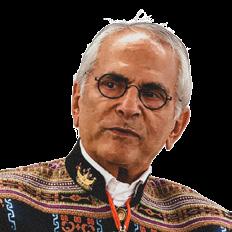
José Ramos-Horta
Dr. José Ramos-Horta is a Nobel Peace Prize laureate, statesman, and lifelong advocate for peace and human rights. For nearly three decades in exile during Indonesia’s occupation of Timor-Leste (1975–1999), he served as the leading international voice for his people, building global awareness and mobilizing support through the United Nations and diplomatic channels. In 1996, he was awarded the Nobel Peace Prize alongside Carlos Ximenes Belo for their efforts toward a peaceful resolution in Timor-Leste. Following the country’s independence referendum in 1999, Ramos-Horta returned home and played a central role in building the new nation’s democratic institutions, serving as Foreign Minister, Prime Minister, and later President (2007–2012).
Widely recognized for guiding Timor-Leste through periods of conflict toward stability and reconciliation, he also contributed internationally as a UN envoy, including leading peacebuilding efforts in Guinea-Bissau and shaping global peace operations policy. Elected again as President in 2022, Ramos-Horta continues to champion peace, democracy, and inclusive development, both in Timor-Leste and on the global stage. He has also recently accepted an invitation from the Council of Asian Liberals and Democrats to serve as an honorary individual member, reflecting his enduring commitment to liberal and democratic values and regional cooperation.

The Friedrich Naumann Foundation for Freedom (FNF) is a German foundation, which works in 60 countries and territories. FNF is funded by Germany’s parliament and has close ties to Germany’s Free Democratic Party (FDP). FNF has been working in Southeast and East Asia since 1969. We now have offices in Bangkok, Jakarta, Manila, Seoul, Taipei, and Malaysia.
FNF and its partners promote freedom, liberalism, democracy, human rights, tolerance, curbing climate change, an open and digital society, social market economy, and the rule of law. FNF has partnered with CALD since its establishment in 1993. We work together to produce publications and to organize conferences and meetings. These collaborations are aimed at fostering international dialogue and promoting policy exchange and cooperation among Asian political parties sharing similar values.
Liberal International
Liberal International (LI) is the world federation of almost 120 liberal and progressive democratic political parties and affiliates. LI was founded in 1947 to strengthen liberal protection from totalitarianism and communism. Through its advocacy, networking, and capacitation, LI has become the pre-
eminent global network for promoting liberalism, individual freedom, human rights, the rule of law, tolerance, equality of opportunity, social justice, free trade and a market economy.
CONTACT
25th Floor BBC Tower, 29 Soi Sukhumvit 63, Sukhumvit Road, Bangkok, 10110, Thailand
n +66 2 095 2740 e fnf-bangkok@freiheit.org
CONTACT
1 Whitehall Place, London, SW1A 2HD
n +44 20 7839 5905 e office@liberal-international.org u www.liberal-international.org
Friedrich Naumann Foundation for Freedom

Alliance of Liberals and Democrats for Europe Party
Liberal Democrats created their European political family in 1976 in view of the first European elections, and 50 years later, the Alliance of Liberals and Democrats for Europe Party remains the party for liberal democrat values in Europe.
Today the ALDE Party consists of more than 70 member parties from more than 40 countries. In October 2024, Svenja Hahn, MEP, was elected ALDE Party President for a two-year mandate at the Congress in Estoril, Portugal. The Party brings together elected representatives, mayors, ministers, prime ministers, and members of the European Parliament from among its member parties. Together with the MEPs from the European Democratic Party and in partnership with Renaissance, ALDE forms the core of the Renew Europe group in the European Parliament, which is led by Valérie Hayer, MEP.
In 60 years of European integration, the European Union has served us well in achieving peace, stability and prosperity. The EU has promoted and extended to half a billion people the
Renew Europe
Let’s Renew Europe together

There has never been a larger centrist group in the European Parliament. By ending the dominance of the Conservatives and the Socialists, Europeans have given us a strong mandate to change Europe for the better.
We will invest in a sustainable continent. We do not have a Planet B, so we must make sure that we preserve the one we have for future generations. The Paris climate agreement of 2015 set out the roadmap, now it is time to deliver on the promises made and even go beyond them.At a time when the rule of law and democracy are

four freedoms: the free movement of people, services, capital, and goods across borders. We want the Union to play a key leadership role in tackling the global challenges of today, as well as those of tomorrow.
We strengthen the Liberal Democrat movement in the EU and throughout Europe. We assist Liberal Democrat politicians across Europe to become better acquainted and to define a common political vision. We adopt a common manifesto for the European Parliament elections, and in 2024 we adopted our core Charter of Values, updating our foundation values document the Stuttgart Declaration.
As of March 2026, liberal democrats account for five EU Heads of State and Government: Robert Golub (Prime Minister of Slovenia), Rob Jetten (Prime Minister of the Netherlands), Emmanuel Macron (President of France), Micheál Martin (Taoiseach of Ireland) and Kristen Michal (Prime Minister of Estonia), as well as five European Commissioners: Kaja Kallas (High Representative for Foreign Affairs and Security Policy), Michael
McGrath (Democracy, Justice, the Rule of Law and Consumer Protection), Marta Kos (Enlargement), Hadja Lahbib (Equality, Preparedness and Crisis Management) and Stéphane Séjourné (Executive Vice-President for Prosperity and Industrial Strategy, Industry, SMEs and the Single Market).
Together with its liberal member parties across the European continent, the ALDE Party is translating the principle of freedom into politics, economics, and all other areas of our societies. It provides an increasingly vital link between citizens and EU institutions, and is continuously growing in size and significance.
CONTACT
ALDE Party
Rue d’Idalie 11 – box 2 1050 Brussels, Belgium
n +32 2 237 0140 e info@aldeparty.eu u www.aldeparty.eu
under threat in parts of Europe, our Group will stand up for the people who suffer from the illiberal and nationalistic tendencies that we see returning in too many countries.
We thrive for a more prosperous Europe to the benefit of all Europeans. By investing in the talents of our citizens and unlocking the potential of Europe’s internal market. We strongly believe that economic growth, environmental sustainability, fair competition and responsibility go hand in hand.
Our mission is to Renew Europe. Because Europe is our future and is well worth fighting for!
Liberal Network for Latin America
RELIAL (Red Liberal de América Latina), the Liberal Network of Latin America, is a Latin America-wide network of currently 41 civil society organizations, political parties, think tanks, and research-institutes. RELIAL is forming the institutional frame for leaders and opinion makers,
academics, intellectuals, business people, and personalities from the region who share and profess the ideas of individual freedom, limited government, the market economy, the rule of law, and a free democratic system in the continent.
CONTACT
European Parliament Brussels 60, rue Wiertz / Wiertzstraat 60 B-1047
Brussels
European Parliament Strasbourg Allée du Printemps BP 1024/F F-67070 cedex Strasbourg u reneweuropegroup.eu FIO reneweurope
CONTACT
IOS Offices Torre Murano, Av Insurgentes Sur 2453, Suite 6000, Piso 6
Col. Tizapan
Alvaro Obregon CP 01090 CDMX n +55 52 5556 5548 u www.relial.org

National Democratic Institute for International Affairs
The National Democratic Institute for International Affairs (NDI) is a nonprofit organization working to strengthen and expand democracy worldwide. Calling on a global network of volunteer experts, NDI provides practical assistance to civic and political leaders advancing
democratic values, practices, and institutions. NDI works with democrats in every region of the world to build political and civic organizations, safeguard elections, and to promote citizen participation, openness, and accountability in government.
International Republican Institute
International Republican Institute (IRI) was founded as one of the core institutes of the National Endowment for Democracy (NED), with a mission to advance democracy worldwide. IRI has been working to strengthen civil society, political parties, marginalized communities, and other key areas essential to democratic governance. They encourage democracy in places

where it is absent, help democracy become more effective where it is in danger and share best practices where democracy is flourishing.
Since its founding in 1983 IRI has worked in more than 100 countries—in Africa, Asia, Eurasia, Europe, Latin America and the Caribbean, and the Middle East and North Africa.
Taiwan Foundation for Democracy
Taiwan’s peaceful transition to democracy is not only a historical accomplishment for its 23 million people, but a landmark in the worldwide spread of democracy. Only after years of struggle and effort could this transformation take place. We must never forget this history, for it shapes the cornerstone of our continued commitment to the principles of democracy and human rights.
The Taiwan Foundation for Democracy (TFD) was established with an interrelated, two-tracked mission in mind. Domestically, the TFD strives to play a positive role in consolidating Taiwan’s democracy and fortifying its commitment to human rights; internationally, the Foundation hopes to become a strong link in the global

Africa Liberal Network
Developed from what was originally called the Organisation of African Liberal Parties, the network was established during an initial meeting of political parties in Mombasa, July 2001, and was later launched formally in Johannesburg, June 2003. At the Johannesburg, June 2003 meeting, one of our cornerstone commitments, the Johannesburg Declaration was adopted, pledging like-minded political parties,
democratic network, joining forces with related organizations around the world. Through the years, Taiwan has received valuable long-term assistance and stalwart support from the international community, and it is now time to repay that community for all of its efforts.
The Ministry of Foreign Affairs initiated the Taiwan Foundation for Democracy project in 2002. After much research and careful evaluation, the Ministry integrated the required resources from many sectors of society. In January 2003, the Ministry obtained the support of all political parties to pass the budget for the Foundation in the legislature. The TFD formally came into being on 17 June 2003, with its first meeting of the Board of Trustees and Supervisory
CONTACT
455 Massachusetts Ave., NW, 8th Floor Washington, DC 20001
n +1 202 728 5500 N +1 202 728 5520 u www.ndi.org
organisations, networks, thinktanks and individuals to the core principles of liberal democracy.
The network’s mission is to support and empower political parties, organisations, networks, think-tanks and individuals, to grow their support, to increase their influence on politics and to implement policies of good governance when in government.
CONTACT
1225 I (Eye) Street NW, Suite 800 Washington, DC 20005
n +1 02 408 9450 e info@iri.org u iri.org
Board. At that meeting, Legislative Yuan President Wang Jin-pyng was elected its first chairman. According to its by-laws, the TFD is governed by a total of 15 trustees and five supervisors, representing political parties, the government, academia, nongovernmental organizations, and the business sector.
CONTACT
No.4, Alley 17, Lane 147, Section 3, Sinyi Road, Taipei 106, Taiwan
n +886 2 2708 0100 N +886 2 2708 1148 u www.tfd.org.tw
CONTACT
3rd Floor Travel House, 6 Hood Avenue, Rosebank, Johannesburg 2196 Republic of South Africa
n +27 11 880 8851
z +27 73 707 8513 u www.africaliberalnetwork.org
The Council for Asian Liberals and Democrats (CALD) was inaugurated in Bangkok in 1993, with the support of then-Thai Prime Minister Chuan Leekpai and South Korea’s Kim Dae-Jung. CALD, which offers a unique platform for dialogue and cooperation, is the only regional alliance of liberal and democratic political parties in Asia.
CALD was formed out of the recognition of leaders of like-minded political parties in Asia of the need for a dynamic forum promoting discussion and exchange of ideas regarding trends and challenges affecting democracy, human rights, and the rule of law in the region. The chair parties of CALD since its inception to the present have been the Democrat Party of Thailand or DP (1993-1995, 2002-2004, 2016-2018), the Democratic Progressive Party of Taiwan or DPP (1995-1997, 2004-2005, 2018-2020), the Liberal Party of the Philippines or LP (1997-1999, 2005-2007, 2020-2023, 2026-present), the Singapore Democratic Party or SDP (2007-2010), the Liberal Party of Sri Lanka or LPSL (1999-2000, 2010-2012), the Sam Rainsy Party/Cambodia National Rescue Party (2000-2002, 2012-2014), the Civil Green Party of Mongolia (2014-2016), and the Candle Light Party (2023-2026).
The other members of CALD are the Parti Gerakan Rakyat Malaysia (PGRM), the Indonesian Democratic Party of Struggle (PDI-P), and the Nation Awakening Party (PKB) of Indonesia. Hong Kong legislator Sin Chung-kai is an individual member. In 2010, CALD bestowed honorary membership on Aung San Suu Kyi of Myanmar, and in 2026, on José Ramos-Horta of East Timor. The Constitutional Democratic Party (CDP) of Japan is an observer party.
Through CALD, political parties, groups, and individuals have a continuing discussion on the developments occurring in the various countries of the region. The aim is to assess the possibilities for liberal solutions to problems facing Asian democracies.
Accordingly, CALD organizes network meetings including those with its partners (Friedrich Naumann Foundation, Liberal International, Alliance for Liberals and Democrats for Europe, Renew Europe, Taiwan Foundation for Democracy, and the National Democratic Institute for International Affairs), international conferences on vital issues affecting the region, and regular workshops on communication, political management, and women in politics. It also sends missions for various advocacies, sponsors internship programs in its secretariat, as well as maintains a website, a social-network group account, and a weekly electronic newsletter.
COUNCIL OF ASIAN LIBERALS AND DEMOCRATS
FLORENCIO ABAD
CALD Chairperson
FRANCIS GERALD ABAYA
CALD Secretary General
Unit 409, La Fuerza Plaza 2, 2241 Don Chino Roces Avenue corner Sabio St., 1231 Makati City, Philippines
n +63 2 8819 6071
e info@cald.org u www.cald.org
f o i asianliberals
CALD SECRETARIAT
Celito Arlegue Executive Director
Paolo Antonio Zamora Program Manager
Mari Julienne Faustino Communications Officer
Chelse Racar Caballero Program Officer
Karelle Quijano Project Assistant
EDITOR
C.C. Balgos
LAY-OUT & ART
Michael A. Gadi

Democratic Resilience in the Age of AI