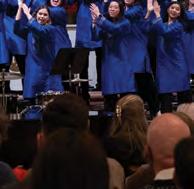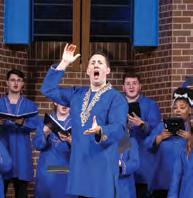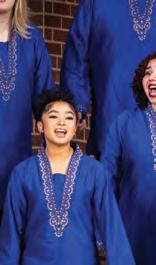
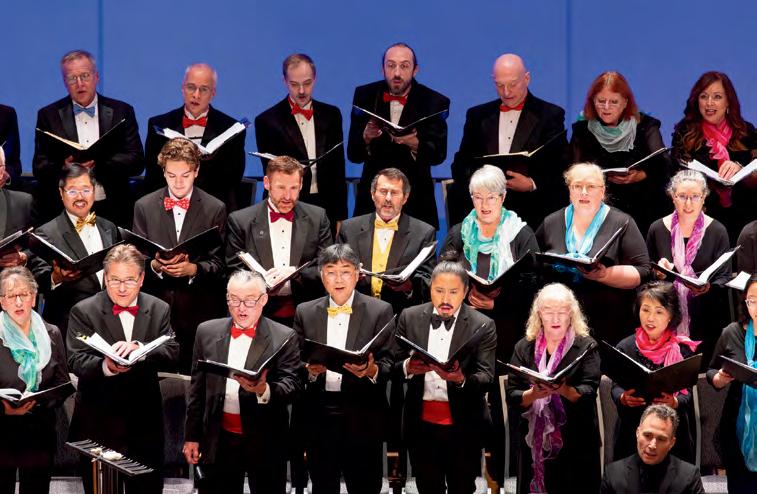

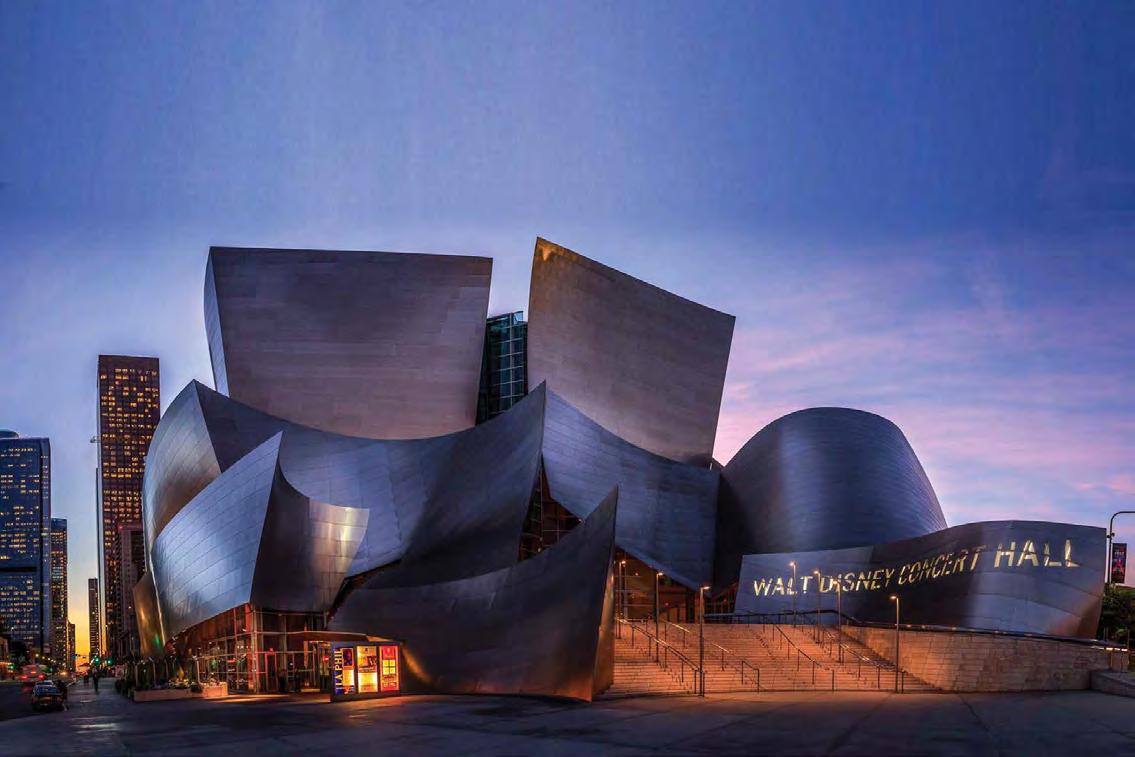
We're looking for talented singers to join Symphony San Jose Chorale. As a premier arts organization, we're committed to musical excellence and the transformative impact of choral music. Be part of our 2026/2027 Season!
Songs of the Fall Saturday, November 7, 2026 Mission Santa Clara Holiday Spectacular December 12 & 13, 2026 California Theatre
Serenade to Music Saturday, April 24, 2027 Mission Santa Clara Ode to Joy June 5 & 6, 2027 California Theatre
Symphony San Jose Chorale is a large choral ensemble committed to professional level performance in the South Bay Area.
The Chorale performs classical, popular, and film music regularly with Symphony San Jose, as well as presenting their own concerts that include a wide range of repertoire, from jazz to liturgical, and everything in between.
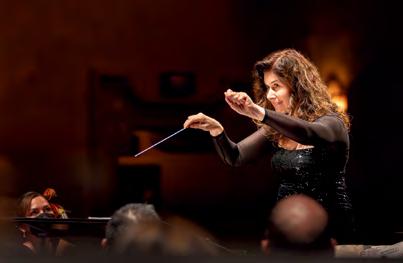
Under internationally recognized choral director Elena Sharkova, the group fosters superior levels of musicianship, vocal skills, discipline, and dedication.
www.symphonysanjose.org
Members of the Fountain Valley High School Troubadours visit Cusco, Peru. Lots more photos begin on page 18!

Official publication of the California Choral Directors Association, an Affiliate of the American Choral Directors Association
Eliza Rubenstein, editor cantate editor@gmail com
Ryan Yoder, content coordinator r yoder@bonita k12.ca us
We welcome and encourage CCDA members to contribute articles, announcements, music and book reviews, job vacancy listings, photos, and other items of interest to Cantate!
Please send queries and article ideas to the addresses above. You are also welcome to submit completed articles, but please note that not all articles received will be published.
Deadlines for publication are as follows: August 15 (Fall issue); November 1 (Winter issue); March 1 (Spring issue). The editor reserves the right to edit all submissions.
Please visit our website (www.calcda.org) or e-mail us at cantate.ads@gmail.com for complete information on advertising in Cantate, including rates, deadlines, and graphics specifications. Advertisements are subject to editorial approval.
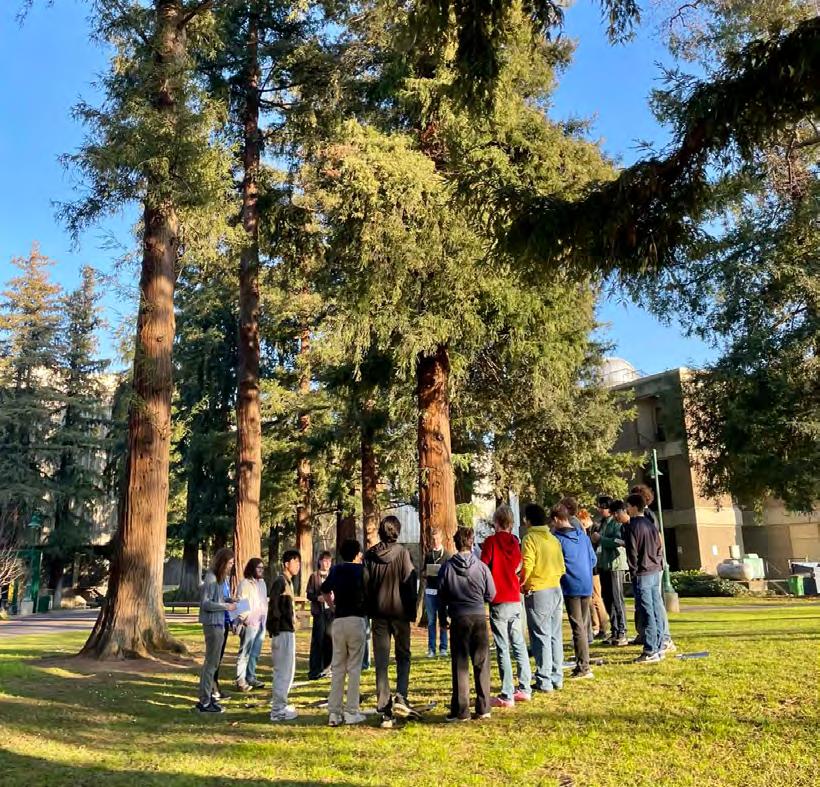
On the cover: All-State honor choir singers rehearse under the pines in Sacramento
WHEREAS, the human spirit is elevated to a broader understanding of itself through study and performance in the aesthetic arts, and WHEREAS, serious cutbacks in funding and support have steadily eroded state institutions and their programs throughout our country,
that all citizens of the United States actively voice their affirmative and collective support for necessary funding at the local, state, and national levels of education and government, to ensure the survival of arts programs for this and future generations.
California Choral Directors Association empowers choral musicians to create transformative experiences for California’s diverse communities.
CCDAisa501(c)3 non-profit,tax-exempt corporation and an affiliate of the American Choral Directors Association.
CCDA Summer ConferenCe At eCCo July 19-22, 2026, oAkhurSt


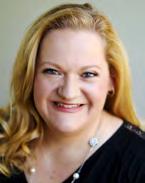
Kristina naKagawa is the executive artistic Director of vivace Youth chorus anD the artistic Director of resounDing achorD ProDuctions, both in san José. PreviouslY, Kristina DirecteD choirs at saratoga high school, st. francis ePiscoPal church, san José state universit Y, anD PinewooD school. as a soloist, Kristina has PerformeD in musicals anD cabaret shows throughout the baY area she receiveD a bm in vocal Performance from uc irvine anD a ma in choral conDucting from san José state universit Y. Kristina anD her husbanD, rYan, are the ProuD Parents of a vivace Youth chorus singer.
Ihave come to think of the period from late winter to early spring as “conference season.” Between the California All State Music Educators Conference (CASMEC) and either the regional or national ACDA Conference, there isn’t a weekend to spare. In addition to the major events, there are also local festivals, section and area honor choirs, board meetings, and advocacy summits. Since the start of 2026 I have often found myself thinking, “Why did I say yes to all of these things?”
One of my dear friends and colleagues, Lou De La Rosa, said to me recently, “Kristina, the word isn’t ‘on,’ it’s NO!” Mr. De La Rosa is correct, yet at the same time, the act of saying “yes” has brought me something even more precious in today’s tumultuous world: big, beautiful, defiant joy. During the All-State Honor Choir concert at CASMEC, Dr. Alyssa Cossey commented specifically on the idea of experiencing joy as an act of defiance. I have held on to this idea with my whole heart since then. We are pulled daily into the dark, the tragic, the fearsome. Allowing ourselves to experience or choose joy, even when faced with overwhelm or tragedy, is what I believe will carry us through.
This is why it is more important than ever for choral directors in California to prioritize our own ongoing learning and development outside of our rehearsal halls. While it can be tempting to solely focus on the day-to-day demands, making time for outside experiences offers a multitude of benefits that can have a significant impact on not only your career, but also your own wellbeing
and satisfaction.
I am a better human when I read regularly for my own enjoyment. In 2025, I read over 50 books, which was a marked improvement from previous years that only topped 20-30. Some were actual paper, while others were digital or audio. Regardless of the format, taking the time to read, occasionally only 15 minutes, has given me much-needed moments to escape and reset.
Atboth CASMEC and the ACDA Western Region Conference, I wasn’t able to get to many sessions because I was busy supporting our conference teams, but I still got to learn and experience moments of joy just by being present at the events that I was able to attend. Some highlights:
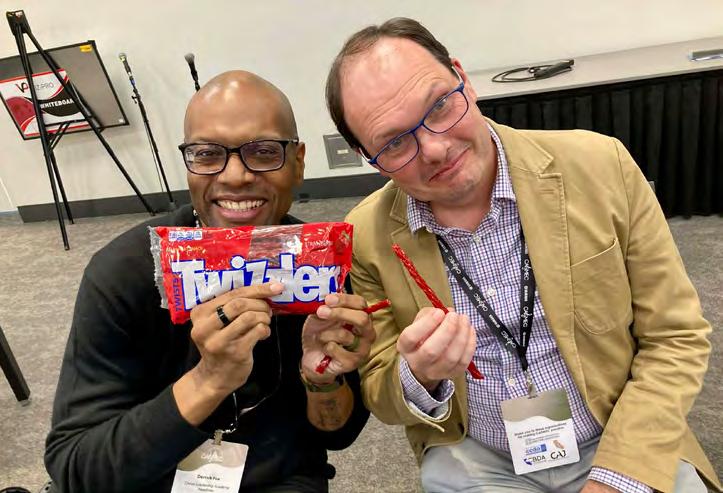
At CASMEC, I got to watch 50 young aspiring choral artists have their minds completely blown at the Choral Leadership Academy by Dr. Derrick Fox with the wonderful team led by Hillary Ngo. I got to hear the High School SATB All-State Honor Choir rehearse and then perform Brahms’ “Der Gang Zum Liebchen” under the expert direction of Dr. Sandra Snow. I had my hair blown back by the sheer force of the opening stanza of Williametta Spencer’s “At the Round Earth’s Imagined Corners” by the CSU Long Beach Chamber Singers, and I got to talk to current collegiate students who are navigating the challenges of entering our profession in today’s world. Special thanks to Jennifer Heder, Kelly Walker, Susanna Peeples, and Jenni Gaderund for all their work to make the event a success.
At ACDA Western, Julie Dana and Cari Earnhart presented a conference that had something for absolutely everyone. The two of them were like ducks gliding on a pond, all serenity on the surface, with powerful relentless paddling feet below. We lifted our voices together with Melanie DeMore, and were led by past ACDA Western Presidents in all-conference singing at each concert. I got to watch my own child sing in the 7th-9th grade SATB Honor Choir with the lovely Judith Herrington, who told the kids in their last rehearsal that “...you never know who in the audience needs to experience your music. Sing for them.” If you weren’t able to be at the conference, I highly recommend you join me in my fangirl era and follow the all-female American vocal group Lyyra on social media and then get their new album, Rising. Watching them perform and hearing them talk about their work with the Voces8 foundation
was everything my heart needed. Looking ahead to July, I will drive to Oakhurst near Yosemite to the Episcopal Conference Center. This is an essential yearly pilgrimage for me and many others, and I want to encourage you to say “yes” and take the time to be there as well. The Summer Conference at ECCO is an incredibly special time to sing together, learn from each other, and experience the unique joys of spotty WiFi and ECCO salmon. (If you know, you know, and if you don’t, you need to join us this summer!) Event chair Jeffe Huls and assistant Susie Martone have put together another wonderful conference for us.
I know I’ll be inspired by our headliners, Dr. Daniel Bara and Dr. Deanna Joseph, but I’m most looking forward to just being with my people. At ECCO we laugh until our sides hurt, we dance like no one’s watching, and we join together to experience joy. Just say yes!
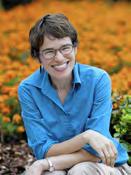
eliza rubenstein is the Director of choral anD vocal activities at orange coast college, anD the artistic Director of the orange count Y women’s chorus she holDs Degrees from oberlin college anD uc irvine, anD she is a former animal shelter suPervisor who ’ s currentlY writing her seconD booK about animal sheltering anD Dog aDoPtion. eliza’s familY incluDes her Partner, Julie fischer, anD five Dogs she’s Passionate about vegan thai fooD, PhotograPhY, anD the st. louis carDinals anD st. louis blues.
For someone who’s never been any good at catching a ball, running witihout tripping, or staying upright on anything with wheels or blades, I sure do love sports. I love almost all of them. Baseball and hockey top my list, but I’ll watch hours of tennis or swimming or speed-skating or pretty much anything else that doesn’t involve punching or blood—so when the Olympics are on my TV every two years, I clear my calendar.
And like a lot of people this winter, I was captivated by the drama of the figure skating competition—especially Alysa Liu’s gold medal in the women’s singles event, made extra incredible by her two-year layoff from the sport during the prime of her career, and made extra joyous by her carefree attitude.
I’m enough of a skating junkie to remember Alysa’s first few years on the scene, when she was a slightlybuilt teenager with stunning jumping technique and woefully awkward arms. She shocked the skating world by becoming a national champion at age 13, then shocked it again by retiring at 16, wearied by the pressures of training and competing, and drained of her enjoyment of the sport.
She alone knows exactly what prompted her comeback, though she’s said that learning to ski reminded her of the adrenaline rush she’d felt while skating, and she was clear, as she began her second go-around, that she was going to train and compete on her own terms this time. Her music and costume choices. Her practice schedule. Her hair dyed to look like a pudding parfait. And her goals, which for the first time in her life prioritized the sheer joy of dancing on the ice over the expectation of winning medals.
Thelesson a lot of people seem to have taken from Alysa Liu’s success is some version of Chill out, man, or maybe See? You just have to have fun and then the rest will come. I’ve seen people who should probably know better point to her gold medal as proof that passion and joy can take you to the top.
Well, sure, with one big asterisk: Passion and joy can take you to the top if you’ve already spent years mastering your technique. A freed spirit brought Alysa back to skating and gave her the mindset she needed to take the ice without toxic pressures. But it didn’t teach her how to land a triple jump combination. Intensive skating lessons from the age of five, plus a gigantic scoop of jaw-dropping natural athletic talent, get the credit for that.
No shock here: We all know that singing an aria or playing a concerto or conducting an oratorio is a ton of fun if, and only if, you’ve done the work of preparation.
If anything, Alysa Liu’s success, along with her beaming metal-studded smile and her disarming habit of dropping cheerful F-bombs on live TV, is a testament to balance. It’s the repetition and the frustration that earns us the joy, but it’s the joy that gets us through the repetition and the frustration. Too much of one, and we burn out; too much of the other, and we’d better acknowledge that we’re happy hobbyists rather than medal contenders.
As a choral mentor of mine often said, “It can’t be fun if it isn’t good, and it can’t be good if it isn’t fun.” It’s a truth I’ve adopted as my motto, and one I saw in sparkling, spinning color on my TV this winter.

by Dr. Corie Brown

On my direct flight from San Francisco over the Pacific to Manila, I was asked why I was visiting the Philippines. Often, the response to “choral director going to choral conference” includes “what kind of coral reefs” or “like…a train conductor?” This time however, the stranger knew exactly what I was talking about and responded in kind: “I sing in a choir—I hope you enjoy your visit. Our choirs are quite strong.”
Landing in Manila at 5:00 a.m., we drove to Intramuros as the city was waking up: The old walled city center was once considered the entirety of Manila during the Spanish Empire. People were out running, cycling, and walking in the humid Sunday ciclovia, and the smell of smoke and fresh meat frying in street stands wafted through the air. Dropping bags at our hotel, we strolled through the streets, weaving through the stray dogs and motorcycles, which were carrying everything from chickens to produce, careful not to step in a hole in the cobblestones, and found ourselves in one of the oldest squares in the city. San Agustin Church was full to the brim at what was now 6:30 a.m. The singers standing at the front were finishing a hymn, and gentle morning light caught the smooth vaulted ceilings that were painted to appear ornately baroque. (I found out after that the trompe l’oeil painting is quite famous, and survived WWII.)
Later, as a sour and rich sinigang soup was served at the hotel restaurant, a singer and guitarist performed covers in the corner. The vocalist was musical and very in tune, and could have easily auditioned into a professional-level choir in the United States. This consistent level of singing excellence, whether in a choral space or karaoke bar, continued throughout the entire visit. It is hard to find someone who says they don’t sing. A choir exists seemingly on every corner: a choir made up of nurses in a specific hospital; a choir funded by this or that tech company government organization; of course, many church choirs and youth choirs; university choirs and community choirs. While choral sound differed greatly from choir to choir, there was a consistent sense of line and fully engaged singing that wowed our cohort of International Conductors Exchange Program (ICEP) fellows throughout the entire trip. It has been deeply moving to learn about the
expansive singing culture in the Philippines, and I’d like to share some with you.
G eo Graphy , people , and competition : context for one of the lar Gest sin Gin G cultures in the world
What is in the water that makes singing so popular in the Philippines, I asked? The first contextual consideration is the unique geography of the country. It should be no surprise that the geography of a country as well as its turbulent history influences the music making. The Philippines lies in the middle of the Pacific Ring of Fire and is an archipelagic country made up of over 7,600 islands. The three regions, Luzon, Visayas, and Mindanao, reach from north to south; thus the necessity to travel amongst the islands by boat (or plane) creates unique logistical circumstances that affect everything from daily life to the history of trade and language development. This geographic division generates a physical separation between regions of the country, and in turn, an enormous diversity of cultural practices.
In a conversation about this topic with a local artist in the mountain town of Baguio, he shared that within even the northern region of Luzon (the largest most populous island where Metro Manila and the 2,000 year-old Ifugao Rice Terraces reside), there exists a demarcation between what he called “lowlanders” and “highlanders.” Highlanders, I learned, are those who reside in the mountainous regions north and northeast of Metro Manila. During the Spanish occupation, the mountains created a natural barrier between the native ethnolinguistic tribes and the Spanish, thus preserving more indigenous language and culture from assimilation and erasure than from the tribes who resided at lower altitudes. This leads me to believe that throughout the archipelago, there remain pockets of more preserved musical and cultural practices, as well as plenty of syncretism and Spanish, Japanese, and American colonial influence, depending on what part of the country the music is being made.
According to internationally recognized conductor and scholar Dr. Joel Navarro, the geographic fracture throughout the country may also be a reason choirs work so hard and
sound so good. He said that this distance may contribute to choirs’ “desire to get noticed.”1 Artists also often want to tell their cultures’ varied stories. This is found in the musical forms, as well as in the vibrant and virtuosic artisanal textile arts present in each museum I visited. There appears to be a thin line between textile art, music, and contemporary culture: They are woven together to help tell a complex story of Philippine resilience. Indeed, from my introductory observations, I observed that storytelling through weaving and aural musical traditions is a vital part of preserving identity. One might suppose that this cultivation and celebration of identity is especially important in a region where identity is complex and has often been erased through colonization.
Finally, if you’ve ever visited a place where the sun doesn’t shine as often as California, you’ll agree that the climatic trends of a region greatly shape its culture. The Pacific Ring of Fire contains around two-thirds of the world’s total volcanoes and around 90% of its earthquakes. In short, it is typical to have extreme weather patterns and to have life, travel, and concerts interrupted by weather. For example, during the month I visited the country, there were two major devastating earthquakes, two large tropical cyclone-level typhoons, and a volcano that erupted with ash. This geological volatility seems to create a sense of impermanence. I am curious if this influences the manner in which music is created. Could the passion and dedication to making music together be somehow correlated with the reality and proximity of climate disaster that affects so many Filipinos across the archipelago?
into the church through teaching them to sing hymns in the Spanish language, there existed many ethno-linguistic groups united by language (or groups of languages) and cultural practice. Some examples of ethnolinguistic groups native to what is now called the Philippines include the Tagalog, Cebuano, Ilocano, Bicolano, Kapampangan, Tagbanwa, and Batak. The sociological and cultural practices of over 17 million indigenous people in over 110 ethno-linguistic groups are part of the backbone of what exists today in singing culture.2
Simply put, because of the vast diversity within the country, it is not enough to say a piece is “from the Philippines.” It is fascinating to begin to learn about various contributors to pre-colonial culture, and to learn about the specific peoples and languages who contribute to what has grown into such a singing country.
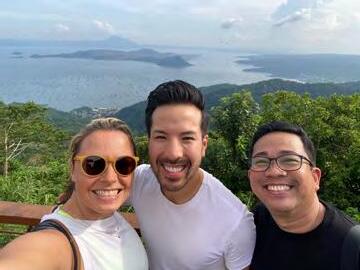
Another contextual element to consider are those who create the music. Long before Spanish Catholic priests recruited boys
In addition, I observed an innate ability of Filipino choirs to sing together, breathe together, and work together as one choir. There was a shared sense of accountability and group think that I have rarely witnessed before or since. I wonder if, in part, this ingrained sense of unity may have to do with how people have learned to communicate. The idea of “high and low context communication”3 arose various times during my conversations. It is clear that, Philippines in general being a high-context communication culture (meaning collectivist, non-verbal communication, with high priority on relationship), the needs of the group are often prioritized over the desires of the individual. Might this have something to do with how a group like the well-loved and renowned Philippine Madrigal Singers (or “Madz,” conducted by Mark Anthony A. Carpio) sing as one, sitting in a half circle, barely conducted? It is not only the Madz that
sing with this sense of connectivity. I observed many examples of Filipino choirs’ sense of unification and non-verbal communication, almost as if they are birds flying in one direction, then as if by telepathy changing direction at once. Watch recordings of Kammerchor Manila or Sola Gratsie and notice how, even in fast and complex music, they are able to maintain a remarkable sense of unity. Finally, the popularity of choral competition in the Philippines has a large effect on singing culture and the level at which choirs are performing. While competition has its pros and cons, the reality is that it seems the Philippine choral world owes at least some of its prestige to the high bar that is set and raised each time a competition rolls around. Indeed, there are so many well-known choral festivals and competitions both within the country and abroad that it seems one could be competing or preparing for competitions without pause. How do the choirs prepare?
Choirs often have three to six hours of rehearsal per day (one choir we visited had 11 total hours of rehearsal together per week), and then often a long international tour scheduled, followed by a competition at the end. By the time a choir arrives at competition, their challenging sets are fully internalized, nuanced, and stylized. The singers, often unified by their commitment to the group, shared faith and values, and the desire to prove themselves,4 perform as some of the top ensembles on the international stage. Watching this preparation in action, it was easy to see that this is part of what brings them to the top. Singers are not only rehearsing long hours together, but before and after rehearsals they spend time eating and laughing together, and seem to see their choir as a vital element of their life: a community unto itself.
One reason I was so excited to be able to visit the Philippines was that I wanted to gain a deeper musical understanding so I could program more repertoire from the Philippines with greater confidence. The phrase “you don’t know what you don’t know” often arose on my trip: I didn’t yet have enough of a foundation both culturally and musically to be able to ask the right questions.5 One such question that I asked often at the beginning of my visit was: What is Filipino choral music? Are there one or two primary compositional techniques, sound worlds, or textures that are often seen in idiomatic Filipino choral scores?
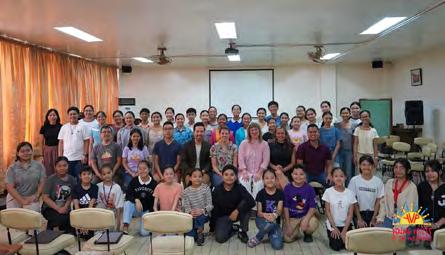
The response, as one might guess, is that there seems to be no one idiomatic musical language. However, the responses to that question showed a dedication and reverence surrounding the choral music and integrity to composer’s intent that was enviable. The conductors with whom I spoke seemed to want to articulate how one might work toward, in their words, an “honest performance” of their varied idiomatic and non-idiomatic repertoire.
In short, areas of inquiry during score study might include the following:
• Get to know the geographical context: Which of the three regions of the country is the piece from?
• Research the language and dialect of the piece. While English and Filipino are the official languages of the country, there are more than 180 distinct languages and dialects spoken, making it one of the most linguistically diverse countries in the world. Living in California, we might find a colleague or student who might be able to help decipher a recording of a
dialect. Listening to the placement of the vowels and consonants of a language can help us decide where to place the vocal production.6 Singing the language as close to the spoken language as possible is ideal, it seems.
• Get to know the community in which the piece would be performed. At what tradition or event is the piece sung? Who might be singing originally? For what purpose are the members of the community singing together?
• Consider the rhythmic composite pattern. If there is variance in a rhythmic pattern, consider the possibility that it might be notated improvisation instead of an intentionally difficult pattern.
• Is there an explicit rhythm or genre that is accompanied by an instrumentation or folkloric pattern?
• Finally, I found that Filipino music and musicians have a unique and refined sense of space and sound. As I explore the sound world of Filipino music, I am struck by the “attunement to sound,” as Sir Joel put it. In place of being text-driven, composers seem to be more sound-driven. Thus questions might arise such as: What is the soundscape of this piece? What are the voices working to create as a composite sound? What is the sound design? Elusive as it may feel to a musician born and raised in the States, the focus on the choral tapestry, or the sound world of a piece moves conductor from intellect and textual analysis to sensation and atmosphere. As I listened to Sir Joel’s recommendation of BYU’s interpretation of “Leron Leron,” Saunder Choi’s beloved arrangement, I realized that, while text is present, the power and meaning of this piece lies in its ability to transport the listener to a different world through sound. The aura of the piece feels more important than the intellectual meaning of the words.
In order to share some of the new information I gathered, I curated a list of some examples of Philippine choral excellence so that conductors and singers might expand their understanding of what exists across the ocean. The lists aren’t meant to be exhaustive, but more a beginning to our development should we wish to dive deeper into Philippine
choral music. You’ll find them along with other resources and links by following the QR code at the end of this article.
l ookin G ahead : connectin G p hilippine and a merican choral artists
So much excellent music-making and so many people across the nation singing, composing, and bringing their music on tour throughout the world! I asked our Filipino colleagues what they hope for in the future of Filipino choral music. One response, echoed by various leaders, stood out to me: There is a lack of written scholarship on Filipino choral music. The scholarship that is happening seems to be mostly through performance, as well as aural program notes, talks, and spoken lectures. The written scholarship that exists is either from outside the Philippines, or not yet translated from Tagalog. This creates interpretation challenges, especially by non-Filipino conductors living outside the country and trying to interpret idiomatic Filipino works, and sometimes makes “honest” interpretation feel elusive. The excellent news is that there seems to be an interest in deepening the culture of scholarship and publication so that we might learn more from our colleagues across the ocean.
There also seems to be a lack of commissions of Filipino composers by the international community. The result is that Filipino composers frequently write for their colleagues in the country, and often compose specifically for competition. Competition pieces seem to be intentionally complex harmonically and rhythmically and often less accessible to those of us earlier in our journey of interpreting Filipino repertoire. To this end, I’m interested in finding ways for American choirs to commission more Filipino composers so that there is motivation to compose for a greater audience and publish their works both inside and outside the country, and so that we might support the many important and talented voices of our colleagues. I would hope that those of us outside the Philippines could support the advent of more compositions that allow our students to connect with and celebrate the depth of Filipino culture while maintaining the integrity of the language and musical traditions innate to what is currently being created.
The seeds are being planted for a
new publication collective that centers collaboration between the Philippines and the United States. Keep your eyes peeled for a second article featuring University of the Philippines Diliman musicologist, Dr. Arwin Tan, and a historical lens on Philippine choral music. If you would like to connect with me about any of the topics I shared, or about the ICEP fellowship, I’d be overjoyed.
Thank you to Dr. Josh Habermann and ACDA’s International Activities Committee, Dr. Beverly Shangkuan-Cheng and the Philippine Choral Conductors Association, the Filipino and American ICEP cohort members, especially Liya Dioquino who helped edit this article, and the Filipino scholars and conductors who so generously shared their time, hospitality, and talent with us.
Corie Brown serves as Assistant Professor of Choral Music Education at San José State University, where She leads the SJSU Concert and Treble Choirs. Prior to graduate studies in Colorado and Oregon, then moving to California, Dr. Brown taught in Colombia with the Fundación Nacional Batuta from 2012–2014. She also taught in public schools in Chicago and Michigan. Dr. Brown holds degrees in Choral Music Education from Alma College, in Choral Conducting from the University of Oregon, and a Doctor of Musical Arts in Choral Conducting and Literature from the University of Colorado Boulder. She is an active member of ACDA, CMEA, and NAfME, and serves on the boards of CCDA and CMEA Bay Area. Contact her at corie. brown@sjsu.edu.
1) Unpublished interview between the author and Dr. Navarro, Quezon City, October 2025.
2) UNOPS Philippines (2026) https://www.unops. org/news-and-stories/stories/towards-inclusion-forindigenous-peoples-in-the-philippines
3) Edward T. Hall The Silent Language, 1959. Helpful video on high/low context cultures: https://www. coachingexpatriates.com/communicating-in-highand-low-context-cultures/
4) “The desire to prove oneself: A colonial mindset that hopefully will evolve.” said Dr. Joel Navarro.
5) To be honest, as is often the case, the more you know, the more you learn you don’t know, so I am still not confident I’m now asking the right questions. I welcome your expertise, scholars of Philippine choral music.
6) It might be said that a stereotype of some interpretation of idiomatic Filipino repertoire is a more forward placement, or a brighter vowel. In further discussion with many, including Dr. Navarro and Dr. Shangkuan, the nuance to this approach is great. He suggested listening to the spoken language, and using this as a guide for placement. Simply put: Not all idiomatic repertoire necessitates a forward more bright vowel/ placement.
7) Note: Philippine culture has been described as an “accommodating culture”. In fact, when asked about performance of their music, most composers or conductors that I spoke with were grateful that their music was getting performed and there was interest outside the country around their music. I, however, would challenge any non-Philipinne conductor to want to do more: to perform it as well as possible, in as informed a way as possible.
s can the Q r code for more links and resources !



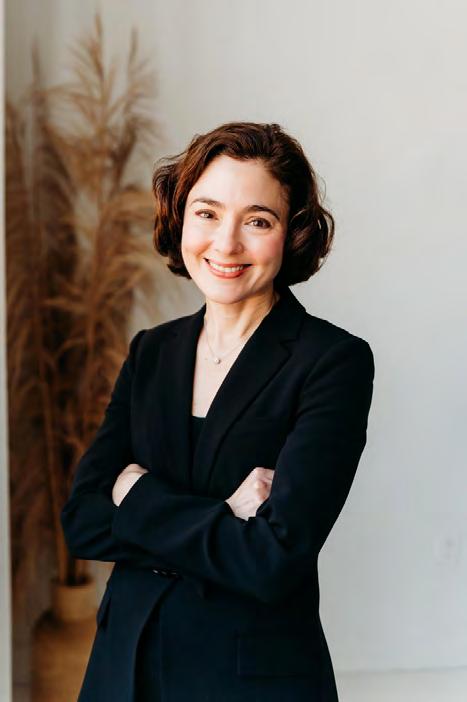





“Best-of-the-best
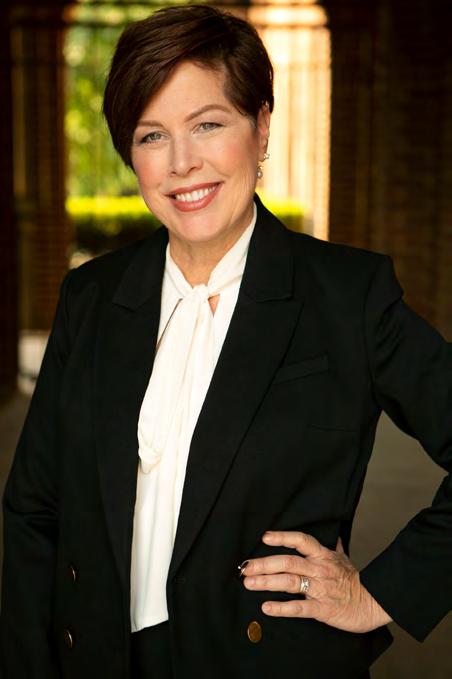
“Aspiring
“She
Marcelo Martínez Marroquín, cherished husband, brother, uncle, and friend, left this world on September 2, 2025, at the age of 43. Born on February 19, 1982, Marcelo lived a life full of passion, creativity, and love, touching the hearts of everyone he met. His professional journey was marked by dedication and excellence in education. He taught band and choir at Vanguard Learning Center, Spring View Middle School, and Vista View Middle School, and held the position of choir teacher and Vocal Director for musicals at Mark Kepple High School in Alhambra. In addition to his service to students, he mentored student teachers, helping them find their teaching voice.
Marcelo was the bass section leader at Holy Trinity Episcopal Church in West Covina and the Director of Music at Shepherd of Life Lutheran Church in Whittier. During his time away from California, he directed the Boys and Girls Choir at St. Mark’s Episcopal Church in Washington, D.C. He also served as Junior High/Middle School Honor Choir Vice-President for SCVA, all while being an active member of CCDA, NAfME, and ACDA, and he took pride in his affiliation with Phi Mu Alpha Sinfonia, which recognized the importance of brotherhood and music.
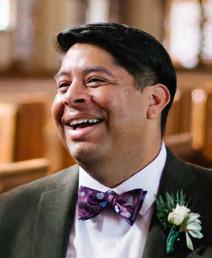
Marcelo obtained his Bachelor of Arts in Music from Brigham Young University, Idaho. He later earned his Teaching Credential and Master of Music degree in performance with an emphasis in choral conducting from CSU Fullerton. Beyond his professional achievements, Marcelo found joy in cooking, frequently preparing delicious meals for his husband, Juventino Aceves, family, and friends. He also relished the joys of gardening and dedicated time to crocheting gifts for his family, friends, and even his cherished dogs, Cooper and Paco. Marcelo and Juventino shared a beautiful life together over the course of 18 years, culminating in their marriage on October 10, 2020. Their love was illustrated through their musical partnership, performing duets and inspiring each other in their musical endeavors, with Juventino singing every Sunday under Marcelo’s direction. Through all of life’s challenges, including Marcelo’s brave fight against cancer, Juventino was a steadfast presence, providing care during his hospice period and at the time of his passing.
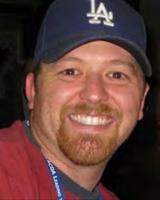
Eric Michael Graham passed away peacefully at his home on Saturday, October 18th, 2025. He was 47 years old.
Born to Karen Graham and the late Bruce Graham on February 6th, 1978, Eric was a 1996 graduate of Millikan High School. His academic journey continued to Long Beach City College, followed by Cal State, Long Beach, where he earned a bachelor’s degree from the Bob Cole Conservatory of Music. Eric was awarded a master’s degree in Cal State, Fullerton in 2017.
Eric’s passion for music and education was unparalleled. He left an indelible mark on the youth of Southern California through teaching. For over two decades he introduced the arts to students, cultivated talent, and was a champion for expression through music. He built a thriving and inspirational choral program at Marina High School in Huntington Beach, and he taught at Orange Coast College as well. He touched the lives of thousands, and his passion still burns with those students today.
At Eric’s side, every step of the way, was his wife, Shannon Graham. Like Eric, Shannon is an educator of the highest caliber. She shares Eric’s commitment to being a positive force for the youth in their community. A perfect match, they were wed on July 1st, 2006.
For all his accomplishments, the title Eric was most proud of was “father.” Shannon and Eric welcomed Harper Jean on Christmas Day in 2015. Harper is an extraordinary young lady. Smart, funny, kind, embodying all the attributes that made Eric such an easy person to love.
Eric’s story cannot be told without including the Los Angeles Dodgers. He loved baseball. Attending live, watching, listening, learning. Eric inherited that loyalty from his father, and passed it along to Harper, who you can often find in Dodger blue.
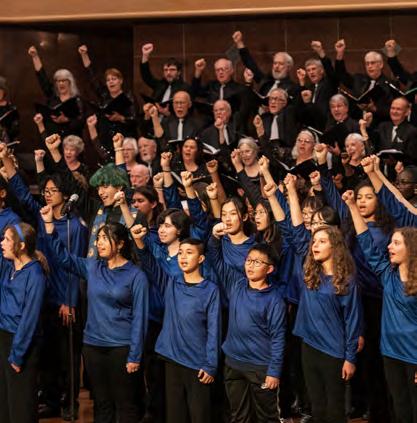
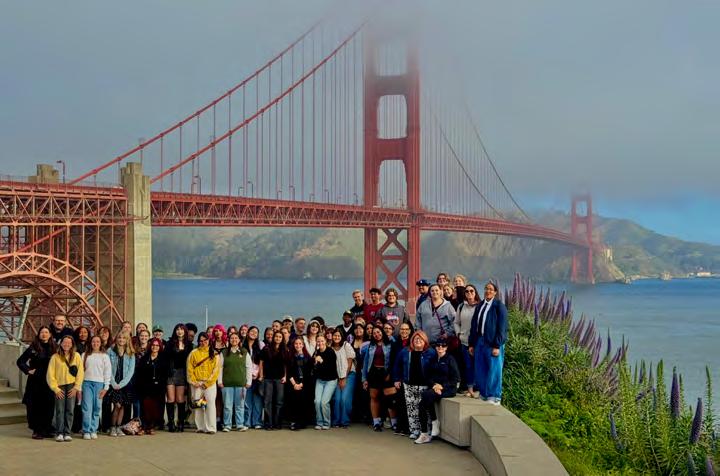
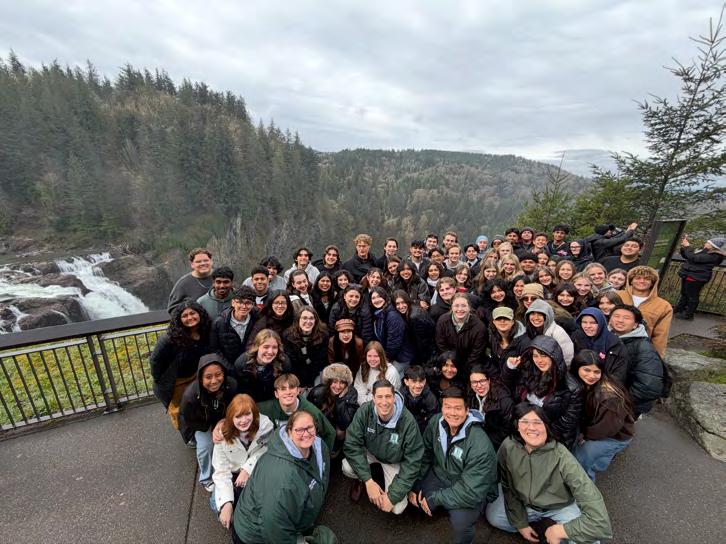
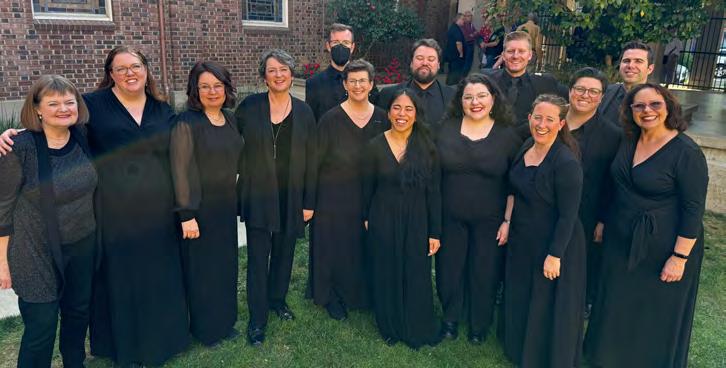
Clockwise from right: The Cantare Chorale and Aurora Youth Choirs perform (photo by Spencer Smith); Bonita High School’s choirs visit Washington’s Snoqualmie Falls during a spring tour; the Sacramento Master Singers stop for a photo before a March concert; and the Ramona High School choir enjoys one of California’s most celebrated vistas during their trip to San Francisco. Send your photos to Ryan Yoder at r.yoder@bonita.k12.ca.us!
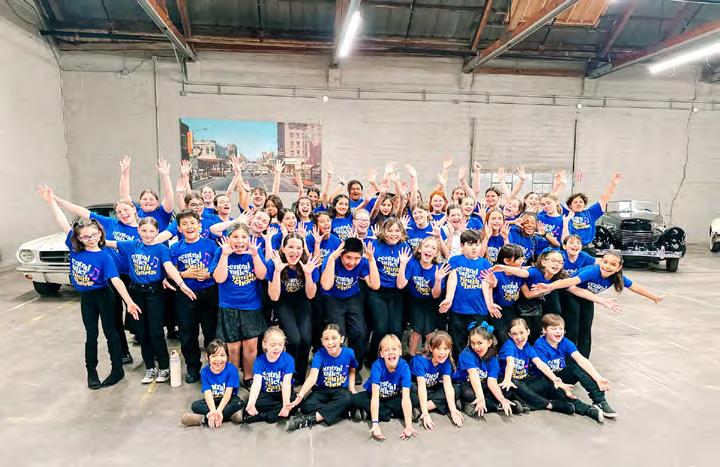
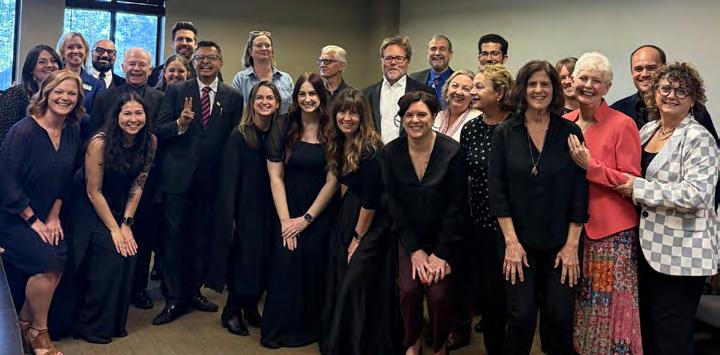
Above: The Central Valley Youth Chorus (Beth Holtan, director) performs an “Americana” concert at Modesto’s Graffiti Museum; below: the Santa Clarita Choral Association celebrates the 40th anniversary of their annual spring festival in Valencia on April 14.
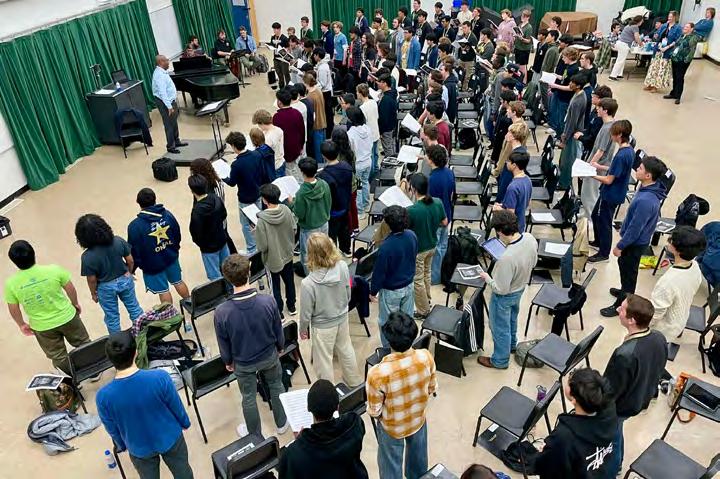
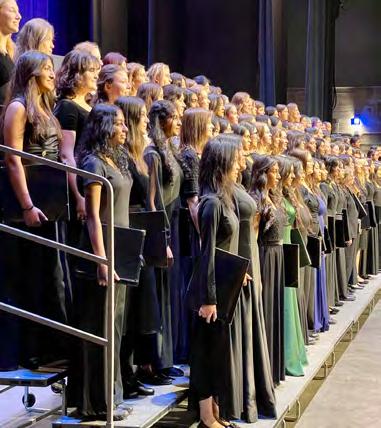
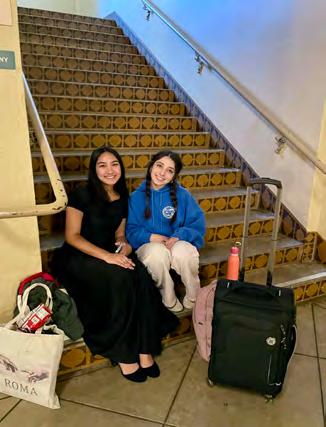
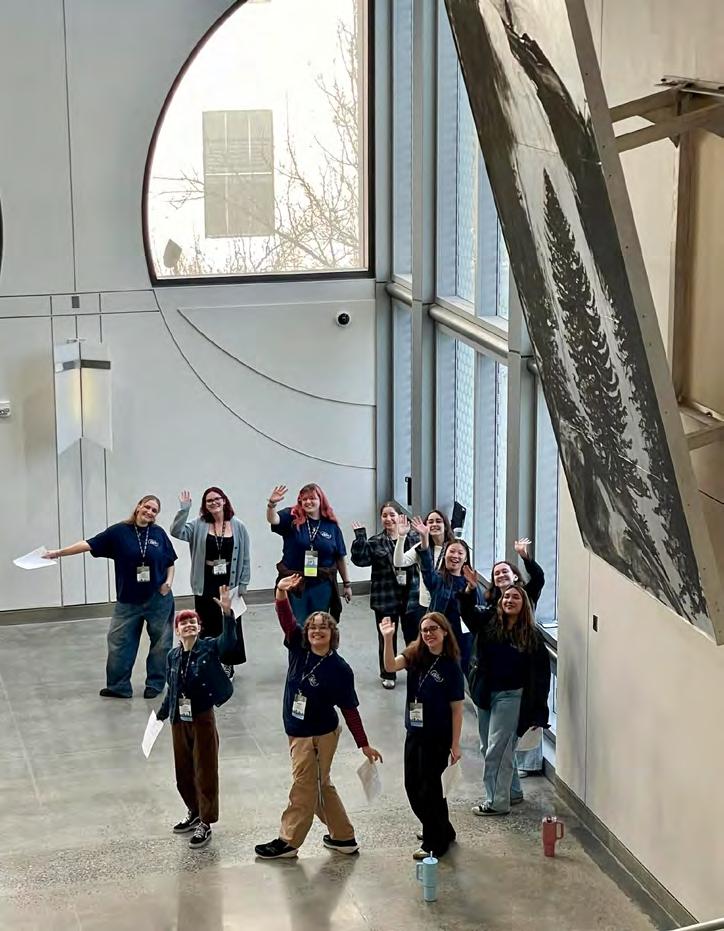
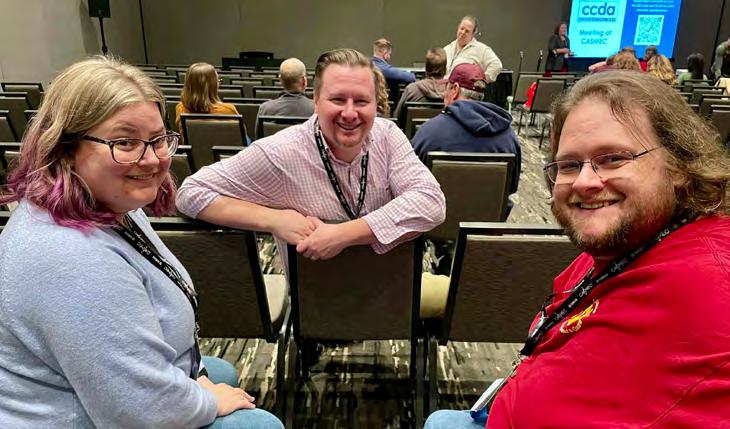
All-State and interest sessions and Choral Leadership Academy, oh my! The California All-State Music Education Conference took place in Sacramento from January 14-18, bringing together choir, orchestra, band, and jazz directors and educators from across the state.
CCDA’s All-State honor choirs showcased some of our most talented and dedicated high school singers, while the Choral Leadership Academy inspired the next generation of choral leaders. Thanks to everyone who made it possible!
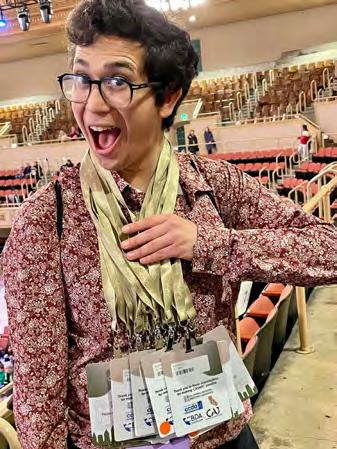


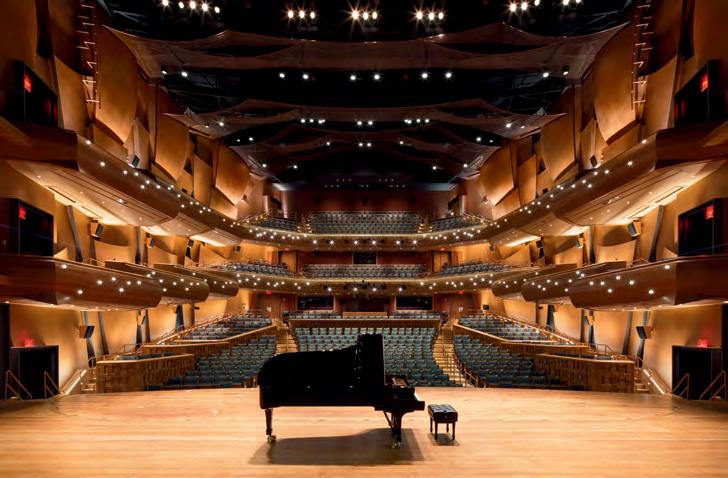


The Angel City Chorale, under the direction of Sue Fink, performed their Blockbuster Holiday Concert at UCLA’s Royce Hall on December 6 and 7, 2025.
On February 25, the award-winning Pasadena Chorale, conducted by Jeffrey Bernstein, performed Margaret Bonds’ “Credo” and six spiritual arrangements of Altadena-based composer and baritone Michal Dawson Connor to a crowd of over 500 in a program entitled “I Believe.”
At San Jose’s Union Middle School, Justine Bechler took a struggling program from the brink of nonexistence post pandemic, to a thriving and beautiful sounding choral program with two strong choirs. The choirs performed recently on March 4 and were featured in an elementary school tour on March 23. They will also be heard during the Memorial Day weekend performing onstage at Disneyland on May 24, 2026.
Send us news to share about hirings, retirements, collaborations, commissions, premieres, awards, or projects!
Carnegie Hall in New York City on April 1. The performance featured a cross generational collaboration that brings together current Gilroy High School singers, alumni of the choral program, and community musicians from South Bay Singers.
Under the direction of Molly Peters and Erin Smith, the Culver City Unified School District had eleven singers in the Western Region ACDA Honor Choirs in grades 4, 5, 6, and 7. This is the first time any singers from the district have participated in an honor choir, and the students found it hard, but extremely rewarding!
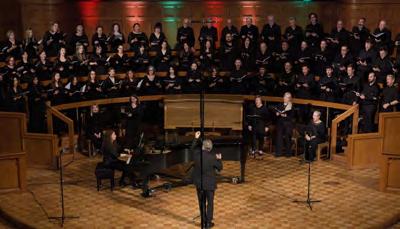
The Central Valley Youth Chorus performed with five other area choirs in a March 15 “Americana” concert sponsored by Opera Modesto. Beth Holtan, Artistic Director and Founder, and Polly Vasché, Founder, conduct the three CVYC ensembles, grades 1-8. The Central Valley Youth Chorus, now in its third year, will also perform with the Modesto Symphony Orchestra and Chorus for the May 8 and 9 concerts of Orff’s Carmina Burana at the Gallo Center for the Performing Arts in Modesto.
The Gilroy High School Choral Ensembles, under the direction of Jonathan Souza, performed at
Gold Coast Concert Chorus of Ventura is proud to announce that after twenty-five years of joyful dedication, beloved artistic director Elizabeth Helms will be named Artistic Director Emeritus upon her retirement following the Chorus’ March 2026 concert. Her daughter-in-law Holly Barber, the organization’s incoming artistic director, is married to continuing assistant artistic director and accompanist Jessica Helms, and this transition honors the organization’s long-standing history of highly skilled and family-based leadership.
The Orange High School Chamber Choir, under the direction of Brooke Soto, was invited, for the second year in a row, to perform at the Crystal Cove annual Tree Lighting in Newport Beach.
The Torrance Civic Chorale and Torrance Jazz Singers performed a concert on April 10 called “Aloha and Good Vibrations,” featuring music from Hawaii and music recorded by the
Beach Boys. They were joined by the Riviera Elementary School Chorus and Hālau Hula Keali’i O Nālani (a Hawaiian dance group).
For the first time ever, under the direction of Lily Nguyen, Delano High School’s Choir sent seven students to participate in the Western ACDA Honor Choirs. These singers sent in auditions and were selected as some of the top singers in our region.
As part of its 10th anniversary celebration, the San Francisco Youth Chorus (Katherine Gerber, director) will premiere a piece by Andrea Ramsey, “Coastal Callings,” at their annual Spring concert on May 9 at First Unitarian Universalist Church in San Francisco. “Coastal Callings” is based upon two poems by Bay Area poet laureate Ina Coolbrith and celebrates our state’s remarkable natural beauty. SFYC recently enjoyed having Dr. Ramsey visit the intermediate and advanced choruses, and singers enjoyed more collaborative experiences during their festival tours to Anaheim in March, and Chicago in April.
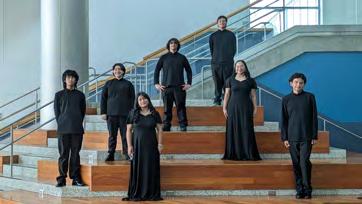
Following its 2025 world premiere at the Newport Beach Film Festival, Pacific Chorale’s visual album To the Hands, featuring Caroline Shaw’s 2016 work by the same name and a collaboration with string ensemble Delirium Musicum, has continued to gain recognition on the film festival circuit. The film was named an Official Selection at the San Pedro International Film Festival and the Culver City Film Festival, where it received the award for Best Experimental Feature Film. It has earned additional local and international nominations for its artistic achievement and human-rights impact. The digital release of the film is slated for this fall. Visit pacificchorale.org/ tothehands for more information! The Pacific Chorale is directed by Robert Istad.
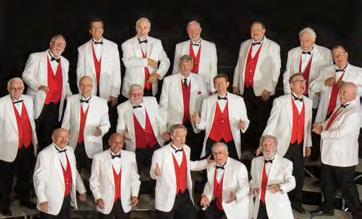
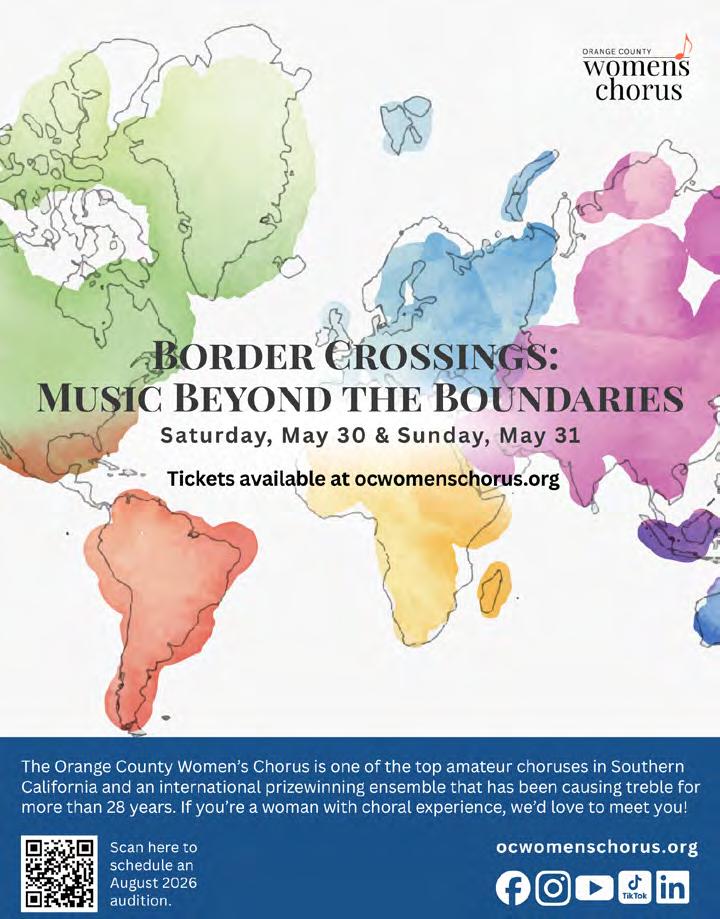
The Orange County Women’s Chorus (Eliza Rubenstein, Artistic Director) and Men in Blaque (Michael Ushino, Artistic Director) combined forces for March 21 and 22 performances of Johannes Brahms’ Ein Deutsches Requiem in memory of Joseph and Melinda Huszti. Joe was a mentor to both Eliza and Mike at UC Irvine, and he founded MiB in 1997. OCWC’s next concert is a celebration of music by immigrant composers on May 30 and 31 (tickets and information at www.ocwomenschorus.org).
Under the direction of Tom Nichols, the Orange Empire Chorus is a men’s barbershop chorus in its 69th year. They offer a fun, welcoming community of singers and opportunities to contribute to entertaining performances and develop as vocalists and performers. They are also proud to support music programs in our local schools. Their April 18 Ice Cream Social featured the full chorus and barbershop quartets in traditional favorites, patriotic anthems, songs of love, and entertaining tunes in an exploration of what we can all find in common in a troubled time—and ice cream.
Send your news items and photos to MARC McGHEE at mmcghee@luhsd.k12.ca.us!
kindly bring ERRORS OR OMISSIONS to our attention BY E-mAILING info@calcda.org so that we may make A correction as soon as possible. Thank you for your support!
President’s Circle Diamond ($1000 and higher)
Resounding Achord
Heather Huszti
David Masone and William Hall
Legacy Giving, in honor of Dr. Gene Peterson, Dr. Jonathan Talberg, and Dr. Joseph Modica
Lori Marie Rios and Bryan D. Walker*, in honor of Shirley Nute, Don Brinegar, and Bruce Mayhall-Rastrelli
Johanna Gretchen Stahl-Hughes, in memory of Joe and Melinda Huszti
President’s Circle Platinum ($500-$999)
Dr. Daniel Afonso Jr*, in honor of Bill Hatcher
Pamela Bertin, in memory of Dr. William Hall
Keith Hancock
Arlie Langager*
Duane and Linda Lovaas*
Bob Rogers Travel, Inc.
Burt and Polly Vasche* National Concerts
President’s Circle Gold ($300-$499)
Florence Agcawili
Mike and Julie Dana*, in celebration of ECCO conference
Lou and Mary De La Rosa*, in memory of Jim Heiner
Marc McGhee
Kristina and Ryan Nakagawa*, in memory of Lois Carah and Joe Huszti
Magen Solomon, in memory of Joe Huszti
Dr. Jonathan Talberg*, in honor of Dr. William Hall
President’s Circle Silver ($100-$299)
Arnab Basu
Jacqueline Berg
Felicia Bessent
Patrick Burzlaff
Katie Carbajal
Angela Cruz
Mike Dickey
Dr. Cari Earnhart
Jennifer Gaderlund
Richa Goyal and Rohan Taneja
Forum Music Festivals
Scot Hanna-Weir
Dayna Inkeles
Sarah Jalali
Dr. Ron Kean*, in memory of Dr. Lynn Bielefelt
Ian Kim
Iris S. Levine and Lesili Beard*
Jennifer Little Ludus
Priyodarshi Majumdar
Richard S. March, in honor of Dr. Don Kendrick
MaryClare Martin*, in honor of Lena and Art Babin, and Signe Boyer
Susie Martone
Emily Moore
Beth Nitzan and Rob Blenk
Rajesh Parekh
Baker Peeples and Ellen Kerrigan
Susanna Peeples*, in memory of Germán Aguilar
Molly Peters, in honor of Lori Marie Rios
Matthew Potterton
David and Keela Robison
Zanaida Robles
David García Saldaña
Cynthia Salomonson
Daniel Schacht
Maraka Willits
Sponsor ($50-$99)
Jose Arias
Semele Heller
Anu Lal
Doug Ludlow
Rebecca Miller
Sheela Raju
Sandy Rosales
Karyn Silva and Dan Kildahl
Genevieve Tep*
Anna Thoreson
Andrea and Mike Townsend
William A. Zinn*
* Founder’s Circle
Supporter (up to $50)
Anonymous Anonymous, in honor of Travis Rogers
Aileen Adriano
Bryan Aguirre
Noelle Alba
Laura Austin
Larry Baca
Emily Bender
Carrie Bjork
Shannon Boren
Cassandra Borlaza
Harley Cole
Robert Connallon
Rebecca Contreras
Trang Do
Karma Dod
Megan Duenas
Susan Freiman
JoAnn Fuezy
Jason Gallardo
Aaron Hamilton
Manish Hemkar
Kate Huizinga
Jeong Hyeon Lee
Sara Johnson
Shahrzad Karimabadi
Arthur Lio, in honor of Don Neuen
Barbara Little
Sridhar Machiraju
Linda Manuilow
Marimel Maullon
Nancy McClish
Sunhee Nam
Hillary Ngo
Michael Ortiz
Rosanne Park
Henry Patterson
Ben Peyton
Andreas Preponis
Shannon Raber
Sripathi Raj
Rossana Ramirez
Elishea Reeves
Paul Rhien
Shawna Stewart*
Jo-Anne Suffoletto
Chantal Thao
Lily Villaroman
Susan Warner
Diane White-Clayton
Shannon Wittgen
Kana Yang
Ryan Yoder
Chun Zhang
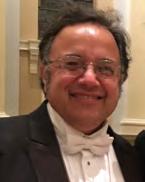
lou De la rosa is the Director of choral
anD vocal stuDies
anD chairman of the Performing arts
DePartment in the nasm-accreDiteD cilKer school of art
& Design at west valleY college he has taught music in the san Jose area for over 40 Years, the first 20 in K-12 schools incluDing
13 Years at lincoln hs, anD since 2004
at wvc has activelY serveD his Profession on the boarDs of numerous organizations incluDing the music association of california
communit Y colleges
he has also serveD on the music facult Y
DisciPline review grouP (fDrg) since its incePtion in 2012.
The Music Faculty Discipline Review Group (FDRG), a joint subcommittee of the Academic Senate of the CCC, CSU and UC systems, is meeting to discuss the overdue revision of the 60-unit Music Associate of Arts Degree for Transfer. The AA-T degree, mandated by the California legislature in 2011 to address budgetary concerns for perennial students as well as to improve graduation and transfer rates, has been referred to by some as “education lite,” since it does not fully cover the units necessary for a student to transfer without remediation after transfer. Nonetheless, it does provide a guaranteed transfer path from the 115-campus California community college system to CSU and UC BA in Music programs. It does not meet the needs for a Bachelor of Music program without remediation and qualifying auditions.
To date, though the California state legislature has provided exemptions for high-unit STEM programs, it continues to ignore the high-unit requirements of music programs.
While some CCC campuses, such as mine, also offer up to 70-unit AA in Music programs to address the unit shortage, the AA-T remains the sole music program at many colleges. To that end, the Music FDRG has modified the Transfer Model Curriculum over the years to support a variety of paths for institutions to achieve the first two years of music instruction for a baccalaureate degree.
The recent change to the GE transfer path curriculum is affecting the music curriculum as well, since the GE requirements were reduced from 37-39 units to a common 34 units among CCC, CSU, and UC while reducing the double-counting of music courses in Area 3 (formerly Area C-3). Though some campuses were “grandfathered” into acceptance of music theory for Area 3 counting, most do not offer that option, and all CCC have now lost the option to double count music fundamentals courses.
Currently, the AA-T in Music calls for the following major courses totaling 23-24 units (previously including
double counting Music Theory 1):
• Major Core Requirements: 12 units (Music Theory Levels 1-3, Musicianship Levels 1-3)
• Large Ensemble Requirement, taken 4 times: 4 units (Band, Choir, Orchestra)
• Applied Music (taken 4 times): 2-4 units
• List A Electives: 3-4 units (Music Theory Level 4, Musicianship Level 4, Music History, Music Appreciation, Piano, Level 1-3)
A recent opportunity for public comment during and after the November MACCC conference provided direction for the committee. In an effort to continue to provide flexibility and relevance to all CCC campuses offering the AA-T in Music, the Music FDRG is in the process of adding an optional List B of 0 to 5 units to use the remaining units available to each college. That list may include any courses in List A not already taken; in consultation with state articulation officers, we are also considering Jazz Music Theory, Jazz Music History, World Music (focusing on musics other than Euro-US centric), and American Popular Music (broad enough to address multiple specific genres).
Please note that Music Appreciation is being removed from the program entirely in view of the fact that no CSU or UC program includes the class in a music degree. Concerned faculty should create a Music History course instead and consider an honors course. At my college, we have gone from one to now three full sections of this course, including honors.
There are many courses I wish we could include, such as conducting, voice, or chamber music, but recall that to be considered, such courses must be offered as both a lower-division class and a requirement, as well as fitting into the low-unit threshold without sacrificing any existing requirements.
This is not a one-size-fits-all degree, but we hope to provide enough options to address the needs of as many colleges as possible.

since 2011, KarYn silva has serveD as the artistic Director of the Peninsula girls chorus, where she leaDs the concerta anD ensemble choirs. a graDuate of holY names universit Y with a master’s in music eDucation anD a KoDálY emPhasis, KarYn’s DeDication to her craft has earneD her numerous honors, incluDing “ teacher of the Year” from the lincoln unifieD school District in 1996 anD “classroom music teacher of the Year” from the california music eDucators association in 2007.
This past February, I had the opportunity to conduct the CMEA Capitol City Jr. High Honor Choir in Sacramento, CA. Since most of my work over the past 15 years has been with treble choirs, this assignment sent me on a treasure hunt for SAB music. After many hours navigating the rabbit hole of repertoire selection, I came up with a program that I absolutely loved. I hope you enjoy this “Top 5” list of selections for SAB choir, listed in concert order.
Ryan Main Dies Irae
www.ryanmain.com
SSAB with piano; also available in SATB, TTB, SAB, SSA and TB
This was hands-down the singers’ favorite of the set. It’s accessible and the Latin, although fast, isn’t difficult. From the opening whispered section to the final syncopated unison, this piece is rhythmic, driving, and exciting. The text describes the day of judgement and is taken from the Roman mass. I opted for the SSAB arrangement because it offered optional baritone notes if the main notes were out of range.
Jocelyn Hagen
What Do the Trees Know?
www.jocelynhagen.com
3-part mixed choir and piano
This piece by Jocelyn Hagen is a gem. It’s lyric and flowing, but with a message that resonates. The poem by Joyce Sidman describes how trees bend when the wind blows and have deep roots that keep them steady. The text provides multiple opportunities for teaching musical expression and can prompt conversations about how humans can take a lesson from the trees in handling what life brings.
geoRgia Sea iSlandS SpiRitual, aRR. adaM and Matt podd Yonder Come Day
www.poddbrothers.com
SAB choir, bass and percussion; also available in SATB, 2-part, unison, TTB
This well-known tune is a sure-fire winner with singers of all ages, and this arrangement by the Podd brothers has
a fresh take on it. The electric bass is a must-have, and the call-and-response section in the middle allows for creative flexibility — I’ve heard it done either with sections echoing each other or with a soloist leading the group. The solo has a limited vocal range which makes it more accessible to a wider range of singers.
coty Raven MoRRiS
BriLee Music Publishing
SAB voices with piano; also available in SSA, SATB
I first discovered this piece when a colleague programmed the treble arrangement. The tune stuck with me and the lyrics carried a message I wanted my singers to internalize: “I take care of the vessel I’m in, I love the me that’s under this skin.” This selection also has a solo opportunity at the beginning, and I decided to bring back the soloist for the final phrase of the song. A powerful element in this piece is the recitation of student affirmations. Students can either share their own affirmations or borrow from those provided. The honor choir singers welcomed this opportunity to be heard and I think it added a personalization to the piece that gave them a connection to it.
Alfred Publishing
SAB voices with piano; also available SA, TB
This is a great closer with so many opportunities for creativity. It works beautifully whether performed simply or with all the creative “extras” the score suggests. The piece is based on a fictional story and features a made-up language, opening narration, taiko drum, whispering and speaking, and body percussion, in addition to lots of other creative suggestions provided in the score. Kyle Pederson has also posted a YouTube video explaining his inspiration for the piece.
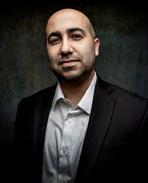
Jason gallarDo is the assistant Director of choral activities at santa clara universit Y. from 2011-2022, he was a contract musician at st. louis catholic church in austin, tx, where he was associate Director of choral vesPers, Director of the magnificat women’s choir, tenor section
leaDer for the Parish choir, anD comPline singer he receiveD his b.s. in sounD recorDing technologY anD m .m . in choral conDucting from texas state universit Y. he currentlY lives in santa clara, ca with his wife vanessa, anD their Dog anD cat, theoDore anD Dottie.
“I have written 11 books, but each time I think, ‘uh oh, they’re going to find out now. I’ve run a game on everybody, and they’re going to find me out.”
Maya Angelou
Maya Angelou’s quote resonates with me, as I ask myself “What business do I have being R&R Chair, when there are worship leaders who have worked in churches longer than I’ve been alive?” Their expertise dwarfs mine.
But I do have over 20 years of experience in worship music. I spent more than a decade at St. Louis King of France Catholic Church in Austin, Texas, starting as a section leader for the parish choir and a hired singer for a weekly Compline service. A year into my time there, I began a master’s in choral conducting, and was invited to direct the Magnificat Women’s Choir, eventually growing into an assistant director of the parish choir and associate director for the Vespers service. For the weekly Vespers Service, I programmed, rehearsed, composed, and conducted 45+ Sundays a year. Even before officially being employed as a church musician, I played in “folk-church” bands, singing and playing guitar, piano, and bass in mass every week.
Since arriving in Santa Clara, I have conducted a local presbyterian parish’s choir through the season of Advent, sang as a tenor soloist for a first church of christ scientist congregation, and coached local community and worship ensembles. I absolutely have experience in multiple facets of worship music.
Imposter syndrome lies to us all. Most people suffer from some form of this anxiety, and I am no exception. How to combat this? Through community and connection.
The choir rehearsal is a place to build community. This is not a fresh take, but I wonder sometimes if we can benefit from the reminder. There is a “sacredness” present in every rehearsal that transcends religious affiliation. Worship leaders are beautiful stewards of that sacredness, in a way that many singers only engage with in these explicitly religious spaces.
Through sacred choral music, both as a singer and a conductor, I have built cross-generational friendships, eased the sorrows of my soul, and received both personal and professional mentorship beyond anything I could have imagined. As an aside, if you have the means to hire singers, or even if you don’t, consider working in opportunities for your singers to conduct within your church music program. It can change their life, and give you some breathing room, too!
To me, remembering that the job, the calling, the service is not about me, and is so much bigger than me, helps me to deal with my own shortcomings and get on with the music. My goals as your R&R chair are to build community in what can feel like a very isolating subset of an already isolating job, to be a conduit for the curation and sharing of repertoire, and to support Steve Kim (Community Choirs and Music in Worship Director) and the rest of the board of CCDA in our ongoing work. You may have seen Steve along with Aaron Humble, Zanaida Robles, Christopher Wemp, and Yewon Kim (CCDA R&R for Community Choirs) at the WACDA Conference in San Jose, where they led a Toolbox Session on Worship Music and the ability of sacred music to inspire, connect, and build community. So far this year, our team has led a beautiful Worship Session at ECCO, facilitated community roundtable discussions at both ECCO and Fall CCDA Region Conferences, and curated a list of repertoire pulled from these meetups for the membership. These discussions led to Steve hosting an awesome zoom session on working with aging voices, which was a common request from our people.
You may be an experienced pro at worship music—and I welcome your input and insight—or a new or new-ish to the position conductor (and I also welcome your input; fight the imposter syndrome!). These are not normal times, and the best way we combat the real struggles we all face is through community and collaboration. Please feel free to email me at jgallardo@scu. edu, and/or say hello at conferences and events
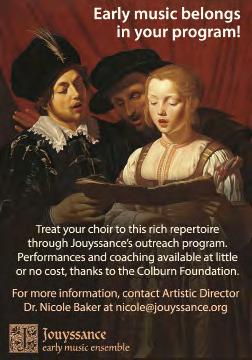


Chris Maunu, Editor
Since 2003, Pacific Youth Choir has been a benchmark for choral excellence in the Pacific region of the United States. This Portland-based organization serves hundreds of young singers, aged 5 to 19. Chris Maunu is the Artistic Director of the Pacific Youth Choir in Portland, Oregon. He conducts Choro in Schola and is on the faculty at Portland State University.

To see our complete choral catalog, visit PavanePublishing.com.



President
Kristina Nakagawa kristina.m.nakagawa@ gmail.com
Past President
Arlie Langager alangager@miracosta edu
President-Elect
Molly Peters mepeters79@gmail.com
Children’s & Community
Youth
Karyn Silva ksilva@peninsulagirlschorus.org
Choral Composition
Matt Brown matt@ mattbrowncomposer.com
Community Choirs
Yewon Lee yewonlee98@gmail.com
Community College
Lou De La Rosa l delarosa wvc@gmail com
Music in Worship
Jason Gallardo jgallardo@scu edu
SSAA Choirs
Jesse Diaz jesse diaz@redlands k12.ca us
Vocal Jazz
Andreas Preponis apreponis@ laspositascollege.edu
Cantate magazine editor
Eliza Rubenstein cantate.editor@gmail.com
Social media
Ryan Yoder r.yoder@bonita.k12.ca.us
Webmaster
Kelly Walker kellyeshoff@gmail com
Web editor
John Nguyen nguyenjoe964@gmail.com
E-mail coordinator
Emily Moore emoore@musd org
Liaison to past leadership
Lori Marie Rios lmrdiva1@gmail.com
Secretary/Executive Administrator
Kathleen Preston 921 N. Harbor Blvd., #412, La Habra, CA 90631-3103 exec admin@calcda.org
Treasurer
Beth Nitzan beth.nitzan@gmail.com
Development
Genevieve Tep gtep@seq.org
Membership
Marc McGhee mmcghee@luhsd.k12.ca.us
Director at Large
William Zinn wzinn6023@gmail.com
DEIAB
Kellori Dower drkellori@gmail.com
K-12 Student Programs
Patrick Burzlaff patrick burzlaff @kernhigh org
Community and Worship
Kieun Steve Kim kieunstevekim@gmail com
Education and Student Outreach
Cari Earnhart cearnhart@csufresno edu
Communications
Ryan Yoder r.yoder@bonita.k12.ca.us
CCDA at CASMEC
Jennifer Heder jenniferheder@gmail com
CLA/CASMEC
Hillary Ngo choralleadershipacademy @gmail com
All-State Honor Choirs
Jenni Gaderlund Susanna Peeples honorchoir.allstate.ca @gmail.com
Central Region honor choir
Katie Carbajal honorchoir central ca @gmail.com
Coastal Region honor choir
Kelly Walker & Emily Moore coastalhonorchoirchair @gmail.com
ECCO Summer Conference
Jeffe Huls jeffe.huls@gmail.com

corie.brown@sjsu.edu
jeffrey.benson@sjsu.edu