12495 E. STOCKTON BLVD., GALT, CA 95632 Office 209-745-1515
Fax 209-745-1582
Website/Market Report www.clmgalt.com Web Broadcast www.cci.live
Top Consignments from throughout California and Nevada will be Showcased in these Specials:
CLM FEEDER SPECIALS Join Us Ringside at 12 p.m. WEDNESDAYS MAY 27 • JUNE 10 • JUNE 24
CATTLEMEN’S FEEDER SPECIAL
sponsored by the Amador-El Dorado-Sacramento Cattlemen Consignments Welcome from All CA Cattlemen’s Associations with a Donation Being Made Back to the Local Association MONDAY, JUNE 1
PAIR & BRED COW SALES
WEDNESDAYS: MAY 20 • JUNE 17
CALL TO CONSIGN TO THESE WESTERN VIDEO MARKET SALES:
June 12 – WVM Headquarters, Cottonwood, CA CONSIGNMENT DEADLINE: JUNE 4
July 13-15 – Silver Legacy Casino Resort, Reno, NV CONSIGNMENT DEADLINE: JUNE 25
August 10-11 – Little America, Cheyenne, WY CONSIGNMENT DEADLINE: JULY 23
September 15 – Haythorn Ranch, Ogallala, NE CONSIGNMENT DEADLINE: SEPTEMBER 7
3841 North Freeway Blvd., Suite 130 Sacramento, CA 95834
Matt Macfarlane | (916) 803-3113 m3cattlemarketing@gmail.com
BILLING SERVICES
Lisa Brendlen lisa@calcattlemen.org
SERVING CALIFORNIA BEEF PRODUCERS SINCE 1917
Bolded names and businesses in editorial represent only current members of the California Cattlemen’s Association or California CattleWomen, Inc. For questions about membership status, contact the CCA office at (916) 444-0845. The California Cattleman (Publication #8-3600) is published monthly except May/June is combined by the California Cattlemen’s Association, for $20/year, or as part of the annual membership dues. All material and photos within may not be reproduced without consent of publisher.
Periodical postage paid at Lubbock, Texas, 79402. Publication # 8-3600
National Advertising Group: McFarland AdVantage | 334-652-9080 222 Shady Valley Road, Autaugaville, AL 36003
POSTMASTER: Send address changes to: California Cattleman, 3841 North Freeway Blvd., Suite 130 Sacramento, CA 95834
California Cattlemen's Association Feeder Meeting
May 20 & 21 | San Diego
CCA & CCW Midyear Meeting
June 24 & 25
Atlantis Casino Resort | Reno, Nev.
CCA & CCW Annual Convention December 2-4 | Reno, Nev.
Announcing the new vaccine from Hygieia Labs:
Your Foothold Against Foothill Abortion.
Costing the industry more than $10 million annually, Foothill Abortion — formally known as Epizootic Bovine Abortion, or EBA — has robbed profits from ranchers for almost 100 years as the leading cause of calf loss in affected areas of the Western United States.
Until now.
After years in development and testing, the new Foothill Abortion Vaccine is available from Hygieia Biological Laboratories. The Foothill Abortion Vaccine has been shown to protect more than 95% of animals from the disease when administered as directed. Administration is safe, simple and proven to give your heifers a strong start for greater productivity.
Protect your investment and promote your profitability. Ask your local veterinarian if the Foothill Abortion Vaccine is right for your herd, or contact Hygieia Labs to learn more.
HYGIEIA BIOLOGICAL LABORATORIES
P.O. Box 8300, Woodland, California 95776 USA
Contact Jenna Chandler at Hygieia Labs for additional information.
Feeder Meeting chair invites producers to annual meeting in San Diego
BUNKHOUSE
Cattlemen's recipe for success in Sacramento and beyond
DUES DOLLARS AT WORK
CCA continues work on predator coexistence policy
MARKETING MATTERS
Views from new WVM CEO
COUNCIL COMMUNICATOR
New year beef campaign pays off for producers
NATIONAL PERSPECTIVE
On the lookout for midterm election impacts on producers
U.S. BEEF ABROAD
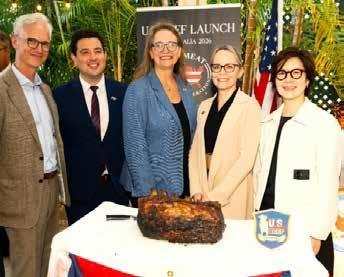
American beef welcomed back to Australia after 23 year absence
YOUNG PRODUCER
California feeder youth gives advice to upcoming generation
CHIMES
CattleWomen spring meeting recap
SPECIAL FEATURES
WVM'S NEXT CHAPTER
Veenendahl takes Western Video Market reins
FLY-IN
Marketing advocates make their way to D.C.
DOING YOUR BEST
Fundamentals of production matter in any kind of cattle market
OVER 100 RANCHES CONSERVED
Rangeland Trust celebrates milestone achievement at Sardella Ranch
FINANCIAL DEEP DIVE
AgWest deep dive on economy and markets
THE BIG SCREEN
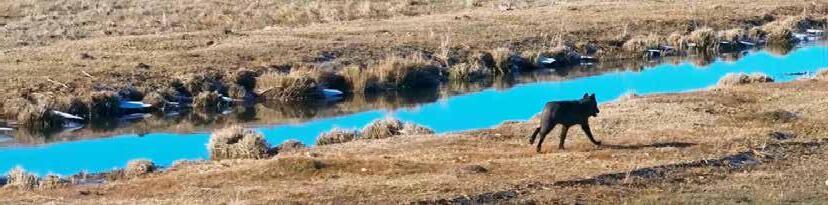
Producers gather for wolf documentary screening at Chico State Farm
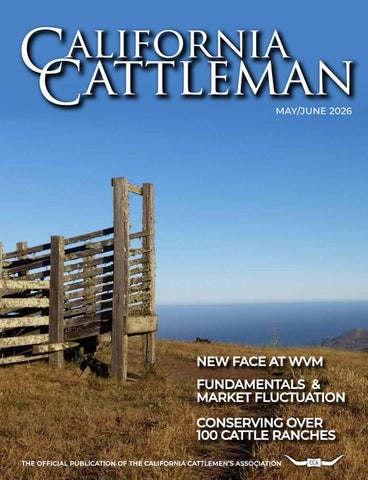
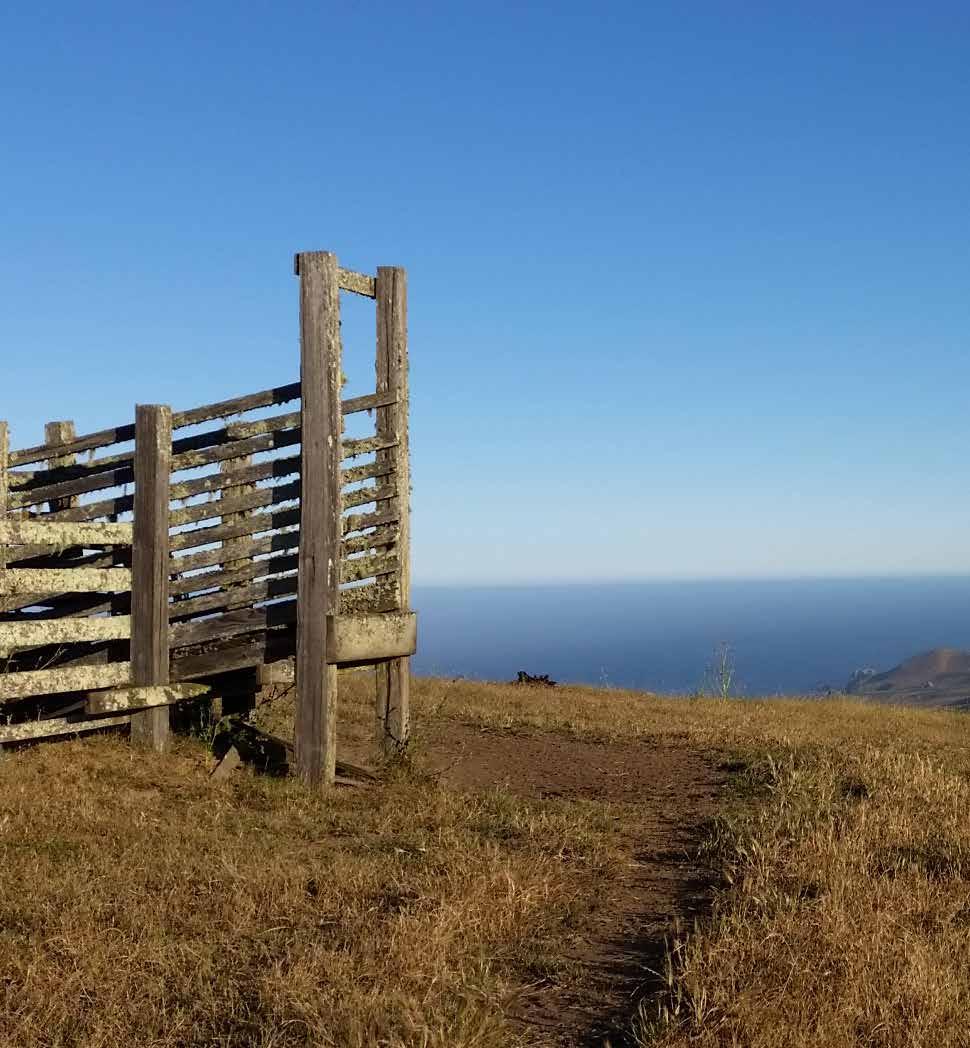
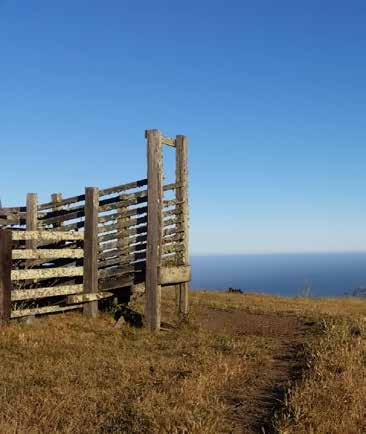
As spring shipping season is well underway, the on-ranch loading chute is a familiar site for many California ranchers. This month's cover photo, taken by Cari Furlong, Sebastapol, depicts a historic oceanside loading chute.
CATTLEMEN’S COLUMN
2026 FEEDER MEETING SET TO FOCUS ON TIGHT SUPPLIES, HIGH STAKES AND INDUSTRY MOMENTUM
by CCA Feeder Council Chair Mike Sulpizio
As another year races by, the California Cattlemen’s Association Feeder Meeting returns at a moment when the cattle feeding sector in California and across the nation is navigating some of the most complex market dynamics in recent memory. This year’s program, held in San Diego on May 20 and 21 of this month, brings together leading experts, timely policy updates and a renewed sense of industry collaboration. And for the first time in many years, registration includes a San Diego Padres game—an addition that has generated genuine excitement among organizers and attendees alike.
A YEAR DEFINED BY BORDER CLOSURES AND SUPPLY CONSTRAINTS
It is difficult to believe that we are approaching a full year since the southern border closed to Mexican cattle imports—an event that has reshaped feeder availability across the West. The timing has been especially challenging, coinciding with historically low feeder cattle supplies.
Last September, I traveled with other CCA officers to Washington, D.C., to meet with USDA officials and elected representatives. One of my top priorities was advocating for the reopening of the southern border. While preventing the New World Screwworm from entering the United States remains a shared goal, today’s surveillance tools, science-based protocols and strengthened prearrival procedures offer a clear path to minimizing risk.
Yet eight months later, despite extensive lobbying efforts and multiple letters supporting the reopening of the Douglas and Nogales ports of entry, the border remains closed. This is particularly frustrating given the Mexican state of Sonora’s animal health record—the strongest and most consistent in Mexico.
The impact has been significant. Many Imperial Valley feedlots are now down 35 to 45 percent in head count, a decline we have not seen in decades. We anticipate a meaningful update from the State Veterinarian during the meeting.
MARKET SIGNALS AND THE REALITY OF HIGH PRICES
New to this year’s program is a feeder cattle market update from Overland Stockyards. Their
daily interaction with buyers and sellers across the country gives them one of the most accurate reads on the market and we hope to make their participation a regular feature.
One thing the past year has made clear: high prices haven’t cured high prices. With cost of gain remaining manageable—aside from recent volatility tied to the Iran conflict— profitability has encouraged feeders to add days on feed and push cattle to heavier out weights.
Dale Woerner, Ph.D., and Brad Johnson, Ph.D., from the Texas Tech University Meat Science Department will address red meat yield and the implications of heavier carcass weights, including considerations for beef on dairy cross cattle. Feeders in the southern region continue to struggle to find adequate value for these animals, but serious discussions are finally underway regarding a grid that could support placing these cattle on feed.
POLICY, MARKETS AND THE ROAD AHEAD
As always, the meeting will feature the highly anticipated market outlook from CattleFax and policy updates from Washington, D.C., delivered by Ethan Lane, Senior Vice President of Government Affairs for the National Cattlemen's Beef Association.
We will close with a forward looking session led by Lance Zimmerman of RaboResearch Food and Agribusiness on trade shifts reshaping the U.S. beef market—a topic that affects every segment of the supply chain.
A MEETING WORTH ATTENDING
With so much change underway—from border policy to carcass weights to global trade—this year’s CCA Feeder Meeting arrives at exactly the right time. For those who have never attended, this is the year to give it a try. The insights, conversations, and connections are invaluable, and we look forward to welcoming you in San Diego this month.
SHIFTING THE POLITICAL LANDSCAPE GENERATIONS OF ADVOCACY IS PAYING DIVIDENDS
by CCA Executive Vice President Billy Gatlin
Despite historic budget deficits, California’s leaders are continuing to invest in priorities that matter to ranchers by expanding wolf depredation compensation, strengthening wildfire resilience and cutting barriers to getting more prescribed fire on the ground. At the same time, something even more important is happening: the conversation is changing.
Across the Capitol, lawmakers are beginning to recognize what ranchers have always known: grazing is not the problem, it’s part of the solution. It’s a tool for managing our landscapes, reducing fuel loads and protecting California’s natural resources.
That kind of shift doesn’t just happen. It’s earned. It’s the result of years of hard work, strong leadership and a clear strategy. But above all, it’s the result of you: CCA members who have stepped up, stayed engaged and invested in the future of this industry. Every meeting, every conversation, every dollar invested has helped move us forward. And let’s be clear: it’s working. We are not just holding the line. We are gaining ground.
In today’s political reality, that progress requires us to play the long game. California is governed by overwhelming Democratic majorities. In the State Assembly, Republicans hold just 20 of 80 seats. In the State Senate, just 10 of 40. That means every win we secure depends on building support that crosses party lines—and more often than not, depends on earning the support of Democrats.
So that’s exactly what we’ve done. We’ve built a coalition of Republicans and Democrats who understand that ranching is essential to California’s future. We’ve shown up, told our story and proven our value. And because of that, every victory we’ve achieved has been bipartisan and powered by relationships we’ve built over time.
But those relationships don’t happen by chance. They start at the ballot box.
Through Cattle-PAC, CCA is making strategic investments in candidates who will stand with ranchers once they’re elected. Not because they agree with us on everything, but because they’re willing to listen, to learn and to work with us. That approach has delivered real results, election after election.
And we’re not slowing down. One of our biggest opportunities has been supporting practical, solutions-oriented leaders, especially moderate Democrats, many from rural communities who understand the importance of keeping working lands working. At the same time, we continue to engage across the political spectrum, building new relationships and expanding our influence every year.
Now, we have another critical moment in front of us.
In the 2026 primary election, more than two dozen key races will help determine the future of our industry. CCA has identified the candidates who will make a difference, and, through CattlePAC, we’re investing in their success.
Because elections matter. Leadership matters. And the decisions made in Sacramento matter to every ranching family in this state.
This is our moment to build on the momentum we’ve created. California’s ranching families are essential to our economy, to our environment and to the future of this state. That’s not a partisan statement. It’s a fact. And it’s a fact we will continue to fight for.
The road ahead won’t be easy. It never has been. Since 1917, CCA has been in this fight, and every generation has faced its own challenges. Now it’s our turn.
We are the stewards of this industry. We are the voice for ranching in California. And together, we have proven that when we stay engaged, when we stand united and when we invest in our future, we win.
So let’s keep going.
Let’s keep showing up.
Let’s keep building relationships.
Let’s keep fighting for what matters.
Because the work we do today will shape the future for the next generation of ranchers. And if we stay united, stay engaged and stay committed there’s no doubt about it: Our best days are still ahead.
TURLOCK LIVESTOCK AUCTION YARD
CALIFORNIA’S CATTLE MARKETING CENTER
YOUR DUES DOLLARS AT WORK
CCA NEGOTIATES HUMAN-WILDLIFE COEXISTENCE POLICY IN THE STATE CAPITOL
by CCA Vice President of Government Affairs Kirk Wilbur
In April, California Cattleman overviewed early themes of the 2026 legislative year, highlighting in particular a trio of Senate bills seeking to address predator policy in the state. This month’s column drills down on one of those bills – SB 1135, the “California Wildlife Coexistence Act” – and seeks to clarify CCA’s approach to lobbying the controversial measure.
SB 1135 is authored by Sen. Catherine Blakespear (D-Encinitas) and is co-sponsored by Defenders of Wildlife and the National Wildlife Federation. The bill primarily has two objectives: (1) establishing a Wildlife Coexistence Program within the California Department of Fish and Wildlife; and (2) governing how CDFW administers its Wolf-Livestock Compensation Program (which would be re-named under the bill to the “Wolf-Livestock Coexistence and Compensation Program”). While CCA has significant concerns regarding proposed changes to the Wolf-Livestock Compensation Program and is seeking amendments to address those concerns, the provisions of the bill establishing a HumanWildlife Coexistence Program are less concerning and may indeed benefit ranchers.
THE WILDLIFE COEXISTENCE PROGRAM
Much of SB 1135 seeks to establish and govern a Wildlife Coexistence Program within CDFW. Under the legislation, the Wildlife Coexistence Program would be charged with tracking and responding to wildlife conflict reports, mitigating human-wildlife conflict and conducting public outreach and education, among other responsibilities.
This program wouldn’t be breaking new ground at CDFW: between 2022 and 2024, the Legislature funded a Human-Wildlife Conflict Program at the Department to respond to increased human-wildlife interactions resulting from intense drought conditions. According to CDFW, funding for the program allowed the agency to employ “a minimum of two wildlife conflict specialists in each” of the agency’s six regional offices. While much of the program was focused on addressing urban and suburban conflicts with coyotes, raccoons, skunks and other nuisance animals, the program also assisted rural ranchers. For instance, regional human-wildlife conflict staff might conduct a
field investigation to confirm a mountain lion depredation of livestock before the regional office could sign off on a take permit for the depredating lion.
Unfortunately, staffing for the HumanWildlife Conflict Program was lost in 2024 due to budget constraints. That loss has certainly been felt by ranchers: In recent years, CCA has received increasing complaints from ranchers that CDFW has failed to investigate mountain lion depredations within the statutorily mandated 48-hour window after being notified by a property owner. SB 1135 would resuscitate the program – though under a new title more palatable to the wildlife advocates sponsoring the legislation, swapping the word “conflict” for “coexistence.”
Importantly, the Wildlife Coexistence Program would not curtail ranchers’ ability to lethally manage predators and other animals harming their livestock. While SB 1135 directs the Department to “emphasize effective and ecologically appropriate nonlethal conflict resolution solutions,” it does not amend existing statutes which authorize lethal take of black bears, mountain lions, coyotes or other species which come into conflict with livestock.
THE WOLF-LIVESTOCK COEXISTENCE AND COMPENSATION PROGRAM
The other major provision of SB 1135 – Article 3 of the bill – concerns administration of the state’s WolfLivestock Compensation Program, which the bill would rechristen as the “Wolf-Livestock Coexistence and Compensation Program.”
Some of the provisions of Article 3 mirror CDFW’s existing Wolf-Livestock Compensation Program. For instance, the bill specifies that the Wolf-Livestock Coexistence and Compensation Program would provide compensation for losses of livestock to wolf depredation, the costs of implementing non-lethal deterrence and the indirect impacts of ranching among wolves (socalled “pay-for-presence” compensation). While this section of the bill has some drafting errors – for instance, the measure proposed compensating ranchers for “confirmed or provable losses of livestock” rather than confirmed or probable losses – SB 1135’s sponsors have committed to correcting
these errors via amendments.
But the bill proposes two new conditions for the compensation program that may be of concern to CCA members. First, it proposes setting aside 50 percent of appropriations to the Compensation Program for non-lethal deterrence implementation. Second, it proposes that ranchers be ineligible for direct loss compensation or pay-for-presence compensation unless they have “adopted, implemented, and documented proper and ongoing deployment of proactive, nonlethal conflict reduction measures approved by the department.”
BACKGROUND AND STRATEGIC CONSIDERATIONS
Tying direct loss compensation to implementation of non-lethal deterrents technically isn’t new: since 2016, CDFW’s Conservation Plan for Gray Wolves in California has provided that “After two confirmed depredation incidents in any 12-month period, future compensation for the affected producer is available only if that producer has applied for a [depredation prevention agreement] with CDFW.” While the Department has not enforced this provision of the Conservation Plan to date, it is a concept that CDFW has returned to multiple times throughout its WolfLivestock Compensation Program evaluation, an ongoing assessment of potential revisions to the Compensation Program which began in February. As part of its evaluation, CDFW could decide to tie direct loss compensation to non-lethal deterrence implementation regardless of whether SB 1135 becomes law.
Additionally, in the wake of last summer’s lethal removal of the Beyem Seyo Pack in Sierra Valley, legislators and regulators in Sacramento are increasingly eager to see robust adoption of non-lethal deterrence practices. For instance, at a January 27 informational hearing of the Assembly Water, Parks and Wildlife Committee focused on predator conflicts, Assemblyman Gregg Hart (D-Santa Barbara) pointedly asked CCA staff whether “depredation compensation…should be tied to some minimum standard of intervention from ranchers.”
Given this background, CCA assessed that merely opposing SB 1135 was strategically disadvantageous for California ranchers. Given the tenor of wolf policy discussions in Sacramento, outright opposition to SB 1135 was likely to sideline the Association from the policy discussion and result in the potential passage of an incredibly harmful bill drafted without regard to ranchers’ priorities and perspectives.
Instead, with feedback from CCA’s Wolf Policy Subcommittee, CCA’s Executive Committee decided to take an oppose-unless-amended position on SB 1135, ensuring CCA has a strong voice in legislative
discussions about the bill and can steer the policy in a direction that is more workable for producers ranching in wolf territory.
CCA’S PROPOSED AMENDMENTS
CCA’s oppose-unless-amended position is centered on two priorities: (1) placing reasonable limits upon the bill’s non-lethal deterrence requirements; and (2) ensuring that the WolfLivestock Coexistence and Compensation Program appropriately prioritizes direct loss and pay-forpresence compensation.
As discussed above, SB 1135 proposes setting aside 50 percent of Compensation Program funds for non-lethal deterrence efforts. If the Compensation Program were properly funded by the Legislature, this set-aside would perhaps not be particularly objectionable given the relatively high costs of deterrence and the demand for non-lethal deterrence assistance among some ranchers in wolf territory. Of the $3 million appropriated for the WolfLivestock Compensation Pilot Program in 2021, for instance, nearly two-thirds was granted to ranchers seeking to defray the costs of implementing non-lethal deterrents, demonstrating substantial demand for the practice.
But in years when the Compensation Program’s fund condition is dire, a 50 percent set-aside for nonlethal deterrence could be catastrophic for ranchers who lose cattle to wolves. In 2024, for instance, the Legislature only appropriated $600,000 for the Wolf-Livestock Compensation Program. Under SB 1135’s framework, $300,000 of that funding would have been earmarked for non-lethal deterrence –enough for just a handful of full-time range riders or about 62 total miles of fladry – making a relatively small deterrence impact. But that set-aside would have had the impact of limiting all other forms of compensation to $300,000, barely enough to fund one year of direct loss compensation at current rates of depredation, with no funding for pay-forpresence compensation.
In short, when the Compensation Program is under-funded, a 50 percent set-aside for nonlethal deterrence could well mean ranchers going uncompensated for the loss of livestock to wolves.
To avoid this result, CCA has proposed amendments which would reduce the set-aside for non-lethals to 25 percent when the Compensation Fund falls below $1 million – ensuring the state has sufficient funding to compensate direct losses for up to two years – and which would eliminate the set-aside altogether when compensation funds are particularly low.
CCA has also proposed amendments limiting the circumstances in which ranchers would have
to deploy non-lethal deterrents to access other forms of compensation. As introduced, SB 1135 would require any rancher to implement nonlethal deterrents to be eligible for direct loss or pay-for-presence compensation. CCA has proposed limiting this requirement to pack territories and areas of known wolf activity, ensuring that ranchers with only a remote chance of suffering losses from a dispersing wolf need not have implemented non-lethal deterrents in order to be compensated from a largely unforeseeable loss.
But the most substantial amendment CCA is negotiating is a “practicability” standard. Modeled upon statutes governing Washington’s compensation program, this amendment would limit the requirement for non-lethal deterrence implementation to circumstances where such deterrents are “practicable.”
Factors CDFW would be required to consider in determining whether non-lethal deterrents are “practicable” would include the extent to which state funding is available for non-lethal deterrence practices and the overall cost of implementing deterrents, ensuring that ranchers do not suffer economic harm in deploying conflict prevention measures (a result which would frustrate the very purpose of compensation).
Other relevant factors would include the extent to which routine agricultural practices (or changes in herd management responsive to wolf presence) themselves constitute deterrence, the extent to which a permittee or lessee has the right to implement particular deterrents on the landscape and whether terrain conditions exist which would impede the effectiveness of non-
lethal deterrents. In short, if deterrents can’t be implemented or would not be effective, ranchers should not incur the burden of deploying those deterrents.
While these amendments might fall short of an ideal policy for California ranchers, they would be a far cry better than the bill as initially written, and indications as of press time are that such amendments are palatable to Senator Blakespear and the measure’s sponsors.
THE ROAD AHEAD
SB 1135 passed the Senate Natural Resources and Water Committee by a vote of 5-1 on April 14 after a hearing in which CCA voiced its concerns about the bill. As of press time the bill was pending before the Senate Appropriations Committee, where it was scheduled for a vote on May 14. If Senate appropriators approve the bill, it still has a long road to go before becoming law: it would need to pass the full Senate, be vetted in the Assembly and be approved by Gov. Gavin Newsom.
CCA staff has been doggedly pursuing amendments in frequent meetings with the bill’s sponsors and has been meeting regularly with CCA’s officer team, Executive Committee and Wolf Policy Subcommittee to discuss the Association’s approach to lobbying the measure.
Any statute tying direct loss and pay-forpresence compensation to implementation of non-lethal deterrents will be a bitter pill for California ranchers to swallow. The Association’s goal is to mitigate any harm that such legislation would have for our members and ensure the bill is as workable as possible on the ranch. CCA will continue to keep you informed of developments regarding SB 1135 – and all other bills the Association is lobbying this Session.
SALES EVERY THURSDAY AT 9 A.M.
THE NEXT CHAPTER
by Managing Editor Stevie Ipsen
LIFELONG CALIFORNIA PRODUCER TAKES ON LEADERSHIP ROLE AT WESTERN VIDEO MARKET
In an industry built on tradition and trust, leadership transitions matter. For Western Video Market (WVM), the appointment of Eddie Veenendahl, Hanford, as WVM Chief Executive Officer marks not only a change in title but a continuation of strong ethics paired with a forwardlooking vision for the cattle industry.
Announced in April 2026, Veenendahl steps into the new role bringing a lifetime of "boots-onthe-ground" experience with a strong education and respectable business acumen, a balance that positions him well to lead a company deeply rooted in both.
Rooted in California Agriculture
Veenendahl’s story begins where many great agricultural leaders are formed: on the farm. Raised on a dairy between Visalia and Hanford, he grew up immersed in the day-to-day realities of production agriculture. Early mornings, long days and the responsibility of caring for livestock helped shape his work ethic as well as his understanding of the challenges producers face.
Leaders who come from production agriculture carry an appreciation for risk, market volatility and the value of relationships. These are the same principles that have defined Western Video Market for decades.
Veenendahl credits his upbringing with his drive to succeed, a sentiment that anyone in agriculture can relate to.
"Like most farm kids, I am no stranger to hard work or long hours. I remember vividly being a teenager and waking up at 4 a.m. to milk cows with my cousins. It wasn't always pleasant but it definitely shaped me and gave me the appreciation I have today for everyone who works in our food production systems," Veenendahl expressed.
In addition to the dairy, the Veenendahl family has been in the Angus seedstock business since 1989, selling bulls to commerical producers via private treaty and production sales. This gives Veenendahl added perspective regarding the
needs of the commerical industry.
"I have an integral understanding of the commercial and seedstock sectors and the increased interest in beef on dairy genetics is a topic I have followed since its inception, long before it was commonplace," Veenendahl said.
Education Meets Industry
From the farm, Veenendahl continued his agricultural journey at University of California, Davis, studying animal science and equipping himself with both the technical knowledge and critical thinking skills needed to navigate an evolving livestock industry.
UC Davis has long been known for producing leaders who bridge the gap between science and practical application. For Veenendahl, that meant understanding not just how cattle are raised, but how markets function, how technology impacts production and how data can improve decisionmaking.
Before stepping into his role at WVM, Veenendahl built a career across multiple sectors of agriculture and agribusiness. His experience includes positions that required both operational understanding and strategic thinking—an important combination in today’s rapidly changing livestock marketplace.
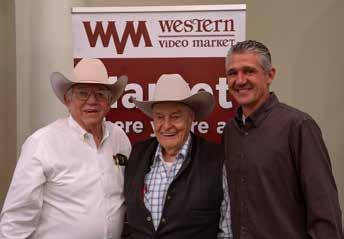
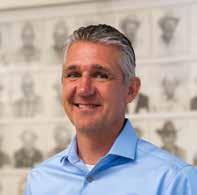
Western Video Market Co-Founders Col. John Rodgers and Ellington Peek with newly named CEO Eddie Veenendahl.
Veenendaal was most recently employed as President and CEO of Mar Vista Resources, a fertilizer manufacturer and supplier. Prior to that, he was employed by California Dairies, Inc. for 17 years. From working within agricultural companies to engaging with producers and industry partners, he developed a broad perspective on how different segments of the industry connect. That experience is especially valuable at WVM, where success depends on aligning buyers, sellers and market conditions in a seamless, trusted system.
Leading Western Video Market Forward
Veenendahl said what initially inspired him to throw his hat in the ring for this new job was the opportunity to work with people who are as passionate about agriculture as he is.
"The people and the personalities that I get to be around are infectious," Veenendahl said. "The energy they bring for what they do is inspiring. I am really looking forward to getting to know the consignors and their families where I am certain I will find more of that same kind of passion for our way of life."
WVM has long been a trusted name in livestock marketing, known for its video auction platform that connects cattle producers across the country. The company has played a significant role in modernizing how cattle are marketed while maintaining the integrity of traditional sale systems.
As CEO, Veenendahl takes the helm at a time when the cattle industry is evolving rapidly. Technology, data analytics and digital platforms are becoming increasingly important, while producers continue to demand transparency, efficiency and value. His appointment reflects a strategic move by the company to strengthen its position in the West's changing landscape in agriculture and marketing.
A Vision Grounded in Producers
At its core, WVM's mission is to serve cattle producers and Veenendahl’s background suggests that will remain central to his leadership. Having grown up in production agriculture, he understands that every decision made in the marketplace impacts real operations, real families and real livelihoods. That perspective is critical in an industry where trust is currency.
Moving forward, his leadership is expected to emphasize: strengthened relationships with consignors and buyers; expansion of market access through technology; enhanced valueadded programs for producers; and maintained transparency and integrity in the sale process.
These priorities align closely with the company’s long-standing goals while positioning it for continued growth.
"I hope to continue to build upon the principles of trust and transparency that WVM has built its reputation on. I want to see WVM grow while maintaining the family feel that buyers and consignors know us for," Veenendahl said.
Bridging Tradition and Innovation
One of the most significant challenges facing today’s agricultural leaders is balancing tradition with innovation. The cattle industry, in particular, is deeply rooted in practices that have stood the test of time. Leaders must also adapt to new technologies, shifting consumer expectations and global market pressures.
Veenendahl represents a generation uniquely equipped to bridge that gap. With roots in hands-on agriculture and experience in modern agribusiness, he brings a perspective that values both where the industry has been and where it is headed. For WVM, that balance will be key. The company’s success has always depended on trust and relationships, both qualities that cannot be replaced by technology, but can certainly be enhanced by it.
As Veenendahl steps into his role as CEO, the future of WVM appears to be in capable hands. His journey from a dairy farm in California’s Central Valley to leading one of the nation’s most respected livestock marketing firms reflects the kind of grounded, experienced and forward-thinking leadership the industry values.
In many ways, his story mirrors that of the cattle industry itself. Veendendahl is rooted in hard work, shaped by change and driven by a commitment to progress.
While leadership may evolve, the foundation remains the same. And under Veenendahl’s guidance, WVM is poised to continue serving the livestock industry with the integrity and innovation it has been known by for nearly 40 years.
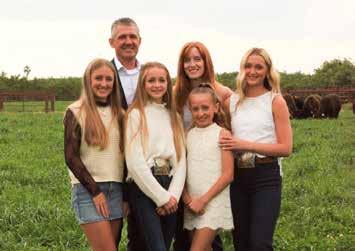
Eddie and Jessica Veenendahl have proudly raised their daughters to understand the importance of hard work through their various agriculture operations.
BEEF MARKET INSIGHT FROM WVM'S NEW CEO MARKETING MATTERS
Editor's Note: The following questions were posed to Western Video Market CEO Eddie Veenendahl regarding the current state of cattle marketing in California and across the West.
Q. In your opinion, what are the biggest benefits to marketing on the video?
A. There are many benefits of marketing livestock in this fashion. Animal well-being can be maintained by keeping livestock in their natural environment until shipping to a buyer's destination. There is no commingling, no additional loading/unloading or diet changes, therefore no unnecessary shrink and stress. Injury and illness also have the potential to be reduced.
Alongside the benefits to the animals, which ultimately benefit the buyer and seller, there are economic advantages of reaching a larger geographic region and the ease of use allows buyers to bid from nearly anywhere, optimizing competition for true price discovery. In many cases the cost to market can be advantageous due to lower overhead costs.
Reduced transportation can create cost savings advantages and flexibility in shipping can be planned according to the producer's needs, while buyers can fit the needs of their operations by scheduling purchases and shipments, utilizing their facilities to the fullest.
Producers also have the benefit of assisting in the marketing presentations of their offering, ensuring buyers are aware of the inputs and work they have invested in their livestock, whether that be genetics, verification programs or uniform groups.
Q. What are some unique opportunities beef producers have?
A. We are currently in unchartered territory as it pertains to the beef industry and depending on the position in the market it can be the best of times or an environment where the markets have you on edge. Cow/calf producers have an opportunity to capture unprecedented prices and therefore have the ability to invest in the future of their business in the form of debt reduction, ranch improvements, growth, diversification or a combination.
It's a good time to take a deep breath and evaluate where you want your operation to be in the longer term, a very welcome sight for many. The answer will be different for everyone, and most interesting will be if younger generations see the changes in the market as a benefit to staying on farm thus creating more competition for resources.
From a feeder's perspective, the input levels for
cattle have reached an all time high while supplies are tight. Feed costs have been fairly consistent over the shorter term, easing some concerns and plantings are looking to be consistent into 2026. The beef demand has remained resilient, but the question for what the market will bear leaves anxiety levels high.
Opportunities may lie in traditional row crop ground converting back to grassing ground as synthetic fertilizers and other inputs continue to forge higher and crops sales do not appear to be keeping pace with the added input costs. The main reason we are not seeing this take place on a big scale to date is the high input cost to stock land with livestock. It is indeed an interesting time for agriculture.
Q. What are the biggest challenges producers are seeing? How do those challenges impact them at marketing time?
A. Currently we are seeing grass on the West coast starting to turn dry with most crops running two to three weeks ahead of schedule for this time of year. With the grass running shorter and markets as strong as they are, many are discussing the idea of marketing their calves earlier than usual, saving the grass for their cows.
With this change in marketing date, determining the weight for shipments in advance can be challenging. From a larger perspectiv, the big question remains weather to increase the herd size or take advantage of the market while it's strong.
Q. What advice would you give producers for maximizing profit in any type of market?
A. The advice I would give to maximize profit in any type of market is to ensure exposure to all potential customers while providing the product that the customers are seeking. This is where video has its advantages, ensuring your cattle are seen by a large demographic of buyers and across a large geographic area.
We at Western Video Market strive to ensure that cattle are represented appropriatel, pointing out the investments the producers have invested in and allowing buyers to value those traits in a competitive environment to the betterment of all parties.
Sept. 13 • 1 P.M. MAY 13 MAY 20 MAY 27 JUNE 3 JUNE 20
Tulare County Cattlemen’s 'Off the Grass' Sale
Featuring high quality calves and yearlings from local beef producers.
Annual Parsons/Nock Memorial Sale
Offering a large run on most all classes. Featuring many high quality consignments from the tri-counties area.
Late Spring Special
Featuring a large run of calves & yearlings. Including many good-sized bunches of calves with 2 rounds of shots as well as NHTC certification.
Early Summer Special
Featuring a good number of later calves & yearlings as well as some high-end weaned calves.
Annual Fall-Calving Female Sale
Offering 750+ head of fancy young fall calving females! Featuring front-end bred heifers from reputation ranches across the west. Anaplas and foothil vaccinated or exposed. Bred to quality bulls. Also watch for quality sets of young, running-age cows! 32 nd
AUCTION MARKET ADVOCACY
PACKER OWNERSHIP, TAXES FOCUS OF LMA’S D.C. FLY-IN
from the Livestock Marketing Association
More than 30 Livestock Marketing Association members and staff traveled to Washington, D.C., March 4-6, for the association’s annual D.C. Fly-In. Over the course of three days, participants met with U.S. representatives, senators, congressional staff, Secretary of Agriculture Brooke Rollins and U.S. Department of Agriculture and U.S. Department of Labor officials.
LMA members began their time in Washington, D.C., with an issues briefing, followed by a leadership meeting with Secretary Rollins. The discussion was productive, focusing on Animal Disease Traceability, animal health threats such as New World Screwworm, and the need for rulemaking to complement the Livestock Dealer Statutory Trust law.
The next day, LMA members advocated to Congress on a variety of issues, the first of which was passage of a Farm Bill reauthorization. The visits were timely as they coincided with the House Agriculture Committee’s markup of its new Farm Bill. Of particular interest is a provision included in the bill that would update an outdated Packers and Stockyards Act rule prohibiting owning both a livestock auction and a livestock harvest facility. This antiquated rule predates the current, transparent method of selling livestock at an open auction. The provision included in the Farm Bill would address this issue by allowing livestock auction owners to own or invest in small and regional harvest facilities. The provision was first introduced to the committee as the Amplifying Processing of Livestock in the United States (A-PLUS) Act (H.R. 1648) sponsored by Reps. Mark Alford (R-MO) and Jimmy Panetta (D-CA). Its Senate companion bill, the Expanding Local Meat Processing Act (S. 782) is sponsored by
Sens. Ben Ray Lujan (D-NM) and Joni Ernst (R-IA).
Fly-In attendees also advocated for continued direction by Congress to USDA that it continue to procure required electronic identification, or EID, tags for compliance with its ADT program so that it is not an unfunded mandate.
LMA members were able to meet with Chairman of the House Committee of Agriculture G.T. Thompson (R-PA) to thank him for his work on a new Farm Bill, leadership and attention to the labor shortage faced by the agriculture industry. Labor has long been a particularly challenging issue for LMA members and the entire agriculture industry. Consequently, members advocated to both Congress and regulatory officials for changes to the H-2A program that would allow auction markets to participate in the program.
On their last day, members met with leadership of the USDA Packers and Stockyards Division; Rear Admiral Micheal Schmoyer and Dr. Alan Huddleston of USDA’s Animal Plant Health Inspection Service (APHIS); and Brian Pasternak, Department of Labor.
Forrest Mangan, LMA’s chief executive officer who attended the event, said it was a productive trip.
“I’m grateful for all the LMA members and staff who took the time away from their families and businesses to advocate on behalf of themselves and the entire industry at the D.C. Fly-In,” he said.
“It’s hard to fully explain just how impactful a visit like this is for the industry. Showing up year after year to develop and maintain relationships with decision makers is how we can ensure the interests of the livestock marketing industry are considered in policy decisions.”
IN CALIFORNIA, LIVESTOCK AUCTION MARKETS ARE
THE LIFEBLOOD OF COMMUNITIES.
We provide jobs, a gathering place and bolster nearby businesses.
We’re family businesses that g ive back to the community and i nvest in our youth.
With multiple bidders for a ll clas ses of livestock, we deliver a competitive market for p ro d uce rs of all sizes. MAKE THE CHOICE T O M ARKET Y OUR LIVEST OCK THE AUCTION WAY . TOGETHER, OUR INDUSTR Y C AN P ROSPER .
Cattlemen’s Livestock Market Inc. — Galt, CA
Dos Palos Y Auction Yard Dos Palos Y, CA
Escalon Livestock Market Inc. Escalon, CA
Euclid Stockyards Inc. — Ontario, CA
Farmers Livestock Market Inc. — Oakdale, CA
Fresno Livestock Commission LLC — Fresno, CA
Humboldt Auction Yard LLC — Fortuna, CA
Mobile Cattle Marketing LLC — Galt, CA
Modoc Auction Yard — Alturas, CA
Newman Stockyards LLC — Newman, CA
Ontario Livestock — Ontario, CA
Orland Livestock Commission
Yard Inc. — Orland, CA
Overland Stockyard — Hanford, CA
Petaluma Livestock
Auction Yard Inc. — Petaluma, CA
Rancher's Choice Stockyard — Aromas, CA
Roundup Internet
Livestock Marketing — Visalia, CA
Shasta Livestock
Auction Yard Inc. — Cottonwood, CA
Tulare County Stockyard Inc. — Dinuba, CA
Tulare Sales Yard Inc. — Tulare, CA
Turlock Livestock
Auction Yard Inc. — Turlock, CA
Visalia Livestock Market — Visalia, CA
Visalia Stockman’s Market Inc. — Visalia, CA
Western Stockman’s Market — McFarland, CA
Western Video Market Inc. — Cottonwood, CA
DLR: Avila Cattle Co. — Hanford, CA
DLR: B&T Cattle — Corona, CA
DLR: F. Loretz Inc. — Elk Grove, CA
DLR: Martin Livestock LLC — Ione, CA
DLR: Michelle Thrall Hanford, CA
DLR: SAS Dairy Hilmar, CA
COUNCIL COMMUNICATOR
CHECKING ON YOUR BEEF CHECKOFF CAMPAIGNS AIM
TO BOOST YEAR-ROUND CONSUMPTION
from the California Beef Council
California Beef Council Kicks Off 2026 With “Fuel Your Year” Campaign
Each January, people seem to be looking for a fresh start when it comes to their health and wellness goals. Holiday indulgence has a way of fueling regret over that extra cookie (or four) and upended routines can seemingly take forever to get back on track. But what if the focus on January first were fueling something else? What if, instead, we focused on boosting energy, feeling better and maintaining balance?
That’s the thought process behind Fuel Your Year, the California Beef Council’s (CBC) January integrated marketing campaign designed to start 2026 with consumer outreach built around this concept:
Strong bodies and minds start with strong nutrition. No matter what your wellness looks like, beef provides the nutrition you need and the balance you crave.
“The core of the campaign rested on three key words,” said Annette Kassis, the CBC’s Director of Consumer & Brand Marketing, “Beef. Protein. Strength. Protein is top-of-mind for a lot of consumers right now. Our goal is to ensure consumers consider beef first as an excellent source of protein and essential nutrients to fuel activities, lifestyles, and balanced diets.”
The four-week Fuel Your Year campaign ran on YouTube Jan. 4 through Jan. 31 in the Los Angeles, San Diego, San Francisco-Oakland-San Jose, Sacramento-Stockton-Modesto, MontereySalinas and Bakersfield markets. Targeting younger skewing, higher income, educated
adults over age 18, the marketing methodology also took into account an interest in categories like fitness, bodybuilding, healthy eating and nutrition drinks and shakes, as well as segmentation within each market for categories such as meal preparation, health and fitness, gyms and athletic clubs, protein snacks, fitness products and services, sports and activities and more.
The campaign consisted of three 15-second videos produced by the National Cattlemen’s Beef Association (NCBA), a contractor to the Beef Checkoff. Each video played off wellness concepts leading into beef’s taste and nutritional value. Each of the videos—Smoothie, Smartwatch and Breathe—provided a call-to-action (CTA) click-through reading:
Fuel Your Year
A deliciously nutritious powerhouse. Beef: the nutrition you need, the fuel you crave.
Clicking the “Learn More” link took consumers to the CBC’s Fuel Your Year landing page on the CalBeef.org website. Once on the landing page, consumers found more
information about beef nutrition, a selection of key recipes, and a cash-back savings offer of $2 on a $10 or more purchase of fresh beef through the Checkout 51 mobile app or online.
The media portion of the campaign delivered 3.1 million impressions, almost 408,000 engagements and a click-through rate of 1.59 percent.
Beyond the YouTube media campaign, the CBC extended the campaign across recipe and retail channels by partnering with Chicory and InMarket to meet shoppers when they’re meal planning, budgeting and looking for new recipes at the start of a new year. Chicory engages consumers when they’re making grocery decisions—searching recipes, planning meals and creating shopping lists—by targeting ads within online recipe platforms and fitness and grocery list creation mobile apps that provide beef recipes or shoppable ads where they can add beef to their online shopping cart.
InMarket utilizes their proprietary data to target California consumers on social media that are known meat purchasers and fit other parameters such as family provider, home chef/ food enthusiast, “lean & green” and budget shopper. These social media ads appear for targeted consumers on their Facebook, Instagram and Pinterest feeds.
“Partnering with these meal-planning,
shopping list-creation and grocery shopping platforms provided an opportunity for the CBC to extend the Fuel Your Year messaging to consumers pre-shop when they’re making food purchasing decisions,” said Christie Van Egmond, the CBC’s Director of Retail & Foodservice Marketing. “Getting beef in the shopping cart is the ultimate goal, and we understand the pressures that consumers feel with high retail beef prices, limited time and their desire to eat healthy that may be barriers to purchasing beef. The beef-centric ads, recipes and cash-back rebate provided solutions for consumers to fuel their year in a valuable way— with beef.”
The ads delivered more than 6.4 million impressions and had over 28,500 consumers that clicked through to a recipe, added beef to their online shopping cart with their preferred California grocery store, or discovered the cashback beef rebate on the Checkout 51 mobile app or online. Checkout 51 saw 9,500 consumers add beef to their shopping list within the app and more than 4,400 redeemed the rebate by making a beef purchase.
This new January wellness-focused campaign proved to be successful in showing California’s consumers that beef fits into a healthy, active lifestyle and is worth every bite.
GOOD, BETTER OR BEST
by Managing Editor Stevie Ipsen
WHY PROFIT MARGINS ON CALVES DEPEND ON YOUR BEST EFFORT NOW, MORE THAN EVER
Whether prices are high, low, volatile or stable, success in any kind of cattle market depends less on timing the cycle and more on getting the fundamentals of beef production right. Sound fundamentals reduce costs, improve consistency and quality and increase resilience when markets shift.
According to Visalia Livsetock Market's Col. Randy Baxley the incredible markets of recent years are going to weed out the cattle producers who have been taking notes and the ones who have not.
"Just like any kind of business, good times don't last forever and doing things right matters as much now as it ever has," Baxley said. "We have said for years that vaccine programs and good genetics matter and the producers who supply a good product will top the market. A good market doesn't mean that will change."
With live cattle prices at all time highs, the national cowherd being at its lowest point in 70 years and consumer demand holding strong, it can be argued that all cattle will fetch a good price. But there is still a big difference between a good price and topping the market.
Coming off of a hot spring sale where bred heifers brought $4,700 to $5,100 a head, Baxley confirms that quality still reigns supreme.
"It's true that all cattle are higher than they have ever been, but the cattle with strong vaccine protocols, bred to good numbered bulls from reputation ranches are still bringing the best prices on any given day," Baxley said.
When the average rancher is still paying $8 per gallon to fill his diesel pickup in California, getting the best price may matter now, more than it ever
has. Getting the best prices has never happened by accident. There is a saying that goes something like, "It's what one does that counts, not what one has the intention, of doing."
But all real results start with intention, so it is important for all producers to start with a plan of action and know where they intend to end up. If getting the average price for the day is good enough, then putting in status quo work might be suitable. But if your goal is for your cattle to bring top dollar, then you need more than just good intentions.
Here are some questions to ponder: What does profitability mean to you? What kind of a reputation do you want your cattle to have? What kind of buyers do you want to secure for the future?
In order to be sure that your cattle are on track for the best price today as well as securing a reputation to your buyers long after the recordbreaking days have ended, you need a plan of action. This article outlines some elements every producer should master to build a profitable, durable cattle enterprise.
Profitability begins with clarity: define longand short-term goals and align management decisions to those goals. A written production plan ties feeding, breeding, grazing and marketing strategies together so day-to-day choices support long-term returns. Plans should include contingencies for drought, feed price spikes and market downturns.
Genetics and herd selection
Genetics underpin productivity and efficiency. Choose sires and dams that match your environment and market targets: calving
ease and maternal traits for cow-calf operations, growth and feed conversion for backgrounding and finishing and carcass quality for premium markets. Use performance records, Expected Progeny Differences (EPDs) and visual appraisal to select breeding stock. Culling decisions are as important as purchases. You should remove unproductive animals to improve herd-average performance and lower costs.
Baxley said the old adage that you get what you pay for usually rings true in cattle genetics as well.
"Good bulls from repulation ranches are usually going to cost you more, but it is also usually worth it," Baxley said. "If other producers are bidding on those bulls, there is a reason. Tried and true genetics also come with good customer service and a buyer guarantee."
Nutrition and feed efficiency
Feed is the largest single cost in most beef systems. Accurate nutritional management delivers weight gain, reproductive health and immune function while minimizing cost per pound gained. Match diets to physiological stage: energy- and protein-dense rations for growing and finishing cattle; forage-focused rations for maintenance in dry cows. Monitor body condition scores (BCS) and adjust feeding to avoid underconditioned cows or overconditioning. Use forage testing, ration balancing and timely supplementation to stretch homegrown feeds and reduce purchased feed dependence.
Forage and pasture management
Well-managed pasture is both a feed source and a cost-control tool. Rotate grazing to maintain plant vigor, optimize forage utilization and reduce parasite loads. Match stocking rates to forage growth; temporary reductions in stocking or strategic destocking during drought preserve long-term carrying capacity. Integrate legumes or diverse forage species to boost protein and persistence and consider reseeding or improved varieties on low-producing paddocks. Capital investments like fencing and water systems pay off by enabling better rotation and targeted grazing.
Reproduction and calving management
Reproductive efficiency multiplies productivity. More calves weaned per cow means greater output without adding land or feed. Focus on timely breeding seasons, accurate heat detection (or use estrus synchronization as appropriate) and managing cow BCS for conception and calving. Minimize calving losses with attention to heifer selection (smaller-frame, calving-ease genetics),
clean, low-stress calving environments and rapid response to dystocia. Record breeding and calving dates to tighten seasonal calving windows and improve uniformity of weaned calves.
Animal health and biosecurity
Disease outbreaks erode productivity and increase costs. Implement preventive health programs: vaccination protocols tailored to your region and production stage, parasite control and regular herd health checks with a veterinarian. Biosecurity measures including controlled animal introductions, quarantine of new purchases, visitor protocols and clean equipment limit disease entry and spread. Quick detection and proper treatment of sick animals reduce mortality and long-term performance losses.
In terms of animal health, Baxley said the are a myriad of good reasons to invest in popular vaccine protocols. "Those protocols are backed by science and not only will cattle perform better down the road for your buyers, your herd will prosper for years to come. Buyers will often select calves based on products used so utilizing learning what those programs are and leaning on the advice of your pharmaceutical reps is a win-win."
Handling and low-stress stockmanship
Cattle respond to handling methods. Lowstress stockmanship increases weight gains, improves meat quality and reduces injuries. Design handling facilities for safety and smooth cattle flow: well-placed fences, solid-sided alleys, appropriate chute and headgate sizing and non-slip flooring. Make sure to implement calm movement techniques and give cattle time to adjust to new routines. Efficient, humane handling reduces labor costs and enhances animal welfare—important for market access and consumer trust.
Cattle production is labor-intensive and requires skilled hands. Invest in labor training on animal health, handling and equipment operation. Cross-train employees to cover key tasks and reduce vulnerability to staff turnover. For family operations, proactive succession planning ensures continuity and preserves institutional knowledge.
Recordkeeping and data use
Good records reveal what’s working and what’s not. Track inventories, health events, breeding outcomes, weights, feed inputs and financial metrics. Use that data to calculate key performance indicators: weaning percentage, average daily gain (ADG), cost of gain, herd turnover and return on assets. Data-driven decisions like culling thresholds, feed program adjustments and
marketing timing will outperform gut decisions and anecdotes.
Marketing strategy and risk management
Markets swing. Producers who succeed are those who plan marketing, not react to it. Know your target buyer (backgrounders, feedlots, packers, niche markets) and produce cattle that meet their specs. Use marketing tools such as forward contracts, futures and options, basis contracts and feeder or live cattle hedges to lock in margins or protect downside. Diversify market channels where feasible and consider value-added pathways (sorting by weight/quality, backgrounding, custom feeding) to capture premiums.
Financial planning and cost control
A solid balance sheet allows producers to weather bad years. Know your cost of production per head and per pound of gain. Control overhead through efficient labor allocation, timely preventive maintenance on equipment and deliberate capital projects with clear payback timelines. Maintain operating lines and liquidity to manage feed cost spikes or forced culling events. Periodic whole-farm financial reviews identify structural weaknesses
before they become crises.
Environmental stewardship and regulations
Regulatory and market pressure for sustainable practices is growing. Adopt best management practices for soil health, water quality, manure management and riparian buffers. These measures reduce regulatory risk, can improve productivity (healthier soils mean better forage) and open doors to conservation cost-share programs or sustainability-focused buyers.
Adaptation to climate and market change
Successful producers anticipate change. Monitor local climate trends and adopt adaptive practices: flexible grazing plans, drought-tolerant forage species, water-storage investments and genetic lines suited to heat stress. Stay informed on market trends—consumer preferences, export demand and input price dynamics—so operations can pivot between market channels or production emphases without losing core efficiencies.
Fundamentals first
Markets will continue to ebb and flow, but core production fundamentals create margin and resilience. Genetics, nutrition, forage and grazing management, reproduction, health, handling, recordkeeping, marketing, finance and stewardship form an integrated system. Strength in each area compounds across the enterprise: modest improvements in reproductive rate, feed efficiency and weaning weight yield outsized gains in revenue and profitability. Producers who master these fundamentals are best positioned to succeed no matter what the cattle market brings.
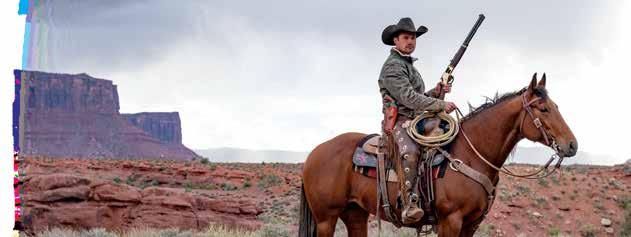
From garden to back pasture, Henry Repeating Arms builds firearms for the work ranch life demands. From keeping your land pest and predator free, to putting food on the table, and protecting what you hold dear, there’s a Henry built for it.
for home and property protection.
Tracker Rifle & Carbine Fast-handling rimfire rifles built for small game hunting and keeping varmints in check. .22 S/L/LR | .22 Magnum
Homesteader Carbine What’s Yours Remains Yours with this semi-auto carbine designed
9mm – Glock/Sig/S&W Magazine Compatibility
Provider Rifle A hard-hitting lever-action rifle made for dependable deer hunting. .30-30 Win | .45-70 Gov’t
Lever Action Supreme Rifle A modern lever-action rifle built for fast follow-up shots and the accuracy needed for predator hunting. .223 Rem/5.56 NATO | .300 BLK
Garden Gun A handy, easy-to-carry smoothbore rimfire built for close-range pest control around the garden, barn, and outbuildings. .22 S/L/LR | .22 Mag.
100 RANCHES CONSERVED
CALIFORNIA RANGELAND TRUST
by Madison Goss
CELEBRATES A MILESTONE AT SARDELLA RANCH
The conservation of 100 ranches, a milestone years in the making, brought California’s ranching and conservation communities together to celebrate the growing impact of the California Rangeland Trust.
Founded 28 years ago by forward-thinking members of the California Cattlemen’s Association, the Rangeland Trust was built on a simple but powerful idea: to create a land trust by ranchers, for ranchers. Its mission was to protect California’s working rangelands—for the future of ranching families and for all Californians who rely on healthy, working landscapes.
While it has since grown to become the largest land trust in the state, the organization remains rooted in that same grassroots, rancherled approach—now partnering with 106 ranching families to conserve more than 433,000 acres of working rangeland.
At the Sardella Ranch, in the rolling hills of Tuolumne County, ranchers, conservationists, state officials and community supporters gathered at the end of April to celebrate the milestone. Just beyond the fenceline, the neighboring Murphy Ranch—conserved at the close of last year— officially marked the Rangeland Trust’s 100th conserved ranch.
The event began with a meal from local favorite, Sierra Smoke Barbeque, followed by a short program honoring the Rangeland Trust’s landowner partners, recognizing funding partners, and highlighting conservation efforts across the region.
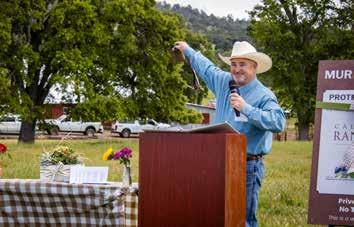
True to its ranching roots, the program opened with the ceremonial ringing of a cowbell, as Rangeland Trust Chief Executive Officer Michael Delbar, Potter Valley, announced the achievement: 106 ranches conserved across California. The tradition, started by staff years ago to mark the completion of each project, symbolizes the partnerships, perseverance and shared
commitment behind every protected landscape.
“Partnering with 106 ranching families to conserve their private working rangelands is a great reason to celebrate. More than that, it reflects the trust, collaboration and shared purpose that make lasting conservation possible,” said Delbar. “We’re truly honored that these families have chosen to partner with us. Each conservation easement tells a story of stewardship and resilience, helping ensure that California’s working lands continue to thrive for generations.”
While the achievement was a reason to celebrate, that work is far from over, as rangelands and the ranching stewards behind them face a growing range of challenges across the state— underscoring the importance of continued partnership.
After a warm welcome from hosts Mike and Julie Sardella, Board Chair Clayton Koopmann, Sunol, addressed attendees, sharing his family’s ranching and conservation story before recognizing the other ranching partners in attendance.
Koopmann reflected on a sentiment he hears often from families who choose to conserve their
for the California Rangeland Trust
A ceremonial cowbell rang out to celebrate a major milestone – 106 ranches conserved – honoring partnerships, perseverance, and a shared commitment behind every protected landscape.
land: “They just want to make sure the land is better than when they got it—and that it’s protected for generations to come, whether for their own family or another.”
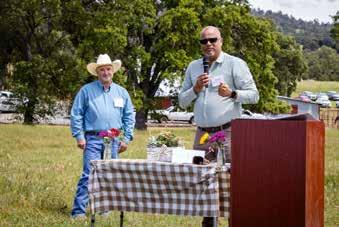
A key part of addressing those challenges— and achieving conservation success—lies in the Rangeland Trust’s partnerships. The event welcomed representatives from the U.S. Department of Agriculture’s Natural Resources Conservation Service (NRCS) California division, as well as the California Department of Conservation. NRCS State Conservationist Carlos Suarez spoke about the importance of conserving working lands and the agency’s ongoing efforts to support that mission.
“NRCS is an agency of over 90 years,” Suarez stated. “We work on a volunteer basis with the state’s landowners to put conservation on the ground. For me, the agricultural easement program is one of the most important programs that we have in the state. We have conserved many acres across the state, but none of that can be done without partnership—among agencies, land trust and, most importantly, the state’s producers.”
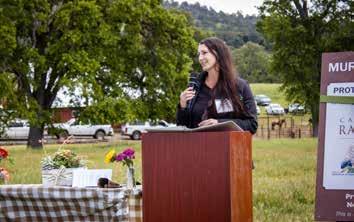
Later, Jennifer Lucchesi, Director of the California Department of Conservation, highlighted the Department’s Sustainable Agricultural Lands Conservation (SALC) program and the essential role partnerships play in the protection of the state’s working landscapes.
“The conservation of these ranches across the state really represents what can be achieved when ranchers, landowners, communities and public agencies can come together with a shared vision and a shared purpose—all in the best interest of our agricultural future here in California and in the best interest of all of us as Californians,” Lucchesi expressed. “Together these conserved ranches that are being
...CONTINUED ON PAGE 32
Guests took a guided tour of Sardella Ranch, which offered a closer look at the ranch’s history and day-to-day stewardship.
A NRCS State Conservationist, Carlos Suarez
California Department of Conservation Director Jennifer Lucchesi
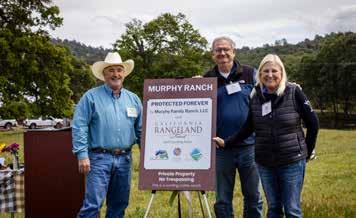
The Rangeland Trust presented a sign to the Mackey family, recognizing their voluntary conservation efforts.
The celebration was graciously hosted by the Sardellas of the Sardella Ranch in Tuolumne County.
...CONTINUED FROM PAGE 31
celebrated today form a real meaningful and connected landscape in the Sierra Foothills and across the state, safeguarding thousands of acres of land and helping to achieve some of the goals of the state’s SALC program. The Department of Conservation is so grateful and proud to have been a part of these efforts and looks forward to finding more ways to collaborate in the future.”
The program continued with another meaningful tradition. The Rangeland Trust presented the Mackey family, owners of Murphy Ranch, with a commemorative easement sign recognizing their voluntary conservation efforts. The sign will stand at the ranch entrance as a lasting symbol of their commitment to protecting the land for future generations.
“It’s all really exciting,” Robert Mackey expressed. “I knew we were going to be close to being number 100. And I know it’s just a number, but it feels like a good start. We’re particularly happy that our ranch is contiguous with the Sardella Ranch, ensuring that a large chunk of land is protected in the local area. It’s humbling to know our decision contributes to something bigger than ourselves.”
The family was also honored with special recognition from U.S. Representative Tom McClintock’s office, with remarks delivered by District Representative Ethan Hunt on the local impact of these efforts.
While the event was originally intended to celebrate the Rangeland Trust’s 100th conserved ranch, the organization’s progress has not slowed. Since planning began, the organization has completed six additional projects.
Among the recent closings is the Ray-Mar Ranch in the hills of Calaveras County. Members of the Alger family were also presented with their own easement sign during the event, marking the ranch as the Rangeland Trust’s 104th conserved property. They, too, received special recognition from Representative McClintock’s office.
Following the conclusion of the program, guests were invited to take a guided tour of Sardella Ranch, which offered a closer look at the ranch’s history and day-to-day stewardship. Along the way, Mike Sardella shared practical, boots-on-the-ground conservation practices he uses to enhance the health of the land, demonstrating how thoughtful management supports both agricultural productivity and the ranch’s long-term vitality.
Sardella reflected, “Being a part of the
family that is the Rangeland Trust is probably one of the best decisions we have ever made. These ranches are heirloom family things that we do not want to lose and by doing a conservation easement, it has allowed for us to do other projects on the land that help us keep this land viable into the future for the benefit of us all.”
As the day came to a close, the significance of the moment was clear: this celebration marked more than a milestone—it reaffirmed a mission. What began as an idea among a small group of cattlemen has grown into a statewide effort to safeguard California’s working landscapes, supporting the viability of ranching and the stewardship that keeps these lands healthy, productive and open.
That work remains more important than ever. As ranching families across the state face a growing range of challenges, the need to keep ranchers on the land, and keep rangeland in ranching remains critical. Guided by its founding principle, a land trust by ranchers, for ranchers, the California Rangeland Trust continues to look ahead, working alongside ranching families to ensure these landscapes endure for generations to come.
MAY 11
Commercial Feeder Special
MAY 16
Bred Cow & Small Animal Special
MAY 18
NHTC/Commercial Feeder Special
MAY 25
No Sale on Memorial Day
JUNE 1 • JUNE 15 • JUNE 29
NHTC/Commercial Feeder Specials
JUNE 20
Bred Cow & Small Animal Special JULY 18
Small Animal Special
JULY 20
Commercial Feeder Special AUGUST 22 Small Animal Special AUGUST 24 Commercial Feeder Special
2026 CALIFORNIA CATTLEMAN AUCTION MARKET DIRECTORY
FEATURING CALIFORNIA LIVESTOCK AUCTION YARDS WHO HAVE ADVERTISED THEIR SERVICES IN THE CALIFORNIA CATTLEMAN THIS SPRING.
AUCTIONEERS Jake Parnell, Brian Pachaco, Mark Fischer
UPCOMING EVENTS
CLM will feature large runs of calves and yearlings during special feeder sales and county cattlemen’s sales May 27, June 10 and June 24. Join us for bred cow sales May 20, June 17 and July 25. Visit www.clmgalt.com for an up-to-date list of upcoming events and market reports.
CATTLE AUCTION Monday and Thursday
MEMBERSHIPS .............. NCBA, CCA, LMA, CLAMA AUCTIONEERS Doug Gallaway and Garrett Jones
UPCOMING EVENTS
Help us celebrate 76 years in the business in 2026! Follow us on Facebook for upcoming special sales!
Sales every Monday and Thursday with feeder satles the second Thursday of every month. See our ad on page 45.
MEMBERSHIPS ......................... CCA, CLAMA AUCTIONEERS Lee Mora, Justin Mora
UPCOMING EVENTS
The Mora family invites you to join them ringside every Wednesday in Fortuna. Celebrating 58 years in the auction business! 603 S. 3rd Street, Fortuna, CA 95540
CATTLE AUCTION Wednesday
ORLAND LIVESTOCK
COMMISSION YARD
3877 Hwy. 99 West, Orland, CA 95963
CONTACTS
Leland Mora (707) 845-7188
Justin Mora (707) 845-7388
Max Olvera .................................. (209) 277-2063
Join us May 16 for our Bred Cow/Small Animal Special with special feeder and NHTC sales throughout May and June! See our ad on page 33 for a full rundown of upcoming sales.
BEEF SALES EVERY FRIDAY AT NOON WITH COWS AT 2 P.M.
Join us for Special Feeder Sales in May and June. See our ad on page 51 for details.
10430 Lander Ave., Turlock, CA 95381
31911 Hwy. 46, McFarland, CA 93250
CA 96022
VISALIA LIVESTOCK MARKET
OFFICE (209) 634-4326
WEBSITE www.turlocklivestock.com
CONTACTS
Max Olvera (209) 277-2063
Steve Faria (209) 988-7180
BEEF SALE DAYS...Tuesday, Wednesday & Friday
MEMBERSHIPS... NCBA, CCA, LMA, CLAMA AUCTIONEERS ..Max Olvera, Steve Faria and Jake Bettencourt
UPCOMING EVENTS
Join us for a feeder special every Tuesday, plus watch for specials on June 2 and June 16 and fall-calving female sales on Tuesday, July 7 and Saturday, August 1.
BEEF SALE DAY Monday Butcher Cows at 10:30 a.m./Feeders at 12:30 p.m.
MEMBERSHIPS ..................... NCBA, CCA, LMA
UPCOMING EVENTS
Watch for large runs of calves and yearlings in May and June with bred cow sales June 8, July 13 and August 13. Visit us online for the most up-to-date information or see our ad on page 9 for details.
MEMBERSHIPS ......... NCBA, CCA, LMA, CLAMA
AUCTIONEERS Rick Machado, Max Olvera CATTLE AUCTION
Join us or call to consign in upcoming sales May 20 at Cattlemen's Livestock Market, June 12 in Cottonwood and July 13-15 at the Silver Legacy in Reno, Nev.
Join us May 13, May 20, May 27, June 3 for our spring feeder “off the grass” specials. Also mark your calendars for June 20 for our Annual FallCalving Female Sale. See our ad on page 21 for details!
Check
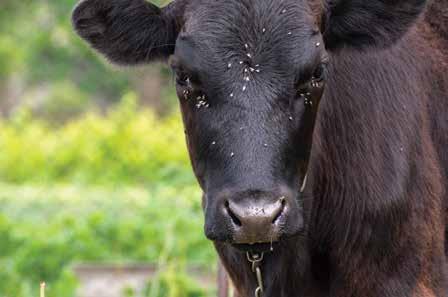
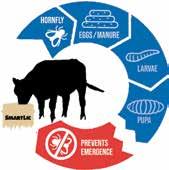
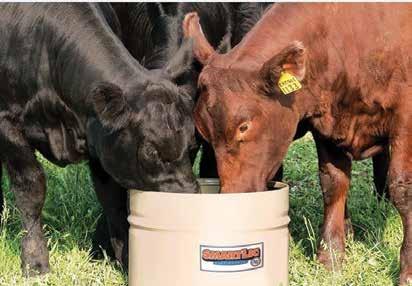
Come in or call today about getting ahead of flies as the summer heat arrives!
Pictured: Horse Round Bale Feeder
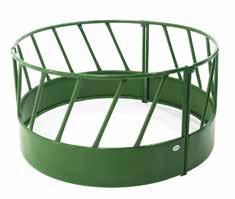
Pictured: Slant Bar Round Feeder
Pictured: Feeder Panel 6’ X 64”
Farms
Ranches
Recreation
Buckeye Creek Ranch
$13,990,000
9,353.45 ± Acres | Colusa County, CA
• Currently leased out for hunting & cattle
• Can run 400 pair of cattle seasonally
• Trophy blacktail deer, quail, dove, pig, turkey
• 7,000 SF home, 4,000 SF lodge, barn, & arenas
Timber
Vineyards
Luxury Estates
REDUCED REDUCED REDUCED
Fall Run Ranch
$12,950,000
3,133.95 ± Acres | Placer County, CA
• Can run 780+ head of cattle year-round
• Year-round creek, water rights, storage ponds
• Full livestock facilities; barns, homes, shop
• Over 12 miles of new fencing; H-braces & gates
Reynolds Ranch
$8,265,000
6,863.64 ± Acres | Monterey County, CA
• Grazing lease allows for 200 cow/calf pairs
• 2 wells, springs, & San Lorenzo Creek
• Homes, 4,410 SF barn, corrals, outbuildings
• In the Williamson Act; Lower property taxes
D&H Stornetta Ranch
$5,800,000
277 ± Acres | Mendocino County, CA
• 100 ± of dry farm ground & grazing paddocks
• 150 ± acres of irrigated/dry farmland
• Two residences, historic ranch infrastructure
• Multiple wells, springs, & a water lease
Pritchard Sumner Ranch
$7,750,000
8,525.89 ± Acres | Kern/ SLO County, CA
• Supports up to 200 cow/calf pairs year-round
• 2 wells, 22 troughs, & 80,000 gal of storage
• New corrals, loading chute, 60-ft truck scale
• 8,025.97 ± acres are under the Williamson Act
Bar 69 Ranch
$5,300,000
1,924.62 ± Acres | Tehama County, CA
• 5 irrigated pastures; up to 200 ± ac irrigated
• Supports 235 cow/calf pairs year-round
• 8 year-round ponds, 4 seasonal & 2 creeks
• 1 ag well, 3 solar wells for cattle, 4 domestic
|
Homes & Cabins
Constantia Ranch
$10,999,999
4,872.24 ± Acres | Lassen County, CA
• 1,325 irrigated ac; 3,547 ac of dry pasture
• 12 center pivots, 1 lateral
• Alfalfa, corn, small grains, & teff hay crops
• Supports 100 pair over a 6 month season
Carpenter Ranch
$6,950,000
6,820 ± Acres | Tehama County, CA
• 450-500 head from Dec through mid-May
• Usable grassland divided into 7 fields
• Steel working corrals w/ semi-truck access
• 3 creeks; solar well, livestock troughs
Historic O’Connor Ranch
$3,450,000
189.70 ± Acres | SLO County, CA
• Grazing lease and fenced for cattle
• 6 residences and 3 barns
• Dwellings provide multiple revenue streams
• Centrally location 15 min from Morro Bay
REDUCED
Cantinas Ranch
$3,250,000
587.33 ± Acres | SLO County, CA
• Borders Lake Nacimiento
• Ideal for cattle grazing
• Room for agricultural or recreational uses
• Five productive wells
Lake Ramona Cattle Ranch
$2,350,000
191.74 ± Acres | Stanislaus County, CA
• San Joaquin riverfront; Pre-1914 water rights
• 80 acres of irrigated pastures
• High producing well
• 60 x 40 covered metal cattle structure
Reed Ranch
$850,000
147.70 ± Acres | Lassen County, CA
• 113 LIC water shares for 130 crop acres
• 35 ac. Round Up Ready Alfalfa
• 25 ac. Round Up Ready Alfalfa/barn grass
• Hay cutting crop yields approx. 512 bales
Palomino Farms
$2,980,000
710.97 ± Acres | Washoe County, NV
• High quality alfalfa & grass hay production
• 220.60 irrigated acres under center pivot
• 46.25 irrig. ac under wheel line & mainline
• 394.72 ± acres of rangeland; 2 AG wells
Antelope Valley Farm
$2,295,000
640 ± Acres | Lander County, NV
• High quality alfalfa, much is exported
• 500 ± irrigated acres
• 6 ag wells and 4 Zimmatic pivots
• 50’ x 60’ shop with concrete floor
Sweetwater Ranch
$598,500
295.85 ± Acres | Tehama County, CA
• Suitable for winter cattle grazing
• Perimeter fencing
• Year-round sprind-fed pond; solar well
• Enrolled in the Williamson Act; lower taxes
Lassen Hay Ranch
$2,850,000
450 ± Acres | Lassen County, CA
• 350 ± acres irrigated with linear & pivots
• 318 of those acres planted in orchard grass
• 75 acres of dry land farming
• Fully fenced for livestock; stock water pond
REDUCED
Kraus and Sons Ranch
$1,399,000
318.20 ± Acres | Siskiyou County, CA
• 219 acres in alfalfa; 2 center pivots, 9 wheellines, 2 guns, & 40 handline pipes
• Water: 5 AG wells plus a domestic well
• Has been used for cattle ranch in past
Lennon Lookout Ranch
$550,000
128 ± Acres | Modoc County, CA
• Desirable river bottom soil
• Pit River running through
• 80 acres have been irrigated in the past
• Fenced for cattle; Outbuildings, barns, shop
A DEEPER UNDERSTANDING
IRAN, FERTILIZER COSTS, PASTURE CONDITIONS AND OTHER ISSUES FOR CATTLEMEN TO CONSIDER
from AgWest's Quarterly Market Report
ALL EYES ON IRAN BACKGROUND ON IRANIAN CONFLICT
The United States and Israel began attacking Iran on Feb. 28, with the objective of facilitating a change in leadership and reducing Iran’s nuclear and ballistic missile capacity. A temporary ceasefire was reached multiple times in April with no bets on whether any of them would hold. The following provides high-level context and important considerations as it relates to this conflict. Industry Updates sections discuss how specific agriculture industries are impacted.
THE STRAIT OF HORMUZ
Approximately 20 percent of oil supply and 30 percent of fertilizer supply (primarily nitrogen and phosphate products) are transported through the Strait of Hormuz, a narrow and shallow waterway separating major producers in the Persian Gulf from international markets. Iran is situated directly on this waterway and maintains the capacity to stop shipments via direct attacks. Insurance premiums on vessels have become uneconomical due to this threat.
IMPORTANT CONSIDERATIONS
• Iran utilizes inexpensive drone technology to thwart shipments through the Strait of Hormuz, which the U.S. and Israel are not well prepared to defend against. If the conflict resumes, the U.S. may resort to measures such as attacking critical civilian infrastructure. While this may incentivize the Iranian government to change course, it risks further escalation, humanitarian
impacts and increased regional instability.
• Supply chokepoints have resulted in lower oil production levels outside of Iran. Facilities are not easily reopened, suggesting that even when the Strait of Hormuz reopens, it may take time for production to return to normal levels.
• Oil prices doubled despite only 20 percent of global supply coming offline. This was likely due to the increasing risk of prolonged conflict and lower-than-expected inventory levels.
BROAD IMPLICATIONS FOR AGRICULTURE
The potential consequences of a prolonged conflict in Iran are significant. Currently, U.S. agriculture producers face higher finance, energy, fertilizer and transportation costs. Falling discretionary income among consumers may force changes in behavior, such as substituting away from higher value products or delaying home purchases (impacting lumber demand). Some industries may have to reroute shipments away from the Middle East.
INDUSTRY UPDATE
SENTIMENT RISES, STRESS REMAINS
Farmer sentiment improved in March. It appears current conditions are having a muted effect on farmers’ future expectations. The Purdue University/CME Group Ag Economy Barometer showed month-over-month gains in optimism despite rising fuel costs tied to geopolitical tensions. Additionally, improved sentiment does not equate to stronger financial
performance, with only 18 percent of agricultural producers reporting being better off than a year ago. Just 37 percent of respondents expect good times over the next five years, 12 percent lower than a year ago. A pronounced divide persists between livestock and crop producers.
Many Western livestock producers, particularly cattle ranchers, are anticipating near-record returns, while crop producers continue to face weak prices and ongoing profitability challenges.
ENERGY COSTS TREND HIGHER
Energy markets turned sharply more volatile in late March. Crude oil prices rose roughly 50 percent during the first quarter of 2026, driven primarily by the conflict with Iran. The effective closure of the Strait of Hormuz, a key global energy corridor that typically handles about 20 percent of global oil flows, saw both Brent and West Texas Intermediate (WTI) crude prices surge above $100 per barrel by the end of March. Markets added a sizable risk premium to global energy markets.
In response to tightening conditions, the Organization of Petroleum Exporting Countries (OPEC+) announced a modest production increase of approximately 206,000 barrels per day beginning in April. However, material relief from current supply constraints is unlikely given that spare capacity is scarce and concentrated among a few countries. Tensions eased somewhat on April 7 after Iran agreed to a temporary 14-day ceasefire, but energy markets remain highly headline driven. As a result, oil prices are expected to stay elevated and volatile in the near term, even if transit through the Strait of Hormuz resumes.
TRANSPORTATION COSTS REMAIN MIXED
Transportation costs remain uneven, with rising fuel prices weighing across all modes. Diesel price increases tied to the Middle East conflict are prompting U.S. grain shippers to accelerate shipments in April. Bulk shipping demand remains steady and container rates relatively soft, but fuel-related rail costs are emerging as a key near-term pressure amid ongoing trade uncertainty and routing constraints.
Compounding these challenges, a March 16 rule change narrowed eligibility for nondomiciled Commercial Driver’s Licenses (CDLs), potentially affecting about 194,000 drivers nationwide (5 percent of active CDLs). Nondomiciled CDLs are issued to individuals who are not residents of the state that issues
the license, and who are often foreign nationals. USDA analysis suggests impacts could be more pronounced in parts of California and Arizona, where 20 to 25 percent of the current CDL driver pool may be affected due to the combined effect of eligibility changes and updated English language requirements.
FERTILIZER COSTS CONTINUE TO RISE
Fertilizer costs continue to rise, driven by higher energy prices and tightening global supply conditions. Nitrogen prices have led the increase, with urea posting the largest gains as geopolitical risks disrupted supply chains and higher natural gas prices added cost pressure. Phosphate and potash markets are also tightening amid trade constraints and U.S. reliance on imports. As spring planting accelerates, seasonal demand is expected to reinforce upward pressure on all three major nutrients, sustaining crop producers’ concerns over elevated input costs.
HIGH PRICES, BUT PASTURE CONDITIONS WORRY GROWS
The cattle industry continues navigating record high producer profitability, alongside mounting structural risks, particularly for feedlots and packers. Record or near-record cattle prices are being driven by the smallest U.S. cattle inventory in more than 70 years and sustained beef demand. High calf prices, historically strong cull cow values and moderating feed costs have pushed cow-calf returns above long-run averages.
According to the Livestock Marketing Information Center (LMIC), margins for cow-calf producers are expected to exceed $1,000 per head, providing breathing room for balance sheets that have absorbed elevated operating costs in recent years.
Seasonal price patterns suggest additional upside potential for calf prices in the months ahead. Historically, steer calf prices tend to trend higher through the year, reaching a peak sometime during the second half of the calendar year. This seasonal strength may help prevent further herd reductions or forced liquidations, assuming demand remains intact and drought conditions do not deteriorate significantly.
Input cost dynamics remain a growing area of concern for cow-calf operations. While calf prices continue to provide revenue support, hay and forage costs are trending higher as water allocations are reduced, snowpack remains
...CONTINUED ON PAGE 42
...CONTINUED FROM PAGE 41
limited and wildfire risk increases early in the season across much of the West. Similar conditions in South Dakota and Nebraska created massive wildfires in March and have driven immediate, localized surges in hay demand, signaling potential price pressure as the season progresses.
Feed availability and cost inflation remain a key risk, particularly for producers without secure forage supplies. As a result, the cost advantage cow-calf operators have recently enjoyed may narrow, adding pressure to margins if dryness persists.
Some structural risk lies in the gap between record high cattle acquisition costs and the industry’s ability to sell cattle at comparably strong values. Whether cattle are purchased or raised at historic cost levels, profitability across the supply chain requires consistently selling finished cattle at top-tier prices. Feedlots are committing unprecedented working capital to place feeder cattle, increasing exposure to price volatility if fed cattle prices soften, while packers continue to face margin compression as cattle prices outpace boxed beef values.
Sustained beef demand is therefore critical and proactively utilizing risk management strategies can help mitigate any potential downside risk.
HAY MARKET REBOUNDS
Market conditions are improving for hay growers across the Western U.S., with hay supplies stabilizing and demand gradually increasing. Alfalfa prices are expected to rise across the board, driven by tightening supplies and early signs of dry pasture conditions. Producers are seeing heightened demand across all hay grades.
EXPORTS REBOUND
The export market is showing signs of early
recovery following several years of tightening demand and slim margins. Following the implementation of tariffs in March 2025, hay exports dropped 16.6 percent year over year, with significant declines in shipments to key Asian markets. However, 2026 brings a muchneeded turnaround. Export volumes in January and February have returned to pre-tariff levels, driven by China’s re-entry into the market and increased purchases from Japan, South Korea, Taiwan and the Middle East.
Export movement has improved enough that some large exporters anticipate running out of hay before the new crop comes off. This would allow the industry to start fresh this year without the burden of heavy carryover inventories that have depressed prices in recent seasons.
DROUGHT AND WATER CONCERNS GROW
Drought and water availability remain the most significant concerns for Western hay growers. As of mid-April, drought affected 46% of all alfalfa acreage. In the Northwest, a dry winter has left mountain snowpack depleted, with some regions concerned about water allocations for the coming season.
Further south, negotiations over the Colorado River are taking place during an incredibly tense period. The seven basin states have repeatedly missed deadlines to establish a new operating agreement. The river's two main reservoirs, Lake Mead and Lake Powell, sit near 31% of their capacity. If current agreements hold without a new consensus, Arizona could face severe mandatory water cuts, and California would likely see reductions as well.
In California’s Imperial Valley, the highly utilized Deficit Irrigation Program is in its final year under the current agreement. The program, which compensates farmers for not irrigating hay fields for 45 to 60 days during the summer, will see eligible acres cut in half this year due to depleted funding.
NATIONAL STAGE ROLL 'EM BACK A CLOSE WATCH ON APPROACHING MIDTERMS
by National Cattlemen’s Beef Association Chief Executive Officer Colin Woodall
Mid-term election primaries are yielding interesting results. Runoffs, surprise retirements and candidates pulling out of races illustrate how competitive and crazy this election cycle is. It’s not surprising given the political climate, but if you are a member of the House of Representatives or part of the one-third of the U.S. Senate up for re-election, your focus is on winning your election.
While there is plenty of legislative business Congress should tend to, I don’t expect them to get much more done this year because of their desire to be on the campaign trail. Once a plan is concocted to fund the rest of the government for this fiscal year, we will hear a lot of House and Senate rhetoric but will see very little action. Now, let’s keep in mind that this is not a unique situation. A Session of Congress lasts for two years. For quite some time, the first year of the session has been about legislating and the second year about running for re-election. When we have a favorable Congress, losing that second year takes away opportunities to advocate for NCBA’s policy priorities. When it is a challenging Congress, however, it can help us stop a lot of bad ideas.
With this in mind, how do we continue to advocate for you? Well, campaign season allows us to put even more emphasis on rolling back overburdensome rules and regulations. Many federal rules can be changed without Congressional action, and President Trump has been a willing partner in helping ease the
regulatory burden on agriculture.
The Endangered Species Act, or ESA, is a great example of where we need improvement.
In late February, we delivered a delisting of the lesser prairiechicken. This means the U.S. Fish and Wildlife Service removed the Northern and Southern Distinct Population Segments of the lesser prairie-chicken from the list of endangered species. NCBA, the Public Lands Council (PLC) and our state partners in Texas, Oklahoma, Kansas, Colorado and New Mexico have spent countless hours pointing out the legal and scientific flaws that led to the lesser prairiechicken being listed. We were also able to clearly show that the lesser prairie-chicken thrives where cattle graze on rangeland. Delistings are rare, so this is a significant victory for us and shows we can be successful in delisting species.
This win bolsters the long-standing effort NCBA and PLC have put into addressing wolves and their impact on producers who are forced to deal with them thanks to federal government action and inaction. Over the years, NCBA and PLC have worked with our state partner organizations to support multiple delisting
rules and engage in litigation defending the delisting decisions. We have shared the horrific stories and photos of cattle killed and maimed by wolves, in addition to describing the emotional and financial toll it takes on many of you. The Trump team has the ability to take action now, and we are providing them the support and cover they need to make the decision. Getting action on wolves leads the list of NCBA’s regulatory rollback priorities.
Over at the Environmental Protection Agency (EPA), we have a friend in Administrator Lee Zeldin. He has been firm in his resolve to slash regulations. His work to redefine the Waters of the U.S. (WOTUS) led to a proposal that protects producers from worrying about whether a ditch would be regulated. The WOTUS fight has been going on for more than a decade, so we are diligently working with the EPA to finalize this pro-
eliminated the 2009 Greenhouse Gas (GHG) Endangerment Finding that drove so many of the U.S. government’s environmental actions, especially changes to engine emission standards. This action resets climate discussion and will ease the economic burden caused by rules implemented under the finding.
I’ve just listed these few rules and regulations because the total list would fill my monthly article through election day. The point is that our work to implement the policy you pass as members never slows down. I don’t know what exactly will happen on Election Day 2026. While time seems to fly by these days, it is a political lifetime between now and November considering a short soundbite or video can change the course of any campaign. Regardless, we know the president will continue his deregulation work right up to his last day in office. We will be there to support
U.S. BEEF ABROAD
U.S. BEEF IS BACK, MATE!
AUSTRALIA WELCOMES AMERICAN BEEF AFTER 23 YEAR HIATUS
from the U.S. Meat Export Federation
For more than two decades, following the first detected case of Bovine Spongiform Encephalopathy in the U.S., the beef industry and the Office of the U.S. Trade Representative (USTR) have worked diligently to regain access to the Australian market. In 2025, U.S. beef and beef products were officially declared eligible for importation into Australia — a significant milestone for the U.S. beef industry.
To commemorate and publicize this renewed market opportunity in Australia, USMEF organized a U.S. beef launch event in Sydney, supported by USTR, USDA and the U.S. Embassy in Australia. The guest of honor was Ambassador Julie Callahan, U.S. chief agricultural negotiator. Australian importers, distributors, hoteliers and restaurateurs also attended the reception.
USMEF expects the foodservice sector will serve as a primary entry channel, as retail penetration may be challenging due to strong local loyalty to Australian beef. USMEF looks to develop niche opportunities in high-end steakhouses, premium Western restaurants, and American-themed barbecue or burger concepts.
USMEF hosted a U.S. beef masterclass for the Australian trade at a well-known steakhouse in Sydney. USMEF Chef Jonathan Neo demonstrated U.S. beef’s versatility and culinary performance for a group of importers, distributors, retailers and foodservice representatives.
To sustain momentum beyond the launch event, USMEF hosted a U.S. beef masterclass for importers, distributors, retail and foodservice operators and food media representatives. Held at Hurricane’s Grill, one of Sydney’s well-known steakhouse chains, the session covered U.S. beef production, corn-fed flavor differentiation and cut utilization for the Australian foodservice format.
“Importers showed interest in branded, bone-in beef cuts for sharing menus, while smaller muscle cuts such as striploin are viewed as more suitable for standard portion control,”
says USMEF ASEAN Regional Director Sabrina Yin. “Brisket and chuck roll also present good opportunities, given the growing trend of American barbecue and authentic burger concepts.”
U.S. beef for the launch event was contributed by USMEF members True West Beef and Tyson Foods.
Funding for the launch event and masterclass was provided by USDA’s Market Access Program and Regional Agricultural Promotion Program.
U.S. representatives gather for a ceremonial U.S. rib roast carving session. (Left to right) U.S. Consul General Jeremy Cornforth, USDA/FAS Ag Counselor Lazaro Sandoval, U.S. Chargée d’Affaires Erika Olson, USTR chief agricultural negotiator Dr. Julie Callahan and USMEF’s VP of Asia Pacific Jihae Yang.
RANCHING WITH WOLVES
DINNER, DOCUMENTARY AND PREDATOR DISCUSSION
by
Tracy Schohr, University of California Cooperative Extension Livestock and Natural Resources Advisor, Plumas, Sierra and Butte counties
Three decades after the reintroduction of gray wolves (Canis lupus) in central Idaho and Yellowstone (1995–1996), they now inhabit much of northeastern California. In 2011, the first wolf was documented in California, and the first confirmed pack established in 2015. Since then, wolf populations have expanded in both number and range. In the most recent California Department of Fish and Wildlife report from December 2025, there are nine active packs in the state, the most southern in Tulare County. Gray wolves remain protected under both federal and California Endangered Species Acts. For many, growing wolf populations signal a conservation success, unaware of the impacts to livestock producers.
"This is a full-blown crisis in many of our rural communities," stated Wade Crowfoot, California's Natural Resources Secretary, during Assembly Committee on Water, Parks and Wildlife hearing in January of 2026 on predators.
To bridge the gap, California State University, Chico professor Kasey DeAtley, Ph.D., collaborated with University of California Cooperative Extension to host a powerful dinner, documentary and discussion to bring together students, ranchers, researchers, local leaders and community members for a real conversation about wolf cohabitation in working landscapes. The event was held on March 26 at the Chilco State University Farm for guests and was sponsored by the Butte County Cattlemen’s Association.
“As wolves continue to expand across the state, the impacts on ranching operations are increasing,” said Kyle Daley, Oroville, rancher and president of the Butte County Cattlemen’s Association. “We proudly sponsored this event to create a space to share firsthand accounts of the economic impacts to public safety to boots-onthe-ground realities on ranching with wolves.”
Over 100 attendees enjoyed a BBQ Beef sandwich dinner and the PBS Documentary
American Grown: My Job Depends on Ag-Sierra Valley Wolves. This documentary provides an in-depth look at the complex challenges associated with the return of wolves to California. It highlights the experiences of Sierra Valley ranchers with the Beyem Seyo Wolf Pack during the summer of 2025 as they strived to protect their livestock and the sustainability of their livelihoods.
Following the documentary, guests had the opportunity to engage in a thoughtful dialogue with Paul Roen, Sierra Valley Ranch manager and Sierra County Supervisor; Sheriff Mike Fisher, Sierra County; and Tina Saitone, Ph.D., University of California, Davis. Panelists provided additional context to the documentary, answered questions from inquiring minds on wolf management strategies, and dove deep into the costs of ranching with wolves.
There is an emotional divide on wolves, but this event created a venue for information sharing and thoughtful conversations. The students listened intently.
“It is essential that we continue communicating how wolves are affecting ranchers—economically, mentally, and through the injustice of limited restitution. We have insufficient tools to protect livestock and prevent wolves from becoming habituated to cattle,” said Roen.
Reflecting on the challenges associated with the Beyem Seyo pack, which killed dozens of Roen’s cattle last summer, he added, “I spent last summer up at all hours of the night working with California Department of Fish and Wildlife game wardens and biologists, along with US Department of Agriculture - Wildlife Services, trying to stop the wolves. This is the reality that needs to be shared. Ranchers have tried—and we continue to try—but we need more options and meaningful support.”
Sheriff Fisher discussed the broader community impacts of wolves, highlighting
the stress and strain he witnessed firsthand last summer as ranchers delt with daily depredations. Fisher described the toll of sleepless nights and constant vigilance, underscoring the human and social dimensions of wolf conflicts in rural communities.
The third panelist, Saitone, an economist with University of California, Davis, shared her work on impacts from direct losses from depredation along with indirect impacts, including reduced weight gain, lower conception rates and other stress-related consequences on cattle herd health.
“Ranchers in California are bearing a very real and substantial economic burden as wolf populations expand across the state. Quantifying these losses — not just the cattle that are killed, but the indirect effects on reproduction, weaning weights, and herd behavior — is essential to having an honest conversation about coexistence. Without that data, it is impossible to design policies that accurately reflect the true cost to the ranching families and rural communities that are living with wolves every day,” said Saitone.
Wolves are changing the profitability of livestock producers, changing the way ranchers utilize the landscape and changing families who live on the land. The dinner, documentary and discussion event was held to foster awareness among community members and inform policymakers. It is essential to continue sharing economic research on the impacts of wolves on livestock producers, along with the social and cultural lived experiences of those directly affected by wolves.
This event was an extremely impactful experience for many Chico State students, offering a rare opportunity to engage directly with industry professionals and real-time perspectives on a complex issue.
“I am grateful for the chance students, policy makers and producers had to broaden understanding of this complex topic while also fostering meaningful connections within the field. Opportunities like this—featuring current information, experienced producers and open dialogue—are invaluable in preparing students for future careers,” said DeAtley.
She extends appreciation to the documentary filmmaker, panelists and the Butte County Cattlemen’s Associations for their support in making this experience possible.
For more information and to watch the documentary visit: link.ucanr.edu/wolves.
Saitone, Fisher and Roen shares perspectives and take questions.
Dozens of ranchers and students showed up to view the documentary.
Butte County Cattlemen sponsored the event and dinner.
Tracy Schohr and Kasey DeAtley helped coordinate the event.
YOUNG PRODUCER
LEARNING, PARTICIPATING AND PURSUING A CAREER WITHIN THE CATTLE INDUSTRY
by Annie Sulpizio for the California Cattlemen’s Association
Growing up around the Imperial Valley, I was immersed in the beef industry at a young age. From accompanying my dad to the feedlot on the weekends, to showing my own Holstein calves and competing in FFA competitions, the ag industry is one that I have come to cherish. Upon graduating from high school, I moved to West Texas to earn my Bachelor’s of Science in Agricultural Communications with a minor in animal science. I knew I wanted to further my education and focus more on marketing and strategic communications, so I moved further south to Texas A&M to earn a graduate certificate in nonprofit management as well as my Masters of Science in Marketing.
While my education has helped me get where I want to go, it’s internships, experiences, and involvement that has given me the opportunity to work at the National Cattlemen’s Beef Association as an Associate Director of Organizational Marketing- a dream of mine since I was a freshman at Tech.
By the time this article is published, I will have graduated from Texas A&M and started my first full-time role; but there was a lot of time, effort, energy and rejection that got me to this position. Here’s what I did to set myself up to compete in the competitive job market:
NETWORK, NETWORK, NETWORK!
You might have heard this word way more than you would have liked, but it is critical to getting your foot in the door. Making connections,
whether at an industry conference, or through LinkedIn, becomes extremely valuable when it comes time to find a full-time role.
Being involved in organizations on campus or industry associations is a great way to network!
Pssst: highly recommend keeping your LinkedIn as updated as possible, making sure to include your most recent roles, resume, group projects-anything you want employers to know about you and the skills you possess.
USE YOUR COLLEGE ALUMNI NETWORK TO YOUR ADVANTAGE
If there is a specific company or role you are interested in or want to pursue, find alumni from your university in similar roles or companies and start a conversation: Let them know you’re interested in similar roles and would love more insight into what they do and what they did to prepare themselves for the workforce. These conversations bring a lot of value when it comes to learning what part of the industry you want to be in, what kind of work environment you work best in and if a certain role suits your skillset best.
GO OUTSIDE YOUR COMFORT ZONE
Don’t be afraid to email a company’s talent recruiter or careers team to ask for any opportunities that are available, even if they aren’t posted on their website. Making the effort is appreciate, and you never know where it may lead. I did this dozens of times and it actually worked (one singular time, but hey, a win’s a win). Going the extra mile and making the effort will be rewarding in the end.
INTERNSHIPS AND SHORT-TERM EXPERIENCES
My time at my internship and other shortterm experiences played a significant role in landing the gig with NCBA. I was fortunate enough to intern with NCBA back in 2024 as a CattleCon convention intern, which was my favorite experience thus far. Interning with NCBA allowed me to network with others in the industry, make new friendships with my cointerns and build those relationships with NCBA staff, which later became valuable when going through their hiring process. Other experiences, such as The National Western Stock Show and Rodeo, Texas & Southwestern Cattle Raisers Association and Texas Beef Council were also valueable opportunities I took advantage of. Companies love to see past interns or parttime employees come back to work full-time.
It gives you an edge when compared to other applicants that are applying; which is why leaving a good impression is crucial.
REJECTION IS REDIRECTION
I have always believed rejection is a crucial part of the job hunting experience. If a job doesn’t want to move forward with your application, or denies you the role, I firmly believe it means the role wasn’t meant for you. While the first job you receive post-grad will more than likely not be the dream gig, finding a role that maximizes your skillset and abilities plays a huge part in your overall happiness in the job. Rejection only means there is something better waiting for you.
At the end of the day, God has a better plan than you could ever imagine.
While I can give all the tips and tricks in the world given to me about finding a job, maximizing your connections, and setting yourself up for success, it doesn’t erase the feeling of stress, anxiousness and the possibility of feeling scared to graduate and enter the workforce. It’s a complete life change, one that I’m still not sure I’m prepared for. As much as a cliche it is, it all will work itself out and you will be amazed by the doors that are opened for you.
CHIMES RECAPPING THE SPRING MEETING OF CALIFORNIA’S CATTLEWOMEN
by Molly Watkins for California CattleWomen, Inc.
The Spring California CattleWomen (CCW) meeting was held in Winters in early March. The three-day event started with a tour of Monsanto, Bayer’s Vegetables Research & Development site in Woodland, focusing on the development of hybrid crops, including tomatoes, peppers and melon varieties.
The Executive Board of Directors met before dinner to discuss the upcoming events and activities, including Ag Day at the Capitol, the FFA Convention and the 2026 Powder River Fundraiser.
A beef and potato bar dinner was provided by San Joaquin-Stanislaus CattleWomen with a wild game of Bunco and cash prizes, ending the first day.
Saturday’s agenda featured a variety of topics and speakers, starting with California Ag in the Classroom Executive Director Amanda Fletcher. She gave many ideas for classroom presentations, demonstrating the option for age and topics at the learnaboutag.org website.
The Tehama County CattleWomen gave great details on their Crockpot Project. They are teaching homeless students how to cook beef meals using crockpots that their unit is donating to worthy participants.
Pat Able, Santa Maria, gave an informative presentation on cooking lesser cuts of beef to stretch the consumer's dollars. She even suggested buying untrimmed cuts to trim and slice at home to reduce the cost per serving.
California Beef Council’s Annette Kassis gave an update on the projects and consumers they are targeting with the Checkoff dollar budget.
Annelise Barron, Professor of Bioengineering at Stanford, also a Siskiyou County CattleWoman, spoke on “Carnivore Diet & the New Food Pyramid.” She spoke of the healing power of a beef diet and how beef can help improve a variety of health issues.
Author Danika Kester explained the challenges of writing and publishing children’s books. She is currently working on her third book and has created lesson plans for her first two books. The lesson plans are posted on the California CattleWomen Heritage Foundation website.
Then the membership boarded a bus for Yolo Land & Cattle, Woodland, where we experienced Zipline drones flying around. Zipline has two platforms — one for long-range delivery and the other for precise home delivery. The drones are built in San Francisco and are fine-tuned high above the cattle grazing at the ranch.
Zipline originally started delivering blood and medical products in Rwanda in 2016 and has
Bunco winners celebrated their successes at the spring meeting in Winters.
CCW President Debbie Costa catches up with fellow CCW members over dinner at Turkovich Winery.
since expanded to food, retail, agricultural, and animal health products. Fixed-wing drones with a wingspan of 11 feet and a weight of 44 pounds can carry up to 4 pounds of cargo, flying at up to 63 mph and at altitudes of 260 to 390 feet. Currently, they deliver products from Walmart to residential areas in Texas and Arkansas.
Dinner was an interactive class on making a charcuterie board at the Turkovich Winery. The charcuterie boards paired well with the winery’s high-quality, small-lot wines from estate-grown grapes and carefully selected vineyard sources, focusing on Rhone and Spanish varieties like Grenache, Mourvèdre, Petite Sirah, Syrah and Alberino.
Sunday morning was the CCW Board of Directors Meeting. The highlights were that California will be hosting the 2027 American National CattleWomen Region VI in the Gold Country at Sutter Creek. The Beef Ambassador contest is being restructured to enable participants to learn skills and advanced knowledge of the industry during a 10-month virtual program, followed by a contest with interviews and presentations in 2027.
CCW had an informative and fun-filled three days with CattleWomen across the state. The June Midyear meeting will beheld in Reno alongside the California Cattlemen at the Atlantis Casino Resort.
JOIN US FOR FEEDER SALES THROUGH MAY AND JUNE! PLUS WATCH FOR THESE SPECIAL EVENTS...
SIGNATURE COLLECTION CALIFORNIA ANGUS FEMALE SALE SATURDAY, MAY 16
WESTSIDE CONNECTION ALL-BREED BULL SALE WEDNESDAY, SEPTEMBER 23
DOS PALOS, CA 93620 located 1/8 mile south of Hwy. 152 on Hwy 33 WWW.DPYAUCTION.COM
BARTON, GROWNEY HONORED BY RED BLUFF ROUND-UP
Known by California ranchers as one of their best advocates, Jean Barton, Red Bluff, was recognized by her community as this year's Grand Marshall for the Red Bluff Round-Up. Those in Tehama County and well beyond can attest that the agriculture industries are better because of Barton's decades of promotion on their behalf. Cattlemen and women, junior rodeo contestants and professionals alike have benefitted from Barton's efforts to better the western world and her recognition in Red Bluff at the 150th Red Bluff Round-Up is well deserved! She was escorted by the parade by long time stock contractor and Tehama County rancher John Growney, who was inducted into the Red Bluff Round-Up Hall of Fame during this year's rodeo week festivities. Both Barton and Growney have been integrally involved in the western community in Tehama County and beyond and work tirelessly to ensure the future of ranching and rodeo. Growney Brothers Rodeo was inducted to the Hall of Fame alongside late rodeo director Craig Owens
and veteran rodeo announcer Bob Tallman. Organizers say each played a key role in shaping the event through their work with livestock, leadership and fan engagement.
Growney Brothers Rodeo, consisting of John Growney, his younger brother Mike and family friend Don Kish, provided livestock for the RoundUp from 1983 to 2018. They were known for their famous bull, Red Rock. Congratulations Jean and John!
2025
California Beef Producers,
California Beef Council Annual Report
It has been a privilege to serve on the California Beef Council (CBC), and an honor to serve as Chair during the past year. Throughout my tenure, I have been consistently impressed by the dedication, professionalism, and shared sense of responsibility demonstrated by Council members as we work together to strengthen the demand for beef and safeguard the effective use of Beef Checkoff resources. The past year has presented both meaningful opportunities and significant challenges, requiring thoughtful leadership and a continued commitment to the mission of the Council.
Beef continues to be a consumer favorite, even as higher prices have placed pressure on purchasing decisions. This continued demand reflects the strong connection consumers make between beef and taste, nutrition, and value.
We have also observed gradual, positive movement in consumer perceptions related to environmental stewardship and animal welfare. While these topics remain important areas of focus, there is growing confidence among consumers as they gain a better understanding of how beef is produced and how the industry continues to make progress.
At the same time, the Council has faced notable challenges. Reduced cattle numbers have led to significantly lower revenues, while the costs associated with delivering effective programs have continued to rise. These conditions require careful planning, difficult decisions, and a disciplined approach to budgeting. Sound stewardship of Beef Checkoff dollars has always been central to the Council’s work, and that commitment was evident in every discussion and decision this year
As I conclude my year as Chair, I extend my sincere appreciation to my fellow Council members and to the CBC staff for their collaboration, insight, and dedication. While challenges remain, I am confident in the Council’s ability to adapt and to continue supporting a strong and sustainable future for beef in California. I look forward to continuing to serve alongside you in the years ahead as we build on this foundation and advance our shared goals.
Sincerely,
Mike Williams Chair, California
Beef Council
Health & Nutrition
In 2025, the California Beef Council’s nutrition program focused on nutrition education and support for school communities across California. A major emphasis was on creating and launching educational resources that help students and school nutrition professionals better understand where food comes from and how beef can contribute to balanced, appealing meals.
Key activities included a Virtual Farm Trip shared with classrooms statewide and experienced live by more than 6,800 elementary students. CBC also partnered with school districts, including the Los Angeles Unified School District, to test and adapt student-approved beef recipes for school kitchens.
Throughout the year, CBC engaged school nutrition leaders and statewide partners through conferences and educational sessions focused on menu planning, USDA Foods, and practical strategies for incorporating beef into school meals. These efforts supported informed decision-making, strengthened agricultural literacy, and reinforced nutrition education across school communities.
Promoting Beef
For 2025, the CBC launched an informational campaign on YouTube— From the Ranch to Your Table— reaching younger Gen X, Millennial, and older Gen Z adults. The March 23 through May 3 campaign ran in multiple markets, and featured five :30-second videos: two nutrition-focused videos and three animal care and
sustainability videos. Each included a call to action that took viewers to the CalBeef.org website for more content. The campaign garnered almost 3 million impressions, more than 1.4 million engagements, and almost 6,800 click-throughs to the landing page.
Summer grilling’s Sizzled in California campaign, May 18 through July 12, targeted adults 18-49 in seven key markets. The campaign included broadcast spots voiced by TV, radio, and podcast host Mario Lopez, and geo-targeted locationbased display ads. All creative drove consumers to the SizzledInCalifornia.com landing page for an opportunity to save $2 on a $10 or more purchase of Beef through the Checkout 51 mobile app, or online at Checkout51.com. The campaign delivered 13.2 million impressions, more than 114,000 grocery store and e-commerce visits, 8,233 offer redemptions and almost $135,000 in redemption unit revenue.
New for 2025, the CBC launched a Back-to-School campaign in partnership with the California Milk Advisory Board (CMAB). Running from July 23 through September 9, the campaign focused on the importance of high-quality nutrition to fuel the school day and featured spots voiced by veteran NFL reporter and podcast host Erin Andrews, as well as geo-targeted location-based display ads. All creative took consumers to the BackToSchoolCalifornia.com landing page for cash-back beef savings of $2 on a $10 or more Beef purchase through the Checkout 51 mobile app, or online at Checkout51.com. The landing page also included recipes and video content. The campaign delivered 26.3 million impressions, more than 180,000 grocery store and e-commerce visits, 8,266 offer redemptions and $695,000 of trackable beef sales.
The CBC’s holiday campaign, November 17 through December 27, offered consumers interactive, content-rich stories on major news and lifestyle sites, as well as a rancherfocused podcast mini-series called Meat Up with California Ranchers. The four holiday food-focused stories also gave consumers an opportunity to save $2 off a $15 or more purchase of fresh beef through the Checkout 51 mobile app or online. Promotion also included digital engagement
CALIFORNIA BEEF COUNCIL FINANCIALS FISCAL YEAR 2025
through InMarket social media ads with a click-through to the Checkout 51 offer. The campaign delivered more than 24 million impressions, 139,764 engagements, more than 5,100 rebate redemptions, and the rebate offer resulted in a $5.69 return on each Checkoff dollar invested.
Influencer Marketing
The CBC’s Influencer Marketing strategy in 2025 was focused on a key time for California families—Back to School. During this time, the CBC partnered with three food and culinary influencers to create delicious beef content to integrate into the Fuel Up for School integrated marketing campaign. The recipes were posted a total of 12 times during the campaign, resulting in 1.2 million people seeing the recipes, and over 94,000 engaging with the recipe content, which equated to an earned media value of 79 times the CBC’s investment.
Retail & Foodservice Channel Marketing
For over a decade, the CBC has conducted an annual Pasture to Plate Beef Tour to immerse retail and foodservice leaders into the beef production lifecycle where they tour a cow-calf ranch, dairy, calf ranch, auction yard, feedyard, beef processing plant, and hear from a renowned beef sustainability speaker. In 2025, the CBC hosted 27 retail and foodservice professionals on the tour, ranging from restaurant owners, executive chefs, foodservice distributor sales staff, retailers, and marketing and protein sourcing managers from nationwide fast casual and fast-food restaurant chains such as Jack in the Box, Del Taco, and Panera Bread.
Additionally, the CBC hosted 18 members of the culinary, sourcing, and sustainability teams from Southern California’s largest theme park on an exclusive Pasture to Plate Beef Tour. As their team was exploring reducing beef on their menus to meet their company’s climate goals, they had the opportunity to reevaluate their direction based on information provided and connections made while on the tour.
These tours engage retail, foodservice, and industry leaders in an open and transparent conversation about beef, ensuring that decision makers have factual science-based beef information when they’re making sourcing, purchasing, procurement, menuing, merchandising, and marketing decisions for their companies.
2025 Executive Committee
Mike Williams – Range, Chair
Austin Flores – Feeder, Vice Chair
Frank Nunes – Dairy
William Vanbeek – Dairy
Celeste Settrini – Range
Josh Trimm – Feeder
Steven LaSalvia II – Packer
Jarred Mello – Ex Officio
Dear Fellow Producers,
The Federation of State Beef Councils is the perfect example of how working together delivers so much more, and it all starts with you. Cattle producers from across the country share their ideas and expertise to build beef demand by inspiring, unifying and supporting an effective and coordinated state and national Checkoff partnership.
The Federation plays a critical role because we have states that have more cows than people. And then we have other states where their human population is greater. By pooling our money and resources, we can accomplish more to educate people from coast to coast about beef’s taste, versatility and nutritional value. Your investment continues to drive demand for beef, and our industry is growing. According to the USDA, beef (cattle and calves) is the top agricultural commodity in the United States.1
As a volunteer-led organization, we work hard to be effective stewards of the money. The Federation funds research, promotion and outreach that individual producers and states may not be able to do on their own.
This “State of the Federation” demonstrates how producers have come together to direct Federation-supported programs. State beef council investments in the Federation fund research, promotion, consumer and industry outreach, as well as state services and human resources. Your investment truly makes a difference, so thank you for your commitment to this work. You have helped to make beef the number one agricultural commodity in America,1 and through the Federation, we work to make it consumers’ first choice.
Sincerely,
Nancy Jackson
Eupora, Mississippi
Chair, Federation of State Beef Councils
United Through The Federation
The Federation of State Beef Councils builds a larger, more impactful, coordinated plan that is executed as a partnership between the Federation and individual state beef councils (SBCs). State beef councils voluntarily invest in the Federation each year. More than 50% of the Federation’s annual budget supplements tactics within Authorization Requests (ARs) approved by the Beef Promotion Operating Committee (BPOC) and executed by NCBA, home of the Federation of State Beef Councils. Supplementing these tactics helps the national Checkoff program have a larger impact on consumer demand.
In 2025, with input from SBC staff, the Federation Executive Committee approved more than $3.1 million to supplement national efforts. Specific programs made possible by SBC contributions to the Federation include, but are not limited to:
PROMOTION
The Federation supports Beef. It’s What’s For Dinner. marketing and advertising efforts to educate and inspire consumers nationally. The Federation investment supplements media buys including cable television advertising and content partnerships focused on nutrition and wellness. Content is developed using trusted influencers and chefs and is used on BeefItsWhatsForDinner.com and across media channels to drive brand affinity, increase credibility and attract new consumers.
RESEARCH
State Beef Councils Supplement: $1,048,036
Through the partnership of national funding and state investments in the Federation and to specific projects, the foundation of research provides insights for other Checkoff programs and contractors as well as insights for industry action. Research is conducted in the areas of product quality, beef safety, human nutrition, sustainability and market research.
CONSUMER INFORMATION
Beef Councils Supplement: $787,000
The Federation advances consumer information efforts including thought leader engagement; nutrition, health and medical expert outreach; and public relations, including the development and distribution of “Cattle Calling” documentary episodes, and other educational content. Examples include supporting states by placing speakers at annual dietetics meetings through the Nutrition Seminar Program; sending beef toolkits to physicians and health professionals; creating content partnerships with food-focused digital media outlets that utilize influencers and pitching beef stories to national media.
INDUSTRY INFORMATION
State Beef Councils Supplement: $394,000
Providing information and resources to the industry remains a critical component of the Federation budget, with funding elevating the Trailblazers advocacy program and supporting the Beef Quality Assurance program with training, advertising, and updating materials.
A Modern Take on Recipe Photography
Beef. It’s What’s For Dinner. recipe imagery is regularly updated to meet changing consumer trends and tastes. When considering beef imagery in need of updating, old and outdated pictures are prioritized based on popularity and content on BeefItsWhatsForDinner.com. While the recipes themselves may not change how they look and the stylized elements around the entrée do. Beef is showcased by modernizing the environment, colors, props and including appropriate colorful garnishes. Another trend in recipe photography is including step-by-step photos in addition to the final dish.
Nutrition is also a focus when highlighting beef in recipes. Current recipe images often feature a full meal, with beef in the center of the plate accompanied by a variety of colorful fruits and vegetables highlighting beef’s role in a healthy diet.
Beef Quality Assurance Journey Made Easier With New Resources
For more than 30 years the Beef Checkoff-funded Beef Quality Assurance (BQA) program has been driving continuous improvement using science-based production practices that assure cattle well-being, beef quality and safety. The program continues to adapt and develop new resources to guide producers on their BQA journey. Resources area available at bqa.org.
Continuing Education Credits Available for Recertification
Those who are BQA certified through in-person or online training are required to recertify every three years. Instead of going through the same foundational training, the BQA program has developed continuing education courses to create a new educational experience for those who need to recertify.
Spanish Language Materials
In response to producer feedback and requests, all BQA materials are in the process of being translated from English to Spanish, with additional Spanish video content to be used for training opportunities.
Updated National Manual & Field Guide
The updated BQA National Manual serves as a resource for science-based cattle production information and is available for free. It was developed to set production standards for beef quality and safety that are appropriate to an operation and that producers can realistically meet or exceed. An abbreviated “Field Guide” version of the manual is also available for cattle producers and on-farm/ ranch workers.
The Federation is at Your Service
In addition to the funds invested which supplement the integrated state/national plan, state beef council investments provide services for states and support the governance of the Federation. A variety of services are available at no additional cost to state beef councils, including creative and design services, communications assistance, IT and website support, human resources facilitation, as well as staff and leadership development, training and education.
Health Professional Toolkits
One project that exemplifies the statenational partnership is the health professional toolkits. These toolkits, sent directly to doctors’ offices help correct outdated notions/perceptions and empower medical health professionals to confidently recommend beef. In 2025, 26 states invested more than $160,000 to supplement national Checkoff dollars. These additional funds lowered the cost per reach and expanded national impact, which enabled the program to reach more than 5,000 health professionals and more than 500,000 consumers.
1. United States Department of Agriculture Economic Research Service, https://data.ers.usda.gov/reports.aspx?ID=4052
On April 29, USDA Sec. Brooke Rollins issued a memorandum directing the USDA’s Forest Service to heighten national wildfire readiness, accelerate community-focused risk reduction and strengthen firefighter health and safety for the 2026 fire year.
“Under President Trump’s leadership, we have implemented major reforms restoring active forest management, returning the Forest Service to a world-leading forestry and fire management organization, and modernizing wildfire response and improving coordination across federal agencies. This fire season we are prepared to continue our full suppression strategy to suppress fire starts quickly to protect our forests and rural communities,” said Rollins. “This memorandum ensures the Department is aligned, prepared and focused on responding quickly and effectively to protect communities and the natural resources Americans depend on. Proper forest management remains central to this effort – reducing wildfire risk, strengthening rural economies, providing affordable, high-quality lumber for American homes and preserving the nation’s landscapes for generations to come.”
The memorandum advances President Trump’s directives to streamline federal wildfire prevention and response, building on progress made under the
2025 Executive Order on Empowering Commonsense Wildfire Prevention and Response. It directs USDA Mission Areas to maintain qualification readiness, surge staffing capacity and streamline contracting support for wildland fire operations. It also directs the Service to modernize performance measures for hazardous fuels work and work with federal partners to remove barriers to prescribed fire and increase occupational health and safety for firefighters. The memo reaffirms that USDA is ready for the fire season and continues to be driven by public and firefighter safety.
USDA said it enters fire season with the strongest wildland firefighting capability in the world with more than 28,000 wildfire responders and 22,000 contracted resources across 2,500 vendors. USDA continues to work closely with federal partners, state and tribal governments and local fire departments to ensure a unified, aggressive and highly coordinated approach to wildfire management.
“Wildfire response is a shared responsibility, and USDA will remain vigilant,” said Forest Service Chief Tom Schultz. “Our firefighters are prepared, our agencies are coordinated, and we will continue doing everything we can to protect communities and the people who defend them.”
O’NEAL RANCH
SimAngus Ca le
John Teixeira: (805) 448-3859
Allan Teixeira: (805) 310-3353 Tom Hill: (541) 990-5479
William Anderson Waddle, Jr., passed away March 1 of a heart ailment, while visiting family in San Luis Obispo. Bill was born in Modesto and grew up an only child in Visalia. He ran track and played football at Mt. Whitney High school and participated in 4-H. He joined 4-H at the age of 10 and obtained a loan on his own at the ripe age of 12 to purchase his first calf. In 1959, as a Freshman at UC Davis, he won the National 4-H Beef project award along with a scholarship at the National 4-H Club Congress held in Chicago.
After ROTC in college, he accepted his commission as Second Lieutenant in the USAF, he met and married Sandra Copeland and entered the Vietnam War through the skies as a Navigator in the KC135 and later in the B52.
When the war ended, he turned one of his pastimes into a career in the stock broker business. After about 15 years he left that realm and pursued a third career in his collegiate field of study, as a Deputy Agricultural Commissioner for Stanislaus County and later Monterey County from which he retired to Brookings, Ore. in 2003.
Retirement was short lived as he decided to offer his experience and ability in service to the community as a Curry County Commissioner in 2009. He served four years and then returned to his neglected hobbies of Duplicate Bridge, blackberry annihilation and grandparenting. If you ever had any conversation with him, you learned fairly quickly of his renewed passion for breeding cattle with his daughter to produce excellent club calves. He would proudly share pictures of their latest darlings.
Bill is survived by his wife Sandra, his son William, his daughter,
Rebecca Waddle Vander Horst and her husband Alan Vander Horst, his five grandchildren; Anneke Vander Horst Hickman and her husband Nick Hickman, Katrina Vander Horst, Willem Vander Horst, Tabitha Vander Horst, and Elia Vander Horst and his great grandson, Rhett Hickman. Services were held March 13 in Visalia.
SHOULD YOU ORDER THE ANAPLASMOSIS VACCINE?
Anaplasmosis is an infectious parasitic disease in cattle, spread primarily by ticks and blood sucking insects like mosquitoes. The killed anaplasmosis vaccine protects cows and bulls of any age from infection and requires a booster given 4 to 6 weeks after the inital vaccination. Find out below if you should order the vaccine!
effects of the
don’t need to
LYLE CHARTER
Lyle Wayne Charter was born May 4, 1932, in Arbuckle, to Halbert D. and Marie A. (Kull) Charter. Known for his incomparable quick wit, countless individuals knew him as the "Cowboy Poet Laureate of Colusa County." Many say he was born "100 years too late" – but this life-long, hardworking almond, olive and walnut farmer was also an authentic muleskinner, who lived life to the fullest, and leaves behind a lasting legacy. Lyle died peacefully April 17 after a brief illness. His second home was anywhere there was a set of mountains where he could take a pack string of mules and a fly-fishing rod. He and his wife of nearly 60 years, Laurie, spent many years volunteering with the California Fish and Wildlife Service and the Back Country Horsemen of California to plant trout in high-country lakes. Lyle could educate them on everything from WWII history to how to shoe a horse or recite the most side-splittingly funny cowboy poem – and as his body became weak, his mind remained very sound. Though he only had a high school education (and if asked where he went to college, he would tell you "the School of Hard Knocks"). He was a gifted craftsman and could fabricate the most complex projects, including farm equipment and tools, wagons for mules and horses to pull, horse trailers or spurs, bits and bridals, rarely even putting the plans down on paper. These talents were passed down through multiple generations of his children, grandchildren and greatgrandchildren.
Along with his parents, Lyle was preceded in death by his brother Raymond Charter, sister-inlaw Mary (Young) Charter and his granddaughter Holly Moorhead. He leaves behind his wife, Laurie, daughter Christine Charter Moorhead, son Jeffrey (Debbie) Charter, son Erick Charter and daughter Kate (Cecil) Smith, as well as sisters Evelyn Jansen and Lorraine Davis. He also leaves behind six grandchildren, nine great grandchildren, and numerous nieces and nephews. He was truly a devoted family man. The last goodbye's the hardest one to say ... this is where the cowboy rides away. Happy trails, cowboy! Graveside services took place at the Arbuckle Cemetery on April 29. The family requests any memorial donations be made to the Arbuckle Fire Department, the Arbuckle Community Church, or the charity of your choice.
DIANNE READ
Helen Dianne ParrishRead, affectionately known as Dianne, passed away unexpectedly on Feb. 9, at the age of 65 at her beloved ranch. Born on June 27, 1960 in Sanford, N.C. Dianne grew up in a family led by her father Harlan, a career military man. Because of his service, the family moved frequently, living in North Carolina, Florida, Texas and eventually settling in California upon his retirement. Afterward, the Parrish family moved to Yakima, Wash., where Dianne graduated from high school.
In 1990, Dianne embarked on a new journey, moving to Wamic, Oregon to begin a fresh career. It was there she met her life partner, Kenny Read, whom she married on Sept. 21, 1991. Together they founded Bar KD Ranch, where raising elite Angus cattle became Dianne’s passion. Their efforts flourished, selling bulls throughout the Western United States and establishing their own sale. Dianne was creative and always embraced challenges.
Dianne was preceded in death by her parents, Harlan and Ella Parrish. She is survived by her daughter, Nicole; her son-in-law, Alex Lawson and their children Harlan and Ella. She is also survived by her stepdaughter, Amanda, along with Amanda’s children: Josiah, Mason, Crater, Lilly, and Bryson; as well as her stepson, James Read, and James’s children: Kody (with his wife Sydney and their daughter Elowyn), Kenneth, Blakeley, and Charles Read. Dianne is also remembered by her partner, Kenny Read; her sister, Clarie; her brothers, Pete (with Leslie) and Kenny (with Emma); her sister, June (with Donny); and many nephews.
A celebration of Dianne’s life will be held at the ranch June 27, where family and friends will gather to honor her memory and mark the milestones of her remarkable journey.
NEW ARRIVAL
BRONCO ETCHEVERRY
Bronco Stone Etcheverry was welcomed by parents Nicholas and Kimberly Etcheverry of Bishop on February 21 weighing 8 pounds and measuring 21 inches long. Bronco was also eagerly welcomed by big sister Sloan.
Advertisers’ Index
VINTAGE ANGUS RANCH
To a committed and dedicated customer
A family owned and operated commercial cow-calf ranch in San Ardo, California
The Grigory Ranch Family: Annette & Jan Martinus, Yvette Stevenson, and Odette Grigory Pura
“Grigory Ranch is proud to raise cattle that perform where it counts—in the pasture, in the market, and in tough country.
We’ve built a herd that works for a living. Our bulls hold condition, stay sound, and cover ground when feed is short, while their daughters deliver structure, udder quality, and consistency year after year.
Partnering with VAR has strengthened our program, helping us produce cattle that work hard, adapt, and add pounds at weaning without sacrificing maternal strength.”