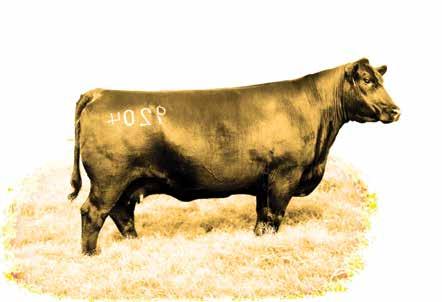
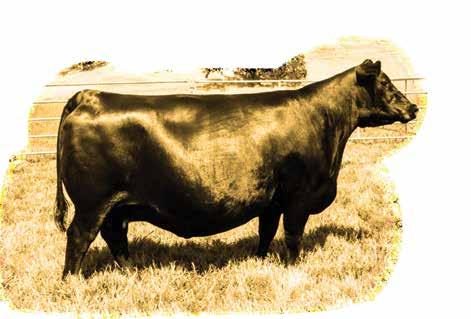
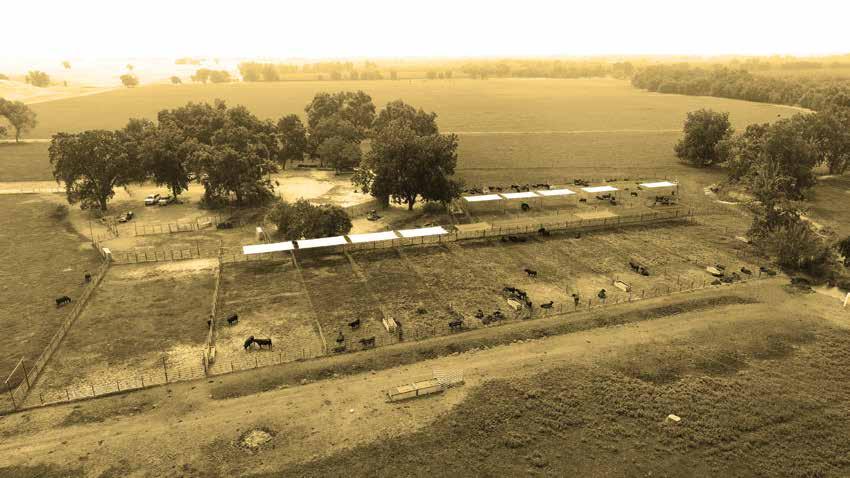
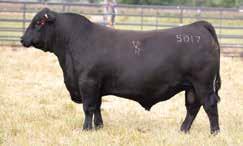
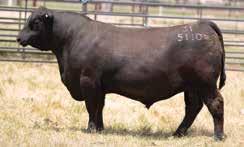
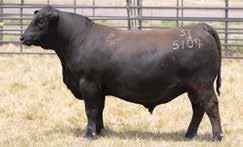
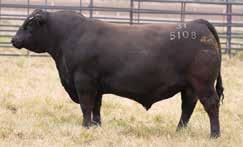
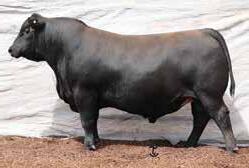
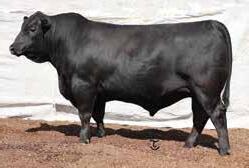
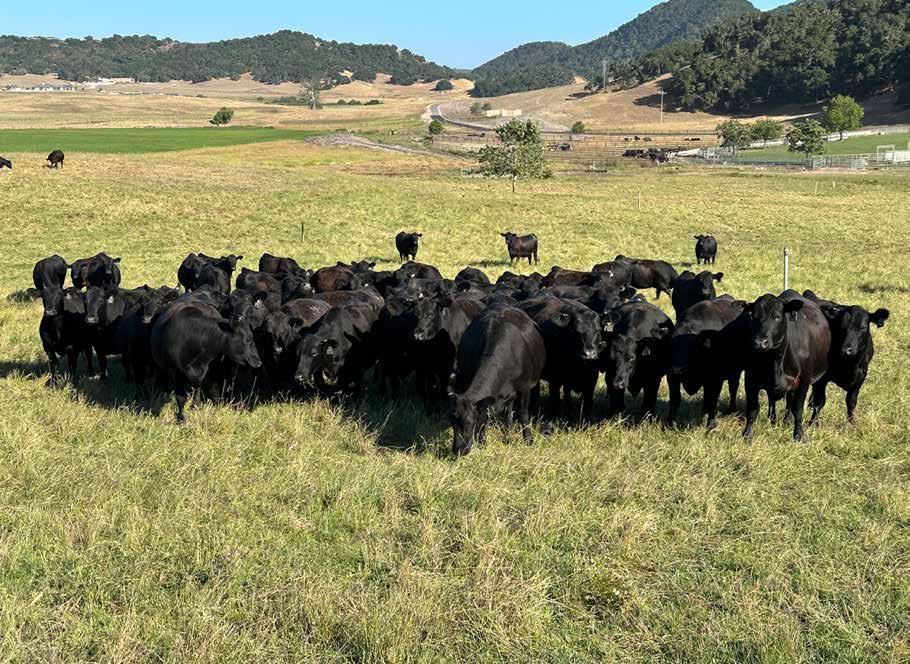
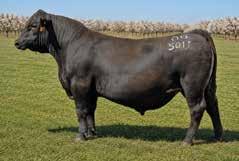
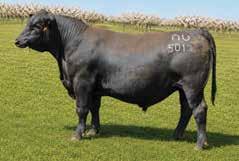
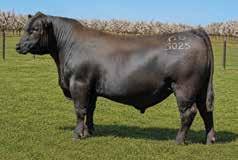
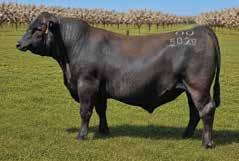
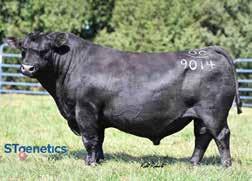
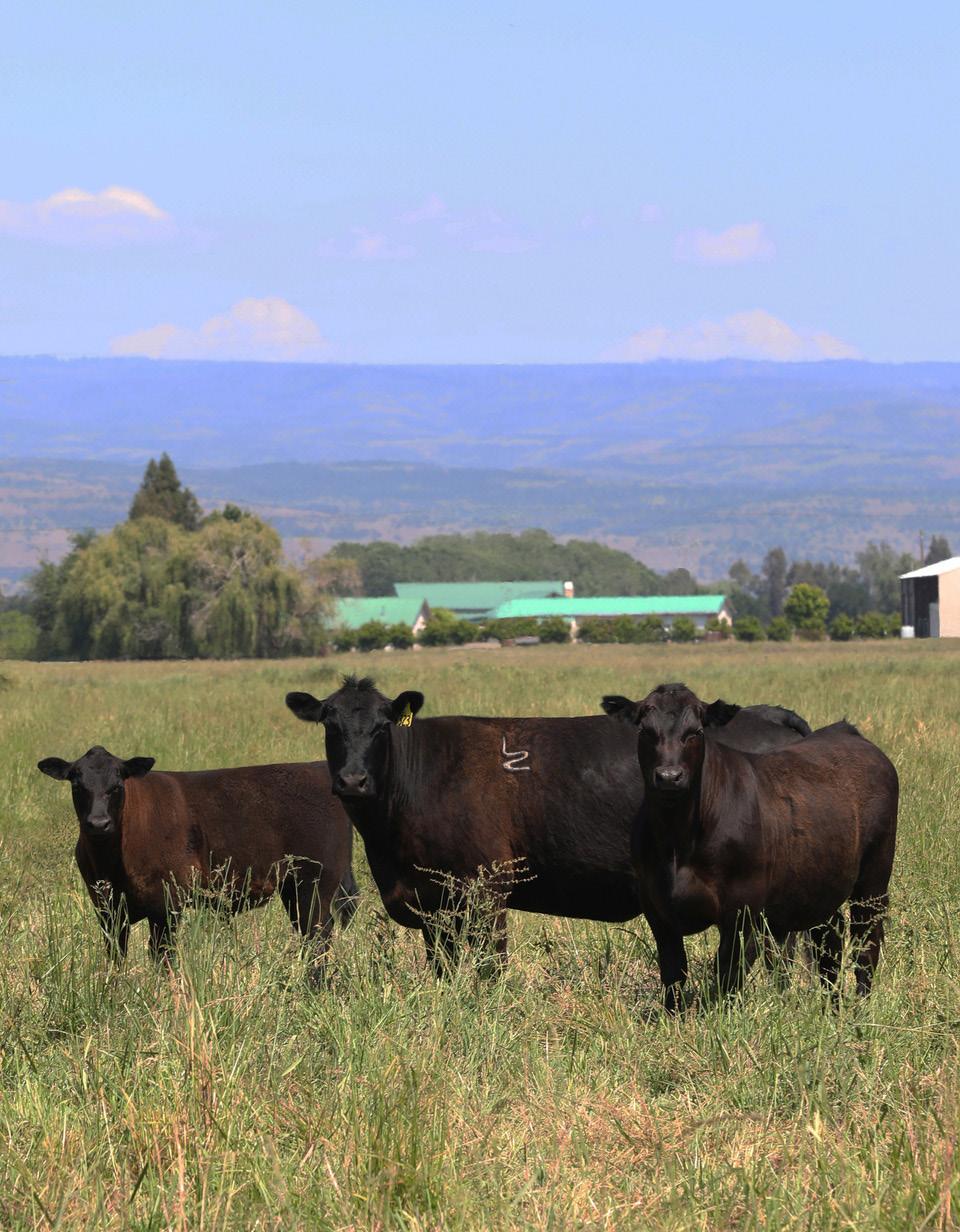
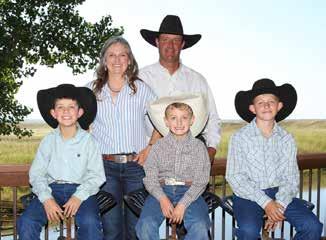
SATURDAY, JULY 25, 11 A.M. EARLY CONSIGNMENTS: 40 Bred Heifers from Renz Ranch 200 Young, Fall, AI-Bred Cows 30 Bred Heifers from Stemple Creek Ranch California’s livestock marketing leader The Parnell family
NEVADA REPRESENTATIVE
Tod Radelfinger .............................. 775-901-3332
Website/Market Report .......... www.clmgalt.com Web Broadcast ....................................... www.cci.live
SPECIAL SALES AT GALT CALL NOW TO CONSIGN TO THESE UPCOMING WVM SALES: Sale Books Online: www.wvmcattle.com July 13-15 – Silver Legacy Resort, Reno, NV August 10-11 – Little Amercia, Cheyenne, WY Consignment Deadline: July 23 September 15 – Haythorn Ranch, Ogallala, NE Consignment Deadline: September 7
CALIFORNIA CATTLEMEN’S ASSOCIATION
3841 North Freeway Blvd., Suite 130 Sacramento, CA 95834
Matt Macfarlane | (916) 803-3113 m3cattlemarketing@gmail.com
BILLING SERVICES
Lisa Brendlen lisa@calcattlemen.org
SERVING CALIFORNIA BEEF PRODUCERS SINCE 1917
Bolded names and businesses in editorial represent only current members of the California Cattlemen’s Association or California CattleWomen, Inc. For questions about membership status, contact the CCA office at (916) 444-0845. The California Cattleman (Publication #8-3600) is published monthly except May/June is combined by the California Cattlemen’s Association, for $20/year, or as part of the annual membership dues. All material and photos within may not be reproduced without consent of publisher.
Periodical postage paid at Lubbock, Texas, 79402. Publication # 8-3600
National Advertising Group: McFarland AdVantage | (334) 652-9080 222 Shady Valley Road, Autaugaville, AL 36003
POSTMASTER: Send address changes to: California Cattleman, 3841 North Freeway Blvd., Suite 130 Sacramento, CA 95834
CCA & CCW Annual Convention Dec. 2-4 | Reno, Nev.
Annual Public Lands Council Meeting Sept. 15-17 | Copper Mountain, Colo.
Ranching perseveres through challenges and opportunities
BUNKHOUSE
Stewardship more than a buzzword
DUES DOLLARS AT WORK
Mid-year update on CCA legislative efforts
HERD HEALTH CHECK
Preparing yourself for the arrival of New World Screwworm
NATIONAL PERSPECTIVE
Young advocates are the lifeblood of the future
ALLIED INDUSTRY SPOTLIGHT
Doing what we do and doing it for ranchers like you
SPECIAL FEATURES
CRISIS PREVENTION
Cattlemen’s Foundation works to keep ranching problems at bay
2026 FEEDER MEETING
San Diego meeting brings feeders and supporters together
JUNIOR LIVESTOCK COALITION
Teaming up to support junior livetock exhibitors
OFF THE BEATEN PATH
Ranchers benefitting California landscapes in all areas
GRADUATE RECOGNITION
CCA honors 2026 college grads
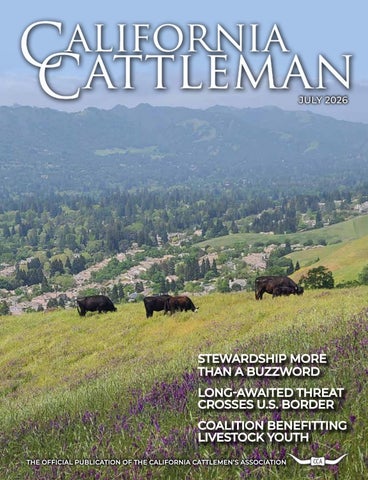
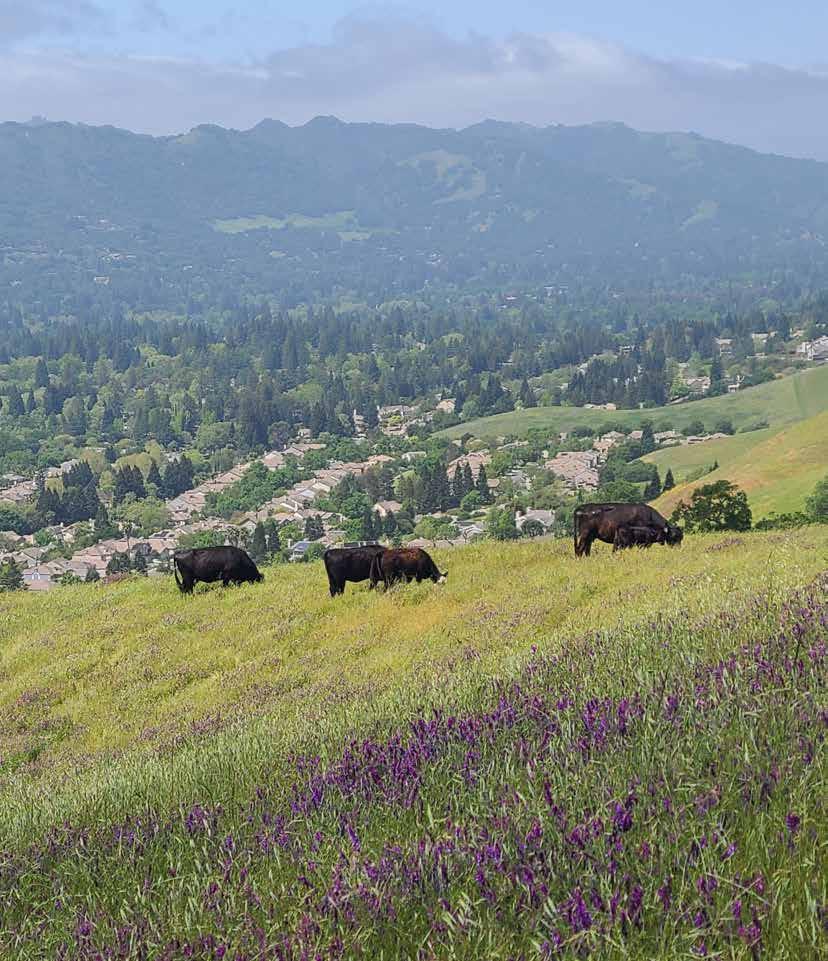
ON THE COVER
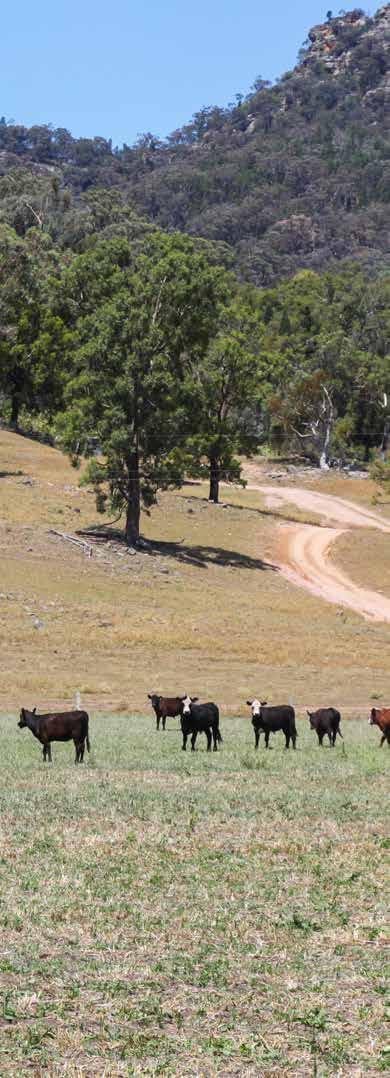
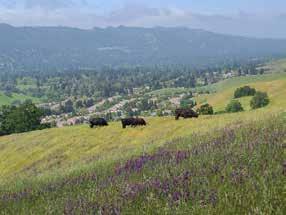
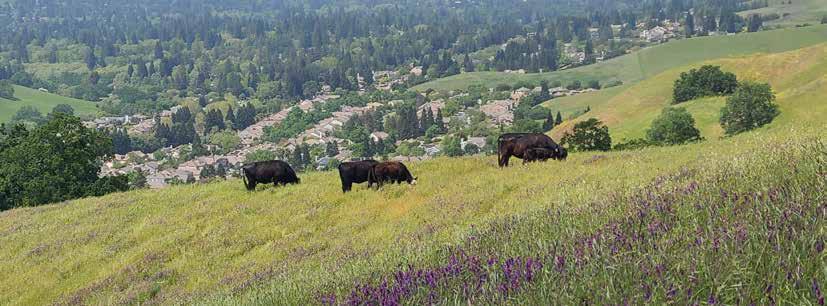
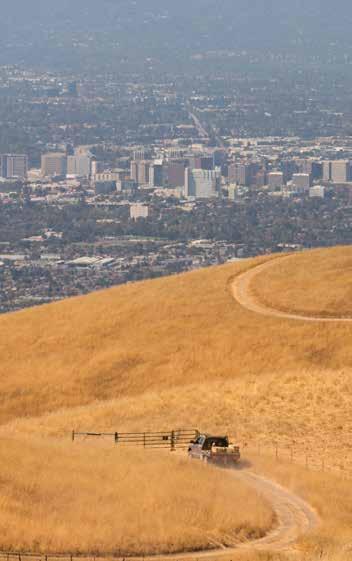
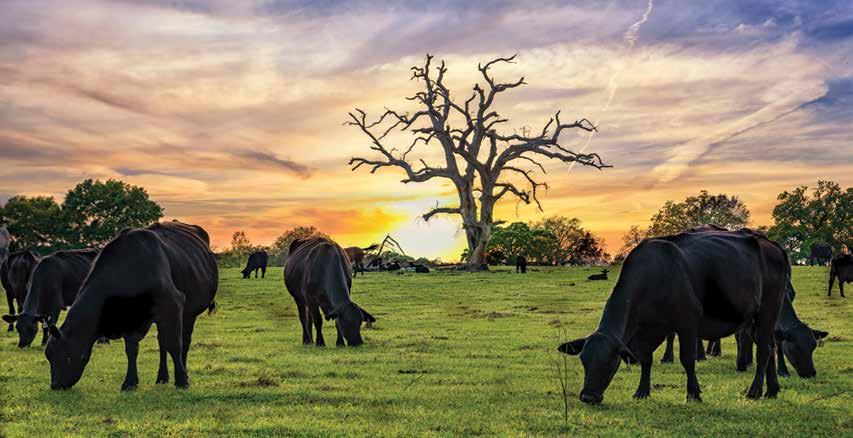
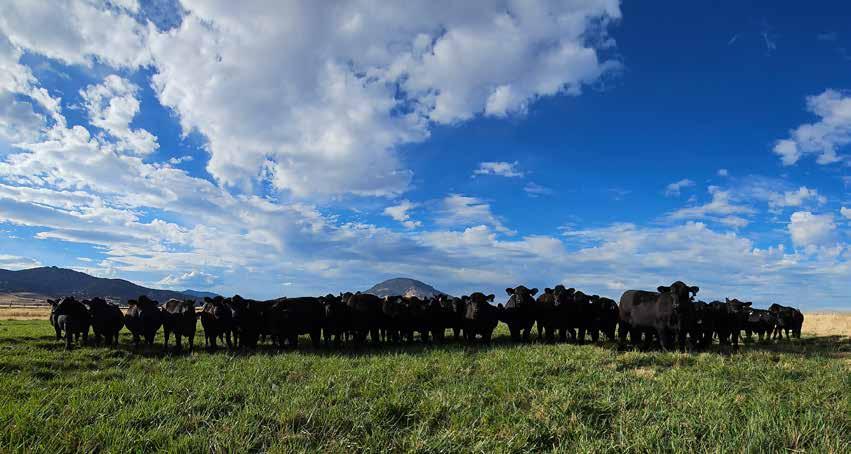
This month’s cover photo, taken by Salil Bhatt in the foothills of the East Bay, near San Jose, are a reminder that cattle are a benefit to rangeland in all parts of the Golden State. To read more about ranchers’ work off the beaten path, see page 44.
CATTLEMEN’S COLUMN
THE WORK ALWAYS CONTINUES
by CCA Second Vice President Steve Lambert
I have started this article several times with the plan to stay positive. Sometimes that can be tricky, as it feels like an uphill battle lately.
We have high input costs such as fuel, fertilizer, taxes and fees that continue to rise. I constantly hear people talk about how good the cattle market is – but, in all honesty, this is where it needs to be just to cover the expenses. These are challenges all businesses must deal with, along with finding skilled and willing labor.
The one thing we must deal with differently is apex predators. I have heard people say it’s a lot like the shoplifter in a retail store. The law says you can’t confront them under a certain dollar amount, much like the apex predator in your field. The big difference is that you have raised and nurtured these animals just to watch them be maimed or killed.
CCA leadership has been working diligently to find some kind of compromise to help protect our livestock producers. Our association is much smaller than a lot of environmental organizations and that can make it quite difficult to get the ear of urban legislators. This is why we need to continue recruiting new members and telling our story to the urban population.
I have seen what happens to rural communities when bad environmental policies are enforced before all impacts are studied. Take the Spotted Owl, for example. It shut down the lumber mills that had kept a lot of towns going for decades. The trickle-down effect of those job losses impacted retailers and increased the need for social services. Some of the larger communities have recovered over the years, but some of the smaller ones are slowly turning into ghost towns.
The hard pill to swallow is that the Spotted Owl did just fine in secondary growth, and it was all for nothing. Now, trying to reopen those mills is almost impossible due to California’s current regulations.
I feel we will need to take a stronger stance on apex predators before we are eaten out of business.
Okay, so much for being positive. Yikes! On the positive side, my family is healthy and growing, which is the true blessing. The cows have been shipped up to our summer ranches in Alturas. There isn’t much snow, but we have
plenty of grass for now. As we all know, that can change quickly. Like every year, we’ll be keeping a close eye on the weather and hoping for favorable conditions through the summer grazing season.
The calf crop this year could be the best we have raised in over fifty years of breeding seedstock cattle. While interest in our bull sale has been great, I have also had several inquiries about replacement females and from new folks wanting cows to get into the cattle business.
This is very encouraging, as we need more cattle to help meet the industry demand. It is also encouraging to see people still interested in getting into the cattle business. Ranching is not an easy way to make a living and anyone getting started today is taking on a real challenge. We need that next generation if we want to keep this industry strong.
We also need to be sure these new producers join CCA. Only a small percentage of California cattle producers are members, and we could sure use the membership to continue getting our message out. The reality is that the more members we have, the stronger our voice becomes. Whether it’s predator issues, water, regulations or property rights, it takes resources and engagement to make sure ranchers and cattle producers are represented when decisions are being made.
Our association is very fortunate to have such a skilled and efficient staff, along with a very active and knowledgeable leadership team. I hope you all enjoyed the Midyear Meeting, and I look forward to seeing you back in Reno in December for the Annual Convention.
Despite the challenges we face, we are blessed to live in such a great part of this wonderful country and enjoy the lifestyle we do. As we embark on the month that celebrates our nation’s independence, I hope we can all remember to appreciate the blessings we have as Americans. Happy 250, America!
BUNKHOUSE
STEWARDSHIP: NOT JUST A BUZZWORD
by CCA Membership and Events Coordinator Gracie LeCheminant
Born and raised on a small dairy farm in Glenn County; showing every animal under the sun at the local county fair through 4-H and FFA; being involved in my family’s beef herd and USDA-inspected slaughterhouse; and working at the local auction yard, UCCE Extension office and veterinary hospital, I have a pretty diverse agricultural background.Given this, I was excited to continue my education at UC Davis to study agriculture directly out of high school.
While attending UC Davis, I worked in the campus Meat Laboratory all four years and became a resident employee of the Beef Unit for the last year and a half of my education. I found myself changing my major from Animal Science to Sustainable Agriculture and Food Systems as my interest in sustainability and stewardship grew.
During my studies, the words “sustainability” and “stewardship” came up daily, even hourly. They appeared in textbooks, lectures, farm visits, research papers, and discussions about the future of agriculture. Long before I studied Sustainable Agriculture and Food Systems at UC Davis, however, I understood stewardship because I saw it practiced every day by the people who raised me and the agricultural community that I grew up in. College helped me understand the science and terminology behind stewardship, but the values were already familiar. In school, sustainability and stewardship were often discussed through frameworks. There were
several projects where we visited diversified farms and used rubrics and specific criteria to determine their level of stewardship. While there was a lot to learn from those experiences, I often found myself thinking that stewardship in cattle ranching goes beyond a grading rubric.
As one of the only students with a cattle background in many of my classes, I often found myself guiding discussions about how stewardship actually exists in ranching communities. Stewardship is fixing a fence before cattle get into a creek. It is monitoring forage conditions throughout the year and managing grazing to maintain healthy rangelands.
Growing up, I do not remember hearing the word “stewardship” nearly as often as I hear it today. What I do remember is watching people take care of the land, their livestock and their communities because it was simply the right thing to do. The classes I took at Davis just put words to what I already knew. Stewardship is
...CONTINUED ON PAGE 12
Dal Porto Livestock 20 1st calf Angus heifers
John Ginochio 20 1st calf Angus heifers
Lawrence Ginochio 15 1st calf Angus heifers
Renz Ranches 35 1st calf Angus heifers
RM Livestock 40 Angus and Angus cross 1st calf heifers
Art Anderson 40 1st calf Angus & black/white face heifers
Pine Ranch Ranch 80 1st calf Angus & black/white face heifers
UPCOMING MIDSUMMER FEEDER SPECIALS
a long-term commitment. There are decisions made every single day on a ranch that affect not only today, but next month, next year and even the next generation.
The more time I spend in the cattle industry, the more I realize that stewardship extends far beyond the land itself. Ranchers are stewards of livestock, certainly, but they are also stewards of family traditions, rural communities and generations of knowledge. Many of the lessons that make a successful ranch are not found in textbooks. They are passed down through conversations at the kitchen table over a cup of coffee, in branding pens, sale yards and community fundraisers. Preserving that knowledge and passing it on is a form of stewardship in its own right.
In my role with the California Cattlemen’s Association, I have had the opportunity to meet producers from all corners of the state. While their operations may look different, ranging from the North Coast to the deserts of Southern California, I continue to see a common thread. Stewardship may look different depending on geography, available resources and management styles, but the commitment behind it remains the same. Producers are constantly balancing the needs of their livestock, the health of their rangelands and the future of their operations.
Calling Meat Processing Operators
Help strengthen Northern California’s regional food system.
In Modoc County, livestock producers travel up to 400 miles and wait months to access USDA inspected processing.
Modoc Meat is designed to solve that problem. You can be part of the solution.
What has struck me most is that many of the most important acts of stewardship often go unnoticed. The public may never see the hours spent monitoring irrigation, maintaining fences, controlling invasive weeds, improving wildlife habitat or planning grazing rotations. These efforts rarely make headlines, yet they are critical to maintaining healthy working landscapes. Stewardship is not always visible, but its impacts are.
Today, stewardship has become a popular word in agricultural conversations, but for a good reason. It provides a way to describe the responsibility we have to care for our resources and ensure agriculture remains viable for future generations. But for many ranching families, stewardship is not a new concept. It is a value that has been practiced for generations upon generations, and one that continues to guide decisions every day.
As I reflect on my own journey from growing up in agriculture, to studying sustainability at UC Davis, to now working alongside cattle producers across California, I find myself appreciating stewardship in a new way. Today, that perspective has become even more personal.
My husband and I are enjoying the process of building our own brand and growing our beef herd while raising our one-year-old daughter, Dally Grace. No matter what we are doing, she is right there with us, whether that means riding along to check cattle, tagging calves, or simply spending time chasing the cow dogs around outside while we get chores done. While she may be too young to understand it now, many of the decisions we make today are being made with her future in mind.
The replacement heifers we keep, the land we care for, the reputation we build, and the values we choose to pass on all have the potential to shape opportunities for her, our next generation. That, to me, is what stewardship is really about. It is not just a lesson from a textbook, a project rubric or a buzzword. It is the understanding that we are caretakers of something larger than ourselves and that our responsibility is to leave it better than we found it.
Just as previous generations created opportunities for me through their hard work and commitment to agriculture, I hope the choices we make today will help create opportunities for my daughter tomorrow. Stewardship is not simply a practice, it’s preparing for the future.
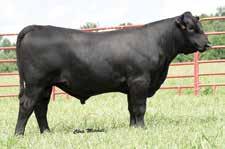
Selling July and August on Selling September 5 in Farmington, with Dunipace Angus.
80 head of bulls, built for real-world use. Featuring sons of FF Rito Ambitious and EXAR Tomahawk 2836B cattle with balance, structure, and longevity that hold.
program feeder calves sired by Bar KJ and Vintage Angus.
General Manager
661-293-0656
YOUR DUES DOLLARS AT WORK
A MID-YEAR LOOK AT CCA’S LEGISLATIVE EFFORTS
by CCA Vice President of Government Affairs Kirk Wilbur
May 29 was the house of origin deadline in the California Legislature, the date by which bills had to advance out of the chamber in which they were introduced to remain viable. But as is often the case, it was a legislative deadline roughly two weeks earlier which had a larger impact on CCA’s legislative portfolio (and indeed the broader legislative landscape): the Senate and Assembly appropriations committees’ ‘Suspense Day,’ during which the committees dispense with their suspense files in rapid-fire votes conducted with no public discussion.
What is the suspense file? In short, in the Senate it comprises most bills with estimated costs of at least $50,000. In the Assembly, it’s most bills with a price tag of $150,000 or more. Amid a fourth consecutive budget deficit, more than one-quarter of the 969 bills considered on May 14 fell to the suspense hearing buzzsaws.
While some of CCA’s legislative hopes were chewed up by those suspense buzzsaws, the association’s wildfire resilience priorities, in particular, still have legs. And while several CCAopposed bills survived the house of origin deadline, there is a clear path to defeating some of those measures in the second house.
Below is an update on CCA’s legislative priorities at the mid-way point of the 2026 legislative year. It’s worth noting that CCA’s bill portfolio could grow in the months ahead, as several bills will be completely overhauled in early summer, and the association may take formal positions on bills we’ve so far engaged with behind the scenes. A final report card on CCA’s legislative year will appear in the November edition of California Cattleman.
AB 1156 (Wicks) – Williamson Act contract conversion to solar-use easements OPPOSE
STATUS: Removed from Assembly inactive file and ordered to the Senate.
PRIOR ACTION: Passed the Assembly 66-5; passed the Senate 25-8.
AB 1156 would allow the conversion of Williamson Act contracts to solar-use easements without payment of the existing exit fee for contract cancellations. While the bill’s stated intent is to facilitate solar development on lands no longer viable for agricultural use due to groundwater restrictions, the bill’s language is not so limited. Indeed, AB 1156 would allow conversion of agricultural land to solar use if water deliveries to the land have been “reduced or curtailed” – a threshold which most agricultural lands in the state meet, including some prime farmland. To prevent large-
scale conversion of prime farmland and rangeland to solar use, CCA opposes AB 1156.
While the measure passed the Assembly and Senate last year, it was placed on the Assembly’s inactive file on the last day of session before the Assembly could vote to concur in Senate amendments – a possible indication that the author didn’t have the votes to clear the final legislative hurdle. The bill remained eligible for consideration as a ‘two-year bill,’ and was removed from the inactive file on June 4.
AB 1624 (Zbur) – Public Lands Protection Act
SUPPORT IF AMENDED
STATUS: Died in the Assembly.
PRIOR ACTION: Referred to Assembly Local Government Committee; hearing canceled at author’s request.
Amid concerns that the Trump Administration may sell off federal lands to private entities, this bill sought to protect public lands by immediately subjecting any lands transferred out of U.S. ownership “to the most restrictive conservationoriented zoning designation currently applied in the jurisdiction.” CCA’s advocacy sought to ensure that the bill’s provisions would not hinder continued grazing, timber or other permitted uses of federal lands upon transfer of ownership, with the Association offering to support the legislation if such valid uses were grandfathered in as valid uses. Ultimately, Assemblyman Zbur (D-Los Angeles) withdrew the bill from consideration in its first policy committee, and it effectively died in early May.
AB 1699 (Rogers) – The Good Fire Act SUPPORT
STATUS: Referred to Senate Natural Resources & Water Committee and Emergency Management Committee.
PRIOR ACTION: Passed the Assembly 76-0.
CCA-supported SB 926 (Dodd, 2022) established the Prescribed Fire Liability Claims Fund to incentivize prescribed fire by providing liability protection to approved burners. AB 1699 would expand access to the Claims Fund to resource conservation districts, volunteer fire departments and others. The bill would also allow prescribed fire practitioners certified by the federal government and other states to transfer those certifications for purposes of qualifying as burn bosses in California.
Finally, the bill cuts down on red tape by making CAL FIRE’s pre-burn site inspections discretionary (rather than mandatory) when conducted by qualified practitioners and by clarifying that CAL FIRE’s support of community burns need not trigger onerous environmental reviews.
AB 1891 (Connolly) – Beneficial Fire Capacity Program SUPPORT
STATUS: Referred to Senate Natural Resources & Water Committee.
PRIOR ACTION: Passed the Assembly 78-0.
AB 1891 would require CAL FIRE to expend 10 percent of the agency’s annual Greenhouse Gas Reduction Fund appropriations to expand training, organizational capacity and support for beneficial fire programs.
AB 1900 (Kalra) – Guaranteed Health Care for All OPPOSE
STATUS: Died in the Assembly.
PRIOR ACTION: None.
AB 1900 would have created the California Guaranteed Health Care for All Program, or “CalCare,” to provide comprehensive universal single-payer health care coverage and a healthcare cost-control system for all residents of the state. According to the California Health Benefits Review Program at UC Berkeley, AB 1900’s version of CalCare would have cost taxpayers $731.4 to implement – significantly more than Californians currently spend on healthcare.
CCA opposed two prior efforts by Assemblyman Kalra (D-San Jose) to establish the costly CalCare Program, 2021’s AB 1400 and 2024’s AB 2200. This year’s attempt fared even worse than those prior efforts, however: the Assembly Rules Committee never even referred the bill to the Assembly Health Committee, so it received no hearing before unceremoniously dying in late April.
AB 2184 (Wilson) – Cap-and-Invest Program funding for nature-based climate solutions SUPPORT
STATUS: Held in the Assembly Appropriations Committee.
PRIOR ACTION: Passed the Assembly Natural Resources Committee 11-2.
This measure would have allocated $400 million annually from the state’s Greenhouse Gas Reduction Fund to be spent on nature-based climate solutions. Of those funds, $250 million per year would have gone to the California Natural Resources Agency to implement its nature-based climate priorities – including programs promoting grassland restoration, grazing and prescribed fire – and $150 million would have been allocated annually to the California Department of Food and Agriculture to fund sustainable agricultural practices and nature-based climate solutions.
AB 2366 (Ávila Farías) – Cost of living impacts of proposed regulations
SUPPORT
STATUS: Held in the Assembly Appropriations Committee.
PRIOR ACTION: Passed the Assembly Economic Development, Growth & Household Impact Committee 7-0; passed the Assembly Judiciary Committee 11-0.
AB 2366 sought to make good on legislators’ promise to deliver on affordability this year, requiring state regulatory agencies to analyze and disclose the cost-of-living impacts of their proposed regulations. CCA has long supported efforts to mandate economic transparency in agencies’ rulemaking processes, and supported a similar bill by Assemblymember Ávila Farías (D-Martinez) last year. Unfortunately, AB 2366 ultimately suffered the same fate as last year’s effort, being held in the Assembly Appropriations Committee amid concerns that it would would cost state agencies “millions to tens of millions of dollars” to implement.
AB 2627 (Hart) – California Rangeland, Grazing Land and Grassland Protection Program
SUPPORT
STATUS: Held in the Assembly Appropriations Committee.
PRIOR ACTION: Passed the Assembly Natural Resources Committee 14-0; passed the Assembly Water, Parks & Wildlife Committee 12-0.
Sponsored by the California Rangeland Trust, AB 2627 would have allocated $90 million from the $10 billion Climate Bond approved by voters in 2024 to fund voluntary conservation easements through the California Rangeland, Grazing Land and Grassland Protection Program administered by the Wildlife Conservation Board. Last year, CCA supported a similar CRT-sponsored measure, AB 1311 (Hart), with a much larger $400 million proposed allocation. As with that prior effort, though, AB 2627 failed passage during the Assembly Appropriations Committee’s suspense hearing.
AB 2646 (Krell) – Agricultural worker minimum wage OPPOSE
STATUS: Referred to Senate Labor, Public Employment and Retirement Committee.
PRIOR ACTION: Passed the Assembly 58-16.
Though AB 2646 does not explicitly reference the federal H-2A Program – which allows farms and ranches to hire foreign workers for seasonal agricultural jobs when there is insufficient domestic labor available – it is clearly targeted at H-2A employers, with definitions of “approved agricultural employees” and “corresponding employees” which closely track federal regulations implementing the Program. For H-2A workers and “corresponding employees” (state residents employed by the same employer as an H-2A worker and doing similar work within the same county as the H-2A worker, AB 2646 ...CONTINUED FROM PAGE 16
would increase the minimum wage to $19.75 per hour, adjusted annually for inflation (by comparison, the current agricultural minimum wage in the state is $16.90 per hour, adjusted annually). Troublingly, the bill’s definition of “corresponding employee” is broader than the federal definition, and the author’s insistence upon vague language that fails to explicitly reference the H-2A Program causes uncertainty and concern for the state’s broader agricultural community.
SB
601
(Allen) – Water: waste discharge
OPPOSE
Status: Held in Assembly Appropriations Committee; two-year bill.
Prior Action: Passed the Senate 23-12; passed the Assembly Judiciary Committee 8-2; passed the Assembly Environmental Safety & Toxic Materials Committee 5-2.
SB 601 seeks to apply state law protections to all wetlands and other waters which lost federal protections as a result of the U.S. Supreme Court’s 2023 Sackett decision. CCA welcomed the Sackett decision, which reduced regulatory and permitting barriers for producers, and has opposed SB 601 because it would reimpose those same bureaucratic obstacles at the state level. After narrowly passing out of the Senate, SB 601 was held in the Assembly Appropriations Committee last year, though it is eligible to be taken back up as a ‘two-year bill.’ Unlike CCA-opposed AB 1156 (Wicks), as of press time no move had been made to revive SB 601 in the second year of the Legislative Session.
SB 675 (Padilla) – Imperial County Air Pollution Control District: members and duties
OPPOSE UNLESS AMENDED
Status: Referred to Assembly Appropriations Committee.
Prior Action: Passed the Assembly Natural Resources Committee 9-4.
On June 1, Senator Padilla (D-San Diego) gutted and amended his SB 675 to alter the composition and obligations of the Imperial County Air Pollution Control District. Currently, the Imperial County Board of Supervisors acts as the County’s APCD. Under this bill – sponsored by the City of Imperial and opposed by the County – the APCD’s governing board would expand to ten seats: one held by a County supervisor; five held by city councilmembers from cities within the County; and four public seats held by a public health professional, environmental justice advocate, labor representative and “a person with a background in agricultural practices.” Under the bill, all permit information would be posted on the APCD’s website, subjecting permittees like feedlots to scrutiny from radical environmental activists (currently individuals must seek information via Public Records Act requests). CCA has opposed the bill unless it is amended to ensure adequate representation from agricultural producers themselves and to provide some mechanism
by which permittees can seek to shield sensitive information from online disclosure.
SB
1135 (Blakespear)
– Human and wildlife coexistence
NEUTRAL
Status: Referred to the Assembly Committee on Water, Parks & Wildlife.
Prior Action: Passed the Senate 29-2.
SB 1135 seeks to reestablish a Wildlife Coexistence Program within the California Department of Fish and Wildlife and to dictate how CDFW administers its Wolf-Livestock Compensation Program, in part by prioritizing funding for non-lethal deterrence assistance. CCA initially opposed SB 1135 but removed opposition after negotiating favorable amendments to the bill. Specifically, the amendments limit the bill’s nonlethal deterrence requirements to circumstances where such deterrents are “practicable” based on factors like terrain and the availability of funding and prioritize funding for direct loss and pay-forpresence compensation when state compensation funding falls below $1 million.
For a thorough analysis of SB 1135, see the May/ June edition of California Cattleman.
SB 1305 (Richardson) – California Grizzly Restoration Act OPPOSE
Status: Referred to Assembly Committee on Water, Parks & Wildlife.
Prior Action: Passed the Senate 29-9.
As introduced, SB 1305 would have made it “the policy of the state to restore the grizzly bear… to California” and would have directed CDFW to develop a “roadmap” for reintroduction. The bill has since been amended to remove the policy language, now simply directing CDFW to assess “whether reintroduction of the grizzly bear…is biologically feasible.” But ranchers already know that grizzly reintroduction would be a disaster for ranchers, rural residents and the Department itself, all of which are struggling to contend with the state’s existing predator species, most notably gray wolves. Accordingly, CCA strongly opposes the measure.
What’s Next
Policy committees finished hearing bills at the beginning of July, and legislators are now on Summer Recess until early August. The Legislature will have its work cut out for it that month, with appropriations hearings in the first two weeks of August followed by floor votes on all surviving bills ahead of the end of the Legislative Session on August 31. Governor Newsom will then have until the end of September to sign or veto bills.
CCA will provide final updates on the 202526 Legislative Session in the November edition of California Cattleman. Next month’s Your Dues Dollars at Work column will overview how the Association fared in this year’s Budget negotiations, as the new fiscal year kicked off July 1.
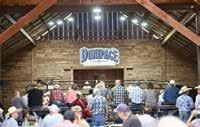
DUNIPACE & BAR KJ Proudly Present
Second Annual Bull Sale
Saturday, September 5, 2026 • 12:00 Noon
Sale will be held at the EZ Angus Sale Barn located just south of Milton, California
O ering 150 performance tested bulls sired by:
Baldridge Heat Seeker H925, FF Rito Ambitious, EZAR Gettysburg 1061, EXAR Tomahawk 2836B, EZAR Step Up 9178, K A Kindred, SG Salvation, Sitz Genuine 491L, Woodhill Reality, Pine View Red State, and more
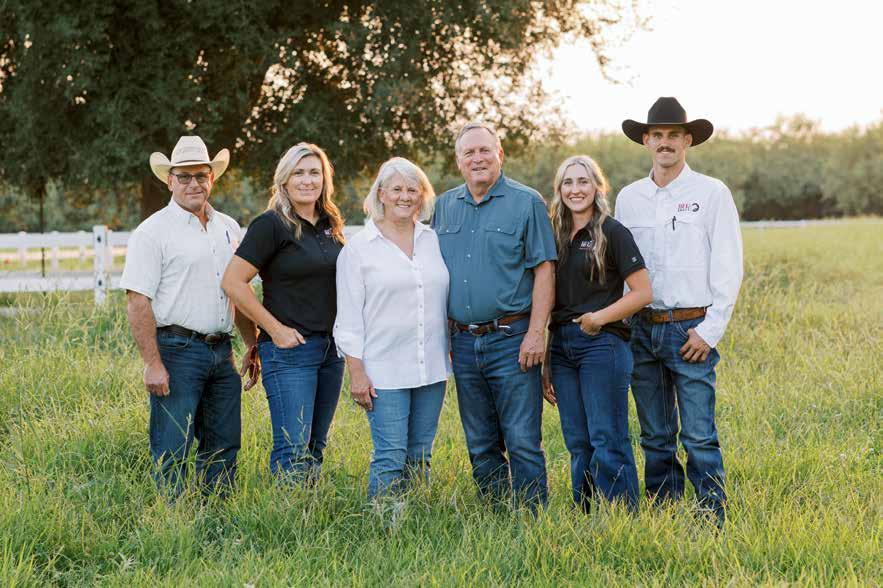
Dunipace Angus was established in 1968 by Jack and Susan Parnell in Auburn, CA. Traveling the country and marketing Angus cattle was Jack’s passion and he was instrumental in creating demand for Angus nationwide when they were not necessarily the breed of choice. In 1986, Jack was asked to enter public service and chose to go to work FOR ranchers and farmers and the herd was dispersed. Over the past few years the Dunipace herd has been reestablished and the next generation of Parnell’s are excited to relaunch the Dunipace brand. The foundation of the a Dunipace Angus was built on the principals of quality and integrity, and the goals today remain the same today. We invite you to join us for our annual event and look forward to earning your business.
BLM AND FOREST SERVICE TAKE RANCHER FEEDBACK AT SUSANVILLE ROUNDTABLE
On May 20, public lands permittees from across northern California came together at the Lassen County Fairgrounds in Susanville for a grazing roundtable organized by the Public Lands Council.
The roundtable was designed to bring together permittees and leadership from the U.S. Forest Service and Bureau of Land Management for dialogue and on-the-ground problem solving in furtherance of the agencies’ Grazing Action Plan, announced in October as part of the Trump Administration’s plan to “fortify the American beef industry.”
As part of that action plan, the agencies signed a memorandum of understanding this spring titled “Advancing Grazing on Forest Service and BLM Lands” in which they committed to “collaborate with livestock and public lands grazing advocacy organizations” like PLC to facilitate a series of roundtables for ranchers to share perspectives with the agencies.
The Susanville meeting was the seventh in a series of twelve discussions between permittees and agency leadership. The roundtables kicked off in February with a discussion held in conjunction with the National Cattlemen’s Beef Association’s 2026 Cattle Industry Convention, with California permittees represented by Katie and Michael Delbar, Potter Valley, and Rick and Carolyn Roberti, Loyalton (see “Raising the Bar in Music City” in the March edition of California Cattleman).
The Susanville meeting began with opening remarks from Ron Cerri, a rancher from northern Nevada and PLC’s Vice President. Cerri introduced PLC Executive Director Kaitlynn Glover, Oregon Board member Mary Schadler and California Board member Dave Daley, Oroville, before name-dropping former PLC president Mike Byrne, Tulelake. Cerri set the friendly tone of the roundtable by overviewing two recent industry wins executed by the
Bureau of Land Management: the agency’s recission of the controversial 2024 Conservation and Landscape Health Rule (which placed conservation leases on even footing with multiple use directives such as livestock grazing) and its recently-announced updates to the agency’s 35-year-old grazing regulations.
Before the roundtable discussion kicked off in earnest, Cerri turned the microphone over to the three BLM and Forest Service leaders who had traveled to Susanville to hear from California permittees. Representing the U.S. Forest Service were Rangeland Management Program Manager Gilbert Jackson and Special Advisor Layne Bangerter. The Bureau of Land Management, meanwhile, was represented by Marlo Draper, chief of the agency’s Forest, Range and Vegetation Resources Division. Several leaders from the agencies’ state and regional offices were also in attendance, including BLM California State Director Joe Stout.
After introductions, permittee Richard Egan, Susanville, kicked off the roundtable by asking the Forest Service representatives a question that’s always top-of-mind for permittees: what are the agencies doing to open vacant allotments to livestock grazing? Bangerter answered that 10 million acres of USFS lands which were once grazed are no longer grazed, asserting that the agency’s goal is to reopen 5 million of those acres to livestock grazing. Later in the afternoon Egan pressed Bangerter on the feasibility of that goal. “Can we get it done in two-and-a-half years?” Egan asked. The Administration officials acknowledged that it would take time for the bureaucracy of federal government to reauthorize grazing on currently-vacant allotments but committed that the regulatory infrastructure would be in place before President Trump leaves office. Their advice to permittees was to initiate
...CONTINUED ON PAGE 20
conversations with line officers now so that the groundwork is in place for permittees and agency staff to act quickly and nimbly to reintroduce grazing on those allotments once the relevant authorities are in place.
Dave Daley noted that from forest to forest and even district to district, there is little uniformity or clarity regarding which agency personnel are empowered to authorize permit flexibility, including alterations to head counts and on/off dates. Agency staff acknowledged the frustration and assured the permittees in the room that they’re working to provide clearer direction to local personnel.
Billie Roney, Chico, brought up the harrowing experiences that she and other permittees in the North State have had ranching in wolf territory. Roney noted that ranchers could jeopardize their Forest Service grazing permits by taking non-use of their allotments in order to avoid wolf-livestock conflicts (ordinarily, permittees may not take more than three consecutive years of non-use). Jackson responded that the Forest Service has issued updated flexibility for its nonuse policies in response to such concerns.
Numerous other issues were raised throughout the afternoon. Sherri Brennan, Sonora, addressed the need for the agencies to
create better pathways for post-fire grazing to treat brush encroachment. A permittee on the El Dorado National Forest complained that there is no standardized pathway across the agency for permittees to adopt virtual fencing on their allotments.
Several permittees expressed frustrations that archeological surveys tie the agencies’ hands and frustrate permittees’ efforts to manage resources on the ground. Daley distilled those frustrations into one question near the end of the event: “Why are archeologists in charge of everything at the U.S. Forest Service?”
Not every question asked at the roundtable had a simple answer ready to be delivered. Rather, the intent was for agency staff to hear the questions, concerns and frustrations of ranchers managing our public lands, and to return to Washington, D.C. ready to address those issues as part of the Administration’s plan to fortify the American beef industry.
Now that the roundtable series has concluded – a final, virtual roundtable was held on June 11 – the Public Lands Council is following up with a series of written recommendations to the BLM and Forest Service based on feedback solicited across the western United States. CCA will keep members apprised as the agencies work to address the concerns they heard in Susanville and elsewhere.
HERD HEALTH CHECK
PREVENTION, INSPECTION AND RESPONSE TO NEW WORLD SCREWWORM’S U.S. ARRIVAL
from Powerflex Rotational Grazing Supply
For the first time since 1966, New World screwworm cases have officially turned up in U.S. livestock after the parasite has been frequently confirmed in northern Mexican states within roughly 30 miles of the border in recent months. If you run cattle, sheep, goats, horses or hogs anywhere in the southern region of the country, this is no longer a history lesson. It’s a management problem you need a plan for, ideally before the fly arrives in your county rather than after.
The good news: screwworm is beatable and most of what protects your animals is husbandry you can start now. This article walks through the whole picture — what the threat is, the layered strategy that actually works, how to inspect, the worming nuance most producers get wrong, and exactly what to do if you suspect a case.
WHAT YOU’RE ACTUALLY DEALING WITH
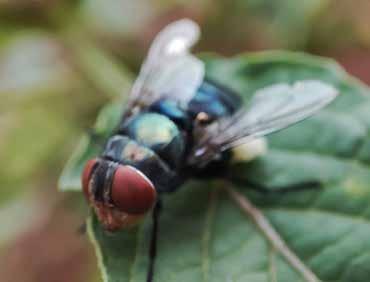
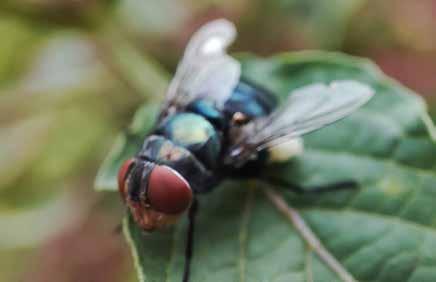
The New World screwworm (Cochliomyia hominivorax) is a parasitic fly, and the danger is its larvae. Unlike ordinary maggots that clean up dead tissue, screwworm larvae burrow into living flesh with a screw-like motion — that’s where the name comes from. As they feed, they enlarge the wound and draw in more egg-laying females, so a small problem compounds fast. An untreated infestation can kill an animal in one to two weeks.
The biology is what makes it dangerous. A single female lays 200 to 300 eggs right at the edge of a wound, and she’ll lay batch after batch over her life. Eggs hatch within hours. Larvae
feed for about a week, drop to the ground to pupate, and emerge as adults to start the cycle over. Warmth and moisture speed everything up, which is why risk peaks in the warm, wet months and in southern latitudes.
The United States eradicated screwworm in 1966 using the Sterile Insect Technique — releasing sterilized males by the millions so wild females mate but produce no offspring. That program held the line for decades by pushing the fly south. As of mid-2026 it has moved back north through Central America and Mexico, which is how we ended up with detections near the border and that first Texas case.
The single most important concept: the fly needs broken skin. It is drawn to wounds. That one fact is the foundation of everything below — because if you control wounds and fly pressure, you remove the door the parasite walks through.
WHO’S MOST AT RISK ON YOUR PLACE
Not every animal is equally exposed. The high-risk list is specific and worth memorizing:
• Newborns with fresh, wet navels;
• Animals recently castrated, dehorned, branded or tagged;
• Animals carrying tick bites or biting-fly lesions;
• Ewes with crutching or shearing nicks and any fly-strike-prone breech area;
• Any animal — any species — with a cut, abrasion or surgical site;
...CONTINUED ON PAGE 24
THE STRATEGY AT A GLANCE: SIX REINFORCING LAYERS
There is no single product that “solves” screwworm. Protection comes from six layers stacked on top of each other: husbandry, surveillance, integrated fly control, strategic endectocides, wound management and rapid reporting. The power is in the overlap. The same water lane where you site a fly-control device is where you inspect every animal that walks by. The same calm handling that prevents injuries makes inspection easier. The same clean, dry calving lot that protects navels also breeds fewer flies. Build the layers so they reinforce each other and the whole property gets harder for the fly to exploit.
LAYER 1: HUSBANDRY AND MANAGEMENT
Because the fly needs a wound, the cheapest and most effective control is simply having fewer wounds on the property at any given time.
Time your wound-creating procedures. Castration, dehorning and disbudding, branding, ear-tagging, tail-docking, shearing and crutching — schedule these for the coolest, lowest-fly part of the year wherever you can. Choose lower-trauma methods when they exist (disbud young, band rather than cut) and avoid creating large open wounds during peak fly season. If an elective procedure can wait for cooler weather, let it wait. Tighten your calving and lambing window. A newborn’s navel is an open wound and a powerful fly attractant. A compact calving season concentrates the high-risk period into fewer days, reduces the total number of vulnerable animal-days across the calendar, and lets you put maximum attention on neonates while they’re on the ground. Calve in clean, dry areas — soiled bedding and damp lots raise both fly numbers and navel-infection risk.
Fix your facilities. Walk your pens, chutes, alleys, gates and fencing looking for protruding nails, broken wire, splinters and sharp edges
that nick hide — then repair them. Every one of those is a wound waiting to happen. Calm, low-stress handling matters here too: animals that aren’t panicking don’t bruise, scrape and injure themselves on the way through. Well-built handling facilities and sound fencing aren’t just a throughput convenience in screwworm country — they’re a wound-prevention tool.
Watch your biosecurity. Know the origin and health status of every incoming animal and inspect each new arrival thoroughly for wounds and myiasis before mixing it into the herd. Pay attention to regional status and movement rules — live-animal import requirements across the U.S.–Mexico border have already been tightened in response to the spread. Inspect pets and working dogs that travel and any animal coming back from an affected region.
LAYER 2: SURVEILLANCE AND INSPECTION
Frequent, hands-on inspection is the single most valuable defense you have. The goal is to catch an infestation within hours, not days. During high-risk periods, inspect daily. At an absolute minimum, inspect every single time you gather animals for any reason.
Use your nose. Experienced producers often smell the distinctive foul odor of an infested wound before they ever see it. Smell is one of your earliest cues — particularly in wooly sheep where the fleece hides the wound.
Read the wound. A normal wound shrinks and heals. A screwworm wound enlarges, with visible maggots, serous or bloody discharge and surrounding tissue breakdown. Any wound that’s getting bigger instead of smaller deserves a hands-on look.
Read the animal. Watch for irritation, headshaking, an animal biting or licking at one spot, separation from the group, reduced grazing and lethargy. Behavior often flags a problem before you’ve found the wound.
Where to look. Check the whole animal but focus the hotspots: navels of newborns; castration, dehorning, branding and tagging sites; the genital and perineal area, including the dam’s vulva after birth; the head, ear and base of the horns; tick and biting-fly lesions. In sheep and goats, work the breech and tail, shearing and crutching nicks, feet, and fighting wounds on rams and bucks — and part the fleece, because wool hides infestation. Your handling system does double duty here. The chute, the alley, and the lane to water are where animals naturally funnel past you. Those are your inspection stations. Build your fly-control devices into the same choke points (next layer) and a single pass through gives you treatment and a look at every animal
LAYER 3: INTEGRATED FLY CONTROL (IPM)
Conventional fly control targets nuisance and biting flies — horn flies, stable flies, face flies — not the screwworm fly directly. It still matters enormously for two reasons: fewer biting flies and ticks means fewer of the small wounds screwworm exploits, and lower overall fly pressure keeps stock calm and easy to inspect. Use an Integrated Pest Management approach: several methods layered together, hitting flies at multiple life stages, with rotating chemistry to slow resistance.
On-animal treatments. Insecticide ear tags release active ingredient over roughly 12 to 15 weeks — apply at the start of fly season, rotate chemical class (pyrethroid, organophosphate, and so on) year to year, and remove the spent tags at season’s end so you’re not breeding resistant flies. Pour-ons along the backline control flies for up to about 30 days per application. Sprays and mists give fast knockdown when pressure spikes but have a shorter residual; use them to supplement.
Forced-use self-treatment devices. Dust bags and back rubbers or oilers, charged with insecticide, treat animals on contact, cost little, and need almost no labor. The trick is siting them where stock are forced to pass — across the lane to water, mineral or feed — so animals self-treat every day. In a rotational grazing setup, the water lane is the natural place for this and it’s the same choke point where you’ll be doing your daily inspection.
Break the breeding cycle. Feed-through insect growth regulators (IGRs) like methoprene and diflubenzuron pass into the manure and stop fly larvae from developing there. They must be started before fly season and fed continuously. Because they prevent breeding rather than killing adults, treat them as the foundation layer, not a quick fix.
Non-chemical and habitat methods. Walkthrough traps capture flies brushed off animals as they pass — again, site them at water or feed. Sanitation is the big one: remove wet manure, spilled feed and decaying matter, which are the primary breeding sites. Rotational grazing helps here in a way that’s easy to overlook — moving animals across paddocks spreads manure so it dries out instead of becoming a maggot nursery, which is one more reason a well-managed grazing rotation pays off beyond the forage. Parasitic wasps that attack fly pupae can supplement the whole program biologically.
LAYER 4: STRATEGIC WORMING — THE PART PRODUCERS GET WRONG
Here’s the distinction that trips people up: screwworm larvae are fly maggots, not roundworms. The ordinary “white” dewormers that target internal worms — benzimidazoles like fenbendazole — do essentially nothing against screwworm. Reaching for your usual dewormer and assuming you’re covered is a dangerous
mistake.
The dewormers that actually help are the macrocyclic lactone endectocides — ivermectin and, especially, doramectin. These control internal parasites and also carry into tissues and wound sites well enough to kill or prevent screwworm larvae for a period after dosing.
Doramectin beats ivermectin for this. Research consistently favors doramectin for screwworm specifically. In controlled studies, doramectin prevented infestation essentially completely for about three weeks, while ivermectin’s protection was shorter and incomplete — in some trials, ivermectin-treated animals developed myiasis within days, barely better than untreated controls. Doramectin’s longer persistent activity is why it’s the preferred endectocide where screwworm is a concern. Use it well, though, and understand its limits.
It’s a supplement, not a shield. Protection lasts only days to a few weeks and does not replace wound management, fly control, inspection or reporting.
Time it strategically — after procedures, before peak fly season, or at processing — because the systemic drug reaches wound sites that a tag or back-rubber might miss.
Be mindful resistance. Field treatment failures happen, and overusing these products accelerates resistance in the internal worms they’re actually meant to control. Coordinate product, dose, timing and withdrawal periods with your veterinarian rather than just deworming more often.
LAYER 5: WOUND MANAGEMENT AND THE REPELLENT MYTH
Every wound — surgical, accidental or parasitecaused — should be cleaned and treated promptly with an approved larvicidal product so it never becomes an egg-laying site, then re-checked until it heals.
The general protocol: clean the wound and remove debris and any visible larvae; apply an approved larvicidal dressing covering the full wound margin where eggs are laid; for a confirmed infestation, follow your vet’s plan, typically a topical larvicide plus a systemic endectocide, repeated as directed; re-inspect daily until fully healed, because flies will re-colonize an inadequately treated wound; and record the case and report any suspected screwworm.
Navel care for neonates is one of the highestvalue single actions you can take in screwworm country: dip or spray every navel at birth and monitor until it’s dry and closed.
On products: in response to the 2025–26 spread, U.S. regulators issued emergency authorizations for several screwworm-specific products. Availability and authorization status change — confirm current status with your change — confirm current status with your
...CONTINUED ON PAGE 26
change — confirm current status with your veterinarian, FDA/CVM and USDA-APHIS before use, and follow every label and withdrawal requirement.
And kill the myth now: there is no reliable stand-alone “screwworm repellent.” Protection comes from larvicidal wound dressings on broken skin plus general fly suppression. Do not rely on repellency to protect an open wound.
SPECIES-SPECIFIC QUICK NOTES
Cattle — highest-risk sites are calf navels, castration/dehorning/branding wounds, tick lesions and the dam’s vulva post-calving; run ear tags, pour-ons, dust bags and back rubbers at the water lane; and feed-through IGRs, with strategic doramectin around processing.
Sheep and goats — the breech and tail are fly-strike prone, so crutch and manage breech wool to reduce soiling, time shearing and crutching for low-fly periods, and treat every nick. Watch feet, fighting wounds on rams and bucks, tail-dock and lambing wounds and treat lamb and kid navels. Part the fleece and use smell, because wool hides infestation.
Horses and donkeys — inspect harness and tack rub sores, lacerations and surgical sites; treat wounds promptly; and confirm any product is equine-approved.
Swine — inspect tail-dock, castration and fighting wounds plus piglet navels and keep pens free of sharp edges.
Working dogs and pets — check ears, wounds and surgical sites and inspect any animal that’s traveled to or from an affected region. Involve your vet for treatment.
LAYER 6: REPORTING — AND WHY IT’S PART OF YOUR JOB
If you suspect screwworm, report immediately. Do not wait. Contact your veterinarian and your state animal health officials right away.
If you find a suspected case: isolate the animal and don’t move it (where practical); collect a sample of larvae, preserved in alcohol if possible, for identification; contact your vet and state officials immediately and follow their instructions; begin treatment under veterinary direction; and record the date, location, species and circumstances.
Here’s why reporting matters beyond your own herd: The backbone of eradication is still the Sterile Insect Technique — authorities mass-release sterilized males so wild females mate without producing offspring, collapsing the population. As of 2026, roughly 100 million sterile flies a week are being dispersed in Mexico and along the border. Those releases have to be targeted, and they’re targeted using producer reports. Officials need precise locations of new cases to aim the
response. Fast, accurate reporting is what makes the whole national program work — which is exactly why it belongs in every operation’s plan, not just the government’s.
THE BOTTOM LINE
Screwworm is serious, but it isn’t mysterious. It needs a wound, warmth and time. Take away the wounds with good husbandry and facilities, knock down fly pressure with a layered IPM program, inspect relentlessly using your eyes and your nose, use doramectin strategically around your highrisk events, treat every wound and navel promptly, and report the first hint of a case immediately. No single layer carries the load — but stacked together, they make your place a place the fly can’t get a foothold.
Start before the season heats up. The cheapest day to build this program is today.
Editor’s Note: This article is a general management reference, not veterinary advice. Product authorizations (including emergency use), approved species, dosing and withdrawal periods change and vary by jurisdiction. Always confirm current status and follow label directions and the guidance of your veterinarian and state and federal animal-health authorities — USDAAPHIS, FDA-CVM, and your state animal health commission — before using any product or starting a treatment protocol.
Auction Yard
REGULAR
SALES
FEBRUARY TO AUGUST: THE FIRST AND THIRD SATURDAYS SEPTEMBER TO JANUARY: EVERY SATURDAY
for market reports or special sale information, follow us on facebook and instagram!
PROFIT DRIVEN - We understand the importance of performance and carcass merit and have emphasized both for decades being one of the first breeders in the US to implement performance and carcass testing.
PRODUCTION-ORIENTED - We are one of the leading producers of Pathfinder® cows in the Western United States, and have been for decades. Our cow herd is built on function, fertility, longevity and, of course, production.
PREDICTABILITY - We have been in the Angus business for over 80 years and have the longest running bull sale in the Western United States.
PROTECTING THE FUTURE BEFORE PROBLEMS BECOME CRISES
by CCA Executive Vice President Billy Gatlin
HOW CALIFORNIA CATTLE COUNCIL INVESTMENTS ARE HELPING THE CALIFORNIA CATTLEMEN’S FOUNDATION DELIVER RESULTS FOR RANCHERS
Most ranchers never attend a regulatory workgroup meeting in Sacramento.
They don’t spend hours reviewing scientific research on food safety, participate in emergency preparedness planning sessions or sit across the table from state agency leaders discussing disease response protocols.
They’re busy doing what they do best—raising cattle, stewarding the land and caring for their families. That’s why the work of the California Cattlemen’s Foundation (CCF) matters.
Thanks to funding from the California Cattle Council, CCF serves as the cattle industry’s eyes, ears, and voice in countless conversations that directly impact the future of California ranching. Much of this work happens behind the scenes, often long before a regulation is proposed, a disease threat emerges or a crisis reaches the headlines. Yet the impact can be felt across the state.
Throughout the beginning of 2026, CCF continued its mission of ensuring that California cattle producers are represented in critical discussions involving food safety, environmental policy, animal health, predator management, and regulatory development. The Foundation’s work reflects a simple but powerful principle: when decisions affecting ranchers are made, ranchers deserve a seat at the table.
That principle has never been more important.
Turning Science Into Solutions
One of the most significant projects supported by CCF this year has been its involvement in the California E. coli Longitudinal Study and the California Agricultural Neighbors initiative.
Food safety conversations have the potential
to significantly impact cattle operations, particularly when assumptions are made before the science is fully understood. Recognizing this, CCF has worked closely with researchers, regulators and stakeholders to ensure that data, not speculation, drives decision-making.
When findings from the California Longitudinal Study were released earlier this year, CCF had already spent months reviewing information alongside scientists and state officials.
The goal was straightforward: ensure that conclusions were supported by evidence and that cattle producers were fairly represented throughout the process. This work may not generate headlines, but its importance cannot be overstated.
By engaging early and often, CCF helps prevent policies and perceptions that could unfairly burden California cattle producers while still supporting meaningful improvements in food safety.
Keeping Ranchers at the Center of Climate Conversations
Climate policy continues to shape California agriculture, and ranchers are increasingly being asked to be part of the solution. CCF has embraced that opportunity.
Working closely with the California Department of Food and Agriculture, the Foundation continues to provide industry expertise on methane reduction technologies and climate resiliency strategies.
Rather than allowing policies to be developed in a vacuum, CCF ensures that regulators
...CONTINUED ON PAGE 30
ARE YOUR COWS GETTING THE NUTRITION THEY NEED TO BEAT THE HEAT AHEAD OF BREEDING SEASON?
Contact us about our comprehensive line up of protein and mineral supplements!
understand how proposed solutions function or fail to function under real-world ranching conditions.
This year, the Foundation provided recommendations regarding grazing management in riparian areas, helping identify practical approaches that protect water quality while maintaining the operational flexibility ranchers need to remain viable.
The message is clear: environmental stewardship and cattle production are not competing priorities. California ranchers have long been leaders in conservation, and CCF is helping ensure that future policies recognize that reality.
Preparing for Threats Before They Arrive
The best emergency response is the one that is already planned. That philosophy has guided much of CCF’s work surrounding animal health and disease preparedness.
Over the past year, concerns surrounding H5N1 have demonstrated how quickly animal health issues can disrupt agricultural operations. While infection rates have remained relatively low, the Foundation has continued working alongside CDFA and industry partners to strengthen preparedness plans and livestock movement protocols. These efforts have helped California producers avoid major disruptions while remaining ready to respond if conditions change.
At the same time, another emerging threat has commanded increasing attention: the New World Screwworm. Long before the pest made its way through Mexico to the U.S., CCF was working closely with state agencies to establish surveillance systems, monitoring protocols and contingency plans designed to protect California’s livestock industry.
The Foundation helped facilitate the deployment of monitoring traps in the Imperial Valley and has played a central role in coordinating discussions around animal movement, emergency response and biosecurity planning.
In many ways, this work exemplifies the Foundation’s value. Problems are often easiest to solve before they arrive. By investing time and resources now, CCF is helping ensure that California’s cattle industry is prepared for whatever challenges may emerge in the future.
Standing With Ranchers on the Front Lines
Few issues have generated more concern among ranchers in recent years than wolves. As California entered Phase 2 of its Wolf Management Plan, confirmed breeding pairs and increasing wolf activity created new challenges for livestock producers across Northern California.
CCF has become a critical bridge between
ranchers and government agencies during this transition.Throughout the year, Foundation staff worked with ranchers, the California Department of Fish and Wildlife, NRCS personnel and local officials to improve communication, coordinate hazing efforts and strengthen depredation response processes.
Just as importantly, CCF has worked to ensure that ranchers’ experiences are heard and understood by decision-makers. The result has been stronger relationships, improved response times and increased collaboration between agencies and producers.
For ranching families dealing with wolf activity, those improvements matter.
Building Practical Regulations
Not every challenge facing ranchers makes the evening news. Sometimes the most important work involves helping shape regulations before they are finalized. This year, CCF has been heavily engaged in the development of composting regulations and best management practices for deceased livestock following the passage of AB 411.
Working alongside CDFA, University of California Cooperative Extension specialists and academic researchers, the Foundation is helping ensure that new rules are practical, science-based and workable for producers.
It is another example of the Foundation’s broader mission: helping regulators understand the realities of ranching before policies are implemented.
An Investment in the Industry’s Future
The California Cattle Council’s investment in the California Cattlemen’s Foundation is about far more than funding individual projects. It is an investment in representation. It is an investment in science-based decision-making.
It is an investment in ensuring that California ranchers have knowledgeable advocates engaged in the discussions that shape the future of the industry. Whether the issue is food safety, climate policy, disease preparedness, predator management or regulatory development, the Foundation is working every day to make sure ranchers are not simply reacting to change but that they are helping shape it.
Most producers will never see the countless meetings, technical reviews, phone calls and planning sessions that make this work possible. But they will see the results.
And thanks to the California Cattle Council’s continued support, the California Cattlemen’s Foundation will remain at the table, protecting the interests of California cattle producers and helping build a stronger future for the generations that follow.
Maternal Matters
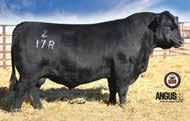
The cow herd makes the program. 7 years in a row Donati Ranch has been the #1 producer of Pathfinder® dams in state of California.
Performance and Carcass Premiums Matter
65% of the offering ranks in the top 10%* for MARBLING.
72% of the offering ranks in the top 25%* for WW and YW.
75% of the offering ranks in the top 25%* for $C.
65% of the offering ranks in the top 25%* for $B. * OR BETTER
AN ANNUAL FEEDER PASTTIME
Feeder Meeting Delivers Insight, Optimism and Opportunity
by CCA Executive Vice President Billy Gatlin
More than 200 cattle feeders, industry leaders,and allied partners gathered in San Diego for the 2026 California Feeder Meeting, making this year’s event one of the strongest and most well-attended meetings in recent memory. While attendees came for the latest information on markets, animal health, sustainability and policy, they left with something equally valuable: confidence in the future of the beef industry.
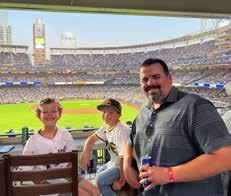
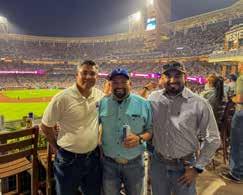
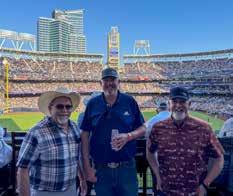
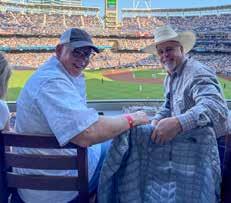
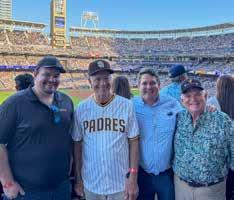
The meeting began with an evening of baseball, networking and family fun at Petco Park as attendees watched the San Diego Padres take on the Los Angeles Dodgers. Against the backdrop of one of Major League Baseball’s most iconic rivalries, cattle producers and industry professionals had an opportunity to reconnect with old friends, build new relationships and enjoy time together outside of the conference room.
“The game was fun, but more than anything it was great to see so many families out enjoying the game together,” said California Feeder Council Chair Mike Sulpizio. “I had a great time connecting with old friends and meeting new ones.”
That spirit of camaraderie carried into the following morning as Sulpezio officially opened the meeting and welcomed attendees to a full day of discussions focused on the issues shaping the future of California’s feeding sector. Presentations covered a wide range of topics, including animal health and safety, emerging disease threats, market conditions, consumer expectations, sustainability and the everchanging political landscape.
One of the timeliest presentations came from Nicki Humphrey, DVM, Cattle and Swine Specialist with the Animal Health Branch of the California Department of Food and Agriculture, who provided an update on the New World screwworm. The parasite has become an increasing concern for livestock producers
across North America, making preparedness and prevention critical priorities.
Humphrey reassured attendees that CDFA has been working closely with the California Cattlemen’s Association for more than a year and a half to develop a comprehensive surveillance and response program.
The goal is early detection and rapid response, Humphrey explained. She went on to add that by working together and preparing now, we can protect California’s cattle herd while minimizing disruptions to commerce and animal movement.
Her presentation reinforced the importance of proactive partnerships between government agencies and industry leaders to address emerging threats before they become crises.
While disease preparedness remains critical, producers are also focused on another challenge: producing more with less. Steve Lerner, Ph.D., Senior Scientific and Business Advisor for Novonesis, challenged attendees to think about efficiency not simply as a production metric, but as the foundation of both profitability and sustainability.
“Efficiency is the common language of progress,” Lerner said.
He emphasized that sustainability and profitability are not competing goals. Instead, they are increasingly interconnected. Every improvement in feed efficiency, animal performance and resource utilization benefits both the producer and the environment.
“When we feed animals more efficiently, we sustain the planet more effectively,” Lerner noted.
He encouraged attendees to move beyond a compliance mindset and embrace a performance-driven approach to sustainability, reminding the audience that meaningful improvements often come through incremental gains that add up over time.
Joe Dan Cameron enjoyed the Padres game with his son and nephew
Zinpro’s Octavio Mendivil, Boehringer Ingelheim’s Juan Rodriguez, and Alltech’s Sebastian Mejia Turcios
Bill Barnett with Merck’s Woody Melton and longtime CCA supporter Bret Davis.
Global Animal Products’ Bill Dubose with and Eric Isaacson
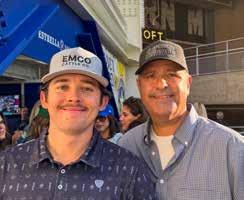
EMCO Premium Beef’s Austin Pacewic and CCA Feeder Chair Mike Sulpizio
CattleFax’s Holden Ramey, cattle feeder Bill Brandenburg and Kunafin’s Blaine and Frank Junfin
Dr. Dale Woerner from Texas Tech
NCBA’s Josh White
Lance Zimmerman, SVPSenior Animal Protein Analyst, RaboResearch Food & Agribusiness
Overland Stock Yard’s Jason Glenn
The 2026 Cattle Feeder Meeting
“Every efficiency gain must ultimately be profitable to be sustainable,” he said.
The policy and political landscape was the focus of a presentation from Ethan Lane, Senior Vice President of Government Affairs for the National Cattlemen’s Beef Association. Lane provided attendees with a behind-the-scenes look at Washington, D.C., where rapid political change continues to create both challenges and opportunities for the cattle industry.
According to Lane, the current environment in the nation’s capital can be unpredictable, but NCBA remains well-positioned to advance key
priorities for cattle producers.
“The only constant in Washington right now is change,” Lane said. He went on to add that NCBA’s relationships with congressional leaders and the Trump Administration continue to provide opportunities to achieve meaningful wins for cattle producers.
Despite uncertainty in federal politics, Lane expressed confidence that NCBA’s advocacy efforts will continue to deliver results on issues ranging from tax policy and trade to regulatory reform and animal health.
The meeting also featured a highly anticipated market outlook from Holden Ramey of CattleFax. Ramey’s message was clear: the cattle cycle remains fundamentally different from previous expansions, and producers should prepare accordingly.
Unlike past periods of herd rebuilding, expansion is occurring slowly and selectively. At the same time, beef demand remains remarkably strong.
Ramey pointed to several factors shaping the market, including ample supplies of competing proteins such as pork and poultry, adequate packing capacity and ongoing caution among producers following years of drought and economic uncertainty.
Perhaps most importantly, he noted that cattle and beef supplies are expected to remain tight for years to come, supporting favorable market conditions.
“The opportunities are there,” Ramey said. But he cautioned attendees that managing risk, controlling costs and focusing on efficiency will be critical to capturing the benefits of these good times while preparing for the next downturn.
Consumer trust and animal care remained central themes throughout the meeting, highlighted by a presentation from Josh White, Senior Executive Director of Producer Education and Sustainability for NCBA.
White reminded attendees that cattle health and welfare matter not only to producers,
but increasingly to consumers and supply chain partners, as well.
He praised California producers for their commitment to Beef Quality Assurance (BQA) certification program, which helped demonstrate the industry’s commitment to responsible animal care.
“Thank you for getting certified and for being counted among the ranchers and feedyards that do things the right way,” White told attendees.
He encouraged producers to continue promoting certification programs within their communities and throughout the supply chain, noting that consumer confidence is strengthened when producers can demonstrate their commitment to best management practices.
The final presentation of the day came from Lance Zimmerman, Senior Animal Protein Analyst with RaboResearch Food & Agriculture, who explored how changing global trade patterns are reshaping the U.S. beef market. As international demand, geopolitical dynamics and trade relationships continue to evolve, producers must remain aware of how global events can impact local markets.
Zimmerman’s presentation underscored a recurring theme heard throughout the day: the beef industry is operating in an increasingly
interconnected world, and staying informed is essential to long-term success.
As the formal program concluded, attendees gathered at Puesto for an evening reception featuring tacos, margaritas and continued conversation. Small groups formed throughout the venue as producers compared notes, discussed market outlooks and reflected on the day’s presentations. The atmosphere was one of optimism.
“Overall, there was a tremendous amount of energy in the room,” said California Feeder Council Vice Chair Jack Hoekstra. “People recognize the challenges we face, but there was also a lot of confidence about the future of California’s beef industry.”
That optimism may have been the most important takeaway from the entire meeting. From animal health preparedness and market opportunities to sustainability, consumer trust and political advocacy, the message was consistent throughout the day: California’s feeding sector continues to adapt, innovate, and lead.
The challenges ahead are real, but so are the opportunities. Judging by the conversations taking place throughout the meeting, California’s cattle feeders are ready to meet the challenges and opportunities head-on.
WVM’s Holly Foster and Bimeda Animal Health’s Shane Strickler
Zoetis’ Natalie Koopmann and her mom having fun at the Padres game
Sundance Feedyard’s Anthony Serpa, Dwight Wiegand, Jack Wiegand (on the far right) and Foster Feedyard’s Rod Foster
UMB Bank’s Wes Deen with catttle feeders Paul Cameron and Trevor Freitas
JOE GOGGINS ELECTED PRESIDENT OF LIVESTOCK MARKETING ASSOCIATION
Joe Goggins, a lifelong livestock marketer and rancher, has taken the helm as president of the Livestock Marketing Association. He assumed the role during the association’s annual convention in June.
Goggins serves as chief executive officer of the Vermilion Ranch Corp. in Billings, Mont. In this role, he oversees Public Auction Yards, Billings Livestock Commission, Western Livestock Auction, Northern Livestock Video Auction, the Vermilion Ranch Registered Angus Herd, Diamond Ring Ranch and other diversified business ventures. Prior to becoming CEO, he worked alongside his late father, Pat Goggins, and grew up immersed in the family’s operations. Along with his wife, Linda, Goggins also operates J&L Livestock, a commercial cattle operation focused on breeding and raising Angus females.
He graduated from Montana State University with a degree in animal science before pursuing his passion for auctioneering. A longtime LMA supporter whose family has deep roots in the organization — his father also served as president — Goggins has been involved in the association for approximately 20 years, previously serving on the board of directors and executive committee.
And while he’s been engaged in many organizations over the years, LMA has a special place in his heart.
“This board is made up of people that have skin in the game,” Goggins said. “Every day they’re out doing the work, worrying about their producers, their consignors and the whole industry.”
Goggins emphasized the value the association provides to its more than 800 members, which include auction markets, order buyers and dealers. He highlighted the association’s industry-leading insurance products — particularly critical for livestock facilities — prompt pay reform advocacy, buyer verification services and payment protection insurance.
Beyond operational support, Goggins is passionate about LMA’s broader role in the industry.
He stressed the importance of initiatives like the Common Ground Coalition that aim to unify the industry, keep producers on the land and sustain rural economies.
“We need producers,” he said. “We need folks on the land and we’ve got to come up with some ways all across this industry to help these people.”
He described LMA as a “well-oiled machine” with exceptional staff and said he plans to maintain its strong momentum while focusing on key priorities: protecting and enhancing payment protection; supporting policy efforts such as allowing auction market owners to own or invest in harvest facilities; making sure animal disease traceability rules work for producers and markets; and continuing industry unification efforts to support cow-calf producers.
“I’ve never been prouder to be part of an organization,” he concluded. “Because they see the big picture: this country needs food security and that only happens if we keep cow/calf producers on the land.”
SHOULD YOU ORDER THE ANAPLASMOSIS VACCINE?
Anaplasmosis is an infectious parasitic disease in cattle, spread primarily by ticks and blood sucking insects like mosquitoes. The killed anaplasmosis vaccine protects cows and bulls of any age from infection and requires a booster given 4 to 6 weeks after the initial vaccination. Find out below if you should order the vaccine!
Do you own cattle?
You don’t need it, but should still support the California Cattlemen’s Association
Do they graze in areas where Anaplasmosis is a problem?
Do you want to prevent the effects of the disease including severe anemia, weakness, fever, lack of appetite, depression, constipation, decreased milk production, jaundice, abortion and possibly death?
You don’t need to
FEATURED EARLY CONSIGNMENT:
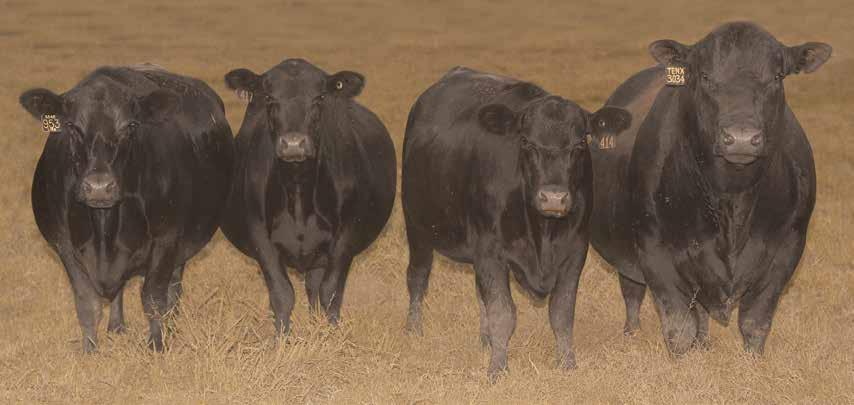
150 Fancy, Black, 3- and 4-Year-Old, Fall-Calving Cows Bred A.I. to Calving-Ease Angus Bulls, including E W A King William 9141. Don’t miss this opportunity to buy these local bred cows and profit on this record-high calf market next year. Follow us on social media at Famoso Western Stockmans Market for more consignments added before these annual bred cow sales at Famoso.
PROMOTING AND PROTECTING
“THE CROWN JEWEL” OF AGRICULTURE
by National Cattlemen’s Beef Association Chief Executive Officer Colin Woodall
Every generation of cattle producers shares two responsibilities: caring for the land and livestock entrusted to us today and preparing the people who will lead this industry tomorrow. One of the most encouraging signs for the future of cattle production is the growing number of young people stepping into roles as producers, researchers, advocates and leaders through state association leadership development programs or NCBA’s Young Cattlemen’s Conference, which has just completed its 43rd year.
Across the country, students and young cattlemen and women are either continuing family operations or entering the industry for the first time, bringing fresh ideas and energy while honoring the values that have sustained cattle production for generations. At NCBA, engaging the next generation is a top priority. As a grassroots organization built by producers willing to step up and lead, NCBA is committed to creating opportunities that help young people build skills, gain experience and understand their voices matter in shaping the future of our industry.
NCBA has expanded programs designed to provide students and young producers with real-world experience, professional development and industry connections. Through educational sessions, career exploration opportunities, Beef Quality Assurance certification, networking with industry leaders, internships and scholarships, students gain exposure to careers in production, research, policy and agribusiness while learning how NCBA serves as the trusted voice of U.S. cattle producers.
NCBA’s student engagement efforts reach a wide range of participants, including 4-H and FFA members, undergraduate and graduate students and those conducting advanced research that will shape the future of cattle production. These programs help young professionals build skills that will serve them — and the industry — for years to come.
Internships remain an important part of preparing the next generation. NCBA internships in Washington, D.C., Colorado and at major industry events provide students with hands-on experience in government affairs, meetings and events, marketing, educational programming and
association operations. These opportunities give students valuable insight into both the policy and business sides of the cattle industry.
Through the National Cattlemen’s Foundation and generous industry partners, NCBA awards scholarships annually to undergraduate and graduate students pursuing careers in agriculture. These scholarships help support future industry leaders while easing the financial burden of higher education. Producers interested in supporting these efforts can learn more on the National Cattlemen’s Foundation website.
NCBA student membership is open to students under the age of 25 and provides access to scholarships, internships, educational resources, webinars and a nationwide network of producers and industry professionals. Student membership also helps young people strengthen their resumes through involvement with the nation’s largest and oldest trade association representing cattle producers.
Over the past year, NCBA has also launched new initiatives to strengthen youth engagement, including the Collegiate Partnership Program, which allows agriculture-based student organizations to partner with NCBA and offer memberships to their students. The effort has already more than doubled student membership involvement. NCBA also created an Industry Internships page on NCBA.org that connects producers and agribusinesses seeking help with students looking for hands-on experience in the cattle industry.
Nearly 95 percent of cattle operations are family-owned, making succession and leadership development critical to the future of our industry and our food system. By investing in students and young producers today, we are helping ensure American cattle production remains strong for generations to come. I am proud of the work already underway and confident in what lies ahead for this industry we all care so deeply about.
AUCTION RING TO DINNER PLATE
BUYERS COALITION SUPPORTS YOUTH, STRENGTHENS COMMUNITIES AND PROMOTES CALIFORNIA BEEF
Every year at county fairs across California, young 4-H and FFA exhibitors invest countless hours caring for and raising livestock projects. Long before they enter the auction ring, they have already learned lessons in responsibility, animal husbandry, financial management, record keeping, communication and leadership. For many of these exhibitors, the livestock
auction is more than a sale—it is the culmination of a year-long investment of time, labor and commitment. This level of dedication and depth of agricultural education is what drives the 37th District Buyer’s Coalition to support youth exhibitors.
Founded in 2022, the 37th District Buyer’s Coalition carries a simple mission: ensure hardworking youth exhibitors receive meaningful support for their efforts while creating a lasting benefit for the communities they serve.
Since its inception, the Coalition has supported more than 260 youth exhibitors at the Santa Barbara County Fair and facilitated the donation of more than 80,000 pounds of locally raised meat to organizations addressing food insecurity throughout the Central Coast.
While those numbers are significant, the Coalition’s impact extends far beyond pounds donated or animals purchased.
“This is a win-win-win,” says Coalition President Renli Pope. “The kids benefit, the community benefits, and we all feel better being a part of it.”
Investing in the Future of the Beef Industry
California’s cattle industry depends upon the next generation of producers, ranchers, veterinarians, educators and agricultural advocates.
Organizations such as 4-H and FFA have long served as the training ground for these future leaders. Research consistently shows youth involved in agricultural education programs
During the Santa Barbara County Fair, the Coalition team engages with auction support applicants to see how they manage their animal at the fair, talk with the public, and hear what they’ve learned from raising their livestock.
demonstrate higher rates of graduation, leadership participation, civic engagement and career readiness. FFA members are more likely to pursue higher education, develop public speaking skills and become active contributors within their communities.
The livestock project itself teaches lessons that cannot be replicated in a classroom alone. Exhibitors learn to care for animals daily, manage expenses, maintain records, market their projects and communicate with buyers. These experiences build the foundation for future success both within and beyond agriculture.
Unfortunately, rising production costs, similar to what our ranchers are facing, and declining fair auction participation created challenges for many exhibitors. In some cases, auction prices no longer reflect current cattle market conditions, making it especially difficult for youth producers to recover their investment.
For students who are new to agriculture or whose families do not have longstanding connections within the local agricultural community, finding buyers can be especially challenging. Applicants to the Coalition are required to write five buyer’s letters, introducing themselves, what they’ve learned from raising livestock and encouraging people to attend the auction and bid on their project.
“Many of our students are disadvantaged,” said Nipomo FFA’s lead adviser Rosemary Cummings. “They want to show livestock, but it’s a challenge for them to find buyers because their parents don’t necessarily have connections to people with the means. So this provides them with an opportunity to be able to at least make a profit.”
The 37th District Buyer’s Coalition was created to help bridge a gap and ensure young people remain encouraged to participate in these programs, preserving a pathway into agriculture for future generations and beef consumers.
Creating a Transparent Local Food System
One of the Coalition’s most unique aspects is the transparent journey each animal takes after the auction. Rather than leaving the community, animals purchased by the Coalition remain part of a local food system that directly benefits the region where the livestock were raised.
Through partnerships with Harris Ranch Beef Company and local Central Coast processors and butchers, cattle are processed, cut, wrapped and distributed to community ...CONTINUED ON PAGE 42
In 2025, the Coalition offered beef raffle tickets for sale and provided two families, half a cut and wrapped steer each. Charmaine Velarde, the local cattle breeder and Sienna Morin, the Reserve Champion Local Bred steer exhibitor, were on hand to take a look and deliver the finished beef product prepared by Clint Eighmy at Rancho Sestero Meat Cutting.
In 2025, Harris Ranch Beef donated the processing of steers purchased by the 37th District Buyer’s Coalition. The partnership enabled non-profit groups to receive high quality, California raised beef and nourish community members in need.
El Camino 4-H and the Santa Barbara County Fair Beef Judge. El Camino 4-H poses with the beef judge to thank him for his efforts with a basket of Central Coast favorites including some Susie Q seasoning.
organizations serving veterans, seniors, families experiencing food insecurity and other vulnerable populations.
This process allows donors, exhibitors and consumers alike to understand exactly where their food comes from and how it reaches those who need it most. This is often a full circle experience. Many exhibitors whose animals were purchased by the Coalition later accompany Coalition members during beef deliveries to nonprofit organizations. The students are literally feeding their neighbors in need with the protein they raised. These interactions create powerful conversations about agriculture, animal care, sustainability, nutrition and food production.
“These kids have given their heart and soul to raising these animals… they’re just delightful,” said Nancy Imwold of South County People’s Kitchen, a non-profit recipient of Coalition beef.
Promoting Beef Through Experience
Although not connected to Beef. It’s What’s For Dinner®, the Coalition’s work naturally aligns with the Beef Checkoff’s mission of building consumer trust and appreciation for beef. Every donation, auction purchase and community interaction creates opportunities for consumers to connect with the people who raise cattle and to better understand the value of beef as a nutritious protein source.
To further support these youth exhibitors and expand the donation program, the Coalition hosts an annual Beef Raffle for just $20 per ticket. Participants have a chance to win a half steer, cut and wrapped, enough to fill a freezer with locally raised, high-quality beef.
All proceeds directly support the Coalition’s mission: purchasing additional animals at auction, supporting 4-H and FFA youth and distributing protein to locals in need. Ticket purchases and additional donations can be made via https://givebutter.com/2026BeefRaffle or mailed to: 37th District Buyer’s Coalition, P.O. Box 335, Nipomo, CA 93444
The coalition actively seeks business sponsors, providing opportunities for positive exposure while directly supporting youth exhibitors and the local beef community.
A Partnership That Benefits Everyone
The Coalition’s model demonstrates what can happen when cattle producers, processors, butchers, community organizations, and youth programs work together.
Local cattlemen benefit from positive exposure and consumer engagement. Youth exhibitors receive critical auction support and encouragement. Non-profit organizations gain access to a valuable protein source that is often financially out of reach. Consumers gain greater understanding and trust in how beef is raised and produced.
Most importantly, the next generation of agricultural leaders sees how their hard work matters.
At its core, the 37th District Buyer’s Coalition represents a simple but powerful idea: supporting youth agriculture today helps secure the future of California’s cattle industry tomorrow.
From the auction ring to the dinner plate, every animal tells a story—one of stewardship, community and the enduring value of California beef.
L to R: 37th District Buyer’s Coalition Board Members Jessica Ruffoni, Renli Pope, Jon Fleming and Megan Silcott celebrate supporting youth livestock exhibitors at the Santa Barbara County Fair with buyer number 37.
Nancy Imwold of the South County People’s Kitchen showcasing the high quality beef raised by local 4-H and FFA members.
YOU JUST CAN’T SEE IT FROM THE ROAD
THE HIDDEN WORK OF CALIFORNIA RANCHERS
by Managing Editor Stevie Ipsen
Most Californians have driven past a ranch at some point in their lives. Maybe it was a sprawling cattle operation tucked into the rolling hills of the Central Coast, a family ranch in the Sierra foothills or a cow-calf operation stretching across the state’s vast northern counties. To many passing motorists, those ranches appear quiet and untouched. Just cattle grazing in a pasture beyond a fence line.
But as Chris LeDoux famously sang in “You Just Can’t See Him From the Road,” ranchers are nothing if not productive.
LeDoux’s song paints a picture of the modern cowboy whose work and way of life continue despite being largely invisible to the public. The same could be said for California ranchers. While millions of people enjoy the benefits of their work every day, much of what ranchers contribute happens far beyond the view of highways and city streets.
The most obvious contribution is food production. California ranchers raise cattle that help feed families across the state, the nation and the world. Yet the process involves far more than simply turning cattle out to pasture. Ranchers spend countless hours monitoring animal health, managing nutrition, improving genetics, maintaining fences, developing water systems and preparing for challenges ranging from drought to wildfires. Much of that work occurs long before a steak reaches a dinner plate.
What many people don’t realize is that ranchers are also among California’s largest conservation partners.
California contains millions of acres of privately owned rangeland. These open spaces provide critical habitat for wildlife including deer, elk, pronghorn antelope, upland birds, raptors
and countless native species. In many areas, ranching operations have prevented land from being subdivided into housing developments, helping preserve large, connected landscapes that wildlife depend upon.
Drive past a ranch and you may see a few cows grazing on a hillside. What you probably won’t see are the countless stewardship practices taking place behind the scenes. Ranchers maintain stock ponds that provide water for wildlife. They protect springs and riparian areas. They work with conservation groups and government agencies to improve habitat conditions. Many invest significant resources into controlling invasive weeds, restoring native grasses and managing grazing in ways that promote healthy ecosystems.
Another hidden benefit comes in the form of wildfire prevention. California’s devastating wildfire seasons have highlighted the importance of fuel management. Well-managed grazing can help reduce fine fuels such as grasses and brush that contribute to fire spread. Livestock often graze areas that would otherwise accumulate dangerous amounts of vegetation. In many regions, ranchers serve as an important line of defense against catastrophic wildfires by keeping landscapes productive and reducing excess fuel loads.
The public rarely sees the long days spent checking water systems during triple-digit temperatures, moving livestock to improve forage utilization or repairing miles of fence damaged by storms and fire. Yet those efforts contribute directly to healthier landscapes and more resilient rural communities.
Ranchers also play a vital role in preserving California’s rural heritage. Many ranching families have cared for the same land for
generations. Their knowledge of weather patterns, water resources, wildlife movements and land stewardship has been passed down through decades of experience. They serve on volunteer fire departments, school boards, county fair committees, conservation districts and countless community organizations.
When natural disasters strike, ranchers are often among the first to respond. Whether helping neighbors move livestock ahead of a wildfire, hauling water during drought or opening private roads for emergency access, they regularly provide support that extends far beyond their own operations.
Yet much of this work still goes unnoticed. Today’s society is increasingly disconnected from agriculture. Most people encounter ranching through occasional news headlines, social media posts or a glimpse from a car window. They see the fence, the pasture and the cattle. They don’t see the predawn mornings, the midnight calving checks, the conservation projects or the countless decisions required to care for both livestock and land.
That’s why LeDoux’s message remains so relevant. The cowboy and the rancher still exists. He or she is still riding fences, caring for livestock, protecting open space and serving rural communities. The work simply isn’t always visible to those passing by.
California ranchers don’t often seek recognition for what they do. Their reward comes from caring for the land, raising healthy livestock and providing opportunities for future generations. But as debates continue about agriculture, land use, conservation and food production, it is worth remembering that some of the most important work happening in California occurs far from public view.
You may not see it from the road. But it is there every day.
Behind every stretch of open rangeland, every healthy watershed, every wildlife habitat and every beef product enjoyed by consumers, there is likely a ranching family quietly doing the work that keeps it all possible. Much like the cowboy in Chris LeDoux’s classic song, California ranchers are still out there carrying on traditions of stewardship, resilience and hard work. You just can’t always see them from the road.
5 SERVICES CALIFORNIA RANCHERS PROVIDE THAT MOST PEOPLE NEVER SEE
• Maintain wildlife habitat on millions of acres of open space.
• Reduce wildfire fuels through managed grazing.
• Protect watersheds and natural springs.
• Care for livestock 365 days a year, regardless of weather.
• Support rural communities through volunteerism and emergency response.
ALLIED INDUSTRY SPOTLIGHT
GIVING BACK
VSI REP OFFERS PRODUCTS, SERVICES AND SUPPORT
from the Allied Industry Council
In 1985, associates from agricultureal businesses approached California Cattlemen’s Association leadership about creating a support network of businesses who aligned with CCA’s membership to help support a variety of CCA projects. Today, that resulting group, the Allied Industry Council, still works to benefit CCA. As business affiliates who work directly with cattlemen and women, day in and day out, Allied is a way they can continue to give back to the ranchers who support their own lines of work.
This column highlights Allied members and serves to help members get to know them and understand why they choose to support CCA and be involved in the council. This month we learn about Julie Ketscher of Veterinary Service, Inc., often known as VSI.
Q What is your favorite part of working with beef cattle producers?
A I love the loyalty that beef producers have. If you take good care of them and do good by them it’s like you become part their family
Q What is one way in which being an Allied member helps you do your job better?
A With out a doubt, I enjoy the networking aspect. Getting to know producers individually and what ways I can help them. It is always interesting to meet new people from all over the state.
Q What is your favorite way to enjoy beef?
A The best way to enjoy a good steak dinner on a Friday night is with family and friends.
Q What is one interesting product or service your company provides that producers might not be aware of, that would make their lives easier?
A We offer a lot of products and services. The best way I can describe us is that we are a onestop-shop for all their producing needs: vaccine, antibiotics, needles and syringes, custom ear tags, lick tubs, etc.
Q What is your favorite CCA event?
A The feeder meeting is always great networking in beautiful San Diego but I also enjoy the convention because of the social networking.
Q Why do you support CCA?
A CCA is comprised of salt of the Earth cattle producers who need and use the products and services that I offer. Allied members support the people that support us, but moreover I also support CCA because of the work its staff and members do to protect and promote the livestock industry.
Q Why would you tell other businesses to support CCA and the Allied Industry Council?
A Because of the networking connections that are made are beneficial to them as representatives of their respective businesses but it is also a great way to support an industry I think we all love and respect.
USDA ISSUES DIRECTIVE TO RESTORE GRAZING ON NATIONAL FOREST LANDS AND STRENGTHEN SUPPORT FOR AMERICA’S RANCHERS
On June 12, U.S. Secretary of Agriculture
Brooke L. Rollins announced the distribution of a comprehensive directive to all U.S. Forest Service employees from the Office of the Under Secretary for Natural Resources and Environment. These actions advance implementation of the Advancing Grazing on Forest Service and Bureau of Land Management Lands Memorandum of Understanding and the USDA–Department of the Interior Grazing Action Plan, delivering on the Trump Administration’s commitment to strengthen American ranching, restore multipleuse management on federal lands, and combat regulatory lawfare against producers.
“America’s ranchers are an integral component of our rural economies, our food security and our national strength,” said Secretary Rollins. “For too long, bureaucratic overreach and activistdriven lawfare have undermined the multiple-use mandate of our National Forests and Grasslands. Today, we are empowering line officers with clear direction and reaffirming grazing as an essential tool for healthy landscapes and vibrant rural communities.”
The letter to Forest Service employees,
addressed from Secretary Rollins and referencing the detailed implementation directives from Under Secretary Michael Boren, emphasizes the historic role of grazing on National Forest System lands. These actions build directly on the October 2025 USDA Plan to Fortify the American Beef Industry and the March 31, memorandum signed with Secretary of the Interior Doug Burgum.
Key
Elements of the Directives:
• Expanding access to prioritize permitting vacant and closed allotments
• Maximizing grazing flexibilities to keep working lands working
• Eliminating delays by streamlining permitting and allotment authorizations
• Elevating rural Americans by giving ranchers a better voice
• Improving service by setting expectations for positive engagement with ranchers.
By elevating grazing as an Administration priority, USDA is protecting the roughly 23,000 permittees and lessees who rely on public rangelands while delivering more affordable, American-raised protein to consumers.
Stepaside Bulls
IN MEMORY
DAN O’CONNELL
E. Daniel O’Connell passed away on May 30, leaving behind a legacy of service, leadership, and dedication to family, agriculture, and community. Born in Rio Vista, and a longtime resident of Colusa, Dan devoted his life to ranching, public service, youth programs and conservation.
An accomplished athlete, Dan excelled in sports throughout his youth and was known as a skilled barefoot water skier on the Sacramento River. He attended the University of Nevada, Reno, where he played basketball and served in the Army National Guard. He later transferred to the United States Air Force and served overseas on active duty. Upon returning home, he completed his education at California State University, Chico, where he met Barbara Azevedo of Maxwell. Together they shared 53 years of marriage and built a life centered on family, ranching, faith and community service.
Dan served as Colusa County Assessor from 1980 until his retirement in 2006. During his 26 years in office, he never faced opposition in an election, reflecting the trust and respect he earned throughout the community. He was widely known for his professionalism, fairness and deep understanding of land and agriculture.
A lifelong advocate for agriculture and youth, Dan dedicated countless hours to 4-H, FFA, the Colusa County Fair and the Junior Livestock Auction. He served as President of the Colusa County 4-H Council, Fair Board Director and founding member of the Colusa County Fair Foundation. He was also a board member of the California Rangeland Trust and a passionate supporter of protecting California’s working ranches and open spaces.
Dan was deeply proud of the Registered Black Angus cattle herd he raised and the annual bull sale he established more than thirty years ago, providing quality genetics to cattle producers throughout Northern California. He remained active in the cattle industry through the California Cattlemen’s Association, National
Cattlemen’s Beef Association and Glenn-Colusa Cattlemen’s Association.
His commitment to service extended throughout the community. Dan was a Rotarian for more than 50 years and served as President of the Colusa Rotary Club. He was also active in the Redskins Athletic Foundation, Knights of Columbus, and Colusa Unified School District Site Council. His contributions were recognized with numerous honors, including GCCA Cattleman of the Year and the CBCIA Seedstock Producer of the Year Award.
Dan is survived by his beloved wife of 53 years, Barbara O’Connell; his children, Daniel O’Connell and Shayleen O’Connell; his grandchildren, Sofia O’Connell, Colton O’Connell, Dominic Mastagni, Natalie Mastagni and Charlotte Mastagni; his sister, Betsy Woodruff (Eddie); and numerous nieces, nephews, cousins, and friends.
Dan’s legacy lives on through the family he cherished, the young people he mentored, the agricultural community he strengthened, and the California landscapes he helped preserve. He will be remembered for his humility, generosity, leadership and steadfast dedication to others. He will be deeply missed by all who had the privilege of knowing him.
A viewing and Rosary was held on June 17 with a funeral mass celebrating Dan’s life on June 18. Donations may be made in Dan’s memory to the California Rangeland Trust, 3900 Lennane Drive, Suite 210, Sacramento, CA 95834, or the Colusa County Fair Foundation, 1303 10th Street, Colusa, CA 95932, or a charity of your choice.
SHARE YOUR NEWS
TO SHARE YOUR FAMILY NEWS, OBITUARIES, BIRTH OR WEDDING ANNOUNCEMENTS E-MAIL DETAILS TO MAGAZINE@CALCATTLEMEN.ORG.
RANDY KESSLER
Randal (Randy) Ervin Kessler, 74, Umapine, Ore. passed away in his sleep June 18.
He was born Friday, October 13, 1952 (and never understood why anyone would think Friday the 13th was anything but lucky) in Walla Walla, Wash. to Ervin and Arlene (Schubert) Kessler.
Randy grew up on his father’s row crop farm but quickly gained interest in livestock and at the age of 9, after joining his first 4H club, informed his leader that he was going to get a Black Angus heifer, go to the county fair every year and sell bulls. His parents gifted him his first heifer, Triple T Eileenmere Lassie, in 1961, he sold his first bull in 1964 and never looked back.
Growing up within 4H and FFA, Randy was surrounded by great mentors he talked fondly of throughout his life. He earned his American FFA Degree and ran a 50 head cowherd upon graduating from Umapine High School. He did have a brief stint in the sheep business as a chosen CDE but loved to tell us he had 10 ewes, one ram, five lambing pens and no lambies! From that point on he never bought or sold a herd sire that hadn’t been properly fertility tested.
There may not be anyone more proud of Umapine, Ore., a map dot Randy centered his world upon. He moved nine times in his life, all in a three-mile radius. Going through a small rural school often means smaller sports programs and always the jokester he loved to tell newer acquaintances that he was at one time one of the most highly recruited athletes at University of Oregon. Many would look at his small build in a bit of confusion for a second before he explained “Umapine of Oregon, where if they didn’t have my body, they couldn’t have a football team!”
Randy met his late wife, Dawn Cargill, at the Benton Franklin County Fair. Her mother was
active on the fair board and Dawn worked in the livestock office where she noticed a grown man exhibiting Angus cattle always filled out the age boxes intended for the youth projects but had also indicated he was single and looking. Not many men can say their motherin-law played a key role in their relationship forming but Kathy pointed out to Dawn that his filling out of these forms was a fun trait in a partner and they should go on a date.
It seems Dawn was completely wooed by her first ride to dinner in that 1975 GMC C-65 with stock racks and she soon began making many drives from Finley to Umapine to work cows alongside Randy in the headlights of his pickup after he’d clock out from his day job; and considered it the perfect date night. Together they became one of the greatest teams the purebred cattle industry will ever have the honor of watching grow a program in the Pacific Northwest.
Angus cattle were Randy’s passion and he never wavered from his commitment to caring for his cowherd and the customers he gained through years of private treaty and consignment sales and eventually an annual bull sale starting in 2007. In 2012 Randy’s herd, Kessler Angus, was designated as a Historic Angus Herd by the American Angus Association, granted to those that have been continuous breeders of Angus cattle for 50 years. One of his greatest honors was being named a Walla Walla Fair Legend in 2024. 2025 was his 63rd consecutive year exhibiting cattle at the Walla Walla Fair, he never missed a year of leading an Angus female onto those grounds even through his battles with cancer in the early 2000s.
Randy is survived by his children Tierra (Robert) Duke, Cheyenne Kessler and Cody Kessler; sisters Vicki (Rocky) Robbins, Susan Moore and Jeannie Kibler; and Grandsons Wyatt & Henry Duke. He was preceded in death by his wife, Dawn, parents Ervin & Arlene, and his grandparents.
A celebration of life was be held at Kessler Angus Ranch on June 27.
Honoring 2026 grads
Each year, CCA recognizes graduates from each of California’s major university agriculture programs. The following students were nominated and selected by their university professors for their standout performances during their undergraduate career.
Not only has each of these graduates excelled in the classroom, they have also went above and beyond by seeking involvement in their school’s
ALEXIS JACKSON
Antelope Valley ANIMAL SCIENCE
Attending graduate school in beef and dairy production
extracurricular opportunities. Most importantly, each of these students has plans to continue on to a career still directly related to the beef industry.
CCA members should be pleased to see the future of our industry being so dedicated to their cause and to the agricultural way of life. CCA extends congratulations to the class of 2026 for the perseverance they have shown in working to obtain an education!
Antelope Valley ANIMAL SCIENCE
Attending graduate school in meat science and reproduction
ULYSSES PALIDO Clovis
AGRICULTURAL BUSINESS
Working in the beef industry and establishing a fencing business
ANIMAL SCIENCE
Has an internship with the Modoc County Extension Office
AG SCIENCE & EDUCATION
Completing the Chico State Credential program to become a future agriculture educator
RODRGUEZ Fresno
ANIMAL SCIENCE
Will be attending veterinary school at Utah State University
Porterville AGRICULTURAL EDUCATION
Attending the credential program at Fresno State to become an ag teacher
ANIMAL SCIENCE
Preparing to apply to veterinary school
ANIMAL SCIENCE
Has an internship with FerAppease and the University of Nebraska’s Sandhills Lab
MORGAN JACKSON
DIEGO
KADIN WHEELESS
JAYCEE NORRIS McArthur
CASSIDY MORTON Ripon
GUILLERMO GARIBAY Ceres
KRISTOBAL VIZCARRA Bakersfield
Announcing the new vaccine from Hygieia Labs:
Your Foothold Against Foothill Abortion.
Costing the industry more than $10 million annually, Foothill Abortion — formally known as Epizootic Bovine Abortion, or EBA — has robbed profits from ranchers for almost 100 years as the leading cause of calf loss in affected areas of the Western United States.
Until now.
After years in development and testing, the new Foothill Abortion Vaccine is available from Hygieia Biological Laboratories. The Foothill Abortion Vaccine has been shown to protect more than 95% of animals from the disease when administered as directed. Administration is safe, simple and proven to give your heifers a strong start for greater productivity.
Protect your investment and promote your profitability. Ask your local veterinarian if the Foothill Abortion Vaccine is right for your herd, or contact Hygieia Labs to learn more.
HYGIEIA BIOLOGICAL LABORATORIES P.O. Box 8300, Woodland, California 95776 USA
Contact Jenna Chandler at Hygieia Labs for additional information.
The application period for the 2026 California Cattlemen’s Associate Scholarships is now open, and CCA encourages you to apply! In 2025, over $51,000 was awarded to students studying agriculture. The scholarships aid students in their current studies and future careers helping them to stay active in the industry.
Scholarship recipients have pursued continued education opportunities and work in various facets of the industry ranging from veterinary practices, education, animal health and much more. Scholarship interviews will take place at the 110th CCA and CCW Annual Convention and California Cattle Industry Tradeshow in Reno, Nev.
HDPE
Lifetime Pipe for Agriculture
Applications for the scholarship must be typed and returned in full to Gracie LeCheminant at Gracie@calcattlemen.org Scholarship applications are due by Oct. 1 at 11:59 p.m. PST.
CCA’s annual convention serves as a chance for college students to participate in hands-on experiences, gain knowledge and connect with others involved in the industry by serving as a convention intern. Interns help CCA staff with convention duties such as running CCA’s tradeshow booth, onsite registration and variousother jobs throughout the event. Interns have the opportunity to attend select meetings, general sessions and access to the tradeshow with complimentary registration. Interns will be able to interact with beef industry leaders and connect with other young cattlemen attending the meeting.
To apply to be a convention intern, send a resume and cover letter explaining why you would like to serve as an intern to Gracie@ calcattlemen.org. Applications are due by Oct. 10, at 11:59 p.m. PST.
BALD MOUNTAIN BRANGUS, SONORA (209) 768-1712 RUNNING STAR RANCH, LINCOLN (916) 257-5517
SPANISH RANCH, NEW CUYAMA (805) 245-0434
GLASGOW BRANGUS, SANTA YSABEL (760) 789-2488
SUNSET RANCH, OROVILLE (530) 990-2580 DEER CREEK RANCH, LOS MOLINOS (541) 817-2335
RANCHES, GREELEY HILL (209) 591-0630
SPANISH RANCH
Source for Brangus and Ultrablack Genetics in the West!
THE DOIRON FAMILY Daniel & Pamela Doiron 805-245-0434 Cell doiron@spanishranch.net www.spanishranch.net
Advertisers’ Index
VINTAGE ANGUS RANCH
The Nuttall Family: Dallice, Logan with sons Franky, Clayton & Reese
“We star ted pur chasing bulls fr om VAR se v en year s a go and we hav e seen the benefits. Our car cass tr aits and her d genetics hav e dr amaticall y impr ov ed since fir st pur chasing VAR bulls.
Nuttall Li v estock is pr oud to be pr oducing car cass merit beef and r eplacement heifer s that prioritize str uctur e and mater nal str ength. We appr eciate the r ole Vinta ge Angus R anch has played in our oper ation’ s success.”