Matt Macfarlane | (916) 803-3113 m3cattlemarketing@gmail.com
BILLING SERVICES
Lisa Brendlen lisa@calcattlemen.org
SERVING CALIFORNIA BEEF PRODUCERS SINCE 1917
Bolded names and businesses in editorial represent only current members of the California Cattlemen’s Association or California CattleWomen, Inc. For questions about membership status, contact the CCA office at (916) 444-0845. The California Cattleman (Publication #8-3600) is published monthly except May/June is combined by the California Cattlemen’s Association, for $20/year, or as part of the annual membership dues. All material and photos within may not be reproduced without consent of publisher.
Periodical postage paid at Lubbock, Texas, 79402. Publication # 8-3600
National Advertising Group: McFarland AdVantage | (334) 652-9080 222 Shady Valley Road, Autaugaville, AL 36003
POSTMASTER: Send address changes to: California Cattleman, 3841 North Freeway Blvd., Suite 130 Sacramento, CA 95834
Annual Public Lands Council Meeting Sept. 15-17 | Copper Mountain, Colo.
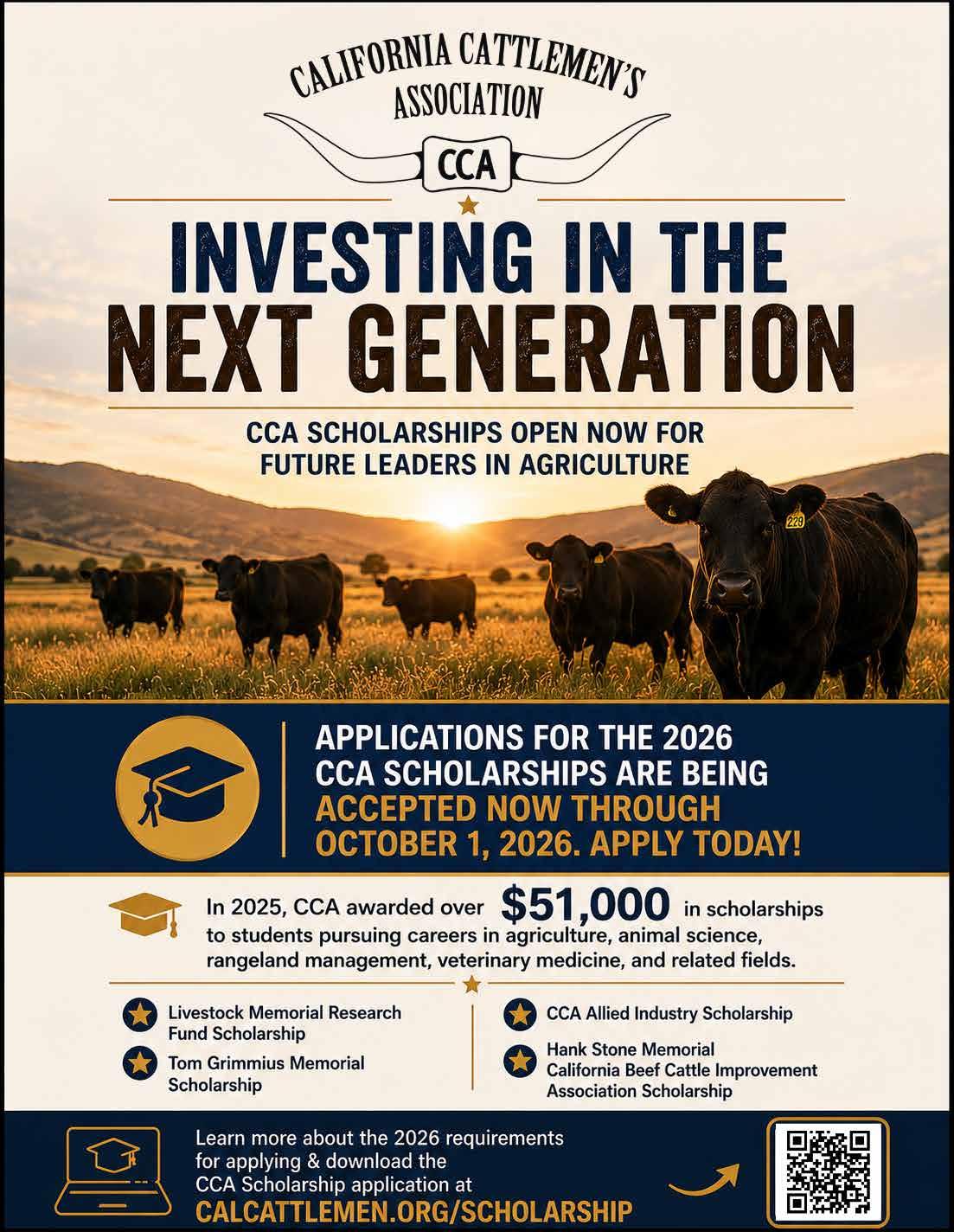
2026-2027 CCA Scholarship Deadline Oct. 1, 2026
For details, see calcattlemen.org/scholarship/
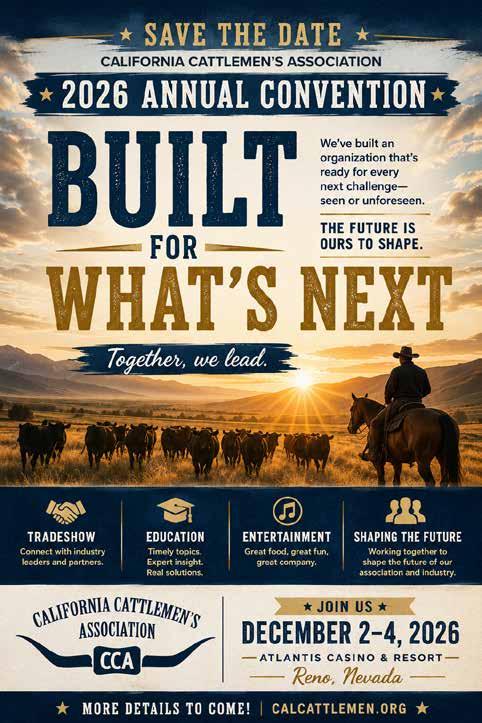
CCA & CCW Annual Convention Dec. 2-4 | Reno, Nev.
ASSOCIATION PERSPECTIVES
10 12
22 44 70 74 28 62 82
CATTLEMEN’S COLUMN
250th milestone reminds us of where we’ve been and where we’re going
BUNKHOUSE
Investing in research to improve the future
DUES DOLLARS AT WORK
State budget a mixed bag for CCA
WORKING RINGSIDE
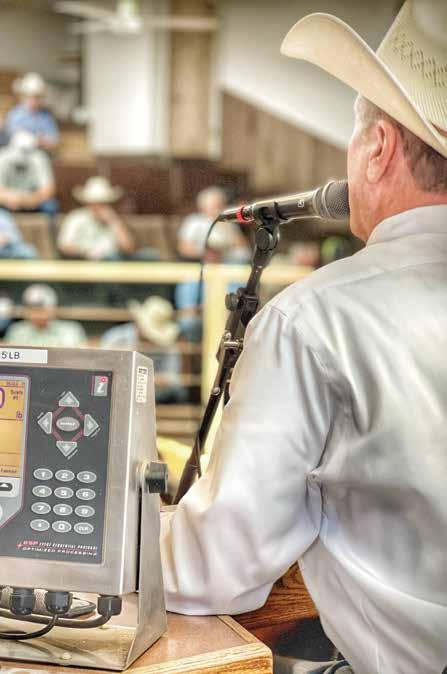
Ready for fall sale season
CHIMES
Midyear meeting takes CCW members to Reno for education and planning
COUNCIL COMMUNICATOR
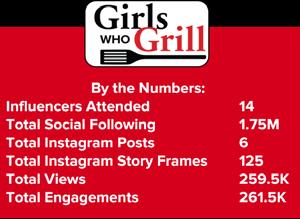
Influencing the influencers
RANGELAND TRUST TALK
Landowner appreciation dinner to recognize significant contributions
BEEF ABROAD
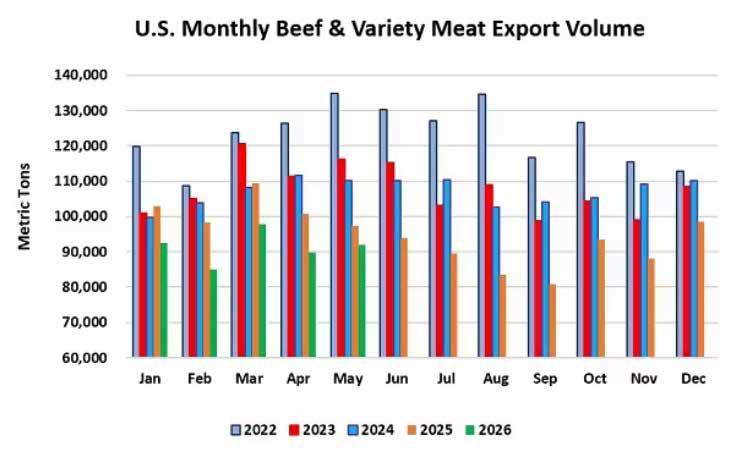
Exports down but value’s up
NATIONAL STAGE
Helping beef producers navigate the challenges of the New World screwworm
ON THE COVER
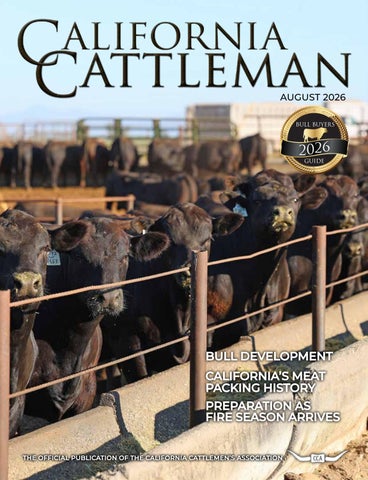
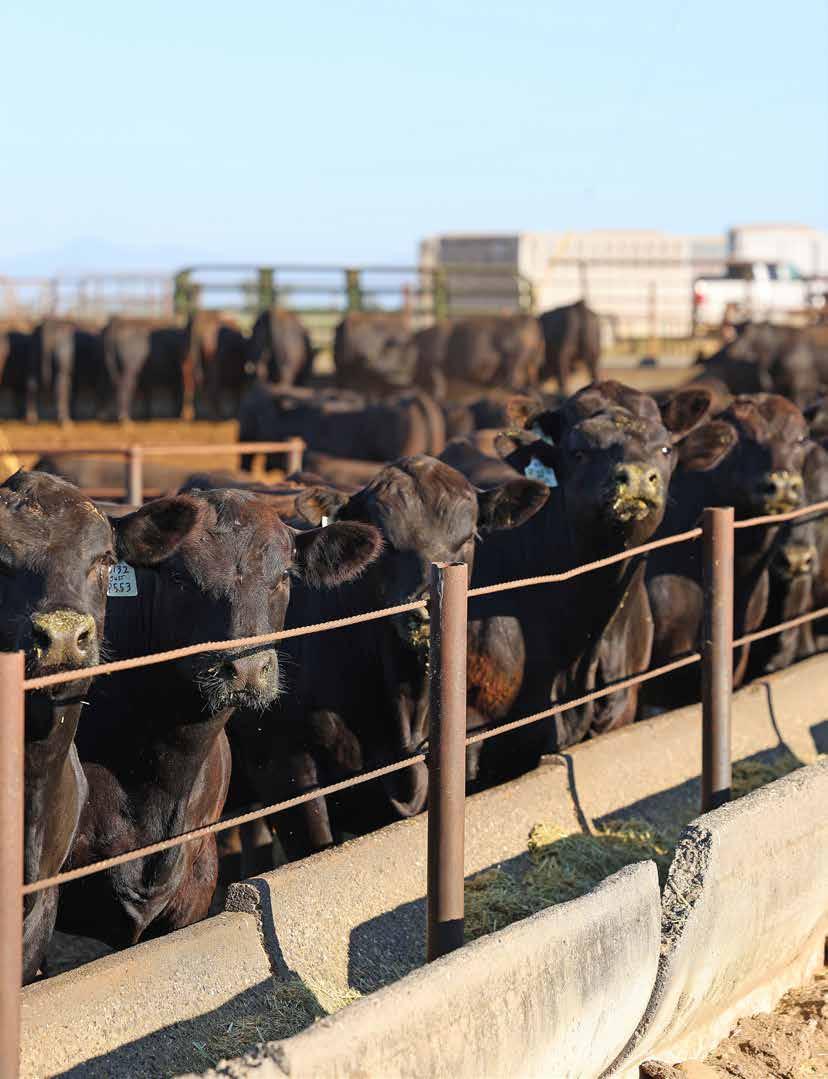
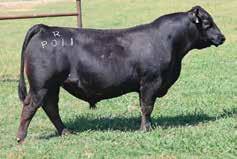
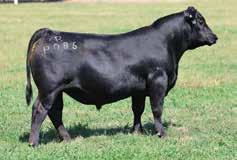
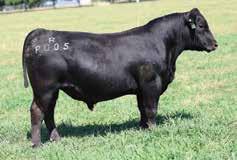
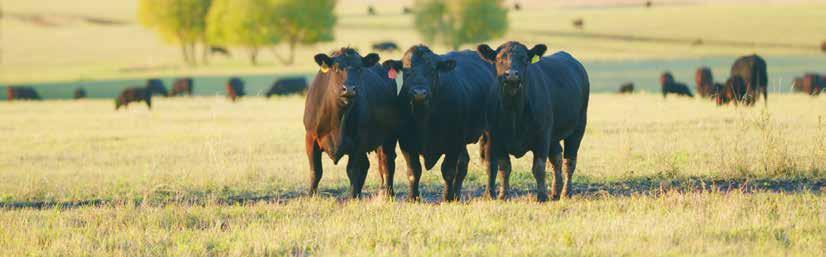
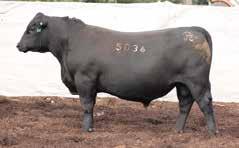
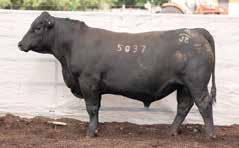
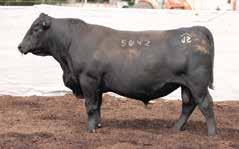
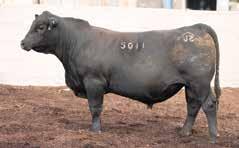
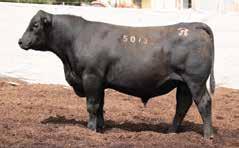
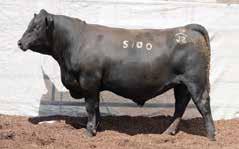
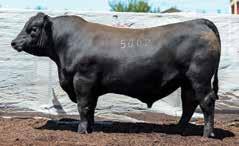
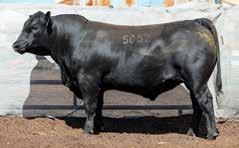
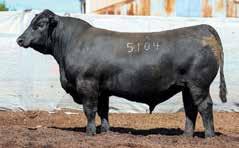
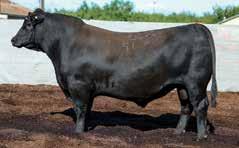
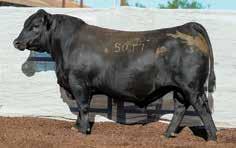
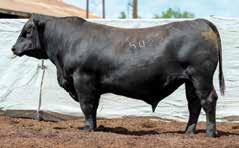
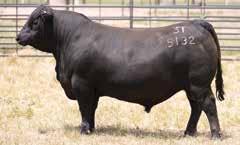
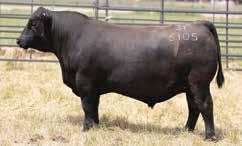
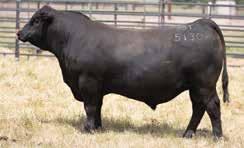
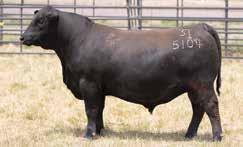
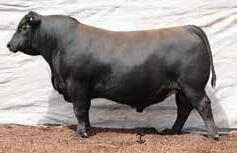
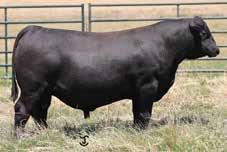
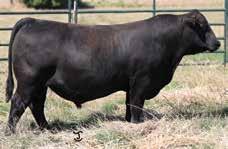
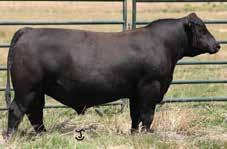
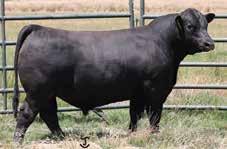
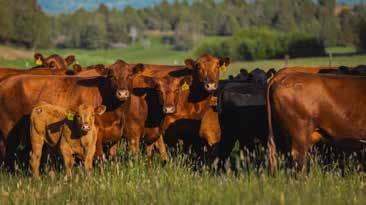
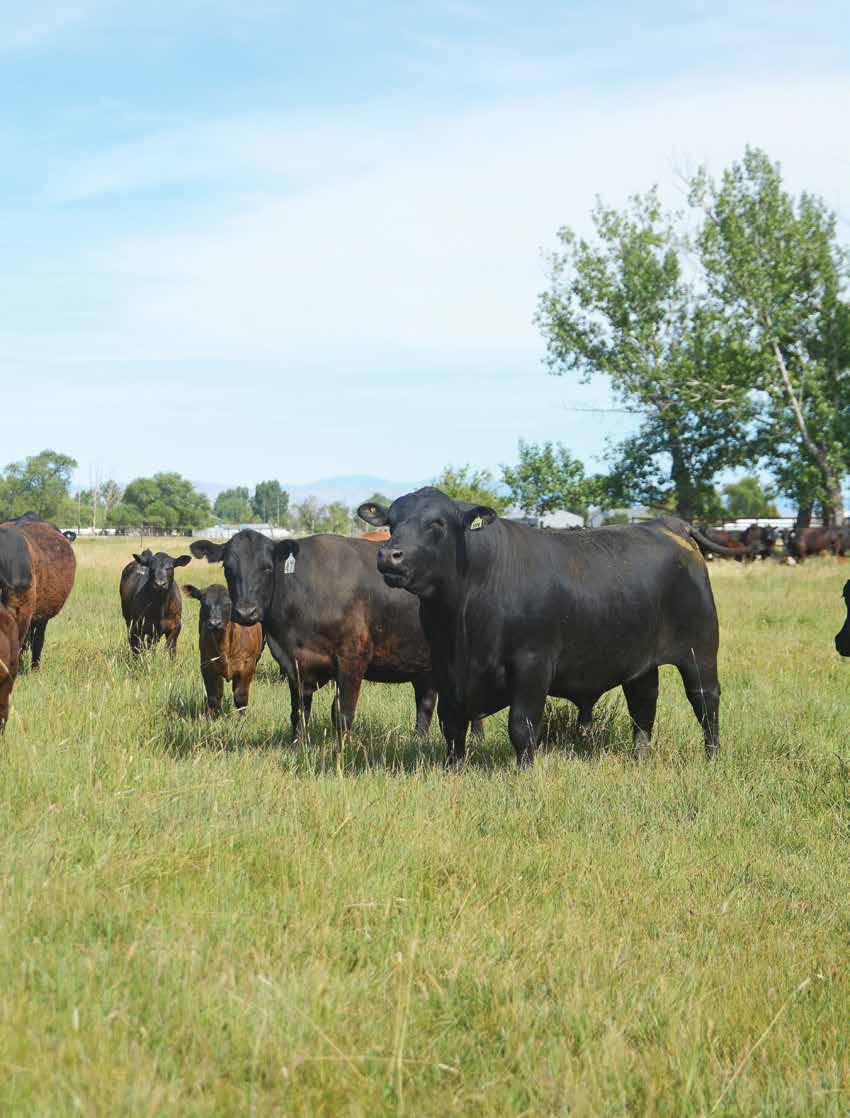
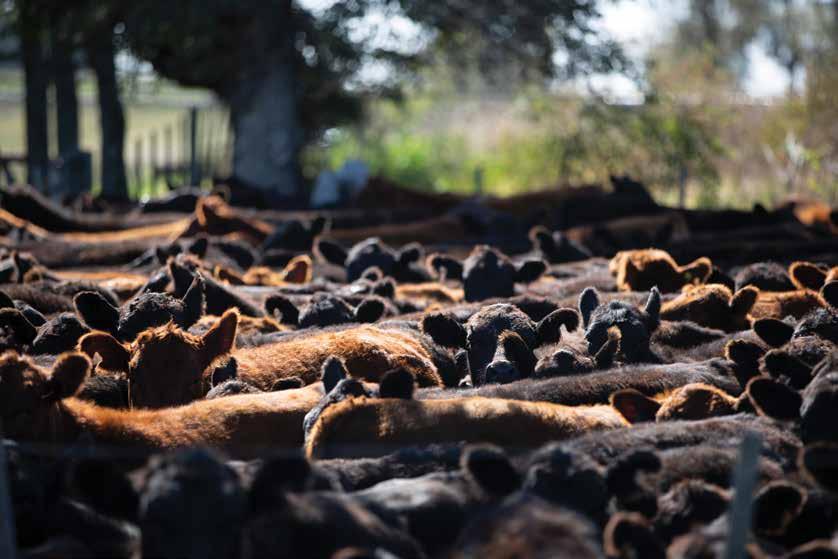
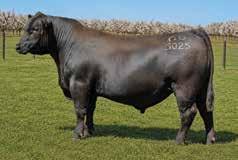
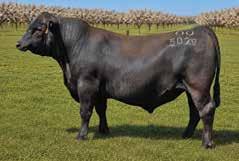
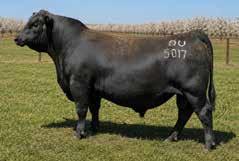
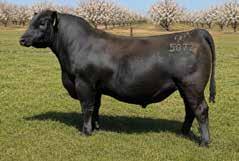
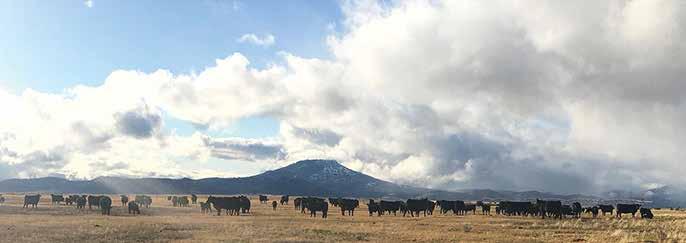
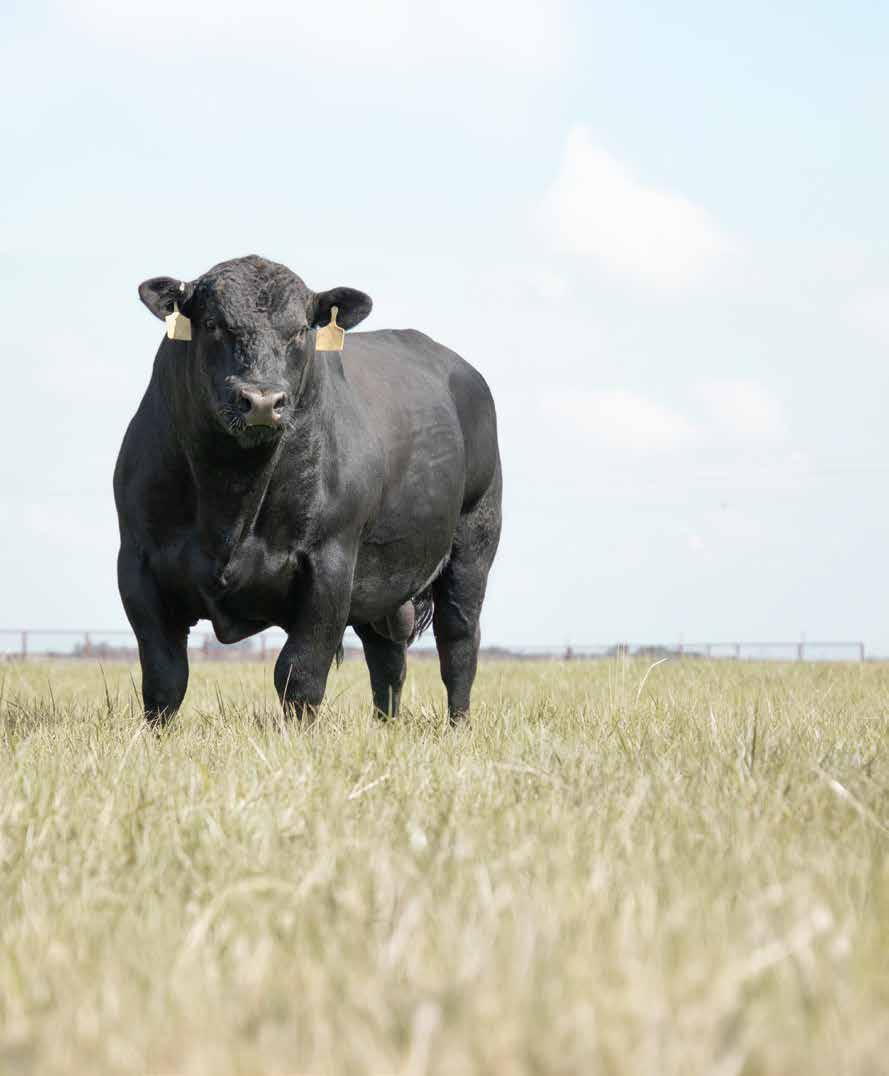
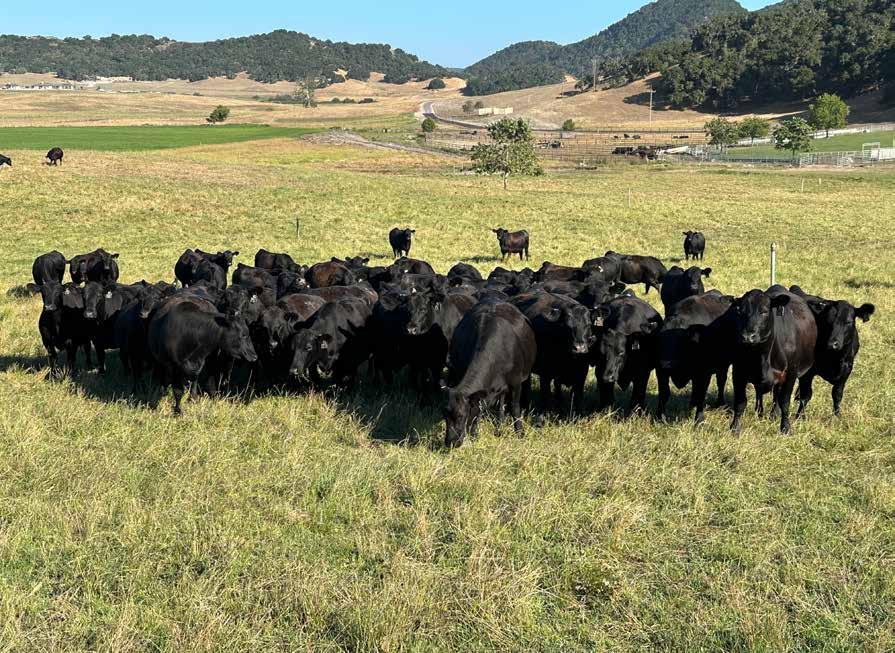
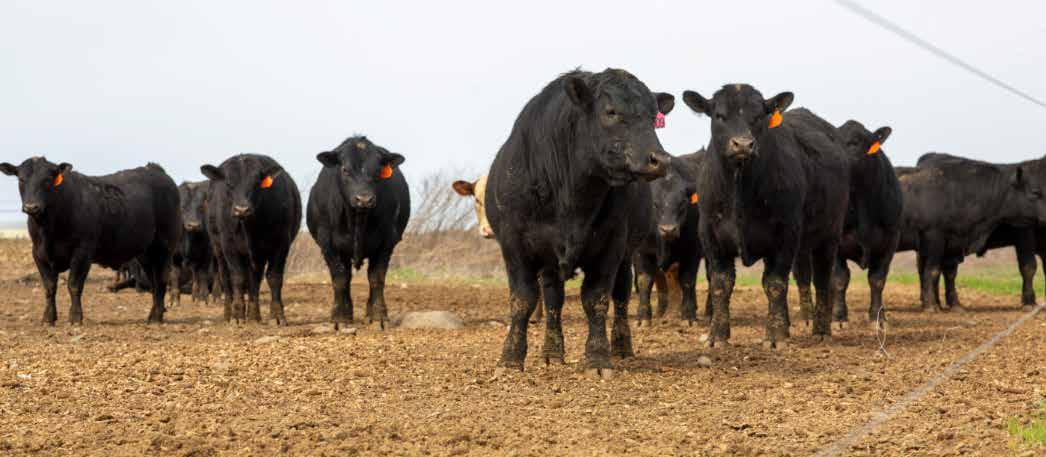
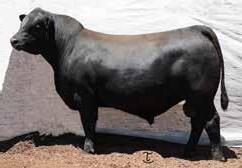
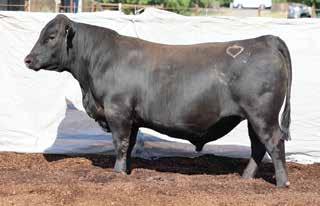
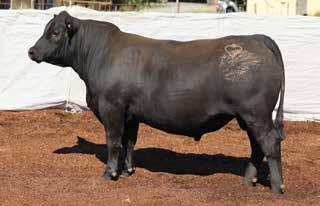
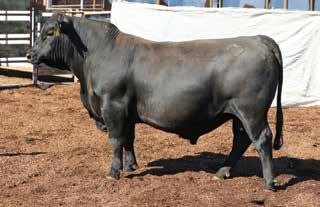
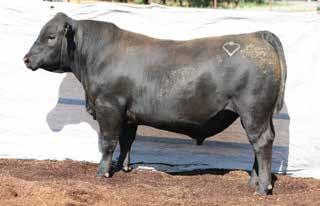
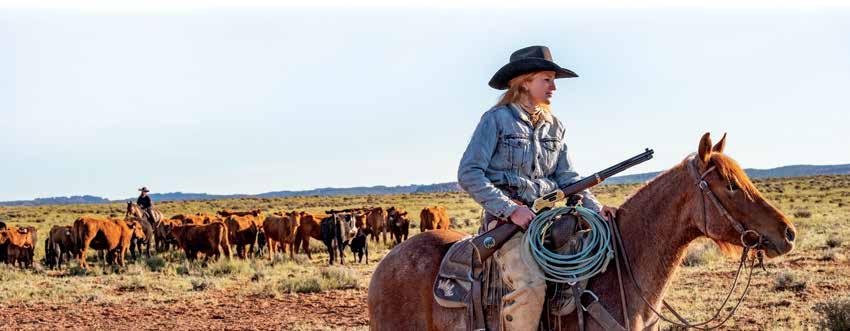
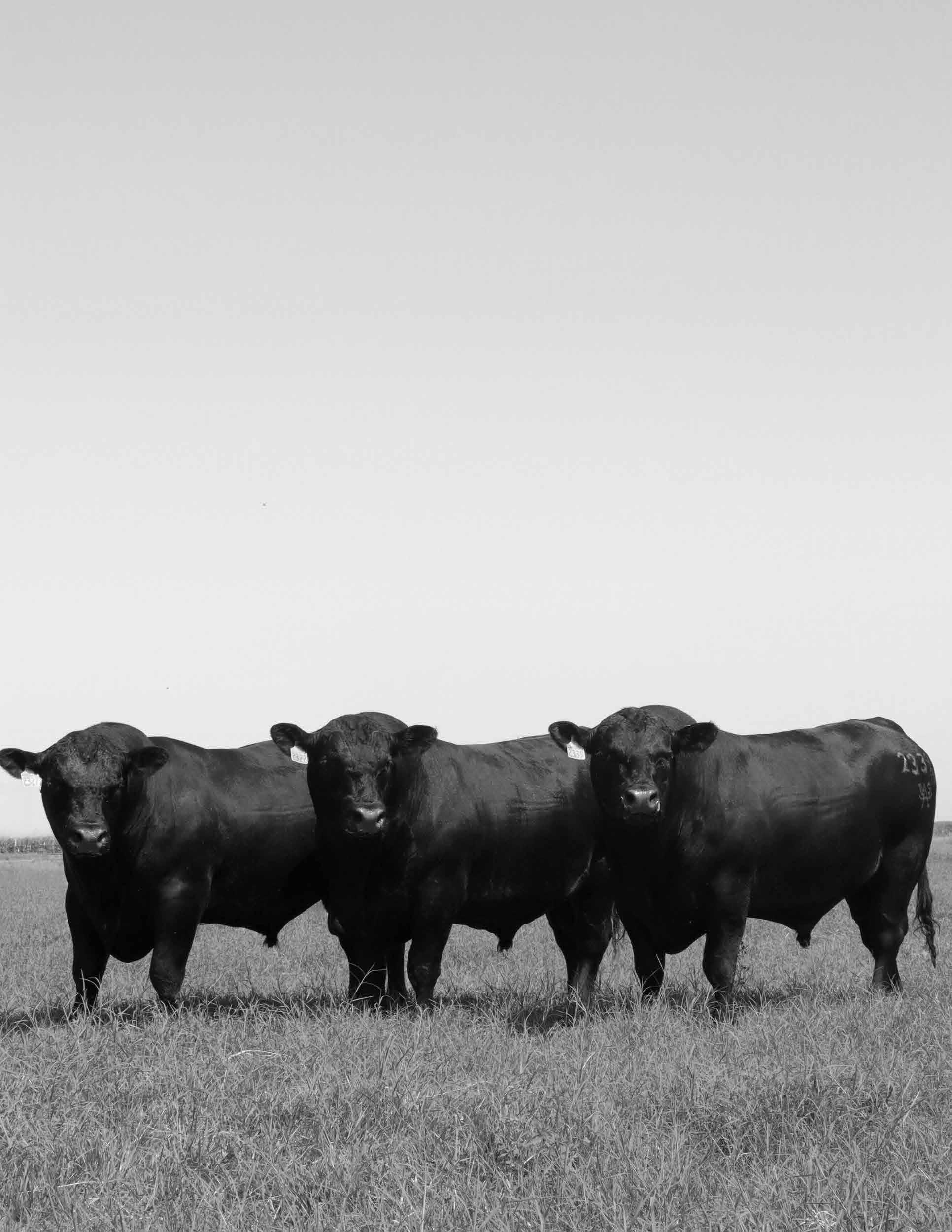
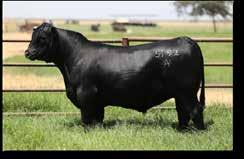
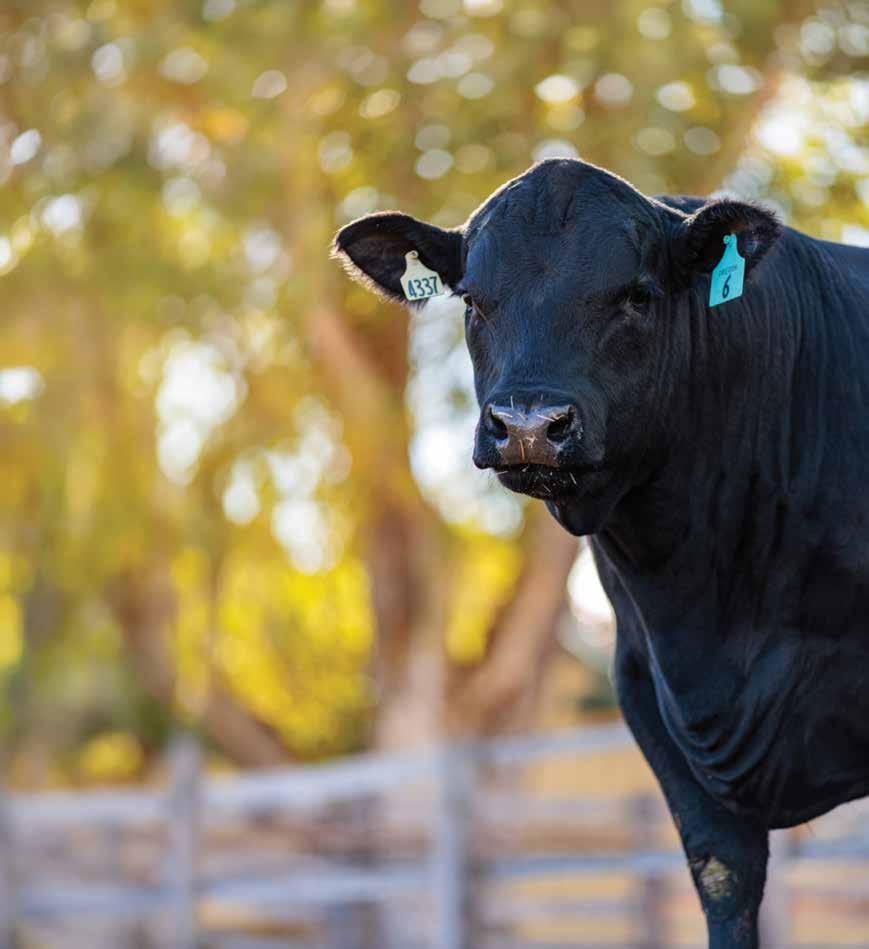
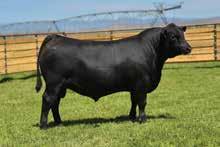
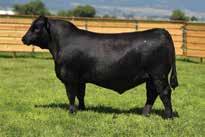
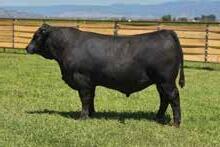
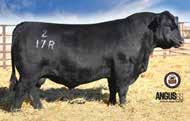
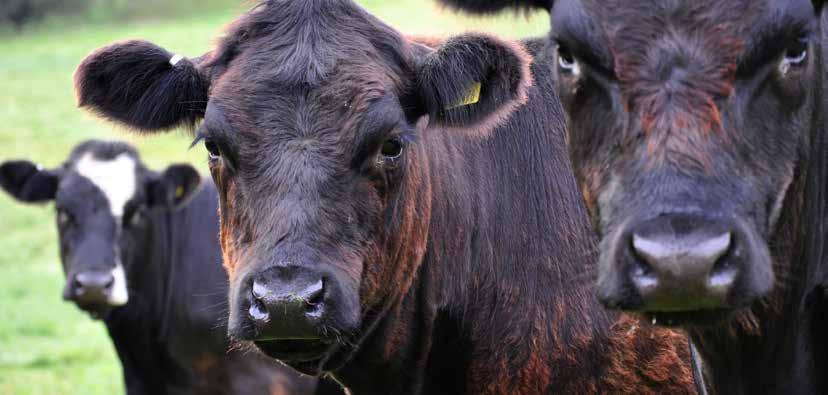
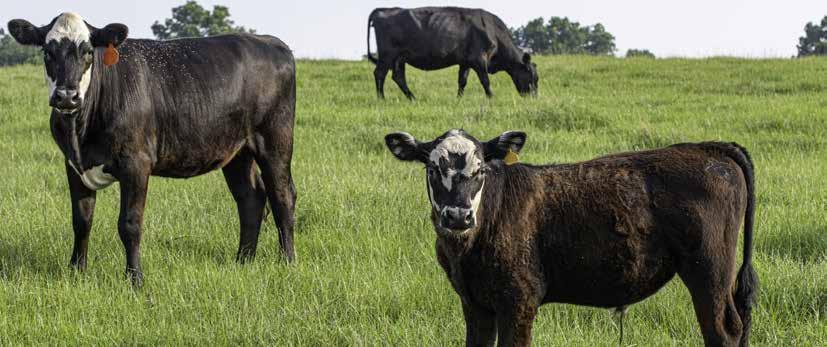
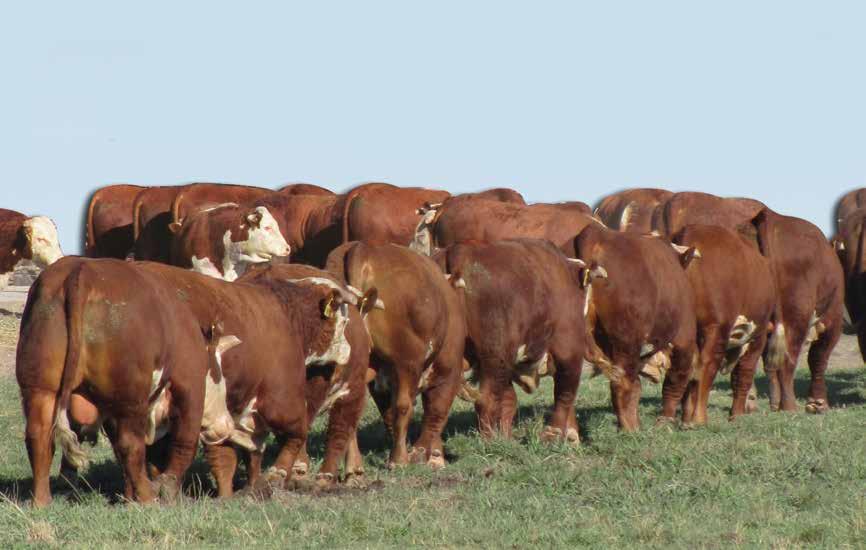
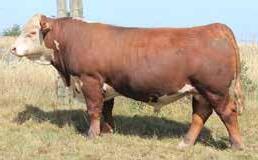
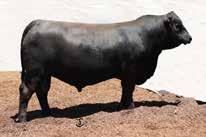
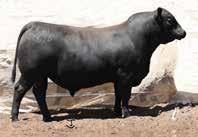
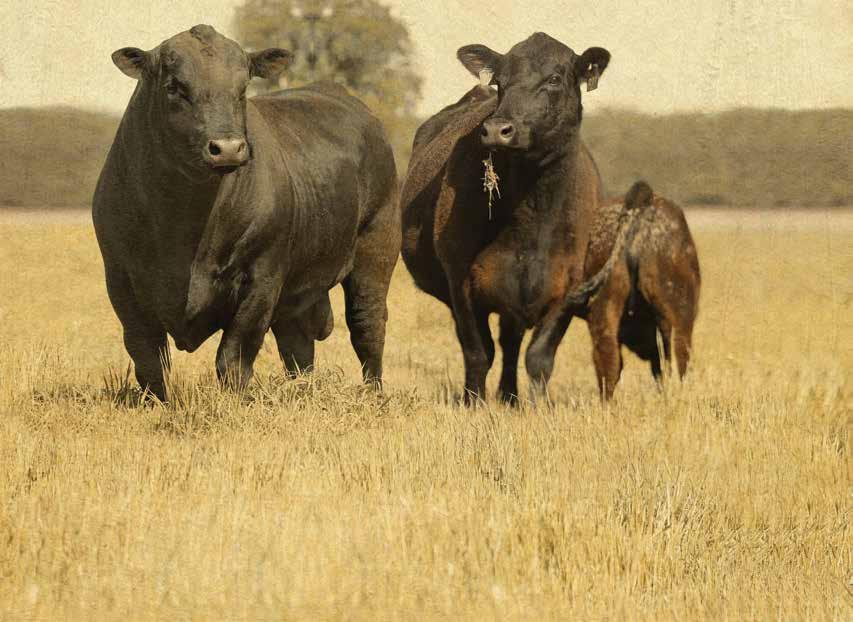
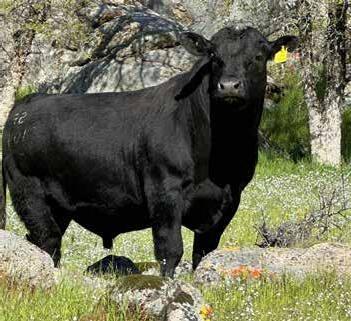
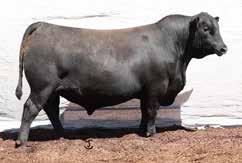
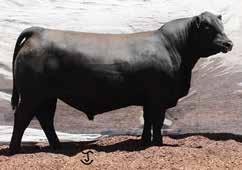
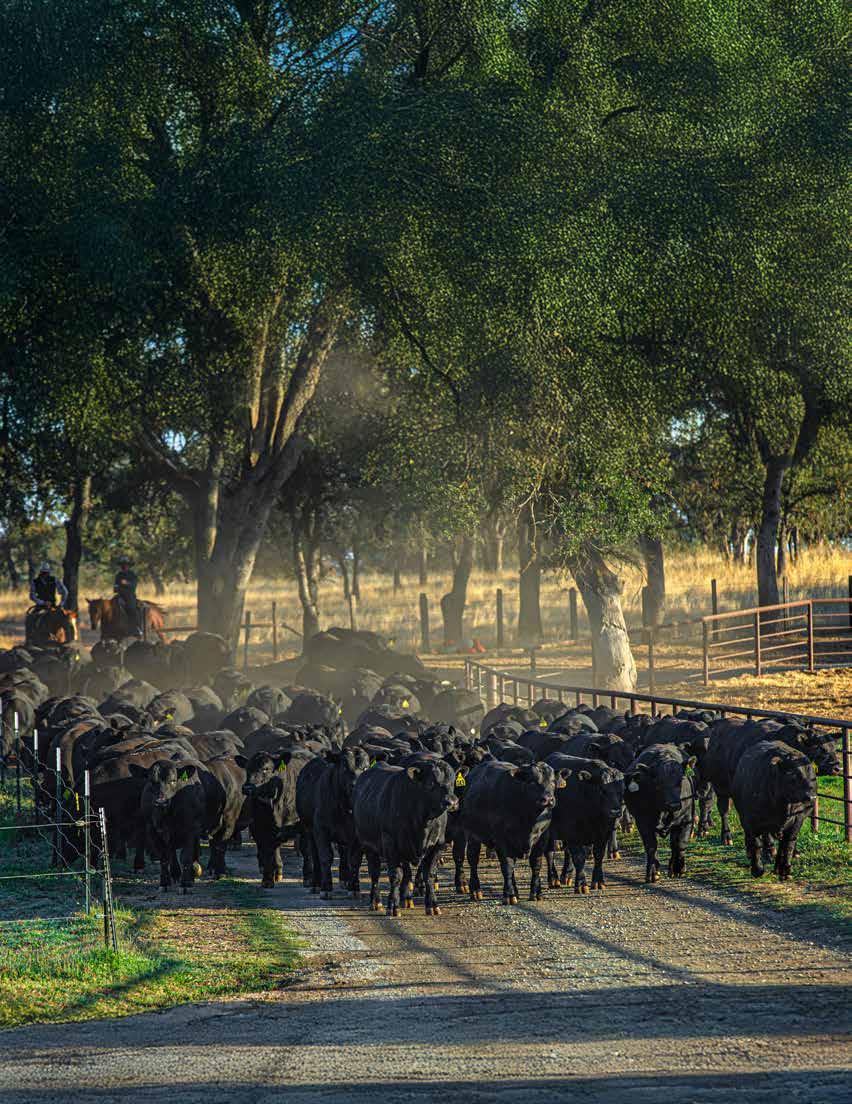
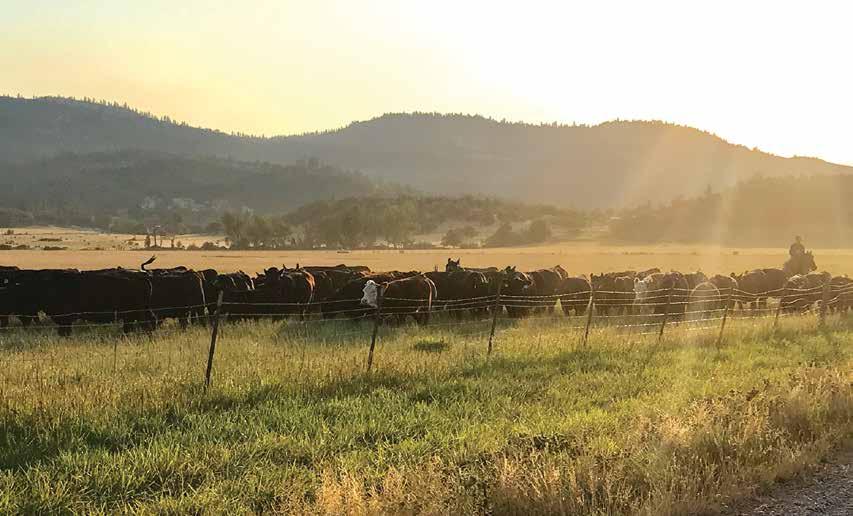
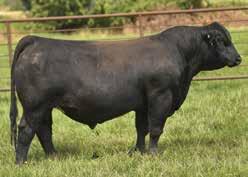
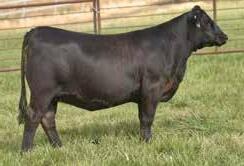
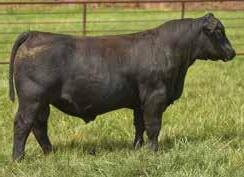
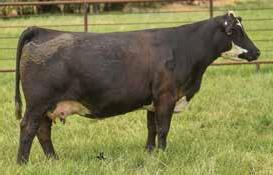
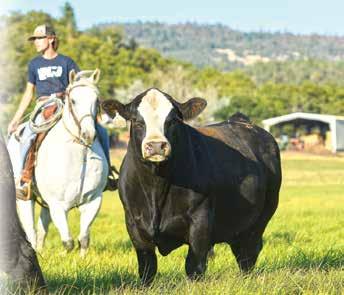
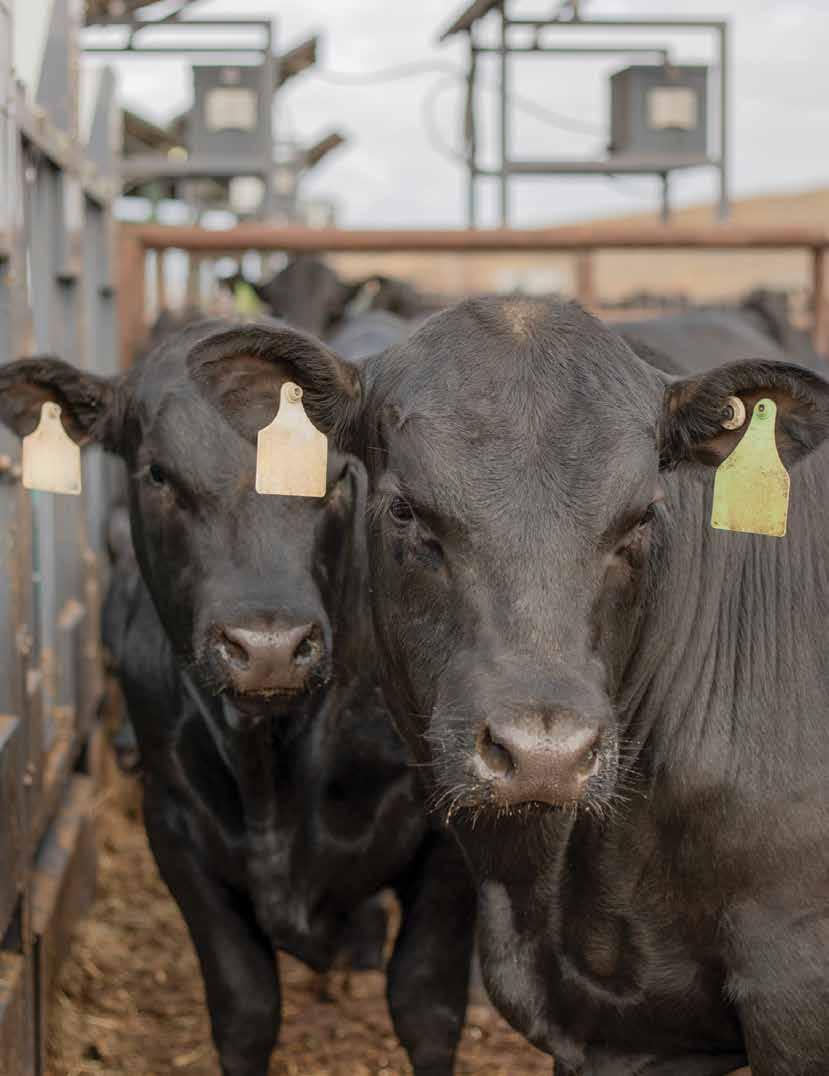
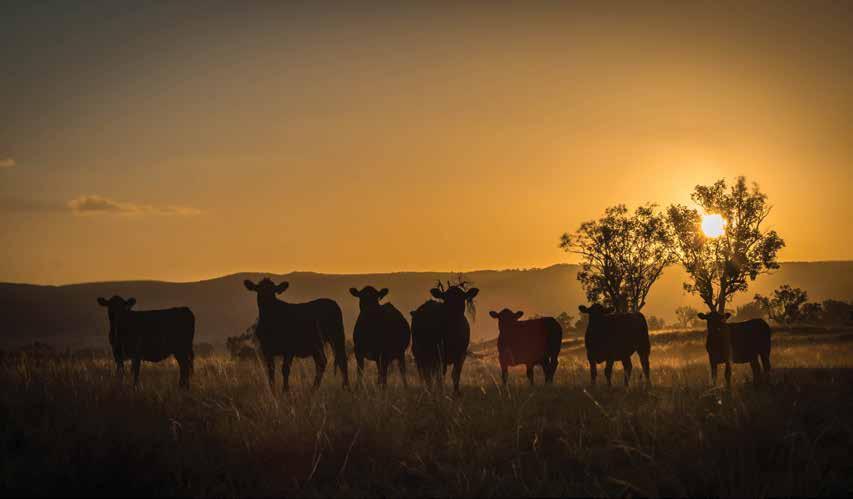
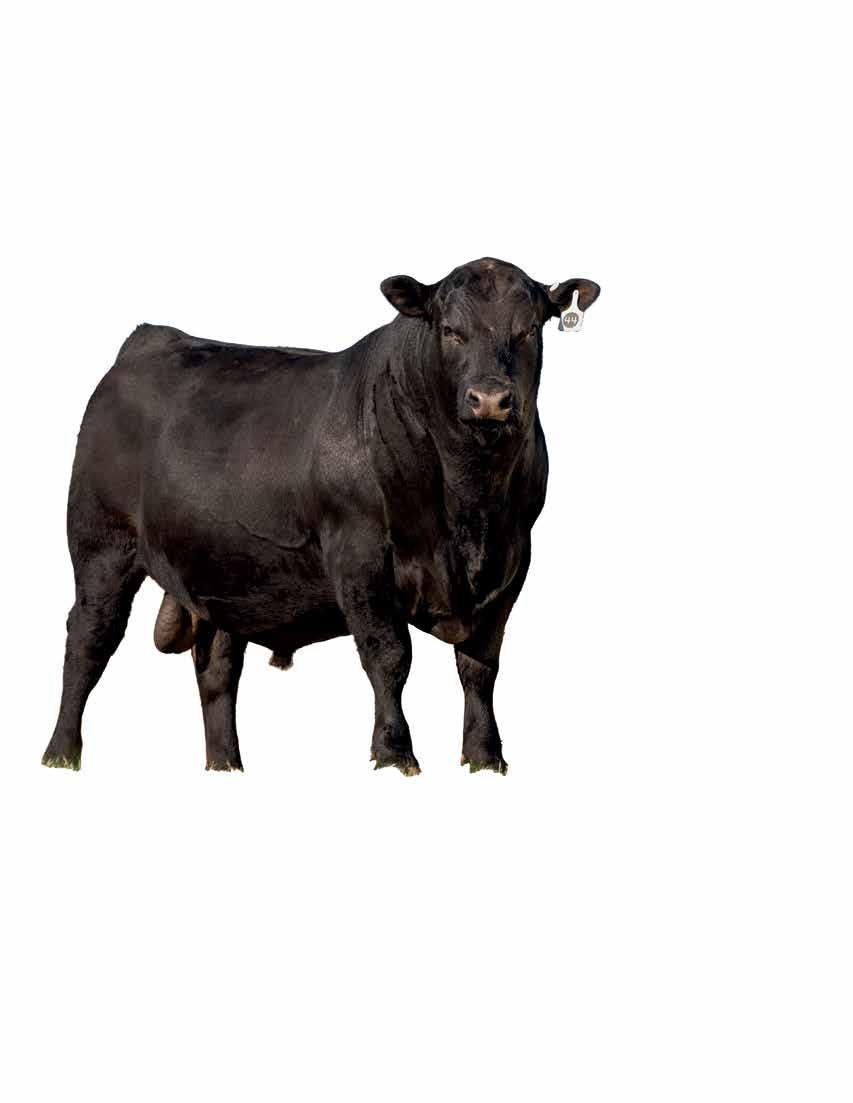
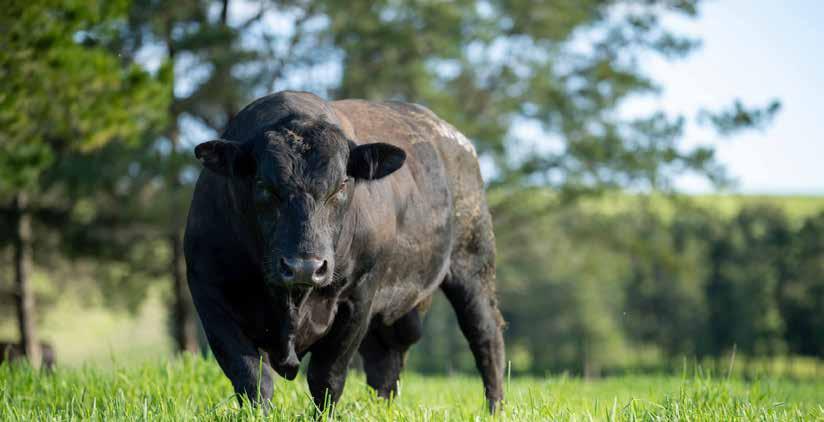
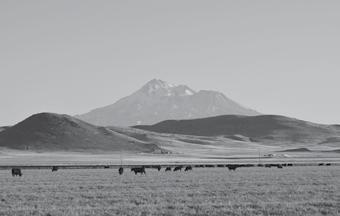
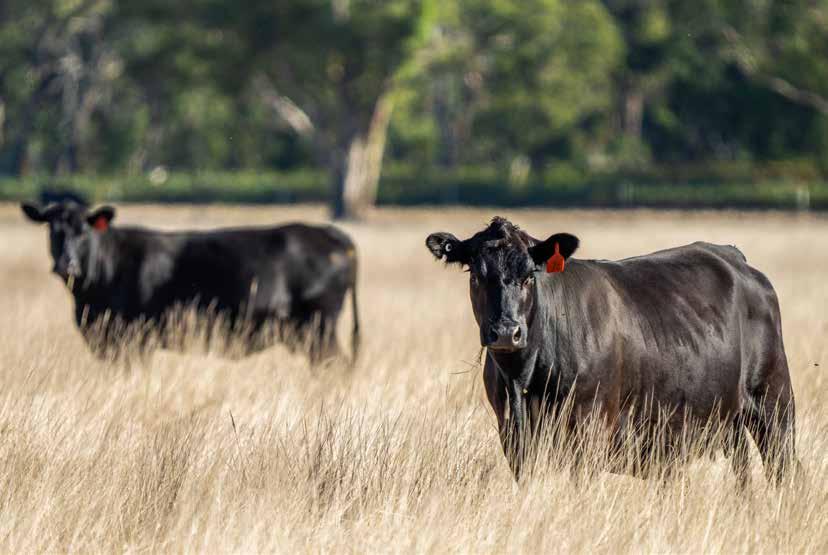
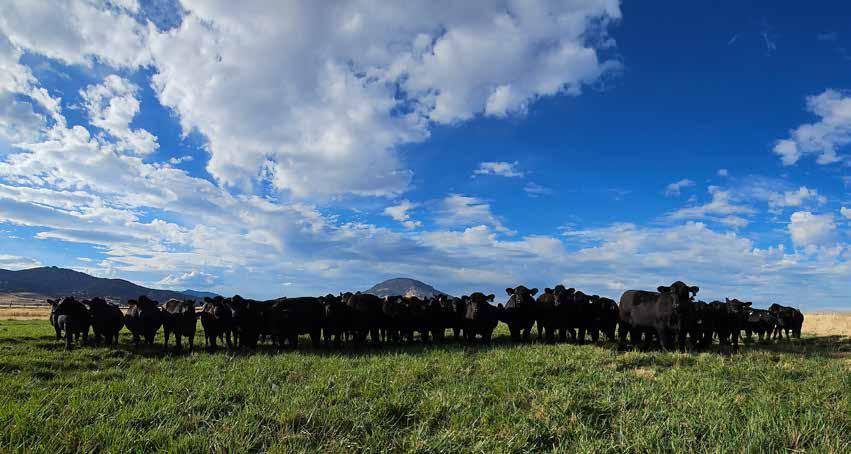
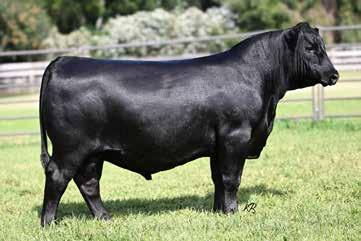
This year’s bull buyers guide cover shot was taken by Matt Macfarlane at Tehama Angus Ranch in Gerber. In this issue, CCA staff and contributors share insight about the latest topics impacting California beef producers while featuring the best beef genetics West Coast beef producers have to offer in the coming sale season.
How seedstock producers use feeder expertise to raise bulls
NATIONWIDE EDUCATION
Young Cattlemen’s Conference takes CCA member cross country
MIDYEAR MOMENTS
Scenes from 2026 Midyear Meeting ON ALERT
Fire insight to help ranchers be ready for fire season
A.I. OF A NEW KIND
How emerging technolgy can benefit your operation
MATERNAL
Hereford Association shares more heterosis research to benefit you
CALIFORNIA HISTORY
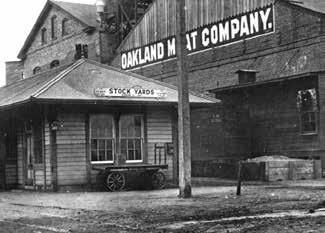
Remembering the rise and fall of the West Coast meat packing district
DINING PREFERENCES
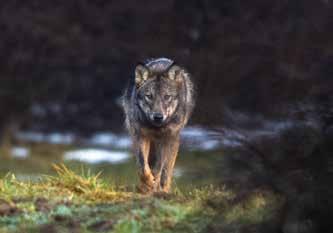
Research shows prevalence of cattle in wolf diet
UCCE RETIREES
Ranchers bid farewell to David Lile and Royce Larsen as UC ANR Advisors
Second Annual Bull Sale
Saturday, September 5, 2026 • 12:00 Noon
Dunipace Angus was established in 1968 by Jack and Susan Parnell in Auburn, CA. Travelling the country and marketing Angus cattle was Jack’s passion and he was instrumental in creating demand for Angus nationwide when they were not necessarily the breed of choice. In 1986, Jack was asked to enter public service and chose to go to work FOR ranchers and farmers and the herd was dispersed. Over the past few years the Dunipace herd has been reestablished and the next generation of Parnell’s are excited to relaunch the Dunipace brand. The foundation of the a Dunipace Angus was built on the principals of quality and integrity and the goals today remain the same today. We invite you to join us for our inaugural event and look forward to earning your business.
Sale will be held at the EZ Angus Sale Barn located just south of Milton, California
To be added to the mailing list, either text 916-806-1919, or scan this code with your phone.
CATTLEMEN’S COLUMN HAPPY BIRTHDAY, AMERICA!
PAYING HOMAGE TO THE FOUNDING FATHERS BY KEEPING UP THE GOOD FIGHT
by CCA President Rick Roberti
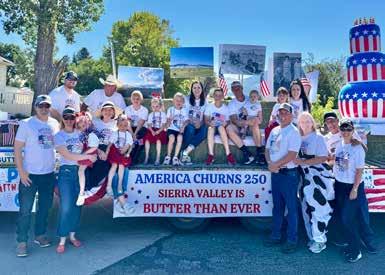
On the Fourth of July, Roberti Ranch participated in our local parade down main street in Loyalton. With our theme “America Churns 250” and a banner saying “Sierra Valley is Butter Than Ever,” our float looked back to history and paid tribute to the days of dairy farming on this land. The last dairy in our area closed in the late 1950s.
I wonder if folks had a parade on the day the Declaration of Independence was signed. Google says they did, and in Philadelphia the next year there was a huge parade commemorating the signing on July 4, with fireworks, bonfires, the firing of cannons, and a large military procession.
The only things in our parade that may resemble the parade 250 years ago would be some draft horses and our Veterans of Foreign Wars marching in the parade. Though what we enter in our parades today may be different, what we celebrate hasn’t changed—freedom.
Do I understand what freedom meant back in 1776? No, probably not, because I have always had it, but those of us in agriculture know how important freedom is when it comes to running our businesses the way we see fit and being successful.
Ranching has its challenges, and many of us, especially as we get older, often ask the question, “Why am I doing this?” I believe our Creator put something inside us that draws us to till the soil, tend the livestock and use the land we have to grow food and fiber for a growing world. Today,
livestock producers face some challenges that are harder than those in 1776. Not just physically tough, as they had an agrarian society then. Almost everyone was involved with agriculture. People knew where a pound of butter came from, and meat wasn’t grown in a lab. Today, we’re a tech and entertainment society, and most people are a long way from the farm.
It has been my honor to serve as CCA president for the last year and a half. I have learned so much, both good and bad, about our industry. The beef business is like no other, and freedom is still the key to our success.
Those of us who are cow-calf producers often feel we are the industry. We are a very important part, but without the help of others, our calves would have a difficult time getting to the consumer. From the buyers to the truckers, the feeders to the packers, and the many others, it takes us all.
We also need help on the legal and legislative fronts in Sacramento. That’s where we need support from groups like CCA and Farm Bureau. I’ve spent a lot of time in Sacramento at hearings and legislative meetings over the past few years.
Sometimes not too many ranchers show up. We don’t have the time—I understand. But in nearly every meeting, CCA staff and leadership were there, and most of the time Farm Bureau was too. That’s important. You are represented. The first cattlemen’s association was started in 1906 with the goal of helping ranchers in California and protecting them from unfair laws and labor practices. That was a long time ago, but our goals at CCA remain the same, including protecting private property rights. This especially hits home for me, as ranchers are struggling with predator issues on both private and public property with little recourse and no end in sight. We are fighting bad laws that affect good people. I hope we can get them changed soon.
BUNKHOUSE
YOUR FRIENDLY NEIGHBORHOOD COUNCIL PROMOTING YOU
by CCA Director of Communications Katie Roberti for the Cattlemen’s Foundation
Every community has someone quietly making many things happen—like the neighbor who organizes fundraisers, volunteers as the beef advisor for the local 4-H club and shows up wherever and whenever help is needed. For those of you in small towns, likely someone you know came to mind after reading that first sentence.
Since its establishment in 2019, the California Cattle Council has played a similar role for California’s ranching families and cattle producers. Like Spider-Man’s work, much of what the Council invests in happens behind the scenes, out of the view of producers. However, its impact reaches all sectors of the cattle industry in every corner of the state.
Through my work with the California Cattlemen’s Foundation, I am fortunate to contract with the Council on many communications projects to advance its mission. Though you may not see it, I’m constantly monitoring the news, keeping producers updated on emerging threats, and relaying stories of how cattle grazing makes for a
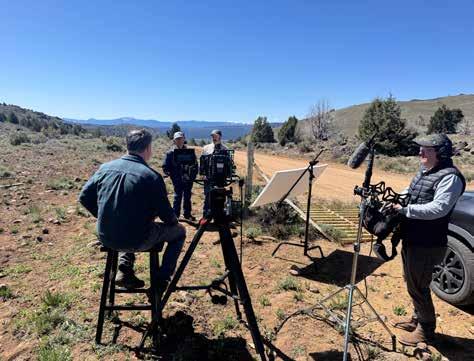
more resilient California. Currently, I am working with the Council’s public affairs team to produce social media videos about the impacts of wolves on cattle ranching families and rural communities. Watch for those videos to be published on the @CalResilient social media channels soon. We also just released a video highlighting the importance of ranching families in California caring for public lands.
Many others collaborate with the Council in ways much different than communications projects. In fact, just a few weeks ago, the results of one of the Council’s investments showed up on the scene in an important way. Two UC Davis research studies on gray wolves in California gained the media’s attention.
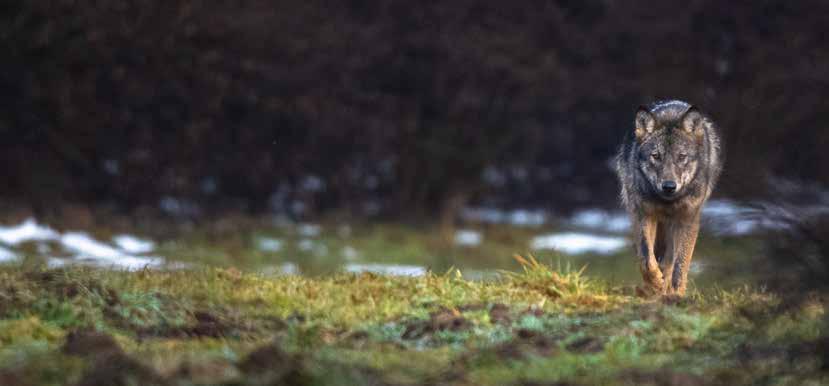
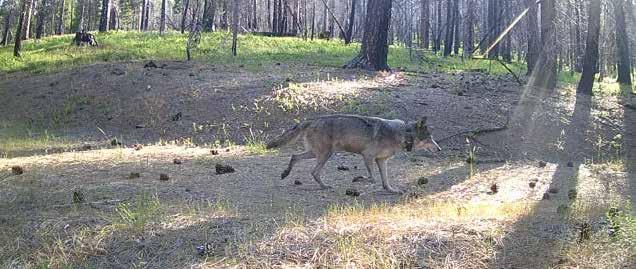
One of the research studies published in the journal PLOS One on July 8 found that the diet of gray wolves in California is dominated by cattle— this study was made possible with funding support from the Council. In the first week after the diet research was published, there were over 350 mentions of the two UC Davis studies in traditional media (print, online news, broadcast and radio), with a potential audience reach of nearly 1.6 billion. Notably, the Los Angeles Times ran a story and a wolf photo on the cover of its print edition. This is a great example of the Council working on an issue in a way that may be unexpected to some in cattle country.
Broadcast and billboard advertisements are other
...CONTINUED ON PAGE 14
The Cattlemen’s Foundation, with the help of the California Cattle Council, documents issues like wolf depredations on California rangeland to educate the public.
ways the Council continues to educate leaders and key officials in Sacramento and other strategic areas of the state in ways you may not even know about. Unless you live in Sacramento’s media market and watch KCRA-3, you may not know the Council runs commercials on air at various times throughout the year. Most recently, an ad on animal care was filmed in Oakdale in April and started running in local media channels. The video is also running on YouTube. You can watch it and past Council commercials by searching “calcattlecouncil.” Likewise, if you never fly out of Sacramento International Airport, you likely won’t see the giant billboard display right outside the TSA security checkpoint that the Council has been rotating messages on over the last few years.
It is difficult for me to believe the Council is already over seven years old. At the same time, because it has shown up in so many places and accomplished so much in such a short time, it is easy to forget that many of the projects and investments the Council has made over the last several years simply weren’t available to California beef producers before it was created.
I’m excited to see what your Council will accomplish in the next seven years. Every research project, educational effort and advocacy campaign is possible because California cattle producers choose to invest in their industry’s future. We may not swing from skyscrapers, but together, through the California Cattle Council, we show up every day in communities across the state to ensure Californians continue to value beef and dairy as beneficial and essential parts of the Golden State.
Common Sense Cattle Breeding
Cattle breeding is not that difficult if you just use some good, old common sense. It has been proven over time that the functional ability of livestock is tied very closely to how they are phenotypically designed. In our herds, the cattle must have an adequate amount of body depth or volume, an adequate degree of muscle, they must be structurally sound, and they must be fertile. If they don’t meet these basic criteria, they are culled regardless of how good they are in terms of their EPD or genomic profile.
We also place emphasis on the basic traits of eyes, udders, feet and disposition. These traits are described by many as
Annual Bull Sale
“convenience traits”. If our cattle are not problem free in these areas, we limit their genetic influence in our herds.
Our opinion is that the most profitable beef cattle in any production system are those that can function with very little need for additional labor or supplemental feeding inputs.
Our ultimate goal is to create a moderate framed, low maintenance cow that can wean a big stout calf and do it without any other inputs from us. That goal is the same in both our Angus and Charolais herds
We would like to extend a special thank you to all of the buyers and bidders in our Internet-based Private Treaty Bull Sale as well as the other ranches and individuals who have supported our program during the past year! This year’s sale will be held August 17 - 31. Please contact us for more information or watch our website. You can scan the QR Code below with your phone’s Camera, and it will link you directly to our Bull Sale Website: https://jcast.fresnostate.edu/beef/bull-sale
2026 Student Assistants
David Leon
Benenci Rivas
Kadin Wheeless
Gabby Velasquez
Alexis Jackson
Brandon Rossi
Nathan Williams
Morgan Jackson
Cassie Viscara
Benjamin Placencia
Our bulls are developed and cared for with the help of Fresno State students who put into practice the applicable, real world production methods that they learn in the classroom. Not only do we produce outstanding bulls, we also turn out top quality students who are ready to enter the agriculture industry, better for the experience they’ve gained in our program!
RYAN PERSON (559) 326-8354
DAVID LEON, STUDENT MANAGER (805) 806-1083
HTTPS://JCAST.FRESNOSTATE.EDU/BEEF
Cattle feeder Jack Hoekstra appears in an ad about animal care that was funded by cattle producer dollars through the California Cattle Council.
RANCHERS ENCOURAGED BY GRIZZLY BEAR MANAGEMENT RETURNING TO STATES
On July 14, the Department of the Interior and U.S. Fish and Wildlife Service (USFWS) released a revised 4(d) rule for grizzly bear management that would return management authority to states. The National Cattlemen’s Beef Association (NCBA) and the Public Lands Council (PLC) previously urged the Trump administration to reject the Bidenera proposal finalized in early 2025 and are encouraged to see a renewed focus on ensuring the Endangered Species Act (ESA) works as intended—supporting species’ recovery, recognizing conservation successes and working collaboratively with state partners.
“This proposed rule acknowledges that grizzly bears have met recovery goals and the best management outcomes will happen at the state level,” said NCBA President-Elect and Idaho rancher Kim Brackett. “Management is most effective when policy reflects on-theground realities and provides the flexibility needed to address conflicts between grizzly bears, livestock producers and rural communities. By removing non-scientific barriers to successful species management, the Trump administration is restoring a key function of the ESA which gives local stakeholders the tools they need to manage recovered grizzly bear populations. NCBA thanks the Interior Department and USFWS for bringing common sense to the recovery process and supporting rural communities.”
The revised management rule reflects years of scientific data and successful cooperative management that has resulted in recovered grizzly bear populations. Ranchers and other stakeholders have consistently called for greater management flexibility as predator populations have grown and conflicts with livestock and rural communities have increased.
“The science has been clear for years: grizzly bears are recovered, and it’s time
to empower states to manage the wildlife and community dynamics for a stable future,” said PLC President and Colorado rancher Tim Canterbury. “As apex predator populations have grown, producers have faced increasing livestock losses, significant financial impact and growing public safety concerns under a federal recovery regime. This updated rule makes the successful transition from recovery to management by working with state agencies, local stakeholders and ranchers to effectively manage recovered grizzly bear populations. PLC thanks the Trump administration for following established science and standing with America’s ranchers.”
These proposed actions were published in the Federal Register on July 17, 2026. The public comment will be open through Aug. 17. No final rules have been published.
Calling Meat Processing Operators
Help strengthen Northern California’s regional food system.
In Modoc County, livestock producers travel up to 400 miles and wait months to access USDA inspected processing.
Modoc Meat is designed to solve that problem. You can be part of the solution.
CALIFORNIA REPRESENTATIVES
Jake Parnell 916-662-1298
Walter Schalla, Manager ........... 719-252-6607
George Gookin ...............................209-482-1648
Rex Whittle...................................... 209-996-6994
Dunipace Angus Bull Sale with Bar KJ Angus Tejas Ranch, Farmington, CA
TUESDAY, SEPTEMBER 15
Thomas Angus Ranch CA Bull Sale Cattlemen’s Livestock Market, Galt, CA
FRIDAY, SEPTEMBER 18
Dixie Valley Angus Bull Sale with O’Connell Ranch Cattlemen’s Livestock Market, Galt, CA
UPCOMING WVM SALES: Sale Books Online: www.wvmcattle.com August 10-11 – Little America, Cheyenne, WY September 15 – Haythorn Ranch, Ogallala, NE Consignment Deadline: September 7 October 16 – WVM Headquarters, Cottonwood, CA Consignment Deadline: October 8
YOUR DUES DOLLARS AT WORK
HIGHLIGHTS (AND LOWLIGHTS) OF THE 2026-2027 STATE BUDGET
by CCA Vice President of Government Affairs Kirk Wilbur
On June 29, two days before the state’s 2026-27 Fiscal Year began, Gov. Gavin Newsom signed into law the 2026-27 State Budget. The final Budget totals $351.7 billion in appropriations, including a set-aside of $6.4 billion to help ensure a balanced budget in FY 2027-28.
The Budget was something of a mixed bag for cattle producers, with several CCA priorities realized in the state’s funding plan but with the Association’s most aggressive Budget push unfunded in the final agreement. This month’s column overviews the good, the bad and the unfinished elements of the state budget, as well as what comes next.
THE GOOD
The 2026-27 Budget reflects at least a few priorities advocated by the California Cattlemen’s Association.
According to a June 27 Assembly Floor Report, the final Budget allocates $1.25 billion in Greenhouse Gas Reduction Fund proceeds to the California Department of Forestry and Fire Protection (Cal Fire) to backfill funding for the agency’s state operations and fire protection obligations.
The Assembly Floor Report also notes that the final Budget includes $228,000 in General Fund allocations to implement CCA-sponsored AB 411 (Papan, 2025), also known as the “Caring About the Terrain, Livestock, and Ecosystems (CATTLE) Act.” That legislation authorized ranchers to undertake on-ranch composting
of livestock carcasses and butcher waste in compost piles not exceeding 100 cubic yards. Before ranchers may begin composting carcasses, however – a practice previously prohibited by CalRecycle regulations –the California Department of Food and Agriculture must first develop best management practices governing composting activities. By funding CDFA’s implementation, the 2026-27 State Budget ensures that those BMPs can be completed and that ranchers will be empowered to undertake on-ranch composting in the near future.
Finally, one CCA Budget victory is what isn’t in the final Budget: funding for ‘alternative protein’ research and development. During a meeting of the Assembly Select Committee on Alternative Protein Innovation earlier this year, Committee Chairman Ash Kalra (D-San Jose) announced that he would be seeking $25 million to fun alternative protein biomanufacturing research and development. CCA and a broad coalition of agricultural groups had successfully defeated a similar budget request in the 202425 State Budget and immediately sprang into action to oppose this year’s effort, as well – with equally-successful results.
THE UNFINISHED
Two major decisions remain unresolved in the final Budget: how to allocate funding under Proposition 4 and the Greenhouse Gas Reduction Fund.
In 2024, voters approved the $10 billion Safe Drinking Water, Wildfire Prevention, Drought Preparedness and Clean Air Bond Act of 2024, designated as Proposition 4 on the 2024 General Election ballot. Last year, lawmakers appropriated roughly $3.5 billion of the available bond funds, leaving a balance of roughly $6.5 billion. The
...CONTINUED FROM PAGE 22
Legislature’s June 11 Budget framework initially proposed allocating a lump sum of $2.631 billion in the FY 2026-27 Budget, with details of the expenditure plan deferred to legislation to be finalized this month. The final Budget negotiated with the Administration removed that $2.631 outlay, however, deferring all Prop. 4 expenditure details until August.
Proposition 4 allocations have significant implications for CCA priorities, with funding categories that include Drought, Flood and Water Resilience; Wildfire and Forest Resilience; Accelerating Nature-Based Climate Solutions; and “Climate Smart, Sustainable, and Resilient Farms, Ranches, and Working Lands.” Accordingly, CCA will closely monitor this month’s legislative proposals for Proposition 4 expenditures.
Lawmakers have also deferred decisions on how to allocate discretionary spending under the state’s Greenhouse Gas Reduction Fund, which allocates proceeds from auctions of emission allowances under the Cap-and-Invest Program.
As part of the Wildfire Resilience Working Group, CCA this year has encouraged lawmakers to prioritize Cal Fire’s wildfire prevention and mitigation programs for GGRF funding. Under SB 840 (Limón, 2025), the agency’s wildfire prevention programs are placed in the lowest of three funding categories and will only be funded via GGRF after tier-one and tier-two programs are funded. Unfortunately, under newlyproposed Cap-and-Invest regulations from the California Air Resources Board, GGRF funding for tier-three programs is projected to steadily erode over the next decade, potentially reaching zero by the mid-2030s. To avoid catastrophic impacts to California’s wildfire resilience, CCA is urging the Legislature to rethink this framework, ideally as soon as this month.
THE BAD
CCA’s signature Budget priority this year was a request for $30.8 million to fund the California Department of Fish and Wildlife’s Wolf Program. The funding request called for:
• $25 million to fund the Wolf-Livestock Compensation Program, including direct loss compensation, pay-for-presence compensation and non-lethal deterrence assistance;
• $300,000 to assist U.C. Cooperative Extension agents with ongoing research and rancher outreach efforts;
• $500,000 to continue funding the U.C. Berkeley California Wolf Project;
• $960,000 to support CDFW’s efforts to collar gray wolves in the state, including funding for aerial capture;
• $1 million to augment CDFW’s Wolf Program staff; and
• $3 million in additional discretionary funding for the Wolf Program.
To expand support for our Budget request, CCA partnered with conservation groups seeking $18 million to re-establish CDFW’s Wildlife Coexistence Program, which previously operated between 2021-2024. As a result of the partnership, there was broad, consensus support for the Wolf Program and the Coexistence Program throughout Budget negotiations, with the need for Wolf-Livestock Compensation funding receiving particularly-robust attention in Senate Budget negotiations.
Unfortunately, amid a fourth consecutive Budget deficit, even consensus funding priorities faced substantial headwinds. The Governor’s May Revision of his Proposed Budget was an early warning sign, proposing only $1 million for the “Coexisting with Wildlife initiative” and no funding for CDFW’s Wolf Program. CCA remained undeterred, however, and discussions with Assembly appropriators ahead of a midJune Budget framework were encouraging.
Unfortunately, the final Budget ultimately contained no funding for CCA’s marquee priority. Not only did Wolf Program funding not materialize, but the meager $1 million which had been proposed for “Coexisting with Wildlife” was excised from the final Budget.
While this is a significant setback for the industry, CCA remains undeterred. This year demonstrated that there is consensus among legislators and stakeholders that the Wolf Program ought to be funded – it simply fell short as a matter of legislative prioritization. CCA will redouble our efforts next year, and the Association hopes to have greater success with a new administration, particularly if the state’s fiscal forecasts improve. In the meantime, ranchers may still avail themselves of the $2 million appropriated for the Wolf-Livestock Compensation Program in the FY 2025-26 Budget.
A NOTE ON EXISTING WOLF-LIVESTOCK COMPENSATION FUNDS
As mentioned above, the Wolf-Livestock Compensation Program has nearly $2 million in available funding remaining from last year’s Budget. In early July, CDFW announced that it had awarded major grants “to four organizations to support efforts to reduce wolf-livestock conflict.” The grants were likely made to avoid the possibility of unencumbered FY 2025-26 appropriations reverting back to the state’s General Fund and no longer being available for compensation.
Maternal Matters
The cow herd makes the program. 7 years in a row Donati Ranch has been the #1 producer of Pathfinder® dams in state of California.
Performance and Carcass Premiums Matter
65% of the offering ranks in the top 10%* for MARBLING.
72% of the offering ranks in the top 25%* for WW and YW.
75% of the offering ranks in the top 25%* for $C.
65% of the offering ranks in the top 25%* for $B. * OR BETTER
...CONTINUED FROM PAGE 24
According to the California Farm Bureau, the organization’s California Bountiful Foundation was awarded a $1.1 million grant to administer direct-loss compensation to ranchers suffering confirmed or probable livestock losses to wolves. While Farm Bureau will administer payments to ranchers, the organization clarified that “Eligibility will continue to be determined by CDFW in accordance with the Wolf Livestock Compensation Program.”
“This grant wouldn’t be possible without the Department of Fish and Wildlife, California Cattlemen’s Association and others,” said Shannon Douglass, President of California Farm Bureau. “While not a solution to the conflict, the Wolf Livestock Compensation Program is one avenue that helps ranchers deal with loss. Until we have more options to deter wolves, we will keep seeing more attacks on livestock. I appreciate Director Hertel’s leadership and CDFW for providing more tools to ranchers.”
Additional grants were awarded to the Sierra Valley Resource Conservation District (RCD) to study the use of electronic ear tags in cattle for detecting wolf-livestock conflict and to provide outreach, training and equipment for approved hazing techniques; to the Honey Lake Valley RCD to provide rancher assistance with hazing and deterrence; and to Working Circle to “provide outreach to livestock producers geared toward reducing cattle vulnerability to wolf depredation through herd management and stockmanship.”
WHAT’S NEXT
Legislators returned from Summer Recess on August 3, with less than a month remaining until the 2025-26 Legislative Session gavels to a close. The final month of Session is primarily devoted to finishing off the Legislature’s policy work, with bills set to be scrutinized by appropriations committees before receiving final votes on the Assembly and Senate floors.
As noted above, however, the Legislature has some
outstanding Budget work to do – at a minimum, ironing out the final details of Proposition 4 and GGRF allocations. It is also possible that the Legislature further refines the final Budget Act, either through “Budget Bills Junior” which revise the Budget Act or via budget trailer bills which amend state statute to effectuate the Budget.
CCA will be closely monitoring Proposition 4 and Greenhouse Gas Reduction Fund negotiations, as well as any other Budget refinements which take place, and will keep members apprised of any August funding decisions which impact ranchers’ priorities.
SHOULD YOU ORDER THE ANAPLASMOSIS VACCINE?
Anaplasmosis is an infectious parasitic disease in cattle, spread primarily by ticks and blood sucking insects like mosquitoes. The killed anaplasmosis vaccine protects cows and bulls of any age from infection and requires a booster given 4 to 6 weeks after the initial vaccination. Find out below if you should order the vaccine!
Do you own cattle?
You don’t need it, but should still support the California Cattlemen’s Association
Do they graze in areas where Anaplasmosis is a problem?
Do you want to prevent the effects of the disease including severe anemia, weakness, fever, lack of appetite, depression, constipation, decreased milk production, jaundice, abortion and possibly death?
You don’t need to
WORKING RINGSIDE
GOOD PRICES DON’T MEAN EASY DECISIONS AS SALE SEASON APPROACHES
by Matt Macfarlane for California Cattleman
After having another record-breaking July Western Video Market in Reno, the Western U.S cattle industry seems to continue to try and build up some equity. For decades, cattle producers have waited for a market like the one we have had the past couple of years. Now that it’s here, an interesting thing has happened: the decisions haven’t gotten any easier. In fact, they may be harder than ever.
The biggest opportunity in this cattle cycle isn’t simply getting the highest price possible; it’s using these historically good years to put an operation in a stronger position for whatever cycle comes next.
Record cattle prices should make ranching feel easy. They don’t. A rancher looking at today’s market has decisions that could affect the operation for years: Do you cash in on an extremely valuable heifer or keep her as a replacement? Expand when breeding stock is expensive? Buy or lease grass at today’s costs even if you can find it? Lock in a price or stay exposed to a market that keeps surprising everyone? And how much confidence should anyone have that today’s economics will last and how much do CME board fluctuations actually influence prices on such a solid supply and demand market?
High prices have created opportunity, but they’ve also dramatically raised the cost of every decision—and every mistake.
Just like every decision we make has risk, so does genetic selection when adding to your bull battery this fall. What traits should you emphasize? What will keep you in business for the long haul, yet gain a premium on the open market? The goal shouldn’t necessarily be to buy the bull with the biggest numbers, it’s to buy the bull that best matches your cows, environment, marketing plan and long-term goals of your program.
A good rule for bull selection: Start with your cow herd, not the sale catalog delivered to your front door. Identify what needs to be maintained or improved, then find a bull or a program whose genetics, phenotype, fertility, and economics move your herd in that direction in addition to supplying good customer service and warranties. I know I am preaching to the choir as I believe most of the progressive cattlemen in this state already are going
through these steps, but lofty sales pitches and false promises often lead the most astute buyers off the disciplined path. There is not one single trait, EPD or Index that will solve all your problems at once, balance is the key to progress.
What do I expect this fall in terms of the bull market? I am eternally optimistic, but that is my job. Commercial bull buyers should have as much purchasing power as they have the last couple years as calves and feeder cattle remain historically valuable. Producers can again justify investing more in genetics that have what they are looking for.
One thing that may hinder it a bit is volume, as the U.S. cattle inventory is at roughly a 75-year low. Cattle supplies remain tight and rebuilding has been slow. Per usual, I’d expect heavy demand for bulls that combine calving ease, maternal value, fertility, good feet and structure and reputable performance and carcass indicators.
Buyers have more dollars available, but I think they’ll still concentrate those dollars on cattle they believe will generate a return. When calves are worth substantially more, the additional cost of a better bull is spread across potentially 100 or more calves over several breeding seasons. That changes the economics of paying $8,000–$12,000 — or considerably more — for a bull that adds measurable value.
As with every year, weather is the wildcard and forage conditions determine confidence. If we get the El Niño that is being thrown around in casual conversations and in news feeds, I think that could strengthen demand considerably because producers will feel better about female retention.
I would like to thank the advertisers in this valuable publication, not only in this issue, but throughout the year. The bulls that get represented in California Cattleman are some of the most valuable in the U.S. If you have any questions, please feel free to reach out, I am always available.
MADE FOR THE LONG HAUL DEVELOPING BULLS AND WHY THE RIGHT FEEDING PARTNER MATTERS
For most commercial cattlemen, purchasing a herd bull is one of the largest single investments made each breeding season. Whether that bull costs $5,000 or $25,000, buyers expect him to arrive ready to work, cover cows efficiently and remain productive for multiple breeding seasons. The challenge for seedstock producers is getting young bulls to sale day in a way that maximizes both their appearance and their longevity. That balance won’t ever happen by accident.
For Joe Clarot and his wife Nikki, of Clarot Farms in Modesto, who have have been feeding over 1,500 seedstock bulls for California production sales in recent years, the challenges have gotten more manageable with time.
With a long history in dairy production, Clarot’s facilities made sense for a feedlot and since 2018, their seedstock clientele has increased substantially.
“The longer you do anything, the better you get at it,” said Clarot. “I think we have reached the point where we understand a producers’ home environment and we are able to work together to turnout a really good product for commerical buyers.”
Clarot shared that California seedstock producers are some of the most innovative found in today’s marketplace and he is honored that these leaders trust him to provide assistance on such an integral part of their business.
Bull development has become a very specialized segment of the beef industry. Few ranches can do it themselves due to facilities, commodities, man power and more. It requires careful nutrition, daily observation, exercise
by Managing Editor Stevie Ipsen
management, health protocols and experienced cattle producers who understand that developing a sale bull isn’t about creating the biggest bull in the pen. It’s about creating one that will still be breeding cows several years later.
Clarot said that his feeding background helps make sure the bulls can go on to breed cows no matter what environment they are asked to work in.
“Many people assume developing bulls simply means feeding them until sale day. Quality development is far more complex as not all genetics feed the same, grow the same, behave the same or perform the same,” Clarot said.
Young bulls are still growing structurally. Their skeletal system, feet, joints, reproductive system and muscle development all need to progress together. Push energy too aggressively and bulls may gain impressive weight while sacrificing athleticism and structural soundness. Develop them too slowly and they may lack the condition buyers expect at auction, Clarot explained.
The best development programs seek the middle ground. Steady, consistent gains allow bulls to express their genetic potential without compromising the durability commercial customers depend upon.
Those programs emphasize balanced rations, proper mineral supplementation, controlled rates of gain, ample bunk management and close monitoring of body condition throughout the feeding period.
The goal itself may seem simple: produce a bull capable of traveling large pastures, breeding cows aggressively while remaining structurally
sound after hundreds of miles of walking each breeding season. Bull development is one area where experience often outweighs technology.
Experienced bull developers learn to identify subtle changes long before they become expensive problems. They recognize bulls beginning to lose condition, detect the first signs of illness or lameness, notice changes in appetite and adjust feeding programs as cattle mature.
They understand that every bull develops differently. Some cattle require slightly different management. Others need additional exercise, ration adjustments or more time before reaching optimal condition. Making those decisions consistently requires years of experience, not simply following a feeding chart.
For seedstock producers who entrust valuable genetics to a third-party developer, that experience provides peace of mind while also freeing up their time and resources to focus on marketing, customer service and managing their cowherd.
PROTECTING THE CUSTOMER’S INVESTMENT
After investing years into breeding decisions, embryo work, artificial insemination programs and genetic selection, producers want confidence that those investments are protected through the final months before sale season. Trust may even be more vital than a feeding partner’s nutrition program.
In such a high calf and cull market when there’s more available income, producers may be more willing to invest in genetics for their operations. When more capital is available, buyers are able to chase the genetics they want rather than just ones they can afford.
“It’s a lot of pressure because of the value of these animals in the marketplace right now,” Clarot said. “But the pressure is outweighed by the enjoyment. I honestly didn’t think I would like feeding bulls quite as much as I do. Watching them change and develop is something I have really gotten to enjoy.”
Every commercial producer buying a herd bull expects value beyond sale day. That expectation places tremendous responsibility on the people developing young bulls.
Lucy Rechel, of Snyder Livestock Co., in Yerington, Nev., has had a reputation for feeding great bulls for over 30 years. Seedstock producers return to her year after year because of her expertise. Also, having managed a bull sale for 20 years, Rechel is well aware of the expectations of purebred breeders as well as the demands of commercial producers looking for a good herd bull.
Rechel feeds about 500 sale bulls every year, roughly two-thirds of them going to California production sales and the rest are fed on test for
“Learning what the customer wants is one of the biggest parts of feeding sale bulls. Where the bulls are selling and what the commercial industry looks like there is a big part of my job.
— Lucy Rechel Snyder Livestock Co.
the Fallon, Nev.,-based Great Basin Bull Sale.
“It is humbling opportunity to know that breeders selected us to feed their bulls,” Rechel said. “We’ve become familiar with their programs and what they are seeking in a finished sale bulls.”
As Rechel has learned from witnessing the different behavior, environments and genetics of bulls, over-conditioned bulls may impress on sale day but struggle once turned out into large breeding pastures. Excess condition can place unnecessary stress on feet, joints and reproductive performance during the transition from the feedlot to range conditions.
Conversely, bulls developed with longevity in mind are better prepared for the physical demands awaiting them after the sale.
They transition more smoothly, maintain body condition more effectively during the breeding season and are better positioned to remain productive over several years—improving the buyer’s return on investment and likely retaining the buyer as a customer for the seedstock operation.
“It’s a delicate balance to be sure a bull is ready to impress buyers on sale day,” Rechel says. “What sale bulls look like in California on sale day may not be what a bull Nevada looks like on sale day, due to the environment they will be working in. All of that is tied directly to our success and ultimately the success of the seedstock and commercial producers.”
A bull sale’s success isn’t just measured by sale averages, but by bulls still working years
...CONTINUED ON PAGE 32
after they leave the ranch and customers returning to the sale when they are in need of bulls in the future.
Perhaps the greatest value of a trusted bull developer isn’t measured in pounds gained or feed conversion. It’s measured in reputation that is built by experience.
When customers purchase a bull carrying a seedstock operation’s prefix, they also purchase confidence in how that bull was raised. A developer who communicates regularly with breeders, monitors cattle carefully, follows sound health protocols and prioritizes structural integrity becomes an extension of the ranch itself. That partnership reflects directly on the breeder’s reputation and, ultimately, the customer’s satisfaction.
In today’s cattle industry, repeat buyers are earned through performance, not promises.
THE ECONOMICS OF THIRD-PARTY DEVELOPMENT
For many seedstock operations, developing bulls in-house is becoming increasingly difficult. Facilities, feed costs, labor shortages, equipment, veterinary care, feed mixing, daily management and weather all compete for limited time during one of the busiest seasons of the year.
Keeping bulls at home also ties up feed resources, equipment and employee hours that could otherwise be devoted to cows, calving, hay production or other ranch responsibilities.
“We recognize that our breeders could do this at home. They could invest in a feedyard and man power to handle it, but we are thankful they come to us instead,” Rechel said, “But we don’t take the responsibility lightly.”
Specialized bull development yards spread those costs across hundreds or even thousands of cattle. Feed can often be purchased more efficiently, rations are mixed consistently and
labor is focused specifically on developing bulls.
When producers consider the true cost of onranch bull development, factors like machinery, depreciation, fuel, labor, facilities, feed storage, maintenance, utilities and opportunity costs are all economic areas that frequently become much closer than they first appear.
Rather than investing heavily on infrastructure for feeding purebred bulls, many producers choose to partner with an experienced developer whose facilities and management are designed specifically for growing breeding bulls.
“For those breeders who can do it themselves, I commend them. It is a big undertaking.” Rechel said. “But for those who can, there are advantage as well. They get a front row seat to their daily health and development that they don’t get in a feedlot.”
LOOKING BEYOND SALE DAY
Every breeding season begins months before the first bull is turned out with cows. Every season begins with thoughtful genetic selection, disciplined management and careful development by people who understand that longevity and overall herd improvement is the ultimate goal.
Commercial cattlemen aren’t purchasing pounds. They’re investing in fertility, structural soundness, athleticism and years of dependable service from producers committed to raising high quality genetics.
Developing bulls to meet those expectations requires more than feed. It requires experience, attention to detail and a commitment to producing bulls capable of traveling miles, breeding cows efficiently and holding up through multiple seasons.
When that commitment exists between breeder and bull developer, everyone from the seedstock producer to the cow-calf producer benefits, and ultimately it shows in the calf crop that follows.
YOUNG AMBITION
by Katie Lacey for California Cattleman
YCC CLASS STRENGTHENS LEADERSHIP WHILE BUILDING LIFELONG CONNECTIONS
The National Cattlemen’s Beef Association has created one of the most inclusive and educational conferences cattlemen and women can attend. In just eight days, participants learn everything from policy to processing while having a little fun along the way. By the end of the Young Cattlemen’s Conference (YCC), attendees leave with new connections and a greater understanding of where the industry is headed.
It is difficult to narrow down just a few highlights from the trip, but I gained the most at industry-specific events. In the first three days we were educated on the purpose of NCBA and what they do for cattlemen across the country. During one session we were fortunate enough to hear from Randy Blach from CattleFax.
He gave an excellent overview of the industry and where we are in the cattle cycle. As someone who has spent most of my career outside the cattle industry, it felt like a crash course in the cattle market. It definitely gave a baseline for what needs to be brushed up on and what to look forward to in the future.
Another session in Denver that I especially enjoyed covered the history of NCBA. This one is specifically important to me because my grandfather, John Lacey, was the only two-time NCBA president and helped lead the association through its rebranding.
When I was a sophomore at Oklahoma State University I decided to take a meat science class. This class gave me a basic knowledge of a processing plant and also a deeper interest. The YCC visit to the Tyson Foods processing plant ended up being the overall highlight of the entire trip for me. The sheer efficiency and seamlessness of this facility was absolutely incredible to see.
It is a really unique time to visit a processing plant. Today we are seeing finished cattle pushing 2,000 pounds. While in the Tyson plant I actually saw the 1,200-1,300-pound carcasses on the hook, it is almost surreal to understand the mass of these animals. The tour included watching the grading cameras in use. I personally pointed out a massive ribeye on the line before it was scanned and sure enough it had an 18.5-square-inch ribeye!
Throughout the trip, our class was congratulated for producing the world’s safest protein. Seeing the cycle from start to finish emphasized this statement. We really are producing an incredible and safe product. The cleanliness of the plant proved this. This
...CONTINUED ON PAGE 36
Diamond Oak
SUNDAY, SEPTEMBER 13, VISALIA, CA
Visalia Livestock Market’s Cattlemen’s Select Bull & Female Sale Selling 14 powerhouse bulls developed with the California commercial producer in mindSOUND -
-
...CONTINUED FROM PAGE 34
statement also highlighted the absolute need for beef to be coming from the USDA inspected plants.
There are many pieces that go into putting beef in grocery stores. Companies such as Tyson and Cargill have developed highly efficient systems for producing beef while maintaining rigorous food safety standards. It was shown time and time again what cattlemen are putting on the table is safe and reliable.
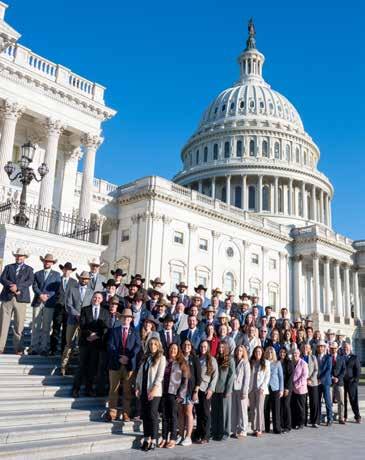
This conference was rounded out with a few days in Washington, D.C., where I was able to meet with members of California’s Congressional delegation and also learn about what NCBA is doing for cattlemen through legislation.
California is one of the most agriculturally diverse states in the country and the influence it holds is pretty awesome to experience. There is also something to be said about seeing a sea of cowboy hats among the suited men and women on Capitol Hill.
The cattle industry is a machine unlike any other, powered by hardworking people in every segment of production. YCC offered a glimpse of that network, but it gave me a greater appreciation for the people, partnerships and advocacy that keep our industry moving.
I am grateful for the opportunity to represent California and join the YCC Class of 2026.
LONG LIVE THE AMERICAN
Introducing the American Cattleman Tribute Edition Rifle
From the wide-open ranges of the 19th-century Western frontier to the family ranches that have stood steadfast for generations, America’s story has always included the men and women who sweat and toil to raise the cattle that feed our nation. The American Cattleman Tribute Edition Rifle is our tip of the hat to this enduring way of life.
Built on our brass-framed .30-30 lever action platform, this rifle is made for those who put in the long, hard hours from sunup to sundown, and it stands as a testament to the animals and their stewardship at the heart of it all. Featuring genuine American walnut furniture paired with an engraved, highly polished brass receiver, every detail honors the grit and tradition that define the cattleman’s trade. Long live the American Cattleman.
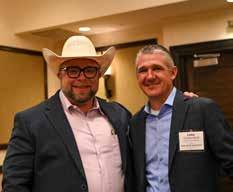
Kern County rancher Jack Lavers and Western Video Market CEO Eddie Veenendaal
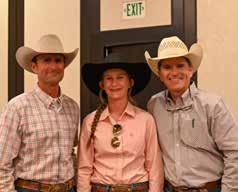
CCA 2nd Vice President Anthony Stornetta with his daughter Chiara and CCA 2nd Vice President James Henderson.
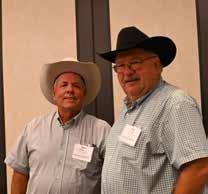
CCA President Rick Roberti and fellow Plumas-Sierra cattleman Paul Roen.
Devin Murnin, of the Livestock Marketing Association, provided a Common Ground Coalition Update.
701x ear tags sales representative Sarah Ryan
UC Davis CLEAR Center graduates Sharissa Anderson, Hanna Hines, and Madison Kindberg attended.
CCA’s Kirk Wilbur shared updates on CCA’s legislative efforts.
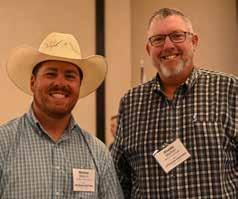
CCA Ag & Food Policy Vice Chair Tim Arellano and California Cattle Council Executive Director Justin Oldfield
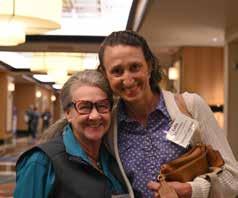
Cattlewomen Debbie Torres and Callie Martinez.
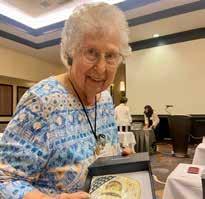
Jean Barton was recognized by the Reno Rodeo and received a buckle.
Plumas Sierra Cattlemen’s President Weston Roberti with CCA Allied Chair Woody Melton.
FIRE SEASON UPDATE
PREPARATION AS FIRE SEASON ARRIVES CCA WORKING TO MITIGATE BURDENS
by CCA Second Vice President Anthony Stornetta
It has been a busy year across California. CCA officers and staff have been making the rounds to county association meetings throughout the state. Along the way, I have had the opportunity to reconnect with many longtime friends while also meeting new faces. It has been exciting to see the pride and passion within each local association and the creative ways you are all working to grow membership.
As I sit down to write this article, I just returned from the Monterey County Cattlemen’s Association meeting. What stood out most was seeing the next generation stepping up and becoming actively involved. It is equally encouraging to see longtime members mentoring and empowering these young leaders, welcoming fresh ideas for fundraising, membership recruitment and the future of their local associations. That willingness to blend experience with new perspectives is exactly what will keep our local and state organizations strong for years to come.
Although CCA operates primarily on membership dues, our staff continues to accomplish an incredible amount with limited resources. Many of them wear multiple hats every day to ensure California’s cattle producers have a strong voice and the support they need to succeed. Thank you for everything you do at the local level to promote the value and benefits of CCA membership.
As I do each year around this time, I’d like to shift the conversation to the upcoming fire season. Without tempting fate, let’s hope this year gives our ranches a much-needed break. Regardless of what the season brings, it remains critical that we continue building strong cooperative relationships with our state and federal partners before an emergency occurs.
During my travels, it has been rewarding to hear how many counties have adopted the AB 1103 Livestock/Ag Pass Program. While a few counties continue to face challenges implementing the program, those obstacles are often driven more by local politics than by a lack of effort. Please stay the course, and if I, our officers or CCA staff can assist in any way, don’t hesitate to
reach out.
For those counties that have implemented the program, please continue spreading the word and encouraging producers to attend the Livestock/Ag Pass training. The program remains underutilized, and when emergencies occur, having trained producers with proper credentials can significantly reduce delays in gaining access behind road closures and mandatory evacuation zones.
If you’ve attended our Fire Subcommittee meetings at Midyear or Convention, you know our committee continues working at every level to improve policies and reduce unnecessary regulatory burdens affecting California producers. This effort extends from local agencies all the way to Washington, D.C. A special thank you to Sherri Brennan, Sonora, and Dave Daley, Oroville, for their continued leadership and dedication.
Insurance also remains one of our highest priorities. Too many of us have experienced the frustration of having coverage one day, only to receive a cancellation notice the next. As changes continue within the state legislature, we will keep advocating for practical insurance solutions and reminding our elected officials that affordable, reliable insurance is essential to the future of California agriculture.
Much like the Livestock/Ag Pass Program began as a grassroots effort, we are now working to formalize another initiative that has already been developing organically in several counties: the Rancher Liaison Program.
We have received tremendous support from CAL FIRE, and I recently had the opportunity to present the concept at an Incident Management Team conference in Riverside. The goal of this program is to strengthen relationships and improve preparedness well before an emergency occurs.
One of the greatest challenges during a wildfire is ensuring incident personnel understand the true value of what is at risk. Ranchers know the value of their forage, infrastructure and livestock, but those making suppression decisions may not fully appreciate that a backfire
...CONTINUED ON PAGE 42
6 6 6
consuming 5,000 to 10,000 acres of grazing land can cripple a ranching operation, resulting in losses reaching into the millions of dollars.
Some of the key elements of the Rancher Liaison Program include:
• Developing county Rancher Liaisons, typically local association presidents or their designees, to assist with ranch mapping, gate access information, lock combinations and producer contact lists. This information can be incorporated into county GIS systems or made available on electronic devices carried in fire apparatus.
• Assigning Rancher Liaisons to the Incident Command Post to serve as local subject matter experts. These individuals can provide valuable information on ranch operations, historical fire behavior, successful suppression tactics, existing fuel breaks, local weather influences, livestock evacuation considerations and other operational concerns. They can also participate in daily cooperator meetings to improve communication between producers and incident management personnel.
• Encouraging local fire agencies to visit ranches before an emergency occurs. Taking the time to drive properties, identify access and egress routes, box canyons, water sources, helispots, landing zones and pumping capabilities provides invaluable information when every minute counts. Producers should also identify stock ponds that cannot be used for suppression because they serve as the only water source for livestock.
Discussions regarding equipment staging areas, land use agreements, water usage and reimbursement rates should occur long before an incident develops whenever possible.
Developing and maintaining accurate producer contact lists is another critical component. Prompt notification greatly increases the likelihood of successful livestock evacuation and property protection. Too often, delays occur simply because the right people cannot be reached.
Contact information for both landowners and lessees should be readily available to responding agencies, including the U.S. Forest Service, CAL FIRE, CHP, sheriffs’ offices, county offices of emergency management and agricultural commissioners. These contact lists should be reviewed and updated annually, with a designated representative from each local association responsible for maintaining them.
If your association does not currently
have a director responsible for your Rangeland Improvement Association, Prescribed Burn Association, Livestock/Ag Pass Program or serving as a liaison with public safety agencies, I encourage you to consider creating that position. Having a dedicated point of contact will strengthen communication and improve preparedness throughout the year.
I also encourage every association to invite representatives from CAL FIRE, the U.S. Forest Service, sheriffs’ offices, offices of emergency management and other local agencies to your spring meetings. Many of you already do this, and I applaud those efforts. I’ve always believed that when we meet these individuals during an emergency, we should be saying, “How are you?” instead of, “Who are you?” Trust is built through relationships, and relationships are built long before an incident occurs. Those connections are best established in calm, everyday settings, not during fast-moving emergencies when time is limited and emotions are running high.
As always, if there is anything we can do as CCA officers to support your association, please never hesitate to reach out. We are always here to help, and we appreciate everything you do to strengthen California’s ranching community.
CHIMES
MIDYEAR RECAP
CATTLEWOMEN GET TOGETHER IN RENO FOR BUSINESS AND PLEASURE
from California CattleWomen, Inc.
The Midyear California CattleWomen’s meeting was quick, fun and informative. The meeting was held with the Cattlemen’s midyear meeting at the Atlantis Hotel in Reno, Nev. President Debbie Costa, Lodi, presided over the two meetings and one workshop.
The event started with the executive officers meeting and reviewing the general business of the organization. It was followed by a workshop on how to “Tell Your Story.” Katie Roberti, communications director for the California Cattlemen explained that we all need to practice telling our ranch story. She said we all need to find a connection or shared value to each stranger and then share an experience related to cattle. Our challenge is to practice a simple response and answer the curiosity that non-farm folks have for cattle and ranch life.
She also gave an overview of how to respond to media requests. She noted that the media has a short timeline and we should always clearly understand what the interview is focused on. She suggests reviewing the reporter’s body of work and determining if the reporter is genuine and not creating a narrative. Roberti encouraged members who are uncomfortable with media interviews to always contact the Cattlemen’s office and they will do their best to accommodate the media request.
We ended the first day at the Reno Rodeo. The rodeo was very entertaining and displayed the best of local rodeo. Along with all the typical events of roping, broncs, barrels and bulls, there were cute kids mutton busting, trick riding, clowns and teams of beautiful horses pulling wagons. The highlight was CattleWoman Jean Barton, Red Bluff, being selected as the “outstanding” rodeo fan. She was given a beautiful buckle by the head clown.
The board of directors meeting was called to order by President Costa. The Ag Day at the Capital was a great success and we partnered with the Cattle Council and Buckhorn Grill to serve about 300 beef sliders to legislators, staff and consumers. The California FFA Conference generated a lot of excitement among the students eager to learn what CCW members do.
The CCW Heritage Foundation will bring all of the Ranch Raised Books back to California from storage in Arizona and each unit will be
asked to help distribute them to hospitals and legislators. More details are to come as the effort unfolds.
The scholarship committee awarded $5,000 in cash to five deserving students pursing higher education in the agriculture industry—Madison Kindberg, Woodland, Brooklynn Beck, Acampo, Jordan Church, Strathmore, Paige Beard and Kennedy Janeway.
The Beef Ambassadors were awarded
...CONTINUED ON PAGE 46
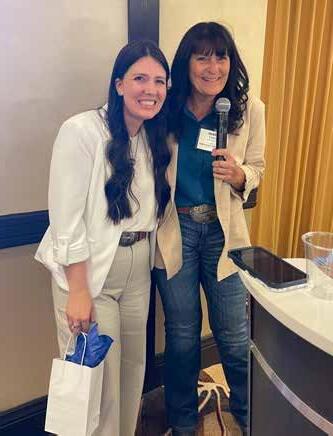
Katie Roberti and CCW President Debbie Costa.
...CONTINUED FROM PAGE 44
$3,375 in cash prizes for their year of service. For 2026, the program involves participants engaging in monthly workshops to improve their knowledge of the industry and their presentation skills. Students between the ages of 14-20 can still apply to participate in the program.
CCW will be hosting the 2027 American National CattleWomen’s Region VI meeting in March in Sutter Creek, the heart of Gold Country. The CCW Spring meeting will be part of this meeting to reduce expenses.
There were amendments to the CCW bylaws presented that clarified voting delegates and the Nomination Committee guidelines. After some discussion, Article 9 was approved and Article 11 was reworded, and it will be presented at the December meeting.
President Costa recapped the printing grant program derived from the Powder River Fundraiser that generated $2,400. There were eight units that applied and seven of the applicants were funded for a total of $2,340.13.
The CCW Photo Contest accepted 69
entires. Leanne Brown, Greenview, the chairman, will choose the outstanding photos and create notecards that will be sold at the December meeting benefiting CCW.
President Costa detailed her experience in Hawaii at the American National CattleWomen Region VI meeting held in April. There were 16 delegates from CCW who toured ranches and interacted with the Hawaiian cattlewomen and cattlemen.
The Board agreed to sell the CCW embroidered shirts in stock on the website but future sales will be sold directly by the vendor using her website. Details will be emailed to all members with the links and details.
The final business of the day was the election of the 2027-2028 officers. The slate was confirmed unanimously—President Susan Cochran, Paso Robles; First Vice President Judy Church, Strathmore; Second Vice President Media Megan Doherty-Spangle, Woody; Secretary Kaitlyn Midgley, Janesville; and Treasurer Cheryl Bauer, Bakersfield. The new officers will be installed at the December Convention in Reno.
CALIFORNIA CATTLEWOMEN SCHOLARSHIP & BEEF EDUCATION FUNDRAISER
ARTIFICIAL INTELLIGENCE MEETS BEEF HERDS
from the National Cattlemen’s Beef Association
USING TECHNOLOGY TO TURN DATA INTO BETTER DECISIONS
Artificial intelligence is quickly becoming one of the most talked-about topics in agriculture, but for most beef producers, the real question isn’t what AI is, it’s whether it delivers value on the ranch.
The message is clear: AI has real potential in beef production, but only if it is grounded in practical application.
The biggest misconception about AI is that it starts with technology. In reality, it starts with data. Clean, timely, consistent data is the foundation. Without it, even the most advanced tools will produce unreliable results. For many operations, the opportunity is not in adopting AI immediately, but in improving how data is captured and used on operations.
Where AI becomes powerful is in expanding what can be measured. The beef industry has long relied on a limited set of traits. Today, tools such as sensors, cameras and machine learning models make it possible to capture new types of information — calf vigor, individual feed efficiency, health events and carcass performance. These data points can reshape management decisions and genetic progress.
More importantly, AI is shifting the industry from hindsight to foresight. Rather than recording what has already happened, producers can begin using data to predict what is likely to happen next — whether that’s identifying animals at risk of illness, improving breeding decisions or optimizing harvest timing. That shift is where AI starts to deliver real economic value.
Labor challenges are accelerating this
shift. Many operations are managing with fewer people and less experienced labor. AI enabled tools can help bridge that gap by identifying issues earlier and providing decision support in real time. These tools don’t replace stockmanship — they strengthen it, allowing producers to focus where it matters most.
However, one point that is generally agreed on: AI is not a silver bullet. Technology should not be adopted for adoption’s sake. The most successful applications start with a clear problem — whether improving grazing utilization, increasing reproductive efficiency or capturing better downstream data. If AI solves that problem, it creates value. If it doesn’t, it adds complexity.
Producers also need to think carefully about data ownership and access. As more technology enters the industry, producers should consider who controls the data and whether it remains accessible over time.
The beef industry is still early in this journey — closer to the early days of the internet than a finished product. But the direction is clear. The operations that will benefit most are those that focus on fundamentals, stay disciplined about data and adopt technology with purpose.
New and emerging platforms are helping connect data across the supply chain by linking producers, feedyards and processors to turn information into better decisions and continuous improvement. AI will not replace producers, but it will increasingly separate those who can turn data into decisions from those who cannot.
UNDERSCORING THE HEREFORD ADVANTAGE
from the American Hereford Association
Ongoing research emphasizes the value of maternal heterosis
Crossbreeding and Hereford cattle have gone together ever since the breed first came to the U.S. in 1817 to improve the nation’s native cattle herd.
Specific benefits from direct and maternal heterosis are well documented, too, with much of the seminal research conducted at the Meat Animal Research Center (MARC) in the 1960s.
What continues to evolve, however, is quantifying the magnitude of advantages associated with utilizing Hereford genetics in strategic, complementary crossbreeding. That’s the goal of the American Hereford Association’s (AHA) ongoing multi-year collaborative research with the University of Illinois Urbana-Champaign (UIUC).
More specifically, Dan Shike, interim head of the UIUC department of animal sciences explains, “The objective is to characterize the performance of Hereford genetics in a commercial Angus operation that retains replacements and finishes out all steer progeny.”
Results from the project thus far serve as a literal textbook example of the production and economic power yielded by maternal heterosis. Hereford-sired females, compared to those bred to Angus bulls, were more moderate in size, consumed less feed, weaned more calves, bred back more efficiently and had increased longevity.
For context, the study began with 600 commercial Angus cows. Half were bred to six different Hereford bulls; the other half to Angus bulls. All bulls used represented the top 15% of each breed for it maternal and terminal indexes. This is a fall-calving herd.
Although the results are expected, the differences underscore the significant advantages enabled by Hereford genetics and maternal heterosis.
Shane Bedwell, AHA chief operations officer and director of breed improvement, points out that Hereford provide additional heterosis due to the fact
they are the least related of the Bos taurus breeds, as documented by MARC.
WINNING FOR THE LONG HAUL
“I’m not looking for the cow that wins in one year. I’m looking for the cow that wins over her lifetime and stays in the herd, stays in production, because she has some built-in fertility, some resilience, which leads to longevity,” Shike says.
Although the advantages of maternal heterosis are noteworthy each year of reproduction, Shike notes how brightly they shine for the 2-yearolds with a heifer at side, which breed back on time for the next calf. As cattle producers have long-known, that’s when so many expensive replacement females are lost, unable to breed back with their second calf at one of the most stressful developmental periods of their lives.
Considering the 14 percent advantage in firstcalf weaning rate of the Hereford-sired females at 2 years of age, Shike explains, “In a 100-head cow herd, that’s 14 more calves. If you put a $2,000 price tag on each weaned calf, that’s $28,000. That’s $280 more per cow. That’s a lot of dollars.”
That’s before considering that Hereford-sired females needed fewer groceries. Pricing hay at $150 per ton, the advantage equates to about $90 less feed cost per cow per year, according to the data.
Shike added context by pointing out, “Seventy percent of the feed resources in the beef industry go to the cow herd and 70 percent of that feed that goes to the cow herd goes to her maintenance. Multiply those two numbers. It’s 0.49. I’m going to round that to 50%. Half of the feed in the beef industry goes to just maintaining the cow, and I haven’t produced anything.”
Bottom line, Shike explained, “They wean more calves, and more of them breed back. That’s
...CONTINUED ON PAGE 52
...CONTINUED FROM PAGE 50
Hereford genetics, that’s maternal heterosis.”
Perhaps unsurprisingly, given the Angus breed’s relentless pursuit of pounds and marbling, the Angus-sired steers in the project resulted in heavier carcasses and graded higher on average. For instance, based on a subset, the Hereford-sired hot carcass weight was 876 pounds, compared to 901 pounds for Angussired steers. Marbling score for Hereford-sired steers averaged 479 versus 557 for the Angus-sired steers. Ribeye area was the same for both groups at 14.1 square inches.
Bedwell cautions the data is also influenced by the unique management system employed at the University of Illinois. Calves are weaned at about 90 days of age and moved to a backgrounding facility.
Think about the reproductive efficiency in the Hereford-sired heifers and cows versus heavier weights in the Angus-sired ones. Greg Thoma, AgNext director for agricultural modeling and lifecycle assessment, used the data to conduct a lifecycle assessment for a 1,000head operation over 10 years. Generally speaking, the model considered a 1,000-cow commercial Angus herd using Hereford bulls and retaining its own replacement heifers or using Angus bulls and retaining its own replacement heifers.
More weaned calves over time yielded 45,728 more pounds of steers and open heifers to sell in the herd utilizing Hereford bulls.
“The feedlot side of the business pays the bills, but the female side keeps us in the business,” Shike says.
Based on preliminary AgNext results, carbon intensity was also 8 percent less in the modeled herd employing Hereford bulls.
“Achieving the performance metrics documented for the Hereford breed in this trial by any means — genetic or management — shows clear benefits,” Thoma says.
THE GOLDEN AGE OF BUTCHERTOWN
How
by CCA Executive Vice President
California built one of the nation’s largest beef packing industries—and why it slowly disappeared
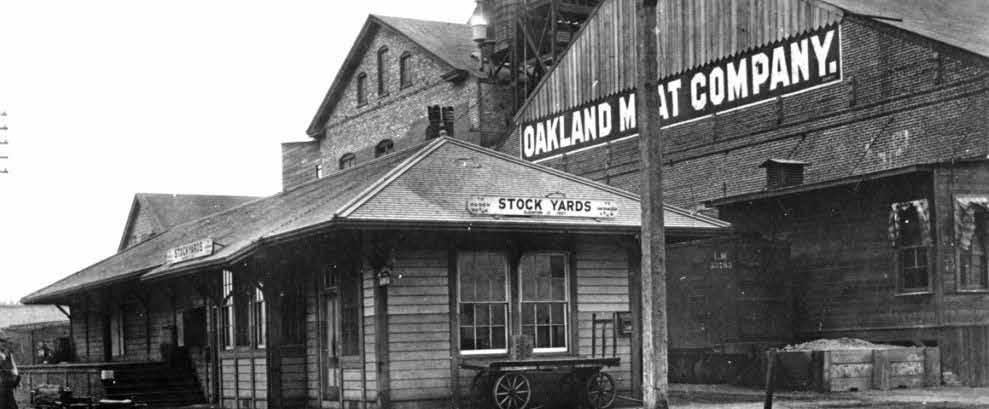
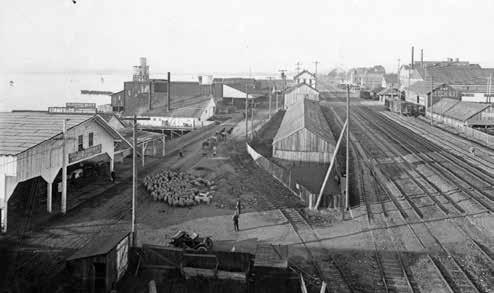
If you walked San Francisco’s waterfront at the turn of the twentieth century, you wouldn’t have found a tourist destination lined with restaurants and souvenir shops. You would have found cattle.
The sounds of livestock mixed with the whistles of steamships as railcars arrived carrying cattle from ranches across California. Nearby, freshly dressed beef left the city by rail and ship to feed a rapidly growing population throughout the West. The smell wasn’t exactly pleasant, but to the people whose livelihoods depended on the industry, it smelled like opportunity.
For decades, that waterfront served as the heartbeat of one of California’s most important agricultural industries. Today, it’s difficult to picture.
California is known around the world for producing exceptional cattle. From the oakstudded foothills of the Sierra to the North Coast and the deserts of the southeast, generations of ranching families have built one of the nation’s most respected cattle industries. Yet when California cattle are ready for harvest, many leave the state. For most ranchers, that’s simply the way it’s always been. But it wasn’t always that way.
There was a time when California wasn’t known only for producing cattle. It was also one of America’s meatpacking powerhouses.
That chapter of the state’s history has largely faded from memory, overshadowed by today’s conversations about processing capacity, transportation costs, regulations and market concentration. Yet understanding how California built and eventually lost that industry offers valuable perspective as producers once again discuss the future of regional processing.
Like many important stories in the American West, this one doesn’t begin with regulations, labor costs, or environmental policy. It begins with geography.
CALIFORNIA’S GREATEST CHALLENGE BECAME ITS GREATEST OPPORTUNITY
To understand California’s rise as a meatpacking state, it’s important to remember just how isolated the state once was.
During the late 19th Century, California sat at the far edge of the American frontier. Although the railroads had finally connected the state to the rest of the country, shipping live cattle remained an expensive proposition. Every mile meant weight loss, stress on the animal and additional costs before a steer ever reached a consumer. Distance punished producers.
At the same time, California’s cities were booming. The Gold Rush had transformed San Francisco into one of the nation’s busiest ports, immigration continued at a rapid pace, agriculture expanded across the state and new communities seemed to appear almost overnight. Every one of those new Californians needed to eat.
For entrepreneurs, the solution was obvious. Instead of hauling live cattle thousands of miles to distant packing plants, why not process them here?
It was a remarkably simple idea, but one that would shape California agriculture for generations.
Packing houses began appearing throughout the Bay Area and beyond. Cattle arrived from ranches stretching from Humboldt County to the San Joaquin Valley, while beef left by rail and steamship to feed not only California’s growing cities but communities throughout the West.
Before long, California had built something few people remember today, a thriving and sophisticated meat packing industry.
BUILDING AN EMPIRE
Among the names that dominated California’s early livestock industry, none stood taller than Miller & Lux.
Billy Gatlin
The legendary cattle company controlled enormous ranches across the West and became synonymous with California beef production. Historical records show the company slaughtered more than 83,000 animals in 1881 alone, an extraordinary number for the era. Nearby, William Dunphy operated one of the state’s largest slaughter facilities, capable of processing nearly 1,000 head every month. Together, they represented far more than successful businesses. They were part of an expanding network of stockyards, packing houses, railroads, wholesalers, retailers, tanneries and transportation companies that transformed beef into one of California’s most valuable agricultural products.
For ranchers, the arrangement made perfect sense. The cattle were already here. The customers were here. The packing plants simply connected the two. By the dawn of the 20th Century, California wasn’t merely participating in America’s beef industry. It was helping lead it.
RAILROAD REVOLUTION
History often turns on innovations that seem ordinary in hindsight. For the cattle business, one of those innovations rode on steel rails. That was the refrigerated railcar.
Before refrigeration, cattle generally traveled to consumers. After refrigeration, beef could travel instead. That single technological breakthrough permanently changed the economics of the beef industry.
Companies no longer needed to move live cattle across the country. They could harvest cattle close to where they were raised and ship chilled beef hundreds or even thousands of miles while maintaining quality. What had once been a regional business suddenly became national in scope.
It also ushered in one of the greatest periods of consolidation the industry had ever experienced.
The large packing companies centered around Chicago had already invested heavily in refrigerated distribution networks. They now possessed the ability to harvest cattle near major livestock-producing regions and efficiently supply markets across the country. Transportation economics had changed.
Historical records also show that freightrate structures often favored shipping dressed meat rather than live animals. While those rates were established by the railroads, not the packers themselves, the practical effect was unmistakable. Companies with efficient refrigerated distribution systems enjoyed an important competitive advantage.
For California, however, the story wasn’t entirely one of increased competition. Those same economic forces created another opportunity.
California had become one of the nation’s fastest-growing consumer markets. Rather than shipping every animal east, California packers could harvest cattle locally and deliver fresh beef directly to families across the state.
For several decades, it was almost the perfect business model.
CALIFORNIA COMES INTO ITS OWN
As the 20th Century unfolded, California’s meat-packing industry matured alongside the state itself.
Population surged, railroads expanded, highways improved and cities grew larger every year. As California’s population shifted south, so did the industry. While San Francisco had launched the business, Los Angeles increasingly emerged as the state’s principal meatpacking center. Growth seemed unstoppable.
By 1925, meatpacking ranked as California’s fourth-largest manufacturing industry. In little more than two decades, the value of products produced by California packers had climbed from approximately $5 million to $116 million, a remarkable transformation that reflected both the state’s growing population and the increasing sophistication of its beef industry.
California had become much more than a cattleproducing state. It had become one of the nation’s great beef-processing centers.
Few people realized they were witnessing the industry’s golden age. Ironically, they were also standing at the threshold
of one of the greatest transformations in the history of the American beef business.
The signs were subtle at first, and most people didn’t notice them. A few economists at the University of California did. As they studied the changing economics of the cattle industry, they began asking a question that, in hindsight, would prove remarkably prophetic: What happens when the cattle themselves begin moving somewhere else?
WHEN THE CENTER OF THE BEEF INDUSTRY BEGAN TO MOVE
If you had visited a California packing plant in the mid-1950s, you probably wouldn’t have guessed anything was wrong.
The yards were busy, the kill floors were running and railcars and trucks came and went throughout the day. California beef filled grocery stores across the state, and thousands of families earned their living in the packing business. By nearly every measure, the industry appeared healthy.
The numbers certainly suggested it was. In 1954 alone, California was home to 122 major meatpacking and processing companies employing more than 10,700 workers. Just a few years later, the value of annual shipments climbed above $800 million, even as plants became more efficient and employed fewer workers.
If someone had predicted then that California would eventually lose much of its large-scale packing industry, they probably would have been dismissed. But a handful of University of California economists were paying attention to something most people couldn’t yet see. The cattle business was beginning to move.
Not overnight. Not dramatically. But steadily. Once that movement began, nearly every decision made by the industry reinforced it.
FOLLOWING THE CATTLE
For generations, the nation’s largest packing plants had been built close to consumers. Before refrigeration and modern highways, that made perfect sense. The greatest challenge wasn’t finding cattle, it was getting fresh beef to market before it spoiled.
By the 1950s, however, that equation had changed. The greatest challenge was no longer moving beef. It was finding enough cattle.
Across the Great Plains, enormous commercial feedlots were transforming the industry. Improvements in irrigation, abundant feed grain and vast expanses of open country allowed cattle feeders to finish tens of thousands of animals in one location. For the first time, large numbers of finished cattle were concentrated in a handful of regions rather than dispersed across thousands of ranches. Where cattle concentrated, businesses follow.
Packing companies found themselves asking a different question. Instead of wondering how to get beef to consumers, they began asking why they were hauling finished cattle hundreds of miles when they could simply build the packing plant next to the feedlot. That question changed everything.
GEOGRAPHY WORKING AGAINST CALIFORNIA
California still had cattle, ranchers and consumers. What it increasingly lacked was a cost advantage.
Unlike states in the middle of the country, California wasn’t surrounded by abundant feeder cattle and inexpensive grain. Many feeder cattle had to be brought into the state, and nearly all of the grain needed to finish them traveled long distances as well. Every mile added cost. Every additional shipment chipped away at California’s competitive advantage.
University of California economists studying the industry reached a sobering conclusion. Packing plants were increasingly locating closer to livestock-producing regions and feeding areas rather than population centers. California, they warned, would likely become more dependent on imported feeder cattle and feed grain while competing against regions that produced both naturally.
Looking back more than 60 years later, their prediction proved remarkably accurate.
BIGGER WAS BECOMING BETTER
The cattle industry wasn’t simply moving. It was also getting bigger.
Packing plants built during the first half of the 1900s had been impressive operations, but the next generation would dwarf them. Engineers redesigned kill floors to keep cattle moving continuously from stunning through fabrication. Automation replaced many labor-intensive jobs. Refrigeration improved, equipment became faster and more reliable and production became increasingly efficient.
San Francisco Amalgamated Meat Cutters Union on parade on Market Street in the 1930s.
...CONTINUED FROM 56
The economics were impossible to ignore. A plant processing thousands of cattle each week could spread its overhead across far more animals than a smaller regional facility. Processing costs declined, productivity increased and margins improved.
University of California researchers confirmed what industry leaders were already seeing firsthand: larger plants consistently processed cattle at a lower cost per head than smaller operations. The future increasingly belonged to fewer, but much larger, packing plants.
TRUCKS REPLACED TRAINS
If refrigerated railcars transformed the beef industry once, the Interstate Highway System transformed it again. By the 1960s, trucks had become the preferred way to move both cattle and beef. Packing companies no longer depended on stockyards built around railroad terminals, and many of those once-essential facilities gradually became obsolete. Los Angeles’ historic terminal stockyards eventually closed, leaving Stockton as California’s last major terminal livestock market.
The geography that had once favored California no longer mattered nearly as much.
Highways allowed processors to locate almost anywhere. As long as cattle and beef could move efficiently by truck, new packing plants naturally gravitated toward the regions where cattle were already concentrated.
The center of gravity for the American beef industry was shifting east. California wasn’t being pushed out. The industry was simply following the cattle.
THE VIEW FROM 1963
Perhaps the most fascinating part of this story is that none of these developments surprised the economists who were studying them.
In 1963, the University of California published an outlook on the state’s meatpacking industry that now reads almost like a crystal ball. Researchers concluded that California’s long-
term competitiveness depended on factors that seemed unlikely to improve. Labor costs would remain higher than in competing states. Feed would continue to be expensive. California would remain dependent on imported feeder cattle, and transportation offered little hope of reversing those disadvantages.
Their conclusion was striking. Only significantly lower slaughter costs or dramatically more favorable livestock transportation rates would reverse the trend. Neither appeared likely. History would prove them right.
CALIFORNIA DIDN’T STOP PACKING BEEF
This is where many versions of the story get it wrong. California’s meatpacking industry didn’t disappear overnight, nor did the state’s cattle industry suddenly vanish.
Even in 1964, California slaughtered more than 3.3 million cattle and calves, supplying approximately 75 percent of the beef consumed within the state. Those are hardly the numbers of an industry in collapse.
Instead, something much slower was happening. As older packing plants reached the end of their useful lives, fewer replacements were built. National companies consolidated operations and investment increasingly flowed toward larger facilities in regions with lower costs and closer access to cattle.
California remained one of America’s largest beef markets. It remained home to outstanding ranches and continued to be a leader in cattle feeding.
But it was no longer the obvious place to build the next great packing plant. The industry had quietly, almost imperceptibly moved on.
The decline wasn’t the result of a single law, one governor or one company making a dramatic decision. It was the accumulation of hundreds of business decisions made over decades, each one rational on its own. Taken together, however, those decisions transformed the geography of the American beef industry.
That leaves us with a more important question than simply asking why California lost much of its packing capacity. What can this history teach us as producers once again begin talking about strengthening regional processing?
The answer begins by recognizing that the forces which reshaped the industry once before were driven by economics, technology and innovation, not by inevitability. And perhaps that’s where the next chapter of California’s story begins.
HISTORY DOESN’T REPEAT ITSELF... BUT IT RHYMES
Walk into almost any cattle meeting today and it won’t take long before the conversation turns to processing capacity. Ranchers talk
about the need for more competition, additional harvest capacity and the growing distances many California cattle travel before harvest. The concerns sound familiar because, in many ways, they are.
For well over a century, California cattle producers have wrestled with many of the same questions. Technology has changed. The regulations have certainly changed. Markets are more global than ever before. Yet the fundamental challenge remains remarkably similar: How do you build a processing system that serves both producers and consumers?
For much of the 20th Century, California answered that question better than almost anyone.
WHAT HISTORY REALLY TEACHES US
One of the biggest surprises in researching this story was discovering that California didn’t lose its packing industry because of a single catastrophic mistake or one company that moved away and took the industry with it.
Instead, hundreds of individual business decisions gradually reshaped the industry over several decades. Each decision made perfect sense on its own. Companies built closer to feed supplies, invested in larger and more efficient plants, reduced transportation costs, embraced new technology and located where cattle were increasingly concentrated.
No one woke up one morning and decided California shouldn’t pack beef anymore. It simply became easier and more profitable to process cattle somewhere else.
That distinction matters because it changes the way we think about the industry’s future. If sound business decisions gradually moved investment away from California, then thoughtful business decisions can also attract new investment. It may not look exactly like the packing industry of the 1950s, but history reminds us that industries are never static. They continue to evolve.
A DIFFERENT KIND OF OPPORTUNITY
No one seriously believes California is going to recreate the meatpacking industry of 1954, nor should we. The beef business has changed
dramatically over the past seventy years. Today’s industry is built around boxed beef, sophisticated logistics, advanced food safety systems, export markets and processing facilities that operate on a scale few people could have imagined a century ago.
History, however, reminds us that industries constantly reinvent themselves.
Listen to today’s conversations within the cattle industry and you’ll hear themes that would have sounded surprisingly familiar to producers a hundred years ago. Ranchers are talking about regional food systems, supply-chain resilience, consumer demand for locally raised beef, harvest capacity closer to producers, transportation costs and the importance of healthy competition.
Those aren’t backward-looking ideas. They’re forward-looking responses to today’s challenges. The solutions won’t look like they did in 1925, but the motivation is remarkably similar: creating a stronger, more resilient cattle industry that works for both producers and consumers.
CALIFORNIA HAS DONE HARD THINGS BEFORE
One of the dangers of looking only at today’s challenges is assuming they’ve never existed before. History suggests otherwise.
California ranchers built one of America’s greatest cattle industries while navigating droughts, floods, economic downturns, wars, changing technologies, shifting consumer demands and enormous political change. Every generation faced obstacles that seemed daunting in its own time, yet each found a way to adapt.
Building a meatpacking industry from scratch wasn’t easy. Maintaining it wasn’t easy either. Neither will whatever comes next.
But California ranchers have never built their livelihoods by choosing the easy path. They’ve built them by adapting to change, solving problems, and finding opportunities where others saw obstacles.
THE NEXT CHAPTER
The story of California meatpacking is not ultimately a story about decline. It’s a story about adaptation. One generation adapted to distance by building packing plants close to California consumers.
The next embraced refrigeration and expanded distribution. Later generations adjusted to interstate highways, larger feedlots and a beef industry that increasingly operated on a national scale.
Today’s producers face a different set of challenges. Consumer expectations continue to evolve. Markets have become more concentrated. Wildfire, water availability, labor shortages, technology, and environmental regulations all shape the decisions ranchers make every day.
Every generation inherits a different set of challenges. Every generation writes its own chapter.
The ranchers who built California’s meatpacking industry probably couldn’t have imagined the beef business we know today, just as we can’t fully imagine what it will look like 50 years from now. But if history tells us anything, it’s that the California cattle industry has never stood still. It has continually evolved, creating new opportunities while leaving others behind.
The challenge for today’s ranchers isn’t to recreate the past. It’s to understand it well enough to recognize the next opportunity when it appears.
California has been here before. For more than 175 years, California cattle producers have weathered change by adapting rather than standing still. That resilience is the real legacy of the cattle industry.
In the end, this story isn’t really about what California lost. It’s about what California has always had: resourceful people, exceptional cattle and an industry that has repeatedly reinvented itself to meet the challenges of a changing world.
That’s a history worth remembering.
DID YOU KNOW?
Between 1958 and 1964, the number of California feedlots capable of holding more than 10,000 head nearly tripled—from 20 to 57.
California had embraced large-scale cattle feeding, but University of California researchers were already warning that the state’s long-term competitiveness depended on where future feedlots—and future cattle— would be located.
Between 1899 and 1925, the value of California’s meatpacking industry grew from $5 million to $116 million, making it the fourthlargest manufacturing industry in California.
By 1900, California had 58 packing houses. Nearly half—26 plants—were in San Francisco, accounting for almost 60 percent of all capital invested in California’s meatpacking industry.
COUNCIL
FEMALE INFLUENCERS BROUGHT THE SIZZLE TO THE “GIRLS WHO GRILL” EXPERIENCE
by California Beef Council Director of Retail & Foodservice Marketing Christie Van Egmond
There’s no better way to learn how to grill than with a well-marbled steak, live fire and the “Smoke Queen” Chef Winnie Yee as your instructor. That’s exactly what Southern California-based food and lifestyle influencers experienced at the California Beef Council’s (CBC) recent Girls Who Grill event.
On June 2nd, fourteen female influencers tied-on Beef. It’s What’s for Dinner. aprons at Chef Winnie Yee’s restaurant Smoke Queen Barbecue in Garden Grove, Calif. for an evening of cooking, camaraderie, grilling juicy steaks and enjoying a delicious beef-centric family-style meal together. The event aimed to teach cooking and grilling techniques to social media influencers that may not feel as comfortable with grilling beef. When the CBC can equip influencers with cooking instruction and grilling tips and tricks, it empowers them to feel more confident in creating beef recipe content in the future for their online followers—which is a win for the beef industry!
Research shows that consumers tend to trust influencers more than they trust brands or industries, making Influencer Marketing one of
the most powerful ways that the beef industry can make an impact with today’s consumers. When’s the last time you watched a recipe video online?
Most consumers are watching recipe content online—whether it be on Instagram, TikTok, Facebook or YouTube.
Their food perceptions, purchase behavior, and eating habits continue to be increasingly based off of social media content and what they see influencers buying, cooking and eating on social platforms.
In a recent report, 85 percent of consumers made a purchase based on influencer content they saw online. Beef prices are high right now, and when consumers purchase beef, they want to know that they aren’t going to “mess it up” and have a poor eating experience, so many consumers are looking to influencers on their social platforms for recipe inspiration and cooking and grilling tips. If consumers see beef grilling content from influencers that seems doable, they’ll likely be more willing to try the beef recipe themselves.
The Girls Who Grill event kicked-off with Brisket Spring Rolls with Spicy Hoisin BBQ Sauce and Brisket Chili Cheese Tallow Fries as small bites to welcome the influencers to the evening experience. After an introduction of
...CONTINUED ON PAGE 64
Girls Who Grill influencer attendees with Chef Winnie Yee and cattle producer and CBC board member Cindy Tews (far left).
Chef Winnie Yee and her restaurant, Smoke Queen Barbecue, influencers were treated to a brisket seasoning and smoking demonstration from the restaurant’s pitmaster surrounded by the restaurant’s enormous smokers. Influencers then had their time to shine by working in groups to create a Whiskey Peach Yakiniku BBQ Sauce and seasoning their own individual New York Strip Steaks with Chef Winnie’s House Rub.
Once the steaks were oiled and seasoned, it was time to grab the tongs. With a Santa Maria-style grill already hot, the influencers each got their turn to grill their own steak alongside Chef Winnie’s Wagyu Tri-Tips already sizzling on the grill. During the grilling session, influencers learned tips and tricks directly from Chef Winnie and her grilling team. Working to ensure steaks were cooked to proper temperature, placing and flipping for the perfect grill marks, and the sound of the steaks sizzling on the grill were some of the influencer-captured highlights.
The culmination of the event was the influencers coming together for a family-style dinner to enjoy the “steaks” of their labor. The influencer-grilled steaks were accompanied by the Whiskey Peach Yakiniku BBQ Sauce that the influencers prepared earlier in the evening, as well as side dishes from Chef Winnie Yee’s new ChineseAmerican Barbecue cookbook and Smoked Wagyu Sliced Tri-Tip from her restaurant menu. Beef shone as the star of the meal. With phones eating first to document every delicious dish, the influencers captured their steak masterpieces and every crumb of their tasty meal to share with their online followers.
On July 10, USDA Secretary Brooke L. Rollins announced that 10 additional meat and poultry companies have adopted USDA’s voluntary Product of USA label, marking continued momentum behind the Administration’s efforts to help consumers easily identify products that are truly born, raised, harvested and processed in the United States.
Since USDA launched its nationwide awareness campaign earlier this year, more processors across the country have committed to using the Product of USA label, giving consumers greater confidence that when they purchase products bearing the claim, they are directly supporting American farmers, ranchers, processors and rural communities.
“President Trump has made it clear that when American families buy American products, they should know exactly what they’re getting,” said Rollins. “The Product of USA label gives consumers confidence that the meat, poultry, and egg products they purchase come from animals born, raised, harvested and processed right here in the United States. Every new company that adopts this label represents another win for America’s ranchers, processors and rural communities. USDA will continue working every day to strengthen domestic food production and ensure American agriculture remains the strongest in the world.”
The newest companies to adopt USDA’s Product of USA label include:
Harris Ranch – California
One World Beef – California
Upper Iowa Beef – Iowa
American Foods Group (AFG) – Multiple locations
Agri Beef – Idaho
FPL Food – Georgia
Hadrick Farms – South Dakota
Fort Worth Meats – Texas
Wholestone Farms – Nebraska
Harrison’s Poultry – Illinois
“Now more than ever, consumers deserve to know where their food comes from and to have confidence in the integrity of the products they purchase. The USDA Product of USA program creates a meaningful connection between American ranchers and the families they feed by recognizing producers who are committed to raising and processing livestock entirely within the United States. We are grateful for USDA’s leadership in strengthening transparency, supporting American agriculture and helping preserve the future of independent ranching for generations to come,” said Eric Brandt, President of One World Beef.
The continued expansion of the Product of USA label complements President Trump’s and Secretary Rollins’ broader strategy to strengthen America’s beef industry by supporting independent ranchers, family farmers and small- and mid-sized meat processors.
by Amy Quinton for the University of California Department of Ag and Natural Resources
CALIFORNIA WOLVES FEEDING ON CATTLE
New research examines what wolves are eating, how livestock respond to their presence
Two new studies examining gray wolves in California paint a complex picture of life on California’s ranching landscapes: wolves eat cattle more than anything else and the presence of the predators causes significant stress among livestock.
In the first study, University of California, Davis, researchers found wolves from the Lassen and Harvey packs in northeastern California were primarily eating cattle. They collected scat samples during the summer months of 2022 and 2023 and found 72% of wolf scat contained cattle DNA. The research was published in PLOS One.
“Whether it’s through scavenging or whether it’s through depredation, it’s a huge component of the wolves’ diet,” said lead author Tina Saitone, a professor of Cooperative Extension in the UC Davis Agricultural and Resource Economics Department. “Their conservation success is because of livestock producers in the state.”
Cattle appeared as the most frequently occurring food item during both summers of the study, present in 86 percent of samples in 2022 and
55 percent in 2023. While all 2022 samples were from the Lassen Pack, the 2023 samples included eight from the newly established Harvey Pack.
Wolves are a state and federally recognized endangered species. The first confirmed wolf entered California in 2011, following a nearly 100year absence. The California Department of Fish and Wildlife estimates the state is now home to nine wolf packs.
FEW NATURAL PREY
Wolves in California live in landscapes shaped by people. They have fewer wild ungulate prey options than wolves in other parts of North America. Mule deer are their only significant wild food source, but populations have dropped sharply since the 1970s.
Saitone said the scarcity of wild prey may be one reason wolves are eating cattle instead. Researchers found mule deer in just 45 percent of the scat samples, significantly less common than cattle.
Keeping wolves away from cattle is difficult on many of these working landscapes.
“Conservatively, we’re talking about a million acres in our study area and 10,000 cow-calf pairs,” said Saitone. “It’s not as simple as putting up an electric fence on a two-acre pasture or putting cattle in the barn at night.”
CATTLE ARE STRESSED
Researchers also examined how living among wolves affects cattle. Their findings
This gray wolf was caught on a game camera near a herd of cattle in northeastern California. Photo courtesy of Tina Saitone, UC Davis
Markets
Weather
The
Through practical genetics, disciplined development and data-driven selection, we help commercial producers build efficient, profitable cow herds that perform today and remain productive for years to come. From the consistency of Angus to the added longevity, performance and heterosis of SimAngus, our cattle are built to strengthen your herd for the long haul.
suggest the costs of wolf reintroduction extend well beyond animals lost to predation.
A second study, published in Ecology and Evolution, measured cortisol levels in tail hair samples collected from beef cattle grazing rangelands in northeastern California — some herds sharing territory with wolf packs, others in areas without wolves. Cortisol, often called the stress hormone, accumulates in hair over time, making it a reliable indicator of chronic stress rather than a momentary response to fright.
Cattle herds living among wolves had cortisol levels 58 percent higher than those in control herds — a significant physiological difference. This marks one of the first times hair cortisol analysis has been used to study how the reintroduction of predators reshapes livestock physiology in the field.
“What this really confirms is that death or depredation is not the only impact here,” said Saitone. “Living among wolves for cattle is a chronically stressful experience, and that could ... ultimately have production-related impacts in both the short and the long term.”
COULD IT AFFECT REPRODUCTION?
Saitone said the findings are just a starting point. Researchers next want to understand whether elevated stress levels translate into lower conception rates. It’s a concern long raised by ranchers that has not yet been established through direct biological evidence. When breeding cows fail to conceive, it can directly affect a rancher’s bottom line.
“That’s their whole purpose,” said Saitone. “These are mother cows that are supposed to be generating calves as a marketable product.”
Other authors of the PLOS
One study include Kenneth W. Tate and Benjamin J. Sacks of UC Davis. Funding came from the Russell L. Rustici Rangeland and Cattle Research Endowment and California Cattle Council.
Christina Nord was corresponding author of the Ecology and Evolution study. Other authors include Alexander Pritchard, Rosemary A. Blersch, Brenda McCowan, Jessica J. Vandeleest and Kenneth W. Tate. Funding came from Western Sustainable Agriculture Research and Education and the Russell L. Rustici Rangeland and Cattle Research Endowment.
LAMBERT TRIFECTA 65N
RANGELAND TRUST TALK
2026 LANDOWNER APPRECIATION DINNER
CELEBRATING STEWARDSHIP & FAMILY WHILE LOOKING TOWARDS THE FUTURE
by Dallis Beverlin for the California Rangeland Trust
California Rangeland Trust’s landowner partners help protect the state’s working lands every day through their stewardship and commitment to conservation. By conserving their ranches, they help ensure future generations can continue to work the land and care for it. To honor these partners, who represent both the organization’s history and its future, the Rangeland Trust hosted a Landowner Appreciation Dinner on Tuesday, June 2, in Esparto.
Sponsored by Raley’s and Hollencrest Capital Management, the event welcomed nearly 100 ranchers, supporters and friends to Yolo Land & Cattle Co., owned by the Stone family.
Ahead of the evening’s program, guests mingled over cocktails, before enjoying a classic barbecue dinner featuring mouthwatering tri-tip, potatoes and seasonal vegetables.
Rangeland Trust Board Chairman Clayton Koopmann, Sunol, opened the program by welcoming attendees and reflecting on the people who make up the Rangeland Trust community. He described the organization and its landowner partners as a family connected by shared values, a deep appreciation for the land,and a common commitment that extends beyond individual property boundaries.
“I have to say, gatherings like this are my favorite part of what we do,” Koopmann said. “There’s something special about bringing together the ranchers, families and partners who have shaped the Rangeland Trust into what it is today—and taking a moment to recognize the stewardship, hard work, and deep commitment that keep California’s working landscapes healthy, productive and thriving for generations to come.”
Continuing a longstanding tradition, Koopmann rang a ceremonial cowbell to celebrate the conservation milestones achieved since the previous gathering.
He announced that the organization has now partnered with 106 ranching families to conserve more than 433,000 acres of rangeland. Originally started by staff to mark the completion of each conservation project, the cowbell has become a symbol of the people, partnerships, and perseverance behind every protected ranch.
Koopmann then invited ranch hosts, Scott and Karen Stone, to the podium to share their family’s journey and conservation story. After Scott shared a brief history of the ranch, Karen delivered a message of resilience and hope, encouraging attendees to remain committed to the land and the values it represents despite the challenges facing agriculture today.
“As landowners, ranchers and people of agriculture, we live our lives looking towards the light and continuing on even through difficult times,” Karen expressed. “More than anything we need to get people out on the land to understand what is being preserved and why it matters. They need to understand that most ranchers are not rich, most of us have two jobs and some of us have three. I truly believe that those of us that are staying on the land will have to work harder,
...CONTINUED ON PAGE 72
California Rangeland Trust CEO Michael Delbar addresses dinner attendees.
...CONTINUED
educate more people, and continue fighting for this way of life.”
Following the Stones’ remarks, Rangeland Trust CEO Michael Delbar, Potter Valley, shared updates on the organization’s current conservation efforts and growing partnerships across the state. He also emphasized the work still ahead, noting that nearly 100 ranching families representing about 250,000 acres of rangeland are still awaiting funding to make their conservation easement dreams a reality.
“According to the USDA, nearly 5,000 acres of farm and ranch land across the country are lost every day to development and other uses,” Delbar said. “Here in California alone, we lose roughly 47,000 acres each year. Those numbers are a reminder of what is at stake— and why our momentum cannot slow.”
The evening also celebrated individuals whose contributions exemplify the Rangeland Trust’s mission.
Board director Bruce Hart, Glenn Ellen, announced Mike and Julie Sardella of the Sardella Ranch in Tuolumne County as the 2026 Conservationists of the Year. The award recognizes outstanding achievement in volunteer conservation by a private landowner. Since conserving their 500-acre ranch in 2013, the Sardellas have become passionate advocates for land conservation, generously sharing their knowledge and experiences with fellow ranchers and members of the public.
Accepting the award, Julie Sardella referenced a quote often attributed to Chuck Palahniuk: “The goal isn’t to live forever; the goal is to create something that will.” These words reflected the spirit of conservation and desire shared by so many ranching families to leave the land better for future generations.
Newly appointed board director, Stan Van Vleck, Rancho Murieta, then presented the 2026 Conservation Impact Award to Frank Mitloehner, Ph.D., Director of the CLEAR Center and Chair of the Department of Animal Science at the University of California, Davis. Mitloehner is a leading voice in sustainable agriculture whose research has helped clarify and combat misinformation surrounding animal agriculture and climate change. Through his work at UC Davis, he has advanced practical, science-based solutions to reduce emissions while supporting a productive and sustainable food system.
Together, this year’s honorees exemplify the power of stewardship, science and innovation to strengthen the future of California’s working rangelands.
To cap off the evening, Koopmann shared some of his original cowboy poetry celebrating the traditions, values and deep-rooted heritage of ranch life. The evening closed with a sense of gratitude and shared purpose, a reminder that the heart of the Rangeland Trust lies in the land it protects and the ranching families who make that work possible.
Rangeland Trust Board Chairman Clayton Koopmann celebrate the conservation milestones achieved since the previous gathering.
Mike and Julie Sardella of the Sardella Ranch were recognized as the Rangeland Trust’s 2026 Conservationists of the Year.
Frank Mitloehner, Ph.D., was recognized as the 2026 recipient of the Rangeland Trust’s Conservation Impact Award.
BEEF ABROAD
BEEF EXPORTS DOWN IN SPRING 2026 BUT VALUE EDGES HIGHER
from the U.S. Meat Export Federation
Spring numbers are in and May beef exports were below last year’s volume but edged higher in value.
May beef exports totaled 91,925 metric ton (mt), down 5 percent from a year ago. But value increased 2 percent to $818.1 million, bolstered by value increases in Taiwan, Japan, the ASEAN region, Central and South America and Egypt. Export value per head of fed slaughter soared to $468 in May, the highest in nearly four years. Despite China’s mid-May renewal of expired U.S. beef plant registrations, May exports to China remained minimal as technical obstacles are yet to be resolved.
For January through May, beef exports were 10 percent below last year’s pace at 457,063 mt, while value fell 5 percent to $3.95 billion. But when excluding China from these results, January-May beef exports were down less than 1 percent in volume and were 6 percent higher in value.
USMEF CEO Dan Halstrom said, “Despite significant headwinds, we are seeing some encouraging trends on the beef side. Many facilities remain suspended and unable to export to China, while exporters overall remain reluctant to ship until technical obstacles are resolved and China agrees to meet its Phase One Agreement commitments. But Taiwan has been a major bright spot this year and while exports to South Korea have trended lower, we expect an uptick in Korea’s demand when a higher tariff rate on Australian beef is triggered later this month.”
By mid-July, Korea’s imports of Australian beef are expected to exceed the safeguard threshold established in the KoreaAustralia FTA. Through the end of the year, Korea’s tariff rate on Australian beef will increase from 5.3 percent to 24 percent. U.S. beef enters Korea at zero duty under the KoreaU.S. FTA. Australia triggered its beef safeguard for China on June 18, and has since faced a 55 percent tariff for exports entering that market.
MAY BEEF EXPORT HIGHLIGHTS LED BY VALUE GROWTH IN TAIWAN, JAPAN, LATIN AMERICA
Beef exports to Taiwan continued to perform well in May, climbing 9 percent from a year ago to 5,358 mt, while value increased 16 percent to $63.7 million. JanuaryMay exports to Taiwan were 16 percent above last year’s pace at 25,159 mt, while value increased 12 percent to $287.9 million. Taiwan is a highvalue destination for a diverse range of U.S. beef products, including cuts from the round such as outside round flats.
While May beef exports to Japan were lower than a year ago in volume (20,102 mt, down 8 percent), export value still increased 7 percent to $166.2 million. For January through May, exports to Japan were 9 percent below last year’s pace at 95,061 mt, while value was down 4 percent to $743.2 million. With the recent increase in U.S. production achieving the USDA Prime grade,
USMEF has heightened efforts to promote Prime cuts that are underutilized in the U.S. market but can command a premium in Japan’s
...CONTINUED ON PAGE 76
...CONTINUED FROM PAGE 74
retail and foodservice sectors, such as Prime round cuts, chuck eye rolls and coulottes. With Australian beef rapidly approaching a higher safeguard tariff in South Korea (see above), the situation has had a mixed impact on U.S. beef’s presence in the Korean market. On one hand, the higher tariff rate will certainly create additional opportunities for U.S. beef – especially chilled cuts – in the second half of the year, and USMEF has been positioning U.S. beef, including USDA Prime cuts, to take Australian shelf space. But in anticipation of the higher tariff, Korean importers have stockpiled frozen Australian beef, which has weighed on U.S. export results in the first half. In May, beef exports to Korea totaled 19,817 mt, down 21 percent from a year ago, while value fell 12 percent to $206 million. For January through May, exports to Korea were 10 percent below last year in volume (96,265 mt) and 6 percent lower in value ($959.8 million).
OTHER JANUARY-MAY RESULTS FOR U.S. BEEF EXPORTS INCLUDE:
• Led by the largest exports to Chile since 2022 at nearly 900 mt (up 54 percent year-overyear, valued at $7.5 million, up 55 percent), May beef exports to South America increased 13 percent from a year ago to 1,634 mt, while value soared 41 percent to $14.9 million. January-May results followed a similar trend, increasing 13 percent in volume (8,790 mt) and 3 percent in value ($77.7 million).
• While May beef exports to Central America were below last year in volume (1,901 mt, down 7 percent), value still climbed 12 percent to $20.8 million. For January through May, exports to the region increased 14 percent in value to $102.1 million, despite a slight decline in volume (9,968 mt, down 2 percent).
• May beef exports to the ASEAN increased significantly year-over-year, mainly due to the re-emergence of Indonesia following elimination of some onerous non-tariff barriers. Shipments to the region increased 38 percent from a year ago to 3,193 mt, valued at $31.4 million (up 61 percent). With demand also strengthening in Vietnam, January-May exports to the ASEAN climbed 33 percent above last year in volume (14,242 mt) and were 43 percent higher in value ($125.8 million). Despite recent improvements, Indonesia continues to use import licensing to heavily restrict imports through its de facto quota system. If the U.S.-
Indonesia Agreement on Reciprocal Trade is implemented, opportunities in the market will be tremendous.
• The conflict in Iran has negatively impacted beef exports to the Middle East – both in terms of foodservice demand and transportation challenges. But shipments to Egypt, which are mostly livers and other variety meat, have been less affected. While May exports to Egypt slipped 4 percent below a year ago to 2,570 mt, value increased 17% to $6.2 million. January-May shipments to Egypt increased 12 percent in value to $34.3 million, despite a 9 percent decline in volume (14,458 mt).
• Beef exports to Africa, which are also primarily variety meat, climbed 15 percent above last year in May to 1,396 mt, valued at $3.4 million (up 70 percent). Through May, exports to Africa were down 12 percent in volume (5,264 mt) but still increased 20 percent in value ($11.3 million). The increase in value was led by strong growth in Morocco and a rebound in demand from South Africa. Other major markets include Cote d’Ivoire and Gabon.
• While some progress has been made in restoring access for U.S. beef in China, many U.S. establishments remain suspended and others are deterred from exporting to China by lingering technical barriers. Shipments to China remained minimal in May, totaling just 471 mt valued at $2.7 million.
• May was another large month for beef variety meat export results, with shipments climbing 34 percent from a year ago in volume (27,200 mt) and 55 percent higher in value ($128.4 million). However, based on analysis of import data from major markets and U.S. market dynamics, USMEF anticipates downward adjustments to the 2026 beef variety meat export data, with some volume and value possibly reclassified as muscle cuts.
• Beef export value equated to $468 per head of fed slaughter in May, up 15 percent from a year ago and the highest since July 2022. The January-May average was $435.38 per head, up 5 percent from the same period in 2025. May beef exports accounted for 13.8 percent of total May beef production and 10.4 percent of muscle cuts, up from 13.3 percent and 11.3 percent, respectively, in May 2025. The January-May ratios were 13.1 percent of total production (down from 13.6 percent) and 9.9 percent of muscle cuts (down from 11.4 percent).
FAREWELL TO TWO OF THE FINEST
from the University of California Department of Ag & Natural Resources
David Lile and Royce Larsen retire from UC advisor positions after decades of service to state’s ranchers
In each of California’s 58 counties, University of California Cooperative Extension (UCCE) advisors, bridge the gap between university research and local communities. They conduct hands-on research and provide sciencebased education to solve local challenges in agriculture, nutrition and youth development.
While their core purposes include agricultural support, community health, youth developement and environmental stewartship, most California ranchers know them as integral members of their communities who help farmers and ranchers increase profits, manage pests, conserve water, grow better crops and gain skills to help them improve their operations today and for the future. Because they are local experts, they act as a direct link connecting everyday residents to the resources of the University of California.
David Lile, University of California Cooperative Extension natural resources and livestock advisor, retired on July 1 after 30 years of serving Lassen County residents. For the past 25 years, he also served as UCCE director for the county and in 2010, Plumas and Sierra counties were added to his supervision.
“No individual outside of our family has done more for our ranch than David Lile,” said Jack Hanson of Willow Creek Ranch. “His knowledge and expertise and his passion for California agriculture were ever-present. He has the ability to make complex issues easy to understand and always helped us make the correct decision.”
After earning bachelor’s and master’s degrees in range and wildlands science from UC Davis, Lile joined UC Cooperative Extension in 1996. He studied issues at the intersection
of livestock production and natural resources conservation, on a mix of federal rangelands and private hay and irrigated pastureland.
“He has included us in numerous university, CDFA and USDA trials, bringing in top researchers and academics, all of which made us more resilient and sustainable,” said Hanson, who oversees his family’s cattle and hay operation. “David never said, ‘No, I can’t do that.’”
On June 23, the Board of Supervisors of Lassen County presented Lile with a proclamation commending him for 30 years of service to local residents.
Aside from his day-to-day job, Lile is known for looking for ways to apply science to policies that have consequences for farmers and ranchers in his area.
Mentoring the next generation of UCCE advisors has become a hallmark of Lile’s tenure. When he’s not doing research, Lile is known for coaching students, creating innovative learning and growth opportunities for aspiring scientists and educators. He also has mentored earlycareer UC ANR colleagues, including Tom Getts, Laura Snell, Janyne Little, Grace Woodmansee and the late Ryan Tompkins.
Over his career, Lile has been honored by many other organizations for his contributions. Modoc County Farm Bureau presented him with its Annual Distinguished Service Award in 2025. In 2024, he won UC ANR’s Distinguished Service Award for Outstanding Leader. Also in 2024, Lile and his UCCE natural resources colleagues received the National Association of County Agricultural Agents’ National Finalist Award for the fact sheet “Rapid User Guide: Postfire Grazing on California’s Intermountain Rangelands.” The Society for Range Management’s California-Pacific Section named him Range Manager of the Year in 2023. In 2021, Lile received the national Society for Range Management award for Outstanding Achievement in Land Stewardship.
...CONTINUED ON PAGE 80
DAVID LILE
This year’s crop of bulls are sired by these balanced trait leaders:
GDAR Justo 2711
AAR Fergus 3551
Sterling Confidence Plus 804
GDAR Recap 0746
Connealy Cool 39L
Sitz Intuition
Tehama Patriarch F028
Ellingson Prolific
By the time Royce Larsen turned 12, he had never traveled farther than a three-hour drive from his family’s dairy ranch in rural Utah.
Caring for cows was a demanding household chore requiring participation from the whole family.
“ You get up at 4:30 –milk – go to school, come back – milk. There’s never time to do anything else,” Larsen said.
Growing up on the dairy, Larsen realized that milking cows was not his life’s calling. Still, a love of the outdoors and rural life stuck with him, eventually leading him back to the range –not as a dairyman, but as a scientist.
For 30 years, Larsen has shared his expertise in rangeland management through UC Cooperative Extension, protecting the types of landscapes that were the backdrop to his childhood. Larsen spent most of his career as the watershed and natural resource advisor covering Monterey, San Luis Obispo and Santa Barbara counties. This summer, he will retire from that role and move back to Utah.
Cattle ranchers of California’s Central Coast can attest that Larsen has been a local fixture of the community. His trustworthiness earned him keys and combinations to their ranches, allowing him freedom to collect data on vegetation and many other ecological indicators.
Kevin Kester, a rancher from Parkfield and past president of the California Cattlemen’s Association and National Cattlemen’s Beef Association, says Larsen made good on his trust. Larsen helped him develop rangeland management plans to protect his natural resources and family livelihood for future generations.
“It takes a certain kind of person from the academic world to interact with cattle ranchers… not everybody can do it. Royce was a perfect fit,” Kester said. “His word is as good as gold.”
Larsen’s tact with the local community rewarded him academically. Larsen used the extensive data he collected to demonstrate how rangeland environments are changing with the climate, and effectively communicated those stakes to ranchers.
Over his career, he published 230 articles and delivered countless workshops, lectures and
site visits. Larsen has applied for emeritus status to continue leveraging his knowledge to benefit California’s watersheds and the ranchers who manage them.
Raised on a dairy farm in Utah, Larsen quickly realized that the farming business might not be possible for all families to continue but staying in agriculiture was possible for everyone to do. So, after enrolling at Utah State University and finding a love for science, the academia route was one that Larsen easily adapted to.
After completing post graduate education at Oregon State and spending some time in Oklahoma, Larsen landed his first UC ANR job as an environmental science advisor for San Bernardino and Riverside counties, a role that took him into the Mojave to survey for endangered desert tortoises. (On one outing, he even found a human jaw!) Despite the intrigue, Larsen wanted to focus more on grazed rangelands, so when a watershed advisor position opened in San Luis Obispo, he jumped on it.
From watershed research to forage and climate data collection, Larsen has invested much of his adult life for the betterment of agriculture.
As Larsen retires, many variables on rangelands are in flux. Any successor will have to consider changing fire regimes and forage availability. For Larsen, adapting to that future will require getting out into the field– a great privilege of the job.
“They’ll need to go visit the ranchers and determine for themselves what’s important,” Larsen said.
Ahead of his retirement, Larsen wishes to thank his collaborators and mentors, especially Melvin George, who hired him as a postdoctoral researcher at UC Davis and supported him through his UC career. He extends his gratitude to retired UC ANR specialist Bill Tietje, with whom he worked at the San Luis Obispo office.
He also extends special thanks to Karl Striby of the USDA Natural Resources Conservation Service, with whom he collaborated on many projects, to Randy Dahlgren, professor at UC Davis, with whom he worked over the last 15 years, and to all the advisors and staff in the county.
“There were many others, too many to mention individually, but without whom I could not have achieved nearly as much in my program – thank you to all I have worked with,” Larsen said. “Most importantly, I want to thank my wife, Wendy, who has supported me throughout my career.”
ROYCE LARSEN
NATIONAL PERSPECTIVE
NO SURPRISES HERE
by National Cattlemen’s Beef Association Chief Executive Officer Colin Woodall
I remember receiving the call just before Thanksgiving 2024 that New World screwworm had crossed from Guatemala into Mexico. After looking at the supply of sterile flies and the geography of Mexico, it became clear we would have to do battle once again with this gruesome pest. The only question was when.
When is now. New World screwworm entered Texas in early June and began its spread. We were neither shocked nor surprised that it arrived. It took the fly more than a year and a half to make it to us, and the industry put that time to good use getting prepared. The United States was ready.
NCBA began our work with USDA during the last days of the Biden administration, making sure the Animal and Plant Health Inspection Service (APHIS) was aware and engaging with us and the Mexican government. APHIS once again proved to be a good partner by putting their best people on this project. USDA provided personnel, expertise, equipment and a lot of money to mount the strongest defense they could in Mexico. Once President Trump was inaugurated, we worked to educate his new team on the New World screwworm threat so they could continue the fight. In May of 2025, Secretary of Agriculture Rollins shut down the border to Mexican cattle as a way to get more of the Mexican government’s attention and cooperation. It worked and I believe the improved joint effort is what slowed the northward advance.
Since then, we have embarked on a producer education campaign to provide information on the history of New World screwworm and help our members like you begin to prepare for the invasion. We have conducted countless presentations, interviews,
podcasts and more to get the word out. Our website holds many resources including guides on how to identify this pest. This topic has dominated every NCBA meeting and leadership call as well.
NCBA isn’t doing this alone. The state and national partnership is another reason the cattle industry was prepared. Few people expected the fly to show up first in any other state than Texas. The producer leadership and staff of the Texas and Southwestern Cattle Raisers Association (TSCRA), the Texas Beef Council and the Texas Cattle Feeders Association (TCFA) have led the charge in their state. They have built and led coalitions to educate livestock producers, landowners and the wildlife community. They kept the pressure on the state government to put the required effort into preparation, and they have also worked with USDA-APHIS and Congress to ensure the federal government was working with the state teams.
Cow-calf producers have been the tip of the spear, and TSCRA President Stephen Diebel has been a part of every call, meeting and briefing. His staff haven’t slept much in months, especially Jason Skaggs and Peyton Schumann, because they have been working to prepare and improve every detail of the response. The Texas Beef Council team has been working
...CONTINUED ON PAGE 84
Other sires include: SMC Elevate
Crouch Congress Hart Network
Baldridge Heatseeker H925
WHS Cutwater K13 4 Sons Pacifico
Byrd Fault Free 6276-2531
Kern Modelo 485
Mason Landmark 2313
FF Rito Clear Cut 1Z20
Kern Freight Train 2680
Kern Train Station 419 Pine View Blantons
...CONTINUED FROM PAGE 82
overtime to keep this from impacting beef demand, and the TCFA leadership and staff have been instrumental in developing the industry and government response. As I’m writing this, there is a case in New Mexico and the New Mexico Beef Council and New Mexico Cattle Growers are providing leadership in their state, as well. We will see more state leadership as the infestation spreads.
You will be glad to hear that the Texas State Veterinarian, Dr. Bud Dinges, is a former chairman of NCBA’s Cattle Health and Well-Being Committee, and he and his team have worked closely with all of us. Their leadership at the Texas Animal Health Commission also helped develop and drive the USDA “Playbook” being used to guide the overall response. Playbook development allowed every NCBA state partner an opportunity to provide direction, feedback and edits to USDA. Many of our state partners also worked with their state animal health officials to engage in this process, too.
The response plan was ready, and it is being implemented very effectively. Like any plan, practical application exposes weak points, but the responding agencies and producer groups have been able to pivot and improve the response. The response has not shut down the flow of cattle, and the cattle markets seemed to barely notice. More importantly, it hasn’t become a sensationalized media story, nor has it impacted beef demand.
This is an animal health emergency that is going to inflict economic damage
to those in and around the infested areas. The time, resources, money, labor, and animal health products required to fight back and protect our cattle will impact the bottom line. However, the bottom line is that nothing about the New World screwworm situation has been a surprise. It is not a surprise that the fly crossed the border. It is not a surprise that it is spreading. It is not a surprise that the government and industry were ready to spring into action.
We will eradicate New World screwworm once again, it is just a matter of time until we have enough sterile flies, or other new technology, to make that happen. Until then, NCBA will work with the state associations and
IN MEMORY
MIKE PETTIT
Michael (Mike) Parker Pettit was born on March 7, 1962, in Bakersfield, to Arnold and Linda Pettit. He was raised in the country and in the mountains alongside his sister, Tracy, where he developed a deep appreciation for hard work, the outdoors, and family.
Mike attended Foothill High School and was an athlete, later inducted into the school’s Hall of Fame as a member of the 1980 football team. After high school, he married Carol Black and built a life centered on family, raising two sons, Justin and Brandon, who were his greatest pride and joy.
Following in his father’s footsteps, Mike dedicated 20 years to the Kern County Fire Department. He loved being a firefighter and earned numerous recognitions in his career. Some of his most cherished moments were sharing stories with his sons when they worked on Hotshot crews.
After retiring, Mike devoted himself fully to his lifelong passion of cattle ranching. He spent years building a herd he was deeply proud of. In the last decade, he co-founded Santa Carota Beef with his son Justin, a venture that took them across the country and allowed them to serve others through both business and generosity.
In late 2025, Mike was diagnosed with cancer and faced his illness with strength and faith, spending his final months in Texas surrounded by his sons and grandchildren.
On June 21, 2026, Mike went home to be with the Lord, reuniting with his father on Father’s Day in a way that felt uniquely fitting. Mike was preceded in death by his parents, Arnold Pettit and Linda Pettit Charlton.
He is survived by his sister, Tracy Studebaker (Curt); his sons, Justin (Corinne) Pettit and Brandon (Gina) Pettit; and his five grandchildren: Luke, Hank, Cora, Gracie and Kendall Pettit.
Those who knew Mike considered themselves fortunate. He lived a life defined by faith, family, hard work, service and generosity. He will be deeply missed, lovingly remembered and never forgotten.
NEW ARRIVALS
RICHARD MCCLURE
Richard Reed McClure was welcomed by parents
Conner and Rylie McClure, Grass Valley, on June 27, 2026, weighing 7 pounds, 6.5 ounces and was 19 inches long. Grandparents are Joe and Dawn Egan, Janesville.
2026 CALIFORNIA CATTLEMEN’S
Fall Production Sale
CALENDAR
8/17-31 Fresno State Ag Foundation Online Bull Sale
9/3
Vintage Angus Ranch Bull Sale, La Grange
9/4 Byrd Cattle Company, Los Molinos
9/5
9/5
9/6
9/7
9/8
9/9
9/10
9/11
9/12
9/13
Dunipace Angus & Bar KJ Angus Bull Sale, Farmington
Rhoades Ranch Production Sale, Cambria
Heritage Bull Sale, Bar R Angus, Sloughhouse
Genoa Livestock Bull Sale, Minden, Nev.
O’Neals Ranch Angus Bull Sale, Madera
Teixeira Cattle Co. Bull Sale, Pismo Beach
Donati Ranch Angus Bull Sale, Oroville
Tehama Angus Ranch Bull Sale, Gerber
Arellano Bravo Angus Bull Sale, Walnut Grove
Visalia Livestock Range Bull Sale, Visalia Featuring bulls from Bar KJ Angus, Stepaside Farm, Diamond Oak Cattle, Sonoma Mountain Herefords
9/14 The Chosen Bull Sale, Dos Palos
9/15 Old Stage Angus & Veendendaal Angus Bull Sale, Hanford
9/15
9/16
9/17
9/18
9/19
Thomas Angus Ranch Bull Sale, Galt
Bullseye Breeders Bull Sale, Modesto
Rancho Casino & Dal Porto Livestock Angus Bull Sale, Denair
Dixie Valley Angus Bull Sale, Galt with O’Connell Ranch
Stegall Cattle Company Red Angus Production Sale, Colusa
9/19 Ward Ranches Angus Bull Sale, Gardnerville
9/23 Westside Connection Bull Sale, Dos Palos
9/24 Beef Solutions Bull Sale, Bruin Ranch and Circle Ranch, Ione
9/26 McPhee Red Angus Production Sale, Ione
9/27 Traynham Ranches Production Sale, Fort Klamath
10/2 Elwood Ranch Angus Bull Sale, Red Bluff
10/3 Turlock Livestock’s California Breeders Bull Sale, Featuring Stepaside Farm Angus bulls
10/4 Cal Poly Bull Test Sale, San Luis Obispo
10/8 Bar KJ Female Sale, Bakersfield
10/9 Kern Cattle Female Sale, Tulare
10/1 1 Arellano Bravo Female Sale, Walnut Grove
10/1 9 Peaks Ranch Angus Bull Sale, Fort Rock, Ore.
10/10 Vintage Angus Ranch’s 38th Annual Production Sale, Modesto
10/15 Thomas Angus Ranch, Baker City, Ore.
10/17 Western Stockman’s Market Bull Sale, with bulls from Stepaside Farm & Spanish Ranch
10/17 Lambert Ranches Butte Bull Sale, Oroville
10/28 Riverbend Ranches Bull Sale, Idaho Falls, Idaho
10/29 Birch Creek Angus, Elko, Nev.
11/7 58th annual Central California World of Bulls Bull Sale, Galt
Announcing the new vaccine from Hygieia Labs:
Your Foothold Against Foothill Abortion.
Costing the industry more than $10 million annually, Foothill Abortion — formally known as Epizootic Bovine Abortion, or EBA — has robbed profits from ranchers for almost 100 years as the leading cause of calf loss in affected areas of the Western United States.
Until now.
After years in development and testing, the new Foothill Abortion Vaccine is available from Hygieia Biological Laboratories. The Foothill Abortion Vaccine has been shown to protect more than 95% of animals from the disease when administered as directed. Administration is safe, simple and proven to give your heifers a strong start for greater productivity.
Protect your investment and promote your profitability. Ask your local veterinarian if the Foothill Abortion Vaccine is right for your herd, or contact Hygieia Labs to learn more.
HYGIEIA BIOLOGICAL LABORATORIES
P.O. Box 8300, Woodland, California 95776 USA
Contact Jenna Chandler at Hygieia Labs for additional information.