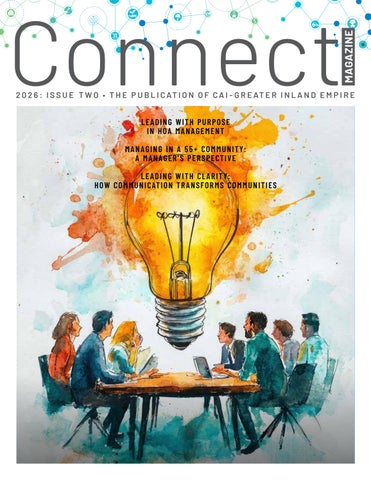
2026: ISSUE TWO • THE PUBLICATION OF CAI- GREATER INLAND
LEADING WITH PURPOSE IN HOA MANAGEMENT
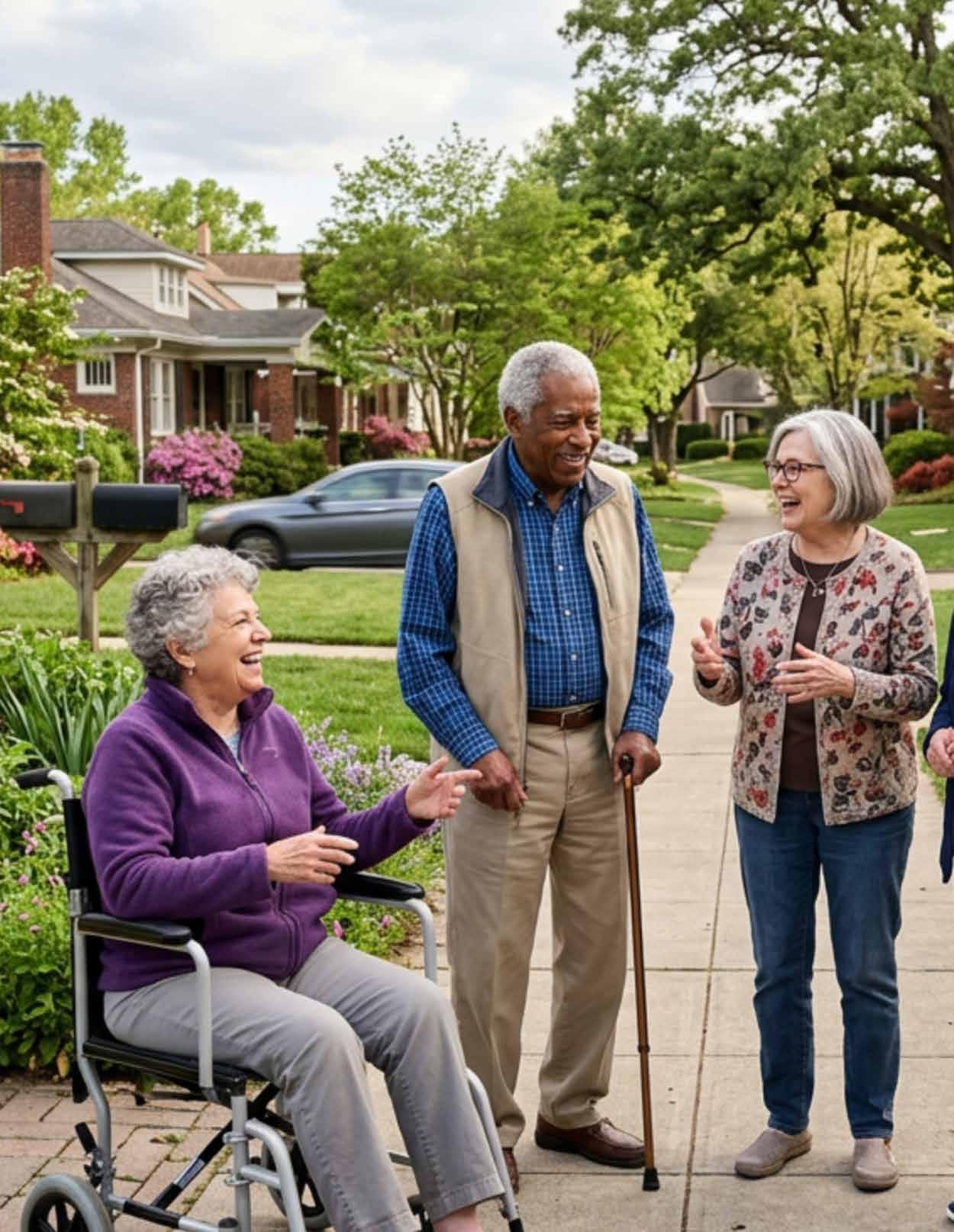
MANAGING IN A 55+ COMMUNITY: A MANAGER’S PERSPECTIVE
LEADING WITH CLARITY: HOW COMMUNICATION TRANSFORMS COMMUNITIES
When a property is underfunded, crucial repairs are unfinished, leaving financial & physical health at risk. With a Reserve Study from Association Reserves, you’ll get the roadmap to increase your reserve funds, make timely repairs, and ensure a more stable and secure future
Local Expertise
We tailor our studies to the specific climate, regulations, and building requirements of your community
Accurate Budgeting
Our reports offer clarity on future repair and replacement costs, helping you avoid unexpected expenses and special assessments
Access to Online Funding Software
Our clients also have access to our online software, uPlanIt, to play with “what if” scenarios throughout the budget season
Peace of Mind
Our clients gain confidence in their long-term planning, ensuring they’re prepared for whatever comes next
EXECUTIVE COMMITTEE BOARD
President
Lana Hamadej, PCAM
The Avalon Management Group, Inc., AAMC
President-Elect
Daniel Heaton, Esq., DeNichilo Law, APC
Vice President
Ty Jaglowski, Environmental Concepts Landscape Management, Inc.
Secretary
Betty Roth, CMCA, AMS, PCAM, Heritage Lake Community Association
Treasurer
Steven Penn, CMCA, AMS, Alliance Association Management
Past-President
Greg Borzilleri, The Arbor Group
BOARD DIRECTORS AT LARGE
AJ Jahanian, Esq., Beaumont Tashjian
Angel Cabral, Southwest Landscape and Maintenance, Inc.
Bridget Dolan, CMCA, AMS, FirstService Residential Renee Osburn, Sunnymead Ranch Planned Community Association
PUBLICATIONS COMMITTEE
Committee Chair
Sean Andersen, PRA, RS, Association Reserves
Committee Members
AJ Jahanian, Esq.
Angel Melgar, AMS
Daniel Heaton, Esq.
Danielle Lampreda, AMS, PCAM
Gina Fanizzi, CMCA, AMS
Kate Bennet, Reuben Kim, Esq.
Tara Abakumoff, Tiffany Petty, AMS
CHAPTER STAFF
Executive Director
Erica Tenney, CMCA, AMS
Administrative Assistant Elda Pfitzinger
MAGAZINE DESIGN
Rial Marketing Communications
CONTACT
Advertising, Articles or Correspondence
CAI-Greater Inland Empire Chapter Headquarters 900 South Main St, Ste 110, Corona, CA 92882 (951) 784-8613 • info@cai-grie.org • cai-grie.org
All articles and paid advertising represent the opinions of authors and advertisers and not necessarily the opinion of either Connect or the Community Associations Institute–Greater Inland Empire Chapter. Information contained within should not be construed as a recommendation for any course of action regarding financial, legal, accounting or other professional services and should not be relied upon without the consultation of your accountant or attorney.
Connect is an official quarterly publication of Greater Inland Empire Chapter of the Community Associations Institute (CAI–GRIE). The CAI–GRIE Chapter encourages submission of news and articles subject to space limitation and editing. Signed letters to the editor are welcome. All articles submitted for publication become the property of the CAI–GRIE Chapter. Reproduction of articles or columns published permitted with the following acknowledgment: “Reprinted with permission from Connect Magazine, a publication of the Greater Inland Empire Chapter of the Community Associations Institute.”
It’s hard to believe that the first quarter of 2026 is already behind us—and what a strong start it has been. This year, we are embracing the theme “Stronger Together, Leading with Purpose,” and our early success is a direct reflection of that commitment in action.
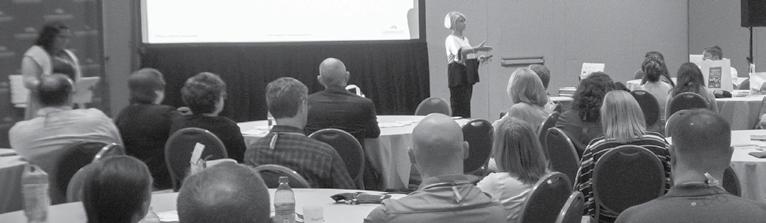
We’ve hosted a series of outstanding educational programs, covering timely and relevant topics such as AB 1572 and the rebate opportunities available for removing non-functional turf, strategies for conflict de-escalation, and the growing role of AI within our associations. These sessions were not only informative, but also incredibly well attended—thanks to the expertise and generosity of our knowledgeable members who continue to share insights that truly matter.
Of course, education is just one part of what makes our chapter so special. Our recent networking events—Trivia Night, Comedy for CLAC, and the Temecula Wine Tour— brought our community together in fun and meaningful ways. Each event reinforced that we are truly stronger together, building relationships that support both personal and professional growth. If you missed them, don’t worry—there’s plenty more ahead, and I encourage you to take advantage of the many opportunities still to come this year.
LANA HAMADEJ, PCAM
THE AVALON MANAGEMENT GROUP, INC., AAMC
At the start of 2026, your CAI-GRIE Board established clear, measurable goals, and I’m proud to say we are already seeing positive momentum:
Membership Growth & Retention
• 800 total members
• 92% retention rate
Financial Stewardship
• Achieve a 10% net profit margin
Value & Education
• Deliver 10 high-value educational opportunities
• Celebrate new members and designation achievements
Leadership Development
• Launch and grow the Future Leaders Program
• Celebrate professional designations quarterly
Advocacy & Visibility
• Increase CLAC contributions
• Expand grassroots advocacy efforts
• Enhance social media presence and overall chapter visibility
These goals are more than metrics—they represent our shared purpose and the direction we are moving as a chapter. By staying focused and engaged, we continue to lead with purpose in everything we do.
I encourage each of you to get involved and make the most of what CAI-GRIE has to offer. As we move into the second quarter, we’re looking forward not only to our signature networking events—including the Golf Tournament, Boots, Buckles & Country Nights, and the always competitive Bowling Tournament—but also to a strong lineup of upcoming educational programs designed to keep you informed, engaged, and ahead of industry trends.
These events are more than just dates on a calendar—they’re opportunities to connect, learn, and grow alongside fellow professionals in our industry. Our community is strongest when we engage with one another, and together, we can continue to elevate and support our profession— stronger together, and always leading with purpose.
I look forward to seeing you at an upcoming event!
Lana Hamadej, PCAM
2026 CAI-GRIE Chapter President
DIRECTOR’S MESSAGE
Borzilleri
AERICA TENNEY, CMCA, AMS
s we move into the second quarter of the year, I continue to be truly inspired by our Chapter. Seeing the incredible growth in membership, participation, and overall engagement has been nothing short of amazing. The fact that so many of you continue to invest in this community, support one another, and recognize the value of education and connection is incredibly heartwarming.
This year, our Chapter was honored with the Excellence Award for meeting the standards of Excellence in at least four of the categories from Headquarters at Annual Conference, an achievement that reflects the dedication, passion, and teamwork of our incredible members, volunteers, committees, and Board of Directors. This recognition belongs to all of you.
Our April Educational Luncheon also marked a major milestone, welcoming a record-breaking 75 Community Managers and Homeowner Leaders in attendance. Your commitment to continuing education, staying informed, and growing within the CID industry is what makes this Chapter so special.
2026 is truly shaping up to be our year to shine, and I cannot wait to see what we accomplish together next. Thank you for continuing to make CAI-GRIE such an extraordinary community.
CAI–GREATER INLAND EMPIRE
The CAI–Greater Inland Empire (GRIE) Chapter hosts educational, business and social events that provide the Chapter’s Business Partners various opportunities to promote their companies’ products and services to Community Association owners and managers serving the Community Association Industry. It is expected that all participants in Chapter events – whether they be educational, business or social – will conduct themselves in a professional manner representative of their business or service organization so as not to detract from the experience of others seeking to benefit from their membership in the Chapter. For more information, visit cai-grie.org
MARCH EDUCATIONAL LUNCHEON:
THE RISE OF AI IN THE COMMON INTEREST DEVELOPMENT INDUSTRY
March 4, 2026
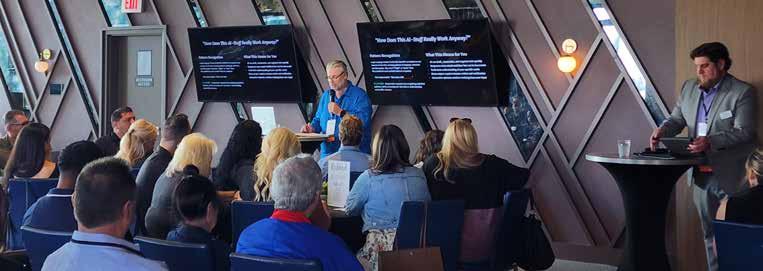
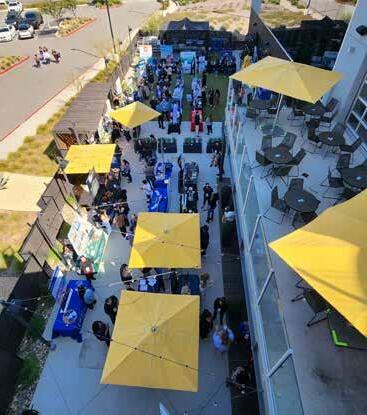
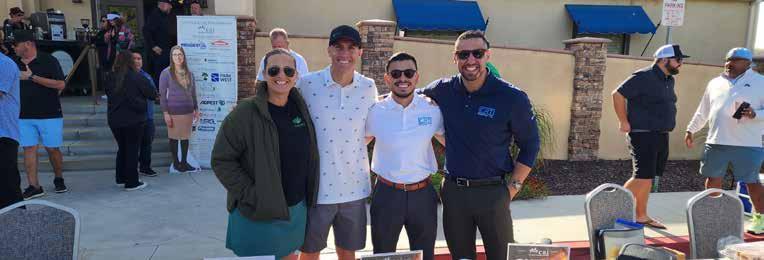
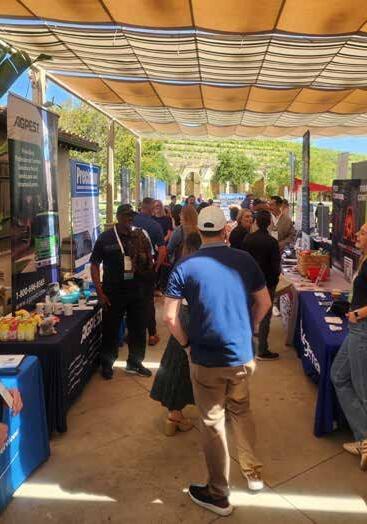
At our March Educational Luncheon at Topgolf Ontario, members enjoyed an exciting afternoon of networking with 35 business partner tabletop exhibitors on the patio before heading upstairs for an engaging and highly timely educational presentation on Artificial Intelligence and its growing role within the Common Interest Development industry.
Led by Jamie Hackwith, PCAM, of Prendiville Insurancy Agency and Daniel Heaton, Esq., of DeNichilo Law, APC, the discussion explored the practical uses of AI, including the do’s and don’ts, areas where caution should be exercised, and how professionals can leverage AI tools to work more efficiently and effectively.
One of the biggest takeaways from the presentation was a powerful reminder that AI itself is not going to replace you at your job; however, someone who learns how to effectively use AI may have a significant advantage. Thank you to our speakers, exhibitors, and attendees for making this luncheon both educational and impactful!
Patio of exhibitors.
Speakers (l to r): Jamie Hackwith, PCAM and Daniel Heaton, Esq.
Desiree Noble of NPG Asphalt taking a swing at TopGolf.
EDITOR’S LINK
SEAN ERIK ANDERSEN, PRA, RS
As we move into the second quarter of 2026, I continue to be encouraged by the momentum, engagement, and leadership taking place throughout our Chapter. The energy surrounding CAI-GRIE this year reflects the strength of a community that is committed to professional growth and supporting one another as we lead with purpose.
This issue of Connect highlights many of the topics currently shaping our industry. Legislative advocacy remains front and center, and Robert DeNichilo provides an important update on several California bills CAICLAC is actively monitoring. From reserve funding requirements and election procedures to energy regulations and assessment restrictions, the legislative landscape continues to evolve rapidly. Gina Fanizzi also shares her experience attending Advocacy Days in Sacramento, offering a firsthand perspective on the importance of educating lawmakers about the realities community associations face every day. These articles serve as a reminder that advocacy is something we must actively participate in to help protect the communities we serve.
Leadership and communication are central themes throughout this issue. Don Dacayanan’s article, “Leading with Clarity,” explores how communication and perception directly impact trust and long-term relationships within our industry. Brandi Wilson expands on that concept in “Leading With Purpose in HOA Management,” emphasizing the importance of consistency,
accountability, and servant leadership within community management. Both articles reinforce that technical knowledge is essential, but strong relationships and clear communication are what ultimately sustain successful communities.
We are also pleased to feature Eric Zarr’s thoughtful article, “Managing in a 55+ Community: A Manager’s Perspective.” His insights highlight the unique challenges and rewards of serving active adult communities, where operational responsibilities often intersect with deeply personal moments in residents’ lives. It is a meaningful reminder that community management extends far beyond policies and maintenance and is fundamentally about people.
Our March Educational Luncheon at Topgolf Ontario focused on Artificial Intelligence and its growing role within the CID industry, while our April Luncheon at Europa Village explored the important collaboration between managers, homeowner leaders, and business partners. We also enjoyed another successful Golf Tournament at Dos Lagos Golf Course, along with a memorable Temecula Wine Tour that brought together more than 100 members for a day of networking and camaraderie.
I also want to recognize the Publications Committee members who continue to dedicate their time and effort to helping produce Connect.
Here’s to a strong and successful second quarter as we continue leading with purpose!
CAI Board Leader Certificate
Training
Recognition for Your Board
•
•
dlampreda@equitymgt.com www.equitymgt.com
THE INSIGHT CORNER
VOICES FROM THE CHAPTER
Meet the Publications Committee!
Sean Andersen — President, Association Reserves (Inland Empire, Orange County & Coachella Valley); Editor-in-Chief of Connect Magazine
With 27 years in the industry, Sean leads Association Reserves’ regional efforts drawing on a diverse background that includes college football, a stint as a teacher and hands-on construction work. A Granada Hills native, he’s also a competitive Strongman and powerlifter. Sean is a proud father to five children, ages 1 to 18.
A.J. Jahanian, Esq. — Partner, Beaumont Tashjian
A native of Los Gatos, A.J. has spent the past decade advising common interest developments across California as legal counsel. He holds degrees from UC Riverside and Chapman Law School. Outside work he enjoys reading, American history, basketball and film. Fun fact: his 6-yearold niece and 3-year-old nephew live in Georgia!
Gina Fanizzi — Assistant General Manager, Rosena Ranch Community Association
Originally from San Jose, Gina brings 19 years of experience in residential and association management to her role. In her spare time Gina is an avid gardener and reader.
Daniel has been in the industry since 2018. Born in Orange County and educated in Washington, D.C., he originally trained to be a teacher and still values the educational side of his legal practice and Chapter involvement. A voracious book collector (known as Tsundoku in Japan), Daniel jokes that being left-handed, adopted, and highly adverse to cilantro makes him statistically unique at 0.018% of the population!
Kate Bennet — Vice President, Marketing and Business Development, PaveMasters LLC
Originally from Toronto, Kate is a career marketer with over 20 years spent between the hospitality and retail sectors before joining the PaveMasters family of brands 2 years ago. She is an avid traveler, having proudly visited 50 cities across 25 countries on all 5 continents. Reading, snowboarding and dog walking rank among her favorite hobbies.
Tiffany Petty — Senior Community Association Manager
Born in Chicago, Tiffany has 12 years in community association management and 25 years in the housing field. She pursues family-run holistic projects, blending essential oils, herbs and sage bundles. Tiffany considers herself naturally caffeinated. (One sip of coffee will have her up for days!)
Thomas Guarneri — Business Development & Technical Horticulture Manager, Southwest Landscape
As a native to the Inland Empire region, Thomas earned a degree in Plant Science from Cal Poly in Pomona. He brings 10 years of experience and expertise to his current role. Outside of work he’s an avid soccer player, currently playing in three adult soccer leagues. He’s also a trained climbing arborist and can regularly be found in 100 foot tall trees on the weekends!
Danielle Lampreda – Senior Community Manager & Director of Community Growth and Development, Equity Management & Realty Services – An Associa Company
Danielle is originally from San Jose and began her career in Community Association Management in 2015. In 2019, she relocated to Palm Desert before ultimately making the Inland Empire her home in 2022. Danielle is always looking for ways to learn and grow and has a genuine passion for helping others. Outside of work, she enjoys dirt bike riding, practicing yoga, and taking spontaneous trips.
LLEADING WITH PURPOSE in HOA Management
BY BRANDI WILSON, AMS, PCAM, EQUITY
eadership in the HOA management industry goes well beyond rules, reports, and timelines. At its core, it is about people and the communities they call home. Leading with purpose helps managers stay grounded, build trust, and guide both teams and boards through challenges with confidence and consistency.
Purpose starts with understanding why the work matters. HOA managers play a critical role in protecting property values, maintaining shared assets, and helping neighbors coexist successfully. When leaders keep that purpose front and center, it provides perspective during difficult conversations, emotional meetings, and high-pressure situations. It reminds teams that their work has real impact on residents’ daily lives.
How leaders show up matters just as much as what they say. In community management, actions are always on display. Remaining calm when tensions rise, communicating clearly, and following through on commitments sets a powerful example. Teams tend to mirror the behavior they see, and boards take cues from how management handles adversity. Integrity, professionalism, and consistency create credibility over time.
Strong leadership also means giving people clarity and support. HOA work is complex, and uncertainty can create unnecessary stress. Clearly defined roles, documented processes, and realistic expectations help teams operate with confidence. Accountability should be framed as an opportunity to grow, rather than something to fear. The most effective leaders coach regularly, address issues early, and focus on solutions instead of fault.
Listening is one of the most underestimated leadership skills in this industry. Residents often come forward when they are frustrated, confused, or worried. Purpose-driven leaders listen carefully, acknowledge concerns, and respond thoughtfully, even when the answer is not what someone hoped for. Internally, the same principle applies. When team members feel heard and valued, engagement and performance improve significantly.
Continued learning is another mark of strong leadership. HOA laws, governing documents, and best practices are always evolving. Leaders who invest in training, encourage certifications, and mentor others show a commitment to excellence. This not only leads to better service for communities but also helps retain motivated, capable professionals in a demanding field.
A few practical habits can help leaders stay purpose driven. Start discussions by reconnecting the work to community outcomes. Communicate early and often with boards to avoid surprises. Document decisions and expectations for consistency. Take time to recognize wins, even small ones, and remember that empathy and professionalism can coexist with firm policy enforcement.
Leading with purpose in HOA management is about balancing structure with heart. When leaders stay focused on their mission, support their teams, and treat every interaction as an opportunity to build trust, they create stronger communities and more resilient organizations.
—Brandi Wilson, AMS, PCAM, is with Equity Management & Realty Services (Associa).
2026 CALIFORNIA BILLS THAT CAI-CLAC IS WATCHING FOR COMMUNITY ASSOCIATIONS LEGISLATIVE UPDATE
BY ROBERT M. DENICHILO, CCAL, FOUNDER OF DENICHILO LAW, APC, AND CLAC LEGISLATIVE CO-CHAIR
Legislative Update Disclaimer: Legislative text, bill status, and advocacy positions can change throughout the legislative session. All content should be reviewed against current legislative status before reliance.
As the 2026 California legislative session continues, CAICLAC is tracking several bills that could affect the day-today operations of community associations across the state. The current proposals touch on several core areas for boards and managers, including governance, reserve funding, elections, owner discipline, utilities, and energy-related improvements.
For board members and community managers, the practical issues are familiar: how associations fund major repairs, conduct elections, enforce rules, and respond to changing state policy. Several of this year’s bills would directly affect those responsibilities if enacted.
Below is a summary of the key bills CAI-CLAC has identified as priorities, along with CLAC’s current positions.
Assembly Bills
AB 1184 (Patterson)
AB 1184 addresses association management and meeting procedures. The bill covers several topics, including rule amendments and meeting minute requirements, but the most impactful aspect of the bill would prohibit a majority of directors from using a series of communications of any kind, directly or through intermediaries, to discuss, deliberate on, or take action on association business within the board’s authority, except in an emergency, while still permitting certain informational and ministerial communications. CAI-CLAC is neutral on the bill at this stage and continues to monitor it.
AB 1684 (Ward)
AB 1684 concerns cooling systems in common interest developments. It would render unenforceable any governing document, architectural guideline, or policy that restricts or prohibits the installation, upgrade, replacement, or use of cooling systems, subject to limited exceptions. The bill would also expose associations to liability for actual damages and civil penalties of up to $2,000 for willful violations. CAI-CLAC opposes the bill unless amended.
AB 1892 (Davies)
AB 1892 would clarify when an association is responsible for restoring interrupted gas, heat, water, or electrical service if the interruption
originates in the common area, unless the governing documents provide otherwise. The bill also addresses several election related issues as it would revise election procedures by addressing notice requirements for electronic voting and shortening the notice period for elections by acclamation. CAI-CLAC supports the measure.
AB 2035 (Dixon)
For qualifying senior housing developments, AB 2035 would lower the approval threshold for court approved CC&Rs amendments from more than 50 percent of the membership to more than 37 percent , provided specified conditions are met, including that the declaration has not been amended for at least 35 years CAI-CLAC is neutral on the bill.
AB 2050 (Caloza)
AB 2050 focuses on reserve funding. As written, beginning January 1, 2032 , reserve studies would be required to identify the minimum annual contribution needed to ensure reserve balances do not fall below zero over a 30-year period. Associations would then be required to fund reserves at or above that level annually, with special assessment procedures applying if statutory limits are exceeded. CAI-CLAC supports the bill.
AB 2579 (Petrie-Norris)
AB 2579 attempts to address some of the issues caused by 2025’s AB 130 and would restore greater flexibility in addressing serious violations that cannot be managed effectively through a limited fine structure, and the required opportunity to cure. This bill would expand exceptions to the fine cap for violations affecting health or safety and clarify the scope of the cure exemption. CAI-CLAC supports the bill.
Senate Bills
SB 222 (Wiener)
SB 222 addresses residential heat pump water heaters and HVAC systems. It would void and render unenforceable any governing document provision that restricts or prohibits the replacement of gas appliances with electric appliances, including heat pump systems. CAICLAC opposes this bill.
SB 1007 (Menjivar)
In what perhaps is the most dangerous bill coming from Sacramento relating to community associations, SB 1007 would require member approval for regular assessment increases exceeding inflation. This will almost certainly lead to additional deferred maintenance and significant special assessments in the future.
SB 1007 would also impose new requirements for annual budget reports. Among other things, it would require broader disclosures describing what regular assessments fund and details surrounding management company compensation and would restrict assessment increases if those disclosures are not provided. CAI-CLAC opposes the bill unless amended.
SB 1238 (Wahab)
SB 1238 proposes broader changes related to association management. It would revise the definitions of “agent” and “management services, ” expand disclosure obligations to prospective purchasers, restrict the use of reserve funds for certain legal matters, and impose additional fiduciary and operational requirements. CAI-CLAC opposes the bill.
Practical Implications
CAI-CLAC’s 2026 priority bills present a mixed picture for community associations. Some measures would clarify responsibilities, strengthen reserve planning, or restore important enforcement tools. Others would limit association discretion, expand disclosure requirements, or reduce flexibility in areas traditionally managed by boards and community managers.
For now, the most practical course is to stay informed. Boards and managers should continue to monitor these bills closely and be prepared to update policies, budgeting practices, and operational
—Robert M. DeNichilo is founder of DeNichilo Law, APC and serves as CLAC Legislative Co-Chair.
My Experience at CAI-CLAC’s Advocacy Days
BY GINA FANIZZI, CMCA, AMS, SEABREEZE MANAGEMENT CO.
I had the opportunity to attend CAI-CLAC’s Advocacy Days for the first time this year, and it proved to be both enlightening and worthwhile. The event brought together board members, community managers, and industry partners, all focused on legislative advocacy for California’s community associations. From the outset, it was clear the program was thoughtfully designed to ensure attendees were prepared, aligned, and ready to communicate effectively with legislators and their staff.
One of the most impressive aspects of the event was the turnout. Seeing so many individuals from different chapters come together in support of advocacy was genuinely encouraging. The strong attendance highlighted the level of dedication within our industry to protecting and supporting the communities we serve.
What stood out most, however, was the focus and efficiency with which attendees approached their meetings. The preparation built into the event ensured that participants were not simply present but fully equipped to engage. There was a clear sense of purpose as groups discussed priority legislation and worked together to communicate the impact these bills have on associations and their residents.
The experience reinforced for me why advocacy is so important. Community associations are complex, yet the general understanding of how they function is often limited and, at times, shaped by misconceptions. One of my biggest takeaways from Advocacy Days was the critical need for continued education. Bridging the gap between perception and reality is essential to helping decision-makers better understand how associations operate on a day-to-day basis.
In many of the meetings I attended, legislative staffers had limited familiarity with the operational realities of community associations. That said, their professionalism and engagement were clear in the thoughtful questions they asked and the open dialogue they encouraged. These conversations reflected a genuine willingness to listen and better understand the issues being presented and offer insights that would ultimately be shared with their respective Assembly or Senate members.
Advocacy Days gave me a greater appreciation for the importance of showing up, being prepared, and actively participating in the legislative process. It underscored not only the value of advocacy, but also our responsibility to continue educating decision-makers on how legislation affects community associations. I am grateful for the opportunity to have taken part and look forward to continuing these efforts by sharing what I’ve learned with my board members and residents.
—Gina Fanizzi CMCA, AMS, is Assistant General Manager at Seabreeze Management Co. and serves on the CAI-GRIE Publications, Education, and Legislative Support Committees.
EVENTRECAP WINE TOUR
March 20, 2026
BY TY JAGLOWSKI, ENVIRONMENTAL CONCEPTS LANDSCAPE MANAGEMENT CAI-GRIE SPECIAL EVENTS CO-CHAIR
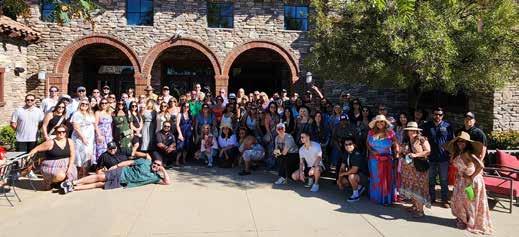
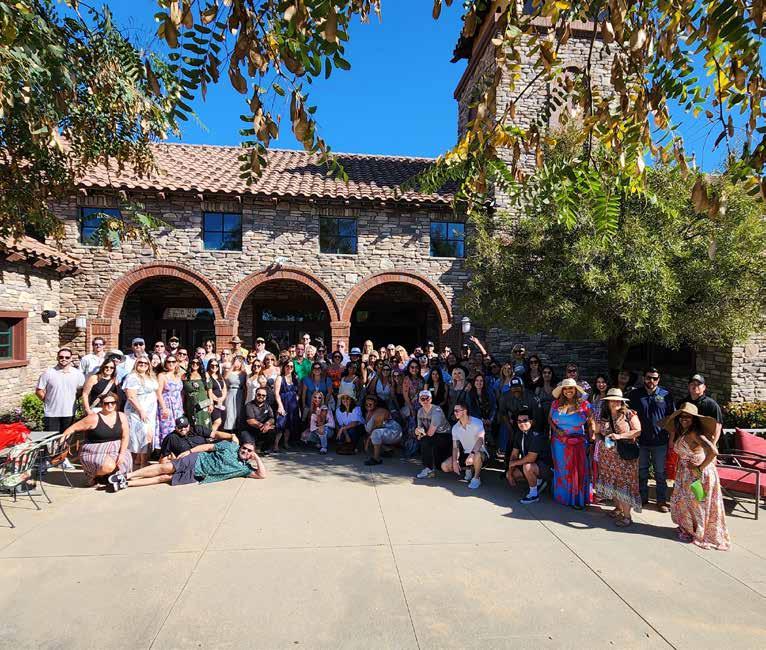
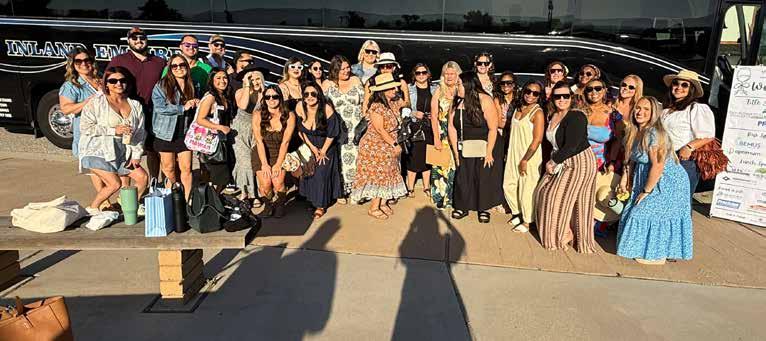
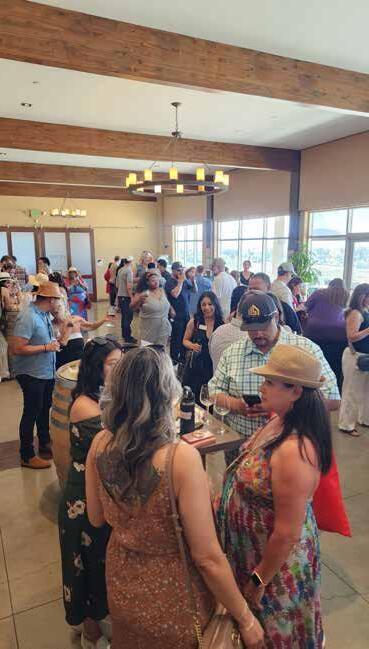
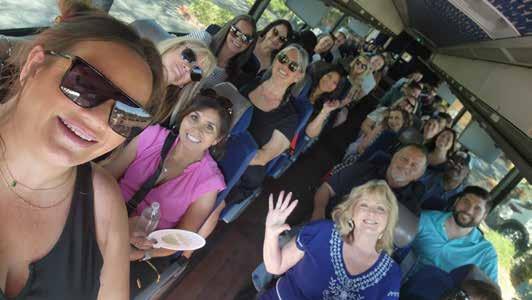
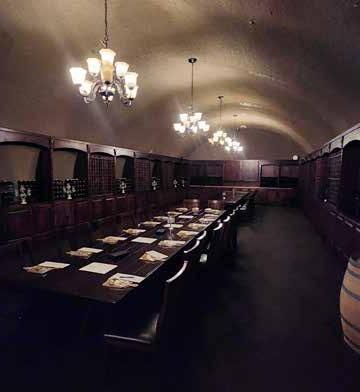
On Friday, March 20th, 112 members attended a beautiful day in the Temecula Valley wine country. The three wineries selected this year were all extremely beautiful and the hosts at each offered educational facts about their winery and its operations. Our first stop Lorimar was gracious enough to take a full group photo of our CAI GRIE group before we learned about their handcrafted wine blends that they are known for. Our next stop was on top of the Southern part of Temecula Wine country at Oak Mountain, where we were welcomed by the owners of the venue, sharing with us what they are known for and what they offer. At Oak Mountain we enjoyed a great Italian lunch and networking with all the attendees. We were fortunate enough to have the experience of being shown THE CAVE, which is a subterranean wine cave, a pioneering feature as the very first in Southern California, concealed 104 feet below the surface. The last stop was at an original staple, Callaway Winery, which again had beautiful views of the Temecula Valley accompanied by some amazing Brie Sourdough Bread Bowls to close out the event. This event was successful all the way around and a special thanks to the sponsors and committee members for making this event so successful.
The CAI-GRIE group at Lorimar Winery.
NORCO bus riders.
The Cave at Oak Mountain Winery.
Temecula bus riders.
The crowd at Callaway Winery.
Managing in a 55+ Community: A Manager’s Perspective
BY ERIC ZARR, CMCA, AMS, FIRSTSERVICE RESIDENTIAL
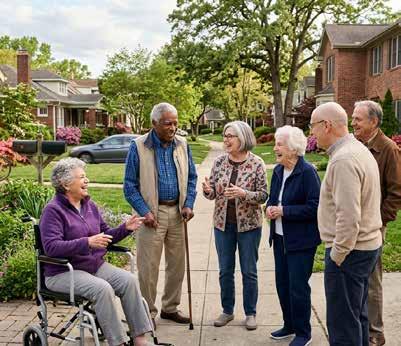
In over fifteen years of property management experience, I have managed a wide range of communities, including condominiums, townhomes, single-family homes, and commercial associations. I have also worked on-site in a large-scale, all-ages master-planned community that included both residential and municipal amenities. However, the market I find most rewarding is the 55+ on-site community.
From a management perspective, there are many appealing aspects of a 55+ community. Most residents have lived full lives and are genuinely excited to be there. They also tend to be financially stable, which contributes to exceptionally low delinquency rates. In addition, these communities typically have fewer minor violations, such as trash cans left out or neglected landscaping, because residents take pride in maintaining their homes.
On the flip side, the few homes that do have violations tend to stand out. As a result, homeowners are often highly attentive and eager to know when those issues will be resolved.
What truly differentiates these communities and what attracts residents is the wide range of activities that promote engagement and vitality. At one 55+ community I managed, we offered multiple line dancing classes, as well as R&B, ballroom, and even hip-hop dance sessions. Residents enjoy both seated concerts and more energetic events with dance floors, often wrapping up by 9:00pm when facilities close. Additionally, underutilized amenities such as tennis courts can often be successfully converted to pickleball courts, one of the fastest-growing sports among this demographic.
In addition to high-energy activities, there is strong interest in more relaxed and educational opportunities. Many residents, now retired, have the time to explore new interests such as learning a language, painting, or drawing. Former educators often volunteer their time to teach or mentor fellow residents. With numerous card groups and social clubs, one of the operational challenges becomes scheduling space effectively so all groups can access community amenities.
One of the more challenging aspects of managing a 55+ community is something not often discussed openly. While aging is a natural part of life, it becomes more visible in this setting. Residents who were once highly active may gradually become less so, and changes can be noticeable over time. There are also instances where residents pass away, sometimes unexpectedly. In these moments, management plays an important role in supporting families and the community, whether by assisting with arrangements, coordinating clubhouse reservations for memorials, or simply providing guidance during a difficult time.
While there are challenges, there are also many opportunities for new beginnings. It is not uncommon for residents to find companionship and even remarry within the community.
I recall an instance where two residents, while playing cards, discovered they had attended the same high school many years earlier. Moments like these highlight one of the most unique aspects of a 55+ community: the diversity of life experiences and stages that residents bring with them.
While many managers enjoy overseeing a portfolio of properties, on-site management in a 55+ community offers a uniquely rewarding experience. In addition to handling day-to-day operations such as processing invoices, addressing landscape concerns, and coordinating reserve studies, there is a deeper level of engagement. Hosting activities, maintaining accessibility, and building relationships with residents who frequent the clubhouse each day transforms property management into a more personal and fulfilling profession.
EVENTRECAP
CAI-GRIE GOLF TOURNAMENT
April 17, 2026
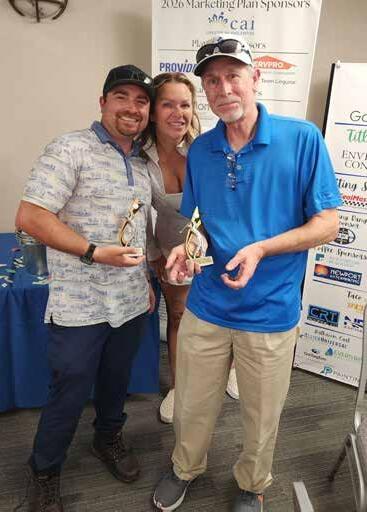
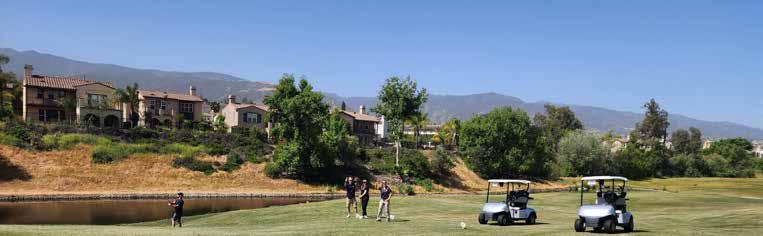
The CAI-GRIE Golf Tournament returned to Dos Lagos Golf Course on April 17th, and we truly could not have asked for better weather for a day on the course! This year’s tournament was a complete sellout, with every tee booth filled and plenty of fun had by all throughout the day.
While the greens may have been a little rough in spots, it certainly did not dampen the energy or excitement of the event. Attendees enjoyed a fantastic afternoon of networking, golf, laughter, and delicious tacos from Tacos Y Mas, along with the chance to win many amazing raffle prizes.
Thank you to all of our sponsors, golfers, volunteers, and tee booth hosts who helped make this event another huge success. We are already looking forward to seeing everyone again at Glow Golf this August for another unforgettable evening of fun and networking!
Winning Team Andre Landscape with Golf Committee Chair Jackie FromdahlYbarra.
Golfers on the course.
Registration Sponsors Four Seasons Tree Care and CRT Roofing.
WEDITOR’S LINK
PRESIDENT’S MESSAGE
A.J. JAHANIAN, ESQ.
elcome to 2024’s third issue of Connect, which takes us through the heart of the summer months. With the theme of “T.E.A.M.” (Together Everyone Achieves More) shining brighter than ever on our Chapter, this issue presents a collection of articles underscoring the importance of making teamwork a cornerstone for every community.
Inside, you will find articles from esteemed industry experts on a variety of topics, including helpful landscape and irrigation tips in light of recent changes in the law, and the complex and evolving HOA insurance market, using proactive maintenance and project management to navigate it. This issue also highlights how collaborative efforts among board members and homeowners can lead to better conflict management and observance of fiduciary duties. On that note, understanding different dispute resolution options available to your community will also foster a thriving and resilient community—see inside for more!
Each article in this issue reflects the power of teamwork and collaboration. By coming together and leveraging our collective expertise and resources, we can address any challenge and turn them into opportunities for growth and engagement.
Thank you to all of our community leaders for your ongoing dedication to our CAI-GRIE community and it is my pleasure to be able to continue to serve as the Editor of Connect.
A.J. Jahanian, Esq. is a partner with Beaumont Tashjian who devotes his career to serving common interest developments. He can be reached at ajahanian@HOAattorneys.com
CAI–GREATER INLAND EMPIRE
The CAI–Greater Inland Empire (GRIE) Chapter hosts educational, business and social events that provide the Chapter’s Business Partners various opportunities to promote their companies’ products and services to Community Association owners and managers serving the Community Association Industry. It is expected that all participants in Chapter events – whether they be educational, business or social – will conduct themselves in a professional manner representative of their business or service organization so as not to detract from the experience of others seeking to benefit from their membership in the Chapter. For more information, visit cai-grie.org
How Communication Transforms Communities LEADING WITH CLARITY:
BY DON DACAYANAN
In the landscape business, we work with living, breathing things like grass, trees, shrubs, and seasonal color. But the most complex thing I deal with every day isn’t a plant, it’s a relationship.
After years in business development, I have seen deals fall apart and clients walk away more than once. Often, it does not happen because the work was poor. It was because of communication and perception breakdowns. More accurately, there’s a gap between what’s happening on the property and what the client thinks is happening. In this business, most relationships don’t break because of bad work, they break because of silence.
That gap is where problems start. And if you don’t close it quickly, trust erodes.
THE MISTAKE I MADE EARLY ON
Early in my career, I assumed great work would speak for itself. Show up, do the job, send the invoice. Simple.
What I didn’t fully appreciate at the time was this: The people approving the contract rarely see the work being done.
I remember a property early on where we had to push a full cleanup back two days because of rain. Internally, everyone knew. The crew knew. The schedule was updated. From our perspective, everything was under control. However, from the client’s perspective, it was a different story.
By the time we showed up, the community manager had already fielded a dozen resident complaints before 9am. The board was asking questions. To them, it looked like nothing had been done for days. And technically, that was true. They just didn’t know why. The work itself hadn’t changed, but the relationship had taken a hit.
That experience stuck with me. It forced me to recognize something I hadn’t considered: The quality of the work and the perception of the work are not the same thing.
START WITH EXPECTATIONS, NOT ASSUMPTIONS
The most important conversation I have with a new client isn’t the sales pitch. It’s the expectations conversation. To be honest, it can feel a little uncomfortable at first. You’re putting standards out there that you’ll be held to. But that’s exactly the point.
When I sit down with a board or a community manager, I spend less time talking about what we do and more time asking questions:
• What does success actually look like six months from now?
• What frustrated you about your last vendor?
• How do you prefer to communicate—quick updates, weekly summaries, or something else?
• Who needs to be kept in the loop?
Every community operates differently. Some managers want constant updates. Others only want to hear from you when something changes. Figuring that out early saves a lot of frustration later. It also shows the client that you’re paying attention—not just to the property, but to how they work.
WHAT YOU PROMISE EXTERNALLY HAS TO LIVE INTERNALLY
This is the part that took me longer to get right than I’d like to admit: It is easy to promise responsiveness to a client. It’s much more difficult to build a team that consistently delivers on it.
At one point, I found myself committing to timelines externally and then scrambling internally to make them happen. It worked for a while, until it didn’t.
The shift came when I started explaining the “why” to the team, not just the “what.” When a crew understands that a delayed response doesn’t just inconvenience a manager, it creates pressure from residents and board members, they start to see communication differently. It’s no longer just a task; it’s part of the service.
I’ve seen supervisors send a quick photo update after finishing a project before the client even asks. That small step changes how the work is perceived. That’s not something you can fake externally. It must exist inside the organization.
YOUR REPUTATION TRAVELS FASTER THAN YOUR MARKETING
This industry is smaller than it seems. Community managers move between companies. Board members rotate onto new properties. People remember who was easy to work with and who wasn’t.
I’ve had opportunities come back around years later because someone remembered how we handled communication on a previous account. Not because of a proposal or a presentation but because we kept them informed when it mattered. That kind of reputation builds slowly, one interaction at a time.
LEAD WITH CLARITY
Set expectations early. Make sure your team can deliver them. And keep clients informed about what is happening, especially when things don’t go according to plan.
It sounds simple, but it takes discipline to do it consistently. In my experience, that consistency is what keeps relationships intact, and why clients stay.
—Don Dacayanan is Senior Business Developer at BrightView Landscapes.
APRIL EDUCATIONAL LUNCHEON & EXPO
April 29, 2026
EVENTRECAP
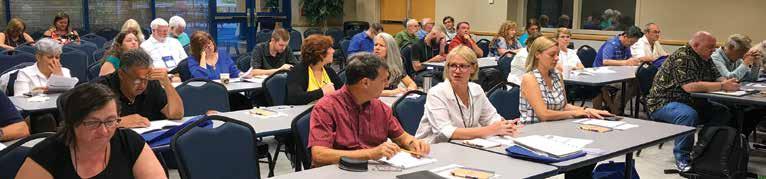
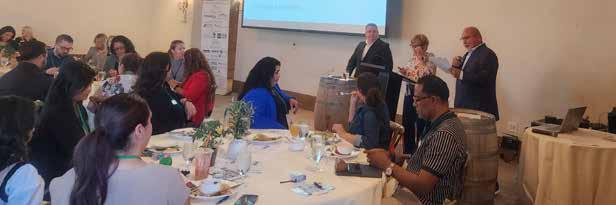
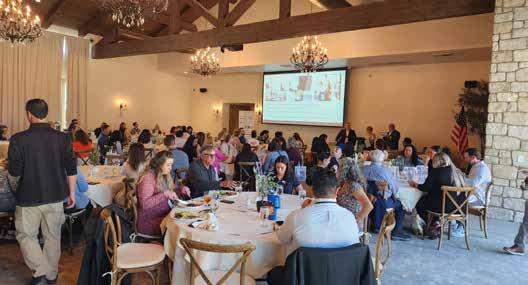
On a gorgeous spring day at Europa Village Winery, CAI-GRIE members gathered for our April 29 Educational Luncheon & Expo featuring 38 incredible business partner tabletop exhibitors, delicious food, and an engaging educational program focused on the important roles and responsibilities within the Common Interest Development industry.
Attendees gained valuable insight into how community managers, homeowner leaders, and business partners each play a vital role in creating successful communities and how collaboration between all three perspectives leads to the best outcomes for association memberships.
A special thank you to our outstanding speakers for sharing their expertise and experiences: Cody House, CMCA, AMS, PCAM representing the community manager perspective, Renee Osburn representing the homeowner leader perspective, and Phil Hakopian, CIRMS representing the business partner perspective. Thank you to everyone who joined us for another memorable afternoon of education, networking, and collaboration!
Speakers (l to r): Cody House, CMCA, AMS, PCAM, Renee Osburn and Phil Hakopian, CIRMS.
JUNE
June 10
June Luncheon
Paws, People, & Policy: FHA Compliance in your Community 10:30 a.m. DoubleTree Ontario