




The Community Associations Institute – Coachella Valley Chapter (CAI-CV), established in 1983, is a nonprofit organization dedicated to serving the educational, business, and networking needs of community association professionals and homeowner leaders throughout the Coachella Valley. As part of an international organization, CAI-CV provides vital resources, training, and legislative advocacy to help homeowners associations (HOAs) operate effectively and responsibly. Our mission is to build better communities by equipping board members, community managers, and business partners with the knowledge and tools necessary to lead with confidence, make informed decisions, and foster thriving, well-managed neighborhoods. Membership is open to all who serve HOAs. Board members can enroll up to 15 members of their community, including the Board of Directors, committee chairs, and committee members, with one low fee. This offer also extends to cities or other governing agencies that would like to connect with CAI.
If you are a manager or business partner, CAI offers many opportunities for education and credentialing, including the Educated Business Partner distinction, multiple designations, and specialty credentials for community managers.
To inquire about membership, visit www.cai-cv.org/join, call (760) 341-0559, or email admin@cai-cv.org
Members have access to our online directory, which contains contact information for all members within our chapter across all membership categories. Advertising opportunities are also available—please contact our office for details.
HOA Living is CAI-CV’s monthly magazine and the official publication of the chapter. Circulation is approximately 1,200 and growing. A digital copy is distributed free to all members, and a printed version is available with a paid subscription.
If you are interested in submitting an article or advertising, contact us at admin@cai-cv.org.
GENERAL INQUIRIES
Email: admin@cai-cv.org
Phone: (760) 341-0559
Mail: CAI-CV, 49950 Jefferson, Suite 130-117 Indio, CA 92201
MEMBERSHIP INQUIRIES AND UPDATES
Membership status/renewals cai-info@caionline.org
Address or information changes addresschanges@caionline.org
Recruiter credit addresschanges@caionline.org
PRESIDENT
Term 1/1/2026 – 12/31/2029
BRUCE LATTA, CMCA, CFE Manager, Indio Properties
PAST PRESIDENT
Term 1/1/2023 - 12/31/2026
MARK DODGE, CMCA, AMS Branch President & CEO Associa – Desert Resort Management
TREASURER
Term 1/1/2025 - 12/31/2027
JOLEN ZEROSKI, CMCA VP, Regional Account Executive First Citizens Bank
SECRETARY
Term 1/1/2026 – 12/31/2029
DAN GOODRICH
CCAM-LS, AR, AMS PCAM, LSM Sierra Dawn Estates
DIRECTOR
Term 1/1/2023 - 12/31/2026
JULIE BALBINI, ESQ. Managing Attorney, CV Office, Fiore Racobs & Powers, A PLC DIRECTOR
Term 1/1/2026 – 12/31/2028
WILLIAM BRADY Fision Fiber Optics by Hotwire DIRECTOR
Term 1/1/2026 – 12/31/2029
MICHAEL MARSHALL, CMCA, PCAM Vice President, FirstService Residential DIRECTOR
Term 1/1/2025 - 12/31/2027
LILY ORTEGA, CMCA Office Manager, Pro Landscape DIRECTOR
Term 1/1/2026 – 12/31/2029
DAVID SCOTT Ranch Club Palm Estates DIRECTOR
Term 1/1/2025 - 12/31/2027
STEVEN SHUEY, PCAM Retired Community Manager DIRECTOR
Term 1/1/2023 - 12/31/2026
MIKE TRAIDMAN
Treasurer, Mira Vista at Mission Hills HOA Commissioner, CAMICB
NATIONAL CONTACTS
National Corporate Member updates addresschanges@caionline.org
National Professional Directory
Laura Mason, lmason@caionline.org
Dues or multi-chapter additions cashprocessors@caionline.org
JENNIFER JAMES, ESQ. CHAIR
Partner & Managing Attorney of the Coachella Valley, Roseman Law, APC
RODNEY BISSELL CO-CHAIR
Bissell Design Studios Inc.
SEAN ANDERSEN Association Reserves
FELICIA BUSTOS WICR Inc. Waterproofing & Construction
SIERRA CARR, CMCA, AMS, CCAM, PCAM Personalized Property Management
JOHNNY CONTRERAS Southwest Landscape & Maintenance
ROBERTO ANTONIO FLORES Hidroklear LLC
MIRANDA LEGASPI, EBP, MBA Platinum Security
JESSICA MCCONNELL HOA Invest
LILY ORTEGA Pro Landscaping Inc.
BRITAIN ROME Allied Universal
JASON SAVLOV, ESQ. Adams | Stirling, PLC
DAVID SCHUKNECHT, AMS, PCAM, MBA Personalized Property Management
JOHN SCHUKNECHT, CMCA, AMS LaBarre/Oksnee Insurance
STEVEN SHUEY, PCAM Retired Community Manager
CHRIS SIGLER, B.S.C.E, CDT C.L. Sigler & Associates, Inc.
CREATIVE DIRECTOR & GRAPHIC DESIGNER
RODNEY BISSELL
Bissell Design Studios, Inc. rodney@bisselldesign.com (714) 293-3749
PHOTOGRAPHY
MATTHEW LAWTON, CIC, CIRMS, EBP OCV Insurance Services matt@ocvinsurance.com 760-774-2099
HOLLY SMITH, PCAM Executive Director
The opinions and views expressed in editorial material are those of the individual authors or interviewees and do not necessarily reflect the views of CAI–CV, Community Associations Institute, its Board of Directors, members, or advertisers.
Unless expressly stated, CAI–CV does not endorse any individual, organization, product, service, political candidate, or opinion.
Information contained in this publication is provided for general informational purposes only and does not constitute legal, accounting, or professional advice. Readers are encouraged to seek the advice of qualified professionals before acting on any information contained herein.
HOA Living reserves the right to edit or reject submissions and advertising that do not meet its standards. Print colors may vary slightly due to the printing process.
BECOME AN EDUCATED BUSINESS PARTNER
Call the CAI-CV office or go to www.caionline. org/education-for-partners/ for more information. Business Partner Essentials is an online course that empowers CAI-member business partners to better serve community associations. Participants who complete the course earn the CAI Educated Business Partner distinction, highlighting their knowledge, professionalism, and commitment to excellence.
Julie R. Balbini, Esq., Fiore Racobs & Powers, A PLC
Micha Ballesteros, Cartwright Termite & Pest Control, Inc.
Roxi K. Bardwell, Advanced Reserve Solutions, Inc.
Rodney Bissell, Bissell Design Studios, Inc.
Gary Butler, Asphalt MD's
Linda Cardoza, Alliance Association Bank
Will Cartwright, Cartwright Termite & Pest Control, Inc.
Christopher Cellini, Flood Response
Todd Chism, PatioShoppers
Thomas Edelson, BPR Inc. Trip Hazard Repair
DJ Conlon, Poppin Promotional Products
Julie Frazier, Frazier Pest Control, Inc.
Victoria Germyn, Teserra
Elaine Gower, The Naumann Law Firm, PC
Michael Graves, SCT Reserve Consultants
Amanda Gray, Harvest Landscape, Inc.
Jennifer James, Esq., Roseman Law, APC
Jennifer Felder, Platinum Security
Erin Kelly, Banc of California
Megan Kirkpatrick, Kirkpatrick Landscaping Services
Katy Krupp, Fenton Grant Mayfield Kaneda & Litt, LLP
Matt Lawton, CIC, CIRMS, OCV Insurance Services
Larry Layton, Kirkpatrick Landscaping Services
Alison LeBoeuf, Sherwin-Williams
Mike Mastropietro, OCBS, Inc.
Chris Meyer, Asphalt MD's
Greg Morrow, Eagle Roofing Products
Bridget Nigh, BEHR Paints
Matt Ober, Esq., Richardson Ober DeNichilo LLP
Lily Ortega, Pro Landscape
Chet Oshiro, EmpireWorks
Mallory Paproth, SCT Reserve Consultants
Jay Powell, Ben's Asphalt
Dana Pride, Automation Pride
Mike Rey, LaBarre/Oksnee Insurance Agency
Kelly Richardson, Esq., Richardson Ober DeNichilo LLP
Brent Sherman, Animal Pest Management Services, Inc.
Liz Williams, AMS Paving
Taylor Winkle, Roof Asset Management
Bevan Worsham, AMS Paving
Jolen Zeroski, First Citizens Bank
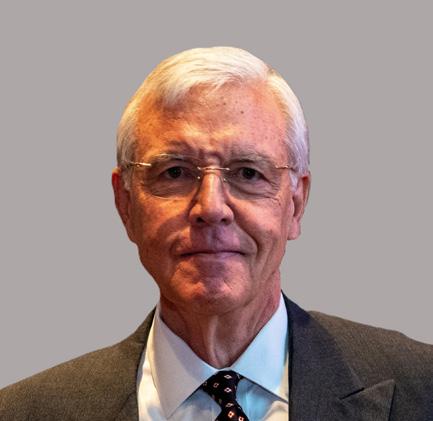
JBruce Latta, CMCA, CFE Manager, Indio Properties President, of CAI-CV
une is the year’s midpoint, a time to reflect on what our Chapter has accomplished thus far and to look ahead to what is still to come. In the Coachella Valley, June also marks the end of the busy season as our snowbirds return to cooler climates. Even as the valley quiets down, the work of supporting our homeowner associations industry truly never stops.
As summer approaches, June 21st marks the Summer Solstice, our Chapter calendar remains active with educational and networking opportunities. These programs support our mission to provide valuable resources for board members, managers, and industry professionals throughout the Coachella Valley.
I would be remiss if I didn’t first note that our Chapter’s executive director, Holly Smith, recently celebrated her on the job one-year anniversary. Her dedication to the industry and enthusiasm for our Chapter continue to benefit us all, and we look forward to the future under her leadership.
In addition to all the Chapter does, she recently staffed our display at the State of the County event at Fantasy Springs and, two weeks later, the annual State of Cathedral City event at the Doubletree. At the invitation of city staff, she also gave a 10-minute presentation to the Rancho Mirage City Council about our City HOA Workshops. The city has expressed support for hosting such a workshop, and one is to be scheduled.
Our recent April Board Member Workshop, Who’s in Charge?, presented by HOA specialist attorney Cyrus Koochek, was well received. Attendees praised his knowledge of the subject.
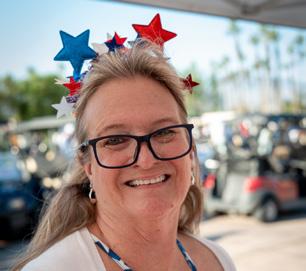
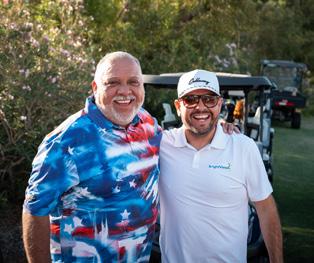
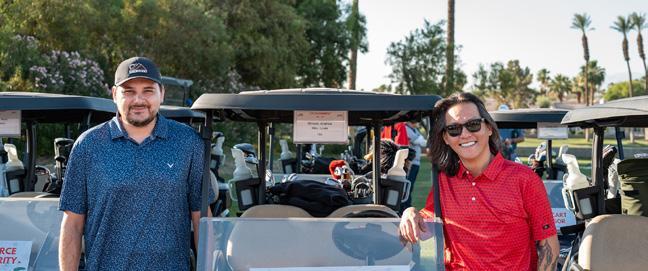
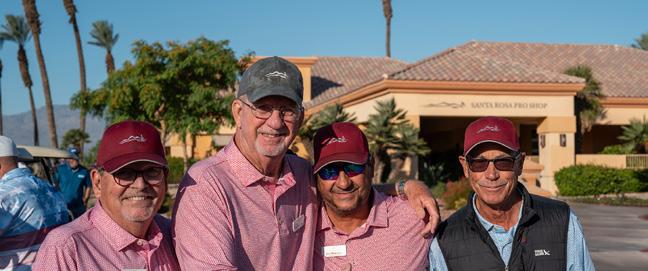
Our annual spring CAI-CV Golf Tournament was a great success. The sold-out event brought together community association leaders, business partners, managers, and volunteers for a day of camaraderie, networking, and fun. Thank you to the committee, volunteers, players, and sponsors whose support made it possible. Events like this reflect the partnership that makes our CAI-CV Chapter strong.
Our April luncheon, Roofs to Roots, was a success, with strong attendance and an expert panel sharing insights on the topic. A highlight was Animal Samaritans’ display and all the generous donations of supplies and money everyone made to them that day.
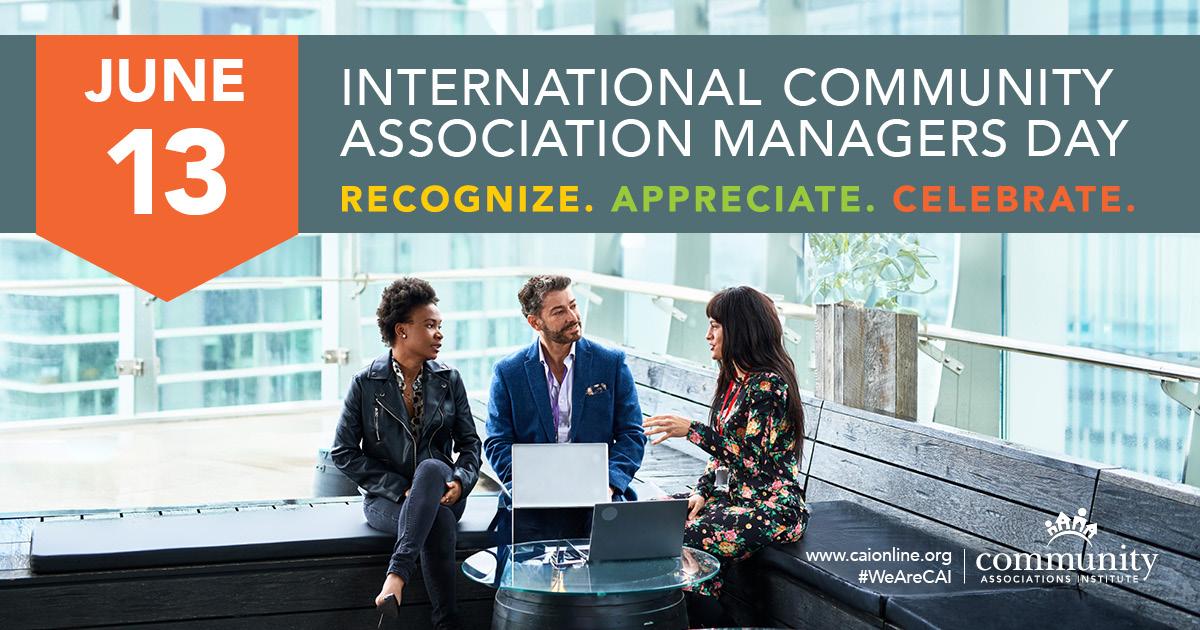
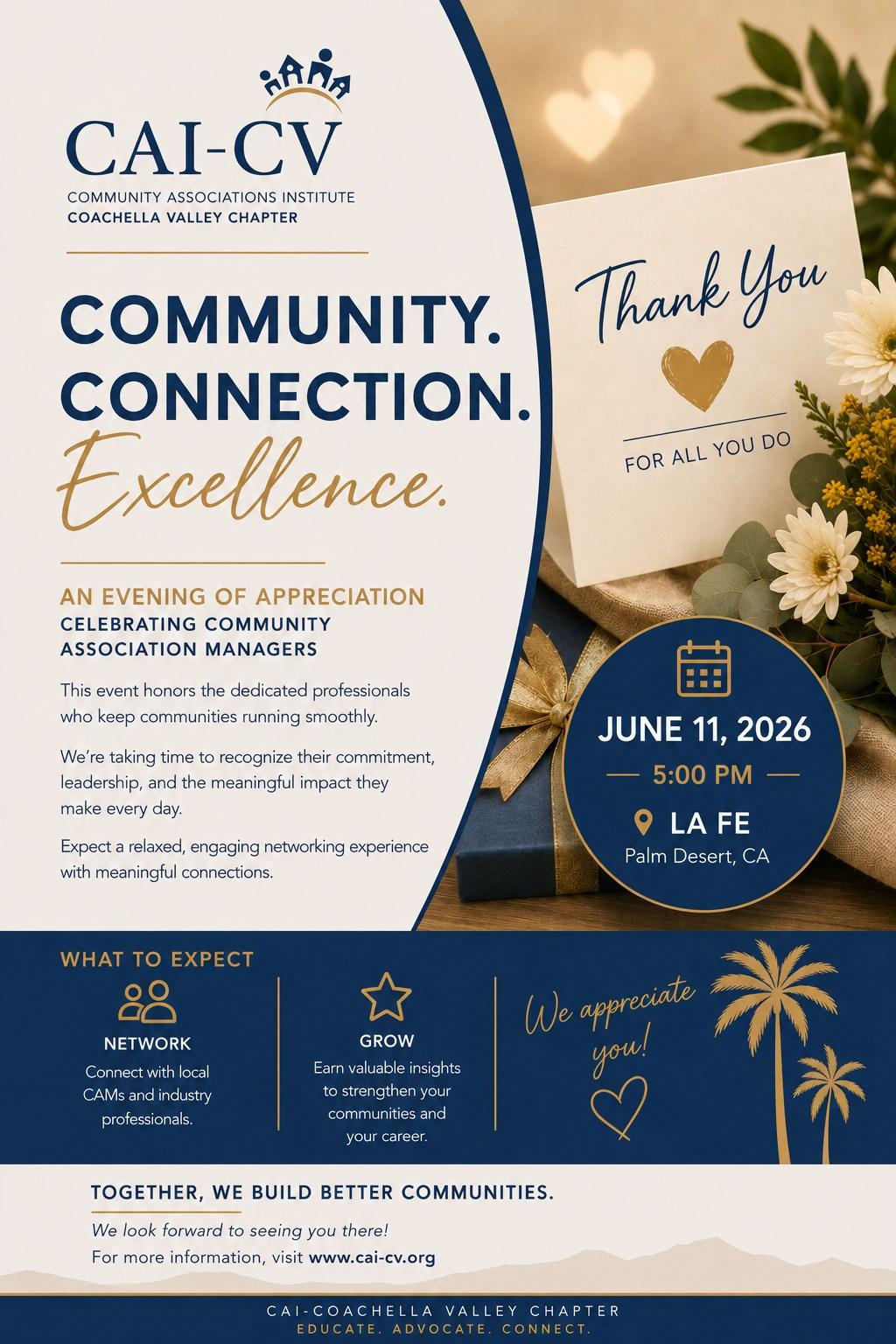
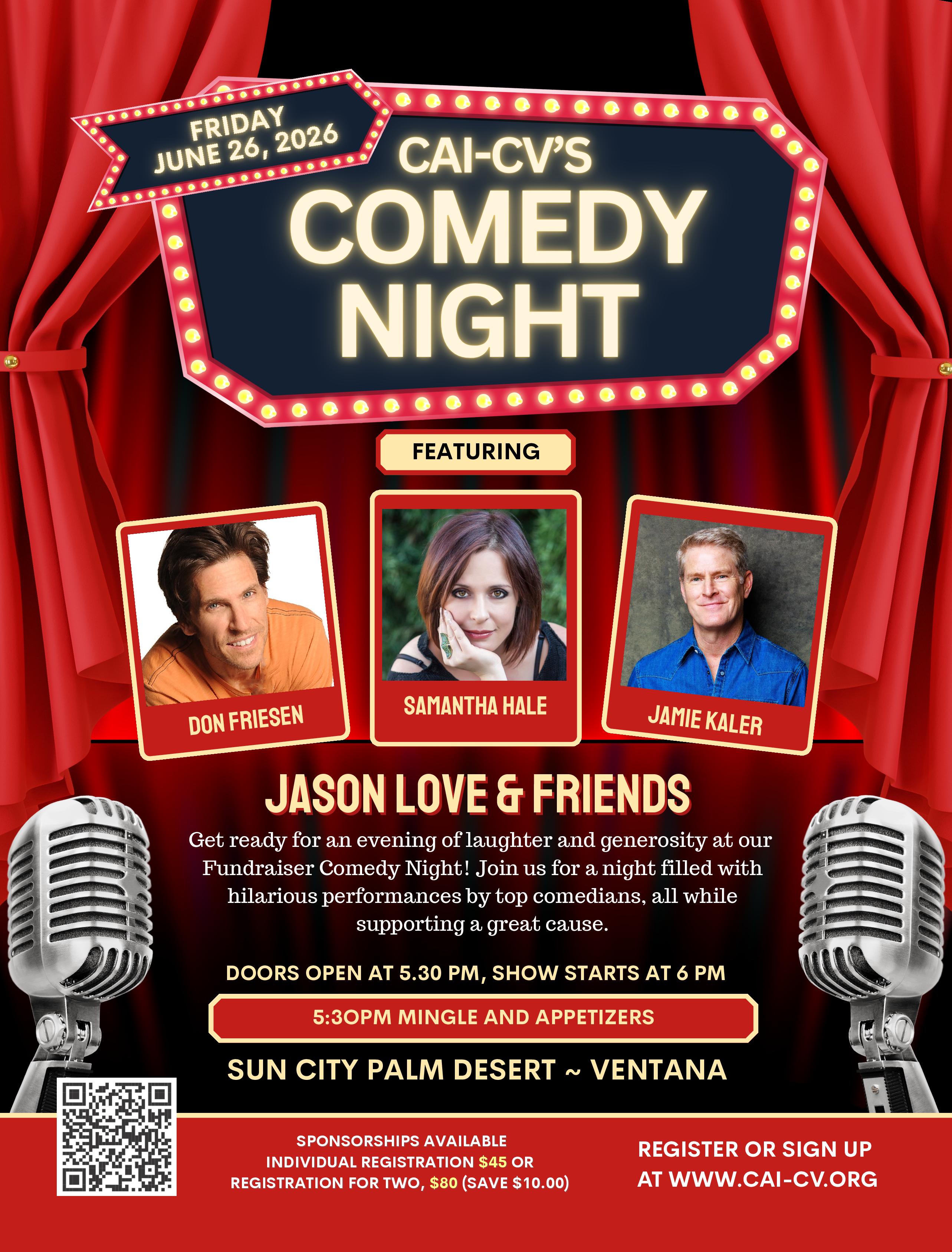
Mark your calendars for upcoming Chapter events: the Community Association Managers (CAM) Appreciation event on June 11th at La Fe Wine Bar in Palm Desert. We hope you’ll join us to network and celebrate our hardworking community managers. Plus, CAM Education Day is on July 16th at Palm Valley Country Club, and Comedy Night is on June 26th at Palm Desert Sun City.
Some of our Chapter members are attending the CAI Annual Conference and Exposition in Florida during the first week of June. This premier industry event brings together professionals and volunteer leaders from across the country to exchange ideas and explore emerging trends. We look forward to insights and education that will benefit our HOA industry in the Coachella Valley.
Don’t forget our best practices Medallion Award program. If your community hasn’t applied, now is the time.
Thank you for your continued support of CAI-CV. Your dedication to building stronger, better-informed communities is what makes this Chapter successful. We wish you a safe, enjoyable, and productive summer.
IHolly Smith, PCAM Executive Director
t didn’t dawn on me when I first sat down to write my column in May that the month marked my one-year anniversary with CAI-CV. This past year has moved so quickly that it hardly feels possible that a full year has already gone by.
First, I want to thank you — our members — for your patience, kindness, and understanding as we have worked through challenges, transitions, and new opportunities together. I also want to thank you for the incredible support and encouragement you have shown me throughout this first year. It has meant more than you may know.
This year has been exciting, humbling, and professionally challenging in all the right ways. It has pushed me to grow, stretched my thinking, and introduced me to a whole new level of connection, collaboration, and networking across the Coachella Valley. I have had the opportunity to meet so many people who are not only passionate about this industry but who may also become important resources, partners, and advocates for the future of our chapter.
The more I learn, the more ideas come forward. And, as many of you know, once the ideas start, my brain does not always know how to slow them down. There is so much potential for what this chapter can become. We have moved forward boldly this year, but there is still so much more to explore.
I am already looking ahead to 2027 with a new theme, new concepts, and meaningful changes designed to better highlight the purpose and value of CAI-CV. As we continue to evolve, we are being intentional about how we structure programs, education, and events around the real rhythms of association life — including the seasonal schedules, budget cycles, and professional demands that managers, boards, and business partners navigate throughout the year.
We are also exploring new ways to strengthen the chapter’s long-term sustainability, including opportunities to increase non-dues revenue and evaluate whether a 501(c)(3) structure could help expand educational funding and opportunities. The goal is to continue elevating our industry by creating greater access to credentials, training, and programs for managers and board members who may not otherwise have the financial support to participate.
In many ways, this first year has been about getting my feet wet — learning the chapter, listening to our members, understanding the valley, and identifying where CAI-CV can grow stronger. With everything I am learning and the trends I am seeing throughout the association management industry, developing new ways to educate, connect, and engage our members will be essential to staying relevant and moving with the times.
I am grateful for this first year, excited for what is ahead, and deeply appreciative of the members, volunteers, leaders, and partners who continue to make CAI-CV such a meaningful organization.
I am looking forward to seeing what the next year brings, and I hope you are too.
CAI-CV is one of 64 CAI chapters worldwide, representing a network of more than 50,000 professionals dedicated to strengthening community associations. Stay connected with local leaders, industry resources, and chapter news by following CAI-CV on social media and visiting us online. Build relationships, share knowledge, and grow your professional network within our community.
By Steven Shuey, PCAM

In community association living, a major influencer is the community manager. Board members make decisions related to the association's operations, and the community manager most often assists in that decision-making. Therefore, having an educated community manager is critically important. The best way for association board members to know that a manager is qualified is to be aware of the designation the manager holds.
In California, the law requires all managers to disclose to the board of directors on an annual basis whether they are or are not California Certified (B&P code 11504). Certified managers holding a designation are responsible for complying with a code of ethics. Living up to the code requires a manager to obtain continuing education and to comply with the association's governing documents and all laws. Managers serve at the board's pleasure, and the board sets the tone for how managers respond to all association business.
Does it sound complex? It is! Community association managers are a unique group. They provide overall management of the association on behalf of the board of directors. They work with the board of directors and coordinate most work associated with the community, including board and committee meetings, common-area maintenance (including, in many cases, streets, landscaping, pool maintenance, and other amenities like tennis courts).
If the community is responsible for
If you experienced a personal hardship or emergency, how confident are you that neighbors in your community would offer support?
"According to a 2026 nationwide survey conducted by the Foundation for Community Association Research, 86% of residents who had direct contact with their community manager described the experience as positive."
Extremely confident
Very confident
Moderately confident
the home exterior appearance (house painting) or roof maintenance & repair, the manager needs to understand those issues. The manager helps keep the board aware of the association’s financial condition, including helping build a budget for maintenance fees (regular assessments), and he or she helps coordinate the required reserve study for the association.
As if that is not enough, they need knowledge of association insurance and how to handle the annual financial review or audit conducted by a CPA. The manager also needs to know enough about the association's governing laws and when to involve the association’s attorney on issues of concern.
Slightly confident
Not at all confident
Not sure
of residents who had direct contact with their community manager described the experience as positive. Those findings reflect what many of us see every day within the communities we serve — dedicated professionals coordinating operations, supporting boards, assisting residents, and helping communities function successfully.
More than half of residents (55%) are extremely or very confident their neighbors would offer support during a personal hardship or emergency, with 77% at least moderately confident.
To what extent do you agree or disagree with the following statement? Attending community events makes me feel like I belong in this community.
When it comes to enforcement of the association’s governing documents, the management contract often requires the manager to observe the property's condition to ensure maintenance is being performed satisfactorily and to document any violations. They can only do this if they have knowledge of the community’s architectural guidelines and all maintenance contracts.
Finally, with everything mentioned above, there is the follow-up… documenting issues, meeting with homeowners (and other residents), writing violation letters, meeting with service providers, reviewing proposals and invoices, analyzing financial reports, etc.
According to a 2026 nationwide survey conducted by the Foundation for Community Association Research, 86%
The following pages, excerpted from the Foundation for Community Association Research brochure Preferred Places to Call Home, highlight national research and insights into the value community associations and professional management bring to residents across the country.
Community association managers help guide, support, and strengthen the communities they serve every day. We thank all managers for their professionalism, leadership, and dedication to the industry.

Strongly agree
Somewhat agree
Neither agree nor disagree
Somewhat disagree
Strongly disagree
Not applicable (I do not attend community events)
Two-thirds of residents (66%) say attending community events makes them feel like they belong in their community.
Steven Shuey is a retired community association consultant from Personalized Property Management in the Coachella Valley. Steven serves on the Education Committee, serves on the chapter Strategic Planning Committee as a past board member, and maintains his designation as a Professional Community Association Manager (PCAM). He also serves on the National Faculty of CAI and is a past board member of the APCM. He may be contacted at IslandMgr@aol.com.
In the past any community
61% of events or who participated
To what following this community

past 12 months, have you participated in community social events or activities?
THE RESULTS ARE IN!
Yes, multiple times
Yes, once or twice
No, but I was aware of them
No, I was not aware of any
Not sure
For the past 21 years, the Foundation for Community Association Research has conducted a biennial Homeowner Satisfaction Survey to gauge the experiences and opinions of residents living in community associations nationwide. Commissioned by the Foundation, Zogby Analytics has led the survey across multiple editions, using consistent methodology and questions over time to benchmark results and track trends year over year.
residents participated in community social or activities in the past year, including 27% participated multiple times.
what extent do you agree or disagree with the following statement? Overall, social activities in community improve my personal well-being.
The 2026 survey, conducted between February 26 and March 14, targeted a broad spectrum of homeowners and condominium association members. A total of 3,000 respondents participated, providing a nationally representative sample with a margin of error of +/- 1.8 percentage points at a 95% confidence level. This rigorous methodology ensures that the data is demographically reflective of the adult population residing in community associations across the U.S.
The survey results offer valuable insights into key aspects of community association living, including resident satisfaction, board engagement, and governance practices. By using the same set of questions every other year, we are able to benchmark shifts in sentiment and satisfaction, providing a clear picture of how community associations impact quality of life, property values, and neighborhood dynamics over time.
Strongly agree
Somewhat agree
Neither agree nor disagree
Somewhat disagree
Strongly disagree
Not applicable (There are no social activities in my community)
residents agree that social activities in their community improve their personal well-being.
To explore the full findings and see how the 2026 results compare to previous years, visit the dashboard on the Foundation’s website at foundation.caionline.org/hss.

For the eleventh time in 21 years, Americans living in homeowners associations, condominiums, and housing cooperatives say they’re overwhelmingly satisfied in their communities.
86% of residents rate their overall community association experience as very good or good (63%) or neutral (23%).
82% say members of their elected governing board absolutely or for the most part strive to serve the best interests of the community as a whole.
77% of residents say they get along well or very well with their immediate neighbors.
75% say the manager provides value and support to residents and the community as a whole.
66% of respondents attend board meetings, indicating healthy community engagement.
65% say the rules in the community protect and enhance property values.
64% would attend even more frequently if remote options were consistently available.
If you experienced a personal hardship or emergency, how confident are you that neighbors in your community would offer support?

In the past 12 months, have you participated in any community social events or activities?
Community associations foster more than shared spaces—they create opportunities for connection, engagement, and support among residents. The 2026 survey findings show that positive neighbor relationships and participation in community activities are closely linked to stronger feelings of belonging, greater well-being, and overall satisfaction. Together, these factors help shape a more connected and resilient community experience.
Extremely confident
Very confident
Moderately confident
Yes, multiple times
On a scale of one to five, with one being very bad and five being very good, how would you rate your overall experience living in a community association?
Slightly confident
Not at all confident
Not sure
86% of residents rate their overall community association experience as good or very good (63%) or neutral (23%).
More than half of residents are extremely or very confident their neighbors would offer support during a personal hardship or emergency, with at least moderately confident.
Yes, once or twice
No, but I was aware of them
No, I was not aware of any Not sure
To what extent do you agree or disagree with the following statement? Attending community events makes me feel like I belong in this community.

Strongly agree
61% of residents participated in community social events or activities in the past year, including 27% who participated multiple times.
To what extent do you agree or disagree with the following statement? Overall, social activities in this community improve my personal well-being.
On a scale of 1 to 5, with 1 being not at all and 5 being very well, how well would you say you get along with your immediate neighbors?
Somewhat agree
Neither agree nor disagree
Somewhat disagree
Strongly disagree
Not applicable (I do not attend community events)
Two-thirds of residents say attending community events makes them feel like they belong in their community.
Strongly agree
Somewhat agree
Neither agree nor disagree
77% of residents say they get along well or very well with their immediate neighbors.
Somewhat disagree
Strongly disagree
51% Very well
Not applicable (There are no social activities in my community)
How strongly do you feel a sense of belonging in your community?
past 12 months, have you participated in community social events or activities?
How much do your relationships with neighbors contribute to your overall happiness living in your community?
Yes, multiple times Yes, once or twice No, but I was aware of them No, I was not aware of any
Not sure
Strongly
Moderately
Slightly
Not at all
Not sure
residents participated in community social or activities in the past year, including 27% participated multiple times.
A sense of belonging is felt by 82% of residents, with more than half (52%) saying they feel it strongly.
To what extent do positive interactions with neighbors contribute to your personal well-being or peace of mind? Very strongly
what extent do you agree or disagree with the following statement? Overall, social activities in community improve my personal well-being.

Strongly agree
Somewhat agree
Neither agree nor disagree
Somewhat disagree
Not sure A great deal
Quite a bit
Somewhat
A little
Not at all
Strongly disagree
Not sure
Not applicable (There are no social activities in my community)
personal well-being.
60% of residents say positive interactions with neighbors contribute a great deal or quite a bit to their personal well-being or peace of mind, and 83% say they contribute at least somewhat.
56% of residents say their relationships with neighbors contribute a great deal or quite a bit to their overall happiness, and 81% say they contribute at least somewhat.

If you experienced a personal hardship or emergency, how confident are you that neighbors in your community would offer support?
If you experienced a personal hardship or emergency, how confident are you that neighbors in your community would offer support?
Extremely confident
Extremely confident Very confident
Moderately confident Slightly confident
Very confident Moderately confident Slightly confident
Not at all confident
Not sure
Not at all confident Not sure
More than half of residents (55%) are extremely or very confident their neighbors would offer support during a personal hardship or emergency, with 77% at least moderately confident.
More than half of residents (55%) are extremely or very confident their neighbors would offer support during a personal hardship or emergency, with 77% at least moderately confident.
In the past 12 months, have you participated in any community social events or activities?
In the past 12 months, have you participated in any community social events or activities?
To what extent do you agree or disagree with the following statement? Attending community events makes me feel like I belong in this community.
To what extent do you agree or disagree with the following statement? Attending community events makes me feel like I belong in this community.
Two-thirds
Strongly agree
Strongly agree
Somewhat agree
Neither agree nor disagree
Somewhat disagree
Somewhat agree Neither agree nor disagree Somewhat disagree
Strongly disagree
Strongly disagree
Not applicable (I do not attend community events)
Not applicable (I do not attend community events)
Two-thirds of residents (66%) say attending community events makes them feel like they belong in their community.
Yes, multiple times
Yes, multiple times
Yes, once or twice
Yes, once or twice
No, but I was aware of them
No, I was not aware of any
No, but I was aware of them No, I was not aware of any
Not sure
Not sure
61% of residents participated in community social events or activities in the past year, including 27% who participated multiple times.
61% of residents participated in community social events or activities in the past year, including 27% who participated multiple times.
To what extent do you agree or disagree with the following statement? Overall, social activities in this community improve my personal well-being.
To what extent do you agree or disagree with the following statement? Overall, social activities in this community improve my personal well-being.
Strongly agree
Strongly agree
Somewhat agree
Somewhat agree
Neither agree nor disagree
Somewhat disagree
Neither agree nor disagree Somewhat disagree
Strongly disagree Not applicable (There are no social activities in my community)
Strongly disagree Not applicable (There are no social activities in my community)
of residents agree that social activities in their community improve their personal well-being.
past 12 months, have you participated in community social events or activities?
Behind every successful community are relationships built on communication, professionalism, trust, and teamwork. In appreciation of the managers who help make that possible every day, several of our industry partners shared the following messages of thanks and recognition.
Yes, multiple times
Yes, once or twice
No, but I was aware of them
No, I was not aware of any
Not sure
Community managers play an important role in the success and appearance of the communities we serve. In the landscaping industry, strong communication and collaboration with managers allow us to provide efficient service and maintain the standards expected by residents and boards. We appreciate the professionalism, leadership, and commitment managers bring to their communities each day. At Pro Landscaping, we value the partnerships we have built with community managers and appreciate the trust they place in our team.
residents participated in community social or activities in the past year, including 27% participated multiple times.
Lily Ortega LAW
what extent do you agree or disagree with the following statement? Overall, social activities in community improve my personal well-being.
those boundaries and know when to say, “this is something legal counsel needs to address.” That judgment helps to protect the entire community. I appreciate the leadership, judgment, and integrity community managers bring to their role, which help homeowner associations operate effectively and in compliance with the law. Thank you to all the managers for your dedication to the industry. We truly appreciate all your hard work!
Jennifer James, Esq.
accounting, and insurance, the list goes on. You are expected to be, and are, well versed in nearly every aspect of what your communities face on a daily basis. On top of that, you are also expected to deliver exceptional customer service, often with quick response times and solutions, sometimes even after hours or on weekends. You are an invaluable asset to your communities. Amid all of the moving parts you manage every day, it is important to recognize that service providers rely on you just as much. Contractors, accountants, insurance professionals, reserve analysts, attorneys, etc. all depend on your communication, organization, and direction. We can only do our jobs well when expectations are clearly communicated. Without you, we would be working in the dark. So thank you to all of the CAMs. You truly make the HOA world go round.
John Schuknecht, CMCA, AMS
Community managers play a critical role in the operation and overall success of the community associations we serve. They are often the first to identify problems, communicate with homeowners, coordinate with vendors, oversee Board activities, and keep projects moving forward; yet they are often not given the acknowledgment they deserve. From a legal perspective, a manager’s role is invaluable. At the same time, there is an important distinction between management and legal counsel. Managers are not expected to interpret the law and cannot provide legal advice. Rather, managers must determine when to seek guidance from the association’s attorney. I recognize that this can be challenging, particularly when boards seek immediate answers while trying to avoid legal costs. It takes professionalism and good judgment to maintain
Strongly agree
Somewhat agree
Neither agree nor disagree
Somewhat disagree
I appreciate managers for the extra layer of support, including insight into what is happening with the community and the Board. This is especially helpful when there is conflict in the community or among the Board. They can also provide historical knowledge, which is also helpful. I find them valuable as a point of contact for the board to keep communication streamlined. They are also helpful in setting up meetings with legal counsel and the board when needed to discuss legal issues. Thank you, managers, for all that you do.
Jason Savlov, Esq.
Strongly disagree
Not applicable (There are no social activities in my community)
residents agree that social activities in their community improve their personal well-being.
As a former community manager and now a professional business partner, I want to personally thank all of our Community Association Managers. I’ve been fortunate to see this industry from both sides, and there’s no question, you are the backbone of a well-run community. You truly are the jack of all trades. From roofing and electrical to plumbing, civil code compliance,
A Manager of Business Development in the security industry creates powerful value by aligning real-world safety needs with tailored solutions that mitigate risk and deliver true peace of mind. Through strong listening skills, clear communication, financial awareness, and a deep understanding of each environment, they build strategic security programs for industries such as HOAs, commercial real estate, and logistics—knowing there is never a one-size-fits-all approach. By fostering collaboration between clients, operations teams, and Security Professionals, they create trusted partnerships focused on safety, accountability, and long-term success. We extend sincere gratitude to these leaders for their dedication, problem-solving mindset, and unwavering commitment to building safer environments and stronger communities every day.
Britain Rome
If you experienced a personal hardship or emergency, how confident are you that neighbors in your community would offer support?
Over the years, I’ve worked with so many different Association Boards and Community Association Managers. As a Service Provider to HOAs of all shapes and sizes, I see the hard work and breadth of knowledge that is required to provide professional management for our communities. If you’re a Community Association Manager, hats off to you!
In the past 12 months, have you participated in any community social events or activities?
Very confident
Moderately confident Slightly confident
I hope that your Association Boards and members appreciate all that you do nearly every day. From my view, you are our industry’s superheroes! I’ve seen that so many members are quick to complain, and slow to volunteer and pitch in or help. Managers are many times asked to do things that you’re not trained to do and might not even be part of your Management Contract. Yet you step up and perform, despite it all! The least that we can do as service providers is to make your lives just a little bit easier.
Not at all confident
Not sure Extremely confident
Not sure
It makes me so happy when I see Managers being shown gratitude from their Boards and Members. I encourage everyone to show their appreciation for the hard work and diverse skillsets that you show every day. So, if you haven’t heard it lately (and I hope that you have), THANK YOU to our hard-working Community Association Managers!
Chris Sigler
More than half of residents (55%) are extremely or very confident their neighbors would offer support during a personal hardship or emergency, with 77% at least moderately confident.
We would like to sincerely thank HOA managers for the tremendous value, leadership, and dedication they bring to our communities every day. As a waterproofing and decking vendor, we see firsthand the countless responsibilities managers handle to keep properties safe, beautiful, and running efficiently. Your professionalism, communication, and commitment make every project smoother and more successful. We truly appreciate the trust you place in us and the partnerships we build together. Thank you for your hard work, support, and continued dedication to the communities you serve.
Felicia Bustos
To what extent do you agree or disagree with the following statement? Attending community events makes me feel like I belong in this community.
Strongly agree
Somewhat agree
Neither agree nor disagree Somewhat disagree Strongly disagree
Yes, multiple times
Yes, once or twice
No, but I was aware of them
No, I was not aware of any
Community managers wear many hats, face countless challenges, and rarely receive the recognition they truly deserve. Yet day after day, they continue to serve their communities with professionalism, patience, and dedication.
The comments shared by our industry partners reflect a common truth: community managers are valued, respected, and appreciated by those who work with them. Their leadership helps create stronger communities, better partnerships, and more successful outcomes for everyone involved.
61% of residents participated in community social events or activities in the past year, including 27% who participated multiple times.
On behalf of the Magazine Committee and our industry partners, thank you for all that you do. This issue is dedicated to celebrating you and the important role you play in our communities every day.
To what extent do you agree or disagree with the following statement? Overall, social activities in this community improve my personal well-being.
Not applicable (I do not attend community events) Strongly agree
Two-thirds of residents (66%) say attending community events makes them feel like they belong in their community.
Somewhat agree
Neither agree nor disagree
Somewhat disagree
Strongly disagree Not applicable (There are no social activities in my community)
of residents agree that social activities in their community improve their personal well-being.

By Britain L. Rome

A homeowner’s association (HOA) is more than a collection of houses. It is a shared community built on trust, comfort, and quality of life. When security is strong, residents feel safe walking their streets, children can play outside with confidence, and property values are better protected. When it is not, even small gaps can quickly affect the entire community experience.
Security in an HOA is not just about responding to incidents; it is about preventing them. A visible and well-managed security presence acts as a strong deterrent to trespassing, theft, vandalism, and unauthorized activity. Most incidents in residential communities are opportunistic, meaning they happen where access is easy and oversight is limited. Proactive security reduces those opportunities before they become problems.
Equally important is consistency. HOAs often face unique challenges, including multiple entry points, guest access, contractor activity, and shared
amenities such as pools, parks, and clubhouses. Without a structured approach, these areas can become difficult to monitor effectively. A consistent security program helps ensure that rules are fairly enforced and that the HOA board's community standards are upheld for all residents and visitors.
Security also plays a key role in resident satisfaction. People choose HOA communities expecting a certain level of order, cleanliness, and safety. When residents see that their board invests in protection, through patrols, controlled access, or well-trained personnel. It reinforces confidence in leadership and strengthens community trust. In many cases, it also reduces resident complaints and improves overall quality of life.
Another often overlooked benefit is risk reduction. HOAs are responsible for shared spaces and, in some cases, for incidents that occur on common property. A structured security presence helps document activity, respond quickly when needed, and support incident reporting. This can be critical in
minimizing legal exposure and ensuring proper follow-through when issues arise.
Finally, effective security is adaptable. Communities change over time, new developments are built, traffic patterns shift, and resident needs evolve. A strong security approach is not static; it scales and adapts to real conditions within the community, ensuring ongoing protection without unnecessary complexity.
In the end, security is not an expense that simply “adds coverage.” It is an investment in stability, reputation, and everyday peace of mind. For an HOA, it is one of the most direct ways to protect both the community’s physical environment and the quality of life of the people who call it home.
Britain Rome is the Manager of Business Development at Allied Universal Security Services for the Coachella Valley. Britain can be reached at 714.453.7450 or Britain.rome@aus.com 77-725 Enfield Lane Suite #150 Palm Desert, CA 92211
By Felicia Bustos
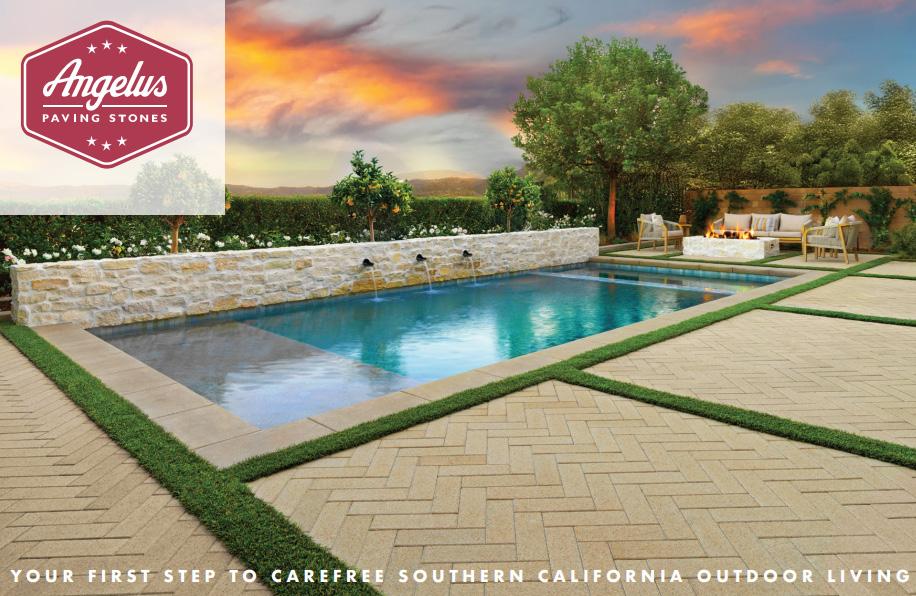
Let’s welcome Angelus Paving Stones to our CAI chapter family. It’s nice to have Block on the block!
Since 1946, they have been a leader in manufacturing high-quality con crete pavers and block products throughout Southern California. Known for delivering luxurious landscape upgrades at competitive pricing, Angelus continues to set the industry standard for quality, durability, and style through its unique manufacturing process.
With nine locations serving Southern California and a strong commitment to the Coachella Valley, Angelus takes pride in providing local support with personalized service for projects both large and small. Whether it’s road work, patios, driveways, walkways, retaining walls, or golf cart paths. Their extensive line of architectural and hardscape solutions provides HOA communities, property managers, and homeowners with a strong balance of style, performance, and long-term value. Angelus is ready to help communities
Should you or any of your properties need assistance with pavers or block products, please contact:
Anthony Goodall agoodall@angelusblock.com 760-289-9344
Tony Arce– tarce@angelusblock.com
and associations complete projects with ease and confidence.
Their goal is simple to become the preferred resource for pavers and block products while offering CAI members and HOA communities direct access to a knowledgeable local team that simplifies the process from start to finish.
We are excited to have Angelus Block paving the way alongside our chapter and look forward to their continued partnership and support within our community!

Felicia Bustos is the Business and Development Liaison for WICR Inc. Waterproofing and Construction, serving the Coachella Valley and Inland Empire areas. She works closely with homeowners, HOAs, and property managers to ensure properties are ready for every season. Contact Felicia at Marketing@wicr.net or call 760-835-5674.
By Lily Ortega
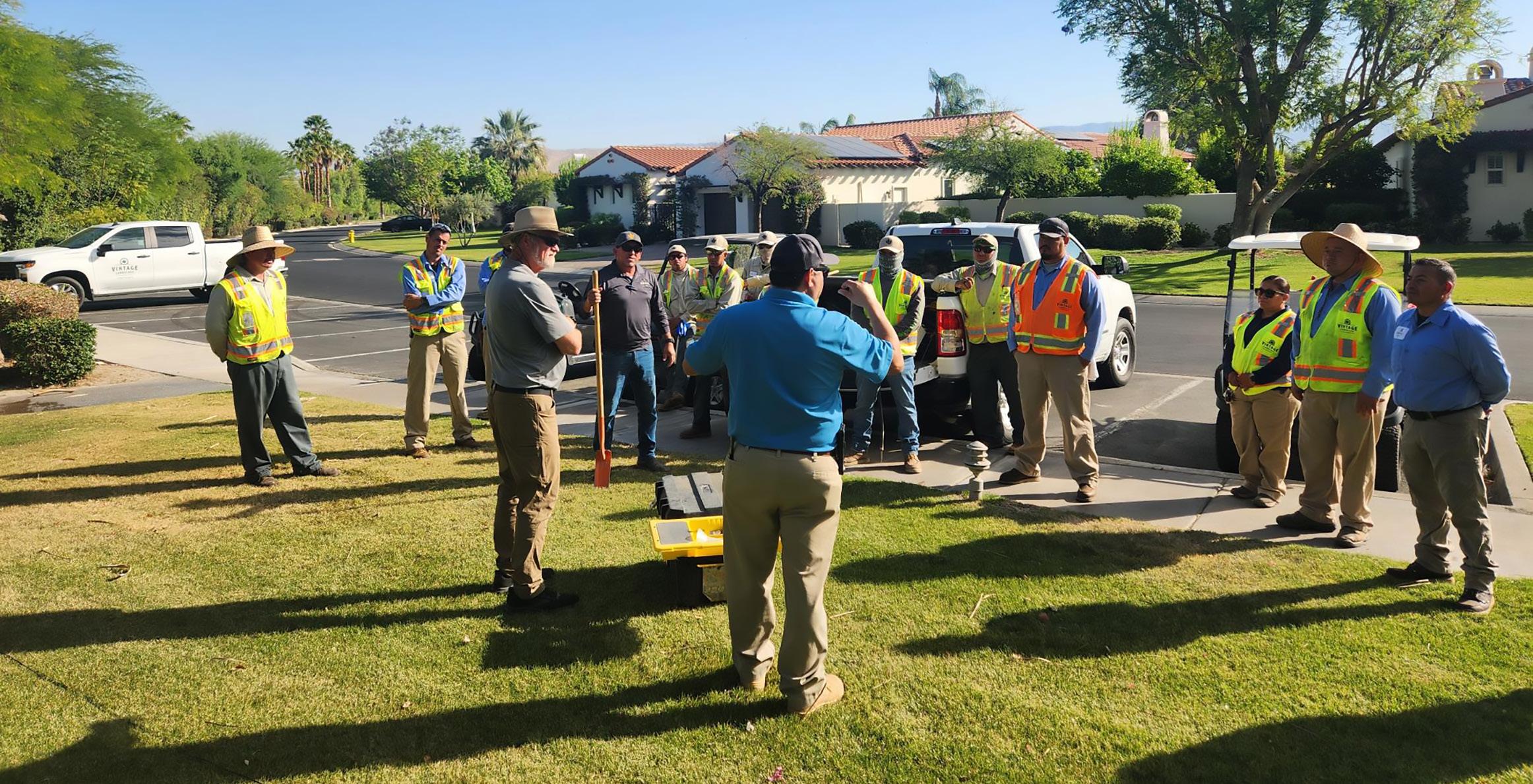
In the Coachella Valley, landscaping plays a major role in the appearance of our HOA communities. From neighborhood entrances to parks and golf course views, landscaping is often the first thing residents and guests notice. Behind every well-maintained property is a hardworking team that helps keep our communities beautiful year-round.
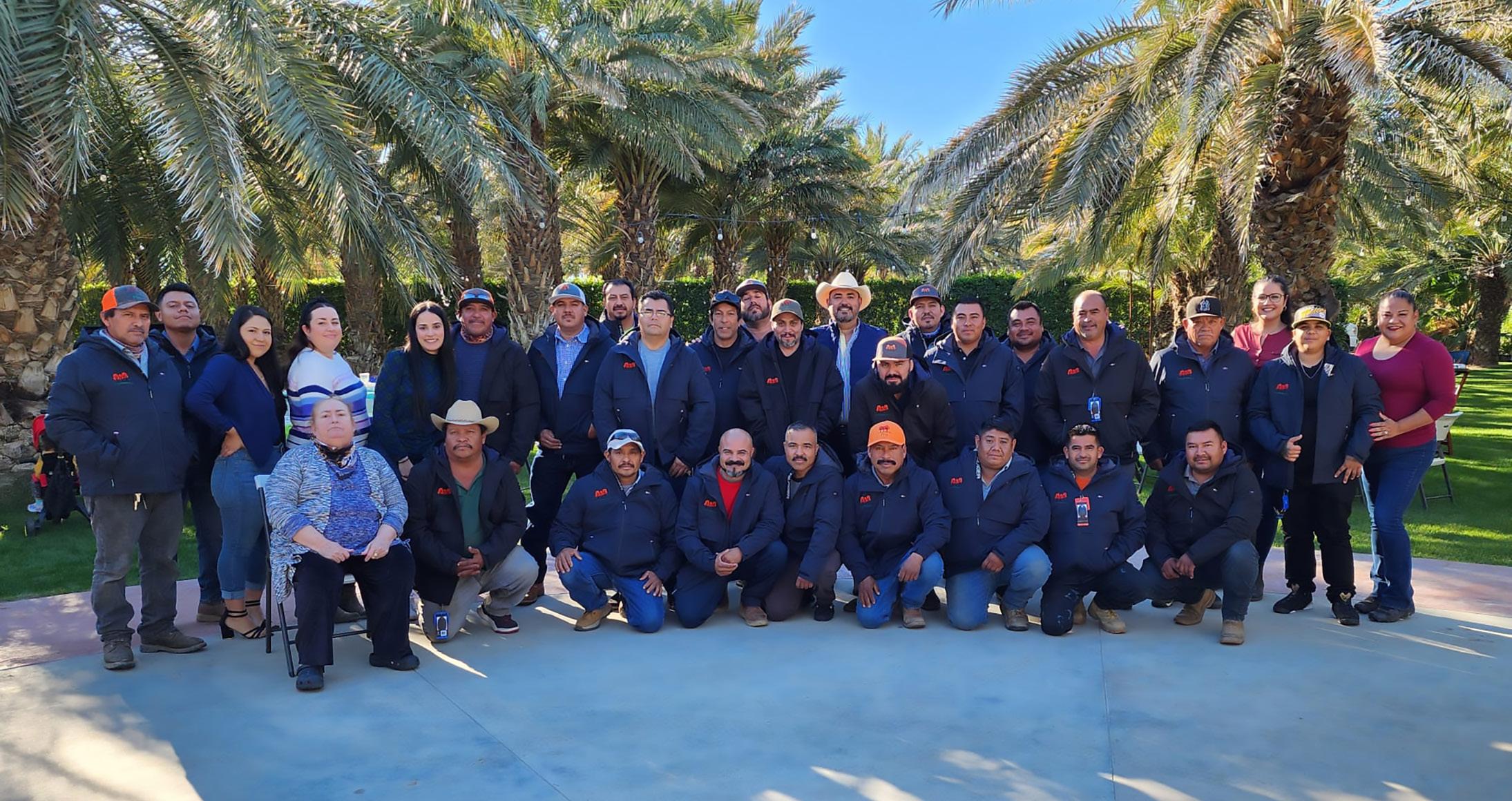
As we recognize Juneteenth this month, it is important to acknowledge the value of diversity within the landscape industry. Landscape crews across the Valley come from many different backgrounds and experiences. Those differences
strengthen our teams and improve the communities we serve. The people caring for our neighborhoods every day bring pride, dedication, and knowledge to their work.
For HOA Boards, landscaping is one of the most visible investments in a community. It impacts curb appeal and property values while also creating outdoor spaces where residents can relax and connect with neighbors. Landscape crews work through extreme desert heat to maintain irrigation systems, care for trees, and keep common areas looking their best.
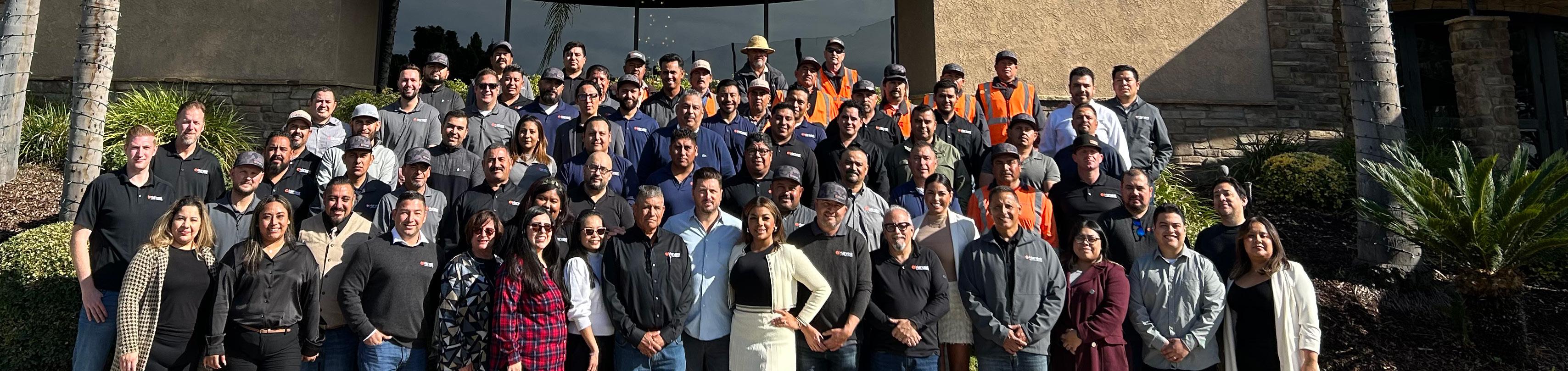

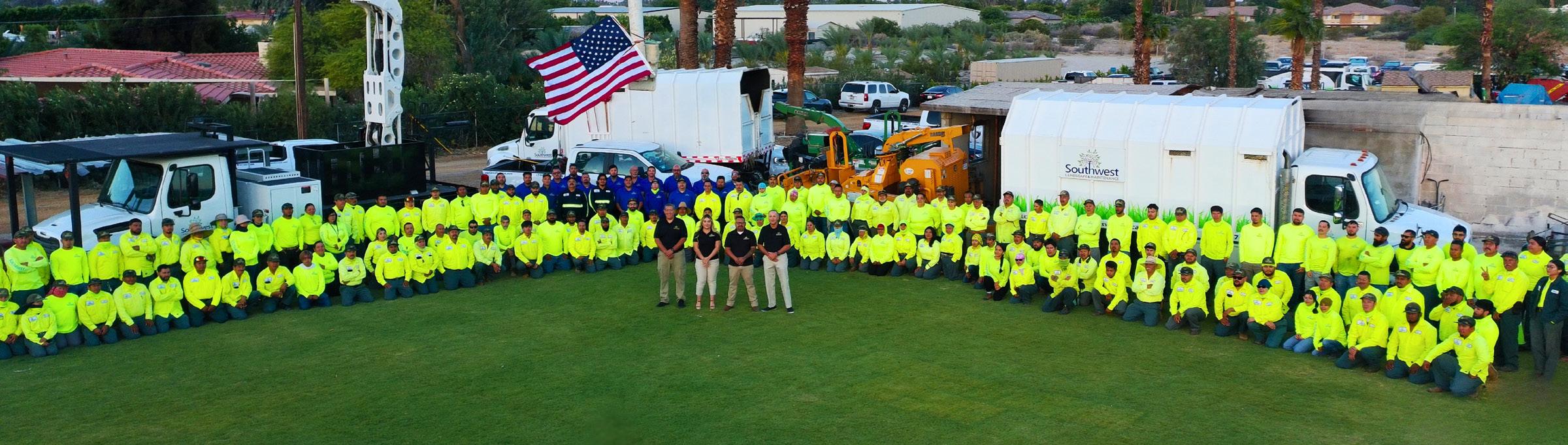
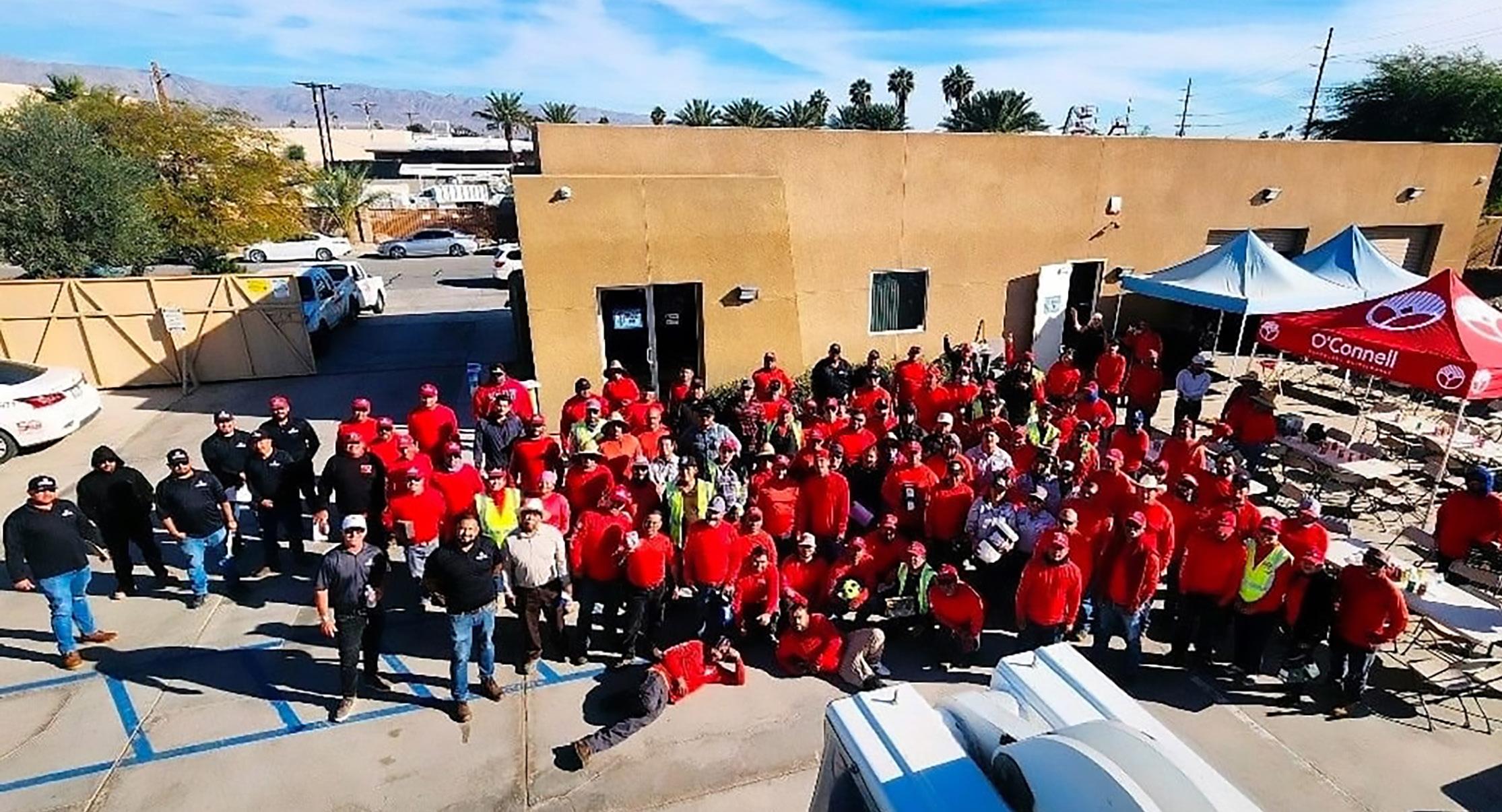
Diversity also helps communities operate more effectively. Different perspectives can improve communication and teamwork while encouraging new ideas for sustainability and water conservation. Strong partnerships between Boards, managers, and landscape professionals help communities continue to thrive.
Juneteenth reminds us that strong communities are built through respect, opportunity, and appreciation for others. When we recognize the people behind the work, we create
stronger partnerships and better communities for everyone who calls the Coachella Valley home.
Lily Ortega is the Business Development Manager for Pro Landscaping Inc. and she also currently serves on the CAI-CV Board of Directors. Pro Landscaping Inc. is a leading landscaping company in the Coachella Valley. Please contact Lily at lily@ proland-inc.com for more information.

By John Schuknecht, CMCA, AMS
In a letter dated March 18, 2026, Fannie Mae and Freddie Mac announced updates to project standards and property insurance requirements for project developments. The changes respond to industry feedback around rising premiums, limited insurance availability, and operational complexity. The updates aim to provide lenders and servicers with greater flexibility while ensuring borrowers and homeowners’ associations maintain compliant insurance coverage.
Coverage Amount
• Must equal at least 100% of estimated replacement cost of all project improvements, including common elements and residential structures
Acceptable Documentation of Coverage Sufficiency
• Guaranteed replacement cost coverage (or equivalent)
• Extended replacement cost coverage (or equivalent)
• Insurer’s replacement cost estimate
• Project’s insurance risk appraisal
• Statement from qualified professional
Loss Settlement
• Replacement cost basis required, except roofs (roofs must be insured but RC not required)
• Actual cash value allowed for personal property and certain elements where insurer issues it that way
Key Changes
• Inflation guard coverage is no longer required
• Maximum per-unit deductible: $50,000 per unit for required perils
• If master policy has a per-unit deductible, borrower must carry unit owner’s policy
• Lenders must verify a project’s budget includes the highest recommended reserve allocation amount in the reserve study to adequately cover the costs identified
• Revises reserve allocation requirement for capital expenditures and deferred maintenance from a minimum of 10% to a minimum of 15% of the annual budgeted income assessment Impact: HOA assessments will need to increase
• Any interior portion or improvement not covered by master policy, OR
• Master policy includes a per-unit deductible
Must be the greater of:
• Amount needed to restore any interior/improvements not covered by master policy to pre-loss condition, OR
• The per-unit deductible amount (if applicable)
Coverage Requirements
• Must cover any required peril for which the master policy applies a per-unit deductible
• Loss settlement must be on a replacement cost basis
• Maximum deductible: greater of 5% of coverage amount or $2,500 for required perils
Based on the best available information from:
• Borrower (in collaboration with insurer/agent)
• HOA or co-op legal documents
• Other professionals with appropriate expertise
IMPLEMENTATION
• Most changes: Effective immediately
• Master policy deductible changes: Loan applications on or after July 1, 2026
• Reserve requirement changes: Loan applications on or after January 4, 2027
John Schuknecht CMCA, AMS is a former community manager who currently works as an Account Executive for LaBarre/Oksnee Insurance. John can be reached at 657-207-4789 or JohnS@hoa-insurance.com
Featured Guest Speakers
John Walters, CMCA, AMS
Association General Manager Palm Valley HOA
Mallory Paproth
SCT Reserve Consultants, Inc.
Rob Winkle
RAM Roofing
Stephen M. Kirkland, Esq.
Delphi Law Group, LLP
THANK YOU!
Trade Show Booth Exhibitors
America's Finest Lighting & Mailboxes
Fision Optics by Hotwire
Khatri International
NPG Asphalt
O'Linn Security
Precision Construction & Painting
Signarama
SBS Lien Services
Lunch Name Badge and Lanyard Sponsor
Southwest Landscape & Maintenance
Pen Sponsor
Flood Response
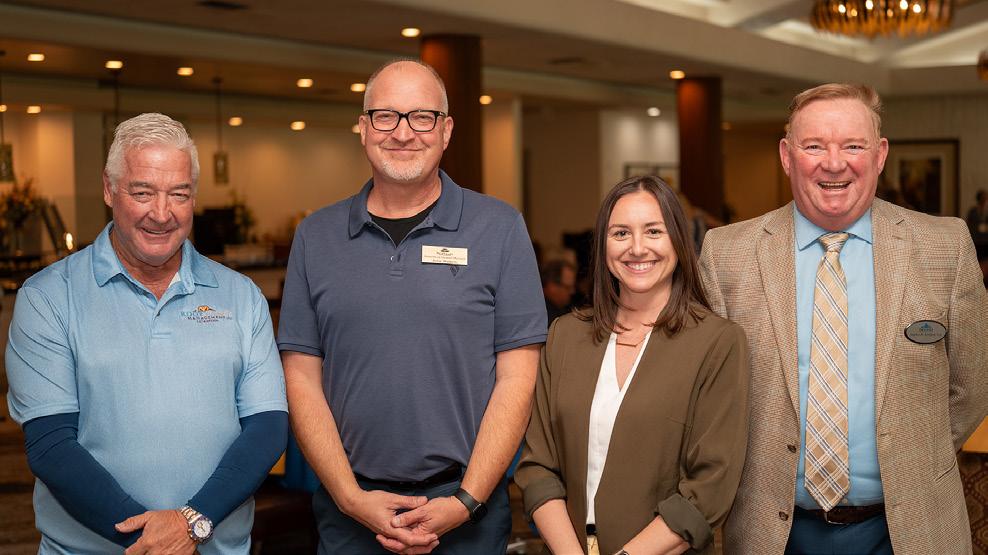
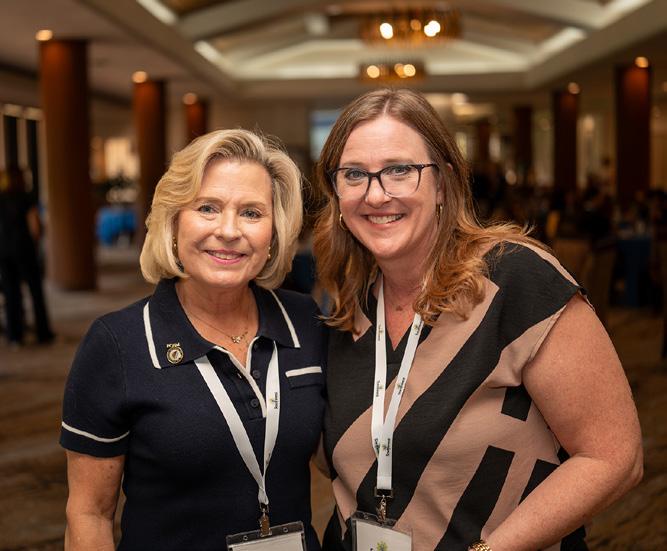
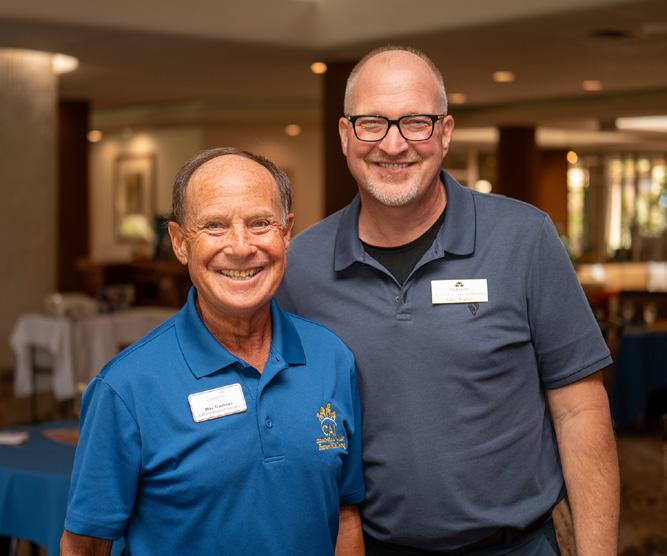
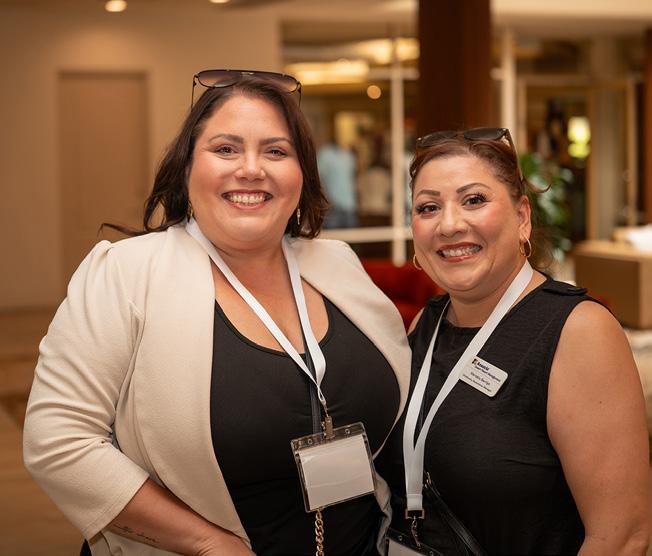
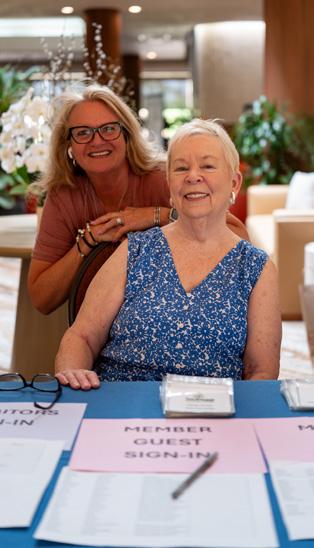
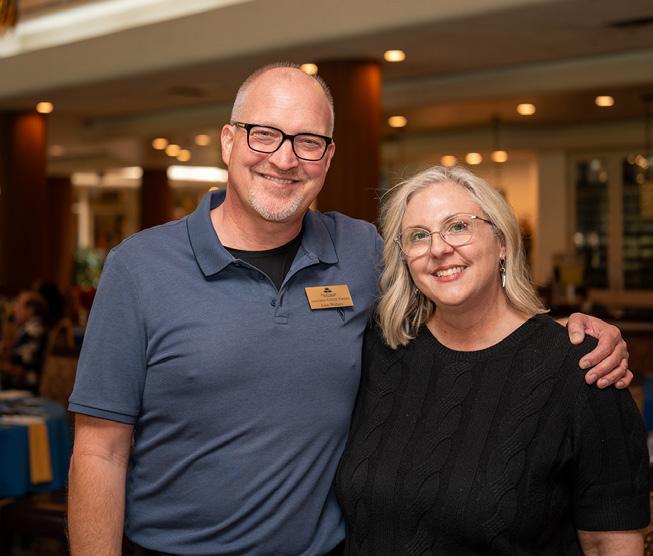
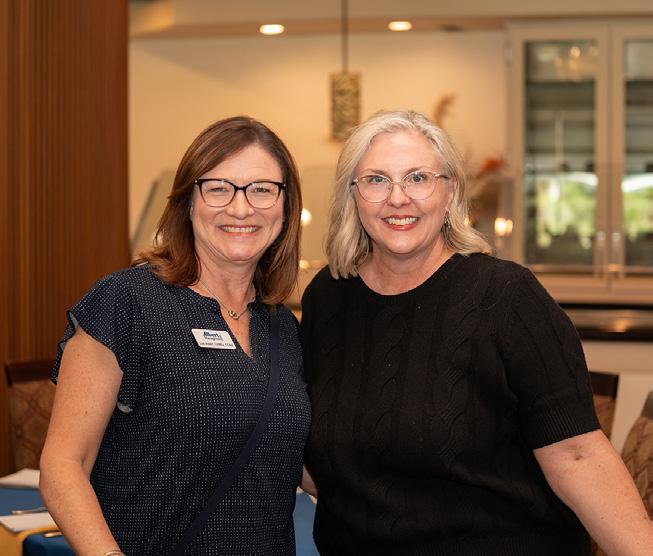
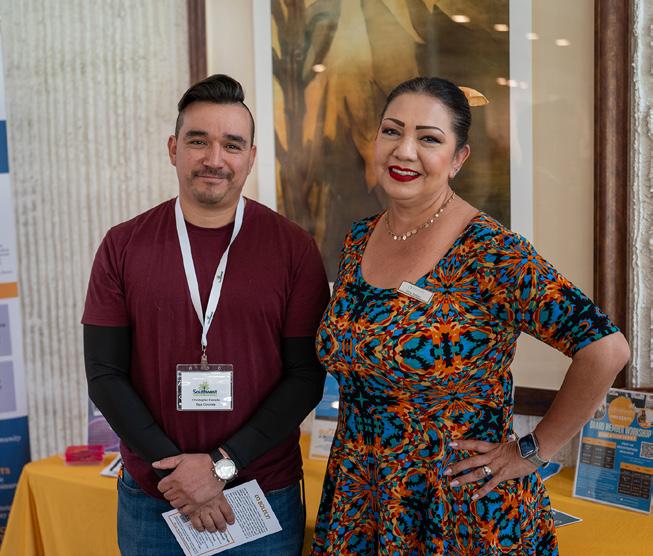
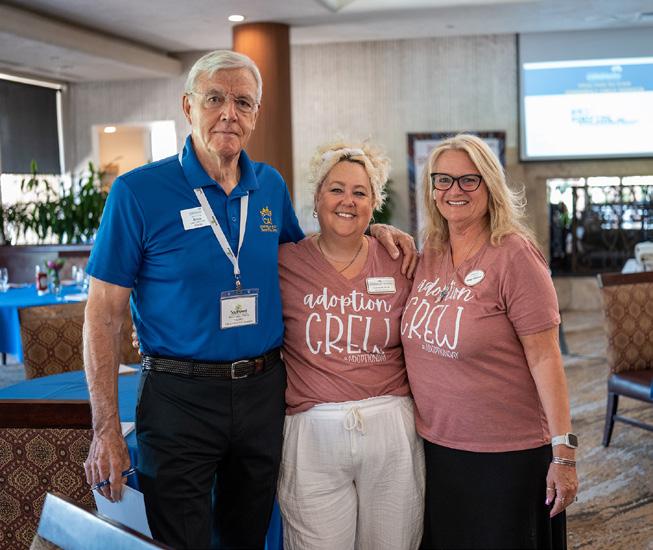
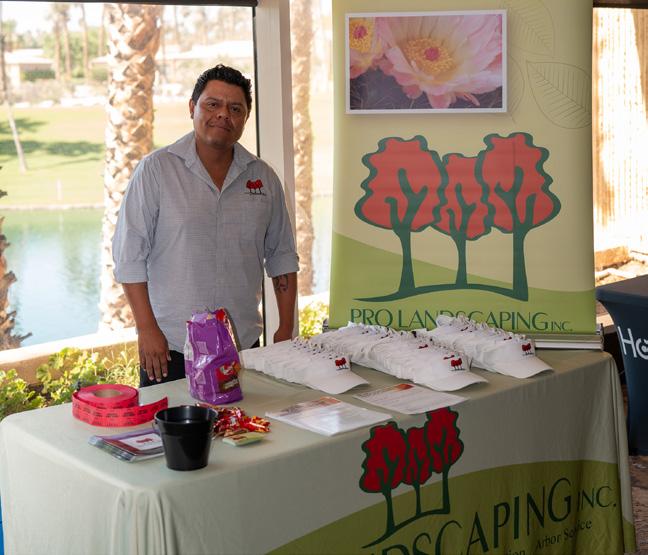
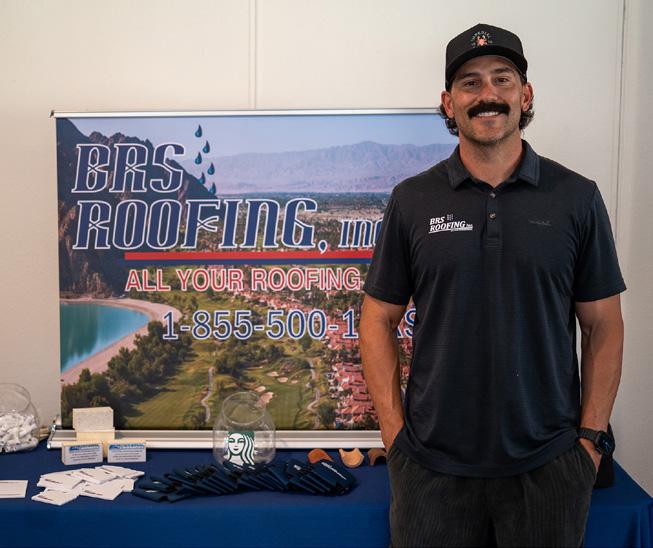
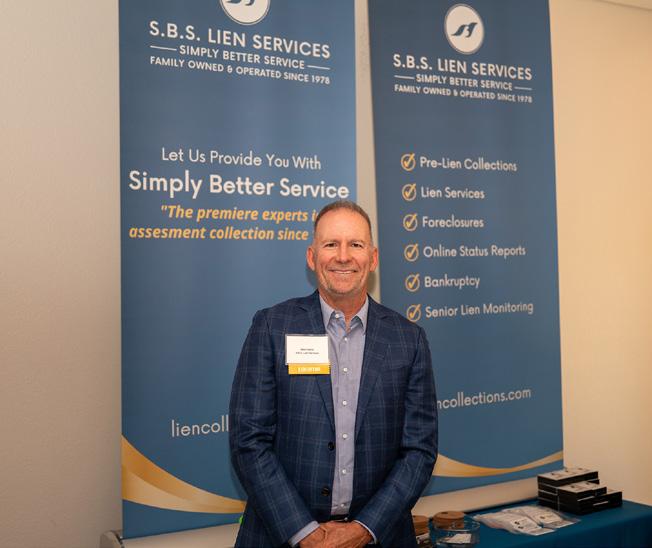
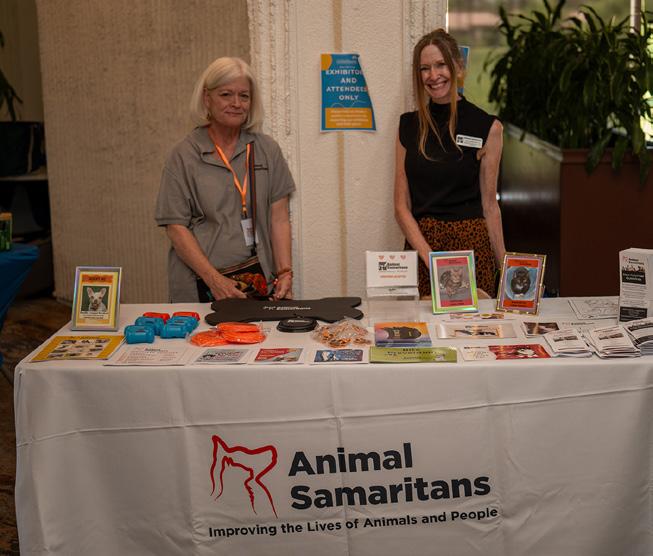

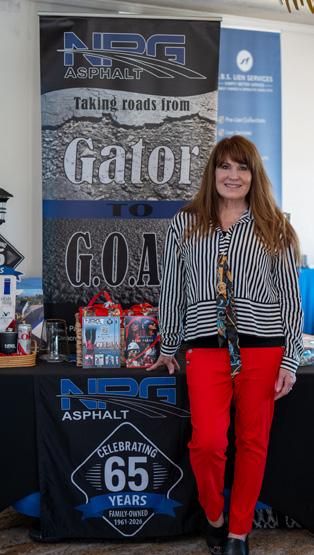
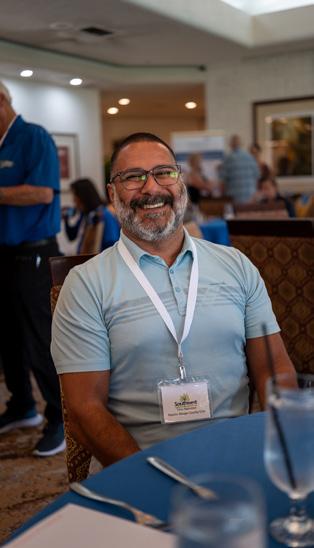
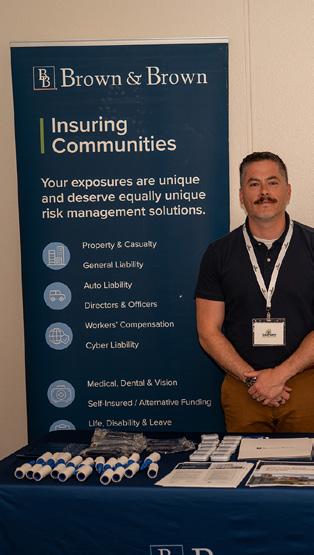
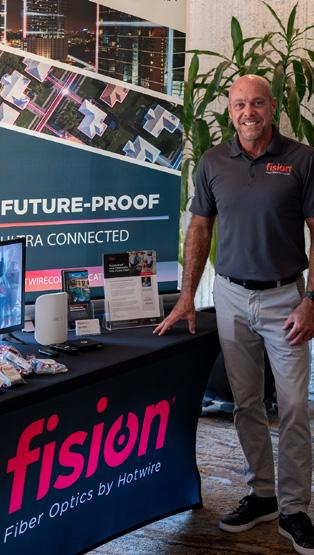
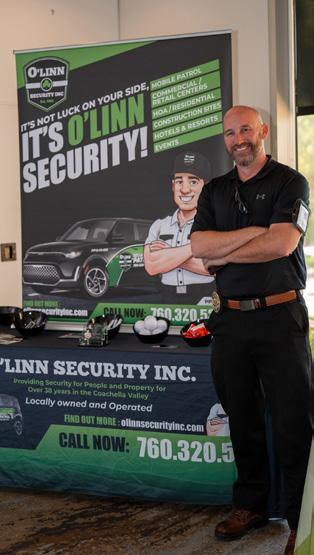
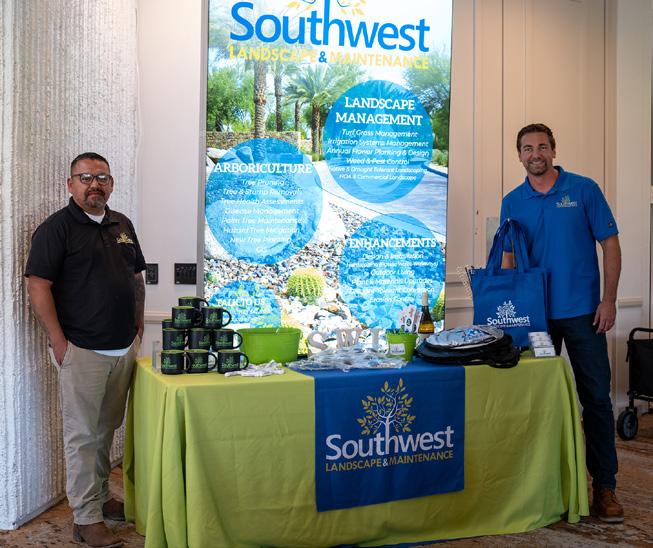
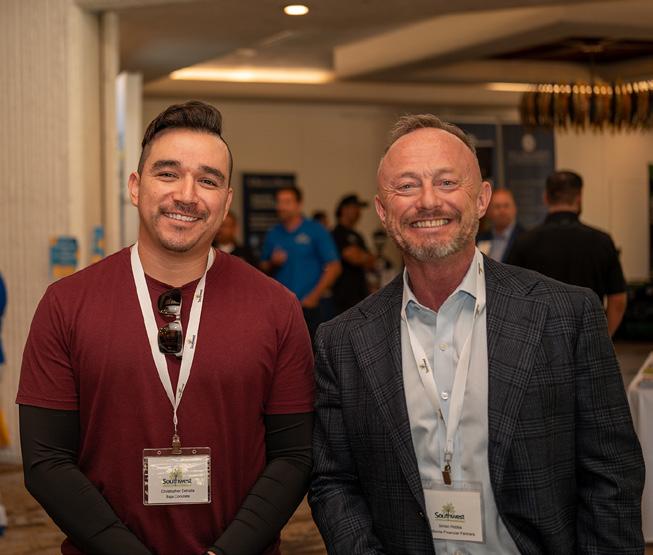
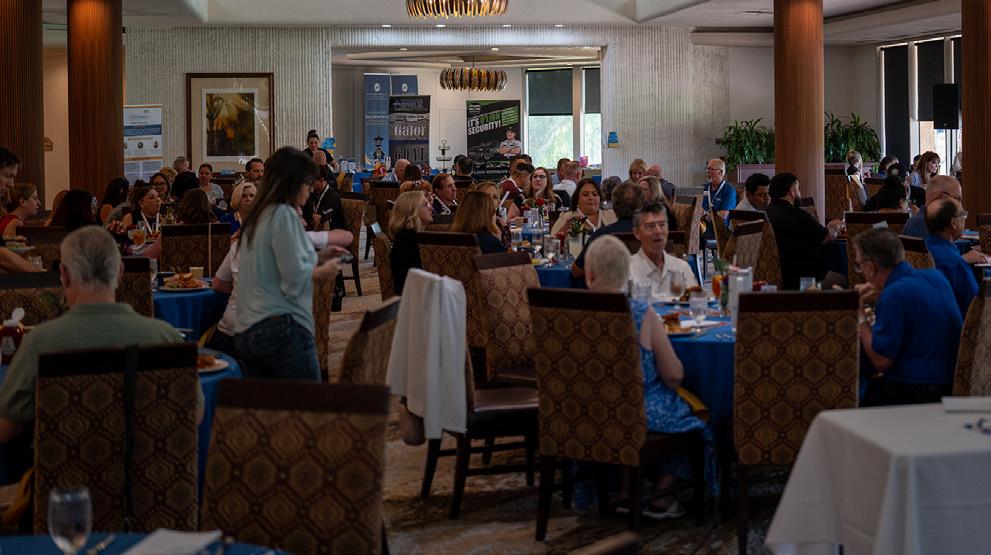
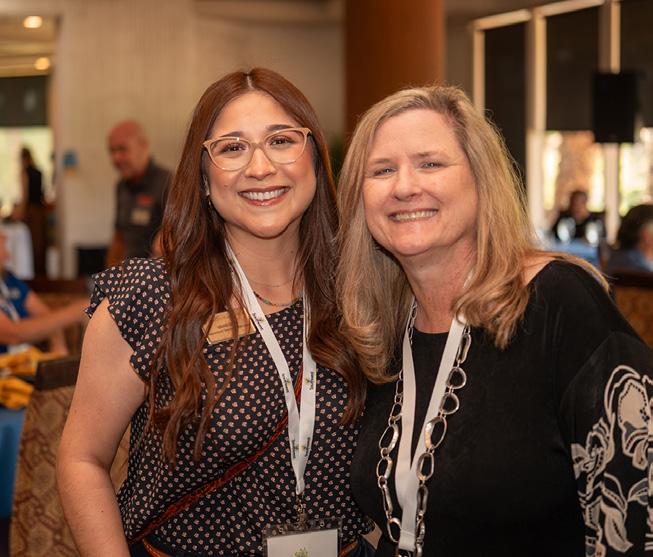

Our May education program, Roofs to Roots, brought our CAI-CV community together for a meaningful, well-rounded conversation about the many layers that support strong, thriving communities — from the roofs over our heads to the deeper roots that connect us all.
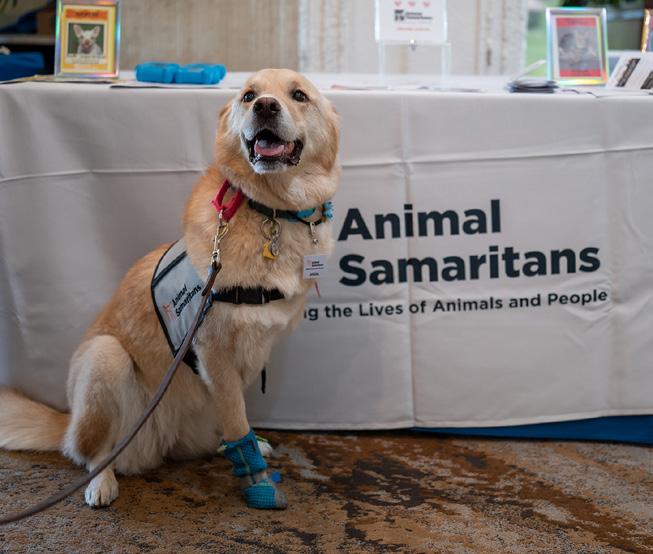
In addition to the education and networking, this program also gave us the opportunity to support a very special cause: Animal Samaritans
Thanks to the incredible generosity of our members, business partners, managers, and attendees, our supply drive received overwhelming support. Donations poured in, and the level of participation was a beautiful reminder of what our chapter does best — showing up for the community in ways that matter.
One of the most heartwarming parts of the day was a visit from Angel , a Golden Retriever tripod support dog who truly lived up to her name. Angel brought comfort, joy, and much-needed emotional support to our attendees, reminding us all of the powerful connection between people and animals.
Every item donated helps Animal Samaritans continue their important work supporting local animals and giving them the care, comfort, and second chances they deserve. We are deeply grateful to everyone who brought supplies, made donations, promoted the drive, and helped make this effort such a success.
A special thank you goes to our Grand Prize Sponsor, The Palm Springs Surf Club, for helping add excitement and energy to the campaign. Your support helped encourage participation and made the experience even more memorable for everyone involved.
Thank you again to all who attended, donated, and participated. Together, we proved that CAI-CV is more than an industry organization — we are a community with heart.
By Chris Sigler, B.S.C.E., C.D.T.
If you are on an HOA Board or are an Association Manager, it is possible, perhaps likely, that you’ve heard the age-old adage that “the low bid is not always the best bid”. While many sayings like this can be considered overused and are sometimes “eye-rollers”, it is hard to dispel the need to consider this concept when gathering bids and proposals for Repairs and Maintenance.
Of course, we hope that the low bid is a valid, quality bid, but keep in mind that several factors go into what bid pricing is received for maintenance work at an Association:
"WE HOPE THAT THE LOW BID IS A VALID, QUALITY BID"
• Was a clear work scope or “RFP” (Request for Proposal) provided to the Contractors being asked for bid proposals?
• If the answer is yes, was the Work Scope/RFP written independently, by an industry professional who is not bidding on the actual work?
• Were the Contractors asked to write their own work scopes when bids were solicited?
• Was anything left to be interpreted by the bidders when pricing was solicited, such as quantities, locations, or preferred materials to be used?
• Was there a warranty for the work requested or specified?
• Were Insurance limits and endorsements identified?
How a bid request is solicited can create a significant disparity in the bid proposals received.
Best practice dictates that the following actions be taken by an HOA Board and/or Association Manager:
1. Have a work scope written by an independent party - and if possible, a material specification included. This could be any Construction Consultant or another Construction Professional (architect, engineer, or contractor) who will not be bidding.
2. The most important thing is to have the Work Scope and Specifications written by someone other than one of the bidding contractors!
Usually, 2 or 3 bids are received, in keeping with an HOA’s Governing Documents. A common pitfall is having a really low bid that is tempting to accept but may be flawed (and usually is). When flawed bids are received, it is tempting to accept the lower price, but misunderstandings and expectation gaps often arise. This usually results in poor-quality work or inferior materials. As a result, shortcuts or Change Orders (additional costs) could easily ensue. This creates angst and can sometimes shatter relationships due to added costs that often bust the expected budget for the work.
If a low bid is greater than 15-20% below the others received, this is a sign of potential problems on the horizon. This can happen even if best practices are used, and an independent person writes the specs! If the low bid is the “low, low” bid, ask a lot of questions of the low bidder. Ask what is included, and make sure they submit a more comprehensive explanation of what is included and what is excluded. Request information on the types of materials they will use and the warranty they can offer. If all of this information checks out and is acceptable, then perhaps the low bid IS the best bid, which is great!
However, it is important to talk to the other bidders if the disparity is concerning. Sometimes, contractors bid low because they are hungry for your work, nothing more. But more often than not, there are flaws that could harm the Association, and they should not be taken lightly. Like everything else, due diligence is the key. Even if the HOA has experienced volunteers, they might not be aware of current market trends and/or materials. Best Practice dictates that an independent, outside party with no stake in the result should assist in the process to ensure that the
proper materials and methods are used and that the bids are equivalent in scope and quality.
If you find yourself in a position where there is a large gap between the low and high bids for a particular maintenance or repair project, doing your due diligence is key. Ask the questions, talk to the bidders about their bids, and ensure your Association makes informed decisions on their repair and maintenance bids.
Chris Sigler is the President and Owner of C.L. Sigler & Associates, Inc., a Construction Management and Consulting firm that has exclusively served the HOA industry for 23 years. He is a Civil Engineer by trade with more than 35 years of Engineering and Construction experience, and is actively involved in projects throughout the Coachella Valley. Chris is certified with the Construction Specifications Institute (CSI) as a Construction Documents Technologist. Located in Palm Desert, his firm serves the Coachella Valley and Riverside County, and the San Francisco Bay Area in Northern California from its San Jose Corporate office.

By Coachella Vally Water District
The Coachella Valley Water District is pleased to announce the upcoming launch of SpryPoint, a modern, cloud-based utility billing and management platform designed to improve and expand how we serve our customers.
Through SpryPoint, CVWD will provide a smarter, more efficient system that streamlines operations, improves service reliability, and provides faster, more responsive customer support. The new system will also offer timely notifications and intuitive self-service options, helping customers manage their accounts with greater ease and confidence.
A key feature of SpryPoint is SpryEngage, the new online customer portal designed to simplify, clarify, and make account management more convenient. Accessible anytime from a computer, tablet, or smartphone, SpryEngage enables customers to securely view balances, bills, payment history, account details, and apply for service.
Convenient Payment Options, Including:
• Secure online payments
• Automatic payments (AutoPay)
• Paperless billing
• Pay by phone options
Customers with multiple properties or accounts can manage everything with a single login.
Receive payment reminders and confirmations, service notifications, important updates, and more through the portal.
Improved security features help protect personal and financial information when accessing accounts online.
SpryEngage offers additional self-service tools, allowing many common tasks to be completed online without the need to call or visit district offices.
As we implement SpryPoint, the district is committed to ensuring a smooth, well-supported transition. Customers may need to register for an account with the system and update their billing details. To assist users with this process, ongoing communications and helpful resources about SpryPoint will be shared as the transition progresses.
CVWD is also implementing Workday to modernize its financial and human resources systems. This internal software upgrade will integrate core business functions and procedures into a single platform, ensuring continued data quality, consistency, and accuracy across district operations.
To stay current with CVWD news, visit cvwd.org.

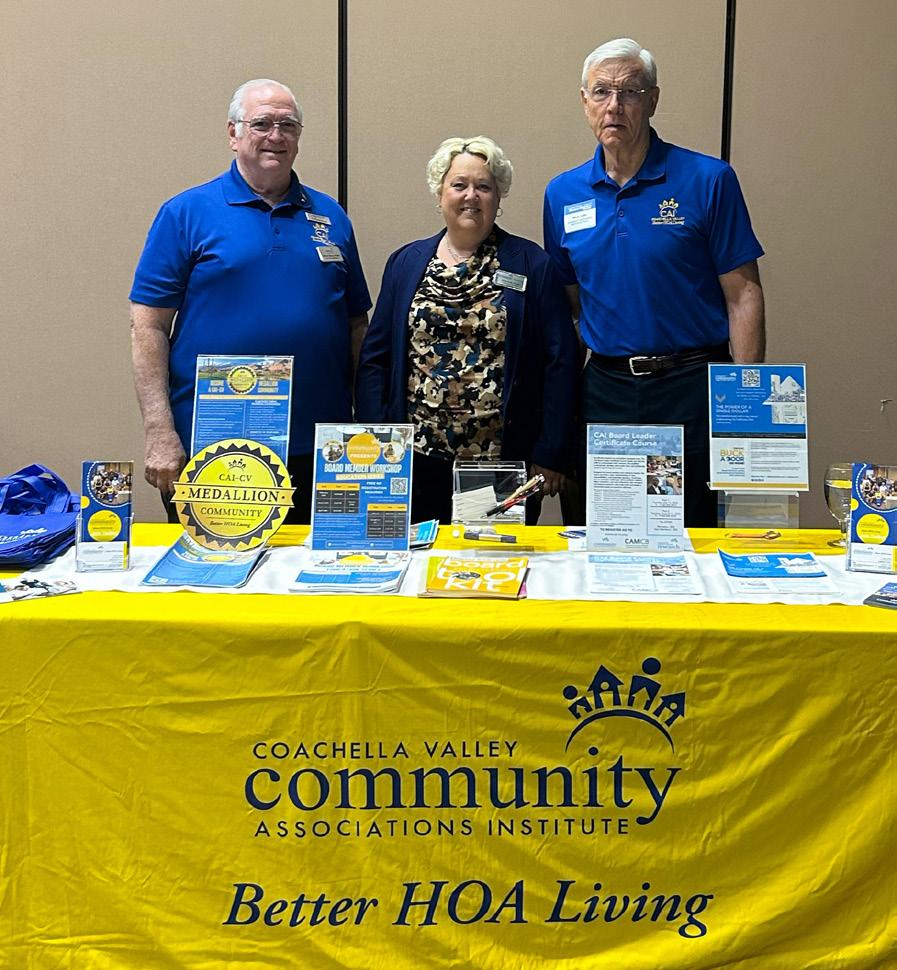
CAI-CV c ontinues to strengthen its presence throughout the Coachella Valley by participating in regional business and civic events that help connect our chapter with local leaders, community partners, and organizations shaping the future of our region.
On April 30, CAI-CV attended the Coachella Valley Business Conference at Fantasy Springs, an annual event focused on the economic health of our region and the Coachella Valley's role in the broader economic landscape. This year’s keynote speaker, Dr. Christopher Thornberg, Founding Partner of Beacon Economics, shared insight into key issues impacting both local businesses and residents, including housing, gas prices, cost of living, market trends, and broader financial pressures.
While rising costs and continued economic uncertainty remain part of the conversation, the message was clear: the Coachella Valley remains economically stable. Continued growth, however, will depend on our ability to increase year-round occupancy, attract new industries, support workforce development, and create opportunities that encourage people to live, work, and invest here beyond the traditional tourism season.
The discussion also highlighted the importance of expanding opportunities in fields such as biotechnology, healthcare, technology, and other high-demand sectors that can help retain local college students, attract new professionals, and strengthen the valley’s year-round economy. Tourism remains a vital part of our region’s success, and organizations such as Visit Greater Palm Springs continue working to position the Coachella Valley as more than a seasonal destination.
progress, innovation, and vision for the future. The luncheon was hosted by Emmy Award-winning KESQ Chief Meteorologist Patrick Evans and produced by Hocker Productions.
For CAI-CV, attending events like these is an important part of outreach, brand recognition, and relationship-building. Connecting with civic leaders, local chambers, business partners, municipalities, and regional organizations helps elevate CAI-CV’s visibility as a premier source of education, advocacy, and resources for community associations.
CAI-CV also continued its regional outreach by attending Cathedral City Takes Flight, the annual State of the City luncheon held on Tuesday, May 12, 2026, at the DoubleTree by Hilton Golf Resort in Cathedral City. The event featured a sponsor reception, business expo, awards ceremony, and Mayor Raymond Gregory’s State of the City address, highlighting Cathedral City’s
With an estimated 80% of Coachella Valley residents living in homeowners' associations, CAI-CV plays an important role in shaping our region's future. Our continued presence at business and city events helps ensure that community associations are represented in regional conversations about housing, economic development, workforce needs, civic engagement, and quality of life.
These relationships help direct more community leaders, residents, businesses, and public agencies toward CAI-CV while opening the door to valuable partnerships and resources that support our members and strengthen the communities we serve.
By Roberto Antonio Flores
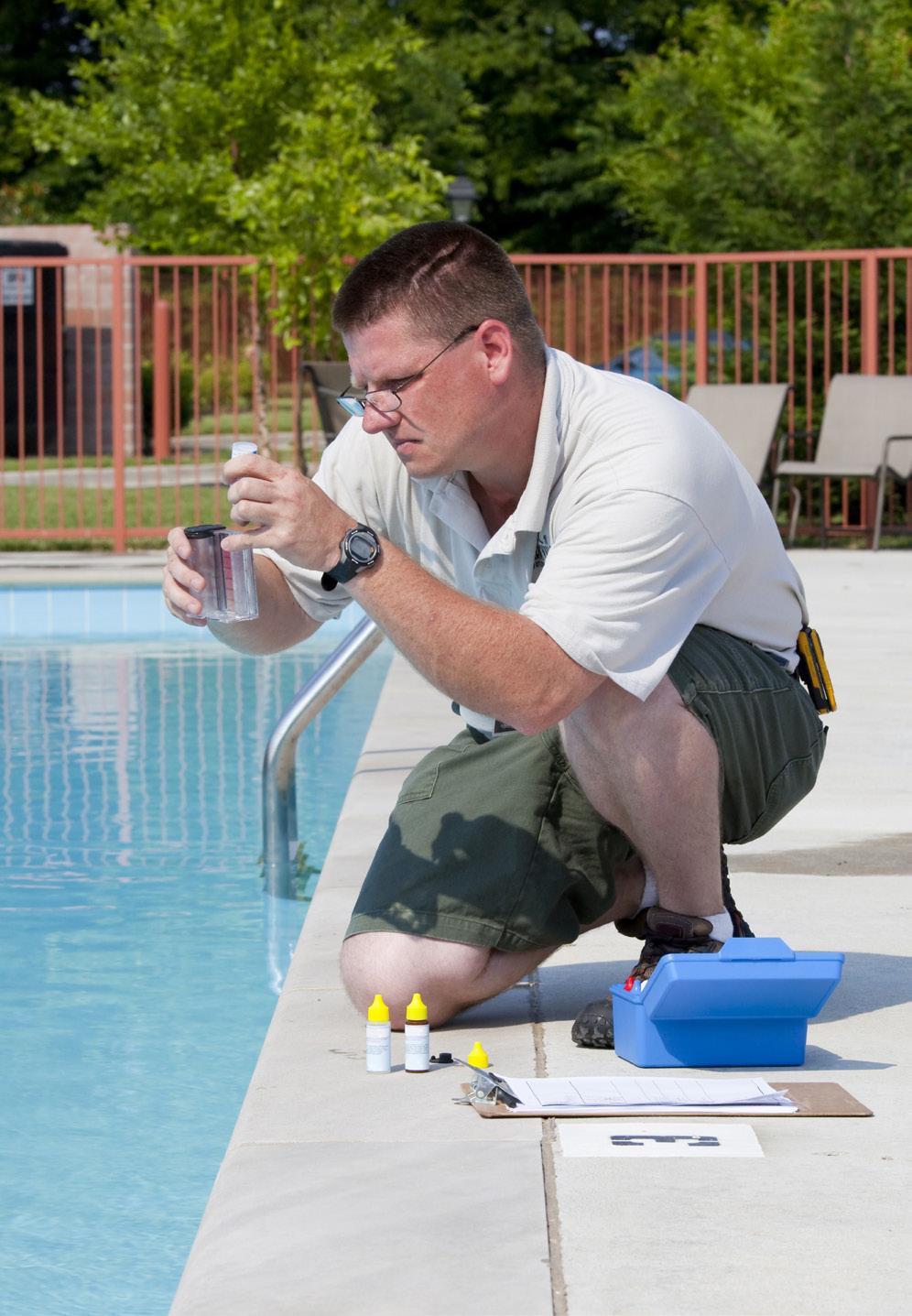
For Homeowners Associations (HOAs), swimming pools are among the highest-risk amenities under their responsibility. While they enhance property value and resident satisfaction, they also expose property owners to significant legal liability, especially when water quality is not consistently maintained.
In hot climates such as the Coachella Valley, this risk is amplified. High temperatures, intense sunlight, and frequent usage create conditions where water chemistry can deteriorate rapidly—sometimes within hours.
Many HOA-managed pools operate with:
• Infrequent manual testing
• Inconsistent chemical dosing
• Limited documentation of water quality
These gaps create serious vulnerabilities.
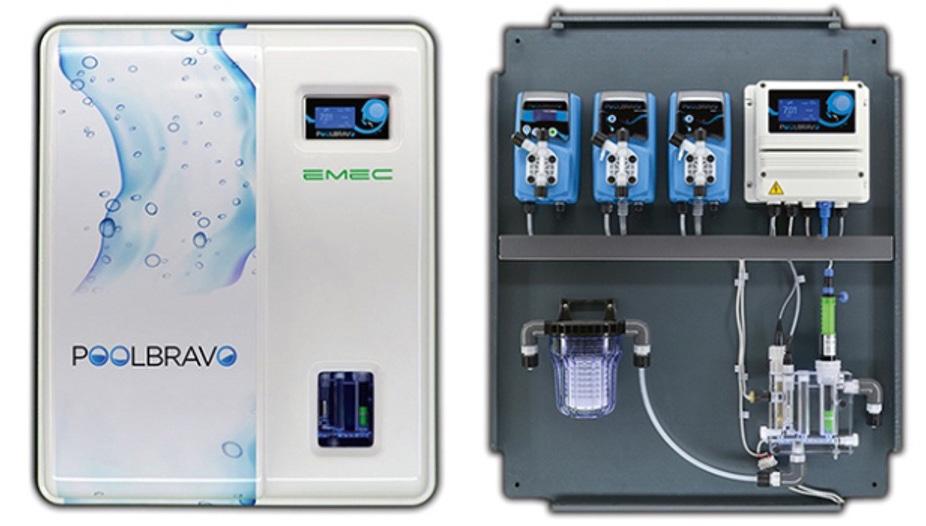
Improperly maintained pools often show:
• pH levels above 7.8
• Free chlorine below 0.5 ppm
• Cyanuric Acid (CYA) exceeding 100 ppm
Under these conditions, chlorine becomes significantly less effective, allowing harmful pathogens to survive.
High-Risk Pathogens Include:
• Naegleria fowleri, a rare but often fatal organism found in warm water
• Cryptosporidium, a chlorineresistant parasite linked to outbreaks and lawsuits
From a legal standpoint, failure to maintain safe water conditions may constitute negligence, particularly if proper systems and controls were not in place.

HOAs have a duty of care to maintain safe recreational facilities. When this duty is not met, the consequences can include:
• Personal injury or wrongful death claims
• Insurance disputes or denial of coverage
• Regulatory fines and enforcement actions
• Special assessments to cover unexpected legal costs
• Long-term reputational damage and reduced property values
In litigation, a lack of consistent records and reliance on manual processes can severely weaken the HOA’s defense.
Automated monitoring and dosing systems provide continuous control of:
• Free chlorine
• pH
• ORP (sanitizer effectiveness)
From a liability perspective, these systems offer:
1. Documented Compliance
Automated systems generate continuous data logs, providing verifiable proof of proper operation and due diligence.
2. Consistent Water Quality
Real-time adjustments prevent unsafe conditions from developing between manual tests.
3. Reduced Negligence Risk
Implementing industry-standard technology demonstrates a proactive approach to safety.
4. Stronger Legal Defense
In the event of a claim, documented automation can significantly reduce exposure by showing that reasonable measures were taken.
Water Treatment Strategies
That Strengthen Protection
Beyond automation, advanced treatment solutions further reduce risk and operating costs:
Natural Super Clarifiers
Improve filtration efficiency and water clarity, helping remove contaminants that can harbor pathogens.
Bio enzymes
Break down organic waste (oils, lotions, sweat), lowering chlorine demand and improving sanitizer performance.
Phosphate Control Programs
Reduce nutrient load, stabilize chlorine demand, and prevent algae outbreaks.
Sequestering Agents (Non-Phosphate Based)
Control calcium and metals without contributing to nutrient loading.
Cyanuric Acid (CYA) Reduction
Without Draining
Excessive CYA is a common issue in HOA pools. Modern solutions allow for its reduction without water replacement, maintaining sanitizer effectiveness while avoiding costly water losses, especially critical in drought-restricted regions.
While some HOAs delay upgrades due to perceived cost, the financial reality is clear:
• One legal claim can exceed the cost of system implementation
• Emergency water replacement due to high CYA can be extremely expensive
• Reactive maintenance leads to higher long-term operational costs
In contrast, proactive investment in automation and advanced treatment reduces both risk and total cost of ownership.
For HOAs, pool management is not just an operational task; it is a legal responsibility.
Relying on outdated, manual methods in high-risk environments exposes associations to unnecessary liability. Automated monitoring, combined with modern water treatment strategies, provides a defensible, efficient, and responsible approach.
HOAs that act today are not only protecting their residents, but also their board, their finances, and their longterm stability.
Roberto Antonio Flores is President of Hidroklear LLC, a company dedicated to advancing sustainable, safe, and high-performance aquatic operations throughout the Americas. Roberto can be reached at (602) 6174893 or sales@hidroklear.com
FRIDAY, MAY 1, 2026 | SUN




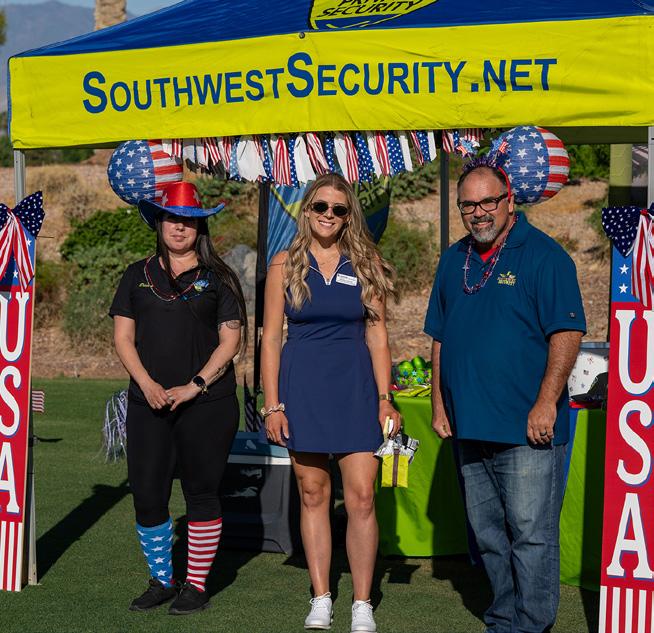
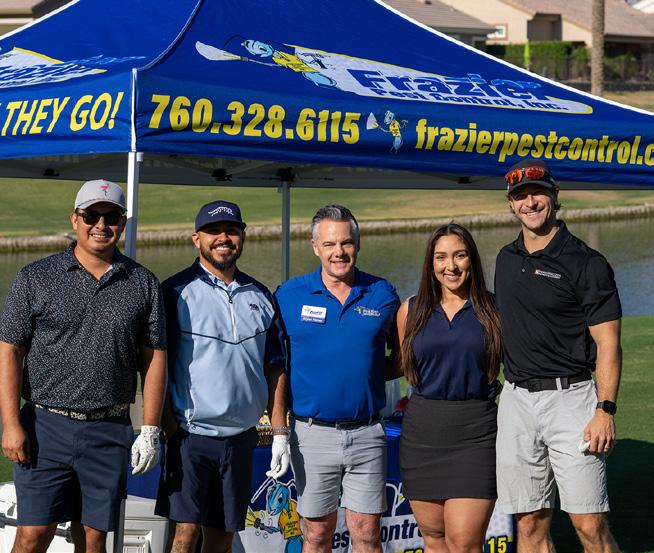



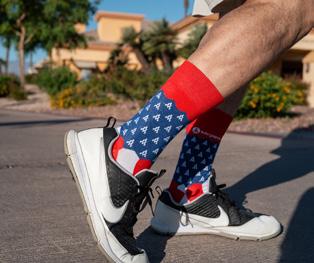

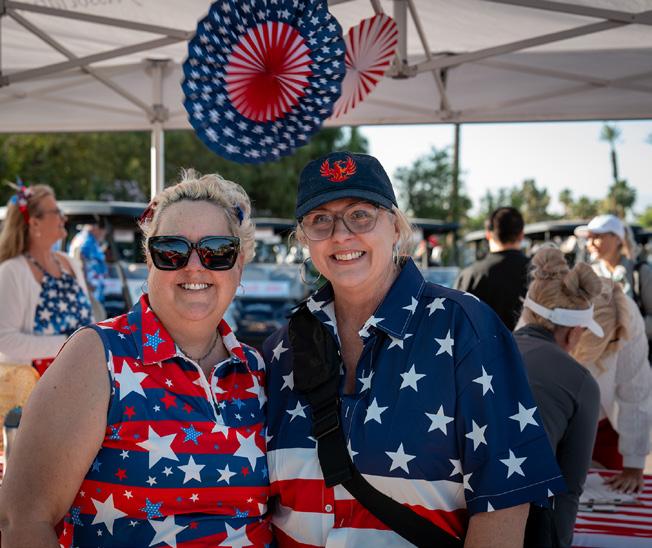
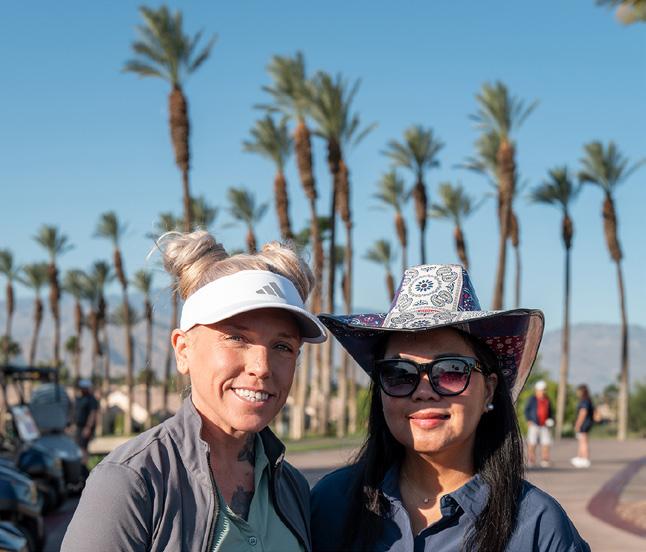
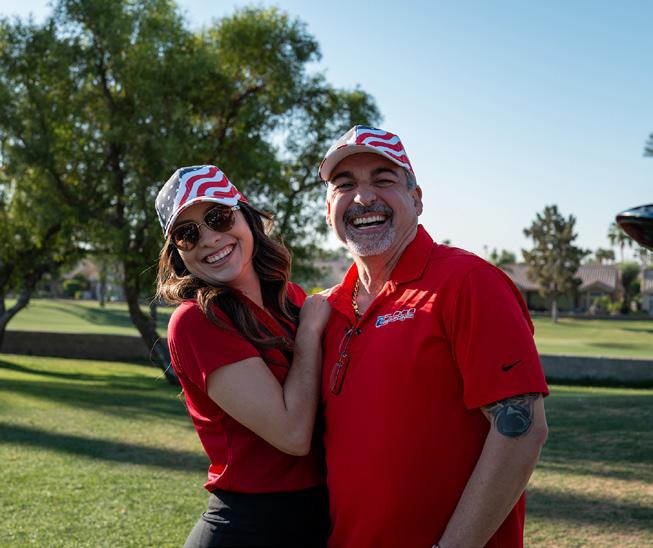
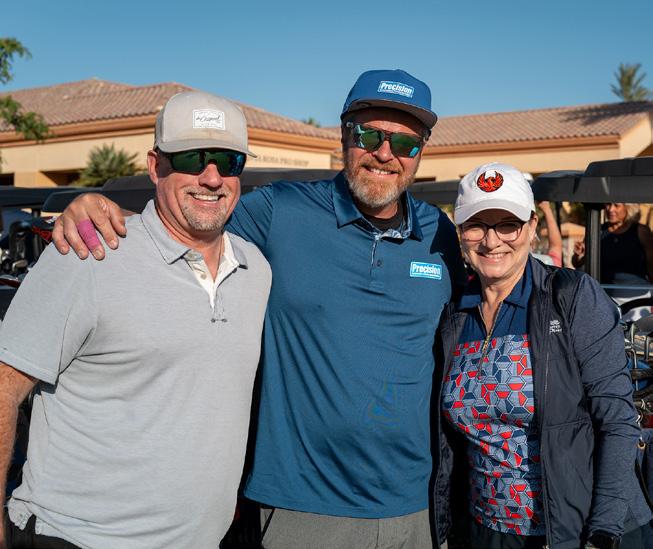
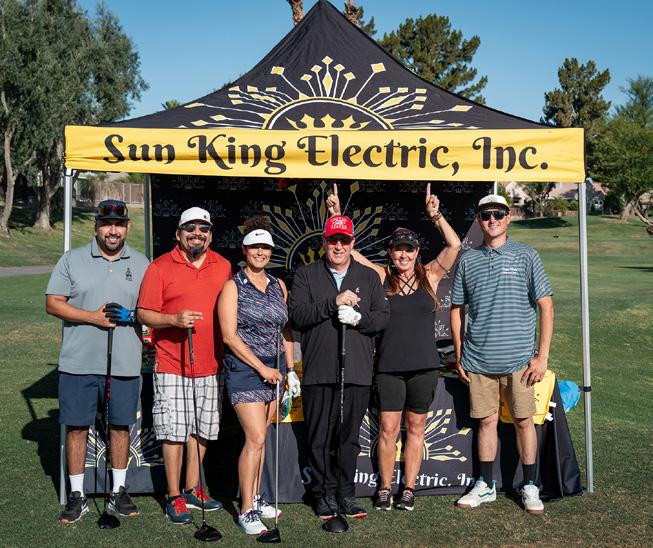


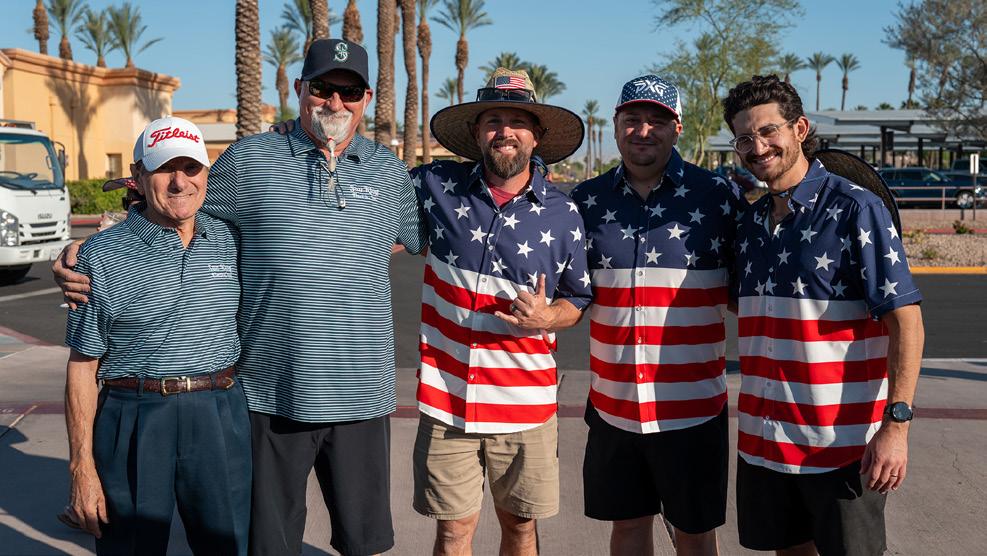
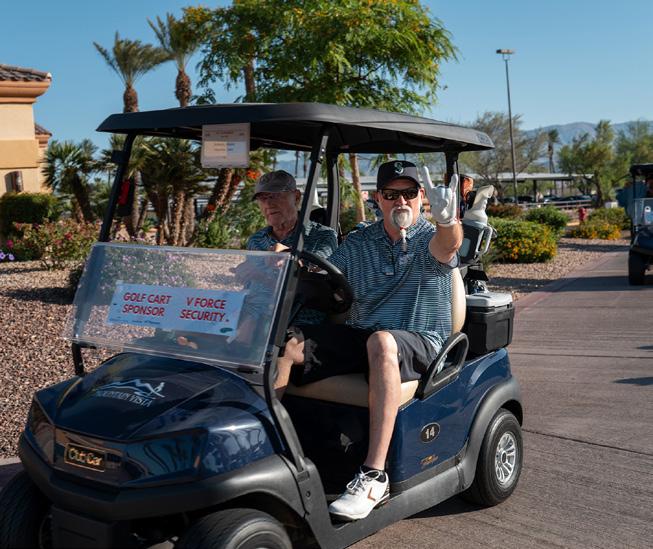
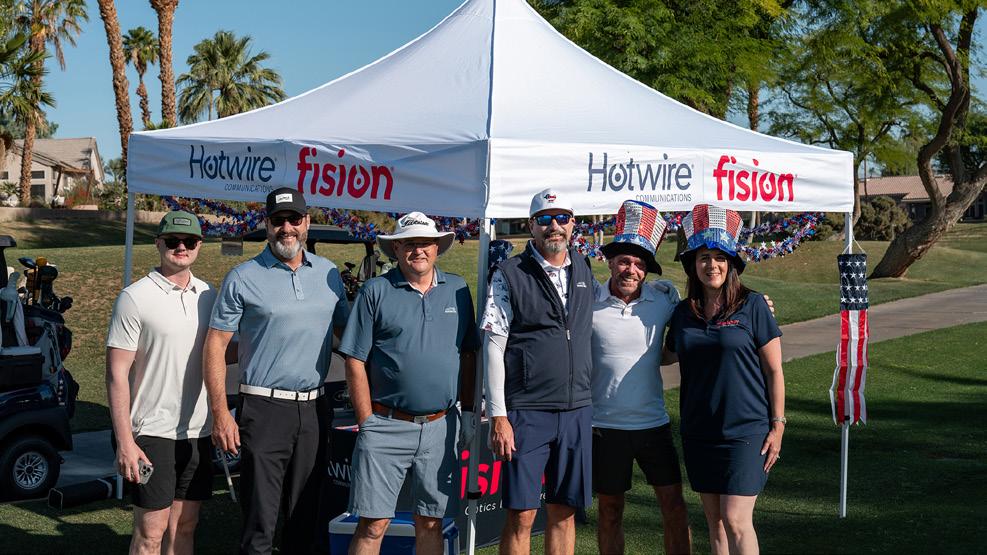
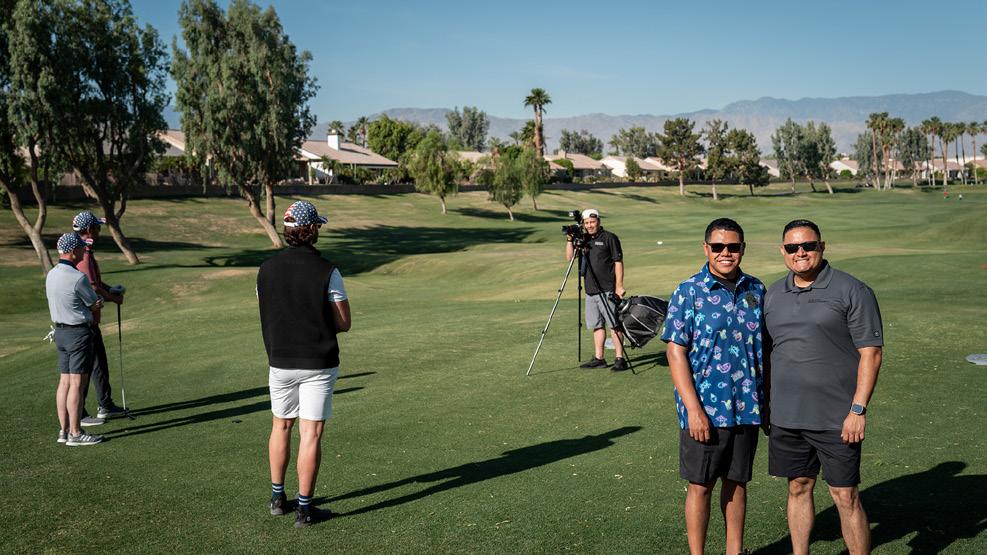
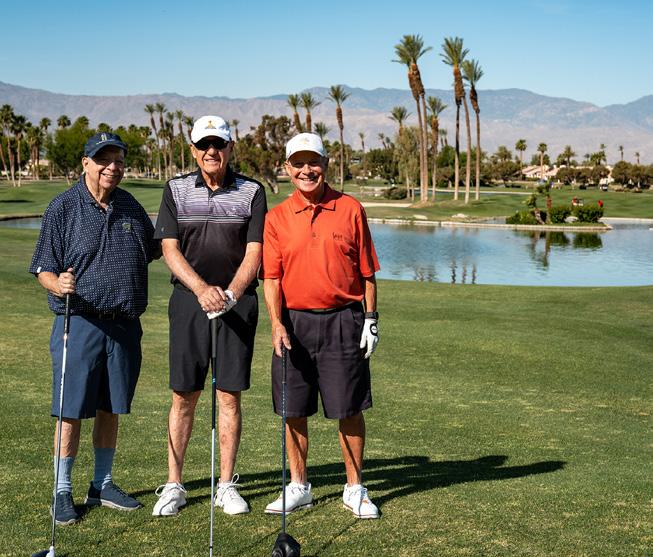
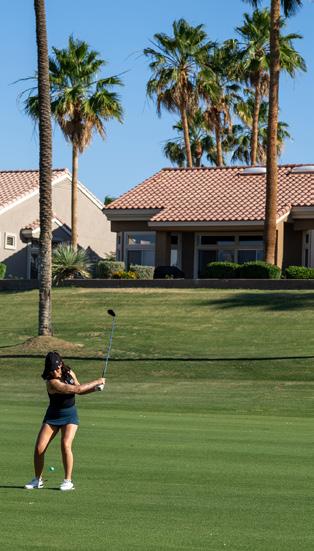
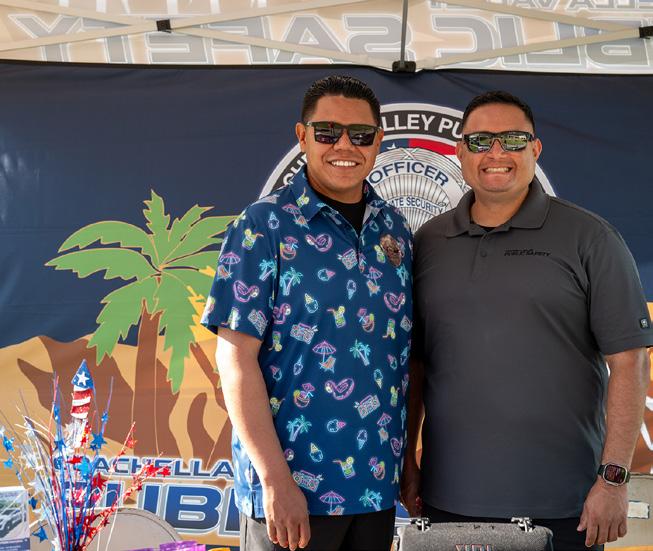
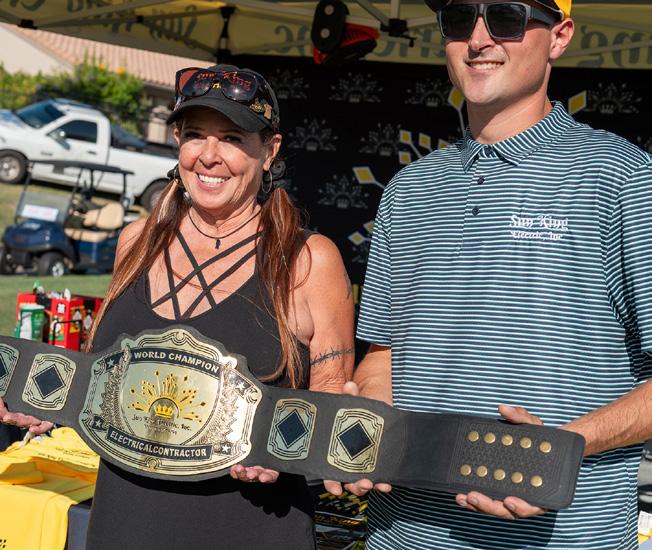
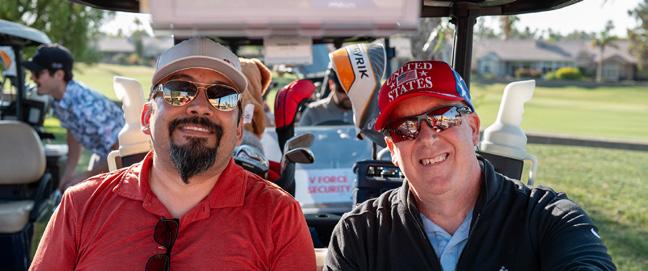
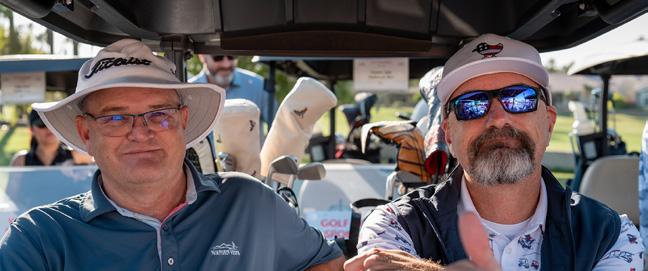



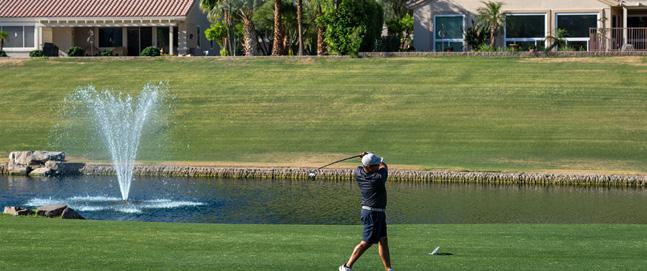
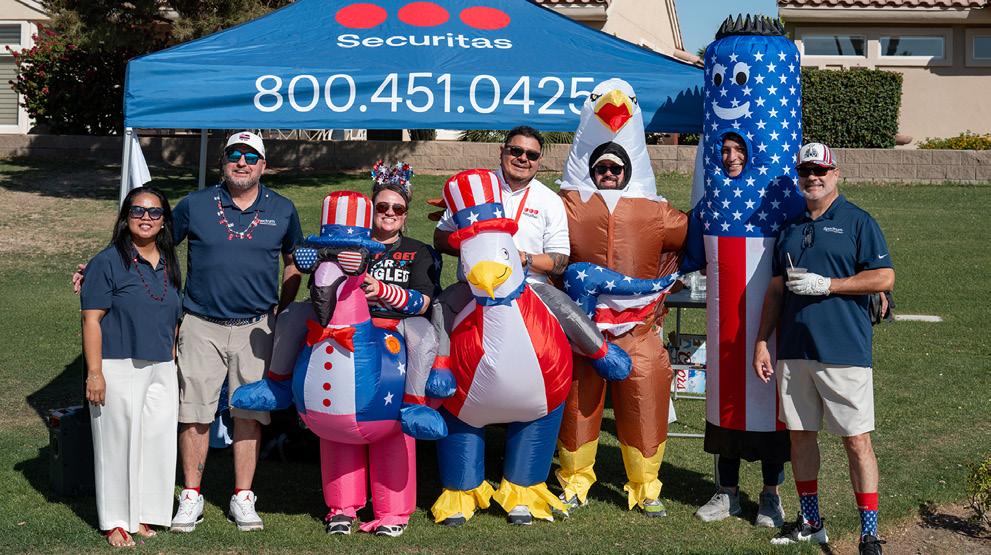
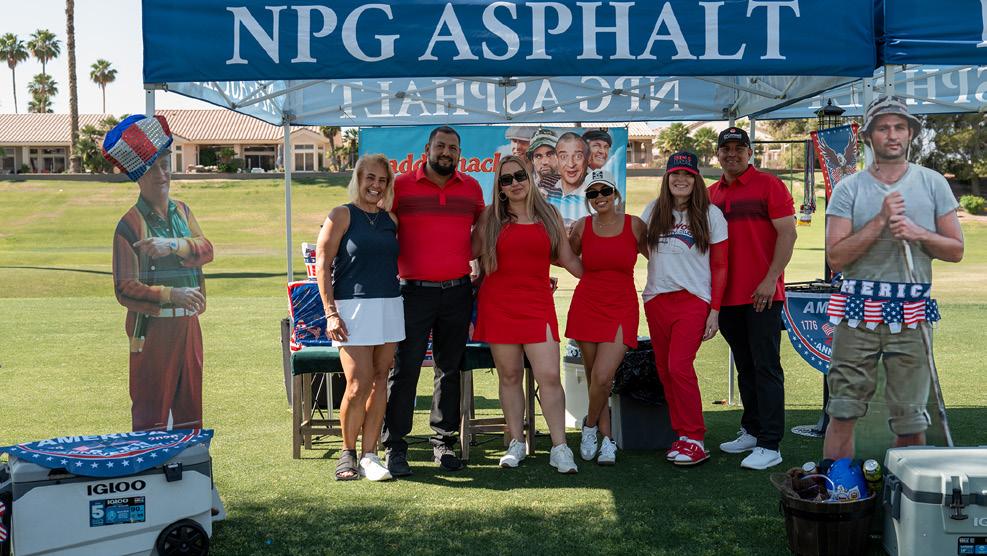
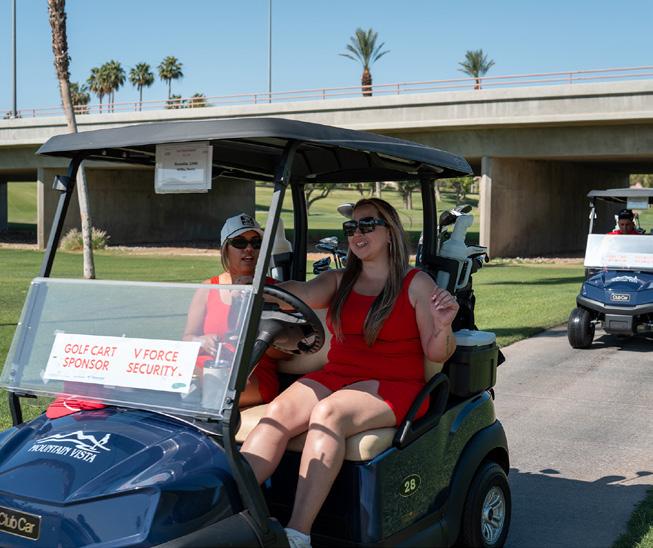
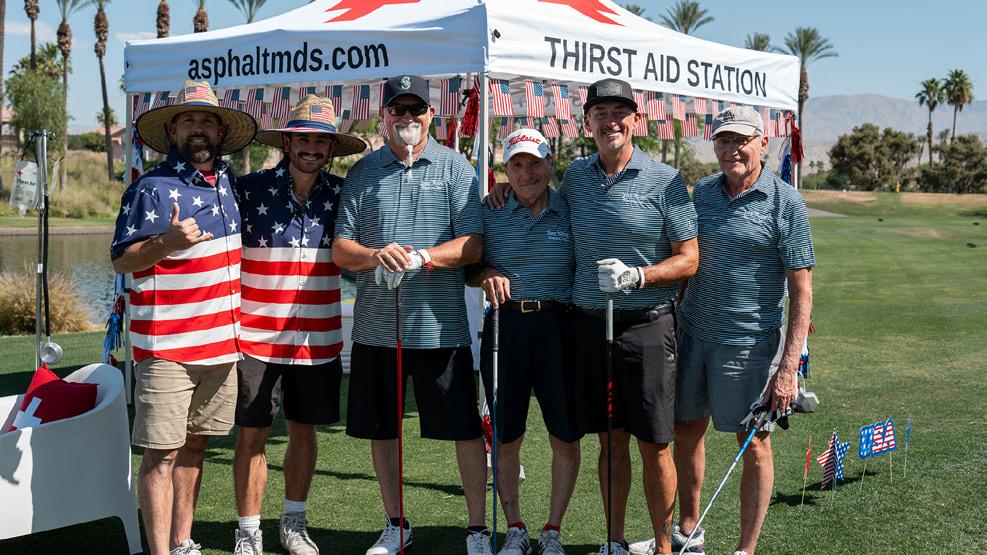
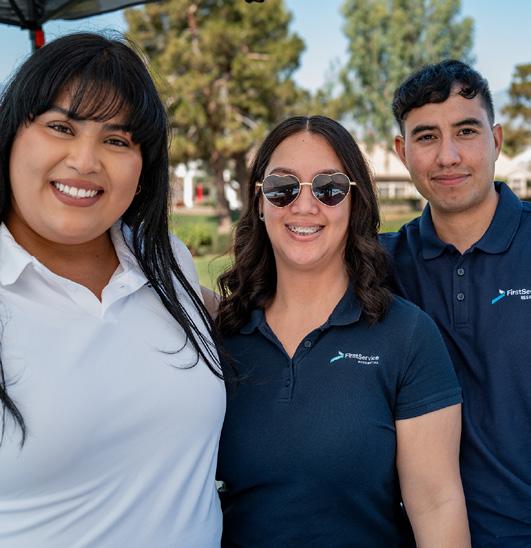
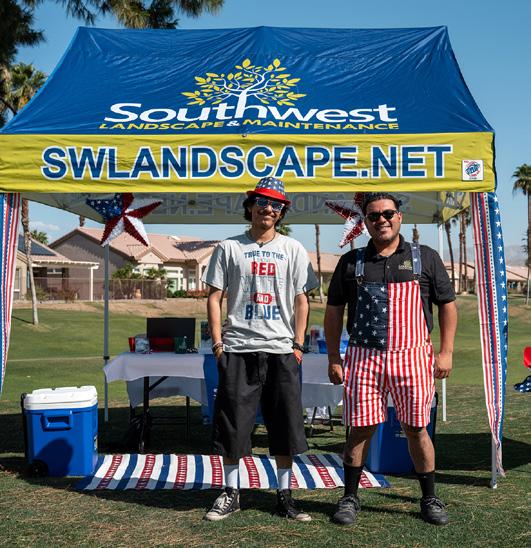
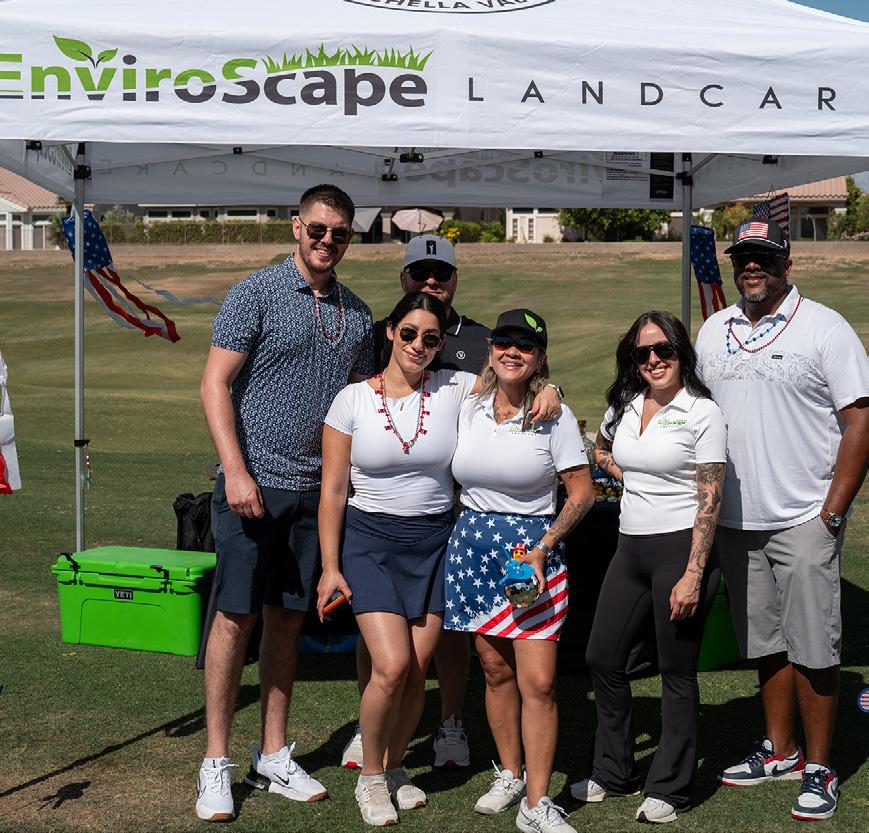


THANK YOU!
Hole Booth Sponsors
Angelus Block Co
Animal Pest Management
Asphalt MD’s
BTS Trustee Service
Coachella Valley Public Safety
EmpireWorks
EnviroScape Landcare
First Service Residential
Fision Fiber Optics by Hotwire
Frazier Pest Control
MC Builder
NPG Asphalt
Platinum Security
Pro Landscape
Securitas Security Services
Southwest Landscape
Southwest Security
Sun King Electric
Golf Cart Sponsor
V-Force Security
Flag Sponsor
Associa Desert Resort Management
Cigar Sponsor
STV Audio & Video Services
Swag Bag Sponsor
The Management Trust
Golf Ball Sponsor
C.L. Sigler & Associates
Photo Sponsor
Coachella Valley Public Safety
Grand Prize Sponsor
Conserve Landcare
Trophy Sponsor
Fiore Racobs & Powers
Food Sponsors
Epsten, APC
EmpireWorks Reconstruction & Painting
Securitas Security Services
Mulligan Card Sponsor
Allied Universal
Sign Sponsor
Signarama
Water Sponsors
Southwest Aquatics
Spectrum















Educational Program and Mini Tradeshow
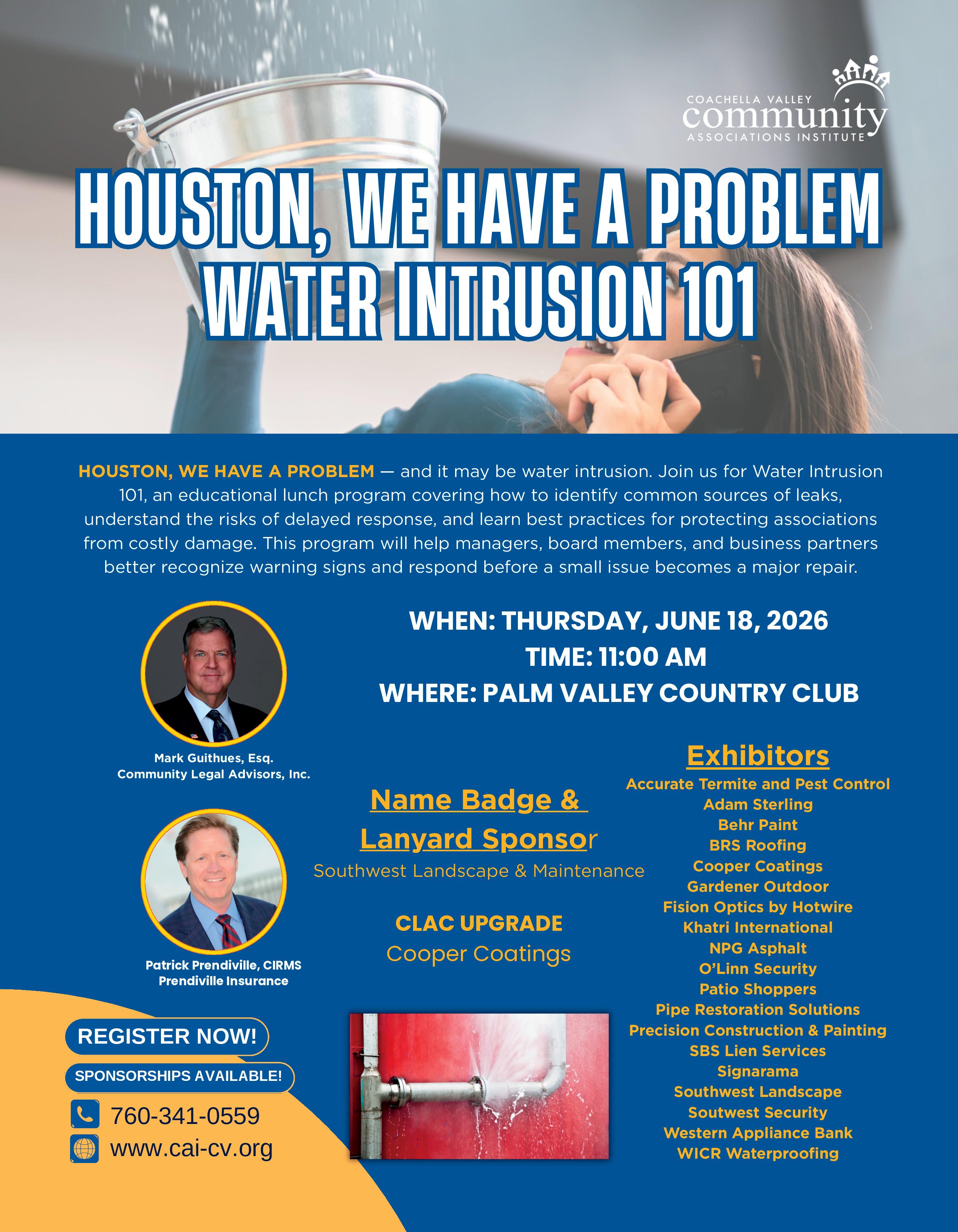
TOPIC: Water instruction 101
WHEN: June 18, 2026, 11:00 AM WHERE: Palm Valley Country Club REGISTRATION TODAY
Educational Program and Mini Tradeshow
WHEN: September 17, 2026, 11:00 AM WHERE: Sun City Palm Desert REGISTRATION TODAY
Galactic Bites & Brews
WHEN: October 23, 2026, 5:30 PM to 9:00 PM
ProLandscape Nursery REGISTRATION TODAY
Legal Symposium and Expo
WHEN: November 12, 2026 REGISTRATION TODAY Legislative Update - Mini Trade Show WHEN: November 21, 2026