
AVAILABLE
Chuck Close: Paintings
Jim Dine: Sculpture, 1983-Present
Tim Hawkinson
Sol LeWitt Wall Drawings
Agnes Martin: Paintings &
Agnes Martin: Works on Paper
Lucas Samaras: Boxes
James Siena
COMING SOON
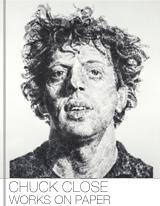
Chuck Close: Works on Paper
Photography Credits
Edited by Carina Evangelista
The Chuck Close Catalogue Raisonné comprises two volumes: Chuck Close: Paintings, published in 2012, and the forthcoming Chuck Close: Works on Paper (see p. 18).
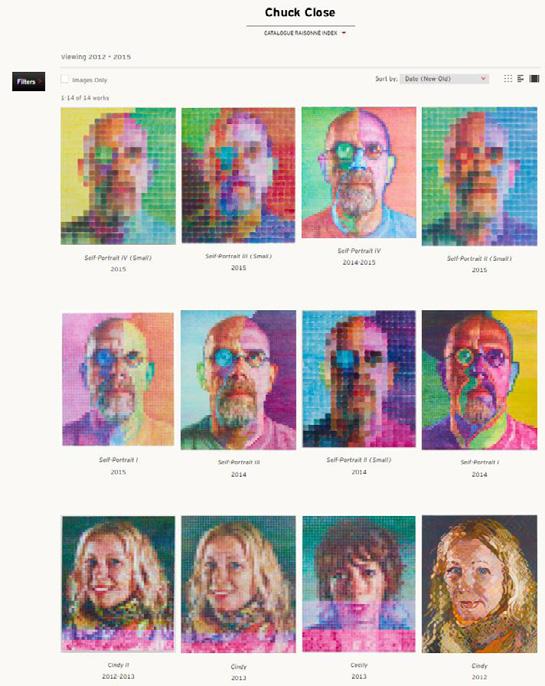
The first volume, Chuck Close: Paintings is the definitive list of paintings by Chuck Close since the launch of his mature phase in 1967. The catalogue, which has been updated regularly to include Close’s latest works, also features a selection of student works that pre-date 1967, along with selections of daguerreotypes and mosaics.
Monumental in scale and exhaustive in detail, the catalogue is the most comprehensive and interactive publication about the artist to date. Each artwork record includes complete provenance, exhibition, and literature histories, excerpts from relevant published texts, and numerous illustrations including progress and exhibition photographs. Close’s only film, the 1970 Slow Pan for Bob, can be viewed in its entirety. The catalogue includes nearly 1,200 images, more than 100 quotations from the artist, and extensive exhibition and literature histories, documenting some 1,200 solo and group shows and 2,500 publications. The growing multimedia archive includes 70 video and audio files to date. Editor Carina Evangelista has enriched the catalogue with original scholarship, including detailed notes on individual works and three essays on the artist and his career.
Carina Evangelista is Editor of the Chuck Close Catalogue Raisonné. Currently the Director of Curatorial Affairs at Oklahoma Contemporary, Evangelista’s research, curatorial, and publishing work straddles the United States and the Philippines. From 1994 to 2000, she worked in the education and curatorial departments at the Museum of Modern Art, New York, where she helped organize a number of exhibitions, including the traveling retrospective for Chuck Close, organized by Robert Storr in 1998. As curator at the Delaware Center for the Contemporary Arts in 2008-2009, Evangelista organized numerous exhibitions. A regular writer on Philippine contemporary art, she is contributing author to a number of publications, including Bastards of Misrepresentation (2010), retrospective exhibition catalogues for Roberto Chabet (2011) and Constancio Bernardo (2014), and Chabet’s monograph (2015). She wrote the libretto for the rock musical Manhid (The Benumbed), staged by Ballet Philippines in 2015. Her first solo exhibition, Las Flores del Mal, opened at Mo_Space, Manila, in 2019.
Edited by Sara K. Davidson
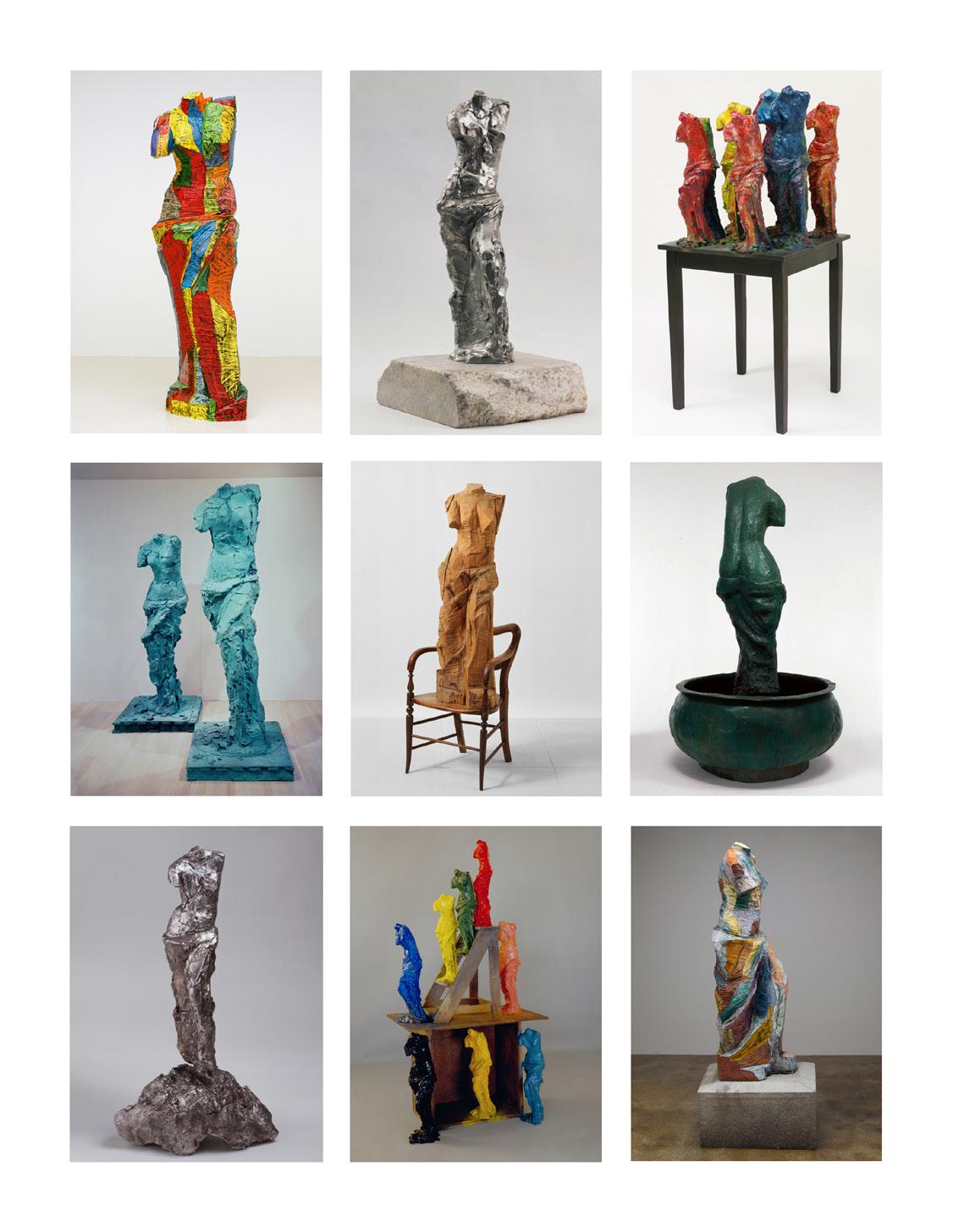
Jim Dine: Sculpture is the definitive publication of three-dimensional works created by the artist between 1983 and the present, the period during which he has worked extensively with Walla Walla Foundry in Washington. The catalogue raisonné details the artist’s entire output of freestanding sculpture from these years—more than 300 original works. It also lists comprehensive information for individual casts within editions, of which there are approximately 900 in total.
Organized by chronological and thematic sections including Dine’s signature motifs like hearts, Venuses, and Pinocchios, the catalogue raisonné explores the artist’s three-dimensional work more thoroughly than any other publication to date. The publication details more than 260 solo exhibitions and 600 bibliographic entries and includes more than 1,000 images, notably allowing readers to click through photography to see sculptures in the round.
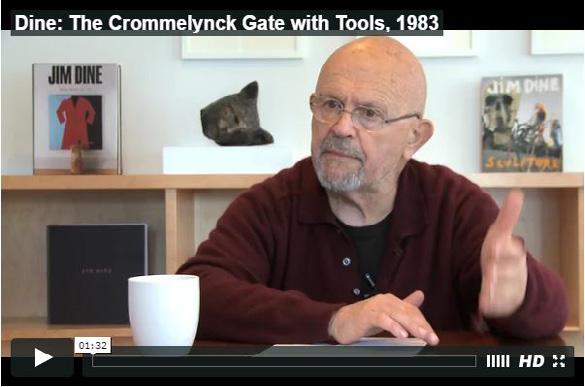
In a series of conversations with Editor Sara K. Davidson in spring 2013, Jim Dine spoke at length about his body of work. Thirty-three original videos from this dialogue are accessible exclusively in this catalogue raisonné.
Sara K. Davidson is Editor of the Catalogue Raisonné
Jim Dine: Sculpture, 1983-Present. She has been extensively researching Dine’s sculptural practice since 2010. Recently, she contributed essays to the catalogue Peripheral Visions: Italian Photography in Context, published by Charta in association with an exhibition at the Bertha and Karl Leubsdorf Art Gallery at Hunter College. Sara has previously held positions as the Cataloguer of the Evening Sales of Contemporary Art at Phillips de Pury & Company, and as Director of Marvelli Gallery in New York.
Edited by Hannah Barton
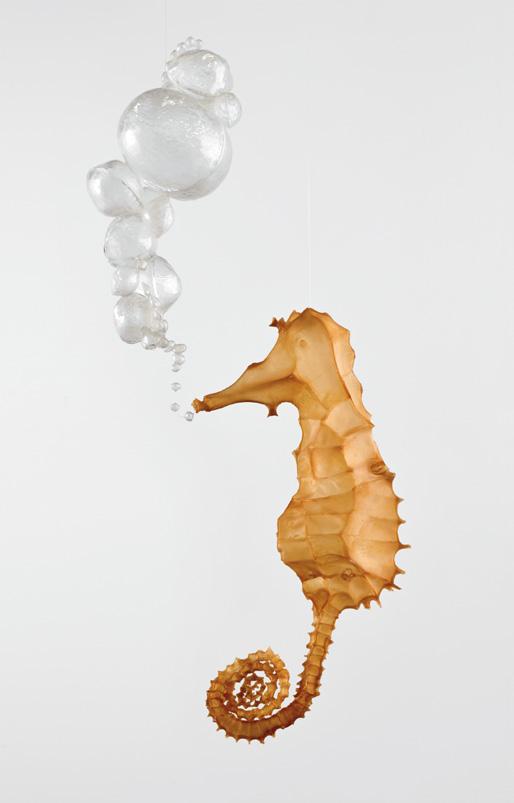
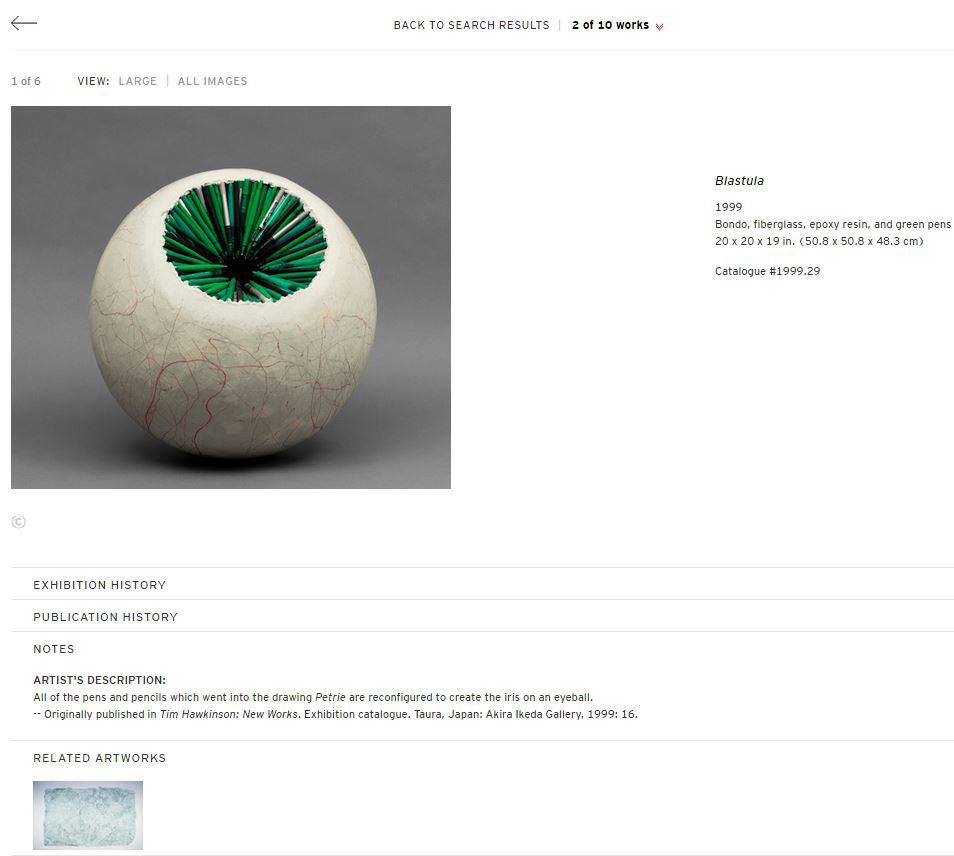
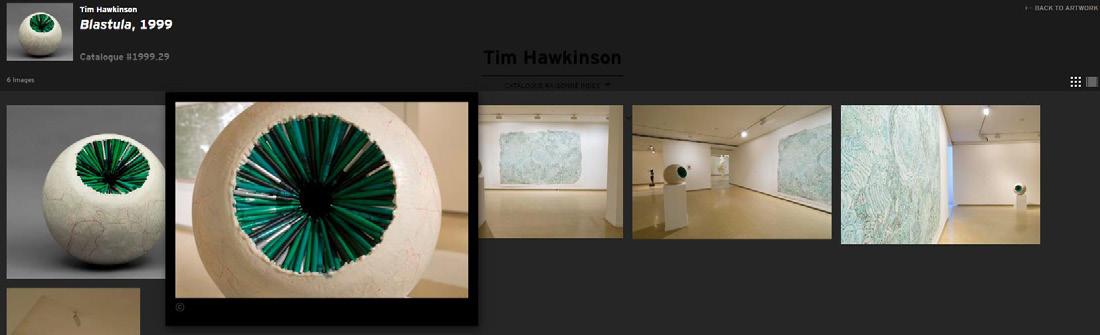
The Tim Hawkinson catalogue raisonné contains detailed records for all of the artist’s works from 1986 to the present, with selected student works dating back as far as 1979, encompassing his entire boundary-breaking career thus far. Thousands of color images illustrate Hawkinson’s more than 640 artworks to date, and his written descriptions augment the reader’s understanding of key artworks. The catalogue is organized into chapters that highlight the artist’s unusual use of everyday materials, which range from latex to eggshell to found art objects that he transforms into creations of his own.
The catalogue contains more than 100 whimsical self-portraits and 31 clocks made from milk cartons, toothpaste tubes, and other commonplace objects. Photography of individual artworks is supplemented with installation views, in-progress images, audio files, and videos showing kinetic works in motion. Comprehensive exhibition and literature histories document 150 solo and group exhibitions and 300 bibliographic entries. A living catalogue raisonné, the publication is updated as Hawkinson completes new works. This catalogue raisonné is the most up-to-date resource on the artist’s career.
Hannah Barton is Editor of the Tim Hawkinson Catalogue Raisonné. Currently the Archivist / Senior Permanent Collection Researcher at Santa Barbara Museum of Art, she has previously held positions in the libraries of the Frick Collection, the Museum of Modern Art, and the Whitney Museum of American Art. Barton, who graduated with a dual Master’s in Art History and Library Science from Pratt Institute in 2013, has also edited the Lucas Samaras Catalogue Raisonné.
Edited by Lindsay Aveilhé Director of Research: Christopher Vacchio
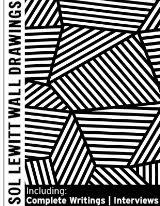
The Sol LeWitt Wall Drawings Catalogue Raisonné is the definitive publication of LeWitt’s most celebrated body of work. The result of more than a decade of research in close collaboration with the Estate of Sol LeWitt, the catalogue features comprehensive information for LeWitt’s approximately 1,350 wall drawings, comprising approximately 3,500 installations at more than 1,200 venues.
The catalogue raisonné also includes Sol LeWitt Complete Writings and Sol LeWitt Interviews, collections of texts and interviews spanning the artist’s career that collectively chart the evolution of his artistic practice while underscoring the consistency of his thinking. Many writings are accompanied by facsimiles of original manuscripts in the artist’s hand, and several interviews include audio of the artist’s voice.
Lindsay Aveilhé is Editor of the Sol LeWitt Wall Drawings Catalogue Raisonné. She has been researching Sol LeWitt’s wall drawings and collaborating with the Estate of Sol LeWitt since 2012. During that time, Aveilhé has curated Sol LeWitt: Lines, Forms, Volumes at Galleria Alfonso Artiaco, Naples, Another Place at 205 Hudson Street Gallery, Hunter College, New York, Sol LeWitt and Lucy McKenzie at the Artist’s Institute, New York, and, most recently, the first solo exhibition of LeWitt’s work in Iceland, at the Reykjavík Art Museum. Aveilhé’s essay “Long Live the Ephemeral: Cataloguing Sol LeWitt’s Wall Drawings” was included in Locating Sol LeWitt (Yale University Press: 2021).
Christopher Vacchio is the Director of Research of the Sol LeWitt Wall Drawings Catalogue Raisonné. He recently served as Research Fellow at the Aspen Art Museum and contributed to the catalogue for the museum’s exhibition Alan Shields: Protracted Simplicity (1966-1985). He has also held positions at the Hood Museum of Art at Dartmouth College, Judd Foundation, and as Curatorial Fellow at the New York-based nonprofit Art in General.
Edited by Tiffany Bell
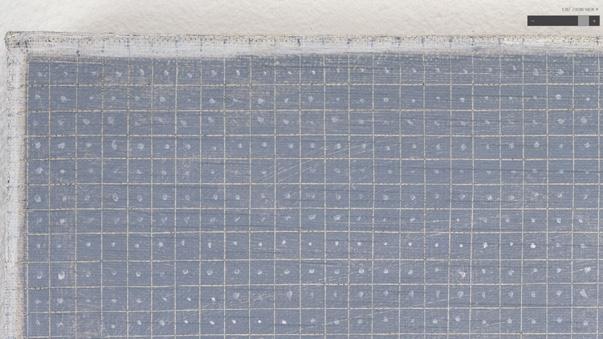
The Agnes Martin Catalogue Raisonné comprises two volumes: Agnes Martin: Paintings, published in 2017, and Agnes Martin: Works on Paper, published in 2019.
The first volume, Agnes Martin: Paintings provides complete documentation of more than 630 paintings from Martin’s student paintings from the late 1940s through her final works in 2004. Also included are some half dozen constructions (mixed media collages and assemblages) and her one film, Gabriel.
The second volume, Agnes Martin: Works on Paper, contains entries for more than four hundred ink and graphite drawings and watercolors from Martin’s mature phase (1959 to 2004), as well as some thirty of her earliest known works, many uncovered during the research process. Though relatively modest in number, Martin’s works on paper form an important part of her oeuvre. The artist made no hierarchical distinction between works on paper and works on canvas, often blurring the definitional boundaries between them by drawing on canvas and painting on paper. Martin’s works on paper are unique artworks in their own right, not studies for paintings, and contribute to a more complete understanding of her overall approach to art-making.
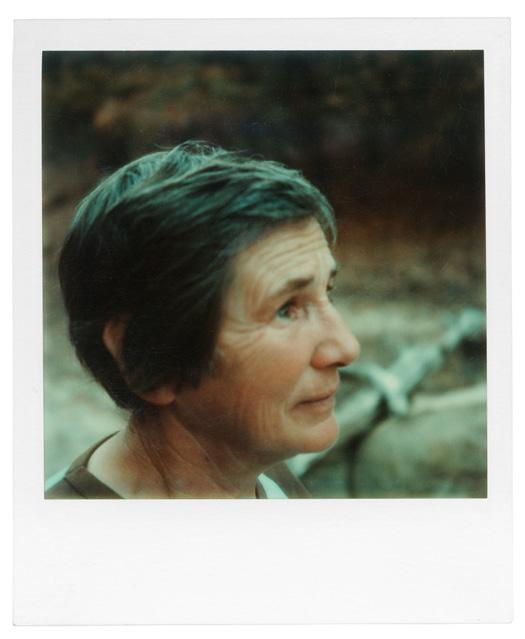
Tiffany Bell is Editor of the Agnes Martin Catalogue Raisonné and a co-curator of the 2015-2017 traveling Martin retrospective that visited the Tate Modern in London, Kunstsammlung Nordrhein-Westfalen in Düsseldorf, the Los Angeles County Museum of Art, and the Solomon R. Guggenheim Museum in New York. She was the director of the Dan Flavin Catalogue Raisonné project, which resulted in the publication of Dan Flavin: The Complete Lights, 1961-1996 (Dia; Yale University Press: 2004), and served as curator for several museum and gallery exhibitions of Flavin’s lights. Bell has taught in the art department at Pratt Institute and has worked for many years as a freelance curator and art critic with articles appearing in Art in America, Arts Magazine, and Artforum, among other publications.
Edited by Hannah Barton Consulting Editor: Vanessa Wildenstein
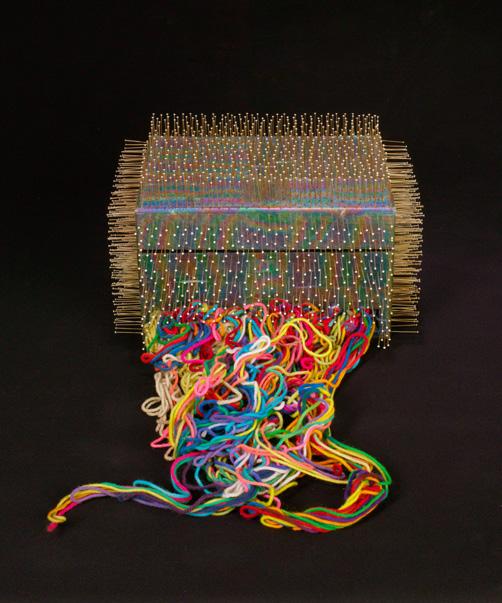
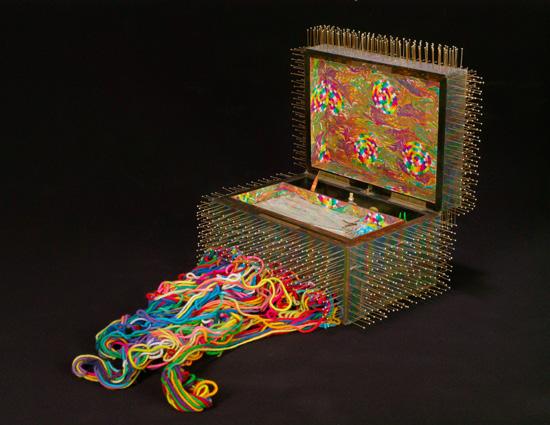
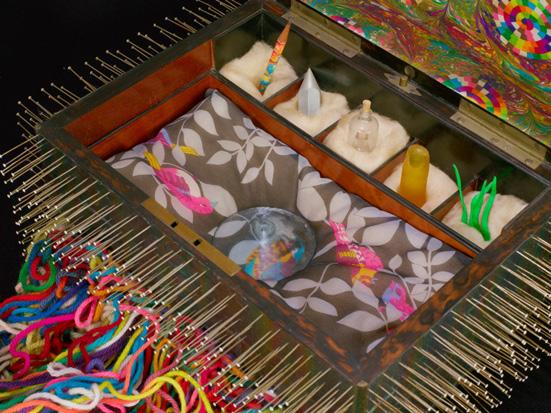
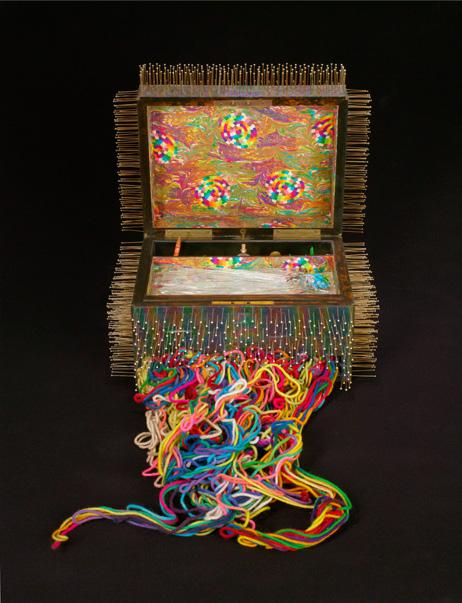
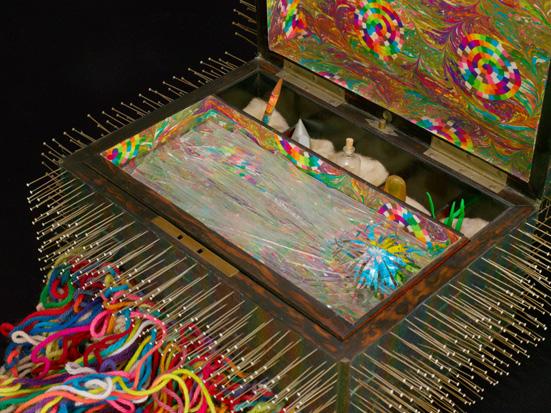
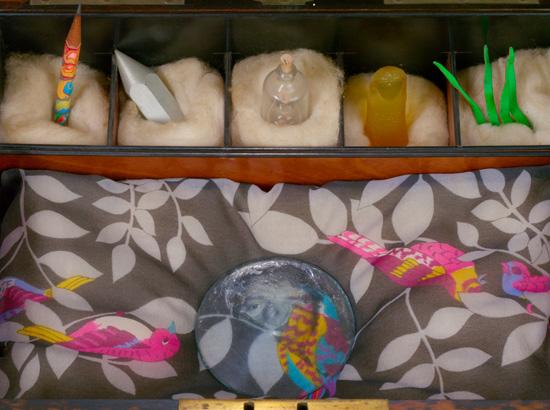
Lucas Samaras: Boxes is the definitive exploration of the artist’s iconic, mixed media series, a total of 295 artworks begun in the early 1960s. Samaras’s boxes delve into the subject of the self, allowing viewers access into the artist’s mind through personal and found objects or manipulated self-portraits, which are sometimes guarded by pins, razor blades, or broken glass. In addition, many works are distortions of the form of the box itself, with playful multicolored appendages or constructions made entirely of chicken wire. Also included are related room-sized installations, such as the artist’s celebrated Mirrored Room (1966).
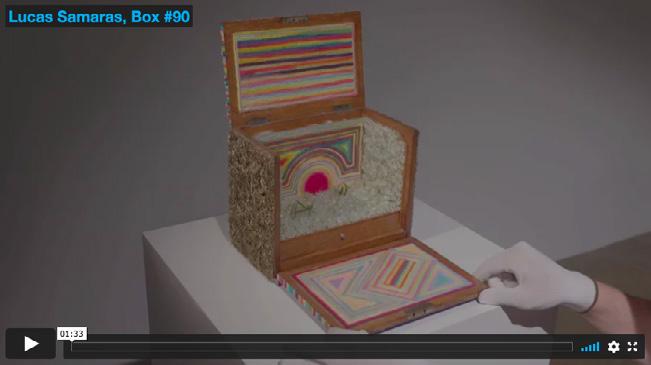
Lucas Samaras: Boxes contains vivid color photography of artworks, with images of both the open and closed states of boxes, and provides an extensive collection of primary source documents such as the artist’s note cards, notebooks, and drawings, plus archival photography from important exhibitions from the 1960s and 1970s. The catalogue also features an exclusive series of videos displaying the moving components of boxes in the round, which further illustrate the artworks’ complexity and ingenuity.
Hannah Barton is Editor of the Lucas Samaras: Boxes Catalogue Raisonné. Currently the Archivist / Senior Permanent Collection Researcher at Santa Barbara Museum of Art, she has previously held positions in the libraries of the Frick Collection, the Museum of Modern Art, and the Whitney Museum of American Art. Barton, who graduated with a dual Master’s in Art History and Library Science from Pratt Institute in 2013, has also edited the Tim Hawkinson Catalogue Raisonné.
Research for this project was started in 2004 by Vanessa Wildenstein, at the behest of the artist and under the auspices of the Wildenstein Institute. Artifex Press inherited the catalogue in 2015, and it was placed under the direction of Editor Hannah Barton, with Vanessa Wildenstein serving as Consulting Editor.
Edited by Ariela Alberts
James Siena’s catalogue raisonné is the definitive record of all works created by the artist dating back to 1989, the year that he began to paint almost exclusively on metal, a decision that defined his painting practice for nearly three decades, until he began working with large-scale canvases in 2017. Also included is an extensive selection of early works dating from 1977 to 1988.
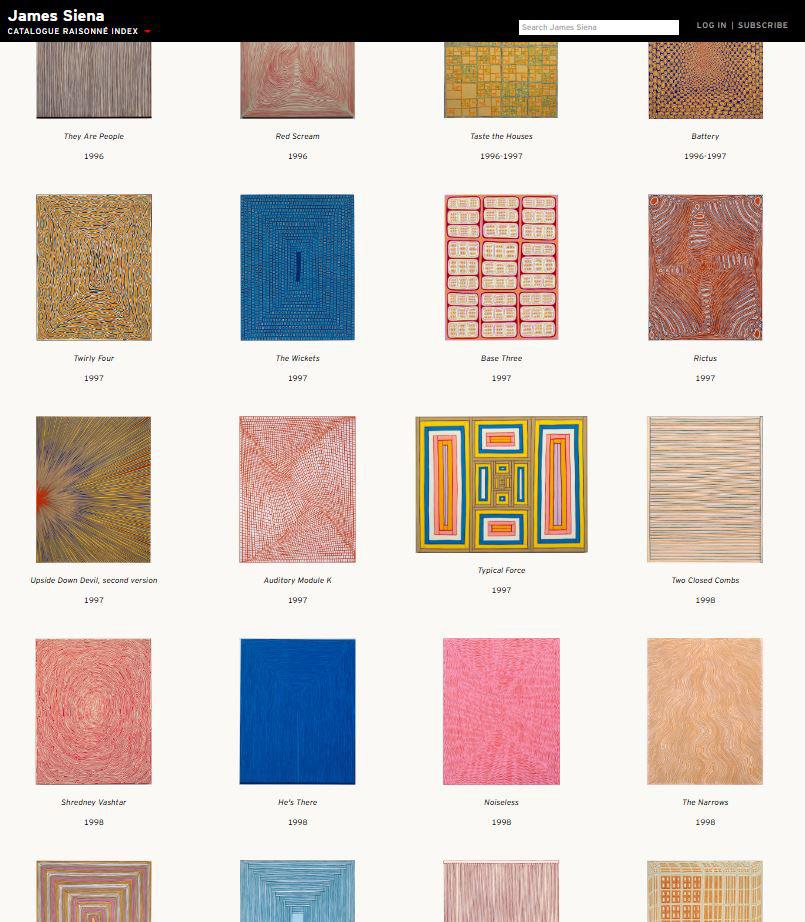
James Siena (b. 1957) is actively creating new work, and the catalogue raisonné will expand as his oeuvre grows. To date, the catalogue contains records of more than 450 artworks, 450 publications, and 330 exhibitions. There are approximately 1,000 high-resolution images, hundreds of which have never been published before, and recently unearthed audio and video content can be found in a multimedia archive. Siena’s voice is found throughout the catalogue in excerpts of interviews and, notably, in comments that he has written exclusively for this publication.
The first volume of the catalogue raisonné, published in February 2017, includes the artist’s paintings, sculptures, and gouache works. A volume of the artist’s drawings will follow.
Ariela Alberts is Editor of the James Siena Catalogue Raisonné. She has been actively researching Siena’s body of work and collaborating directly with the artist and his studio on this project since 2014. Alberts has contributed research to Shannon Jackson’s “Life Politics/Life Aesthetics: Environmental Performance in red, black & GREEN: a blues” for Performance and the Politics of Space: Theatre and Topology (Routledge: 2013) and to Darcy Grimaldo Grigsby’s book-in-progress, Creole Looking: Portraying France’s Foreign Relations in the Nineteenth Century. She received a B.A. in the History of Art from the University of California, Berkeley, in 2013.
Edited by Carina Evangelista
The Chuck Close Catalogue Raisonné comprises two volumes: Chuck Close: Paintings, published in 2012 (see p. 4), and the forthcoming Chuck Close: Works on Paper.
The second volume, Chuck Close: Unique Works on Paper, is the definitive list of works on paper in Close’s oeuvre, which date primarily from 1967 to 1988 and were made with materials including pencil, ink, charcoal, pastel, watercolor, string, and paper pulp. Editor Carina Evangelista has worked directly with Close and his studio in identifying and tracking the works for this volume, which traces an evolution from his use of traditional mediums like pencil and ink to later experiments and innovations.
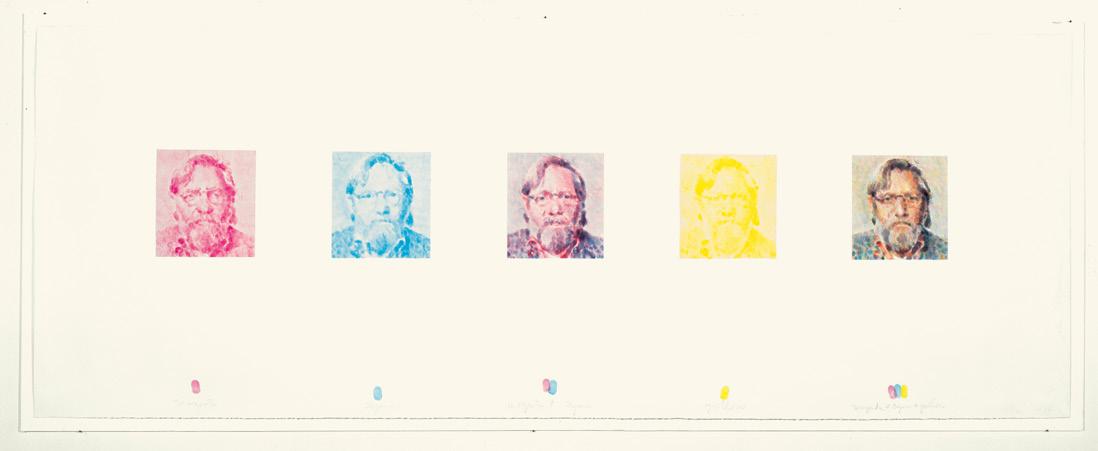
Close’s predominant two approaches to works on paper are his dot and fingerprint drawings, which together reveal a preoccupation with exploring how basic units—such as abstract dots or organic fingerprints—applied in varying sizes and intensities within a grid can create a visual syntax that reads as a portrait. A number of works in color illustrate his approach of simulating the photomechanical process of overlaying magenta, cyan, and yellow in the creation of an image.
The date of 1988 marks the year that Close suffered a spinal aneurysm that resulted in paralysis, leaving him with mobility only in his neck and arms. His inability to use his fingers limited his ability to grip a pen or a pencil and to calibrate the pressure necessary to apply small marks on paper. However, this volume includes selected studies, coded drawings, and templates Close made in preparation for paintings or editioned works throughout his career, including a few studies for prints and multiples made after 1988.
Carina Evangelista is Editor of the Chuck Close Catalogue Raisonné. She is currently the Director of Curatorial Affairs at Oklahoma Contemporary.
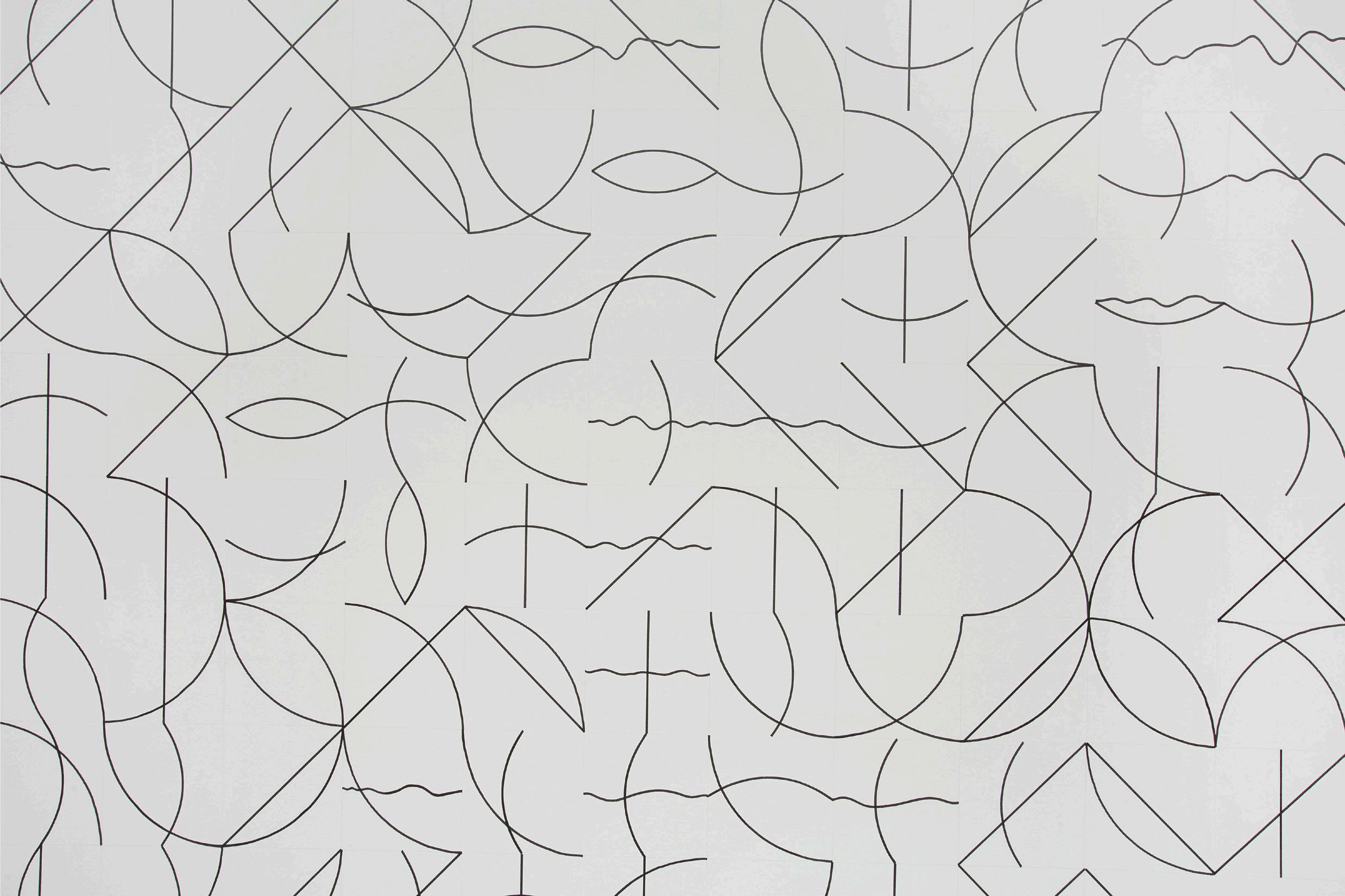
Cover: Sol LeWitt, Wall Drawing #357 at Watanabe Studio, Newburgh, New York, 2007 (detail). © 2021 Estate of Sol LeWitt/Artists Rights Society (ARS), New York. Photo by Jessica Price, courtesy Estate of Sol LeWitt
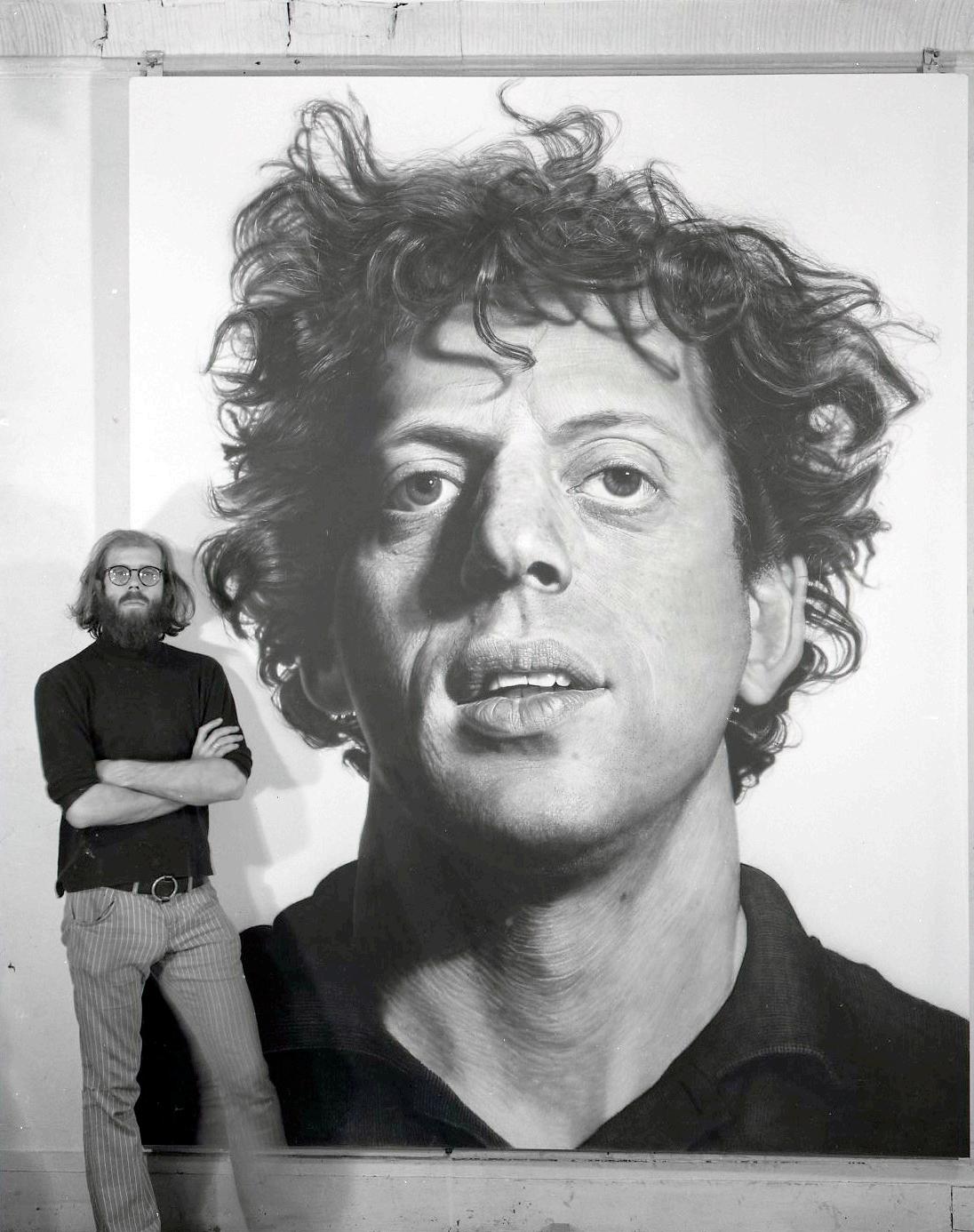
p. 5: Chuck Close, Phil, 1969 (studio view). © Chuck Close. Photo by Frank James, courtesy Chuck Close Studio
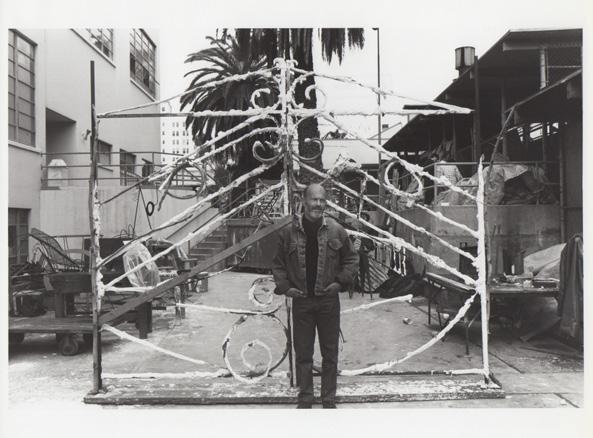
p. 6: Jim Dine with The Crommelynck Gate with Tools, 1983 (in-progress). © 2021 Jim Dine/Artist Rights Society (ARS), New York. Photo by Nancy Dine, courtesy the artist
p. 7: Jim Dine, The Field of the Cloth of Gold, 1987-1988, AP 1. © 2021 Jim Dine/Artist Rights Society (ARS), New York. Photo by Ellen Labenski, courtesy Pace Gallery; Jim Dine, Silver, 1989, Edition 1. © 2021 Jim Dine/Artist Rights Society (ARS), New York. Photo by Bill Jacobson, courtesy Pace Gallery; Jim Dine, Bouquet, 1987-1988, AP 1. © 2021 Jim Dine/Artist Rights Society (ARS), New York. Photo by Ellen Labenski, courtesy Pace Gallery; Jim Dine, The Columbia River, 1988, Edition 1. © 2021 Jim Dine/Artist Rights Society (ARS), New York. Photo by Bill Jacobson, courtesy Pace Gallery; Jim Dine, Venus in the Chair, 1991. © 2021 Jim Dine/Artist Rights Society (ARS), New York. Photo by Bill Jacobson, courtesy Pace Gallery; Jim Dine, The Lady Rises Up, 1995, Edition 1. © 2021 Jim Dine/Artist Rights Society (ARS), New York. Photo courtesy Pace Gallery; Jim Dine, Silver Venus on a Rock, 1990, Edition 1. © 2021 Jim Dine/Artist Rights Society (ARS), New York. Photo by Bill Jacobson, courtesy Pace Gallery; Jim Dine, Venusberg, 1988, Edition 1. © 2021 Jim Dine/Artist Rights Society (ARS), New York. Photo courtesy Pace Gallery; Jim Dine, Trembling for Color, 1990, Edition 3. © 2021 Jim Dine/ Artist Rights Society (ARS), New York. Photo courtesy Pace Gallery
p. 8: Tim Hawkinson, Tagalong, 2013. © 2021 Tim Hawkinson. Photo by Joshua White, courtesy Pace Gallery
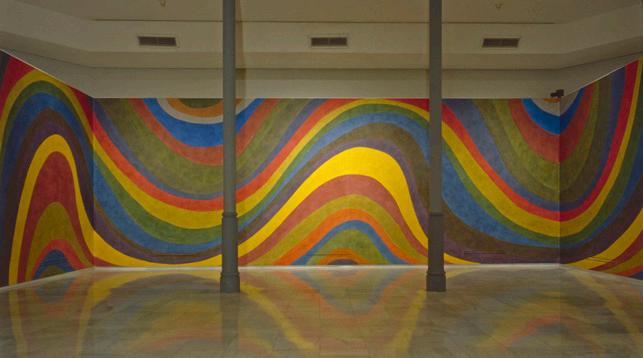
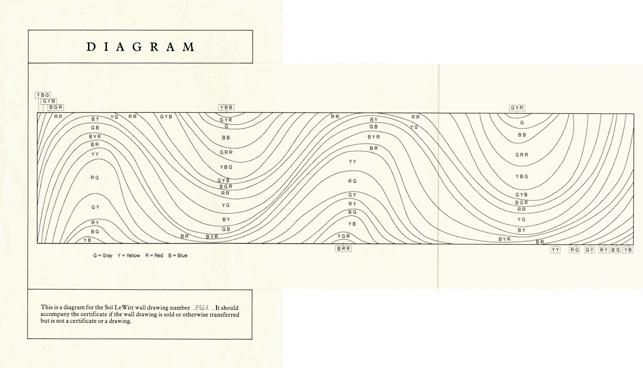
p. 10: Sol LeWitt, Wall Drawing #793A at Sala de las Alhajas, Madrid, 1996. © Estate of Sol LeWitt/Artists Rights Society (ARS), New York. Photo by Miguel Zavala, courtesy Estate of Sol LeWitt; Diagram for Wall Drawing #793A. © Estate of Sol LeWitt/Artists Rights Society (ARS), New York
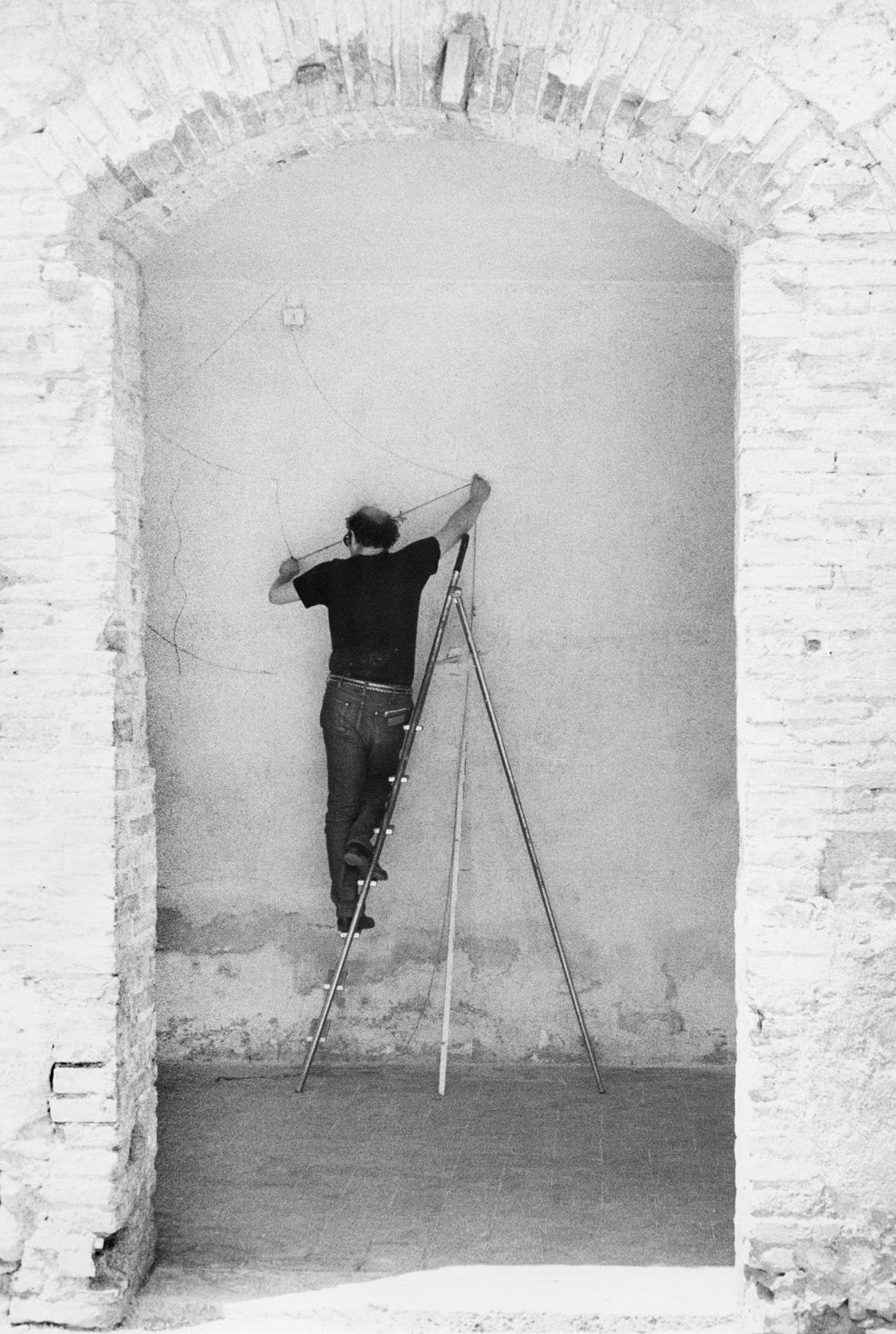
p. 11: Sol LeWitt installing Wall Drawing #136 at Chiostro di San Nicolò, Spoleto, Italy, 1972. © Estate of Sol LeWitt/ Artists Rights Society (ARS), New York. Photo by Giorgio Lucarini, courtesy Estate of Sol LeWitt
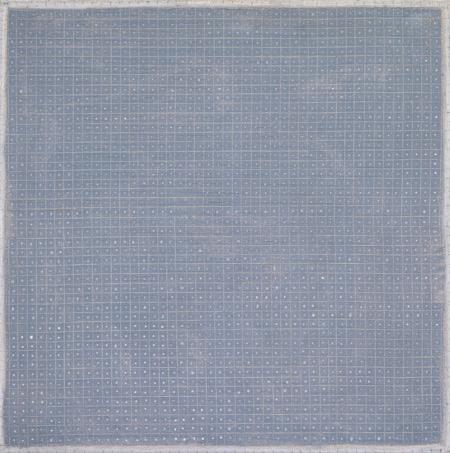
p. 12: Agnes Martin, Untitled, 1960. © 2021 Agnes Martin /Artists Rights Society (ARS), New York. Photo by G.R. Christmas, courtesy Pace Gallery
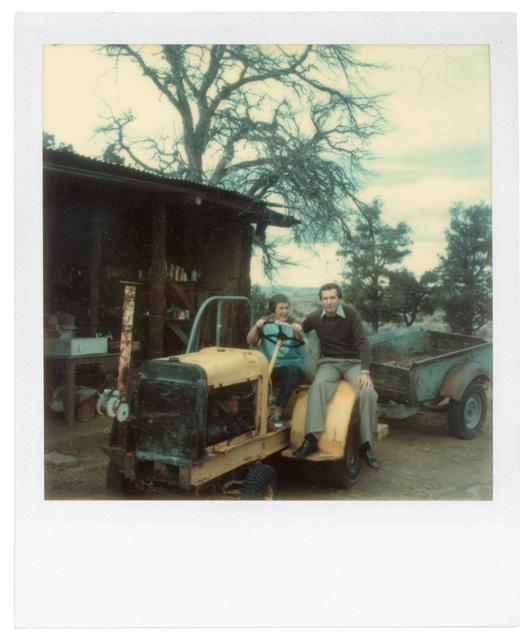
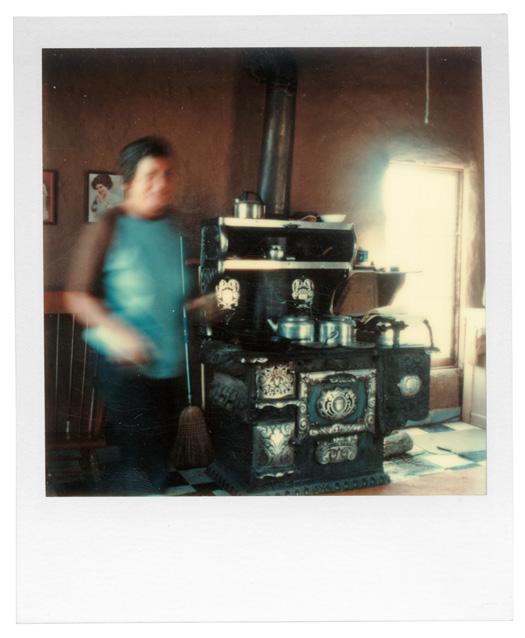
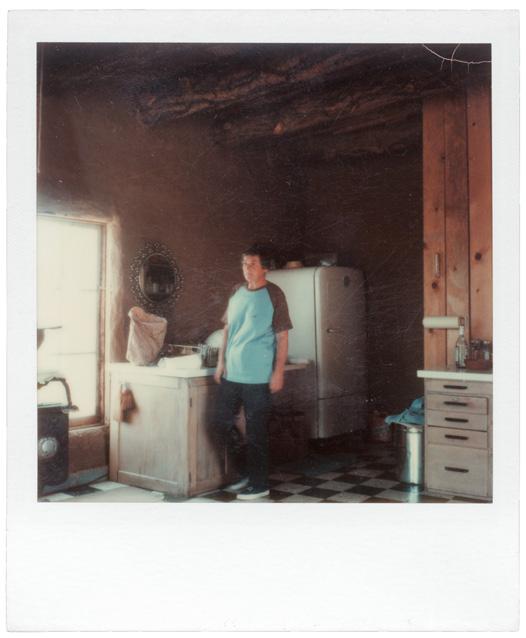
p. 13: Agnes Martin in her studio, Cuba, New Mexico, 1974. Photos courtesy Pace Gallery, New York
p. 15: Lucas Samaras, Box #97, 1977, various states and details © Lucas Samaras. Photos by Tom Barratt, courtesy Pace Gallery
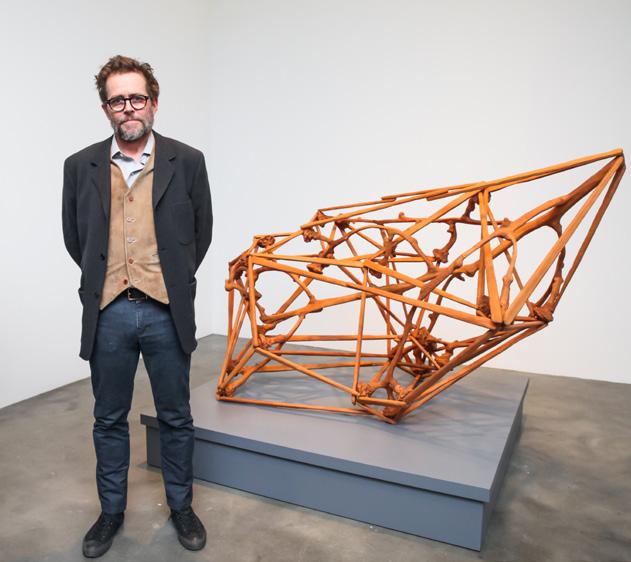
p. 16: James Siena with Just Read the Instructions, 2013. © 2021 James Siena. Photo by Sam Deitch, courtesy BFA NYC
p. 18: Chuck Close, John/Progression, 1983. © Chuck Close. Photo courtesy Pace Gallery
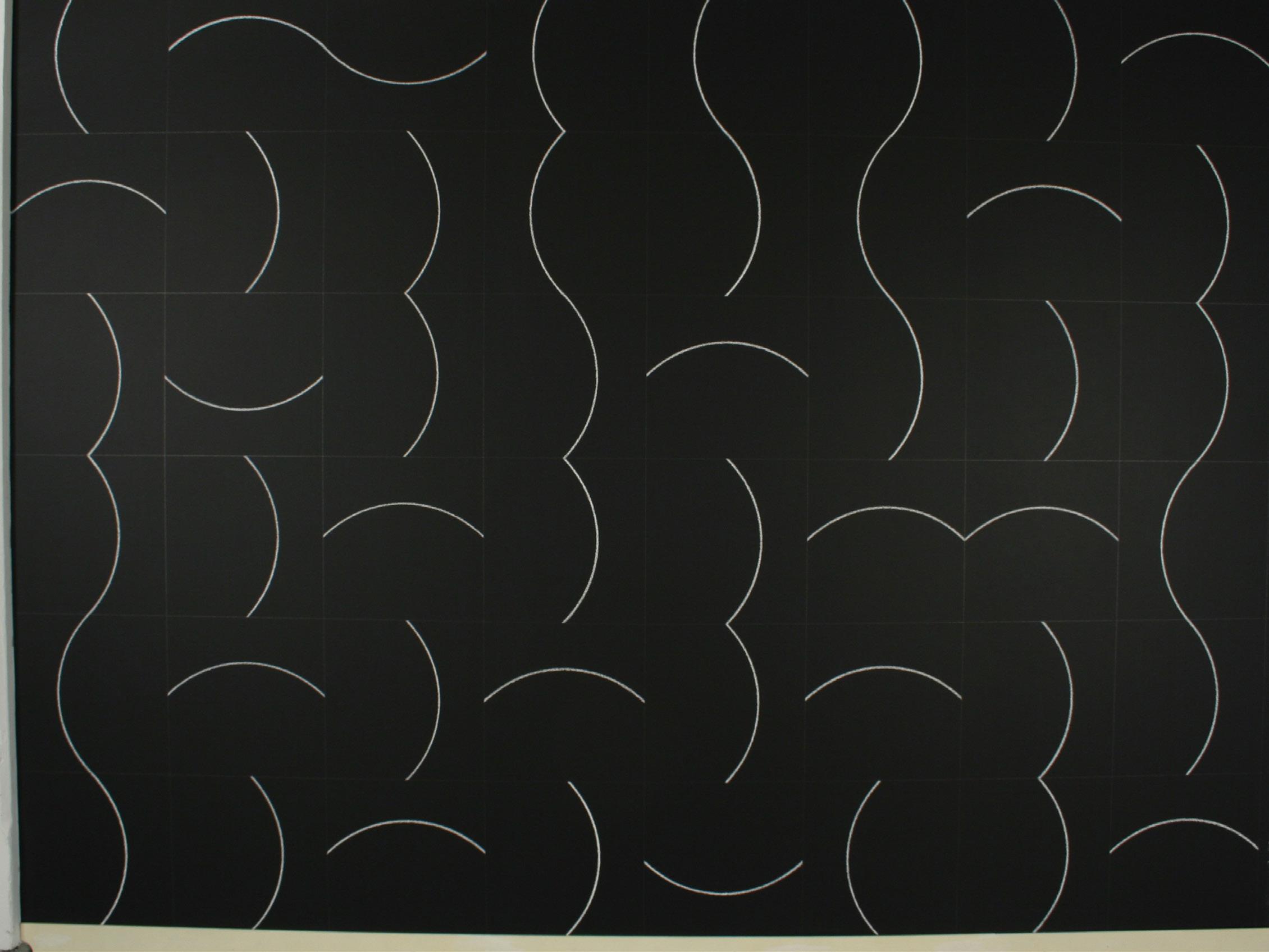
Back cover: Sol LeWitt, Wall Drawing #991, 2001 (detail). © Estate of Sol LeWitt/Artists Rights Society (ARS), New York. Photo © Darbu Photography Studio, courtesy Pace Gallery