CALIFORNIA GROCERS ASSOCIATION


CALIFORNIA GROCERS ASSOCIATION


At C&S, we have an integral role in serving our country’s most important infrastructure. From our offices to our warehouses and in our grocery stores — our teams help feed our families, our neighbors and our communities.
We demonstrate our values through a culture that embraces differences, promotes innovation and is focused on giving back.
It’s our passion to continuously make our communities better that fuels our efforts to:
» Keep our communities fed — that means every person, including those facing food insecurity and hunger;
» Support the health and well-being of our children, and;
» Do business in a way that protects and improves the environment, so that we can all enjoy a healthy future.
www.cswg.com



EXECUTIVE COMMITTEE
CHAIR APPOINTMENTS
Chair Richard Wardwell
Superior Grocers
Immediate Past Chair
Michel LeClerc
North State Grocery, Inc.
Joe Mueller Kellanova
Independent Operators Committee Chair Chang So Hollister Super
DIRECTORS Ryan Adams Gelson’s Markets
HeeSook Alden
Certified Federal Credit Union
Joe Angulo
El Super/Smart & Final
Steve Brancamp UNFI
Elaina Budge
Costco Wholesale (Bay Area)
Adam Caldecott
Good Food Holdings, Inc.
Rocky Campbell
C & K Market, Inc.
Dorothy Carlow Mother’s Market & Kitchen
Taylor Chappell
Anheuser Busch InBev
Adam Deardorff
FMS Solutions
Chris Dehoff
Dehoff’s Key Markets
CALIFORNIA GROCERS ASSOCIATION
President/CEO
Ronald Fong
Senior Vice President &
Chief Operating Officer
Doug Scholz
Vice President Government Relations
Rachael O’Brien
Manager CGA Educational Foundation
Jamie Cowden
Business Development
Manager
David Cook
Director Events & Sponsorship
Pascale Senejoux
First Vice Chair
Jonson Chen
Tawa Supermarket, Inc.
Second Vice Chair
Bertha Luna
Stater Bros. Markets
Subriana Pierce C.A. Fortune
Dom Engels
Bronco Wine Co.
Anthony Escobar
NuCal Foods
Shant Fermanian
Super King Markets
Jon Gianinni
Nutricion Fundamental
Amber Hammond
KeHE Distributors, LLC
Justin Hyer Molson Coors
Tyler Kidd Mar-Val Food Stores
Andrew Knight Instacart
Brandon Lombardi
Sprouts Farmers Markets
Nick Malm
Reyes Coca-Cola Bottling
Brady Matoian OK Produce
Vice President Communications & Public Affairs
Nate Rose
Director Local Government Relations
Tim James
Senior Director CGA
Educational Foundation
Brianne Page
Vice President
People Operations & Administration
Jennifer Gold
Senior Manager
Marketing & Membership
Sunny Porter
Communications Manager
Grace Becker
Treasurer
Elliott Stone
Mollie Stone’s Market
Secretary
Sergio Gonzalez Northgate Markets
Brenda Palomino Amazon
Brendan McAbee
Bimbo Bakeries USA
Kelli McGannon
The Kroger Company
JR Medina
Super A Foods
Candace Minto
PepsiCo Beverages
Michael Molinar
Food 4 Less Stockton
Tim Nowell Procter & Gamble
Bethany Pautsch
Tyson Foods, Inc.
Eric Pearlman
C&S Wholesale Grocers
Karen Reid
Post Consumer Brands
Adam Salgado
Heritage Grocers/Cardenas Markets
Nick Sass
The Hershey Company
Controller
Scott Inman
Government Relations
Associate
Amandeep Kaur
Administrative Assistant
Delilah Augustine
Senior Accountant &
Assistant Office Manager
William Quenga
California Grocer is the official publication of the California Grocers Association.
1005 12th Street, Suite 200 Sacramento, CA 95814 (916) 448-3545 (916) 448-2793 Fax cagrocers.com
Casey Scharetg Gallo
Kelly Mullin
Albertsons Companies
Kristen Sherwood Grocery Outlet, Inc.
Diane Snyder Whole Foods Market
Brad Thomas
Kimberly-Clark Corporation
Joe Toscano
Nestle Purina PetCare
Steve Tsujimoto
Berkeley Bowl Marketplace
Priyanka Vijay
Keurig Dr Pepper
Stephanie Wu
The Save Mart Companies
Kevin Young Young’s Payless IGA
For association members, subscription is included in membership dues.
Subscription rate for non-members is $150.
© 2026 California Grocers Association
Publisher Ronald Fong
rfong@cagrocers.com
Editor
Nate Rose
nrose@cagrocers.com
Managing Editor Grace Becker
gbecker@cagrocers.com
For advertising information contact: Dave Cook dcook@cagrocers.com



Made to Connect
SEPTEMBER 27 – 29, 2026 | THE WESTIN RANCHO MIRAGE
The most productive annual gathering for retailers, suppliers, and brands doing business in the nation’s largest grocery marketplace. With 800+ executives and 1,000+ pre-scheduled meetings, this is where you’ll find conversations that shape what’s next.


Crystal Washington
FUTURIST • HALL OF FAME SPEAKER
Making complex AI and emerging technology accessible and actionable for everyday leaders.
Equips organizations to become future-proof. Clients include Google, American Express, and Pfizer. One of Forbes’ 50 Leading Female Futurists.
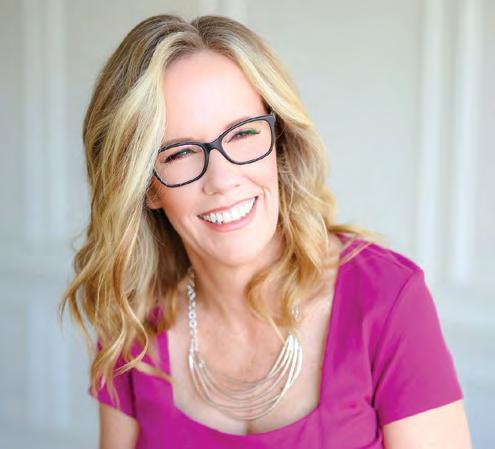


Why smaller, scrappier organizations are winning loyalty — and what big brands still don’t get.
Globally recognized expert on how today’s consumers think, decide, and buy. Spoken on 5 continents in 18 countries. Author of Small is Your Superpower



Sharon Gai
AI & RETAIL INNOVATION EXPERT
How to be in the conversation where the pre-store decision moment happens on a shopper’s phone.
Former Alibaba executive and GM at a billion-dollar ecommerce unicorn. Author of Ecommerce
Reimagined. Global Shaper, World Economic Forum.

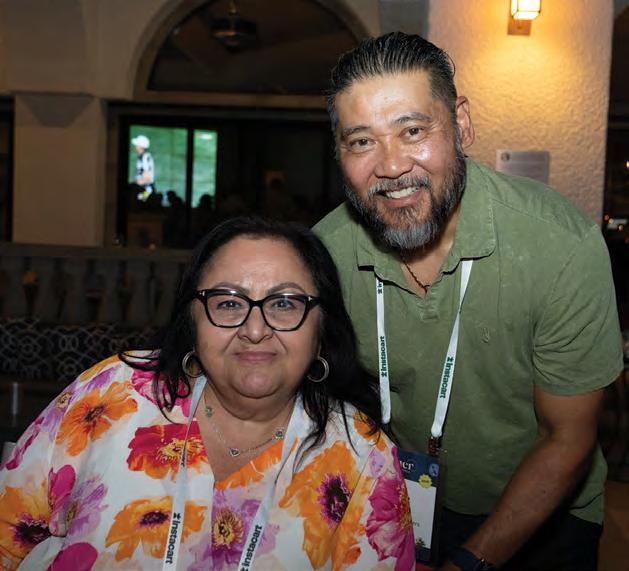

With California retailers hosting, attendees will enjoy a series of evening networking activities designed to fit every taste and style.
Network your way through a series of hospitality events that will spark conversation and genuine connection.
Contact Dave Cook at dcook@cagrocers.com
RON FONG PRESIDENT AND CEO
CALIFORNIA GROCERS ASSOCIATION
When you consider everything that goes into bringing food from farms to tables, the abundance on display at your local store surely is a fantastic achievement.
There’s anxiety in the air about our grocery industry. Inflation is again a hot topic of conversation among friends and family, and in an election year, is being leveraged by political campaigns. Food prices are also drawing plenty of news headlines as tariffs, the Iran War, and environmental disruptions strain the supply chain and food system.
These conversations are not unique to the general public as they are routine in the grocery industry as well. Shoppers continue to tighten up their grocery lists, are less loyal as they search out deals, and less likely to take a risk on a new brand. These realities all make growth, that magical uptick powering our economic engines, harder to come by.
Whenever the food price question is put to the Association, we always seek to remind people the stories they read in the news and on social media show up as prices on grocery store shelves. They are not abstractions.
A steel and aluminum tariff doesn’t stop at the port. It makes its way through each step that brings food products from the farm to a grocery store shelf. This process leaves the grocery store as an endpoint for a complex series of events. One of the only places where the consumer actually experiences what they see on their screens in a real and tangible sense. Otherwise, it feels as though the food just shows up, almost magically, even if they know in the back of their minds
that there’s a farmer who grew the food, a truck that transported it, and a manufacturer that processed it.
The food chain is global but heavily regulated in California. Shoppers count on many seasonal foods to be available all year. When you consider everything that goes into bringing food from farms to tables, the abundance on display at your local store surely is a fantastic achievement. Still, the 2020s have shown how fragile our supply chains are.
Grocers navigate all this complexity to yes, turn a profit, but also to serve communities. Let’s face it. There are easier, faster, and more profitable ways to make a buck—none of which require working six days a week or waking up before dawn. The people behind this industry are built to serve, a phrase that lodged in our minds as we discussed themes for this magazine issue.
Seeking out stories to bring the theme to life brought us into thinking about which grocers are growing and where. Because growth is a partnership and growth in California continues to change. Proactive, intentional, and collaborative cities are earning new grocery stores. Challenging locations will inevitably struggle. Demographic shifts due to migration mean different business models thrive in service of all that change.
There are so many community benefits flowing into neighborhoods from grocery stores.
Grocers nourish communities through providing access to healthful food. In the hubbub over topics like ultra-processed foods, it’s easy to forget grocery stores are the healthy food provider for communities—even if they also try to satisfy the occasional craving.
Grocery stores also drive vital sales tax revenue for local governments. They anchor and, increasingly, revitalize retail environments and draw foot traffic to neighboring brick and mortar businesses. In turn, grocery shopping brings more sales tax revenue and economic activity. Grocers offer vast employment opportunities at every level of the career ladder, something else that elected officials seem all too eager to forget these days.
Perhaps the most overlooked benefit is the relationship between grocers and food banks. This is a story that the industry doesn’t do a good enough job sharing, and so we set out to learn more about this special relationship and all the fantastic charity work that goes into serving communities. It doesn’t stop at a grocery store’s front door. This industry has a long history of generosity outside its four walls that is often taken for granted.
These are the stories guiding this issue, and I hope you’ll find them representative of the work grocers spend their lives doing and the impact you all have on the people and communities you serve. And for that, we thank you. ■
RICHARD WARDWELL SUPERIOR GROCERS
Multiple times each week I walk the business, whether it’s the store floors or our backrooms. I ask team members how they’re doing and what problems they’re working. You learn a lot this way, from the ground floor of the business. You figure out where the issues are and what bottlenecks exist. A successful leader takes all this information and then goes and sits where the problem is. Leaders get in at the ground level, roll their sleeves up alongside the responsible team members, and start generating solutions. That’s how you find the way forward.
You don’t need me to tell you that in businesses as large and complex as ours this is a tall order. The same is true for CGA. The Association is a small and scrappy organization seeking to wrangle an unwieldy state where in addition to a full-time legislature it must also contend with hundreds of local government entities. That’s where we come in.
Grocers sit at the center of communities and neighborhoods. While we depend on CGA to direct political operations and advocate for the industry, we should also realize grocers can be their eyes and ears in many ways.
And that local layer is vital to the industry’s overall effort to create conditions where our grocer community can continue to grow and achieve success.
Let me give you an example of what I mean. The Association has been battling the spread of self-checkout restrictions, mostly in the Orange County region. This trend coming on the heels of the industry stopping statewide self-checkout restrictions two years in a row. After the Cities of Long Beach, Costa Mesa, and Santa Ana passed self-checkout limiting ordinances, in early June CGA and local grocers logged a win on the local front in Anaheim. There, city leaders decided to table a proposed ordinance, having learned about the negative impacts already playing out in Long Beach and Costa Mesa, especially. It’s a significant result because Anaheim is one of California’s largest cities.
The key again comes down to sitting where the problem is. Anaheim grocers jumped into the fray, utilizing local relationships to make their voices heard. The Association also collaborated with local political experts that provided important connections and understanding of the community’s distinct political environment.
I believe this strategy presents a template moving forward.
Every community is a unique mix of political interests and personalities. Demographics differ from place to place. What resonates in one location or jurisdiction won’t necessarily resonate in another.
Therein lies the challenge. Grocers know all this because we navigate these same dynamics to successfully operate stores in neighborhoods.
I’m going to leave all of you with a challenge. Get involved. We need your voice more than ever. Your understanding of communities is vital, as are your relationships in neighborhoods. If we can leverage this context and continue to pair it with winning political strategies and local political expertise, there will be more good news to report in the coming months. ■


Find out more about our organic and conventional produce, plus our full floral program.
KEVIN COUPE FOUNDER MORNINGNEWSBEAT.COM
It was just a few months ago that juries in California and New Mexico found that social media companies were complicit in creating addictive platforms that targeted young people, encouraging potentially dangerous behaviors.
Since that time, it appears that the pressure on these technology platforms only has been ramped up by a range of players, including consumer-minded special interest groups and lawmakers at both the state and federal levels.
It isn’t like these social media companies are going to be shut down, or even that there suddenly will be the passage of legislation that will mandate things like age-gating and more enforceable guardrails. First of all, the companies plan to appeal the decisions, which almost certainly will take years. Second, the mendacious tech broligarchs who run these companies are unlikely to give up their power and a source of their revenue easily; there are reports that numerous companies are combining to spend as much as hundreds of millions of dollars to promote AI policy guidelines being proposed by the Trump administration that critics believe are too laissez-faire. These guidelines would include preventing individual states from regulating the AI business with rules more restrictive than any imposed at a federal level. (That’s what you call a “tell.”)
And third, I have little faith that the legislative powers-that-be, especially at the federal level, are willing and able to do anything that counters the interests of some of their biggest donors.
That said, I do believe that there is a techlash taking place, and businesses using social media platforms need to pay attention, especially because they do not want to get caught in the crossfire. I think they need to be sensitive to this growing trend and make every effort to be responsible, lest at some point down the road they are found to be culpable for online actions that they believed to be acceptable and legitimate.
Some examples of how this techlash is playing out…
• The Los Angeles Times reports that the Los Angeles Unified school district, the second-largest in the nation, has filed suit against Meta, TikTok, Snap and Google, as well as Discord, Roblox and X, citing reporting by the Times about the stark rise in eating disorders, depression and teen suicide to support its claim that social media’s child-addicting features and negligent design make it a public nuisance. That suit joins hundreds of others already consolidated in federal court in California’s Northern District.”
• The New York Times reports about McPherson Middle School, in McPherson, Kansas, where four years ago a ban was instituted on student cellphones during the school day. The ban didn’t have the impact on student behavior that was hoped for, so the district has doubled down— last year, “the middle school asked all 480 students to return the Chromebooks they had freely used in class and at home.

Now the school keeps the laptops, which run on Google’s Chrome operating system, in carts parked in classrooms. Children take notes mostly by hand, and laptops are used sparingly, for specific activities assigned by teachers.” This mirrors actions taking place in school districts in states such as North Carolina, Virginia, Maryland and Michigan, where administrations are re-evaluating heavy classroom technology use.
• Axios reports that the state of Massachusetts “is moving toward some of the nation’s toughest restrictions on young people using technology … The Senate passed a bell-to-bell school cellphone ban in July 2025. The House is set to vote this week on a version that keeps that ban and adds sweeping social media regulations for young people.
“Both chambers agree on banning devices during the school day, carving out exemptions for students with special needs … The House would go much further by creating an age verification system for social networks and by barring children under 14 from social media platforms entirely. The House would also require parental consent for 14- and 15-year-olds to use social media.”
• Also from Axios, a story about how “phone-free bars and restaurants are emerging across the U.S. as people seek to disconnect from screens and devices.”
• It isn’t just in the U.S. The NYT also recently reported on how “the seaside town of Greystones, Ireland, is experimenting with a voluntary ban on smart devices for preteen children. Most of the town, from teachers to shopkeepers, is participating in one way or another … In 2023, the Irish seaside town just south of Dublin launched a grass-roots initiative led by local parents, school principals and community members to loosen the grip of technology on their younger kids by adopting a voluntary ‘no smart devices’ code and supporting it with workshops and social events.
“Three years later, no one in Greystones claims to have cured the ills of modern technology. But they’ve learned that they can’t do anything about it one child at a time. Only a town-wide effort could defang the kids’ ‘everyone else has one’ argument.”
We’re seeing various kinds of bans and guidelines being proposed in countries that include Australia, Greece, France, Malaysia, Indonesia and Denmark.
• And, it isn’t just kids—the Wall Street Journal recently reported on how retirees can get addicted to social media and screens, sucking up the surfeit of time granted to them in a life after work.
In the words of Buffalo Springfield, there’s something happening here.
To be clear, I am not anti-technology. I’m not a Luddite by any means.
But I am someone who got off almost all social media several years ago—I’m only on LinkedIn, for business purposes, and never use Facebook, TikTok, Instagram, Twitter/X or any of the social media sites. I decided that they were a cesspool of discord, discontent, and uncivil discourse, and I have better ways to spend my time and energy. Social media is a time suck, and at my age, I don’t have that much time left. I’d rather do other things than engage on social media, which would leave me disengaged from the rest of the world.
I do not expect social media to go away, any more than I expect that AI will end up being underwhelming in its impact on business processes. (I haven’t talked much about AI here, but I do think that consumer/citizen concerns about AI are adding to the general feindschaft about technology.
I think the techlash taking place across the country and the globe is a real thing, with antipathy about the dominance of technology growing ever stronger. And as I said above, retailers and other businesses need to be aware of this evolving animosity so they can more carefully calculate how they use it, and who they communicate with when using it.
My message: Be responsible. Because if you’re not, you could be culpable. ■
JENNIFER HATCHER CHIEF PUBLIC POLICY OFFICER AND SVP, GOVERNMENT AND MEMBER RELATIONS, FOOD MARKETING INSTITUTE
Despite the rise of online ordering, curbside pickup and home delivery, most Americans still prefer to shop for groceries in person.
That is one of the key findings from the 2026 U.S. Grocery Shopper Trends report, recently released by FMI – The Food Industry Association.
The annual study offers a detailed look at how shoppers define value, what they expect from stores, and why the physical grocery experience continues to play an important role in American life.
The findings suggest that while consumers are increasingly blending digital and in-store shopping, the grocery store remains far more than a place to purchase food. For many, it is a source of confidence, discovery, connection, and even enjoyment.
Grocery Shopping Remains a Positive Experience
Today’s shoppers are highly intentional about where they shop. In an effort to fulfill their unique definitions of value, consumers visit more than five separate grocery store banners on average per month.
Consumers often use different stores for different purposes. One retailer may be viewed as a destination for stock-up trips, another for specialty ingredients, another for bargain hunting, and another for a more
entertaining shopping experience. Rather than relying on a single store, shoppers are assembling their grocery needs from a diverse mix of formats.
The average American visits 5.4 different grocery banners each month.
Younger shoppers are even more likely to shop around, with members of Gen Z visiting an average of 6.7 banners and Millennials visiting 6.1.
Shopping in person provides benefits that are difficult to replicate online. Consumers say being in the store gives them a greater sense of control, confidence and efficiency, particularly when selecting fresh products such as produce, meat, and seafood. Many shoppers want to see and choose these items themselves.
In-person shopping also fulfills social and emotional needs. It helps consumers care
for their families, connect with their cultural traditions, and enjoy the shared experience of preparing meals.
When asked what they would miss most if they could no longer shop in person, nearly half of respondents (48%) said they would miss the ability to personally select products. Other top responses included human connection (22%), enjoyable experiences (22%), product selection (21%), finding lower prices (20%), product discovery (17%), and ease of shopping (15%).
Loyalty is not based on price alone. Stores that create simple, efficient, clean, and enjoyable experiences are more likely to earn repeat visits. Consumers appreciate environments that are well organized and not overwhelming. They also gravitate toward retailers whose offerings and atmosphere align with their specific needs.
For example, mass retailers may appeal to households seeking one-stop shopping and bulk purchases, while specialty grocers attract shoppers looking for unique products, local foods or culturally relevant ingredients.

The enduring importance of grocery shopping reflects the meaningful role food plays in people’s lives. Consumer perspectives may shift with the times, but grocery shopping remains a positive and purposeful experience for Americans.
While shoppers continue to value the physical store, technology is deeply integrated into the grocery experience. According to the report, 77% of consumers use digital tools before they shop. This includes checking weekly ads, comparing prices, building shopping lists, and clipping digital coupons. Once inside the store, 71% continue using technology to locate products, access loyalty offers and stay on budget.
Rather than replacing the store, digital tools are enhancing it, helping consumers plan smarter and shop more efficiently.
The report also offers a snapshot of current shopping behaviors. American households spend an average of $169 per week on groceries. Consumers make 1.6 individual grocery shopping trips per week, while households with children make 1.8 individual trips weekly. Total household grocery trips average 2.8 per week.
The supermarket remains the dominant channel, with 77% of shoppers purchasing groceries there. However, consumers are also using a broad mix of formats: 67% shop at mass retailers, 45% shop at warehouse club stores, 36% shop at limited assortment stores, 32% shop at dollar stores and 28% use online-only retailers.
Even with the growth of e-commerce, 54% of consumers say they always shop in person at their primary grocery store. Only 15% report shopping equally online and in-store.
The 2026 U.S. Grocery Shopper Trends report underscores a simple but important truth: grocery stores continue to serve as essential community institutions. They are places where consumers evaluate quality, discover new foods, seek value, and connect with others. Technology may streamline the process, but the physical store remains at the center of how Americans shop.
For retailers, the message is clear. Success depends on understanding what shoppers value most and creating a store experience that reflects a distinct and meaningful personality. In a rapidly changing retail landscape, the stores that offer convenience, confidence, and connection will continue to earn customer loyalty. ■
To download the U.S. Grocery Shopper Trends 2026 report, visit www.fmi.org/grocerytrends.
GREG FERRARA PRESIDENT AND CEO
ASSOCIATION
As America celebrates its 250th birthday this year, I find myself thinking not about fireworks or monuments, but about something far more fundamental to the fabric of this nation: the neighborhood grocery store.
From the earliest general stores of the colonial era to the independent supermarkets of today, community grocers have been present for every chapter of the American story. They fed families during wars and depressions. They stayed open through floods, snowstorms, and pandemics. They extended credit to neighbors who needed it and hired first-time job seekers who needed a chance. While the names above the doors have changed, the commitment beneath them has not. Independent grocers have been built to serve, and for 250 years, that is exactly what they have done.
Today, that service adds up to something remarkable. A new economic impact analysis commissioned by the National Grocers Association quantifies what many of us in this industry have long known in our bones: independent grocery retailers are not just businesses. They are engines of community vitality.
The numbers bear this out. Independent grocers generate $557.5 billion in total economic output, accounting for nearly 2% of the U.S. economy. They directly employ 1.14 million Americans, and
when factoring in the supply chain workers, logistics professionals, and local business owners whose livelihoods depend on independent grocery activity, that figure rises to nearly 1.5 million jobs. The workers in this ecosystem earn an average of more than $77,000 a year, well above the national median. And across every level of government, independent grocers and their supply chains contribute more than $27 billion in annual tax revenue, funding the schools, roads, and public safety services that hold communities together.
But here is what the spreadsheet cannot fully capture: the multiplier effect of a committed local grocer is not just economic. It is human. Our members understand this instinctively. They live in the communities they serve. They sponsor youth sports leagues, serve on city councils, support local 4-H chapters, and, when natural disasters strike, are among the first to open their doors and the last to ask for recognition.
As I travel the country and spend time with NGA members, I am often struck by how consistently they see their stores as community anchors.

They operate knowing that their presence matters beyond the bottom line. When a store closes in a rural county or an underserved urban neighborhood, it is not just a business that disappears; it is a gathering place, an employer, a tax base, and often the only accessible source of fresh food for miles.
That is why the work we do at NGA— advocating for fair pricing, fighting against excessive credit card swipe fees, connecting our members with the tools and resources they need to compete—is ultimately about something bigger than any individual business. It is about the kind of nation we want to live in. One where communities have access to the fresh, nutritious food they need. Where local ownership creates local opportunities.
Two hundred fifty years into this American experiment, the independent grocer is still here. Still serving. Still showing up. That is a legacy worth celebrating, and a responsibility worth carrying forward. ■





LOUIE BROWN
California is currently in a moment of intense political transition.
As we approach the California Primary Election this June, the state is preparing for a significant change of the guard. With a wide-open gubernatorial race and numerous legislative seats in play, this election cycle will fundamentally shape the regulatory and economic environment for California’s grocery industry over the next decade.
Under California’s top-two primary system, the June results will heavily dictate the political realities we face in November. But for the grocery industry, the true work begins the moment the polls close.
In a business where unpredictability is the enemy of operational certainty, who we elect and how early we engage with them matters more than ever.
Each legislative session in Sacramento tends to follow dominant themes. Over the past few years, we navigated a “hot labor summer,” tackled the complexities of retail theft, and confronted the realities of rising grocery prices amidst legislative inaction. Looking ahead, the leaders emerging from this June’s primary will inherit a state grappling with profound challenges, and their solutions could directly impact our industry:


• Affordability and Inflation: California remains one of the most expensive states for residents and businesses. As politicians look to address the “cost of living” crisis, the grocery sector is often unfairly scrutinized. We must ensure that incoming legislators understand the razor-thin margins of our industry and the real drivers of food prices, rather than pushing reactionary mandates that ultimately drive up costs for consumers.

• Regulatory Whiplash: From strict packaging mandates and compostable bag requirements to new labor restrictions, operational compliance in California is increasingly complex. A new crop of lawmakers often brings a desire to pass legacy-defining legislation that results in regulation and enforcement by an unelected bureaucracy. Without proper industry education, well-intentioned bills can easily trigger unintended, costly consequences for main street grocers.
• State Budget Volatility: As we’ve seen recently, California’s tax revenue is deeply tied to the volatility of Silicon Valley and capital gains. When deficits follow surpluses, fiscal whiplash at the state level often translates into the need for more revenue, meaning more taxes and fees on business. We need pragmatic leaders who understand that grocers cannot continually absorb the cost of closing the state’s budget gaps.
The Power of Proactive Relationship Building
Advocacy does not begin when a bill is introduced; it begins when a candidate is elected. Many of the faces heading to Sacramento next year will be entirely new to the realities of the grocery supply chain. They may not realize a grocery store is more than just a retail space—it is an essential community hub, a major local employer, and a driver of neighborhood stability.
This is why building relationships with whoever wins their respective primaries this June is critical. We cannot afford to be reactive.
I strongly encourage every CGA member to get involved early. Invite candidates and newly elected officials to tour your stores. Walk them through the aisles, introduce them to your team members, and show them firsthand the logistical miracles your teams perform daily to keep communities fed.
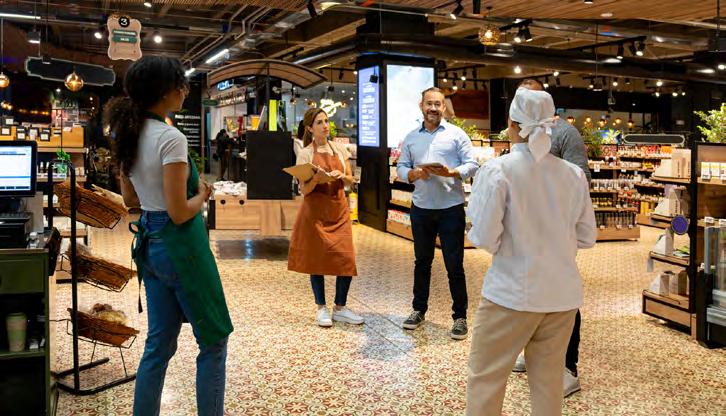


When a legislator personally understands the impact of retail theft on your employees, or the cost of compliance on your bottom line, they are far more likely to govern with operational certainty in mind.
Our voice is heard most clearly in the Capitol when we speak with unity and purpose. As we navigate the choppy waters of this election year, let’s ensure that the next generation of California’s leadership understands that when they support grocers, they support the very communities they were elected to serve. ■



$50 MILLION In Food to Local Communities 30K PEOPLE
Volunteer Each Month
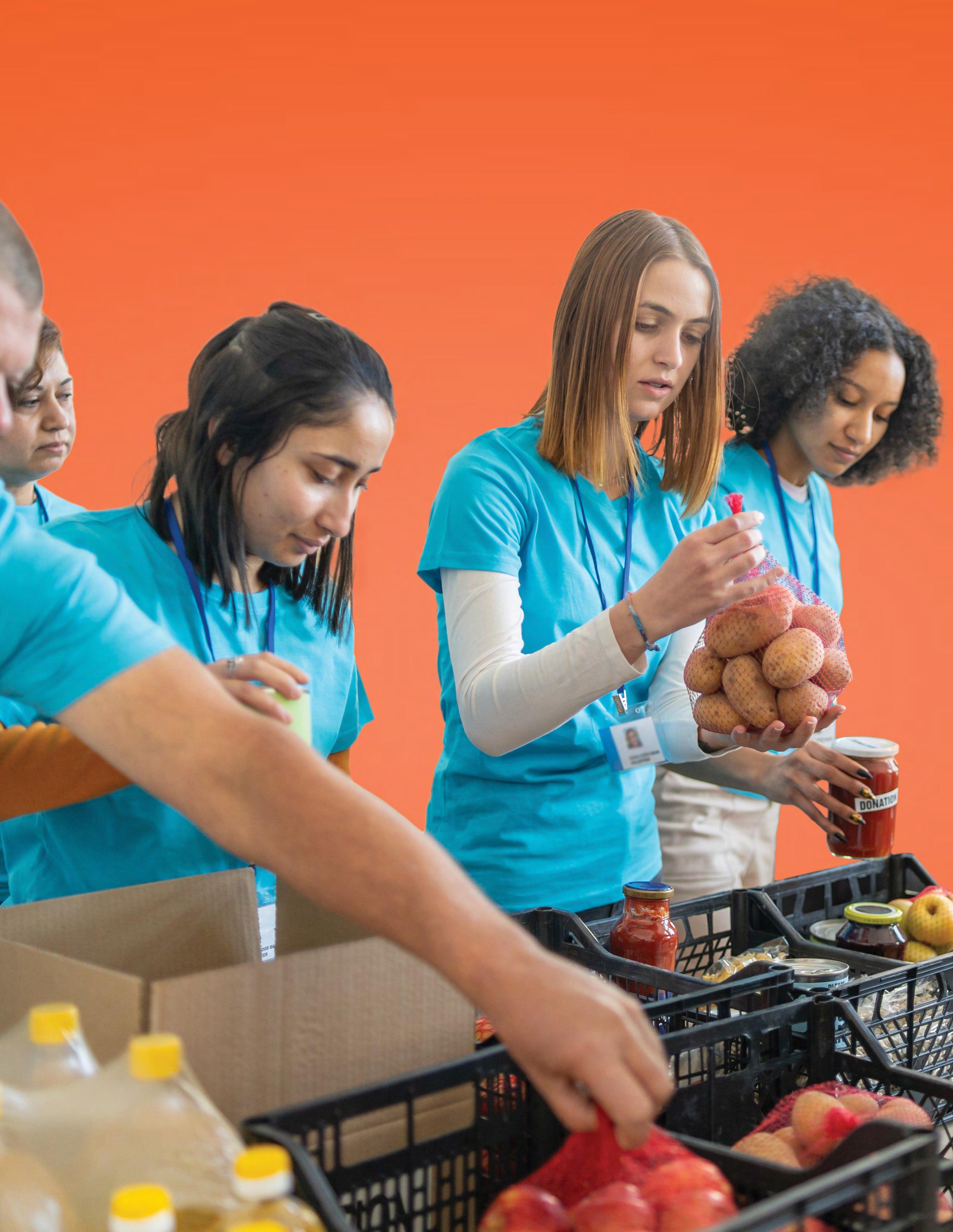
+200 TONS
Produce Donated in California
For Families In Need
People In Need
By Dorsey Griffith

The González family immigrated from Mexico to Anaheim 46 years ago with an ambitious dream: to build a family-owned grocery business that would one day provide each of their 13 children with a store of their own.
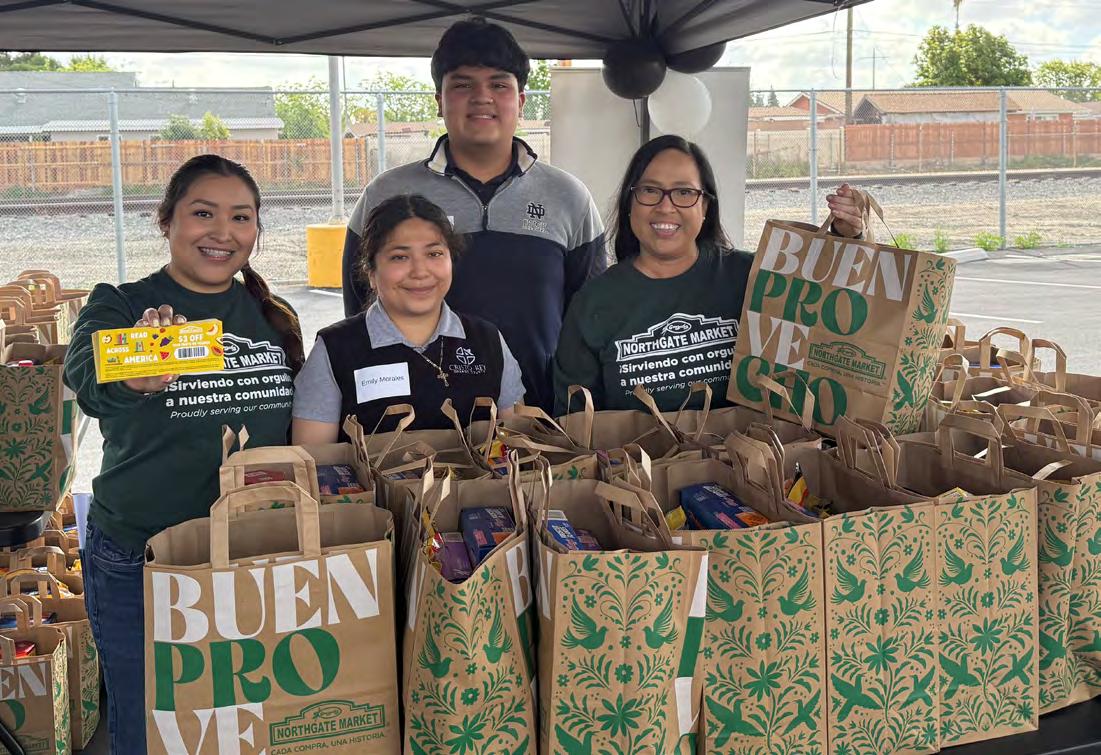
Don Miguel González and his wife, Doña Teresa Reynoso de González, more than achieved their dream; today, Northgate González Market has 46 Mexican markets in Southern California. The González family not only owns each store but donates about
PARTNERS
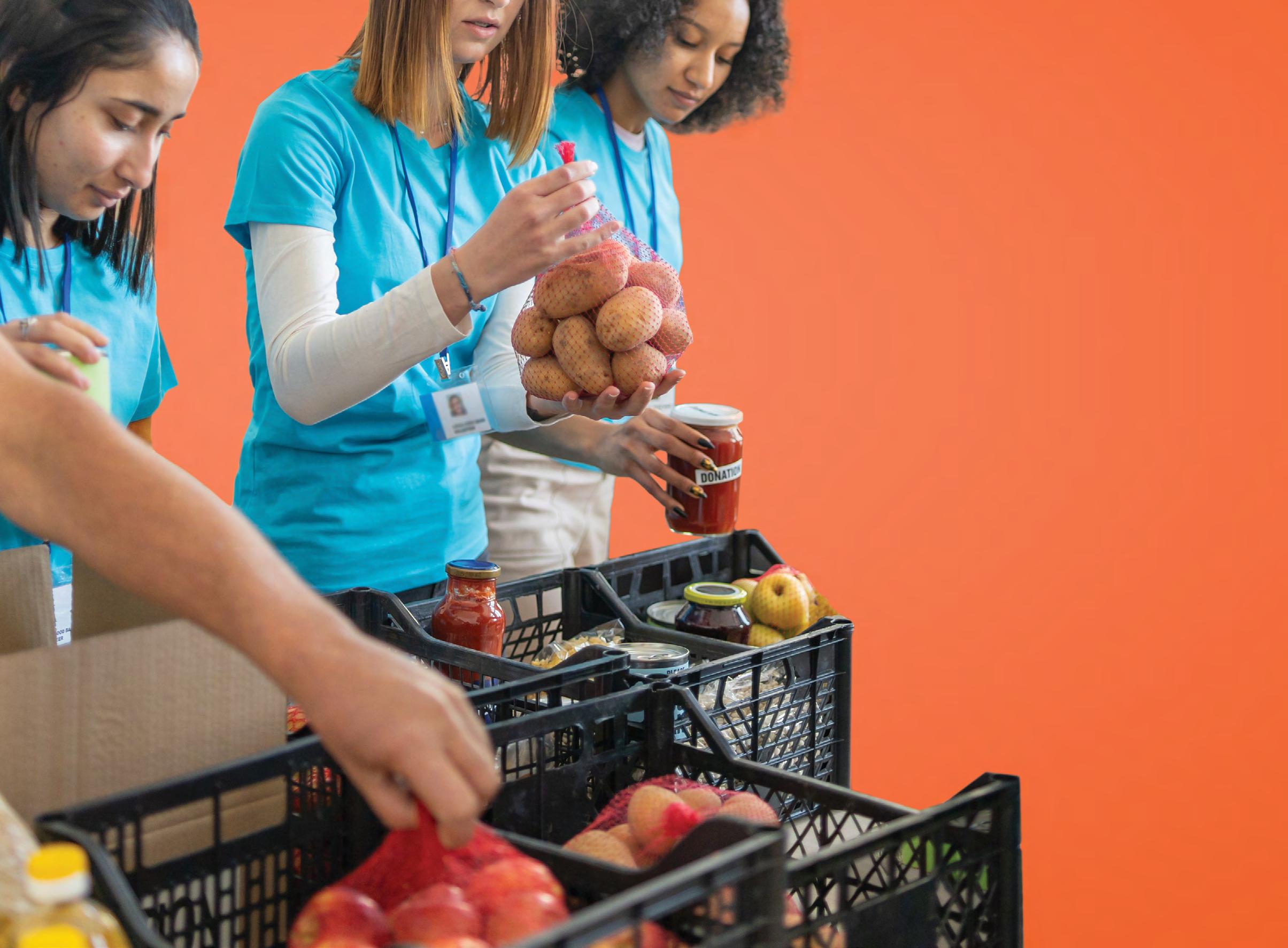
With California’s 1000s of Food Banks
$2 million per year in food and other resources to local food banks and pantries at schools, churches, and other nonprofit organizations. For decades, California grocers have been an integral part of the vast system of food banks and other organizations that respond to food insecurity in their communities. Especially in the aftermath of natural disasters and periods of economic hardship, grocers step up to feed families in need.
Continued on page 18 ▶
1.1 MILLION People Reached Every Month
California law requires grocery stores to donate surplus edible food rather than send it to landfills, and some grocers donate from both their distribution centers and their stores. Grocers and food bank leaders agree that the law, enacted in 2016, boosted grocery participation, solidified existing relationships and formalized distribution systems.
“The Los Angeles Regional Food Bank got going in 1973 with one man in a pick-up and one grocery store that donated food that wasn’t sold at the end of the day or the week,” said Michael Flood, the organization’s president and CEO.
“The food donation sources have broadened over the years, but the grocers have always been there for us—not just donating food but having teams of volunteers come in and sort food. It’s been a very strong partnership.”
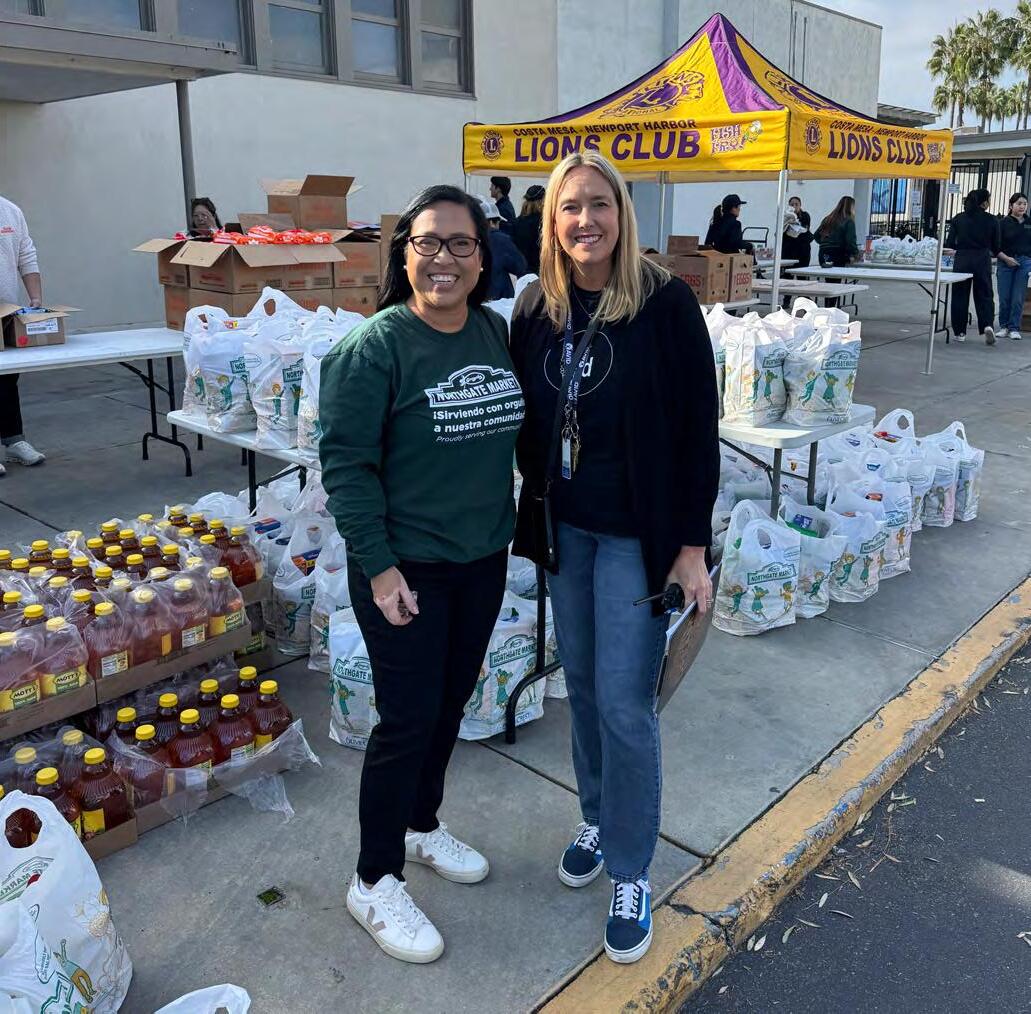
California grocers have a long history of generosity toward food banks; today, their philanthropy extends far beyond food recovery and distribution. Grocers support hungry individuals and families in multiple ways, including volunteering at and sponsoring events, providing grocery store vouchers, gift cards, and cash donations, and helping promote healthier diets for disease prevention and management.
Northgate, for example, employs a community engagement & wellness department of two who oversee donations, sponsorships, and grant applications for all its stores. Day in and day out, Teresa Blanco manages partnerships with more than 240 schools, and more than 700 health, wellness, and food distribution events per year.
Blanco has also applied for and partnered with grantees to help address food insecurity, chronic disease, and nutrition in several Southern California communities. With the LA Regional Food Bank, she helped create a grocery voucher program for low-income families during the holiday season. At the University of California, San Diego, she manages the Más Fresco! More Fresh grant, which rewards CalFresh participants up to $50 worth of fresh produce per month. She’s also managing two “produce-prescription” grants, in which children and adults diagnosed with diabetes receive vouchers for nutritious food alongside their medical screenings and appointments.
“The González family wanted to give back and educate people about obesity and diabetes,” she said. “That’s why we have so many different programs that all tie back to helping the community.”
In the Sacramento region, Sacramento Food Bank & Family Services serves as a regional Feeding America hub supporting more than 100 partner food banks and pantries. Among them is River City Food Bank, which receives approximately 41% of the food it distributes from Sacramento Food Bank & Family Services, with additional food through USDA programs, grocery recovery partnerships, community donations, and direct food purchases.
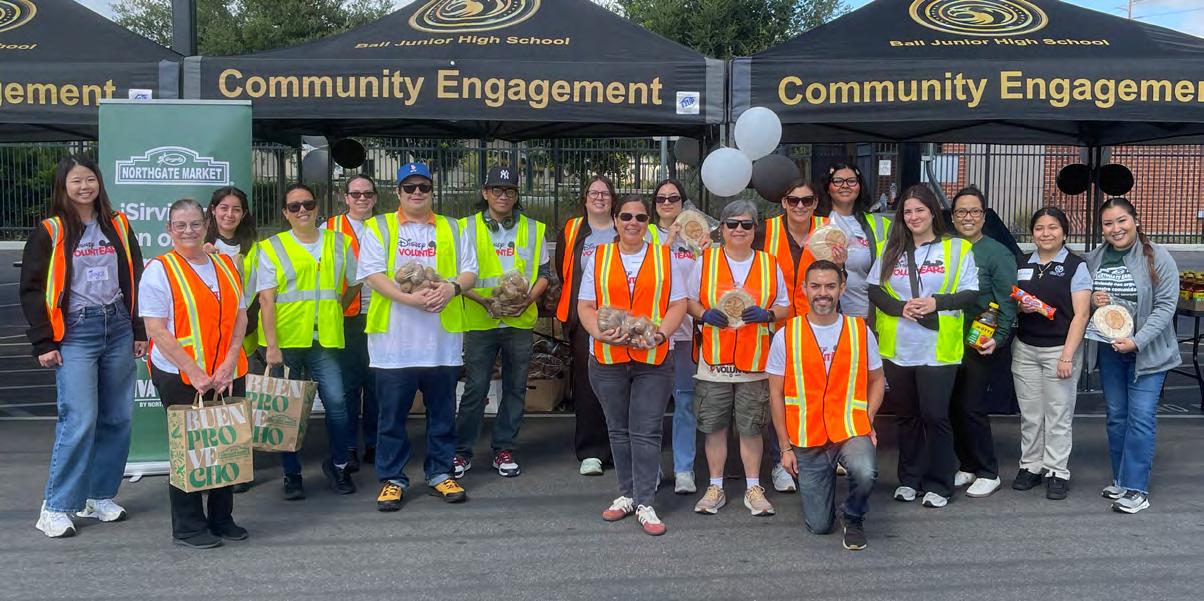
On one recent day, for example, she helped 125 of the neediest 2,000 students at one school, including 30 whose families lack access to a kitchen because they live in cars, shelters or motels. “We provided each with a $150 Northgate gift card and made them two bags of snack foods that don’t require a kitchen,” she said.
River City Food Bank purchases approximately 13%-20% of the food it distributes each year, particularly fresh produce and other items that support its commitment to providing healthy, culturally meaningful food.
“We serve more than 30,000 people each month across our two distribution sites,” said Erika Fatula, River City Food Bank’s director of development and marketing. “Several of our grocery partners support us in ways that go beyond food donations through sponsorships, financial contributions, and volunteer engagement. Sacramento Natural Foods Co-op, for example, supports us through food recovery, volunteers, event sponsorships, and an annual
Community Partnership commitment. Whole Foods provided support for a new refrigerated electric vehicle that helps us recover and transport healthy food throughout the community.
“A lot of them start with food, but step up in other ways,” she said. “Our local grocers are really integral.”
At Northern California Safeway stores, food bank trucks back up to grocery store loading docks every day to pick up food, taking the products directly to local communities, said Kent Streeb, Safeway
Northern California Division’s director of public affairs and communications. The company contributed about $55 million in food to local communities last year.
“We get a lot of produce from farmers, grocers, and produce companies, but those store-level donations are great,” said Flood.
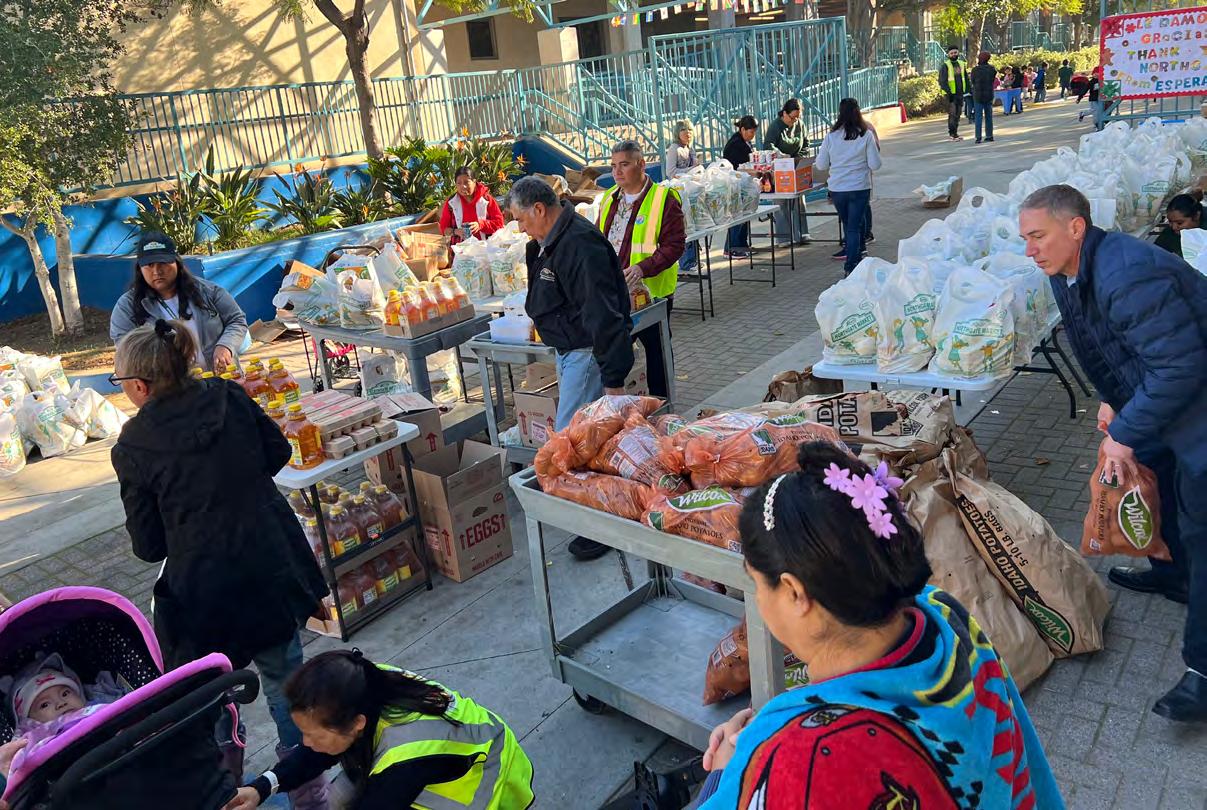
“We work with all the stores where we have a footprint and food banks are able to pick up,” said Streeb. “We also provide financial assistance grants to organizations, as well as gift cards, which are easier to distribute to families in need.”
In addition, Safeway participates in basketball star Stephen Curry’s Eat. Learn. Play, stuff bags with food for pickup, and partners with NBC and Telemundo television networks on the Nourishing Neighbors program aimed at ending hunger, an effort that raised over $4 million in 2025. And the company offers every shopper the opportunity to donate or round up their grocery bill through their food security PIN pad campaigns.
“It fits in with our motto, ‘People First,’” he said. “We are in the business of bringing people together to share the joy of food. Hunger relief outreach is a natural center stage primary plank of what we are trying to do to give back to the communities we serve.”
The LA Regional Food Bank receives canned and packaged products, perishable foods including produce, meat and dairy products, and some non-food items like diapers from grocery distribution centers, wholesale operations, and directly from stores.
“We see mangos and papayas, a variety of produce that is beneficial and wholesome. That has been really helpful, because those are the items families are looking for, but can be expensive. They also want staple food items like rice and beans.”
The LA Regional Food Bank distributes most of its donated food to some 600 partner agencies, including community- or faith-based groups, which then provide it to members of their local communities. The food bank also conducts direct mobile distributions at community colleges, health clinics, and other sites.
“We reach 1.1 million people every month,” said Flood.
Jennifer Mora is director of development and communications for Second Harvest of the Greater Valley, a nonprofit food bank in Manteca that serves a 7-county region in the Central Valley and Gold Country. She joined Second Harvest after more than two decades with The Save Mart Companies, where she managed community relationships, food recovery programs, charitable giving, and community outreach, bringing valuable grocer experience and perspective to her role at Second Harvest.
“We have 180 retail rescue partners. Since 2013, we have rescued over 66 million pounds of food, and through our pantries, are serving more than 100,000 first-time clients and over 500,000 returning neighbors in need,” she said.
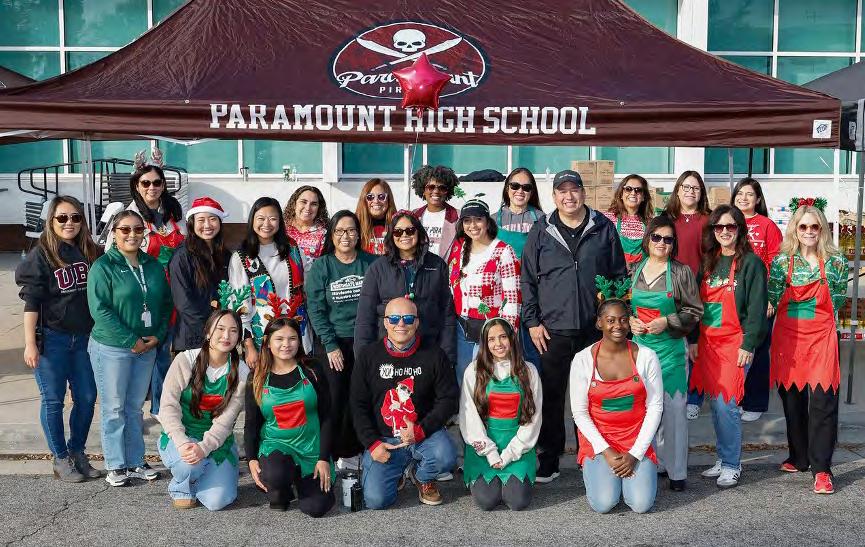
In addition to the food bank’s 90 distribution sites— schools, churches, home deliveries—Second Harvest runs an on-site pantry called Harvest of Hope, where individuals can come in and select what they need.
Continued on page 20
Grocers and food bank leaders agree that food insecurity in California is as high as ever, driving demand for donations and strengthening relationships among grocers and food bank networks.
Last year’s Eaton, Palisades, and other wildfires displaced many people—some of them permanently—and drove increased demand on food banks for food, water, face masks and other products.
“We saw a massive increase in donations,” said Flood, “and the support allowed us to serve partner agencies like food pantries and soup kitchens. The food bank coordinated with the California Grocers Association, the state Office of Emergency Services (OES), the LA County Office of Emergency Management, Salvation Army, Red Cross, and other regional food banks to get food and products to those in need. The various entities still work together to ensure they are prepared the next time disaster strikes.
“Last year, we distributed 160 million pounds of food, which was a 22% increase over the previous year, and that food and other products were valued at $259 million,” he said. “The story for 2026 is inflation. We hear from families and seniors—the cost of living, the food prices, the fuel prices. The demand has stayed very high, and our distributions are almost tracking with last year.”
River City Food Bank’s Fatula said the need in the Sacramento region has not let up since the COVID pandemic.
“It has been one challenge after another for many families,” she said. “Housing costs, grocery prices, transportation expenses, and changing benefits continue to create financial strain. Sacramento is also home to one of the nation’s largest refugee resettlement communities, and global conflicts in places such as Afghanistan and Ukraine have brought additional families to our region. Newly arrived families face unique challenges, including navigating housing, employment, and food access.
“We encourage people to access food support before they reach a crisis point,” she added. “If healthy groceries can help someone stretch their budget and keep up with rent, medication, transportation, or other essentials, that’s exactly what a safety net is meant to do.”
Mora believes the grocer-food bank relationships are critical and powerful.
“When grocery stores and food banks work together, the impact is local,” she said. “It’s immediate. It’s meaningful. We are providing food for our neighbors who need support. We are strengthening the community and doing it together.” ■




By Nate Rose
“We know who butters our bread,” Andrew Keyes, the City of Rocklin Assistant City Manager, says. “The businesses pay our bills, you know. Without them we can’t be successful and provide all those services that our residents demand.”
Across the state’s hundreds of cities and towns, elected officials and staff face up to the task of fostering the types of communities Californians desire. While they are, in many ways, collaborative, they are also competitive, working to attract residents, businesses, and investment.
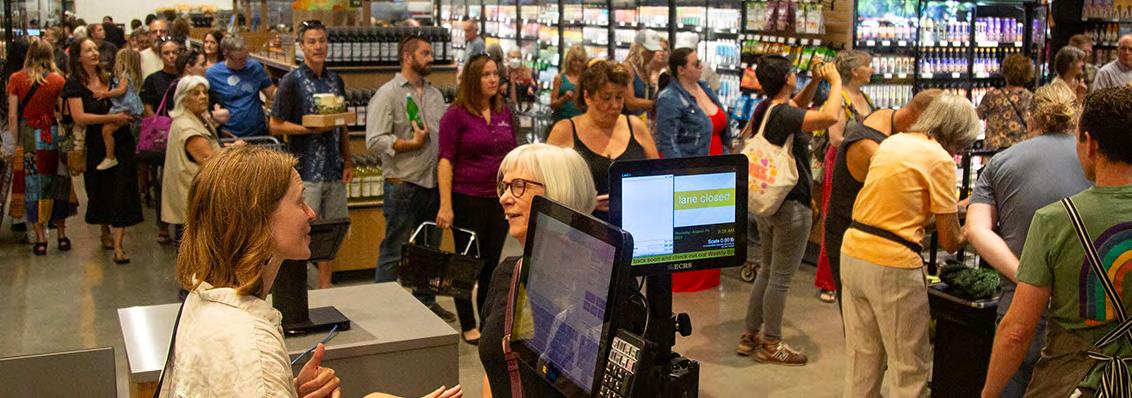
Everything is downstream of grocery stores. Brick-and-mortar stores anchor important retail spaces, attracting the volume of foot traffic that keeps symbiotic small businesses busy. This ecosystem creates jobs and provides services for the community. Grocery stores are the health food store in every neighborhood. While we can all appreciate the convenience the internet brings to daily life—it’s a facet of modernity that will only continue to grow as a modality for businesses to reach customers—we can all agree that public spaces are a public good and a feature that brings together and builds a sense of place for communities.
California is not static. It’s home to the largest population of any state by a wide margin, yet its growth is also slowing. During the pandemic, the Golden State lost its luster as 322,000 residents moved out of state between July 2020 and July 2022, according to the Public Policy Institute of California. Since that time, the population has changed by less than 1%.
It’s telling where the growth is occurring. Riverside County has experienced the most growth, while Los Angeles County has suffered the largest decline. Placer, Madera, and Yuba Counties are other examples of growing regions. None of these are progressive bastions. Rocklin, where Assistant City Manager Keyes serves, is part of Placer County. He believes the city’s ability to intentionally plan and build neighborhoods while maintaining close working relationships with businesses is key.
“From a city standpoint, smart land use planning is our main tool,” Keyes says. “That means making land available for the types of development that people want to see. So, a nice mix of housing with jobs generating. You want a commercial, light industrial area, and then the retail commercial land, and strategic locations where it’s convenient for people to live. Then around that, planning for the right infrastructure to get people to be able to move around, have adequate space for parks, and school sites. In Rocklin, we pride ourselves that 80% of the residents are within a quarter of a mile of a park.”
“Nugget Markets is the opening tenant, but there’s also some other exciting names in the shopping center, and I have to envision that they will be very successful as a result of the anchor tenant…That’s a win for the community.”
Journeying west along the Highway 80 corridor in Northern California brings you to another city attracting notable new store openings: the City of Dublin. There, H-Mart recently opened a new store. It’s part of a growing trend throughout the Bay Area as Asian retailers flock to the region to serve a thriving and growing Asian American population.
In an interview with the San Francisco Chronicle, Dublin Mayor Sherry Hu shared her “gratitude” and enthusiasm for the new H-Mart location, saying, “It actually draws people from across the region. Everybody is excited about the store.”
According to the San Francisco Chronicle, the Asian-style megastore is also important because it drives more sales tax revenue than traditional grocery stores. That’s because Asian megastores can feature food halls and a wider product assortment. In addition to H-Mart, CGA member T&T Supermarket is rapidly growing its footprint in the Bay Area with locations including San Jose, Millbrae, and San Francisco.
is our main tool
After holding key roles in multiple city governments, he also believes it’s vital for a city’s medical, fire, and public safety functions to work well.
“Rapid emergency medical and fire response, alongside public safety that prioritizes not just responding to big crimes, but all crimes,” he explains. “Retail theft, blight-related crimes— if you follow the Rocklin Police Department, they’re very active in promoting the fact that they’re responding to those kinds of crimes. To discourage it, right? And not everyone in California has that same approach.”
All of this strategic planning has paid dividends. Recently, a new Nugget Markets location opened in Rocklin to much fanfare, and Keyes describes the vibrancy that followed in the opening’s wake.
“Nugget Markets is a known brand,” Keyes shares. “It brings people not just from Rocklin, but other areas that are going to want to stop and shop there. And then people in Rocklin want to go there. So, the center itself is going to be alive.
Another recent store opening by Osaka Marketplace tells a similar story.
“This is big for us,” Pleasant Hill Mayor Zac Shess explains to the San Francisco Chronicle. “With a third of our revenue coming from sales tax, having an anchor property like that is going to be really important.”
These statements from local city leaders reflect a common sentiment to be found among California’s political class and a fact they are always fast to communicate to grocers. In fact, whenever industry representatives interact with elected officials, the first question they ask is how they can attract more grocery stores to their communities. It seems the grocery industry is beloved, but is the business?
When you listen to Keyes speak about the City of Rocklin’s relationship with Nugget Markets, it’s clear they would answer in the affirmative. In other jurisdictions, where California grocers have recently been forced to fight cities on policies like restricting self-checkout kiosks or surcharges to retrieve stolen shopping carts, perhaps not so much. There’s a disconnect. These jurisdictions seem to be unable to break the habit of striving to improve conditions through burdensome regulations rather than pragmatically looking to build a thriving community through
partnerships with businesses. The key is to replace an adversarial stance with a collaborative one, especially as elected officials grapple with dissatisfaction over the state’s cost of living.
“Ultimately, it’s just going to show up as higher prices because of the nature of the margins and the business,” Keyes explains.
“That’s the thing. Consumers pay for everything. You want to put a tax; you want to put a fee; you want to put a regulation…the business is not going to pay for it. How do you think they pay for it? They charge their customers, right? So, either they are able to increase the number of units, which you’re making harder to do as a result of a regulation, or prices rise.”
With a third of our revenue coming from sales tax, having an anchor property
If nearly every politician agrees that economic benefits flow outward from grocery stores, then CGA believes more cities should follow the lead of cities such as Dublin and Rocklin. If elected officials want to increase food affordability and accessibility, they should seek out ways to help grocers thrive. When grocers grow, competition increases, lowering prices. Grocery growth also increases food accessibility as stores open to compete for customers in successful jurisdictions. Because the truth is, building cities that attract investment, and in turn, residents, requires the politics stop and realworld partnerships begin. ■


FOOD
By Grace Becker
As consumers grapple with higher costs and tighter budgets, grocery retailers are navigating a period of slower growth. That is, with one exception: food co-operatives. In its 2025 Impact Report, National Co-op Grocers (NCG) found that food co-ops, which operate 244 stores nationwide, are outpacing traditional grocers in sales growth. Last year, co-ops experienced sales growth of 6.2%, more than double the sales growth of the average U.S. grocery store benchmark of 2.9%.
With consumers placing greater emphasis on transparency, sourcing local and organic products, and values-based shopping, the growth is no surprise.
“I think you’re seeing it more nationwide, where the consumers are really looking for places to shop that reflect their values.”
National Co-op Grocers CEO Tandy Harvey.
According to National Co-op Grocers, co-ops are based on the values of self-help, self-responsibility, democracy, equality, equity, and solidarity. The north star guiding any co-op is a commitment to the seven core principles established by the International Cooperative Alliance that every co-operative business must abide by, whether a credit union, producer co-op, or a grocery store. The principles are as follows:
One – Voluntary and Open Membership
Two – Democratic Member Control
Three – Member Economic Participation
Four – Autonomy and Independence
Five – Education, Training, and Information
Six – Cooperation among Cooperatives
Seven – Concern for Community
For its purposes, NCG chose to adopt an eighth principle:
Eight – Equity, Belonging, Inclusivity and Accessibility
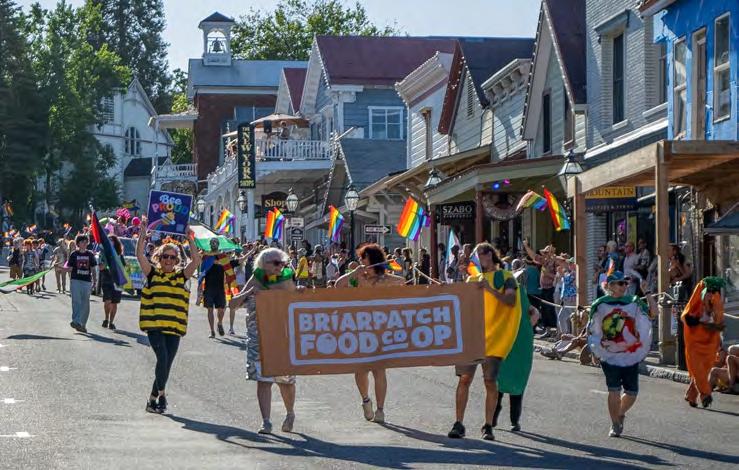
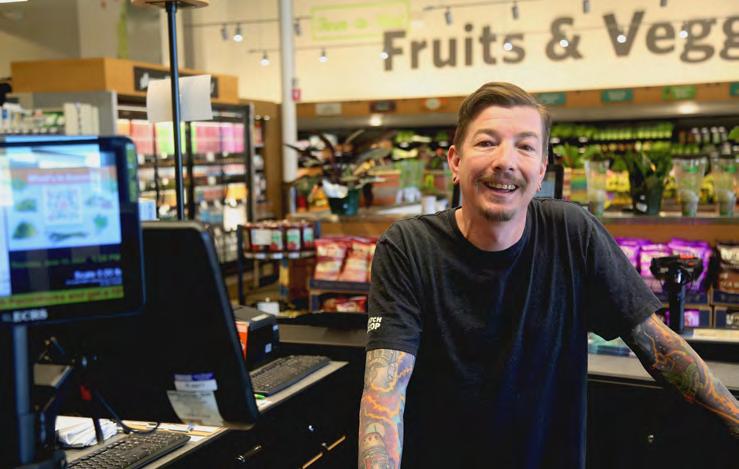
A food co-op is at the will of its membership and governed by its elected Board of Directors, making it intimately intertwined with its local community.
“The difference is that we can’t be sold and we can’t be bought,” said Sacramento Natural Foods Co-op CEO Brian Munn.
“All of our money stays here. Every dollar that we spend, we spend that back in the community. When we make a profit, we share those profits back to the membership.” Munn has worked in the natural foods industry since he was a teenager, and believes that co-ops, by design, are better for the community.
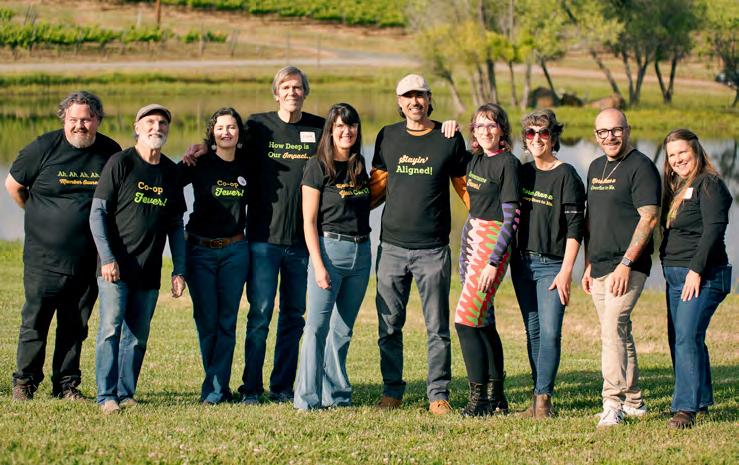
Chris Maher, CEO of BriarPatch Food Co-op, agrees that the greater mission of the co-op model is central to its success.
“People like to feel like they’re a part of something and that they are contributing to something that stands in the face of a greater food industry that extracts wealth from communities and takes it to other places. The co-op recycles the energy, the money, the time, the labor, all those things back into the economy,” said Maher.
“Being part of a co-op means you’re really part of something greater,” said Harvey. “It’s keeping those dollars local. It’s supporting the things that are really good for the environment. So, it’s not just about food.”
Both the Sacramento Natural Foods Co-op and BriarPatch Food Co-op are California Grocers Association members.
You could say the secret weapon of a food co-op is its uniquely personal relationships with its farmers, suppliers, and local community. The average NCG co-op purchases from 187 local suppliers, and 23% of the average food co-op sales come from local products.
“I think that trust and ongoing dialogue with our community is built into the cooperative model,” said Maher.
BriarPatch Food Co-op, born out of a “Grub Club” formed by a collection of Quaker families who were looking to eat clean, organic, pesticide-free foods and to pool their resources to purchase groceries in bulk, has served Grass Valley since the early seventies. Fifty years later, BriarPatch has seen exponential growth and opened a second location in Auburn, California in August 2023.
A majority of BriarPatch’s management team at its second location came from internal promotions as a result of the store’s team investment.
“We invest heavily in training and development for folks. We opened a second store in 2023 and part of the reason we did so was to help create a career track so that the people who had been working for us and who wanted to grow in their responsibilities and in their compensation had the opportunity,” said Maher.
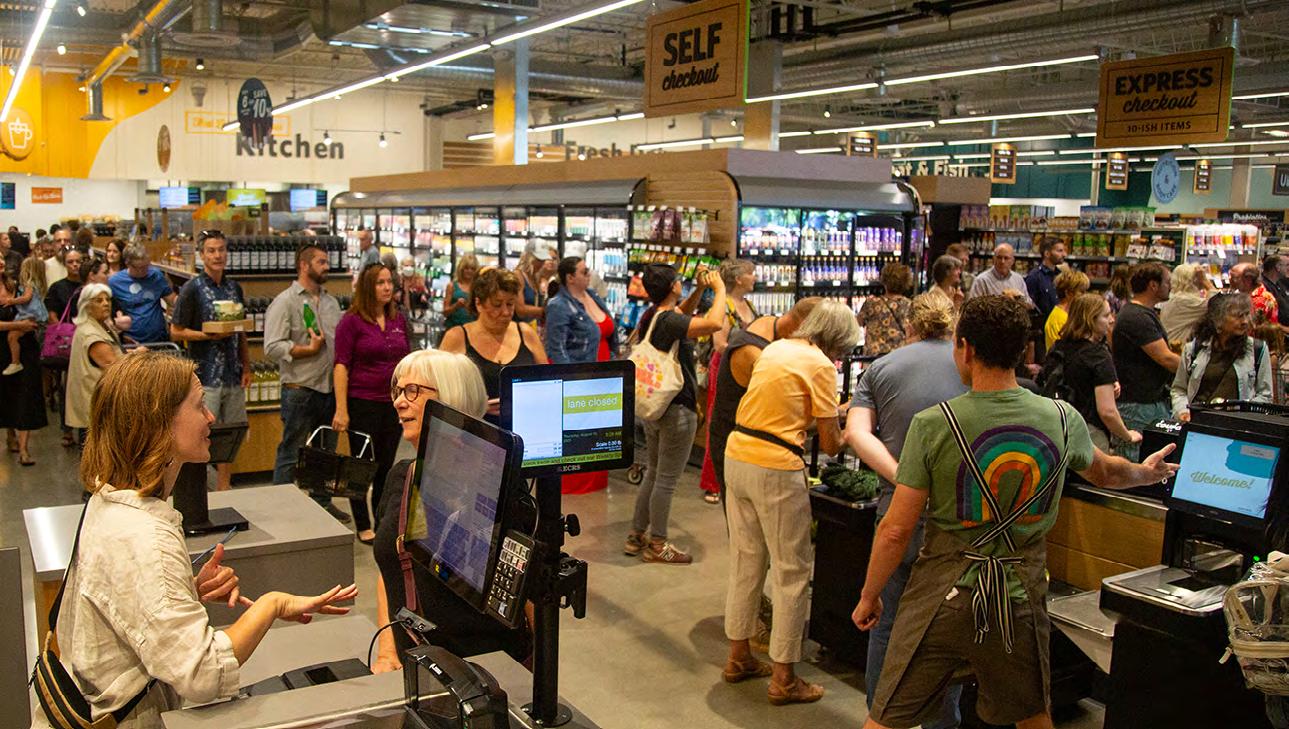
Maher shared that the co-op-supplier relationship is a mutually beneficial one, “We take responsibility for the success of our suppliers so that they will take responsibility for our success. And the multiplier effect of us both reaching our goals is far greater than us doing it individually or in isolation.”
For example, BriarPatch was working with a local farm that needed to scale up to meet the growing demands of the co-op, but had trouble accessing capital. To solve for this, BriarPatch worked with California FarmLink, a nonprofit farmer support group that offers loans to farmers for equipment and other needs, to guarantee a loan for the farm. This, in turn, allowed the farm to scale up and grow in its own right all while fulfilling BriarPatch’s expanding customer base. Both BriarPatch and the Sacramento Natural Foods Co-op agree that the community-centered philosophy is also baked into the staff culture through robust pay, professional development opportunities, and even by encouraging individuality and personal expression. The investment comes back to the store tenfold when staff develops and maintains close relationships with its partners and community, which ultimately benefits the co-op and its members.
The relationships staff form with suppliers gives co-ops an asset when the industry is faced with supply chain challenges and other factors outside of its control.
When the avian flu hit and eggs were in short supply and skyrocketing in price, Sacramento Natural Foods Co-op became a reliable source for its shoppers thanks to its preexisting relationships with egg producers. Munn said the co-op made a conscious decision not to raise egg prices, taking a significant hit on margin because they knew the increase was temporary and believed it was the right thing to do for the community.
Similarly, during the COVID-19 pandemic, BriarPatch had an easier time keeping toilet paper in stock than some other grocers thanks to robust supplier relationships.
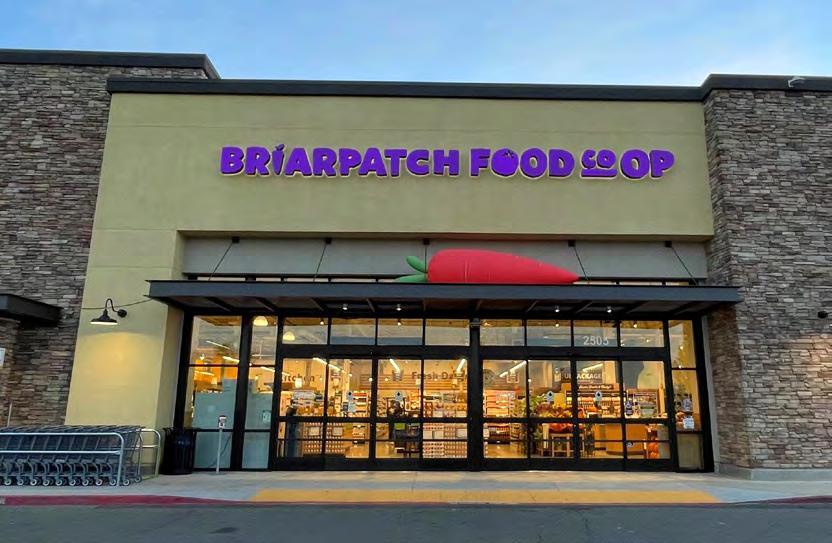
“There’s so much labor that goes into it, yet we continue to do it as a co-op because we can,” said Munn.
The bread and butter of many food co-ops are its natural, organic, and fair-trade offerings. A February 2025 study from Acosta Group found that 89% of Gen Z and 85% of Millennials report shopping for natural and organic products, giving co-ops a competitive edge with younger shoppers. That said, with cost of living and affordability top of mind for Californians, food co-ops may not have a reputation of being the most affordable option.
This is where NCG steps in to help negotiate on behalf of its membership. For more than 20 years, NCG has partnered with distributor UNFI to offer its co-ops high-quality products at competitive prices. Field Day, UNFI’s private label for organic products, has helped make everyday organic products accessible to a larger group of co-op shoppers.
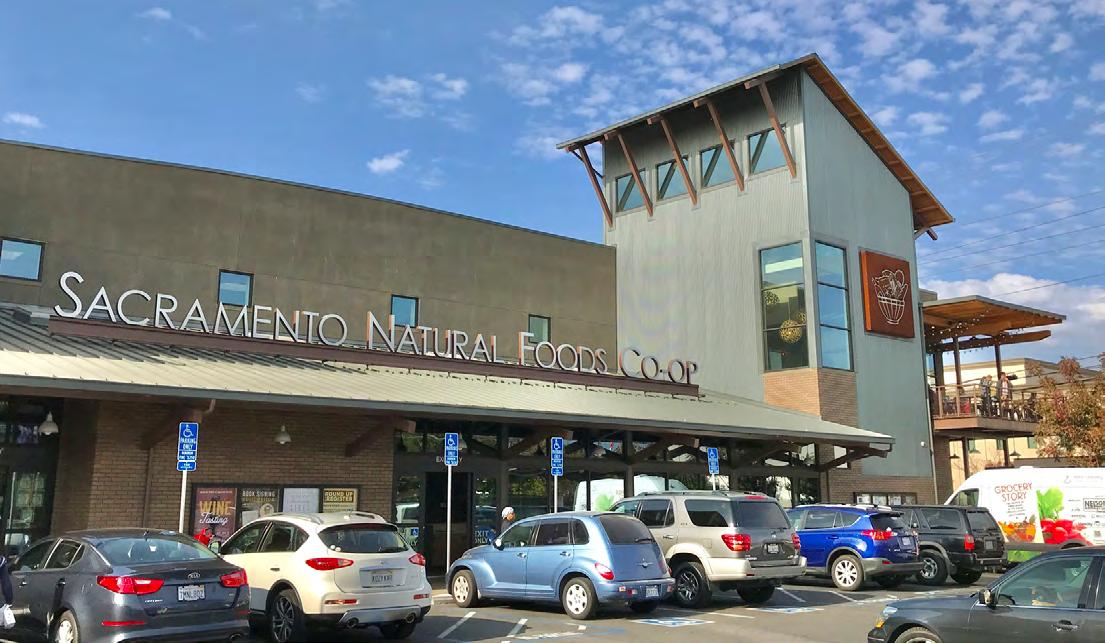
Sometimes, co-ops lean on personal relationships to bring customers a better price, “It’s probably going to be a better price here because we have a better relationship,” said Munn.
The Sacramento co-op ran an everyday deal program where it reached out directly to vendors it had strong relationships with to ask for a price break on certain items for its customers.
“I think that our work remains firmly focused on building a resilient food system...we want to make sure that people here have access to food no matter what’s happening in the world.”
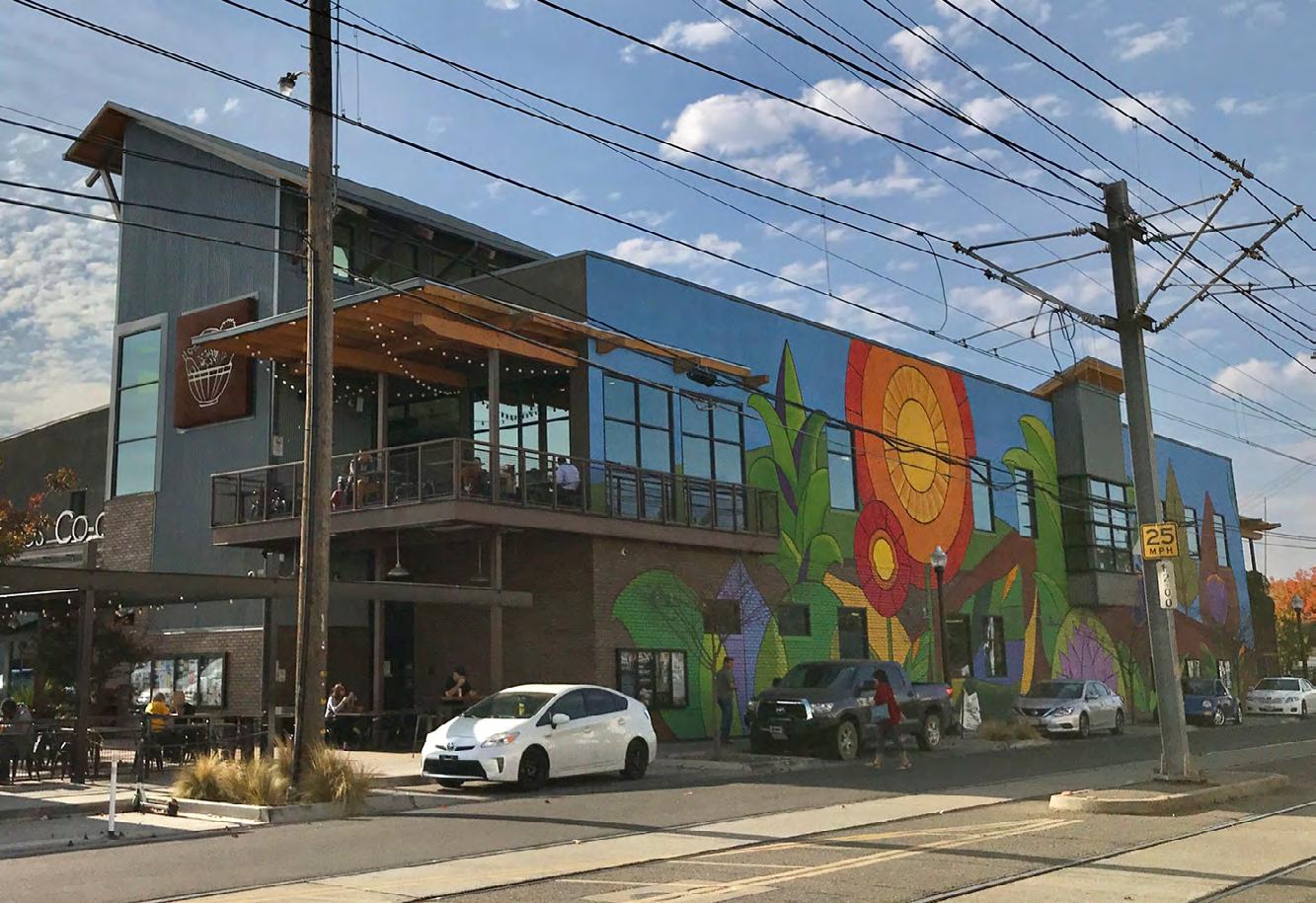
Through education and cooking instruction, BriarPatch empowers customers to become more informed shoppers, helping them understand their options, stretch their dollars further, and feel confident in the choices they make.
“We run an everyday basics program so that items that fall into that category—the real basic products, milk, eggs, greens, basic starches in the produce department—are sold at base cost, and we take a lower margin on those products than we do on, say, the specialty items,” said Maher.
In other cases, co-ops may prioritize their core values and paying producers sufficient wages over scoring a better deal. Sacramento co-op sources from JSM strawberries, though the berries may cost more than at competitors’ stores.
“We’re not making all these weird deals to try and bring in these organic berries to then still make a profit off of them, necessarily. We’re trying to bring in the price as best we can. We negotiate with the farmers, we have those conversations. We go, ‘What can you do? Can you get us a sale?’ We’ll buy everything we can and we’ll try and sell it to the community at a better price,” said Munn.
This year, BriarPatch is celebrating its 50th anniversary, and was named an Outstanding Independent by Progressive Grocer for its work in the community. Looking ahead, BriarPatch is focused on continuing to serve its two communities and delivering on the mission of the co-op model.
“I think that our work remains firmly focused on building a resilient food system. The pandemic showed us that the greater food system is not resilient, and we want to make sure that people here have access to food no matter what’s happening in the world,” said Maher.
Sacramento Natural Foods Co-op, on the other hand, has worked on a strategic plan with its board for the last two years and has identified the need for growth. Munn said the co-op has outgrown its current store and is actively on the hunt for its second location. ■
Sources:
Acosta Group study: https://www.acosta.group/new-acosta-groupstudy-highlights-opportunities-to-drive-additional-growth-fornatural-and-organic-products/
NCG Impact Report 2025: https://www.ncg.coop/newsroom/ leaders-local-food-co-ops-outpace-traditional-grocery-storessales-local-organic-and-fair
Cooperative Values and Principles: https://www.ncg.coop/ cooperative-values-and-principles
The California Grocers Association has played an important role in both my professional growth and the success of the grocery industry. As a former Chair and long-time Board Member, I have seen firsthand how CGA advocates for and fights legislation that supports the common good of the food industry. CGA gives our industry a unified voice on critical issues impacting retailers, suppliers, employees, and communities across California. Beyond advocacy, CGA has helped me build an incredible network of industry leaders and lifelong relationships. The connections, collaboration, and shared commitment to our industry are what make CGA such a valuable and impactful organization.



HONORING

No one can deny that the grocery business is in Shane Sampson’s blood. His father, grandfather and great grandfather all worked in the industry and his family owned a small independent grocery store where Shane spent a lot of time as a kid. It would be a mistake, however, to think Shane somehow “inherited” a career in the industry. True, it became his life’s work, but only because he brought a passion to it that was all his own.
That passion would give him an appreciation for knowledge, drive him to the highest levels of success, reshape major corporate players in the industry, and earn him the respect and admiration of the industry’s greatest leaders.
“Shane is the top of the top, the executive to the executives and the boss to the bosses—he’s in another stratosphere,” says Ron Fong, president and CEO of the California Grocers Association.
“He’s got a unique perspective because he’s worked all over the United States and internationally, he knows all the different sides of the business. Through his mentorship he shares that knowledge with leaders across the industry, to the betterment of us all.”
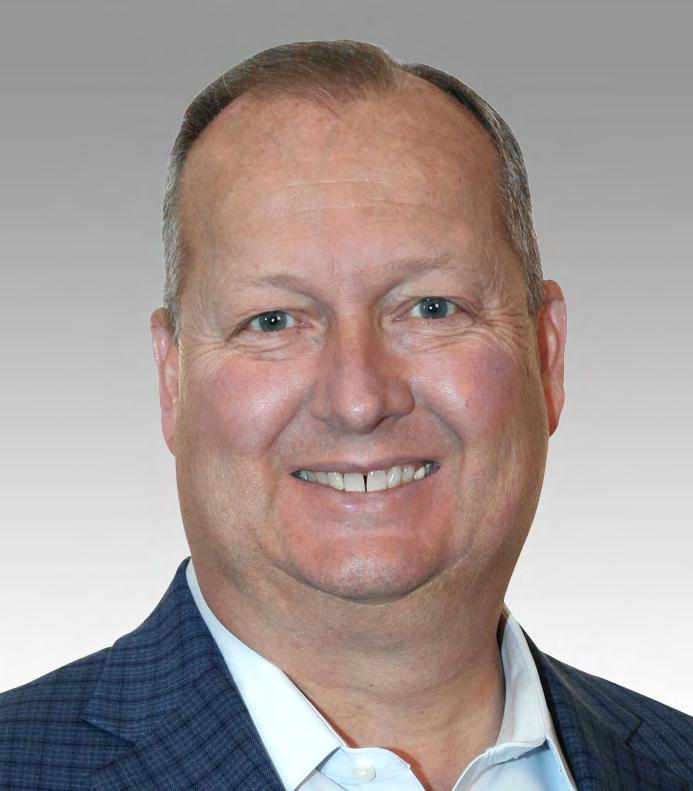
All that said, Shane will be the first to tell you he’s a very private person and not one to put himself in the spotlight. Fortunately, his work, his achievements, and his legacy among today and tomorrow’s industry leaders speak for themselves.
Shane was born in Oklahoma and spent his first years in Yukon (coincidentally the birthplace of Joe Albertson) growing up in a close-knit family. He admired and loved all of his grandparents, one set who were in the grocery business and owned a local grocery store in Ada, Oklahoma, and one set of grandparents who were farmers and ranchers just south of Ada. Because of all the time he spent with them as a child, Shane learned the value of hard work early in life.
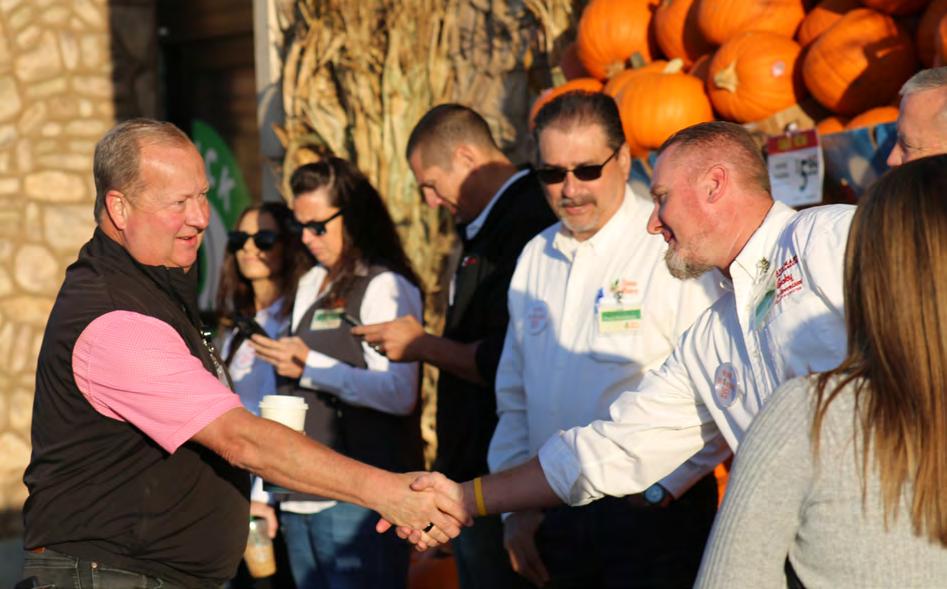
Fong and the CGAEF Hall of Achievement are not alone in their praise for Shane and his work. He’s been honored as Mass Market Retailer’s Merchant of the Year in 2017, Retail TouchPoints’ Innovator Award in 2018 and was the CEO of The Save Mart Companies when it was named Progressive Grocer’s Retailer of the Year for 2025.

“I grew up around very hardworking people in my family and what I remember most is that if I was willing to work hard enough, and keep my commitments, good things would come,” Shane says.
“My dad spent most of his career at Nabisco and my mom worked just as hard keeping track of my sister and me. They were both strong role models for me.”
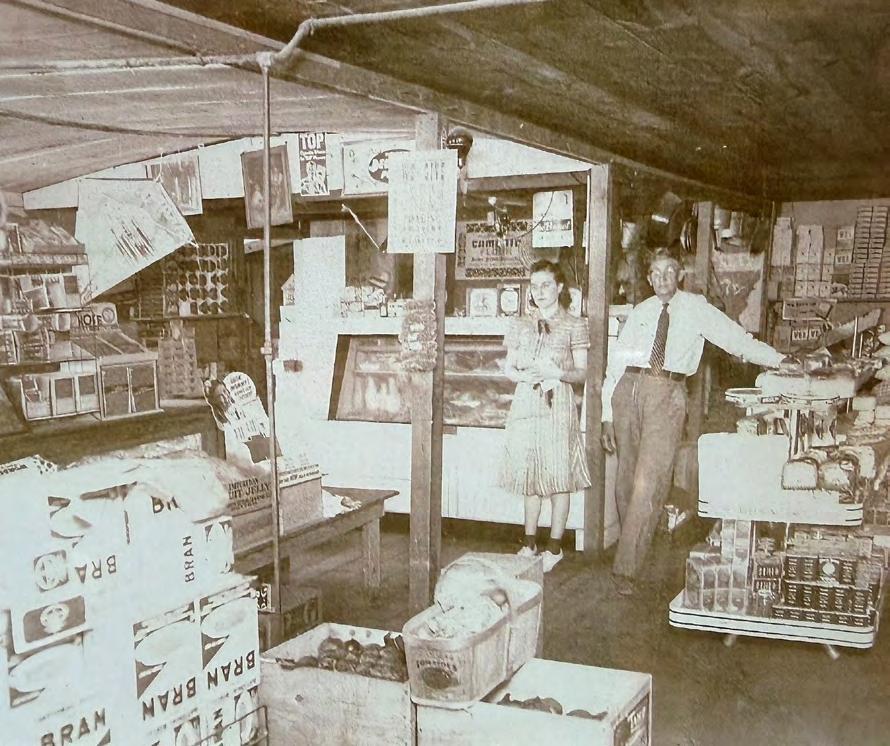
Shane started working as a clerk at a local grocery store, Furr’s Supermarkets in
In March 2025, Shane accompanies fellow TSMC leaders Jim Perkins, Joan Dobias-Davis, Donovan Ford, and Ali Sadiq at The Pattison Group’s annual leadership conference
Lubbock, Texas, when he was 13, where he made a whopping $2.00 an hour. It was 1978 and back then two bucks an hour seemed like a lot of money. He stayed at that job through high school and upon graduation started working for Albertsons. In those days he wasn’t thinking about making a career in the grocery industry, despite his DNA. He was just looking to make a living… and make a living he did.
Shane stayed with Albertsons for the next 20 years working his way up from clerk to store manager to district manager, operations VP, division president, and then regional president—becoming one of the youngest executives in the company.
In 2003, he had the opportunity to move into an operational role at Sam’s Club in South Texas and California. It was a role he enjoyed and again worked with some of the best people in the business in a “newer to him” retail format.
Shane loved the team at Sam’s and was able to be part of the company’s community-centered culture, especially during the devastating hurricanes in the early 2000’s.
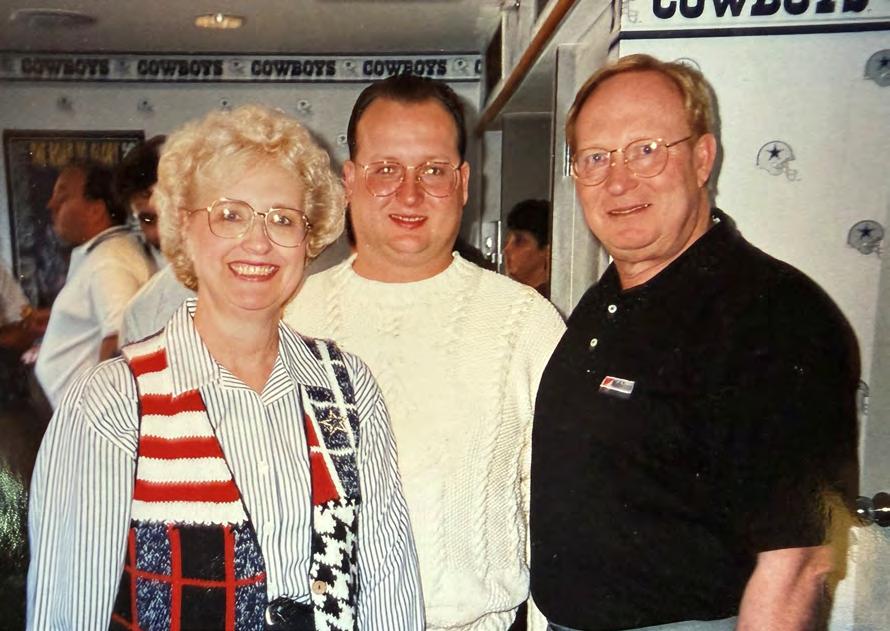
In 2006, a team led by the legendary Bob Miller invited him to come back to Albertsons LLC at a critical time. Many in the industry will remember that in 2006 Albertsons was split into three different groups. The drug store operations were sold to CVS, while a group of lower performing stores were aggregated into Albertsons LLC, and the remainder were acquired by Supervalu. Shane joined the team tasked with operating the Albertsons LLC stores and turning things around.
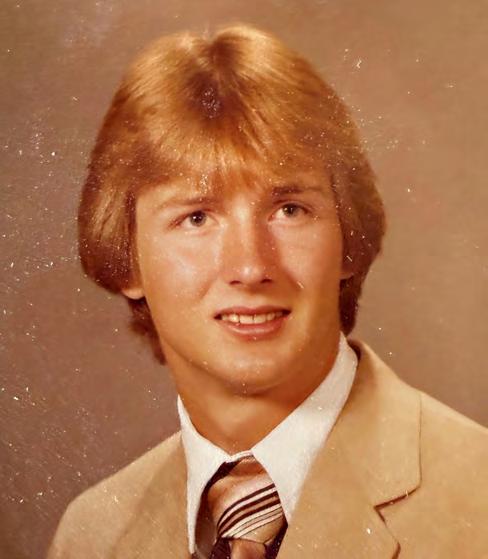
“This was the first time I worked for a company that was private equity backed,” Shane says. “It was a totally different paradigm, and because attention and commitment to financial performance was paramount, I learned the importance of creating and maintaining shareholder value.”
This one move started Shane on a new path in his career, where he became sort of a “fixer,” moving from one company to another to help stimulate growth, improve underperforming stores and
create more market value. After three years at Albertsons LLC, Shane took the opportunity to be part of an international company and moved to Ahold Giant, taking up residence near Washington D.C. He had strong years there and enjoyed the collaboration with industry leaders overseas in the Netherlands and the Czech Republic.
In 2013, Albertsons gave him a Michael Corleone moment and, just when he thought he was out, they pulled him back in.
“Bob Miller, my mentor for all my years at Albertsons, had a plan to grow the company and asked me to be a part of it,” Shane says. “This became what is today known as Albertsons Companies Inc. (ACI).”
Shane spent the first few years back at Albertsons in Boston as the president of Shaw’s and Star Markets and in Chicago at Jewel-Osco. These banners were steeped in history and tradition, with so many long-term dedicated associates that they made Shane’s 30 years in the grocery business look like he was just getting started. Working with such strong brands made it possible to innovate and implement creative new formats and ways to reach customers.
As Albertsons was acquiring Safeway in 2015, Shane and his family relocated to Boise, Idaho and he assumed the role of Chief Merchandising and Marketing Officer and a member of the Office of the Chairman. Being in Boise was energetic and, working with so many great employees from Safeway and Albertsons, Shane was able to lead the company in creating a number of new marketing and merchandising practices including opening a state of the art test kitchen in Pleasanton, enhancing the own brands portfolio, elevating vendor partnerships, expanding digital and loyalty footprints, product development, investment and store innovation.
In 2019, Shane left Albertsons and took a leadership role with the Jackson’s family of companies. Working with John Jackson and his family in an entrepreneurial culture, and amongst a diverse group of companies, was a career privilege.
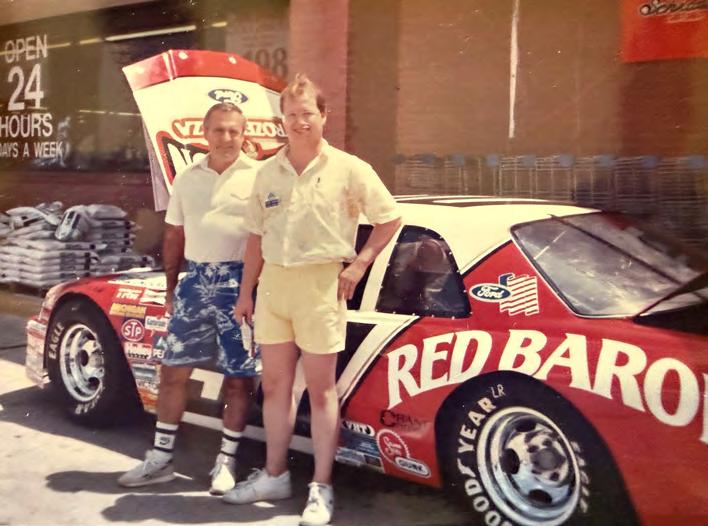
In 2022, Shane was approached by Kingswood Capital Management as it evaluated and ultimately acquired The Save Mart Companies. At the completion of the sale, Shane stepped into the role of Executive Board Chairman of The Save Mart Companies. Save Mart reminds Shane about what is so right in the grocery business; by partnering with hard-working, dedicated and creative people, the team was able to improve the company’s supply chain systems, overall performance, and cultivate a team of industry experts to make the magic happen. In 2024 Shane and his team had the opportunity to lead Save Mart as it was acquired by The Jim Pattison Group, and Shane remained CEO until his retirement in 2026.
Beyond “where” he worked over the course of his career, it’s what Shane has learned, applied, and shared with countless peers and colleagues over the years that truly makes him stand out in the industry. Technically speaking, his collective wisdom and experience could be packaged into a college course, but for brevity, it can be grouped into four philosophies.
“I look for three things in talent,” Shane says. “First is heart, meaning do you love what you do; next is energy—your energy communicates a lot about your personal brand when you walk into a room before you ever speak a word. And third, you are a student of the business—willing to go out and learn as much as you can, and keep learning as you advance. That’s what keeps your knife sharp.”
These are more than just words for Shane, he truly practices what he preaches, and in more ways than one. Shane continues to be a student of the grocery industry and works hard to stay abreast of changing customer needs, behaviors, and industry trends. He’s also worked hard to promote that growth mindset among his coworkers.
“Shane has always said that understanding our business is first and foremost,” says Joan Dobias-Davis, Senior VP and


With
Chief Human Resources Officer for The Save Mart Companies. “Shane has consistently been a champion for in-house training programs, scholarships and support for ongoing education, regardless of whether you’re in need of entry-level skills training or executive development.”
“No matter who you are or how far you go in this business, you didn’t get there on your own,” Shane says. “The people you work alongside every day, as well as the people who mentor you and that you mentor yourself, they all play a part in your success.”
For Shane that “team” atmosphere is something he really likes about the business—where everyone is on the same team pulling together in the same direction to serve customers well, it generates results and everyone gets rewarded for hard work. He specifically credits the store managers he worked with, who “ran their stores like they were the CEOs of the whole company.”
Over a 40-year career he has more people to thank for guiding, teaching and mentoring him than he could possibly list, many of whom have become lifelong friends. So he does his best to pay it forward.
“To this day most of our executive team stays in touch with Shane—they see him as someone they can bounce ideas off of and a source of insight and advice,” Joan says. “They all know he’ll tell you like it is. You may not like it, but he’ll tell you anyway.”
One of those mentees is fellow 2026 HOA Inductee Jim Perkins, who became The Save Mart Companies President and CEO after Shane’s retirement.
“While I was president at Acme, Shane would call me every day to ask how I was doing, and share insights on how to lead, how to structure teams, and just to mentor me in general, he was instrumental to my career,”
Jim says. “He has great vision to see what a company should be, and how to get it there. He was a pioneer in areas like e-commerce and fuel rewards programs at Albertsons—he has a knack for future vision, taking earnings to a higher level and sharing that knowledge with his colleagues.”
“A grocery company is run from the floors of the stores,” Shane says. “It’s the people working on the front lines serving the customers, and who can best understand and meet their community’s needs, and who really deserve the credit for any company’s success.”
In the grocery industry, hunger relief, support for education, and working to conserve resources to protect the environment are global issues most companies are committed to supporting in some way; but that support is even sweeter when it is delivered at the local level. It’s the local store manager who commits to supporting a food bank. It’s the local store employee who coaches a Little League team. It’s the local employees who band together to start a recycling program.
Above and beyond though, it’s the local employees who do the most to build customer loyalty. Shane learned that best firsthand when, as an executive, he rode along with the drivers delivering groceries to customers.
In recent years the industry has shown tremendous evolution, going more digital, embracing e-commerce, diving deeper into rewards programs, and even new store formats. Shane fully expects that evolution to continue but says it should do so without forgetting that the customers are the most important thing.
“You’ve got to take care of your customers, no matter how they interact with you—in person, via delivery or online, because they are the ones who pay the bills,” Shane says. “Customer service is fundamental, and we have to take care of our customers if we want to thrive in the future.”
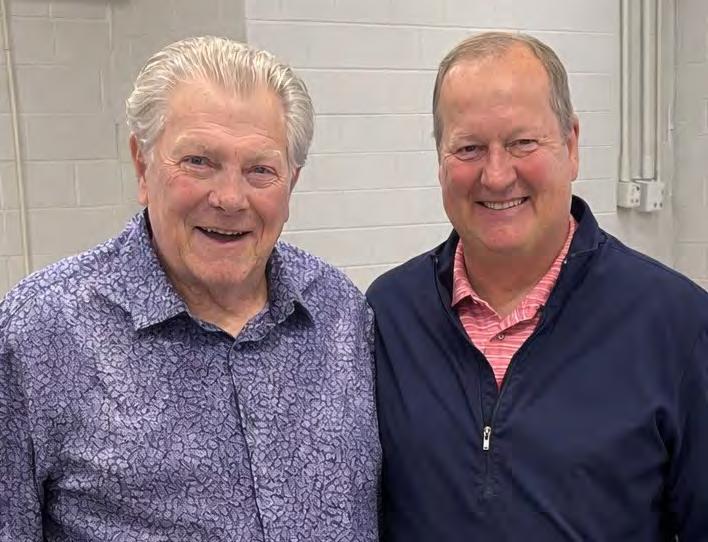
Trusted mentor during his Albertsons years, Bob Miller and Shane have built a lasting friendship
“We had some households that would request specific drivers, because they did more than deliver the groceries, they carried them into the house and helped put them away,” Shane says. “They’d also help out in other small ways if they could, and sometimes they’d even stay a few extra minutes and just keep folks company for a bit. It’s that kind of customer TLC that separates good people and good companies from the rest.”
Of course, that kind of commitment to customers and community must also be modeled, and supported from the top down too.
“For years our company has had a charitable organization called The Save Mart Companies CARES Foundation, but it had faltered a bit; when Shane started, it became one of his top priorities,” Joan says. “He has always been passionate about the grocery store being the heart of the community, a gathering place, and a place people can depend upon for support and engagement.”
The concept of being a ‘people business’ also applies to giving back. While companies and stores may have their community support programs, Shane also emphasizes the importance of helping others in a more personal way. Shane and his family are passionate about education and they support and volunteer with organizations that strengthen education opportunities in their community—from grade school through college—particularly for kids in rural Idaho.
When asked how he thinks the industry can best bring up the next generation of executives, Shane offers two key bits of advice for the leaders of today and tomorrow.
First, keep people close.
“Keep the people who have helped you as close as the people you help,” Shane says. “I’ve kept in touch with people I’ve known throughout my career, even from the very beginning, and it’s so rewarding to celebrate their milestones and share laughs and stories about the past.”
Second, to borrow from a popular phrase, is to keep the main thing, the main thing.
“Technology and innovation are great tools, they’ve transformed this industry in fundamental ways, but if you only focus on the innovation, you’re only getting half the equation right,” he says. “There is so much data on customers out there now that it can be paralyzing, so keep the focus on the fundamentals. Your customers are more than data points, they are people. Take care of them that way, and they’ll take care of you.” ■
There’s a story about Jim Perkins that most everyone in the industry has likely heard, but for posterity’s sake, bears repeating.
Back while Jim was a senior executive at ACME, he would go out on clandestine solo trips to conduct “store checks” of his stores and those of his competitors. At the conclusion of one of these visits, as he was walking out of the store, he saw an older woman whose car battery was dead. It was Pennsylvania and in the dead of winter. Most folks would simply offer a jump start and be on their way, but not Jim. Instead, he drove her to an auto supply store, where he then bought her a new battery. He never said who he was, but somehow word got out, and legend has it that the story even made the news.
“Jim is one of the kindest and most generous people I know,” says Chuck Waimon, CEO of Mutti USA.
“His barometer for success is making a positive difference in the lives of others.
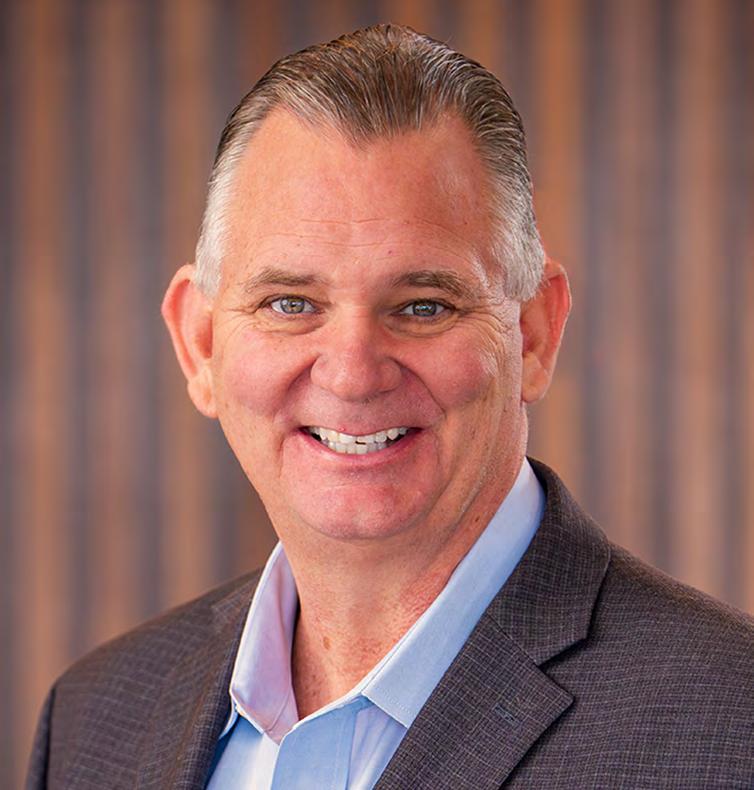

In a world where it’s all too easy to be a critic, Jim is a playwright.”

Other stories abound, but it’s likely most have never heard of those, since Jim isn’t looking for the accolades. He’s just trying to make his mother proud.
“My mother had a mantra that we should help others whenever we can,” Jim says. “It’s about doing what’s right even when no one’s looking, and so I try to do at least one good deed every day.
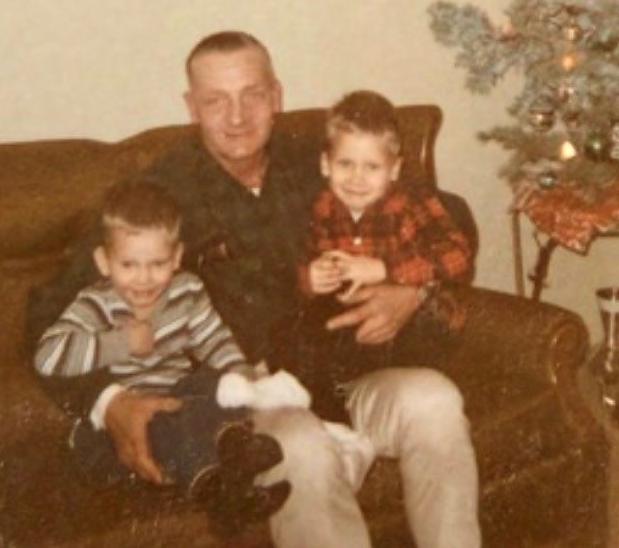
Somehow though, I get caught doing it a lot, so I got ‘Do Gooder’ as a nickname.” His other favorite nickname was “The Hillbilly from Philly,” but that’s a story for another time. What’s important to emphasize here, today, is that over the course of his distinguished career, Jim has helped more than just random folks. He’s helped countless people in the industry achieve their potential through mentorship, encouragement and pushing them beyond what they think are their boundaries.
The result of that commitment is a legacy of leaders who are already making the industry better and stronger today—and who will pass on a tradition that makes for an even more promising future.
Jim was born in Sacramento, California in 1963, but he wasn’t there long. He never met his paternal father, and by the time he was four, his mom had moved Jim and his brother to live near their grandparents in Sonoma. That was where his mom met the man who would become Jim’s dad, and the family moved to Tennessee.
His parents were both very hard workers. His dad drove a truck and his mom held down—at times— three jobs, primarily as a waitress. Even so, she still found time to help some special needs kids in their community learn how to read.
“My mom was the most influential person in my life. She taught my brother and me to have a strong work ethic, to treat others right, and to be humble, but confident in our abilities,” Jim says.
“Truly an amazing lady.”
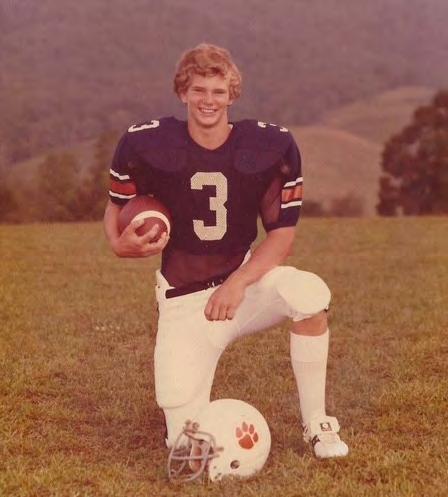
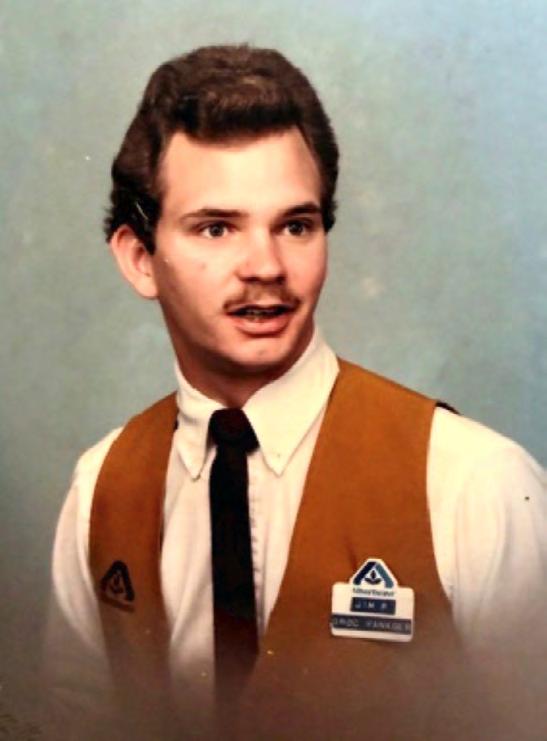
That work ethic served him well all the way through high school, where Jim earned a 3.98 GPA. This was 1981, long before the advent of AP classes and the “above 4.0” GPA-era of today. He also played football, where he excelled in playing virtually every position on the team.
As his senior year came around, the street wisdom in his community was that Jim had the academic grades and the football chops to go to Yale.
It was an exciting and intriguing idea, so Jim applied. Yale, however, felt differently.
“My mom was just devasted when I didn’t get into Yale,” Jim says. “In retrospect though, we were a pretty poor family from the country— maybe better off than most because we actually had shingles on our roof—but I don’t think I’d have fit in at an Ivy League school.”
In high school, Jim anchored both sides of the line playing tight end and defensive end

He did apply to the University of Tennessee at the last minute, which meant
he got the worst imaginable class schedule. For the few short weeks he was there, he can only describe it as a “miserable experience.”
So instead of college, he hit the road at 18. He’d built a 1948 Ford pickup in his garage while in high school, and it was time to stretch its legs. So, he hopped in it with all his worldly possessions and set out for California.
In some ways it was a homecoming— he came back to the Sacramento area and got a job at Albertsons in Folsom as a courtesy clerk, bagging groceries, offering carry out service, and rounding up shopping carts.
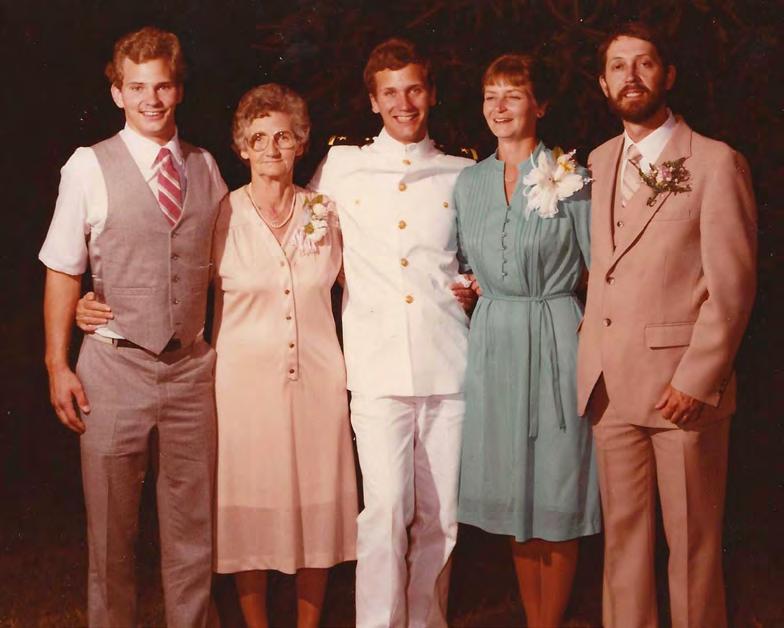
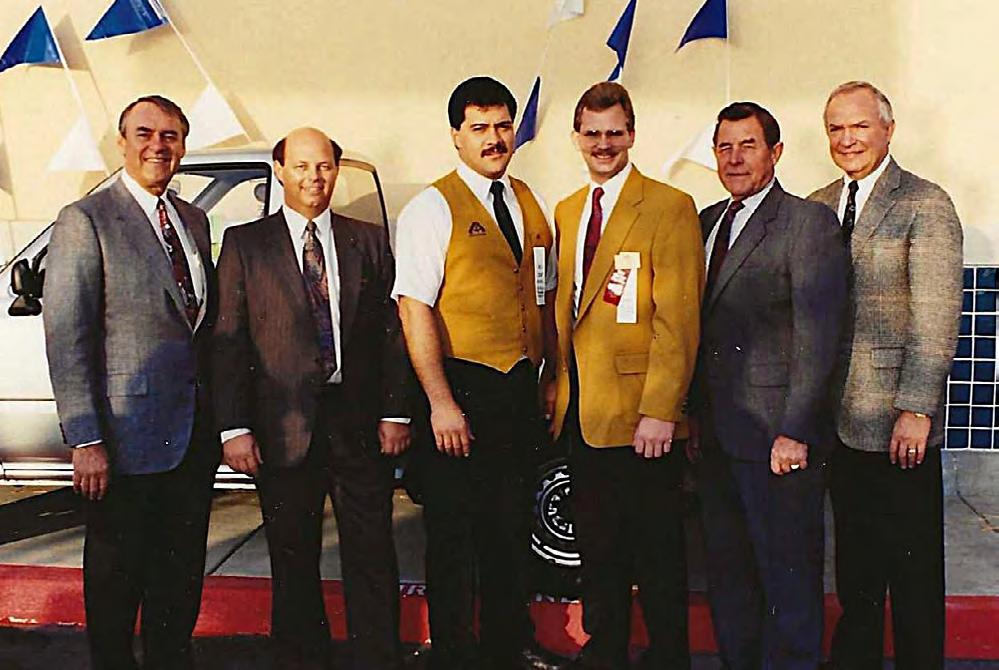
It was an exciting time in the grocery industry. That was the very first Albertsons store that could electronically scan groceries.
Jim stayed at Albertsons and worked his way through the ranks—and several Albertsons stores throughout Northern California—until he got his first store manager position in Redding in 1987. He was 26 years old. That was followed by store manager
positions in Fresno and Carmichael, and then Albertsons moved him out to Florida in 1994. That was when his career really launched.
From Florida, Jim returned to run Lucky from 2004 to 2006. Jim then crisscrossed the country, taking greater leadership roles at Albertsons, and Ahold. He returned to The Save Mart Companies in 2023 and was appointed President of The Save Mart Companies in 2024. He held that job until Shane Sampson’s retirement, and was named President and CEO of The Save Mart Companies in January 2026.
“I loved the fact that if you were willing to work harder than the people around you, you could advance your career quickly. But at the same time I had some really, really great mentors” Jim says. “Joe Albertson for starters, he was a huge influence. I was also mentored by legends like Bob Miller, Bob Butler, Justin Dye, and of course, Shane Sampson.”
He credits those mentors with sharing gems of wisdom that he uses to this day. He’ll be the first to tell you that the grocery business is challenging. Margins are slim, and when things like tariffs hit, and you can’t pass those costs on to customers, the grocery business gets downright hard. It’s times like that when he remembers Justin Dye telling him, “just keep chopping wood every day,” and Bob Miller’s advice to “just knock down one domino at a time and the rest will fall soon enough.”
All along the way, he pushed and challenged himself as much as his teams. To his mother’s delight, he finally returned to college in 2003, at the University of Phoenix, at the age of 40. Not content to do the usual four-year stint, however, he “speed-dated” college. He doubled up on classes and did everything possible to finish as soon as he could. He kept at it, at the same pace, even after graduation and went on to earn his master’s degree by the time he was 44.

Beyond his job promotions and academic achievements, he’s also been recognized for his work in the industry. In addition to the CGAEF Hall of Achievement this year, he’s previously been honored as a Pete Manos Retail Executive of the Year, an inductee into the Maryland Food Industry Council Hall of Fame, the New Jersey Food Industry Council Retail Executive of the Year, and he’s the only person to have been named “Executive of the Year”—twice—by the Mid Atlantic Food Trade Organization.
Ask any of his colleagues why he’s won these awards, however, and the answer goes far beyond simply running a company well. It’s not his resume that they praise. It’s the man himself.
“Jim is really invested in teaching and fostering the next generation of grocery workers,” says Ron Fong, President & CEO of the California Grocers Association. “He has a unique ability to spot leadership ability within the ranks, and really believes in providing access to education, scholarships, internships… whatever he can do to help them succeed.”

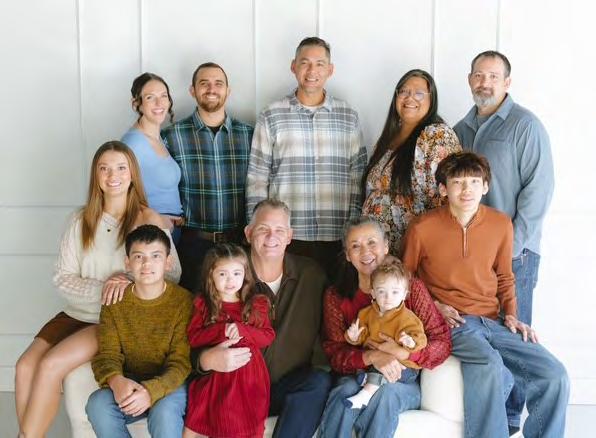
That commitment to lifting up others is another credit to his mom, who taught him that helping others meant more than handing over spare change to someone on the corner. It meant giving someone a chance to make themselves better.
He applied that philosophy to his first store manager job, where he quickly saw the importance of mentoring people, teaching them, training them, and helping them reach their full potential. What he discovered was that helping his team thrive in their careers made for profitable and successful stores full of people who were proud of where they worked and, in turn, committed to their communities.
“I believe having energized and empowered teams creates a strong business foundation,” Jim says.
“If I have learned anything in four decades, it is that you cannot build real customer relationships without taking care of your people first.”
A big part of what attracted Jim to The Save Mart Companies was the fact he could see the corporate culture embraced that same philosophy. The proof of that could be measured in employee retention. More than 30 percent of The Save Mart Companies’ associates and leaders have been with the company for more than 20 years, and many of them know their customers by name.
For Jim, the real reward is in seeing the people he works with grow and blossom in their careers. His favorite stories are about people in whom he saw that spark of potential, and who were willing to let him push them out of their comfort zone, and who are now doing more with their careers than they could have ever imagined.
“Jim is a champion for the cause of his people and his customers and will do anything he can to remove the obstacles to someone’s success,” says Chuck, who is himself a Jim Perkins mentee.
“Every day he asks himself what he can do better, and how he can lead his team better. He leads from the front, and will do anything he can to remove the obstacles to someone’s success.”
“Jim is a people person through and through, and always has been,” Shane Sampson says. “He’d give you the shirt off his back to help you. In my opinion he checks every box of what a leader in this industry should be.”
That applies to Jim’s volunteerism as well. Over the years he’s been involved with the Alex’s Lemonade Stand Foundation, American Cancer Society
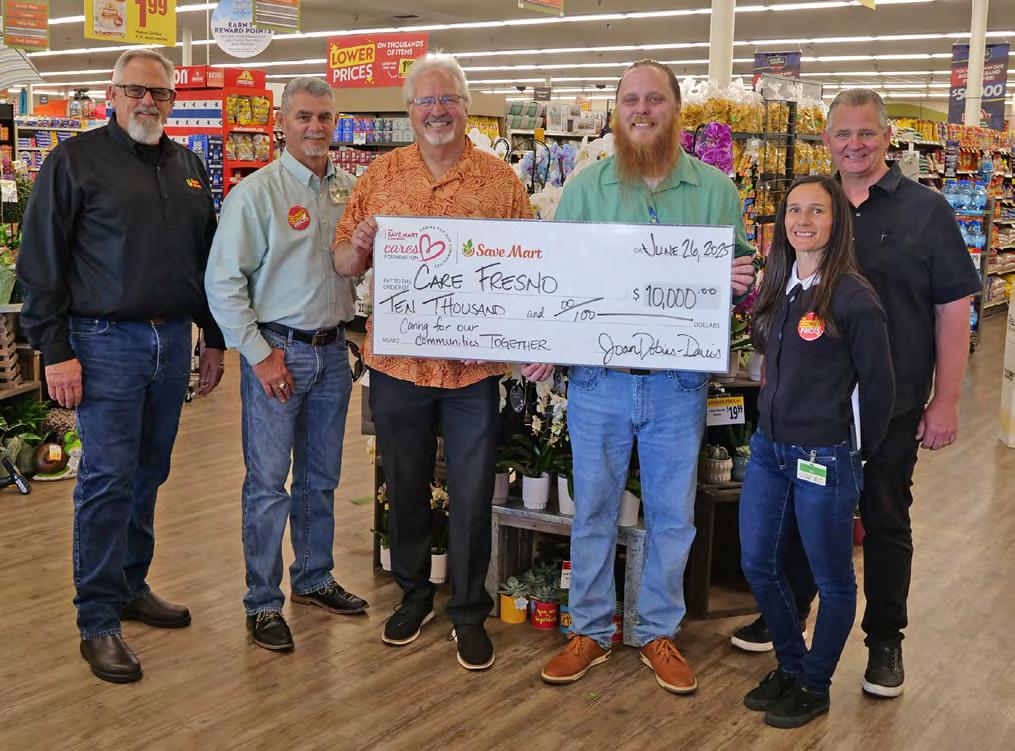
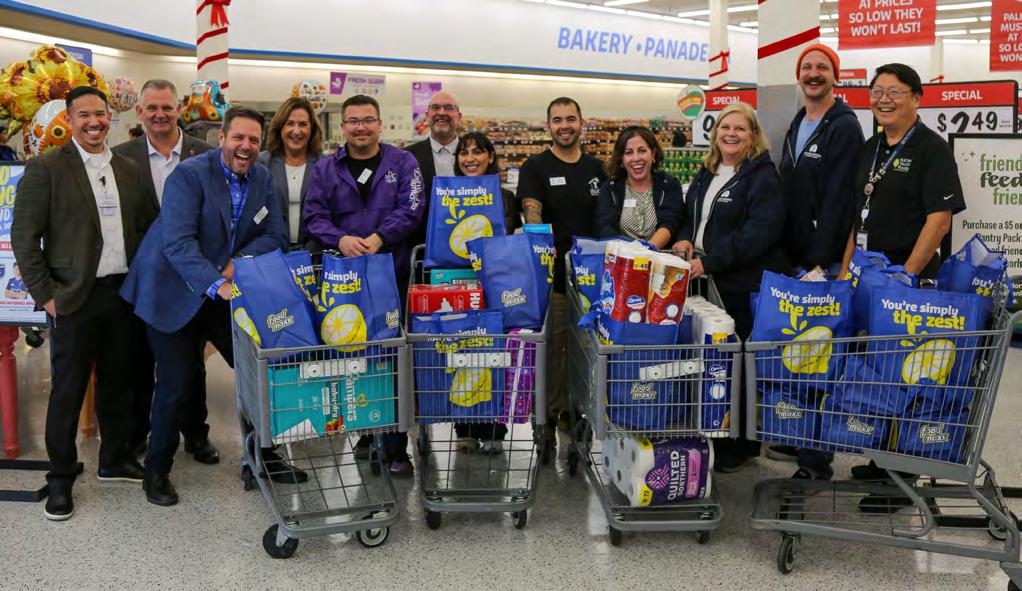
Making Strides, The Boy Scouts of America, Manna Food Bank, St. Josephs, the Mongomery County Food Bank, the WMMR Food drive and others. He’s also particularly proud of The Save Mart Companies CARES Foundation, which has invested millions of dollars in local organizations focused on healthy eating, education, the arts and essential community resources.
“Leadership is really about serving others, and I would describe myself as someone who is focused on building a strong culture and making sure our teams have what they need to do their jobs well every day,” Jim says. “My approach comes down to three things: take care of your people first, listen more than you talk, and move fast, but learn as you go.” ■
At one time, Herb Smith thought he might become a lawyer.
He was coming up on his college graduation, and his plan was to follow in in the footsteps of his father, who’d been a corporate lawyer for decades. One can imagine Herb’s surprise when his father talked him out of it.
Not quite sure what to do next, Herb turned his attention to sales. From a summer job he’d had earlier, he’d learned the Gallo company had a top rate sales training program, so he thought he could learn skills there and then parlay them into a sales job in the pharmaceutical industry. It was 1989, and in Herb’s mind, pharmaceutical sales was where the money was.
That was 37 years ago. Herb has been with Gallo every day since then.
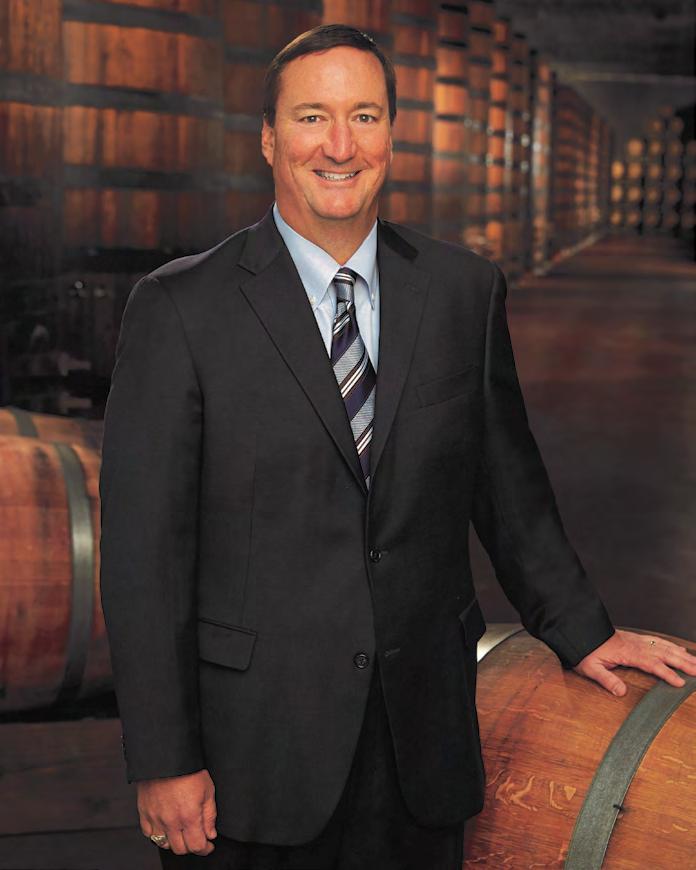
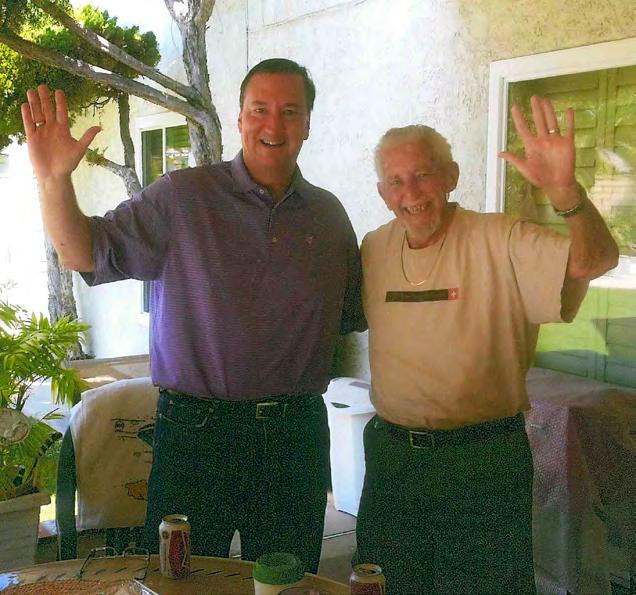
“I’d had a summer job with Gallo previously, thanks to a neighbor, Ted Stutz, who worked for Gallo more than 40 years,” says Herb, now the Vice President of Off Premise Customer Development and Control States. “Once I started my career there and got immersed in the company culture, I never looked back.”
Mentor, Mr. Stutz, whose guidance at Gallo helped shape his career
“Mr. Stutz,” as Herb called him, had Herb work alongside him in his sales territory. At the time Gallo was launching a new brand called ‘Polo Brindisi’ and Herb’s job was to help Mr. Stutz build the in-store displays for the product. It was a job that prepared him well for an entry level role with Gallo, but even more important, Herb was a keen observer. He watched how Mr. Stutz interacted with the retailers, built rapport with them and forged relationships, and thought that was something he might enjoy doing.
He was right of course, but he had no idea how that desire to build relationships, coupled with his own strong connections to family and a lifetime of competitive sports would propel him forward in his career and turn him into one of the grocery industry’s most admired executives.
“DENNY”
Herb was born in 1964 in Granada Hills, California, where his family lived until 1971, when they moved to Yorba Linda. His father was a General Counsel for a finance company and his mom was a homemaker for Herb and his younger sister Heidi.
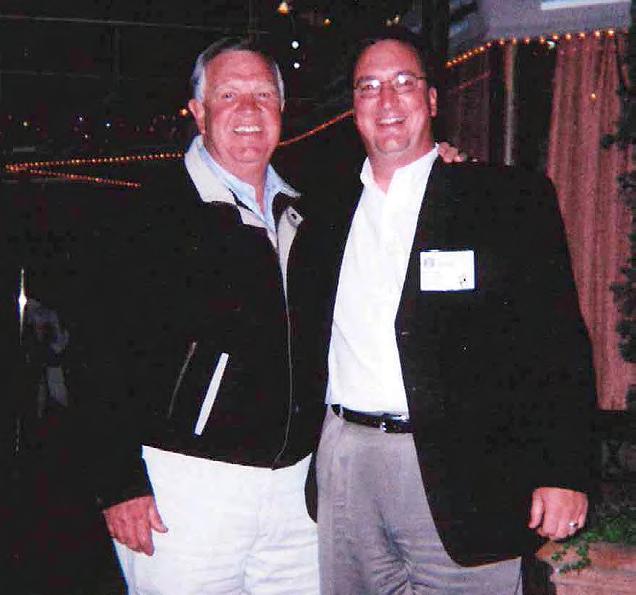
Mentor Denny Despars, whose leadership and commitment to relationships molded Herb’s management style
Growing up, both parents instilled a love of team sports in him. He played basketball, little league baseball, and Junior All American football. He later played basketball and football for Esperanza High School in Anaheim. During his senior year, the football team made it to the championship game, but lost. It’s been 43 years since that game, but Herb will tell you that loss still burns today.
“What I learned from playing sports was the importance of starting what you finish,” Herb says. “I was raised never to give up, to always do your best, and ‘leave it all on the field.’ I think that really served me well as I started my career at Gallo and had to work hard to stand out among my peers.”
The road from graduating high school in 1984 and starting at Gallo in 1989 had one big pit stop at Cal Poly San Luis Obispo, where Herb studied English and Business and played football for
the college all four years. When he took his father’s advice to skip being a lawyer, he gave serious thought to coaching football for a living. The romance of that idea wore off quickly, however, when he saw how much of his life he’d have to sacrifice for that.
He’d had three jobs while in high school, one was at a golf course and the other two had been in the grocery industry. One of the grocery jobs was at a local independent store where he worked in the meat department—and learned a lot about customer service. The second was the job with Mr. Stutz. As Herb was getting ready to leave college, Gallo had (and still has) a very robust college recruiting program. Herb’s past experience helped get him in the door— he graduated from Cal Poly in June of 1989 and started at Gallo in July. He started on the very bottom rung as a sales merchandiser, essentially doing the same kind of work he’d done for Mr. Stutz—building and installing displays for the sales reps. He wasn’t in that role very long, however, as he quickly moved his way up. He credits a competitive nature, ingrained through years of school sports that helped him succeed in those early days. By 1990 he’d been elevated to a sales position and had his own territory in the San Fernando Valley. By 1991, he’d been promoted to a district manager, and shortly after that, to an area manager.
That was when he first met Denny Despars, who had worked at Gallo since 1967, was a legend at the company, and would eventually become one of Herb’s greatest mentors.
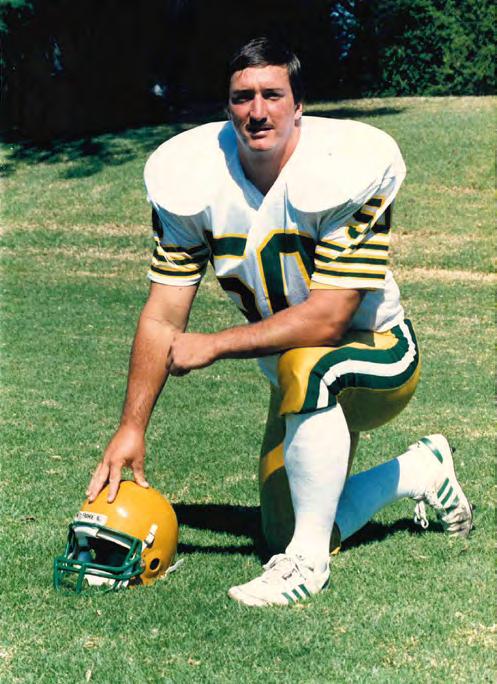
For the next seven years, Herb and Denny worked almost side by side, with Denny coaching and mentoring Herb, and Herb learning as much as he could from Denny about principles of management, customer relations, and “being involved” in the industry.
Herb played center at Cal Poly SLO, also handling long snaps for punts and short snaps for extra points and field goals
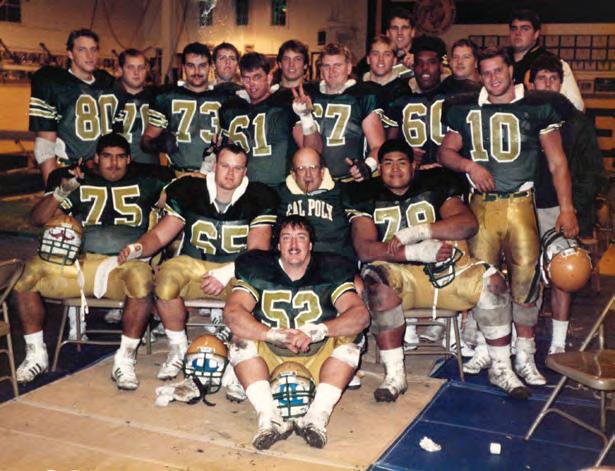
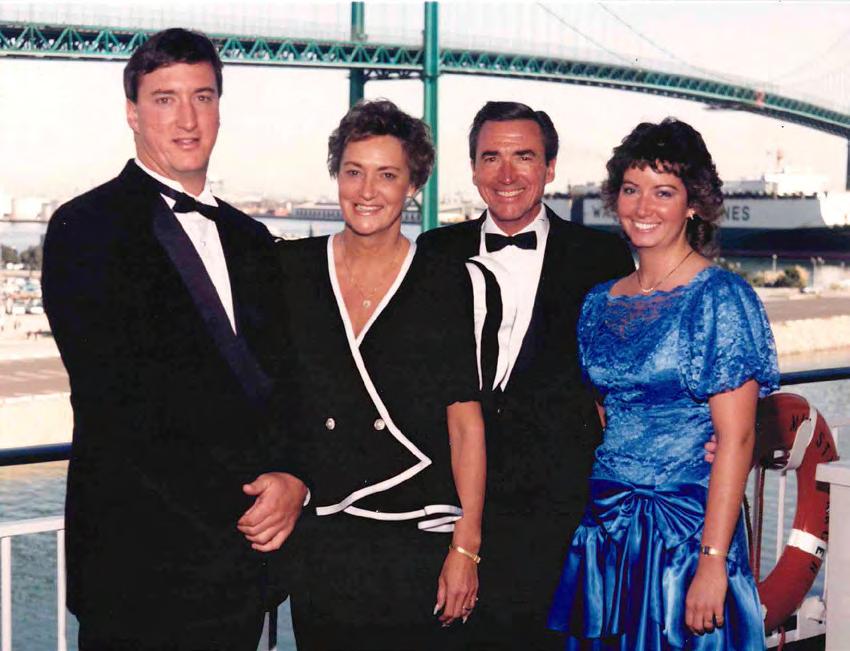
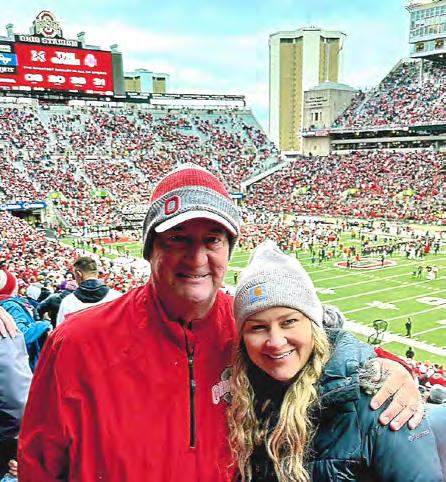
“I distinctly remember meeting Herb because he was from SoCal, like me, but more than that, he really stood out,” Denny says. “Gallo looks for four qualities in people—loyalty, honesty, common sense, and a sense of urgency. I could see quickly that he possessed all four of those qualities in abundance.”
Denny was the General Manager for Gallo’s Los Angeles distribution and sales at the time, and he selected Herb from among all the other area managers to be his Chain Division Sales Manager.
Denny also has a knack for one-line pearls of wisdom.
“Denny had all these wonderful sayings, like ‘The speed of the leader determines the pace of the pack,’ ‘Inspect what you expect,’ ‘Be the one who turns the lights on in the morning and off in the evening,’ and ‘People buy from people they like,’” Herb says. “He was also an amazing people person… he put value on real relationships and on serving the industry and the community. He had such an impact on me and my career that when I got promoted to be Gallo’s General Manager of Sales in Northern California in 1998, I wanted to be in Northern California what Denny was in LA.”
By all accounts, Herb delivered on that goal to emulate Denny.
Above: Herb with his parents and sister Heidi at a formal family affair
Left: Herb’s love of football passed to his daugher Stephanie, an alumni of THE Ohio State University
“What strikes me most about Herb, and why I think he’s so deserving of the Hall of Achievement, is that he does business the old fashioned way— he gets out and meets people,” says Ron Fong, president and CEO of the California Grocers Association.
“Through my work I meet lots of diverse groups of people. Everyone knows Herb, and moreover, they respect and admire him.”
To that point, while people can be “well known” for lots of reasons, Herb’s industry colleagues know him for having a reputation of integrity, generosity and authenticity.
“You would be hard pressed to find a more authentic and thoughtful person—he’s the same in public as he is in private,” says Steve Burd, former CEO of Safeway, current CEO at Burd Health, and himself a CGAEF Hall of Achievement Inductee.
“He’s the epitome of what this industry and the CGAEF Hall of Achievement stand for. In a different time and a different era, they might call this the ‘Herb Smith Award.’”
The other lesson Herb learned from Denny, and applied to his work life, was to be involved. Denny had been involved in numerous boards, charities and industry organizations when they’d worked together. He saw it as a way to make connections and get to know people inside and outside the industry, and in his community.

Over the next 25 years the list of boards and organizations Herb not only joined, but actively supported in ways that won the admiration of peers throughout the industry, reads like a directory of nonprofits. Easter Seals. Boy Scouts. Girl Scouts. California Grocers Association. City of Hope. Muscular Dystrophy Association. The Sales Managers Club of San Francisco. The Illuminators. The USC Food Industry Management Program. The Children’s Miracle Network. The Christermon Foundation. The National Association of Chain Drug Stores. The Food Marketing Institute. The list goes on…
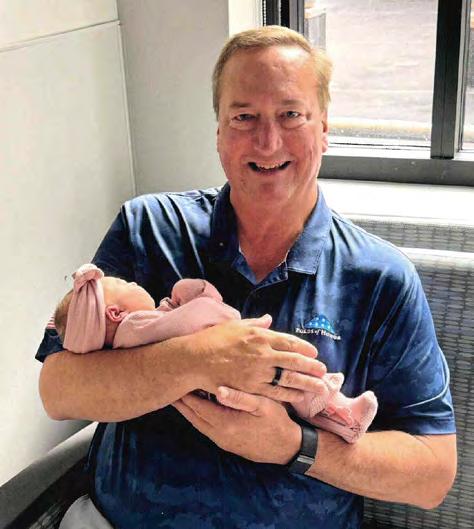
He kept moving up from there. In 2010 he was named Gallo’s national sales director, overseeing $974 million in revenue, and then in 2013 he was promoted to the job he has today, overseeing 150 people who manage Gallo’s top 75 customers and a $2 billion revenue portfolio.
It’s an amazing career path for a one-time, would-be football coach. Yet all along the way, and to this day, he’s kept his appreciation for learning from others.
In 2011 he completed the University of Southern California’s Food Industry Management program, attended FMI leadership courses at Harvard in 2025, and plans to attend additional courses in 2026.
“Herb is one of the hardest working people you will ever meet,” Denny says. “Through sheer desire, hard work, and being the ‘giver of all givers’ he grew through the ranks. His is one of the biggest success stories I’ve ever seen.”
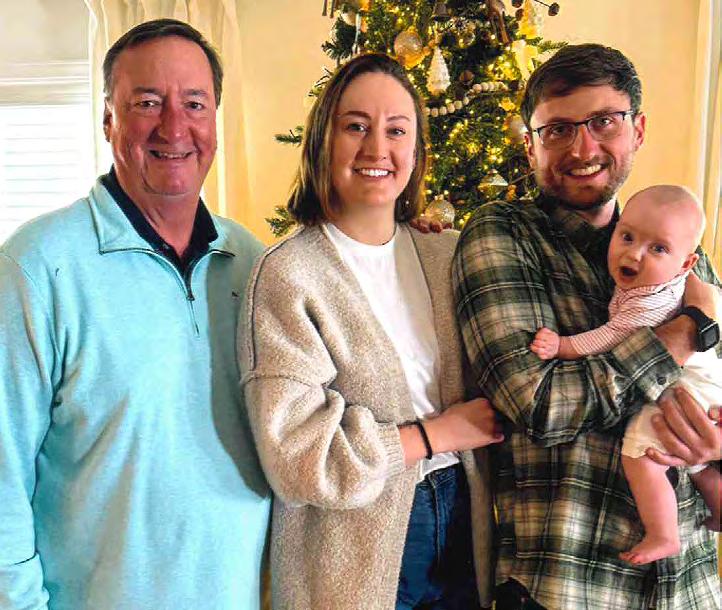
“I’m a joiner… I like to join things” Herb says. “Because what I’ve learned through years of community service is you’re given this gift… you develop relationships with people and peers that go beyond just doing work together. You collaborate on things that are important, that impact and change lives, and that guide how we all move forward as an industry. You forge bonds and friendships through that, and they’re deeper and more meaningful because of it.”
Herb also got the benefit of more mentorship, this time from Bob Wilson, himself a CGAEF Hall of Achievement Inductee, and “someone who knew everyone.” Mentoring younger people was a big part of what Bob did, and that became another area where Herb felt he could give back.
“I came to really enjoy training, developing and mentoring individuals on my team, working with them to set career goals, and helping them get where they want to go,” Herb says. “There is a long line of mentors who got me where I am today, so I’m very proud to honor them by giving back and helping bring up the next generation of industry leaders.”
In 2005 Herb was promoted to GM of Gallo’s Trade Development, where he was in charge of Gallo’s top 50 national retail accounts, including such clients as Walmart, Kroger, Safeway, CVS, 7-11, and others.
In his current position, Herb spends a great deal of time travelling, hence earning the nickname “The Road Warrior” recently from an industry publication. Yet somehow, in the midst of all that work, travel and community involvement, he still takes time to enjoy the good things in life outside of work. He still prioritizes time with family—he recently became a grandfather for the first time. He absolutely loves college football—one of his bucket list goal is to see a game, in person, at every one of the major college football programs. So far, he’s made it to 25 college stadiums.
Rumor has it Herb is also an accomplished golfer. (Make note: the belief among most grocery industry insiders is that if you can get on Herb’s team in a golf tournament, your chances of winning go way up…)
Even with all of his successes and accolades, however, Herb will be the first to tell you that being named to the CGAEF Hall of Achievement is a career highlight.
“I know many of the former inductees. They’re friends and mentors and people I greatly respect. Their achievements with this award are the standard I’ve held myself to for years— words don’t describe what this means to me,” Herb says. “I’m proud to have represented Gallo for 37 years, to have mentored, and been supported by so many great executives, and for the friendships I’ve built with my customers and my peers. I truly believe this is the greatest industry in the world.” ■


BY GRACE BECKER



CamelBak and Crayola have teamed up on a limited-edition drinkware collection that pays homage to the crayon maker’s iconic design. The collaboration includes insulated 16oz bottles and lightweight, non-insulated 14oz and 25oz options, each finished in fan-favorite Crayola shades. Not to mention the lid is shaped to resemble the classic Crayola crayon.
Target announced two new programs aimed to leverage social media creators to drive product discovery and sales. The first initiative, Club Target, designed for everyday creators and frequent customers, includes content challenges on social media platforms, tools and guidance for content creation and a tiered system that offers rewards such as gift cards, social media features and commission opportunities. The second program, Target Ambassadors, is aimed at established creators and is operated in partnership with LTK, a platform used by influencers to manage content and affiliate sales. The company said the program allows creators to work directly with Target within the LTK system, where many already run their businesses. Participants in the ambassador program can access tiered commissions based on sales, campaign opportunities, and performance-based incentives.


@Following its multi-year renovation, The Los Angeles County Museum of Art (LACMA) announced a partnership with Erewhon, the upscale, celebrity-favorite Southern California natural foods retailer and café. Erewhon at LACMA features the retailer’s tonic bar and prepared food section, including coffee, matcha, fresh pastries, fan-favorite smoothies, cold-pressed juices, grab-and-go meals, and organic snacks.

The 131-year-old Italian coffee brand Lavazza is delivering less plastic waste with its new single-serve coffee machine. The company recently debuted Tablì, a coffee tab that has no plastic capsule, individual wrapping, or coating. The product was developed after five years of R&D from a team of baristas and other experts who wanted to develop a sustainable coffee pod that were consistent with the quality of Lavazza’s other espresso offerings. Lavazza’s 100% coffee tabs can be made only with the new Tablì machine, sold for $99.99 in a preorder bundle offering that includes the device, a milk frother, and a 60-count variety pod collection.


Millennial-favorite sustainable basics brands Everlane was acquired by fast fashion giant Shein, much to the surprise of loyal shoppers. Everlane once promised a vision of “ethical factories” and “radical transparency” into how its clothes were made and priced, with a detailed breakdown on each product description. Online reception of the news has been critical, with many accusing the brand of selling out and betraying its original mission.

Weee! is America’s largest online Asian supermarket. Its mission is to provide underserved Asian communities access to affordable products they love. The marketplace imports items from vendors all over the world, with over 100k authentic products available on the platform. Not only does the platform offer fresh grocery products, but also local bakery and meal delivery. Shoppers can also filter their product selection by region— including East Asian, Southeast Asian, and South Asian.

In addition to high-profile ad sponsorships for this summer’s FIFA World Cup from sports brands to beverage companies, some smaller startups are getting in on the action without official partnerships. Brands including Crumbl Cookies and Olipop are channeling team spirit with watch parties and soccer-themed products. Crumbl released a set of limited-edition flavors inspired by the three host countries; flavors include an American brownie sundae cookie, blue raspberry sports drink, and a tangy mango cookie, created in collaboration with Tajín. The cookie brand will also take to social media to promote the limited edition cookies. Functional soda brand Olipop is sponsoring a 30-day-long block party and activation in downtown Dallas, a World Cup host city this summer. The activation will include an Olipop “Feel Good” soda bar and custombranded patches for jersey making.


Certified Meeting Professional and KeHE Accounts Rep join events and sponsorship team
The California Grocers Association is proud to welcome two experienced professionals to the marketing and events team, Pascale Senejoux, director of events and sponsorship, and Dave Cook, business development manager.
“The Association is thrilled to welcome extraordinary new talent to the team to elevate our signature industry events and strengthen our relationships with our corporate partners,” said Chief Operating Officer Doug Scholz. “With Pascale’s background as a Certified Meeting Professional and Dave’s long history in the food industry, we look forward to the expertise and fresh perspectives they each bring to their roles and CGA’s offerings.”
As Director of Events and Sponsorship, Senejoux will produce the Association’s meetings, events, and annual conference, Gather California, from conception through to completion. She will also oversee sponsorship development and the work of a combined sales team to ensure revenue budgets are achieved.
Prior to joining CGA, Senejoux served as Vice President of Operations and Client Service at financial advisory practice Sutley Wetzer, Inc. She also served as Director of Event Management for San Diego Tourism Authority. In addition to her certification in meeting planning, Senejoux holds a Bachelor of Science in Business Management from San Diego State University.
As business development manager, Cook will develop and implement the Association’s sponsorship plans to generate revenue and build strong, long-term relationships with corporate partners.
Cook has more than 20 years of experience in the food industry, most recently working as a Key Accounts Rep for KeHE Distributors. He holds a Bachelor of Science in Food Science and Technology from California Polytechnic University.
Both roles report to Chief Operating Officer Doug Scholz. ■
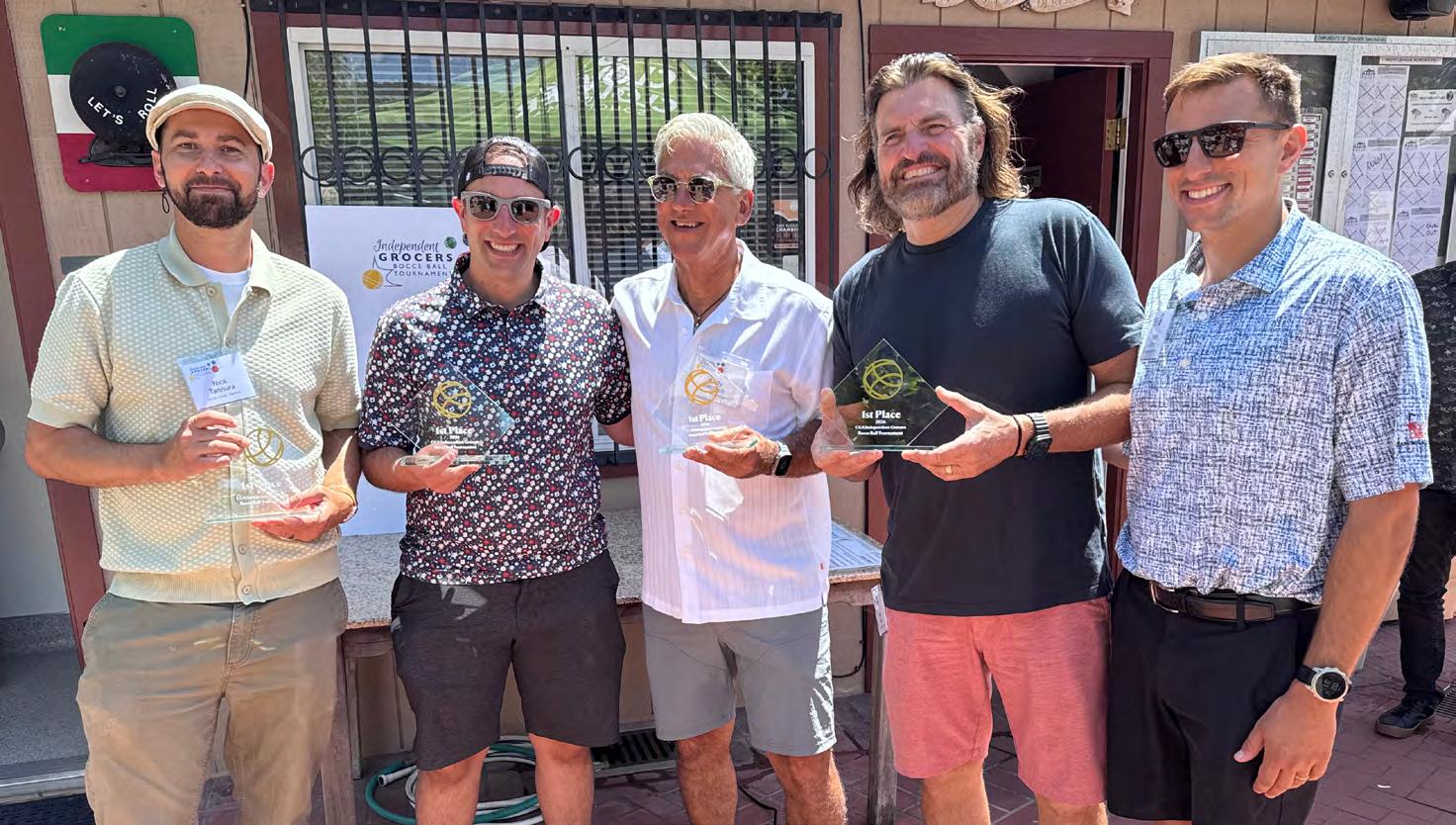
Business met bocce on June 2 as California’s independent grocers and suppliers enjoyed a day of networking, delicious food and drink, and friendly competition in sunny Northern California.
The second annual Independent Grocers Bocce Ball Tournament took place at the Marin Bocce Federation in San Raphael, Calif. where the independent grocery community enjoyed a fresh twist on a favorite tradition. This tournament marked the second major gathering of independent grocers this year, following the Independent Operators Symposium in O’ahu this past January.
The crew from Mollie Stone’s Markets took home first place bragging rights while RMS, Inc. finished runner up.
Thank you to our fantastic Sponsors for making this day possible! The next chance to connect with California’s independent grocers takes place this fall at Gather California. Contact Dave Cook to learn about available opportunities. ■
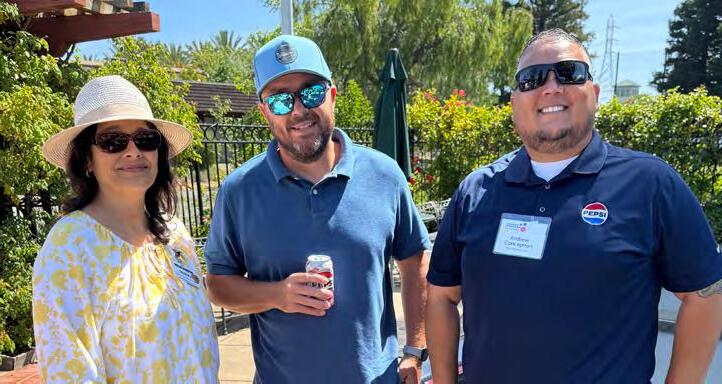
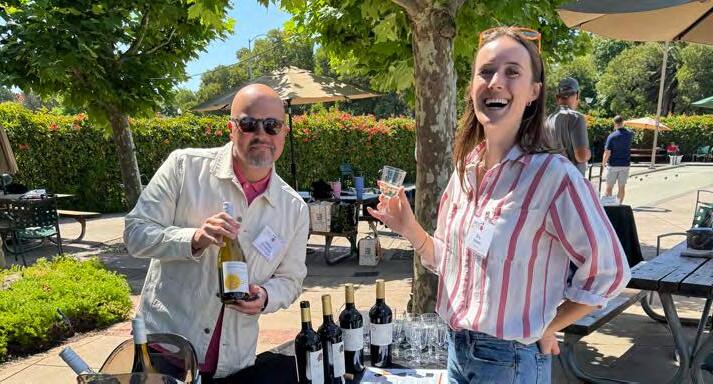

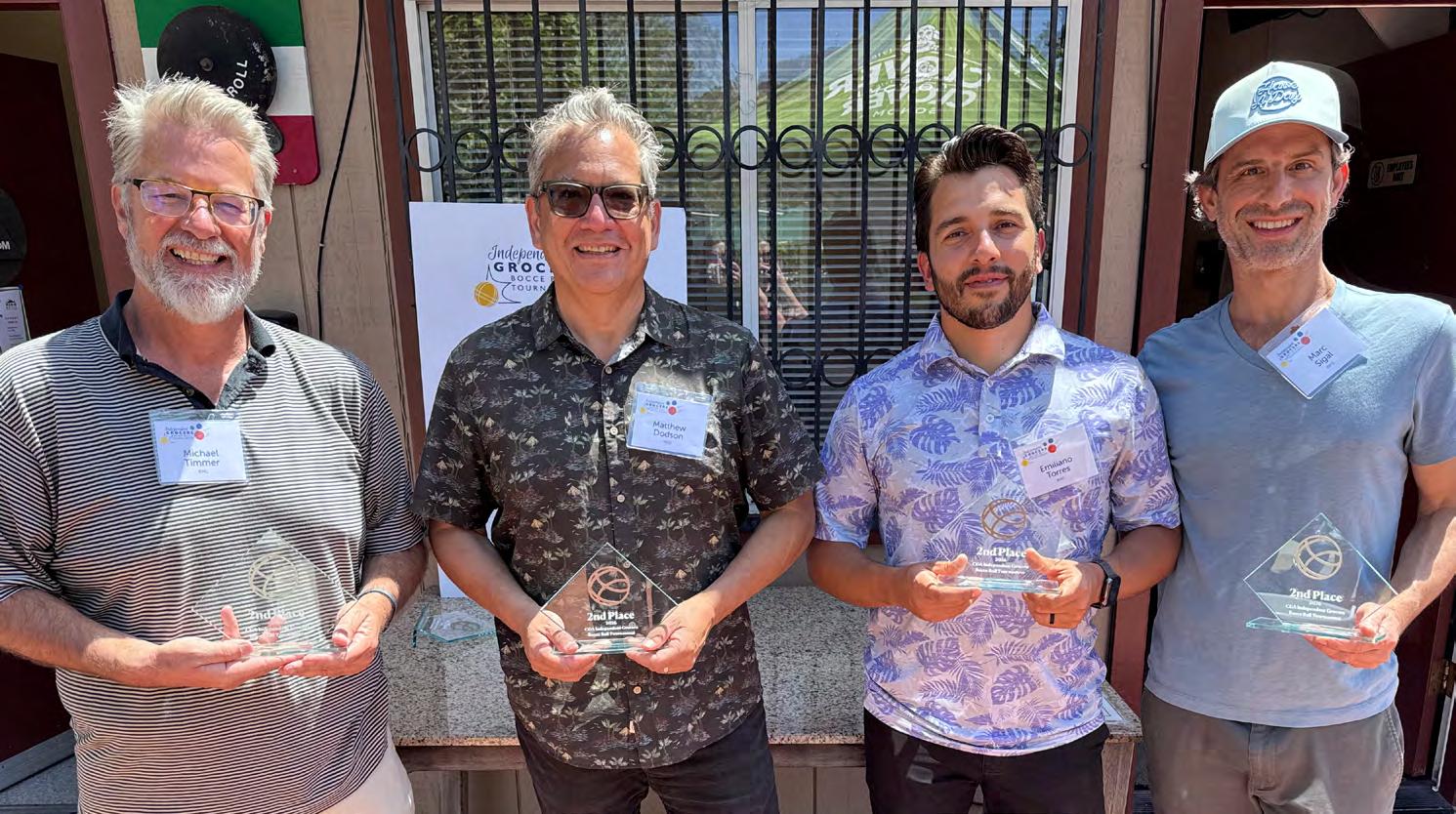
Being a member of the California Grocers Association has significantly impacted my connections within the state’s grocery industry. CGA has enabled me to deepen relationships with many grocers across California, enhancing both professional and personal ties. This vibrant community understands the state’s unique market dynamics and ensures the success of its members. Through advocacy and initiatives tailored to California’s diverse needs, CGA strengthens the industry, and I am proud to be part of such a crucial organization.

CGA welcomes the following members:
Food Marketplace Inc. dba FMI,
The Food Industry Association
251 18th St S Ste 1200
Arlington, VA 22202-3537
Contact: Stephanie Harris, Chief Regulatory Officer & General Counsel
E-mail: sbharris@fmi.org
Phone: (202) 220-0614
Website: fmi.org
Olive Crest
2130 E 4th St
Santa Ana, CA 92705
Contact: Rhonda Tagge, National Development Director
E-mail: rhonda-tagge@olivecrest.org
Phone: (714) 488-7094
Website: olivecrest.org

Retagly
4605 Lankershim Blvd Ste 219
North Hollywood, CA 91602-1874
Contact: Moses Akopyan, Co-Founder & CFO
E-mail: moses@retagly.com
Phone: (877) 645-9777
Website: retagly.com
Verantum
111 Pacifica Ste 260
Irvine, CA 92618-7427
Contact: Victor Kinney, Strategic Advisor
E-mail: vkinney@verantum.com
Phone: (949) 813-3111
Website: verantum.com
La Republica Coffee, LLC
2816 Honolulu Ave Unit 355
Verdugo City, CA 91046-7016
Contact: Tony Troiano, President & CGO
E-mail: tony@larepublicasuperfoods.com
Phone: (949) 324-3378
Website: larepublicasuperfoods.com

OrangeBio USA LLC
160 S Old Springs Rd Ste 240 Anaheim, CA 92808-1226
Contact: Tiffany Huang, Operations Director
Marrad
3707 E Southern Ave Mesa, AZ 85206-6215
Contact: Steve Berger, Chief Executive Officer
E-mail: Steve.berger@marrad.com
Phone: (602) 692-8805
Website: marrad.com

Petaluma Egg Farm
700 Cavanaugh Ln
Petaluma, CA 94952-1251
Contact: Jim O’Shea, General Manager

E-mail: tiffany@orangebio.com
E-mail: jim@petalumafarms.com
Phone: (925) 628-2802
Website: petalumaeggfarm.com

Trace 1996 W 3300 S West Haven, UT 84401-9774
Contact: Braxton Kay, Senior Sale Executive
E-mail: braxton.kay@traceminerals.com
Phone: (801) 528-5632
Website: traceminerals.com
Tropicana Products, Inc.
525 W Van Buren St Chicago, IL 60607
Contact: Michelle Georges, Senior Legal Director
E-mail: michelle.georges@tropicana.com
Phone: (773) 814-9039
Website: tropicanabrandsgroup.com

Warpath Coffee
401 W 19th St Ste 301
Cheyenne, WY 82001-4358
Contact: Tej Gill, Founder/CEO
E-mail: tejfrog@warpath.coffee
Phone: (949) 449-7996
Website: warpath.coffee


















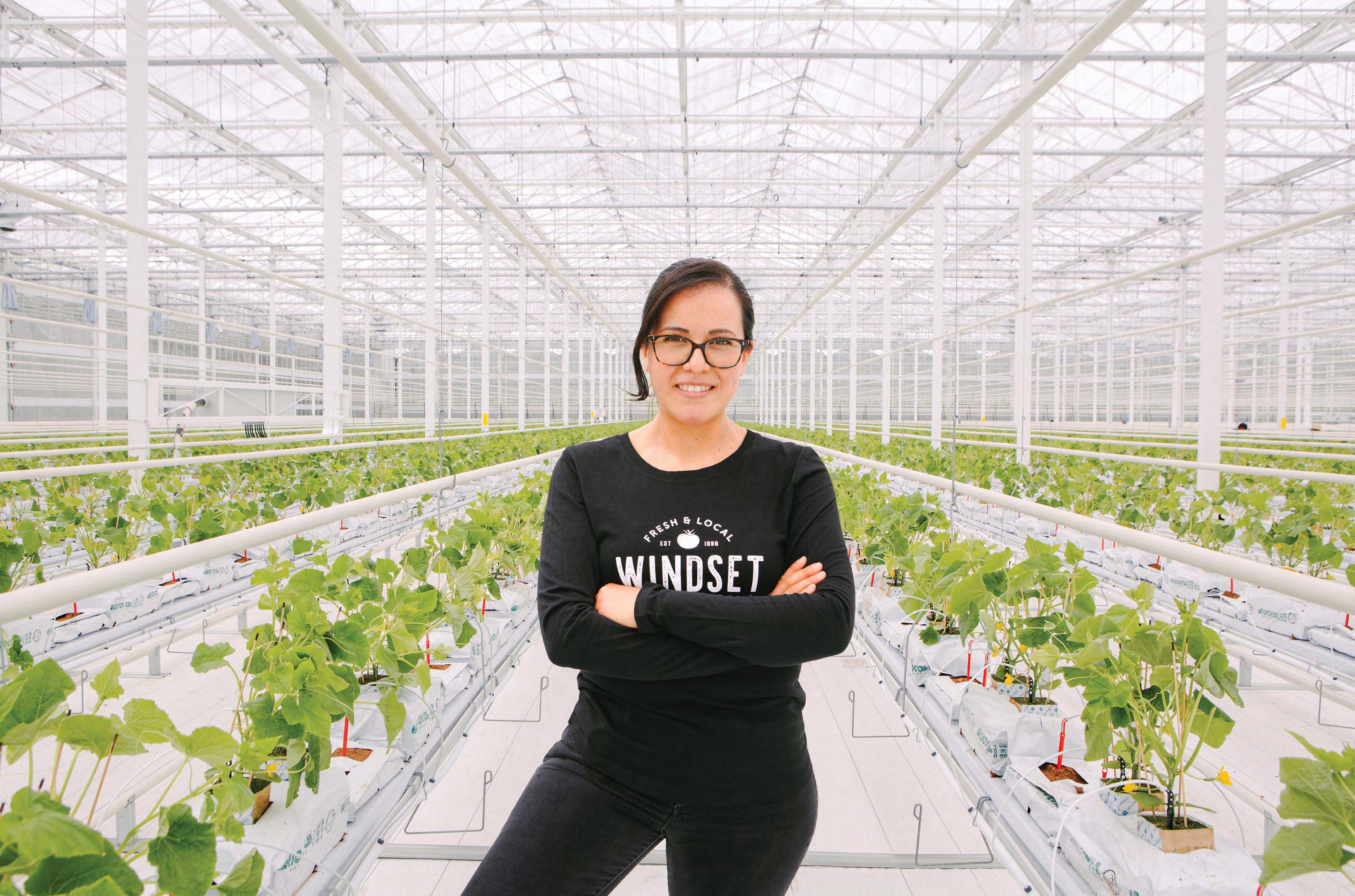





















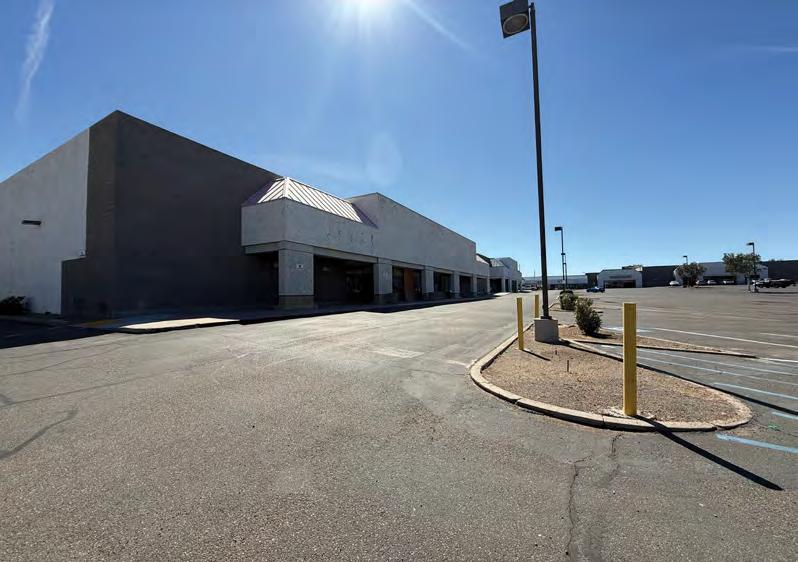





































KIMBERLY RAE MILLER WRITER
For many families, grocery shopping has become as much about trust as about price.
A few weeks ago, one of the larger grocery chains in our area announced major price cuts in response to rising gas prices. The news spread quickly through local parent groups because people are paying attention to grocery costs in a way I’ve never quite seen before.
Now, I’m realistic enough to understand these decisions are rarely made out of pure altruism. A discount grocery chain has also expanded aggressively in our area recently, and competition certainly plays a role. Grocery stores are businesses. Margins matter. Supply chain costs are still high. Everyone is feeling it.
Still, I think the announcement mattered.
Lately, it feels like every conversation circles back to money. At my book club this month, we barely discussed the actual book. Instead, we spent most of the evening talking about gas prices, grocery bills and how much harder it suddenly feels to manage the day-to-day math of family life.
One woman mentioned that the increase in gas costs for her family now equals about a week’s worth of groceries every month. That comment stuck with me because it perfectly captured the domino effect so many families are experiencing right now. When one cost rises dramatically, everything else shifts with it. Shopping patterns change. Maybe you skip one store for another. Maybe you buy fewer convenience items. Maybe you make an extra stop across town because the produce is cheaper there, even though you’re exhausted.
As a mom, I’ve noticed grocery shopping has become strangely emotional lately. People are not just deciding where to shop based
on convenience anymore. They’re paying attention to which stores seem to understand what families are dealing with. Which stores feel connected to the community? Which ones are making an effort, however imperfect, to help customers stretch a dollar a little further?
For me, grocery stores have always felt deeply personal. They mark the seasons of our lives: the budget years, the “treat yourself” years, the years of babies in shopping carts, and the years when growing kids suddenly seem to eat everything in the house. That’s why moments like this stand out to me. Not because I think one grocery chain lowering prices is going to solve a much larger economic problem, but because it acknowledges something families are feeling deeply right now. People want to feel seen. They want to feel like the places they spend their money understand the pressure they’re under.
iStock
Because ultimately, those are the places they will always come back to. ■















































































































Read California Grocer on your mobile device, or share with an associate. cagrocers.com