my contribution to the project
INVERTEBRATES 2026 by MINIPRINT
Buenos Aires | Argentina
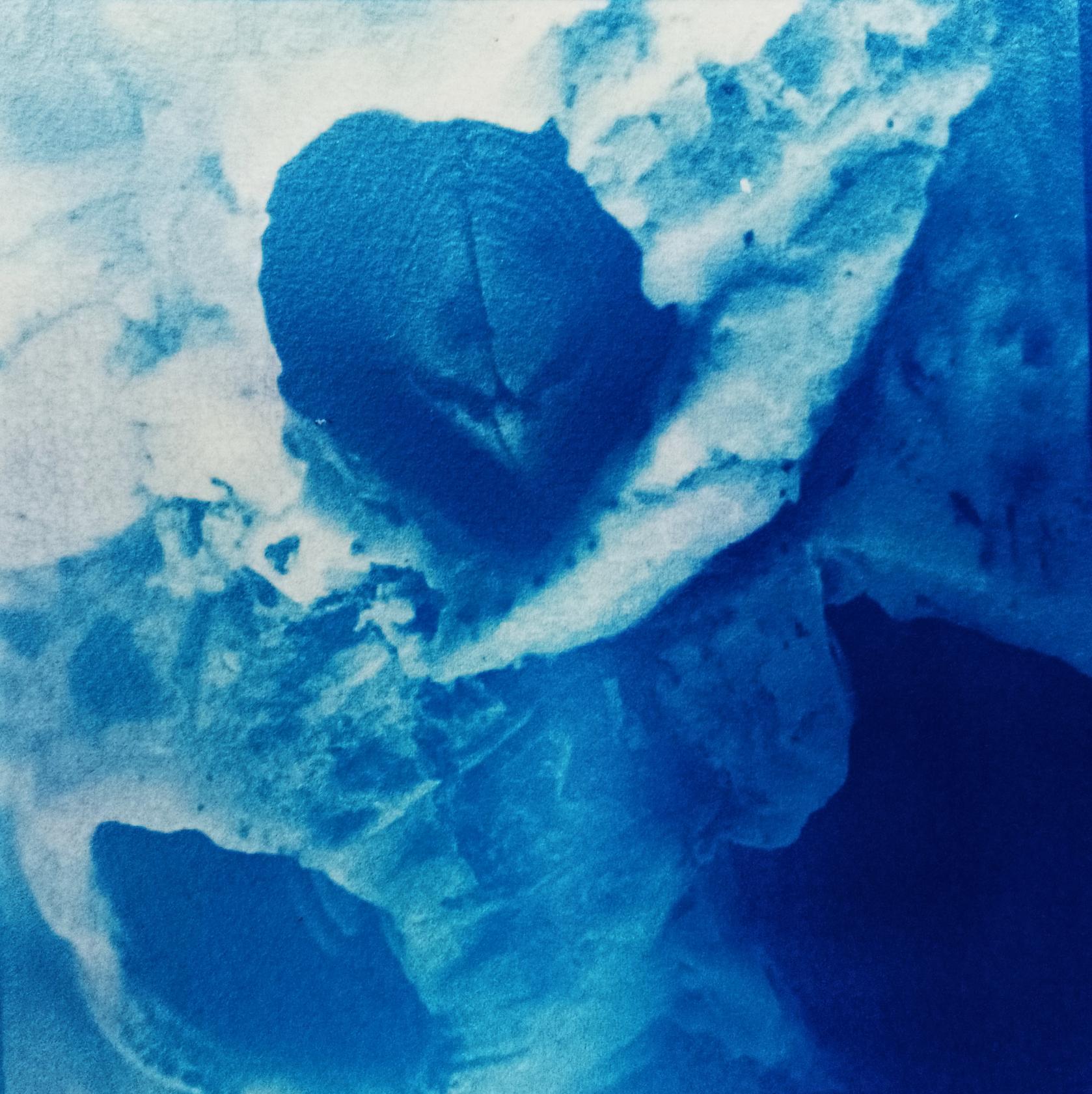
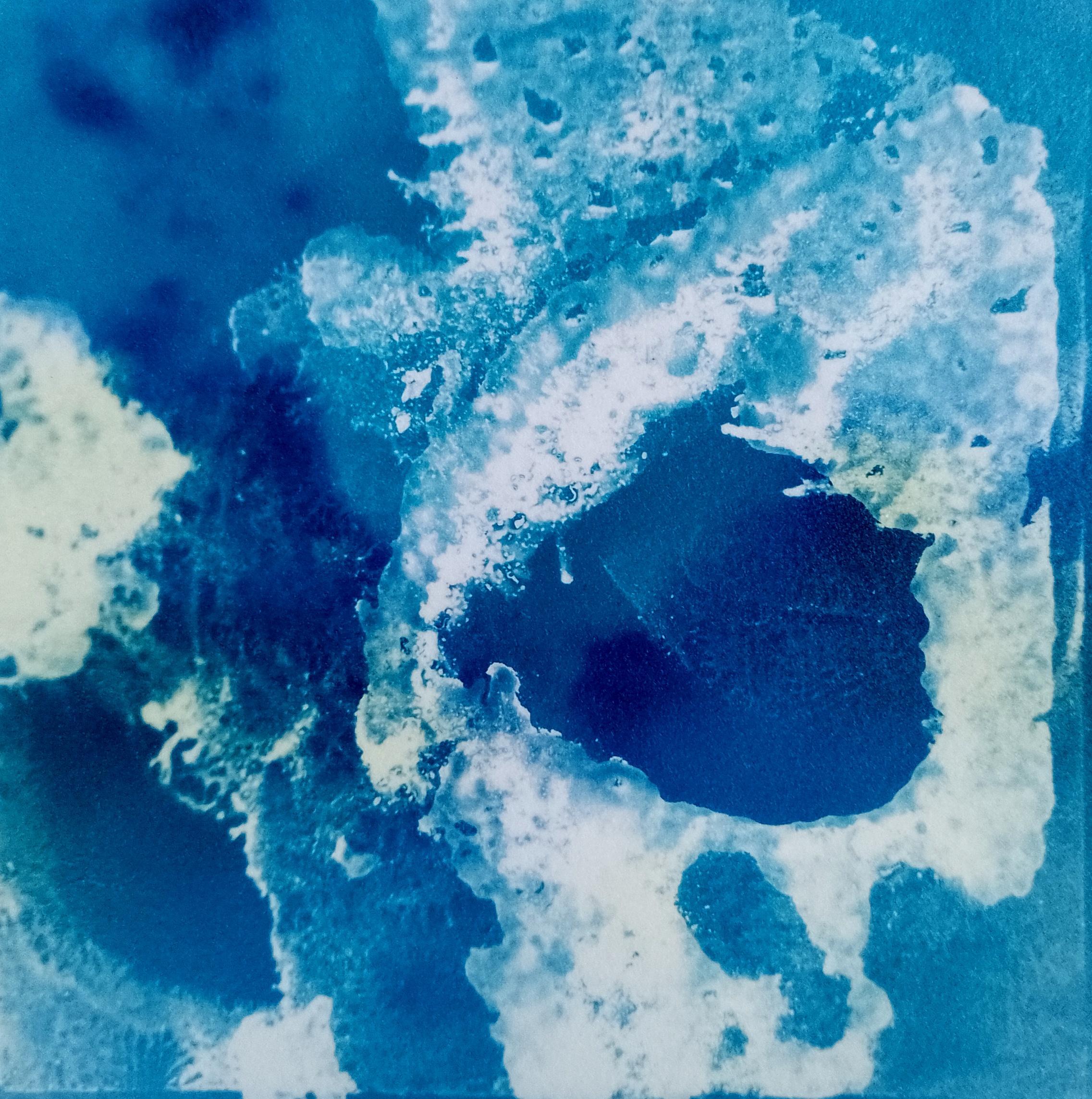
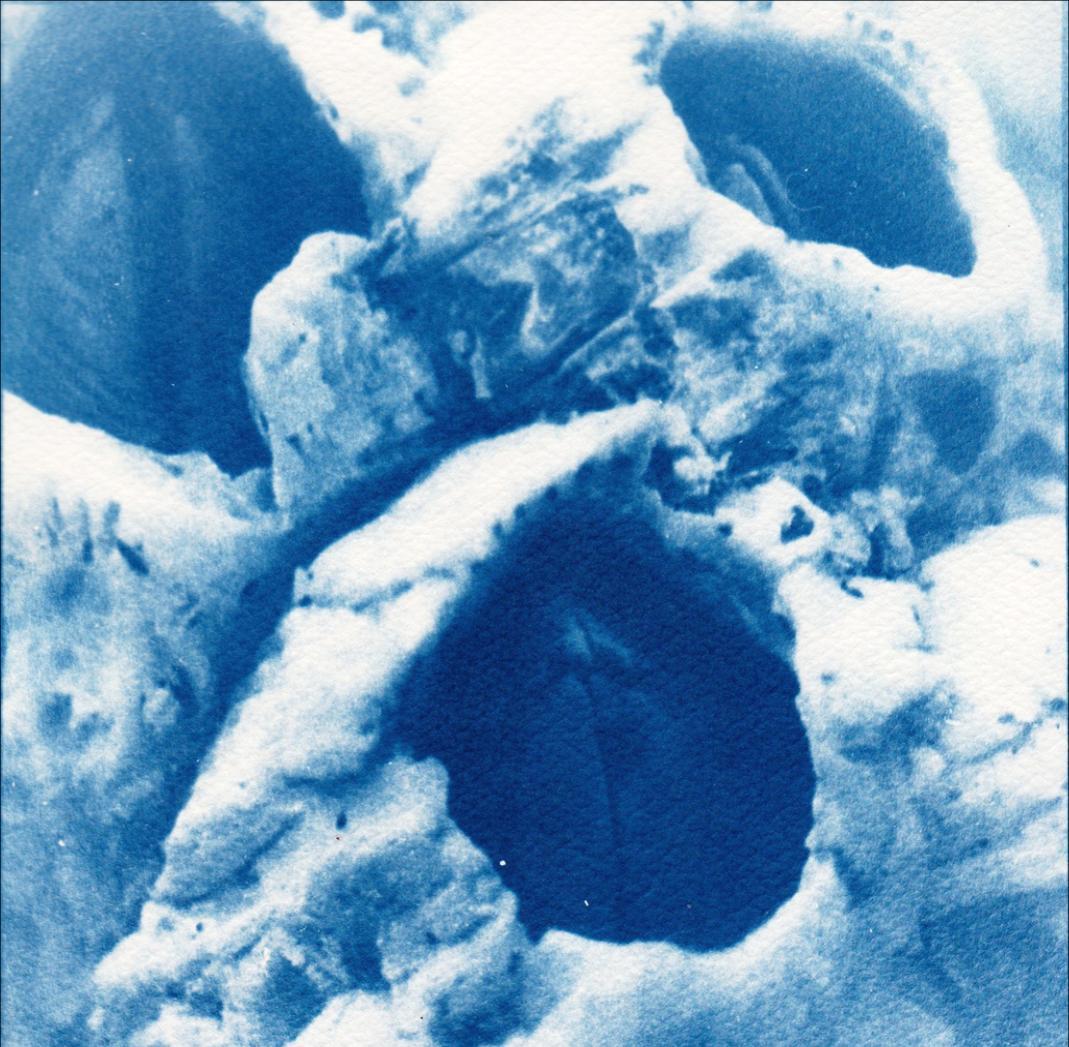
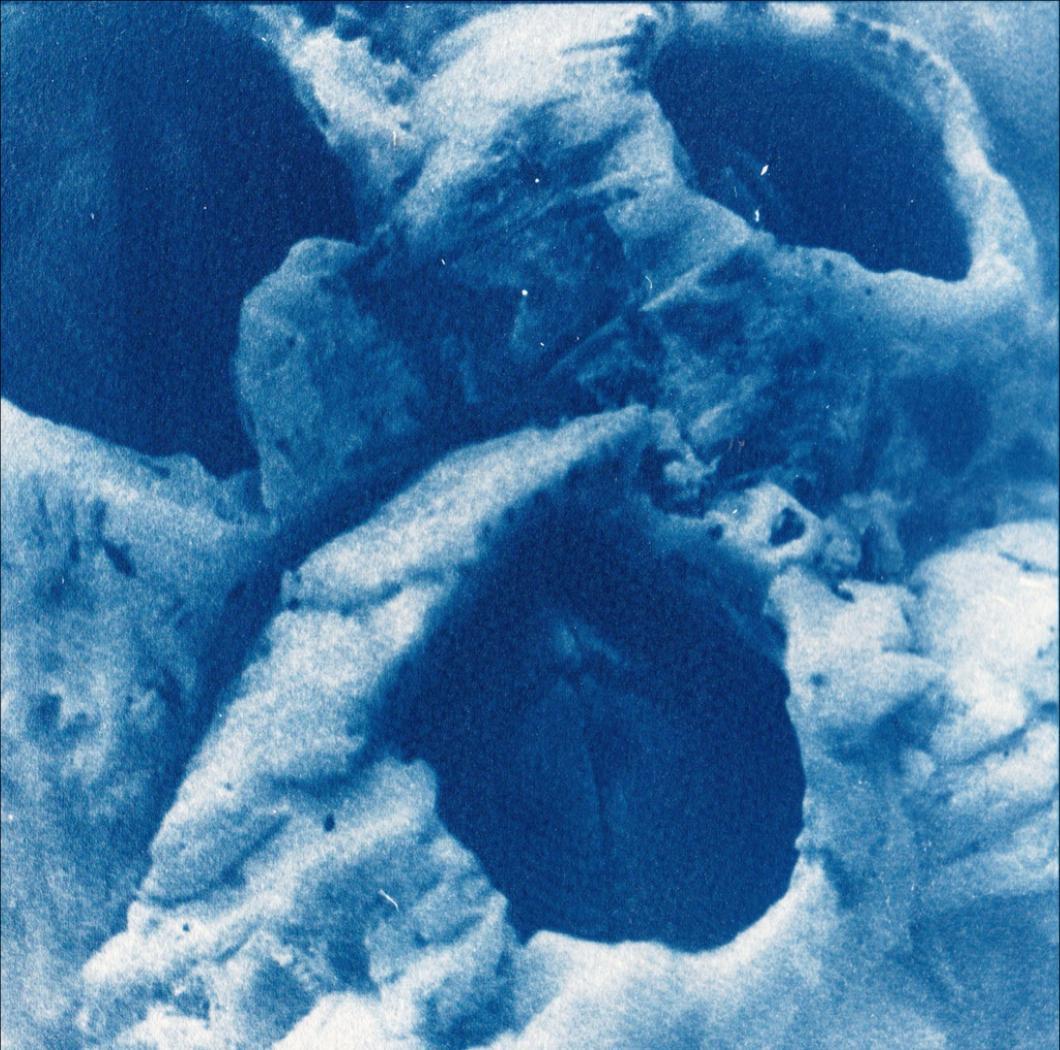
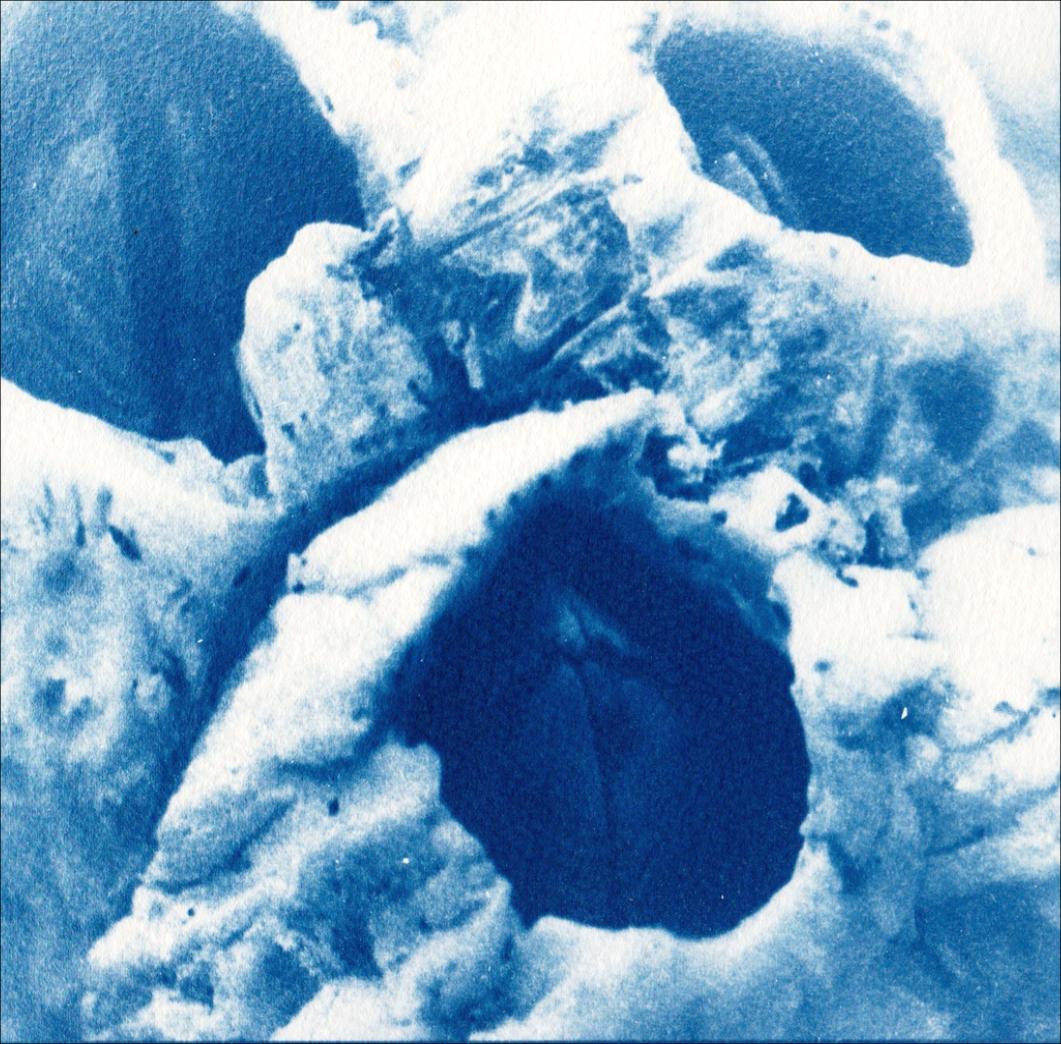
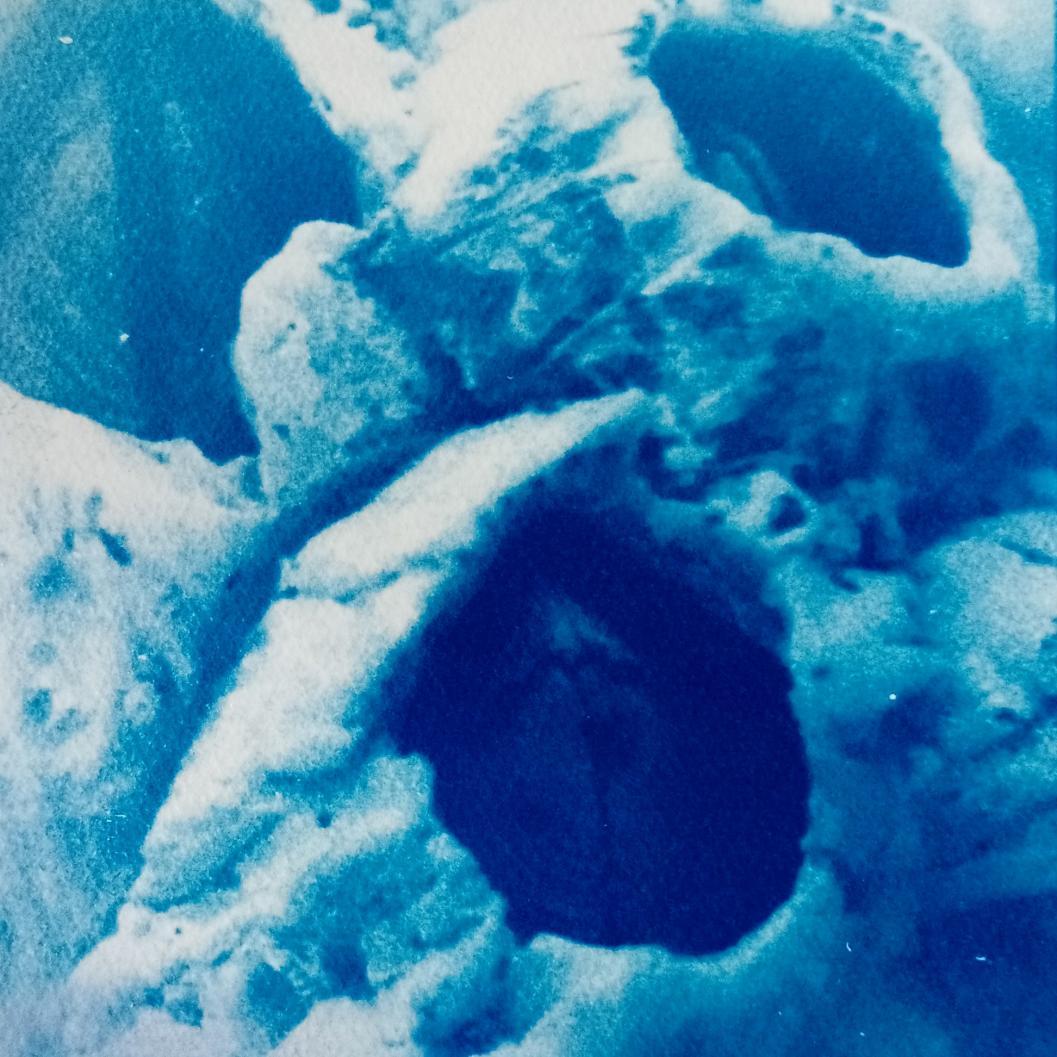
Sessilia | Barnacle edition | 7 + 2 A.P.
cyanotype (blueprint) on Fabriano
100% cotton mould made watercolour paper; cold press | fine grain | 300 g/m3 | 15 x 15 cm; Aquard Cyanotype 2 components set; Van Beek Universal Matte Finishing Varnish. hans overvliet | Leiden, 1952
curiositas@zeelandnet.nl | www.hansovervliet.com
studio | kunstwerkplaats Kipvis
Dreesstraat 2 | Vlissingen
Today on July 15 2016, Lucia Carotenuto & Nélida Torres Baltazar from MINIPRINT, based in Buenos Aires, Argentina, honour and celebrate the engravers who have left their mark on art history. On this day, we commemorate the birthday of the man from Leiden, Rembrandt Harmenszoon van Rijn, on July 15, 1606, one of the most prominent masters of printmaking. That’s why today we started to organize the internationnal printmaking competition INVERTEBRATES 2026 in honour of International Printmaking Day.
As a quiet point of connection, I grew up just 437 metres from the birthplace of Rembrandt—a fitting coincidence for a project ultimately dedicated to him.
Exhibition | juli 2027
Barnacles are crustaceans that occupy a permanent place in the ecosystem as marine scavengers and a food source. They filter plankton from the water, act as prey, and serve as bio-indicators. Additionally, their unique underwater glue is a source of inspiration for medical innovations.
first attempts after test prints
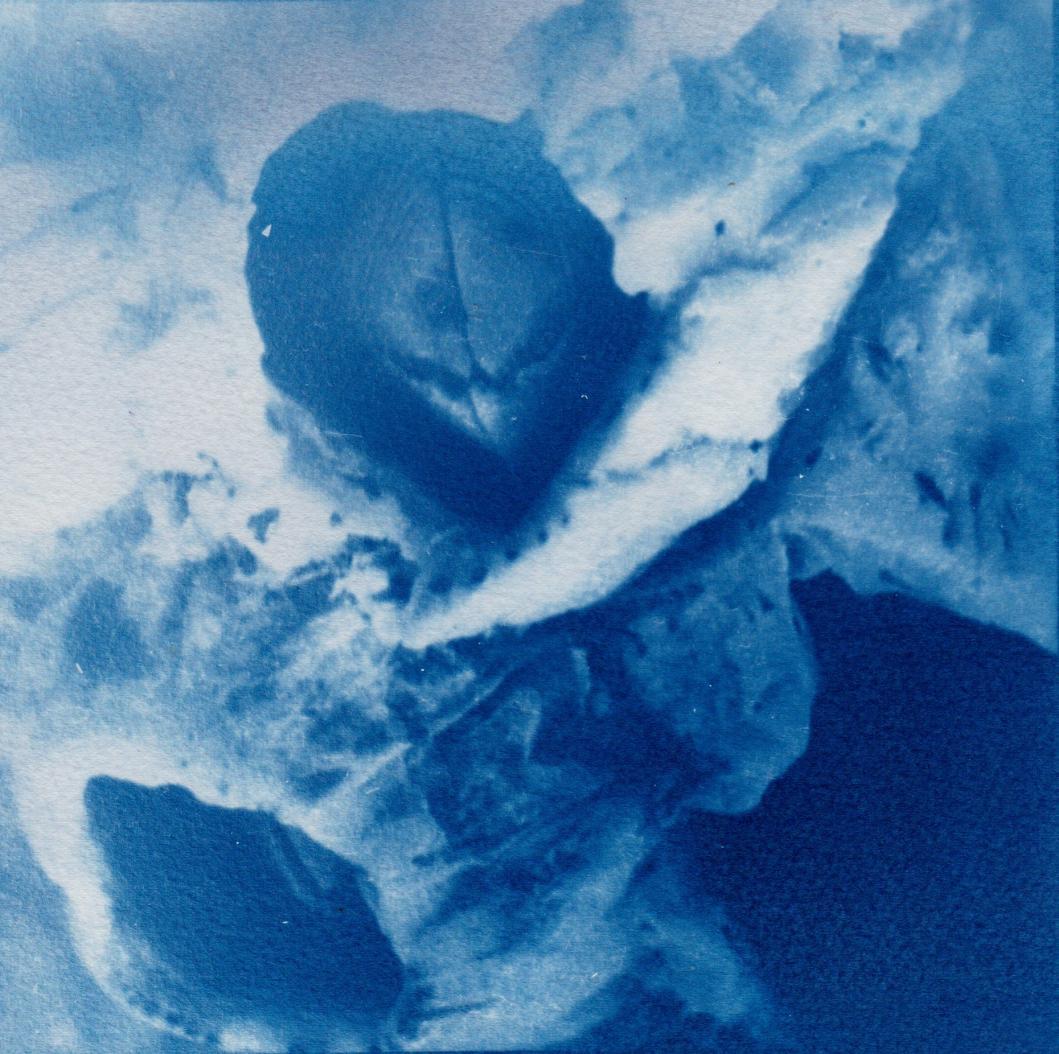
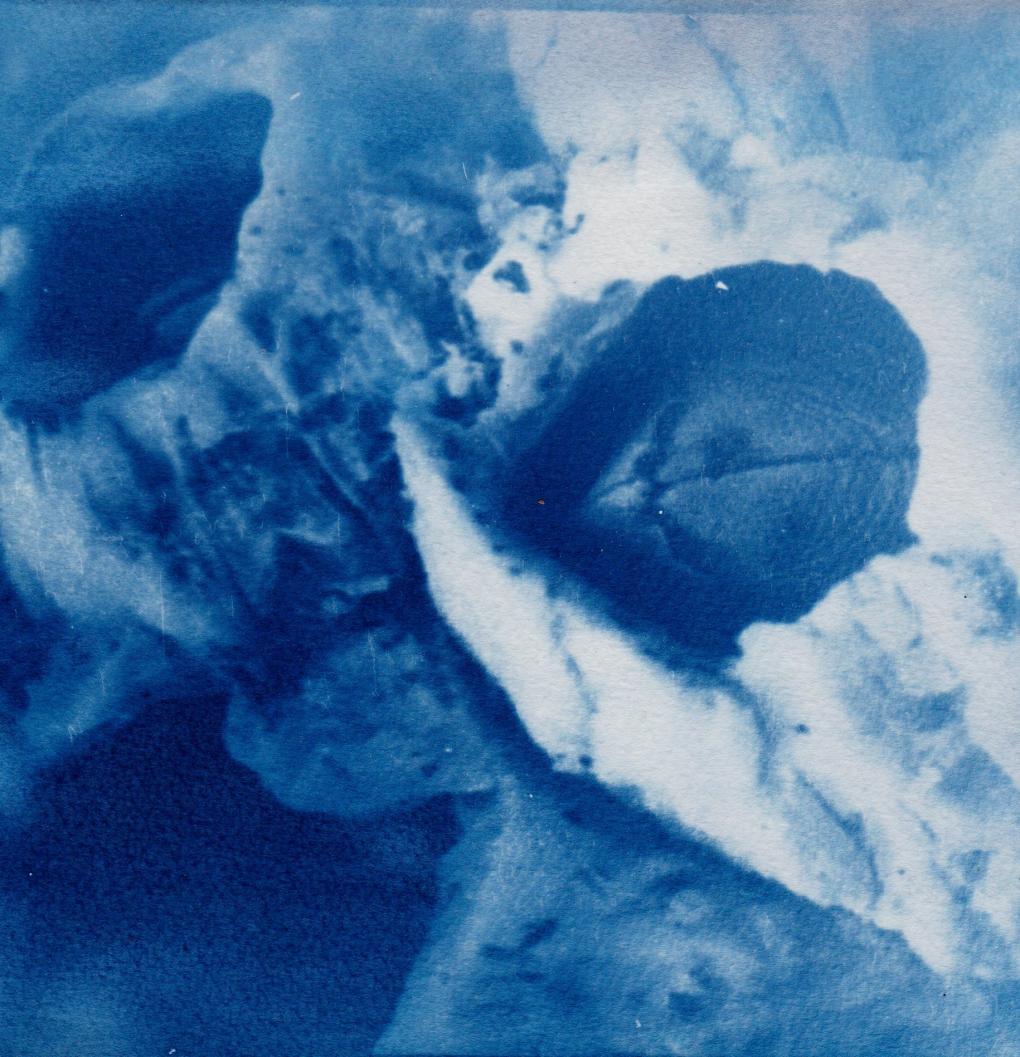
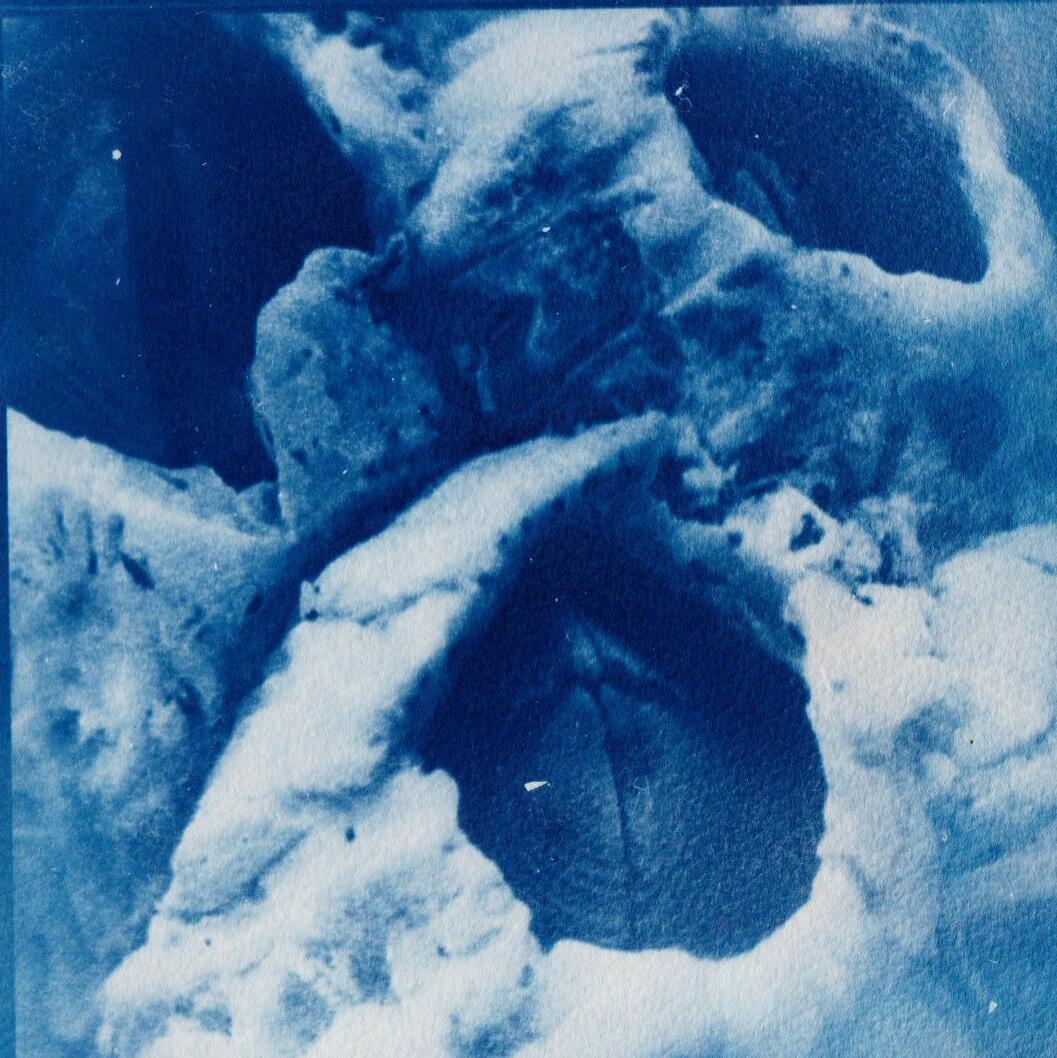
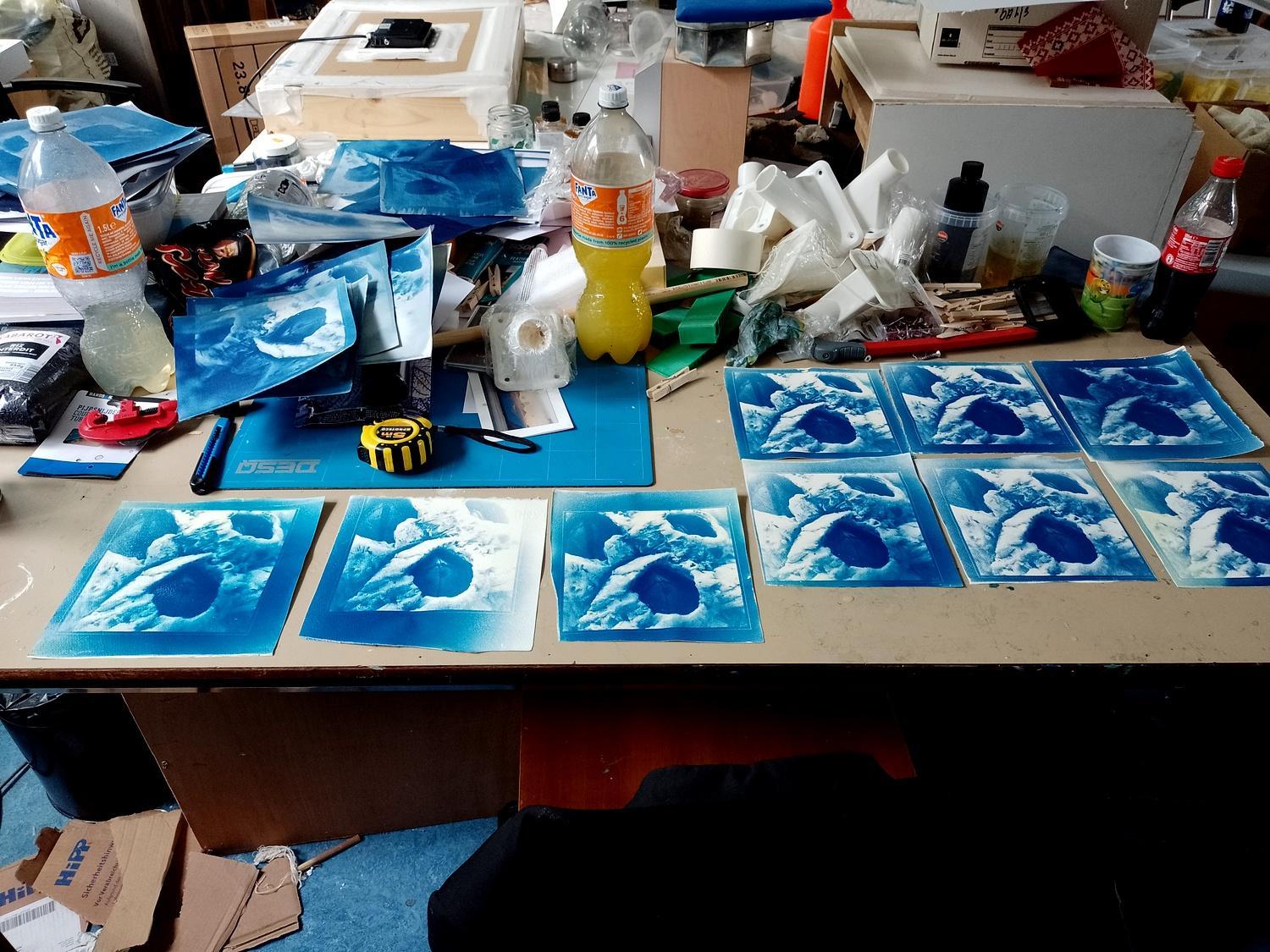
from the final series
Method
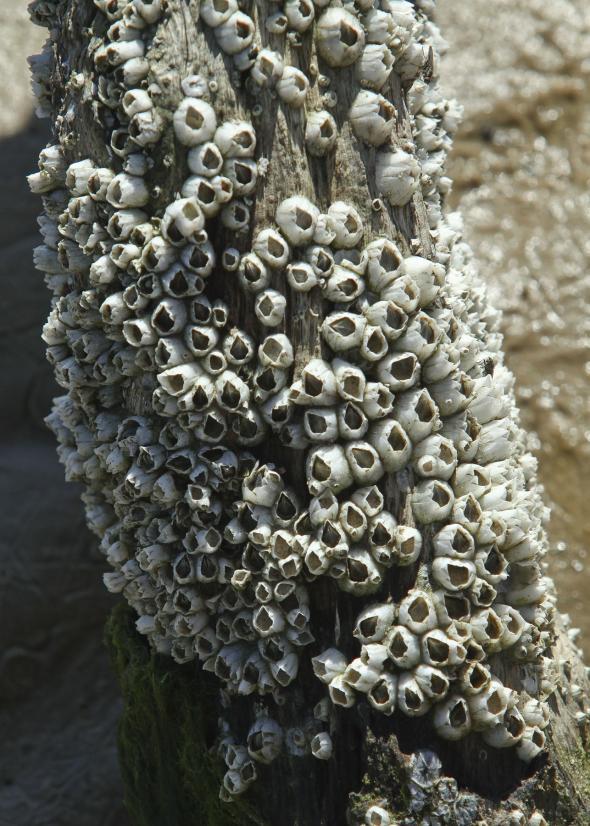
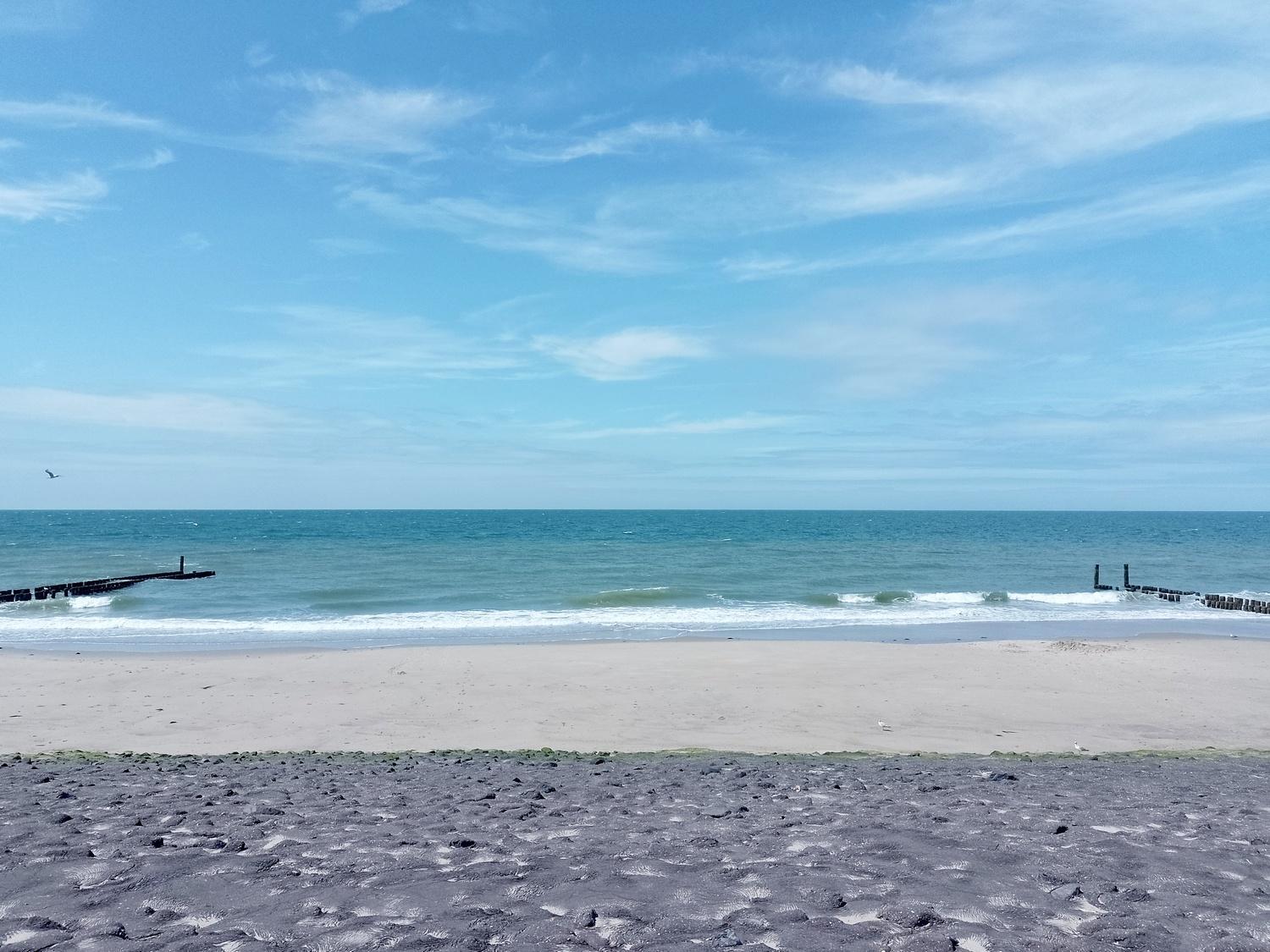
The cyanotype prints were produced using an enlarged photograph of barnacles found on a pier along the Westkapelse Zeedijk (please see the picture on the next page).
My introduction to the cyanotype process came through Bo de Jong— friend, artist, and teacher, exceptional in each of those roles—who not only shared the technical foundations of the medium but allowed me also to develop a personal working method.
Although all nine prints originate from the same source image, each is distinct. Subtle variations emerged through differences in paper preparation because of degrees of dampening, alternative methods of applying the photosensitive solution, and carefully adjusted exposure times.
Even the persistent dust in the studio asserted its presence, leaving small but unmistakable traces that became part of the finished works.
All prints are varnished with matte Van Beek Universal Finishing Varnish.
Two versions were mounted on 5 mm foam board and submitted to MINIPRINT.
As stated before, barnacles are crustaceans that occupy a permanent place in the ecosystem as marine scavengers and a food source. They filter plankton from the water, act as prey, and serve as bio-indicators. Additionally, their unique underwater glue is a source of inspiration for medical innovations.
Biological functions and roles of barnacles:
Food Chain and Biodiversity: Barnacle larvae are part of zooplankton, which is important as food for fish. Adult barnacles filter suspended matter and algae from the water, thereby contributing to better water quality, and serve as prey for crabs, starfish, and certain birds, among others;
Bio-indicators: Because barnacles are sensitive to temperature changes and pollution, their distribution and growth are used by biologists to monitor changes in ecosystems (such as the North Sea);
Habitat and Surface: They attach themselves to all kinds of surfaces such as rocks, shells, crabs, and whales. Although they are seen as fouling on ship hulls, on natural reefs and rocks they create complexity that, in turn, provides shelter for other small organisms.
ling on ship hulls, on natural reefs and rocks they create complexity that, in turn, provides shelter for other small organisms;
Scientific Research: The biological glue secreted by barnacles to attach themselves is extremely strong and works even underwater. This has led to scientific research into environmentally friendly and medical applications, such as the development of biological glue that bonds quickly in a humid environment.
The inhabitants of Zeeland generally have a negative view of barnacles: they see them primarily as a plague and a source of pollution. In the waters of Zeeland (such as the Oosterschelde and near Yerseke), barnacles pose a persistent threat to shipping, hydraulic engineering, and the famous Zeeland mussel and oyster farming.
To emphasize this attitude: the Dutch word for barnacles is zeepokken, in which zee means “sea”. The second part, pokken, is etymologically linked to “smallpox”, the once-devastating and often deadly disease.
Barnacles attach themselves very firmly to hard surfaces, leading to:
Problems for shipping: A heavy barnacle infestation on ship hulls creates extra resistance, causing sailing speed to decrease drastically and fuel consumption to rise;
Damage to mussel and oyster farming: Oysters and mussels intended for consumption must be completely free of growth to be marketable.
Zeeland growers devote a great deal of time and effort to cleaning the shells;
High maintenance costs: Barnacles grow on piles, buoys, locks and jetties. Removing them often requires intensive scrubbing or the use of special cleaning agents.
For birds, on the other hand, such as turnstones, curlews, oystercatchers, and gulls that forage along the coast of Zeeland, barnacles form a welcome, protein-rich snack at low tide.