
“Meaningful collaboration is not simply about including voices, but about building relationships, sharing leadership, and co-creating change together.”
— Elizabeth Cadavid


“Meaningful collaboration is not simply about including voices, but about building relationships, sharing leadership, and co-creating change together.”
— Elizabeth Cadavid
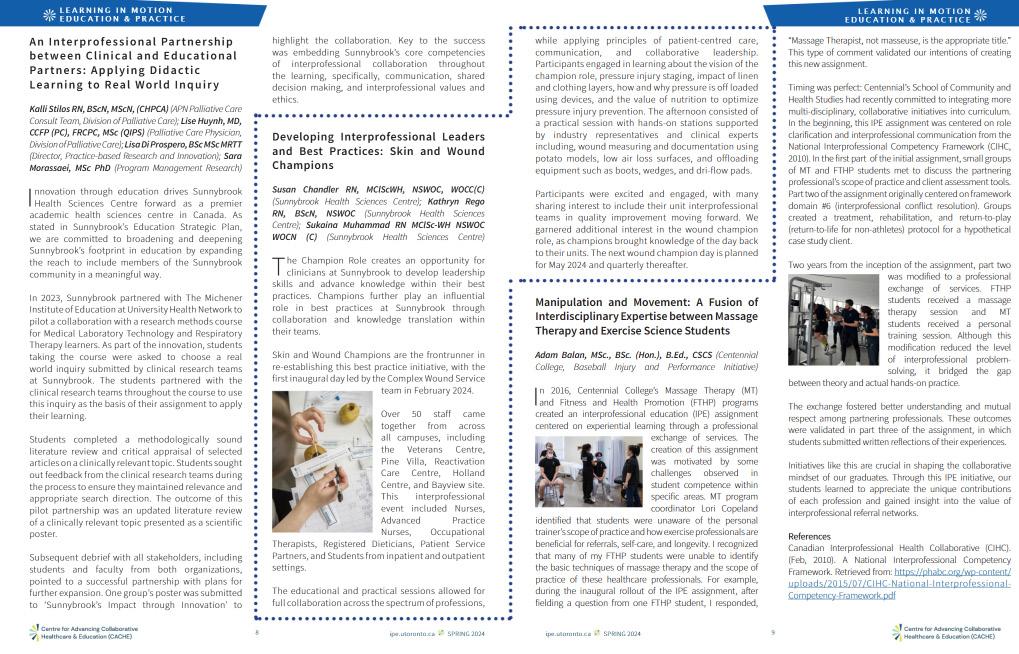
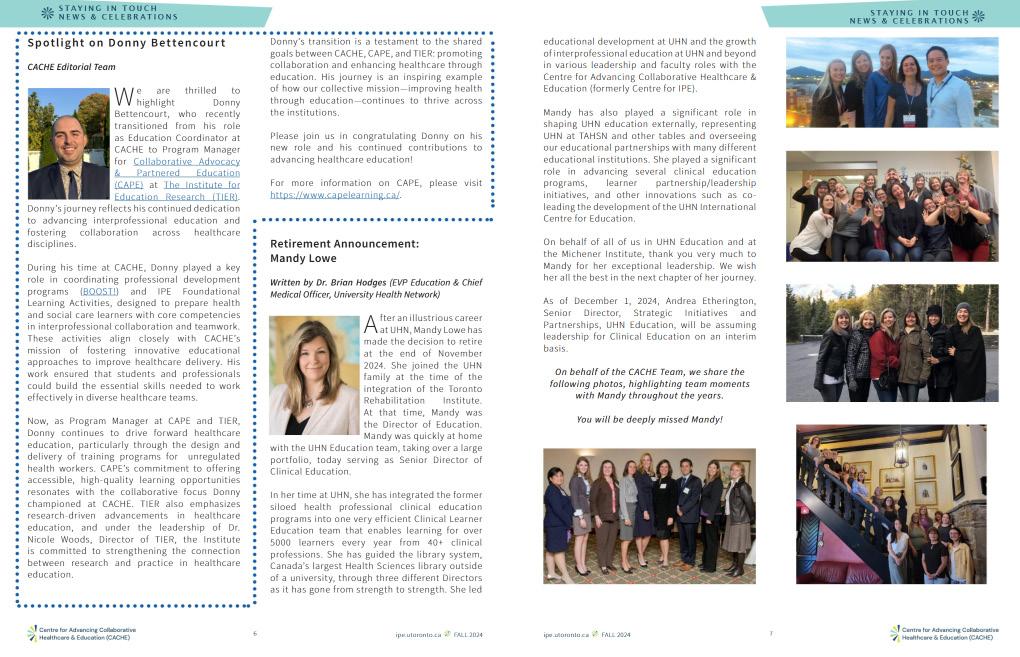
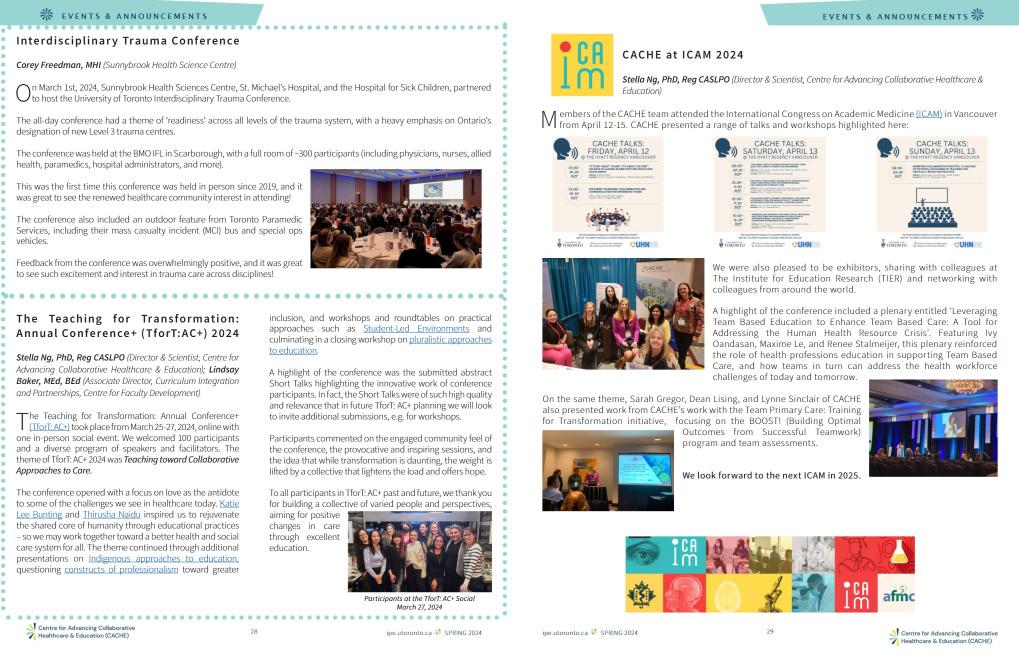
This Spring 2026 issue is our first special issue of Together dedicated to highlighting stories of patient, family, and caregiver engagement and partnership across health and social care education and practice.
The inspiration for this issue emerged from the Where’s the Patient’s Voice in Health Professional Education Conference (November 2025, Vancouver), where we had the privilege of learning, sharing, and presenting alongside patient, family, and caregiver partners and colleagues from around the world. The conference reinforced something that many of us know, and continue to strive toward: meaningful collaboration is not simply about including voices, but also about building relationships, sharing leadership, and co-creating change together.
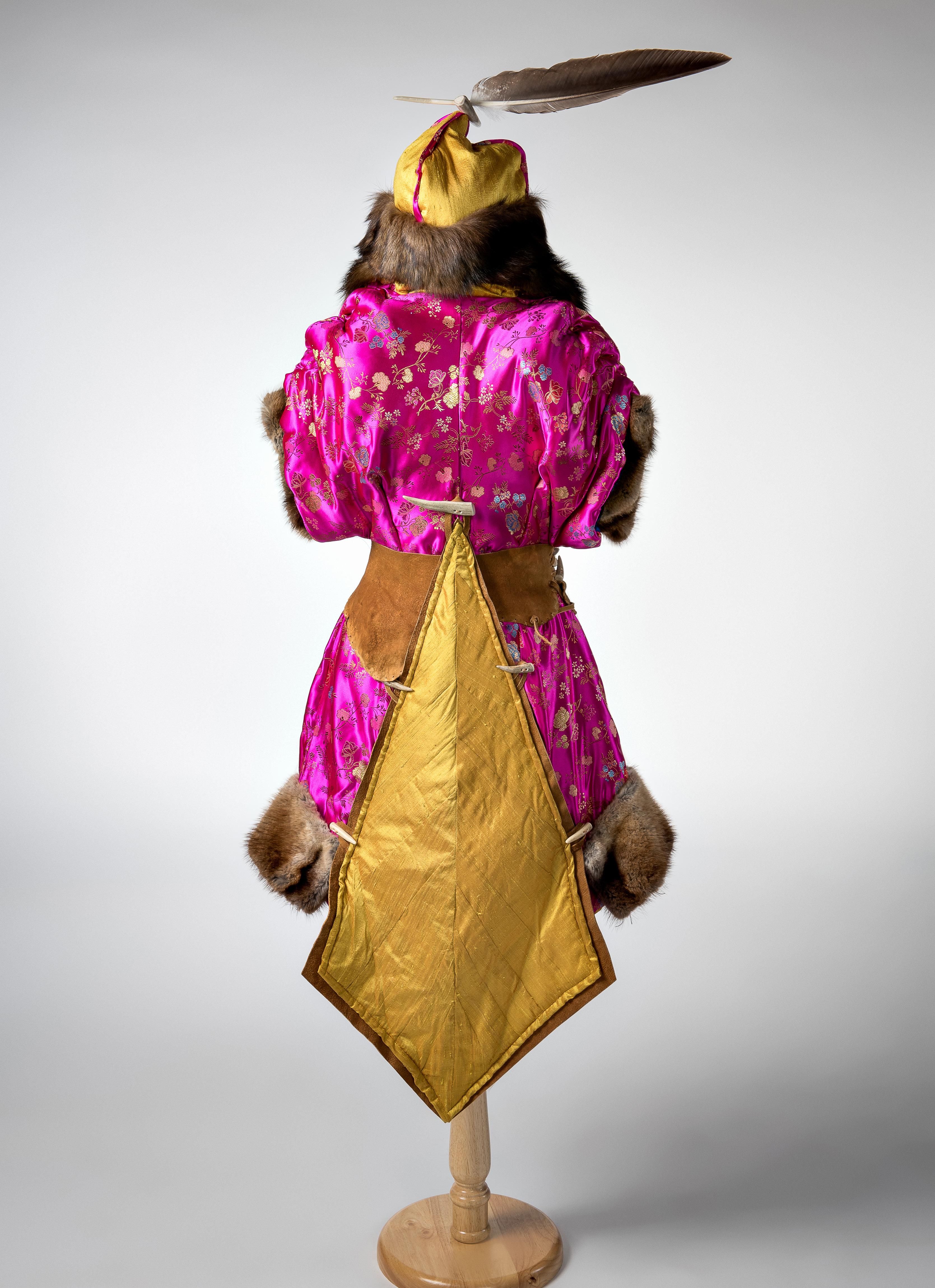
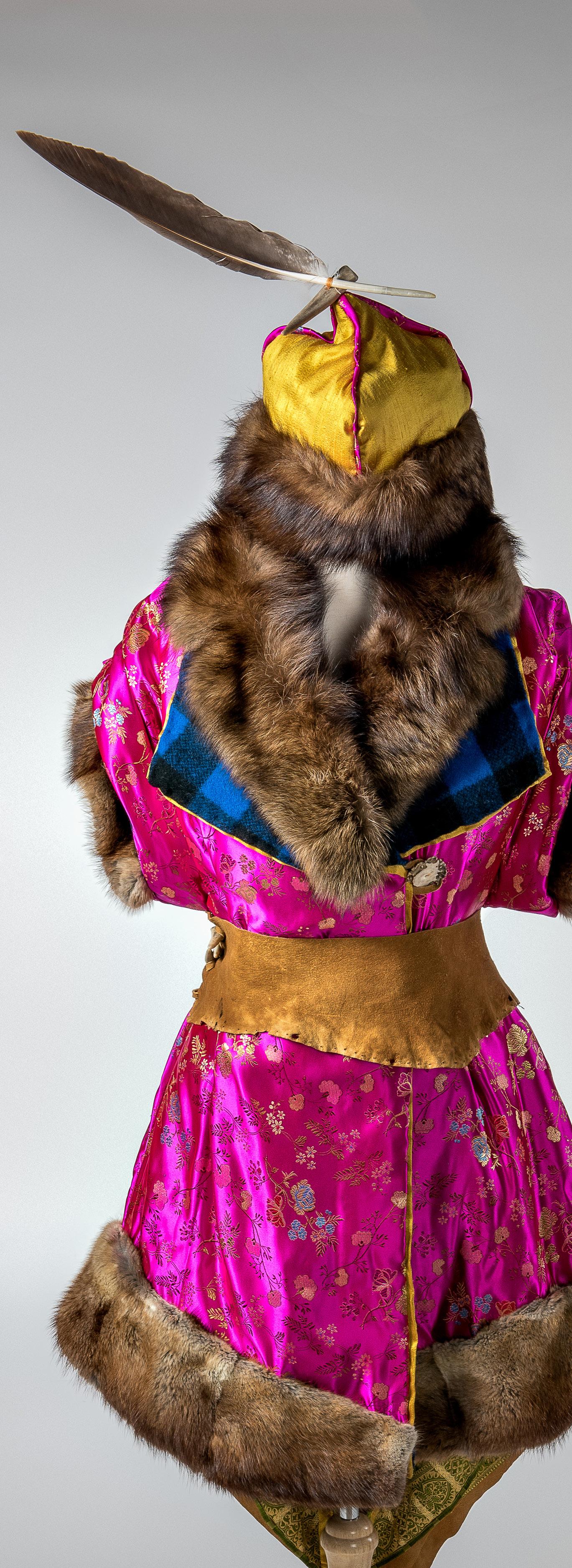
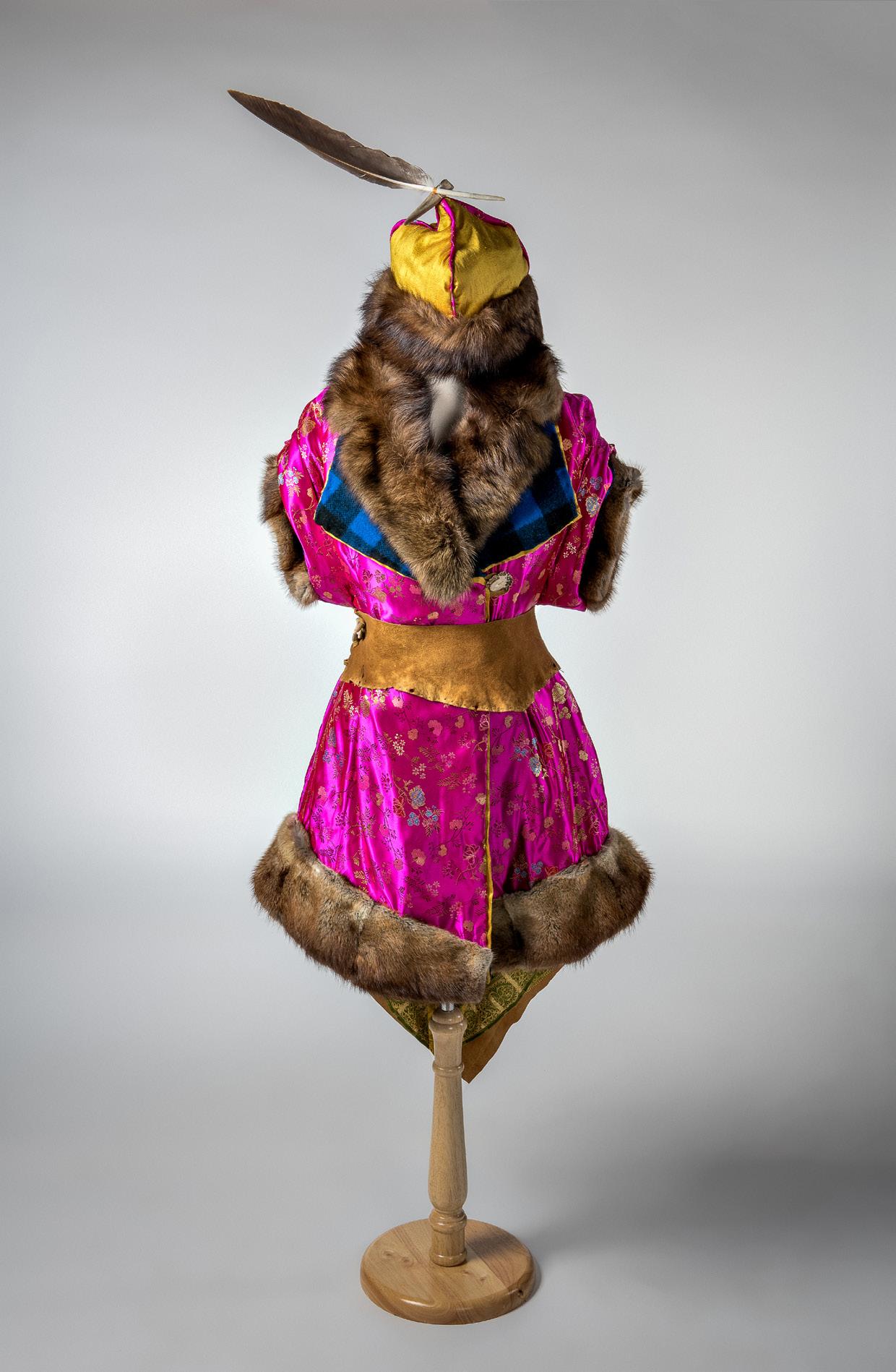
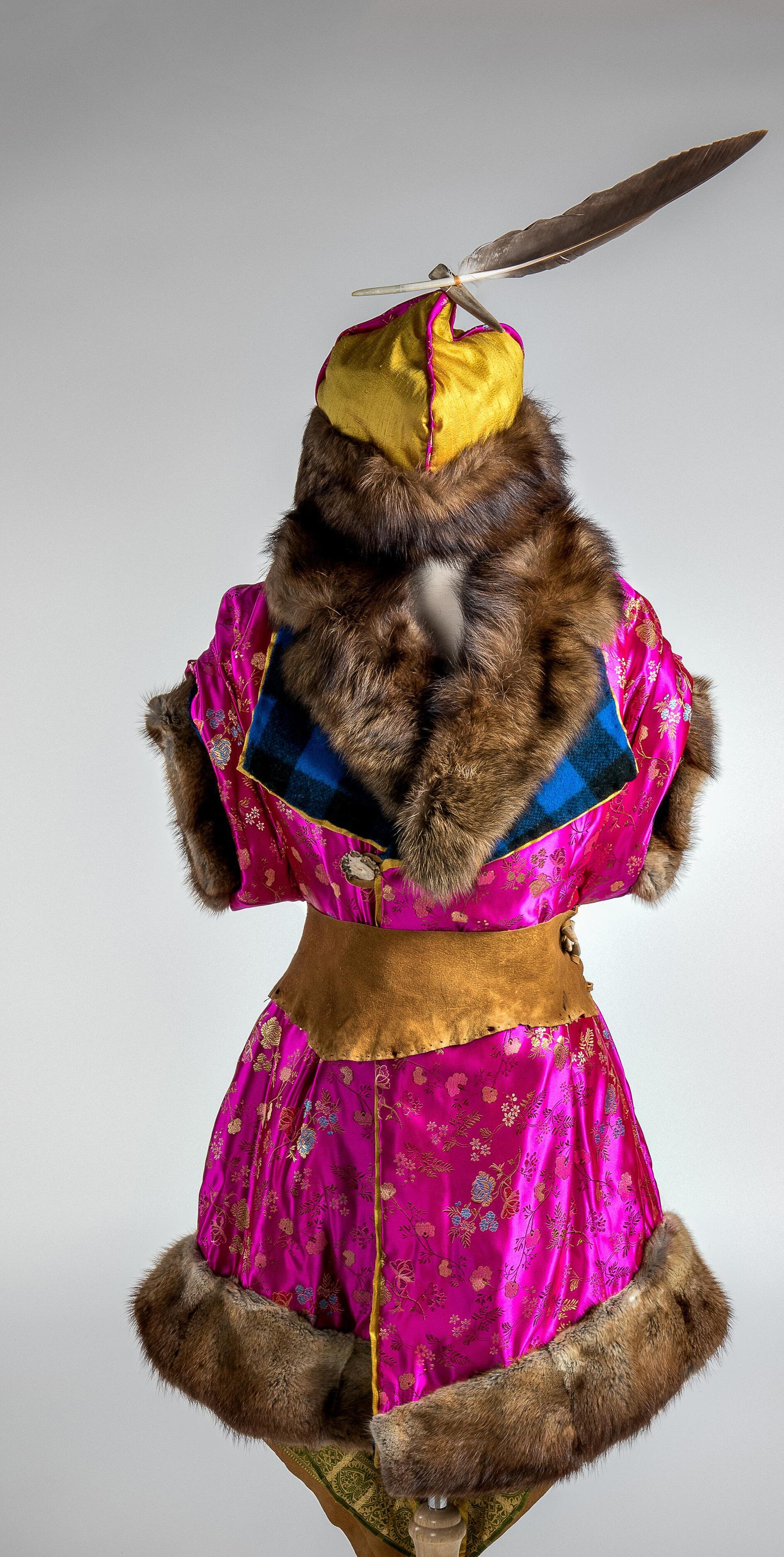
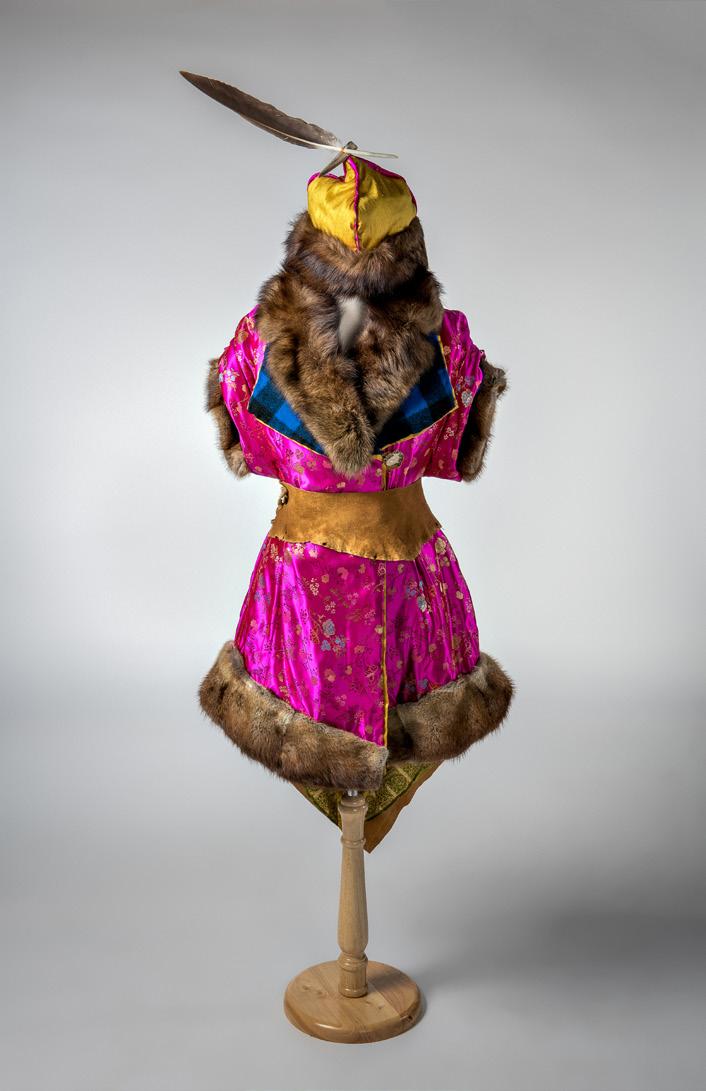
Throughout this issue, you will find stories that show what partnership looks like in action. From Amanda Imsland’s powerful cover art reflecting on caregiving and healing, to stories of Family as Faculty, youth engagement in research, and co-designed education initiatives, contributors highlight how lived experience is shaping learning, care, and systems change.
This issue is intentionally organized to move across lived and living experience, partnership in action, education and practice, and systems change. These sections are not intended to suggest a hierarchy, but rather to reflect the interconnected ways partnership shapes health and social care at individual, community,
educational, and systems levels. Together, these stories highlight the importance of relationshipfocused care, where communication, reciprocity, and collaboration are vital to how we learn, teach, and provide care.
This special issue would not have been possible without the generosity, honesty, creativity, and leadership of all who contributed their stories, reflections, research, artwork, and lived experiences. To every patient, family member, caregiver, learner, educator, clinician, researcher, artist, and community partner who contributed to this issue, thank you . Your willingness to share your experiences and insights is what brings Together to life.
If you are reading Together for the first time, WELCOME! This magazine exists to connect a growing community committed to collaboration and collective impact. To our returning readers and contributors, thank you for continuing to share your work, reflections, and art. We look forward to your future submissions , feedback , and continued collaboration.
Thank you for reading, and enjoy this special issue.
With Gratitude, Elizabeth (Eli) Cadavid Lead Editor, on behalf of the CACHE Team
CACHE Editorial Team, Spring 2026
Eli Cadavid; Farah Friesen; Kaitlyn Lau; Stella Ng; Belinda Vilhena
The views, opinions, and content expressed in this magazine do not necessarily reflect the views, opinions, or positions of the Editorial Team, CACHE, the University of Toronto, or the University Health Network. While we aim to provide informative and thought-provoking content, and review material for relevance, we do not endorse or condone every statement, opinion, or perspective presented in the magazine.
Contributors may use AI-supported tools as part of their creative, reflective, or writing processes though there is no required disclosure statement. Authors are responsible for ensuring the accuracy, authenticity, and integrity of their submissions. Authors are encouraged to appropriately acknowledge and reference ideas, experiences, and sources where applicable.
Stella Ng, PhD Reg.CASLPO (Director and Scientist, Centre for Advancing Collaborative Healthcare & Education)

As we welcome Spring, we also welcome a new season for CACHE. The Centre recently underwent its External Review. This process helps us remain accountable while also creating space to reflect on the past and envision the future. What struck me most during the External Review process, and particularly on the day when so many community members—from Toronto to all corners of the world—shared their voices, was a sense of humility and gratitude. Thank you to all who contributed to the past five years of collaborative efforts and to the review process itself.
“We get to do meaningful work, with amazing people and communities. How fortunate and humbling.” This is the sentiment that I have felt for the past five years, and it is why I remain excited for the future of CACHE and the global community of interprofessional education and collaborative healthcare.
Key to this sentiment is our commitment to focusing just as much on the process of working together as the products we co-create. Recent highlights from across our system demonstrate this commitment. The Teaching for Transformation (TforT) biennial conference focused on Trust and brought together a growing community committed to dialogue, civil discourse, and working well across differences. Partnered with the Centre for Faculty Development and supported by sponsors and community supporters, the TforT community continues to evolve while leading practices that are increasingly important in today’s health and
social care education environments. Similarly, the launch of the University of Toronto (UofT) Team Primary Care Education initiative, sponsored by the UofT Council of Health Sciences, aims to co-create community and workplacebased interprofessional education that supports high quality and equitable primary care for all.
Across CACHE, our professional development portfolio has been working from Western Canada to Eastern Asia, while our research and innovation portfolio continues to expand internationally, including upcoming work in New Zealand and Australia. Our curriculum portfolio has also demonstrated scholarly impact and influential leadership, reflected in recent CACHE Awards of Merit for Rachelle Ashcroft and Jennifer Lake from the InterFaculty Curriculum Committee (IFCC) and Jill Krupa from the IPE Leaders Network (IPEL). These accomplishments reflect the strengthsbased, values-driven innovation that continues to share our work, and we do not take our community or these opportunities for granted.
This issue of Together reflects many of these commitments through stories that center patient, family, and caregiver partnership, reminding us that collaboration thrives when we tend to relationships and community. Across this special issue, contributors from around the world challenge us to think differently about care, education, leadership, and what becomes possible when we work together.
We are grateful for this growing community and for the many people who continue to share their stories, ideas, creativity, and leadership with us. Thank you for being part of this work.
Had Worn Them Both The Same Amanda Imsland, BScN RN
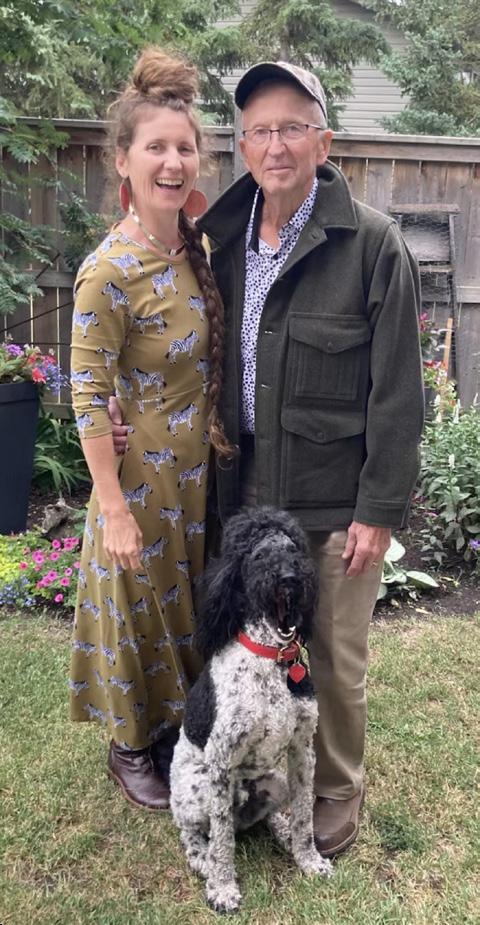
Had Worn Them Both The Same began in 2017 as I worked to heal from an ovarian tumour during art school. What started as a personal vision became a collaboration with my dad. His deer hides and antler buttons carry his life’s work, skill, and identity into the piece. Together, we created something that revealed a deeper truth: healing is not solitary—it is built through connection, shared effort, and care.
On January 22, 2025, my dad suffered a massive stroke. In an instant, our artistic collaboration became a lived experience of patient, family, and caregiver partnership. I became the primary caregiver and advocate for both of my parents while recovering from my own surgery, navigating a reality I was not prepared for. Despite my training as a Registered Nurse, I found myself fighting for basic care, coordinating every detail, and carrying the emotional weight of watching my dad—once strong and independent—become suddenly vulnerable.
Being on the other side of care revealed what cannot be fully understood from a clinical role alone. I experienced the exhaustion, the grief, and the relentless responsibility families carry, as well as the profound need to be included, heard, and respected. I came to understand that true care is not delivered by providers alone—it is created through partnership with families who hold knowledge, history, and deep human connection.
In this process, I became both nurse and daughter— protector, advocate, and collaborator—working to preserve my dad’s dignity and humanity. Like this piece, our journey is imperfect and layered, shaped through love, resilience, and the ongoing act of showing up for one another.
This section highlights the lived and living experiences that shape how we understand care, learning, and partnership. Through artwork, poetry, and reflection, these pieces remind us that collaboration begins with listening, connection, and the stories people carry.
These stories highlight how patient, family, and caregiver partners are actively shaping interprofessional education and practice through co-design, co-facilitation, advisory roles, and shared leadership. Together, they demonstrate that partnership is not a role, but a relationship built over time.
These pieces explore how patient partnership is shaping systems change across policy, research, clinical practice, and through collaborative leadership. From guiding principles to scholarship and innovation, this section reflects the growing recognition of lived experience as essential to decision-making and system transformation.
These short reflections offer insight into the tensions, questions, and possibilities shaping patient partnership today. Shaped by lived experiences, they invite readers to consider how we move from intention to meaningful change.
This section highlights the broader CACHE community - celebrating achievements, sharing opportunities, and inviting continued engagement. It reminds us that partnership is sustained through ongoing connection, contribution, and collective momentum.
This section highlights the lived and living experiences that shape how we understand care, learning, and partnership. Through artwork, poetry, and reflection, these pieces remind us that collaboration begins with listening, connection, and the stories people carry.
Wendy Lea Reid, RPN, CCC (OR Nurse, Sculptor, Artist)
For me, Art and Anatomy form an intersection, in which I feel engaged, motivated, and inspired to create, for I am not only an Artist; I am also a Nurse.
I have attained many Nursing specialties, in particular Maternal and Newborn Care, Lactation Specialty level 3, and Neonatal Resuscitation. During my time in Obstetrics, I assisted with many labours, deliveries, neonatal care, neonatal resuscitation, postpartum and labour resuscitation and care, newborn screenings, and in the operating room, C-sections. All of these experiences are etched in my mind, and the true nature of a newborn, how they move, how they behave, and how they startle are very vivid in my memory. As an artist, I can quite easily sculpt an infant from memory and enjoy recreating and remembering their uniqueness, curves, and antics. Creating a sculpture or painting for me is to reminisce and think about the moments I am creating. Sometimes, I am trying to work through my thoughts and feelings, sometimes the best way that I can express how I am feeling is actually to show you by painting or sculpting, especially when it’s converging ideas and analogies I wish to portray.
I also have provided in-depth education to families, during their hospital stays, mostly while bathing their babies or checking on their well being. I taught them how to assess and care for their newborns, mothers, and caregivers—physically, emotionally, and mentally—as well as how to recognize the signs and situations that require medical intervention and care.
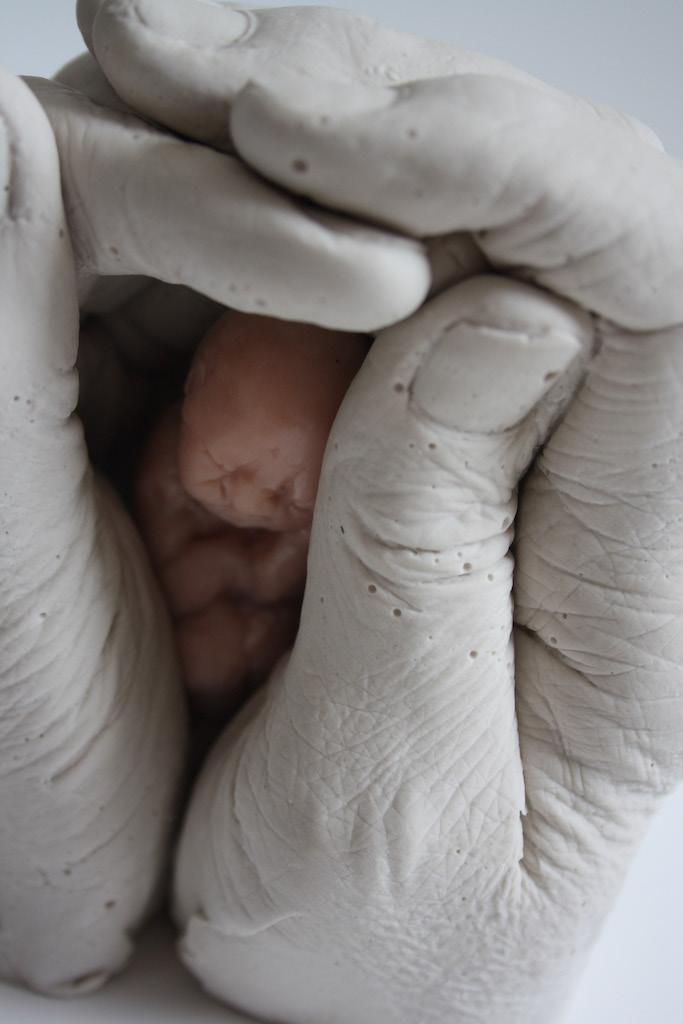
In this sculpture, “Where there is Life there is Love,” it culminates my many competencies, experiences, and personal anticipations of a safe pregnancy and birth during the world’s longest pandemic. The infant is my granddaughter, and I was very worried for her safety as well as the other newborns during this very unusual historic time.
The position of my hands in the sculpture demonstrates me as a protector of that precious new life, not only as a grandmother, but also as a Nurse, and a community member who is part of our larger family, our community, and world. I believe this is well relatable to many people. It also speaks personally to a birth plan that could never come to fruition and be completed on the inside of the hospital glass, because of the pandemic.
Life finds a way, community finds a way, and family always prevails. This was a true testament to love, acceptance, and the ability to surrender to being in the moment because that is where we are, this is where we live. Sometimes life decides which side of the glass you’re on, and you have to decide what you’re gonna do with that.
Sometimes, enjoying life means being in the moment of what we do have, and not concentrating on what we wish we had. I enjoyed meeting my granddaughter from the outside of the hospital window, not how we had planned, but ever so special just the same. She took my breath away and I was instantly filled with love and amazement. I was also incredibly proud and grateful of everyone on the inside of the glass that had to come up with a new plan and did such a great job. They accomplished what was thought to be impossible; it had to be reconfigured to be possible! Great teamwork.
I think we can all relate to that!
Wendy Lea Reid, RPN, CCC (OR Nurse, Sculptor, Artist)
My life as an artist and my career as a nurse have always been deeply intertwined. My education across multiple areas of healthcare strengthened both my intellect and my skill set, ultimately guiding me toward Newborn and Maternity care—one of the most meaningful and rewarding fields I have ever served in. Within healthcare, I developed a profound respect for evidence-based practice: the continual study of outcomes, the refinement of procedures, and the collective commitment to improving safety for our most vulnerable patients. This collaborative pursuit of excellence has always been central to my work.
I believe that our broader community—our society and our world—functions as an extended family. At a time when global peace feels increasingly fragile, I am compelled to express the urgent need for unity, compassion, and the protection of the innocent. My sculpture “World Peace” serves as a call to reflection and action. It asks us to consider what peace truly means when viewed through the lens of love, care,
and responsibility. The concept for this piece came to me in a dream. I knew immediately that I needed to bring it into being. I sculpted my granddaughter first, drawing upon the thousands of newborns I have bathed and cared for throughout my nursing career. Their expressions, their instinctive movements, and the delicate way they encounter the world for the first time are etched permanently into my memory. These experiences guided every detail of the sculpture.

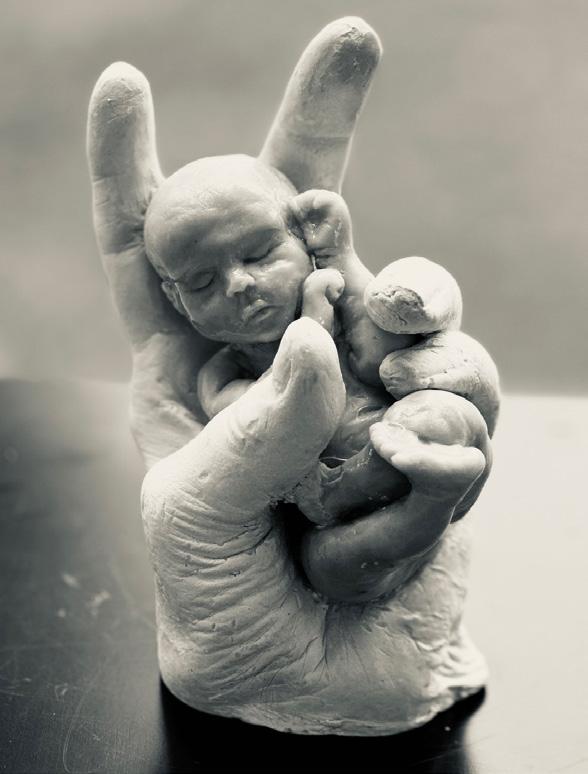
Each infant I cared for was as precious as the last. I cherished the opportunity to teach families before, during, and after their newborns’ baths, ensuring they felt confident and supported as they began their journey together. The healthcare team functions as a unified system, and nurses often serve as the bridge connecting families to the many paths they may need to navigate. Education, compassion, and safety remain at the heart of this work.
I view our global community in much the same way. My nursing practice has always been grounded in kindness, acceptance, and inclusive care— encouraging individuals to participate actively in their healing, rest, and recovery. Empowering others fosters a ripple effect of support, love, and understanding. From the perspective of healthcare professionals, this shared commitment to protecting and uplifting others is a universal goal.
Beverley A. Brenna (Professor Emerita, University of Saskatchewan; Landscape Artist; Writer; Editor)
Heartsongs: Musings on Hope and Togetherness is a poetry series combined with visual art that explores relationality—the interconnectedness of people and their relationships with each other and the natural world.
Throughout this series, a narrator delineates strength drawn from multiple sources: a beloved elder; a grandmother; colleagues; a character fictively named Mrs. Olyshyn; and what can be carried from the land— how we bring summer into winter, for example, and how we discover the spring crocus as a call to courage.
The poems were developed with specificity, but they may conjure universality in the way that lived lives intersect, encourage, and conduct positive energy. Just as a tealight given to a patient in a hospital room carries human warmth and compassion, the role of lived experience, presented through visual art and poetry, may illuminate a path for others. At times we might feel alone, and yet, looking around, we can realize possibilities for collaboration.
As I wrote “Potato Salad,” I remembered the beautiful, elderly woman who gave me that recipe at a point in her life where she had given much, with little left. And yet she found something meaningful to share with me through her selfless gift. “You can say it’s your recipe,” she said. “Call it Bev’s Potato Salad.” I wonder what gifts we might give that match this generosity?
And where do we find the strength for giving and for caring? Perhaps it’s by observing others, watching those who do it well. The message about crusts in the poem “Eating the Crusts”—a grandmother’s appreciation of an often cast-off part of the loaf— gently conveys a metaphor for what good teachers do. They offer us ways of being and engaging that we just might miss on our own.
I am a longtime teacher, and at the same time, I’m a novice. My practice is constantly shifting, evolving.
At first, I kept my classroom door tightly shut. Over time, I learned to open it wide to others—teachers and support staff, certainly, but also administrators, families, community members, all of whom had rich lessons to share, and all of whom are good colleagues. I thought about that trajectory when I wrote “Birdwoman” and matched it to this image—an acrylic painting called “Gladness for this Day”— from a vein of landscape work.
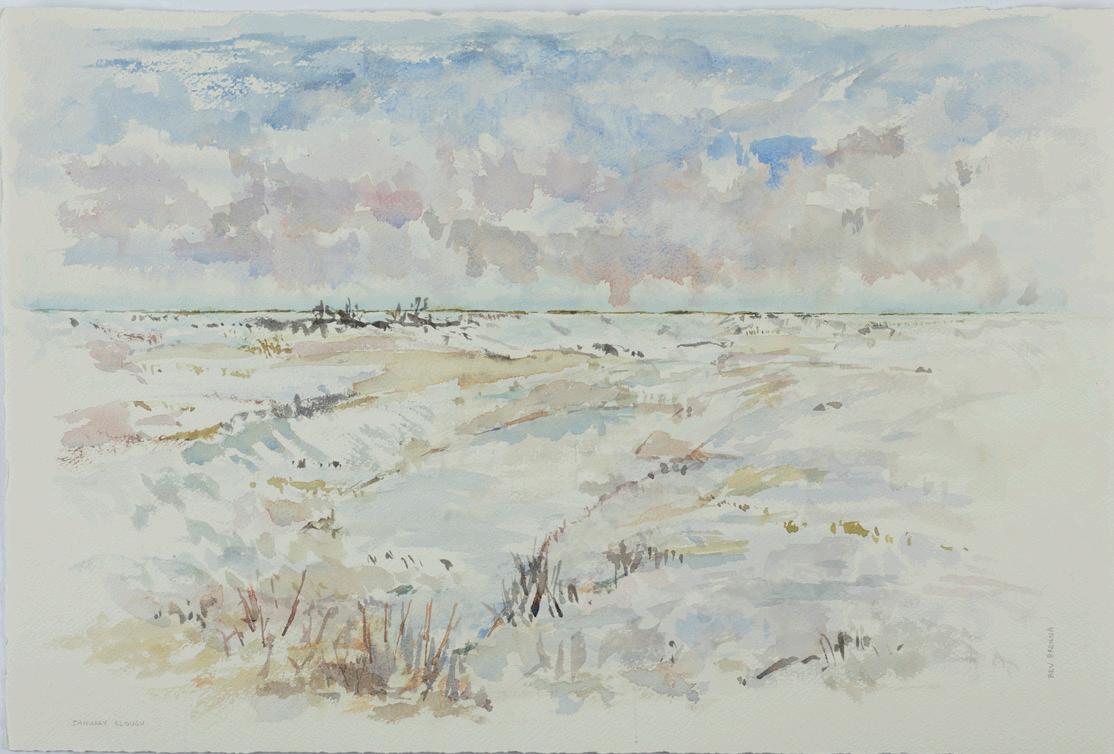
“Mrs. Olyshyn Advises” presents Mrs. O as a combination of the many wise neighbors I have had. I think about their advice often, and I’m grateful to carry their voices in my head. Winter is a symbol here for all of the fierce weather we withstand, and thank goodness for the Mrs. Os out there to help us through. Not just the wisdom itself, but the sense of humour. Perhaps the sense of humour most of all! “January Slough” felt like a good match for this poem—its pale edges whispery sharp, just as the coldest of days can be.
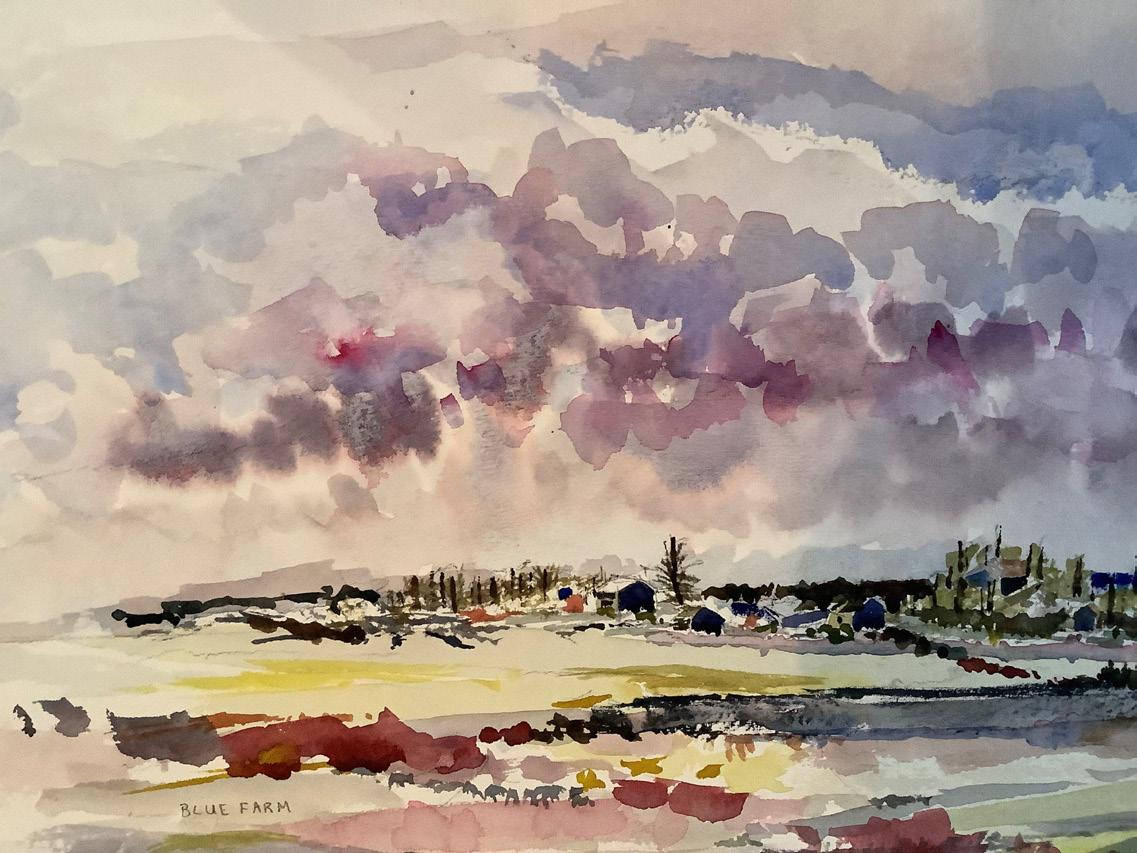
And what else can we do to combat that kind of cold? The painting “Blue Farm” inspired the writing in “Bringing Summer to Blue Farm in February”—for me, summer can be conjured with cool jazz, with haiku, and those are things I carry into the sharpest winters.
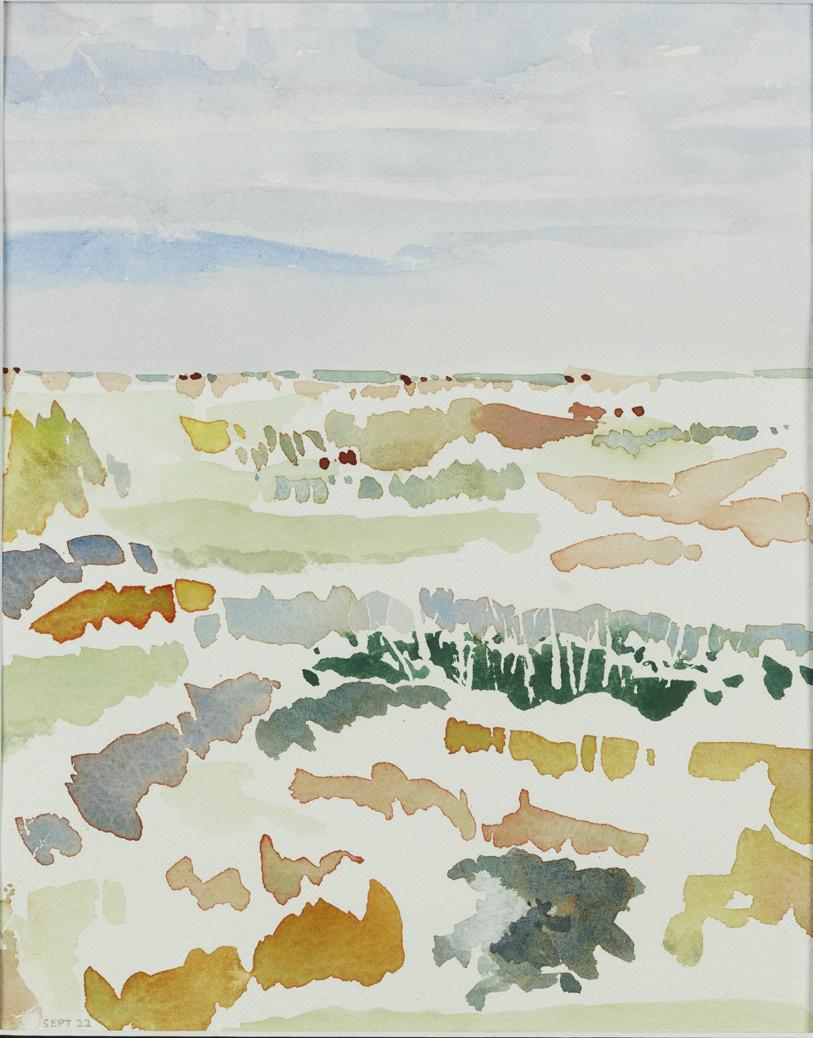
I think one of the most hopeful flowers is the crocus. Before anything else of colour appears on the grubby spring fields south of Saskatoon, I can still find these mauve promises. I thought about that when writing “Crocus Poem” and then transferred those thoughts into the watercolour painting “Crocus Time.” I walk in the footsteps of my parents here, savouring the sun, thinking of how the land brings me a chance to live in the moment, to be fully present.
Another nod to those who have gone before appears in “Travels with my Mother.” I am grateful to see the world through my mother’s eyes, and I have chosen her view as one to value.
All of this work (the poems and the paintings) emerged as I was thinking about relationships between people, and with the land. While I am not a healthcare worker, I am closely connected to the health professions through my family, and these reflections speak to
the ways we care for one another across roles and experiences. The poems and related images—songs from my heart—explore how lived experience, memory, and connection can support resilience, offering moments of comfort, understanding, and hope. In this way, they reflect the many forms of collaboration and partnership that sustain us - between individuals, across generations, and within communities of care.
Beverley Brenna is a professor emerita from the University of Saskatchewan (College of Education) and the author of 17 traditionally published books, including work shortlisted for a Governor General’s Literary Award and listed on CBC’s Young Adult Books That Make You Proud To Be Canadian. She is also a visual artist, with numerous solo exhibitions and group exhibitions across Saskatchewan, and she is represented by Dandelion Gallery in Saskatoon. Bev’s adult poetry has been published in many anthologies and magazines and the poem “Travels with my Mother” appeared as part of a juried exhibit at Government House, Regina, SK in spring, 2025.
proud of it, you list ingredients by rote a recipe invented on the farm where hunger was a force that conjured strength mustard, sugar, mayonnaise, potatoes radishes and onions boiled eggs and cream
showing me the quantities, the method you perfected, year on year in battling frost and drought, and finally, loss you pulled this sword from stone and now I make it spoon to mouth we count the messages of love it brings it’s yours you say, a final gift waging yet another kind of battle in your 92nd year
If I were that sparrow in the skylight fluttering alone against the glass afraid to dive or dip the sun my only guide I’d rapidly despair.
But here, my flock surrounds me. Tired, yes, but carrying currents in the distance promise possibility, and when the others rally I fly with them knowing I am not just feathers here, but wings.
In favour of a new, sweet slice, the centre of a loaf its best accomplishment, I’ve often disregarded crusts: their raspy backs, their corners angled haughtily against the blade, their agitated crumbs.
My grandmother thought differently, always ate them first, estimating whether she would have the strength to make it home. And finding that those crusts exactly filled the weakness in her brought her toward the dwindling light.
I think about this at the bakery, and reaching hands that look like hers for this fresh bread— I feel its promise.
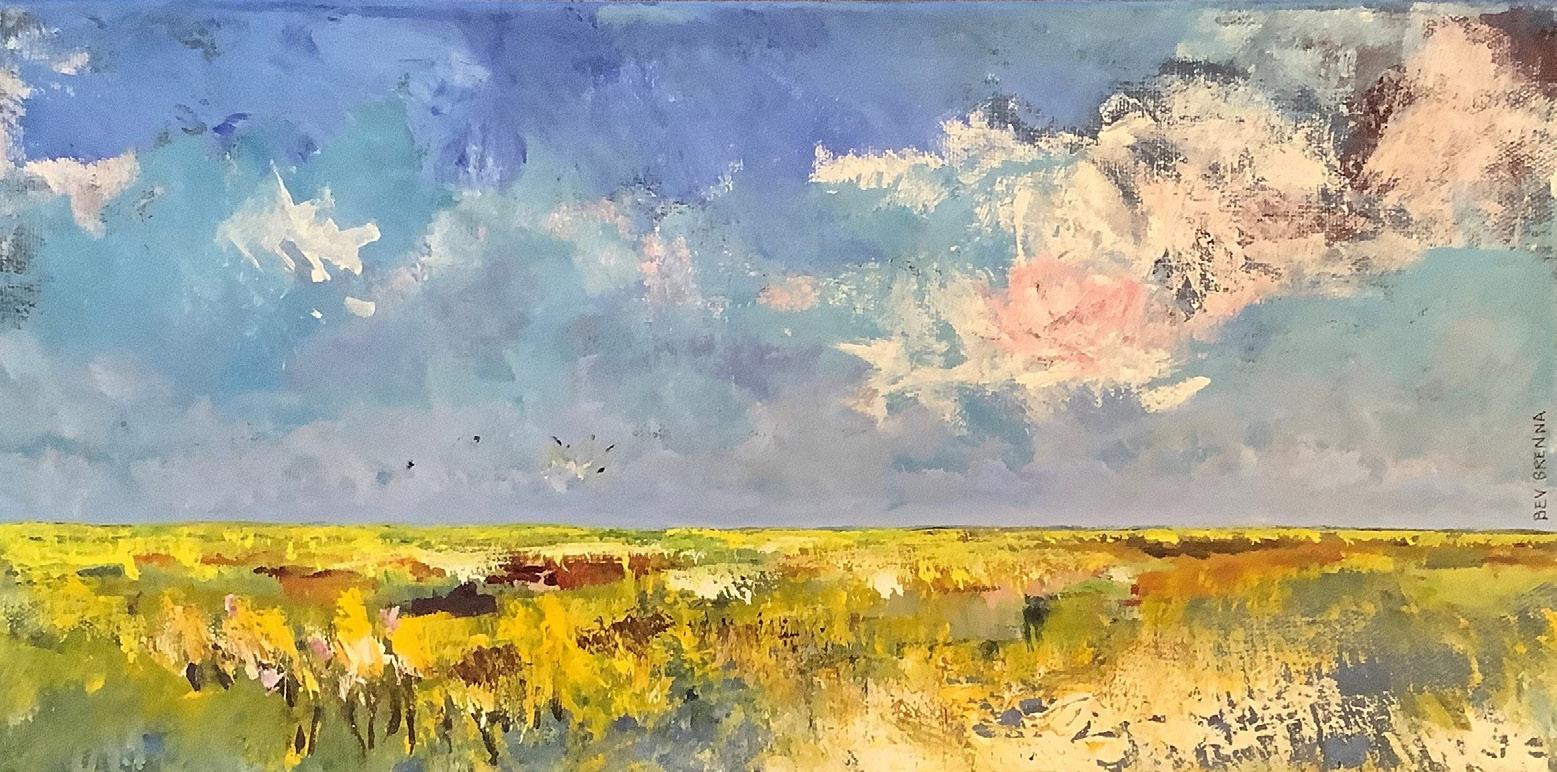
Gladness for this Day
Heartsongs IV: Mrs. Olyshyn Advises
Never touch your tongue to frozen metal: gates or shovels; spoons; or anything November to the end of March. Just don’t.
Never leave the house without wool socks, long underwear, a puffy coat, a scarf, a toque, warm mitts; and if you’re in a car, a box of matches, candles, blankets. Chocolate. Never leave the car.
Fill the air with music. Winter music. Variations on a double-bass.
Never count the days.
I take her with me into darkness, Mrs. O—
glad to hold her close this January day see the rugged distance melting.
Heartsongs VI: Bringing Summer to Blue Farm in February
If I had clothes enough, a string as long as winter’s breath, the laundry hung in August heat would catch the roses, every bloom cajoling time to fold upon itself until the spring.
But I have not the wardrobe nor the line.
And so I open all the windows, contemplate this heady air, and write a poem—replete with clover dusty in the shade, the drizzling bees, the sharp, bright stalks of corn.
Just like this I make the sun stand still a promise to myself to read this poem those February days on Blue Farm.
Heartsongs VII: Crocus Poem
They’re mostly gone, the crocus fields, pastures where we walk in search of spring. Even the air there mauve, an eye with us the pupil, everything in focus.
Bleached as shells these autumn skeletons— fleabane daisies, thistles, fractured thorns that grip our pant legs, score our skin— brisk reminders of the paucity of time.
Downward path, our footprints brim with shadows, teeth of ice along the river edge to catch the reeds and keep us out, their cold estate enough to send us back where mossy rocks hold borrowed sun.
When evening spills against me, soft as crocus fur against my cheek, the tang of sage, clean earth, I skim the hill’s stern countenance. And there among the grasses is a velvet nest of them. Only one is open.
Singing. Not about the spring, it calls beyond the notes of hope, or clarity, or resurrection. Instead what finds me here in genesis is courage.
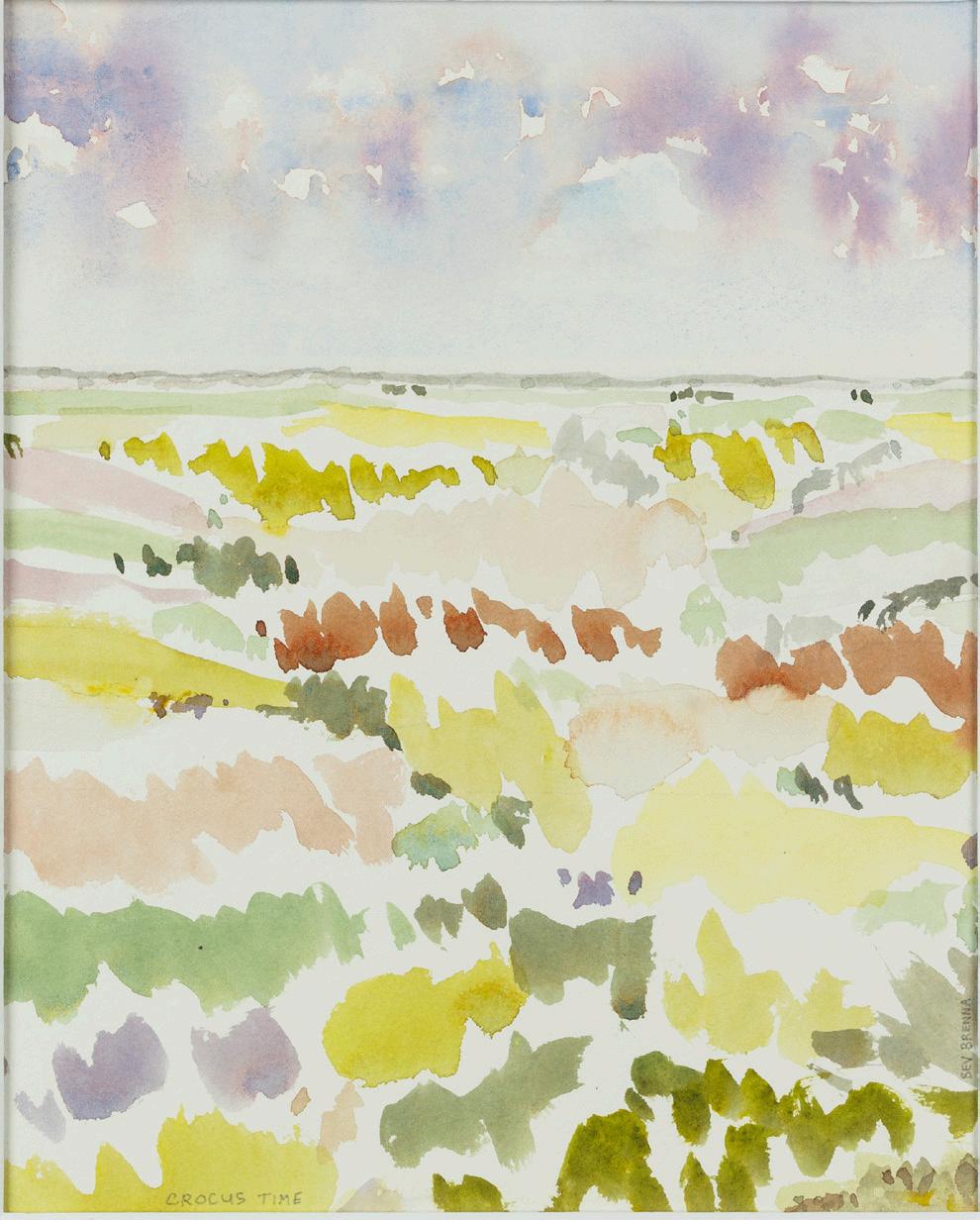
Heartsongs VIII: Travels with my Mother
Ditches thick with summer: purple loosestrife, prairie sage grasses gossamer against rough fields I wish that you were here.
All last winter waiting for the snow to melt we planned this bright expanse and now I’m travelling alone
pitching onward through the heat, I count the months since you’ve been gone across the barrier that separates our rooms.
Yet now, the chaff of death scraped back you’re breathing with my breath, a slender joy I’m dreaming in this light for both of us.
Pam Patterson, BA, MEd, PhD (Creative Research Inclusive Practices (CRIP) Lab, OCAD University)
For over 30 years, I have exploited my life experiences of abuse and ridicule to fuel performances and exhibitions. While trained in the visual arts, I also studied classical and experimental theatre and dance. I screamed in Dada, wept in Chekhov, photographed, made videos, built installations, and drew — making startling connections. I speak of my works as performatives, for time is ever present, built into the making and/ or the presentation of the work. All this speaks to a practice developed and enriched over time.
As a queer disability artist, I have produced for various galleries, communities, and other settings, works ranging from drawings of my mastectomized breast that accompanied a performance where I ritually reshaped my surgically-altered body for FADO in “Cellu(H)er Resistance”, to “Red Square” presented as performance/video for TorinoPERFORMANCEART International Festival, Italy and as a photo for the George Paton Gallery, Melbourne, Australia in which I addressed the impact of repressive, colonized, and institutionalized spaces on bodies.
I identify, in this current work, with the idea of “crip horizons” as a radical reimagining for/in cultural practice. “Crip horizons” call for a renewing of “crip” language as/in visual representation. In taking this on in practice, I revel in, and simultaneously push against, how and what I “see”.
Often bodies such as mine, marked by disability, are said to hold no future: they are empty vessels from which ableism insidiously pushes its agenda. My future though, is adroitly written on my body. My disability becomes not only imbued with possibility, but with transformative meaning, value, and desirability.
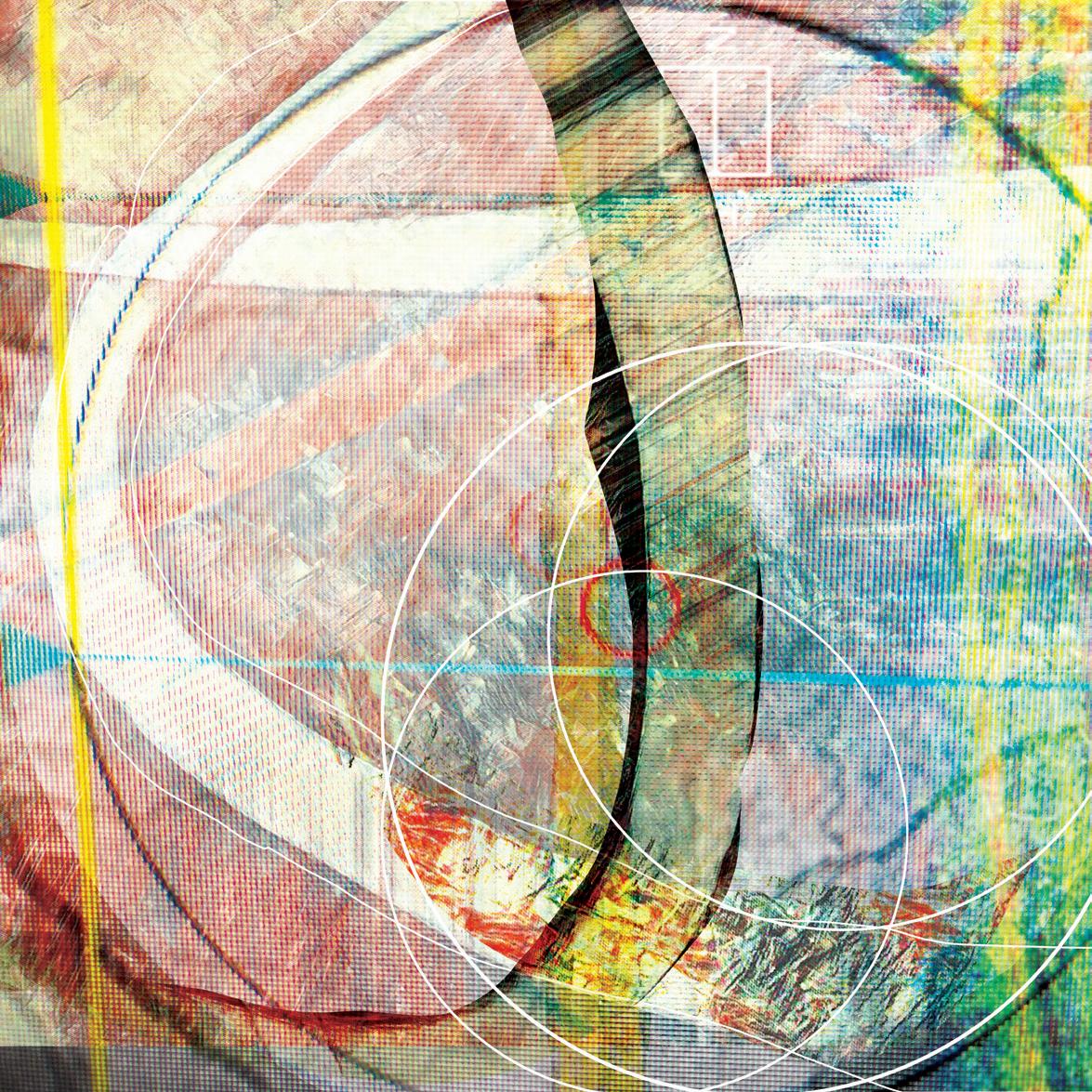
The “Ocular Occurrence” series deals specifically with how I see and process images and how this is (differently) understood using medical testing modalities. What, I ask, is the disconnect between the medical model and my subjective experience?
The medical model of disability often looks to “fix” what is “wrong” with an individual, seeing the individual as disabled by their impairment or illness, hence requiring correction. There is often a push to re-shape the “ill” body to become, often unrealistically, “normalized”. From a disability “social model” perspective, it is the world around us which systemically disables us — its attitudes, structures, and limited understandings. Imagine if disability were preferred or desired? Imagine if mutual interdependent care was integral to social interaction; that listening deeply to an individual’s experience of disability — the frustrations but also the resourcefulness — could be robust and support a shift to a more inclusive world?
This work was made in community with the assistance of medical professionals (who willingly but rather bewilderedly supplied, for a fee, copies of my medical scans) and other disability-identified artists who, in embracing mutual crip care as core to practice, joyfully hacked tools, strategies, and aesthetic assumptions to assist me in making these images. My medical team still sees this “art making” as a form of therapeutic expression rather than as a robust and critically insightful work. But I am hopeful.
Kim Neudorf, BSN, MEd (Patient Family Partner)
Many patients, family members, providers, and leaders understand the potential for psychosocial harm associated with prolonged protective isolation. Preparing professionals and family members to don and doff personal protective equipment safely is an arduous task, and even with thorough education, there is no guarantee against a slip in technique or a lapse in judgment. Family members may feel uncertain about their personal risk when providing direct care or simply visiting, and may prefer to keep a safe distance.
This watercolour painting was created in 2022, during the pandemic. It is part of the artist’s Bench Series. The environment outside the care facility is cold and uncomfortable; the inside is barren and austere. Both settings are less than ideal, yet they are tolerated in the interest of controlling the spread of a virus. The healthcare provider acts as a conduit between these two isolating worlds, bridging a connection between patients and their families.
Today, as a result of ongoing collaborations and planning between healthcare professionals, patients, and families, standards and policies have been revised to recognize family members as essential care partners who help optimize the provision of care during protective isolation.
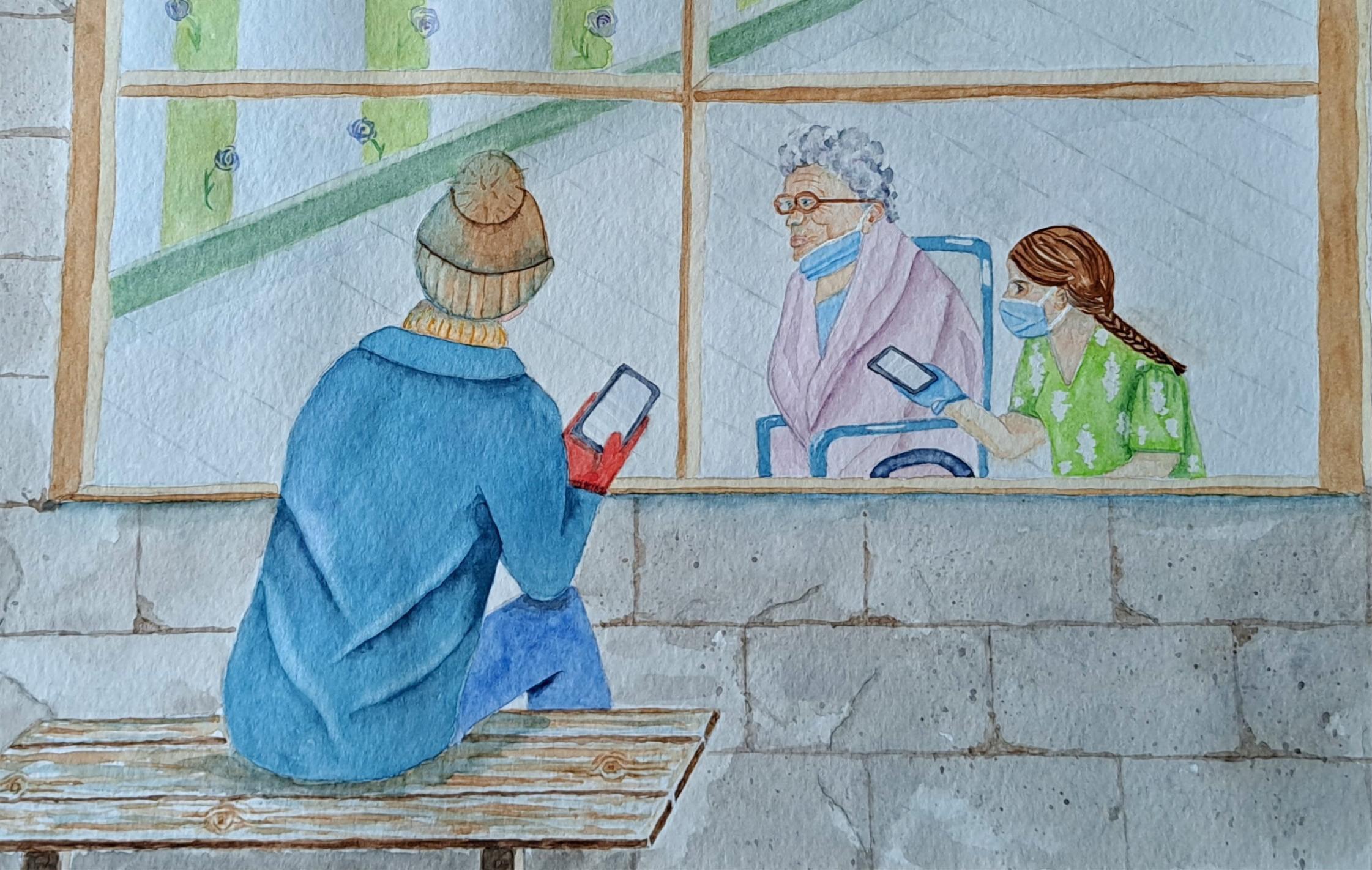
Kim is a watercolour artist from Saskatchewan. She enjoys painting landscapes of the boreal forest. She also uses art to communicate the lived experience of patients, with special interests in patient safety, engagement, sepsis, antimicrobial resistance, and frailty care.
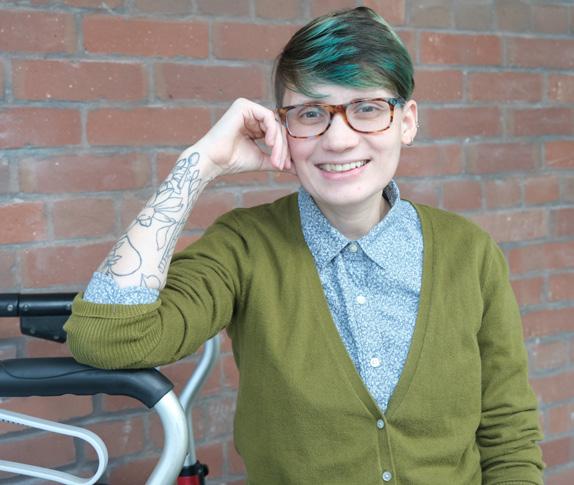
Keat Welsh, MEd (CRIP Collective and University of Toronto); Dev Ramsawakh (CRIP Collective and Centre for Independent Living in Toronto)
Near the end of 2017, Keat Welsh and Dev Ramsawakh (that’s us!) met for the first time to connect on possible opportunities to present speaking engagements and workshops around the topic of queerness and disability. By the summer of 2018, we began developing the first iteration of our Unpacking Ableism workshop with another disabled artist, Jayde Hinds, rooting the work in our lived experiences of disability.
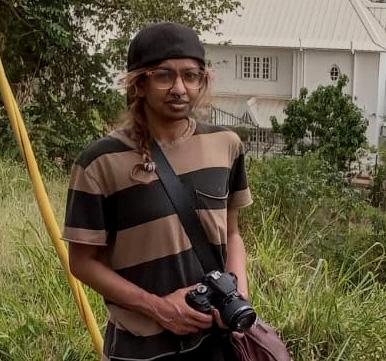
We developed the workshop because we noticed a gap in anti-oppression training focusing on disability with an intersectional approach in Toronto and Canada more broadly. We called ourselves CRIP, both as an acronym for Community Resistance Intimacy Project and as a reclamation for a slur that has been used against disabled communities. We began with a dream of creating a community hub for multiply marginalized disabled people that offers both connection and education. 1 It was very much created in the image of the performance arts collective Sins Invalid. 2
It’s been eight years since our inaugural workshop, Unpacking Ableism, and the numerous iterations it’s been through. We have facilitated over 80 workshops for organizations throughout Canada and the United States. Over the years, we’ve collaborated with many other disabled artists and activists in our community, including Kitty Rode,
Jheanelle Anderson, Salima Punjani, Hope-Adina Adler, Kain Nathaniel, Midnight Anderson, and many others.
We’ve found that many people still need to have those foundational conversations defining ableism and unpacking the systems that disable us. However, many others are hungry to explore topics beyond the basics, leading us to expand our offerings into areas such as sexual health, grief, and media representation.
As much as our workshops evolve, we always ground our work in the understanding that ableism is rooted in all systems of oppression created to perpetuate colonialism and capitalism. This understanding comes from the definition of ableism developed by Black disabled activist T.L. Lewis, in consultation with other disabled Black and negatively racialized folks. 3
Please reach out to us, we would love to have a more fulsome discussion. CRIProject.com
References:
1. Community Resistance Intimacy Project (CRIP). About [Internet]. [cited 2026 Apr 28]. Available from: https://www.criproject.com/about
2. Sins Invalid. 10 Principles of Disability Justice [Internet]. [cited 2026 Apr 28]. Available from: https://sinsinvalid.org/10-principles-ofdisability-justice/
3. Lewis TA. Working Definition of AbleismJanuary 2022 Update [Internet]. 2022 Jan [cited 2026 Apr 28]. Available from: http:// www.talilalewis.com/1/post/2022/01/workingdefinition-of-ableism-january-2022-update.html
“At times we might feel alone, and yet, looking around, we can realize possibilities for collaboration.”
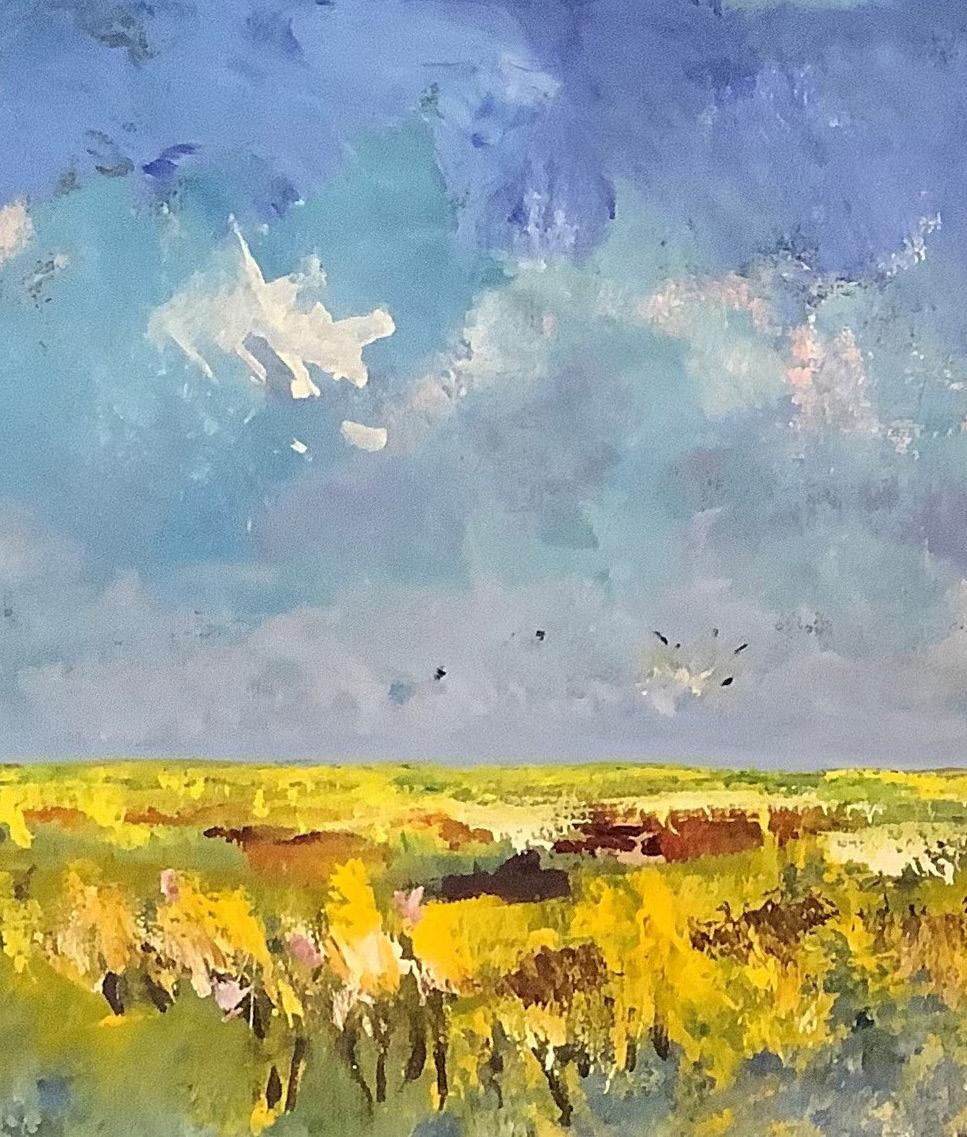
— Beverley Brenna
These stories highlight how patient, family, and caregiver partners are actively shaping interprofessional education and practice through co-design, co-facilitation, advisory roles, and shared leadership. Together, they demonstrate that partnership is not a role, but a relationship built over time.
Melanie Bremner, Jennifer Boyle, Elizabeth Cadavid , on behalf of the CACHE Patient Partner Advisory Committee
Health and social care education is evolving quickly, and patients, families, and caregivers are increasingly helping lead the changes. After a yearlong hiatus, CACHE’s Patient, Family, and Caregiver Partner Advisory Committee (PFAC) reconvened to co-create meaningful priorities for 2025–2026 that strengthen relationships, recognize contributions, and expand opportunities for involvement.
A central focus this year has been deepening and strengthening the partner community. Insights from the 2025 Stronger Together Appreciation Event and a new Engagement Survey will guide future training, peer support, and connection opportunities. These efforts reflect a commitment to listening closely and co-designing supports that respond to partners’ evolving needs.
The Committee also emphasized the importance of recognizing and celebrating contributions. New initiatives include the development of a Patient Partner Award, expanded opportunities for patientauthored content in Together, and a series of videos highlighting the impact of lived experience in health professions education. These initiatives aim to make collaboration more visible.
Expanding and diversifying engagement pathways remains another key priority. Patient partners are increasingly contributing beyond storytelling, through research, curriculum design, co - facilitation, advisory roles, and external collaborations. CACHE is also working with the Temerty Faculty of Medicine at the University of Toronto to identify representation gaps and strengthen long - term planning grounded in the principles of equity, diversity, inclusion, and accessibility.
As a leader in interprofessional patient engagement, CACHE continues to contribute to system-level change. This includes co - developing guiding principles for patient, family, and caregiver partnership and advancing research and knowledge - sharing across networks. In November 2025, Advisory members presented their symposium, “Claiming Agency” at the Patient’s Voice Conferencean experience reflected upon throughout this issue.
Looking ahead, the Advisory Committee will welcome new members as terms conclude in 20262027, creating opportunities for others to contribute to this evolving work.
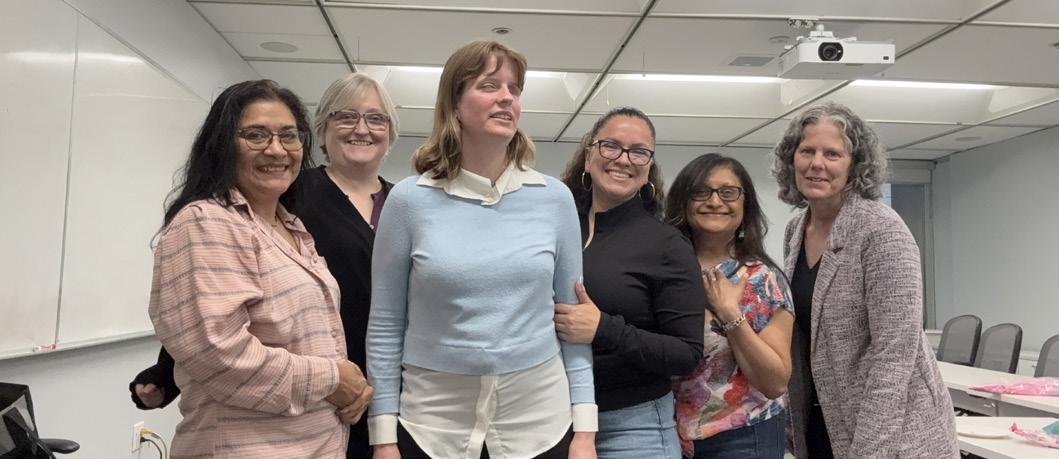
PFAC members (left to right): Janet Rodriguez, Jennifer Boyle, Elizabeth Mohler, Eli Cadavid, Bhavini Patel, Melanie Bremner. (Not pictured: Annette McKinnon and Sabrina Bartlett)
Clara Jordan, MHA (Holland Bloorview Kids Rehabilitation Hospital); Jean Hammond, BA Hons (Holland Bloorview Kids Rehabilitation Hospital); Darlene Hubley, MScCH, BScOT, OT Reg. (Ont) (Holland Bloorview Kids Rehabilitation Hospital; University of Toronto)
The Family as Faculty Teaching and Facilitation Course , developed by Holland Bloorview Kids Rehabilitation Hospital (Holland Bloorview), prepares patient and family partners to co-design and cofacilitate learning grounded in the lived experiences of disability. Since 2019, over 90 graduates across North America have completed the program.
Family as Faculty (FAF) advance interprofessional education (IPE) by positioning lived experience as essential system knowledge, and embedding patient and family voices in collaborative learning. Grounded in real-world insight, these partners are instrumental in building shared understanding, relational capacity, and, ultimately, a collaborative healthcare workforce equipped to improve care experiences and outcomes. In the context of IPE at Holland Bloorview, FAF co-designs and co-facilitates all IPE-structured clinical placements, IPE elective learning activities, and Student Leadership Experiences
Meredith Sandles, FAF, recently shared, “Codesigning the IPE sessions with staff at Holland Bloorview brought lived experience and authenticity to the forefront in a way that tangibly elevates student learning. Teaching students how to build trust with clients and families is best done by creating memorable opportunities for them to connect with clients and families in a safe and supportive learning environment. The impact was visible in real time, particularly in the home visit, where students engaged with our daughter and our family on a more holistic level in an environment where they could let their guard down and have vulnerable conversations. I do this work because these skills are critical to success in client and family partnerships in care.”
Similarly, Elizabeth Mohler, FAF, shared, “Teaching across disciplines – from medicine to music therapy – means students come into the room with very different starting points, and that’s where the learning gets interesting. I do this work because it creates space for disabled people and families to shape how care is understood, not just delivered. You can see the shift when students begin to think relationally about care—less about fixing, more about listening, partnership, and possibility. And for me, it’s been a way to turn experiential knowledge into something that actively reshapes how future professionals show up.”
Embedding lived experience in IPE, through partnership with FAF, enables us to deliver unique and memorable learning experiences. FAF contributes to a culture of shared leadership that advances collaborative care. The impact on learners is clear. Following her clinical placement, student Ashontee Frederick-Pinnock wrote to FAF, “…your perspective has been the most impactful part of my journey here. Thank you for being so open and generous with your lived experience. You’ve taught me that being a great social worker isn’t just about clinical skills, it’s about listening, empathy, and truly partnering with families. Hearing about how you advocate for the best possible outcomes for kids has changed the way I will approach my own practice.”
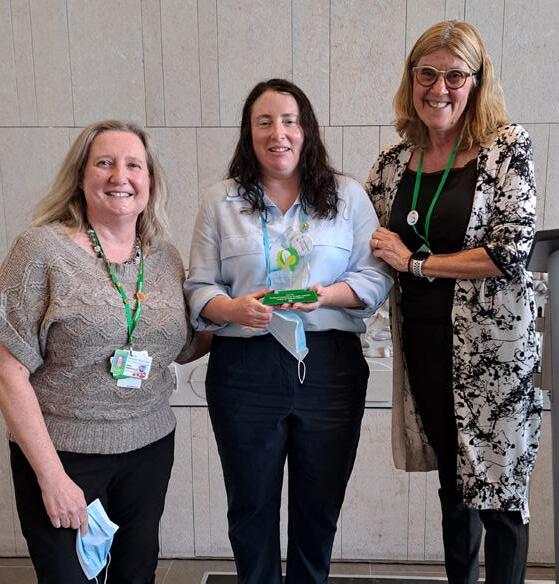
From left to right: Jean Hammond, Meredith Sandles, and Dr. Golda Milo-Manson presenting the Teaching and Learning Institute Award of Merit for Excellence in Interprofessional Education to the Family as Faculty (FAF) team for their virtual home visit IPE placement on clientand family-centred care.
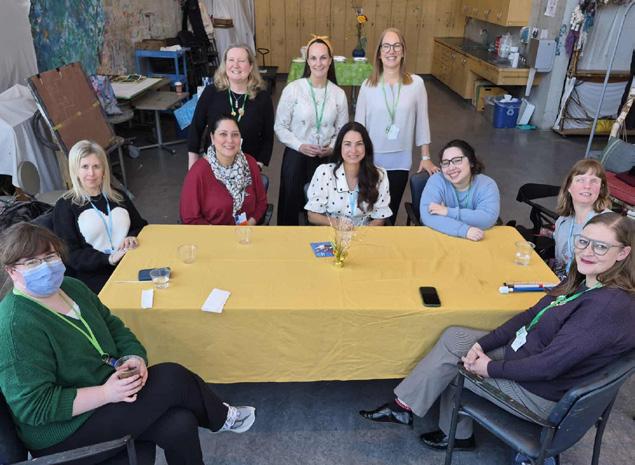
Members of the Family as Faculty (FAF) community enjoying lunch together at Holland Bloorview’s Teaching and Learning Day.
Alexxa Abi-Jaoude, MPH (Patient and Family Education, CAMH); Jana Vigor, MA (Patient and Family Education, CAMH); Lillian Duda (Family Advisory, EPISET); Andrea Morizio (Family Advisory, EPISET); Claudia Sendanyoye (Family Advisory, EPISET); Stacey Otis (Family Advisory, EPISET); Sonia Clarke (Family Advisory, EPISET)
Families are often the first to respond when a young person experiences a mental health challenge and provide the most consistent support throughout their recovery journey. Many caregivers describe feeling overwhelmed, isolated, and unsure of how to navigate the complex mental health system when stepping into a new role as their loved one’s advocate. The Centre for Addiction and Mental Health’s (CAMH) RBC Patient and Family Learning Space, in collaboration with the Slaight Centre for Youth in Transition, partnered with family members of youth who experienced early psychosis to co-create a sevenpart video series, Navigating Youth Mental Health: Perspectives from Families
Rather than positioning families as recipients of information, this project engaged them as codesigners and educators. The project members grounded their co-creation in a simple question: what if families could learn directly from other families?
Through a collaborative process grounded in trust, shared decision-making, and respect for lived experience, family partners shaped the content, themes, and tone of seven short video vignettes. Through storytelling, the series explores themes of recognizing early signs and symptoms, diagnosis, service navigation, communication strategies, and hope. Accompanying each video are links to relevant resources and services, empowering viewers with accessible information to help them navigate Ontario’s complex mental health landscape.
By integrating family voices into educational resources, the project aimed to enhance empathy, strengthen communication, and foster a shared understanding between families and service providers. Family partners acted as leaders in shaping knowledge that is now used for care delivery, education, and system navigation within our hospital and beyond. This work demonstrates how partnering with families can meaningfully advance interprofessional education and collaborative practice.
The process also surfaced important reflections: building trust takes time that accommodates shared decision-making, ethical storytelling requires transparency and ongoing consent, and institutional structures must be flexible enough to support true co-creation that builds on varying perspectives and diverse needs. By centering lived experience, this initiative offers a scalable, creative approach to co-design that can be adapted across settings. Most importantly, it reminds us that meaningful collaboration begins by listening and by making space for families to lead.
“Meaningful collaboration begins by listening and by making space for families to lead.”
Kaitlin Mohan (Queen’s University; Family Navigation Project, Sunnybrook Health Sciences Centre); Elena Sheldrake, PhD, MSc (Family Navigation Project, Sunnybrook Health Sciences Centre); Roula Markoulakis, PhD, MSc (Family Navigation Project, Sunnybrook Health Sciences Centre; University of Toronto)
Youth voices are essential in research because it is their experiences that shape better services designed to support them.
In 2022, I joined the Youth Advisory Council (YAC) with the Family Navigation Project (FNP), an organization that helps youth and families in the Greater Toronto Area (GTA) find mental health and addiction (MHA) services. This role allowed me to draw on my lived experience to address the disconnect between what youth need and what the system offers. Recognizing a gap in youthcentred care due to age or perceived inexperience, I volunteered as a youth representative for the CIHR-funded project “Better Access to and Integration of Mental Health and Addiction Services through Navigation.” This project, involving three youth with lived experience from both the GTA and the districts of Sudbury and Manitoulin (Sudbury-Manitoulin), evaluates the MHA navigation program’s effectiveness following implementation in Sudbury-Manitoulin.
Collaborating with youth to design a meaningful youth-centred service requires a deep understanding of how young people actually experience the system day-to-day. This project exemplifies implementation science grounded in collaborative research, embedding lived experience from conceptualization and execution to knowledge dissemination. It also reinforces a critical truth: age does not determine the quality or validity of one’s insight.
As a patient partner in this project, there are a few ways that the youth perspective has been integrated into the project. I contributed to the project grant as a knowledge user and served on the Steering Committee to help make key decisions. I also facilitated the youth in experience-based co-design (EBCD) sessions in Sudbury-Manitoulin, where the local youth had the opportunity to share what they would like to see in an MHA navigation service that they would be interacting with on a regular basis.
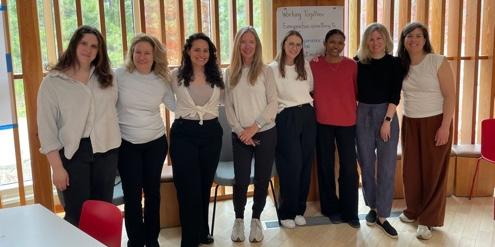
The impact of youth collaboration in research is significant on two levels. My direct involvement representing youth allows me to advocate for others, ensuring the project is serving its intended population. Further, being able to work together with youth in Northern Ontario to uplift their voices will help ensure the development of services that help them receive care specific to their needs.
Simone Kurup, MSW, RSW (Adolescent and Young Adult Program, Princess Margaret Cancer Centre); Abha Gupta, MD FRCP (Staff Oncologist, Hospital for Sick Children & Princess Margaret Cancer Center; Professor, Department of Pediatrics, University of Toronto; Medical Director, Adolescent and Young Adult Program, Princess Margaret Cancer Center; Medical Director, CanSaRCC); Jennifer Catsburg, RN MN CON(C) (Adolescent and Young Adult Program, Princess Margaret Cancer Centre; Adjunct Professor, Lawrence S. Bloomberg Faculty of Nursing, University of Toronto)
Meet Sloane: a twenty-three-year-old finishing her master’s degree while working a demanding full-time job. When she is not busy with school or work, she enjoys spending time with friends, playing on her intramural volleyball team, and travelling. She has aging parents and is their primary caretaker. Although she is currently managing a lot, for the first time she feels a sense of momentum and excitement about her future.
Then, abruptly, her world is upended by: “YOU HAVE CANCER.”
This is the reality for adolescents and young adults (AYA) who are diagnosed with cancer at a stage defined by transition and possibility while laying the foundations for their future. The AYA Program at the Princess Margaret Cancer Centre is grounded in the recognition of the distinct needs of this population and, therefore, an interdisciplinary approach to honour the complexity of the AYA experience.
AYA navigating cancer must manage diagnosis, treatment, and symptom burden in conjunction with disruptions to their education, employment, relationships, identity, and future planning. In response, the program brings together an integrated team: a medical director, clinical nurse
specialists (CNS), school and work transitions counsellors (SWTC), a social worker, oncology fellows, and a program coordinator. This collaborative structure reflects the program’s mission: to provide developmentally tailored, person- and community-centred cancer care that connects, empowers, and supports individuals aged 18-39 throughout their cancer journey.
For many AYAs, life continues moving despite their diagnosis. Cancer becomes an additional stressor in their lives rather than their sole priority. An interdisciplinary, collaborative approach is essential in supporting this reality for AYAs, as it supports the whole person beyond the diagnosis. To achieve this, collaboration in care must extend beyond coordination among professionals. It is a shared commitment to the assessment and integration of the needs of the patient, their family, friends, and community.
Sloane attends her first oncology appointment accompanied, reluctantly, by her mom, who insisted on being there. Her care team speaks about the impact to fertility, encouraging egg freezing as the next step before starting her cancer treatment. Sloane declines fertility preservation, against her mother’s advice, wishing to proceed with treatment as soon as possible. Sloane connects with the AYA social worker, disclosing the complex relationship she has with her parents. Sloane requests support in navigating oncology appointments alone, without the presence of her parents, while still inviting them in as needed. The AYA social worker introduces Sloane to the AYA nurse who guides Sloane on what questions to ask at her next appointment. Also, a meeting between Sloane, her oncologist, AYA nursing and the social worker ensues to make a plan for supporting Sloane’s goals of having her mother present but also time alone with her care team, taking the onus from Sloane to set this challenging boundary.
Every patient referred to our program meets at least two providers. The team aligns support to patient-identified priorities. For example, Sloane wishes to continue working during treatment
so the SWTC collaborates with AYA nursing, the treating oncologist, the patient and their employer to explore feasible options. Additionally, Sloane works with the AYA social worker for counselling around isolation from peers, grief around body image and anxiety around death. The social worker connected Sloane to peer support programs facilitated by the program coordinator. Sloane is also supported by the AYA medical director for a medication assessment to support her mental health.
Sloane has an annual cottage week with friends from high school that holds great importance to her. In an appointment about exam accommodations with the SWTC, Sloane expresses that the cottage week will fall amid her cancer treatment and expresses that she is devastated that cancer will also take this away from her. The SWTC flags this concern to AYA nursing who reviews Sloane’s chart and determines it would be appropriate for them to ask their oncology care team for a break in chemotherapy to attend the cottage. AYA nursing meets with Sloane to provide coaching on how to approach this conversation and validates the importance of her advocating for this need.
Sloane’s story is just one example of how no care decisions are made without the AYA’s voice as the guide. The interdisciplinary team, through its varied expertise and collaborative approach, supports not only comprehensive care delivery, but also the preservation of identity, autonomy, and quality of life throughout the AYA cancer experience.
“No care decisions are made without the AYA’s voice as the guide.”
Mandy Young
(Community
Engagement Coordinator,
Patient and Community Partnership for Education (PCPE), University of British Columbia)
My connection to the Patient and Community Partnership for Education (PCPE) at UBC Health began long before I stepped into my current role as Community Engagement Coordinator. For more than a decade, I participated as a Health Mentor in the Interprofessional Health Mentor Program, sharing my experiences as a caregiver with students through 11 cohorts of health professional learners.
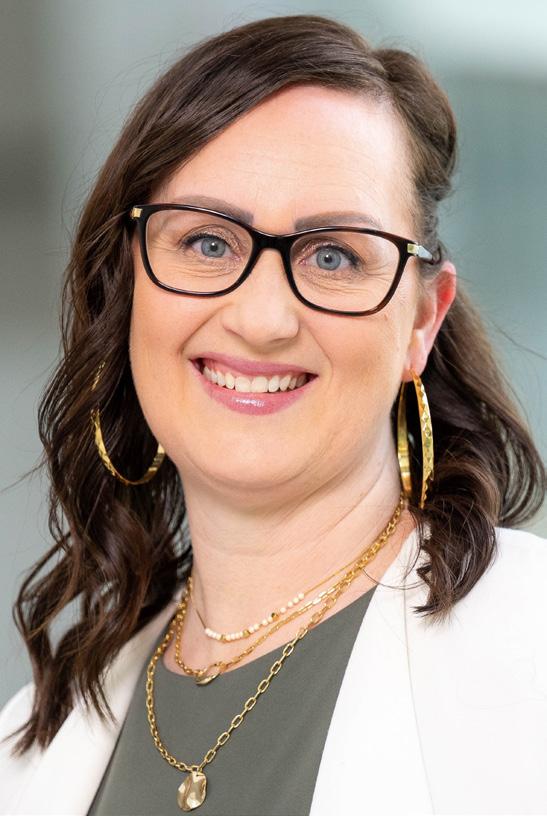
I came to this work as a caregiver to my son Hudson, who lives with complex health needs. Navigating the healthcare system alongside him has given me a deep understanding of the importance of relationships between patients, families, and healthcare providers. Through the Health Mentor Program, I shared those experiences directly with students, creating space for honest conversations about communication, advocacy, and what patient-centred care truly looks like. I remember one student pausing after a meeting and saying, “I’ve never thought about it that way before.” It’s in those moments that you see a learning shift.
Before joining UBC Health, I worked in the nonprofit sector in roles focused on provincial community engagement and support, building strong relationships with community organizations, health authorities, and government partners. I also understood what it meant to be a volunteer within the PCPE network—the vulnerability of sharing personal experiences and the importance of feeling respected, supported, and heard. That perspective helped build trust quickly when I stepped into this role.
That trust has been foundational in expanding and diversifying our network of patient partners across British Columbia, including voices often left out. This ensures students are learning from people navigating care in many different contexts. At PCPE, we are shifting patient engagement from participation to partnership—where patients, families, and caregivers are educators and collaborators in shaping learning.
This combination of lived experience, community work, and mentorship has become my “secret sauce.” It shapes how I approach engagement— moving from learning about patients to learning with them, and ultimately influencing how future providers show up in practice.
The Patient’s Voice Conference in Vancouver in 2025 reinforced how powerful this shift can be. Partnership doesn’t begin with programs—it begins with trust.
Rosemary Corcoran, MS, OTR/L (Department of Family and Community Medicine, Thomas Jefferson University); Karin Roseman, LCSW (Thomas Jefferson FAB (For Adolescents and Beyond) Center for Complex Care; Department of Family and Community Medicine, Thomas Jefferson University); Mary Stephens, MD, MPH, FAAFP, FAADM (Thomas Jefferson FAB (For Adolescents and Beyond) Center for Complex Care; Department of Family and Community Medicine, Thomas Jefferson University)
At Thomas Jefferson University in Philadelphia, the FAB (For Adolescents and Beyond) Center for Complex Care serves individuals with childhood-onset conditions ages 12 and above for primary care. Outside of the exam room, our team works on educational efforts supporting healthcare trainees to increase their knowledge in caring for people with intellectual and developmental disabilities (IDD). With support from the Pennsylvania Developmental Disabilities Council, we work alongside a Community Advisory Board (CAB) of patients and caregivers with lived experience of disability. Our CAB are co-creators and co-teachers in creating materials and sharing stories.
Our initiatives include asynchronous online learning modules and videos on the care of people with IDD (Project website - https:// academiccommons.jefferson.edu/ext/FAB/ ). We supplement these materials with patient panels, where our CAB meets with groups of healthcare trainees to share stories and answer questions. Since launching the project in September 2025, we have hosted three panels with five upcoming, so far reaching over 100 healthcare trainees with the support of 10 unique CAB panellists.
Panels are run in a hybrid fashion, where a moderator from the education team attends in person with learners while CAB panellists attend virtually for increased accessibility by removing the logistics of travel.
CAB members have shared about their experiences:
• “I love when healthcare professionals listen to us.”
• “I feel like I am leaving some tidbits of impact for everyone when I share my story.”
• “It’s not only that we hope to change or have healthcare professionals understand us, but also with each of us continuing to share our stories and learn about each other, we are learning about how each other’s conditions impact them and what we can do to advocate in the future.”
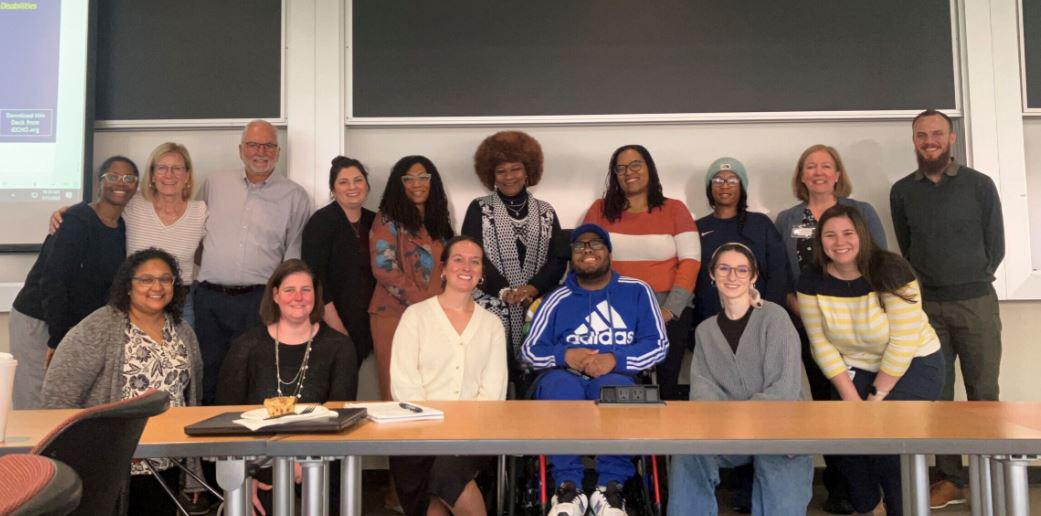
The impact on learners has been clear. In one panel, a CAB panellist shared a difficult experience they had with communication in the emergency department. After hearing their story, a resident provided a thoughtful reflection, sharing a potential alternative for communication they would have considered and asked the panellist if that approach would have changed their story. This thoughtfulness highlights the value of people with IDD as teachers for healthcare trainees, and the power of storytelling as advocacy.
The Pennsylvania Developmental Disabilities Council is supported by the Administration for Community Living (ACL), U.S. Department of Health and Human Services (HHS); part of a financial award totaling $3,025,222.00, 100% ACL/HHS funding. Council efforts are those of the grantee and do not necessarily represent the official views of, nor an endorsement, by ACL/HHS, or the U.S. Government.
Angela Reynolds, PT, DPT, NCS, CBIS (Department of Physical Therapy, Ithaca College)
The Therapeutic Alliance Program (TAP) is an interprofessional, community-engaged clinical education initiative co-developed by Ithaca College and Tompkins County Whole Health. TAP was designed to address a critical gap in access to rehabilitation services for individuals living with traumatic brain injury (TBI) and co-occurring mental health or substance use conditions, while centering patients as active partners in their care and in student learning.
At the heart of TAP is a commitment to relationship-focused care. Patients are not passive recipients of services; they are collaborators who shape goal setting, guide meaningful activity selection, and influence care delivery in real time. Students from physical therapy, occupational therapy, and speech-language pathology work together in co-treatment models, engaging in shared decision-making with patients and, when appropriate, their families and caregivers. This structure promotes authentic interprofessional collaboration while reinforcing the value of lived experience as a form of expertise.
Partnership extends beyond the clinical encounter. Patients contribute to program development through feedback that informs scheduling, communication practices, and the design of therapeutic experiences. Interprofessional case conferences further integrate patient voice, encouraging reflection on power-sharing, trust, and adaptability in care. All participants, including students and clinicians, are offered Mental Health First Aid training to better support the complex needs of this population and foster psychologically safe, inclusive environments.
TAP aligns with the Canadian Interprofessional Health Collaborative (CIHC) Relationship-Focused Care domain 1 by emphasizing trust, mutual respect, and co-creation across all levels of engagement. For students, the program provides a transformative learning experience that bridges classroom knowledge with the realities of collaborative, person-centered care. For patients, it offers access to integrated services that honour their goals, identities, and lived experiences.
Through intentional partnership, TAP demonstrates that collaborative care is not simply about working together across professions; it is about working with patients and communities to create care that is meaningful, responsive, and equitable.
Reference:
1. Canadian Interprofessional Health Collaborative. CIHC Competency Framework for Advancing Collaboration [Internet] 2024. Available from: https://cihc-cpis.com/newcompetency-framework/
Bhavini Patel, EMBA, CCP, PMP (Governance & Advisory Committee Member, Facilitator, Centre for Advancing Collaborative Healthcare & Education)
Recently, I had the opportunity to serve as an evaluator for senior students from the University of Toronto’s (UofT) health and science faculties as they took on a real community challenge through the Senior Interprofessional Design Projects elective. Our panel assessed team functioning, how well each group understood the problem to solve, as well as the creativity and feasibility of their proposed solutions.
It was one of those experiences that leaves you hopeful, because you can see future providers practicing the mindset we need more of in health and social care: listening first, collaborating across disciplines, and designing with (not just for) the people most affected.
This year’s projects were developed in partnership with the Ontario Caregiver Organization (OCO) and Collaborative Advocacy & Partnered Education (CAPE), within the UofT interprofessional education (IPE) Curriculum, delivered by the Centre for Advancing Collaborative Healthcare & Education (CACHE). Students engaged with personal support workers (PSWs) and caregivers, learning directly from lived experience and translating those insights into feasible, implementation-ready ideas to strengthen caregiver-PSW collaboration in home and community care.
The final presentations showcased practical designs, tools and resources that teams could realistically take forward (from tip sheets and a pocket guide to navigation supports). What stood out most was the students’ commitment to usefulness: ideas that respect the realities of caregiving and PSW work, and that aim to improve everyday communication, role clarity, and shared decision-making.
Several reflections stayed with me throughout the experience:
• Strong team functioning enables better listening, clearer roles, and stronger solutions.
• The best ideas started with a crisp understanding of the problem: good problem framing made feasibility easier to see (and to strengthen).
• Creative solutions that balanced imagination with practicality felt truly ready for real-world testing.
• Optimism as I could see that future practitioners were really working to develop understanding of caregiver experiences and seemed dedicated to continually learning from caregivers to provide better health and social care.
Thank you to the team at CACHE for including me in this project! Experiences like this remind us that IPE can help shape future practitioners who are not only collaborative, but deeply responsive to the people and communities they serve.
Robyn Davies, BHScPT, MAppSc,FCAMPT (Collaborative Learning Specialist, Unity Health Toronto); Fran Odette (Patient Family Partner, Unity Health Toronto); Janet Rodriguez (Patient Family Partner, Unity Health Toronto; Centre for Advancing Collaborative Healthcare & Education; University of Toronto); Kristin Hayes (Speech-Language Pathologist, Unity Health Toronto)
I
n the Fall 2024 issue of Together, we published a short article about our experiences as patient partners (PP) co-creating and delivering a new collaborative learning activity, Disrupting Ableism. Since the initial pilot (June 2024), we have successfully offered this session six times to over 150 learners from nine different professional groups.
Eighteen months later, we want to share our top 10 tips for successful patient partnership for collaborative learning.
1
Ensure organizational support (including human resources, funding, recognition, etc.)
It is important that the organization running the activity has leadership that supports its people with time for creation and the operational aspects associated with an educational activity. Support is also needed for the financial compensation of all involved PPs.
2 Create training opportunities for capacity building of PPs
Training is needed to support individual PPs in their (sometimes) new roles as educators, facilitators, content creators, etc. Training can also support the overall capacity within the system, such that the work can be shared across many trained individuals. It can take the shape of general skills or context-specific instruction.
3 Support PPs (leaders, facilitators, storytellers, etc.) around their own selfdisclosure
PPs may be engaged in different types of roles during the educational activity, which may or may not require self-disclosure. It is important to work with the PP so that they are prepared prior to the session and comfortable with what information that they will/may disclose. Any sharing should be linked to the learning activity and must fall within the PP’s safe zone of disclosure.
4 Take an iterative approach
In the case where a session is offered more than one time, it is important for the teaching team to review and respond to the session evaluations. The iterative nature supports ongoing quality improvement of the session.
5 Ensure role clarity
PPs may take on many roles within a session or have different roles across different sessions. This is why it is important that each PP is clear about their role for each session. If a PP is in the role of a small group facilitator, this will look very different from the role of PP as a storyteller. Establishing role clarity, prior to the session, will make it a more positive experience for everyone.
6 Stay current with your topic
The world is changing at a rapid rate. It is important to stay on top of new developments. The session lead’s role to make sure the whole teaching team is also aware of new developments in the field.
7 Enacting education best practices
Educational activity (co-)leads have a responsibility to support educational best practices in the design and delivery of the session (e.g. fostering collaboration, offering time for reflection). Education best practices can help ensure that participants are actively engaged in the learning process.
8 Allow for enough time
Meaningful learning about ableism takes time. Make sure to account for this when planning the session. It is not helpful to rush.
9 Attend to alignment of PP and topic area
Consider partnering with PPs with expertise in the topic area, particularly if they are leading the activity. Also, think about whether the skill set matches the activity and their role, or if additional training is required.
10 Ensure true partnership
For true partnership, support PPs in every step of the education process, including curriculum development, leading the session, facilitating, interpreting the feedback, and then co-creating the next iteration.
Patient partnership can be a rewarding experience, and like anything worth doing well, it requires time and nurturing.
“Patient partnership can be a rewarding experience, and like anything worth doing well, it requires time and nurturing.”
Kayla Vitols, BSc (Primary Care Research Unit, Department of Family and Community Medicine, Sunnybrook Health Sciences Centre; Kinesiology Candidate, University of Waterloo); Ingrid Wirsig, MSc, C-IAYT (Yoga Therapist, Sunnybrook Health Sciences Centre); Richard Gould (Patient Partner, Sunnybrook Health Sciences Centre)
Regular physical activity is one of the simplest and most effective ways to improve health, yet more than 74% of adults in Canada do not meet the recommended guidelines. 1 Supporting sustained change starts with accessible, community-based interventions and Walk with a Doc is one such initiative. This healthcare provider-led walking program promotes physical activity alongside social connection and informal health education. 2
Richard Gould, a retired specialist in Public Health and Preventive Medicine, is a patient of the Sunnybrook Academic Family Health Team (SAFHT). He first encountered Walk with a Doc during his career and, in retirement, found the opportunity to introduce the program to his community. As Richard shared, “It struck me that a Walk with a Doc program could potentially expand upon and complement many of the chronic disease prevention and management resources offered by the Family Health Team.” This year, a team of healthcare providers brought that vision to life, with Richard contributing as a patient partner from this initial idea in 2024 through to the program’s launch in March 2026.
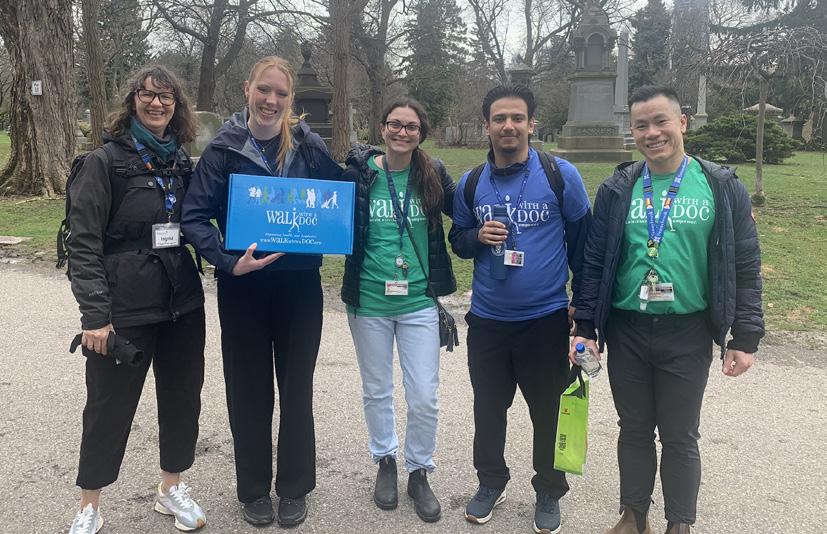
The SAFHT Walk with a Doc team brings expertise across social work, health promotion, kinesiology, and family medicine, with every member shaping the program’s design. And along with Richard, patient partners in Sunnybrook’s Patient and Family Advisory Council (PFAC) provide ongoing feedback to ensure the program is well-communicated and reflects participant priorities. This structure reflects the collaborative, relationship-focused practice described in the CIHC Competency Framework, where patient participation occurs across the design, planning, implementation, and evaluation of care. 3
Initial feedback from SAFHT Walk with a Doc participants has been overwhelmingly positive. Along with delivering accessible walking sessions, the team has developed a study that aims to identify the factors that support sustained physical activity and help shape future community-based initiatives. Richard’s initiative and contributions, as well as the PFAC’s ongoing input, are the key to this program’s success.
References:
1. Health Infobase. How close people in Canada are to meeting physical activity recommendations [Internet]. Ottawa (ON): Government of Canada; 2025 [cited 2026 Apr 21]. Available from: https://health-infobase. canada.ca/pass/meeting-recommendations/
2. Walk with a Doc. Walk with a Doc [Internet]. [cited 2026 Apr 21]. Available from: https:// walkwithadoc.org/
3. Canadian Interprofessional Health Collaborative. CIHC Competency Framework for Advancing Collaboration [Internet] 2024. Available from: https://cihc-cpis.com/newcompetency-framework/
Milena Silva Lisboa, MSc, PhD (Psychologist; Adjunct Professor, Master’s Program in Psychology and Health Interventions, Bahiana School of Medicine and Public Health); Valdemar Ferreira Viana Neto, BLog, MA (Undergraduate Student in Psychology, Bahiana School of Medicine and Public Health); Cathy C. Kline, MA (Assistant Director, Patient & Community Partnership for Education, UBC Health)
The Health Mentors Program (Programa Mentores da Saúde) in Brazil is an interprofessional educational initiative that brings students from different health professions into dialogue with people living with chronic conditions in contexts of profound social inequality. Inspired by the University of British Columbia’s Health Mentors model, the Brazilian program required significant adaptation to engage mentors whose lives are marked by poverty, racism, stigma, and territorial inequities, and to recognize lived experience as a legitimate source of knowledge for health education.
In the Brazilian context, mentors are adults living with Human T-lymphotropic virus 1 (HTLV), a neglected chronic infection that disproportionately affects Black and low-income populations. Beyond illness, many mentors face food insecurity, limited access to education and health services, and exposure to urban violence. From the outset, it became evident that meaningful participation would only be possible if the program addressed these conditions directly, rather than treating them as external to learning.
Key adaptations supported inclusive interprofessional learning. These included simplified educational materials, additional preparatory meetings, collective reading and role playing, and shared reflective spaces involving mentors and students from multiple disciplines. The university also offered institutional accompaniment, understood as sustained
organizational and ethical support — including transportation, meals, mediation with community contexts, and ongoing care for mentors’ material and emotional needs — rather than supervision or control. This accompaniment was central to making participation possible with dignity and continuity.
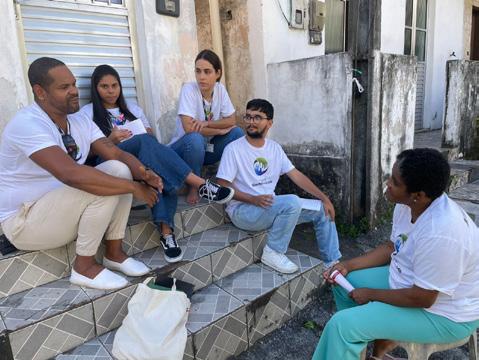
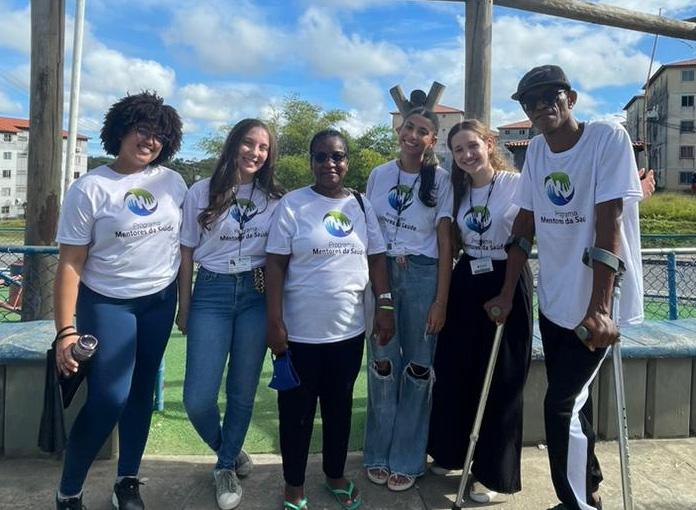
As the program expanded, learning activities increasingly took place in the mentors’ own historically marginalized urban neighborhoods. Interprofessional student groups learned within territories shaped by structural inequality, gaining insight into how social determinants of health, place, and power influence illness, care, and access to services. Safety planning, territorial mapping, and shared agreements became integral to the educational process.
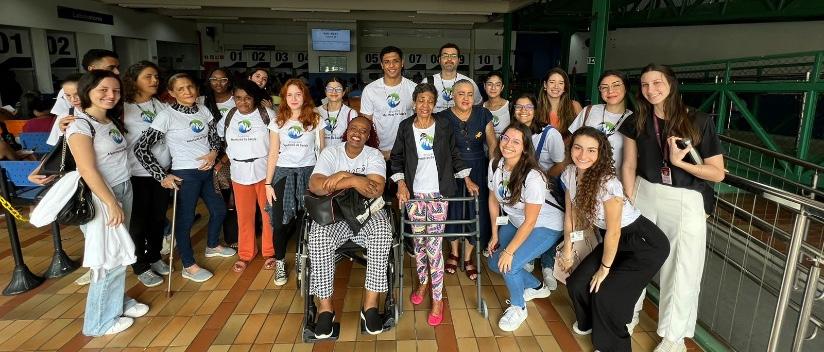
These experiences reshaped student learning. By engaging with mentors in their communities and listening to life narratives across professional boundaries, students learned to understand health not only as technical practice, but as relational, ethical, and political work. The Brazilian Health Mentors Program demonstrates that interprofessional education with communities is most transformative when vulnerability is acknowledged and addressed, and when lived experience is recognized as knowledge capable of educating and transforming future health professionals.
Abigail Berube, BSc (Temerty Faculty of Medicine, University of Toronto); Noah Wright (Factor-Inwentash Faculty of Social Work, University of Toronto); Rohan Parhar (Leslie Dan Faculty of Pharmacy, University of Toronto)
Caregivers play an essential, but under-supported role in providing patient care. In Canada, approximately 42% of Canadians (13.4 million individuals) provide unpaid care to a family member or friend, with many reporting emotional, physical, and financial strain. 1 Despite their established impact on patient outcomes and system efficiency, caregivers remain under-recognized in health professional education and frequently report unmet needs related to information, system navigation, and access to professional support. 2
Parallel gaps exist within the formal care workforce. Personal Support Workers (PSWs) are another integral but under-supported part of the care team, often working in resource-constrained systems with limited access to continuing education. 3 Inadequate training related to caregiver engagement, role expectations, and interprofessional communication is a challenge facing the PSW workforce. 4 These gaps are associated with poorer care coordination and increased strain on both caregivers and providers.
To address these gaps, our CACHE Senior Interprofessional Design Project team partnered with Collaborative Advocacy & Partnered Education (CAPE) and the Ontario Caregiver Organization (OCO) to develop a case-based learning (CBL) workshop: Continuing Education: Building Professional Relationships between PSWs and Caregivers . The half-day workshop integrates caregiver testimonials, a framework for PSWs working with caregivers, and an interactive CBL using group discussion to identify strategies to meaningfully include caregivers as care team members.
The workshop is designed to be co-facilitated with caregiver partners, promoting interprofessional care by positioning caregivers as equal members of
the care team, and ensuring that lived experience informs curriculum delivery. To further advance interprofessional education goals, the workshop targets key competencies outlined by the Canadian Interprofessional Health Collaborative, including role clarification, interprofessional communication, team functioning, and collaborative leadership. 5
By embedding core IPE concepts into a program that combines experiential learning with co-creation, this initiative centres caregiver perspectives while equipping PSWs with practical skills to build stronger, more collaborative care relationships. Through future workshop implementation, we hope to see improved interprofessional collaboration, greater recognition and inclusion of caregivers in care processes, and more coordinated, relationshipfocused care. In this way, the project highlights the potential of interprofessional education as a strategy to address persistent gaps in caregiver and PSW support.
References:
1. Wray D. “Sandwiched” between unpaid care for children and care-dependent adults: a gender-based study [Internet]. Ottawa (ON): Statistics Canada; 2024 Available from: https://www150.statcan.gc.ca/n1/ pub/89-652-x/89-652-x2024002-eng.htm
2. Parmar J, L’Heureux T, Anderson S, Lobchuk M, Charles L, Pollard C, Powell L, Chaudhuri P, FawcettArsenault J, Mosaico S, Sim C. Bridging the care gap: integrating family caregiver partnerships into healthcare provider education. Healthcare 2025;13(15):1899. Available from: https://doi. org/10.3390/healthcare13151899
3. Zagrodney K, Deber R, Saks M, Laporte A. The disadvantaged home care personal support worker: differences in job characteristics, unionization, pensions, participation, and wages by care sector in Canada. Journal of Applied Gerontology. 2023 Apr;42(4):758-67.
4. Brookman C, Sayin F, Denton M, Davies S, Zeytinoglu I. Community-based personal support workers’ satisfaction with job-related training at the organization in Ontario, Canada: implications for future training. Health Science Reports . 2022;5:e478. Available from: https://doi.org/10.1002/hsr2.478
5. Canadian Interprofessional Health Collaborative. CIHC Competency Framework for Advancing Collaboration [Internet]. 2024. Available from: https://cihc-cpis.com/ new-competency-framework/
Elizabeth Cowie Hayes, RN, CCNE, MN (School of Nursing, Fanshawe College); Jessica Chan, RPN (Simulation and Immersive Technology Labs, Fanshawe College)
In the Winter 2026 term, first year Practical Nursing students at Fanshawe College participated in an integrated learning experience centring caregiver partnerships. Students first completed the Caregiver 101 module, developed by the Ontario Caregiver Organization1 , supported by faculty-led discussions, culminating in an opportunity to apply their learning in two simulated scenarios emphasizing caregivers as essential partners in care.
This learning opportunity intentionally moved beyond inclusion, toward partnership with caregivers. Through the Caregiver 101 module, students were introduced to caregivers as meaningful members of care planning and decision-making. This framing aligns with the Canadian Interprofessional Health Collaborative (CIHC) competencies, within the Relationship-Focused Care/Services domain, emphasizing trust, shared decision-making, and authentic collaboration. 2 This enhanced understanding and provided a foundation for the simulated scenarios.
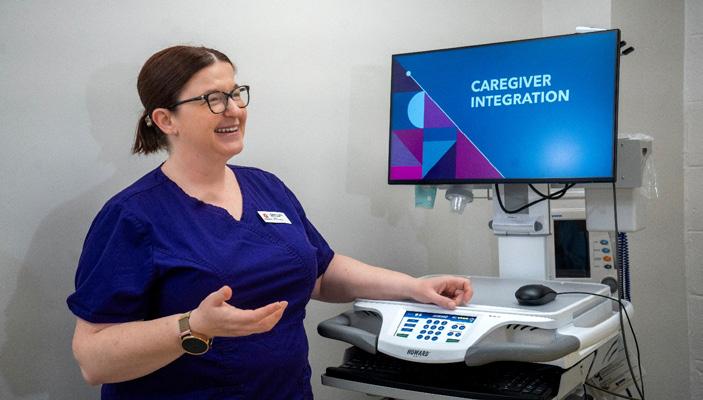
Faculty facilitated classroom dialogue which created space for students to engage with caregiver perspectives, exploring themes of burnout, recognition, and inequities in support. These discussions prompted reflection on power dynamics within healthcare systems and consideration of how intentional partnership with caregivers can improve both care experiences and outcomes.
Students then participated in two simulated scenarios in which caregiver voices were central to the interaction. The family caregivers expressed frustration and emotional strain during the simulations. Students were challenged to move beyond task-focused care and engage in relational practice, actively listening, validating caregiver expertise, and integrating caregivers’ perspectives into care planning. This experience highlighted the importance of communication, empathy, and shared decision-making as core interprofessional competencies. 2
Student reflections, in debrief discussions and written assignments, demonstrated a shift in perspective— from viewing caregivers as passive supports to recognizing them as active collaborators. Learners reported increased confidence in engaging caregivers, greater awareness of caregiver needs, and a deeper understanding of how partnership strengthens care delivery.
This initiative demonstrates how embedding caregiver-focused learning within simulation and dialogue operationalizes interprofessional education in meaningful ways. By foregrounding caregiver voices and emphasizing co-creation in care, this approach supports the development of nurses prepared for collaborative, relationship-centered practice. 3,4
References:
1. Canadian Interprofessional Health Collaborative. CIHC Competency Framework for Advancing Collaboration [Internet]. 2024. Available from: https://cihc-cpis.com/ new-competency-framework/
2. Ontario Caregiver Organization. Caregiver 101 [Internet]. 2022. Available from: https://learning. ontariocaregiver.ca/
3. Reeves S, Fletcher S, Barr H, Birch I, Boet S, Davies N, McFadyen A, Rivera J, Kitto S. A BEME systematic review of the effects of interprofessional education: BEME Guide No. 39. Medical Teacher. 2016;38(7):65668.
4. World Health Organization. F ramework for action on interprofessional education and collaborative practice [Internet]. 2010. Available from: https://www.who. int/publications/i/item/framework-for-action-oninterprofessional-education-collaborative-practice
Elizabeth Cadavid on behalf of the IPE Dying & Death Working Group (Centre for Advancing Collaborative Healthcare & Education)
Following our Fall 2025 feature on the Dying & Death elective in the University of Toronto’s interprofessional education (IPE) Curriculum, we continue to reflect on the people and relationships that shape this meaningful learning space— honouring those who have guided it and welcoming those who will carry it forward.
A central figure in this journey has been Brian Walsh, MPhil, RP, a long-time collaborator, speaker, and advisor. Brian first engaged with the sessions in December 2012 as a facilitator and, by 2014, became a core speaker, bringing his depth of experience in spiritual care into the classroom.
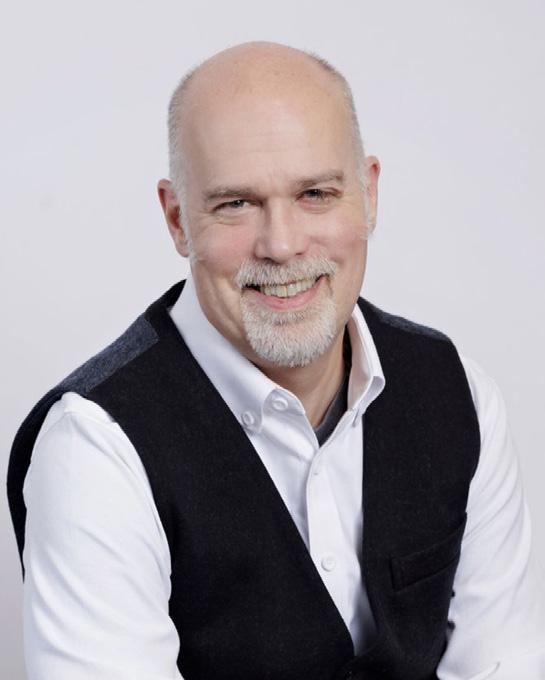
Over the years, his presence has shaped how learners approach some of the most profound and complex moments in healthcare.
Brian formally joined the Dying & Death working group in Fall 2021, contributing as both a speaker and an impactful advisor. Across more than a decade, his teaching consistently invited students to slow down, reflect, and engage with the spiritual, emotional, and relational dimensions of dying and loss.
Central to Brian’s teaching was his drive to make spirituality accessible and relevant in clinical care. He encouraged learners to see spirituality as deeply embedded in how people make meaning—through connection, purpose, values, and lived experience. His sessions emphasized person-centred care, curiosity, thoughtful questioning, and an awareness that spiritual distress may be present even when
unspoken. Through his storytelling, reflective prompts, and practical frameworks such as FICA Spiritual History Tool , he supported learners in navigating conversations about meaning, loss, and identity with sensitivity and humility. He also endorsed self-awareness and self-care, reminding learners that when the stories we hold no longer sustain us, both patients and providers may experience distress.
In January 2026, Brian delivered his final presentation to the elective. His recorded session continued to be shared with students in subsequent offerings, including April 2026. Brian is moving on to focus on his storytelling and meaning-making workshops
We extend our deepest gratitude to Brian for his years of generosity, insight, and commitment. His contributions have left a lasting imprint on the elective, the working group, and the many learners who have had the privilege of learning with and from him. We wish him all the very best in his next chapter.
As we honour Brian’s contributions, we also look ahead with appreciation as Dr. Jennifer Bright, RP, PhD, joins the Dying & Death working group. Jennifer first engaged with the elective in Spring 2026 as a Facilitator. As Wutai Shan Venerable Dayi Assistant Professor of Buddhist Spiritual Care at Emmanuel College and a registered psychotherapist, she brings expertise in spiritually-integrated psychotherapy, Buddhist approaches to care, and decolonial pedagogies.
With experience in intensive care and a focus on spirituality, health, and healing, including moral injury and responses to the Truth and Reconciliation Commission, Jennifer brings both depth and practical insight to the Dying and Death working group. She will also help strengthen connections with the broader Spiritual Care educator and practitioner community.
The Dying & Death elective continues to reflect what interprofessional education can achieve at its best: a space shaped by relationships, reflection, and shared humanity.
“Lived experience is knowledge capable of educating and transforming future health professionals.”

— Health Mentors Program, Brazil
This section explores how interprofessional education and collaborative practice are evolving through more inclusive, relational approaches. While not all stories focus explicitly on patient partnership, they reflect the broader environments where partnership is taking shape and deepening.
Joy Aziz (PharmD Student, University of Toronto)
As a third-year pharmacy student at the University of Toronto with experience in hospital settings, I recently had the opportunity to collaborate on an interprofessional initiative for the Ontario Caregiver Organization (OCO) and the Collaborative Advocacy & Partnered Education (CAPE). Alongside a diverse team of students from Medicine, Physical Therapy, Chiropractic, and Medical Radiation Sciences, we developed the Wayfinder Pop-Up initiative to support Personal Support Workers (PSWs) in their vital role as links to family caregivers. The Senior Interprofessional Design Projects elective provided an opportunity to collaboratively design and pitch this initiative, with future implementation and delivery currently being explored.
Our solution focuses on hosting interactive “Lunch and Learn” pop-ups at community agencies where PSWs can receive training on the Wayfinder, a navigation tool designed to connect caregivers with essential resources. A core component of this training is role definition, which helps establish clear boundaries to protect the professional well-being of PSWs while ensuring caregivers feel supported. By centering these sessions around the lived experience of a caregiver and utilizing role-play exercises with scripts and observers, we can create a safe space for participants to practice navigating complex boundary challenges.
This project is deeply rooted in the CIHC Competencies of Role Clarification and Patient/ Family-Centered Care. By defining the boundaries between formal and informal care, we reduce role ambiguity and foster a more integrated care team. Furthermore, the co-design of this project by students across five disciplines models the collaborative leadership and shared decisionmaking necessary for institutional success.
Our vision for this initiative follows a three-phase rollout: beginning with a local partnership through the Integrated Care Program at University Health Network (UHN), transitioning into a virtual training platform, and eventually expanding to agencies across Ontario. By providing PSWs with interactive infographics and certificates of completion, we aim to empower the frontline of care to champion the “Patient’s Voice” in every community interaction.
Reference:
• Canadian Interprofessional Health Collaborative. CIHC Competency Framework for Advancing Collaboration ; 2024. Available from: https://cihc-cpis.com/new-competencyframework/
Marissa James, EdD, CScD-SLP (William Osler Health System); Dean Lising, BSc, BScPT, MHSc (Lead, Team-Based Practice & Education, Centre for Advancing Collaborative Healthcare & Education)
The room was full.
Across William Osler Health System (Osler), clinical teams were actively working within their programs to design workflows as part of our transition to a new electronic Health Information System (HIS). There were diagrams, timelines, and thoughtful conversations, all grounded in people-centred care, a foundation that has long guided our work.
To support this work, a group of health professional leaders, partners, and educators came together to attend the Educating Health Professionals in Interprofessional Care (ehpic™) program with a shared goal of strengthening how we collaborate across teams. Guided by the Canadian Interprofessional Health Collaborative competencies, the program offered a shared language and framework for interprofessional practice that can be adapted to changing workflows.
We were collaborating in the ways we knew how.
But ehpic™ also created space to step back and look at the work differently. Not because anything was missing, but because our perspectives began to expand.
We found ourselves thinking differently about what collaboration could look like in practice. It was no longer only about how we coordinate care across roles, but also how we show up in that work together and who else should be part of that “together.”
We started asking different questions. Not just how we design workflows, but who helps shape them.
Not just how we include perspectives, but how those perspectives influence decisions. And how to ensure that the voices of patients, families, and caregivers are not only heard but actively inform the way care is designed and delivered.
There was a moment when it became clearer that designing for people and designing with them are not quite the same thing.
The work did not change all at once. It deepened.
We noticed the parts of our workflows that are less visible but just as important: the conversations, the pauses, and the small interactions where trust is built or lost. These are also the moments where partnership can take shape.
This way of thinking is now carrying forward into workflow design and education. The same group of leaders who learned together are now supporting others across teams, applying interprofessional principles within the HIS build and bringing a shared language of collaboration, reflection, and partnership into everyday practice.
We are still learning how to do this well.
But the work feels different now. More open. More intentional. More shared.
And in that shift, we are beginning to create space for more voices, and for those voices to help shape the care we provide.

Claude Monet’s The Forest Path (1865-1866) reflects movement through a shared landscape, illustrating how interprofessional learning can broaden perspectives and strengthen connections.
Monet C. The Forest Path [oil on canvas]. Paris (FR): Musée d’Orsay; 1865–1866.
Gillian Hendriks MD, MBChB, FRCPCH (UK) (Department of Emergency Medicine, KK Women’s & Children’s Hospital, Singapore); Hafizah Kamil, RN (Department of Emergency Medicine, KK Women’s & Children’s Hospital, Singapore); Angelina Ang MD, MBBS (Singapore), MRCP(UK) (Department of Emergency Medicine, KK Women’s & Children’s Hospital, Singapore)
I
n our pediatric emergency department, adolescents frequently present with abdominal pain, chest pain, or headaches, yet many carry underlying psychosocial stressors such as academic pressure, social media anxieties, bullying, or family conflict. In the fast-paced ED environment, these issues can be difficult to uncover. As a multidisciplinary team of physicians, nurses, psychiatrists, and medical social workers, we recognised the need for a more coordinated approach to supporting these young people.
The Educating Health Professionals in Interprofessional Care (ehpicTM ) course in 2023 marked a turning point for our Youth Wellbeing (YWB) team. While we shared a common commitment, we lacked a shared purpose, language, and framework for collaboration.
ehpicTM helped align our team and generated three key insights.
1. First, we recognized the value of systematic data collection across professions through shared piloting and workflow monitoring. Collaborating with the SingHealth Patient Advocacy Network (SPAN), we incorporated patient perspectives
into co-designing care processes. This work led to multiple recognitions, including the “Patients as Partners-in-Improvement” Special Recognition Award, a Poster Excellence Award for Innovation, and a Recognition Award in the Organisational Leadership category. Over the past two years, we have shared our work and ehpicTM -informed implementation outcomes through poster presentations at five conferences.
2. Second, we learned the importance of identifying champions to coordinate messaging and facilitate information sharing. We introduced regular interprofessional huddles and organised a “Collaborative Minds” team retreat to strengthen role clarity, alignment, and shared goals.
3. Third, we prioritised coordinated education, recognizing that resources can be adapted and shared across professions. Interprofessional learning sessions were introduced to foster shared understanding and collaboration.
Today, our department benefits from smoother workflows, stronger team cohesion, and practices that align with Singapore’s national mental health and wellbeing strategy. Most importantly, these changes have enhanced patient care, enabling us to support adolescents more holistically through coordinated, compassionate, and truly interprofessional teamwork.
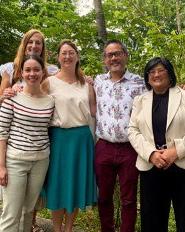
We are so grateful for the opportunity to have attended and learned from the ehpicTM program and would like to express our heartfelt gratitude to our coaches and friends from CACHE: Ivy Oandasan, Lynne Sinclair, Dean Lising, and Belinda Vilhena.
Camila de Carvalho Krügel (PhD Candidate, University of São Paulo; Visiting Student, Toronto Metropolitan University/Centre for Advancing Collaborative Healthcare & Education); Dean Lising, BSc, BScPT, MHSc (Lead, Team-Based Practice & Education, Centre for Advancing Collaborative Healthcare & Education)
As a Brazilian PhD candidate in Public Health and visiting student in Toronto with CACHE, my time in Canada has been marked by transformative learning experiences, particularly through my engagement with the welcoming and collaborative environment fostered at CACHE, where I participated as an interprofessional education (IPE) facilitator.
More than a learning space, I can see that CACHE embodies a culture where patients, families, caregivers, students, and professionals are invited to learn about, with, and from, each other. What stood out most was how patient partnership is not treated as an abstract concept, but as an integral part of education and training. Patients and caregivers are actively included in workshops, discussions, and capacity-building initiatives, contributing their lived experiences as essential knowledge. Their presence reshapes traditional power dynamics, challenging the idea of the professional as the sole expert and reinforcing care as a shared, relational process.
Equally impactful was the attention to design and delivery of activities in the University of Toronto’s IPE Curriculum. Learners from different health professions are brought together in meaningful ways, not only to share knowledge, but to collaboratively reflect, problem-solve, and understand each other’s roles. This approach moves beyond parallel learning and fosters genuine collaboration, something that is often difficult to achieve in practice.
As an international learner and educator, I was deeply influenced by how these experiences were facilitated within a supportive and inclusive environment. The openness to dialogue, respect for diverse perspectives, and emphasis on cocreation created a space where learning felt both collective and transformative. I will return to Brazil carrying not only new ideas, but a renewed commitment to fostering environments where patients are recognized as partners and where interprofessional learning is intentionally cultivated. More than methods, I bring back a different way of thinking about care, education, and the relationships that sustain them.

artwork was created using Photoshop and images with free use, without the use of any artificial intelligence tools in the process.
Megan Lawlor, MSW, RSW (Social Worker, Tory Trauma Program, Sunnybrook Health Sciences Centre; Adjunct Lecturer, Factor-Inwentash Faculty of Social Work, University of Toronto)
In the aftermath of a traumatic injury, patients experience emotional distress, isolation, and uncertainty about their future. Literature indicates that peer support programming results in better recovery for trauma patients. Patients engaged with peer support experience decreased levels of anxiety and isolation, more optimism about their recovery, and lower rates of injury recidivism.
The C5 trauma ward at Sunnybrook provides care to 36 trauma patients at varying stages of their recovery, whose emotional needs can be supported by a peer support program. A quality improvement project was undertaken that developed and implemented a change idea for a ward-level peer support offering.
Baseline data was collected from patients and interprofessional team members. Staff participated in group interviews where they spoke about their perceptions of the benefits of peer support and their ideal program for the unit. There was unanimous staff support of the development of a program and a willingness to participate in implementation. Patient feedback indicated an interest in being connected with other C5 patients during their admission.
Using the baseline results, a facilitated drop-in peer support group (“Sips & Support”) was identified as the appropriate intervention. Discussion prompts for the group were guided by interprofessional perspectives of topics that could unite patients – inquiring about mobility moments, hope for recovery, and how patients were coping with their admission.
Four drop-in groups were facilitated by a social worker. Patients received a flyer on their morning meal tray advertising the group and were invited
by their nurse. Group discussions were encouraged using open-ended questions posed by the facilitator, with a focus on creating shared experiences. 100% of participants found the group helpful, and staff reported no increase in their workload. Nursing staff reported improvements in their patients’ mood following their attendance.
Positive feedback from staff indicated a willingness to further the change idea and continue offering drop-in sessions. Biweekly drop-in peer support groups are now offered consistently, with facilitation by members of various health professions, including physiotherapy, nursing, social work, and occupational therapy. The groups will continue to be evaluated, with the potential to spread the change idea across other settings.
References:
1. Heimke IM, Furdock R, Simske NM, Swetz A, Simpson M, Breslin MA, et al. Trauma recidivism is reduced with engagement in psychosocial programming following orthopaedic trauma. Injury. 2023;54(12). doi: 10.1016/j. injury.2023.111129
2. Johnson L, Shand S, Giannoudis PV. Is peer support to patients and families after major trauma beneficial? Injury. 2021;52(3):305-6. doi:10.1016/j.injury.2021.03.010
3. Joo JH, Bone L, Forte J, Kirley E, Lynch T, Aboumatar H. The benefits and challenges of established peer support programmes for patients, informal caregivers, and healthcare providers. Fam Pract . 2022;39(5):903-12. doi:10.1093/fampra/cmac004
4. Wasilewski M, Reis L, Vijayakumar A, Leighton J, Hitzig SL, Simpson R, et al. Peer support experiences and needs across the continuum of trauma care: A qualitative study of traumatic injury survivor, caregiver, and provider perspectives. Injury. 2025;56(4):112259. doi:10.1016/j.injury.2025.112259
5. Wasilewski MB, Rios J, Simpson R, Hitzig SL, Gotlib Conn L, MacKay C, et al. Peer support for traumatic injury survivors: A scoping review. Disabil Rehabil . 2022;45(13):2199-2232. doi: 10.1080/09638288.2022.2083702
Joseph P. Buhain, EdD, MBA, RRT, FAARC (Director of Interprofessional Simulation and Emerging Technology, Marieb College of Health & Human Services, Florida Gulf Coast University); Ellen Kroog Donald, PT, PhD (Program Director, GIDDI, Florida Gulf Coast University); April Felton, DNP, APRN, NNP-BC, CNE (Assistant Professor, Department of Biological Sciences, Florida Gulf Coast University); Kathleen Tenrreiro, PhD, APRN, CPNP-PC, CNE (Assistant Professor, School of Nursing, Florida Gulf Coast University)
Interprofessional education (IPE) is widely recognized as a critical component in preparing healthcare professionals to deliver safe, effective, and patient-centered care. However, traditional educational and simulation approaches often lack scalability and consistency, particularly when representing authentic patient experiences from underserved populations, such as individuals with intellectual and developmental disabilities (IDD). The Global Interprofessional Disability & Diversity Initiative (GIDDI) Hologram Project was developed to address these gaps by integrating holographic patient simulation into interprofessional learning environments.
This project utilized a mixed-methods educational design grounded in experiential learning theory and competency-based education. Lived-experience interviews were captured using volumetric imaging and transformed into holographic simulations embedded within structured IPE activities. The curriculum was explicitly aligned with the core competencies established by the Interprofessional Education Collaborative, as well as the CHIC Framework, which emphasizes collaborative leadership, psychological safety, systems thinking, and equity-centered care.
Preliminary findings demonstrate improvements in learner engagement, interprofessional communication, empathy, and team-based clinical reasoning. These results suggest that holographic simulation is a scalable and impactful modality for advancing interprofessional collaboration competencies and enhancing inclusive healthcare education.
References:
1. Interprofessional Education Collaborative. Core competencies for interprofessional collaborative practice [Internet]. 2023. Available from: https://www.ipecollaborative. org/ipec-core-competencies
2. Kolb DA. Experiential learning: experience as the source of learning and development. Englewood Cliffs (NJ): Prentice Hall; 1984.
3. Lave J, Wenger E. Situated learning: legitimate peripheral participation. Cambridge University Press; 1991.
4. World Health Organization. Framework for action on interprofessional education and collaborative practice [Internet]. 2010. Available from: https://www.who.int/ publications/i/item/framework-for-action-oninterprofessional-education-collaborativepractice
5. McGaghie WC, Issenberg SB, Petrusa ER, Scalese RJ. A critical review of simulationbased medical education research: 2003–2009. Medical Education. 2010;44(1):50-63.
6. Shorey S, Ng ED. Virtual reality simulation in nursing education: a systematic review. Nurse Education Today. 2021;98:104662.
Mariam Maglakelidze, MD, PhD, MScIH (Head of Institutional Culture Development Department, Petre Shotadze Tbilisi Medical Academy); Giorgi Kopaleishvili (Communications Professional); Leli Blagonravova (Documentary Photographer; Photojournalist; Photography Lecturer); Nino Sikharulidze, MD (Head of Quality Assurance, Tbilisi Medical Academy); Ana Mamiseishvili, MD (Affairs Coordinator, Tbilisi Medical Academy); Saif Rustum, MD (Head of Social Projects Management, Petre Shotadze Tbilisi Medical Academy); Irine Shotadze (Rector, Tbilisi Medical Academy)
The transdisciplinary photo project “ 6 Days of the Country Doctor ” was designed to explore medical students’ perceptions of rural practice while deepening their understanding of social, cultural, and environmental determinants of health. In Georgia, many mountainous regions present harsh living and working conditions, where access to healthcare is limited and the role of country doctors (CDs) is both critical and challenging. By observing the daily work of CDs and the lived experiences of their patients, students engaged in a reflective process that combined photography and storytelling to document and interpret rural healthcare realities..
Seventeen medical students participated in field visits across four mountainous regions of Georgia between 2022 and 2024. Prior to departure, students received training in visual storytelling and ethical documentation. Students worked in pairs, shadowing CDs during six-day rural placements. CDs participated through institutional partnerships established by Petre Shotadze Tbilisi Medical Academy (TMA) and professional associations.
During home visits, students observed clinical encounters and communication between physicians and patients while listening to patient narratives about illness experiences. This allowed students to examine the clinical, psychosocial, and relational dimensions of healthcare practice. Collaboration emerged as a core component of the project across multiple levels. Students worked closely with country doctors through shared clinical observation and dialogue. Patients and local community members contributed through lived experience narratives, shaping students’ understanding of local health realities.
Following field visits, students engaged in reflection, journaling, and collective discussion of photographs and narratives, fostering peer learning and collective reflection on rural healthcare experiences. An important component of the project was a joint workshop held during an international conference organized by TMA, where students reflected on their experiences and expressed motivation for future communityoriented engagement.
These aspirations informed subsequent engagement with community stakeholders in one of the most underserved villages in Georgia, resulting in a student-led cardiovascular screening and health education initiative. Building on this engagement, students and faculty later participated in an online consultation with a regional governor and a CD, where healthcare priorities were jointly discussed and a feasible action plan was co-created. Professional development needs identified by rural physicians also informed the development of a two-year English language course supported by TMA.
Photographic exhibitions held after each expedition brought together students, physicians, healthcare decision-makers, media representatives, and community stakeholders, extending dialogue beyond field experiences.
The impact was evaluated through an online questionnaire. Physicians reported enhanced visibility of rural medical practice, increased motivation, and strengthened engagement with patients, communities, and educational partners. Students reported strengthened understanding of rural health challenges and social determinants of health alongside increased appreciation of collaborative, relationship-centered care.
The project demonstrates how integrating arts and humanities into medical education can strengthen understanding of social and environmental determinants of health while fostering socially accountable and relationship-centered practice. By combining experiential learning, reflective practice, and community engagement, the project contributed to both student development and local health improvements. The model illustrates how arts and humanities approaches can support healthcare education grounded in community partnership, reflection, and social accountability.
“This is the project which made me fall in love with my future profession in a new way and allowed me to see the doctor-patient relationship from a different perspective beyond the walls of the clinic”.
— Mariam Bekauri, participant in the third season of the photo project
“Participation in the Country Doctor Project was an unforgettable experience for me. Spending several days with doctors in Georgia’s mountainous regions was truly rewarding. I witnessed the selfless work of physicians serving in remote rural areas, and the project clearly highlighted the importance of proper communication and empathy between doctor and patient.”
— Nino Gagua, participant in the first season of the photo project
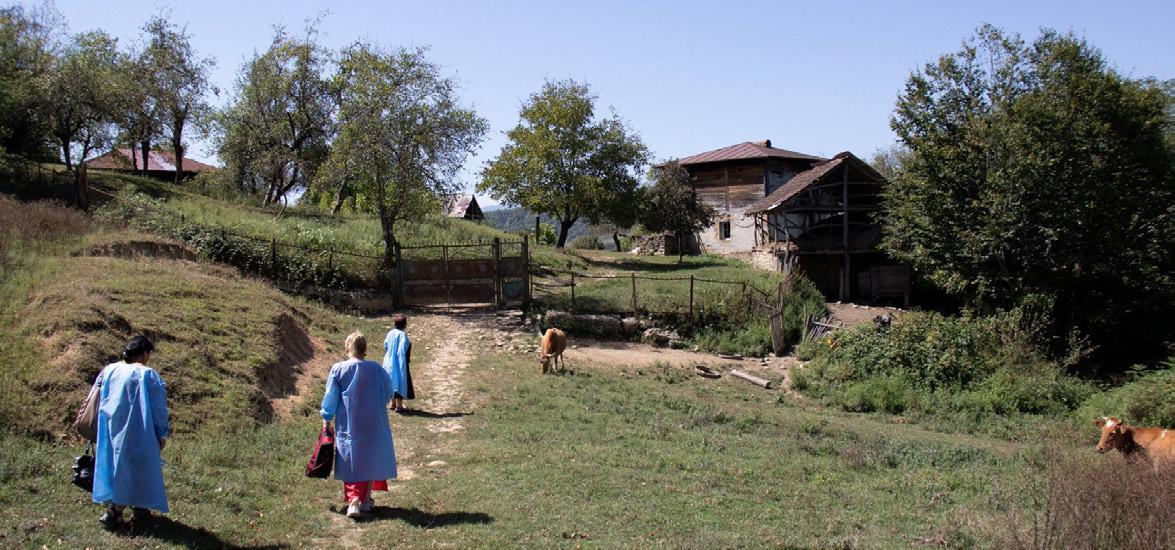
“This project has been an excellent opportunity for me to develop a deeper respect for the doctors working in the rural regions of the country, those who, despite limited resources, do everything they can for their patients. This experience inspires me even more to contribute to medicine with the same dedication in the future”.
— Anano Akhobadze, participant in the third season of the photo project
Gitta Ankomah, MSc OT (Women’s College Hospital, University of Toronto); Natasha Kaur Gakhal, MD, Msc FRCPC (Women’s College Hospital, University of Toronto); Adrian Lau, MD MScCH, FRCPC OT (Women’s College Hospital, University Health Network, University of Toronto); Clara Korenvain RPh BScPhm/ PharmD, ACPR, MSc OT (Women’s College Hospital, University of Toronto)
Osteoporosis (OP) is a challenging chronic condition affecting a large and diverse population. Known as a “silent disease”, OP has no symptoms. 1 OP imposes a costly burden on the healthcare system due to osteoporosis-related fractures, hospitalizations, outpatient services, and long-term care facilities. 2 Lack of disease knowledge and misinterpreted patient attitudes and perceptions are known barriers to clinical interactions. 3 Often, repetitive patient questions are misconstrued as confusion or reluctance. Our interprofessional team of physicians, bone density technologists, clinical educators, and allied health professionals felt that the development of an orientation session during patient onboarding would improve patient knowledge, clinical efficiency, and initiate behavioural changes to improve outcomes. Therefore, in collaboration with patients from the osteoporosis clinic, we developed an educational video to improve new patients’ understanding of osteoporosis, address common questions and concerns, and enhance the efficiency of initial clinic visits.
A content-inquiry survey of patients identified and prioritized topics of interest. The iterative Plan–Do–Study–Act (PDSA) quality improvement framework guided development and implementation of the educational video. 4 It facilitated interprofessional collaboration and communication to integrate expertise across disciplines. Feedback from patient experience advisors and new patients informed iterative refinements to content and aesthetics. Initial visit durations before and after video implementation were measured to assess clinical
impact. Patient understanding and knowledge gain were evaluated using a general knowledge quiz and a pre–post screening questionnaire following video viewing.
The video enhanced patient perceptions of clinician attentiveness and strengthened patient–clinician relationships. Time-study trials indicated reduced initial appointment duration from 51.1 to 47.8 minutes, yielding an additional 12 minutes per physician each week for medically complex patients. Knowledge gain results indicate that patients would be amenable to self-directed learning modules on nuanced osteoporosis topics. Patients described a lived experience of confidence advocating for their care needs. We are developing targeted educational videos to address complex medication procedures and related topics. Our interprofessional team remains committed to advancing this initiative to further improve clinical efficiency by focusing on individualized patient care appointments rather than providing basic education.
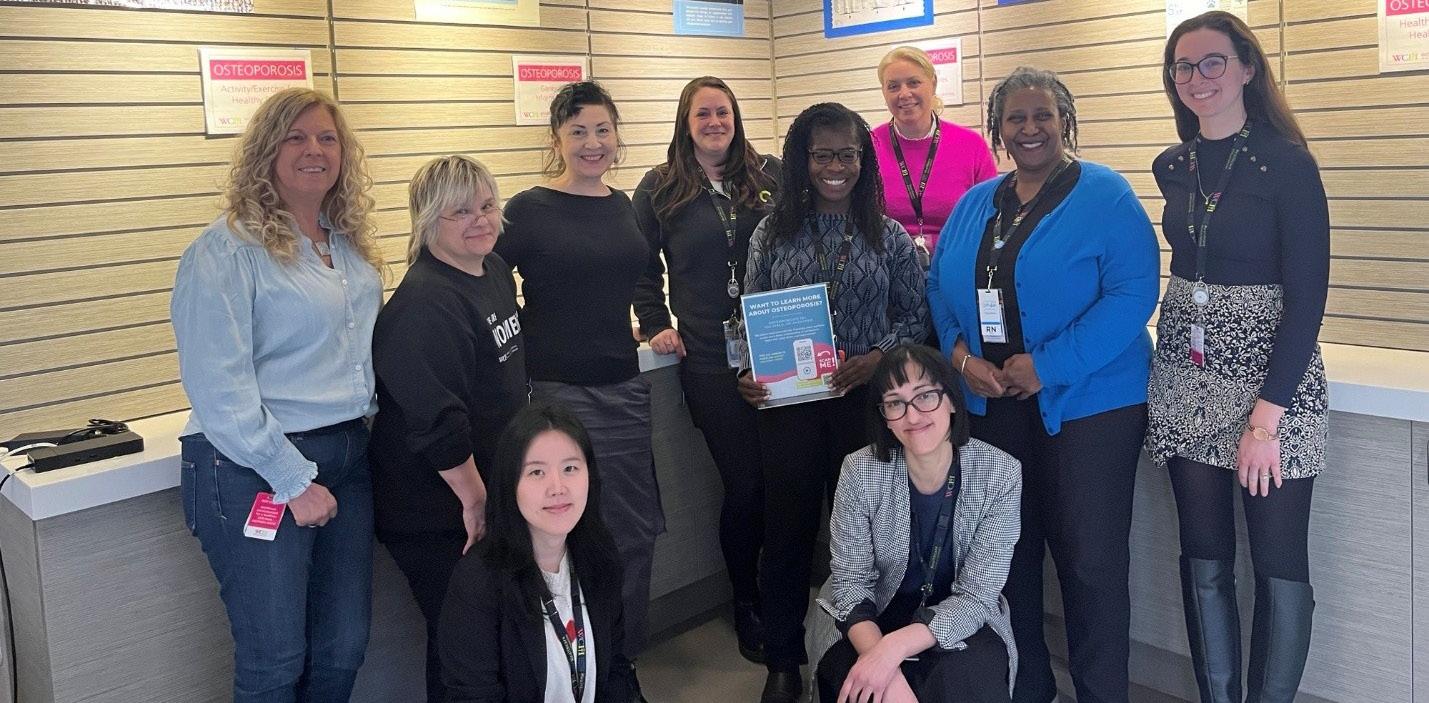
References:
1. Gai QY, Lv H, Li YP, Fu QM, Li P. Education intervention for older adults with osteoporosis: a systematic review. Osteoporosis International . 2020;31(4):625-35.
2. Jadczak AD, Makwana N, Luscombe-Marsh N, Visvanathan R, Schultz TJ. Effectiveness of exercise interventions on physical function in communitydwelling frail older people: an umbrella review of systematic reviews. JBI Evidence Synthesis 2018;16(3):752-75.
3. Launois R, Cabout E, Benamouzig D, Velpry L, Briot K, Alliot F, Perrin L, Grange L, Sellami R, Touboul C, Joubert JM. Barriers and expectations for patients in post-osteoporotic fracture care in France: the EFFEL study. Value in Health . 2022;25(4):571-81.
4. Taylor MJ, McNicholas C, Nicolay C, Darzi A, Bell D, Reed JE. Systematic review of the application of the plan-do-study-act method to improve quality in healthcare. BMJ Quality & Safety. 2014;23(4):290-8.
Dorothy Muiruri, BSN, RN, MPH (VHA Home HealthCare)
Winning the Building Bonds That Matter Leadership Award prompted me to reflect on what meaningful leadership looks like in practice.
To me, the recognition is less about individual achievement and more about the relationships, shared purpose, and collective growth that made the work possible. It reinforces the idea that strong leadership is rooted in connection, particularly within an interprofessional education and practice framework where diverse perspectives are not just valuable, but essential.
Working alongside professionals from different disciplines has shown me that effective collaboration depends on more than simply bringing people together. It requires intentional effort to build trust, create psychological safety, and remain open to learning from one another. Trust allows teams to navigate uncertainty, challenge ideas constructively, and communicate effectively, moving towards greater collaboration and more impactful outcomes. It is built through consistency, transparency, mutual support, and effective disagreement or difference processing. 1 Without mutual trust, even the most talented teams struggle to reach their potential.
In interprofessional settings, each voice carries unique expertise, and innovation often emerges at the intersection of those differences. This
innovation is not about dramatic breakthroughs but about rethinking how we clarify roles and work together. It involves questioning assumptions, adapting to new challenges, and co-creating solutions that reflect the strengths of the entire team.
This award highlights the importance of cultivating environments where all contributors feel respected and empowered to participate fully. This aligns with the ehpic™ aim of developing leaders in interprofessional education and interprofessional care…to teach…the art and science of working collaboratively for patientpartnered care. 2
Receiving this award affirms that leadership is never a solo endeavour, but a shared journey shaped by relationships, trust, and a commitment to continuous learning, from an interprofessional and collaborative lens.
References:
1. Canadian Interprofessional Health Collaborative. CIHC Competency Framework for Advancing Collaboration ; 2024. Available from: https://cihc-cpis.com/new-competencyframework/
2. Centre for Advancing Collaborative Healthcare & Education (CACHE). ehpic™ (Educating Health Professionals in Interprofessional Care) [Internet]. Toronto (ON): University of Toronto and University Health Network. 2026. Available from: https://ipe.utoronto.ca/ehpictm
Victoria Boyd, PhD (Scientific Associate, Centre for Advancing Collaborative Healthcare & Education)
Caregivers are essential partners in patient care. Yet healthcare providers, including unregulated providers like personal support workers (PSWs), receive limited education on how to recognize, include, and support caregivers.
This gap in caregiver-related training can negatively impact coordination of care, quality of care, patient outcomes, and caregiver stress and burnout.
So how can we better prepare providers like PSWs to collaborate with caregivers? This was the challenge students tackled as part of the 2026 Senior Interprofessional Design Projects . This challenge reflects a need identified by this year’s partner organizations: The Ontario Caregiver Organization (OCO) and Collaborative Advocacy & Partnered Education (CAPE). Both have developed robust educational materials, with OCO offering extensive resources about how to identify, include, and support caregivers as part of the care team, while CAPE delivers research-informed training designed to strengthen the skills of PSWs and unregulated care providers across care settings.
The opportunity, then, is not to design more education, but to leverage, integrate, and build upon OCO’s and CAPE’s existing resources in ways that are meaningful, practical, and sustainable. Together, OCO and CAPE’s complementary strengths create an opportunity to better connect and mobilize resources that support PSWs in engaging with caregivers.
From January to March 2026, 15 students from Medical Radiation Sciences, Medicine, Occupational Therapy, Pharmacy, Physical Therapy, Physician Assistant, Social Work, and Chiropractic worked in three interprofessional teams to address a shared challenge centred on caregiver and personal support worker (PSW) needs. Together, they developed innovative, implementation-ready solutions informed by diverse professional perspectives and collaborative practice.
At the final presentation session, students shared their designs with OCO and CAPE representatives, PSWs, caregiver partners, and peers.
Team 1 proposed a podcast series featuring real caregivers’ stories and highlighting relevant OCO and CAPE resources, designed for PSWs to listen to on-the-go and for educators to use in training.
Team 2 proposed a case-based learning workshop co-facilitated with caregivers, and developed two practical tip sheets and a pocket guide for PSWs that mobilize OCO’s existing resources.
Team 3 developed an interactive wayfinder platform to help PSWs access and share OCO resources and supports in real time, and proposed corresponding lunch-and-learn training.
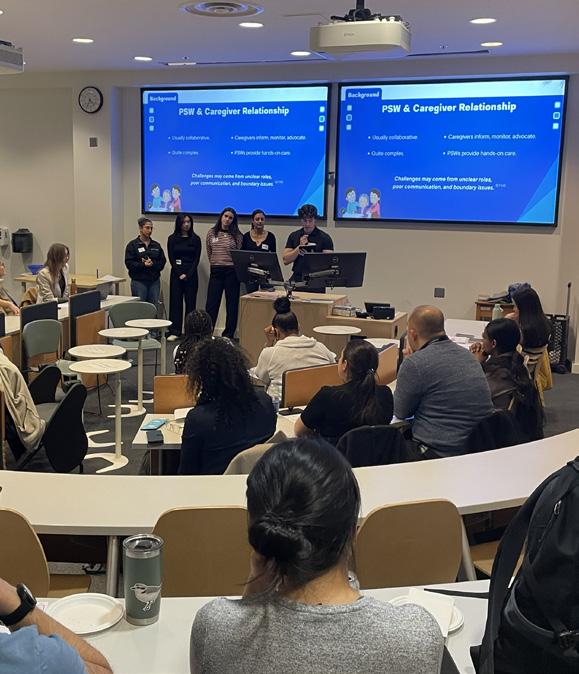
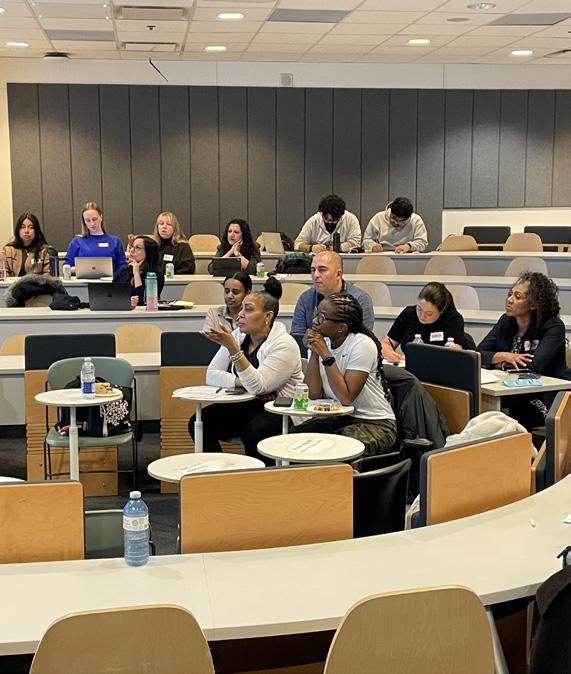
In addition to sharing their designs, students reflected on their collaborative leadership and team functioning. As Cassidy Byers, a third year student in the Medical Radiation Sciences program, reflected:
“This project has significantly deepened my appreciation for the broader healthcare ecosystem and the critical, yet underappreciated, roles within it. Understanding the roles of CAPE and OCO opened my eyes to how often caregivers operate in the shadows of the healthcare system. Caregivers are the essential thread holding a patient’s care plan together, yet they are frequently overlooked, treated as mere bystanders rather than vital partners holding valuable clinical insights.”
As a longitudinal elective, Senior Interprofessional Design Projects creates space for collaborative learning grounded in real-world challenges. By partnering with community organizations and service users, students learn to recognize diverse strengths, engage in shared decision-making, and collaborate across professions to design solutions that reflect the realities of the current healthcare system.
Reflecting on how participating in Senior Interprofessional Design Projects will shape her future practice, Cassidy captured a takeaway echoed by many students in this year’s cohort:
“The key lesson I am taking away from this experience is that effective leadership in healthcare is inherently collaborative.”
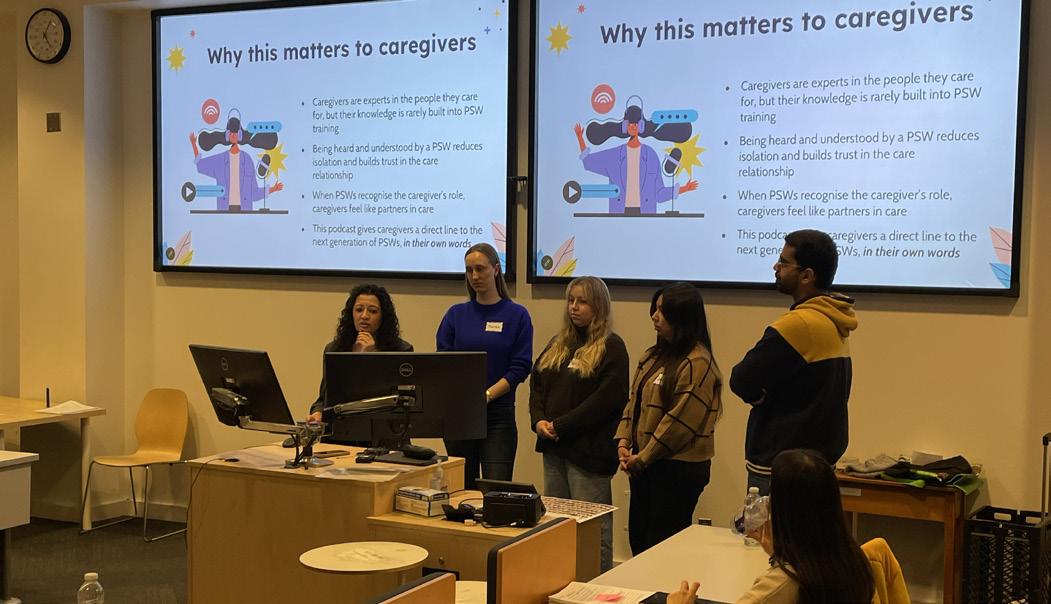
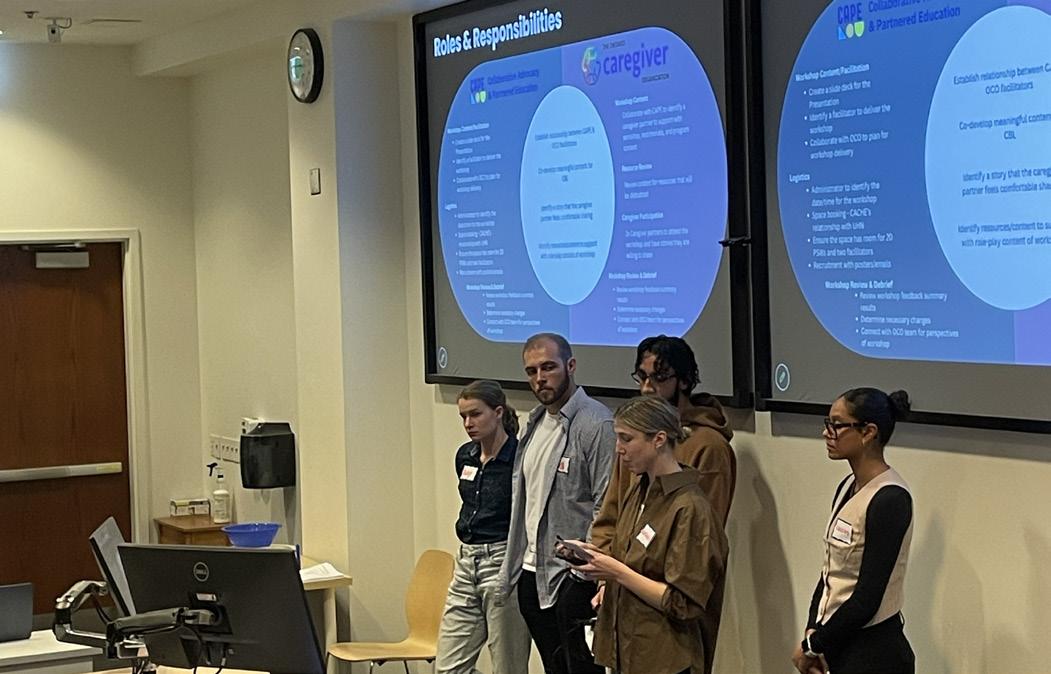
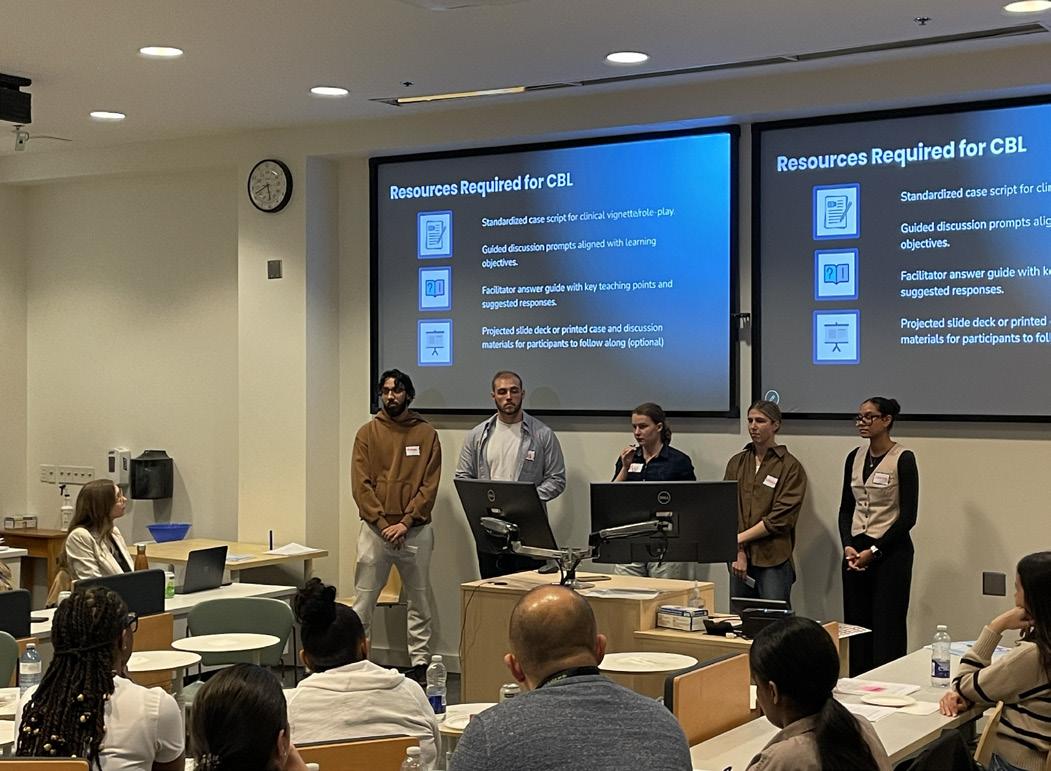
Simran Joneja, BHSc (MD Candidate, University of Toronto)
For students wishing to participate in a longitudinal interprofessional education (IPE) elective, the Senior Interprofessional Design Project was an excellent opportunity to gain hands-on experience working in an interprofessional team and responding to the needs of community organizations. Working in teams of five, 15 students from various health and social care professions were presented a challenge: to create a sustainable, scalable caregiver-focused education initiative for Personal Support Workers (PSW) based on existing resources from the Ontario Caregiver Organization (OCO) and Collaborative Advocacy & Partnered Education (CAPE). After individual research, many team discussions, and consultations with both stakeholder community organizations, each team presented their designs in a pitch competition to judges from both organizations, including PSW representatives. The OCO and CAPE appreciated all of the initiatives and aim to put them all into action.
Our initiative, which ended up winning Top Design, was created by a team of students from the medicine, pharmacy, social work, and physician assistant programs. Drawing from our own individual interests and academic backgrounds, we brainstormed as a team and tried to tackle the challenge from multiple perspectives, with initial ideas ranging from an interactive resource hub to creating a short film. Based on the needs expressed by the community organizations, we eventually decided that a podcast featuring both caregivers and PSWs in discussions and role plays would be a feasible, engaging educational initiative. Wanting to highlight the voices of both caregivers and PSWs, we named our design “In Their Words.”
Being given a group task that required shared decision-making and role delegation allowed me to develop my communication and collaborative leadership skills. Through group brainstorming, choosing a final design, creating a concise yet informative presentation, and practicing our pitch, our group learned the importance of asking follow-up questions to understand perspectives during disagreements, clarifying team expectations early, and understanding the goals of each team member.
Participating in the Senior Interprofessional Design Project helped build my confidence to embrace interprofessional collaboration and taught me the importance of addressing identified community needs in healthcare education. This project represents a valuable experiential learning opportunity to practice the skills taught through the IPE Curriculum.
Katerina Hatzinako, HBA (Education Coordinator, Centre for Advancing Collaborative Healthcare & Education)
Designed in partnership with Temerty Faculty of Medicine at the University of Toronto, CACHE’s Interprofessional Health, Arts & Humanities (HAH) Certificate Program allows health professions students to engage in meaningful artsbased work, to expand their understanding of interprofessional dynamics, enhance empathy and communication, and approach patient/client care through a more humanistic lens.
The program spans two terms, where students are instructed in both narrative and theatre-based practice, to reflect on their own experiences and deepen an understanding of their peers. The program then culminates in a final presentation showcase, where the cohort is split into smaller interprofessional groups and given full freedom to lead the audience through an arts-based presentation and guided discussion.
Whether it was through establishing a varied and nuanced definition of home, examining the myriad of ways interacting with healthcare providers can shape the patient experience, using metaphor and colour to communicate reflective thinking, or exploring systems of inequity and resourceallocation through a shelter-building exercise, this year’s final projects were an insightful and powerful display of collaboration and empathy.
In spite of each group’s unique topic and medium, collective creation was at the forefront of this year’s presentations. Students invited the audience to contribute to their work through original poetry, creative writing prompts, visual art, and thoughtful discussion. The projects were a testament to the strength, compassion and reflexivity that arts-based work provokes within healthcare.
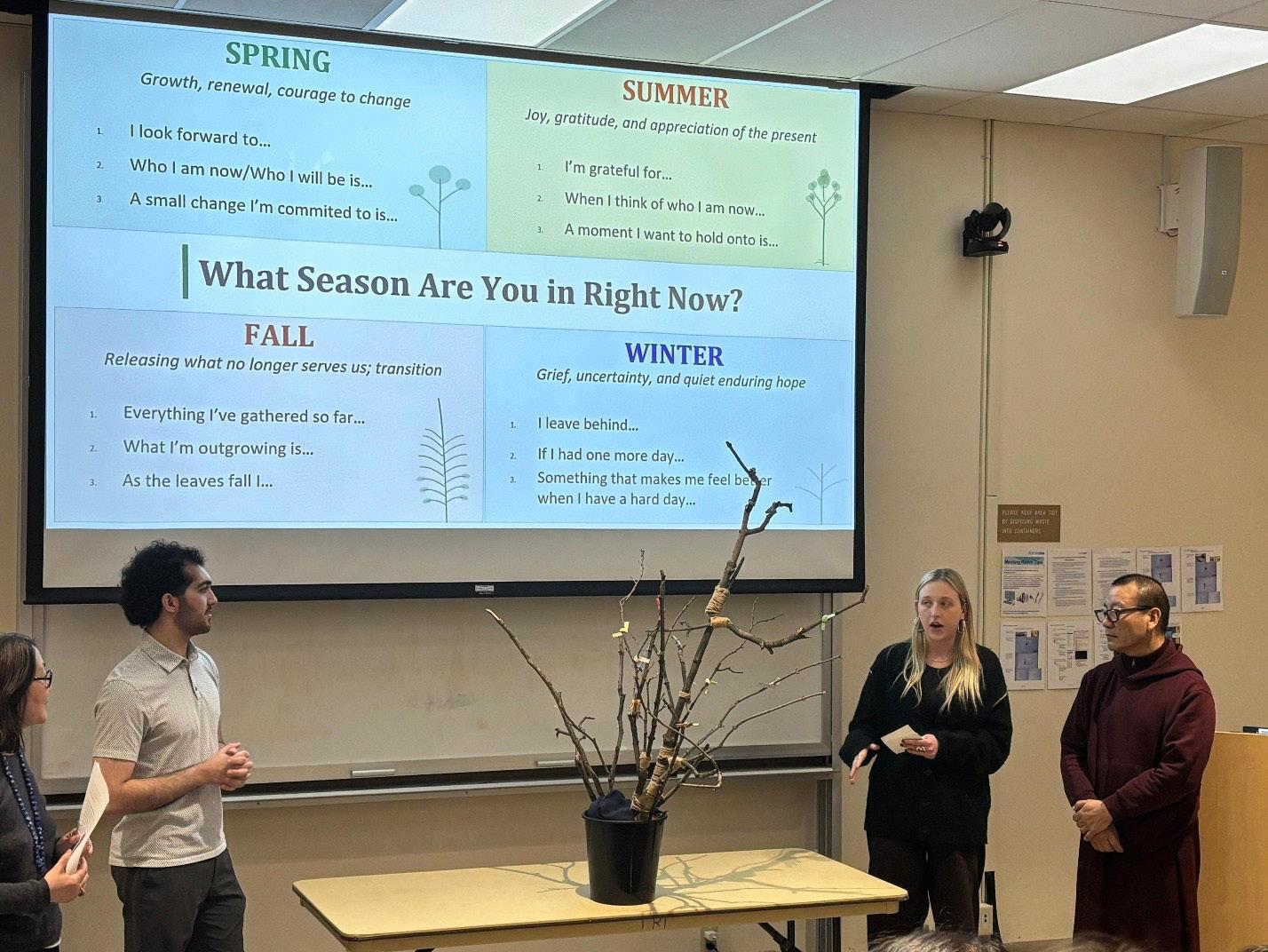
Students in this year’s cohort reflected that they “learned to better try to understand the person behind the patient, and to better absorb patient stories before immediately jumping to a conclusion or diagnosis…to better provide patient care in future practice.” In terms of interprofessional collaboration, students noted that the program “allowed for the sharing of perspectives and developing deeper relationships with peers while also learning more about their scopes of practice and how the patient ultimately binds us all together”, and “learned the importance of engaging with interdisciplinary teams across other fields, which could potentially facilitate more inclusive care for patients.”
Since its launch in 2019, the Interprofessional Health, Arts & Humanities (HAH) Certificate Program has continued to emphasize the value of intersecting healthcare with the arts, by illustrating how reflection, embodiment, storytelling and deep-listening contribute to more person-centred and empathetic care.
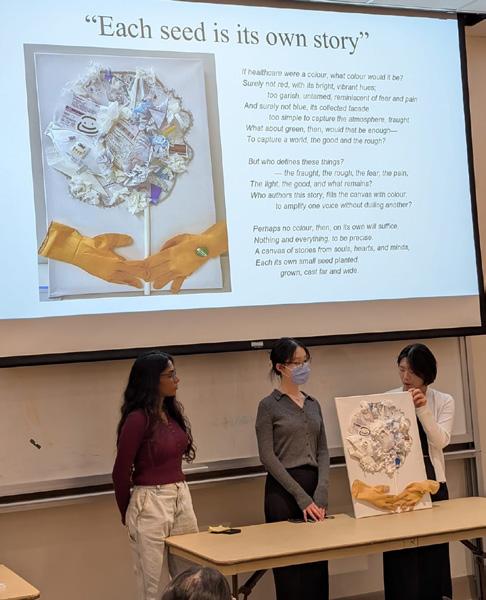
‘What Medicine Is Meant
Be’:
Emme Demmendaal, MS (Senior Writer and Editor, Office of Communications, University of New England)
Meet “Michael.”
He’s a 74-year-old rural Mainer who has arrived at the clinic with several health concerns. But don’t expect to find him on Main Street in Saint Agatha, Maine (USA).
Michael is a case study brought to life by a trained patient actor at the University of New England’s (UNE) Interprofessional Simulation and Innovation Center on the Portland Campus for the Health Sciences, located in Portland, Maine.
Students from across UNE’s 14 health professions work together in interprofessional teams to assess Michael’s complex needs and develop comprehensive care plans. The case, launched in 2019, runs multiple times a year with rotating combinations of students in nursing, osteopathic medicine, dental medicine, physical therapy, pharmacy, and more.
“Effective interprofessional education improves health outcomes,” said John Vitale, Ph.D., UNE Dean for the Westbrook College of Health Professions and Associate Provost for Interprofessional Education. “Here in Maine, where patients often travel long distances for complex care, we have a responsibility to ensure our graduates can collaborate seamlessly from day one.”
A recent study led by UNE’s own Center to Advance Interprofessional Education and Practice found that 81% of IPE graduates work on collaborative teams after graduation, and 80% report their IPE experiences significantly shaped their practice.
The case follows a structured cycle that mirrors real clinical practice: student teams interview Michael, debrief with faculty facilitators, and return for focused follow-ups before developing comprehensive care plans.
It was during those interviews that the Michael Case revealed its most important lessons.
Jasmin Gil (’26), an accelerated nursing student from Florida, watched a teammate ask Michael to name three personal goals for his visit: what he hoped to achieve, not what providers assumed he needed.
“It just broadened my perspective and mindset when it comes to a patient,” said Gil, who used the same question the next day in clinic.
For Varun Kota (’29), a first-year student in UNE’s College of Osteopathic Medicine, the experience captured something larger.
“I’m working with these different professions because we all have a shared understanding of medicine from different perspectives,” he said. “This is what medicine is meant to be.”
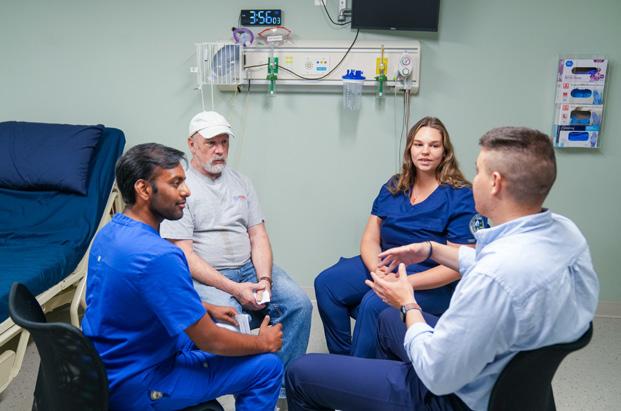
References:
• Crampsey A, Bolduc J, Greenstein J, Sheff K, Thomas S, Zeeman J. Interprofessional education: a 5-year analysis of its impact on workplace practice [Internet]. Biddeford (ME): University of New England Center for Excellence in Collaborative Education; 2022. Available from: https://www. une.edu/sites/default/files/2022-03/CECE%20 Impact%20Study%20Writeup%20-%20021722.pdf
• Crampsey EW, Rodriguez K, Konrad SC, DeCarvalho S, Pelletier K, Jaeger C, Rogers D, Hall K. The impact of immersive interprofessional learning on workplace practice. Journal of Interprofessional Education & Practice . 2023;31:100607.
Deirdre Fleming Stires, MA (Communications Specialist, University of New England)
On March 28, University of New England (Maine, U.S.A.) students across 11 health professions programs used an interprofessional approach to learning eating-disorder care in simulations using standardized patients, learning in real time how a team approach can better treat eating disorders like bulimia and anorexia nervosa.
The UNE health professions students, including students in Maine’s only medical school, the UNE College of Osteopathic Medicine, spent several hours working with patient-actors who feigned hidden health conditions on the UNE Portland Campus for the Health Sciences.
Six teams comprising 57 students screened, diagnosed, and referred standardized patients to other health care providers during the simulations taking place simultaneously behind screened walls in the Arthur P. Girard Innovation Hall.
Coordinated by the UNE Center for Public Health Practice and the Center to Advance Interprofessional Education and Practice (CAIEP), the day-long event concluded with a debriefing covering the lessons learned. Chief among them, said Devon Anne Sherwood, Pharm.D., BCPP, an associate professor in UNE’s School of Pharmacy, was that interprofessional training leads to better treatment and fewer errors.
“It’s about leaving the ego at the door,” said Sherwood, who teaches clinical psychopharmacology in the state’s only pharmacy school.
Rodney Nason of North Yarmouth, a standardized patient who presented as a male patient who was suffering from bulimia, was impressed with the students’ ability to listen.
“They’re responding to my answers with concerns that would lead them to specialists outside of their own field, such as a dental specialist or, if the patient is feeling overwhelmed, a social worker. There is a lot of active care taking place,” Nason said.
Steph Bange (M.S.O.T., ’27) found the event helpful in preparing her for a future health care career by demonstrating how different professions working together can provide more comprehensive care.
“It allowed me to see perspectives I may not have otherwise considered and highlighted a variety of approaches that can be used to address a single diagnosis,” Bange said. “Understanding what each profession has to contribute will help me be a better clinician by encouraging collaboration.”
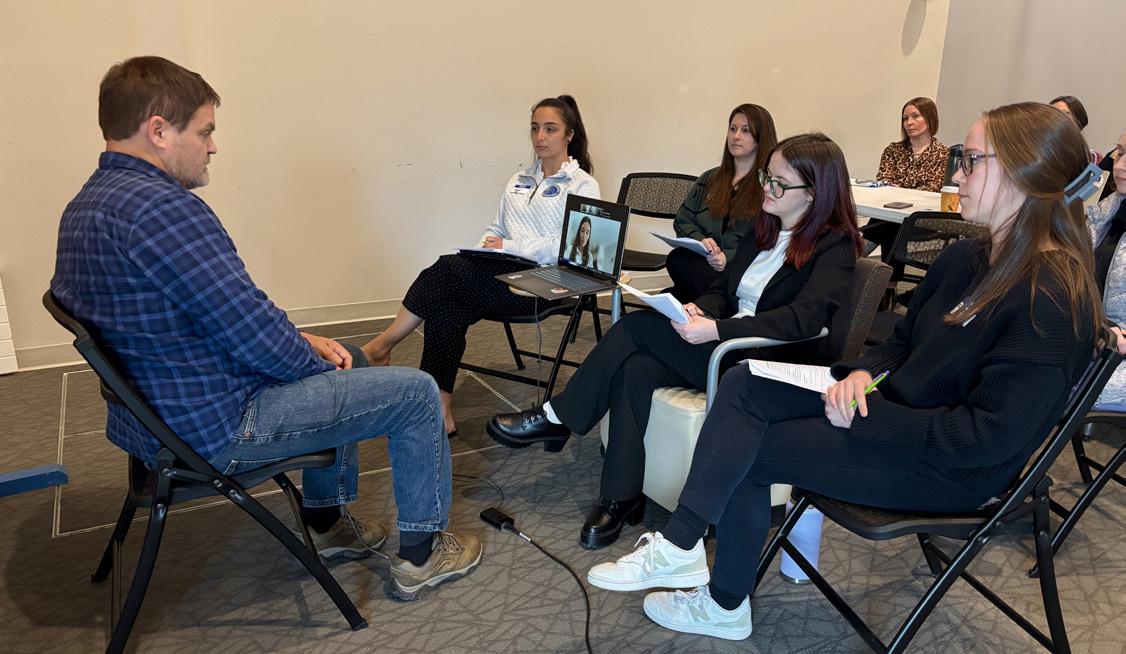
Amanda Imsland, BScN, RN
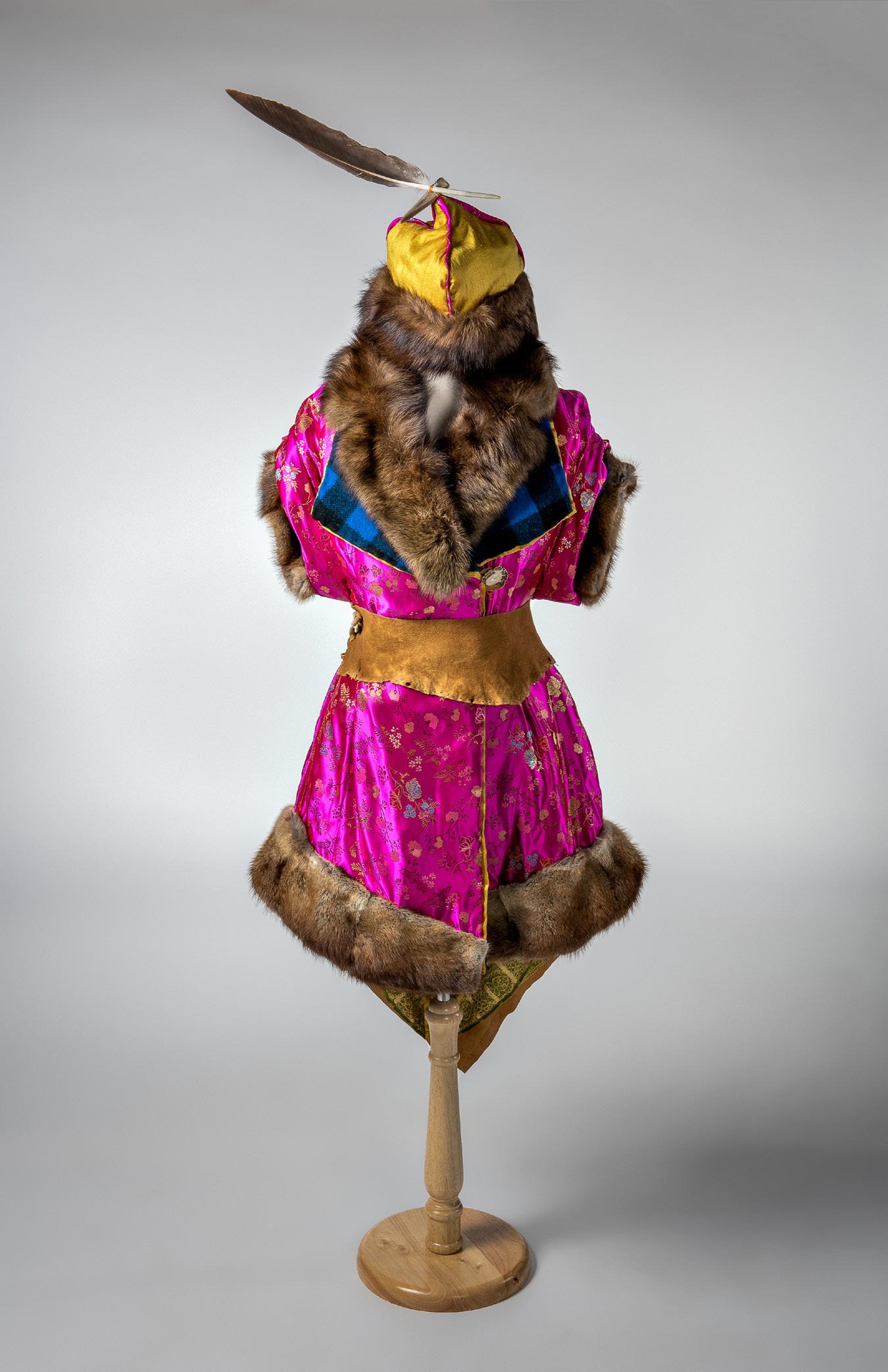
What started as a personal vision became a collaboration with my dad. His deer hides and antler buttons carry his life’s work, skill, and identity into the piece. Together, we created something that revealed a deeper truth: healing is not solitary—it is built through connection, shared effort, and care.
Years later, our artistic collaboration became a lived experience of patient, family, and caregiver partnership. I came to understand that true care is not delivered by providers alone—it is created through partnership with families who hold knowledge, history, and deep human connection.
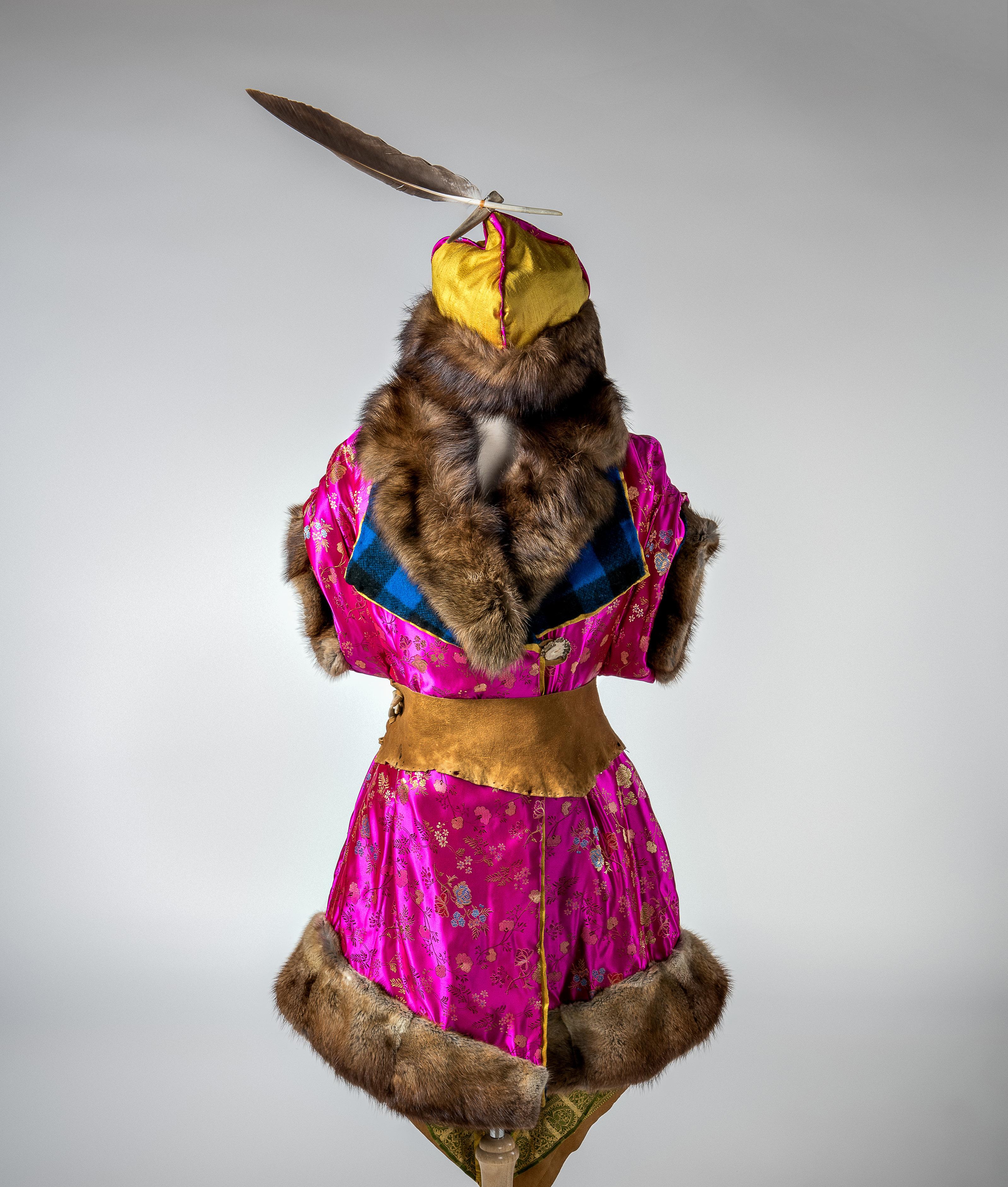
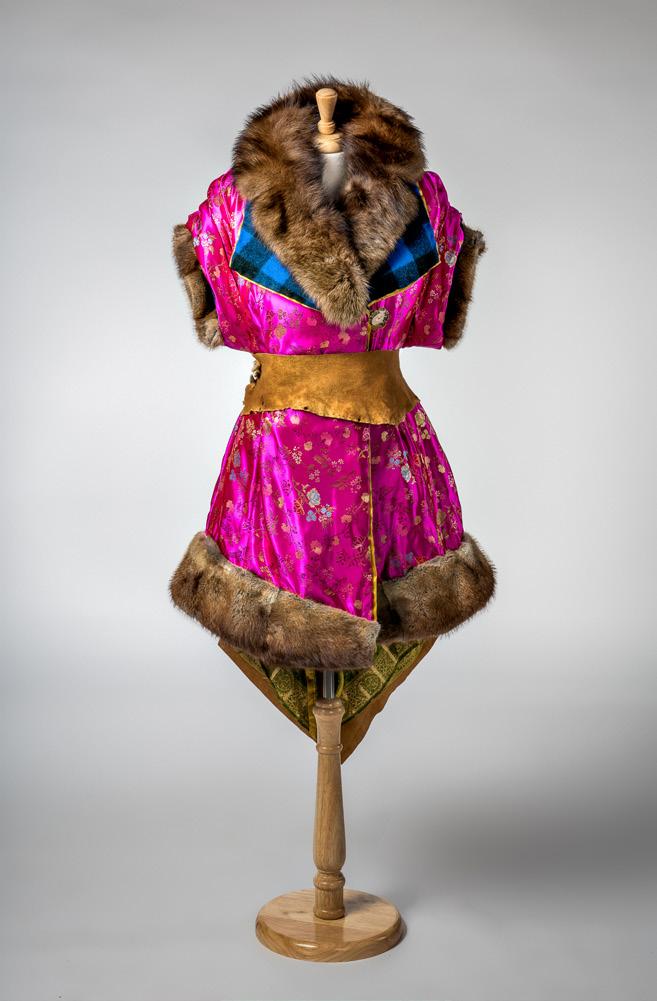
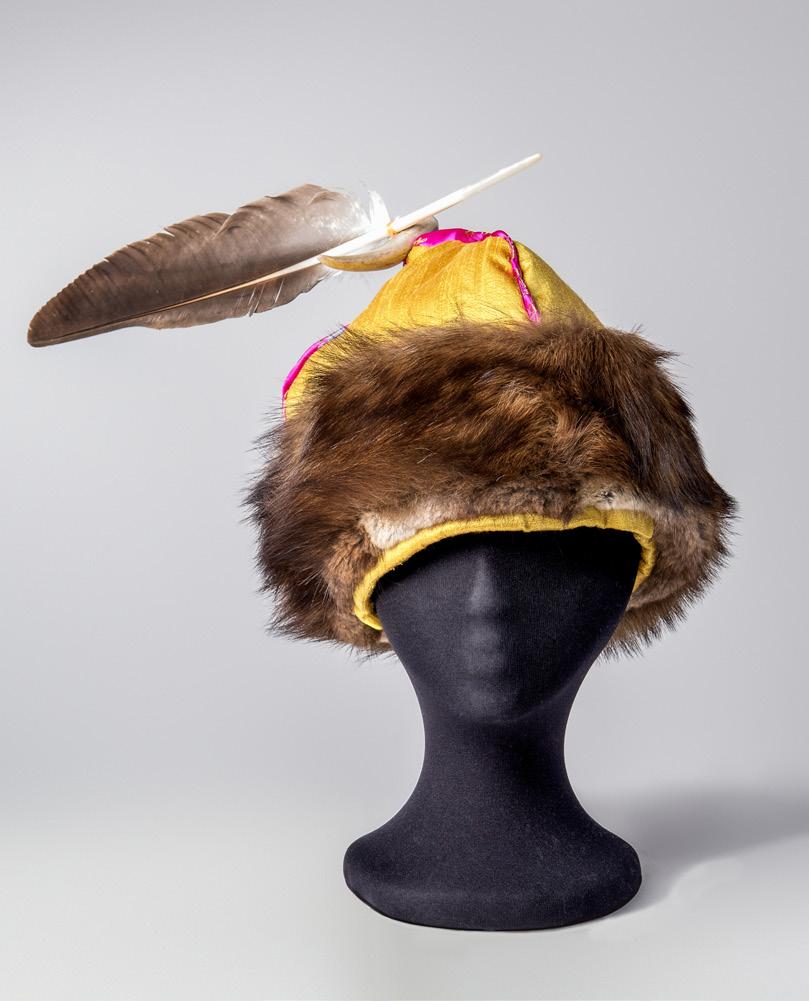
“I became both nurse and daughter—protector, advocate, and collaborator— working to preserve my dad’s dignity and humanity.”
— Amanda Imsland
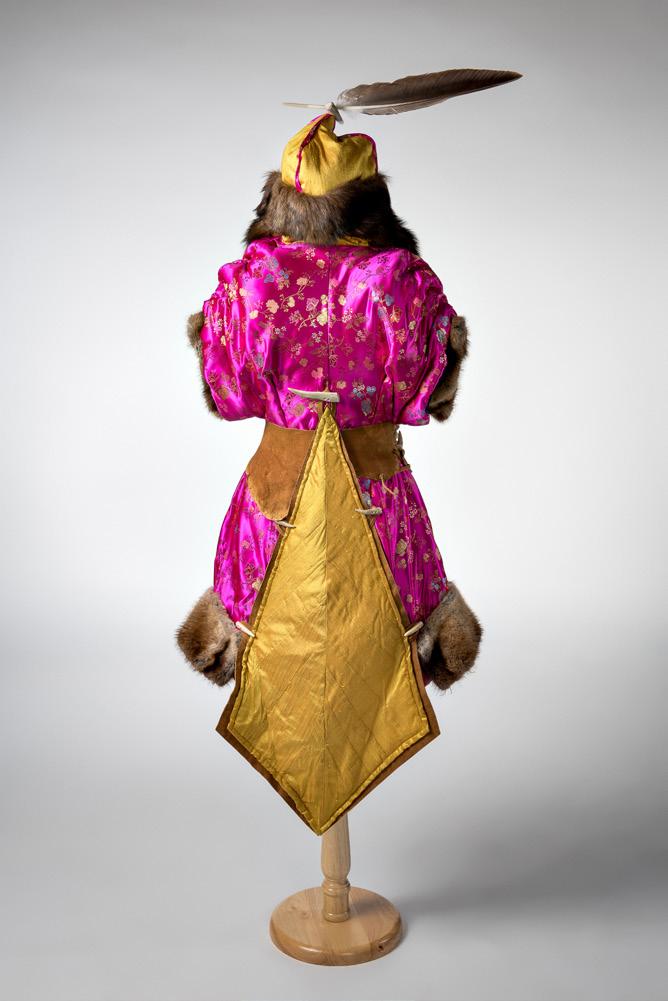
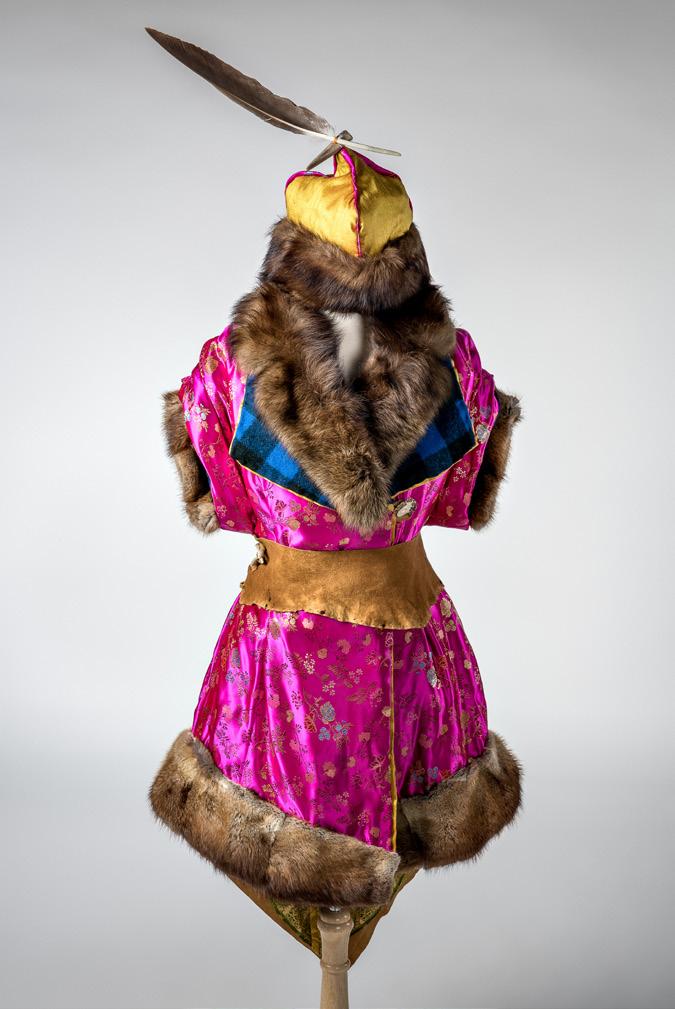

As this issue moves from stories of education and practice into stories of research, leadership, and systems change, we return to the artwork that opened these pages. Had Worn Them Both The Same reminds us that every system is ultimately experienced by people, families, and communities. Meaningful change begins with relationships.
These pieces explore how patient partnership is shaping systems change across policy, research, clinical practice, and through collaborative leadership. From guiding principles to scholarship and innovation, this section reflects the growing recognition of lived experience as essential to decision-making and system transformation.
Elizabeth Cadavid (Centre for Advancing Collaborative Healthcare & Education); Prachi Khanna, MSc, BSc (London School of Hygiene & Tropical Medicine, UK; Vancouver Coastal Health, Vancouver, BC); Aleisha Fernandes, MSc (Ottawa Hospital Research Institute)
In March 2025, a national webinar hosted by the University of British Columbia brought together 59 participants from over 10 institutions to explore how different organizations approach patient partner remuneration. Presenters from the Department of Family and Community Medicine at the University of Toronto, the Centre for Advancing Collaborative Healthcare & Education (CACHE), and the Centre for Addiction & Mental Health (CAMH) Simulation Centre shared their practices, lessons learned, and tensions in this ongoing work.
Following that session, an open invitation brought together a group of patient partners, educators, researchers, and coordinators to codevelop a proposal for the Patient’s Voice 2025: 3rd International Conference in Vancouver, BC. This collaboration led to the roundtable “Beyond the Honorarium: Rethinking Remuneration, Recognition, and Relationships in Patient Engagement.”
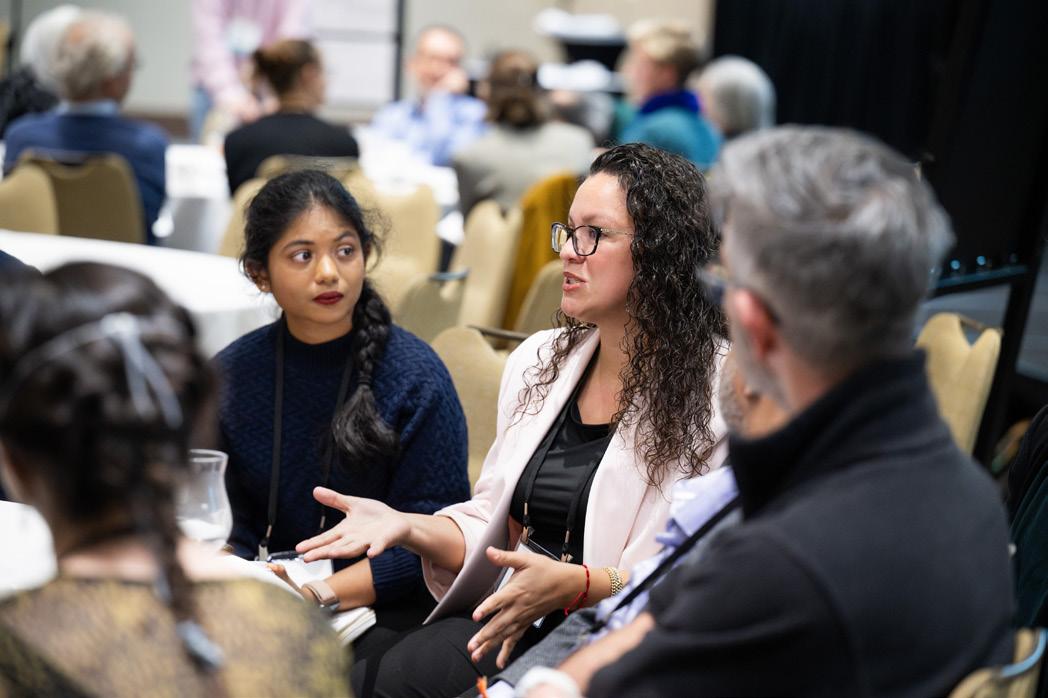
The session quickly revealed that remuneration is not just about logistics of payment but rather deeply tied to identity, equity, and power.
Participants shared a diversity of perspectives. Some emphasized that the lack of compensation excludes people, reinforcing inequities and limiting who can participate. Some spoke to the meaning of volunteerism and questioned whether compensation might diminish that identity. Many noted that while guidelines increasingly recommend higher rates, limited budgets require trade-offs that can reduce the number of engagement opportunities.
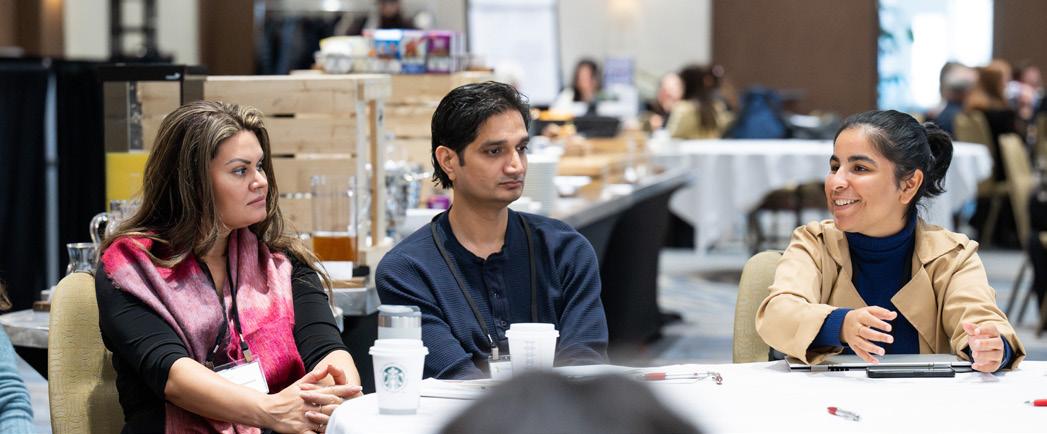
Across contexts such as academic, community, acute care, and rehabilitation, we came to the realization that there is no single approach to remuneration. Instead, a shared recognition that context matters emerged in our conversation, and that trust, history, and institutional structures all shape what is possible.
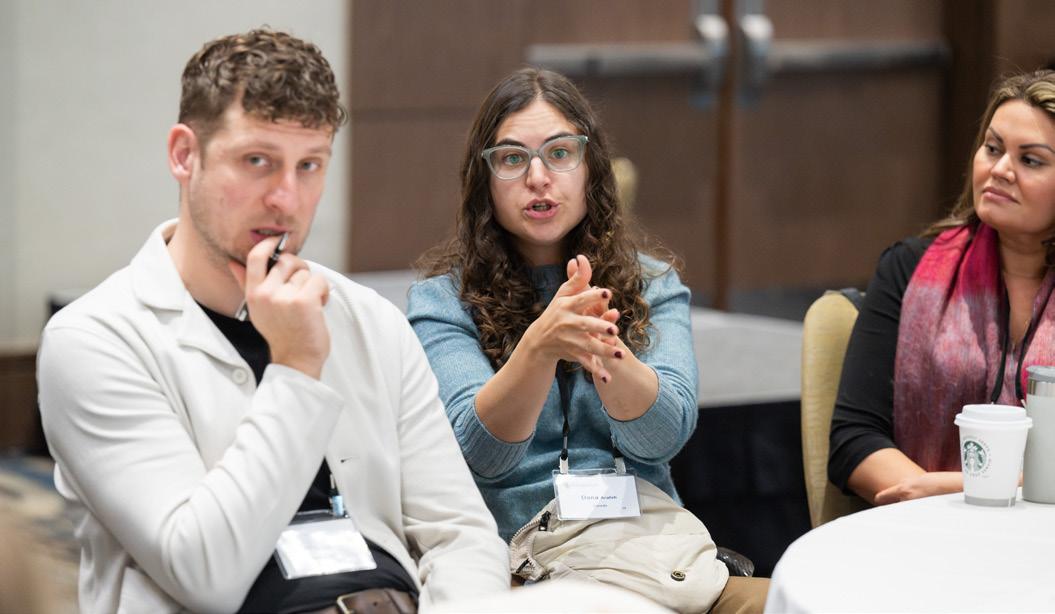
Roundtable participants pushed the conversation beyond logistics, prompting questions of fairness, representation, and the value of lived experience:
• What does “fair” remuneration actually look like?
• How do we account for patient partners’ emotional labour and preparation time?
• Who is able to engage - and who is left out (in remuneration or volunteer models)?
• What outcomes should we be measuring, and for whom?
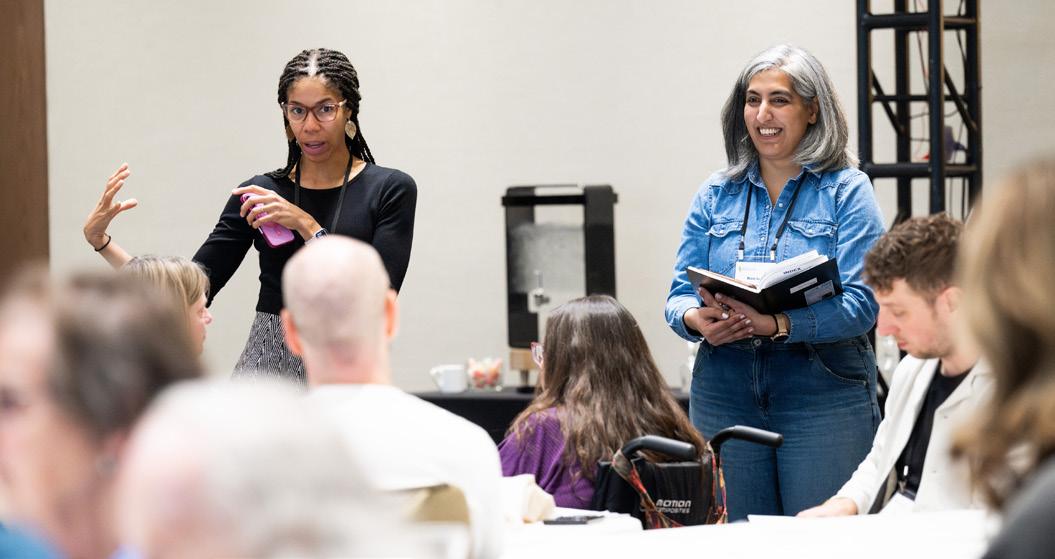
The group also identified persistent challenges: institutional bottlenecks, inconsistent practices, limited funding, and tensions between values and resources. These realities often create a “bottleneck effect,” where decisions about compensation can unintentionally determine who can participate.
This work is continuing. Two commentaries are currently in development. The first will explore the equity and ethics of compensation, positioning remuneration as a justice issue that must account for power, identity, and representation. The second will examine the practical challenges of scaling compensation within institutions, including how to build a compelling business case while navigating tensions between volunteerism and equitable pay.
Together, through our efforts, we aim to move the conversation forward from “how do we pay?” to “how do we create systems of engagement that attempt to increase fairness, inclusivity, and sustainability?”
Conference photographs accompanying this article were taken by Martin Dee Photography.
Sofia Constantakis (Young Adult Advisor, CHEO Research Institute, and former pediatric patient); Sophie Kozyra (Young Adult Advisor and former pediatric patient); Kimberly Courtney, MSc, CCLS (Family Leader and Facilitator of Family Engagement in Research, CHEO Research Institute; Ontario Child Health Support Unit); Noah Spector, MSW, PhD, RSW (Social Worker and former Team Director, CHEO Research Institute); Taila Hartley, MSc, PhD, CCGC (Certified Genetic Counsellor and Investigator, CHEO Research Institute)
This reflection shares how a Research Patient and Family Advisory Committee creates the conditions for partnership and collective impact by intentionally shaping how the table is set, in order to foster a space for meaningful collaboration.
When research teams come to consult with our Research Patient and Family Advisory Committee (PFAC), they receive multiple perspectives from family partners, youth partners, research staff, executive leadership, clinicians, research coordinators, and scientists around the same table. Voices reflecting layered experiences enrich discussions. This constellation of perspectives is something we built over time by fostering trust within our partnerships. Together, this allows for multi - pronged feedback and rich dialogue that would not be possible within a single stakeholder group.
While many advisory groups are composed solely of patient or caregiver perspectives, we have found that a combined committee helps bridge spaces that are often separate. Over time, we have grown more at ease learning together rather than speaking from fixed positions. You might wonder how we arrived at this balance. To achieve it, PFAC leadership was intentional in establishing a clear direction and focus. We were also thoughtful about how the group evolves over time, often having one-on-one meetings to orient new members. New members are often invited by existing ones and have opportunities to see the committee in action before joining. In this way, families and youth partners have been central
in shaping how both the committee and our wider engagement program function, including helping to shape our institute - wide strategic plan.
As for the PFAC sessions themselves, we begin each meeting with a reflective prompt. In this way, people share who they are before what they do. Children and pets sometimes appear on screen. The pace is intentionally unhurried. This opening moment signals that PFAC members’ and guests’ whole lives are welcome, and that lived experience, professional expertise, and system realities all belong in the same space.
This relational start changes how consultations unfold. By completing an intake questionnaire in advance, researchers have primed the full committee with their questions and goals and are therefore encouraged not to rush to present slides or defend ideas. Instead, the group arrives together. Advice emerges across layers. Families and youth speak to meaning, trust, and impact. Research coordinators raise feasibility and implementation considerations. Clinicians and scientists connect ideas to practice and discovery. We leave pauses and silence for processing, thinking and building on ideas together.
Teams often loop back to share what has changed as a result of PFAC conversations. Over time, this way of working has supported deeper partnerships, including written reviews for internal grants, letters of support, external funding applications, and future projects as co - applicants. With each yearly cycle, alumni carry these practices into new spaces, and family engagement increasingly permeates how we work together across our organization.
Our strategic plan is guided by the principle that research matters to families. By partnering with children, youth, and families at all stages of research, we help ensure discoveries reflect their goals and needs. Partnership is not an added step in research practice; it is the condition that makes collective impact possible.
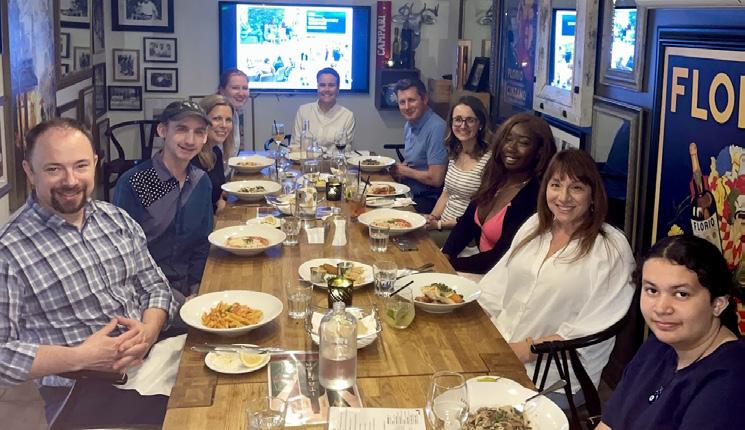
Madhurja Bakshi, BSc (Centre for Addiction and Mental Health); Rebecca Hatzitolios, MPH (Centre for Addiction and Mental Health); Elaheh Rahmanzadeh Koucheh, MSc (Centre for Addictions and Mental Health); Scott Veldhuizen, PhD (Centre for Addictions and Mental Health; University of Toronto)
At the Centre for Addiction and Mental Health (CAMH), the INTREPID Lab hosts Ontario’s largest smoking cessation program known as Smoking Treatment for Ontario Patients (STOP), providing eligible participants with 26 weeks of Nicotine Replacement Therapy (NRT) and counselling services (Intrepid Lab, 2019). The STOP program cultivates strong patient-care provider relationships and enables collaborative partnerships with people with lived experience (PWLE). Engagement with PWLE has been established long before their involvement in advisory opportunities; ongoing initiatives at INTREPID ensure patient voices are heard, promote shared decision-making power and integrate lived experience insight to elevate implementation in research and clinical practices.
The first step that builds partnerships with STOP patients beyond the program is the practitioner-led intake process. Preliminary social determinants of health data (SDoH) are collected, and individuals are given a clear, plain-language consent that outlines the option to remain in contact for future opportunities. The consent ensures that participants are informed of inclusive practices, while encouraging transparency and autonomy. When an INTREPID staff member requests to engage and onboard PWLE, an ethical contact process is followed. A secure contact log is established by removing individuals that have been contacted within the 6-months to prevent over-contacting, and reduce research burden, while promoting opportunities to include diverse perspectives. The project-specific inclusion
criterion is further defined by SDoH variables, connecting patient partners who are a good fit for the engagement initiative.
These practices reflect INTREPID’s value in meaningful and inclusive relationship building, removing static recruitment lists. STOP aims to continuously update and present opportunities for active STOP patients to get involved, while also keeping and maintaining outreach logs of past STOP participants with an interest in ongoing research, program development, evaluation or engagement initiatives. This cycle ensures that new voices and perspectives are continuously welcomed.
Beyond recruitment, the voices and expertise of PWLE continue to shape the STOP program through survey revisions and service improvements. Patient engagement and developing partnerships with PWLE support expert representation and equity to build relationshipfocused care and services within INTREPID, starting with STOP. This process follows the Canadian Interprofessional Health Collaborative’s approach on advancing collaboration through shared decision making. 1
References:
1. Canadian Interprofessional Health Collaborative. CIHC Competency Framework for Advancing Collaboration ; 2024. Available from: https://cihc-cpis.com/new-competencyframework/
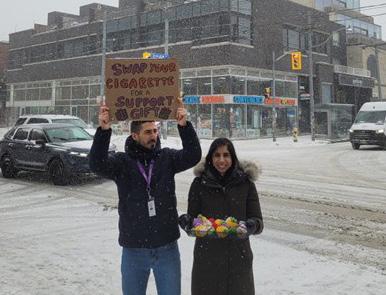
Matilde
Rei Leal (Nursing Research Innovation and Development Centre of Lisbon (CIDNUR), School of Nursing, Universidade de Lisboa)
The PULPIT Project (“Public and Patient Involvement in Interprofessional Education of Undergraduate Healthcare Students”) is an Erasmus+ funded initiative involving an international consortium from Portugal, Belgium, the Netherlands, Slovenia, and Canada, bringing together Higher Education Institutions and Patient Organisations.
The project aims to improve undergraduate healthcare education by addressing unmet needs such as limited patient interaction during early training, insufficient person-centred care, and poor understanding of the roles of different healthcare professions. The PULPIT promotes patient and public involvement (PPI) in the classroom and strengthens interprofessional education (IPE) among undergraduate healthcare students, fostering discussion on the physical, mental, and social implications of illness through real-life experiences.
Over its three-year duration, the project combines research, stakeholder engagement, and educational innovation. It includes an overview of current best practices in PPI and IPE, as well as an international survey and focus groups involving diverse stakeholders (educators, students, and patients/experts by experience). These activities revealed current practices, highlighted key challenges, and identified opportunities for more innovative educational approaches. Their findings informed the development of evidence-based recommendations through a Delphi process involving a high level of expert participation, particularly from Canada. This process resulted in a list of 33 consensus statements, including 12 priority recommendations that offer a pragmatic starting point for action, while acknowledging that meaningful PPI in IPE requires iterative development and sustained commitment.
In parallel, supporting resources were codeveloped to facilitate implementation of a structured 4-week educational programme. These include a Massive Open Online Course, micro e-learning modules, and podcasts. The programme, inspired by existing models from the University of British Columbia (Canada) and PAP-F (Patient as a Person Foundation; the Netherlands), is currently being tested across five European countries.
By integrating PPI within IPE, the PULPIT seeks to bridge important gaps in healthcare education, enhancing the students’ learning experiences, and better preparing future professionals to provide more personalised, patient-centred care. The project also has the potential to strengthen collaborative practice by fostering shared understanding within healthcare teams.
The project will culminate in the PULPIT Final Conference, “The missing voices in Healthcare Education”, taking place on 29-30 October 2026 in Lisbon, Portugal, and online, gathering educators, researchers, students, patients and policymakers to share results and shape the future of interprofessional and patient-centred education.
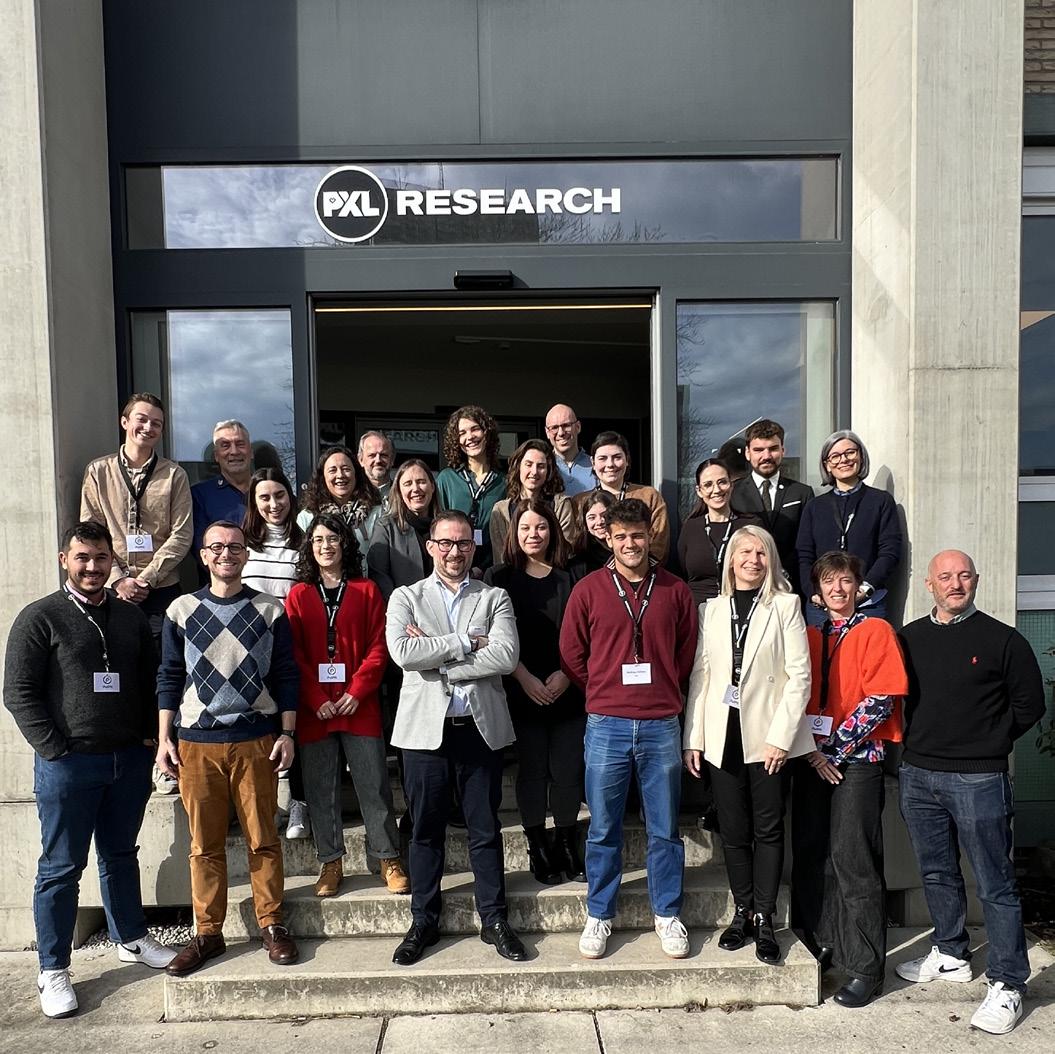
Marian George, RN, EdD (Patient/Family Advisor, Former Provincial Patient/Family Advisory Council, Alberta Health Services); Katharina Kovacs Burns, MSc, MHSA, PhD (Academic, School of Public Health, College of Health Sciences, University of Alberta, and formerly Senior Provincial Consultant, Clinical Quality Metrics, Alberta Health Services)
‘Making a difference’ in healthcare requires active involvement of those affected in delivery as well as receiving care. Many studies support efforts to have patients and families involved in different aspects of their care, but the extent of their involvement is often limited. It is therefore important to determine how ready a care setting or site is for team collaboration with patients and families, including staff acceptance of a more inclusive approach to discuss and address challenges regarding care policies and practices.
Deciding on more of a relationship-building approach, the authors explored the possibility of co-design, which was dynamically co-developed with input from different acute and community care teams across Alberta, Canada, over the past nine years. It involved patients and families partnering with care providers, staff and leaders to openly discuss and co-design a plan to better measure, interpret and apply ‘real-time’ patient and care provider experiences to improve patient care delivery and outcomes. Understanding congruities and discrepancies in perceptions and experiences between patients/families and care providers was critical for acknowledging what worked well and where improvements were needed. This approach was shown to be feasible and effective, with positive outcomes for using existing and ‘real-time’ experience data to guide different levels of quality and safety improvement initiatives. The result was the development of a standardized phased co-design quality healthcare
improvement approach that included preparing teams through a co-design orientation, codesigning experience measurement tools, codesigning quality improvement initiatives based on data gathered, and evaluating outcomes. Lessons learned from the outcomes of the codesign approach over the years have guided its refinement. The co-design guide has also been published by the authors to encourage others to implement the process. This approach aligns with the Interprofessional Health Collaborative Practice practice and education framework. The spread and scale of the co-design approach with patient/families and care providers resulted in (1) validation of patient and care provider experience domains and measures across various care settings, (2) impact assessments of quality improvement initiatives, and (3) correlations between experience measure results and outcomes for patients, care providers and the healthcare system.
References:
• George M, Kovacs Burns K. Co-designing healthcare quality improvement: The Kovacs Burns & George orientation guide. Journal of Patient Experience. 2024;11:23743735231223854.
• Kovacs Burns K, George M. Exploring a Co-Designed Approach for Healthcare Quality Improvement—Learning Through Developmental Evaluation. Healthcare. 2025;13(3):311.
• Kovacs Burns K, George M. Patient/family advisors partnering with healthcare staff/ providers: gathering real-time patient/family experiences to guide quality improvement. Nashville (TN): The Beryl Institute; 2019.
• Canadian Interprofessional Health Collaborative. CIHC Competency Framework for Advancing Collaboration [Internet] 2024. Available from: https://cihc-cpis.com/newcompetency-framework/
“Partnership is not an added step in research practice; it is the condition that makes collective impact possible.”
—
These short reflections offer insight into the tensions, questions, and possibilities shaping patient partnership today. Shaped by lived experiences, they invite readers to consider how we move from intention to meaningful change.
Zal Press (Executive Director, Patient Commando)
As a patient activist over the last sixteen years, I’ve sat in many rooms where patients shared their stories — stories that cost them something to tell. I’ve watched people open up about the hardest moments of their lives, hoping their courage would lead to change. And I’ve watched those stories get thanked… and then quietly set aside. Not because anyone lacked compassion, but because the system wasn’t built to let those stories matter.
So I stopped performing what the late disability activist Stella Young labelled as “inspiration porn.”
We pretend healthcare is a sanctuary of pure healing. It isn’t. A patient thrown into an intimidating, bureaucratic gauntlet finds a place where you can be terrified, vulnerable, and completely invisible all at once. It is a reality mirrored in the narrative of The Who’s rock opera, Tommy, where a traumatized child is trapped in a silent, dark world because the authorities refuse to acknowledge his truth. Health and social care education faces a fundamental challenge: are future providers being trained to manage charts instead of seeing the breathing humans behind them?
When asked to share my story now, I intentionally use digital storytelling to challenge institutional complacency, force compassionate educational design, and dare learners to confront the uncomfortable human experiences underlying every clinical encounter. This is how I defy the healthcare mindset to shift from being transactional to being interactional. Online modules reduce human suffering to a heartless checklist of symptoms. Digital compassion disrupts this. By pairing the driving music of Tommy with narratives of neglect, we deny learners the luxury of emotional detachment. A patient is not an appliance to be repaired.
When we inject emotional intention into digital design, technology stops being a sterile vehicle and becomes a tool that strips away professional distance, demanding a genuine human-to-human relationship.
Furthermore, this method penetrates the professional armor that clinicians use to protect themselves, demanding a culture of empathy, active listening, and vulnerability. It is easy to hide behind jargon and institutional authority. It takes courage to drop the shield and feel the patient’s pain. When a presentation uses multimedia to simulate the disorientation of a fractured system, it creates an emotional ache that text on a slide can never replicate. It trains learners to practice a fierce empathy. It forces them to sit with discomfort like trauma and abuse, preparing them to enter the sanctity of the therapeutic relationship with raw vulnerability.
Finally, this compassionate approach tackles traditional power dynamics and the epistemic bias embedded in education. Top-down, prescriptive knowledge has been prioritized while dismissing the patient’s lived experience—a systemic gaslighting encapsulated in Tommy when his parents chant, “You didn’t see it, you didn’t hear it.” Uplifting the patient’s voice through ground-up digital design dismantles that bias. Future providers learn that a patient’s self-knowledge, tears, and trauma are just as valid as a laboratory report.
Ultimately, digital storytelling ensures that patient engagement isn’t just a token checkbox used for institutional public relations. It creates a space of radical accountability, reinforcing a hard truth: if you are not brave enough to see the patient, feel the patient, and listen to the patient, you are not healing them—you are just managing the system.
Here is the full video (10 minutes) link: https://youtu.be/F3hwgwX7Ln0
Elizabeth Mohler, PhD (Patient/Family Partner, CACHE)
Sometimes it is a single story - shared honestly and received openly - that shifts how we understand education, partnership, and care.
At the 2025 Patient’s Voice Conference in Vancouver, our team - Elizabeth Mohler, Janet Rodriguez, Elizabeth (Eli) Cadavid, and Bhavini Patel - joined an international community exploring how lived and living experience can more meaningfully shape health professions education. Across sessions and conversations, a clear shift emerged: lived experience is increasingly being recognized not as an addition to education, but as essential to how we teach, learn, and care.
Presentations highlighted a growing movement beyond one-time storytelling toward more sustained forms of partnership. Patient partners are contributing to curriculum design, co-facilitating learning, and influencing program direction. At the same time, important challenges remain. Questions of accessibility, compensation, and representation continue to shape whose voices are included, and whose are not. Across discussions, a central tension surfaced: progress is real, but structural barriers persist.
Amid these conversations, our symposium, “Claiming Agency,” offered a focused exploration of what meaningful partnership can look like in practice.
Our session examined how lived experience informs the design, facilitation, and leadership of interprofessional education (IPE). We framed our work around four key objectives: understanding the role of lived experience in shaping programs; advancing equitable and accountable partnership beyond consultation; critically examining traditional models of engagement; and sustaining involvement through feedback loops and adaptive practice. Central to this work was our introduction of The COIL, a model that emerged from our collective experience and dialogue. While patient engagement is often represented as a ladder with fixed levels, our work at CACHE has shown that engagement is not linear. It is relational, cyclical, and evolving.
The COIL reflects an ecosystem of engagement built over time: from early storytelling in programs like the Health Mentor Program, to advisory roles, to co-facilitation, co-design, and leadership through structures such as the Patient Partner Advisory Committee. Rather than moving “up” a hierarchy, partners move through and across roles, shaped by relationships, experience, and opportunity.
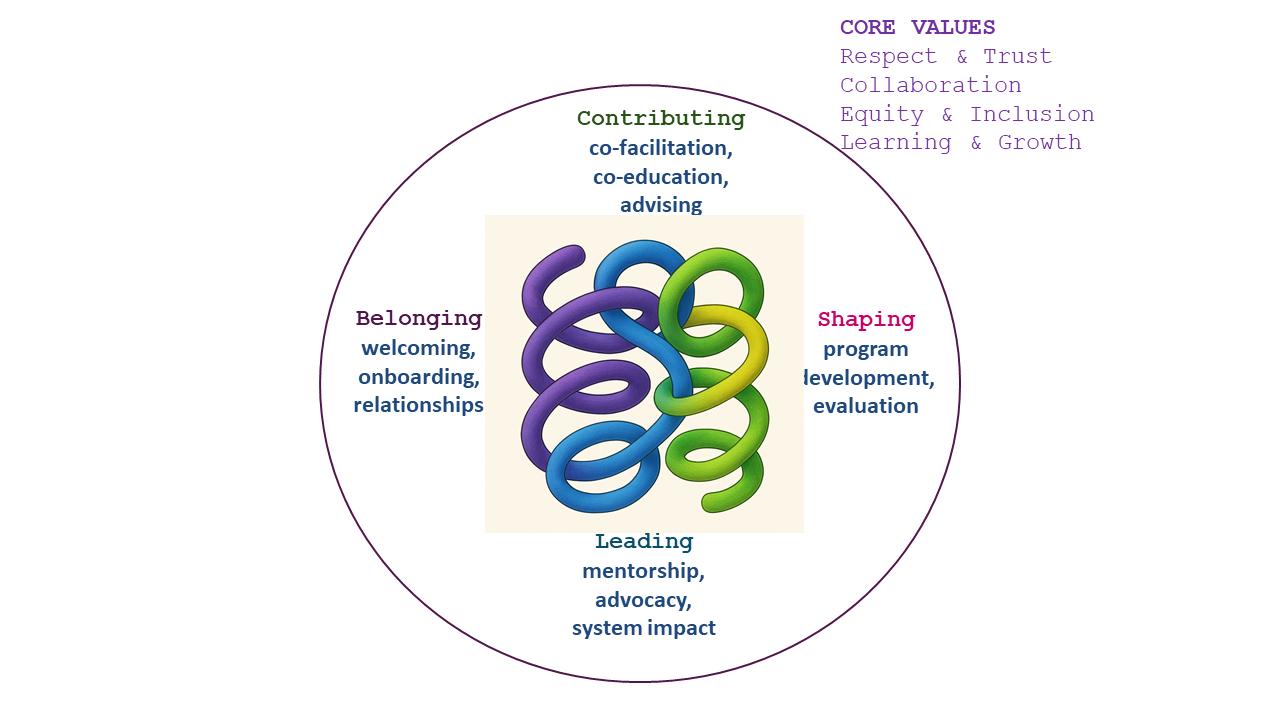
This model emphasizes reciprocity, shared leadership, and ongoing participation. It challenges tokenistic approaches by centering engagement as a practice grounded in trust, dialogue, and accountability. Importantly, The COIL is not a fixed framework, but a living concept that continues to evolve through feedback and lived experience.
The broader conference conversations reinforced this direction. Participants reflected on the risks of symbolic inclusion, the realities of limited resources, and the need to examine who holds decision-making power. A particularly important question emerged: if we are preparing future health and social care providers to work in partnership, how are we enabling learners to practice that partnership now?
The message was clear. Patient engagement is not a box to check - it is a responsibility that requires sustained commitment, infrastructure, and cultural change.
We left the conference with both encouragement and urgency. Meaningful partnership is growing, but it must continue to be intentionally built, supported, and shared.
At CACHE, we continue this work through relationships, dialogue, and a commitment to ensuring that lived and living experience remains central to how we design education and shape care.
Sarvesh Mohan, MBA (c), CHE, CPHQ, CPPS, CHFP, PMP (Cornwall Community Hospital)
Interprofessional collaboration is often described as an essential part of healthcare, but its importance truly comes into focus during real moments of care. One such moment unfolded during an interprofessional learning experience involving nursing, medicine, social work, and rehabilitation professionals working together on a complex discharge plan.
At first, the conversation felt familiar—and slightly disconnected. Each discipline came prepared with thoughtful input, yet the discussion moved in parallel rather than together. Medical stability, medication management, functional goals, and social considerations were all raised, but not yet woven into a shared plan. It became clear that while everyone was contributing, we were not fully listening to one another.
What changed the dynamic was a simple but intentional shift: slowing down and creating space for each voice and professional perspective. As roles became clearer, the value of interprofessional collaboration emerged. Social work raised concerns about housing stability that had not been previously considered. Nursing highlighted barriers to medication adherence once the patient returned home. Rehabilitation focused on functional priorities that mattered most to the patient’s daily life. These perspectives, when combined, revealed a more complete understanding of the patient’s needs.
This experience highlighted several core competencies of collaborative practice, including communication, role clarification, and team functioning. More importantly, it reinforced that collaboration is not about agreeing on a single viewpoint, but about integrating diverse expertise to support person-centred care. Listening—often underestimated—proved to be one of the most powerful tools in the room.
What made this moment meaningful was its authenticity. It was not a simulated exercise or theoretical discussion, but a real scenario with real implications. The outcome was a discharge plan that felt realistic, compassionate, and aligned with the patient’s circumstances—not just their diagnosis.
Interprofessional education prepares learners and practitioners for these moments by fostering mutual respect and shared accountability. When healthcare professionals truly listen across disciplines, collaboration becomes more than a requirement; it becomes a catalyst for better care, stronger teams, and meaningful collective impact.
“Meaningful partnership is growing, but it must continue to be intentionally built, supported, and shared.”
— When Experience Leads: Reflections from Patient Voice Conference 2025
This section highlights the broader CACHE community - celebrating achievements, sharing opportunities, and inviting continued engagement. It reminds us that partnership is sustained through ongoing connection, contribution, and collective momentum.
Angela Towle (Patient and Community Partnership for Education, Office of UBC Health, University of British Columbia)
In November 2025, we hosted the third international conference , ‘Where’s the Patient’s Voice in Health Professional Education – 20 Years On?’ The conference brought together 260 patients, community members, students, academics, health professionals and administrative staff from 14 different countries. Reflecting on the experience and comments we heard before, after and at the conference, we identified factors which contributed to the success of an event which brought together so many diverse people. Here are a few of the most important.
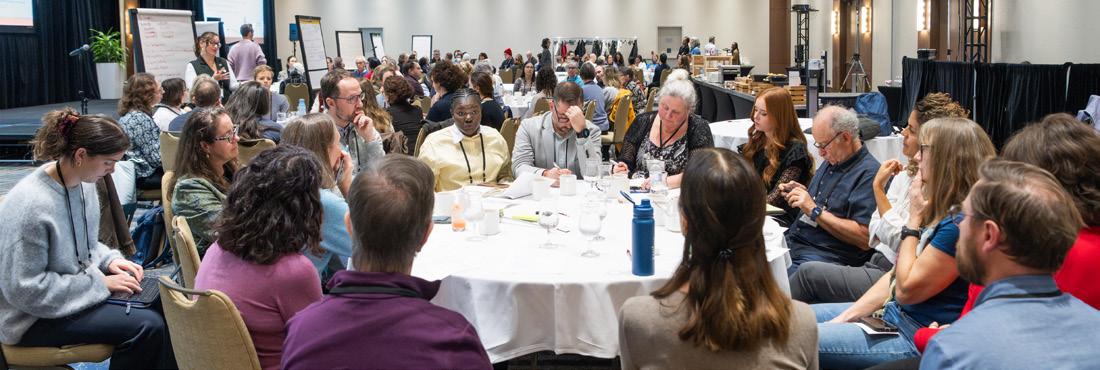
Exciting program. The call for abstracts resulted in many innovative proposals for presentations, many of which had patients and students as authors or co-authors. Formats ranged from symposia with multiple panelists to round table discussions, to arts-based presentations (poetry, video, theatre), as well as more traditional oral and poster presentations. Conference delegates were excited: a medical education colleague from Sweden told me this was the first conference she’d been to where she was looking forward to attending the conference sessions, rather than conversations that happen outside the formal program.
Everyone is welcome. We offered a reception as a pre-conference meet and greet, knowing that people would be arriving from many places and time zones. We expected people would just drop by and then leave. However, people were lined up waiting for the doors to open and already deep in conversation. And they were still there two hours later when the hotel staff were clearing up. Excitement about the conference obviously helped, but also important was establishing a welcoming atmosphere. The fact that name badges only had name and country (no titles or affiliations) put everyone on the same level (no hierarchies) and created a simple conversation opener.
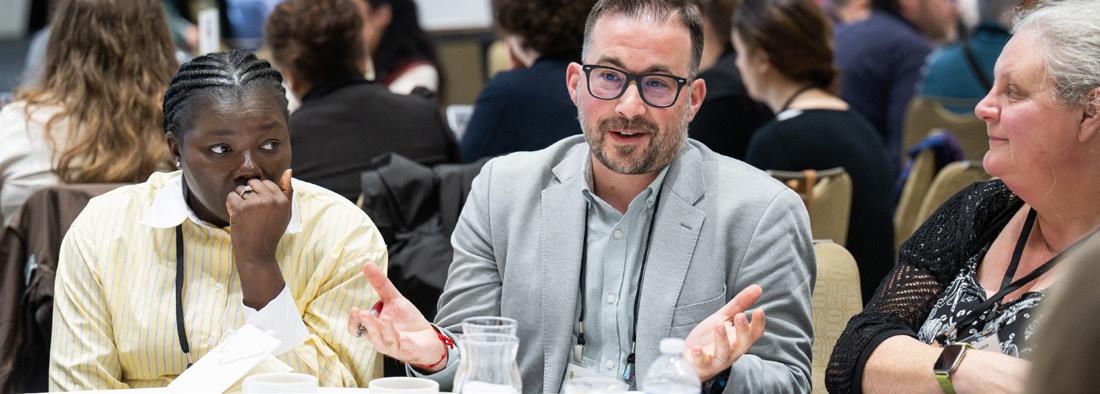
Financial support. PCPE was able to provide conference registration bursaries to support the participation of 45 patients and 29 students. This enabled them to leverage additional funding for transport and accommodation from their institution or other sources.
A tangible outcome. The final morning of the conference was dedicated to working groups which sought input into a set of practical guides to patient involvement in health professional education which would be the conference output. People noted how refreshing it was to have something tangible resulting from a conference and almost everyone stayed until the end in order to contribute.
Conference photographs accompanying this article were taken by Martin Dee Photography.
CACHE Editorial Team
We are pleased to announce that Darlene Hubley , Interprofessional Education (IPE) Leader at Holland Bloorview Kids Rehabilitation Hospital, has been named Associate Director, Workplace Learning, Centre for Advancing Collaborative Healthcare & Education (CACHE).
CACHE is an extra-departmental unit of the University of Toronto, in partnership with Toronto Academic Health Science Network (TAHSN) , based at the University Health Network. CACHE is responsible for an interprofessional education curriculum reaching 4,600 learners at a time, professional development programs and consultations with a 5,000 global alumni reach to date, and an applied research and innovation portfolio.
Darlene’s new role represents a continued partnership between CACHE, Holland Bloorview, and the broader TAHSN practice environment. Bridging mutual strengths in patient partnership and Family as Faculty, sharing and spreading workplace-based IPE activities, and generating and mobilizing new knowledge and leading practices in student leadership, CACHE and
Holland Bloorview share a commitment to meaningfully inclusive, collaborative, and transformative education and care experiences.
In this role, Darlene will lead the strategic advancement of interprofessional workplace learning, both in partnership with the University of Toronto IPE Curriculum and across TAHSN. She will contribute to scholarly explorations and publications, facilitate curricular and professional development activities, and represent both Holland Bloorview and CACHE at key tables. For example, Darlene has stepped into the Co-Director role for ehpic™ , co-chairs the IPE Leaders Network , and co-chairs the Student Leadership Experience (SLE) Steering Committee . Darlene is the recipient of the 2022-2023 Ivy Oandasan Leadership Award for Outstanding Contributions in Advancing IPE.
We are thrilled to see Darlene step into this leadership role. Congratulations, and thank you!
As we welcome Darlene Hubley into the role of Associate Director, Workplace Learning, we also extend our deep gratitude to Elizabeth McLaney , who served in this role from 20172025. Elizabeth was named Associate Director during her tenure at Sunnybrook Health Sciences Centre, where she held a leadership role in interprofessional education. CACHE Associate Directors serve as an essential bridge between academic programs and partner hospitals across the Toronto Academic Health Science Network (TAHSN).
As Associate Director, Elizabeth led a refresh of the Interprofessional Education Leaders (IPEL) Network, strengthening engagement across
TAHSN, and shifting its focus from information sharing to a strategic model with defined annual priorities in research and scholarship, interprofessional teaching and learning, and communications.
In 2018, Elizabeth supported the evolution of Sunnybrook’s Interprofessional Collaboration (IPC) Showcase from a local initiative to a TAHSN-wide event. This expansion broadened its reach and strengthened system capacity. Co-sponsored by Sunnybrook, CACHE, and partner hospitals, the IPC Showcase has become a valued space for sharing workplace-based innovations, fostering connections across organizations. Notably, the Showcase has maintained a nimble format, transitioning to a virtual event during the COVID-19 pandemic, and in 2023 when CACHE hosted the Collaborating Across Borders VIII conference, the Showcase was integrated to provide an in-person complement to the otherwise virtual event.
Elizabeth’s impact has also extended through CACHE’s professional development portfolio. She contributed to international capacitybuilding efforts in interprofessional education and team-based care at institutions including the University of Queensland (Australia), Arizona State University, and the University of Cincinnati. Nationally, she has facilitated at organizations such as Dalhousie University, the Northern Alberta Institute of Technology
(NAIT), and Saskatchewan Academic Health Sciences Network (SAHSN). She continues to contribute as faculty for the renewed 3-day ehpic™ (Educating Health Professionals in Interprofessional Care) program in Toronto each fall, and is joining the Collaborative Change LeadershipTM Program faculty in a coaching capacity.
In recent years, Elizabeth has further deepened her impact across practice and scholarship. She represents IPE/IPC at the TAHSN Practice Committee, and acts as a Program Co-Lead for the Best Practice in Education Rounds (BPER) , a collaboration between the Centre for Faculty Development, the Wilson Centre, and CACHE. She has also played a key role in mentoring and supporting emerging leaders in interprofessional education and collaborative practice.
In 2025, Elizabeth transitioned to the role of Senior Director of Clinical Education at the University Health Network (UHN). A thoughtful transition plan enabled new leadership within the community while maintaining her connection to CACHE. She now serves as Senior Advisor to CACHE, ensuring continued linkage with clinical education at UHN and beyond.
We are deeply grateful to Elizabeth for her positive energy, generative leadership, and unwavering commitment to relationship, community, and capacity-building. We are honoured that she will continue to contribute through her new roles, shaping collaborative learning environments and influencing learners, educators, and teams across institutions.
“This Isn’t Just My Work. It’s Our Work.”
Ruweyda Osman (BScN Student, Toronto Metropolitan University; Student Intern, Centre for Advancing Collaborative Healthcare & Education)
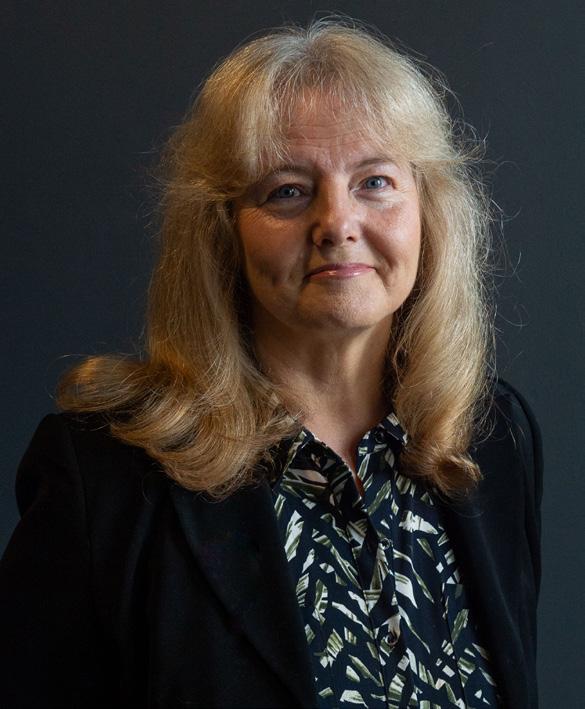
Dr. Kathryn Parker is a healthcare education scholar and leader whose work has shaped program evaluation and education across healthcare systems. She received her PhD in program evaluation from the University of Toronto and has since co-authored over 40 publications while presenting her work nationally and internationally. An Associate Professor in the Department of Pediatrics at the University of Toronto, Kathryn has collaborated with academic and clinical teams to strengthen evaluation practices in healthcare education. She previously served as Senior Director of Academic Affairs at Holland Bloorview Kids Rehabilitation Hospital and currently serves as Board Chair of the Canadian Interprofessional Health Collaborative . In her current Associate Director role with CACHE, she focuses on supporting transformative change in health professions education.
When Kathryn learned that she had received the CAME Certificate of Merit Award , the recognition felt less like an individual milestone and more like a reflection of something collective. “It’s very validating to receive a message from your peers that your work has brought value to people,” she shares. “But this isn’t just my work. It’s our work.”
Throughout her career, Kathryn’s approach has been shaped by collaboration, mentorship, and a commitment to thinking differently about how healthcare education can evolve. She describes her work as part of an “ecosystem,” where meaningful conversations and shared strengths create
opportunities for growth. “When we invite people to bring their authentic selves to the work, we create space for something meaningful to emerge,” she explains. These moments, often grounded in dialogue with mentors and colleagues, have helped shape her perspective and reinforce her commitment to transformative, people-centered education.
For Kathryn, the future of healthcare lies not in having all the answers, but in learning to navigate complexity. She challenges the idea that students underestimate the realities of health and social care work, noting instead that many are already deeply aware of its demands. The question, she suggests, is how education can better prepare learners for uncertainty. “We have an obligation as educators to support students in being comfortable with complexity and being comfortable not having the answer,” she says. This includes reframing failure and embracing it as a necessary part of learning and growth.
Her reflections on leadership reinforce this perspective. Effective leadership, she explains, is rooted not in authority, but in presence and intention. “To listen deeply, to ask generative questions, and to create containers for people to bring their best selves are the things that matter,” she says. By creating space for others, leaders enable new ideas and possibilities to emerge.
For the next generation of healthcare professionals, Kathryn’s advice centres on self-awareness and compassion. She encourages learners to explore the intersection of what they are good at, what they are passionate about, and what they want to grow. “At the heart of all of it is compassion for yourself and for others,” she reflects.
Above all, Kathryn hopes that others can find the same sense of meaning in their work that she has experienced throughout her career. “I just feel so grateful,” she says. “I wish that for everybody. I wish that they feel an overwhelming sense of gratitude for the work they do and the people they work with.”
Lynne Sinclair (Senior Consultant: Partnerships and Innovation, Centre for Advancing Collaborative Healthcare & Education)
Two CACHE leaders, Sacha Agrawal and Lynne Sinclair, were named finalists in the 2025-2026 Best Practices in Education Rounds (BPER) Reads “Battle of the Papers.” This event was co-hosted by the Centre for Faculty Development, The Wilson Centre, and the Centre for Advancing Collaborative Healthcare & Education.
This fun and collegial competition began in Fall 2025, when five local scholars were invited to champion one paper from the past academic year that they believed every health professional educator should read. Over the following two months, the scholarly community was encouraged to read the selected papers, consider each champion’s rationale, and vote for their favourite. The two top-voted papers advanced to finalist status, with their champions invited to present why their chosen article should be read first. This culminated in a lively and friendly virtual “Battle of the Papers” on February 10, 2025.
Sacha Agrawal—Education Scholar, Equity & Patient Partnerships at CACHE, Associate Professor in the Department of Psychiatry at the Temerty Faculty of Medicine, University of Toronto and clinician educator at the Centre for Addiction and Mental Health—championed: Rosenbaum L. “ Being Well while Doing Well –Distinguishing Necessary from Unnecessary Discomfort in Training.” New England Journal of Medicine (2024).
Lynne Sinclair—Senior Consultant: Partnerships & Innovation at CACHE and Assistant Professor in the Department of Physical Therapy at the Temerty Faculty of Medicine, University of Toronto —championed: Webster CS et al. “Interprofessional Learning in Multidisciplinary Healthcare Teams Is Associated With Reduced Patient Mortality: A Quantitative Systematic Review and Meta-analysis.” Journal of Patient Safety (2024)
The session saw strong engagement from a large audience, including one of the lead authors who joined live from New Zealand at 5 a.m. local time, an impressive show of dedication. While the Rosenbaum article was ultimately selected as the top paper to read first, many participants shared that they intended to read both articles following the session.
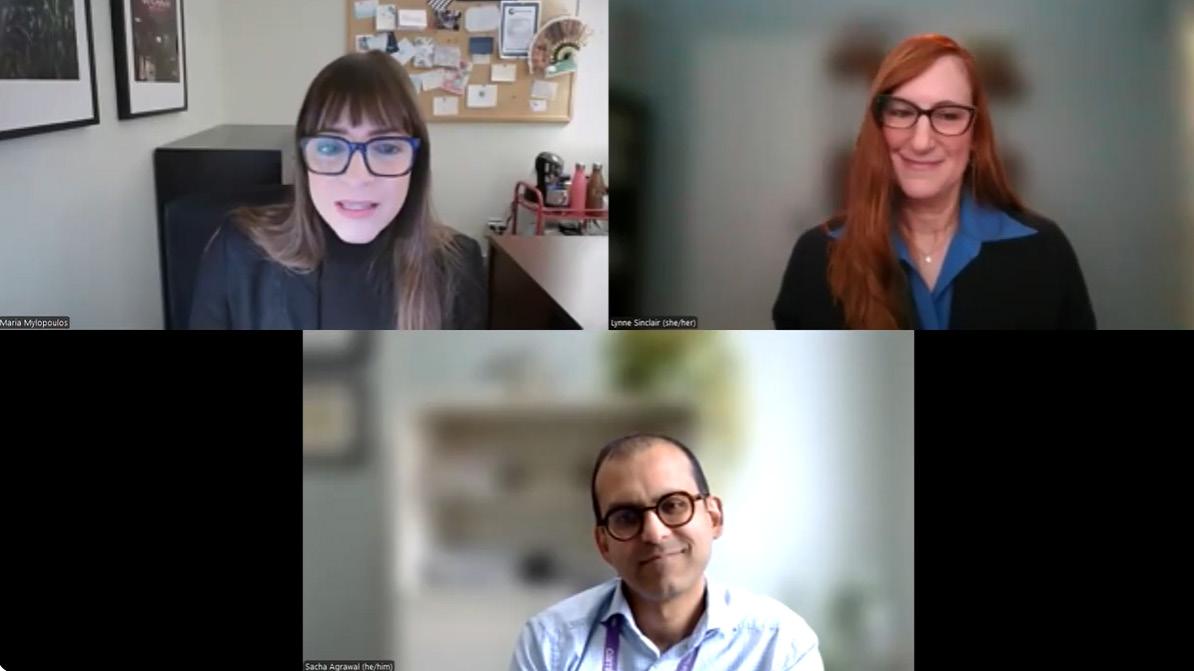
To watch the recording of this session, you can access via BPER archive by clicking here: https:// youtu.be/yKcwQFt2Nzw?si=7xO7Iayiait2Iky7
Sabrina Bartlett, MEd, BEd (Manager, Curriculum & Education Innovation, Centre for Advancing Collaborative Healthcare & Education)
CACHE is pleased to recognize the recipients of the 2026 Award of Merit , celebrating exceptional individuals and teams whose work continues to advance interprofessional education (IPE) and collaborative practice (IPC).
This year’s recipients exemplify what it means to champion collaboration in health and social care. Through innovative teaching, impactful leadership, and student-driven initiatives, they have demonstrated a sustained commitment to fostering teamwork across disciplines and improving care through interprofessional learning and practice.
2026 Ivy Oandasan Leadership Award for Outstanding Leadership in Advancing Interprofessional Education

Rachelle Ashcroft , FactorInwentash Faculty of Social Work
Dr. Rachelle Ashcroft has demonstrated outstanding leadership in advancing interprofessional education through research, mentorship, and systemslevel thinking grounded in equity and social justice. Her work continues to shape collaborative learning environments that challenge learners and educators to think critically about inclusion, access, and partnership in healthcare systems.
“Importantly, Dr. Ashcroft advances interprofessional education through a strong equity lens. Her nationally funded research program on team-based primary care emphasizes access, mental health equity, and intersectionality within collaborative health systems. She brings this perspective directly into research training environments, ensuring that interprofessional collaboration is understood not only as a structural necessity, but as an ethical and justice-oriented practice.”
2026 Award of Merit for Excellence in Interprofessional Education Teaching
• Jill Krupa , IPE Lead, University Health Network (UHN)
• Dr. Jennifer Lake , Leslie Dan Faculty of Pharmacy, University of Toronto
• ECHO Team , Centre for Addiction and Mental Health (CAMH)
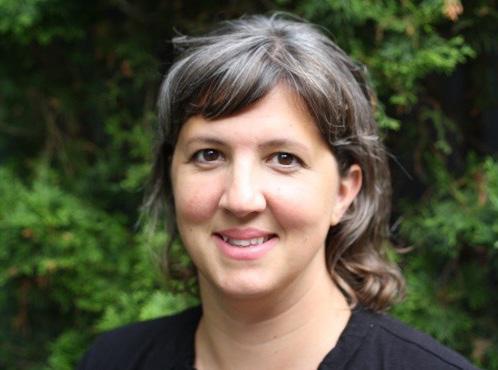
Jill Krupa was recognized for her ability to create meaningful, experiential learning opportunities that connect learners to the realities of collaborative practice. Her leadership across interprofessional electives and simulation-based learning activities has helped students better understand the value of teamwork in patient-centred care.
“Jill demonstrates the qualities of a skilled educator by delivering programs that are experiential and grounded in real - world collaborative practice. Her leadership in the IPE elective learning activities, “Meet the Team” and “Collaborating in the Community” bring together rehabilitation clinicians from across professions to guide learners through patient - centered case studies and a dynamic, simulated interprofessional rounds discussion”.
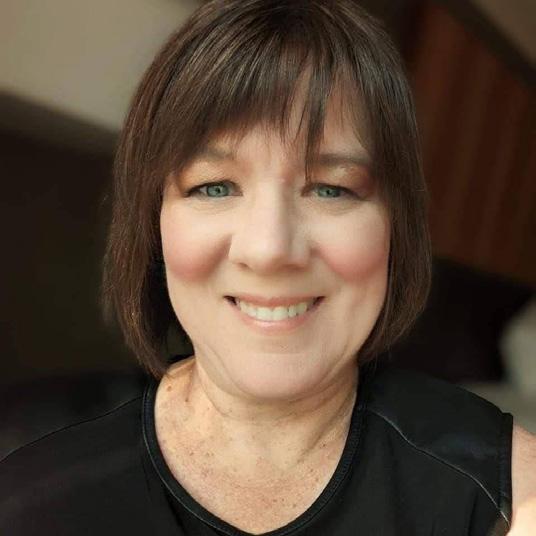
Dr. Jennifer Lake was honoured for her innovative and systems-informed approach to embedding interprofessional education within pharmacy curriculum and experiential learning. Her work reflects a deep commitment to preparing learners for collaborative, responsive, and contemporary practice.
“In her role leading IPE initiatives at the Faculty of Pharmacy, Dr. Lake has shaped strategic priorities, pedagogical design, and evaluation approaches. Her work reflects systems-level thinking with interprofessional learning clearly and meaningfully embedded in her curriculum in a way that is
longitudinal, competency-driven, and integrated with experiential education. Dr. Lake has demonstrated exceptional innovation in curriculum development. She has embedded interprofessional activities directly into experiential training, chaired and facilitated large-scale initiatives such as Safe Medication Management, and developed electives that address pressing contemporary issues, including health misinformation and minor ailments management which demonstrates the innovative and contextually relevant approach she takes to IPE”.
The ECHO Team at CAMH was recognized for creating inclusive and reflective learning environments that model compassionate interprofessional collaboration. Their approach encourages both knowledge sharing and critical selfreflection, helping learners engage more deeply with equity-informed practice.
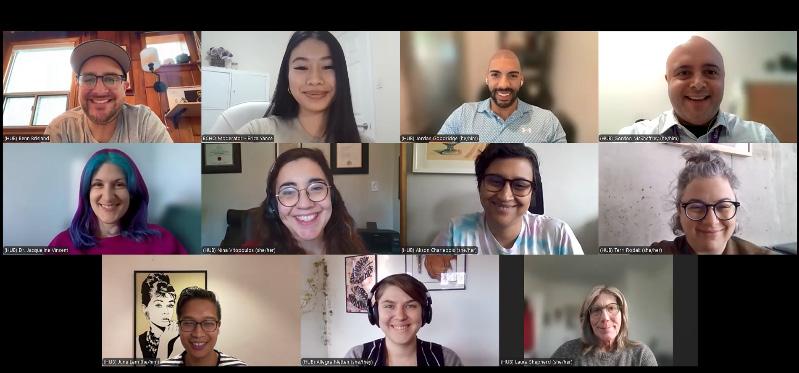
“Beyond knowledge transfer, the hub team demonstrates exceptional mentorship and rolemodelling of interprofessional collaboration. Following each session, the team engages in reflective debriefs on ways to improve safety and inclusion. When moments of tension arise, the team responds with compassion and transparency, modeling repair and growth. The model and approach of this education program also invites discomfort and self-reflection as essential parts of equity-informed learning”.
• Sarah Choi (Occupational Therapy)
• Elin Foulds (Pharmacy)
Sarah Choi was recognized for her outstanding student leadership and dedication to fostering connection and collaboration among health professions learners. Through her work with the Interprofessional Healthcare Students’ Association (IPHSA), she has helped strengthen mentorship and community-building opportunities across disciplines.
“Sarah’s leadership in interprofessional education extends well beyond the classroom. As a Vice President of the Outreach Subcommittee for the Interprofessional Healthcare Students’ Association (IPHSA), she has taken on a wide range of responsibilities with enthusiasm and professionalism. She co-led the relaunch of IPHSA’s Mentorship Program for a second consecutive year, strengthening opportunities for cross-disciplinary connection and support among health professions students”.
Elin Foulds was honoured for their thoughtful and consistent leadership within both pharmacy education and interprofessional student engagement initiatives. Through multiple leadership roles with IPHSA, they have helped strengthen communication, collaboration, and student involvement across programs.

“Elin has demonstrated leadership both within interprofessional education and within the Faculty of Pharmacy. As the second-year class representative in pharmacy, they were organized and clear, and they advocated for their class. But more importantly for this award, they have held two different vice-president portfolios within the Interprofessional Healthcare Students’ Association (IPHSA). As the Vice-President (Internal) of IHPSA, she acted as a link between the organizations, sub-committees, and student representatives. Student leadership plays a vital role in shaping interprofessional education, and Elin exemplifies this beautifully”
The 2026 CACHE Awards of Merit were presented on May 19, 2026, at the UHN BMO Education & Conference Centre . The ceremony brought together colleagues, learners, educators, patient and family partners, and community members to celebrate excellence in interprofessional education and collaborative practice.
Congratulations to all of this year’s recipients! Here are a few highlights from the May 19 ceremony.
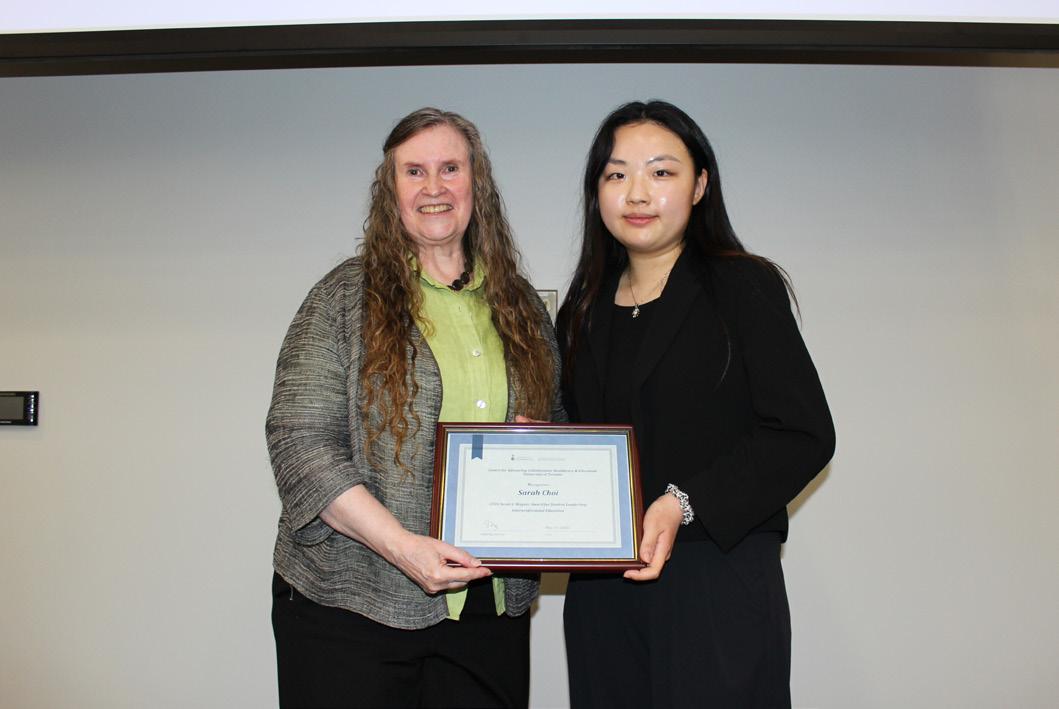
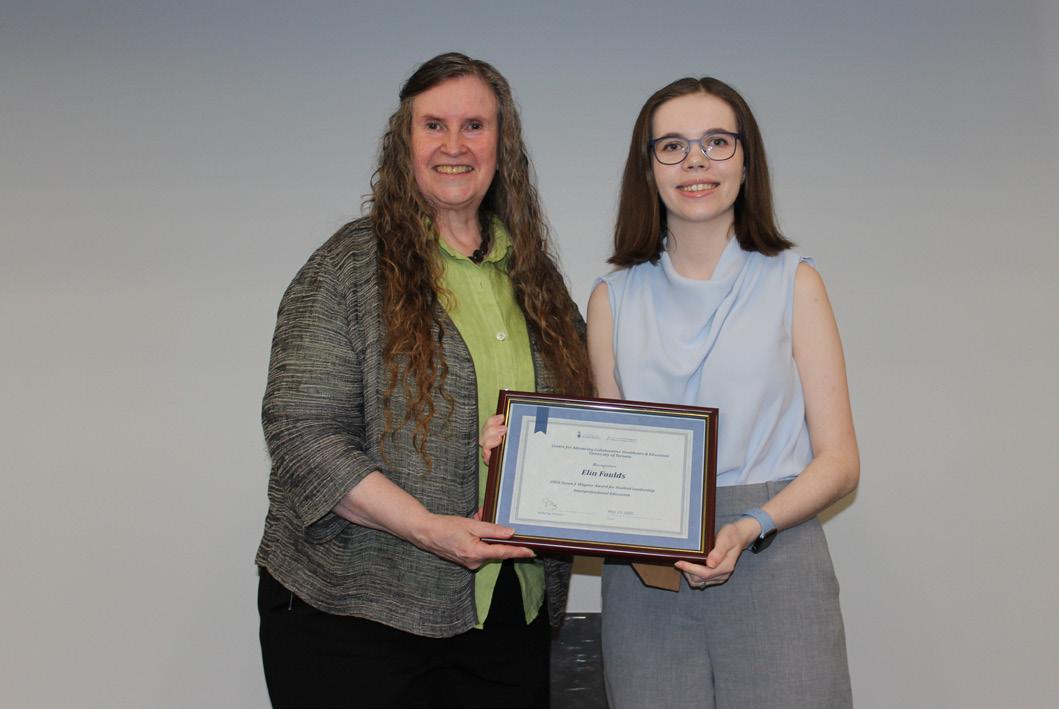
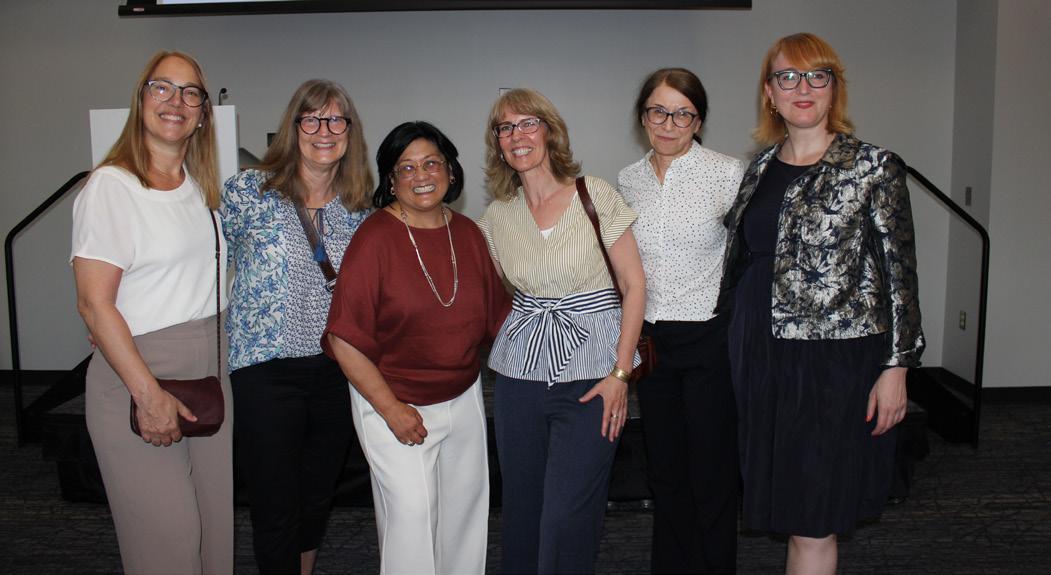
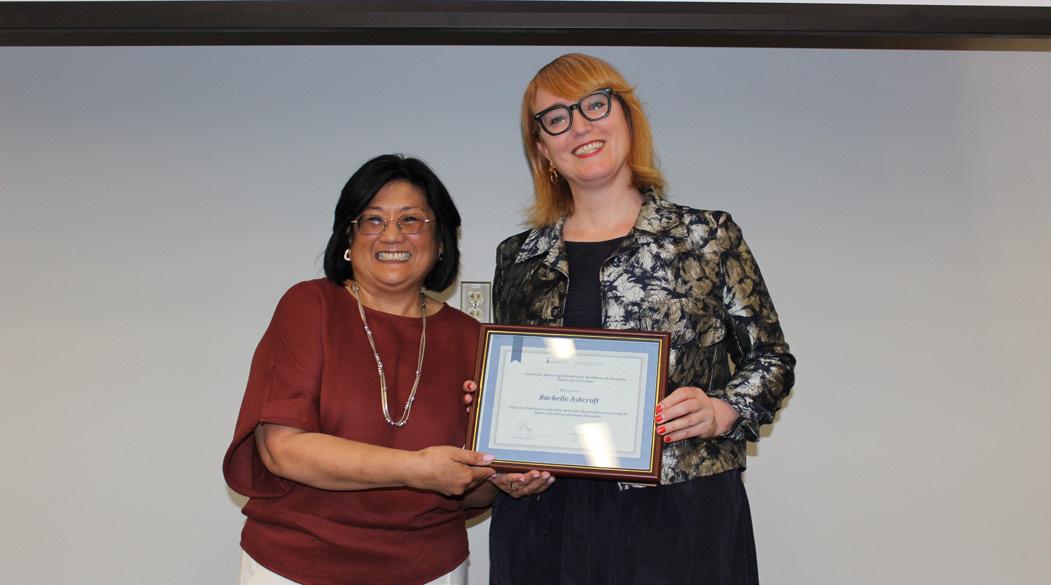
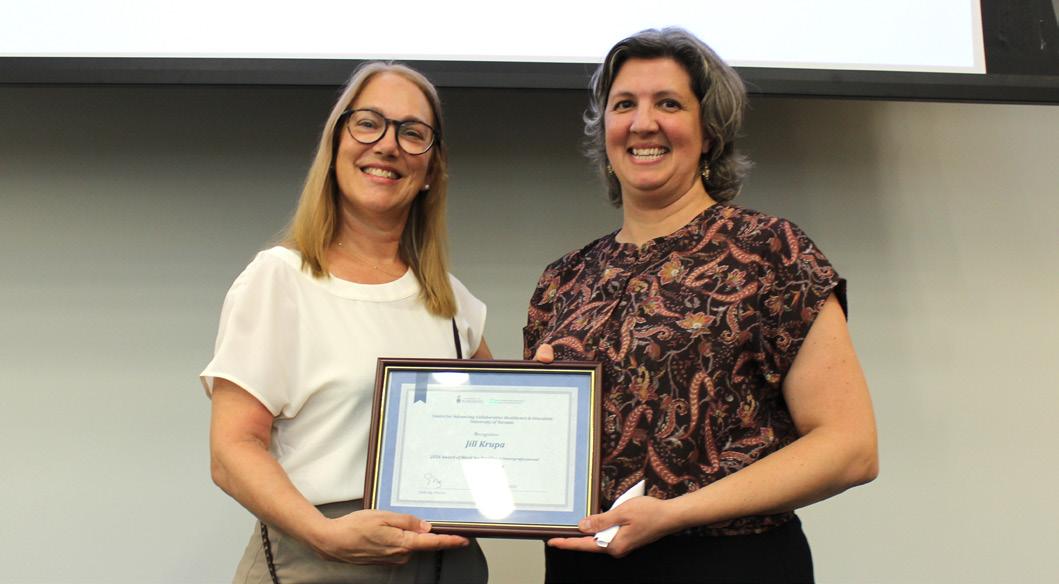
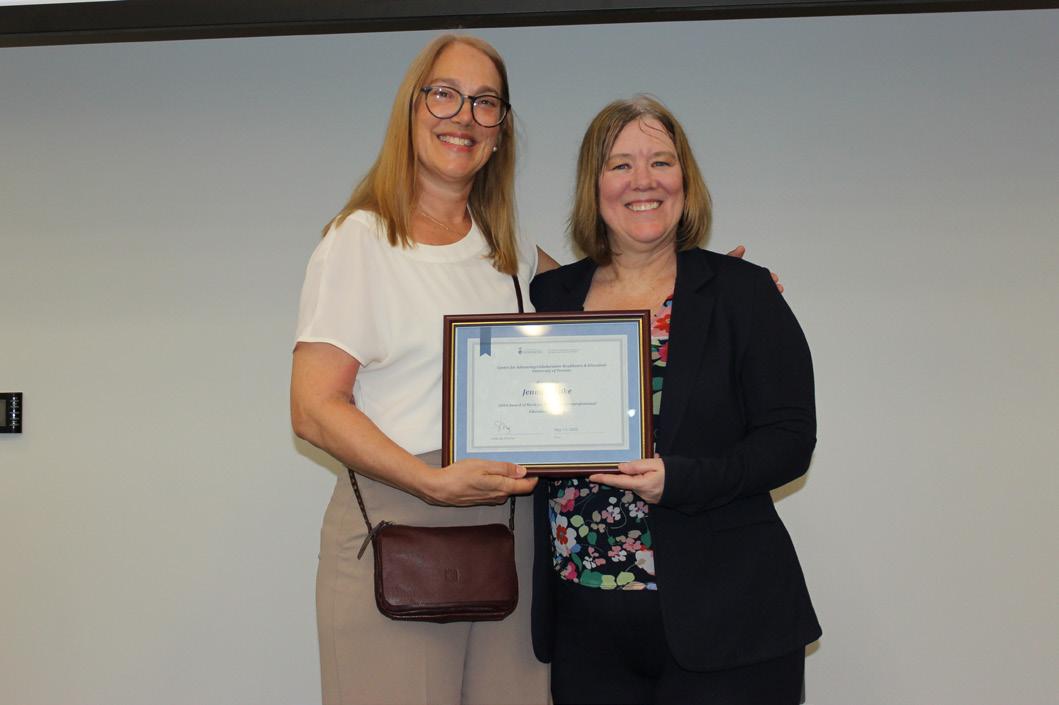
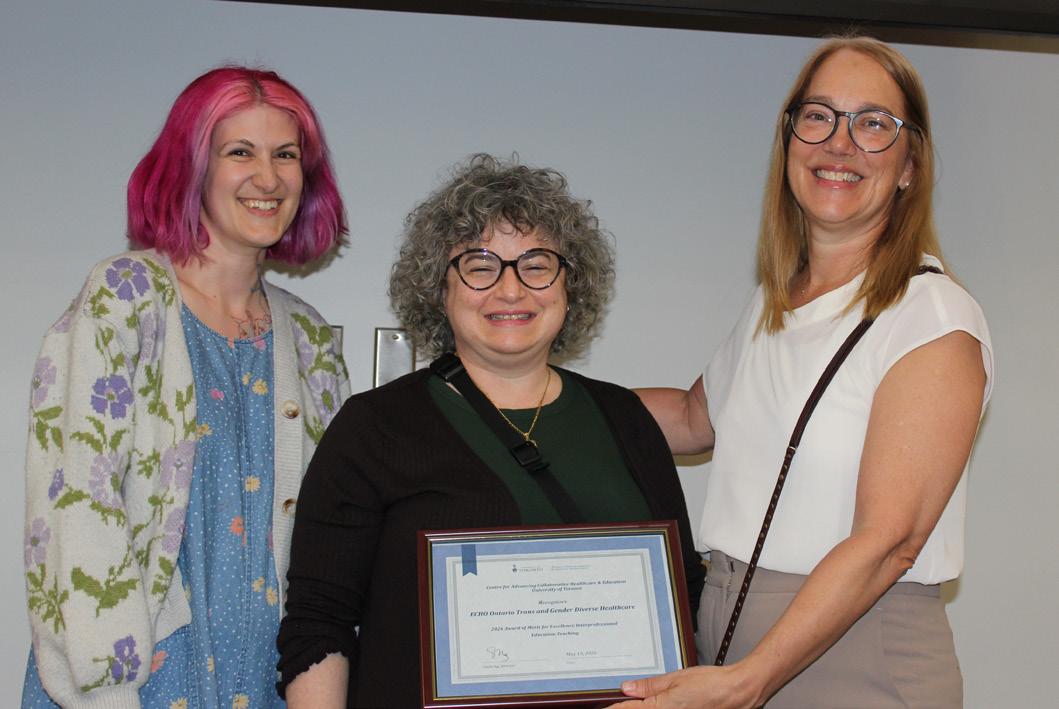
The Journal of Research in Interprofessional Practice and Education (JRIPE) is proud to announce its upcoming re-launch—marking an exciting new chapter for a journal dedicated to advancing collaboration, innovation, and scholarship across professions.
With renewed energy and a refreshed vision, JRIPE returns with a newly appointed Editorial Team committed to advancing the quality, reach, and impact of research in interprofessional education and collaborative practice (IPECP). This dynamic team brings together diverse expertise, fresh perspectives, and a shared passion for fostering meaningful collaboration across disciplines.
The re-launched JRIPE will continue to serve as a vital platform for researchers, educators, practitioners, scholars, and policy leaders to share cutting-edge insights, explore emerging challenges, and advance interprofessional practice worldwide.
What to Expect:
• A revitalized editorial direction and peer review process
• Engaging, high-impact research and thought leadership
• Expanded opportunities for collaboration and knowledge exchange
• A dedicated focus on innovation in interprofessional education and practice
Stay Tuned.
More details—including submission opportunities, editorial highlights, and launch dates—will be announced soon.
Join us as we reimagine the future of interprofessional scholarship.
JRIPE is back—strong, sharp, and ready to lead!
September 2026 - June 2027 | Virtual Program
Applications Due: June 25, 2026
The purpose of the CCL Program is to develop a powerful community of leaders who transform health systems and create a more just and sustainable world for all.
This advanced leadership program is aimed at senior and high potential leaders in health care and health education. Grounded in leadership, change theories, processes and practices, this Certificate Program is designed to integrate unique learning approaches to real-time challenges.
Program Dates:
• September 17-18, 2026
• November 12 -13, 2026
• January 21-22, 2027
• April 8-9, 2027
• June 17-18, 2027
Program Outcomes
By the end of the program, participants will:
• Model and exemplify collaborative change leadership in all facets of their professional work.
• Use appreciative inquiry principles to engage people and systems in co-creating meaningful and sustainable change.
• Design and implement an emergent change strategy for an organization, system, community, or intersectorial capstone initiative.
• Personally and professional transform through deepened self-awareness.
• Define their unique contribution as a member of a powerful community of collaborative change leaders.
Register now by visiting the website !
For more information you can contact Sabrina.Bartlett@uhn.ca .
Starts October 20, 2026 Online Certificate Program
cpd.utoronto.ca/cpd-foundations
Save $205 with early bird registration until August 24.
Learn how to design, develop, and implement impactful Continuing Professional Development (CPD) for health professionals. Explore the building blocks of developing effective educational programming throughout the planning lifecycle: from planning models and program design to evaluation and accreditation.
Learn more: cpd.utoronto.ca/cpd-foundations
Starts October 22, 2026 Online Certificate Program
cpd.utoronto.ca/leadingchange
Save $585 with early bird registration until September 18.
Advocate for change, promote excellence, and nurture innovation in CPD that meets the learning needs of health professionals today and tomorrow. Expand your capacity to lead effective educational programming with expert insights.
Learn more: cpd.utoronto.ca/cpd-foundations
Demonstrate your expertise with the Certified Professional in CPD (Healthcare) credential from the Coalition for Physician Learning and Practice Improvement when you successfully complete both programs.
Have a question about these programs?
Please connect with the team at CPD, Temerty Faculty of Medicine, University of Toronto: cpd.programs@utoronto.ca
Continuing Professional Development, Temerty Faculty of Medicine, University of Toronto
Educating Health Professionals in Interprofessional Care: Advancing the Future of Healthcare through Interprofessional Learning
November 2-4, 2026 | 700 University Ave., Toronto, ON, Canada
Early Bird Application Deadline: July 30, 2026 Save $100 per person!
Applications Due: September 30, 2026
EHPIC™ is aimed at leaders/educators/professionals in health and/or health education interested in interprofessional education and interprofessional collaborative practice. This program is of tremendous value to those individuals/teams leading or working in all sectors including; primary care, community care, long-term care, rehabilitation and acute care contexts. The paradigms and practices for facilitating IPE and ICP will be explored using global interprofessional competency frameworks including the refreshed 2024 Canadian Interprofessional Health Collaborative (CIHC) Competency Framework.
Participants are encouraged to apply as a team of two or more to deepen the learning and application. Participants are selected through a call for application process whereby they submit a 250 word description/ outline of an interprofessional initiative/project/activity that they hope to undertake.
Program Goals & Objectives
This program aims to develop leaders in Interprofessional Education (IPE) and Interprofessional Care/ Practice (IPC/IPP) who have the knowledge, skills and attitudes to facilitate learners and colleagues in the art and science of working collaboratively and partnering for care.
By the end of this program, participants will be able to achieve the following objectives:
• Understand the rationale for advancing interprofessional education (IPE) and interprofessional collaborative practice (ICP), including the Canadian Interprofessional Health Collaborative (CIHC) Competency Framework;
• Apply the CIHC competencies for IPE/ICP into learning activities for both students and/or clinicians;
• Develop strategies to enable increased faculty/staff capacity and interest in IPE/ICP;
• Outline a specific organizational interprofessional project/initiative/activity.
For more information, please visit the program website , or contact Conference Services at conferences@uhn.ca .
Abstract submission deadline: June 19, 2026
The CQuIPS Symposium brings together a diverse community of clinicians, researchers, patients, and system leaders, creating a unique opportunity to share your work, learn from others, and engage with a community committed to advancing quality improvement and patient safety.
This year, we are accepting:
• Oral presentations
• In-person poster presentations (to be displayed at the Symposium)
• Virtual poster presentations (hosted on the CQuIPS+ platform)
Authors will also have the opportunity to be considered for a Patient Partner Scholarship, which supports participation of individuals with lived experience.
Full details, including submission criteria and guidelines, are available on our website: https://cquips.ca/symposium/

April 1- 4, 2027
Palais des Congrès de Montréal, Montréal, Québec, Canada
Abstract Submission Deadline: September 20, 2026, at 11:59 PM ET
Be part of the conversation shaping the future of healthcare and medical education. ICAM welcomes submissions to two dedicated abstract streams — Medical Education (MedEd) and Health Research — offering opportunities to showcase your work, share ideas, and contribute to meaningful change.
The Meded Abstract Submission Portal Is Now Open ! ICAM provides a global platform to share your medical education-related research, innovations, and ideas with more than 1,900 delegates from over 37 countries. Whether presenting new scholarship, educational innovations, or emerging medical education related research, ICAM offers an opportunity to engage with a diverse community of educators, researchers, clinicians, and learners, exchange knowledge, contribute to important conversations, and help shape the future of healthcare and health professions education.
Additional Resources
• View ICAM 2027 Submission Guidelines
• Explore ICAM 2027 Abstract Tracks
For more information, please visit the website .
Collaborative Virtues: Building Resilient Teams Through Shared Values
June 14-18, 2027 | European University Cyprus, Nicosia, Cyprus
Abstract submission deadline: October 19, 2026
We invite educators, practitioners, researchers, policy makers and service users to submit abstracts for All Together Better Health XII. Join a global conversation on interprofessional education, collaborative practice and health workforce development, and share work that helps shape more resilient, values-driven teams.
How to prepare and submit your abstract:
• Submit your proposal online via the dedicated portal
• Submissions and presentations must be in English.
• Please take care to select the appropriate presentation type and sub-theme.
• Authors can edit their proposals until the submission deadline via the Oxford Abstracts system. No further changes will be accepted after this date.
• Any changes to the presenter(s) or any other contact details must be updated on the Oxford Abstracts system and communicated directly to the INHWE staff.
• We strongly encourage submissions from low- and middle-income countries, early-career researchers, students, and community partners.
• Deadline for submissions: 19th October 2026.
For more information, please visit the website .
Each year, patient partners join us in governance, curriculum design, facilitation, teaching, and research, shaping the interprofessional education of more than 4,000 learners. Their lived experience brings depth and humanity to learning, and students consistently describe these interactions as some of the most transformative moments in their training.
We are committed to building meaningful partnerships through remuneration, shared leadership, and collaborative processes grounded in trust and respect.
Every donation directly supports patient partner remuneration. Your gift helps ensure that patients, clients, families, and caregivers can participate fully in the work of preparing tomorrow’s healthcare workforce.
Your contribution is more than support, it’s a statement. It affirms that experiential knowledge matters. It helps grow a more inclusive partner community. And it strengthens a system where learning with, from, and about patient partners is core to high-quality care.
Thank you for investing in this collective future. https://ipe.utoronto.ca/giving
Each page of Together is built through the experiences, ideas, creativity, and partnerships of our community.
As you reflect on the stories in this issue, consider:
• What have you learned through collaboration?
• How has partnership shaped your work, education, research, or care?
• Where have you seen relationships create meaningful change?
• What story, insight, artwork, or experience might inspire others?
We’d love to share your voice in our next issue.
Following this Spring 2026 issue, Together will transition to Winter 2027 and Summer 2027 issues before returning to our regular Fall/Spring cycle in 2027–2028.