Embodied Spaces



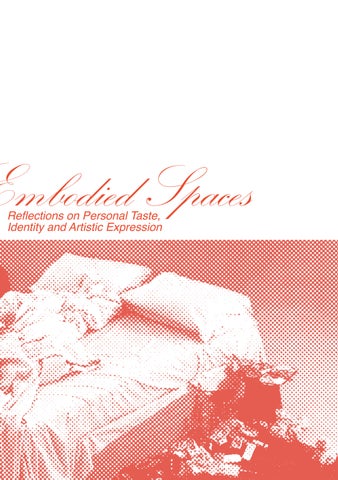


IIn the realm of artistic expression, the bedroom stands as an intimate stage where the boundaries of private life are clearly laid out, revealing the authentic manifestations of individuality and experience. From Tracey Emin’s provocative masterpiece, “My Bed” (1998), a visceral tableau of personal turmoil depicted within a physical space, to the vibrant hues pulsating from Portia Munson’s “Pink Bedroom” (1994), a celebration of femininity and empowerment, the bedroom has perennially captivated the creative mind.
Even in academia, the concept of taste has been the interest of philosophers such as Plato, Hume, and Kant.
judgments about an object’s aesthetic value. Embarking on the challenge of capturing the essence of Taste, I delved into the ways in which artists adorn their surroundings, extending their identities through décor and online personas.
Drawing inspiration from Adrienne Salinger’s evocative photo series, which peered into the lives of young adults
-
rooms, I hope to uncover where taste and identity converge through raw and honest photography.
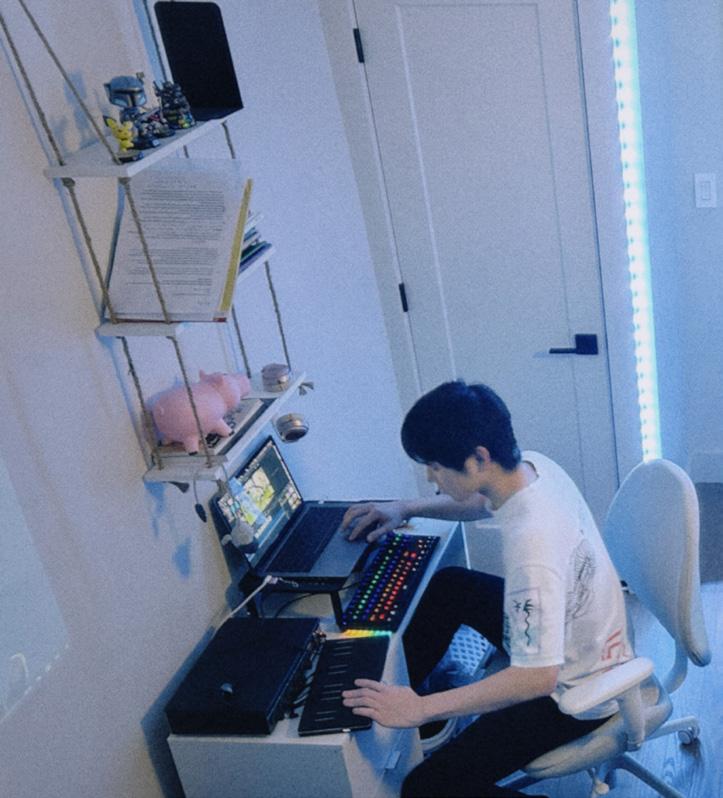
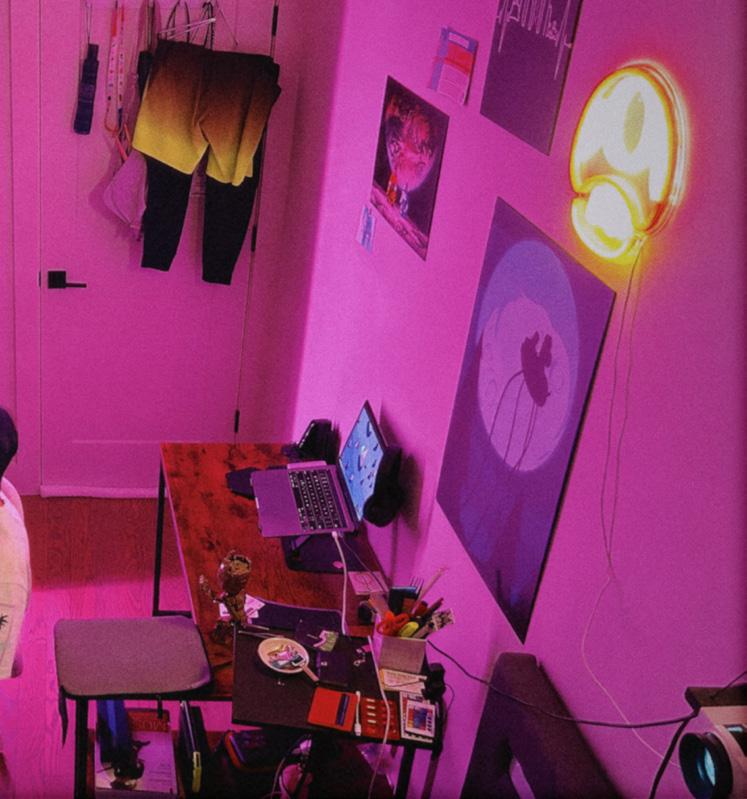
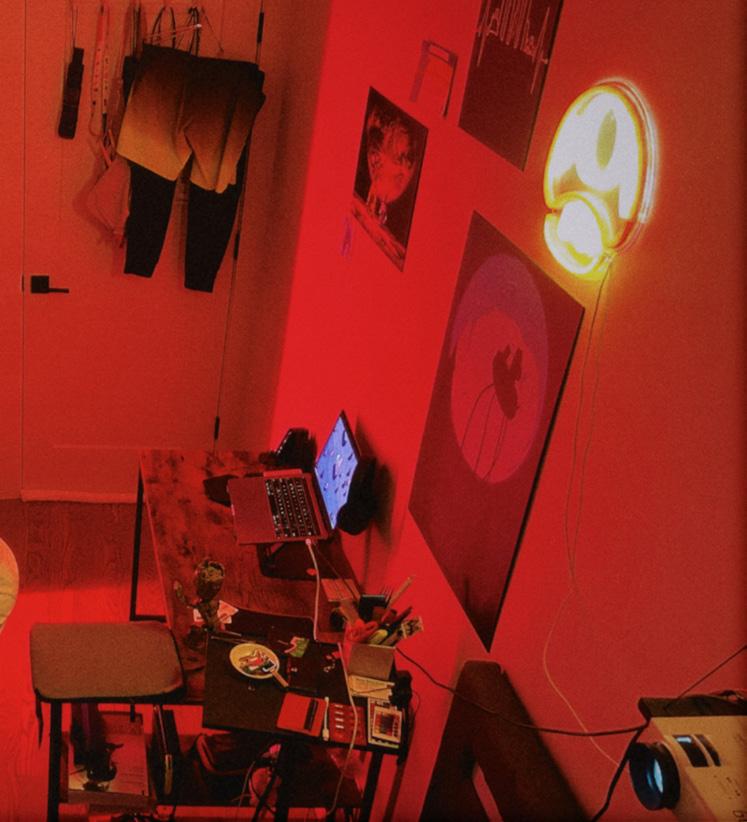
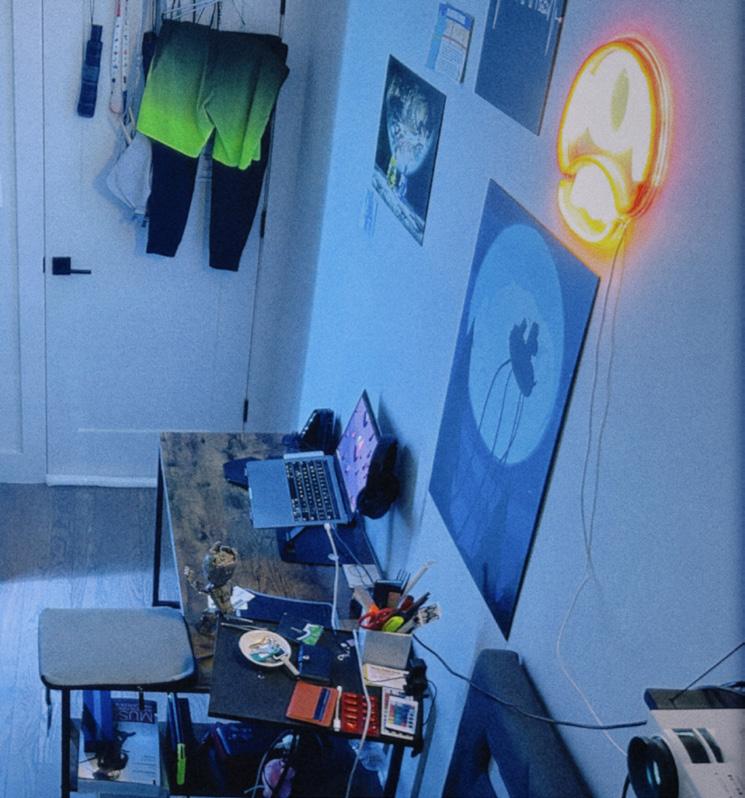
Guiding us through this captivating journey are the insights of four young artists and their bedroom in New York City, discussing how their personal taste is intertwined in their physical, digital space and artistic practice. Alongside this, we will also observe the words of Tom Vanderbilt, whose 2017 book “You May Also Like: Taste in an Age of Endless Choice” examines the intricate process behind the development of our perceived personal taste in the modern world. Asking questions such as how do we know what we like? How predictable is our taste?
Each photograph, object, and arrangement tells a story—a narrative woven into the rich tapestry of the human experience, beckoning us to unravel the enigma of taste and identity.Thank you for reading thus far, hope you enjoy xx

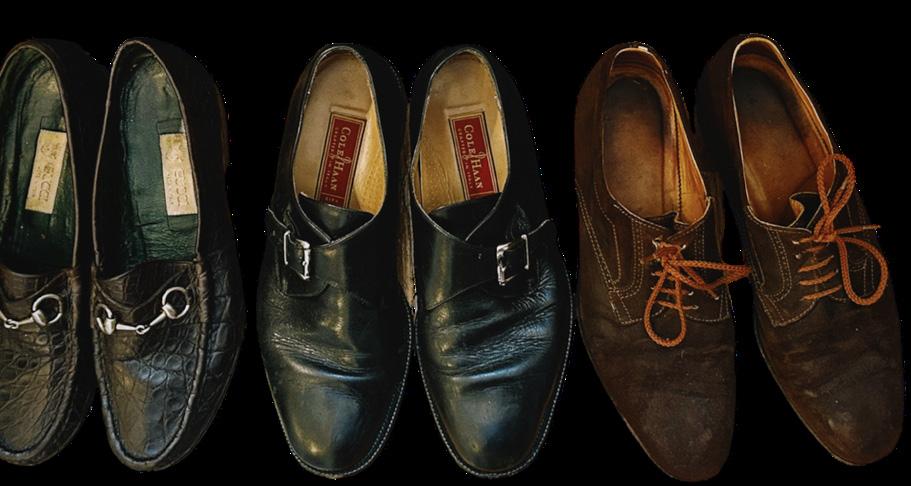


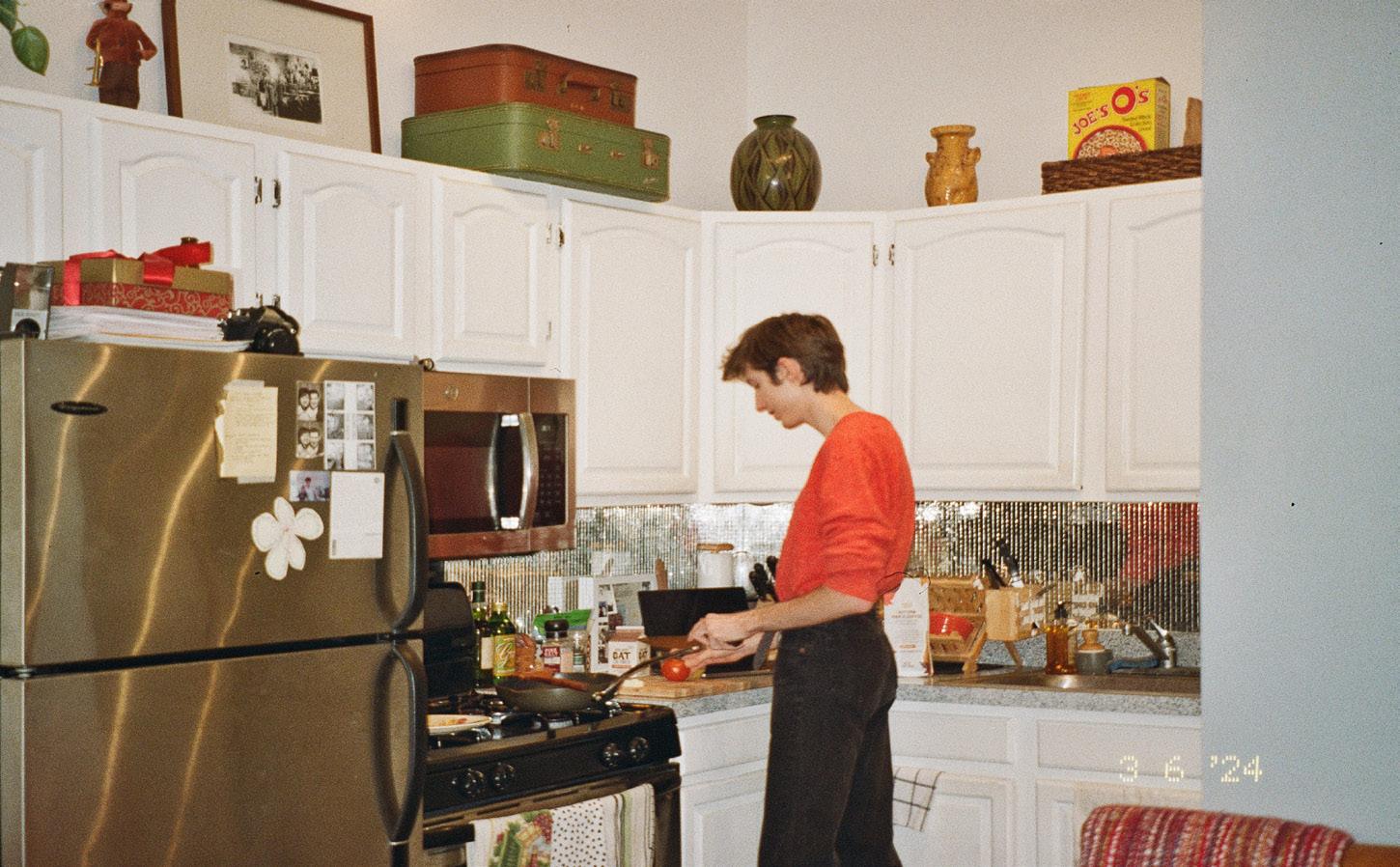
Edward Bauer’s conception of personal taste emerges as a multifaceted amalgamation, interwoven with the tapestry of
and conscientious ethos. Drawing from the reservoir of his observations, Bauer elucidates that his personal taste is not a static construct but a dynamic entity, evolving in tandem with his consciousness and environmental stimuli. He draws inspiration from the sartorial elegance of icons like Princess Diana and the ethical imperative of sustainability, manifesting a distinctive aesthetic characterized by eclecticism and
In contemplating the dichotomy between physical and digital spaces as
conduits for self-expression, Bauer reveals a nuanced relationship marked by ambivalence. Despite acknowledging the allure of digital platforms, Bauer’s allegiance physical realm. His Instagram serves as a he cherishes the unshared nuances of his precious. Grounded in the conviction that authenticity reigns supreme,
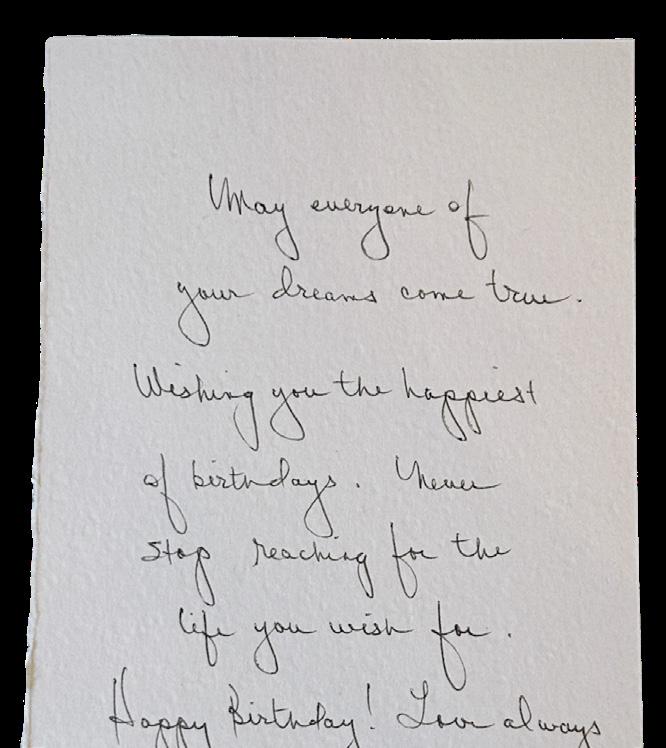
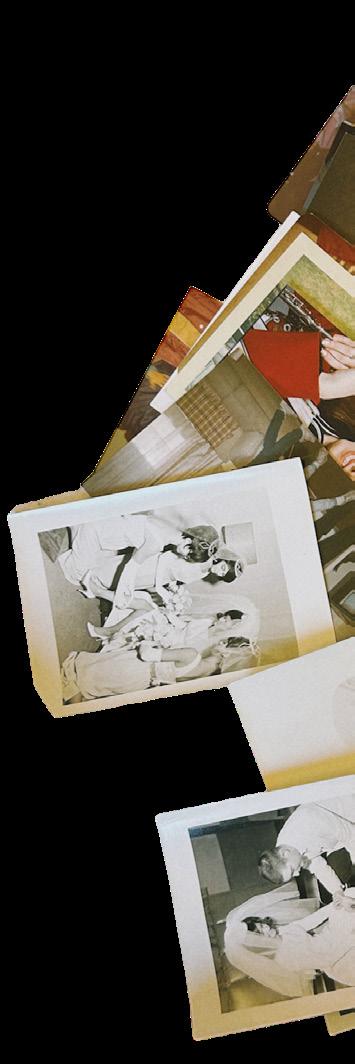
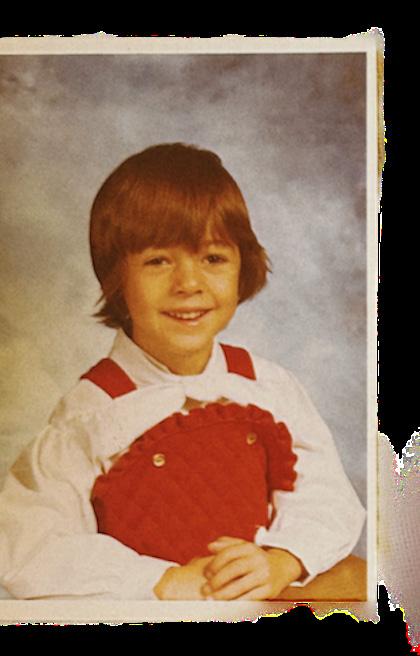
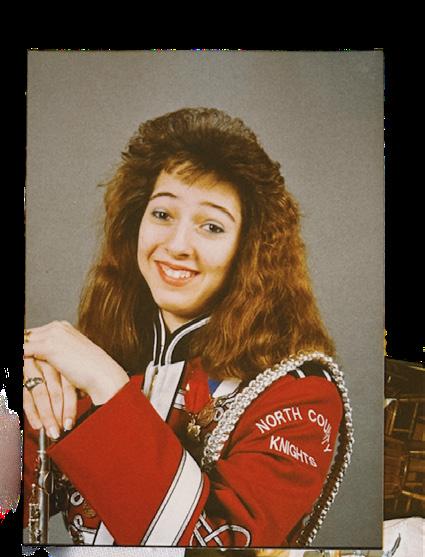
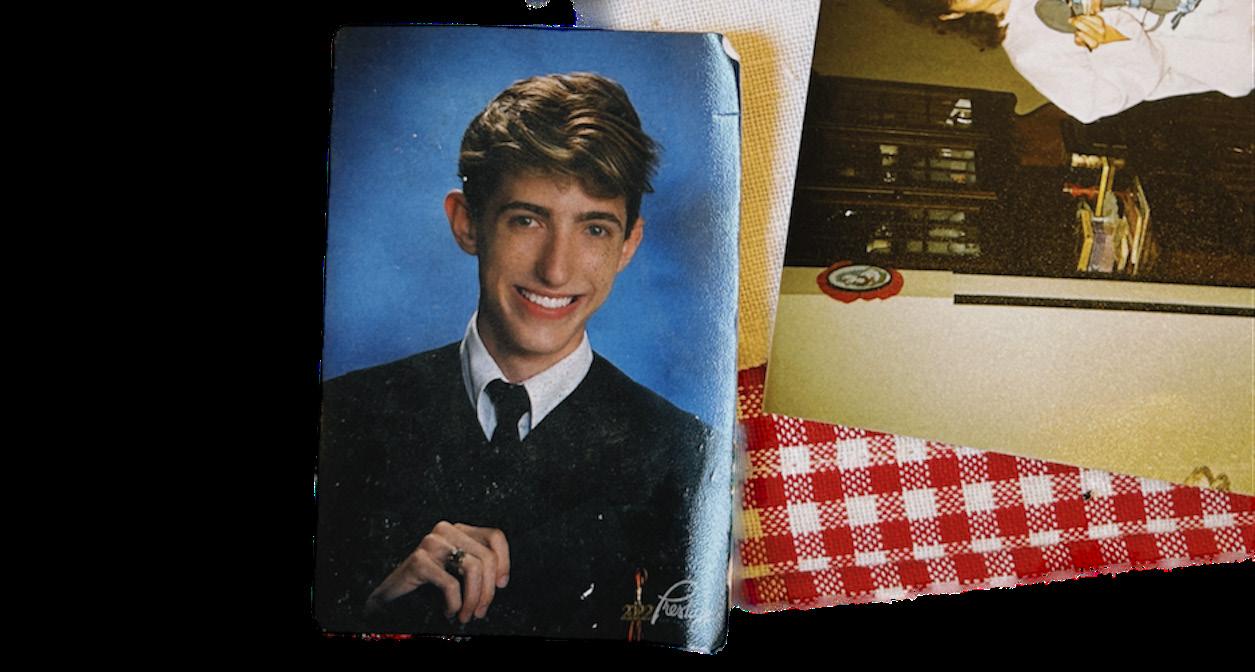
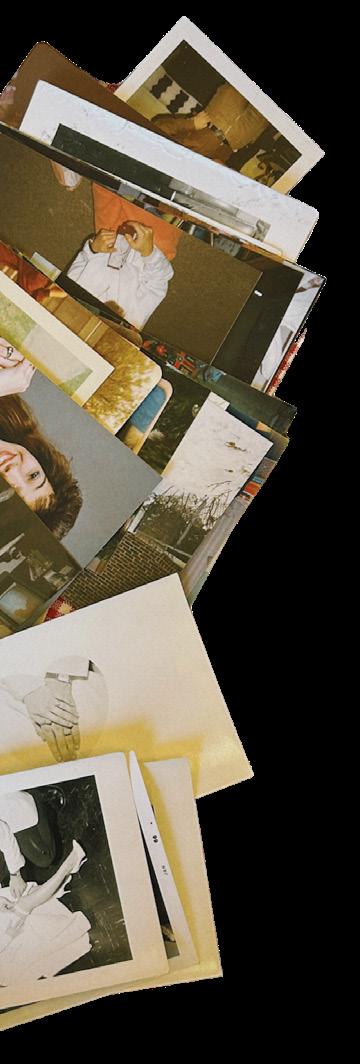
The nexus between cultural heritage and artistic sensibility emerges as a pivotal juncture in Bauer’s narrative, underscored by his transformative journey from Maryland to the pulsating metropolis of New York City to pursue his studies at the Parsons School of Design. This geographical transition catalyzed a seismic shift in Bauer’s artistic perspective, emboldening him to embrace the challenges inherent in the pursuit of
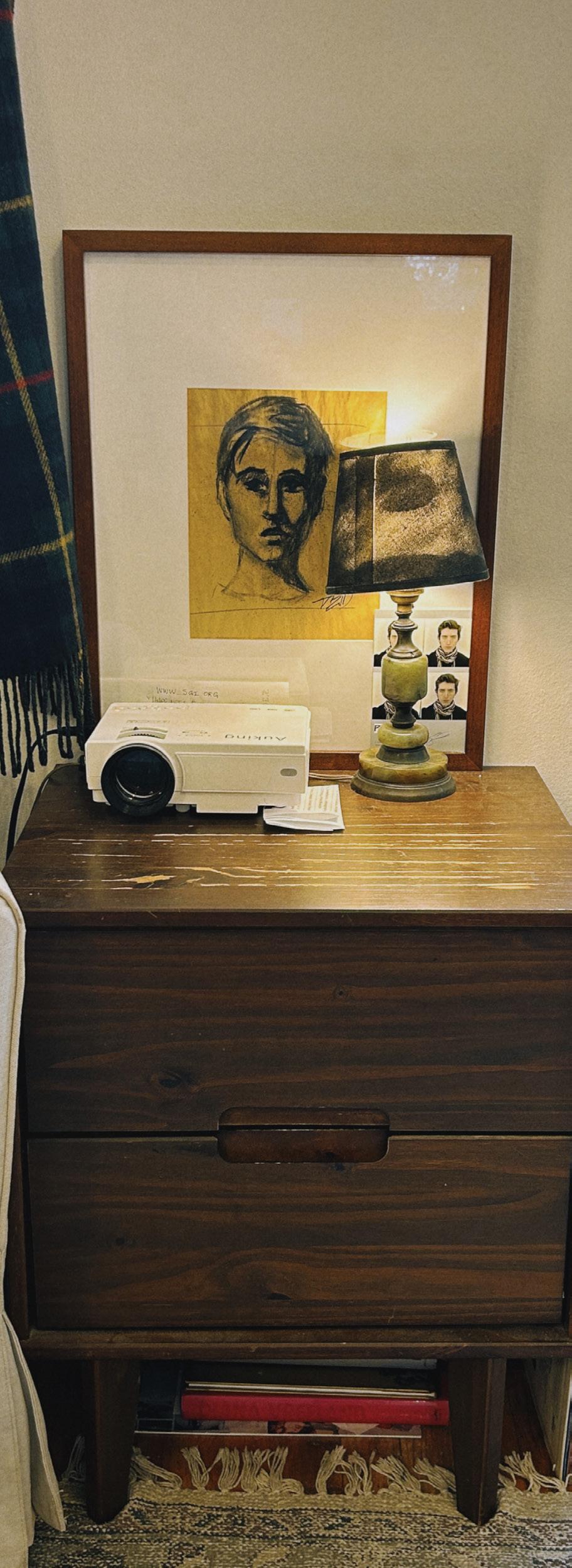

and in the ethos of authenticity and self-possession, Bauer feels that the wisdom he gleaned from his experiences are invaluable.
At a point in our conversation, Bauer recounts an encounter that crystallized his trajectory as both a photographer and a model. While assisting on a photo project in the bustling Meatpacking District, Bauer found himself unexpectedly thrust into the spotlight by a passerby’s poignant observation. This passerby was entralled with his unique vision of capturing the behind the scenes of the shoot, recognizing his creative vision and aspirations. This serendipitous encounter served as a

transformative power of unconventional perspectives and serendipitous encounters. Through a mosaic of familial traditions, societal observations, andic journey transcends conventional boundaries, weaving together disparate threads of inspiration into a cohesive and evocative tapestry.
At its core, Bauer’s artistic ethos is steeped in an unwavering commitment to authenticity. Drawing inspiration from a myriad of sources, from the elegant fashion sensibilities of icons like Princess Diana to the timeless narratives passed down through generations, Bauer infuses his work with a sense of narrative depth and emotional resonance. Through his art, he endeavors to capture not just moments in
time, but the essence of human experience itself, offering viewers a window into his soul and inviting them to embark on a journey of shared introspection.
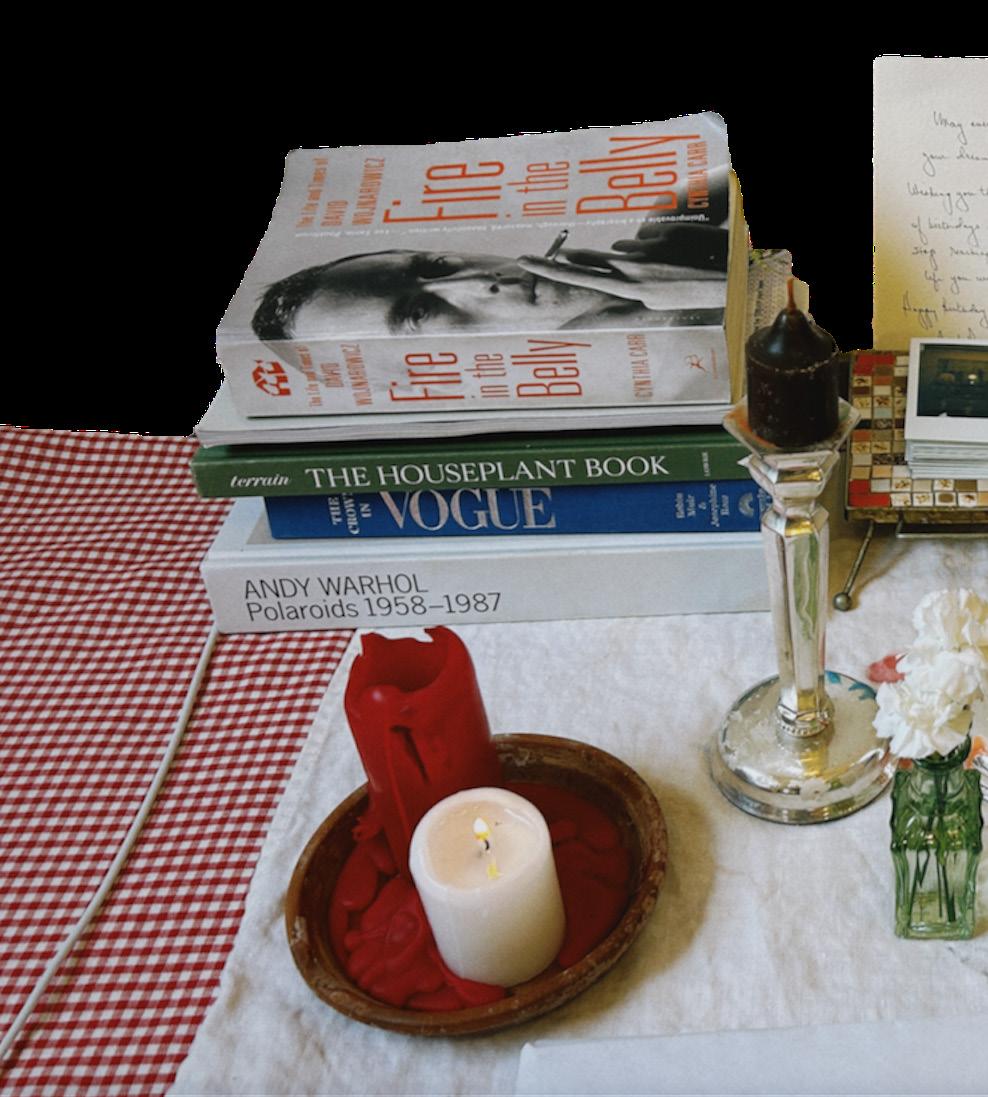
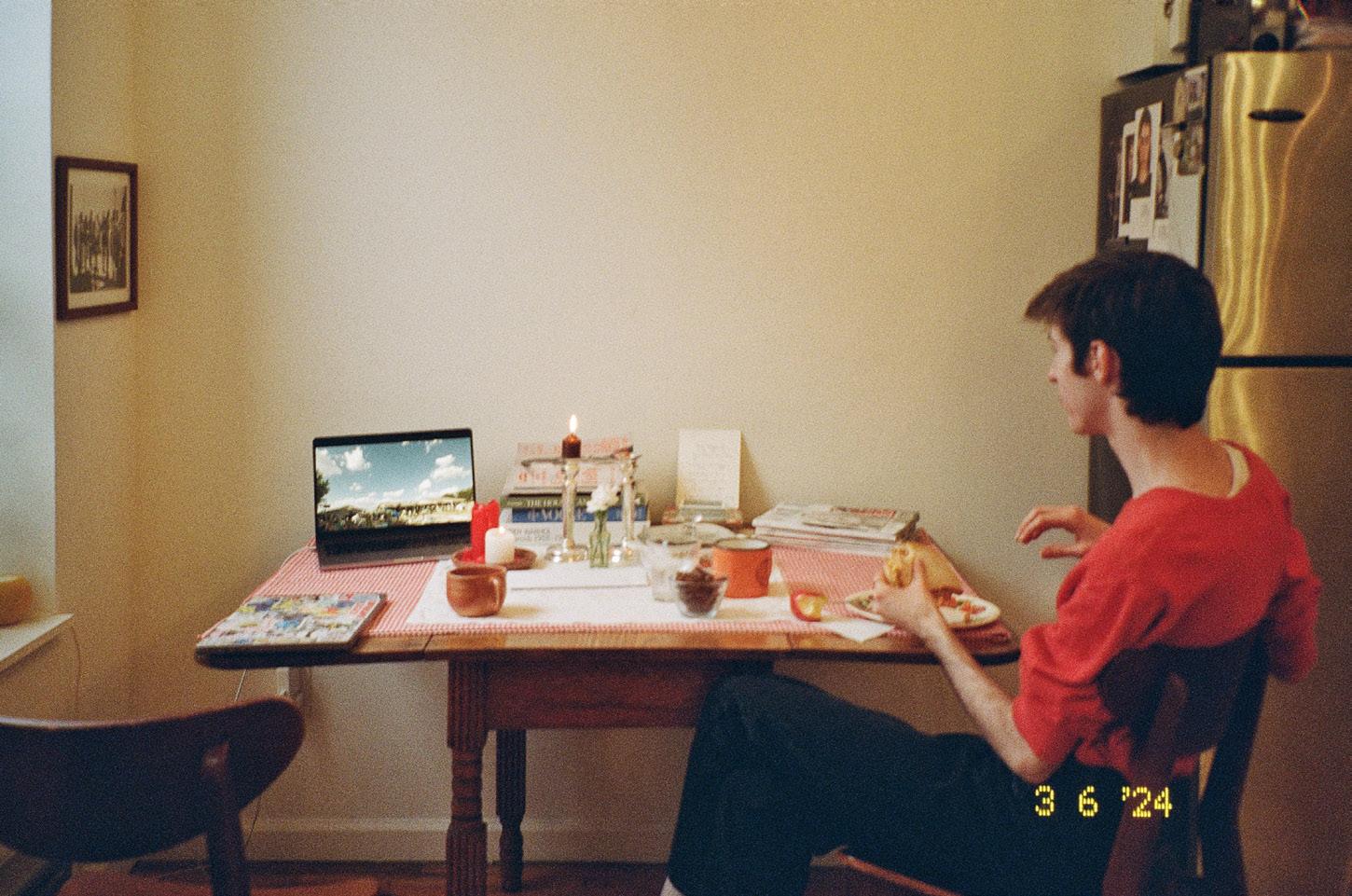
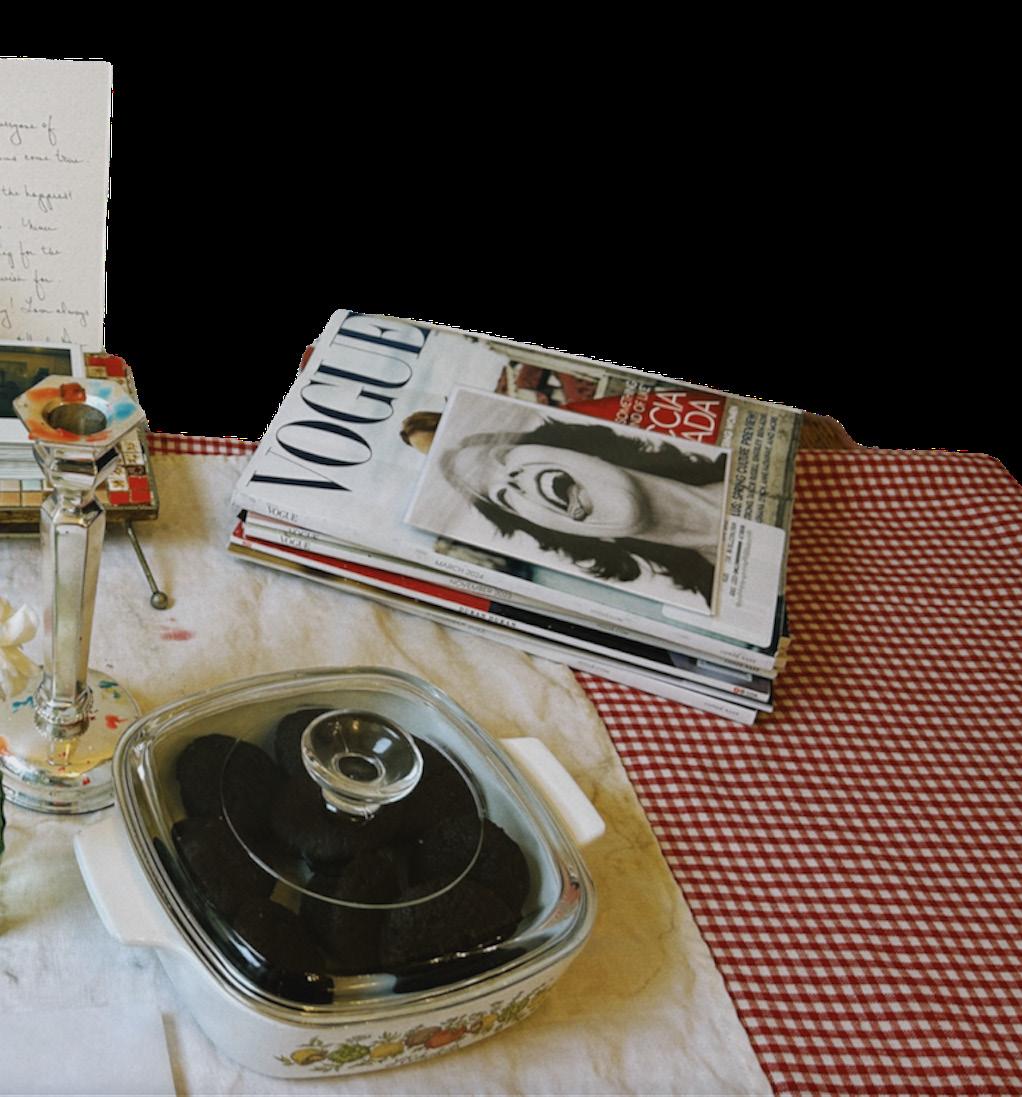
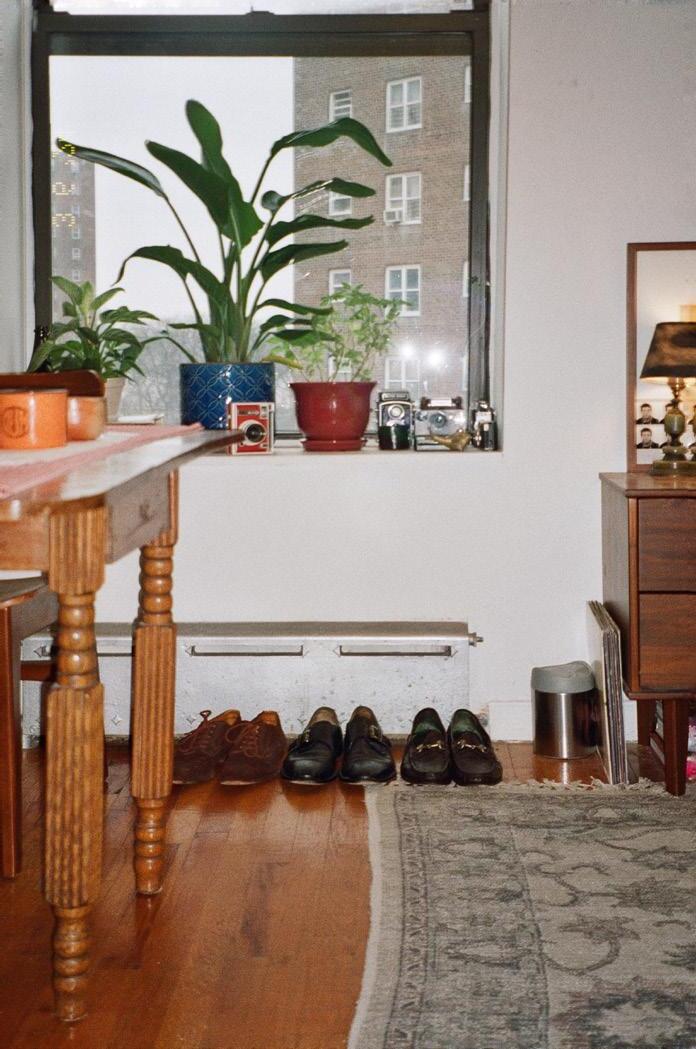
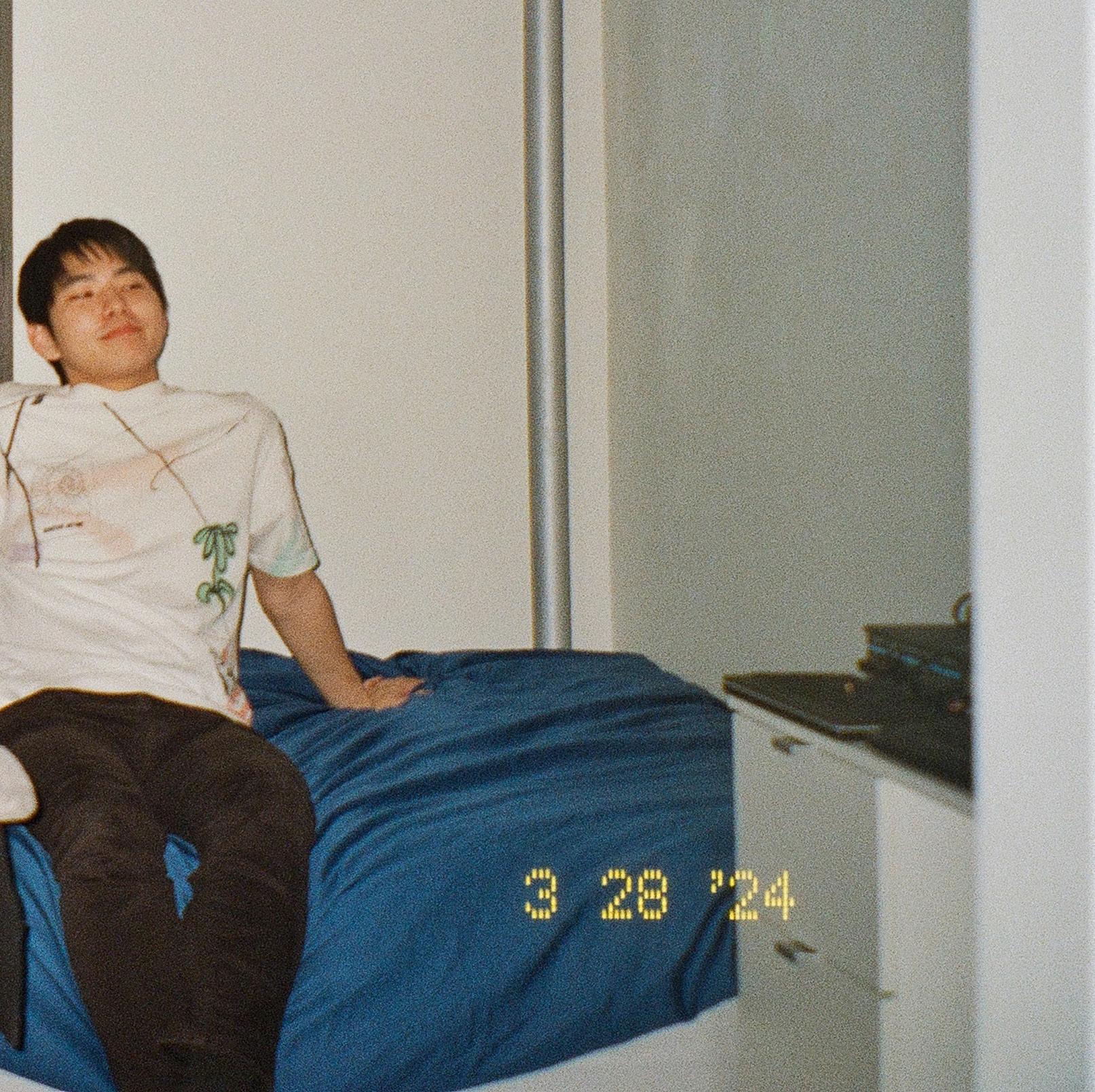
His studio is a sanctuary of inspiration, adorned with cherished mementos, photographs, and botanical companions that infuse the space with a palpable sense of warmth and vitality. It is within this sacred space that Bauer’s ideas gestate and evolve, guided by the intuitive impulses of his personal sensibilities and the boundless possibilities of artistic expression.
For Bauer, art is more than just a means of self-expression; it is a catalyst for
connection and dialogue. Through his work, he seeks to bridge divides, challenge preconceptions, and spark conversations that transcend cultural and linguistic barriers. By embracing the complexities of the human experience with compassion, curiosity, and unyielding creativity, Bauer invites viewers to join him on a journey of discovery, one that celebrates the beauty of diversity and the transformative power of art.
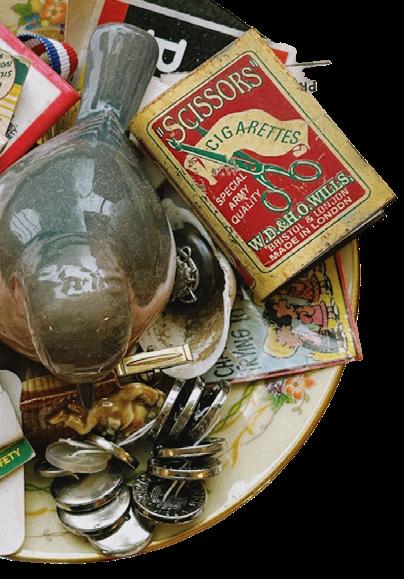
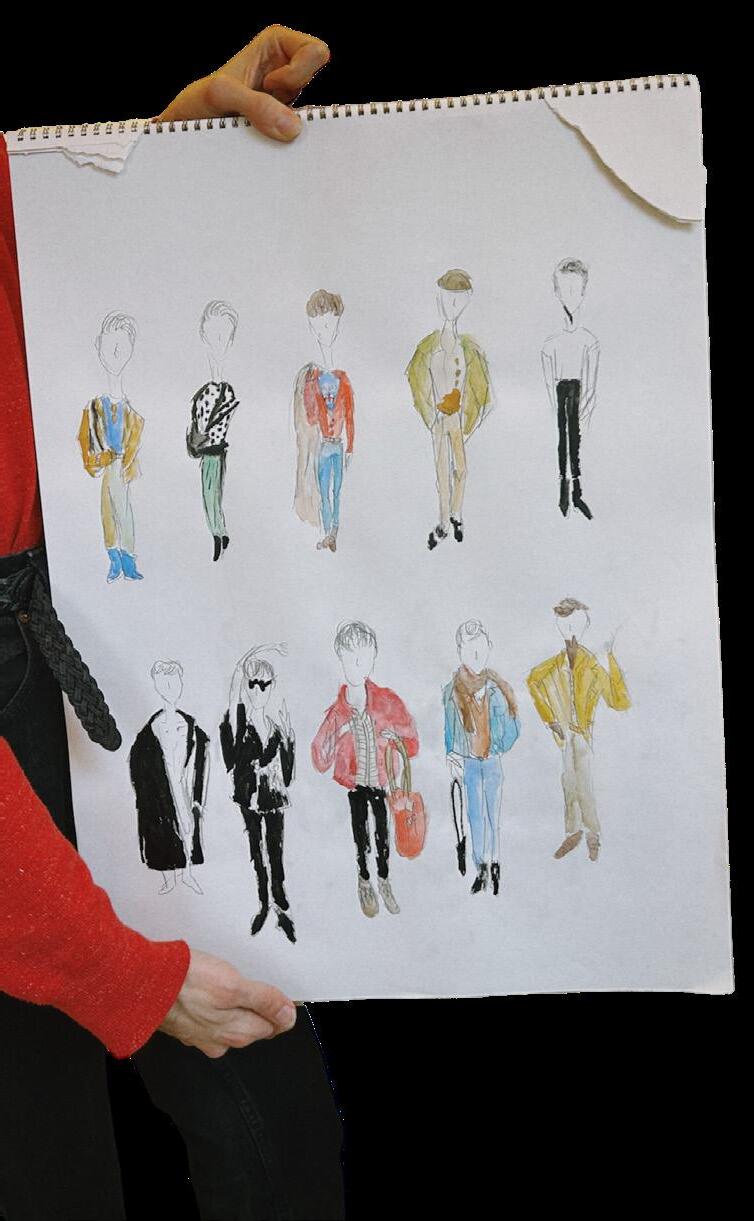
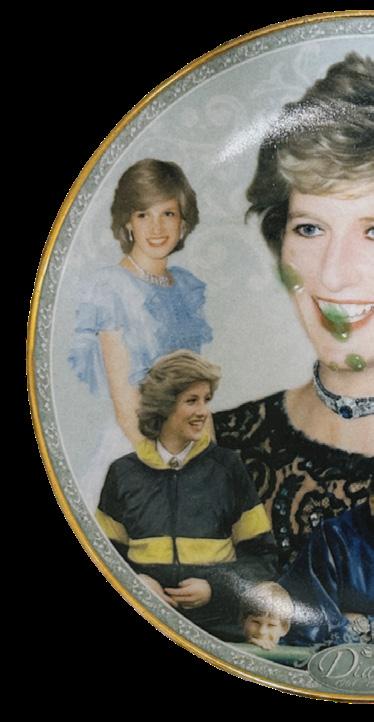
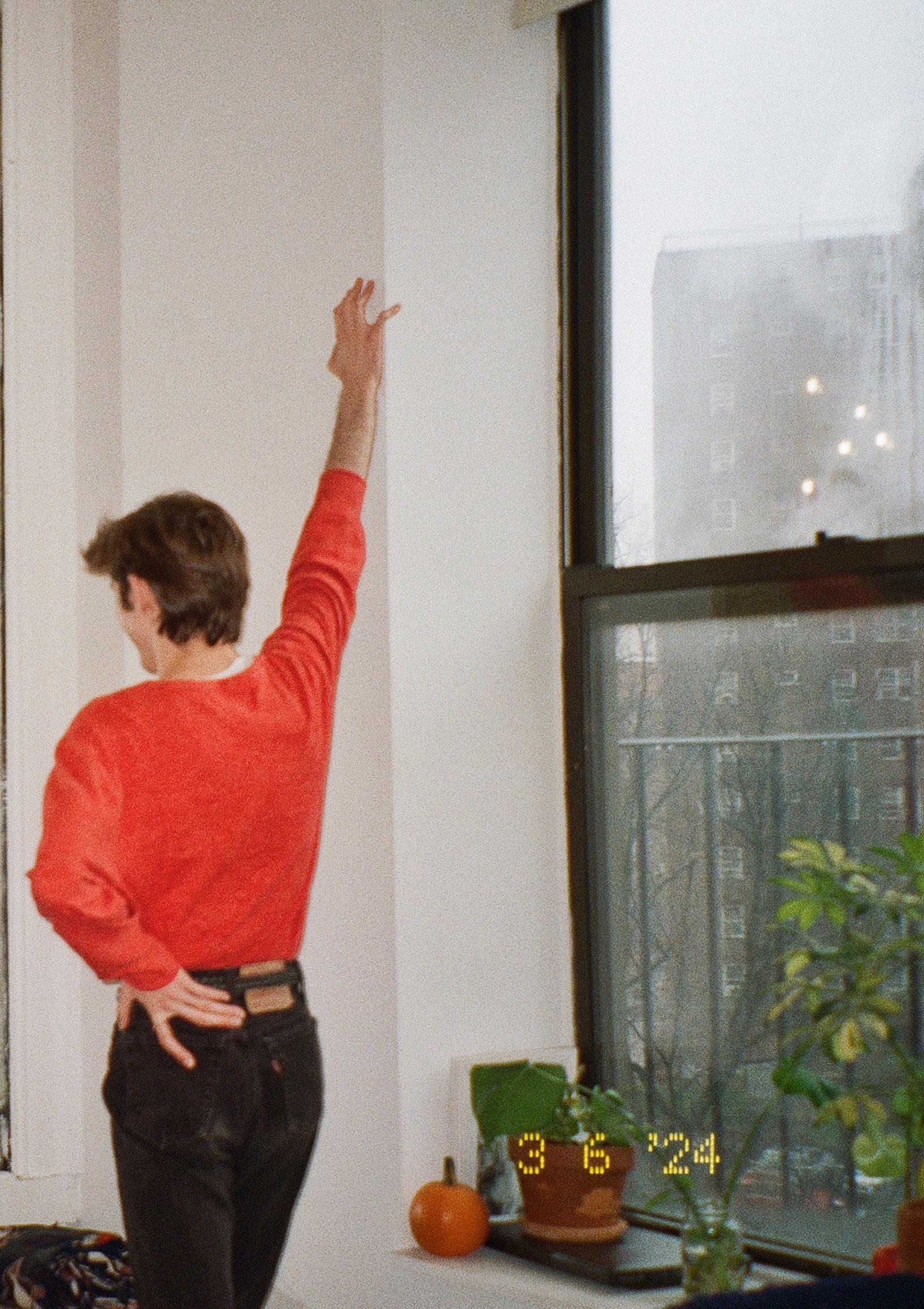
A Princess Diana his bathroom A collection of pencil and watercolor illustrations: a visual plan for an upcoming shoot. Window sill of Bauer’s apartment.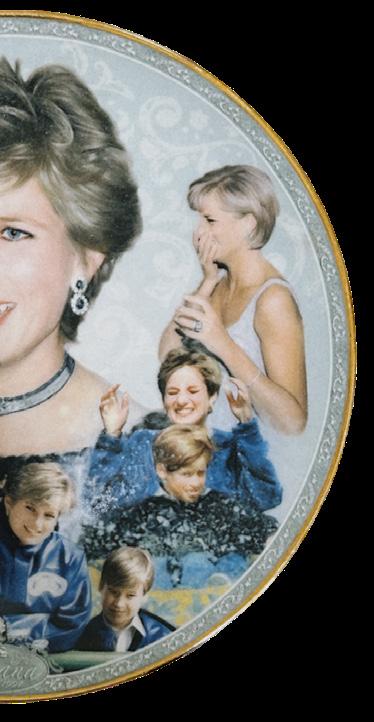
A narrative woven with threads of authenticity, resilience, and unyielding passion. Through his introspective musings and transformative experiences, Bauer invites us to embark on a voyage of self-discovery, wherein the contours of personal taste intersect with the boundless expanse of artistic possibility.
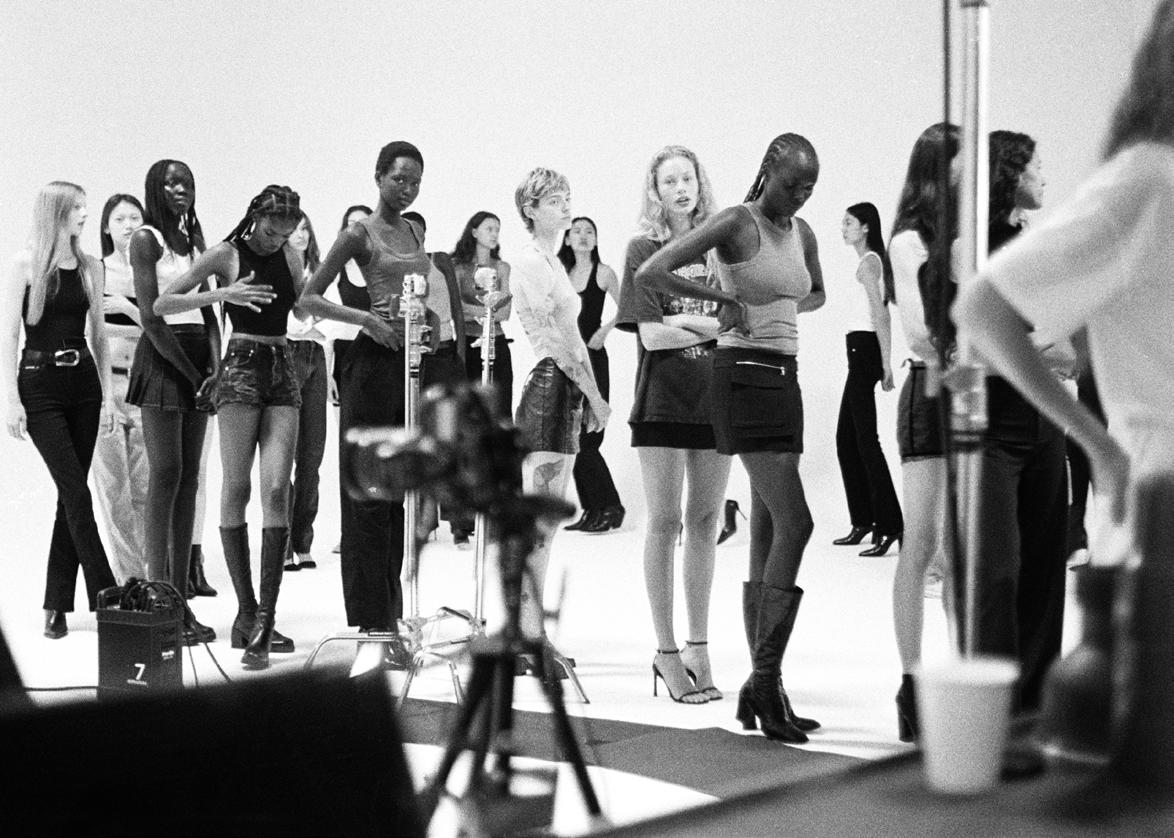

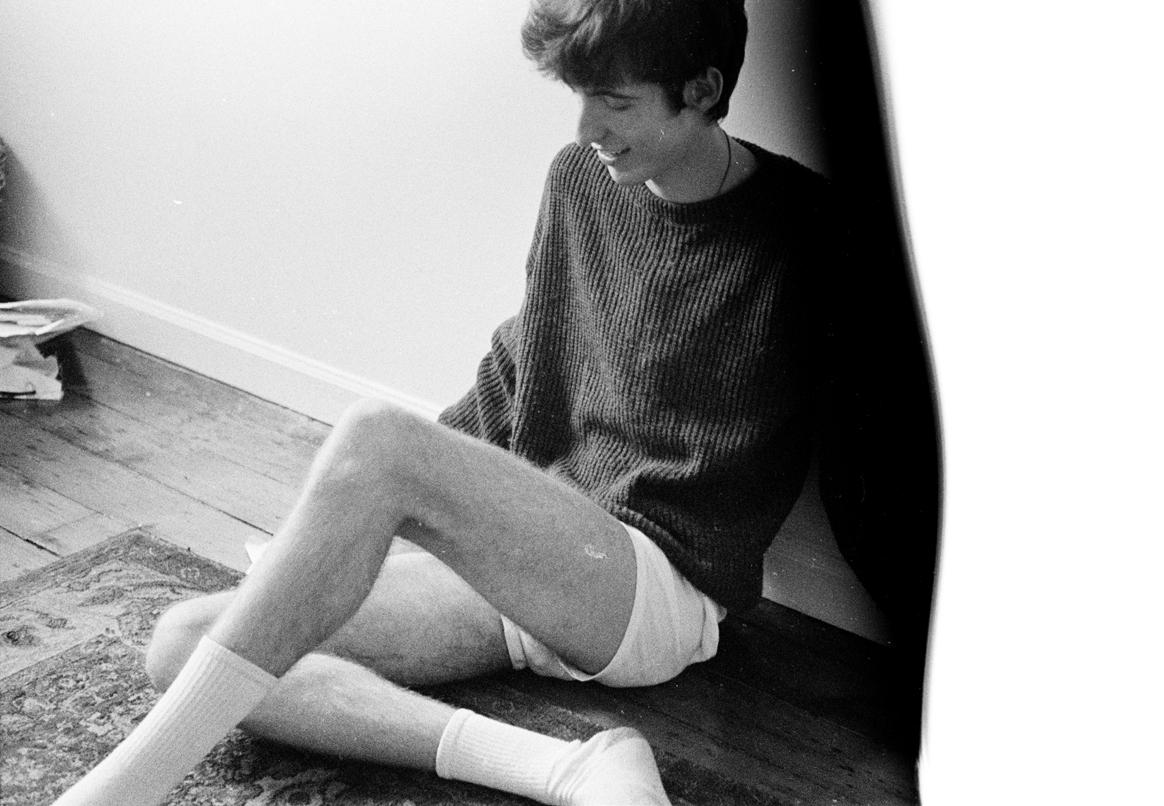 plate sat on top of bathroom counter.
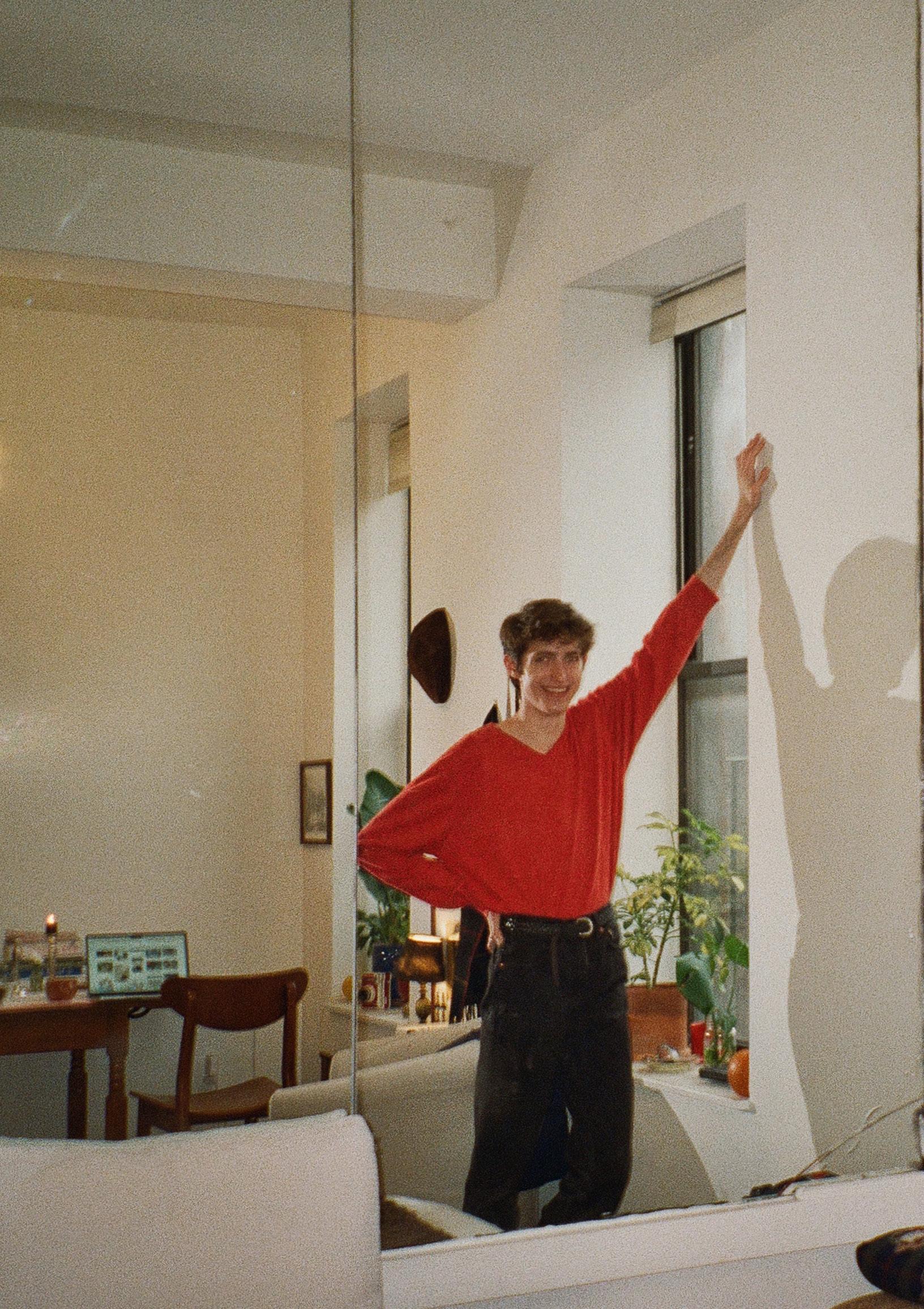
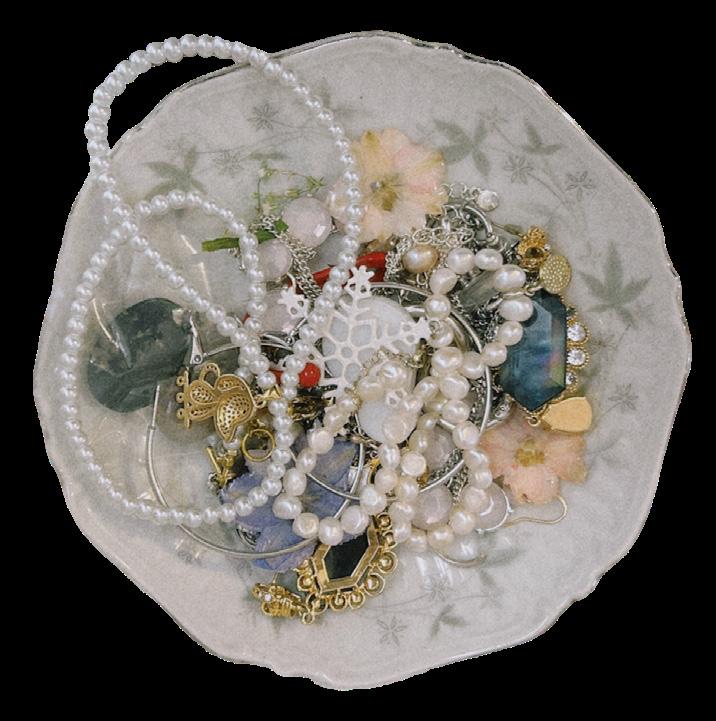

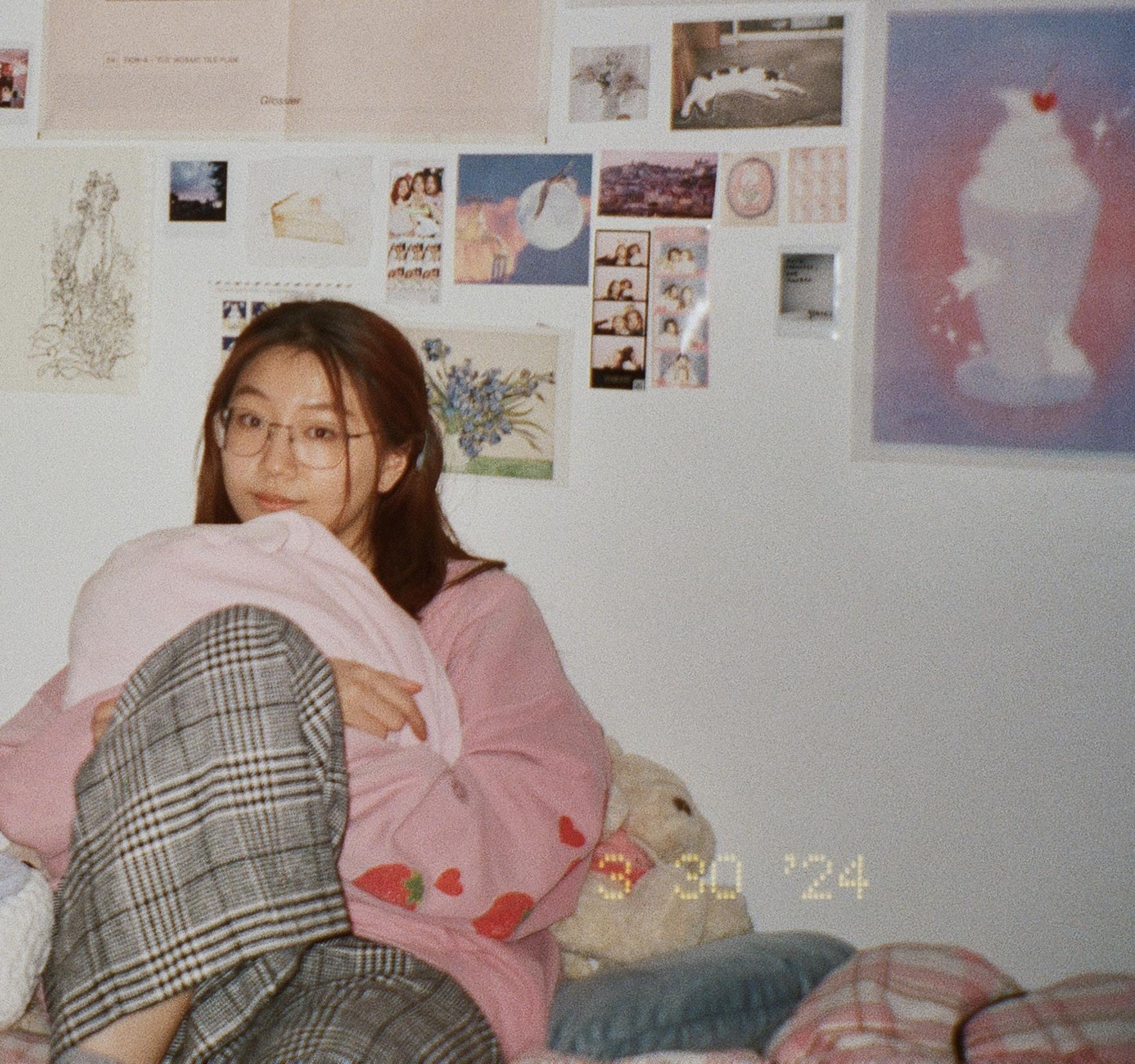

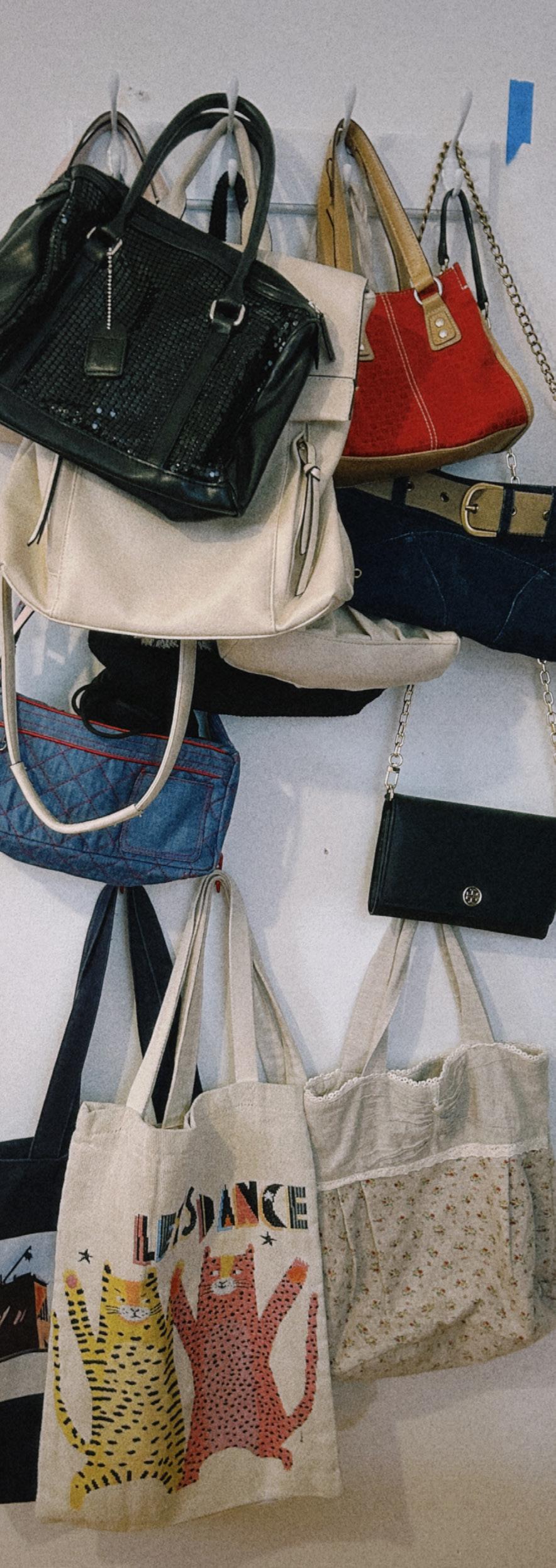
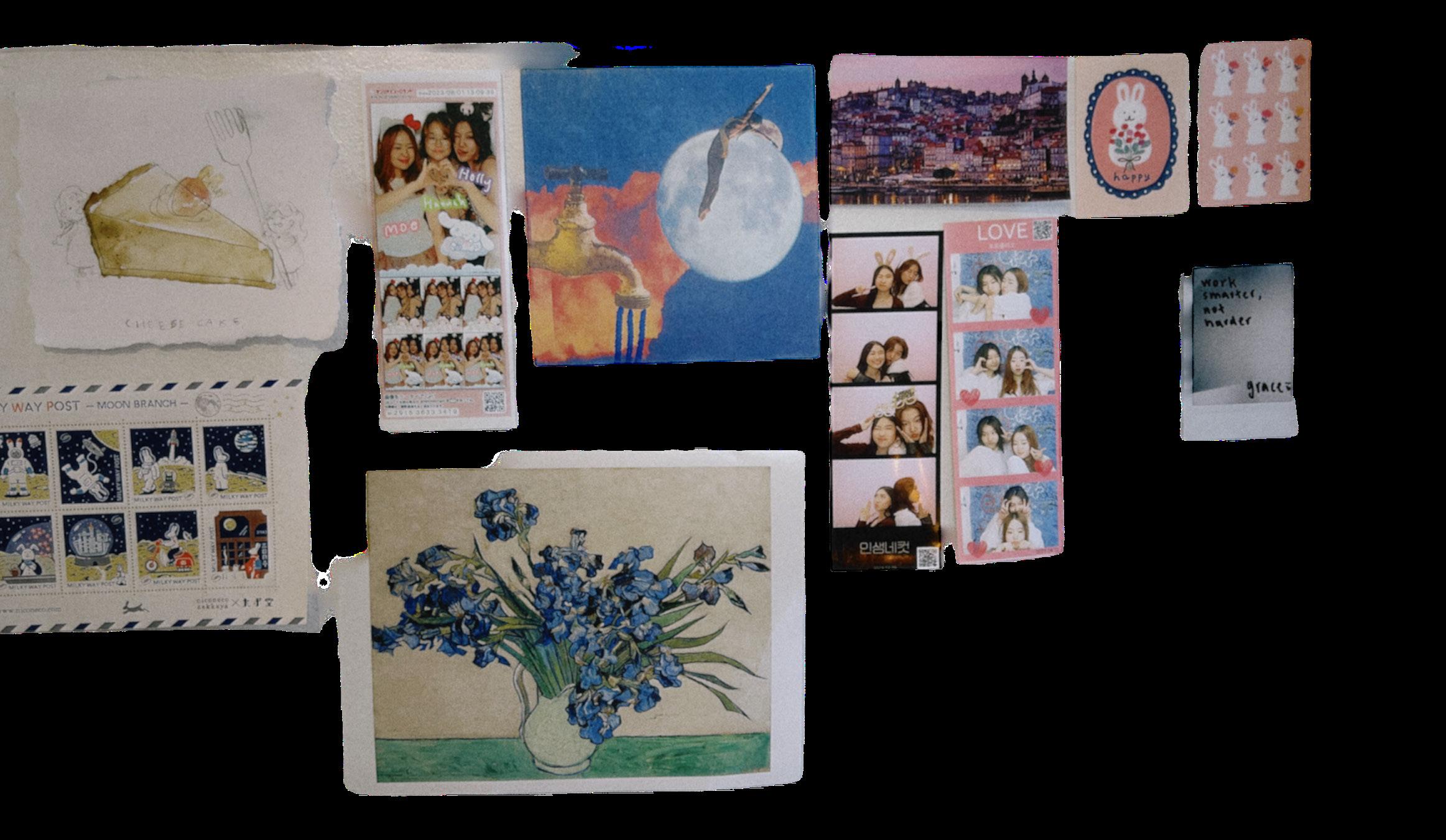
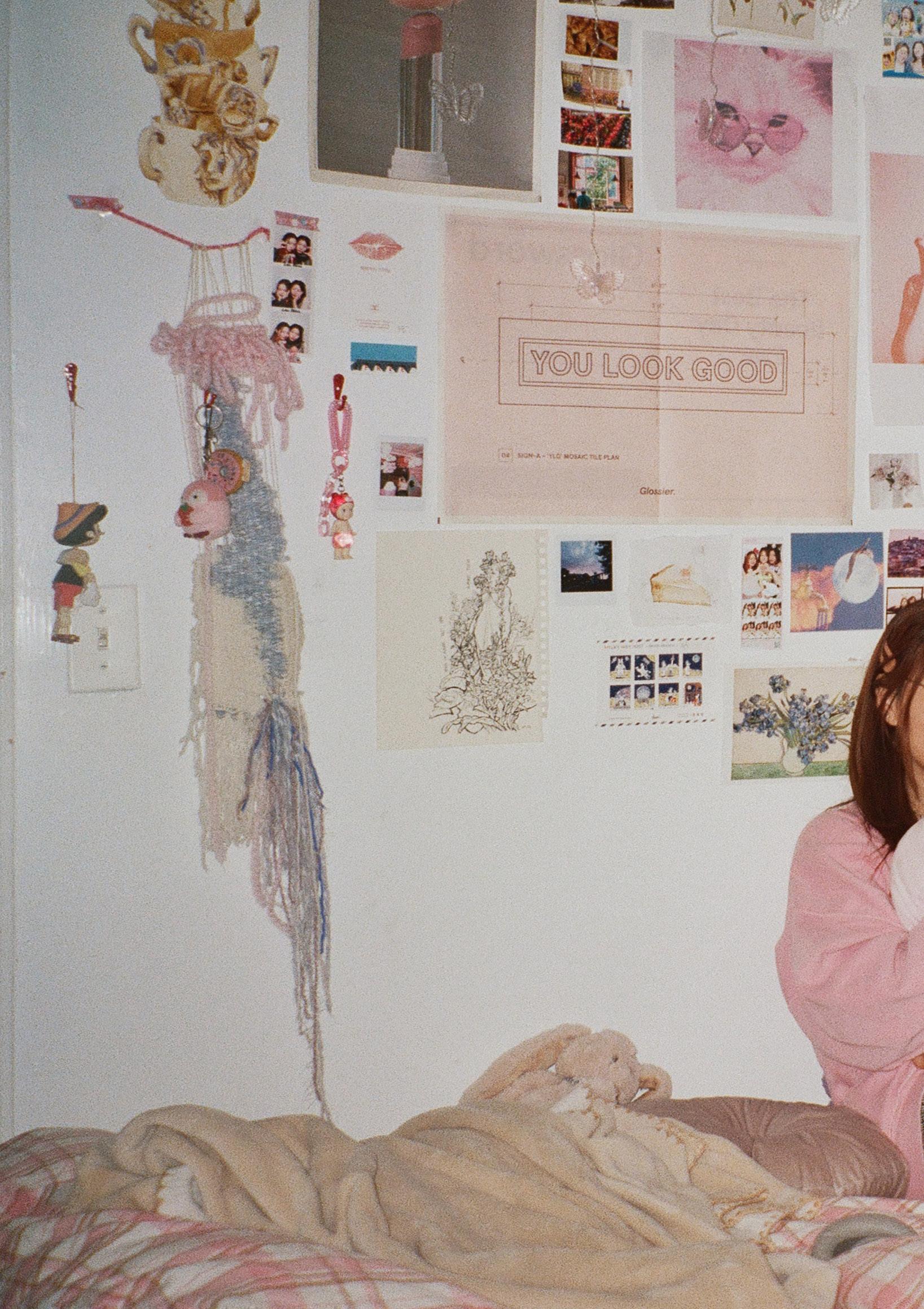
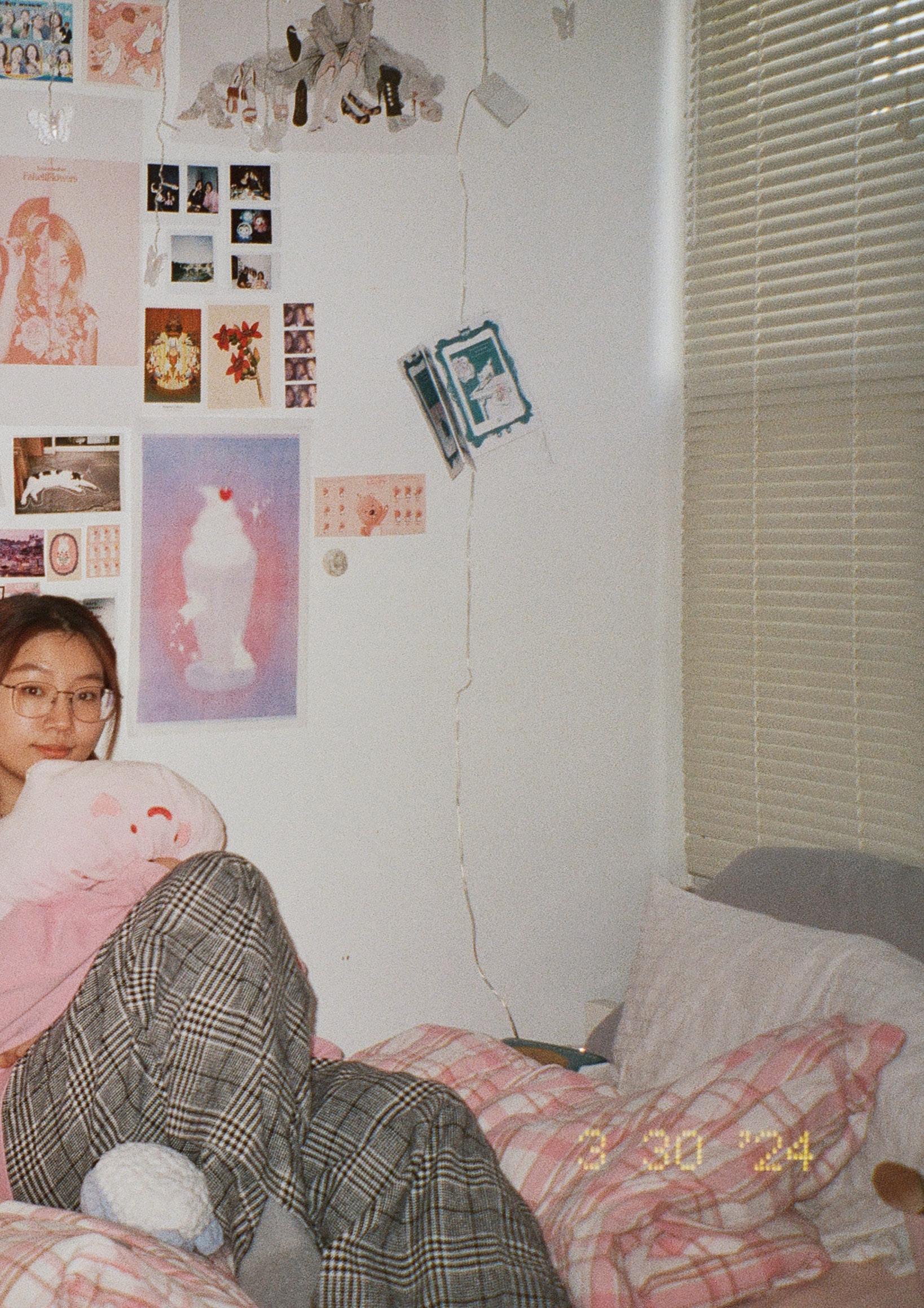
In a candid exploration of personal taste and artistic expression, Holly Yang offers a vivid glimpse into the kaleido-and an eclectic array of trinkets, Yang’s personal taste emerges as a celebration of joy, color, and authenticity. From her penchant for collecting mementos
the physicality of memories captured through Polaroid snapshots, Yang’s aesthetic journey is imbued with a palpable sense of nostalgia and whimsy.
For Yang, the act of creation is an intimate dialogue between the self and the world, a process in which personal taste serves as both compass and catalyst. Drawing inspiration from her Korean heritage and the kaleidoscope of experiences

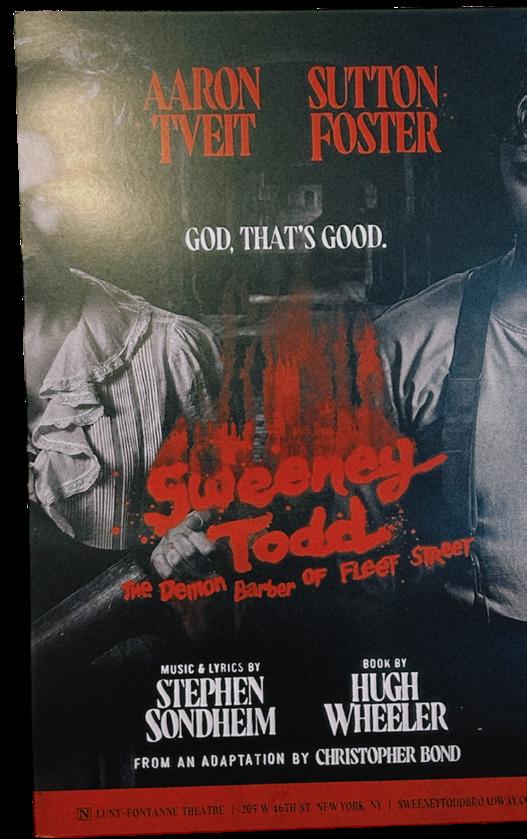
artwork with a sense of authenticity and emotional resonance. Her exploration of themes such as identity, memory, and own quest for self-discovery, inviting
viewers to embark on a journey of intro-
Central to Yang’s artistic practice is her unwavering commitment to exploration and experimentation. Far from being artistic conventions, her playful exploration of color phases to her bold forays into the realms of the grotesque and
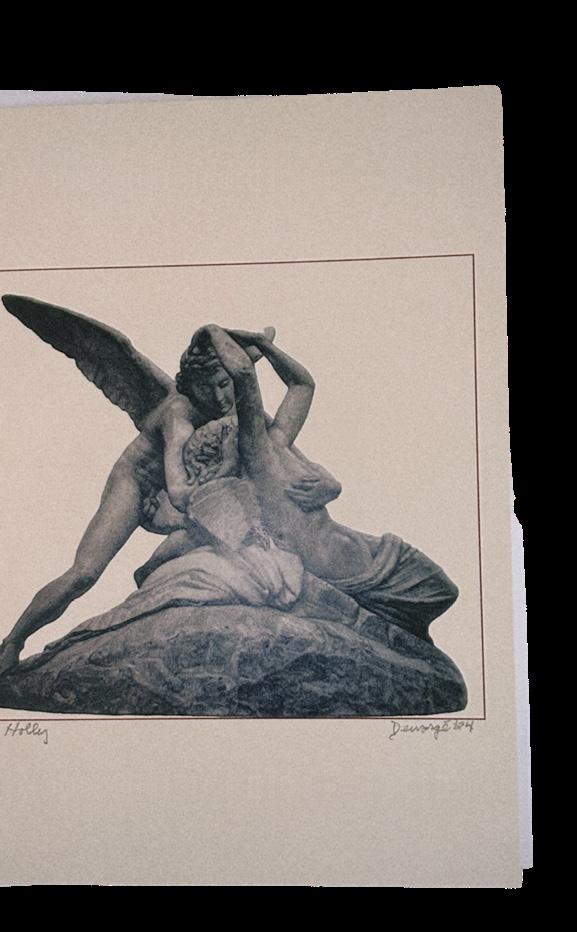

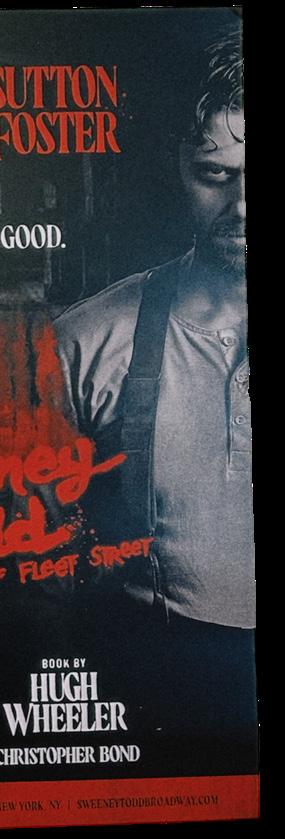
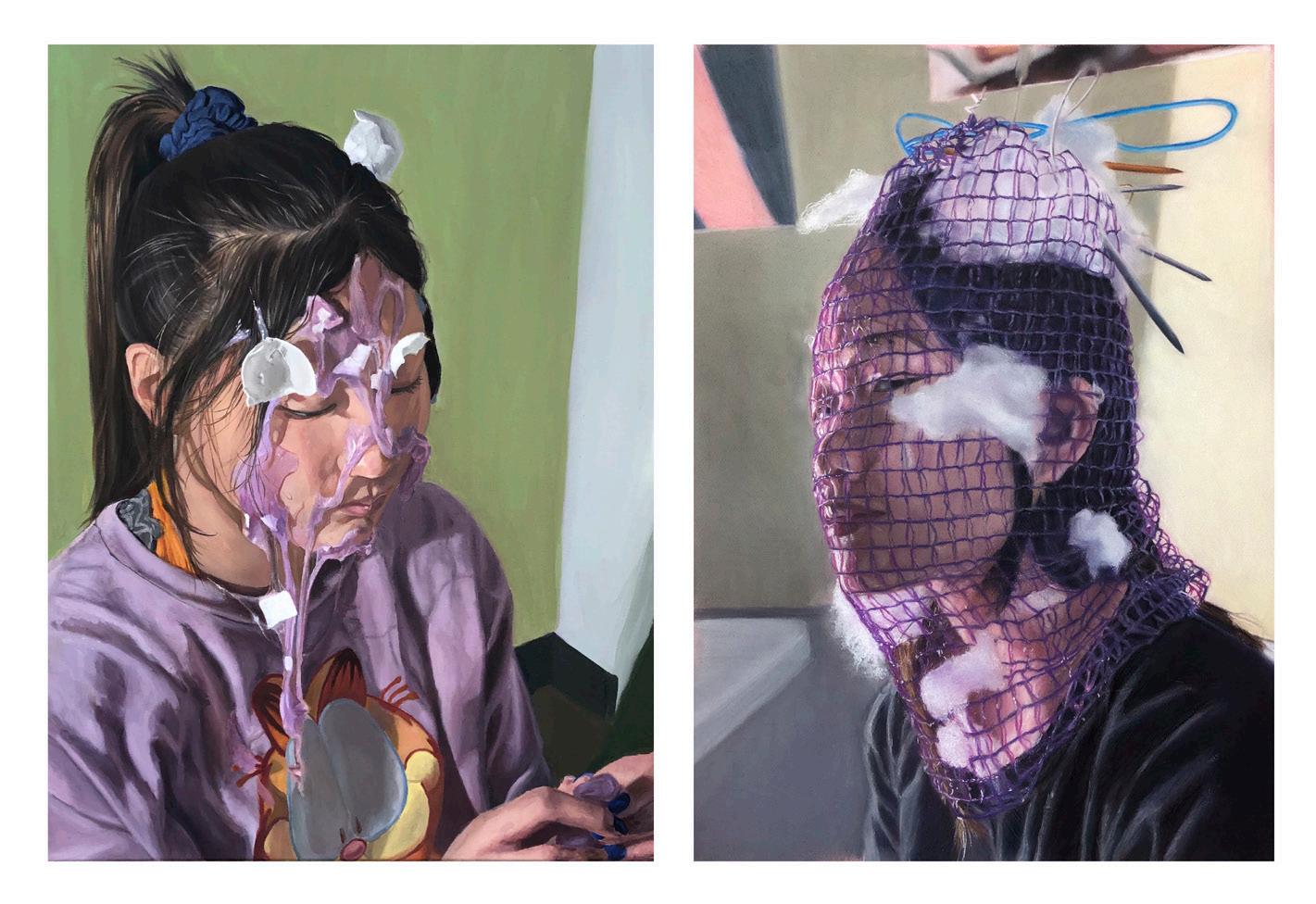
categorization, offering a rich tapestry of visual storytelling that is as unpredictable as it is captivating.
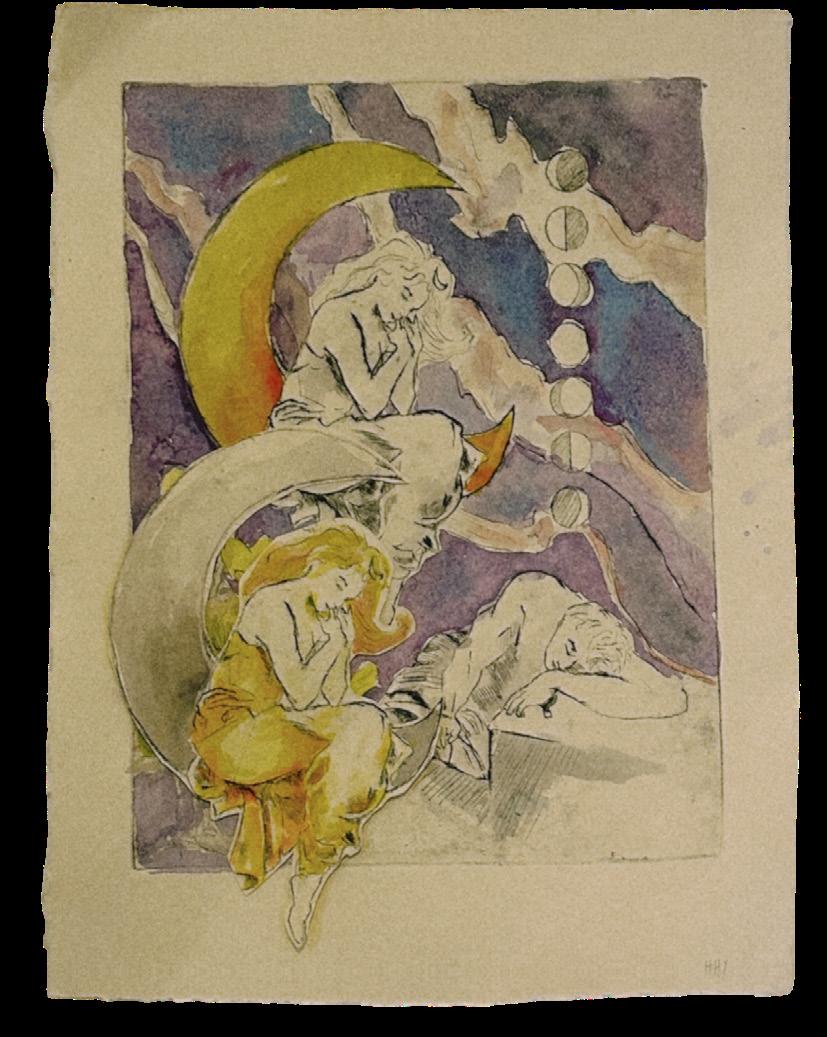
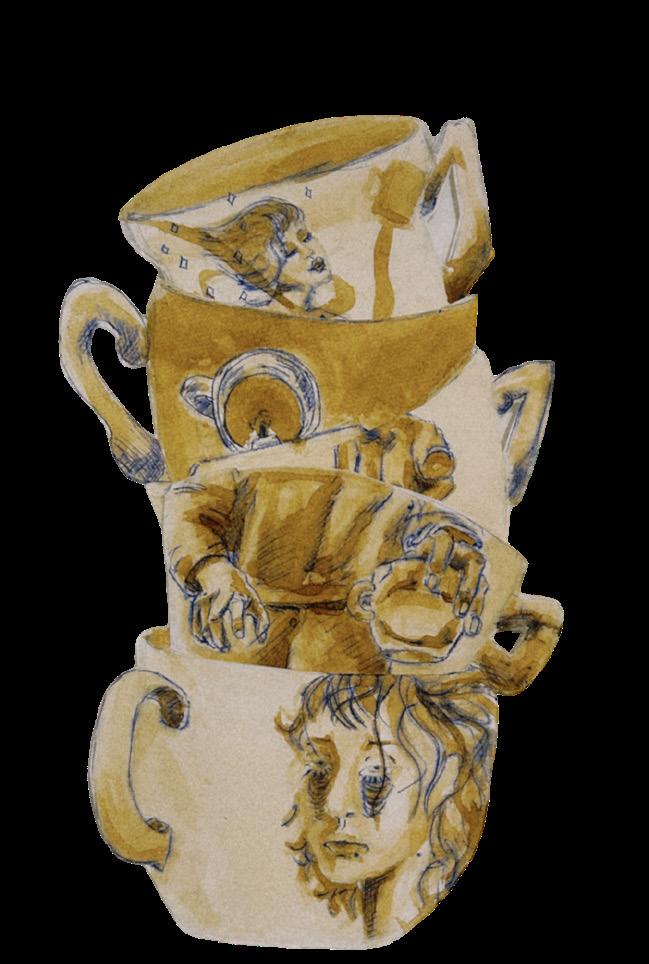
Through her art, she delves into the depths of her own psyche, confronting fears, desires, and contradictions with themes such as inner fears, trypophobia
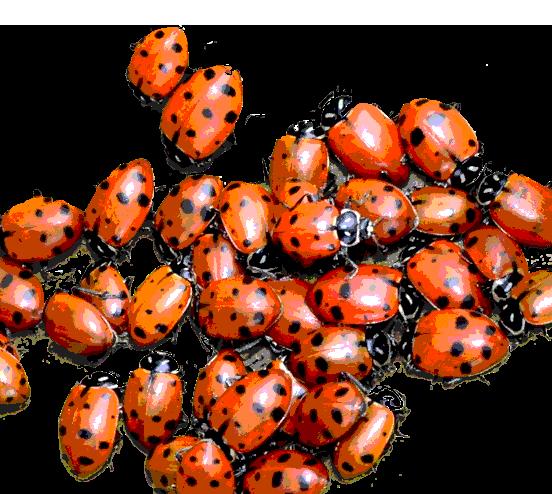
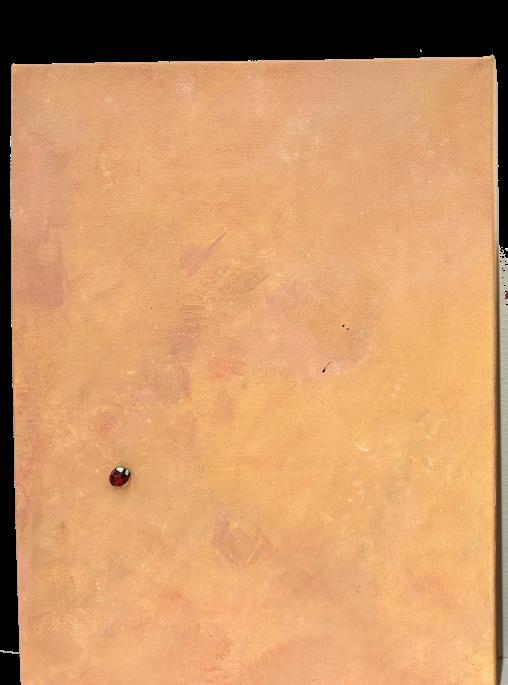
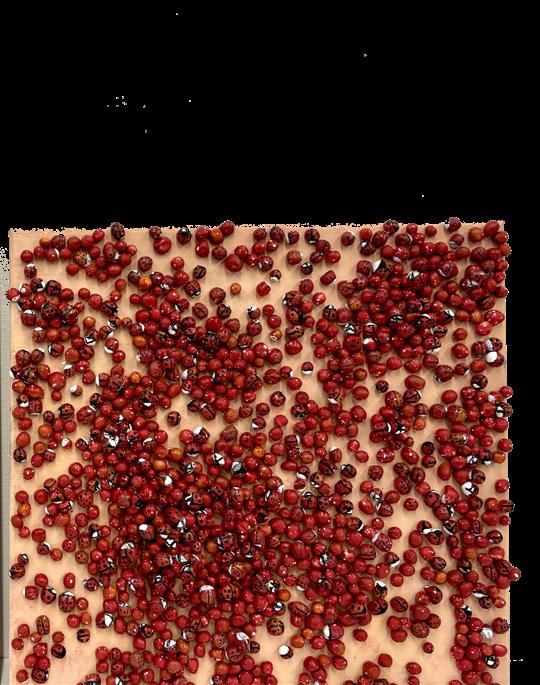
and ladybugs (which stemmed from an infestation of ladybugs in her room) serves as a testament to her willingness to confront the uncomfortable and the unsettling, transforming moments of vulnerability into sources of creative inspiration.
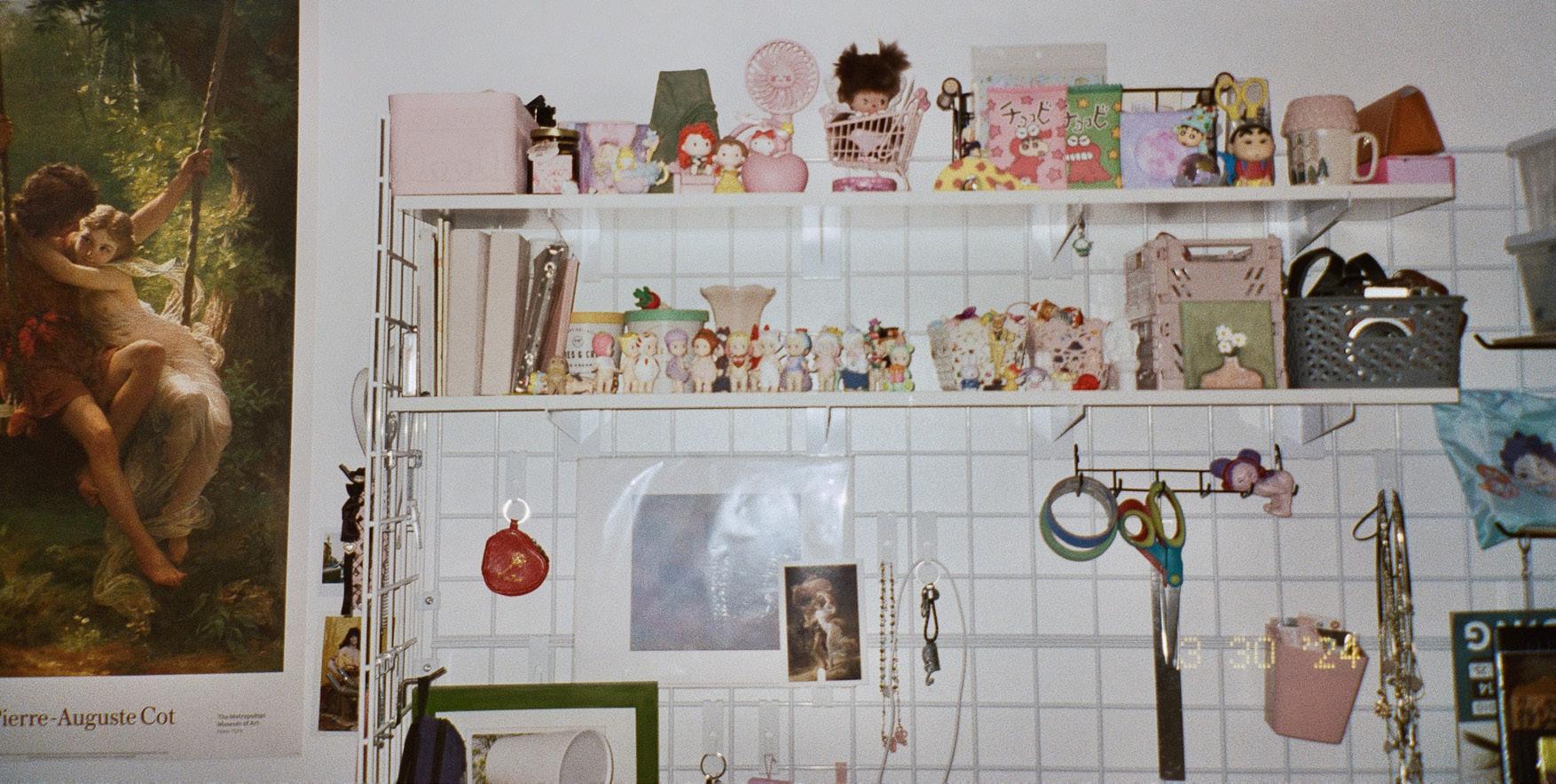
Navigating divergences from public or critical opinion is a challenge that Yang faces with resilience and determination. Her impulse-driven approach to collecting trinkets and curating her space often clashes with her mother’s minimalist sensibilities, resulting in moments of tension and negotiation. However,
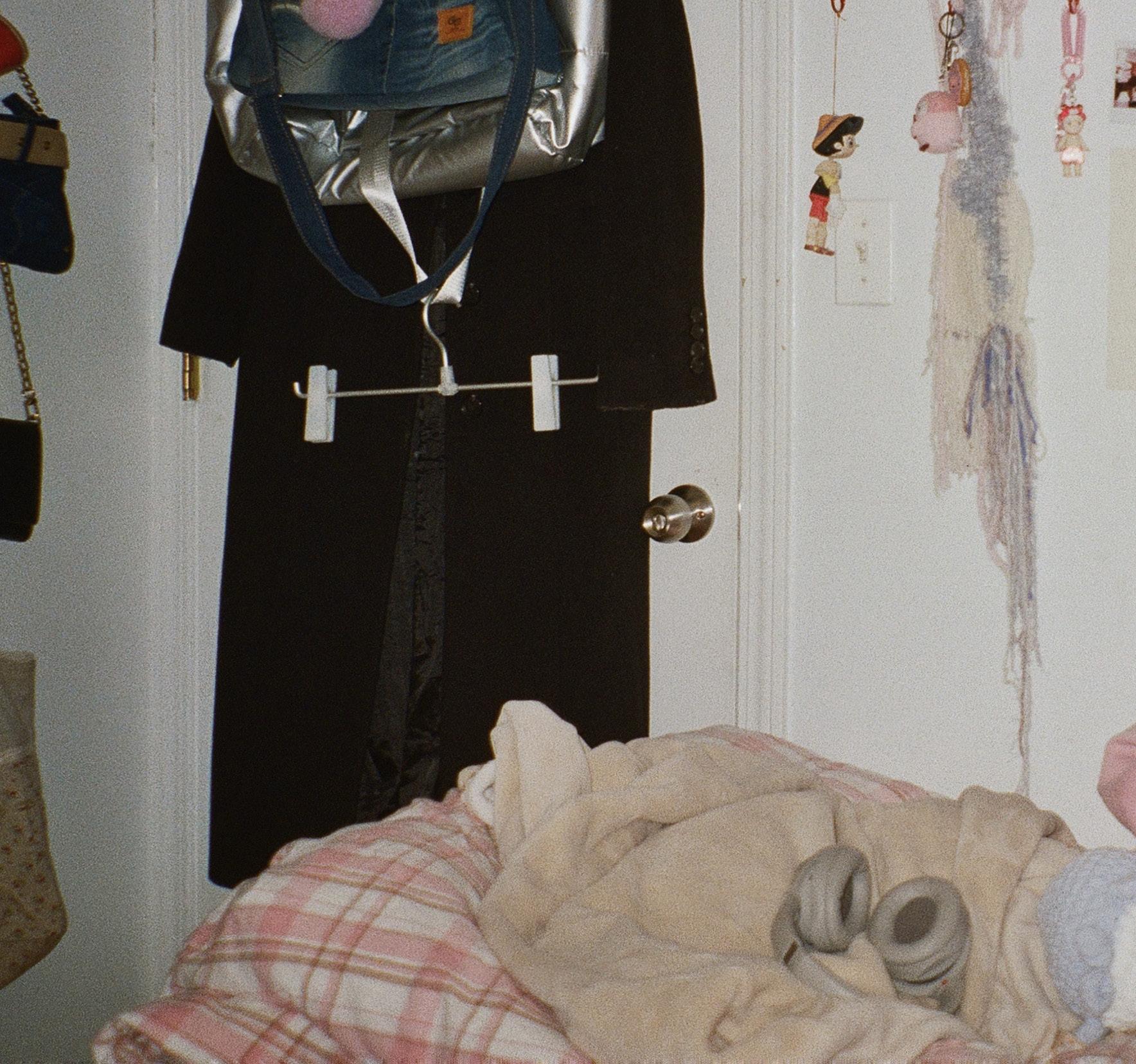
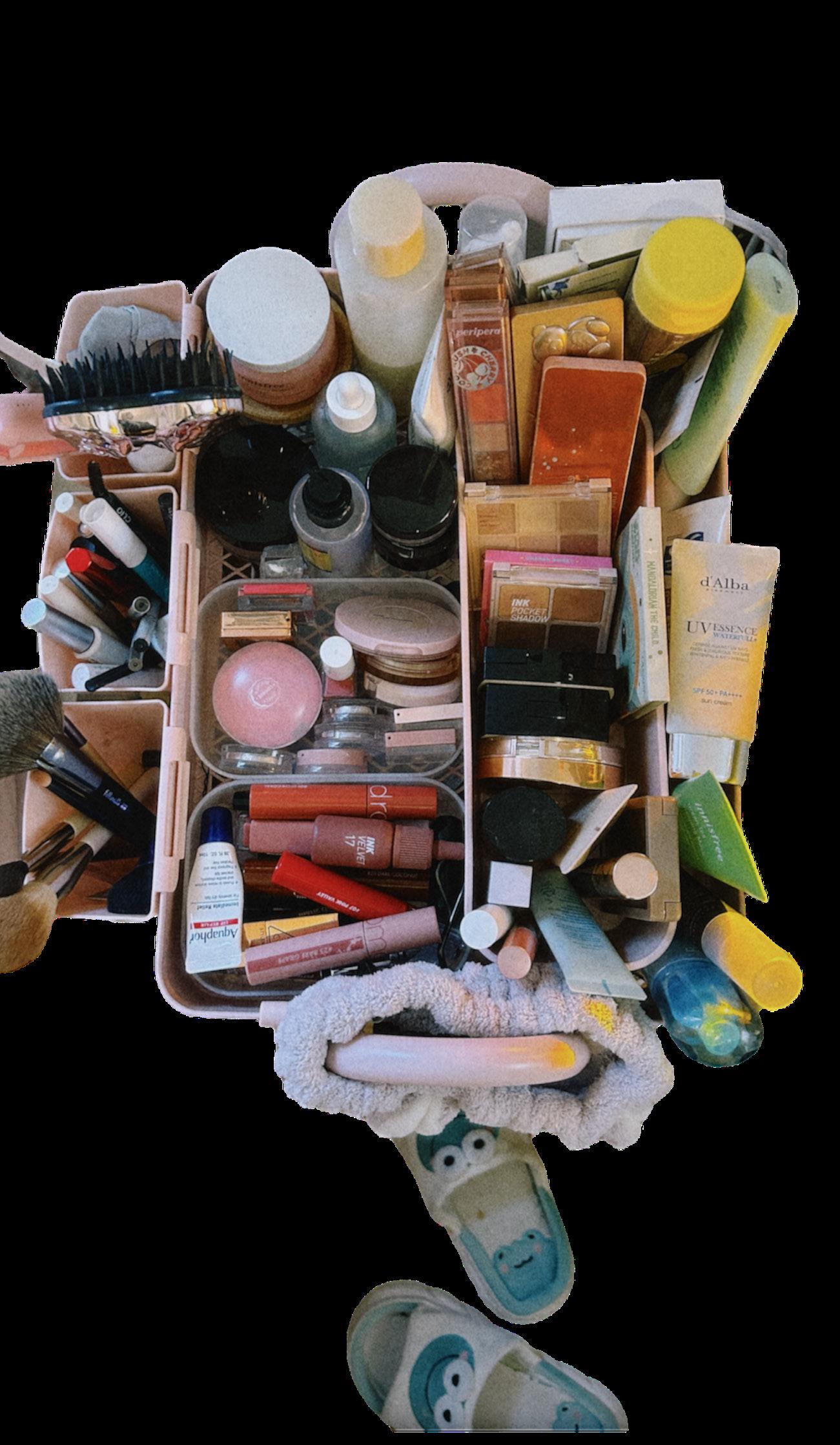
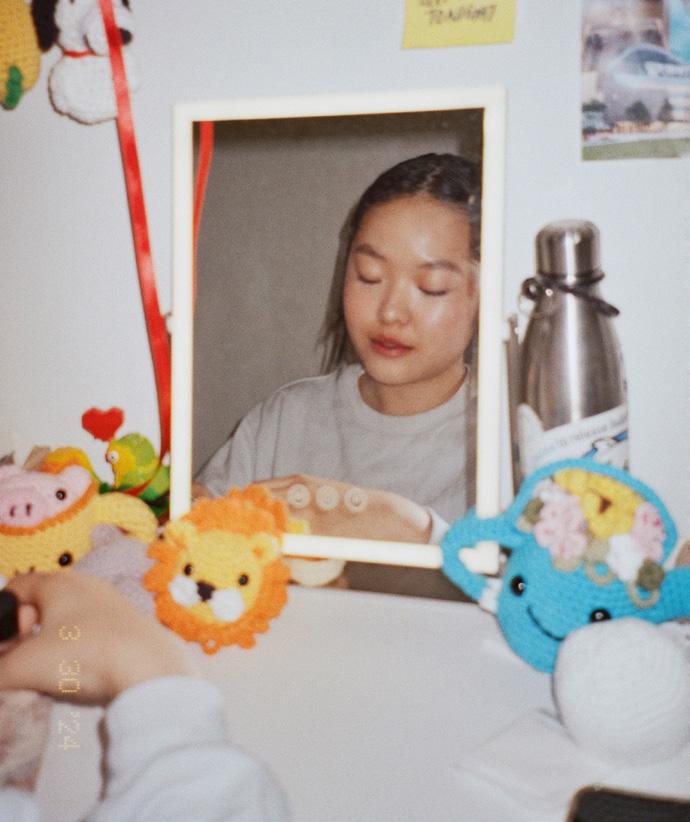
 Yang’s makeup trolley by the side of her bed.
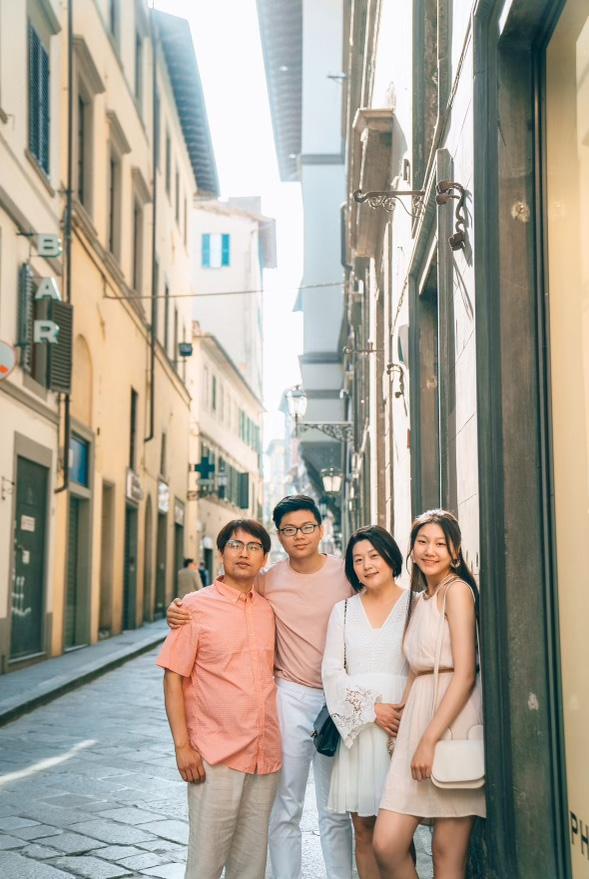
As Yang transitions into the collegiate sphere, her artistic odyssey takes on new dimensions, marked byration. Embracing the academic and ensconced in a realm of boundless possibility, where the shackles of conformity are replaced by the liberating embrace of creative freedom.
Yang’s collegiate journey surrounds the themes of community and collaboration, where the diverse voices she surrounds herself with serves as a symphony of inspiration and enlightenment. Surrounded by peers and mentors whose perspectives span the spectrum of human experience, she horizons of artistic exploration. In this creative exchange,
Family photo of the Yang family, they’re all wearing pink!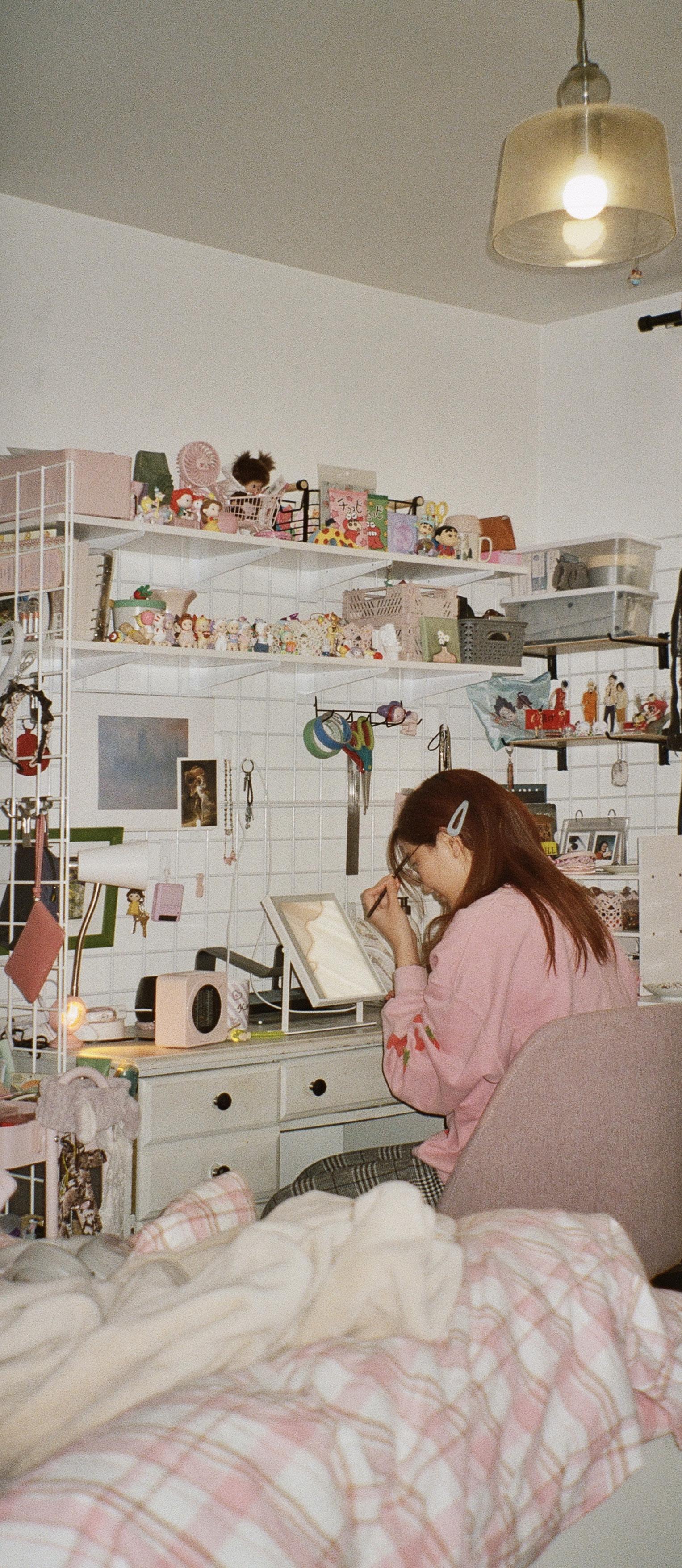

Ultimately, Yang’s artistic journey is a celebration of the transformative power of personal taste, especially through the lens of an artist.Through her art, she invites us to embrace the beauty of imperfection, celebrate the diversity of joy in the small things in life.


With a discussion on the exploration of artistic identity, Yoong Ahn unveils
curiosity, Ahn’s personal taste serves as a dynamic example of imagination and cultural exploration converging to light the path of his artistic journey.
extends far beyond mere entertainment for Ahn, as it becomes a gateway to exploration and discovery, both creatively and culturally. From the vibrant hues of cartoon landscapes to the melodic cadence of animated theme songs, Ahn’s
immersion in American television nurtures a deep-seated appreciation for the boundless potential of imagination and storytelling. Through shows like Adventure Time, with its surreal landscapes and quirky characters, and the timeless charm of Calvin and Hobbes comics, Ahn discovers a sense of kinship and belonging that resonates deeply with his own artistic sensibilities.
Moreover, Ahn’s engagement with American media serves as a catalyst for
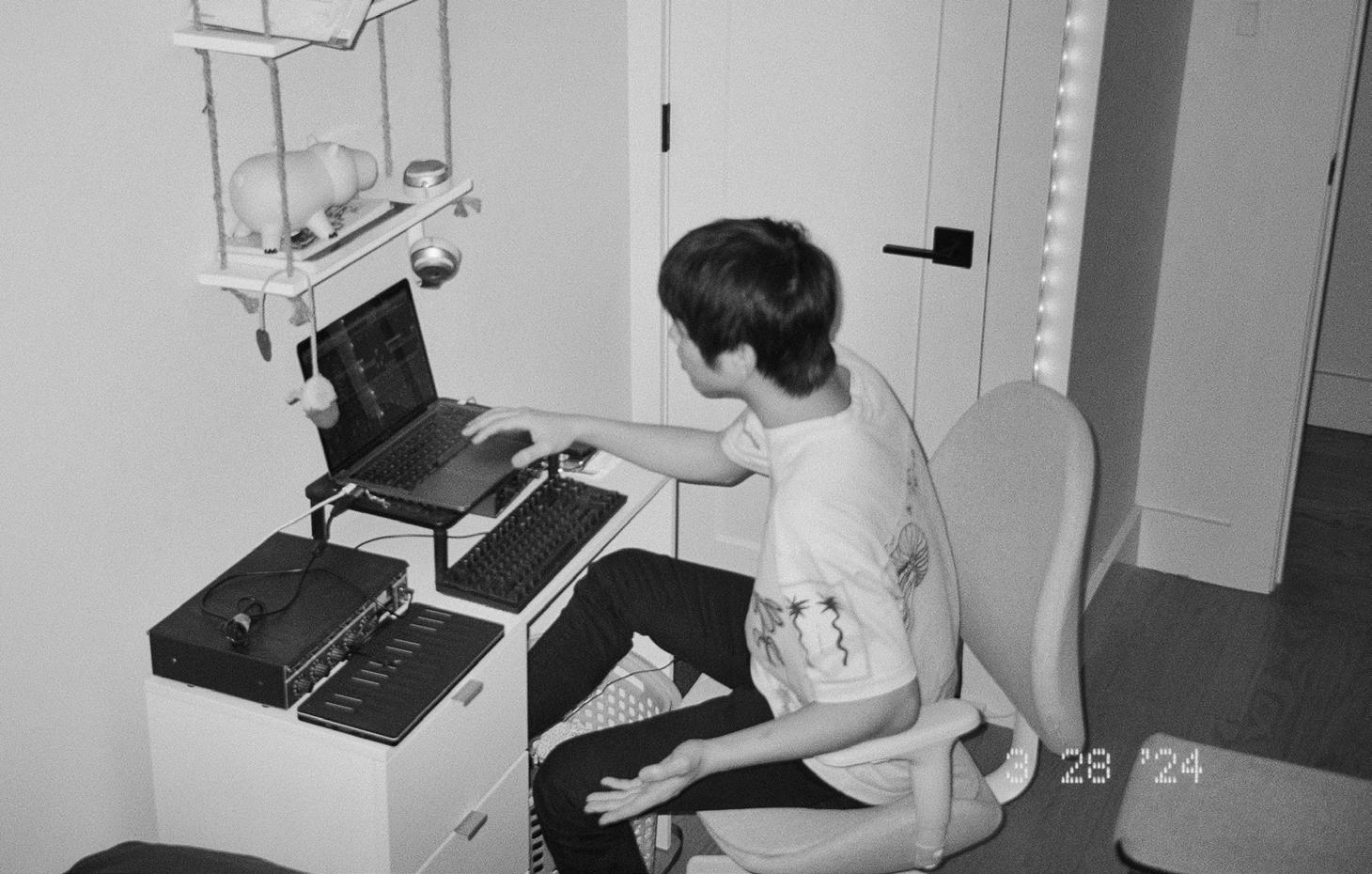
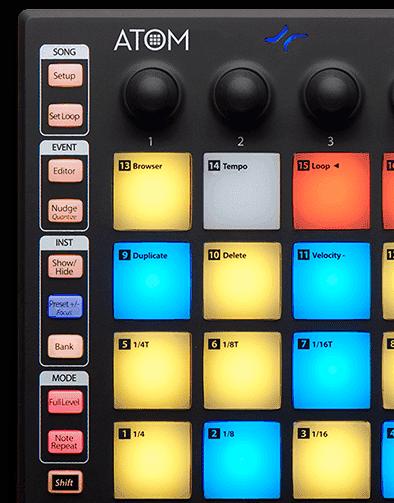
Inspired by the rich tapestry of narratives and characters found in these beloved shows and comics, Ahn seeks to create art that not only entertains but also challenges and provokes thought. Through his work, he endeavors to celebrate the universality of human experience while also acknowledging the unique cultural perspectives that shape our individual identities.
In contemplating the intersection of personal taste and cultural back-
the transformative power of language and music as vehicles for connection and expression. Being a third culture kid (where the child’s place of abode is not either parent’s nationality), Korean-American raised in Hong Kong, he is familiarized with the intricacies of a globalized world where cultural boundaries blur and linguistic diversity
in the multilingual lyrics of K-pop and the eclectic fusion of musical styles from around the world.
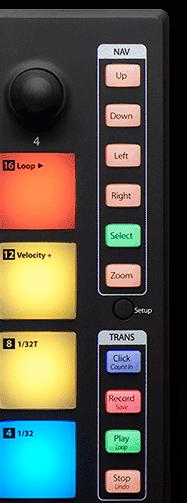
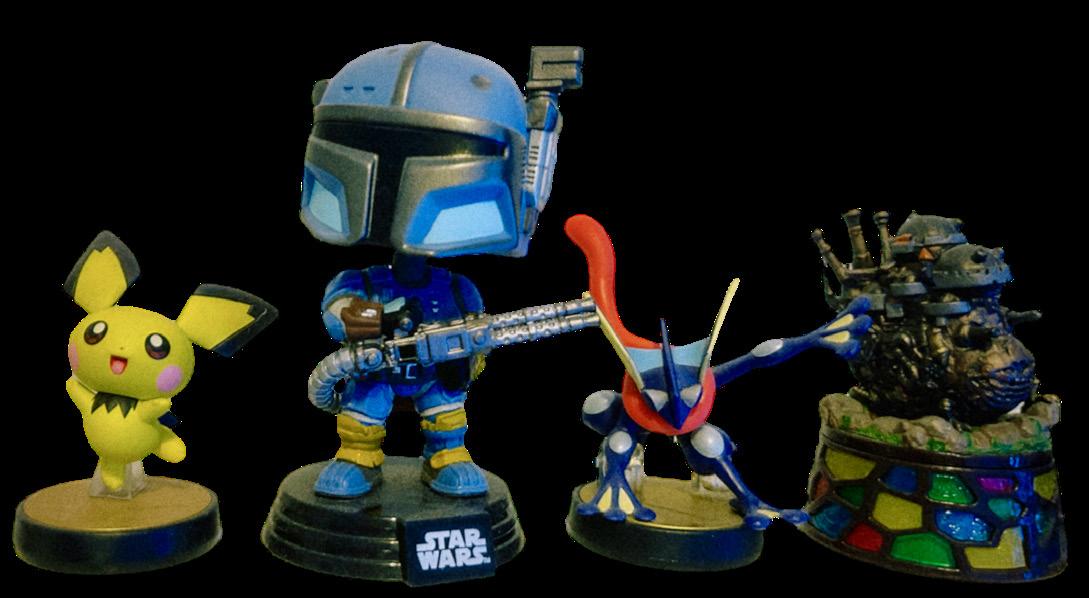
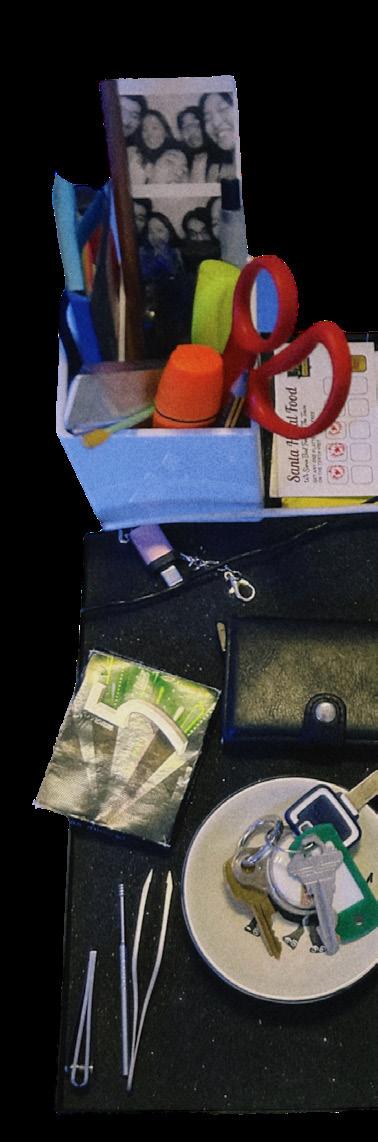
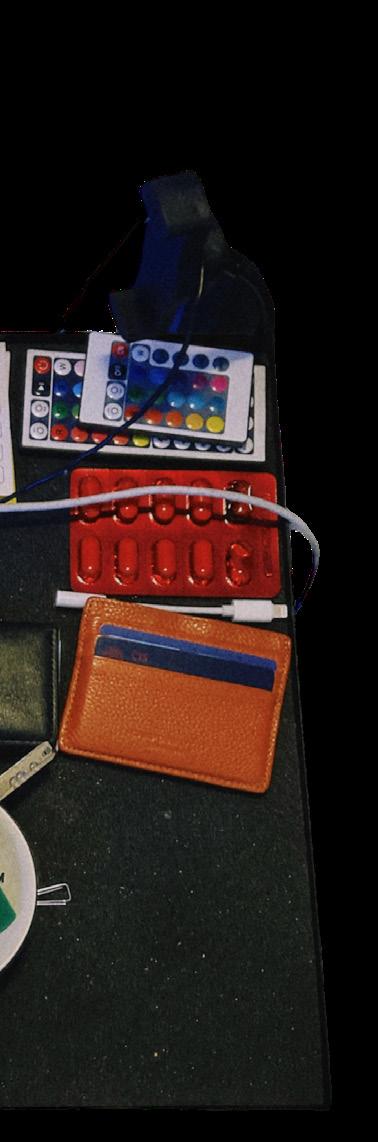
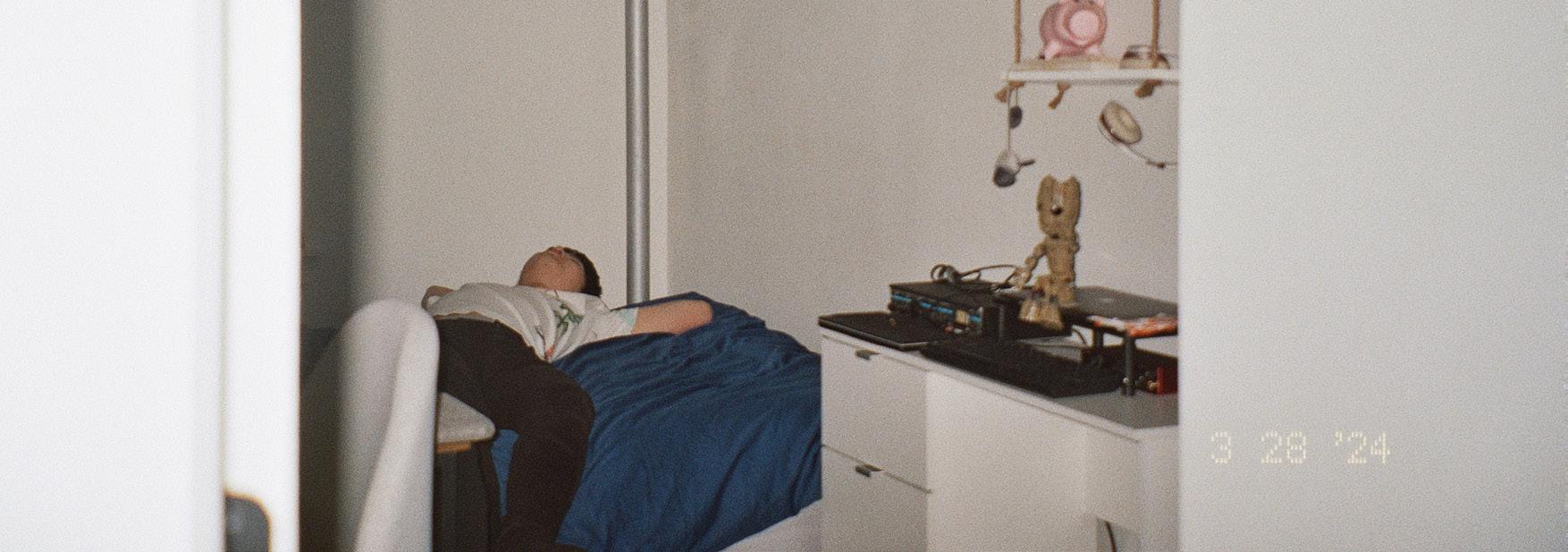
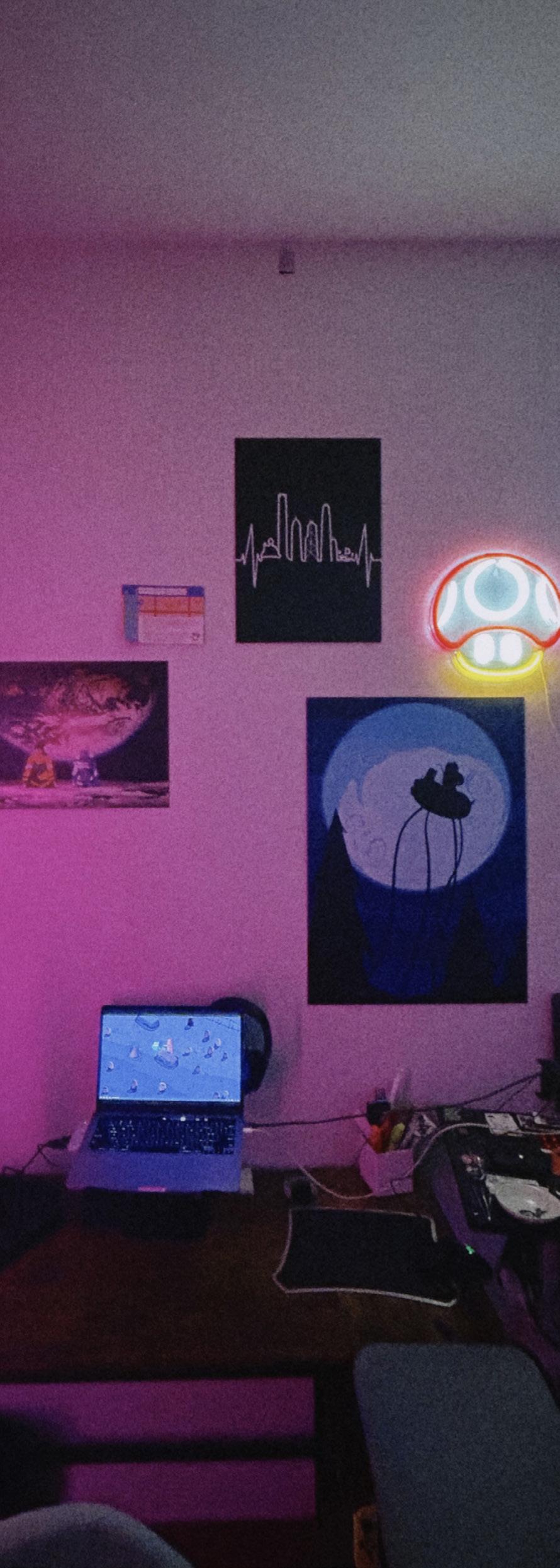 Ahn’s bedside table.
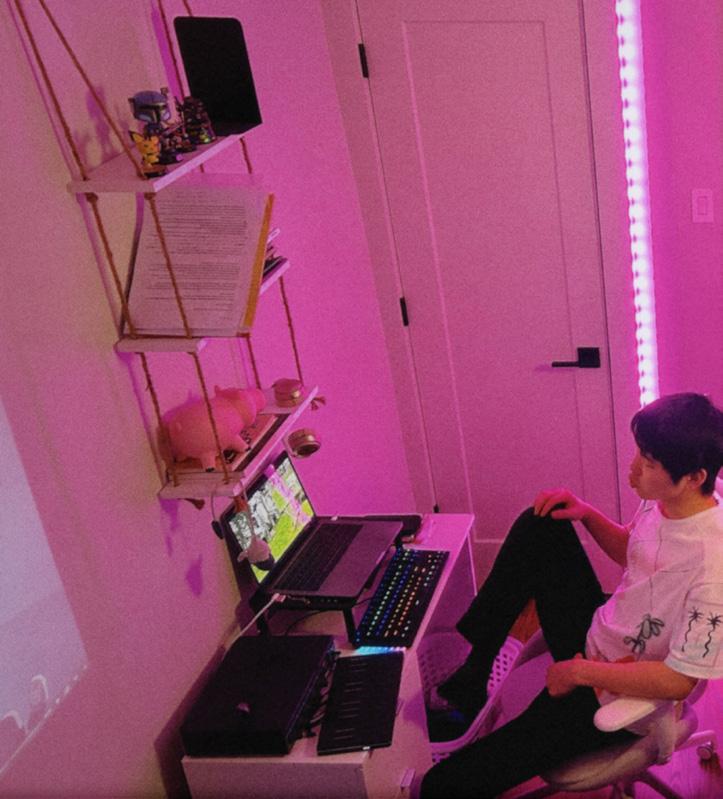
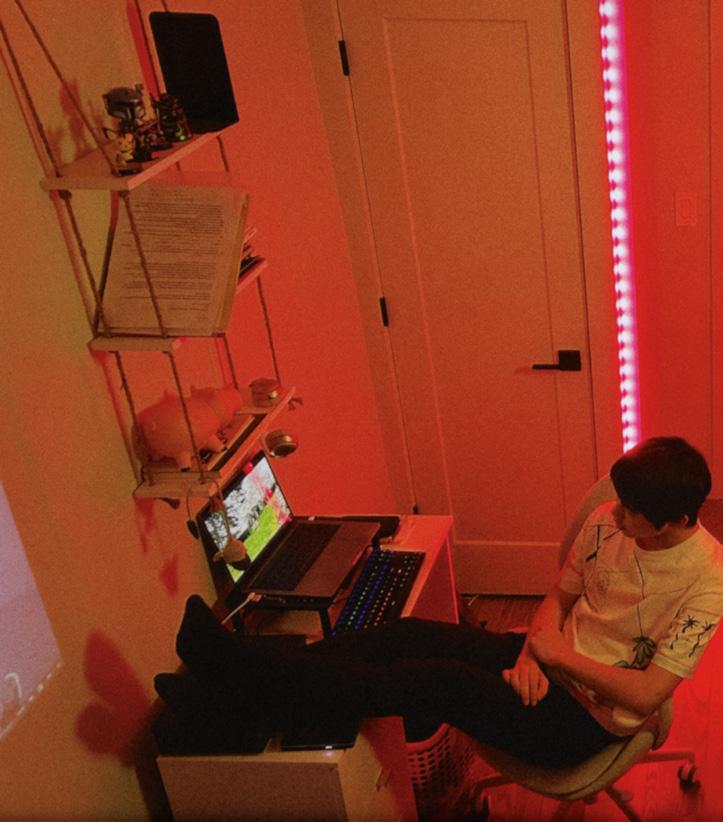
tion and expression through performance, drawing upon his background in theater and voice acting to embody and represent a myriad of narratives and characters. Guided by a clear-cut process of research, analysis, and experimentation,
Despite occasionally facing disdain and judgement in his youth for enjoying K-pop music, Ahn navigates the complexities of cultural identity and personal taste with resilience and authenticity. Embracing his love for K-pop as a source of pride and cultural
own preferences.

For Ahn, the allure of the digital realm looms large, shaped by a generational zeitgeist where the diminishes in the face of a vast and immersive digital landscape. Growing up in an era where television and online media reign the boundless possibilities of the digital world,
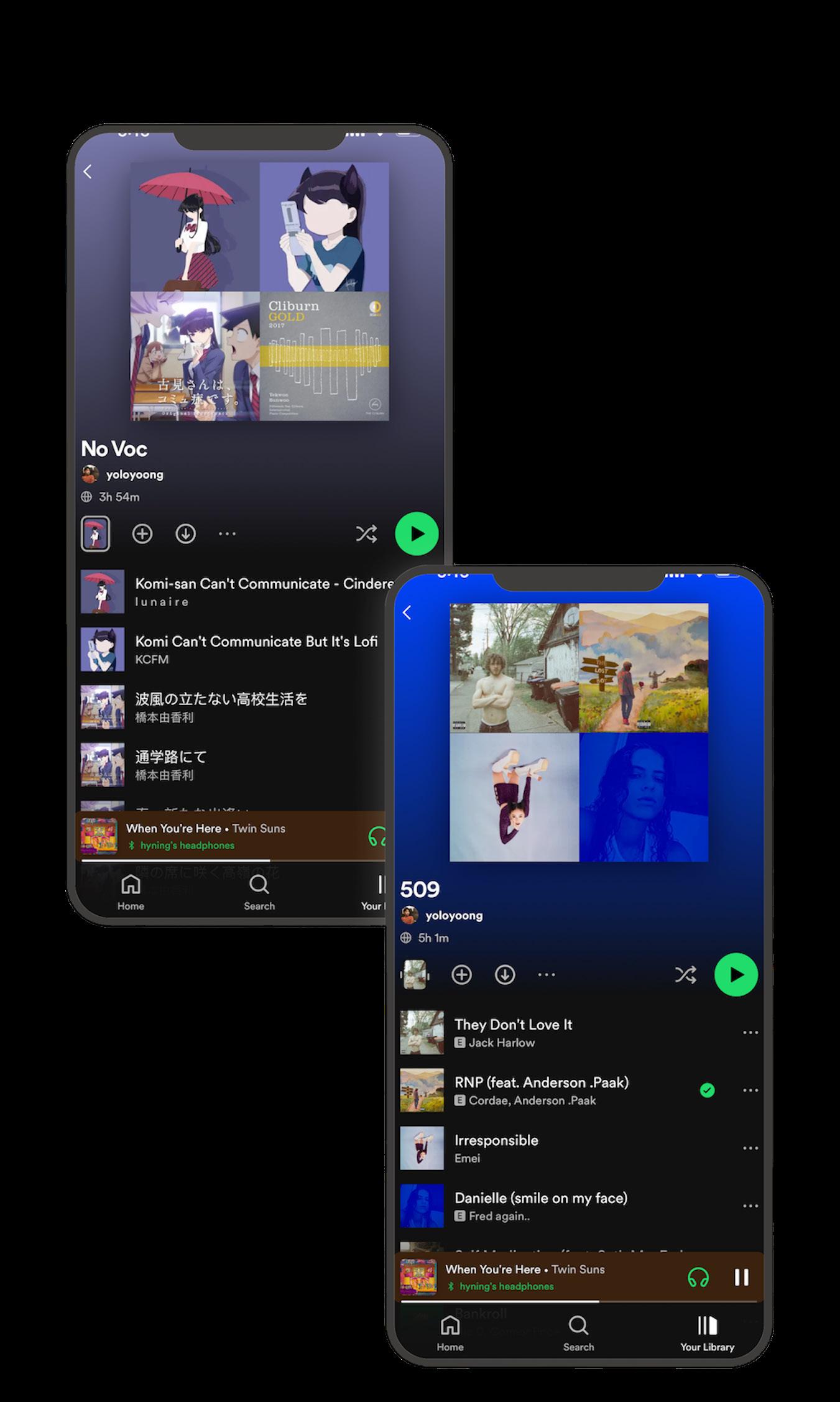
In Ahn’s view, the digital domain and social media offers a gateway to new perspectives and experiences, providing access to a wealth of information and cultural artifacts that transcend the limitations of physical space. Through platforms like Spotify and online music communities, he curates his taste with meticulous care, immersing himself in a variety of sounds and rhythms from around the globe.
 Spotify playlists curated to different moods by Ahn.
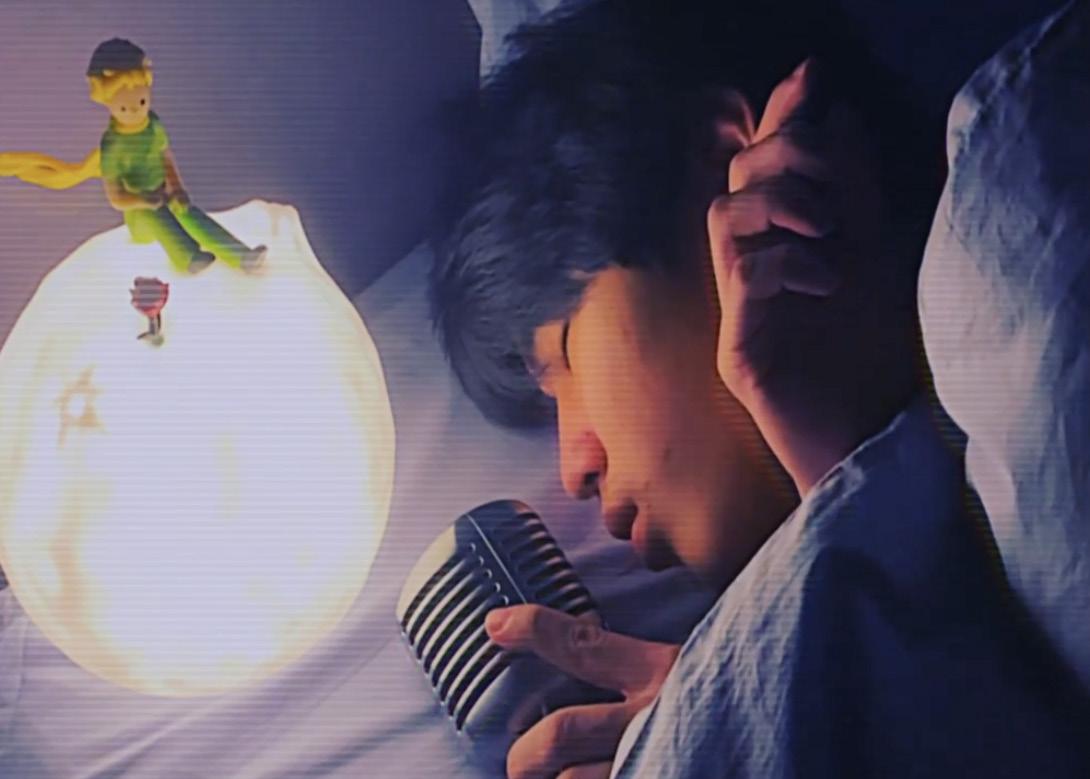
Cover of Monster produced and recorded by Ahn.
Spotify playlists curated to different moods by Ahn.
Cover of Monster produced and recorded by Ahn.
Yet, even as Ahn navigates the vast expanse of the digital landscape, he remains cognizant of the unique opportunities for self-expression and creativity afforded by physical space. While the digital realm may offer access to a wealth of cultural artifacts and experiences, Ahn recognizes the value of tangible, tactile interactions with the physical world. From the immersive experience of attending live events to
vinyl records, Ahn cherishes the moments where the boundaries between the digital and physical blur, allowing for a deeper and more meaningful engagement with his personal taste and artistic sensibilities.
Overall, Ahn’s personal tastes are preferences but also a testament to the impact of storytelling and visual media. His outlook and artistic endeavors is infused with a sense of whimsy and wonder that invites people that know him to explore new realms of imagination and creativity.
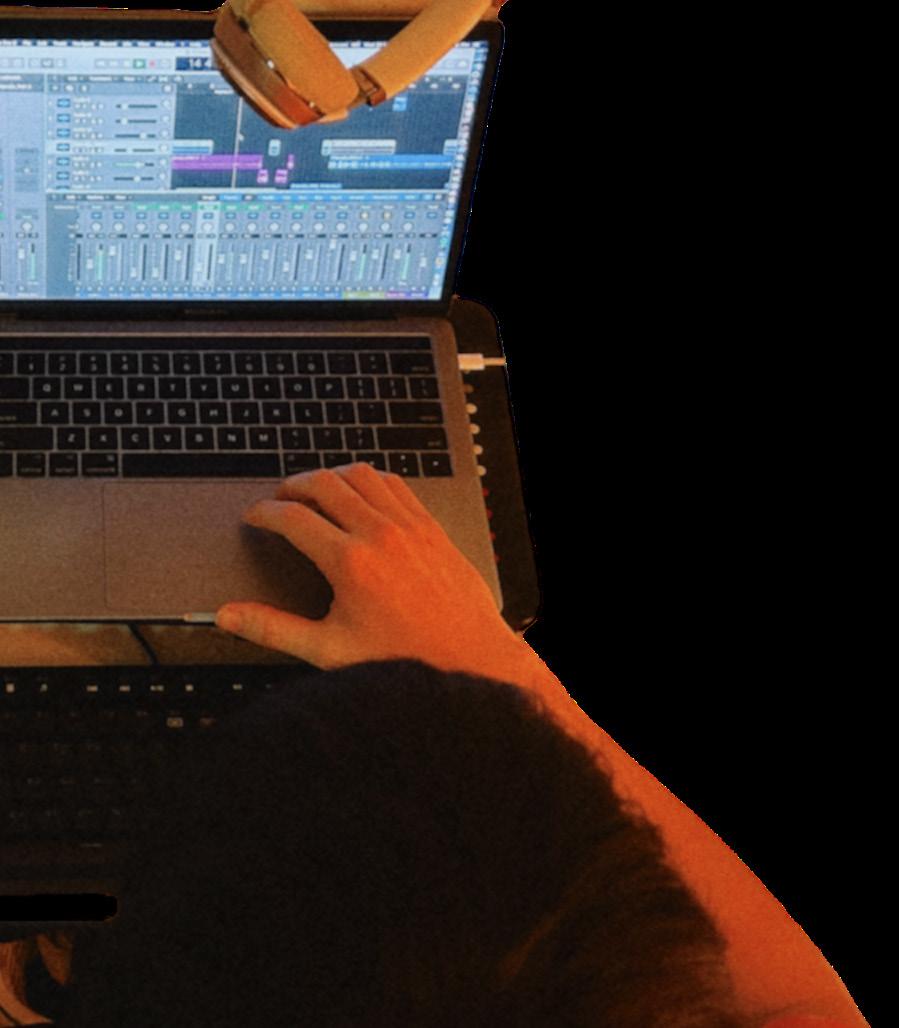
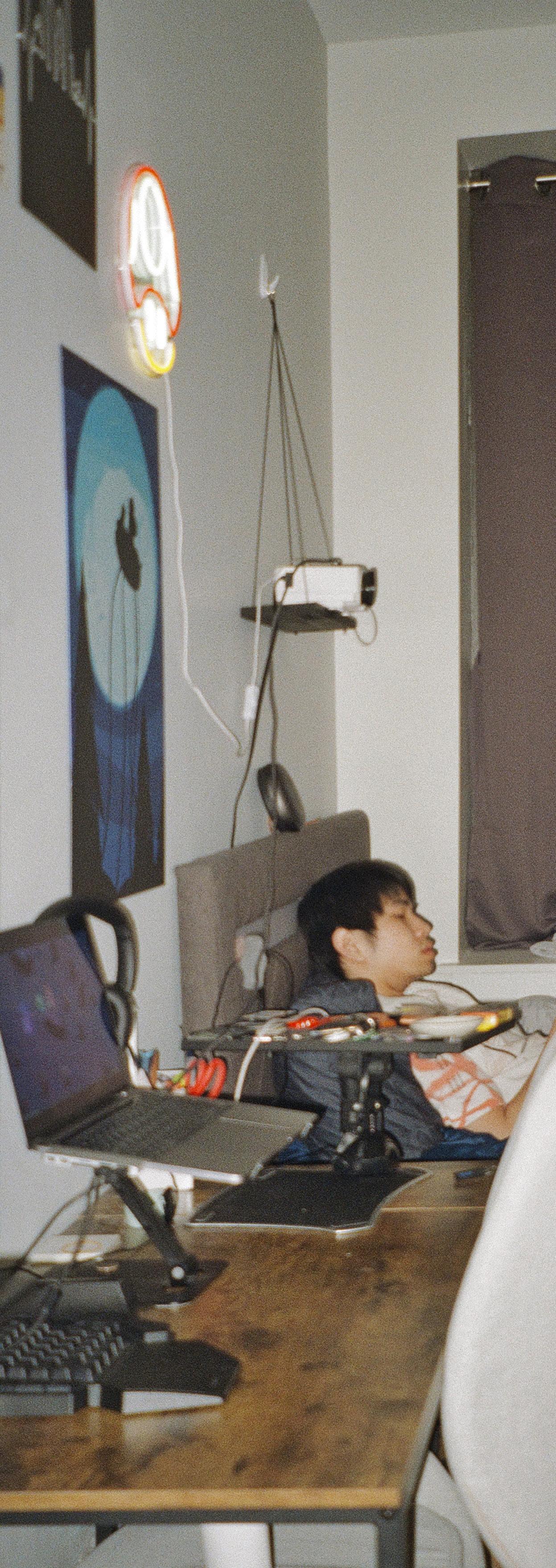
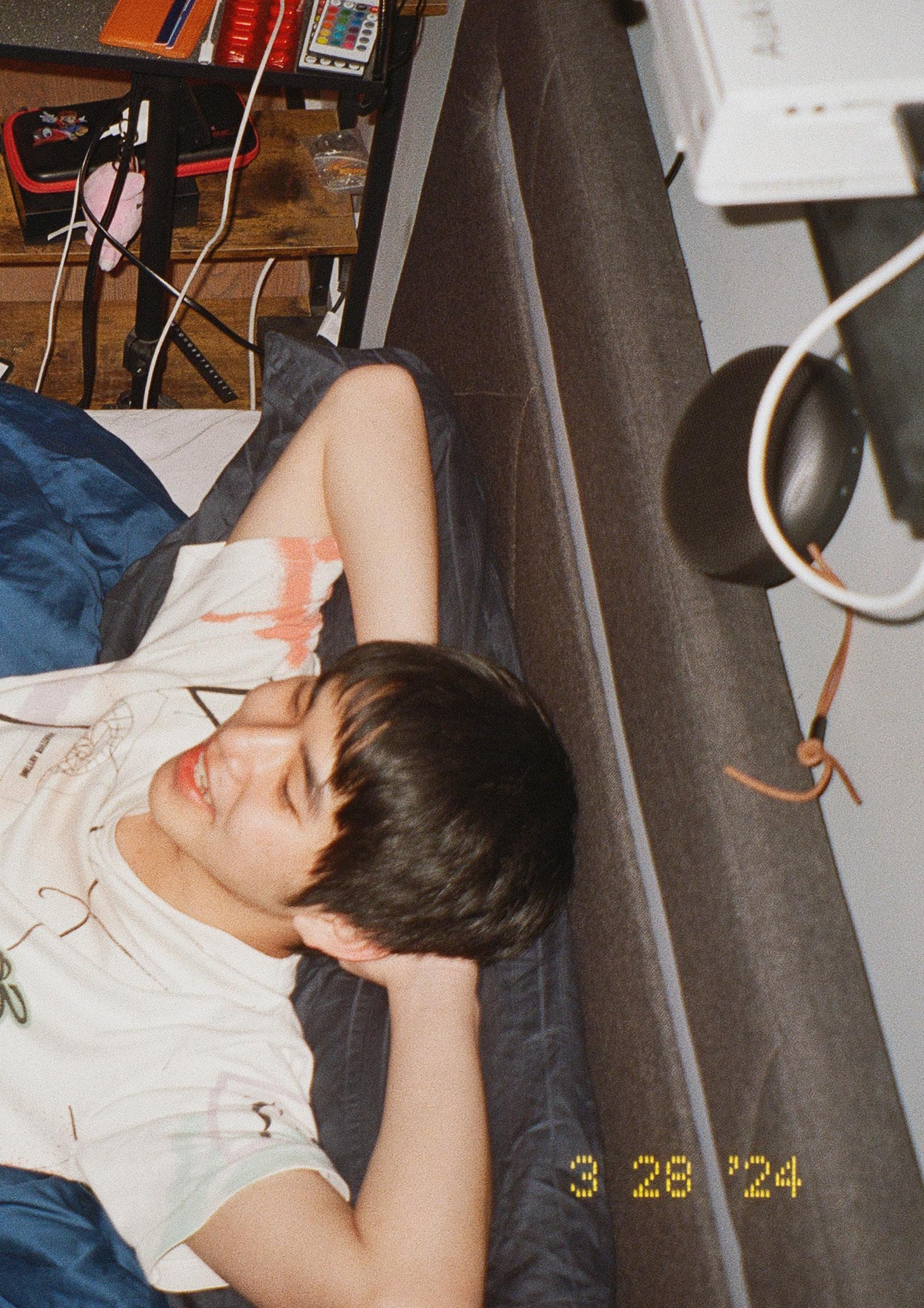
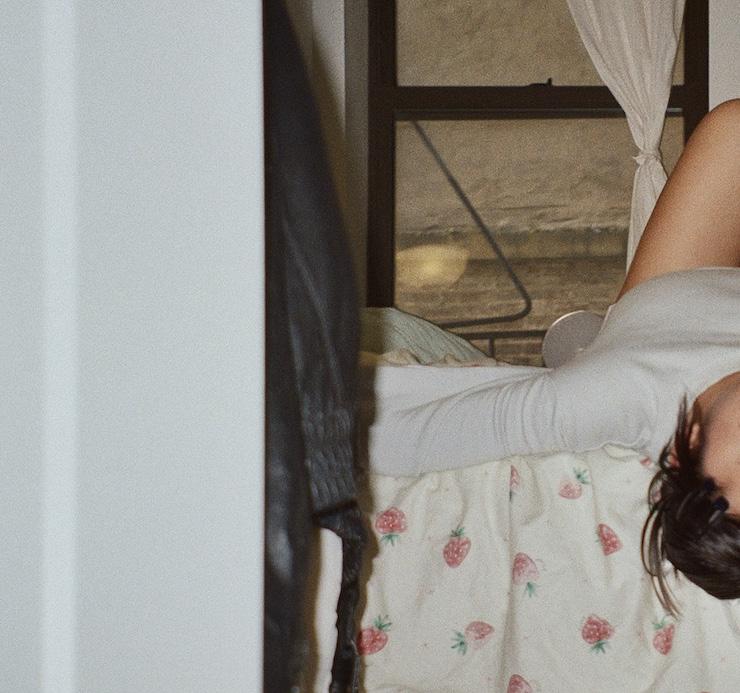


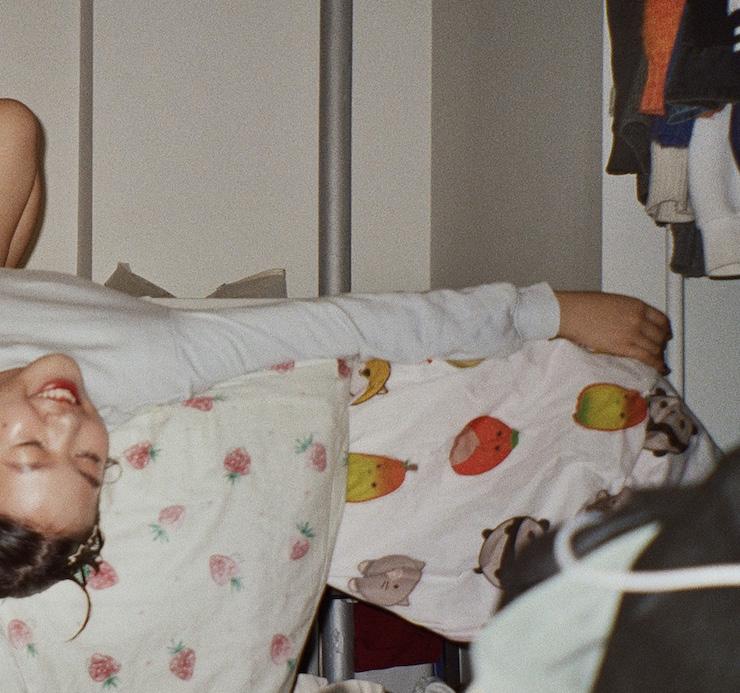


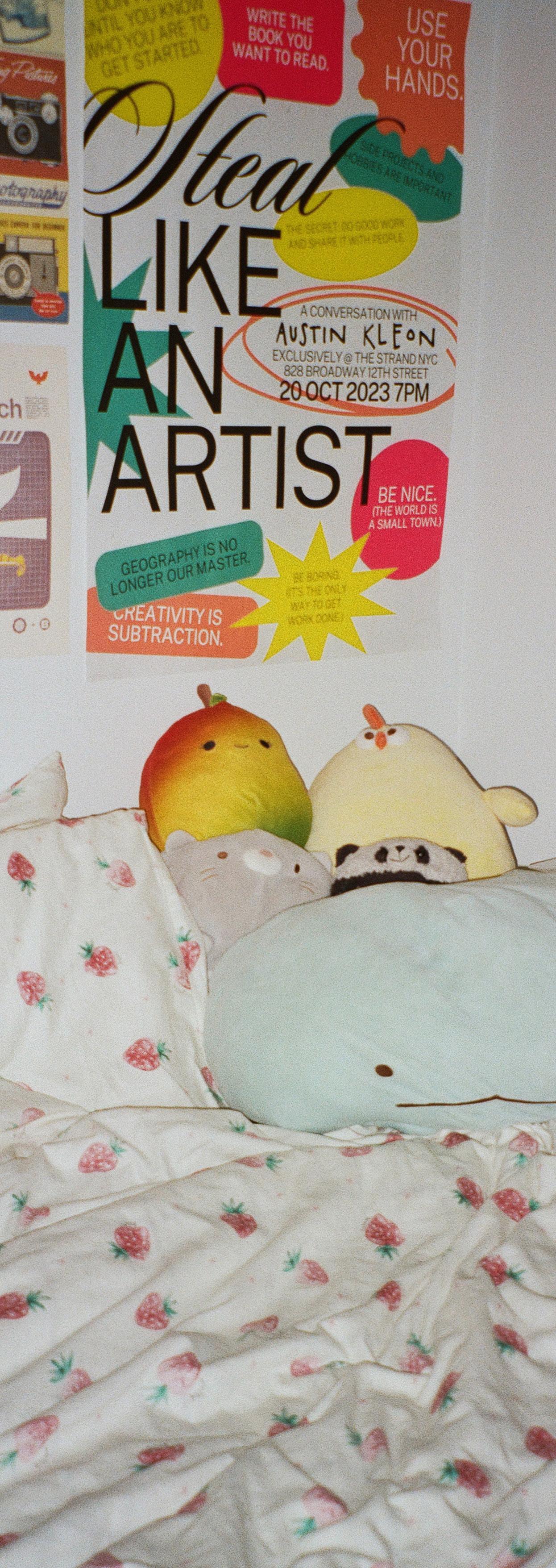
In the dim hours late into the night, when the world tucks themselves into
cocoon of creativity. Here, within the place that feels truly mine, representation of my personal taste.
signature style evolution of my personal taste to be very intruguing. Personal taste, that essence woven from the fabric of experience and emotion, serves as the grounding anchor for my creative endeavours. It is the lens through which I perceive the world, the palette from which I draw inspiration from, and the ship captain charting the course for my design journey. It is through this journey that allows me to enter the gateway into the elusive state of by creatives and scholars alike, begins in the delicate interplay of environment and mindset. Mihaly Csikszentmihalyi was the pioneer of this concept and in his own
To help me get into this state of my taste for the project I am working on.
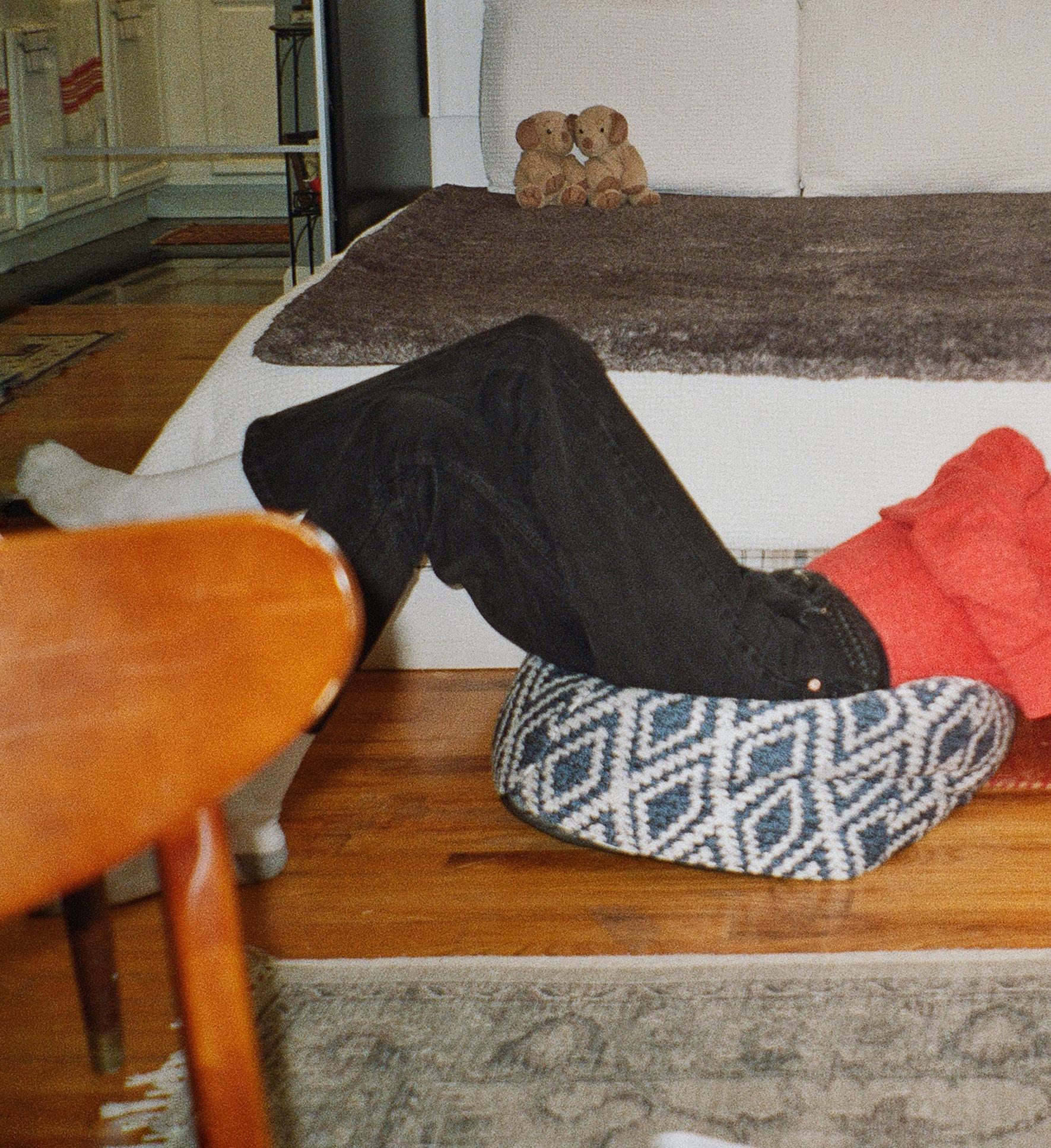
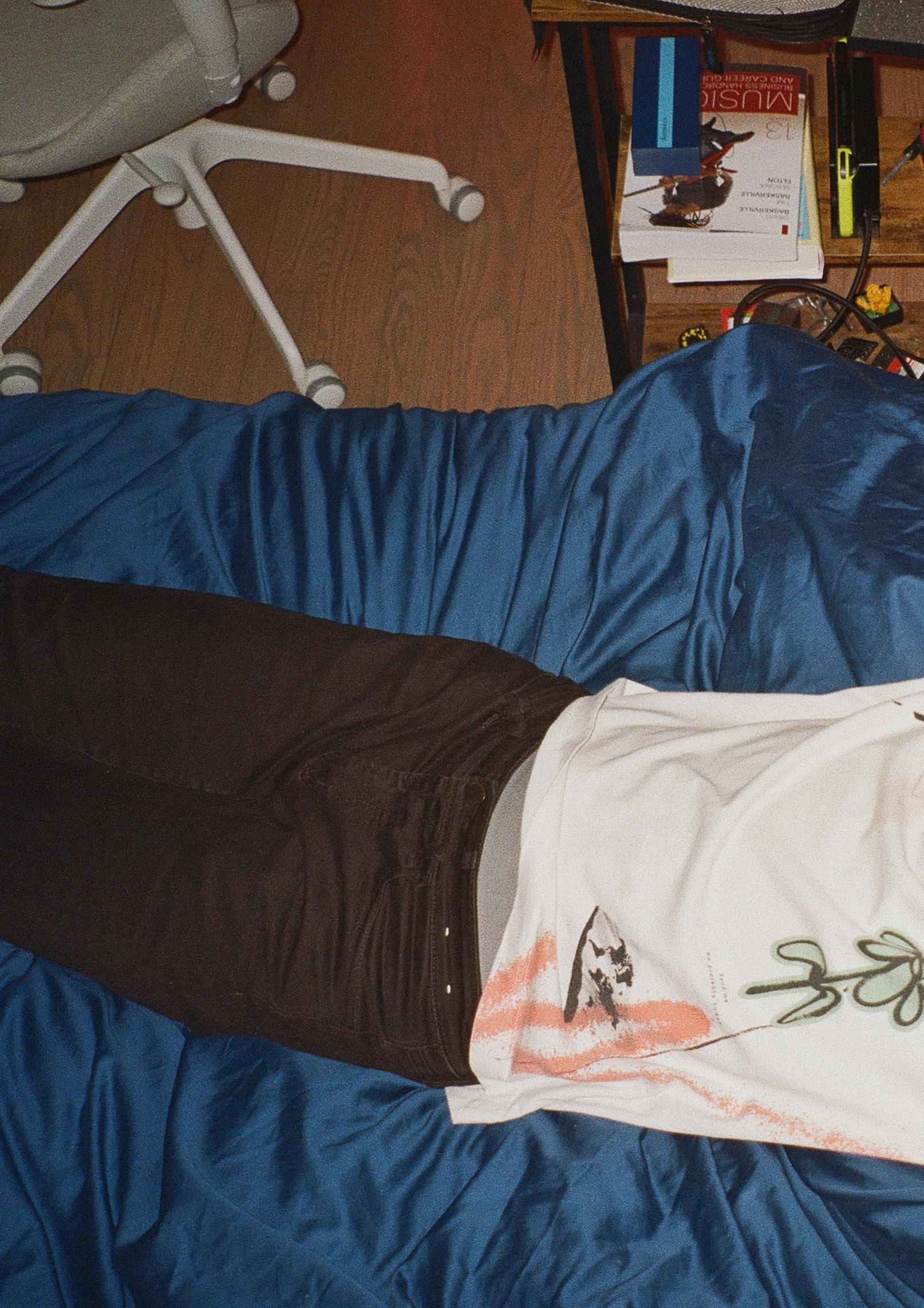
When enveloped in an environment that resonates with my aesthetic sensibilities—be it the soft hues of my bedsheets or the comforting embrace of my plushies—I
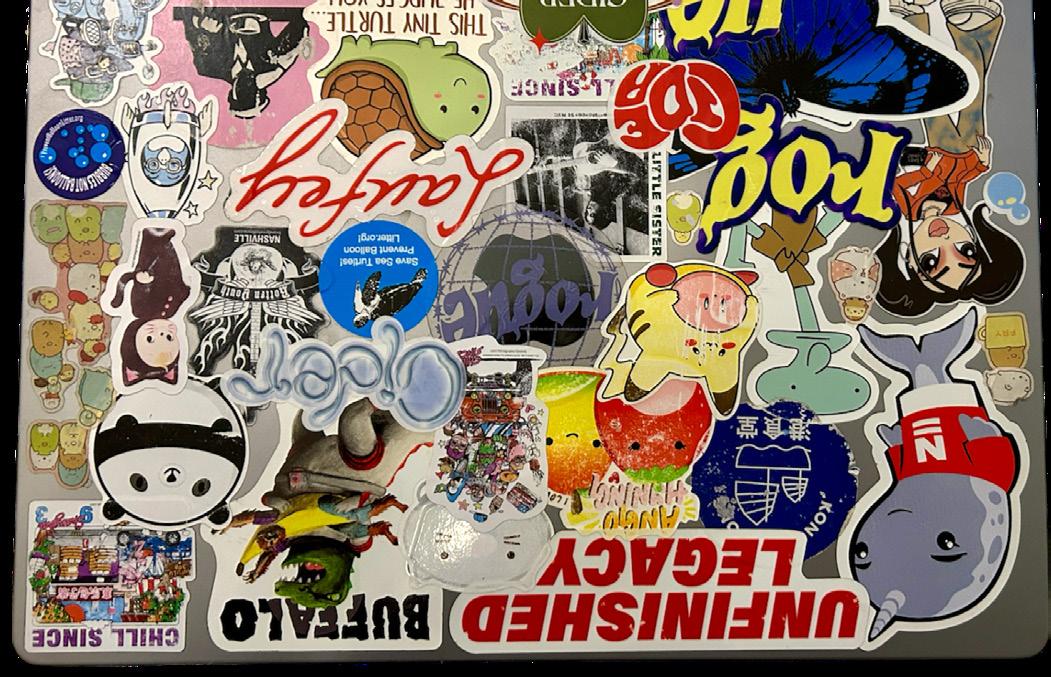
cross-section of productivity and creativity. As such, I always subconsciously surround myself with reminders of my
identity. To me the alignment of personal taste and environment becomes not only a matter of preference but a strategic imperative in the pursuit of creative excellence.
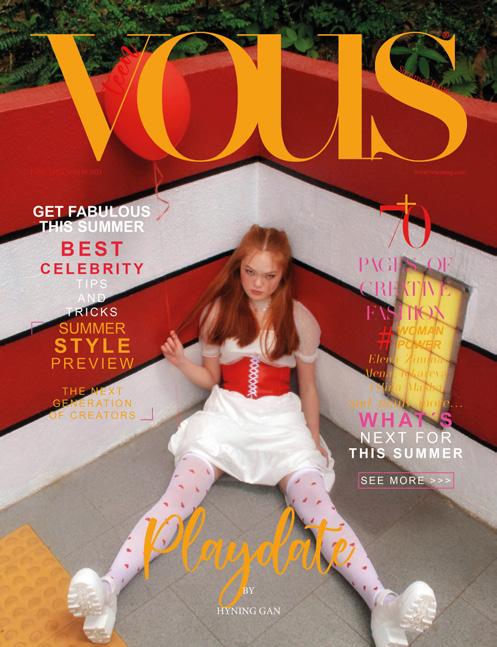
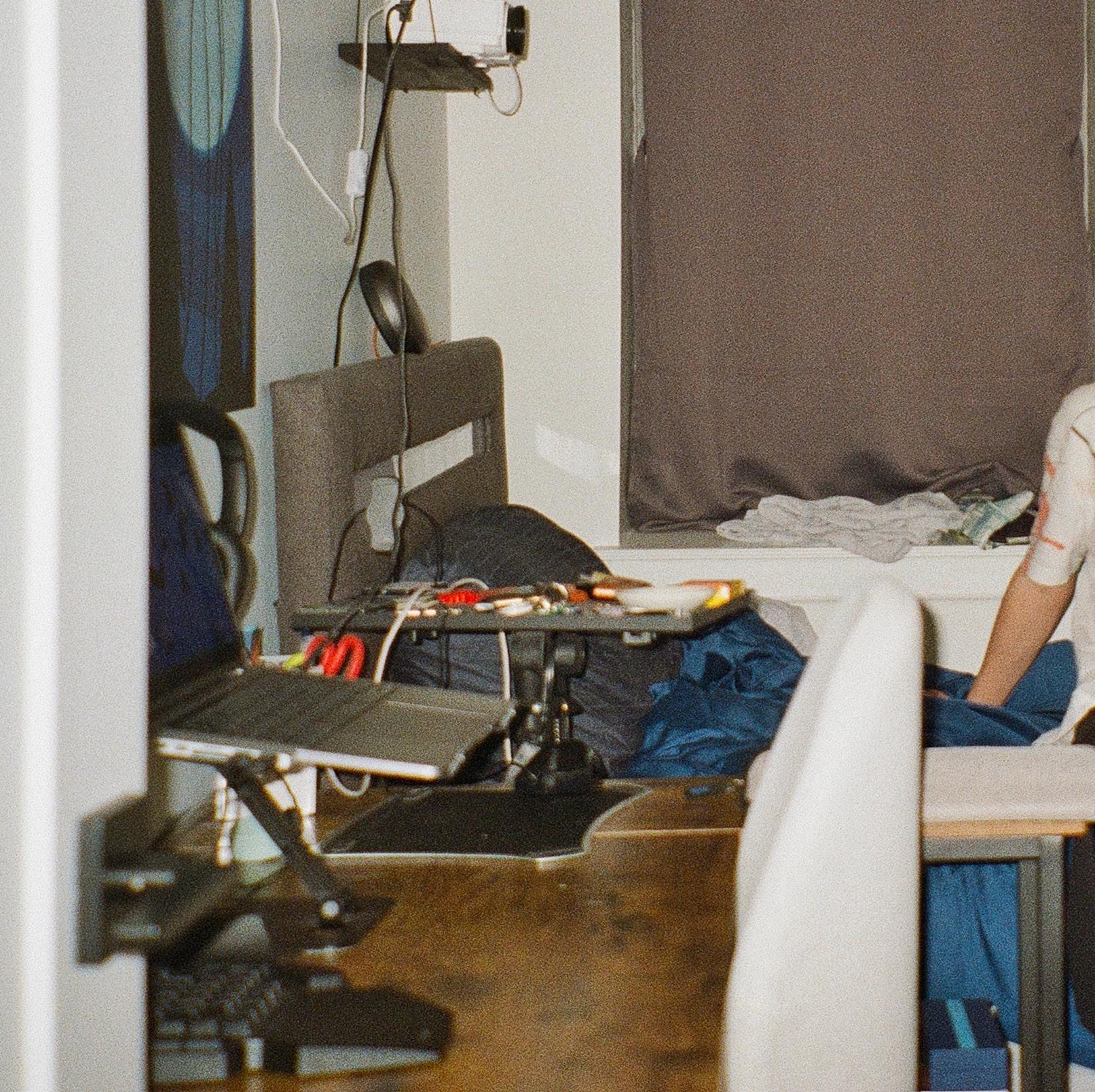
From the cluttered chaos of my workspace to the delicate interplay of light and shadow that bathes my surroundings, every aspect serves as a testament to the sacred marriage of form and function. And it is within this refuge from the noise of the outside world.
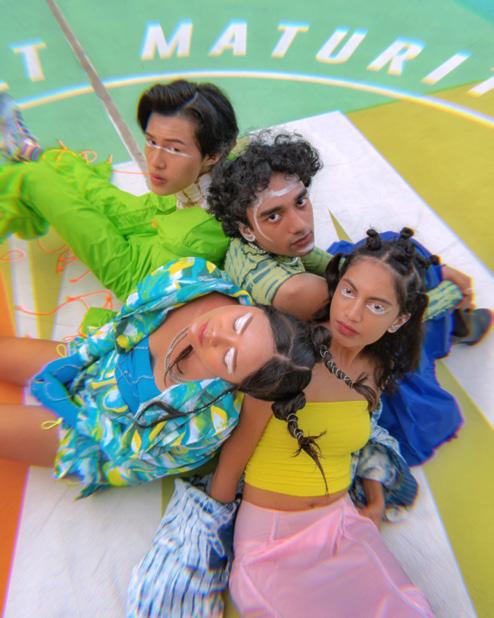
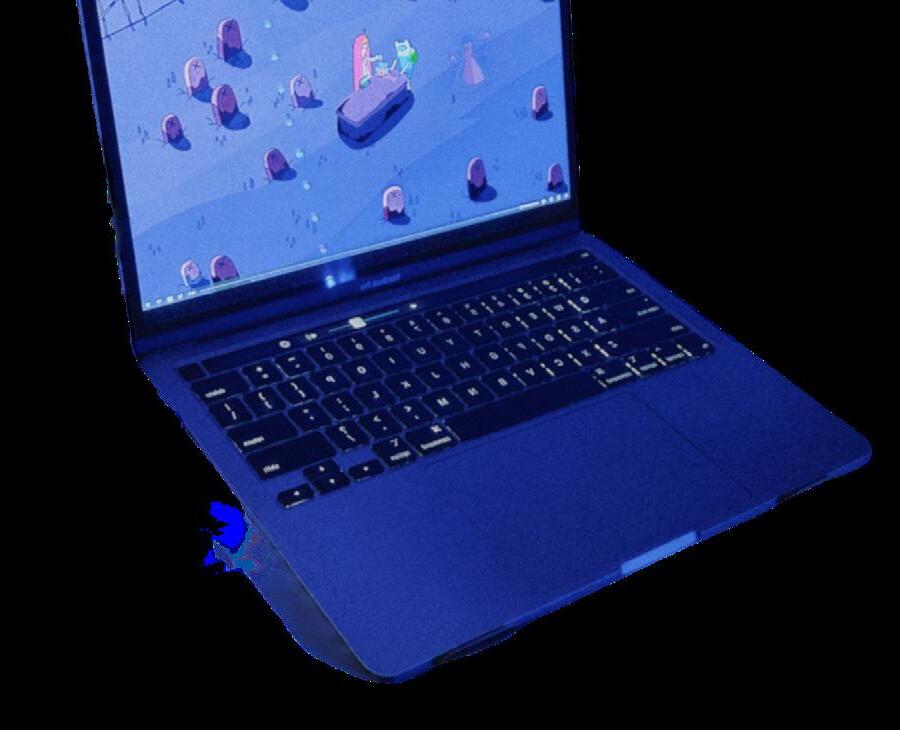
 Laptop covered in stickers that I have collected over my time in New York.
But personal taste is more than
ing the aspirations of the heart. In the curated corners of my studio, I see fragments of myself scattered like shards of broken glass—each piece a testament to the mosaic of my being. And in the act of creation, I am confronted with the raw truth of my own existence—physical items that can encapsulate so many parts of my identity.
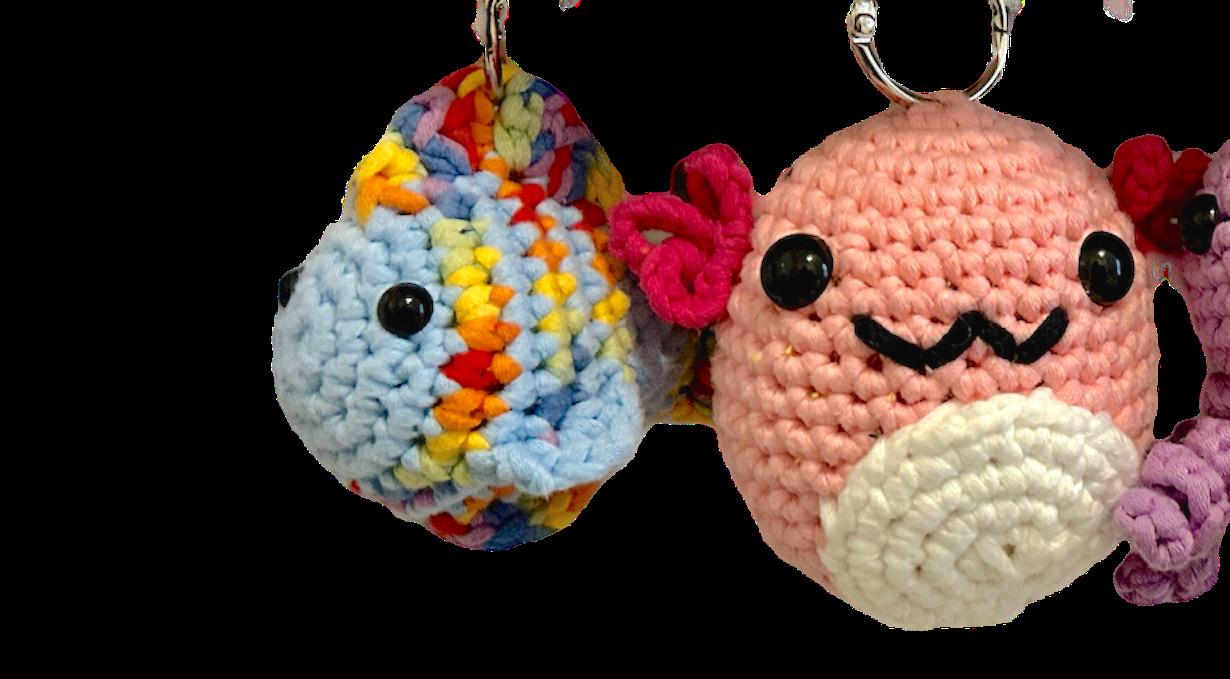
For while it may serve as a wellspring of inspiration, it also presents a barrier to growth and experimentation.
like the tides, it is all too easy to become stuck trappings of familiarity—to cling to what is safe and comfortable rather than
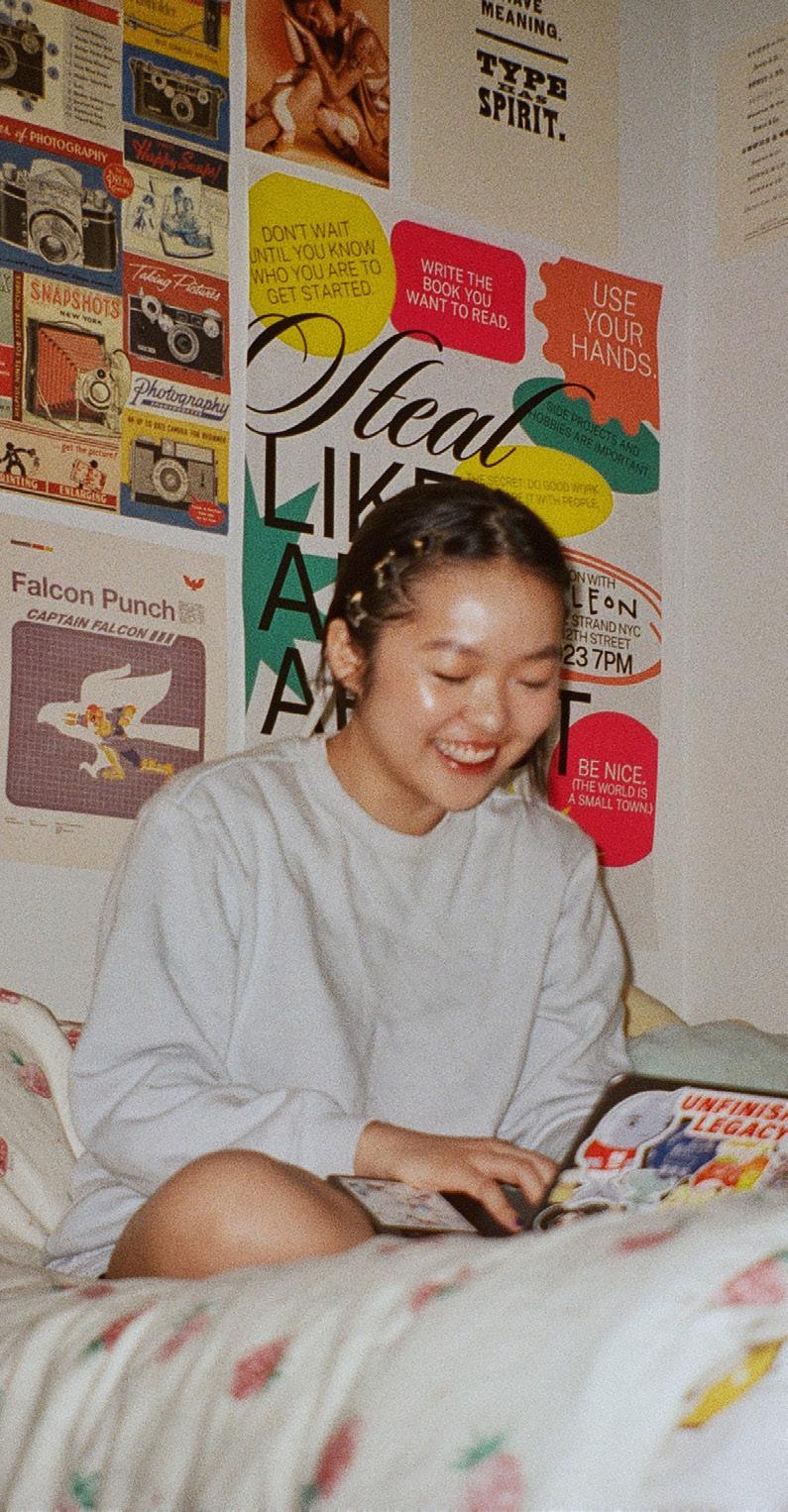
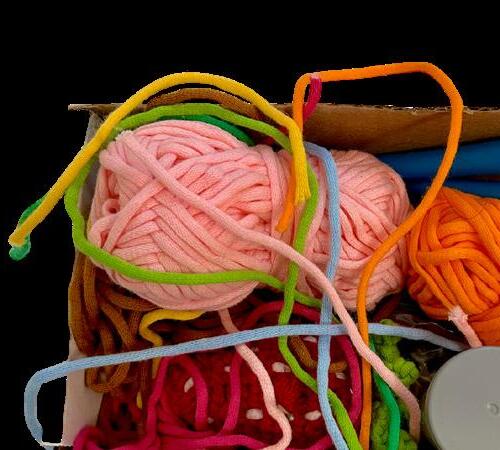
have been putitng them up all
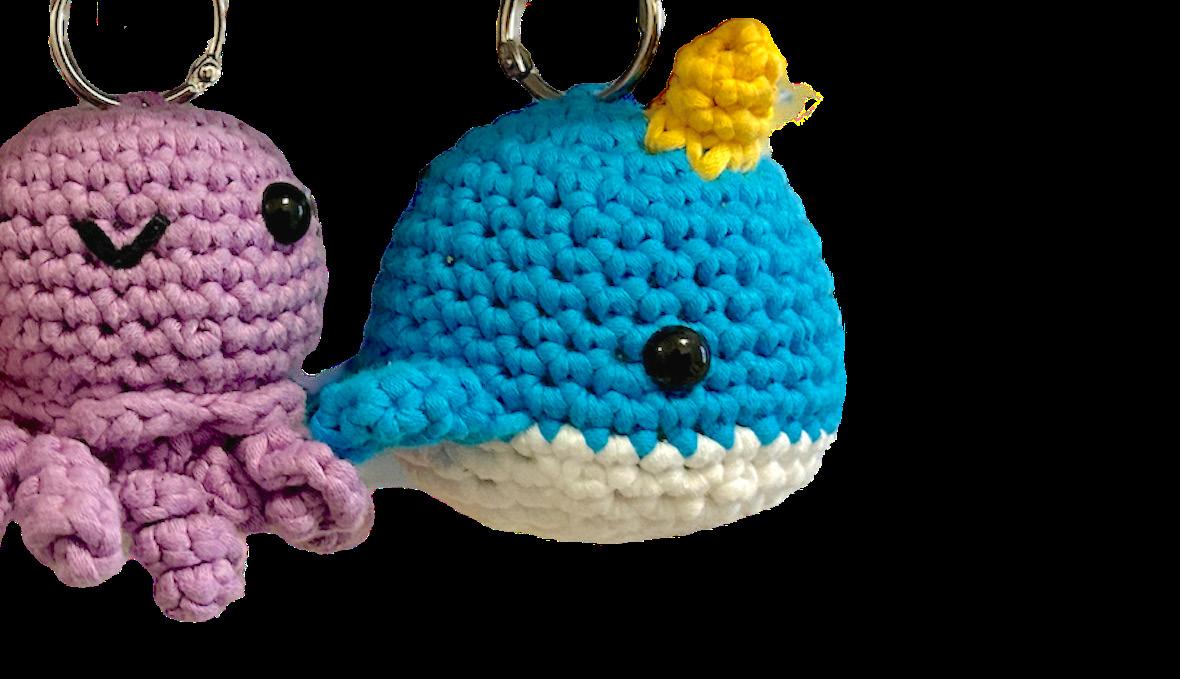
venture into new styles and techniques. Yet, it is precisely in those moments of
It is in the willingness to challenge the boundaries of personal taste, to embrace the unfamiliar, that we discover new horizons of possibility.

The picture of taste I have presented is hardly reassuring. We often do not seem to know what we like or why we like what we do. Our preferences are riddled with unconscious biases, easily swayed by contextual and social think that we will like tomorrow what we liked today and even less chance of remembering what led us to our previous likes. Even experts, as we have just seen, are hardly infallible guides to knowing what is truly good, to knowing their own feelings. Nothing could be more essential to identity than one’s internal compass of liking—of food, of music, of art, of our brand of yogurt—and yet, throughout its almost constant operation, it sits largely
explorations, however, small themes have emerged, little signposts dotting a -
agement and a bit of clarity. It is with these messages that I will end—a sort
Our ability to express an “affective judgment” about something happens naturally in the range of millisec-
onwds. This is a great skill for a complex -
ly navigating the crowded marketplace of life. But shortcuts can come at a price: We may miss what we might actually prefer, we may discount something we will later come to love, we may be misattributing the source of our liking.
In the world of sensory testing, the words “like” and “dislike” ae discouraged. Why? Because they may throw off the very judgment of taste panelists. Liking and disliking can be top-down concepts that often get in the way of our actual experience of something. Asking whether
you like something or not often puts a premature end to a much more interesting conversation.
Remember the subjects at the country fair who seemed to have a decided preference for one of two seemingly identical ketchups? Their preference was unconscious, buried deep in childhood memory. We like to think our likes are authentic, but they may be covertly
Italian wine you bring home because it was the best thing you ever tasted) “or tempered by expectation (people will like the Napa Valley wine more than the New Jersey wine, regardless of where
the wine is actually from.
One’s individual tastes may simply
that has hardened into habit: As the researcher Evgeny Yakovlev has noted, for decades Russians had an overwhelming taste for vodka (which was relatively cheap and plentiful). Once market restrictions were “lifted, however, beer consumption soared—among younger consumers. The old vodka drinkers? They still mostly drank vodka.


Language can unlock liking. When we have a sensory experience, we might
their work. “Words cannot describe” is a common refrain in online reviews. But if we like what we know, we only know what we remember, and we are more likely to remember hedonic events if we verbalize them. Caution: sometimes we may like something less for itself than because it is easier to talk about why we like it, over something we may actually prefer but whose qualities are more elusive.
Our pattern-matching brains are primed to categorize the world, and we seem to like things the more they resemble what we think they should. Studies have found that when subjects look at pictures of mixed-race people and are asked to judge their attractiveness, the answer depends on what categories are used; a Chinese-American man may be judged more attractive than men in general but less attractive than Chinese men. Things that are “hard to categorize” are hard to like—until we invent new categories. We like things more when we can categorize them, and categories can help us like things more, even things that aren’t as good as we might like.
we may immediately respond favorably to things that are “easy to get”—a simple but infectious pop riff, a piece of art whose meaning or style immediately registers, a sweet cocktail. But this very and we may tire rapidly of the simple “stimulus.” What seems harder to like
more mental bandwidth—may yield more long-term hedonic returns. There are few historical artists still relevant today who were widely liked, without any controversy, in the time they were working.
dislikes that register more powerfully. Our facial muscles work harder to express our dislike of food, there are many more words for negative emotions than for positive emotions, one negative review among a group of largely positive reviews carries more weight than one positive among a group of mostly negative reviews. Dislikes can reveal more about who you are than likes.
Liking is learning. There are very few inherent tastes. What is taken for a “natural” predilection is often culture, wrapped in biology’s clothing.
Dislikes are harder but more poerful. We live in a positive world. The Power of Negative Thinking is not a best seller. Facebook does not allow users to not like things. We do not look for “negative feedback.” As much as we seek out positive experiences, however, it is our
On accounting for taste: trying to explain, or understand, any one person’s particular tastes—including one’s own—is always going to be an elusive and idiosyncratic enterprise. But the way we come to have the tastes we do can often be understood through a set of psychological and social dynamics that function much the same, from the grocery store to the art museum. The more interesting question is not what we like, but why we like.
Special Thanks:
Edward Bauer
Holly Yang
Yoong Ahn
Photography by Hyning Gan
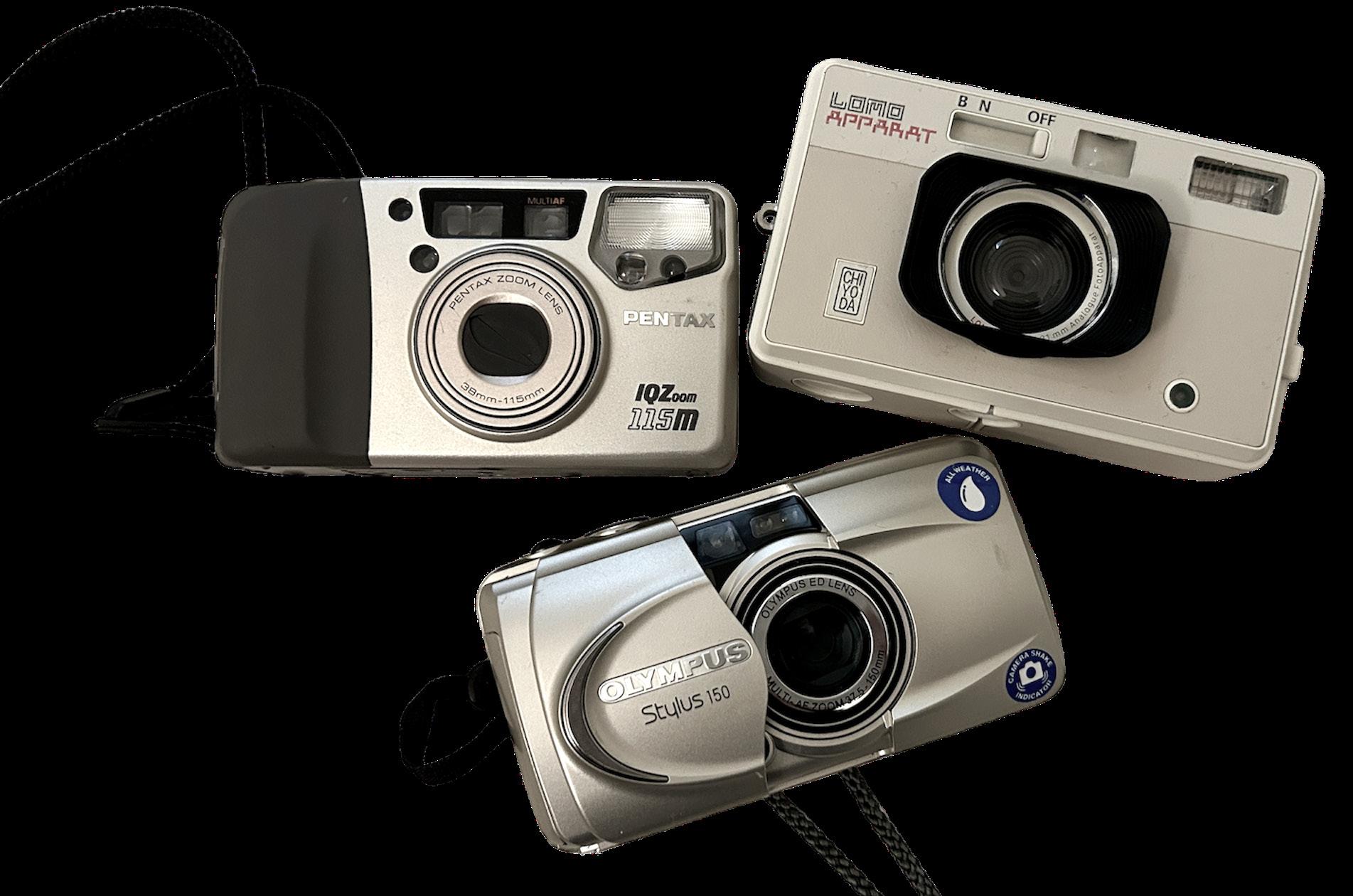
Shot on Pentax Espio 115M
Kodak Colorplus 200 35mm
Featuring words from “You May Also Like: Taste in an Age of Endless Choice”
By Tom Vanderbilt (2017)
Image and text layout by Hyning Gan
Advised by Hyung Cho
For PUCD 2130 Core 2: Typography
Spring 2024
Typefaces Used:
Apple Garamond by Apple Inc.
Helvetica by Max Miedinger and Eduard Hoffmann
Kunstler Script by D Stempel AG
Paper: Mohawk Loop Antique Vellum Milkweed 80T/110C
Printed and Binded @ Design Lab