The right of Helen Grimes to be identified as the author of this work has been asserted in accordance with the Copyright, Designs and Patents Act 1988.
All rights reserved. No part of this publication may be reproduced, stored in a retrieval system or transmitted in any form, or by any means, without the prior written permission of the author, nor be otherwise circulated in any form of binding or cover other than that in which it is published and without a similar condition being imposed on the subsequent purchaser.
Every effort has been made to ensure that all the information in this book is accurate. However, due to differing conditions, tools and individual skills, the publisher cannot be responsible for any injuries, losses and other damages that may result from the use of the information in this book.
First published 2026 by: Bustle & Sew Station House West Cranmore Shepton Mallet BA4 4QP
www.bustleandsew.com
WelcometotheJulyMagazine
July has arrived in all its midsummer glory, bringing long, sunlit days and the irresistible call of the coast. Whether you're stitching in the shade of a favourite tree, enjoying a quiet moment in the garden, or are planning projects to take along on a summer break, I hope this month's magazine will give you lots of inspiration for creative summer days.
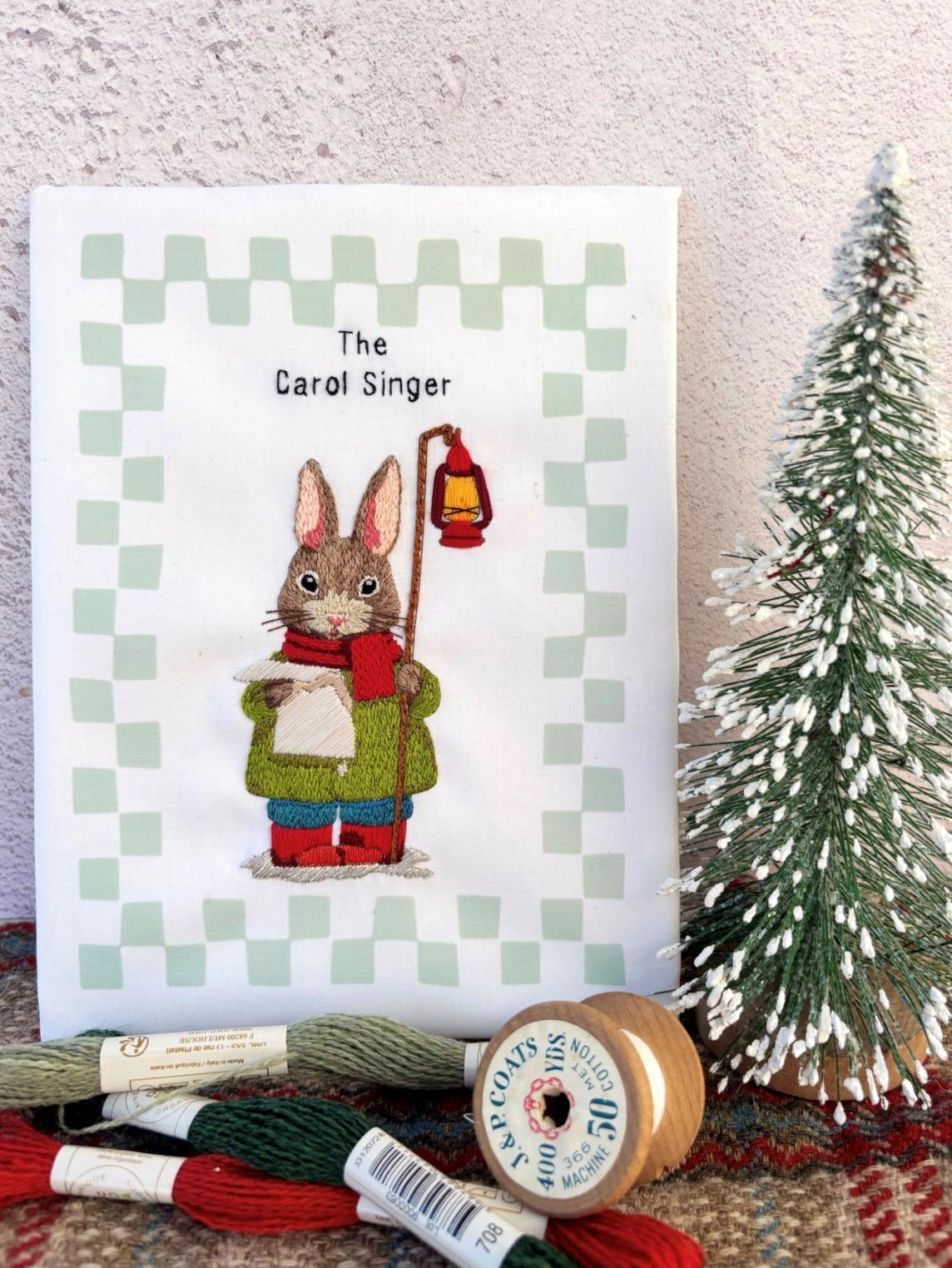
Although Christmas may seem a very long way off, stitchers know that festive projects have a habit of creeping up on us sooner than expected! That's why this issue includes our very first Christmas pattern of the year, the delightful Carol Singing Bunny. Wrapped up warmly and ready to spread seasonal cheer, this charming little character offers the perfect opportunity to get a head start on your festive stitching while the summer sun still shines.
The rest of this month's magazine takes a decidedly nautical turn as we celebrate Britain's enduring relationship with the sea. We begin with a journey through the story of the Great British seaside resort, exploring how coastal towns evolved from fashionable Georgian retreats into the beloved holiday destinations that generations of families remember with such affection. From donkey rides and deckchairs to piers, promenades and ice cream by the shore, it's a nostalgic look at a treasured part of British life.
The August edition will be published on Thursday 30 July, in five weeks time. Until then…
Very best wishes
July
This is the month when gardens overflow with colour, hedgerows bow beneath their abundance, and the countryside hums with life from dawn until long after sunset. It is a month of warmth and celebration, of seaside holidays and village traditions, of cricket on the green and ice cream on the promenade. Country lanes become green tunnels bordered by tangled hedgerows rich with life. The creamy blossoms of elderflower have given way to clusters of green berries, while brambles stretch eagerly into the sunlight, promising blackberries in late summer. The air is often scented with warm grass, honeysuckle and the earthy fragrance of sunlit fields.
The first of the month is Canada Day which marks the formation of the Canadian Confederation in
1867. It is one of the major national celebrations of the Commonwealth and though we don’t hold festivities here, the day itself often appears in diaries and calendars.
Independence Day in the US falls just three days later, on the fourth of July, celebrating the anniversary of the adoption of the Declaration of Independence in 1776. This year is a particularly special one for Americans as they celebrate the 250th anniversary of independence.
Closer to home, and dear to my husband, the Engineer’s, steamtrain loving heart, on 5 July 1827, the Stockton and Darlington Railway began carrying passengers using steam
locomotives on a regular basis, marking an important chapter in British railway history.
July often brings warm sultry weather with high temperatures across the country, though the weather overall is usually more unsettled than in June. One of our best-known weather traditions is of course St Swithun's Day.
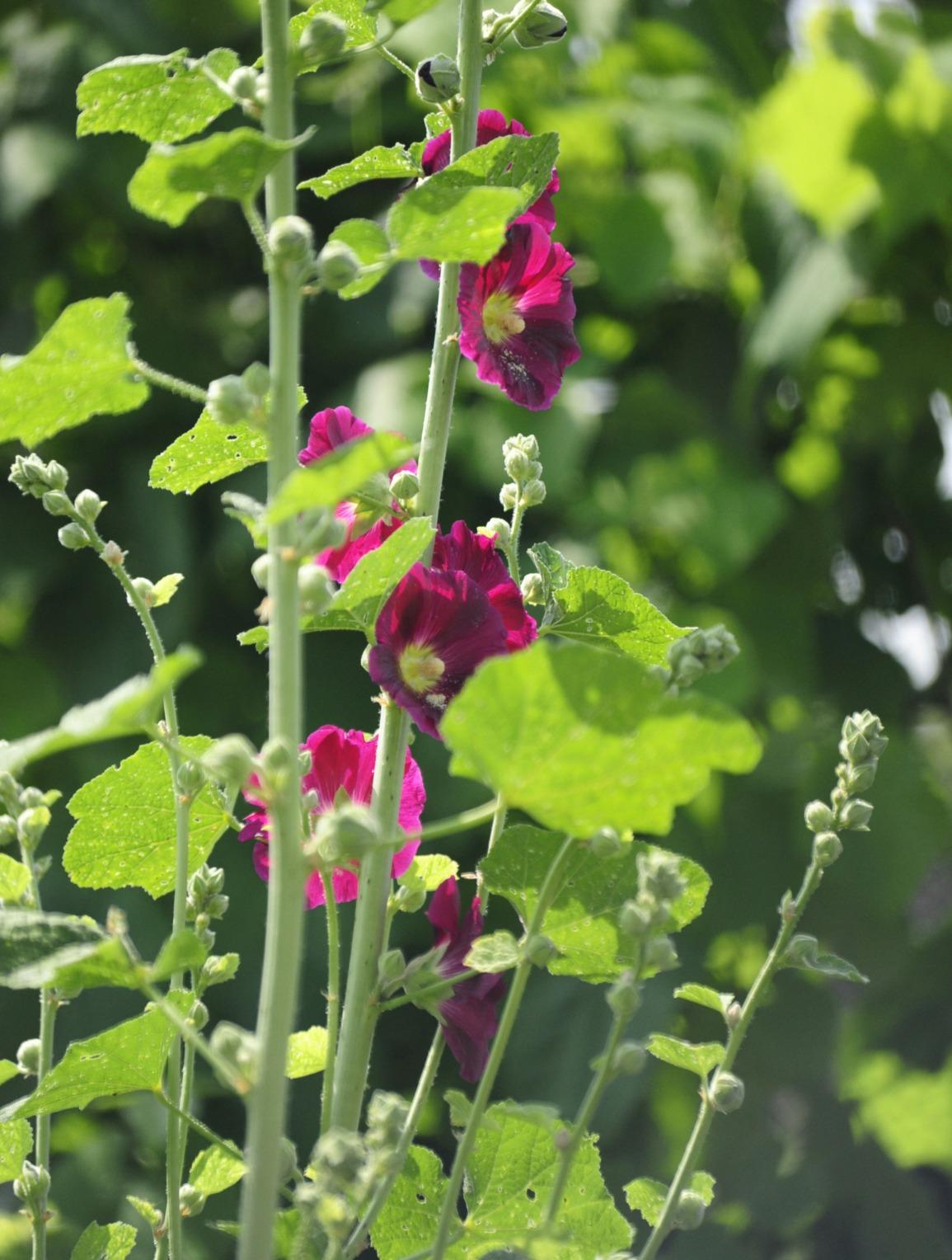
July is hollyhocks and hammocks, fireworks and vacations, hot and steamy weather, cool and refreshing swims, beach picnics, and vegetables all out of the garden …
It’s so easy to bring home fabric that you’ve simply fallen in love with - whether it’s the colours, the print or the provenance (who doesn’t love a wonderfully soft, organically dyed pure linen to stitch on?) But will you actually use your new purchase or is it destined to sit in your cupboard, maybe taken out from time to time and admired, but never actually used? I still have fabrics I purchased two decades ago, have never used but, because I love them so much, have never been able to let them go. If this is you, then here are a few suggestions you may find helpful….
● Buy prints with caution. Do their colours work with other fabrics in your stash? Is the scale of the print suitable for the project you have in mind - and if you’re being very strict with yourself, you should always have a project in mind when you’re purchasing fabric. If you can’t think of anything to do
with your potential purchase then it may well be destined to sit in your stash for quite some time.
● Don’t succumb to nostalgia. I have been guilty of purchasing vintage prints - especially Laura Ashleywhich remind me of my younger days. (Remember those puffed sleeves and flouncy skirts of the late seventies anyone?) And though I love them, they are still sitting on my shelf waiting for me to find a suitable project for them.
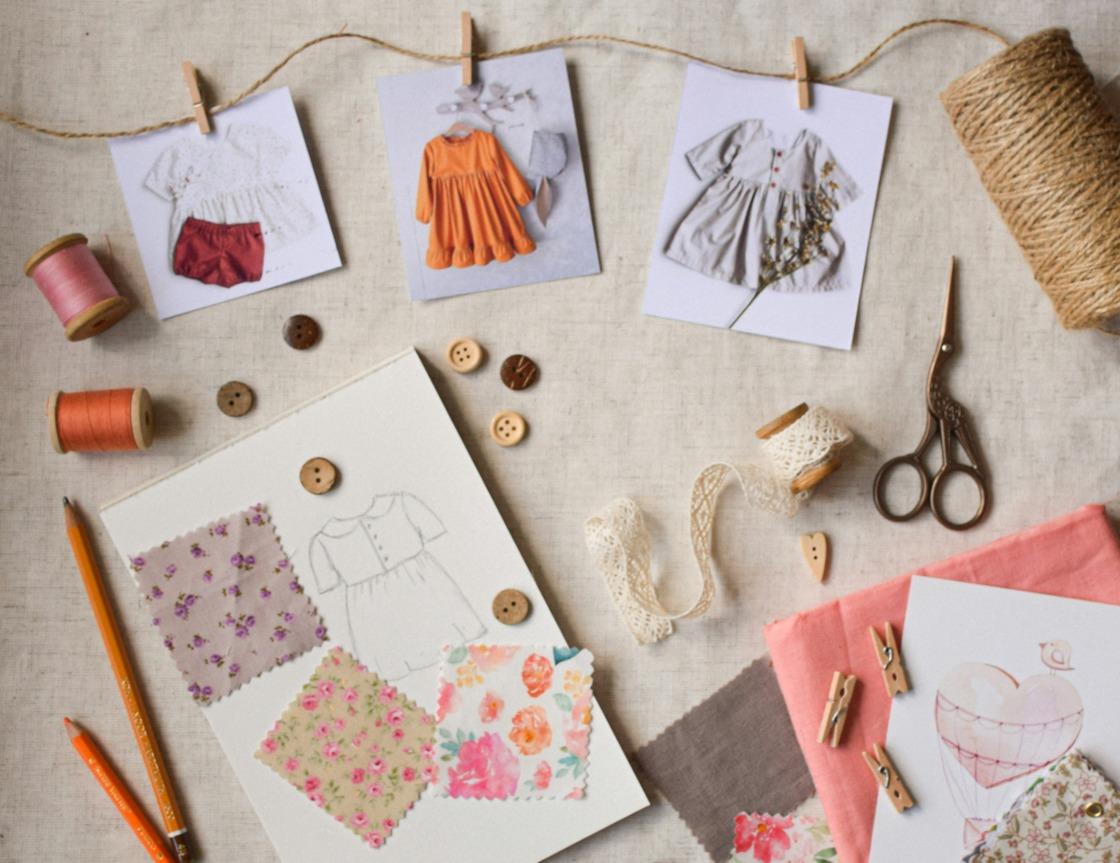
● If you have purchased fabric for a particular purpose, then make a record of your thoughts. This could be some screen shots from Instagram or Pinterest of similar designs that inspired you perhaps? Even pages torn from a magazine or simple jotted notes that will jog your memory when you see them again.
● And - final tip for buying wisely - give some thought to planning your stitching rather than making random purchases. Think about the season ahead - will you need Christmas fabrics for seasonal makes, or is the season in question Easter when lots of bunnies and pastel shades are the order of the day?
But if you’re like me and already have far too much fabric (question for self - can you ever actually have too much fabric?), you’ll need to think of some ways to use it up so you can purchase more!
● Consider challenging yourself to maybe using some stash fabric - even if only a little - in all future projects. Or if this seems too much then why not try to use stash fabric for every other project? Must be worth a try!
● Return to the screen - for example, Google Images or Pinterest can help you find images that look like the fabric from your stash, and then you can visualize what they will look like when made up. This might provide extra inspiration and kickstart your sewing.
● Organize your stash by fabric type and weight rather than colour. If you organize your fabric by type and weight, you can go to the section you need for your project and find all of your options in the same place.
● Create a special space for smaller pieces of fabric and off-cuts - not big enough to make a whole project on their own, but perhaps might add a splash of colour to a design or could be incorporated into applique work perhaps?
● And finally, if you need a little help to motivate you into using your stash then consider joining a thrifty challenge. There are shop-your-stash challenges you can join on Instagram, and if you can’t find one, make up your own!
AHotJulyDay
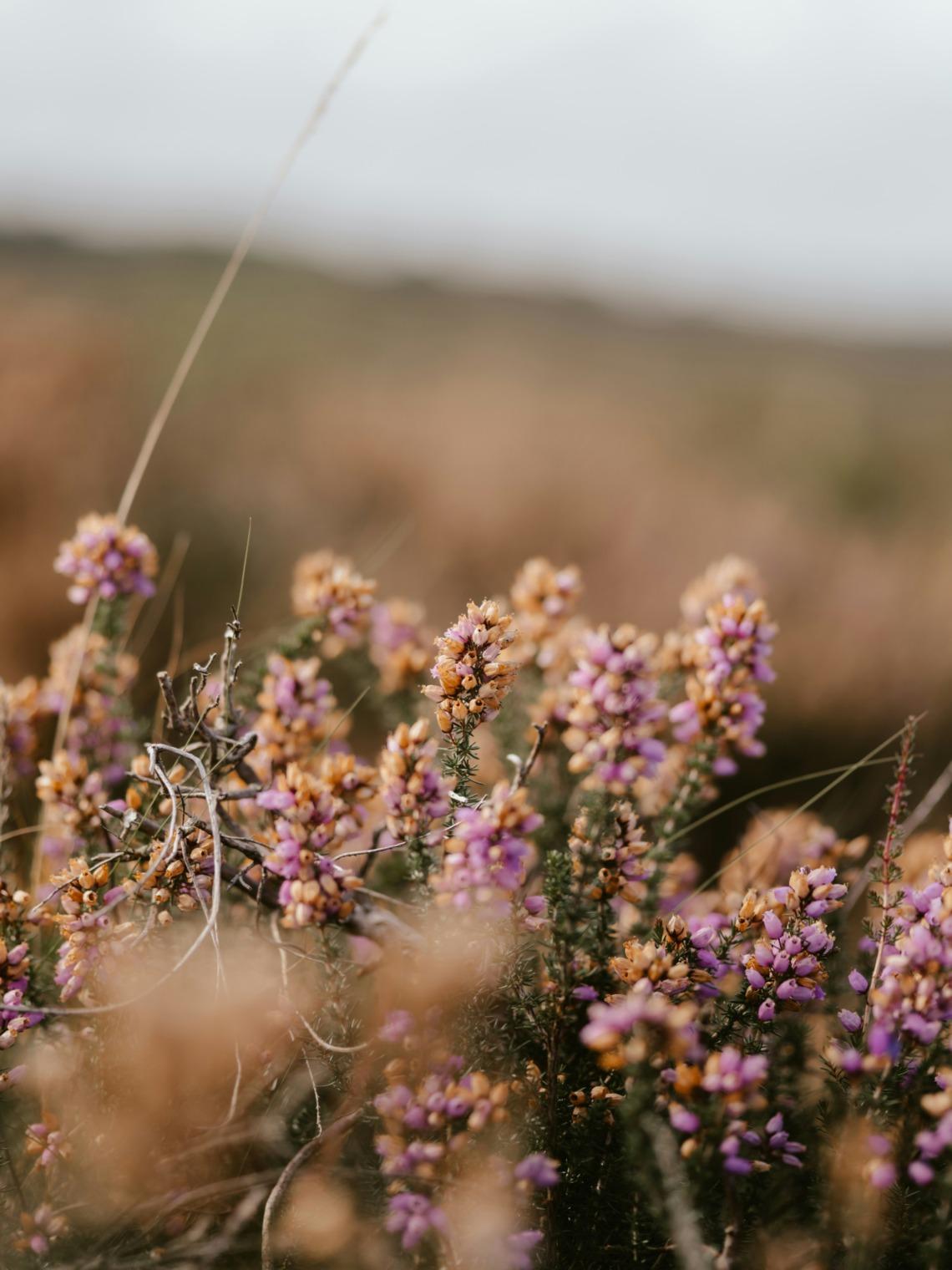
He said the pleasantest manner of spending a hot July day was lying from morning till evening on a bank of heath in the middle of the moors, with the bees humming dreamily about among the boom, and the larks singing high up overhead, and the blue sky and bright sun shining steadily and cloudlessly.
That was his most perfect idea of heaven’s happiness: mine was rocking in a rustling green tree, with a west wind blowing, and bright white clouds flitting rapidly above; and not only larks, but throstles, and blackbirds, and linnets, and cuckoos pouring out music on every side, and the moors seen at a distance, broken into cool dusky dells; but close by great swells of long glass undulating in waves to the breeze; and woods and sounding water, and the whole world awake and wild with joy.
He wanted all to lie in an ecstasy of peace; I wanted all to sparkle and dance in a glorious jubilee.
Emily Bronte (1818-1848) from Wuthering Heights, 1847
The little carol singing bunny is the first of this year’s Christmas designs, but of course at the moment it’s high, high summer and the remainder of this issue has a decidedly coastal feel. So I thought perhaps a little look at the Cornish Christmas speciality - Stargazy Pie - might form a link between the two….
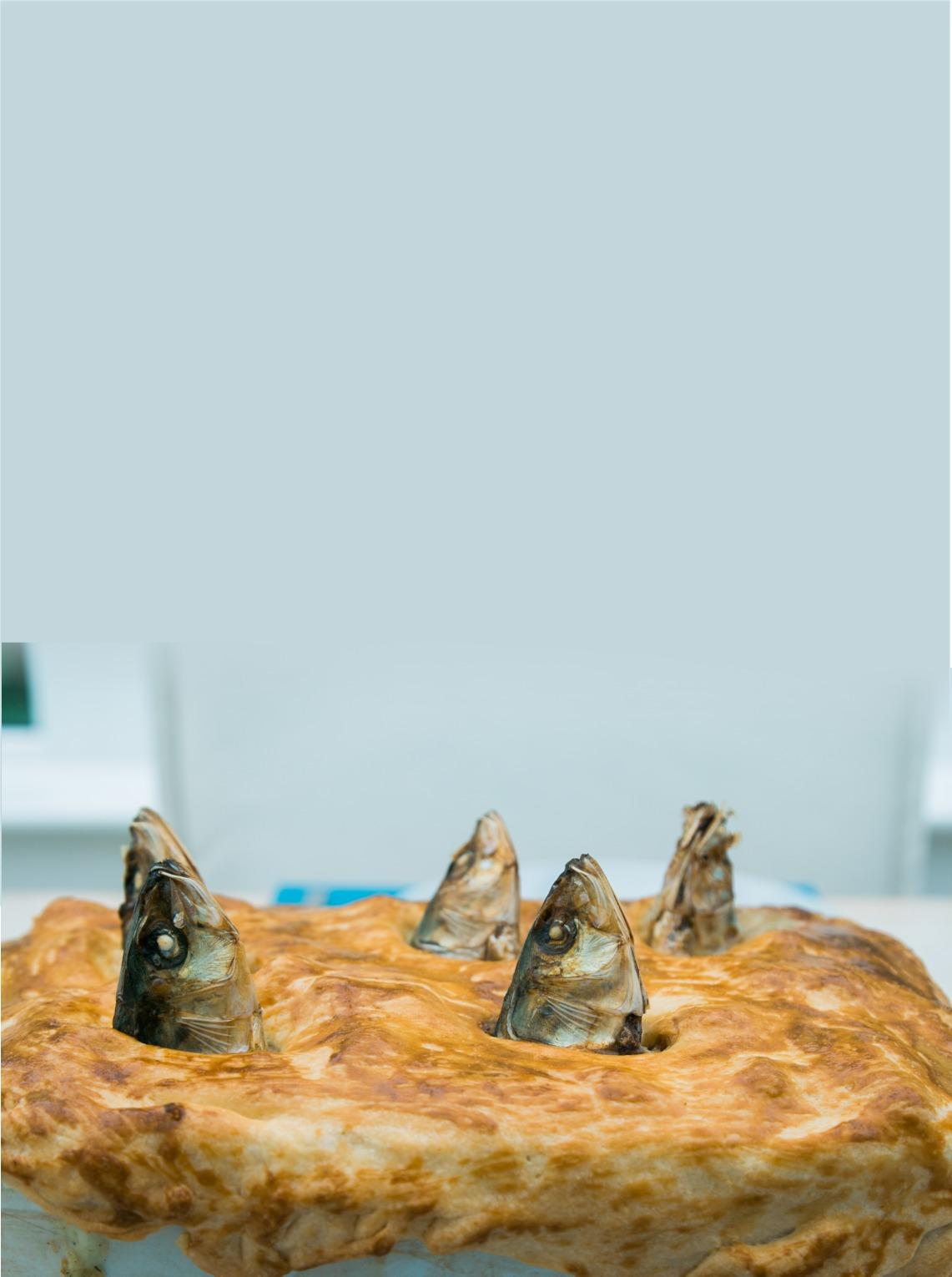
Stargazy pie is one of the most distinctive traditional dishes of Cornwall. First glance can be rather off putting, as whole fish heads protrude through the pastry crust, appearing to gaze up at the sky –hence the name "stargazy" or "starry-gazy" pie. Traditionally the fish are pilchards (Cornish sardines), though mackerel or herring are sometimes used. The filling usually includes potatoes, eggs, leeks, and a creamy sauce beneath a pastry lid.
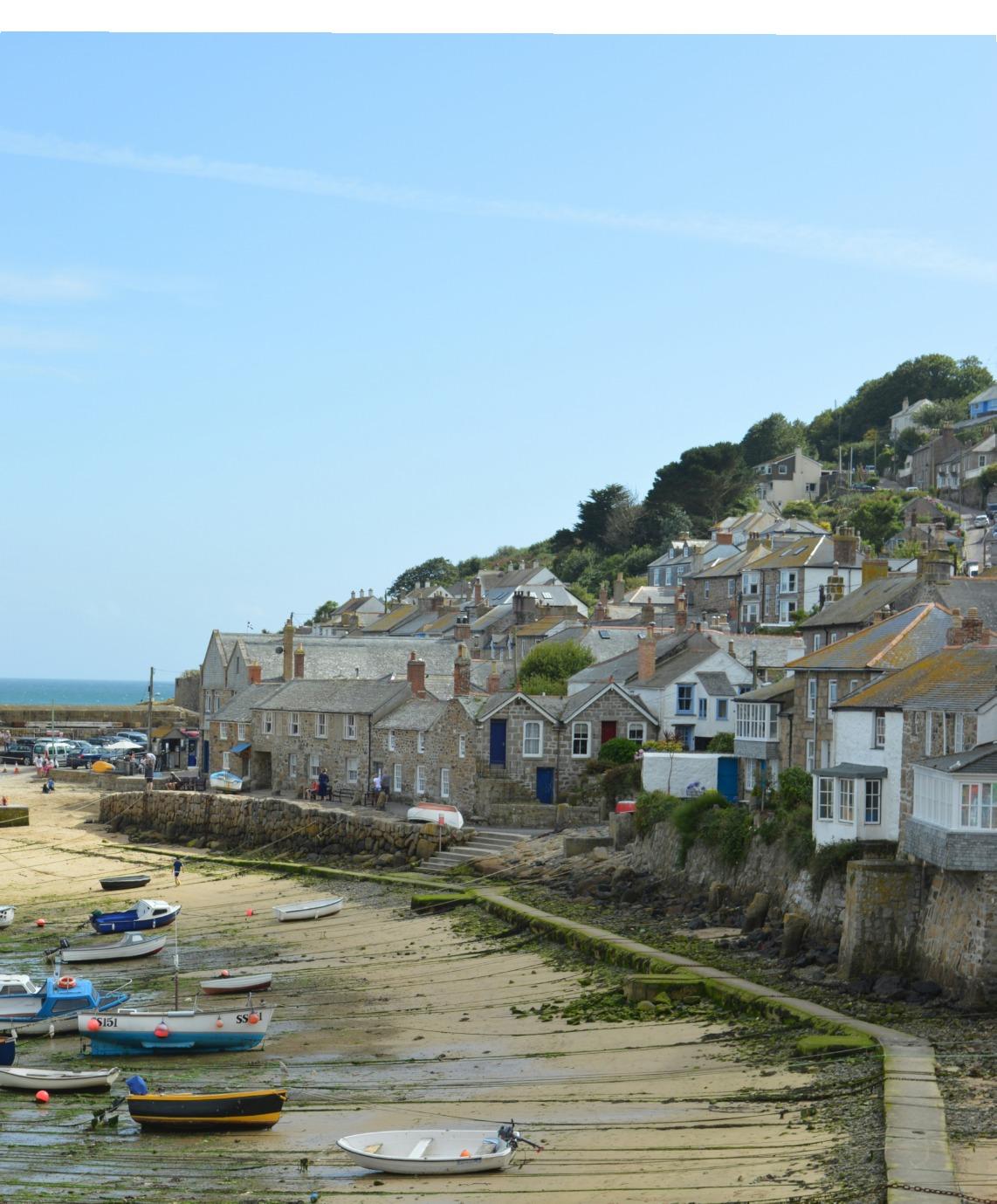
The pie is closely associated with the Cornish fishing village of Mousehole and with the legend of a fisherman named Tom Bawcock. According to the story, after fierce winter storms had prevented the village's fishing boats from putting to sea, food supplies became
dangerously low. Tom Bawcock supposedly ventured out alone during the storm and returned with enough fish to feed the entire community. The catch was baked into a huge pie, with the fish heads left visible to prove there really was fish inside. The villagers were saved from hunger, and the pie became a symbol of courage, resilience, and community spirit.
Today the pie is traditionally eaten on 23 December during the celebration known as Tom Bawcock's Eve. In Mousehole, lantern processions, singing, and the famous Christmas illuminations accompany the festivities. Large Stargazy pies are baked and shared among locals and visitors alike.
Although the legend is often placed in the sixteenth century, historians have found little firm evidence for Tom Bawcock himself. Printed references to Stargazy pie begin appearing in the nineteenth century, suggesting that the dish may have evolved from older Cornish fishing traditions and winter feasts.
For many people outside Cornwall, the pie's appearance is more famous than its flavour. Yet those who try it are often surprised by how delicious it is. The fish heads are largely decorative; the pie itself is a rich, savoury fish dish that reflects Cornwall's long maritime heritage. It remains one of the most recognisable symbols of traditional Cornish cookery.
StitchingtheWind From
fieldtoocean….
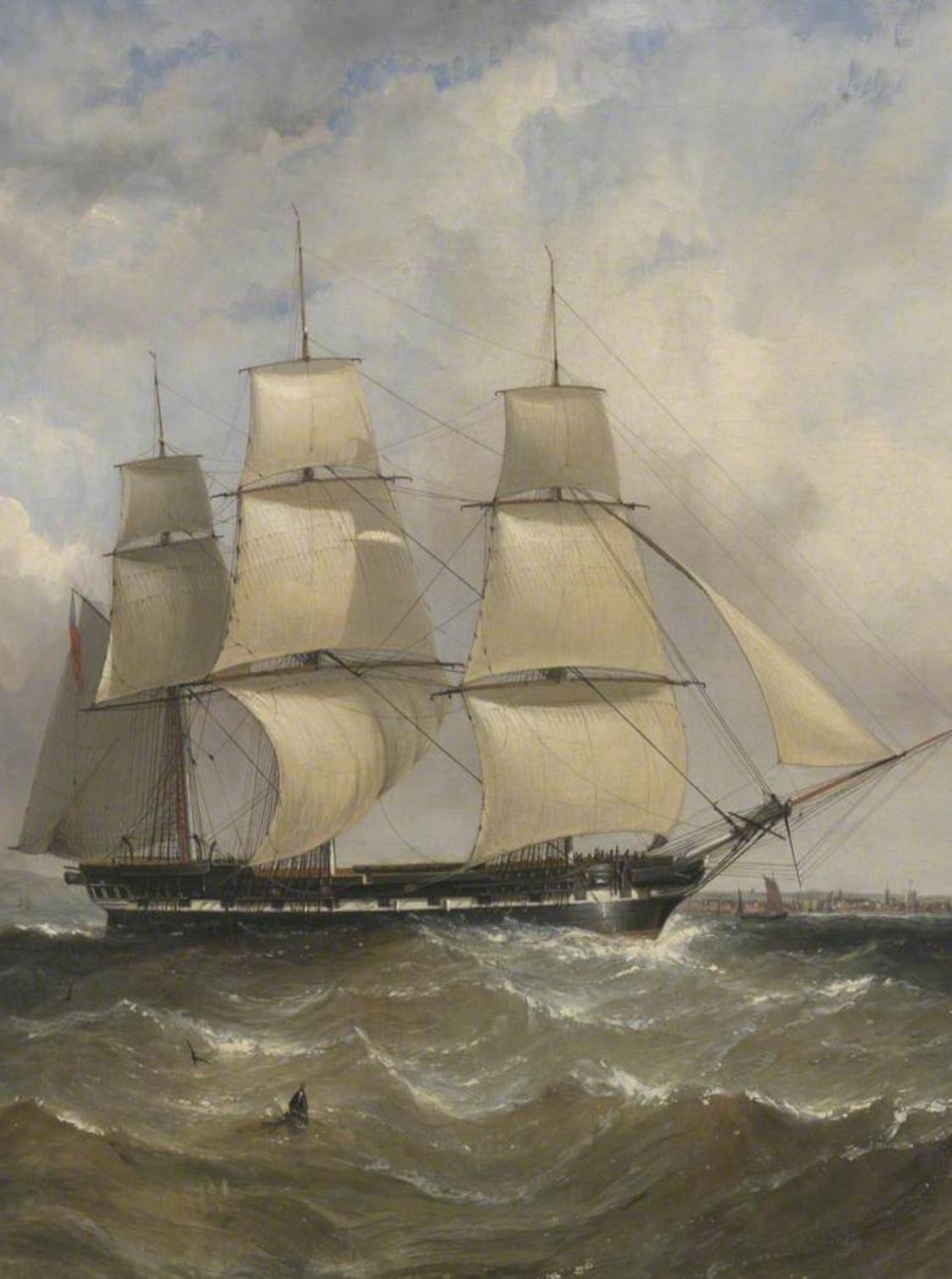
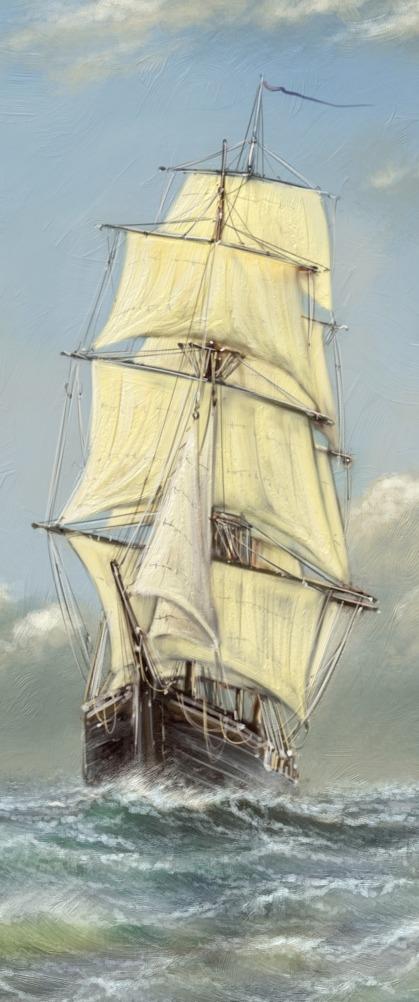
Today, when we admire a painting of a tall ship under full sail or visit a preserved historic vessel, we often simply focus on its beauty and elegance without stopping to consider the effort and expertise needed to produce the sails for the largest ships. Beginning as field of blue flax flowers to the and ending above the decks of an ocean-going ship, the making of a nineteenth-century sail was a journey of skill, labour and ingenuity. It was a process that connected countryside and coast, industry and craftsmanship, to provide power for the great age of sail.
Before steam and steel transformed the world's oceans, ships relied entirely upon the wind. Great merchant vessels crossed the Atlantic laden with cargo, fishing smacks worked the coastal waters, and naval fleets projected power across the globe. At the heart of every sailing vessel was a collection of canvas sails, vast sheets of carefully constructed fabric that captured the wind and transformed it into motion. The making of these sails was a highly skilled trade, combining strength, precision and craftsmanship, and throughout the nineteenth century sail makers occupied an essential place in every busy port.
The canvas used for nineteenth-century sails began its life not in a dockyard but in the countryside. Long before a sail maker spread his cloth across the floor of a loft, farmers were cultivating fields of flax, the plant whose fibres would eventually become some of the strongest fabrics produced in the textile industry.
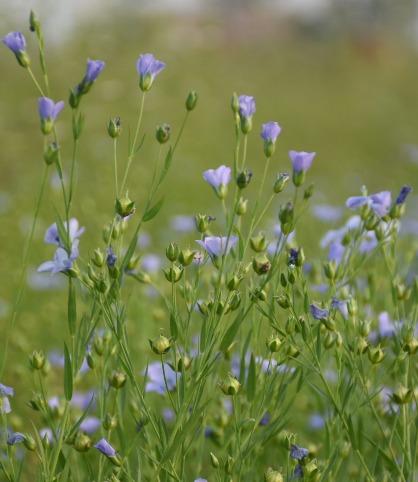
Flax thrives in cool, damp climates, making parts of Britain, Ireland and northern Europe particularly well suited to its cultivation. The plants were sown densely so that they would grow tall and slender, producing long fibres rather than branching stems. By midsummer the fields were covered with delicate blue flowers, a beautiful sight that belied the hard work still to come.
Unlike many crops, flax was usually pulled from the ground rather than cut. This preserved the full length of the fibre, an important consideration when producing yarn for heavy-duty cloth. The harvested plants were gathered into bundles and left to dry before undergoing a process known as retting. During retting, moisture and naturally occurring bacteria gradually broke down the woody material surrounding the fibres. This could be done in ponds, streams or simply by leaving the flax spread across damp grass. The process required careful judgement; too little retting made the fibres difficult to separate, while too much weakened them.
Once retted and dried, the flax was crushed and beaten to remove the woody stems. Workers then combed the fibres through large beds of metal spikes in a process known as hackling. This produced long, silky strands of flax ready for spinning. The finest fibres were reserved for linen clothing and household textiles, while coarser fibres found their way into sailcloth, where strength mattered more than softness.
Spinning transformed the fibres into yarn. By the nineteenth century much of this work had moved from cottages into mechanised mills, although hand spinning still survived in some areas. The yarn intended for sailcloth was spun tightly to maximise its strength since every thread would eventually be subjected to tremendous strain from wind and weather.
Flax
Buckets,SpadesandSea Breezes
A (very) little look at the history, traditions and changing fortunes of British seaside resorts
For past generations, the annual trip to the seaside represented freedom, pleasure and escape. Families saved throughout the year for a precious week beside the sea, children eagerly anticipated donkey rides and ice creams, and adults relished the chance to leave behind the cares of daily life.
Today, although we are just as, or perhaps more likely to travel abroad and many of the great resorts have faced periods of decline, the British seaside continues to hold a special place in the national imagination. The sight of a Victorian pier stretching into the waves, the scent of salt carried on a brisk breeze, and the cheerful clatter of amusement arcades take me, and I’m sure many
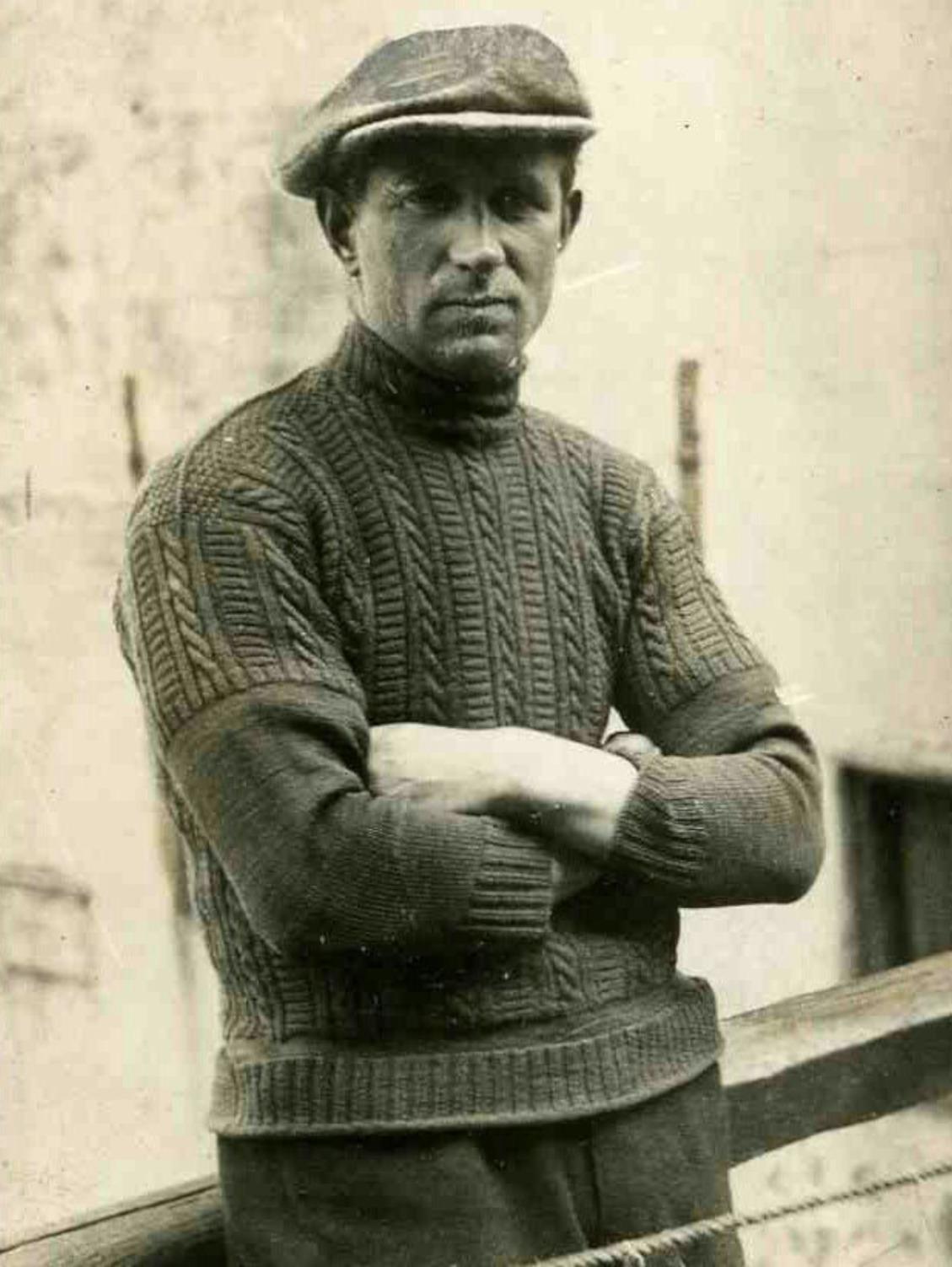
Fisherman mending nets
others too, on a nostalgic trip into childhood days.
The story of our seaside resorts reflects changing ideas about health and leisure, the growth of railways, the rise of the working classes, wartime hardship and post-war prosperity.
For much of British history, our coast wasn’t regarded as a place of recreation. Coastal communities depended upon fishing, shipping and trade, while the sea itself was often viewed with fear and suspicion. Reports of storms, shipwrecks and smuggling seemed to prove that the coast a wild and dangerous place.
Attitudes began to change however during the eighteenth century. Physicians increasingly promoted seawater as a remedy for a wide variety of ailments. Sea bathing became fashionable among wealthy society, who travelled to coastal towns in search of improved health.
One of the earliest and most influential resorts was Brighton - a modest fishing town that transformed itself dramatically after the patronage of the Prince Regent, later King George IV. The construction of the extravagant Royal Pavilion established Brighton as a fashionable destination for aristocrats and socialites. Elsewhere, towns such as Scarborough, Margate and Weymouth attracted visitors eager to experience the
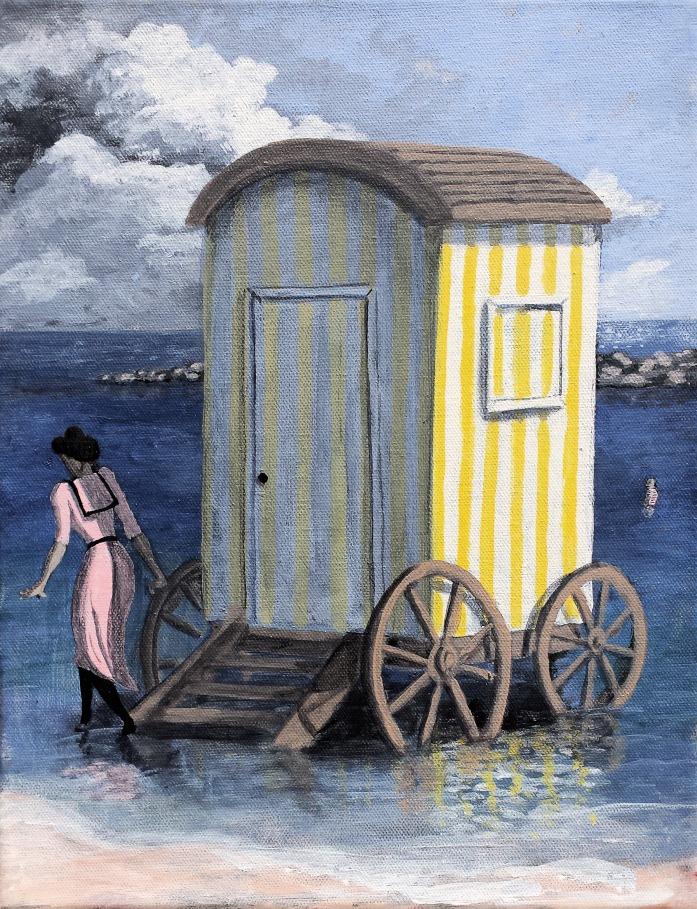
Victorian era bathing machine
Goodfood… goodliving…
July is a month of abundance, when gardens, orchards, allotments and hedgerows seem to burst into life all at once. The long, lingering days invite us outdoors, and meals often become a more relaxed affair, shaped by the rhythms of the season and the pleasure of making the most of ingredients at their very best.
There is something particularly rewarding about cooking at this time of year. The countryside offers an ever-changing harvest, and each week seems to bring something new. Broad beans and peas are plentiful, courgettes begin to appear in generous quantities, tomatoes ripen in greenhouses and sunny gardens, while strawberries, raspberries and currants fill bowls with their jewel-like colours. Herbs flourish in pots and borders, their fragrance released with the lightest touch, and every visit to a market or farm shop presents fresh inspiration for the kitchen.
Many of our fondest summer memories are tied to food. The scent of strawberries warmed by the afternoon sun, the first taste of freshly picked peas, or the pleasure of a homemade cake enjoyed after a day spent outdoors can instantly transport us to summers past. Recipes often become part of family traditions, linked to garden harvests, holidays, picnics and celebrations.
July is perhaps the perfect month to enjoy seafood, especially if we’re on holiday at the seaside! Along the coast, fishing boats bring ashore fresh catches that find
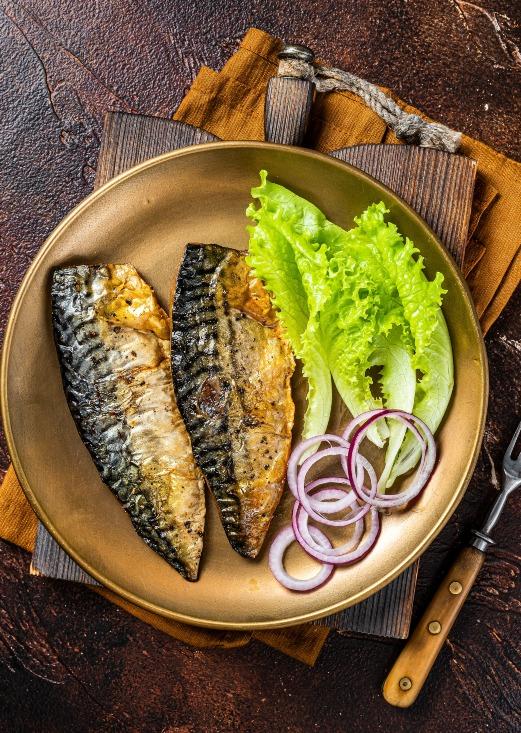
their way onto local menus and family tables. Sweet crab, delicate prawns, smoked mackerel and freshly landed fish all lend themselves beautifully to light summer meals. Served simply with crusty bread, crisp salads and a squeeze of lemon, seafood captures something of the freshness and freedom of the season. Even for those living far from the coast, a seafood supper can evoke memories of holidays by the sea, bustling harbours and sunny afternoons spent watching the tide roll in.
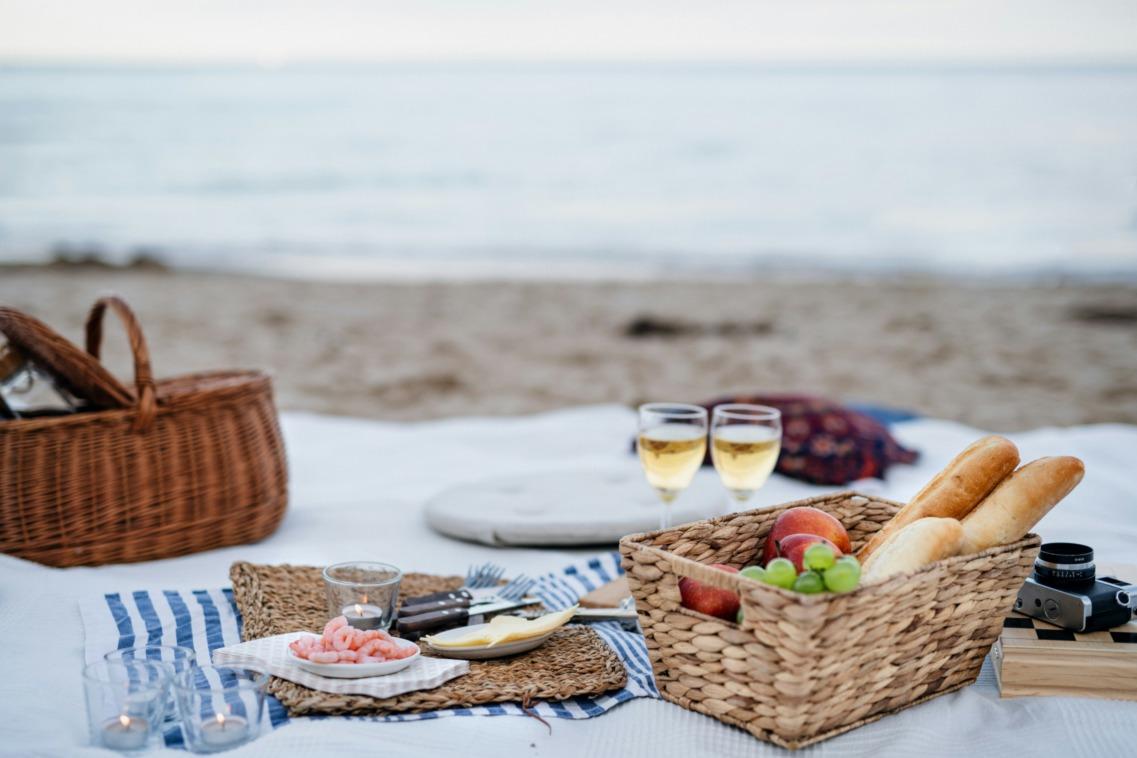
July is also the month of the picnic, when long days and generally kinder weather tempt us outdoors at every opportunity, and there is something undeniably special about a meal enjoyed in the open air. Traditional picnic baskets filled with sandwiches, sausage rolls, pork pies and homemade cakes remain enduring favourites, but summer fruits, fresh salads and seasonal bakes bring colour and variety to the spread. The combination of sunshine, fresh air and good company has a way of making every mouthful taste just a little better.
There is less need for elaborate preparation when ingredients are naturally so full of flavour. A handful of freshly picked herbs can transform a simple salad, ripe berries require little more than a spoonful of cream, and vegetables harvested at their peak often shine brightest when treated with a light touch. Seasonal cooking reminds us that good food need not be complicated; often the freshest ingredients are the most satisfying.
● Mix all the marinade ingredients, then pour over the fish. Set aside for 20 mins.
● For the salad, combine the sesame oil, lime juice, soy, honey and sweet chilli to make a dressing, then toss with the leaves.
● Grill the marinated mackerel under a hot grill for 5 mins, basting two or three times with any excess marinade, until the flesh begins to flake. Slice and serve with the dressed salad leaves.
TheMiracleoftheSea
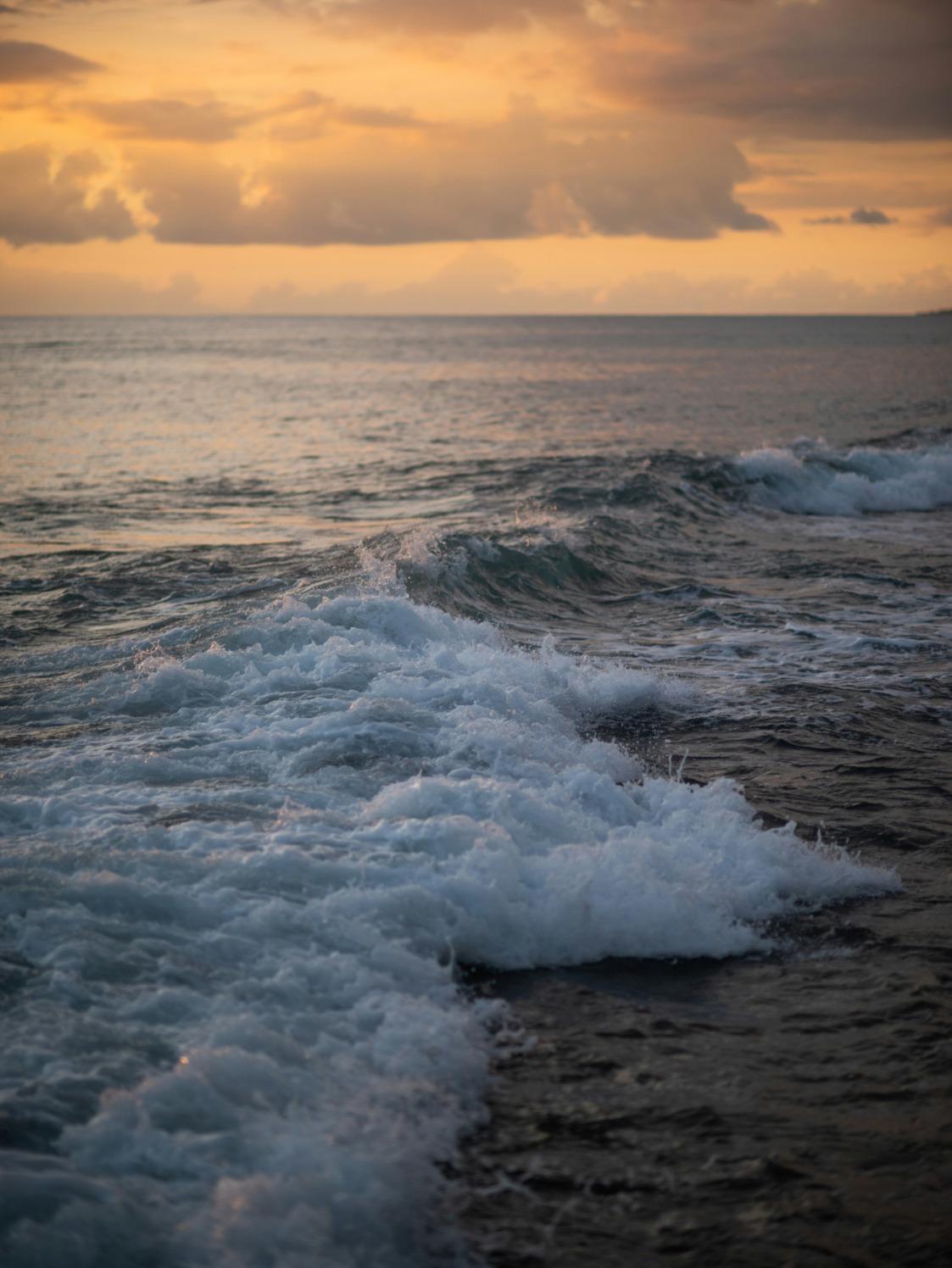
The sea is a perpetual miracle; the fishes that swim, the rocks, the motion of the waves, the ships with men in them, what stranger miracles are there?
The ocean is a living thing. It breathes, it murmurs, it sleeps and awakens. Sometimes it smiles beneath the summer sky, spreading a path of silver light from horizon to shore. At other times it gathers its strength in silence and rises in majesty, reminding mankind that all his works are temporary beside the ancient dominion of the waters.
Victor Hugo (1802-1885) from The Toilers of the Sea 1866
Woolies:The Sailor'sArt
How nineteenth-century sailors turned wool, canvas and spare time into works of art
"Les oiseaux" (The Birds), a 1947 artwork by Henri Matisse featuring iconic white bird forms against a vibrant blue background.
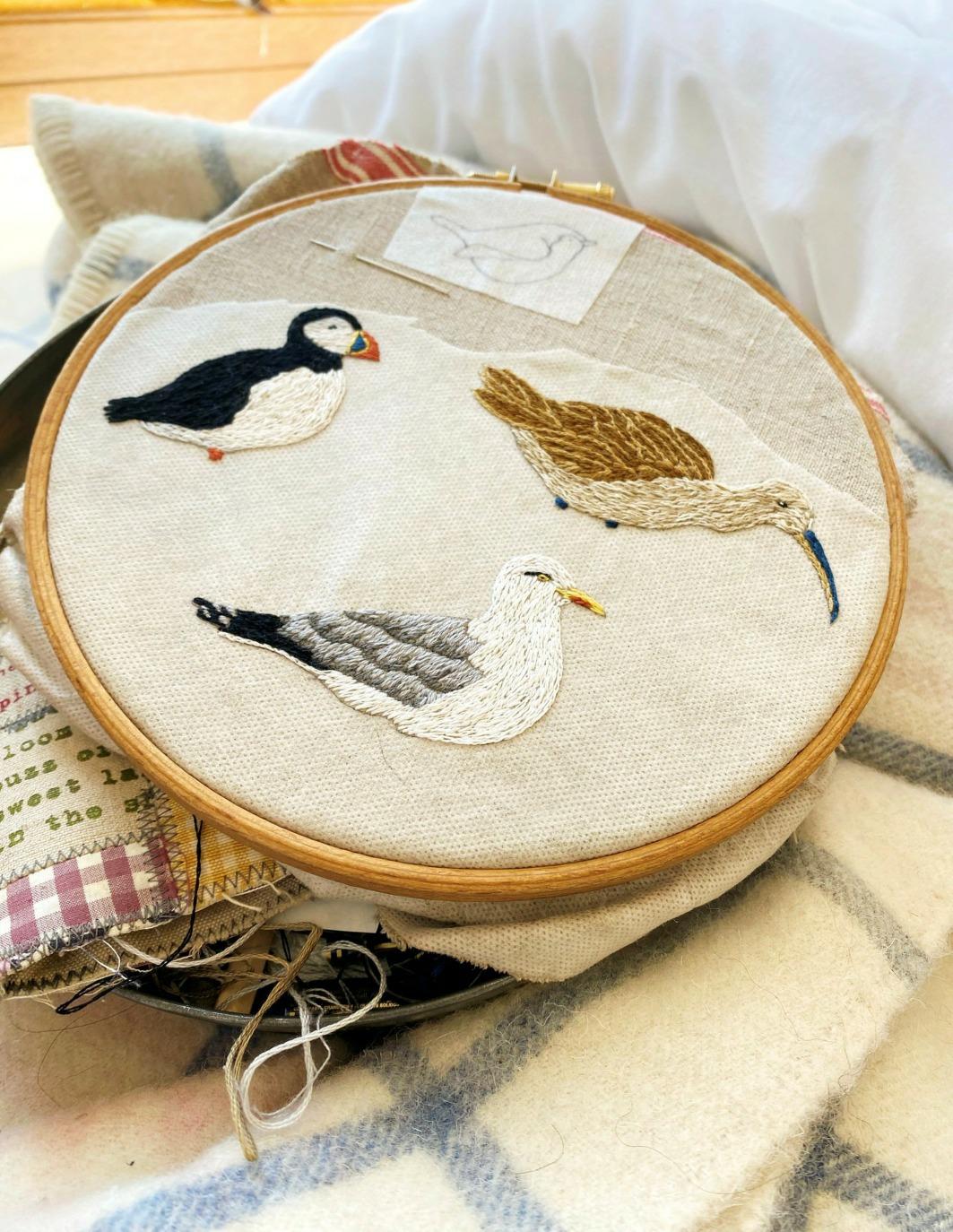
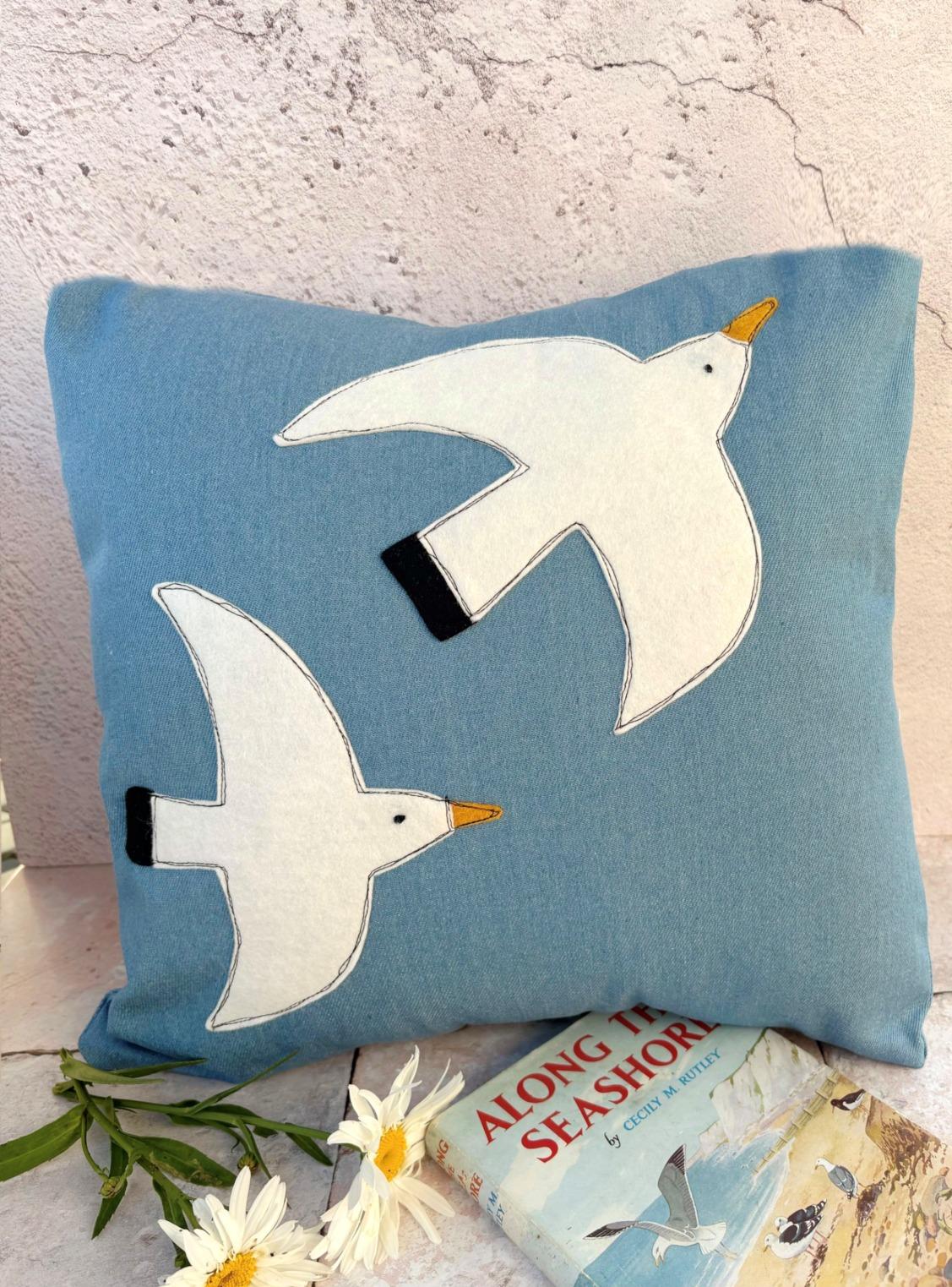
My seagulls cushion cover was inspired by Matisse’s famous paper collages as I love the simple swooping shapes of his birds….
Towards the end of his life, the French artist Henri Matisse developed a new way of artistic expression. Unable to stand at an easel for long periods due to ill health, he turned instead to sheets of brightly coloured paper, scissors and pins. What began as a practical solution soon became one of the most celebrated artistic innovations of the twentieth century.
Matisse called the technique gouaches découpées— painted papers cut into shapes—and described it as "drawing with scissors." Assistants first painted large sheets of paper in vivid colours using gouache paint. Matisse would then cut directly into the paper, creating leaves, flowers, stars and birds.
Birds had long fascinated Matisse. Throughout his career he kept doves and other birds in cages near his studio, enjoying their movement and grace. In his cutouts, however, he abandoned realistic detail in favour of simple silhouettes that captured the essence of flight. A few carefully judged curves could suggest a beating wing whilst a single sweeping shape could convey freedom, energy and motion.
Bird motifs also appeared in larger works such as The Parakeet and the Mermaid, where colourful birds mingle with leaves and exotic plants in a joyful celebration of nature. Created in the artist's studio in the south of France, these compositions transformed entire walls into gardens filled with colour and movement.
Henri Matisse (1869-1954) was a French artist, leader of the Fauve group, regarded as one of the great formative figures in twentieth century art, a master of the use of colour and form to convey emotional expression.