
‘Strong’ El Niño to ravage farms, imperil food
By Ada Pelonia @adapelonia
A“STRONG” El Niño occurring this year could ravage farmlands, shrinking harvests and disrupting the country’s food supply, the Department of Agriculture (DA) said.
While the country cannot entirely stave off such losses, Agriculture Secretary Francisco Tiu Laurel Jr. said this could be minimized through various strategies.
This includes shifting to less water-dependent crops such as munggo in drought-prone areas, using solar-powered irrigation, adopting

low-cost greenhouses, and implementing earlier planting schedules.
Such measures form part of the DA’s intensified efforts to prepare local farmers and consumers for a potentially strong dry spell event.
The DA said a severe El Niño could slash farm production by 20 to 30 percent, citing recent studies.
“What we learned during the 2024 El Niño will guide how we prepare and intervene this time around,” Tiu Laurel said.
Ongoing interventions under the National Rice Program (NRP) and the Rice Competitiveness Enhancement Fund (RCEF) are also being strengthened to cushion the
impact of El Niño on rice production and farmer incomes.
These include the provision of high-quality and climate-resilient seeds, fertilizer assistance, farm mechanization, irrigation support, water-saving technologies, credit assistance, and intensified extension and farmer training services.
The DA said it is also enhancing preparedness measures through irrigation system assessments, climate risk mapping, localized planning, and the prepositioning of drought-tolerant seeds, fertilizers, and irrigation support.
It added that existing assistance, such as crop insurance, credit ac-
cess, and market facilitation, is also being reinforced, while the El Niño Task Force is being reactivated to improve interagency coordination and response readiness. As part of preparations for the potential impact of the dry spell, the Philippines and Vietnam recently agreed that the former could purchase up to 1.5 million metric tons (MMT) of rice from the latter at competitive prices, if deemed necessary. Tiu Laurel, however, stressed that actual import volumes will depend on both market prices and domestic production.



By Andrea E. San Juan @andreasanjuan
FASTER
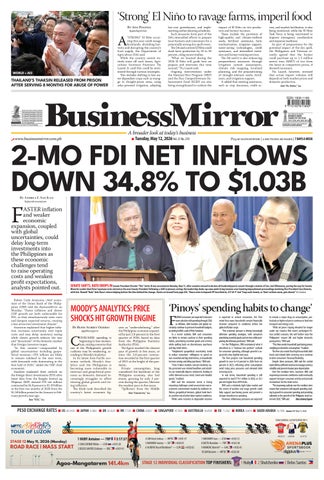
inflation and weaker economic expansion, coupled with global uncertainties, could delay long-term investments into the Philippines as these economic challenges tend to raise operating costs and weaken profit expectations, analysts pointed out.
Ruben Carlo Asuncion, chief economist of the Union Bank of the Philippines (UBP) told the BusinessMirror on Monday: “Faster inflation and slower GDP growth are both unfavorable for FDI, as they simultaneously raise costs and dampen expected returns, creating a less attractive investment climate.”
Asuncion explained that higher inflation increases uncertainty over input costs and may delay monetary easing while slower growth reduces the size and “dynamism” of the domestic market that foreign investors target.
“In this context—compounded by global uncertainties including geopolitical tensions—FDI inflows are likely to remain subdued in the near term, with downside risks dominating in the first half of 2026,” added the UBP chief economist.
Analysts explained their outlook on the foreign direct investments (FDI) after latest data from the Bangko Sentral ng Pilipinas (BSP) showed FDI net inflows contracted by 34.8 percent to $1.03 billion in the first two months of 2026 from the $1.58 billion posted in the January to February period a year ago.



‘Pinoys’ spending habits to change’
FBy Bless Aubrey Ogerio @blessogerio
CONSUMER spending is beginning to lose momentum, raising concerns that one of the Philippines’s growth cushions may be weakening, according to Moody’s Analytics.
In its latest Asia-Pacific economic outlook, Moody’s Analytics said the Philippines is becoming more vulnerable to external and geopolitical pressures as domestic demand increasingly struggles to offset slowing global growth and rising inflation.
The think tank described the country’s latest economic fig-
ures as “underwhelming,” after the Philippine economy expanded by just 2.8 percent in the first quarter of 2026, based on data from the Philippine Statistics Authority (PSA).
The figure marked the slowest pace of growth in five years, or since the 3.8-percent contraction recorded in the first quarter of 2021 at the height of the pandemic.
Private consumption, long considered the backbone of the Philippine economy, also lost steam, growing by only 3 percent during the quarter, likewise the weakest pace in five years.
“Spillovers from the Middle
ILIPINO consumers are expected to become more selective with spending through 2026 as inflation, debt burdens and global uncertainty continue to pressure household budgets, according to BMI, a unit of Fitch Solutions.
In a recent outlook, BMI said consumers are likely to remain cautious in their spending habits, prioritizing essential goods and services while pulling back on discretionary purchases and big-ticket items.
“Heightened geopolitical uncertainty tends to reduce consumers’ willingness to spend on non-essential and big-ticket items, as households increase savings and delay purchases,” BMI said.
“Even if labor markets remain relatively stable, persistent war-related headlines and volatility can materially depress sentiment, leading to softer demand across retail, travel and durable goods,” it added.
BMI said the consumer sector is facing mounting challenges amid an uncertain macroeconomic environment marked by stubborn inflation, geopolitical tensions, global trade barriers and the risk of softer labor market conditions. While some recovery in disposable incomes

is expected in several economies, the firm noted that many households remain financially strained compared to conditions before the global inflation surge.
“This economic pressure is driving increasingly defensive spending strategies, with consumers prioritizing essential goods and services while postponing discretionary purchases,” BMI said.
For the Philippines, BMI maintained what it described as a “cautious but positive” outlook for consumer spending, although growth is expected to slow slightly next year.
The firm projects real household spending growth to ease to 4.4 percent in 2026 from 4.6 percent in 2025, reflecting softer consumption amid rising price pressures and elevated debt servicing costs.
In real terms, household spending is still expected to reach P14.1 trillion in 2026, or 26.1 percent higher than 2019 levels.
BMI said a relatively tight labor market and the return of positive real wage growth could help support purchasing power and prevent a sharper slowdown in spending. However, inflationary pressures are expected
to remain a major drag on consumption, particularly as higher oil prices continue to feed into transport and energy costs.
“With oil prices staying elevated for longer under our Country Risk team’s prolonged USIran conflict scenario, this will further raise the Philippines’ import bill and higher domestic pump prices,” BMI said.
“This then erodes household purchasing power, weighing on domestic consumption,” it added.
The firm also noted that high household debt levels and related debt servicing costs continue to limit consumers’ financial flexibility. Despite these pressures, BMI said the central bank still has sufficient reserves to manage currency volatility and prevent sharper peso depreciation. Over the medium-term, however, BMI said improving economic conditions could eventually support stronger consumer activity and provide momentum for the retail sector.
“The improving outlook over the medium term means that consumers will expand spending, leading to growth in consumer spending and providing tailwinds to the growth of the Philippine retail sector over 2026,” BMI said. Bless Aubrey Ogerio





Policy rate, inflation bets temper investor appetite
By Reine Juvierre S. Alberto
YIELDSon Treasury bills (T-bills)
climbed for the third straight week on Monday, with the Treasury still partially awarding bids as investors priced in further rate hikes and as a higher inflation print demanded more returns.
Mixed results marked the Bureau of the Treasury’s (BTr) auction for shortdated securities as investor appetite for the longer-end tenor turned moderate.
The 91-day T-bill yield averaged 4.850 percent, up by 13.9 basis points, versus 4.711 percent in the previous auction. The Treasury accepted rates ranging from 4.790 percent to 4.923 percent.
Meanwhile, the 182-day debt papers fetched an average yield of 5.270 percent, 30.6 basis points higher than the previous auction’s 4.964 percent. Awarded rates were from 5.100 percent to 5.750 percent.
Yield of the 364-day security rose by 34.2 basis points to 5.719 percent from 5.377 percent in the previous auction.
Rates ranged from a low of 5.200 percent to as high as 5.500 percent.
Sun Life Investment Management and Trust Corp. President Michael Gerard D. Enriquez said T-bill yields edged higher as a reaction to the Bangko Sentral ng Pilipinas (BSP) raising interest rates to 4.50 percent.
The BSP hiked the key policy rates by 25 basis points on April 23, with BSP Governor Eli M. Remolona Jr. signaling more rate hikes if the Middle East war is prolonged and inflation worsens.
There are bets that the BSP will increase borrowing costs further, with some pricing in as much as 100 basis points this year.
As inflation rose to 7.2 percent in
April, exceeding the BSP’s 3-percent target, the central bank said it will take “all necessary actions” to ensure inflation returns to the BSP’s forecast range.
Meanwhile, the Treasury saw demand for the short-dated securities totaled to P44.871 billion, or 1.4 times the P32-billion offering.
The auction committee raised the awarded bids for the 91-day T-bills to P12 billion, while partially awarding the 182- and 364-day securities at P9.8 billion and P6.510 billion, respectively.
The 364-day T-bills received the weakest demand at P7.890 billion, lower than the P9 billion the government ought to raise.
“The long-end reacted due to continued uncertainty in the market,” Enriquez said, “brought about by higher inflation and lower growth prospects for our economy.”
BTr committed
NATIONAL Treasurer Sharon P. Almanza has said last month that the Treasury remains committed to maintaining a “stable” and “resilient” government securities market amid global uncertainties.
“As we navigate these challenging times, the Bureau of the Treasury remains committed to upholding
market stability, implementing sound debt strategies and further strengthening trust and confidence in the country’s financial systems,” Almanza said in her speech at the First General Membership Meeting of the Money Market Association of the Philippines.
The Philippines’s inclusion in the JP Morgan Government Bond Index–Emerging Markets in January next year is also expected to boost foreign investor participation, Almanza said.
The index will cover nine Philippine bonds with a total notional value of $49 billion.
Moreover, the launch of “GBonds,” which allows the public to invest in government securities through the mobile wallet application GCash, has led to raising more than P1 billion as of April for the government.
Annual trading volume in government securities reached P12.68 trillion in 2025, an 80 percent increase from the previous year, according to the Treasury.
Next Monday, the Treasury will auction 91-day, 182-day and 364-day T-bills. The final issuance volume will be determined upon the release of the Notice of Public Offering in the days leading up to the auction date.
The Treasury seeks to raise up to P268 billion from the issuance of T-bills and Treasury bonds this month.
Gross borrowings of the government reached P1.003 trillion as of end-March, up by 34.69 percent from P745.142 billion in the same period last year.
East conflict have pushed inflation higher, squeezing real incomes and dampening spending appetite,” the think tank said.
In an exclusive email interview, Moody’s Analytics economist for the Philippines Sarah Tan said Filipino households are finding it increasingly difficult to sustain spending as inflation erodes purchasing power across essential goods and services.
“Households could cut back further on non-essential purchases, delay major expenses, and become more vulnerable to unexpected costs. Lower income households would feel the pressure most because essentials already consume a large share of their income,” Tan told the BusinessMirror
The report also noted that the country posted the sharpest rise in inflation among several AsiaPacific economies that released April consumer price index data this week.
Inflation accelerated to 7.2 percent in April from 4.1 percent in March, marking the fastest increase in consumer prices in more than three years.
Also, private investment declined during the quarter as firms grappled with deteriorating sentiment and mounting cost pressures, according to the report.
Exports provided some support to overall economic activity, but Moody’s Analytics warned that the external sector may not be able to sustain that role if global demand continues to soften.
“With this result, the Philippines joined Malaysia and Singapore in
the group of Asia-Pacific economies that slowed in the first quarter,” it added. The weaker economic outlook comes as manufacturing activity in the Philippines also showed signs of strain.
Earlier this week, S&P Global Market Intelligence reported that the country’s Manufacturing Purchasing Managers’ Index (PMI) fell to 48.3 in April from 51.3 in March, slipping below the 50-point threshold that separates expansion from contraction.
The reading marked the sector’s first contraction in five months and its sharpest decline since August 2021, amid weaker demand, rising shipping costs and disruptions linked to the Middle East conflict.
‘Find the right balance’ POLICYMAKERS now face the challenge of containing inflation without further weakening economic growth, Tan said.
“For now, it appears that they are placing greater emphasis on addressing inflation, as reflected in the BSP’s [Bangko Sentral ng Pilipinas] latest rate hike in April despite weak first-quarter GDP growth,” she told this newspaper. At the same time, she noted that the government appears to be trying to cushion the economy from external risks, including the impact of the Middle East conflict, while continuing reforms aimed at improving governance, transparency, and public service efficiency.
“The broader goal is to restore business and consumer confidence at a time when domestic demand is starting to soften,” Tan said.
Moody’s Analytics earlier revised its 2026 growth forecast for the Philippines downward to 4.9 percent.
“Just like last year, when President Ferdinand Marcos Jr. imposed an import ban from September to December to support palay prices, we will continue to balance food security with the interests of our farmers, ensuring they earn a fair return for their hard work,” he said.
In February alone, FDI net inflows also plunged by 31 percent to $590 million from the $855 million in the same month a year ago.
Jonathan L. Ravelas, senior adviser at Reyes Tacandong & Co., said faster inflation and softer growth “add short-term uncertainty, which tends to delay—not cancel—long-term investments.”
Philippine Institute for Development Studies (PIDS) Senior Research Fellow John Paolo Rivera echoed the two analysts, saying higher inflation and slower GDP growth could “reduce expectations of market expansion.”
Michael L. Ricafort, chief economist of Rizal Commercial Banking Corporation (RCBC), noted the market sentiment weighed by the conflict in the Middle East could “slow down demand as well as spending by consumers, businesses, and other institutions.”
This, he said, is expected to reduce the demand on loans and credit to finance new investments and expansion projects.
Latest economic data released by the Philippine Statistics Authority (PSA) reported that inflation quickened to 7.2 percent in April—the fastest in over three years.
Meanwhile, the country’s economic expansion slowed to 2.8 percent in the first quarter of this year, the weakest gross domestic product (GDP) growth since the 3.8- percent contraction recorded in the first quarter of 2021 at the height of the pandemic.
February FDI data explained
EXPERTS said the contraction in FDI net inflows reflects a combination of global and domestic headwinds.
“Externally, still-elevated global interest rates and persistent
geopolitical risks—particularly the Middle East conflict—have increased risk aversion and encouraged capital to remain in advanced economies rather than flow into emerging markets like the Philippines,” Asuncion told this newspaper.
Union Bank’s chief economist said this has “dampened” multinational investment activity and delayed expansion decisions.
At the same time, he noted that moderating global demand has weighed on export-oriented investments. Meanwhile, Ravelas underscored that the drop in FDI is so far “largely a story of global caution rather than a loss of confidence in the Philippines.”
“Higher global interest rates, geopolitical tensions in the Middle East, and strong base effects from last year have made investors more selective and slowed deal timing,” he explained.
Rivera said the February FDI data likely reflects a combination of global uncertainty, weaker investor sentiment, delayed investment decisions, elevated inflation, slower domestic growth, and geopolitical tensions. As such, he said: “Investors tend to become more cautious when growth prospects soften and financing conditions remain tight.”
Asuncion noted that base effects could have also played a role, given the “relatively strong” inflows in February 2025, while the volatility of key FDI components such as equity placements and intercompany borrowings further contributed to the “observed decline.”
On a month-on-month comparison, however, FDI net inflows jumped by 33.18 percent from the $443 million in January 2026.
Ravelas said this rebound “tells us interest is still there, just uneven.”
Rivera added that while inflows remain positive, year-to-date de -
cline “indicates the investment environment is still challenging.”
Flood control mess, Trump tariffs RICAFORT, meanwhile, pinned the contraction in foreign capital to the “political noise” which started in the latter part of 2025 due to the anomalous flood control projects which prompted some investors to adopt a “wait-and-see attitude until the dust settles.”
The decline, he also noted, may be due to the higher tariffs imposed by US President Donald Trump and other protectionist measures which occurred in the early part of 2025.
FDI moving forward
LOOKING ahead, Asuncion said a “gradual stabilization” is possible toward the latter half of the year if global financial conditions ease and inflation pressures become more manageable.
“Structurally, however, the Philippines’s favorable demographics, services sector strength, and ongoing reforms should continue to provide a medium-term anchor for FDI recovery, albeit at a measured pace rather than a sharp rebound,” he added. Ravelas said: “Bottom line: this is a pause, not a pullout—if stability improves and reforms stay on track, FDI should recover gradually over the coming quarters.”
Rivera said despite the contraction, the Philippines continues to retain “long-term strengths such as a large domestic market, a young workforce, and ongoing reforms to improve the investment climate.”
According to the BSP, the United States was the leading source of FDIs, while corporations engaged in financial and insurance activities were the biggest recipients of FDIs during the month.
For the first two months of 2026, equity capital placements were sourced primarily from Japan, the United States, and Singapore, and “were channeled largely into the manufacturing, financial and insurance, and real estate industries,” the central bank also noted.

Economy
Price of well-milled rice shoots up
By Ada Pelonia
THE average wholesale price of well-milled rice in April surged to its highest level on record, according to the Philippine Statistics Authority (PSA).
P reliminary data from the PSA showed that the average wholesale price of well-milled rice in April jumped by 21.2 percent to P52.05 per kilo from P42.94 in the same period in 2025.
Gas prices up; diesel, kerosene down
OIL companies will raise the pump prices of their gasoline products but will slash those of diesel and kerosene, they announced on Monday.
A s of press time, Seaoil said an increase of P0.47 per liter will be reflected on gasoline prices while diesel and kerosene prices will go down by P9.57 per liter and P13.30 per liter, respectively. This will take effect at 6:00 a.m. of Tuesday, May 12.
Seaoil’s announcement was released shortly after the Department of Energy (DOE) announced its own estimate pump price movements.
L ast week, gasoline prices went up by P2.21 per liter and diesel by P2.66 per liter. Meanwhile, kerosene prices declined by P3.53 per liter. Oil companies adjust their prices every week to reflect movements in the world oil market.
Meanwhile, the DOE said the country’s fuel supply as of May 8 stood at 50.7 days, of which, gasoline supply will last for 53 days, diesel at 48 days, liquefied petroleum gas at 35 days, kerosene at 165 days, jet fuel at 73 days, and fuel oil at 56 days. “ We have had steady supply since the start of the Middle East conflict. So much effort, hardwork and dedication was invested in this by so many people in the government and private sector. But despite the level of comfort, let’s continue fuel and energy savings habits. A liter less of diesel we consume or one light less we turn on is truly a building block for a more energy resilient and sovereign nation,” said Energy Secretary Sharon Garin. Lenie Lectura
H istorical data from the PSA showed that the latest figure was also the highest level since the time it started monitoring the commodity in 2010. The fastest increase was recorded
in Soccsksargen (South Cotabato, Cotabato, Sultan Kudarat, Sarangani and General Santos), where prices soared by 42.2 percent to P52.91 per kilo last month, from P37.2 per kilo in the same period a year ago.
M eanwhile, the average wholesale price of regular milled rice rose by 23.2 percent to P47.24 per kilo in April, from P38.33 per kilo in the same period last year.
T he latest regular milled rice price is the highest in two years and two months, or since the P47.69 per kilo recorded in February 2024, according to PSA data.
The fastest increase in the wholesale price of regular milled rice was
recorded in Central Visayas, where the staple’s price surged 43.5 percent to P48.68 per kilo, from P33.92 per kilo in the previous year.
O n a monthly basis, the average wholesale price of well-milled rice and regular milled rice were also 2.9 and 4.1 percent higher than the P50.57 and P45.36 per kilo recorded in March, respectively.
The latest retail price of local regular milled rice ranges from P42 to P43 per kilo, while that of well-milled rice stood at P48 and P50 per kilo.
T he Philippines and Vietnam recently agreed on a one-year arrangement for 1.5 million metric tons (MMT) of rice to ensure constant en-
try of shipments through April 2027.
T his, as Agriculture Secretary Francisco Tiu Laurel Jr. said rising regional demand exacerbated by the Middle East crisis and potential production concerns from another El Niño event have made stable imports a priority.
“ Securing import volumes until next April is crucial amid geopolitical uncertainties and climate risks,” Tiu Laurel said, stressing the importance of ample supply to stabilize prices.
A s the country’s national staple, the DA said rice weighs heavily in the basket of consumer goods that determine inflation, which surged to a three-year high 7.2 percent in April.
DOE provides fuel to NPPs, MGSPs
TBy Lenie Lectura @llectura
O avert brownouts in off-grid areas that rely on diesel power plants, the Department of Energy (DOE) said on Monday it will sell up to 45 million liters of diesel over the next three months to new power providers (NPPs) and microgrid system providers (MGSPs) operating in missionary areas.
The diesel, which was secured by the Philippine National Oil Company–Exploration Corporation (PNOC-EC) over the recent months,
will be sold at P80 per liter.
Th is move is meant to sustain generation operations, prevent power interruptions, and cushion consumers from sharp increases in electricity rates.
The DOE is rolling out the sale of government-procured diesel to support the continuous supply of electricity in missionary areas, or remote and off-grid communities served by the National Power Corporation–Small Power Utilities Group [NPC-SPUG],” the agency said.
The strategic measure is expected to strengthen energy resilience
and sustain reliable electricity in island provinces such as Mindoro, Marinduque, Romblon, Palawan, Catanduanes, Masbate, and Siquijor, among others, where electricity supply remains largely dependent on diesel generation.
A s of April 27, a total of 178.33 million liters of diesel had been added to the national fuel buffer stock under the DOE’s Emergency Energy Security Program, which was designed to strengthen the country’s supply amid continued volatility in the global oil market.
The DOE earlier announced that
all four diesel shipments secured under the program had arrived in the country, with deliveries received in Batangas, Subic, and Davao City. The first shipment from Japan arrived in Batangas on March 26, 2026, consisting of 142,531.23 barrels or 22.66 million liters of diesel. This was followed by the second shipment of 329,650 barrels or 52.41 million liters in Subic; the third shipment of 319,576 barrels or 50.81 million liters, also in Subic; and the fourth shipment of 329,918 barrels or 52.45 million liters in Davao City.
The Bamboo Industry Might Save the Philippines
By Henry J. Schumacher
BEFORE I go deeper into this exciting topic, allow me to create another headline:
This Toilet Paper Might Save the World
EVERY 24 hours, 27,000 trees are cut down … just to make toilet paper. We think that’s far too many, and honeycomb
agrees, which is why they created luxury 3-ply made from bamboo. It feels just like regular high-end toilet paper, but doesn’t harm trees You might be wondering: why bamboo? It grows insanely fast—nearly 100 times faster than the average tree— making it a sustainable option to save forests. Bamboo also has uniquely short fibers, which are perfect for creating soft toilet tissue you can feel good about. It’s biodegradable and 100 percent plastic-free. How do you want me to continue?
My suggestion: I take the toilet paper story as my intro to focus on the future of the bamboo industry in the Philippines and beyond.
Army activates task force on infra projects
By Rex Anthony Naval
T
HE Army (PA) on Monday announced that it has activated a task force dedicated
Headquarters in Camp Rigoberto Atienza, Libis, Quezon City. He added that the task force is headed by the 51st Bde commander, Brig. Gen. Erwin Salibad, and aims to ensure the completion of all infrastructure projects and facilities on time and within scope.
Task Force Engineer benefits from a whole-of-organization approach, drawing support from key Army headquarters offices, Project Management and Modernization Center, and various engineer units.
In the same statement, Nafarrete committed to complete all infrastructure projects by 2027. The Army commander also noted that the task force would not only clear the current backlog but also improve personnel welfare, career advancement, and overall force capability.
“Let us remain grounded in our duty to serve the nation and the Filipino people. Through discipline, unity, and professional excellence, we will continue to build a force that is responsive, reliable, and ready to meet the demands of our time,” Nafarrete said.
IBy Bless Aubrey Ogerio
NVESTMENT approvals registered with the Philippine Economic Zone Authority (Peza) crossed the P100-billion mark in the first four months of 2026, fueled largely by manufacturing and export-oriented projects expanding operations.
D ata released by Peza showed approved investments from January to April reached P109.428 billion, up 72.27 percent from the P63.523 billion recorded in the same period last year. The agency also approved 104 new and expansion projects during the period, higher than the 86 projects approved a year earlier. The projects are expected to generate about $2.601 billion in exports and create 16,117 direct jobs.
M anufacturing accounted for the largest share of approved projects with 42, followed by ecozone development with 19 projects.
T he information technology and business process management (IT-BPM) sector and facilities enterprises each accounted for 12 projects, while logistics had 10. Tourism, domestic market and utilities projects comprised the remainder. Most approved projects were located in Luzon with 86, while the Visayas accounted for 15 and Mindanao had three projects.
F urther, Peza said investors from the Netherlands, South Korea, Indonesia, Japan and Taiwan led the approved investments during the period.

B amboo in the Philippines is a high-potential but underbuilt industry. The fundamentals are excellent, like climate, species and demand, but the missing piece is execution, like investments, scale and technology.
If the government and the private sector follow through on current plans, bamboo could become a major green industry, a key rural industry and a serious export sector.
What should be done:
Gradual expansion of plantations
Growth of engineered bamboo factories
I ncreased use of bamboo in
Housing, Infrastructure and Green construction.
Best-case scenario:
Philippines becomes a regional manufacturing hub
C ompetes with Vietnam and China in niche high-value products.
Worst-case scenario:
R emains stuck in handicrafts, small-scale production and underutilized raw resources.
The biggest opportunity would be engineered bamboo. This is where the future lies:
Engineered bamboo— processed, treated, laminated bamboo used like wood or steel
It can replace hardwoods like Narra and mahogany
H arvest cycle: 3-5 years versus decades.
The Philippine government is actively pushing this:
Plans to invest US$300-500 million into the industry
Focus on large-scale production, possibly im Mindanao
P ossible rollout starting around 2027.
If successful, bamboo could become:
A construction material industry—not just handicrafts and furniture.
In conclusion: THE future of bamboo in the Philippines is promising—but not automatic. It sits at the intersection of sustainability, construction, agriculture, and exports. Whether it becomes a major industry depends on how well the country solves the few bottlenecks mentioned above.
I a m excited about the bamboo industry potential; government and the private sector should work closely together to make it happen. This green initiative could also support our fight against plastics.
I l ook forward to your responses; please contact me at hjschumacher59@gmail.com
Manila Water’s P450 million Antipolo pipeline assures Rizal water security
By Jonathan L. Mayuga @jonlmayuga
MANILA Water Company Inc. said it continues to invest in forwardlooking infrastructure projects that reinforce water security and system reliability across the East Zone concession, as part of its long-term response to climate variability and recurring dry-season challenges such as El Niño.
T he Antipolo Pipeline Package 1, a major transmission project, in particular, is designed to support future water supply requirements and enhance system resilience in Rizal Province and nearby areas, the company said in a statement.
Spanning more than nine kilometers, the Antipolo Pipeline runs from the Boso-Boso Reservoir, passes through the National House Authority Access Road and New Access Road, and extends to Teresa, Rizal, via Roman-Rojas Road. The pipeline is being developed as a raw
water transmission facility that will support the planned Pasig Water Treatment Plant.
T he P450-million project involves pipe laying, tunneling works, asphalt pavement restoration, and the construction of a pipe bridge, all implemented in accordance with engineering, safety, and environmental standards.
W hile the Antipolo Pipeline will be utilized only once distribution lines are completed and commissioned, the project plays a critical role in Manila Water’s long-term system planning. Developing transmission infrastructure ahead of time allows future water sources to be integrated into the network in a more efficient, reliable, and resilient manner, it said.
We are building infrastructure today with the next decades in mind. Investing early in transmission assets allows us to future-proof our system, improve reliability, and ensure readiness as new water sources come online and climate pressures continue
to intensify,” Manila Water Communication Affairs Group Director Jeric Sevilla said.
T he project forms part of Manila Water’s broader strategy to strengthen resilience against recurring dry periods and future El Niño events, not only in the short term but for those expected in the years ahead. By expanding conveyance capacity and reducing potential system constraints, the company is reinforcing its ability to manage water resources under increasingly variable climate conditions.
Manila Water assured the public that strict traffic management and safety measures are being enforced throughout the construction period to minimize disruption and protect communities along the project alignment.
A s climate challenges become more frequent and severe, Manila Water reaffirmed its commitment to long-term investments that safeguard water security, uphold service reliability, and support sustainable growth across its service areas.
Peza Director General Tereso Panga said the country continues to attract investments despite ongoing global uncertainties and supply chain pressures.
“ While we remain mindful of the prevailing global headwinds and supply chain pressures, the Philippines continues to offer a sense of stability for capital,” Panga said. For our part, we are focused on ensuring that these investments translate into steady, reliable opportunities for our employees and locators,” he added.
F or April alone, Peza approved P63.903 billion worth of investments covering 26 projects, significantly higher than the P4.575 billion approved in the same month last year.
The April projects are projected to generate $1.695 billion in exports and create 7,621 direct jobs.
C alabarzon (Cavite, Laguna, Batangas, Rizal and Quezon) accounted for the largest number of approved projects during the month, with 15, followed by Central Visayas with five. Central Luzon had three projects, while Western Visayas, Davao Region and the Cordillera Administrative Region recorded one project each. A mong the approved projects were five large-scale ventures worth a combined P60.016 billion, including electronics and semiconductor manufacturing projects, a tourism development expansion in Baguio, Clark and Cebu, a facilities enterprise in Iloilo and an ecozone development project in Tarlac.
Peza said recent shifts in global trade and supply chains have prompted multinational firms to look for more stable and integrated production hubs, benefiting investment destinations that can provide predictable business environments.
For his part, Panga said geopolitical tensions, including the ongoing conflict involving Asean economies to strengthen regional trade ties and develop alternative supply chains in sectors such as energy, agriculture and renewables. As we move into the second quarter, we remain optimistic that we will sustain our positive growth trajectory and provide a conducive environment for both new and expanding enterprises to thrive,” he said.
The Nation
BusinessMirror
CIDG summons dela Rosa in Davao EJK investigation
By Jonathan L. Mayuga | @jonlmayuga
THE National Police-Criminal Investigation and Detection Group (PNP-CIDG) has served a subpoena to Sen. Ronaldo Dela Rosa in connection with the investigation into alleged extra-judicial killings (EJKs) in the Davao region.
Speaking at a news conference in Valenzuela City on Monday, Remulla said the subpoena directs dela Rosa, a former National Police chief, to appear before Police Lt. Col. Jerome Jay Ragonton of the PNP-CIDG at Camp Crame in Quezon City on May 14, 2026, at 10:00 a.m.
The DILG chief said the subpoena was served both at the Senator’s residence in Davao del Sur and at his office in the Senate building in Pasay City, requiring him to “clarify matters, execute an affidavit,
submit documents and other relevant information in connection with the subject investigation being conducted by the CIDG.” R emulla said dela Rosa’s appearance and compliance with the subpoena would be crucial in establishing facts surrounding the alleged EJK cases linked to anti-drug operations during the administration of former President Rodrigo Duterte, when the Senator served as chief of the PNP. He also warned that failure to comply with the subpoena may
constitute grounds for the filing of an indirect contempt case before the court.
Meanwhile, Remulla clarified that the subpoena issued to dela Rosa is unrelated to any possible action by the International Criminal Court (ICC).
Dela Rosa has been absent from the Senate since November 2025 following reports of a possible arrest warrant from the ICC.
R emulla earlier assured the public that in inviting dela Rosa, the absentee senator will be treated with utmost respect and will not be handcuffed, clarifying that the subpoena is not an arrest warrant but merely an invitation as part of the PNP’s ongoing investigation.
Interpol red notices
REMULLA also said Duterteadministration Bureau of Corrections chief Gerald Bantag and former police officer Rafael Dumlao III are now subjects of Interpol red notices.
A n Interpol red notice is a request to law enforcement authorities worldwide to locate
and provisionally arrest a person pending extradition, surrender, or similar legal action.
The individuals are wanted by the requesting member country or international tribunal. Member countries apply their own laws in deciding whether to arrest a person.
I n April 2023, the Regional Trial Court in Muntinlupa City ordered the arrest of Bantag in connection with the death of Jun Villamor, the alleged middleman in the killing of broadcaster Percy Lapid in October 2022.
Bantag has denied the allegations against him.
T he Department of Justice previously has offered a P2-million reward for information leading to Bantag’s arrest.
Bantag is believed to be staying in the Cordillera Administrative Region.
The Court of Appeals in July 2024 reversed Dumlao’s acquittal in the 2016 kidnapping and killing of South Korean businessman Jee Ick Joo and instead sentenced him to reclusion perpetua.
A P1-million bounty has been offered for the arrest of Dumlao.
Lawmaker notes disconnect in Sara’s camp
By Jovee Marie N. Dela Cruz @joveemarie
ALEADER of the House of Representatives on Monday raised concerns over what he described as conflicting positions within the camp of Vice President Sara Duterte, noting that while her legal team claims readiness to face a Senate trial, some of her supporters, some of them lawyers, and political defenders are trying to block the case from reaching that stage.
House Assistant Majority Leader Zia Alonto Adiong said the inconsistency goes beyond mere messaging, stressing that if the Vice President’s lawyers are indeed prepared to defend her before the Senate, then efforts to prevent the transmission of the Articles of Impeachment contradict that stance.
A diong pointed out what he called
a “visible disconnect” between the Vice President’s defense team and her supporters.
“ Actually, the way that the supporters and the defense team of the Vice President first argue their individual cases have some sort of disconnect because the legal team of the VP is saying that they are ready to present their case at the proper forum, which I believe they are referring to as the Senate, while the supporters of the Vice President are saying that, you know, it’s employing scare tactics in order to discourage the members from voting in favor or even to support,” Adiong said in an interview. He added that such actions raise questions about the true objective of the Vice President’s camp – whether to clear her name through a Senate trial or to stop the case from progressing.
A diong emphasized that if
supporters genuinely stand behind the Vice President, they should align with her legal team’s position and allow the case to proceed to what they consider the proper forum.
H e also underscored that the impeachment case is no longer based on mere allegations, as the House Committee on Justice has already found probable cause and consolidated four Articles of Impeachment.
A ccording to Adiong, the appropriate course of action is to let the constitutional process take its course rather than derail it through intimidation.
He warned that alleged attempts to pressure lawmakers could reinforce a “culture of impunity,” the very issue the impeachment process seeks to address.
S tripping the issue of politics, Adiong said the matter ultimately comes down to principles of
accountability and the rule of law. Beyond personal and political interests, if you’re really into transparency and accountability, it’s very clear which side you’re in,” he said.
He reiterated that the role of the House is limited to determining whether sufficient grounds exist for a trial, not deciding guilt—adding that this threshold has already been met.
O nce transmitted, Adiong said, the Senate is constitutionally mandated to convene as an impeachment court.
“ This is not a discretionary matter. The Senate has to convene and convert itself into an impeachment court,” he said.
F or Adiong, the issue remains straightforward: one side of the Vice President’s camp says it is ready for a Senate trial, while another appears to be working to prevent it from happening.
Comelec eyes P25 billion budget for 2028 polls
By Mary Jade Jadormio
HE Commission on Elections
T(Comelec) is proposing a P25billion budget for the 2028 elections, with poll officials citing rising voter population and increasing election-related costs despite efforts to tighten spending.
C omelec Chairman George Erwin M. Garcia said the poll body recognizes the government’s limited fiscal space as authorities continue to allocate resources for public assistance and other priority programs.
Cebu leaders thank residents for cooperation during summit
By Carmel Pedroza
CEBU CITY—Cebu leaders praised the hospitality and cooperation of Cebuanos following the successful hosting of the 48th Association of Southeast Asian Nations Summit, saying the event strengthened Cebu’s image as a peaceful and world-class destination for international gatherings.
C ebu Gov. Pamela Baricuatro thanked residents for their patience, kindness, and warm welcome extended to foreign delegates and guests throughout the summit.
Your warmth has made every guest feel welcome and at home, reflecting the inclusive and hospitable nature of our people,” Baricuatro said in a statement issued after the regional gathering.
S he described the summit as a shared achievement for Cebu and the Philippines, recognizing the efforts of organizers, government workers, volunteers, and support personnel who helped ensure the smooth conduct of the event.
Baricuatro also commended the National Organizing Committee, Capitol employees, security personnel, translators, creatives, and administrative staff for their dedication and coordination during the summit.
She said the event showcased Filipino creativity, resilience, and cultural r ichness while strengthening Cebu and the country’s standing in the international community.
For his part, Cebu City Mayor Nestor Archival said the summit highlighted Cebu’s peaceful environment and the natural hospitality of its people.
A rchival said many visitors noticed the genuine smiles and welcoming attitude of Cebuanos despite the city’s
busy roads and traffic conditions. He recalled that some delegates who visited government offices were impressed by how accommodating residents were and even admired the skill of local drivers navigating through narrow and crowded streets. They were amazed by how hospitable our people were. At first, they became nervous seeing how close people were along the roads, but they later appreciated how disciplined and skilled our drivers are,” Archival said.
Meanwhile, Mayor Cindi King Chan described the successful hosting of the summit as a major milestone for LapuLapu City and the rest of Cebu. Held from May 7 to 8 under the Philippines’ chairmanship, the summit carried the theme “Navigating Our Future, Together.”
C han said the event demonstrated Cebu’s capability to host major international conferences and further strengthened Lapu-Lapu City’s reputation as a premier destination for meetings, incentives, conferences, and exhibitions (MICE).
S he thanked the National Organizing Committee, local organizing teams, tourism stakeholders, s ecurity forces, city employees, and residents for contributing to the summit’s success.
C han also expressed gratitude to President Marcos and First Lady Liza Araneta-Marcos for choosing LapuLapu City as host of the regional gathering.
T he mayor said the successful staging of both the Asean Tourism Forum and the 48th Asean Summit would create lasting opportunities for tourism, diplomacy, and economic growth in Cebu.
Think-tank lauds Asean declaration of maritime cooperation
STRATBASE Institute on Sunday night said the recent maritime cooperation declaration by leaders of the Association of Southeast Asian Nations (Asean) and the proposal to establish the bloc’s “maritime center” in the country will make waters in the region safer and more secure.
“ These are significant steps toward strengthening regional maritime governance, safeguarding freedom of navigation, and reinforcing a rules-based order i n the region,” it added in a statement.
what has been happening in the Strait of Hormuz, would have alarming consequences,” it said.
No country should be allowed to use coercion, intimidation, or force to assert unlawful maritime claims or undermine the rights of other states,” it added.
He stressed, however, that the elections cannot be postponed, making preparations for the 2028 polls necessary despite budgetary pressures.
K ung kaya lang talaga hindi natin pwedeng ipagpaliban ang eleksyon tuloy na tuloy ang halalan,” he added. Garcia said the projected expenses for the automated elections continue to rise as the number of registered voters increases and the prices of election materials and services climb.
H abang lumalaki po ang bilang ng botante lumalaki rin po at nagpataas ang presyo ng mga bilihin gamit na ginagamit po natin,” he said.
S adya po talagang malaki ang issue ng budget. Sa lahat naman po ng ahensya ng pamahalaan maliit po iyong tinatawag na fiscal space,” Garcia said in an interview.
THE Supreme Court has ordered the Commission on Elections (Comelec) to comment on a petition questioning
and
voting system implemented for overseas Filipinos during the 2025 polls. Garcia said the Comelec is preparing to defend its position before the Court, arguing that the law authorizes the commission to adopt alternative modes of voting beyond traditional in-person voting. At again willing naman kami i-defend ang ating naging posisyon na sinasabi ng Comelec na mismong ang batas ay nago -authorize
Comelec na pumunta sa ibang modes of voting,” he said. Garcia said the commission also plans to present before the Supreme Court the results of the post-election audit, which he said showed a “100-percent” match between electronically transmitted
T he Comelec chief noted that while the commission expects higher costs for leased automated counting machines, the agency is still avoiding outright purchases as part of cost-saving measures.
Buti nga lang po lease lang Hindi po kami bibili ng makina,” Garcia said. He added that the poll body has already begun preparing its proposed budget for the 2027 pre-election activities and the 2028 national and local polls, while continuously looking for areas where expenditures can be reduced.
Lagi po kaming aware. Lagi po naming pina-factor in iyong dapat makakatipid tayo upang makatulong din naman tayo sa paghihirap ng mga kababayan natin ” he said. Garcia also pointed to internal austerity
measures being implemented within the commission, including work-from-home arrangements for some employees to help reduce operational costs.
K ahit nga po kami sa Comelec hanggang ngayon naka-work from home pa rin po iyong mga iba naming kasamahan bilang pakikiisa doon sa ginagawa ring pagtitipid ng mga kababayan natin,” he said.
Despite the high cost of conducting automated elections, Garcia assured the public that the commission would continue pursuing measures to ensure prudent spending.
So, again, ginagarantiya namin napakalaki po ng budget sa isang automated election pero lahat po ng pagtitipid ay gagawin namin kung kinakailangan ” he said.
Stratbase was referring to the adoption of the Asean Leaders’ Declaration on Maritime Cooperation and with it the intended establishment of the Asean Maritime Center in the Philippines.
T he declaration reaffirmed the Asean’s collective commitment to deepen maritime cooperation and recognized the multi-dimensional nature of maritime issues, including navigation safety, maritime security and regional coordination.
S tratbase also echoed President Marcos’ position that the South China Sea must remain free, open and governed by international law.
We particularly note President Marcos’s remarks underscoring the strategic importance of the South China Sea to global trade. He also warned that any disruption to this vital waterway, like
Stratbase noted the Asean Leaders’ commitment to conclude negotiations on an effective and substantive Code of Conduct (COC) in the South China Sea in accordance with international law, including the United Nations Convention on the Law of the Sea (Unclos). A meaningful and credible COC can contribute to regional stability only if it is firmly anchored in Unclos and fully consistent with the 2016 Arbitral Award. A COC should strengthen the rule of law—not weaken it or dilute it. It should not normalize coercive and destabilizing behavior,” it stressed.
Stratbase said rushing into an agreement that undermines international l aw, disregards the legally binding 2016 Arbitral Award, or compromises the sovereign rights and maritime entitlements of states would ultimately weaken Asean’s credibility. “ Ultimately, our aim should be long-term peace and stability in the region,” it concluded.
Rex Anthnony Naval with PNA




Tuesday, May 12, 2026
Marcos: Navotas landfill fire fully extinguished
By Jonathan L. Mayuga @jonlmayuga
PRESIDENT Marcos on Sunday night announced that the lingering fire at the Navotas Sanitary Landfill has been fully put out, crediting the combined effort of the government and the private sector.
Marcos said in a social media post that the fire at the Navotas landfill, which started on April 10, is finally “extinguished.”
L ocal governments, environmental teams, the Department of Public Works and Highways, the Department of Tourism, and private firms, including San Miguel Corporation, Prime Infrastructure, and SM Prime, he said, worked tirelessly in recent weeks to prevent the situation from escalating and to ensure the safety of nearby residents.
The President also expressed gratitude to the Japanese government for its support and technical assistance.
Continuing response
WHILE the fire has been put out, the President emphasized that response efforts will continue.
M arcos directed relevant agencies to sustain round-the-clock monitoring of the area, including air and water quality testing, thermal scanning to ensure there are no remaining hotspots, and health monitoring for affected residents and responders.
The most important thing now is to ensure that our countrymen are safe and that the communities around Navotas can finally return to normal,” the President was quoted as saying in a news release of the Presidential News Desk.
R eports said the fire was caused by methane gas that accumulated from decomposing waste, which ignited after being exposed to uncovered waste surfaces.
Improving conditions
ENVIRONMENTAL conditions at the Navotas Sanitary Landfill Facility and nearby areas continue to improve significantly, the Department of Environment and Natural Resources (DENR) said on Monday. DENR said air quality in Metro Manila and neighboring Bulacan has steadily recovered, with real-time monitoring showing a consistent decline in particulate matter concentrations.
Stations in Caloocan, Navotas, Meycauayan, and Obando have stabilized within the “Fair” to “Good” categories, reflecting the combined impact of suppression operations and the natural dispersion of smoke as active smoldering diminished.
The DENR noted that while localized “Fair” readings may still occur depending on wind direction, regional air quality has largely returned to near-baseline levels.
E nvironment Secretary Juan Miguel Cuna underscored the significance of the latest development, stating that the air is clearing, the danger is receding, and communities are safer.
T he improved environmental conditions have also allowed affected communities to return to normalcy. Secretary Cuna disclosed c onfirmed reports from the Office of Civil Defense that all 170 families who were temporarily evacuated in Obando have safely returned home as of May 4.
Legal action
THE DENR also said that it is also preparing legal action against the landfill’s operator.
Notices of Violation have been issued to Philippine Ecology Systems Inc. for non-compliance with Environmental Compliance Certificate conditions, namely: failure to submit a mandatory Safe Closure and Rehabilitation Plan, failure to install and maintain air pollution control devices and systems such as insufficient number of gas vent pipes, failure to comply with daily soil cover, under Presidential Decree 1586, unauthorized discharges under the Clean Water Act; and failure to complete the Abandonment Plan.
T he DENR has also initiated case build-up with the Office of the Solicitor General, with judicial affidavits of witnesses now being finalized.
Cuna stressed that the agency will pursue the matter with full rigor. Environmental negligence has consequences. We will not allow operators to walk away from their responsibilities,” he said. The incident has also renewed focus on the broader systemic issues surrounding waste management.
Compliance
THE DENR reiterated that the fire highlights the urgent need to strengthen compliance with Republic Act 9003, particularly segregation at source. Methane buildup from mixed waste is a known driver of subsurface fires, and the Department emphasized that LGUs must strictly enforce “No Segregation, No Collection” policies and ensure the operation of Materials Recovery Facilities. Public education, the DENR noted, must begin at the household level, not at the disposal site.
Cuna underscored that the problem is not sanitary landfills themselves, but poor implementation, noting, “We must stop confusing open dumps with properly managed SLFs. Modern waste management means well-run and rehabilitated sanitary landfills, enhanced by enclosed, modern resource-recovery systems.”
He emphasized that the standards already exist in law and engineering practice, and the real challenge is ensuring strict, consistent i mplementation of proper SLF operations across all facilities.
Technologies
THE DENR reaffirmed its openness to advanced solid waste management technologies that reduce fire risk, recover resources, and minimize reliance on traditional landfilling.
The DENR said it is actively exploring systems that operate in controlled, enclosed environments, transforming waste into productive outputs while eliminating the hazards inherent in open disposal.
A s the situation at the Navotas SLF stabilizes, the DENR assured the public that monitoring, enforcement, and legal processes will continue without letup.
Cuna concluded with a clear message of accountability and reform: “Our job is not just to put out fires—it is to prevent the next one. And that begins with responsibility, compliance, and a commitment to do better.”

Senator urges DPWH to revive P4 billion coconut coir scheme
By Butch Fernandez | @butchfBM
THE Department of Public Works and Highways (DPWH) can shoot two birds with one stone by reviving the P4-B program where it bought coir from coconut farmers to control soil erosion, improve slope stabilization, and support hydroseeding, a senator said, adding that the engineering technology is a proven means for better earth management in order to ensure the integrity of public works.


S en. Francis Pangilinan called on Public Works Secretary Vivencio Dizon to revive a program begun in the late former President Benigno Aquino III’s administration, wherein DPWH purchased P4 billion worth of coco coir annually from the domestic coconut industry.
P angilinan said reviving the program provides the needed market industry for coconut farmers and helps strengthen the struggling coconut industry. This, while helping ensure the integrity of public works.
A ddressing the DPWH representative at a recent hearing of the Senate Committee on Agriculture, Food, and Agrarian Reform which he chairs, Pangilinan said: “Please request the Secretary to submit his position paper on the previous program where public works was endorsing, supporting, using coco coir. The program was worth P4 billion during my watch and we were buying
directly from the coconut industry.” Pangilinan also indicated that he intends to revisit the matter during the agency’s upcoming budget deliberations and is expecting a clear position and implementation plan from the department should it decide to revive the initiative.
P angilinan had served as the chairman of the boards of the Philippine Coconut Authority (PCA) and the National Irrigation Administration (NIA) from 2014 to 2015 when he was appointed as Presidential Assistant for Food Security and Agricultural Modernization under the late former President Aquino III’s administration.
D uring his term and that of former DPWH Secretary Rogelio Singson, the agency turned to coco coir to control soil erosion, improve slope stabilization, and support hydroseeding.


Navy improves capability against undersea threats
THE Navy (PN) on Monday said it is committed to improve its anti-submarine warfare (ASW) capabilities as part of its efforts to safeguard the country’s “sea lines of communications.” Sea lines of communication” refers to primary maritime routes between ports used for trade, logistics, and deployment of naval forces. mproving the PN’s ASW capabilities is also a “fundamental component of a modern, multi-domain and self-reliant maritime defense strategy,” the Navy Public Affairs Office director, Capt. Marie Angelica DC Sisican, said.
Sisican said this is now being done with the development of an
ASW capability that encompasses shipboard systems, naval aviation, and fixed undersea sensors to ensure the protection of the country’s maritime domain.
“Based on ASW concepts, effective ASW requires coordinated and persistent capabilities to counter the inherent advantages of submarines,” she stressed.
Sisican added that an organic ASW capability also enables “timely action without reliance on external support to form a layered defense through the integration of surface, air, and subsurface sensors and weapons.”
This development is highlighted by the acquisition of naval assets with ASW capabilities like the Jose Rizal-class guided missile frigates, the larger Miguel Malvar frigates, AW-159 “Wildcat” ASW helicopters, and six brand-new offshore patrol vessels, which are now in the process of being delivered to the PN, and other



Editor: Angel R. Calso
Thailand’s Thaksin released from prison after serving 8 months for abuse of power
By Jintamas Saksornchai & Grant Peck
The Associated Press
ANGKOK—Thailand
B‘s former Prime Minister Thaksin Shi -
nawatra, whose 21st-century political odyssey sharply divided Thai society for decades, was released from a Bangkok prison on Monday after serving eight months of a one-year sentence for a corruption-related charge.
A crowd of about 300 supporters and political allies gathered outside the Klong Prem Central Prison to greet the 76-year-old billionaire populist.
Thaksin was a telecommunications magnate who founded his own political party in 1998 and served as prime minister from 2001 until a military coup ousted him in 2006 while he was abroad. His ouster triggered nearly two decades of deep and sometimes
violent political polarization, while his political machine staged several comebacks even as Thaksin himself stayed in self-imposed exile to escape what he said was political persecution through the courts.
His three children, including former prime minister Paetongtarn Shinawatra, and other family members also arrived early to welcome him.
Thaksin emerged from the prison gate in a white polo shirt and blue pants and was embraced by his family. He smiled brightly as he walked around to greet his supporters who chanted “we love Thaksin,” and gave red roses to him. He then left without speaking to reporters. He arrived at his residence in western Bangkok about an hour later. In a video streamed by Thairath News, Thaksin was seen rolling down the car window to greet a small group of supporters waiting at his home, responding



He was charged with abuse of power over allegations including using his position to benefit his own business interests and illegally approving a state lottery project that caused losses to the government.
FORMER Thailand Prime Minister Thaksin Shinawatra, center, gestures to his supporters following his release on parole from a Bangkok prison in Bangkok, Thailand, Monday, May 11, 2026. AP/SAKCHAI LALIT
to reporters’ shouted questions that “I was in hibernation, I can’t remember anything now.”
Thaksin was the first elected prime minister in Thai history to serve a full four-year term. Policies like a national healthcare scheme and projects to build roads in less developed parts
of the country drew devoted support from the poorer segments of society, particularly in the rural north and northeast, but his popularity and sometimes high-handed style created deep fractures between his base and the country’s urban elites, royalists, and military.
Thaksin was convicted in absentia, but returned to Thailand to be sentenced in 2023 as the Pheu Thai Party, his most recent political vehicle, formed a government. He was widely believed to have reached a secret accommodation with the traditional royalist establishment. He was originally sentenced to eight years in prison, but it was commuted to one year by King Maha Vajiralongkorn, which he was granted permission to serve from a suite in Bangkok’s Police Hospital on medical grounds.
After protests that he had received unwarranted special treatment, the Supreme Court in September 2025 ordered Thaksin to serve his sentence in prison.
A Justice Ministry panel agreed last month to grant him parole as part of a review of more than 900 eligible prisoners’ cases, citing his good behavior in prison, his age and the low risk that he would repeat his offense.
After his release, Thaksin will be on probation for four months, during which he must reside at his declared home in Bangkok, wear an electronic monitoring bracelet, and report regularly to probation officials.
Thaksin’s daughter Paetongtarn became the country’s youngest prime minister in 2024 but was removed from office by the Constitutional Court in August 2025 after a recording was released of a compromising phone call with former Cambodian leader Hun Sen.
The Pheu Thai party managed only a third-place finish in this year’s general election.

House committee cites ‘empty chair’ as it pushes impeachment articles vs VP Sara
By Jovee Marie N. Dela Cruz @joveemarie

THE chairperson of the House Committee on Justice on Monday said that support for Vice President Sara Z. Duterte does not place her beyond constitutional accountability, saying that the Constitution, due process, and evidence must prevail over fear, pressure, and political noise.
Speaking during her sponsorship of Committee Report No. 261 and House Resolution 989, which contain the Articles of Impeachment, Batangas Rep. Gerville Luistro, the panel chairman, said respect for Duterte’s supporters must be upheld, but accountability must apply equally to all public officials.
“Let us be clear: this process is not an affront to Filipinos who
support the vice president. In a democracy, public support must be respected,” Luistro said.
“However, no matter how high the position or how strong the support, no one is beyond accountability under the Constitution. This is not about surname, party, or region,” she added. The House Committee on Justice earlier found probable cause to proceed with impeachment after
Phivolcs: ‘Crater glow’ at Kanlaon now visible to naked eye, warns public eruption is imminent
By Jonathan L. Mayuga @jonlmayuga
THE Philippine Institute of Volcanology and Seismol -
ogy on Monday reported that crater glow or banaag at the crater of Kanlaon Volcano, which straddles the provinces of Negros Oriental and Negros Occidental, is now visible to the naked eye.
The Kanlaon Volcano Observatory (KVO) said that the crater glow at Kanlaon, an old stratovolcano, became intense or visible to the naked eye starting around 7 p.m. on Sunday for the first time. Incandescence at the Kanlaon Volcano summit is caused by superheated volcanic gas.
Phivolcs said that superheated gas activity has persisted this year and is becoming more frequent since April 13. According to Phivolcs, since
November 4, 2024, invisible emissions of superheated volcanic gas plumes from the Kanlaon Volcano summit crater have been occasionally detected at nighttime by infrared and high-resolution camera monitoring by KVO.
Superheated gas activity has persisted this year, becoming more frequent since 13 April 2026.
At around 7:00 p.m. on 10 May 2026, KVO reported observing with the naked eye for the first time incandescence at the Kanlaon Volcano summit caused by superheated volcanic gas, followed by netizen reports of the same observations.
“Such a phenomenon, when it becomes visible to the naked eye, is called crater glow or banaag, a common precursor of magmatic eruption at Mayon Volcano,” it
See “Phivolcs,” A15

reviewing records, certifications, financial documents, testimonies, and other materials presented during the hearings.
The panel consolidated the allegations into four Articles of Impeachment, covering issues on confidential funds, financial transactions and assets requiring explanation, alleged bribery, and alleged threats.
Luistro said the Constitution requires accountability to apply evenly, whether the official concerned is a political ally or opponent.
“The principle of accountability must apply to everyone—ally or opponent,” she said.
She added that allegations against any government official— whether from the House, Senate, or executive—must be investigated and addressed through legal processes.
Luistro warned that institutions are weakened when accountability is dictated by political convenience or public popularity.
“There is no place in a true democracy for selective accountability,” she said. She also underscored the
House’s duty to act when public funds and trust are at stake.
“When there are questions about the use of public funds, the House of Representatives cannot remain silent,” she stressed.
Luistro noted that Duterte did not personally appear before the committee to respond to the allegations, leaving what she described as an “empty chair” during the proceedings.
“The Vice President did not attend to personally answer the issues raised against her,” she said.
Despite this, Luistro said the committee still examined the defenses raised by Duterte’s camp.
She said the panel’s unanimous finding of probable cause came only after extensive deliberations involving nearly two dozen resource persons and thousands of pages of records.
Rebuilt
LUISTRO also said the impeachment proceedings were rebuilt around due process and evidence after the Supreme Court halted earlier efforts, emphasizing that the House is only being asked to
determine whether the case should proceed to a Senate trial.
“Mr. Speaker, what this moment asks of us is simple: follow the Constitution—nothing more, nothing less,” she said.
She clarified that the House is not being asked to convict or punish Duterte but to decide whether there is sufficient basis for a Senate trial.
“We are not here to determine guilt or impose punishment. The only question before us is this: Is there enough basis to proceed with a trial in the Senate?” she said.
Luistro recalled that 215 lawmakers had supported the earlier impeachment move before the Supreme Court intervened, one of the largest vote counts in House history.
She said the High Court did not bar impeachment but instead emphasized the need to follow proper constitutional procedures.
Luistro maintained that the committee ensured a careful, transparent, and deliberative process, with hearings conducted publicly and arguments from all sides considered.
Can minimum age for social media users solve issues involving minors?
By Butch Fernandez @butchfBM
CAN a minimum age for social media users redress concerns over the safety and well-being of minors in digital spaces?
Senate Bill No. 1955, or the “Children’s Safety in Social Media Act,” is taking this approach in a bid to address children’s exposure to cyberbullying, misinformation, harmful content, and compulsive use patterns on social media platforms, which continue to raise.
The bill, by Senator Loren Legarda, seeks to establish a minimum age of 16 for account ownership on covered age-restricted social media platforms and impose obligations on platform providers to enforce the restriction.
“Social media has transformed how Filipinos learn, communicate, and participate in public life. It can inform and inspire, but it can also mislead, overwhelm, and harm,” she said.
The measure places primary responsibility on social media platform providers to take
reasonable, proportionate, and privacy-preserving steps to prevent underage users from creating and maintaining accounts, instead of burdening children, parents, or schools.
“Our children deserve that same protection now, in spaces where algorithms shape what they see, what they believe, and how they behave,” said the senator.
The bill also provides safeguards to ensure that freedom of expression is protected, emphasizing that regulation must remain lawful, necessary, and proportionate.
According to Legarda, “While freedom of expression remains a cornerstone of our democratic life, it must be exercised within the bounds of law and with due regard for the rights of others.”
The further requires age assurance safeguards to comply with the Data Privacy Act of 2012, ensuring data minimization and prohibiting the mandatory use of governmentissued identification as the sole verification method.
“Protecting children online requires enforceable duties for platforms and a framework that
OPAPRU completes assessment of FRs affected by recent Mayon Volcano unrest
THE Office of the Presidential Adviser on Peace, Reconciliation and Unity (OPAPRU) announced that it has completed a series of field assessments as well as provided initial relief assistance to former rebels (FRs) who have been affected by the recent eruption of Mayon Volcano. In a statement over the weekend, the agency said these interventions are in line with OPAPRU Secretary Mel Senen Sarmiento’s earlier directive calling for an on-the-ground validation of the situation of FRs and conflictaffected communities in the Bicol Region.
“The directive from President Ferdinand Marcos Jr. was clear: conduct actual field visits, validate conditions on the ground, and make sure that immediate assistance reaches affected communities. This is part of our continuing commitment to stand with our former rebels, especially during emergencies and disasters,” he said. As of posting, there were nine affected former rebels who have been visited and interviewed by OPAPRU in coordination with the Department of Social Welfare and Development, local government units, and other concerned agencies.
Eight out of nine affected Former Rebels—Peoples Organization (FR-PO) members were engaged by the agency and the Armed Forces of the Philippines through a consultation and assessment meeting.
remains consistent with constitutional freedoms,” Legarda said.
The measure also promotes digital citizenship and media-andinformation literacy programs in schools, practical parental guidance tools and clear options on platforms, and a formal InterAgency Council led by the Department of Information and Communications Technology (DICT) with the National Privacy Commission (NPC), National Telecommunications Commission (NTC), Department of Education (DepEd), Department of Social Welfare and Development (DSWD), and Department of Justice (DOJ) to address the multi-dimensional nature of online harms.
Explaining this comprehensive interagency approach, she said, “It takes a village to raise a child, and it, likewise, takes a whole-of-society framework to protect children in digital spaces shaped by rapidly evolving technologies.”
The bill is currently pending in the Committee on Public Information and Mass Media, with secondary referral to the Committees on Science and Technology and Finance.
The field validation also confirmed that all affected individuals were safe and accounted for, and that no critical incidents, casualties, or major property damage were reported among the FRs and their families.
On May 2, Mayon Volcano unleashed significant ashfall and pyroclastic density currents, which affected at least 52 barangays, including communities in Camalig, Guinobatan, Ligao City, Daraga, and Legazpi City, disrupting daily activities and prompting immediate monitoring and response efforts from concerned government agencies.
“We need to determine their immediate needs and provide appropriate interventions to guarantee their safety, welfare, and recovery,” Sarmiento said. He also emphasized that the response effort reflects the government’s commitment to protect conflict-vulnerable communities, particularly FRs who are undergoing the transformation and reintegration process, so that no one is left behind during times of crisis.
Sarmiento said that sustained field engagements and direct coordination with local stakeholders are essential in ensuring that government interventions translate into tangible support for communities that are affected by both conflict and natural calamities.

‘Silence can normalize evil’: Priest at House Holy Mass calls on public to break silence on corruption
AFRANCISCAN priest who cel -
ebrated Mass at the House of Representatives on Monday urged public officials and Filipinos to speak out against corruption and wrongdoing, even as Congress moves forward with impeachment proceedings against Vice President Sara Duterte.
In a homily delivered before lawmakers and House personnel, Fr. Lino Gregorio V. Redoblado, OFM, described the country as facing a “moral and spiritual crisis” and warned against staying silent in the face of alleged abuses and corruption.
“If we continue to remain silent in the face of corruption and wrongdoing, then we slowly become accomplices,” Redoblado said. “Silence can normalize evil.”
The Mass was held inside the House complex amid heightened political tensions surrounding the impeachment case against Duterte.
Redoblado emphasized that the issue goes beyond partisan politics.
“This is not about being anti-Sara, proBBM, or pro-Leni,” he said. “This is about truth. This is about conscience. This is about the Gospel and the future of our nation.”
He also clarified that allowing the impeachment process to move forward does not equate to a finding of guilt.
“Allowing the impeachment process to proceed is not yet a declaration of guilt or conviction,” he said. “It is part of
Good news for Meralco customers: May rates likely ‘flattish’ despite higher generation costs
By Lenie Lectura @llectura
the constitutional process meant to seek truth, examine evidence, and uphold accountability.”
In his homily, the priest called on lawmakers to resist political pressure and act based on conscience and evidence.
“May they vote not according to fear, political convenience, pressure from allies, or blind partisan loyalty, but according to truth, evidence, conscience, justice, and the common good,” he said. Redoblado also linked corruption and governance failures to the daily hardships faced by ordinary Filipinos, including poverty, inflation, unemployment, and inadequate public services.
“Farmers, fisherfolk, workers, parents, ordinary Filipinos struggle every day while corruption continues to drain the resources of the nation,” he said. He admitted that he initially hesitated to speak out due to fears of criticism and political backlash.
“Speaking the truth today can divide people. One can easily be attacked, politicized, or misunderstood,” he said. Despite this, he said remaining silent would be morally wrong.
The homily ended with a message of hope, with the priest saying “Maypag-asa pa” or “There is still hope,” if people choose “truth over propaganda” and “the common good over personal ambition.”
Dela Cruz
Jovee Marie N.
DAR writes off over ₧50M worth of agrarian debt of 953 NorMin ARBs
THE Department of Agrarian Reform (DAR) announced on Monday the distribution of Certificates of Condonation with Release of Mortgage (CoCRoMs) to agrarian reform beneficiaries (ARBs) in Northern Mindanao during a stakeholders’ forum held in Cagayan de Oro City.
T he CoCRoMs wipes off the agrarian debt of hundreds of farmers, who were awarded with land by the government under the Comprehensive Agrarian Reform Program (CARP).
The activity was led by Department of Agrarian Reform (DAR) officials headed by Undersecretary Amihilda J. Sangcopan of the Finance, Management and Administration Office and Office for Mindanao Affairs, together with Undersecretary Lani C. De Leon of the Planning, Policy and Research Office. Assistant Secretary Virgilio L. Mendez of the Legal Affairs Office and Regional Director Hamidah G. Guro, JD, also joined the event.
In her message, Usec. De Leon said the distribution of CoCRoMs brings real relief to farmers who have long struggled with financial obligations tied to their awarded lands.
“Through the CoCRoM distribution, penalties, interests, and even the farmers’ debts themselves are being removed. More than financial assistance, this gives our farmers hope and a chance to recover amid today’s economic challenges,” De Leon said.
They also noted that in her last six SALN filings, she allegedly failed to properly disclose cash on hand and cash in bank in separate entries. Further concerns were raised based on Anti-Money Laundering Council (AMLC) records indicating P6.77 billion in covered and suspicious transactions involving Duterte and her husband since 2006, prompting questions on the scale and source of the financial flows relative to her declared income as a public official.
Bribery The third article accuses the vice president of bribery in connection with the alleged distribution of cash envelopes to senior Department of Education officials during her tenure as education secretary. This charge is supported by testimonies from former Undersecretary Gloria Jumamil-Mercado, former Bids and
A total of P50,025,602.80 in agrarian debts covering 1,837.60 hectares of land were condoned through the distribution of 930 CoCRoMs to 953 ARBs from Bukidnon, Lanao del Norte, Misamis Occidental, and Misamis Oriental.
The initiative is part of Republic Act wNo. 11953, the New Agrarian Emancipation Act (NAEA), which was signed into law by President Ferdinand Marcos Jr. on July 7, 2023. The law condones unpaid amortizations, interests, penalties, and other agrarian-related obligations of beneficiaries awarded lands under previous agrarian reform laws.
Aside from the condonation program, DAR also distributed Emancipation Patents (EPs), Certificates of Land Ownership Award (CLOAs), and electronic titles (e-Titles) under the Support to Parcelization of Lands for Individual Titling (SPLIT) Project.
“Today, you are now landowners. The government hopes these lands will help improve not only your lives but also the development of your communities. And when communities progress, the whole country moves forward as well,” Sangcopan said.
D uring the activity, 191 EPs and CLOAs covering 81.25 hectares were awarded to 185 ARBs from Bukidnon and Misamis Occidental. Meanwhile, 24 e-Titles covering 33.11 hectares were distributed to 30 ARBs from Lanao del Norte and Misamis Occidental. Jonathan L. Mayuga
Awards Committee chairperson Resty Osias, and former chief accountant Rhunna Catalan.
Grave threats, inciting to sedition The fourth and final article concerns allegations of grave threats and inciting to sedition arising from Duterte’s public statements and related actions. Central to this charge is her November 2024 video press conference, where she claimed she had contracted an assassin to kill President Marcos, First Lady Liza Araneta-Marcos, and former Speaker Martin Romualdez.
House members were provided electronic copies and USB drives of Committee Report 261, along with supporting evidence, for plenary consideration and transmission to the Senate. If convicted by a two-thirds vote of senators, Duterte would be removed from office and permanently disqualified from holding public office.
Defend legality
HOUSE leaders also defended the validity of
THE Manila Electric Company (Meralco) may report “flattish” electricity rates this month despite expectations on higher generation charges.
“We may expect an increase in the generation charge,” said Meralco utility economics head Lawrence Fernandez. He cited the continued depreciation of the Peso, among others.
“However, these factors may be more than offset by the accelera-
tion of the AWAT [Actual Weighted Average Tariff] refund, which will mean an additional reduction of 25-c/kWh in residential rates, the enforcement of Line Rental caps as part of Meralco’s ERC [Energy Regulatory Commission]-approved PSAs [Power Supply Agreements], and the long-delayed VAT [Value-Added Tax] exemption of power from indigenous natural gas. The net impact of all of these would be a flattish rate movement this May,” he said. The ERC recently directed Meralco to refund the remaining AWAT unrefunded amount in
12 months at an average rate of P0.2522 per kWh. As of February billing month, the unrefunded amount has reached P14.17 billion. For residential customers, the refund is almost double from the previously approved 20 to 42 centavos per kilowatt hour.
Meralco has two more refund applications filed with the ERC amounting to around P9 billion which is equivalent to P0.0538 per kWh. AWAT II, which covers the period January to June 2025, and AWAT III, which covers the period July to December
2025, or P4,689,435,330.00 and P4,321,065,606.00 respectively are still pending with the ERC. For AWAT II, Meralco proposed a refund period of 36 months, or until fully refunded, at an average rate of P0.0276 per kWh. For AWAT III, the same refund period has been proposed at an average rate of P0.0262 per kWh. The proposed refund rates will be reflected as a separate line item in the bills of customers during the refund period. The ERC has set initial meetings this month.
JBC gives Palace shortlist for vacancies in the CTA and Sandiganbayan
TBy Joel R. San Juan @jrsanjuan1573
HE Judicial and Bar Council (JBC) has submitted to President Marcos its shortlist of nominees for vacancies in the Court of Tax Appeals and the Sandiganbayan.
The list of nominees for associate justice positions was formally transmitted to the President following its en banc deliberations held on May 4 pursuant to Article VIII, Section 9 of the Constitution.
The said provision states: “The Members of the Supreme Court and judges of lower courts shall be appointed by the President from a list of at least three
More schools
Dnominees prepared by the Judicial and Bar Council for every vacancy.”
The JBC is a constitutional body that accepts, screens and nominates appointments to the judiciary, Office of the Ombudsman and the Legal Education Board.
The vacancy in the CTA was due to the compulsory retirement of Associate Justice Catherine T. Manahan on January 2, 2026. Included in the JBC’s shortlist were Marion Miranda Agaceta, Salex Espinosa Alibogha, Bernard Pineda Bernal, Maria Rosario De Leon Bernardo, Romeo Santos Buenaventura, Debbie Jean Icban CentenoDijamco, Anthony Bernardo Fama, Vicky Chua Fernandez, Allan Batarra Gepty, Josephine Agripa Grimaldo-Gomez, Marie Grace Javier
Ibay, Catherine Ramos Mariño-Monsod, Ethel Villena Mercado-Gutay, Jose Carlito Mercado Montenegro, Lily Ann Marcos Paden, Jose Marie Arzadon Quimboy, Jean Francois Dela Plaza Rivera III, Romeo Dizon Tagra, Teofilo Barriga Tambago, Paolo Sierra Teston, Clifford Pagdilao Torralba, Nenita Dela Cruz Tuazon, Myla Magtibay Villavicencio-Olan, and Virginia Buzeta Viray.
The lone vacancy in the Sandiganbayan was due to the appointment of Associate Justice Ma. Theresa Dolores C. Gomez-Estoesta as Court Administrator on September 1, 2025. The JBC’s shortlist for the said vacancy include Jorge John De Los Santos Aganan, Janice Llamera Andrade-Udarbe, Cresencio Ventura Aspiras Jr., Julia De Chavez Bacay-
Abad, Mariam Guzon Bien, Cecilyn Empaynado Burgos-Villavert, Redentor De La Cruz Cardenas, Mila Perpetua Anog CatabayLauigan, Ronald Odogan Chua, Ira Fritzie Cruz-Rojo, Lyn Chua Ebora-Cacha, Madonna Concordia Echiverri, Burt Miquiabas Estrada, Dorcas Perez Ferriols-Perez, Michael Vicencio Francisco, Maria Luisa Lesle Gutierrez Gonzales-Betic, Rafael Godinez Hipolito, Rosalia Ignacio Hipolito-Bunagan, Rosario Elena Arenas Laborte-Cuevas, Melissa Nicolas Leonardo-Rodriguez, Ma. Christina De Pio Lim, Charito Manalo Macalintal-Sawali, and Virgilio Valdez Macaraig. Under the JBC Rules, the President has 90 days from occurrence to issue appointments for the vacant positions.
for Maguindanao, lights up Madrasah schools in Sulu
AVAO CITY—More schools are being put up across the Bangsamoro region to offset its decades-long struggle against devastating illiteracy rate that mired the region in gnawing poverty and undevelopment.
The Ministry of Human Settlements and Development (MHSD) and the Office of Member of Parliament Froilyn Mendoza initiated the project and attended the groundbreaking ceremony on April 14.
These projects are four housing units intended to address the shortage of accommodation for school visitors and students, said MHSD Officer-in-Charge Minister and Deputy Minister Aldin Asiri. The projects are two housing units and a multipurpose covered court for Timanan Central Elementary School in South Upi, Maguindanao del Sur, and two similar housing units for Upi Agricultural School
said, comparing Kanlaon with that of Mayon Volcano in Albay, which recently spat tons of volcanic ash that affected thousands of people in the province.
“While this is a new development, monitoring parameters have persisted in approximately the same level after Kanlaon’s last
impeachment proceedings against Duterte after questions were raised over hearings conducted during congressional recess.
Sagip Party-list Rep. Paolo Henry Marcoleta questioned whether the House Committee on Justice could legally continue proceedings while Congress was not in session, citing references in the Constitution to “session days.”
In response, Luistro cited House Resolution 892 authorizing the continuation of impeachment proceedings and the exercise of ancillary powers during the recess period from March 21 to May 3, 2026. She maintained that all committee actions were within the authority granted by the House and consistent with internal rules.
Senior Deputy Majority Leader Lorenz Defensor of Iloilo also affirmed that the proceedings complied with due process, noting that Congress had not adjourned sine die and remained in its regular session.
The Articles of Impeachment will be transmitted to the Senate, which is expected
in Upi, Maguindanao del Norte.
“This groundbreaking is highly significant for them as they are the direct beneficiaries of the project, which will enhance the schools. It is important to sustain the benefits it will provide,” Asiri said.
The projects were funded by the Office of Mendoza under the 2025 supplemental funds. Mendoza said the projects would provide much-needed support to Indigenous Peoples communities in the area.
“These projects are greatly needed and timely for conducting activities and programs safely and without interruptions, to enrich students’ talents and strengthen the community spirit,” she said.
Mendoza is a community leader who heads the Teduray-Lambangian Women’s Organization (TLWOI), belongs to the Lambangian tribe of the Teduray in South Upi.
moderately explosive eruption on 15 March 2026,” Phivolcs said.
Since then, Phivolcs noted that seismicity remained at the steady rate of six volcanotectonic earthquakes/day, while sulfur dioxide (SO2) gas emissions averaged 1,646 tonnes/ day and have increased only slightly to 2,382 tonnes/day this past week.
Meanwhile, Phivolcs said that ground deformation parameters have been non-steady but still indicate a sustained and slow-rate
to convene as an Impeachment Court for trial proceedings.
Akbayan Rep. Perci Cendaña on Monday said the overwhelming vote in the House of Representatives reflects that lawmakers are still capable of setting aside political allegiances in favor of accountability when evidence warrants action.
Cendaña emphasized that the supermajority decision underscores the institution’s duty to uphold public trust, stressing that the issue goes beyond personalities or family names.
Navotas Rep. Toby Tiangco defended his decision to vote “yes” in the impeachment proceedings, calling it a fulfillment of his constitutional duty and a necessary step toward uncovering the truth—not a judgment of guilt. He emphasized that accountability must be applied consistently and cautioned against any form of selective justice.
“It is not easy to vote Yes,” Tiangco said, citing the difficult timing amid the crisis in the Middle East and the economic struggles
MHSD Director General Esmael Ebrahim, local government officials, and representatives of the construction firm also attended the activity.
In Maimbung, Sulu, the MHSD and the Bangsamoro Youth Commission (BYC) turned over 20 solar lights to two Madaris (singular: madrasah) in this municipality on April 18 to improve safety and security in Islamic educational centers.
A madrasah is an Arabic-language community school designed primarily to let Muslims read and understand the Arabic scripts of their holy book, the Qur’an and other Islamic studies.
The project, titled “Liwanag at Kabataan: Installation of Solar Street Lights,” was funded under the 2024 Supplemental Fund through the sponsorship of Member of Parliament lawyer Raissa H. Jajurie.
inflation of the volcano edifice since 2022.
According to Phivolcs, if crater glow becomes sustained and intensifies, this would indicate that magma is close to or at the crater and could warn of increasing chances of magmatic unrest within days.
“The public is reminded that while Alert Level 2 prevails over Kanlaon, the alert status may step up to Alert Level 3 should magmatic eruption be forewarned by sustained and intensifying crater glow or banaag at the summit crater,” it said.
faced by many Filipinos. “What people need now are laws that will directly help them. But the Constitution is clear—there is a process and a proper time to resolve impeachment cases, and we must follow it.”
He emphasized that accountability must be applied consistently, warning against selective justice.
“Some argue that the House has no moral authority because bigger corruption issues remain unresolved. That may be true—but it cannot be used as an excuse to ignore other issues that also require answers. Accountability does not pick and choose,” he said.
Tiangco pointed to concerns involving the Statement of Assets, Liabilities, and Net Worth (SALN), particularly the alleged non-declaration of certain cash assets, as a key reason for his vote.
“If I voted No or abstained, it would mean these issues no longer need explanation. That would be a double standard—the very thing I have long opposed,” he added. He said the Vice President’s absence
“This project was conceptualized after we saw that a major problem for madrasahs is the lack of solar lights, especially in remote areas.”
“We consider this as an act of worship to serve our fellow Bangsamoro, especially since the beneficiaries themselves are instruments of worship,” said MHSD Director General Esmael W. Ebrahim. Manuel T. Cayon
The MHSD-Sulu Provincial Office led the project’s technical implementation. The project was Initiated by the BYC and covers five beneficiaries in Maimbung, Patikul and Jolo. It forms part of a wider Bangsamoro government initiative that has installed 724 solar streetlights in 72 madaris across the region. BYC Chairperson Nasserudin D. Dunding said the project was developed in response to the lack of lighting in many Islamic schools.
Magmatic eruption would generate life-threatening volcanic hazards such of pyroclastic density currents or PDCs, lava flows, ballistic projectiles, ashfall, and rockfall, Phivolcs warned. Communities within the 4-km radius Permanent Danger Zone or PDZ must strictly remain evacuated, and those within the PDC Hazard Zones must be vigilant and ready for evacuation in case the chances of magmatic eruption increase, Phivolcs warned.
during House proceedings limited the opportunity to clarify the allegations.
“A Yes vote simply allows a formal, orderly, and transparent process in the Senate, where the Vice President can explain her side and where the truth can come out under due process,” Tiangco said. He said the Senate trial is the proper venue to address not only SALN-related concerns but also other questions on financial disclosures.
“This is the most responsible step forward—not to pass judgment, but to ensure that all sides are heard and given a fair chance to defend themselves,” he said.
Tiangco urged House leaders to prioritize the passage of measures that would help Filipinos cope with economic challenges, and urged government agencies to fast-track investigations into large-scale corruption cases.
“Let us prove to the Filipino people that justice is applied equally—no favoritism, no protection, regardless of the scale of the case,” he said.
Beyond participation: Why Asia must climb the global value chain
ASIA’S globalization story is being written in assembly lines—but the next chapter will be written in control rooms. The Asian Development Bank’s latest warning, laid out in its 2026 Asian Development Policy Report, is as clear as it is uncomfortable: several economies in Asia and the Pacific, including the Philippines, are at risk of missing out on larger gains from globalization if they remain stuck in low-value segments of global value chains (GVCs). (Read the BusinessMirror story: “ADB flags economies stuck in low-value assembly work,” May 7, 2026).
For decades, GVC participation delivered momentum. Developing Asia doubled its share in global GVC trade from 9 percent to 18 percent between 2000 and 2023, and the bank credits that integration with driving rapid income growth and poverty reduction. The mechanism is straightforward. Firms do not need to build entire industries from scratch; they can specialize in specific stages of production, plug into existing demand, and learn as they go. That path helped many countries industrialize quickly.
But the ADB argues that industrialization through participation is not the same as industrial upgrading. When economies merely assemble components—especially when domestic linkages remain shallow—learning spillovers weaken. Workers and firms may gain experience, yet the knowledge often stays narrow: limited to process repetition rather than product innovation, design capacity, logistics planning, quality assurance, or supply chain management. This is why the report highlights patterns across sectors and countries—textiles in places like Cambodia and Sri Lanka, electronics assembly in Malaysia and the Philippines, and resource-based activities in Papua New Guinea and Indonesia—where participation has not always translated into broad capability development.
The policy implication is not to abandon GVCs. It is to outgrow them. The bank’s data suggests that the payoff from integration depends on upgrading. Economies that successfully moved into higher-value activities expanded by an average of 6 percent annually from 2000 to 2023—faster than the 4.4 percent recorded by those that participated without upgrading and the 3.9 percent expansion seen among economies that remained peripheral to GVC trade. In other words, being “in the chain” matters, but transforming what you do in the chain matters more.
This also fits the macroeconomic logic. A 10 percent increase in GVC participation is linked to a 0.45 percent rise in per capita income growth, but the report stresses that sustained gains are increasingly contingent on competitiveness embedded in systems—not just costs. Geopolitics, supply-chain fragmentation, climate-related regulations, and automation are reshaping global trade. In that environment, low labor costs are not a strategy; they are a baseline.
Upgrading requires investments in four system areas. First are connectivity systems—logistics networks and digital infrastructure—that make reliability possible. Second are trade facilitation and regulatory systems that reduce friction and uncertainty. Third are domestic capability systems—skills, innovation, and technology diffusion—so firms can absorb and improve. Fourth are trade and investment policy systems that encourage the right kinds of private investment and partnerships.
Opinion
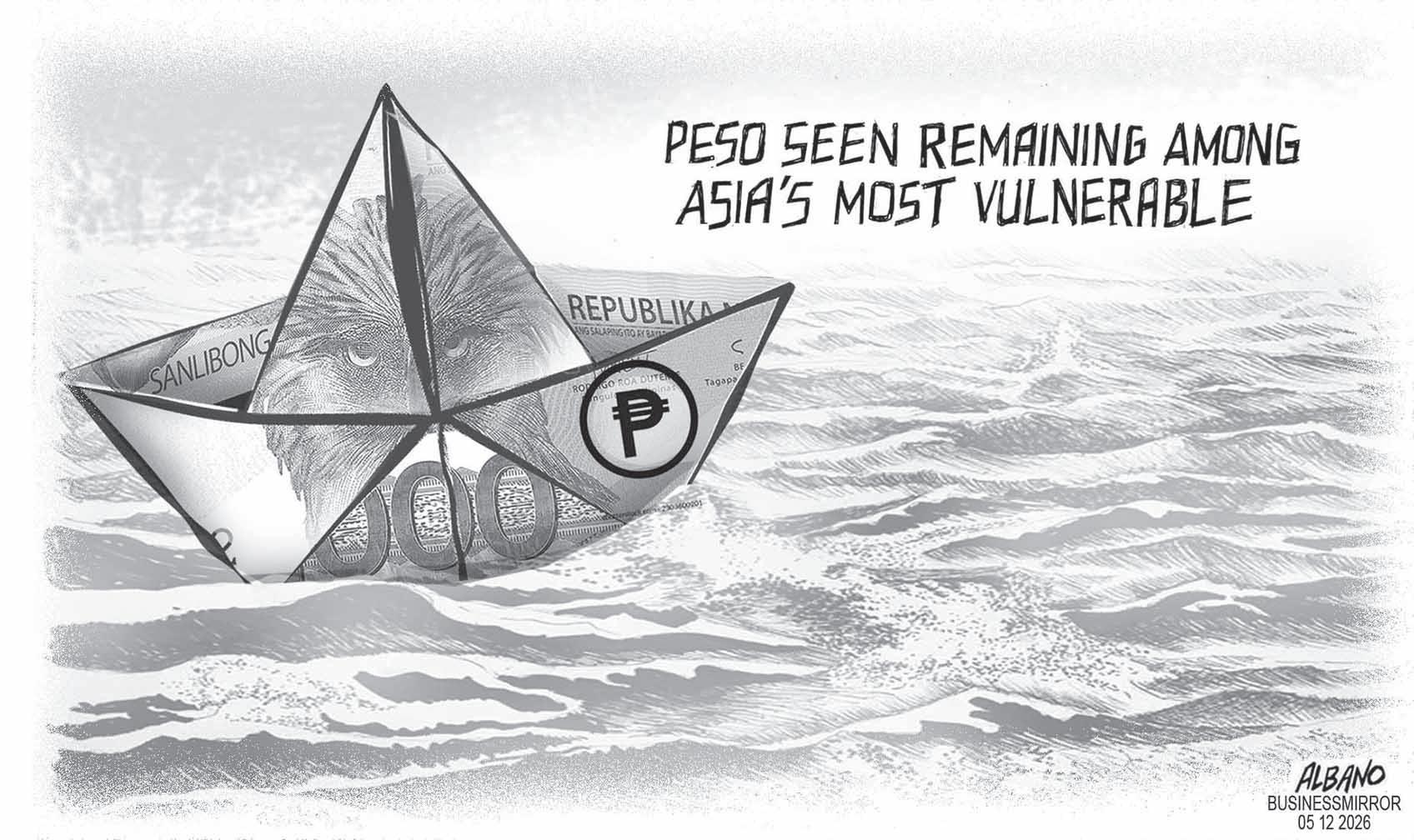

SJohn Mangun
OUTSIDE THE BOX
EVERAL postings on Social Media two weeks ago highlighted how wonderful Vietnam’s economy is performing. From Facebook: “As of 2026, Vietnam’s GDP measured by Purchasing Power Parity (PPP) has surpassed Thailand’s, making Vietnam the second-largest economy in Southeast Asia based on this metric, trailing only Indonesia.” Accurate in principle if not in fact.
Vietnam’s economy is growing at roughly 7 to 8 percent annually. Thailand faces slower growth of 2 to 3 percent, weighed down by an aging population and high household debt. The World Bank spent decades telling developing countries that property rights, political pluralism, and convertible currencies were the prerequisites for sustained growth. Vietnam discarded those ideas and moved on.
Here’s the vital question: will our policymakers treat GVC participation as an achievement or as a starting point? The ADB’s conclusion suggests the former is no longer enough. Firms and economies must demonstrate reliability, manage risks, and meet increasingly complex regulatory and sustainability requirements. Globalization can still be a ladder to higher productivity and better jobs—but only if countries climb. Stock
The question of which economy is larger today is beside the point. Vietnam’s General Statistics Office put 2025 GDP on a purchasing power parity basis at approximately US$1.885 trillion, fractionally ahead of Thailand’s estimated US$1.881 trillion. Other datasets, depending on timing and methodology, still show Thailand marginally in front. The gap is an unimportant $4 billion on a base of $1.8 trillion. What is not in dispute is the direction.
And the direction is worth examining truthfully, because three structural features of the Vietnamese
IDionisio L. Pelayo
Ruben M. Cruz Jr.
Eduardo A. Davad Nonilon G. Reyes
D. Edgard A. Cabangon Benjamin V. Ramos Aldwin Maralit Tolosa Rolando M. Manangan
BusinessMirror is published daily by the Philippine Business
813-7025. (Advertising Sales) 893-2019; 817-1351, 817-2807. (Circulation) 893-1662; 814-0134 to 36. E-mail: news.businessmirror@gmail.com www.businessmirror.com.ph


economy make development economists quickly change the subject to labor, power, and “corruption costs.”
Initially, the Vietnam dong is not freely convertible and tracks the dollar with quiet, government-enforced discipline. Further, there is no functioning political opposition, and the Communist Party of Vietnam does not negotiate its industrial policy with anyone outside the room. Finally, no Vietnamese citizen privately owns the land beneath whatever they have built. The state owns all of it.
Go back to Friedrich Hayek, who rigorously argued that decentralized price signals and secure property rights were the irreducible engines of prosperity. The Vietnamese case does not refute Hayek entirely. It does suggest that a government sufficiently competent and sufficiently ruthless can substitute administrative authoritarianism for market price discovery long enough to produce a generation of real growth. Whether the second generation holds is the question
Vietnam has not yet answered.
The currency peg is the most straightforward piece. By keeping the dong stable against the dollar and managing convertibility, Vietnam removed a category of speculative attack that has periodically gutted regional competitors—1997 being the textbook example the BSP still uses. Foreign manufacturers pricing their supply chains in dollars do not worry about dong volatility. They can then worry about logistics, labor, and power supply. Vietnam controls two of those three better than most of its neighbors.
The absence of political opposition is not a feature that recommends itself for export. But in practice it means that Vietnam’s industrial policy does not get renegotiated every election cycle. The semiconductor incentive package that took three years to design does not get repealed five years later because a different coalition won an election. Investors with 10-year capital horizons find that continuity worth pricing into their location decisions. In 2025, foreign investors committed US$38.42 billion into a country where the political party that first invited them decades ago is still in charge.
Land ownership—or rather the absence of private title—is the most counterintuitive advantage. The state can assemble land for industrial estates, highways, or railroads without the years of court litigation that stall comparable projects in democracies with functioning property registries. An economic zone that would require a decade of eminent domain proceedings in a jurisdiction like the Philippines gets cleared in
Vietnam on a timeline that makes foreign project finance viable. The human displacement costs are real but are suffered almost entirely by people without political voice. That is not a moral argument in Vietnam’s favor. It is a description of how the math works.
The Philippines watches this the way a person watches a neighbor renovate—noting every decision, calculating every tradeoff, and making no move. Private property is constitutionally protected here. Political opposition is vigorous to the point of consuming enormous institutional energy. The peso floats. The BSP manages it with competence, but it still floats. Foreign manufacturers making 20-year supply chain decisions notice the difference.
None of this is an argument for importing Vietnamese political/ economic arrangements. It is an argument for being precise about what is actually producing the Vietnamese result, rather than attributing it to work ethic or favorable demographics or some other explanation that requires no uncomfortable conclusions.
The Philippines will not replicate the Vietnamese model. The question is whether it can produce the same outcomes—stable capital, policy continuity, fast land clearance, none of which require authoritarianism, only competence. The constitution is not the problem. The institutions and their administration are.
E-mail me at mangun@gmail.com. Follow me on Twitter @mangunonmarkets. PSE
information and technical analysis provided by
Southeast Equities Inc.
trader’s guide to navigating high stakes Trump-Xi
By Jeanny Yu
NVESTORS are looking for further signs of easing tensions between President Donald Trump and his counterpart Xi Jinping to help remove an overhang on Chinese markets, with geopolitical and trade issues in focus.
Expectations for a concrete deal between the world’s two largest economies remain low, though the meeting of the two leaders may calm trade tensions between their countries, analysts say. Any such improvement, along with a potential easing of curbs on US tech exports to China, could boost Chinese exporters and tech hardware makers. A successful meeting between the two leaders on May 14-15 may provide an extra boost for Chinese equities, which have lagged their Asian peers even as regional markets rallied last month on easing concerns over the Iran war. Optimism over a stronger yuan is also building as the dollar has retreated. Any structural disagreements, on the
other hand, could reignite volatility in local stocks. “If the summit can bring a little bit more certainty to the US-China relationship and drive that risk premium down, that’s ultimately going to be very positive for Chinese equities,” said Christopher Hamilton, head of client solutions for Asia Pacific ex-Japan at Invesco Ltd. These are the areas market participants are watching ahead of the summit:
Trade tariffs
THE base case for tariffs is for them to remain in place without a meaningful escalation, according to Macquarie Group Ltd. Current US levies on Chinese goods at an effective rate of around 22 percent, according to
a JPMorgan Chase & Co. estimate, are subject to an ongoing investigation, and China has pointed to those probes as a source of friction.
An absence of further tensions “marginally improves visibility for broader China exporters by easing escalation risk and providing better supply-chain certainty, even as existing tariffs continue to cap upside,” said Eugene Hsiao, head of China equity strategy at Macquarie in Hong Kong.
While companies related to energy security or the tech global supply chain are likely to get waivers, higher levies will be particularly challenging for biotech firms with significant US revenue exposure, such as WuXi Biologics (Cayman) Inc. and WuXi AppTec Co., which are already under pressure from the Biosecure Act.
Middle East conflict
THE Iran war adds an additional layer of strain to US-China tensions. Washington’s efforts to tighten pressure on Tehran are increasingly af-
fecting China, which remains Iran’s largest trading partner and a major buyer of its oil exports. The US has also sanctioned refiners in the Asian country that process Iranian oil.
Trump has said he would discuss the Iran war with Xi during their summit. A signal of easing tensions on that front may help improve risk sentiment, with analysts pointing out that meetings between the two leaders have often triggered sharp swings in shares.
“While the Chinese economy is short-term resilient, both sides have strong interests in quickly resolving the Middle East conflict, reopening the Strait of Hormuz, and pacifying other potential chokepoints,” JPMorgan analysts led by chief China economist Feng Zhu wrote in a note Friday. Tech curbs TENSIONS over chip technology have intensified ahead of the meeting, with US regulators reportedly halting tool shipment to Hua Hong See “Stock,” A17
Cabangon Chua
Trump aims to press Xi over China’s approach to war in Iran
By Jeff Mason
PRESIDENT Donald Trump is expected to press President Xi
Jinping over China’s approach to Iran and hammer out details on a new board of trade when they meet this week in Beijing, senior US officials said Sunday, hours before China confirmed the state visit.
Trump and Xi are scheduled for talks on Thursday and Friday in Beijing as they wrestle with strong disagreements over trade and the US-Israeli war with Iran, which counts China as its biggest oil buyer and a key diplomatic backer.
In final preparations for the first US presidential trip to China in nearly a decade, Treasury Secretary Scott Bessent will meet his Chinese counterpart He Lifeng for last-minute talks in Seoul on Wednesday, both sides confirmed.
Revenue that China provides to Iran as well as potential weapons exports would be among the topics discussed at the summit, one of the US officials told reporters on a conference call, speaking on condition of anonymity to discuss sensitive preparations for the summit.
The Iran war—now in its third month—has added fresh tensions between the world’s two largest economies as they seek to stabilize ties and maintain a delicate trade truce. The US has sanctioned multiple Chinese firms for purchasing Iranian oil or providing satellite imagery to the Islamic Republic, as the Trump administration comes under increasing pressure to end a conflict that has triggered a historic energy crisis.
Taiwan is also expected to be on the agenda, but no changes in US policy toward the self-governing island are expected, one of the US officials said. Beijing has warned the US about arms sales to Taiwan, which it considers its own territory, and has asked the Trump administration to officially declare that it “opposes” Taiwan independence. A senior Taiwanese official expressed concern last month that Taiwan would be put “on the menu” of the talks between
Stock.
. .
Continued from A16
Semiconductor Ltd. This followed Beijing’s move to block Meta Platforms Inc.’s $2 billion bid for AI startup Manus to keep cutting-edge technology inside its borders.
It’s possible for the US to moderately relax chip equipment export controls by allowing tools for more advanced 14 nanometer and 7 nanometer chips, or unofficially offer exemptions to specific companies such as Hua Hong and Shanghai Huali Microelectronics Corp., which will bode well for local players, according to Jefferies Financial Group Inc. analysts including Edison Lee. Some analysts remain cautious over a truce as both countries continue to fight for supremacy in artificial intelligence. Still, domestic chipmakers may continue to attract capital inflows, given Beijing’s push to reduce dependence on foreign technology.
Rare earth
RARE earths are expected to be a key topic as Trump looks to secure shipments from China, which accounts for more than 70 percent of the global supply. Since late October, US-China policy has revolved around a fragile detente, with Xi pausing export restrictions on rare earth elements and Trump putting off curbs on Chinese access to vital American technology.
The frictions have fueled a rally in China’s biggest producers, including China Northern Rare Earth (Group) High-Tech Co. and Xiamen Tungsten Co., with shares more than doubling in the past year.
The meeting between Trump and Xi will “likely focus narrowly on trade and export controls—including tariffs, Chinese purchases of US goods such as soybeans, energy, and airplanes, and stable rare earth flows,” according to Goldman Sachs Group Inc. economists including Andrew Tilton. With assistance from Lucille Liu and Iris Ouyang /Bloomberg
Trump and Xi.
US concerns about artificial intelligence and a potential new channel of communication with China on that issue would also be discussed, the two US officials said Sunday.
Anthropic PBC’s latest large language model Mythos has underscored the risks AI poses to cybersecurity, prompting regulators in the US, UK and Asia to step up scrutiny of the security of their financial systems. Xi’s government hasn’t officially commented on Mythos, but it has long taken a hardline approach toward threats on national security.
Xi and Trump’s predecessor, Joe Biden, discussed AI during their meetings in 2023 and 2024, including a pledge that neither of their nations would turn over control of nuclear weapons to AI programs.
Trump, who considers himself a dealmaker, will likely want to announce planned purchases by Beijing of US goods as well.
“President Trump will continue doing what he has done over the past year: rebalancing the relationship with China and prioritizing reciprocity and fairness to restore American economic independence,” White House spokeswoman Anna Kelly told reporters at the beginning of the call. “The American people can expect the president to deliver more good deals on behalf of our country.”
Kelly said the two sides would continue to work on proposals to establish a board of trade, which would govern exchanges between the two countries of non-sensitive goods, and a board of investment. Agreements on agriculture, aerospace and energy would also be discussed.
One of the senior US officials said the two sides would continue discussions on Chinese purchases in those sectors and that announcements could come during or shortly after Trump’s visit. There are no current plans to create a major new Chinese investment program, the official added. With assistance from María Paula Mijares Torres, Se Young Lee, Colum Murphy, Nectar Gan and Philip Glamann /Bloomberg
Opinion
BusinessMirror
The islands at the turning of the world
By Pablo S. Trillana III
THE world is changing, not in whispers but in fire. The Middle East war has reminded mankind that an old order—built on oil routes, military alliances, and presumed Western command—is cracking. For the Philippines, the question is whether we shall enter the new world as a dependent outpost, a frightened spectator, or a sovereign bridge in the Asia-Pacific.
We are not a small country pretending to be important. We are an important country that has too often behaved as if it were small. Our official population was 112,729,484 as of July 1, 2024. Our 2020 median age was 25.3 years—young and still capable of being formed for greatness. Filipino and English are official languages of communication and instruction, with English embedded in law, business, education, and technology.
But demography is not destiny. A young population without quality education becomes frustration. English without science, technology, history, and moral formation becomes merely a labor advantage. Talent without institutions becomes exile. The higher task is to build a country where the Filipino does not have to leave in order to become fully useful. Our geography is equally decisive. In 2016, the Arbitral Tribunal under Annex VII of UNCLOS issued its Final Award in the South China Sea Arbitration, brought by the Philippines against China. China declined to participate and has not accepted the ruling, but the Award remains a landmark statement of international law. It rejected maritime claims based on “historic rights” beyond UNCLOS limits and affirmed important aspects of Philippine maritime entitlements. The wiser course is steady reliance on law: firm in principle, restrained in language, open to diplomacy.
Nor are we poor in the material endowments of the new economy. In 2022, the Philippines was the world’s second-ranked nickel producer and fifth-ranked cobalt producer, while
also producing copper, gold, iron ore, natural gas, petroleum, silver, and other minerals. These are arteries of batteries, electronics, energy systems, and modern manufacturing.
This is why Japan, the United States, and others are looking more closely at the Philippines. The loose claim that Japan has “moved $30 billion” here should not be repeated unless an official basis is shown. The firmer fact is that Japan accounted for $13.9 billion, or 33.54 percent, of the Philippines’ total ODA portfolio as of late 2025, and remains its largest ODA loan provider. The deeper point is strategic: the Philippines is being seen again as location, logistics platform, resource base, talent pool, and industrial hinge. The clearest expression is the Luzon Economic Corridor. Launched in April 2024 by the Philippines, Japan, and the United States, it is the first Partnership for Global Infrastructure and Investment corridor in the Indo-Pacific. Its line—Subic Bay, Clark, Manila, and Batangas—is not merely a transport map. It is a possible national spine: rail, ports, airports, clean energy, semiconductors, agribusiness, food logistics, and advanced manufacturing brought into one field. USTDA has announced technical assistance for the proposed 132-mile Subic-Clark-Manila-Batangas Railway, envisioned as a backbone of the corridor. This is no longer a drawing on a conference table. It has entered the development streambed of the country’s future.
If properly governed, the corridor can connect port to farm, airport to factory, worker to market, and province to world. Subic can serve as
The world is turning. The empires are restless. But here, among our islands, there remains a young people, a deep soul, a lawful claim, a strategic place, and a waiting destiny. The Ground of Being does not speak only in chapels and temples; it also speaks through rivers, ports, classrooms, railways, farms, courts, and consciences. Properly awakened, disciplined, and cleansed, we are not merely at the crossroads of the new world. We may yet become one of its lamps.
maritime gateway; Clark as aviation, logistics, and technology platform; Manila as financial and institutional center; Batangas as industrial and port anchor. Together, they can ease congestion, open balanced growth, and give farmers, manufacturers, exporters, and workers a better path into regional and global trade.
New Clark City adds another layer.
In April 2026, the United States and the Philippines announced plans for a 4,000-acre industrial hub there under the Pax Silica framework, linked to AI, semiconductors, critical minerals, electronics, advanced manufacturing, computing, and data infrastructure. The project still requires final definition and implementation, but its direction is unmistakable: the Philippines may move beyond exporting labor and raw materials toward building, designing, manufacturing, and innovating from home.
But let us not fool ourselves. The world may be ready for the Philippines, but the Philippines may not yet be ready for the world. Our old weaknesses remain: corruption, weak infrastructure, expensive power, red tape, uneven education, and family entitlement masquerading as public service. Our future will be wasted by Filipinos ourselves if we treat public office as inheritance, infrastructure
as racket, education as paperwork, and sovereignty as slogan rather than discipline.
The answer is mature sovereignty: friendship with the United States and Japan; deeper trust with ASEAN, India, Europe, Canada, Australia, Singapore, and the Gulf States; and firmness with civility toward China. The Philippines must not become a pawn in someone else’s chessboard, nor pretend that the chessboard does not exist.
Development, at its best, is not only the movement of goods. It is the recovery of self-respect. We may receive help from others, as all nations have done, but we must not wait for others to tell us what we are worth.
The Luzon Corridor will matter not only if trains run, ports modernize, and factories rise, but if the Filipino begins to say: we can build this; we can govern this; we can belong to the future without begging entry at its door.
What is the Philippines for? Not merely to host bases, send workers abroad, receive investment, or wave flags over waters we cannot protect or develop. The Philippines must become a meeting ground of peoples, a school of peace, a workshop of sustainable development, and a moral voice in a wounded world.
The world is turning. The empires are restless. But here, among our islands, there remains a young people, a deep soul, a lawful claim, a strategic place, and a waiting destiny. The Ground of Being does not speak only in chapels and temples; it also speaks through rivers, ports, classrooms, railways, farms, courts, and consciences. Properly awakened, disciplined, and cleansed, we are not merely at the crossroads of the new world. We may yet become one of its lamps.
Dr. Pablo S. Trillana III is the former chair of the National Historical Institute, which is now the National Historical Commission of the Philippines. He is a distinguished historian who has also served as the president of the Philippine Historical Association.
Our company is losing money—Are we automatically a transfer pricing risk?

FROM a taxpayer’s perspective, transfer pricing compliance can be extremely burdensome, especially during periods of financial difficulty. The assumption is almost automatic.
“If we are losing money, the BIR will think our transfer pricing is wrong.”
At the same time, many taxpayers carry a different frustration altogether:
“Our business is already struggling financially. Why are we still being asked to comply with transfer pricing requirements? Isn’t it too much to expect businesses to bear the brunt of economic uncertainty, with little to no government support, and still comply with transfer pricing requirements on top of other tax obligations?”
From a business perspective, the concern is understandable. Companies dealing with declining revenues, rising costs, operational disruptions, or difficult market conditions often view transfer pricing compliance as an additional burden at the worst possible time. After all, transfer pricing is commonly associated with profit shifting and tax avoidance. If no profits exist, taxpayers naturally question why extensive documentation and benchmarking are still necessary.
Yet in practice, losses do not make transfer pricing irrelevant. In many cases, they attract even greater scrutiny.
Transfer pricing fundamentally revolves around one question:
“Are profits and losses being allocated where value creation and economic risks actually reside?”
Why losses trigger transfer pricing scrutiny
RECALL that under RR No. 34-2020, a taxpayer that reports net operating losses for the current taxable year and the immediately preceding two consecutive taxable years is required to accomplish and file an RPT Form detailing the intercompany transactions in which the taxpayer is involved. From this requirement alone, we get the perspective of BIR to treat recurring losses as a major red flag.
In both cross-border and domestic transactions, if one entity—whether it be a subsidiary or an affiliate—is consistently incurring losses while its related parties remain profitable, tax authorities begin to ask:
n Is the entity undercompensated?
n Are excessive costs being charged to the entity?
n Is the entity bearing risks without appropriate returns?
n Are profits being shifted elsewhere within the group?
This is particularly evident in cases involving limited-risk entities such as routine service providers, contract manufacturers, captive support centers, and limited-risk distributors. Because these entities generally perform routine functions and lack the entrepreneurial profile or financial capacity to assume significant risks, they are typically expected to earn stable, positive returns. Accordingly, consistent losses may indicate that the entity is assuming risks that are not commensurate with the functions it is purported to perform. Where this pattern arises between a domestic entity and foreign associated enterprises, it may also raise concerns regarding potential profit shifting.
But losses alone do not prove transfer pricing problems
ALTHOUGH recurring losses certainly raise a major red flag, as no independent enterprise under normal circumstances would tolerate continuous losses indefinitely, this is not definitive proof of profit shifting. Independent businesses can and do incur losses for legitimate commercial reasons, including economic downturns, extraordinary disruptions (such as the Covid-19 pandemic or natural disasters), significant R&D expenses to develop new products, aggressive market penetration strategies, and expansion, among others.
The arm’s length principle does not guarantee profits. It only requires that related-party arrangements reflect what independent parties might reasonably agree to under similar circumstances.
In some situations, even independent entities may temporarily accept losses to preserve long-term business relationships or maintain market presence.
The real risk: When the facts do not match the story TRANSFER pricing disputes often
arise not from losses per se, but from losses that appear inconsistent with an entity’s characterization and functional profile. In such cases, substance takes precedence over narrative. For example, a fullfledged entrepreneur that assumes market and inventory risks may reasonably incur losses during difficult periods; however, a purportedly “limited-risk” entity that continues to absorb significant losses year after year may warrant closer examination.
This emphasizes an important reality in transfer pricing:
Tax authorities are generally less concerned with the mere existence of losses than with whether the losses align with the entity’s economic reality and actual conduct. Increasingly, tax authorities look beyond transfer pricing reports and benchmark ranges to evaluate: n what functions the entity actually performs, n what risks it genuinely assumes, n and whether the outcome makes commercial sense under the circumstances.
A company may technically fall outside a benchmark range and still have a defensible position if it can clearly explain: n why the losses occurred, n how industry conditions affected operations, n whether comparable independent companies experienced similar difficulties, n and why the outcome remains commercially reasonable.
The challenge becomes even more pronounced in the Philippines, where reliable local comparables are often limited. Companies frequently rely on regional benchmarking sets that may not fully capture local market conditions, inefficiencies, or economic disruptions. As a result, taxpayers and tax authorities may interpret the same losses very differently
depending on the transfer pricing method used, the comparables selected, and the characterization of the local entity.
This is what makes transfer pricing inherently judgment-driven. Two professionals can review the same facts and still arrive at different conclusions.
The frustration many taxpayers feel is therefore understandable. But from the government’s perspective, transfer pricing rules are not designed solely for profitable companies. They are intended to ensure that profits and losses are allocated consistently with where economic activities and risks actually exist. If losses can freely accumulate in one jurisdiction while profits remain protected elsewhere within the group, the integrity of the tax system becomes difficult to maintain.
Ultimately, losses do not automatically mean a company has a transfer pricing problem. What matters is whether the outcome is commercially reasonable, economically consistent, and aligned with the company’s actual functions and risks. In today’s transfer pricing environment, the strongest defense is not simply showing that a company falls within a benchmark range, but demonstrating that the overall business result still makes sense when viewed against commercial reality.
Tuesday, May 12, 2026
2nd Front
BusinessMirror
EXPANDED MANUFACTURING ROLE FOR CEBU IN S.E.A. SEEN
By Bless Aubrey Ogerio @blessogerio
CHONBURI, Thailand—Cebu is increasingly being viewed as a possible expansion base for manufacturers operating in Southeast Asia, according to an executive from a regional manufacturing firm.
Ben Dobbs, Alliance Laundry Systems LLC Asia and the Pacific managing director, said manufacturing activity in the region has become more interconnected, opening opportunities for areas outside traditional industrial hubs.
He pointed to the growing presence of industries such as automotive manufacturing in Cebu as an indication of how industrial activity is gradually spreading across the region.
“Certainly, places like Cebu, especially, are becoming a real opportunity for a lot of companies,” Dobbs told the BusinessMirror on the sidelines of the company’s media tour in its Thailand factory on Thursday. “I mean, look, the automotive industry is already in Cebu.”
While Cebu does not host large-scale vehicle assembly plants, the province has developed a growing niche in automotive parts manufacturing. Companies in the area produce components such as transmission parts, engine systems and sensors for export markets.
Beyond automotive-related products, Cebu’s manufacturing base spans a range of industries, including semiconductors, garments, food processing, industrial equipment, electronic products, packaging
materials and power cables. Many of these firms are export-oriented, supported by Cebu’s strategic location and access to shipping routes.
Data from the Philippine Statistics Authority also show that among the country’s largest provincial economies outside Metro Manila, most are located in Luzon, with Cebu standing as the only Visayas province included in the top 10.
On the other hand, Dobbs pointed to Thailand as an example of how manufacturing ecosystems can evolve over time.
He explained how the country initially established itself as a regional automotive hub before expanding into higher-value sectors such as aerospace, artificial intelligence and battery technology.
“Automotive really put the center of manufacturing in Southeast Asia in Thailand, and they’ve built on that,” he told this newspaper.
“Now the manufacturing in Thailand is really focused much more on things like aerospace sectors, AI, battery technology. But that growth has enabled everybody to look at other things,” he added.
Asked about trade flows between Thailand and the Philippines, Dobbs said manufacturers continue to benefit from relatively easier business transactions and long-standing commercial ties within the region.
“We export, obviously, and it’s very easy,” he said. “I go back to the ease of doing business, the relationship, the partnerships they have, and I think it’s very easy. And I think that should continue.”
House votes to impeach VP Sara Duterte, 257-26-9
By Jovee Marie N. dela Cruz @joveemarie
INparallel developments of remarkable irony, a Senate coup on Monday overhauled the composition of the body tasked to conduct impeachment trials, as the House of Representatives voted to impeach Vice President Sara Duterte, thus sending the case to her allies in the upper chamber.
For the second time, the House impeached Duterte over allegations involving questionable confidential funds, unexplained wealth, alleged bribery, and threats against top government officials.
Voting 257 affirmative, 26 negative, and 9 abstentions, lawmakers approved the Committee on Justice report transmitting the Articles of Impeachment to the Senate for trial.
Under the Constitution, at least one-third of all House members—106 out of 318—are required to adopt the Articles of Impeach-
ment and forward them to the Senate. The vote of 255 lawmakers comfortably exceeded the constitutional threshold.
During plenary deliberations, the Committee on Justice chairperson, Batangas Rep. Gerville Luistro, said the vote was not merely about numbers but about constitutional duty, due process, and accountability.
When there are serious questions involving public funds, Statements of Assets, Liabilities, and Net Worth (SALN), and conduct of public officials, the House cannot remain si-

Peza, Japan talk chips, crops, clinics
THE Philippine Economic Zone Authority (Peza) is broadening its investment pitch to Japan beyond traditional manufacturing, holding talks with companies involved in semiconductors, agri-technology, medical devices and industrial services.
Peza Director General Tereso Panga said Japan remains one of the Philippines’s largest and longest-standing investment partners, particularly in export-oriented industries.
“Through this mission, we were able to reaffirm our commitment to existing Japanese locators while also opening doors for new projects in high-value manufacturing, digital services, agritechnology, and support industries,” Panga said. The investment mission from April 27 to May 1 included meetings with Japanese firms exploring possible expansion plans in the country, alongside discussions with existing locators already operating in the country.
Among the companies Peza met with was ShinEtsu Chemical, which is studying possible expansion opportunities tied to rising global demand for electric vehicle-related components. Its Philippine operations manufacture and recycle magnets used in semiconductors, hard disk drives, optical devices, electric power steering systems and hybrid and electric vehicles. Peza said the company’s local operations employ more than 4,300 workers, making the Philippines its largest operating base. Moreover, the agency also held discussions with E-SUPPORTLINK Ltd., which develops AI- and drone-based systems for crop monitoring and disease detection in banana plantations. The company plans to support Japanese agroindustrial locators and banana producers in Davao while exploring the possibility of setting up AI processing operations in the Philippines under the information technology and business process man-
agement sector.
E-SUPPORTLINK earlier signed a memorandum of understanding with regional offices of the Department of Agriculture and Department of Science and Technology, along with representatives of banana producers in Davao, to pilot technologies aimed at improving early disease detection and reducing delays linked to manual monitoring.
The company is also exploring the use of its technology for coconut, cacao and pineapple farms.
Peza also engaged a Japanese construction and real estate developer studying expansion opportunities in the Philippines, including the possible registration of computer-aided design operations with Peza.
The firm, though not specified, is involved in consultancy, construction, renovation and property development projects spanning industrial, logistics, healthcare, commercial and infrastructure sectors.
lent or indifferent, Luistro stressed.
She invoked findings from the Commission on Audit (COA), National Bureau of Investigation (NBI), Philippine Statistics Authority (PSA), and Anti-Money Laundering Council (AMLC), which were cited in the Articles of Impeachment.
The approved Articles of Impeachment against Duterte consist of four principal charges.
The first article focuses on the alleged misuse and irregular liquidation of P612.5 million in confidential funds allocated to both the Office of the Vice President (OVP) and the Department of Education (DepEd). These issues were initially uncovered during the House Committee on Good Government and Public Accountability’s 2024 investigation.
It cites Commission on Audit (COA) notices of disallowance, which flagged the OVP’s questionable use of P73 million in confidential funds in the last quarter of 2022, and another P375 million in the first three quarters of 2023. In its ruling, the COA Proper affirmed that the OVP failed to adequately substantiate the expenditures with proper documentation and did not comply with COA-DBM Joint Circular No. 15 governing the handling
and audit of confidential funds. The article further draws from findings of the National Bureau of Investigation (NBI), which noted similarities in handwriting across multiple acknowledgement receipts allegedly signed by different recipients. It also cites certification from the Philippine Statistics Authority (PSA) stating that several listed beneficiaries—including the controversial “Mary Grace Piattos” and “Kokoy Villamin”—have no records in the civil registry.
Unexplained wealth
THE second article alleges unexplained wealth and discrepancies in Duterte’s SALNs, as well as her alleged continued business interests while in public office, which is prohibited under the Constitution for the Vice President and other top officials. Lawmakers noted a significant gap between her declared wealth and estimated government income. Duterte’s SALNs show her net worth rising from P7.2 million in 2007 to over P88.5 million in 2024, which legislators said appears inconsistent with an estimated P30 million in total salary earnings in the same period.
See “Impeach,” A15
Coup rocks Senate, as ‘Bato’ surfaces anew, gets chased
By Butch Fernandez @butchfBM
THE Senate on Monday was rocked by a leadership change and another legal standoff after a botched attempt to arrest Sen. Ronald “Bato” dela Rosa, listed as a key player in the bloody Duterte-era drug war, threw the chamber into virtual lockdown.
Dela Rosa, whose absence the past five months had been as an attempt to evade arrest in case warrants are issued by the International Criminal Court (ICC), showed up at the Senate on Monday, fueling talk that a Senate coup was in the offing.
He was one of the 13 who subsequently voted to replace Senate President Vicente Sotto III, installing Minority Leader Alan Peter Cayetano.
The Senate coup, presumed by political analysts to be likely given the tug-of-war between those deemed pro- and anti-Duterte, unfolded Monday just minutes after sessions opened. Besides the matter of Vice President Sara Duterte’s impending impeachment trial, the other polarizing issue seen as having stoked the coup is the controversy over the partial Blue Ribbon committee report into the flood-control funds scandal that had ensnared some sitting senators.
Cayetano, the minority leader, replaced Sotto III, garnering 13 votes versus 9 for sotto, with two abstentions.
Cayetano was nominated by Sen. Joel Villanueva, and Sotto was nominated by Sen. Panfilo Lacson, his Senate President Pro Tempore.
Earlier, all positions in the Senate were declared vacant, on a motion by Sen. Joel Villanueva, with the senators voting 13 for and 10 against, with one abstention.
The senators then moved to name Sen. Jinggoy Estrada as presiding officer; and Villanueva as acting majority leader.
Sen. Imee Marcos, who has not hidden her opposition to prosecuting Vice President Duterte, quickly nominated Cayetano.
The leadership change comes on the eve of the vice president’s impeachment trial, as the House of Representatives voted 257 for, 26 against and 9 abstaining, to impeach Duterte on four charges: misuse and irregular liquidation of P612.5 million in confidential funds; unexplained wealth; bribery; and grave threats and inciting to sedition.
The Dela Rosa dilemma AT the Senate, newly installed Senate President Cayetano presided over lengthy floor discussions on how to handle dela Rosa’s case, as he moved to cite in contempt the elements of the NBI who chased him inside the Senate premises. One viral video showed dela Rosa running up the stairs and tripping at one point, incurring slight injuries. The act of preventing a sitting lawmaker from doing his duty is an act of contempt, dela Rosa later said during the session—an argument backed by Sen. Rodante Marcoleta and Cayetano. Cayetano stressed that this rule has never been broken: no senator can be arrested in premises while the Senate is in session. The Senate then proceeded to ask the Office of the Sergeant at Arms to explain the timeline of events since the arresting authorities turned up hours before session began at 3 am to inform the Senate leadership they have a warrant for dela Rosa. The senators approved a motion by Sen. Rodante Marcoleta to place Dela Rosa under protective custody of the Senate “until he is able to exhaust all legal remedies to protect himself” from any attempt to arrest him. The Senate leadership’s order to cite in contempt and detain the NBI men who chased Dela Rosa led to a scuffle as NBI agents beat up an OSAA staffer who tried to block one of them.
Editor: Jennifer A. Ng
Ayala obtains $100-M green loan facility from DBS Bank

By VG Cabuag @villygc
CONGLOMERATE Ayala Corp. on Monday said it has signed a $100-million sustainabilitylinked facility with DBS Bank Ltd., the company’s maiden SGD-denominated hedged loan facility.
Ayala said the facility further diversifies its funding sources while reinforcing its commitment to sustainable finance and support its growing portfolio.
The facility marks another step in Ayala’s efforts to broaden access to capital and enhance financial flexibility amid the continued growth of its sustainable portfolio. By tapping a sustainability-linked
structure, Ayala aligns its financing strategy with its environmental, social, and governance objectives, the company said.
“This facility enables us to support Ayala’s growth initiatives while reinforcing our commitment to responsible and sustainable business practices. It also reflects Ayala’s ability to access funding at attractive terms under this chal -
lenging environment,” Juan Carlos L. Syquia, the company’s CFO, said.
“This transaction strengthens Ayala’s ability to access diversified funding sources and widen reach of our partnership in the region. It reflects our disciplined approach to capital management and the continued integration of sustainability into our financial strategy,” Estelito C. Biacora, executive director and treasurer of Ayala.
“This is exactly the type of partnership we want to build with leading corporates in the region: one where capital supports business priorities, while sustainability is embedded into the way growth is financed and measured,” Lim Wee Seng, group head of energy, renewables and infrastructure, sustainability, project finance and strategic advisory of DBS, said.
The signing ceremony was held last May 6, at Ayala’s headquarters
in Makati City, with senior executives from both organizations present to mark the milestone.
“The transaction highlights the increasing adoption of sustainability-linked financial instruments in the Philippines and reinforces Ayala’s position as a leader in sustainable and innovative corporate finance.”
As of end-2025, the Ayala Group has secured approximately $6.9 billion in sustainable financing.
Last January, the board of Ayala approved the conglomerate’s filing of a five-year shelf registration of up to P30 billion with the Securities and Exchange Commission (SEC).
The company had said it will issue peso-denominated bonds.
“The securities will be sold through general public offerings. Relevant documents and information will be filed with the pertinent regulatory agencies in due course,” Ayala said in its disclosure.
Topline profit surges in Jan-March
FUEL trader Top Line Business Development Corp. (Topline) on Monday said its net income rose 64 percent to P62.27 million in the first quarter from P37.89 million last year on higher sales.
Revenues rose 75 percent to P1.76 billion from last year’s P1 billion.
Total fuel sales volume climbed 43 percent to 31.26 million liters from 21.80 million liters last year, reflecting continued demand from commercial accounts and the growing contribution of its retail fuel business, the company said.
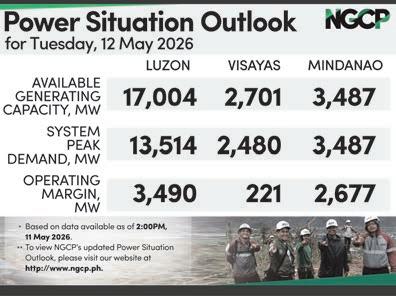
ACEN solar project in Australia set to begin construction

By Lenie Lectura @llectura

YINDJIBARNDI Energy Corp. (YEC), a partnership between Yindjibarndi Aboriginal Corporation in Australia and ACEN Corp., is set to commence construction of its 75- megawatt alternating current (MWac) Jinbi Solar Project in Western Australia’s Pilbara region.
tion enterprise and YEC’s preferred civil works partner, carrying out site preparation and mobilization activities to ready the site for construction.
“The main priority right now is more about supply, reliability of supply. When the war broke out, the customers were asking us (about) supply,” Lim said.
“So, we said, ‘Yes, we have currently enough supply. Don’t worry.’ And when we get the supply, you want to make sure that the price being offered to them would also make sense. But unfortunately, it’s driven by the market.”
The company said commercial
Eugene Erik Lim, the company’s chairman, president and CEO, said the company may sustain such double-digit growth throughout the year as it continues to operate all of its 50 stations.
fuel trade remains its anchor, providing recurring income while ensuring reliable fuel supply to industrial clients that keep goods moving, equipment running, and supply chains operating across the Visayas.
“At the same time, we continue to expand in underserved markets where reliable access to fuel is essential to local commerce, transport, and daily mobility,” Lim said.
Commercial fuel trade contributed P1.62 billion, or 92 percent of total revenues in the first quarter. This represents a 67-percent increase from P970 million in the same period last year. Volume
from the segment grew 38 percent to 29.24 million liters from 21.17 million liters.
Retail segment under Light Fuels grew more than fourfold to P137.2 million from P31.74 million, while retail volume tripled to 2.03 million liters from 630,000 liters.
“Our retail performance validates the strategic use of the IPO [initial public offering] proceeds we raised last year for market penetration. We moved quickly when opportunities became available, and that accelerated our station rollout and revenue contribution,” Brigitte Carmel Lim, senior vice president and COO, said. VG Cabuag
2Go ties up with Vallacar Transit
By Lorenz S. Marasigan @lorenzmarasigan
GO Group Inc. said on Mon -
2day it has forged a partnership with Vallacar Transit Inc., the operator of the Ceres Liner bus network, to offer shuttle services that will bridge sea and land transportation for passengers disembarking at major Philippine port terminals.
Under the agreement, Ceres Liner will deploy dedicated shuttle buses to ferry 2GO vessel passengers from their point of disembarkation directly to land transport hubs.
The partnership’s inaugural leg connects Nasipit Port to a Ceres terminal in Butuan City, with rollouts in Cebu and Cagayan de Oro to follow.
The tieup enables 2GO Travel passengers to reserve shuttle seats while still onboard their vessel before disembarking, synchronizing Ceres bus operations with vessel arrival schedules.
“This partnership strengthens access for passengers traveling to and from nearby provinces, making it easier for more Filipinos to connect to key ports and continue their journeys across islands,” Vallacar VP Collin Derk Isidro said.
Francis O. Chua, Business Unit head of 2GO Travel, said the collaboration is aimed at broadening access beyond individual leisure travelers.
ACEN said Monday YEC reached financial close and sealed a 30-year power purchase agreement (PPA) with Rio Tinto for Stage 1 of the project. Financial close confirms that key funding, contractual arrangements, government approvals and consents required to proceed to construction have been satisfied.
Under the PPA, YEC will supply electricity generated by Jinbi to Rio Tinto. The initial phase of the project can be expanded to 150 MWac, including the potential addition of Battery Energy Storage Systems (BESS), subject to regulatory approvals.
Following the financial close, YEC has issued notices to proceed to its engineering, procurement and construction (EPC) contractor, DT Infrastructure, and its construction accommodation provider, Rapid Camps.
Early site works are already underway, with Yurra, a Yindjibarndi Na-
“Reaching financial close on our first project in the Pilbara within three years of the partnership’s operation is a significant milestone for YEC and our shareholders, the Yindjibarndi Traditional Owners and ACEN,” said YEC Chief Executive Officer Craig Ricato. Commercial operations of the solar project is expected to commence in mid-2028.
Patrice Clausse, ACEN Group chief investment officer, said the Jinbi Solar Project reflects the strength of the partnership between ACEN and Yindjibarndi. “ ACEN is proud to partner with Yindjibarndi on a project that meets rigorous commercial standards while setting a strong benchmark for responsible and respectful renewable energy development in Australia.” YEC aims to develop a portfolio of up to three gigawatts of renewable energy capacity within approximately 13,000 square kilometers of Yindjibarndi Ngurra, supporting decarbonization, electrification and new industries in the Pilbara and delivering enduring economic and social benefits for Yindjibarndi people.
“We hope that through this collaboration, we enable not only regular travelers and groups, but also entrepreneurs and communities to access more destinations across the Philippines.”
logistics and travel ecosystem that links sea and land mobility.
Chua noted that the partnership is part of 2GO’s broader push to build out an integrated
The two companies said they are exploring the addition of more ports and terminals to expand the tieup’s reach nationwide.

BUSINESSMIRROR FILE PHOTO
Banking&Finance
‘Blockchained budget to expose PHL to risks’

By Reine Juvierre Alberto @reine_alberto
THE government’s push to integrate blockchain technology into the national budget process could expose the Philippines to deeper fiscal risks and expensive technological duplication, according to the Congressional Policy and Budget Research Department (CPBRD).
According to a discussion paper by the CPBRD of the House of Representatives, the government should prioritize the completion and full integration of government financial systems and use digital ledgering as a “complementary integrity layer.” The paper said that the “imme-
A Pinoy family’s guide to managing money
INFLATION is not just a number on the evening news. It is the extra P50 you spend on your weekly groceries.
It is the P200 difference in your electricity bill. It is the quiet erosion of the peso in your wallet. For millions of Filipino families, rising prices are a daily reality that demands not panic, but a clear, deliberate financial plan.
As a financial planner with over 12 years of experience guiding Filipinos toward long-term financial security, I have seen how economic pressures can derail even the best-laid financial plans but also how a few disciplined adjustments can make all the difference. Here are four practical steps every Filipino household can take right now.
1. Start at home: Discuss your needs and wants as a family. The dinner table is also a boardroom. When inflation tightens the household budget, the most powerful first step is an honest, open conversation with your family about your current financial reality. List down your monthly expenses and separate them into two columns: needs and wants. Needs are your non-negotiables: food, rent, utilities, education, and medicines. Wants are your lifestyle choices: dining out, streaming subscriptions, gadget upgrades, and leisure activities. When the family participates in this exercise together, it builds financial awareness across all ages and fosters a shared sense of responsibility. Children learn the value of money. Spouses align on priorities. Decisions become collaborative rather than contentious. This is where disciplined financial management begins not in a spreadsheet, but in a conversation.
2. Review your income sources and explore new ones. When expenses rise faster than income, the logical response is to close that gap. Begin by doing a thorough review of your current income your primary salary, freelance work, rentals, or any business revenue. Are there underutilized assets or skills that could be monetized?
Many Filipinos have successfully supplemented their income through: n Part-time freelancing or consulting in your area of expertise
n Small online businesses (reselling, baking, crafts, or digital products) n Renting out a room, a vehicle, or equipment
n Teaching or tutoring in your field of knowledge
The goal is not to stretch yourself thin, but to create resilience. Even an extra P5,000 to P10,000 a month can meaningfully offset the inflation bite on your household. Think of it as building a second financial engine one that sustains you when your primary income faces headwinds.
3. Keep your investments and insurance intact if you can. One of the most common mistakes I see during high-inflation periods is the impulse to stop investing or cancel insurance policies to free up cash. I understand the temptation. But in most cases, this is a short-term decision with long-term consequences.
Here is the uncomfortable truth: inflation is precisely when your invest-
diate priority” of the government should be the completion and full integration of the “Integrated Financial Management Information System” (IFMIS) and the “Budget and Treasury Management System” (BTMS).
While the government has consistently allocated funding for the IFMIS and BTMS, the CPBRD paper noted persistently low obligation and disbursement rates under the public financial management reform program.
Despite the suspension of the BTMS, the government continued to incur significant financial obligations for system maintenance, while the broader IFMIS reform requires sustained funding for upgrades, interoperability, cybersecurity and ongoing maintenance.
While the CPBRD noted that


ments matter most. Markets tend to be cyclical. Pausing your regular investment contributions during a downturn means you miss the opportunity to buy more units or shares at lower prices a strategy known as cost averaging. When markets recover, those who stayed invested benefit disproportionately.
Similarly, lapsing on your life insurance or health coverage exposes your family to a financial risk far greater than the premium you save today. Medical emergencies do not pause during inflationary periods. If your budget is truly strained, look first at trimming discretionary expenses before touching your investment and insurance commitments. Your future self will thank you for it.
4. Defer unnecessary purchases and travel. There is a difference between delayed gratification and deprivation. Deferring non-essential purchases is not about punishing yourself it is about protecting your financial foundation so you can enjoy those pleasures more sustainably later.
That international vacation, the latest smartphone, the home renovation that can wait; these are candidates for deferral. Ask yourself: if I hold off on this for six months, will I regret it? In most cases, the answer is no. What you will not regret is having that money available when an unexpected expense arises, or when an investment opportunity presents itself.
Instead of spending, consider saving the equivalent amount into a high-yield savings account or a short-term money market fund. Let your deferred gratification earn for you while you wait for the right time to spend.
Inflation is not permanent. History tells us that every economic cycle, no matter how difficult eventually turns.
The Filipino spirit of bayanihan and resilience has carried us through currency crises, natural disasters, and global recessions. This, too, shall pass.
But how you manage your finances during the difficult periods determines how well-positioned you will be when prosperity returns. Families who communicate openly, diversify their income, protect their investments, and practice intentional spending do not just survive inflationary times they emerge from them stronger.
So take a deep breath. Sit down with your family. Review your finances with clear eyes and a steady hand. The brighter days are coming and with the right financial habits, you will be ready for them.
Karlo Biglang-awa is
blockchain may improve transparency and traceability in public spending, it does not guarantee data quality nor replace accountability and oversight mechanisms.
“If inaccurate or manipulated data are entered into the system, blockchain simply preserves those inaccuracies permanently,” the government think tank said.
Blockchain technology also cannot force people to be honest, the CPBRD said, citing the Department of Science and Technology.
“If the personal gain for cheating is high enough, malicious users will still try to game the system,” it added.
The Department of Budget and Management started adopting blockchain technology and allowing the public to track the utilization of the 2026 national budget.
While the system is initially provided as a grant, the CPBRD said this entails costs related to maintenance, upgrades, cybersecurity safeguards and interoperability adjustments.
Prematurely mandating blockchain technology in the budget process could result in parallel cost duplication and inefficiency, vendor lock-in, high sunk costs and misalignment with operational and institutional readiness.
Blockchain systems also require specialized infrastructure, cybersecurity safeguards, governance frameworks, and technical expertise, which could further complicate integration with the government’s existing “legacy systems.”
Government spending for information and communications technology (ICT) reached a cumulative
SG firm flags rapid use of OTPs by
By Andrea Louise San Juan
BANKS should honor the June 30 deadline set by the central bank to move away from the one-time password (OTP) authentication method as this system is rapidly becoming an entry point to fraud and syndicated attacks, according to a Singapore-based technology firm.
Michelle Anne Chan, Country Manager of the Philippine operations of Advance Intelligence Pte. Ltd. (Advance.AI) underscored that the Bangko Sentral ng Pilipinas (BSP) should no longer extend the deadline for Philippine banks to upgrade their fraud management systems.
“The short answer is no—fraud is accelerating and the sophistication of fraud networks and organizations is advancing even more rapidly thanks to AI [artificial intelligence],” Chan told the BusinessMirror.
She also pointed out that SIMswap fraud and account takeover scams are “not waiting for banks to get comfortable.”
As such, Chan said, further delays would leave consumers still relying on OTPs “unnecessarily exposed.”
She emphasized that the credibility of the digital banking ecosystem is now at stake and the Philippines is at an “inflection point” in digital finance. Hence, Chan stressed that extending deadlines “risks signaling weak enforcement and slowing indus-
try-wide progress.”
“This is now an execution issue, not a strategy issue,” Chan pointed out.
Incentives, grace period
WITHOUT moving the deadline, Chan said the central bank should consider adopting a “tiered enforcement approach” to ensure that “systemically important” banks are fully compliant by June 30.
At the same time, this approach should provide a “structured, time-bound and milestone-based grace period” for smaller institutions to comply, she added. Apart from this approach, Chan underscored that the central bank should roll out incentives to support banks and financial institutions as they transition to more secure authentication method.
“Financial incentives such as tax relief or BSP-backed subsidies for qualifying institutions that adopt approved authentication technologies before the deadline could also help drive faster compliance,” she said.
Constraints to adaptation AS the deadline for moving away from OTPs is fast approaching, Chan explained why majority of financial institutions have not shifted to facial biometrics yet.
She cited legacy infrastructure constraints, cost perception and lack in mindset shift, among others.
P196.6 billion from 2022 to 2025, equivalent to an average of P49.2 billion annually.
ICT spending expanded by 71 percent during the period, driven mainly by hardware acquisition, software subscriptions and connectivity services.
“Blockchain, while promising, should be treated as a complementary integrity layer, not a foundational system,” according to the CPBRD.
“Ultimately, the success of digital PFM reform will depend not on how quickly technologies are adopted but on how well they are aligned with institutional capacity, fiscal sustainability, and system coherence—ensuring that innovation delivers measurable improvements rather than reinforcing existing inefficiencies,” added the think tank.
financial scammers
“Many institutions are still running on core systems not designed for biometric integration and retrofitting authentication layers into fragmented older systems takes time, budget, and coordination,” Chan told the BusinessMirror.
Explaining the cost perception against risk reality, she asserted that while “upfront investment” can be a barrier, especially for smaller banks, “the cost of inaction is significantly higher— breaches, fraud losses, and regulatory penalties.”
Chan pointed out that the rise of organized and syndicated fraud attackers are “scaling faster” than defenses and many institutions are still reacting to fraud, rather than “proactively upgrading” their security architecture.
On top of these, she said a mindset shift is still in progress, with some institutions still treating the pivot as a “compliance requirement” instead of a seeing it as a “strategic transformation” required to build long-term security resilience and keeping customers better protected.
“Bottom line: It’s not a question of if the industry will transition —it’s a question of how fast institutions can overcome structural, operational, and mindset barriers before risk catches up,” Chan said.
Honoring the deadline
ACCORDING to Chan, honoring the deadline set by the Philippines’s central bank is crucial as
“SMS OTPs are no longer a control—they’re an entry point.”
In line with this, the BSP, through the Anti-Financial Account Scamming Act (Afasa) is forcing a shift from channel-based (like SMS) security to “identitycentric” security (in other words, the actual user).
“Facial biometrics, behavioral authentication, and device intelligence introduce multidimensional verification—not just what you have (a SIM card), but who you are (biometrics), how you behave (behavioral patterns, velocity, anomalies), and whether the activity makes sense in context. This dramatically raises the cost of fraud for syndicated groups because it breaks their ability to scale attacks,” Chan explained.
In a draft circular issued in March of this year, the BSP recognized Server-Side Biometric Authentication as a “strong and acceptable” authentication mechanism for high-risk transactions and critical account changes in electronic financial applications.
“This enables the [BSP-Supervised Financial Institution] BSFI’s system to authenticate the customer’s identity against the record it maintains, regardless of changes on the device used, thereby reducing the risk of account takeover, device compromise, spoofing, and unauthorized credential changes, among other threats,” the central bank’s draft circular explained.
Higher oil-related dollar demand thrashes peso
HIGHER “oil-related dollar demand” shoved the Philippine peso past the P61-per-dollar level anew on Monday, with the local currency enfeebling for the second straight trading day.
But Jonathan L. Ravelas, senior adviser at Reyes Tacandong & Co. said the sapping of the peso’s strength is more of a “pressure.”
“The peso’s move past P61 is mainly a global story,” Ravelas said. “A stronger US dollar, driven by expectations of higher-for-longer US interest rates, combined with higher oil-related dollar demand, pushed the peso lower.”
“This is pressure; not panic,” he added. Ravelas’s view is in consonance with John Paolo R. Rivera’s. Rivera, Senior Research Fellow at the Philippine Institute for Development Studies (PIDS), said a weak peso likely reflects “renewed dollar strength, elevated oil prices, and lingering concerns over the Philippines’ slower growth and higher inflation.” Data from Bankers Associa -

tion of the Philippines (BAP) showed the Philippine peso closed at P61.15 against the dollar on Monday, 53 centavos weaker than its previous finish of P60.613 on Friday.
But aside from higher oil prices, Michael L. Ricafort attributed the weakening of the peso last Monday to the yearon-year decline in the country’s net foreign direct investment (FDI) net inflows as of February. According to Ricafort, chief
economist of the Rizal Commercial Banking Corp. (RCBC), the Nymex crude oil price corrected slightly higher at $97 per barrel as against the previous trading day’s $95; near 1-month highs or since April 14, Rivera, meanwhile, explained that as a net oil importer, the country needs more dollars when energy prices rise, which “puts pressure” on the currency. Looking ahead, analysts said the peso may remain volatile in
the near term.
“Near term, expect volatility within the 61.00-61.50 levels,” Ravelas said. “[The] peso may remain volatile and trade with a weakening bias especially if global uncertainty persists and inflation stays elevated.” Support from remittances, BPO revenues, and the Bangko Sentral ng Pilipinas’ (BSP) policy response, however, should help prevent “excessive or disorderly depreciation,” Rivera said. Within the trading session, the local currency traded the strongest at P60.58 against the greenback while its weakest level was at P61.15 against the dollar. According to Mitsubishi UFG (MUFG) Research, while the local currency will continue to weaken, it will recover in the latter part of the second half of the year.
The peso is seen to trade between P60.50 and P61.50 if the Middle East war and disruptions in the Strait of Hormuz will unwind by the end of May, MUFG said. (See: https://businessmirror.com.ph/2026/05/11/ peso-seen-remaining-amongasias-most-vulnerable/ ) Andrea Louise San Juan
Karlo Biglang-Awa
Art
New mural visualizes 3Ps of sustainability, celebrates banking partnership

‘WITH public art, you can open not just the eyes, but also the minds of people passing by.”
With over 700 projects around the world, A.G. Saño knows a thing or two about the reach and impact of public art. The seasoned muralist and environmental advocate recently logged another entry to his rich catalog with the unveiling of a largescale commission at the Paseo de Roxas underpass along Ayala Avenue in Makati City, designed to highlight the 3Ps of sustainability and the decadelong partnership between Security Bank and MUFG. Titled, Security Bank x MUFG: A Decade of People, Planet, and Prosperity, the ceiling mural showcases Saño’s signature visual narration. There are subjects from all walks of life, such as teachers, students, professionals, carpenters, athletes, and indigenous women, all living in the promise of the United Nation’s Sustainability Development Goals (SDG), branded as the blueprint for a utopian future.
The cause hits close to home for Saño. He is as much an activist as an artist, suporting several advocacies, including climate justice, marine research and conservation, and peace-building through education and arts, among others. His newly unveiled mural in Makati City incorporates elements of each, shared purpose, and on the belief that partnerships could create value beyond ourselves. May this

DOST awards grant for Filipino heirloom jewelry cultural preservation project

THE Department of Science and Technology-Philippine Council for Industry, Energy, and Emerging Technology Research and Development (DOST-PCIEERD) has bestowed a grant to the De La Salle-College of Saint Benilde (DLS-CSB) to authenticate, modernize and preserve traditional Filipino fine jewelry through systematic tools and advanced digital technologies.
This was formalized through a ceremonial signing between Benilde and DOST-PCIEERD, which marked the cooperation between the government, academe, and industry to foster cultural preservation, innovation and global competitiveness.
Aimed at promoting local creative industries and technology-driven heritage research, the grant awardee spearheaded the cultural mapping and digitalization of Philippine heirloom fine jewelry as part of the institution’s efforts to offer jewelrymaking courses and workshops.
The grant will likewise document heirloom jewelry forms, regional design motifs, and production techniques across key jewelry-producing regions in the Philippines while integrating 3D

visualization, computer-aided design (CAD), and 3D printing.
Target outcomes for the initiative are: standardized specifications for tamborin and filigree jewelry, formulation of authentication measures for Philippine heirloom fine jewelry, training of artisans, educators, and industry stakeholders, and the creation of digital archives. It likewise hopes to bolster the “Made in the Philippines” identity in fine jewelry markets.
Four representatives from the college participated in an international benchmarking in Portugal, a country known as a champion of filigree making. It strengthened the initiative’s comparative framework and paved the way for local heirloom jewelry traditions to be preserved with distinct Filipino identity, while it is contextualized within global best practices.
The contingent attended a hands-on training in Portuguese filigree jewelry.
The team of Benildean educators was led by Christine Cheryl Benet, director of Slim’s Fashion & Arts School. She was accompanied by Fashion Design and Merchandising (FDM) Program chairman Ionica Abrahan Lim and FDM faculty
members Roxoanne Bagano-Dizon and Brendon Ellis Bigay.
“We aim for Benilde to be one of the champions of cultural preservation by facilitating the transfer of traditional techniques, making them accessible across various industries, and contributing to the continued enrichment of Filipino identity,” Benet emphasized.
The group, likewise, conducted collaborative exchanges with Associação de Ourivesaria e Relojoaria de Portugal (Portuguese Association of Goldsmiths and Watchmakers) through its secretary general João Rothes.
They also teamed up with Centro de Formação Profissional da Indústria de Ourivesaria e Relojoaria (Professional Training Center for the Goldsmithing and Watchmaking Industry) and joined a oneday filigree workshop.
This premier vocational and technical training institution for jewelry and precious metal crafts specializes in traditional filigree jewelry techniques, goldsmithing and metalworking education. They bridge heritage craftsmanship with modern jewelry technologies.

way to reach your objective. Your command of what’s necessary and cost-efficient will help you gain a leadership position that will encourage others to see the value in what you want to pursue.
SAGITTARIUS (Nov. 22-Dec. 21): Challenge yourself physically. Activities

DISPLAYED at House of Filigree
Show BusinessMirror
Get ready for some summer splashing at the Cup of Joe concert

REP TAPS NELSITO GOMEZ TO DIRECT NONIE BUENCAMINO’S MUSICAL THEATER COMEBACK IN ‘MAN OF LA MANCHA’ REPERTORY Philippines (REP) enlivens the local theater scene as it brings the inspiring and beloved story of literary hero Don Quixote to the stage in the much-anticipated production of the seminal classic Man of La Mancha.
With a limited four-weekend run from June 5 to 28 at the REP Eastwood Theater, the 2026 staging of Man of La Mancha not only harks back to REP’s legacy but also offers a revitalized take for today’s theatergoers. The musical will be brought to life by young director Nelsito Gomez, known for his fresh, creative and relevant takes on the masterworks of literary pantheons, from Shakespeare to Goethe.
Fittingly, this REP staging stars 2025 Gawad Buhay Best Actor in a Play awardee Nonie Buencamino, who makes his grand comeback into musicals as Alonso Quijano/Don Quixote, a man on a dedicated mission to restore honor, justice and beauty to a world tainted by cynicism and hatred. Buencamino is known for his versatility, having appeared in various films, television shows, and theater productions throughout his decades-long career.
“We are deeply honored to bring Man of La Mancha back to the REP stage—a production that remains very close to my heart as one of my all-time favorite musicals. In a moment when it’s easy to grow weary or guarded, Don Quixote invites us, in his quirky ‘quixotic’ manner, to hold fast to courage, imagination, and the possibility of something better,” says Mindy Perez-Rubio, REP president and CEO.
Considered as one of the world’s most popular musicals, Man of La Mancha is a soul-stirring and powerful musical experience featuring a fictionalized version of the famed writer Miguel de Cervantes, who is thrown into prison by the Spanish Inquisition and must defend himself against his fellow prisoners.
The musical premiered on Broadway in 1965 and won five Tony Awards including Best Musical, with book by Dale Wasserman, music by Mitch Leigh, and lyrics by Joe Darion. Man of La Mancha is known for introducing the standard “The Impossible Dream,” the principal song of the show that has become an anthem of hope.
REP’s Man of La Mancha goes onstage at the REP Eastwood Theater in Eastwood City Walk 2, Quezon City. Tickets are available now for P3,000 for Orchestra Center and P2,500 for Orchestra Side.
For bookings and tickets, visit Ticketworld via tinyurl. com/REPMLM2026-TW or Ticket2Me via tinyurl.com/ REPMLM2026. Eastwood residents, tenants, and employees can claim their special discount at the REP Box Office, Fourth FLoor, Eastwood Mall near SuperPark and Red Mango.

IN a box office battle of the sequels, The Devil Wears Prada 2 had the slight edge over Mortal Kombat II in North American theaters this weekend. According to studio estimates on Sunday, The Devil Wears Prada 2 earned a chart topping $43 million in its second weekend, while Mortal Kombat II took in $40 million in its first. This weekend had wide variety of newcomers playing in wide release, including the family-friendly whodunnit The Sheep Detectives and a James Cameron co-directed Billie Eilish concert film
But it was the holdover that triumphed. The Devil Wears Prada 2, which has grossed $433.2 million worldwide in its first 12 days in release, helped push The Walt Disney Studios over $2 billion globally for

ALL roads lead to the Philippine Sports Stadium on May 23 when the phenomenal band sensation Cup of Joe stages its biggest live undertaking to date.
The venue is more than huge, and the upcoming show, billed as Sandali: The Cup of Joe Fest, is targeted to be the biggest outdoor music gathering for any local artist yet. There is also a special “Splash Zone” section created to allow the group’s multitude of fans to experience actual splashing as part of the unique concept of this very special concert.
I’m more than happy that this special summer concert is also very much a celebration for the continuous uphill climb that this group is consistently achieving. Inspiring is perhaps not enough an adjective to describe this band that rose from its humble beginnings in a Baguio City university to a becoming a breakout favorite, and evolving into the A-lister it is today.
Led by its two outstanding vocalists, Gian Bernardino and Rapha Ridao, who blend perfectly with the amazing talents of musicians CJ Fernandez, Raphael Sevillano and Gabriel Fernandez, the group shared their thoughts in a recent get-together with a select group of media practitioners.
Rapha admitted that the success of the group has allowed him to be more confident. “I have definitely matured a lot, and I learned that being confident and being grounded can happen at the same time, as long as one does not allow success to get into the head. I am able to shed off unnecessary inhibitions when performing and I connect better with the audience, people in general. I’m happy with the way the group is evolving, while keeping our passion for music solidly intact and our performing levels, our sincerity, and our music standards unblemished and uncompromising.”
For his part, Gian, who identifies himself as pansexual in the broad spectrum of the LGBTQ+ community, is proud that the group has also become a brand. “We have learned to take care of ourselves, inside and out. We prioritize health, we place a high value on things and people that matter. We have gotten accustomed to collaborate with our band stylist to look how we want to look more than how others would want us to look like, thereby allowing our individualities to surface and by doing so, we have become more expressive especially when we are onstage and performing.
Just last week, the group officially launched its newest extended play (EP) tracklist to pump up its upcoming highly-anticipated outdoor concert, starting with the song “Sandali,” which is fast rising in the local music charts.
Recently, Cup of Joe also received news that it has bagged a nomination for Best Song Asia at the coming Music Awards Japan (MAJ). The group’s hit song “Multo” will be battling it out with three other
the year. It’s also surpassed the total grosses of the first film, which earned $327 million globally in 2006, not accounting for inflation.
Paul Dergarabedian, the head of marketplace trends for Comscore, said Mother’s Day might have helped Prada get the advantage over the newcomer and have such a modest 44 percent dip in weekend two.
“The release date was perfect,” Dergarabedian said. “This may be the new blueprint for how to start a summer.”
Mortal Kombat II provided some gendered counterprogramming in the second weekend of Hollywood’s summer movie season. Warner Bros. opened the movie in 3,503 locations where it drew a heavily male audience. According to PostTrak, 75 percent of the ticket buyers were men. Wears Prada 2 had almost the exact opposite gender breakdown on its first weekend.
The first movie in this series, Mortal Kombat, released simultaneously in theaters and on HBO Max in April 2021 as a part of Warner Bros.’ pandemic-era day-and-date strategy. Reviews have been mixed for the sequel, as was its “B” CinemaScore. It also earned $23 million from 78 markets internationally, adding up to a $63 million global debut.
Michael landed in third place in its third weekend

nominees from South Korea and another hopeful from Indonesia. MAJ was established to honor the region’s best of the best in music. Awarding is scheduled mid June in Tokyo.
A production of Viva Live, Sandali: The Cup of Joe Fest is predicted to make musical history, and as you read
this, the reserved seats have already been sold-out and there are talks that the producer will be adding a few slots in the “Splash Section.” So if you plan to beat the heat and experience some summer splashing, be there when Cup of Joe makes music history on May 23.
JILLIAN WARD MARKS NEW ERA AS PART OF ‘THE CLASH TEENS’ PANEL
FROM her early success as a child actress to becoming one of today’s most promising young stars, Jillian Ward continues to evolve as the “Star of the New Gen.” Her viral Beyoncé performances have showcased her powerful musical side, and now she is set to inspire the next generation as one of the judges in The Clash Teens.
The Clash, an original concept from GMA Entertainment Group, now launches its teens edition to showcase the next generation of talent. Jillian brings a fresh perspective, as she represents the young audience this time.
The Clash Teens has officially revealed its new Clash Panel, with Jillian joining BGYO’s Chinito P-pop charmer JL and balladeer Christian Bautista. Together, they form a powerhouse lineup of judges ready to bring tension, excitement, and everything in between to the stage.
Jillian has truly immersed herself in her musical side with her single “Pumapag-ibig”—a pop track about the first spark of love, which she proudly co-wrote.
Buong buhay ko kasi umaarte na po ako, so parte na siya ng paghinga ko talaga. I think sa pagkanta mas nai- express ko ‘yung sarili ko bilang si Jillian, hindi siya karakter,” she shared. Having been in the industry for many years, Jillian has established herself as an artist who continues to expand her craft and explore new creative avenues.

ongoing role in the soundtrack, while balancing her work as a brand endorser, actress and performer.

with another $36.5 million over the weekend, down only 33 percent from last weekend. Fourth place went which brought in $15.9 million in its first weekend in 3,457
The quirky, all-ages murder mystery features a starry ensemble including Hugh Jackman, Emma Thompson and Nicholas Braun, as well as the voices of Julia Louis-Dreyfus, Bryan Cranston, Regina Hall and Patrick Stewart as the sheep who try to figure out who murdered their shepherd. Audiences gave it an “A-” CinemaScore. The movie cost a reported $75 million Billie Eilish—Hit Me an immersive concert experience which Cameron shared co-directing credits on with Eilish. Paramount released the movie in 2,613 theaters, where it earned $7.5 million in North The e, in its sixth weekend, are still going strong as well—adding up to a weekend that is up significantly from the same weekend last year. Dergarabedian said the films that seem to be doing well and drawing new and repeat audiences week after week are the ones offering “pure, escapist
NONIE BUENCAMINO as Alonso Quijano/Don Quixote and Katrine Sunga as his muse Aldonza
JILLIAN WARD

Manila Doctors Hospital maintains ISO 9001:2015 Quality Management System Recertification for 2026
In its 70th year, Manila Doctors Hospital (MDH) has once again earned ISO 9001:2015 Quality Management System recertification, reaffirming its long‑standing commitment to excellence, patient safety, and continuous improvement. The comprehensive audit, conducted on December 11 to 12, 2025, covered all hospital departments, units, and directorates and was carried out by SOCOTEC Certification Philippines, Inc.
MDH has been consistently certified since 2005, making it the first hospital in Manila to obtain ISO accreditation.
Over the years, the hospital has continuously strengthened and upheld the standards set by the International Organization for Standardization, embedding quality management principles across clinical and non‑clinical operations alike. ISO 9001 is a globally recognized standard for quality management systems (QMS) that enables organizations to consistently meet customer and regulatory requirements while driving a sustained excellence in overall performance.
The hospital’s previous recertification was completed in 2022, in line with ISO’s three‑year recertification cycle, complemented by annual surveillance audits. This latest

Lrecertification confirms the continued conformity, effectiveness, and relevance of MDH’s quality management system, ensuring that hospital processes remain aligned with its scope of certification and strategic direction. This consistent recertification serves as a nod of approval to MDH’s commitment to ensuring that every patient interaction, from admission to discharge, consistently upholds the highest standards of quality and safety.
As MDH marks seven decades of dedicated service, the ISO recertification serves not only as a recognition of compliance but as a testament to the institution’s enduring mission: to commit to growth and pursue excellence in every aspect of hospital operations, ensuring that every patient receives the quality care they deserve.
Philips helps transform modern living in the Filipino home

more adventures and experiences outside their home, and connect with other people in their community with peace of mind.
and
and
for
enthusiasts. “The HONOR 600 represents our continued commitment to push the boundaries of innovation while empowering users to express themselves confidently. Our partnership with Miss Universe Philippines 2026 perfectly reflects the spirit of the device—bold, intelligent, and inspiring,” said HONOR Philippines Vice President Stephen Cheng.
The collaboration between HONOR Philippines and the Miss Universe Philippines organization highlights shared values of confidence, creativity, and individuality, qualities embodied by both the candidates and the brand.
The HONOR 600 was spotted in use by the candidates ahead of the coronation night, further cementing its role as the official mobile phone partner.
“At Miss Universe Philippines, we love finding new ways to bring our fans closer to the excitement. We are tech-savvy and so much [engaged] on social media platforms. Now with the incredible smart features and AI capabilities of the HONOR 600 Series, you can go beyond just watching. You can truly experience and live with the brand during the Miss Universe Philippines journey. Get ready to connect, engage, and be part of every unforgettable moment like never before with HONOR,” said Miss Universe Philippines Executive Vice President Voltaire Tayag.
Following its high-profile appearance, HONOR Philippines has officially confirmed that the HONOR 600 will launch in the Philippines on May 14, 2026. The upcoming release is poised to set a new benchmark in smartphone innovation, combining cutting-edge AI technology with sleek design and all-day performance. To learn more about this exciting news, visit HONOR’s website www.hihonor.com, and follow HONOR Philippines on Facebook (Facebook.com/ HonorPhilippines), Instagram (Instagram.com/honorph/) and TikTok: (Tiktok.com/@honorphilippines) for exclusive teasers, launch updates, and big reveal.
Finance veteran joins Apex Mining board as independent director

The Philosophical Tales of Nestor Perez Ong at Gateway Gallery
THE Philosophical Tales Of The Ancient Raconteur: The Steampunk Surrealism Of Nestor Perez Ong:” This one man exhibit by Nestor Perez Ong, leader of the Steampunk Indio Collective, turns one of the exhibit halls of Gateway Gallery into a brass bound archive of dreams. Each piece in “The Philosophical Tales Of The Ancient Raconteur” began in Ong’s sleep, in fragments of memory and myth that refuse to stay buried. He then rebuilds those visions through the steampunk lens: Clockwork maidens harvest fields of copper. Gas masked Malakas and Maganda are awakened by an automaton raven coming out of a copper bamboo stem. Baroque churches sprout smokestacks and rivets. The result is not nostalgia, but a collision: precolonial spirit,
colonial trauma, and industrial futurism all welded onto the same canvas. Each of Ong’s surrealistic works is a raconteur’s tale. Its narrative meanders, exaggerates, and reveals. Imagine a grandfather telling a story to his grandchildren with the bamboo hut fitted with Tesla coils. In Ong’s universe, Bathala wears a gas mask. Noli Me Tangere is revised to fit in a world populated by sentient mice with characters like Crisostomo Ibarrat and Maria Clarat. By filtering folklore through steam and steel, Nestor asks what our ancestors would have built if the empire had not interrupted their craft. The aesthetic is not totally borrowed from Victorian London. It is indigenized, anchored in bamboo, abaca, and the heat of a tropical forge. His machines
leak, hiss, and sweat like living things. As the leader of the Steampunk Indio Collective, Ong positions the exhibit as both art and manifesto. These are philosophical tales because every panel poses a question about agency, memory, and invention.
What if our revolutions had airships? What if our epics ran on steam? The Ancient Raconteur does not give answers. He offers blueprints disguised as dreams, inviting the viewer to keep building. In Ong’s hands, steampunk stops being a costume and becomes a critique; a way to retell the stories of a nation while reimagining her tools.
The Philosophical Tales Of The Ancient Raconteur will run from May 16 to 22, 2026, at the Gateway Gallery’s Small Room. Artist Reception will be held on May 16, at 3 pm
Joel M. Sebastian has been elected as Independent Director of Apex Mining Co., Inc. at the company’s Annual Stockholders’ Meeting on April 30, 2026. Sebastian succeeds Joselito H. Sibayan, whose tenure has ended. Sebastian was a Senior Vice President for Finance of International Container Terminal Services Inc. (ICTSI), previously heading global financial reporting and system and planning and budgeting in ICTSI, before retiring in September 2020. With his exemplary track record in corporate finance, Sebastian is expected to help steer Apex Mining’s fund raising strategies as the company ramps up its Sebastian was an audit partner in Ernst Manila (Sycip Gores Velayo & Co.) from August 1999 to September 2008. He graduated from the De La Salle University (Manila) with a Bachelor of Science in Commerce Major in Accounting in 1983 and became a Certified Public Accountant
Aside from Sebastian, Apex Mining’s newly elected board of directors include Jose Eduardo J. Alarilla (chairman), Luis R. Sarmiento, ASEAN Eng (president and CEO), Stephen A. Paradies, Michael Ray B. Aquino, Roel Z. Castro and Valentino S. Bagatsing (independent director).

In the photo are, from left, Raul S. Macalalad, MDH Consultant; Dr. Rodolfo C. Borromeo, MDH Director of Nursing Service Directorate; Dr. Alberto B. Roxas, MDH Medical Director; Gilmore Rivera, SOCOTEC Certification Philippines, Inc. Operations Director; Dr. Hian Ho N. Kua, MDH Hospital Director; Dr. Manuel E. Villegas Jr., MDH QSRM Consultant; Karen Ann V. Martinez, MDH Director of Human Resource Directorate; and Luzviminda C. Nietes, MDH Director of Business Planning and Development Directorate.
Mideast crisis reveals vulnerabilities in Taiwan’s high-tech ‘silicon shield’
By Rosalind Mathieson, Miaojung Lin & Yian Lee
THE breakwater stretches out to sea from the sprawling Kaohsiung port in southern Taiwan. Normally, it’s crowded with massive tankers ferrying liquefied natural gas from Qatar to be stored in the bulbous white tanks that dot the shoreline.
These are not normal times, though, and not a single shipment from Qatar has docked at the Yongan terminal since early March after the Strait of Hormuz was shuttered.
The suspension has provided a realistic preview of a potential Chinese blockade, a move that would throttle an economy anchored by the world’s most advanced and power-hungry semiconductor industry. It is a stark reminder of the energy dependency and constant threat facing the democratically governed island, which Beijing views as its territory and has vowed to eventually claim—by force if necessary.
Taiwan currently imports around 96% of its energy, with LNG accounting for roughly half its overall power generation. Unlike coal or oil, the gas is difficult to store, and Taiwan maintains just an 11-day reserve. That leaves little margin for error; according to war games by think tanks, a maritime blockade could exhaust Taiwan’s energy within weeks.
“We are learning something from this war,” Chen Chunghsien, Deputy Director General of the Energy Administration, said in an interview, adding that Taiwan is aiming for energy selfsufficiency by 2034. “We need our own energy.”
For now, Taiwan is avoiding a crippling fuel shortfall with expensive supply from the spot market, paying more than double the price of long-term contracts. The government says it has secured enough LNG until July. Officials and industry leaders are scrambling to shore up energy security in the meantime.
Yet the factors that made Taiwan an economic powerhouse— its highly successful technology industry and concentration of AI-driven chipmaking by Taiwan Semiconductor Manufacturing Co.—are also the ones making it vulnerable. At stake is not just domestic stability, but the world’s chip supply, a vital cog for the global economy.
Taiwan produces a staggering 90% of the world’s most advanced chips, which are used in everything from iPhones and electric cars to data centers. The Asian Development Bank has projected GDP to grow by around 7.6% this year, thanks to strong demand for advanced AI chips.
“They’ve got the good news, bad news of: your GDP has been growing aggressively for 20 years, and it’s just hard for your grid to keep up,” said retired US Rear Admiral Mark Montgomery, now a senior fellow at the Foundation for Defense of Democracies. “Do they wish it was tackled 20 years ago or 15 years ago, 10 years ago?
You bet.”
Among companies navigating this is Marsh Risk Consulting, which helps clients, including some of Taiwan’s tier-one companies, prepare business continuity plans. It recommends that clients design factories with redundancies in mind. That means ensuring they have at least a dual feeder into different substations and that backup power is secured. For the latter, many still depend on diesel generators, as fuel cells or battery storage don’t come cheap.
“All those emergency power supplies cannot provide a hundred percent of your power demand, but at least they can support some critical operations in your factory that can protect your operation during a power outage,” said Sean Lin, head of Marsh in Taiwan.
Taipei-based Delta Electronics supplies power and thermal management for industrial clients and makes the hardware required to regulate and convert electricity for data centers. It’s also building hydrogen fuel cells and battery energy storage systems to prepare for sudden outages. However, Eton Lee, vice president and general manager of Delta’s Energy Infrastructure Business Group, warns that there are limits to such contingency plans. Backup power often lasts only a few hours— eight if you really push it.
“Energy storage is not designed to serve as a long-duration power source during extended outages,” said Lee. Delta has some solar backup, but its primary failsafe is diesel generators. Ultimately, he said, the matter is out of their hands. “If energy supply relies heavily on imports, there’s little companies can do to help.”
Rather than addressing these vulnerabilities, Taiwan has spent much of the past decade paralyzed by a partisan tug-of-war over its energy policy while its economy has grown more dependent on energy imports. An aggressive nuclear phase-out left a void that wind and solar can’t yet fill, as the green transition trails the tech sector’s growing appetite for power. With any meaningful fix years away, the island is essentially playing for time: keeping Beijing at bay and hoping any supply disruptions are brief, while it works to diversify its power sources. A US diplomatic official likened this approach to a duck paddling, appearing serene on the surface but working furiously underwater.
The semiconductor industry is the island’s biggest sector in terms of power use, consuming more than 42 billion kilowatthours in 2025, around 18% of Taiwan’s total.
“There’s a lot of push for Taiwan to become a much bigger player in the AI space,” said Thomas
Liu, managing director for real estate & data centers at Actis, which has invested in a Taipei project currently under development. He noted that power constraints have been a key concern. “I think in this environment, we have to be much more diligent and disciplined about that when we make those investments.”
Some smaller companies fear that in the event of a major outage, state-run Taiwan Power Co. would prioritize the tech giants. One executive at a textile manufacturer said he worries about potential power rationing. If it comes down to it, the government could ringfence the chip industry, leaving others exposed, he said, asking not to be identified because of the sensitivity of the matter.
Asked about such concerns, Taipower said in a statement that it treats all industrial electricity needs equally and does not prioritize the semiconductor industry. Yet it forecast electricity demand to grow significantly over the next decade, with the average annual increase more than double the rate seen in the previous 10 years. TSMC declined to comment.
“If China were to blockade the island, it could not only block energy, but also inputs necessary for producing high-end semiconductors and prevent those chips from reaching global customers,” said Jennifer Welch, chief geoeconomics analyst at Bloomberg Economics. “The consequences for Taiwan, and the world, would be immense.” Under a scenario where Taiwan cannot export chips, she forecast a 12.5% hit to Taiwan’s GDP.
Even before the Iran crisis, Taiwan’s grid was under strain and famously brittle. The bulk of the island’s power is generated in the south and funneled to the north, where the capital is located and high-tech facilities in Hsinchu are densely clustered. This system has been prone to cascading failures, and the last major blackout in 2022, caused by a mishap at a single power plant, left millions of households in the dark. Surveys by the American Chamber of Commerce routinely show electricity supply as a top concern among its members.
The AI boom, which has led to surging demand from data centers, has pushed the system closer to breaking point. In August 2024, state-run Taipower announced a moratorium on new data centers in the north with a capacity exceeding 5 MW. This was designed to force hyperscalers to move south, closer to its power sources, but it runs counter to the logistical preferences of the industry.
The grid also faces the risk of

“grey zone” attacks, hostile maneuvers designed to destabilize a target but fall short of open warfare, according to think tanks including the Washington, D.C.based Foundation for Defense of Democracies, which works with Taiwan officials. In the first quarter of 2026, government sites were hit by around 173 million cyberattacks. Officials are racing to protect the system, moving substations underground and putting critical infrastructure in general on a higher state of alert, including the introduction of new civil defense units.
Now, with LNG shipments from the Middle East halted, and forced to rely on costly imports, Taiwan is reconsidering its environmental goals.
“For the power sector, there is the unwelcome reality that if LNG supply comes under pressure, there is always a backup plan in Asia to go back to coal,” said Dr. Kaho Yu, head of natural resources and energy at Verisk Maplecroft in Singapore. “If economies face serious strain, I believe they will just restart some of that capacity.” This potential retreat to fossil fuels highlights the urgency and difficulty of developing a green, self-sufficient grid. While there has been some progress, with the share of power generation from renewable sources rising to around 15% from 5% a decade ago, efforts to scale up wind and solar energy have been mired in friction, including local land disputes.
“The last few years have been particularly challenging for our industry,” said Leo Seewald, chairman of BlackRock-owned solar energy developer New Green Power. Fishermen would claim that having solar panels on fish farms might damage their catch, or local politicians would object to solar farms, particularly in scenic areas, he said.
Meanwhile, plans to restart
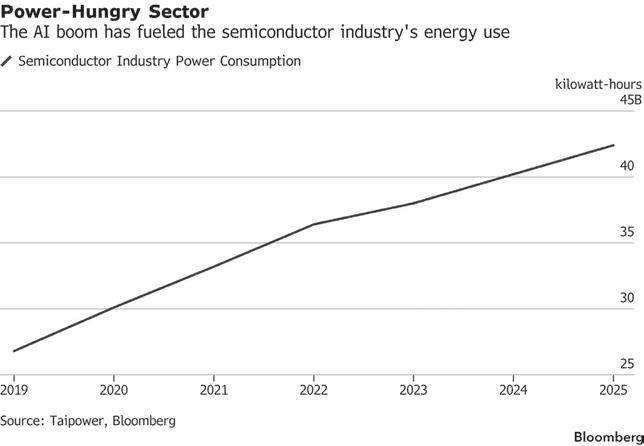
the island’s mothballed nuclear plants won’t bear fruit until around 2028. Officials say plans won’t easily be accelerated, aware that many still remember Japan’s Fukushima disaster.
For the officials, the strategy has narrowed to one thing: buy time. The prevailing hope has long been the “Silicon Shield”—the idea that Taiwan’s dominance in chipmaking makes it too important for the world to lose. That shield, though, is showing cracks.
With President Donald Trump prioritizing his relationship with Xi Jinping ahead of their upcoming summit, anxiety is mounting that the US might try to use Taiwan as a bargaining chip. Washington’s official view is that Taiwan should diversify and scale up its energy sources, including more US oil and LNG, as well as US nuclear power technology, according to a senior administration official.
“The shield is still there, but it is so thin that it probably can be broken more easily than before,” said Alexander Huang, former director of international affairs for the opposition Kuomintang. “The critical infrastructure in a general sense has been very fragile—even without a war.”
In the absence of quick fixes, Taipei is looking to improve its capabilities in modern warfare. The government is maintaining active backchannels with Ukraine, including via Estonia, to study how drones can be used to attack and protect energy nodes. These lessons are being integrated into a n ew coordination effort between the military and police to protect physical infrastructure.
Some officials, though, are taking heart from Iran’s apparent resilience, even if they don’t support the regime.
“Even facing a very strong military power like the United States, Iran can still manage to survive and also to fight back,” Deputy Foreign Minister Chen Ming-chi said in an interview. He added that the US shouldn’t bear the sole responsibility for stopping Iran’s nuclear program and drew a parallel to the dangers of ignoring any potential move by China against Taiwan.
Taiwan is also moving to shore up ties with the US ahead of the Trump-Xi meeting, including announcing plans to boost purchases of US LNG to 25% by 2029. Taiwanese buyers have signed preliminary pacts for a $44 billion Alaskan LNG project that Trump favors, though it has struggled for decades to get off the ground. The government has signed a contract with Westinghouse to check the status of the third nuclear power
plant’s generators, according to media reports.
Still, politics continue to get in the way, with the Democratic Progressive Party government led by President Lai Ching-te regularly colliding with the KMTcontrolled parliament. A NT$1.25 trillion special defense budget, including funds for domestic production of drones, has stalled for months in parliament.
KMT Chair Cheng Li-wun recently met with Xi in Beijing, where the Chinese president reaffirmed claims to sovereignty over the self-governing democracy and noted cross-strait relations should be “firmly in the hands of the Chinese people.” The atmosphere may grow fraught ahead of local elections in November and presidential elections in 2028, making it more difficult to secure a consensus.
The gridlock isn’t just about partisan disagreements; it reflects uncertainty over which nightmare scenario Taiwan should be ready for.
Retired admiral Lee Hsi-min, former chief of the general staff from 2017 to 2019, thinks that Beijing is likely to avoid a slowmotion blockade as it would allow Taiwan to rally international support. He forecasts any move to be a so-called fast war, such as a blockade paired with air strikes, aimed at a quick surrender.
Johanna Yang, from the FDD’s Center on Cyber and Technology Innovation, thinks China is more likely to opt for cyber-attacks or pressure other countries to stop selling LNG to Taiwan. “In terms of China’s decision calculus and what’s going to be the most economical both in terms of resources and personnel, that’s going to be a cyber campaign,” she said.
The FDD’s tabletop exercise last year in Taipei showed that the island’s infrastructure cannot support both residential power and semiconductor production during a crisis. It’s holding a follow-up exercise this year, focusing on communications infrastructure.
While debates and simulations continue in the capital, the reality of Taiwan’s energy security lies 200 miles south in Kaohsiung. Here, about a year ago, China conducted drills that simulated attacks. Footage broadcast by staterun CCTV showed long-range rocket artillery targeting the very terminal where Qatar’s LNG tankers usually dock. Two months later, Taiwan’s Coast Guard Administration held its own exercise, simulating a hijacked tourist cruise ship attempting to attack the same terminal.
President Lai has visited Kaohsiung several times in recent months. In March, he boarded Taiwan’s first homegrown submarine, and in April, he visited a military training center where he said, “Only through constant preparedness can threats be deterred.”
The most striking reminder of Taiwan’s precarious position, however, lies just a few miles inland. There, on the site of a former refinery, TSMC is in the midst of constructing new fabrication plants—multi-billion-dollar bets on a high-tech future, dependent on the energy resilience that officials are trying to secure. With assistance from Sing Yee Ong, Cindy Wang, Ott Tammik, Debby Wu and Kate Sullivan/ Bloomberg
Sports
Huby delivers another mountain masterclass
By Josef T. Ramos
MANGATAREM, Pangasinan— French rider Antoine Huby of 7-Eleven Road Bike Philippines pulled off another climbing masterclass, ruling Stage 12 on Monday for his second victory in the Metro Pacific Tollways Corporation (MPTC) Tour of Luzon 2026. Fresh off his dominant ride over the punishing Bessang Pass, the 25-year-old Huby, topped the 146.4-kilometer race from Agoo in La Union to Daang Kalikasan Mangatarem View Deck in three hours, 17 minutes and 37 seconds. I am happy to make it again and put two stages inside my pocket. I know I am a good climber here in this tour,” Huby, French national junior and Under-23 champion who also rides for Union Cycliste Internationale World Team Soudal-Quick-Step, said. Huby came up with a similar solo finish two days ago at Bessag Pass, and the victory in Mangatarem help 7-Eleven Road Bike Philippines remain No. 1 in the team classification. With an accumulated time of 144:25:51, 7-Eleven has a five-minute lead over Go for Gold and 17:35 ahead of Standard Insurance Philippines. Huby overtook Jericho Lucero of Go for Gold, Nash Lim of MPT DriveHub, and Russian Ivan Anisimov of Life Cycle Works (LCW) UAE in the final kilometer of the 7.4-km climb at Daang Kalikasan road.
Nikita Shulchenko of LCW, in the yellow jersey, came up second, a minute and 20 seconds behind.
Erickson Delos Santos of D’Reyna Orion Cement was third, 1:41 off, while Lim was 1:57 behind.
When I looked back, I saw Nikita [Schulchenko] at the bottom of the climb at around 50 seconds, so I kept on pushing and we needed to go far, then we couldn’t not see him,” Huby added. “Thankful to my teammates for going all out.” Huby is now second in the individual classification, two minutes and 30 seconds behind Shulchenko, who has an aggregate time of 36:16:21.
“ I will just do my best, although the Individual Time Trial is not my game. I may lose time, but I will give it a try,” Huby said.
S hulchenko’s teammate Yousef Ibrahim Alrefai dropped to third overall in the individual general classification, 4:29 back.
It is very hot today, but we will protect my lead overall for sure,” Shulchenko said. “In Russia, the steep is more dangerous than here. I also went to Baguio a few times and I studied the route.”
The tour holds a 20-kilometer Individual Time Trial around Lingayen on Tuesday before the final stage, a tough 181.8-km race from Lingayen to Baguio.

Ateneo’s Mendoza, La Salle’s Bucay set pace in UAAP golf
ANEW era dawned in Philippine collegiate sports on Monday as golf officially debuted in the University Athletic Association of the Philippines (UAAP), immediately reigniting the fierce Ateneo-La Salle rivalry on the fairways of Tagaytay Midlands in the opening round of the inaugural UAAP Season 88 Golf Tournament.
Ateneo’s Monique Mendoza rebounded from a challenging start with a gutsy charge on the back nine, submitting an 81 to seize the lead in the women’s individual competition as University of the Philippines’ Annika Gozum stumbled with a late bogey, slipping from a share of the lead to solo second with an 82.
L a Salle’s Julia Lua, who dominated last year’s inaugural ICTSI Intercollegiate Tournament and powered the Taft-based squad to the team championship, struggled in hot and windy conditions and wound up with an 86 for third place, while teammate Alexa Dacanay turned in an
87, followed by Ateneo’s Simi Tinio with an 88 and La Salle’s Donnabel Magsino with a 92. Ateneo’s Andie Joson shot a 94, while UST’s Deborah Escote had a 96. UP’s Ava Heredia and Ateneo’s Renee Heredia rounded out the Top 10 with 99 and 101, respectively.
I n the men’s division, La Salle’s Perry Bucay drained a clutch five-foot birdie putt on No. 17 and finished with a 72 to take a one-stroke lead over teammate Zachary Castro in the individual race. UP’s Joshua Buenaventura and Miggy Roque stood within striking distance after rounds of 74 and 75, respectively.
L a Salle’s Miguel Fusilero carded a 76 to share fifth place with Ateneo’s Glenn Unabia, as the Green Archers seized control of the team standings in the four-to-count, three-to-play format with a 221 aggregate, five strokes ahead of UP, which tallied 226 with Emilio Carpio counting with a 77. However, La Salle was assessed a twostroke penalty for a uniform infraction, which put its team total to 223 and its lead over UP to just three strokes. Ateneo was third with a 240 total after Juan Escano and Schmuel Tan shot 80 and 84, respectively. UST and Adamson, meanwhile, struggled with team totals of 261 and 370 in the fiveschool competition presented by Pilipinas Golf Tournaments, Inc. and supported by the Philippine Sports Commission, Wilson Philippines and Akari. Solid driving allowed Bucay to attack the pins.
If I didn’t have my approach shots


PERRY BUCAY fires an impressive even-par 72 in tough conditions. NONIE REYES
The father of fastbreak
JOHN MCLENDON was never the loudest figure in basketball history, nor the most commercially celebrated. But few men shaped the sport more profoundly.
L ong before fast breaks became standard, before racial integration reshaped college athletics, and before Black coaches were welcomed into the mainstream of American sports, McLendon was already decades ahead of his time.
H is life reads less like a coaching résumé and more like a blueprint for modern basketball. Born in 1915 in Kansas, McLendon’s basketball education began under the legendary James Naismith himself at the University of Kansas. That connection alone places him near the roots of the game. Yet McLendon’s journey would become something far more significant than merely learning from basketball’s inventor. He became one of the sport’s great innovators and one of its most important agents of social change.
At a time when segregation infected every layer of American life, McLendon coached at historically Black colleges because major white universities would not hire Black coaches.



EAN GRANADA started his title defense with a solid 75 in strong winds and scorching heat to grab the early lead in the men’s division, while Phoebe Bucay showed the way in the women’s side at the second ICTSI Intercollegiate Tournament at Tagaytay Midlands on Monday. Granada, representing College of St. Benilde, leaned on clutch shot-

I nstead of bitterness, he responded with invention. His teams played at a breathtaking pace. He emphasized conditioning, speed, relentless pressure, and quick scoring long before those concepts became fashionable. W hat today resembles modern transition offense and fullcourt pressure was, in many ways, McLendon basketball. Decades before the NBA’s pace-and-space era, McLendon understood that speed could become both a weapon and a philosophy. His greatest coaching achievements came at Tennessee State University, where he led the Tigers to three consecutive NAIA national



working today, I probably wouldn’t have posted a consistent score. I struggled a bit with my putting, so I was fortunate that I hit good tee shots and was able to place my approach shots very close to the pin,” he said.
It’s the usual tense atmosphere you get in intercollegiate tournaments, but now that it’s the UAAP, I think everybody wants to make a name for themselves,” he said.
Played under swirling winds and on sloping fairways with slick greens, the historic debut of golf as a UAAP demonstration sport showcased both elite collegiate talent and the sport’s strong potential to become a permanent fixture in the league.
I nstead of the usual roaring UAAP crowds and booming drums, the atmosphere shifted to tense silences before swings, anxious walks along rolling fairways and emotional fist pumps after clutch putts.
Mendoza drew first blood in the ladies division, emerging as the tournament’s early individual leader with nines of 4437 zby two birdies against five bogeys and three double bogeys.
The key was staying mentally strong. I played really poorly after the first nine, but I told myself to keep pushing and make bawi,” said Mendoza, 21, who won the Eastridge leg of the IIT despite tough weather conditions.
making and steady putting to tame the frontside and the notoriously difficult Lucky 9 layout of Midlands, emerging as the only player to break 80 in the opening round of the four-day tournament organized by International Container Terminal Services Inc. and the Philippine Golf Foundation. T he reigning champion, who edged La Salle’s Zachary Castro
championships from 1957 to 1959.

SEBASTIAN NEIL MAÑALAC, Zian Alexander Sing and Aeleyah Magrata lead the hometown bets in the Karate One Youth League presented by the Philippine Sports Commission starting on Thursday at the Mall of Asia Arena.
A sian cadet champion and Batang Pinoy National Games kumite gold medalist Mañalac, 17, looms as the brightest Filipino prospect in the four-day competition organized by the Karate ng Pilipinas Sports Federation Inc. and sanctioned by the World Karate Federation.
No. 8 in the WKF world ratings in his age group category, Mañalac, out of Lourdes School of Mandaluyong, won two matches in the junior kumite men’s -68-kilogram class at the Karate One Youth League leg last February in Fujairah, United Arab Emirates.
A lso a solid Pinoy prospect in the competition backed by the SM Group of Companies, Lanson’s Place and the Philippine Olympic Committee is Sing,
in a sudden-death playoff to win the inaugural collegiate crown at Summit Point last year, opened a two-stroke cushion over La Salle’s Lucas Aldeguer, who carded a 77. John Gabriel Canlas, also from La Salle’s Team 1, stood in third with an 80, while La Salle 2’s Jet Ang shot an 82. La Salle-1’s Arvin Ong, Ateneo-1’s Emilio Curran and Ateneo-2’s Carl
The first historically Black program to accomplish such dominance on a national stage.
The victories mattered beyond the scoreboard. In segregated America, every championship challenged the myth that Black athletes and Black coaches were somehow inferior in intelligence, organization, or leadership.
McLendon was coaching basketball, but he was also coaching dignity. One of the defining moments of his life came in 1944 with the now-famous “Secret Game” between the North Carolina College for Negroes and the white Duke University medical school team.
A t a time when interracial competition was effectively forbidden in the South, the game was played behind closed doors in silence and secrecy. McLendon’s team reportedly won decisively, but the final score mattered less than the symbolism.
The contest represented resistance through sport which was a quiet but powerful strike against segregation. Basketball history often remembers pioneers only after society becomes comfortable with their ideas. McLendon fits that pattern perfectly. The irony of his career is striking. Many coaching philosophies celebrated
17, who ruled the junior men’s 61kg cass of the 4th Shureido International Karate Cup in Jakarta, Indonesia last year. M agrata will be vying for honors in the juniors -66kg women’s kumite of the tournament also backed by Milo, Senators Pia Cayetano and Christopher “Bong” Go, and Citadines Place Manila. M agrata topped the juniors female intermediate kata and settled for silver in the cadets female +61kg division in kumite in the 2025 Batang Pinoy National Games held in General Santos City. She was also Karate Pilipinas Grand Winner juniors female kumite -66kg last year. All three young karatekas have been training very hard and I wouldn’t be suprised if they figure prominently in battle for gold in their respective
Udasco matched 83s. B ucay, meanwhile, battled through the tough scoring conditions and scrambled for a 101 to establish a four-shot lead in the women’s division over Enderun College’s Kristyanna Herrera, who shot a 105. La Salle1’s Stacey Chan and St. Benilde-1’s Charlene Jagunos stood within striking distance after a pair of 106s.
today like the uptempo offense, aggressive pressing defenses, maximizing athleticism trace directly to concepts McLendon taught generations earlier. Coaches such as Dean Smith and Adolph Rupp studied elements of his system. His fingerprints exist all over the modern game, even when his name is omitted from mainstream basketball conversations. Yet perhaps McLendon’s greatest legacy was not tactical but moral. He represented the possibility that excellence could survive exclusion. He proved that innovation could emerge from marginalized spaces.
A nd he forced American basketball to confront its own contradictions which was a sport invented as a democratic game that, for decades, denied equal opportunity to many of its finest minds.
Today, every high-tempo offense, every pressing defense, every Black head coach thriving at the
of basketball carries a small echo of McLendon’s influence. H istory eventually inducted him into the Naismith Memorial Basketball Hall of Fame, but honors alone cannot fully capture his significance. John McLendon was not merely ahead of his time. In many ways, basketball is still catching up to him.