

Asean Leaders in Cebu amid ME energy crisis
By Malou Talosig‑Bartolome
and
of this year’s ASEAN Summit, welcomed delegates to the 48th preparatory meetings with a call for solidarity.
“To remain united, coalescing as a force for good in the region,” he said, is essential as ASEAN confronts the crisis.
Philippine hosting this year is markedly less lavish compared to 2017, in line with govern ment efforts to cut expenses in anticipation of deeper economic fallout from the war.
Meetings of ministers and senior officials are being held at Shangri‑La Mactan and Dusit Thani hotels, while the centerpiece venue is the newly built Mactan Expo Center.

THEThe P1.5‑billion, two‑level convention facility, developed by Megaworld Corpora tion under billionaire Andrew Tan, anchors the company’s 30‑hectare Mactan Newtown township. The International Media Center for local and foreign press is also located within the complex. Officials stressed that substance would out weigh ceremony. “Our work is far from over, as we continue to wrestle against an increasingly complex global environment where prompt and sus tained cooperation is crucial,” Marcos declared in a video message aired during a Palace brief ing at the Media Center. He



By Justine Xyrah Garcia
country’s 5 percent unemployment rate in March may already be reflecting the early impact of the ongoing Middle East conflict on the domestic labor market, with economists warning that employment conditions could deteriorate further in the coming months.
Data released by the Philippine Statistics Authority (PSA) on Wednesday showed that around 2.58 million Filipinos were unemployed during the month, slightly lower than the 2.66 million jobless Filipinos recorded in February, when the unemployment rate stood at 5.1 percent. However, the March figure remained significantly higher than the 1.93 million unemployed Filipinos, equivalent to a 3.9 percent
jobless rate, posted in the same month last year.
According to Ateneo economist Ser K. Peña-Reyes, the current unemployment rate may already be capturing the initial effects of the geopolitical tensions in the Middle East—although the full extent of the impact has yet to emerge in the data.
“The more pronounced employment effects will probably appear





By Andrea E. San Juan
jump in inflation may be enough to push for or necessitate a huge policy response to either bring inflation down or keep inflation expectations anchored,” Dacanay said. On the monetary end, the HSBC Senior Asean Economist said more





Calamity funds released by DBM in Jan-April hit ₧5.9B
By Reine Juvierre S. Alberto
THEDepartment of Budget and Management (DBM) has released P5.916 billion in calamity funds from January to April this year to support relief, recovery, and rehabilitation efforts in areas hit by natural disasters.
This comes after the DBM disbursed
P1.998 billion from the national disaster risk reduction and management fund (NDRRMF), also known as the calamity fund, in April alone.
DBM data showed that the entire
P5.916 billion it released as of end-
April was disbursed to the Department of Social Welfare and Development (DSWD).
This is to cover the agency’s replenishment of quick response funds (QRF), which have already been tapped three times this year.
In particular, the DBM released P1.979 billion in February, followed by P1.939 billion in March and P1.998 billion in April.
QRFs are built-in budgetary allocations or stand-by funds for agencies to immediately assist areas affected by catastrophes and crises.
These are used to provide immediate relief to affected areas, as well as to support the repair and rehabilitation of damaged infrastructure such as roads, bridges and public buildings.
When the QRF gets depleted, the first-response agencies may request replenishment with a request to the DBM and to be approved by the Office of the President.
DBM data showed that a total of P34.228 billion remains available under the calamity fund for government agencies to access for the rest of the year.
Asean Leaders in Cebu amid ME energy crisis
Continued from A1
Economists warn that the Iran war is fast be coming an Asian energy shock, with Southeast Asia particularly exposed. The immediate problem is the fuel crisis, but experts caution that a dangerous sequence could follow: energy shortages, inflation, fiscal insta bility, and ultimately threats to food supply and social stability.
The 1997–1998 Asian Financial Crisis remains the benchmark for regional upheaval, dubbed the “financial tsunami” that plunged ASEAN into deep recessions, collapsing currencies and forcing

Of the amount, P17.576 billion is allocated for the National Disaster Risk Reduction and Management Program, while P15.330 billion is earmarked for the Disaster Rehabilitation and Reconstruction Assistance Program for local government units (LGUs).
Another P1 billion is set aside for the People’s Survival Fund (PSF), with an additional P322.857 million carried over from last year’s continuing appropriations.
The PSF bankrolls climate adaptation programs and projects of LGUs and accredited community organizations to design and implement localized solutions to address the country’s growing climate challenges.
painful IMF‑backed bailouts.
Triggered by the float of the Thai baht in July 1997, it led to massive capital flight, soaring unemployment and GDP contrac tions of up to 12 percent in some economies.
Despite the grim backdrop, Marcos high lighted a milestone for ASEAN: the historic full membership of Timor‑Leste this year.
He described the expansion as proof of ASEAN’s resilience and commitment to mul tilateralism.
“The only way forward is for with ASEAN Centrality as our guiding principle,” he stressed.
3 vital outcome documents
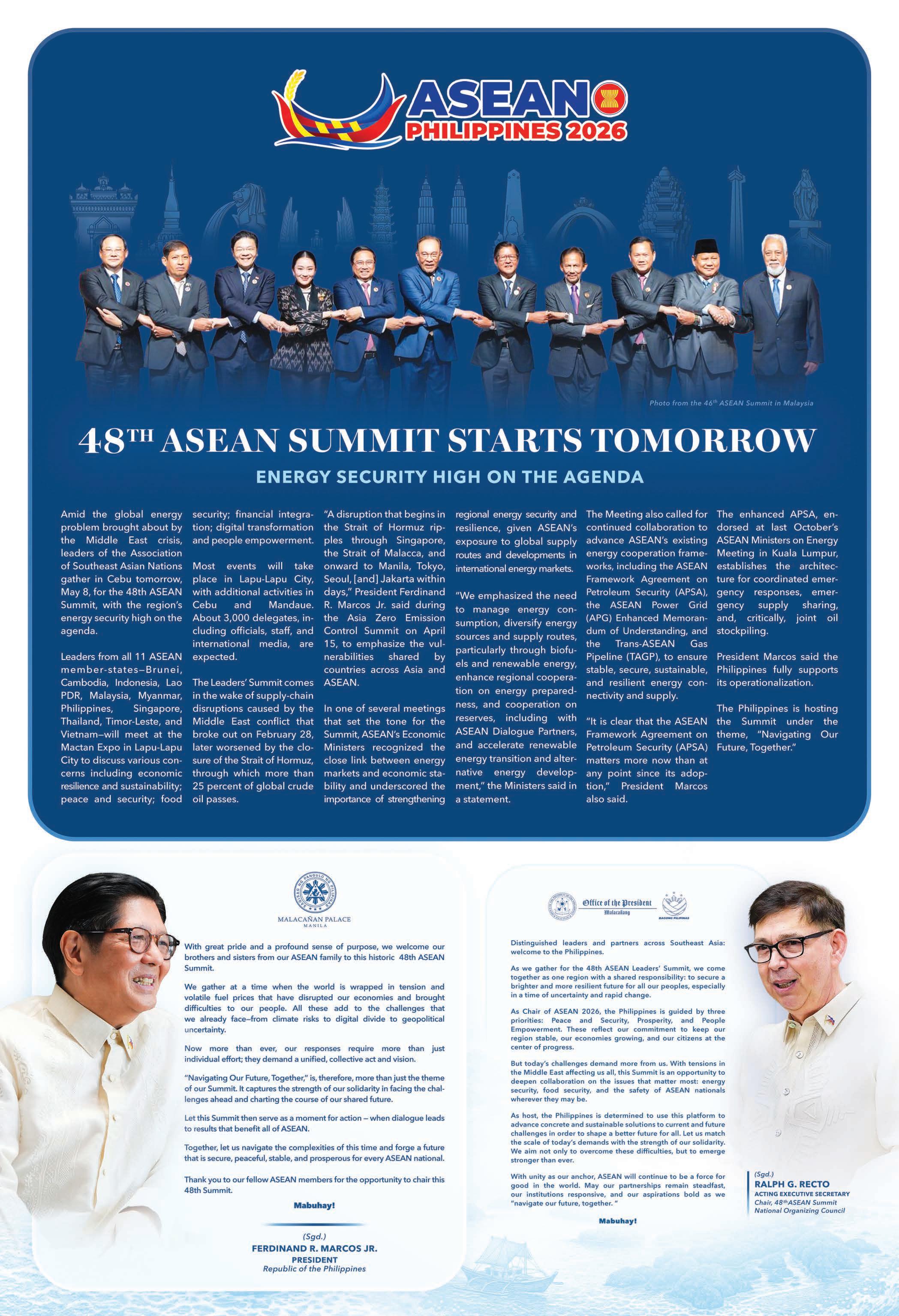
THE Philippines will endorse three impor tant outcome documents for consideration of the Asean Leaders as President Marcos Jr. chairs the 48th Summit.
“Specifically, under the ASEAN APSC [ASEAN Political Security Community] Pil lar, we are working toward the endorse ment of three important outcome docu ments for the consideration of the Asean Leaders,” Asean Spokesperson Dominic Xavier Imperial said in a press briefing at the IMC in Lapu Lapu City Wednesday.
He said among these documents is the Cebu Protocol to Amend the Charter of the Asean, which will mark the first amend ment to the ASEAN Charter since its signing in 2007. This reflects Asean’s continued institu tional strengthening, particularly in support of Timor Leste’s full integration into the re gional bloc, he noted.
The Asean Leaders’ Declaration on Mari time Cooperation will also be endorsed, underscoring the region’s commitment to advancing maritime cooperation through concrete initiatives such as the inclusion of the Asean Coast Guard Forum (ACF) as an Asean Sectoral Body and the proposed es tablishment of an Asean Maritime Centre in the Philippines.
Another outcome document for endorse ment will be the Asean Leaders’ Statement on the Response to the Middle East Crisis, which emanates from the two Special Asean Foreign Ministers’ Meeting convened by the Philippines in March and April in response to the ongoing conflict in the Middle East.
Imperial also emphasized that while Asean Leaders focus on three important priorities during the 48th Asean Summit— energy security, food security, and safety of Asean nationals—the Philippines, as Chair will continue to advance the country’s key priorities and deliverables in the prepara tory meetings.
These include the preparations for the Commemorative Activity of the 50th An niversary of the Treaty of Amity and Coop eration in Southeast Asia, the continued integration of Timor Leste, and the latest developments in Myanmar.

M.E. war…
Continued from A1
in April to June data and beyond, as higher costs and weaker demand feed through the economy,” Peña-Reyes told the BusinessMirror
PSA data showed the largest year-on-year employment declines came from fishing and aquaculture, which lost 189,000 jobs, followed by manufacturing with 149,000 and arts, entertainment and recreation with 147,000.
On a month-on-month basis, the steepest employment losses were recorded in fishing and aquaculture (-420,000), other service activities (-299,000), and manufacturing (-217,000).
National Statistician Claire Dennis S. Mapa noted that municipal fisherfolk engaged in marine fishing heavily rely on diesel for their boats, suggesting that rising fuel costs may have already weighed on the sector during the first quarter.
Mapa said the 15.3-percent decline in fisheries production—from 1.01 million metric tons to 856.9 thousand metric tons—was largely driven by weaker municipal marine fishing output.
“Of course, there is seasonality there, but we observed that fishing and aquaculture appears to have been affected,” Mapa said when asked regarding the impact of the geopolitical tensions.
For John Paolo R. Rivera, a senior research fellow at the Philippine Institute for Development Studies (PIDS), the losses in manufacturing and fishing likely reflect the early indirect impact of the Middle East conflict through rising fuel, transport, and production costs.
“[Manufacturing] and fishing are both highly sensitive to energy and logistics costs so rising global uncertainty and input prices can quickly affect hiring and operations,” Rivera told the BusinessMirror
Labor market retreat
ATENEO economist Leonardo A. Lanzona also pointed out that other labor indicators suggest deeper weaknesses underneath the headline figure.
Lanzona explained that even as unemployment eased monthon-month, both labor force participation and employment also declined—indicating what he described as a “labor market retreat.”
Based on PSA data, around 441,000 Filipinos exited the labor force from February to March, pulling the labor force participation rate—which measures those either employed or actively seeking work—down to 63.3 percent or equivalent to 51.65 million individuals.
This also brought the total number of employed Filipinos to 49.07 million, down by 357,000 from the 49.43 million recorded a month earlier.
“Workers aren’t finding jobs; they’re giving up looking for them. That’s not improvement—that’s the discouraged-worker effect in action,” Lanzona told the BusinessMirror
“It should worry policymakers far more than an uptick in unemployment would,” he added.
Peña-Reyes also pointed to the rise in underemployment, saying
this may signal deteriorating job quality and emerging stress in the labor market.
“It likely means the economy is adjusting through reduced hours, not layoffs yet,” he added.
Those actively seeking additional work hours or another job reached 6.03 million in March, translating to an underemployment rate of 12.3 percent.
This was 192,000 higher than the 5.84 million underemployed Filipinos recorded in February.
Unemployment spike?
ASSUMING the Middle East conflict drags on, the Ateneo economist said the country could again see a spike in unemployment like the Russia-Ukraine war in 2022, when the jobless rate peaked at 6 percent in June.
“Exceeding 6 percent is possible this time, and arguably more likely than during the Russia-Ukraine episode, because the shock is broader [energy, inflation, growth, external demand],” Peña-Reyes said.
However, he noted that such a scenario would still largely depend on “how long the conflict, and especially high oil prices, persist.” Rivera agreed, saying a prolonged conflict combined with elevated inflation could further worsen both unemployment and underemployment, particularly in energy-intensive industries.
This, he explained, is because firms often respond to rising operating costs by reducing work hours, slowing hiring, or shifting workers to less stable arrangements before resorting to outright layoffs.
“Given current inflation and external pressures, underemployment could remain elevated in the coming months, particularly among vulnerable and informal workers,” Rivera said.
Keeping biz, jobs afloat WITH risks of a more strained labor market in the coming months, Socioeconomic Planning Secretary Arsenio M. Balisacan said the government is ramping up targeted interventions aimed at keeping businesses operational to prevent further job losses.
“We commit to tightening the delivery of targeted assistance, such as fuel subsidies and service contracting for transport workers, farmers, and fisherfolk to improve alignment and expedite implementation. We will leverage technologies such as e-wallets and other digital platforms, where applicable, to ensure efficient delivery channels,” he said. Balisacan said the government has also rolled out several regulatory relief measures to ease financial pressure on businesses and vulnerable sectors, including temporary grace periods for loan payments and deferred agricultural loan obligations.
Additional financing support has likewise been made available through programs of the Department of Labor and Employment, Land Bank of the Philippines, and the Department of Trade and Industry to help firms manage rising operating costs and sustain employment.
For migrant workers affected, Balisacan said the government has also expanded its re-employment assistance programs to help them transition back into the labor market.
Continued from A1
signaled during April’s rate-setting meeting that the BSP’s mandate “primarily focuses” on price stability.
Looking ahead, Dacanay said HSBC Global Investment Research expects inflation to rise further.
“Though uncertainty looms over the direction of energy prices, the Philippines has yet to feel the full brunt of food inflation. So far, the rise in food prices is largely caused by domestic forces, with retail prices of rice going in the opposite direction to its global counterpart,” Dacanay said.
He underscored that global food supply has yet to tighten given the
“lagged effect” of higher fertilizer prices on yields. Well above market expectations, headline inflation in April quickened to 7.2 percent year-on-year, with food prices contributing as much as 2.2 percentage points to inflation.
HSBC also noted that core inflation accelerated to 3.9 percent, highlighting how quick and broad the spillover effects are, driven by restaurants and rentals.
The inflation print in April was above the BSP’s month-ahead inflation forecast range of 5.6 to 6.4 percent. This was the fastest pace recorded since March 2023.
Dole, CSC include govt openings in job fairs
By Justine Xyrah Garcia
THE Department of Labor and Employment (Dole) and the Civil Service Commission (CSC) are strengthening efforts to address vacancies in the public sector by integrating government vacancies into nationwide job fairs.
Under a newly signed memorandum of agreement, the two agencies will coordinate the inclusion of vacant government positions in job fair activities organized across the country, widening access to public sector employment opportunities for jobseekers.
The partnership aims to broaden access to government employment by bringing together national government agencies and prospective applicants in organized job fair settings,” the CSC said in a statement on Wednesday.
The initiative comes as government agencies continue to face staffing gaps in various regions while many jobseekers remain more familiar with private sector hiring channels.
By using Dole’s network of regional offices and Public Employment Service Offices (Peso), the CSC said the partnership seeks to make recruitment for state positions more visible and accessible outside Metro Manila.
Under the agreement, CSC regional offices will work with Dole regional offices and Pesos in organizing job fairs and encouraging government agencies within their jurisdictions to participate.
T he CSC will also take part in onestop shop government services during job fairs by setting up booths that will provide information on civil service eligibility requirements, training programs, and available government vacancies.
Meanwhile, Dole regional offices will provide technical and administrative support before, during, and after the job fairs, including coordinating participation requirements for agencies and promoting the activities through its platforms.
B oth agencies said the partnership highlights the need for stronger inter-agency coordination to make employment programs “more accessible, efficient, and responsive to jobseekers.”
Only one-third
By Jovee Marie N. Dela Cruz @joveemarie
ASENIOR lawmaker on Wednesday emphasized that only one-third of House members are required to elevate the impeachment case against Vice President Sara Z. Duterte to the Senate, dismissing claims that the complaint could fail if “no” votes outnumber “yes” votes during plenary voting.
I n an interview, Senior Deputy Majority Leader Lorenz Defensor said the Constitution clearly provides that a one-third vote is sufficient to transmit the Articles of Impeachment for trial. It’s clear that under the Constitution, only one-third is required, and it’s the same intention of the framers of our Constitution. Only one-third of the votes are needed for the case to be elevated to the Senate,” he said.
PHL can now buy combat equipment from Japan
DEFENSE Secretary Gilberto
Teodoro Jr. on Tuesday night said the Philippines can now buy military weapons from Japan, aside from acquiring these through transfers, as Tokyo eases up its restrictions on the transfer of its defense equipment and technology.
N gayon puwede rin tayong bumili ng defense equipment sa kanila kasi hindi na sila constrained magtransfer. Pero may guidelines iyan Kailangan aligned ang bansa sa kanila at nangingilala ng parehong prinsipyo sa ilalim ng international law [We can also buy defense equipment from them as they are no longer constrained to transfer. But there are guidelines and the countries should be aligned and recognize the same principles in international law],” he said in chance interview with reporters shortly after his meeting with Japanese Defense Minister Shinjiro Koizumi in Makati City.
Teodoro was referring to Japan’s review and revision of its “Three Principles on The Transfer of Defense Equipment and Technology” and its Implementation Guidelines. The revision will now allow the export of weapons, including those with lethal capabilities.
P rior to this, Japan can only sell equipment in five noncombat categories such as rescue, transport, warning, surveillance and minesweeping.
K nowing the high industrial, technological capabilities of Japan, which translates into “higher value in scope at lower cost,” Teodoro said he is very much “excited” to have the country partner with Tokyo regarding “joint or co-production” of any items needed by the defense sector.
During his meeting with Koizumi, the two defense ministers also signed a “Statement on the Further Promotion of Defense Equipment and Technology,” as well as its Implementation Guidelines.
Teodoro said the Philippines is now also acquiring domain awareness equipment from Japan, either through transfer or purchase.
We are already acquiring domain awareness equipment from them, whether by transfer or by purchase. And it stands to reason that it’s reasonable because you have to have one picture in either your air domain or your sea domain that we converge in one data system. It’s very important, even for operational security,” he added.
Highly productive SPEAKING after the JapanPhilippines Defense Ministers Meeting in Makati City, Koizumi described his talks with Teodoro as highly productive.
“As the regional and international security environment becomes increasingly severe, Japan and the Philippines have been working in close coordination,” he said during a media briefing, noting they had a “productive and substantive discussion on defense cooperation between our two countries.”
Koizumi said both sides discussed ways to expand collaboration in “Policy,

THE Navy (PN) is set to acquire as many as three to six of these Abukuma class
Operations, and Defense Equipment and Technology in a more integrated and comprehensive manner.”
H e highlighted Japan’s recent revision of its “Three Principles on the Transfer of Defense Equipment and Technology” and corresponding implementation guidelines, saying these would strengthen Tokyo’s contribution to regional and global peace.
Secretary Teodoro once again expressed his support and expectations regarding this revision. Under this new framework for the Transfer of Defense Equipment, Secretary Teodoro and I signed today [Tuesday] [a] Statement on the Further Promotion of Defense Equipment and Technology Cooperation. Through this statement, we agreed to establish a working group bringing together the policy, operational, and equipment of the defense authorities of both countries,” Koizumi added.
“ We also agreed to move forward with discussions aimed at realizing comprehensive equipment cooperation, including education and training, maintenance and sustainment, operational coordination, information sharing, and the proper management of transferred equipment,
of House members needed to impeach
T he House formally transmitted the articles of impeachment against Duterte to the Committee on Rules during its plenary session on Tuesday, May 5.
T he referral came after the chamber took up Committee Report 261, prepared by the House Committee on Justice led by Batangas Rep. Gerville Luistro, which was presented on the floor.
The report outlines four articles detailing the alleged impeachable offenses attributed to the Vice President.
M oreover, Defensor rejected assertions circulating online and in some legal commentaries that the complaint would automatically fail if negative votes exceed affirmative votes.
“O nly one-third is required for the case to be transmitted to the Senate for trial, regardless of how many vote against it,” he stressed.

He also clarified that the House vote does not determine guilt but merely decides whether there is enough basis to proceed with a Senate trial.
The one-third vote is not a vote for conviction. It’s simply to transmit it because there is sufficient evidence to have a trial in the Senate impeachment court,” he said.
“And it’s up to them whether they will acquit or they will convict the respondent,” he added, referring to senator-judges.
Defensor, likewise, cited constitutional precedent, noting that impeachment complaints endorsed by at least one-third of House members may be transmitted directly to the Senate even without committee action.
Unrebutted evidence DEFENSOR expressed confidence that the House would secure the required
Cebu provl govt lifts state of calamity
TBy Carmel Pedroza
HE provincial government of Cebu has formally lifted the state of calamity imposed last year following a powerful earthquake and the onslaught of Typhoon Tino, signaling a transition from emergency response to long-term recovery and development efforts.
with a view to the early transfer of Abukuma-class destroyers and TC90 aircraft, as well as other defense equipment,” Koizumi said.
K oizumi also welcomed progress in bilateral defense engagement, particularly the implementation of the Reciprocal Access Agreement (RAA), which entered into force in September last year.
He said by applying the RAA to the ongoing US-Philippines-hosted multilateral Exercise Balikatan 2026, “we were able to bring in equipment to the Philippines and participate in more advanced training, which had not been possible previously.”
H e noted that the scale and sophistication of the exercise had significantly improved, including “the first-ever live-fire training of surfaceto-ship missile conducted by Japan in the Philippines,” and a sharp increase in participation by the Japan Self-Defense Forces from around 140 personnel last year to about 1,400 this year.
K oizumi added that Japan intends to further strengthen cooperation through the Acquisition and Cross-Servicing Agreement signed in January.
See “Japan,” A15
Sara–Defensor
votes, saying many lawmakers were persuaded not only by the evidence presented but also by Duterte’s failure to directly address the allegations.
I’m very sure that many more congressmen will vote yes, not only because of the evidence, but simply because the evidence presented in the committee hearings was not rebutted.
The Vice President did not answer them,” Defensor said.
W hile he declined to give an exact figure, Defensor said the number could reach at least 106 votes—the minimum one-third required under the Constitution—and possibly more.
H e added that Duterte’s repeated absence from the hearings weakened her position before both lawmakers and the public.
In a separate interview, House Deputy Speaker and Antipolo Rep. Ronaldo Puno, chairman of the National Unity Party,
indicated that the number of lawmakers backing the impeachment of the Vice President could climb to about 180.
He outlined that projected support from major blocs already forms a substantial base. Lakas-CMD is expected to contribute around 60 votes, NUP about 30, and even a partial count from Partido Federal could add another 30, bringing the total to roughly 120. Factoring in a portion of the Nationalist People’s Coalition could further raise the tally to around 150 or higher. Moreover, the 63 party-list representatives are largely expected to support the impeachment of the Vice President.
P uno added that the NUP will not impose a collective stance on the matter, allowing its members to decide independently based on their own judgment through a conscience vote.
See “Impeach,” A15
Legislator presses call for legislated wage hike
he added. Mendoza stressed that regional wage boards must be held accountable to more than five million minimum wage earners and should act immediately on the growing number of wage hike petitions, noting that the situation already constitutes a “supervening event” that justifies immediate wage adjustments. The TUCP Party-list group filed House Bill 88 on the first day of the 20th Congress, June
30, 2025, proposing a P200 daily minimum wage increase. It also filed House Bill 6740 on December 10, 2025, seeking the removal of the 12 percent value-added tax (VAT) on electricity, monthsaheadofthecurrentspikeinpowercosts. It cannot be politics-as-usual especially at this time when the accountability is no longer abstract but tangible and inescapable particularly for every Filipino worker and their family. We, as legislators, must now work double time, even triple time, to uphold not only our duty to the Constitution but our obligation to our people who, day in and day out, are being crushed by surging inflation worsened by government inaction,” he added.
See “Wage,” A15
The decision was finalized after the Cebu Provincial Board, during its regular session on May 4, unanimously approved a measure introduced by Board Member Lakambini Reluya. Th is move came in response to a recommendation from the Provincial Disaster Risk Reduction and Management Council (PDRRMC), which determined that conditions in the province h ave significantly improved. In Resolution 002-2026 dated April 1, 2026, the PDRRMC—chaired by Gov. Pamela Baricuatro—reported that urgent response operations have already been completed. Most evacuation centers have been closed, essential services have been restored, and the availability of basic goods has normalized throughout Cebu. The state of calamity was originally declared after a magnitude 6.9 earthquake struck near Bogo City on September 30, 2025, followed weeks later by Typhoon Tino (international name: Kalmaegi), which brought further destruction to several parts of the province. These dual disasters caused widespread damage to infrastructure, d isrupted livelihoods, and displaced thousands of residents.
W hile the province as a whole has stabilized, authorities acknowledged that recovery and rehabilitation efforts are still ongoing in 19 of the hardesthit localities. These include the towns of Madridejos, Santa Fe, Bantayan, Daanbantayan, Medellin, San Remigio, Tabuelan, Tabogon, Borbon, Sogod, Compostela, Liloan, Consolacion, Balamban, and Asturias, as well as the cities of Bogo, Danao, Mandaue, and Talisay. The PDRRMC emphasized that local governments in these areas may still declare localized states of calamity if necessary to ensure continued access to emergency resources and support. O fficials said lifting the provincewide declaration will allow Cebu to fully resume regular governance functions while accelerating rehabilitation programs and long-term d evelopment initiatives. Government agencies have also been directed to sustain disaster preparedness and resilience efforts to better protect communities from future hazards.
This priest doesn’t want to be bishop
By Mary Jade Jadormio
AROMAN Catholic priest set to consecrated as the bishop of Tagbilaran had announced his withdrawal from the post.
Fr. Gerard Saco Jr. announced on Tuesday that he will not take up the position “after weighing personal limitations and discernment.”
Saco described this as “a change of heart.” I sincerely ask for your understanding regarding this change of heart,” he said in a statement. “It comes from a deep awareness of my own human limitations and inadequacies.”
Pope Leo XIV has appointed Saco to be the leader of the diocese after Bishop Alberto Uy was transferred to the Archdiocese of Cebu in September last year and later promoted archbishop.
Saco was set to be the new Tagbilaran bishop, scheduled for episcopal ordination and installation on May 26.
H e had been serving as a diocesan administrator when he was appointed.
“Please be assured of my continued commitment as a priest, to journey with you in faith in the Risen Lord, who never abandons us in moments of trial and need,” he added. U y said the Vatican has accepted Saco’s decision. This development has brought sadness to many of us, especially the faithful of the Diocese of Tagbilaran,” Uy said.
“Nevertheless, we respect Father Saco’s decision, trusting that it was made after deep and prayerful discernment,” he added.
destroyer escorts from Japan.
Double squeeze hits manufacturers–FPI
By Bless Aubrey Ogerio
MANUFACTURERS are facing pressure from both rising costs and weakening demand, the Federation of Philippine Industries (FPI) said, as inflation surged and factory activity slipped back into contraction in April.
On Tuesday, the Philippine Statistics Authority (PSA) reported that Inflation accelerated to 7.2 percent in April from 4.1 percent in March. At the same time, data from S&P Global Market Intelligence showed the country’s Manufacturing Pur -
PSA reports increased manufacturing output in March
By Justine Xyrah Garcia
MANUFACTURING output grew at a faster pace in March, according to the Philippine Statistics Authority (PSA).
Preliminary results of the Monthly Integrated Survey of Selected Industries (Missi) showed the Volume of Production Index (VoPI)—which measures the actual quantity of goods produced by manufacturers—expanded by 7.8 percent for the month.
This is faster than the 3.1 percent growth recorded in February, and reversed the 0.6 contraction recorded in March 2025.
The PSA said the acceleration came mainly from the manufacture of coke and refined petroleum products, whose contraction narrowed to 4.4 percent in March from the 19.5 percent decline posted a month earlier.
The PSA also cited stronger output from basic metals, which surged by 36.2 percent from 28.2 percent previously, and transport equipment, which accelerated to 6.3 percent from 1.2 percent.
E lectronics manufacturing, likewise, remained among the top contributors to factory output growth, posting a 14.7 percent expansion during the month.
The statistics office noted that 15 out of the 22 industry divisions posted positive annual growths, while the remaining six recorded contraction.
Am ong those whose output contracted in March are fabricated metal products (-34.1 percent), printing and reproduction of recorded media (-21.8 percent), as well as machinery and equipment except electrical (-13 percent).
In value terms, the PSA said manufacturing production also picked up.
The Value of Production Index (VaPI) jumped by 10.5 percent in March, faster than the 4.5 percent increase recorded in February. In March last year, production value barely grew at 0.1 percent. Similar to the VoPI, the stronger VaPI growth was largely traced to the improved performance of petroleum manufacturing, which swung to a 4 percent expansion from a 16.6 percent contraction previously.
The agency also noted faster growth in the manufacture of computer, electronic and optical products at 20.8 percent, as well as basic metals at 42 percent.
M eanwhile, factories operated at a higher capacity in March amid stronger manufacturing activity.
Average capacity utilization for the manufacturing sector climbed to 78.5 percent from 77.6 percent in February and 76.4 percent in March last year.
chasing Managers’ Index (PMI) fell to 48.3 in April from 51.3 in March, ending four straight months of expansion.
“On one side are rising costs for fuel, electricity, freight, imported inputs, and raw materials. On the
other is softer demand as inflation reduces household purchasing power. Businesses are being squeezed from both ends,” FPI chairperson Elizabeth Lee said in a statement.
She noted that global developments, particularly the ongoing con-
flict in the Middle East, are adding to the strain by disrupting supply chains and pushing up input costs.
As long as external conflicts and supply disruptions persist, the operating environment becomes more difficult for economies like ours that are largely price-takers in global markets,” Lee said.
“ Every prolonged shock eventually feeds into local costs, business confidence, and investment timing,” she added.
Despite the pressures, the FPI head said some underlying factors continue to support the sector, including domestic consumption, a relatively young workforce, and ongoing infrastructure development.
S he added that increasing the
share of manufacturing in the country’s gross domestic product could help strengthen economic resilience over time.
“ Periods of disruption also create opportunities for firms to improve efficiency, localize supply chains, accelerate automation, and strengthen competitiveness. Companies that adapt early can emerge stronger when conditions normalize,” Lee explained.
W ith margins tightening, the FPI said companies are adjusting their planning cycles, adopting more flexible operating strategies, and reviewing capital spending decisions to cope with volatility.
Smaller firms are seen as more exposed to sustained cost increases,
Marina rethinks position on CTA
By Lorenz S. Marasigan @lorenzmarasigan
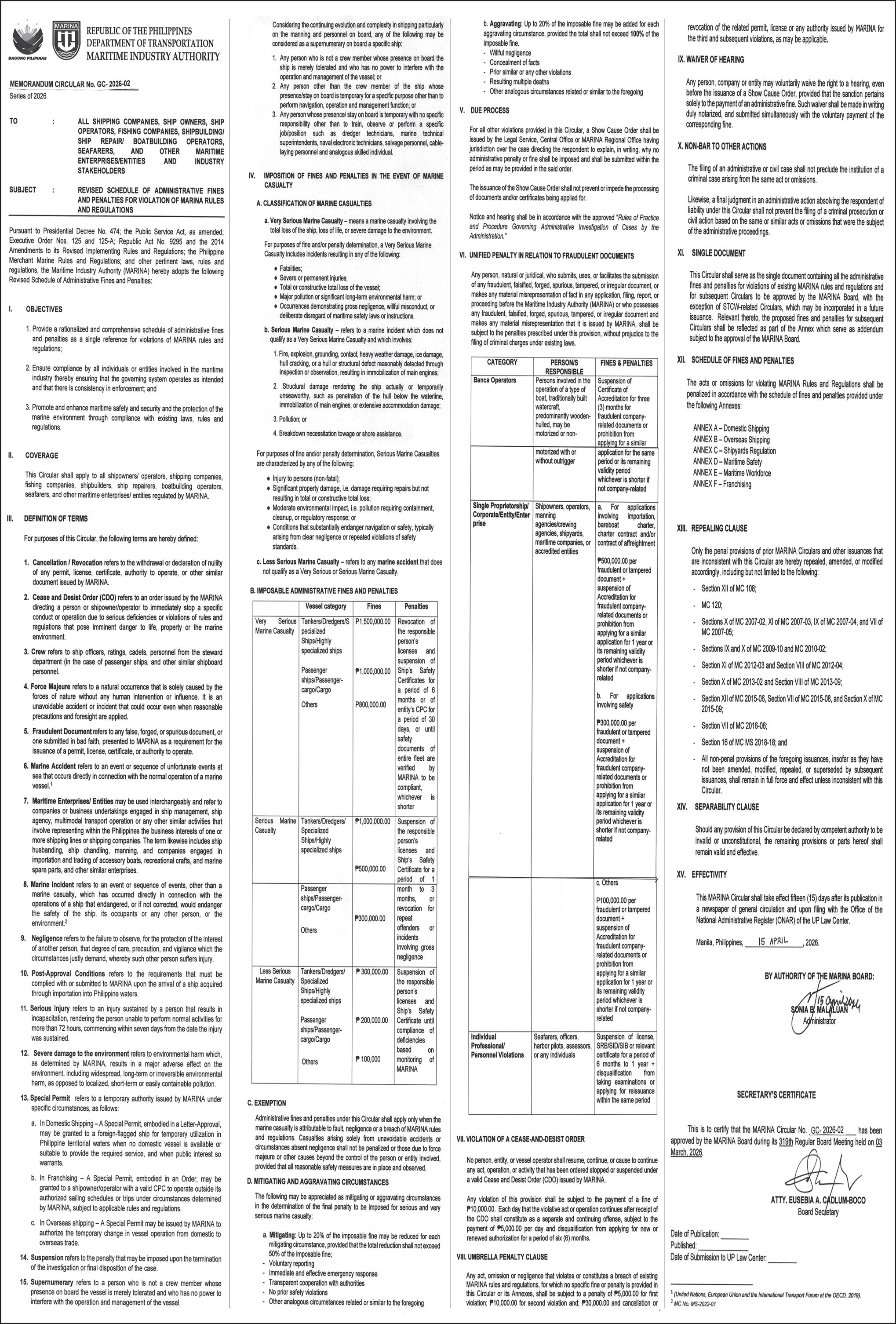
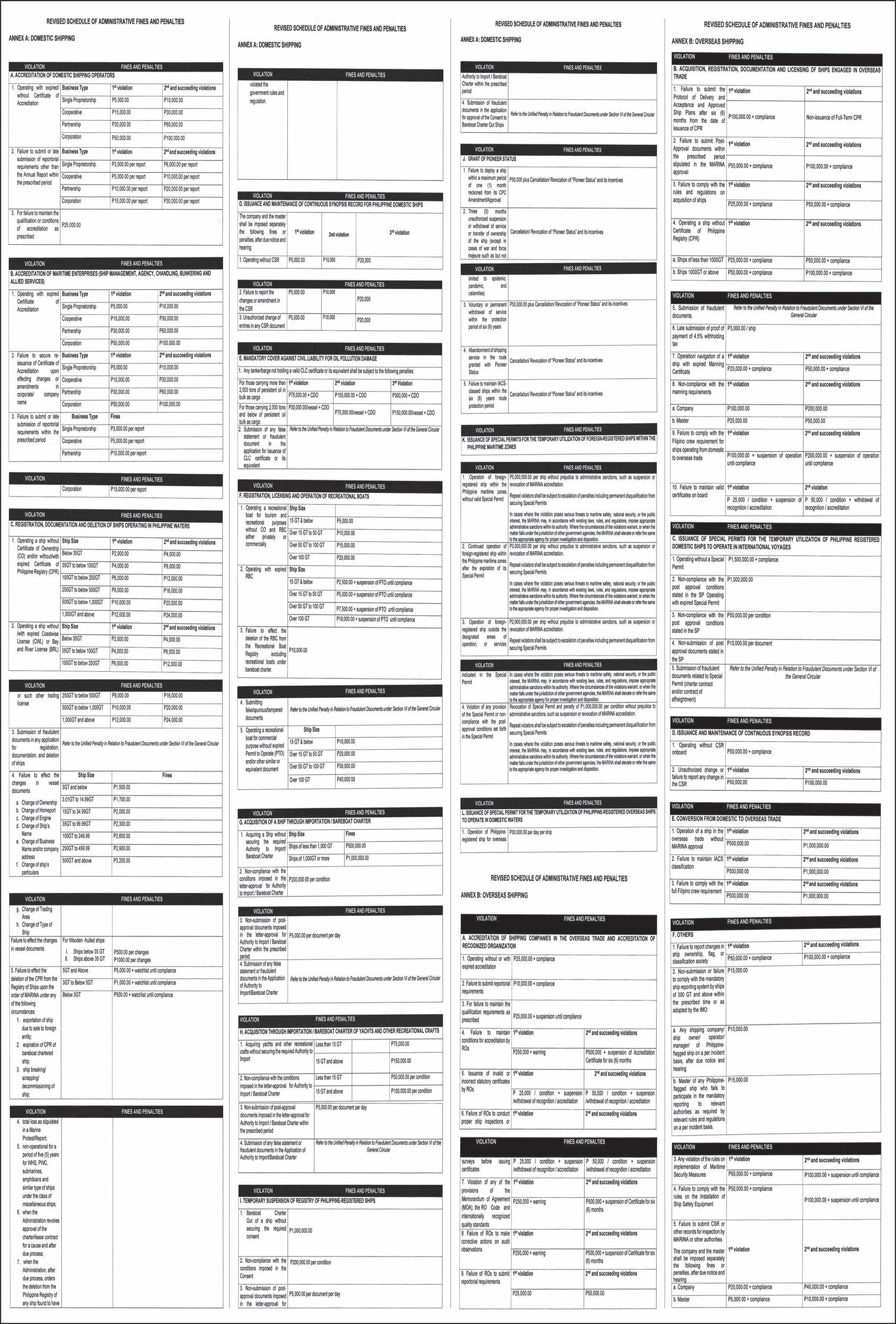
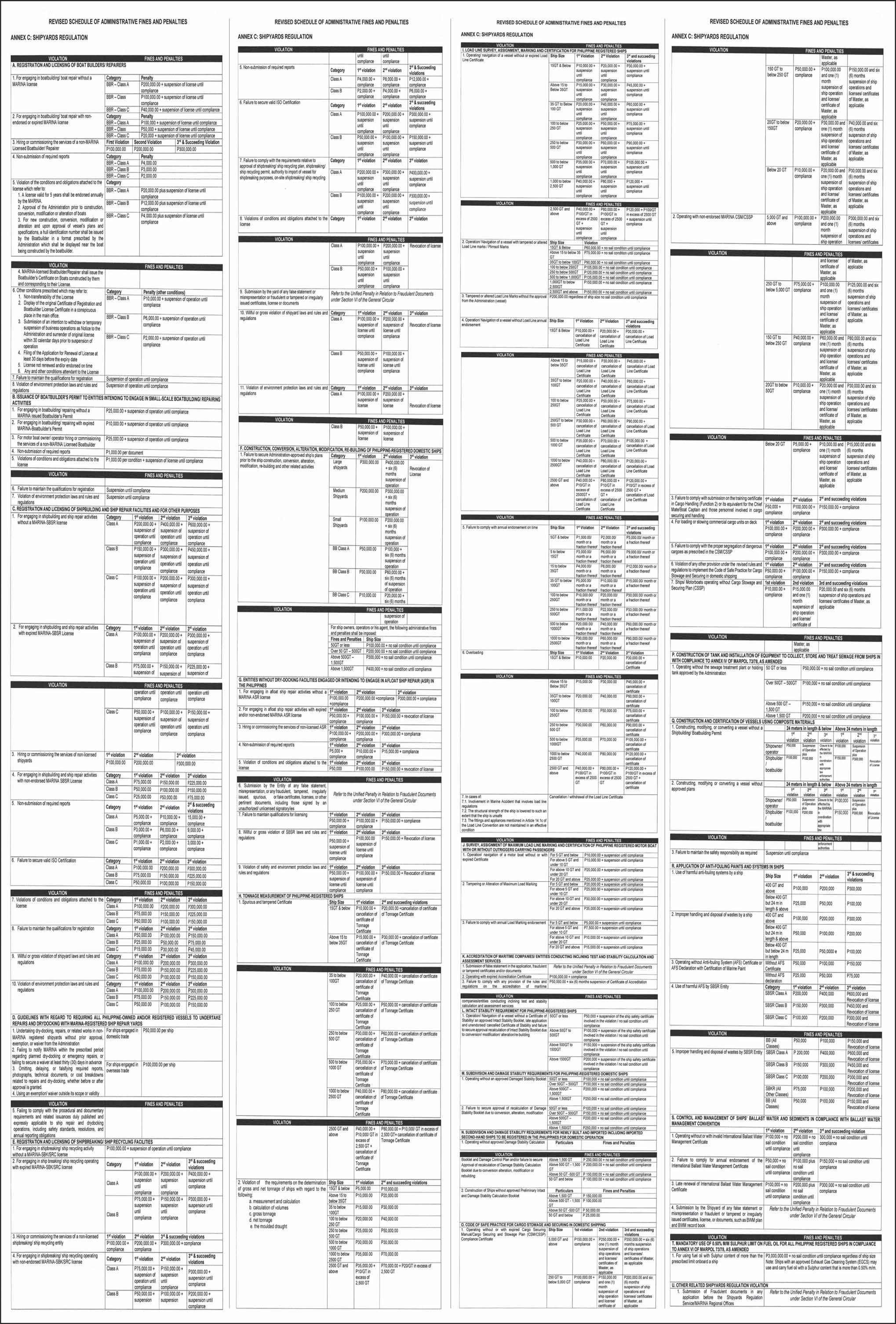
THE Maritime Industry Authority (Marina) said on Wednesday it is reassessing its position on the Cape Town Agreement (CTA), an international framework under the International Maritime Organization (IMO) that sets binding safety standards for large fishing vessels operating on the high seas.
R ather than wholesale ratification of the treaty, Marina is pursuing a selective approach, identifying CTA provisions that can be incorporated into existing domestic rules to raise safety standards across the Philippine fishing fleet, while accounting for local industry conditions, Marina Administrator Sonia B. Malaluan said.
We recognize that any direction we pursue must strike a balance between enhancing safety standards and ensuring that our fishing industry remains viable, competitive, and sustainable,” she said. M aritime Safety Service (MSS)
Director Divinagracia Tolosa said the review is necessary as it allows “us to revisit our position and ensure that all stakeholder insights are carefully considered.”
A ccording to the IMO’s website, the CTA sets minimum requirements on the design, construction, equipment, and inspection of fishing vessels 24 meters or more in length.
It includes mandatory international requirements for stability and associated seaworthiness, machinery and electrical installations, lifesaving appliances, communications equipment, and fire protection.
The agreement is made up of 10 chapters detailing 176 safety rules, and covers standards for vessel construction and related seaworthiness, nonslip decks, heating, ventilation of unmonitored machinery spaces, fire safety regulations, life-saving appliances, emergency procedures, and radiocommunications.
Notably, according to Pew Research, not all chapters apply uniformly. For existing fishing vessels of at least 24
Growing concern on insider risk in AI-powered threats
By Lorenz S. Marasigan @lorenzmarasigan
WHILE organizations worldwide are stepping up cybersecurity training in response to artificial intelligence (AI)-powered threats, employee readiness remains uneven—and insider risk is emerging as a growing concern, network security company Fortinet said. Th e 2025 Security Awareness and Training Global Research Report said that nine in 10 organizations acknowledged that attackers’ growing use of AI has heightened employee awareness of why security training matters.
H owever, only about 40 percent of leaders said their employees were genuinely prepared to identify, avoid, and report AI-based cyberthreats.
“ Organizations in the Philippines are increasingly recognizing that cybersecurity is not just a technology c hallenge but also a skill and awareness challenge,” said Fortinet Philippines Country Manager Bambi Escalante. As businesses continue to adopt cloud
platforms, digital services, and AI-driven tools, employees often become the first point of exposure to cyber risk.”
B ased on the report, external threats and past breaches remain the top reasons organizations invest in security awareness training—cited by more than 40 p ercent of respondents—but insider risk is rapidly climbing the list.
More than a quarter of organizations now point to internal threats as a driver for training adoption, a sharp increase from the previous year.
Fu rthermore, training priorities are adjusting accordingly. Data security and data privacy remain the leading subjects, but AI-based tools and threats are not far behind.
Training works
SIXTY-SEVEN percent of organizations reported moderate or significant reductions in intrusions, incidents, and breaches following the implementation of security awareness and training programs.
See “Growing,” A15
Bill seeks protection, benefits for freelancers, gig workers
By Jovee Marie N. Dela Cruz @joveemarie
gig workers would be prioritized in the House of Representatives. Luigi Villafuerte Villafuerte noted that a growing number of Filipinos, especially those in their 40s and younger, are moving away from
that common freelance jobs include virtual assistance, creative services, digital marketing, and other output-based, project-driven work. Citing the 2020 Global Gig Economy
Index by Payoneer, the lawmakers, in a statement, said the Philippines ranked first among the fastest-growing freelancing markets, with revenue growth exceeding 200 percent. The country also placed third globally in terms of freelance market size, behind the United States and India.
Despite this growth, the Villafuertes warned that many freelancers remain vulnerable owing to the lack of formal contracts, leaving them exposed to unfair labor practices, limited legal protection, and gaps in social security and taxation coverage.
See “Bill,” A15
meters, only five of the 10 chapters apply: general provisions, life-saving appliances, emergency procedures, radio communications, and shipborne navigational equipment. A dditional chapters on machinery and fire safety apply only to vessels 45 meters in length and above. This tiered structure gives regulators like Marina a framework for phased or selective adoption—applying the most
critical safety provisions first without immediately imposing the full compliance burden across the entire fleet.
T he CTA also provides flexibility on timelines for existing vessels: states may defer compliance with life-saving appliance and emergency procedure requirements by up to five years after entry into force, and radiocommunication requirements by up to ten years.
A rgentina became the latest country
given their limited capacity to absorb higher expenses. The group said addressing these challenges will require closer coordination among government, industry, and labor, along with broader reforms to ease structural constraints.
It also cited the need to lower logistics costs, ensure reliable and competitively priced energy, strengthen domestic supply chains, and sustain enforcement against smuggling and unfair trade practices.
“ If these reforms are accelerated, the current challenge can also become a catalyst for a stronger, more self-reliant, and more competitive Philippine industrial sector and a more resilient economy,” Lee said.
to accede to the agreement on February 24, bringing the total number of state accessions to 28 and representing 3,754 vessels of 24 meters or more in length—a threshold that triggered the CTA’s entry into force, set for February 2027. M arina is conducting the review in coordination with industry stakeholders.
According to Deputy Administrator for Operations Loumer Bernabe, all inputs gathered “will be carefully reviewed as we move forward, ensuring that our policies remain responsive, balanced, and aligned with both international standards and national interests.”

Vico Sotto lauds participatory governance as Pasig City wins $1M Bloomberg award
By Claudeth Mocon-Ciriaco @claudethmc3

PASIG City Mayor Victor Ma. Regis
“Vico” Nubla Sotto joined other global leaders during the Bloomberg CityLab 2026 held from April 27 to 29 in Madrid, Spain, wherein he also received the $1 million grant after emerging as one of the 24 winning cities from 20 countries of the Bloomberg Philanthropies 2025 – 2026 Mayors Challenge. The Bloomberg Philanthropies 2025–2026 Mayors Challenge is a competition to spur local government innovation that improves lives in cities around the world.
The city government earlier said that Pasig will receive the $1 million grant as well as operational support and additional funding for dedicated staff to co-design floating parks with its residents so that it can create more community spaces that recon -
nect Pasigueños to the historic Pasig River.
“Through the Bloomberg Philanthropies Mayors Challenge, the City Government of Pasig will address the lack of open, usable spaces through floating parks along our historical river. But more than building new or floating parks, we want to do this in a way that models participatory governance. We want Pasigueños to be involved—from designing, building, and managing or operating these parks, and not just mere visitors of the parks,” then said Sotto when he received the news that Pasig is one of the recipients in February.
“As one of the winners, the Pasig City Team is looking forward to being able to connect and get inputs from a larger community of experts through the Bloomberg Philanthropies’ network. In particular, we are eager to improve how we do things in the City Government, how we plan for projects, and how we can further get inputs from
DENR springs into action in ashfall-affected Albay
THE Department of Environment and Natural Resources (DENR) has intensified environmental monitoring and delivered targeted relief to affected communities across Albay.
The DENR’s combined regional and centraloffice response prioritizes public health, safe water access, shelter support, and rapid restoration of community services.
In a statement, the DENR said that through its Environmental Management Bureau (EMB) Region V, the DENR has deployed air quality monitoring equipment to heavily impacted areas and established monitoring stations in Legazpi City, Tabaco City, Ligao City, and Guinobatan to provide hourly updates on particulate and gas concentrations. “Air quality monitoring conducted in Guinobatan, Albay, from 10:42 AM on May 2, 2026, to 8:00 AM on May 3, 2026, recorded an Air Quality Index [AQI] of 1,106, primarily driven by elevated levels of Particulate Matter [PM₁₀] associated with ashfall from Mayon Volcano.”
EMB V is also deploying two Enhanced Beta Attenuation Monitor (EBAM) units in Camalig and Guinobatan, and a manual Total Suspended Particulates (TSP) monitor in Camalig to strengthen real-time data collection.
DENR teams are conducting weekly water quality testing in nearby rivers, streams, and reservoirs to monitor Total Suspended Solids (TSS), phosphates, color, and selected heavy metals, including cadmium, lead, zinc, and copper, ensuring potable water supplies remain safe for displaced families and evacuation centers. These measures complement relief distributions of water containers and hygiene supplies coordinated with partner agencies.
In direct response to President Ferdinand
Marcos Jr.’s directive for coordinated assistance, the DENR Bicol joined ashfall clearing operations and is providing material support to LGUs and evacuation centers. The Mines and Geosciences Bureau (MGB) V, in partnership with regional offices, will distribute 600 five-gallon water containers to families in evacuation centers, while DENR Bicol will donate 351,496 board feet of assorted lumber and 220 sacks of charcoal to support portalet construction and basic needs in evacuation sites.
During supply turnover, DENR will conduct Information, Education, and Communication (IEC) activities on safe, environmentally sound ash-cleaning techniques and nature-based solutions to reduce secondary environmental impacts and protect local waterways.
“President Marcos’ directive galvanized a whole-of-government response. DENR is deploying science, manpower, and supplies to protect health and restore normalcy for displaced families,”said DENR Secretary Juan Miguel Cuna.
“We are coordinating closely with OCD V, LGUs, and our line bureaus to ensure relief reaches those who need it most while our monitoring teams keep communities informed of air and water safety,” Secretary Cuna added, “Our priority is the safety and dignity of affected families; we will sustain monitoring and support until conditions stabilize.”
DENR reaffirms its commitment to sustained monitoring, inter-agency coordination, and community-centered relief until displaced families can safely return home. Residents are urged to follow official advisories, wear protective masks during ashfall, and participate in local IEC activities to reduce health and environmental risks.
Jonathan L. Mayuga
DSWD thanks Filipino taxpayers for funding social protection programs
THE Department of Social Welfare and Development (DSWD) on Wednesday expressed gratitude to Filipino taxpayers for helping finance the government’s social protection initiatives aimed at assisting poor, vulnerable, and marginalized communities.
DSWD Secretary Rex Gatchalian said the continued payment of taxes enables the government to sustain key programs such as the Pantawid Pamilyang Pilipino Program (4Ps), emphasizing that its success would not be possible without the contributions of citizens, particularly those in the middle class.
Aligned with the directive of President Ferdinand R. Marcos Jr., the DSWD chief assured that the agency carefully manages its budget to support programs that deliver long-term benefits to beneficiaries.
He cited the 4Ps as a prime example, noting that it has helped uplift thousands of families by supporting children’s education, with many beneficiaries going on to earn college degrees and even top professional licensure examinations.
our stakeholders to make the LGU’s [local government unit’s] development programs more sustainable and fruitful,” he added.
The 24 winning city halls represent 20 countries and serve over 35 million residents. Together, they reflect the significant role municipalities play in tackling complex public service challenges — and the ingenuity that animates local governments across the globe.
Selected from more than 630 applications, and the prototypes developed by 50 cities during the finalist phase, when each pressure-tested core hypotheses with residents, the winners were chosen for their ideas’ novelty, potential impact, and strength of implementation plans. They include: As-Salt, Jordan; Barcelona, Spain; Beira, Mozambique; Belfast, United Kingdom; Benin City, Nigeria; Boise, United States; Budapest, Hungary; Cape Town, South Africa; Cartagena, Colombia; Fez,
Morocco; Fukuoka, Japan; Ghaziabad, India; Ghent, Belgium; Kanifing, The Gambia; Lafayette, United States; Medellín, Colombia; Netanya, Israel; Pasig, Philippines; Rio de Janeiro, Brazil; South Bend, United States; Surabaya, Indonesia; Toronto, Canada; Turku, Finland; and Visakhapatnam, India.
“The most effective city halls are bold, creative, and proactive in solving problems and meeting residents’ needs – and we launched the Mayors Challenge to help more of them succeed...We look forward to supporting this year’s 24 winners as they bring their innovative projects to life – and to seeing their ideas spread to more cities around the world,” said Michael R. Bloomberg, founder of Bloomberg Philanthropies and Bloomberg L.P., and threeterm mayor of New York City.
Pasig City said that they will now have the resources to execute and expand its Mayors Challenge-winning program as they begin work to finalize the design and
begin construction of the floating parks and riverside easements; continue consulting with the communities to form a Governance Council for Parks, building on the insights from the previous workshops with them during the prototyping phase; and working with the private sector to increase the impact of this project.
The 2025–2026 Mayors Challenge was launched by Mike Bloomberg in October 2024 at Bloomberg CityLab in Mexico City. More than 630 cities applied. In July 2025, 200 municipal chiefs from the 50 finalist cities — including top officials from Pasig City— gathered at Bloomberg Philanthropies’Ideas Camp in Bogotá to hone their concepts with experts and peers. As a finalist, Pasig City received $50,000 and technical guidance to prototype its idea locally.
The 2025 – 2026 Mayors Challenge builds on more than 10 years of work led by Bloomberg Philanthropies to discover, nurture, and drive innovation in cities.
2,000 police, families receive essential services under LAB for All Program
By Jonathan L. Mayuga @jonlmayuga
MORE than 2,000 police personnel and their families received free health and essential government services through the Laboratoryo, Konsulta, at Gamot Para sa Lahat or LAB Program led by First Lady Louise “Liza” Araneta-Marcos at Camp Crame on Tuesday, bringing vital support directly to the nation’s frontliners who dedicate their lives to public safety. Department of the Interior and Local Government (DILG) Secretary Juanito Victor C. Remulla joined the First Lady in the initiative, which aims to bring essential services closer to communities that often face barriers in accessing timely care and government assistance. The provided immediate access to services that would have become difficult to secure due to cost, time, or availability. It is a direct response to the everyday realities faced by uniformed personnel and their families, the DILG said in a statement.
Around 20 partners from both the public and private sectors participated, delivering a full range of services including medical consultations, dental care, eye checkups, ECG, urinalysis, HIV testing, chest X-rays, ultrasound services, and distribution of medicines. Meanwhile, legal assistance, skills and business mentorship, free seedlings, and access to frontline government services were also provided, ensuring that support extended beyond healthcare and into livelihood and legal needs.
In her message, the First Lady underscored the importance of caring for those who protect the nation: “Today is especially meaningful because this project is not only for the communities we protect, but also for you, the men and women who stand at the frontlines to protect our nation. Today, in our simple way, we are here to take care of you.”
Philippine National Police Chief Police General Jose Melencio C. Nartatez Jr. expressed gratitude for the initiative and highlighted its impact on personnel and their families. “ Sa
programangito,malinawnaangserbisyong pangkalusugan ay dapat abot ng lahat. May dignidad,maymalasakit,atwalangnaiiwan.”
Department of Health Secretary Teodoro Herbosa, Department of Information and Communications Technology Undersecretary for e-Government David Almirol Jr., Commission on Higher Education Chairperson Shirley Agrupis, and Public Attorney’s Office Chief Persida Rueda-Acosta also conveyed their full support for the program, reinforcing a whole-of-government approach to delivering essential services.
Also present were the League of Cities of the Philippines National President, Mayor Francis Zamora, PMFTC President Zhenya Ivanov and other government representatives.
The DILG affirms its continued support for initiatives that bring government services closer to the people, especially those who serve on the frontlines, in line with the directive of President Ferdinand R. Marcos Jr. to ensure that public service is felt where it is needed most.
Planters Products sues farmers’ groups, officials for cyberlibel over rice imports
THE Planters Products, Inc. (PPI), one of the country’s leading manufacturers of agrochemical products, has filed a cyber libel complaint against several individuals and groups for allegedly issuing statements in the media accusing the company of violating laws and engaging in irregularities in the purchase and sale of its imported rice.
yearly inspection despite being classified as a government-owned and controlled corporation.
“PPI has complied with all the requirements under the laws for the importation of rice to the Philippines,” the PPI said.
It pointed out that prior declaration of a rice shortage is not required for a private corporation to import rice under Republic Act 11203 or the Rice Tariffication Law.
importation of rice,” the complainant stressed.
The PPI said Montemayor’s interview over a radio news program and an online news channel also “casted doubts and imputed bad faith” on the importation made by PPI by making it appear that it is colluding with the Department of Agriculture secretary to regulate and control the rice allocation.
Lawmaker bats for early support system for kids with special needs
By Jovee Marie Dela Cruz @joveemarie
ALAWMAKER is pushing for a nationwide implementation of a comprehensive program to ensure early detection and intervention services for children on the autism spectrum and other kids with special needs, alongside the provision of scholarship grants for deserving Filipino students pursuing degrees in medicine, special education, and related fields to help build a sustainable special needs workforce.
In filing House Bill (HB) 6309, Parañaque 2nd District Rep. Brian Yamsuan cited scientific studies showing that early screening and intervention—ideally before preschool age—significantly improve a child’s communication and social skills, leading to better long-term outcomes.
“This is why the focus of our measure is the implementation of a National Program for Early Detection and Intervention. Our proposal complements other pending measures in the House of Representatives that aim to institutionalize a National Autism Care, Support, and Inclusion Act. Our bill expands the coverage to include other children with special needs,” he said. He emphasized that early intervention can reduce long-term educational costs, minimize the severity of disabilities, and enhance participation in school and community life.
“Every child has the right to live with adequate protection and immediate medical support if necessary. But for the parents of kids on the autism spectrum and others with special needs, early screening, therapy, and other intervention services remain financially burdensome, often with limited or no PhilHealth support,” Yamsuan said.
“The government needs to urgently develop and put in place a national plan of action that would ensure early and accessible screening, diagnosis, and intervention services to identify and support children with special needs. The goal of our bill is to ensure that even at the barangay or community level, accessible and affordable services are already available,” he added.
The proposed national program covers not only children with autism spectrum disorder but also those with attention deficit/hyperactivity disorder (ADHD), Down syndrome, cerebral palsy, global developmental delay (GDD), learning disabilities, communication impairments, and other developmental conditions.
The Senate has already approved on third and final reading its version of the proposed National Autism Care, Support, and Inclusion Act.
Under HB 6309, PhilHealth is mandated to develop benefit packages and reimbursement schemes to ensure accessible, affordable, and quality therapeutic care for children with special needs.
Gatchalian also defended 4Ps beneficiaries from public criticism linking them to recent increases in electricity rates charged by Manila Electric Company (Meralco).
He dismissed claims that 4Ps households contributed to the spike in power bills, explaining that the increase in April was driven by higher generation costs, not by subsidy programs.
According to Gatchalian, 4Ps households consume minimal electricity, typically limited to basic appliances such as electric fans and light bulbs, making their contribution to overall demand negligible.
Recent data show that only 135,411 4Ps households are enrolled in the Lifeline Rate Subsidy Program, compared to Meralco’s 8.11 million residential, commercial, and industrial customers.
Gatchalian also addressed criticisms that the program fosters dependency among beneficiaries, stressing that 4Ps is designed as an investment in human capital rather than a form of handout. Launched in 2008 and institutionalized through Republic Act No. 11310, the 4Ps remains the government’s flagship anti-poverty program, focusing on improving the health, nutrition, and education of children from lowincome households.
See “DSWD,” A13
The complaint filed before the Makati City Prosecutor’s Office named the Federation of Free Farmers (FFF), its chairman Leonardo Montemayor, the Magsasaka Partylist Organization, and its chairman Lejun dela Cruz, as respondents.
The contents of the PR released on March 11, 2026, according to the complainant, are “outright falsehoods.”
Aside from irregularities in the purchase and sale of imported rice, the PR claimed that PPI is being exempted from the Commission on Audit’s
Workers’ party
DIn fact, the PPI said, RA 11203 liberalized rice importation by allowing corporations to import rice subject to the payment of tariffs and compliance with the requirements of the Bureau of Plant Industry (BPI) such as the sanitary and phytosanitary import clearance (SPSIC).
“PPI’s importation agreements are duly supported by SPSIC from the BPI. Hence, PPI’s importations are properly and validly declared and are in compliance with the relevant laws for the
“Here, as adequately demonstrated… respondents Magsasaka and FFF, respectively, were very much aware of, and had the authority to cause the circulation of the libelous statements found in the publicized press release,” the complaint read.
The PPI is seeking the prosecution of the respondents for the crimes of cyber liber in relation to Section 6 of RA 10175 or the Cybercrime Prevention Act of 2012 and oral defamation under Article 358 of the Revised Penal Code in relation to RA 10175. Joel R. San Juan
wants stronger accountability mechanism in govt
AVAO CITY – A workers’ partylist group urged government to install a stringent accountability mechanism to prevent fund leakage, which it said affect the workers more than any other sectors of society.
The Kamanggagawa Party-list said It called on government for stronger accountability mechanisms, asserting that officials who betray public trust must face legal consequences.
“Workers deserve transparent and responsible governance committed to public service,” it said saying that this action
would be paying tribute to Filipino workers’ welfare amid rising economic challenges on Labor Day.
Karl Yngojo, Mindanao chairman of Kamanggagawa Partylist, said this call was urgent. “Workers are the backbone of our economy, yet they are the ones who suffer the most under rising prices and systemic corruption. This Labor Day, we stand united in demanding not just relief, but justice: justice in wages, justice in governance, and justice in economic policies that must favor the many, not the few.” Lawyer Ronnie Bulatano of the National
Federation of Labor, said accountability and reform were important for workers: “The law must serve the people, not protect the powerful. Holding corrupt officials accountable is not optional; it is a constitutional duty. Progressive taxation, including taxing billionaires, is a lawful and necessary measure to address inequality and uphold social justice.”
The group also raised concerns over corruption in government, pointing out that public funds must not be misused.
See “Workers,” A13
The Department of Health (DOH), in coordination with the Department of Social Welfare and Development (DSWD) and other relevant agencies, will lead the development and implementation of a comprehensive National Program for Early Detection and Intervention. The measure also includes capacitybuilding initiatives for a trained workforce, public awareness campaigns, and data collection systems to strengthen program implementation.
It further provides for the establishment of early childhood disability identification and intervention facilities in government hospitals, as well as barangay-level health and social welfare services.
The Department of Education (DepEd) is likewise tasked with ensuring the continuous improvement of Special Education (SPED) centers in public schools. According to the latest PhilHealth estimates, around one in seven Filipino children—or about 5.1

Editor: Angel R. Calso
Trump pauses US effort in the Strait of Hormuz as China’s top envoy meets with Iran’s in Beijing
By Aamer Madhani, Adam Schreck, Ben Finley And Elena Becatoros The Associated Press
UBAI, United Arab Emirates—US
DPresident Donald Trump said Tuesday evening he was pausing the US effort to guide stranded vessels out of the Strait of Hormuz to allow time for a deal to end the Iran war, but that the American forces’ blockade of Iranian ports would remain in place.
Meanwhile, Iran’s Foreign Minister Abbas Araghchi met with his Chinese counterpart, Wang Yi, in Beijing on Wednesday morning, the official Xinhua news agency reported, without providing further details.
It was the first time since the start of the war that Araghchi has traveled to China, whose close economic and political ties to Tehran give it a unique position of influence.
Earlier in Washington, US Secretary of State Marco Rubio had expressed hope that Beijing would reiterate to Tehran the need to release its chokehold on the strait, which is a vital waterway for global energy. Iran’s effective closure of the strait,
For the University of Asia and the Pacific Center for Food and Agribusiness (UA&PCFA) Executive Director Marie Annette Galvez-Dacul, compounding issues led to the drop in farm output in the reference period.
“The first-quarter decline in farm output mainly came from weaker crops and fisheries, especially lower rice and corn production due to planting delays,
Air Force Saber and the Australian Best Defense Best Overall Performance Award ( Air Force). Catacutan, 24, hails from Pagadian City, Zamboanga del Sur. Cadet 1Cl Thomas Edgar Isla Sepulchre, 23, from Angeles City, Pampamga, is the son of a construction worker and a teacher.
He has both Igorot and Ilocano heritage. Ranking third in his class, he will get the Secretary of National Defense Saber and the National Security Studies Plaque. He is the cadet- in charge of the Boxing Corps Squad and PMA Christian Fellowship.
Cadet 1 Cl Ian Harold Durana Hubilla, 23, is from Sorsogon. As fourth in rank, he will be awarded the Chief of Staff Saber.
An undergraduate student in electrical engineering before joining the PMA, he will be fulfilling the dream of being part of the Philippine Air Force. He is the son of a retired navy captain, while his mother is a chief education supervisor.
Cadet 1 Cl Maeg Adriene Pajarillo Bermudez, 24, graduates as fifth top graduate. She is from Moncada, Tarlac. Her father is a farmer and her mother is a doctor. Bermudez, one of the five females in the Top 10 in her class, was an anthropology students at the University of the Philippines Baguio.
An aspirant for a place in the Philippine Armed Force, she will be honored with the Social Sciences Plaque.
Cadet 1Cl Cherry Mae Panag Geco, another lady among the topnotchers, graduates as number six, and is 3rd Batallion Education and Training Officer, a silent driller and a journalist. She is a daughter of a rice farmer and an entrepreneur, and was a university scholar at UP Visayas before leaving Capiz to pursue a career at the PMA. She has chosen to join the army after graduation.
Cadet 1Cl Elixa Anya Lumbang
through which major oil and gas supplies passed before the war, along with fertilizer and other petroleum products, has sent fuel prices skyrocketing and rattled the global economy. Breaking Iran’s grip would deny its main source of leverage as Trump demands a major rollback of Tehran’s disputed nuclear program.
US to pause latest efforts to reopen the Strait of Hormuz TRUMP announced the decision in a social media post, saying the latest effort—which started Monday—would pause for a short period to see whether an agreement with Tehran on ending the war in the Middle East could be finalized.
Trump said the move was based “on the request of Pakistan and other Countries, the tremendous Military Success that we have had during the Campaign against the Country of Iran and, additionally, the fact that Great Progress has been made toward a Complete and Final Agreement with Representatives of Iran.”
The White House did not respond to a request for comment or further detail on the progress in negotiations that Trump mentioned. They had appeared to have
irrigation issues, high input costs, and softer farmgate prices,” Dacul told the BusinessMirror PSA figures indicated that crop production, which accounted for over half of the total agriculture and fisheries output, reached P243.62 billion in the reference period, 2.4 percent lower than the P249.61 billion posted last year, largely pulled down by palay output.
The Department of Agriculture (DA) attributed the drop in palay production to the lingering impact of typhoons that hit the country in the latter part of 2025 and
Hernandez, 22, ranking 7th in her class, will be awarded the Philippine Navy Saber for being number one joining the Philippine Navy. She is the daughter of an OFW and a retired OFW. She graduated valedictorian from the Asian Institute of Technology and Education. She will also be receiving the Australian Defense Best Overall Performance Award (Philippine Navy).
Cadet 1Cl Catherine Liesha Beloa de Chavez, 22, finishing 8th, will be awarded the Chief Justice Saber for graduating with an outstanding performance in all law courses. She will also receive the Artemio Picarte Plaque for having the highest overall rating in all Army Service Core Courses. She is from Batangas, the daughter of a retired soldier and housewife. She was pursuing a degree in biology and was a dean’s lister at the Batangas State University.
Cadet 1Cl Cedric Cyril Guingguing Polizon from Surigao del Sur, finishes cum laude as number 9, and will join the Philippine Air Force.
Cadet 1Cl Mark Clement Dequinto Centina, 24, joins the topnotchers as the CCAFP 1st Batallion Personnel Officer. He is a member of the Speaker’s Board, Silent Drill Company, Discussion and Debate Society, and Corps Board and Staff. He was studying for a Bachelor of Science in Economics at UP Visayas before joining the PMA. Hailing from Negros Occidental, Centina is the son of proud parents: father is a retired enlisted personnel and his mother, a farm consultant.
Among the top ten are five females, and five males, perhaps a reflection of lady cadets proving their worth equally in a world once an all-men domain. Top graduate, Cadet Librada, said it just takes determination to make it at the academy. Collectively, all top five female cadets felt nobody can tell you what you can achieve. It’s all a matter of deciding for yourself. The endurance, both physically and in spirit, unfolds in the stories of two of the graduates.
particularly cash transfers focused on low-income households, newly identified poor families, and lower-middle-income workers affected by rising food and transport costs.
“These transfers, along with faster releases of buffer stocks and continued tariff calibration on
largely stalled in the conflict that started Feb. 28 when the United States and Israel launched strikes against Iran.
US officials say ceasefire is holding, despite attacks on UAE THE United Arab Emirates, a key US ally in the Persian Gulf, said it came under attack from Iranian drones and missiles for a second day Tuesday.
But US military leaders and Rubio insisted the nearly month-old ceasefire was still holding and that—while the conflict is not resolved—the initial major US military operation against Iran has concluded.
Before the Trump announcement, Rubio told a White House press briefing that for peace to be achieved, Iran must agree to Trump’s demands on its nuclear program and also agree to reopen the Strait of Hormuz.
“We would prefer the path of peace,” Rubio said.
Rubio also described the day-old US push to reopen the strait to maritime traffic as a defensive operation, aimed at helping thousands of civilian sailors stranded there by the war.
“They’re sitting ducks, they’re isolated,
damaged irrigation systems.
“Softer farmgate prices prior to the government’s temporary rice import restrictions from September to December also discouraged planting,” Tiu Laurel said.
Fisheries output likewise contracted, with production value down 6.1 percent year-on-year to P52.34 billion from P55.74 billion. The DA pointed to “persistent structural and environmental challenges” as the culprit behind the decline.
PSA data, however, showed that poultry output maintained its upward momentum, growing by 7.1 percent to P80.83 billion
Cadet Cedric Cyril Polizon who finished in 9th place lost both his parents as a PMA student. His mother was already seriously ill when he passed the PMA exams. She died 12 days before he was to leave home for the academy, carrying the grief while battling homesickness. That, on top of the physical challenge of training made him want to give up many times. “ It was also mentally exhausting,” he said. In his second year at the PMA, his father also passed away unexpectedly, and he felt that he had to succeed and support his siblings, he being the third of four children.
“It was hard, but I didn’t want to give up. I wanted to be sure to be there for my family,” he said. His mother’s words as she slowly faded made him determined to succeed and stay strong: “Take care of your sisters,” she would say. It was his turn to help after his older brother, also a PMA graduate in 2019 carried the family’s needs. “ He is now married and I want him to focus on his family,” Polizon said.
Cadet John Roy Baran, 22, from Cebu, has a heartwarming story to tell. He was in charge of the PMA’s Elite Team Dagohoy who joined the Sandhurst International Military Skills Competition 2026 in West Point, USA. He spoke of poor beginnings, but highlighted the blessings that came their family’s way. He enjoyed a boarding school scholarship at the Sister of Mary School Boy’s Town, enabling him to finish high school before qualifying as a cadet at the PMA. He remembers their typical bahay kubo which by now is a concrete house.
But both he and Polizon, even in the midst of responsibilities too early for their age, did enjoy the gift of youth, finding a girlfriend to sweeten their trials and looking forward to them joining their families to greet them come graduation day.
President Ferdinand Marcos Jr. will be the guest of honor on graduation day on May 16.
they’re starving, they’re vulnerable,” Rubio said. “At least 10 sailors have already died as a result.”
On Monday, the US said it had opened a lane and sunk six small Iranian boats that had threatened commercial ships. So far, only two merchant ships are known to have passed through the new US-guarded route, with hundreds more bottled up in the Persian Gulf.
Iran says the new US effort violates ceasefire
US Defense Secretary Pete Hegseth and Gen. Dan Caine, the US military’s top officer, told a news conference that Iran’s renewed attacks had not reached the threshold of what Caine called “major combat operations.” He said Tuesday was a “quieter” day in the strait.
At the White House, Rubio said clashes with Iran related to American efforts to reopen the straight were “defensive in nature.”
“There’s no shooting unless we’re shot at first, OK?” Rubio said. “We’re not attacking them.”
Iran’s parliament speaker and chief negotiator, Mohammad Bagher Qalibaf,
in the first quarter from last year’s P75.5 billion.
Livestock production also recovered to P60.74 billion in the reference period, up 5.1 percent from P57.81 billion in the previous year.
Despite the agriculture sector’s weak performance in the first quarter, Tiu Laurel expects a rebound in production in the second quarter.
“We are seeing encouraging signs on the ground, with rice production likely recovering in the second quarter as planting conditions normalize, palay prices improve,
Continued from A6
signaled that Iran has yet to fully respond to the US attempt to reopen the waterway.
“We know full well that the continuation of the status quo is intolerable for America; while we have not even begun yet,” he said in a post on X. His statement did not mention negotiations with the US that are now in the form of passing messages via Pakistan.
Disputing Washington’s claim of sinking six Iranian boats, an Iranian military commander said two small civilian cargo boats were hit Monday, killing five civilians, Iran’s state TV reported.
Caine, the top US general who serves as chairman of the Joint Chiefs of Staff, said more than 100 US military aircraft are patrolling the skies over the strait. The US has imposed a naval blockade on Iranian ports since April 13, depriving Tehran of oil revenue it needs to shore up its ailing economy.
The Trump administration has cited the April 8 ceasefire in asserting that the president does not have to give a formal update to Congress on the war under the War Powers Resolution. That law typically requires presidents to seek formal approval from Congress for war activities 60 days after beginning military action.
and government interventions take effect,”
Tiu Laurel said.
“At the same time, the continued strength of our livestock and poultry sectors is helping cushion overall output and providing stability to food supply.”
For the UA&P CFA Executive Director, a likely recovery of the farm output in the next quarter remains “uncertain” due to the threats posed by El Niño and costly inputs on production.
Shippers remain wary SO far, just two civilian vessels, both US-flagged merchant ships, are known to have passed through the strait as part of the lane the US says it has created. Shipping company Maersk said one of them, a vehicle carrier that it operates, exited the strait safely Monday with US military assistance. Former military officers who have served on the strait have said opening the waterway that is just 21 miles (34 kilometers) wide would be dangerous and highly challenging, even with military escorts, which the US is not providing now. Hapag-Lloyd AG, one of the world’s largest container shipping companies, said in a statement that its risk assessment “remains unchanged” and that transits through the strait “are for the moment not possible for our ships.” Iran has attacked ships that try to transit without going through its own route in the northern part of the strait along the Iranian coastline. That involves being vetted by Iran’s Revolutionary Guard and in some cases making a payment.
Tiu Laurel also warned that risks remain despite the agency’s upbeat outlook for the second quarter.
“While we expect a stronger second quarter, the impact of higher oil prices on transport and inputs, particularly fertilizer, as well as the potential effects of an El Niño-induced drought, could weigh on production in the second half.”
“For the second quarter, a further decline is not expected. Some recovery is likely as delayed plantings are harvested and irrigation conditions improve. However, the outlook remains uncertain, with weather risks such as El Niño and elevated costs continuing to weigh on production,” Dacul said.
He said workers across the country marked Labor Day not only with celebration of their contributions “but also in protest against the increasing cost of living”.
“Continuous rise in prices of basic commodities, from food to fuel, has intensified financial strain, while wages remain inadequate to cover essential needs,” Yngojo said. “Leaders must take immediate and decisive steps to reduce the cost of essential goods and ensure sufficient support for workers during the crisis.”
Also, workers would like to see during this year “a fair taxation system, proposing reforms that would place a heavier burden on those with greater financial capacity”.
“Taxing billionaires and large corporations, they said, is essential for wealth redistribution and for funding social services that benefit the majority,” he added. Manuel T. Cayon
Continued from A6
On proposals to revisit the Expanded Lifeline Rate Law, Gatchalian said the DSWD is open to amendments, provided that any adjustments will not result in additional costs being passed on to consumers. He added that large utility firms like Meralco should consider absorbing such subsidies as part of their corporate social responsibility.
He also expressed confidence that, with sustained support, the Marcos administration’s goal of reducing poverty incidence to single-digit levels by 2028 is achievable. He cited data showing that nearly 12 million children have completed their education through the program, while tens of thousands from 4Ps families have passed professional board examinations.
Jovee Marie N. Dela Cruz
Continued from A16
Why build the bridge?
AKLAN Gov. Jose Enrique “Joen” Miraflores told the B usiness M irror recently that even President Marcos Jr. had expressed surprise over the DPWH’s approval of the project sans a public hearing. He said the President assured him that the latter will talk to SMHC chair Ramon S. Ang about the project.
Ang has properties all over Boracay and on the Aklan mainland, but has said he needs to partner with other developers to set up resorts. The tycoon’s Trans Aire Development Holdings Corp. is also upgrading the Caticlan Airport into an international-level facility, which is scheduled for completion by 2028.
The state economist also said the government should accelerate investments in logistics, cold storage, and farm-tomarket infrastructure to help reduce food costs and cushion households from future price shocks. Justine Xyrah Garcia and Mary Jade Jadormio
food items, as well as the fuel subsidies for drivers of tricycles, jeepneys, TNVs, and similar public transport modes to prevent fare hikes from compounding the shock,” he added.
In an earlier interview, Ang told this paper that the 2.54-kilometer bridge system that will connect the island — famous the world over for its long stretch of powdery, white-sand beach — to the Aklan mainland via the municipality of Malay, will enable the quick transportation of garbage out of Boracay.
The bridge will also will decongest the island as workers can go home to mainland after their shifts are over, while jobs of the boatmen are assured as they can drive the tourist buses to and from Boracay, when the bridge is finished. (See, “Why is Ramon Ang praying a lot these days?,” in the B usiness M irror Sept. 13, 2024.)
A14 Thursday, May 7, 2026
Trump again assails Pope Leo, potentially complicating Rubio’s visit to the Vatican
By Matthew Lee & Nicole Winfield
The Associated Press
ASHINGTON—President
WDonald Trump has renewed his criticism of Pope Leo XIV, potentially complicating a fence-mending visit that Secretary of State Marco Rubio plans to make this week to the Vatican.
In an interview with conservative commentator Hugh Hewitt, Trump said the first American-born pontiff is helping Iran and also making the world less safe with his comments about the importance of not treating immigrants with disrespect.
“The pope would rather talk about the fact that it’s OK for Iran to have a nuclear weapon,” Trump said in the interview on
Monday. “And I don’t think that’s very good. I think he’s endangering a lot of Catholics and a lot of people.”
The pope, however, has not said Iran should obtain nuclear weapons. He’s called for more peace talks, and criticized war with Iran generally and Trump’s specific threats of mass civilian strikes. The pope also has emphasized that he’s reflecting biblical and church teachings, not speaking as a political rival to Trump.
Leo responded to Trump’s latest criticism by calling out the US president’s misrepresentation of his views. Speaking to reporters Tuesday, the pope said the Catholic Church “for years has spoken out against all nuclear weapons, so there is no doubt there.”
He also doubled down on his insistence that his call for peace and dialogue in the
US-Israeli war in Iran is biblically inspired.
“The mission of the church is to preach the Gospel, to preach peace. If someone wants to criticize me for announcing the Gospel, let him do it with the truth,” Leo said.
Rubio downplays the rift over Iran
FOR his part, Rubio, a practicing Catholic, said Trump’s recent criticisms were rooted in his opposition to Iran potentially obtaining a nuclear weapon, which he said could be used against millions of Catholics and other Christians. Rubio said the whole world should be opposed to that.
Trump “doesn’t understand why anybody—leave aside the pope—the president and I, for that matter, I think most people, I cannot understand why anyone
would think that it’s a good idea for Iran to ever have a nuclear weapon,” Rubio told reporters at the White House.
Still, Trump’s latest comments may make Rubio’s task more difficult when he sees the pontiff on Thursday. Rubio has often been called on to tone down or explain Trump’s harsh rhetoric as it relates to Europe, NATO and the Middle East, but the president’s dispute with the pope has domestic political implications in the US with midterm congressional elections approaching.
Trump lashed out at Leo on social media last month, saying the pope was soft on crime and terrorism for comments about the administration’s immigration policies and deportations as well as the Iran war. Leo then said God doesn’t listen to the prayers of those who wage war.
Later, Trump posted a social media image likening himself to Jesus Christ, which he then deleted after backlash. He has refused to apologize to Leo and has sought to explain away the social media post by saying he thought the image was of him as a doctor.
The tension spills over into Italian politics
ITALIAN Prime Minister Giorgia Meloni, a long-time Trump ally, has taken exception to Trump’s comments about the pope.
Trump in return criticized her as his ire against NATO allies expands over what he sees as a lack of support for the Iran war—most recently with the Pentagon planning to pull thousands of troops out of Germany in the coming months.
In response to Trump’s latest comments criticizing the pope, Italian Foreign Minister Antonio Tajani said in a social media post that they were “neither acceptable nor helpful to the cause of peace.”
“I reaffirm my support for every action and word of Pope Leo; his words are a testament to dialogue, the value of human life, and freedom. This is a vision shared by our government, which is committed through diplomacy to ensuring stability and peace in all areas where conflicts exist,” Tajani wrote. Rubio, who after this trip will have visited Italy or the Vatican at least three times in the past year, is expected to meet with Meloni and Tajani on Friday.
Winfield reported from Rome. Bill Barrow in Atlanta contributed to this report.
The US-approved route goes through territorial waters of Oman to the south.
The UAE bore the brunt of Iran’s retaliation
THE UAE’s Defense Ministry said it was responding to another Iranian drone and missile attack on Tuesday, though there were no reports of damage or casualties. A day earlier, it said Emirati air defenses had engaged 15 missiles and four drones from Iran, one of which sparked a fire at a key oil facility, wounding three Indian nationals.
by an “unknown projectile,” without further details.
Iran denied striking the UAE “in recent days,” according to a statement by Ebrahim Zolfaghari, a spokesman for Iran’s joint military command, that was read Tuesday on state TV.
The British military reported two cargo vessels ablaze off the UAE, also on Monday. On Tuesday, it reported that a cargo vessel in the strait had been struck
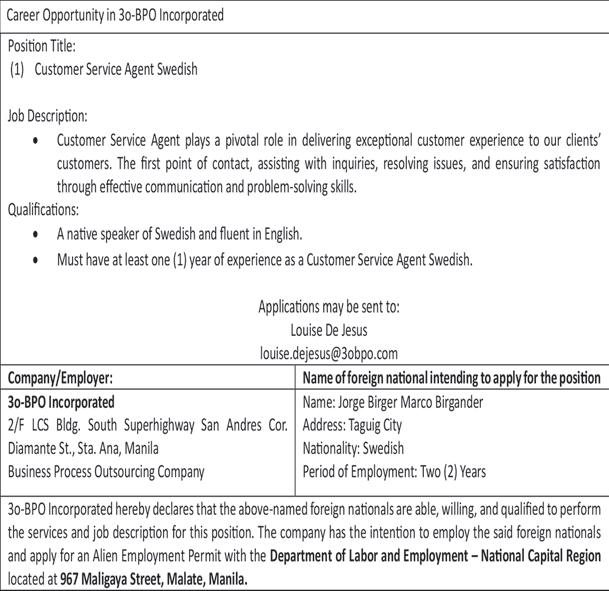


Madhani and Finley reported from Washington, and Becatoros reported from Athens, Greece. Associated Press
writers E. Eduardo Castillo in Beijing; Farnoush Amiri at the United Nations; Collin Binkley and Matthew Lee in Washington; Giovanna Dell’Orto in Minneapolis; Sally Abou AlJoud in Beirut; Sheikh Saaliq in New Delhi; Meg Kinnard in Columbia, South Carolina; Bill Barrow in Atlanta; David McHugh in Frankfurt, Germany; and Russ Bynum in Savannah, Georgia, contributed to this report.
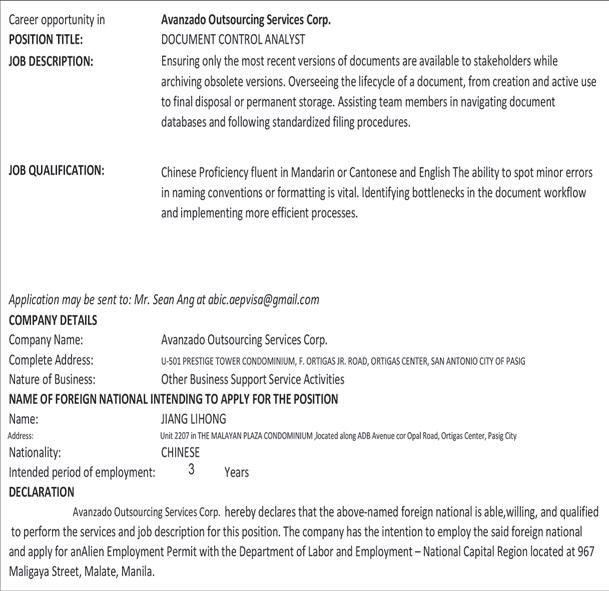


Hantavirus-stricken M/V Hondius to stay off Canary Islands until Medevac; 38 Filipinos among crew
THE cruise ship M/V Hondius, suspected of a hantavirus outbreak, will remain off the Canary Islands until three symptomatic crew and a passenger are airlifted to the Netherlands, the ship operator said.
The rest of the 149 people on board—88 passengers and 61 crew, including 38 Filipinos—remain under strict monitoring.
O ceanwide Expeditions said no new symptomatic cases have been identified beyond those previously reported, though two crew members continue to require urgent medical care. Despite the restrictions, the company reports calm conditions on board.
Two specialized aircraft equipped with medical gear and staffed by trained crews are en route to Cape Verde to evacuate the three patients, it said.
B oth crew—one British and one Dutch—are suffering from acute respiratory symptoms and requiring urgent medical care. The other is the travel companion of the German passenger who died on May 2.
“Once these three individuals have been safely transferred from the vessel and are in transit to the Netherlands, the mv Hondius will begin repositioning,” Oceanwide said in its written statement posted on its website.
As soon as the transfer is complete,
the vessel will reposition to either Gran Canaria or Tenerife, a three-day sail, for supervised disembarkation and medical screening under WHO and Dutch health services.
Cape Verde’s Health Ministry has barred the vessel from docking to protect its population, allowing only the evacuees to disembark. A local medical team has boarded the ship three times to assess the situation.
WHO officials said investigations into the source of the outbreak are ongoing, noting hantavirus is typically rodent-borne but possible human-to-human transmission aboard the ship is under review. The outbreak began during a weekslong “Atlantic Odyssey” cruise that departed Ushuaia, Argentina, on April 1. Argentine health officials confirmed no symptoms at departure, though hantavirus can incubate for up to eight weeks. Other provinces in Argentina reported outbreaks last year that killed 28 people nationwide.
Coordination on next steps—including disembarkation and routing—is ongoing among WHO, the Dutch National Institute for Public Health and the Environment (RIVM), and international embassies representing the 23 nationalities aboard. Malou Talosig-Bartolome
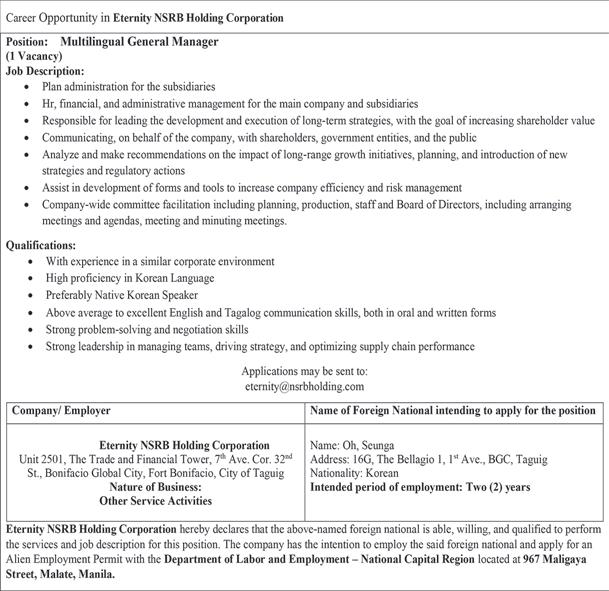
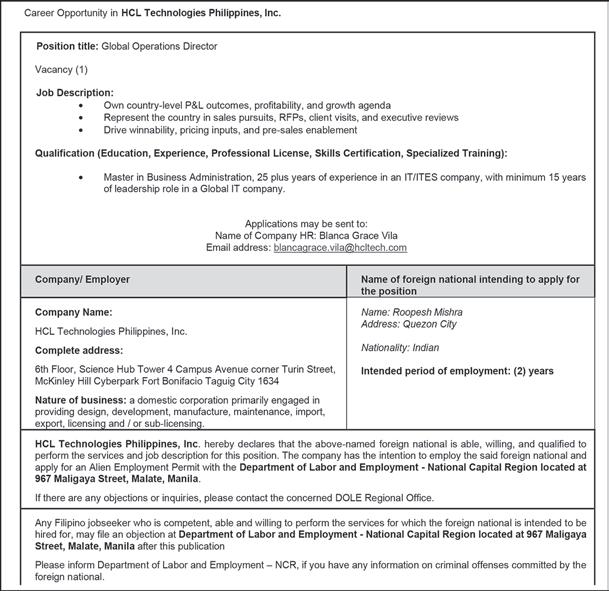
Russia snubs Ukraine’s unilateral ceasefire, firing dozens of drones
By HANNA ARHIROVA
KThe Associated Press
YIV, Ukraine—Russia fired dozens of drones at Ukraine in nighttime attacks, Ukrainian officials said Wednesday, disregarding a unilateral ceasefire announced by Kyiv that began at midnight.
The Russian Defense Ministry claimed that Ukraine hadn’t abided by its own ceasefire, saying that air defenses shot down 53 Ukrainian drones over Russian regions, the illegally annexed Crimean peninsula and the
Black Sea between Tuesday evening and dawn Wednesday.
Five people were killed by a Ukrainian drone strike on the city of Dzhankoi in Crimea, according to Russia-installed Gov. Sergei Aksyonov. He reported the casualties just after midnight, but posted about the attack itself more than 90 minutes earlier.
There had been no official sign from Moscow that it would heed Kyiv’s ceasefire, and there was little hope for a pause in hostilities as the war stretches into its fifth year following Russia’s all-out invasion of its neighbor. US-led
Association of Southeast Asian Nations.
diplomatic efforts to stop the war over the past year have come to nothing.
On Tuesday, Russian drone and missile strikes on Ukraine killed 27 people and wounded 120 others, all of them civilians, according to Ukrainian Interior Minister Ihor Klymenko. The war has killed more than 15,000 civilians, according to the United Nations.
Both sides have kept up long-range strike campaigns. On the roughly 1,250-kilometer (800-mile) front line, meanwhile, Russia’s bigger army remains engaged in a slowmoving and costly slog against Ukraine’s
drone-heavy defenses.
Ukrainian President Volodymyr Zelenskyy had announced the unilateral ceasefire after Russia said it would hold its own pause of hostilities over two days later this week while it marks the 81st anniversary of the defeat of Nazi Germany in World War II. The Ukrainian leader said any breach of the ceasefire would trigger a military response.
European officials had welcomed Ukraine’s unilateral move as a goodwill gesture illustrating its readiness for a peace settlement.
Russian forces launched 108 drones and
three missiles overnight, Ukrainian Foreign Minister Andrii Sybiha said, with attacks continuing throughout the night and into Wednesday morning.
“Moscow once again ignored a realistic and fair call to end hostilities, supported by other states and international organizations,” Sybiha said in a post on X.
Moscow’s proposal to stop fighting on Friday and Saturday follows a pattern of Russia declaring short unilateral ceasefires during the war timed to coincide with various holidays, most recently Orthodox Easter.
Those suspensions of combat don’t produce any tangible results amid deep mistrust between the warring sides. Sybiha said Russia’s actions exposed its calls for a separate ceasefire around May 9 as insincere. “Putin only cares about military parades, not human lives,” he said. The diplomat called for increased international pressure on Moscow, including new sanctions, diplomatic isolation, accountability measures for war crimes and expanded military and civilian support for Ukraine.
Both officials also reaffirmed their opposition to unilateral attempts to change the status quo by force or coercion in the East China Sea and the South China Sea.
Koizumi said they agreed to expand multilateral cooperation involving Japan, the United States, the Philippines, and Australia, including through frameworks such as Balikatan and Maritime Cooperative Activities.
He also underscored the importance of broader regional cooperation through the
Continued from A4 Impeach.
Continued from A4
During the hearings, lawmakers presented what they described as overwhelming documentary and testimonial evidence. These included allegations of misuse of P612.5 million in confidential funds; unexplained
Growing. . .
Continued from A5
Organizations are now tracking outcomes through reduced incident rates, employee feedback, and security audits. Many have moved away from one-off training sessions toward blended programs that combine inperson instruction, computer-based modules, simulations, and ongoing reinforcement.
However, despite the positive trend, execution remains the critical gap, according to the study. Only a small percentage of organizations reported full training completion, while nearly seven in 10 leaders said employees still lacked sufficient security awareness.
The report attributed this disconnect to programs that are not completed, not reinforced, or not kept current as threats evolve.
Recommended improvements include shorter and more frequent training modules, clearer accountability for completion, better alignment between training content and
“As the international security environment becomes increasingly complex and tense, cooperation between Japan and the Philippines as strategic partners is becoming ever more important. Japan remains firmly committed to further deepening defense cooperation with the Philippines and working together to ensure peace and stability in the region,” Koizumi said. For his part, Teodoro thanked Koizumi for his visit, which coincides with the 70th anniversary of diplomatic relations between the two countries.
“And he came here to personally witness
wealth and discrepancies in her Statements of Assets, Liabilities, and Net Worth (SALNs); flagged bank transactions by the Anti-Money Laundering Council; and an alleged threat against President Marcos, First Lady Liza Araneta-Marcos, and then-Speaker Ferdinand Martin G. Romualdez.
Despite these accusations, Duterte and her legal team repeatedly skipped the
current threats, and visible leadership support.
Notably, the report found that attitudes toward security awareness are shifting, as most leaders now view cybersecurity as a shared organizational responsibility rather than a func-tion confined to IT or security teams.
Nearly all respondents supported using policy to manage high-risk employee behavior, particularly when paired with training that explains the reasoning behind those policies.
Escalante said embedding security awareness into everyday workplace culture was critical for Philippine organizations navigating continued digital transformation.
“Consistent and relevant training equips employees to identify threats such as phishing, social engineering, and emerging AI-enabled attacks before they escalate,” she said. “By embedding security awareness into everyday workplace culture, Philippine organizations can strengthen resilience, protect sensitive data, and support the country’s continued digital transformation.”
Jovee Marie N. dela Cruz

the first-ever exercise participated in by Japan as a Sovfa [Status Of Visiting Forces Agreement] partner and as a resilient, converged partner of the Philippines,” he said.
Teodoro also affirmed the points raised by his Japanese counterpart.
“We thank Japan once again for its review of the Three Principles on the Transfer of Defense Equipment and Technology and its Implementing Guidelines. And we were very happy to work with Japan in creating demonstrable results at the soonest possible time,” he added.
Teodoro also expressed gratitude for Japan’s assistance during disasters.
“Most recently, in extending technical
hearings and instead issued statements outside the proceedings.
Strongest evidence
DEFENSOR also said the strongest piece of evidence remains a video in which Duterte allegedly threatened President Marcos, the First Lady, and then-Speaker Rom ualdez.
“For me, the strongest remains the video,
Wage. . .
Continued from A4
He called on lawmakers in both chambers of Congress to conduct marathon hearings and expedite plenary deliberations to pass long-overdue measures for workers, including
Bill. . .
Continued from A5
To address these concerns, they are pushing for the approval of House Bill 1988, which aims to safeguard freelancers and ensure fair working conditions in the gig economy.
Co-authored by Camarines Sur Rep. Tsuyoshi Anthony Horibata and Party-list Rep. Terry Ridon of Bicol Saro, the measure was refiled following a 2023 Deloitte Philippines survey showing that 71 percent of Filipino millennials and 65 percent of Gen Z workers had taken on side gigs or additional jobs—figures significantly higher than global averages.
Miguel Luis Villafuerte, who chairs the House
assistance to us in the Navotas landfill fire. As you have witnessed, the ambassador was personally there to bring in the technical experts of Japan to help us try to contain and finally extinguish the fire and address the side effects or the noxious effects of the same,” Teodoro said.
Live fire
ON Wednesday, Teodoro and Koizumi witnessed the live-fire exercise of Japan’s Type 88 surfaceto-ship missile System at Paoay Sand Dunes in Ilocos Norte.
Conducted as part of Exercise Balikatan 2026, the activity showcased the precision strike capabilities of Japan’s Type 88 missile system
which I think is not simply a grave threat against the life of the President, but it’s a betrayal of public trust and a high crime,” Defensor said.
The video, presented and authenticated during the hearings, originated from Duterte’s virtual press conference on November 23, 2024, where she claimed she had instructed someone to kill top government officials if she herself were killed.
Officials from the National Bureau of
a legislated wage hike, the removal of VAT on electricity, and more progressive income tax reforms.
Mendoza also authored House Bill 8860, or the proposed Patas na Ambag sa Tax para sa Angat-Sahod (Patas) Act, which seeks to expand income tax exemptions for lower middle-income earners and provide substantial tax relief for the
Committee on Information and Communications Technology, pointed out the necessity of legislation that would require written contracts between freelancers and employers, as well as the provision of benefits comparable to those in traditional employment.
Vincenzo Renato Villafuerte, a deputy majority leader, said that while the gig economy offers flexibility and competitive pay, it also strips workers of key protec-tions such as the right to organize and access to standard labor benefits.
Under HB 1988, contracts between freelancers and hiring parties must include provisions such as a minimum 30 percent down payment upon engagement, night shift differential pay for qualifying workers, and

designed to defend coastal areas and suppress maritime threats.
The exercise also brought together troops from the United States, Australia, Japan, and the Philippines, highlighting strong multilateral cooperation in promoting regional security and stability.
The activity emphasized the growing strategic partnership between the Philippines and Japan, particularly following the entry into force of the Reciprocal Access Agreement (RAA), which enhances the effectiveness in interoperability, joint training, and the presence of forces in each other’s territories.
Investigation testified that the video was authentic and not manipulated or generated through artificial intelligence.
Defensor said the remarks went beyond political rhetoric.
“Where the Vice President seriously and deliberately stated that someone had already agreed and that there was a person waiting who was prepared to kill the President and his
broader middle class.
Data from the Philippine Statistics Authority (PSA) showed that inflation among the bottom 30 percent of income households rose to 8.5 percent.
“And I have to thank the President [Marcos] for his steadfast leadership of making sure that our resilience efforts are going on unhampered, and his strong leadership has propelled us to converge and to interoperate and build deterrence for shared threats,” he added.
Teodoro and Koizumi on Tuesday met for their defense bilateral meeting in Manila, where they also signed the Statement on the Further Promotion of Defense Equipment and Technology Cooperation. Rex Anthony Naval with PNA
“I’m very, very proud and happy that we were able to pull this off for the first time and it will only get larger in scope with more partners,” Teodoro said.
spouse. That is clearly not a simple crime but an impeachable offense,” he said.
Defensor also noted that allegations involving Duterte’s bank transactions and SALNs gained more weight due to the absence of direct rebuttal from her camp.
“These pieces of evidence became stronger simply because they were not answered during the hearings,” he said.
Meanwhile, OCTA Research reported that 45 percent of Filipinos consider rising prices as the most urgent national issue, while WR Numero found that 49 percent prioritize wage increases as the government’s top concern. He further urged the President to exercise the power to certify urgent measures—whether wage hikes or tax cuts—to ensure their swift passage into law, stressing that the call for action from workers and ordinary Filipinos is clear: immediate and decisive government intervention is needed. Jovee Marie N. dela Cruz
hazard pay for those assigned in high-risk areas. The bill also defines unlawful practices, including hiring freelancers without written contracts, delayed payment beyond 15 days, and
retaliation against workers who file complaints or assist in labor investigations. Violators may face fines ranging from P50,000 to P500,000 per offense.
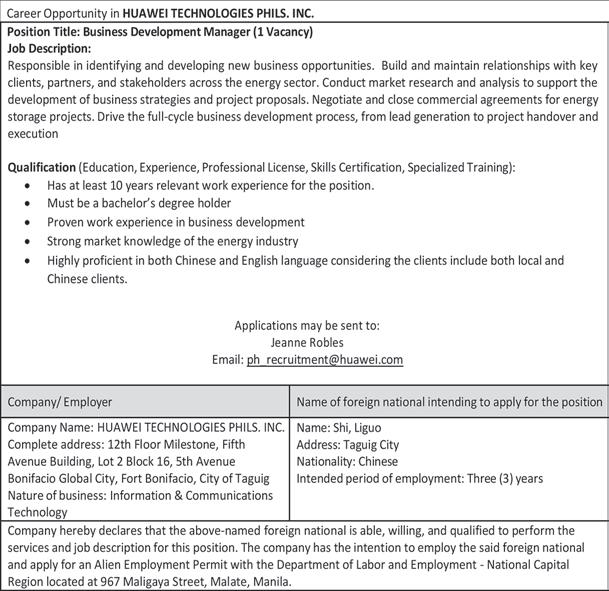
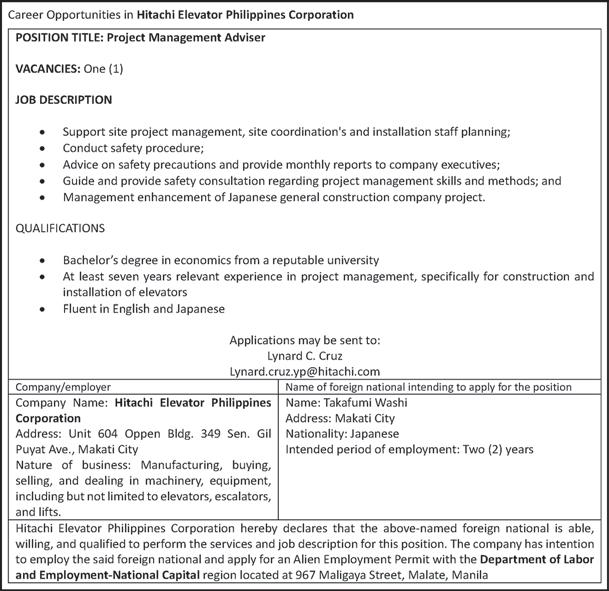
NBI nabs online media founder, 4 others in ₧300M extortion try on Romualdez
T3,500 applicants vying for 114 vacant positions in the Office of the Ombudsman
By Joel R. San Juan @jrsanjuan1573
HE National Bureau of Investigation
(NBI) has apprehended Franco Cruz Mabanta, the founder of online media network Peanut Gallery Media Network (PGMN), and four others for allegedly trying extorting P300 million from former House Speaker Martin Romualdez.
Arrested along with Mabanta were Ericson James Pacaba, John Alexander Vasquez Gomez, Jardine Christian Requio Serrrano and Franco Jose Gallardo. The group were arrested on Tuesday during an entrapment operation conducted by operatives of the NBI-Organized and Transnational Crime Division (NBI-OTCD) at Valle Verde Country Club in Pasig City. The operation was conducted by the NBI based on the complaint filed by Romualdez through a representative. Romualdez claimed that Mabanta, through an intermediary, threatened to release an online content purportedly linking him to the flood control scandal and other corruption activities in the House.
Romualdez has been tagged by the Office of the Ombudsman as a “master plunderer” in
exchange for withholding the posting of the alleged exposé Mabanta allegedly demanded P300 million, payable in four tranches or P75 million each tranche.
Acting on the complaint, the NBI operatives conducted an entrapment operation after arrangements were made for the delivery of P75 million, representing the first tranche of the P300 million.
Mabanta agreed to meet with undercover agents posing as representatives of the complainant at The Manila Peninsula Hotel in Makati City.
During the said meeting, Mabanta allegedly reiterated his demand and directed the agents to deliver the money to Serrano at Valle Verde Country Club. The NBI said the cash amount was successfully delivered to Serrano who was then with Gallardo.
Upon receiving the money, the two went inside the function room of the club where Mabanta, Pacaba and Gomez, were waiting.
Aside from the money used in the entrapment operation, the NBI also confiscated the mobile phones of the accused which were allegedly used for the transaction.
At a press briefing, NBI Director Melvin
Navotas landfill fire now 79.6% contained, MMDRRMC reports
THE Metro Manila Disaster Risk Reduction and Management Council
(MMDRRMC) on Wednesday reported that the fire of the Navotas Sanitary Landfill is now 79.6 percent contained.
During the coordination meeting with MMDA officials, Metro Manila mayors, National Disaster Risk Reduction and Management Council (NDRRMC), JICA’s Japan Disaster Relief Team, and other officials from concerned agencies, the discussion focused on the situation on the ground, ongoing actions, and the equipment being utilized to effectively address the issue.
“Moving forward, the incident will serve as a learning experience to improve preparedness and response capabilities,”said MMDA Chairman and concurrent MMDRRMC head Romando Artes, noting that President Ferdinand Marcos Jr. instructed Department of National Defense (DND) Secretary Gilberto Teodoro Jr. to seek technical assistance from foreign partners, including expert teams from Japan and the United States, to address the Navotas Sanitary Landfill fire.
“The DND chief reached out to our foreign partners, who promptly responded and committed to providing continued support for the needs of Navotas,” said Special Envoy for Disaster Risk Reduction and Management (DRRM) Maria Antonia Yulo-Loyzaga.
For his part, Navotas City Mayor John Rey Tiangco expressed his gratitude to the MMDA for convening the meeting.
“I am thankful to Chairman Artes for convening this meeting. To provide a status
update, the Department of Environment and Natural Resources [DENR] reported that the air quality index in Metro Manila remains within acceptable or normal levels despite the recent incident involving the sanitary landfill. Additionally, we are utilizing a drone with thermal imaging capability to assess the possibility of ignition within the 44-hectare site,” Tiangco said.
The mayor explained that the closure and rehabilitation plan had not been implemented by the operator, constituting violations of the conditions stipulated in the Environmental Compliance Certificate (ECC).
For his part, Metro Manila Council President and San Juan City Mayor Francis Zamora commended the Navotas LGU for its swift action to contain the fire.
“We understand how severe the situation in Navotas has been. It should serve as a lesson for us to be more prepared instead of merely reacting,” Zamora said.
The NSLF Task Group, led by the local government unit of Navotas, continues to conduct fire suppression operations through soil covering, smothering, and misting.
The fire at the Navotas Sanitary Landfill began on April 10, and continuous to be actively managed.
Among the agencies assisting in the operations are the Office of Civil Defense (OCD), Department of Public Works and Highways (DPWH), Department of Transportation (DOTr), DENR-Environmental Management Bureau, and MMDA. Claudeth Mocon-Ciriaco
Comelec clears MILF-linked UBJP for BARMM polls
By Mary Jade Jadormio
HE Commission on Elections (Comelec)
Thas accredited the United Bangsamoro Justice Party (UBJP), the political party linked to the Moro Islamic Liberation Front (MILF), for the Bangsamoro parliamentary elections.
The ruling ended weeks of uncertainty over the party’s application for accreditation. UBJP’s application faced opposition from groups and individuals who questioned the party’s links to the MILF and alleged foreign support.
But Comelec said the oppositions failed to provide enough evidence to block the party’s registration.
“Having satisfactorily complied with all substantive and procedural requirements under the BEC and the 2026 BEC IRR, UBJP is entitled to be registered as Regional Parliamentary Political Party,” the resolution read.
The poll body said overlapping membership between UBJP and the MILF does not automatically prove organizational identity or unlawful activity.
Comelec also said excluding MILF-affiliated organizations from elections could undermine the Bangsamoro peace process.
“In this light, We find that to deny the MILF
Matibag brushed off insinuation that the arrest of Mabanta is an attempt to curtail his freedom of expression. Matibag stressed that Mabanta and his associates were arrested for their alleged criminal offenses and not because of their opinions.
“There are certain practices on social media that we probably need to pay attention to and focus on correcting. One way or another, all of us may have been victimized by fake news and similar issues. These things should be addressed, and I think it’s about time we stop focusing on PGMN or specific personalities, and instead look at social media in general,” Matibag said.
“Freedom of expression is protected by law, but must never be used as a shield for extortion, intimidation, or criminal exploitation. The NBI will relentlessly pursue those who weaponize digital platforms to threaten, harass, and unlawfully profit from others,” he added.
The NBI said there were already initial talks a year ago about the demand for money in exchange for not publishing the video but did not push through.
The demand was resurrected, according
to Matibag, just two weeks ago. Matibag said the NBI will continue its investigation to determine if there are other people involved in the alleged criminal act considering the huge amount of money involved.
“We will determine if there is conspiracy, if this is a coordinated activity or the possible financial beneficiary because the amount involved is huge,” the NBI official said.
The NBI said robbery (extortion) under the Revised Penal Code in relation to Republic Act No. 10175 or the “Cybercrime Prevention Act of 2012”, a bailable offense, will be filed before the Pasig City Prosecutor’s Office against Mabanta and his co-respondents.
Mabanta: ‘We are innocent’ IN a statement posted on PGMN’s Facebook account, Mabanta denied the accusations, insisting that they were victims of a “set-up.” Mabanta linked their arrest to the “devastating” 90-minute episode that the network is preparing to release about the “breathtaking national corruption” allegedly committed by Romualdez.
“There was no extortion. There were zero threats from us. That’s all bullshit. The
‘evidence’ provided showed one side of the story. We committed NO CRIME: AND WE CAN PROVE IT,” Mabanta said.
“Romualdez did this to silence us – why?
Because the timing of the release of our exposé would leave him in a desperate situation, particularly with his vast current troubles with the Ombudsman hanging over his head, as President Marcos signals that he’s clearly listening to what the country wants, and is at last willing to hold accountable the man widely believed to have sabotaged the first three years of his administration,” he added.
The PGMN founder claimed they have been warned by powerful close friends about their safety prior to their arrest.
Mabanta also hinted that the release of the exposé will proceed despite his current predicament.
“In light of this, even before the arrest, I gave specific/explicit instructions that if anything — literally ANYTHING, be it fatal or injurious — happens to any of us in any capacity, our legal teams and trusted allies are to fully publish the 90-minute exposé on every major social media platform for everyone in the Philippines to see.”
The voyage to the 48th ASEAN Leaders’ Summit Ministerial meetings set tone of the agenda
WHEN the Philippines assumed the 2026 chairship of the Association of Southeast Asian Nations (ASEAN), it set the 11 member-states on a collective voyage to a shared future of peace and security, economic prosperity and an empowered citizenry.
Inspired by the theme “Navigating our Future, Together,” a series of ministerial meetings from January to April charted a prudent and strategic course for the agenda now before the Leaders’ Summit.
The ministers focused discussions on improving coordination for peace, advancing energy security and resilience, regional financial cooperation and capital development, climate change adaptation, digital transformation and supporting Timor-Leste’s integration.
But as war in the Middle East broke out, ASEAN ministers took the time to make ASEAN’s position clear and address the war’s impact on the region and its people.
Energy security amid Middle East conflict
THUS , the second Special Meeting of Foreign Ministers on April 13 underscored strengthening regional energy security and economic resilience and emphasized the value of solidarity in navigating the external economic shocks; protecting and ensuring the safety and welfare of ASEAN nationals; and enhancing energy preparedness through power integration, shift to renewable energy and prioritizing energy supply to ASEAN member-states in times of crisis.
Facilitating trade and investment, strengthening logistics connectivity, and reinforcing supply-chain resilience to help ensure stable access to affordable essential
or its affiliated organizations the opportunity to participate in the civilian and democratic political process would not only be prejudicial to the ongoing efforts of the National Government to promote inclusive elections,”the resolution stated. The Comprehensive Agreement on the Bangsamoro, signed in 2014, paved the way for the creation of the Bangsamoro Autonomous Region in Muslim Mindanao (BARMM). It also allowed the MILF to transition into electoral politics. UBJP is expected to become one of the major players in the region’s first regular parliamentary elections.
Comelec earlier said 21 parliamentary sectoral organizations had already been accredited for the BARMM polls.
Meanwhile, filings for certificates of candidacy (COCs) for district representatives continued this week before the Bangsamoro Electoral Office. A consolidated list released showed at least 21 aspirants who had already filed their COCs across Basilan, Lanao del Sur, Maguindanao del Norte, Maguindanao del Sur, and Tawi-Tawi. Among the parties with candidates already
and
THE Office of the Ombudsman is currently vetting the qualifications of 3,500 applicants who are vying for 114 vacant positions in the anti-grant body. In a statement, the Ombudsman said the 114 permanent positions in its central office in Quezon City and other area offices in Visayas and Mindanao opened last April.
Positions for lawyers and even non-lawyers were opened for a multi-disciplinary approach to combating corruption, according to the Ombudsman.
“It can’t just be legal and purely investigatory. We want specialized people. We want engineers, accountants, even medical professionals,” Bonoan pointed out.
Assistant Ombudsman for Internal Affairs Luigi Bonoan said the number of applicants only shows that many heeded the call for integrity, accountability and good governance in the fight against corruption.
“It says that a lot of people believe in what we’re doing here. People want to be part of the good fight,” Bonoan said.
Bonoan also stressed that this will further strengthen the Ombudsman’s prosecution of corruption cases.
“We’re not just looking to fill positions. We’re looking to build a strong organization. The best way to do that is to get the best people,” Bonoan stressed.
goods, especially food and agricultural inputs through the possible expansion of the ASEAN Plus Three Emergency Rice Reserve (APTERR) also took center stage in the deliberations.
The Meeting also reaffirmed the obligation of all States to resolve their differences through peaceful means and to respect the sovereignty and territorial integrity of all nations, in line with international law.
Financial health and integration
ON other fronts, ASEAN Finance Ministers and Central Bank Governors recognized financial health as a regional priority and agreed to develop a regional financial health measurement framework to enable regular monitoring, support evidence-based policymaking, and foster innovation in financial services.
They endorsed the ASEAN Finance Sectoral Plan 2026-2030 toward accomplishing the broader objectives outlined in the AEC Strategic Plan 2026-2030 and the ASEAN Community Vision (ACV) 2045.
To advance financial integration and strengthen regional financial resilience, ASEAN members reaffirmed their commitment to cross-border payment connectivity, inclusion and digital finance, banking integration and capita-market development. These included the launch of the ASEAN Capital Market Forum (ACMF) Action Plan 2026-2030, a roadmap to guide ASEAN’s capital market development in the next five years, and the completion of the ASEAN Banking Integration Framework (ABIF) review.
Safeguarding food security
ECONOMIC Ministers also discussed ways to mitigate the economic impact of the global
and regional developments, including the Middle East war, and solidified commitment to keep the ASEAN market open for trade and investment, work closely with industry stakeholders and external and development partners to strengthen and sustain business and investors’ confidence in ASEAN.
Recognizing the close link between energy markets and economic stability, they underscored the importance of strengthening regional energy security and resilience, manage energy consumption, and diversify energy sources and supply routes.
To safeguard food security ASEAN members committed to fully implement relevant ASEAN economic agreements to minimize disruptions in regional food supply chains, ensure that markets are kept open, and strive to reduce excessive price volatility.
ASEAN remains steadfast in advancing key regional initiatives, including the timely ratification and effective implementation of the Second Protocol to amend the ASEAN Trade in Goods Agreement (ATIGA) and the timely conclusion and signing of ASEAN Digital Economy Framework Agreement (DEFA), which will support deeper digital integration, trusted cross-border data flows, and greater participation in the regional digital economy.
ASEAN members commemorated the 50th Anniversary of the signing of the Treaty of Amity and Cooperation in Southeast Asia (TAC), which was signed on 24 February 1976 in Bali, Indonesia during the first ASEAN Summit, and reaffirmed their commitment to uphold ASEAN Centrality in all ASEAN-led mechanisms and promote mutually beneficial cooperation in accordance with the purposes and principles of the TAC.
Boracay bridge project moves forward as DPWH finalizes San Miguel contract
By Ma. Stella F. Arnaldo Special to
the BusinessMirror
THE Department of Public Works and Highways (DPWH) is undeterred by the extreme opposition to the P7.8billion Boracay bridge project and is standing pat on its decision to award it to proponent San Miguel Holdings Corp. (SMHC).
In a news briefing on Tuesday, Palace Press Officer Undersecretary Claire Castro, said in Filipino and English, “According to Secretary Vince Dizon, the contract for said project is being finalized. SMC [San Miguel Corp.] committed to listen and address all the issues and concerns raised by the local government and other stakeholders.”
She also said that the DPWH assured that, “No one will be left behind. No one will lose. Everyone will benefit—tourists, residents, workers of Aklan [from the project].” SMHC is the infrastructure arm of SMC.
Documents earlier obtained by the
BusinessMirror showed that the DPWH awarded the controversial project to SMHC on the same day it received a referral from Malacañang about concerns raised by the Boracay Foundation Inc.
DENR’s strict protocols
FOLLOWING this, the Department of Environment and Natural Resources (DENR) has said SMHC has yet to apply for an environmental clearance certificate (ECC) for the project. Published reports cited DENR Acting Secretary Juan Miguel Cuna telling reporters in Iloilo City, that a public hearing is a condition before an ECC issued by the agency for a project.
“Part of the process, if there is in fact an application filed for, an ECC, for instance… will include public consultation. That will be part of the process; those who will participate, their comments, and their inputs will be taken into consideration,” said Cuna.
Under the Duterte administration, DENR
chaired the Boracay Inter-Agency Task Force, which oversaw the rehabilitation of Boracay Island, closing it for six months in 2018.
Since then, the agency has adopted stricter protocols that protect the island’s environment to which all proposed development projects must adhere.
Even Tourism Secretary-designate Ma. Bernadita Angara-Mathay has suggested a study be conducted to see how the bridge fits into the island’s environment and balancing it with the livelihood of small tourism players. Stakeholders groups and the local government units have pointed to the loss of jobs of boatmen who transfer tourists to the island from Caticlan, via pump boats.
(See, “DOT chief: Hold off Boracay bridge, travel tax decisions,” in the BusinessMirror, April 30, 2026.)
The Department of Tourism and the Department of Interior and Local Government, had co-chaired the BIATF.
See “Boracay,” A13
The Ombudsman is currently investigating and prosecuting several high-ranking public officials accused of being involved in the multibillion flood control scandal.
The Ombudsman earlier tagged House Speaker Martin Romualdez and former Rep. Zaldy Co as the “master plunderers” for allegedly receiving kickbacks from anomalous flood control projects and other line items in the 2024 and 2025 national budgets. Joel R. San Juan
DOLE-NCR still accepting wage hike petitions amid ongoing review
THE Department of Labor and Employment-National Capital Region (DOLE-NCR) said groups may still file wage hike petitions before the Regional Tripartite Wages and Productivity Board despite the ongoing review of existing applications.
DOLE-NCR Director Sara Mirasol said there is currently no restriction on the filing of petitions even as the wage board evaluates the 17 petitions already submitted.
“Open panamanfiling ng wage petitions. Wala naman period na bawal. Still open,” Mirasol said.
She said the board expects additional petitions to be filed even during the scheduled consultations with labor groups.
“We are reviewing all the petitions now. Seventeen lahat. Kung lahat compliant, we need to consolidate lahatngpetitions,” she said. Mirasol said the wage board has already scheduled consultations and hearings as part of the review process.
The labor sector consultation is set on May 22, while the employers’ sector consultation is expected on May 28. The public hearing on the wage petitions, meanwhile, is scheduled on June 18 at the Philippine Trade Training Center (PTTC).
“Nakalatag na po ang review, consultations, and hearing,” Mirasol said. According to the DOLE official, the number of petitions filed this year is significantly higher compared to last year, when the board received only one or two petitions.
“Ngayonnapakadamitalaga Labing-pito na so far ang natanggap. Last year, isa or dalawa lang. Because of what’s happening yan e,” she said.
Mirasol said inflation and broader economic conditions are among the factors the wage board is considering, noting that both workers and businesses are affected by rising costs.
“Kailangan talagang tingnan ang inflation at iba pang economic impact. Hindi lang naman manggagawa apektado kundi patinegosyante so kailangannatin balance talaga interests nila,” she said. Mary Jade Jadormio
Aquaculture pulls down Q1 fisheries output
TBy Ada Pelonia @adapelonia
HE country’s fisheries production slid by 15.3 percent to 856,291 metric tons (MT) in the first quarter, according to the Philippine Statistics Authority (PSA).
Figures from the PSA showed that the total volume of fisheries output in January to March fell from the 1.01 million metric tons (MMT) recorded in the same period in 2025.
Of the four subsectors, only commercial fisheries posted an increase in production on an annual basis, based on PSA data.
Sinag Executive Director Jayson Cainglet attributed the plunge in fisheries production to policy changes that allowed commercial fleets within the 15-kilometer municipal water zone.
“The fisheries sector continues to weaken following policy changes that allowed commercial vessels into the 15-kilometer municipal waters, undermining small fishers and accelerating resource pressure.” PSA data showed that the aquaculture subsector, which accounts for over half of the total fisheries output, plunged by nearly a quarter or 24.5 percent
PHL, Japan to amend agri cooperation pact
THE amendment to the PhilippinesJapan Memorandum of Cooperation (MOC) on agriculture will be signed this month, the Department of Agriculture (DA) said.
The DA issued the pronouncement after Japanese Ambassador Kazuya Endo led officials in a courtesy call on Agriculture
Secretary Francisco Tiu Laurel Jr. ahead of the scheduled state visit of President Ferdinand Marcos Jr. to Japan later this month.
“This visit underlines the strength and continuity of our partnership with Japan, especially as we pursue shared goals in food security, sustainability, and innovation,” the DA chief said. “It also provides an opportunity to align our priorities and accelerate initiatives that will directly benefit Filipino farmers and fisherfolk.”
At the center of the discussion was the planned amendment to the Philippines-Japan MOC on agriculture that aims to incorporate fisheries within its scope.
By incorporating fisheries, the DA noted that both governments are acknowledging the sector’s critical role in food security, livelihoods, and export development, particularly for the Philippines.
Furthermore, the proposed changes will also address deeper technological collaboration, particularly Japan’s expertise in smart agriculture, digital systems,
and precision farming. These are expected to support the Philippines’ efforts to improve productivity and modernize its food systems.
The DA said the amended agreement will establish a Joint Committee on Agriculture and Fisheries that will institutionalize cooperation and sustain longterm initiatives.
The amended MOC is expected to be finalized and signed during Marcos’ visit to Japan from May 26 to 29, which the agency said signals both countries’ intent to deepen cooperation in agriculture and related sectors. Meanwhile, they also discussed climate cooperation, which covered the Joint Crediting Mechanism.
The Philippines is advancing the use of Alternate Wetting and Drying (AWD) in rice production, which the DA said could generate carbon credits while reducing emissions.
Trade issues were also discussed, including the Philippines’s request to reduce the tariffs levied on fresh bananas in Japan, and the exchange of new market access for Philippine pomelos in Japan and Japanese grapes in the Philippines.
The meeting explored potential collaboration in fertilizer production, including biofertilizers and precision agriculture technologies, as part of efforts to improve efficiency and reduce costs in the farm sector. Ada Pelonia

to 432,755 MT in the reference period, from 573,282 MT in the previous year.
For the marine municipal fisheries, PSA said production shrank
by 15.5 percent to 168,022 MT in the first quarter, from 198,945 MT in the same period last year.
The subsector accounted for 19.6 percent of the total fisher -
ies output.
Inland municipal fisheries registered 50,279 MT of production during the period, down by 4.5 percent from 52,629 MT in the
previous year. This contributed 5.9 percent to the total fisheries production.
Only commercial fisheries expanded by 10.4 percent to 205,234 MT in the first quarter from 185,929 MT in the same period of 2025, based on PSA data. It accounted for 24 percent of the total fisheries output in the reference period.
Of the 21 major species, PSA figures showed that output decreases were recorded for seaweed (down 34 percent to 254,659 MT from 358,692 MT), big-eyed scad (24.9 percent to 20,355 MT from 27,088 MT), skipjack (8.7 percent to 58,826 MT from 64,400 MT), and bali sardinella (12.1 percent to 29,832 MT from 33,934 MT).
Meanwhile, increases in production were mainly recorded for roundscad (up 48.6 percent to 50,382 MT from 33,910 MT) and fimbriated sardines (44.7 percent to 12,115 MT from 8,374 MT).
PhilFida: Strong local demand will buoy abaca prices
THE Philippine Fiber Industry Development Authority (PhilFida) is targeting to boost local demand for abaca as the global oil crisis and El Niño, which could hit the country in the second half, could dent production and curb exports.
PhilFida Executive Director Arnold Atienza told the BusinessMirror that local abaca output will “definitely” decline this year and affect exports. The Philippines is the world’s largest exporter of abaca.
While Atienza did not disclose the potential reduction in volume, he said the agency’s aim is to capture the local market as the coun -
try remains at the mercy of volatile international prices.
“Well, (exports) will definitely decline...so it’s important to (capture) local demand because year in, year out, we always get affected whenever there’s trouble internationally, so it (demand) should be here from the start,” he told this newspaper.
Earnings from abaca fiber exports in the first quarter plunged by 65.5 percent to $2.14 million from $6.2 million in the same period last year, based on data from the Philippine Statistics Authority.
Atienza said PhilFida initiated in February a massive training program for farmers’ spouses in creat -
ing schoolbags made from abaca to generate additional income.
“We’re doing this province by province...the more people learn, the better,” he said, adding that the training has been carried out in 11 municipalities in Catanduanes and other areas in Kalinga.
As a result, he noted that Catanduanes Governor Patrick Alain Azanza has ordered 10,000 abaca bags.
Meanwhile, Atienza said the recent memorandum of understanding (MOU) signed by the Department of Agriculture (DA) with the National Power Corp. (Napocor) for Project SAFE will help boost abaca exports.
“Actually, the contract that (Agriculture Secretary Francisco Tiu Laurel Jr.) and I signed with the private group and an Indonesian mill is about 50,000 metric tons of abaca...our abaca will be traded with palm oil.”
Project SAFE (Sustainable Agroforestry Farming Enterprise) advances agroforestry production of crops such as cacao, coffee, bamboo, and abaca while integrating carbon financing mechanisms and nature-based solutions. It also introduces innovative business-to-business barter systems aimed at improving farmers’ access to inputs and markets. Ada Pelonia
‘Govt must crack down on rice hoarders, profiteers’
EBy Butch Fernandez @butchfBM
XPRESSING deep concern over the reported 13.7-percent rice inflation rate for April 2026, Senator Francis N. Pangilinan raised fears of price manipulation and profiteering amid the spike and called on the government to run after those behind the illegal activities.
“This very high inflation rate and rice inflation rate is quite alarming because it directly affects consumers, fishers and farmers. It’s another blow in their daily ordeals,” said the chair of the Senate Committee on Agriculture, Food, and Agrarian Reform.
“The government should look closely at how and where such a high rice inflation rate began, because the Department of Agriculture itself had claimed that we have enough supply until July.”
Pangilinan, who has led multiple committee hearings on agriculture smuggling, the rice tariffication law, and the impact of the Middle East crisis on the country’s food supply system, pointed out that the 13.7-percent rice inflation rate
may be “artificial.”
This, after the DA said in a media interview that the country has enough rice supply until June.
He said price manipulation violates the Anti-Economic Sabotage Act, the Consumer Act of the Philippines, and the Price Act, among others.
According to the Philippine Statistics Authority (PSA), the country’s headline inflation soared to 7.2 percent in April 2026, marking a three-year high and a significant jump from the recorded 4.1-percent in March.
The rapid rise was driven by food and transport inflation, with food inflation at 6.1 percent, up from 2.7 percent in March 2026. The food and non-alcoholic beverages index accounts for 31.9 percent of the total increase, making it the single largest contributor to the overall inflation.
The PSA identified the rice and corn crisis as one of the primary drivers of the uptick in the inflation rate, noting that rice inflation surged to 13.7 percent in April 2026 from 3.5 percent in March. Corn inflation, meawhile, is at 21 percent.
Pangilinan lamented the impact of inflation on food prices, as the agriculture and fisheries sector bears the brunt of higher production costs and a market saturated with imported goods.
He added that the continued rise in prices of basic goods and services is further straining ordinary Filipinos, especially low-income households, who are already struggling to make ends meet.
As example, he cited the case of Crestita Edquila, a 50-yearold resident of Dasmariñas City, Cavite, who manages a four-person household.
Edquila recounted that back in 2023 to 2024, she could buy fish, meat, chicken, and vegetables for P2,000 to cover their food needs for a week. Today, her P3,500 budget can barely cover their household’s meals for a week.
Pangilinan, underscored the need to stabilize food supplies and reduce dependence on imports, as the impact of the Middle East conflict has contributed to the country’s food and fuel crisis.
AIR and wastewater may help spread bird flu on California dairy farms, according to a study that points to more transmission routes than previously understood. Researchers sampling 14 infected farms found the H5N1 virus in the air during milking, in cows’ breath and in farm wastewater, pointing to multiple possible routes of transmission beyond contact with contaminated milk. The findings, published Tuesday in PLOS Biology, add to concerns that the outbreak in US cattle could expose farm workers and other animals. H5N1 is spreading globally in birds and spilling into mammals including cattle, elephant seals and sea lions. Human cases remain uncommon and are largely tied to close contact with infected poultry and other farm animals. Scientists worry ongoing spread in mammals could help the virus evolve toward more efficient human transmission.
“Our data confirm the presence of infectious H5N1 virus in the air and reclaimed farm wastewater sites,” Seema Lakdawala, a microbiologist at Emory University who co-led the study, said in a statement. “In addition, we observed high viral loads and H5 antibodies in the milk of cows, including those without clinical signs, suggesting that multiple modes of H5N1 transmission likely exist on farms.” The study also found many infected cows showed no obvious signs of illness,
indicating the virus may be spreading undetected within herds.
Multiple sources THE H5N1 flu virus has been reported in more than 700 dairy herds in California alone and has spread to at least 16 states since it was first identified in cattle in the US in 2024. Idaho reported five infected herds in April — the latest detections in livestock. Scientists have largely focused on raw milk as the main route of transmission
He has been working closely with relevant government agencies to fully implement his 2019 Sagip Saka Act, which allows the national and local governments to purchase food directly from farmers and fisherfolk without public bidding. The law provides expanded market access, empowering farmers’ and fisherfolk’s cooperatives to enter into negotiated contracts with the government worth millions of pesos.
He also urged relevant government agencies to enhance monitoring mechanisms to prevent price manipulation and hoarding, and to ensure that existing assistance programs reach those most affected by rising costs. Currently, Pangilinan is pushing for twin measures—the renationalization of agricultural extension services and the reestablishment of the Bureau of Agriculture Cooperatives—to reform and modernize the country’s agriculture and fisheries sectors.
He reiterated his call for increased investment in local agriculture, including direct support for farmers through subsidies, access to affordable credit, and improvements in farm-to-market infrastructure.
Bird flu may spread through air on California dairy farms, study finds
between cows and to people. But the new research suggests that’s only part of the picture.
“Detection of infectious virus in the air and waste streams on farms was surprising but highlights that there is a considerable amount of infectious virus on farms and multiple sources of infection exist,” the authors said.
The results point to widespread contamination on affected farms, raising the risk of exposure for workers through inhalation
or contact with contaminated surfaces.
“Targeted interventions in the dairy parlors to reduce the amount of aerosols in the air and inactivation of ‘sick milk’ prior to disposal will provide additional barriers to infection of farm workers and likely other farm animals,” the researchers said. The study was based on environmental sampling rather than tracking infections directly, and more research is needed to confirm how the virus spreads, they said. Bloomberg News
THIS BusinessMirror file photo shows fishermen in Bani, Pangasinan hauling in their catch. PHOTO BY BERNARD TESTA
Bridging the divide: The ADB’s bold bet on a connected Asia
THE message from Samarkand is unequivocal, and it arrives at a critical time. As Asian Development Bank (ADB) President Masato Kanda opened the 59th Annual Meeting this week, he did not mince words: in a world fractured by geopolitical strife and economic nationalism, the old playbook of solitary, isolated development is not just outdated—it is a recipe for failure. (Read the BusinessMirror story—“ADB to Asia and the Pacific: Isolation has no place in volatile era,” May 4, 2026).
Mr. Kanda’s warning is a much-needed reality check for Asia and the Pacific. For decades, the region has driven global growth through export-led models and a relatively open order—but that framework is now under severe strain. Pandemic scars, energy shocks, trade decoupling, and digital divides mean today’s headwinds are structural, not cyclical.
The ADB’s own projections paint a sobering picture: growth in developing Asia is expected to slow to 4.7 percent this year, down from 5.4 percent, while inflation is poised to nearly double to 5.2 percent. And if geopolitical tensions escalate further—leading to another oil price shock by mid-2026—the region could see growth slump to 4.0 percent by 2027, with inflation spiraling toward 7.4 percent. These are not mere statistics; they are a forecast of human hardship.
Yet, in the face of this grim outlook, Mr. Kanda offers a constructive, actionable vision. The antidote to fragmentation, he argues, is connection. Not the superficial kind, but deep, resilient, cross-border integration where energy grids, supply chains, and digital networks transcend national boundaries.
The ADB is putting its money where its mouth is. The new $70−billion investment program announced over the weekend is a bold bet on regional cooperation.
The $50-billion Pan-Asia Power Grid is a visionary project: by linking renewable energy sources across countries, it promises to lower emissions, stabilize volatile energy markets, and reduce the region’s vulnerability to Middle East shocks.
Similarly, the $20-billion digital infrastructure plan addresses the silent crisis of connectivity inequality, ensuring that rural communities and lagging economies are not left behind in the AI-driven era.
Critics may call these regional plans idealistic amid rising nationalism, but the alternative is worse: isolation turns energy security into a zero-sum struggle, weakens supply chains, and climate change—which respects no border—will overwhelm isolated responses.
Mr. Kanda is right that the bank can help those affected by the Middle East conflict—but aid alone is a bandage. The solution is to build shock-absorbent systems: expand cross-border high-voltage cables, strengthen interoperable digital trade platforms, and mobilize private-sector green energy rather than relying on protectionist subsidies.
The theme of this year’s meeting—“Crossroads of Progress: Advancing the Region’s Connected Future”—is apt. Asia truly stands at a crossroads. One path leads toward insularity, where each nation fends for itself, resulting in slower growth, higher inflation, and frayed trust. The other path leads toward an integrated, resilient, and interconnected Asia, where a power shortage in one country can be offset by solar abundance in another, and where a digital start-up in a remote province can access regional markets.
The ADB’s role as a financier and adviser is crucial, but it cannot walk the path alone. Governments must show the political courage to harmonize regulations, share sovereignty over grid management, and trust their neighbors. The private sector must see the long-term returns in resilience, not just quarterly earnings.
President Kanda has set the right tone. The decisions made this week in Samarkand will indeed “secure the future for the next generation.” The question is whether regional leaders have the will to turn that speech into a strategy—and to choose connection over isolation before the crossroads become a dead end.
BusinessMirror
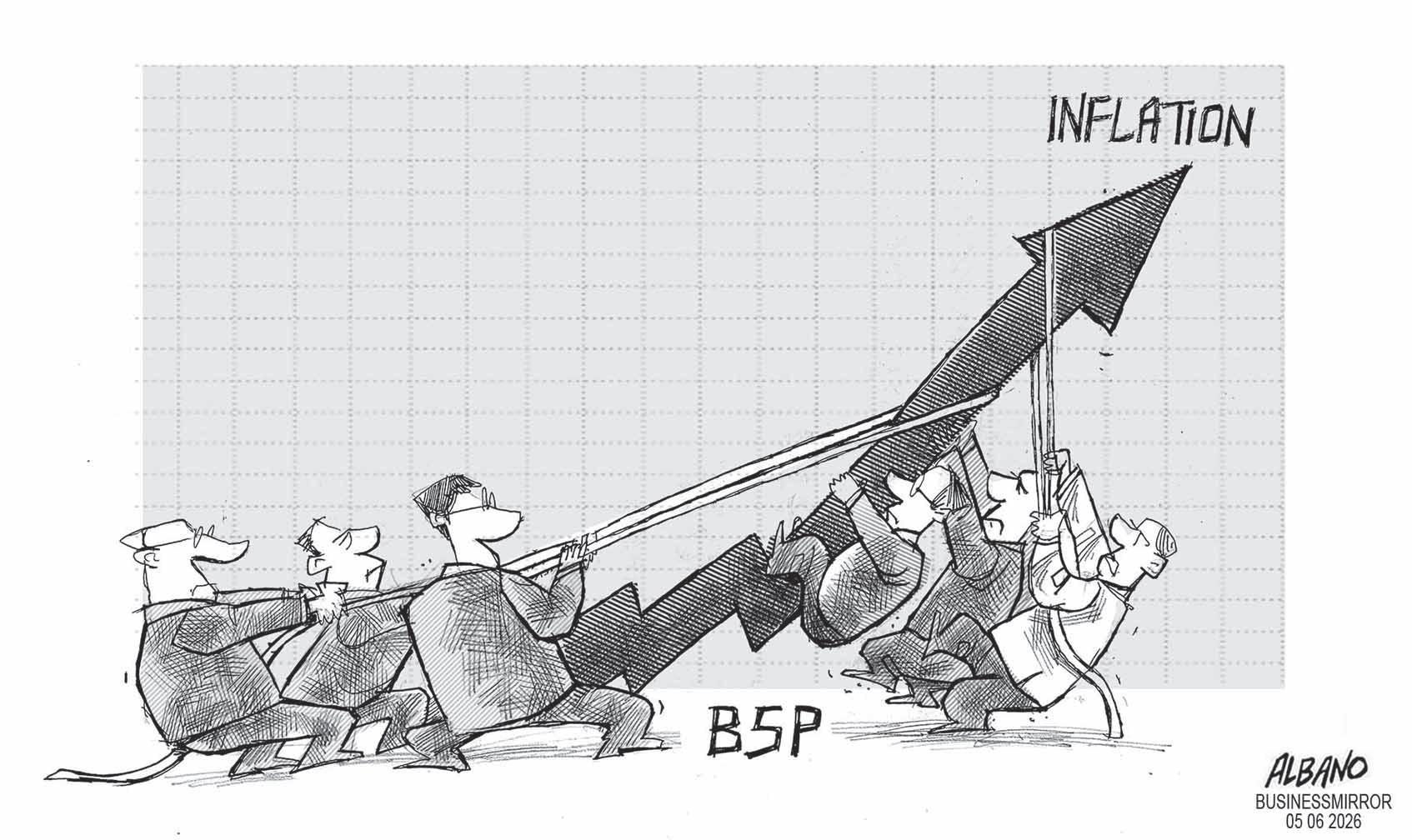
A market designed not to grow

MDennis D. Estopace
Angel R. Calso, Dionisio L. Pelayo
Ruben M. Cruz Jr.
Eduardo A. Davad Nonilon G. Reyes
D. Edgard A. Cabangon Benjamin V. Ramos Aldwin Maralit Tolosa Rolando M. Manangan BusinessMirror


John Mangun
OUTSIDE THE BOX
Y first Philippine stock market trade was on the Makati Stock Exchange in 1989. I used to sit with two landline phones, playing a small arbitrage game between Manila and Makati. Thirty-seven years is long enough to know the difference between a market that failed and a market that was never meant to succeed.
Three people have the power to fix the Philippine Stock Exchange. None of them want to. That is not editorializing. It is an organizational chart. The SEC sets the rules. The PSE enforces listing standards. The conglomerates decide whether to list subsidiaries, raise free float, or continue treating the market as a private ATM with a public ticker tape.
Everyone else—the BSP, the DOF, the retail investor staring at red prices on a trading screen—is downstream of those three decision makers.
Start with the numbers that explain the problem. The PSE has roughly 280 listed companies serving an economy of 115 million people. India’s BSE lists over 5,000. Thailand lists more than 800. The Philippine capital market is not underdeveloped by accident. It is underdeveloped by design.
The analogy that fits here is medieval guild economics—a cartel by another name. Guilds did not exist to expand access to skilled trades. They
existed to restrict it—to control entry, suppress competition, and protect the earnings of existing members. The Philippine stock market operates on the same logic. Listing is not discouraged. It is merely structured to fail— low float, thin liquidity, and a market depth that makes the listing functionally meaningless from the first day of trading. The guild protects its own.
The SEC has the statutory authority to fix the free float problem. Philippine listing rules require a minimum 10 percent public float—one of the lowest thresholds in ASEAN. Singapore requires 25 percent. A higher free float requirement would force conglomerates to sell down holdings, increase tradeable supply, reduce price manipulation, and give foreign institutional funds the liquidity they need to enter at scale. The SEC has known this for years. The requirement has not changed.
The PSE itself has the authority to raise listing standards, mandate governance disclosures, and delist com-
Reform would mean the SEC doubling the free float requirement and enforcing it without exemptions, the PSE delisting every shell that has not reported meaningful revenue or trading activity in three years, and the conglomerates spinning out subsidiaries and letting the market price the empires honestly. The legislators would pass laws with teeth instead of press releases with timelines.
panies that treat public shareholders as an afterthought. It has used that authority sparingly. The exchange is not incentivized to shrink its own listed universe, even when that universe is populated by shells, holding companies, and subsidiaries that exist primarily to transfer value upward to a controlling family rather than outward to minority investors.
The conglomerates hold the largest lever. If the oligarchs listed operating subsidiaries at meaningful free floats, the PSEi would double in depth overnight. The capital raised would be real. The index would attract passive fund inclusion. Foreign flows would follow.
None of this is complicated. All of it is within the legal and financial capacity of a few families. The five largest conglomerates generated revenues equivalent to roughly 12 percent of GDP. They have chosen not to.
The retail investor bears none of the responsibility and all of the consequences. Roughly 1.6 percent of the population holds a PSE account—a
fraction of Indonesia’s 17 million registered investors in a market less than three times the size. That is not financial illiteracy. That is a rational response to a market structured against the small investor’s survival. The conglomerates set the prices. The families control the information. The minority shareholder provides the exit liquidity when insiders need to sell. The BSP cannot fix this with rate cuts. Lower borrowing costs help earnings but do not change ownership concentration, free float ratios, or governance standards. Monetary policy is the wrong tool for a structural problem, and deploying it as a substitute for reform is precisely the kind of maneuver that keeps the real conversation from happening. Reform would mean the SEC doubling the free float requirement and enforcing it without exemptions, the PSE delisting every shell that has not reported meaningful revenue or trading activity in three years, and the conglomerates spinning out subsidiaries and letting the market price the empires honestly. The legislators would pass laws with teeth instead of press releases with timelines. The SEC knows. The PSE knows. The principals certainly know. In this country, knowing and doing are two entirely separate careers. Regulatory reform is not delayed. It is reviewed, consulted, workshopped, and tabled. Then reviewed again. The Old Boys Club designed it that way.
E-mail me at mangun@gmail.com. Follow me on Twitter @mangunonmarkets. PSE stock-market information and technical analysis provided by AAA Southeast Equities Inc.
Japan strikes combat role in South China Sea in post-war pivot
By Alastair Gale & Cliff Venzon
JAPAN’S decision to send combat troops to the Philippines for the first time since World War II and participate in a ship-sinking drill in the South China Sea this week underscores Tokyo’s rising willingness to project military power on China’s doorstep.
Along with US and Philippine forces, the Japanese military fired missiles in a practice sinking of a mock enemy ship off the northern Philippines’ Ilocos Norte on Wednesday. The exercise is one of the highlights of the annual US-Philippine combat drills—known as Balikatan, or “shoulder to shoulder”—with Tokyo participating in a combat role for the first time.
This year’s Balikatan, which ends Friday, was joined by a record of more than 17,000 troops from seven nations. Japan is deploying 1,400 troops, making it the war games’ third-largest contingent.
For decades, Japan has restricted most of its military training to its own territory or in far flung locations such as the US and
Australia. The Type-88 missiles Japan used on Wednesday were first tested on its northern island of Hokkaido last year. But since coming to power last year, Prime Minister Sanae Takaichi has shown a greater willingness than her recent predecessors not to be intimidated by Beijing. Her suggestion in November that Japanese troops could be deployed if Beijing tries to seize Taiwan through military force infuriated China, which has accused her administration of pursuing “neomilitarism.”
Japan has also recently scrapped most restrictions around the sale of military hardware and Takaichi has signaled a softening of its anti-nuclear weapon principals, which have also drawn rebukes
Many of the component parts of Balikatan that Japan has been involved in—from maritime strikes to amphibious operations to missile defense—would be important in a potential conflict over Taiwan, said Naoko Aoki, an East Asian security specialist at the RAND Corporation.
from China. Many of the component parts of Balikatan that Japan has been involved in—from maritime strikes to amphibious operations to missile defense—would be important in a potential conflict over Taiwan, said Naoko Aoki, an East Asian security specialist at the RAND Corporation.
“To China, it is a demonstration of stronger cooperation between Japan and its defense partners as well as Japan’s increased combat readiness,” she said. China has been critical of the drills. The deputy spokesperson of
its Manila Embassy posted on Facebook Sunday: “The region needs peace and stability, not bloc politics. Outsourcing security to external powers rarely ends well—it usually backfires.”
Shared concerns over China have drawn Manila and Tokyo together. The deployment of Japanese troops for Balikatan was made easier by an agreement that entered into force between Japan and the Philippines last year removing legal hurdles to military exchanges. Takaichi is also keen to show the US that Japan is a more valuable military partner amid criticism from the Trump administration about allies’ over-reliance on the US. Some security experts see a direct link from Balikatan to support for American forces deployed to the Middle East, including warships and troops sent from bases in Japan.
“Japan’s participation in Balikatan is a clear deterrence signal to Beijing not to attempt a takeover of Taiwan while the US is busy in the See “Japan,” A19
Violation of taxpayer’s right to due process vs. taxpayer’s failure to properly protest a tax assessment

TAX LAW FOR BUSINESS
THE Tax Code vests upon the Bureau of Internal Revenue (BIR) the powers to administer and enforce its provisions. One of these powers refers to the authority granted to the Commissioner of Internal Revenue (CIR) to make assessments—which, in most cases, are accomplished through duly authorized officials and revenue officers of the tax bureau. Indeed, after a return has been filed, the CIR or his duly authorized representative may authorize the examination of any taxpayer and the assessment of the correct amount of tax. The failure to file a tax return on the part of the taxpayer does not prevent the CIR from authorizing his examination.
In the exercise of this power, the CIR is clothed with sufficient authority and available remedies that would allow him to pursue his assessment and collection functions effectively and efficiently. Nonetheless, the Courts had repeatedly reminded us that these powers must be exercised reasonably and in accordance with the prescribed procedures. From the issuance of the letter of authority up to the collection of deficiency taxes, if any, the procedures and requirements prescribed in the Tax Code and its implementing regulations must be properly observed.
Similarly, the tax taxpayer has the corresponding responsibilities in relation to the conduct of an assessment. Remedies are also available to the taxpayer, when he believes that his rights are disregarded and the assessment and collection processes are carried out beyond the authority or without basis. And like the CIR, a taxpayer is also expected to follow the procedures required of him during tax reviews conducted by the tax authorities.
In essence, both the BIR and the taxpayer are expected to observe the prescribed procedures in the performance of their respective functions and obligations in an assessment process. On the part of the BIR, failure to comply with these requirements may affect the validity of the assessment and jeopardize the collection of deficiency taxes. On the other hand, non-observance of these requirements may affect the available remedies that the taxpayer may invoke in contesting the assessment.
What happens if both parties fail to the observe the proper procedures in the performance of their respective obligations or in availing or invoking the remedies available to them?
A recent decision (GR 278483, December 03, 2025) of the Supreme Court involves an assessment case where both the taxpayer and the BIR erred. In this case, the taxpayer failed to file a protest within the allowed time after the receipt of the Forma Letter of Demand (FLD), containing the final assessment. Ordinarily, if a taxpayer disagrees with the computed deficiency taxes indicated in an assessment notice, the taxpayer may protest administratively within 30 days from date of receipt. If the taxpayer fails to file a valid protest against the FLD and assessment notice, the assessment becomes final, executory and demandable. That means the assessment is no longer contestable and the BIR may proceed in collecting the amount based on the FLD.
Unfortunately, in this specific
Japan. . .
continued from A18
Chrysalis in butterfly sleeves
By Pablo S. Trillana III
THERE are athletes who arrive as advertisements. There are others who arrive as themselves.
A lex Eala, at 20, is beginning to show us the difference.
In March 2025, at the Miami Open, she stepped into the larger world by defeating Jelena Ostapenko, Madison Keys, and then Iga Swiatek, 6-2, 7-5, before losing in the semifinals to Jessica Pegula, 7-6, 5-7, 6-3. It was a breakthrough, but not a coronation. Tennis, like life, does not crown promise permanently. It tests it again the next morning.
Then came Eastbourne on June 28, 2025. Alex reached the final and stood four championship points from her first WTA Tour title. Maya Joint survived them all and won, 6-4, 1-6, 7-6(10). That was not just a defeat. It was one of those wounds by which a young athlete is initiated into adulthood.
case, the taxpayer missed that opportunity to contest the assessment. And according to the Court, tax assessment becomes final, executory, and demandable if the taxpayer fails to file a protest within the reglementary period. Once final, the assessment attains the character of a judgment that is final, immutable and enforceable. Regardless of the correctness of the assessment, the taxpayer may no longer question it even in the Courts.
Nonetheless, the Court still sided with the taxpayer and proceeded to cancel the assessment. Why? Fortunately for the taxpayer, the tax bureau failed to comply with the due process required to be observed in the conduct of an assessment—particularly the Tax Code requirement that the taxpayer shall be informed in writing of the law and the facts on which the assessment is made. This due process requirement is mandatory and goes into the very validity of the assessment itself. Accordingly, the assessment for deficiency taxes was declared void.
The Court noted that the principle that an assessment attains finality for failure to comply with protest requirements is not absolute. The Court emphasized that when an assessment is void from the beginning, it produces no legal effect and may be assailed at any time, even if no protest was filed. A void assessment, being a nullity, cannot attain finality. Between the taxpayer’s failure to properly protest a tax assessment and the violation of the taxpayer’s right to due process, the scale is tilted in favor of the taxpayer. In essence, the failure of a taxpayer to comply with the protest requirement is negated by the non-observance of the due process requirement on the part of the tax authority. A taxpayer may still escape the imposition of deficiency tax assessment when there are infirmities in the assessment issued by the BIR.
The message is loud and clear— when the defect in the assessment affects the validity of the assessment itself, the assessment should be set aside despite the taxpayer’s own flaws.
The author is a managing partner of Du-Baladad and Associates Law Offices (BDB Law) (www. bdblaw.com.ph).
The article is for general information only and is not intended, nor should be construed as a substitute for tax, legal, or financial advice on any specific matter. Applicability of this article to any actual or particular tax or legal issue should be supported, therefore, by a professional study or advice. If you have any comments or questions concerning the article, you may e-mail the author at fulvio.dawilan@ bdblaw.com.ph or call 8403-2001 loc 310.
But the story did not end there. On September 6, 2025, in Guadalajara, Mexico, Alex lost the first set badly to Panna Udvardy, 1-6, then came back to win, 7-5, 6-3. A fall, then a rising. A wound, then a wing. That rhythm is becoming the grammar of her young life.
By April 2026, in Madrid, the same pattern appeared again. She defeated Anastasia Pavlyuchenkova, 6-3, 6-3, then lost in the next round to Elise Mertens, 2-6, 1-6. Win, wound, return. Win, wound, return. This is not hype. This is formation. And then came the moments beyond the scoreboard.
After that Madrid victory in April 2026, Alex began her on-court remarks in English. Then she shifted into Spanish. Not the rehearsed Spanish of a tourist memorizing phrases, but the natural Spanish of someone who had lived, trained, and grown in Spain for nearly eight years at the Rafa Nadal Academy in Mallorca. For a breath, the crowd seemed almost surprised into silence. Then the court broke open. The applause was no longer only for a tennis match. It was the delight of discovery: this young Filipina had not merely visited Spain; she had absorbed enough of it to speak from within it. Nothing appeared scripted. Nothing looked packaged. The unexpected had found its best light.
In that moment, the Filipina from Quezon City became larger, not smaller. Filipino by root. Spanish by experience. Global by discipline. Human by grace.
A few days earlier, on April 20, 2026, she walked the Laureus World Sports Awards red carpet at Madrid’s Palacio de Cibeles. The Laureus is often called the Oscars of sport. Around her were the great names of the athletic world: Novak Djokovic, Eileen Gu, Aryna Sabalenka, Carlos Alcaraz, and others. Alex could have disappeared into the usual international uniform of celebrity polish.
Modern sport can manufacture images very quickly. It can make a child a brand before she becomes a woman. It can put shine before soul. But Alex, so far, resists that simply by being ordinary in the most extraordinary way: shy at times, fierce when necessary, grateful, vulnerable, multilingual, family-rooted, Filipino without apology, and still willing to return to work after defeat.
Instead, she wore Filipiniana. There was the cream dress, the piña suggestion, the butterfly sleeves. Designed by her uncle Rhett Eala, it was not costume. It was not noise. It was memory made visible. A young Filipina stood among the world’s finest athletes and did not ask permission to bring her country with her.
That is why she moves people. Under the athlete is the child. Under the child is the family. Under the family is the country. Under the country is the dream. Under the dream is the soul trying to become real. Turtles all the way down, yes— but this time, each turtle carries a little more light.
In the old story of Pinocchio, the wooden boy becomes real through truth, love, and sacrifice. In the myth of Galatea, the sculpted figure receives breath. Alex’s story is not exactly either tale, but it carries the same awakening. She is not a product being polished into marketable shape. She is a person becoming visible.
That is rarer.
Modern sport can manufacture images very quickly. It can make a child a brand before she becomes a woman. It can put shine before soul. But Alex, so far, resists that simply by being ordinary in the most extraordinary way: shy at times, fierce when necessary, grateful, vulnerable, multilingual, familyrooted, Filipino without apology, and still willing to return to work after defeat.
Perhaps this is why Filipinos see themselves in her. We know what it means to enter rooms not built for us. We know what it means to carry family, country, and private fear into public performance. We know what it means to lose, regroup, smile, and begin again.
Alex Eala is not yet the finished statue. She is not yet the final song. She is not even, perhaps, near the fullness of her tennis. But she is already something precious.
She is a chrysalis in butterfly sleeves.
And in watching her become, we remember something about ourselves: that every honest life has its hidden labor, every dream its waiting room, and every Filipino soul its hour when it may walk into the world—wounded, graceful, and unafraid—and finally begin to shine.
Dr. Pablo S. Trillana III is the former chair of the National Historical Institute, which is now the National Historical Commission of the Philippines. He is a distinguished historian who has also served as the president of the Philippine Historical Association.
Victory Day: Memory, responsibility, and the choice for peace
By The Embassy of Russia in the Philippines
ON May 9, 2026, the Russian Federation marks the 81st anniversary of Victory in the Great Patriotic War of 1941–1945— a defining moment in world history and a solemn day that lives in the heart of every Russian family. Victory Day is often described as a “holiday with tears in the eyes,” as it combines pride in triumph with deep remembrance of the immense human cost that made it possible.
Eighty-one years ago, in May 1945, the Second World War in Europe came to an end with the unconditional surrender of Nazi Germany. This marked not only the defeat of one of the most destructive ideologies in history, but also the restoration of hope for a peaceful future for humanity. The Soviet Union bore the heaviest burden in that struggle, accounting for the decisive share of military efforts against Nazism and suffering the loss of 27 million lives—soldiers and civilians alike.
The outcome of the war was determined in decisive battles—from Moscow and Leningrad to Stalingrad and Kursk—and through the resilience, unity, and sacrifice of millions. The Red Army’s liberation mission extended far beyond Soviet borders, freeing the peoples of Europe from occupation, persecution, and extermination. These efforts contributed fundamentally to ending the Holocaust and restoring sovereignty to many nations.
At the same time, Russia has always acknowledged the importance of the collective effort of the anti-Hitler coalition. We honor the courage of Allied forces, resistance movements across Europe, and all nations that contributed to the defeat of fascism and militarism. This shared victory remains a powerful reminder that historic unity in the face of global threats is both possible and necessary.
The Philippines holds its own
profound memory of the Second World War. The Filipino people endured occupation, fought bravely for liberation, and preserved the memory of wartime suffering and heroism. This shared experience creates a natural foundation for mutual understanding between our nations—grounded in respect for sovereignty and dignity.
Today, preserving historical truth remains a matter of great importance, especially regarding the outcomes of the Second World War, the decisive role of the peoples of the Soviet Union. Memory is not merely about the past—it shapes our present and guides our future, contributes to ensuring international stability in the context of present global challenges.
It is therefore significant that the international community continues to uphold the principles upon which the post-war world order was built. The establishment of the United Nations in 1945 was a direct result of the shared determination to prevent future global conflicts. These principles—sovereign equality of states, non-interference, and peaceful settlement of disputes remain as relevant today as they were then.
With the emergence of new centers of economic and political influence, the today’s constantly changing world underscores the importance of building a truly multipolar international system—one that reflects the diversity of the

modern world and ensures equal opportunities for all nations. Respect for cultural identity, national sovereignty, and independent development paths remain the backbone of the international system with the United Nations Organization at its core.
The Russian Federation highly values its relations with the Republic of the Philippines and looks forward to further strengthening the cooperation based on friendship and shared interests. Our countries are united by a commitment to international law, constructive dialogue, practical interaction and stability in the Asia-Pacific and beyond.
In 2026, the international community also marks 80 years since the Nuremberg International Military Tribunal proceedings condemned the principal Nazi war criminals thus codifying the defeat of Nazism. This truly epochal event is since then enshrined in history as the Trial of the Nations. It is universally acknowledged that the atrocities committed by the Nazis during the Second World War have no statute of limitations.
In this context, extensive work
is underway within the Russian Federation to investigate newly uncovered facts concerning the criminal acts of the German Nazi invaders and their accomplices. Evidence of the mass killings of Soviet civilians and prisoners of war, torture, slave labor and other manifestations of the inhuman Nazi ideology attests to genocide—deliberate, systematic and unprecedented in its scale.
As we commemorate Victory Day, we honor the memory of those who gave their lives for peace and freedom, while reaffirming our determination to preserve peace for future generations.
As emphasized by President Vladimir Putin and Minister of Foreign Affairs Sergey Lavrov, Russia advocates for resolving international disputes through political and diplomatic means. We believe that a durable and just peace can only be achieved through dialogue that takes into account the legitimate interests of all parties.
The Victory Day reminds us that peace is not a given—it is a choice. A choice that requires wisdom, responsibility, and the courage to pursue dialogue over division.
“This is a far cry from just a few decades ago when Japan preferred observer status or only took part in search and rescue or logistics exercises,” Hemmings said. Meanwhile, the presence of Japanese combat troops in the Philippines for the first time since the brutality
Middle East,” said John Hemmings, director of the National Security Centre at The Henry Jackson Society. Tokyo’s dispatch of two amphibious ships and a destroyer for Balikatan, alongside aircraft, anti-ship missiles and air-and-missile defense systems, shows how much more capable the Japanese Self-Defense Forces have become.
of the Imperial Japanese Army in the country in the 1940s may help decisively turn the page on the past. And as Takaichi aims for acceptance within Japan for its defense forces playing a greater regional role, Balikatan has offered a showcase of how it can contribute to shared security with other Asian nations, Aoki said. It helps shape the view that Japan fields “a competent force
that regularly exercises with non-US defense partners.”
Japanese Defense Minister Shinjiro Koizumi is expected to be on hand to observe the joint maritime strike alongside his Philippine counterpart Gilberto Teodoro Jr., a day after saying they aim to finalize the transfer of Abukuma-class destroyer escorts. The Philippines in 2024 officially
shifted its priority to external defense from one that had been predominantly centered on fighting insurgents.
President Ferdinand Marcos Jr. has bolstered military ties with Washington, allowing US troops to access more Philippine bases and putting the Southeast Asian on the front lines of US-led efforts to deter Beijing. Visiting forces agreements also were signed with Japan, Canada and France.
Meanwhile, pressure from Beijing grew as Manila asserted its claims in the South China Sea. Coast guard ships from both sides have engaged in confrontation, with Philippines accusing China of ramming and firing water cannons on its ships. China maintains its actions are lawful. Bloomberg
Fulvio D. Dawilan
Thursday, May 7, 2026
2nd Front Page
BusinessMirror
AS APRIL INFLATION HITS 7.2%, LABOR RENEWS WAGE-HIKE BID
LABOR groups renewed calls for higher wages after inflation surged to 7.2 percent in April, the fastest pace recorded in more than three years.
The sharp increase from 4.1 percent in March intensified pressure on workers already struggling with rising food, transport, and utility costs.
The Trade Union Congress of the Philippines (TUCP) reiterated its push for the immediate passage of a P200 legislated daily wage increase.
TUCP Party-list Rep. Raymond Democrito Mendoza said inflation has outpaced government response measures.
“Prices are not merely rising faster than wages but are surging far beyond the scale of our Government’s response,” Mendoza said.
The labor group also renewed its call to remove the 12-percent value-added tax on electricity and pass broader income tax relief measures for workers and the middle class.
TUCP cited Philippine Statistics Authority data showing inflation for the bottom 30 percent of income households climbed to 8.5 percent in April.
Labor coalition Sentro also pressed Congress to approve an across-the-board wage increase, saying workers are being forced to cut spending on essentials as prices continue to climb.
“This level of inflation is devastating for workers, especially the working poor who already spend the bulk of their income on basic necessities,” Sentro Chairperson Abdulani Lakibul said.
Meanwhile, Kilusang Mayo Uno (KMU) criticized the Marcos administration over rising oil prices and increasing costs of goods and services.
“There should be no hesitation, wages across the country must be able to sustain people,” KMU Chairperson Jerome Adonis said in Filipino. KMU said prevailing nominal wages ranging from P411 to P695 have effectively fallen to between P301 and P529 after accounting for inflation.
Aside from wage hikes, the union also called on the government to remove the 12-percent value-added tax (VAT) and excise taxes on oil products, impose price caps on basic commodities, and address overpricing by local oil firms. Meanwhile, TUCP called for tax cuts for the middle class and broader income tax reforms for workers. The group said the government must immediately pass measures that would ease the burden of rising prices on Filipino families.
Fiscal tradeoffs
HOWEVER, Philippine Institute for Development Studies (PIDS) Senior Research Fellow Jose Ramon G. Albert cautioned that broadbased interventions may further strain the government’s fiscal position.
“Broad-based interventions such as fuel excise adjustments and across-the-board subsidies are not only expensive but also carry meaningful consequences for fiscal space, particularly at a time when the government is already managing a tight deficit path and rising debt service costs,” he told the BusinessMirror
Data from the Bureau of the Treasury (BTr) showed that the government’s budget deficit widened to P1.58 trillion last year, exceeding both the P1.56-trillion program set by the Development Budget Coordination Committee (DBCC) and the P1.51 trillion recorded in 2024.
See “Wage-hike,” A13
ADB flags economies stuck in low-value assembly work
By Justine Xyrah Garcia
SEVERAL
economies in Asia and the Pacific, including the Philippines, risk missing out on bigger gains from globalization if they remain concentrated on low-value assembly work despite being part of global supply chains, according to the Asian Development Bank (ADB).
In its 2026 Asian Development Policy Report, the multilateral lender said countries that remain confined to lower-value segments of global value chains (GVCs) often experience “weaker learning spillovers, limited domestic linkages, and fewer high-quality employment opportunities” despite benefiting from income growth.
“This is reflected in sectors such as textiles in Cambodia and Sri Lanka, electronics assembly in Malaysia and the Philippines, and resource-based activities in Papua New Guinea and Indonesia, where participation has not always trans-
Half of PMA’s ’26 Top 10
lated into broad-based capability development,” the report read.
ADB explained that participation in GVCs has historically helped economies across Asia industrialize rapidly by allowing firms to specialize in specific stages of production rather than building entire industries from scratch.
The bank noted that developing Asia doubled its share in global GVC trade from 9 percent to 18 percent between 2000 and 2023, helping drive rapid income growth and poverty reduction across the region.
However, the report stressed that participation alone no longer guar-
are women

By Marilou Guieb
BAGUIO CITY—The Philippine Military Academy will present 207 cadets as proud graduates of Talang Dangal, Class of 2026, on May 16. Of this number, there are 142 males and 65 females, with 76 joining the army, 62 to be part of the Philippine Air Force and 69 choosing the Philippine Navy. A woman tops the class, and women cadets account for half of the Top 10. Talang Dangal has one college graduate, 142 previously pursuing degrees in different disciplines, and 64 senior highschool graduates before joining the PMA.
PMA Superintendent Vice Admiral Caesar Bernard N. Valencia pointed out that Talang Dangal Class is unique given that it has an almost equal distribution of graduates joining the three branches of service. This wasn’t the case in the past. From 2023 to 2025, 439 chose the army; 220 joined the navy; while 195 chose the Philippine Air Force.

The Top 10 CADET 1Cl Christine Kaye Demisana Librada, 23, from Lipa City, Batangas, will receive the Presidential Saber as top graduate of her class. She will be joining the army. She will also be awarded the Philippine Army Saber, the Jusmag Award, the Information Technology Plaque and the Australian Defense Best Overall Performance Award. She is a member of the Speaker’s Board, Honor Committee and the Taekwondo Corps Squad. Librada studied at the De La Salle University Manila pursuing a bachelor’s degree in Psychology. Cadet 1Cl Mark John Vincent Utlang Catacutan ranks second, graduating Magna cum Laude. He will get the Vice Presidential Saber, General Antonio Luna Award, Spanish Armed Forces Award, Alejandro Melchor Award and Management; Natural Sciences; Humanities and Pelagio Cruz Plaques. Joining the Philippine Air Force, he will also be distinguished with the Philippine See “PMA,” A13
antees sustained economic gains.
Instead, outcomes increasingly depend on whether economies can “upgrade” into higher-value activities such as design, logistics, branding, quality control, and supply chain management.
ADB data showed economies that successfully upgraded within global value chains expanded by an average of 6 percent annually from 2000 to 2023.
This is much faster than the 4.4-percent growth posted by economies that participated without upgrading and the 3.9-percent expansion seen among economies that remained peripheral to GVC trade.
“[This pattern suggests] that GVC participation and growth are positively associated, but further suggests that the growth gains from GVC participation are higher for those that have been able to upgrade,” the bank said.
The report also found that a 10-percent increase in GVC participation is associated with a 0.45percent increase in per capita income growth, underscoring the role of trade integration in supporting economic expansion.
Still, ADB warned that the global trade environment is changing
rapidly due to geopolitical tensions, supply-chain fragmentation, climate-related regulations, and automation, which make low labor costs alone insufficient to sustain competitiveness.
“Competitiveness in GVCs is no longer determined primarily at the level of individual firms or factor endowments, but by broader systems that enable firms to operate effectively in global production networks,” the report said.
The lender identified four key systems economies must strengthen to move into higher-value activities: connectivity systems such as logistics and digital infrastructure; trade facilitation and regulatory systems; domestic capability systems covering skills and innovation; and trade and investment policy systems.
“To reap the benefits of participation—such as higher productivity, economic growth, and poverty reduction—it is no longer sufficient for firms and economies to engage in basic production at scale,” it also said.
“Instead, they must demonstrate reliability, manage risks effectively, and meet increasingly complex regulatory and sustainability requirements.”
UP’s ambitious shift to sustainable energy in ‘Inoblasyon’ bared
By Rizal Raoul S. Reyes
THE University of the Philippines on Wednesday announced an ambitious plan to transition to sustainable energy and tackle the rising electricity costs.
In a panel on “Innovating For Resiliency: Technology, Finance, and Systems for a Sustainable Forum” during the Inoblasyon: The UP Innovation Summit 2026 at the Bonifacio Global City, Professor Ronwaldo del Mundo of the Electrical and Electronics Engineering Institute, UP Diliman, said the university is positioning itself as a primary “living laboratory” for energy innovation.
Del Mundo said the UP Board of Regents recently approved a P3.8-billion budget for a 10-year electricity expenditure plan for UP Diliman. While the figure is substantial, it represents a strategic pivot toward massive long-term savings. He added the university expects to save P1.8 billion through competitive supplier selection and energy efficiency.
From the 11th to 20th year, del Mundo said savings are projected to jump by an additional P6 billion.
“This is made possible through a unique procurement specification: the contracted supplier is obligated to install solar panels on the university’s rooftops. After the 10year operating period, the facilities will be turned over to the university, allowing UP to enjoy free electricity from those installations for the remainder of their lifespan,” he explained.
The “UP Model” is designed to be replicable across the country’s various campuses and even among small and medium enterprises (SMEs), del Mundo added.
University officials and industry experts detailed a massive transformation for the UP Diliman campus—one that promises to turn the university into a net exporter of renewable energy.
Del Mundo said the centerpiece of the program is a long-term sustainability program that leverages the university’s vast physical footprint. According to officials, an assessment of all existing buildings in UP Diliman alone revealed a potential to generate 28 megawatts (MW) of solar power if rooftops were fully utilized as solar power plants.
Currently, del Mundo said the university’s annual energy requirement stands at approximately 14 MW. “By hitting the 28 MW target, the campus would not only become
self-sufficient but would achieve “net negative” status, exporting excess clean energy back to the national grid,” del Mundo said. Monalisa Dimalanta, former chairperson of the Energy Regulatory Commission (ERC), recalled that a significant hurdle in the past was the physical limitation of energy rules, which required facilities to be adjacent to one another to aggregate their power demands. UP, in collaboration with the ERC, helped pilot a shift in these regulations.
“This allows commonly owned buildings that are not physically adjacent—but within the same distribution utility franchise area—to aggregate their electricity load,” she said. By aggregating the demand of various campus buildings, del Mundo said UP can act as a single large customer, allowing it to bypass traditional generation charges and negotiate directly with Retail Electric Suppliers (RES) for lower rates and specifically renewable sources.
Panelists at the dialogue emphasized that innovation in the energy sector must address the Philippines’s unique status as an archipelago.
Marla Garin Alvarez, first vice president and head of sustainability office at BDO Unibank, said the main task is to focus on the energy problem.
“We are an archipelago with several thousands of islands. There must be a solution to electrification that is resilient and sustainable,” she said.
Del Mundo said energy engineering and data science will play an important role in helping the country in achieving energy sustainable goals. He said UP has maintained graduate-level programs in energy engineering since the 1970s, but experts now suggest mainstreaming energy literacy into the K-12 curriculum.
For BDO and other financial institutions, Valerio noted “money is not the problem,” technical viability and established performance metrics are key to unlocking sustainable finance for renewable projects.
“As UP Diliman moves forward with its solarization and retail aggregation, it serves as a beacon for other Philippine institutions. The message from the summit was clear: energy security is
Editor: Jennifer A. Ng
SMFB profit rises on steady demand for food products
By VG Cabuag
SANMiguel Food and Beverage Inc.
(SMFB) on Wednesday said its net income for the first quarter rose by 2 percent to P11.8 billion from the previous year’s P11.58 billion.
Revenues grew 4 percent to P103.1 billion for the period from P98.87 billion, as demand remained stable across its main categories, though geopolitical tensions, fuel price volatility, and other cost pressures continued to weigh on the operating environment.
“We cannot control how global conditions will evolve, but we can control how prepared we are,” said SMFB Chairman Ramon S. Ang.
“We will stay disciplined, manage
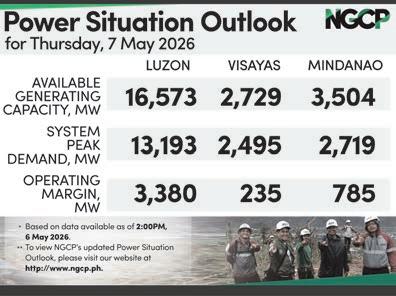
our costs carefully, and continue investing across our supply chain to help ensure a stable and reliable food supply, especially in this environment.”
San Miguel Food’s net income climbed 8 percent to P3.3 billion from the previous year’s P3.02 billion.
Revenues rose 7 percent to P49.6 billion from P46.31 billion, driven by its feeds segment and sustained demand for branded products, in-
cluding Magnolia diary and coffee products and Purefoods meats.
Operating income went up by 10 percent to P4.9 billion from P4.41 billion last year.
San Miguel Brewery Inc.’s income fell 5 percent to P6.2 billion from the previous year’s P6.57 billion, helped by cost controls and continued investments in brand and channel initiatives.
Revenues inched up by 1 percent to P36.8 billion from the previous year’s P36.29 billion.
Domestic revenue reached P32.7 billion, supported by price adjustments amid volume and cost pressures, including higher excise taxes.
Operating income was down at P7.9 billion from the previous year’s P8.21 billion, a decrease of about 4 percent.
The beer business continued to support core brands such as San Miguel Pale Pilsen and Red Horse Beer, alongside newer products like
San Miguel Mango Yuzu, through marketing and channel initiatives. International beer operations contributed $68.3 million in revenue, despite the impact of the ongoing Middle East crisis on export sales, the company said.
The spirits business, led by Ginebra San Miguel Inc., had a net income of P2.3 billion for the period, a 9-percent increase from the previous year’s P2.11 billion, supported by brand-building initiatives and disciplined cost management.
Revenues rose 3 percent to P16.7 billion from the previous year’s P16.27 billion, with operating income at P2.8 billion up 13 percent from the previous year’s P2.46 billion.
The company said it will continue investing in its operations and supply chain while maintaining cost discipline and strengthening its core businesses for long-term growth.
First Gen Q1 income slides by 24%
FIRST Gen Corp. (FGen) posted lower earnings in the first quarter at P3.6 billion, down 24 percent from P4.8 billion last year, mainly due to the sale of its gas assets to Prime Infrastructure Capital Inc.
“The earnings reduction reflects the 60-percent stake sale in the company’s natural gas portfolio to Prime Infra last November 2025. The current period only reports First Gen’s 40 percent share of net income in the operating natural gas plants and the 20-percent stake in the Interim Offshore LNG Terminal,” FGen reported on Wednesday.
Excluding gas earnings, First Gen delivered improved earnings
from its geothermal arm, Energy Development Corp (EDC), which reported higher revenues from greater volume sold driven by better steam availability.
“The strong first-quarter 2026 performance of the geothermal portfolio was largely driven by the drilling program launched in 2024, our newly operating battery storage projects, and better-thanexpected contracted market prices. We envisage to carry this momentum into the rest of the year as more wells are activated and as we continue to see contributions from EDC’s new growth projects,” said FGen President Francis Giles Puno. FGen revenues stood at P15.3
LT Group 2026 capital spending may hit ₧8B
LT Group Inc. (LTG), the holding firm of most businesses of tycoon Lucio Tan, on Wednesday said it would maintain its capital expenditures (capex) of P6 billion to P8 billion this year.
The company said, however, that it is reviewing its spending plan due to the war in the Middle East.
Jose Gabriel D. Olives, the company’s CFO, said its units have sufficient capacity to handle volume and growth.
“In light of everything that’s happening, it’s [capex] currently being reviewed, so we may go back to our historical numbers of about P6 to P8 billion a year,” Olives said. Lucio C. Tan III, the company’s president and COO, said the company is focused on “optimizing” the current set of businesses that we have.
“So, essentially the key is we’re trying to execute as much as possible in terms of delivering and focusing on the operating profitability, operating income of a lot of the different companies. So far, we’ve been doing a great job with that,” he said. “At some point, of course, we’ll then enter into the plans for us to really enter in, I guess, expansion mode. But at this point, we’ve been more focused on maximizing the ROE [return on equity] and net income of a lot of the operating companies at this time.”
He said the listing by way of introduction of PNB Holdings Corp. at the Philippine Stock Exchange may have to wait at little longer due to the current depressed market situation PNB Holdings serves as the property arm of the Lucio Tan Group.
The Securities and Exchange Commission during its en banc meeting last March 12 approved the registration statement of the real estate arm of Philippine National Bank (PNB) covering up to 46.93 billion common shares.
The initial listing price for the common shares will be P1.20 each, for a total listing price of P56.32 billion.
The listing comes after PNB, parent company, declared in 2021 property dividends for its stockholders, covering 51 percent of its shares in PNB Holdings. Once the property dividends are fully distributed, the company will expand its shareholder list to over 30,000 PNB shareholders.
Its key assets include the PNB Financial Center in Pasay City, the PNB Makati Center and the PHC Buendia property, an 8,000-square-meter prime lot at the corner of Sen. Gil Puyat Avenue and Paseo de Roxas, considered a primary target for future redevelopment.
“We will make an adjustment with regards to our listing date in accordance to the market conditions. We still do hope that we can list sometime soon. The initial plan was to list very, very soon,” Tan said.
“But due to the issues that we’re seeing with the market, we may potentially have to push it back because at the end of the day, we want to make sure that we maximize the value of this overall listing and we want to do it in a way where we’re able to fully capitalize.”
For the year, Tan said the group will continue strengthening its core businesses, advancing cross-company initiatives, accelerating digital transformation, deepening sustainability integration and strengthening our talent pipeline.
“Our focus remains on disciplined execution, prudent risk management and delivering sustainable, long-term value.” VG Cabuag
billion, up 32 percent from P11.6 billion in 2025, owing to a greater volume of electricity sold at higher prices during the period.
The geothermal, wind and solar portfolio under EDC accounted for 88 percent of FGen’s total consolidated revenues, while 11 percent came from the company’s hydroelectric power plants.
The hydro platform’s contribution to FGen’s recurring earnings stood at P382 million, down by 38 percent due to low water volume compared to the previous year and interest expense for debt it held for six months that has subsequently been prepaid.
Equity in net earnings from the
remaining 40 percent ownership stake in the gas portfolio reached P1.5 billion. Previously, the 100 percent income from the gas portfolio was recorded as P3.7 billion.
“I’m also pleased to see the fruits of our new partnership with Prime Infra as the gas plants are performing better than expected with the Santa Rita Power Purchase Agreement extended until June.
The competitiveness of the natural gas plants is enhanced as they benefit from indigenous Malampaya gas combined with LNG when necessary. At the same time, we continue to make our investments in the pump hydro and solar projects,” Puno said. Lenie Lectura


MONDE Nissin Corp. on Wednesday said its income for the first quarter went up by 6 percent to P3.25 billion from the previous year’s P2.92 billion on higher sales and the weakness of the Philippine currency against the US dollar.
Net sales expanded by 9 percent to P22.77 billion from the previous year’s P20.88 billion, on the strong performance of its Asia Pacific branded food and beverage group, which accounts for the bulk of its revenues.
Sales from this segment grew 8 percent to P19.09 billion from the previous P17.58 billion.
All of its business segments posted increases, with noodles comprising 41 percent of the sales and biscuits at 36 percent.
Revenues from veggie meat business rose 1 percent on a constant currency basis, and on a reported basis, higher by 11 percent to P3.63 billion from the previous P3.29 billion, reflecting the recent weakness in the Philippine peso, the company said.
“Our APAC BFB business delivered robust topline growth in the first quarter, supported
by volume growth across all categories. We are encouraged by the sequential improvement in gross margin, despite ongoing inflationary pressures,” Henry Soesanto, the company’s CEO, said. On the meat alternative business, Soesanto said sales stabilized at constant currency with gross margin expanding almost 900 basis points year-on-year.
“We achieved positive EBIT [earnings before interest and taxes], reflecting steady progress in our ongoing transformation, supported by continued cost reduction and efficiency initiatives,” he said.
“Despite a strong start to the year, we remain mindful of ongoing uncertainties and inflationary headwinds. We will continue to manage the business prudently, while remaining sensitive to our consumers when price adjustments are necessary.”
For the year, the company said it would spend some P6.48 billion, 37 percent higher than the previous P4.71 billion. Some P5.5 billion will be spent on its APAC-BFP segment and P988 million for its meat alternative business. VG Cabuag
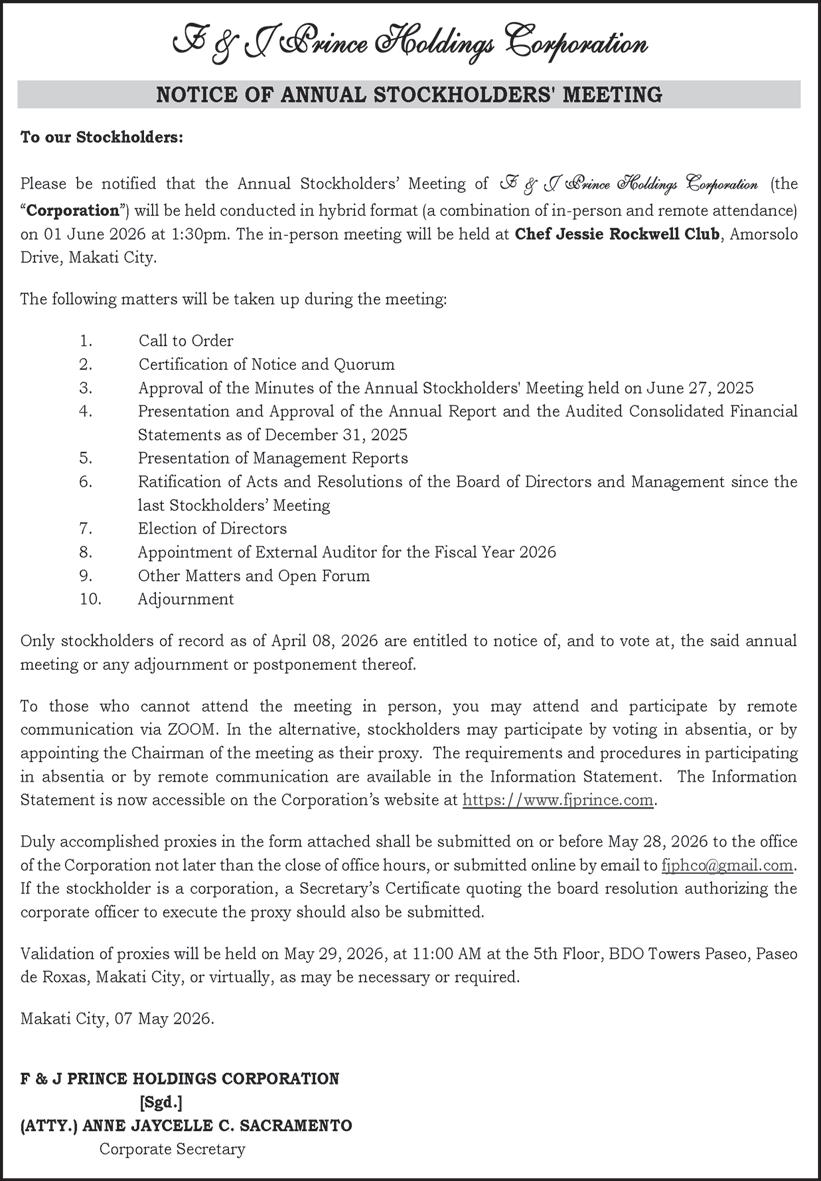
‘Policy must anchor on pace of global shocks’
AFTER the rise in the prices of goods and services zoomed to a 3-year high in April, a former deputy governor of the central bank has laid out a set of recommendations for policymakers in order to manage the “speed and opacity” of broadening inflationary pressures.
In a commentary, former Deputy Governor Diwa Guinigundo pointed out that the Philippines should veer away from “headline diplomacy.”
“For the Philippines, the lesson is clear: headline diplomacy is not a policy anchor. What matters is how quickly global shocks transmit domestically—and how decisively policy responds before they become entrenched,” Guinigundo said on Wednesday.
As such, the former chief for the Monetary and Economics Sector of the Bangko Sentral ng Pilipinas (BSP) recommends a four-point strategy to manage inflationary pressures.
For one, Guinigundo urges policymakers to maintain a “credible” anti-inflation stance and deploy targeted fiscal buffers instead of broad subsidies. Likewise, policymakers should “closely” monitor secondround effects in wages and transport fares, he said. Aside from subsidies, Guinigundo also pointed to the need to strengthen the diversification of energy sources and the resilience of logistics sector.
“In this episode, what matters most was not whether the war paused—but that its economic consequences never did.”
Guinigundo explained that the Philippines have been feeling the impact of the Middle East conflict “harder and faster” due to its high import dependence, “diesel-centric economy” and thin buffers of oil reserves.
High import dependence means near full pass-through of global oil shocks to domestic prices of consumer goods and services, and ultimately, inflation, he said.
Being a “diesel-centric economy” implies immediate spillovers to transportation, food, and utilities and on to general prices and inflation. Finally, thin buffers of oil reserves implied “limited capacity to smooth price spikes quickly.”
Guinigundo described April’s inflation print of 7.2 percent as “not merely cost-push inflation” but a “cost-push turning into generalized inflation pressure.”
Monetary tightening THE former BSP official, nonetheless, cited the importance of monetary tightening after inflation accelerated last month.
“Critics argue that monetary tightening is ineffective against supply shocks; that is only partially correct,” Guinigundo said. He explained that while a policy rate increase will not produce oil or harvest rice, “it can shape behavior, which is precisely what matters once second-round effects begin.”
The latter’s effects could be seen in the anchoring inflation expectations, which prevents “runaway price-setting.” A policy rate increase also “tempers demand, reducing the ability of firms to pass on costs aggressively.”
Guinigundo said a rate hike also discourages hoarding and speculative inventory behavior and limits wage-price spirals, especially in transportation and services.
“In short, monetary policy cannot stop the first-round shock—but it can prevent it from becoming selfsustaining inflation.”
Guinigundo said the so-called Middle East “ceasefire” or the “pause in the hostilities” only reduced visible conflict.
However, the pause didn’t remove the following: geopolitical risk premium in oil; structural divergence between parties; vulnerability of oil-importing economies; and, inflationary transmission already in motion. Andrea Louise San Juan
Better fiscal tack a must vs oil price shocks—PIDS
THE government should rely more on a targeted, consumption-focused fiscal strategy and strengthen tax administration to cushion the economy from the impact of oil price shocks, according to the Philippine Institute for Development Studies (PIDS).
In a discussion paper, Economists Mark Gerald C. Ruiz and John Paolo R. Rivera said that while the Philippines has demonstrated resilience over the past decades, it remains sensitive to heightened geopolitical risks and financial uncertainty.
In the context of the 2026 oil price shock that pushed global crude prices above $100 per barrel, the authors said that the appropriate response to this is a targeted, consumption-focused and time-bound fiscal strategy.
“Fiscal policy is most effective when it directly addresses the channels through which shocks affect the economy, namely, inflation and household demand, while maintaining discipline and avoiding unnecessary fiscal strain,” they added.
The government should prioritize protecting household purchasing power through targeted subsidies and cash transfers for vulnerable sectors, such as public utility vehicle operators, farmers, fisherfolk and low-income households, delivered through existing social protection programs and digital platforms.
Broad-based measures, such as universal fuel subsidies or acrossthe-board price controls, should be avoided as they are costly, poorly targeted and may dilute incentives
Inflation seen to exceed BSP forecast, have lagged effects
By Andrea Louise San Juan
ANALYSTS have revised upwards their inflation forecasts for the Philippines, expecting average inflation to exceed forecasts by monetary authorities this year with second round inflation effects to continue “creeping through” even after Washington and Tehran reach a détente.
Citibank NA (Manila Branch) has raised its inflation projection to 7.3 percent for this year and 4.6 percent for 2027 from previous 5.7 percent and 3.7 percent, respectively. The lender said the upward revision is “in light of continued draw-downs of global oil inventories.”
“Citi is calling for higher for longer oil prices despite an expected peak this month or quarter,” read a commentary the bank issued last
By Reine Juvierre Alberto @reine_alberto

THE surprise April inflation print will push short-term government bond yields higher and flatten the yield curve, as markets reprice the policy path of the Bangko Sentral ng Pilipinas (BSP), according to Manulife Investment Management and Trust Corp. (MIMTC).
MIMTC Head of Fixed Income Jean Olivia De Castro said shortterm yields are likely to rise first and fastest, as these are the “most sensitive” to the BSP’s policy moves.
The belly, or mid-tenors, is driven by expectations of the terminal rate, while long-end tenors react to inflation expectations, De Castro said.
for energy conservation, the authors noted.
The study, likewise, recommends that government expand temporary, targeted social-protection programs. The latter includes cash transfer top-ups, emergency employment schemes and sectorspecific assistance for transport and energy-intensive livelihoods to provide immediate relief.
Spending on infrastructure, logistics and energy systems must also be sustained and protected as these are growth-enhancing expenditures essential for recovery and long-term competitiveness.
On the revenue side, policymakers were urged to avoid raising consumption-sensitive taxes during periods of economic stress.
“Any adjustments to fuel-related taxes should be temporary, targeted, and carefully calibrated, with clearly defined exit strategies, to provide relief without undermining fiscal sustainability or distorting longterm price signals,” the authors said.
Moreover, the outright removal of value-added tax or excise taxes on fuel is not advisable since these are fiscally costly, weakly targeted, and difficult to reverse once implemented.
Instead, temporary and conditional tax adjustments, such as partial and time-bound reductions in excise taxes on diesel, are more appropriate.
“Importantly, tax-based interventions should remain secondary to targeted expenditure measures, which are more effective in protecting household consumption while preserving fiscal space,” the authors stressed. Reine Juvierre S. Alberto
“The key risk is that if oil stays high and inflation expectations deanchor, the long end can steepen,”
CITIBANK NA recently announce the appointment of Bhavin Shukla as managing director and head of infrastructure investment banking for Japan, Asia North, and Australia and Asia South.
In a statement last Wednesday, the lender said Shukla’s appointment reflects the bank’s “deliberate and long-term commitment to further build a market-leading infrastructure investment banking franchise across Asia-Pacific and globally.”
“As the region enters an infrastructure super cycle—driven by
FBy Justine Xyrah Garcia
RESH capital is flowing into efforts to turn nature protection into investable projects in Asia and the Pacific, with the Asian Development Bank (ADB) securing $6.5 million in grant cofinancing from Germany to scale up its “Nature Solutions Finance Hub.”
The funding, provided by Germany’s Federal Ministry for Economic Cooperation and Development (BMZ) and implemented by the Deutsche Gesellschaft für Internationale Zusammenarbeit (GIZ), is expected to help address one of the biggest bottlenecks in green finance: the lack of bankable projects.
ADB President Masato Kanda said the contribution will support efforts
Wednesday.
Hence, even though the surge in local fuel prices could begin to reverse in coming months as conflict resolution eventually falls in sight, Citi said the second-round inflation effects “will probably continue creeping through.”
Nomura Securities Co. Ltd. also revised upwards its inflation forecast for the Philippines from 4.9 percent to a 2026 average of 6.1 percent. No -
she added.
Inflation quickened to 7.2 percent in April, the highest in over three years, exceeding the BSP’s tolerance range of 2 to 4 percent.
De Castro said this shifts the central bank’s near-term bias away from a clean pause and toward further tightening—possibly a larger rate hike to prevent second-round effects of inflation.
The Bureau of the Treasury saw the average yield of 3-year Treasury bonds (T-bonds) rise by 63.5 basis points to 6.933 percent on Tuesday, while the 20-year tenor climbed by 113.3 basis points to 7.705 percent.
(See: https://businessmirror. com.ph/2026/05/05/bond-investors-stick-to-guns-againstheadwinds/).
“From an investor lens, the April spike in inflation can be seen as two stories: the transitory and the persis-

to move nature-based investments from pipeline to execution, as the region faces mounting climate and biodiversity risks.
“Nature is central to inclusive growth, resilience, and long-term development in Asia and the Pacific,” Kanda said, noting that the partnership strengthens a broader push to scale up investments through coordinated financing approaches.
Launched in 2023, the Nature Solutions Finance Hub aims to mobilize at least $5 billion in nature-positive investments by 2030. It targets two persistent gaps in the market—limited project preparation and a shortage of financial instruments capable of attracting private capital at scale.
Germany’s entry into the platform adds to a growing pool of de-
mura said it took into account the higher-than-expected outturn its new oil price assumption of $98 a barrel from $86/bbl. The Tokyo, Japan-based think tank said it also believes the country’s core inflation will face more upward pressure in coming months, as the pass-through to other items broadens.
“We, therefore, also revise up our 2026 core inflation forecast to 4.6 percent from 3.8 percent,” Nomura noted.
Rate hikes
ACCORDING to Citi, it believes that the BSP may start to price-in “stronger FX [foreign exchange] pass-through.”
“FX pass-through apparently was not a big concern in the last policy meeting; but the Philippine peso has further devalued 2 percent since (cumulatively 6 percent year-to-date) on a NEER [nominal effective exchange rate] basis and [on] the expected deterioration of the Philippines’s energy trade deficit [that] may continue to prop-up FX demand,” Citi said.
tent story,” De Castro said.
The initial surge was driven by transitory factors such as higher oil prices, which fed into transport and utility costs, but these could ease if supply conditions normalize, De Castro said.
Stickier
YET inflation is becoming stickier, as the oil shock is already seeping into pricing behavior, with notable increases in restaurants and other services.
Transport fare adjustments, including those for tricycles and airlines, tend to be more difficult to reverse once implemented, De Castro added.
“Over the next 4–8 weeks, signals to look out for would be the persistence and breadth in core inflation, which could provide an indication on how much pricing power and infla-
energy transition, digital infrastructure, urbanization, and record levels of private capital deployment—having a dedicated, senior leader to further grow our infrastructure IB franchise is both timely and essential.”
According to Citi, Shukla will serve as the regional anchor for infrastructure-related advisory, financing, and origination. He will work in close partnership with the regional heads of the financial and strategic investors group, natural resources, real estate and other key global partners.
velopment partners, including the European Union, Agence Française de Développement, OPEC Fund for International Development, Global Environment Facility, and Green Climate Fund.
For Germany, the partnership is positioned as a way to combine technical expertise with ADB’s regional reach. Parliamentary State Secretary Johann Saathoff said the collaboration would help deliver nature-based solutions that respond to challenges across the region.
“Through this partnership, we are combining German technical and financial experience with ADB’s regional reach and expertise to deliver nature-based solutions that address biodiversity and climate challenges across Asia and the Pacific,” Saathoff
Citi said it sees an “upside” to the inflation forecast by the Bangko Sentral ng Pilipinas (BSP) of 6.3 percent for this year and of 4.3 percent in 2027. As such, the lender now sees three rate hikes of 25-basis point (bps) each further this year.
Citi expects the Monetary Board of the BSP would hold an off-cycle meeting this month for a 25-bps hike. The lender expects another 25bps hike in June and a similar upward tweak in August.
Citi said its expected terminal rate of 5.25 percent “is just slightly short” of 75 bps versus its fiscal year 2026 inflation forecast.
Recall that in previous hiking cycles, the BSP brought the policy rate to between 1 percent and 2 percent above its inflation forecast for the year after the policy meeting, the lender wrote in a commentary.
“However as we are coming into the shock with GDP [gross domestic product] growth being the lowest versus previous hiking cycles, a lower terminal real policy rate is likely warranted,” added Citi.
tion expectations have shifted,” De Castro said.
The BSP said on Tuesday that it will take “necessary actions” to ensure that inflation returns within its target range and fulfill its price stability mandate.
BSP Governor Eli M. Remolona said the central bank will “remain vigilant for spillover effects, datadriven, and ready to act as needed.” Key policy rates were raised by 25 basis points by the Monetary Board—the BSP’s highest policymaking body—last April 23, as their inflation outlook has “deteriorated” amid the ongoing Middle East war. “Once we start raising the policy rate, we’re likely to raise it again. That’s a better strategy than raising it just one time and making a big hike instead of a small hike,” Remolona said, who is also the chairman of the Monetary Board.
Shukla joins Citi from J.P. Morgan Chase & Co. where he served as managing director holding concurrent roles as head of the Asia infrastructure investors coverage (excluding Australia) and head of the India infrastructure investment banking division. At J.P. Morgan, Shukla built a leading infrastructure investment banking franchise in Asia, covering the full product suite of advisory, financing, and hedging for the region’s leading infrastructure funds, sovereign wealth funds, and corporates, according to Citi.
was quoted as saying in a statement. According to the ADB, the hub is currently supporting nearly 20 projects in its pipeline, including flood resilience initiatives in the Philippines, coastal ecosystem management in Thailand, river basin restoration in Bangladesh, and watershed rehabilitation in Uzbekistan. The push comes as the economic case for nature-linked investments becomes harder to ignore.
The ADB estimates that about 75 percent of the region’s gross domestic product (ADB) depends on sectors such as agriculture, fisheries, forestry, and tourism—industries that are directly tied to ecosystem health. Despite this, the global nature finance gap remains steep, exceeding $900 billion annually.
SHUKLA CREDIT: CITIBANK NA (MANILA BRANCH)
Health&Fitness
Experts call for a ‘vaccination habit’ among working population
By Candy P. Dalizon Contributor
XPERTS recommend that
Eworking professionals build a “vaccination habit,” starting with a yearly flu shot. To ensure comprehensive protection, adults should also stay up to date on vaccines for Hepatitis B, HPV, MMR (Measles, Mumps, and Rubella), and Meningococcal disease, as well as Pneumococcal and Shingles vaccinations as they approach older age.
Beyond general health maintenance, certain vaccinations are recommended based on specific lifestyle choices and environmental risks. For those who frequently dine out or consider themselves “foodies,” vaccines for Hepatitis A and Typhoid are essential, as these diseases are commonly transmitted through contaminated food and water.
Occupational and environmental safety also play a role, with experts recommending the Japanese Encephalitis (JE) vaccine to protect against mosquito-borne brain inflammation. Additionally, the RSV vaccine has emerged as a critical new consideration for protecting vulnerable groups within the working population and beyond. The RSV vaccine can prevent lower respiratory tract disease caused by respiratory syncytial virus (RSV), a common respiratory virus that usually causes mild, cold-like symptoms.
“Start with the flu vaccine because that is what you need to take yearly,” said Bryan Posadas, Philippine Foundation for Vaccination Vice President. He explained that yearly shots are essential because influenza strains constantly evolve, requiring a new vaccine formulation each year based on rigorous global surveillance.
Pharmacies as hubs for vaccine access
AS the country marked World Immunization Week, Mercury Drug—with support from the PFV—pushed to boost awareness and expand access to vaccination, emphasizing the role of pharmacies in making protection more
IBy Patrick Villanueva
N the latest findings of AIA Philippines’ Rethink Study, it found that 70 percent of Filipinos are choosing a more proactive, futureoriented approach for their health, citing that protecting their families and preventing health risks as their motivation in doing so. With Filipinos facing a higher risk of experiencing serious illnesses more than once, it is no surprise that they are consciously changing their strate gy when it comes to health. In doing so, protection needs to be more flexible, going beyond the traditional one-time payout structures.

accessible for all. With approximately 67 percent of the Filipino population comprising the labor force, these workers serve as the backbone of the economy and the primary support for their families.
Despite their vital role, vaccination rates among this group remain low, as persistent challenges—including restricted access, insufficient public awareness, and the burden of out-ofpocket expenses—continue to stifle immunization efforts.
“This year’s World Immunization Week theme, ‘For Every Generation, Vaccines Work,’ reminds us that protection should not stop in childhood,” said Dr. Lulu Bravo, Executive Director of PFV. “As we age, our immunity weakens. Timely vaccination is especially important for high-risk groups, including older adults and those with chronic conditions, as it helps prevent serious complications and hospitalizations.”
For his part, Posadas emphasized that beyond awareness, access remains a key barrier to maintaining high immunization rates. He noted that convenience and visibility play a critical role in driving uptake.
“When vaccination is available in places people already go for their health needs, they are more likely to act, turning awareness into action.”
As a result, pharmacies are increasingly recognized as key access points for vaccination, helping integrate
As such, AIA Philippines launched AIA Critical Protect Plus, a product that protects not only the health, but also provides continued financial help by extending their coverage beyond the single-claim or limitedduration plans.
More than that, AIA Critical Protect Plus lets customers tailor the insurance to their needs through optional add-on riders, offering even more flexibility than the traditional plans.
Three major illness claims
IT has a multi-pay structure that allows for three major illness claims, extending its benefits for early-stage conditions. Its coverage reaches the
IN our country’s traditional healthcare model, the most grueling part of being sick isn’t just the symptoms—it’s the “wait.” From the commute to the hospital to the administrative anxiety of manual approvals, the barriers to care can often delay recovery.
PhilCare, one of the country’s leading HMOs, officially dismantles this “waiting room culture” with the launch of HeyPhil 3.0, a digital evolution that transforms a smartphone into an instant gateway to professional medical care. Originally launched as a pioneer in AI-driven health assistance, HeyPhil has grown from a simple doctor-finder and BMI tracker into a more reliable and proactive digital health partner. Now, at the heart of the HeyPhil 3.0 update is a commitment to immediate empowerment. PhilCare is streamlining the path to treatment through these flagship features.
Inclusive UI & personalized experience
THE app debuts a refreshed look featuring the new Dr. Phil logo and a simplified, inclusive user interface. Members can now personalize their accounts by uploading profile pictures, making their digital health journey feel more personal.
Hassle-Free Letter of Authorization MEMBERS can now bypass manual coordination and long hospital desk queues. The app allows users to create an instant LOA for procedures and consultations with a preapproved limit of P1,500 per day, ensuring the “green light” for care is as immediate as the patient’s need.
Integrated teleconsult via DigiMed and DigiMed Plus THE app allows users to schedule teleconsul -
preventive care into everyday health routines.
“Pharmacies are often the first stop for Filipinos seeking healthcare, especially for preventive services,” said Corazon Lim, Vice President for Merchandising, Mercury Drug. “Pharmacy-based vaccination has long been central to our efforts to reach more people, as seen in our initiatives like ‘Vax Saturdays’.
“Our role became even more evident when we served as vaccination hubs during the pandemic. It showed that people could get vaccinated quickly and conveniently at pharmacies, without long waits at hospitals or clinics. They could even book appointments in advance on their preferred date,” added Lim.
Building on their efforts to make vaccination accessible, Mercury Drug, supported by PFV, held an in-store vaccination event at its Shangri-La Plaza branch on April 29, 2026, followed by a media roundtable titled “Basta Vaxx, Facts Lang.” The event brought together health experts and vaccine champions who shared reallife experiences showing how vaccination helps protect them and their loved ones, making vaccination more relatable in everyday life.
Strengthening vaccine coverage
BOTH Mercury Drug and PFV emphasized that strengthening vaccination coverage not only protects individuals
age of 100 and spans 106 critical conditions, expandable to up to 146 with riders.
Additional benefits include optional riders for emerging conditions, ICU support, and gender-specific cancers, as well as a waiver of premium after a major illness, and a compassionate death benefit that provides additional payout if death occurs after a major critical illness claim.
AIA Critical Protect Plus also includes AIA Vitality, a science-backed wellness program that helps customers make healthy choices, and rewards those who are committed in following the program through several discounts and benefits. It can also be connected
but also helps reduce the burden on the healthcare system and supports the country’s broader immunization goals. They encourage Filipinos to take a more active role in protecting their health by consulting their doctors on recommended vaccines based on their age and health needs.
Posadas issued a timely reminder to today’s workforce, emphasizing that the modern environment poses significantly different health challenges than those of previous generations. He noted that factors such as the quality of our food, the high-stress nature of contemporary life, and the demanding schedules of professionals, including those in the media and BPO employees, particularly those on graveyard shifts, can severely compromise the body’s defenses. A lack of sleep directly leads to weakened immunity, leaving individuals increasingly vulnerable to infections. Furthermore, he highlighted that sedentary lifestyles further diminish immune resilience.
“We need to have a stronger immune system because we have a stronger battle ahead of us. So that’s the reason why prevention, making your immune system stronger, is the best thing that we can do, not just for us, but also for our loved ones,” said Posadas.
To know more about Mercury Drug’s vaccination services, visit https://www.mercurydrug.com/vaccination_terms-and-conditions.html.
to several fitness devices and apps.
It has a minimum coverage requirement of P500,000, with payment terms coming to 10-year, 20-year, or pay-to-age-65 options, with its protection extending up to 100 years old, making AIA Critical Protect Plus more accessible.
“As Filipinos live longer, facing critical illness more than once is becoming a real possibility,” said Melita Teo, Chief Executive Officer of AIA Philippines. “With AIA Critical Protect Plus, we move beyond the traditional one-time protection and give customers the flexibility and continued coverage they need as their health needs evolve.”
DOH warns of ashfall health risks amid Mayon activity
By Claudeth Mocon-Ciriaco
WHEN a volcano erupts it can release gases and ash that can be harmful to your health.
On Sunday, May 3, 2026, the Department of Health (DOH) advised residents who experienced ashfall from Mayon Volcano which blanketed several towns in Albay to wear face masks.
“Magsuot ng mask, N95 kung mayroon, o ng basang tela. Nakakatulong ito na salain ang maliliit na particles na maaaring magdulot ng iritasyon sa ilong, lalamunan, at baga [Wear face masks, preferably N95 if you have any, or even a wet piece of cloth. It will help to filter fine particles that can result to irritation in the nose, throat, or lungs],” the DOH said.
Unlike ordinary dust, the DOH said that ashfall is composed of fine fragments of volcanic rock, minerals and glass that can result in difficulty in breathing. It also advised residents not to venture in areas under the Permanent
Danger Zone of Mayon where there is a higher concentration of poisonous smoke near the volcano.
Closed doors, windows IT said that residents should always close the doors and windows of their residences and to cover small openings in doors and windows with wet clothes.
The DOH likewise reminded residents to stay hydrated, adding that this helps lower cases of irritation in the mouth, throat, and lungs.
According to the Centers for Disease Control and Prevention, short-term effects of gas inhalation include irritation of eyes or airways, vomiting, dizziness, headaches, rapid or difficult breathing, visual disturbances and tremors. Longer exposure to volcanic gases and ash has been linked to the development of other conditions, such as bronchitis and infection of the lung, respiratory disorders, such as lung disease and lung cancer. Acute exposures to certain volcanic gases can also lead to unconsciousness within minutes and eventually death.
Parañaque LGU, Novartis partner to accelerate UHC implementation
By Rizal Raoul Reyes Contributor
NOVARTIS Healthcare Philippines and the Parañaque City government recently forged a strategic partnership to bolster the city’s healthcare infrastructure and accelerate the implementation of Universal Health Care (UHC) Act.
The public-private collaboration focuses on improving patient navigation by establishing streamlined, coordinated referral pathways across local health facilities.
The partnership, authorized under Resolution No. 2025-308, empowers Parañaque City Mayor Edwin C. Olivares to collaborate with Novartis on initiatives aligned with the UHC Act. The cornerstone of this agreement is the rollout of the Cardiology and Oncology Referral Enhancement (CORE) system.
Referral platform
CORE is an electronic referral (eReferral) platform that connects facilities within the Parañaque Healthcare Provider Network (HCPN). By prioritizing cardiology and oncology, the initiative targets two of the country’s leading non-communicable diseases, ischemic heart disease and cancer, which place a significant burden on Filipino patients.
“A fully functional Health Care Provider Network relies on strong communication between facilities,” said Dr. Darius J. Sebastian, OIC-City Health Officer. “This technology ensures seamless continuity of care as patients navigate from primary care providers to higher-level facilities.”
Aside from Olivares, the partnership is a collaborative effort involving Dr. Darius J. Sebastian, OIC-City Health Officer; Dr. Ruben Ver Bombeta, Partnership Focal; and City Councilor Maria Kristine G. Esplana, sponsor of the enabling resolution.
CORE initiative
PARAÑAQUE is the first Local Government Unit (LGU) to partner with Novartis on the CORE initiative. To ensure success, comprehensive training was conducted on December 2, 2025, equipping local health workers with the digital skills necessary to operate the system. The platform’s rollout is further supported by Thinking Machines, the initiative’s official technology partner. Under the Local Government Code and the UHC Act, the responsibility for health services has shifted to LGUs. Administrative Order 2020-0019 emphasizes the need for “mature” networks where facilities are linked and patient transitions are fluid. CORE addresses current systemic gaps by: n Eliminating Delays: Providing a digital platform to track and manage referrals in real-time;
n Improving Navigation: Ensuring patients reach the appropriate level of care faster; and n Capacity Building: Upskilling health workers to adopt sustainable digital solutions. Functional delivery system THE initiative is guided by the Novartis Health System Strengthening (HSS) Framework, which recognizes that medicine is only effective if the delivery system is functional.
“Improving access requires more than providing innovative medicines—it also means helping strengthen the systems that enable patients to receive timely care,” said Sushant Anand, Value and Access Head at Novartis. “Through CORE, we are working with Parañaque City to address real-world gaps in referral pathways.”
Designed for long-term sustainability, the CORE program serves as a scalable model for public-private collaborations, demonstrating how co-creation and technology can make Universal Health Care a reality at the local level.
tations directly within the interface, effectively removing the barriers of distance and traffic. Members can connect with general practitioners via DigiMed, while those seeking specialized expertise can book appointments with specialists exclusively through DigiMed Plus. This ensures that expert medical advice is always the first resort for busy Filipinos.
Digital reimbursement of claims IN a major update to member convenience, users can now file reimbursement claims directly via the app. This feature includes a real-time status tracker, providing transparency and peace of mind regarding the progress of their claims.
Enhanced security settings
TO ensure member data remains protected, the update includes robust security settings, allowing users to easily update and manage
their passwords within the app.
These updates are more than just technical milestones; they are a manifestation of PhilCare’s core value: “Walang Iwanan” (No One Gets Left Behind). By integrating automated LOAs and seamless DigiMed access, PhilCare ensures that no member is sidelined by geographic limitations or complex hospital protocols.
“We want to replace administrative friction with member-centric access,” says PhilCare President and CEO Jaeger L. Tanco. “HeyPhil 3.0 ensures that PhilCare stays by the user’s side throughout their entire recovery journey, proving that our ‘Walang Iwanan’ promise is a functional reality in the digital age.” Getting started with the HeyPhil 3.0

Editor: Anne Ruth Dela Cruz
Prime minister’s envoy boosts Japan-PHL cooperation, meets PBBM and Sec. Garin
MEMBER of Japan’s House of Representatives Fumio Kishida engaged in highlevel meetings with President Ferdinand R. Marcos Jr. and Energy Secretary Sharon Garin.
The supreme advisor to the Parliamentary Association of Asia Zero Emission Community (AZEC), Kishida visited the Philippines on April 30 as special envoy of Prime Minister Sanae Takaichi.
In his meeting with Marcos Jr., Kishida stated that, in light of the situation in the Middle East, Asian countries in particular have recognized the importance of resilient energy supply structures. The concept of AZEC, which aims to simultaneously achieve energy security, economic growth, and decarbonization, has become all the more important, according to him.
Kishida also expressed his appreciation for the president’s attendance
at the AZEC Plus online Summit on Energy Resilience held on April 15. Furthermore, he stated that Takaichi is determined to develop AZEC handin-hand with the chief executive toward jointly hosting the fourth AZEC Leaders Meeting in November with the Philippines.
Japan’s House of Representatives member then handed over the letter from the prime minister to the Philippine leader, and expressed his hope that this year—during the 70th anniversary of the normalization of diplomatic relations with Japan— cooperation in various fields will be enhanced.
In response, Marcos Jr. welcomed Kishida’s visit to the Philippines

and articulated his deep gratitude for Japan’s support. In addition, the president stated that, given the current status in the Middle East, the importance of AZEC’s initiatives has increased even further, and that he would like to continue to cooperate closely in order to overcome the crisis.
The two officials also discussed concrete cooperation under the “Partnership On Wide Energy and Resourc-

es Resilience” or “POWERR Asia,” as well as the direction of AZEC’s evolution, with strengthened perspectives on economic and energy resilience.
Active engagements for AZEC KISHIDA also held a meeting with Energy Secretary Sharon S. Garin.
The Japanese government official expressed his appreciation for the Philippines’ active cooperation to date under AZEC. He conveyed Japan’s hope
Cambodia vows to dismantle scam hubs, seeks to expand economic & security ties
By Malou Talosig-Bartolome
HE Cambodian ambassador
Tto Manila said his government remains committed to eradicating illegal online scam hubs within its borders—operations that have increasingly exploited and victimized foreign nationals, including Filipinos.
Speaking at the Foreign Service Institute’s (FSI) 22nd Ambassadors’ Lecture Series, Ambassador Sin Saream outlined his country’s intensified efforts to combat transnational cybercrime.
“Cambodia has strong determination to dismantle all scam online operations,” Sin declared, as he noted that Phnom Penh has formed a high-level ad hoc commission to lead the crackdown.
The envoy confirmed that authorities have already dismantled numerous operations and deported or repatriated foreign workers, “including some Filipinos.”
He emphasized that purging the country of the illicit hubs is a “very top priority” to restore credibility and provide a secure environment for legitimate foreign investors.
‘Epicenter of scam hubs’
A REPORT by the 2025 United Nations Office on Drugs and Crime cited Cambodia as a major epicenter for industrial-scale cyber fraud, human trafficking, and underground banking.
It warned that the problem is “se-

vere, entrenched, and expanding.”
After raids in Sihanoukville in 2022 and a 2019 online gambling ban, syndicates simply relocated in Koh Kong, Pursat, Tbong Khmum, Oddar Meanchey, and border towns like Bavet and Poipet. Phnom Penh hosts Huione Guarantee (now Haowang)—one of the world’s largest illicit marketplaces. Despite losing its license in 2025, it continues to process billions in cryptocurrency inflows, offering malware, stolen data, and laundering services. In 2024, the US Treasury sanctioned Senator Ly Yong Phat and his companies for abuses linked to trafficked workers forced into cyber scams in Oddar Meanchey and Koh Kong. Crackdowns in Myanmar, Thailand, and the Philippines have pushed operators and equipment—including Starlink devices and mobile phones—
into Cambodia. Following Manila’s 2024 ban on Philippine offshore gaming operations or POGOs, authorities rescued Indonesian workers in Pasay whose Chinese-run scam company was preparing to relocate to Cambodia.
Philippine law enforcement reports confirm that at least 34 Filipinos were rescued from Cambodian scam hubs in 2025. Some were even forced to pay thousands of dollars to secure release.
Authorities warn that the true number is likely higher, given the clandestine nature of recruitment and trafficking. (Related story on BusinessMirror Everything must go, no letup in war on SE Asia’s POGO scams; April 26, 2026)
Beyond cybercrime WHILE combatting transnational crime remains a key priority, Sin also
highlighted a broader vision for Cambodia-Philippines relations, aiming to expand collaboration across trade, investment, agriculture, maritime security, and emerging technologies. Currently, two-way trade remains modest at nearly $100 million in 2025.
To boost these figures, both nations have signed agreements to eliminate double taxation and prevent tax evasion. Their chambers of commerce have formed business forums to facilitate trade fairs and business matching.
Agriculture serves as a major comparative advantage for Cambodia, which produces up to 10 million tons of paddy rice annually.
Since 2022, Cambodia has exported more than 3,000 tons of high- quality rice per year to the Philippines, and the two countries are finalizing an agreement to boost these numbers.
The ambassador also expressed Cambodia’s desire to expand exports to include black pepper, cashew nuts, and aloe vera.
On the geopolitical front, the two nations are exploring mutual interests in maritime security and the “blue economy.”
Noting that his country recently ratified the United Nations Convention on the Law of the Sea or UNCLOS, Sin pointed out that as a small nation, Cambodia strongly supports and respects international law to protect itself in the evolving regional architecture.
Asia-Pacific police and military discuss law enforcement, interoperability in armed conflict
AROUND 30 participants from embassies, the police, armed forces and other security institutions from 10 countries in the Asia-Pacific shared best practices during the Regional Workshop on Law Enforcement in Armed Conflict held in Makati City from April 21 to 23.
Co-organized by the Philippine National Police and the International Committee of the Red Cross (ICRC), the event aimed to promote a common understanding of the legal frameworks governing law enforcement during conflicts such as international humanitarian law or the rules of war, international human rights law, and
relevant domestic standards in the participants’ respective countries.
“Experience from past and ongoing conflicts, both within the AsiaPacific region and beyond it, shows that both the police and armed forces may be called upon to perform law enforcement functions during an armed conflict, while law enforcement agencies are at times carrying out actions linked to the armed conflict as well,” said Johannes Bruwer, who heads the ICRC delegation in the Philippines.
“This highlights the importance of preparedness for scenarios in which they must operate under heightened complexity. It is for this reason that

[the workshop was needed], as this aims to strengthen their interoperability during conflicts.”
Participants included representatives from the Philippines, Australia, Bangladesh, Cambodia, Fiji, Indonesia, Nepal, Singapore, South Korea and Thailand. Through thematic presentations, case studies, and group discussions, they examined a range of issues such as operational challenges faced by law enforcement agencies in conflict settings, best practices in non-international armed conflicts, the role of human rights bodies and oversight mechanisms, coordination and interoperability between military and law enforcement actors, and the implications of new technologies in law enforcement operations.
that both countries would cooperate as co-chairs at the ministerial meeting in September, and advance cooperation to promote concrete projects under AZEC’s framework.
In response, Garin welcomed Kishida’s visit to the Philippines, and stated that AZEC has become an extremely important platform. She also expressed her intention to further deepen cooperation ahead of the ministerial meeting and her keen desire to advance cooperation in close partnership with Japanese companies.
The two officials discussed the future direction of cooperation—including the strengthening of AZEC’s functions—and agreed to work in close cooperation. In this meeting, Japanese companies operating in the Philippines also participated, and an active exchange of views took place.
Norway Embassy, PHL tighten police cooperation

THE Royal Norwegian Embassy in Manila hosted a three-day official visit by the Norwegian National Police Directorate delegation headed by Deputy Commissioner Lars Erik Alfheim to further strengthen police cooperation with the Philippines.
During the visit, Deputy Commissioner Alfheim, together with H.E. Ambassador Christian Halaas Lyster and Nordic Liaison Officer Per Nicolai Langås paid a courtesy call to Chief General Jose Melencio C. Nartatez Jr. of the Philippine National Police (PNP) at Camp Crame in Quezon City.
“We have seen the professional work [that the PNP does—especially on fighting online sexual abuse and exploitation of children or OSAEC],” said Alfheim. “We continue to work with the PNP, as both nations help each other in combating these deeply disturbing crimes.”
The meetings focused on the ongoing mutual law enforcement cooperation and future international partnerships between the Norwegian Police Service and the PNP. They also touched on topics related to public safety and Norway’s continued support to the Philippines through the Nordic Liaison Office in its efforts to combat OSAEC, as well as matters on cybercrime and other forms of criminality.
“The Philippines is a hotspot for OSAEC. Norway, through the Nordic Police Liaison Office, works closely with [local law enforcement agencies to combat the crime],” Lyster said. “Strengthening international police cooperation is crucial, but not enough. We must all work together to create awareness of this challenging problem and prevent victims from being abused and keep our children safe.”
MOU signed THE meeting discussed the ongoing process of finalizing a memorandum of understanding (MOU) between the Norwegian Police and the PNP. It aims to further enhance bilateral cooperation and strengthen collaboration efforts in information sharing between Norway and the Philippines.
The MOU is seen to strengthen preventive mechanisms to investigate OSAEC cases through information exchanges. As the threat of the crime has expanded in terms of quantity and severity, the Norwegian police have spent considerable resources investigating perpetrators who order live-streamed abuses, videos and images from the Philippines, and assisted local law enforcement authorities in apprehending facilitators.
“The PNP sincerely appreciates the continued cooperation of the Norwegian Police through the Royal Norwegian Embassy in advancing our collective fight against OSAEC,” declared PNP Chief Police General Jose Melencio Nartatez Jr.
International cooperation MEMBERS of the Norwegian Police Service also spoke with Executive Director Barbara Mae Pagdilao-Flores of the National Coordination Center Against Online Sexual Abuse and Exploitation of Children and Child Sexual Abuse or Exploitation Materials (CSAEM), and Assistant Secretary Michelle Anne S. Lapuz of the Department of Justice to discuss the Philippines’ legal framework and wholeof-nation approach in combating OSAEC. The center serves as the national secretariat responsible for implementing the Anti-OSAEC Act and the CSAEM Act in the Philippines.
Lyster and Deputy Commissioner Alfheim also met with the command group and the cadets of the PNP Academy last April 11. They were led by Police Major General Andre P. Dizon who serves as a director at Camp General Mariano N. Castaneda in Silang, Cavite. A
AMBASSADOR Sin Saream (left) and FSI Director General Neil Frank Ferrer
POLICE COLONEL Roland Bulalacao (from left), Nicolai Langås, Police Brigadier General Gonzalo Villamor Jr., Police Brigadier Romeo Ruel Berango, Ambassador Christian Halaas Lyster, Police Major General Andre Perez Dizon, Police Brigadier Angela Rejano, Deputy Police Commissioner Lars Erik Alfheim, Police Brigadier General Maria Sheila Portento and Line Stang
JAPAN’S House of Representatives member Fumio Kishida and President Ferdinand R. Marcos Jr. KISHIDA and Secretary Sharon S. Garin
World Trade Center Metro Manila renews WTCA Premier Accreditation
World Trade Center Metro Manila (WTCMM) has successfully completed the renewal of its Premier Accreditation from the World Trade Centers Association (WTCA), reaffirming its alignment with global standards of excellence and its strong standing within the international WTCA network.
The Premier Accreditation plaque was formally received by Pamela D. Pascual, Chairman and Chief Executive Officer of WTCMM, during the WTCA Global Business Forum held in Philadelphia, underscoring WTCMM’s continued leadership on the global stage.
WTCA Premier Accreditation is the highest level of recognition conferred by the global association and reflects consistent performance, credibility, and adherence to

internationally recognized benchmarks.
For WTCMM, the renewed accreditation reinforces a long-standing commitment
to excellence that has been consistently upheld over the years across four key pillars: Business and Member Services, Commercial and Real Estate Services, Conference and Exhibitions, and Trade Development.
“More than a designation, WTCA Accreditation represents a global benchmark of quality and a mark of trust within the international World Trade Center network,” said Pascual. “This renewed Premier Accreditation affirms our continuing commitment to delivering world-class services while remaining responsive and relevant in an evolving global business landscape.”
First awarded to WTCMM in 2019, the Premier Accreditation highlights the organization’s consistency in meeting global standards and its role as a trusted platform for international trade, business engagement, and collaboration. The renewal further strengthens WTCMM’s position as a premier gateway for enterprises seeking meaningful global connections through the World Trade Center network, which spans over 300 World Trade Centers across nearly 100 countries.
A celebration of experiences at Winford Manila

WINFORD Resort & Casino Manila, a 22-story integrated resort located in Sta. Cruz, Manila, marks its 9th year with a milestone launch of Best of Nine Anniversary Campaign, a celebration that highlights the experiences, values, and people that have defined the property through the years.
At the heart of the year-long campaign are the nine pillars that
embody the essence of Winford Manila, with each of these pillars reflecting the property’s commitment to excellence and delivery of meaningful experiences rooted in comfort, care, and connection. Throughout the anniversary period, guests can enjoy curated line-up of activities and promos designed to bring each pillar to life. From exciting gaming tournaments and raffle draws to exclusive dining offers and room discounts, every experience is tailored to create memorable moments in your best city escape.
Room promos
EXPERIENCE a “home-away-from-home” dream stay at Winford Manila and enjoy 50 percent off on rooms based on published rates, inclusive of breakfast for two, when you use your EastWest credit card with booking period until October 26, 2026 and stay period until October 29, 2026 (valid from Monday to Thursday only).
You may also use your AUB credit card when booking rooms to avail of the 50 percent discount on the published rate by using the promo code AUB50 on your online booking at www.winfordmanila. com. Promo period is until July 31, 2026, Monday to Thursday. Terms and conditions apply.
Dining delights
ENJOY a gastronomic trip at Winford Café using your Metrobank credit card and get 50 percent off on your meals and drinks for a minimum single-receipt spend of P3,000 only. Plus, you can also get 50 percent discount on total dine-in bill at Zabana Pool Bar with a minimum spend of P3,000.00 (maximum discount of P2,500) using your EastWest credit card.
Craving for a fusion of Spanish and Filipino cuisine? Head over to Copa de Manila and get five percent discount on select favorites plus free rice and house blend iced tea. If you are looking for a weekend night cap, Hippodrome Bar & Lounge offers a mix & match of beer bucket for only P900, with complimentary choice of fries or beer nuts. More than a showcase of promos, the Best of Nine Anniversary Campaign pays tributes to the guests, patrons, and community who have been part of the property’s journey for nearly a decade. As the celebration unfolds this year, guests can expect more surprises and offerings that make every visit feel like coming home and remind them that good fortune is just around the corner.
A SWEEP moment: Xavier University alum tops Electronics Engineering Board Exam
WHEN Engr. Carl Vincent Malinao of Xavier University – Ateneo de Cagayan walked into the PLDT and Smart headquarters in Makati, it marked a milestone for the academe and the telco industry – that their close collaboration can help shape a professional engineering career. The school first signed up for the Smart Wireless Engineering Education Program (SWEEP) in 2003. Fresh off topping the March 2026 Electronics Engineers Licensure Examination, Malinao represents a new generation of engineers shaped not only by the classroom, but by early exposure to real-world technology.
“During my freshman year, I attended a SWEEP seminar on 5G and its evolution,” Malinao said. “Smart also provided antennas, transceivers, and other cell site components to our communications laboratory, which we used in our coursework.”
Malinao graduated summa cum laude, the first in their department to do so, and went on to become the first board exam topnotcher from the university’s College of Engineering.
“Carl is proof that Xavier University can produce top-tier electronics engineers,” said Engr. Lolit Villanueva, head of the Electronics Engineering Department at Xavier University – Ateneo de Cagayan. “He has benefited from training and seminars supported by Smart through SWEEP. We look forward to expanding this collaboration to develop more industry-ready engineers and innovators.”
For PLDT and Smart, the collaboration also reflects a broader
industry push to stay ahead of rapidly evolving customer needs.
“We are constantly pushing the network forward and exploring what’s next, not just in terms of technology, but in the kind of engineers we need to build it,” said Eric Santiago, Head of Network Strategy and Infrastructure at PLDT and Smart. “Delivering the next wave of customer experience will require engineers who are innovative, adaptable, and ready to work with rapidly evolving digital systems.”
For Malinao, the visit closes a loop, from student learning about emerging technologies to an engineer now poised to help build them.
Launched over two decades ago, SWEEP is the Philippines’ longest running industry-academe linkage program. It is designed to equip engineering students across the Philippines with hands-on experience, mentorship, and access to evolving network technologies. on Phase 5, SWEEP integrates AI, automation, and intelligent systems into engineering education, aligning academic training with how modern telecom networks are now designed, operated, and optimized.
We Hope Medical group expands in Laguna; opens chemo centers in Cabuyao, San Pablo
CANCER continues to be a leading cause of illness and death nationwide.
According to the Philippine Statistics Authority, cancer ranked as the second leading cause of death in 2025, accounting for 58,656 deaths, or 11.5 percent of all recorded deaths from January to October 2025. With thousands of patients delaying or abandoning treatment due to cost, We Hope Medical Group is here to become the leading provider of free chemotherapy treatment in the Philippines.
AML Lifecare Chemotherapy center, a subsidiary of We Hope Medical Group, has opened its centers in Cabuyao City and San Pablo City, Laguna, to address the rising demand for free chemotherapy treatment for Filipinos in Laguna who can now focus on their treatment journey without the financial burden. The center is designed to provide a safe, compassionate, and patientcentered environment, staffed by licensed oncology doctors, equipped with modern treatment facilities. Services include consultation, free chemotherapy sessions covered by PhilHealth, cancer assistance fund, and other LGU programs.
“Our mission is simple but powerful. No Filipino should ever have to choose between financial survival and life-saving cancer treatment,” Dr. John Paul Aclan DBA. We Hope Medical Group proudly highlights the visionary leadership of the Chairman and CEO, whose bold vision and unwavering commitment to accessible healthcare have

redefined cancer care for Filipino families. Through his pioneering efforts, the organization has opened state-of-the-art chemotherapy centers in Metro Manila, Luzon, and soon in Visayas, Mindanao, offering free chemotherapy services to Filipinos.
The first wave of centers, including the Beacon of Hope branches in Pampanga, Marikina Chemotherapy Center, Beacon of Hope Naga, SmartSave Chemotherapy Center Rizal, Santa Cruz Chemotherapy Center, AML Lifecare Santa Rosa and Imus Chemotherapy Center, have already demonstrated the transformative impact of accessible cancer care. Patients who once faced overwhelming medical expenses now receive treatment in warm, dignified, and community-rooted facilities.

This summer,
get
the cool, uninterrupted sleep you need without the scary jump in your electric bill
IF you’ve ever tried to sleep through a hot night with just an electric fan, you know the struggle. You know how draining it feels: sweaty, restless, and waking up tired before the day even begins.
It’s the kind of discomfort that makes you think maybe it’s time to get an aircon. And with experts saying that summer heat is expected to climb even higher than last year, the days are about to get hotter, nights more restless, and your electric fan just might not be enough anymore.
You may already be thinking about buying your first aircon but hesitating because of the upfront cost, the fear of a higher electric bill, and the question every first-time buyer asks: will it really be worth it?
The good news: your first air conditioner doesn’t have to feel like a risky decision. Here’s how to choose one that gives you real comfort, better sleep, and lower running costs so you can rest better without worrying you made an expensive mistake.

1. Choose the right size for your room so you stay cool without paying for more than you need
Not all air conditioners are made the same, and choosing the right unit depends on more than room size. It’s also about understanding what your space needs to function efficiently and considering other factors that contribute to heat load, such as sunlight exposure, number of occupants, ceiling height, and appliances in the room. Bedrooms and small home offices often need only 0.5HP to 1.0HP units, while larger living areas may require something more powerful up to 1.5HP or more. Getting this right keeps your space cool without overworking the unit, ultimately helping you avoid high electricity costs.
2. Choose a unit that fits how you really live
Whether you’re prioritizing sleep or making sure you’re comfortable for your WFH days, the Carrier Optima Window 0.5HP is designed to adapt to your everyday needs. It’s the brand’s most efficient window-type inverter yet, built to give you powerful cooling while keeping electricity costs low, so your first aircon feels like a smart upgrade, not a financial burden.
With Energenius Inverter Technology, the Carrier Optima Window 0.5HP can run for as low as P1 per hour—or around
P240 per month for 8 hours of daily use.
That means a full month of cooler, more comfortable sleep for about the price of one coffee shop drink. It can also cool a small bedroom or home office in as fast as 10 minutes, so relief comes quickly when you need it most.
3. Look for energy-saving features that work even while you sleep Using your AC for longer hours doesn’t have to mean extremely high costs if you choose a unit with smart energy-saving features. The Carrier Optima Window 0.5HP comes with the PowerCool Switch, an exclusive feature that makes a big difference in savings.
Many first-time aircon buyers worry that using AC overnight will drive up their electric bill. Carrier’s exclusive PowerCool Switch helps solve that. Simply plug your electric fan into the PowerCool Switch and choose how you want it to operate. You can set a timer to automatically switch from the AC to the fan. Alternatively, you can activate Eco mode, which turns off the AC and switches on the fan once the room reaches your desired temperature —helping keep the room comfortable while using less power and letting you sleep through the night without having to wake up and manage it yourself. Imagine finally sleeping through the hottest nights of summer in comfort— then checking your electric bill and seeing it did not jump the way you feared. For many first-time buyers, that peace of mind is what makes the decision worth it. Buying your first aircon should feel like a smart move, not a gamble. With the Carrier Optima Window 0.5HP, you get the cooling comfort you need, the energy efficiency you want, and the peace of mind that comes from choosing a brand you can trust for your first big upgrade. If you’ve been putting off buying your first air conditioner because of the fear of an increase in your electric bill, Carrier Optima Window is built to make that first step easier and less scary. Make the smart first move today with the Carrier Optima Window 0.5HP, available for only P12,995 SRP at ConcepStore.com, Carrier Air Authority Centers, and leading appliance stores nationwide. And if your space needs different types of units, the Carrier Optima line also has split-type units, floor-standing options for bigger rooms, and cassette types for a more seamless ceiling install.
WTCMM Chairman and CEO Pamela D. Pascual with John E. Drew, Chairman of the WTCA Board of Directors
Engr. Carl Vincent Malinao

UP CONVENES INDUSTRY, GOVERNMENT, ACADEMIA AT INNOVATION SUMMIT MAY 5-6
THE University of the Philippines’ first “Inoblasyon” innovation summit opened on May 5 at the SMX Convention Center Aura in Bonifacio Global City, bringing together leaders from industry, government, and academia.
Dubbed Inoblasyon: The UP Innovation Summit 2026, the two-day event highlighted partnerships among researchers, inventors, industry, government agencies, investors, and community partners that are vital to strengthening the University of the Philippines’ innovation ecosystem.
Inoblasyon—fusing the words “innovation” and “oblation”—captures UP’s vision of innovation as “purpose-driven contribution and commitment to serve society, one that bridges gaps, uplifts communities, strengthens industries, and advances collective progress,” explained Joel Marciano Jr., UP vice president for research and innovation. This year’s event sought to cultivate meaningful dialogue and multi-stakeholder engagement to advance emerging innovation clusters. Ultimately, it aims to forge enduring partnerships that drive evidence-based, impactdriven initiatives for nation-building.
Anuj Jain, director of National GRIP and Activate Global Fellows Singapore at Nanyang Technological University, delivered the keynote speech. As the head of NTU’s Graduate Research and Innovation Programme, he leads national platforms that enable scientists and researchers across Singapore’s universities and research institutes to build companies from IP-rich discoveries.
With 25 years of commercial leadership experience across the Asia-Pacific, his work bridges academia, capital, and industry, with a particular focus on closing the “lab-to-market” gap in deep-tech innovation.
The morning sessions included a panel on energy resilience and the Philippines’ transition to low-carbon, inclusive energy systems, followed by a discussion on social entrepreneurship and inclusive innovation.
The closing panel examined UP-industry partnerships, including chip design collaborations and opportunities for talent development, research and development, and integration into the global supply chain.

Age isn’t everything when deciding if a child is ready to be home alone
By Carolyn Thompson
The Associated Press
SCHOOL is back in session, bringing new routines—and new milestones for students.
For some, this is the year they are allowed to go home to an empty house instead of an after-school program or day care. It’s a decision faced by many parents whose work or other obligations keep them from coming home until long past school release time.
With after-school care often expensive and hard to find, parents have reason to encourage independence.
But how can they be sure their child is ready to navigate home on their own, even if only for an hour or two?
A handful of states have set age minimums.
Maryland law, for example, makes it a crime to leave a child younger than 8 years old unattended.
But most states leave it up to parents and guardians. Experts say between 11 and 13 years old can be a good starting point, but stress there’s more to the equation than age. And they say what’s right for one child may not be for another, even within a family.
“It’s not a one-size-fits-all ordeal. And you really have to take it and understand the bigger picture,”
said Jaesha Quarrels, director of child care services at Oklahoma Human Services. “Inadequate supervision is a key factor in many preventable childhood injuries and neglect cases.”
Here’s what experts say to consider when deciding whether a child is ready to be home alone:
n Consider maturity and skills in addition to age. The American Academy of Pediatrics says most children are not ready to handle emergencies
until about age 11 or 12, so the organization generally recommends structured supervision until then.
But it’s not that simple.
Parents often want a specific answer on how old their kids have to be, but age is only one of the factors to consider, said Brian Tessmer, director of treatment and operations at Family Resources, a nonprofit agency in Pittsburgh, Pennsylvania.
“We really strongly encourage parents to look at many other factors because kids, obviously mature at different rates.”
At minimum, children should be able to recite their full name, home address, phone number and the name of a parent, guardian or other emergency contact. They should also know how to reach that person, experts advise.
Other things to consider are whether a child can follow rules, handle routines and keep themselves occupied with homework, toys or electronic devices. Can they dial the phone? Fix themselves a snack? Do they know where the bandages are if they need one? What if there’s a tornado warning, if they smell something burning, or if a carbon monoxide detector goes off? Do they know how and when to dial 911?
n They can do it. Do they want to? Even having all that knowledge doesn’t mean a child is ready to get off the school bus at an unoccupied house, experts said. At a time of high anxiety for American children, there is also emotional readiness to consider.
“Oftentimes as parents, because it’s convenient— we’re busy, we have things that we have to do—we just kind of leave them alone,” Quarrels said. “But we need to consider how the child feels. Are they confident? Can they handle loneliness, fear or boredom?”
Communication is key, Tessmer said.
“It’s a great opportunity to explain to the child that this is a milestone that we’re coming up to as a family, and we’re exploring this opportunity because we do feel like you are getting to a point where you’re ready for this type of trust. We have confidence in you,” he said. A child home alone should have no doubts about what they’re allowed to do and, even more importantly, not allowed to do, experts said.
Stoves and ovens should be off limits, as well as matches, candles and lighters. Children should be instructed to stay inside, not open the door to anyone unless they’ve been told in advance, and to never reveal that they’re alone on social media, gaming apps or to callers.
“Make sure your house rules are visible and reviewed frequently,” said Quarrels, who recommended having prepackaged snacks or meals handy.
n Practice, start slowly and take advantage of technology. To further reduce anxiety, Quarrels recommends role-playing scenarios like handling a doorbell and dialing 911. And start small, she said. Parents can test the waters by leaving a child inside while they’re in the backyard or taking a walk around the block, she said.
Smartphones and the availability of home security systems that enable real-time monitoring and communication can also put children, and parents, at ease. “Always check in on a regular basis with your child if you’re going to be gone longer than 15 to 30 minutes,” Tessmer said. “Fortunately, in this age with cellphones and tablets, it can be pretty easy.
You can have your kids text, you can schedule a quick call, Facetime, send photos to each other to ease any anxieties.”
National call to protect Philippine heritage through conservation, policy, and public action
HERITAGE Without Borders 2026 brought together conservators, museum curators, heritage advocates, government representatives, academics, and cultural workers for a one-day conference in Quezon City on April 20, 2026, followed by a five-day lecture series on painting conservation from April 21 to 25 at the National Library of the Philippines. Organized by Sanfo 101 in collaboration with Art Conservation Education of The Netherlands and in partnership with the National Library of the Philippines and the Quezon City Tourism Department, the event created a timely platform for deeper public conversation on heritage protection, conservation practice, and the implementation of heritage laws in the Philippines. The conference welcomed participants from across the heritage sector, including conservators, museum curators, and heritage advocates, underscoring the growing urgency of preserving collections, monuments, historic sites,

deeply personal. In remarks prepared for the conference, she recalled seeing the Gomburza Monument at Padre Burgos vandalized years after it had been created by her father, sculptor Solomon Saprid, an experience that helped shape her belief that heritage protection must extend beyond a few nationally recognized works to include overlooked collections, family legacies, and community memory. That same conviction helped inspire the founding of Sanfo 101, which marked its second anniversary on April 5 and has grown from a training school for art conservation into a broader movement advocating access to conservation knowledge, mentorship, and responsibility across communities.
Seymour of Art Conservation Education and chairman of the ICOM-CC directory board, ICOM Philippines representatives including Cecille Gelicame, as well as Ar. Ysa Peñas and Atty. Evecar Cruz-Ferrer.
Following the conference, the Heritage Without Borders lecture series took place from April 21 to 24 at the Edsa Auditorium of the National Library of the Philippines, featuring internationally recognized art conservator and educator Kate Seymour. Each morning, Seymour led focused sessions on key topics in painting conservation
and cultural memory in a country facing both environmental and human-made threats.
The gathering was welcomed by Hon. Tany Joe L. Calalay, Councilor of Quezon City’s First District, second assistant
minority floor leader, and chairman of the Committee on Tourism, Cultural Affairs and Heritage, and formally opened by Pearle R. Saprid, founder of Sanfo 101. For Saprid, the event’s mission is
Heritage Without Borders 2026 featured keynote and guest speakers whose work bridges conservation practice, museum leadership, and cultural advocacy.
The program highlighted keynote speaker Gemma Cruz Araneta, distinguished guest speaker Kate
The series concluded with an in-depth Museum Case Study held on April 25 at the Quezon City Experience Center. By offering science-based, materialsensitive techniques tailored for the unique challenges of the Philippine tropical climate, the lecture series not only equipped participants with practical expertise but also fostered the exchange of international best practices for sustainable collections care and preservation.
Barata,
officer, Quezon City Tourism Department; Atty. Evecar Cruz-Ferrer, Ateneo law professor, distinguished speaker; Pearle Saprid, founder, marketing and business development executive; Gemma Cruz Araneta, vice president and trustee of the Museum
KEYNOTE speaker Anuj Jain
By Aldrin Quinto
Crucial climbs loom in Tour as Shulchenko defends lead
local crowd and fellow competitors.
Lago’s putt slid six paces past the pin and he missed the comeback attempt, ending the Davaoeno’s run of three titles at Mactan, Alta Vista and Del Monte.
W hat came next was a picture of youthful innocence and pure sportsmanship—as Clementer made his winning putt, fellow players charged the green and gave the newest hometown hero the celebratory splash.
L ago himself joined in, fetching his water bottle and chasing down his rival to give him a good dousing.

W inner of a Junior Golf Foundation of the Philippines tournament in Bukidnon last year, Clementer said victory felt much different at his home course.
H igh-fives came from every direction, but Clementer noted that getting doused was lots of fun.
“ This win felt huge,” a beaming Clementer, son of Pueble de Oro teaching pro Edison, said.
Soliel Ianne Molde of Davao completed her romp in the girls’ 7 to 10 division with a closing 76 for a 154 total. Vanya Avery Go of Cebu shot an 82 for a 161 total for second followed by Jia Francesca Ho of Davao at 181 after a 91. Brittany Pauline Tamayo of South Cotabato found her
PAGUDPUD—Three crucial climbs in the final seven stages could decide the race, but Russian rider Nikita Shulchenko is determined to hold on to the yellow jersey in the Metro Pacific Tollways Corporation (MPTC) Tour of Luzon 2026.


Shulchenko has worn the yellow jersey since Stage 3 in Palayan City, Nueva Ecija, but has yet to be tested on tougher climbs.
We have a great gap over the other riders, and I’m thankful my teammates have been helping me maintain our advantage,” the 26-year-old said during a news conference Wednesday at Villa Manuela beachfront here.
S hulchenko has an aggregate time of 19:31:20 over seven stages, highlighted by victory in the Individual Time Trial Stage Seven.
We’re not going to relax because anything can still happen. Anyone still has a chance to take the yellow jersey until the race is over,” added Shulchenko, who rides for Life Cycle Works (LCW) UAE.
O rganizers and team coaches believe Shulchenko and his 19-year-old teammate Yousef Ibrahiem Alrefai will have their toughest tests in three key
climbs: the ascent of Bessang Pass in Cervantes, Ilocos Sur (around 30 kilometers); the steep Daan Kalikasan climb in Mangatarem, Pangasinan; and the grueling final Stage 14 from Lingayen, Pangasinan to Camp John Hay in Baguio City. The 181.8-kilometer route features a climb starting at the 135.3km mark via Loakan Road.
A fter winning Stage 1, Alrefai has emerged as Shulchenko’s key support in the general classification, trailing his teammate by one minute and 38 seconds.
At the beginning of the Tour, we were first and second in the general classification, which gave our team a big boost,” Alrefai said. “We have a good gap, and that’s a big advantage as our teammates work to protect us. We’re doing our best so far, but we know the race isn’t over.”
Merwin Corpuz of 7-Eleven Road Bike Philippines remains defiant with seven stages left, saying anything is still possible. They have the advantage, and it makes it tough to take the yellow jersey, but I’ll do my best whatever the result,” said Corpuz, a crowd favorite who trails by four minutes and 15 seconds.
A fl at 148.4-kilometer Stage 8 is next for the 77 cyclists on Thursday, from Pagudpud, Ilocos Sur to Paoay, Ilocos Norte.

Joo eyes KOM DEFENDING champion Joo Dae Yeong has shifted his focus, targeting the King of the Mountain title.
W ith seven stages remaining, the Gapyeong Cycling Team rider said he is aiming for his first professional KOM title. I never expected to win the yellow jersey last year, and I’m grateful I did despite the challenges,” Joo said. “Right now, I don’t want to push myself too hard, even though my legs are getting better every day, so I’m focusing on the KOM.”
Joo won last year’s general classification by just six seconds to claim the P1-million prize. This year, however, he trails yellow jersey holder Shulchenko by six minutes and 35 seconds.
Joo holds a narrow one-point lead in the mountain classification over Ronnilan Quita of 7-Eleven, 15-14, while Rustom Lim of MPT Drive Hub sits third with 11 points.


Dogs and Tams
AT the start of the volleyball tournament of the 88th season of the University Athletic Association of the Philippines (UAAP), pundits from the collegiate sports media made their bold predictions.
I n the men’s division, the Far Eastern University Tamaraws were almost unanimously chosen to win it all. The reason? The Tams—the winningest men’s volleyball team in the history of the UAAP with 25 titles—still had the core that brought them
to the finals last year. Their dominant 13-1 win-loss record from February to May gave them a formidable reputation.
Could this be FEU’s year, at last?
For the record, the male Tamaraws have been lording it over the men’s volleyball landscape since the early days of the UAAP. They own a streak of 12 championships from Seasons 9 to 20—the longest in UAAP history.
They disappeared from the championship photo op for 29 years after that, then did back-to-back wins in Seasons 50 and 51.
The Tams came back for more in Seasons 53 and 54, allowed the Santo Tomas volleyball team to squeeze in one championship in Season 55, then did it all over again in Seasons 56 and 57.
The Tamaraws resurfaced again in Season 59, refused to surrender the crown in Season 60, nipped another championship in Season 62 then did a resounding Grand Slam from Seasons 67 to 69.
From Seasons 70 to 73, however, the University of Santo Tomas (UST) Golden Tigers flexed their massive forelimbs and ruled for four years, establishing themselves as the Tamaraws’ bitterest foe of that era. But the Tamaraws came rampaging back in Season 74 (2011-12) to face UST again in the finals. Tamaraw Rodolfo Labrador Jr. was feted as finals MVP and also Best Scorer. Another Tam, Pitrus Paolo de Ocampo was Best Setter that year. A las however, that was the last time the men’s volleyball

crown sat solidly on the heads of the FEU Tamaraws. It’s been a 13-year drought already for the boys from Morayta. L ast year (Season 87), FEU came ridiculously close to wearing a crown again. But the five-peat seeking National University Bulldogs stood in their way, biting hard into their ankles and eventually taking home the volleyball crown to roost another year at M. Jhocson instead of in Morayta.
The National University (NU) Bulldogs have been the new “it” squad in men’s volleyball of late, starting from when they first tasted power in Seasons 75 and 76. The Ateneo Blue Eagles, playing behind volleyball phenom Mark Espejo, was their main opponent. The Eagles did a Grand Slam from Seasons 77 to 79 to halt the Bulldogs’ growing power. But the Bulldogs bit back the following year, without any intention to let go of the men’s volleyball crown for five consecutive seasons. Through the pandemic’s no-play years and into the postpandemic’s free-and-normal seasons, the Bulldogs kept their eyes on the prize. They didn’t mind that the Tamaraws were getting all the hype in Season 87, and even now in Season 88. Holding a less illustrious win-loss record than the ripe-for-glory Tams this year, National U just kept on truckin’—holding their own and doing all the hard work to get their twice-to-beat advantage. Today, the Tamaraws and the Bull Dogs are in Episode 2 of another final reckoning. Last year, the experts said NU’s

PBBM, OCA President hold talks on Asian Beach Games
OLYMPIC Council of Asia (OCA) president Sheikh Joaan bin Hamad Al-Thani put his imprimatur on the country’s hosting of the Seventh Cebu Asian Beach Games (ABG) 2028 during a recent courtesy call with President Ferdinand R. Marcos Jr. in Malacañang.
Sheik Al Thani discussed with the President [Marcos] the importance of sports cooperation on top of the support on the hosting of the ABG in 2028,” Philippine Olympic Committee president Abraham “Bambol” Tolentino said.
Philippine Sports Commission chairman Patrick Gregorio joined Tolentino in the important meeting—a first between the OCA brass and a sitting Philippine president in the Palace. The meeting came less than a day after Sheik Al Thani turned over the ABG flag to symbolize the Philippines’s turn to host the multi-sports games during the closing edition of the Sixth ABG in Sanya last Thursday. The Philippines will host the games from March 7 to 16, 2028, with Ramon “Tats” Suzara being officially appointed both by the POC and PSC as president and CEO of the Cebu ABG Organizing Committee, or CABGOC. Sheik Al Thani also discussed with the President how to strengthen cooperation in sports development, including athlete training, institutional collaboration and opportunities for the Philippines to host future regional and international competitions,” Tolentino said.
Sheik Al Thani is also the president of the Qatar national Olympic committee.
The Presidential Communications Office also said that the meeting reflects “strong confidence in the Philippines as a reliable partner in advancing sports excellence and regional cooperation.”
championship experience, steady confidence and amazing work ethic took them to the mountaintop.
T his time around, with FEU so strong and dominant, do the Bull Dogs look like they have the same advantages they had last year?
Well, if yesterday’s Game 1 between NU and FEU were to be the gauge of
PRESIDENT Ferdinand R. Marcos Jr. receives Olympic Council of Asia president Sheikh Joaan bin Hamad Al-Thani (left) with
YELLOW jersey wearer Nikita Shulchenko of LCW UAE Cycling Team— along with (from left)
Joo Dae Yeong of Gapyeong Cycling Team, Alrefai Yousef Ibrahiem also of LCW UAE Cycling Team and Mervin Corpuz of 7-Eleven Cliqq Roadbike Philippines—take a break in Pagudpud’s pristine beaches during a mid-race press conference on Wednesday. ROY DOMINGO