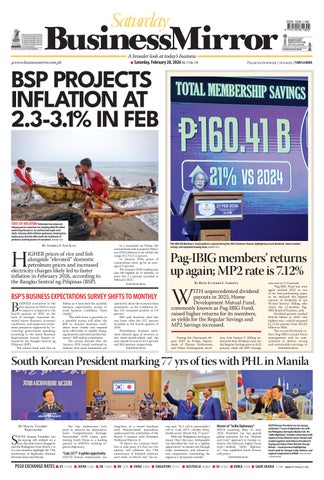

BSP PROJECTS INFLATION AT

By Andrea E. San Juan
HIGHER prices of rice and fish alongside “elevated” domestic petroleum prices and increased electricity charges likely led to faster inflation in February 2026, according to the Bangko Sentral ng Pilipinas (BSP).
In a statement on Friday, the central bank said it projects February 2026 inflation to be within the range of 2.3 to 3.1 percent.
In January 2026, prices of commodities went up by an average of 2 percent.
The January 2026 reading was also the highest in 11 months, or since the 2.1 percent recorded in February 2025.
BSP’S BUSINESS EXPECTATIONS SURVEY SHIFTS TO MONTHLY
BUSINESS sentiment in the first quarter of 2026 is seen to improve compared to the fourth quarter of 2025 on the back of stronger consumer demand, better domestic economic conditions, and improved investment prospects supported by “recovering” government spending, according to the latest Business Expectations Survey Report released by the Bangko Sentral ng Pilipinas (BSP). The central bank said this on
Friday as it launched the monthly business expectations survey to track business confidence “more closely.”
“The shift from a quarterly to a monthly survey will allow the BSP to monitor business confidence more closely and respond more effectively to rapidly changing domestic and external developments,” BSP said in a statement.
The survey showed that the January 2026 round continued to indicate that more businesses are
optimistic about the economy than pessimistic, as the Confidence Index (CI) remained positive at 0.9 percent.
BSP said, however, that this was lower than the 29.7 percent recorded in the fourth quarter of 2025.
Nonetheless, business sentiment showed signs of recovery as the three-month-ahead and the year-ahead CIs rose to 33.3 percent and 38.6 percent, respectively.




By Reine Juvierre S. Alberto
ITH unprecedented dividend payouts in 2025, Home Development Mutual Fund, commonly known as Pag-IBIG Fund, raised higher returns for its members, as yields for the Regular Savings and MP2 Savings increased.
South Korean President marking 77 yrs of ties with PHL in Manila




it’s that our two nations will celebrate the 77th anniversary of bilateral relations next week, on March 3rd,” the en-
voy said. “So I call it, personally I call it, Code 3377—double three, double seven. March 3rd, 77 years.” With the Philippines serving as Asean Chair this year, Ambassador Lee described the visit as a “golden opportunity” to elevate ties through trade, investment, and infrastructure cooperation—envisioning the region as a “prosperity corridor.”
Diplomacy” SINCE assuming office in June 2025, President Lee has gained global attention for his “rhythm and trust” approach to foreign relations. His informal, highly visual style—dubbed “selfie diplomacy”—has amplified South Korea’s soft power.
PAG -IBIG CEO Marilene C. Acosta delivers a speech during the 2025 Chairman’s Report, highlighting record dividends, robust member savings, and expanded housing loans. BERNARD TESTA
Pag-IBIG members’ returns up again; MP2
rate is 7.12%
its members by growing their savings year after year, Aliling added.
“In 2025, we delivered stronger results and reached new record highs, building on the momentum of the years before,” Pag-IBIG Chief Executive Officer Marilene C. Acosta said in her speech.
However, Pag-IBIG saw its net income dip by 3.31 percent to P65.28 billion in 2025 from P67.52 billion in the previous year.
Acosta said the earnings were supported by interests from loans and investments, as well as recordhigh membership savings collections and a sustained performing loans ratio.
Building on this performance, the Pag-IBIG Fund Board of Trustees declared a dividend payout of 98.6 percent, well above the 70 percent required by law, Acosta added. By law, Pag-IBIG Fund returns at least 70 percent of its annual net income to members in the form of dividends.
Moreover, Pag-IBIG Fund released a record P140.54 billion in housing loans, financing a total of 90,727 housing units, and P94.16 billion in cash loans.
“Pag-IBIG Fund remains financially strong and well-positioned to sustain our programs and our affordable home financing
for members,” Acosta said, adding that the agency’s target is to ensure that 50 percent of its loan portfolio will carry a 3 percent interest rate in the next 10 years.
“But you have to help us also with our alternative investments so that we can also sustain or maintain our reasonable or competitive dividend rates,” she added.
Pag-IBIG Fund’s investment income rose by nearly 50 percent to P9.43 billion in 2025 from last year’s level.
In 2025, Pag-IBIG Fund’s total assets increased by 15 percent to P1.23 trillion from P1.069 trillion in 2024. Housing-related assets accounted for P922.07 billion, while P96.41 billion was in shortterm loans.
Income-generating investments amounted to P190 billion, with the remaining P25.98 billion in other assets such as property and equipment, cash and intangible assets.
Total membership savings collections also reached a record P160.41 billion, of which P83.51 billion was saved under MP2 Savings and P66.8 billion through Regular Savings.
BSP PROJECTS INFLATION AT 2.3-3.1%
Continued from A1
Neri: Headline inflation could hit 4% in April
MEANWHILE , Bank of the Philippine Islands (BPI) Lead Economist
Emilio S. Neri Jr. raised the possibility that headline inflation could approach or even breach 4 percent, as early as April of this year, “largely contingent” on the rice demand-supply dynamics in the coming months.
The BSP’s inflation target range for 2025 to 2028 is from 2 to 4 percent.
According to BSP, “Upward price pressures could stem from higher prices of rice and fish, elevated domestic petroleum prices, and increased electricity charges in Meralco-serviced areas.”
These pressures, the central bank noted, however, may be “partly offset” by lower prices of vegetables, fruits, and meat, as well as peso appreciation.
Moving forward, the BSP said it will continue to monitor domestic and international developments to ensure that its policy settings “remain consistent with the pursuit of price stability conducive with sustainable growth and employment.”
February at 2.4%?
MEANWHILE , some of the analysts noted that inflation likely quickened to 2.4 percent in February while BPI’s Neri Jr. noted February headline inflation likely accelerated to 3 percent year-on-year.
“February headline inflation like -

IN FEB
ly accelerated to 3 percent y-o-y (0.7 percent month-on-month), mainly driven by sustained rice and energy pressures, including a 4 percent m-o-m rise in well-milled rice prices amid delayed January import arrivals following the lifting of the rice import ban, and firmer oil prices with WTI reaching $65/bbl (7-month high), offsetting easing costs in other key food items such as vegetables,” added Neri.
Neri said “if realized, headline inflation could approach or breach 4 percent as early as April, largely contingent on the rice demand-supply dynamics in the coming months, which we continue to monitor closely.”
The policy implication of this elevated inflation risk “may warrant revisiting our central view of one additional rate cut before year-end,” added the BPI’s Lead Economist. Metrobank’s forecast
MEANWHILE , Metropolitan Bank & Trust Co. (Metrobank) forecasts headline inflation to settle at 2.4 percent in February on the back of elevated electricity prices, the delayed arrival of imported rice in January, among others.
Citing the Department of Agriculture (DA), Metrobank said rice deflation slowed year-on-year (YoY) to a single digit in January. Farmgate prices of the grain have increased monthon-month, following a four-month import ban.
“The ban aimed to protect farmers from a sharp price fall, but the de -
layed arrival of January imports following its lifting sustained rice price increases, which, based on available data, persisted until early February,” added Metrobank.
The bank pointed out that electricity may have also quickened inflation in February.
“While most electricity rates across the country are higher YoY, the countryside faced notably more elevated electricity prices, specifically from Davao Light and Power Company and Visayan Electric Company,” Metrobank noted.
Metrobank underscored that food, energy and rental prices will continue to drive headline inflation in February, with rice and onion prices “only partly providing reprieve.”
“The projected uptick in prices should contribute to a steeper bond yield curve in the coming months. Meanwhile, faster inflation could mean BSP may need to refrain from cutting rates too deeply, which could be supportive of the peso,” Metrobank pointed out.
For his part, Jonathan Ravelas, senior adviser at Reyes, Tacandong & Co., said oil prices were a “key external risk” in February.
“We saw upward pressure from Middle East tensions, Red Sea shipping disruptions, and OPEC+ keeping supply tight, alongside signs of firmer global demand,” Ravelas said.
“Domestically, that shows up first in fuel and transport, then feeds into food distribution, utilities, and fares,” he also noted.
While it was not a “sharp spike,” Ravelas said the “steady creep in oil prices is notable—because even small increases can pass through quickly, especially with peso effects.”
“So February inflation risks were less about a shock and more about persistent cost pressure, with oil quietly amplifying the print. Am looking at February at 2.4 percent,” he underscored.
Cuna named acting DENR chief; Lotilla is new envoy to Vatican
By Samuel P. Medenilla
PRESIDENT Ferdinand Marcos has named outgoing Environment Secretary Raphael PM. Lotilla as the new Philippine Ambassador to the Holy See.
The chief executive made the decision after the Commission on Appointments bypassed Lotilla’s designation as head of the Department of Environment and Natural Resources thrice, which prevents his reappointment.
“He was not asked to resign…Secretary Lotilla was assigned by the President as Philippine ambassador to the Holy See,” Palace Press Officer Claire Castro said in Filipino in a press briefing on Friday.
She said Lotilla, who also served as secretary of the Department of Energy (DOE) under the Marcos administration, personally requested the President for a “lighter assignment” after his stint in the DENR.
“Maybe he wants to pray more frequently,” Castro said, when asked for a possible reason for Lotilla’s request.
The Presidential Communications Office undersecretary said Marcos has designated Environment Undersecretary Juan Miguel Cuna as the acting secretary of DENR. She said the transition period for the change of leadership in DENR is now ongoing.
“To ensure continuous operations at the DENR, a smooth transition between Secretary Lotilla and Cuna continues,” Castro said.
Cuna has started serving in DENR in 2008 as a provincial environment and natural resources officer, a position he held until 2010.
From 2010 to 2017, he became a director in DENR. He became an assistant secretary and undersecretary in the said agency in 2017.
BSP said stronger consumer demand and sales, improved domestic economic conditions, and more favorable investment prospects lifted business confidence for the next quarter and over the next 12 months.
‘Favorable’ hiring intent
Meanwhile, the survey noted that hiring intentions of firms three months from now and over the next 12 months are “favorable,” with corresponding employment outlook indices both positive at 11.3 percent and 23.3 percent, respectively. As for industry sector expansion, BSP said this may gain momentum over the next 12 months, with 14.1 percent businesses planning to expand by April 2026 and 24.3 percent of industry firms reporting expansion plans for the next 12 months.
January Business Confidence Index
THE survey released by the central bank said the current-month confidence index was positive at 0.9 percent in January 2026.
“A positive CI means more respondents are optimistic than pessimistic,” the BSP said.
According to the central bank, the “optimistic” sentiment of survey respondents in January 2026 was attributed primarily to expectations of:
(a) higher consumer demand for certain products and services (e.g., garments, education services, loan products, mailing and shipping services, and motor vehicle parts), and (b) business process enhancements.
BSP explained the Business Expectations Survey (BES) is a monthly survey of firms drawn using stratified random sampling from the Bureau van Dijk (BvD) database of the Top 7,000 Corporations, based on total assets in 2017.
“The January 2026 BES was conducted during the period 9 to 31 January 2026. A total of 507 firms were surveyed nationwide, comprising 193 companies in the National Capital Region and 314 firms in areas outside the NCR, covering all 18 regions across the country,” the central bank noted.
Results of the BES provide “advance” indication of the direction of the change in overall business activity in the economy and in the various measures of companies’ operations as well as in selected economic indicators. The business confidence index (CI) is computed as the percentage of firms that answered in the affirmative less the percentage of firms that answered in the negative with regard to their views on the overall business outlook, the BSP explained. Andrea E. San Juan
South Korean President marking 77 yrs of ties with PHL in Manila
Continued from A1
Among the viral highlights:
• The Drum Duet: Lee joined Japan’s Prime Minister Sanae Takaichi in Nara for a spirited Kpop drum performance.
• Viral Selfies: His social media feed features candid snapshots with Chinese President Xi Jinping in Beijing and Italy’s Prime Minister Giorgia Meloni during the G20. Observers note these personal gestures serve as “social lubricants” for Lee’s pragmatic economic and security agenda.
Itinerary: From AI hubs to historic allies
THE visit will span two Asean chairs—Singapore (incoming) and the Philippines (current)—reflecting Seoul’s intent to anchor itself as a primary partner in the bloc.
• Singapore (March 1–3): Meetings with Prime Minister Lawrence Wong and President Tharman Shanmugaratnam will culminate in the “AI Connect Summit,” tackling cooperation in nuclear energy and artificial intelligence.
• Philippines (March 3–4): The Manila summit with President Marcos Jr. coincides exactly with
the 77th anniversary of ties, first established on March 3, 1949. As the first Southeast Asian nation to recognize South Korea and a Korean War ally, the Philippines remains a “traditional brother” in arms. Talks will focus on defense, shipbuilding, and securing supply chains for critical minerals.
Strategic, economic ties
MANILA-SEOUL relations have evolved from a Korean War-era alliance to a Comprehensive Strategic Partnership formalized in 2024 and reaffirmed in 2025–2026.
South Korea has been a major development partner, providing over $2.1 billion in ODA by 2020, with up to $3 billion more pledged through 2026. On the economic front, the Philippines-Korea Free Trade Agreement (PH-KR FTA), effective December 31, 2024, is projected to boost bilateral trade from $10 billion in 2024 to $24 billion by 2030. Tariffs were lifted on nearly all exports, covering electronics, apparel, bananas, pineapples, machinery, and EVs. South Korea also emerged as a top FDI source in 2025, with inflows supporting
high-tech manufacturing, shipbuilding, nickel processing, and renewables.
Security and emerging areas
BOTH US treaty allies have deepened defense cooperation since 2024, including coast guard collaboration, military modernization aid, and joint responses to South China Sea disputes and Korean Peninsula threats. Beyond defense and trade, the Joint Declaration covers cooperation in AI, robotics, cyber security, nuclear energy, health, climate action, and the blue economy. Seoul has also pledged support for Manila’s Asean chairmanship in 2026, framing it as a chance for deeper regional integration.
Leading the Asean charge BY visiting both the current and incoming ASEAN chairs back-toback, Cheong Wa Dae signals South Korea’s intent to be a central partner in shaping the bloc’s future.
“This visit is a crucial step in materializing a vision for shared prosperity across the Indo-Pacific,” presidential spokesperson Kang Yu-jung said.
Saturday, February 28, 2026 www.businessmirror.com.ph
Cities, towns line up for new ecozones
Bless Aubrey Ogerio
AGROWING number of cities and municipalities across the country are positioning themselves to host economic zones, signaling a widening push by local governments to tap investment and job opportunities tied to the Philippine Economic Zone Authority (Peza) programs.
The Peza said a new wave of local leaders has expressed interest in filing applications to become ecozone developers, reflecting
what it described as stronger coordination between national regulators and local governments ahead of a planned expansion next year.
Among the areas represented were cities and municipalities in Cavite, Antique, Laguna, Agusan del Norte, Bulacan, Batangas, Cebu, Occidental Mindoro, Camarines Sur, Aklan, Palawan, Bohol, Albay and Metro Manila.
These were alongside delegations from provinces such as Negros Occidental, Zamboanga del Norte, Capiz, Albay, Cagayan, Camarines Norte and Camarines Sur.
Per the authority, the breadth of participation highlights how interest in ecozone development is no longer concentrated in a few industrial centers but is spreading to smaller cities and growth corridors.
In a statement, Peza said the presence of local governments from different regions points to a shared view that ecozones can serve as anchors for local economies, particularly in areas
seeking to attract manufacturing, IT-enabled services, logistics, agro-industrial ventures and emerging green industries.
For his part, Peza director general Tereso Panga said the authority’s role goes beyond formally declaring new ecozones, stressing that host cities and towns need to be ready in terms of infrastructure, governance and long-term planning.
“With the Authority set to declare up to 30 new ecozones in 2026, strategic partnerships with LGUs will be crucial in preparing investment-ready sites, improving infrastructure, and implementing governance reforms that elevate host communities’ competitiveness,” Panga said.
At present, Peza oversees more than 430 operating ecozones nationwide, covering manufactur -
ing, IT and business process management, logistics, tourism, agroindustrial activities, and newer digital and green sectors.
Of these, six are operated directly by local government units, including the Camarines Sur Information Technology Park, Cebu South Road Properties, Leyte Information and Communications Technology Park, Negros First Cybercentre, Tarlac Provincial IT Park II, and the Valencia Special Economic Zone.
Moreover, more LGU-led projects are in the pipeline. Peza said the Provincial Government of Ilocos Norte is preparing to establish a 50-hectare economic zone in Barangay San Joaquin, Sarrat, a move expected to add momentum to investment activity in Northern Luzon.
The authority also pointed to strong investor interest last year,
with approved investments in 2025 reaching P260.89 billion, up 21.91 percent from 2024. However, approvals in January this year fell to P12.86 billion, down 57.36 percent from a peak of P30.16 billion recorded in the same month of 2025.
Still, Panga said the growing interest from cities and municipalities could result in a more geographically balanced distribution of ecozones when new sites are rolled out next year, potentially spreading investment gains beyond traditional industrial hubs. Financial data cited by Peza showed that host local governments continue to receive a direct share of ecozone revenues, with 2 percent of the 5-percent gross income tax remitted to LGUs amounting to more than P8 billion in 2024.
DA expanding local palm oil production to reduce imports
TBy Ada Pelonia
HE Department of Agriculture (DA) wants to expand local palm oil production to raise farmers income and reduce the country’s reliance on imports.
Agriculture Secretary Francisco Tiu Laurel Jr. said the DA plans to increase the budget earmarked for the “fledgling” sector to P1.2 billion in 2027.
This, after the agency’s proposed P1-billion allocation for 2026 was slashed to P79 million. The proposed funding next year will bankroll fertilizer assistance, accelerate area expansion, and boost farm productivity as part of efforts to scale up the industry, the DA said. “Let’s invest where farmers earn,” Tiu Laurel was quoted in the statement as saying. Oil palm yields average about
3.8 metric tons (MT) per hectare, compared with less than one MT per hectare for coconut.
With this, the DA explained that palm oil farmers earn at least double the roughly P90,000 that coconut farmers earn annually.
Philippine Coconut Authority (PCA) Administrator Dexter Buted said the agency is laying the groundwork to develop the industry by cultivating planting materials locally.
The PCA plans to establish oil palm nurseries in selected areas in the Caraga region through the importation of germinated seeds under government-to-government arrangements, according to Buted. He added that the move could significantly reduce the cost of imported planting materials.
Currently, oil palm covers about 100,000 hectares nationwide, most of which are situated in Mindanao.
Despite rising local output, the Philippines continues to import huge volumes of palm oil, leaving a supply gap that the DA said it aims to narrow. Mindanao remains central to the strategy, according to the agency. As such, the DA said it is considering the University of Southern Mindanao in Kabacan, North Cotabato, as a base for reviving and scaling up a government-backed
nursery, with high-quality, disease-free planting materials to be sourced from Malaysia. Tiu Laurel, however, acknowledged gaps in sector data: “We need to fix the data to optimize our investment in this crop.”
There are 11 palm oil mills and five refineries nationwide, including a modern P600 million facility in Sultan Kudarat backed by the Land Bank of the Philippines (LandBank) and the DA.
Duterte Defense at ICC rejects ‘Kill List,’ cites forensic proof
By Malou Talosig-Bartolome
DEFENSE
lawyers for former
Philippine President Rodrigo Duterte closed their submissions before the International Criminal Court (ICC) pretrial chamber in The Hague, rejecting prosecution claims of a statesanctioned “kill list” and insisting that police records and forensic evidence prove antidrug campaign deaths were lawful shootouts.
Counsel Nicholas Kaufman told judges that official police documents carry a “presumption of administrative regularity” and that ballistic testing and gunpowder residue confirm victims fired at officers, undermining the prosecution’s narrative of executions.
‘HVT’ not code for order to kill ON the final day of the confirmation of charges hearing, Kaufman dismissed the claim that the designation of highvalue targets (HVTs) was a covert kill list.
“HVT is not a code for an instruction to kill or a witch hunt,” he said, stressing that the label is a standard law enforcement prioritization tool used worldwide.
He noted that many HVT operations ended in peaceful arrests or surrenders.
The defense countered allegations of fabricated reports and planted firearms. Kaufman argued that properly stamped and signed police documents are prima facie reliable, and the prosecution failed to prove widespread falsification.
He pointed to forensic findings—ballistic tests and gunpowder residue on victims’ hands—as evidence of armed resistance. These results, he said, are “consistent with an exchange of gunfire and not consistent with a straightforward execution narrative.”
Challenging ‘fragile’ incidents
KAUFMAN highlighted weaknesses in the prosecution’s case by walking through specific incidents:
Incident 11 (Voice Recognition): He dismissed as a “ridiculous assertion” a witness claim of recognizing Duterte’s voice over a phone call while being moved between locations, calling it uncorroborated and unreliable.
Incident 14 (Ozamiz City Raid): Conducted under six judicial search warrants, the raid led to four arrests and gunpowder residue findings on seven individuals. Kaufman argued this disproves claims of indiscriminate killings.
Incident 23 (Benjamin Visda): While a witness alleged police
removed the victim’s handcuffs, the prosecution’s own photos showed Visda still cuffed, contradicting their star witness.
Opportunistic killings
ON barangay clearance operations, Kaufman argued that many killings were opportunistic acts by rogue officers, not part of a coordinated state policy.
He cited prosecution evidence showing deaths linked to personal grievances or “personal financial gain through the sale of bodies.”
Such motives, he argued, fall outside any alleged “common criminal plan” directed by Duterte.
Earlier, the defense told the pretrial chamber that official statistics completely undermine the prosecution’s claim of state-sponsored murder, emphasizing that arrests far outweighed deaths during police anti-drug operations.
Citing a 2017 government report, defense counsel Nicholas Kaufman argued that the numbers reflect a functioning justice system rather than a murderous mandate.
According to the data presented, 118,287 drug-related arrests were made during the same period.
By contrast, the 3,967 deaths of “drug personalities” represented only a small fraction of the total operations.
Furthermore, the report documented 1,900 investigations into police misconduct.
These probes resulted in 375 officers facing dismissals or convictions—including those sentenced to life in prison for the murder of teenager Carl Arnaiz.
“This document, far from being evidence of a conspiracy hatched between co-perpetrators, is in fact a testament to the Duterte administration’s respect for the rule of law and written proof of its intolerance for rotten-apple police
officers,” Kaufman stated during the third day of the confirmation of charges hearing.
The ‘virtual certainty’ test and the 5% reality KAUFMAN contextualized these statistics within the strict legal thresholds of the Rome Statute.
Duterte is currently charged under Article 25(3)(a) for indirect co-perpetration, a charge that requires prosecutors to prove the existence of a mutually agreed-upon “common plan” with a criminal element.
Drawing on the 2025 ICC ruling on Sudanese militia commander Abd-Al-Rahman a.k.a. Ali Kushayb, Kaufman explained that prosecutors must prove two things.
First, they must establish “objective reality,” showing that Duterte’s alleged plan inevitably led to murder in the 49 charged incidents. Second, they must prove “subjective foresight,” demonstrating that Duterte foresaw death as a “virtual certainty.”
To dismantle the prosecution’s narrative, Kaufman pointed to their own evidence: a high-value target list of 4,817 individuals. While media dubbed it a “kill list” and one witness called it a “dead list,” he argued that data shows that only 248 people on that list were neutralized.
“Assuming that ‘neutralized’ actually means killed—which it does not—then there is no virtual certainty attributable to Rodrigo Duterte that death would ensue from this kill list. Rather, there is a 5-percent chance,” Kaufman argued.
Because the list did not guarantee death, Kaufman asserted that the causal link needed to prove a criminal “common plan” is broken.
PH, Japan, US naval and air units take part in 15th MMCA
By Rex Anthony Naval
THE growing defense alliance between the Philippines, Japan and the United States was demonstrated anew as naval and air units of the three nations took part in the 15th “multilateral maritime cooperative activity” (MMCA) which took place in the West Philippine Sea (WPS) from Feb. 20 to 26.
In a statement on Friday, the Armed Forces of the Philippines (AFP) said the 15th MMCA built on the previous MMCAs and other similar training activities.
The previous MMCA, held
between the Philippines, Australia and American units took place last Feb. 15 to 16 also in the WPS.
Present during the 15th MMCA were units from the Japan Maritime Self-Defense Force (JMSDF) and the United States Indo-Pacific Command (Indopacom).
“Philippine assets included the Navy’s BRP Antonio Luna [FF-151] with an embarked AW159 helicopter, along with the Philippine Air Force’s aircraft such as FA-50 fighter jets, C208B, A-29 ‘Super Tucano’ and a ‘Sokol’ search and rescue he -

licopter. The Philippine Coast Guard deployed BRP Gabriela Silang [OPV-8301], demonstrating a whole-of-nation approach to protecting the country’s maritime domain,” the AFP said.
It also said that the JMSDF deployed a P-3 “Orion” maritime patrol aircraft, while US Indopacom deployed USS Dewey (DDG105) and a P-8A “Poseidon”
“The integration of these platforms showcased the three nations’ ability to operate seamlessly together in complex maritime environments, highlighting the growing depth of maritime cooperation,” the AFP said.
CHRONIC Kidney Disease (CKD) in the Philippines, “especially among the youth,” is rising at an alarming rate, and could lead to a public health crisis in the country, Senator Mark Villar has warned.
Villar translated his grave concern to the filing of Senate Resolution No. 313 calling for an urgent inquiry, in aid of legislation, into the prevalence of CKD.
“As of now, recent findings of the Department of Health showed more and more of the victims of CKD are young people,” Villar said, adding he received reports that even “a 9-year-old” is afflicted with it.
“Even though the country has measures that aim to address CKD, there are still observable gaps that should be addressed. The introduction of ultra-

Modern, high-speed ferry for Sweden built in Cebu
By Carmel Pedroza
CEBU CITY—The Embassy of Sweden has highlighted a major milestone in Philippine-Swedish relations with the construction of a next-generation high-speed ferry for Sweden now underway in Cebu.
The vessel, named Horizon X, is being built by global shipbuilder Austal for Swedish ferry operator Gotlandsbolaget.
Designed as a hydrogen-ready, multifuel high-speed catamaran, the ship represents a significant step forward in sustainable maritime transport—and a proud achievement for Filipino shipbuilders.
According to the Embassy of Sweden in Manila, Sweden, a country composed of more than 267,000 islands, relies heavily on ferries to connect its coastal communities.
Among its most visited destinations is Gotland, home to the Unesco World Heritage city of Visby and known for its Viking heritage.
High-speed ferry services play a vital role in transporting nearly one million tourists to the island each year.
The Embassy noted that when Filipinos travel to Gotland in the future, they can take pride in knowing that a vessel built in the Philippines helps connect communities across the Baltic Sea while advancing environmentally responsible transport.
Construction of Horizon X officially commenced on 5 February 2026 with a plate-cutting ceremony
at Austal’s shipyard in Balamban, Cebu.
The event was hosted by Austal Asia President Wayne Murray and attended by Austal Limited Chief Executive Officer Paddy Gregg and Gotlandsbolaget Chief Executive Officer Björn Nilsson, along with senior executives from both organizations.
At 130 meters long, Horizon X will be the largest vessel ever contracted to Austal.
The ferry is designed to carry up to 1,500 passengers and 400 vehicles and will be capable of operating on multiple fuel types as alternative energy technologies and infrastructure continue to develop.
In a statement, Gregg said the project reflects a practical approach to maritime decarbonization.
“There is no single solution that fits every operator or route,” he said.
“Long-term success in decarbonization will come from flexible fuel and technology solutions that allow operators to adapt as alternative fuels mature and infrastructure develops. Horizon X has been designed with that flexibility at its core,” he added.
The vessel will be constructed using lightweight green aluminum, enhancing fuel efficiency and reducing emissions. It forms part of Gotlandsbolaget’s long-term ambition to achieve climate-neutral operations. Hull fabrication is scheduled to begin in the first half of 2026, with delivery targeted for mid-2028
Exercise serials included communications check exercise, maritime domain awareness replenishment at sea, friendly flight/ joint air patrol, fly-bys, division tactics/officer of the watch maneuvers, photo exercise, and an anti-submarine warfare exercise.
A live-fire gunnery exercise was also conducted by BRP Antonio Luna to validate targeting accuracy and combat readiness under realistic maritime conditions, before concluding with a “hotwash and finish exercise” to evaluate performance and capture lessons for future operations.
processed foods and changes in people’s diets call for new approaches to prevent the rise of this chronic disease.
“We filed this resolution because we believe that in these times, we should not be just reactive in our steps to fight CKD,” Villar added.
Villar seeks to review the government’s current programs and interventions concerning CKD, from its awareness campaigns to the actual support it gives to patients undergoing treatment.
“We want the government to have a more effective and relevant solution to CKD. We would like to be more proactive in preventing and detecting the disease while fully supporting those who are undergoing treatments,” Villar added.
Butch Fernandez

By Malou Talosig-Bartolome
TRome, Italy on
to working with over
seas Filipinos to channel their hardearned remittances into longterm savings and agriculture enterprises. Philippine Ambassador Neal Imperial said this during the special event of the United Nations agency International Fund for Agricultural Development (IFAD) Governing Council entitled the “Decade of the International Day of Family Remittances [IDFR]” in
more affordable, and secure. Supporting longterm savings and investments by opening pathways for Overseas Filipinos and
SWEDISH embassy and Austal officials are seen at the recent platecutting ceremony for
PHILIPPINE Ambassador Neal Imperial speaking during the IFAD Governing Council’s Special Event Decade of the International
How to protect a loved one when choosing an assisted living facility
By Matt Sedensky AP National Writer
NEW YORK—Sometimes it’s a fall that brings a broken hip and a loss of mobility. Or memory problems that bubble into danger. Or the death of the partner who was relied upon for care.
The need to move to a nursing home, assisted living facility or another type of care setting often comes suddenly, setting off an abrupt, daunting search. It’s likely something no one ever wanted, but knowing what to look for and what to ask can make a big difference.
What to do when looking for a long-term care facility:
Start with government ratings REGULATION of assisted living facilities varies greatly from state to state, meaning there’s no centralized standards or source for information. If you’re looking for a nursing home, though, they are monitored by the federal government.
The Centers for Medicare and Medicaid Services maintains records on nursing homes, including data on who owns the facility, how robust its staffing is and what types of violations it might have been fined for. It assigns homes a star rating, from one to five.
Sam Brooks, director of public policy for the National Consumer Voice for Quality Long-Term Care, says while the star rating “can be notoriously unreliable,” due to its reliance on self-reported data, it can still provide some clues about a home.
“One or two stars, expect it to be bad,” Brooks says.
Ratings can be a resource to rule out the worst options, but not necessarily to find the best. Still, Brooks suggests taking a closer look at fourand five-star facilities and to consider a home’s ownership, too. Nonprofit homes are often better staffed.
You could scour inspection reports and online reviews for clues, too, but eventually you’ll need to make a list of potential candidates and start making visits.
“The data,” Brooks says, “only goes so far.” Look past the lobby WHEN visiting a home on your list, be careful not to be too swayed by decorative touches that might be designed to lure you in, like a lobby’s furniture, dangling chandeliers or vases of flowers.
“When I tour a building, I listen first. Is it loud? Are call bells ringing nonstop?” says Mark Sanchez, CEO of United Hebrew, a nursing home in New Rochelle, New York.
After that, Sanchez says, switch your senses. Do you detect an odor? Do you see residents clustered around the nurses’ station, perhaps clamoring for help? Are staffers speaking respectfully to residents? Are they making eye contact? Are they rushed?
“Culture shows up in small moments,” Sanchez says, “and it matters.” Seeking input from families of current residents can be insightful. Another resource may be your local long-term care ombudsman. Ombudsmen, funded by the federal Older Americans Act and present in every state, investigate long-term care residents’ complaints. With all the available information on each home, it can be easy to feel like you’re drowning in data. So, pay attention to how a place feels, too, and pair that with concrete facts.
When Jennifer Fink was making the “stressful, grief-inducing, hard and scary” decision on what memory care community was right for her mother, she didn’t consult state databases or Google ratings. She went with her gut reaction and luckily, it was right.
“Trust your gut. Keep top of
TimeOur DSWD-13 awards ₧62.6-M in pensions to indigent seniors

mind that the salesperson wants your loved one’s money,” says Fink, of Auburn, California. “If it’s giving you the ‘ick,’ then move on.”
Staffing matters most MORE than any other single thing, experts on long-term care stress that a facility’s staffing is most important. That means both the quality of the care you witness workers giving residents during your visit and the average staffing levels shown in the reported data.
A home providing an average of three hours of nursing care to each resident each day may not look all that different on paper from one providing three-and-a-half hours. But those minutes matter dearly, meaning the difference between a person getting a shower, having help at mealtime, or being discovered if they’ve fallen.
During a visit, pay attention to how quickly call bells are answered and whether it seems like residents are engaged in activities. Ask staff how long they’ve worked there. A home that holds on to its workers for years may offer your loved one more continuity.
Evan Farr, an elder law attorney in Lorton, Virginia, who wrote “The Nursing Home Survival Guide,” says visiting a facility at night or on the weekend can be particularly revealing.
“These are the times when staffing is reduced and the true operation of the facility becomes apparent,” Farr says. “It is entirely possible to have a five-star rated facility that is woefully under-staffed from 5 p.m. Friday until 8 a.m. Monday morning.”
Keep a long-range view WHEN faced with an urgent decision, it can be difficult to focus on anything beyond the factors in front of you. But it’s important to choose a home with a long-range view.
At the start, many long-term care residents are able to pay for the cost of their bill. But what happens if their money runs out? If it’s a nursing home that accepts Medicaid, how many beds are allocated to such residents? Would your loved one get that slot? If it’s an assisted living facility, do they even accept people on Medicaid?
Assisted living facilities often have complicated billing structures that require a bevy of questions to understand. Ask how costs may change as a person’s needs increase. Some places tack on separate charges for tasks like helping a person to the bathroom.
“Four-thousand dollars a month can become $8,000 overnight,” says Geoff Hoatson, founder of the elder law practice Family First Firm in Winter Park, Florida.
Another fact of long-term care that few understand is how often facilities seek to remove residents seen as undesirable, often due to a change in their financial circumstances or in their health. Dementia patients in particular—with challenging care needs and symptoms that can sometimes bring aggression—are targeted with orders to leave.
“Ask specifically what conditions would require transfer,” Hoatson says.
BBusinessMirror
Editor: Angel R. Calso • Saturday, February 28, 2026 A5
By Alexander Lopez
In a report on Monday, DSWD-13 said three local government units in Surigao del Sur, Agusan del Sur, and Surigao del Norte, along with Butuan City, have completed the distribution.
UTUAN CITY—The Department of Social Welfare and Development in Caraga (DSWD13) recently started releasing social pensions for indigent senior citizens covering the first quarter of 2026. and barangay officials,” DSWD-13 said.
The releases were facilitated through a series of payout activities conducted last week, the agency said.
A total of 20,854 indigent senior citizens received stipends of P3,000 each, amounting to some
P62.6 million.
In Butuan City, 17,561 beneficiaries received P52.7 million in pensions, while 1,539 seniors in San Luis, Agusan del Sur, got P4.6 million.
In Sison, Surigao del Norte, 1,086 beneficiaries received P3.3 million, while 668 seniors in Bayabas, Surigao del Sur, received P2 million.
“The payout activities were conducted in close coordination with the concerned local government units, their social welfare offices,

The Social Pension Program for Indigent Senior Citizens (SPISC), implemented by the DSWD, provides a monthly stipend of P1,000 to eligible, vulnerable senior citizens to
All that we have is ‘lent’ as in borrowed

LENT has always been my favorite season, not Christmas, because I prefer the serenity, quietude, simplicity and similar qualities associated with it. I am by nature an introspective person and Lent for me is a sacred invitation to pause, reflect, and renew my personal faith. As in the past years of my adulthood, I always look forward to the invitation.
As an amateur etymologist and semiotician, someone who loves to discover the origins and meanings and evolution of words, I’ve always told my writing students that every word has an inherent drama, in the same way a piece of rock has a figure waiting to be revealed by the right sculptor. One can always extract many meanings from a word when examined from various angles.
So, naturally, I can’t help but look at “lent” from outside the box of its traditional religious meaning.
Last year, I unpeeled a layer of meaning in Lent — viewing it as a “lens” to bring life into clearer focus.
This time, let me try to provide a beyond-the-usual perch for deep reflection and meaningful rumination by considering the word Lent from a lexical point of view and look at it from a different angle.
As every elementary student in English class knows, the word “lent” is the past tense of “lend,” which the dictionary defines as “to temporarily give something to someone with the expectation of it being returned.” The “lent object” belongs not to the temporary user but to the real owner.
When we were born, our bodies came with an invisible mark or barcode that says “lent.” Each living being, including plants and animals, is meant to live a life that has an expiry date. We are all bound by an unwritten contract. Every life is expected
to be returned to the Almighty lender at some time not specified in the contract.
Ash Wednesday reminds us: “Remember that you are dust, and to dust you will return.”
This is echoed by the poet T.S. Eliot in “The Burial of the Dead”: “I will show you fear in a handful of dust,” which suggests of mortality, and the inescapable ending of human actions and strivings.
Our brief trip on the planet ends with us returning everything. Science tells us that the atoms in our body will be dispersed throughout the world and the universe, used again to form something else or somebody else, thus perpetuating the eternal cycle of matter.
Point to ponder. Since everything about you and me is just lent, what actually belongs to us? The truth is we were born naked and brought nothing into the world as an infant, and at the end, we can take nothing out of it. Psalm 49 points out to us, referring to the rich: “For when they die, they will carry nothing away.”
and keep accumulating material wealth beyond what you and your family needs? Why not share it? There is nothing wrong with wanting to have money per se. It is not material wealth that is innately bad, but its corrupting influence. When the desire to accumulate wealth becomes all-consuming, it becomes nothing but greed, the sensation of wanting more — the kind of wanting that knows no satisfaction, to such a degree that it supersedes moral integrity, and even spiritual integrity. Then what about the other gifts “lent” to us – our talent, our innate abilities? This season, revisit the “Parable of the Talents” in Matthew 25:14–30. It tells of a master who was leaving

I was just watching an episode on crime documentary show which features a successful wealthy couple in their 70s whose net worth was around $70 million, only to be murdered one morning at their home by a greedy in law. In one parable, Jesus tells us: “You will die this very night. Then who will get everything you worked for?” (Luke 12:20). Even if you’re the richest and most powerful human being on earth, you can’t take your power and all the earthly possessions you’ve amassed with you. In a lot of cases, the wealthy even leave a problem, a potential flash point and bone of contention for your heirs. So why be selfish and greedy
his house to travel, and, before leaving, entrusted his property to his slaves. Each is given a significant amount of money, according to the abilities of each. The rich man returns, finds that two of the servants earn 100 percent returns by trading with the funds and rewards them but severely punishes the servant who kept the money hidden in the ground and earned nothing. He praises the two trustworthy servants with the words, “Well done, good and trustworthy slave.” Whether it’s wealth or talent, the bottom line is accountability. To rephrase the Roman philosopher Epictetus, it is not the amount of money or talent you possess that matters, it is what you do with it. In the Parable of Talents, the master praises the two trustworthy servants with the words, “Well done, good and trustworthy slave.” In these words, we see that the master cares about the results (“well done”), the methods (“good”), and
cover daily subsistence and medical needs. Mandated by Republic Act 9994 (Expanded Senior Citizens Act of 2010) and amended by RA 11916, this program targets poor, frail, and sickly seniors without other pensions or regular income. PNA
the motivation (“trustworthy”). Take the excellent example of Wolfgang Amadeus Mozart, the musical prodigy. Across 35 years of his life, Mozart wrote over 600 compositions. That averages to about 17 works every single year of his life, from childhood through to his final months. His music is still enjoyed by millions through the centuries, including me at this very moment, as my wife is playing one of his piano sonatas. That’s what I call “sulit na sulit” (worth it). This message is especially timely for seniors in the third and final act of life. We try to paint this period as the golden years or the twilight years, but in reality, there’s nothing romantic about it. Huwag na tayong maglokohan.
I prefer to call it the years of reckoning. In the small spiritual circle that I used to be part of, we used to end each session with a self-examination, consisting of at least five questions that served as a check on the progress of our respective faith practices, which we would silently reflect on.
I invite you fellow seniors who can already hear time’s winged chariot coming nearer and nearer to do some selfexamination during this season within the framework of a “lent” life.
The question is not how much is your material worth but did you make use of your gifts to become a better person as well as make others’ lives better? How have you used the talents and abilities lent to you during your life? What is your legacy?
You may have been a top executive, a powerful politician, the best in your field, but in the final reckoning what was it all for? Quoting from a song from the film Goodbye Mr. Chips, “the question I shall ask only I can answer, was I brave and strong and true, did I fill the world my whole life through?”
If you think you have not done enough, there’s still a little time lent to us. Using the words of the writer William Saroyan, “let us live the (remaining) time of our life, live—so that in that wondrous time we shall not add to the misery and sorrow of the world, but shall fill the world with love a little more.”
DSWD-13 said the releases were facilitated through a series of payout activities conducted last week. INFOGRAPHIC COURTESY OF DSWD-13
A
uses













BusinessMirror
First look at the Samsung Galaxy S26 Series

IS this the time to upgrade your phone from, say, a Samsung S23 Galaxy Ultra to a Samsung Galaxy S26 Ultra? “Yes, this is definitely the right time to upgrade,” said Jun Guevara, head of corporate marketing at Samsung Philippines.
For one, the Samsung Galaxy S26 Ultra comes with the Snapdragon 8 Elite Gen 5, Samsung’s most powerful processor yet. The “Elite” name is reserved for Qualcom’s most industry-leading products. Qualcomm said this is not just a name but a promise for “those that push boundaries in capability, experience, and innovation.” Customized for Galaxy, Snapdragon 8 Elite Gen 5 delivers a 39 percent NPU boost, 24 percent for GPU, and 19 percent for CPU. This means “no lags, no interruptions.”
The Samsung Galaxy S26 and the Samsung Galaxy S26+ will use the Exynos 2600 processor, built on Samsung Foundry’s 2nm process node. Exynos 2600 delivers fast, smooth performance.
Exclusive to the Samsung Galaxy S26 Ultra (another really good reason to upgrade) is the new Privacy Display. Once enabled (there are three ways to do it), your display will look normal when viewed head-on, but if someone tries to view it from an angle, they’ll see a black screen instead. Samsung is achieving this through a new OLED panel and lightcontrol technology. In action, it’s quite impressive.
The Galaxy S26 Series has a unified look with aligned corner radius and colors. The slimmest ever Galaxy phones, they are made of armor aluminum. The screen is made of Corning Gorilla Armor 2.
The Galaxy S26 Ultra measures the same compared to its predecessor, the Galaxy S25 Ultra, at 6.9” but slightly lighter at 214 grams compared to the S25 Ultra’s weight of 218 grams. The Galaxy S26+ measures 6.7” while the Galaxy S26 is at 6.3 inches.
In terms of thickness, the Galaxy S26 Ultra is at 7.8 mm to 7.9 mm, compared to the 8.2 mm thickness of the S25 Ultra. The phones will come in Cobalt Violet (hero color), Sky Blue, Black, and White. Online exclusives are Silver Shadow and Pink Gold.
The Galaxy S26 Ultra, with its Snapdragon 8 Elite Gen 5 chip, offers enhanced AI integration consistent with the brand’s goal of making its handsets the perfect phones for work and play.
“The younger segment is composed of multihyphenates. They have day jobs, they like to travel and






SONY PATENTS ‘SOFT PAUSE’ IN GAMES; COMMUNITY DIVIDED ABOUT ITS FUTURE IN GAMEPLAY
BY PATRICK VILLANUEVA
PAUSING may not mean fully stopping games anymore, not with Sony’s new patent, called “Soft Pause,” which allows the game to continue playing for distracted players and offers other assist features to ease gameplay.
Patent US20260021411 filed at the United States Patent and Trademark Office
CHINA USING ‘CYBORG’ PROPAGANDA MACHINE TO EXPAND INFLUENCE OPERATIONS IN PHL, SAYS FILIPINO JOURNALIST
BY RIZAL RAOUL REYES
FORMER Washington Post reporter Regine Cabato sounded the alarm on what she described as China’s evolving “hybrid” influence operations in the Philippines, warning that Beijing’s expansionist ambitions in Southeast Asia are being advanced not only through military pressure in the West Philippine Sea, but also through infiltration of business networks, academic institutions, media ecosystems, and political structures. Speaking at a recent forum, Cabato outlined how the Chinese Communist Party (CCP) has refined its tactics since 2019, shifting from crude, easily detected online propaganda to more sophisticated partnerships with local actors.
A ‘CYBORG’ PROPAGANDA MACHINE
CABATO characterized modern foreign influence operations as a “cyborg” system—part machine, part human. On one end are AI-powered bot networks and coordinated inauthentic behavior. On the other are “true believers” and local influencers who amplify foreign state narratives organically. Increasingly, she said, the most concerning development is

CHINA has long deployed cultural and tourism influencers as part of soft power diplomacy. But in the Philippine context, Cabato argued that influencer engagement has crossed into what experts call “sharp power”—the strategic manipulation of information environments to undermine democratic institutions. Unlike traditional propaganda, these campaigns are often opaque. Influencers monetize content aligned with Beijing’s narratives, but the funding sources and coordination mechanisms remain
While lawmakers often focus on regulating content at the “downstream” level, Cabato argued that influence operations must be understood as a supply chain—one that includes profit incentives.
“This is an industry,” she said. “There is money flowing through this ecosystem.”
She questioned what happens to advertising revenue generated by state-backed propaganda later taken down by platforms, and whether influencers repeatedly flagged for coordinated behavior should continue profiting from monetization systems.
(USPTO) by Sony Interactive Entertainment Inc. is set to bring this new feature with its new Machine Learning (ML) through different concepts such as slowing down the game, making the game easier, guiding the player through objectives, player assist features, and a machine-learning tool taking over the gameplay.
“Modern video games are capable of delivering highly engaging and immersive experiences. However, pausing the game, for example, to handle an interruption of some kind, is typically a binary action that completely halts the execution of the video game.” the patent reads.
“Yet such complete pausing of the video game may not be desirable or even possible in some instances. For example, in a multiplayer game setting, complete pause of the game would force all players to stop gameplay, and as such may not be permitted by (some) of the players,” it added.
However, people on Reddit are confused as to whom this feature is for, adding that this could be another exploitative feature to insert more ads in their gameplay.
“Man all I want is a pause button which ALWAYS pauses the game, including when the game doesn’t allow it, like during cutscenes etc. Some do, some don’t,” a user lamented. “This sounds like a solution looking for a problem to solve that doesn’t exist,” another user added.
Still, people found this new patent as a positive in terms of accessibility, especially to those with cognitive disability, with its slower and easier gameplay.
“I know folks are skeptical, but I see this as another great option in accessibility. My little guy has a cognitive disability but loves to game,” a user stated, addressing how this could be useful in certain scenarios. “If the system can recognize when an overwhelming amount of info is coming and slow things down, it would reduce friction for him a lot.”
XBOX LEADERSHIP
SHAKEUP; NEW LEADERS TO COMMIT TO ‘FIRST-PARTY GAMES’
GAMING giant Xbox is looking to start anew with its recent leadership shakeup, with former president Sarah Bond and Microsoft Gaming CEO Phil Spencer stepping down from their respective roles, naming Asha Sharma as the new EVP and CEO of Microsoft Gaming, and promoting Matt Booty as the new Xbox CCO.
In a recent LinkedIn post, Sarah Bond confirmed her resignation as President and COO of Xbox after more than four years, two of which she was the President, playing massive roles in the Activision Blizzard acquisition, development of Xbox hardware, and improved developer ecosystem.
“Over the past four years, we’ve navigated that moment together and positioned the business for what comes next,” posted Sarah. “With that, I’ve decided this is the right time for me to take my next step, both personally and professionally,” she added.
Meanwhile, Phil Spencer, in his tweet, confirmed his resignation from Microsoft after more than 38 years, starting as an intern in 1988 and has been with the company since.
“It’s rare in life to know when a chapter is closing, but after 38 years at Microsoft, that moment has arrived for me. I’ve made the decision to retire and begin the next chapter of my life,” Phil posted. With that comes Asha Sharma, the new CEO of Microsoft gaming, who will now navigate the company with her three commitments: great games, return of Xbox, and future of play.
In an exclusive interview with Windows Central, Asha clarified what the “return of Xbox” means for the company.
“It’s that spirit of surprise, it’s the spirit of building something nobody else was willing to try—I’ve heard ‘renegade,’ ‘rebellion,’ and ‘fun’ used. That’s what I was thinking about when I wrote that,” Sharma explained.
Matt Booty, meanwhile, emphasized that Xbox will not be devolved into becoming a publisher solely, saying that they are committed to bringing ‘first-party’ games to their console.
“Our studio system is fully built around being first-party. We’re not built to just be a publisher,” Booty said. “It is embedded within our structure, we’re not backing away from that. We’re committed to being a first-party games publisher in partnership with our first-party platform team,” he added. In a recent Microsoft blog, Asha also addressed AI and monetization in gaming, firmly stating that they will not chase “short-term efficiency or flood our ecosystem with soulless AI slop. Games are and always will be art, crafted by humans, and created with the most innovative technology provided by us.”
While only time can tell if this was
JUN GUEVARA, head of Corporate Marketing at Samsung Philippines, holds the new Samsung Galaxy S26 Ultra

Puregold channel’s YouTube earnings to aid remote public schools
RETAIL giant Puregold Price Club Inc. is transforming its digital presence into a vehicle for social good, allocating streaming revenues from its YouTube retailtainment platform to support underserved public schools nationwide.
Vincent Co, president of Puregold, announced that all earnings generated by the Puregold Channel will be directed to the Pusong Panalo Program, his personal initiative aimed at uplifting public schools in geographically isolated and disadvantaged areas.
The program finances classroom renovations, building repairs, and solar panel installations in rural schools. It also provides livelihood packages for teachers, along with groceries and essential school supplies for students. The initiative targets to assist at least 30 schools across the Philippines by 2028.
“Every view, share, and engagement now contributes directly to building a brighter future for students in remote areas of the country. This way, our channel becomes a platform that seeks not just clicks or views, but also drives support for the development of the country’s human capital,” he said. Launched in 2013, the Puregold Channel serves as the company’s primary digital platform for customer engagement, blending product awareness with entertainment content. It features original digital series, short films from the annual Puregold CinePanalo Film Festival, and music content showcasing popular Filipino artists such as SB19, BINI, and Flow G.
The channel has amassed more than 307,000 subscribers and millions of views across its content library, earning recognition from YouTube through its Silver Play Button milestone.
Puregold said the initiative reflects its broader commitment to integrating innovation with meaningful community impact, turning digital engagement into tangible support for education and nation-building.
FIRST LOOK AT THE SAMSUNG GALAXY S26 SERIES
CONTINUED FROM A6
Photo Assist now works with prompts. Users can now refine and shape images and videos in their galleries. Professional Video Creation: APV preserves video quality at high resolution.
Personally, Guevara considers the Samsung Galaxy S26 Ultra’s camera as his favorite feature. Expect brighter and sharper images with the new camera. For the rear camera, it features a 200MP primary rear camera with OIS, a 50MP ultrawide camera with autofocus, a 10MP telephoto camera with 3x optical zoom and OIS, and a 50MP telephoto camera with 5x optical zoom and OIS. The 50MP telephoto camera is 37 percent brighter while the 200MP camera is 47 percent brighter. On the front, it has a 12MP selfie camera with autofocus. For concertgoers, the new cameras have a Super Steady Video mode (with automatic correction up to 360 degrees) that makes sure your videos are stable even when you’re jumping up and down.
Guevara said Now Brief, Samsung’s AI-powered, personalized daily summary that updates throughout the day now offers more personalized updates based on usage habits and routines. It’s powered by the Personal Data Engine with more deeply integrated analysis. I will talk about the phones and the new Galaxy Buds in future columns.
BusinessMirror

Minted MNL: Where stories bloom for a new generation

AS someone who works hard for his toy collection, it made me feel uneasy—almost queasy—to watch my nephews spend their hard-earned baon money on Robux, digital skins, and in-game items instead of real stuff.
Where our generation chased action figures, trading cards, comic books, or coins—objects we could display, trade, and touch—those same milestones now exist mostly as virtual trophies. Valuable in their own way, but lack the weight, permanence, and presence of something you can actually hold.
Ownership had changed. Achievement had changed. Even collecting itself seemed to be evolving into something intangible.
When NFTs—blockchain-authenticated digital collectibles—suddenly exploded into mainstream attention, it felt like confirmation that collecting itself was entering a completely new era. People were spending real money on digital artwork, avatars, and virtual assets that existed purely online. With younger generations spending more of their lives in digital spaces, it seemed inevitable that their collections would live there too.
Earlier this week I got to sit down with Sigrid Carandang, chairman of Minted MNL, and her perspective challenged that assumption.
THE COLLECTOR’S MINDSET
“COLLECTING is about what brings you joy,” she said. “Our passions are tied to that purpose, as well as ensuring that heritage, history, and culture are passed on from one generation to the next.”
Carandang is not just an organizer or curator. She is, first and foremost, a collector. She began collecting coins, banknotes, medals, and historical objects at the age of three—an early curiosity that grew into a lifelong passion and eventually led to the creation of Minted MNL in 2016.
“A true collector goes beyond the investment part,” she explained. “They protect the value and integrity of cultural items. They collect because they are passionate about it.”
That passion often begins not with price, but with curiosity.
“Normally, you collect because of what you’re curious about, what you’re passionate about, or because there’s a story behind the item,” she said. “It doesn’t have to be expensive. Your purchases are tied to a memory or an emotion it evokes in you.”
And technology, rather than replacing collecting, has actually strengthened it.
“Technology has helped collectors become more informed,” Carandang added. “They can use tools like Google, image search, and AI to learn about coins, understand their value, and research their history. These innovations help collectors make informed decisions.”
Minted MNL was established to guide collectors and elevate numismatics—the study and collection of coins, currency, and medals. Minted MNL has grown into the country’s premier platform for collectors, historians, investors, and enthusiasts. Through partnerships with internationally recognized authentication and grading authorities such as the Professional Coin Grading Service (PCGS), Certified Collectibles Group (CCG), Stack’s Bowers, Heritage Auctions, and Professional Sports Authenticator (PSA), Minted MNL has helped Filipino collectors verify authenticity, preserve historical artifacts, and connect with global markets.
This momentum continues with “Minted MNL: Where Stories Bloom—Summer Show 2026,” happening on March 14 and 15 at The Westin Manila. The two-day event will feature auctions, exhibits, authentication services, and educational programs designed to make collecting more accessible to both seasoned collectors and newcomers.
Minted MNL gives collectors and visitors the rare chance to encounter artifacts that seldom appear outside private collections—objects that serve as physical witnesses to defining moments in Philippine history.
RIZAL’S PHOTO, AGUINALDO’S CERTIFICATE AND REPUBLIC JEWELRY
AMONG the most significant is a rare original photograph of Dr. Jose Rizal, captured wearing his iconic European overcoat. While Rizal’s likeness is familiar through textbooks, monuments, and currency, authentic photographs from his lifetime are extraordinarily scarce. To encounter an original print offers collectors and historians a direct connection to the National Hero himself.
Another historically significant artifact is an Emilio Aguinaldo-signed certificate issued in 1899, just days before the fall of Tarlac during the Philippine-American War. Surviving documents from the First Philippine Republic are exceptionally rare, making this piece a powerful reminder of the country’s struggle for independence.
The exhibit will also feature the Malolos Republic Jewelry Suite, including shirt studs, coat buttons, cufflinks, and pendants tied to the nation’s first constitutional government. These pieces were not simply decorative—they were worn during a defining period in Philippine nationhood, representing identity, authority, and independence.
Collectors will also encounter an 18-karat gold Señorita Tambourine, an artifact tied to Spanish colonial festivities, devotional processions, and cultural performances.
Numismatic highlights include the 1868 One Peso gold coin minted in Manila, one of the last Spanish colonial coin issues produced locally. Coins struck at the historic Manila Mint are significantly rarer than those minted abroad, making surviving examples
especially prized among collectors.
Another legendary piece is the 1906-S One Peso coin, struck at the San Francisco Mint with a limited mintage of just over 200,000 pieces. Today, it remains one of the most elusive coins from the American colonial period.
Modern numismatic icons will also be featured, including the Ferdinand and Imelda Marcos ₱5,000 gold coin, one of the rarest and most sought-after commemorative coins in Philippine history. With limited production and significant gold content, surviving examples have reached values exceeding ₱1.5 million.
MORE THAN FACE VALUE
SEEING coins valued at hundreds of thousands—or even millions—naturally raises the question: what determines their worth?
According to Carandang, a coin’s denomination is often the least important factor. Its true value depends on rarity, historical significance, condition, and demand.
Coins produced in limited quantities or tied to defining historical events tend to command higher prices. Survival alone can make a difference, as many coins were melted down, damaged, or lost over time, leaving only a small number of intact examples.
Condition also plays a critical role. Coins that remain well-preserved—with clear details and minimal wear—are significantly more valuable than those that have deteriorated. Authentication and grading by organizations such as PCGS and CCG further ensure legitimacy and protect collectors.
Provenance, or documented ownership history, can also increase desirability, particularly when tied to important collections or historical periods.
BLOOMING: A NEW GENERATION OF COLLECTORS
MINTED MNL’s growth reflects a broader resurgence of interest in collecting. Its previous event drew over 3,500 attendees, representing a diverse mix of seasoned collectors, first-time visitors, investors, historians, and families.
“When we started, 90 percent of collectors were 55 and up,” Carandang said. “Now, over 60 percent are between 25 and 44. Interest in the hobby is growing.”
Paula Carandang, president of Minted MNL, sees this as part of a broader effort to make collecting more inclusive.
“While collecting is often seen as an older person’s hobby, we’re opening it to kids and young adults through engaging, age-appropriate content,” she said. Minted MNL’s growth reflects a broader resurgence of interest in collecting. Its previous show drew over 3,500 attendees and generated more than ₱13 million in auction sales, while international online bidding continues to expand its reach to collectors worldwide.
In an increasingly digital world, Minted MNL serves as a reminder that some stories are still meant to be held—not just viewed on a screen, but preserved, protected, and
VINCENT CO (right), president of Puregold
DFA conducts liaison, protocol training to aid CHED-hosted Asean 2026 meetings
THE Department of Foreign Affairs (DFA), through its Office of Protocol, conducted the Asean 2026 Liaison Officer and Protocol Training for officials of the Commission on Higher Education (CHED).
In response to CHED’s request, the activity on February 4 at the CHED Main Office in Quezon City was conducted in line with the guidance of Secretary of Foreign Affairs Ma. Theresa P. Lazaro to strengthen whole-of-government preparedness, particularly in protocol and liaison support, for the Philippines’ Asean 2026 Chairship.

The training forms part of CHED’s Capacity Building Program on Liaison, Protocol, and Conference Management, undertaken in partnership with the University of the Philippines’ Asian Institute of Tourism, to prepare
CHED officials for hosting international and diplomatic meetings during the chairship.
Assistant Secretary and Chief of Protocol Ariel Rodelas Peñaranda delivered a lecture on
the roles and responsibilities of liaison officers and the fundamentals of diplomatic protocol and ceremonies. Director for the Socials Division Maria Angelica Genotiva discussed Asean pro -
tocol standards and social graces, while Principal Assistant RJ Marco Lorenzo Parcon facilitated simulation exercises to reinforce practical application.
In her remarks, CHED Chairperson Dr. Shirley Agrupis underscored the importance of adhering to international standards in organizing high-level meetings and encouraged participants to perform their duties with professionalism, attention to detail, precision, and consistency. She noted that successful delivery of services is not about the absence of disruption, but how we respond with agility, poise, and coordination.
Dr. Agrupis further emphasized that the training will allow
CHED liaison officers to deliver the Filipino brand of service excellence with confidence.
Some 80 CHED officials—the majority of whom are regional directors expected to serve as liaison officers for CHED-hosted meetings under the Philippines’ Asean 2026 Chairship—attended the activity. Participants were given practical scenarios involving delegation management, conference coordination, and protocol decision-making to enhance their readiness for actual assignments. The training underscored the DFA’s commitment to strengthening national protocol capacity and ensuring a seamless, dignified, and well-coordinated hosting of Asean meetings in 2026.
American language fellows empower Batanes educators
By Rizal Raoul S. Reyes
ABUSINESS leader urged the leadership of the Department of Education to talk and consult with De La Salle University (DLSU) officials regarding its plan to shift to a trimester calendar starting School Year 2026–2027.
“It’s a very effective use of resources,” said Philippine Business for Education chairperson Ramon del Rosario Jr. in an interview on the sidelines of the 2026 PBEd Leadership forum held in Makati City, as he added: “You don’t have a gap during the summer months.”
The DLSU alumnus drew from the Lasallian experience of being long known for its three-term academic calendar.
In the La Salle system, del Rosario said resources are utilized yearround, eliminating long summer breaks and maximizing facilities and faculty productivity.
He pointed out that the trimester system is not uniquely Filipino, nor invented by La Salle. Many universities globally operate on similar calendars, compressing required academic hours into shorter but more intensive terms. The system resulted in higher demands on both students and faculty—but also sustained academic engagement.
Del Rosario said shifting into a trimester would have higher demands on both students and faculty—but also sustained academic engagement.
In his view, adopting elements of the “De La Salle way” may not be about copying a university model wholesale, but about embracing disciplined resource use, institutional learning, and
STUDENTS of Saluysoy Integrated School (SIS) now have improved access to technology-enabled learning after Globe, together with education officials and local leaders, turned over 25 laptops to strengthen the school’s classroom environment.
The donation supports the City Schools Division of Meycauayan, which oversees 32 public schools including elementary, junior high, and senior high schools, serving thousands of learners across the city. The additional laptops will expand access to digital learning tools, allowing more students to actively participate in technology-assisted lessons and develop the digital skills essential in today’s learning landscape.
The initiative underscores Globe’s continued commitment to helping young Filipinos succeed in a technol -
openness to partnership—principles he believes are essential if the country is to close its education gaps and prepare students for a rapidly evolving economy.
Importantly, he rejected the notion that a trimester scheme compromises educational quality. “I don’t think the quality of education in La Salle suffered. It became more challenging—but it works.”
Private sector linkage
HE however acknowledged a potential drawback: With no prolonged summer break, he said weaker students may have limited time for remediation.
“There’s no long gap for catching up,” the PBEd chair explained. “Remedial work has to be built into the system.”
Del Rosario suggested that DepEd consult institutions like DLSU, which have extensive experience with trimester operations, to avoid “reinventing the wheel.” Flexibility, he noted, will be critical—perhaps allowing structured remedial periods without forcing students to lose their academic cohort.
He also rejected the notion that trimesters lower educational quality: “I don’t think the quality of education in La Salle suffered. It became more challenging—but it works.”
Further, del Rosario emphasized that reform must go hand-in-hand with stronger private sector collaboration and lessons drawn from proven models, such as those of DLSU.
‘Template for partnerships’
DEL ROSARIO described the trimester proposal as “a very good overall program,” not only for DepEd but as
a broader template for government agencies seeking meaningful partnerships with the private sector. He underscored that business involvement goes beyond funding.
“It’s not just about money,” he said. “It’s about expertise, efficiency, and a mindset that minimizes waste.”
In the La Salle system, resources are utilized year-round, eliminating long summer breaks and maximizing facilities and faculty productivity.
With regard to partnerships between government and businesses in building classrooms, the PBEd chair pointed out that “they are not new,” as the administrations of former presidents Corazon Aquino and Benigno Aquino III have worked with the private sector through a publicprivate partnership (PPP) program in closing the classroom gap.
This, he said, could deliver school buildings faster and at lower cost.
He questioned why such efforts were suspended in favor of purely official development assistance (ODA) models during later administrations.
“What’s wrong with doing both?” he asked. “Keep the momentum of the private sector. Keep the PPP mindset going.”
PBEd convened business leaders to explore how companies could help address infrastructure gaps, particularly in classroom construction. The strong turnout, del Rosario noted, reflected the private sector’s readiness to participate.
Aligning curriculum and demands
BEYOND infrastructure, del Rosario emphasized a more fundamental challenge: the disconnect between educa -
tion and industry needs.
One of PBEd’s long-standing advocacies has been aligning curriculum with workforce demands to make graduates employable and productive on a sustainable basis. However, discussions on higher education gaps have led the organization to confront weaknesses in basic education.
“Students entering college are often not well prepared,” he said, then explained why reforms such as K-12 and proposals for systemic review through an Education Commission gained traction.
Despite more than two decades of reform efforts, he acknowledged that progress remains incremental: “There’s still so much to be done.”
Economies of scale
DEL ROSARIO also highlighted the scale and operational efficiency by the PHINMA group in making affordable education sustainable. Some institutions within their education portfolio charge tuition as low as P15,000 per semester—effectively lower after scholarships—by spreading costs across a large student base and maximizing facility use.
“It’s economies of scale,” the head of PBEd explained. “Use your facilities efficiently. Use your teachers’ time efficiently.”
The same philosophy, del Rosario implied, can guide DepEd reforms. While supporting the department’s goal of building thousands of classrooms through PPPs and traditional government procurement, he cautioned that targets must be ambitious enough to close the backlog meaningfully.
“It’s a good start,” he said, “but implementation is everything.”

BASCO—The United States Embassy in the Philippines, through its Regional English Language Office, equipped 50 high school teachers from across Batanes with innovative American teaching approaches that integrate artificial intelligence (AI), critical thinking, and communication skills.
Led last month by two English Language Fellows who are American experts from the US State Department’s English Language Fellows program, the “Engaging Learners: Communication, Criticality, and the Future of Instruction” workshop highlighted the strong academic partnership between the US and the Philippines, as the two nations celebrate 80 years of diplomatic relations in 2026.
“The US Embassy is proud to invest in the educators of Batanes by sharing American excellence in education through expert facilitators and world-class resources,” said US Embassy Regional English Language Officer Jeff McIlvenna.
“By expanding their teaching methods, Batanes educators are ensuring that the next generation of Ivatans are well-prepared to enter the workforce—positioning the province for greater international collaboration and [being] strong future partners
of American companies.”
“We are grateful to the US Embassy for this multidisciplinary approach,” said Department of Education Senior Program Supervisor Kym Clyde H. Moro. “The program provided our teachers with practical tools that will greatly improve how our students learn and communicate. This is a meaningful investment in our teachers and the future of education in Batanes.”
Participants also developed “action projects” integrating real-world data and hands-on learning, including lessons on Ivatan stone houses to promote community resilience, debates on future investment in Batanes using economic data, and cultural exchange activities comparing US and Philippine traditions using American AI tools. These projects ensure classroom learning is directly connected to local community challenges.
The Regional English Language Office team also shared information on additional embassy programming resources, which empower participants through first-hand exposure to American best practices. By investing in education and innovation, the US and the Philippines continue to work together to make both countries more prosperous.
ogy-driven environment by widening access to modern learning resources while promoting safe and responsible technology use. The effort also highlights the collaboration among the private sector, schools, and local government, thus creating meaningful opportunities that directly benefit students and communities.
Implemented in coordination with the Department of Education-Meycauayan and the local government, the program reflects a shared commitment to strengthening learning environments and preparing students for opportunities shaped by technology.
Mayor Atty. Henry R. Villarica and Councilor Lester Villarica—both advocates of initiatives that enhance educational support systems across the city—attended the turnover ceremony.

Digital Thumbprint Program
FOLLOWING the ceremony, Globe’s Sustainability and Corporate Communications Manager Jan Merced facilitated a preview session of the company’s Digital Thumbprint Program for select students, introducing them to practical ways to stay secure online. The session guided learners on recognizing fraudulent schemes,
protecting personal information, and practicing responsible behavior in digital spaces, skills that are increasingly essential as students spend more time online for both learning and communication.
“We are grateful to our partners for supporting our students with these laptops. This initiative strengthens our vision of providing quality edu -
cation and equipping our learners with the right tools for their future,” said Mayor Atty. Henry R. Villarica, as he highlighted the importance of partnerships that directly improve student learning conditions.
Councilor Lester Villarica echoed this sentiment: “Partnering with our stakeholders allows us to enhance our classrooms and ensure our students are ready for the digital age. This collaboration truly benefits the community and our youth,” as he emphasized that collective action helps prepare learners for future challenges and opportunities.
For the telecom firm, supporting schools goes beyond providing tools, as it also guides young users in their safe and meaningful participation within digital spaces.
“At Globe, we believe that technology is most powerful when it
empowers students to learn safely and responsibly,” said Yoly Crisanto, Chief Sustainability and Corporate Communications Officer at Globe. “Providing laptops and digital literacy programs to schools like SIS reflects our commitment to bridging the digital divide and preparing the next generation for a safe, productive, and connected future.” Through sustained collaboration with educators and local governments, Globe supports safer learning spaces by pairing access to digital tools with initiatives such as the Digital Thumbprint Program, enabling students to navigate online spaces responsibly while strengthening skills needed to thrive in today’s learning environment. These joint efforts help build stronger communities by preparing young learners to contribute positively to the country’s future.
Editor: Mike Policarpio
CHED Chairperson Dr. Shirley Agrupis
Tourism Editor: Edwin P. Sallan
SINGAPURELY PUT TOGETHER
Everyday movement is an attraction at the Lion City
SStory & photos by Bless Aubrey Ogerio
INGAPORE—I was well aware of Singapore’s reputation as a modern, orderly city. That much was expected. But what surprised me was how far that orderliness went.
Once I was on the city’s very ground—walking in the heat, riding trains, stopping briefly to eat—it became clear that even the smallest, most ordinary things carried the weight of intention.
Even the everyday movements, the in-between spaces you normally pass without thinking, can feel like attractions in their own right. Really, ito yung lugar na parang at home ka pa rin naman kung ikaw ay Pilipinas, pero mas malinis at mas maayos, so deserve niya balikan at ng mas deep na observation.
People IN the short days I spent wandering the city, the people I met were generally warm, approachable and unhurried.
The locals—primarily uncles and aunties—stood out to me as particularly conversational, quick to offer help without ever being intrusive. English was spoken everywhere, often with a distinct Singaporean cadence, while Mandarin dominated many casual exchanges.
Yet, the crowds themselves reflected the city’s diversity. Beyond locals and a noticeable Filipino presence, which, in my case, was handy for asking for directions or errands, there were Malaysians, Bangladeshis, and a smaller Indian community.
According to the World Population Review, Singapore’s 5.9 million residents are dominated by Chinese, followed by Malays, who are recognized as the island’s indigenous community, albeit primarily descendants of post-1945 migrations from Malaysia and Indonesia.
Singapore’s proximity to Malaysia makes daily cross-border commuting common, while Western visitors, mostly European, add another layer to the cosmopolitan mix.
Places SHARING the same time zone as the Philippines, I didn’t expect Singapore to feel a bit disoriented. Even at a quarter to eight in the evening, the sky remained bright, while late mornings sometimes felt muted, as if the sun had not fully decided to show up. Getting around was simple. We took the train and walked under the midday heat, which felt different from the Philippines—heavier, almost sticky—but easier to endure because the streets were designed for pedestrians.
Trains run until around midnight, sometimes later. It isn’t a 24-hour system, but it’s reliable enough to keep the city moving long after dark. Ridehailing, on the other hand, remains an option, though at a slightly higher cost. But to start off, we began the morning at St. Alphonsus Liguori Church in Novena. It was a Sunday, and the church was filled with Filipinos worshippers and volunteers alike.
In Bugis, we browsed for souvenirs, discovering that the city isn’t as uniformly expensive as online narratives suggest. With a bit of patience, affordable food and keepsakes were easy to find, though we were told Chinatown offered even better bargains.
We later passed by the Marina Bay Street Circuit, home of Singapore’s Formula One (F1) night race. Though closed for Chinese New Year prepa -


rations, the sheer scale of the space was wide, open and clearly built for spectacle.
At Gardens by the Bay, walking felt effortless. The area was family-friendly and calm, and the Supertree Grove light show at night, set to Southeast Asian music, added a communal, almost celebratory atmosphere.
And I couldn’t leave without seeing Marina Bay and the Merlion. The structure itself was modest in size, surrounded by crowds and water, with smaller Merlion statues offering alternative viewing spots.
Before departure, waiting at Changi Airport felt less like killing time and more like another stop. With its indoor train system, shops, and the
FAMILIES have always gravitated to Tagaytay, with its cool air that remains, scenery that calms, and yet each visit reveals something new—particularly for Filipino families celebrating milestones like graduations, where multiple generations often come together. What makes Tagaytay work so well for these gatherings is how effortlessly it accommodates everyone: children with boundless energy, parents seeking convenience, and seniors who prefer gentle activities that still feel special.
A reliable first stop is Alta D’ Tagaytay, with indoor amenities that make it ideal for mixed-age groups seeking weatherproof ways to unwind. Bowling and billiards encourage friendly competition, while the indoor swimming pool, with its heated jacuzzi is perfect for grandparents and younger kids to linger comfortably. They also have a church within the property that regularly holds Sunday Mass. Even without venturing far, families already have enough to fill a weekend.
Nearby, Hotel Kimberly Tagaytay continues to be one of the city’s most familyoriented destinations, especially with its day-tour setup designed for children and seniors. Young kids gravitate toward outdoor play and animal interactions from their mini farm, or even ride their horses, while older family members can join at their own pace or watch from shaded areas. And then there is Taal Vista Hotel, a
landmark that remains synonymous with classic Tagaytay getaways. Its terraces, gardens, and tudor architecture have long been backdrops to family vacations, making it a sentimental favorite for celebrations.
Tagaytay’s growing embrace of global culinary influences YET it also reflects the city’s modern spirit, particularly in its dining options, which mirror Tagaytay’s growing embrace of global culinary influences. This shift is also evident throughout the city as I Love Aussie Lamb Tagaytay unfolds from February 16 to March 15, inviting diners to explore thirteen restaurants that reimagine Australian lamb in thoughtful, flavorful ways. It’s a reminder that Tagaytay is no longer just a haven for bulalo and tablea; it is a destination where international ingredients and local techniques feel right at home. Within Taal Vista Hotel, TĀZA Fresh Table offers a concise but meaningful glimpse of this evolution. Their use of premium Australian lamb, served as tender chops prepared with a clean, balanced finish adds a refined note to celebratory meals without overwhelming the palate. While this dish is part of the I Love Aussie Lamb campaign’s limited-time offerings, TĀZA’s wider menu ensures sustainable choices for diners who prefer chicken, seafood, or vegetable-driven plates. It is a thoughtful stop, but the broader culinary narrative of Tagaytay unfolds most vividly beyond its walls.
A standout in that narrative is Elaia by CYMA, where Greek-leaning flavors meet
the warmth of Filipino family dining. Their DIY lamb gyros are especially fitting for multi-generational groups: an eight-hour roast lamb brisket served with thick tzatziki made from local Greek yogurt, pickled red onions tinted with beet, greens, and fries fried in extra virgin olive oil, all paired with fresh pita. The interactive setup naturally encourages sharing, passing, and building, turning the meal into a communal activity. Their wider menu, of course, includes seafood, salads, and other familiar Greek favorites for diners who may shy away from lamb but still want the restaurant’s bright, Mediterranean touch.
For something rooted in slow-cooked comfort food, Reynaldo’s Smoke House remains a beloved choice. Their Pulled Lamb Tostada, an eight-hour smoked and pulled lamb on a crisp shell, brightened with peach romesco and topped with avocado crema offers a flavorful but gentle introduction for those new to lamb. Yet the restaurant’s full Texan- leaning menu ensures that families who prefer beef or chicken still have ample choices,like their smoked Certified USDA Wagyu Striploin or Australian Ribeye with lots of comforting sides, making it a versatile stop after a day of sightseeing. Completing this trio is The Fatted Calf, known for its thoughtful, farm-to-table ethos and its understanding of Filipino flavors. Their lamb interpretations lean into Southeast Asian profiles that feel immediately familiar. The Lamb Thai Curry featuring lamb shoulder simmered with fresh red curry paste, roasted potatoes, and eggplant is best paired with plain


iconic Jewel Rain Vortex, the airport functioned as both a gateway and a destination.
Platter
SINGAPORE’S food landscape feels like a careful balance that is rooted in Chinese influences while deliberately accommodating halal diets.
Spicy flavors are also common, and Malay dishes like satay have been fully absorbed into the everyday menu.
Protein options often lean toward chicken, beef, lamb, or duck, rather than pork, which contrasts with what I was used to back home.
Yet, when people talk about “Singaporean” food, Hainanese chicken rice inevitably comes up. It is, at its
core, still simple, familiar and almost understated. But there is something about tasting it in the Lion City that adds a layer of meaning.
For dessert, I gravitated toward Kaya balls, which I could loosely compare to yema, which is similar in sweetness but not quite the same. The light and filling were enough, and prices, even in Singapore dollars, felt reasonable.
A repeat trip?
AFTER everything, Singapore is worth returning to—but with a clear sense of what you are coming back for.
To truly enjoy the city, you need enough funds to make the most of its attractions and food. Comfort may



come at a price, but it is an ideal destination if you are looking for a place that feels modern, orderly and calm. However, it is not forgiving to budget travel. If your goal is to stretch every peso or dollar, the city will push back. Moreover, for travelers seeking deep-rooted traditions or raw cultural immersion, it may feel restrained, as its strength lies in modernity rather than nostalgia. Still, it is a city worth saving up for. Singapore earns its place on a travel bucket list not by overwhelming you, but by impressing you. Personally, I would return, not to rediscover it, but to experience it again, more deliberately, and perhaps sooner than expected.



Story & photos by Nicole Paler
BUGIS Street
THE author (center) at Haji Lane
JEWEL Changi Airport Rain Vortex
MARINA Bay Sands
THE Merlion Park
A10 Saturday, February 28, 2026
Editor: Angel R. Calso
US and Iran wrap up latest nuclear talks without a deal as the risk of war looms
By Fanny Brodersen, Jon Gambrell & Melanie Lidman The Associated Press
GENEVA—Iran and the United States held hours of indirect negotiations Thursday over Tehran’s nuclear program but walked away without a deal, leaving the danger of another Mideast war on the table as the US has gathered a massive fleet of aircraft and warships in the region.

THE US delegation arrives at the Oman ambassador’s residency, where the indirect nuclear talks between the United States and Iran are taking place in Geneva, Switzerland, Thursday, Feb. 26, 2026. MARTIAL TREZZINI/KEYSTONE VIA AP
Oman’s Foreign Minister Badr al-Busaidi, who mediated the talks in Geneva, said there had been “significant progress in the negotiation” without elaborating. But just before the talks ended, Iranian state television reported that Tehran was determined to
continue enriching uranium, rejected proposals to transfer it abroad and sought the lifting of international sanctions, indicating it was not prepared to meet US President Donald Trump’s demands. Trump wants a deal to constrain

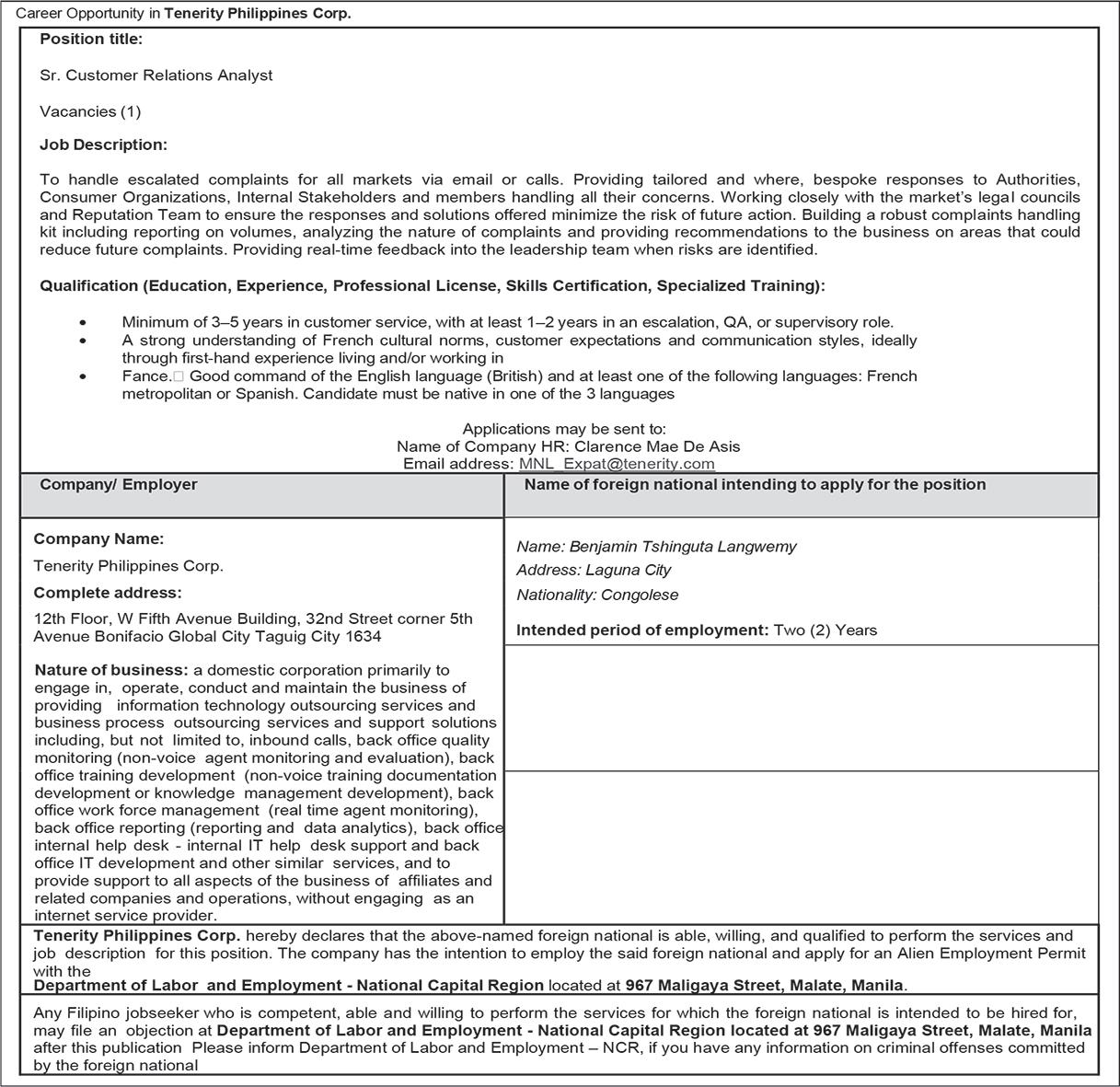
Iran’s nuclear program, and he sees an opportunity while the country is struggling at home with growing dissent following nationwide protests. Iran also hopes to avert war, but maintains it has the right to enrich uranium and does not want to discuss other issues, like its long-range missile program or support for armed groups like Hamas and Hezbollah.
Al-Busaidi said technical talks involving lower-level representatives would continue next week in Vienna, the home of the International Atomic Energy Agency. The United Nations’ atomic watchdog likely would be critical in any deal.
In an interview with Iranian state television, Iran’s foreign minister said the talks with the US were some of the country’s “most intense and longest rounds of negotiations.”
Abbas Araghchi offered no specifics but said “what needs to happen has been clearly spelled out from our side.”
The White House did not immediately respond to a request for comment.
‘A very terrible scenario’
THE stakes could hardly be higher. If America attacks, Iran has said US military bases in the region would be considered legitimate targets, putting at risk tens of thousands of American service members. Iran has also threatened to attack Israel, meaning a regional war again could erupt across the Middle East.
“There would be no victory for anybody—it would be a devastating war,” Araghchi told India Today in an interview recorded Wednesday just before he flew to Geneva.
“Since the Americans’ bases are scattered through different places in the region, then unfortunately perhaps the whole region would be engaged and be involved, so it is a very terrible scenario.”
Ali Vaez, an Iran expert with the International Crisis Group, said it was a good sign that the Americans did not walk away immediately Thursday when Iran presented its latest proposal.
“There might still not be a breakthrough at the end of this day, but the very fact that the US team is returning shows that there is enough common ground between the two sides,” he said. Geneva talks are the third meeting since June war THE two sides held multiple rounds of talks last year that collapsed when Israel launched a 12day war against Iran in June and
the US carried out heavy strikes on its nuclear sites, leaving much of Iran’s nuclear program in ruins even as the full extent of the damage remains unclear.
Araghchi represented Iran at the talks. Steve Witkoff, a billionaire real estate developer and friend of Trump who serves as a special Mideast envoy, headed up the US delegation with Trump’s son-in-law Jared Kushner. The talks again were mediated by Oman, an Arab Gulf country that’s long served as an interlocutor between Iran and the West.
The two sides adjourned after around three hours of talks and resumed the discussions later.
During the break, Iranian Foreign Ministry spokesperson Esmail Baghaei said the Iranians felt there were “constructive proposals” offered on both nuclear issues and sanctions relief.
Trump wants Iran to completely halt its enrichment of uranium and roll back both its long-range missile program and its support for regional armed groups. Iran says it will only discuss nuclear issues, and maintains its atomic program is for entirely peaceful purposes.
US suspects Iran is rebuilding its program
US Secretary of State Marco Rubio told reporters Wednesday that Iran is “always trying to rebuild elements” of its nuclear program. He said that Tehran is not enriching uranium right now, “but they’re trying to get to the point where they ultimately can.”
Iran has said it hasn’t enriched since June, but it has blocked IAEA inspectors from visiting the sites America bombed. Satellite photos analyzed by The Associated Press have shown activity at two of those sites, suggesting Iran is trying to assess and potentially recover material there.
The West and the IAEA say Iran had a nuclear weapons program until 2003. After Trump scrapped the 2015 nuclear agreement, Iran ramped up its enrichment of uranium to 60% purity—a short, technical step away from weapons-grade levels of 90%.
US intelligence agencies assess that Iran has yet to restart a weapons program, but has “undertaken activities that better position it to produce a nuclear device, if it chooses to do so.” Some Iranian officials have spoken openly about the country’s readiness to produce a bomb if that decision is taken.
See “Nuclear,” A14


Pakistan is in ‘open war’ with Afghanistan after latest strikes, defense minister says
By Munir Ahmed & Abdul Qahar Afghan The Associated Press
SLAMABAD—Pakistan considers itself
Iin an “open war” with neighboring Afghanistan, Pakistan’s defense minister said Friday, in the worst escalation of violence since a Qatar-mediated ceasefire in October.
The comments by Defense Minister Khawaja Mohammad Asif came after Afghanistan launched a cross-border retaliatory attack on Pakistan overnight that saw Islamabad hit back with airstrikes on Kabul.
Asif said in an X post that Pakistan had hoped for peace in Afghanistan after the withdrawal of NATO forces in 2021 and expected the Taliban, which seized power in the country, to focus on the welfare of the Afghan people and regional stability.
Instead, he said that the Taliban had turned Afghanistan “into a colony of
India,” Pakistan’s regional archrival with which it has periodically engaged in wars, clashes and skirmishes since gaining independence from British colonial rule in 1947. India has had improved ties with Afghanistan recently, offering to enhance bilateral trade, to the annoyance of Islamabad.
“Our patience has now run out. Now it is open war between us,” he said. There was no immediate reaction from Afghan officials. Afghan authorities in the eastern Nangarhar province said that fighting was ongoing in the Torkham border area Friday morning. The province’s information directorate said that Pakistani mortar fire hit civilian areas in Torkham, including a refugee camp which had been evacuated overnight. In response, Afghanistan was targeting Pakistani army posts across the border, it said.

19 deputies of China’s legislature, including nine military officers, removed before annual meeting
By Ken Moritsugu The Associated Press
BEIJING—China’s legislature has dismissed 19 members, including nine who are military officers, one week ahead of the start of its annual meeting.
The late Thursday announcement did not say why the deputies had been removed, but such removals are generally tied to corruption investigations.
Communist
The removed officers include two under the Central Military Commission, the military’s highest body, as well as others from the army, the navy, the air force and the rocket force. Three are generals. The rocket force, which overseas China’s nuclear arsenal, was an early target of the military purges. The other dismissed deputies were regional representatives from several provinces. The removals leave the National People’s Congress with 2,878 members. The dismissals were announced by the legislature’s Standing Committee, a smaller and more powerful group of members who meet periodically throughout the year and can approve legislation. The Standing Committee, which met ahead of next week’s congress, also fired two officials, the president of the military court and Emergency Management Minister Wang Xiangxi. Authorities announced last month that Wang is the subject of a corruption investigation.
An anti-corruption campaign launched by Chinese leader Xi Jinping shows no sign of letting up after more than a decade. The military has been targeted in recent years, including the removal of its top general last month, as Xi seeks to reform and modernize the armed forces. Analysts say the campaign is also a way for Xi, who is in his 14th year in power, to remove potential rivals and ensure loyalty among his subordinates. The dismissals aren’t likely to have a major impact on the meeting of the National People’s Congress, which opens next Thursday and is expected to run for a week. The largely ceremonial legislature rubber stamps decisions that have been made by the
AFGHAN Taliban soldiers look toward the Pakistani side, with one peering through the sight of his rifle, on the Afghan side of the Torkham border crossing with Pakistan in Torkham, Afghanistan, Friday, Feb. 27, 2026. AP/WAHIDULLAH KAKAR
Chinese President Xi Jinping, center, watches as
Macron to visit top-secret sub base as some Europeans worry about US nuclear guarantees
By John Leicester The Associated Press
PARIS—They lurk in the oceans, a last resort to pulverize attackers with nuclear fire should France’s commander in chief ever make that terrible call.
French President Emmanuel Macron, the person with the power to unleash France’s nuclear arsenal, will on Monday update French thinking on the potential use of warheads carried on submarines and planes, if it ever came to that.
This in the context of concerns in Europe that Russian war-making could spread beyond Ukraine, and uncertainty about US President Donald Trump ‘s steadfastness as an ally.
For decades, Europe has lived under a protective umbrella of US nuclear weapons, stationed on the continent since the mid-1950s to deter the former Soviet Union and now Russia. Lately, however, some European politicians and defense analysts are questioning whether Washington can still be relied upon to use such force if needed.
As the only nuclear-armed member of the 27-nation European Union, the questions are particularly pertinent for France.
Possible revisions to France’s nuclear deterrence policy, sure to be carefully calibrated and scrutinized by allies and potential enemies alike, could be among the most consequential decisions that Macron makes in his remain -
ing 14 months as president, before elections to choose his successor in 2027.
That Macron feels a need to bare France’s nuclear teeth, in what will be the commander in chief’s second keynote speech laying out the country’s deterrence posture since his election in 2017, speaks to his concerns, voiced multiple times, about geopolitical and defensetechnology shifts that threaten the security of France and its allies.
Those voicing doubts about Washington’s reliability include Rasmus Jarlov, chair of the Danish parliament’s Defense Committee.
“If things got really serious, I very much doubt that Trump would risk American cities to protect European cities,” he said in an interview with The Associated Press. “We don’t know but it seems very risky to rely on the American protection.”
He and others are turning to France for reassurance. In the longer term, Jarlov argues that other European nations also need to arm themselves with nuclear weapons—an almost unfathomable prospect when US protection seemed absolute in European minds.
“The Nordic countries have the capacity. We have uranium, we have nuclear scientists. We can develop nuclear weapons,” he said. “Realistically, it will take a lot of time. So, in the short term, we are looking to France.”
Adjusting to geopolitical risks
THE world has changed dramatically since Macron’s first policymaking nuclear speech in 2020, with new uncertainties shoving old certainties aside.
The full-scale Russian invasion of Ukraine, now entering its fifth year, brought war to the EU’s door and repeated threats of possible nuclear use from Russian President Vladimir Putin.
China is expanding its nuclear arsenal. So, too, is North Korea’s nuclear-armed military. In October, Trump spoke about US intentions to resume nuclear tests for the first time since 1992, although US Energy Secretary Chris Wright later said that such tests would not include nuclear explosions.
Russia revised its deterrence policy in 2024, lowering its bar for possible retaliation with nuclear weapons. The United Kingdom has announced plans to buy nuclear-capable US-made F-35A fighter jets, restoring a capacity to deliver nuclear airstrikes that it phased out in the 1990s, leaving it with just submarine-based nuclear missiles.
The chosen site for Macron’s speech on Monday—the Île Longue base for France’s four nucleararmed submarines—will drive home that French presidents also have nuclear muscle at their disposal in an increasingly unstable world. They each can carry 16 M51

intercontinental ballistic missiles armed with multiple warheads.
“There are high expectations from the allies and partners, and maybe also the adversaries, about how the French nuclear doctrine could evolve,” said Héloïse Fayet, a nuclear deterrence specialist at the French Institute of International Relations, a Paris think tank.
Speaking in an AP interview, Fayet said she’s hoping for “real changes.”
“Maybe something about a greater and a clearer French commitment to the protection of allies, thanks to the French nuclear weapons,” she said.
France’s nuclear force MACRON said in 2020 that France has fewer than 300 warheads—a number that has remained stable since former President Nicolas Sarkozy announced a modest reduction to that level in 2008.
Macron said the force is sufficient to inflict “absolutely unacceptable damage” on the “political, economic, military nerve centers” of any country that threatens the “vital interests” of France, “whatever they may be.”
Nuclear specialists will be watching for any hint from Macron that he no longer considers the French stockpile to be sufficient and that it might need to grow.
The language of deterrence is generally shrouded by deliberate ambiguity, to keep potential enemies guessing about the red lines that could trigger a nuclear response. Officials from Macron’s office, speaking on condition of anonymity to discuss the nuclear policy changes that Macron might make, were extremely guarded in their wording, not least because deterrence is a strictly presidential prerogative.
“There will no doubt be some shifts, fairly substantial developments,” one of the officials said.
Protecting Europe AGAIN , with careful wording, Macron in 2020 said the “vital interests” that France could defend with nuclear force don’t end at its borders but also have “a European dimension.”
Some European nations have taken up an offer Macron made then to discuss France’s nuclear deterrence and even associate European partners in French nuclear exercises.
German Chancellor Friedrich Merz says he’s had “initial talks” with Macron about nuclear deterrence and has publicly theorized about German Air Force planes possibly being used to carry French nuclear bombs.
European nations engaging with France are seeking “a second life insurance” against any possibility of US nuclear protection being withdrawn, says Etienne Marcuz, a French nuclear defense specialist at the Paris-based Foundation for Strategic Research think tank.
“The United States are unpredictable—have become unpredictable—because of the Trump 2 administration,” he said. “That has legitimately raised the question of whether the United States would truly be prepared to protect Europe, and above all, whether they would be willing to deploy their nuclear forces in defense of Europe.”
The Associated Press writers Sylvie Corbet in Paris and Kirsten Grieshaber in Berlin contributed.
Iranian plainclothes agents obstructed care at hospitals packed with wounded protesters
By Sarah El Deeb The Associated Press
BEIRUT—As wounded anti-government
protesters poured into an Iranian hospital during last month’s crackdown, a young doctor hurried to the emergency room to help treat a man in his 40s who had been shot in the head at close range. When the doctor and others tried to resuscitate the man, a group of armed, plainclothes security agents blocked their way, pushing some back with their rifles, the doctor told The Associated Press.
“They surrounded him and didn’t allow us to move further,” the doctor in the northern city of Rasht said.
Minutes later, the man was dead. The agents put his body in a black body bag. Later, they piled it and other bodies into the back of a van and drove away.
This wasn’t an isolated incident.
Over the course of a few days in early January, plainclothes agents swarmed hospitals in multiple cities treating the thousands wounded by Iranian security forces who fired on crowds to quash massive protests against the 47-yearold Islamic Republic. These agents monitored and sometimes obstructed care to protesters, intimidated staff, seized protesters and took away the dead in body bags. Dozens of doctors were arrested.

This story is based on AP interviews with three doctors in Iran and six Iranian medical professionals living abroad who are in contact with colleagues on the ground; reports from human rights groups; and AP’s verification of more than a dozen videos posted on social media.
All of the doctors inside Iran spoke on condition of anonymity for fear of retaliation.
The AP worked with Mnemonic, a Berlinbased organization, to identify online videos, posts and other material relating to violence in hospitals.
The doctors in Iran and abroad said the level of brutality and militarization of health facilities was unprecedented in a country that for decades has experienced crackdowns on dissent and surveillance of public institutions. In at least one instance, snipers on the roof of a hospital in the northern town of Gorgan shot at approaching patients, according to a witness’account provided by IIPHA, a US-based association of Iranian health care professionals.
The Iran Human Rights Center, based in Oslo, has documented multiple accounts from inside hospitals of security agents preventing medical care, removing patients from ventilators, harassing doctors and detaining protesters.
“It is systematic,”said Amiry-Moghaddam, an Iranian-Norwegian neuroscientist who founded the group. “And we have not experienced this pattern before.”
The government has blamed the protests


and ensuing violence on armed foreign-backed “terrorists.”
Health Ministry spokesman Hossein Kermanpour denied reports of treatment being prevented or protesters being taken from hospitals, calling them “untrue, but also fundamentally impossible.” He was quoted in state media as saying all injured were treated “without any discrimination or interference over political opinions.” The Iranian mission at the United Nations did not immediately reply to a request for comment on the doctors’ accounts.
Doctors tried to protect the wounded THE crackdown, which reached its height on Jan. 8 and 9, was the deadliest since the Islamic Republic took power in 1979. A complete toll of casualties and other details have been slow to emerge because of internet restrictions imposed by authorities.
The Human Rights Activists News Agency says it confirmed more than 7,000 deaths and that it is investigating thousands more. The government has acknowledged more than 3,000 killed, though it has undercounted or not reported fatalities from past unrest.
Once the crackdown began, the doctor in Rasht said he worked through 66 hours of hell, moving each day to a different facility to help with the wounded—first a trauma center, then a hospital and finally a private clinic.


On Jan. 8, “every 15 to 30 minutes, the entire emergency ward would be emptied and then refilled with new patients,” the doctor said.
It got worse on Jan. 9, as wounds from live ammunition became more common and security agents became more menacing.
Agents brought in wounded protesters and stood watch over them as staff worked, the doctor said. They burst into wards, armed with automatic rifles, threatening staff and filming patients and checking documents.
When it came time to discharge a patient, he said, “they would take anyone who was confirmed to be a protester.”


At one point, security agents brought in the body of a dead man with his hands shackled in front of his body. He had pellet shots to his abdomen and chest and a clear bullet wound to the head, he said.
He recognized the man immediately. Only moments earlier, his family had been showing his photo around the hospital, asking if he had been admitted.
Amnesty International has received credible reports that targeted, close-range shootings of protesters took place, and “at a far greater scale” than in past crackdowns on protests, said the group’s Iran researcher Raha Bahereini.

Two videos verified by AP show the bodies of protesters with close-range shots and medical equipment connected to their bodies. The doctor said he and other staff tried to hide wounded protesters by recording false diagnoses in hospital records. Gunshots to the abdomen were identified as abdominal pain; broken bones were recorded as a falling accident. One patient who had been shot in the genitals was identified as a urology patient. “We knew that no matter what we did for the patients, they wouldn’t be safe once they stepped out of the hospital,” he said. The AP could not independently confirm the doctor’s account of events at the hospital in Rasht. But it conformed with AP’s other reporting. The AP verified videos posted from four hospitals as a snapshot of the Iranian security forces’ activity. Mnemonic gathered dozens of videos, posts and other accounts it says showed forces were present in and around nine hospitals, in some cases firing guns and tear gas. Mnemonic has been preserving digital evidence of human rights violations in Iran since 2022, creating with partners an archive of more than 2 million documents. One video verified by AP shows security agents breaking through glass entrance doors into Imam Khomeini Hospital in the western city of Ilam. They then barged through the halls


THIS image from video taken between Jan. 9 and Jan. 11, 2026, and verified by AP, shows bodies and mourners outside a morgue in Iran, following a crackdown on protests in Kahrizak, Tehran province. UGC VIA AP
Anthropic rejects Pentagon demand for unrestricted AI access, escalating standoff over military contract
By Konstantin Toropin & Matt O’brien
The Associated Press
WASHINGTON—Anthropic CEO Dario Amodei said Thursday that the artificial intelligence company “cannot in good conscience accede” to the Pentagon’s demands to allow unrestricted use of its technology, deepening a public clash with the Trump administration that is threatening to pull its contract and take other drastic steps by Friday.
The maker of the AI chatbot Claude said in a statement that it’s not walking away from negotiations but that new contract language received from the Defense Department “made virtually no progress on preventing Claude’s use for mass surveillance of Americans or in fully autonomous weapons.”
Sean Parnell, the Pentagon’s top spokesman, said earlier on social media that the military “has no interest in using AI to conduct mass surveillance of Americans (which is illegal) nor do we want
to use AI to develop autonomous weapons that operate without human involvement.”
Anthropic’s policies prevent its models from being used for those purposes. It’s the last of its peers—the Pentagon also has contracts with Google, OpenAI and Elon Musk’s xAI—to not supply its technology to a new US military internal network.
“It is the Department’s prerogative to select contractors most aligned with their vision,” Amodei wrote in a statement. “But given the substantial value that
Anthropic’s technology provides to our armed forces, we hope they reconsider.”
Defense Secretary Pete Hegseth gave Anthropic an ultimatum on Tuesday after meeting with Amodei: Allow the Pentagon to use the company’s AI as it sees fit by Friday or risk losing its government contract. Military officials warned that they could go even further and designate the company as a supply chain risk or invoke a Cold War-era law called the Defense Production Act to give the military more sweeping authority to use its products.
Amodei said Thursday that “those latter two threats are inherently contradictory: one labels us a security risk; the other labels Claude as essential to national security.”
In a post before Amodei’s announcement, Parnell reiterated that the Pentagon wants to “ use Anthropic’s model for all lawful purposes” but didn’t offer details on what that entailed. He said opening up use of the technology would prevent the company from “jeopardizing critical military operations.”
“We will not let ANY company dictate the terms regarding how we make operational decisions,” he said.
Emil Michael, defense under -

secretary for research and engineering, later lashed out at the Anthropic CEO, alleging on X that Amodei “has a God-complex” and “wants nothing more than to try to personally control the US Military and is ok putting our nation’s safety at risk.”
The talks that escalated this week began months ago. Amodei said that if the Pentagon doesn’t reconsider its position, Anthropic “will work to enable a smooth transition to another provider.”
Sen. Thom Tillis, a North Carolina Republican who is not seeking reelection, said the Pentagon
has been handling the matter unprofessionally while Anthropic is “trying to do their best to help us from ourselves.”
“Why in the hell are we having this discussion in public?” Tillis told reporters. “This is not the way you deal with a strategic vendor that has contracts.”
He added, “When a company is resisting a market opportunity for fear of negative consequences, you should listen to them and then behind closed doors figure out what they’re really trying to solve.”
SBy Kathryn Tully
TEPHEN SMITH , 56, a UKbased art collector, has bought prints through MyArtBroker, a sales and management platform for secondarymarket prints and editions, since 2024, when he purchased Echo by British abstract artist Bridget Riley for £7,500 ($10,300). He uses the platform’s instant valuation tool, finding it helpful because he’s overpaid when buying from galleries before. “It gives quite a good, accurate impression of the price for a specific print at that particular time,” he says.
It’s notoriously difficult to know how much art should cost, because many galleries do not disclose prices and sales by galleries and dealers are rarely made public. The only publicly available sales information comes from art resold in the auction market. This can be frustrating for buyers, who either don’t feel confident enough to make purchases or, like Smith, say they’ve overpaid for art. More than half of collectors surveyed for the 2025 Deloitte Private and ArtTactic Art & Finance Report said the market’s lack of transparent pricing was a major barrier. In response, more companies have developed artificial-intelligence-enabled valuation tools for collectors to obtain price estimates for individual artworks. So far, they seem to be increasing the confidence of new buyers, particularly at lower price points, and enabling existing collectors to track the

“Unfortunately, this is further indication that the Department of Defense seeks to completely ignore AI governance,” Warner said in a statement. It “further underscores the need for Congress to enact strong, binding AI governance mechanisms for national security contexts.”
While Pentagon officials say they always will follow the law with their use of AI models, the department has taken steps to change the culture among the military legal ranks.
Hegseth told Fox News last February, weeks after becoming defense secretary, that “ultimately, we want lawyers who give sound constitutional advice and don’t exist to attempt to be roadblocks to anything.”
The same month, Hegseth also fired the top lawyers for the Army and the Air Force without explanation. The Navy’s top lawyer had resigned shortly after the election in late 2024.
O’Brien reported from Providence, Rhode Island. Associated Press writer Ben Finley contributed to this report.
Sen. Mark Warner of Virginia, the ranking Democrat on the Senate Intelligence Committee, said he was “deeply disturbed” by reports that the Pentagon is “working to bully a leading US company.”
AI valuation tools add price transparency to art market and prevent overpayment
value of their collections, according to collectors and art market specialists. Some companies are also using these valuation models to offer collectors loans backed by their art or insurance for their art collections.
Artscapy, a collection management, sales and art finance platform, offers free price estimates for collectors, together with paid appraisal services and access to art advisers. “We started using AI for valuation and appraisals with the very early models of ChatGPT, so we’ve been training the model for three and a half years,” says Artscapy Chief Executive Officer Alessandro De Stasio.
At Artscapy, the ChatGPT model is only trained on specific data sources — art sales at auction, sales on Artscapy’s platform, verifiable external private sales and data from Artscapy collectors — as well as on the company’s own algorithm. The latter also enables members to track the value of their collections and supports the company’s art loans and art insurance offerings.
Artscapy’s free AI estimates are based on this model. When a collector uploads information and photos for an artwork, the company’s £59.99 appraisal service produces a full report with the estimated value of the art, plus its likely liquidity and volatility.
Meanwhile, MyArtBroker uses predictive machine learning within its own valuation tool rather than relying on generative models to provide valuations. Managing


director Charlotte Stewart says that if users want an AI valuation, they can just ask ChatGPT how much something’s worth and it will scrape all the information available in its data set. “The problem is that there’s more dirty data in this market than ever before,” she says. For example, thousands of different iterations of Andy Warhol’s Marilyn prints exist, but those could be originals, authorized reproductions or even posters.
MyArtBroker’s algorithm incorporates prints and editions sales from 400 auction houses, plus private sales and current collector demand on its platform. It also weighs 40 other factors that can affect a work’s value, including color, signatures and paper type using supervised learning, where human experts audit incoming data. “In every part of the process, you’ve got a human being in the loop,” Stewart says.
If someone using the free valuation tool selects Andy Warhol, for example, and one of the artist’s Marilyn prints, they will receive a price range for the fair-market value. Collectors who want a precise valuation can request an expert one from a company specialist, who’ll incorporate the algorithm but consider other variables such as condition, rarity and provenance that are still better assessed by humans.
One significant headache for the field is how much of the art market’s data is missing. More than 60% of art sales are made by galleries and dealers behind closed


doors. It’s why many tool providers rely on auction sales data and private sales on their own platforms. “A big question for the market is how to access private art transactions at scale, and that’s very hard,” De Stasio says.
Artnet, a platform that owns the art market’s most influential auction price database, is also considering this question. In 2025 investment company Beowolff Capital took over Artnet and bought a controlling stake in Artsy, the leading online art marketplace.
Beowolff CEO Andrew Wolff wants to develop AI-enabled data and analytics that will combine Artnet’s auction market data with information on Artsy’s primarymarket sales and user behavior. While the exact details are to be determined, Wolff sees many use cases for valuation tools built


upon Artnet’s and Artsy’s data, including for people buying and selling art through both marketplaces and for support services, such as art lending or insurance.
AI’s image recognition and matching capabilities, as well as its ability to search vast amounts of data from museum, gallery shows and influential Instagram accounts, can rapidly enhance the amount of credible information about artworks within valuation models, particularly in the primary market. And Wolff says Artnet and Artsy’s new models will incorporate these inputs, including exhibition histories, scholarly citations, news articles, and social media and search trends. “There’s lots of structured and unstructured art market data that can inform these models, and we are starting to develop these heuris -

tics,” he says.
But these valuation tools have clear limitations. No one interviewed for this article thought they could replace the need for art advisers, appraisers and other specialists to help collectors navigate an opaque market.
“AI can interpret visible data, read auction records and look at an artwork’s basic attributes, like the year, size and medium,” says art adviser Aileen Agopian. She thinks that’s a valuable starting point for collectors.
“You need to understand how this particular work matters in an artist’s broader body of work, its exhibition history, provenance and condition,” she says, explaining that even two works from the same artist, the same year, with the same medium and scale, can sell for very different prices at auction. Collectors can learn how these nuances affect value from advisers and appraisers and by talking to gallery and auction house staff, she says. Much can be lost when art is reduced to a number, according to Mike Profit, CEO of ArtLogic, a business management software provider to galleries, artists and collectors. He says newer AI tools clearly benefit the industry if they increase buyer confidence, but “they negate the story behind the art and the gallery’s relationships with collectors and expertise, which in the primary market are fundamental drivers of the business.” He says that can skew a collector’s perception even before they see an artwork. Bloomberg News


PAGES from the Anthropic website and the company’s logos are displayed on a computer screen in New York on Thursday, Feb. 26, 2026. AP/PATRICK SISON
MARILYN (1967) screenprint on wallpaper is displayed as part of the exhibition preview of “Andy Warhol. Advertising Of The Form” at the Fabbrica del Vapore on October 21, 2022 in Milan, Italy. PIER MARCO TACCA/GETTY IMAGES EUROPE
Canada warns USMCA could face annual reviews, fueling uncertainty
By Rob Gillies The Associated Press
ORONTO—Canada’s min -
Tister for US trade said Thursday the United States-Mexico-Canada Agreement could be subject to annual review and that uncertainty could be the objective of the Trump administration.
Dominic LeBlanc told a business audience in Toronto that he will meet with US Trade Representative Jamieson Greer late next week in Washington ahead of the mandatory review of the USMCA in July.
“If there’s no consensus in the review the agreement continues. Then there’s an annual review that starts and if uncertainty is one of the objectives from one of our (USMCA) partners you can imagine scenarios of how this might go,” LeBlanc said.
LeBlanc said the current uncertainty about the future of the free trade deal is causing a break in investment decisions in Canada.

“Net business investment is down,” LeBlanc said. “Therein lies one of the big challenges. We have to control what we can control.”
Canadian Prime Minister Mark Carney has set a goal for Canada to double its non-US exports in the next decade, saying American tariffs are causing a chill in investment. Carney recently made a trade deal with China and is in India this week.
deal because the US maintained an exemption for Canada and Mexico under the deal when Trump announced new tariffs recently.
“So, they’re doing that because it’s in the American economic interest to do that,” he said.
Most of Canada’s exports to the US are currently exempted by USMCA. But tariffs are taking a toll on certain sectors of Canada’s economy, particularly aluminum, steel, auto and lumber.
LeBlanc said he felt Canada was close to getting a deal on sectoral tariffs in the fall, before Trump abruptly ended talks in response to an anti-tariff TV ad produced by the Ontario government.
LeBlanc said Trump administration officials have been engaged in a “political argument” about trade in public but insisted that’s not the case behind closed doors.
Trump has talked about getting the US automakers to close factories in Canada and move them to the US and Greer has talked about “reshoring” industrial production.
LeBlanc said he’s “not pessimistic” about the future of the trade
US President Donald Trump negotiated the USMCA in his first term and included a clause to review the deal in 2026.
“There is a public prosecution of the argument, the political argument in the United States, and there are the private governmentto-government-to-government conversations, which are not discouraging,” LeBlanc said.
FDA offers bonus payments to staffers who complete speedy drug reviews
By Matthew Perrone AP Health Writer
ASHINGTON—The
Whead of the Food and Drug Administration plans to start offering bonus payments to agency drug reviewers who complete their work ahead of schedule, the latest in a flurry of changes to longstanding norms and procedures.
FDA Commissioner Marty Makary described the effort as a pilot program during a staff presentation Thursday, saying the first quarterly bonus payments would start going out to employees around August.
The Associated Press obtained slides and a recording of the presentation.
“My job as your commissioner is to be your advocate and to fight for you,” Makary told FDA staffers, adding that getting approval for the payments took “some wrangling.”
“If you don’t like it, we can get rid of it, but usually everybody loves money,” Makary said.
The plan raises a number of questions, including exactly how the payments will be distributed across large teams of staffers who typically contribute to drug reviews. Employees who are not directly involved in drug reviews—such as factory inspectors—are not eligible for the payments. The pilot also presents potential ethical dilemmas if FDA reviewers are seen as being rewarded for rushing steps needed to confirm drug safety and effectiveness.
Since the 1990s, the FDA has collected fees from drug companies to help pay for extra staffers to quickly
review new prescription drugs and vaccines. Under the agreement with the industry, the FDA has timelines and metrics for completing each review. But the agency has never paid workers directly for meeting or exceeding those goals.
The bonus program is intended “to recognize and reward staff who find ways to be more efficient delivering high-quality work activities that ultimately benefit patients,” according to slides presented to FDA staff.
Senior FDA officials on the call said payments would be based on “weighted time savings” achieved by employees and their teams, as well as ratings-based “work quality and work complexity.”
“This program values speed, but never at the expense of quality,” states one of the slides.
The announcement comes as the agency loses drug review staff to retirements and resignations following broader layoffs and buyouts across many other parts of the agency. Agency records show the FDA’s drug and biologics centers— which oversee prescription drugs, vaccines and biotech drugs—have lost about 20% of their employees since President Donald Trump took office a year ago.
Additionally, some agency reviewers cannot work on certain projects because they are actively interviewing for jobs in the pharmaceutical industry.
The program could also negatively impact the public perception of the FDA, which has often been viewed as too closely aligned with

the drug companies it regulates.
Health Secretary Robert F. Kennedy Jr., who oversees the agency, has described FDA staffers as “a sock puppet” of industry since becoming the nation’s top health official last February.
About 70% of the FDA’s drug program is financed by user-fee payments from drug companies submitting their products for review. The arrangement has allowed the agency to hire thousands of additional scientists and cut review times by more than half of
what they were prior to receiving the funding.
Since arriving at the agency last April, Makary has announced a series of measures that he says will shorten FDA reviews, including offering one-month drug assessments for new medications that serve “national interests.” In the last two weeks alone, Makary said the FDA would drop its longtime standard of requiring two clinical trials for drug reviews and open a new pathway for therapies that can only be tested in a handful of patients.


New Gallup poll shows how Americans’ sympathies shifted in Israel’s Gaza war
By Linley Sanders The Associated Press
WASHINGTON—American sympathies in the Middle East have shifted dramatically toward the Palestinians, according to new Gallup polling, after decades of overwhelming support for the Israelis.
That shift accelerated during the war in Gaza. Three years ago, 54% of Americans sympathized more with the Israelis, compared to 31% for the Palestinians.
Now, their support is about evenly balanced, with 41% saying their sympathies lie more with the Palestinians, and only 36% saying the same about the Israelis. The numbers reflect how support for Israel has become deeply contentious in the US, with profound implications for American politics and foreign policy. The changing sentiment has been largely driven by Democrats, who are now much more likely to sympathize with Palestinians. US assistance to Israel has been a major dividing line in the party’s primaries this year.
Gallup’s data indicates that the shift was already happening before Hamas attacked Israel on Oct. 7, 2023, then increased during Israel’s subsequent military operations in Gaza. The polling has a margin of error of plus or minus 4 percentage points, meaning sentiment toward Israelis and Palestinians are roughly even.
“It’s the first time they have reached parity, which is really quite striking,” said Benedict Vigers, a senior global news writer at Gallup. “In not many years, that very significant gap in public opinion has now completely closed.”
Continued from A10
Threat of military action sparks war fears IF the talks fail, uncertainty hangs over the timing of any possible US attack.
Continued from A10
‘Exporting terrorism’
The defense minister accused Afghanistan of “exporting terrorism.” Islamabad frequently levies the allegation at its western neighbor as militant violence has surged in Pakistan, accusing Afghanistan of supporting the Pakistani Taliban, or TTP, and outlawed Baloch separatist groups. The TTP is separate from but closely allied with Afghanistan’s Taliban. Pakistan accuses the TTP of operating from inside Afghanistan, a charge both the group and Kabul deny.
Pakistan has frequently accused neighboring India of backing the outlawed Baloch Liberation Army and the Pakistani Taliban, allegations New Delhi denies.
Asif’s comments came hours after Pakistan carried out airstrikes in Afghanistan’s capital,
Democrats and independents
ABOUT two-thirds of Democrats now say their concerns lie more with the Palestinians, while only about 2 in 10 sympathize more with the Israelis. As recently as 2016, the picture looked very different: About half of Democrats sympathized more with the Israelis and only about one-quarter sympathized with the Palestinians.
The shift began even before the IsraelHamas war turned the issue into a flash point within the Democratic Party. Palestinian militants killed around 1,200 people, mostly civilians, in the initial attack and took another 251 hostage, but the Israeli response has been widely seen as disproportionate, with Gaza health officials reporting more than 72,000 Palestinians killed, nearly half of them women and children, and wide swaths of the territory reduced to rubble. Many progressive politicians and activists now describe Israel’s actions in the war as genocide—a charge Israel vehemently denies.
Democrats have expressed greater sympathy for the Palestinians than the Israelis since 2023—in a Gallup poll that was conducted before the Oct. 7 attacks— but Gallup’s surveys show their support in the conflict has been tilting toward the Palestinians and away from the Israelis since around 2017.
Some of that early decline in sympathy appeared to be tied to disapproval of the right-leaning Israeli leader, Prime Minister Benjamin Netanyahu, whose favorability in the US fell nearly 15 percentage points between 2017 and 2024, according to separate Gallup polling.
If the aim of potential military action is to pressure Iran to make concessions in nuclear negotiations, it’s not clear whether limited strikes would work. If the goal is to remove Iran’s leaders, that will likely commit the US to a larger, longer military campaign. There has been no public sign of planning for what would come next, including the potential for chaos in Iran.
Kabul, as well as in Kandahar in the south and Paktia province in the southeast, according to Pakistani officials and Afghanistan government spokesperson Zabihullah Mujahid. Pakistan says the strikes were in retaliation for the Afghan cross-border attacks.
Retaliatory strikes
AFGHANISTAN said that its military launched its attack late Thursday into Pakistan along the border in six provinces, in retaliation for deadly Pakistani airstrikes on Afghan border areas Sunday.
“In response to the repeated rebellions and insurrections of the Pakistani military, large-scale offensive operations were launched against Pakistani military bases and military installations along the Durand Line,” Mujahid said on X on Thursday night. The two countries’ more than 2,600-kilometer (1,600-mile) long border is known as the Durand Line, which Afghanistan hasn’t

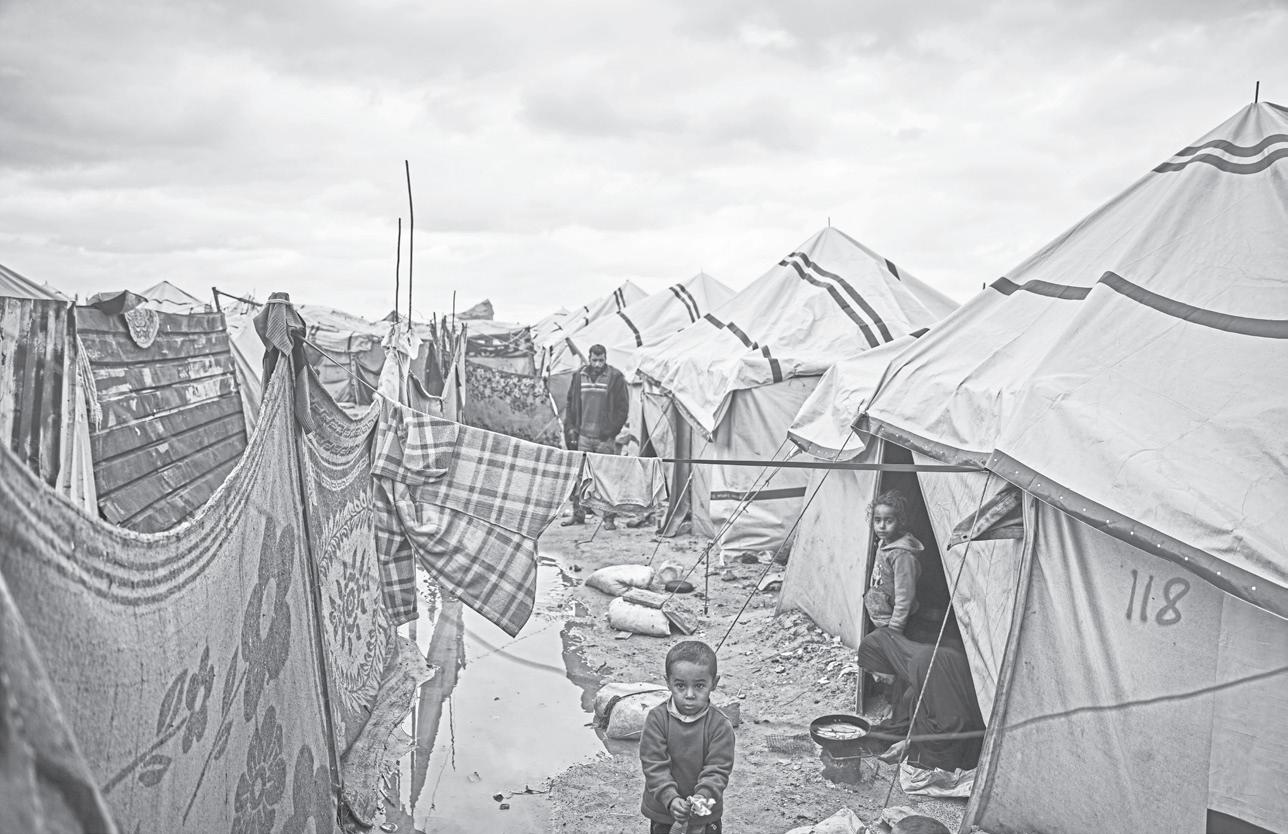
Netanyahu clashed with former President Barack Obama in the last year of his administration, then forged a warmer relationship with President Donald Trump, who delivered several victories to Netanyahu in his first term, including recognizing Jerusalem as the capital of Israel and Israel’s sovereignty over the Golan Heights. Trump also persuaded three Arab countries to establish commercial and diplomatic ties with Israel. The closeness between Trump and Netanyahu has continued into Trump’s second term.
The conflict between the Israelis and Palestinians was a point of tension for Democrats during President Joe Biden’s administration, as well as during the 2024 presidential election. An AP-NORC poll conducted toward the end of 2023, just a
There is also uncertainty about what any military action could mean for the wider region. Tehran could retaliate against the Americanallied nations of the Persian Gulf or Israel. Oil prices have risen in recent days in part due to those concerns, with benchmark Brent crude now around $70 a barrel. Iran in the last round of talks said it briefly halted traffic in the Strait
formally recognized.
Both governments have issued sharply differing casualty claims and said that they inflicted heavy losses on the other. The claims couldn’t be independently verified.
Afghanistan’s Defense Ministry said overnight that 55 Pakistani soldiers had been killed, including some whose bodies were taken into Afghanistan, and that “several others were captured alive.” It said thateight Afghan soldiers were killed and 11 wounded. The ministry said that it destroyed 19 Pakistani army posts and two bases, and that the fighting ended around midnight, about four hours after it began Thursday.
Pakistani Information Minister Attaullah Tarar said that two Pakistani soldiers were killed and three wounded.
Mosharraf Ali Zaidi, a spokesperson for Pakistani Prime Minister Shehbaz Sharif, denied that any Pakistani soldiers had been captured. He said on X that at least 133 Afghan fighters were killed and more than 200 wounded. He also said that 27 Afghan installations were destroyed and nine fighters captured. He didn’t specify where the casualties occurred, but said that additional losses were estimated in strikes on military targets in Kabul, Paktia and Kandahar.
Tension has been high between the two neighbors for months, with deadly border clashes in October killing dozens of soldiers, civilians and suspected militants. The violence followed explosions in Kabul that Afghan officials blamed on Pakistan. Islamabad, at the time, conducted strikes deep inside Afghanistan to target militant hideouts.
A Qatari-mediated ceasefire ended the fighting, although the two sides still occasionally traded fire across the border. Several rounds of peace talks in Istanbul in November failed to produce a formal agreement.
International calls for restraint
U.N. Secretary-General António Guterres urged both sides to protect civilians as required under international law and “to
few months into the war in Gaza, found that Democrats were sharply divided on whether the US was too supportive of Israel, and another AP-NORC poll from 2024 found that Democratic voters were more likely to say the Israeli government held “a lot” of responsibility for the war’s escalation.
Democrats’ sympathy for the Palestinians intensified as the war progressed, Gallup’s polling shows, and independents’ views also shifted. This year, independents expressed more sympathy for the Palestinians than the Israelis for the first time in Gallup’s trend. About 4 in 10 independents are more sympathetic toward the Palestinians. That’s compared to about 3 in 10 for the Israelis, a new low.
Most Republicans continue to side with Israel—about 7 in 10 say they are more
of Hormuz, the narrow mouth of the Persian Gulf through which a fifth of all traded oil passes.
Gambrell reported from Dubai, United Arab Emirates, and Lidman reported from Jerusalem. Associated Press writers Will Weissert in Washington and Jamey Keaten in Geneva contributed to this report.
continue to seek to resolve any differences through diplomacy,” U.N. spokesperson Stephane Dujarric said in a statement.
Russia called for an immediate halt to the fighting and for a diplomatic resolution to the conflict, Russian diplomat Zamir Kabulov told Russian news agency Ria Novosti. Kabulov, who is Russian President Vladimir Putin’s special envoy for Afghanistan, said that Moscow would consider mediating between the two countries if requested to do so, according to Ria Novosti.
Iranian Foreign Minister Abbas Araghchi urged Pakistan and Afghanistan to resolve their differences through dialogue during Ramadan, “a time of self-restraint and solidarity in the Islamic world.” He said that Tehran is ready to assist in facilitating dialogue between the two countries.
Refugees at the border
PAKISTANI authorities said that dozens of Afghan refugees at the Torkham border had been relocated to safer places.
Pakistan launched a sweeping crackdown in October 2023 to expel migrants without documents, urging those in the country to leave of their own accord to avoid arrest and forcibly expelling others. Iran also began a crackdown on migrants at around the same time.
Since then, millions have crossed the border into Afghanistan, including people who were born in Pakistan decades ago and had built lives and created businesses there.
Last year alone, 2.9 million people returned to Afghanistan, the U.N. refugee agency has said, with nearly 80,000 having returned so far this year.
Abdul Qahar Afghan reported from Kabul, Afghanistan. Riaz Khan and Rasool Dawar in Peshawar, Pakistan, Eduardo Castillo in Beijing, and Elena Becatoros in Athens, Greece, also contributed to this story.
sympathetic to the Israelis—but that is a slight downtick from about 8 in 10 before the start of the war. Some figures in the Republicans’ isolationist “America First” wing are also increasingly questioning traditional US support for Israel.
Generational gaps
YOUNGER adults—those 18 to 34 in this poll—are also increasingly sympathetic toward the Palestinians, according to the Gallup survey.
Younger Americans’ sympathies have been shifting toward the Palestinians since around 2020, and reached a new high this year. About half of 18- to 34-year-olds say they have more sympathy for the Palestinians, compared to about a quarter who say that about the Israelis.
Student protests against the Israel-Hamas war appeared on college campuses around the country during the war, asking colleges to cut investments supporting Israel.
But the shift is only “partly a generational story,” according to Vigers.
The new poll also found for the first time that middle-aged Americans, those 35 to 54, expressed more sympathy for the Palestinians than the Israelis—a reversal from last year. And while Americans over 55 are more sympathetic toward Israel, that gap is narrowing, too.
“With adults over 55, they are more sympathetic to Israelis, but it’s as low as it’s been since 2005,” Vigers said.
Palestinian state
ABOUT 6 in 10 US adults, 57%, favor the establishment of an independent Palestinian state in the West Bank and the Gaza Strip,
Continued from A11
with their guns, yelling at people.
The Health Ministry told state media it was investigating the incident, saying it was committed to protecting medical centers, staff and patients.
Other videos verified by AP show a heavy presence of security forces surrounding three hospitals in Tehran, firing tear gas and chasing protesters.
Treating the wounded in hiding
OTHER doctors worked in clandestine centers to treat the wounded away from authorities.
On the night of Jan. 8, a 37-year-old general surgeon was out for dinner in Tehran when he received a call from a professional friend he hadn’t heard from in years. The friend, an ophthalmologist, spoke in vague terms, but the fear in her voice made clear she needed his help urgently. She gave him an address.
Just before midnight, he drove to the address, a clinic for cosmetic procedures. Inside, he found the lobby transformed into a trauma ward, with more than 30 wounded men, women, children and elderly on the couches and blood-covered floor, shouting and crying,
The surgeon spent nearly four days there, treating more than 90 people, he estimates, as volunteers brought in more wounded. At first, it was just him, the ophthalmologist, a dentist and two nurses.
He used cardboard boxes and pieces of soft metal as splints for broken bones. With no anesthesia or strong painkillers, he used weaker suppository analgesics. The clinic had no blood supplies or transfusion capabilities, so he administered IV drips to rehydrate them and raise their blood pressure, a process that took hours.
At some point that night, phone lines were cut off and for 12 hours, he couldn’t call for more help. They couldn’t send patients to hospitals for fear they’d be arrested.
One woman, in her 30s, had been hit by bird shot at close range, destroying the roof of her mouth and the area around her nose and below her eyes, the surgeon recalled.
A young man in his 20s had been shot with live ammunition in his elbow, shattering it.
The surgeon sutured the wounds but knew the arm would have to be amputated.
according to the new polling. That’s not significantly different from recent years, as at least half of US adults have supported an independent Palestinian state since 2020. Vigers notes that “party polarization is at or near its record high” on this question, even though it hasn’t been sharply increasing year over year.
In the last few years, there’s been an uptick among Democrats and independents in support for the two-state solution. Now, about three-quarters of Democrats and roughly 6 in 10 independents say they support an independent Palestinian state. Only about one-third of Republicans say the same. The opinions of the people who would be directly affected by a two-state solution are quite different. Only about 3 in 10 Israelis living in Israel and Palestinians living in the West Bank and east Jerusalem said they supported a two-state solution in which an independent Palestinian state existed alongside Israel, according to the Gallup World Poll conducted in 2025.
“On the ground, in the region, far fewer Israelis and Palestinians tell us that they are in favor of the two-state solution than Americans when asked a very similar question,”Vigers said. “There is that interesting sort of disconnect between the region itself and Americans’ views toward it.”
Aamer Madhani contributed to this report. The Gallup poll was conducted Feb. 2-16, 2026, among 1,001 US adults, aged 18 and older, using a sample drawn from Gallup’s probability-based panel. The margin of sampling error for adults overall is plus or minus 4.0 percentage points.
A family of four—a mother, father and their 8- and 10-year-old children—were all riddled with pellets, the surgeon said. The older boy had dozens of pellets in his face, but amazingly none hit his eyes. On the morning of Jan. 9, the phone lines started working again, and the surgeon reached out to doctors he trusted to refer patients to them. First, he had to make sure to remove all bullets and pellets from their bodies so they wouldn’t be detained at the hospital. He wrote referral letters saying the patients had been in car accidents. The surgeon summoned three other doctors to help in the hidden clinic. When new wounded were brought in, the patients who had been stabilized applauded and flashed victory signs to them, he said.
“They started to make the atmosphere happy through their pain. … I just couldn’t believe that moment,” the surgeon said, his voice breaking. “It was so human.” None of the wounded died at the clinic, though two dead bodies with gunshot wounds to the head were brought in, he said. The AP could not independently confirm the surgeon’s account of events at the clinic.
Doctors targeted for arrest SINCE Jan. 9, at least 79 health care professionals have been detained, including a dozen medical students, according to Homa Fathi, an Iranian dentist pursuing a Ph.D. in Canada and member of IIPHA who has been monitoring Iranian government action against health professionals since 2022. Many of those detained were accused of resisting security agents’ orders or other charges connected to providing medical care to protesters, said Fathi. Around 30 have been released, most on bail, but many of them still face charges, including one accused of “waging war against God,” a charge that carries a death penalty, Fathi said. Authorities are also keeping some doctors under surveillance at home to ensure they don’t receive or visit wounded protesters—an unprecedented level of control, she said.
The surgeon who treated protesters at the secret clinic said he was surprised security forces never stormed that location to make arrests. But arrests have come since. Two health care workers who volunteered at the
am

Single-digit growth posted for export earnings in Jan
By Justine Xyrah Garcia
STBy Henry Empeño
UBIC BAY FREEPORT—
Topnotch real estate bro -
ker Leechiu Property Consultants, Inc. (LPC) is exploring collaborative projects with the Subic Bay Metropolitan Authority (SBMA) to accelerate tourism growth and investment promotion in the Subic Bay Freeport.
In a meeting here on February 25, LPC CEO David Leechiu and SBMA Senior Deputy Administrator for Business and Investment Renato Lee discussed with their respective staff further development of high-impact tourism segments that could significantly jack up tourism traffic here.
These include cruise ship tourism, wreck diving, forest trails, and MICE (meetings, incentives, conferences, and exhibitions) activities.
Leechiu was accompanied in the meeting by Henry Cabrera and Tam Angel, both investment directors for LPC. The company, founded in 2015 by Leechiu, provides rental, assets, facility, and property management, as well as funds, brokerage, and other real estate services.
They were briefed on ongoing tourism projects here by Lee and officers from the SBMA Business Group, including SBMA Tourism Department manager Jem Camba. Lee said the two groups agreed that the development of ecotourism experiences is necessary to prime Subic for sustainable tourism, nature-based recreation, and eco-adventure activities.
Both parties also underscored the need to enhance Subic’s MICE capabilities through investments in convention facilities, hotels, and integrated developments to capture corporate and international events.
Leechiu, considered the Philippines’ leading real estate adviser, noted that increased cruise calls in Subic would drive growth across hospitality, retail, transport, and
IFAD. . .
Continued from A4 their families to invest in government instruments, bonds, and sustainability focused products available digitally.
Channeling remittances into agriculture and rural enterprise, strengthening farmtomarket links, boosting productivity, and empowering young entrepreneurs and women in rural areas.
He noted that with 10.8 million Filipinos overseas, the country ranked as the fourthlargest global recipient of remittances in 2024, recording a record USD 38.34 billion.
According to the Bangko Sentral ng Pilipinas, remittances accounted for 8.3 percent of GDP, underscoring their critical role in sustaining growth.
“Recognizing how remittances are used is as important as their monetary value,” Imperial stressed, adding that the government is pursuing reforms to protect migrant workers while promoting financial inclusion and enabling families— particularly in rural areas—to channel funds into longterm, productive investments.
tourism projects
local enterprises.
The property wunderkind also expressed strong confidence in Subic’s growth trajectory, noting “tremendous investment potential” particularly in tourism, hospitality, and mixed-use developments.
“With its strategic location, infrastructure, and commitment to sustainability, Subic stands out as a compelling destination for both local and international investors,” Leechiu said.
Lee pointed out, meanwhile, that the SBMA is leveraging Subic’s deep-water port and strategic location to position the Freeport as a competitive cruise ship destination in Luzon.
“Subic is uniquely positioned to lead in sustainable tourism and logistics,” explained Lee. “Our goal is to fully maximize our natural assets—from our harbor and shipwreck sites to our forests—while ensuring that development aligns with our vision of becoming a green port city and a key economic engine in the Luzon Economic Corridor.”
He said that wreck diving is a strong niche market, with Subic Bay’s historic shipwrecks continuing to attract both domestic and international divers.
Lee further stressed that SBMA’s long-term business strategy calls for sustainable port operations, eco-friendly infrastructure, and responsible development under SBMA Chairman Eduardo Jose Aliño’s vision of Subic as a green port city and a major driver within the Luzon Economic Corridor.
As of end of December 2025, Subic has a total of 1,195 business locators with a cumulative investment of US$10.58 billion and employing a total of 171,653 workers, Lee told BusinessMirror.
Of these Subic-registered investors, 931 are engaged in tourism and leisure-related businesses, he added. Top real estate firm joins SBMA for high-impact
The event marked more than a decade since IFAD established the International Day of Family Remittances in 2015, later adopted by the UN General Assembly in 2018 with the support of the Philippines and partner countries.
Founded in 1977, IFAD is a specialized UN agency headquartered in Rome that finances projects to reduce rural poverty and hunger in developing countries.
It has provided $23.2 billion in loans and grants since inception, alongside $31 billion in cofinancing, supporting smallholder farmers, rural women, youth, and vulnerable groups.
In the Philippines, IFAD has been a partner since 1977. Since 1978, it has committed more than USD 400 million in financing for poverty reduction, improved incomes, food security, and better access to education and healthcare for rural families.
Its latest initiative, the Value Chain Innovation for Sustainable Transformation in Agrarian Reform Communities (VISTA) project launched in 2024, supports 350,000 smallscale farmers, women, youth, and indigenous peoples in Cordillera and Soccsksargen, with €104.35 million in financing.
HE country’s export earnings grew by 7.9 percent in January 2026, easing from the doubledigit expansion recorded a month earlier, according to preliminary data released by the Philippine Statistics Authority (PSA) on Friday.
Data showed the country’s export receipts increased to $7.09 billion in January 2026 from $6.57 billion in the same month last year.
“The export sales in January 2026 was the highest recorded since October 2025 with $7.45 billion,” the PSA noted.
Despite this, the pace of growth was slower compared to previous months. The PSA said total export sales registered annual increases of 23.9 percent in December 2025 and 9.6 percent in January 2025.
The commodity group with the highest annual increment in the value of exports in January 2026 was electronic products with $634.18 million. This was followed by gold with an annual increase of $354.18 million, and machinery and transport equipment with an annual increment of $155.57 million.
By major type of goods, manufactured products continued to comprise the bulk of outbound shipments, amounting to $5.63 billion or 79.3 percent of total exports. Mineral products accounted for $732.32 million (10.3 percent), while agro-based products contributed $573.84 million (8.1 percent).
By major trading partner, the United States remained the country’s top export market, cornering $1.16 billion or 16.4 percent of total exports in January 2026. This was 3.1 percent higher than the $1.13 billion recorded in January 2025.
Apart from the United States, exports to Hong Kong reached $1.12 billion or 15.9 percent of total export earnings during the period, reflecting a sharp 55.1 percent growth from $724.94 million in January 2025.
Japan ranked third with $871.73 million (12.3 percent), down 7.9 percent from $946.06 million last year. This was followed by the People’s Republic of China with $691.80 million (9.8 percent), up 7.1 percent from $645.68 million, and the Republic of Korea with $391.75 million (5.5 percent), which posted a 49.1 percent increase from $262.68 million.
Meanwhile, the country’s total import receipts in January 2026 amounted to $11.14 billion, indicating an annual decline of 3.1 percent from the $11.50 billion recorded in the same month of the previous year.
In December 2025 and January 2025, the import value registered annual increases of 12.2 percent and 11.2 percent, respectively.
The commodity group with the highest annual decrease in import value was mineral fuels, lubricants and related materials, which declined by $403.97 million. This was followed by metalliferous ores and metal scrap with a decrease of $184.17 million, and iron and steel with an annual decline of $97.87 million.
Despite the contraction, electronic products remained the top import commodity at $2.99 billion or 26.8 percent of total imports. Mineral fuels followed with $1.21 billion (10.9 percent), while transport equipment reached $877.92 million (7.9 percent).
By trading partner, the People’s Republic of China remained the country’s largest supplier of imported goods valued at $3.26 billion or 29.2 percent of total imports. Other top suppliers were the Republic of Korea with $1.25 billion (11.2 percent), Japan with $928.05 million (8.3 percent), Indonesia with $790.47 million (7.1 percent), and the United States with $653.25 million (5.9 percent).
Narrower trade gap WITH exports posting a 7.9-percent growth and imports declining 3.1 percent, the country’s trade deficit narrowed by 17.8 percent year-on-year.
The balance of trade in goods (BoT-G) in January 2026 amounted to $4.05 billion, lower than the $4.93 billion deficit recorded in January 2025. The PSA data also showed that in January 2026, the country’s total external trade in goods amounted to $18.24 billion, reflecting an annual increase of 0.9 percent from $18.07 billion in the same period last year. In December 2025 and January 2025, total external trade posted annual increases of 16.5 percent and 10.6 percent, respectively. Of the total external trade in January 2026, 61.1 percent were imported goods, while the remaining 38.9 percent were exported goods.
With security, geopolitical risks, Asean must seek wider trade ties
By Estrella Torres
THE Philippines’ chairship of Asean this year comes at a critical time when security and geopolitical tensions continue to impact global trade and investments, while economic giants resort to tariffs as weapons.
Regional experts and business leaders said these global challenges should strengthen Asean centrality, deepen integration of the 11 economies, and spur them to pursue trade ties with new partner economies.
Tetsuya Watanabe, president of Economic Research Institute for Asean and East Asia (ERIA) said the global economy is fragmenting along geopolitical lines.
“Trust between countries globally appears to be eroding,” said Watanabe during the Asean Editors and Economic Opinion Leaders Forum held Tuesday in Makati. The forum was hosted by the Asean Committee on Business and Investment Promotion (CBIP) led by the Department of Trade and Industry.
He stressed that mere openness is no longer sufficient. “Asean must strengthen internal collaboration and deepen regional integration.”
The ERIA chief said the Philippines’ responsibility as Asean chair this year is significant in taking decisions and strategies on how Asean navigates uncertainty, while sustaining growth, maintaining peace, and deepening integration.
Businessman Jaime Augusto Zobel de Ayala, chairman & CEO of Ayala Corp., said Asean members should seize the opportunity in raising the level of efficiency to be part of the progressive future.
“The world has shifted dramatically due to geopolitical challenges, but we should use this shift to come together strongly,” said Ayala at a special session on Asean Growth Story through the Lens of the Private Sector.
Ayala believes that the AseanCanada free trade agreement will open opportunities by strengthening economic ties amid global uncertainties.
The agreement is set for signing this year which aims to boost trade, enhance market access, and support supply chains.
“This [shift] offers a tremendous opportunity for Asean to take an overdrive,” said Ayala, adding that member countries should raise the level of efficiency to be part of the progressive future.
The regional bloc should focus on the three frameworks of growth, namely: education, health and income capacity.
Ayala is hopeful that the Public Private Partnership (PPP) will allow more private capital to steer growth across the member countries.
He also said that the flood control problems in the Philippines have opened the need to take infrastructure project into the PPP system.
One of the highlights of the Philippines’ chairship is the possible signing of the Asean Digital Economy Framework Agreement (DEFA)- viewed as the world’s first regionwide digital economy agreement.
DEFA covers nine core elements that include: digital trade, cross-border, e-commerce, cybersecurity, digital ID, digital payments, cross-border data flows, and emerging topics including the use of AI.
Ayala said AI should not be feared as disruptive, particularly in the health services being provided by many Filipinos overseas. “AI should be used to address the transformational needs of people.”
While Asean members gear up toward ambitious trade agreements, regionwide digital economy and deepening integration, member economies like the Philippines remain trapped in massive cor -
ruption, poor governance and the widening inequality.
Business leaders believe companies will increase PPP transactions through transparency and adherence to law on the part of the government.
“The biggest hurdle for the private sector is that the government is changing policies midstream,” said Atty. Michael Toledo, senior executive, MVP Group of Companies in a panel discussion at the Asean forum.
Meanwhile, Cosette V. Canilao, President and CEO of Aboitiz Infra Capital said PPP provides a structure and a way for long-term performance to align with public interest.
“What we are looking for is predictability in the rules and transparency in the processes,” said Canilao, at the panel discussion on “Powering Growth through PPP.” She cited the importance of government respect to the sanctity of contracts.
John Anis, CEO of Indonesiabased Pertamina New and Renewable Energy (NRE), cited the need to increase collaboration and partnerships of businesses within the Asean region to maximize their capacity.
At the panel discussion on Future of Investments Beyond Borders, Anis said tax incentives only “allow us to jumpstart” businesses in the Philippines and more concrete support are needed.
“Investor stability also requires respect for contracts and the support to look for more opportunities for partnerships,” he said.
Finance Secretary Frederick Go noted, meanwhile, that government measures to promote investments are in place, particularly supporting high-impact industries such as extraction of green metals for renewable energy, electric vehicle components, consumer-focused light manufacturing, smart
agro-industries, semiconductor assembly, creative sector, and digital and telecommunications infrastructure.
These measures include offers of up to 40 years of fiscal and nonfiscal incentives; participation in the Public-Private-Partnership; Investors’ Lease Act that extends lease terms from 50 to 99 years, to give non-Filipinos an option to lease land for investments; and the Accelerated and Reformed Right of Way Act that pushes implementation of critical infrastructure projects.
“All projections will be realistic, as we continue to implement smart and efficient spending,” Secretary Go told delegates of the Asean Editors and Economic Opinion Leaders Forum.
The Philippines is hosting the Asean this year with the theme:” Navigating Our Future, Together.”
While security and geopolitical tensions continue to impact the global economy, Asean centrality will once again be put to a test when the Philippines pushes for the adoption of the Code of Conduct in the South China Sea- an issue that has long divided member nations, with most of them heavily aligned with China.
The Philippines’ chairship comes at a historic commemoration of the 50th Anniversary of the Treaty of Amity and Cooperation in Southeast Asia (TAC), a landmark agreement that promotes peaceful engagement, anchored on mutual respect for sovereignty and territorial integrity, non-interference in internal affairs, the peaceful settlement of disputes, and the renunciation of the threat or use of force.
But 50 years since the treaty was signed, a binding code of conduct remains to be a dream by a nation so engulfed by domestic turmoil, yet has chosen to fight battles in the international arena.
A16 Saturday, February 28, 2026
High-stakes game for Gilas, Boomers
By Josef Ramos
THE Philippines will face a powerhouse Australia side on Sunday licking the wounds of a 66-69 loss to New Zealand for its first defeat in three games in the second window of the International Basketball Federation (FIBA) World Cup Asia Qualifiers.
Australia is ranked No. 6 by FIBA and the Philippines at No. 37—miles apart.
But facing a higher-ranked opponent whose strength doesn’t appear only on paper motivates Justin Brownlee, Gilas Pilipinas’ resident naturalized players for years now.
“It’s an added motivation when you are playing a tough team like Australia. I want to be at my best and help my team,” said Brownlee, who’s pumped up as ever at his age.
“I’m turning 38 [on April 23] but I feel good and working hard so I can still produce at any high level,” he said.
The Kiwis clamped down on Brownlee who had an atrocious 2-of-10 shooting night to finish with only four points on Thursday.
That was a far cry from Brownlee’s production of 21.5 points, 5.0 assists and 3.5 rebounds in the Philippines’s first two victories against Guam in the first window last November.
If Brownlee had an off night, Juan Gomez de Liaño delivered.

“He’s one of the best players in training camp so it was no surprise,” said Cone of Gomez de Liaño who warmed up in the camp against Guam but wasn’t on the final 12. “He’s a special talent.”
De Liaño played 15 minutes and made 10 points on 4 of 11 shooting highlighted by two triples and two assists against New Zealand.
“Once he gets more comfortable, especially playing in front of a big crowd, he can only get better,” Cone said. The former University of the
CIGNAL sets out to solidify its grip on the lead as it faces an Akari side eager to fuel its own late surge in the race to the semifinals of the Premier Volleyball League AllFilipino Conference on Saturday at the FilOil Playtime Centre in San Juan. Halfway through the single-round preliminaries featuring 10 teams, the Super Spikers sit at 4-1. PLDT and Creamline trail at 3-1, while Nxled, despite back-toback losses, remains within striking distance at 3-2. The middle of the pack is just as congested. Capital1 stands at 3-3, while Farm Fresh, Galeries Tower and Choco Mucho are at 2-3. Akari is ninth with a 1-3 card, just ahead of ZUS Coffee (1-4). But the Chargers’ recent four-set win over the Chameleons has revived their semifinal aspirations and served notice that no contender can afford to relax. Despite absorbing a shutout defeat to Nxled that snapped its opening three-match streak, Cignal responded with authority. Its emphatic victory over erstwhile unbeaten PLDT reaffirmed not only the Super Spikers’ depth but also their mental toughness. Cignal’s biggest edge lies in its cohesion and system discipline.
While many teams rely heavily on star power, the Super Spikers thrive on speed, seamless ball distribution, and collective defense. Still, their attack remains anchored on the explosive pairing of Erika Santos and Vanie Gandler, whose combined 31-point eruption dismantled the High Speed Hitters. When Gandler was limited to just five points in the loss to Nxled, the offense sputtered—exposing a vulnerability. But that stumble also underscored a key strength—Cignal’s ability to recalibrate quickly. With Roselyn Aquino, Ishie Lalongisip, Jackie Acuña and playmaker Gel Cayuna providing stability, the Super Spikers enter the 4 p.m. clash as the more balanced and battle-tested side. The Chargers, guided by coach Tina Salak, are drawing confidence from their improved rhythm. Ivy Lacsina, Grethcel Soltones, Fifi Sharma, Ced Domingo and Eli Soyud will need to deliver another collective surge, while Mars Alba’s orchestration could dictate whether Akari can extend its revival. Given the tournament’s pattern of upsets and five-set thrillers, Cignal will be wary of overlooking a desperate squad with practically nothing to lose. In the 6:30 p.m. match, PLDT
their first five games.
Philippines guard is no stranger to international play—he had stints in the Japan B. League in 2021, Lithuania Basketball League in 2022 and Korean Basketball League in 2023 before being drafted by Converge in the Philippine Basketball Association last year.
“He’s going to be a mainstay on this team and he is going to get a lot more minutes,” Cone said.
“He’s going to do a lot more than he just against the Tall Blacks.”
The Philippines needs a win in this window to ease up the
pressure on the next phase in July.
The Aussies are 3-0 won-lost in the qualifiers and is in a very strong position, beating New Zealand twice, 84-79 and 79-76, last November and defeating Guam, 93-80, last week.
Six-foot-five guard Tanner Krebs posted 28 points and 6-foot-3 guard Elijah Pepper scattered 23 points while 6-foot-11 center Sam Froling added 13 points and 10 rebounds in Australia’s victory over Guam.
their net presence and consistency to secure a 15-7 romp over Stephanie Yap and Kathryn Ortiz in the finals. Also striking gold in the Novice level were Christian Falcon and Joy Serra (20+
and Michael Tanzo and Tereza Tanzo (35+ mixed doubles). Falcon and Serra capitalized on attacking opportunities to defeat Arthur Fermo and Janyenn Garsuta, 15-7; while Tanzo and Pineda overwhelmed Pije Leopoldo and Marc Carracedo, 15-6. Action shifts to the High Intermediate level on Friday, with the Open division set to commence Saturday and the centerpiece PCL Asia Rising Stars U19 Sectional Tournament. The PCL Rising Stars U19 Sectional is part of the Kosmas Pickle Fest 2026 and is organized by Kosmas Athletic Ventures Corp. (KAVC) in partnership with Sunrise Events Inc. In the 35+ division, Wilson Anucop and Jan Soo outlasted Ryan Sison and Nicanor Bartolome in a nail-biting 15-14 duel for the men’s doubles gold; Weng Cameros and Ana Fanlo secured the women’s doubles title with a hard-earned 15-13 triumph over May Mendiola and Maian Rodriguez; while Joan Castro and Mark Subtiniente walked the tightrope before subduing May Mendiola and Christian Mendiola, 15-14, in the mixed doubles final.
Cone has yet to name his 12 players for the Australia game set at 7:30 p.m. also at the SM Mall of Asia Arena on Sunday.
“It’s the hardest thing to make— your starting lineup,” he said. “We can do small or big and there is no fixed or substitute lineup, just
MARK JOHN LEXER GALEDO was unbeatable in the individual time trial for Masters and Standard Insurance riders finished 1-2-3 in Women’s Under-23 of individual road race in the PhilCycling National Championships for Road 2026 earlier this week.


VIA FIBA.BASKETBALL MARK SUBTINIENTE and Joan Castro come up with solid plays to win the Low Intermediate mixed doubles. PICKLE FEST VANIE GANDLER and the Super Spikers look to start a new win streak. PVL
But the week’s highlight was the awarding of the Mark Arvin España Armendez Gold Medal to the Men Junior road race champion—won by Kim Jerome Duremdes—that was preceded by a presentation of a certificate to the fallen 18-year-old rider’s parents, Johny and Marlyn, and sister Joanna Mae. Maraming salamat po sa tribute sa aming anak na talagang dedicated po sa cycling,” a teary Marlyn Armendez told cyclists and the crowd during the tribute. “Bago po siya namatay ay nag -train na po siya para sa national championships.” The young Armendez died of
electrocution while fishing using an improvised electric device in a swamp behind their home in Barangay Palina East in Urdaneta City, Pangasinan, last January 22, exactly a week before his 19th birthday. Galedo brought the championship act that made him back-to-back ITT Masters 40-44 age category of the Asian Cycling Confederation Road Championships (Thailand 2025 and Saudi Arabia 2026) and dominated the 18-km race-against-the-clock race in 22 minutes. The former Southeast Asian Games gold medalist, now a member of the national road coaching staff, won by 40 seconds over Ronnel Hualda and almost one and a half minutes over third-placer Jacinto Barbaran Jr. in the event presented by Standard Insurance and the MVP Sports Foundation. The girls of Standard Insurance, meanwhile, stamped their class in Women’s Under-23 road race of the event also supported by the Philippine Sports Commission, Philippine Olympic Committee, Tagaytay City headed by Mayor Brent Tolentino, Excellent Noodles and 7-Eleven Philippines. Angela Joy Marie Bermejo ruled the 88-km race in 2:07:45, followed by a wheel by teammates Angelica Elvira and a bike length by Rayven Joy Valdez.