THE INVESTMENT ENGINE POWERING EVERYDAY AFRICA
There are companies that participate in markets, and then there are those that quietly build the systems those markets depend on.
TGI Group has long operated in the latter category. What began in 1981 as a single trading operation in Nigeria has evolved into a deeply embedded, multi-sector enterprise shaping how food is grown, processed, financed and consumed across emerging markets. In 2026, that story is less about scale alone and more about orchestration, the careful alignment of agriculture, manufacturing, finance and distribution into something that functions as a living, breathing economic ecosystem.

At the centre of this evolution is a simple but often misunderstood idea: inclusion is not a social add-on, it is infrastructure. Over the past year, TGI has doubled down on this philosophy, strengthening the connections between its upstream agricultural networks and downstream consumer brands while quietly expanding the systems that sit between them. The result is a model that does not just participate in growth markets, it actively constructs them.
Farouk Gumel, Group Executive Director and Executive Vice Chairman (Africa), described the business last year as a “Swiss Army knife.” A year on, the metaphor still holds, but it undersells the precision now at play. This is no longer just a diversified group; it is an integrated platform, one that connects over 100,000 farmers, industrial processing facilities, consumer goods brands and financial services into a continuous value loop.
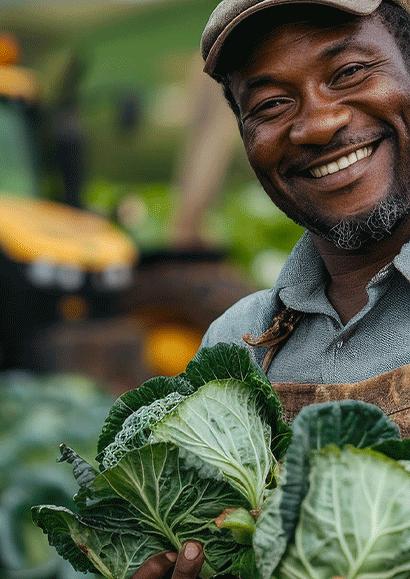
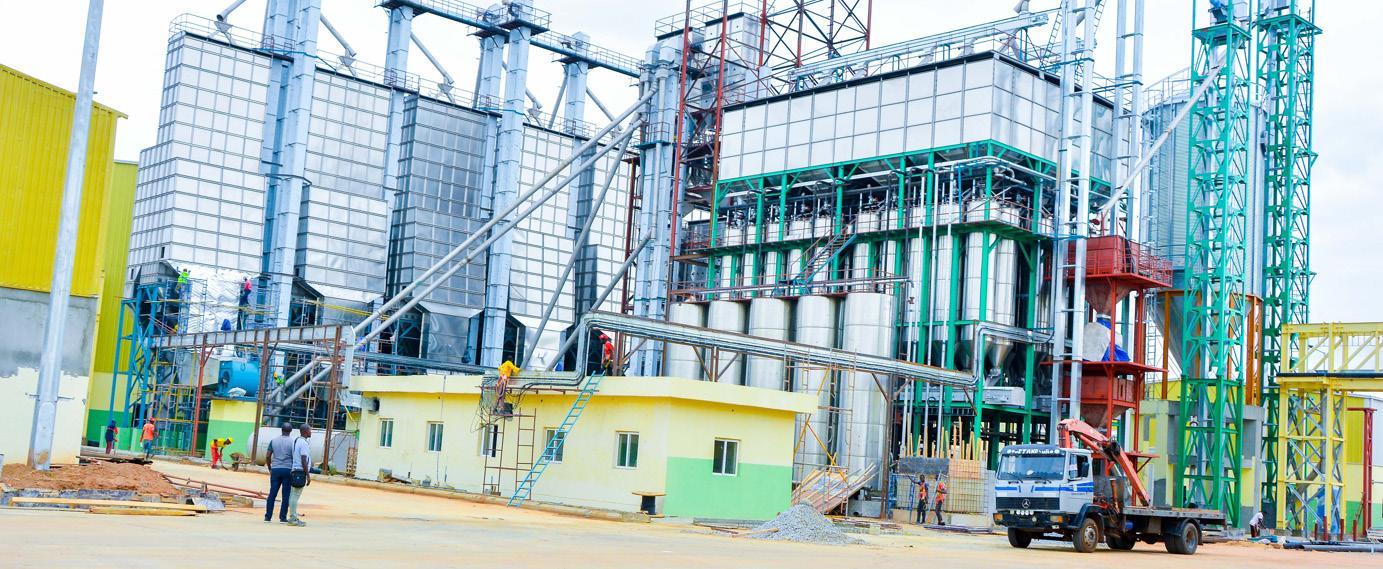
That loop begins in the fields. TGI’s agribusiness operations continue to expand their reach across Nigeria and wider Africa, supplying farmers with inputs such as fertilisers, agrochemicals and technical support, before purchasing harvested crops at scale. What has sharpened in 2026 is the efficiency and intelligence of that system. Investments in processing capacity, particularly in rice and edible oils, have increased domestic production while reducing reliance on imports, reinforcing food security at a national level.
But the real story lies in what happens after harvest. Through brands such as Big Bull Rice and Terra Seasoning Cubes, TGI has built a direct relationship with millions of consumers, embedding itself into daily life. These are not aspirational products, they are essential ones, designed to be accessible without compromising quality. In a market where affordability often dictates compromise, that balance has become a defining competitive advantage.

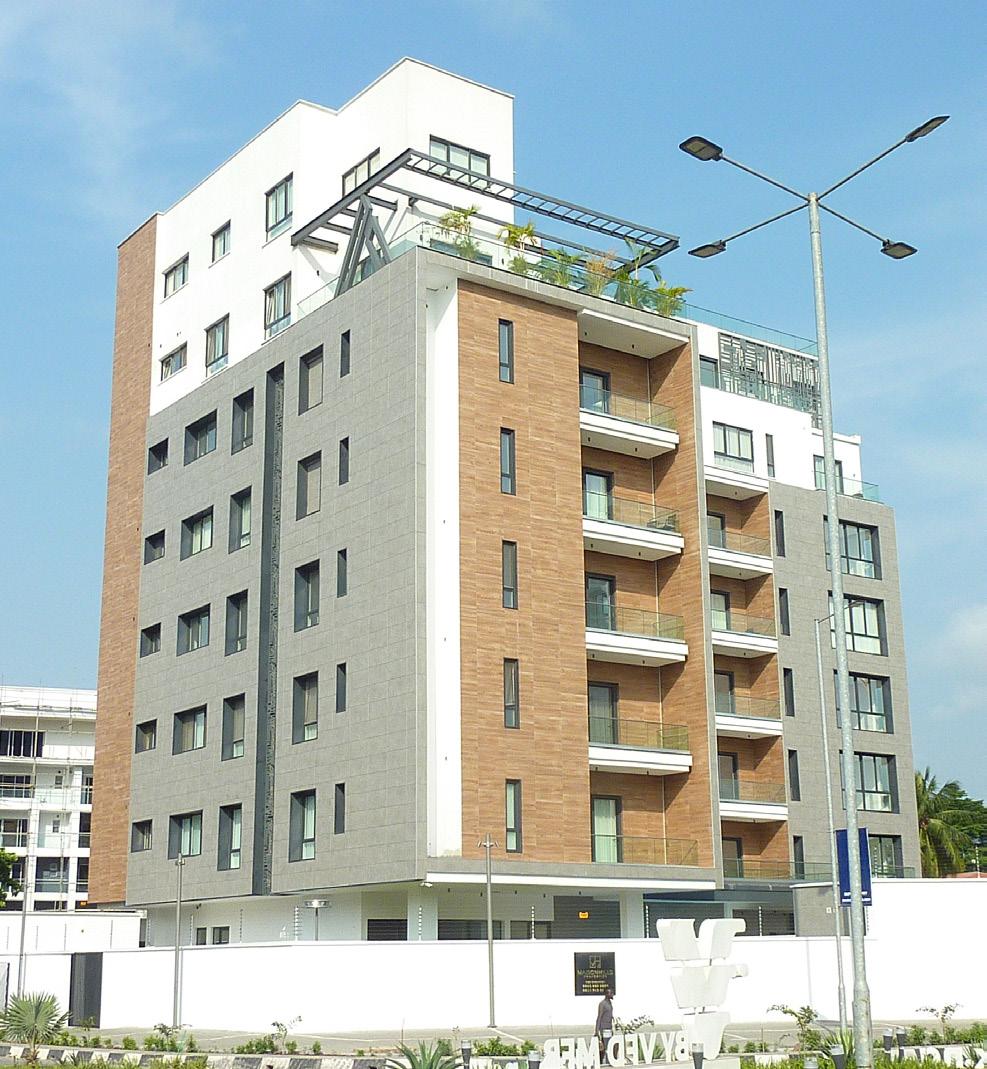
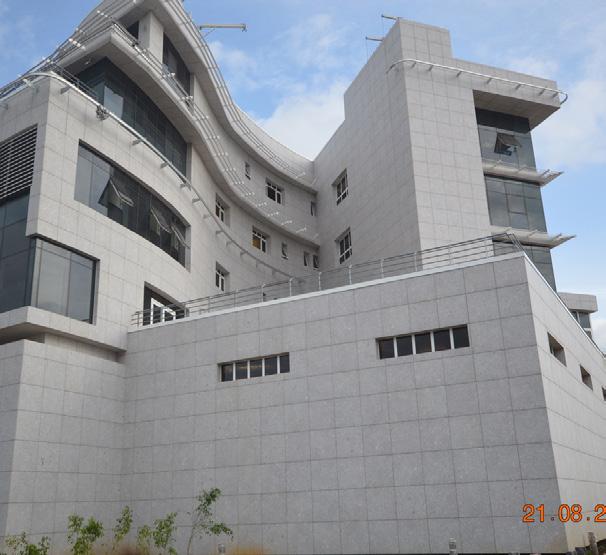
For over 44 years, Vita Construction Ltd has been a trusted name delivering world-class civil and building projects across Nigeria. From high-rise buildings and hospitals to industrial facilities and terminal ports, our expert team brings innovation, integrity, and precision to every project. We partner with clients, governments, and communities to create sustainable, high-performing environments— transforming the built world for a better tomorrow.
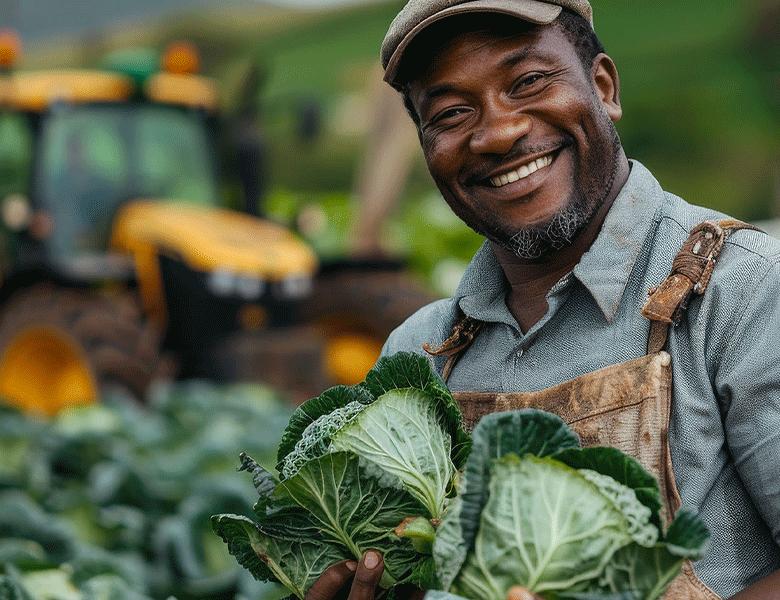
What distinguishes TGI in 2026 is how seamlessly it connects this consumer reach back to its supply base. Every purchase feeds back into the system, sustaining demand for locally sourced raw materials and reinforcing the livelihoods of the farmers who produce them. It is a closed-loop model, but one that remains open in its impact.
That same philosophy now extends more clearly into financial inclusion. Following its acquisition and ongoing transformation of Union Bank of Nigeria, TGI has continued to expand access to banking services in rural and underserved communities. The ambition is not simply to bank the unbanked, but to redesign how financial services interact with agricultural economies. Payments that once moved informally are increasingly digitised, giving farmers greater control
over their income while embedding them into the formal financial system.
The shift is subtle but significant. Financial inclusion, in this context, is not just about access to accounts, it is about stability, traceability and long-term economic participation. As more transactions move into formal channels, the broader ecosystem becomes more resilient, more transparent and ultimately more investable.
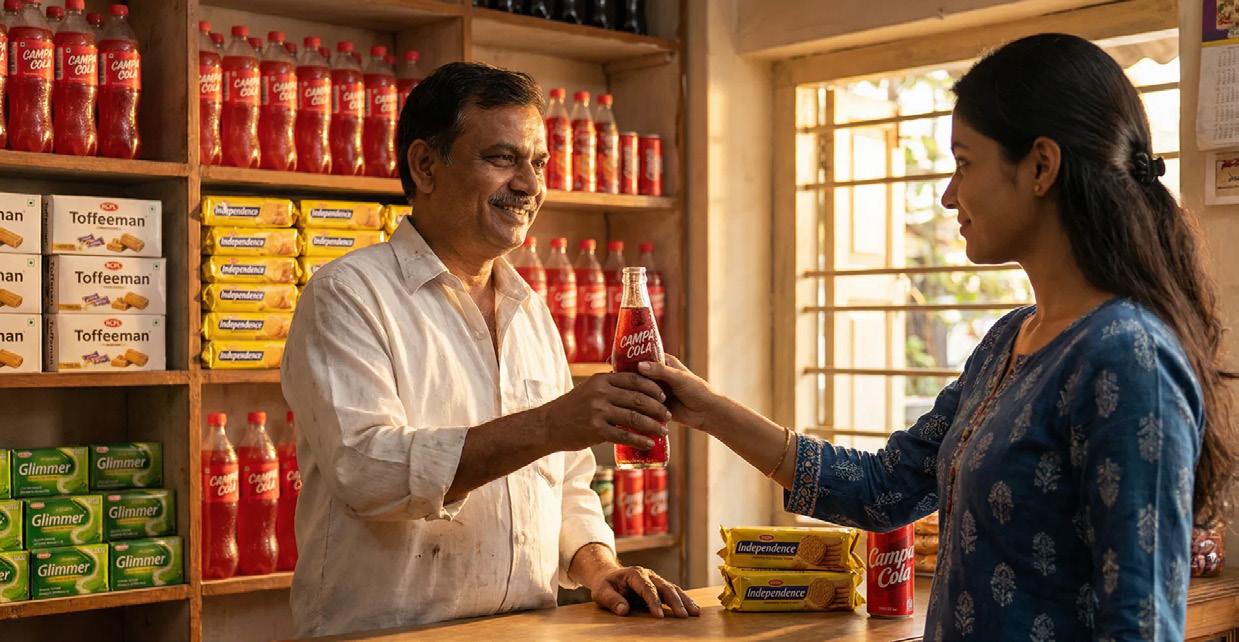
Alongside this, TGI’s industrial footprint continues to expand with intent. From new processing facilities to ongoing investments in fertiliser production and food manufacturing, the Group is steadily increasing its capacity to operate at scale while maintaining local relevance. Its recent collaboration with Reliance Consumer Products Limited signals a
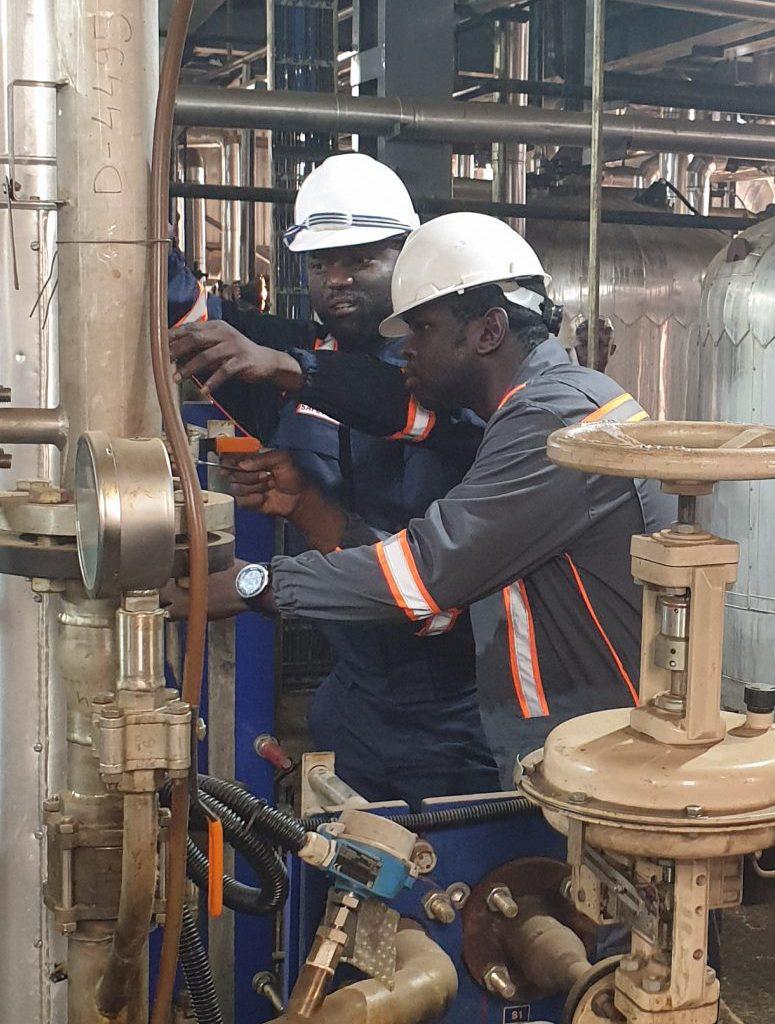
further step in this direction, bringing global product expertise into a locally anchored manufacturing and distribution network. It is a partnership that reflects TGI’s broader approach: combining international capability with domestic infrastructure to accelerate growth.
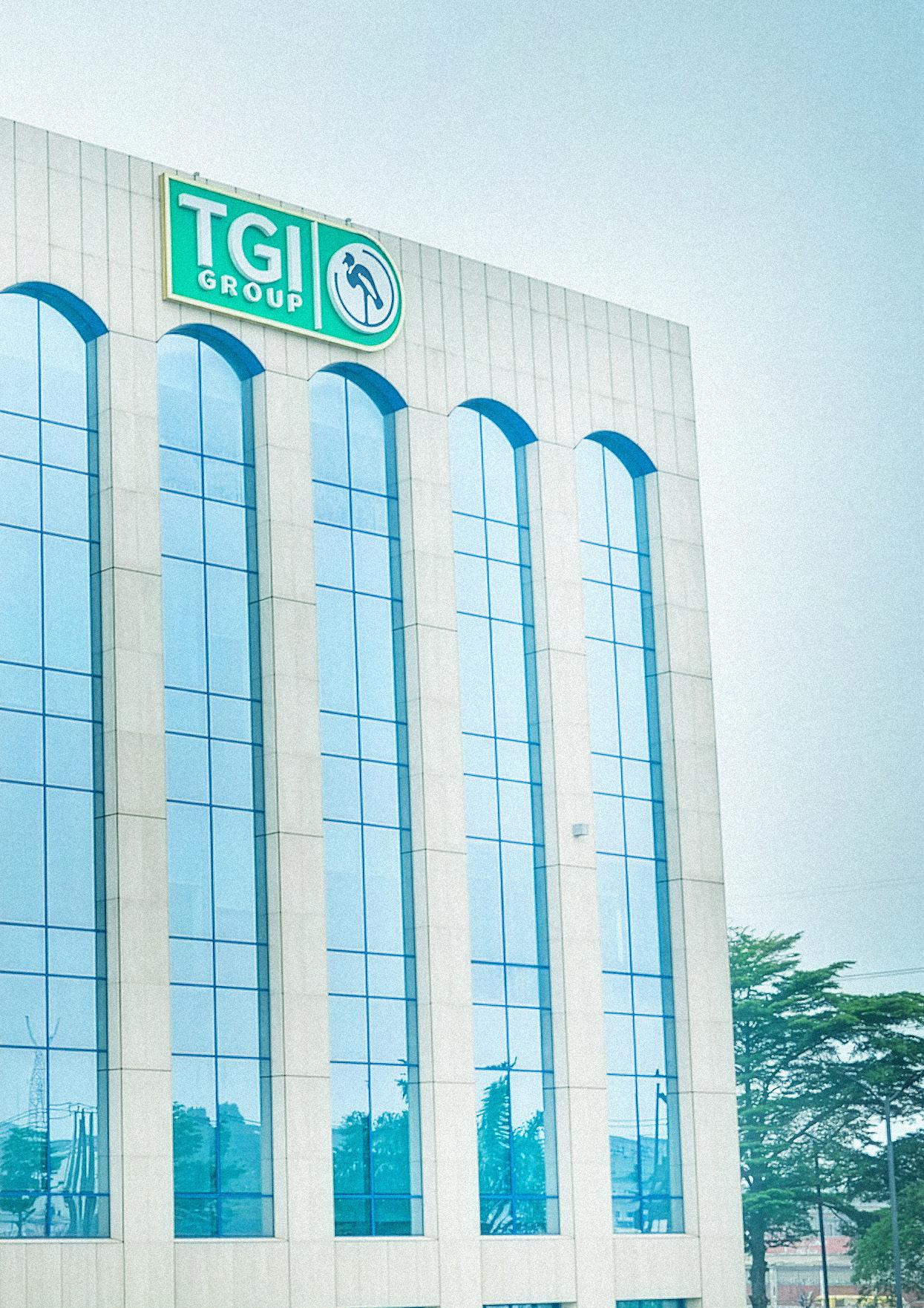
Beyond FMCG and agribusiness, TGI’s presence in real estate and industrial development continues to mature. Projects in Lagos and other key urban centres are not just symbols of expansion, they are physical extensions of the Group’s ecosystem, creating the environments in which its other businesses operate and scale. In this sense, construction is not a separate vertical, it is a supporting layer within a much larger system.
What remains consistent across all of this is a disciplined approach to expansion. Growth is not pursued for its own sake, but as a means of strengthening the connections between each part of the business. Whether through agriculture, manufacturing, finance or infrastructure, each investment is designed to reinforce the whole.
There is also a cultural dimension that underpins this strategy. TGI’s leadership continues to emphasise openness, collaboration and long-term thinking, principles that are increasingly rare in fastgrowth environments. Internal inclusion, the willingness to listen across generations and functions, has become a quiet driver of innovation within the Group. Initiatives such as venture funding for emerging entrepreneurs reflect a broader belief that the next phase of growth will come not just from within, but from enabling others to build alongside it.
As Africa’s economic landscape continues to evolve, the conversation around formal and informal markets remains central.
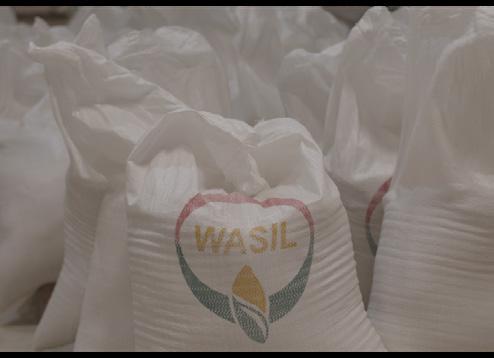
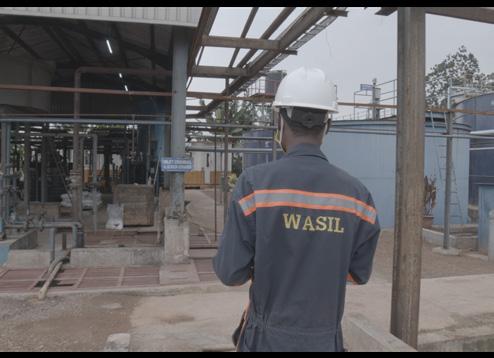
We are West Africa’s largest soy oil complex, working directly with farmers through our out-grower program to source the highestquality inputs.
From seed collection in key regions to processing, packaging, and shipment, we manage the entire soy value chain.
are on a mission to bring world-class,


The African Continental Free Trade Area has created new opportunities, but also new complexities. TGI’s position within this landscape is pragmatic. It recognises that true integration will require more than policy, it will require systems that can bridge the gap between informal production and formal distribution.
That is where TGI’s model feels particularly relevant. By operating across the entire value chain, from raw material sourcing to retail and finance, it is uniquely positioned to connect these worlds. It does not attempt to replace informal systems, but to gradually formalise them through participation, access and trust.
In 2026, TGI Group is not simply expanding, it is refining. Its role is becoming clearer, not just as a diversified business, but as an enabler of economic continuity. It sits between producers and consumers, between informal and formal markets, between local realities and global opportunity.
And in doing so, it continues to build something far more enduring than scale alone: a system that works.
www.clicktgi.net