A century of evolution and excellence

A century of evolution and excellence
PROJECT DIRECTED BY
Stephen Owen
WRITTEN
BY
Jay Benmehidi

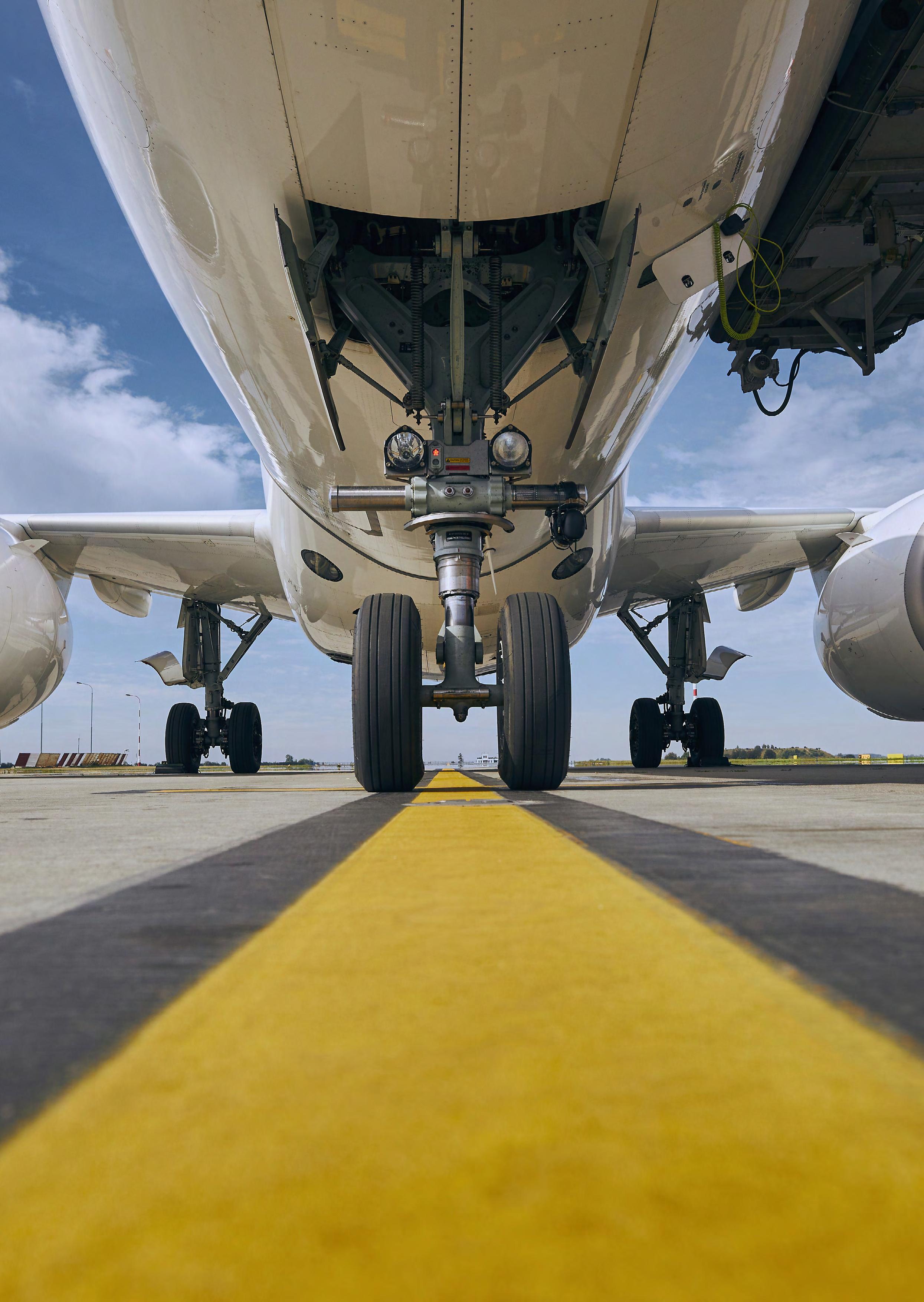
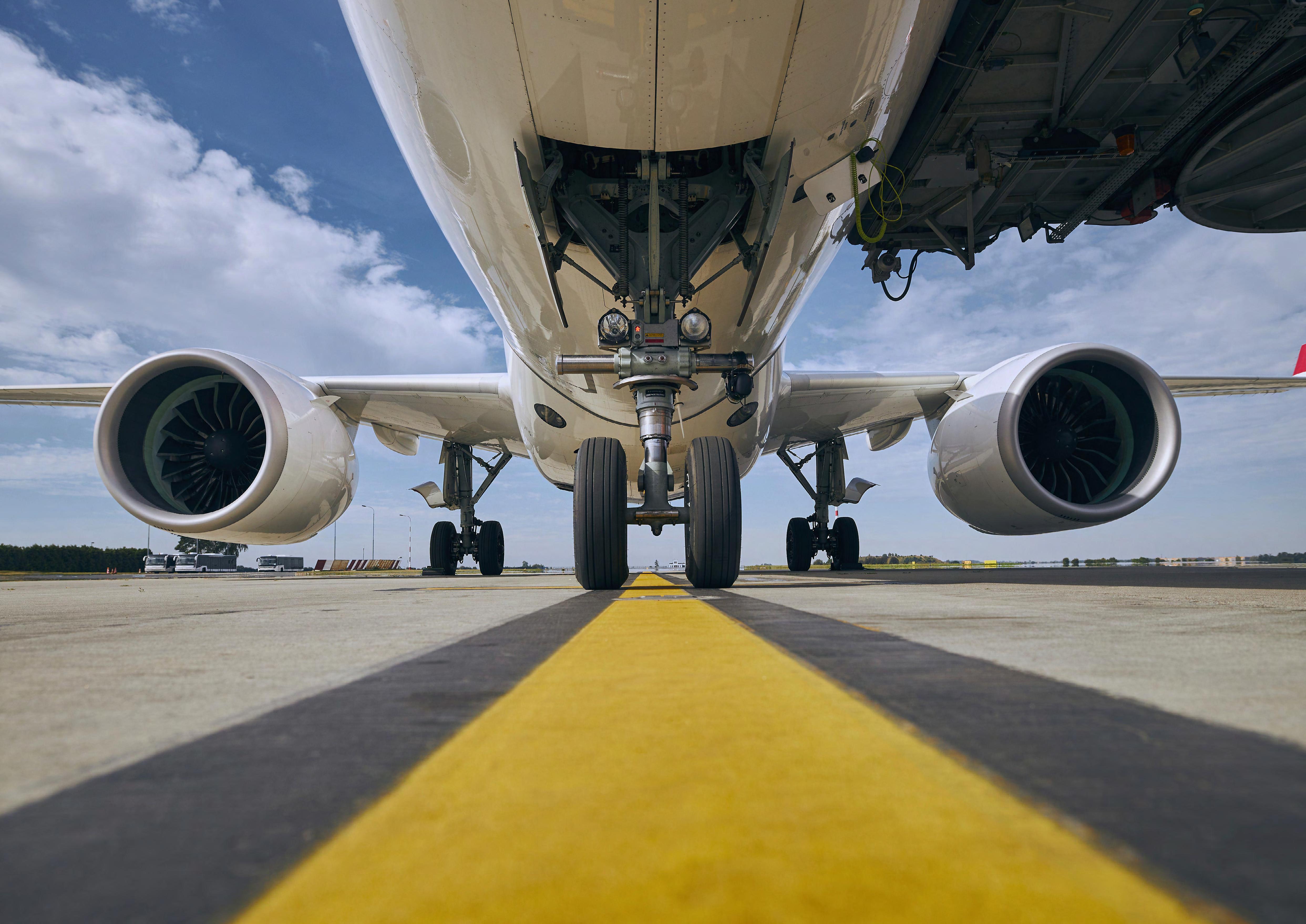
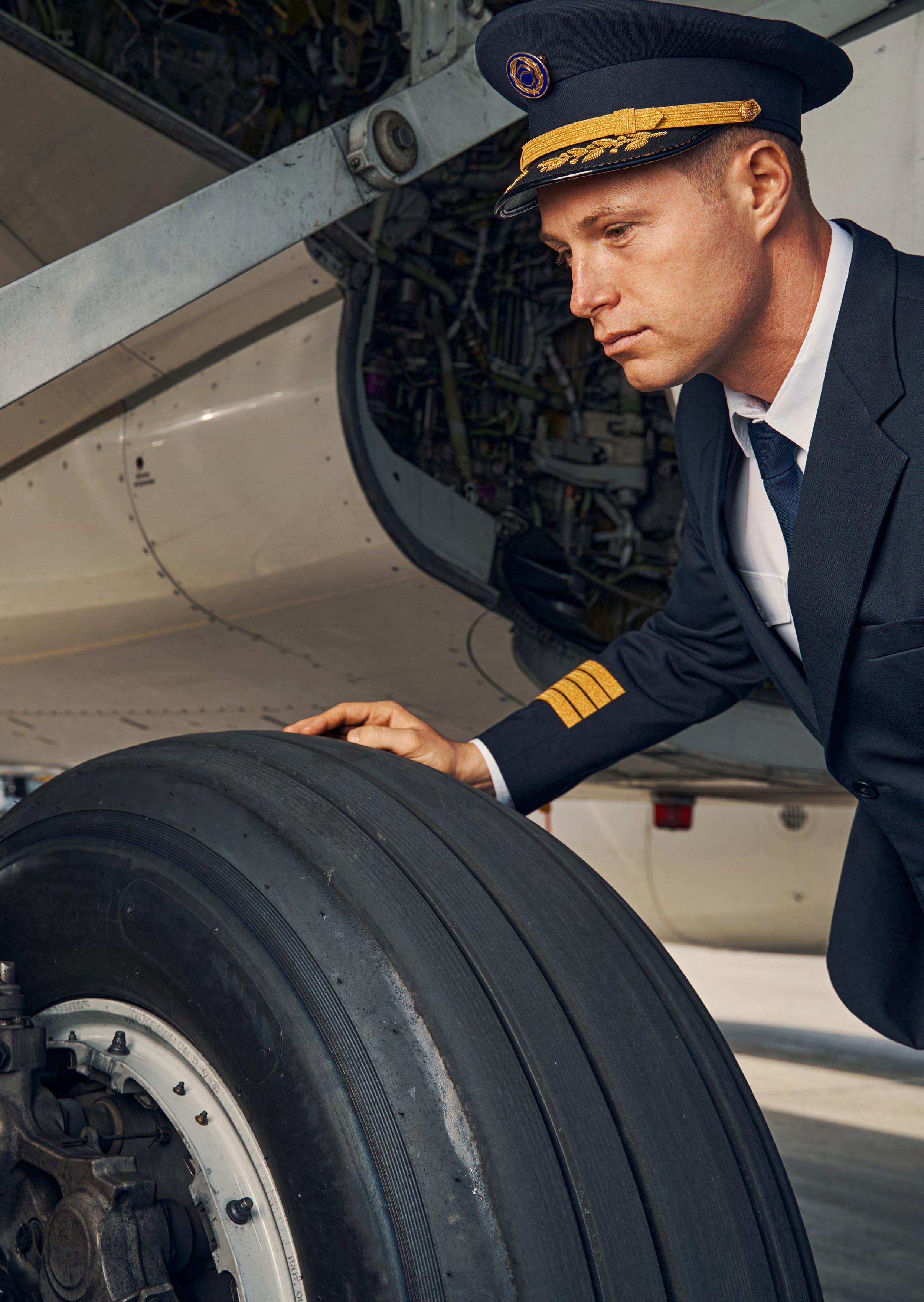
Modern aircraft are a marvel of engineering, packed with precision-made components, electronics, sensors, hydraulics, and unusual materials. Isn’t it ironic then that for all their complexity, the rubber on their wheels is arguably the most important part of any commercial or military plane?
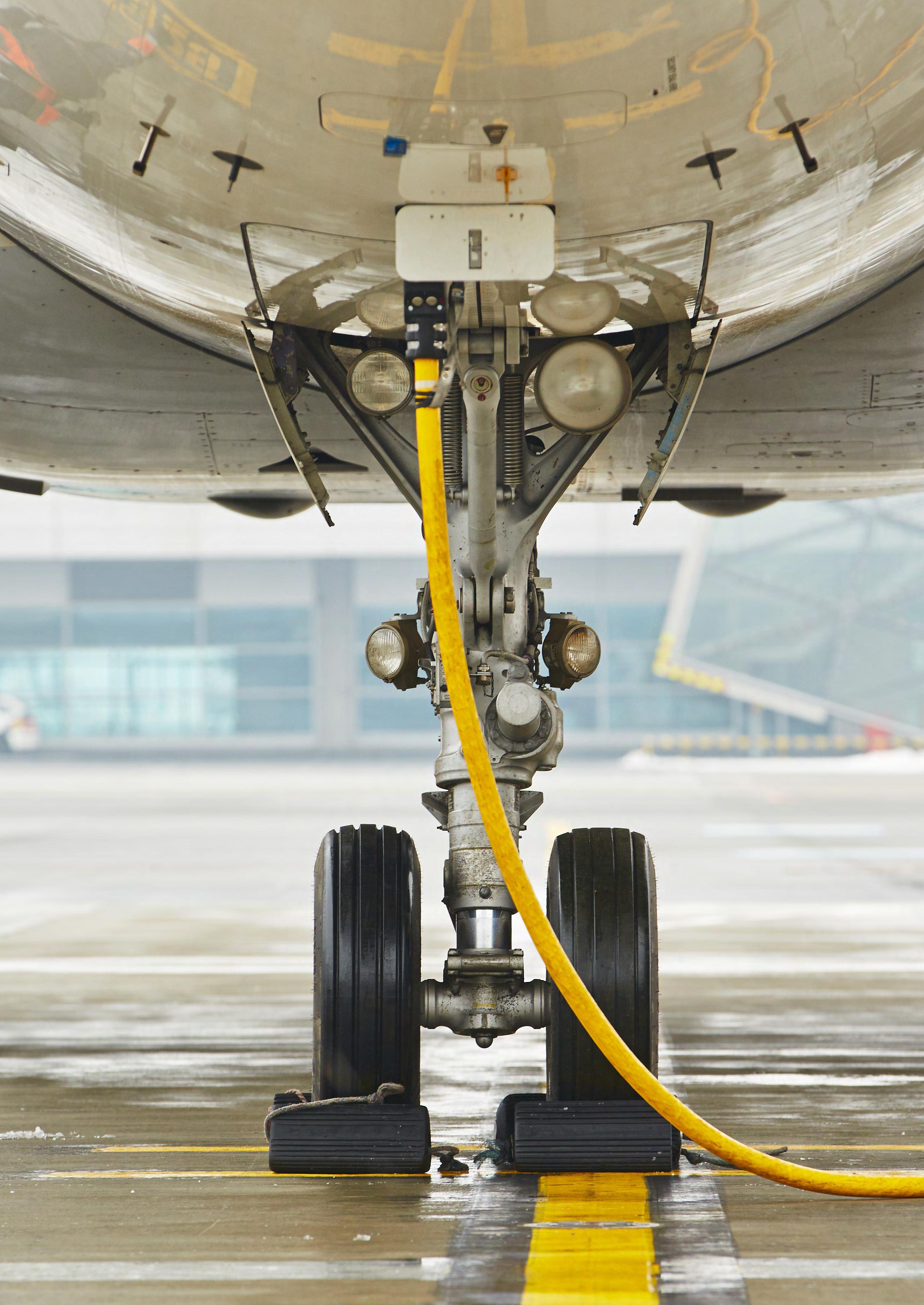
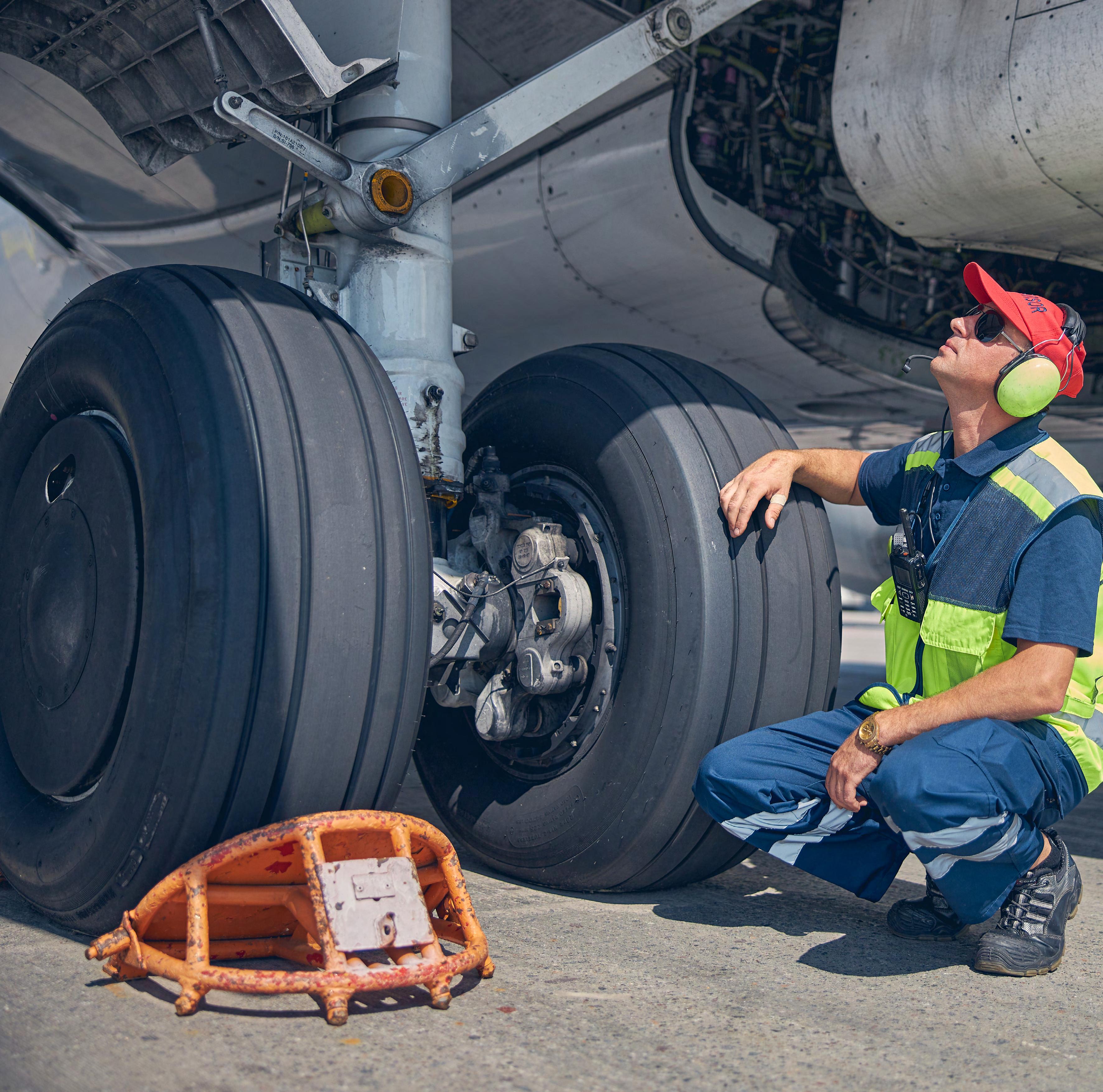
The tyres of a modern airliner hit the runway with the speed of a race car carrying the weight of a modest sized building, and yet must offer sufficient traction for sudden braking and emergency stops. They must perform perfectly regardless of environmental hazards, weather types and temperatures, and what’s more, they must do so time after time after time without failure.
This being so, it is understandable that the aviation sector is most discerning when it comes to choosing an aircraft manufacturer to partner with. Quality and safety are given, of course –no aircraft manufacturer would be in this line of business if they couldn’t deliver on this front. Rather, as Andrew Goodier, Chief Operating Of-
Dunlop AT
ficer of Dunlop Aircraft Tyres, explains, the deciding factor for carriers and military clients will always boil down to one key thing: longevity.
“Our strategy is really clear. We need to be the best performing aircraft tyre, the first-choice aircraft tyre. And to do that, we need the best quality, safety and service, and the best landing per tread performance. It’s a very simple market in that if your product has the best landings per tread ratio, you win the business, essentially. If that plane hits the tarmac 250 times without taking your tyre off but your competitor does it in 200, you’ll get the business.”
Our strategy is really clear. We need to be the
best performing aircraft tyre, the first-choice aircraft tyre.
Andrew Goodier, COO, Dunlop AT
Dunlop AT Aviation Feature
The high-stakes nature of aircraft tyre manufacturing, not to mention its competitiveness, means it is an industry that is always operating at the edge of innovation. To stay ahead of the curve and maintain its standing as one of the global leaders in its field, Dunlop has led the line in integrating cutting-edge technologies and new processes into its operations to improve speed of development and cost efficiencies without compromising on quality.
“We’ve got to think about innovation, and not just in terms of future stuff like new tyre design or advancement in materials, which is naturally when you think about when the subject comes up. Innovation is also about finding better ways,” explains Andrew.
He continued: “Traditional methods for getting a new tire into market would be to build a tire, go through lots of on-wing testing, lots of testing in and around creating machines that would replicate the plane hitting the tarmac, etc. There were long lead times to develop new processes and materials, and it was also very costly as well. However, we have now embedded much more virtual technology during the design processes.”
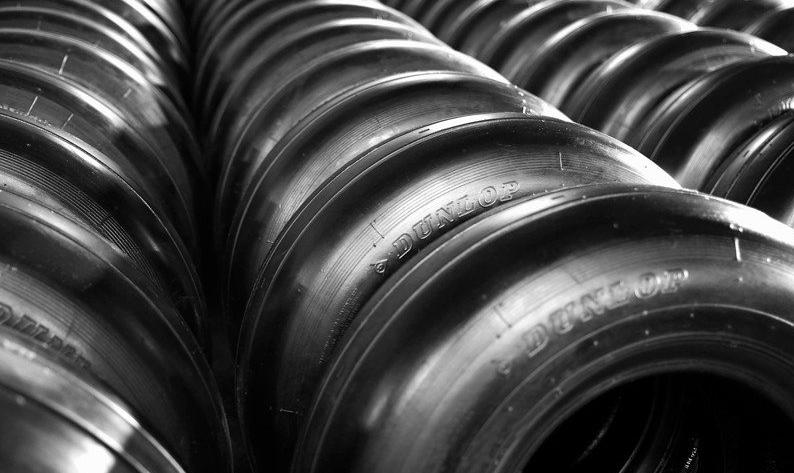
Leveraging innovation in this way to develop and manufacture tyres better and faster is not only key to Dunlop’s success, it is also critical to its long-term viability as a business. The iconic Dunlop brand is one that has long been synonymous with manufacturing excellence. From its headquarters in Erdington, located in Birmingham’s industrial heartlands in the UK, the Dunlop Aircraft Tyres of today is a proud descendent of the company that once supplied tyres to Britain’s wartime Spitfire squadrons from the famous Fort Dunlop site. And more than a century on from when the company was first formed in 1917, Dunlop AT continues to uphold Dunlop’s proud traditions and heritage through its standing as the go-to tyre manufacturer of choice for some of the biggest military and commercial clients in the world.
“We have the facility in the UK that makes tyres
for aircraft, and it also has the capability to retread and repair tyres as well. In 2008, we had a joint venture in Xinjiang in the Quangxi region with a company called HAECO to retread tires. We’ve been retreading tyres ever since with them. And then we’ve got a facility set up in 2016 in North Carolina, in Knoxville, and in that facility, again, just a retread. So that’s our three manufacturing facilities.
I have responsibility as a Chief Operating Officer for all three of those manufacturing facilities from an operations standpoint. Our turnover this year will be in the region of £50 million off the back of our operations across those three facilities.
So in the aircraft tyre world, there are three major players - Bridgestone, Michelin and Goodyearand then there’s Dunlop, who are much smaller in scale. OK, obviously these are huge multi-billion dollar businesses, but our strategic advantage is that they don’t focus exclusively on aircraft tyres. We do.”
Unlike the Dunlop of old, which was once the leading tyre manufacturer in the world by size, today, Dunlop AT is a smaller, more nimble operation that holds its own against far larger competitors through being an industry first-mover and specialist manufacturer. Whereas for its rivals, aircraft tyre manufacturing is but one division within a wider portfolio, for Dunlop AT, manufacturing aircraft tyres is its singular passion and focus. No other aircraft tyre manufacture in the world is 100% dedicated to its craft in such a way.
This tenacity on the part of Dunlop AT, which has refused to be overshadowed by its bigger, more well-resourced competitors, is a trait that is shared by Andrew Goodier himself. In many respects it is a union of kindred spirits. Since he joined Dunlop AT in November 2019, having been headhunted for the COO role, Andrew has had a direct hand in much of the positive disruption that has occurred since the outbreak of the COVID-19 pandemic.

Aviation Feature
Over the course of a long and successful professional journey, which saw him rise up through the ranks from apprentice to COO, Andrew has earned reputation for being an executive who can come in and turn around an ailing business – something he has succeeded in doing time and again with a number of companies prior to joining Dunlop. And true to form, albeit, unexpectedly, just six months after joining Dunlop, Andrew once again found himself in a position where he had to roll up his sleeves and help the company reposition itself following the outbreak of COVID-19 and the collapse of airline industry.
It is no secret that few industries have been hit harder by the COVID-19 pandemic than aviation, and as airlines were brought to their knees around the world, by extension, Dunlop AT quickly found itself in a difficult position.
“Our business is split into different areas. Around 45 percent of our business is commercial, 25 military and 25 freight forwarders. This split al lowed us to survive the recession, really. Com mercial took a pounding dropped and dropped 60-70 percent. However, over the last three to four years, Dunlop have really grabbed market share on the freight forwarders. So DHL, UPS, Fe dEx, we have almost 100 percent of that market. And as you can appreciate through the COVID crisis, they’ve been delivering goods and services around the world throughout.
So that has allowed us really to offset the signif icant drop that we saw in the commercial pas senger world. And the military side of the business stayed the same throughout, I mean, some of the big military planes were getting medical equipment across the world and people across the world have been busy also.
VIS ON INTELL GENCE
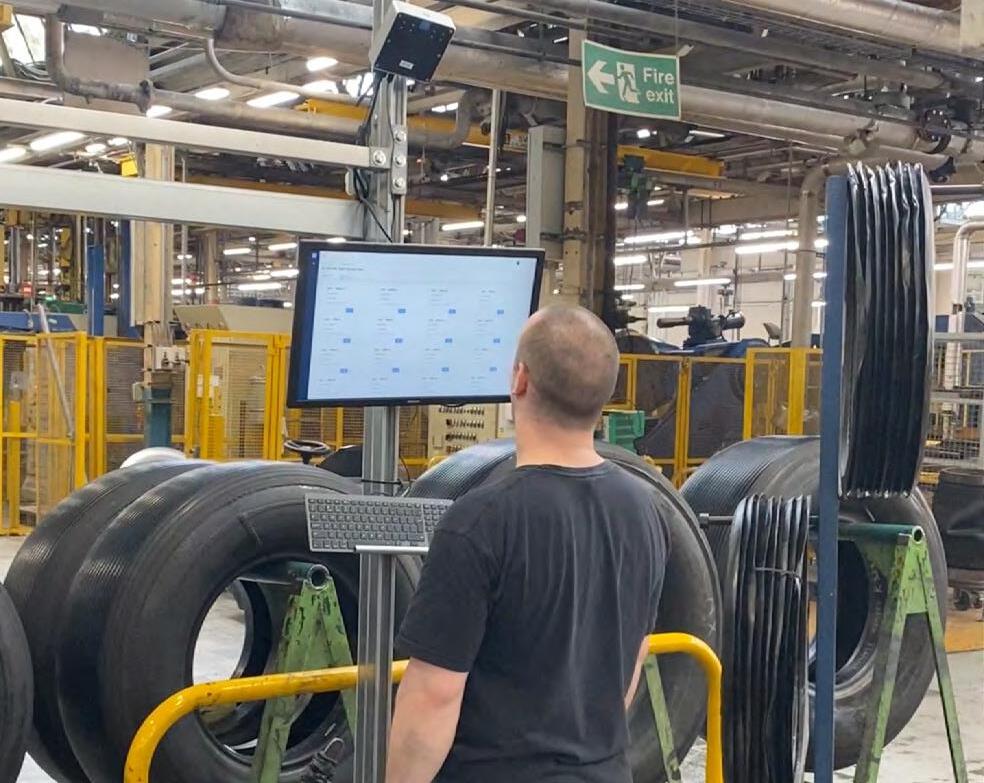


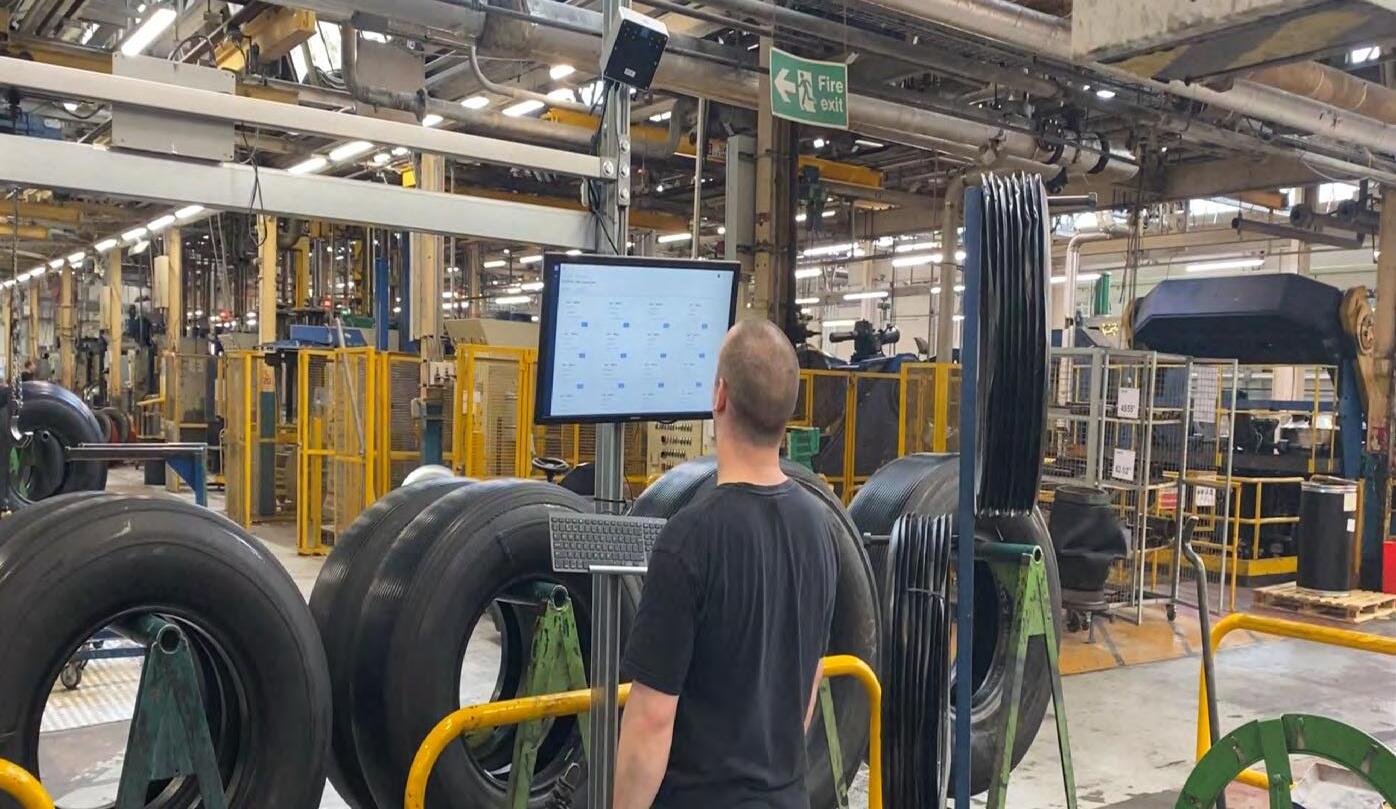

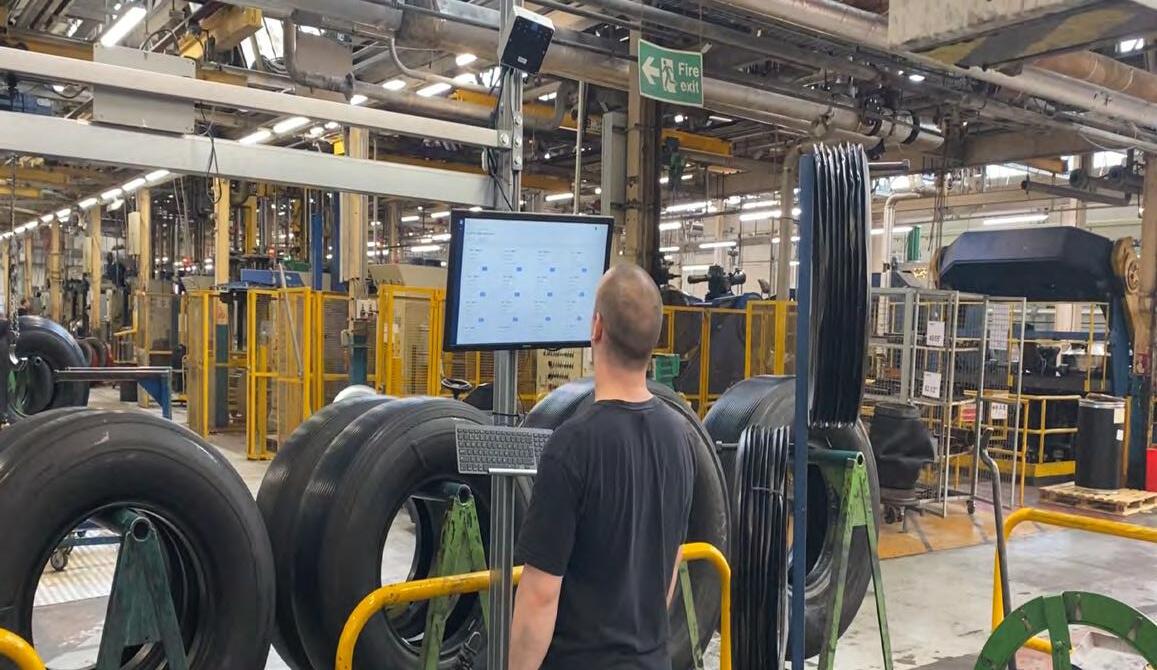
We’ve been we’ve been OK. I won’t say it’s not been a tough couple of years because of course it has. Any business in the aerospace industry will tell you the same, but we have sort of been able to ride the storm a little because of the military and freight forwarding side of business.”
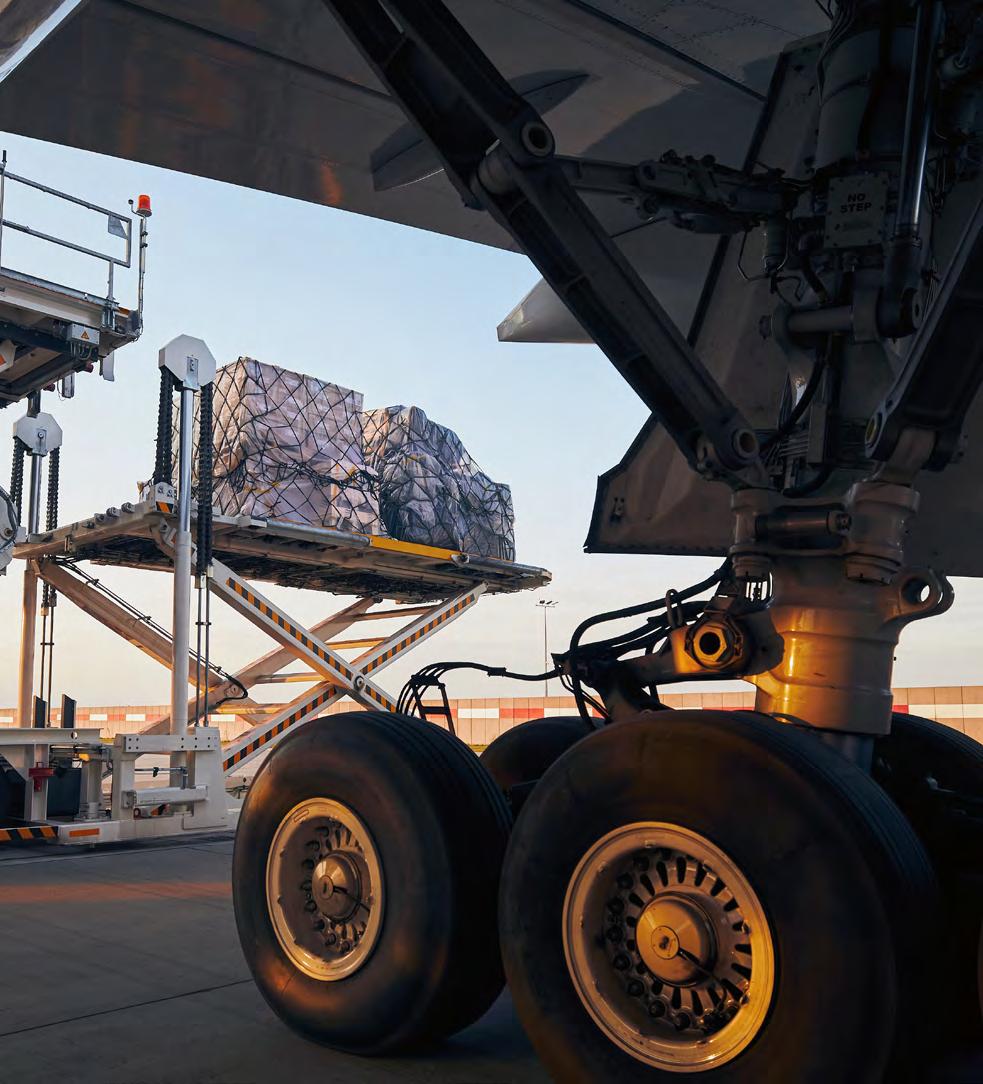
Our business is split into different areas. Around 45% of our business is commercial, 25% military and 25% freight forwarders.
Dunlop AT Aviation Feature
Looking into the future, Andrew is optimistic regarding what lies ahead for the company. The aviation sector and the aerospace businesses that support it are still facing headwinds, of course, but there is a prevailing feeling that the worst is behind us, certainly for aircraft tyre manufacturers who know that, whatever happens, aircraft will always need tyres. Andrew concluded:
“We’re making a consumable, almost. we’re making a commodity. Now that the UK is flying back to the US, and that people are allowed to get back into the US, we’ll see a significant uptick in business just on the back of that.
There are environmental constraints and environmental pressures on the industry that are going to be significant going forward, and of course COVID hasn’t gone away. We still see lots of challenges going forward for the business, but we remain reasonably buoyant and optimistic about the future. And with what we’ve done with our strategy over the last two years, it’s allowed us to take stock a little of our strategy, really drill down, simplify it, really, to keep that laser focus on what we need to do. And I think if we deliver what we need to, there is so much market penetration left for us. Dunlop is an old, traditional established business, but we still think there’s some life in it.”



+44 (0)121 384 8800
www.dunlopaircrafttyres.co.uk info@busenq.com www.busenq.com