LOCAL & GOOD
Papua New Guinea’s manufacturing sector is wide and varied, and in this special feature we celebrate some of the country’s success stories in the sector. We also discover that there’s cause for optimism, with strong growth predicted for 2026.
This special report was first published in the May-July 2026 edition of Paradise magazine, which is published for Air Niugini by Business Advantage International. For further information, please contact Charles Saldanha at email cs@ businessadvantageinternational.com.



PNG MANUFACTURING LOOKING UP
Most PNG manufacturers are looking to grow this year by supplying both local and international customers. Nadav Shemer Shlezinger reports.
If current investment trends are any indication, then the ‘PNG Made’ logo could soon appear on more products than ever before.
A majority (63 per cent) of manufacturers are planning to substantially increase their capital expenditure this year, according to the 2026 Business Advantage PNG / Westpac PNG 100 CEO Survey.
These results are backed up by Murray Woo, Chairman of the Manufacturers Council of Papua New Guinea, who says that existing manufacturers “have increased their investment in the country”.
Additionally, he says, “a number of companies are looking for import replacements
due to supply chain issues, which has increased our membership as companies start investing and manufacturing locally”.
However, he cautions that the Iran war, and rising fuel costs, will increase operating costs for all manufacturers.
POULTRY PLAYS
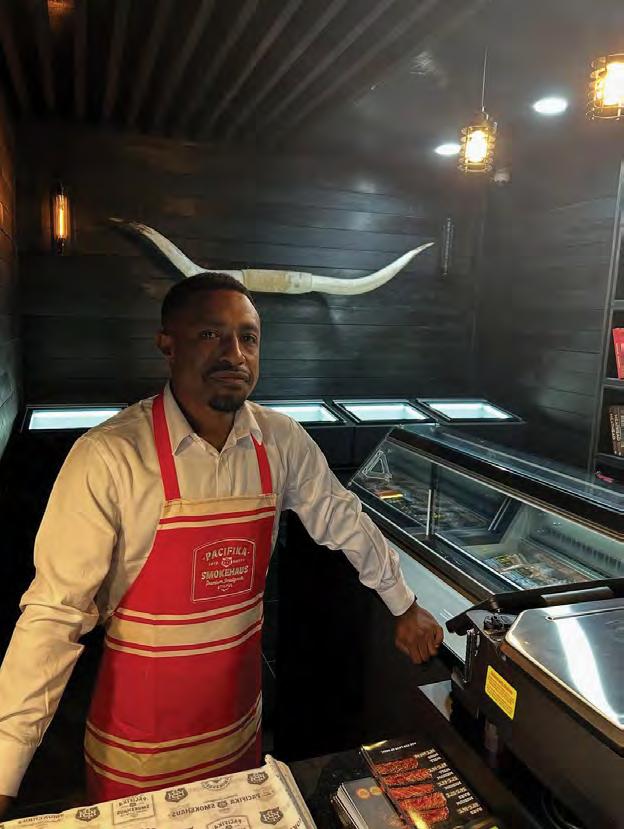
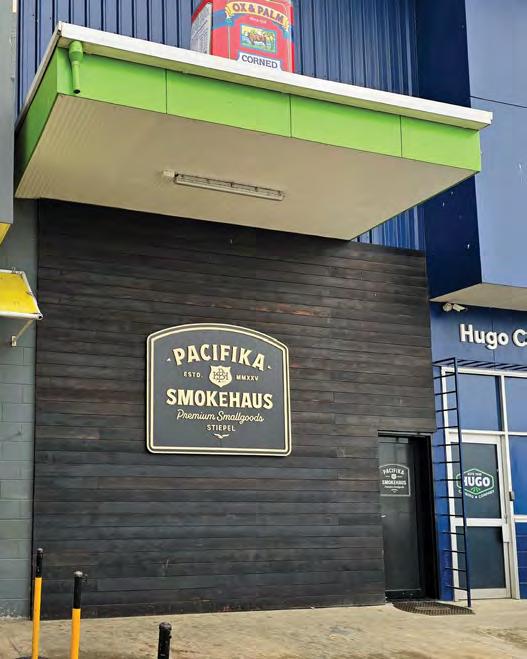
Taylor Pacific is a prime example of the trend towards increased capital expenditure. It joined the ranks of PNG manufacturers in 2024 when it purchased Hugo Canning Co, producer of the Ox & Palm corned beef and Ocean Blue tuna brands. It followed this up in 2025 with the acquisition of 50 per cent of Sepik Fresh Poultry.
Existing manufacturers have increased their investment in the country.
Jeremy Fry, the Chief Executive Officer of Taylor Pacific, says his firm has an investment plan aimed at addressing the lack of protein in the average Papua New Guinean’s diet, through providing affordable options.
“We see our role primarily as a protein player. Whether it’s chicken, fish or beef –we want to be involved in it,” Fry says.
Stage one of the plan centres around table eggs and broilers, which Fry says will provide fresh – rather than frozen – chicken at scale in Port Moresby for the first time.
“We’re building sheds, clearing land, and look forward to processing our own chicken,” Fry says, adding that he expects to bring the Stiepel Fresh eggs to market in May and fresh chicken meat by August.
Another big manufacturer planning to increase its investment in poultry is PNG Forest Products (PNGFP). Although best known for the engineered wood products that it produces out of its sawmilling and manufacturing plants in Morobe Province, PNGFP has other diverse interests too –including a small existing poultry business.
“There’s room here for about four or five big chicken producers,” says PNGFP Executive Chairman Tony Honey, adding: “We want to move from about 30,000 birds a month up to about 200,000.”
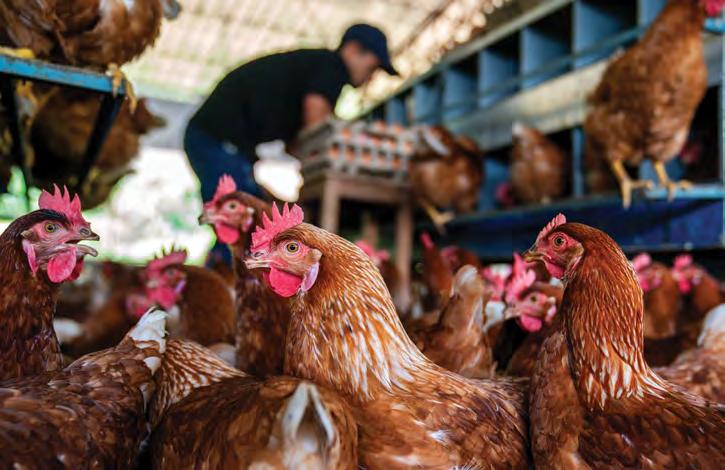
Some PNG companies are hatching plans to expand into poultry, joining major players such as Mainland Holdings in the sector.
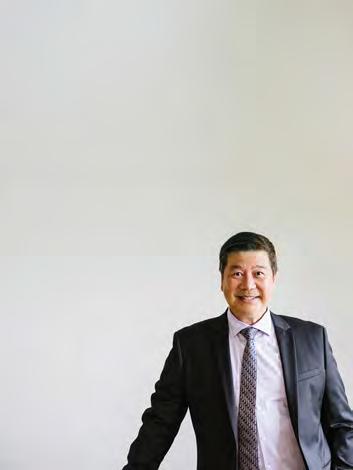
Murray Woo, the Chairman of the Manufacturers Council of PNG.
PACIFIC REACH
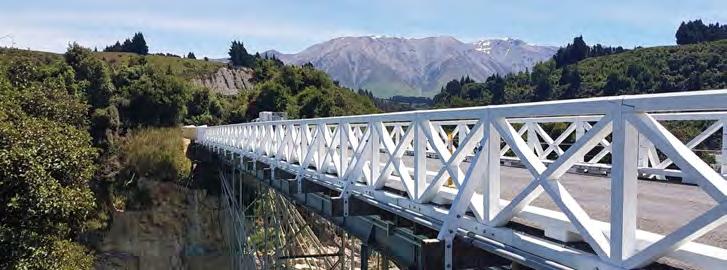
PNGFP has sold its wood products domestically since 1954 and only branched out into exports a few years ago. But what started as a way to get access to more foreign currency soon became a lucrative sales channel in its own right, with the firm now exporting more than one-third of its plywood – primarily to Australia and New Zealand, where its products are mainly used in bridge decking, sub-floor construction, exterior cladding, bus flooring and highway noise barriers.
A majority (63 per cent) of manufacturers are planning to substantially increase their capital expenditure this year.
“The shipping lanes circle around from Rabaul to Honiara to Fiji and then back, so Rabaul would take on capacity once we get that,” says Everett Chue, Director at Pacific Industries.
The experiment has been so successful that PNGFP is now planning to invest in additional kiln capacity and peeling lines to improve efficiency and reduce waste.
“I see growth in New Zealand,” Honey says. “Carter Holt Harvey, one of the biggest plywood producers (in New Zealand), has shut down. That will affect a lot of the retailers that need to buy our stuff, so they’ll be coming back through our distributor, we hope.”
Pacific Industries is another longstanding PNG manufacturer with export ambitions. For more than 80 years, the food and beverage manufacturer had a single production facility in Rabaul. That all changed in 2024 when, six years after winning the exclusive PepsiCo bottling licence for PNG, it opened a PGK90 million can and bottle facility in Port Moresby.
The new facility in the capital now handles 70 per cent of Pacific Industries’ manufacturing needs, with some of the Rabaul plant’s capacity earmarked for a potential foray into the Solomon Islands.
POSITIVE IMPACT
While most manufacturers are planning to increase capital expenditure in 2026, business growth isn’t necessarily the only motivation.
As a subsidiary of the Heineken Group, South Brewery is signed up to its parent company’s goal of achieving net-zero carbon emissions by 2030. In 2026, it completed upgrades to its Lae production facility, including installation of solar panels on the roof and expansion of warehouse capacity, according to Managing Director Ed Weggemans.
In addition to helping meet net-zero commitments, Weggemans says the upgrades will give the business the ability to meet any future increase in demand –including any flow-on boost from a final investment decision on the Papua LNG project, which is anticipated this year.
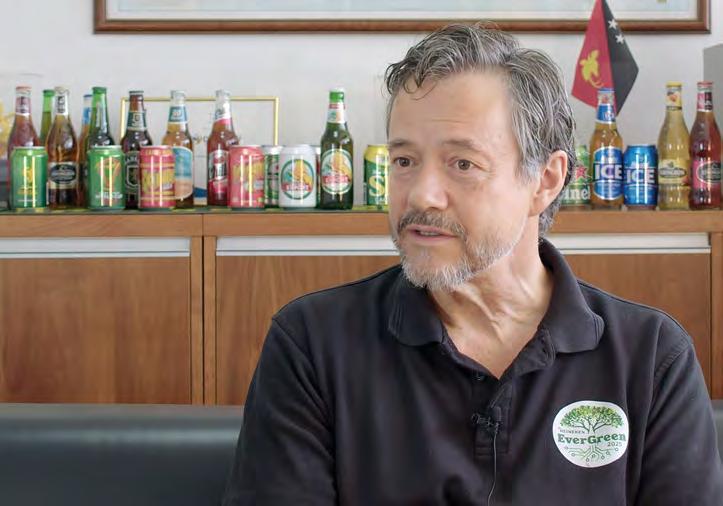
SP Brewery Managing Director Ed Weggemans.
The ‘PNG Made’ logo could be seen more often if current investment trends continue.
A PNGFP bridge at Rakia Gorge in New Zealand.
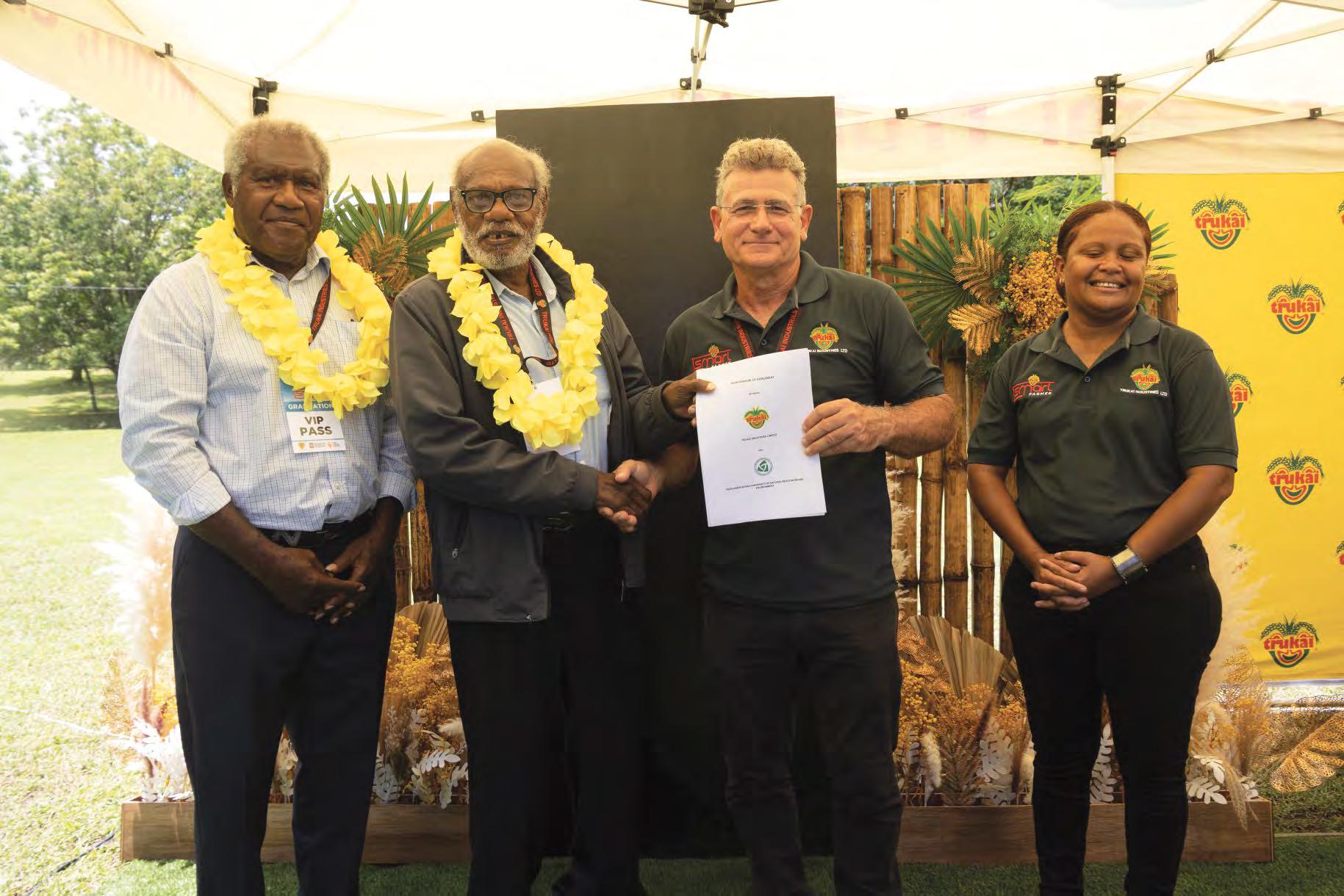
INVESTING IN PNG’S RICE FUTURE

A PNG COFFEE SUCCESS STORY
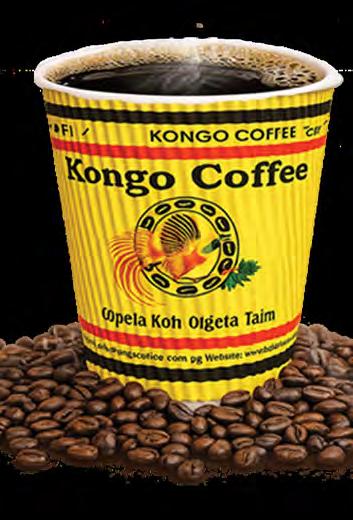
From small beginnings, Kongo Coffee has grown into one of PNG’s biggest and best coffee brands.
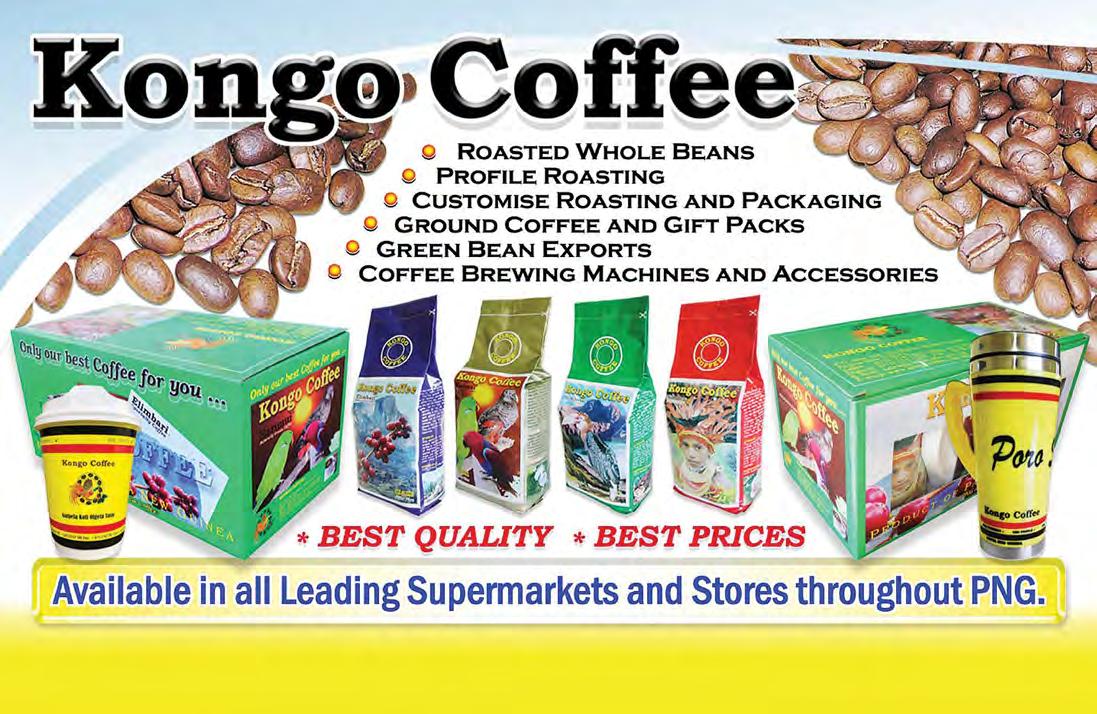
For more than 30 years, Kongo Coffee Limited has been a part of Papua New Guinea’s coffee journey – growing, buying, processing, roasting and exporting premium grade PNG coffee to many destinations around the world.
The company’s roast and ground coffee story began in 2002 with a commitment to roasting the best possible coffee at the lowest possible prices for PNG. Starting with a small four-kilogram roaster with manual weighing and packaging

operations, Kongo Coffee has now grown to become PNG’s biggest roaster with the most modern roasting facility.
Kongo Coffee is available in supermarkets and shops throughout PNG, and used by leading catering operations in the resource sector. The coffee is also available in leading supermarkets in the Solomon Islands.
Beyond roasting, Kongo Coffee plays an active role in partnering with local small to medium enterprises (SMEs) in many provinces in PNG to brew and make available to consumers high-quality, 100 per cent locally produced coffee.
Kongo Coffee is the official importer and distributor of premium quality Bravilor Bonamat coffee brewing machines, parts and accessories. The company provides training and support to its SME partners to enhance their businesses and ensure that they brew and offer consumers PNG’s own locally produced coffee.
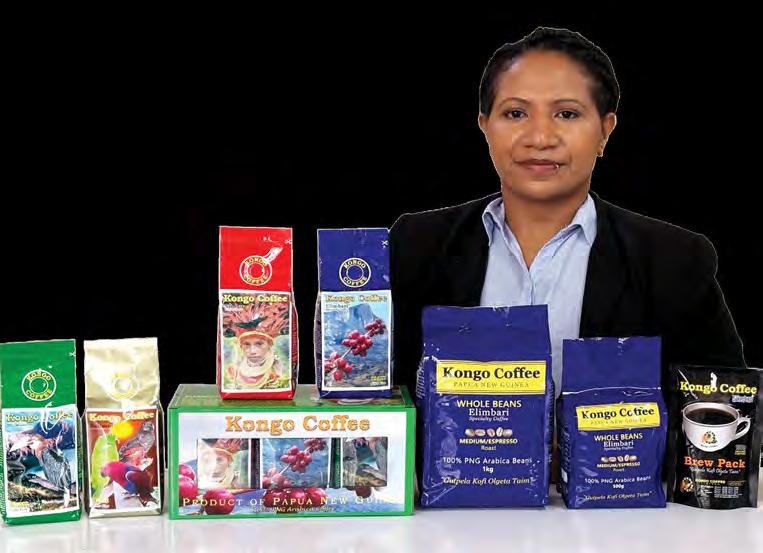
Kongo Coffee plays an active role in partnering with local (SMEs) in many provinces in PNG.



“ perfectly pure... ...perfectly PNG ”
Kongo Coffee’s range of products (opposite and this photo).
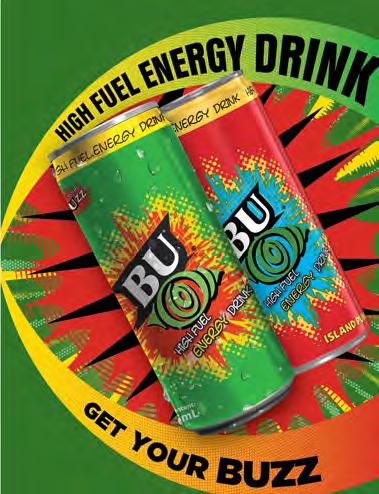
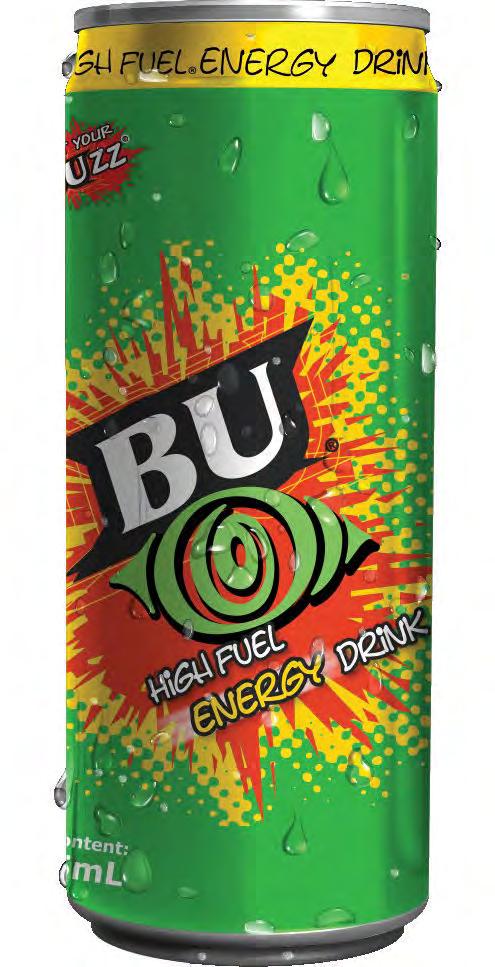
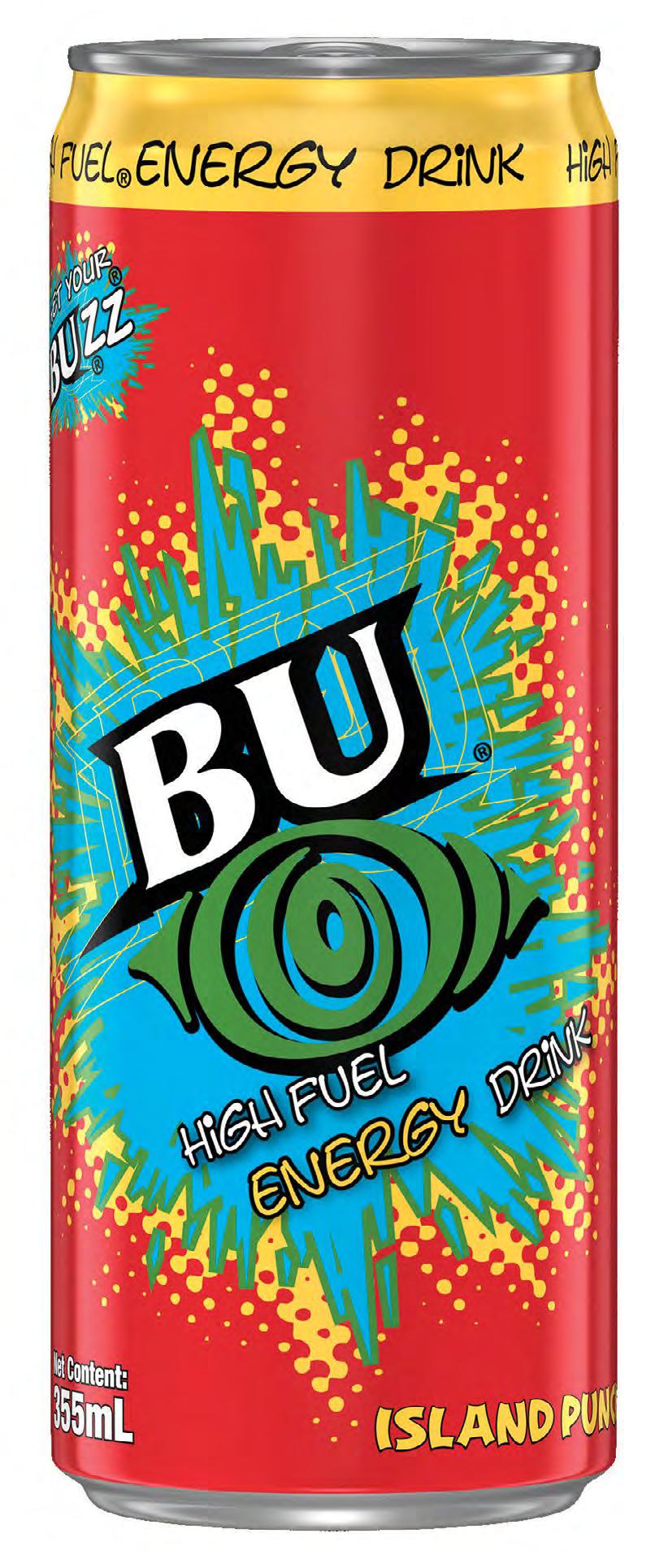
For almost two decades, BU Energy has been part of Papua New Guinea’s daily rhythm – the early-morning market runs, road trips on the Highlands Highway, long workdays, late-night study sessions, big moments of celebration and everything in between. It is a brand that has grown with PNG, shaped by its people, its hustle and a unique way of doing things BU is manufactured and distributed by Coca Cola (PNG), and first hit the shelves in late 2007, arriving in a small can. As the energy drink category expanded across the country, BU carved out its own space – not just as another drink, but as PNG’s own.
Today, BU returns with a refreshed identity, one that brings
ENERGY DRINK IS PNG’S OWN DREAMING BIG
the energy of the brand to life like never before. The new design (pictured left) bursts with vibrant colour and striking patterns inspired by PNG’s lively personality. It’s modern and bright, and crafted to stand out in coolers, kiosks, trade stores and supermarkets across the country.
While the outside has evolved, what’s inside remains true to what Papua New Guineans love. BU continues to deliver its signature, uplifting taste supported by a blend of B-group vitamins, which the maker says help the body produce energy.
Coca-Cola Europacific Partners PNG says that what sets BU apart is its sense of place. BU is made in PNG. It is crafted for PNG tastes, PNG lifestyles and PNG energy.
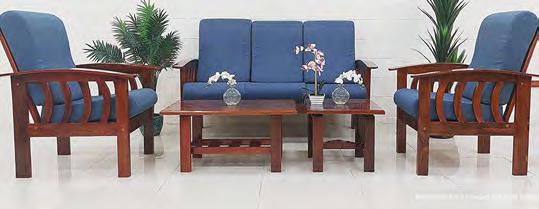
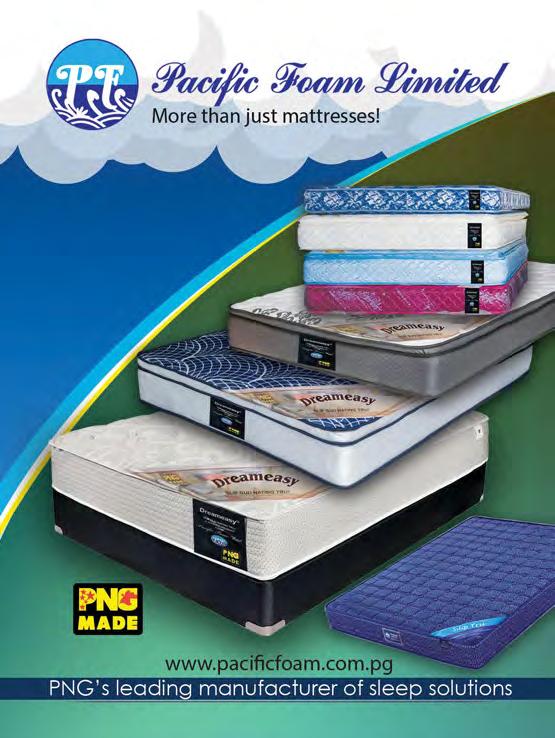
Papua New Guinean company Pacific Foam is celebrating 48 years of continuous operation in 2026, something it couldn’t have dreamt of when it started in Lae in 1978.
The company was the first manufacturer of polyurethane foam and sleep products in PNG. It still manufactures those products – including a wide range of Silip Isi foam and Dreameasy spring mattresses – with operations in Port Moresby and Lae.
It has also diversified into other areas such as upholstered
furniture, wooden furniture, soft furnishings such as curtains and blinds, as well as injection and blow-moulded plastic products, PET bottles and caps, printed flexible packaging and cardboard cartons.
The company’s joinery in Lae manufactures wooden lounges, dining sets, boardroom tables, doors, cabinets, coffee tables and any number of bespoke wooden furniture items made from locally and responsibly sourced kwila and taun hardwood varieties. The company employs about 150 people, of which 96 per cent are PNG nationals.
Pacific Foam’s joinery in Lae manufactures lounges and other furniture.
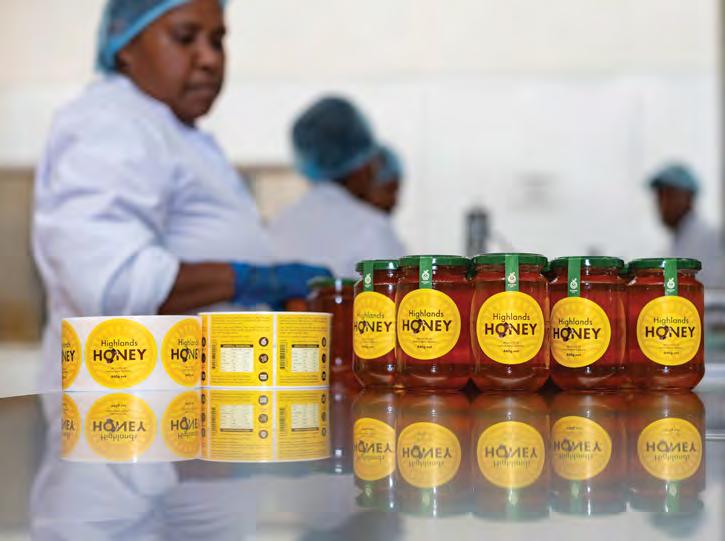
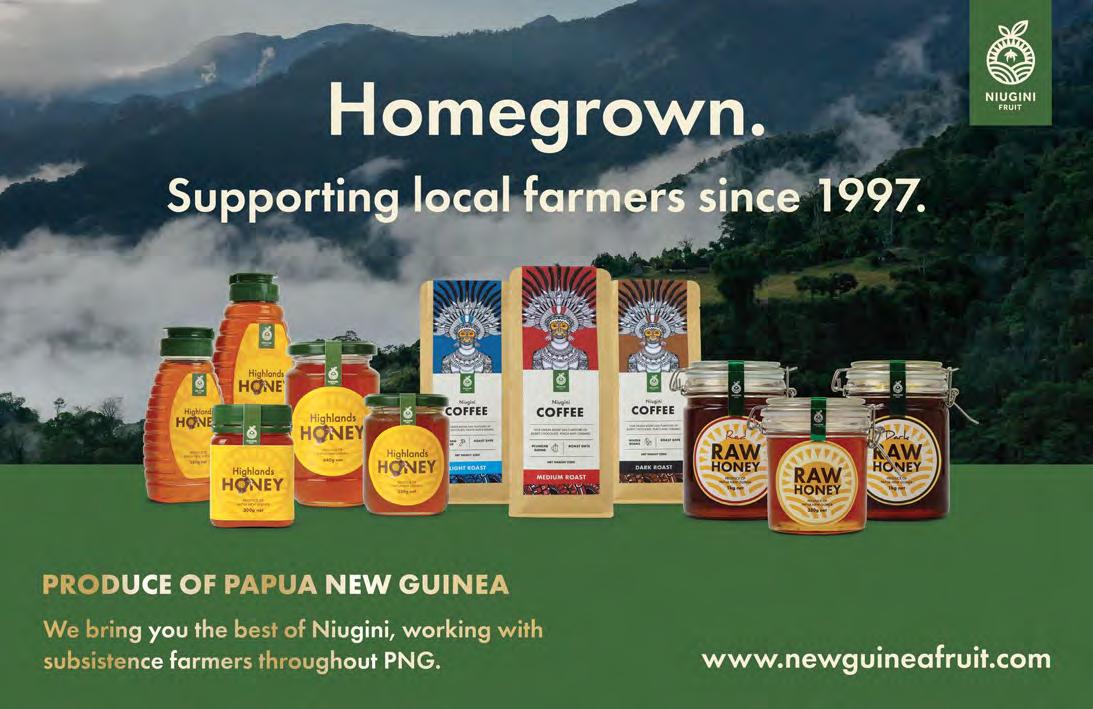
The New Guinea Fruit Company has been connecting PNG’s agricultural heritage with tables at home and abroad since 1997. The company is one of PNG’s pioneers in honey and fruit downstream processing.
The company works together with farmers to grow and deliver the freshest, highest quality products nurtured in the country’s fertile soils and pristine environments.
It has a philosophy of empowering communities by collaborating with smallholder farmers across the Highlands and Morobe.
“We ensure that our products not only showcase the best local produce but also contribute to livelihoods,” the company says.
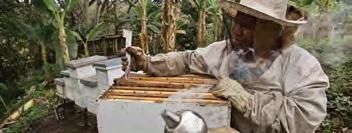

Honey production by the New Guinea Fruit Company.


THE WHOLE KIT & CABOODLE
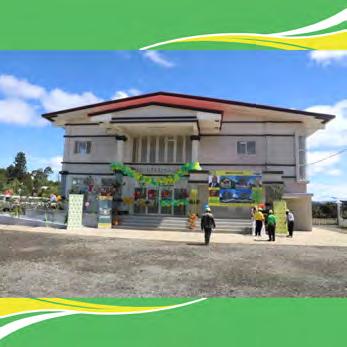
Kit buildings produced by PNG Forest Products are proving a winner across the country.
Across Papua New Guinea, the demand for reliable infrastructure continues to grow. From classrooms and health facilities to administrative offices and staff housing, communities and industries alike need buildings that are durable, practical and able to be delivered efficiently across a country known for its challenging terrain and remote locations. PNG Forest Products (PNGFP) has been meeting that challenge for decades.
FROM SEPIK WETLANDS TO THE WORLD’S FINEST LEATHER
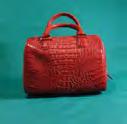
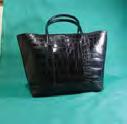
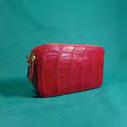
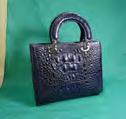
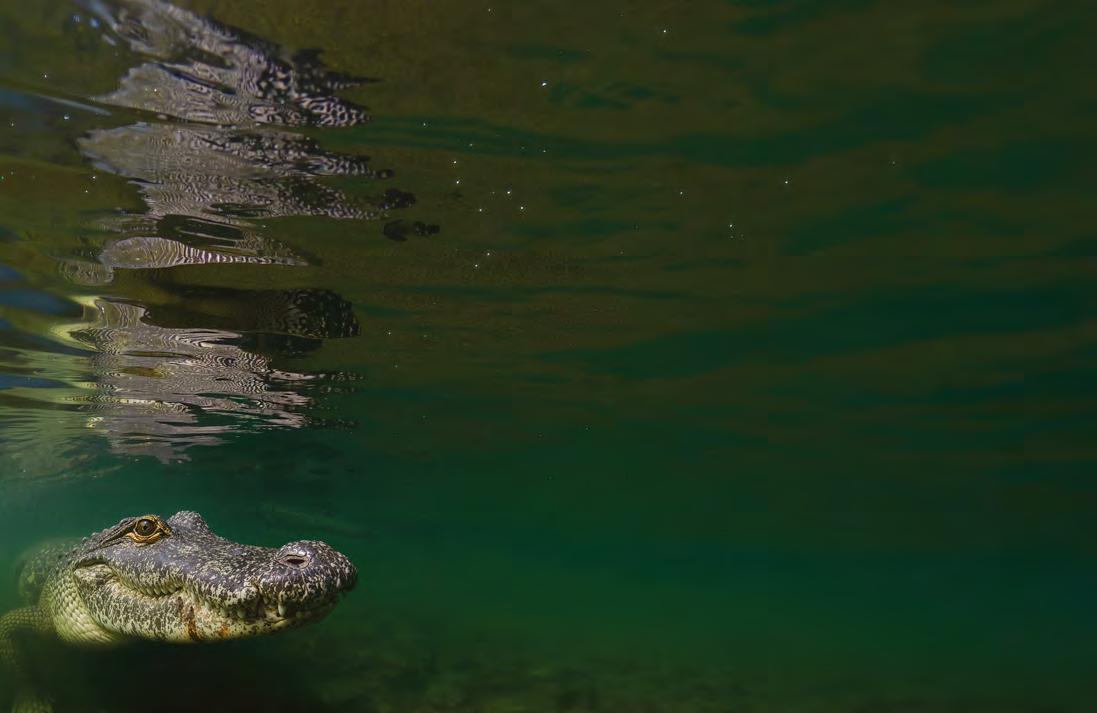
Sustainable crocodile farming in Papua New Guinea is creating livelihoods, protecting wildlife, and producing some of the world’s most sought-after luxury materials.
Papua New Guinea’s wetlands are home to two iconic species, the saltwater and freshwater crocodile, long embedded in the cultural identity of river communities .
What was once a traditional resource has evolved into one of the country’s most successful models of sustainable commerce.
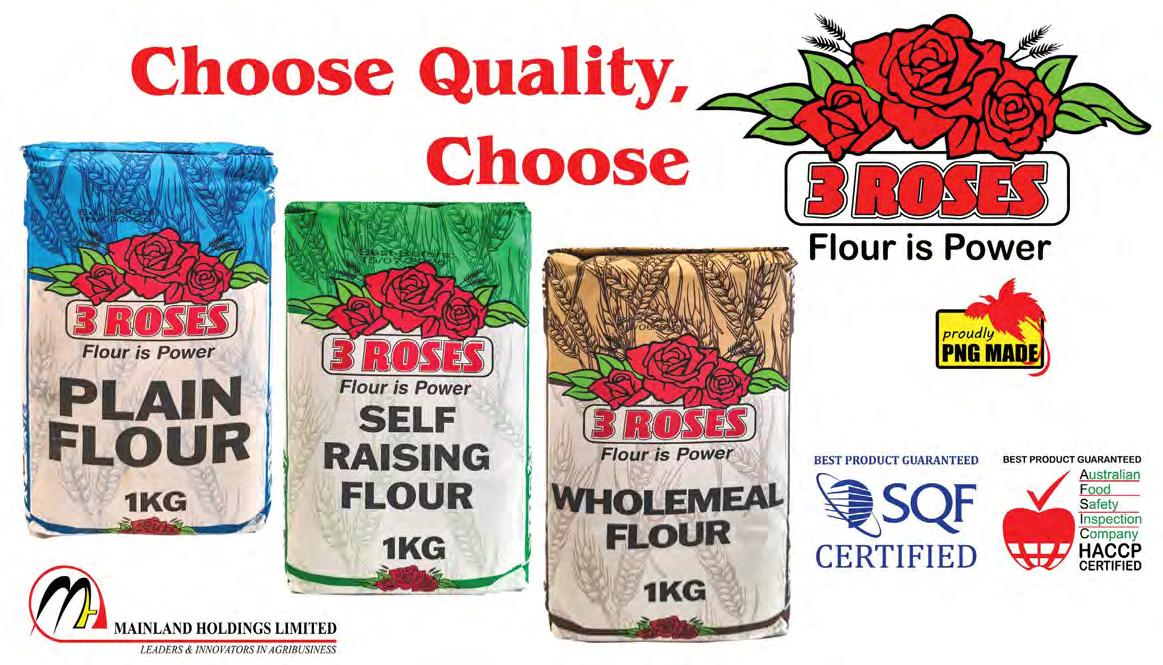
Following early overharvesting in the mid-20th century, a regulated system was introduced, bringing together government, communities, and industry. At the centre of this transformation is Mainland Holdings Ltd, which established its crocodile farm in Lae in 1980.
Today, Mainland Holdings operates under globally recognised conservation frameworks, working closely with CEPA and international bodies to ensure ethical, sustainable practices.
Through its model:
Rural communities supply eggs, live crocodiles, and skins
Families earn reliable income supporting education and livelihoods
Wetland ecosystems are actively protected
More than 230,000 eggs have been safely collected and incubated through community programs, demonstrating the scale and success of this partnership.
This is conservation not as theory, but as a working economic system.

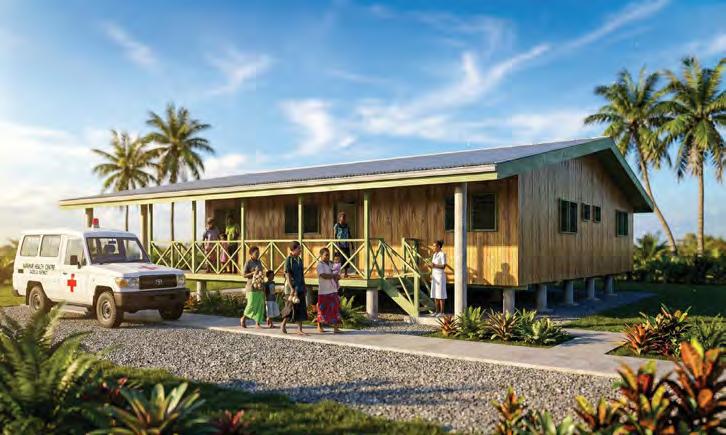
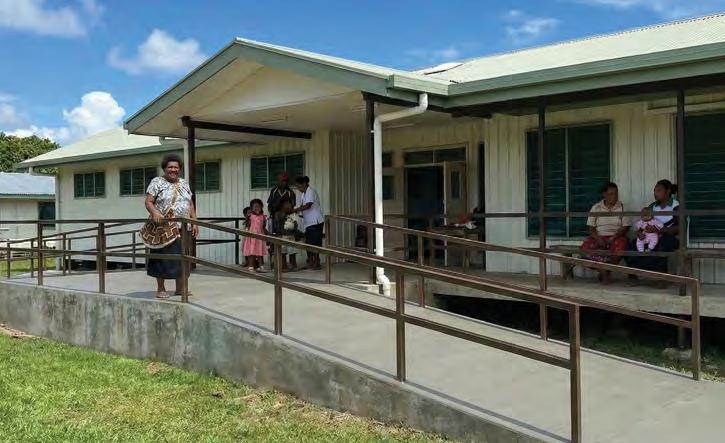
The Mutzing Health Centre in Morobe Province built by PNGFP.
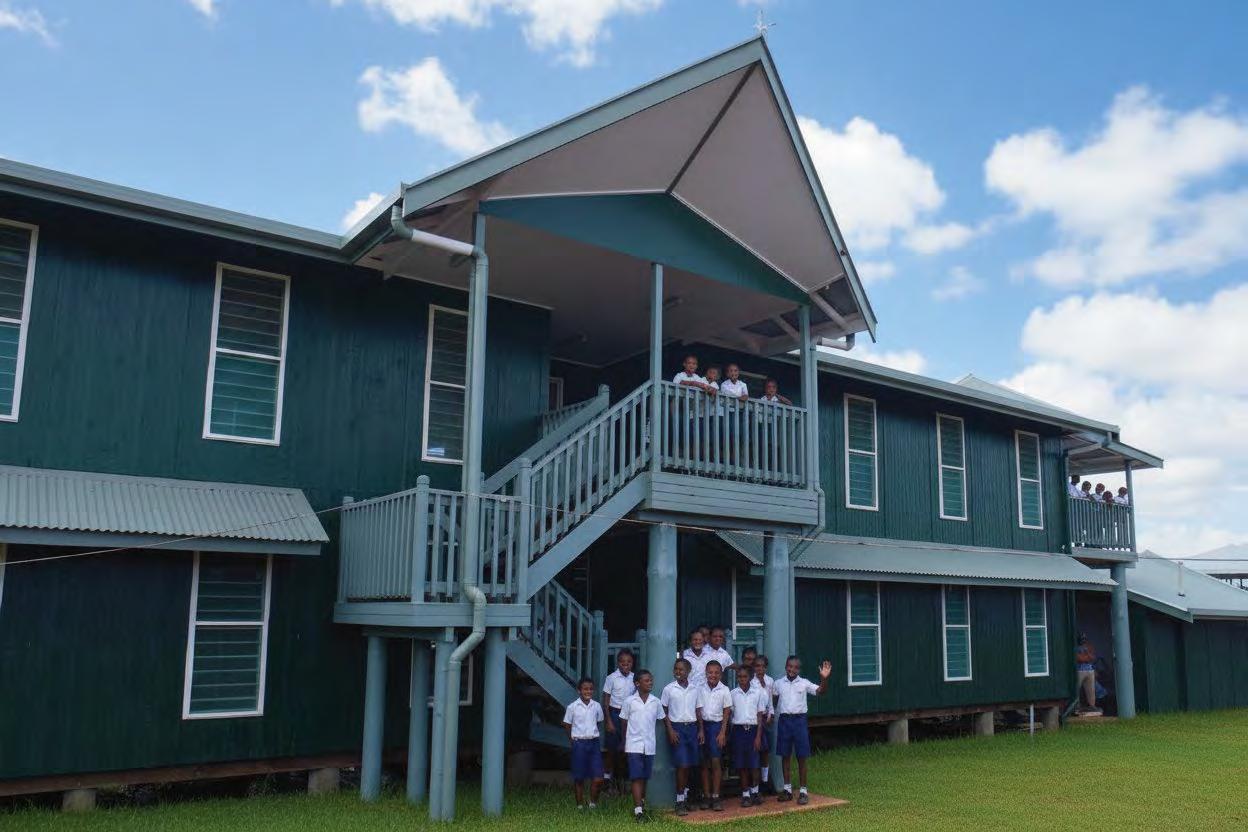
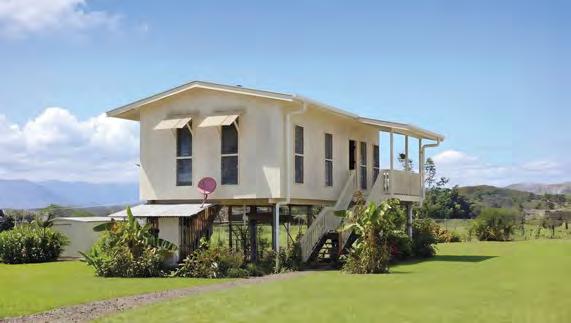
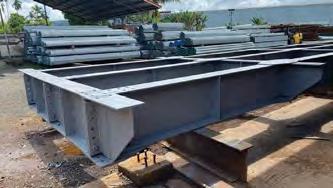
Manufactured in PNG using locally grown plantation pine, the company’s NiuHomes range of modular kit buildings provides engineered infrastructure solutions designed specifically for PNG conditions.
At the heart of the NiuHomes concept is a simple but powerful idea: buildings that can be manufactured locally, transported efficiently and assembled reliably anywhere in the country.
The range includes education facilities such as classrooms, laboratories and dormitories, as well as health infrastructure including aid posts, rural health centres and hospital wards. Office and administration buildings provide practical solutions for government agencies, businesses and resource sector operations, while staff housing options support teachers, health workers and project personnel.
Because the buildings are produced as modular kits, they can be transported to remote districts where conventional construction is often slow and costly. Once on site, the
structures are assembled quickly, helping communities access essential facilities sooner.
The strength of the NiuHomes system lies not only in its design, but also in its local origins. All timber used in the buildings comes from renewable plantation forests in Bulolo and Wau, managed under PNG Forest Authority oversight.
The timber is processed to Australian Standards and pressure-treated to protect against termites, rot and fungal decay –essential in PNG’s tropical climate.
PNGFP’s Bulolo manufacturing operations are also powered by the company’s own hydroelectric generation, allowing renewable timber to be processed using clean energy.
The result is infrastructure that is both sustainable and built to last. From forest to finished building, the entire process reflects the strength of PNG industry and the value of locally manufactured solutions.
Employing more than 1500 Papua New Guineans, PNGFP transforms local timber
resources into buildings that support education, health care, government services and industry across the country.
From classrooms and clinics to offices and workforce housing, PNGFP NiuHomes demonstrates what ‘Made in PNG’ truly means – local resources, local manufacturing and infrastructure built for the future of Papua New Guinea.
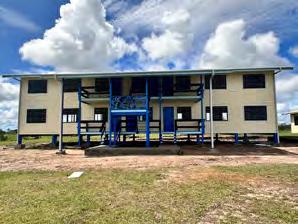
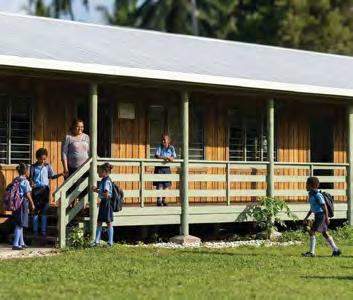
A rural double classroom that comes in kit form from PNGFP.
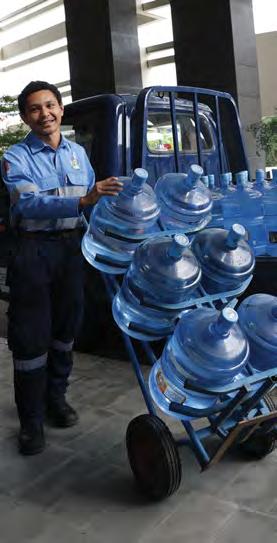
The business is widely recognised throughout the country.
PURE & SIMPLE
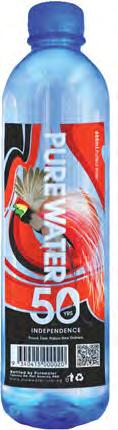
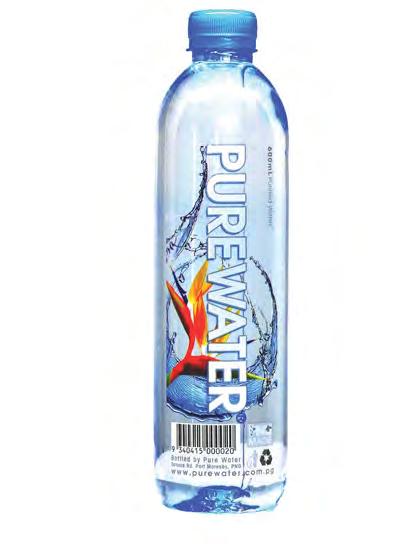
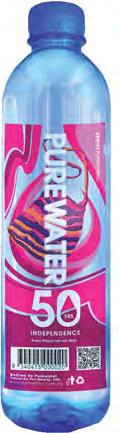
This year marks 30 years since Purewater started providing purified drinking water to customers in Port Moresby and across Papua New Guinea.
The business is widely recognised throughout the country and has been awarded internationally for its commitment to its quality management and food safety systems. These operate within an ISO-compliant quality management system framework and are subject to routine audits by SAI Global Intertek, the Asia-Pacific region’s most reputable independent supplier of conformity services.
Purewater’s investment in its quality management and food safety has enabled the business to establish itself as PNG’s premier provider of bottled drinking water for household and commercial customers.
Among its customers, Purewater has found favour with most of PNG’s major organisations, particularly those with structured, properly managed occupational health and safety systems. These customers include banks, foreign missions, oil and gas operators, mine sites, and military detachments that operate in the country from time to time.
Purified drinking water is distributed across PNG by the Purewater company.