
Mastering the Final Table: Poker Coaching Strategies for Tournament Players
Reachingthefinaltableiswhereskillmeetspressure,andpreparationseparateswinnersfrom the rest. That’s why poker coaching for tournament players has become essential for those aiming to consistently close out events and not just survive them. The dynamics change dramaticallyatthisstage,andadaptingyourstrategyiscritical.
Understanding Final Table Dynamics
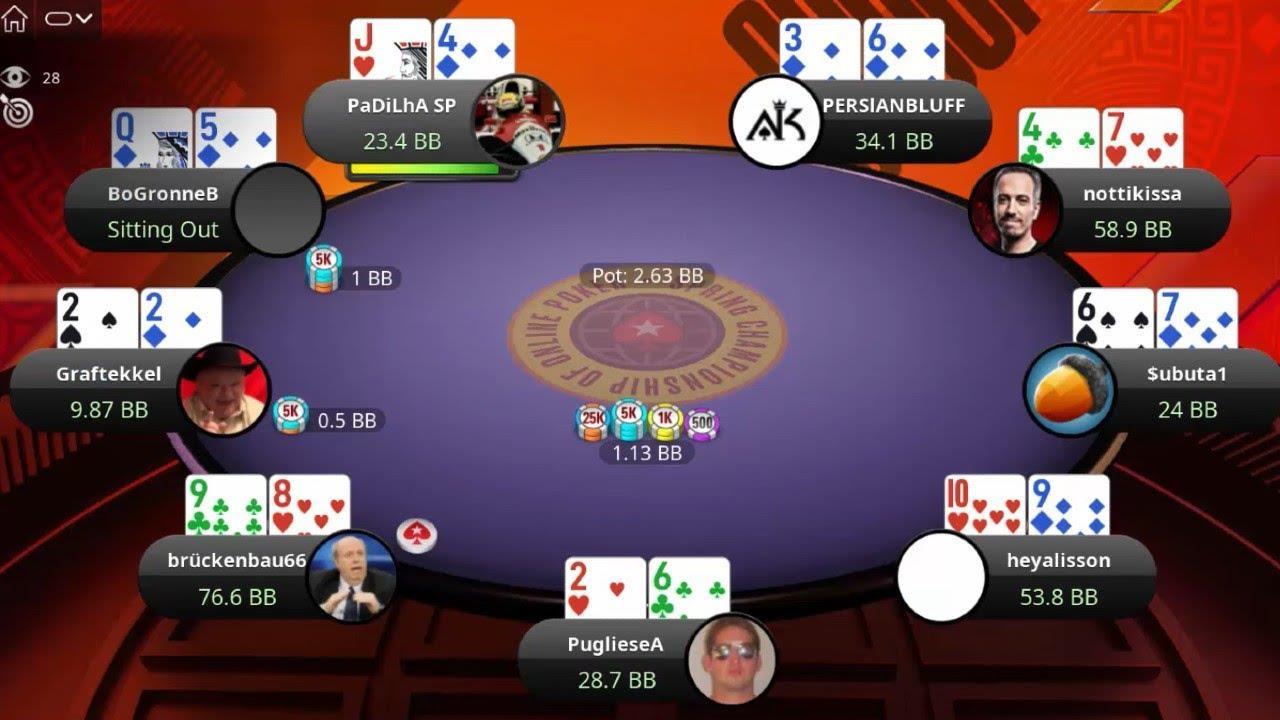
At the final table, blinds are high, stacks are uneven, and every decision carries weight. Unlike earlystages,survivalaloneisn’tenough youmustbalanceaggressionwithprecision.
Key facts:
Averagestacksizesshrinkrelativetoblinds,increasingpush/foldscenarios
Payoutjumpscreatepsychologicalpressureandinfluencedecision-making
Opponenttendenciesbecomemorenoticeableduetofewerplayers
Astrongawarenessofthesefactorsallowsplayerstoshiftgearseffectively.
Adjusting Your Strategy
1. Stack-Based Play
Yourstrategyshouldrevolvearoundyourchipstack:
Big stack: Applypressureandstealblindsfrequently
Medium stack: Pickspotscarefully;avoidunnecessaryrisks
Short stack: Lookforoptimalshoveopportunities
Understanding Independent Chip Model (ICM) implications is crucial here, as chip value is no longerlinear.
2. Positional Awareness
Positionbecomesevenmorepowerfulatthefinaltable.
Playmorehandsinlateposition
Tightenyourrangeinearlyposition
Exploitplayerswhooverfoldtoaggression
Smartpositionalplaycanhelpyouaccumulatechipswithoutshowdown.
Psychological Edge and Table Presence
Finaltablesareasmuchmentalbattlesastheyarestrategicones.
Important points:
Staypatient rusheddecisionsoftenleadtocostlymistakes
Observeopponentsfortiltorfear-basedplay
Maintainaconsistenttableimage
Players who control their emotions tend to outperform equally skilled but less disciplined opponents.
Exploiting Opponents
Onemajorbenefitofreachingthefinaltableistheabilitytogatherreads.
Identifytightplayerswaitingforpayjumps
Pressurepassiveopponentswhoavoidconfrontation
Adjustagainstaggressiveplayersbytrappingorre-raising
This is where advanced poker coaching for tournament players often focuses teaching adaptabilityratherthanrigidplaystyles.
ICM and Risk Management
ICMisoneofthemostimportantconceptsatthefinaltable.
Why it matters:
Losingchipshurtsmorethangainingthesameamounthelps
Survivalimpactsreal-moneypayouts
Correctfoldscanbemoreprofitablethanmarginalcalls

Practical tips:
Avoidcoinflipsunlessnecessary
Becautiouswhencoveringshorterstacks
Applypressurewhenyoucoveropponents
MasteringICMcandramaticallyimprovelong-termtournamentresults.
Common Mistakes to Avoid
Evenexperiencedplayersmakeerrorsunderpressure.
Overvaluinghandsinhigh-pressurespots
Ignoringstacksizesandpayoutimplications
Playingtoopassivelywhenaggressionisneeded
Avoidingthesemistakescanoftenbethedifferencebetweenfinishingfirstandbustingearlyat thefinaltable.
Training and Preparation
Consistentimprovementcomesfromstructuredlearning.
Effective methods include:
Reviewinghandhistoriesfromfinaltables
Studyingpush/foldcharts
Practicingwithsimulationtools
Manyplayersturntopokercoachingfortournamentplayerstorefinetheseskillsandgaininsights thataredifficulttodevelopalone.
Final Thoughts
Mastering the final table isn’t about luck it’s about preparation, adaptability, and mental strength. The best players understandthat every decision must consider stack sizes, opponent tendencies, and payout structures simultaneously. By focusing on strategy, psychology, and disciplinedexecution,youcantransformfinaltableappearancesintoconsistentvictories.