A ripped stuffed animal? Mechanical issues with a clock? Come find Burke’s third graders—they are repair professionals-in-training!
In a world often driven by the convenience of replacement, Burke’s third graders learned something profoundly different: the value of repair.
As part of Burke’s Strategic Plan work focused on education for sustainability, Lower School Makery Facilitator, Jimmy Santosa piloted an innovative and handson unit designed to instill a culture of repair— and with it, a deeper sense of environmental responsibility and care for the things we use and love. This pilot program took inspiration from Vita Wells, founder of The Culture of Repair Project, who facilitates school-based repair clinics throughout the Bay Area. “Nurturing a mindset for repair emboldens people to care more deeply about the world, our belongings, and the systems in which we are all interconnected,” says Mr. Santosa. Through the unit, students not only learn technical skills but also develop empathy, agency, and a commitment to sustainability.
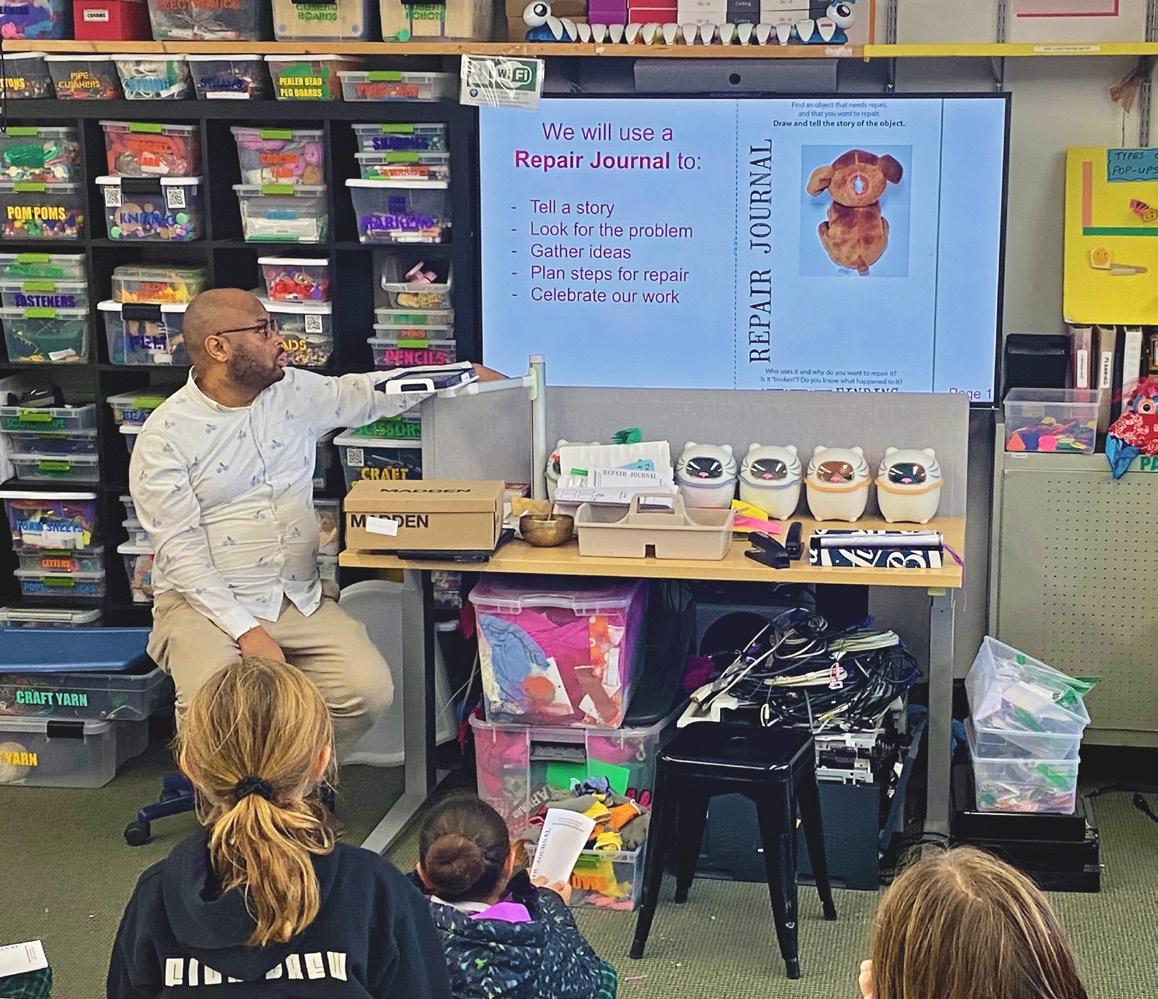
The unit unfolded in three parts: disassembly and exploration in the “Breakery,” storytelling and reflection on the meaning of repair, and a community-based Repair Clinic where students brought broken items back to life.
Cracking Open Curiosity in the “Breakery”
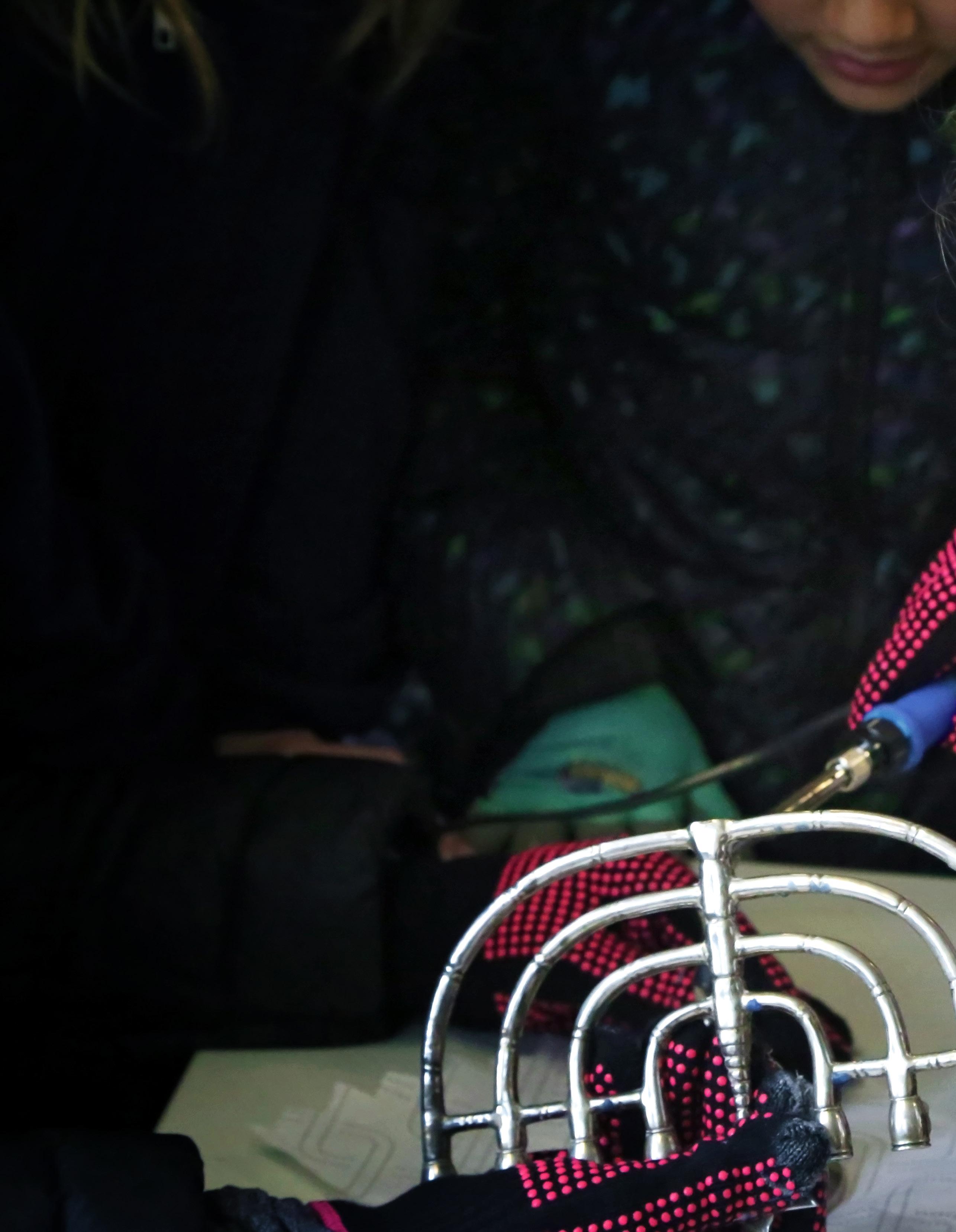
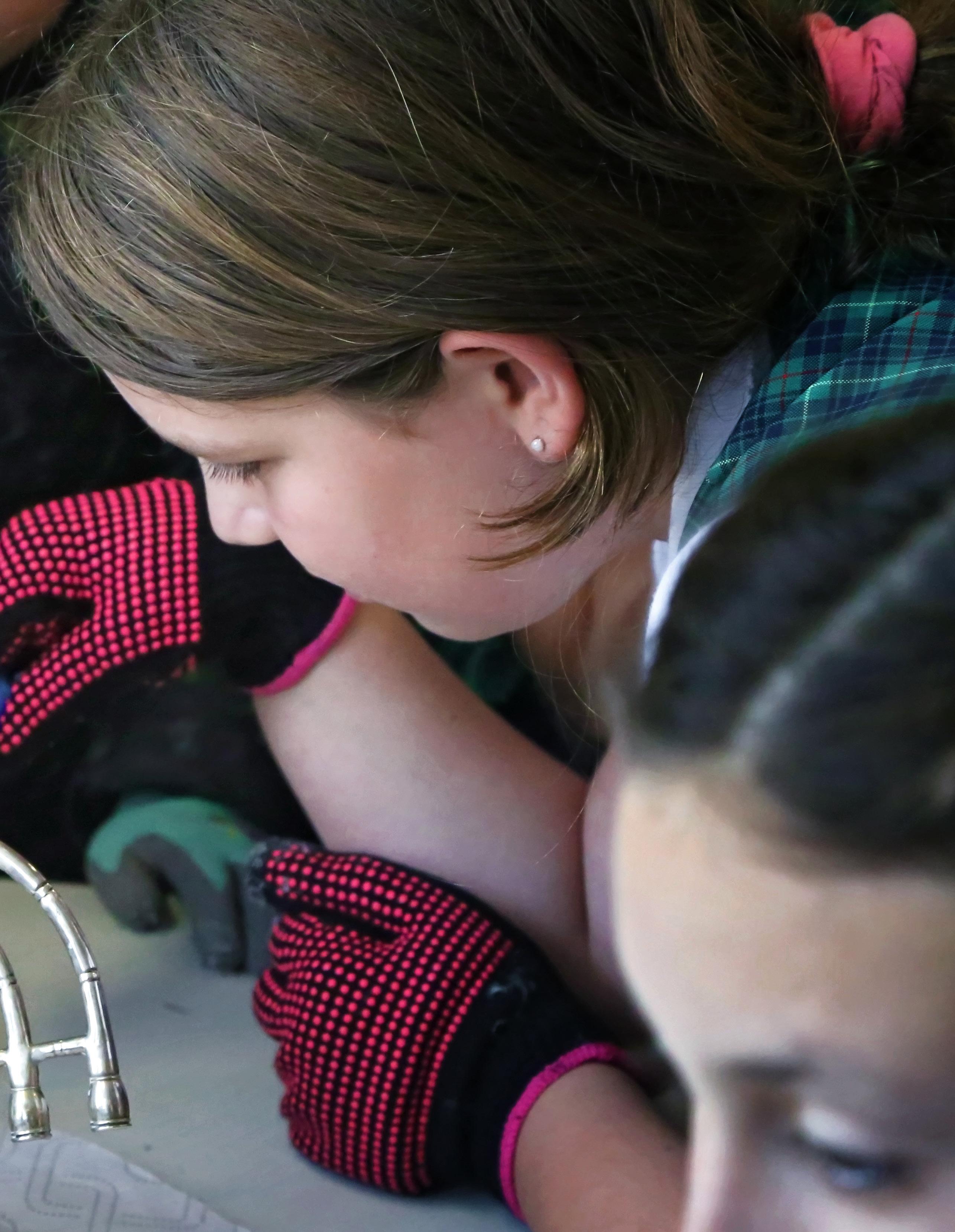
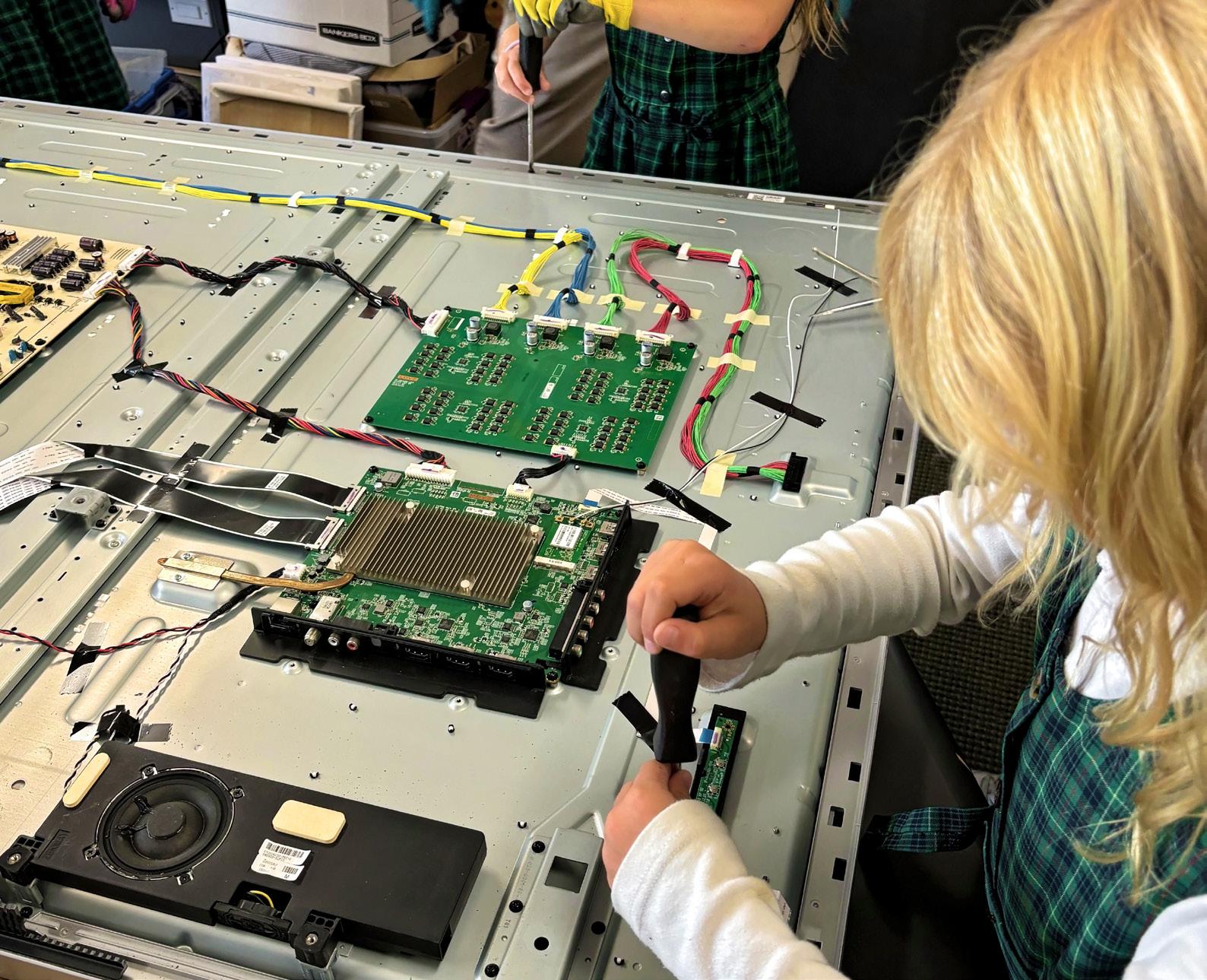
In the fall, the Class of 2030 turned into hands-on investigators in a space affectionately dubbed the “Breakery.” Armed with screwdrivers, pliers, and plenty of curiosity, students dismantled everything from robotic dogs and cell phones to printers and even a flat-screen TV donated by Burke’s Tech Department.
As they worked, students posed thoughtful questions—What does this part do? Could we put this back together?—and documented their findings. Charlotte ’30, after pulling apart a toy piano, excitedly reported, “These pieces are just hotglued together! I can rip them out easily!” These moments of discovery were empowering; they allowed students to see themselves as capable of understanding and manipulating the systems around them.
Learning from Experts, Reflecting on Repair
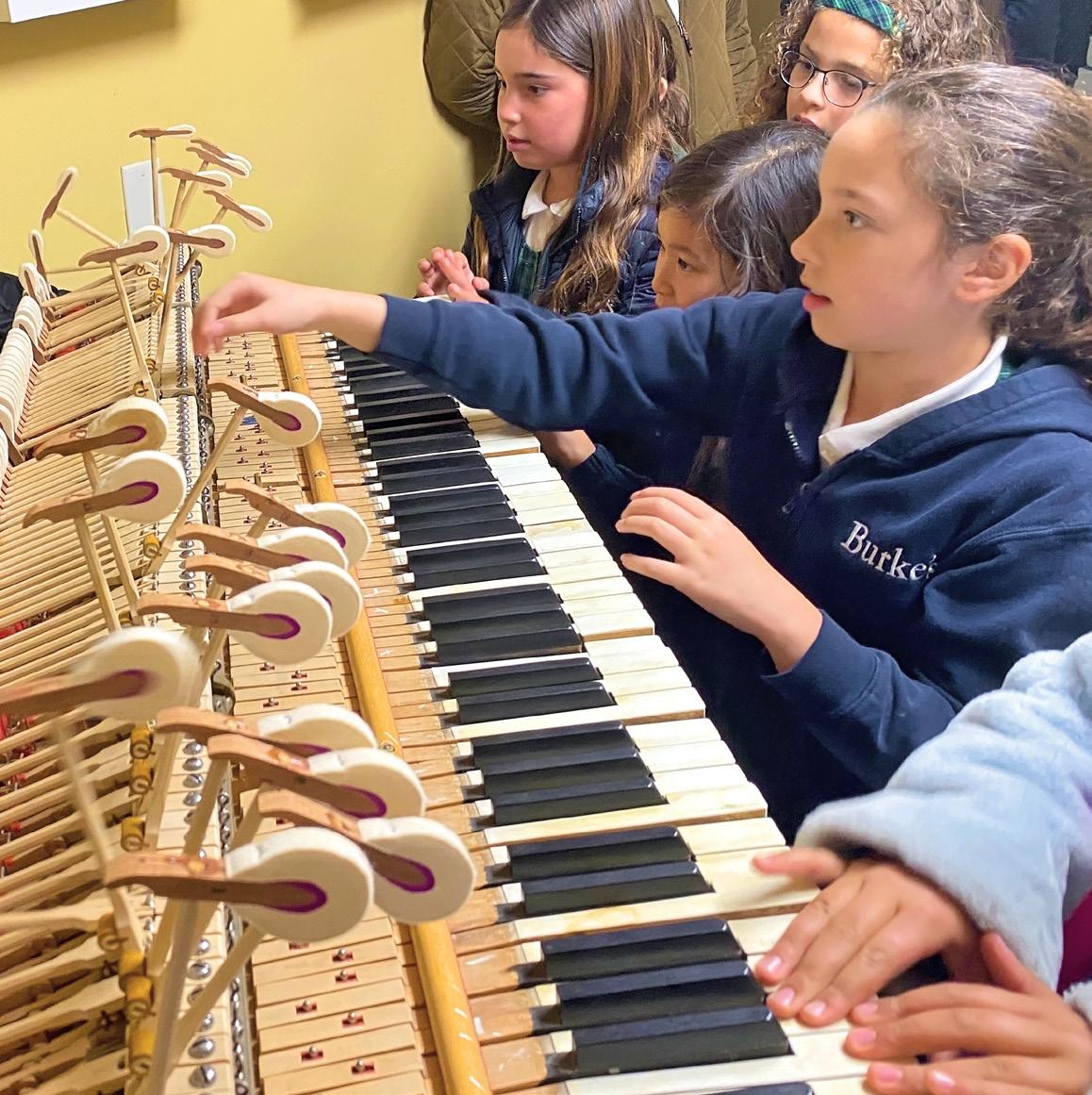
Midway through the unit, students met guest speaker Paul Marshall, a Burke’s parent and professional piano technician. Mr. Marshall brought in piano parts, shared his craft, and gave the students a glimpse into the intricate mechanics of a piano.
But more than just sharing technical expertise, Mr. Marshall emphasized the broader significance of repair. “Repairing is meaningful work,” he told the class. Students quickly made connections between repairing objects and mending other forms of brokenness, like relationships. One student reflected, “Repairing can mean mending something that was once whole.” These discussions reinforced that repair isn’t just about tools and glue—it’s about care, thoughtfulness, and restoration.
Repair as a Pathway to Sustainability
Repairing with Purpose: The Clinic
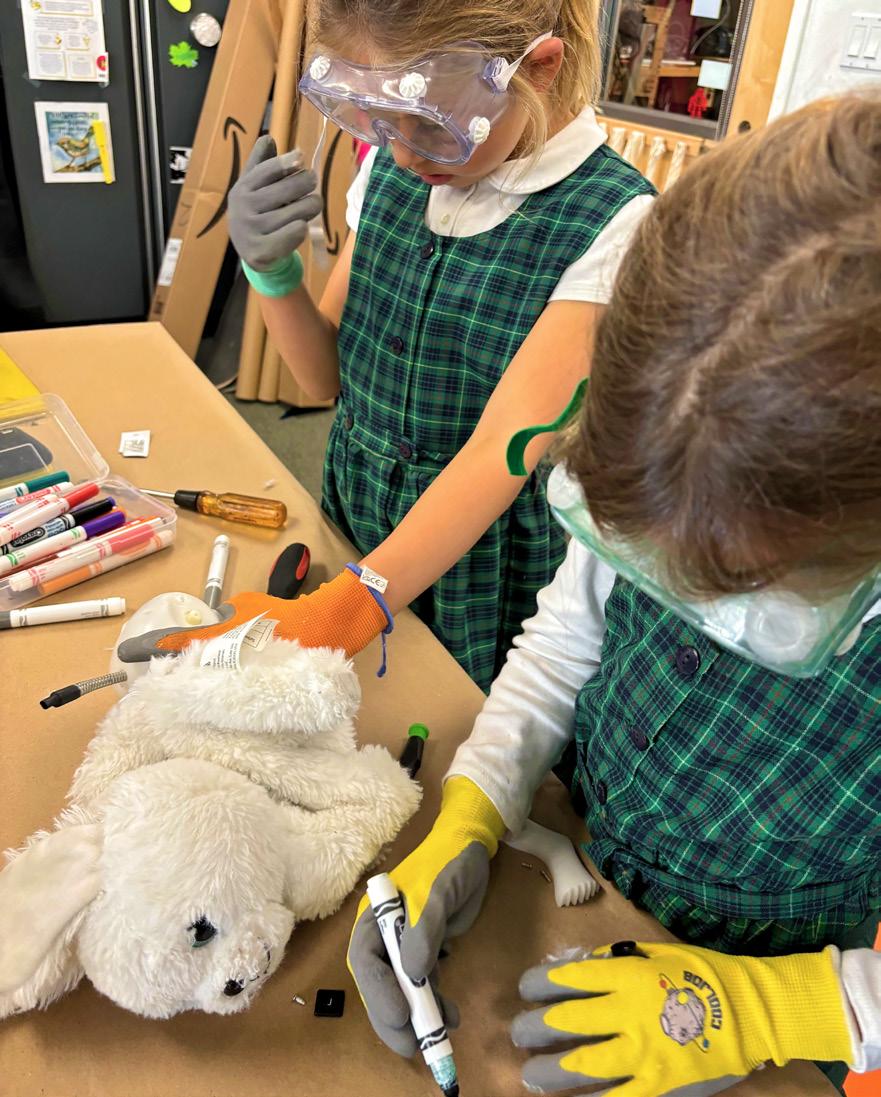
The culminating event was a December Repair Clinic, where the classroom transformed into a bustling hub of restoration and storytelling. Students arrived with items from home—beloved stuffed animals, broken jewelry, and worn-out toys—and shared the stories behind them. With the help of a dozen parent and grandparent volunteers, students diagnosed the damage and strategized repair solutions. Each completed repair was celebrated with the ringing of a bell and the proud display of a “REPAIRED” sign.
Hazel ’30 particularly embraced the clinic’s mission. She not only sewed a teacher’s torn pants pocket but also reconnected the pieces of her favorite keychain. “You don’t have to throw old or broken things away,” Hazel beamed. “You can repair them and use them again. It’s a good thing!”
This third grade project was more than a creative learning experience—it’s the strategic goal, “Connection: Caring for our Community and Planet,” in action. By teaching students to repair rather than discard, the unit emphasized environmental stewardship while fostering a mindset that values resourcefulness, resilience, and care for our shared world. With screwdrivers in hand and hearts full of purpose, Burke’s third graders are reminding us all: sometimes, the most powerful lessons come from piecing things back together.