INSPIRATIONS
BURKE’S ALUMNAE PROFILES
Dear Prospective Families,
At Burke’s, we say there are 400 ways to be a Burke’s girl.
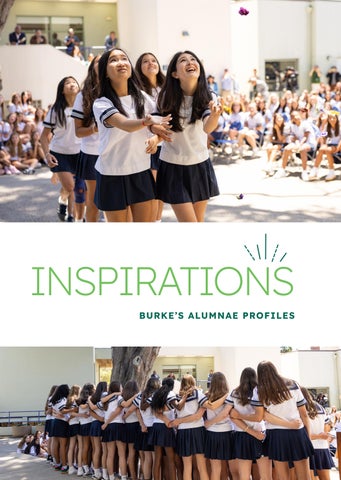
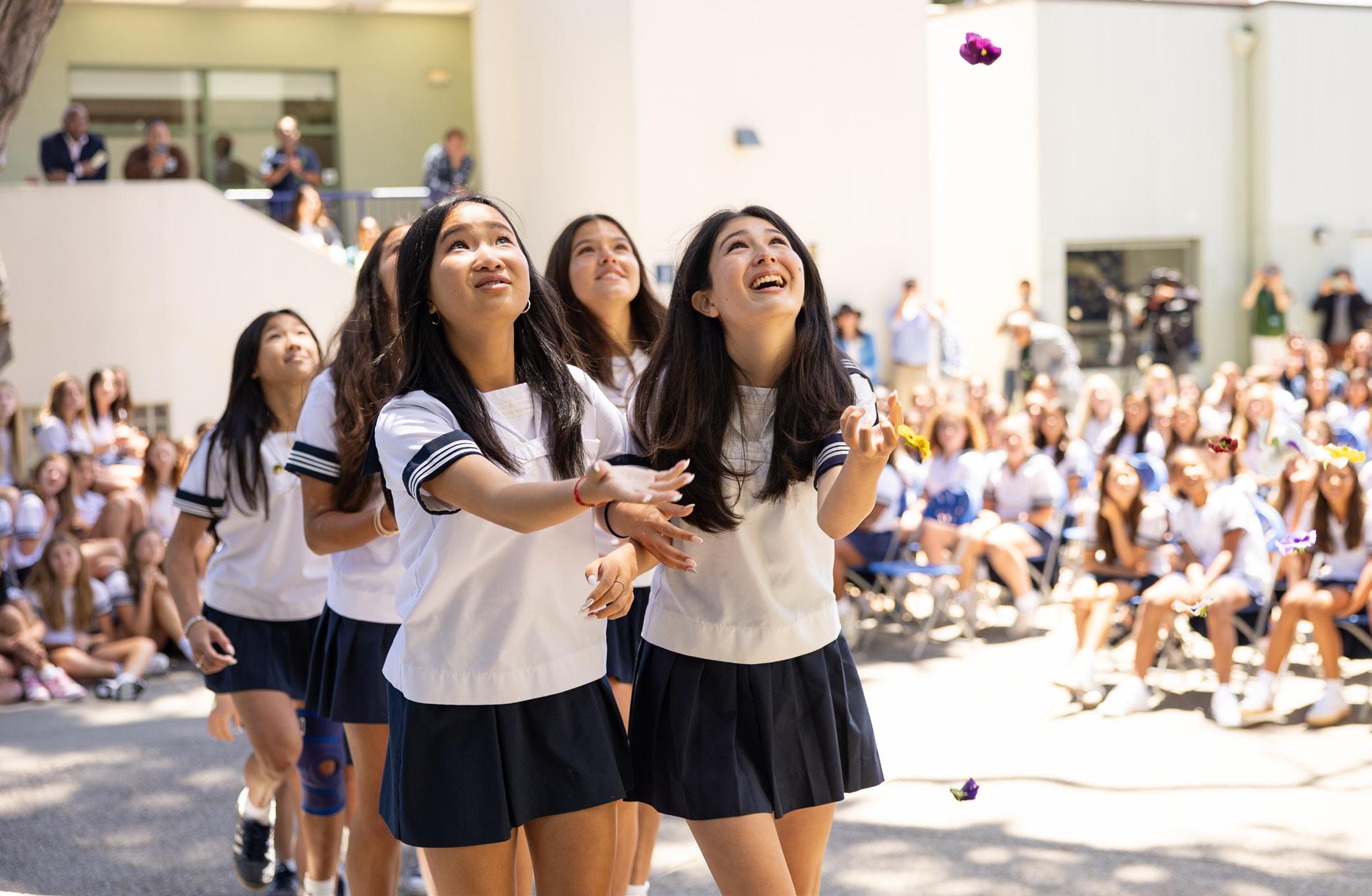
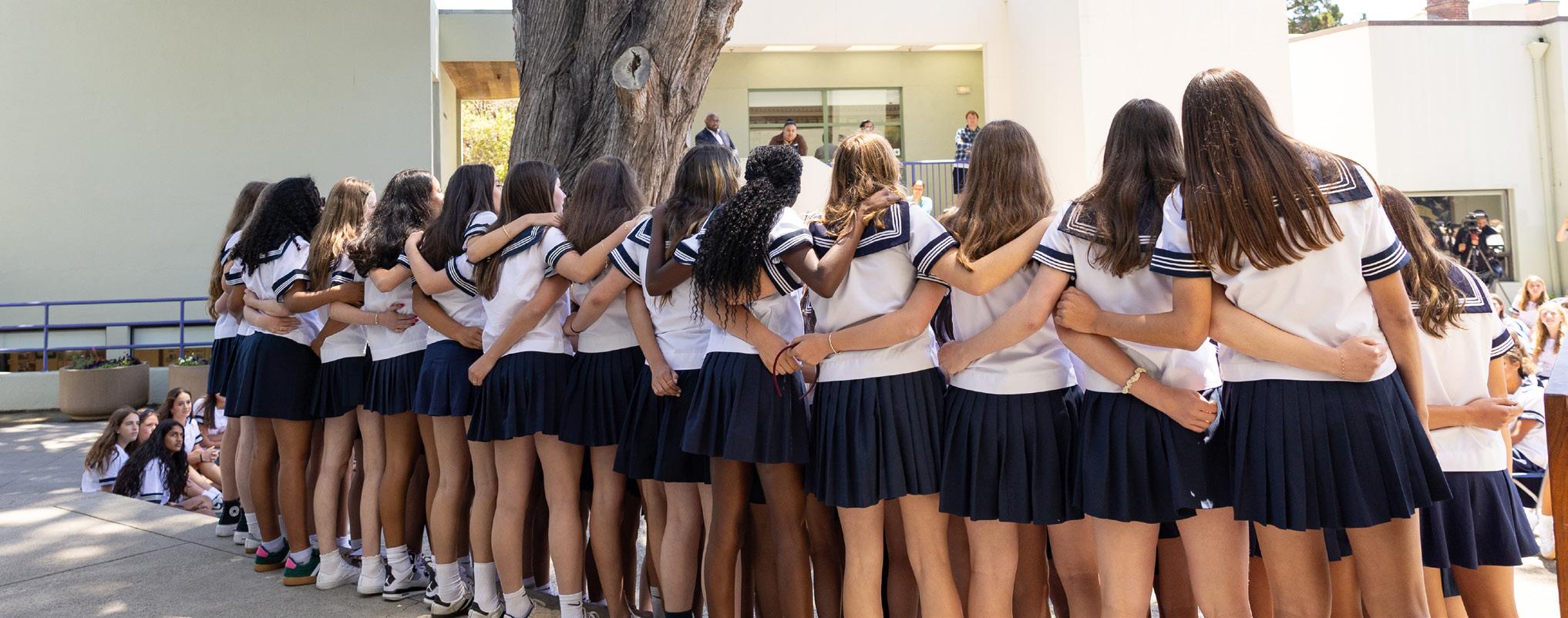
One of the most beloved expressions of that idea takes place each June on Pansy Day. As the graduating eighth grade class is showered with pansies by younger siblings and Burke’s alumnae, they are welcomed into a lifelong community. It is a joyful moment that honors both where they have been and all that lies ahead. The pages that follow offer a glimpse of what that journey can become, continuing the stories of Burke’s alumnae.
You will meet technologists and artists, educators, entrepreneurs, public servants, and advocates. All of them began their educational journeys at Burke’s, where they learned that their ideas mattered.
What I love most about these profiles is not just seeing what our alumnae are doing, but how they do it: with creativity, courage, collaboration, and a deep sense of purpose. They are problem-solvers and bridge-builders. Leaders who listen. Lifelong learners who continue to ask bold questions long after they leave our campus.
This is what an all-girls education makes possible. In a learning environment designed specifically for girls, students are encouraged to take intellectual risks, to speak with confidence, to try, to fail, and to try again. We nurture the skills, habits, and mindsets that allow each student to grow into their fullest selves. The result is not one pathway, but many, each shaped by passion, persistence, and possibility.
Scan the QR codes on the facing page to learn about four recent Distinguished Alumnae recipients, and browse the following pages featuring profiles from our Burke’sMagazine “Inspirations” series, highlighting alumnae working in education, the arts, sports and athletics, and science.
We invite you to imagine your child joining this community, not following a single path, but helping to create new ones.
Warmly,
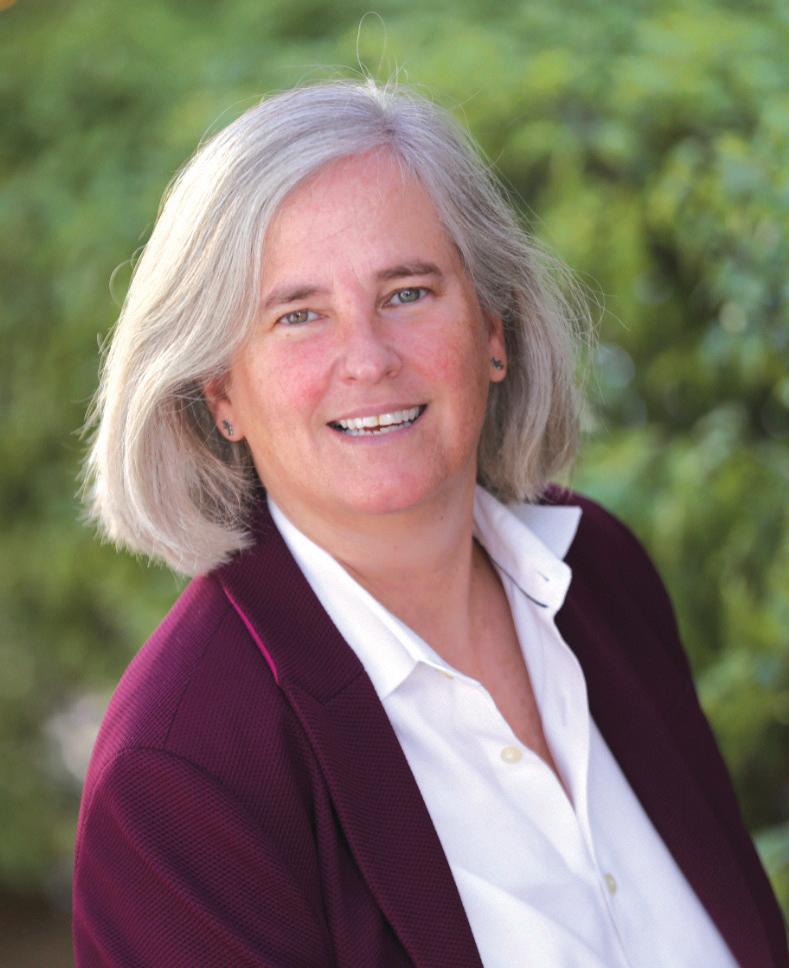
Michele Williams Head of School
Distinguished Alumna Awardees
Scan the codes below to learn more about recent Distinguished Alumna awardees. The Katherine Delmar Burke School Alumnae Board gives this award to an alumna who embodies the values at the heart of Burke’s mission and exemplifies a life of learning, service to community, individuality, and the ability to make a difference in the world.
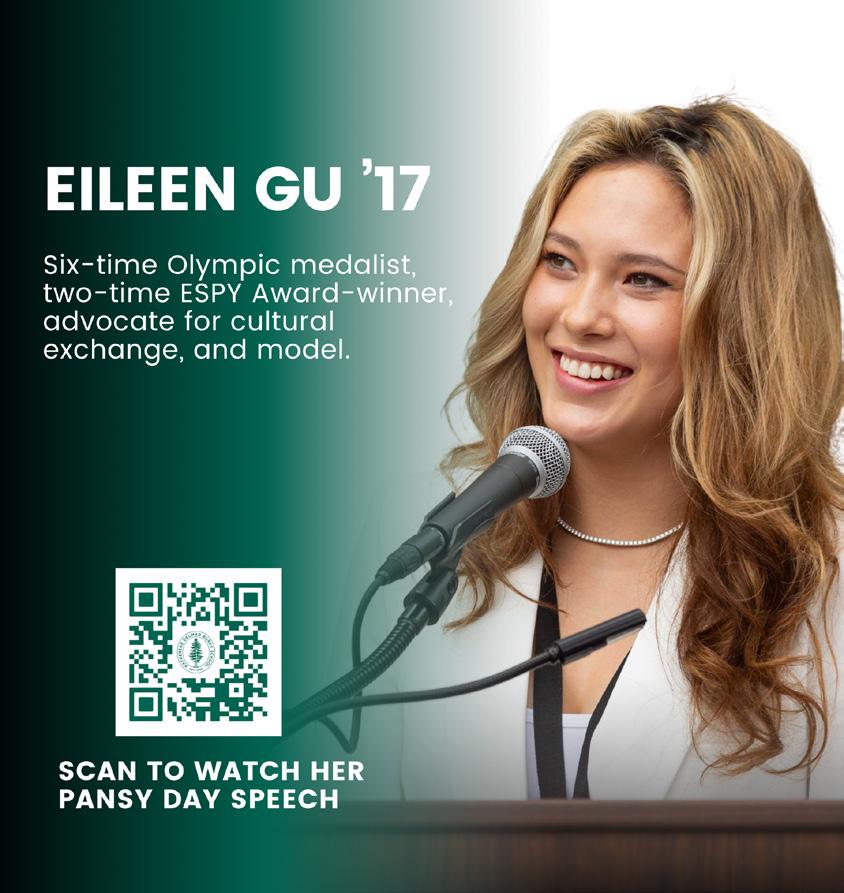
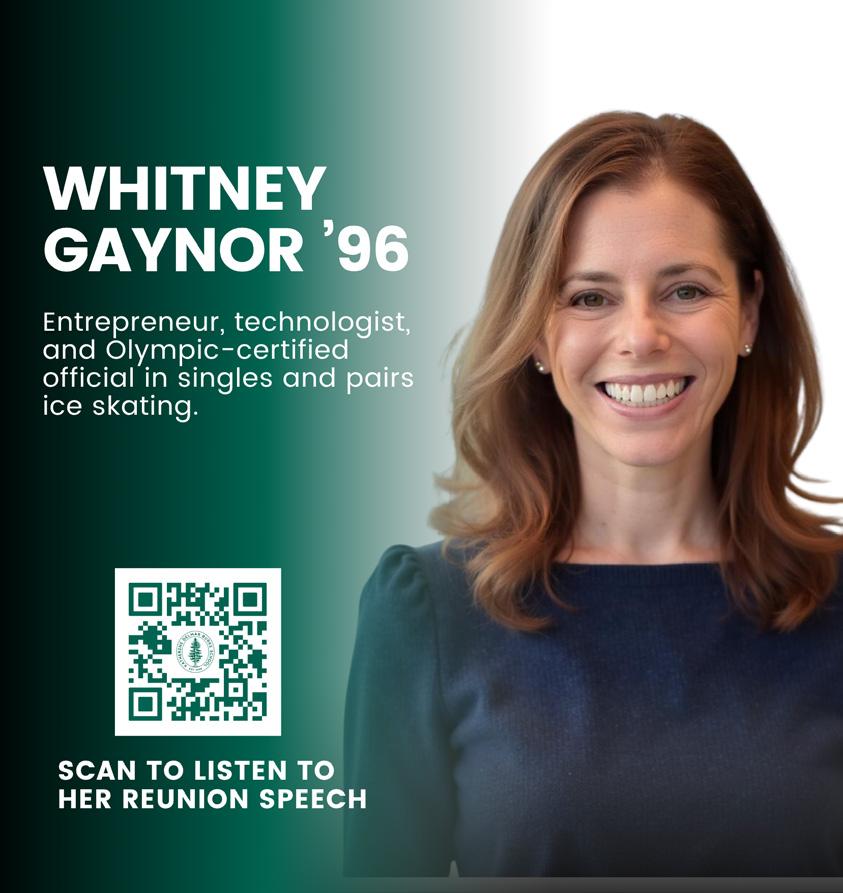
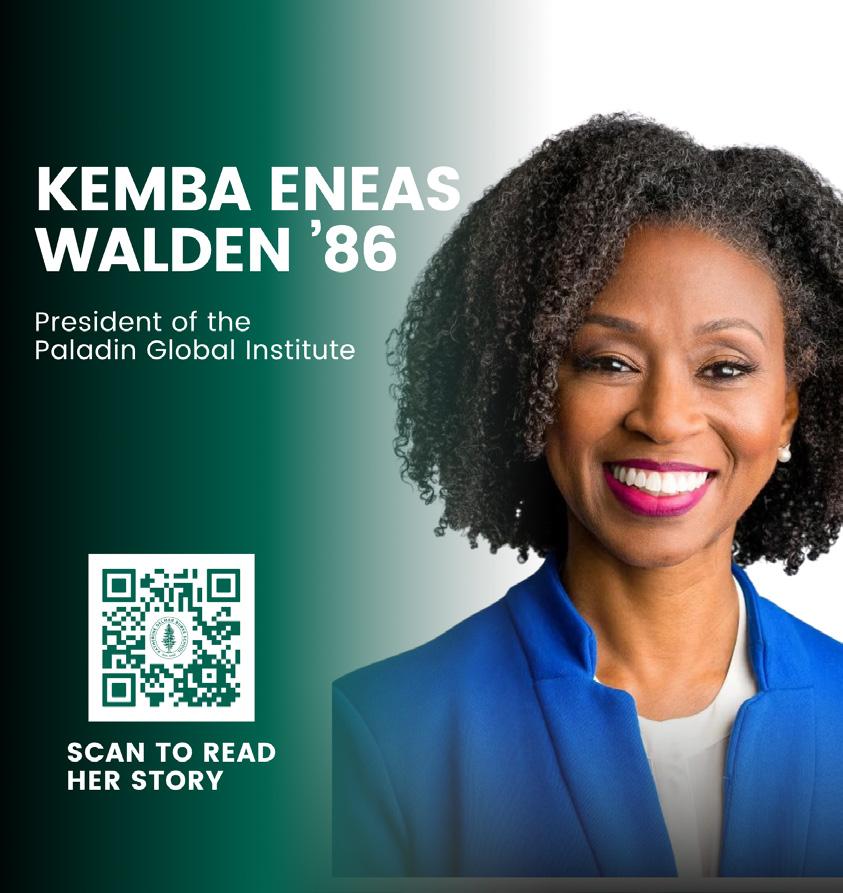
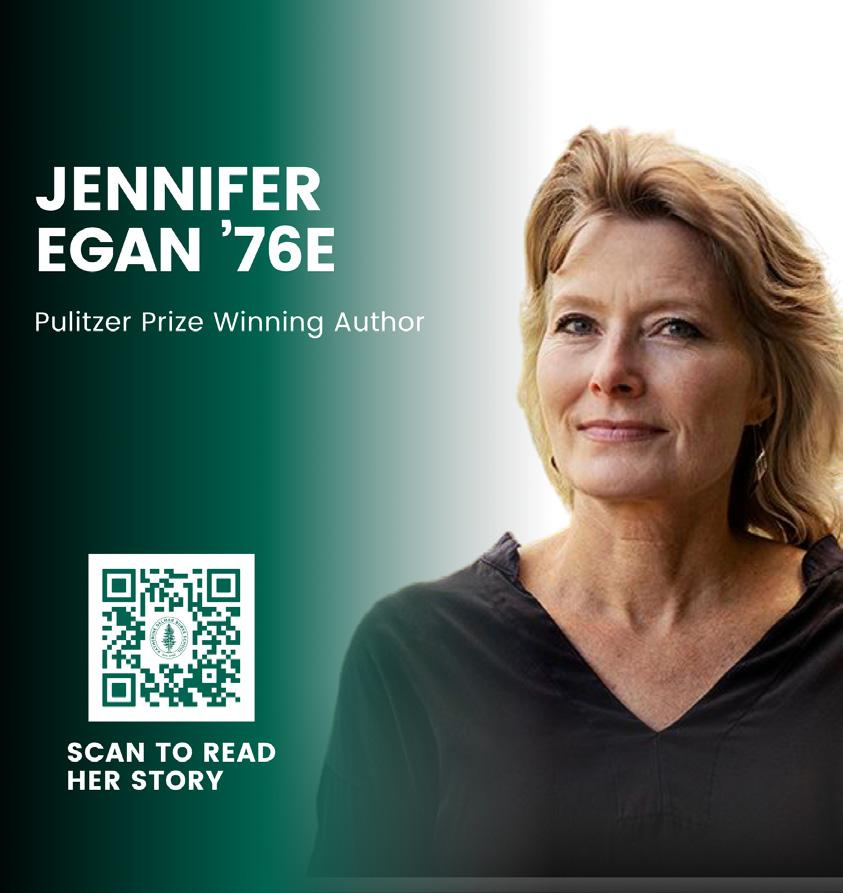
Sharon Sha ’90
Dr. Sharon Sha is a Clinical Professor of Neurology and Neurological Sciences at Stanford University where she serves as Chief for the Memory Disorders Division and the Stanford Memory Disorders Center, Associate Vice Chair of Clinical Research, Director of the Huntington’s Disease Center of Excellence and Ataxia Clinic, Co-Director of the Lewy Body Disease Association Research Center of Excellence, and Clinical Core Co-Leader of the Stanford Alzheimer’s Disease Research Center. Her clinical time is devoted to caring for patients with Alzheimer’s disease and other neurodegenerative disorders and her research is devoted to finding treatments for these cognitive disorders. She also served on the California Governor’s Alzheimer’s Prevention and Preparedness Task Force chaired by Maria Shriver in 2020. She has been featured in international media and documentaries such as the BBC’s “How to Stay Young” and the docuseries “Limitless with Chris Hemsworth.”
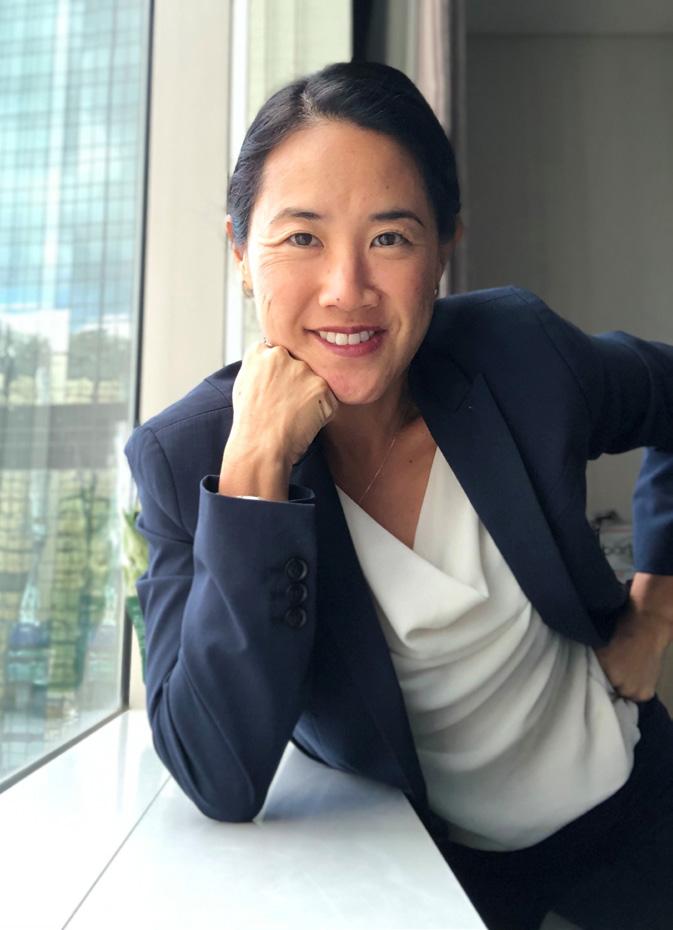
Can you share a specific experience at Burke’s that inspired you to pursue a career or passion in science?
I recall looking in petri dishes of planaria and learning about their biology. When starting graduate school and medical school at Georgetown and seeing the Washington Monument in person, I remember thinking it looked a lot like planaria. Science was interesting and made sense to me!
How do you incorporate the principles of leadership and empowerment learned at Burke’s into your scientific or professional work?
Learning in an environment of all girls gave me confidence that carried me throughout every professional setting I entered afterward. Leadership is not always about speaking the loudest or even being the best. To me, it is about relationships and serving the greater mission with a team.
Do you have any anecdotes about your time at Burke’s related to science that you’d like to share?
When compared to educational environments after Burke’s, I now know that I had a sense of intellectual safety that was something I didn’t fully appreciate until I entered spaces where women weren’t always given that same grace. Burke’s gave me a foundation of curiosity and courage I carried with me through everything that followed.
Rachel Skiffer ’88
Rachel Skiffer was most recently the Head of School at Head-Royce School, a private co-educational college preparatory K-12 school in Oakland, California. Prior to that she was the Head of School at the Khan Lab School and the Dean of Policy and Strategic Planning at Phillips Academy (Andover). She has occupied other administrative leadership positions at San Francisco University High School, The Latin School of Chicago, and Harvard College. Prior to her career in education, Rachel spent time as a commercial real estate attorney with Kirkland & Ellis LLP and as a management consultant with McKinsey & Company. She currently sits on the board of trustees at Burke’s, Phillips Brooks School, the Exploratorium, and Children’s Fairyland. Rachel was a 2011 Burke’s Distinguished Alumna and holds degrees in women’s studies and law from Harvard University.
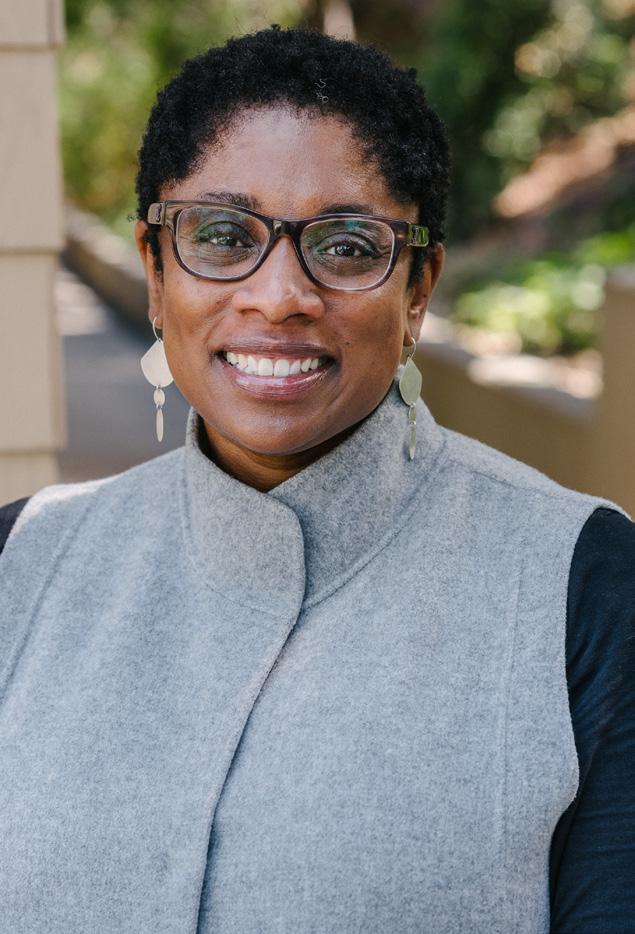
How did the values and teachings of Burke’s shape your approach to education?
I think a lot about “courage be undaunted”—I would say that to myself from the school song, and it shaped my approach to education. I just feel like everyone is capable, and you can also have fun while you learn.
In what ways did Burke’s prepare you for a career in education, both academically and personally?
I took a seminar in law school and it was all women. At some point, we all determined that somewhere between kindergarten and college, we had all attended a girls’ school or a women’s college. We also realized that in our large sections, which were maybe a couple hundred kids, we were one of the few women who would speak. I think about that when preparing to advocate for myself and to not be afraid to do things that are unorthodox. When I was applying for academic leadership positions, I didn’t think about whether this might be particularly hard for me to do because there aren’t a lot of women who do this, not to mention black women. I just threw my hat in the ring.
How do you incorporate the principles of leadership and empowerment learned at Burke’s into your work?
At Burke’s, we had people who led quietly in addition to our extroverted people— leadership came in a lot of different forms. Today, I think about asking teachers what they need to support their practice to make their role sustainable. I build complementary teams and bring different perspectives. I don’t presume to have expertise where I don’t, and I feel I can be open to multiple disciplines.
Anne Tolpegin ’84
Anne Tolpegin grew up in San Francisco and started school at Convent of the Sacred Heart, transferring to Burke’s in the fourth grade. She attended Northwestern University for college, where she majored in theatre, with a focus on performance studies (the analysis and interpretation of literature). She began her professional acting career in Chicago, moving to NYC about five years later. Anne made her Broadway debut in “Les Miserables” and was part of the Original Broadway Company of “A Tale of Two Cities.” Off-Broadway, Anne was in “Carrie” and “Sweeney Todd.” She has traveled across the United States, Canada, and Mexico with the following Broadway National Tours: “Ragtime,” “Mamma Mia!”, “Billy Elliot,” and “Kinky Boots.” Some favorite US Regional credits include: The Premiere of Sting’s “The Last Ship” (Peggy), “Next to Normal” (Diana), “Murder on the Orient Express” (Helen Hubbard), “The Prom” (Dee Dee), and “Passion” (Fosca). She toured Japan singing with the Tokyo Philharmonic and can be seen on USA Network’s “Mr. Robot” and in “Iron Fist” on Netflix. Anne remains a faithful 49ers fan, still thinks SF has the best food anywhere, loves her pooch Sherlock, and is married to the actor Blake Stadnik. Anne returned to The Orpheum in February 2026 with the “The Notebook.”
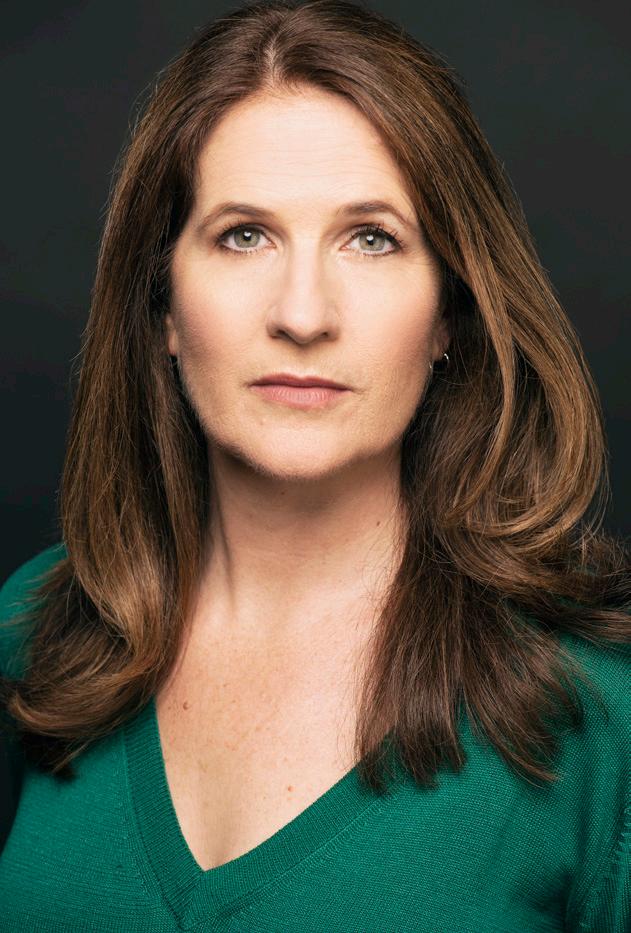
How do you incorporate the principles of leadership and empowerment learned at Burke’s into your work?
“Educate, encourage, and empower!” As a professional actress, I take great joy in sharing both career and personal advice, helping young artists make connections within the industry, and guiding them to become the strongest, brightest versions of themselves.
There is nothing better than giving back—or paying it forward, for that matter—in the arts. It is so wonderful to be able to pass along the mentoring that was given to me as a young student. If I am playing a principal role in a show, I try to set the best example I can to everyone: that acting and performing is a team effort, no one truly is “the lead,” and that everyone should feel empowered—and excited—to use their voice.
Emily Duh ’06
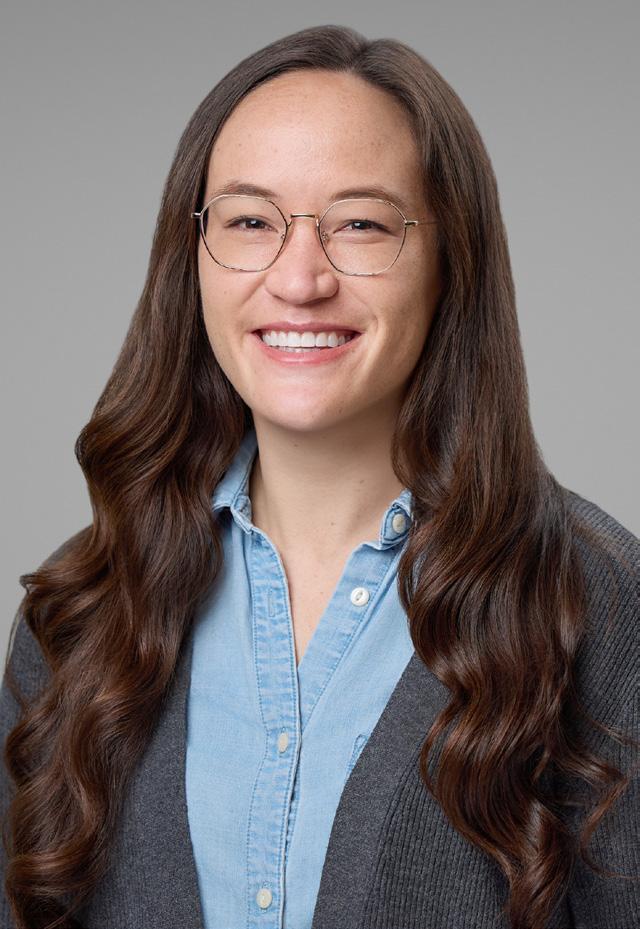
Emily Duh is the Vice President of Global Event Consulting at Playfly Sports, where she advises cities and stakeholders preparing to host major international sporting events, including the FIFA World Cup 26™. Her work focuses on strategy, operations, bid positioning, and long-term legacy planning. Emily’s passion for sports began at Burke’s, where she played volleyball, basketball, and soccer. She continued playing soccer at Lick-Wilmerding High School before attending Middlebury College, where she played rugby. While at Middlebury, she discovered the global power of soccer through watching international matches with friends from around the world, an experience that inspired her to pursue a career in sports. After graduating, Emily earned a master’s degree in Sports Management from Columbia University. She began her professional career at Major League Soccer, including an internship in the Commissioner’s Office, before joining the United Bid Committee for the 2026 FIFA World Cup. As part of the Bid team, she helped coordinate efforts across 32 candidate host cities and supported the successful delivery of the bid to FIFA. Emily lives in New York City and remains deeply grateful to Burke’s for fostering the confidence and leadership that continue to guide her career.
Can you share a specific experience, coach, or teacher at Burke’s who inspired you to pursue a career or passion in sports?
Burke’s made it normal for girls to lead, compete, and take up space. That environment gave me confidence early on and helped shape how I show up today, especially in male-dominated spaces like the sports industry.
How do you incorporate the principles of leadership and empowerment learned at Burke’s into your athletic or professional work?
Throughout my career, I’ve often been one of the few women in the room. While that can still feel challenging, I’m far more comfortable in those situations than I otherwise would be, and I credit Burke’s for that. Growing up in an environment where girls led on the field and in the classroom, I feel more confident to speak up and trust my perspective today.
In my professional work, I try to lead collaboratively, drawing on what I learned through team sports at Burke’s. I value listening, creating space for different voices, and building trust across teams.
Paton Roberts ’17
Paton Roberts is currently the Soccer Category Specialist at Amazon, where she leads strategy for soccer retail products on Amazon US. She recently interned at the National Women’s Soccer League in the Office of the Commissioner after graduating magna cum laude from Harvard in May 2025. There, she wrote a thesis entitled, “Surveying the Field: An Exploration of the Culture of Fandom in the National Women’s Soccer League,” featuring original research across NWSL fans of 12 of the league’s teams. Her work with Harvard Undergraduate Sports Lab included organizing the inaugural and second annual Sports Business Conference led by Harvard undergraduates, and organizing and moderating the club’s first-ever Women in Sports Business Night. She covered Sports Administration for The Harvard Crimson, reporting on breaking news across Harvard Athletics. As a lifelong soccer player and fan, she continues to follow women’s soccer and all women’s sports as often as her job will allow, alongside baking, reading, and running.
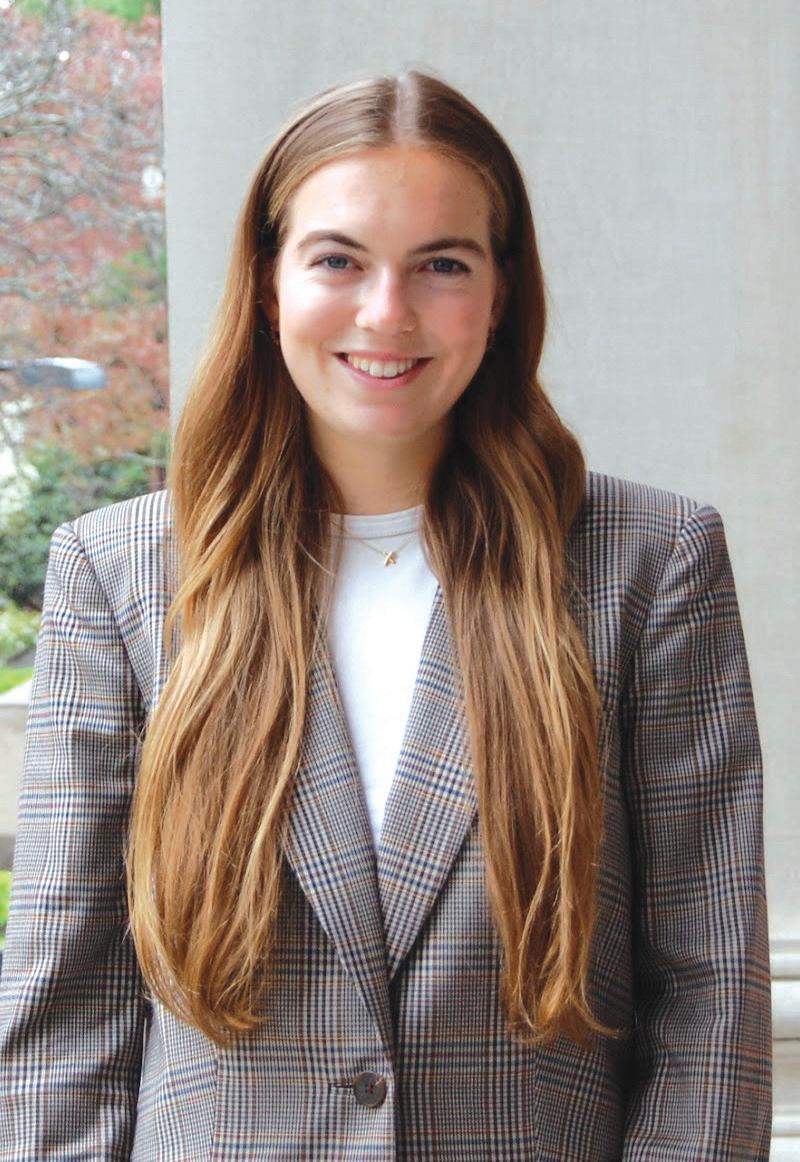
Can you share a specific experience, coach, or teacher at Burke’s who inspired you to pursue a career or passion in sports?
All of my athletic experiences at Burke’s, whether it was Challenge P.E. or the soccer team, reinforced my love for sports, and in particular, my love for women’s sports. Though I didn’t realize it at the time, the community I found on those teams and the joy athletics brought me every day both led me to my current career. In particular, my experience on the Burke’s cross country team gave me an appreciation for the connections that only sports can foster, as I grew close to girls across all different grades, social circles, and interests.
How do you incorporate the principles of leadership and empowerment learned at Burke’s into your athletic or professional work?
I use the principles of leadership and empowerment learned at Burke’s in my work every single day. By nature of the sports industry, you are often asked to step up and be a leader at early stages, especially at a younger league like the NWSL. Feeling empowered in my skill set and decision making allows me to do the best work possible, and I credit Burke’s mission to encourage and empower girls with instilling me with the necessary self confidence to succeed in this business!
Saffron Agrawal ’17
Saffron Agrawal works at the intersection of technology, culture, and the arts, an interest she traces back to her time at Burke’s. She attended Phillips Academy in Andover, Massachusetts before going on to Harvard University, where she graduated magna cum laude with a B.A. in government and a secondary in theater, dance, and media.
During college, an interest in film and storytelling led her to spend summers interning at Creative Artists Agency in book rights and at NEON, an independent film production and distribution company. Saffron participated in a Policy Fellowship with the AI Safety Student Team at Harvard in her final year, which led her toward the technology industry. She currently works on the Go-to-Market team at ElevenLabs, an AI company whose technology powers voice agents, audio tools, and dubbing used across industries from entertainment to healthcare. She is based in New York City, where she plays squash, explores the diverse food scene, and sees as many movies and Broadway shows as she can.
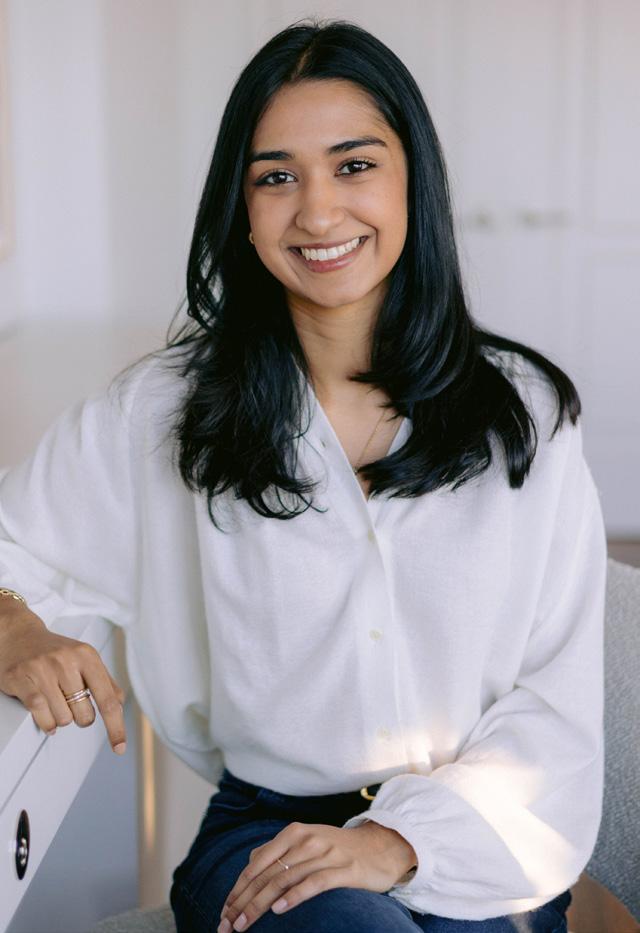
Can you share a specific experience or teacher at Burke’s who inspired you to pursue a career or passion in science?
An experience that inspired me was the Makery. We coded games in Scratch, built California missions in Minecraft, and made book review awards in Adobe, and none of it felt siloed. You were coding, but you were also building something, or designing something, or telling a story about a book you had read. That early exposure made technology feel like a natural part of how you solve problems, and that has already been so applicable to my professional experience.
How do you incorporate the principles of leadership and empowerment learned at Burke’s into your scientific or professional work?
The seventh grade Full of Ourselves unit has stayed with me more than I expected. It was a dedicated unit on women’s empowerment at an age when that framing was new to me, and the version of self-advocacy it taught me was less about speaking louder and more about asking the right questions. At the time that meant going back to a teacher after a test or essay and asking what I could have done differently to improve my grade, which was a small habit but a useful one to build early. The same instinct shows up in my work now in bigger ways, whether that is asking a customer what they need to see from a product to move forward on a deal, or asking a manager what they need to see to support a promotion. I am grateful Burke’s instilled that in me.
Olivia Marwell ’15
Olivia Marwell is a sculptor from San Francisco, CA, working at the intersection of textiles and industrial materials. Influenced by her background in political science, feminist theory, photography, and fashion, Olivia’s work revolves around exploring the structural exploitations of the female body through the lens of domesticity as a complex economic and political institution. In 2019, Olivia moved across the country to attend Yale University (where she graduated cum laude with a B.A. in fine art), was distinguished as a 2023 Swenson Scholar in the Arts, and received the 2024 Jonathan Edwards Arts Prize. She is a Norfolk School of Art alum, and currently serves as the Deborah Buck and Hilla von Rebay Foundations’ Studio Arts Fellow at Trinity College in Hartford, CT. Olivia’s work has been exhibited across the Bay Area, Los Angeles, Connecticut, and New York. Notable exhibitions include “Think of Salad Days” at Morgan Lehman Gallery in Chelsea, along with her solo show “Decorum and Demolition” at Poon Family Gallery in Harford, CT. Olivia has received scholarship awards both from the Metal Museum in Memphis, TN, and from the Anderson Ranch Arts Center in Aspen, CO.
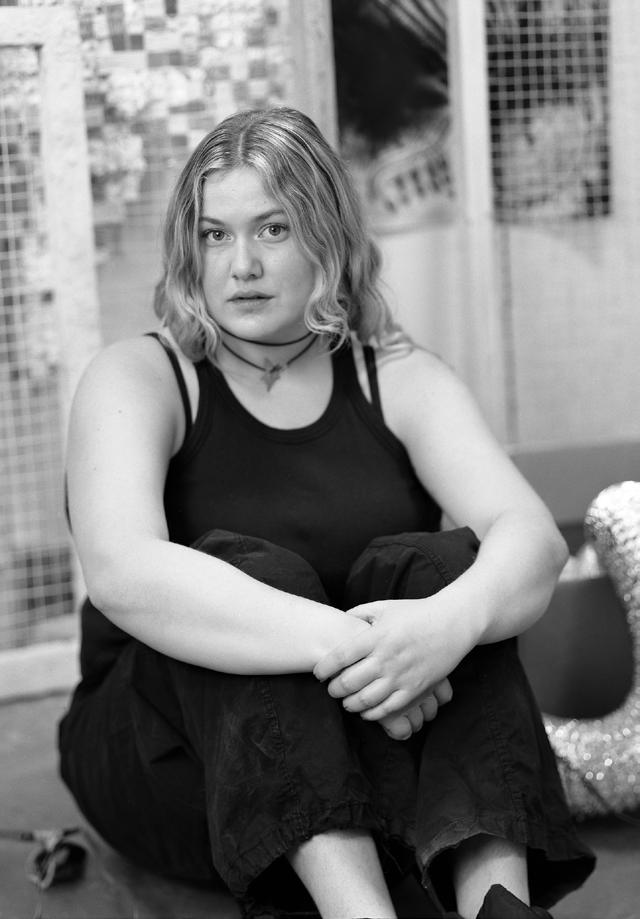
How do you incorporate the principles of leadership and empowerment learned at Burke’s into your work?
While my early introduction to photography was certainly critical, Burke’s commitment to instilling values of women’s empowerment in its students was even more influential to my artistic journey. I still remember my many research projects on trailblazing women, celebrating International Women’s Day every year, and reading the words “educate, encourage, and empower girls” on the gymnasium wall nearly every day for nine years. Burke’s storied commitment to uplifting women sparked my passion for feminist advocacy and intellectualism from a very young age, interests that have underpinned my creative practice since its birth.
Today, my work revolves around exploring structural exploitations of the female body through the lens of domesticity as a complex economic and political institution. Fundamentally, I’m interested in interrogating the hierarchies we have created as a society to systemically devalue women’s physical, spiritual, and intellectual contributions to the world. As such, I believe that being raised in an environment centered around fostering women’s excellence without any limitations has been foundational to the development of my objectives and identity both as an artist and as a woman.
Stephanie Scott ’04
Stephanie Scott is a product leader at the intersection of advanced engineering and human-centric design. For the past eight years, she has led Product Management for Google’s flagship Pixel Pro phones. In this role, she defines the strategic vision for what to build and why, bringing cutting-edge innovations in AI, camera technology, and hardware materials directly into the hands of users worldwide. She is driven by a commitment to make complex technology useful, inclusive, and accessible. With a journey into technology that began at Burke’s, she built on that foundation to earn her B.S. in mechanical engineering at UC Berkeley, M.S. in mechanical engineering at MIT, and MBA from the Stanford Graduate School of Business. Beyond the office, Stephanie is deeply committed to the San Francisco community, where she lives with her husband and daughter. She serves on the board of Grace Cathedral, using her engineering background on the Buildings and Grounds and Social Justice committees to help preserve the historic landmark while advancing equity in the city.

How do you incorporate the principles of leadership and empowerment learned at Burke’s into your scientific or professional work?
At Burke’s, leadership goes far beyond just taking charge. It is about lifting others up and creating space for empowerment. This principle serves as the anchor of my daily work. For me, the ultimate goal of consumer technology is to make advanced scientific and engineering breakthroughs incredibly useful, intuitive, and accessible for everyone. Technology shouldn’t feel exclusive or intimidating; when designed thoughtfully, a new product becomes a tool for empowerment. It can unlock independent living, accelerate learning for the curious, and provide everyday users with advanced capabilities (like cutting-edge photography tools or real-time AI assistance) that simply weren’t possible a few years ago. Bringing helpful innovations into the palms of millions of people is my way of practicing Burke’s values of empathy, inclusion, and empowerment.
Do you have any anecdotes about your time at Burke’s related to science that you’d like to share?
I have so many wonderful memories of tackling hands-on projects and collaborating with classmates to solve challenges. A few standout moments include the pure excitement of launching bottle rockets from the tennis courts, racing small custombuilt cars down the long Upper School hallways, and the creative chaos of building Rube Goldberg machines.
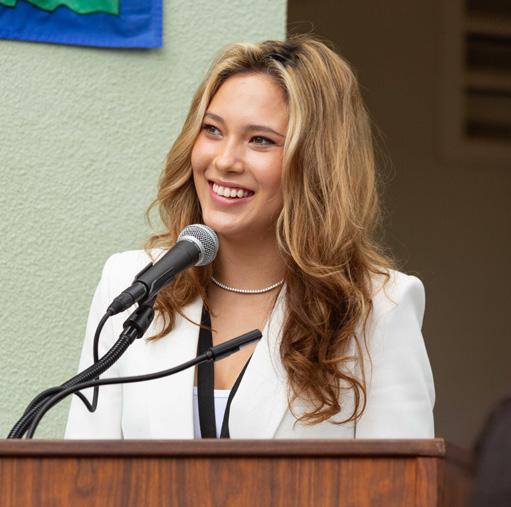


Our mission is to educate, encourage, and empower girls. Our school combines academic excellence with an appreciation for childhood so that students thrive as learners, develop a strong sense of self, contribute to community, and fulfill their potential, now and throughout life.