
WE DON'T JUST TREAT CANCER, WE TREAT YOUR CANCER.
Patient Guide Book
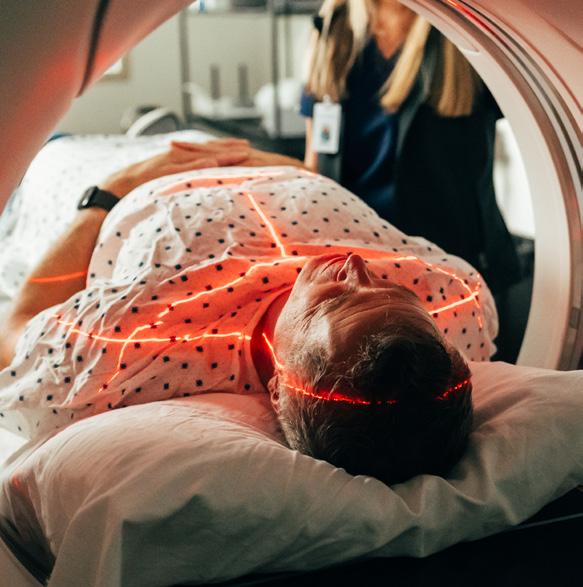

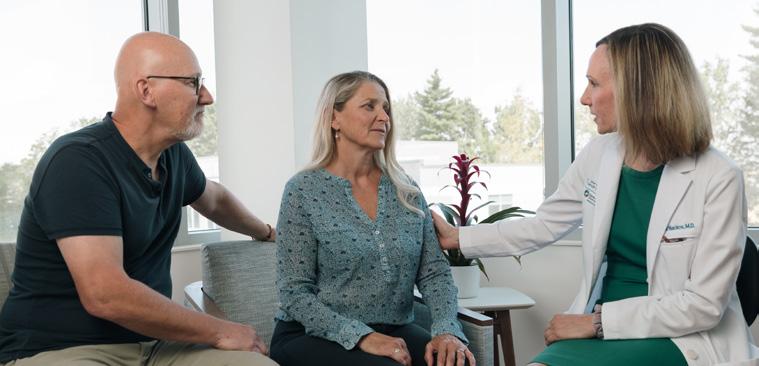




New England Cancer Specialists (NECS) is a physician-owned, patientcentered medical practice, recognized as a leader in cancer care, treatment, and research. We are the largest oncology group north of Boston, serving people in need throughout New England.
As our patient, you will have wider access to state-of-the-art treatment that is closer to home and centered on your individual needs.
Our commitment to excellence is inspired by you.
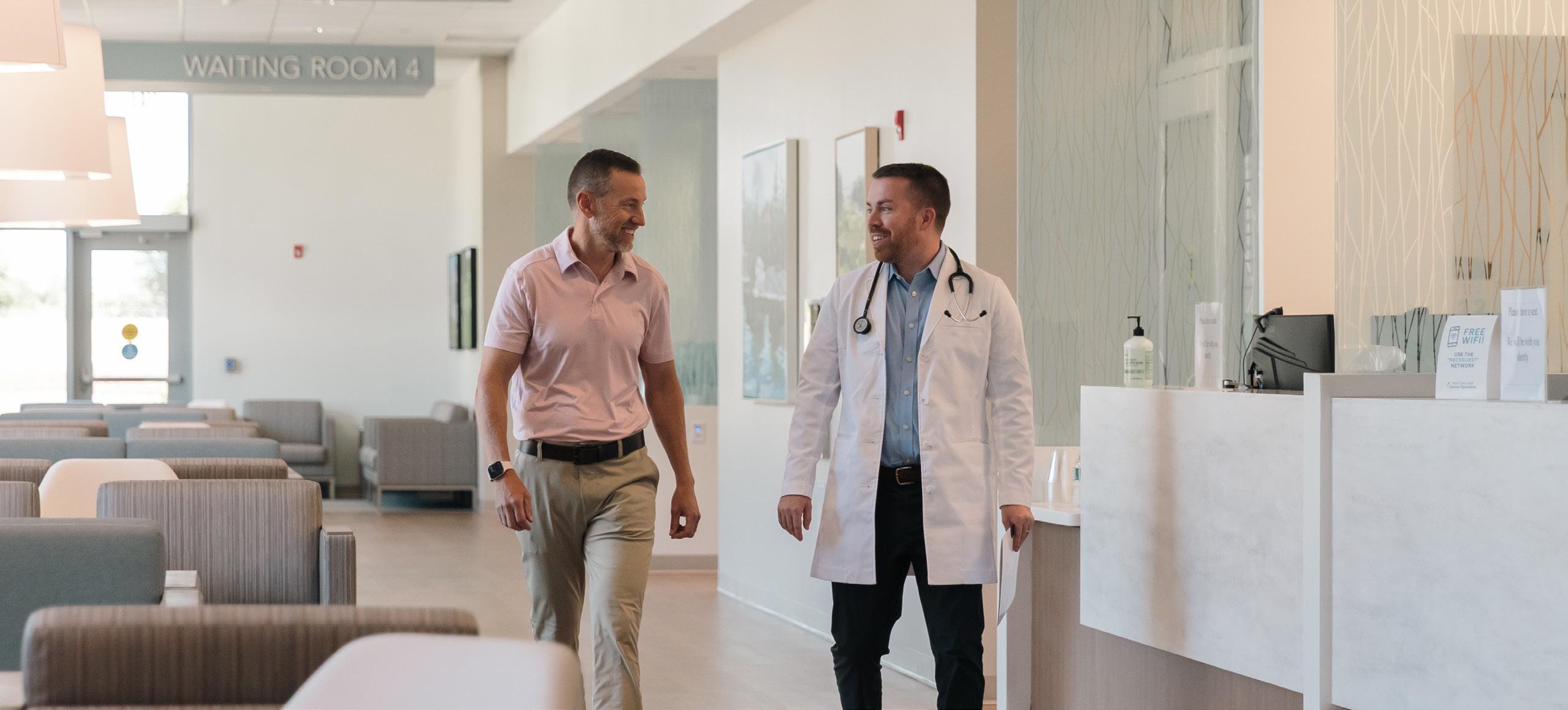
OUR ONE GOAL: YOUR BEST OUTCOME
An independent oncology group.
Independence, Innovation, and Collaboration Makes us Tough on Cancer.
As an independent oncology group, we are free to collaborate with other top cancer and hematology specialists at treatment and research facilities across the US. Our mission is to bring the best minds together to foster innovation and research breakthroughs that will benefit our patients.
We share best practices through participation in national and regional organizations dedicated to improving cancer care, access, and cost. We have achieved best-in-the-nation QOPI® (Quality Oncology Practice Initiative) certification for oncology and hematology care.
Our physicians are active members of national organizations such as the American Society of Clinical Oncology (ASCO), the Community Oncology Alliance (COA), the Association of Cancer Care Centers (ACCC), and as affiliate members of the Dana-Farber Cancer Institute, working toward improved care, expanded access, and payment reform. Our independence is your assurance of the latest and most innovative treatments available today.
We take your cancer personally.
Since opening in 1967, we have focused our practice on one goal: to achieve the best possible outcomes for our patients. We offer leading-edge protocols and drug treatments based on the newest information and research— and we now offer greater access to clinical trials at the world-renowned Dana-Farber Cancer Institute.
Our team of specialists includes board-certified oncologists and hematologists who are nationally recognized for their expertise and experience. We offer advanced therapies and drugs as well as expanded access to new programs and clinical trials.
Simply put, we don’t give up. When it comes to fighting your cancer or blood disorder, we are relentless in our determination to achieve the best possible outcome available.
Dana-Farber Cancer Institute
Welcome to World-Class Care, Right in Your own Backyard.
We’re proud to be an Affiliate Member of Dana-Farber Cancer Institute, in recognition of our demonstrated commitment to excellence by meeting a wide range of standards and best practices in adult medical oncology.
This formal recognition of our long-term collaboration with Dana-Farber means you get the best of both worlds: expert local care backed by the leading-edge research and resources of a world-renowned treatment and research facility. You’ll have greater access to Dana-Farber’s specialists in complex cancers, clinical trials, tumor board conferences, and more...all of which will enhance our ability to help patients beat cancer and enjoy a long and rewarding survivorship.

We treat the cancer—and care for the person.
Quality of life matters. That’s why we focus on your well-being—physical and emotional—as we fight your disease. Our conveniently located full-service treatment centers in Maine and New Hampshire make the highest quality care more accessible, reducing travel hours and time spent in hospital settings. We have evening and weekend hours for your convenience and have phone triage 24 hours a day for urgent care.
Your own personal care team will coordinate all aspects of your care, working with you and your family, every step of the way, and we offer important support services in house, such as genetic counseling, financial advocacy, and an on-site dispensing pharmacy.
New England Cancer Specialists is certified by the American Society of Clinical Oncology and the Community Oncology Alliance Oncology Medical Home through a pilot program called the ASCO Patient-Centered Cancer Care Certification. This certification works hand-in-hand with value-based payment models to create a cohesive, patient-centered cancer care delivery system that simultaneously increases patient access to care, improves care coordination, and enhances overall quality.
Oncology Medical Home
Being a medical home means we are committed to providing as many of the services you need as quickly as possible while coordinating with other physicians and services for any care we cannot provide. Call us first at (207) 303-3300 with any concerns, symptoms, questions, or problems related to your cancer care. We will make sure you get what you need, either here or by coordinating with your primary provider, your surgeon, or any other specialists you may need.
As an Oncology Medical Home, we want you to CALL US FIRST if you are sick. No one wants to wait for hours in the emergency department when they are feeling sick. If you call us first, we will determine if we can solve your problem safely and efficiently in our clinic. Our trained oncology triage nurses will ask you about your symptoms and determine how urgently you need to be seen. The nurses may also order lab tests for certain problems.
If you need to visit a health care provider today, we will make that happen. If you need to be seen so urgently that you require hospitalization, or if it is an emergency we cannot manage, we will try to accelerate your care or participate in directly admitting you to the hospital so that you can avoid any delay in the emergency department.
Being a medical home means we work as a team. Everyone has a role to play in getting you the help you need as quickly as possible.
Our medical-home approach also means that we coordinate your care with your other physicians. Your primary care provider is a very important member of your cancer-care team, and we will make sure that all your physicians are aware of everything that is happening to you. We will work with the surgeons, gastroenterologists, pulmonary physicians, and any other specialists you might have to make sure that your entire team is on the same page and providing you with the care you need. We ask you to update us on a regular basis with details about any other physicians that need communication regarding your cancer or blood condition.
Medications and radiation therapy are among the tools we use to treat your cancer or blood problem. At each visit, our medical assistants will review your medications with you to make sure everyone is aware of how you are taking them. Please remember to bring your medications with you to each visit; this will help you get the treatment you need and avoid potential side effects from drug interactions.
If you are receiving radiation therapy or chemotherapy, our physicians will communicate with you frequently and coordinate your care to get you safely through the treatments, prevent side effects, and keep you out of the hospital.
We are your Oncology Medical Home. Let our team help you to be as healthy as you can be throughout your treatment.
RESEARCH & CLINICAL TRIALS
Leading-edge research close to home.
As the region’s leader in cancer treatment, New England Cancer Specialists is dedicated to contributing to discoveries in cancer research. Through investment and collaboration with our research partners, we strive to offer hope and improve patient outcomes. As part of this effort, we support a robust portfolio of clinical trials developed by our national and international partners that we can offer to our patients.
We believe you should be aware of all your treatment options, including the possibility of participation in a clinical trial. This includes access to clinical trials at, or in partnership with, Dana-Farber Cancer Institute in Boston. We offer many trials, which fall into three broad categories:
• Treatment/Intervention: These trials test new medicines, different combinations of medicines, or a different order of therapy in an attempt to improve patient outcomes.
• Observational: These studies follow patients receiving standard treatments by collecting de-identified data. There is no change in treatment with this category of study.
• Translational: These studies involve the collection of blood and/or tissue samples, along with de-identified data, to explore how differences in a patient’s genetics may affect diagnosis, treatment, and response. There is no change in treatment with this category of study.
Is a Clinical Trial Right for me?
Clinical trials aren’t for everyone. Some patients are eager to enroll. Others are pleased to contribute information, but don’t want to be in a treatment study. Some want to share thoughts and feelings only in observational studies. Some patients are willing to provide a blood sample, if it may help advance our knowledge of cancer.
It’s important for you to understand that taking part in a clinical trial is voluntary. If you decide to take part in a trial and then change your mind, you can also drop out of the trial at any time. Whatever decision you make, your doctors and nurses will make sure you get the best care possible for your disease.
For details about the clinical trials currently available, please visit the clinical trials page on our website.
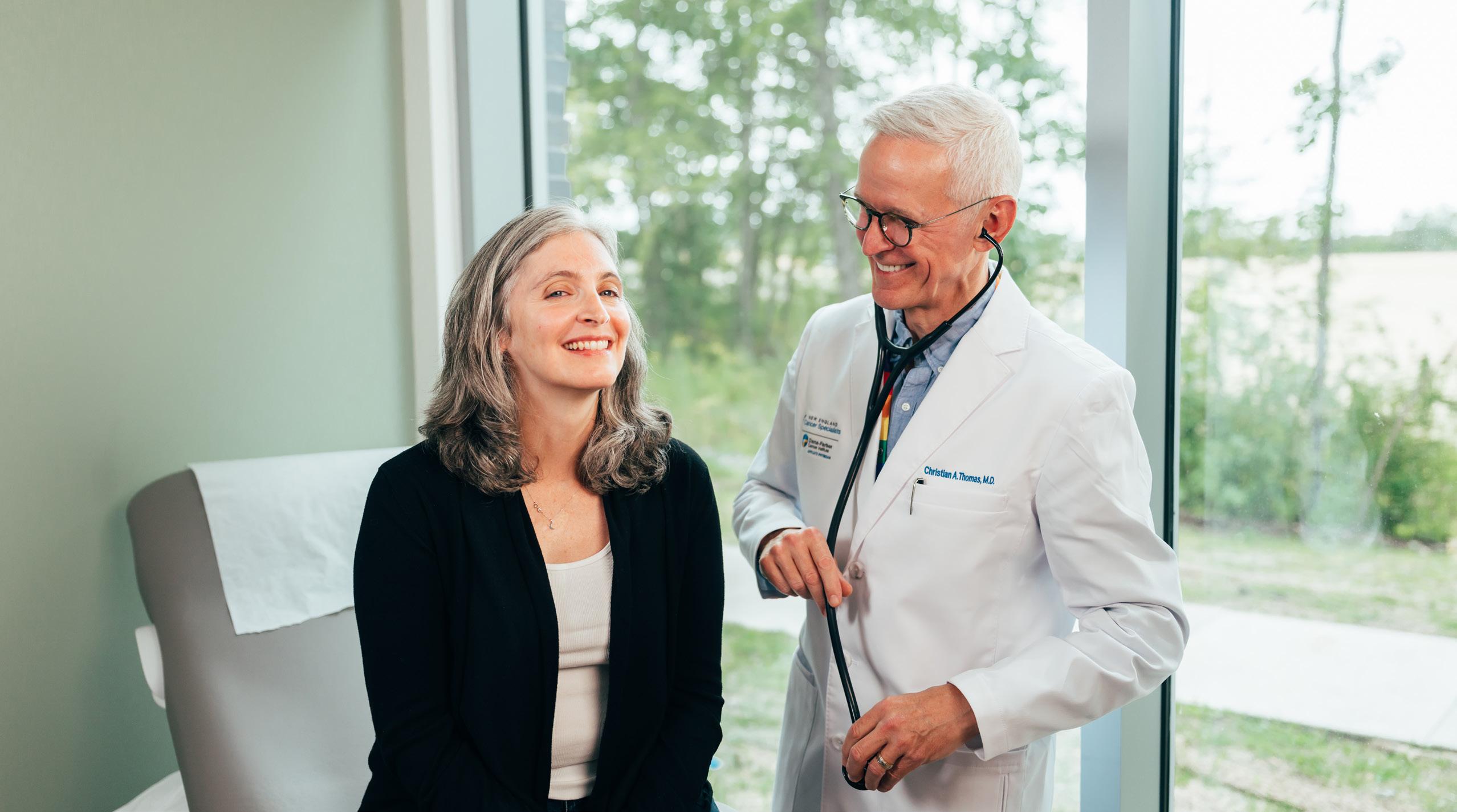
TYPES OF TREATMENTS PROVIDED AT NECS
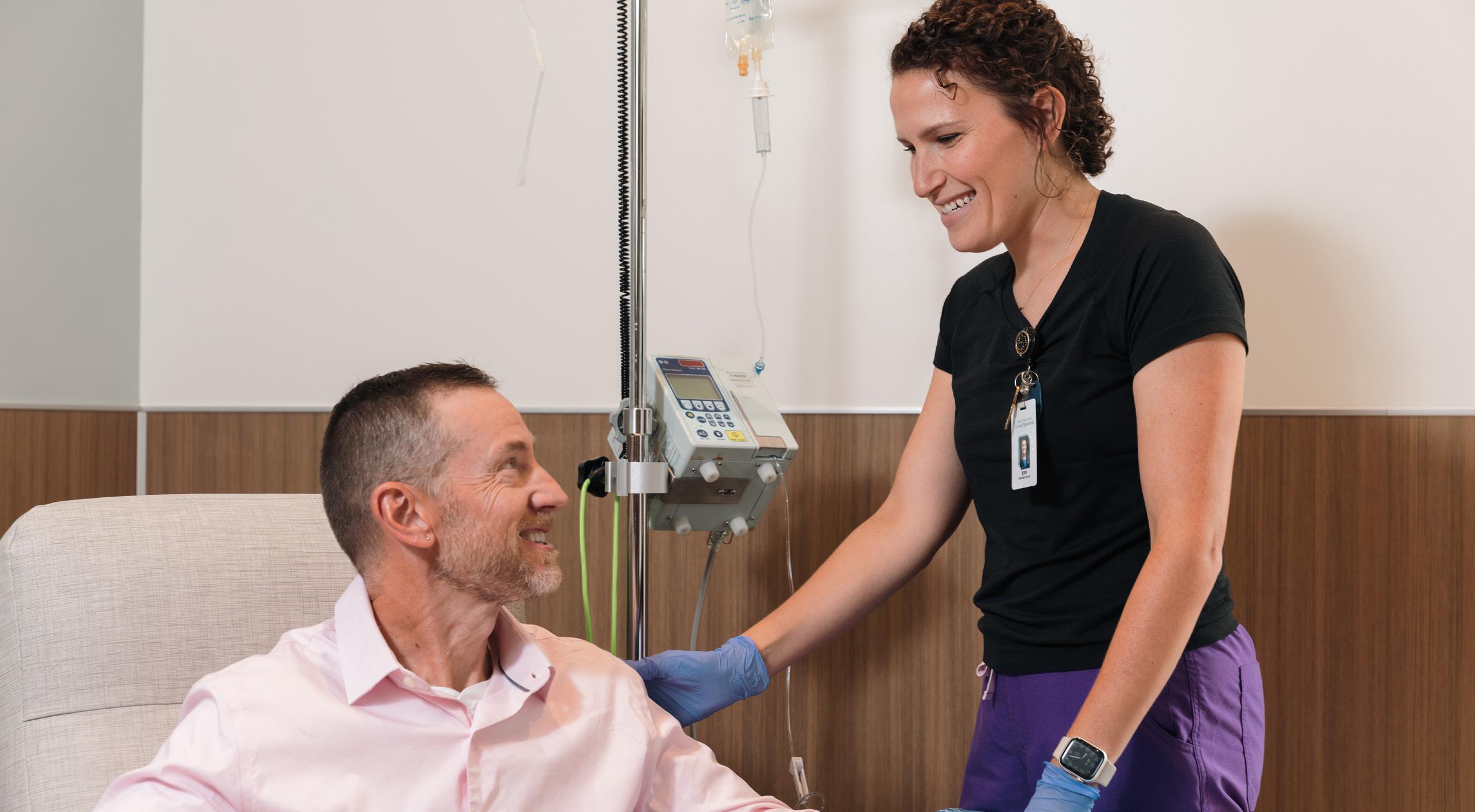
Infusion Services
Infusion simply means the administering of medications or other treatments directly into the bloodstream, typically through an intravenous (IV) line or catheter, when oral medications are not suitable or effective.
What is Non-Oncology Infusion Therapy?
Non-oncology infusion therapy involves administering medications directly into the bloodstream to treat various medical conditions not related to cancer. This method ensures that the medication is delivered efficiently and effectively, providing relief and management of chronic diseases.
What Non-Oncology Conditions are Treated with Infusion Therapy?
Non-oncology infusion therapy at New England Cancer Specialists treats a wide range of medical conditions, including:
• Rheumatoid Arthritis: An autoimmune disorder causing inflammation in the joints.
• Crohn’s Disease: A type of inflammatory bowel disease (IBD) affecting the digestive tract.
• Asthma: A respiratory condition causing difficulty breathing due to inflamed airways.
• Lupus: An autoimmune disease where the immune system attacks healthy tissue.
• Ulcerative Colitis: Another form of IBD causing inflammation and ulcers in the colon.
• Gaucher Disease: A genetic disorder resulting in fat accumulation in certain organs.
• Fabry Disease: A genetic condition affecting fat metabolism.
• Gout: A type of arthritis characterized by sudden, severe attacks of pain, redness, and tenderness in joints.
• Plaque Psoriasis: A skin condition causing red, itchy, and scaly patches.
• Psoriatic Arthritis: An inflammatory arthritis associated with psoriasis.
• Multiple Sclerosis: A disease where the immune system attacks the protective covering of nerves.
With over 50 years of experience in providing infusion therapy, New England Cancer Specialists is a trusted leader in the region. Our team is well-versed in the latest techniques and best practices to ensure safe and effective treatment.
TYPES OF TREATMENTS PROVIDED AT
Radiation Therapy
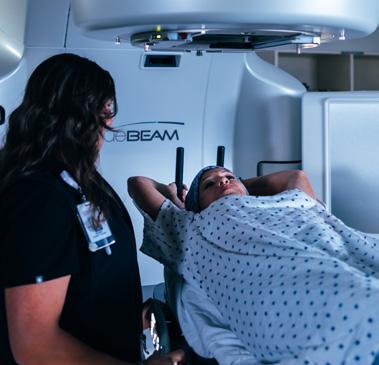
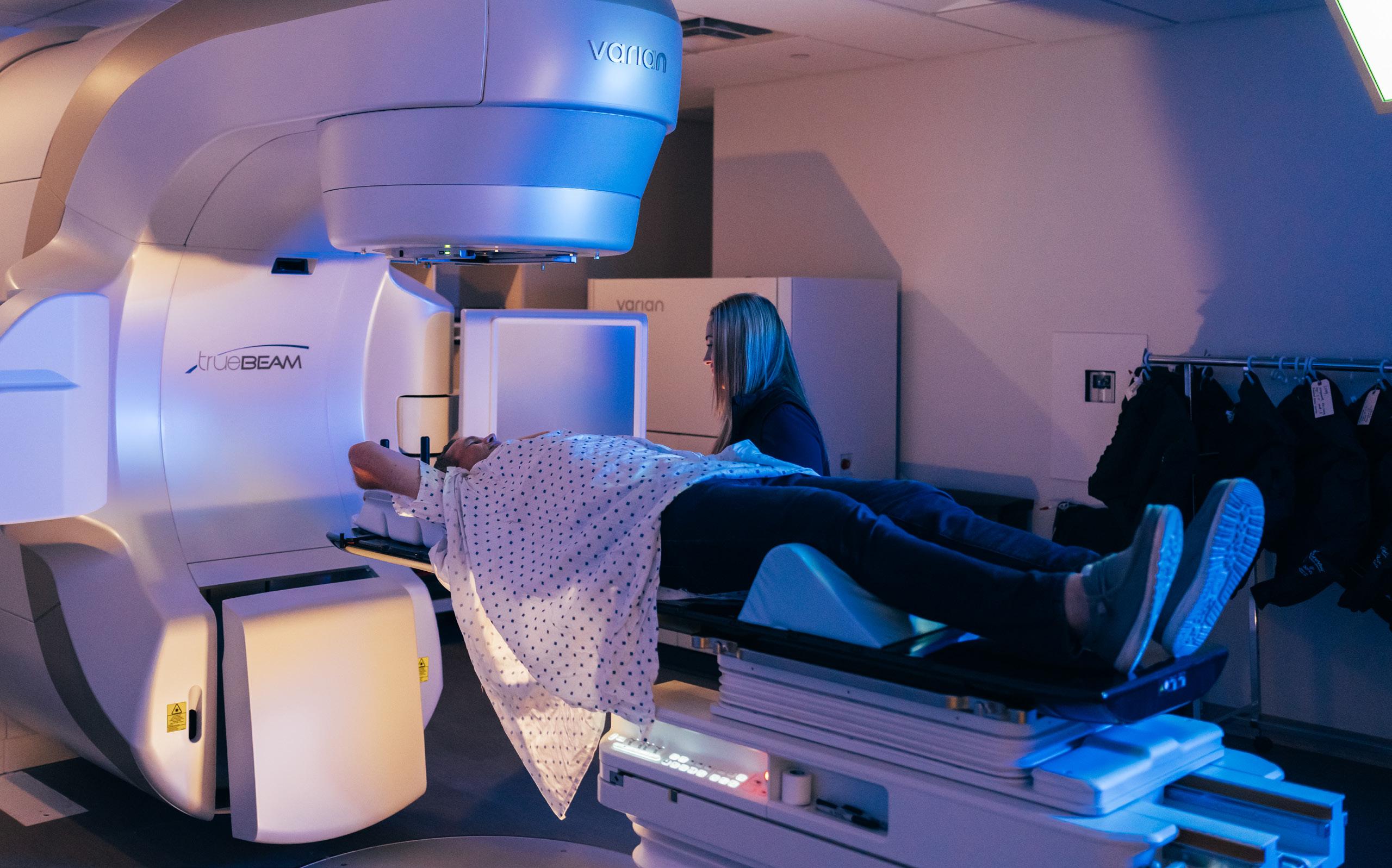
Our Radiation Therapy Program offers state-of-the-art treatments for a wide range of cancers (radiation oncology) and select benign (non-cancerous) conditions. Our expert team utilizes the latest technology to provide precise, effective, and personalized radiation therapy while minimizing side effects. Below, you’ll find an overview of the cancers we treat, the non-cancerous conditions we address, and the advanced radiation techniques we use.
Radiation for Non-Cancerous Conditions
Radiation therapy isn’t just for cancer—it is also used to treat certain benign (non-cancerous) conditions by reducing inflammation and relieving pain. Low-dose radiation therapy is an effective option when other treatments have not provided relief.
At New England Cancer Specialists, our Radiation Therapy Program offers cutting-edge treatments tailored to each patient’s needs. Whether you are facing cancer or a chronic musculoskeletal condition, our team is here to provide expert care with the most advanced radiation therapies available.
What is Radiation Oncology?
Radiation oncology is a type of cancer treatment that uses high doses of radiation to kill cancer cells or shrink tumors. It targets specific areas of the body where cancer is present, aiming to destroy the cancer cells while minimizing damage to surrounding healthy tissue.
Radiation oncology works by using powerful energy beams, like X-rays, to damage the DNA inside cancer cells. This damage stops the cancer cells from growing and dividing, eventually leading to their death. Radiation can be used alone or in combination with other treatments like surgery or chemotherapy.
Breast Surgery
For those needing both surgical and medical oncology, the patient experience is now more seamless than ever.
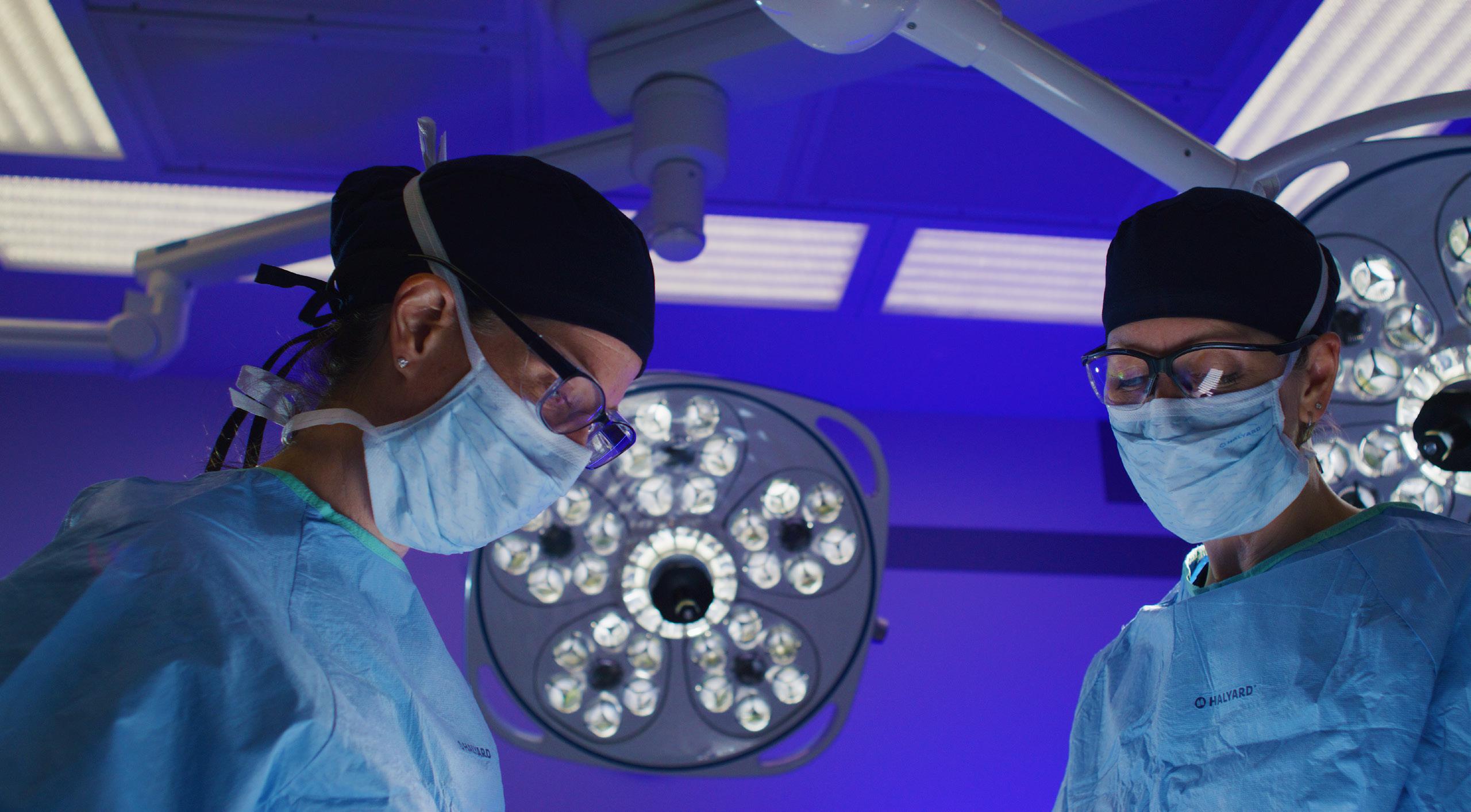
Surgical oncology is a type of cancer treatment that involves surgery to remove tumors or cancerous tissue from the body. It’s often one of the first steps in treating cancer and can be combined with other treatments like chemotherapy or radiation. The type of surgery depends on the location and size of the tumor, as well as the stage of the cancer. Some surgeries are minimally invasive, using small cuts and cameras, while others may require larger incisions.
Some diagnoses may require surgery prior to beginning cancer treatments. With the recent addition of two of Maine's most accomplished breast surgical oncologists, NECS can now provide the enhanced support and comfort that comes from patients working with a single team of experts for both their surgical and medical oncology.
Conditions We Treat
Our experienced breast surgeons specialize in the diagnosis and surgical treatment of:
• Breast Cancer—Including invasive and non-invasive (DCIS) cancers, triple-negative breast cancer, and HER2positive breast cancer.
• High-Risk Breast Conditions–Such as atypical hyperplasia and lobular carcinoma in situ (LCIS).
• Benign Breast Conditions–Including fibroadenomas, cysts, and phyllodes tumors.
• Genetic Risk and Preventative Surgery—For those with a BRCA or other hereditary mutation who may consider risk-reducing mastectomy.
Types of Breast Surgery
We offer a range of surgical options based on your diagnosis, personal preferences, and overall treatment plan:
• Lumpectomy–Removes the tumor while preserving as much healthy breast tissue as possible.
• Mastectomy–A full or partial removal of breast tissue, with options for skin- and nipple-sparing techniques.
• Lymph Node Surgery–Including sentinel lymph node biopsy and axillary lymph node dissection.
TYPES OF TREATMENTS PROVIDED AT NECS
Chemotherapy & Immunotherapy
Not all patients get chemotherapy or immunotherapy, and if you are to receive chemotherapy or immunotherapy you will be fully informed before it begins. Immunotherapy differs from chemotherapy but uses the same natural defenses your body uses every day to fight infection. It is a type of targeted therapy and works to boost the immune system to attack the cancer. Your physician will review all options with you and any caregiver or family member you want involved in the decision-making process.
If you decide to be treated with chemotherapy or immunotherapy, we ask you to come in for a “treatment education” session where you will learn about the drugs you will receive and any possible side effects. You will have the opportunity to ask as many questions as you want and will be asked to sign a consent form to show that you understand. A copy of the information explained, and the consent form you signed, will be provided.
Seeing Your Doctor PATIENT ROADMAP
Getting the Most out of Your Appointment
Your first physician visit is an important meeting that will be most effective if you plan ahead. It is important that you give the physician the information he or she needs and that you fully understand what your physician is recommending. The following checklist will help you and your physician get the most out of the visit. This information applies to NECS but should be useful to consider before any provider appointment, whether you are a new patient or a returning one.
Before Your Appointment Date
Check the basics of the office:
Where is it and how do you get there?
What time should you arrive? (You should typically arrive 15 minutes before scheduled appointments.) Where can you park?
Do you have your insurance card or referral?
We will gather any needed records such as lab test results, copies of X-rays or other imaging studies, and any surgery and pathology reports. If we are missing anything, we might call you to get more information—for instance, where a procedure was done or if you had any earlier imaging studies. Please notify us of any special collection needs for upcoming lab tests, such as a port device for the collection of blood samples.
Missed Appointments
New England Cancer Specialists works hard to provide the best possible care to you, as well as to others in the community. To achieve this, we need your help. Please call ahead of time to reschedule your appointment if you know you will be unable to attend.
Your responsibilities:
• Please call at least 2 days in advance of your appointment to cancel or reschedule
• Please arrive to your appointment on time
What to Bring
Check the basics of the office:
Bring all of your prescribed and over-the-counter medications in the original containers to the appointment. Please include any herbal remedies and supplements. Make a written list of all medications, including the dosages. Please give this list to your medical assistant to ensure that we have a complete and accurate record of your current medications.
A written list of your medical history, such as prior treatments, surgeries, or allergies—even those not related to your current condition. We will ask you to complete a registration form and an intake form.
A list of your specific concerns about your condition. This might include prognosis, exposure to friends and family, how to talk to family members and children, and how your treatment might impact your ability to work, exercise, travel, or concerns about the effect on your finances.
Consider asking a friend or family member to accompany you. Let us know in advance if you will need a translator or interpreter, and we will happily arrange for one.
PATIENT ROADMAP
Arriving at the Office
When you get to the office, our front desk team will confirm your arrival and check you in. You may receive a soft wristband with your vital information printed on it. This is designed to enhance safety and assist all members of our team in identifying you and the information relevant to your treatment.
Be honest and thorough when talking with your provider. Share your point of view and don’t hold back information. Help us understand your most important goals in life and how these might impact your care and your choices. Don’t be afraid to talk about sensitive issues such as your bladder, memory loss, sex, or anything else you might consider embarrassing—it might be important to the success of your treatment.
Keep focused. The most important topic for your visit is you and your health. You’ll get the most out of your limited time with the doctor by focusing on you.
Take notes on what the doctor tells you and ask questions if you don’t understand the meaning of a word or the instructions for taking medications. This time is for you.
Ask about what to expect from your treatment. Learn about how it may impact your daily activities, if there are unpleasant side effects and what you can do to prevent them.
Ask for any handouts or brochures that you and your family can review at home. Your doctor may refer you to our website or another trusted internet site for more information.
Talk to other members of the health care team, such as our nurses or oncology counselors.
When You Get Home:
Review the materials the physician gave you. If you can’t remember something, or you don’t understand your notes, call the office and speak to a member of your healthcare team.
Follow the provider’s instructions. Take the full course of medications and be sure you follow the healthy lifestyle and dietary recommendations that were discussed. Remember, you are a part of your health care team, too.
Keep your provider informed of any change in your condition. Please keep a list of any upcoming appointments and procedures at our clinic and please call the office if anything needs to be rescheduled.


Lab Results
Our secure patient web portal allows you to review your lab results from anywhere, anytime. It’s easy to use and we’ll provide you with detailed instructions. Results of any lab tests done at NECS will be available immediately. Results of tests done at an outside lab may take several days to be posted on the portal. (Please note that the lab cannot advise you on medication or specific medical issues, which should be discussed with your physician or the triage nurse.)
Paper copies of lab results will be sent only if you request them. Copies of your lab results will also be available at your appointments.
If your primary care physician wants you to have additional testing done at the time of your NECS visit, please inform the Medical Assistant so that we can order those and make sure the results are sent to your primary care provider.
Treatment Room Policies
To provide the greatest comfort to patients receiving chemotherapy or immunotherapy treatment, New England Cancer Specialists has implemented the following policies in our treatment room where you may receive your chemotherapy or immunotherapy:
• Visitors accompanying patients for treatment must be limited to 1 adult. Due to the presence of needles, immuno-compromised patients, and potentially toxic drugs, NECS does not permit children under the age of 10 to accompany patients into the Treatment Room.
• Only licensed service dogs are allowed in the Treatment Room. Service dogs must stay at the chair side of the patient.
• Please limit the use of cell phones while in the treatment room. Cell phone ringers should be silenced or on vibrate.
• Please do not use heavy colognes, perfumes, or fragrances in the treatment room.
• Outside food and drinks are allowed. However, please do not bring in fish or other foods with strong odors.
• Please do not post any pictures or identifying information of other or staff on social media sites.
Our financial patient advocates ease your mind.
At New England Cancer Specialists, we understand that having cancer is stressful enough without having to worry about paying for treatment. That’s why we offer patients the free services of our trained Patient Advocates.
Our advocates are here to help answer any questions you may have about covering the cost of your care. They are specially trained to review your insurance coverage, alert you to any unexpected costs, and help you find financial assistance when necessary. You should know that:
• Financial assistance is available for nearly all insured and uninsured patients, even with incomes greater than $100,000.
• Programs are based on household income, insurance status, and diagnosis.
• Co-pay relief programs are available.
• Financial assistance programs can cover out-of-pocket medication and treatment costs like deductibles, as well as non-medical expenses such as travel, and even family care and food.
• National and local foundations may have funds available.
• Some patients qualify for free medications from pharmaceutical companies.
Advocates in each office are dedicated to helping you find and access these resources.
Foundations & Donations
At New England Cancer Specialists, support comes in many forms, including financial.
The effects of being treated for cancer can be far-reaching. That’s why we provide integrated support services— mental health counseling, nutritional guidance, pain management, and more—to help you with the struggles you may experience during treatment.
Just as important as these more clinically-oriented services, we also provide financial advocacy and support to help you cope with the financial hardship that cancer can cause. We work closely with various foundations and nonprofits that assist with financial needs which may arise during your cancer journey. Ask your care team for a referral to one of our dedicated financial advocates for more information.
Supporting the Foundations and Nonprofits that Support NECS Patients.
We also believe in the power of community support. If you'd like to help other patients through their journey, consider supporting foundations that directly assist other patients like you. Your contribution can make a real difference, providing vital resources and hope to those fighting cancer.
Insurance, Co-Pays, and Other Helpful Info
All new patients are asked to complete our Patient Registration form and sign our financial policy before receiving care. You can make payments online anytime through our secure payment portal: NewEnglandCancerSpecialists.com/Billing-and-Support/. All co-payments are expected at the time of service.
NECS accepts most major health insurance plans. If your plan is among those with which we participate, we will submit insurance claims on your behalf for the services you receive. It is the patient's responsibility to provide accurate and current insurance information. If NECS does not accept your insurance plan, you will be responsible for paying the full cost of your care.
Please present your insurance card(s) at every visit. We want to make sure your insurance company covers its share of testing costs, so be sure to keep your insurance policy information current. Your insurance will often determine where outside lab tests will be sent.
Accounts are due and payable as of the date billed. After 90 days, accounts with unpaid balances will be considered in default. Returned checks will be assessed a fee for processing. For your convenience, we accept checks, Visa, MasterCard, and Discover.

If you are facing financial hardship, we strongly encourage you to speak with a Patient Advocate. They can help explore available options such as payment plans, Medicaid eligibility, or other resources tailored to your individual situation.
Self-pay Accounts
If you do not have insurance coverage federal law requires that we provide you with a "Good Faith Estimate " (GFE) of the charges you may incur for the medical services you are scheduled to receive. The GFE is an estimate of the costs for the expected services, based on the information known at the time the GFE is provided. The actual costs may be higher or lower depending on your final diagnosis, the services you ultimately receive, and any unforeseen complications. If your final bill is $400 or more than this estimate, you have the right to dispute the bill. We offer a 30% prompt pay discount if your bill is paid in full within 30 days.
Payment plans are accepted with prior approval.
Benefits and Claims
As the patient, you are responsible for payment of all services provided by our facility. Please consider the following:
Medically Necessary Care
We only provide services that we consider medically necessary. However, there may be occasions when your insurance company determines a service to be unnecessary. In this case, you may be responsible for any costs not covered by your insurance company.
Disputed Claims
We will do our best to help you with disputed insurance claims. Our Billing Department is available to discuss any questions you may have regarding your insurance or your account. The Billing Department phone number is 1-833-826-6327. Hours of operation are 8 am-4pm, Monday through Friday.
Pre-authorizations
Once you and your physician have chosen your treatment, we will obtain all the necessary pre-authorizations.
Referrals
If your insurance plan requires you to choose a primary care physician (PCP), you may need to obtain a referral before seeing us. Please complete the referral before your appointment, since any charges incurred without a required referral will be your financial responsibility. We will help by following up with your insurer.
Changing your Primary Care Provider (PCP)
If you are in the process of changing your PCP, please notify your insurer before your first visit to one of our physicians. Otherwise, you may be held responsible for the full cost of the appointment.
Usual and Customary Rates
We charge what is usual and customary for services in our area. If your insurance company determines that the cost of your treatment does not meet their definition of “usual and customary,” you may be responsible for the remainder of the payment.
Managing Side Effects PROMOTING WELLNESS, FOSTERING INDEPENDENCE, AND FACILITATING REHABILITATION DURING CANCER TREATMENT
We never want you to hesitate to call us. We will work with you to prevent or treat side effects. Though we provide information in advance about side effects, we don’t expect you to manage them, or any problems, by yourself. Our phones are answered by trained operators who will direct you to quick answers.
The following guidelines are designed to help you understand what to expect during your treatment:
Aches & Pains
Pain is any feeling that causes you discomfort. Remember that not all cancer causes pain and not all pain is cancer related. It is still “normal” to have a headache or joint pain once in a while.
Because you are living with cancer, your doctor and care team will be especially interested in any new discomfort that you might have. In order to accurately report what you are experiencing, consider the following questions:
• Where is the pain located?
• When did it start?
• How severe is it?
• What makes the pain better? Worse?
If you cannot control your pain, please call us at (207) 303-3300. Our nurses can sometimes help over the phone, but you may need to be seen in a same-day appointment. Please do not live with the pain. NECS has a Supportive Care team which also specializes in pain management, which your doctor may deem appropriate for your situation. Allow us to help you.
Recommendations for Relieving Pain
For chronic pain, take pain medication on a regular schedule to prevent pain from recurring.
Notify your provider if your pain medicine is not working.
Learn how to help your body and mind relax. Here are some ideas to start:
• Consider learning how to meditate. There are many free resources on YouTube and elsewhere online to guide you.
• Enjoy sampling soothing scents and aromas.
• Try getting a massage.
• Listen to peaceful music.
• Spend time in the natural beauty around you.
• Set aside some time to work with a state of mind that is grateful and thankful.
• Try to distract yourself with humor, music, or fun movies.
• Pain is exhausting. Get plenty of rest. When you are tired, pain seems worse and coping with daily life is more difficult. Try to avoid stress and stressful situations.
Nutrition
Adequate nutrition is vital for gaining and maintaining strength during cancer treatment, improving tolerance to treatment and preventing delays in your treatment plan. In your pre-appointment paperwork, you will notice questions about your appetite, food intake, and weight status. While you are under the care of New England Cancer Specialists, please know you have access to our registered dietitians at any point during your treatment course.
Some cancer treatments and medications can increase the body’s need for certain nutrients. Focusing on key nutrients and specific eating strategies can help you cope with your cancer treatment symptoms.
Here are some resources to help manage your nutrition—scan the QR codes below:
NECS SYMPTOM MANAGEMENT HANDOUTS

Loss of Appetite
NATIONAL CANCER INSTITUTE RESOURCES

AMERICAN CANCER SOCIETY RESOURCES

Trouble eating or a decreased interest in eating is a common problem for people receiving cancer treatment. Treatment side effects like changes in taste, fatigue, sensitivity to smells and mouth sores/pain can all be contributors. NECS screens active treatment patients for nutritional deficiencies and will refer to registered dieticians on a case-by-case basis. However, keeping up your nutrition proactively through a nutrient-dense diet with adequate protein is a very important aspect of achieving and maintaining wellness.
Try some of the following ideas to help you improve your appetite:
• Become a nibbler. Perhaps five or six small meals will work better for you. Eating three large meals daily may be overwhelming if you don’t feel hungry, so spread out an equal amount of food over the whole day.
• Trick your stomach. Use small plates and small portions so you can be successful at completing your meal. Small portions on a larger plate can sometimes trick the brain into thinking you are eating less, allowing you to complete a full meal.
• Prioritize protein. Concentrate on foods high in protein: eggs, peas, beans, natural peanut or almond butter, fish, and tofu are a few examples. Beef and chicken are good sources of protein; however, many people lose their taste for meats so you may need other options.
• Try a nutritional supplement. A variety of ready to drink protein shakes and protein powders are available to add protein and calories to your diet. Boost, Ensure, and Glucerna are readily available in local retailers. Protein powders can be used to make shakes, smoothie, or even add protein to foods.
• Keep active. Moving your body, even for just a few minutes, will help stimulate your appetite.
• Stay hydrated. Choose water or naturally flavored water most often. Avoid drinking large amounts of fluid with meals as they may give you a feeling of fullness.
• Make eating a social event. Eat with others in a pleasant area, perhaps with soft music and at an attractive table.
Bowel Care
Constipation
Many aspects of cancer care can contribute to constipation. They include treatment medications, pain medications, decreased food and fluid intake, depression, and decreased activity levels.
You can help prevent constipation by following these recommendations:
• Increase your fluid intake. Drink 8-12 cups of liquid daily, including fresh fruit juices and hot liquids. Lemon water first thing in the morning helps promote healthy digestion.
• Focus on fiber. Eat high-fiber foods every day. Use whole grains rather than refined grains (for example, brown rice instead of white). Add bran, fresh fruits, raw vegetables, figs, and prunes to your diet.
• Movement matters. Take a few minutes to move throughout the day. If possible, try to plan movement following a mealtime to help digestion.
• Take stool softeners daily. Docusate-Colace, Surfak, and Dialose are effective and available over the counter.
• Consider a daily probiotic. Some health food stores even have delicious drinks that contain probiotics and promote gut health.
Diarrhea
Diarrhea is the passage of frequent, loose, watery bowel movements, either with or without discomfort.
If you are experiencing diarrhea, try the following recommendations:
• Increase your fluid intake. It is important to replace lost body fluids. Choose room temperature beverages without significant added sugar. Including an electrolyte containing beverage like Gatorade/Powerade or adding an electrolyte powder like Liquid IV/DripDrop to water may also be helpful.
• Soluble fiber. Include bananas, rice, toast, and mild cooked vegetables. Foods with soluble fiber absorb liquid and prevent food from moving through the intestines too quickly.
Always practice safe food handling, cooking, and storage procedures to reduce risk of foodborne illness.
Tell your doctor if you have more than three loose stools per day, diarrhea accompanied by fever, diarrhea accompanied by abdominal pain, or diarrhea accompanied by dizziness or blood. When you call for help, be prepared to tell the nurse the number, amount, and appearance of the bowel movements.
Ask about medications. Kaopectate or Imodium can help with diarrhea but check with your nurse before starting, unless you have specific instructions to start using them. Some chemotherapy drugs are associated with diarrhea and in these cases, the diarrhea needs to be treated immediately.
Practice good rectal care. Cleanse the area gently after each bowel movement with mild soap and warm water, then pat dry—do not wipe. Apply A&D ointment, Desitin, or another soothing, healing cream. You can take a sitz bath or soak in a tub for comfort, too.
If you have questions about diarrhea or you have experienced diarrhea for more than one day, call us at 1-833-826-6327.
Fatigue
Treatment with chemotherapy and/or radiation therapy can cause “the blahs,” or feelings of weakness, energy depletion and exhaustion. You might lack motivation or feel “just plain tired.”
The causes of fatigue include:
• Anemia. Cancer treatment can reduce the number of circulating red blood cells that carry oxygen to all the cells in your body.
• Insufficient nutritional intake. Even though you are eating, if your intake is largely sugary foods or carbohydrates, you may be depleted of essential nutrients.
• Excess metabolic waste products due to cell destruction resulting from your treatment. Hydration can help to eliminate these waste products.
• Insufficient sleep or rest. One of the medicines used to help prevent nausea, specifically dexamethasone (Decadron) can cause wakefulness.
• Chronic pain
• Stress
• Depression
Here are some tips for relieving fatigue:
• Understand that fatigue is to be expected with chemotherapy/radiation therapy. It is not a sign that your illness is worsening or that treatment is not working. When your treatment is completed, your energy will return over the following weeks.
• Conserve energy. Rest when you are tired. Listen to your body. Do the things you want to do when your energy is at its highest level.
• Avoid doing too much too soon. Plan for gradually increasing activities. A few small walks or activities performed over the course of the day will help you to maintain and build strength and preserve your muscle mass. Resting all day and then taking one long walk or doing a big chore may use all your energy reserves. Longer periods of rest alternating with short periods of activity will help to maintain energy reserves.
• Recognize when fatigue is greatest and accept help at those times. Family and friends want to help but often need direction from you about how, whether it is with childcare, housework, yard work, errands or driving.
• Eat well! Small frequent meals with nutrient dense foods and protein will help rebuild tissues.
• Work with your doctor or nurse to control pain and other distressing physical symptoms.
• Try to enjoy fresh air daily.
• Do one special thing that you enjoy each day. This is a MUST!!! Plan your special daily activity a week at a time so you always have something special to look for on any given day.
Mention your fatigue to your doctor if you have concerns.
Infection Precautions
Treatment with chemotherapy and /or radiation therapy can temporarily reduce your infection fighting blood cells (white cells). By practicing preventive measures, you can contribute to your level of wellness and reduce your risk of infection.
These signs and symptoms of infection should be reported IMMEDIATELY to your doctor or nurse. Call us at 1-833-826-6327.
• Fever of 100.5°F / 38°C or greater
• A shaking chill
• Painful or frequent urination
• A cough or sore throat
Follow these recommendations to help prevent infections:
• Conserve energy. Listen to your body. Plan for periods of rest and sleep.
• Eat well. Include foods high in nutrient density and protein in your diet. Eat fresh vegetables daily.
• Avoid potential sources of infection, including people with bacterial infections, colds, sore throats, flu, chicken pox, measles, and cold sores. Avoid bird, cat, and dog feces; don’t clean bird cages or kitty litter boxes.
• Keep your body clean. Bathe daily and wash your hands before eating or preparing food and after using the bathroom. Keep your nails clean, clipped short and straight across.
• Perform mouth care daily. Keep lips moist with lubricant.
• Clean carefully after bowel movements. Ladies, always wipe from front to back.
• Keep your lungs clear. Take deep breaths every hour while awake. Schedule exercise daily.
• A short walk is wonderful!
• Keep your kidneys flushed. Drink eight cups of liquid daily.
Lab Services
Accurate and Timely Results are Critical to Successful Treatment.
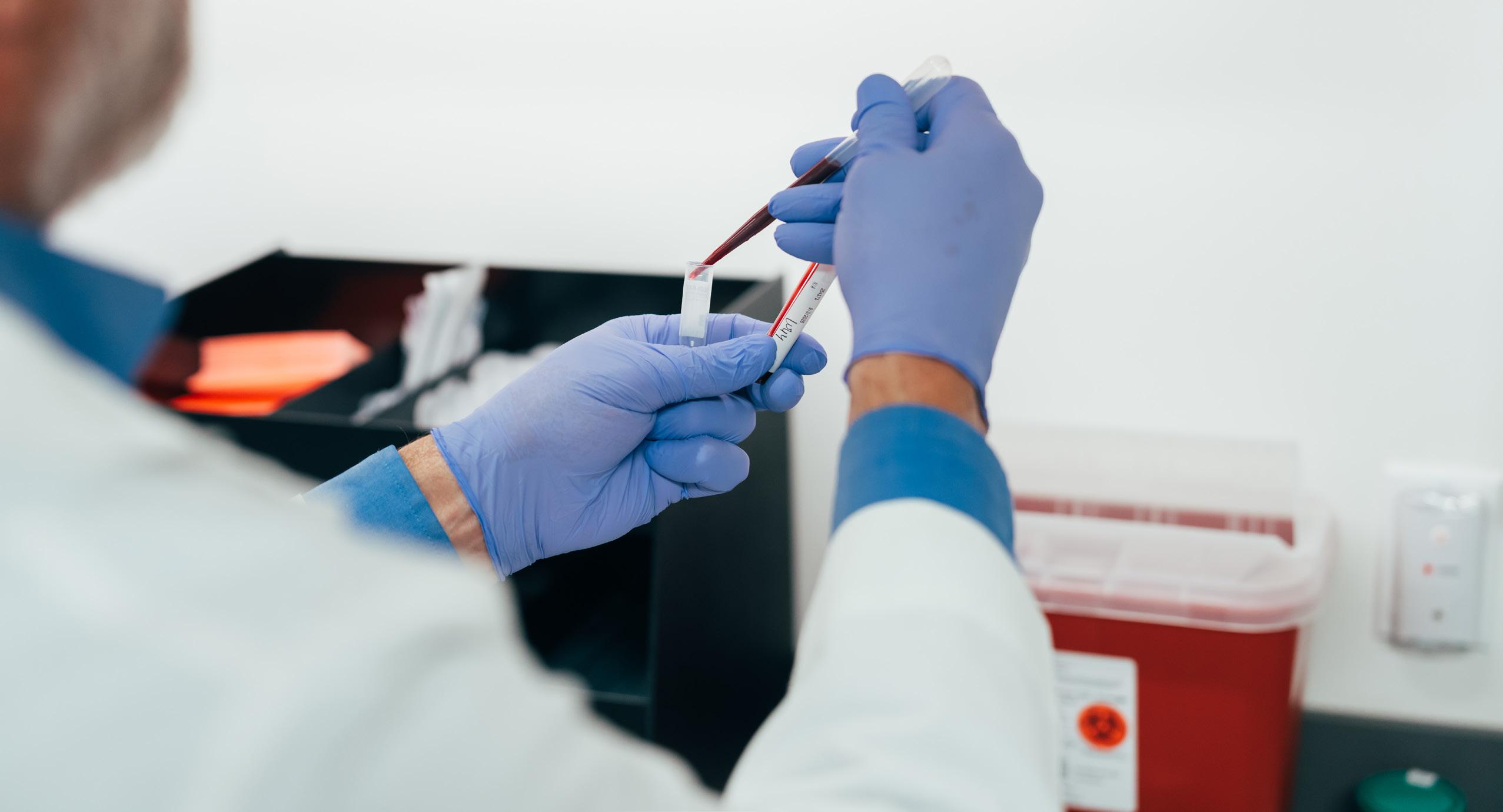
NECS operates its own laboratories at three of our Maine locations: Rock Row, Kennebunk, and Topsham. Our other locations have partnerships with local hospital labs to provide diagnostic and monitoring services for our patients and staff.
The main laboratory for NECS is located at our Rock Row campus where we perform a variety of complex tests on state-of-the-art analyzers. It has been repeatedly awarded the Outstanding Excellence award for laboratory services by regulatory authorities.
Blood draws are performed by experienced medical assistants who are skilled at successfully drawing from even the most challenging veins.
Nearly 95% of the tests your physician orders are run in our labs, which means results will be available to your physician much faster than practices without labs on site. Analyses are performed by board-certified medical laboratory scientists, who are highly skilled in performing a variety of complex tests for the purposes of diagnosis, monitoring, and disease management.
For tests that are not run on site, we have relationships with various local and national reference labs and specialty labs. Our physicians have access to the latest testing in oncology to help direct your care for the best possible outcomes.
We also welcome lab orders from your other physicians, which will reduce the number of blood draws for you. We can run these tests in our lab and forward samples to a reference lab for you and send the results back to the ordering provider. To take advantage of this service, please mention that you have labs to draw from another provider and bring a copy of your lab prescription when you come for your draw with us.
Blood draws are done from 7:45 AM–5 PM weekdays, and during our urgent care clinic in Rock Row on weekends. Please schedule your draws ahead of time to avoid waiting. Your care team will assist you with scheduling at the urgent care clinic on weekends if you are not feeling well or there is an otherwise urgent need.
Prescription Services
Medication Management is Key.
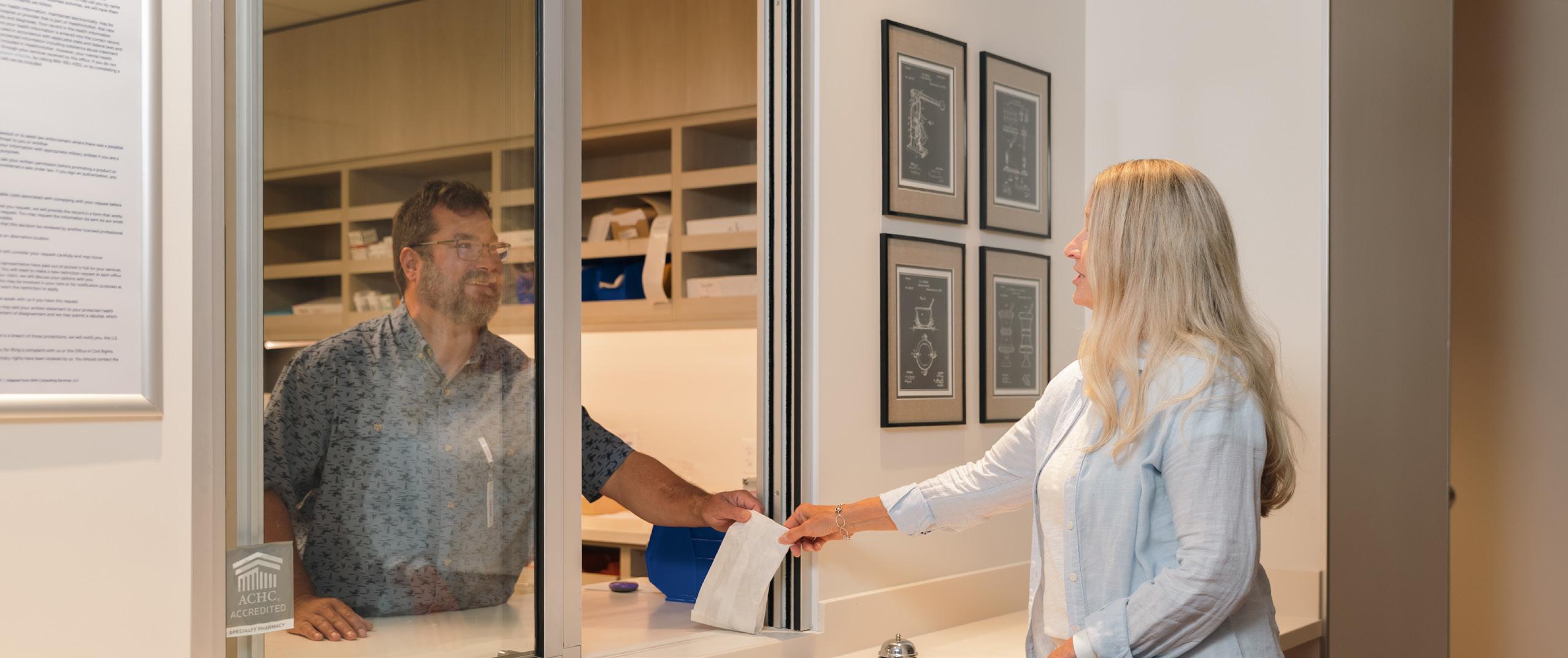
We have an in-office medication dispensary on-site in our Rock Row location, which enables you to leave our office with your medication in hand. For our patients, this means no long waits for mail-order prescriptions, no extra stops at the pharmacy on the way home, and a better way to manage your medications. We also prepare and deliver medications for our Kennebunk and Topsham patients to pick up at their appointments.
Many patients take a combination of medications prescribed by us or other doctors. Through our dispensary, which is staffed by oncology specialized pharmacists, we can better manage your cancer treatment by having our records up to date with a complete and accurate list of all the medications you are taking. We’ll also help you understand your medications and explain how to take them correctly to avoid problems and achieve the best possible outcome.
The more we know about the medicines you are taking, the better we can manage your care. Here’s why:
• Some medicines can decrease the effectiveness of your chemotherapy treatment.
• Some medicines cause side effects similar to those from chemotherapy, creating more discomfort for you.
• Other medicines may cause an increase in exposure to oral anti-cancer medications which can cause excessive and unnecessary side effects.
• Some herbal medicines, even some foods, can change the way your body absorbs and eliminates medication. The benefits of using our prescription services
• Costs: We are able to offer most medications at a lower cost than you pay elsewhere. We also offer financial assistance.
• Co-Pays: While we can’t change or waive co-pays determined by your insurance company, we will help you apply for assistance, if needed.
• Convenience: You can pick up your medications before you leave our office. And if you have questions, you can get them answered right away.
• Support: We share tips and tools to help you stick to your medication schedule. We also offer medication reminder programs.
• Education: We will help you understand what to expect from your medications and how to manage any side effects. And we will follow up with you by phone or email.
There are some medications we can’t carry. These include narcotics (due to liability and security restrictions), and select chemotherapy drugs, as some insurance companies may require you to use a mail-order specialty pharmacy.
Supportive Services
Focused on the Quality of Life.
New England Cancer Specialists has a supportive care program (also known as palliative care) for all our patients and their families. It is designed to enhance your well-being as you face the challenges of a cancer diagnosis and treatment. There may be different aspects of supportive care depending on the person’s stage in their cancer journey.
The supportive care team consists of physicians, physician associates, nurse practitioners, nurses, and oncology counselors, who can provide an extra layer of support for you and your family.
Below are just some of the topics the team can help you with:
• Pain
• Trouble Breathing
• Distress
• Goals of Care
• Nausea
• Fatigue
• Decision-Making
• Practical Needs
NECS also offers virtual advance care planning visits throughout the year through our oncology counselors.
Supportive Care Q & A
Why is my oncologist referring me to a supportive care specialist?
Supportive Care is appropriate for anyone diagnosed with a life-threatening illness. A supportive care specialist works to help ensure that you live life to the fullest from the time of your diagnosis of cancer.
How can I access this service?
As a patient at New England Cancer Specialists, you can ask your oncologist or nurse for a referral to our supportive care team.
Can I still have treatment if palliative care is involved?
Yes. Palliative care is available for any patient with a cancer diagnosis. The services provided are in addition to the treatment plan that has been established by your oncologist.
Is palliative care the same as hospice care?
No. Palliative care is not the same as hospice. Palliative care/supportive care is care that is concurrent with usual oncology care for any patient with advanced cancer. Palliative/supportive care provides relief from pain and other symptoms, supports quality of life, and is focused on patients with serious advanced illness and their families. Hospice is end-of-life care for anyone with a prognosis of six months or less. Our team can coordinate this if needed.
Does insurance cover this type of care?
Most insurance plans, including Medicare and Medicaid, cover supportive and palliative care services. If costs are a concern, please speak with one of our financial advocates. They are here to help.
High-Risk Genetics
How to Reduce Your Odds of Getting Cancer if you Have a Family History, or Other Risk Factors. If you have a significant family history of cancer, known genetic mutations, or other lifestyle risk factors, you are at a higher risk of developing cancer. The good news is that there are things you can do to lessen those risks. Our High-Risk Cancer Genetics Program can help you determine the specific contributing factors you need to be aware of, as well as the steps you can take to reduce your risk.
Genetic Counseling
The services of a genetic counselor are available to all NECS patients. The genetic counselor works with patients and families to help them understand their chance of developing cancer due to a genetic condition (hereditary cancer syndrome). If a patient's family history suggests that their risk of having a genetic susceptibility to cancer is low, the genetic counselor may recommend against genetic testing. If the patient's family history does suggest a hereditary cancer syndrome, the genetic counselor will work together with the patient and/or their family on a genetic testing plan.
Who Gets Cancer?
One in three people will develop cancer at some point in their lifetime, but only 5–10% of cancers are hereditary; most are “sporadic” cancers, caused by changes in a gene as a result of the environment (e.g., ultraviolet exposure), behavior (diet, tobacco, or alcohol exposure), or by chance.
Signs of a hereditary cancer syndrome are:
• Early age of cancer diagnosis (before age 50)
• Multiple family members with the same or related cancers (e.g., breast and ovarian, or colon and uterine)
• Cancer in multiple generations
• More than one cancer in a single individual
• A rare cancer (like male breast cancer, adrenocortical carcinoma, sarcoma, hemangioblastoma, and others)
Important Elements of the High-Risk Cancer Genetics Program: Cancer Risk Assessment
This online risk assessment will look at your family history to determine if your risks for hereditary cancer may be elevated. You will receive your answer immediately in email and on the screen. Like all self-assessments, they should be followed up with a discussion with a genetic counselor to review, interpret and explain your results.
Scan the QR code at right for visit, NewEnglandCancerSpecialists.com/service/family-riskassessment/ to take the online assessment.
Genetic Counseling & Testing

Genetic testing can identify changes (or mutations) in the genetic code that might increase your risk of developing certain cancer types. Our genetic counselors can help you determine if genetic testing is right for you so that you can make an informed decision. Questions you'll cover include:
• If I decide to have testing, what would I do with that information?
• How will the result affect me emotionally?
• How and/or when will I share this information with my family?
Lifestyle Counseling
Maintaining a healthy lifestyle is very important in reducing the risk of cancer in high-risk patients. The goal is to reduce your cancer risk by helping you develop habits that become bona fide lifestyle changes you enjoy because they work for you in the context of your work and family lives.
Recommended Screening & Follow-Up
Helping reduce your cancer risk is an ongoing collaboration. We work closely with you to monitor your health and schedule any follow-up care.
How Insurance Treats Genetic Testing
Most insurance companies will cover genetic testing when your genetic counselor determines there are substantial risk factors in your personal or family history. In addition, there are laws that forbid health insurances and businesses from discriminating based on genetic information. Your genetic counselor will discuss this with you in more detail.
Mental Health Support
Fighting cancer successfully takes more than treating the disease. Mental health support is an integral part of everyone’s journey. Emotional struggles are common when you have cancer and addressing them with professional help ultimately aids your recovery.
Feelings of fear, anger, and sadness are all common, not only for patients, but the people around them. And individual reactions can vary widely. Some people withdraw into isolation. Others may uncharacteristically lash out. Still others may put up a silent front that all is “fine”, while actually bottling up troublesome inner turmoil. Many cancer patients report that a cancer diagnosis causes traumatic feelings of a lack of control over their life, especially in the early stages of their journey.
All of these stressors can wreak havoc on your body, which in turn can have negative impacts on recovery and recurrence.
How we Help You Cope:
The good news is that it’s healthy to talk about your cancer and, in fact, it’s important to share the personal struggles you or your loved ones may be experiencing. That’s why at NECS we see it as part of our mission to address the whole person by providing access to specially trained oncology counselors whose role is to help patients and their caregivers deal with the highly emotional experience of facing cancer.
Why Meet With an Oncology Counselor?
• To voice openly your thoughts and feelings associated with having cancer and all the changes it brings to your life and relationships.
• To learn new coping skills, especially how to live with the uncertainty that cancer brings.
• To assist with completing your Advance Directive, the document that helps you create your living will and a durable power of attorney for health care.
• To help you establish boundaries with family and friends regarding your diagnosis, including asking and allowing people to help, as well as saying “No, thank you” to those whom you do not find helpful.
• To find ways to talk with the children in your life about your diagnosis.
• To assist with Tobacco Treatment counseling: NewEnglandCancerSpecialists.com/service/tobacco-program/
At New England Cancer Specialists, it’s our mission to address the whole person—and mental health is an integral part of everyone’s cancer journey. The role of our oncology counselors is to help patients and their caregivers deal with the highly emotional experience of facing cancer. If you are interested in seeing one of our oncology counselors, please be sure you are familiar with your benefits plan and speak to your care team.

Nutritionists
Registered Dietitians are available to all NECS patients, at any point in your care. To set an appointment with an NECS RD, ask your care team for a referral. You may also call 1-833-826-6327 and ask for the Nutrition Services coordinator who can help coordinate scheduling an appointment with an NECS RD.
Survivorship
We Help Cancer Patients Thrive—Not Just Survive.
We recognize that the completion of treatment for cancer is an exciting time: you have been through a tough process and come out on the other side. At the same time, it can bring unexpected challenges as you adjust to your life after treatment.
Treatment options have improved, so patients are living longer—in fact, there are an estimated 16 million cancer survivors in the US today. Many experience lingering effects from their treatment.
That’s why we offer Survivorship Care for all our existing patients and those by referral as well. Your care team will help you adjust to your new “normal,” transition back to the life you fought so hard to save and to create the future you want.
What Will a Survivorship Care Specialist do?
When your treatment concludes, your care team will work with you on a detailed follow-up care plan you can share with your Primary Care Provider and other physicians. Your team will take the time to answer any questions you have about this plan.
Our goal is to make sure you have all the tools and information you need to thrive after cancer. Depending on your needs, we will offer ways to manage the common consequences of cancer treatment, such as:
• Distress, anxiety or depression
• Dependence on tobacco, medication, or alcohol
• Financial stress
• Nutritional needs and weight management
• Fatigue, pain or a lack of physical fitness
• Sexual dysfunction
Finally, we’ll offer resources available in the community to assist you in reaching your survivorship goals.
The cancer journey can bring many changes to your life and the lives of your family and friends. NECS wants to help you to thrive and live the best life you can going forward. Our Survivorship Care Team is dedicated to empowering every patient to move from illness to wellness.
Physical Therapy
New England Cancer Specialists partners with Saco Bay Physical Therapy and their ReVital program, specially designed to support the needs of oncology patients and survivors. Saco Bay PT offers services at many different locations throughout Maine, including at our Topsham and Rock Row locations. Patients are referred through their care team, and the team can help to coordinate appointments.
Family Support
New England Cancer Specialists refers patients and families to the services of the Center for Grieving Children's (CGC) Tender Living Care Program, to support children and families experiencing serious illness. The CGC's programs are offered free of charge. Patients and families may also be referred to The Dempsey Center which provides complimentary support groups and additional offerings for patients and families.
Home Care and Hospice
Medicare and other insurance programs cover home health visits by nurses, physical therapists, occupational therapists, speech therapists, oncology counselors, and home health aides when ordered by a doctor for a qualified patient. These are brief visits, usually a few times a week. Private insurance and HMOs may have a preferred provider; check your policy for details.
A physician orders hospice when it appears that a patient’s life expectancy is less than six months. Hospice care is for the person who no longer wishes to seek treatment for the disease itself but for its symptoms. The goal of hospice is to provide comfort and dignity during the final phase of life. Hospice is covered 100% by Medicare; most insurance also has a hospice benefit.
National Online Resources
American Cancer Society
Dedicated to eliminating cancer as a major health problem by preventing cancer, saving lives, and diminishing suffering through research, education, advocacy, and service. www.cancer.org
American Cancer Society Road to Recovery
The American Cancer Society Road To Recovery® program eases your burden by giving free rides to cancer-related medical appointments. www.cancer.org/support-programs-and-services/road-to-recovery.html
Association of Cancer Online Resources (ACOR)
A unique collection of online communities designed to provide timely and accurate information in a supportive environment for everyone affected by cancer. www.acor.org
Breakaway from Cancer
Aims to raise awareness of the comprehensive array of resources available to cancer patients—from prevention to education and support to financial assistance and survivorship. www.breakawayfromcancer.com
Cancer Compass
Empowering cancer patients to make informed decisions. www.cancercompass.com
Cancer Connect
A social network for people with cancer and those who care about them that is dedicated to providing up-to-date information on the treatment and prevention of cancer for patients and professionals. www.cancerconnect.com
Cancer Support Community
A merging of The Wellness Community and Gilda’s Club Worldwide providing free emotional support, education and hope for people with cancer and their loved ones. www.cancersupportcommunity.org
Daily Strength
Free and anonymous online community where patients may talk to friendly people facing the same challenges. www.dailystrength.org
Hair to Stay
Help with Cold Capping. www.hairtostay.org
Hearts of Gold Wigs
Wigs, headwear, advice, and information for women with medically related hair loss. www.heartofgoldwigs.com
International Cancer Alliance for Research and Education
Supports cancer research and provides high-quality, focused, user-friendly cancer information to each patient, as well as their physicians, on an on-going and personalized basis. www.icare.org
On Top of Cancer
Cancer treatment, support guide by doctors, survivors, researchers, and caregivers. www.ontopofcancer.org
Prevent Cancer Foundation
Advocates and supports the prevention and early detection of cancer through research, education, and community outreach to all populations, including children and the underserved. www.preventcancer.org
New
England Resources
211 Maine
211 Maine can help connect with Maine specialists on a variety of resources via phone, text, or email. www.211maine.org
Angel Flight:
Angel Med Flight provides air ambulance services (or medical transport) for patients in Maine. www.angelflightne.org
Cancer Resource Center of Western Maine:
The Cancer Resource Center of Western Maine serves cancer patients in Oxford county and its surrounding towns. www.crcofwm.org
Center for Grieving Children:
The Center for Grieving Children is a nonprofit organization that provides a safe space, loving peer support, outreach, and education to grieving children, teens, young adults, families, and the community. www.cgcmaine.org
Dean Snell Foundation
A nonprofit dedicated to providing patients of New England Cancer Specialists in Topsham with a range of financial help. www.deansnell.org
Maine Cancer Foundation:
Maine Cancer Foundation (MCF) is dedicated to reducing cancer incidence and mortality rates in Maine. www.mainecancer.org
Man Up To Cancer:
Man Up to Cancer inspires men to connect and avoid isolation during their cancer journeys. www.manuptocancer.org
My Breast Cancer Support
MBCO provides financial and emotional support to breast cancer patients and their families on the seacoast of New Hampshire and in southern Maine. www.mybreastcancersupport.org
New England Breast Cancer Alliance:
NEBCA is a Maine nonprofit which funds research to improve detection, treatment, and survival rates and connects and supports those dealing with breast cancer. www.newenglandbreastcanceralliance.org
Taylor James Steves Foundation:
Taylor James Stevens Foundation works to provide financial to people and families going through a genetic lung cancer diagnosis. www.taylorjamessteeves.org
The Dempsey Center:
A space where those impacted by cancer can find relief, comfort, and resources. The Dempsey Center opened its doors in 2008 and today provides care and support to hundreds of individuals and their families. www.dempseycenter.org
The Snell Foundation:
The Snell Foundation assists cancer patients with financial needs that arise during their cancer journey. www.snellfoundationmaine.org
Time to Compete:
Assists young adults aged 19-29 with cancer. www.timetocompete.org
Educational Resources:
• The National Cancer Institute: 1-800-4-CANCER www.cancer.gov
• The American Cancer Society 1-800-227-2345 www.cancer.org
• The Leukemia & Lymphoma Society offers support groups as well as financial aid programs. www.LLS.org
Community Resources for Cancer Patients and Families
Prescriptions, Medical Equipment, and Supplies
Check with your insurance company or HMO to see if it covers prescribed medications. Medicaid and Medicare Part D (if you choose a program) cover some prescribed medications. If paying privately, do some comparative shopping, as prices do vary.
Medical equipment such as walkers, wheelchairs, and oxygen are usually covered by insurance but will require a doctor’s prescription and might have a co-pay.
The American Cancer Society offers a “gift closet” of wigs, turbans, scarves, prostheses, and other materials that may be of use to cancer patients.
Getting Started
Q: What can I expect at my first visit?
A: Your first appointment is usually a consultation with one of our oncology physicians. They’ll review your medical history, test results, and diagnosis, and work with you to create a care plan that fits your individual needs. You may also meet other members of your care team, such as a nurse navigator or oncology counselor, who will help guide you through treatment and available resources.
Q: How should I prepare for my first appointment?
A: Please bring your insurance card, photo ID, a list of your current medications, and any recent imaging or test results you have. Many patients also find it helpful to bring a family member or friend for support.
Q: How long will my first visit take?
A: Your initial visit may last between 1½ and 2 hours, depending on your needs and how much information needs to be reviewed.
For more information, see “Patient Roadmap” on Page 9.
Your Care Team
Q: Who will be part of my care team?
A: Your care team will include your oncologist, advanced practice provider (such as nurse practitioners or physician associates), nurses, medical assistants, and support staff. During your time at NECS you may also work with specialists in oncology counseling (for the betterment of your mental health as a patient), nutrition, and patient financial advocacy.
Q: How do I reach my care team between visits?
A: See “Oncology Medical Home” on Page 3.
Q: Will I always see the same doctor?
A: Some of your visits will be with your primary oncologist, but at times you will also see another member of your care team. Everyone on your team will be familiar with your care plan and work closely together.
Treatment & Side Effects
Q: Where will I receive treatment?
A: Most treatments, including infusions, are given right in our clinics. Some medications may be taken at home, and in certain cases, we coordinate with hospitals or specialists for specific procedures.
Q: What if I have side effects or new symptoms?
A: Please call us right away if you have any new or concerning symptoms. Our nurses are available to help you manage side effects and can coordinate with your doctor if you need to be seen. For more on side effects see “Self-Care for Patients” on Page 14.
Q: Can I keep working or traveling during my treatment?
A: Many people are able to continue some normal routines, depending on the treatment and how they feel. Talk with your physician about your work schedule and travel plans so we can help you plan ahead.
Insurance & Billing
Q: Do you accept my insurance?
A: We work with most major insurance plans. Before you start treatment, our team will verify your coverage and explain what to expect in terms of costs and billing.
Q: What if I need help paying for care?
A: We have patient advocates who can assist with payment plans, copay assistance, and other available resources. Please let us know if you have concerns—we’re here to help. See “Financial Considerations” on Page X for more information about insurance and patient advocates.
Patient Portal & Records
Q: How do I access my test results and visit notes?
A: You can view your results, visit summaries, and upcoming appointments through your secure patient portal. Our staff can help you set up your account during your first visit.
Q: How do I request a copy of my medical records?
A: You can request records through the patient portal or by contacting our Medical Records department. Most requests are processed within 5–10 business days.
Our Approach
Q: What makes New England Cancer Specialists different?
A: We’re an independent, physician-owned practice focused on providing world-class cancer care close to home. Our team approach ensures that you receive not only the most advanced treatment options, but also the compassion, time, and attention you deserve.