
Siding trends in 2026


Castle Building Centres Group Ltd. is a member-owned and member-directed, not-for-profit Lumber and Building Materials buying group. Our members make up a national network of LBM and Commercial dealers who are the pillars of their communities. Our connection to these members, our vendor partners and our industry has positioned Castle for continued growth. We’ve stood the test of time by putting our members first, building strong relationships with industry partners, and supporting the communities they serve.
Together…We Build Communities. www.castle.ca
Build & Reno Digital Magazine is published exclusively by Castle Building Centres Group Ltd. Each issue of Build & Reno features a curated blend of expert insights, industry news, product innovations, trend forecasts, and realworld project inspiration designed to help professionals and enthusiasts plan smarter and work more efficiently. The publication embraces technology and offers dynamic, accessible content across all devices.
BUILD & RENO MAGAZINE
Editorial & Marketing Direction
Castle Building Centres Group Ltd.
Jennifer Mercieca
Director of Communications jmercieca@castle
Build & Reno Editor
Teresa Christine editor@castle.ca
Art Direction & Design
Sebastian Tan Espress Labs Inc

MAY 2026
Cover photo courtesy of MITTEN BUILDING PRODUCTS
Contributors


Lawrence (“Law”) Cummer is a freelance writer and editor and has been a frequent contributor to Contractor Advantage, Ideas and Rough Construction for nearly a decade. Over his more than 20year career, Law has written about contracting and construction, general business, information technology, health and safety, personal finance and almost every topic in between. He has a passion for storytelling and sharing how people can work better, easier — and “smarter” — from contractors to technologists to business executives.
Troy Harrison is the Sales Navigator and the author of “Sell Like You Mean It” and “The Pocket Sales Manager.” He helps companies navigate the Elements of Sales on their journey to success. He offers a free 45-minute Sales Strategy Review. To schedule, call 913-645-3603 or e-mail Troy@TroyHarrison.com.
LAWRENCE CUMMER
TROY HARRISON

Despite economic uncertainty and tighter budgets, today’s homeowners aren’t lowering their expectations around siding and exterior cladding. They are continuing to invest in façades that look better, last longer, and hold up against an environment that seems more unpredictable by the year.
THE AI SKEPTICISM THAT WON’T AGE OUT
Here’s something nobody saw coming: The generation most skeptical of AI isn’t the one that doesn’t understand it. It’s the one that understands it best.
COVERED OFF:
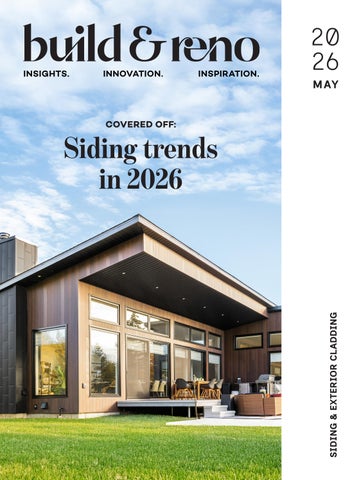
Siding trends in 2026
Written by LAWRENCE CUMMER
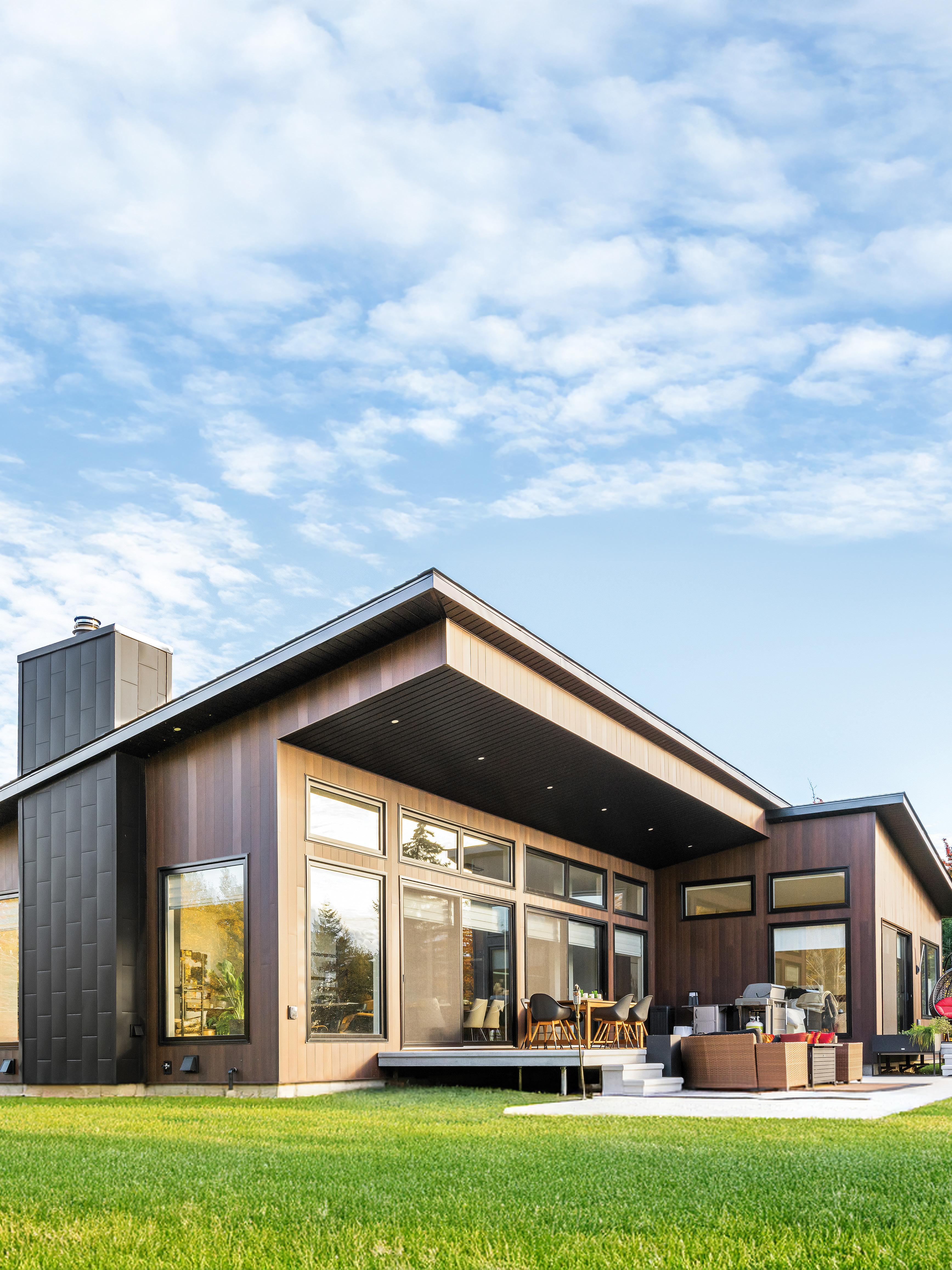
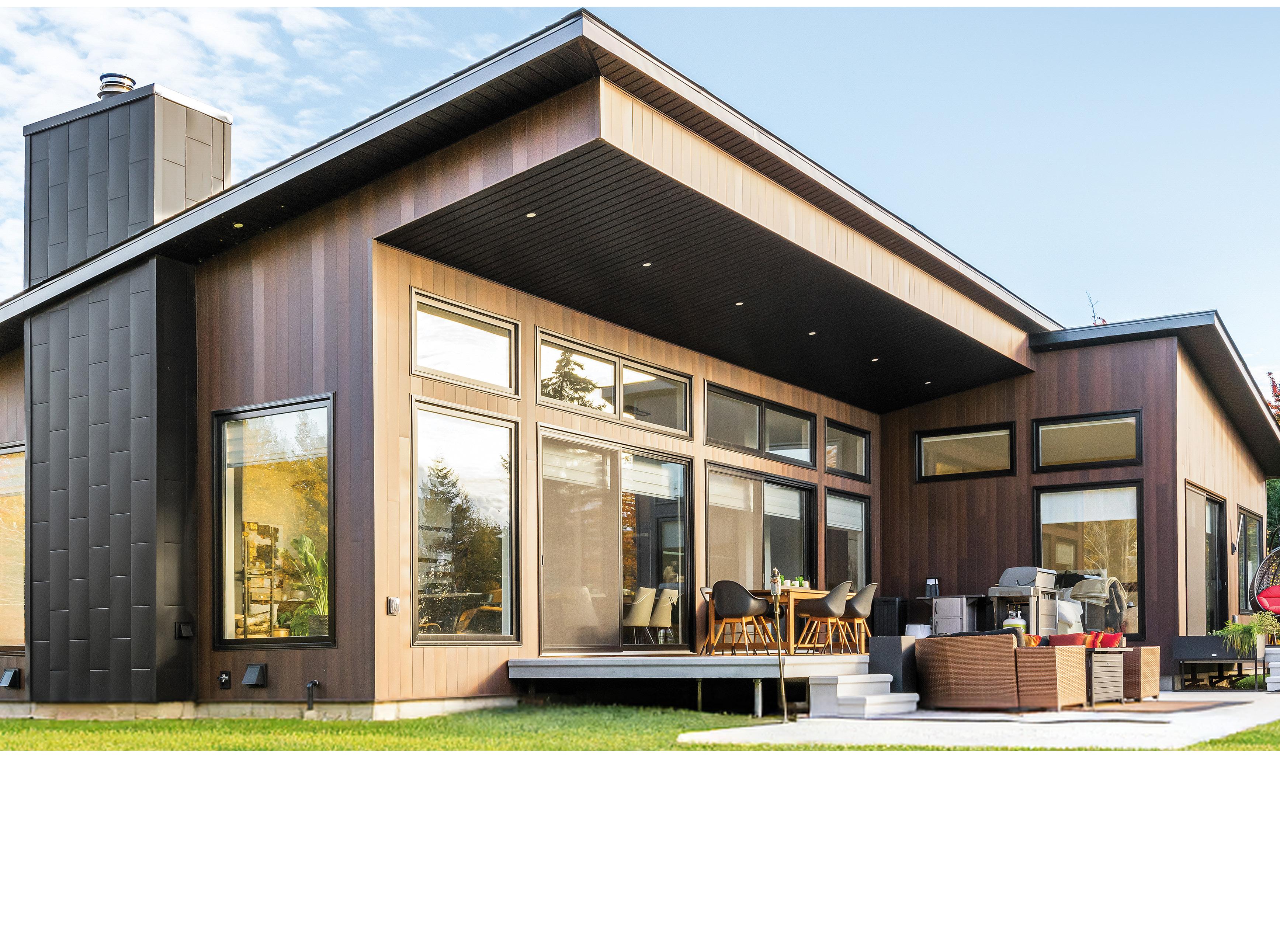
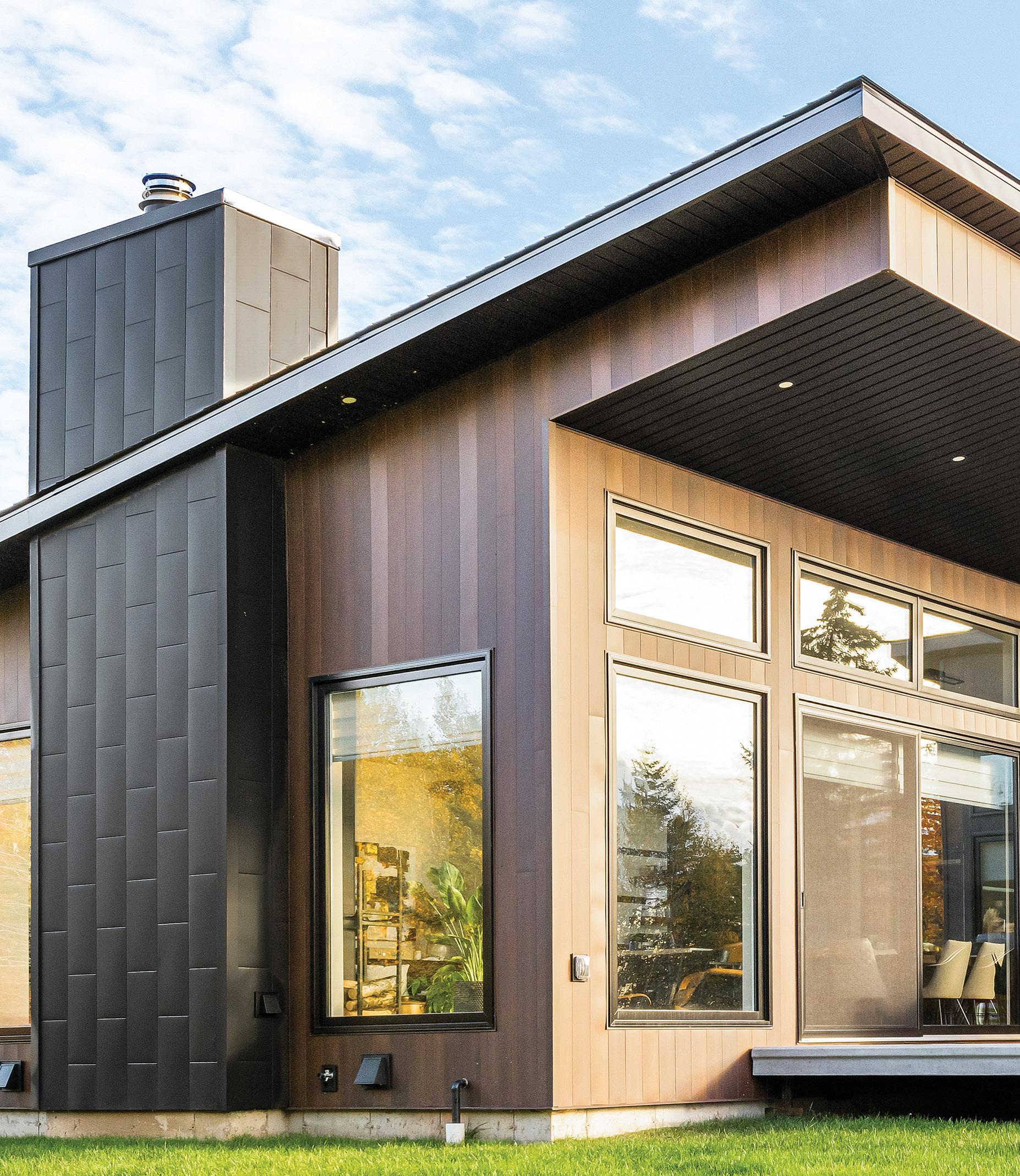
Photo courtesy of MITTEN BUILDING PRODUCTS
Despite economic uncertainty and tighter budgets, today’s homeowners aren’t lowering their expectations around siding and exterior cladding. They are continuing to invest in façades that look better, last longer, and hold up against an environment that seems more unpredictable by the year.
The demand for creating a top-tier aesthetic and curb appeal is still front and centre with 2026 householders and builders. If anything, it has intensified, as homeowners invest in what they have rather than pursue a potentially risky real estate trade-up.
“The market is navigating between cost pressures and aesthetic expectation,” says Frank Horvath, Product Manager for Exterior Cladding at Cornerstone Building Brands Canada, parent company of Mitten Building Products. “What’s interesting is that expectation hasn’t dropped. Homeowners and contractors are still chasing premium looks; they’re just being creative about how they get there.”
These conflicting forces — high aesthetic ambitions and tighter wallets — have created a market split demanding greater options, materials, profiles and systems to give homeowners and builders the premium looks they crave at a variety of price points.
“Key forces shaping the category right now include climate resilience, labour constraints, and the need to manage costs. Contractors are feeling pressure to deliver quality work as efficiently as possible, while homeowners are thinking more about long term value,” says Diana Sousa, Director of Brand & Communication at Saint-Gobain Canada, parent company of Kaycan Ltd.
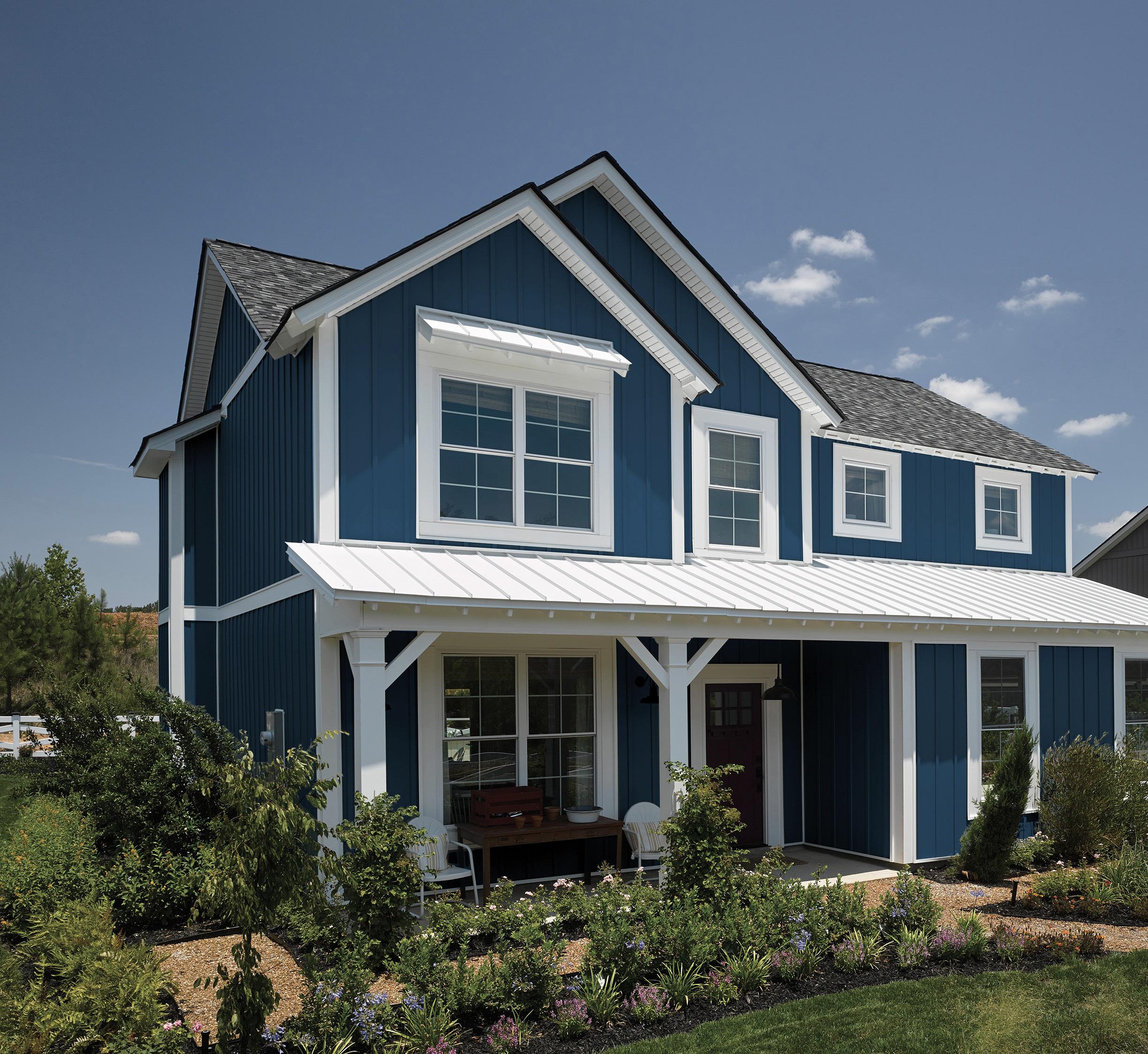
Photo courtesy of KAYCAN LTD

Installers today must remain even more on top of market trends and options. “They need to come back with all the information homeowners need,” says Maurizio Scatozza, Regional Manager at Royal Building Solutions. “Today’s homeowners are very intelligent, and they’ve done their homework ahead of time. They know what they like. When they reach out to a contractor now, they’re saying, ‘OK, this is what we want.’”
He adds:
“ Contractors are looking for more cost effective solutions, largely because homeowners still want to renovate — they just want to understand their options and the pricing across A, B, and C siding choices. In most cases, the contractor and homeowner end up landing on the option that delivers the best balance of value and the look they’re going for. ”
For contractors, that means being extra-prepared — not just with product knowledge, but with a clear understanding of the design directions homeowners are already gravitating toward. Of course, those style sensibilities vary from region to region, but several consistent themes continue to stand out.
Photo courtesy of ROYAL BUILDING SOLUTIONS
GettingWarmer
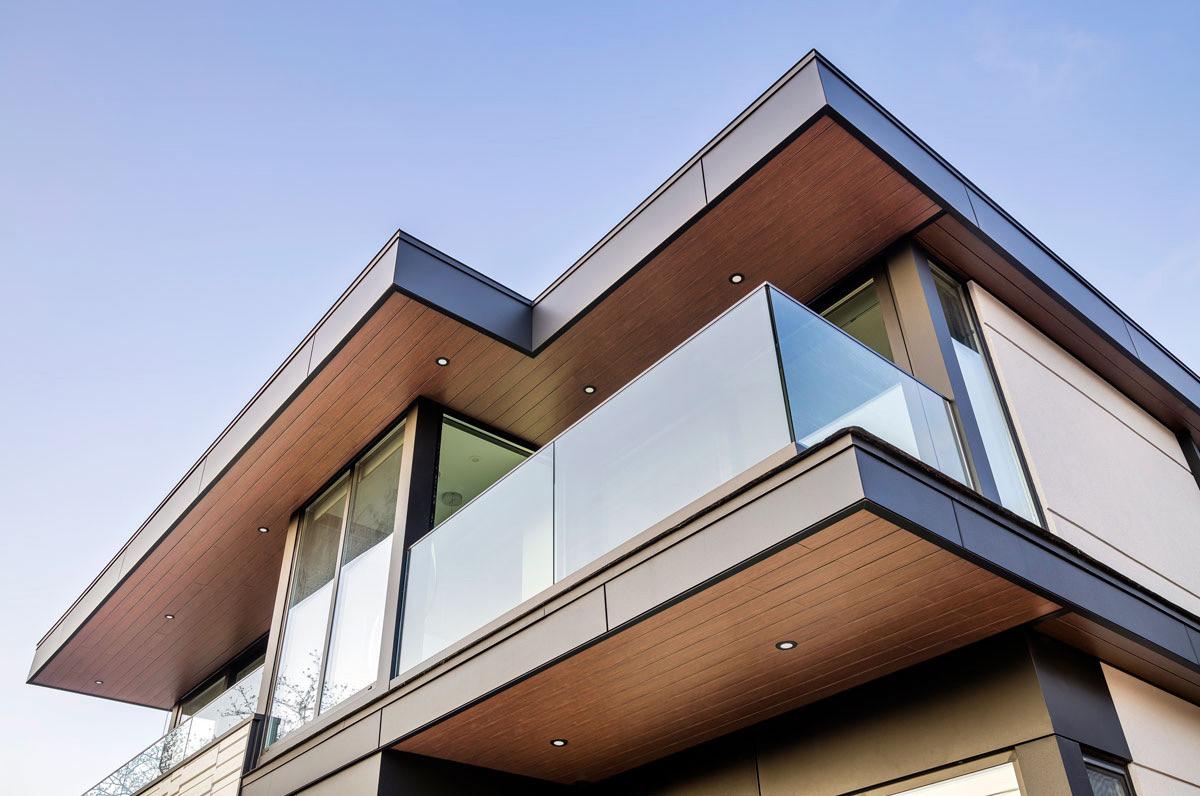
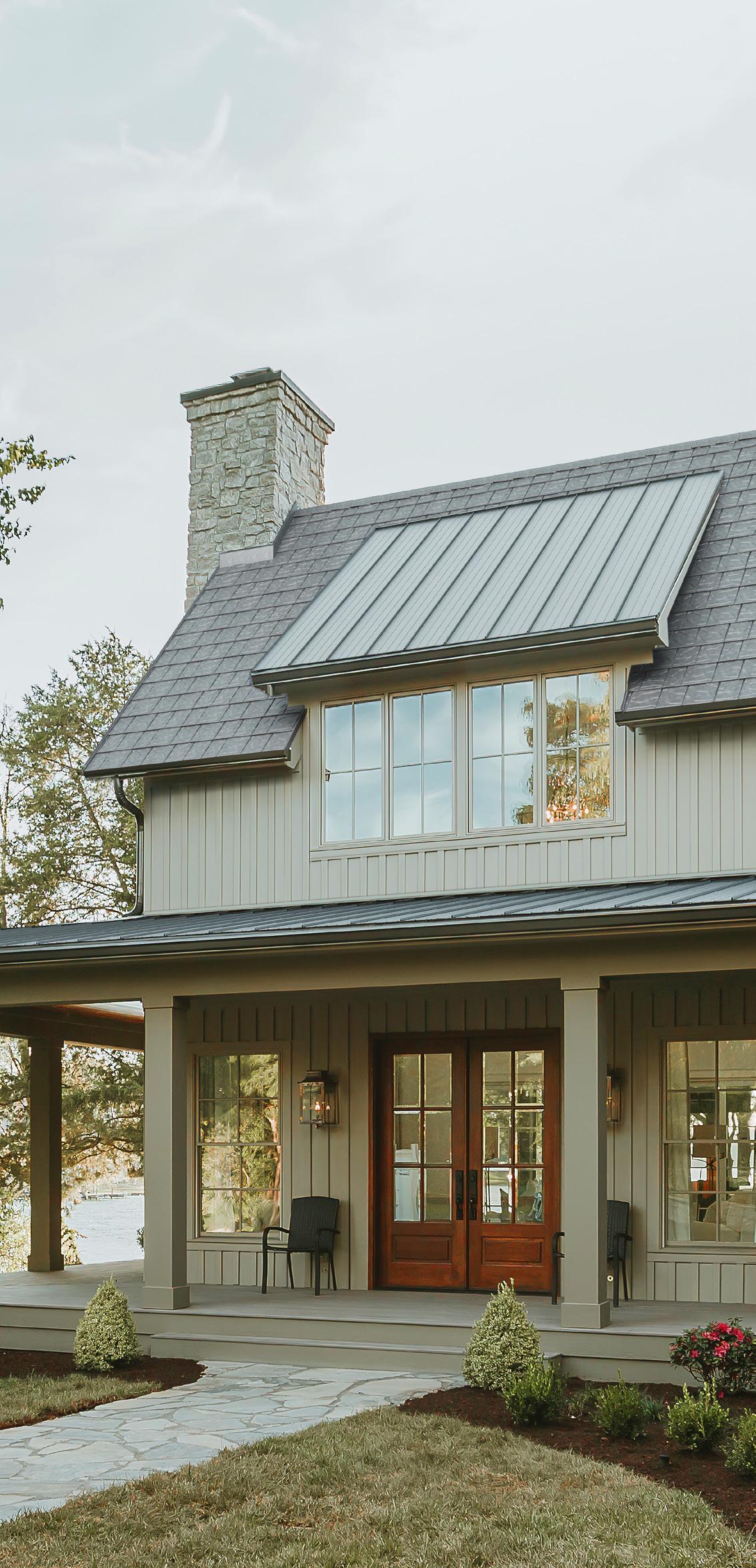
Warm naturals, earthy hues, and what Scatozza calls “wood inspired tones” are on the rise. Horvath suggests this shift is an antidote to the cold, flat greys that dominated the last decade.
Sousa echoes their sentiments: “Design trends are moving toward warmer neutrals and natural tones are replacing cooler greys, often paired with darker accents for contrast.”
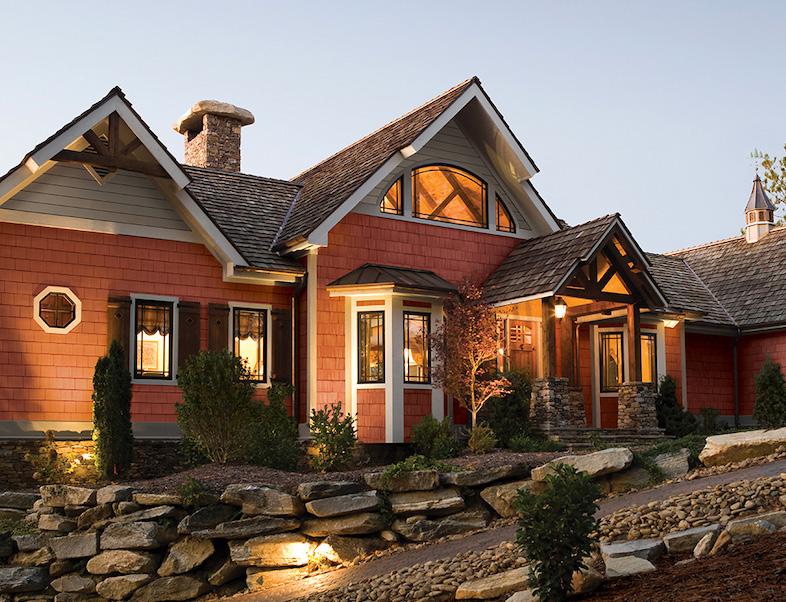
Photo courtesy of ROYAL BUILDING SOLUTIONS
Photos courtesy of
Photos courtesy of KAYCAN LTD
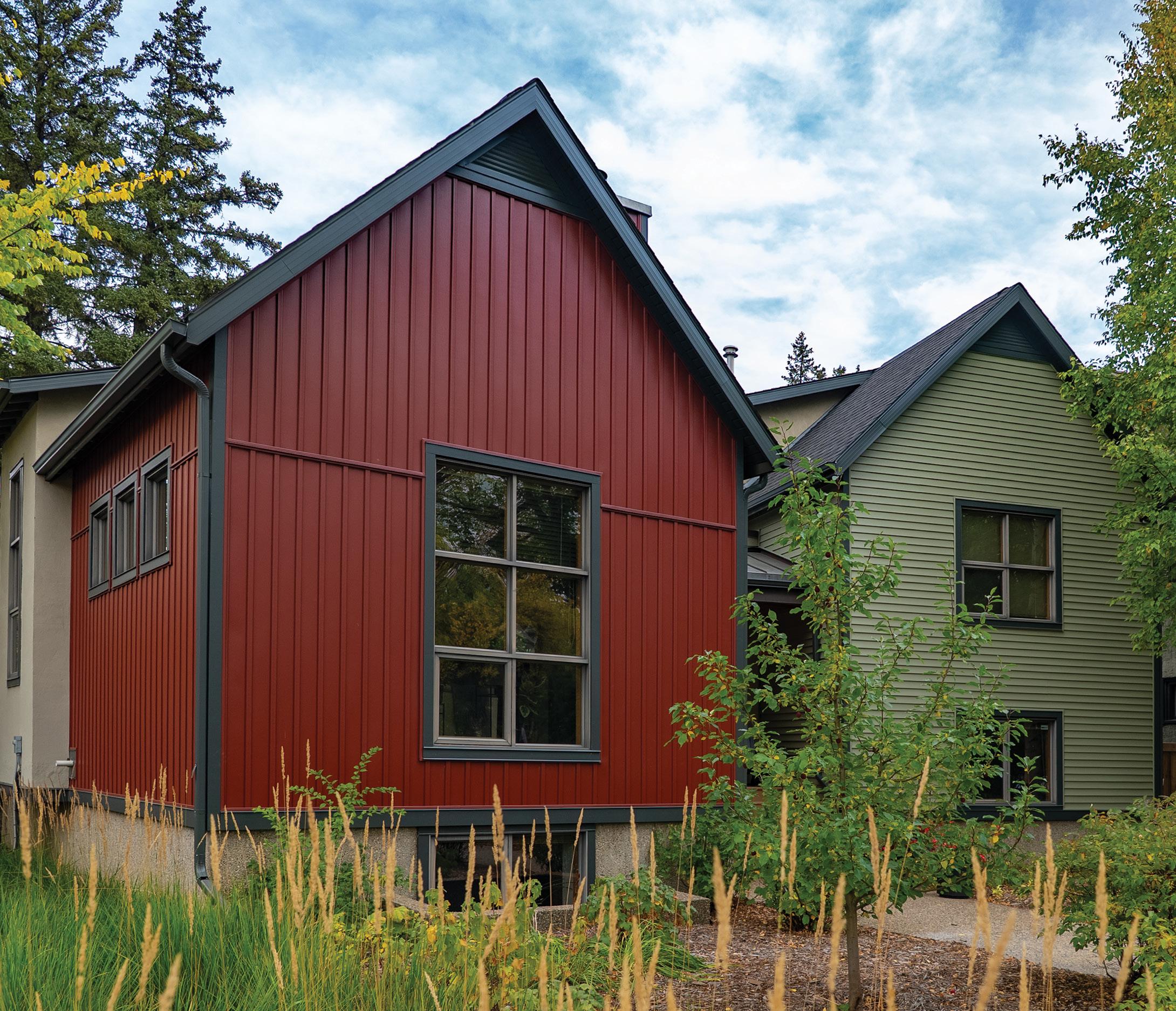
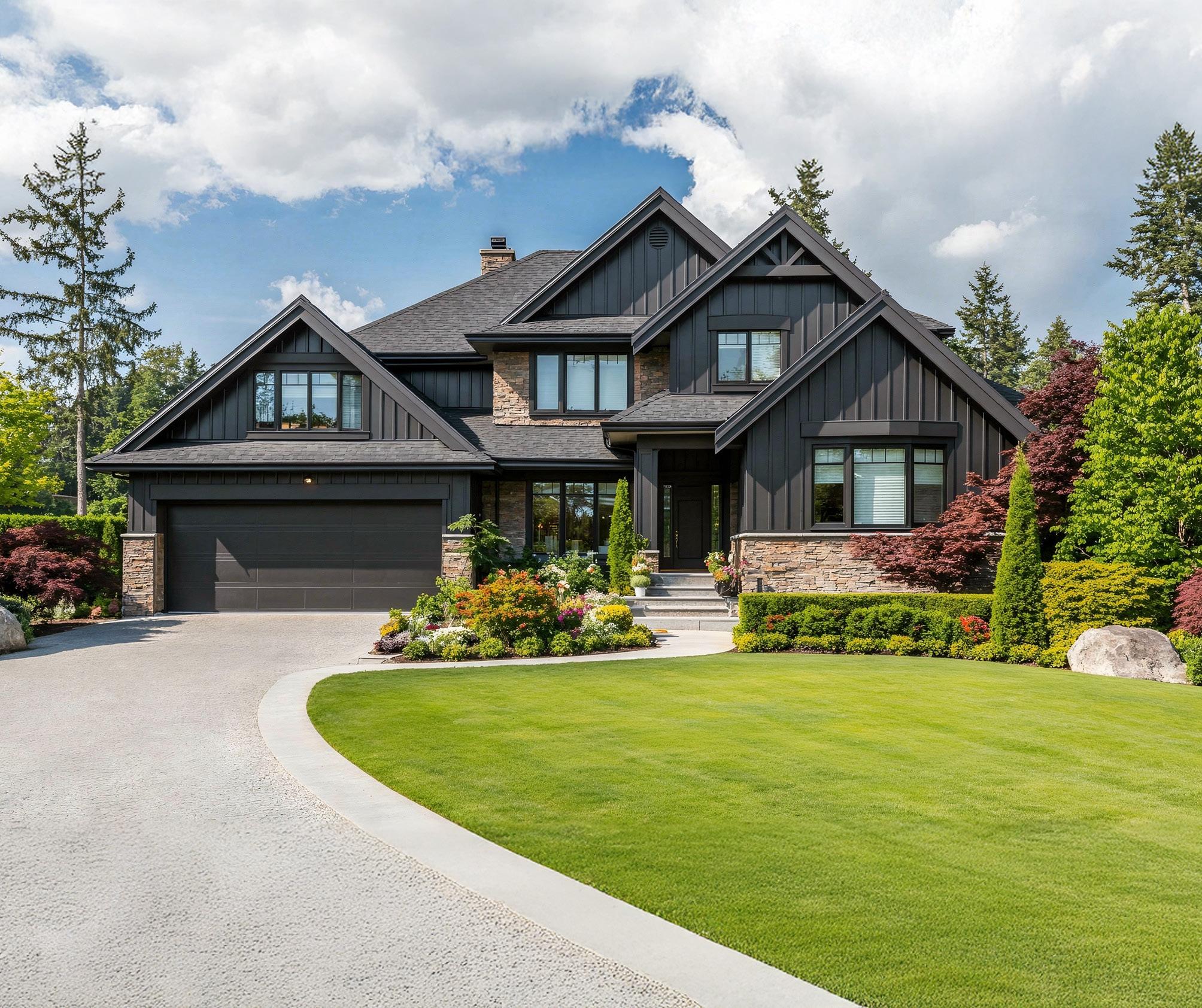
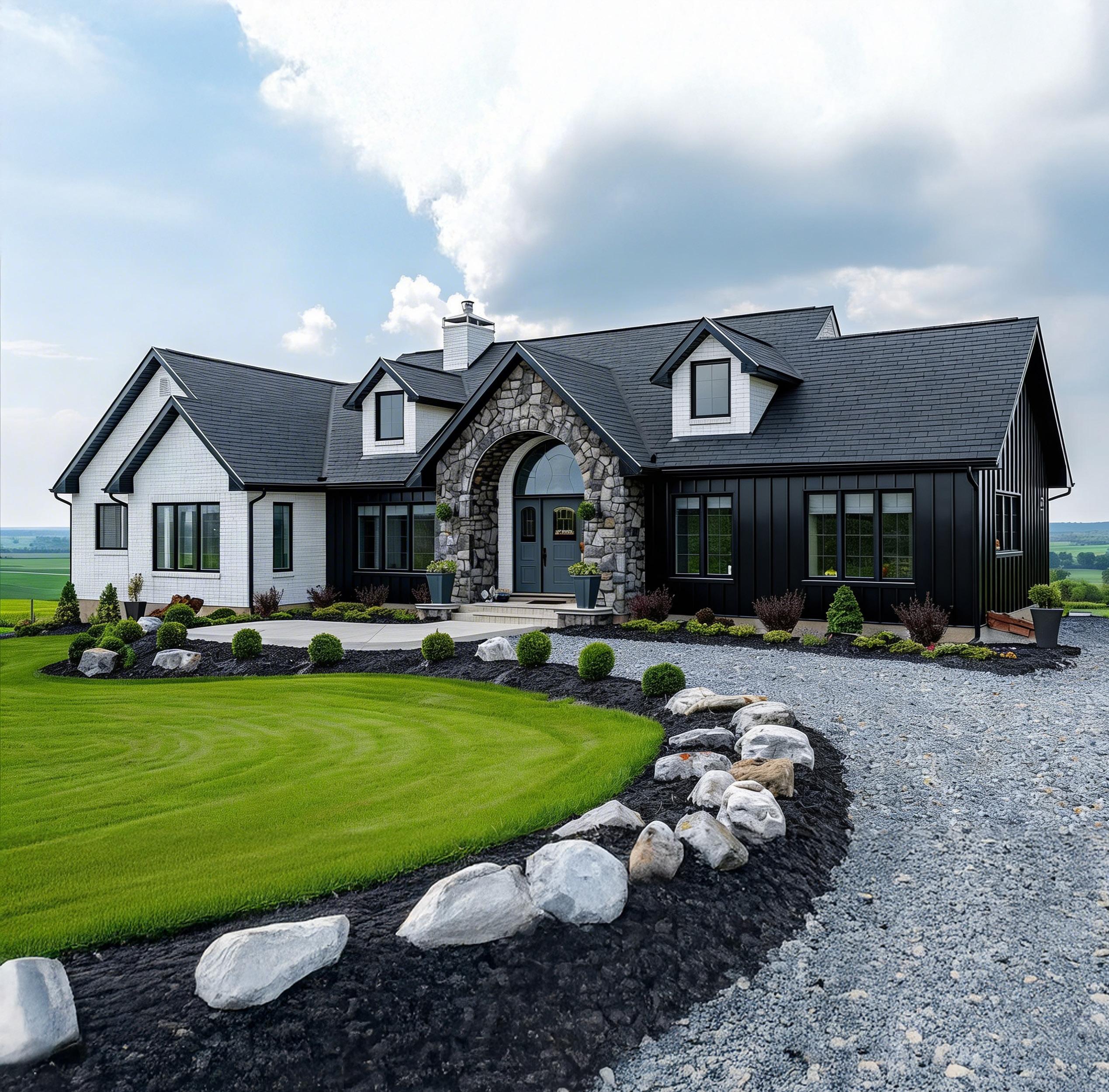
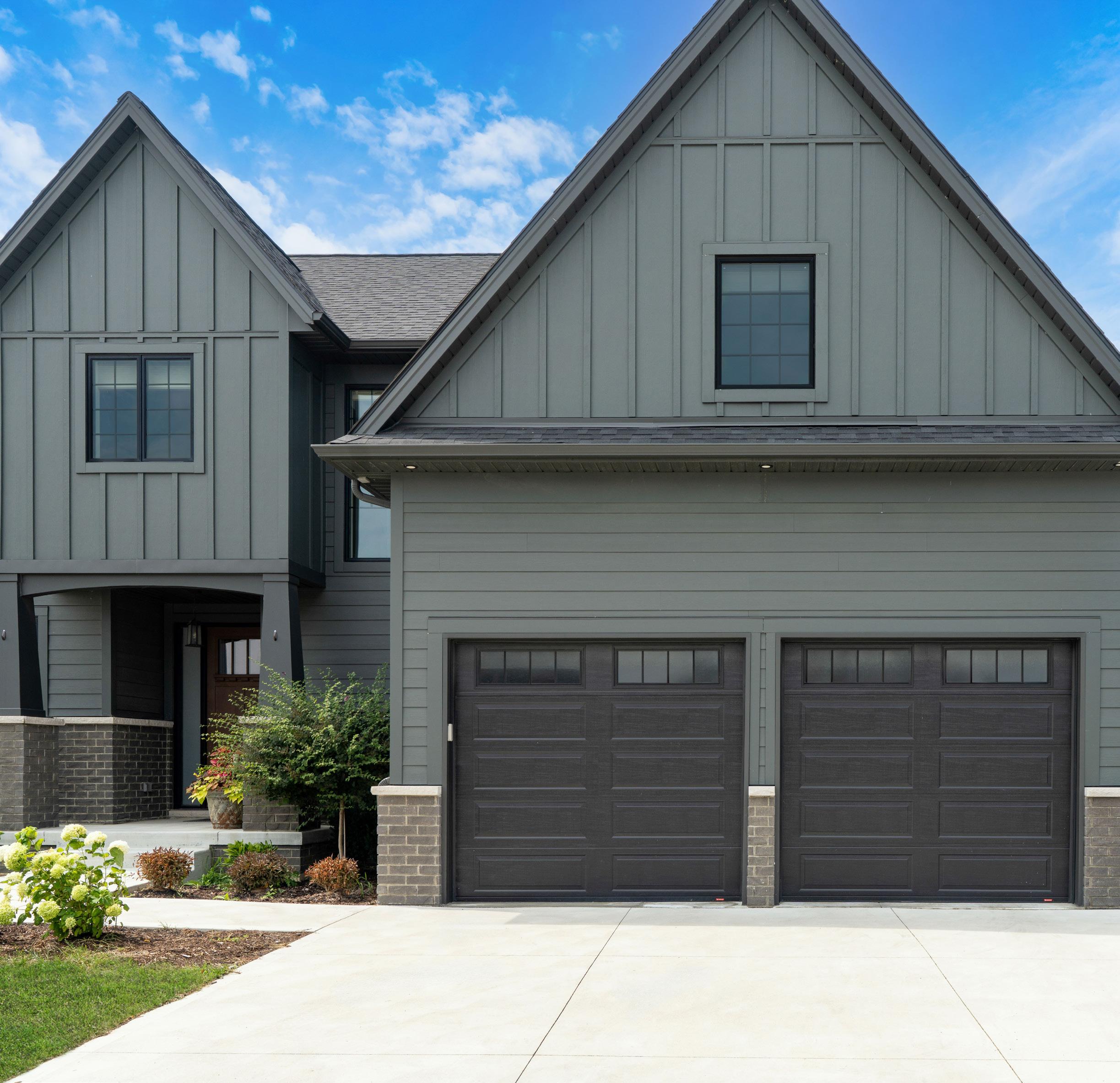
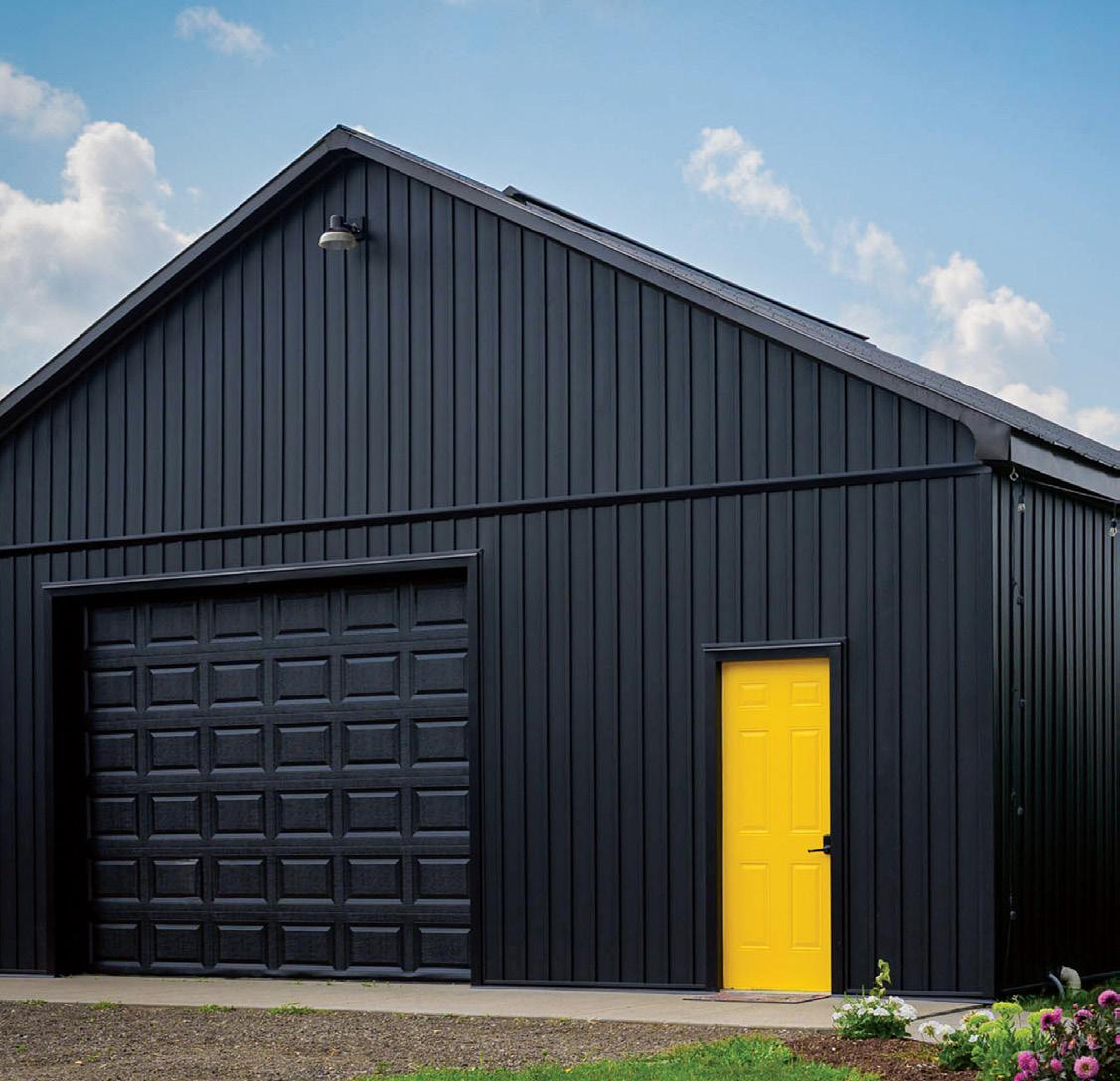
Black accents have dominated the housing scene in recent years and remain a design anchor for many exteriors, even as warmer palettes take hold. However, when those deep blacks are paired with woodgrain warmth, Horvath notes, the contrast reads as layered and intentional: a subtle signal of luxury rather than minimalism.
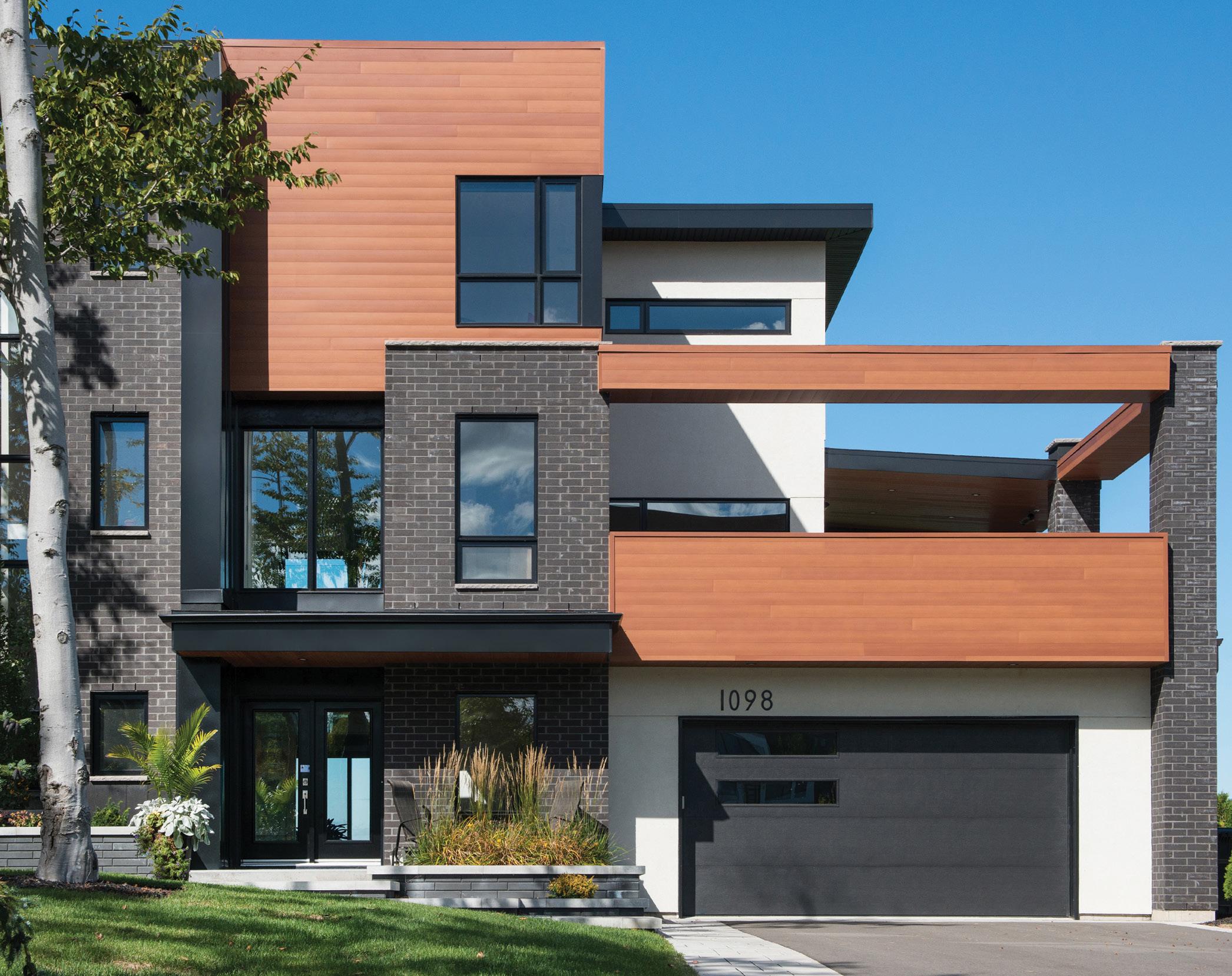
Photos courtesy of MITTEN BUILDING PRODUCTS
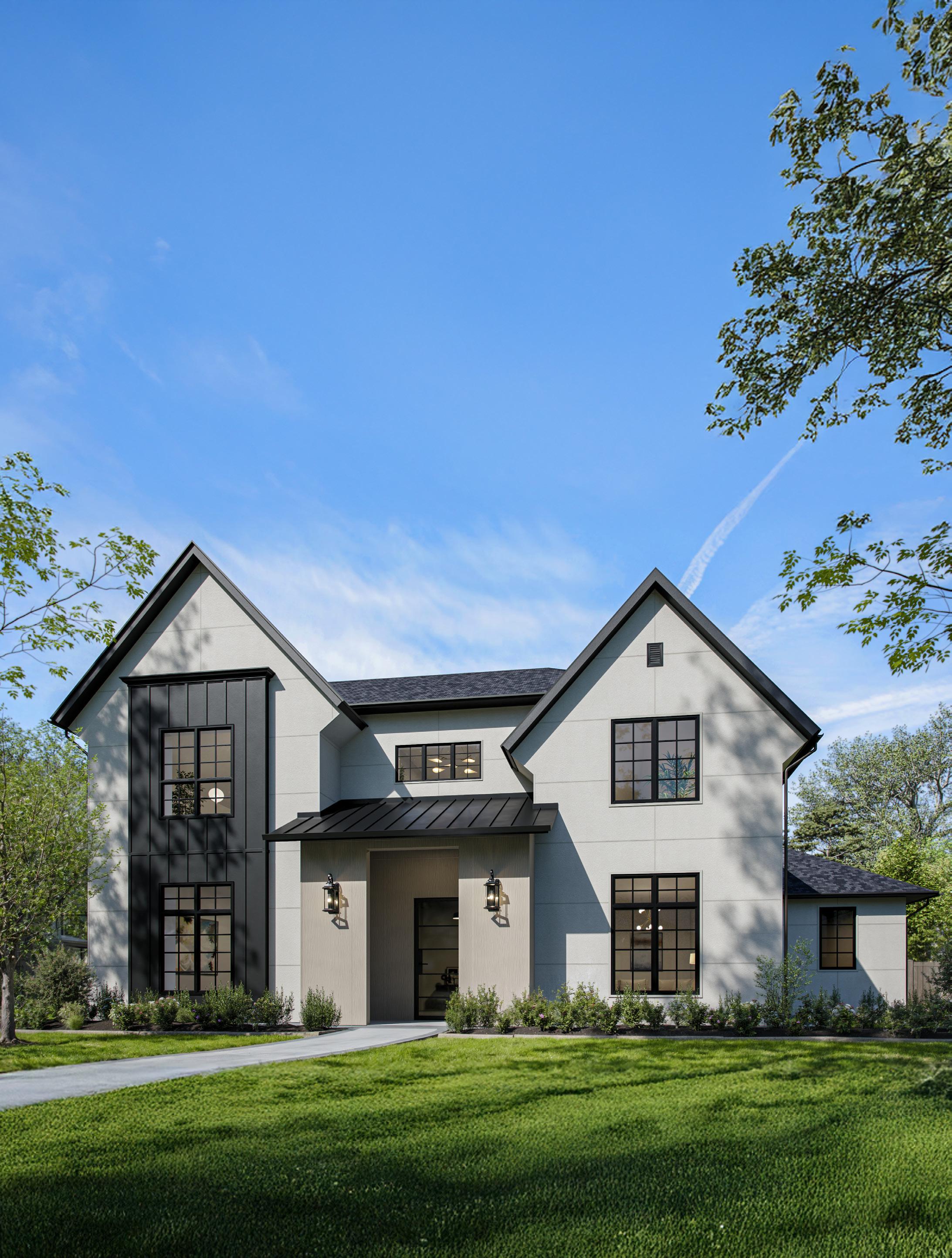
That’s not to say minimalism doesn’t have its place in cladding. Josh O’Keefe, BC Sales Manager, James Hardie Building Products Inc., says homeowners are increasingly seeking modern and contemporary designs that emphasize simplicity as a route to premium appeal.
“The look of a simpler exterior with Scandinavian influence is what many consumers are looking for. An added benefit of this design is its simplicity, which often means it is relatively cost-effective.”
Photo courtesy of JAMES HARDIE BUILDING PRODUCTS INC.
IS WHITE THE NEW BLACK?
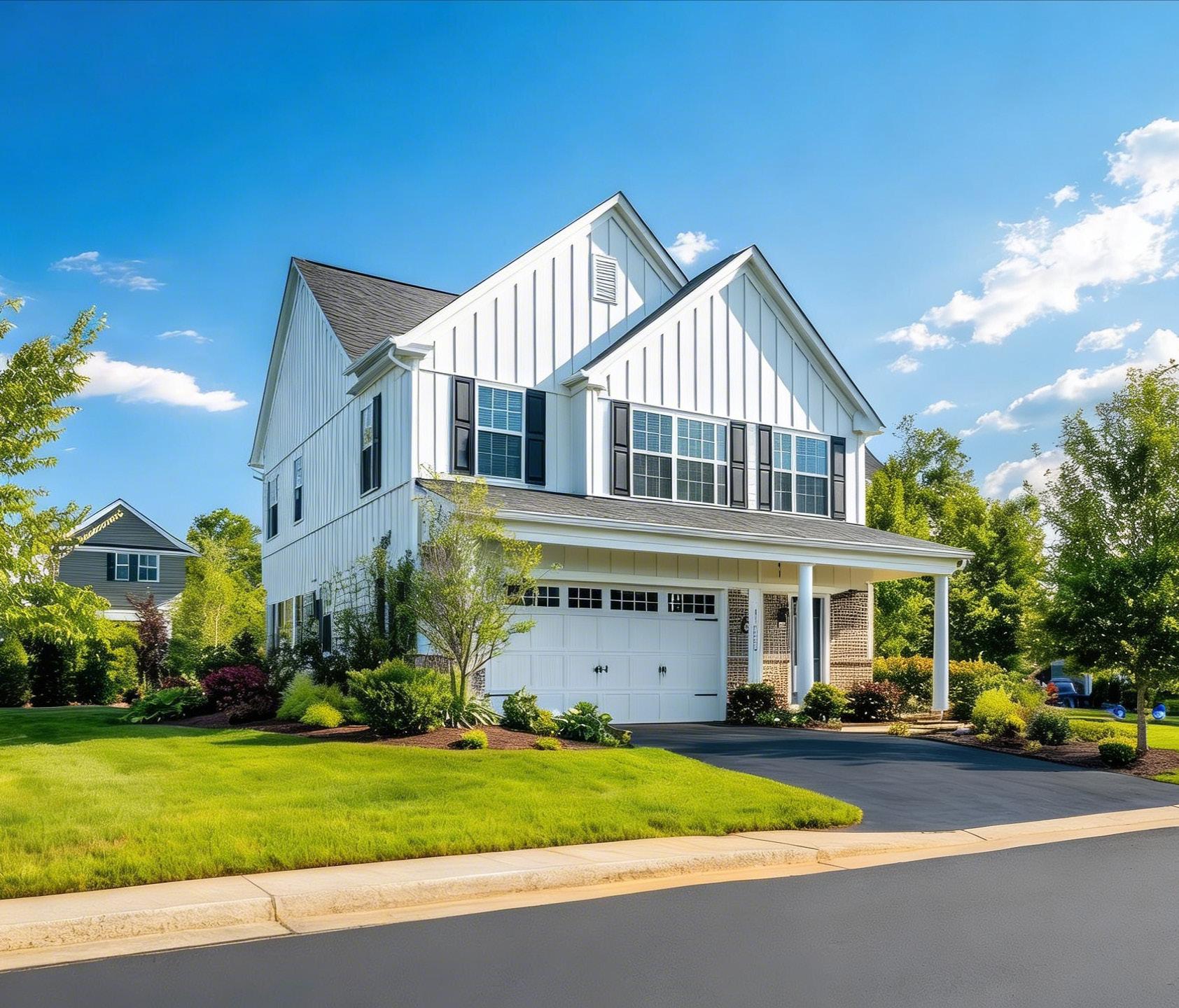
Perhaps due to increasing interest in neutral palettes, simpler lines, and the lighter hues of northern European design, an old favourite tone may be making a comeback.
White is re-emerging in a significant way, says Eric Peloquin, National Retail Sales Manager for Gentek Building Products Co. “Interestingly, white — yes, the colour white — is becoming a big part of our sales.”
He adds, “For easily the last five years, every time you talked to people, you’d feel almost foolish asking what colour they wanted because, quite frankly, it didn’t matter whether you were talking about siding, roofing, or trim — people wanted black. People really like black.”
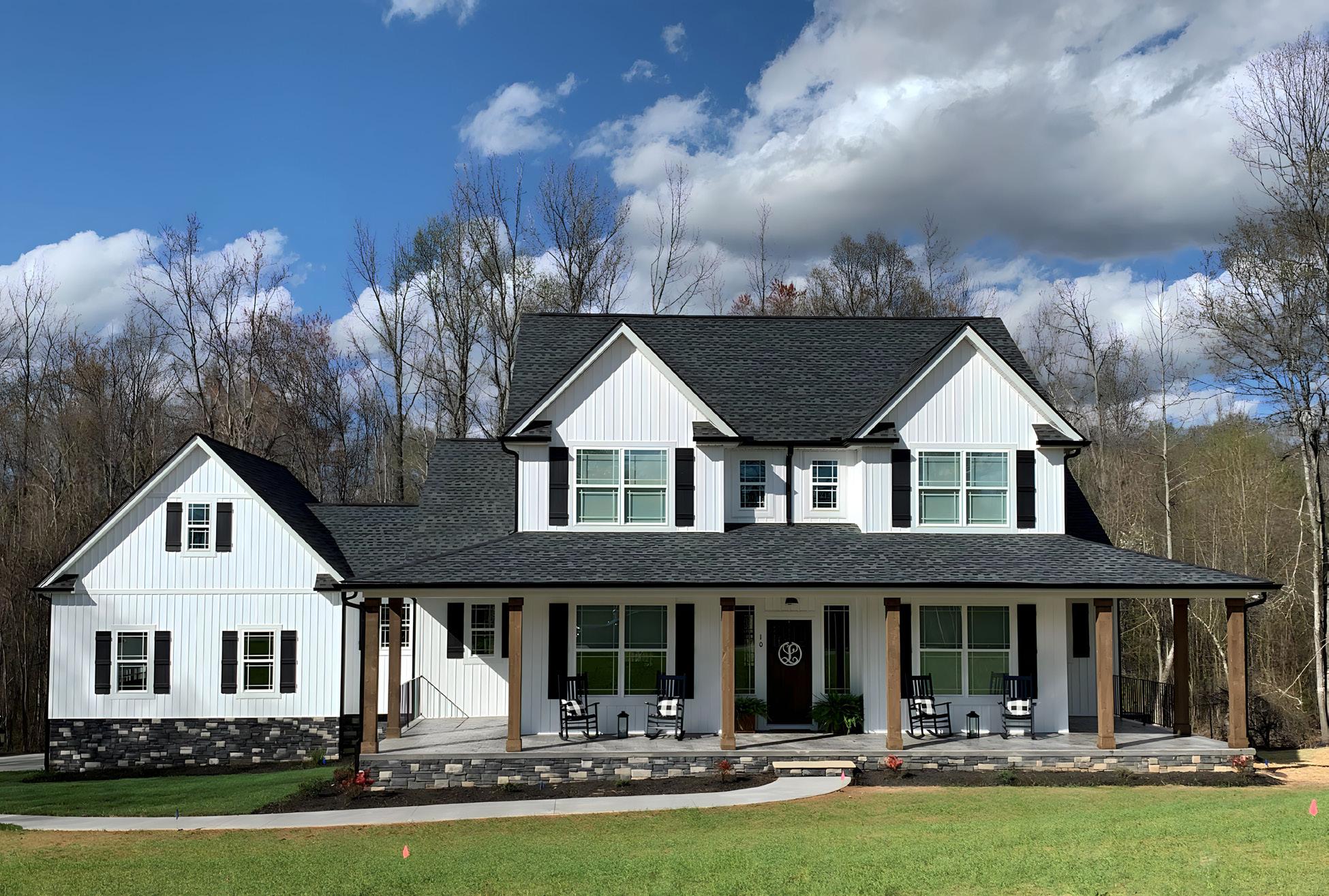
“Dark colour is still a factor, but in vinyl siding in general, you’re seeing white making a comeback.” He says lighter tones are showing up more in vinyl cladding, particularly in board-and-batten profiles.

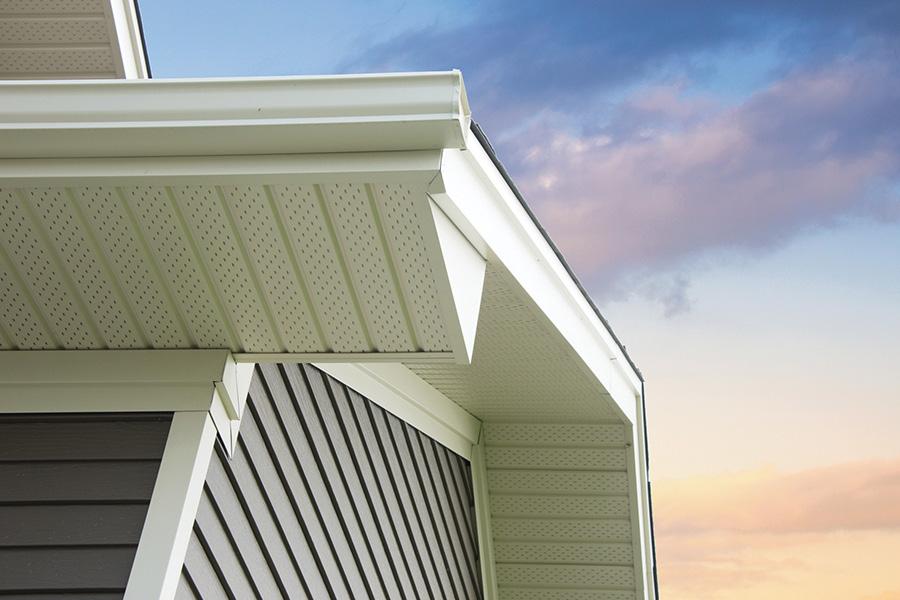
Photos courtesy of GENTEK BUILDING PRODUCTS CO.

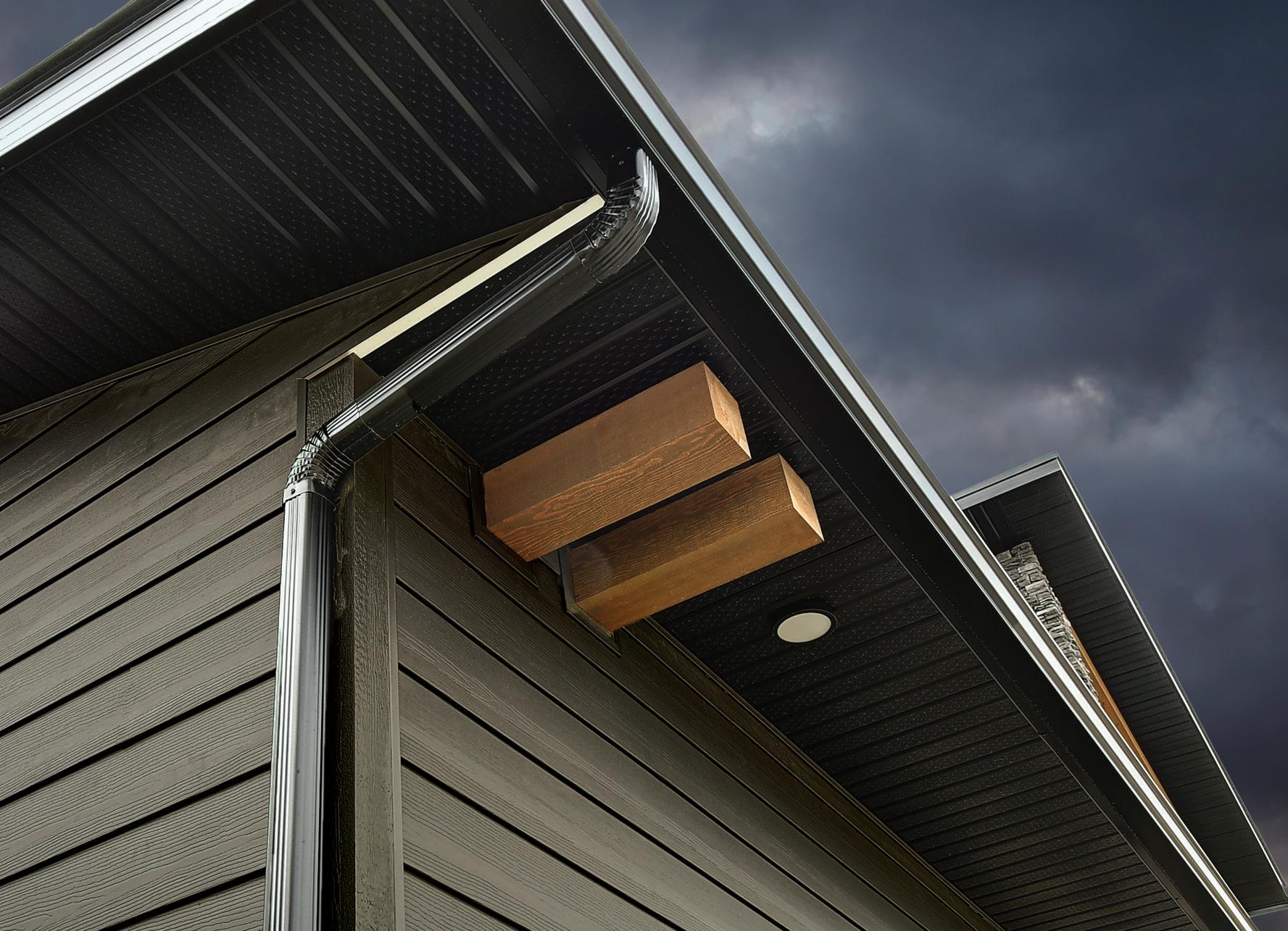
Complete Water Management
A full system of gutters, downpipes and accessories designed to control runoff and direct water where it needs to go.
On-Site Fabrication
Formed on-site from Gentek premium gutter coil for a precise fit, fewer seams and efficient installation.
Pre-Formed Accessories
Pre-formed downpipes, elbows, mitres and other accessories also are available.
Durable Aluminum Construction
Heavy-duty aluminum with a baked-on finish will not rot, rust or warp – built for lasting performance.
Configured for the Job
Flexible system components adapt to a wide range of structures and installation requirements.
Colour-Matched Finishes
Designed for compatibility with Gentek siding, trim and accessory colours – delivering a clean, consistent finish.
Photos courtesy of WESTMAN STEEL INDUSTRIES
MIXING IT UP: CONTEMPORARY MEETS
CLASSIC
Board-and-batten and modern farmhouse design remains a growing interest for homeowners.
Greg Gardenits, National Director of Sales and Marketing at Westman Steel Industries, says vertical profiles continue to surge, with homeowners mixing steel profiles and relying on proper coatings and grades to ensure long term performance. “Every year, I’m shocked at how fast board and batten is being accepted. It just seems to be the new look people want on their homes.”
“They want, maybe to highlight to the front entrance, so they’ll use a single 6” metal siding on the side walls but put a board-and-batten on the front entrance,” he continues. “We’re seeing a lot of combination of two different profiles being used.”
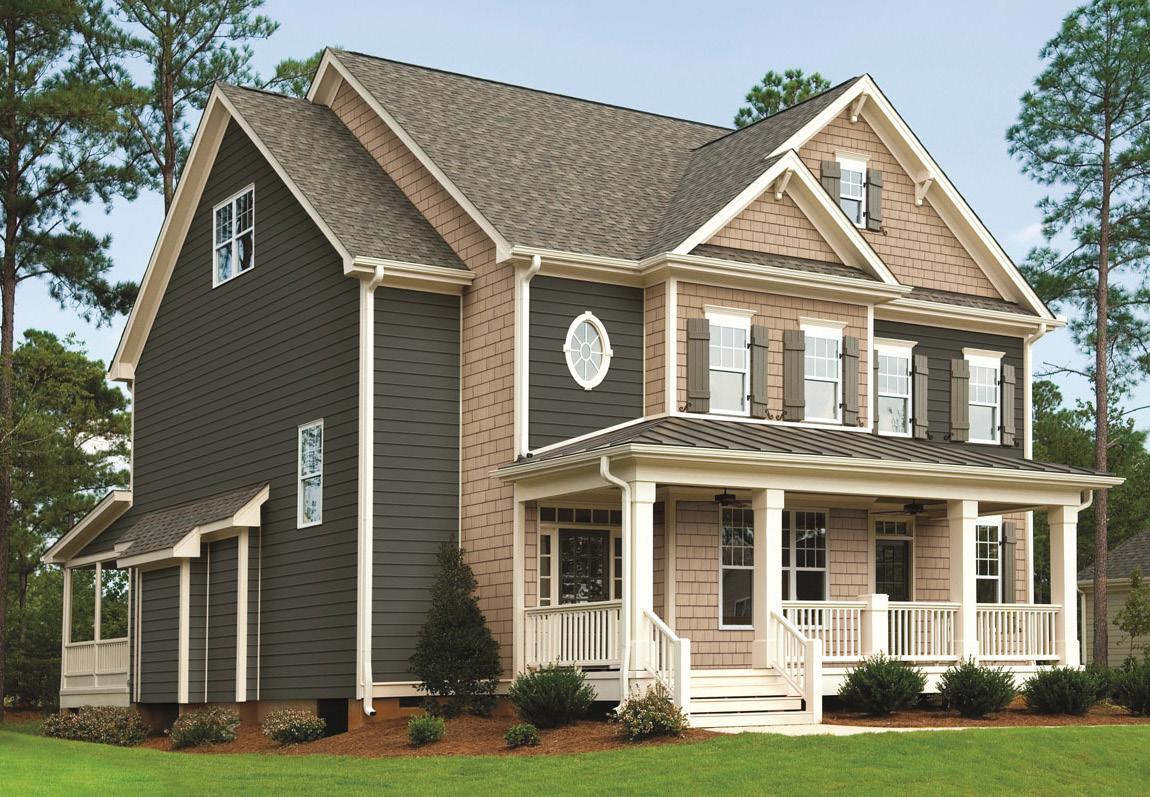
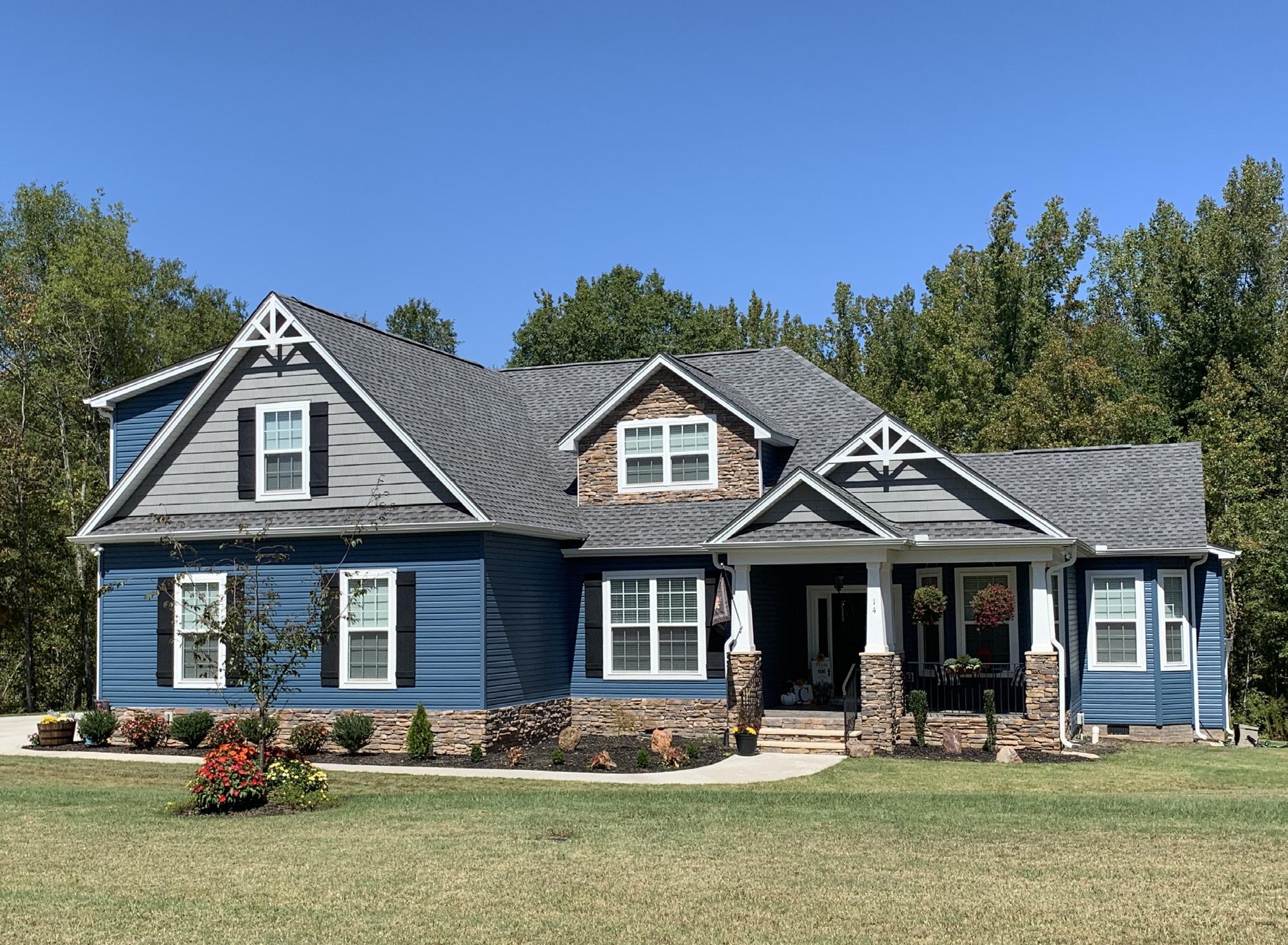
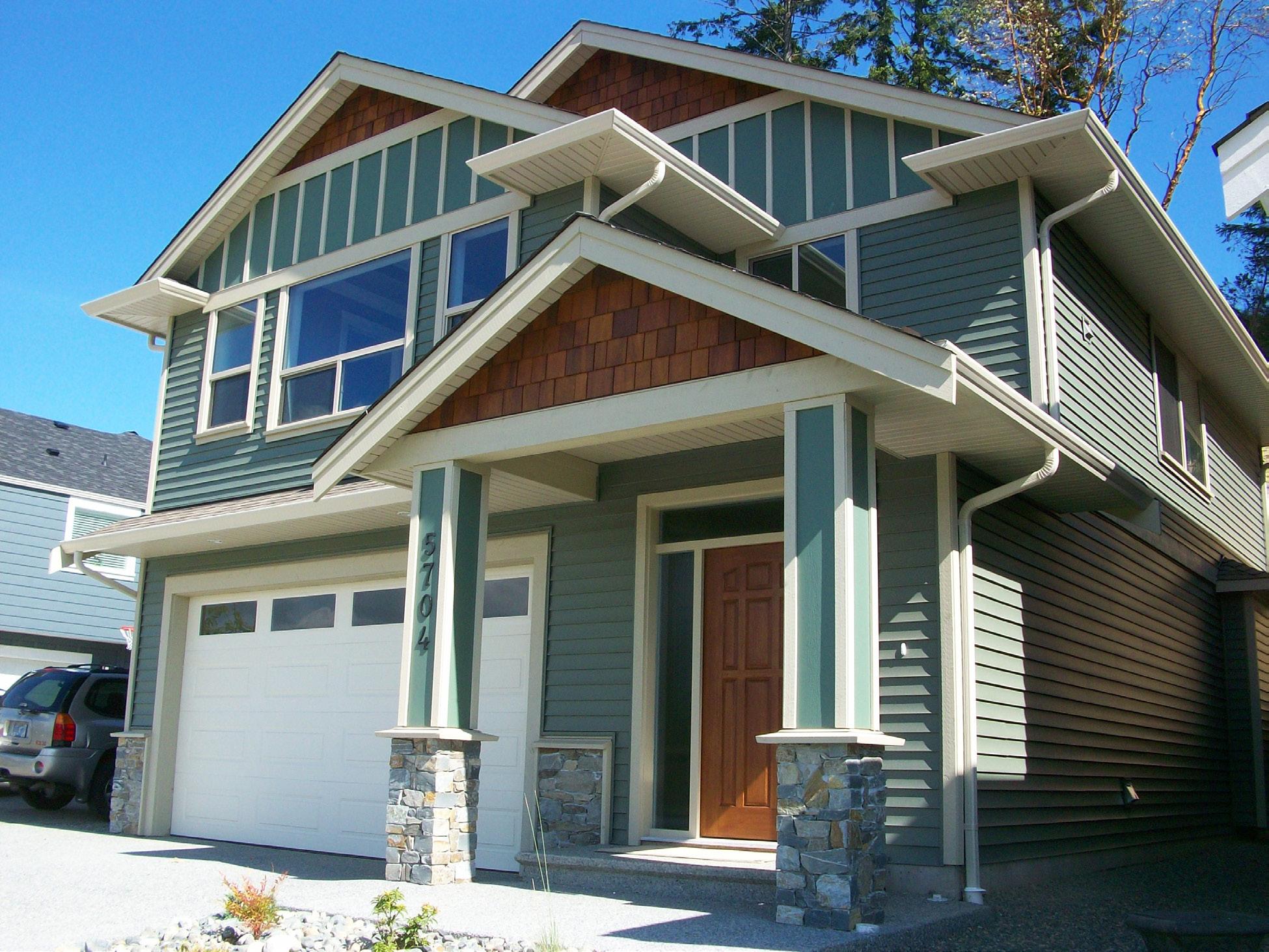
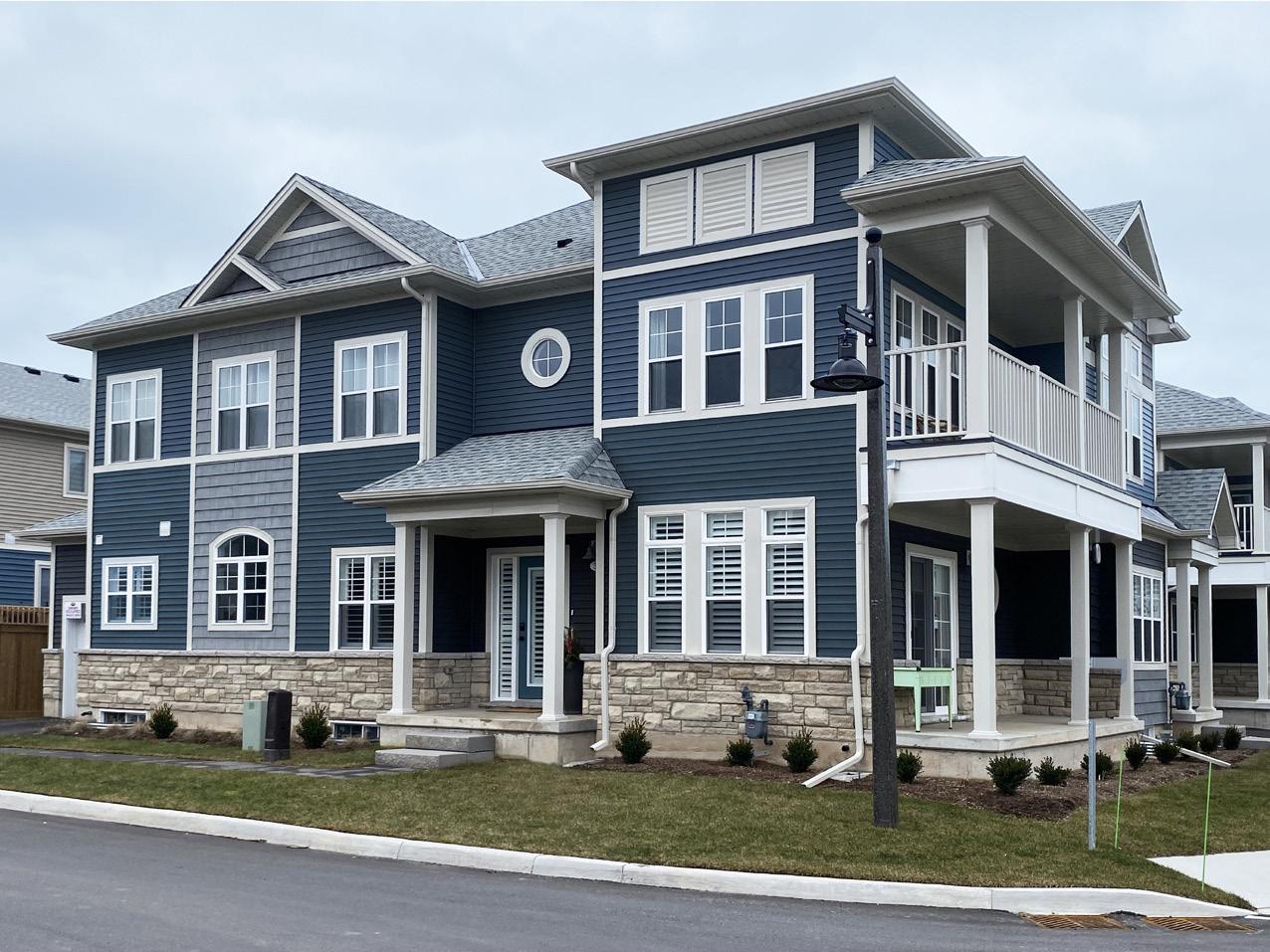
Peloquin says homeowners are no longer committing to a single cladding material across the entire façade. “Before, you’d drive through a neighbourhood and see one look across the whole house — all vinyl, or all wood,” he says. “Now people are mixing looks and highlighting different areas. Around the garage might have one style, the lower level another, and the second storey something different again.”
Mixed materials and layered façades are becoming the new norm for homeowners craving curb appeal. Chris McPhail, National Accounts Sales Executive at Vicwest notes seeing an uptick in multi-plank configurations in both residential and commercial installs.
“Multiple plank sizes can be installed together in any configuration giving homeowners and designers the flexibility to play with pattern and repetition.” These, he says, are being paired with hyper-realistic details and woodgrain finishes.
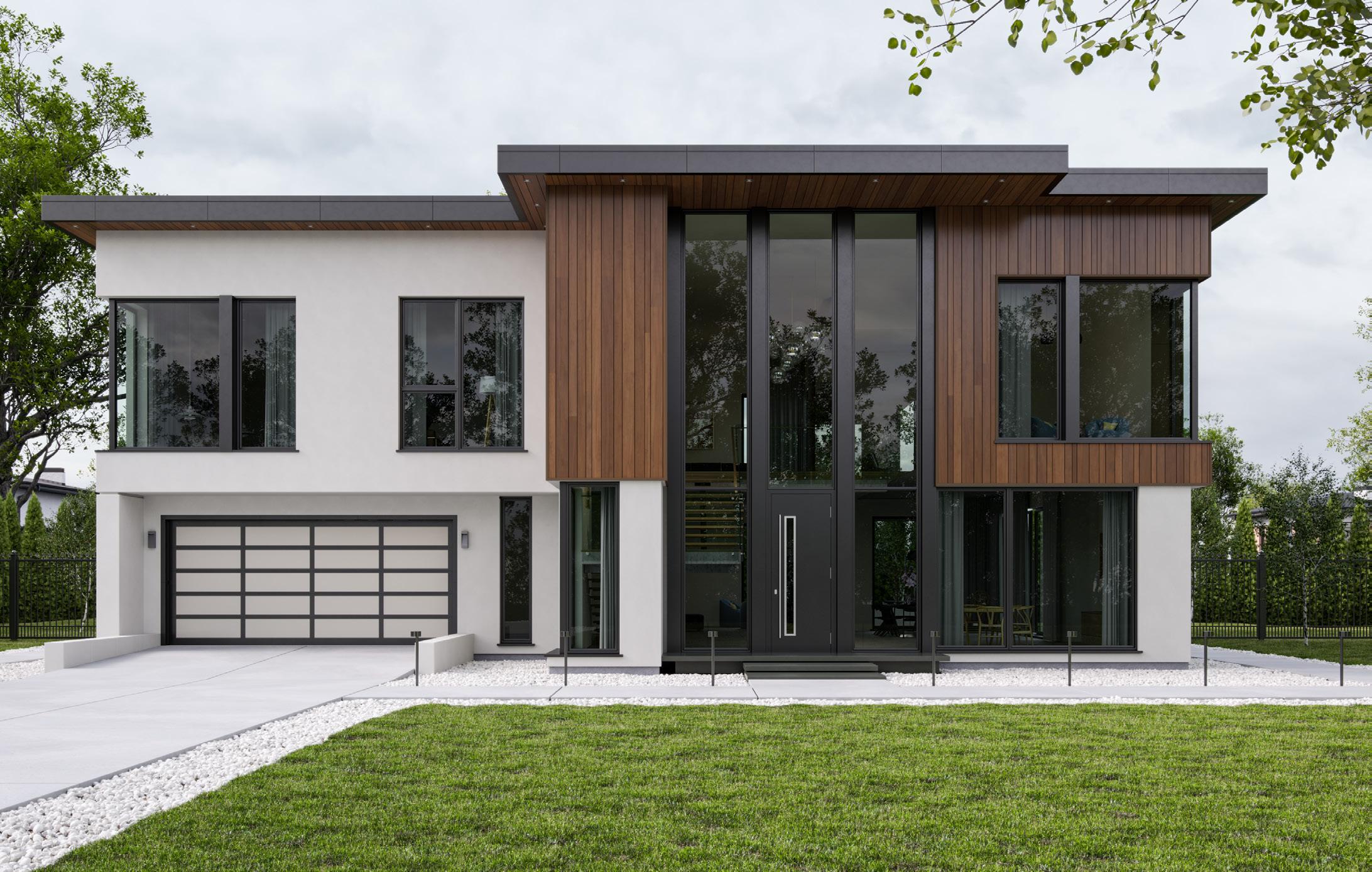
Photo courtesy of VICWEST
MEETING THE DRIVE-BY TEST
Homeowners want to capture the warmth and appeal of natural grains and surfaces, but naturally — no pun intended — want to avoid the high maintenance and sometimes extraordinary cost involved.
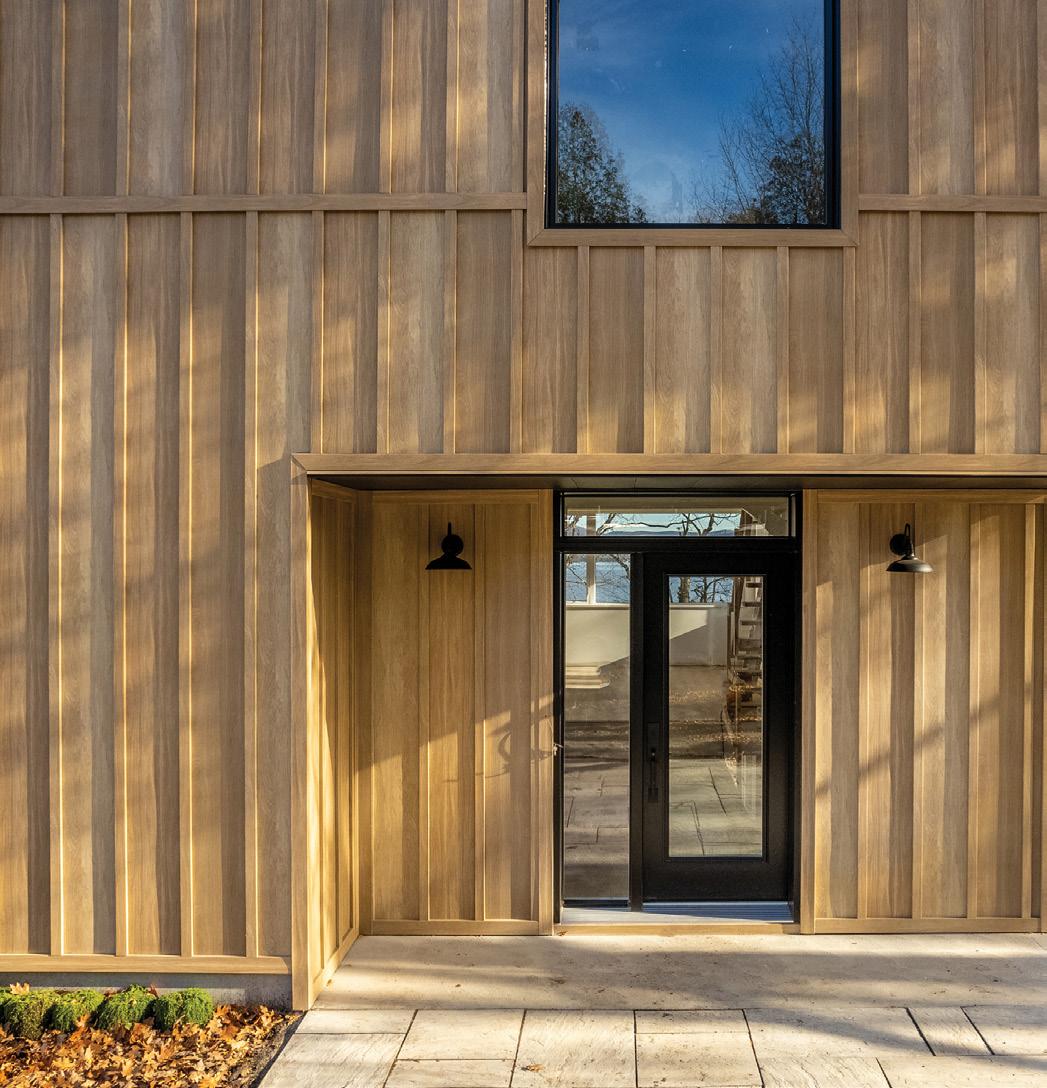
Manufacturers across the category are driving up realism every year. Vicwest’s Bellara steel planks use ultra high resolution, digitally composited woodgrain to deliver what McPhail
calls “elegant grains” and “beautifully aged patina,” digitally copied straight from curated lumber. In the vinyl segment, Mitten’s PVDF Natural Woodgrain collection is being used in soffits, porch ceilings and gable accents to bring warmth and texture at accessible price points, Horvath says. And James Hardie offers fibre cement alternatives like its Select Cedarmill and Artisan V Groove profiles to mimic the depth and character of painted wood without the upkeep, adds O’Keefe.
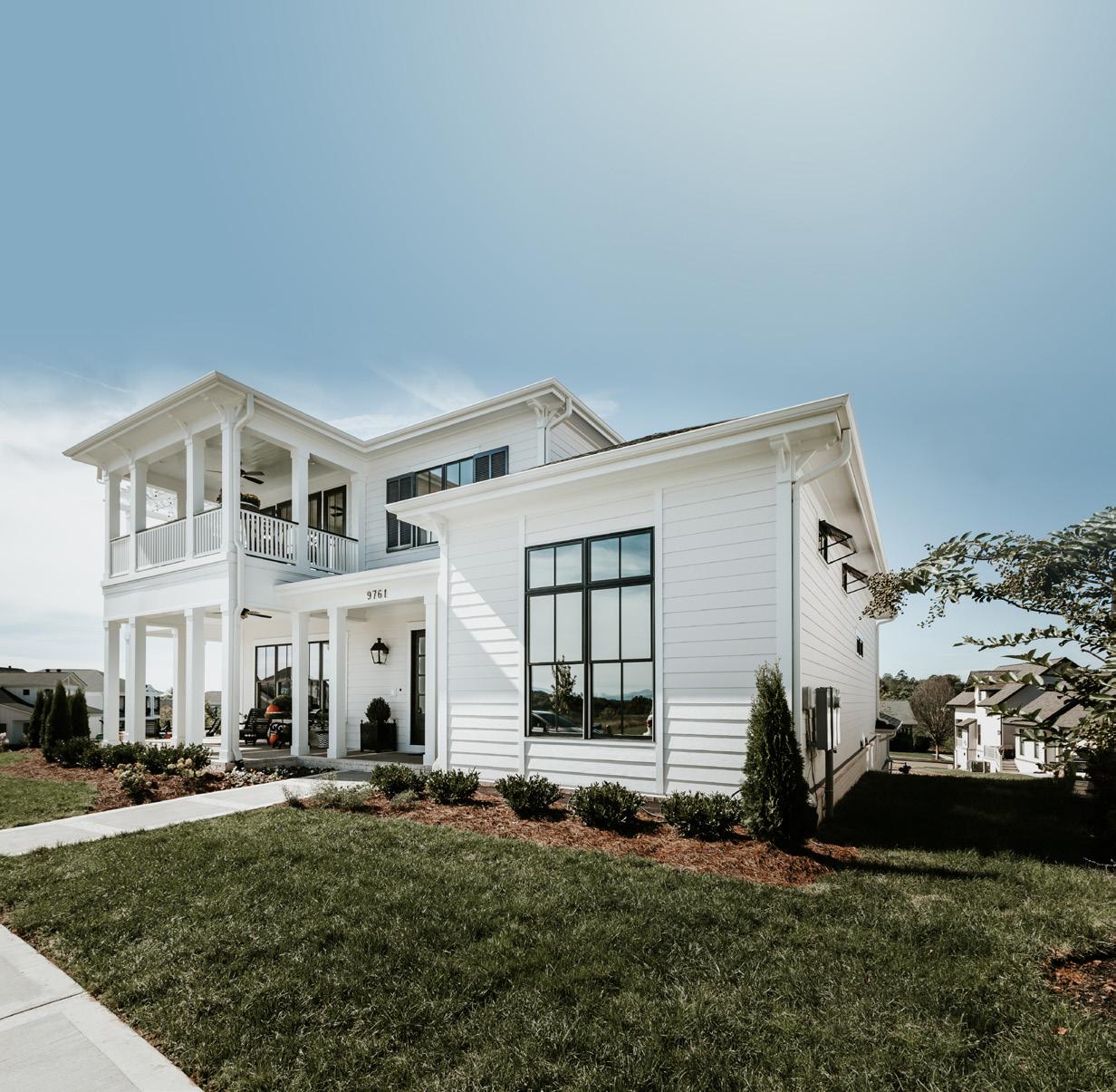
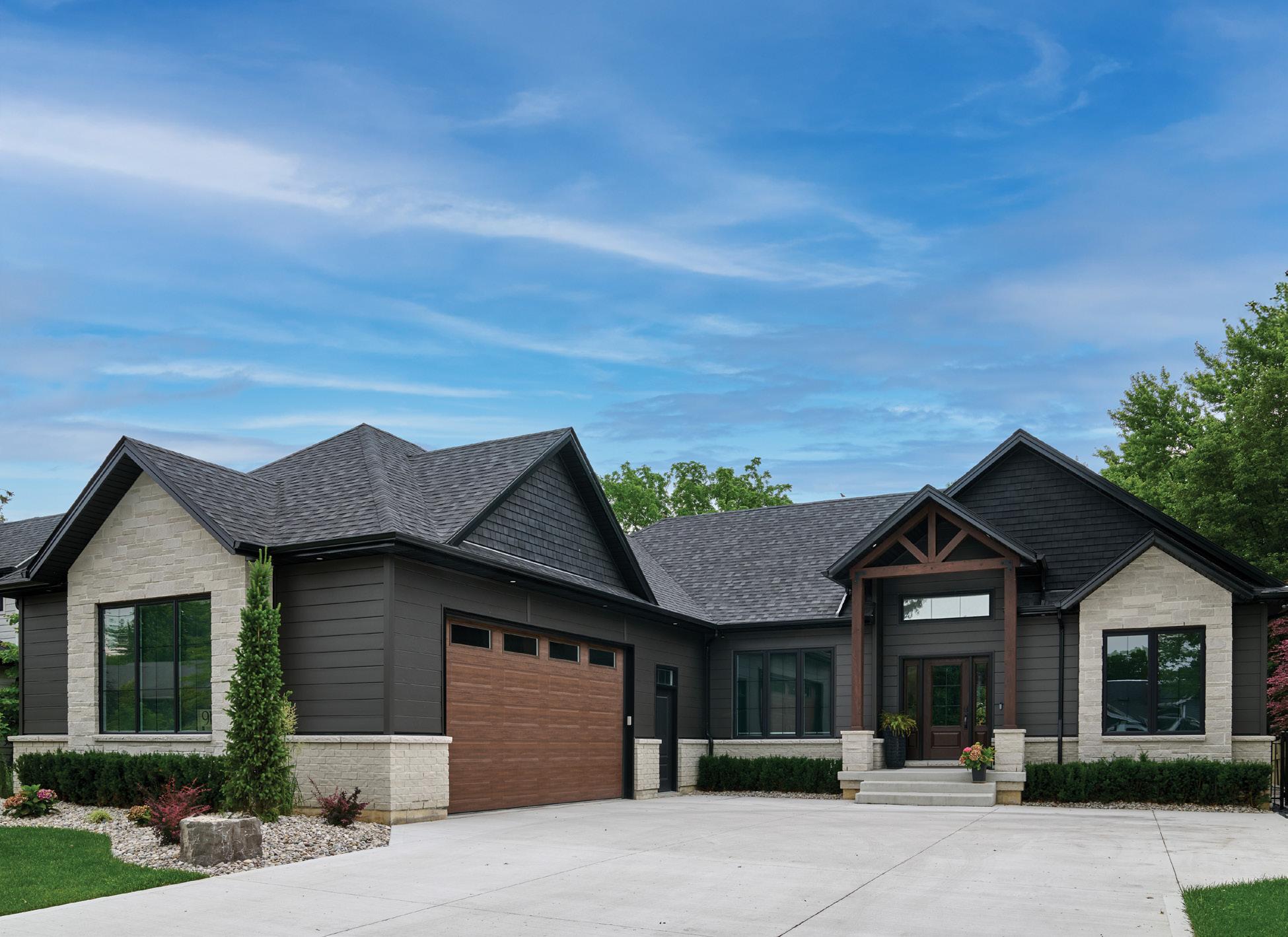
Photos courtesy of VICWEST MITTEN BUILDING PRODUCTS right bottom
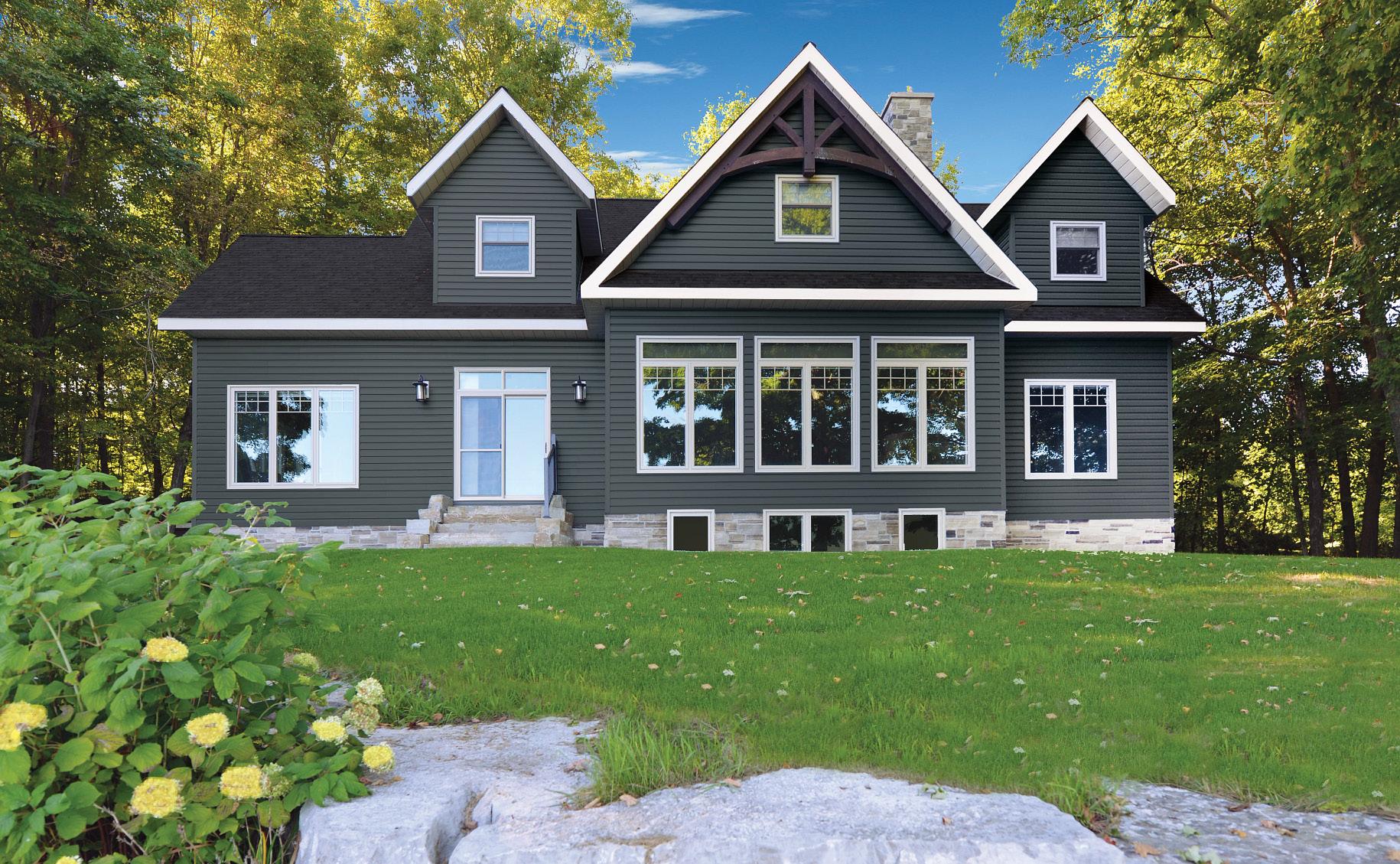
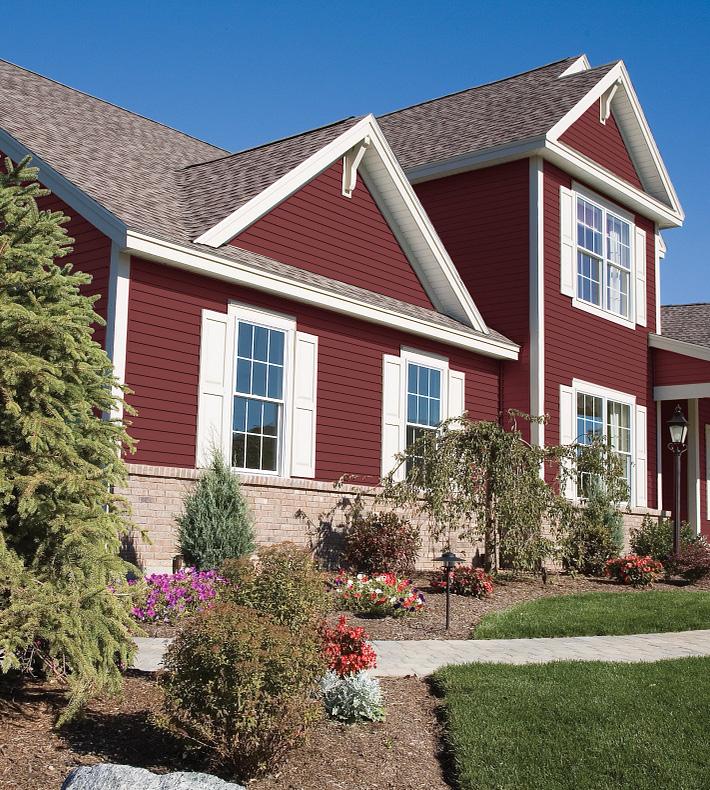
And wood isn’t the only natural material homeowners want to recreate. Gentek’s Peloquin points to renewed interest in faux stone cladding and wood look aluminum, steel, and vinyl that pass the drive by test without the maintenance demands of the real thing.
“We have exterior cladding that looks like wood, but it’s not wood — and it doesn’t require the maintenance. We have aluminum, we have
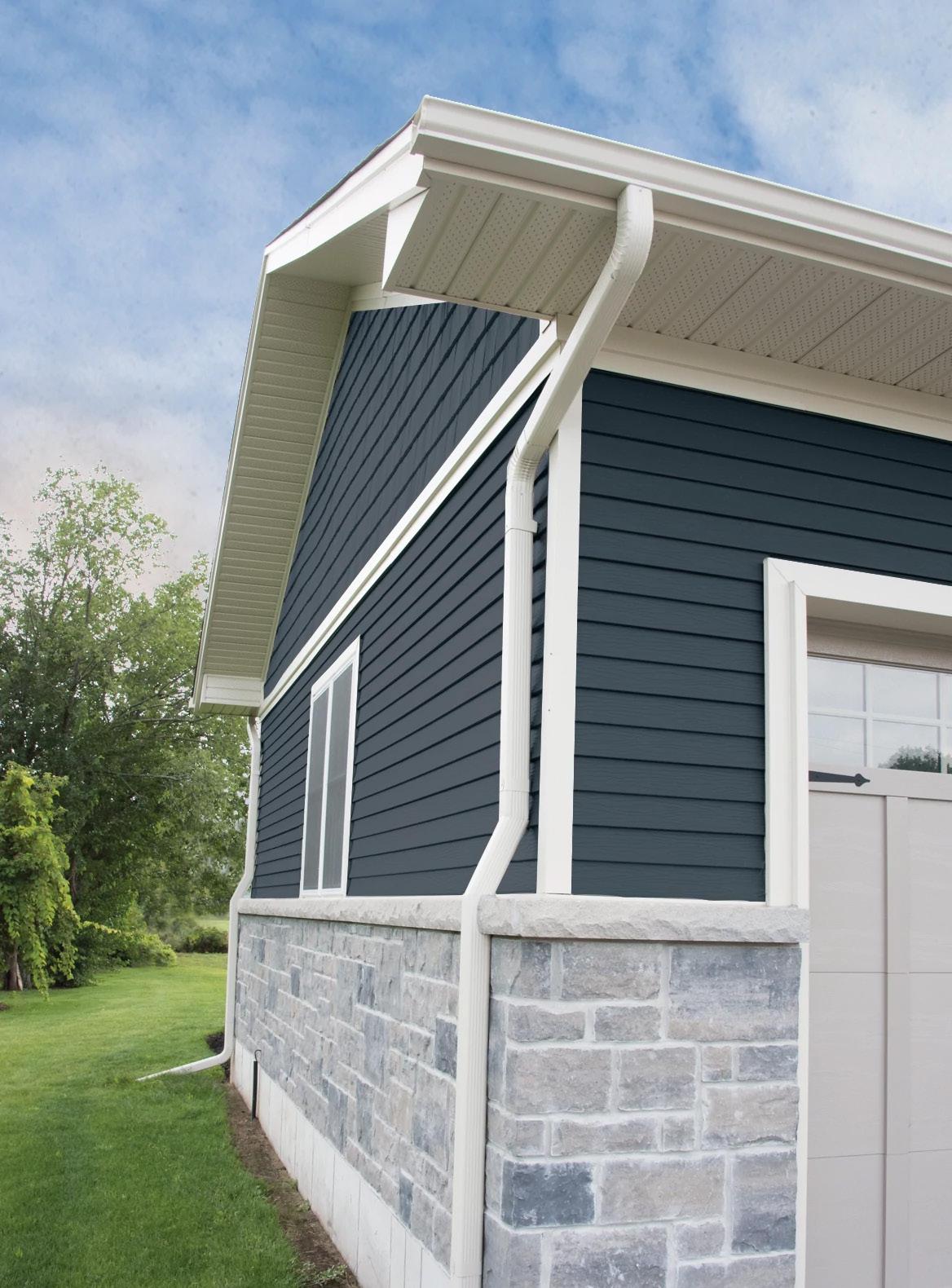
steel, and we have vinyl options. And the other category is faux stone. It looks like regular stone, but it’s lighter, so it installs much faster and easier.”
For homeowners, faux-natural facades mean greater durability and less work, and for contractors, mortar-free and easier to install systems mean more work is done in less time.
Photos courtesy of GENTEK BUILDING PRODUCTS CO.
SUSTAINING LASTING VALUE
In exterior cladding, performance and sustainability fit hand in glove. As homeowner’s environmentally-conscious expectations rise — and as codes, testing requirements, and safety standards continue to tighten — documentation and verified performance are becoming just as important as aesthetics.
Sousa says homeowners are becoming much more intentional about their choices. “They’re thinking long term—focusing on materials that are durable, low maintenance, and aligned with their personal style.”
“We’re seeing a clear shift toward solutions that not only look great but also deliver real performance and long term value.”
To that end, she says that innovation is currently centered on improving performance while keeping things simple and quick to install.
“We’re also seeing more interest in products that support the overall building envelope, helping boost energy efficiency and comfort.”
“And from a materials point of view, recyclability and long term durability, especially with aluminum, are becoming much bigger factors in decision making.”
Photos courtesy of KAYCAN LTD
Gardenits notes that while steel sits at a premium to vinyl, it brings the durability, longevity, and — importantly — recyclability that contribute to sustainable building. “Steel is 100% recyclable,” he says, “so it’s not going to end up in a landfill for your grandkids.
He notes that while steel sits at a premium to vinyl, its durability, longevity, and full
recyclability make it a sustainable choice in more than one sense. “Steel is 100% recyclable… it’s not going to end up in a landfill for your grandkids,” he says. He also frames it as a matter of financial sustainability: fewer replacement cycles and stable long-term performance reduce total cost over the life of a home.

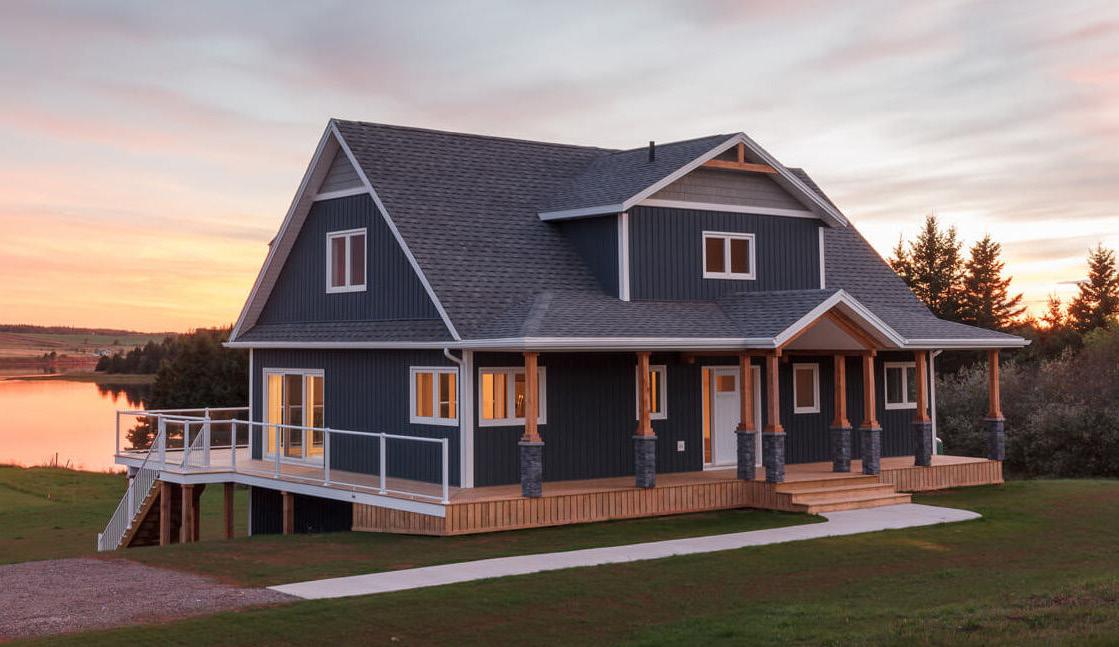
Scatozza says that installation efficiency is becoming a legitimate part of the performance conversation as well, especially as a financial consideration. “Installers are more open to simplified designs and faster install systems,” he says. “Labour remains a constraint, and if a product is cumbersome to install or comes with long lead times, it can push a project out of budget.”
Photo courtesy of ROYAL BUILDING SOLUTIONS
Photo courtesy of WESTMAN STEEL INDUSTRIES



TRUE NORTH TEMPERAMENTS
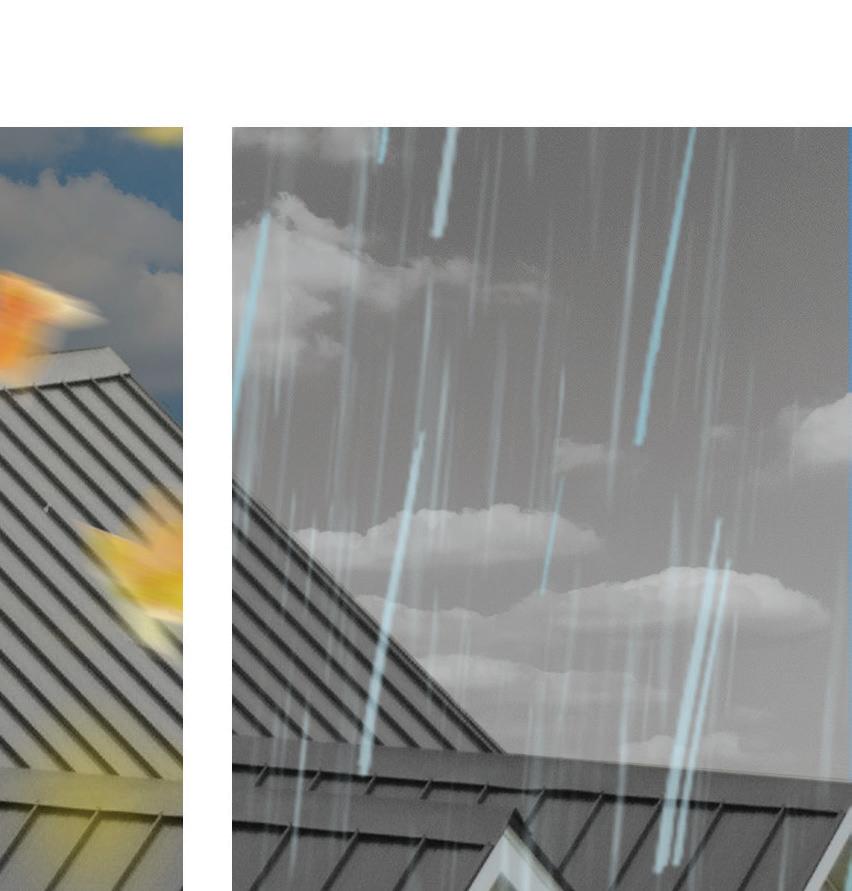
Canada’s climate has always shaped material choice and building envelope design, but in recent years the weather has been temperamental to say the least. Harsher storms, frequent hail, and wildfires feel like unwanted annual appointments. As the adage goes, the only thing predictable now is the unpredictability.
Gardenits points to hail events in Alberta “literally tearing the siding off homes” and seasonal wildfires in B.C. as drivers of interest in steel siding — not because it’s “fireproof,” he notes, since nothing really is, but because its fire resistance is more likely to help a structure stay standing. He adds that insurance companies are increasingly asking for it.
Photo courtesy of WESTMAN STEEL INDUSTRIES
Governments and consumers alike are driving the need for fire-mitigating cladding materials, O’Keefe adds. “We continue to see the impact of devastating wildfires on communities, which is driving the need for change in many areas across the country. One of the more consistent questions we receive is regarding noncombustible cladding and how contractors can achieve this without the need for changes to a wall assembly.”
Fibre cement options, he notes, meet that need by delivering non combustible performance without re engineering the underlying wall.
In line with tightening codes, regulators and home inspectors are getting stricter, Horvath suggests. They are demanding accredited lab reports, third party testing, and documentation that matches the exact installation scenario. Contractors who aren’t verifying their supplier’s paperwork are getting tangled in red tape, leading to costly delays.
Weather conditions aren’t the only thing heating up in 2026. With tariffs and supply chain uncertainty still simmering, Canadian homeowners, contractors, and builders are leaning harder into home grown suppliers.
Across the Canadian manufacturers, one message is consistent: interest in Canadian made materials is rising. Whether driven by supply chain confidence, sustainability commitments, or simple buyer sentiment, contractors and builders are leaning more heavily on domestic suppliers in 2026.
“There’s a clear trend toward buying Canadian,” McPhail says, noting that more than 95% of the steel Vicwest purchases comes from Canadian mills. “Our products are produced by Canadians for Canadians.”
The good news for contractors and homeowners is that choosing Canadian made doesn’t narrow the field. There’s no shortage of materials, profiles, and aesthetic options to meet needs from manufacturers at home, as well as abroad.
Photos courtesy of VICWEST
JAMES HARDIE BUILDING PRODUCTS INC.
The AI Skepticism
THAT WON’T AGE OUT
Written by TROY HARRISON


Here’s something nobody saw coming: The generation most skeptical of AI isn’t the one that doesn’t understand it. It’s the one that understands it best.
Every new technology faces resistance. The internet? A fad. Smartphones? Unnecessary. Social media? A waste of time. But tech skepticism has always followed the same pattern—older workers resisted, younger workers embraced, and eventually the skeptics retired and adoption became universal.
Not this time.
THE TECH SKEPTICISM SCRIPT HAS FLIPPED.
Traditional technology skepticism was driven by unfamiliarity. Baby Boomers didn’t grow up with computers. Gen X had to learn the internet as adults. They resisted because the technology was foreign. As digital natives entered the workforce, resistance faded.
AI flips this script entirely.
Sixty-two percent of Gen Z express skepticism toward artificial intelligence—higher than any other generation. Sixteen percent explicitly don’t want AI on their phones, compared to only 9% of older users. Forty-nine percent believe AI will harm their critical thinking skills.
This isn’t ignorance. It’s educated wariness. Gen Z grew up watching social media algorithms manipulate behavior, mine personal data, and damage mental health. They understand how “engagement optimization” created filter bubbles and monetized attention at the expense of well-being. They’ve seen technology companies prioritize profit over users – and they figure (correctly) that it will keep happening.
When it comes to AI, Gen Z isn’t asking “how does this work?” They’re asking “who does this benefit, and at what cost?” And they can spot AI-generated content instantly. Years of exposure to algorithmic manipulation have given them sophisticated internal detectors.


HERE’S THE IMPACT FOR B2B SELLERS.
You already know that generational dynamics in B2B selling have gotten complex. Older salespeople struggle to connect with younger buyers who communicate differently and research differently. Younger salespeople face challenges selling to executives who expect traditional relationship-building. AI adds another layer of complexity to this alreadydelicate situation.
Consider this common scenario: Your sales team deploys AI-powered email outreach, chatbots for qualification, or AI-generated proposals. The goal is efficiency—reach more prospects, respond faster, scale the process. But when that AI touches a Gen Z buyer, it triggers immediate skepticism.
An AI-written email isn’t just impersonal— it’s a signal that you chose efficiency over authenticity. An AI chatbot isn’t helpful—it’s a barrier between the buyer and real human expertise. An AI-generated proposal tells the buyer you couldn’t be bothered to understand their specific situation.
Here’s the mismatch: Millennial and Gen X sales leaders view AI pragmatically as a productivity tool (which it can and should be, used correctly). They don’t realize their AIenhanced outreach is actively repelling their youngest prospects. They see time savings. Gen Z buyers see corporate shortcuts that signal low prioritization of genuine relationships.

AUTHENTICITY IS EVERYTHING – AND THIS TIME, YOU CAN’T FAKE IT.
When buyers doubt the authenticity of your communication, they doubt the authenticity of your company.
This hits B2B particularly hard because business relationships depend on trust. B2B buying decisions involve long-term commitments, significant investment, and organizational risk. Buyers need confidence that you’ll deliver, support, and stand behind your product over time.
AI-generated content undermines that confidence. When a prospect receives an AIwritten email, the subtext reads: “This company would rather automate than understand our needs.” When an AI chatbot handles initial qualification, the message becomes: “Our time is more valuable than yours.” When an AI system generates proposals, buyers wonder: “If they’re using AI for this, where else are they cutting corners?” And guess what? These messages are correct interpretations.
Gen Z interprets AI deployment as a values statement. They’ve watched tech companies claim to prioritize user experience while optimizing for ad revenue. They’ve seen platforms promise connection while fostering division. If your technology serves your interests at the customer’s expense, trust evaporates.
AI SKEPTICISM
WILL AGE IN, NOT OUT.
Here’s the critical difference: Internet skepticism aged out. AI skepticism will age in.
Gen Z is entering the workforce now. Within a decade, they’ll hold senior leadership roles. Their sophisticated understanding of AI’s capabilities and limitations will shape how organizations approach artificial intelligence. And their skepticism isn’t going away—it’s informed by direct experience with technology’s dark patterns.
The choices you make today about AI deployment will determine whether future decision-makers view your organization as trustworthy or opportunistic. Companies that use AI thoughtfully, transparently, and in service of genuine customer value will differentiate themselves. Those that deploy AI primarily for internal efficiency will find themselves shut out as skeptical buyers gain purchasing authority.
WHAT YOU SHOULD DO
Don’t abandon AI. Use it, but use it well. The technology offers legitimate value for data analysis, research, ideation, and productivity. But deployment must be strategic and behind the curtain.
Distinguish between internal AI use and customer-facing AI deployment. Using AI to analyze customer data and identify patterns?
That’s smart. Using AI to generate customer communications? That’s dangerous. The former enhances human decision-making. The latter replaces human connection.
When AI does touch customer interactions, be transparent. Don’t try to make AI-generated content indistinguishable from human communication. Acknowledge the tool’s role while demonstrating human oversight. Let prospects know that AI helped research their industry, but a human shaped the insights specifically for their situation. Remember – AI is your intern, not your manager, salesperson, or decision maker. As an intern, it’s great – it has a high IQ, it has 20 degrees, and it has no street smarts whatsoever. Your job is to give it the street smarts.
Most importantly, recognize that generational differences in AI perception aren’t temporary. Gen Z’s skepticism reflects a permanent shift in how buyers evaluate vendor authenticity. Companies that double down on genuine human relationships, transparent processes, and customer-first values will thrive. Those that view AI primarily as a cost-cutting tool will become irrelevant to the generation they’re trying to reach.
The question isn’t whether to use AI. It’s whether you use it in ways that build trust or destroy it. Gen Z’s skepticism provides the answer—and it’s not going away.

Transform Your Home’s
Style & Performance
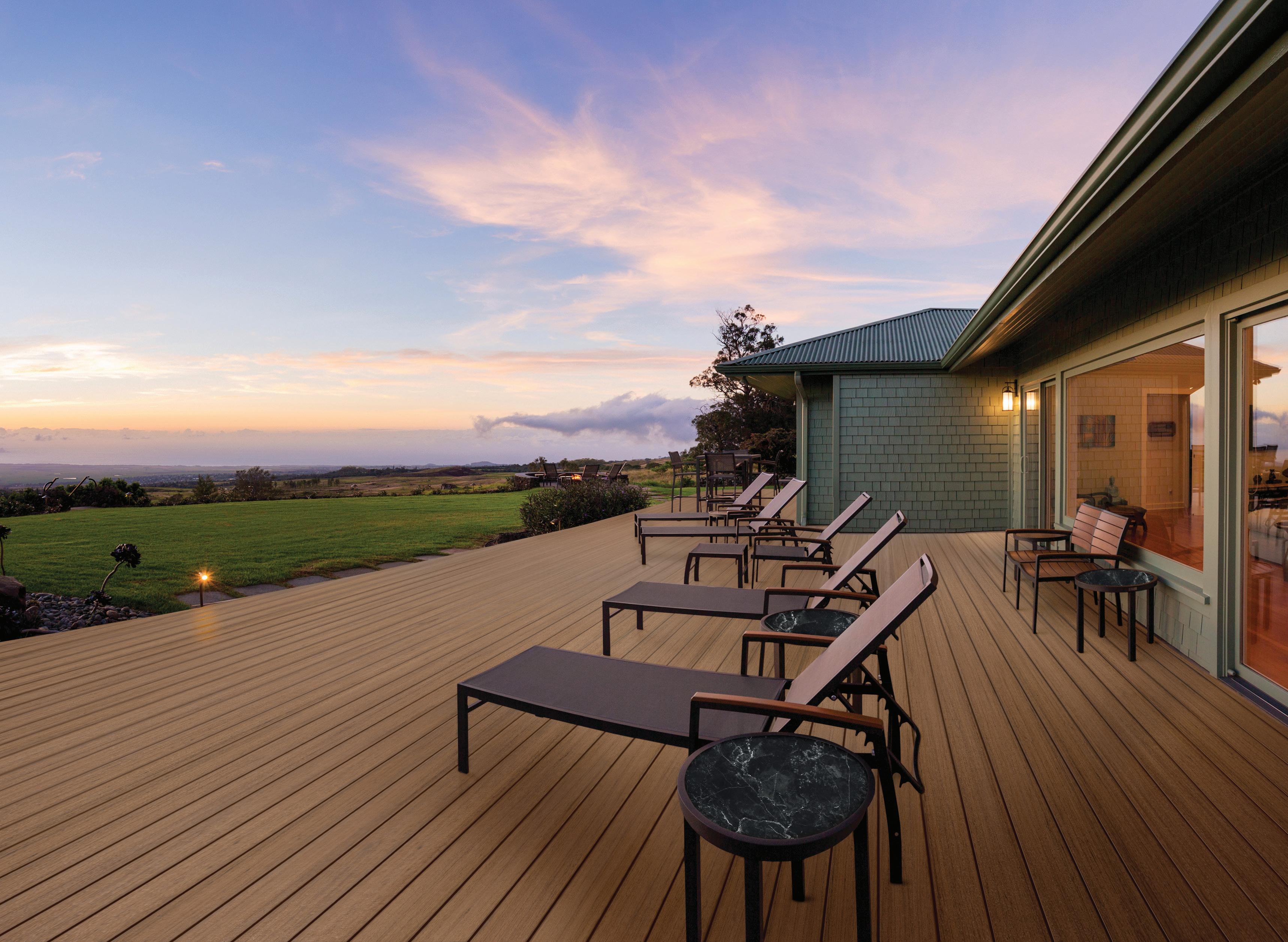
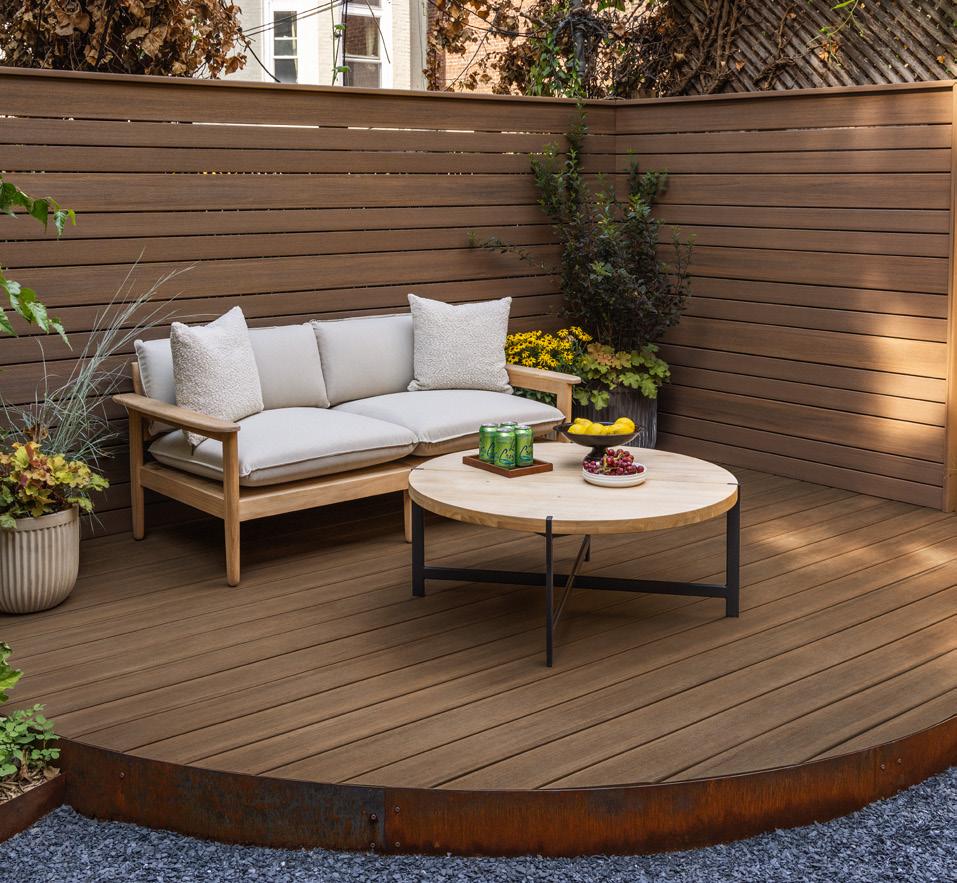
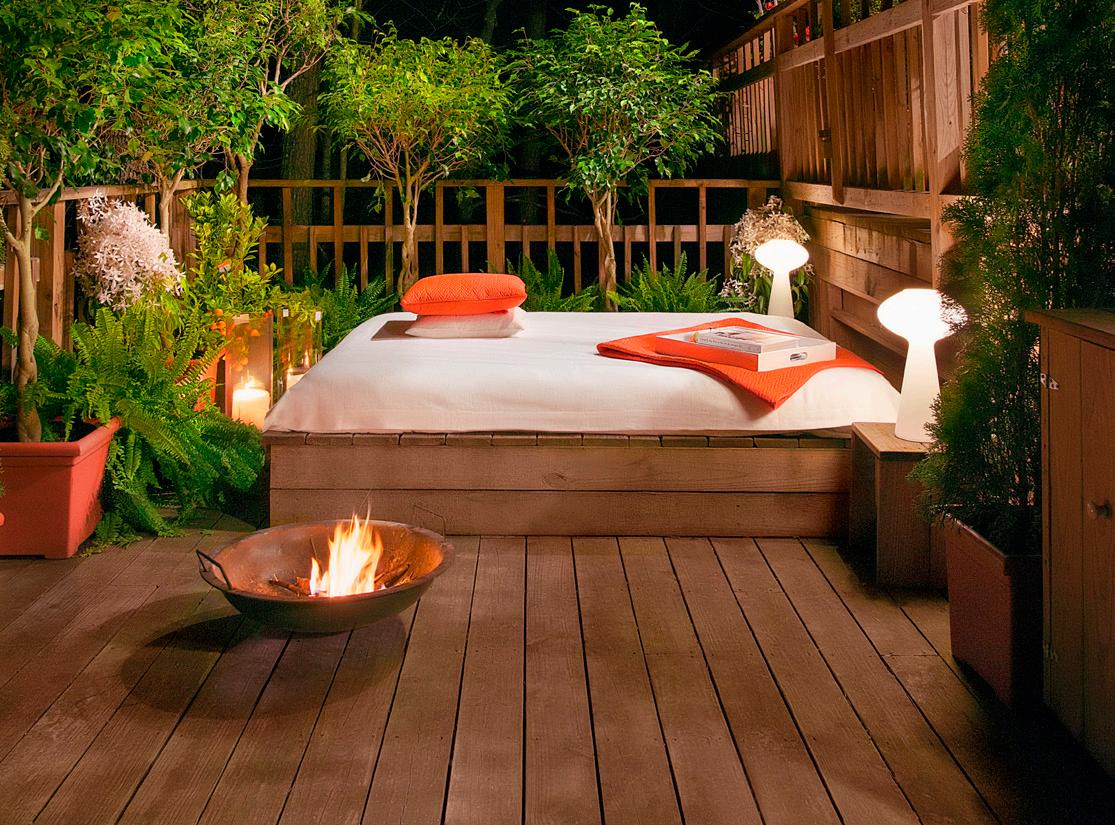
Living your best life outdoors means having a space that’s durable, low maintenance, and suits your style. TimberTech brings you all three—and more. With the most realistic wood looks on the market, our decking endures year after year without fading, staining, splintering, peeling, cracking, or rotting. With a wide variety of finish options available across multiple collections, you’ll definitely find the perfect wood look for your home.
Vintage Collection English Walnut
Prime+ Collection Coconut Husk
®
MicroPro Sienna features micronized copper azole for long-term protection against decay and termites, a warm brown color, and ecofriendly certification. It’s corrosion-resistant, suitable for ground contact, and approved for aluminum contact. Ideal for decks, fences, and landscaping projects.
microprosienna.com
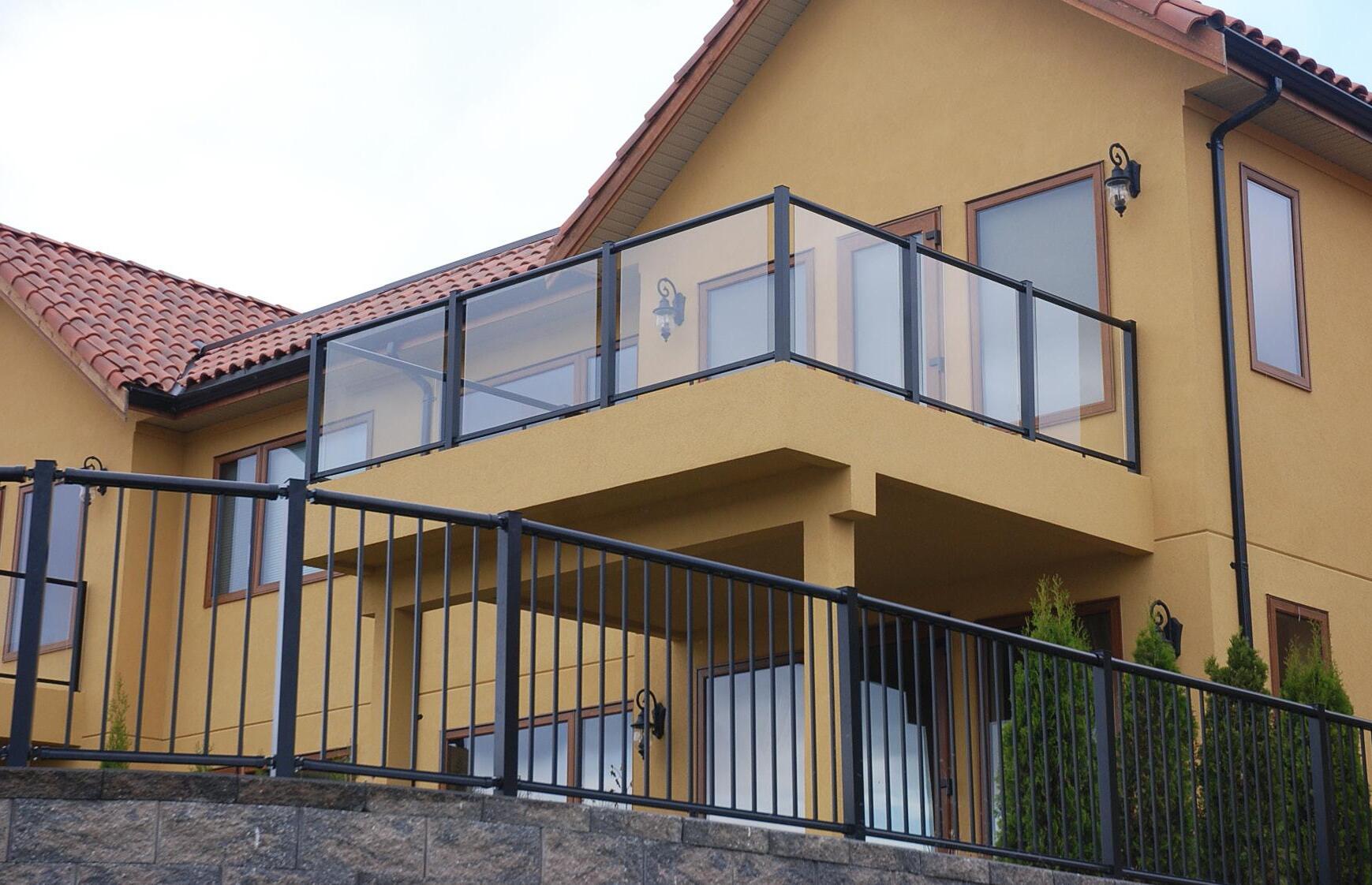
Century Aluminum Railings offer durability, easy installation, and low maintenance. They feature powder-coated aluminum that won’t rust, tempered glass panels for unobstructed views, and interchangeable components for customization. Ideal for DIY homeowners, contractors, and commercial developers.
fusionstone.ca centuryrailings.com
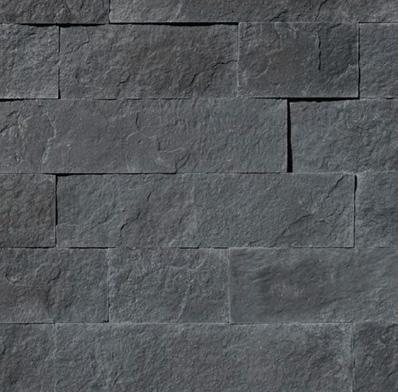
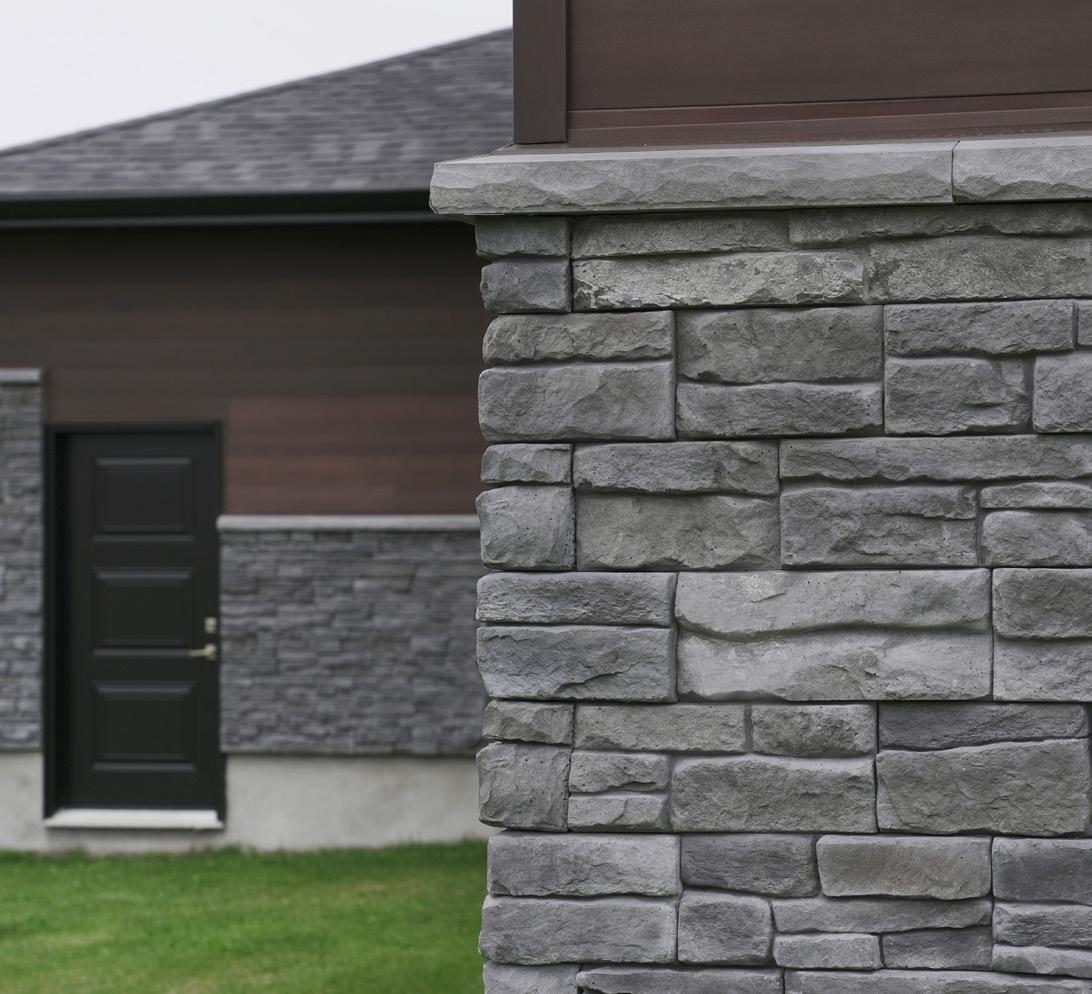
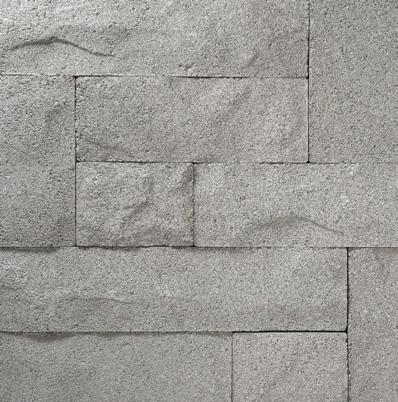
Fusion Stone’s range of stone veneer products offers versatile, high-quality options for enhancing buildings. With collections like Great Lakes, Dry-Stack, and Bay Stone, Fusion Stone combines innovation, ease of installation, and durability, leading the industry in stone veneer systems.