Richard Lally senior associate dean, finance & administration
Nadija Mujagic assistant dean for research administration
Anna Swan senior associate dean, academic programs
Patrick L. Kennedy editor
Michelle Murphy director of marketing & communications
John Bakum, Kayla Baltazar, Rich Barlow, Alene Bouranova, Jessica Colarossi, Chloe de Leon, Molly Glass, Hailey Gordon, A.J. Kleber, Lyn Markey, Andrew Thurston contributing writers
Tulika Roy design
Boston University Creative Services production
DEAN’S LEADERSHIP ADVISORY BOARD BU.EDU/ENG/DLAB
SHARE YOUR THOUGHTS ON THIS ISSUE, TELL US YOUR FAVORITE STORIES, AND UPDATE YOUR DELIVERY PREFERENCES FOR ENGINEER MAGAZINE
bu.edu/eng/magazine
EMBRACING THE POWER OF CONVERGENCE AND COLLABORATION.
15 RANK AMONG PRIVATE GRADUATE ENGINEERING PROGRAMS IN THE U.S.
$159 MILLION IN ENGINEERING-RELATED RESEARCH EXPENDITURES
18 RANK AMONG BIOMEDICAL ENGINEERING PROGRAMS
8 IN FIELD-WEIGHTED CITATION IMPACT FOR FACULTY RESEARCH
SOURCE: U.S. NEWS & WORLD REPORT
Equipping Our Graduates, Advancing Society
BY DEAN ELISE MORGAN
A resilient, forward-looking college of engineering not only adapts to the future, but also plays a role in shaping that future—and helps its students do the same. Today, as artificial intelligence (AI) becomes one of the most disruptive forces of our time, BU Engineering is leading the charge to harness it responsibly, sustainably, and inclusively, for the benefit of all.
That’s why I’m excited to announce our new master’s degree program in software engineering for AI, currently enrolling for fall 2026. This is both our first graduate program in software engineering and our first online master’s program.
Students will learn to solve the complex engineering problems in AI, study and practice responsible AI implementation and governance, and graduate with a portfolio of work demonstrating that they know how to operate at the intersection of software engineering, AI, and systems architecture. The focus is appropriate, because no field is more transformed by AI than software engineering.
Just as important, an online program is more accessible and removes some barriers for working professionals, fully aligning with our mission of expanding the power of engineering to transform lives at scale. Visit bu.edu/eng/omse to learn more about our newest degree program offering.
To help graduates advance in rapidly growing economic sectors that have a critical need for trained engineers, the college also offers an eight-course interdisciplinary specialization in Artificial Intelligence and Machine Learning (AI/ ML) that allows any of our master’s students to add a robust toolkit to their area of study, integrating foundational expertise in machine learning and AI with their deep knowledge in areas such as biomedical engineering, materials science, and robotics.
Of course, machine learning and advanced algorithms have figured in many of our faculty’s research projects for several years now—leading to advances in materials discovery, cancer diagnosis and treatment, and more—while Professor Ayse Coskun (ECE, SE) has recently participated in efforts to make the data centers that power AI more energy-efficient.
Ayse shared her findings at the Engineering Catalyst Summit last fall. The college’s flagship annual event, the summit offers a premier opportunity for leaders and representatives from industry and the public sector, alumni, faculty, and students to gather and exchange ideas, make connections, and discuss groundbreaking research. At the 2025 summit, we focused on trailblazing research in energy and sustainability.
The theme for the fall 2026 Catalyst Summit is “Decoding Everyday Health.”
Just as important, an online program is more accessible and removes some barriers for working professionals, fully aligning with our mission of expanding the power of engineering to transform lives at scale.
We’ll hear about the cutting-edge engineering and biosensing technologies that reveal the dynamic signals of human health, and learn how those signals drive breakthroughs in diagnostics, therapeutics, and performance. Leading thinkers from industry and academia will discuss what these breakthroughs mean and how they empower individuals with real-time data on their health. To register for the event, visit bu.edu/eng/ catalyst
Along with the Questrom School of Business, the College of Engineering recently hosted the 2026 Wadsworth Family Distinguished Lecture featuring NVIDIA corporation cofounder Chris Malachowsky and venture leader Peter Levine (ENG’83) discussing topics such as leadership, innovation, and the future of AI. Read their insights at bu.edu/eng/wadsworth26.
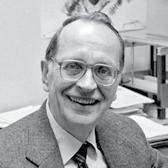
Finally, the ENG community is deeply saddened at the passing of two longtime distinguished faculty members, Ted de Winter and Lucia Vaina, both of whom made lasting impressions on generations of Societal Engineers. We’re grateful to the alumni and friends who gathered on campus in May to share memories of Ted and who continue to support his scholarship fund, which you can learn more about at bu.edu/eng/ted-de-winter.
A Glimpse at Tomorrow’s Energy Technologies
CATALYST SUMMIT ASSEMBLES THE UNIVERSITY RESEARCHERS AND INDUSTRY LEADERS POWERING A SUSTAINABLE FUTURE
Scores of alumni, faculty, students, and friends of Boston University gathered to discuss tomorrow’s energy technologies—from self-cleaning solar panels to heat-storing ceramics—at the 2025 ENG Catalyst Summit. Part of BU Alumni Weekend, the event was a showcase of groundbreaking research and fresh ideas in energy, AI, and sustainability technology.
“These pioneering inventions are engineering a more resilient, intelligent, and equitable energy future,” said ENG Dean Elise Morgan during opening remarks in the Eichenbaum Colloquium Room at the Rajen Kilachand Center for Integrated Life Sciences & Engineering. “We are tackling the biggest challenges facing our world today.”
Sharad Rastogi (ENG’91), CEO of Work Dynamics Technology at JLL,
CATALYST SUMMIT
JOIN US FOR THE 2026
CATALYST SUMMIT
DECODING EVERYDAY HEALTH
SEPTEMBER 18, 2026
LEARN MORE
BU.EDU/ENG/CATALYST
chaired a panel with several of the ENG faculty who are developing the technologies aimed at one challenge in particular: meeting growing energy demand while reducing our carbon footprint. Associate Professor Emily Ryan (ME, MSE), who studies advanced energy storage and thermal systems for clean, efficient power, discussed her cutting-edge work with lithium-metal batteries. Assistant Professor Sean Lubner (ME) shared the energy storage potential of high-temperature heat in ceramic composite materials.
“That at first sounds scary, but it is actually one of the safest ways to store energy at scale,” Lubner said, “because thermodynamically, heat is the only form of energy that cannot explode!”
Associate Professor Emiliano Dall’Anese (ECE) spoke about his work on real-time control strategies for distributed energy resources for resilient, efficient power grids. “Convergence in research and critical thinking are essential for developing transformative solutions in modern power and energy systems,” noted Dall’Anese, who recently landed a $380,000 NSF grant for his research.
Professor Ayse Coskun (ECE, SE) also advocated for a whole-system approach to the energy problem. Coskun, ENG associate dean for research and faculty development
and director of the Center for Information and Systems Engineering (CISE), researches sustainable AI data centers that adapt to changing power demands.
A highlight of the summit was the conferring of this year’s Distinguished Alumni Awards, which recognize exceptional alumni who are making an impact in their professions and their communities. Huntley Myrie (ENG’95) received the BU Engineering Distinguished Alumni Award and Devika Gholap (ENG’18) received the BU Engineering Distinguished Young Alumni Award. Myrie is former vice president of strategy and business development, commercial, at Spirit Aerosystems. Gholap is chief product officer of OptraSCAN, a company dedicated to revolutionizing the adoption of digital pathology.
BU Alumni Award recipient Russ Wilcox (CAS’13), CEO of urban planning tech start-up Artifex AI, moderated a discussion about entrepreneurship with guests Ryan Eriksen (CAS’10, ENG’15) and Tomás Villalón, Jr. (ENG’18).
Eriksen discussed the path to commercialization for the technology he and Annie Rabi Bernard (ENG’15,’20) developed in the lab of Malay Mazumder, former ENG research professor of electrical and computer engineering and materials science
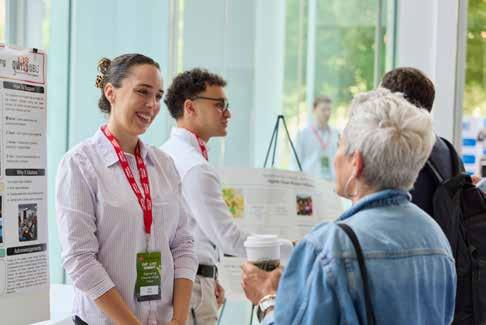
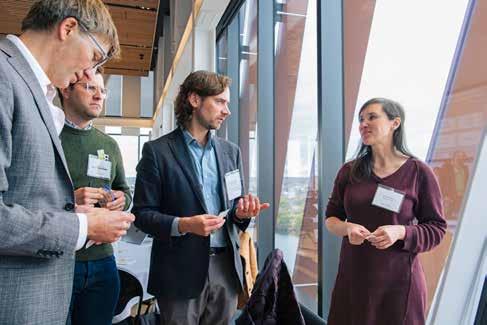
Dora Balog (ENG’27), vice president of the BU Graduate Women in Science and Engineering, meets with alumni during the Catalyst Summit.
and engineering. Their system uses small amounts of static electricity to clear dust and sand from a solar panel in less than two minutes, and they estimate that if this electrodynamic screen technology could be scaled up, it could save the world at least four billion gallons of water a year. After cofounding a start-up, Sol Clarity, Bernard is now working with the International Development Company to pilot the technology in the Middle East, while Eriksen has become director of engineering at Heliotrope Photonics, where he is leading the development of advanced coatings to improve solar panel efficiency.
New Portrait, New Role
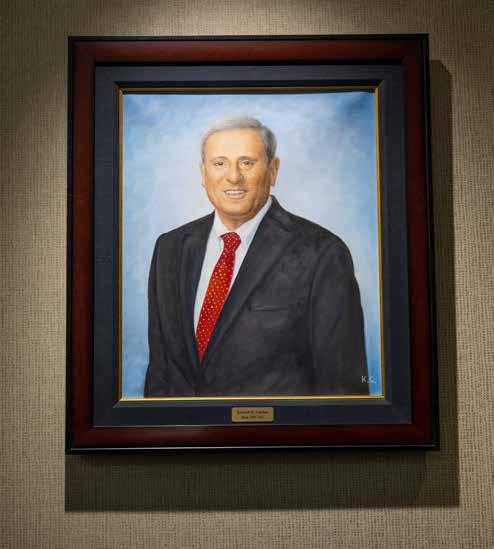
Anew portrait of Dean Emeritus Kenneth Lutchen has been unveiled and taken its place alongside paintings of Lutchen’s predecessors on the walls of the ENG dean’s office suite. A biomedical engineer, Lutchen served as the college’s dean from 2006 to 2023, overseeing a period of remarkable growth. Following his role as a senior advisor to BU President Melissa Gilliam, in fall 2025 Lutchen was named BU’s vice president and associate provost for research.
“Ken brings a wealth of leadership experience and a deep commitment to advancing Boston University’s research mission,” said Gloria Waters, University provost and chief academic officer, in a letter to the BU community. “At a time when the national and global research funding landscape is increasingly competitive and complex, Ken’s vision, experience, and commitment to innovation will help ensure that Boston University continues to expand its impact through discovery, scholarship, and collaboration.”
“We wouldn’t have been able to spin off without the BU Office of Technology Development,” Eriksen said.
Villalón is CTO and cofounder of Phoenix Tailings, whose mission is to become the world’s first clean mining and metals production company. Villalón is leading the development of innovative technologies for extracting value from mining byproduct, or “tailings,” in an economically sustainable and environmentally friendly way. Praising his former ENG advisor and mentor, Villalón said, “Professor Uday Pal [ME, MSE] is an industrialist who happens to be an academic, and that preparation was exactly what I needed.”
Catalyst Summit also featured poster presentations by BU ENG student clubs, such as BU Gliding & Soaring, Terrier Motorsport, and the BU Rocket Propulsion Group, as well as the BU chapters of national organizations, including the National Society of Black Engineers, Graduate Women in Science and Engineering, and Engineers Without Borders.
One of the college’s strategic goals, Morgan said, is to strengthen community and inclusion. “The world needs more engineers—we can’t afford to exclude or lose talent, nor can we accept conditions that keep our talent from flourishing.”
— PATRICK L. KENNEDY
MICHAEL
ENG Dean Emeritus Kenneth Lutchen
Accelerating Progress with Self-Driving Labs
TENTH ANNUAL MATERIALS DAY FOCUSES ON AUTOMATION IN MATERIALS DISCOVERY
Nearly 130 researchers gathered high on the 17th floor of Boston University’s Duan Family Center for Computing & Data Sciences to share the successes and challenges of leveraging automation for materials discovery. The occasion was Materials Day 2025, From Automation to Collaboration: The Future of Self-Driving Labs. Sponsored by ENG’s Materials Science & Engineering (MSE) division along with BU’s Rafik B. Hariri Institute for Computing and Computational Science & Engineering, the daylong workshop featured nine faculty speakers from industry and institutions around the Boston area and beyond, as well as lightning talks by graduate students.
A self-driving lab (SDL) is one in which robotic devices perform a large number of experiments consistently, aided by machine learning, toward a goal chosen by human scientists. A prime example is the lab of Keith Brown (ME, MSE, physics), who organized and emceed Materials Day with the help of administrators Elizabeth Flagg and Lea Sabra of MSE and Maureen Stanton of the Hariri Institute.
Brown’s KABLab used a system Brown calls the Bayesian experimental autonomous researcher (BEAR), combining additive manufacturing, robotics, and machine learning to do thousands of experiments until the team discovered the most efficient material ever for absorbing energy—ideal for applications such as crash helmets or packaging. The lab has since developed the BEAR DEN, a collection of automated systems that enables them to make fundamental advances in polymers.
Noting that Thomas Edison and his Menlo Park team tested 6,000 materials before arriving at the filament that worked for the electric light bulb, Brown said, “The term ‘Edisonian’ has in some ways come to mean a brute-force approach that doesn’t leave room for thought. And we should be thoughtful. But we also need to do a lot of experiments. Automation helps us in this process.”
In addition to the relatively simple robots physically carrying out experiments, advances in machine learning mean that software can actually choose the experiments, guided by researchers. “The idea that you can take computers and use them to solve complicated physical problems is a core part of the vision of self-driving labs,” said Brown. “Let’s compute what we can to try to do better and smarter experiments.”
For a scientist—and indeed for the research community and society generally—the most important benefit of an automated lab is its ability to faithfully replicate an experiment over and over again, said Professor Douglas Densmore (ECE, BME, MSE).
“You see robots, you see software— it’s all in the service of reproducibility,” Densmore said. “Higher throughput is great, lower cost is great, but it’s really reproducibility. It’s that if we were able to
get this result, you could get the same result using a similarly configured lab. That’s my metric.”
Densmore runs the Design, Automation, Manufacturing and Processes (DAMP) Lab, a heavily automated lab that processed up to 6,000 COVID-19 tests a day during the pandemic. Now, it’s a resource for synthetic biology researchers seeking to create genetic materials.
Assistant Professor JÖrg Werner (ME, MSE) spoke about how his research is well suited to SDLs. Werner studies polymer materials, which have applications in packaging, coatings, advanced electronics, batteries, and drug delivery.
“Polymers’ properties depend on how you process the material,” Werner said. “There are lots of parameters that matter. So it’s a perfect case for automation.”
For example, Werner, along with collaborators such as doctoral student Zhaoyi Zheng (who delivered one of the day’s lightning talks), used Brown’s BEAR DEN to speed up the development of the Electrodeposition of Polymer Networks mechanism, a novel method for fabricating polymer thin films on conductive materials of any shape.
“Using electrodeposition to make the films, modular chemistry to modify them, and closed-loop experimentation, we hope we can drive forward polymers materials discovery,” said Werner. — PATRICK L. KENNEDY
Keith Brown (ME, MSE, physics) and collaborator Emily Whiting (computer science).
Shannon Stott Appointed BME Chair
It is my great pleasure to officially announce that Dr. Shannon Stott is the new chair of the Department of Biomedical Engineering
During our nationwide search over the last academic year, Shannon stood out amidst a strong pool of world-class academic leaders and scholars. She is internationally known as a leading researcher in using microfluidics to detect rare biomarkers, especially for cancer. Her expansive research program runs the gamut from fundamental science to translational biomedical engineering, and covers not only microfluidics but also biomaterials development and high-resolution imaging of tumors and developing tissues. Shannon has more than 70 publications, and her research has already garnered more than 29,000 citations and 25 issued patents. She has deep experience with a diversity of funding sources, including NIH, NSF,
Bringing It Back Home
“Technology leadership means not only partnering across the globe but also having the strength to design and build right here.”
In a Q&A with The Brink (bu.edu/ brink), Professor Ayse Coskun (ECE, SE), associate dean for research and faculty development and director of the BU Center for Information & Systems Engineering, said that BU is well positioned to bring semiconductor production back
and DOD, as well as awards from private foundations and industry agreements.
Shannon is an exceptional leader with qualities ideally suited for BU BME. Her visionary research at the nexus of engineering, biology, and medicine, her collaborative leadership style in research and administration, and her deep commitment to both student education and the career success of her faculty and staff colleagues will advance excellence in BU BME’s research and teaching missions and propel the department to new levels of eminence nationwide and globally.
Alongside her research program, Shannon brings a wealth of experience in program leadership, education, and mentoring. She is the scientific director of an American Cancer Society post-baccalaureate program and has been an active member of multiple NSF Engineering Resource Centers throughout her career. She has served with distinction for many years in the Bioengineering Division of the American Society of Mechanical Engineers (ASME), including terms as secretary and chair, and now as a member of the ASME-wide TEC Council, a leadership position that works to set direction of this 100,000-member organization. She has won awards for her teaching and mentoring and has been the primary research
to the US and discussed why the bipartisan CHIPS and Science Act is as important as ever.
“Federal funding is essential,” Coskun said.
“While research in the lab and technologies in industry may seem like separate worlds, they are in fact deeply interconnected parts of the same ecosystem. Research pushes the boundaries of what’s possible and drives the next wave of innovation, while industry brings those advances into real-world practice. When one part of this ecosystem is weakened, the rest cannot thrive.”
— PATRICK L. KENNEDY
mentor for more than 20 postdoctoral fellows—many of whom went on to faculty positions—and 40 undergraduate students. Shannon earned her PhD in mechanical engineering from Georgia Institute of Technology and as a postdoctoral fellow, worked jointly with the Center for Engineering in Medicine, the Department of Surgery, and the Center for Cancer Research at Massachusetts General Hospital (MGH). She has been a faculty member in the Krantz Family Center for Cancer Research and Department of Medicine at MGH and holds additional appointments in the MGH Center for Engineering in Medicine and Surgery, the Department of Medicine at Harvard Medical School, and the Broad Institute of MIT and Harvard.
New head of the biomedical engineering department, Shannon Stott.
Ayse Coskun (ECE, SE)
From Better Batteries to Improved Cartilage Repair, BU Ignition Award Winners Aim for Real-World Impact
ANNUAL HONORS SUPPORT INNOVATIVE BOSTON UNIVERSITY RESEARCH
PROJECTS PREPARING TO LEAP FROM LAB TO COMMERCIALIZATION
Six ENG-based teams earned BU Ignition Awards this year. Given by BU Technology Development, the awards honor innovative projects that are ready to make the move toward commercialization, from the research phase to consumer use.
TARGETED MRNA THERAPIES
Associate Professor John T. Ngo (BME) and postdoctoral researcher Alexander Marzilli (ENG’24,’24) have engineered enzymes that make sure mRNA medicines only act in the cells they’re intended for, not any cell they land in. When used in a medicine, the team’s engineered enzymes would “remain quiet until they detect a unique molecular ‘signature,’ such as a marker found only in tumor cells,” says Ngo.
ENGINEERED CARTILAGE AND LONG-TERM TISSUE REPAIR
Assistant Professor Michael Albro (ME, MSE) and William Fairfield Warren Distinguished Professor Mark Grinstaff (BME, MSE) and colleagues are working on a drug delivery system to help long-term tissue repair. Their technology acts like a scaffold for promoting cartilage repair. “With surgical treatments only offering temporary relief and no current drug treatment options,” according to BU Technology Development, “this therapeutic approach has the potential to promote cartilage regeneration in the treatment of cartilage injuries and prevention of osteoarthritis.”
MORE EFFICIENT, HIGHER-QUALITY TISSUE IMAGING
Histopathology, examining tissue samples for disease, involves complex steps— including embedding the samples with paraffin for preservation and slicing, then removing the paraffin for testing. Distinguished Professor Selim Ünlü’s (ECE) team has developed a way to fast-
forward the histopathology process and potentially improve results. His group has developed a system that allows for high-contrast imaging of tissue sections without deparaffinization.
“For a daring idea to replace a wellestablished standard, it is great to have BU Ignition support to get convincing data.” says Ünlü.
A NEW WAY TO VIEW TINY PARTICLES
Professor Ji-Xin Cheng (ECE, BME, MSE) and postdoctoral fellow Qing Xia (BME) have developed a new microscopy technology that can identify the chemical fingerprints of bionanoparticles. The technology could give an unprecedented view of the chemical makeup of nanoparticles used in antivirals and other drugs, as well as improve screening of cancer, Alzheimer’s, and other diseases.
The team’s infrared technology measures the light scattering from a particle, as well as heating it up so it expands: “You can tune the infrared light so that you can get the fingerprint spectroscopy, a fingerprint of this particle,” says Cheng, “and from there, we can know the major chemicals in the particle.”
ENERGY-EFFICIENT DATA CENTERS
Professor Ayse Coskun (ECE, SE), associate dean for research and faculty development and director of the BU Center for Information & Systems Engineering,
has developed optimization and software methods that allow data centers to flexibly manage power consumption without denting performance (See p. 29.)
FAST-CHARGING, HIGH-ENERGY
BATTERIES
Assistant Professor Jörg Werner (ME, MSE) brings us a fundamental structural redesign of battery cell architecture using advanced microscale fabrication methods.
“Our technology addresses the long-lasting energy-power conundrum of traditional batteries,” says Werner. “Specifically, by substantially reducing the internal resistance of the battery, if successful, our technology will mitigate the slow charging times for high-energy batteries in electric vehicles, for example, or the short lifetime of high-power batteries in power tools and advanced electronics.”
— ANDREW THURSTON
Levine Professorship for New ECE Faculty
Assistant Professor Wei-Lun (Harry) Chao, who joined the ECE department in January 2025, has been awarded the Peter J. Levine Career Development Professorship, endowed by Peter J. Levine (ENG’83). Chao researches healthcare AI, autonomous driving, machine learning, and computer vision. “His work addresses fundamental challenges at the intersection of machine learning and real-world applications, especially where data is sparse, noisy, or otherwise imperfect,” writes W. Clem Karl, ECE department chair. RICH BARLOW
Distinguished Professor Selim ÜnlÜ (ECE)
Liangliang Hao Wins ALA Innovation Award for Early Detection Test
Assistant Professor Liangliang Hao (BME) received the American Lung Association’s (ALA) Innovation Award for her work developing an innovative early detection test for idiopathic pulmonary fibrosis (IPF), a serious and relatively understudied lung disease.
The award supports highly promising investigators with stellar track records of accomplishment who have the potential to advance the science of lung disease.
“We have worked hard to build a research platform that develops new precision tools for understanding disease
Rising Star Award Goes to Michelle Teplensky
Assistant Professor Michelle Teplensky (BME, MSE) has received the Biomedical Engineering Society’s 2026 Cellular and Molecular Bioengineering (CMBE) Rising Star Award, which recognizes investigators in labs less than six years old who develop healthcare solutions through engineering. Teplensky was honored for her work using nanomaterials that enhanced the potency and personalization of vaccines. Teplensky and doctoral student Ezra Cho recently published their work in the Proceedings of the National Academy of Sciences
biology,” says Hao. “Our goal is to use this knowledge to address critical challenges in human health, such as detecting chronic diseases early and enabling timely interventions.”
While much of Hao’s work has focused on cancer, these technologies are broadly applicable to IPF—which is life-threatening—and other diseases.
Point-of-care diagnostics saved millions of lives during the COVID-19 pandemic, but have yet to be applied to chronic lung diseases. For IPF, a promising diagnostic approach is identifying biomarkers, indicators that can detect and differentiate diseases with similar symptoms at an early stage.
However, biomarkers are limited by difficulties in determining the early signals that accurately reflect molecular changes in the lung. Using engineered biosensors to assess these early signals in the lung offers a solution. This test can be conducted noninvasively, requiring only a urine sample, and conveniently, on a paper-based system similar to a home COVID-19 test.
Through the design of the nanomaterials, the team controlled components of the vaccine and their resulting release rate inside cells to ultimately change the potency of these immune targets. With tuned release, the vaccines can encourage a person’s immune system to produce a tailored response and potentially generate stronger antibodies against viruses.
Using nanomaterials to control the structured presentation of vaccines to cells could make existing vaccines more effective and more specific across different demographics such as age, sex, and any immune strength considerations (such as in those who are immunocompromised).
“We can manipulate nanomaterials a lot easier and quicker than manipulating biological therapeutics themselves but ultimately have the same effect on changing the potency of the immune response,” says Teplensky.
Teplensky notes that the team’s work both highlights the convergent approach in research and demonstrates how
“We are excited to expand our research into new areas, and this American Lung Association Innovation Award provides us with the opportunity to do just that,” says Hao. “By making our research and educational efforts accessible to a wider community, we work to expand the reach and impact of scientific discoveries outside the University.”
Beyond developing new technologies, Hao’s laboratory is deeply committed to education and sharing knowledge through workshops, outreach, and collaboration.
“Receiving this recognition is especially meaningful to us during these uncertain times, and it gives our team encouragement to keep exploring and innovating,” Hao says. “As an early-career faculty member, I am deeply grateful for the support that helps us pursue impactful research and make a difference for patients.” — LYN MARKEY
nanochemistry can modulate biological responses.
“I’ve actually been able to have wonderful conversations with colleagues in mechanical engineering who are using the same types of nanomaterials for completely different purposes. It really highlights the power of nanotechnology and its ability to bring together distinct areas of engineering at BU,” she says.
The CMBE Rising Star Award also considers a lab’s contribution to diversity, equity, and inclusion, a distinct culture within Teplensky’s scientific environment.
— CHLOE DE LEON
Liangliang Hao (BME)
Michelle Teplensky (BME, MSE)
NASA Space Weather Mission Blasts Off, Carrying Device
Created by
BU Students
THE OBSERVATORY IS ON A MISSION TO UNDERSTAND EARTH’S MOST DISTANT LAYER OF ATMOSPHERE
Over 6,000 miles into space, Earth’s outermost atmosphere—called the exosphere—emits a glow like a bright neon halo, a luminescent ultraviolet light known as the geocorona. Though the exosphere and the geocorona are extremely difficult to photograph and study, a team of scientists is on a mission to change that.
In September, a NASA satellite called the Carruthers Geocorona Observatory was launched into space to take pictures of Earth’s most distant layer of atmosphere and continuously watch how the geocorona changes in response to the sun’s activity. It’s the first mission of its kind— and it has a heavy BU influence.
The mission is led by BU alum Lara Waldrop (CAS’97, GRS’04), now an associate professor at the University of Illinois Urbana-Champaign, and John Clarke, a BU College of Arts & Sciences professor emeritus in astronomy. The satellite also has BU student–created tech onboard.
“The exosphere is where Earth’s atmosphere interacts with the space environment, but we don’t know much about it because it’s so extended. We’re interested in discovering how these interactions take place,” says Clarke. The mission’s deputy principal investigator, Clarke began conceptualizing the project in 2018 with a team of scientists and Waldrop, who was previously one of his students at BU. Using the technology of Carruthers, Clarke says
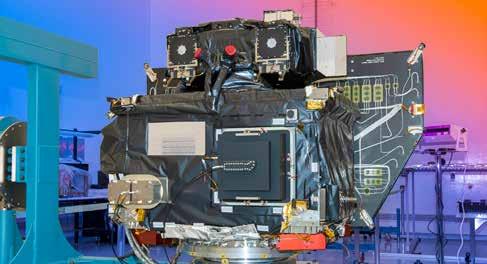
The front of the fully assembled Carruthers Geocorona Observatory with COSSMo—the silver rectangle at the top. COSSMo will provide complementary data for the primary telescope, facing toward the sun while the main optics face Earth.
the researchers will better understand the basic physical principles that have allowed Earth to maintain a stable atmosphere— unlike those of Mars and Venus, which have been lost in a process called atmospheric escape.
The Carruthers telescope will be suspended in space far past the edge of Earth’s exosphere, orbiting a point called the Sun-Earth L1 Lagrange point, which is where the gravitational pull of the sun and the Earth reach equilibrium, keeping the telescope in motion indefinitely. From that point, about a million miles from Earth, the observatory—built at the University of California, Berkeley’s Space Sciences Laboratory—will take pictures of Earth’s exosphere using two far ultraviolet cameras designed to illuminate details like its shape, size, and density.
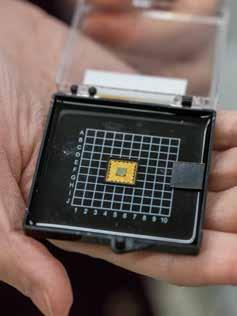
Perched directly above the primary telescope’s optics is another pair of lenses—a BU-created device called COSSMo, short for the Carruthers Observatory Student Solar Monitor. The device, which uses an array of photodetectors that measure the flow of photons from the sun, was created by a team of BU students in the University’s Space Physics & Technology Lab. The detectors filter incoming light to capture ultraviolet and soft X-ray measurements. Both wavelengths are crucial in forming the outer atmosphere, but impossible to observe from Earth’s surface, since they don’t pass through the lower atmosphere.
“The exosphere is always changing, and there’s a lot of drivers that influence it, one of which is solar input,” says Van Galaxy Naldoza (ENG’20,’25,’26), a PhD candidate in mechanical engineering who
led the COSSMo project. (Naldoza says “Galaxy” has always been part of his name and further fostered his inherent interest in space.)
COSSMo points in the opposite direction of the main cameras—facing the sun rather than Earth—and will measure the incoming photons that directly influence the exosphere’s dynamic nature. The BU COSSMo team, which collaborated with researchers at the University of Illinois Urbana-Champaign, included Adam Bahlous-Boldi (ENG’23), Cadin Connor (CAS’20, ENG’22,’29), Emil Atz (ENG’23,’23), research scientist Ramiz A. Qudsi, and Brian Walsh, a BU College of Engineering associate professor of mechanical engineering and director of the Space Physics & Technology Lab.
According to NASA, the exosphere plays a role in influencing geomagnetic storms, which can disrupt satellite communications and power grids and pose risks to astronauts. The Carruthers mission aims to gain insight as to how these storms develop in order to better predict and prepare for them, and will also help scientists understand how planetary atmospheres change over time.
Carruthers is equipped to take images every 30 minutes for years to come.
According to Clarke, there is enough fuel to power the spacecraft for the next 10 to 15 years.
“Scientifically, COSSMo and the entire Carruthers Geocorona Observatory will be groundbreaking,” Walsh says. “Much of the community is sitting at the edge of their seats to see the first images, showing how our outer atmosphere evolves with time.” —
JESSICA COLAROSSI
Christopher Chen Elected to National Academy of Medicine
PRESTIGIOUS HONOR FOR PIONEERING RESEARCHER IN ENGINEERING HEART AND LIVER TISSUE
Professor Christopher Chen (BME, MSE) has been elected to the National Academy of Medicine. The nonprofit institution, founded to provide objective advice to the US government, says membership “signifies the pinnacle of professional achievement and commitment to volunteer service.”
Founding director of BU’s Biological Design Center, which studies cells and biological systems with the goal of better controlling them to benefit human health and the environment, Chen also founded three successful biomedical businesses. His research could lead to lifesaving new regenerative medicines to treat disease.
He was also recently named a National Academy of Inventors Fellow.
According to the National Academy of Medicine, Chen was elected for “pioneering contributions and leadership in cell and tissue engineering, particularly in the micro-nano-bio engineering of cell and tissue assembly, structure, mechanics, and function. By offering technical innovations motivated by biomedical questions, he has uncovered new dimensions by which cells sense and respond to local cues in their microenvironment.”
Chen and his team developed a new way of studying the heart by building a miniature replica of a heart chamber from a combination of nanoengineered parts and human heart tissue grown from stem cells. It beats by itself, driven by the live heart tissue.
This device could give researchers a more accurate view of how the heart works, allowing them to track how the organ grows in the embryo, study the impact of disease, and test the potential effectiveness and side effects of new treatments—all at zero risk to patients and without leaving a lab.
Another line of research—the development of tissue implants that can help treat or replace diseased organs—led to Chen cofounding the biotechnology company Satellite Bio. The company, which secured more than $100 million in venture funding, aims to create tissue “patches” to support failing organs. Satellite Bio imagines a future in which liver failure will mean little more than a surgery to patch the diseased liver.
“I am humbled and honored to be joining the academy,” says Chen, Boston University’s William Fairfield Warren Distinguished Professor of Biomedical Engineering in the College of Engineering. “This distinction would not have been possible without the support and
contributions from my loving family, generous mentors and colleagues, and inspiring trainees. I look forward to working with esteemed colleagues to continue to advance the future of healthcare to serve all of humanity at this most critical period in the history of medicine.”
The academy lists 10 other current inductees from Boston University and Boston Medical Center, the University’s primary teaching hospital. BU President Melissa Gilliam was elected in 2015.
“Being elected to the National Academy of Medicine is a testament to Christopher Chen’s visionary research and his unwavering commitment to creating technologies that serve humanity,” says Elise Morgan, ENG dean and the Maysarah K. Sukkar Professor of Engineering Design and Innovation. “His work embodies the very spirit of convergence—combining engineering with medicine to solve some of the most complex challenges facing society today.”
— ANDREW THURSTON, MOLLY GLASS
One focus of Chen’s research is organs-on-a-chip, small devices that mimic the behavior of the human body to allow scientists to study disease—and hunt for treatments and cures.
JACKIE
Two BU-Created Inventions Named
“World Changing Ideas”
FAST COMPANY LIST RECOGNIZES PROJECTS “DRIVING MEANINGFUL CHANGE”
Two inventions at the cutting edge of technology and health, both created at Boston University, have been named to Fast Company’s 2025 World Changing Ideas Awards list. The innovations—biosensors that can better monitor fertility and a low-cost technology to speed MRI scans—were part of the magazine’s annual celebration of “projects around the world that are pursuing innovation for good.”
BioSens8, a BU-founded start-up developing wearable technology to monitor hormone levels in real time, and the University’s Laboratory for Microsystems Technology (LMST)—which creates devices that boost the effectiveness of MRI scanners without needing more electrical power—were honorees in the academic excellence category.
Founded by Professor James Galagan (BME, ECE); his student Uroš Kuzmanović (ENG’23,’23), now the company’s CEO; and Professor Douglas Densmore (ECE, BME, MSE), BioSens8 is a platform
that measures hormone levels in real time, similar to a glucose monitoring patch. The biosensors could be used to continuously monitor hormone fluctuations, like estrogen and progesterone levels, at different phases of fertility to show the ideal timing of administering treatment for in vitro fertilization (IVF). Eventually, this could eliminate the need for time-consuming blood tests at a doctor’s office and simplify the process for those trying to conceive.
“This work spawned out of my lab when we realized how difficult it is to measure and monitor our own biology,” says Galagan. “We were inspired by the glucose sensor as a big commercial success, which functions using an underlying biological component—it senses glucose oxidase, a microbial protein that digests glucose and produces a flow of electrons. There was an aha! moment when we decided to use genetic tools to identify other microbial proteins to use as sensors.”
Led by Distinguished Professor of Engineering Xin Zhang (ME, ECE, BME, MSE), LMST creates material structures, called metamaterials, that improve one of modern medicine’s most powerful, but costly, machines—magnetic resonance imaging (MRI) scanners—by using inexpensive parts, like widely available electrical cables and wires. When a metamaterial is placed on a body part before a scan, it can speed up the imaging process and boost image clarity, giving the technology the power to make MRI more accessible to patients around the world.
“It’s deeply meaningful for my lab,” Zhang says of the recognition from Fast Company. “The aim has always been to develop innovation-infused technologies that solve real-world problems—particularly in healthcare, where the stakes are personal and urgent. This honor reflects the dedication of my students, postdocs, and collaborators, past and present, who have believed in the possibility of making
meaningful change. The work we do is grounded in impact: it must be practical, scalable, and accessible. There’s still much to do, but acknowledgments like this give us renewed purpose to keep moving forward— patiently, persistently, and together.”
AND A “BEST INVENTION OF 2025”
Moreover, TIME magazine named Zhang’s wireless MRI coils to its list of the Best Inventions of 2025, the second consecutive year that technology developed by ENG faculty has been honored. Irving Bigio’s rapid skin cancer detection device made the TIME list in 2024.
The wireless MRI coils attach to the body, weigh less than a AA battery, and cost only $50. The technology is making MRIs more efficient and accessible, and one day may allow “first responders using portable MRI to assess injuries on the spot, a scenario unthinkable just a decade ago,” says Zhang. — JESSICA COLAROSSI
James Galagan (BME, ECE)
Xin Zhang (ME, ECE, BME, MSE)
Leading the Charge
A ROUND-UP OF NATIONAL HONORS FOR OUTSTANDING ECE FACULTY
DAVID BISHOP WINS BUCKLEY PRIZE
Professor David Bishop (ECE, Physics, MSE, ME, BME) was awarded the 2026 Oliver E. Buckley Condensed Matter Physics Prize for groundbreaking experiments that uncovered the role of vortices in the superfluid phase transition in helium films and observed anyonic braiding statistics of quasiparticles in the fractional quantum Hall effect, thus establishing the significance of topological excitations in two dimensions.
The Buckley Prize recognizes outstanding theoretical or experimental contributions to condensed matter physics. Bishop shares the honor with John D. Reppy, Gwendal Fève, and Michael James Manfra (GRS’95,’99).
In addition to serving as the head of the MSE division, Bishop has appointments in ECE and BME, as well as physics in CAS. He is a Photonics Center faculty member and the engineering director of the CELL-MET Engineering Research Center. Bishop is also a fellow in the National Academy of Inventors and the National Academy of Engineering.
KONRAD ELECTED A EURASIP FELLOW
Professor Janusz Konrad was elected to the rank of fellow of the European Association for Signal Processing (EURASIP) for his “contributions to visual motion analysis and video processing.” The honor recognizes Konrad’s substantial achievements during 30 years of diligent research, backed by a funding portfolio that includes the NSF, DOE, NIH, DOD, and Natural Sciences and Engineering Research Council (NSERC) of Canada.
Konrad led the Computational Occupancy Sensing System (COSSY) study, funded by the Department of Energy, with the goal of fine-tuning the automation of building HVAC systems to sense the number of occupants in a space; the idea is to meet, not exceed, demand. Konrad’s expertise in video processing and computer vision proved key to the effort. His other research interests include visual sensor networks, stereoscopic and 3-D imaging, and multidimensional signal processing.
TWO ECE FACULTY MEMBERS EARN NSF CAREER AWARDS
Kayhan Batmanghelich and Eshed Ohn-Bar, both assistant professors of electrical and computer engineering, earned Faculty Early Career Development Program (CAREER) awards from the National Science Foundation (NSF) to propel their research.
Batmanghelich says he is working on ways to transform black-box AI systems into “human-understandable forms, such as logical rules or simple programs.” A second goal is to use AI to audit AI, generating user-friendly translations of other systems. His goal is more trustworthy AI systems in medicine, with a focus on diagnosis systems for breast cancer and chronic lung disease.
Ohn-Bar is designing AI systems that better incorporate the needs and experiences of their users, beginning with those who have impaired vision. OhnBar and his team will build a dataset that features the AI interactions and preferences of real users, then create an AI program that learns directly from their feedback. He says, “I envision this work enabling people with disabilities to live more independently and confidently.” — JOHN BAKUM, A.J. KLEBER, ANDREW THURSTON
CLOCKWISE FROM BOTTOM
LEFT:
CYDNEY SCOTT, JACKIE RICCIARDI, DANA J. QUIGLEY
PHOTOGRAPHY, DAVE GREEN
Janusz Konrad (ECE)
David Bishop (ECE, Physics, MSE, ME, BME)
Kayhan Batmanghelich (ECE)
Eshed Ohn-Bar (ECE)
Another Year of Gold for BU iGEM
For the second consecutive year, a BU team earned a gold medal at the International Genetically Engineered Machine (iGEM) Grand Jamboree—a kind of Olympics for synthetic biology—in Paris. BU’s STEM Pathways outreach program sponsors a team each year
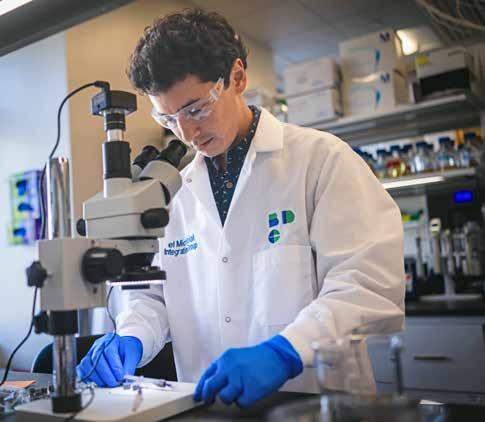
This year’s undergraduate team members were Terry Chen, Raven Coffer, and Joshua Kome, all BME seniors; Aryana Mahimtura, a BME sophomore; and Maria Ludovica Pujia, an ME senior. They worked out of el Microbial Integration Group under the direction of Assistant Professor Miguel Jimenez (BME, MSE) and STEM Pathways executive director Hailey Lenn Gordon, and were mentored by graduate student Juan Jose Robayo Yepes, research fellow Yazmin
Bridging the Opportunity Gap
Housed in the BU Photonics Center, a National Science Foundation (NSF) Engineering Research Center in Cellular Metamaterials called CELL-MET seeks to make breakthroughs in cardiovascular care, particularly in the areas of cardiac tissue engineering and regenerative medicine. CELL-MET is also helping to facilitate breakthroughs in the earliest career stages of young engineers who might not have as many research opportunities as their peers. The center hosts Research Engineering and Mentoring-Includes (REM-Includes), designed to give first-generation and low-income college students their first taste of lab time Through REM-Includes, Brianna Perales (ENG’28) worked on CELL-
Camacho, and senior lab technologist Kristen Sheldon.
Under the name FloraSynse, the team developed FloraDX, an at-home diagnostic tool for monitoring bacterial vaginosis (BV), a condition that affects nearly one in three women. Unlike current diagnostics, which offer only a single snapshot of the vaginal microbiome, the BU team’s approach uses daily sampling and continuous monitoring to better reflect the complex, dynamic nature of this ecosystem. The prototype integrates a biosensor to detect putrescine, a key biomarker of BV, alongside a pH sensor to assess overall vaginal health. By tracking these biomark-
MET efforts to grow cardiac tissue in 2D-environments like petri dishes. Among other uses, growing cardiac tissue lets researchers, for example, conduct studies that could lead to better understanding of how heart attacks happen. Perales optimized a method to help heart cells grow in a more organized way.
“I saw firsthand that experiments often have unexpected outcomes, and a large part of the process is figuring out how to navigate them within the bigger picture,” Perales says. “I feel my adaptability has improved, both inside and outside the lab, and I’m better at engaging with existing research to advance my own work. The experiments I conducted required a high level of precision that helped me strengthen my attention to detail and refine my fine motor skills with lab equipment, ultimately making me more comfortable and confident in the lab.”
— ALENE BOURANOVA
ers over time, the team’s goal is to develop a more accurate, data-driven, and personalized model of vaginal health. The 2025 iGEM team worked from late May through mid-October to refine, build, and test the biology, software, and hardware aspects of the project.
The FloraSynse team won the undergraduate 2025 North America Mini Jamboree before heading to the four-day Grand Jamboree at the Paris Expo Center, where judges awarded FloraSynse a gold medal on the basis of scientific merit, innovation, feasibility, and potential societal impact.
— HAILEY LENN GORDON
From left: Joshua Kome, Raven Coffer, Maria Ludovica Pujia, Aryana Mahimtura, and Terry Chen
REM-Includes participant Brianna Perales (ENG’28) works on a project in the lab of BU biomedical engineer Christopher Chen.
ENG
LATE
ENGINEERING LEAPINTO
“Good...good...that looks fine. That looks pretty good. Have you soldered before?”
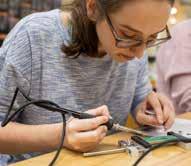
pair of magnifying lenses perched atop his head, Eric Hazen circulates throughout a large workshop where students are using tweezers and hot soldering irons to attach conductors, resistors, and capacitors to printed circuit boards. When one student expresses frustration, Hazen, a senior research engineer in the department of biomedical engineering, says, “It’s not so bad—I’ve seen worse. You need to tap it as fast as possible after the solder’s melted, because it only stays melted for about 200 milliseconds.”
Some students chatter while they work, while others are silent as they scrutinize the tiny tools and materials in their fingers. The small-scale welding task might look tedious, but one student says it’s kind of fun.
“I worked with fruit flies in undergrad,” says Eli Nogueira-Miller (ENG’27). “They’re so much smaller than this.”
The workshop is in Boston University’s Engineering Product Innovation Center (EPIC). Hazen, an EPIC electronics advisor, and his student and staff assistants are offering guidance and encouragement to 26 students in the ENG Late Entry Accelerated Program (LEAP), which allows students with nonengineering backgrounds to earn master’s degrees in engineering. Instead of requiring students to earn a second bachelor’s degree, LEAP
BY PATRICK L. KENNEDY
provides a customized, streamlined set of undergrad coursework that prepares them to advance into any of ENG’s nine master’s programs.
“LEAP students often come in saying that they aren’t really an engineer, but I would add ‘yet’ to that sentence,” says Mary Bertrand (MET’23), director of the BU ENG Career Development Office. “And once they graduate, they aren’t just an engineer; they’re an engineer plus what they did before,” whether that be working at law or accounting firms, selling solar panels, starting nonprofits, or making kombucha. “Those lived experiences add value to their engineering master’s degrees and allow them to impact the world differently than traditional engineers, and the world needs both.”
During their first year, LEAP students can take a free twoweek intersession program called LEAP LIFE, an acronym combining LEAP and the phrase “Leap Into the Future of Engineering.” Students literally get their hands dirty (or, for example, get their fingers sticky with the rosin flux used in soldering circuit boards), gaining technical skills they’ll need to land internships and, ultimately, careers in engineering.
For the first week of LEAP LIFE, all students take common sessions in EPIC, covering fundamental skills and tools such as coding, product management software, and electronics design and assembly. In the second week, the students split into two groups. One group heads to the Bioengineering Technology & Entrepreneurship Center (BTEC), where they learn to use
ENTRY ACCELERATED PROGRAM INCLUDES A FREE, TWO-WEEK EXPERIENTIAL LEARNING PROGRAM THAT PUTS ENGINEERING TOOLS IN THE HANDS OF MASTER’S STUDENTS NEW TO THE FIELD
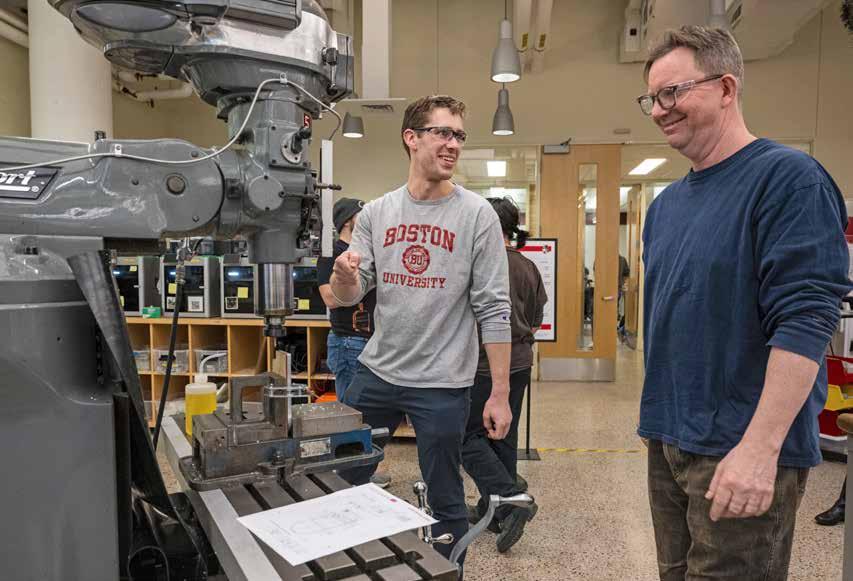
senior laboratory manager Tasker Smith shows LEAP students how to use a manual milling machine, one of many industrystandard manufacturing tools available in EPIC during the LEAP LIFE program.
instruments found in labs across the biotechnology and medical technology sectors.
The students at BTEC study mammalian cell cultures using centrifuges, inverted light microscopes, and more. They label cellular structures with dyes and capture images of them with fluorescent microscopes, and they’re introduced to the Bio X 3D Bioprinter. Within a few months, students might be using the same kind of equipment in industry internships, helping to develop diagnostics and therapeutics for life-threatening diseases.
“I was very impressed with the students,” says Xin Brown (CAMED’02), ENG senior lecturer in biomedical engineering and biotech instructor for this year’s LEAP LIFE cohort. “They all have a solid academic background and research or work experience, and they showed good work ethic and teamwork spirit.”
Brown also brought students to the Biointerface Technology Facility, where they learned to operate a Rheometer, assessing the ink they had just used in the bioprinter. “The students performed very well,” says Brown. “They were engaged, diligent, curious, and asked many good questions.”
The other LEAP LIFE group stays in EPIC, where they learn milling, turning, and sheet metal fabrication. Students acclimate themselves to the hum and whine of a Computer Numerical Control (CNC) lathe, the wispy smoke and quick sparks from the laser cutter.
Gavin Prescott’s impression of EPIC had been of “loud, dangerous machines, and goggles,” he says. During Prescott’s first semester of LEAP, a professor had suggested he go into EPIC to use a laser cutter for an extra credit assignment. “I thought, ‘Laser cutter? That sounds scary! I guess no extra credit for me,’” says Prescott (ENG’27), who was an anthropology major as an undergrad and then worked on archeological digs. But during the
second week of LEAP LIFE, he says, “It only took them an hour to teach us the laser cutter, and I realized, ‘This thing’s easy! I could have done that extra credit project in 15 minutes!’”
The students designed and built their own bagatelles, small pinball games, in which every component was made using a different machine available at EPIC. “This project elicits a wonderful blend of creative imagination and technical execution,” says EPIC Senior Laboratory Manager Tasker Smith. “And it serves as a fun introduction to our team and all of the technology EPIC has to offer.”
“It demystifies it,” agrees Nicolás Bonnet. “It was a great way to get that intimidation factor out of the way. Now it’ll feel a lot easier to just go into EPIC and ask for help and get practice on those machines in more depth. Everyone there is super friendly and open to helping you learn new techniques.”
The second week of LEAP LIFE also featured a lively social event where current and incoming LEAP students mingled with LEAP alumni, including Rebekah Tsang (ENG’21), who designs high-end toaster ovens and air fryers at SharkNinja.
“I loved the cohort aspect of LEAP,” Tsang says. “There’s a good community. I felt supported. I found I loved engineers— we’re curious people, and we feed off each other’s curiosity. We’re problem solvers, always wanting to do things better, to reinvent, to improve. It’s not being satisfied with things the way they are.”
“I want to do something that affects the world positively,” says Prescott, the former archeologist. “One reason I came here was all the resources, like RASTIC [Robotics & Autonomous Systems Teaching and Innovation Center], EPIC. I don’t just want to learn concepts; I want to work on stuff. There were lots of things I was told I couldn’t do as an undergrad. But I come here, and I ask, ‘Hey, what can I do?’ and the answer is, ‘What can’t you do?’”
In the LEAP LIFE program, students designed and assembled their own small pinball games, with components fabricated on different EPIC machines.
WITH NEW TECHNOLOGY AND INNOVATIVE TREATMENTS, BU CANCER RESEARCH IS SAVING LIVES
A SPECIAL REPORT FROM BU’S THE BRINK BY ANDREW THURSTON
A BREAKTHROUGH MAKING ITS WAY FROM LAB TO CLINIC
One in five Americans will develop skin cancer at some point in their lives. Estimates suggest that more than 8,000 will die of it this year. But if it’s detected early, skin cancer is highly treatable and rarely fatal.
Powered by technology developed at BU by Irving Bigio, PhD (BME, ECE, Physics, Medicine), DermaSensor uses pulses of light to determine whether a spot is an innocent mole—or skin cancer. In its first year in clinics across the country, DermaSensor was used to scan tens of thousands of lesions, and it detected 2,000 skin cancers.
“When I came to BU, I was able to start collaborating with medical people and research centers here, refining the technology,
so it would become clinically more friendly, easy to use with patients,” says Bigio, a professor of biomedical engineering and of electrical and computer engineering. “It is highly gratifying to know that something that came out of my lab is having a positive impact on the welfare of people, and at the earliest possible entry into the healthcare system.”
HOW IDEAS GROW
Ji-Xin Cheng and his team have developed a new type of microscope for more precise diagnosis of prostate cancer. The technology has started being applied to tracking other health issues, while the team’s underlying science has laid the foundation for a new cancer treatment.
THE IDEA THAT IT’S POSSIBLE TO “DESIGN INSTRUMENTS THAT ARE BOTH TECHNICALLY SOPHISTICATED AND INHERENTLY PATIENT-FRIENDLY IS DEEPLY MOTIVATING.”
SHEILA RUSSO, PHD (ME, MSE)
Cheng’s microscope, UltraView, was designed to help spot the amount of a form of cholesterol—cholesterol ester—inside a cancer cell. His team had discovered the molecule could help clinicians make a more accurate prostate cancer diagnosis. “Most prostate cancers are benign, but the aggressive ones—when it becomes hormone insensitive—can kill patients. There are no effective medicines. There’s a need for new markers for diagnosis,” says Cheng, ENG’s Moustakas Chair Professor in Photonics and Optoelectronics. UltraView helps fill that gap and is already available in China, where Cheng says it is being used to diagnose patients and help guide treatment. “It means a lot to me,” he says, “that our discovery can be converted into a product that can save people’s lives.”
USING LIGHT TO TRACK CANCER TREATMENT PROGRESS
Imagine if tracking cancer treatment progress only required a simple beam of light. Biomedical engineer Darren Roblyer (BME, ECE) has been harnessing optical technology—measuring the absorption and scattering of light waves—to create a tool for monitoring how well breast cancer tumors respond to chemotherapy or radiation treatment. Mammography, ultrasound, and MRI are not particularly good at analyzing whether a tumor is reacting to a certain therapy, says Roblyer. His device, currently in testing, can be used to assess if a tumor is likely to shrink.
“The problem is that some breast cancer patients respond to treatment and others don’t, but it can take months for this to become clear to the treating physician,” says Roblyer, a professor and graduate chair of biomedical engineering. “Our optical technique can measure the tumor during treatment at regular intervals to identify whether a patient is responding much earlier during treatment. In the future, this would allow the physician to change the treatment plan for the so-called ‘nonresponders’ so they don’t endure months of ineffective therapies.”
ENGINEERED IMMUNE CELLS THAT ATTACK CANCER—AND REDUCE SIDE EFFECTS
When it comes to boosting immune cells’ disease-fighting powers, the possibilities are endless, according to Wilson Wong, PhD (BME). “Immune cells are very versatile and programmable,” says the professor of biomedical engineering. In his BU lab, Wong and his team study ways to improve some of the most advanced immune cell–based cancer treatments invented in the last 10 years: CAR T-cell therapy, which is used to take on certain types of lymphoma and leukemia.
“CAR T-cell therapies have proven to be very powerful against some blood cancers,” Wong says. “In some cases, they provide durable remission—possibly even a cure—for some patients when all other medications have failed.”
But they come with risks, including potentially debilitating neurotoxicity. Wong has developed an alternative to help mitigate some potential side effects. His team’s VIPER CAR T-cells can be turned on or off—making it possible to stop cells from activating before severe side effects occur. These therapies are costly, so Wong is working on making treatments more accessible by using RNA as an avenue for delivering therapies.
SOFT ROBOTS THAT MAKE CANCER SURGERY SAFER
Surgeries are almost always associated with sharp, rigid tools— but Sheila Russo, PhD (ME, MSE) is reimagining that. She has demonstrated that a concept called soft robotics could provide better, safer surgical technology for highly complicated procedures to remove cancer tumors. Soft robots are made from materials like silicone rather than metals, allowing them to twist and stretch to fit their environment.
“My motivation comes from the recognition that cancer care often requires procedures that are not only highly complex, but also very demanding on both patients and clinicians,” says Russo, an associate professor of mechanical engineering. “Traditional surgical tools, while effective, are often limited in their ability to navigate delicate anatomy with the gentleness that patients deserve.”
She says soft robotics are a fundamentally different approach, since these systems conform to the body’s natural structures, adapt their shape, and interact more safely with tissues. The idea that it’s possible to “design instruments that are both technically sophisticated and inherently patient-friendly is deeply motivating,” she says.
THE LIQUID BIOPSY: A BLOOD TEST THAT SPOTS CANCER
Biopsies are critical to diagnosing and treating cancer, giving clinicians insights into the disease’s type and progression in a way that imaging, like a CT scan, might not. But they’re also invasive, sometimes even requiring surgery. Erica Pratt, PhD (BME, MSE) is working on a faster, less painful alternative: a liquid biopsy—a blood test that could help pinpoint cancers.
In her BU lab, the assistant professor of biomedical engineering is studying protein kinases, enzymes with the potential to be a cancer biomarker. Her team is developing a probe to spot and track tumor cell kinase activity in the blood, with the hope they will then be able to track the cancer, too. The project is converging students and researchers from a range of fields, including biomedical engineering, chemical biology, and cell and molecular biology. By studying how tumor cells rewire key networks in the body, they hope to better understand how they “fuel metastasis and resistance to therapy,” says Pratt. “Using minimally invasive ‘liquid biopsies,’ we can monitor these changes in real time to identify novel and potentially druggable targets. By building the right tools and using liquid biopsy as a road map, we can make real-time personalized treatment decisions instead of one-size-fits-all care.”
CRITICAL MASS
“To ensure that our students go on to make impactful contributions to the workforce, we must provide immersive training in cutting-edge technologies.”
Timothy O’Shea (BME, MSE)
Timothy O’Shea (BME, MSE)
University research is one of America’s greatest engines of progress. The discoveries made on the BU campus and others have produced new medicines, cleaner energy, stronger materials, and digital tools that billions of people depend on every day. Federal agencies like the National Institutes of Health (NIH) and National Science Foundation (NSF) have long been partners in that enterprise. At the same time, research universities maximize the impact by partnering locally, developing collaborations with regional government and industry that nurture an innovation ecosystem. Boston University—Boston’s university, as ENG Dean Elise Morgan likes to say—is already deeply woven into the fabric of the region, and ENG is further developing partnerships with the Commonwealth of Massachusetts, a natural ally that has clearly and consistently demonstrated a deep commitment to science, health, and innovation. Together, ENG and the commonwealth are tackling societal problems, exemplifying how universities can contribute to the regions they call home.
Whether in the life sciences, clean energy, or cloud computing, the researchers in the following pages are collaborating across disciplines and the region to produce the innovations that promise a better future for Massachusetts and the world. Their work is a reminder of why investing in research—and in the students who will carry that research training forward—matters so much.
BUILDING A LIFE SCIENCES WORKFORCE
Himagowri Prasad (ENG’26) came to Boston for the biomaterials. “I chose BU because of the amazing faculty research here in biomaterials,” says Prasad, a senior who has completed internships with the US Navy and NASA. “There are so many applications for biomaterials, not just biomedical. There’s synthetic nylon, leather, bio-based inks.”
Prasad’s goal is to become a research professor with her own biomaterials lab, mentoring future students and continuing to tackle real-world problems. If she does this in Massachusetts, she’ll
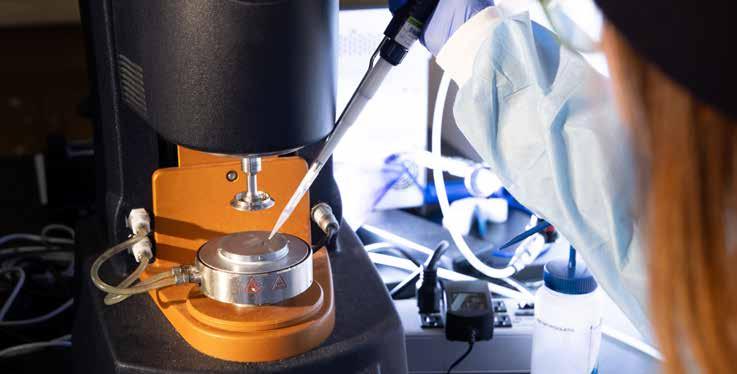
A $750,000 grant from the Massachusetts Life Sciences Center enabled the college to purchase advanced lab equipment such as a TA Instruments DHR-2 rheometer, used to discover the biomechanical properties of cells and tissue.
join a robust biotech sector; by one accounting, biotech in the Bay State boasts 115,000 jobs and contributes more than $42 billion to the economy.
But that doesn’t happen by magic. State leaders have made a point of investing in the sector over the years, through agencies such as the Massachusetts Life Sciences Center (MLSC). Recently, MLSC awarded BU a $750,000 Workforce Development Capital Grant to develop a new internship preparation program designed to connect students like Prasad to future job opportunities.
The resulting program is Biomedical Research to Industry Development, Growth, Engineering, and Scale-up (BRIDGES) to Internships; Professor Joyce Wong (BME, MSE) is its architect and project lead. “It’s all about building the life sciences workforce, which is the mission of MLSC—and it’s our mission, too,” says Wong.
With the MLSC funds, the College of Engineering is outfitting its Bio-Interface and Technology (BIT) Core Facility with an advanced microscope, flow cytometer, plate reader, and other cutting-edge equipment. The hands-on training that students gain with these top-flight tools will fortify what they’re learning in their biomechanics, biomaterials, and nanotechnology coursework. Ultimately, it will give them the up-to-date skills and experience they’ll need to land internships and then, professional roles in fields such as biomedical engineering, drug delivery, and tissue engineering.
To ensure that the program meets student needs, Wong worked closely with Prasad and other officers of the BU student chapter of the Society for Biomaterials (SFB). Prasad is founder and president of the chapter; her own research, conducted with Assistant Professor Timothy O’Shea (BME, MSE) on soft matter for drug delivery to the central nervous system, is a prime example of the work BRIDGES to Internships is designed to amplify. The SFB leaders surveyed their membership—which includes
chemistry, physics, and other majors from the BU College of Arts & Sciences as well as ENG students—to find out what technical skills students most wanted to learn in SFB workshops.
Meanwhile, Wong sought input from industry partners to ensure that the program reflects current demands in life sciences labs. “When we proposed BRIDGES to Internships to MLSC, we had letters of support from industry, saying, ‘Yes, we’d hire this phenotype of this person who has this training,’” says Wong.
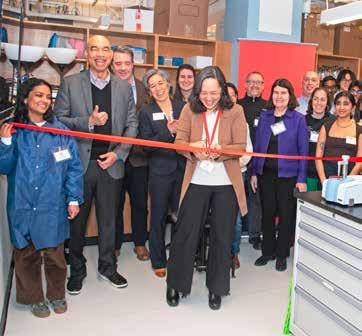
Massachusetts Life Sciences Center (MLSC) President and CEO Kirk Taylor (second from left) visited BU for a BRIDGES to Internships ribbon-cutting event. “The MLSC’s collaboration with Boston University reflects a shared commitment to fostering both talent and innovation here in Massachusetts,” Taylor said.
“The Seahorse allows you to measure, in real time, metabolic changes in cells—so, what types of nutrients they’re processing, how efficient they are. You can use it for any cell type or for small tissue explants.”
Brianne Connizzo (BME, ME)
Wong is also collaborating with other faculty to align BRIDGES to Internships programming with the ENG curriculum and with the ENG Career Development Office. Colleagues in this effort include Senior Lecturer Xin Brown (BME), director of the BIT facility, and Professor of the Practice Diane JosephMcCarthy (BME, MSE), executive director of the Bioengineering Technology & Entrepreneurship Center (BTEC). The program also leverages the Design, Automation, Manufacturing, and Processes (DAMP) Lab for scale-up.
“It’s so important to invest in our students and connect them to industry,” says Wong. “And they’ll go on to solve challenges in medical devices, drug development, cancer, women’s health, and more. So ultimately, society benefits.”
RECTIFYING DISPARITIES IN CARE
The MLSC also recently awarded Wong and BU colleagues a pilot grant for a project driving women’s health innovation, part of a program addressing historic underinvestment in women’s health and the consequent gap in women’s health outcomes.
The project is a fallopian-tube-on-a-chip model aimed at understanding the mechanisms by which sexually transmitted infections (STIs) induce tubal scarring, which can lead to tubal infertility, more common in women of color. Ultimately, the work might result in therapies that would maintain tissue integrity during antibiotic treatment of an STI, preserving tubal function and reducing the need for in vitro fertilization (IVF), which is costly and has a modest success rate.
Wong’s colleagues on this grant are Professor Robin Ingalls (infectious diseases, virology, immunology, and microbiology) and Associate Professor Wendy Kuohung (obstetrics and gynecology, reproductive endocrinology) of the BU Chobanian & Avedisian School of Medicine, along with Associate Professor Michael Smith (BME, MSE).
“Massachusetts has always been at the forefront of social justice since Revolutionary War times,” says Kuohung. “With this project, we’re aiming to rectify disparities in care, but it could also save billions of dollars in healthcare costs.”
The US is still the world leader in biomedical research, says Kuohung. “One way to maintain that leadership is for states to step in to provide research funding. And the biomedical research output per capita in Massachusetts is second to none.”
State investment in women’s health research at BU was recently supplemented by federal funding. In fall 2025, the NIH awarded BU its second Building Interdisciplinary Research Careers in Women’s Health grant, which funds institutions developing early-career faculty conducting interdisciplinary women’s health research. The award reflects both BU’s established strength in this area and the recognition that closing long-standing gaps in women’s health outcomes requires sustained, career-level investment in the researchers who will close them.
Brianne Connizzo (BME, ME)
As it happens, the MLSC grant for BRIDGES to Internships, although focused on life sciences workforce development, intersects with women’s health innovation as well. Among the new equipment is a Seahorse metabolic analyzer, a cuttingedge tool central to a training module that Assistant Professor Brianne Connizzo (BME, ME) is developing to explore sexbased differences in diseases such as cardiovascular and autoimmune disorders. Connizzo is also developing a new ENG course in women’s health engineering, which will provide the background material for the module.
The Seahorse’s use extends well beyond women’s health research; it and the rest of the new equipment are broadly applicable to a range of research areas, says Connizzo. “The Seahorse allows you to measure, in real time, metabolic changes in cells—so, what types of nutrients they’re processing, how efficient they are. You can use it for any cell type or for small tissue explants.”
It’s crucial for a teaching lab like the BIT facility to keep up with the dramatic pace of change in the biotech industry, Connizzo says. “Biomedical engineering is still such a young field, and to be able to expose our students to the latest technologies that start-ups are rolling out every day is pretty world-class.”
HELPING COMMUNITIES TRANSITION TO CLEAN ENERGY
Another vital area for regional collaboration is clean energy. In late 2024, the Massachusetts Department of Energy Resources announced $5.7 million in funds over three years for the Clean Energy and Environment Legacy Transition (CELT), a partnership with BU and UMass Lowell aimed at advancing an equitable energy transition, empowering communities, and training the next generation of climate leaders.
From BU, data analysis work for CELT is being led by Associate Professor Emily Ryan (ME, MSE) along with Professor Cutler Cleveland (Earth and Environment) of the College of Arts & Sciences and Professor Patricia Fabian (Environmental Health) of the School of Public Health. The three are associate directors of BU’s Institute for Global Sustainability.
The team has developed the CELT Energy Transition Atlas, a user-friendly, interactive mapping tool offering energy data to support municipal decision-making. “The goal is to make data more accessible and actionable by the stakeholders,” says Ryan, who was recently named the Duan Family Faculty Fellow. The platform visualizes key clean energy indicators helping cities and towns think through the details of electric vehicle infrastructure, solar panel and heat pump installations, and more.
MASSACHUSETTS
TECH LEADERS VISIT BU
The Massachusetts STEM Advisory Council, including council cochair Massachusetts Lieutenant Governor Kim Driscoll, visited BU’s Robotics & Autonomous Systems Teaching and Innovation Center (RASTIC) in February. Among other activities, they met with BU students who are building a better wheelchair, a medication delivery robot, and a drone system for wildlife conservation.
“Innovation happens because of this ecosystem,” said Driscoll in opening remarks addressing an assemblage of technology executives, government officials, educators, and students from BU and other area colleges at RASTIC. “And the great thing about the innovation economy is that you all collaborate way more than you compete.
“We in this state recognize that science and innovation really matter, which is why we’re making investments in life sciences, in quantum and AI, in robotics, and in advanced manufacturing—and that means partnerships between quasi-public agencies, venture capital, industry, and higher ed. And we’re willing to acknowledge that none of us is as smart as all of us.”
Scan the QR code or visit www.bu.edu/eng/stem-council to learn more.
Beyond providing data tools, Ryan and colleagues at BU and UMass Lowell also send student fellows directly to cities and towns to work with municipal leaders on clean energy projects, for example, studying the feasibility of electrifying city buildings or vehicle fleets.
“There’s a huge interest across the state in replacing fuel oil and natural gas,” says Ryan. “This year we placed 26 fellows—at no cost to these communities that might not have the funds to support
Emily Ryan (ME, MSE)
Lieutenant Governor Kim Driscoll greets students at RASTIC.
the staff—to look at the different clean energy technologies and what the hurdles are that they have to overcome.”
For Ryan and her students alike, it’s about connecting technical knowledge with policy. “I’m usually doing fundamental electro-chemistry,” says Ryan, whose work includes modeling the complex physical processes in next-generation lithium-metal batteries. “But I decided to get involved in [CELT] because I think it’s really important to think about how we can have an impact in our communities.
“We’re lucky to live in Massachusetts, where the governor and administration understand the importance of green energy transitions,” she adds, “but they’re also limited in their capacity. By partnering directly with large universities like BU and UMass Lowell, you get a much bigger workforce that can help you advance these transitions.”
Sitting at sea level, BU has a particular responsibility to be part of the solution. “We’re very susceptible to climate change,” says Ryan. “We need that resiliency. Massachusetts is already at the
“It’s so important to invest in our students and connect them to industry. And they’ll go on to solve challenges in medical devices, drug development, cancer, women’s health, and more. So ultimately, society benefits.”
joyce wong (BME, MSE)
forefront, but we need to keep pushing, and taking advantage of all the academic institutions and expertise the state has.”
Scan the QR code to explore the CELT Atlas or visit www.bu.edu/eng/celt-atlas
CLOUD COMPUTING TO ADVANCE RESEARCH
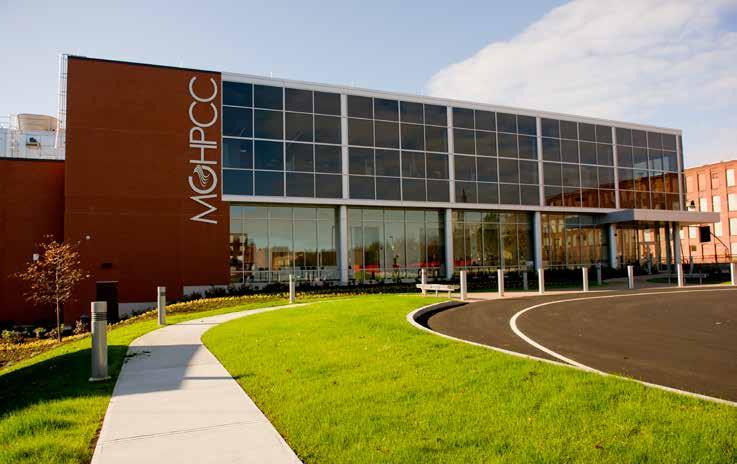
BU is a founding member of one of the most powerful regional computing consortia in the country, the Massachusetts Green High Performance Computing Center (MGHPCC). With a supercomputing facility located in Holyoke, Mass., the MGHPCC serves the research-related, high-performance computing needs of BU, Harvard, MIT, Northeastern University, the UMass system, and Yale University. ENG Dean Emeritus Kenneth Lutchen, BU’s vice president and associate provost for research, is a director. Other affiliated faculty
Joyce Wong (BME, MSE)
include Professor Martin Herbordt (ECE) and Professor David Coker (Chemistry, MSE).
The MGHPCC provides the foundation for the New England Research Cloud (NERC), a production cloud operated by BU, Harvard, the Red Hat Collaboratory, and the Mass Open Cloud (MOC) Alliance and directed by Professor Orran Krieger (ECE), with some funding from the Massachusetts Technology Collaborative. The NERC boasts state-of-the-art graphics processing unit (GPU) hardware and serves as a resource for researchers across higher education who need to process massive data sets in a variety of disciplines.
“Research has had an enormous impact on the world in terms of innovation—and so has open-source computing,” says Krieger. “My passion is to have innovation happen in an open way. We won’t get what we can out of AI if it’s just three companies that are able to innovate.”
BU and the MOC Alliance recently convened a symposium devoted to AI for drug discovery, bringing together clinicians, researchers, pharma and tech executives, and others to discuss ways to leverage AI to accelerate the drug discovery process, which currently takes up to 15 years.
For example, Distinguished Professor of Engineering Yannis Paschalidis (ECE, BME, SE), the director of the Rafik B. Hariri Institute for Computing and Computational Science & Engineering, is training a large language model in protein language, and programming it to predict how antibodies and antigens might bind. The goal is to develop antibodies that can target specific pathways of disease.
“Collaboration among multiple disciplines is critical for progress,” Paschalidis noted at the symposium. “People who have a lot of expertise in the algorithmic world don’t necessarily understand the domain in which they are trying to make contributions. Having domain knowledge is quite important.”
Indeed, closer collaboration is key to the entire research enterprise, says Wong. “We have to be creative in how we can support each other through these lean times.” She suggests reaching out to stakeholders beyond the academia-technology sphere as well.
“More of us should get involved and contact our elected officials and spread the word that more money should go to train students in these fields,” Wong says. “People are used to seeing products on Shark Tank, but behind the scenes, universities are where all the basic science and the innovation and the nitty-gritty work take place. That’s why we need to invest in engineering.”
Orran Krieger (ECE)
A joint venture of BU and other area universities, the 33,000-square-foot Massachusetts Green High Performance Computing Center houses 20,000 computers enabling researchers to perform millions of virtual experiments per month, advancing our understanding in energy, medicine, materials, and other societally important areas.
SEEING THE BIG PICTURE
Brian Dunkin (ENG’85) is a force for the advancement of minimally invasive surgery
By Patrick L. Kennedy
Through surgical practice, education, technology development, and entrepreneurship, Brian Dunkin (ENG’85) has been instrumental in the invention and adoption of the cutting-edge tools and techniques used in minimally invasive surgery today. Among other roles, Dunkin helped found the Houston Methodist Institute for Technology, Innovation, and Education at Houston Methodist Hospital, where he was chief of endoscopic surgery. Since 2019, he has been chief medical officer and vice president of medical affairs for Boston Scientific’s endoscopy division.
A member of the College of Fellows of the American Institute for Medical and Biological Engineering and the American Surgical Association, Dunkin is a past president of the Society of American Gastrointestinal and Endoscopic Surgeons, and has served on the BU ENG Dean’s Leadership Advisory Board. Dunkin also started a Boston Scientific running team to take part in the Boston Marathon and raise funds for Special Olympics Massachusetts.
In this conversation (edited for length and clarity), Dunkin relates how he advanced in his career while advancing his field.
You came to BU for your bachelor’s in biomedical engineering, then went to medical school at the University of Nevada. Was that the plan all along?
I wasn’t sure. In high school, I got interested in engineering thanks to my older brother, who was an aeronautical engineering student at Purdue. But then through playing football, I dislocated my shoulder and had to be operated on, and the surgeon [made a big impression]. I’d never seen anybody that worked as hard as this guy did, and enjoyed what he did as much as he did. I was really intrigued. And it was my guidance counselor who suggested combining those two interests by studying biomedical engineering. Not until junior year of undergrad did I decide to go to medical school.
What did you take away from BU that you still draw upon?
I’m forever grateful for my engineering education. It gives you a methodology for problem-solving that is suited to any problem you’re confronted with, including healthcare; caring for patients. But it also gives you a lens of looking at technology as something to be leveraged to do things better. I’ve had many engineers over the years comment that they appreciated my ability to talk to them in a way that is relevant to them. I attribute that all to my undergraduate experience.
Do any particular classes or activities stand out in your memory?
My senior project was formative. I worked on a myoelectrically controlled prosthetic arm being built at Liberty Mutual Research. Interacting with engineers in the real world, dealing with real medical problems, you start to get some visibility into the art of engineering, the trade-offs that have to be made around different decisions. You get a deep dose of what you don’t know! I found that motivating.
At BU ENG today, we emphasize the value of convergence, or combining areas of expertise, and you seem to have done that within your own career.
INNOVATION AND TECHNOLOGY
I believe so. I collaborate across disciplines, and I actually chose a surgical practice that crosses two specialties. When I started my surgery residency after medical school, I was still routinely doing open surgery procedures. Then I went into the research lab for two years, and when I came out, procedures were now routinely being done laparoscopically.
What laparoscopy did was take the field into a digitized experience using cameras and monitors. Once you accepted that paradigm shift, it opened up a lot of different opportunities, and one of those was, “Well, if we’re working that way, why are we working just outside the lumen of the GI tract? Why don’t we work simultaneously inside the lumen of the GI tract as well?” That prompted me to do a fellowship in advanced flexible endoscopy, which is not something that surgeons typically do; it’s something that gastroenterologists typically do. But if I wanted to be at the forefront of gastrointestinal surgery, I would be a better surgeon if I knew and could practice both disciplines.
So that’s what I did. I practiced everything from traditional open surgery to laparoscopic surgery to flexible endoscopy. And as my career matured, it was the flexible endoscopy that differentiated me. Today I work at Boston Scientific, for the endoscopy division, because of my ability to cross specialties between gastroenterology and surgery.
And in that role, you’ve helped develop innovations such as the first FDAcleared disposable duodenoscope. Can you explain what that is, and what the advantages are of making the device disposable?
We are the world leader in single-use endoscopes. We make a variety of them. The duodenoscope is used to do procedures in the biliary and pancreas systems. Traditionally, these endoscopes were reusable, which meant they had to be cleaned and reprocessed, and there were some infection problems [during the reprocessing stage] that actually led to patient deaths.
LEARN MORE ABOUT OUR BIOMEDICAL ENGINEERING PROGRAMS.
BU.EDU/ENG/BME
That’s why we invented the single-use scope, for infection prevention reasons, so that patients have good outcomes at less risk. Another cool thing about single-use endoscopic platforms is that, for institutions that buy them, when they want to switch to a newer model it’s just a restocking order. You don’t have to wait through a 10-year capital equipment obsolescence cycle to justify buying an entire new fleet of [next-generation] reusable scopes. So it accelerates the pace of innovation in the healthcare field. We’re also building AI and alternative image processing methodologies into the platforms. The technology is advancing all the time.
I understand you also do some mentoring of BU ENG students. What do you enjoy about that?
Being able to provide perspective on the value of what they’re learning and how they can apply it to the real world. I also try to support decision-making. Undergrads tend to think every decision is an end-state decision, and it becomes disabling sometimes. I tell them: Don’t look at it that way. Look at it as an opportunity. At the very least, you’re gonna learn something and gain experience, and you can pivot later if you want to. Look at all the places where I’ve pivoted in my life, and I’m pretty happy where I ended up. I’ve had a change in role at multiple points in my career. Not just practicing surgery and endoscopy but also building research and education institutes, building clinical care spaces, working with my own research team. All those were built on the back of my experience in BU Engineering. Dean [Emeritus Kenneth] Lutchen has talked about the Societal Engineer, and I’m a big proponent of that concept. Where you start with engineering is not necessarily where you end; it’s just a beginning and a platform. The problem-solving skills and the cross-collaboration skills you learn— you can bring that to bear on anything out there in the world that you’re trying to solve.
Building NextGen Sensors with Mix of Living Cells and Tiny Electronics
JIMENEZ BLENDS ENGINEERING FIELDS TO DEVELOP DEVICES TO MONITOR ENVIRONMENTAL AND HUMAN HEALTH
Knowing the health of their soil is extremely important to farmers, but constantly monitoring the ground’s well-being isn’t easy. Simply looking at a field can only tell them so much, and sending samples for testing is expensive and timeconsuming. Assistant Professor Miguel Jimenez (BME, MSE) has a potentially more efficient solution: mini sensors packed with cutting-edge electronics and engineered living cells that can be sprinkled throughout a field to track its health 24/7.
Jimenez’s convergent research combines synthetic biology—which uses tools like genetic engineering to create new biological systems—and microelectronics to develop small devices with a range of applications. The underlying technology could one day be used to not just track environmental conditions, but also wirelessly monitor human health.
For the soil sensors, which could detect molecules like nitrogen in the soil, “the idea is that if we have these awesome, biologically, wirelessly connected sensors that live in the soil, or that can be put into the soil, people can do what’s called precision agriculture, where you can know which plants in the field need—or don’t need—much management, and you can use resources more efficiently,” says Jimenez.
He and his team are also working on a sensor that would serve as a personal
health monitoring device by detecting fertility hormones in blood, potentially lowering the number of times women would need to get in-person blood draws.
The team genetically engineers cells to emit light—called bioluminescence— if the cells are in the presence of what they’re meant to detect, such as nitrogen or fertility hormones. Combined with electronics, that data can then be sent to a computer.
To integrate the engineered cells and the electronics, Jimenez is collaborating with the WISE Circuits Lab, run by Associate Professor Rabia Yazicigil (ECE, BME), who is developing custom electronic components that can detect low levels of light using low power. The goal is to use microelectronics—devices the size of a blueberry—to store data and wirelessly communicate signals from the cells.
But to bring these next-gen sensors to market, Jimenez faces a couple of challenges—particularly in integrating living cells with electronics—such as
making devices that work outside the clean conditions of the lab. The cells need a wet environment, the electronics a dry one, so how to ensure they can work together in messy, potentially unstable conditions? He also must ensure that any device can transfer the signal from the cell sensors to a computer.
“We’re experts in integrating these awesome biological components with electronics and making them work well,” he says. “If we’re successful in resolving these core challenges, we might be able to apply these quite widely for monitoring our world in real time in ways that we can’t do now.”
Given the technology’s broad potential, Jimenez welcomes more collaboration at BU and beyond.
“One of the applications is sensing and detection of specific molecules in the environment,” he says, “but I think what we really need help with from the community or different fields is what to detect.” —
KAYLA BALTAZAR
Miguel Jimenez (BME, MSE)
Scan for a video of Miguel Jimenez and team at work on next-gen sensors.
Is AI Slowing Climate Progress? It’s Complicated
COSKUN SAYS TECH COMPANIES RACING TO BUILD MORE AI COULD MAKE DATA CENTERS MORE ENERGY-EFFICIENT
For more than a decade, Professor Ayse Coskun (ECE, SE) has studied the relationship between electric grids and data centers—the sprawling warehouses that store the equipment necessary to maintain the internet and computing infrastructure. In years past, grid operators had been able to plan for and meet energy demands from data centers—then came the AI boom.
It’s estimated that asking AI a question requires about 10 times the electricity of a traditional Google search. “But that’s just querying,” Coskun says. “People have now seen the success of these large language models that get trained with huge amounts of data. As a result, businesses want to build and train more of these models for specific applications. AI consumes a lot of energy.”
Building more data centers to operate AI is already increasing electricity usage: training AI large language models (LLMs) like OpenAI’s ChatGPT and Google’s Gemini requires thousands of computers in centers running at full speed. According to a US Department of Energy report, data centers consumed four percent of total electricity in the US in 2023—more than a large US city—with that number expected to more than double by 2028.
To meet the demand, utilities across the country are trying to figure out where all that power will come from; for the most part, that has meant relying on fossil fuels, like natural gas and coal plants. And this is all happening at a time when big tech companies acknowledge that they need to lower carbon emissions to help curb climate change.
AI places intense demand on the energy grid, but a BU expert says a solution is possible.
“When you talk to utilities and power balancing authorities, they are concerned because there’s a demand for building new data centers, and the total amount of power [the centers] are demanding is unprecedented,” says Coskun, who also directs BU’s Center for Information & Systems Engineering and has published dozens of papers on energy-efficient and high-performance computing. “Suddenly, data centers may need 80 gigawatts of power in the next five years—when one gigawatt is roughly the amount that can be generated by a large nuclear power plant.”
These two conflicting issues—powering data centers and slowing climate change—raise questions about whether achieving both goals is even possible. Coskun believes it is. She’s working on ways to make her ideas reality by studying how data centers can regulate their energy consumption to align with power grid needs, while also ensuring centers work quickly and reliably for users. As more data centers are built, she points out that there is potential for them to work with power grid needs rather than draining them.
Alongside her roles at BU, Coskun serves as the chief scientist at Emerald AI, a commercial start-up that aims to optimize the relationship between power grids and data centers. Her research has proved that it’s possible for new data centers to
come online faster based on a concept called “energy flexibility.”
At a baseline, power grids use about 60 to 70 percent of their capacity, so that when there are peaks in demand—like when everyone cranks their air conditioners during a heat wave—there’s energy in reserve. (Peak times often result in grids operating “peaker plants,” which tend to use the dirtiest and most expensive fuels.)
Coskun says that if data centers agree to curtail their usage by just a small percentage during energy peaks, more data centers can be integrated faster into the power grid to meet the growing AI demand without building new, massive fossil fuel–generated infrastructure.
Building upon Coskun’s research, Emerald AI aims to act as a mediator between the grid and a data center to assist the latter in becoming flexible with energy demands. The company recently tested its platform in Phoenix and found that its software reduced the power consumption of AI workloads by 25 percent over three hours during a peak time, without disruptions to the data center’s computing performance.
“My research over the last decade has shown that if data centers provide flexibility in their power consumption, they can make the grid more resilient and reduce their electricity cost,” Coskun says.
— JESSICA COLAROSSI
research
Creating Virtual Laboratories for the Lung
SUKI AND COLLEAGUE BATES PUBLISH FIRST BOOK TO GUIDE PULMONARY RESEARCHERS IN METHODS OF MODELING
Modeling the lung?
Professor Bela Suki (BME, MSE) wrote the book on it. To be precise, he coauthored it.
Bela Suki (BME, MSE)
Suki and longtime collaborator Jason Bates have crafted an advanced textbook that should long serve as a bible for researchers using models to elucidate the complex network of fibers that make up the human lung. Mathematical Modeling of the Healthy and Diseased Lung (Springer, 2025) is the first book of its kind in the pulmonary field.
“There are no equivalent books on the market,” wrote one prepublication reviewer. “While the [intended audience] is currently small, the potential for impact is quite large.”
A VITAL ORGAN HARD TO PREDICT
From asthma to emphysema, respiratory diseases afflict millions, killing many. Lung cancer, for example, is the deadliest form of cancer, and 1.2 million people died of COVID-19 in the US alone. But compared to the heart, the equally vital lung—actually a pair of organs, each a moving maze of airways and ducts—has proven difficult to model, even with the advent of computational methods. And so, relatively few pulmonology researchers have been able to produce the robust visualizations and predictions that would enhance our understanding of the causes of, and potential treatments for, lung diseases.
Now, however, the discipline is poised to grow, thanks in no small part to the efforts of Suki and Bates—both as the coauthors of what promises to be a foundational text for the field, and as pioneers in the practice of creating virtual laboratories to study pulmonary phenomena.
BRIDGING FIELDS
In 2015, the NIH granted a major award to Suki, with his team at BU, and Bates, who runs a lab at the University of Vermont, to study the extracellular matrix of the lung using computational models. Former physicists, the two have built up a wealth of knowledge on the impacts of physical forces on cell function, with a particular focus on the lung. For example, they developed an important computational model of the progression of pulmonary fibrosis.
The new book draws upon that pool of experience and expertise—encompassing physiology, physics, estimation theory, modeling, complexity, and nonlinear systems—as well as relevant literature across those fields. Synthesizing all this, the authors offer a coherent guide that will likely benefit readers ranging from PhD students and postdoctoral researchers to pros well into their careers. “Because computational biomedical engineers might not have much background in pulmonary physiology, and vice versa,” Suki points out.
“We try to cover the tools and ideas you might need to understand the phenomenon behind a lung disease,” Suki says. “Pick any disease. The lung’s cells are producing and receiving signals, and then in response, behaving in certain ways. And
there are about 50 cell types in the lung, and maybe 100 different signaling molecules that they can exchange. How can you model this? One tool to use could be partial differential equations that describe the spatial and time variations of certain chemicals that are released.”
TAKING IT FURTHER
Other key tools the book explores include network modeling and agent-based modeling. For example, in pulmonary fibrosis, the disease “percolates,” says Suki. “People usually don’t have symptoms for a while, then suddenly they have chest pains.” By the time a patient seeks help, it might be too late. An agent-based model—in which certain properties and behaviors are assigned to “agents,” in this case representing cells—can describe this process from the beginning, showing how first one region of the lung stiffens, then another.
Agent and network modeling can even be combined for a richer analysis, as Suki has lately been doing to explore the effects of aging on the lung. Aging is a surprisingly understudied topic that Suki hopes other pulmonary researchers will focus on.
“Somebody could take the ideas in this book and advance them further,” Suki says, “to create even better and more realistic computational models.” — PATRICK L. KENNEDY
The textbook is a guide to visualizing the complexities of the lung, a vital but understudied organ.
A Living Internet of Things
ECE FACULTY CHARACTERIZE NEW CLASS OF DEVICES, INVITE PARTICIPATION
It’s part manifesto, part classification system: two BU ECE faculty members have published a review and vision paper in Nature Biotechnology aimed at introducing and describing what they’ve termed Cyber-Secure Biological Systems, or “a new class of living bioelectronic devices,” which they see as a key component for future research across multiple disciplines. They hope to encourage an organized collaborative effort to push the advancement of these devices and realize their many potential applications.
CONVERGENT THINKERS— AND DOERS
wireless communications systems, and physical-layer security.
The two have formed strong ties in biomedical and environmental domains. Yazicigil has broken new ground with her work on miniaturized, ultra-lowpower microchips for ingestible medical monitoring technology, and Densmore has designed microfluidic platforms for studying engineered bacterial communities and developed a computer-aided design (CAD) program for use in the design of new microorganisms. Together, they’ve worked on projects aimed at developing smart biosensors and better bioreactors for biomanufacturing.
WHAT ARE CYBER-SECURE BIOLOGICAL SYSTEMS?
ized categorization based on 24 years of research across disciplines, grouped by combinations of components, level of integration and customization, and scale. They also highlight key challenges to address and issue an open call for collaboration, contributions, and participation from colleagues from diverse fields, with an emphasis on practical design and experimentation.
AN INVITATION TO INNOVATE
Associate Professor Rabia Yazicigil (ECE, BME), a microelectronics specialist, and Professor Douglas Densmore (ECE, BME, MSE), an automation and fabrication pioneer, have considerable experience with interdisciplinary research collaborations, both separately and as a team. Densmore is the director of the Cross-disciplinary Integration of Design Automation Research (CIDAR) group, focusing on developing tools for the specification, design, assembly, and testing of synthetic biological systems. Yazicigil leads the Wireless Integrated Systems and Extreme Circuits (WISE-Circuits) Laboratory, which conducts domain-spanning research including integrated circuits and chip design, biosensing architectures,
In their paper, “Improving engineered biological systems with electronics and microfluidics,” they discuss an emerging class of devices that integrates electronics, microfluidics, and engineered biological components (such as microbes) to accomplish a variety of tasks related to “biological environments.” Their purpose may be for observation and reporting, sensing changes and measuring impacts, or acting more directly on such environments, whether in the lab or in the field. According to the authors, the integration of these different technologies results in a unique set of combined strengths that enhance functionality and offer ever-greater insight into the complex biological processes that underpin our world. These biological processes are likely the key to some of the most urgent problems our society, and indeed our species, now faces.
The paper lays out the advantages and weaknesses of electronic, biological, and microfluidic components, considers performance trade-offs and design options, and imagines a broad array of potential applications for everything from personalized healthcare to smart agriculture. The authors propose a system of standard-
To facilitate participation, Yazicigil and Densmore have launched a unique online resource, an interactive website designed to “dynamically visualize emerging trends,” which they call a Living Roadmap. The site (programmingbiology.org/csbs) features a curated collection of relevant research papers, a submission form for interested colleagues who wish to add to the growing body of work, infographics, and other resources designed to encourage future contributions and new insights.
They’re putting out the call—the hybrid technology of the future is coming, and it needs bright minds from a diverse set of backgrounds and disciplines to make it a reality. — A.J.
KLEBER
Rabia Yazicigil (ECE, BME)
Douglas Densmore (ECE, BME, MSE)
research
Going Deeper
CHENG CONTINUES PIONEERING MICROSCOPY ADVANCEMENTS WITH A PRESTIGIOUS NIH MIRA AWARD
Medical optics and engineering pioneer Professor Ji-Xin Cheng (ECE, BME, MSE) has been awarded a five-year, $2.8 million NIH MIRA grant renewal to continue his work on realizing the full potential of vibrational photothermal (VIP) microscopy. This project will build on myriad advances across his 42 peer-reviewed articles, 16 patent applications, and a variety of prototypes and collaborations. Cheng’s trailblazing technology has the potential to enable substantial clinical breakthroughs, enriching our knowledge of molecular biological functions and providing insights that could lead to fresh diagnostic and treatment approaches for diseases such as cancer
LABEL-FREE IMAGING
The Cheng Research Group has spearheaded several types of advanced, bond-selective vibrational microscopy techniques that are able to differentiate between different chemical compounds in cells without the use of fluorescent dye labeling. Though useful for certain types of investigation, fluorescent tags can interfere with the chemical makeup of samples, among other limitations. In contrast, Cheng’s vibrational microscopy methods use carefully applied lasers to stimulate minute molecular reactions that allow for extremely sensitive, fast, highly multiplexed imaging with low signal-tonoise ratios (SNRs). His lab has made significant progress with stimulated Raman scattering (SRS) microscopy and midinfrared photothermal (MIP) microscopy
PROGRESS AND PROMISE
Among other accomplishments, over the last five years Cheng’s lab has utilized their ever-evolving technology to image metabolites in live tumor cells and intact biopsies, and visualize the chemical content of a single viral particle. But as Cheng points out, there is still considerable work to be done for vibrational imaging
to reach its potential; for example, both SRS and MIP microscopy are currently unable to provide high-resolution images of biomolecules in a deep-tissue environment. At present, most vibrational imaging applications focus on molecules in high concentrations, such as lipid droplets, or protein aggregates in cultured cells or thin tissue slices.
FURTHER, DEEPER, FASTER
In this new phase of research, Cheng has set goals based on previous milestones. He plans to begin by developing several new devices to advance a technique combining some of the strengths of both SRS and MIP microscopy—called stimulated Raman photothermal (SRP) microscopy—following up on a demonstration published in Science Advances in 2023. He also aims to build on a 2024 pilot demonstration of another vibrational photothermal microscopy technique, published in Nature Photonics, that shows promise for high-resolution, deep-tissue imaging. Ultimately, collaborating with colleagues in the life sciences will allow the researchers to demonstrate “paradigm-shifting” applications of VIP,
including “fingerprinting” intracellular organelles (tiny, specialized subunits of cells), imaging the metabolic activity of small biomolecules, and developing tools to study the operation of proteins in live cells and living organisms.
Cheng is extremely optimistic about the technology and openly ambitious, especially after years of successful advancements: “I hope that this award will help us decode the chemistry of life in the next five years!”
Cheng is the Moustakas Distinguished Chair Professor in Optoelectronics and Photonics, with a dual appointment in Electrical and Computer Engineering and Biomedical Engineering. In addition to being named the 2022 Boston University Innovator of the Year, Cheng delivered the 2024 College of Engineering Charles DeLisi Distinguished Lecture. A fellow of Optica and AIMBE, his recent accolades include the Raman Award for Most Innovative Technological Development, the ACS Division of Analytical Chemistry Spectrochemical Analysis Award, and the SPIE Biophotonics Technology Award.
— A.J. KLEBER
Ji-Xin Cheng (ECE, BME, MSE)
Pictures of RNA in Unprecedented Detail
BETTER MRNA MEDICINES MIGHT RESULT FROM NGO TEAM’S NEW CELL IMAGING TOOL
The inner workings of how genetic messages are decoded inside human cells can now be observed with greater clarity and in real time, a BU team has reported in Nature Methods The researchers’ advances might help us understand how to improve mRNA medicines, making them more affordable, accessible, and applicable across a broader range of diseases.
There are imaging tools that allow researchers to study how complex molecules and nucleic acids move about within a cell, send signals, and produce antibodies. But these existing tools suffer from some limitations. “It’s been much easier to look at proteins,” the final product of the cell’s machinery, says doctoral student Christopher Kuffner, one of the study’s coauthors. “It hasn’t been easy to do that with RNA. This new system allows us to see in unprecedented detail what these molecules are doing.”
Led by Associate Professor John T. Ngo (BME), the team has engineered coat proteins that bind to RNA when introduced into a cell sample. Upon binding, the proteins light up so as to be seen through a microscope. Crucially, however, the proteins that haven’t found RNA molecules to coat are designed to decay and disappear, eliminating the visual clutter that has plagued previous imaging tools. Coated by the proteins that remain, the RNA molecules clearly stand out in the sample when photographed or recorded in videos of live cells.
“We get really detailed, highresolution, up-close images, and it works across a lot of different cell lines,” says
Ngo. “Just looking at a single molecule, the subtle motions it makes are suggestive of what’s happening—is it being turned into a protein right now? And there are anywhere between hundreds to tens of thousands of these molecules in every single cell. And since we can observe them all simultaneously, that generates an enormous amount of data.”
Ngo, Kuffner, and postdoctoral fellow Alexander Marzilli (ENG’24,’24), who together combine expertise in cell biology, biochemistry, and bioengineering, have made their new method available to other researchers who are making genetic parts
and tools to program or study cells. “There’s a lot of potential utility here,” says Ngo.
“Researchers can use this tool to study natural processes, to study mRNA-based medicines, and to engineer cells.” Ngo and Kuffner hope their work leads to improved therapies for cancer, autoimmune disorders, neurological disorders, and more.
“Cells control mRNAs in lots of very sophisticated ways, and the mRNA medicines developed so far haven’t taken advantage of that,” says Ngo. “What we’ve provided now is a tool to make that more straightforward to do.”
— PATRICK L. KENNEDY
A microscope image of a cell, in which single RNAs tagged with the BU team’s protein are shown above, with a transition to digital traces of that RNA’s real-time movement, color graded by speed, below.
Quantum Research, Getting Warmer
SWAN STUDY FINDS THE KEY TO ROOM-TEMPERATURE SUPERFLUORESCENCE
One of the major hurdles to advancing quantum technologies comes down to temperature. Traditionally, collective quantum states like superconductivity—which allows currents to pass through a material without losing energy in the form of radiating heat—are destroyed at practical temperatures. Some occur only at ultra-low temperatures, close to absolute zero. This is a significant restriction, given the resources required to maintain such temperatures and work with them safely. Certainly, this is an issue when it comes to practical, widespread adoption of quantum tech. You’re not about to buy a personal computer that can only operate in a cryogenic chamber, even if some enterprising company could manufacture and sell such a thing!
THE POTENTIAL OF SYNTHETIC MATERIALS
In recent years, scientists have identified materials that can enable these quantum states at much higher temperatures; however, without knowing why or how this was possible, these discoveries had limited utility—until a breakthrough study led by North Carolina State University researchers, BU Professor Anna Swan (ECE), and colleagues from several other institutions changed everything. Published in Nature, their paradigm-shifting work not only demonstrated that superfluorescence, another key quantum state, can be accomplished at room temperature in a particular synthetic material; it also revealed the mechanism that makes this possible.
PARTICULATE BEHAVIOR AND MISBEHAVIOR
A phenomenon in which optically excited electrons collectively “jump” to their ground state, superfluorescence can be described as an extremely intense burst of light. For this to occur, the excited electrons must self-organize and synchronize to create a coherent system. The process, called a macroscopic quantum phase transition, is a prerequisite for any of this class of “super” quantum phenomena.
Anna Swan (ECE)
Even a small amount of heat creates a disruptive effect, or “thermal noise,” that distorts the new configuration, preventing the particles from achieving that crucial synchronization. These effects are not present at “quiet,” ultra-low temperatures, facilitating phase transitions. For transitions to occur at higher temperatures, something had to be preventing this thermal noise from interfering with the synchronizing particles.
Swan and her fellow researchers found that because of the unusual atomic structure of lead halide perovskites, a synthetic crystalline material, stimulation with a pulsed laser creates composite quasiparticles called polarons, which evolve into more stable units called solitons at sufficiently high density. Solitons are resistant to interference from thermal noise. The thermally “quiet” state inside the soliton allows for a second phase transition of the excited electrons, and superfluorescence occurs. These results were confirmed through calculations and simulation that verified the specific conditions required to produce them.
IF YOU BUILD IT, THEY WILL COHERE
These results may appear obscure and esoteric, and taken in isolation, they are.
Swan and team’s paradigm-shifting work not only demonstrated that superfluorescence can be accomplished at room temperature in a particular synthetic material, it also revealed the mechanism that makes this possible.
The capacity of a laser pulse and a synthetic crystal to produce an extremely bright flash, even at room temperature, is not particularly useful in and of itself. However, understanding the mechanism behind this phenomenon opens the way for researchers to develop new materials with the attributes required for higher-temperature macroscopic quantum phase transitions; materials that could be used to fabricate and develop quantum devices much more easily and under much less demanding conditions. In other words, it’s a significant step on the path that might, one day, lead to a quantum computer for home use, after all—no cryogenic chamber required.
Swan credits the success of the study to cross-institutional teamwork. Her collaboration with NCSU researchers, led by Professor Kenan Gundogdu, was sparked by a chance meeting at a conference between students from both universities.
A senior member of IEEE and a member of the ECE faculty at BU ENG since 2005, Swan studies low-dimensional material properties, as well as optical spectroscopy and strain engineering electronic properties of two-dimensional materials. She was recently appointed the college’s associate dean for graduate programs.
— A.J. KLEBER
A Polymer That Defies Nature
THE FIRST MOLECULARLY IMPERMEABLE PLASTIC
For decades, scientists believed all plastics shared one unavoidable weakness: no matter how dense or strong, gases could always slip through. Even the toughest polymers, from bulletproof Kevlar to everyday food packaging, may look solid, but at the molecular level, tiny gas molecules can still sneak through. That’s why potato chips go stale and packaged food loses its crispness.
Now, a collaboration of researchers at Boston University, MIT, the University of Texas at Austin, the University of Massachusetts, and the National Institute of Standards and Technology has overturned that assumption. In a study published in Nature, the team reports the discovery of the first polymer that is molecularly impermeable; a man-made material that acts as a perfect barrier to gas molecules.
Associate
Professor Scott Bunch (ME, MSE), a faculty member at the BU Photonics Center, was co-senior author of the study. Additional BU coauthors include Professor Kamil Ekinci (ME, MSE) and doctoral students Hagen Gress and Kaan Altmisdort.
The key is a new class of materials called two-dimensional polyaramids, or 2DPA-1. Unlike conventional plastics, which are built from long, spaghetti-like chains, these polymers grow in atomically thin sheets. When stacked, the sheets pack so tightly together they leave no gaps for molecules to sneak through.
A film of 2DPA-1 just a few nanometers thick—about 1,000 times thinner than a human hair—can trap gases inside tiny microwells for over three years without a single detectable leak. That corresponds
to a gas permeability at least 10,000 times lower than any known polymer.
STRONG AND FLEXIBLE
But impermeability is only part of the story. The films are also flexible, making them easy to process, and they can be spin-coated onto surfaces like paint.
In one demonstration, the researchers applied a layer of 2DPA-1 onto fragile solar cell materials. The coating extended the solar cells’ lifetimes more than 14 times, protecting them from oxygen and moisture degradation.
The films also act like tiny drumheads, vibrating millions of times per second when suspended over microscopic wells. This performance rivals graphene, the celebrated wonder material, and hints at applications in ultra-sensitive sensors and nanomechanical devices.
“This material marries the best of two worlds,” says Bunch. “By combining graphene-like impermeability with the easy processing of a polymer, this ultrathin coating could protect some of today’s most sensitive electronics—from flexible
OLED screens and perovskite solar cells to wearable sensors and emerging quantum chips. It forms an invisible, molecularly tight seal that keeps out air and moisture without adding weight or stiffness. And as with many scientific discoveries, the most impactful applications of these materials may be the ones we haven’t even imagined yet.” —
JOHN BAKUM
polymer.
Scott Bunch (ME, MSE)
The novel material is 10,000 times more impermeable than any known
In Scott Bunch’s lab, researcher Hagen Gress works to create a gas-impermeable polymer.
Illuminating Energy-Efficient AI Technology
JOSHI EXPLORES INTEGRATED
With the meteoric rise of AI technologies over the last few years and their rapid integration across diverse industries and societal infrastructures, concerns over their immense energy requirements have come into sharp focus for users and researchers alike. Deep neural networks (DNNs) and large language models (LLMs), some of the most influential models on the market today, are trained and deployed in data cen-
Finding Coherence
VENKATARAMAN AWARDED $3.2M TO PARSE AND PREDICT POST-STROKE APHASIA RECOVERY
As a social species, human lives revolve around our ability to communicate with one another, in significant part via spoken and written language. When that capacity is impaired by a stroke, the impact can be truly devastating, especially since the reacquisition of language is a difficult and complex process that varies widely between patients and is based on many situational and external factors. Since currently, it is almost impossible to provide a person with aphasia (PWA) with an accurate, personalized prognosis, a multimodal approach is needed. (Aphasia is a disorder caused by damage to areas of the brain that are responsible for language.)
Professor Archana Venkataraman (ECE) has built her research career around
ters powered by specialized silicon-based hardware such as graphics processing units (GPUs), and their booming energy demands have been well publicized. Experts are scrambling to find options to mitigate or amend this unsustainable drain on global resources.
To address this critical issue, Professor Ajay Joshi (ECE) is exploring the development of novel electro-photonic computing architectures that could perform as well or better than conventional electronic GPUs.
Supported by a $1.5 million grant from the NSF, titled ASCENT: Heterogeneously Integrated Electronic Photonic AI Accelerators (HIEPAA), he is investigating the use of
light-based computing for energy-efficient AI hardware.
Light is a far more efficient medium for data transmission than electricity, and recent advances in integrated electronic-photonic systems have shown significant promise. Joshi’s approach incorporates an electro-optical metamaterial called thin-film lithium niobate into silicon photonic chip platforms in order to produce analog optical modulators— devices that will greatly increase the speed of computing from that of traditional silicon-based electronic devices, while also decreasing data loss. He plans to design new architectures and circuit techniques to achieve efficient, highly accurate AI computation using low-precision building blocks, a concept previously explored by his research group and published in Nature Communications — A.J. KLEBER
such complex neurological quandaries. Her Neural Systems Analysis Laboratory (NSA Lab) develops AI algorithms and other machine learning tools and methodologies for the purpose of better understanding the workings of the human brain and to assist in treating various disorders.
Under the auspices of a $3.2 million NIH R01 grant and in collaboration with Professor Swathi Kiran of Sargent College of Health & Rehabilitation Sciences, Venkataraman is turning her expertise towards the challenging, long-term goal of identifying appropriate treatments and providing personalized course-of-recovery predictions for PWA.
Using multimodal datasets that include neuroimaging and demographic data, the project focuses on developing novel computational models to assist in better understanding the heterogeneous causes and contributing factors behind aphasia, as well as how the condition responds to varied clinical interventions and environmental influences across its diverse presentations and circumstances. A variety of machine learning–based methods will be employed to analyze and compare this data to get a clearer, more comprehensive overall picture of baseline functionality
and treatment outcomes for post-stroke PWA, with quantifiable stages and relevant biomarkers.
This work has the potential to pave the way for game-changing predictive tools that can offer a clearer path for PWA by analyzing potential courses of treatment for a patient’s individual case and experiences, thereby easing the recovery process. — A.J. KLEBER
Archana Venkataraman (ECE)
Ajay Joshi (ECE)
Professor Emeritus Theo (Ted) de Winter passed away on October 17, 2025, at age 93. He taught mechanical engineering at Boston University from 1963 until his retirement in 2019.
Ted de Winter was cited as the Engineering Professor of the Year four times, and in 2002 won the Boston University Metcalf Award for Excellence in Teaching. He also had deep industry experience, working at Pratt and Whitney and the Avco Everett Research Laboratory, and cofounding Magnetic Corporation of America.
“Professor de Winter is a legend, and I am incredibly thankful for him,” says Tye Brady (ENG’90). “He forever changed my life as an engineer. Not only through his informative and inspirational teachings but also by being a person who genuinely cared about my well-being.”
To read recollections of Ted de Winter’s life and influence from former students and colleagues, and to donate to the Theo A. de Winter Distinguished Faculty Fellowship Fund, visit bu.edu/eng/ted-de-winter
Professor Emerita Lucia Maria Vaina passed away on July 25, 2025. She taught biomedical engineering at BU from 1986 until her retirement in spring 2025.
Lucia made groundbreaking contributions to computational visual neuroscience and magnetoencephalography neuroimaging. Her research at the interface of mathematics, engineering, and neurobiology has shaped today’s understanding of the brain’s mechanisms for learning and visual processing. Among the earliest pioneers to apply functional and magnetic imaging tools to cognitive neuroscience, Lucia was renowned not just for her intellectual rigor and curiosity, but also for her ability to translate insights into benefits for patients and society.
Lucia was equally devoted to education and mentorship. She invested deeply in her students and colleagues, often at pivotal moments in their lives. The heartfelt tributes shared by former students at her retirement party early last summer were a testament to the lasting impact of her guidance and care.
Professor J. Edward “Ed” Anderson passed away on February 3, 2026. He taught aerospace and mechanical engineering at BU from 1986 to 1992.
Ed transitioned to academia after a career at NASA’s Langley Research Center and then Honeywell. He inspired thousands of students across engineering, sustainability, and transportation fields, and he created the interdisciplinary course Ecology, Technology, and Society, later adopted nationwide.
An expert on personal rapid transit, Ed testified before Congress and chaired international conferences on the topic. His honors included election as a Fellow of the American Association for the Advancement of Science, the Outstanding American Inventor Award, and the Charles W. Britzius Distinguished Engineer Award.
SHARE YOUR CLASS NOTES
Submit good news to be featured in an upcoming issue, provide feedback on this issue, and update your delivery preferences. Scan the QR code or email us at engcom@bu.edu.
BU ALUMNI RECEIVE A GUARANTEED 25% TUITION SCHOLARSHIP
As a Boston University graduate, you are eligible for the:
• Double Terrier Scholarship—a guaranteed minimum 25% tuition award when you enroll in a Boston University College of Engineering master’s program.
• All admitted students are also automatically considered for additional merit-based scholarships.
To learn more, contact enggrad@bu.edu
44 Cummington Mall Boston, MA 02215
Professor of Mechanical Engineering Brian Walsh, director of the Space Physics & Technology Lab, showed BU President Melissa Gilliam the device his team built to measure the flow of photons from the sun. The device was later launched into space with a NASA satellite.
THANK YOU FOR BEING PART OF BU ENGINEERING Your generosity strengthens our community and broadens what’s possible across the college. Give today to inspire future engineers, advance discovery, and leave a lasting impact.