3 minute read
A Partnership to Protect Paulje’s Cultural Heritage

Rio Tinto and the Jadar Museum partner to conserve and protect Bronze Age artifacts in western Serbia
Advertisement
Rio Tinto and Project C.U.R.E - Mongolia
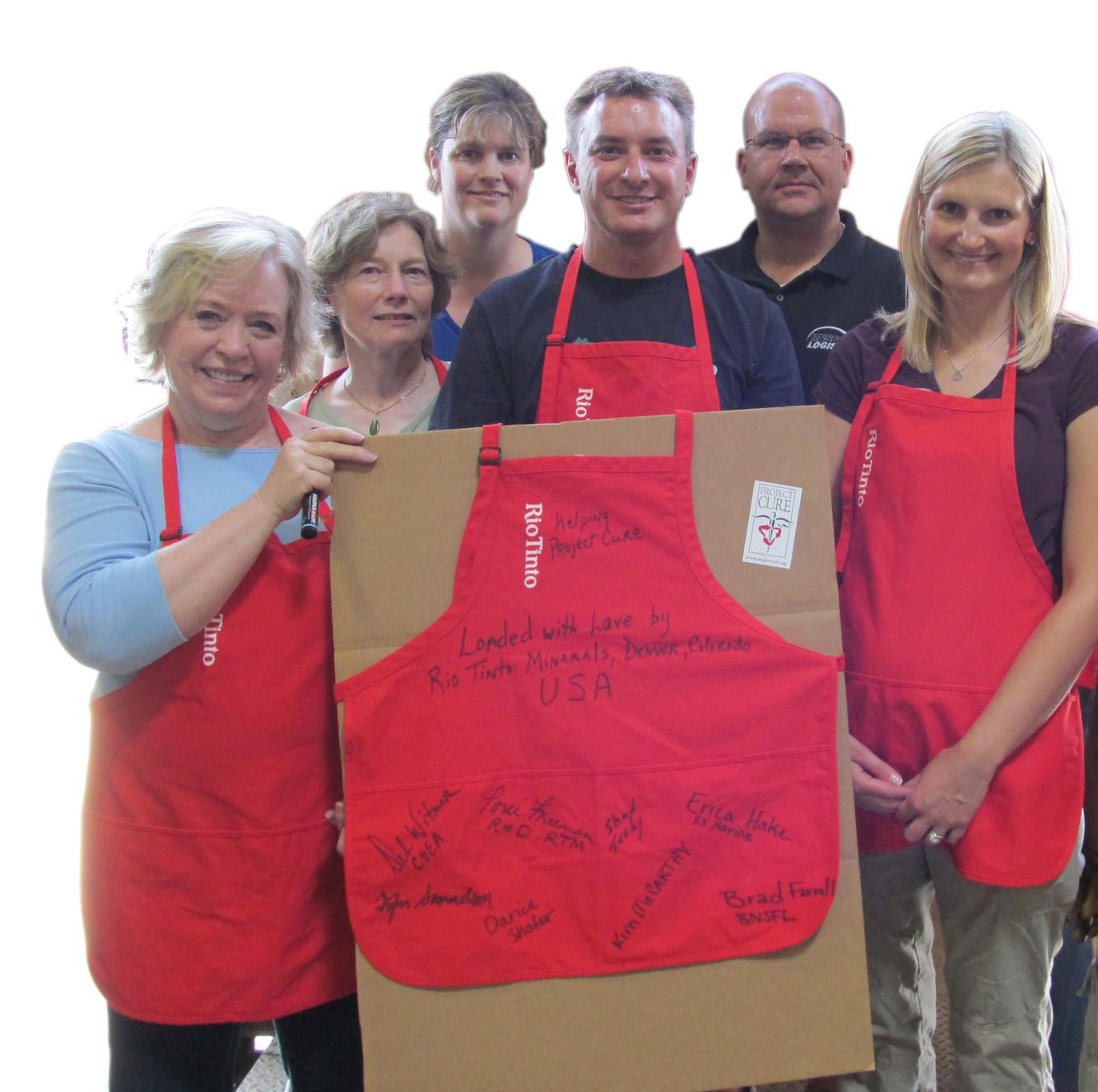
Rio Tinto in Mongolia is working in partnership with the Denver-based international nonprofit, Project C.U.R.E, to help bring much needed medical supplies to Mongolia as part of its commitment to contributing to social investment. PROJECT C.U.R.E. is a nonprofit, humanitarian relief organization that delivers donated medical supplies, equipment and services to medical professionals and the patients under their care in developing countries.
At the dawn of Central Europe’s Bronze Age in 2000 BC, the Jadar River Valley in Western Serbia is believed to have been among the few sources of tin in the world. Tin is essential to the production of bronze, which at the time was revolutionizing agriculture, warfare and power dynamics between cultures. The advent of bronze led to the first urbanized civilizations, and thus bronze smelted with tin from the Jadar River Valley was a catalyst for social and economic change across the region.
Now, 4000 years later, the Jadar Valley is once again poised on the cusp of notoriety because of the unique mineral that Rio Tinto has found there. In 2004 Rio Tinto geologists extracted cores samples that were dotted with small rounded nodules, unlike any known mineral. They named the new find Jadarite. After extensive analysis, two elements were isolated: lithium and borates, which are used to produce revolutionary new glass, ceramics and energy technology.
Jadarite has the potential to supercharge Serbia’s economy, contributing to a “green,” modern and knowledge-based future. But before this can happen, before even exploration could commence, Rio Tinto knew that the exploration sites were rich in history that had to be catalogued and protected. To do this, archeologists from Belgrade University and the Jadar Museum were embedded on the team, and in November 2010, Rio Tinto provided a €50,000 research grant to the Jadar Museum to excavate and conserve Bronze Age tombs called tumular necropolis at the Paulje site near where the jadarite deposit is found.
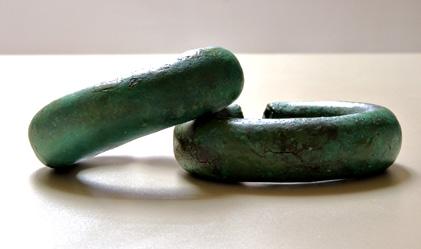
By studying the construction and contents of the tumuli, Museum archaeologists funded under the ambitious five-year effort are gleaning insights into the civilization, social hierarchy, organization and culture of the people who inhabited the Jadar Valley 4000 years ago. Most tumuli served as burial sites for more than one person, possibly whole families. The burial ritual generally consisted of cremation, after which the ashes and remains of the pyre were deposited in the grave with ornaments, jewelry, weapons, vessels and other personal belongings, and covered with earth. In one tumulus, archaeologists found a 115 cm bronze pin beside a skeleton, the only deceased who was not cremated.
In 2012, Jadar Museum archaeologists Rada Gligoric and Jagoda CanicTesanovic completed excavation of three tumuli in Paulje, just as the first artifacts were returned from Belgrade after being catalogued and conserved by expert archeologists. Jewelry made of bronze and amber, pottery vessels, bronze weapons and other artifacts are now displayed at the Jadar Museum, telling a story about the society and community that lived in the Jadar Valley. The Museum is already planning to exhibit the Paulje treasures in cities across Serbia including Krusevac, Gornji Milanovac, Sabac and Pancevo.
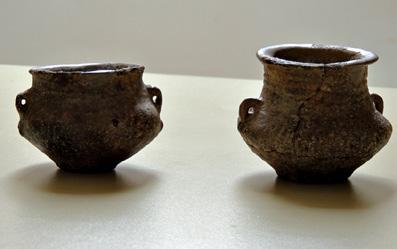
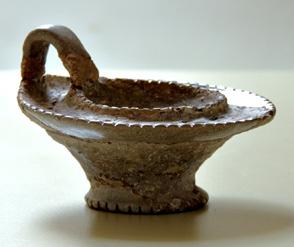
Rio Tinto and the Jadar Museum are together preserving and protecting Serbia’s cultural heritage. Bronze Age artifacts from Paulje attest to the large and vibrant community that lived in the Jadar Valley and which shaped the region’s society. This region, now Serbia, was a catalyst for change in the Bronze Age, and now 4000 years later, is poised to reclaim a mining legacy associated with innovation that contributes to modern living and influences society and culture creating wealth and opportunity.
In September 2011, Project C.U.R.E. held its annual fundraiser to honor and welcome Her Excellency, Mrs. Bolormaa Khajidsuren, the First Lady of Mongolia, to Denver. The major fundraising event was attended by over 1,800 delegates and sponsored by Rio Tinto, which manages the Oyu Tolgoi mine in the South Gobi. At the event, the First Lady highlighted the health issues in Mongolia and raised awareness of the difference the delegates’ efforts and donations could make to international healthcare. Alison Kuttler, Rio Tinto Vice President of External Affairs, spoke on Rio Tinto’s behalf.
US$2 million was raised at the event, which Project C.U.R.E. has used to provide medical relief (in the form of medical supplies) for delivery to Mongolia. These medical supplies will arrived in late 2012, at which time executives from Rio Tinto, representatives of Project C.U.R.E, and the First Lady of Mongolia unloaded the container and delivered the supplies by hand to select hospitals and medical centers.
Rio Tinto in Mongolia requested Rio Tinto Marine to provide logistical and shipping expertise and support to Project C.U.R.E. in order to make sure the medical supplies – originating in Denver and bound for Mongolia’s capital, Ulaanbaatar – were delivered safely and timely.