Market for Youth Hockey Analytics
Annie Yan
Senior Thesis | 2026

AnnieYan
Mr.MatoSeth,Prof.PatrickAbouchalache SeniorThesis
2March2026
FromOptimizationtoDevelopment:CreatingaNewMarketfor YouthHockeyAnalytics
Introduction:
Onanygivenweekendataneliteyouthhockey tournament,playersasyoungastencanexpecttoreceive post-gameanalysisreports,shotcharts,andindividual performancebreakdownsthatlookremarkablysimilartowhatis usedbytheNationalCollegiateAthleticAssociation’s(NCAA) Division1programs.Althoughanalyticsaremainstreamin professionalandcollegiatehockey,theiradoptionintoyouth hockeyisaprocessthatraisesseveralstrategicanddevelopmental concerns.Thepurposeofyouthhockeyisnotdesignedtooptimize immediateperformancebutratherforthedevelopmentofskills, enjoyment,andlong-termparticipation(AnsellandSpencer, 2020).Asanalyticsbecomemoreaccessible,itisessentialto considerwhethertheseoptimizationtoolsareappropriateforyouth developmentorwhethertheyneedtoberepurposed.
Overthelasttwodecades,dataanalyticshasrevolutionized theworldofcompetitivesports.FromtheMoneyballphenomenon inprofessionalbaseball–whereanewstrategypioneeredbythe 2002OaklandAthleticsusedadvancedstatisticalanalysisto assemblecompetitiveteamsdespitebudgetconstraints–data-drivendecision-makinghasrapidlyproliferatedthroughout professionalandcollegiatesports.InNCAADivision1men’s hockey,teamsarenowtrackingdatapointsrangingfromexpected goalsandzoneentriestoindividualpositioningandshiftefficiency (YanandO’Donnell;YanandMcAllister).Thesetoolsare intendedtoprovideamarginaladvantageincompetitionby optimizingrosterandtacticaldecisions,aswellasplayer evaluations.
Hockeyprovidesaparticularlycompellingcasefor examiningtheapplicationofanalyticsbecauseofthespeedand fluidnatureofthegame.Asoneofthefastestteamsportsinthe world,hockeyrequiresacombinationofsplit-seconddecision making,physicality,instinct,spatialawareness,andcreativity
(Berglund,2024).Whiledatacanhelpilluminatepatternsand tendencies,theexecutionofthegameremainsdeeplyhumanand instinctual(YanandMcAllister).Thisdivergencebetween quantificationandinstinctraisesanessentialstrategicquestion: whenanalyticsmoveacrossdifferentlevelsofplay,shouldtheir purposeremainthesame?
Attheprofessionalandcollegiatelevels,analyticsoperate withinwhatChanKimandMauborgnedescribeasaredocean–anestablishedandhighlycompetitivemarketspaceinwhich organizationscompeteformarginaladvantageswithinfixedrules andperformancemetrics.Inthisenvironment,analyticsfunction primarilyasoptimizationtoolsdesignedtoimproveplayer evaluations,tacticalefficiency,andcompetitivedifferentiation (YanandO’Donnell;Lambrixetal.,2025).However,applying thesesameevaluationmethodsinyouthhockeyrisksimportinga performancelogicintoadevelopmentalcontext.Researchinyouth sportpsychologyconsistentlydemonstratesthatexcessive evaluationpressureandoutcomeemphasiscanundermineintrinsic motivationandlong-termparticipation(Prestonetal.,2019).
Bycontrast,ablueoceanrepresentsuncontestedstrategic spaceinwhichvalueiscreatednotbyoutperformingrivalson existingmetrics,butbyredefiningwhatconstitutesvalue altogether(ChanKimandMauborgne,2005).Youthhockeymay representsuchaspace.Ratherthancompetingonanalyticaldepth, predictiveaccuracy,orrankingprecision,analyticsinyouth settingscouldcreatevaluebysupportingskillacquisition, creativity,andenjoyment.
Withthegrowingpresenceofdataanalyticsinyouth hockey,thecentralquestionisnotwhetherdataanalyticscan improveathleticperformance,butwhetheritisappropriatefor youthdevelopmentpurposes.Thisthesisarguesthatwhile analyticsfunctioneffectivelyascompetitiveoptimizationtoolsin collegiatehockey,theirgreatestuntappedpotentialliesinyouth
development,iftheirvaluepropositionisfundamentallyreframed.
DrawingonBlueOceanStrategyandDisruptiveInnovation Theory,thisthesiscontendsthatyouthhockeyoffersan opportunitytoredesignanalyticsaroundvisualfeedback, developmentalscaffolding,coach-mediatedinterpretation,and long-termgrowthratherthanshort-termevaluationand comparison.
Toinvestigatethisclaim,thisthesisexaminesthreeprimary researchquestions:
1. Howcandataanalyticsbereframedfromacompetitive toolincollegehockeytoadevelopmentalresourceinyouth hockey?
2. Whatarethepotentialusesandbarriersofanalyticsinelite youthhockeyenvironments?
3. Whatdoesyouthhockeyanalyticscurrentlyover-investin, under-investin,andoverlookentirely?
Toexplorethesequestions,thispaperintegratesliterature onsportsanalytics,youthsportpsychology,andstrategic innovation;semi-structuredinterviewswithDivision1collegiate hockeyplayersandyouthcoaches;andacasestudyofacurrent youthanalyticsplatform.Takentogether,theseelements demonstratethatanalyticsarenotinherentlybeneficialorharmful. Rather,theirimpactdependsonhowperformanceisdefinedand howsystemsaredesignedandimplemented.
Thisanalysisfocusesspecificallyoneliteyouthhockey programsbecausetheyincreasinglyadoptcompetitiveevaluation structuresresemblingcollegiatesystems.Recreationalyouth programsoperateunderdifferentpressuresandmaynotfacethe sameincentivestoimplementadvancedanalyticaltools.Therefore, thestrategicimplicationsdiscussedinthispaperapplymost directlytocompetitiveyouthenvironmentswhereperformance evaluationisintensifyingandwheretheriskofimporting collegiateoptimizationlogicismostpronounced.
Ultimately,thisthesispositionseliteyouthhockeyasa strategicblueoceanopportunity.Byredefininganalyticsas instrumentsofdevelopmentratherthanevaluation,hockey organizationscanestablishadistinctmarketcategory–onein whichdatasupportslearning,engagement,andlong-term participationwithoutdisplacingtheinstinctualandhumanaspects ofthegame.
Tounderstandhowanalyticscanshiftfromacompetitive optimizationtooltoadevelopmentalresource,thisthesisapplies twocomplementarystrategicframeworks:BlueOceanStrategy andDisruptiveInnovationTheory.Together,theseperspectives illuminatehowanalyticscanmovebeyondperformance optimizationtocreatenewformsofvalueinyouthsports environments.
TheoreticalLens:RedOceanandBlueOceanStrategy:
ChanKimandMauborgne’sframeworkofvalue innovationdistinguishesbetween“redoceans”and“blueoceans” asfundamentallydifferentstrategicenvironments.Redoceans representexistingindustriesinwhichfirmscompetewithin establishedboundariesforknowndemand.Competitionisintense, differentiationisincremental,andorganizationsseekmarginal gainsbyoutperformingrivalsonacceptedperformancemetrics.As marketsbecomesaturated,returnsdiminishandcostpressures increase(ChanKimandMauborgne,2005).
Collegiatehockeyanalyticsexemplifyaredocean environment.Programsoperatewithinfixedcompetitivestructures (conferencestandings,nationalrankings,recruitinghierarchies, etc.)andanalyticsaredeployedtoextractmarginalcompetitive advantages.Metricssuchasexpectedgoals,zoneentries,andshot qualityaredesignedtooptimizerosterconstructionandin-game tactics(YanandMcAllister;Lambrixetal.,2025).Inthissetting, valueisdefinedbycompetitivedifferentiationandmeasurable performancegains.
Blueoceans,bycontrast,representunexploredmarket spacecreatedwhenorganizationsredefinewhatconstitutesvalue. Ratherthancompetingwithinexistingrules,firmsalterthebasisof competitionaltogether(ChanKimandMauborgne,2005).Value innovationoccurswhendifferentiationandcostefficiencyare pursuedsimultaneouslythroughtheelimination,reduction,or creationofindustryfactors
Eliteyouthhockeyprogramsinparticularwhoare increasinglyexposedtoperformanceanalyticsmayrepresenta blueoceanopportunity.Unlikecollegiateprograms,youth organizationsarenotstructurallyboundtooutcome-driven evaluationsystems.Theirstatedobjectivesprioritizeskill acquisition,enjoyment,psychologicaldevelopment,andlong-term participation(AnsellandSpencer,2020;Prestonetal.,2019).If analyticsaredesignedaroundtheseobjectivesratherthan competitiveoptimization,thebasisofvalueshifts.
ApplyingBlueOceanStrategytoyouthhockeytherefore requiresidentifyingwhichelementsofeliteanalyticsshouldbe eliminatedorreduced(e.g.,publicrankings,leaderboards,single gameperformancegrades),whichshouldberaised(e.g., developmentalfeedback,long-termdatatrends),andwhichshould benewlycreated(e.g.,coach-mediatedreflectivetools).Inthis reframing,analyticsarenotdilutedversionsofcollegiatesystems butstrategicallyredesignedinstrumentsalignedwith developmentalvaluecreation.
Thisframeworkrevealsastrategictension:whilecollegiate programsoperateinaredoceanenvironment,youthhockey representsapotentialblueoceanwherethepurposeofanalytics canberedefinedarounddevelopmentratherthancompetition.
AdditionalTheoreticalLens:DisruptiveTechnologies:
In“DisruptiveTechnologies:CatchingtheWave,”Bower andChristensenarguethatdisruptiveinnovationsrarely outperformincumbenttechnologiesontraditionalperformance
dimensionsattheoutset.Disruptivetechnologiesaredefinedas thosethatcreatenewmarketsorvalueandeventuallydisplace establishedtechnologiesandfirms.Theyinitiallylookinferiorto mainstreamcustomersbecausetheyprioritizedifferentattributes, suchassimplicity,affordability,oraccessibility.Overtime,these innovationscaptureoverlookedorunderservedsegmentsand redefinethetrajectoryofthemarket(BowerandChristensen, 1995).
Elitesportsanalyticssystemsaredesignedtomeetthe demandsofhighlycompetitive,resource-intensiveprogramsthat prioritizeprecisionandpredictiveaccuracy.Thesesystemsoften overserveyouthenvironments,provingthattheselevelsof complexityandevaluativegranularitymisalignwith developmentalneeds.Directlyimportingsuchsystemsintoyouth hockeyrisksreinforcingoutcomeorientationandperformance pressure.
Fromadisruptiveinnovationperspective,thestrategic opportunityliesnotinimprovinganalyticalprecisionforyouth programs,butinredefiningtheuserandthejobthatneedstobe done.Youthathletesandcoachesrequiretoolsthatsupport learning,reflection,andintrinsicmotivationratherthan competitiveoptimization(Prestonetal.,2019;AnsellandSpencer, 2020).Simplifiedmetrics,visualfeedbacktools,and coach-mediatedinterpretationmayappearlesssophisticatedthan elitesystems,buttheybetteralignwiththeneedsofthe competitiveyouthsegment.
Inthissense,development-focusedyouthanalytics constituteapotentialdisruptivepathway.Theydonotcompete withcollegiatesystemsonanalyticaldepth.Instead,theyredefine performancearoundgrowthandengagement.Byservinga segmentwhoseprioritiesdifferfundamentallyfromcollegiateand professionalmarkets,youthhockeyanalyticscanreshapehow valueismeasuredanddelivered.
Together,BlueOceanStrategyandDisruptiveInnovation Theoryprovidecomplementarylenses.WhileBlueOceanStrategy explainshowvaluecanberedefinedinyouthhockey,Disruptive InnovationTheoryclarifieshowsimplified,development-centered analyticsmaygainlegitimacybyservingpreviouslyoverlooked users(BowerandChristensen,1995;Prestonetal.,2019).
Background:
Thispaperdrawsonscholarshipfromthreeprimary domains:sportsanalyticsasperformanceoptimization,youth athletepsychologyanddevelopment,andcurrenttechnologiesin youthsports.Examiningthesedomainstogetherhighlightsa fundamentalmisalignmentbetweenhowanalyticsaretypically deployedinelitesportsenvironmentsandthedevelopmentalneeds ofyouthathletes.Thepurposeofthissectionistoexamineand assesstheintellectualgroundworkthatsupportsthisthesiswhile alsoidentifyingpotentialgapsincurrentresearch.Thesourcesin thissectionprovideessentialbackgroundtounderstandthe complexworldofcompetitiveyouthsports.
Section 1: Sports Analytics as Performance Optimization:
Literatureonsportsanalyticsislargelyfocusedondataasa toolformaximizingcompetitiveadvantage.Specificallyinhockey, thishastranslatedintothewidespreadadoptionofadvanced metricssuchasexpectedgoals,zoneentries,possessiontime,and shotquality.Theseadvancedmetricsaimtogobeyondtraditional statslikegoalsandassists,offeringmorepredictiveinsightsinto winningoutcomes(Lambrixetal.,2025).Furthermore,recent industrydevelopmentsillustratehowdeepperformanceanalytics areembeddedintoeliteandprofessionalhockeysystems.For example,BrantBerglund,whoisthecurrentNHLSeniorDirector ofCoachingandGMTech/ApplicationsandtheDirectorofPlayer Development,presentedatthe2024MITSloanSportsAnalytics ConferenceonthenewdevelopmentsofNHLEDGEIQ.EDGE IQ,partneredwithAWS(AmazonWebServices),isatracking
systemthatdemonstrateshowplayertrackingdata,spatial mapping,andsituationalcontextareusedtogenerateincreasingly granularinsightsintoskatingspeed,positioning,andpuck movement.Theirgoalistoenhancethegamewithdatadriven insightsandeffectivelygetmeaningfulinformationtofansand broadcasters(Berglund,2024).
Forexample,oneofthekeycomponentsofBerglund’s workisopportunityanalysis.OpportunityanalysisusesAWS machinelearningtoassessthequalityofaparticularscoring chanceandthelikelihoodofashotresultinginagoal,basedon NHLEDGEdata.Thissystemwasdesignedtobegoal-scoring orientedandversatileforpregame,ingame,andpostgame analysis.Thesystemlooksatfourshottypeswithtwoparameters: i)doesthepuckcrosstheblueline(meaningdoesthepuckcross intotheoffensivezonesuccessfully)?ii)doesthepuckcrossthe middleoftheice(themiddleoftheiceisintheneutralzoneandis crucialforgeneratingoffensebyopeningpassinglanesandshots)? Fromthere,thesystemgeneratesfouroutcomes:i)crossonly(to scoreviacrosscreasepasseswherethepuckcarrieraimstodraw thedefenseandgoalieoutofpositionandmakeapasstoa teammateinfrontofthenetforatap-ingoaloraone-timer)ii) rushonly(toscoreviageneratingoffensefromodd-manrushes andtryingtocreateanoutnumberedsituation) iii)bothiv)neither. Thesescenarioshelpcalculatenotonlywhatthebaselineprojected goalrateis(predictinggoalsbasedonprevioushistoricaldata),but alsowhythemodelfeelsthisway.Theteamwantstocontinue improvingautomationofshotdetection,andtheywanttoaddeven moremodelsthatshowallrushchancesandcrosschancesduring thegame(Berglund2024).Thesetoolsfurtheremphasizethat modelsaredesignedtoenhancecompetitivedecision-makingat thehighestlevels,reinforcinganalyticsasmechanismsfor evaluationandoptimization.
Academicresearchonhockeyanalyticsfurthersupports
thisperformance-orientedframework.Forinstance,Lambrixetal. introducetheirgoal-basedperformancemetricthataccountsforthe importanceofgoalsregardingtheircontributiontoteamwinsin theirarticle,“Goal-basedPerformanceMetricsforIceHockey AccountingforGoalImportance.”Metricsliketheseare particularlyvaluableforprofessionalandcollegiatehockeyteams whoworkinelitecompetitivecontexts,wheredistinguishing betweenhighandlowleverageperformancemomentscaninform tacticaldecisions,likecreatingdefensivepairsandroster evaluation.Thisperspectivealignswithprofessionalandcollegiate contexts,wheretheprimaryobjectiveistoevaluateplayersonhow theiron-icepresencecontributestopositivegameoutcomes (Lamrixetal.,2025).
Althoughcurrentadvancedmetricstrytocapturecontext withintheirevaluations,scholarsalsoacknowledgethatthereare stillmanylimitationsofhowpurelyquantitativeevaluation accuratelyrepresentsperformance.Forexample,inChrisJones’ The Eye Test: A Case for Human Creativity in the Age of Analytics, Jonesarguesthat“theeyetest”isanecessarycourseofactionfora morebalanced,personalapproachtoproblem-solving.The“eye test”inanalyticsreferstoqualitativeevaluationofperformance throughobservationalskillsandexpertise,ratherthanrelying solelyonquantitativedata.Jones’work presentsacaseforthe humanelementandforwhatsmart,devoted,andexperienced peoplebringtoareasthathavebecomedominatedbyanalytics (Jones,2022).Specificallyinthesportssection,Jonesemphasizes thathumanperception,creativity,andcontextualunderstanding remainessentialcomplementstodata-drivenevaluation.Notall statisticalanalysisissound,andnomodelisflawless.Data supremacyinthefieldofsportshasledtothedangerousbeliefthat everyproblemisamathproblem,andanyonewithaccesstothe rightinformationcanfindtherightanswer(Jones,2022).This critiqueisespeciallyrelevantinhockey,wherethespeedand
fluidityofthegamemakereal-timedecision-makingparticularly difficulttoquantifycomprehensivelywithoutexperience, creativity,andhumanintuition.
Section 2: Athlete Development and Intrinsic Motivation:
Incontrasttoperformance-focusedanalytics,researchon youthathletedevelopmentandpsychologyemphasizestheneed forlong-termgrowth,enjoyment,andintrinsicmotivation.For example,AnsellandSpencerconductedastudywith13AAA(the highestlevelofcompetitiveyouthhockey)playersbornin2003on coach-athleteinteractionsandhowcoachfeedbackinfluences athleteself-regulationinmaleyouthhockeyplayers.Using Boekaerts’modelofselfregulation,theywantedtounderstand howyouthhockeyplayersexperiencecoachfeedbackandhow theyviewandcommunicatetheirownresponsibilitytoengage withandseekfeedback.
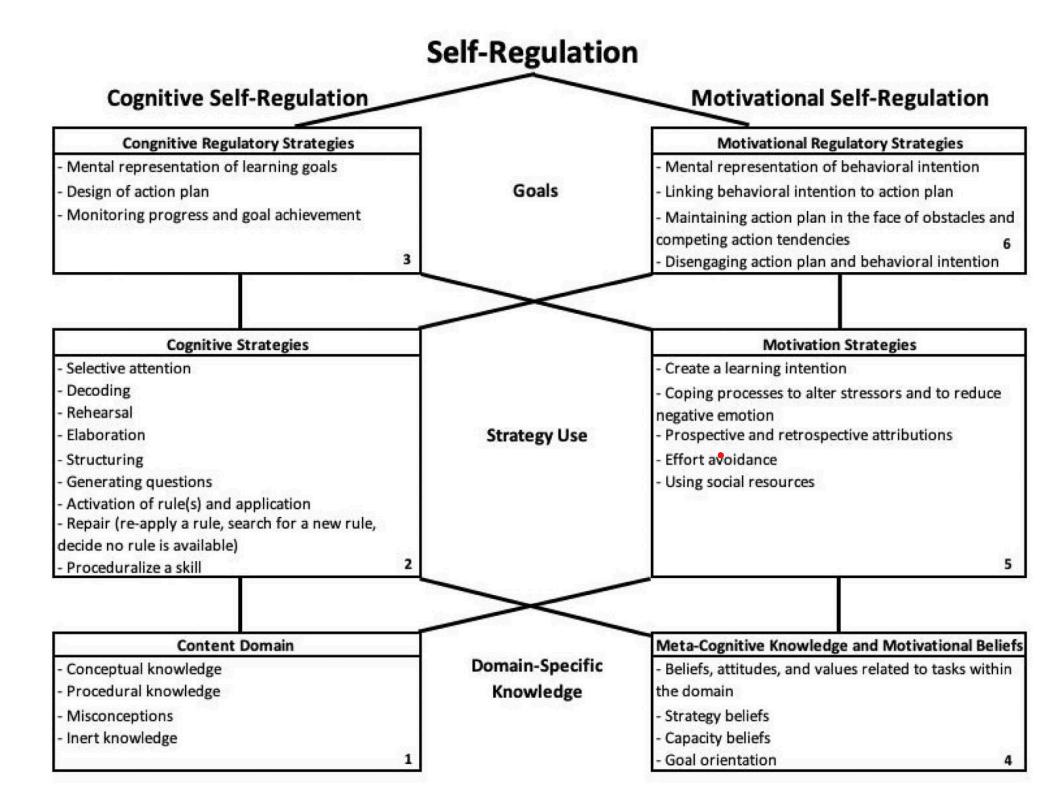
Selfregulationistheabilityto“engageactively,adapt, effectively,andtransferlearningfromonecontexttoanother” (AnsellandSpencer461,2020).Self-regulatedlearnersdonotrely exclusivelyonacoach,butstrivefortheirowngoalsintherelative absenceofoutsideinfluences.AsshowninFigure1,therearetwo kindsofselfregulation:cognitiveandmotivational;eachhaving threecomponents.Cognitiveselfregulationreferstotheabilityto managethelearningprocesstoachievegoals.Thiscaninvolve planning,focusing,resistingdistractions,solvingproblems,and adapting(Boekaerts107,1996).Motivationalselfregulationrefers tobehaviorssuchasinclination,sensitivity,choice,levelandtime ofinvolvement,andeffortexpenditure(Boekaerts107,1996). UsingBoekaertsasatheoreticallens,AnsellandSpencerwanted togiveadeeperexplorationintofeedbackespeciallyfromthe perspectiveofyouthathletes,encourageathletestocommunicate howtheyareexperiencingfeedback,addresssituationswhere athletesareencouragedtoregulatetheirownperformance,and emphasizetheimportanceofpositiveengagementand
development(AnsellandSpencer462,2020).Theyfoundthat reflectiveandexplanatoryfeedbackencouragesathletestothink aboutwhattheyaredoingandwhywiththeintentionofmaking thembetterhockeyplayersandbetterpeople(AnsellandSpencer 467,2020).Thistypeoffeedbackisparticularlyadvantageous becauseitsupportsautonomyanddeeperlearningformore successfulfutureperformances,especiallysincemanyyoung playersdesiretoplayjuniorand/orcollegiatehockey.
TosupportAnsellandSpencer’sstudy,researchshowsthat goalorientationplaysacriticalroleinanathlete’sexperiencewith thesport.Toillustratethis,Schneideretal.exploredgoal orientationonateamof28divisiontwomalecollegehockey playersintheAmericanCollegiateHockeyAssociation(ACHA). Althoughthisstudywasconductedoncollegiateathletes,their findingsonhowgoalorientationcanaffectenjoymentarealso
Figure 1: Adapted Model of Self Regulation (Ansell and Spencer, 2020)
applicabletoyouthhockeyplayersforthepurposesofthispaper. Therearetwotypesofgoalorientations:task-orientedand ego-oriented.Anindividualwhoistask-orienteddefinessuccess andevaluatesperformancebasedontaskmastery,developmentof skills,gainingknowledge,exertingmaximumeffort,andachieving thebestperformance(Schneider,Ray,etal.,2017).Ontheother hand,anindividualwhoisego-orientedassessestheirperformance incomparisonwithothers.Therefore,theytendtodemonstrateless concernfortheprocessofcompetitivesport(Schneider,Ray,etal., 2017).Todetermineifanathletewastaskoregooriented,the authorsutilizedtheTaskandEgoOrientationQuestionnaire (TEOSQ).Afterwards,theydistributedthePhysicalActivity EnjoymentScales(PACES)tomeasurehowmanyplayersenjoyed participatingincollegehockey.Theresultsindicatedthatcollege hockeyplayerswithtask-orientationwillenjoyparticipatingand playingcollegehockeymorethanplayerswithego-orientation withaveragescoresof83.4and72.6ontheenjoymentscale respectively(Schneider,Ray,etal.,2017).Thisisbecause enjoymenthasbeenfoundtobeaprimarypredictorofsport commitment.Sincetaskorientationinvolvesthepurposeof gainingskillorknowledgeandperformingone’sbest,itismore likelytofostersustainedparticipationforathletesthatreachhigher levelsofcompetition(Schneider,Ray,etal.,2017).Ineliteyouth hockeyenvironments,excessiveemphasisonevaluativemetrics mayunintentionallyreinforceegoorientation,potentially diminishingenjoyment,commitment,andintrinsicmotivationto participate.Itisimportanttohaveyoungplayersbetask-oriented sothattheycanfocusontheoveralleffortandlearningabilitiesof theteam,andnotsolelyfocusonanindividual’sabilitytoperform betterthanothers.
Additionalresearchoneliteyouthhockeyalsoemphasizes theimportanceofholisticenvironmentsthatbalanceperformance withwell-being.Forexample,Prestonetal,exploredhowcoaches’
capabilitiesandmotivationsinfluencedtheirabilitytofoster positiveyouthdevelopment(PYD)ineliteyouthhockey,where performancesuccessisincreasinglyplacedatoddswithyouth psychologicaldevelopment.ThestudyobservedfourAAAhead coachesinOntariooverthecourseofoneseason.Theyfoundthat coacheswerecapableandmotivatedtofosterthepersonal developmentoftheirplayers,buttheperformance-oriented structureofminorhockeyinCanadameantthatacoach’s motivationtofacilitateplayerdevelopmentwasoverruledbythe desiretowin(Prestonetal.,2019).Inparticular,theauthors observedthattheyoungestagegroupspentthemajorityoftheir practicetimelearningadvancedteamsystems(likebreakoutsand powerplays)ratherthandevelopingfundamentals(likeskating skills,basicpassing,shooting,etc.)ortacticalskills(likepuck supportandsmall-areapassingplays)(Prestonetal.313,2019). Thisemphasizesthedifficultythatcoachesineliteyouthsportface whenitcomestobalancingPYDandperformancerelatedgoals.
Together,thesestrandsofliteratureraiseimportant concernsabouttheprematureapplicationofelite-levelanalyticsto youthhockey.Whiledataanalyticscanprovidefeedbackto supportlearning,excessivemeasurementandcomparisonmay underminethedevelopmentalpurposeofyouthsports.An importanttakeawayfromthissectionisthatdevelopmentand performancesuccessdonotneedtobemutuallyexclusive.
Focusingonfosteringathletedevelopmentcanprovideathletes withopportunitiestohaveautonomyandintrinsicmotivationto train,therebyalsoenhancingtheirabilitytoperform(Prestonetal., 2019).Assuch,anyapplicationofanalyticsinyouthhockeymust carefullybealignedwiththeirpsychologicalanddevelopmental needs,asoutlinedinthissection.
Section 3: Current Technology and Data in Youth Sports
Assportstechnologybecomesmoreandmoreadvanced, youthprogramsincreasinglyhavemoreaccesstotoolssuchas
wearablesensors,videoanalysisplatforms,andperformance dashboards.Intheory,datacanserveasaneducationalresourcefor helpingathletesunderstandabstractconceptsthroughvisualization andmeasurableindicators(Lambrixet.al,2025).However, scholarscautionagainstuncriticaladoption(Jones,2022).Ethical concernssurroundingsurveillance,dataownership,andearly specializationhaveemergedalongsidetechnologicaladvancements (YanandCharbonnier).Youngathletesoftenlackthecognitive maturitytointerpretcomplexmetricsindependently,makingthem vulnerabletomisinterpretationandunduepressure.Without appropriatemediation,analyticsriskbecomingevaluative scorecardsratherthandevelopmentalsupports(YanandRice).
Methodology:
Theauthorconductedtwoseparatecasestudies:oneforan elitecollegiatehockeyenvironmentandoneforaneliteyouth hockeyenvironment.Themainpurposeofthesecasestudieswas toexaminehowdataanalyticsisexperienced,interpreted,and valuedbymalehockeyplayersacrossdifferentlevelsofplayand stagesofdevelopment.Aqualitative-centeredapproachwasused becausetheresearchquestionswerecenteredaroundperception, meaning,andcontextualusesofanalyticsratherthanjust measuringstatisticaleffects.Thereforethismulti-methodresearch designofferedthemostappropriatemethodforcapturingnuanced perspectives.
Research Design:
Interpretivedescription(ID)andhuman-centereddesign wereemployedfortheinterviewstobridgethegapbetween generalknowledgeandpracticalapplication.IDexploreshuman experiencesbyinterpretinginterviews,documents,ormedia throughspecifictheoreticallenses,aimingtounderstandhow peopleexperiencetheworldwithintheircontext(Thorne,2016). AlthoughtheoriginsofIDareintheareaofnursingandsocial services,therearerelevantapplicationswithinthecontextofsport
aswell.Thereisalsoanassumptionthateveryviewexpressedby eachparticipantholdstruth.Thisallowstheprioritizationofthe voicesofparticipantsforanalysisoftheinterviewdata(Denzin andLincoln,2013).
Theauthorutilizedsemi-structuredinterviewsasher primarymethodofdatacollectionforthecollegiatehockeycase study.Semi-structuredinterviewsareakeyaspectof human-centereddesignandallowforconsistencyacross participantswhilealsoprovidingflexibilitytoprobeindividual experiences,clarifyresponses,andexploreemergentthemes (IDEO,2015).Human-centereddesignwasparticularlyimportant giventhecomplexandoftensubjectiverelationshipathleteshave withanalytics,intuition,andperformancefeedback.
Fortheyouthhockeycasestudy,theauthorconducted semi-structuredinterviewswiththeteam’sheadcoach.Butin addition,theprimarymethodofdatacollectionwasfrom observationalnoteson49ing,aSwedishdataminingcompanythat utilizesArtificialIntelligence(AI)andcomputervisionto automateplayertracking,real-timegameanalysis,andadvanced statisticalanalysis(49ing,2016).AsshowninFigure2,the platformhasaccesstogamevideofootage,keygamesituations, videotagging,andadvancedstatsdebriefing.Althoughthe platformisusedforprofessionalleaguesandjuniorleagues,this paperfocusesontherecentexpansionofthisplatformintothe youthsphere.Ratherthanservingasanexternalevaluator,the authorservedasan“assistantcoach”andapractitioner-observer. Theauthorwasabletodirectlyengagewiththeimplementation andinterpretationofanalyticsthroughthe49ingplatform, allowingforreal-timeobservationofhowdatainfluencedcoaching behaviorandathleteresponse.
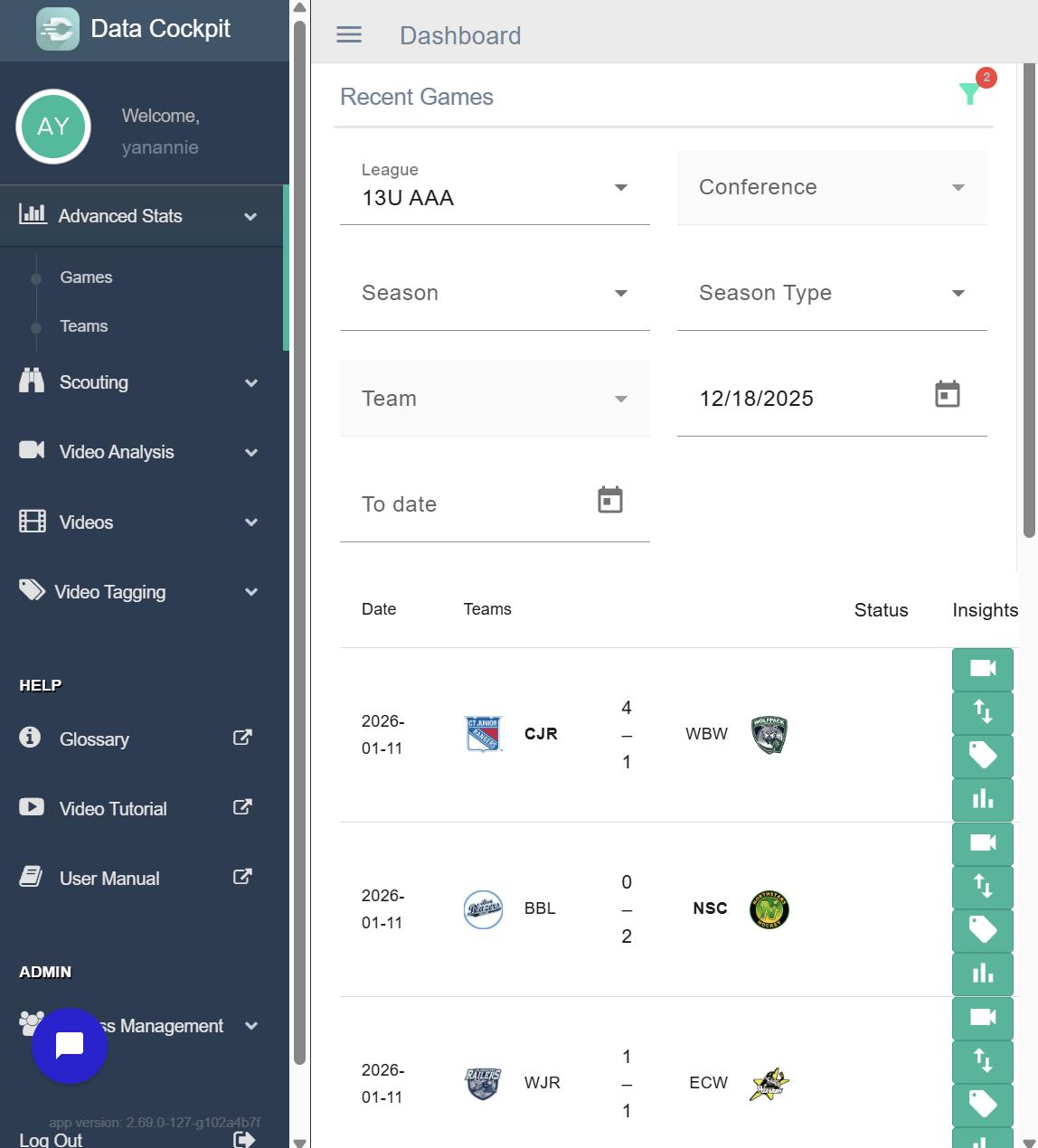
Figure 2: 49ing Main Dashboard
Thenatureofthisresearchisexploratoryanddesignedto directlyaddressthethreeresearchquestionsoutlinedinthe introduction.Specifically,thestudyseekstounderstand1)how analyticsareframedandinterpretedatdifferentdevelopmental stages,2)whatbarriersandopportunitiesexistineliteyouth hockeyenvironments,and3)whichdimensionsofperformance youthanalyticscurrentlyoveremphasizeorneglect.Therefore,the purposeofthecasestudiesistoidentifypatternsinhowathletes andpractitionersunderstandandexperienceanalyticsacross developmentalstages.Thedesignofthisresearchalignswithprior qualitativeworkdoneinyouthsportpsychologyandathlete development,whichprioritizeslivedexperienceandreflective
insightasvalidsourcesofinformation(Sparkes2014).
Context and Participants:
Interviewswereconductedwithtwocollegiatehockey playersandoneyouthhockeycoach.Forconfidentiality,collegiate playersarereferencedusingpseudonyms.ColeMcAllisterand RyanO’DonnellcurrentlycompeteintheNCAA,whileCoach Riceworkswithaneliteyouthhockeyteam.Thetwoparticipants forthecollegiatecasestudywereselectedthroughpurposiveand conveniencesamplingtoensuredirectexposuretoadvanced analyticswithincollegehockey(Sparkes,2014).Accessto participantswerefacilitatedthroughacademicandpersonal connectionswiththeauthor,allowingforcandiddiscussionand sufficientdepth.Theteamwhichtheparticipantswererecruited fromplayintheNCAAattheDivision1levelforalargeprivate universityontheeastcoastoftheUnitedStates.Tocomplywith institutionalguidelines,theuniversityisdescribedgenerically ratherthannamedexplicitly.Theseparticipantswereselected becausetheyhaveextensiveexperienceineliteyouthhockey, juniorleagues,andDivision1competition,makingthemwell positionedtoreflectonanalyticsacrossdevelopmentalstages.The universitytheyplayforwaschosenasafocalcontextbecauseof itscompetitivestaturewithinNCAAhockeyanditsintegrationof analyticsintoteamoperations.Althoughthesamplesizeislimited, thestudyprioritizesdepth,credibility,andinsightover generalizability.
Theparticipantsintheyouthhockeycasestudywerealso selectedusingpurposiveandconveniencesampling(Sparkes, 2014).Thehockeyteamthatagreedtotakepartinthisresearch wasacompetitiveclubteamthatconsistedofmaleplayers,bornin 2012,fromtheMassachusettsarea,thatcompetedattheAAA level.Theteamhadaweeklyschedulethatinvolved3-4practices and2-3gamesontheweekends.Thecasestudywasconducted towardthebeginningoftheircompetitiveseason.Theauthorhad
familialconnectionswiththeteamwhichafforded“advantages associatedwithhavinginsiderprivilege,includingmore straightforwardaccesstoinformation,consultation,and backgroundcontextualinformation”(Thorne118,2016).Consent wasreceivedfromtheheadcoachandfortheprotectionofthe minorsinvolved,playerswillremainanonymous.
Data Collection:
Allinterviewsconductedweresemi-structured,consisting ofopen-endedquestions.Thequestionsweredevelopedusingthe informationoutlinedinthebackgroundsectionandthetheoretical lenses.Theinterviewswereconversationalandallowed participantstoelaboratefreelyontheirownexperiences.The questionsweremeanttoexplorethetensionsbetweendata-driven evaluationandhumanjudgement.Adetailedinterviewguidewith questionsisprovidedintheappendixsection.
Forthecollegiateparticipants,topicsincluded:
● Typesofanalyticsanddatatoolsusedbytheteam
● Personalperceptionsoftheusefulnessandlimitationsof analytics
● Thebalancebetweenstatisticalfeedbackandinstinctual decision-making
● Reflectionsonhowanalyticscouldorshouldbeappliedin youthhockey
● Perceivedrisksassociatedwithearlyexposureto performancedata
Fortheyouthheadcoach,topicsincluded:
● Currentanalyticspracticesusedbytheteam
● Balancinganalyticswithhiscoachingintuitionand experience
● Opportunitiesforcreatingnewvalueinplayerdevelopment Aftereachinterview,theauthortookobservationalnotes. Interviewswererecordedandtranscribed.Interviewslasted between7to12minutesandwereconductedoverZoom.
Fortheyouthcasestudyspecifically,theauthorcollected datathroughparticipantobservationandfieldnotes.Theauthor soughttounderstandhowdatawascommunicatedtoathletesand howathletesindependentlyinteractwiththe49inginterface. Observationsweredocumentedthroughouttheseasonand providedpracticalevidenceofhowanalyticsfunctioninanelite youthhockeysettinginrealtime.
Data Analysis:
Allinterviewsweretranscribedandanalyzedusing thematiccoding,asperThrone’sguidetoIDinqualitativeresearch (Thorne,2016).Thefirststepinvolvedreadingthetranscripts multipletimestoidentifyconceptsandthemesforeachparticipant. Next,aninitialroundofopencodingidentifiedrecurringconcepts relatedtocompetition,development,evaluation,andmotivation. Thesecodeswerethengroupedintohigher-orderthemesaligned withtheresearchquestions,including“optimizationlogic,” “developmentalframing,”and“perceivedpressure.”Thefinalstep involvedacross-casecomparisonandaniterativeanalysis,which movedbetweeninterviewdataandtheinformationinthe “Background”section.Thisprocessallowedtheinterviewinsights tobeinterpretedwithintheredoceanvs.blueoceananddisruptive innovationtheoreticalframeworks.Ratherthantreatinginterviews asstandaloneevidence,theyfunctionedasappliedcasestudy materialthateitherreinforcedorcontradictedexistingliterature.
Quality Standards and Limitations:
Variousmeasuresweretakeninordertoensurethequality andcredibilityofthefindings.Firstandforemost,participants wereselectedbasedontheirdirectexperiencewithanalyticsand elitelevelhockey,ensuringrelevancetotheresearchquestions. Second,interviewdataandobservationsweretriangulatedwith academicandindustryliteraturetoavoidoverrelianceonanecdotal evidence.
Nevertheless,severallimitationsmustbeacknowledged.
First,thecollegiatecasestudyincludesasmallsamplesizedrawn fromasingleDivision1program,limitingtransferabilitybeyond comparableeliteenvironments.Second,whilequalitativeresearch prioritizesdepthoverbreadth,relianceontwoprimarycollegiate participantsmayamplifyindividualperspective.Tomitigatethis, interviewfindingswereconsistentlytriangulatedwithyouthcase studyobservationsandexistingliterature.Third,theauthor’s positionalityintheyouthhockeycasestudyintroducespotential biasandmaybeinfluencedbypersonalinvolvement.
Cross-referencingwithcoachinterviewswereusedtoreduce subjectiveoverinterpretation.
Theselimitationsareinherenttoqualitativeresearchand themethodologyiswellsuitedtothisthesis’scentralobjective: understandinghowanalyticsareexperiencedbyathletesandhow thoseexperiencescaninformamoredevelopmentallyappropriate applicationofdatainyouthhockey.
Findings:StrategicReframingofAnalyticsAcross DevelopmentalStages:
Thefindingsdemonstratethatanalyticsdonotfunction uniformlyacrosslevelsofplay.Instead,theirmeaningandimpact arecontingentoncontext,framing,andinstitutionalobjectives. Threecentralthemesemerged:1)analyticsasoptimizationlogic, 2)analyticsasdevelopmentalscaffolding,and3)misalignment betweenevaluativemetricsandyouthmotivation.Together,these themesillustratethatyouthhockeyanalyticsarenotsimply scaled-downversionsofcollegiatesystemsbutoperatewithina fundamentallydifferentvaluesystem.
Analytics as Optimization Logic in College Hockey:
AttheDivision1level,analyticsaredeeplyembedded withinacompetitiveoptimizationsystem.Interviewparticipants describedroutineexposuretopost-gamedatareportsfroma companycalledInstat,whichcontainsteamstatslikeodd-man rushes,expectedgoalsforandagainst,andevenadvancedmetrics
forindividualplayers.Theyalsostatedthattheteamhadregular meetingswherethecoacheswentthroughalltheirsituational rankingsrelativetootherNCAAteams(YanandO’Donnell;Yan andMcAllister).Thesereportsprimarilyfunctionasbenchmarking tools,allowingplayersandcoachestocontextualizeperformance withinahighlycompetitiveredoceanenvironment.
O’Donnellemphasizedthatanalyticsoftenvalidateor challengesurface-leveloutcomes,notingthatteamscanstillwin gameswhileunderperforminganalyticallyorviceversa.Forhim, dataservesasacorrectivelens,reinforcingaccountabilityand discouragingcomplacency.Hestates,“Obviouslyyouhavea generalfeelforhowyouplay,butthenyouhavetheseintricate statsandanalysisthatbackitup”(YanandO’Donnell).O’Donnel seesanalyticsaswaystohelpidentifyinefficienciesandsupport strategicadjustments.Thisreflectsredoceandynamics: competitionwithinestablishedruleswheredifferentiationoccurs throughincreasinglygranularperformancemeasurement(Chan KimandMauborgne,2005).
Importantly,evenwithinthissystem,playersacknowledged limitedquantification.Forexample,McAllisterbelievesthatthe coacheshavemoredatatoworkwiththantheteamactuallyneeds. Althoughhefrequentlynotedthathe’s“notahugeanalyticsguy,” McAllisterdidstatethatanalyticscanserveasagoodbenchmark. Analyticswereimportantforhim,buttheyweren’t“thewhole pieceofthepie”(YanandMcAllister).Bothparticipants emphasizedthatinstinctandcreativitywereirreducibleelements ofhockeyperformance(Jones,2022).
Developmental Framing in Youth Hockey:
Incontrast,theeliteyouthcasestudyrevealedthat analyticscanfunctionasinstructionalscaffoldingwhen intentionallyframedaroundgrowth.CoachRicestatedthatmetrics alonewereultimatelyinsufficientforcapturingpace,pressure, creativity,ordecision-makingunderconstraints.Thisrelianceon
thehumanelementofthegamealignswithcritiquesinthe backgroundsectionregardingtherelevanceof“theeyetest.” Youthplayersnotedthatinstinctandintuitionareparticularly criticalinafast-pacedsportwhereoverthinkingcanbe detrimental.Whenanalyticsaremisinterpretedoroverly emphasized,playersnotedariskofplayingcautiouslyoravoiding mistakesratherthanreactingnaturally,whichalignswiththe concernsofthecollegiateplayersaswell(YanandMcAllister).
Additionally,coachesusedvideoanalysisandlimited indicatorstoreinforceteachingthrough49ing.Coacheshave accesstoalldatapointsandrankings,butplayerscannotseetheir rankingsincomparisontotheirteammates.Observableoutcomes includedincreasedengagement duringreviewsessionsand reflectivediscussionsasplayershadaccesstotheirown49ing accounts.Coacheswerealsoabletocommunicateconceptsmore effectivelyandexplainwhytheymatter.Forexample,simplified visualsummariesandshotmapspromptedconversationsabout positioninganddecision-making.ThisalignswithAnselland Spencer’sfindingsthatcoach-mediatedfeedbackenhances self-regulationwhenframedaroundlearning.Inthisenvironment, analyticssupportedPYD:competence,autonomy,andengagement (Prestonetal.,2019).Whenalignedwithdevelopmental objectives,analyticscanraiseengagementandself-awareness withoutintensifyingcompetitivepressure.
Evaluation Structures Create Motivational Risk:
Despitedevelopmentalintent,cognitiveoverloadwasakey barrier.Bothcollegiateplayerswereaskedabouttheirpersonal experienceplayingyouthhockey.Theyreflectedthatthinking aboutmetricsduringplaywouldimpairtheirperformanceifthey wereyouthathletes.O’Donnellfeltthatanalyticscould’vehelped himbecauseitwould’veallowedhimtolearnconceptsfasterthan someonewhodidn’thaveaccesstoin-depthstats.However,he emphasizedthatfunandintrinsicmotivationareessentialfor
long-termdevelopment.Hesaidthatanalyticsmighttakeaway from“whyyoureallyplaythegame.[...]It'ssupposedtojustbea gameattheendoftheday,andyou'resupposedtohavefunand reallyenjoyit.Ithinkthat'sprobablyoneofthemostimportant thingsforyouthathletestodevelopapassionforit”(Yanand O’Donnell).McAllisterontheotherhandfirmlybelievedthat analyticswouldnothaveaffectedhisdevelopmentatall.Most notablystatingthat,“I'veseenplayersinalldifferentwalksoflife withalldifferenttrainingtools.I'veseenguyswiththebestaccess toanalyticsandvideoandcoachingandgadgetsandstuff.They don'tturnintogoodplayers.WhereasI'veseenguyswho[...]have grownupinthemiddleofnowherewhohavejustfocusedon playingandI'veseenthembecomeelite,eliteathletes.SoIthinkit really,itreallykindofcomesfromthekid,notthetools”(Yanand McAllister).
CoachRicesupportedthisbecausehesawanalyticsas mostvaluabletohisteamwhenusedpost-gameorduring structuredreviewsessions,ratherthanamotivationaltool.Overall findingssuggestthatthepresenceofanalyticsisnotinherently problematic;rathertheriskariseswhenyouthsystemsadoptred oceanperformancecriteria.Withoutintentionaldesignchoices, youthanalyticsdefaulttowardcompetitiveevaluation.The followingsectiontranslatesthesefindingsintoavaluecurveto articulatehowyouthhockeyanalyticscanbecomeadistinct marketcategoryratherthanadownstreamapplicationofcollegiate systems.
ImplicationsandFutureDirections:
Collegehockeyanalyticsarehighlysophisticatedand primarilyusedforperformanceevaluationandgameassessment. Youthhockeycannot(andshouldnot)replicatethismodelwith thatamountofvolumeandintensity.Analyticsinyouthsettings shouldbeusedforreflectionandlearningratherthangradingand ranking.Interviewfindingsconsistentlyemphasizedtheneedfora
human-databalance,becauseattheendoftheday,“you'restillin thelockerroomwithabunchofguysnotthinkingaboutthedata you'regoingtoreceiveafterthegame”(YanandO’Donnell).Ata youngage,thisbalancebecomesevenmorecritical.CoachRice emphasizedthatyouthathleteslackthecognitivematurityto contextualizenumbersindependentlyinthesamewaythat collegiateathletescan,reinforcingtheimportanceofcoach-guided interpretation.Analyticsarenotdeterministicpathwaystosuccess. Theyaresupporting,notthefocalpointofyouthhockey.
Intermsoffuturedirections,furtherresearchcouldinvolve conductingasimilarstudywithdifferentagegroups,genders, differentlevelsofcompetition,ordifferentsocioeconomic contexts.Thismaybringingroupdifferenceswithimplicationsfor howtheuseofanalyticsdiffersacrosscontexts.
Ethical Considerations:
Whilethisthesispositionsyouthanalyticsasastrategic opportunity,expansionintodevelopmentalenvironments introduceslegitimateconcerns.Interviewparticipantsandexisting scholarshipraisesquestionsregardingdataownership,earlytalent labeling,surveillance,parentalpressure,algorithmicbias,andthe long-termimplicationsofdigitalathleteprofiling.
Youngathletesareminors,andtheaccumulationof performancedataovertimemaycreatedigitalrecordsthat influencefutureopportunitiesinopaqueways.Earlymetric visibilitycouldunintentionallyreinforcefixed-abilitynarratives, contradictingdevelopmentalmodelsthatemphasizegrowthand adaptability.Additionally,algorithmicsystemstrainedonelite performancedatariskembeddingstructuralbiasesthatmay disadvantagelate-developingathletesorunderrepresentedgroups (YanandCharbonnier).
Fromastrategicstandpoint,theseconcernsdonot invalidateyouthanalytics,buttheydoimposeethicaldesign constraints.Addressingtheseissuesproactivelystrengthensthe
caseofyouth-focusedanalyticsasadistinctmarketcategory–one groundedinbothstrategicdifferentiationandethicalresponsibility. Conclusion:
Thereisnodoubtthatdataanalyticswillcontinuetoshape thefutureofhockeyacrossalllevelsofplayanditwillcarrymore andmoreweight.Thestrategicquestion,however,isnotwhether analyticsbelonginthesport,buthowvalueisdefinedandfor whomitiscreated.Thisthesisarguesthatwhileanalyticsservea clearcompetitivefunctionincollegeandprofessionalhockey,their greatestuntappedpotentialliesinyouthdevelopment.
Evidencefromcollegiateathletesdemonstratesthatevenat elitelevels,analyticsarethemosteffectivewheninterpreted throughhumanjudgement,instinct,andcontext.Observations fromtheyouthhockeycasestudyfurthershowthatanalyticscan enhancelearningwithouthinderingathletedevelopmentwhenthe processiscoach-mediated.Thesefindingssuggestthatthe developmentalpotentialofanalyticsliesnotingreaterprecision, butinpurposefuldesign.
Fromastrategicperspective,thefindingssuggestthatthe futureofhockeyanalyticsmaynotliesolelyindeeper optimizationattheprofessionallevel,butinredefininghowdata supportslearninganddevelopmentatearlierstagesofthesport’s pipeline.Organizationsthatdesignanalyticssystemsspecifically foryouthdevelopmentmaynotsimplyimproveplayeroutcomes, buttheymayalsocreateanentirelynewcategoryof developmentalsportstechnology.
Ultimately,hockey’snextcompetitiveadvantagemaynot comefromwinningthe“dataarmsrace,”butfromredefiningwhat “winning”reallymeans.Byreframinganalyticsastoolsfor developmentratherthanevaluation,thesportcanexpandits developmentalecosystem,reduceburnout,andcreatenewmarket space.Indoingso,analyticscouldshiftfrommeasuring performancetoenablingit;supportingathletesnotjustinplaying
betterhockey,butinstayinginthegamelongterm.Attheendof theday,datashouldservetheathlete,nottheotherwayaround.
49ing,2016, www.49ing.ai/#:~:text=49ing%20is%20the%20official%20 data,national%20teams%20to%20youth%20programs.
Ansell,DallasB.,andNancyL.Spencer.“‘thinkaboutwhat you’redoingandwhyyou’redoingit’:Coachfeedback, athleteself-regulation,andmaleyouthhockeyplayers.” Journal of Applied Sport Psychology,vol.34,no.3,8Sept. 2020,pp.459–478, https://doi.org/10.1080/10413200.2020.1813835.
Berglund,Brant.“SSAC24:InsidetheGlass:TheMakingofNHL EdgeIQ.” YouTube,2024,youtu.be/U2KOabZjfPo.
Boekaerts,Monique.“Self-regulatedlearningatthejunctionof Cognitionandmotivation.” European Psychologist,vol.1, no.2,Jan.1996,pp.100–112, https://doi.org/10.1027/1016-9040.1.2.100.
Bower,Joseph L,andClayton MChristensen.“Disruptive Technologies:CatchingtheWave.” Harvard Business Review ,1995,pp.43–53.
ChanKim,W.,andRenéeMauborgne.“Valueinnovation:Aleap intotheBlueOcean.” Journal of Business Strategy,vol.26, no.4,Aug.2005,pp.22–28, https://doi.org/10.1108/02756660510608521.
Denzin,NormanK.,andYvonnaS.Lincoln. The Landscape of Qualitative Research.SAGEPublications,2013.
The Field Guide to Human-Centered Design: Design Kit.IDEO, 2015.
Jones,Chris. The Eye Test: A Case for Human Creativity in the Age of Analytics.Twelve,2022.
Lambrix,Patrick,etal.“Goal-basedperformancemetricsforice hockeyaccountingforgoalimportance.” Journal of Sports Analytics,vol.11,Jan.2025, https://doi.org/10.1177/22150218241290987.
Preston,Cassidy,etal.“Facilitatingpositiveyouthdevelopmentin EliteYouthHockey:Exploringcoaches’capabilities, opportunities,andmotivations.” Journal of Applied Sport Psychology,vol.33,no.3,12Aug.2019,pp.302–320, https://doi.org/10.1080/10413200.2019.1648327.
Schneider,Ray,etal.“GoalOrientationandHowaTaskor EgoMentalityCanAffecttheEnjoymentforCollege HockeyPlayers.” College Student Journal,vol.51,no.1, Mar.2017,pp.57–62. EBSCOhost, research.ebsco.com/linkprocessor/plink?id=003456de-4e88 -3d62-9acc-68a50b503e64.
Sparkes,AndrewC. Qualitative Research Methods in Sport, Exercise and Health: From Process to Product.Routledge, 2014.
Thorne,Sally. Interpretive Description Qualitative Research for Applied Practice Sally Thorne Aut.Routledge,Taylor& FrancisGroup,2016.
Yan,Annie,andBobRice.
Yan,Annie,andColeMcAllister.
Yan,Annie,andLorynCharbonnier.
Yan,Annie,andRyanO’Donnell.
AppendixwithInterviewGuide/Questions:
ForCollegiatePlayers:
Goal: Understandhowathletesexperienceandengagewith analyticsinacompetitiveenvironment.
BackgroundandExperience:
1. Canyoutellmeabitaboutyourselfandyourbackground asahockeyplayer?
CurrentAnalyticsUse
1. Whattypesofdatatoolsormetricsdoesyourteam currentlyuse?Whatkindsofdataorfeedbackdoyou personallyfindmostusefulforyourownperformanceor fortheteam?
2. Doplayersgettointerpretorworkwiththeirown individualdatareports,orisdatamostlyjustusedby coachesoranalysts?
Perception&Impact:
1. Howdoyoubalancethehumansideofthesport—like intuition,hockeyiq,orteamdynamics withanalytics? ApplicationtoYouthHockey/InnovationLens
1. Whichaspectsofcollege-levelanalyticscouldrealistically benefityouthhockeyprograms?Conversely,whataresome potentialrisksorchallenges?(cost,stress,fairness, accessibility)?
2. Ifyouhadaccesstothesekindsoftoolsasayouthplayer, howmightithaveaffectedyourdevelopment?
ForCoaches:
Background:
1) Tellmealittleaboutyourself:whatyourbackgroundis, howyougotinterestedincoachingyouthhockey,what yourownexperiencewaslikeplayinghockey
CurrentAnalyticsPractices
1. Whatkindsofdatadoyoucurrentlytrackforyourathletes? Whatdoyoupersonallyfindtobethemostusefulfromthis app?
2. Howdoyoubalanceanalyticswithyourowncoaching intuition?
Challenges&Barriers
1. Whatarethemainobstaclestousinganalyticsmore effectivelyinyourprogram(budget,expertise,time, culture)?
BlueOcean/InnovationPerspective
1. Couldanalyticsbereframedinyouthhockeytofocuson developmentandwellnessratherthanjustperformanceand competition?Doyouthinkthatthiscancreatenewvaluein thewaythatyouthprogramsoperateordifferentiate themselves?